WO2021044863A1 - 第1の無線局、第2の無線局、コアネットワークノード、移動端末、システム、方法、及びコンピュータに読み取り可能な非一時的記録媒体 - Google Patents
第1の無線局、第2の無線局、コアネットワークノード、移動端末、システム、方法、及びコンピュータに読み取り可能な非一時的記録媒体 Download PDFInfo
- Publication number
- WO2021044863A1 WO2021044863A1 PCT/JP2020/031490 JP2020031490W WO2021044863A1 WO 2021044863 A1 WO2021044863 A1 WO 2021044863A1 JP 2020031490 W JP2020031490 W JP 2020031490W WO 2021044863 A1 WO2021044863 A1 WO 2021044863A1
- Authority
- WO
- WIPO (PCT)
- Prior art keywords
- radio station
- mobile terminal
- handover
- information
- message
- Prior art date
- Legal status (The legal status is an assumption and is not a legal conclusion. Google has not performed a legal analysis and makes no representation as to the accuracy of the status listed.)
- Ceased
Links
Images




















Classifications
-
- H—ELECTRICITY
- H04—ELECTRIC COMMUNICATION TECHNIQUE
- H04W—WIRELESS COMMUNICATION NETWORKS
- H04W36/00—Hand-off or reselection arrangements
- H04W36/24—Reselection being triggered by specific parameters
- H04W36/32—Reselection being triggered by specific parameters by location or mobility data, e.g. speed data
-
- H—ELECTRICITY
- H04—ELECTRIC COMMUNICATION TECHNIQUE
- H04W—WIRELESS COMMUNICATION NETWORKS
- H04W4/00—Services specially adapted for wireless communication networks; Facilities therefor
- H04W4/30—Services specially adapted for particular environments, situations or purposes
- H04W4/40—Services specially adapted for particular environments, situations or purposes for vehicles, e.g. vehicle-to-pedestrians [V2P]
- H04W4/44—Services specially adapted for particular environments, situations or purposes for vehicles, e.g. vehicle-to-pedestrians [V2P] for communication between vehicles and infrastructures, e.g. vehicle-to-cloud [V2C] or vehicle-to-home [V2H]
-
- H—ELECTRICITY
- H04—ELECTRIC COMMUNICATION TECHNIQUE
- H04W—WIRELESS COMMUNICATION NETWORKS
- H04W36/00—Hand-off or reselection arrangements
- H04W36/0005—Control or signalling for completing the hand-off
- H04W36/0083—Determination of parameters used for hand-off, e.g. generation or modification of neighbour cell lists
-
- H—ELECTRICITY
- H04—ELECTRIC COMMUNICATION TECHNIQUE
- H04W—WIRELESS COMMUNICATION NETWORKS
- H04W36/00—Hand-off or reselection arrangements
- H04W36/08—Reselecting an access point
Definitions
- the present disclosure relates to a first radio station, a second radio station, a core network node, a mobile terminal, a system, a method, and a non-temporary recording medium readable by a computer.
- an unmanned aerial vehicle estimates the cell load of a base station, predicts whether the service requirement can be achieved based on the estimated load, and adjusts the movement based on this prediction.
- UAV unmanned aerial vehicle
- a management device that controls the flight of a flight device estimates a radio resource that can be allocated to the flight device by referring to the history of communication status of a plurality of base stations, and the radio resource is used.
- a technique for setting the flight route of the above-mentioned flight device so as to be larger than the required radio resource is disclosed.
- the flight path is adjusted based on the estimation, so that there is a gap between the estimation and the actual situation. In some cases it can be difficult to continue communication. As a result, for example, the drone in flight cannot be controlled, and safety cannot be guaranteed.
- An object of the present disclosure is to read to a first radio station, a second radio station, a core network node, a mobile terminal, a system, a method, and a computer to make it easier to continuously communicate with a mobile terminal in flight.
- the purpose is to provide a possible non-temporary recording medium.
- the first radio station is the handover according to the flight path information from the second radio station to the first radio station in the handover of the mobile terminal moving according to the flight path information.
- the second radio station controls the handover according to the flight path information from the second radio station to the first radio station in the handover of the mobile terminal moving according to the flight path information. It includes a control unit and a first communication processing unit that receives a message including information regarding acceptance of the handover without transmitting a request message for the handover.
- the core network node sends a request message for the handover according to the flight path information from the second radio station to the first radio station.
- a control unit for generating and a communication processing unit for transmitting the request message to the first radio station without receiving the request message from the second radio station are provided, and the request message is the first radio station.
- a radio station 1 transmits a message including information regarding acceptance of the handover to the second radio station without receiving the request message for the handover transmitted from the second radio station. , Trigger.
- the mobile terminal includes a flight control unit that controls the movement of the mobile terminal according to flight path information, and a second cell to the first radio station of the second radio station.
- a flight control unit that controls the movement of the mobile terminal according to flight path information
- a second cell to the first radio station of the second radio station.
- the message including the information regarding the acceptance of the handover is received without transmitting the request message for the handover.
- It includes a radio station and a communication processing unit that communicates with the radio station.
- the system includes a first radio station and a second radio station, and the first radio station and the second radio station are mobile terminals that move according to flight path information.
- the handover according to the flight path information from the second radio station to the first radio station is controlled, and the first radio station is transmitted from the second radio station.
- a message containing information regarding acceptance of the handover is transmitted to the second radio station without receiving the request message for the second radio station, and the second radio station sends the message without transmitting the request message. To receive.
- the method according to one aspect of the present disclosure is to control the handover according to the flight path information from the second radio station to the first radio station in the handover of the mobile terminal moving according to the flight path information, and the above-mentioned first. This includes transmitting a message including information regarding acceptance of the handover to the second radio station without receiving the request message for the handover transmitted from the radio station 2.
- the method according to one aspect of the present disclosure is to control the handover according to the flight path information from the second radio station to the first radio station in the handover of the mobile terminal moving according to the flight path information, and the handover.
- the method generates a request message for the handover according to the flight path information from the second radio station to the first radio station in the handover of the mobile terminal moving according to the flight path information. This includes the fact that the request message is transmitted to the first radio station without receiving the request message from the second radio station, and the request message is described by the first radio station. , Trigger to transmit a message including information regarding acceptance of the handover to the second radio station without receiving the request message for the handover transmitted from the second radio station.
- the method according to one aspect of the present disclosure is to control the movement of the mobile terminal according to the flight path information, and to move the mobile terminal from the second cell of the second radio station to the first cell of the first radio station.
- the second radio station that receives the message including the information regarding the acceptance of the handover without transmitting the request message for the handover, and the second radio station. Including communicating.
- the method from the second radio station to the first radio station is performed.
- Information on controlling the handover according to the flight path information and accepting the handover in the first radio station without receiving the request message for the handover transmitted from the second radio station. Includes transmitting a message including the above to the second radio station, and receiving the message at the second radio station without transmitting the request message.
- the program controls the handover according to the flight path information from the second radio station to the first radio station in the handover of the mobile terminal moving according to the flight path information, and the above-mentioned first.
- the processor is made to transmit a message including information regarding acceptance of the handover to the second radio station without receiving the request message for the handover transmitted from the radio station 2.
- the program controls the handover according to the flight path information from the second radio station to the first radio station in the handover of the mobile terminal moving according to the flight path information, and the handover.
- the processor is made to receive a message including information regarding acceptance of the handover without transmitting a request message for.
- the program generates a request message for the handover according to the flight path information from the second radio station to the first radio station in the handover of the mobile terminal moving according to the flight path information.
- the processor is made to execute the request message and the transmission of the request message to the first radio station without receiving the request message from the second radio station, and the request message is the first radio station. Triggering a radio station to transmit a message containing information regarding acceptance of the handover to the second radio station without receiving the request message for the handover transmitted from the second radio station. To do.
- the program according to one aspect of the present disclosure controls the movement of the mobile terminal according to the flight path information, and the above-mentioned from the second cell of the second radio station to the first cell of the first radio station.
- the second radio station that receives the message including the information regarding the acceptance of the handover without transmitting the request message for the handover, and the second radio station. Communicate and let the processor do it.
- the computer-readable non-temporary recording medium follows the flight path information from the second radio station to the first radio station in the handover of the mobile terminal moving according to the flight path information. Controlling the handover and transmitting a message including information regarding acceptance of the handover to the second radio station without receiving the request message for the handover transmitted from the second radio station. And, the program that causes the processor to execute is recorded.
- the computer-readable non-temporary recording medium follows the flight path information from the second radio station to the first radio station in the handover of the mobile terminal moving according to the flight path information.
- a program is recorded that causes a processor to control a handover and receive a message including information regarding acceptance of the handover without transmitting a request message for the handover.
- the computer-readable non-temporary recording medium follows the flight path information from the second radio station to the first radio station in the handover of the mobile terminal moving according to the flight path information.
- a program that causes a processor to generate a request message for handover and to transmit the request message to the first radio station without receiving the request message from the second radio station.
- the request message includes information regarding acceptance of the handover without the first radio station receiving the request message for the handover transmitted from the second radio station. Triggers to send a message to the second radio station.
- the computer-readable non-temporary recording medium controls the movement of the mobile terminal according to the flight path information, and the second cell to the first radio of the second radio station.
- the message including the information regarding the acceptance of the handover is received without transmitting the request message for the handover. It records a program that causes the processor to execute communication with the second radio station.
- FIG. 1 is an explanatory diagram showing an example of a schematic configuration of the system 1 according to the aspect of the present disclosure.
- the system 1 includes a core network (CN) 10, a control device 100, a radio station 500 and a mobile terminal 600.
- the system 1 may include a plurality of radio stations 500 and may include a plurality of mobile terminals 600.
- the system 1 is a mobile communication system and conforms to the technical specifications (Technical Specialization, TS) of 3GPP (Third Generation Partnership Project). More specifically, for example, the system 1 may comply with the 5th generation (5G) / NR (New Radio) technical specification (TS). Of course, System 1 is not limited to these examples.
- Core network (CN) 10 CN10 includes a plurality of core network (CN) nodes. Each of the plurality of CN nodes may be referred to as a network function (NF). For example, as shown in FIG. 1, CN10 includes a first CN node 200, a second CN node 300 and a third CN node 400.
- CN10 includes a first CN node 200, a second CN node 300 and a third CN node 400.
- the first CN node 200 manages at least one of the access and mobility of the mobile terminal 600.
- the second CN node 300 is used for a device located outside the CN10 (for example, an application function (AF)) to interact with the CN10.
- the third CN node 400 manages the session for the mobile terminal 600.
- CN10 is a 5G core network (5GC)
- the first CN node 200 is an AMF (Access and Mobility Management Function)
- a second CN is a 5G core network
- the node 300 is a NEF (Network Exposure Function)
- the third CN node 400 is an SMF (Session Management Function).
- the first CN node 200, the second CN node 300, and the third CN node 400 are not limited to the above-mentioned example.
- the CN10 may further include one or more CN nodes other than the first CN node 200, the second CN node 300 and the third CN node 400.
- the CN10 may include a plurality of first CN nodes 200, a plurality of second CN nodes 300, and a plurality of third CN nodes 400.
- the first CN node 200 that manages the mobile terminal 600 may be updated to another first CN node 200.
- the third CN node 400 that manages the session of the mobile terminal 600 may be updated to another third CN node 400.
- the radio station 500 is a node of a radio access network (Radio Access Network, RAN) and communicates with a mobile terminal (for example, a mobile terminal 600) located in the cell or coverage area of the radio station 500.
- a mobile terminal for example, a mobile terminal 600 located in the cell or coverage area of the radio station 500.
- the radio station 500 communicates with the mobile terminal using the radio resources assigned to the mobile terminal.
- the radio station 500 is an NG-RAN (Radio Access Network) node.
- the NG-RAN node may be gNB or ng-eNB, as defined in the 5G TS (eg, TS 38.300, TS 38.401), or is defined in the TS. It may be a node with another name.
- the gNB is a node that provides at least one termination of the NR user plane and control plane protocol for the UE (User Equipment) and is connected to the 5GC via the NG interface.
- the ng-eNB is a node that provides at least one end of the E-UTRA (Evolved Universal Terrestrial Radio Access) user plane and control plane protocol for the UE, and is connected to the 5GC via the NG interface.
- the two NG-RAN nodes may be directly connected to each other via an Xn interface.
- the radio station 500 may include a plurality of units (or a plurality of nodes).
- the plurality of units (or a plurality of nodes) include a first unit (or a first node) that processes an upper protocol layer and a second unit (or a second node) that processes a lower protocol layer. It may be included.
- the first unit may be referred to as a central unit (CU), and the second unit may be referred to as a distributed unit (DU).
- the first unit (central unit) may process an RRC (Radio Resource Control) layer, a SDAP (Service Data Adaptation Protocol) layer, and a PDCP (Packet Data Adaptation Protocol) layer.
- the second unit (dispersion unit) may process the RLC (Radio Link Control) layer, the MAC (Medium Access Control) layer, and the PHY (Physical) layer.
- the radio station 500 may be a single unit (or a single node).
- the radio station 500 may be one of the plurality of units (for example, one of the first unit and the second unit), and the other unit of the plurality of units (for example, one of the first unit and the second unit). For example, it may be connected to the first unit and the other of the second unit).
- the mobile terminal 600 communicates with the radio station.
- the mobile terminal 600 communicates with the radio station 500 when it is located in the cell or coverage area of the radio station 500.
- the mobile terminal 600 communicates with the radio station 500 using the radio resources assigned to the mobile terminal 600.
- the mobile terminal 600 can fly, and the control device 100 plans the flight of the mobile terminal 600.
- the control device 100 determines the flight path (flight path) of the mobile terminal 600, and the mobile terminal 600 moves along the flight path.
- the control device 100 may communicate with the mobile terminal 600 in flight to control the flight of the mobile terminal 600.
- the communication between the control device 100 and the mobile terminal 600 may be performed as communication of user data, that is, UP (User Plane) data, or may be performed as control signaling, that is, CP (Control Plane) signaling.
- UP User Plane
- CP Control Plane
- These communications may be made via predetermined nodes in the core network (CN) and radio access network (RAN) (ie, terminated as appropriate).
- CN core network
- RAN radio access network
- the mobile terminal 600 is also referred to as a PAV (Passenger Air Vehicle) or a manned aircraft (Manned Aircraft), and is capable of flying using a wireless communication network (for example, a wireless communication network using the 3GPP standard). It may be a body.
- PAV Passenger Air Vehicle
- Manned Aircraft manned aircraft
- the control device 100 generates flight path information (flight path information) for the mobile terminal 600, or acquires it from another device.
- Information including all or part of the flight path information may be referred to as a flight plan (flight plan), a flight profile (flight profile), or the like.
- the flight path information itself may be referred to as a flight plan, flight profile, or the like.
- the flight route information includes route information indicating the flight route of the mobile terminal 600 (for example, information indicating the position of one or more waypoints). The position of each of the one or more waypoints may be expressed as latitude, longitude, and altitude.
- the flight path information may include moving speed information indicating the moving speed (velocity) of the moving terminal 600.
- the movement speed information may indicate the horizontal movement speed (Horizontal velocity) of the mobile terminal 600 and the vertical movement speed (Vertical velocity) of the mobile terminal 600.
- the flight path information may further include other information such as time information indicating the time for flight of the mobile terminal 600.
- the time information may indicate the time at which the mobile terminal 600 passes for each of the one or more waypoints. Further or / or, the time information may indicate the flight time of the mobile terminal 600 in one or more sections, and each of the one or more sections may be a section between any two waypoints. Good.
- the mobile terminal 600 moves according to the flight path information.
- the flight path information may include information indicating a list of cells used in the flight of the mobile terminal 600.
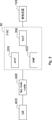
- FIG. 3 is an explanatory diagram for explaining an example of movement of the mobile terminal 600 according to flight path information.
- the mobile terminal 600 moves (ie, flies) from the starting point 20 to the destination point 30 along the flight path 40.
- the flight path 40 overlaps each cell 50 of the plurality of radio stations 500, and the mobile terminal 600 communicates via these radio stations 500 (for example, with the control device 100) when moving along the flight path 40. can do. That is, the mobile terminal 600 can communicate using the plurality of cells 50 (for example, with the control device 100) when moving along the flight path 40.
- the mobile terminal 600 uses one cell for each radio station 500 when moving along the flight path 40, but the aspect of the present disclosure is not limited to such an example.
- the flight path 40 may overlap with two or more cells of a radio station 500, and the mobile terminal 600 communicates using the two or more cells when moving along the flight path 40. May be good.
- the two or more cells may be cells in different areas (for example, cells in different sectors) or cells in different frequency bands.
- the mobile terminal 600 is a UE (User Equipment).
- the mobile terminal 600 may be referred to as an Aerial UE.
- the mobile terminal 600 may be a flight device (eg, drone or UAV) or a communication device attached to the flight device.
- the control device 100 is located outside the CN10.
- the control device 100 is an application function (AF).
- the example of the configuration of the system 1 according to the aspect of the present disclosure has been described above.
- the system 1 described above is, in particular, a system according to the first to fourth aspects described later, but may be a system according to another aspect (fifth to ninth aspects).
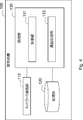
- FIG. 4 is a block diagram showing an example of a schematic configuration of the control device 100 according to the aspect of the present disclosure.
- the control device 100 includes a network communication unit 110, a storage unit 120, and a processing unit 130.
- the network communication unit 110 receives a signal from the network and transmits the signal to the network.
- Storage unit 120 The storage unit 120 temporarily or permanently (non-temporarily) stores the programs and parameters for the operation of the control device 100, as well as various data.
- the program includes one or more instructions for the operation of the control device 100.
- Processing unit 130 provides various functions of the control device 100.
- the processing unit 130 includes a control unit 131 and a communication processing unit 133.
- the processing unit 130 may further include other components other than these components. That is, the processing unit 130 may perform operations other than the operations of these components. Specific operations of the control unit 131 and the communication processing unit 133 will be described in each embodiment.
- the processing unit 130 communicates with another network node (for example, a core network node) via the network communication unit 110.
- another network node for example, a core network node
- the network communication unit 110 may be mounted by a network adapter, a network interface card, a transmitter, a receiver, and / or a transmitter / receiver.
- the storage unit 120 may be mounted by a memory (for example, a non-volatile memory and / or a volatile memory) and / or a hard disk.
- the processing unit 130 may be implemented by one or more processors.
- the control unit 131 and the communication processing unit 133 may be implemented by the same processor, or may be separately implemented by different processors.
- the memory (storage unit 120) may be contained in the one or more processors, or may be outside the one or more processors.
- the processing unit 130 and the storage unit 120 may be implemented by a controller, and the controller may include one or more processors and memories.
- the control device 100 may include a memory for storing a program (one or more instructions) and one or more processors capable of executing the program (the one or more instructions).
- the one or more processors may execute the above program to perform the operation of the processing unit 130 (the operation of the control unit 131 and / or the communication processing unit 133).
- the program may be a program for causing the processor to execute the operation of the processing unit 130 (the operation of the control unit 131 and / or the communication processing unit 133).
- the control device 100 may include a transmitter / receiver and a controller.
- the controller may perform the operation of the processing unit 130 (the operation of the control unit 131 and / or the communication processing unit 133), or may transmit / receive information or a message via the transmitter / receiver.
- the control device 100 may be virtualized. That is, the control device 100 may be implemented as a virtual machine. In this case, the control device 100 (virtual machine) may operate as a virtual machine on a physical machine (hardware) including a processor, memory, and the like and a hypervisor.
- a virtual machine may operate as a virtual machine on a physical machine (hardware) including a processor, memory, and the like and a hypervisor.
- FIG. 5 is a block diagram showing an example of a schematic configuration of the first CN node 200 according to the aspect of the present disclosure.
- the first CN node 200 includes a network communication unit 210, a storage unit 220, and a processing unit 230.
- the network communication unit 210 receives a signal from the network and transmits the signal to the network.
- Storage unit 220 The storage unit 220 temporarily or permanently (non-temporarily) stores the programs and parameters for the operation of the first CN node 200, as well as various data.
- the program includes one or more instructions for the operation of the first CN node 200.
- Processing unit 230 provides various functions of the first CN node 200.
- the processing unit 230 includes a control unit 231 and a communication processing unit 233.
- the processing unit 230 may further include other components other than these components. That is, the processing unit 230 may perform operations other than the operations of these components. Specific operations of the control unit 231 and the communication processing unit 233 will be described in each embodiment.
- the processing unit 230 communicates with another network node (for example, a radio station 500 or a core network node) via the network communication unit 210.
- another network node for example, a radio station 500 or a core network node
- the network communication unit 210 may be mounted by a network adapter, a network interface card, a transmitter, a receiver, and / or a transmitter / receiver.
- the storage unit 220 may be mounted by a memory (for example, a non-volatile memory and / or a volatile memory) and / or a hard disk.
- the processing unit 230 may be implemented by one or more processors.
- the control unit 231 and the communication processing unit 233 may be implemented by the same processor, or may be separately implemented by different processors.
- the memory (storage unit 220) may be contained in the one or more processors, or may be outside the one or more processors.
- the processing unit 230 and the storage unit 220 may be implemented by a controller, and the controller may include one or more processors and memories.
- the first CN node 200 may include a memory for storing a program (one or more instructions) and one or more processors capable of executing the program (the one or more instructions).
- the one or more processors may execute the above program to perform the operation of the processing unit 230 (the operation of the control unit 231 and / or the communication processing unit 233).
- the program may be a program for causing the processor to execute the operation of the processing unit 230 (the operation of the control unit 231 and / or the communication processing unit 233).
- the first CN node 200 may include a transmitter / receiver and a controller.
- the controller may perform the operation of the processing unit 230 (the operation of the control unit 231 and / or the communication processing unit 233), or may transmit / receive information or a message via the transmitter / receiver.
- the first CN node 200 may be virtualized. That is, the first CN node 200 may be implemented as a virtual machine. In this case, the first CN node 200 (virtual machine) may operate as a virtual machine on a physical machine (hardware) including a processor, memory, and the like and a hypervisor.
- a virtual machine including a processor, memory, and the like and a hypervisor.
- FIG. 6 is a block diagram showing an example of a schematic configuration of the second CN node 300 according to the aspect of the present disclosure.
- the second CN node 300 includes a network communication unit 310, a storage unit 320, and a processing unit 330.
- Network communication unit 310 The network communication unit 310 receives a signal from the network and transmits the signal to the network.
- Storage unit 320 The storage unit 320 temporarily or permanently (non-temporarily) stores the programs and parameters for the operation of the second CN node 300, as well as various data.
- the program includes one or more instructions for the operation of the second CN node 300.
- Processing unit 330 provides various functions of the second CN node 300.
- the processing unit 330 includes a control unit 331 and a communication processing unit 333.
- the processing unit 330 may further include other components other than these components. That is, the processing unit 330 can perform operations other than the operations of these components. Specific operations of the control unit 331 and the communication processing unit 333 will be described in each embodiment.
- the processing unit 330 communicates with another network node (for example, the control device 100 or the core network node) via the network communication unit 310.
- another network node for example, the control device 100 or the core network node
- the network communication unit 310 may be mounted by a network adapter, a network interface card, a transmitter, a receiver, and / or a transmitter / receiver.
- the storage unit 320 may be mounted by a memory (for example, a non-volatile memory and / or a volatile memory) and / or a hard disk.
- the processing unit 330 may be implemented by one or more processors.
- the control unit 331 and the communication processing unit 333 may be implemented by the same processor, or may be separately implemented by different processors.
- the memory (storage unit 320) may be contained in the one or more processors, or may be outside the one or more processors.
- the processing unit 330 and the storage unit 320 may be implemented by a controller, and the controller may include one or more processors and memories.
- the second CN node 300 may include a memory for storing a program (one or more instructions) and one or more processors capable of executing the program (the one or more instructions).
- the one or more processors may execute the above program to perform the operation of the processing unit 330 (the operation of the control unit 331 and / or the communication processing unit 333).
- the program may be a program for causing the processor to execute the operation of the processing unit 330 (the operation of the control unit 331 and / or the communication processing unit 333).
- the second CN node 300 may include a transmitter / receiver and a controller.
- the controller may perform the operation of the processing unit 330 (the operation of the control unit 331 and / or the communication processing unit 333), or may transmit / receive information or a message via the transmitter / receiver.
- the second CN node 300 may be virtualized. That is, the second CN node 300 may be implemented as a virtual machine. In this case, the second CN node 300 (virtual machine) may operate as a virtual machine on a physical machine (hardware) including a processor, memory, and the like and a hypervisor.
- a virtual machine including a processor, memory, and the like and a hypervisor.
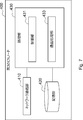
- FIG. 7 is a block diagram showing an example of a schematic configuration of the third CN node 400 according to the aspect of the present disclosure.
- the third CN node 400 includes a network communication unit 410, a storage unit 420, and a processing unit 430.
- Network communication unit 410 receives a signal from the network and transmits the signal to the network.
- Storage unit 420 The storage unit 420 temporarily or permanently (non-temporarily) stores the programs and parameters for the operation of the third CN node 400, as well as various data.
- the program includes one or more instructions for the operation of the third CN node 400.
- Processing unit 430 provides various functions of the third CN node 400.
- the processing unit 430 includes a control unit 431 and a communication processing unit 433.
- the processing unit 430 may further include other components other than these components. That is, the processing unit 430 may perform operations other than the operations of these components. Specific operations of the control unit 431 and the communication processing unit 433 will be described in each embodiment.
- the processing unit 430 communicates with another network node (for example, a core network node) via the network communication unit 410.
- another network node for example, a core network node
- the network communication unit 410 may be mounted by a network adapter, a network interface card, a transmitter, a receiver, and / or a transmitter / receiver.
- the storage unit 420 may be mounted by a memory (for example, a non-volatile memory and / or a volatile memory) and / or a hard disk.
- the processing unit 430 may be implemented by one or more processors.
- the control unit 431 and the communication processing unit 433 may be implemented by the same processor, or may be separately implemented by different processors.
- the memory (storage unit 420) may be contained in the one or more processors, or may be outside the one or more processors.
- the processing unit 430 and the storage unit 420 may be implemented by a controller, and the controller may include one or more processors and memories.
- the third CN node 400 may include a memory for storing a program (one or more instructions) and one or more processors capable of executing the program (the one or more instructions).
- the one or more processors may execute the above program to perform the operation of the processing unit 430 (the operation of the control unit 431 and / or the communication processing unit 433).
- the program may be a program for causing the processor to execute the operation of the processing unit 430 (the operation of the control unit 431 and / or the communication processing unit 433).
- the third CN node 400 may include a transmitter / receiver and a controller.
- the controller may perform the operation of the processing unit 430 (the operation of the control unit 431 and / or the communication processing unit 433), or may transmit / receive information or a message via the transmitter / receiver.
- the third CN node 400 may be virtualized. That is, the third CN node 400 may be implemented as a virtual machine. In this case, the third CN node 400 (virtual machine) may operate as a virtual machine on a physical machine (hardware) including a processor, memory, and the like and a hypervisor.
- a physical machine including a processor, memory, and the like and a hypervisor.
- FIG. 8 is a block diagram showing an example of a schematic configuration of the radio station 500 according to the aspect of the present disclosure.
- the radio station 500 includes a network communication unit 510, a radio communication unit 520, a storage unit 530, and a processing unit 540.
- the network communication unit 510 receives a signal from the network and transmits the signal to the network.
- the wireless communication unit 520 transmits and receives wireless signals.
- the wireless communication unit 520 receives the wireless signal from the mobile terminal and transmits the wireless signal to the mobile terminal.
- Storage unit 530 The storage unit 530 temporarily or permanently (non-temporarily) stores the programs and parameters for the operation of the radio station 500, and various data.
- the program includes one or more instructions for the operation of radio station 500.
- the processing unit 540 provides various functions of the radio station 500.
- the processing unit 540 includes a control unit 541, a first communication processing unit 543, and a second communication processing unit 545.
- the processing unit 540 may further include other components other than these components. That is, the processing unit 540 may perform operations other than the operations of these components. Specific operations of the control unit 541, the first communication processing unit 543, and the second communication processing unit 545 will be described in each embodiment.
- the processing unit 540 (first communication processing unit 543) communicates with another network node (for example, a core network node) via the network communication unit 510.
- the processing unit 540 (second communication processing unit 545) communicates with the mobile terminal via the wireless communication unit 520.
- the network communication unit 510 may be mounted by a network adapter, a network interface card, a transmitter, a receiver, and / or a transmitter / receiver.
- the wireless communication unit 520 may be implemented by an antenna, a radio frequency (RF) circuit, a transmitter, a receiver, and / or a transmitter / receiver.
- the antenna may be a directional antenna.
- the storage unit 530 may be mounted by a memory (for example, a non-volatile memory and / or a volatile memory) and / or a hard disk.
- the processing unit 540 may be implemented by one or more processors.
- the control unit 541, the first communication processing unit 543, and the second communication processing unit 545 may be implemented by the same processor, or may be separately implemented by different processors.
- the memory (storage unit 530) may be contained in the one or more processors, or may be outside the one or more processors.
- the processing unit 540 and the storage unit 530 may be implemented by a controller, and the controller may include one or more processors and memories.
- the radio station 500 may include a memory for storing a program (one or more instructions) and one or more processors capable of executing the program (the one or more instructions).
- the one or more processors may execute the above program to perform the operation of the processing unit 540 (the operation of the control unit 541, the first communication processing unit 543 and / or the second communication processing unit 545).
- the program may be a program for causing the processor to execute the operation of the processing unit 540 (the operation of the control unit 541, the first communication processing unit 543 and / or the second communication processing unit 545).
- the radio station 500 may include a transmitter / receiver and a controller.
- the controller may perform the operation of the processing unit 540 (operation of the control unit 541, the first communication processing unit 543 and / or the second communication processing unit 545), and transmits / receives information or a message via the transmitter / receiver. You may.
- the radio station 500 may be partially or wholly virtualized. That is, a part or all of the radio station 500 may be implemented as a virtual machine. In this case, a part or the whole (virtual machine) of the radio station 500 may operate as a virtual machine on a physical machine (hardware) including a processor, a memory, and the like and a hypervisor.
- a physical machine including a processor, a memory, and the like and a hypervisor.
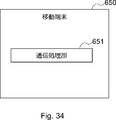
- FIG. 9 is a block diagram showing an example of a schematic configuration of the mobile terminal 600 according to the aspect of the present disclosure.
- the mobile terminal 600 includes a wireless communication unit 610, a storage unit 620, and a processing unit 630.
- the wireless communication unit 610 transmits and receives wireless signals. For example, the wireless communication unit 610 receives a wireless signal from a wireless station and transmits the wireless signal to the wireless station.
- Storage unit 620 The storage unit 620 temporarily or permanently (non-temporarily) stores programs and parameters for the operation of the mobile terminal 600, as well as various data.
- the program includes one or more instructions for the operation of the mobile terminal 600.
- the processing unit 630 provides various functions of the mobile terminal 600.
- the processing unit 630 includes a flight control unit 631, a communication control unit 633, and a communication processing unit 635.
- the processing unit 630 may further include other components other than these components. That is, the processing unit 630 may perform operations other than the operations of these components. Specific operations of the flight control unit 631, the communication control unit 633, and the communication processing unit 635 will be described in each embodiment.
- the processing unit 630 controls the movement of the mobile terminal 600 according to the flight route information.
- the processing unit 630 communicates with the wireless station via the wireless communication unit 610.
- the wireless communication unit 610 may be implemented by an antenna, a radio frequency (RF) circuit, a transmitter, a receiver, and / or a transmitter / receiver.
- the antenna may be a directional antenna.
- the storage unit 620 may be mounted by a memory (for example, a non-volatile memory and / or a volatile memory) and / or a hard disk.
- the processing unit 630 may be implemented by one or more processors.
- the flight control unit 631, the communication control unit 633, and the communication processing unit 635 may be implemented by the same processor, or may be separately implemented by different processors.
- the memory (storage unit 620) may be contained in the one or more processors, or may be outside the one or more processors.
- the processing unit 630 may be implemented in a SoC (System on Chip).
- the processing unit 630 and the storage unit 620 may be implemented by a controller, and the controller may include one or more processors and memories.
- the flight control unit 631 may be implemented by a flight controller.
- the communication control unit 633 and the communication processing unit 635 may be implemented by the flight controller, or may be implemented by another controller.
- the mobile terminal 600 may include a memory for storing a program (one or more instructions) and one or more processors capable of executing the program (the one or more instructions).
- the one or more processors may execute the above program to perform the operation of the processing unit 630 (the operation of the flight control unit 631, the communication control unit 633 and / or the communication processing unit 635).
- the program may be a program for causing the processor to execute the operation of the processing unit 630 (the operation of the flight control unit 631, the communication control unit 633 and / or the communication processing unit 635).
- the mobile terminal 600 may include a transmitter / receiver and a controller.
- the controller may perform the operation of the processing unit 630 (operation of the flight control unit 631, the communication control unit 633 and / or the communication processing unit 635), or may transmit / receive information or a message via the transmitter / receiver. Good.
- the mobile terminal 600 may further include a flight unit.
- the flight unit may be mounted by a battery, a motor, an ESC (Electric Speed Controller), or the like.
- FIG. 10 is an explanatory diagram for explaining an outline of the aspects of the present disclosure. With reference to FIG. 10, as a whole of the present disclosure, five operations (operation 1100, operation 1200, operation 1300, operation 1400 and operation 1500) are performed.
- the first aspect is an aspect for operation 1100 (transmission / reception of capability information indicating whether or not the operation of a radio station is supported) and operation 1200 (transmission / reception of resource information regarding availability of radio resources).
- a fifth aspect is a more generalized aspect of the operation 1100, and a sixth aspect is a more generalized aspect of the operation 1200.
- the second aspect is an aspect for operation 1300 (reservation of radio resources).
- a seventh aspect is a more generalized aspect of operation 1300.
- the third aspect is an aspect for operation 1400 (start of communication for flight). Eighth aspect is a more generalized aspect of operation 1400.
- the fourth aspect is an aspect for operation 1500 (handover).
- a ninth aspect is a more generalized aspect of operation 1500.
- All of the five actions shown in FIG. 10 may be combined, or some of the above five actions may be combined. That is, all of the operations in the first to fourth aspects may be combined, or at least a part of the operations in the first to fourth aspects may be combined. On the contrary, one of the five actions shown in FIG. 10 does not depend on the other four actions of the five actions and may be independent. As an example, the operation of the fourth aspect (operation 1500) does not depend on the operation of the first to third aspects (operations 1100-1400) and may be independent. For example, the operation in each embodiment may be performed according to different (or independent) conditions as described below.
- operation 1100 transmission and reception of capability information indicating whether or not the operation of a radio station is supported
- operation 1200 transmission and reception of resource information regarding availability of radio resources
- the operation 1100 may be performed at the time of initial setting of each device or at each activation.
- operation 1300 (securing wireless resources) is performed when planning an individual flight of the mobile terminal 600.
- operation 1400 start of communication for flight
- operation 1400 is performed at the start of the planned flight.
- the operation 1500 (handover) is performed during the flight of the mobile terminal 600.
- the radio station 500 (first communication processing unit 543) flies using a radio communication network (for example, a radio communication network using the 3GPP standard).
- a first capability information indicating whether the operation of the radio station 500 for performing flight management of a manned vehicle capable is supported is transmitted to the first CN node 200.
- the first CN node 200 (communication processing unit 233) receives the first capability information from the radio station 500.
- the first capability information may be information indicating whether or not each of the various operations of the radio station 500 of the present disclosure is supported.
- the first capability information may be information indicating whether or not the drone service is supported, or information indicating whether or not "CN-initiated HO (Handover) support" is true. May be good. Further, in a certain example, the first capability information may be information indicating whether or not to support the change of the flight path of the mobile terminal 600, the landing instruction or request of the mobile terminal 600, or the mobile terminal 600. It may be information indicating whether or not the auxiliary information used for determining whether to land is supported. Further, for example, the first capability information may be information indicating whether the radio station 500 can provide resource information regarding the availability of radio resources for at least one time (time period).
- the first CN node 200 receives the capability information from each of the plurality of radio stations 500 corresponding to the first CN node 200.
- the radio station 500 (first communication processing unit 543) transmits an NG SETUP REQUEST message including the first capability information to the first CN node 200.
- the first CN node 200 (communication processing unit 233) receives the NG SETUP REQUEST message from the radio station 500.
- the first capability information indicates that the radio station 500 can provide the resource information.
- the first capability information may indicate that it does not support the operation of radio station 500 for flight management of manned vehicles capable of flying over a radio network.
- the first capability information may indicate that the radio station 500 cannot provide the resource information.
- the first CN node 200 (communication processing unit 233) flies using a wireless communication network (for example, a wireless communication network using the 3GPP standard).
- a second capability information indicating whether the operation of the CN node 200 for performing flight management of a manned vehicle capable of the above is supported is transmitted to the radio station 500.
- the radio station 500 (first communication processing unit 543) receives the second capability information from the first CN node 200.
- the second capability information may be information indicating whether or not each of the various operations of the CN node 200 of the present disclosure is supported.
- the second capability information may be information indicating whether or not the drone service is supported, or information indicating whether or not "CN-initiated HO (Handover) support" is true. May be good.
- the second capability information may be information indicating whether to support the change of the flight path of the mobile terminal 600, the landing instruction or request of the mobile terminal 600, or the mobile terminal 600. It may be information indicating whether or not the auxiliary information used for determining whether to land is supported.
- the second capability information may be information indicating whether the first CN node 200 supports the service related to the resource information regarding the availability of the radio resource for at least one time (time period).
- the second capability information may be information indicating whether the first CN node 200 can provide resource information regarding the availability of radio resources for at least one time (time period).
- the second capability information may indicate whether the first CN node 200 can accept the resource information regarding the availability of the radio resource for at least one time from the radio station 500.
- the second capability information set by the first CN node 200 includes the presence / absence of the capability of the control device 100 constituting the system 1, the presence / absence of the capability of the second CN node (NEF) 300, and the third CN node (the third CN node (NEF). It may be set in consideration of the presence or absence of the capability of SMF) 400.
- Each of the control device 100, the second CN node (NEF) 300, and the third CN node (SMF) 400 may notify the first CN node (AMF) 200 of their capability information in advance.
- the first CN node 200 may determine the capability of the system 1 by inquiring the control device 100, the second CN node (NEF) 300, and the third CN node (SMF) 400.
- the capabilities of each device are whether or not the device has that capability, whether or not the device has a temporary capability at the time when the device has the capability, and whether or not the device or an instance of the device is managed.
- a device may be determined based on at least one of whether or not a device is connected to the first CN node 200.
- the first CN node 200 receives the NG SETUP RESPONSE message including the second capability information from the first CN node 200.
- the radio station 500 receives the NG SETUP RESPONSE message from the first CN node 200.
- the second capability information indicates that the first CN node 200 can provide the resource information (for example, to another CN node).
- the second capability information does not support the operation of the first CN node 200 for flight management of a manned vehicle capable of flying using a wireless communication network.
- the second capability information may indicate that the first CN node 200 cannot provide the resource information (for example, to another CN node).
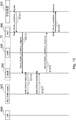
- FIG. 11 is a sequence diagram for explaining an example of a schematic flow of processing for transmitting and receiving capability information according to the first aspect.
- the radio station 500 is described as an NG-RAN node, and the first CN node 200 is described as an AMF.
- the NG-RAN node 500A transmits an NG SETUP REQUEST message including the first capability information to the AMF200 (S1101).
- the AMF200 transmits an NG SETUP RESPONSE message to the NG-RAN node 500A in response to the reception of the NG SETUP REQUEST message (S1103).
- the NG SETUP RESPONSE message may include a second capability information.
- FIG. 11 shows an example of a sequence related to capability negotiations performed at the NG-RAN node 500A and AMF200, but each capability information may be transmitted by the following message.
- the first capability information of the NG-RAN node 500A may be transmitted to the AMF200 by a RAN CONFIGURATION UPDATE message and / or an AMF CONFIGURATION UPDATE ACKNOWLEDGE message transmitted from the NG-RAN node 500A to the AMF200.
- the second capability information of the AMF 200 may be transmitted to the NG-RAN node 500A by a RAN CONFIGURATION UPDATE ACKNOWLEDGE message and / or an AMF CONFIGURATION UPDATE message transmitted from the AMF 200 to the NG-RAN node 500A.
- the first capability information of the NG-RAN node 500A may be notified to the NG-RAN node 500B.
- the first capability information of the NG-RAN node 500A is an XN SETUP REQUEST message transmitted from the NG-RAN node 500A to the NG-RAN node 500B, and / or an NG-RAN NODE CONFIGURATION UPDATE message, and the NG-RAN node 500B. May be sent to. Further, the first capability information of the NG-RAN node 500B may be notified to the NG-RAN node 500A.
- the first capability information of the NG-RAN node 500B is an XN SETUP RESPONSE message transmitted from the NG-RAN node 500B to the NG-RAN node 500A and / or an NG-RAN NODE CONFIGURATION UPDATE ACKNOWLEDGE message. It may be transmitted to 500A.
- the NG-RAN node 500A generates a third capability information of the system 1 based on the first capability information of the NG-RAN node 500A and the second capability information of the AMF 200 connected to the NG-RAN node 500A.
- the third capability information is the operation of the system 1 for performing flight management of a manned aircraft capable of flying using a wireless communication network (for example, a wireless communication network using the 3GPP standard). It may be information indicating whether or not it is supported. Specifically, the third capability information may be information indicating whether or not the drone service is supported, or information indicating whether or not "CN-initiated HO (Handover) support" is true. May be good.
- the third capability information may be information indicating whether or not to support the change of the flight path of the mobile terminal 600, the landing instruction or request of the mobile terminal 600, or the mobile terminal 600. It may be information indicating whether or not the auxiliary information used for determining whether to land is supported.
- the NG-RAN node 500A may notify the generated third capability information to the mobile terminal 600 by the System Information Block (SIB) using the Broadcast Control Channel (BCCH).
- SIB System Information Block
- BCCH Broadcast Control Channel
- the third capability information may be transmitted as a control plane signal or as user plane data.
- the third capability information may be generated by utilizing the second capability information supported by at least one AMF200.
- the first capability information, the second capability information, and the third capability information may be treated as network slice information in the system 1.
- the ability to support a flying mobile terminal may be associated with a unique value of NSSAI (Network Slice Selection Assistance Information).
- NSSAI Network Slice Selection Assistance Information
- the ability to support a flying mobile terminal may be associated with a unique value of a standardized SST (Slice / Service type), which is a subfield of NSSAI.
- the first capability information, the second capability information, and the third capability information are handled by information elements such as Requested NSSAI, Subscribed NSSAI, Configured NSSAI, and Allowed NSSAI.
- the Requested NSSAI includes one or more S-NSSAIs (Single-Network Slice Selection Assistance Information) that the UE sends to the network.
- Allowed NSSAI includes one or more S-NSSAIs that the network permits for use.
- a Configured NSSAI includes one or more S-NSSAIs that have been shown to the UE to be applicable to one or more PLMNs (Public land mobile networks).
- Subscribed NSSAI includes S-NSSAI based on subscriber information indicating that a PLMN is subscribed for use by the UE.
- NG-RAN node may be replaced with “radio station”
- AMF may be replaced with "first CN node”.
- each of "NG SETUP REQUEST” and “NG SETUP RESPONSE” may be replaced with "message”.
- the first capability information flies using a wireless communication network (for example, a wireless communication network using the 3GPP standard). It may indicate whether it supports the operation of radio station 500 for performing flight management of manned aircraft capable of.
- the first capability information is not limited to this example.
- the first capability information may indicate whether the radio station 500 supports a flying mobile terminal (or Airial UE or drone). Further, the radio station 500 may be able to provide the above resource information when supporting a flying mobile terminal (or an Aerial UE or a drone).
- the second capability information is the flight of a manned vehicle capable of flying using a wireless communication network (for example, a wireless communication network using the 3GPP standard). It may indicate whether it supports the operation of the first core network node 200 for management.
- the second capability information is not limited to this example.
- the second capability information may indicate whether the first CN node 200 supports a flying mobile terminal (or Aerial UE or drone). Further, the first CN node 200 may be able to provide the above resource information when supporting a flying mobile terminal (or an Aerial UE or a drone).
- the third capability information is the flight of a manned aircraft capable of flying using a wireless communication network (for example, a wireless communication network using the 3GPP standard). It may indicate whether it supports the operation of the system 1 for management.
- the third capability information is not limited to this example.
- the third capability information may indicate whether the system 1 supports a flying mobile terminal (or Airial UE or drone). Further, the system 1 may be able to provide the above resource information when supporting a flying mobile terminal (or an Aerial UE or a drone).
- the first CN node 200 uses a wireless communication network (for example, a wireless communication network using the 3GPP standard). Regardless of whether or not to support the operation of the radio station 500 for performing flight management of a manned aircraft capable of flying, the radio station 500 is requested to provide the above-mentioned information for flight management (for example, resource information). obtain.
- the radio station 500 cannot provide the information for the flight management, the request for the information for the flight management is useless. Therefore, in transmitting and receiving the information for flight management, useless signaling may occur, and communication resources and processing resources of each node may be wasted.
- the first CN node 200 uses a wireless communication network (for example, a 3GPP standard). It is possible to determine whether or not to support the operation of the radio station 500 for performing flight management of a manned aircraft capable of flying using the radio communication network). Therefore, it is possible to avoid the occurrence of unnecessary signaling, and thus it is possible to avoid wasting communication resources and processing resources of each node.
- a wireless communication network for example, a 3GPP standard
- the radio station 500 flies using a radio communication network (for example, a radio communication network using the 3GPP standard).
- a radio communication network for example, a radio communication network using the 3GPP standard.
- Information for the above flight management eg, resources
- the provision of the information for the flight management by the radio station 500 is useless. Therefore, communication resources and processing resources of each node may be wasted when transmitting and receiving the information for flight management.
- the radio station 500 is a radio communication network (for example, a radio communication network using the 3GPP standard). ) Can be used to determine whether or not to support the operation of the first CN node 200 for performing flight management of a manned vehicle capable of flying. Therefore, it is possible to avoid the occurrence of unnecessary signaling, and thus it is possible to avoid wasting communication resources and processing resources of each node.
- a radio communication network for example, a radio communication network using the 3GPP standard.
- the mobile terminal 600 accesses the system 1 regardless of whether or not the system 1 supports the flying mobile terminal. It ends up. Therefore, even if the mobile terminal 600 desires communication for flight, it will communicate with the system 1 that does not support the flying mobile terminal, and communication resources, processing resources of each node, and desired The time to connect to the system is wasted.
- the mobile terminal 600 can determine whether the system 1 supports the flying mobile terminal. .. Therefore, connection to an undesired (unsupported) system 1 can be avoided, and thus communication resources and processing resources of each node can be avoided from being wasted.
- the above-mentioned capability information may be referred to as support information. That is, the first capability information, the second capability information, and the third capability information may be referred to as the first support information, the second support information, and the third support information, respectively. Further, the above-mentioned capability information may be an information element (IE: Information element) having an arbitrary name.
- the information element may be explicit information or implicit information.
- the first capability information may be an information element that explicitly indicates whether the radio station 500 can provide the information for flight management, and the radio station 500 may provide the information for flight management. It may be an information element that implies whether it can be provided.
- the second capability information may be an information element that explicitly indicates whether the first CN node 200 can provide the information for the flight management, and the information for the flight management may be the first. It may be an information element that implies whether one CN node 200 can be provided.
- the above-mentioned first capability information may be used, for example, for the selection of the radio station 500 by the CN node 200.
- the above-mentioned second capability information may be used, for example, for the selection of the CN node 200 by the radio station 500.
- the radio station 500 (first communication processing unit 543) transmits resource information regarding the availability of radio resources for at least one time.
- the at least one time is at least one time in the future.
- the control device 100 (communication processing unit 133) receives the above resource information.
- the radio station 500 (first communication processing unit 543) transmits the above resource information to the first CN node 200.
- Resource Information-Every Time / Every Frequency Band For example, the above resource information is information on the availability of radio resources for each time (time period).
- the above resource information is information on the availability of radio resources for each frequency band for at least one time.
- the above resource information is information on the availability of radio resources for each time and frequency band.
- the above resource information is information on the availability of radio resources for each hour and each cell.
- the resource information and the position information indicating the position covered by the radio station 500 or the cell may be transmitted to the first CN node 200.
- information on transmission power may be transmitted to the first CN node 200.
- the information regarding the transmission power may be the average transmission power, the maximum transmission power, or the like.
- information on transmission power and location information of the radio station 500 may be transmitted to the first CN node 200.
- the frequency band may be a component carrier (CC).
- the frequency band may be a partial band (BWP; bandwise part) included in the CC.
- the frequency band may be a band including a plurality of CCs.
- the above resource information regarding the availability of wireless resources may indicate that wireless resources can be used by mobile terminals.
- the above resource information regarding the availability of radio resources may indicate that the radio station can secure the radio resources.
- the above resource information regarding the availability of radio resources may indicate that the radio station temporarily holds the radio resources.
- the resource information is information indicating whether or not the radio resource is available. That is, the resource information indicates that the radio resource is available, or that the radio resource is unavailable.
- the above resource information indicates whether wireless resources for each frequency band are available for each time.
- the target time is T1 and T2 and the target frequency bands are F1, F2 and F3
- the above resource information can use radio resources for each of the frequency bands F1, F2 and F3 at time T1. Whether or not it is indicated, and whether or not radio resources are available for each of the frequency bands F1, F2, and F3 at time T2.
- the resource information may be information indicating the degree of availability of the radio resource.
- the resource information indicates whether the radio resource has high, medium, or low availability.
- the resource information indicates the degree of availability of the radio resource for each frequency band for each time.
- the above resource information has the availability of radio resources for each of the frequency bands F1, F2 and F3 at time T1. It indicates whether it is high, medium, or low, and further indicates whether the radio resource availability is high, medium, or low for each of the frequency bands F1, F2, and F3 at time T2.
- the degree of availability of the radio resource is not limited to this example.
- the degree of availability may be indicated by, for example, a linear value in the range of 0 to 100, or may be indicated by a linear value in the range of -100 to 100.
- a special value may be used to indicate that the availability is unknown, that the state is abnormal, or that the state is irregular.
- the special value may be represented by 1 bit as a flag, for example.
- the special value may be 101, for example, when the degree of availability is expressed from 0 to 100. Further, the special value may be 101 or -101, for example, when the degree of availability is expressed by -100 to 100.
- the resource information is transmitted from the first CN node 200 to the control device 100 that generates or acquires flight path information for the mobile terminal 600.
- the above resource information is transmitted from the radio station 500 to the control device 100 via OAM (Operations, Management and Management). Further, for example, the resource information is transmitted from the radio station 500 to the first CN node 200 (for example, AMF), transmitted from the first CN node 200 to the second CN node 300 (for example, NEF), and is transmitted to the second CN node 300 (for example, NEF). It is transmitted from the CN node 300 to the control device 100.
- OAM Operations, Management and Management
- the first CN node 200 receives the resource information from the radio station 500 and transmits the resource information to the second CN node 300.
- the second CN node 300 receives the resource information from the first CN node 200 and transmits the resource information to the control device 100.
- the control device 100 receives the resource information from the second CN node 300.
- the above resource information may be transmitted in response to some trigger.
- Specific examples of the trigger for transmitting the resource information include the following examples, but the trigger is not limited to the following examples.
- -First example Transmission in response to a request
- the radio station 500 first communication processing unit 543 transmits the resource information to the first CN node 200 in response to the request for the resource information. Send.
- the control device 100 transmits a message requesting the resource information to the second CN node 300.
- the message requesting the resource information may be, for example, a Nnef_Radio_condition_request message or a message defined by another name.
- the second CN node 300 (communication processing unit 333) transmits a message requesting the resource information to the first CN node 200 in response to the request for the resource information from the control device 100.
- the message requesting the resource information may be a Namf_Radio_condition_request message or a message defined by another name.
- the first CN node 200 (communication processing unit 233) requests the radio station 500 for the resource information in response to the request for the resource information from the second CN node 300.
- the first CN node 200 may request the radio station 500 for the above resource information by transmitting a RAN STATUS REQUEST message or a message defined by another name.
- the radio station 500 (first communication processing unit 543) transmits the resource information to the first CN node 200 in response to a request for the resource information from the first CN node 200.
- the radio station 500 may transmit a RAN STATUS RESPONSE message including the above resource information or a message defined by another name.
- the first CN node 200 determines whether the radio station 500 can provide the resource information based on the first capability information.
- the first CN node 200 (communication processing unit 233) transmits a message requesting the resource information to the radio station 500.
- the first CN node 200 (communication processing unit 233) sends a response message indicating rejection of the request for the resource information to the second CN node. It may be transmitted to 300.
- the second CN node 300 (communication processing unit 333) may send a response message indicating rejection of the request for the resource information to the control device 100.
- the control device 100 can acquire resource information on demand.
- the radio station 500 may periodically transmit the resource information to the first CN node 200.
- the control device 100 may transmit periodic information indicating the transmission cycle of the resource information to the second CN node 300.
- the cycle information may be included in, for example, a Nnef_Radio_condition_request message and transmitted, or may be included in a message defined by another name and transmitted.
- the second CN node (communication processing unit 333) may receive the cycle information from the control device 100 and transmit the cycle information to the first CN node 200.
- the cycle information may be included in, for example, a Namf_Radio_condition_request message and transmitted, or may be included in a message defined by another name and transmitted.
- the first CN node 200 may receive the cycle information from the second CN node 300 and transmit the cycle information to the radio station 500.
- the cycle information may be included in, for example, a RAN STATUS REQUEST message and transmitted, or may be included in a message defined by another name and transmitted.
- the radio station 500 (first communication processing unit 543) receives the cycle information from the first CN node 200, and transmits the resource information to the first CN node 200 (communication processing) in the cycle indicated by the cycle information. It may be transmitted to unit 233).
- the control device 100 can acquire the resource information without individual request.
- the radio station 500 (first communication processing unit 543) receives the target information indicating the target of the resource information, and the resource information of the target indicated by the target information. Is transmitted to the first CN node 200.
- the control device 100 transmits the target information to the second CN node 300.
- the target information may be included in, for example, a Nnef_Radio_condition_request message and transmitted, or may be included in a message defined by another name and transmitted.
- the second CN node 300 receives the target information from the control device 100 and transmits the target information to the first CN node 200.
- the target information may be included in, for example, a Namf_Radio_condition_request message and transmitted, or may be included in a message defined by another name and transmitted.
- the first CN node 200 receives the target information from the second CN node 300 and transmits the target information to the radio station 500.
- the target information may be included in, for example, a RAN STATUS REQUEST message and transmitted, or may be included in a message defined by another name and transmitted.
- the radio station 500 (first communication processing unit 543) receives the target information from the first CN node 200, and transmits the resource information about the target indicated by the target information to the first CN node 200. ..
- the first CN node 200 (communication processing unit 233) receives the resource information about the target from the radio station 500.
- the second CN node 300 (communication processing unit 333) receives the resource information about the target from the first CN node 200.
- the control device 100 (communication processing unit 133) receives the resource information about the target from the second CN node 300.
- the object indicated by the object information includes one or more time and / or one or more frequency bands. That is, the target information includes information indicating the one or more times and / or information indicating the one or more frequency bands.
- the subject is, as described above, time T1 and T2, and frequency bands F1, F2 and F3.
- the target indicated by the target information may include a cell of the radio station 500 or the radio station 500. That is, the target information may include information for identifying the cell of the radio station 500 or the radio station 500 (for example, cell ID (Cell Identity)).
- cell ID Cell Identity
- the control device 100 can acquire desired resource information.
- FIG. 12 is a first sequence diagram for explaining an example of a schematic flow of the process of transmitting and receiving resource information according to the first aspect.
- the first sequence diagram is a schematic sequence diagram.
- the radio station 500 is described as an NG-RAN node as a specific example.
- Resource information regarding the availability of radio resources for at least one time is transmitted from the NG-RAN node 500A to the control device 100 (S1201).
- the NG-RAN node 500A may execute the process of S1201 for each operator (carrier).
- resource information is transmitted to the control device 100 from each of the NG-RAN node 500B and the NG-RAN node 500C (S1203, 1205).
- NG-RAN node may be replaced with "radio station”.
- FIG. 13 is a second sequence diagram for explaining an example of a schematic flow of processing for transmitting and receiving resource information according to the first aspect.
- the second sequence diagram is a sequence diagram showing an example in which the resource information is transmitted in response to a trigger.
- the radio station 500 is described as an NG-RAN node
- the first CN node 200 is described as an AMF
- the second CN node 300 is described as a NEF
- the third CN node 400 is described as an SMF and the mobile terminal 600 is described as a UE.
- the control device 100 transmits a Nnef_Radio_condition_request message requesting resource information regarding the availability of radio resources for at least one time to the NEF300 (S1211). Geographical location information may be added to the Nnef_Radio_condition_request message.
- the geographical location information is GPS (Global Positioning System) information or information indicating a waypoint of flight of a mobile terminal 600 (hereinafter, referred to as waypoint information).
- waypoint information is also GPS information.
- the NEF300 transmits a Namf_Radio_condition_request message requesting the resource information to the AMF200 in response to the reception of the Nnef_Radio_condition_request message (S1213).
- the NEF 300 may send a Namf_Radio_condition_request message to the AMF 200 that manages the location (area) based on the location information.
- the Namf_Radio_condition_request message may include geographical location information.
- the AMF 200 transmits a RAN STATUS REQUEST message requesting the resource information to the NG-RAN node 500 in response to the reception of the Namf_Radio_condition_request message (S1215). If the Namf_Radio_condition_request message contains geographical location information, the AMF200 may determine the NG-RAN node 500 to send the RAN STATUS REQUEST message based on the location information.
- the position information may include GPS information of a plurality of positions or a plurality of waypoint information, and a plurality of NG-RAN nodes 500 may be identified.
- the AMF 200 may determine the NG-RAN node 500 to transmit the RAN STATUS REQUEST message based on the capability information of the NG-RAN node 500 described above.
- the NG-RAN node 500 transmits a RAN STATUS RESPONSE message including the resource information to the AMF200 in response to the reception of the RAN STATUS REQUEST message (S1217).
- the AMF 200 transmits a Namf_Radio_condition_response message including the resource information to the NEF300 (S1219).
- the NEF300 transmits the Nnef_Radio_condition_response message including the resource information to the control device 100 in response to the reception of the Namf_Radio_condition_response message (S1221).
- the control device 100 receives the Nnef_Radio_condition_response message and acquires the resource information.
- the Nnef_Radio_condition_request message, Namf_Radio_condition_request message, and the RAN STATUS RESPONES message may include the target information (for example, time information, frequency information, and / or cell ID).
- the resource information may be resource information about the target indicated by the target information (for example, one or more times, one or more frequency bands and / or one or more cells, etc.). ..
- the Nnef_Radio_condition_request message, the Namf_Radio_condition_request message, and the RAN STATUS RESPONSE message may include the periodic information.
- the transmissions of steps S1217, S1219 and S1221 may be periodically performed.
- NG-RAN node may be replaced with "radio station”
- AMF may be replaced with “first CN node”
- NEF may be replaced with “first CN node”.
- the "2 CN node” may be replaced
- the "SMF” may be replaced by the "third CN node”
- the "UE” may be replaced by the "mobile terminal”.
- each of the messages shown in FIG. 13 may be replaced with a "message".
- the target may include cells of radio station 500 or radio station 500, and the target information identifies cells of radio station 500 or radio station 500.
- Information for the purpose for example, cell ID
- the above target information is not limited to this example.
- the target information may include position information indicating one or more positions, and the target may include one or more radio stations 500 corresponding to the one or more positions.
- the first CN node 200 may identify the one or more radio stations 500 based on the location information. Then, the first CN node 200 may transmit a message requesting the resource information to the one or more radio stations 500.
- the resource information is transmitted from the first CN node 200 to the second CN node 300.
- the transmission of the above resource information is not limited to this example.
- the resource information may be transmitted from the first CN node 200 to the third CN node 400, and may be transmitted from the third CN node 400 to the second CN node 300.
- the first CN node 200 (communication processing unit 233) transmits the resource information to the third CN node 400, and the third CN node 400 (communication processing unit 433) transmits the resource information to the first CN.
- the resource information may be received from the node 200, the resource information may be transmitted to the second CN node 300, and the second CN node 300 (communication processing unit 333) may receive the resource information from the third CN node 400. ..
- the first CN node 200 (communication processing unit 233) indirectly transmits the resource information to the second CN node 300, and the second CN node 300 (communication processing unit 333) indirectly transmits the resource information to the second CN node 300.
- Information may be received indirectly from the first CN node 200.
- the resource information is transmitted from the radio station 500 to the control device 100 by signaling in the CN10.
- the transmission of the above resource information is not limited to this example.
- the above resource information may be transmitted from the radio station 500 to the control device 100 via OAM (Operations, Management and Management).
- the control device 100 may be an OAM node.
- FIG. 14 is a sequence diagram for explaining an example of a schematic flow of processing for transmitting and receiving resource information according to a fourth modification of the first aspect.
- the radio station 500 is described as an NG-RAN node as a specific example.
- the NG-RAN node 500 transmits resource information regarding the availability of radio resources for at least one time to the control device 100 via OAM (S1231).
- NG-RAN node may be replaced with "radio station”.
- the control device 100 plans the flight of the mobile terminal 600 without knowing whether the radio resource is likely to be available (for example, determines the flight path of the mobile terminal 600). To do). Therefore, it may be difficult for the control device 100 to determine a flight path in which radio resources can be secured.
- the control device 100 can know to some extent whether or not the radio resource is likely to be available, and therefore, a flight route in which the radio resource can be secured can be obtained. It can be easier to determine. As a result, it may be easier to determine the flight of the mobile terminal 600 and the flight route in which the safety of the occupants on the mobile terminal 600 is guaranteed.
- the control device 100 executes a procedure for requesting the radio station 500 to secure radio resources for the mobile terminal 600 that moves according to the flight route information. For example, the control device 100 transmits a first request message requesting the securing of the radio resource to the radio station 500 via OAM based on the flight path information. Further, for example, the control device 100 transmits a first request message requesting the securing of the radio resource to the CN10 connected to the radio station 500 that secures the radio resource based on the flight path information.
- an example of the operation when the control device 100 transmits the first request message to the CN 10 will be described.
- An example of the operation when the control device 100 transmits the first request message to the radio station 500 via the OAM will be described in (5) Second variant.
- the first request message includes first identification information for identifying the mobile terminal 600.
- the first identification information is a temporary UE ID.
- the securing of the radio resource is the securing of the radio resource for the flight of the mobile terminal 600
- the first request message is the second identification information for identifying the flight of the mobile terminal 600.
- the second identification information is a flight ID or flight number (for example, normalized for each mobile terminal 600).
- the second identification information is managed by the mobile terminal 600 and distributed to the devices constituting the system 1.
- Each device constituting the system 1 may recognize a unique flight in the system 1 by combining the first identification information and the second identification information.
- the control device 100 may issue a second identification information to the mobile terminal 600 and manage it.
- the first request message does not include the second identification information for identifying the flight of the mobile terminal 600.
- the control device 100 distributes the second identification information to the devices in the system 1 including the mobile terminal 600.
- the radio resource is a radio resource in a specific frequency band
- the first request message includes frequency information indicating the specific frequency band.
- the frequency band may be a component carrier (CC).
- the frequency band may be a partial band (BWP; bandwise part) included in the CC.
- the frequency band may be a band including a plurality of CCs.
- the above frequency information may indicate a plurality of frequency bands.
- the frequency information may indicate the plurality of frequency bands in order of priority. As an example, by increasing the priority of low frequencies, it is possible to stabilize the wireless connection with the flying mobile terminal.
- the CN10 can request that the radio station 500 secure a radio resource in a desired frequency band.
- the radio resource is a radio resource at a specific time (time period), and the first request message includes time information indicating the specific time.
- the specific time includes a time when the mobile terminal 600 moving according to the flight route information is scheduled to communicate with the radio station 500.
- the CN10 may require the radio station 500 to reserve radio resources for a desired time (that is, the time when the mobile terminal 600 is scheduled to communicate with the radio station 500). It will be possible.
- the first request message includes location information indicating a location
- the radio station 500 that secures the radio resource corresponds to the location information. That is, the CN10 identifies or determines the radio station 500 that secures the radio resource based on the location information.
- the above position information is a cell identifier (cell ID).
- the radio station 500 that secures the radio resource is identified based on the cell identifier.
- the location information may include a plurality of cell identifiers, and a plurality of radio stations 500 may be identified.
- the above-mentioned position information is GPS (Global Positioning System) information or information indicating a waypoint (hereinafter, referred to as waypoint information) of the flight of the mobile terminal 600.
- the waypoint information is also GPS information.
- the radio station 500 that secures the radio resource is determined based on the GPS information or the waypoint information.
- the position information may include GPS information of a plurality of positions or a plurality of waypoint information, and a plurality of radio stations 500 may be identified.
- the first request message includes session attribute information necessary for communication between the mobile terminal 600 and the control device 100.
- the session attribute information may be expressed as QoS (Quality of Service) information.
- the session attribute information may include QoS profile information indicating the type of resource and the amount of resource.
- Information on QoS Profile includes 5G QoS Identity (5QI), Allocation and Distribution Priority (ARP), Reflective QoS Attribute (RQA), Guaranteed FlowBitRate (RQA), Guaranteed FlowBitRate (RFB) DL and / or Maximum Packet Loss Rate-UL and DL may be included.
- the CN10 can determine a desired radio station and can request that the radio resource of the desired cell be secured in the desired radio station. Become.
- the first CN node 200 (communication processing unit 233) requests the securing of the radio resource in response to the reception of the first request message in the CN10.
- the request message of 2 is transmitted to the radio station 500 that secures the radio resource.
- the control device 100 transmits the first request message to the second CN node 300
- the second CN node 300 sends the first request message to the second CN node 300.
- the first request message is received from the control device 100.
- the second CN node 300 transmits a third request message requesting the securing of the radio resource to the first CN node 200 in response to the reception of the first request message.
- the first CN node 200 receives the third request message from the second CN node 300.
- the first CN node 200 (communication processing unit 233) transmits the second request message requesting the securing of the radio resource to the radio station 500 in response to the reception of the third request message, and wirelessly.
- the station 500 (first communication processing unit 543) receives the second request message.
- the radio station 500 (control unit 541) secures the radio resources in response to the reception of the second request message.
- the third request message transmitted by the second CN node 300 contains the above-mentioned information contained in the first request message transmitted by the control device 100. Including.
- the third request message includes the first identification information, the second identification information, the frequency information, the time information, the position information, and / or the session attribute information. ..
- the first CN node 200 (control unit 231) transmits the second request message to the radio station 500 (that is, the first CN node 200) that secures the radio resource based on the position information. Identify or determine radio station 500).
- the second request message transmitted by the second CN node 300 contains the above-mentioned information contained in the first request message and the third request message. Including.
- the second request message includes the first identification information, the second identification information, the frequency information, the time information, and / or the session attribute information.
- first request message, the second request message, and the third request message may contain the same information. Further, two or more of the first request message, the second request message, and the third request message may be the same message.
- the control device 100 (communication processing unit 133) receives the first response message regarding the securing of the radio resource. For example, the control device 100 receives the first response message about securing the radio resource from the radio station 500 via the OAM. Further, for example, the control device 100 receives the first response message regarding the securing of the radio resource from the CN10.
- the control device 100 receives the first response message regarding the securing of the radio resource from the CN10.
- an example of the operation when the control device 100 receives the first response message from the CN 10 will be described.
- An example of the operation when the control device 100 receives the first response message from the radio station 500 via the OAM will be described in (5) Second variant.
- the first response message includes information indicating whether or not the radio resource has been secured. More specifically, for example, the information indicates that the radio resource has been secured (for example, information indicating "OK") or information indicating that the radio resource has not been secured (for example,). , Information indicating "Reject").
- the first response message may include information indicating the reserved radio resource.
- the radio station 500 (first communication processing unit 543) transmits a second response message regarding the securing of the radio resource to the first CN node 200, and the second response message is transmitted.
- the CN node 200 (communication processing unit 233) of No. 1 receives the second response message from the radio station 500.
- the first CN node 200 (communication processing unit 233) transmits a third response message regarding the securing of the radio resource to the second CN node 300 in response to the reception of the second response message.
- the second CN node 300 (communication processing unit) receives the third response message from the first CN node 200.
- the second CN node 300 (communication processing unit) transmits the first response message to the control device 100 in response to the reception of the third response message.
- the second response message transmitted by the radio station 500 includes the above-mentioned information included in the first response message.
- the second response message includes information indicating whether or not the radio resource has been secured.
- the second response message may include information indicating the reserved radio resource.
- the third response message transmitted by the first CN node 200 contains the above-mentioned information contained in the first response message and the second response message. Including.
- the third response message includes information indicating whether or not the radio resource has been secured.
- the third response message may include information indicating the reserved radio resource.
- first response message, the second response message, and the third response message may contain the same information. Further, two or more of the first response message, the second response message, and the third response message may be the same message.
- FIG. 15 is a first sequence diagram for explaining an example of a schematic flow of the process for securing radio resources according to the second aspect.
- the first sequence diagram is a schematic sequence diagram.
- the radio station 500 is described as an NG-RAN node
- the mobile terminal 600 is described as a UE.
- the UE 600 transmits a flight request for the flight of the UE 600 to the control device 100 (S1301). This transmission is a transmission at the application layer.
- the control device 100 plans the flight in response to the flight request. For example, the control device 100 determines the flight route.
- a request message requesting the securing of radio resources for the UE 600 is transmitted from the control device 100 to the NG-RAN node 500A (S1303).
- the request message includes the first identification information, the second identification information, the frequency information, the time information and / or the position information.
- the request message may include flight-related information and flight path information.
- a response message to the above request message is transmitted from the NG-RAN node 500A to the control device 100 (S1305).
- the response message includes information indicating that the radio resource has been secured.
- the request message and the response message are transmitted and received to each of the NG-RAN node 500B and the NG-RAN node 500C (S1307 to S1313).
- the control device 100 transmits a response to the flight request (flight response) to the UE 600 (S1315).
- the transmission of the flight response is the transmission at the application layer.
- the flight response includes information indicating the acceptance of the flight of the UE 600 (for example, information indicating "OK").
- the flight response includes the first identification information and the second identification information.
- the flight response may include flight path information and flight-related information for the mobile terminal 600 generated or acquired by the control device 100. As a result, the mobile terminal 600 may acquire the flight route information.
- NG-RAN node may be replaced with “radio station”
- UE may be replaced with “mobile terminal”.
- FIG. 16 is a second sequence diagram for explaining an example of a schematic flow of the process of securing the radio resource according to the second aspect.
- the second sequence diagram is a sequence diagram showing an example in which the control device 100 receives the first response message regarding the securing of the radio resource from the CN10, and in particular, the first sequence diagram shown in FIG. Steps S1303 and S1305 in the sequence diagram will be described in more detail.
- the radio station 500 is described as an NG-RAN node
- the first CN node 200 is described as an AMF
- the second CN node 300 is described as a NEF
- the third CN node 400 is described as an SMF and the mobile terminal 600 is described as a UE.
- the control device 100 transmits the above-mentioned first request message (for example, a Nnef_Radio_reconfirmation_request message or a message defined by another name) requesting the reservation of radio resources for the UE 600 to the CN10 (specifically, the NEF300). (S1311).
- a Nnef_Radio_reconfirmation_request message for example, a message defined by another name
- the NEF300 is defined by the above-mentioned third request message (for example, Namf_Radio_reconfirmation_request message) or another name requesting the reservation of radio resources for the UE 600 in response to the reception of the first request message (Nnef_Radio_reconlocation_request message). Message) is transmitted to AMF200 (S1313). The NEF 300 determines the AMF 200 to transmit the third request message based on the first identification information set in the first request message (Nnef_Radio_reconfirmation_request message).
- the NEF 300 determines the AMF 200 to transmit the third request message based on the first identification information set in the first request message (Nnef_Radio_reconfirmation_request message).
- the AMF 200 is defined by the above-mentioned second request message (for example, RAN RECONFIGURATION REQUEST message or other name) requesting the securing of radio resources for the UE 600 in response to the reception of the third request message (Namf_Radio_reconfiguration_request message). Message) is transmitted to the NG-RAN node 500 (S1315).
- second request message for example, RAN RECONFIGURATION REQUEST message or other name
- Each of the above-mentioned Nnef_Radio_reconfirmation_request message, the above-mentioned Namf_Radio_reconfirmation_request message, and the above-mentioned RAN RECONFIGURATION REQUEST message is a first identification information for identifying the UE 600, a first identification information for identifying the UE 600, a second identification information for identifying the UE 600, and a second band for identifying the flight of the UE 600. It includes information, time information indicating a specific time, position information indicating a position, and / or session attribute information.
- the NG-RAN node 500 secures a radio resource for the UE 600 in response to receiving the above-mentioned RAN RECONFIGURATION REQUEST message. Then, the NG-RAN node 500 transmits the above-mentioned second response message (for example, a RAN RECONFIGURATION RESPONSE message or a message defined by another name) regarding the above-mentioned securing of the radio resource to the AMF200 (S1317).
- the above-mentioned second response message for example, a RAN RECONFIGURATION RESPONSE message or a message defined by another name
- the AMF 200 transmits the above-mentioned third response message (for example, a Namf_Radio_reconlocation_resonse message or a message defined by another name) regarding the above allocation of the radio resource to the NEF 300 (S1319).
- a Namf_Radio_reconlocation_resonse message for example, a Namf_Radio_reconlocation_resonse message or a message defined by another name
- the NEF300 transmits the above-mentioned first response message (for example, a Nnef_Radio_reconfiguration_response message or a message defined by another name) regarding the above-mentioned securing of the radio resource to the control device 100 (S1321).
- a Nnef_Radio_reconfiguration_response message or a message defined by another name for example, a Nnef_Radio_reconfiguration_response message or a message defined by another name
- Each of the above-mentioned RAN RECONFIGURATION RESPONSE message, the above-mentioned Namf_Radio_reconlocation_resonse message, and the above-mentioned Nnef_Radio_reconfiguration_resonse message includes, for example, information indicating that the above-mentioned radio resource has been secured. Each of these messages may further include information indicating the reserved radio resources.
- NG-RAN node may be replaced with "radio station”
- AMF may be replaced with “first CN node”
- NEF may be replaced with “first CN node”.
- the "2 CN node” may be replaced
- the "SMF” may be replaced by the "third CN node”
- the "UE” may be replaced by the "mobile terminal”.
- each of the messages described in FIG. 16 may be replaced with a "message".
- the NG-RAN node 500 that secures the radio resource may take the following measures for the operation of SON (Self-Organizing Network) defined by, for example, 3GPP.
- SON Self-Organizing Network
- the NG-RAN node 500 that has secured the radio resource may send a negative response when it receives a proposal to turn off the cell of the adjacent RAN node and / or the adjacent RAN node.
- the NG-RAN node 500 that has secured the radio resource may send a negative response when it receives a proposal to turn off the cell of the adjacent RAN node and / or the adjacent RAN node.
- the NG-RAN node 500 that has secured the radio resource may send a request to start the cell and / or the adjacent NG-RAN node 500 of the adjacent RAN node that is turned off in SON.
- the load of the NG-RAN node 500 that has secured the radio resource can be distributed, and stable communication can be provided to the flying UE.
- the third request message is transmitted from the second CN node 300 to the first CN node 200, and the third response message is the first. Is transmitted from the CN node 200 of the above to the second CN node 300.
- the transmission of the third request message and the third response message is not limited to this example.
- the second CN node 300 (communication processing unit 333) transmits the third request message to the third CN node 400 in response to the reception of the first request message transmitted by the control device 100. May be good.
- the third CN node 400 (communication processing unit 433) first issues a further request message (fourth request message) requesting the securing of radio resources for the UE 600 in response to the reception of the third request message. It may be transmitted to the CN node 200 of.
- the first CN node 200 (communication processing unit 233) transmits the third response message to the third CN node 400 in response to the reception of the second request message transmitted by the radio station 500. May be good.
- the third CN node 400 (communication processing unit 433) sends a further response message (fourth response message) regarding the securing of the radio resource to the second CN node. It may be transmitted to 300.
- the request message and the response message for securing the radio resource are transmitted by signaling in the CN10.
- the transmission of request and response messages is not limited to this example.
- the above request message may be transmitted from the control device 100 to the radio station 500 via OAM. Further, the response message may be transmitted from the radio station 500 to the control device 100 via the OAM.
- the control device 100 may be an OAM node.
- FIG. 17 is a sequence diagram for explaining an example of a schematic flow of the process of securing the radio resource according to the second modification of the second aspect.
- the sequence diagram specifically describes steps S1303 and S1305 of the first sequence diagram shown in FIG. 15 in more detail.
- the radio station 500 is described as an NG-RAN node as a specific example.
- the control device 100 transmits a request message requesting the securing of radio resources for the UE 600 (for example, a resource reservation request message) to the NG-RAN node 500 via the OAM (S1331).
- the request message includes the first identification information, the second identification information, the frequency information, the time information, the position information, and / or the session attribute information (QoS information).
- the NG-RAN node 500 transmits a response message (for example, a resource allocation response message) for securing the radio resource to the control device 100 via the OAM (S1333).
- a response message for example, a resource allocation response message
- the response message includes information indicating that the radio resource has been secured.
- the response message may further include information indicating the reserved radio resource.
- NG-RAN node may be replaced with “radio station”.
- the radio resource is not secured, and it may be difficult for the mobile terminal 600 to continuously communicate during the flight. As a result, it may be difficult to properly control the flight of the mobile terminal 600 from the outside.
- the securing of the radio resource for the mobile terminal 600 is required in advance according to the flight route information as described above, the radio resource on the flight path of the mobile terminal 600 is secured in advance, so that the movement It may be easier for the terminal 600 to continuously communicate during flight. As a result, it may be easier to fly the mobile terminal 600 and ensure the safety of the occupants boarding the mobile terminal 600.
- the control device 100 calls the mobile terminal 600 (paging) for the flight in which the radio resource is secured in the flight of the mobile terminal 600.
- the first request message to be requested is transmitted to CN10.
- the first request message includes first identification information for identifying the mobile terminal 600.
- the first identification information is a temporary UE ID.
- the first request message includes a second identification information for identifying the flight of the mobile terminal 600.
- the second identification information is a flight ID or flight number (for example, normalized for each mobile terminal 600).
- the first request message includes flight-related information regarding the flight of the mobile terminal 600.
- the above-mentioned flight-related information includes CN10 (for example, first CN node 200, second CN node 300 and / or third CN node 400) and / or a radio station. Information stored and used at 500.
- the above-mentioned flight route information is information transmitted to the mobile terminal 600 by the control device 100 and used by the mobile terminal 600 for flight.
- the flight path information may be generated by the control device 100, or may be acquired from another device by the control device 100.
- the information including all or part of the flight route information may be referred to as a flight plan, a flight profile, or the like.
- information including all or part of the flight-related information may also be referred to as a flight plan, flight profile, or the like.
- the flight path information itself or the flight-related information itself may be referred to as a flight plan, flight profile, or the like.
- the flight-related information described above may be the same as the flight route information described above. Alternatively, the flight-related information may be different from the flight path information described above.
- the flight-related information may include the flight path information described above, or may be included in the flight path information described above. Alternatively, the flight-related information may only partially overlap with the flight path information described above, or may be completely different from the flight path information described above.
- Flight-related information stored in each CN node (each of the first CN node 200, the second CN node 300, and the third CN node 400) is other. It may be the same as or different from the flight-related information stored at the CN node of.
- Each CN node may store flight-related information, including information it needs. The flight-related information may be in a mode in which at least one of the first identification information and the second identification information is specified at each CN node.
- the flight-related information stored and used in the radio station 500 may be different from the flight-related information stored in the CN10.
- the radio station 500 may store flight-related information including information necessary for itself.
- the radio station 500 may include information about its own cell, and the flight-related information stored in CN10 may include information about the cells of a plurality of radio stations 500.
- the flight-related information may be in a mode in which at least one of the first identification information and the second identification information is specified in the radio station 500.
- the flight-related information stored and used in the radio station 500 may be the same as the flight-related information stored in the CN10.
- the first identification information and the second identification information may be included in the flight-related information, or information different from the flight-related information in the first request message. May be included as.
- the flight-related information includes route information indicating the flight route of the mobile terminal 600.
- the route information indicates, as the flight path, one or more cells on the flight path and the one or more cells used by the mobile terminal 600 in the flight. .. That is, the one or more cells are a list of cells used by the mobile terminal 600 in the flight (ie, a list of handovers). In the case of the example of FIG. 3, the one or more cells is a list of four cells 50. The list may be a sequence of cells (ie, a list of cells with an order).
- the route information may indicate one or more waypoints of the flight as the flight route.
- the route information may indicate each of the one or more waypoints by latitude, longitude, and altitude.
- the flight-related information may include both the first route information indicating the one or more cells and the second route information indicating the one or more waypoints.
- the flight-related information includes time information indicating the time (time) for the flight.
- the time information is one or more cells (ie, one or more cells on the path of the flight and used by the mobile terminal 600 in the flight). For each of the cells), the time for the flight is shown. More specifically, for example, the time information indicates the time (time period) in which radio resources are reserved for the mobile terminal for each of the one or more cells.
- radio resources are secured for the mobile terminal 600 at the following times for the four cells, and the flight-related information sets the following times for the four cells. Includes time information to indicate.
- time information including the time of either the start point or the end point of the flight of the mobile terminal 600, these time information includes time information indicating the time before and after the overlap of at least a part of the time indicated by the certain time information. It has a relationship of doing.
- the time information may indicate the time (time) for entering the mobile terminal 600 and the time (time) for exiting the mobile terminal 600 for each of the one or more cells. Further, or, the time information may indicate the time (time period) through which the mobile terminal 600 passes (or stays) for each of the one or more cells.
- the time information indicates the time for the flight for one or more waypoints for the flight. More specifically, for example, the time information may indicate the time at which the mobile terminal 600 passes for each of the one or more waypoints of the flight. The one or more waypoints may be part of all the waypoints of the flight. Alternatively, the one or more waypoints may be all waypoints of the flight. Further or / or, the time information may indicate the flight time of the mobile terminal 600 in one or more sections, and each of the one or more sections may be a section between any two waypoints. Good.
- the flight-related information may include movement speed information indicating the movement speed (velocity) of the mobile terminal 600.
- the movement speed information may indicate the horizontal movement speed (Horizontal velocity) of the mobile terminal 600 and the vertical movement speed (Vertical velocity) of the mobile terminal 600.
- the movement speed information may indicate the movement speed of the mobile terminal 600 for each of one or more waypoints.
- the movement speed information may indicate the movement speed of the mobile terminal 600 for one or more sections, and the one or more sections may be a section between any two waypoints.
- the flight-related information may include frequency information indicating a specific frequency band.
- the specific frequency band may be the frequency band used by the mobile terminal 600 in the flight.
- the above frequency information may indicate a plurality of frequency bands.
- the frequency information may indicate the plurality of frequency bands in order of priority. As an example, by increasing the priority of low frequencies, it is possible to stabilize the wireless connection with the flying mobile terminal.
- the flight-related information includes configuration information indicating a configuration for the mobile terminal 600.
- the configuration information is for the one or more cells (ie, the one or more cells on the flight path and used by the mobile terminal 600 in the flight). For each, the configuration for the mobile terminal 600 is shown.
- the configuration information is information included in an RRC (Radio Resource Control) Configuration message.
- the flight-related information includes the attribute information of the session for communication in the flight of the mobile terminal 600.
- the session attribute information includes information indicating the quality of the session.
- the session is a PDU (Packet Data Unit) session
- the session attribute information includes a QCI (Quality of Service (QoS) Class Agent) or 5QI (5G Quality of Service) for the PDU session. ..
- the flight-related information includes radio resource information indicating radio resources for communication in the flight of the mobile terminal 600.
- the first CN node 200 (communication processing unit 233) makes the above call to the mobile terminal 600 via the radio station 500 in response to the reception of the first request message in the CN10. ..
- the control device 100 transmits the first request message requesting the call to the second CN node 300, and the second CN node 300 (communication processing).
- Unit 333 receives the first request message from the control device 100.
- the second CN node 300 transmits a second request message requesting the call to the third CN node 400 in response to the reception of the first request message.
- the third CN node 400 (communication processing unit 433) transmits a further request message (third request message) to the first CN node 200 in response to the reception of the second request message, and the first CN node 400.
- the CN node 200 receives the third request message from the third CN node 400.
- the first CN node 200 (communication processing unit 233) makes the above call to the mobile terminal 600 via the radio station 500 in response to the reception of the third request message.
- each of the second request message and the third request message includes the first identification information, the second identification information, and / or the flight-related information.
- first request message, the second request message, and the third request message may contain the same information. Further, two or more of the first request message, the second request message, and the third request message may be the same message.
- the request for calling the mobile terminal (1) describes the process of calling the mobile terminal 600 from the control device 100 (communication processing unit 133), but the mobile terminal 600 is not in the CM-IDLE state. , In the case of the CM-CONNECTED state, the NOTIFICATION message is transmitted from the AMF 200 to the mobile terminal 600, and the transmission of the Service request message from the mobile terminal 600 is urged. In this case (1) the request to call the mobile terminal does not have to be executed.
- the mobile terminal 600 (communication processing unit 635) transmits a message requesting the start of communication for the flight of the mobile terminal 600 in which wireless resources are secured to the first CN node 200. ..
- the message is a Service request message.
- the mobile terminal 600 (communication processing unit 635) transmits the message requesting the start of the communication to the first CN node 200 in response to the call of the mobile terminal 600.
- -Transmission not triggered by a call "(1) Request for calling a mobile terminal” describes a process of calling a mobile terminal 600 from a control device 100 (communication processing unit 133), but for example, a mobile terminal.
- the 600 may set up a PDU session without undergoing the above-mentioned paging process.
- the mobile terminal 600 sends the above message (for example, the Service request message) requesting the start of the above communication according to at least one of the flight-related information and the flight route information to the first CN node 200. Start by sending to.
- the mobile terminal 600 uses at least one of the flight path information and the flight-related information included in the flight response received in S1315 in the second aspect to send the message requesting the start of the communication (for example, the Service request message). It may be transmitted to the first CN node 200.
- the message requesting the start of the communication for example, the Service request message.
- the first CN node 200 (control unit 231 and communication processing unit 233) sets a session for the mobile terminal 600 together with the third CN node 400 in response to receiving the above message.
- the session is a PDU (Packet Data Unit) session.
- the first CN node 200 (communication processing unit 233) transmits the flight-related information to the radio station 500 after receiving the message (for example, a Service request message) requesting the start of the communication.
- the radio station 500 (first communication processing unit 543) receives the flight-related information.
- the radio station 500 may transmit the flight-related information to the mobile terminal 600.
- the flight route information described above (that is, information generated or acquired by the control device 100 and used by the mobile terminal 600 for flight) is the message requesting the start of the communication (for example, Service). After the request message) is transmitted, it may be transmitted to the mobile terminal 600. For example, when the message requesting the start of the communication is received at the first CN node 200, the CN10 may notify the control device 100. The control device 100 may transmit the flight route information to the mobile terminal 600 in response to the notification from the CN10.
- the flight path information may be transmitted in advance in the flight response to the flight request from the mobile terminal 600.
- the mobile terminal 600 (communication processing unit 635) may include the flight route information in the message (for example, Service request message) requesting the start of the communication.
- the mobile terminal 600 may provide the flight path information to the CN10 (first CN node 200).
- FIG. 18 is a sequence diagram for explaining an example of a schematic flow of the process according to the third aspect.
- the radio station 500 is described as an NG-RAN node
- the first CN node 200 is described as an AMF
- the second CN node 300 is described as a NEF
- the third CN node 400 is described as an SMF and the mobile terminal 600 is described as a UE.
- the control device 100 is defined by the above-mentioned first request message (for example, Nnef_NIDD_Delivery Request message or other name) requesting the call of the UE 600 for the flight in which the radio resource is secured in the flight of the UE 600. Message) is transmitted to CN10 (specifically, NEF300) (S1401).
- first request message for example, Nnef_NIDD_Delivery Request message or other name
- CN10 specifically, NEF300
- the NEF300 transmits the above-mentioned second request message (for example, a Nnef_NIDD_Delivery Request message or a message defined by another name) to the SMF400 (S1403).
- the SMF400 S1403
- the SMF 400 transmits the above-mentioned third request message (for example, a Namf_Communication_N1N2MessageTransfer message or a message defined by another name) requesting the call of the UE 600 to the AMF200 (S140).
- the third request message for example, a Namf_Communication_N1N2MessageTransfer message or a message defined by another name
- Each of the Nnef_NIDD_Delivery Request message and the Namf_Communication_N1N2MessageTransfer message relates to the first identification information for identifying the UE 600, the second identification information for identifying the flight of the UE 600, and / or the flight of the mobile terminal 600. Includes flight-related information.
- the AMF 200 calls the UE 600 via the NG-RAN node 500 in response to the reception of the third request message (for example, the Namf_Communication_N1N2MessageTransfer message or a message defined by another name) (S1407, S1409).
- the third request message for example, the Namf_Communication_N1N2MessageTransfer message or a message defined by another name
- the AMF200 transmits an N11 message to the SMF400 (S1411), the SMF400 transmits a Nnef_NIDD_Delivery Response message to the NEF300 (S1413), and the NEF300 transmits a Nnef_NIDD_Delivery Response message to the control device 100 (S1411).
- the UE 600 transmits a Service request message to the AMF200 (S1421).
- AMF200 and SMF400 set up a PDU session for UE600 (S1423).
- the AMF200 transmits a PDU SESSION RESOURCE SETUP REQUEST message to the NG-RAN node 500 (S1425).
- the PDU SESSION RESOURCE SETUP REQUEST message includes the first identification information, the second identification information, and / or the flight-related information.
- the NG-RAN node 500 transmits an RRC Configuration message to the UE 600 (S1427).
- the RRC Reconfiguration message may include the first identification information, the second identification information and / or the flight-related information.
- the NG-RAN node 500 transmits a PDU SESSION RESOURCE SETUP Response message to the AMF200 (S1429).
- AMF200 and SMF400 update the above PDU session (S1431).
- NG-RAN node may be replaced with "radio station”
- AMF may be replaced with "first CN node”
- NEF may be replaced with "first CN node”.
- the "2 CN node” may be replaced
- the "SMF” may be replaced by the "third CN node”
- the "UE” may be replaced by the "mobile terminal”.
- each of the messages described in FIG. 18 may be replaced with a "message”.
- S1401, S1403, S1405, S1407, S1409, S1411, S1413 and S1415 shown in FIG. It is not necessary to execute each process, and the UE 600 may send a Session request message to the first CN node 200 (S1421).
- the second CN node 300 transmits the second request message to the third CN node 400, and the third CN node 400 sends the third request message.
- Message is transmitted to the first CN node 200.
- the transmission of the request message is not limited to this example.
- the second CN node 300 may transmit the second request message to the first CN node 200 in response to the reception of the first request message from the control device 100. ..
- the first CN node 200 (communication processing unit 233) may receive the second request message from the second CN node 300.
- the first CN node 200 (communication processing unit 233) may make the above call to the mobile terminal 600 via the radio station 500 in response to the reception of the second request message.
- the second request message may be a Namf_Communication_N1N2MessageTransfer message.
- At least one of the mobile terminal 600 and the control device 100 requests the start of communication based on at least one of the flight path information and the flight-related information. Since at least one of the flight path information and the flight-related information is information that guarantees that the radio resources in the flight path of the mobile terminal 600 are secured, the start of communication based on these is requested. It may be easier for the mobile terminal 600 to continuously communicate during flight. As a result, it may be easier to fly the mobile terminal 600 and ensure the safety of the occupants boarding the mobile terminal 600.
- the control device 100 can control the flight of the mobile terminal 600 from the start point.
- the fourth aspect is the handover of the mobile terminal 600 that moves according to the flight path information.
- the handover is a handover between two radio stations 500.
- the target radio station of the two radio stations 500 will be referred to as a "first radio station 500A”, and the two radio stations will be referred to.
- the source radio station out of 500 shall be referred to as the "second radio station 500B”.
- the first radio station 500A (control unit 541) is a handover of the mobile terminal 600 that moves according to the flight path information, and is the first from the second radio station 500B (source radio station). Controls the handover according to the flight path information to the radio station 500A (target radio station).
- the second radio station 500B (control unit 541) also controls the handover.
- the handover is a handover from the second radio station 500B to the first radio station 500A. More specifically, for example, the handover is a handover from the cell of the second radio station 500B (that is, the source cell) to the cell of the first radio station 500A (that is, the target cell). Further, the second radio station 500B and the first radio station 500A may be the same radio station. That is, the handover may be a handover between cells in the same radio station 500.
- the handover is a handover according to the flight path information. More specifically, for example, the flight path information includes route information indicating the flight path of the mobile terminal 600 (for example, information indicating a way point), and the handover performs the handover along the flight path of the mobile terminal 600. This is a handover scheduled on the assumption that
- the flight path information may include information indicating a list of cells used in the flight of the mobile terminal 600, and the handover may be a handover between two cells included in the list. Further, in the handover, the cell shown in the route information indicating the flight path of the mobile terminal 600, for example, the information indicating the waypoint indicates the same waypoint and is associated with the information indicated by each waypoint is used. Handover may be performed between cells indicated by the indicated information (cells having the same frequency or cells having different frequencies).
- the first radio station 500A (control unit 541) secures radio resources for the mobile terminal 600 in the first radio station 500A.
- the first radio station 500A (control unit 541) secures the above radio resources based on flight-related information regarding the flight of the mobile terminal 600.
- Flight-related information includes the same information as the flight-related information described in the third aspect.
- the flight-related information includes the first identification information for identifying the mobile terminal 600.
- the flight-related information includes a second identification information for identifying the flight of the mobile terminal 600.
- the flight-related information includes route information indicating the flight route of the mobile terminal 600, time information indicating the time of the flight of the mobile terminal 600, movement speed information indicating the movement speed of the mobile terminal 600, and a specific frequency.
- Frequency information indicating the band includes configuration information indicating the configuration for the mobile terminal 600, session attribute information for communication in the flight of the mobile terminal 600, and / or communication in the flight of the mobile terminal 600.
- the detailed description of the various information is, for example, the same as the description of the various information in the third aspect. Therefore, a duplicate description will be omitted here.
- various information is not limited to the example of the description in the third aspect.
- the flight-related information is, among other things, one or more cells of the first radio station 500A on the flight path, and the one or more cells (targets) used by the mobile terminal 600 in the flight. Includes the route information, the time information, the configuration information, the session attribute information and / or the radio resource information for (including the cell).
- the relationship between the flight-related information and the flight path information is, for example, the same as the relationship described in the third aspect. Therefore, a duplicate description will be omitted here. However, the relationship is not limited to the example of the description in the third aspect.
- the description in the third aspect has been referred to, it should be noted that this reference is for the sake of omission of the description and the fourth aspect does not depend on the third aspect. is there.
- the fourth aspect may be independent of the third aspect.
- the fourth aspect may be combined with the third aspect.
- the flight-related information in the fourth aspect may be the same as the flight-related information in the third aspect.
- the first radio station 500A determines whether the radio resources can be secured based on the flight-related information, and based on the result, the radio resources. May be secured.
- the first radio station 500A may secure the resource without determining whether the radio resource can be secured. An example of this will be described later.
- the first radio station 500A (control unit 541) has the session attribute at the time indicated by the time information in each of one or more cells of the first radio station 500A indicated by the route information. Determine if radio resources can be secured so that the quality indicated by the information is met.
- the first radio station 500A determines that the above radio resources can be secured. In this case, the first radio station 500A (control unit 541) secures the above radio resources.
- the first radio station 500A determines that the above radio resources cannot be secured. The processing in this case will be described in detail later.
- the radio resources are resources of at least one of time and frequency. That is, the radio resource is a radio resource in a narrow sense. As an example, the radio resource is a time frequency resource.
- the radio resource may include at least one resource of time and frequency (radio resource in a narrow sense) and a resource for processing the first radio station 500A. That is, the radio resource may be a radio resource in a broad sense.
- the resource for processing the first radio station 500A may include a transport network layer (TNL) resource of the first radio station 500A and / or a processing load of the first radio station 500A and the like.
- TNL transport network layer
- the first radio station 500A (first communication processing unit 543) uses a message including information regarding acceptance of the handover (hereinafter referred to as acceptance information) as a second radio station. Trigger (or start, and so on) the process for transmitting to 500B.
- the above message may be a message of X2AP or XnAP transmitted directly from the first radio station 500A to the second radio station 500B, or may be a message transmitted from CN10 to the second radio station 500B. Alternatively, it may be a message transmitted from the first radio station 500A to the second radio station 500B via CN10.
- the first radio station 500A may directly trigger the process of transmitting the message to the second radio station 500B.
- the first radio station 500A sends the CN10 at least one of the message and other messages including the message to the second radio. It may trigger a process requesting transmission to station 500B.
- the above message is a message transmitted from the first radio station 500A to the second radio station 500B via CN10, even if the first radio station 500A triggers a process of transmitting the message to CN10. Good.
- the second radio station 500B (first communication processing unit 543) receives the above message including the above acceptance information.
- the message including the acceptance information is a message notifying the second radio station 500B that the first radio station 500A is ready for the handover.
- the message including the acceptance information is a Handover Ready Notification message.
- the above-mentioned message including the above-mentioned acceptance information may be a message having another name (for example, a Handover Preparation Notification message, a Handover Allowance Instruction message, or the like).
- the message including the acceptance information may be transmitted directly from the first radio station 500A to the second radio station 500B.
- the first radio station 500A (first communication processing unit 543) may directly transmit the above message including the above acceptance information to the second radio station 500B.
- the second radio station 500B (first communication processing unit 543) may receive the above message including the above acceptance information from the first radio station 500A.
- FIG. 19 is a sequence diagram for explaining an example of direct transmission of the transmission of the message (for example, a Handover Ready Notification message or a message defined by another name) including the acceptance information according to the fourth aspect.
- the first radio station 500A target RAN node
- sends the above message including the above acceptance information for example, a Handover Ready Notification message or a message defined by another name
- the second radio station 500B source RAN node
- Transmit S1501
- the message including the acceptance information may be transmitted from the first radio station 500A to the second radio station 500B via the first CN node 200. That is, the message including the acceptance information may be transmitted from the first radio station 500A to the first CN node 200, and may be transmitted from the first CN node 200 to the second radio station 500B.
- the first radio station 500A may transmit the above message including the above acceptance information to the second radio station 500B via the first CN node 200. That is, the first radio station 500A (first communication processing unit 543) may transmit the message including the acceptance information to the first CN node 200, and the first CN node 200 may transmit the acceptance information.
- the above message including the above may be transmitted to the second radio station 500B.
- the first CN node 200 may transmit the message itself including the acceptance information to the second radio station 500B.
- the first CN node 200 may transmit another message including the above message including the above acceptance information to the second radio station 500B.
- the message containing the acceptance information may be encapsulated within the other message. In this case, the message including the acceptance information may be included in a transparent container in the other message.
- the second radio station 500B (first communication processing unit 543) receives the message including the acceptance information from the first CN node 200 that receives the message including the acceptance information from the first radio station 500A. You may.
- FIG. 20 is a sequence diagram for explaining an example of indirect transmission of the transmission of the above-mentioned message (for example, a Handover Ready Notification message or a message defined by another name) including the above-mentioned acceptance information according to the fourth aspect.
- the first radio station 500A target RAN node transmits the above message (Handover Ready Notification message or a message defined by another name) including the above acceptance information to CN10 (first CN node 200) (S1503). ).
- the CN10 (first CN node 200) transmits the above message (Handover Ready Notification message or a message defined by another name) including the above acceptance information to the second radio station 500B (source RAN node) (S1505). ).
- the CN10 may transmit the Handover Ready Notification message itself to the second radio station 500B (source RAN node). Alternatively, the CN10 (first CN node 200) may transmit another message including the Handover Ready Notification message to the second radio station 500B (source RAN node).
- the first radio station 500A may transmit another message to the first CN node 200 in order to trigger the transmission of the message including the acceptance information.
- the other message may include at least one of the above-mentioned acceptance information and the above-mentioned message including the above-mentioned acceptance information.
- the CN node 200 may transmit the message including the acceptance information to the second radio station 500B.
- the first radio station 500A (first communication processing unit 543) sends another message that triggers the transmission of the above message including the above acceptance information from the first CN node 200 to the second radio station 500B.
- the message including the acceptance information may be transmitted to the second radio station 500B by the first CN node 200 by transmitting to the CN node 200 of the above. That is, the first CN node 200 may perform a process of transmitting the above message in response to the reception of the other message.
- the second radio station 500B (first communication processing unit 543) receives the above message including the above acceptance information from the first CN node 200 that receives the other message from the first radio station 500A. Good.
- the above-mentioned message including the above-mentioned acceptance information may be a Handover Ready Notification message, and the above-mentioned other message may be a Handover Ready Indication message.
- FIG. 21 is a sequence diagram for explaining another example of transmission of a message including the above-mentioned acceptance information according to the fourth aspect (for example, a Handover Ready Notification message or a message defined by another name).
- the first radio station 500A target RAN node transmits a message including the above acceptance information (for example, a Handover Ready Indicator message or a message defined by another name) to CN10 (first CN node 200) (S1507). ).
- the CN10 (first CN node 200) transmits a message including the above acceptance information (for example, a Handover Ready Notification message or a message defined by another name) to the second radio station 500B (source RAN node) (S1509). ).
- the first radio station 500A (first communication processing unit 543) does not receive the request message for the handover transmitted from the second radio station 500B. Trigger a process for transmitting the message including the acceptance information to the second radio station 500B.
- the second radio station 500B (first communication processing unit 543) receives the message including the acceptance information without transmitting the request message for the handover.
- the second radio station 500B (first communication processing unit 543) does not transmit the request message for handover (that is, even if it does not transmit) before receiving the message including the acceptance information. ), When the message including the acceptance information is received, the request message for the handover may be transmitted.
- the first radio station 500A (first communication processing unit 543) has a second radio station 500A before transmitting the message including the acceptance information to the second radio station 500B to the second radio station 500B.
- the message including the acceptance information is transmitted to the second radio station 500B without receiving the request message for handover transmitted from the radio station 500B (that is, even if it is not received)
- the first The request message for the handover transmitted from the radio station 500B of 2 may be received.
- the request message for the handover is a Handover Request message
- the response message to the request message for the handover is a Handover Request Acknowledge message.
- the acceptance information includes information indicating that radio resources for the mobile terminal 600 are secured.
- the reception information is secured with the radio resource. Includes the above information indicating that
- the acceptance information may include information indicating that the radio resource for the mobile terminal 600 in the first radio station 500A cannot be secured.
- the acceptance information may include information indicating that the radio resource cannot be secured.
- the acceptance information may include information about the target cell of the handover (that is, the cell of the first radio station 500A).
- the above information regarding the target cell may include identification information (cell ID) for identifying the target cell.
- the information about the target cell may include information about the frequency band of the target cell.
- the information may be any or a combination of information on the carrier frequency, frequency band (Frequency Band), or synchronization signal (Synchronization Signal) of the target cell.
- the information regarding the synchronization signal may be information indicating the frequency position of the SS / PBCH Block (SSB).
- FIG. 22 is a sequence diagram for explaining an example of a schematic flow of the handover process according to the fourth aspect.
- the process is a handover process of the mobile terminal 600 from the second radio station 500B (source radio station) to the first radio station 500A (target radio station). For example, the process confirms or determines that the radio resources for the mobile terminal 600 in the first radio station 500A are secured, or confirms that it is possible to accept the handover of the mobile terminal 600. Start after being decided.
- the first radio station 500A transmits a Handover Ready Notification message to the second radio station 500B (S1501).
- the Handover Ready Notification message includes information (acceptance information) regarding acceptance of the handover.
- the second radio station 500B transmits the Handover Request message to the first radio station 500A in response to the reception of the Handover Ready Notification message (S1511).
- the first radio station 500A transmits a Handover Request Acknowledge message to the second radio station 500B in response to the reception of the Handover Request message (S1513).
- the second radio station 500B transmits an RRC Configuration message to the mobile terminal 600 in response to the reception of the Handover Request Acknowledge message (S1515).
- the mobile terminal 600 randomly accesses the target cell (cell of the first radio station 500A) (S1517). Further, the mobile terminal 600 transmits an RRC Configuration Complete message to the first radio station 500A (S1519).
- the first radio stations 500A and CN10 perform a pass switch (S1521).
- the first radio station 500A transmits a UE Context Release message to the second radio station 500B (S1523).
- the first radio station 500A determines whether or not the radio resources can be secured based on the flight-related information, and determines whether or not the radio resources can be secured.
- the above radio resources are secured based on the result.
- the fourth aspect is not limited to this example.
- the first radio station 500A (control unit 541) may always secure the radio resource without determining whether the radio resource can be secured.
- Radio resources for the mobile terminal 600 at the time (or time zone) used or passed by the mobile terminal 600 during flight planning May be guaranteed in advance.
- the radio resource may always be secured.
- the acceptance information includes information indicating that the radio resource for the mobile terminal 600 is secured and information indicating that the radio resource for the mobile terminal 600 in the first radio station 500A cannot be secured. It may also include information about the target cell of the handover (that is, the cell of the first radio station 500A).
- the second radio station 500B (first communication processing unit 543) performs the handover before receiving the message including the acceptance information.
- the request message for the handover may be transmitted after receiving the message including the acceptance information without transmitting the request message.
- the first radio station 500A (first communication processing unit 543) has a second radio station 500A before transmitting the message including the acceptance information to the second radio station 500B to the second radio station 500B.
- the message including the acceptance information is transmitted to the second radio station 500B without receiving the request message for the handover transmitted from the radio station 500B, the message is transmitted from the second radio station 500B.
- the request message for the handover may be received.
- the fourth aspect is not limited to this example.
- the second radio station 500B (first communication processing unit 543) receives the above-mentioned request message for the above-mentioned handover not only before receiving the above-mentioned message including the above-mentioned acceptance information but also after receiving the above-mentioned message including the above-mentioned acceptance information. You do not have to send.
- the first radio station 500A (first communication processing unit 543) receives the above message including the above-mentioned acceptance information to the second radio station 500B not only before transmission to the second radio station 500B but also above. Even after the message including the information is transmitted to the second radio station 500B, it is not necessary to receive the request message for the handover transmitted from the second radio station 500B.
- the message including the acceptance information is transmitted by the second radio station 500B and the mobile terminal 600 instead of the response message to the request message for the handover (for example, the Handover Request Acknowledge message).
- the execution of the handover may be triggered.
- the message including the acceptance information may trigger the second radio station 500B to transmit a message for executing the handover to the mobile terminal 600. That is, the second radio station 500B (second communication processing unit 545) may transmit a message for executing the handover to the mobile terminal 600 in response to the reception of the message including the acceptance information.
- the message for executing the handover may be an RRC Configuration message or another message.
- the acceptance information may include information about the target cell of the handover (that is, the cell of the first radio station 500A).
- the information about the target cell may include information indicating the configuration for the mobile terminal 600 in the target cell.
- the information indicating the configuration may be information included in the above-mentioned message for executing the above-mentioned handover (for example, RRC Configuration message).
- the Handover Request transmission (S1511) and the Handover Request Acknowledge transmission (S1513) may not be performed. That is, the second radio station 500B may transmit the RRC Recognition message to the mobile terminal 600 in response to the reception of the Handover Ready Notification message (S1501) (S1515).
- the second modification for example, signaling is reduced in the handover procedure, and the handover procedure can be performed more quickly.
- the procedure for handover according to the fourth aspect may be started by the first CN node 200.
- the first CN node 200 may generate the request message for the handover.
- the first CN node 200 (communication processing unit 233) may transmit the request message to the first radio station 500A without receiving the request message from the second radio station 500B. That is, the request message is not transmitted from the second radio station 500B to the first CN node 200, but is generated by the first CN node 200 and transmitted to the first radio station 500A.
- the first CN node 200 may store the flight-related information (for example, by the method described in the third aspect or by another method), and the first CN node 200 (control unit 231). May decide to start the handover based on the flight-related information. As an example, the first CN node 200 (control unit 231) may decide to start the handover based on the time information included in the flight-related information.
- the request message is for the handover even if the first radio station 500A has not received the request message for the handover transmitted from the second radio station 500B. It may trigger the second radio station 500B to transmit a message containing information about acceptance (acceptance information).
- the first radio station 500A (first communication processing unit 543) receives the request message transmitted from the first CN node 200, and responds to the reception of the request message transmitted from the first CN node 200. Then, the above message including the above acceptance information may be transmitted to the second radio station 500B.
- the request message transmitted by the first CN node 200 may be a Handover Request message, and the above message including the acceptance information transmitted by the first radio station 500A is a Handover Ready Notification message. There may be. Flight-related information and flight route information may be set in the request message transmitted by the first CN node 200.
- FIG. 23 is a sequence diagram for explaining an example of a schematic flow of the handover processing according to the third modification of the fourth aspect.
- the process is a handover process of the mobile terminal 600 from the second radio station 500B (source radio station) to the first radio station 500A (target radio station).
- the first CN node 200 determines the start of the handover, generates a Handover Request message, and transmits the Handover Request message to the first radio station 500A (S1531).
- the first radio station 500A transmits a Handover Request Acknowledge message to the first CN node 200 in response to the reception of the Handover Request message (S1533).
- the first radio station 500A transmits a Handover Ready Notification message to the second radio station 500B (S1501).
- the Handover Ready Notification message includes information (acceptance information) regarding acceptance of the handover.
- the acceptance information includes information indicating the configuration for the mobile terminal 600 in the target cell of the handover.
- the second radio station 500B transmits an RRC Configuration message to the mobile terminal 600 in response to the reception of the Handover Ready Notification message (S1535).
- the RRC Configuration message includes the above information indicating the above configuration.
- the second radio station 500B may transmit a Handover Ready Notification message to the mobile terminal 600 instead of the RRC Configuration message.
- the Handover Ready Notification message may include the above information indicating the above configuration.
- the mobile terminal 600, the first radio station 500A, and the second radio station 500B execute the above handover (S1537).
- the first radio station 500A transmits a Handover Notice message to the first CN node 200 (S1539).
- the first CN node 200 may adjust the timing of transmitting the next Handover Request message based on the reception of the Handover Notice message.
- the mobile terminal 600 communicates with the first radio station 500A.
- the first CN node 200 transmits a UE contact release command message to the second radio station 500B (S1541), and the second radio station 500B transmits a UE contact release command command message to the first CN node 200. (S1543).
- Radio resources for the mobile terminal 600 may be reserved in advance at the time of flight planning.
- the request message for the handover (for example, the Handover Request message) transmitted by the first CN node 200 may not be rejected but always accepted. ..
- all handovers in the flight of the mobile terminal 600 can be collectively controlled by the CN10.
- the handover may be a conditional handover (CHO) instead of a normal handover.
- the source radio station (second radio station 500B) sends a handover request message (handover request message) of the mobile terminal 600 to the target radio station (first radio station 500A) earlier than the conventional handover.
- CHO request is sent.
- the source radio station may perform an event (eg LTE or NR-defined Event Ax) for the measurement report so that the trigger for executing the measurement report from the terminal is taken earlier than the conventional handover.
- Bx the offset value or threshold value (eg, RSRP Thrishold, RSRQ Thrhold) relating to the radio quality of the target cell (and the radio quality of the source cell) may be set smaller.
- the source radio station may transmit a handover request message (CHO request).
- the target radio station transmits a response message (CHO request approval) to the handover request including the target cell setting (CHO Configuration) for the CHO of the mobile terminal 600 to the source radio station.
- the source radio station transmits the target cell setting to the mobile terminal 600 together with the CHO execution condition (CHO execution condition).
- the mobile terminal 600 determines whether the execution condition of the CHO is satisfied, and if it is satisfied, starts (executes) the handover to the target cell.
- the setting of the target cell may be, for example, a bearer setting (Bearer configuration) or a radio resource setting (Cell group configuration, Radio resource configuration).
- the execution condition of CHO may be specified, for example, in relation to the radio quality of the source cell and the target cell (for example, RSRP, RSRQ, SINR).
- the radio quality of the target cell is greater than the radio quality of the source cell by a predetermined (or specified) offset value, or such a state lasts for a predetermined (or specified) time. , But it's okay.
- it may be specified with respect to the radio quality of either the source cell or the target cell.
- the radio quality of the target cell may have reached a predetermined (or specified) absolute value, or such a state may have continued for a predetermined (or specified) time.
- the source radio station may specify a plurality of target cells (candidates) to the mobile terminal 600 at the same time, and notify each target cell (candidate) of the execution conditions and target cell settings of individual CHOs. ..
- the plurality of target cells may be a plurality of cells managed by one target radio station, or may be designated across a plurality of different target radio stations.
- the mobile terminal 600 determines whether or not the execution condition of the CHO notified to each is satisfied, and the target cell satisfying the execution condition of the CHO. Handover may be executed for (candidate).
- the acceptance information may include information regarding target cell setting for the conditional handover (CHO).
- the acceptance information may include the information about the target cell, the information about the target cell may include information about the target cell setting for the CHO, or they may be equivalent ( That is, it may be replaced).
- the above-mentioned condition information may be transmitted to the second radio station 500B.
- the second radio station 500B may transmit a message for executing the handover (for example, an RRC Configuration message) to the mobile terminal 600, as described above.
- the message for executing the handover may include the above-mentioned condition information.
- the above-mentioned condition information may be transmitted to the mobile terminal 600.
- the mobile terminal 600 may control the handover based on the condition information. For example, the mobile terminal 600 (communication control unit 633) may determine whether to perform random access to the target cell based on the condition information.
- the mobile terminal 600 can more reliably maintain the connection with the network.
- the second radio station 500B is the radio for the mobile terminal 600 in the first radio station 500A, as in the general procedure.
- the request message for the above handover is transmitted without knowing whether the resource is secured. Therefore, even if the request message is transmitted, the radio resource is not secured, and the mobile terminal 600 may not always be able to communicate in the target cell during the flight.
- the second radio station 500B is the radio for the mobile terminal 600 in the first radio station 500A.
- the mobile terminal 600 can communicate more reliably in the target cell during flight. As a result, it may be easier to fly the mobile terminal 600 and ensure the safety of the occupants boarding the mobile terminal 600.
- the first radio station 500A determines that the radio resource can be secured, or determines that the radio resource cannot be secured.
- the first radio station 500A (first communication processing unit 543) changes the flight path of the mobile terminal 600 when the radio resource cannot be secured.
- the above change of the flight path is a change of the flight path of the mobile terminal 600 within the coverage area of the first radio station 500A.
- the changed flight path of the mobile terminal 600 may be called an alternative path, and the change (change) of the flight path (flight path) of the mobile terminal 600 is also the selection of the alternative path. I can say.
- Changing the flight path of the mobile terminal 600 ie, selecting a detour route
- re-routing may be referred to as re-routing.
- the change of the flight path may be a change of a cell in which the mobile terminal 600 uses a radio resource.
- the change in the flight path may not include the change in the waypoint of the mobile terminal 600, and may be a change in the cell in which the mobile terminal 600 uses wireless resources.
- the radio resource of the first cell in the first frequency band cannot be secured, but the radio of the second cell in the first frequency band or the second frequency band that geographically overlaps with the first cell.
- the resource can be secured the cell in which the mobile terminal 600 uses the wireless resource is changed from the first cell to the second cell.
- the change in the flight path may be a change in the waypoint of the mobile terminal 600.
- the cell in which the mobile terminal 600 uses the wireless resource may also be changed.
- the radio resource of the first cell for example, the cell of the first sector
- the second cell geographically adjacent to the first cell for example, the cell of the second sector
- the waypoint of the mobile terminal 600 may be changed so that the mobile terminal 600 passes through the second cell instead of the first cell when the radio resource of the mobile terminal 600 can be secured.
- the changed target cell (the second cell) due to the change of the waypoint may be the same frequency band as the first cell or may be a different frequency band.
- the flight-related information includes not only the above route information (information indicating the flight route of the mobile terminal 600) but also one or more flights of the mobile terminal 600. It may also include detour route information indicating a detour route.
- the first radio station 500A (first communication processing unit 543) may select a detour route indicated by the detour route information. Such detour route selection may be referred to as prepared re-routing.
- the first radio station 500A may independently select a detour route.
- detour route selection may be referred to as dynamic re-routing.
- the first radio station 500A (first communication processing unit 543) directly notifies the second radio station 500B of the change in the flight path, thereby making the change in the flight path.
- the second radio station 500B may be notified.
- FIG. 24 is a sequence diagram for explaining a first example of notification of a change in the flight path of the mobile terminal 600 according to the fourth aspect.
- the first radio station 500A target RAN node
- the first radio station 500A changes the flight path of the mobile terminal 600 to the second radio station 500B ( Notify the source RAN node) (S1551).
- the first radio station 500A (target RAN node) transmits information (Re-routing Information) about the change of the flight path of the mobile terminal 600 to CN10 (S1561), and CN10 is the information (Re-routing Information). Is transmitted to the control device 100 (S1563).
- the control device 100 updates the flight route information and transmits the updated flight route information as user plane data to the mobile terminal 600 via the CN10 and the second radio station 500B (S1565, S1567, S1569).
- the first radio station 500A (first communication processing unit 543) sends the above flight path to the first CN node 200 that notifies the second radio station 500B of the change in the flight path. By notifying the change, the second radio station 500B may be notified of the change in the flight path.
- FIG. 25 is a sequence diagram for explaining a second example of notification of a change in the flight path of the mobile terminal 600 according to the fourth aspect.
- the first radio station 500A (target RAN node) changes the flight path of the mobile terminal 600 to CN10 (first CN node) when the radio resources for the mobile terminal 600 in the first radio station 500A cannot be secured. 200) is notified (S1553).
- CN10 (first CN node 200) notifies the second radio station 500B (source RAN node) of the change in the flight path of the mobile terminal 600 (S1555).
- Steps S1561 to S1569 are the same as the first example in FIG. Therefore, a duplicate description will be omitted here.
- step S1553 and the transmission in step S1561 may be performed together.
- the CN10 may start the process of step S1555 and the process of step S1561.
- control device 100 is notified of the above change in the flight path of the mobile terminal 600.
- the first radio station 500A (first communication processing unit 543) notifies CN10 of the change in the flight path, and CN10 notifies the control device 100 of the change in the flight path. You may.
- the first radio station 500A (target RAN node) provides information (Re-routing Information) regarding a change in the flight path of the mobile terminal 600. ) Is transmitted to the CN10 (S1561), and the CN10 transmits the information (Re-routing Information) to the control device 100 (S1563).
- the mobile terminal 600 (communication processing unit 635) may notify the control device 100 of the change in the flight path of the mobile terminal 600.
- FIG. 26 is a sequence diagram for explaining a second example of notification of a flight route change to the control device 100 according to the fourth aspect.
- the first radio station 500A (target RAN node) changes the flight path of the mobile terminal 600 when the radio resource for the mobile terminal 600 cannot be secured in the first cell of the first radio station 500A.
- the change in the flight path may indicate, for example, a second cell different from the first cell in the first radio station 500A.
- the second radio station 500B transmits a Handover Request message to the first radio station 500A (S1573).
- the first radio station 500A transmits a Handover Request Acknowledge message to the second radio station 500B in response to the reception of the Handover Request message (S1575).
- the second radio station 500B transmits an RRC Configuration message to the mobile terminal 600 in response to the reception of the Handover Request Acknowledge message (S1577).
- the mobile terminal 600 randomly accesses the target cell (cell of the first radio station 500A) (S1579). Further, the mobile terminal 600 transmits an RRC Configuration Complete message to the first radio station 500A (S1581).
- the target cell is a cell included in the information indicating the change of the flight path notified in step S1571.
- the first radio stations 500A and CN10 perform a pass switch (S1583).
- the first radio station 500A transmits a UE Context Release message to the second radio station 500B (S1585).
- the mobile terminal 600 transmits the flight route update information (that is, information about the change of the flight route of the mobile terminal 600) as user plane data to the control device 100 via the second radio station 500B and CN10 (S1587). , S1589, S1591).
- the flight route update information that is, information about the change of the flight route of the mobile terminal 600
- the change of the flight path in the fourth aspect has been explained.
- the radio resource can be secured even if the radio resource cannot be secured in the original flight path. Therefore, the mobile terminal 600 can communicate more reliably during flight. As a result, it may be easier to fly the mobile terminal 600 and ensure the safety of the occupants boarding the mobile terminal 600.
- the first radio station 500A (control unit 541) is a mobile terminal in the first radio station 500A. Determine if the radio resource for 600 can be secured.
- the first radio station 500A determines that the radio resource can be secured, or determines that the radio resource cannot be secured.
- the first radio station 500A (first communication processing unit 543) may land the mobile terminal 600 at the second radio station 500B or when the radio resources cannot be secured. Notify the first CN node 200.
- the first radio station 500A (first communication processing unit 543) notifies the mobile terminal 600 of the landing of the mobile terminal 600 by the second radio station 500B or the first CN. Direct or request node 200.
- the first radio station 500A uses the second radio station 500B or the second radio station 500B or the second radio station 500B or the second radio station 500B or the second radio station 500B or the second radio station 500B as a notification of the landing of the mobile terminal 600 to use auxiliary information for determining whether to land on the mobile terminal 600. It may be transmitted to the CN node 200 of 1.
- the first radio station 500A (first communication processing unit 543) makes a landing of the mobile terminal 600 to the second radio station when the radio resource cannot be secured. Notify 500B.
- the second radio station 500B (first communication processing unit 543) notifies the mobile terminal 600 of the landing of the mobile terminal 600 in response to the notification of the landing of the mobile terminal 600 by the first radio station 500A. ..
- the second radio station 500B (first communication processing unit 543) instructs or requests the mobile terminal 600 to make the landing of the mobile terminal 600 as a notification of the landing of the mobile terminal 600.
- the mobile terminal 600 (flight control unit 631) controls the landing of the mobile terminal 600 in response to the notification of the landing of the mobile terminal 600 by the second radio station 500B.
- control device 100 may be notified of the landing of the mobile terminal 600.
- the first radio station 500A (first communication processing unit 543) notifies the CN10 of the landing of the mobile terminal 600, and the CN10 notifies the control device 100 of the landing of the mobile terminal 600. You may.
- FIG. 27 is a sequence diagram for explaining a first example of the process for landing of the mobile terminal 600 according to the fourth aspect.
- the first radio station 500A notifies the second radio station 500B of the landing of the mobile terminal 600 when the radio resource for the mobile terminal 600 in the first radio station 500A cannot be secured (S1601).
- the first radio station 500A notifies CN10 of the landing of the mobile terminal 600 (S1603), and CN10 notifies the control device 100 of the landing of the mobile terminal 600 (S1607).
- the second radio station 500B transmits an RRC Connection Release message including a landing instruction to the mobile terminal 600 in response to the notification of the landing of the mobile terminal 600 by the first radio station 500A (S1611).
- the mobile terminal 600 transmits an Acknowledge message for the above RRC Connection Release message to the second radio station 500B (S1621).
- the mobile terminal 600 lands (S1623).
- the second radio station 500B performs UE Context Release (S1625).
- FIG. 28 is a sequence diagram for explaining a second example of the process for landing the mobile terminal 600 according to the fourth aspect.
- the second radio station 500B notifies CN10 of the landing of the mobile terminal 600 (S1605).
- the mobile terminal 600 (communication processing unit 635) may notify the control device 100 of the landing of the mobile terminal 600.
- FIG. 29 is a sequence diagram for explaining a third example of the process for landing the mobile terminal 600 according to the fourth aspect.
- the mobile terminal 600 uses the user plane data via the second radio station 500B and CN10. Notify the control device 100 of the landing of the mobile terminal 600 (S1613, S1615, S1617).
- the other processing in the third example is the same as the processing in the first example of FIG. 26 and the second example of FIG. 27. Therefore, a duplicate description will be omitted here.
- the first radio station 500A (first communication processing unit 543) makes the landing of the mobile terminal 600 to the first CN node when the radio resource cannot be secured. Notify 200.
- the first CN node 200 (communication processing unit 233) makes the landing of the mobile terminal 600 a second radio in response to the notification of the landing of the mobile terminal 600 by the first radio station 500A. Notify the mobile terminal 600 via the station 500B.
- the first CN node 200 (communication processing unit 233) instructs or requests the mobile terminal 600 to land the mobile terminal 600 as a notification of the landing of the mobile terminal 600.
- the first CN node 200 (communication processing unit 233) notifies the mobile terminal 600 of the landing of the mobile terminal 600 via the second radio station 500B by using a NAS (Non Access Stratum) message. ..
- NAS Non Access Stratum
- the first CN node 200 (communication processing unit 233) makes the landing of the mobile terminal 600 a second radio in response to the notification of the landing of the mobile terminal 600 by the first radio station 500A.
- the station 500B may be notified.
- the first CN node 200 (communication processing unit 233) may instruct or request the second radio station 500B to land the mobile terminal 600 as a notification of the landing of the mobile terminal 600.
- the second radio station 500B (first communication processing unit 543) notifies the mobile terminal 600 of the landing of the mobile terminal 600 in response to the notification of the landing of the mobile terminal 600 by the first CN node 200. Good.
- the second radio station 500B (first communication processing unit 543) may instruct or request the mobile terminal 600 to make the landing of the mobile terminal 600 as a notification of the landing of the mobile terminal 600.
- the CN10 may notify the control device 100 of the landing of the mobile terminal 600 in response to the notification of the landing of the mobile terminal 600 by the first radio station 500A.
- the control device 100 (communication processing unit 133) may notify the mobile terminal 600 of the landing of the mobile terminal 600 in response to the notification of the landing of the mobile terminal 600 by the CN10.
- the control device 100 (communication processing unit 133) may instruct or request the mobile terminal 600 to land the mobile terminal 600 as a notification of the landing of the mobile terminal 600.
- the mobile terminal 600 (flight control unit 631) controls the landing of the mobile terminal 600 in response to the above-mentioned landing notification of the mobile terminal 600.
- FIG. 30 is a sequence diagram for explaining a fourth example of the process for landing of the mobile terminal 600 according to the fourth aspect.
- the first radio station 500A notifies CN10 (first CN node 200) of the landing of the mobile terminal 600 when the radio resource for the mobile terminal 600 in the first radio station 500A cannot be secured (S1631). ..
- the CN10 (first CN node 200) uses the NAS message to perform the landing of the mobile terminal 600 on the second radio station 500B in response to the notification of the landing of the mobile terminal 600 by the first radio station 500A. Notify the mobile terminal 600 via (S1641, S1643).
- the mobile terminal 600 notifies the control device 100 of the landing of the mobile terminal 600 via the second radio station 500B and CN10 using the user plane data (S1645, S1647, S1649).
- the mobile terminal 600 notifies the second radio station 500B of the landing of the mobile terminal 600 (S1661).
- the second radio station 500B transmits an RRC Connection Release message to the mobile terminal 600 (S1663).
- the mobile terminal 600 lands (S1665).
- the second radio station 500B performs UE Context Release (S1667).
- FIG. 31 is a sequence diagram for explaining a fifth example of the process for landing the mobile terminal 600 according to the fourth aspect.
- the CN10 controls the landing of the mobile terminal 600 in response to the notification of the landing of the mobile terminal 600 by the first radio station 500A. (S1653). Further, the control device 100 notifies the mobile terminal 600 of the landing of the mobile terminal 600 via the CN10 and the second radio station 500B using the user plane data (S1653, S1655, S1657).
- the landing of the mobile terminal 600 is the landing of the mobile terminal 600 to the landing point.
- the flight path information includes information indicating the landing point.
- the mobile terminal 600 (flight control unit 631) lands at the landing point based on the flight path information.
- the second radio station 500B (control unit 541) may determine the landing point.
- the mobile terminal 600 (flight control unit 631) may land at the landing point determined by the second radio station 500B.
- the mobile terminal 600 may determine the landing point.
- the mobile terminal 600 (flight control unit 631) may land at the landing point determined by itself.
- the mobile terminal 600 (flight control unit 631) may determine the landing point based on predetermined conditions.
- the information about the predetermined condition may be included in the flight path information, or may not be included in the flight path information and may be separately provided by the second radio station 500B or the control device 100.
- the landing of the mobile terminal 600 in the fourth aspect has been described above. According to such a landing, the mobile terminal 600 can be safely landed even when the radio resource cannot be secured. Therefore, it may be easier to ensure the flight of the mobile terminal 600 and the safety of the occupants boarding the mobile terminal 600.
- FIG. 32 is a block diagram showing an example of a schematic configuration of the CN node 250 according to the fifth aspect.
- the CN node 250 includes a communication processing unit 251.
- Communication processing unit 251 The communication processing unit 251 communicates with another node (for example, a radio station). The specific operation of the communication processing unit 251 will be described later.
- the communication processing unit 251 may be implemented by one or more processors and memories.
- the memory may be contained within the one or more processors, or may be outside the one or more processors.
- the communication processing unit 251 may be implemented by a controller, and the controller may include one or more processors and memory.
- the CN node 250 may include a network adapter, a network interface card, a transmitter, a receiver, and / or a transmitter / receiver. Further, the CN node 250 may include a hard disk.
- the CN node 250 may include a memory for storing a program (one or more instructions) and one or more processors capable of executing the program (the one or more instructions).
- the one or more processors may execute the above program to operate the communication processing unit 251.
- the above program may be a program for causing the processor to execute the operation of the communication processing unit 251.
- the CN node 250 may include a transmitter / receiver and a controller.
- the controller may operate the communication processing unit 251 or may send / receive information or a message via the transmitter / receiver.
- the CN node 250 may be virtualized. That is, the CN node 250 may be implemented as a virtual machine. In this case, the CN node 250 (virtual machine) may operate as a virtual machine on a physical machine (hardware) including a processor, memory, and the like and a hypervisor.
- a virtual machine including a processor, memory, and the like and a hypervisor.
- FIG. 33 is a block diagram showing an example of a schematic configuration of the radio station 550 according to the fifth aspect.
- the radio station 550 includes a communication processing unit 551.
- the communication processing unit 551 communicates with another node (for example, a CN node). The specific operation of the communication processing unit 551 will be described later.
- the communication processing unit 551 may be implemented by one or more processors and memories.
- the memory may be contained within the one or more processors, or may be outside the one or more processors.
- the communication processing unit 551 may be implemented by a controller, and the controller may include one or more processors and memory.
- the radio station 550 may include a network adapter, a network interface card, a transmitter, a receiver, and / or a transmitter / receiver for wired communication.
- the radio station 550 may also include an antenna, a radio frequency (RF) circuit, a transmitter, a receiver, and / or a transmitter / receiver for wireless communication. Further, the radio station 550 may include a hard disk.
- RF radio frequency
- the radio station 550 may include a memory for storing a program (one or more instructions) and one or more processors capable of executing the program (the one or more instructions).
- the one or more processors may execute the above program to operate the communication processing unit 551.
- the above program may be a program for causing the processor to execute the operation of the communication processing unit 551.
- the radio station 550 may include a transmitter / receiver and a controller.
- the controller may operate the communication processing unit 551, or may send / receive information or a message via the transmitter / receiver.
- the radio station 550 may be partially or wholly virtualized. That is, a part or all of the radio station 550 may be implemented as a virtual machine. In this case, a part or the whole (virtual machine) of the radio station 550 may operate as a virtual machine on a physical machine (hardware) including a processor, a memory, and the like and a hypervisor.
- a physical machine including a processor, a memory, and the like and a hypervisor.
- FIG. 34 is a block diagram showing an example of a schematic configuration of the mobile terminal 650 according to the fifth aspect.
- the mobile terminal 650 includes a communication processing unit 651.
- the communication processing unit 651 communicates with another node (for example, a radio station). The specific operation of the communication processing unit 651 will be described later.
- the communication processing unit 651 may be implemented by one or more processors and memories.
- the memory may be contained within the one or more processors, or may be outside the one or more processors.
- the communication processing unit 651 may be implemented in the SoC.
- the communication processing unit 651 may be implemented by a controller, and the controller may include one or more processors and memory.
- the mobile terminal 650 may include an antenna, a radio frequency (RF) circuit, a transmitter, a receiver, and / or a transmitter / receiver for wireless communication. Further, the mobile terminal 650 may include a hard disk.
- RF radio frequency
- the mobile terminal 650 may include a memory for storing a program (one or more instructions) and one or more processors capable of executing the program (the one or more instructions).
- the one or more processors may execute the above program to operate the communication processing unit 651.
- the above program may be a program for causing the processor to execute the operation of the communication processing unit 651.
- the mobile terminal 650 may include a transmitter / receiver and a controller.
- the controller may operate the communication processing unit 651, or may send / receive information or a message via the transmitter / receiver.
- the mobile terminal 650 may further include a flight unit.
- the flight unit may be mounted by a battery, a motor, an ESC, or the like.
- the radio station 550 (communication processing unit 551) operates the radio station 550 for managing the flight of a manned aircraft capable of flying using a radio communication network (for example, a radio communication network using the 3GPP standard).
- the first capability information indicating whether or not the above is supported is transmitted to the CN node 250.
- the CN node 250 (communication processing unit 251) receives the first capability information from the radio station 550.
- the mobile terminal 690 (communication processing unit 651) communicates with the radio station 550.
- the transmission / reception of the first capability information in the fifth aspect is the same as the transmission / reception of the first capability information in the first aspect. Therefore, a duplicate description will be omitted here.
- the transmission / reception of the above-mentioned first capability information in the fifth aspect is not limited to the same example as in the first aspect.
- the first CN node 250 uses a wireless communication network (for example, a wireless communication network using the 3GPP standard). Regardless of whether or not it supports the operation of the radio station 550 for performing flight management of a manned aircraft capable of flying, the radio station 550 is requested to perform the above flight management information (for example, resource information). obtain.
- the radio station 550 cannot provide the information for the flight management, the request for the information for the flight management is useless. Therefore, in transmitting and receiving the information for flight management, useless signaling may occur, and communication resources and processing resources of each node may be wasted.
- the first CN node 250 uses a wireless communication network (for example, a 3GPP standard). It is possible to determine whether or not to support the operation of the radio station 550 for performing flight management of a manned aircraft capable of flying using the radio communication network). Therefore, it is possible to avoid the occurrence of unnecessary signaling, and thus it is possible to avoid wasting communication resources and processing resources of each node.
- a wireless communication network for example, a 3GPP standard
- FIG. 35 is a block diagram showing an example of a schematic configuration of the control device 160 according to the sixth aspect.
- the control device 160 includes a communication processing unit 161.
- Communication processing unit 161 The communication processing unit 161 communicates with another node (for example, a CN node). The specific operation of the communication processing unit 161 will be described later.
- the communication processing unit 161 may be implemented by one or more processors and memories.
- the memory may be contained within the one or more processors, or may be outside the one or more processors.
- the communication processing unit 161 may be implemented by a controller, and the controller may include one or more processors and memory.
- the control device 160 may include a network adapter, a network interface card, a transmitter, a receiver, and / or a transmitter / receiver. Further, the control device 160 may include a hard disk.
- the control device 160 may include a memory for storing a program (one or more instructions) and one or more processors capable of executing the program (the one or more instructions).
- the one or more processors may execute the above program to operate the communication processing unit 161.
- the above program may be a program for causing the processor to execute the operation of the communication processing unit 161.
- the control device 160 may include a transmitter / receiver and a controller.
- the controller may operate the communication processing unit 161 or may send / receive information or a message via the transmitter / receiver.
- control device 160 may be virtualized. That is, the control device 160 may be implemented as a virtual machine. In this case, the control device 160 (virtual machine) may operate as a virtual machine on a physical machine (hardware) including a processor, memory, and the like and a hypervisor.
- virtual machine may operate as a virtual machine on a physical machine (hardware) including a processor, memory, and the like and a hypervisor.
- FIG. 36 is a block diagram showing an example of a schematic configuration of the first CN node 260 according to the sixth aspect.
- the first CN node 260 includes a communication processing unit 261.
- the communication processing unit 261 communicates with another node (for example, a radio station or a CN node). The specific operation of the communication processing unit 261 will be described later.
- the communication processing unit 261 may be implemented by one or more processors and memories.
- the memory may be contained within the one or more processors, or may be outside the one or more processors.
- the communication processing unit 261 may be implemented by a controller, which controller may include one or more processors and memory.
- the first CN node 260 may include a network adapter, a network interface card, a transmitter, a receiver, and / or a transmitter / receiver. Further, the first CN node 260 may include a hard disk.
- the first CN node 260 may include a memory for storing a program (one or more instructions) and one or more processors capable of executing the program (the one or more instructions).
- the one or more processors may execute the above program to operate the communication processing unit 261.
- the above program may be a program for causing the processor to execute the operation of the communication processing unit 261.
- the first CN node 260 may include a transmitter / receiver and a controller.
- the controller may operate the communication processing unit 261 and may send and receive information or a message via the transmitter / receiver.
- the first CN node 260 may be virtualized. That is, the first CN node 260 may be implemented as a virtual machine. In this case, the first CN node 260 (virtual machine) may operate as a virtual machine on a physical machine (hardware) including a processor, memory, and the like and a hypervisor.
- a virtual machine including a processor, memory, and the like and a hypervisor.
- FIG. 37 is a block diagram showing an example of a schematic configuration of the second CN node 360 according to the sixth aspect.
- the second CN node 360 includes a communication processing unit 361.
- the communication processing unit 361 communicates with another node (for example, a CN node or a control device). The specific operation of the communication processing unit 361 will be described later.
- the communication processing unit 361 may be implemented by one or more processors and memories.
- the memory may be contained within the one or more processors, or may be outside the one or more processors.
- the communication processing unit 361 may be implemented by a controller, and the controller may include one or more processors and memory.
- the second CN node 360 may include a network adapter, a network interface card, a transmitter, a receiver, and / or a transmitter / receiver. Further, the second CN node 360 may include a hard disk.
- the second CN node 360 may include a memory for storing a program (one or more instructions) and one or more processors capable of executing the program (the one or more instructions).
- the one or more processors may execute the above program to operate the communication processing unit 361.
- the above program may be a program for causing the processor to execute the operation of the communication processing unit 361.
- the second CN node 360 may include a transmitter / receiver and a controller.
- the controller may operate the communication processing unit 361, or may send / receive information or a message via the transmitter / receiver.
- the second CN node 360 may be virtualized. That is, the second CN node 360 may be implemented as a virtual machine. In this case, the second CN node 360 (virtual machine) may operate as a virtual machine on a physical machine (hardware) including a processor, memory, and the like and a hypervisor.
- a virtual machine including a processor, memory, and the like and a hypervisor.
- FIG. 38 is a block diagram showing an example of a schematic configuration of the radio station 560 according to the sixth aspect.
- the radio station 560 includes a communication processing unit 561.
- Communication processing unit 561 The communication processing unit 561 communicates with another node (for example, a CN node). The specific operation of the communication processing unit 561 will be described later.
- FIG. 39 is a block diagram showing an example of a schematic configuration of the mobile terminal 660 according to the sixth aspect.
- the mobile terminal 660 includes a communication processing unit 661.
- Communication processing unit 661 The communication processing unit 661 communicates with another node (for example, a radio station). The specific operation of the communication processing unit 661 will be described later.
- the radio station 560 (communication processing unit 561) transmits resource information regarding the availability of radio resources for at least one time to the first CN node 260.
- the first CN node 260 (communication processing unit 261) receives the resource information from the radio station 560 and transmits the resource information to the second CN node 360.
- the second CN node 360 (communication processing unit 361) receives the resource information from the first CN node 260, and transmits the resource information to the control device 160 that generates or acquires flight path information for the mobile terminal. To do.
- the control device 160 (communication processing unit 161) receives the resource information from the second CN node 360.
- the mobile terminal 660 (communication processing unit 661) communicates with the radio station 560.
- the transmission / reception of the resource information in the sixth aspect is the same as the transmission / reception of the resource information in the first aspect. Therefore, a duplicate description will be omitted here.
- the transmission / reception of the resource information in the sixth aspect is not limited to the same example as in the first aspect.
- the transmission and reception of resource information according to the sixth aspect has been described above.
- the control device 160 plans the flight of the mobile terminal 660 without knowing whether the radio resource is likely to be available (for example, determines the flight path of the mobile terminal 660). To do). Therefore, it may be difficult for the control device 160 to determine the flight path in which the radio resources can be secured.
- the control device 160 can know to some extent whether or not the radio resource is likely to be available, and therefore, a flight route in which the radio resource can be secured Control device 160 can be easier to determine. As a result, it may be easier to determine the flight of the mobile terminal 660 and the flight route in which the safety of the occupants on the mobile terminal 660 is guaranteed.
- FIG. 40 is a block diagram showing an example of a schematic configuration of the control device 170 according to the seventh aspect.
- the control device 170 includes a communication processing unit 171.
- Communication processing unit 171 The communication processing unit 171 communicates with another node (for example, a CN node). The specific operation of the communication processing unit 171 will be described later.
- FIG. 41 is a block diagram showing an example of a schematic configuration of the first CN node 270 according to the seventh aspect.
- the first CN node 270 includes a communication processing unit 271.
- the communication processing unit 271 communicates with another node (for example, a radio station or a CN node). The specific operation of the communication processing unit 271 will be described later.
- FIG. 42 is a block diagram showing an example of a schematic configuration of the second CN node 370 according to the seventh aspect.
- the second CN node 370 includes a communication processing unit 371.
- the communication processing unit 371 communicates with another node (for example, a CN node or a control device). The specific operation of the communication processing unit 371 will be described later.
- FIG. 43 is a block diagram showing an example of a schematic configuration of the radio station 570 according to the seventh aspect.
- the radio station 570 includes a control unit 571 and a communication processing unit 573.
- Control unit 571 The control unit 571 controls the radio station 570. The specific operation of the control unit 571 will be described later.
- the communication processing unit 573 communicates with another node (for example, a CN node). The specific operation of the communication processing unit 573 will be described later.
- control unit 571 and the communication processing unit 573 may be implemented by one or more processors and memories.
- the control unit 571 and the communication processing unit 573 may be implemented by the same processor, or may be separately implemented by different processors.
- the memory may be contained within the one or more processors, or may be outside the one or more processors.
- the control unit 571 and the communication processing unit 573 may be implemented by a controller, and the controller may include one or more processors and memories.
- the radio station 570 may include a network adapter, a network interface card, a transmitter, a receiver, and / or a transmitter / receiver for wired communication.
- the radio station 570 may also include an antenna, a radio frequency (RF) circuit, a transmitter, a receiver, and / or a transmitter / receiver for wireless communication. Further, the radio station 570 may include a hard disk.
- RF radio frequency
- the radio station 570 may include a memory for storing a program (one or more instructions) and one or more processors capable of executing the program (the one or more instructions).
- the one or more processors may execute the above program to operate the control unit 571 and the communication processing unit 573.
- the program may be a program for causing the processor to execute the operations of the control unit 571 and the communication processing unit 573.
- the radio station 570 may include a transmitter / receiver and a controller.
- the controller may operate the control unit 571 and the communication processing unit 573, and may send and receive information or a message via the transmitter / receiver.
- the radio station 570 may be partially or wholly virtualized. That is, a part or all of the radio station 570 may be implemented as a virtual machine. In this case, a part or the whole (virtual machine) of the radio station 570 may operate as a virtual machine on a physical machine (hardware) including a processor, a memory, and the like and a hypervisor.
- a physical machine including a processor, a memory, and the like and a hypervisor.
- FIG. 44 is a block diagram showing an example of a schematic configuration of the mobile terminal 670 according to the seventh aspect.
- the mobile terminal 670 includes a flight control unit 671 and a communication processing unit 673.
- Flight control unit 671 The flight control unit 671 controls the flight of the mobile terminal 670. The specific operation of the flight control unit 671 will be described later.
- the communication processing unit 673 communicates with another node (for example, a radio station). The specific operation of the communication processing unit 673 will be described later.
- the flight control unit 671 and the communication processing unit 673 may be implemented by one or more processors and memories.
- the flight control unit 671 and the communication processing unit 673 may be implemented by the same processor, or may be separately implemented by different processors.
- the memory may be contained within the one or more processors, or may be outside the one or more processors.
- the flight control unit 671 and the communication processing unit 673 may be implemented in the SoC.
- the flight control unit 671 and the communication processing unit 673 may be implemented by a controller, and the controller may include one or more processors and memories.
- the flight control unit 671 may be implemented by a flight controller.
- the communication processing unit 673 may be implemented by the flight controller or another controller.
- the mobile terminal 670 may include an antenna, a radio frequency (RF) circuit, a transmitter, a receiver, and / or a transmitter / receiver for wireless communication. Further, the mobile terminal 670 may include a hard disk.
- RF radio frequency
- the mobile terminal 670 may include a memory for storing a program (one or more instructions) and one or more processors capable of executing the program (the one or more instructions).
- the one or more processors may execute the above program to operate the flight control unit 671 and the communication processing unit 673.
- the above program may be a program for causing the processor to execute the operations of the flight control unit 671 and the communication processing unit 673.
- the mobile terminal 670 may include a transmitter / receiver and a controller.
- the controller may operate the flight control unit 671 and the communication processing unit 673, and may transmit / receive information or a message via the transmitter / receiver.
- the mobile terminal 670 may further include a flight unit.
- the flight unit may be mounted by a battery, a motor, an ESC, or the like.
- the control device 170 (communication processing unit 171) transmits a first request message requesting the securing of the radio resource for the mobile terminal 670 to the core network connected to the radio station 570 that secures the radio resource.
- the second CN node 370 receives the first request message from the control device.
- the second CN node 370 transmits a further request message to the first CN node 270 or to the first CN node 270 in response to the reception of the first request message.
- a third request message requesting the above securing is transmitted to the 3 CN nodes.
- the first CN node 270 (communication processing unit 271) included in the core network sends a second request message requesting the securing of the radio resource for the mobile terminal 670 that moves according to the flight path information to the radio resource. It transmits to the secured radio station 570.
- the radio station 570 (communication processing unit 573) receives the second request message from the first CN node.
- the radio station 570 (control unit 571) secures the above in response to the reception of the second request message.
- the mobile terminal 670 (communication processing unit 673) communicates with the radio station 560.
- the above-mentioned operation of the seventh aspect is the same as the operation of the second aspect. Therefore, a duplicate description will be omitted here.
- the seventh aspect has been described above. If it is not required to secure the radio resource for the mobile terminal 670 that moves according to the flight path information, the radio resource is not secured, and it may be difficult for the mobile terminal 670 to continuously communicate during the flight. As a result, it may be difficult to properly control the flight of the mobile terminal 670 from the outside.
- the securing of the radio resource for the mobile terminal 670 is required in advance according to the flight route information as described above, the radio resource on the flight path of the mobile terminal 670 is secured in advance, so that the movement It may be easier for the terminal 670 to continuously communicate during flight. As a result, it may be easier to fly the mobile terminal 670 and ensure the safety of the occupants aboard the mobile terminal 670.
- FIG. 45 is a block diagram showing an example of a schematic configuration of the control device 180 according to the eighth aspect.
- the control device 180 includes a communication processing unit 181.
- Communication processing unit 181 The communication processing unit 181 communicates with another node (for example, a CN node). The specific operation of the communication processing unit 181 will be described later.
- FIG. 46 is a block diagram showing an example of a schematic configuration of the first CN node 280 according to the eighth aspect.
- the first CN node 280 includes a control unit 281.
- Control unit 281 The control unit 281 controls the first CN node 280. The specific operation of the control unit 281 will be described later.
- the control unit 281 may be implemented by one or more processors and memories.
- the memory may be contained within the one or more processors, or may be outside the one or more processors.
- the control unit 281 may be implemented by a controller, which controller may include one or more processors and memory.
- the first CN node 280 may include a network adapter, a network interface card, a transmitter, a receiver, and / or a transmitter / receiver. Further, the first CN node 280 may include a hard disk.
- the first CN node 280 may include a memory for storing a program (one or more instructions) and one or more processors capable of executing the program (the one or more instructions).
- the one or more processors may execute the above program to operate the control unit 281.
- the above program may be a program for causing the processor to execute the operation of the control unit 281.
- the first CN node 280 may include a transmitter / receiver and a controller.
- the controller may operate the control unit 281 and may send and receive information or a message via the transmitter / receiver.
- the first CN node 280 may be virtualized. That is, the first CN node 280 may be implemented as a virtual machine. In this case, the first CN node 280 (virtual machine) may operate as a virtual machine on a physical machine (hardware) including a processor, memory, and the like and a hypervisor.
- a virtual machine including a processor, memory, and the like and a hypervisor.
- FIG. 47 is a block diagram showing an example of a schematic configuration of the second CN node 380 according to the eighth aspect.
- the second CN node 380 includes a communication processing unit 381.
- the communication processing unit 381 communicates with another node (for example, a CN node or a control device). The specific operation of the communication processing unit 381 will be described later.
- FIG. 48 is a block diagram showing an example of a schematic configuration of the mobile terminal 680 according to the eighth aspect.
- the mobile terminal 680 includes a communication processing unit 681.
- the communication processing unit 681 communicates with another node (for example, a radio station). The specific operation of the communication processing unit 681 will be described later.
- the control device 180 (communication processing unit 181) transmits a first request message requesting a call to the mobile terminal 680 to the core network for the flight of the mobile terminal 680 and the radio resource is secured for the flight. To do.
- the second CN node 380 receives the first request message.
- the second CN node 380 (communication processing unit 381) transmits a further request message to the first CN node 280 or to the first CN node 280 in response to the reception of the first request message.
- a second request message requesting the above call is transmitted to the CN node of 3.
- the first CN node 280 (control unit 281) included in the core network makes the above call via the radio station 580 in response to the reception of the first request message in the core network.
- the mobile terminal 680 (communication processing unit 681) transmits a message requesting the start of communication for the flight of the mobile terminal 680 with secured radio resources to the first CN node 280.
- the above-mentioned operation of the eighth aspect is the same as the operation of the third aspect. Therefore, a duplicate description will be omitted here.
- At least one of the mobile terminal 680 and the control device 180 requests the start of communication based on at least one of the flight path information and the flight-related information. Since at least one of the flight path information and the flight-related information is information that guarantees that the radio resources in the flight path of the mobile terminal 680 are secured, the start of communication based on these is requested. It may be easier for the mobile terminal 680 to continuously communicate during flight. As a result, it may be easier to fly the mobile terminal 680 and ensure the safety of the occupants aboard the mobile terminal 680.
- the control device 180 can control the flight of the mobile terminal 680 from the start point.
- the mobile terminal 680 when the mobile terminal 680 transmits a message requesting the start of communication for the flight of the mobile terminal 680 to the first CN node 280, the mobile terminal 680 flies. It will be possible to communicate from the beginning of.
- FIG. 49 is a block diagram showing an example of a schematic configuration of the CN node 290 according to the ninth aspect.
- the CN node 290 includes a control unit 291 and a communication processing unit 293.
- Control unit 291 The control unit 291 controls the CN node 290. The specific operation of the control unit 291 will be described later.
- the communication processing unit 293 communicates with another node (for example, a radio station). The specific operation of the communication processing unit 293 will be described later.
- control unit 291 and the communication processing unit 293 may be implemented by one or more processors and memories.
- the control unit 291 and the communication processing unit 293 may be implemented by the same processor, or may be separately implemented by different processors.
- the memory may be contained within the one or more processors, or may be outside the one or more processors.
- the control unit 291 and the communication processing unit 293 may be implemented by a controller, and the controller may include one or more processors and memories.
- the CN node 290 may include a network adapter, a network interface card, a transmitter, a receiver, and / or a transmitter / receiver. Further, the CN node 290 may include a hard disk.
- the CN node 290 may include a memory for storing a program (one or more instructions) and one or more processors capable of executing the program (the one or more instructions).
- the one or more processors may execute the above program to operate the control unit 291 and the communication processing unit 293.
- the program may be a program for causing the processor to execute the operations of the control unit 291 and the communication processing unit 293.
- the CN node 290 may include a transmitter / receiver and a controller.
- the controller may operate the control unit 291 and the communication processing unit 293, and may send and receive information or a message via the transmitter / receiver.
- FIG. 50 is a block diagram showing an example of a schematic configuration of the radio station 590 according to the ninth aspect.
- the radio station 590 includes a control unit 591 and a communication processing unit 593.
- Control unit 591 The control unit 591 controls the radio station 590. The specific operation of the control unit 591 will be described later.
- the communication processing unit 593 communicates with another node (for example, a CN node). The specific operation of the communication processing unit 593 will be described later.
- FIG. 51 is a block diagram showing an example of a schematic configuration of the mobile terminal 690 according to the ninth aspect.
- the mobile terminal 690 includes a flight control unit 691 and a communication processing unit 693.
- Flight control unit 691 The flight control unit 691 controls the flight of the mobile terminal 690. The specific operation of the flight control unit 691 will be described later.
- the communication processing unit 693 communicates with another node (for example, a radio station). The specific operation of the communication processing unit 693 will be described later.
- the first radio station 590A (control unit 591) is a handover of the mobile terminal 690, and controls the handover according to the flight path information from the second radio station 590B to the first radio station 590A.
- the first radio station 590A (communication processing unit 593) sends a message including information regarding acceptance of the handover to the second radio station 590A without receiving the request message for the handover transmitted from the second radio station 590B. It is transmitted to the radio station 500B.
- the second radio station 590B (control unit 591) is a handover of the mobile terminal 690, and controls the handover according to the flight path information from the second radio station 590B to the first radio station 590A.
- the second radio station 590B (communication processing unit 593) receives the message including the information regarding the acceptance of the handover without transmitting the request message for the handover.
- the CN node 290 (control unit 291) is a handover of the mobile terminal 690, and generates a request message for the handover according to the flight path information from the second radio station 590B to the first radio station 590A.
- the CN node 290 (communication processing unit 293) transmits the request message to the first radio station 590A without receiving the request message from the second radio station 590B.
- the request message is a message including information regarding acceptance of the handover by the first radio station 590A without receiving the request message for the handover transmitted from the second radio station 590B. Trigger to send to station 590B.
- the mobile terminal 690 (flight control unit 691) controls the movement of the mobile terminal 600 according to the flight route information.
- the mobile terminal 690 (communication processing unit 693) communicates with the second radio station 590B.
- the second radio station 590B is for the mobile terminal 690 in the first radio station 590A according to the general procedure.
- the request message for the above handover is transmitted without knowing whether or not the radio resources of the above are secured. Therefore, even if the request message is transmitted, the radio resource is not secured, and the mobile terminal 690 cannot always communicate in the target cell during the flight.
- the second radio station 590B is the radio for the mobile terminal 690 in the first radio station 590A.
- the mobile terminal 690 can more reliably communicate in the target cell during flight. As a result, it may be easier to fly the mobile terminal 690 and ensure the safety of the occupants aboard the mobile terminal 690.
- the steps in the processing described herein do not necessarily have to be performed in chronological order in the order described in the sequence diagram.
- the steps in the process may be executed in an order different from the order described in the sequence diagram, or may be executed in parallel.
- some of the steps in the process may be deleted, and additional steps may be added to the process.
- parts or modules may be provided that include one or more components of each node described herein.
- a method including the processing of the one or more components may be provided, and a program for causing the processor to execute the processing of the one or more components may be provided.
- a non-transitory computer readable recording medium that can be read by a computer on which the program is recorded may be provided.
- Appendix A1 It ’s a radio station, A communication processing unit that transmits a first capability information indicating whether or not to support the operation of the radio station for flight management of a manned aircraft capable of flying using a radio communication network to a core network node. Radio station with.
- Appendix A2 The radio station according to Appendix A1, wherein the operation of the radio station includes providing resource information regarding the availability of radio resources for at least one time.
- Appendix A3 The radio station according to Appendix A2, wherein the resource information is information on the availability of radio resources for each hour.
- Appendix A4 The radio station according to Appendix A2 or 3, wherein the resource information is information on the availability of radio resources for each frequency band for at least one time.
- the core network node is an AMF (Access and Mobility Management Function), and is The radio station is an NG-RAN (Radio Access Network) node.
- the radio station according to any one of Supplementary A1 to A9.
- the communication processing unit provides second capability information indicating whether or not to support the operation of the core network node for performing flight management of a manned vehicle capable of flying using the wireless communication network.
- the radio station according to any one of Supplementary A1 to 11 received from the node.
- a communication processing unit that receives a first capability information from the radio station indicating whether or not to support the operation of the radio station for flight management of a manned aircraft capable of flying using the radio communication network. Core network node with.
- Appendix A15 The core network node according to Appendix A14, wherein the communication processing unit receives an NG SETUP REQUEST message including the first capability information from the radio station.
- the communication processing unit provides second capability information indicating whether or not to support the operation of the core network node for performing flight management of a manned vehicle capable of flying using the wireless communication network.
- the core network node according to Appendix A14 or 15, which is transmitted to.
- Appendix A17 The core network node according to Appendix A16, wherein the communication processing unit receives an NG SETUP RESPONSE message including the second capability information from the core network node.
- the radio station With a radio station With core network nodes Including
- the radio station transmits a first capability information indicating whether the radio station supports the operation of the radio station for flight management of a manned vehicle capable of flying using a radio communication network to the core network node.
- the core network node receives the first capability information. system.
- the first capability information indicating whether to support the operation of the radio station for performing flight management of a manned aircraft capable of flying using the radio communication network is transmitted to the core network node. That and Receiving the first capability information at the core network node How to include.
- Appendix A26 Communicates with the radio station that transmits first capability information to the core network node indicating whether it supports the operation of the radio station for flight management of manned vehicles capable of flying using the radio communication network. thing, A program that causes the processor to execute.
- Appendix A28 Receiving from the radio station a first capability information indicating whether to support the operation of the radio station for flight management of a manned aircraft capable of flying using a radio communication network.
- a non-temporary recording medium that can be read by a computer that records a program that causes the processor to execute.
- Appendix A29 Communicates with said radio station to transmit first capability information to the core network node indicating whether it supports the operation of the radio station for flight management of manned vehicles capable of flying using the radio communication network.
- a non-temporary recording medium that can be read by a computer that records a program that causes the processor to execute.
- Appendix B1 A communication processor that transmits resource information about the availability of radio resources for at least one time to a first core network node, Radio station with.
- Appendix B2 The radio station according to Appendix B1, wherein the resource information is information on the availability of radio resources for each hour.
- Appendix B3 The radio station according to Appendix B1 or 2, wherein the resource information is information on the availability of radio resources for each frequency band for at least one time.
- Appendix B4 The radio station according to any one of Appendix B1 to 3, wherein the resource information is information on availability of radio resources for each time and frequency band.
- Appendix B6 The radio station according to any one of Appendix B1 to 5, wherein the resource information is information indicating the degree of availability of the radio resource.
- Appendix B7 The radio according to any one of Appendix B1 to 6, wherein the resource information is information transmitted from the first core network node to a control device that generates or acquires flight path information for a mobile terminal. Station.
- Appendix B8 The radio station according to Appendix B7, wherein the resource information is information transmitted from the first core network node to the second core network node and transmitted from the second core network node to the control device.
- the second core network node is a core network node used by a device located outside the core network including the first core network node and the second core network node to interact with the core network.
- the control device is located outside the core network.
- Appendix B10 The radio station according to Appendix B8 or 9, wherein the second core network node is a NEF (Network Exposure Function).
- NEF Network Exposure Function
- the communication processing unit receives the cycle information indicating the transmission cycle of the resource information from the first core network node, and receives the resource information in the cycle indicated by the cycle information from the first core network node.
- the radio station according to Appendix B12 which is transmitted to.
- the communication processing unit receives the target information indicating the target of the resource information from the first core network node, and transmits the resource information about the target indicated by the target information to the first core network node.
- the radio station according to any one of Appendix B1 to 13.
- Appendix B15 The radio station according to Appendix B14, wherein the subject comprises one or more times or one or more frequency bands.
- the first core network node is an AMF (Access and Mobility Management Function).
- the radio station is an NG-RAN (Radio Access Network) node.
- the radio station according to any one of Supplementary Provisions B1 to 16.
- the first core network node A communication processing unit that receives resource information regarding the availability of radio resources for at least one time from a radio station and transmits the resource information to a second core network node.
- First core network node with.
- Appendix B19 The first core network node according to Appendix B18, wherein the resource information is information transmitted from the second core network node to a control device that generates or acquires flight path information for a mobile terminal.
- the communication processing unit indirectly transmits the resource information to the second core network node by transmitting the resource information to the third core network node that transmits the resource information to the second core network node.
- the first core network node according to Appendix B18 or 19, which is transmitted to.
- the communication processing unit receives the cycle information indicating the transmission cycle of the resource information from the second core network node, and transmits the cycle information to the radio station, according to any one of the appendices B18 to 20.
- the communication processing unit receives the target information indicating the target of the resource information from the second core network node, transmits the target information to the radio station, and the resource for the target indicated by the target information.
- the first core network node according to any one of Appendix B18 to 22, which receives information from the radio station.
- Appendix B25 The control device according to Appendix B24, wherein the communication processing unit transmits a message requesting the resource information to the second core network node.
- Appendix B26 The control device according to Appendix B 24 or 25, wherein the communication processing unit transmits periodic information indicating a transmission cycle of the resource information to the second core network node.
- the communication processing unit transmits target information indicating the target of the resource information to the second core network node, and receives the resource information about the target indicated by the target information from the second core network node.
- the control device according to any one of Supplementary note B24 to 26.
- the communication processing unit indirectly receives the resource information from the first core network node by receiving the resource information from the third core network node that receives the resource information from the first core network node.
- the second core network node according to Appendix B28, which is received in.
- Appendix B30 A communication processor that communicates with a radio station that transmits resource information about the availability of radio resources for at least one time to a first core network node.
- the first core network node and The second core network node and Control system and Including The radio station transmits resource information regarding the availability of radio resources for at least one time to the first core network node.
- the first core network node transmits the resource information to the second core network node, and the first core network node transmits the resource information to the second core network node.
- the second core network node transmits the resource information to the control device. system.
- Appendix B36 Communicating with a radio station that transmits resource information about the availability of radio resources for at least one time to the first core network node, How to include.
- Appendix B42 Communicating with a radio station that transmits resource information about the availability of radio resources for at least one time to the first core network node, A program that causes the processor to execute.
- Appendix B44 Receiving resource information about the availability of radio resources for at least one time from a radio station and transmitting that resource information to a second core network node.
- a non-temporary recording medium that can be read by a computer that records a program that causes the processor to execute.
- Appendix B47 Communicating with a radio station that transmits resource information about the availability of radio resources for at least one time to the first core network node, A non-temporary recording medium that can be read by a computer that records a program that causes the processor to execute.
- Appendix C1 A communication processing unit that transmits a first request message requesting securing of radio resources for a mobile terminal that moves according to flight path information to a core network connected to a radio station that secures the radio resources.
- Appendix C2 The control device according to Appendix C1, wherein the first request message includes first identification information for identifying the mobile terminal.
- the securing is the securing of radio resources for the flight of the mobile terminal.
- the first request message includes a second identification information for identifying the flight.
- the control device according to Appendix C1 or 2.
- the radio resource is a radio resource in a specific frequency band, and is The first request message includes frequency information indicating the specific frequency band.
- the control device according to any one of Appendix C1 to 3.
- the radio resource is a radio resource at a specific time.
- the first request message includes time information indicating the specific time.
- the control device according to any one of Appendix C1 to C4.
- the first request message includes location information indicating a location.
- the radio station corresponds to the location information.
- the control device according to any one of Appendix C1 to 5.
- Appendix C7 The control device according to Appendix C6, wherein the position information is a cell identifier, GPS (Global Positioning System) information, or information indicating a flight waypoint of the mobile terminal.
- GPS Global Positioning System
- the core network includes a first core network node that transmits a second request message requesting the reservation to the radio station in response to the reception of the first request message in the core network.
- the control device according to any one of 7.
- the core network receives the first request message and sends a further request message to the first core network node or to the third core network node.
- the second core network node is a core network node used by a device located outside the core network to interact with the core network.
- the control device is located outside the core network.
- the control device according to Appendix C9.
- Appendix C11 The control device according to Appendix C9 or 10, wherein the second core network node is a NEF (Network Exposure Function).
- NEF Network Exposure Function
- Appendix C12 The control device according to any one of Appendix C8 to 11, wherein the first core network node is a core network node that manages at least one of access and mobility of the mobile terminal.
- the first core network node is an AMF (Access and Mobility Management Function).
- the radio station is an NG-RAN (Radio Access Network) node.
- the control device according to any one of Appendix C8 to 12.
- Appendix C14 The control device according to any one of Appendix C1 to 13, which receives a response message regarding the reservation from the core network.
- Appendix C15 The control device according to Appendix C14, wherein the response message includes information indicating whether or not the radio resource has been secured, or information indicating that the radio resource has been secured.
- the first core network node included in the core network A communication processing unit that transmits a second request message requesting the securing of radio resources for a mobile terminal that moves according to flight route information to the radio station that secures the radio resources.
- First core network node with.
- the securing is the securing of radio resources for the flight of the mobile terminal.
- the second request message includes a second identification information for identifying the flight.
- the first core network node according to Appendix C16 or 17.
- the radio resource is a radio resource in a specific frequency band, and is The second request message includes frequency information indicating the particular frequency band.
- the first core network node according to any one of Appendix C16-18.
- the radio resource is a radio resource at a specific time.
- the second request message includes time information indicating the specific time.
- the first core network node according to any one of Appendix C16-19.
- the communication processing unit transmits the second request message to the radio station in response to the reception of the first request message requesting the securing in the core network, any one of the appendices C16 to 20.
- Appendix C22 The first core network node according to any one of Appendix C16 to 21, wherein the communication processing unit receives a response message regarding securing of the radio resource from the radio station.
- Appendix C23 It ’s a radio station, A communication processing unit that receives a request message requesting the securing of radio resources for a mobile terminal that moves according to flight path information from the first core network node, and A control unit that secures the request message in response to the reception of the request message, Radio station with.
- Appendix C24 The radio station according to Appendix C23, wherein the communication processing unit transmits a response message regarding the securing to the first core network node.
- the second core network node A communication processing unit that receives a first request message from a control device requesting the securing of radio resources for a mobile terminal that moves according to flight path information. With In response to the reception of the first request message, the communication processing unit transmits the second request message requesting the securing to the first core network node, or the first core network. Sending a Further Request Message to the Node Sends a third request message requesting the reservation to the third core network node. Second core network node.
- Appendix C26 It ’s a mobile terminal, A flight control unit that controls the movement of the mobile terminal according to flight path information, A communication processing unit that receives a request message requesting the securing of radio resources for the mobile terminal from the first core network node, and communicates with the radio station that secures the request message in response to the reception of the request message.
- the control device sends a first request message requesting securing of radio resources for a mobile terminal moving according to flight path information to the second core network node.
- the second core network node receives the first request message from the control device, and receives the first request message to the first core network node or to the first core network node.
- Sending a Further Request Message to the Core Network Node Sending the third request message requesting the reservation to the third core network node,
- the first core network node sends a second request message requesting the reservation to the radio station, and the first core network node transmits the second request message to the radio station.
- the radio station receives the second request message from the first core network node, and secures the second request message in response to the reception of the second request message. system.
- Appendix C40 Sending a second request message requesting the securing of radio resources for a mobile terminal that moves according to the flight route information to the radio station that secures the radio resources.
- a non-temporary recording medium that can be read by a computer that records a program that causes the processor to execute.
- Appendix C43 Controlling the movement of mobile terminals according to flight route information, Receiving a request message requesting the securing of radio resources for the mobile terminal from the first core network node, and communicating with the radio station that secures the radio resource in response to the reception of the request message.
- a non-temporary recording medium that can be read by a computer that records a program that causes the processor to execute.
- Appendix D1 A communication processing unit that sends a first request message requesting a call to the mobile terminal to the core network for the flight in which radio resources are secured in the flight of the mobile terminal.
- Appendix D2 The control device according to Appendix D1, wherein the first request message includes first identification information for identifying the mobile terminal.
- Appendix D3 The control device according to Appendix D2, wherein the first request message includes a second identification information for identifying the flight.
- Appendix D4 The control device according to any one of Appendix D1 to 3, wherein the first request message includes flight-related information regarding the flight.
- Appendix D5 The control device according to Appendix D4, wherein the flight-related information includes a first identification information for identifying the mobile terminal or a second identification information for identifying the flight.
- Appendix D6 The control device according to Appendix D4 or 5, wherein the flight-related information includes route information indicating the flight route.
- Appendix D7 The route information is described in Appendix D6, which indicates, as the flight path, one or more cells on the flight path, which are used by the mobile terminal in the flight. Control device.
- Appendix D8 The control device according to Appendix D6 or 7, wherein the route information indicates a waypoint of the flight as the flight route.
- Appendix D9 The control device according to any one of Appendix D4 to 8, wherein the flight-related information includes time information indicating a time for the flight.
- the time information is one or more cells on the flight path, and radio resources are reserved for the mobile terminal for each of the one or more cells used by the mobile terminal in the flight.
- the control device according to Appendix D9 which indicates the time to be operated.
- Appendix D11 The control device according to Appendix D9 or 10, wherein the time information indicates the time when the mobile terminal passes for each of the plurality of waypoints of the flight.
- the flight-related information is a configuration for the mobile terminal for each of the one or more cells on the flight path and used by the mobile terminal in the flight.
- the control device according to any one of Appendix D4 to 11, which includes the configuration information shown.
- Appendix D13 The control device according to any one of Appendix D4 to 12, wherein the flight-related information includes attribute information of a session for communication in the flight.
- Appendix D14 The control device according to any one of Appendix D4 to 13, wherein the flight-related information includes radio resource information indicating radio resources for communication in the flight.
- Appendix D15 The core network is described in any one of Appendix D1 to 14, which includes a first core network node that makes the call via a radio station in response to receiving the first request message in the core network. Control device.
- the core network receives the first request message and sends a further request message to the first core network node or to the third core network node.
- the control device according to Appendix D15 further comprising a second core network node, which sends a second request message requesting the call.
- the second core network node is a core network node used by a device located outside the core network to interact with the core network.
- the control device is located outside the core network.
- the control device according to Appendix D16.
- Appendix D18 The control device according to Appendix D16 or 17, wherein the second core network node is a NEF (Network Exposure Function).
- NEF Network Exposure Function
- Appendix D19 The control device according to any one of Appendix D15 to 18, wherein the first core network node is a core network node that manages at least one of access and mobility of the mobile terminal.
- the first core network node is an AMF (Access and Mobility Management Function).
- the radio station is an NG-RAN (Radio Access Network) node.
- the control device according to any one of Appendix D15-19.
- the second core network node A communication processing unit that receives the first request message that is transmitted by the control device for the flight of a mobile terminal for which wireless resources are secured and that requests the call of the mobile terminal. With In response to the reception of the first request message, the communication processing unit transmits a further request message to the first core network node that makes the call, or to the first core network node. Send a second request message requesting the call to the network node, Second core network node.
- the control device transmits a first request message requesting a call of the mobile terminal to the second core network node for the flight in which the radio resource is secured in the flight of the mobile terminal.
- the second core network node receives the first request message, and in response to the reception of the first request message, the first core network node that makes the call, or the first core.
- Sending a Further Request Message to the Network Node Send a second request message requesting the call to the third core network node.
- the first core network node makes the call via the radio station. system.
- the first request message requesting the call of the mobile terminal is transmitted to the second core network node.
- the first core network node that receives the first request message and makes the call in response to the reception of the first request message, or the first core.
- Sending a Further Request Message to the Network Node Sending a second request message requesting the call to the third core network node Making the call via the radio station at the first core network node How to include.
- Appendix E1 The first radio station In the handover of the mobile terminal that moves according to the flight path information, the control unit that controls the handover according to the flight path information from the second radio station to the first radio station, and the control unit.
- a communication processing unit that triggers a process of transmitting a message including information regarding acceptance of the handover to the second radio station without receiving the request message for the handover transmitted from the second radio station.
- a first radio station comprising.
- the communication processing unit By transmitting the message directly to the second radio station, or By transmitting the message to the second radio station via the core network node, or By transmitting at least one of the message and other messages including information regarding acceptance of the handover to the core network node that transmits the message to the second radio station. Trigger the process of transmitting the message to the second radio station.
- the first radio station according to Appendix E1.
- Appendix E4 In Appendix E1 or 2, the communication processing unit does not receive the request message not only before the message is transmitted to the second radio station but also after the message is transmitted to the second radio station. The first radio station described.
- Appendix E5 The first radio station according to Appendix E4, wherein the message triggers the execution of the handover by the second radio station and the mobile terminal.
- Appendix E6 The first radio station according to Appendix E4 or 5, wherein the message triggers the second radio station to transmit a message for executing the handover to the mobile terminal.
- the communication processing unit receives the request message for the handover transmitted from the core network node, and in response to the reception of the request message transmitted from the core network node, the message is transmitted to the second radio station.
- Send to The request message transmitted from the core network node is a message generated by the core network node without being transmitted from the second radio station to the core network node.
- the first radio station according to any one of Appendix E1 to 6.
- the control unit secures radio resources for the mobile terminal in the first radio station.
- the first radio station according to any one of Appendix E1 to 7, wherein the information regarding acceptance of the handover includes information indicating that radio resources for the mobile terminal are secured.
- Appendix E9 The first radio station according to Appendix E8, wherein the control unit secures the radio resources based on flight-related information regarding the flight of the mobile terminal.
- Appendix E10 The first radio according to any one of Appendix E1 to 7, wherein the information regarding acceptance of the handover includes information indicating that the radio resource for the mobile terminal in the first radio station cannot be secured. Station.
- Appendix E11 The first radio station according to any one of Appendix E8 to 10, wherein the control unit determines whether or not the radio resources can be secured based on flight-related information regarding the flight of the mobile terminal.
- Appendix E12 The first radio station according to Appendix E9 or 11, wherein the flight-related information includes route information indicating the flight route or time information indicating the flight time.
- Appendix E14 The first radio station according to any one of Appendix E8-12, wherein the radio resource includes at least one resource of time and frequency, and a resource for processing the first radio station.
- Appendix E15 The first radio station according to any one of Appendix E1 to 14, wherein the information regarding the acceptance of the handover includes information regarding the target cell of the handover.
- the information regarding the target cell includes identification information for identifying the target cell, information indicating the frequency band of the target cell, or information indicating a configuration for the mobile terminal 600 in the target cell.
- the first radio station according to E15.
- Appendix E17 The first radio station according to any one of Appendix E1 to 16, wherein the handover is a conditional handover (CHO).
- Appendix E18 The first radio station according to Appendix E17, wherein the information regarding the acceptance of the handover includes condition information regarding the conditions of the handover.
- the control unit determines whether the radio resource for the mobile terminal in the first radio station can be secured, and determines whether the radio resource can be secured. When the radio resource cannot be secured, the communication processing unit causes the second radio station to notify the change of the flight path of the mobile terminal.
- the first radio station according to any one of Supplementary Provisions E1 to 18.
- Appendix E20 The first radio station according to Appendix E19, wherein the change in the flight path is a change in the flight path of the mobile terminal within the coverage area of the first radio station.
- Appendix E21 The first radio station according to Appendix E19 or 20, wherein the change in flight path is a change in the cell in which the mobile terminal uses radio resources.
- Appendix E22 The first radio station according to Appendix E19 or 20, wherein the change in flight path is a change in waypoints of the mobile terminal.
- the control unit determines whether the radio resource for the mobile terminal in the first radio station can be secured, and determines whether the radio resource can be secured. When the radio resource cannot be secured, the communication processing unit notifies the second radio station or the core network node of the landing of the mobile terminal.
- the first radio station according to any one of Appendix E1 to 22.
- Appendix E24 The first radio according to Appendix E23, wherein the communication processing unit instructs or requests the second radio station or the core network node to land the mobile terminal as a notification of the landing of the mobile terminal. Station.
- Appendix E25 The item according to Appendix E23, wherein the communication processing unit transmits auxiliary information used for determining whether to land on the mobile terminal to the second radio station or the core network node as a notification of the landing of the mobile terminal. 1 radio station.
- the landing is the landing of the mobile terminal at the landing point.
- the landing point is a landing point indicated by the flight path information, a landing point determined by the second radio station, or a landing point determined by the mobile terminal.
- the first radio station according to any one of Appendix E23 to 25.
- the second radio station In the handover of the mobile terminal that moves according to the flight path information, the control unit that controls the handover according to the flight path information from the second radio station to the first radio station, and the control unit.
- a first communication processing unit that receives a message including information regarding acceptance of the handover without transmitting a request message for the handover.
- a second radio station comprising.
- the first communication processing unit From the first radio station or From a core network node that receives the message from the first radio station or receives another message from the first radio station that triggers the transmission of the message to the second radio station. Receive the message, The second radio station according to Appendix E27.
- Appendix E29 The second radio station according to Appendix E27 or 28, wherein the first communication processing unit transmits the request message after receiving the message without transmitting the request message before receiving the message. ..
- Appendix E31 The second item according to any one of Appendix E27, 28 and 30, further comprising a second communication processing unit that transmits a message for executing the handover to the mobile terminal in response to the reception of the message. Radio station.
- the handover is a conditional handover (CHO), and is a conditional handover (CHO).
- the second radio station further includes a second communication processing unit that is a message for executing the handover and transmits the message including information on the conditions of the handover to the mobile terminal.
- the second radio station according to any one of Appendix E27 to 31.
- Appendix E33 A second communication processing unit that notifies the mobile terminal of the landing of the mobile terminal in response to the notification of the landing of the mobile terminal when the radio resource for the mobile terminal cannot be secured in the first radio station.
- the second radio station according to any one of Appendix E27 to 32, further comprising.
- Appendix E34 The second radio station according to Appendix E33, wherein the second communication processing unit instructs or requests the mobile terminal to land the mobile terminal as a notification of the landing of the mobile terminal.
- a core network node In the handover of a mobile terminal that moves according to the flight path information, a control unit that generates a request message for the handover according to the flight path information from the second radio station to the first radio station, and a control unit.
- a communication processing unit that transmits the request message to the first radio station without receiving the request message from the second radio station.
- the request message is a message including information regarding acceptance of the handover without the first radio station receiving the request message for the handover transmitted from the second radio station.
- the communication processing unit responds to the notification of landing of the mobile terminal by the first radio station when the radio resource for the mobile terminal in the first radio station cannot be secured.
- the core network node according to Appendix E35 which notifies the mobile terminal of landing via a second radio station, or notifies the second radio station of the landing of the mobile terminal.
- Appendix E37 It ’s a mobile terminal
- a flight control unit that controls the movement of the mobile terminal according to flight path information
- a request message for the handover is transmitted for the handover according to the flight path information.
- a communication processing unit that communicates with the second radio station that receives a message including information regarding acceptance of the handover without doing so.
- the flight control unit controls the landing of the mobile terminal in response to the notification of the landing of the mobile terminal when the radio resource for the mobile terminal in the first radio station cannot be secured.
- the mobile terminal according to Appendix E37.
- Control and The first radio station transmits a message including information regarding acceptance of the handover to the second radio station without receiving the request message for the handover transmitted from the second radio station.
- the second radio station receives the message without transmitting the request message. system.
- the request message for the handover according to the flight path information from the second radio station to the first radio station is generated.
- Including The request message is a message including information regarding acceptance of the handover without the first radio station receiving the request message for the handover transmitted from the second radio station. Trigger to send to the radio station, Method.
- the request message for the handover according to the flight path information from the second radio station to the first radio station is generated.
- the request message is a message including information regarding acceptance of the handover without the first radio station receiving the request message for the handover transmitted from the second radio station.
- Appendix E50 In the handover of a mobile terminal that moves according to the flight path information, controlling the handover according to the flight path information from the second radio station to the first radio station, and Receiving a message containing information regarding acceptance of the handover without transmitting a request message for the handover.
- a non-temporary recording medium that can be read by a computer that records a program that causes the processor to execute.
- the request message for the handover according to the flight path information from the second radio station to the first radio station is generated.
- a non-temporary recording medium that can be read by a computer that records a program that causes a processor to execute a program.
- the request message is a message including information regarding acceptance of the handover without the first radio station receiving the request message for the handover transmitted from the second radio station.
- Trigger to send to the radio station A non-temporary recording medium that can be read by a computer.
Landscapes
- Engineering & Computer Science (AREA)
- Computer Networks & Wireless Communication (AREA)
- Signal Processing (AREA)
- Mobile Radio Communication Systems (AREA)
Abstract
Description
1.システムの構成
2.各ノードの構成
2.1.管制装置の構成
2.2.第1のコアネットワークノードの構成
2.3.第2のコアネットワークノードの構成
2.4.第3のコアネットワークノードの構成
2.5.無線局の構成
2.6.移動端末の構成
3.態様の概要
4.第1の態様
5.第2の態様
6.第3の態様
7.第4の態様
8.第5の態様
8.1.コアネットワークノードの構成
8.2.無線局の構成
8.3.移動端末の構成
8.4.動作例
9.第6の態様
9.1.管制装置の構成
9.2.第1のコアネットワークノードの構成
9.3.第2のコアネットワークノードの構成
9.4.無線局の構成
9.5.移動端末の構成
9.6.動作例
10.第7の態様
10.1.管制装置の構成
10.2.第1のコアネットワークノードの構成
10.3.第2のコアネットワークノードの構成
10.4.無線局の構成
10.5.移動端末の構成
10.6.動作例
11.第8の態様
11.1.管制装置の構成
11.2.第1のコアネットワークノードの構成
11.3.第2のコアネットワークノードの構成
11.4.移動端末の構成
11.5.動作例
12.第9の態様
12.1.コアネットワークノードの構成
12.2.無線局の構成
12.3.移動端末の構成
12.4.動作例
図1~図3を参照して、本開示の態様に係るシステム1の構成の例を説明する。図1は、本開示の態様に係るシステム1の概略的な構成の一例を示す説明図である。図1を参照すると、システム1は、コアネットワーク(core network,CN)10、管制装置100、無線局500及び移動端末600を含む。当然ながら、システム1は、複数の無線局500を含んでもよく、複数の移動端末600を含んでもよい。
CN10は、複数のコアネットワーク(CN)ノードを含む。当該複数のCNノードの各々は、ネットワークファンクション(NF)と呼ばれてもよい。例えば、図1に示されるように、CN10は、第1のCNノード200、第2のCNノード300及び第3のCNノード400を含む。
無線局500は、無線アクセスネットワーク(Radio Access Network,RAN)のノードであり、無線局500のセル又はカバレッジエリア内に位置する移動端末(例えば、移動端末600)と通信する。例えば、無線局500は、当該移動端末に割り当てられた無線リソースを用いて当該移動端末と通信する。
移動端末600は、無線局と通信する。例えば、移動端末600は、無線局500のセル又はカバレッジエリアに位置する場合に、無線局500と通信する。例えば、移動端末600は、移動端末600に割り当てられた無線リソースを用いて、無線局500と通信する。
図4~図9を参照して、本開示の態様に係る各ノードの構成を説明する。ここで説明する各ノードの構成は、とりわけ第1~第4の態様に係る各ノードの構成である。
図4は、本開示の態様に係る管制装置100の概略的な構成の例を示すブロック図である。図4を参照すると、管制装置100は、ネットワーク通信部110、記憶部120及び処理部130を備える。
ネットワーク通信部110は、ネットワークから信号を受信し、ネットワークへ信号を送信する。
記憶部120は、管制装置100の動作のためのプログラム及びパラメータ、並びに様々なデータを、一時的に又は恒久的(非一時的)に記憶する。当該プログラムは、管制装置100の動作のための1つ以上の命令を含む。
処理部130は、管制装置100の様々な機能を提供する。処理部130は、制御部131及び通信処理部133を含む。なお、処理部130は、これらの構成要素以外の他の構成要素をさらに含み得る。即ち、処理部130は、これらの構成要素の動作以外の動作も行い得る。制御部131及び通信処理部133の具体的な動作は、各態様において説明する。
ネットワーク通信部110は、ネットワークアダプタ、ネットワークインタフェースカード、送信機(transmitter)、受信機(receiver)、及び/又は送受信機(transceiver)等により実装されてもよい。記憶部120は、メモリ(例えば、不揮発性メモリ及び/若しくは揮発性メモリ)並びに/又はハードディスク等により実装されてもよい。処理部130は、1つ以上のプロセッサにより実装されてもよい。制御部131及び通信処理部133は、同一のプロセッサにより実装されてもよく、別々に異なるプロセッサにより実装されてもよい。上記メモリ(記憶部120)は、上記1つ以上のプロセッサ内に含まれていてもよく、又は、上記1つ以上のプロセッサ外にあってもよい。処理部130及び記憶部120は、コントローラにより実装されてもよく、当該コントローラは、1つ以上のプロセッサ及びメモリを含んでもよい。
図5は、本開示の態様に係る第1のCNノード200の概略的な構成の例を示すブロック図である。図5を参照すると、第1のCNノード200は、ネットワーク通信部210、記憶部220及び処理部230を備える。
ネットワーク通信部210は、ネットワークから信号を受信し、ネットワークへ信号を送信する。
記憶部220は、第1のCNノード200の動作のためのプログラム及びパラメータ、並びに様々なデータを、一時的に又は恒久的(非一時的)に記憶する。当該プログラムは、第1のCNノード200の動作のための1つ以上の命令を含む。
処理部230は、第1のCNノード200の様々な機能を提供する。処理部230は、制御部231及び通信処理部233を含む。なお、処理部230は、これらの構成要素以外の他の構成要素をさらに含み得る。即ち、処理部230は、これらの構成要素の動作以外の動作も行い得る。制御部231及び通信処理部233の具体的な動作は、各態様において説明する。
ネットワーク通信部210は、ネットワークアダプタ、ネットワークインタフェースカード、送信機(transmitter)、受信機(receiver)、及び/又は送受信機(transceiver)等により実装されてもよい。記憶部220は、メモリ(例えば、不揮発性メモリ及び/若しくは揮発性メモリ)並びに/又はハードディスク等により実装されてもよい。処理部230は、1つ以上のプロセッサにより実装されてもよい。制御部231及び通信処理部233は、同一のプロセッサにより実装されてもよく、別々に異なるプロセッサにより実装されてもよい。上記メモリ(記憶部220)は、上記1つ以上のプロセッサ内に含まれていてもよく、又は、上記1つ以上のプロセッサ外にあってもよい。処理部230及び記憶部220は、コントローラにより実装されてもよく、当該コントローラは、1つ以上のプロセッサ及びメモリを含んでもよい。
図6は、本開示の態様に係る第2のCNノード300の概略的な構成の例を示すブロック図である。図6を参照すると、第2のCNノード300は、ネットワーク通信部310、記憶部320及び処理部330を備える。
ネットワーク通信部310は、ネットワークから信号を受信し、ネットワークへ信号を送信する。
記憶部320は、第2のCNノード300の動作のためのプログラム及びパラメータ、並びに様々なデータを、一時的に又は恒久的(非一時的)に記憶する。当該プログラムは、第2のCNノード300の動作のための1つ以上の命令を含む。
処理部330は、第2のCNノード300の様々な機能を提供する。処理部330は、制御部331及び通信処理部333を含む。なお、処理部330は、これらの構成要素以外の他の構成要素をさらに含み得る。即ち、処理部330は、これらの構成要素の動作以外の動作も行い得る。制御部331及び通信処理部333の具体的な動作は、各態様において説明する。
ネットワーク通信部310は、ネットワークアダプタ、ネットワークインタフェースカード、送信機(transmitter)、受信機(receiver)、及び/又は送受信機(transceiver)等により実装されてもよい。記憶部320は、メモリ(例えば、不揮発性メモリ及び/若しくは揮発性メモリ)並びに/又はハードディスク等により実装されてもよい。処理部330は、1つ以上のプロセッサにより実装されてもよい。制御部331及び通信処理部333は、同一のプロセッサにより実装されてもよく、別々に異なるプロセッサにより実装されてもよい。上記メモリ(記憶部320)は、上記1つ以上のプロセッサ内に含まれていてもよく、又は、上記1つ以上のプロセッサ外にあってもよい。処理部330及び記憶部320は、コントローラにより実装されてもよく、当該コントローラは、1つ以上のプロセッサ及びメモリを含んでもよい。
図7は、本開示の態様に係る第3のCNノード400の概略的な構成の例を示すブロック図である。図7を参照すると、第3のCNノード400は、ネットワーク通信部410、記憶部420及び処理部430を備える。
ネットワーク通信部410は、ネットワークから信号を受信し、ネットワークへ信号を送信する。
記憶部420は、第3のCNノード400の動作のためのプログラム及びパラメータ、並びに様々なデータを、一時的に又は恒久的(非一時的)に記憶する。当該プログラムは、第3のCNノード400の動作のための1つ以上の命令を含む。
処理部430は、第3のCNノード400の様々な機能を提供する。処理部430は、制御部431及び通信処理部433を含む。なお、処理部430は、これらの構成要素以外の他の構成要素をさらに含み得る。即ち、処理部430は、これらの構成要素の動作以外の動作も行い得る。制御部431及び通信処理部433の具体的な動作は、各態様において説明する。
ネットワーク通信部410は、ネットワークアダプタ、ネットワークインタフェースカード、送信機(transmitter)、受信機(receiver)、及び/又は送受信機(transceiver)等により実装されてもよい。記憶部420は、メモリ(例えば、不揮発性メモリ及び/若しくは揮発性メモリ)並びに/又はハードディスク等により実装されてもよい。処理部430は、1つ以上のプロセッサにより実装されてもよい。制御部431及び通信処理部433は、同一のプロセッサにより実装されてもよく、別々に異なるプロセッサにより実装されてもよい。上記メモリ(記憶部420)は、上記1つ以上のプロセッサ内に含まれていてもよく、又は、上記1つ以上のプロセッサ外にあってもよい。処理部430及び記憶部420は、コントローラにより実装されてもよく、当該コントローラは、1つ以上のプロセッサ及びメモリを含んでもよい。
図8は、本開示の態様に係る無線局500の概略的な構成の例を示すブロック図である。図8を参照すると、無線局500は、ネットワーク通信部510、無線通信部520、記憶部530及び処理部540を備える。
ネットワーク通信部510は、ネットワークから信号を受信し、ネットワークへ信号を送信する。
無線通信部520は、無線信号を送受信する。例えば、無線通信部520は、移動端末からの無線信号を受信し、移動端末への無線信号を送信する。
記憶部530は、無線局500の動作のためのプログラム及びパラメータ、並びに様々なデータを、一時的に又は恒久的(非一時的)に記憶する。当該プログラムは、無線局500の動作のための1つ以上の命令を含む。
処理部540は、無線局500の様々な機能を提供する。処理部540は、制御部541、第1通信処理部543及び第2通信処理部545を含む。なお、処理部540は、これらの構成要素以外の他の構成要素をさらに含み得る。即ち、処理部540は、これらの構成要素の動作以外の動作も行い得る。制御部541、第1通信処理部543及び第2通信処理部545の具体的な動作は、各態様において説明する。
ネットワーク通信部510は、ネットワークアダプタ、ネットワークインタフェースカード、送信機(transmitter)、受信機(receiver)、及び/又は送受信機(transceiver)等により実装されてもよい。無線通信部520は、アンテナ、高周波(Radio Frequency:RF)回路、送信機、受信機、及び/又は送受信機等により実装されてもよい。上記アンテナは、指向性アンテナであってもよい。記憶部530は、メモリ(例えば、不揮発性メモリ及び/若しくは揮発性メモリ)並びに/又はハードディスク等により実装されてもよい。処理部540は、1つ以上のプロセッサにより実装されてもよい。制御部541、第1通信処理部543及び第2通信処理部545は、同一のプロセッサにより実装されてもよく、別々に異なるプロセッサにより実装されてもよい。上記メモリ(記憶部530)は、上記1つ以上のプロセッサ内に含まれていてもよく、又は、上記1つ以上のプロセッサ外にあってもよい。処理部540及び記憶部530は、コントローラにより実装されてもよく、当該コントローラは、1つ以上のプロセッサ及びメモリを含んでもよい。
図9は、本開示の態様に係る移動端末600の概略的な構成の例を示すブロック図である。図9を参照すると、移動端末600は、無線通信部610、記憶部620及び処理部630を備える。
無線通信部610は、無線信号を送受信する。例えば、無線通信部610は、無線局からの無線信号を受信し、無線局への無線信号を送信する。
記憶部620は、移動端末600の動作のためのプログラム及びパラメータ、並びに様々なデータを、一時的に又は恒久的(非一時的)に記憶する。当該プログラムは、移動端末600の動作のための1つ以上の命令を含む。
処理部630は、移動端末600の様々な機能を提供する。処理部630は、飛行制御部631、通信制御部633及び通信処理部635を含む。なお、処理部630は、これらの構成要素以外の他の構成要素をさらに含み得る。即ち、処理部630は、これらの構成要素の動作以外の動作も行い得る。飛行制御部631、通信制御部633及び通信処理部635の具体的な動作は、各態様において説明する。
無線通信部610は、アンテナ、高周波(RF)回路、送信機、受信機、及び/又は送受信機等により実装されてもよい。上記アンテナは、指向性アンテナであってもよい。記憶部620は、メモリ(例えば、不揮発性メモリ及び/若しくは揮発性メモリ)並びに/又はハードディスク等により実装されてもよい。処理部630は、1つ以上のプロセッサにより実装されてもよい。飛行制御部631、通信制御部633及び通信処理部635は、同一のプロセッサにより実装されてもよく、別々に異なるプロセッサにより実装されてもよい。上記メモリ(記憶部620)は、上記1つ以上のプロセッサ内に含まれていてもよく、又は、上記1つ以上のプロセッサ外にあってもよい。一例として、処理部630は、SoC(System on Chip)内で実装されてもよい。処理部630及び記憶部620は、コントローラにより実装されてもよく、当該コントローラは、1つ以上のプロセッサ及びメモリを含んでもよい。一例として、飛行制御部631は、フライトコントローラにより実装されてもよい。通信制御部633及び通信処理部635は、当該フライトコントローラにより実装されてもよく、他のコントローラにより実装されてもよい。
図10を参照して、本開示の態様の概要を説明する。
続いて、図11~図14を参照して、本開示の第1の態様を説明する。
(1-1)無線局500のケイパビリティ
無線局500(第1通信処理部543)は、無線通信網(例えば、3GPP規格を用いた無線通信網)を用いて飛行することが可能な有人飛行体の飛行管理を行うための無線局500の動作をサポートするかを示す第1のケイパビリティ情報を第1のCNノード200へ送信する。第1のCNノード200(通信処理部233)は、当該第1のケイパビリティ情報を無線局500から受信する。例えば、第1のケイパビリティ情報は、本開示の無線局500の各種動作のそれぞれをサポートしているかを示す情報であってもよい。具体的には、第1のケイパビリティ情報は、ドローンサービスをサポートするかを示す情報であってもよいし、「CN initiated HO(Handover) support」が真であるか否かを示す情報であってもよい。またある例においては、第1のケイパビリティ情報は、移動端末600の飛行経路の変更をサポートするかを示す情報であってもよいし、移動端末600の着陸の指示又は要求、もしくは移動端末600に着陸させるかの判定に用いる補助情報をサポートするかを示す情報であってもよい。また、例えば第1のケイパビリティ情報は少なくとも1つの時間(time period)についての無線リソースのアベイラビリティに関するリソース情報を無線局500が提供できるかを示す情報であってもよい。
例えば、第1のCNノード200(通信処理部233)は、無線通信網(例えば、3GPP規格を用いた無線通信網)を用いて飛行することが可能な有人飛行体の飛行管理を行うためのCNノード200の動作をサポートしているかを示す第2のケイパビリティ情報を無線局500へ送信する。無線局500(第1通信処理部543)は、上記第2のケイパビリティ情報を第1のCNノード200から受信する。例えば、第2のケイパビリティ情報は、本開示のCNノード200の各種動作のそれぞれをサポートしているかを示す情報であってもよい。具体的には、第2のケイパビリティ情報は、ドローンサービスをサポートするかを示す情報であってもよいし、「CN initiated HO(Handover) support」が真であるか否かを示す情報であってもよい。またある例においては、第2のケイパビリティ情報は、移動端末600の飛行経路の変更をサポートするかを示す情報であってもよいし、移動端末600の着陸の指示又は要求、もしくは移動端末600に着陸させるかの判定に用いる補助情報をサポートするかを示す情報であってもよい。また、例えば第2のケイパビリティ情報は少なくとも1つの時間(time period)についての無線リソースのアベイラビリティに関するリソース情報に関するサービスを第1のCNノード200がサポートするかを示す情報であってもよい。また、例えば第2のケイパビリティ情報は少なくとも1つの時間(time period)についての無線リソースのアベイラビリティに関するリソース情報を第1のCNノード200が提供できるかを示す情報であってもよい。
なお第2のケイパビリティ情報は、少なくとも1つの時間についての無線リソースのアベイラビリティに関するリソース情報を、無線局500から第1のCNノード200が受け入れることができるかを示してもよい。
図11は、第1の態様に係るケイパビリティ情報の送受信の処理の概略的な流れの例を説明するためのシーケンス図である。
NG-RANノード500Aは、生成した第3のケイパビリティ情報を、移動端末600にBroadcast Control Channel(BCCH)を利用してSystem Information Block(SIB)にて報知してもよい。なお、上記第3のケイパビリティ情報は、制御プレーンの信号として送信してもよいし、ユーザプレーンのデータとして送信してもよい。NG-RANノード500Aが複数のAMF200と接続している場合は、少なくとも1つのAMF200がサポートする第2のケイパビリティ情報を利用して第3のケイパビリティ情報を生成してもよい。
-第1のケイパビリティ情報
上述したように、例えば、上記第1のケイパビリティ情報は、無線通信網(例えば、3GPP規格を用いた無線通信網)を用いて飛行することが可能な有人飛行体の飛行管理を行うための無線局500の動作をサポートするかを示してもよい。しかしながら、上記第1のケイパビリティ情報はこの例に限定されない。
上述したように、例えば、上記第2のケイパビリティ情報は、無線通信網(例えば、3GPP規格を用いた無線通信網)を用いて飛行することが可能な有人飛行体の飛行管理を行うための第1のコアネットワークノード200の動作をサポートするかを示してもよい。しかしながら、上記第2のケイパビリティ情報はこの例に限定されない。
上述したように、例えば、上記第3のケイパビリティ情報は、無線通信網(例えば、3GPP規格を用いた無線通信網)を用いて飛行することが可能な有人飛行体の飛行管理を行うためのシステム1の動作をサポートするかを示してもよい。しかしながら、上記第3のケイパビリティ情報はこの例に限定されない。
無線局500(第1通信処理部543)は、少なくとも1つの時間についての無線リソースのアベイラビリティに関するリソース情報を送信する。当該少なくとも1つの時間は、将来における少なくとも1つの時間である。管制装置100(通信処理部133)は、上記リソース情報を受信する。
-時間毎/周波数帯域毎
例えば、上記リソース情報は、時間(time period)毎の無線リソースのアベイラビリティに関する情報である。
--第1の例
第1の例として、上記リソース情報は、上記無線リソースが利用可能か否かを示す情報である。即ち、上記リソース情報は、上記無線リソースが利用可能(available)であることを示すか、又は、上記無線リソースが利用不能(unavailable)であることを示す。
第2の例として、上記リソース情報は、上記無線リソースのアベイラビリティの程度を示す情報であってもよい。一例として、上記リソース情報は、上記無線リソースのアベイラビリティが高いか、中程度か、低いかを示す。
上記リソース情報は、第1のCNノード200から、移動端末600のための飛行経路情報を生成又は取得する管制装置100へ送信される。
-第1の例:要求に応じた送信
第1の例として、無線局500(第1通信処理部543)は、上記リソース情報の要求に応じて、上記リソース情報を第1のCNノード200へ送信する。
第2の例として、無線局500(第1通信処理部543)は、周期的に、上記リソース情報を第1のCNノード200へ送信してもよい。
例えば、無線局500(第1通信処理部543)は、上記リソース情報の対象を示す対象情報を受信し、当該対象情報により示される上記対象についての上記リソース情報を第1のCNノード200へ送信する。
-概略
図12は、第1の態様に係るリソース情報の送受信の処理の概略的な流れの例を説明するための第1のシーケンス図である。当該第1のシーケンス図は、概略的なシーケンス図である。
図13は、第1の態様に係るリソース情報の送受信の処理の概略的な流れの例を説明するための第2のシーケンス図である。当該第2のシーケンス図は、上記リソース情報がトリガに応じて送信される一例を示すシーケンス図である。
上述したように、上記対象は、無線局500又は無線局500のセルを含んでもよく、上記対象情報は、無線局500又は無線局500のセルを識別するための情報(例えば、セルID)を含んでもよい。しかしながら、上記対象情報はこの例に限定されない。
上述したように、例えば、上記リソース情報は、第1のCNノード200から第2のCNノード300へ送信される。しかしながら、上記リソース情報の送信はこの例に限定されない。
上述したように、例えば、上記リソース情報は、CN10内におけるシグナリングにより、無線局500から管制装置100へ送信される。しかしながら、上記リソース情報の送信はこの例に限定されない。
続いて、図15~図17を参照して、本開示の第2の態様を説明する。
管制装置100(通信処理部133)は、飛行経路情報に従って移動する移動端末600のための無線リソースの確保を無線局500に要求するための手続を実行する。例えば、管制装置100は、飛行経路情報に基づき、当該無線リソースの確保を要求する第1の要求メッセージを無線局500へOAM経由で送信する。また、例えば、管制装置100は、飛行経路情報に基づき、当該無線リソースの確保を要求する第1の要求メッセージを、当該無線リソースを確保する無線局500に接続されるCN10へ送信する。
以下、管制装置100がCN10に対し第1の要求メッセージを送信する場合の動作の一例について説明する。管制装置100がOAM経由で無線局500に対し第1の要求メッセージを送信する場合の動作の一例については、(5)第2の変形例において説明される。
-第1の識別情報(移動端末600のための識別情報)
例えば、上記第1の要求メッセージは、移動端末600を識別するための第1の識別情報を含む。例えば、当該第1の識別情報は、一時的な(temporary)UE IDである。
例えば、上記無線リソースの上記確保は、移動端末600の飛行のための無線リソースの確保であり、上記第1の要求メッセージは、移動端末600の上記飛行を識別するための第2の識別情報を含む。例えば、当該第2の識別情報は、(例えば移動端末600毎に正規化された)フライトID又はフライト番号である。当該第2の識別情報は、移動端末600が管理しシステム1を構成する装置に配布される。システム1を構成する各装置は、第1の識別情報と第2の識別情報とを組み合わせる事で、システム1で固有の(unique)飛行を認識してもよい。また、システム1で固有の飛行を管理する別の方法として、管制装置100が移動端末600に第2の識別情報を発行し管理してもよい。この場合、上記第1の要求メッセージは、移動端末600の上記飛行を識別するための第2の識別情報を含まない。この場合、管制装置100が、移動端末600を含むシステム1内の装置に第2の識別情報を配布する。
例えば、上記無線リソースは、特定の周波数帯域における無線リソースであり、上記第1の要求メッセージは、上記特定の周波数帯域を示す周波数情報を含む。
例えば、上記無線リソースは、特定の時間(time period)における無線リソースであり、上記第1の要求メッセージは、上記特定の時間を示す時間情報を含む。
例えば、上記第1の要求メッセージは、位置を示す位置情報を含み、上記無線リソースを確保する無線局500は、当該位置情報に対応する。即ち、CN10は、当該位置情報に基づいて、上記無線リソースを確保する無線局500を識別し、又は決定する。
例えば、上記第1の要求メッセージは、移動端末600と管制装置100の通信に必要なセッション属性情報を含む。セッション属性情報は、QoS(Quality of Service)情報と表現されてもよい。セッション属性情報は、リソースの種別やリソースの量を示すQoS Profileの情報を含んでもよい。QoS Profileの情報は、5G QoS Identifier (5QI)、Allocation and Retention Priority (ARP)、Reflective QoS Attribute (RQA)、Guaranteed Flow Bit Rate (GFBR) - UL and DL、Maximum Flow Bit Rate (MFBR) - UL and DL、及び/又は、Maximum Packet Loss Rate - UL and DLを含んでもよい。
例えば、第1のCNノード200(通信処理部233)は、CN10における上記第1の要求メッセージの受信に応じて、上記無線リソースの上記確保を要求する第2の要求メッセージを、上記無線リソースを確保する無線局500へ送信する。
例えば、第2のCNノード300により送信される上記第3の要求メッセージは、管制装置100により送信される上記第1の要求メッセージに含まれる上述した情報を含む。
例えば、第2のCNノード300により送信される上記第2の要求メッセージは、上記第1の要求メッセージ及び上記第3の要求メッセージに含まれる上述した情報を含む。
管制装置100(通信処理部133)は、上記無線リソースの確保についての第1の応答メッセージを受信する。例えば、管制装置100は、OAM経由で無線局500から上記無線リソースの確保についての第1の応答メッセージを受信する。また、例えば管制装置100は、上記無線リソースの上記確保についての第1の応答メッセージをCN10から受信する。
以下、管制装置100が、CN10から第1の応答メッセージを受信する場合の動作の一例について説明する。管制装置100がOAM経由で無線局500から第1の応答メッセージを受信する場合の動作の一例については、(5)第2の変形例において説明される。
例えば、上記第1の応答メッセージは、上記無線リソースが確保されたかを示す情報を含む。より具体的には、例えば、当該情報は、上記無線リソースが確保されたことを示す情報(例えば、「OK」を示す情報)、又は、上記無線リソースが確保されなかったことを示す情報(例えば、「Reject」を示す情報)である。
例えば、無線局500(第1通信処理部543)は、上記無線リソースの上記確保についての第2の応答メッセージを第1のCNノード200へ送信し、第1のCNノード200(通信処理部233)は、当該第2の応答メッセージを無線局500から受信する。第1のCNノード200(通信処理部233)は、上記第2の応答メッセージの受信に応じて、上記無線リソースの上記確保についての第3の応答メッセージを第2のCNノード300へ送信し、第2のCNノード300(通信処理部)は、当該第3の応答メッセージを第1のCNノード200から受信する。第2のCNノード300(通信処理部)は、上記第3の応答メッセージの受信に応じて、上記第1の応答メッセージを管制装置100へ送信する。
例えば、無線局500により送信される上記第2の応答メッセージは、上記第1の応答メッセージに含まれる上述した情報を含む。
例えば、第1のCNノード200により送信される上記第3の応答メッセージは、上記第1の応答メッセージ及び上記第2の応答メッセージに含まれる上述した情報を含む。
-概略
図15は、第2の態様に係る無線リソースの確保の処理の概略的な流れの例を説明するための第1のシーケンス図である。当該第1のシーケンス図は、概略的なシーケンス図である。
図16は、第2の態様に係る無線リソースの確保の処理の概略的な流れの例を説明するための第2のシーケンス図である。当該第2のシーケンス図は、管制装置100が上記無線リソースの上記確保についての第1の応答メッセージをCN10から受信する場合の一例を示すシーケンス図であり、特に図15に示される上記第1のシーケンス図のうちのステップS1303及びS1305をより詳細に説明する。
上述したように、例えば、上記第3の要求メッセージは、第2のCNノード300から第1のCNノード200へ送信され、上記第3の応答メッセージは、第1のCNノード200から第2のCNノード300へ送信される。しかしながら、上記第3の要求メッセージ及び上記第3の応答メッセージの送信はこの例に限定されない。
上述したように、例えば、無線リソースの確保についての要求メッセージ及び応答メッセージは、CN10内におけるシグナリングにより送信される。しかしながら、要求メッセージ及び応答メッセージの送信はこの例に限定されない。
続いて、図18を参照して、本開示の第3の態様を説明する。
管制装置100(通信処理部133)は、移動端末600の飛行であって、無線リソースが確保された当該飛行のために、移動端末600の呼び出し(paging)を要求する第1の要求メッセージをCN10へ送信する。
-第1の識別情報(移動端末600のための識別情報)
例えば、上記第1の要求メッセージは、移動端末600を識別するための第1の識別情報を含む。例えば、当該第1の識別情報は、一時的な(temporary)UE IDである。
例えば、上記第1の要求メッセージは、移動端末600の上記飛行を識別するための第2の識別情報を含む。例えば、当該第2の識別情報は、(例えば移動端末600毎に正規化された)フライトID又はフライト番号である。
例えば、上記第1の要求メッセージは、移動端末600の上記飛行に関する飛行関連情報を含む。
上記飛行関連情報は、CN10(例えば、第1のCNノード200、第2のCNノード300及び/若しくは第3のCNノード400)並びに/又は無線局500において保存され、使用される情報である。
各CNノード(第1のCNノード200、第2のCNノード300及び第3のCNノード400の各々)において保存される飛行関連情報は、他のCNノードにおいて保存される飛行関連情報と同一であってもよく、又は異なってもよい。各CNノードは、自らにとって必要な情報を含む飛行関連情報を保存してもよい。飛行関連情報は、各CNノードにおいて第1の識別情報と第2の識別情報との少なくとも一つが特定される態様であってもよい。
上記第1の識別情報及び上記第2の識別情報は、上記飛行関連情報の中に含まれてもよく、又は、上記第1の要求メッセージにおいて上記飛行関連情報とは別の情報として含まれてもよい。
例えば、上記飛行関連情報は、移動端末600の上記飛行の経路を示す経路情報を含む。
例えば、上記飛行関連情報は、上記飛行についての時間(time)を示す時間情報を含む。
-第1のセル50:15:00-15:05
-第2のセル50:15:02-15:10
-第3のセル50:15:08-15:15
-第4のセル50:15:12-15:20
これらの時間情報は、移動端末600の飛行の起点及び終点のいずれかの時刻を含む時間情報を除き、ある時間情報が示す時間の少なくとも一部が重複する前後の時間をそれぞれ示す時間情報が存在しているという関係を有している。
上記飛行関連情報は、移動端末600の移動速度(velocity)を示す移動速度情報を含んでもよい。例えば、当該移動速度情報は、移動端末600の水平移動速度(Horizontal velocity)と、移動端末600の垂直移動速度(Vertical velocity)とを示してもよい。
上記飛行関連情報は、特定の周波数帯域を示す周波数情報を含んでもよい。当該特定の周波数帯域は、上記飛行において移動端末600が使用する周波数帯域であってもよい。
例えば、上記飛行関連情報は、移動端末600のためのコンフィギュレーションを示すコンフィギュレーション情報を含む。
例えば、上記飛行関連情報は、移動端末600の上記飛行における通信のためのセッションの属性情報を含む。例えば、当該セッション属性情報は、上記セッションの品質を示す情報を含む。一例として、上記セッションは、PDU(Packet Data Unit)セッションであり、上記セッション属性情報は、当該PDUセッションのためのQCI(Quality of Service(QoS) Class Identifier)、又は5QI(5G QoS Identifier)を含む。
例えば、上記飛行関連情報は、移動端末600の上記飛行における通信のための無線リソースを示す無線リソース情報を含む。
例えば、第1のCNノード200(通信処理部233)は、CN10における上記第1の要求メッセージの受信に応じて、無線局500を介して移動端末600の上記呼び出しを行う。
移動端末600(通信処理部635)は、無線リソースが確保された移動端末600の飛行のための通信の開始を要求するメッセージを第1のCNノード200へ送信する。例えば、当該メッセージは、Service requestメッセージである。
例えば、移動端末600(通信処理部635)は、移動端末600の上記呼び出しに応じて、上記通信の開始を要求する上記メッセージを第1のCNノード200へ送信する。
『(1)移動端末の呼び出しの要求』は、管制装置100(通信処理部133)から移動端末600を呼び出す(paging)処理を説明しているが、例えば、移動端末600が、上述の呼び出し(paging)処理を受けることなくPDUセッションの設定を行ってもよい。その場合、PDUセッションの設定は、移動端末600が飛行関連情報と飛行経路情報との少なくともいずれかに従い、上記通信の開始を要求する上記メッセージ(例えば、Service requestメッセージ)を第1のCNノード200に送信することで開始する。例えば移動端末600は第2の態様におけるS1315において受け取る飛行応答に含まれる飛行経路情報及び飛行関連情報の少なくともいずれかを用いて、上記通信の開始を要求する上記メッセージ(例えば、Service requestメッセージ)を第1のCNノード200に送信してもよい。
例えば、第1のCNノード200(制御部231及び通信処理部233)は、上記メッセージの受信に応じて、第3のCNノード400とともに、移動端末600のためのセッションを設定する。例えば、当該セッションは、PDU(Packet Data Unit)セッションである。
例えば、第1のCNノード200(通信処理部233)は、上記通信の開始を要求する上記メッセージ(例えば、Service requestメッセージ)の受信後に、上記飛行関連情報を無線局500へ送信し、無線局500(第1通信処理部543)は、上記飛行関連情報を受信する。
上述した飛行経路情報(即ち、管制装置100により生成又は取得され、移動端末600が飛行のために使用する情報)は、上記通信の開始を要求する上記メッセージ(例えば、Service requestメッセージ)の送信後に、移動端末600へ送信されてもよい。例えば、上記通信の開始を要求する上記メッセージが第1のCNノード200において受信されると、CN10が管制装置100に通知してもよい。管制装置100は、CN10からの通知に応じて、上記飛行経路情報を移動端末600へ送信してもよい。
図18は、第3の態様に係る処理の概略的な流れの例を説明するためのシーケンス図である。
また、図18の例において、UE600がpagingの処理を受けずにPDUセッションの設定を行う場合には、図18に記載されているS1401、S1403、S1405、S1407、S1409、S1411、S1413及びS1415の各処理を実行する必要はなく、UE600が、Service requestメッセージを第1のCNノード200へ送信すればよい(S1421)。
上述したように、例えば、第2のCNノード300は、上記第2の要求メッセージを第3のCNノード400へ送信し、第3のCNノード400は、上記第3の要求メッセージ)を第1のCNノード200へ送信する。しかしながら、要求メッセージの送信はこの例に限定されない。
続いて、図19~図31を参照して、本開示の第4の態様を説明する。
第1の無線局500A(制御部541)は、飛行経路情報に従って移動する移動端末600のハンドオーバであって、第2の無線局500B(ソース無線局)から第1の無線局500A(ターゲット無線局)への上記飛行経路情報に従う当該ハンドオーバを制御する。また、第2の無線局500B(制御部541)も、上記ハンドオーバを制御する。
-ソースセル及びターゲットセル
上述したように、上記ハンドオーバは、第2の無線局500Bから第1の無線局500Aへのハンドオーバである。より具体的に説明すると、例えば、上記ハンドオーバは、第2の無線局500Bのセル(即ち、ソースセル)から第1の無線局500Aのセル(即ち、ターゲットセル)へのハンドオーバである。また、第2の無線局500Bと第1の無線局500Aは同一の無線局であってもよい。すなわち、上記ハンドオーバは同一無線局500内のセル間のハンドオーバであってもよい。
上述したように、上記ハンドオーバは、上記飛行経路情報に従ったハンドオーバである。より具体的に説明すると、例えば、上記飛行経路情報は、移動端末600の飛行経路を示す経路情報(例えば、ウェイポイントを示す情報)を含み、上記ハンドオーバは、当該飛行経路に沿って移動端末600が移動することを前提として予定されているハンドオーバである。
例えば、第1の無線局500A(制御部541)は、第1の無線局500Aにおける移動端末600のための無線リソースを確保する。
例えば、上記飛行関連情報は、第3の態様において説明した上記飛行関連情報と同様の情報を含む。
例えば、第1の無線局500A(制御部541)は、上記飛行関連情報に基づいて、上記無線リソースを確保できるかを判定し、その結果に基づいて上記無線リソースを確保してもよい。なお、第1の無線局500A(制御部541)は、上記無線リソースを確保できるか判定を行わずにリソースを確保してもよい。この例については後述する。
例えば、(第1の無線局500Aにより確保される)上記無線リソースは、時間及び周波数の少なくとも一方のリソースである。即ち、上記無線リソースは、狭義の無線リソースである。一例として、上記無線リソースは、時間周波数リソースである。
第1の無線局500A(第1通信処理部543)は、上記ハンドオーバの受け入れ(acceptance)に関する情報(以下、受け入れ情報と呼ぶ)を含むメッセージを第2の無線局500Bへ送信するための処理をトリガ(又は開始、以下同様)する。
-直接的な送信
上記受け入れ情報を含む上記メッセージは、第1の無線局500Aから第2の無線局500Bへ直接送信されてもよい。
上記受け入れ情報を含む上記メッセージは、第1のCNノード200を介して第1の無線局500Aから第2の無線局500Bへ送信されてもよい。即ち、上記受け入れ情報を含む上記メッセージは、第1の無線局500Aから第1のCNノード200へ送信され、第1のCNノード200から第2の無線局500Bへ送信されてもよい。
第1の無線局500Aは、上記受け入れ情報を含む上記メッセージの送信をトリガするために、第1のCNノード200へ他のメッセージを送信してもよい。この他のメッセージには、上記受け入れ情報及び上記受け入れ情報を含む上記メッセージの少なくともいずれかを含んでもよい。CNノード200は、上記受け入れ情報を含む上記メッセージの送信をトリガする他のメッセージを受信すると、上記受け入れ情報を含む上記メッセージを、第2の無線局500Bへ送信してもよい。
第1の無線局500A(第1通信処理部543)は、第2の無線局500Bから送信される上記ハンドオーバのための要求メッセージを受信することなく、上記受け入れ情報を含む上記メッセージを第2の無線局500Bへ送信するための処理をトリガする。
-無線リソースの確保についての情報
例えば、上記受け入れ情報は、移動端末600のための無線リソースが確保されていることを示す情報を含む。
上記受け入れ情報は、上記ハンドオーバのターゲットセル(即ち、第1の無線局500Aのセル)に関する情報を含んでもよい。
図22は、第4の態様に係るハンドオーバの処理の概略的な流れの例を説明するためのシーケンス図である。
上述したように、例えば、第1の無線局500A(制御部541)は、上記飛行関連情報に基づいて、上記無線リソースを確保できるかを判定し、その結果に基づいて上記無線リソースを確保する。しかしながら、第4の態様はこの例に限定されない。
上述したように、例えば、第2の無線局500B(第1通信処理部543)は、上記受け入れ情報を含む上記メッセージの受信前に、上記ハンドオーバのための上記要求メッセージを送信することなく、上記受け入れ情報を含む上記メッセージを受信した後に、上記ハンドオーバのための上記要求メッセージを送信してもよい。例えば、第1の無線局500A(第1通信処理部543)は、第2の無線局500Bへの上記受け入れ情報を含む上記メッセージの第2の無線局500Bへの送信前には、第2の無線局500Bから送信される上記ハンドオーバのための上記要求メッセージを受信することなく、上記受け入れ情報を含む上記メッセージを第2の無線局500Bへ送信した場合に、第2の無線局500Bから送信される上記ハンドオーバのための上記要求メッセージを受信してもよい。しかしながら、第4の態様はこの例に限定されない。
(例えば図22を参照して説明したように)第4の態様に係るハンドオーバのための手続きは、第1の無線局500Aにより開始される。しかしながら、第4の態様はこのような例に限定されない。
第1のCNノード200(制御部231)は、上記ハンドオーバのための要求メッセージを生成してもよい。第1のCNノード200(通信処理部233)は、上記要求メッセージを第2の無線局500Bから受信することなく、上記要求メッセージを第1の無線局500Aへ送信してもよい。即ち、上記要求メッセージは、第2の無線局500Bから第1のCNノード200へ送信されず、第1のCNノード200により生成され、第1の無線局500Aへ送信される。
上記要求メッセージは、第1の無線局500Aが、第2の無線局500Bから送信される上記ハンドオーバのための要求メッセージを受信していなくても、上記ハンドオーバの受け入れに関する情報(受け入れ情報)を含むメッセージを第2の無線局500Bが送信するのを、トリガしてもよい。
第1のCNノード200により送信される上記要求メッセージは、Handover Requestメッセージであってもよく、第1の無線局500Aにより送信される上記受け入れ情報を含む上記メッセージは、Handover Ready Notificationメッセージであってもよい。第1のCNノード200により送信される上記要求メッセージは、飛行関連情報と飛行経路情報が設定されてもよい。
図23は、第4の態様の第3の変形例に係るハンドオーバの処理の概略的な流れの例を説明するためのシーケンス図である。
(例えば第2の態様において説明したような手法により、又は他の手法により、)飛行計画時に、移動端末600のための無線リソースが予め確保されてもよい。例えばこのような場合に、第1のCNノード200により送信される上記ハンドオーバのための上記要求メッセージ(例えば、Handover Requestメッセージ)は、拒絶(reject)されず、必ず受け入れ(accept)られてもよい。
上記ハンドオーバは、通常のハンドオーバではなく、条件付きハンドオーバ(Conditional handover:CHO)であってもよい。
ここで、ターゲットセルの設定は、例えばベアラ設定(Bearer configuration)、無線リソース設定(Cell group configuration, Radio resource configuration)でもよい。また、CHOの実行条件は、例えばソースセルとターゲットセルの無線品質(例えば、RSRP, RSRQ, SINR)の関係で指定されてもよい。例えば、ターゲットセルの無線品質がソースセルの無線品質よりも所定の(又は指定された)オフセット値より大きくなったこと、又はそのような状態が所定の(又は指定された)時間だけ継続したこと、でもよい。これに代えて、ソースセル又はターゲットセルのいずれかの無線品質に関して指定されてもよい。例えば、ターゲットセルの無線品質が所定の(又は指定された)絶対値になったこと、又はそのような状態が所定の(又は指定された)時間だけ継続したこと、でもよい。
なお、ソース無線局は、複数のターゲットセル(候補)を同時に移動端末600に指定し、それぞれのターゲットセル(候補)に対して、個別のCHOの実行条件とターゲットセル設定を通知してもよい。複数のターゲットセルは、1つのターゲット無線局が管理する複数のセルでもよいし、異なる複数のターゲット無線局にまたがって指定されてもよい。一方、移動端末600は、複数のターゲットセル(候補)が指定された場合、それぞれに対して通知されたCHOの実行条件を満たすか否かを判定し、当該CHOの実行条件を満たしたターゲットセル(候補)に対してハンドオーバを実行してもよい。
(2-1)第1の無線局における無線リソースの確保の判定
上述したように、例えば、第1の無線局500A(制御部541)は、第1の無線局500Aにおける移動端末600のための無線リソースを確保できるかを判定する。
例えば、第1の無線局500A(第1通信処理部543)は、上記無線リソースを確保できない場合に、移動端末600の飛行経路の変更を行う。
第1の例として、上記飛行経路の変更は、移動端末600が無線リソースを使用するセルの変更であってもよい。
第2の例として、上記飛行経路の変更は、移動端末600のウェイポイントの変更であってもよい。
例えば、上記飛行関連情報は、上記経路情報(移動端末600の飛行の経路を示す情報)だけではなく、移動端末600の飛行の1つ以上の迂回経路を示す迂回経路情報も含んでもよい。第1の無線局500A(第1通信処理部543)は、当該迂回経路情報により示される迂回経路を選択してもよい。このような迂回経路の選択は、prepared re-routingと呼ばれてもよい。
例えば、第1の無線局500A(第1通信処理部543)は、上記無線リソースが確保できない場合に、移動端末600の飛行経路の変更を第2の無線局500Bに通知する処理をトリガする。
例えば、第1の無線局500A(第1通信処理部543)は、上記飛行経路の上記変更を第2の無線局500Bへ直接通知することにより、上記飛行経路の上記変更を第2の無線局500Bに通知させてもよい。
第1の無線局500A(第1通信処理部543)は、上記飛行経路の上記変更を第2の無線局500Bへ通知する第1のCNノード200へ、上記飛行経路の上記変更を通知することにより、上記飛行経路の上記変更を第2の無線局500Bに通知させてもよい。
例えば、管制装置100は、移動端末600の飛行経路の上記変更を通知される。
例えば、第1の無線局500A(第1通信処理部543)が、上記飛行経路の上記変更をCN10に通知し、CN10が、上記飛行経路の上記変更を管制装置100に通知してもよい。
上記ハンドオーバの後に、移動端末600(通信処理部635)が、移動端末600の飛行経路の上記変更を管制装置100に通知してもよい。
(3-1)第1の無線局における無線リソースの確保の判定
上述したように、例えば、第1の無線局500A(制御部541)は、第1の無線局500Aにおける移動端末600のための無線リソースを確保できるかを判定する。
第1の無線局500A(第1通信処理部543)は、上記無線リソースが確保できない場合に、移動端末600の着陸を第2の無線局500B又は第1のCNノード200に通知する。
例えば、第1の無線局500A(第1通信処理部543)は、移動端末600の上記着陸の通知として、移動端末600の上記着陸を第2の無線局500B又は第1のCNノード200に指示し、又は要求する。
例えば、第1の無線局500A(第1通信処理部543)は、上記無線リソースが確保できない場合に、移動端末600の着陸を第2の無線局500Bに通知する。
例えば、管制装置100は、移動端末600の着陸を通知されてもよい。
例えば、第1の無線局500A(第1通信処理部543)が、移動端末600の着陸をCN10に通知し、CN10が、移動端末600の着陸を管制装置100に通知してもよい。
第2の無線局500B(第1通信処理部543)が、移動端末600の着陸をCN10に通知し、CN10が、移動端末600の着陸を管制装置100に通知してもよい。
移動端末600(通信処理部635)が、移動端末600の着陸を管制装置100に通知してもよい。
例えば、第1の無線局500A(第1通信処理部543)は、上記無線リソースが確保できない場合に、移動端末600の着陸を第1のCNノード200に通知する。
図30は、第4の態様に係る移動端末600の着陸のための処理の第4の例を説明するためのシーケンス図である。
図31は、第4の態様に係る移動端末600の着陸のための処理の第5の例を説明するためのシーケンス図である。
例えば、移動端末600の上記着陸は、着陸ポイントへの移動端末600の着陸である。
続いて、図32~図34を参照して、本開示の第5の態様を説明する。上述した第1の態様は、具体的な態様であるが、第5の態様は、特にケイパビリティ情報の送受信についてより一般化された態様である。
図32は、第5の態様に係るCNノード250の概略的な構成の例を示すブロック図である。図32を参照すると、CNノード250は、通信処理部251を備える。
通信処理部251は、他のノード(例えば、無線局)と通信する。通信処理部251の具体的な動作は後述する。
通信処理部251は、1つ以上のプロセッサ及びメモリにより実装されてもよい。当該メモリは、当該1つ以上のプロセッサ内に含まれていてもよく、又は、当該1つ以上のプロセッサ外にあってもよい。通信処理部251は、コントローラにより実装されてもよく、当該コントローラは、1つ以上のプロセッサ及びメモリを含んでもよい。
図33は、第5の態様に係る無線局550の概略的な構成の例を示すブロック図である。図33を参照すると、無線局550は、通信処理部551を備える。
通信処理部551は、他のノード(例えば、CNノード)と通信する。通信処理部551の具体的な動作は後述する。
通信処理部551は、1つ以上のプロセッサ及びメモリにより実装されてもよい。当該メモリは、当該1つ以上のプロセッサ内に含まれていてもよく、又は、当該1つ以上のプロセッサ外にあってもよい。通信処理部551は、コントローラにより実装されてもよく、当該コントローラは、1つ以上のプロセッサ及びメモリを含んでもよい。
図34は、第5の態様に係る移動端末650の概略的な構成の例を示すブロック図である。図34を参照すると、移動端末650は、通信処理部651を備える。
通信処理部651は、他のノード(例えば、無線局)と通信する。通信処理部651の具体的な動作は後述する。
通信処理部651は、1つ以上のプロセッサ及びメモリにより実装されてもよい。当該メモリは、当該1つ以上のプロセッサ内に含まれていてもよく、又は、当該1つ以上のプロセッサ外にあってもよい。一例として、通信処理部651は、SoC内で実装されてもよい。通信処理部651は、コントローラにより実装されてもよく、当該コントローラは、1つ以上のプロセッサ及びメモリを含んでもよい。
無線局550(通信処理部551)は、無線通信網(例えば、3GPP規格を用いた無線通信網)を用いて飛行することが可能な有人飛行体の飛行管理を行うための無線局550の動作をサポートするかを示す第1のケイパビリティ情報をCNノード250へ送信する。CNノード250(通信処理部251)は、上記第1のケイパビリティ情報を無線局550から受信する。なお、移動端末690(通信処理部651)は、無線局550と通信する。
続いて、図35~図39を参照して、本開示の第6の態様を説明する。上述した第1の態様は、具体的な態様であるが、第6の態様は、特にリソース情報の送受信についてより一般化された態様である。
図35は、第6の態様に係る管制装置160の概略的な構成の例を示すブロック図である。図35を参照すると、管制装置160は、通信処理部161を備える。
通信処理部161は、他のノード(例えば、CNノード)と通信する。通信処理部161の具体的な動作は後述する。
通信処理部161は、1つ以上のプロセッサ及びメモリにより実装されてもよい。当該メモリは、当該1つ以上のプロセッサ内に含まれていてもよく、又は、当該1つ以上のプロセッサ外にあってもよい。通信処理部161は、コントローラにより実装されてもよく、当該コントローラは、1つ以上のプロセッサ及びメモリを含んでもよい。
図36は、第6の態様に係る第1のCNノード260の概略的な構成の例を示すブロック図である。図36を参照すると、第1のCNノード260は、通信処理部261を備える。
通信処理部261は、他のノード(例えば、無線局又はCNノード)と通信する。通信処理部261の具体的な動作は後述する。
通信処理部261は、1つ以上のプロセッサ及びメモリにより実装されてもよい。当該メモリは、当該1つ以上のプロセッサ内に含まれていてもよく、又は、当該1つ以上のプロセッサ外にあってもよい。通信処理部261は、コントローラにより実装されてもよく、当該コントローラは、1つ以上のプロセッサ及びメモリを含んでもよい。
図37は、第6の態様に係る第2のCNノード360の概略的な構成の例を示すブロック図である。図37を参照すると、第2のCNノード360は、通信処理部361を備える。
通信処理部361は、他のノード(例えば、CNノード又は管制装置)と通信する。通信処理部361の具体的な動作は後述する。
通信処理部361は、1つ以上のプロセッサ及びメモリにより実装されてもよい。当該メモリは、当該1つ以上のプロセッサ内に含まれていてもよく、又は、当該1つ以上のプロセッサ外にあってもよい。通信処理部361は、コントローラにより実装されてもよく、当該コントローラは、1つ以上のプロセッサ及びメモリを含んでもよい。
図38は、第6の態様に係る無線局560の概略的な構成の例を示すブロック図である。図38を参照すると、無線局560は、通信処理部561を備える。
通信処理部561は、他のノード(例えば、CNノード)と通信する。通信処理部561の具体的な動作は後述する。
第6の態様に係る無線局560の実装の例についての説明は、符号の違いを除き、第5の態様に係る無線局550の実装の例についての説明と同じである。よって、ここでは重複する説明を省略する。
図39は、第6の態様に係る移動端末660の概略的な構成の例を示すブロック図である。図39を参照すると、移動端末660は、通信処理部661を備える。
通信処理部661は、他のノード(例えば、無線局)と通信する。通信処理部661の具体的な動作は後述する。
第6の態様に係る移動端末660の実装の例についての説明は、符号の違いを除き、第5の態様に係る移動端末650の実装の例についての説明と同じである。よって、ここでは重複する説明を省略する。
無線局560(通信処理部561)は、少なくとも1つの時間についての無線リソースのアベイラビリティに関するリソース情報を第1のCNノード260へ送信する。第1のCNノード260(通信処理部261)は、上記リソース情報を無線局560から受信し、上記リソース情報を第2のCNノード360へ送信する。第2のCNノード360(通信処理部361)は、上記リソース情報を第1のCNノード260から受信し、移動端末のための飛行経路情報を生成又は取得する管制装置160へ上記リソース情報を送信する。管制装置160(通信処理部161)は、上記リソース情報を第2のCNノード360から受信する。なお、移動端末660(通信処理部661)は、無線局560と通信する。
続いて、図40~図44を参照して、本開示の第7の態様を説明する。上述した第2の態様は、具体的な態様であるが、第7の態様は、より一般化された態様である。
図40は、第7の態様に係る管制装置170の概略的な構成の例を示すブロック図である。図40を参照すると、管制装置170は、通信処理部171を備える。
通信処理部171は、他のノード(例えば、CNノード)と通信する。通信処理部171の具体的な動作は後述する。
第7の態様に係る管制装置170の実装の例についての説明は、符号の違いを除き、第6の態様に係る管制装置160の実装の例についての説明と同じである。よって、ここでは重複する説明を省略する。
図41は、第7の態様に係る第1のCNノード270の概略的な構成の例を示すブロック図である。図41を参照すると、第1のCNノード270は、通信処理部271を備える。
通信処理部271は、他のノード(例えば、無線局又はCNノード)と通信する。通信処理部271の具体的な動作は後述する。
第7の態様に係る第1のCNノード270の実装の例についての説明は、符号の違いを除き、第6の態様に係る第1のCNノード260の実装の例についての説明と同じである。よって、ここでは重複する説明を省略する。
図42は、第7の態様に係る第2のCNノード370の概略的な構成の例を示すブロック図である。図42を参照すると、第2のCNノード370は、通信処理部371を備える。
通信処理部371は、他のノード(例えば、CNノード又は管制装置)と通信する。通信処理部371の具体的な動作は後述する。
第7の態様に係る第2のCNノード370の実装の例についての説明は、符号の違いを除き、第6の態様に係る第2のCNノード360の実装の例についての説明と同じである。よって、ここでは重複する説明を省略する。
図43は、第7の態様に係る無線局570の概略的な構成の例を示すブロック図である。図43を参照すると、無線局570は、制御部571及び通信処理部573を備える。
制御部571は、無線局570における制御を行う。制御部571の具体的な動作は後述する。
通信処理部573は、他のノード(例えば、CNノード)と通信する。通信処理部573の具体的な動作は後述する。
制御部571及び通信処理部573は、1つ以上のプロセッサ及びメモリにより実装されてもよい。制御部571及び通信処理部573は、同一のプロセッサにより実装されてもよく、別々に異なるプロセッサにより実装されてもよい。当該メモリは、当該1つ以上のプロセッサ内に含まれていてもよく、又は、当該1つ以上のプロセッサ外にあってもよい。制御部571及び通信処理部573は、コントローラにより実装されてもよく、当該コントローラは、1つ以上のプロセッサ及びメモリを含んでもよい。
図44は、第7の態様に係る移動端末670の概略的な構成の例を示すブロック図である。図44を参照すると、移動端末670は、飛行制御部671及び通信処理部673を備える。
飛行制御部671は、移動端末670の飛行の制御を行う。飛行制御部671の具体的な動作は後述する。
通信処理部673は、他のノード(例えば、無線局)と通信する。通信処理部673の具体的な動作は後述する。
飛行制御部671及び通信処理部673は、1つ以上のプロセッサ及びメモリにより実装されてもよい。飛行制御部671及び通信処理部673は、同一のプロセッサにより実装されてもよく、別々に異なるプロセッサにより実装されてもよい。当該メモリは、当該1つ以上のプロセッサ内に含まれていてもよく、又は、当該1つ以上のプロセッサ外にあってもよい。一例として、飛行制御部671及び通信処理部673は、SoC内で実装されてもよい。飛行制御部671及び通信処理部673は、コントローラにより実装されてもよく、当該コントローラは、1つ以上のプロセッサ及びメモリを含んでもよい。一例として、飛行制御部671は、フライトコントローラにより実装されてもよい。通信処理部673は、当該フライトコントローラにより実装されてもよく、他のコントローラにより実装されてもよい。
移動端末670は、飛行経路情報に従って移動する。
続いて、図45~図48を参照して、本開示の第8の態様を説明する。上述した第3の態様は、具体的な態様であるが、第8の態様は、より一般化された態様である。
<11.1.管制装置の構成>
図45は、第8の態様に係る管制装置180の概略的な構成の例を示すブロック図である。図45を参照すると、管制装置180は、通信処理部181を備える。
通信処理部181は、他のノード(例えば、CNノード)と通信する。通信処理部181の具体的な動作は後述する。
第8の態様に係る管制装置180の実装の例についての説明は、符号の違いを除き、第6の態様に係る管制装置160の実装の例についての説明と同じである。よって、ここでは重複する説明を省略する。
図46は、第8の態様に係る第1のCNノード280の概略的な構成の例を示すブロック図である。図46を参照すると、第1のCNノード280は、制御部281を備える。
制御部281は、第1のCNノード280における制御を行う。制御部281の具体的な動作は後述する。
制御部281は、1つ以上のプロセッサ及びメモリにより実装されてもよい。当該メモリは、当該1つ以上のプロセッサ内に含まれていてもよく、又は、当該1つ以上のプロセッサ外にあってもよい。制御部281は、コントローラにより実装されてもよく、当該コントローラは、1つ以上のプロセッサ及びメモリを含んでもよい。
図47は、第8の態様に係る第2のCNノード380の概略的な構成の例を示すブロック図である。図47を参照すると、第2のCNノード380は、通信処理部381を備える。
通信処理部381は、他のノード(例えば、CNノード又は管制装置)と通信する。通信処理部381の具体的な動作は後述する。
第8の態様に係る第2のCNノード380の実装の例についての説明は、符号の違いを除き、第6の態様に係る第2のCNノード360の実装の例についての説明と同じである。よって、ここでは重複する説明を省略する。
図48は、第8の態様に係る移動端末680の概略的な構成の例を示すブロック図である。図48を参照すると、移動端末680は、通信処理部681を備える。
通信処理部681は、他のノード(例えば、無線局)と通信する。通信処理部681の具体的な動作は後述する。
第8の態様に係る移動端末680の実装の例についての説明は、符号の違いを除き、第5の態様に係る移動端末650の実装の例についての説明と同じである。よって、ここでは重複する説明を省略する。
管制装置180(通信処理部181)は、移動端末680の飛行であって、無線リソースが確保された当該飛行のために、移動端末680の呼び出しを要求する第1の要求メッセージをコアネットワークへ送信する。
続いて、図49~図51を参照して、本開示の第9の態様を説明する。上述した第4の態様は、具体的な態様であるが、第9の態様は、より一般化された態様である。
図49は、第9の態様に係るCNノード290の概略的な構成の例を示すブロック図である。図49を参照すると、CNノード290は、制御部291及び通信処理部293を備える。
制御部291は、CNノード290における制御を行う。制御部291の具体的な動作は後述する。
通信処理部293は、他のノード(例えば、無線局)と通信する。通信処理部293の具体的な動作は後述する。
制御部291及び通信処理部293は、1つ以上のプロセッサ及びメモリにより実装されてもよい。制御部291及び通信処理部293は、同一のプロセッサにより実装されてもよく、別々に異なるプロセッサにより実装されてもよい。当該メモリは、当該1つ以上のプロセッサ内に含まれていてもよく、又は、当該1つ以上のプロセッサ外にあってもよい。制御部291及び通信処理部293は、コントローラにより実装されてもよく、当該コントローラは、1つ以上のプロセッサ及びメモリを含んでもよい。
<12.2.無線局の構成>
図50は、第9の態様に係る無線局590の概略的な構成の例を示すブロック図である。図50を参照すると、無線局590は、制御部591及び通信処理部593を備える。
制御部591は、無線局590における制御を行う。制御部591の具体的な動作は後述する。
通信処理部593は、他のノード(例えば、CNノード)と通信する。通信処理部593の具体的な動作は後述する。
第9の態様に係る無線局590の実装の例についての説明は、符号の違いを除き、第7の態様に係る無線局570の実装の例についての説明と同じである。よって、ここでは重複する説明を省略する。
<12.3.移動端末の構成>
図51は、第9の態様に係る移動端末690の概略的な構成の例を示すブロック図である。図51を参照すると、移動端末690は、飛行制御部691及び通信処理部693を備える。
飛行制御部691は、移動端末690の飛行の制御を行う。飛行制御部691の具体的な動作は後述する。
通信処理部693は、他のノード(例えば、無線局)と通信する。通信処理部693の具体的な動作は後述する。
第9の態様に係る移動端末690の実装の例についての説明は、符号の違いを除き、第7の態様に係る移動端末670の実装の例についての説明と同じである。よって、ここでは重複する説明を省略する。
移動端末690は、飛行経路情報に従って移動する。
(付記A1)
無線局であって、
無線通信網を用いて飛行することが可能な有人飛行体の飛行管理を行うための前記無線局の動作をサポートするかを示す第1のケイパビリティ情報をコアネットワークノードへ送信する通信処理部、
を備える無線局。
前記無線局の前記動作は、少なくとも1つの時間についての無線リソースのアベイラビリティに関するリソース情報を提供することを含む、付記A1に記載の無線局。
前記リソース情報は、時間毎の無線リソースのアベイラビリティに関する情報である、付記A2に記載の無線局。
前記リソース情報は、少なくとも1つの時間についての周波数帯域毎の無線リソースのアベイラビリティに関する情報である、付記A2又は3に記載の無線局。
前記リソース情報は、時間毎及び周波数帯域毎の無線リソースのアベイラビリティに関する情報である、付記A2~4のいずれか1項に記載の無線局。
前記リソース情報は、前記無線リソースが利用可能か否かを示す情報である、付記A2~5のいずれか1項に記載の無線局。
前記リソース情報は、前記無線リソースのアベイラビリティの程度を示す情報である、付記A2~6のいずれか1項に記載の無線局。
前記コアネットワークノードは、前記リソース情報を前記無線局に要求し、又は前記リソース情報を前記無線局から受信するコアネットワークノードである、付記A2~7のいずれか1項に記載の無線局。
前記コアネットワークノードは、移動端末のアクセス及びモビリティの少なくとも一方を管理するコアネットワークノードである、付記A1~8のいずれか1項に記載の無線局。
前記コアネットワークノードは、AMF(Access and Mobility Management Function)であり、
前記無線局は、NG-RAN(Radio Access Network)ノードである、
付記A1~9のいずれか1項に記載の無線局。
前記通信処理部は、前記第1のケイパビリティ情報を含むNG SETUP REQUESTメッセージを前記コアネットワークノードへ送信する、付記A1~10のいずれか1項に記載の無線局。
前記通信処理部は、前記無線通信網を用いて飛行することが可能な有人飛行体の飛行管理を行うための前記コアネットワークノードの動作をサポートするかを示す第2のケイパビリティ情報を前記コアネットワークノードから受信する、付記A1~11のいずれか1項に記載の無線局。
前記通信処理部は、前記第2のケイパビリティ情報を含むNG SETUP RESPONSEメッセージを前記コアネットワークノードから受信する、付記A12に記載の無線局。
無線通信網を用いて飛行することが可能な有人飛行体の飛行管理を行うための無線局の動作をサポートするかを示す第1のケイパビリティ情報を前記無線局から受信する通信処理部、
を備えるコアネットワークノード。
前記通信処理部は、前記第1のケイパビリティ情報を含むNG SETUP REQUESTメッセージを前記無線局から受信する、付記A14に記載のコアネットワークノード。
前記通信処理部は、前記無線通信網を用いて飛行することが可能な有人飛行体の飛行管理を行うための前記コアネットワークノードの動作をサポートするかを示す第2のケイパビリティ情報を前記無線局へ送信する、付記A14又は15に記載のコアネットワークノード。
前記通信処理部は、前記第2のケイパビリティ情報を含むNG SETUP RESPONSEメッセージを前記コアネットワークノードから受信する、付記A16に記載のコアネットワークノード。
無線通信網を用いて飛行することが可能な有人飛行体の飛行管理を行うための無線局の動作をサポートするかを示す第1のケイパビリティ情報をコアネットワークノードへ送信する前記無線局と通信する通信処理部、
を備える移動端末。
無線局と、
コアネットワークノードと、
を含み、
前記無線局は、無線通信網を用いて飛行することが可能な有人飛行体の飛行管理を行うための前記無線局の動作をサポートするかを示す第1のケイパビリティ情報を前記コアネットワークノードへ送信し、
前記コアネットワークノードは、前記第1のケイパビリティ情報を受信する、
システム。
無線通信網を用いて飛行することが可能な有人飛行体の飛行管理を行うための無線局の動作をサポートするかを示す第1のケイパビリティ情報をコアネットワークノードへ送信すること、
を含む方法。
無線通信網を用いて飛行することが可能な有人飛行体の飛行管理を行うための無線局の動作をサポートするかを示す第1のケイパビリティ情報を前記無線局から受信すること、
を含む方法。
無線通信網を用いて飛行することが可能な有人飛行体の飛行管理を行うための無線局の動作をサポートするかを示す第1のケイパビリティ情報をコアネットワークノードへ送信する前記無線局と通信すること、
を含む方法。
無線局において、無線通信網を用いて飛行することが可能な有人飛行体の飛行管理を行うための前記無線局の動作をサポートするかを示す第1のケイパビリティ情報を前記コアネットワークノードへ送信することと、
コアネットワークノードにおいて、前記第1のケイパビリティ情報を受信することと、
を含む方法。
無線通信網を用いて飛行することが可能な有人飛行体の飛行管理を行うための無線局の動作をサポートするかを示す第1のケイパビリティ情報をコアネットワークノードへ送信すること、
をプロセッサに実行させるプログラム。
無線通信網を用いて飛行することが可能な有人飛行体の飛行管理を行うための無線局の動作をサポートするかを示す第1のケイパビリティ情報を前記無線局から受信すること、
をプロセッサに実行させるプログラム。
無線通信網を用いて飛行することが可能な有人飛行体の飛行管理を行うための無線局の動作をサポートするかを示す第1のケイパビリティ情報をコアネットワークノードへ送信する前記無線局と通信すること、
をプロセッサに実行させるプログラム。
無線通信網を用いて飛行することが可能な有人飛行体の飛行管理を行うための無線局の動作をサポートするかを示す第1のケイパビリティ情報をコアネットワークノードへ送信すること、
をプロセッサに実行させるプログラムを記録したコンピュータに読み取り可能な非一時的記録媒体。
無線通信網を用いて飛行することが可能な有人飛行体の飛行管理を行うための無線局の動作をサポートするかを示す第1のケイパビリティ情報を前記無線局から受信すること、
をプロセッサに実行させるプログラムを記録したコンピュータに読み取り可能な非一時的記録媒体。
無線通信網を用いて飛行することが可能な有人飛行体の飛行管理を行うための無線局の動作をサポートするかを示す第1のケイパビリティ情報をコアネットワークノードへ送信する前記無線局と通信すること、
をプロセッサに実行させるプログラムを記録したコンピュータに読み取り可能な非一時的記録媒体。
(付記B1)
少なくとも1つの時間についての無線リソースのアベイラビリティに関するリソース情報を第1のコアネットワークノードへ送信する通信処理部、
を備える無線局。
前記リソース情報は、時間毎の無線リソースのアベイラビリティに関する情報である、付記B1に記載の無線局。
前記リソース情報は、少なくとも1つの時間についての周波数帯域毎の無線リソースのアベイラビリティに関する情報である、付記B1又は2に記載の無線局。
前記リソース情報は、時間毎及び周波数帯域毎の無線リソースのアベイラビリティに関する情報である、付記B1~3のいずれか1項に記載の無線局。
前記リソース情報は、前記無線リソースが利用可能か否かを示す情報である、付記B1~4のいずれか1項に記載の無線局。
前記リソース情報は、前記無線リソースのアベイラビリティの程度を示す情報である、付記B1~5のいずれか1項に記載の無線局。
前記リソース情報は、前記第1のコアネットワークノードから、移動端末のための飛行経路情報を生成又は取得する管制装置へ送信される情報である、付記B1~6のいずれか1項に記載の無線局。
前記リソース情報は、前記第1のコアネットワークノードから第2のコアネットワークノードへ送信され、当該第2のコアネットワークノードから前記管制装置へ送信される情報である、付記B7に記載の無線局。
前記第2のコアネットワークノードは、第1のコアネットワークノード及び第2のコアネットワークノードを含むコアネットワーク外に位置する装置が当該コアネットワークと対話するのに用いられるコアネットワークノードであり、
前記管制装置は、前記コアネットワーク外に位置する、
付記B8に記載の無線局。
前記第2のコアネットワークノードは、NEF(Network Exposure Function)である、付記B8又は9に記載の無線局。
前記通信処理部は、前記第1のコアネットワークノードからの前記リソース情報の要求に応じて、前記リソース情報を前記第1のコアネットワークノードへ送信する、付記B1~10のいずれか1項に記載の無線局。
前記通信処理部は、周期的に、前記リソース情報を前記第1のコアネットワークノードへ送信する、付記B1~11のいずれか1項に記載の無線局。
前記通信処理部は、前記リソース情報の送信の周期を示す周期情報を前記第1のコアネットワークノードから受信し、当該周期情報により示される当該周期で、前記リソース情報を前記第1のコアネットワークノードへ送信する、付記B12に記載の無線局。
前記通信処理部は、前記リソース情報の対象を示す対象情報を前記第1のコアネットワークノードから受信し、前記対象情報により示される前記対象についての前記リソース情報を前記第1のコアネットワークノードへ送信する、付記B1~13のいずれか1項に記載の無線局。
前記対象は、1つ以上の時間又は1つ以上の周波数帯域を含む、付記B14に記載の無線局。
前記第1のコアネットワークノードは、移動端末のアクセス及びモビリティの少なくとも一方を管理するコアネットワークノードである、付記B1~15のいずれか1項に記載の無線局。
前記第1のコアネットワークノードは、AMF(Access and Mobility Management Function)であり、
前記無線局は、NG-RAN(Radio Access Network)ノードである、
付記B1~16のいずれか1項に記載の無線局。
第1のコアネットワークノードであって、
少なくとも1つの時間についての無線リソースのアベイラビリティに関するリソース情報を無線局から受信し、当該リソース情報を第2のコアネットワークノードへ送信する通信処理部、
を備える第1のコアネットワークノード。
前記リソース情報は、前記第2のコアネットワークノードから、移動端末のための飛行経路情報を生成又は取得する管制装置へ送信される情報である、付記B18に記載の第1のコアネットワークノード。
前記通信処理部は、前記リソース情報を前記第2のコアネットワークノードへ送信する第3のコアネットワークノードへ前記リソース情報を送信することにより、前記リソース情報を前記第2のコアネットワークノードへ間接的に送信する、付記B18又は19に記載の第1のコアネットワークノード。
前記通信処理部は、前記第2のコアネットワークノードからの前記リソース情報の要求に応じて、前記リソース情報を要求するメッセージを前記無線局へ送信する、付記B18~20のいずれか1項に記載の第1のコアネットワークノード。
前記通信処理部は、前記リソース情報の送信の周期を示す周期情報を前記第2のコアネットワークノードから受信し、当該周期情報を前記無線局へ送信する、付記B18~20のいずれか1項に記載の第1のコアネットワークノード。
前記通信処理部は、前記リソース情報の対象を示す対象情報を前記第2のコアネットワークノードから受信し、当該対象情報を前記無線局へ送信し、前記対象情報により示される前記対象についての前記リソース情報を前記無線局から受信する、付記B18~22のいずれか1項に記載の第1のコアネットワークノード。
少なくとも1つの時間の無線リソースのアベイラビリティに関するリソース情報であって、無線局から第1のコアネットワークノードへ送信され、当該第1のコアネットワークノードから第2のコアネットワークノードへ送信される前記リソース情報を、当該第2のコアネットワークノードから受信する通信処理部、
を備える管制装置。
前記通信処理部は、前記リソース情報を要求するメッセージを前記第2のコアネットワークノードへ送信する、付記B24に記載の管制装置。
前記通信処理部は、前記リソース情報の送信の周期を示す周期情報を前記第2のコアネットワークノードへ送信する、付記B24又は25に記載の管制装置。
前記通信処理部は、前記リソース情報の対象を示す対象情報を前記第2のコアネットワークノードへ送信し、前記対象情報により示される前記対象についての前記リソース情報を前記第2のコアネットワークノードから受信する、付記B24~26のいずれか1項に記載の管制装置。
少なくとも1つの時間の無線リソースのアベイラビリティに関するリソース情報であって、無線局から第1のコアネットワークノードへ送信される前記リソース情報を、当該第1のコアネットワークノードから受信し、移動端末のための飛行経路情報を生成又は取得する管制装置へ前記リソース情報を送信する通信処理部、
を備える第2のコアネットワークノード。
前記通信処理部は、前記リソース情報を前記第1のコアネットワークノードから受信する第3のコアネットワークノードから前記リソース情報を受信することにより、前記リソース情報を前記第1のコアネットワークノードから間接的に受信する、付記B28に記載の第2のコアネットワークノード。
少なくとも1つの時間についての無線リソースのアベイラビリティに関するリソース情報を第1のコアネットワークノードへ送信する無線局と通信する通信処理部、
を備える移動端末。
無線局と、
第1のコアネットワークノードと、
第2のコアネットワークノードと、
管制装置と、
を含み、
前記無線局は、少なくとも1つの時間についての無線リソースのアベイラビリティに関するリソース情報を前記第1のコアネットワークノードへ送信し、
前記第1のコアネットワークノードは、前記リソース情報を前記第2のコアネットワークノードへ送信し、
前記第2のコアネットワークノードは、前記リソース情報を前記管制装置へ送信する、
システム。
少なくとも1つの時間についての無線リソースのアベイラビリティに関するリソース情報を第1のコアネットワークノードへ送信すること、
を含む方法。
少なくとも1つの時間についての無線リソースのアベイラビリティに関するリソース情報を無線局から受信し、当該リソース情報を第2のコアネットワークノードへ送信すること、
を含む方法。
少なくとも1つの時間の無線リソースのアベイラビリティに関するリソース情報であって、無線局から第1のコアネットワークノードへ送信され、当該第1のコアネットワークノードから第2のコアネットワークノードへ送信される前記リソース情報を、当該第2のコアネットワークノードから受信すること、
を含む方法。
少なくとも1つの時間の無線リソースのアベイラビリティに関するリソース情報であって、無線局から第1のコアネットワークノードへ送信される前記リソース情報を、当該第1のコアネットワークノードから受信し、移動端末のための飛行経路情報を生成又は取得する管制装置へ前記リソース情報を送信すること、
を含む方法。
少なくとも1つの時間についての無線リソースのアベイラビリティに関するリソース情報を第1のコアネットワークノードへ送信する無線局と通信すること、
を含む方法。
無線局において、少なくとも1つの時間についての無線リソースのアベイラビリティに関するリソース情報を第1のコアネットワークノードへ送信することと、
前記第1のコアネットワークノードにおいて、前記リソース情報を第2のコアネットワークノードへ送信することと
前記第2のコアネットワークノードにおいて、前記リソース情報を管制装置へ送信することと、
を含む方法。
少なくとも1つの時間についての無線リソースのアベイラビリティに関するリソース情報を第1のコアネットワークノードへ送信すること、
をプロセッサに実行させるプログラム。
少なくとも1つの時間についての無線リソースのアベイラビリティに関するリソース情報を無線局から受信し、当該リソース情報を第2のコアネットワークノードへ送信すること、
をプロセッサに実行させるプログラム。
少なくとも1つの時間の無線リソースのアベイラビリティに関するリソース情報であって、無線局から第1のコアネットワークノードへ送信され、当該第1のコアネットワークノードから第2のコアネットワークノードへ送信される前記リソース情報を、当該第2のコアネットワークノードから受信すること、
をプロセッサに実行させるプログラム。
少なくとも1つの時間の無線リソースのアベイラビリティに関するリソース情報であって、無線局から第1のコアネットワークノードへ送信される前記リソース情報を、当該第1のコアネットワークノードから受信し、移動端末のための飛行経路情報を生成又は取得する管制装置へ前記リソース情報を送信すること、
をプロセッサに実行させるプログラム。
少なくとも1つの時間についての無線リソースのアベイラビリティに関するリソース情報を第1のコアネットワークノードへ送信する無線局と通信すること、
をプロセッサに実行させるプログラム。
少なくとも1つの時間についての無線リソースのアベイラビリティに関するリソース情報を第1のコアネットワークノードへ送信すること、
をプロセッサに実行させるプログラムを記録したコンピュータに読み取り可能な非一時的記録媒体。
少なくとも1つの時間についての無線リソースのアベイラビリティに関するリソース情報を無線局から受信し、当該リソース情報を第2のコアネットワークノードへ送信すること、
をプロセッサに実行させるプログラムを記録したコンピュータに読み取り可能な非一時的記録媒体。
少なくとも1つの時間の無線リソースのアベイラビリティに関するリソース情報であって、無線局から第1のコアネットワークノードへ送信され、当該第1のコアネットワークノードから第2のコアネットワークノードへ送信される前記リソース情報を、当該第2のコアネットワークノードから受信すること、
をプロセッサに実行させるプログラムを記録したコンピュータに読み取り可能な非一時的記録媒体。
少なくとも1つの時間の無線リソースのアベイラビリティに関するリソース情報であって、無線局から第1のコアネットワークノードへ送信される前記リソース情報を、当該第1のコアネットワークノードから受信し、移動端末のための飛行経路情報を生成又は取得する管制装置へ前記リソース情報を送信すること、
をプロセッサに実行させるプログラムを記録したコンピュータに読み取り可能な非一時的記録媒体。
少なくとも1つの時間についての無線リソースのアベイラビリティに関するリソース情報を第1のコアネットワークノードへ送信する無線局と通信すること、
をプロセッサに実行させるプログラムを記録したコンピュータに読み取り可能な非一時的記録媒体。
(付記C1)
飛行経路情報に従って移動する移動端末のための無線リソースの確保を要求する第1の要求メッセージを、当該無線リソースを確保する無線局に接続されるコアネットワークへ送信する通信処理部、
を備える管制装置。
前記第1の要求メッセージは、前記移動端末を識別するための第1の識別情報を含む、付記C1に記載の管制装置。
前記確保は、前記移動端末の飛行のための無線リソースの確保であり、
前記第1の要求メッセージは、前記飛行を識別するための第2の識別情報を含む、
付記C1又は2に記載の管制装置。
前記無線リソースは、特定の周波数帯域における無線リソースであり、
前記第1の要求メッセージは、前記特定の周波数帯域を示す周波数情報を含む、
付記C1~3のいずれか1項に記載の管制装置。
前記無線リソースは、特定の時間における無線リソースであり、
前記第1の要求メッセージは、前記特定の時間を示す時間情報を含む、
付記C1~4のいずれか1項に記載の管制装置。
前記第1の要求メッセージは、位置を示す位置情報を含み、
前記無線局は、前記位置情報に対応する、
付記C1~5のいずれか1項に記載の管制装置。
前記位置情報は、セル識別子、GPS(Global Positioning System)情報、又は前記移動端末の飛行のウェイポイントを示す情報である、付記C6に記載の管制装置。
前記コアネットワークは、前記コアネットワークにおける前記第1の要求メッセージの受信に応じて、前記確保を要求する第2の要求メッセージを前記無線局へ送信する第1のコアネットワークノードを含む、付記C1~7のいずれか1項に記載の管制装置。
前記コアネットワークは、前記第1の要求メッセージの受信に応じて、前記第1のコアネットワークノードへ、又は、前記第1のコアネットワークノードへさらなる要求メッセージを送信する第3のコアネットワークノードへ、前記確保を要求する第3の要求メッセージを送信する第2のコアネットワークノード、をさらに含む、付記C8に記載の管制装置。
前記第2のコアネットワークノードは、前記コアネットワーク外に位置する装置が当該コアネットワークと対話するのに用いられるコアネットワークノードであり、
前記管制装置は、前記コアネットワーク外に位置する、
付記C9に記載の管制装置。
前記第2のコアネットワークノードは、NEF(Network Exposure Function)である、付記C9又は10に記載の管制装置。
前記第1のコアネットワークノードは、前記移動端末のアクセス及びモビリティの少なくとも一方を管理するコアネットワークノードである、付記C8~11のいずれか1項に記載の管制装置。
前記第1のコアネットワークノードは、AMF(Access and Mobility Management Function)であり、
前記無線局は、NG-RAN(Radio Access Network)ノードである、
付記C8~12のいずれか1項に記載の管制装置。
前記確保についての応答メッセージを、前記コアネットワークから受信する、付記C1~13のいずれか1項に記載の管制装置。
前記応答メッセージは、前記無線リソースが確保されたかを示す情報、又は、確保された無線リソースを示す情報を含む、付記C14に記載の管制装置。
コアネットワークに含まれる第1のコアネットワークノードであって、
飛行経路情報に従って移動する移動端末のための無線リソースの確保を要求する第2の要求メッセージを、当該無線リソースを確保する無線局へ送信する通信処理部、
を備える第1のコアネットワークノード。
前記第2の要求メッセージは、前記移動端末を識別するための第1の識別情報を含む、付記C16に記載の第1のコアネットワークノード。
前記確保は、前記移動端末の飛行のための無線リソースの確保であり、
前記第2の要求メッセージは、前記飛行を識別するための第2の識別情報を含む、
付記C16又は17に記載の第1のコアネットワークノード。
前記無線リソースは、特定の周波数帯域における無線リソースであり、
前記第2の要求メッセージは、前記特定の周波数帯域を示す周波数情報を含む、
付記C16~18のいずれか1項に記載の第1のコアネットワークノード。
前記無線リソースは、特定の時間における無線リソースであり、
前記第2の要求メッセージは、前記特定の時間を示す時間情報を含む、
付記C16~19のいずれか1項に記載の第1のコアネットワークノード。
前記通信処理部は、前記確保を要求する第1の要求メッセージの、前記コアネットワークにおける受信に応じて、前記第2の要求メッセージを前記無線局へ送信する、付記C16~20のいずれか1項に記載の第1のコアネットワークノード。
前記通信処理部は、前記無線リソースの確保についての応答メッセージを、前記無線局から受信する、付記C16~21のいずれか1項に記載の第1のコアネットワークノード。
無線局であって、
飛行経路情報に従って移動する移動端末のための無線リソースの確保を要求する要求メッセージを第1のコアネットワークノードから受信する通信処理部と、
前記要求メッセージの受信に応じて前記確保を行う制御部と、
を備える無線局。
前記通信処理部は、前記確保についての応答メッセージを前記第1のコアネットワークノードへ送信する、付記C23に記載の無線局。
第2のコアネットワークノードであって、
飛行経路情報に従って移動する移動端末のための無線リソースの確保を要求する第1の要求メッセージを管制装置から受信する通信処理部、
を備え、
前記通信処理部は、前記第1の要求メッセージの受信に応じて、前記確保を要求する第2の要求メッセージを無線局へ送信する第1のコアネットワークノードへ、又は、前記第1のコアネットワークノードへさらなる要求メッセージを送信する第3のコアネットワークノードへ、前記確保を要求する第3の要求メッセージを送信する、
第2のコアネットワークノード。
移動端末であって、
飛行経路情報に従った前記移動端末の移動を制御する飛行制御部と、
前記移動端末のための無線リソースの確保を要求する要求メッセージを第1のコアネットワークノードから受信し、当該要求メッセージの受信に応じて前記確保を行う無線局と、通信する通信処理部と、
を備える移動端末。
管制装置と、
第1のコアネットワークノード及び第2のコアネットワークノードを含むコアネットワークと、
無線局と、
を含み、
前記管制装置は、飛行経路情報に従って移動する移動端末のための無線リソースの確保を要求する第1の要求メッセージを前記第2のコアネットワークノードへ送信し、
前記第2のコアネットワークノードは、前記第1の要求メッセージを前記管制装置から受信し、当該第1の要求メッセージの受信に応じて、前記第1のコアネットワークノードへ、又は、前記第1のコアネットワークノードへさらなる要求メッセージを送信する第3のコアネットワークノードへ、前記確保を要求する第3の要求メッセージを送信し、
前記第1のコアネットワークノードは、前記確保を要求する第2の要求メッセージを前記無線局へ送信し、
前記無線局は、前記第2の要求メッセージを前記第1のコアネットワークノードから受信し、当該第2の要求メッセージの受信に応じて前記確保を行う、
システム。
飛行経路情報に従って移動する移動端末のための無線リソースの確保を要求する第1の要求メッセージを、当該無線リソースを確保する無線局に接続されるコアネットワークへ送信すること、
を含む方法。
飛行経路情報に従って移動する移動端末のための無線リソースの確保を要求する第2の要求メッセージを、当該無線リソースを確保する無線局へ送信すること、
を含む方法。
飛行経路情報に従って移動する移動端末のための無線リソースの確保を要求する要求メッセージを第1のコアネットワークノードから受信することと、
前記要求メッセージの受信に応じて前記確保を行うことと、
を含む方法。
飛行経路情報に従って移動する移動端末のための無線リソースの確保を要求する第1の要求メッセージを管制装置から受信することと、
前記第1の要求メッセージの受信に応じて、前記確保を要求する第2の要求メッセージを無線局へ送信する第1のコアネットワークノードへ、又は、前記第1のコアネットワークノードへさらなる要求メッセージを送信する第3のコアネットワークノードへ、前記確保を要求する第3の要求メッセージを送信することと、
を含む方法。
飛行経路情報に従った移動端末の移動を制御することと、
前記移動端末のための無線リソースの確保を要求する要求メッセージを第1のコアネットワークノードから受信し、当該要求メッセージの受信に応じて前記確保を行う無線局と、通信することと、
を含む方法。
管制装置において、飛行経路情報に従って移動する移動端末のための無線リソースの確保を要求する第1の要求メッセージを第2のコアネットワークノードへ送信することと、
前記第2のコアネットワークノードにおいて、前記第1の要求メッセージを前記管制装置から受信し、当該第1の要求メッセージの受信に応じて、第1のコアネットワークノードへ、又は、前記第1のコアネットワークノードへさらなる要求メッセージを送信する第3のコアネットワークノードへ、前記確保を要求する第3の要求メッセージを送信することと、
前記第1のコアネットワークノードは、前記確保を要求する第2の要求メッセージを無線局へ送信することと、
前記無線局において、前記第2の要求メッセージを前記第1のコアネットワークノードから受信し、当該第2の要求メッセージの受信に応じて前記確保を行うことと、
を含む方法。
飛行経路情報に従って移動する移動端末のための無線リソースの確保を要求する第1の要求メッセージを、当該無線リソースを確保する無線局に接続されるコアネットワークへ送信すること、
をプロセッサに実行させるプログラム。
飛行経路情報に従って移動する移動端末のための無線リソースの確保を要求する第2の要求メッセージを、当該無線リソースを確保する無線局へ送信すること、
をプロセッサに実行させるプログラム。
飛行経路情報に従って移動する移動端末のための無線リソースの確保を要求する要求メッセージを第1のコアネットワークノードから受信することと、
前記要求メッセージの受信に応じて前記確保を行うことと、
をプロセッサに実行させるプログラム。
飛行経路情報に従って移動する移動端末のための無線リソースの確保を要求する第1の要求メッセージを管制装置から受信することと、
前記第1の要求メッセージの受信に応じて、前記確保を要求する第2の要求メッセージを無線局へ送信する第1のコアネットワークノードへ、又は、前記第1のコアネットワークノードへさらなる要求メッセージを送信する第3のコアネットワークノードへ、前記確保を要求する第3の要求メッセージを送信することと、
をプロセッサに実行させるプログラム。
飛行経路情報に従った移動端末の移動を制御することと、
前記移動端末のための無線リソースの確保を要求する要求メッセージを第1のコアネットワークノードから受信し、当該要求メッセージの受信に応じて前記確保を行う無線局と、通信することと、
をプロセッサに実行させるプログラム。
飛行経路情報に従って移動する移動端末のための無線リソースの確保を要求する第1の要求メッセージを、当該無線リソースを確保する無線局に接続されるコアネットワークへ送信すること、
をプロセッサに実行させるプログラムを記録したコンピュータに読み取り可能な非一時的記録媒体。
飛行経路情報に従って移動する移動端末のための無線リソースの確保を要求する第2の要求メッセージを、当該無線リソースを確保する無線局へ送信すること、
をプロセッサに実行させるプログラムを記録したコンピュータに読み取り可能な非一時的記録媒体。
飛行経路情報に従って移動する移動端末のための無線リソースの確保を要求する要求メッセージを第1のコアネットワークノードから受信することと、
前記要求メッセージの受信に応じて前記確保を行うことと、
をプロセッサに実行させるプログラムを記録したコンピュータに読み取り可能な非一時的記録媒体。
飛行経路情報に従って移動する移動端末のための無線リソースの確保を要求する第1の要求メッセージを管制装置から受信することと、
前記第1の要求メッセージの受信に応じて、前記確保を要求する第2の要求メッセージを無線局へ送信する第1のコアネットワークノードへ、又は、前記第1のコアネットワークノードへさらなる要求メッセージを送信する第3のコアネットワークノードへ、前記確保を要求する第3の要求メッセージを送信することと、
をプロセッサに実行させるプログラムを記録したコンピュータに読み取り可能な非一時的記録媒体。
飛行経路情報に従った移動端末の移動を制御することと、
前記移動端末のための無線リソースの確保を要求する要求メッセージを第1のコアネットワークノードから受信し、当該要求メッセージの受信に応じて前記確保を行う無線局と、通信することと、
をプロセッサに実行させるプログラムを記録したコンピュータに読み取り可能な非一時的記録媒体。
(付記D1)
移動端末の飛行であって、無線リソースが確保された当該飛行のために、当該移動端末の呼び出しを要求する第1の要求メッセージをコアネットワークへ送信する通信処理部、
を備える管制装置。
前記第1の要求メッセージは、前記移動端末を識別するための第1の識別情報を含む、付記D1に記載の管制装置。
前記第1の要求メッセージは、前記飛行を識別するための第2の識別情報を含む、付記D2に記載の管制装置。
前記第1の要求メッセージは、前記飛行に関する飛行関連情報を含む、付記D1~3のいずれか1項に記載の管制装置。
前記飛行関連情報は、前記移動端末を識別するための第1の識別情報、又は、前記飛行を識別するための第2の識別情報を含む、付記D4に記載の管制装置。
前記飛行関連情報は、前記飛行の経路を示す経路情報を含む、付記D4又は5に記載の管制装置。
前記経路情報は、前記飛行の経路として、前記飛行の経路上の1つ以上のセルであって、前記飛行において前記移動端末により使用される当該1つ以上のセルを示す、付記D6に記載の管制装置。
前記経路情報は、前記飛行の経路として、前記飛行のウェイポイントを示す、付記D6又は7に記載の管制装置。
前記飛行関連情報は、前記飛行についての時間を示す時間情報を含む、付記D4~8のいずれか1項に記載の管制装置。
前記時間情報は、前記飛行の経路上の1つ以上のセルであって、前記飛行において前記移動端末により使用される当該1つ以上のセルの各々について、前記移動端末のために無線リソースが確保される時間を示す、付記D9に記載の管制装置。
前記時間情報は、上記飛行の複数のウェイポイントの各々について、前記移動端末が通過する時刻を示す、付記D9又は10に記載の管制装置。
前記飛行関連情報は、前記飛行の経路上の1つ以上のセルであって、前記飛行において前記移動端末により使用される当該1つ以上のセルの各々について、前記移動端末のためのコンフィギュレーションを示すコンフィギュレーション情報を含む、付記D4~11のいずれか1項に記載の管制装置。
前記飛行関連情報は、前記飛行における通信のためのセッションの属性情報を含む、付記D4~12のいずれか1項に記載の管制装置。
前記飛行関連情報は、前記飛行における通信のための無線リソースを示す無線リソース情報を含む、付記D4~13のいずれか1項に記載の管制装置。
前記コアネットワークは、前記コアネットワークにおける前記第1の要求メッセージの受信に応じて、無線局を介して前記呼び出しを行う第1のコアネットワークノードを含む、付記D1~14のいずれか1項に記載の管制装置。
前記コアネットワークは、前記第1の要求メッセージの受信に応じて、前記第1のコアネットワークノードへ、又は、前記第1のコアネットワークノードへさらなる要求メッセージを送信する第3のコアネットワークノードへ、前記呼び出しを要求する第2の要求メッセージを送信する第2のコアネットワークノード、をさらに含む、付記D15に記載の管制装置。
前記第2のコアネットワークノードは、前記コアネットワーク外に位置する装置が当該コアネットワークと対話するのに用いられるコアネットワークノードであり、
前記管制装置は、前記コアネットワーク外に位置する、
付記D16に記載の管制装置。
前記第2のコアネットワークノードは、NEF(Network Exposure Function)である、付記D16又は17に記載の管制装置。
前記第1のコアネットワークノードは、前記移動端末のアクセス及びモビリティの少なくとも一方を管理するコアネットワークノードである、付記D15~18のいずれか1項に記載の管制装置。
前記第1のコアネットワークノードは、AMF(Access and Mobility Management Function)であり、
前記無線局は、NG-RAN(Radio Access Network)ノードである、
付記D15~19のいずれか1項に記載の管制装置。
コアネットワークに含まれる第1のコアネットワークノードであって、
無線リソースが確保された移動端末の飛行のために管制装置により送信される第1の要求メッセージであって、当該移動端末の呼び出しを要求する当該第1の要求メッセージの、前記コアネットワークにおける受信に応じて、無線局を介して前記呼び出しを行う制御部、
を備える第1のコアネットワークノード。
第2のコアネットワークノードであって、
無線リソースが確保された移動端末の飛行のために管制装置により送信される第1の要求メッセージであって、当該移動端末の呼び出しを要求する当該第1の要求メッセージを受信する通信処理部、
を備え、
前記通信処理部は、当該第1の要求メッセージの受信に応じて、前記呼び出しを行う第1のコアネットワークノードへ、又は、当該第1のコアネットワークノードへさらなる要求メッセージを送信する第3のコアネットワークノードへ、前記呼び出しを要求する第2の要求メッセージを送信する、
第2のコアネットワークノード。
移動端末であって、
無線リソースが確保された前記移動端末の飛行のための通信の開始を要求するメッセージを第1のコアネットワークノードへ送信する通信処理部、
を備える移動端末。
管制装置と、
第1のコアネットワークノード及び第2のコアネットワークノードを含むコアネットワークと、
無線局と、
を含み、
前記管制装置は、移動端末の飛行であって、無線リソースが確保された当該飛行のために、当該移動端末の呼び出しを要求する第1の要求メッセージを前記第2のコアネットワークノードへ送信し、
前記第2のコアネットワークノードは、前記第1の要求メッセージを受信し、前記第1の要求メッセージの受信に応じて、前記呼び出しを行う第1のコアネットワークノードへ、又は、当該第1のコアネットワークノードへさらなる要求メッセージを送信する第3のコアネットワークノードへ、前記呼び出しを要求する第2の要求メッセージを送信し、
前記第1のコアネットワークノードは、前記無線局を介して前記呼び出しを行う、
システム。
移動端末の飛行であって、無線リソースが確保された当該飛行のために、当該移動端末の呼び出しを要求する第1の要求メッセージをコアネットワークへ送信すること、
を含む方法。
無線リソースが確保された移動端末の飛行のために管制装置により送信される第1の要求メッセージであって、当該移動端末の呼び出しを要求する当該第1の要求メッセージの、コアネットワークにおける受信に応じて、無線局を介して前記呼び出しを行うこと、
を含む方法。
無線リソースが確保された移動端末の飛行のために管制装置により送信される第1の要求メッセージであって、当該移動端末の呼び出しを要求する当該第1の要求メッセージを受信することと、
当該第1の要求メッセージの受信に応じて、前記呼び出しを行う第1のコアネットワークノードへ、又は、当該第1のコアネットワークノードへさらなる要求メッセージを送信する第3のコアネットワークノードへ、前記呼び出しを要求する第2の要求メッセージを送信することと、
を含む方法。
無線リソースが確保された移動端末の飛行のための通信の開始を要求するメッセージを第1のコアネットワークノードへ送信すること、
を含む方法。
管制装置において、移動端末の飛行であって、無線リソースが確保された当該飛行のために、当該移動端末の呼び出しを要求する第1の要求メッセージを第2のコアネットワークノードへ送信することと、
前記第2のコアネットワークノードにおいて、前記第1の要求メッセージを受信し、前記第1の要求メッセージの受信に応じて、前記呼び出しを行う第1のコアネットワークノードへ、又は、当該第1のコアネットワークノードへさらなる要求メッセージを送信する第3のコアネットワークノードへ、前記呼び出しを要求する第2の要求メッセージを送信することと、
前記第1のコアネットワークノードにおいて、無線局を介して前記呼び出しを行うことと、
を含む方法。
移動端末の飛行であって、無線リソースが確保された当該飛行のために、当該移動端末の呼び出しを要求する第1の要求メッセージをコアネットワークへ送信すること、
をプロセッサに実行させるプログラム。
無線リソースが確保された移動端末の飛行のために管制装置により送信される第1の要求メッセージであって、当該移動端末の呼び出しを要求する当該第1の要求メッセージの、コアネットワークにおける受信に応じて、無線局を介して前記呼び出しを行うこと、
をプロセッサに実行させるプログラム。
無線リソースが確保された移動端末の飛行のために管制装置により送信される第1の要求メッセージであって、当該移動端末の呼び出しを要求する当該第1の要求メッセージを受信することと、
当該第1の要求メッセージの受信に応じて、前記呼び出しを行う第1のコアネットワークノードへ、又は、当該第1のコアネットワークノードへさらなる要求メッセージを送信する第3のコアネットワークノードへ、前記呼び出しを要求する第2の要求メッセージを送信することと、
をプロセッサに実行させるプログラム。
無線リソースが確保された移動端末の飛行のための通信の開始を要求するメッセージを第1のコアネットワークノードへ送信すること、
をプロセッサに実行させるプログラム。
移動端末の飛行であって、無線リソースが確保された当該飛行のために、当該移動端末の呼び出しを要求する第1の要求メッセージをコアネットワークへ送信すること、
をプロセッサに実行させるプログラムを記録したコンピュータに読み取り可能な非一時的記録媒体。
無線リソースが確保された移動端末の飛行のために管制装置により送信される第1の要求メッセージであって、当該移動端末の呼び出しを要求する当該第1の要求メッセージの、コアネットワークにおける受信に応じて、無線局を介して前記呼び出しを行うこと、
をプロセッサに実行させるプログラムを記録したコンピュータに読み取り可能な非一時的記録媒体。
無線リソースが確保された移動端末の飛行のために管制装置により送信される第1の要求メッセージであって、当該移動端末の呼び出しを要求する当該第1の要求メッセージを受信することと、
当該第1の要求メッセージの受信に応じて、前記呼び出しを行う第1のコアネットワークノードへ、又は、当該第1のコアネットワークノードへさらなる要求メッセージを送信する第3のコアネットワークノードへ、前記呼び出しを要求する第2の要求メッセージを送信することと、
をプロセッサに実行させるプログラムを記録したコンピュータに読み取り可能な非一時的記録媒体。
無線リソースが確保された移動端末の飛行のための通信の開始を要求するメッセージを第1のコアネットワークノードへ送信すること、
をプロセッサに実行させるプログラムを記録したコンピュータに読み取り可能な非一時的記録媒体。
(付記E1)
第1の無線局であって、
飛行経路情報に従って移動する移動端末のハンドオーバにおいて、第2の無線局から前記第1の無線局への前記飛行経路情報に従う当該ハンドオーバを制御する制御部と、
前記第2の無線局から送信される前記ハンドオーバのための要求メッセージを受信することなく、前記ハンドオーバの受け入れに関する情報を含むメッセージを前記第2の無線局へ送信する処理をトリガする通信処理部と、
を備える第1の無線局。
前記通信処理部は、
前記メッセージを前記第2の無線局へ直接送信することにより、又は、
コアネットワークノードを介して前記メッセージを前記第2の無線局へ送信することにより、又は、
前記メッセージを前記第2の無線局へ送信するコアネットワークノードへ、前記メッセージ及び前記ハンドオーバの受け入れに関する情報を含む他のメッセージの少なくともいずれかを送信することにより、
前記メッセージを前記第2の無線局へ送信する処理をトリガする、
付記E1に記載の第1の無線局。
前記通信処理部は、前記第2の無線局への前記メッセージの送信前には、前記要求メッセージを受信することなく、前記第2の無線局へ前記メッセージを送信した場合に、前記要求メッセージを受信する、付記E1又は2に記載の第1の無線局。
前記通信処理部は、前記第2の無線局への前記メッセージの送信前だけではなく、前記第2の無線局への前記メッセージの送信後も、前記要求メッセージを受信しない、付記E1又は2に記載の第1の無線局。
前記メッセージは、前記第2の無線局及び前記移動端末による前記ハンドオーバの実行をトリガする、付記E4に記載の第1の無線局。
前記メッセージは、前記第2の無線局が前記ハンドオーバの実行のためのメッセージを前記移動端末へ送信するのをトリガする、付記E4又は5に記載の第1の無線局。
前記通信処理部は、コアネットワークノードから送信される前記ハンドオーバのための要求メッセージを受信し、前記コアネットワークノードから送信される当該要求メッセージの受信に応じて、前記メッセージを前記第2の無線局へ送信し、
前記コアネットワークノードから送信される前記要求メッセージは、前記第2の無線局から前記コアネットワークノードへ送信されず、前記コアネットワークノードにより生成されるメッセージである、
付記E1~6のいずれか1項に記載の第1の無線局。
前記制御部は、前記第1の無線局における前記移動端末のための無線リソースを確保し、
前記ハンドオーバの受け入れに関する前記情報は、前記移動端末のための無線リソースが確保されていることを示す情報を含む、付記E1~7のいずれか1項に記載の第1の無線局。
前記制御部は、前記移動端末の飛行に関する飛行関連情報に基づいて、前記無線リソースを確保する、付記E8に記載の第1の無線局。
前記ハンドオーバの受け入れに関する前記情報は、前記第1の無線局における前記移動端末のための無線リソースが確保できないことを示す情報を含む、付記E1~7のいずれか1項に記載の第1の無線局。
前記制御部は、前記移動端末の飛行に関する飛行関連情報に基づいて、前記無線リソースを確保できるかを判定する、付記E8~10のいずれか1項に記載の第1の無線局。
前記飛行関連情報は、前記飛行の経路を示す経路情報又は前記飛行の時間を示す時間情報を含む、付記E9又は11に記載の第1の無線局。
前記無線リソースは、時間及び周波数の少なくとも一方のリソースである、付記E8~12のいずれか1項に記載の第1の無線局。
前記無線リソースは、時間及び周波数の少なくとも一方のリソース、及び、前記第1の無線局の処理のためのリソースを含む、付記E8~12のいずれか1項に記載の第1の無線局。
前記ハンドオーバの受け入れに関する前記情報は、前記ハンドオーバのターゲットセルに関する情報を含む、付記E1~14のいずれか1項に記載の第1の無線局。
前記ターゲットセルに関する前記情報は、前記ターゲットセルを識別するための識別情報、前記ターゲットセルの周波数帯域を示す情報、又は、前記ターゲットセルにおける移動端末600のためのコンフィギュレーションを示す情報を含む、付記E15に記載の第1の無線局。
前記ハンドオーバは、条件付きハンドオーバ(Conditional handover:CHO)である、付記E1~16のいずれか1項に記載の第1の無線局。
前記ハンドオーバの受け入れに関する前記情報は、前記ハンドオーバの条件に関する条件情報を含む、付記E17に記載の第1の無線局。
前記制御部は、前記第1の無線局における前記移動端末のための無線リソースを確保できるかを判定し、
前記通信処理部は、前記無線リソースが確保できない場合に、前記移動端末の飛行経路の変更を前記第2の無線局に通知させる、
付記E1~18のいずれか1項に記載の第1の無線局。
前記飛行経路の変更は、前記第1の無線局のカバレッジエリア内での前記移動端末の飛行経路の変更である、付記E19に記載の第1の無線局。
前記飛行経路の変更は、前記移動端末が無線リソースを使用するセルの変更である、付記E19又は20に記載の第1の無線局。
前記飛行経路の変更は、前記移動端末のウェイポイントの変更である、付記E19又は20に記載の第1の無線局。
前記制御部は、前記第1の無線局における前記移動端末のための無線リソースを確保できるかを判定し、
前記通信処理部は、前記無線リソースが確保できない場合に、前記移動端末の着陸を前記第2の無線局又はコアネットワークノードに通知する、
付記E1~22のいずれか1項に記載の第1の無線局。
前記通信処理部は、前記移動端末の前記着陸の通知として、前記移動端末の前記着陸を前記第2の無線局又はコアネットワークノードに指示し、又は要求する、付記E23に記載の第1の無線局。
前記通信処理部は、前記移動端末の前記着陸の通知として、前記移動端末に着陸させるかの判定に用いる補助情報を前記第2の無線局又はコアネットワークノードへ送信する、付記E23に記載の第1の無線局。
前記着陸は、着陸ポイントへの前記移動端末の着陸であり、
前記着陸ポイントは、前記飛行経路情報により示される着陸ポイント、前記第2の無線局により決定される着陸ポイント、又は、前記移動端末によって決定される着陸ポイントである、
付記E23~25のいずれか1項に記載の第1の無線局。
第2の無線局であって、
飛行経路情報に従って移動する移動端末のハンドオーバにおいて、前記第2の無線局から第1の無線局への前記飛行経路情報に従う当該ハンドオーバを制御する制御部と、
前記ハンドオーバのための要求メッセージを送信することなく、前記ハンドオーバの受け入れに関する情報を含むメッセージを受信する第1通信処理部と、
を備える第2の無線局。
前記第1通信処理部は、
前記第1の無線局から、又は、
前記メッセージを前記第1の無線局から受信し、又は、前記第2の無線局への前記メッセージの送信をトリガする他のメッセージを前記第1の無線局から受信するコアネットワークノードから、
前記メッセージを受信する、
付記E27に記載の第2の無線局。
前記第1通信処理部は、前記メッセージの受信前に、前記要求メッセージを送信することなく、前記メッセージを受信した後に、前記要求メッセージを送信する、付記E27又は28に記載の第2の無線局。
前記第1通信処理部は、前記メッセージの受信前だけではなく、前記メッセージの受信後も、前記要求メッセージを送信しない、付記E27又は28に記載の第2の無線局。
前記メッセージの受信に応じて、前記ハンドオーバの実行のためのメッセージを前記移動端末へ送信する第2通信処理部、をさらに備える、付記E27、28及び30のいずれか1項に記載の第2の無線局。
前記ハンドオーバは、条件付きハンドオーバ(Conditional handover:CHO)であり、
前記第2の無線局は、前記ハンドオーバの実行のためのメッセージであって、前記ハンドオーバの条件に関する情報を含む当該メッセージを、前記移動端末へ送信する第2通信処理部、をさらに備える、
付記E27~31のいずれか1項に記載の第2の無線局。
前記第1の無線局における前記移動端末のための無線リソースが確保できない場合における、前記移動端末の着陸の通知に応じて、前記移動端末の着陸を前記移動端末に通知する第2通信処理部、をさらに備える、付記E27~32のいずれか1項に記載の第2の無線局。
前記第2通信処理部は、前記移動端末の前記着陸の通知として、前記移動端末の前記着陸を前記移動端末に指示し、又は要求する、付記E33に記載の第2の無線局。
コアネットワークノードであって、
飛行経路情報に従って移動する移動端末のハンドオーバにおいて、第2の無線局から第1の無線局への前記飛行経路情報に従う当該ハンドオーバのための要求メッセージを生成する制御部と、
前記要求メッセージを前記第2の無線局から受信することなく、前記要求メッセージを前記第1の無線局へ送信する通信処理部と、
を備え、
前記要求メッセージは、前記第1の無線局が、前記第2の無線局から送信される前記ハンドオーバのための要求メッセージを受信することなく、前記ハンドオーバの受け入れに関する情報を含むメッセージを前記第2の無線局へ送信するのを、トリガする、
コアネットワークノード。
前記通信処理部は、前記第1の無線局における前記移動端末のための無線リソースが確保できない場合における、前記第1の無線局による前記移動端末の着陸の通知に応じて、前記移動端末の前記着陸を第2の無線局を介して前記移動端末に通知し、又は、前記移動端末の前記着陸を前記第2の無線局に通知する、付記E35に記載のコアネットワークノード。
移動端末であって、
飛行経路情報に従った前記移動端末の移動を制御する飛行制御部と、
第2の無線局の第2のセルから第1の無線局の第1のセルへの前記移動端末のハンドオーバにおいて、前記飛行経路情報に従う当該ハンドオーバのために、前記ハンドオーバのための要求メッセージを送信することなく、前記ハンドオーバの受け入れに関する情報を含むメッセージを受信する前記第2の無線局と、通信する通信処理部と、
を備える移動端末。
前記飛行制御部は、前記第1の無線局における前記移動端末のための無線リソースが確保できない場合における、前記移動端末の着陸の通知に応じて、前記移動端末の着陸を制御する、
付記E37に記載の移動端末。
第1の無線局と、
第2の無線局と、
を含み、
前記第1の無線局及び前記第2の無線局は、飛行経路情報に従って移動する移動端末のハンドオーバにおいて、前記第2の無線局から前記第1の無線局への前記飛行経路情報に従う当該ハンドオーバを制御し、
前記第1の無線局は、前記第2の無線局から送信される前記ハンドオーバのための要求メッセージを受信することなく、前記ハンドオーバの受け入れに関する情報を含むメッセージを前記第2の無線局へ送信し、
前記第2の無線局は、前記要求メッセージを送信することなく、前記メッセージを受信する、
システム。
飛行経路情報に従って移動する移動端末のハンドオーバにおいて、第2の無線局から第1の無線局への前記飛行経路情報に従う当該ハンドオーバを制御することと、
前記第2の無線局から送信される前記ハンドオーバのための要求メッセージを受信することなく、前記ハンドオーバの受け入れに関する情報を含むメッセージを前記第2の無線局へ送信することと、
を含む方法。
飛行経路情報に従って移動する移動端末のハンドオーバにおいて、第2の無線局から第1の無線局への前記飛行経路情報に従う当該ハンドオーバを制御することと、
前記ハンドオーバのための要求メッセージを送信することなく、前記ハンドオーバの受け入れに関する情報を含むメッセージを受信することと、
を含む方法。
飛行経路情報に従って移動する移動端末のハンドオーバにおいて、第2の無線局から第1の無線局への前記飛行経路情報に従う当該ハンドオーバのための要求メッセージを生成することと、
前記要求メッセージを前記第2の無線局から受信することなく、前記要求メッセージを前記第1の無線局へ送信することと、
を含み、
前記要求メッセージは、前記第1の無線局が、前記第2の無線局から送信される前記ハンドオーバのための要求メッセージを受信することなく、前記ハンドオーバの受け入れに関する情報を含むメッセージを前記第2の無線局へ送信するのを、トリガする、
方法。
飛行経路情報に従った移動端末の移動を制御することと、
第2の無線局の第2のセルから第1の無線局の第1のセルへの前記移動端末のハンドオーバにおいて、前記飛行経路情報に従う当該ハンドオーバのために、前記ハンドオーバのための要求メッセージを送信することなく、前記ハンドオーバの受け入れに関する情報を含むメッセージを受信する前記第2の無線局と、通信することと、
を含む方法。
第1の無線局及び第2の無線局において、飛行経路情報に従って移動する移動端末のハンドオーバにおいて、前記第2の無線局から前記第1の無線局への前記飛行経路情報に従う当該ハンドオーバを制御することと、
前記第1の無線局において、前記第2の無線局から送信される前記ハンドオーバのための要求メッセージを受信することなく、前記ハンドオーバの受け入れに関する情報を含むメッセージを前記第2の無線局へ送信することと、
前記第2の無線局において、前記要求メッセージを送信することなく、前記メッセージを受信することと、
を含む方法。
飛行経路情報に従って移動する移動端末のハンドオーバにおいて、第2の無線局から第1の無線局への前記飛行経路情報に従う当該ハンドオーバを制御することと、
前記第2の無線局から送信される前記ハンドオーバのための要求メッセージを受信することなく、前記ハンドオーバの受け入れに関する情報を含むメッセージを前記第2の無線局へ送信することと、
をプロセッサに実行させるプログラム。
飛行経路情報に従って移動する移動端末のハンドオーバにおいて、第2の無線局から第1の無線局への前記飛行経路情報に従う当該ハンドオーバを制御することと、
前記ハンドオーバのための要求メッセージを送信することなく、前記ハンドオーバの受け入れに関する情報を含むメッセージを受信することと、
をプロセッサに実行させるプログラム。
飛行経路情報に従って移動する移動端末のハンドオーバにおいて、第2の無線局から第1の無線局への前記飛行経路情報に従う当該ハンドオーバのための要求メッセージを生成することと、
前記要求メッセージを前記第2の無線局から受信することなく、前記要求メッセージを前記第1の無線局へ送信することと、
をプロセッサに実行させ、
前記要求メッセージは、前記第1の無線局が、前記第2の無線局から送信される前記ハンドオーバのための要求メッセージを受信することなく、前記ハンドオーバの受け入れに関する情報を含むメッセージを前記第2の無線局へ送信するのを、トリガする、
プログラム。
飛行経路情報に従った移動端末の移動を制御することと、
第2の無線局の第2のセルから第1の無線局の第1のセルへの前記移動端末のハンドオーバにおいて、前記飛行経路情報に従う当該ハンドオーバのために、前記ハンドオーバのための要求メッセージを送信することなく、前記ハンドオーバの受け入れに関する情報を含むメッセージを受信する前記第2の無線局と、通信することと、
をプロセッサに実行させるプログラム。
飛行経路情報に従って移動する移動端末のハンドオーバにおいて、第2の無線局から第1の無線局への前記飛行経路情報に従う当該ハンドオーバを制御することと、
前記第2の無線局から送信される前記ハンドオーバのための要求メッセージを受信することなく、前記ハンドオーバの受け入れに関する情報を含むメッセージを前記第2の無線局へ送信することと、
をプロセッサに実行させるプログラムを記録したコンピュータに読み取り可能な非一時的記録媒体。
飛行経路情報に従って移動する移動端末のハンドオーバにおいて、第2の無線局から第1の無線局への前記飛行経路情報に従う当該ハンドオーバを制御することと、
前記ハンドオーバのための要求メッセージを送信することなく、前記ハンドオーバの受け入れに関する情報を含むメッセージを受信することと、
をプロセッサに実行させるプログラムを記録したコンピュータに読み取り可能な非一時的記録媒体。
飛行経路情報に従って移動する移動端末のハンドオーバにおいて、第2の無線局から第1の無線局への前記飛行経路情報に従う当該ハンドオーバのための要求メッセージを生成することと、
前記要求メッセージを前記第2の無線局から受信することなく、前記要求メッセージを前記第1の無線局へ送信することと、
をプロセッサに実行させるプログラムを記録したコンピュータに読み取り可能な非一時的記録媒体であって、
前記要求メッセージは、前記第1の無線局が、前記第2の無線局から送信される前記ハンドオーバのための要求メッセージを受信することなく、前記ハンドオーバの受け入れに関する情報を含むメッセージを前記第2の無線局へ送信するのを、トリガする、
コンピュータに読み取り可能な非一時的記録媒体。
飛行経路情報に従った移動端末の移動を制御することと、
第2の無線局の第2のセルから第1の無線局の第1のセルへの前記移動端末のハンドオーバにおいて、前記飛行経路情報に従う当該ハンドオーバのために、前記ハンドオーバのための要求メッセージを送信することなく、前記ハンドオーバの受け入れに関する情報を含むメッセージを受信する前記第2の無線局と、通信することと、
をプロセッサに実行させるプログラムを記録したコンピュータに読み取り可能な非一時的記録媒体。
40 飛行経路
50 セル
100、160、170、180 管制装置
200、260、270、280 第1のコアネットワーク(CN)ノード
250、290 コアネットワーク(CN)ノード
300、360、370、380 第2のコアネットワーク(CN)ノード
400 第3のコアネットワーク(CN)ノード
500、550、560、570、590 無線局
500A、590A 第1の無線局
500B、590B 第2の無線局
600、650、660、670、680、690 移動端末
Claims (52)
- 第1の無線局であって、
飛行経路情報に従って移動する移動端末のハンドオーバにおいて、第2の無線局から前記第1の無線局への前記飛行経路情報に従う当該ハンドオーバを制御する制御部と、
前記第2の無線局から送信される前記ハンドオーバのための要求メッセージを受信することなく、前記ハンドオーバの受け入れに関する情報を含むメッセージを前記第2の無線局へ送信する処理をトリガする通信処理部と、
を備える第1の無線局。 - 前記通信処理部は、
前記メッセージを前記第2の無線局へ直接送信することにより、又は、
コアネットワークノードを介して前記メッセージを前記第2の無線局へ送信することにより、又は、
前記メッセージを前記第2の無線局へ送信するコアネットワークノードへ、前記メッセージ及び前記ハンドオーバの受け入れに関する情報を含む他のメッセージの少なくともいずれかを送信することにより、
前記メッセージを前記第2の無線局へ送信する処理をトリガする、
請求項1に記載の第1の無線局。 - 前記通信処理部は、前記第2の無線局への前記メッセージの送信前には、前記要求メッセージを受信することなく、前記第2の無線局へ前記メッセージを送信した場合に、前記要求メッセージを受信する、請求項1又は2に記載の第1の無線局。
- 前記通信処理部は、前記第2の無線局への前記メッセージの送信前だけではなく、前記第2の無線局への前記メッセージの送信後も、前記要求メッセージを受信しない、請求項1又は2に記載の第1の無線局。
- 前記メッセージは、前記第2の無線局及び前記移動端末による前記ハンドオーバの実行をトリガする、請求項4に記載の第1の無線局。
- 前記メッセージは、前記第2の無線局が前記ハンドオーバの実行のためのメッセージを前記移動端末へ送信するのをトリガする、請求項4又は5に記載の第1の無線局。
- 前記通信処理部は、コアネットワークノードから送信される前記ハンドオーバのための要求メッセージを受信し、前記コアネットワークノードから送信される当該要求メッセージの受信に応じて、前記メッセージを前記第2の無線局へ送信し、
前記コアネットワークノードから送信される前記要求メッセージは、前記第2の無線局から前記コアネットワークノードへ送信されず、前記コアネットワークノードにより生成されるメッセージである、
請求項1~6のいずれか1項に記載の第1の無線局。 - 前記制御部は、前記第1の無線局における前記移動端末のための無線リソースを確保し、
前記ハンドオーバの受け入れに関する前記情報は、前記移動端末のための無線リソースが確保されていることを示す情報を含む、請求項1~7のいずれか1項に記載の第1の無線局。 - 前記制御部は、前記移動端末の飛行に関する飛行関連情報に基づいて、前記無線リソースを確保する、請求項8に記載の第1の無線局。
- 前記ハンドオーバの受け入れに関する前記情報は、前記第1の無線局における前記移動端末のための無線リソースが確保できないことを示す情報を含む、請求項1~7のいずれか1項に記載の第1の無線局。
- 前記制御部は、前記移動端末の飛行に関する飛行関連情報に基づいて、前記無線リソースを確保できるかを判定する、請求項8~10のいずれか1項に記載の第1の無線局。
- 前記飛行関連情報は、前記飛行の経路を示す経路情報又は前記飛行の時間を示す時間情報を含む、請求項9又は11に記載の第1の無線局。
- 前記無線リソースは、時間及び周波数の少なくとも一方のリソースである、請求項8~12のいずれか1項に記載の第1の無線局。
- 前記無線リソースは、時間及び周波数の少なくとも一方のリソース、及び、前記第1の無線局の処理のためのリソースを含む、請求項8~12のいずれか1項に記載の第1の無線局。
- 前記ハンドオーバの受け入れに関する前記情報は、前記ハンドオーバのターゲットセルに関する情報を含む、請求項1~14のいずれか1項に記載の第1の無線局。
- 前記ターゲットセルに関する前記情報は、前記ターゲットセルを識別するための識別情報、前記ターゲットセルの周波数帯域を示す情報、又は、前記ターゲットセルにおける移動端末600のためのコンフィギュレーションを示す情報を含む、請求項15に記載の第1の無線局。
- 前記ハンドオーバは、条件付きハンドオーバ(Conditional handover:CHO)である、請求項1~16のいずれか1項に記載の第1の無線局。
- 前記ハンドオーバの受け入れに関する前記情報は、前記ハンドオーバの条件に関する条件情報を含む、請求項17に記載の第1の無線局。
- 前記制御部は、前記第1の無線局における前記移動端末のための無線リソースを確保できるかを判定し、
前記通信処理部は、前記無線リソースが確保できない場合に、前記移動端末の飛行経路の変更を前記第2の無線局に通知させる、
請求項1~18のいずれか1項に記載の第1の無線局。 - 前記飛行経路の変更は、前記第1の無線局のカバレッジエリア内での前記移動端末の飛行経路の変更である、請求項19に記載の第1の無線局。
- 前記飛行経路の変更は、前記移動端末が無線リソースを使用するセルの変更である、請求項19又は20に記載の第1の無線局。
- 前記飛行経路の変更は、前記移動端末のウェイポイントの変更である、請求項19又は20に記載の第1の無線局。
- 前記制御部は、前記第1の無線局における前記移動端末のための無線リソースを確保できるかを判定し、
前記通信処理部は、前記無線リソースが確保できない場合に、前記移動端末の着陸を前記第2の無線局又はコアネットワークノードに通知する、
請求項1~22のいずれか1項に記載の第1の無線局。 - 前記通信処理部は、前記移動端末の前記着陸の通知として、前記移動端末の前記着陸を前記第2の無線局又はコアネットワークノードに指示し、又は要求する、請求項23に記載の第1の無線局。
- 前記通信処理部は、前記移動端末の前記着陸の通知として、前記移動端末に着陸させるかの判定に用いる補助情報を前記第2の無線局又はコアネットワークノードへ送信する、請求項23に記載の第1の無線局。
- 前記着陸は、着陸ポイントへの前記移動端末の着陸であり、
前記着陸ポイントは、前記飛行経路情報により示される着陸ポイント、前記第2の無線局により決定される着陸ポイント、又は、前記移動端末によって決定される着陸ポイントである、
請求項23~25のいずれか1項に記載の第1の無線局。 - 第2の無線局であって、
飛行経路情報に従って移動する移動端末のハンドオーバにおいて、前記第2の無線局から第1の無線局への前記飛行経路情報に従う当該ハンドオーバを制御する制御部と、
前記ハンドオーバのための要求メッセージを送信することなく、前記ハンドオーバの受け入れに関する情報を含むメッセージを受信する第1通信処理部と、
を備える第2の無線局。 - 前記第1通信処理部は、
前記第1の無線局から、又は、
前記メッセージを前記第1の無線局から受信し、又は、前記第2の無線局への前記メッセージの送信をトリガする他のメッセージを前記第1の無線局から受信するコアネットワークノードから、
前記メッセージを受信する、
請求項27に記載の第2の無線局。 - 前記第1通信処理部は、前記メッセージの受信前に、前記要求メッセージを送信することなく、前記メッセージを受信した後に、前記要求メッセージを送信する、請求項27又は28に記載の第2の無線局。
- 前記第1通信処理部は、前記メッセージの受信前だけではなく、前記メッセージの受信後も、前記要求メッセージを送信しない、請求項27又は28に記載の第2の無線局。
- 前記メッセージの受信に応じて、前記ハンドオーバの実行のためのメッセージを前記移動端末へ送信する第2通信処理部、をさらに備える、請求項27、28及び30のいずれか1項に記載の第2の無線局。
- 前記ハンドオーバは、条件付きハンドオーバ(Conditional handover:CHO)であり、
前記第2の無線局は、前記ハンドオーバの実行のためのメッセージであって、前記ハンドオーバの条件に関する情報を含む当該メッセージを、前記移動端末へ送信する第2通信処理部、をさらに備える、
請求項27~31のいずれか1項に記載の第2の無線局。 - 前記第1の無線局における前記移動端末のための無線リソースが確保できない場合における、前記移動端末の着陸の通知に応じて、前記移動端末の着陸を前記移動端末に通知する第2通信処理部、をさらに備える、請求項27~32のいずれか1項に記載の第2の無線局。
- 前記第2通信処理部は、前記移動端末の前記着陸の通知として、前記移動端末の前記着陸を前記移動端末に指示し、又は要求する、請求項33に記載の第2の無線局。
- コアネットワークノードであって、
飛行経路情報に従って移動する移動端末のハンドオーバにおいて、第2の無線局から第1の無線局への前記飛行経路情報に従う当該ハンドオーバのための要求メッセージを生成する制御部と、
前記要求メッセージを前記第2の無線局から受信することなく、前記要求メッセージを前記第1の無線局へ送信する通信処理部と、
を備え、
前記要求メッセージは、前記第1の無線局が、前記第2の無線局から送信される前記ハンドオーバのための要求メッセージを受信することなく、前記ハンドオーバの受け入れに関する情報を含むメッセージを前記第2の無線局へ送信するのを、トリガする、
コアネットワークノード。 - 前記通信処理部は、前記第1の無線局における前記移動端末のための無線リソースが確保できない場合における、前記第1の無線局による前記移動端末の着陸の通知に応じて、前記移動端末の前記着陸を第2の無線局を介して前記移動端末に通知し、又は、前記移動端末の前記着陸を前記第2の無線局に通知する、請求項35に記載のコアネットワークノード。
- 移動端末であって、
飛行経路情報に従った前記移動端末の移動を制御する飛行制御部と、
第2の無線局の第2のセルから第1の無線局の第1のセルへの前記移動端末のハンドオーバにおいて、前記飛行経路情報に従う当該ハンドオーバのために、前記ハンドオーバのための要求メッセージを送信することなく、前記ハンドオーバの受け入れに関する情報を含むメッセージを受信する前記第2の無線局と、通信する通信処理部と、
を備える移動端末。 - 前記飛行制御部は、前記第1の無線局における前記移動端末のための無線リソースが確保できない場合における、前記移動端末の着陸の通知に応じて、前記移動端末の着陸を制御する、
請求項37に記載の移動端末。 - 第1の無線局と、
第2の無線局と、
を含み、
前記第1の無線局及び前記第2の無線局は、飛行経路情報に従って移動する移動端末のハンドオーバにおいて、前記第2の無線局から前記第1の無線局への前記飛行経路情報に従う当該ハンドオーバを制御し、
前記第1の無線局は、前記第2の無線局から送信される前記ハンドオーバのための要求メッセージを受信することなく、前記ハンドオーバの受け入れに関する情報を含むメッセージを前記第2の無線局へ送信し、
前記第2の無線局は、前記要求メッセージを送信することなく、前記メッセージを受信する、
システム。 - 飛行経路情報に従って移動する移動端末のハンドオーバにおいて、第2の無線局から第1の無線局への前記飛行経路情報に従う当該ハンドオーバを制御することと、
前記第2の無線局から送信される前記ハンドオーバのための要求メッセージを受信することなく、前記ハンドオーバの受け入れに関する情報を含むメッセージを前記第2の無線局へ送信することと、
を含む方法。 - 飛行経路情報に従って移動する移動端末のハンドオーバにおいて、第2の無線局から第1の無線局への前記飛行経路情報に従う当該ハンドオーバを制御することと、
前記ハンドオーバのための要求メッセージを送信することなく、前記ハンドオーバの受け入れに関する情報を含むメッセージを受信することと、
を含む方法。 - 飛行経路情報に従って移動する移動端末のハンドオーバにおいて、第2の無線局から第1の無線局への前記飛行経路情報に従う当該ハンドオーバのための要求メッセージを生成することと、
前記要求メッセージを前記第2の無線局から受信することなく、前記要求メッセージを前記第1の無線局へ送信することと、
を含み、
前記要求メッセージは、前記第1の無線局が、前記第2の無線局から送信される前記ハンドオーバのための要求メッセージを受信することなく、前記ハンドオーバの受け入れに関する情報を含むメッセージを前記第2の無線局へ送信するのを、トリガする、
方法。 - 飛行経路情報に従った移動端末の移動を制御することと、
第2の無線局の第2のセルから第1の無線局の第1のセルへの前記移動端末のハンドオーバにおいて、前記飛行経路情報に従う当該ハンドオーバのために、前記ハンドオーバのための要求メッセージを送信することなく、前記ハンドオーバの受け入れに関する情報を含むメッセージを受信する前記第2の無線局と、通信することと、
を含む方法。 - 第1の無線局及び第2の無線局において、飛行経路情報に従って移動する移動端末のハンドオーバにおいて、前記第2の無線局から前記第1の無線局への前記飛行経路情報に従う当該ハンドオーバを制御することと、
前記第1の無線局において、前記第2の無線局から送信される前記ハンドオーバのための要求メッセージを受信することなく、前記ハンドオーバの受け入れに関する情報を含むメッセージを前記第2の無線局へ送信することと、
前記第2の無線局において、前記要求メッセージを送信することなく、前記メッセージを受信することと、
を含む方法。 - 飛行経路情報に従って移動する移動端末のハンドオーバにおいて、第2の無線局から第1の無線局への前記飛行経路情報に従う当該ハンドオーバを制御することと、
前記第2の無線局から送信される前記ハンドオーバのための要求メッセージを受信することなく、前記ハンドオーバの受け入れに関する情報を含むメッセージを前記第2の無線局へ送信することと、
をプロセッサに実行させるプログラム。 - 飛行経路情報に従って移動する移動端末のハンドオーバにおいて、第2の無線局から第1の無線局への前記飛行経路情報に従う当該ハンドオーバを制御することと、
前記ハンドオーバのための要求メッセージを送信することなく、前記ハンドオーバの受け入れに関する情報を含むメッセージを受信することと、
をプロセッサに実行させるプログラム。 - 飛行経路情報に従って移動する移動端末のハンドオーバにおいて、第2の無線局から第1の無線局への前記飛行経路情報に従う当該ハンドオーバのための要求メッセージを生成することと、
前記要求メッセージを前記第2の無線局から受信することなく、前記要求メッセージを前記第1の無線局へ送信することと、
をプロセッサに実行させ、
前記要求メッセージは、前記第1の無線局が、前記第2の無線局から送信される前記ハンドオーバのための要求メッセージを受信することなく、前記ハンドオーバの受け入れに関する情報を含むメッセージを前記第2の無線局へ送信するのを、トリガする、
プログラム。 - 飛行経路情報に従った移動端末の移動を制御することと、
第2の無線局の第2のセルから第1の無線局の第1のセルへの前記移動端末のハンドオーバにおいて、前記飛行経路情報に従う当該ハンドオーバのために、前記ハンドオーバのための要求メッセージを送信することなく、前記ハンドオーバの受け入れに関する情報を含むメッセージを受信する前記第2の無線局と、通信することと、
をプロセッサに実行させるプログラム。 - 飛行経路情報に従って移動する移動端末のハンドオーバにおいて、第2の無線局から第1の無線局への前記飛行経路情報に従う当該ハンドオーバを制御することと、
前記第2の無線局から送信される前記ハンドオーバのための要求メッセージを受信することなく、前記ハンドオーバの受け入れに関する情報を含むメッセージを前記第2の無線局へ送信することと、
をプロセッサに実行させるプログラムを記録したコンピュータに読み取り可能な非一時的記録媒体。 - 飛行経路情報に従って移動する移動端末のハンドオーバにおいて、第2の無線局から第1の無線局への前記飛行経路情報に従う当該ハンドオーバを制御することと、
前記ハンドオーバのための要求メッセージを送信することなく、前記ハンドオーバの受け入れに関する情報を含むメッセージを受信することと、
をプロセッサに実行させるプログラムを記録したコンピュータに読み取り可能な非一時的記録媒体。 - 飛行経路情報に従って移動する移動端末のハンドオーバにおいて、第2の無線局から第1の無線局への前記飛行経路情報に従う当該ハンドオーバのための要求メッセージを生成することと、
前記要求メッセージを前記第2の無線局から受信することなく、前記要求メッセージを前記第1の無線局へ送信することと、
をプロセッサに実行させるプログラムを記録したコンピュータに読み取り可能な非一時的記録媒体であって、
前記要求メッセージは、前記第1の無線局が、前記第2の無線局から送信される前記ハンドオーバのための要求メッセージを受信することなく、前記ハンドオーバの受け入れに関する情報を含むメッセージを前記第2の無線局へ送信するのを、トリガする、
コンピュータに読み取り可能な非一時的記録媒体。 - 飛行経路情報に従った移動端末の移動を制御することと、
第2の無線局の第2のセルから第1の無線局の第1のセルへの前記移動端末のハンドオーバにおいて、前記飛行経路情報に従う当該ハンドオーバのために、前記ハンドオーバのための要求メッセージを送信することなく、前記ハンドオーバの受け入れに関する情報を含むメッセージを受信する前記第2の無線局と、通信することと、
をプロセッサに実行させるプログラムを記録したコンピュータに読み取り可能な非一時的記録媒体。
Priority Applications (3)
| Application Number | Priority Date | Filing Date | Title |
|---|---|---|---|
| US17/628,332 US12520217B2 (en) | 2019-09-06 | 2020-08-20 | First radio station, second radio station, core network node, mobile terminal, system, method, and non-transitory computer readable recording medium |
| EP20860153.4A EP4027702A4 (en) | 2019-09-06 | 2020-08-20 | FIRST RADIO STATION, SECOND RADIO STATION, CORE NETWORK NODE, MOBILE TERMINAL, SYSTEM, METHOD AND COMPUTER READABLE NON-VOLATILE RECORDING MEDIA |
| JP2021543694A JP7609072B2 (ja) | 2019-09-06 | 2020-08-20 | 第1の無線局、第2の無線局、コアネットワークノード、移動端末、システム、方法、及びコンピュータに読み取り可能な非一時的記録媒体 |
Applications Claiming Priority (2)
| Application Number | Priority Date | Filing Date | Title |
|---|---|---|---|
| JP2019-163369 | 2019-09-06 | ||
| JP2019163369 | 2019-09-06 |
Publications (1)
| Publication Number | Publication Date |
|---|---|
| WO2021044863A1 true WO2021044863A1 (ja) | 2021-03-11 |
Family
ID=74852807
Family Applications (1)
| Application Number | Title | Priority Date | Filing Date |
|---|---|---|---|
| PCT/JP2020/031490 Ceased WO2021044863A1 (ja) | 2019-09-06 | 2020-08-20 | 第1の無線局、第2の無線局、コアネットワークノード、移動端末、システム、方法、及びコンピュータに読み取り可能な非一時的記録媒体 |
Country Status (4)
| Country | Link |
|---|---|
| US (1) | US12520217B2 (ja) |
| EP (1) | EP4027702A4 (ja) |
| JP (1) | JP7609072B2 (ja) |
| WO (1) | WO2021044863A1 (ja) |
Cited By (3)
| Publication number | Priority date | Publication date | Assignee | Title |
|---|---|---|---|---|
| JPWO2023027024A1 (ja) * | 2021-08-27 | 2023-03-02 | ||
| WO2023201750A1 (en) * | 2022-04-22 | 2023-10-26 | Zte Corporation | Wireless communication method for wireless communication with aerial user equipment |
| US12154439B2 (en) | 2021-05-11 | 2024-11-26 | Honeywell International Inc. | Systems and methods for ground-based automated flight management of urban air mobility vehicles |
Families Citing this family (4)
| Publication number | Priority date | Publication date | Assignee | Title |
|---|---|---|---|---|
| US11082900B1 (en) * | 2020-01-28 | 2021-08-03 | PanPsy Technologies, LLC | Wireless device and wireless network processes based on wireless device type |
| US11956689B2 (en) * | 2021-05-28 | 2024-04-09 | Qualcomm Incorporated | Signalling enhancements for aerial operation |
| US20230252825A1 (en) * | 2022-02-04 | 2023-08-10 | Honeywell International Inc. | Aerial vehicle surveillance in a shared communications network |
| FR3142317A1 (fr) * | 2022-11-17 | 2024-05-24 | Orange | Procédé, dispositif et système de détermination d’une position associée à un itinéraire d’un véhicule télécontrôlé |
Citations (5)
| Publication number | Priority date | Publication date | Assignee | Title |
|---|---|---|---|---|
| JP2017183875A (ja) * | 2016-03-29 | 2017-10-05 | 株式会社国際電気通信基礎技術研究所 | 追尾アンテナシステムおよび追尾アンテナ装置 |
| WO2018171941A1 (en) * | 2017-03-23 | 2018-09-27 | Fraunhofer-Gesellschaft zur Förderung der angewandten Forschung e.V. | Preemptive handover preparation and tracking/paging area handling and intelligent route selection in a cellular network |
| US20190182730A1 (en) * | 2018-02-15 | 2019-06-13 | Intel Corporation | Signaling design of enhanced handover support for drones in a cellular network |
| JP2019110381A (ja) * | 2017-12-15 | 2019-07-04 | パナソニック株式会社 | 移動端末装置、基地局装置、通信システムおよび通信制御方法 |
| JP2019163369A (ja) | 2018-03-19 | 2019-09-26 | 日東電工株式会社 | 粘着シートおよびその利用 |
Family Cites Families (64)
| Publication number | Priority date | Publication date | Assignee | Title |
|---|---|---|---|---|
| US8817743B2 (en) | 2010-01-20 | 2014-08-26 | Blackberry Limited | Systems and methods for informing serving cell of target cell handover capability |
| US20140018979A1 (en) * | 2012-07-13 | 2014-01-16 | Honeywell International Inc. | Autonomous airspace flight planning and virtual airspace containment system |
| WO2015013307A1 (en) * | 2013-07-23 | 2015-01-29 | Gulfstream Aerospace Corporation | Methods, systems and apparatus for automated generation of a flight log and a squawk list file |
| US9325793B1 (en) * | 2015-04-30 | 2016-04-26 | Smartsky Networks LLC | Smart aviation dynamic cookie |
| US9734723B1 (en) * | 2015-07-15 | 2017-08-15 | Exelis Inc. | Process and system to register and regulate unmanned aerial vehicle operations |
| US10586464B2 (en) * | 2015-07-29 | 2020-03-10 | Warren F. LeBlanc | Unmanned aerial vehicles |
| US9862488B2 (en) * | 2015-08-28 | 2018-01-09 | Mcafee, Llc | Location verification and secure no-fly logic for unmanned aerial vehicles |
| US20170110016A1 (en) * | 2015-10-16 | 2017-04-20 | Droneventory Corporation | Indoor Autonomous Navigation System |
| US10657827B2 (en) * | 2015-12-09 | 2020-05-19 | Dronesense Llc | Drone flight operations |
| KR101782283B1 (ko) | 2015-12-14 | 2017-09-26 | 텔레폰악티에볼라겟엘엠에릭슨(펍) | 무선 네트워크 조건들에 기반한 계획된 운동의 조정 |
| EP4709026A2 (en) | 2016-05-12 | 2026-03-11 | InterDigital Patent Holdings, Inc. | Connecting to virtualized mobile core networks |
| CN115623609A (zh) | 2016-05-17 | 2023-01-17 | 康维达无线有限责任公司 | 用于在pdn网关和本地网关之间路由数据的方法和装置 |
| US20170345317A1 (en) * | 2016-05-24 | 2017-11-30 | Sharper Shape Oy | Dynamic routing based on captured data quality |
| US10382539B1 (en) * | 2016-06-01 | 2019-08-13 | Cape Productions Inc. | Methods and apparatus for data control and transfer with an unmanned aerial vehicle |
| EP3522573B1 (en) * | 2016-09-27 | 2021-07-28 | Sony Group Corporation | Drone measurement reporting controlled by a combination of altitude and speed |
| WO2018072082A1 (en) * | 2016-10-18 | 2018-04-26 | XDynamics Limited | Ground station for unmanned aerial vehicle (uav) |
| CN107278262B (zh) * | 2016-11-14 | 2021-03-30 | 深圳市大疆创新科技有限公司 | 飞行轨迹的生成方法、控制装置及无人飞行器 |
| CN106444848B (zh) * | 2016-11-28 | 2018-11-30 | 广州极飞科技有限公司 | 控制无人机飞行的方法及装置 |
| US11765637B2 (en) | 2017-02-01 | 2023-09-19 | Interdigital Patent Holdings, Inc. | Assurance driven mobility management |
| US10304343B2 (en) * | 2017-02-24 | 2019-05-28 | At&T Mobility Ii Llc | Flight plan implementation, generation, and management for aerial devices |
| WO2018178759A1 (en) * | 2017-03-31 | 2018-10-04 | Telefonaktiebolaget Lm Ericsson (Publ) | Enhanced flight plan for unmanned traffic aircraft systems |
| WO2018189576A1 (en) | 2017-04-14 | 2018-10-18 | Telefonaktiebolaget Lm Ericsson (Publ) | Optimal unmanned aerial vehicle flight route planning based on quality-of-service requirements for data, telemetry, and command and control requirements in 3gpp networks |
| EP3652985B1 (en) | 2017-07-10 | 2020-11-18 | Telefonaktiebolaget LM Ericsson (publ) | Optimization of radio resource allocation based on unmanned aerial vehicle flight path information |
| JP6908841B2 (ja) | 2017-07-12 | 2021-07-28 | 富士通株式会社 | 制御装置および飛行体制御方法 |
| US20200192348A1 (en) * | 2017-08-11 | 2020-06-18 | Nokia Technologies Oy | Information exchange for an unmanned aerial vehicle |
| EP3679741A1 (en) | 2017-09-05 | 2020-07-15 | Telefonaktiebolaget LM Ericsson (PUBL) | Planned continuity of unmanned aerial vehicle (uav) link connectivity in uav traffic management systems |
| JP6791823B2 (ja) | 2017-09-25 | 2020-11-25 | Kddi株式会社 | 管理装置、飛行管理方法及びプログラム |
| CN111433828B (zh) * | 2017-10-16 | 2022-11-04 | 交互数字专利控股公司 | 用于无人驾驶航空系统(uas)业务管理(utm)的协议设计 |
| WO2019084871A1 (zh) | 2017-11-02 | 2019-05-09 | 北京小米移动软件有限公司 | 无人机飞行信息的传输方法、装置、基站及核心网设备 |
| US11950162B2 (en) * | 2017-11-02 | 2024-04-02 | Beijing Xiaomi Mobile Software Co., Ltd. | Unmanned aerial vehicle control method and apparatus |
| CN108064360A (zh) * | 2017-11-02 | 2018-05-22 | 北京小米移动软件有限公司 | 无人机的控制方法及装置 |
| US11838151B1 (en) * | 2017-11-09 | 2023-12-05 | Verana Networks, Inc. | Wireless mesh network |
| US11375527B1 (en) * | 2017-11-09 | 2022-06-28 | Verana Networks, Inc. | Wireless mesh network |
| ES2935799T3 (es) | 2017-11-10 | 2023-03-10 | Beijing Xiaomi Mobile Software Co Ltd | Método y dispositivo para el traspaso de vehículos aéreos no tripulados y estación base |
| US11875688B2 (en) * | 2017-11-23 | 2024-01-16 | Telefonaktiebolaget Lm Ericsson (Publ) | Flight policy query at roaming |
| EP3721654A1 (en) * | 2017-12-07 | 2020-10-14 | Sony Corporation | Electronic device, infrastructure equipment and methods |
| US20200413369A1 (en) * | 2018-02-15 | 2020-12-31 | Sony Corporation | Electronic device, infrastructure equipment and method to transmit a paging message |
| EP4694350A3 (en) * | 2018-04-04 | 2026-04-29 | Huawei Technologies Co., Ltd. | Wireless communications method and apparatus |
| SG11202011047PA (en) * | 2018-05-10 | 2020-12-30 | Beijing Xiaomi Mobile Software Co Ltd | Methods of obtaining and sending path information of unmanned aerial vehicle |
| EP3804395B1 (en) * | 2018-06-04 | 2025-01-08 | Telefonaktiebolaget LM Ericsson (publ) | Flight path information availability and change indication |
| ES2998357T3 (en) | 2018-06-14 | 2025-02-20 | Beijing Xiaomi Mobile Software Co Ltd | Information transmission method and device |
| US11375472B2 (en) * | 2018-06-22 | 2022-06-28 | Telefonaktiebolaget Lm Ericsson (Publ) | Reduced radio link failure for aerial UE |
| US20200310408A1 (en) * | 2018-06-25 | 2020-10-01 | Todd Carper | Unmanned aerial vehicle system providing secure communication, data transfer, and tracking |
| US11832104B2 (en) * | 2018-08-10 | 2023-11-28 | Apple Inc. | Systems and methods for using unmanned aerial systems in cellular networks |
| CN110838245A (zh) * | 2018-08-16 | 2020-02-25 | 华为技术有限公司 | 一种基于移动网络的无人机监管方法及装置 |
| ES2946608T3 (es) * | 2018-08-30 | 2023-07-21 | Beijing Xiaomi Mobile Software Co Ltd | Método para proporcionar ruta de vuelo a vehículo aéreo no tripulado, dispositivo y método de adquisición y sistema |
| US11963150B2 (en) | 2018-11-01 | 2024-04-16 | Qualcomm Incorporated | Positioning enhancements for locating a mobile device in a wireless network |
| US11245533B2 (en) * | 2018-11-12 | 2022-02-08 | Drone Delivery Canada Corp. | System and method for secure communication with one or more unmanned aerial vehicles |
| US11997588B2 (en) * | 2019-02-07 | 2024-05-28 | Apple Inc. | Enabling UAS service for identification and operation in 3GPP system |
| US12143852B2 (en) * | 2019-02-21 | 2024-11-12 | Ipla Holdings Inc. | Meeting strict QoS requirements through network control of device route and location |
| ES3051136T3 (en) * | 2019-04-01 | 2025-12-26 | Lenovo Singapore Pte Ltd | Requesting data connection for uav operation |
| US11645920B2 (en) * | 2019-05-20 | 2023-05-09 | T-Mobile Usa, Inc. | Secure unmanned aerial vehicle flight planning |
| KR20220010590A (ko) * | 2019-06-18 | 2022-01-25 | 엘지전자 주식회사 | 무인 항공 제어 시스템에서 멀티패턴을 이용한 무인 비행 로봇의 정밀착륙 방법 및 이를 위한 장치 |
| US20210405655A1 (en) * | 2019-07-04 | 2021-12-30 | Lg Electronics Inc. | Drone, drone station and method for controlling drone take-off using drone station |
| US20210208602A1 (en) * | 2019-07-12 | 2021-07-08 | Lg Electronics Inc. | Aerial control system |
| US11492110B2 (en) * | 2019-07-23 | 2022-11-08 | Lg Electronics Inc. | Method of landing unmanned aerial robot through station recognition in unmanned aerial system and device supporting the same |
| WO2021015326A1 (ko) * | 2019-07-23 | 2021-01-28 | 엘지전자 주식회사 | 무인 항공 시스템에서 스테이션 인식을 통한 무인 항공 로봇 착륙 방법 및 이를 지원하기 위한 장치 |
| US11710415B2 (en) * | 2019-08-01 | 2023-07-25 | Halkin Inc. | Methods and devices for unmanned aerial vehicle based site inspection and scale rendered analysis |
| US11184810B2 (en) * | 2019-08-14 | 2021-11-23 | Apple Inc. | Ultra wideband range extension |
| KR20190104014A (ko) * | 2019-08-16 | 2019-09-05 | 엘지전자 주식회사 | 무인 항공 시스템에서 무인 항공 로봇의 자세 제어를 이용한 착륙 방법 및 이를 지원하기 위한 장치 |
| CN114424597A (zh) * | 2019-08-23 | 2022-04-29 | Idac控股公司 | 无人机接入网络的认证和授权 |
| WO2021035438A1 (en) * | 2019-08-23 | 2021-03-04 | Lenovo (Beijing) Limited | Method and apparatus for adding secondary node for uav |
| CN114514766B (zh) * | 2019-08-23 | 2026-03-20 | 交互数字专利控股公司 | 用于无人机系统(uas)标识、绑定和配对的方法和装置 |
| US20210331813A1 (en) * | 2019-09-03 | 2021-10-28 | Lg Electronics Inc. | Method and device for landing unmanned aerial vehicle |
-
2020
- 2020-08-20 JP JP2021543694A patent/JP7609072B2/ja active Active
- 2020-08-20 US US17/628,332 patent/US12520217B2/en active Active
- 2020-08-20 WO PCT/JP2020/031490 patent/WO2021044863A1/ja not_active Ceased
- 2020-08-20 EP EP20860153.4A patent/EP4027702A4/en not_active Withdrawn
Patent Citations (5)
| Publication number | Priority date | Publication date | Assignee | Title |
|---|---|---|---|---|
| JP2017183875A (ja) * | 2016-03-29 | 2017-10-05 | 株式会社国際電気通信基礎技術研究所 | 追尾アンテナシステムおよび追尾アンテナ装置 |
| WO2018171941A1 (en) * | 2017-03-23 | 2018-09-27 | Fraunhofer-Gesellschaft zur Förderung der angewandten Forschung e.V. | Preemptive handover preparation and tracking/paging area handling and intelligent route selection in a cellular network |
| JP2019110381A (ja) * | 2017-12-15 | 2019-07-04 | パナソニック株式会社 | 移動端末装置、基地局装置、通信システムおよび通信制御方法 |
| US20190182730A1 (en) * | 2018-02-15 | 2019-06-13 | Intel Corporation | Signaling design of enhanced handover support for drones in a cellular network |
| JP2019163369A (ja) | 2018-03-19 | 2019-09-26 | 日東電工株式会社 | 粘着シートおよびその利用 |
Non-Patent Citations (1)
| Title |
|---|
| See also references of EP4027702A4 |
Cited By (4)
| Publication number | Priority date | Publication date | Assignee | Title |
|---|---|---|---|---|
| US12154439B2 (en) | 2021-05-11 | 2024-11-26 | Honeywell International Inc. | Systems and methods for ground-based automated flight management of urban air mobility vehicles |
| JPWO2023027024A1 (ja) * | 2021-08-27 | 2023-03-02 | ||
| JP7781165B2 (ja) | 2021-08-27 | 2025-12-05 | 株式会社デンソー | 装置及び方法 |
| WO2023201750A1 (en) * | 2022-04-22 | 2023-10-26 | Zte Corporation | Wireless communication method for wireless communication with aerial user equipment |
Also Published As
| Publication number | Publication date |
|---|---|
| US20220286936A1 (en) | 2022-09-08 |
| JP7609072B2 (ja) | 2025-01-07 |
| JPWO2021044863A1 (ja) | 2021-03-11 |
| EP4027702A4 (en) | 2022-11-02 |
| EP4027702A1 (en) | 2022-07-13 |
| US12520217B2 (en) | 2026-01-06 |
Similar Documents
| Publication | Publication Date | Title |
|---|---|---|
| JP7609072B2 (ja) | 第1の無線局、第2の無線局、コアネットワークノード、移動端末、システム、方法、及びコンピュータに読み取り可能な非一時的記録媒体 | |
| WO2021044864A1 (ja) | 管制装置、第1のコアネットワークノード、無線局、第2のコアネットワークノード、移動端末、システム、方法、プログラム、及び、コンピュータに読み取り可能な非一時的記録媒体 | |
| US11758577B2 (en) | Network resource allocation for unmanned aerial vehicles | |
| CN108401438B (zh) | 无人机飞行路径的确定方法及装置 | |
| CN111433828A (zh) | 用于无人驾驶航空系统(uas)业务管理(utm)的协议设计 | |
| US20210014755A1 (en) | System and method of handover management for predetermined mobility | |
| CN118379907A (zh) | 用于utm系统应用的mec部署的方法 | |
| CN111435257B (zh) | 一种移动路线确定方法及相关设备 | |
| WO2019029465A1 (zh) | 一种rna分配的方法、网络设备及终端 | |
| US11245466B2 (en) | Base station device, communication system and communication control method | |
| CN109792794B (zh) | 通信控制方法及装置 | |
| US20250118214A1 (en) | Management apparatus, control apparatus, method, program, and recording medium | |
| CN111246365A (zh) | 一种移动路线的管控方法、装置及系统 | |
| WO2023201538A1 (zh) | 信息传输方法及装置、存储介质 | |
| US20260012867A1 (en) | Communication method and apparatus | |
| US20250220398A1 (en) | Controlling Network Connectivity of an Uncrewed Vehicle | |
| EP4161110A1 (en) | Method, apparatus and computer program | |
| CN119213793A (zh) | 用于无线通信的电子设备和方法、计算机可读存储介质 | |
| CN113015137B (zh) | 一种航空v2v通信的中继初始化方法 | |
| WO2023201646A1 (zh) | 信息传输方法及装置、存储介质 | |
| JP7347516B2 (ja) | 管制装置、第1の移動端末、方法、プログラム、及び記録媒体 | |
| WO2023206024A1 (zh) | 配置无人机的方法、装置、系统及存储介质 | |
| WO2023201539A1 (zh) | 信息传输方法及装置、存储介质 | |
| WO2020001769A1 (en) | Quality of service control and mobility management for advanced vehicular users of wireless network | |
| WO2023201540A1 (zh) | 信息传输方法及装置、存储介质 |
Legal Events
| Date | Code | Title | Description |
|---|---|---|---|
| 121 | Ep: the epo has been informed by wipo that ep was designated in this application |
Ref document number: 20860153 Country of ref document: EP Kind code of ref document: A1 |
|
| WWE | Wipo information: entry into national phase |
Ref document number: 2021543694 Country of ref document: JP |
|
| NENP | Non-entry into the national phase |
Ref country code: DE |
|
| ENP | Entry into the national phase |
Ref document number: 2020860153 Country of ref document: EP Effective date: 20220406 |
|
| WWG | Wipo information: grant in national office |
Ref document number: 17628332 Country of ref document: US |