WO2021102197A1 - Anti-alpha-synuclein monoclonal antibodies, and methods using same - Google Patents
Anti-alpha-synuclein monoclonal antibodies, and methods using same Download PDFInfo
- Publication number
- WO2021102197A1 WO2021102197A1 PCT/US2020/061376 US2020061376W WO2021102197A1 WO 2021102197 A1 WO2021102197 A1 WO 2021102197A1 US 2020061376 W US2020061376 W US 2020061376W WO 2021102197 A1 WO2021102197 A1 WO 2021102197A1
- Authority
- WO
- WIPO (PCT)
- Prior art keywords
- seq
- acid sequence
- amino acid
- region
- cdr2
- Prior art date
- Legal status (The legal status is an assumption and is not a legal conclusion. Google has not performed a legal analysis and makes no representation as to the accuracy of the status listed.)
- Ceased
Links
Classifications
-
- G—PHYSICS
- G01—MEASURING; TESTING
- G01N—INVESTIGATING OR ANALYSING MATERIALS BY DETERMINING THEIR CHEMICAL OR PHYSICAL PROPERTIES
- G01N33/00—Investigating or analysing materials by specific methods not covered by groups G01N1/00 - G01N31/00
- G01N33/48—Biological material, e.g. blood, urine; Haemocytometers
- G01N33/50—Chemical analysis of biological material, e.g. blood, urine; Testing involving biospecific ligand binding methods; Immunological testing
- G01N33/68—Chemical analysis of biological material, e.g. blood, urine; Testing involving biospecific ligand binding methods; Immunological testing involving proteins, peptides or amino acids
- G01N33/6893—Chemical analysis of biological material, e.g. blood, urine; Testing involving biospecific ligand binding methods; Immunological testing involving proteins, peptides or amino acids related to diseases not provided for elsewhere
- G01N33/6896—Neurological disorders, e.g. Alzheimer's disease
-
- A—HUMAN NECESSITIES
- A61—MEDICAL OR VETERINARY SCIENCE; HYGIENE
- A61P—SPECIFIC THERAPEUTIC ACTIVITY OF CHEMICAL COMPOUNDS OR MEDICINAL PREPARATIONS
- A61P25/00—Drugs for disorders of the nervous system
-
- C—CHEMISTRY; METALLURGY
- C07—ORGANIC CHEMISTRY
- C07K—PEPTIDES
- C07K16/00—Immunoglobulins [IG], e.g. monoclonal or polyclonal antibodies
- C07K16/18—Immunoglobulins [IG], e.g. monoclonal or polyclonal antibodies against material from animals or humans
-
- A—HUMAN NECESSITIES
- A61—MEDICAL OR VETERINARY SCIENCE; HYGIENE
- A61K—PREPARATIONS FOR MEDICAL, DENTAL OR TOILETRY PURPOSES
- A61K39/00—Medicinal preparations containing antigens or antibodies
- A61K2039/505—Medicinal preparations containing antigens or antibodies comprising antibodies
-
- A—HUMAN NECESSITIES
- A61—MEDICAL OR VETERINARY SCIENCE; HYGIENE
- A61K—PREPARATIONS FOR MEDICAL, DENTAL OR TOILETRY PURPOSES
- A61K39/00—Medicinal preparations containing antigens or antibodies
- A61K2039/54—Medicinal preparations containing antigens or antibodies characterised by the route of administration
-
- C—CHEMISTRY; METALLURGY
- C07—ORGANIC CHEMISTRY
- C07K—PEPTIDES
- C07K2317/00—Immunoglobulins specific features
- C07K2317/20—Immunoglobulins specific features characterized by taxonomic origin
- C07K2317/24—Immunoglobulins specific features characterized by taxonomic origin containing regions, domains or residues from different species, e.g. chimeric, humanized or veneered
-
- C—CHEMISTRY; METALLURGY
- C07—ORGANIC CHEMISTRY
- C07K—PEPTIDES
- C07K2317/00—Immunoglobulins specific features
- C07K2317/30—Immunoglobulins specific features characterized by aspects of specificity or valency
-
- C—CHEMISTRY; METALLURGY
- C07—ORGANIC CHEMISTRY
- C07K—PEPTIDES
- C07K2317/00—Immunoglobulins specific features
- C07K2317/30—Immunoglobulins specific features characterized by aspects of specificity or valency
- C07K2317/32—Immunoglobulins specific features characterized by aspects of specificity or valency specific for a neo-epitope on a complex, e.g. antibody-antigen or ligand-receptor
-
- C—CHEMISTRY; METALLURGY
- C07—ORGANIC CHEMISTRY
- C07K—PEPTIDES
- C07K2317/00—Immunoglobulins specific features
- C07K2317/30—Immunoglobulins specific features characterized by aspects of specificity or valency
- C07K2317/33—Crossreactivity, e.g. for species or epitope, or lack of said crossreactivity
-
- C—CHEMISTRY; METALLURGY
- C07—ORGANIC CHEMISTRY
- C07K—PEPTIDES
- C07K2317/00—Immunoglobulins specific features
- C07K2317/30—Immunoglobulins specific features characterized by aspects of specificity or valency
- C07K2317/34—Identification of a linear epitope shorter than 20 amino acid residues or of a conformational epitope defined by amino acid residues
-
- C—CHEMISTRY; METALLURGY
- C07—ORGANIC CHEMISTRY
- C07K—PEPTIDES
- C07K2317/00—Immunoglobulins specific features
- C07K2317/50—Immunoglobulins specific features characterized by immunoglobulin fragments
- C07K2317/56—Immunoglobulins specific features characterized by immunoglobulin fragments variable (Fv) region, i.e. VH and/or VL
- C07K2317/565—Complementarity determining region [CDR]
-
- C—CHEMISTRY; METALLURGY
- C07—ORGANIC CHEMISTRY
- C07K—PEPTIDES
- C07K2317/00—Immunoglobulins specific features
- C07K2317/70—Immunoglobulins specific features characterized by effect upon binding to a cell or to an antigen
- C07K2317/76—Antagonist effect on antigen, e.g. neutralization or inhibition of binding
-
- C—CHEMISTRY; METALLURGY
- C07—ORGANIC CHEMISTRY
- C07K—PEPTIDES
- C07K2317/00—Immunoglobulins specific features
- C07K2317/90—Immunoglobulins specific features characterized by (pharmaco)kinetic aspects or by stability of the immunoglobulin
- C07K2317/92—Affinity (KD), association rate (Ka), dissociation rate (Kd) or EC50 value
-
- G—PHYSICS
- G01—MEASURING; TESTING
- G01N—INVESTIGATING OR ANALYSING MATERIALS BY DETERMINING THEIR CHEMICAL OR PHYSICAL PROPERTIES
- G01N2800/00—Detection or diagnosis of diseases
- G01N2800/28—Neurological disorders
- G01N2800/2835—Movement disorders, e.g. Parkinson, Huntington, Tourette
Definitions
- Parkinson's disease is a progressive neurodegenerative disease that affects 1% of the worldwide population but has no disease-modifying treatments. Even the most efficacious dopamine replacement therapy does not prevent disease progression, including the development of dementia which occurs in up to 80 percent of cases. Motor symptoms that are characteristic of the disease are often preceded by non-motor symptoms, including constipation, sleep disturbances, and olfactory dysfunction, and are often followed by cognitive decline, which can lead to a diagnosis of PD dementia (PDD).
- PDD PD dementia
- ⁇ -synucleinopathies due to the abnormal accumulation of normally synaptic ⁇ -Synuclein protein into neuronal Lewy bodies (LBs) and axonal Lewy neurites (LNs).
- LBs neuronal Lewy bodies
- LNs axonal Lewy neurites
- ⁇ -Synuclein is not merely a bystander in these diseases since rare mutations, duplications, and triplications of ⁇ - Synuclein lead to familial PD.
- ⁇ -Synuclein is primarily localized in the neuronal cytoplasm, it has been assumed that therapeutic molecules would need to cross not only the blood-brain-barrier (BBB), but also the neuronal plasma membrane, to interact with ⁇ -Synuclein.
- BBB blood-brain-barrier
- ⁇ -Synuclein a number of recent in vitro and in vivo studies suggest that misfolded ⁇ -Synuclein species are released by neurons and can be taken up by nearby neurons, inducing the transcellular transmission of pathogenic ⁇ -Synuclein.
- extracellular ⁇ -Synuclein could be targeted for vascular or glymphatic clearance, its uptake could be blocked, or glial cells could be modified to promote clearance of extracellular ⁇ -Synuclein.
- glial cells could be modified to promote clearance of extracellular ⁇ -Synuclein.
- antibodies might block neuronal ⁇ -Synuclein uptake while also promoting glymphatic clearance to the periphery or glial clearance through binding to surface Fc receptors.
- Passive immunotherapy treatment directly with antibodies, instead of injection of an immunogen
- therapeutic antibodies have been demonstrated to be relatively safe and immunotherapy has been shown to promote clearance of extracellular targets.
- Sufficient brain levels of the administered antibody have to be achieved to affect disease biology, but antibodies are known to have poor BBB penetration.
- the present disclosure provides certain monoclonal antibodies comprising a light chain variable region (VL) and a heavy chain variable region (VH), as defined elsewhere herein.
- the present disclosure further provides pharmaceutical compositions comprising at least one monoclonal antibody contemplated herein and at least one pharmaceutical excipient.
- the present disclosure further provides certain isolated polynucleotides comprising at least one of the nucleic acid sequences contemplated herein.
- the present disclosure further provides autonomously replicating or integrative mammalian cell vectors comprising at least one recombinant nucleic acid encoding at least one antibody comprising a light chain variable region (VL) and a heavy chain variable region (VH), as defined elsewhere herein.
- the present disclosure further provides isolated host cells comprising any of the vectors contemplated herein.
- the present disclosure further provides methods of treating, ameliorating, and/or preventing a synucleopathic disease in a subject.
- the method comprises administering to the subject a therapeutically effective amount of at least one isolated monoclonal antibody contemplated herein.
- the present disclosure further provides methods of detecting a synucleopathic disease in a subject.
- the method comprises administering to the subject at least one labeled isolated monoclonal antibody contemplated herein.
- the method comprises detecting presence or absence of a complex of the labeled isolated monoclonal antibody with any ⁇ -Syn fibrils, oligomers, and/or other misfolded ⁇ -Syn species present in the subject.
- the subject if the complex is detected, the subject has a synucleopathic disease.
- the present disclosure further provides methods of detecting total ⁇ -Syn, ⁇ -Syn fibrils, and/or ⁇ -Syn oligomeric species in a sample.
- the method comprises contacting the sample with at least one labeled isolated monoclonal antibody contemplated herein.
- the method comprises detecting presence or absence of a complex of the labeled isolated monoclonal antibody with total ⁇ -Syn, ⁇ -Syn monomer, ⁇ -Syn fibrils, and/or ⁇ -Syn oligomeric species present in the sample.
- the complex if the complex is detected, total ⁇ -Syn, ⁇ -Syn monomers, ⁇ -Syn fibrils, and/or ⁇ -Syn oligomeric species are present in the sample.
- FIGs. 1A-1F comprise a passive immunotherapy screen schematic.
- FIG. 1A Mice were immunized with ⁇ -Synuclein pre-formed fibrils (PFFs) to induce an immune response and production of antibodies against pathogenic ⁇ -Synuclein.
- FIG. IB Antibody producing B cells were subsequently harvested from the spleen of immunized mice and fused with myeloma cells to produce hybridoma clonal cell lines expressing antibodies against ⁇ - Synuclein.
- FIG. 1C Hybridomas were separated into individual clonal populations and the antibody-containing supernatant from each clone was passed through a primary screen to identify candidates with preferred properties.
- candidate antibodies also have a preference for fibrillar ⁇ -Synuclein, so they were screened in an indirect ELISA format for monomeric and fibrillar ⁇ -Synuclein.
- Each antibody was epitope mapped and tested for immunogenicity against mouse and human ⁇ -Synuclein so it could be utilized in a mouse disease model.
- antibodies were screened in a primary neuron immunotherapy assay for their ability to reduce ⁇ -Synuclein pathology in cultured neurons.
- FIG. ID Prioritized antibodies underwent a further two rounds of subcloning to ensure monoclonality.
- FIG. ID Prioritized antibodies underwent a further two rounds of subcloning to ensure monoclonality.
- FIG. IF A non-limiting candidate antibody was tested in a mouse model of PD for its ability to reduce ⁇ -Synuclein pathology and toxicity. The candidate was tested alongside and IgG control and an ⁇ -Synuclein antibody with proven therapeutic efficacy.
- FIGs. 2A-2B illustrate non-limiting immunohistochemistry results that reveal antibodies that preferentially bind LBs.
- FIG. 2B The optical density within Lewy bodies divided by the optical density of a 1 mm 2 tissue section containing those Lewy bodies was defined as the Lewy Body Discrimination Index. Antibodies preferentially recognizing Lewy bodies score high on this measure. Most antibodies showed some enhanced recognition of Lewy bodies, with the exception of those antibodies scoring below 1.5, which show little apparent preference for Lewy bodies above neuropil ⁇ -Synuclein staining.
- FIGs. 3A-3C illustrate non-limiting epitope mapping that ensures that certain antibodies recognize human and mouse ⁇ -Synuclein.
- FIG. 3 A Schematic of recombinant ⁇ - Synuclein fragments used to determine the epitope of the 9000 series antibodies.
- Full-length (FL) ⁇ -Synuclein is 140 amino acids with an internal non-amyloid component (NAC) domain. Constructs used for testing epitopes had truncated N- or C-terminal human ⁇ - Synuclein residues.
- FIG. 3B Most antibodies recognized both human and mouse ⁇ - Synuclein to some extent.
- FIGs. 4A-4C illustrate a non-limiting sandwich ELISA that identifies antibodies with a preference for misfolded ⁇ -Synuclein.
- Antibodies were assessed for a preference for misfolded ⁇ -Synuclein by performing parallel sandwich ELISAs with either human ⁇ - Synuclein monomer or ⁇ -Synuclein PFFs as the antigen. Syn211 was also used on each plate as a non-selective control antibody. Using this method, three classes of antibodies were distinguished — (FIG. 4A) antibodies that did not bind in this assay and thus did not have a signal for either monomer or PFF; (FIG.
- FIGs. 5A-5B illustrate a non-limiting neuron immunotherapy assay that reveals differential potency of ⁇ -Synuclein antibodies to prevent LB-like pathology.
- FIG. 5B Quantification of pS 129 ⁇ -Synuclein area/neuron number normalized to IgG-treated neurons. Antibodies had varying effects on ⁇ -Synuclein pathology and are ranked from least to most effective.
- FIGs. 6A-6B comprise a summary of antibody characteristics, shown as a heat map with the scale bars shown at the top of each column.
- Antibodies are mostly from IgG subclasses. Most antibodies recognize mouse ⁇ -Synuclein, and all antibodies recognize human ⁇ -Synuclein.
- the LB discrimination index derived from immunohistochemistry reflects the ability of antibodies to bind selectively to LB ⁇ -Synuclein.
- the % inhibition measure derived from the primary neuron assay, indicates antibody ability to reduce pathology in a cellular system.
- an antibody of interest recognizes both mouse and human ⁇ -Synuclein, discriminate LBs from surrounding neuropil, have higher binding affinity for ⁇ -Synuclein PFFs than monomer, and inhibit nearly all in vitro neuronal ⁇ -Synuclein pathology. Based on these measures,
- FIGs. 7A-7D illustrate non-limiting subclones, which retain properties of parent clones.
- FIG. 7A Syn9063 subclones were assayed for PFF preference as previously described to ensure that all subclones showed the same selectivity as the parent clone. All but one of the subclones showed a high preference for ⁇ -Synuclein PFFs.
- FIG. 7B All Syn9048 subclones showed similar selectivity for ⁇ -Synuclein PFFs. Plots in panels (FIG.
- FIG. 7 A) and (FIG. 7B) represent the means from 3 technical replicates, and error bars represent standard error.
- FIG. 7D Quantification of pS129 ⁇ -Synuclein area/neuron number normalized to control IgG-treated neurons.
- FIGs. 8A-8G illustrate that in vivo immunotherapy is well-tolerated and improves dopaminergic tone.
- FIG. 8 A Wild-type mice were injected with ⁇ -Synuclein PFFs in the dorsal striatum at 2-3 month of age. One week after ⁇ -Synuclein PFF injection, mice were injected with 30 mg/kg control IgGl, Syn303 or Syn9048. Mice were injected once weekly thereafter for 6 months, after which mice were sacrificed and assayed for pathology and motor behavior.
- FIG. 8B Average weight for mice in each antibody treatment group with standard error represented in shaded bands.
- FIGs. 9A-9F illustrate that Syn9048 reduces ⁇ -Synuclein pathology in the SN and Amygdala.
- FIG. 9D Mice injected with ⁇ -Synuclein P
- FIG. 10 illustrates non-limiting recognition of b-Synuclein.
- Most antibodies did not recognize b-Synuclein by Western blot.
- Syn9030 and Syn9066 had slight reactivity with b- Synuclein, indicating some cross-reactivity of these antibodies.
- Syn7015 is used as a positive control since this antibody cross-reacts with b-Synuclein.
- FIGs. 11 A-11B illustrate a non-limiting sandwich ELISA that identifies non-binding antibodies.
- Antibodies were assessed for a preference for misfolded ⁇ -Synuclein by performing parallel sandwich ELIS As with either ⁇ -Synuclein monomer or ⁇ -Synuclein PFFs as the antigen. Syn211 was also used on each plate as a non-selective control antibody. This figure displays antibodies which were non-binding in this assay. Plots represent the means from 3 technical replicates, and error bars represent standard error.
- FIGs. 12A-12B illustrate a non-limiting sandwich ELISA that identifies non-selective antibodies.
- Antibodies were assessed for a preference for misfolded ⁇ -Synuclein by performing parallel sandwich ELIS As with either ⁇ -Synuclein monomer or ⁇ -Synuclein PFFs as the antigen. Syn211 was also used on each plate as a non-selective control antibody. This figure displays antibodies which were non-selective in this assay. Plots represent the means from 3 technical replicates, and error bars represent standard error.
- FIGs. 13A-13B illustrate a non-limiting sandwich ELISA that identifies ⁇ -Synuclein PFF-selective antibodies.
- Antibodies were assessed for a preference for misfolded ⁇ - Synuclein by performing parallel sandwich ELISAs with either ⁇ -Synuclein monomer or ⁇ - Synuclein PFFs as the antigen. Syn211 was also used on each plate as a non-selective control antibody.
- This figure displays antibodies which showed a preference for ⁇ -Synuclein PFFs in this assay.
- Plots represent the means from 3 technical replicates, and error bars represent standard error.
- FIG. 14 illustrates a non-limiting second sandwich ELISA that confirms ⁇ -Synuclein PFF-selective antibodies.
- Antibodies were assessed for a preference for misfolded ⁇ - Synuclein by performing second set of parallel sandwich ELISAs with either ⁇ -Synuclein monomer or ⁇ -Synuclein PFFs as the antigen and the polyclonal ⁇ -Synuclein antibody SNL4.
- Plots represent the means from 3 technical replicates, and error bars represent standard error.
- FIG. 15 illustrates that Syn9048 prevents ⁇ -Synuclein pathology induced by mouse ⁇ - Synuclein PFFs.
- Syn9048 was assayed for its ability to prevent ⁇ -Synuclein pathology induced by mouse ⁇ -Synuclein in neurons.
- Primary hippocampal neurons were cultured as previously described and treated with mouse ⁇ -Synuclein PFFs concurrently with increasing concentrations of Syn9048. Quantification of pS129 ⁇ -Synuclein area/neuron number normalized to IgG treatment is shown.
- an element means one element or more than one element.
- ⁇ -Synuclein or " ⁇ -Syn” or “ ⁇ -syn” refers to a protein that is expressed mainly in brain tissues and is primarily located at the presynpatic terminal of neurons.
- the disclosure contemplates human ⁇ -Syn, which has the sequence SEQ ID NO:245:
- GVATVAEKTK EQVTNVGGAV VTGVTAVAQK TVEGAGSIAA ATGFVKKDQL
- ⁇ -Syn refers to total ⁇ -Syn, ⁇ -Syn monomers, ⁇ -Syn fibrils, and/or ⁇ -Syn oligomers.
- a ⁇ -Syn oligomer refers to any multimeric assembly of ⁇ -Syn comprising two or more ⁇ -Syn monomers.
- the term “about” will be understood by persons of ordinary skill in the art and will vary to some extent on the context in which it is used. As used herein when referring to a measurable value such as an amount, a concentration, a temporal duration, and the like, the term “about” is meant to encompass variations of ⁇ 20% or ⁇ 10%, more preferably ⁇ 5%, even more preferably ⁇ 1%, and still more preferably ⁇ 0.1% from the specified value, as such variations are appropriate to perform the disclosed methods.
- affinity for a molecule towards another refers to the degree (or tightness) of binding between the two molecules.
- a higher affinity means tighter binding between the two molecules.
- Affinity can be quantified in terms of dissociation constant (or Kd), where a Kd value that is lower in magnitude (closer to zero) indicates a higher affinity.
- amino acid as used herein is meant to include both natural and synthetic amino acids, and both D and L amino acids.
- Standard amino acid means any of the twenty L- amino acids commonly found in naturally occurring peptides.
- Nonstandard amino acid residues means any amino acid, other than the standard amino acids, regardless of whether it is prepared synthetically or derived from a natural source.
- synthetic amino acid also encompasses chemically modified amino acids, including but not limited to salts, amino acid derivatives (such as amides), and substitutions.
- Amino acids contained within the peptides, and particularly at the carboxy- or amino-terminus, can be modified by methylation, amidation, acetylation or substitution with other chemical groups which can change a peptide's circulating half-life without adversely affecting activity of the peptide.
- a disulfide linkage may be present or absent in the peptides.
- antibody refers to an immunoglobulin molecule able to specifically bind to a specific epitope on an antigen.
- Antibodies can be intact immunoglobulins derived from natural sources or from recombinant sources and can be immunoreactive portions of intact immunoglobulins. Antibodies are typically tetramers of immunoglobulin molecules.
- the antibodies in the present disclosure may exist in a variety of forms including, for example, polyclonal antibodies, monoclonal antibodies, intracellular antibodies (“intrabodies”), Fv, Fab and F(ab)2, as well as single chain antibodies (scFv), camelid antibodies and humanized antibodies (Harlow etal.
- a neutralizing antibody is an immunoglobulin molecule that binds to and blocks the biological activity of the antigen.
- antigen or "Ag” as used herein is defined as a molecule that provokes an immune response. This immune response may involve either antibody production, or the activation of specific immunologically-competent cells, or both.
- antigens can be derived from recombinant or genomic DNA. A skilled artisan will understand that any DNA, which comprises a nucleotide sequences or a partial nucleotide sequence encoding a protein that elicits an immune response therefore encodes an "antigen" as that term is used herein.
- an antigen need not be encoded solely by a full length nucleotide sequence of a gene. It is readily apparent that the present disclosure includes, but is not limited to, the use of partial nucleotide sequences of more than one gene and that these nucleotide sequences are arranged in various combinations to elicit the desired immune response. Moreover, a skilled artisan will understand that an antigen need not be encoded by a "gene” at all. It is readily apparent that an antigen can be generated or synthesized, or can be derived from a biological sample. Such a biological sample can include, but is not limited to a tissue sample, a tumor sample, a cell or a biological fluid.
- a "coding region" of a gene consists of the nucleotide residues of the coding strand of the gene and the nucleotides of the non-coding strand of the gene that are homologous with or complementary to, respectively, the coding region of an mRNA molecule produced by transcription of the gene.
- a "coding region" of an mRNA molecule also consists of the nucleotide residues of the mRNA molecule that are matched with an anti-codon region of a transfer RNA molecule during translation of the mRNA molecule or that encode a stop codon.
- the coding region may thus include nucleotide residues corresponding to amino acid residues not present in the mature protein encoded by the mRNA molecule ( e.g ., amino acid residues in a protein export signal sequence).
- “Complementary” as used herein to refer to a nucleic acid refers to the broad concept of sequence complementarity between regions of two nucleic acid strands or between two regions of the same nucleic acid strand. It is known that an adenine residue of a first nucleic acid region is capable of forming specific hydrogen bonds ("base pairing") with a residue of a second nucleic acid region which is antiparallel to the first region if the residue is thymine or uracil. Similarly, it is known that a cytosine residue of a first nucleic acid strand is capable of base pairing with a residue of a second nucleic acid strand which is antiparallel to the first strand if the residue is guanine.
- a first region of a nucleic acid is complementary to a second region of the same or a different nucleic acid if, when the two regions are arranged in an antiparallel fashion, at least one nucleotide residue of the first region is capable of base pairing with a residue of the second region.
- the first region comprises a first portion and the second region comprises a second portion, whereby, when the first and second portions are arranged in an antiparallel fashion, at least about 50%, and preferably at least about 75%, at least about 90%, or at least about 95% of the nucleotide residues of the first portion are capable of base pairing with nucleotide residues in the second portion. More preferably, all nucleotide residues of the first portion are capable of base pairing with nucleotide residues in the second portion.
- delivery vehicle is used herein as a generic reference to any delivery vehicle capable of delivering a compound to a subject, including, but not limited to, dermal delivery vehicles and transdermal delivery vehicles.
- DNA as used herein is defined as deoxyribonucleic acid.
- Effective amount or “therapeutically effective amount” are used interchangeably herein, and refer to an amount of a compound, formulation, material, or composition, as described herein, effective to achieve a particular biological result. Such results may include, but are not limited to, treatment of a disease or condition as determined by any means suitable in the art.
- Encoding refers to the inherent property of specific sequences of nucleotides in a polynucleotide, such as a gene, a cDNA, or an mRNA, to serve as templates for synthesis of other polymers and macromolecules in biological processes having either a defined sequence of nucleotides (i.e., rRNA, tRNA and mRNA) or a defined sequence of amino acids and the biological properties resulting therefrom.
- a gene encodes a protein if transcription and translation of mRNA corresponding to that gene produces the protein in a cell or other biological system.
- Both the coding strand the nucleotide sequence of which is identical to the mRNA sequence and is usually provided in sequence listings, and the non-coding strand, used as the template for transcription of a gene or cDNA, can be referred to as encoding the protein or other product of that gene or cDNA.
- fragment refers to a subsequence of a larger protein or peptide.
- a “fragment” of a protein or peptide can be at least about 20 amino acids in length; for example at least about 50 amino acids in length; at least about 100 amino acids in length, at least about 200 amino acids in length, at least about 300 amino acids in length, and at least about 400 amino acids in length (and any integer value in between).
- an antibody fragment refers to active fragments thereof, i.e., fragments having the same characteristics that are used for the definition of an antibody according to the disclosure, in certain embodiments high affinity for ⁇ -Syn fibrils (composed of misfolded ⁇ -Syn) and low or high binding affinity to ⁇ -Syn monomers. For convenience when the term antibody is used, fragments thereof exhibiting the same characteristic are also being considered.
- fragment refers to a subsequence of a larger nucleic acid.
- a “fragment” of a nucleic acid can be at least about 15 nucleotides in length; for example, at least about 50 nucleotides to about 100 nucleotides; at least about 100 to about 500 nucleotides, at least about 500 to about 1000 nucleotides, at least about 1000 nucleotides to about 1500 nucleotides; or about 1500 nucleotides to about 2500 nucleotides; or about 2500 nucleotides (and any integer value in between).
- the direction of 5' to 3' addition of nucleotides to nascent RNA transcripts is referred to as the transcription direction.
- the DNA strand having the same sequence as an mRNA is referred to as the "coding strand”; sequences on the DNA strand which are located 5' to a reference point on the DNA are referred to as “upstream sequences”; sequences on the DNA strand which are 3' to a reference point on the DNA are referred to as "downstream sequences.”
- an “individual”, “patient” or “subject”, as that term is used herein, includes a member of any animal species including, but are not limited to, birds, humans and other primates, and other mammals including commercially relevant mammals such as cattle, pigs, horses, sheep, cats, and dogs.
- the subject is a human.
- “Instructional material,” as that term is used herein, includes a publication, a recording, a diagram, or any other medium of expression which can be used to communicate the usefulness of the composition and/or compound of the disclosure in a kit.
- the instructional material of the kit may, for example, be affixed to a container that contains the compound and/or composition of the disclosure or be shipped together with a container which contains the compound and/or composition. Alternatively, the instructional material may be shipped separately from the container with the intention that the recipient uses the instructional material and the compound cooperatively. Delivery of the instructional material may be, for example, by physical delivery of the publication or other medium of expression communicating the usefulness of the kit, or may alternatively be achieved by electronic transmission, for example by means of a computer, such as by electronic mail, or download from a website.
- isolated means altered or removed from the natural state.
- a nucleic acid or a peptide naturally present in a living animal is not “isolated,” but the same nucleic acid or peptide partially or completely separated from the coexisting materials of its natural state is “isolated.”
- An isolated nucleic acid or protein can exist in substantially purified form, or can exist in a non-native environment such as, for example, a host cell.
- isolated nucleic acid refers to a nucleic acid segment or fragment which has been separated from sequences which flank it in a naturally occurring state, i.e., a DNA fragment which has been removed from the sequences which are normally adjacent to the fragment, i.e., the sequences adjacent to the fragment in a genome in which it naturally occurs.
- the term also applies to nucleic acids which have been substantially purified from other components which naturally accompany the nucleic acid, i.e., RNA or DNA or proteins, which naturally accompany it in the cell.
- the term therefore includes, for example, a recombinant DNA which is incorporated into a vector, into an autonomously replicating plasmid or virus, or into the genomic DNA of a prokaryote or eukaryote, or which exists as a separate molecule (i.e., as a cDNA or a genomic or cDNA fragment produced by PCR or restriction enzyme digestion) independent of other sequences. It also includes a recombinant DNA which is part of a hybrid gene encoding additional polypeptide sequence.
- nucleic acid any nucleic acid, whether composed of deoxyribonucleosides or ribonucleosides, and whether composed of phosphodiester linkages or modified linkages such as phosphotriester, phosphoramidate, siloxane, carbonate, carboxymethylester, acetamidate, carbamate, thioether, bridged phosphoramidate, bridged methylene phosphonate, phosphorothioate, methylphosphonate, phosphorodithioate, bridged phosphorothioate or sulfone linkages, and combinations of such linkages.
- phosphodiester linkages or modified linkages such as phosphotriester, phosphoramidate, siloxane, carbonate, carboxymethylester, acetamidate, carbamate, thioether, bridged phosphoramidate, bridged methylene phosphonate, phosphorothioate, methylphosphonate, phosphorodithioate, bridged phosphorothi
- nucleic acid also specifically includes nucleic acids composed of bases other than the five biologically occurring bases (adenine, guanine, thymine, cytosine and uracil).
- a "nucleotide sequence encoding an amino acid sequence” includes all nucleotide sequences that are degenerate versions of each other and that encode the same amino acid sequence.
- the phrase nucleotide sequence that encodes a protein or an RNA may also include introns to the extent that the nucleotide sequence encoding the protein may in some version contain an intron(s).
- oligonucleotide typically refers to short polynucleotides, generally no greater than about 60 nucleotides. It will be understood that when a nucleotide sequence is represented by a DNA sequence (i.e., A, T, G, C), this also includes an RNA sequence (i.e.,
- the term "pharmaceutical composition” refers to a mixture of at least one compound of the disclosure with other chemical components, such as carriers, stabilizers, diluents, dispersing agents, suspending agents, thickening agents, and/or excipients.
- the pharmaceutical composition facilitates administration of the compound to an organism. Multiple techniques of administering a compound exist in the art including, but not limited to, intravenous, oral, aerosol, parenteral, ophthalmic, pulmonary and topical administration.
- “Pharmaceutically acceptable” refers to those properties and/or substances that are acceptable to the patient from a pharmacological/toxicological point of view and to the manufacturing pharmaceutical chemist from a physical/chemical point of view regarding composition, formulation, stability, patient acceptance and bioavailability.
- “Pharmaceutically acceptable carrier” refers to a medium that does not interfere with the effectiveness of the biological activity of the active ingredient(s) and is not toxic to the host to which it is administered.
- nucleotide as used herein is defined as a chain of nucleotides.
- nucleic acids are polymers of nucleotides.
- nucleic acids and polynucleotides as used herein are interchangeable.
- nucleic acids are polynucleotides, which can be hydrolyzed into the monomeric “nucleotides.” The monomeric nucleotides can be hydrolyzed into nucleosides.
- polynucleotides include, but are not limited to, all nucleic acid sequences which are obtained by any means available in the art, including, without limitation, recombinant means, i.e., the cloning of nucleic acid sequences from a recombinant library or a cell genome, using ordinary cloning technology and PCRTM, and the like, and by synthetic means.
- recombinant means i.e., the cloning of nucleic acid sequences from a recombinant library or a cell genome, using ordinary cloning technology and PCRTM, and the like, and by synthetic means.
- protein As used herein, the terms “protein”, “peptide” and “polypeptide” are used interchangeably, and refer to a compound comprised of amino acid residues covalently linked by peptide bonds.
- peptide bond means a covalent amide linkage formed by loss of a molecule of water between the carboxyl group of one amino acid and the amino group of a second amino acid.
- a protein or peptide must contain at least two amino acids, and no limitation is placed on the maximum number of amino acids that may comprise the sequence of a protein or peptide.
- Polypeptides include any peptide or protein comprising two or more amino acids joined to each other by peptide bonds.
- Proteins include, for example, biologically active fragments, substantially homologous proteins, oligopeptides, homodimers, heterodimers, variants of proteins, modified proteins, derivatives, analogs, and fusion proteins, among others.
- the proteins include natural proteins, recombinant proteins, synthetic proteins, or a combination thereof.
- recombinant DNA as used herein is defined as DNA produced by joining pieces of DNA from different sources.
- recombinant polypeptide as used herein is defined as a polypeptide produced by using recombinant DNA methods.
- RNA as used herein is defined as ribonucleic acid.
- terapéutica as used herein means a treatment and/or prophylaxis.
- treat means reducing the frequency with which symptoms are experienced by a subject or administering an agent or compound to reduce the frequency and/or severity with which symptoms are experienced.
- alleviate is used interchangeably with the term “treat.”
- treating a disease, disorder or condition means reducing the frequency or severity with which a symptom of the disease, disorder or condition is experienced by a subject. Treating a disease, disorder or condition may or may not include complete eradication or elimination of the symptom.
- BBB blood-brain barrier
- CDR complementary-determining region
- DLB dementia with Lewy bodies
- FL full length
- LB Lewy body
- LN Lewy neurite
- MSA multiple system atrophy
- NAC non-amyloid component
- PD Parkinson's disease
- PDD Parkinson's disease dementia
- PFF pre-formed fibril
- VH heavy chain variable region
- VL light chain variable region.
- ranges throughout this disclosure, various aspects of the disclosure can be presented in a range format. It should be understood that the description in range format is merely for convenience and brevity and should not be construed as an inflexible limitation on the scope of the disclosure. Accordingly, the description of a range should be considered to have specifically disclosed all the possible subranges as well as individual numerical values within that range. For example, description of a range such as from 1 to 6 should be considered to have specifically disclosed subranges such as from 1 to 3, from 1 to 4, from 1 to 5, from 2 to 4, from 2 to 6, from 3 to 6 etc., as well as individual numbers within that range, for example, 1, 2, 2.7, 3, 4, 5, 5.3, and 6. This applies regardless of the breadth of the range.
- This disclosure is generally directed to certain monoclonal (mouse) antibodies, or fragments thereof, that recognize certain pathogenic forms of ⁇ -Syn, a protein that is misfolded in Parkinson's disease (PD) and related neurodegenerative disorders known as synucleinopathies.
- PD and dementia with Lewy bodies (DLB) are progressive neurodegenerative diseases for which there is no disease-modifying treatment.
- PD and DLB are characterized by aggregation of the synaptic protein ⁇ -Synuclein, and there is compelling evidence to suggest that progression of these diseases is associated with the transcellular spread of pathogenic ⁇ -Synuclein through the brains of afflicted individuals. Therapies targeting extracellular, pathogenic ⁇ -Synuclein may therefore hold promise for slowing or halting disease progression.
- ⁇ -Synuclein antibody targeting all ⁇ -Synuclein species with a pan- ⁇ -Synuclein antibody can have deleterious effects in the central nervous system or in the blood, where ⁇ -Synuclein is abundant in red blood cells. Moreover, the binding of a pan- ⁇ - Synuclein antibody to non-pathogenic forms of the protein would reduce the antibody available for binding to misfolded species.
- the present studies were directed to identifying an antibody with high selectivity for pathogenic, misfolded ⁇ -Synuclein.
- antibodies produced by clonal hybridoma cultures were passed through a series of screening assays to select for antibodies that show high selectivity for misfolded ⁇ -Synuclein and are able to inhibit the formation of LB-like structures in a primary neuron model of ⁇ -synucleinopathy.
- An illustrative candidate antibody, Syn9048 was tested for efficacy in a wildtype mouse model of pathological ⁇ -Synuclein transmission.
- Syn9048 Chronic 6-month administration of Syn9048 was well-tolerated by mice, and Syn9048 was able to preserve striatal dopamine levels and reduce ⁇ -Synuclein pathology, especially in areas where ⁇ -Synuclein inclusions likely resulted from transcellular spread of pathogenic ⁇ -Synuclein. In all measures, Syn9048 showed improved efficacy over a previously validated ⁇ -Synuclein antibody (Tran, etal. , 2014, Cell Reports 7:2054-2065), indicating that Syn9048 has desirable properties for treating, ameliorating, and/or preventing the diseases contemplated herein. This study highlights the therapeutic potential of ⁇ -Synuclein immunotherapy for the treatment of PD and DLB, and provides a framework for screening of ⁇ -Synuclein antibodies to identify those with desirable properties.
- the antibodies of the disclosure are highly selective towards pathogenic forms of ⁇ -Synuclein and can be administered as therapeutic agents targeting those pathogenic protein forms.
- the antibodies of the disclosure recognize a conformational epitope comprising amino acids 110-120 and/or 120-130 in combination with another region of ⁇ -Syn.
- the antibodies of the disclosure show preferential binding towards the pathological form of ⁇ -Syn (i.e., fibrils and/or oligomers) compared to the native (i.e., monomeric) form.
- the antibodies of the disclosure reduce formation of pathological ⁇ -Syn inclusions/fibrils that normally form in cultured neurons that are exposed to recombinant ⁇ -Syn fibrils.
- the antibodies of the disclosure detect pathological ⁇ -Syn fibrils.
- the antibodies of the disclosure are used as therapeutics for decreasing the development/spread of pathological ⁇ - Syn fibrils and/or oligomers in synucleinopathies.
- the antibodies of the disclosure do not cross-react with Tau and/or bet ⁇ -amyloid protein.
- the antibodies of the disclosure bind to ⁇ -Syn fibrils and/or oligomers with a dissociation constant Kd equal to or less than about 10 -6 M, about 10 -7 M, about 10 -8 M, about 10 -9 M, about 10 -10 M, or about 10 -11 M. In other embodiments, the antibodies of the disclosure bind to ⁇ -Syn monomers with an affinity that at least about 10 times, 30 times, 100 times, 300 times, or 1000 times lower than the affinity of the antibodies for ⁇ -Syn fibrils.
- the antibodies of the disclosure bind to ⁇ -Syn monomers with a dissociation constant K d equal to or higher than about 10 -10 M, about 10 -9 M, about 10 -8 M, about 10 -7 M, about 10 -6 M, about 10 -5 M, about 10 -4 M, or about 10 -3 M. In yet other embodiments, the antibodies of the disclosure bind with nearly equal affinity to ⁇ - Syn fibrils and monomers.
- the antibodies of the disclosure bind with nearly equal affinity to ⁇ -Syn fibrils, oligomers and monomers, with a dissociation constant Kd equal to or less than about 10 -7 M, about 10 -8 M, about 10 -9 M, about 10 -10 M, or about 10 -11 M.
- Binding affinities of the antibodies can be determined by using a variety of methods recognized in the art, including methods described elsewhere herein, such as but not limited to isothermal calorimetry, surface plasmon resonance, immunoassays such as ELISA or RIAs, and the like.
- compositions comprising Antibodies
- the disclosure comprises isolated monoclonal antibodies that selectively bind ⁇ -Syn in the fibrillar and/or oligomeric conformation, and/or bind both soluble, oligomeric, and fibrillar ⁇ -Syn with high affinity.
- the antibody comprises a heavy chain.
- the heavy chain comprises three complementary-determining regions (CDR), namely CDR1, CDR2, and CDR3.
- the light chain comprises three complementary-determining regions (CDR), namely CDR1, CDR2, and CDR3.
- the monoclonal antibody (named 9003 herein) comprises light and heavy variable chains having the sequences shown below:
- SEQ ID NO: 1 SEQ ID NO:2 — SEP ID NO:3 — SEQ ID NO:4 — SEP ID NO: 5 — SEQ ID NO:6 — SEP ID NO: 7 — SEQ ID NO:8
- Heavy chain Amino acid sequence (138 aa)
- SEQ ID NO:9 SEQ ID NO:10 — SEP ID NO: 11 — SEQ ID NO:12 — SEP ID NO: 13
- SEQ ID NO: 17 SEQ ID NO: 18 — SEP ID NO: 19 — SEQ ID NO:20 — SEO ID NO:21
- the monoclonal antibody (named 9004 herein) comprises light and heavy variable chains having the sequences shown below:
- SEQ ID N0 33 SEQ ID NO:34 — SEP ID NO:3 — SEQ ID NO:4 — SEP ID NO :35 — SEQ ID NO:36 — SEP ID NO:7 — SEQ ID NO:37
- SEQ ID NO:38 SEQ ID NO:39 — SEP ID NO: 11 — SEQ ID NO:12 — SEP ID NQ:40 — SEQ ID NO:41 — SEP ID NO: 15 — SEQ ID NO:16
- SEQ ID NO: 17 SEQ ID NO: 18 — SEP ID NO: 19 — SEQ ID NO:42 — SEP ID NO:43 — SEP ID NO:22 — SEP ID N0 44 — SEP ID NO:45
- SEQ ID NO:25 SEQ ID NO:26 — SEP ID NO:46 — SEQ ID NO:28 — SEP ID NO:29 — SEQ ID NO:30 — SEO ID NO:31 — SEQ ID NO:47
- the monoclonal antibody (named 9005 herein) comprises light and heavy variable chains having the sequences shown below:
- SEQ ID NO:48 SEQ ID NO:49 — SEQ ID NO:50 — SEQ ID NO:51 — SEP ID NO: 52 — SEQ ID NO:53 — SEP ID NO: 54 — SEQ ID NO:55 ATGAACTTCGGGCTCAGCTTGATTTTCCTTGTCCTTGTTTTAAAAGGTGTCCAGTGTGAAGTGATGC
- Heavy chain Amino acid sequence (138 aa)
- SEQ ID NO:56 SEQ ID NO:57 — SEO ID NO:58 — SEQ ID NO:59 — SEP ID NO: 60
- SEQ ID NO:64 SEQ ID NO: 18 — SEP ID NO: 19 — SEQ ID NO:65 — SEP ID NO: 66
- SEQ ID NO:69 SEQ ID NO:26 — SEP ID NO: 70 — SEQ ID NO:71 — SEP ID NO: 72
- the monoclonal antibody (named 9009 herein) comprises light and heavy variable chains having the sequences shown below:
- SEQ ID NO: 1 SEQ ID NO:2 — SEP ID NO:3 — SEQ ID NO:4 — SEP ID NO: 5 — SEQ ID NO:6 — SEP ID NO: 7 — SEQ ID NO:8
- Heavy chain Amino acid sequence (138 aa)
- SEQ ID NO:9 SEQ ID NO:10 — SEP ID NO: 11 — SEQ ID NO:12 — SEP ID NO: 13
- SEQ ID NO: 17 SEQ ID NO: 18 — SEP ID NO: 19 — SEQ ID NO:20 — SEO ID NO:21
- the monoclonal antibody (named 9014 herein) comprises light and heavy variable chains having the sequences shown below:
- SEQ ID NO: 1 SEQ ID NO:2 — SEP ID NO:3 — SEQ ID NO:4 — SEP ID NO: 5 — SEQ ID NO:6 — SEP ID NO: 7 — SEQ ID NO:8
- Heavy chain Amino acid sequence (138 aa)
- SEQ ID NO:9 SEQ ID NO:10 — SEP ID NO: 11 — SEQ ID NO:12 — SEP ID NO: 13
- SEQ ID NO: 17 SEQ ID NO: 18 — SEP ID NO: 19 — SEQ ID NO:20 — SEO ID NO:21
- the monoclonal antibody (named 9018 herein) comprises light and heavy variable chains having the sequences shown below:
- Heavy chain Amino acid sequence (138 aa)
- SEQ ID NO:56 SEQ ID NO:79 — SEO ID NO:58 — SEQ ID NO:59 — SEP ID NO: 60
- SEQ ID NO:64 SEQ ID NO:82 — SEP ID NO: 19 — SEQ ID NO:65 — SEP ID NO: 66
- SEQ ID NO:69 SEQ ID NO:84 — SEP ID NO: 70 — SEQ ID NO:71 — SEP ID NO: 72
- the monoclonal antibody (named 9021 herein) comprises light and heavy variable chains having the sequences shown below:
- SEQ ID NO:48 SEQ ID NO:87 — SEO ID NO:88 — SEQ ID NO:51 — SEP ID NO: 89
- Heavy chain Amino acid sequence (138 aa)
- SEQ ID NO:56 SEQ ID NO:91 — SEP ID NO: 92 — SEQ ID NO:59 — SEP ID NO: 93
- SEQ ID NO:64 SEQ ID NO: 18 — SEP ID NO: 19 — SEQ ID NO:65 — SEP ID NO: 66
- SEQ ID NO:69 SEQ ID NO:26 — SEP ID NO: 70 — SEQ ID NO:71 — SEP ID NO: 72
- the monoclonal antibody (named 9023 herein) comprises light and heavy variable chains having the sequences shown below: Individual positive clones with correct VH and VL insert sizes were sequenced, one kind of VH DNA sequence and Two kinds ofVLDNA sequences were obtained in the trial.
- SEQ ID NO:48 SEQ ID NO:74 — SEP ID NO: 97 — SEQ ID NO:98 — SEP ID NO: 99 — SEQ ID NO: 100 — SEP ID NO: 54 — SEQ ID NO:55
- Heavy chain Amino acid sequence (138 aa)
- SEQ ID NO:56 SEQ ID NO:79 — SEP ID NO: 101 — SEQ ID NO:59 — SEP ID NO: 102 — SEQ ID NO:103 — SEP ID NO: 62 — SEQ ID NO:63
- Light chain 1 DNA sequence (381 bp)
- SEQ ID NO: 104 SEQ ID NO: 105 — SEP ID NO: 106 — SEQ ID NO: 107 — SEP ID NO: 108 — SEQ ID NO:109 — SEP ID NO: 110 — SEQ ID NO:lll
- Light chain 1 Amino acid sequence (127 aa)
- SEQ ID NO: 112 SEQ ID NO:113 — SEP ID NO: 114 — SEQ ID NO:115 — SEP ID NO:116 — SEQ ID NO:117 — SEP ID NO: 118 — SEQ ID NO:119
- Light chain 2 DNA sequence (384 bp)
- SEQ ID NO:64 SEQ ID NO:120 — SEP ID NO: 121 — SEQ ID NO:122 — SEP ID NO: 66 — SEQ ID NO: 123 — SEP ID NO: 68 — SEQ ID NO: 124
- Light chain 2 Amino acid sequence (128 aa)
- SEQ ID NO:69 SEQ ID NO:125 — SEP ID NO: 126 — SEQ ID NO:127 — SEP ID NO: 72 — SEQ ID NO: 128 — SEP ID NO: 129 — SEQ ID NO: 130
- the monoclonal antibody (named 9060 herein) comprises light and heavy variable chains having the sequences shown below:
- SEQ ID N0 33 SEQ ID NO: 131 — SEP ID NO:3 — SEQ ID NO:4 — SEP ID NO: 132 — SEQ ID NO: 133 — SEP ID NO:7 — SEQ ID NO:37
- SEQ ID N0 38 SEQ ID NO:39 — SEP ID NO: 11 — SEQ ID NO:12 — SEP ID NO:134 — SEQ ID NO: 135 — SEP ID NO: 15 — SEQ ID NO: 16 MTLNVLLGLKWVFFVVFYQGVHCEVHLVESGGGLVQPKGSLKLSCAASGFTFNTYAMHWVRQAPGKG
- SEQ ID NO: 17 SEQ ID NO: 18 — SEP ID NO: 19 — SEQ ID NO:42 — SEP ID NO:43
- the monoclonal antibody (named 9064 herein) comprises light and heavy variable chains having the sequences shown below:
- SEQ ID N0 33 SEQ ID NO: 131 — SEP ID NO:3 — SEQ ID NO:4 — SEP ID NO: 132
- SEQ ID N0 38 SEQ ID NO:39 — SEP ID NO: 11 — SEQ ID NO:12 — SEP ID NO:134 — SEQ ID NO: 135 — SEP ID NO: 15 — SEQ ID NO: 16
- SEQ ID NO: 17 SEQ ID NO: 18 — SEP ID NO: 19 — SEQ ID NO:42 — SEP ID NO:43
- the monoclonal antibody (named 9071 herein) comprises light and heavy variable chains having the sequences shown below:
- SEQ ID N0 33 SEQ ID NO: 131 — SEP ID NO:3 — SEQ ID NO:4 — SEP ID NO: 132
- SEQ ID NO: 17 SEQ ID NO: 18 — SEP ID NO: 19 — SEQ ID NO:42 — SEP ID NO:43
- the monoclonal antibody (named 9096 herein) comprises light and heavy variable chains having the sequences shown below:
- SEQ ID NO: 136 SEQ ID NO:137 — SEP ID NO: 138 — SEQ ID NO:51 — SEP ID NO:139 — SEQ ID NO:140 — SEP ID NO: 141 — SEQ ID NO:8
- SEQ ID NO: 142 SEQ ID NO: 143 — SEP ID NO: 144 — SEQ ID NO:59 — SEP ID NO: 145 — SEQ ID NO: 146 — SEP ID NO: 147 — SEQ ID NO: 16
- SEQ ID NO:64 SEQ ID NO:18 — SEP ID NO: 19 — SEQ ID NO:122 — SEP ID NO: 148 — SEQ ID NO:149 — SEP ID NO: 150 — SEQ ID NO:lll
- SEQ ID NO:69 SEQ ID NO:26 — SEP ID NO: 70 — SEQ ID NO:127 — SEP ID NO:29 — SEQ ID NO:151 — SEP ID NO: 152 — SEQ ID NO:119
- the monoclonal antibody (named 9110 herein) comprises light and heavy variable chains having the sequences shown below:
- SEQ ID N0 33 SEQ ID NO: 131 — SEP ID NO:3 — SEQ ID NO:4 — SEP ID NO: 132 — SEQ ID NO: 133 — SEP ID NO:7 — SEQ ID NO:37
- GGCACCACACTCACAGTCTCCTCA Heavy chain Amino acid sequence (142 aa)
- SEQ ID N0 38 SEQ ID NO:39 — SEP ID NO: 11 — SEQ ID NO:12 — SEP ID NO:134 — SEQ ID NO: 135 — SEP ID NO: 15 — SEQ ID NO: 16
- SEQ ID NO: 17 SEQ ID NO: 18 — SEP ID NO: 19 — SEQ ID NO:42 — SEP ID NO:43
- the monoclonal antibody (named 9035 herein) comprises light and heavy variable chains having the sequences shown below:
- SEQ ID NO: 136 SEQ ID NO:153 — SEO ID NO:5Q — SEQ ID NO:154 — SEP ID NO:155 — SEQ ID NO: 156 — SEP ID NO: 157 — SEQ ID NO: 158
- Heavy chain Amino acid sequence (138 aa)
- SEQ ID NO: 142 SEQ ID NO: 159 — SEP ID NO: 160 — SEQ ID NO:59 — SEP ID NO:161 — SEQ ID NO: 162 — SEP ID NO: 163 — SEQ ID NO: 164
- SEQ ID NO: 165 SEQ ID NO: 166 — SEP ID NO: 167 — SEQ ID NO: 122 — SEP ID NO: 168 — SEQ ID NO:169 — SEP ID NO: 170 — SEQ ID NO:lll
- SEQ ID NO:69 SEQ ID NO:171 — SEP ID NO: 70 — SEQ ID NO:127 — SEP ID NO:29 — SEQ ID NO: 172 — SEP ID NO: 152 — SEQ ID NO: 119
- the monoclonal antibody (named 9047 herein) comprises light and heavy variable chains having the sequences shown below:
- SEQ ID NO: 173 SEQ ID NO: 153 — SEO ID NO:5Q — SEQ ID NO: 154 — SEP ID NO:139 — SEQ ID NO: 174 — SEP ID NO: 175 — SEQ ID NO: 176
- Heavy chain Amino acid sequence (138 aa)
- SEQ ID NO: 142 SEQ ID NO: 159 — SEP ID NO: 160 — SEQ ID NO:59 — SEP ID NO: 145 — SEQ ID NO: 177 — SEP ID NO: 163 — SEQ ID NO: 178
- SEQ ID NO: 179 SEQ ID NO: 166 — SEP ID NO: 180 — SEQ ID NO: 181 — SEP ID NO: 168 — SEQ ID NO: 182 — SEP ID NO: 68 — SEQ ID NO: 183
- SEQ ID NO: 184 SEQ ID NO: 171 — SEP ID NO: 185 — SEQ ID NO: 186 — SEP ID NO:29 — SEQ ID NO: 187 — SEP ID NO: 129 — SEQ ID NO: 188
- the monoclonal antibody (named 9052 herein) comprises light and heavy variable chains having the sequences shown below:
- SEQ ID NO: 136 SEQ ID NO:189 — SEO ID NO:5Q — SEQ ID NO:154 — SEP ID NO:139 — SEQ ID NO:190 — SEP ID NO: 191 — SEQ ID NO:8
- Heavy chain Amino acid sequence (138 aa)
- SEQ ID NO: 142 SEQ ID NO: 192 — SEP ID NO: 160 — SEQ ID NO:59 — SEP ID NO: 145 — SEQ ID NO: 193 — SEP ID NO: 194 — SEQ ID NO: 16
- SEQ ID NO: 165 SEQ ID NO: 166 — SEP ID NO: 167 — SEQ ID NO: 122 — SEP ID NO: 168 — SEQ ID NO:169 — SEP ID NO: 195 — SEQ ID NO:lll
- SEQ ID NO:69 SEQ ID NO:171 — SEP ID NO: 70 — SEQ ID NO:127 — SEP ID NO:29 — SEQ ID NO: 172 — SEP ID NO: 152 — SEQ ID NO: 119
- the monoclonal antibody (named 9061 herein) comprises light and heavy variable chains having the sequences shown below:
- SEQ ID NO: 136 SEQ ID NO:196 — SEO ID NO:5Q — SEQ ID NO:51 — SEP ID NO: 197 — SEQ ID NO:90 — SEP ID NO: 198 — SEQ ID NO:8
- Heavy chain Amino acid sequence (138 aa)
- SEQ ID NO: 142 SEQ ID NO: 199 — SEO ID NO:58 — SEQ ID NO:59 — SEP ID NO:2QO — SEQ ID NO:94 — SEO ID NO:2Ql — SEQ ID NO: 16
- Light chain 1 DNA sequence (384 bp)
- SEQ ID NO:64 SEQ ID NO:18 — SEP ID NO: 19 — SEQ ID NO:122 — SEP ID NO: 66 — SEQ ID NO:202 — SEP ID NO:2Q3 — SEQ ID NO: 111
- Light chain 1 Amino acid sequence (128 aa)
- SEQ ID NO:69 SEQ ID NO:26 — SEP ID NO: 70 — SEQ ID NO:127 — SEP ID NO: 72 — SEQ ID NO:204 — SEP ID NO:2Q5 — SEQ ID NO: 119
- Light chain 2 Amino acid sequence (127 aa)
- SEQ ID NQ 212 SEQ ID NO:113 — SEO ID NQ:213 — SEQ ID NO:115 — SEP ID NO:214 — SEQ ID NO:215 — SEO ID NQ:216 — SEQ ID NO:32
- the monoclonal antibody (named 9092 herein) comprises light and heavy variable chains having the sequences shown below:
- SEQ ID NO:217 SEQ ID NO:218 — SEQ ID NQ:219 — SEQ ID NO:220 — SEQ ID NO:221 — SEQ ID NO:222 — SEQ ID NQ:223 — SEQ ID NO:8
- SEQ ID NO:224 SEQ ID NO:225 — SEP ID NO:226 — SEQ ID NO:227 — SEP ID NQ:228 — SEQ ID NO:229 — SEQ ID NQ:230 — SEQ ID NO: 16
- SEQ ID NO:231 SEQ ID NO:232 — SEP ID NO:233 — SEQ ID NO:234 — SEP ID NP:235 — SEQ ID NO:236 — SEP ID NP:237 — SEQ ID NO: 124
- SEQ ID NO:238 SEQ ID NO:239 — SEP ID NO:24Q — SEQ ID NO:241 — SEP ID NO:242 — SEQ ID NO:243 — SEO ID NO:244 — SEQ ID NO: 130
- the monoclonal antibody (named 9099 herein) comprises light and heavy variable chains having the sequences shown below:
- SEQ ID NO: 136 SEQ ID NO:189 — SEO ID NO:5Q — SEQ ID NO:154 — SEP ID NO:139 — SEQ ID NO:190 — SEP ID NO: 191 — SEQ ID NO:8
- Heavy chain Amino acid sequence (138 aa)
- SEQ ID NO: 142 SEQ ID NO: 192 — SEP ID NO: 160 — SEQ ID NO:59 — SEP ID NO: 145 — SEQ ID NO: 193 — SEP ID NO: 194 — SEQ ID NO: 16
- SEQ ID NO: 165 SEQ ID NO: 166 — SEP ID NO: 167 — SEQ ID NO: 122 — SEP ID NO: 168 — SEQ ID NO:169 — SEP ID NO: 195 — SEQ ID NO:lll
- SEQ ID NO:69 SEQ ID NO:171 — SEP ID NO: 70 — SEQ ID NO:127 — SEP ID NO:29 — SEQ ID NO: 172 — SEP ID NO: 152 — SEQ ID NO: 119
- the monoclonal antibody (named 9100 herein) comprises light and heavy variable chains having the sequences shown below:
- SEQ ID NO: 136 SEQ ID NO:189 — SEO ID NO:5Q — SEQ ID NO:154 — SEP ID NO:139 — SEQ ID NO:190 — SEP ID NO: 191 — SEQ ID NO:8
- Heavy chain Amino acid sequence (138 aa)
- SEQ ID NO: 142 SEQ ID NO: 192 — SEP ID NO: 160 — SEQ ID NO:59 — SEP ID NO: 145 — SEQ ID NO: 193 — SEP ID NO: 194 — SEQ ID NO: 16
- SEQ ID NO: 165 SEQ ID NO: 166 — SEP ID NO: 167 — SEQ ID NO: 122 — SEP ID NO: 168 — SEQ ID NO:169 — SEP ID NO: 195 — SEQ ID NO:lll
- SEQ ID NO:69 SEQ ID NO:171 — SEP ID NO: 70 — SEQ ID NO:127 — SEP ID NO:29 — SEQ ID NO: 172 — SEP ID NO: 152 — SEQ ID NO: 119
- the isolated monoclonal antibody comprises a light chain variable region (VL) and a heavy chain variable region (VH).
- VL comprises a CDR1 region comprising the amino acid sequence of SEQ ID NO:27, 46, 70, 114, 126, 185, 213, or 240.
- the VL comprises a CDR2 region comprising the amino acid sequence of SEQ ID NO:29, 72, 116, 214, or 242.
- the VL comprises a CDR3 region comprising the amino acid sequence of SEQ ID NQ:31, 85, 118, 129, 152, 205, 216, or 244.
- the VH comprises a CDR1 region comprising the amino acid sequence of SEQ ID NQ: 11, 58, 92, 101, 144, 160, or 226.
- the VH comprises a CDR2 region comprising the amino acid sequence of SEQ ID NQ:13, 40, 60, 93, 102, 134, 145, 161, 200, or 228.
- the VH comprises a CDR3 region comprising the amino acid sequence of SEQ ID NO: 15, 62, 81, 147, 163, 194, 201, or 230.
- the VL comprises a CDR1 region comprising the amino acid sequence of SEQ ID NO:27, 46, 70, 114, or 126.
- the VL comprises a CDR2 region comprising the amino acid sequence of SEQ ID NO:29, 72, or 116. In certain embodiments, the VL comprises a CDR3 region comprising the amino acid sequence of SEQ ID NO:31, 85, 118, 129, or 152.
- the VL comprises a CDR1 region comprising the amino acid sequence of SEQ ID NO:70, 185, 213, or 240.
- the VL comprises a CDR2 region comprising the amino acid sequence of SEQ ID NO:29, 72, 214, or 242.
- the VL comprises a CDR3 region comprising the amino acid sequence of SEQ ID NO: 152, 129, 205, 216, or 244.
- the VL comprises: a CDR1 region comprising the amino acid sequence of SEQ ID NO:27; a CDR2 region comprising the amino acid sequence of SEQ ID NO:29; and a CDR3 region comprising the amino acid sequence of SEQ ID NO:31.
- the VL comprises: a CDR1 region comprising the amino acid sequence of SEQ ID NO:46; a CDR2 region comprising the amino acid sequence of SEQ ID NO:29; and a CDR3 region comprising the amino acid sequence of SEQ ID NO:31.
- the VL comprises: a CDR1 region comprising the amino acid sequence of SEQ ID NO:70; a CDR2 region comprising the amino acid sequence of SEQ ID NO:29; and a CDR3 region comprising the amino acid sequence of SEQ ID NO:152.
- the VL comprises: a CDR1 region comprising the amino acid sequence of SEQ ID NO:70; a CDR2 region comprising the amino acid sequence of SEQ ID NO:72; and a CDR3 region comprising the amino acid sequence of SEQ ID NO:85.
- the VL comprises: a CDR1 region comprising the amino acid sequence of SEQ ID NO:70; a CDR2 region comprising the amino acid sequence of SEQ ID NO:72; and a CDR3 region comprising the amino acid sequence of SEQ ID NO:205.
- the VL comprises: a CDR1 region comprising the amino acid sequence of SEQ ID NO: 114; a CDR2 region comprising the amino acid sequence of SEQ ID NO: 116; and a CDR3 region comprising the amino acid sequence of SEQ ID NO:118.
- the VL comprises: a CDR1 region comprising the amino acid sequence of SEQ ID NO: 126; a CDR2 region comprising the amino acid sequence of SEQ ID NO:72; and a CDR3 region comprising the amino acid sequence of SEQ ID NO: 129.
- the VL comprises: a CDR1 region comprising the amino acid sequence of SEQ ID NO: 185; a CDR2 region comprising the amino acid sequence of SEQ ID NO:29; and a CDR3 region comprising the amino acid sequence of SEQ ID NO: 129.
- the VL comprises: a CDR1 region comprising the amino acid sequence of SEQ ID NO:213; a CDR2 region comprising the amino acid sequence of SEQ ID NO:214; and a CDR3 region comprising the amino acid sequence of SEQ ID NO:216.
- the VL comprises: a CDR1 region comprising the amino acid sequence of SEQ ID NO:240; a CDR2 region comprising the amino acid sequence of SEQ ID NO:242; and a CDR3 region comprising the amino acid sequence of SEQ ID NO:244.
- the VH comprises a CDR1 region comprising the amino acid sequence of SEQ ID NO: 11, 58, 92, 101, or 144.
- the VH comprises a CDR2 region comprising the amino acid sequence of SEQ ID NO: 13, 40, 60, 93, 102, 134, or 145.
- the VH comprises a CDR3 region comprising the amino acid sequence of SEQ ID NO: 15, 62, 81, or 147.
- the VH comprises a CDR1 region comprising the amino acid sequence of SEQ ID NO: 160, 58, or 226.
- the VH comprises a CDR2 region comprising the amino acid sequence of SEQ ID NO: 161, 145, 200, or 228.
- the VH comprises a CDR3 region comprising the amino acid sequence of SEQ ID NO: 163, 194, 201, or 230.
- the VH comprises: a CDR1 region comprising the amino acid sequence of SEQ ID NO: 11; a CDR2 region comprising the amino acid sequence of SEQ ID NO:13; and a CDR3 region comprising the amino acid sequence of SEQ ID NO:15;
- the VH comprises: a CDR1 region comprising the amino acid sequence of SEQ ID NO: 11; a CDR2 region comprising the amino acid sequence of SEQ ID NO:40; and a CDR3 region comprising the amino acid sequence of SEQ ID NO: 15.
- the VH comprises: a CDR1 region comprising the amino acid sequence of SEQ ID NO: 11; a CDR2 region comprising the amino acid sequence of SEQ ID NO: 134; and a CDR3 region comprising the amino acid sequence of SEQ ID NO:15.
- the VH comprises: a CDR1 region comprising the amino acid sequence of SEQ ID NO:58; a CDR2 region comprising the amino acid sequence of SEQ ID NO:60; and a CDR3 region comprising the amino acid sequence of SEQ ID NO:62.
- the VH comprises: a CDR1 region comprising the amino acid sequence of SEQ ID NO:58; a CDR2 region comprising the amino acid sequence of SEQ ID NO:60; and a CDR3 region comprising the amino acid sequence of SEQ ID NO:81.
- the VH comprises: a CDR1 region comprising the amino acid sequence of SEQ ID NO:58; a CDR2 region comprising the amino acid sequence of SEQ ID NO:200; and a CDR3 region comprising the amino acid sequence of SEQ ID NO:201.
- the VH comprises: a CDR1 region comprising the amino acid sequence of SEQ ID NO:92; a CDR2 region comprising the amino acid sequence of SEQ ID NO:93; and a CDR3 region comprising the amino acid sequence of SEQ ID NO:62.
- the VH comprises: a CDR1 region comprising the amino acid sequence of SEQ ID NO: 101; a CDR2 region comprising the amino acid sequence of SEQ ID NO: 102; and a CDR3 region comprising the amino acid sequence of SEQ ID NO:62.
- the VH comprises: a CDR1 region comprising the amino acid sequence of SEQ ID NO: 144; a CDR2 region comprising the amino acid sequence of SEQ ID NO: 145; and a CDR3 region comprising the amino acid sequence of SEQ ID NO: 147.
- the VH comprises: a CDR1 region comprising the amino acid sequence of SEQ ID NO: 160; a CDR2 region comprising the amino acid sequence of SEQ ID NO: 145; and a CDR3 region comprising the amino acid sequence of SEQ ID NO:163.
- the VH comprises a CDR1 region comprising the amino acid sequence of SEQ ID NO: 160; a CDR2 region comprising the amino acid sequence of SEQ ID NO: 145; and a CDR3 region comprising the amino acid sequence of SEQ ID NO: 194.
- the VH comprises: a CDR1 region comprising the amino acid sequence of SEQ ID NO: 160; a CDR2 region comprising the amino acid sequence of SEQ ID NO: 161; and a CDR3 region comprising the amino acid sequence of SEQ ID NO:163.
- the VH comprises: a CDR1 region comprising the amino acid sequence of SEQ ID NO:226; a CDR2 region comprising the amino acid sequence of SEQ ID NO:228; and a CDR3 region comprising the amino acid sequence of SEQ ID NO:230.
- the VL comprises the amino acid sequence of SEQ ID NO:27-SEQ ID NO:28-SEQ ID NO:29-SEQ ID NO:30-SEQ ID NO:31,
- the VH comprises the amino acid sequence of SEQ ID NO: 11-SEQ ID NO: 12-SEQ ID NO: 13-SEQ ID NO: 14-SEQ ID NO: 15,
- SEQ ID NO: 144-SEQ ID NO:59-SEQ ID NO: 145-SEQ ID NO: 146-SEQ ID NO: 147 SEQ ID NO:160-SEQ ID NO:59-SEQ ID NO: 145-SEQ ID NO:177-SEQ ID NO: 163, SEQ ID NO:160-SEQ ID NO:59-SEQ ID NO: 145-SEQ ID NO:193-SEQ ID NO: 194, SEQ ID NO:160-SEQ ID NO:59-SEQ ID NO:161-SEQ ID NO:162-SEQ ID NO: 163, or SEQ ID NO:226-SEQ ID NO:227-SEQ ID NO:228-SEQ ID NO:229-SEQ ID NO:230.
- the VL comprises the amino acid sequence of:
- the VH comprises the amino acid sequence of:
- the VL comprises the amino acid sequence of:
- SEQ ID NO:213-SEQ ID NO:l 15-SEQ ID NO:214-SEQ ID NO:215-SEQ ID NO:216, or SEQ ID NO:240-SEQ ID NO:241-SEQ ID NO:242-SEQ ID NO:243-SEQ ID NO:244.
- the VH comprises the amino acid sequence of:
- the monoclonal antibody is humanized.
- the monoclonal antibody is labeled.
- the antibody of the disclosure is capable of crossing the blood-brain barrier (BBB).
- BBB blood-brain barrier
- the antibody of the disclosure is bispecific, being IgG-like or non-IgG-like.
- the antibody can bind to alph ⁇ -synuclein, as described elsewhere herein and using any of the CDR sequences recited herein, and can also bind to a BBB target receptor that allows for transport of the antibody through the BBB (in a non-limiting example, through receptor-mediated transcytosis).
- BBB target receptor is transferrin receptor, which activates a molecular channel that normally imports iron into the brain.
- Anti-human transferrin receptor antibodies contemplated within the invention include those recited in US20160369001, which is incorporated herein in its entirety by reference.
- BBB target receptors are low-density lipoprotein (LDL) receptor and insulin receptor.
- the antibodies of the disclosure comprise a single-chain anti-BBB target receptor antibody.
- the antibodies of the disclosure have an Fc fragment engineered to be capable of binding to a BBB target receptor. Approaches contemplated in the present disclosure are described in Pulgar, Front. Neurosci., January 2019, Vol. 12, Article 2019, and Kariolis, et al ., Science Translational Medicine 12(545), eaayl359, which are incorporated herein in their entireties by reference.
- the disclosure further provides isolated polynucleotides (including RNA and/or DNA) encoding the antibodies or antigen binding fragments thereof, for example a nucleic acid encoding for one or more CDRs, or a variable heavy chain or variable light chain region of the ⁇ -Syn antibodies of the disclosure.
- Nucleic acid includes DNA and RNA.
- the disclosure provides an isolated polynucleotide comprising the nucleic acid sequence of SEQ ID NOs:3, 5, 7, 19, 21, 23, 35, 43, 44, 50, 52,
- the disclosure provides an isolated polynucleotide comprising at least one nucleic acid sequence selected from the group consisting of SEQ ID NO: 1
- the disclosure provides an isolated polynucleotide comprising at least one nucleic acid sequence selected from the group consisting of SEQ ID NOs:19, 21, 23, 43, 44, 66, 68, 96, 106, 108, 110, 121, 148, 150, 167, 168, 170, 180, 195, 203, 207, 209, 211, 233, 235, and 237.
- the antibody has a VL encoded by a nucleic acid sequence group comprising a nucleic acid sequence set selected from the group consisting of: SEQ ID NOs: 19, 21, 23; SEQ ID NOs: 19, 43, 44; SEQ ID NOs: 19, 66, 68; SEQ ID NOs: 19, 66, 96;
- the antibody has a VH encoded by a nucleic acid sequence group comprising a nucleic acid sequence set selected from the group consisting of: SEQ ID NOs:3, 5, 7; SEQ ID NOs:3, 35, 7; SEQ ID NOs:3, 132, 7; SEQ ID NOs:50, 52, 54; SEQ ID NOs:50, 75, 77; SEQ ID NOs:50, 139, 175; SEQ ID NOs:50, 139, 191; SEQ ID NOs:50, 155, 157; SEQ ID NOs:50, 197, 198; SEQ ID NOs:88, 89, 54; SEQ ID NOs:97, 99, 54; SEQ ID NOs:138, 139, 141; and SEQ ID NOs:219, 221, 223.
- a nucleic acid sequence group comprising a nucleic acid sequence set selected from the group consisting of: SEQ ID NOs:3, 5, 7; SEQ ID NOs:3, 35, 7; SEQ
- the disclosure provides an autonomously replicating or an integrative mammalian cell vector comprising a recombinant nucleic acid of the disclosure.
- the disclosure provides a vector comprising a recombinant nucleic acid of the disclosure.
- the recombinant nucleic acid of the disclosure encodes an antibody comprising a light chain variable region (VL) and a heavy chain variable region (VH).
- the VL comprises a CDR1 region comprising the amino acid sequence of SEQ ID NO:27, 46, 70, 114, 126, 185, 213, or 240.
- the VL comprises a CDR2 region comprising the amino acid sequence of SEQ ID NO:29, 72, 116, 214, or 242. In certain embodiments, the VL comprises a CDR3 region comprising the amino acid sequence of SEQ ID NO:31, 85, 118, 129, 152, 205, 216, or 244. In certain embodiments, the VH comprises a CDR1 region comprising the amino acid sequence of SEQ ID NO: 11, 58, 92, 101, 144, 160, or 226. In certain embodiments, the VH comprises a CDR2 region comprising the amino acid sequence of SEQ ID NO: 13, 40, 60, 93, 102, 134, 145, 161, 200, or 228.
- the VH comprises a CDR3 region comprising the amino acid sequence of SEQ ID NO: 15, 62, 81, 62, 147, 163, 194, 201, or 230.
- the vector comprises a plasmid or virus.
- the vector comprises a mammalian cell expression vector.
- the expression vector can comprise nucleic acid sequences that direct and/or control expression of the inserted polynucleotide. Such nucleic acid sequences can include regulatory sequence, including promoter sequences, terminator sequences, polyadenylation sequences, and enhancer sequences. Systems for cloning and expression of a polypeptide in a variety of cells are well known in the art.
- the disclosure further provides a host cell comprising the expression vector of the disclosure.
- the host cell is isolated.
- the host cell is a non-human cell.
- the host cell is mammalian.
- the antibody of the disclosure can be a mammalian antibody, such as primate, human, rodent, rabbit, ovine, porcine or equine antibody.
- the antibody can be any class or isotype antibody, for example IgM or IgG. In certain embodiments, the antibody is IgG.
- the disclosure further provides a kit comprising an antibody of the disclosure.
- the antibody may be an intact immunoglobulin molecule or fragment thereof such as Fab, F(ab)2 or Fv fragment.
- the antibody can be labelled as described elsewhere herein.
- the kit can be for use in a method of determining whether a subject has a neurodegenerative disease, and/or for treating, ameliorating, and/or preventing a subject afflicted or thought to be afflicted with a neurodegenerative disease.
- the kit can further any other reagent or instrument that is required to implement a method of the disclosure, such as a buffer, an applicator, and the like.
- the disclosure comprises pharmaceutical compositions comprising each of these antibodies in combination with one or more pharmaceutically acceptable excipients.
- the pharmaceutical composition is formulated for parenteral delivery.
- the antibodies are humanized.
- the disclosure provides a method of treating, ameliorating, and/or preventing a synucleopathic disease comprising administering a therapeutically effective amount of an isolated monoclonal antibody of the disclosure to a patient.
- the disclosure provides an isolated monoclonal antibody of the disclosure for use as a medicament for treating, ameliorating, and/or preventing a synucleopathic disease.
- the disclosure provides use of an isolated monoclonal antibody of the disclosure in the manufacture of a medicament for the treatment, amelioration, and/or prevention of a synucleopathic disease.
- the disclosure provides an isolated monoclonal antibody of the disclosure for use in a method for treating, ameliorating, and/or preventing a synucleopathic disease.
- the antibody is humanized.
- the antibody is administered as a pharmaceutical composition.
- the monoclonal antibodies described above may be used to treat, ameliorate, and/or prevent a synucleopathic disease by reducing ⁇ -Syn pathology in neurons induced by ⁇ -Syn fibrils and/or oligomers.
- the neurodegenerative disorders associated with ⁇ -Syn include but are not limited to Parkinson's disease, dementia (such as Parkinson's disease with dementia and/or dementia with Lewy bodies), Alzheimer's disease, Down's syndrome, multiple-system atrophy, prion diseases, and other ⁇ -Syn related neurodegenerative disorders.
- the antibody can be administered systemically or directly to the site where ⁇ -Syn fibrils, e.g. a Lewy body, are observed or thought to be present.
- the antibody can be administered by injection into a blood vessel supplying the brain or into the brain itself.
- the subject can be a mammal, such as a human or a non-human mammal.
- the disclosure provides methods of detecting synucleopathic disease in a patient.
- the antibodies of the disclosure can be used as diagnostic tools for neurodegenerative disorders associated with ⁇ -Syn, including but not limited to Parkinson's disease, dementia (such as Parkinson's disease with dementia and/or dementia with Lewy bodies), Alzheimer's disease, Down's syndrome, multiple-system atrophy, prion diseases, and other ⁇ -Syn related neurodegenerative disorders.
- the methods are performed in vitro. In certain embodiments, the methods are performed ex vivo.
- the method of detecting a synucleopathic disease in a subject comprises the steps of administering a labeled, isolated monoclonal antibody of the disclosure to the subject, and detecting the presence of absence of a complex between any ⁇ - Syn fibrils and/or oligomers in the subject and the antibody. If the complex is present, that indicates that ⁇ -Syn fibrils and/or oligomers exist in the subject. In certain embodiments, if ⁇ -Syn fibrils and/or oligomers are present in the subject, the subject has a neurodegenerative disease. In other embodiments, if ⁇ -Syn fibrils or oligomers are not present in the subject, the subject does not have a neurodegenerative disease.
- the individual if the subject has a neurodegenerative disease, the individual is counseled to undergo therapy and/or pharmacological treatment for the neurodegenerative disease. In yet other embodiments, if the subject has a neurodegenerative disease, the individual is provided therapy and/or pharmacological treatment for the neurodegenerative disease.
- the method further comprises comparing the level of antibody/ ⁇ -Syn fibrils and/or oligomer complexes formed in the subject with the level of antibody/ ⁇ -Syn fibrils and/or oligomer complexes formed in a reference subject.
- the reference subject can be a subject known not to have ⁇ -Syn fibrils and/or oligomers, a subject known to have detectable ⁇ -Syn fibrils and/or oligomers, and/or a subject known to have a certain level of ⁇ -Syn fibrils and/or oligomers.
- the reference subject can further be the same subject being treated or evaluated, but corresponding to an earlier ⁇ -Syn fibrils and/or oligomers detection experiment, as a way to evaluate disease progression and/or treatment efficacy in the subject.
- the disclosure provides methods of detecting ⁇ -Syn fibrils in a sample.
- the antibodies of the disclosure can be used as diagnostic tools for detecting the presence of ⁇ -Syn fibrils, oligomers or other misfolded ⁇ -Syn species in a sample.
- the method of detecting ⁇ -Syn fibrils, oligomers, or other misfolded ⁇ -Syn species in a sample comprises the steps of contacting the sample with a labeled, isolated monoclonal antibody of the disclosure, and detecting the presence or absence of a complex between any ⁇ -Syn fibrils, oligomers, or other misfolded ⁇ -Syn species in the sample and the antibody. If the complex is detected, that indicates the presence of ⁇ -Syn fibrils, oligomers, or other misfolded ⁇ -Syn species in the sample.
- the sample can be, in non-limiting examples, cerebrospinal fluid (CSF), blood, urine, saliva, or tissues from brain, gut, colon, skin, or salivary gland.
- CSF cerebrospinal fluid
- the sample is a CSF sample and/or a brain tissue sample.
- the sample is used as is after being removed from the subject.
- the sample is pre-treated being used within the present methods.
- the method further comprises comparing the level of antibody- ⁇ -Syn fibril s/oligomers or other antibody-misfolded ⁇ -Syn complexes formed in the sample with the level of antibody- ⁇ -Syn fibril s/oligomers or other antibody-misfolded ⁇ -Syn complexes formed in a reference sample.
- the reference sample can be from a subject known not to have ⁇ -Syn fibril s/oligomers or other misfolded ⁇ -Syn species, a subject known to have detectable ⁇ -Syn fibrils/oligomers or other misfolded ⁇ -Syn species, and/or a subject known to have a certain level of ⁇ -Syn fibril s/oligomers or other misfolded ⁇ -Syn species.
- the reference sample can further be from the same subject being treated or evaluated, but corresponding to an earlier ⁇ -Syn fibrils/oligomers or other misfolded ⁇ -Syn species detection, as a way to evaluate disease progression and/or treatment efficacy in the subject.
- the level of ⁇ -Syn fibril s/oligomers or other misfolded ⁇ -Syn species detected in a subject or in a sample from a subject correlates with severity or progression of a neurodegenerative disease in the subject.
- the methods of the disclosure can be used to monitor severity or progression of a neurodegenerative disease in the subject.
- the methods of the disclosure can be used to monitor effectiveness of a therapy and/or pharmacological intervention in a subject afflicted or believed to be afflicted with a neurodegenerative disease.
- the sample comprises or is an in vitro sample. In certain embodiments, the sample comprises or is an ex vivo sample.
- Methods for detecting formation of a complex between the antibody and ⁇ -Syn fibrils/oligomers or other misfolded ⁇ -Syn species comprise, but are not limited to, radioimmunoassay, enzyme-linked immunosorbant assay (ELISA), sandwich immunoassay, fluorescent immunoassay, precipitation reaction, gel immunodiffusion assay, agglutination assay, protein A immunoassay, immunoelectrophoresis assay, electrophoresis, western blotting, or any other technique known in the art.
- ELISA enzyme-linked immunosorbant assay
- the antibodies of the disclosure can be combined with a label and used to detect over ⁇ -Syn levels in a patient or in a sample. In other embodiments, the antibodies of the disclosure can be combined with a label and used to detect ⁇ -Syn fibrils/oligomers or other misfolded ⁇ -Syn species in a patient or in a sample. Methods of labeling antibodies are known in the art and a variety of approaches may be employed.
- the label is a radiolabel, such as but not limited to F 18 , 1 123 , In 111 , 1 131 , C 14 , H 3 , Tc 99m , P 32 , 1 125 , Ga 68 and the like.
- the label is a fluorescent label, such as but not limited to fluorescein, rhodamine and the like.
- the label is a contrast agent, such as but not limited to gadolinium (Gd), dysprosium and iron, magnetic agents, and the like.
- Other labels include nuclear magnetic resonance active labels, positron emitting isotopes detectable by a PET scanner, chemiluminescent and enzymatic markers.
- Non-limiting imaging techniques include electron microscopy, confocal microscopy, light microscopy, positron emission tomography (PET), gamm ⁇ -scintigraphy, magnetic resonance imaging (MRI), functional magnetic resonance imaging (FMRI), magnetoencephalography (MEG), and single photon emission computerized tomography (SPECT).
- PET positron emission tomography
- MRI magnetic resonance imaging
- FMRI functional magnetic resonance imaging
- MEG magnetoencephalography
- SPECT single photon emission computerized tomography
- the label is on a secondary antibody that binds a primary antibody comprising the above described sequences.
- Administration of the compounds and/or compositions of the present disclosure to a patient, preferably a mammal, more preferably a human, may be carried out using known procedures, at dosages and for periods of time effective to perform a therapeutic and/or imaging method contemplated in the disclosure.
- An effective amount of the compound necessary for adequate therapeutic treatment and/or imaging signal may vary according to factors such as the state of a disease or disorder in the patient; the age, sex, and weight of the patient; and/or the equipment used to detect the compound of the disclosure.
- One of ordinary skill in the art would be able to study the relevant factors and make the determination regarding the effective amount of the therapeutic and/or imaging compound without undue experimentation.
- Actual dosage levels of the active ingredients in the pharmaceutical compositions of this disclosure may be varied so as to obtain an amount of the active ingredient that is effective to achieve successful therapy and/or imaging for a particular patient, composition, and mode of administration, without being toxic to the patient.
- compositions of the disclosure are formulated using one or more pharmaceutically acceptable excipients or carriers.
- pharmaceutical compositions of the disclosure comprise an effective amount of a compound of the disclosure and a pharmaceutically acceptable carrier.
- the carrier may be a solvent or dispersion medium containing, for example, water, ethanol, polyol (for example, glycerol, propylene glycol, and liquid polyethylene glycol, and the like), suitable mixtures thereof, and vegetable oils.
- the proper fluidity may be maintained, for example, by the use of a coating such as lecithin, by the maintenance of the required particle size in the case of dispersion and by the use of surfactants.
- Prevention of the action of microorganisms may be achieved by various antibacterial and antifungal agents, for example, parabens, chlorobutanol, phenol, ascorbic acid, thimerosal, and the like.
- isotonic agents for example, sugars, sodium chloride, or polyalcohols such as mannitol and sorbitol, in the composition.
- Prolonged absorption of the injectable compositions may be brought about by including in the composition an agent which delays absorption, for example, aluminum monostearate or gelatin.
- Formulations may be employed in admixtures with conventional excipients, i.e., pharmaceutically acceptable organic or inorganic carrier substances suitable for oral, parenteral, nasal, intravenous, subcutaneous, enteral, or any other suitable mode of administration, known to the art.
- the pharmaceutical preparations may be sterilized and if desired mixed with auxiliary agents, e.g. , lubricants, preservatives, stabilizers, wetting agents, emulsifiers, salts for influencing osmotic pressure buffers, coloring, flavoring and/or aromatic substances and the like.
- Routes of administration of any of the compositions of the disclosure include oral, nasal, rectal, intravaginal, parenteral, buccal, sublingual or topical.
- the compounds for use in the disclosure may be formulated for administration by any suitable route, such as for oral or parenteral, for example, transdermal, transmucosal (e.g ., sublingual, lingual, (trans) buccal, (trans)urethral, vaginal (e.g., trans- and perivaginally), (intra)nasal and (trans)rectal), intravesical, intrapulmonary, intraduodenal, intragastrical, intrathecal, subcutaneous, intramuscular, intradermal, intr ⁇ -arterial, intravenous, intrabronchial, inhalation, and topical administration.
- transdermal transmucosal
- transmucosal e.g ., sublingual, lingual, (trans) buccal
- vaginal e.g., trans- and perivaginally
- vaginal e.g., trans- and perivaginally
- intravesical, intrapulmonary, intraduodenal, intragastrical, intrathecal subcutaneous
- compositions and dosage forms include, for example, tablets, capsules, caplets, pills, gel caps, troches, dispersions, suspensions, solutions, syrups, granules, beads, transdermal patches, gels, powders, pellets, magmas, lozenges, creams, pastes, plasters, lotions, discs, suppositories, liquid sprays for nasal or oral administration, dry powder or aerosolized formulations for inhalation, compositions and formulations for intravesical administration and the like. It should be understood that the formulations and compositions that would be useful in the present disclosure are not limited to the particular formulations and compositions that are described herein.
- parenteral administration of a pharmaceutical composition includes any route of administration characterized by physical breaching of a tissue of a subject and administration of the pharmaceutical composition through the breach in the tissue.
- Parenteral administration thus includes, but is not limited to, administration of a pharmaceutical composition by injection of the composition, by application of the composition through a surgical incision, by application of the composition through a tissue-penetrating non-surgical wound, and the like.
- parenteral administration is contemplated to include, but is not limited to, subcutaneous, intravenous, intraperitoneal, intramuscular, intrastemal injection, and kidney dialytic infusion techniques.
- Formulations of a pharmaceutical composition suitable for parenteral administration comprise the active ingredient combined with a pharmaceutically acceptable carrier, such as sterile water or sterile isotonic saline. Such formulations may be prepared, packaged, or sold in a form suitable for bolus administration or for continuous administration. Injectable formulations may be prepared, packaged, or sold in unit dosage form, such as in ampules or in multidose containers containing a preservative. Formulations for parenteral administration include, but are not limited to, suspensions, solutions, emulsions in oily or aqueous vehicles, pastes, and implantable sustained-release or biodegradable formulations. Such formulations may further comprise one or more additional ingredients including, but not limited to, suspending, stabilizing, or dispersing agents.
- the active ingredient is provided in dry (i.e., powder or granular) form for reconstitution with a suitable vehicle (e.g ., sterile pyrogen free water) prior to parenteral administration of the reconstituted composition.
- a suitable vehicle e.g ., sterile pyrogen free water
- compositions may be prepared, packaged, or sold in the form of a sterile injectable aqueous or oily suspension or solution.
- This suspension or solution may be formulated according to the known art, and may comprise, in addition to the active ingredient, additional ingredients such as the dispersing agents, wetting agents, or suspending agents described herein.
- Such sterile injectable formulations may be prepared using a nontoxic parenterally-acceptable diluent or solvent, such as water or 1,3-butanediol, for example.
- a nontoxic parenterally-acceptable diluent or solvent such as water or 1,3-butanediol, for example.
- Other acceptable diluents and solvents include, but are not limited to, Ringer's solution, isotonic sodium chloride solution, and fixed oils such as synthetic mono- or di-glycerides.
- compositions for sustained release or implantation may comprise pharmaceutically acceptable polymeric or hydrophobic materials such as an emulsion, an ion exchange resin, a sparingly soluble polymer, or a sparingly soluble salt.
- Additional dosage forms of this disclosure include dosage forms as described in U.S. Patents Nos. 6,340,475; 6,488,962; 6,451,808; 5,972,389; 5,582,837; and 5,007,790. Additional dosage forms of this disclosure also include dosage forms as described in U.S. Patent Applications Nos. 2003/0147952; 2003/0104062; 2003/0104053; 2003/0044466; 2003/0039688; and 2002/0051820. Additional dosage forms of this disclosure also include dosage forms as described in PCT Applications Nos.
- mice used for antibody generation were Balb/c; mice used for primary neuron culture were CD-1 (Charles River, Cat# CRL:22, RRID:IMSR_CRL:22), and mice used for in vivo studies were B6C3F1 (Charles River, Cat# CRL:31, RRID:IMSR_CRL:31).
- a single colony from this transformation was expanded in Terrific Broth (12 g/L of Bacto-tryptone, 24 g/L of yeast extract 4% (vol/vol) glycerol, 17 mM KH 2 PO 4 and 72 mM KH 2 PO 4 ) with ampicillin.
- Bacterial pellets from the growth were sonicated and sample was boiled to precipitate undesired proteins. The supernatant was dialyzed with 10 mM Tris, pH 7.6, 50 mM NaCl, 1 mM EDTA overnight. Protein was filtered with a 0.22 ⁇ m filter and concentrated using Amicon Ultr ⁇ -15 centrifugal filter units (Millipore Sigma Cat# UFC901008).
- Protein was then loaded onto a Superdex 200 column and 1 mL fractions were collected. Fractions were run on SDS-PAGE and stained with Coomassie blue to select fractions that were highly enriched in ⁇ -Synuclein. These fractions were combined and dialyzed in 10 mM Tris, pH 7.6, 50 mM NaCl, 1 mM EDTA overnight. Dialyzed fractions were applied to the MonoQ column (GE Health, HiTrap Q HP 645932) and run using a linear gradient from 25 mM NaCl to 1 M NaCl. Collected fractions were run on SDS-PAGE and stained with Coomassie blue.
- mouse ⁇ -Synuclein PFFs For treatment of neurons, mouse ⁇ -Synuclein PFFs, which were generated at a concentration of 5 mg/mL, were vortexed and diluted with Dulbecco's phosphate-buffered saline (DPBS, Corning Cat#21-031-CV) to 100 ⁇ g/mL. They were then sonicated on high for 10 cycles of 30 seconds on, 30 seconds off (Diagenode Biorupter UCD-300 bath sonicator). ⁇ -Synuclein PFFs were then diluted in neuron media to 5 ⁇ g/mL and added to neuron cultures at the noted concentrations.
- DPBS Dulbecco's phosphate-buffered saline
- Mouse ⁇ -Synuclein PFFs which were generated at a concentration of 5 mg/mL were vortexed and diluted with DPBS to 2 mg/mL. They were then sonicated on high for 10 cycles of 30 seconds on, 30 seconds off (Diagenode Biorupter UCD-300 bath sonicator). Mice were injected when 3 months old. Mice were injected unilaterally by insertion of a single needle into the right forebrain (coordinates: +0.2 mm relative to Bregma, +2.0 mm from midline) targeting the dorsal striatum (2.6 mm beneath the dura) with 5 ⁇ g ⁇ -Synuclein PFFs (2.5 ⁇ L).
- mice were perfused transcardially with PBS, brains were removed and underwent overnight fixation in 70% ethanol in 150 mM NaCl, pH 7.4.
- Murine monoclonal antibodies were raised as described previously (Gibbons, et al. , 2018, Neuropathol Exp Neurol 77:216-228) against sonicated, human ⁇ -Synuclein PFFs emulsified with complete Freund's adjuvant (0.05 mg ⁇ -Synuclein /mouse) followed by 2 subsequent boosts of 0.025 mg ⁇ -Synuclein emulsified with incomplete Freund's adjuvant 3 and 6 weeks following the initial injections.
- mice received an intravenous boost of 0.025 mg/mouse.
- Hybridoma cells were selected for 7 days in medium containing 5.7 mM azaserine-10; 100 pM hypoxanthine (Sigma Cat# A9666) and cultured in Kennetfs HY (90% DMEM, 10% NCTC135, 4.15 g/L glucose, 3.55 g/L NaHCO 3 ), supplemented with 20% fetal bovine serum (FBS; Atlanta Biological Cat# E0118), 100 U/mL penicillin/100 ⁇ g/mL streptomycin (Gibco Cat# 15140-122); 2 mM L-glutamine (Coming Cat# 25-005-Cl) and OPI media supplement (1 mM oxoloacetate, 0.45 mM pyruvate, 0.2 U/mL insulin; Sigma Cat# 0
- Monoclonal populations were isolated by limiting dilution to 0.3 cells/well in 96-well plates. Antibodies were further characterized as described below. Hybridomas with selectivity for pathological misfolded ⁇ -syn were expanded and subcloned at least twice.
- ⁇ -Synuclein constructs were produced in E. coli as previously established (Volpicelli-Daley, et al. , 2014, Nature Protocols 9:2135-2146). Total protein concentration in each sample was determined by a bicinchoninic acid colorimetric assay (Fisher Cat#23223 and 23224), using bovine serum albumin as a standard (Thermo Fisher Cat#23210). Protein was resolved on 5-20% gradient polyacrylamide gels using equal protein loading (250 ng ⁇ -Synuclein/well). Proteins were transferred to 0.2 ⁇ m nitrocellulose membranes and detected with primary antibodies (1 : 1000). Primary antibodies were detected using IRDye 800 (LI-COR 925-32210) or IRDye 680 (LI-COR 925-68071) secondary antibodies, scanned on a LI-COR Odyssey Imaging System and analyzed using Image Studio software.
- Neurons were treated using a modified version of the procedure previously described (Tran, et al. , 2014, Cell Reports 7:2054-2065). Neurons were fed every three days after plating until 10 DIV. At that point, 125 ⁇ L of media was removed from each well, and sterile ⁇ -Synuclein antibodies were added in 20 ⁇ L of fresh neuron media at incubated at 37°C for 30 minutes. 125 ⁇ g of freshly sonicated PFFs were added in an additional 20 ⁇ L of neuron media. Neurons were fed at 1 and 4 DPT and fixed and stained at 7-days post transduction as described previously (Tran, et al. , 2014, Cell Reports 7:2054-2065).
- a 384-well Maxisorp clear plate (Thermo Fisher Scientific, Cat# 12565347) was coated with 30 ⁇ L per well (50 ng) of antibody in Takeda coating buffer, then plate was spun at 1000 x g for 1 minute and incubated overnight at 4°C. The plate was washed 4 times with PBST (PBS with 0.05% Tween) and blocked using Block Ace blocking solution (95 ⁇ L per well) (AbD Serotec) overnight at 4°C.
- PBST PBS with 0.05% Tween
- antibodies were purified using a HiTrap MabSelect SuRe column (GE Healthcare Life Sciences, Cat# 11003494) on an AKTA Pure FPLC system (GE Healthcare Life Sciences). Supernatant was sterile filtered with a 0.2 ⁇ m filter and loaded on the column. After washing, antibodies were eluted with 100 mM glycine, 150 mM NaCl, pH 3.0. Eluate was immediately neutralized with 1 M Tris- base, pH 9.0. The UV trace was used to select and pool fractions containing antibody.
- Antibody was concentrated using Amicon Ultr ⁇ - 15 50 K centrifugal filter units (Millipore Sigma, Cat# UFC905024) and dialyzed into phosphate-buffered saline, pH 7.2. Antibodies were then sterile filtered with a 0.2 ⁇ m filter, protein concentration in each sample was determined by a bicinchoninic acid colorimetric assay (Fisher Cat# 23223 and 23224), using bovine serum albumin as a standard (Thermo Fisher Cat# 23210). Samples were run on a 15% SDS-PAGE gel and coomassie stained to ensure presence of heavy and light changes and protein purity. After purification from hybridoma supernatant, antibodies were frozen in 1 mL aliquots and stored at -20°C.
- a 1 mm coronal section was removed from the rostral brain between approximately Bregma and Bregma + 1 mm.
- the dorsal striatum was manually dissected from both the right (ipsilateral) and left (contralateral) side of the brain and flash frozen on dry ice for liquid chromatography-mass spectrometry (LC-MS) analysis of dopamine (DA) and dihydroxyphenylacetic acid (DOPAC).
- LC-MS liquid chromatography-mass spectrometry
- DA dopamine
- DOPAC dihydroxyphenylacetic acid
- Frozen tissue was suspended in 10 ⁇ L Milli-Q water/mg tissue and sonicated at power level 1.5 using 15-20 short pulses (QSONICA MICROSONTM XL-2000) until solution was homogenous.
- Lysate was briefly spun down and 30 ⁇ L was transferred to a new tube containing 30 ⁇ L 0.4 M perchloric acid. Remaining lysate was suspended in 2x RIPA buffer with protease inhibitors for assay of protein levels. Perchlorate sample were spun at 3000 x g and 4°C for 15 minutes. Two volumes of 0.4 M sodium acetate was added to supernatant and spin filtered through a 0.65 ⁇ m filter. DA and DOPAC were subsequently quantitated using a Waters Acquity UPLC- TQD LC-MS system.
- Slides were then rinsed for 5 minutes with 0.1 M Tris, then developed with ImmPACT DAB peroxidase substrate (Vector SK-4105, RRID:AB_2336520) and counterstained briefly with Harris Hematoxylin (Fisher 67-650-01). Slides were washed in running tap water for 5 minutes, dehydrated in ascending ethanol for 1 minute each: 70%, 80%, 95%, 100%, 100%, then washed twice in xylenes for 5 minutes and coversliped in Cytoseal Mounting Media (Fisher 23-244-256). Digitized slides were then used for quantitative pathology.
- mice All section selection, annotation and quantification was done blinded to treatment group. All quantitation was performed in HALO quantitative pathology software (Indica Labs). Every 10 th slide through the midbrain was stained with tyrosine hydroxylase (TH). TH-stained sections were used to annotate the SN, and cell counting was performed manually in a blinded manner for all sections. The sum of all sections was multiplied by 10 to estimate the total count that would be obtained by counting every section. The SN annotations drawn onto the TH-stained sections were then transferred to sequential sections that had been stained for misfolded ⁇ -Synuclein (Syn506).
- TH tyrosine hydroxylase
- Amygdala regions were also annotated on every 10 th section through the length of the amygdala.
- a single analysis algorithm was then applied equally to all stained sections to quantify the percentage of area occupied by Syn506 staining. Specifically, the analysis included all DAB signal that was above a 0.157 optical density threshold, which was empirically determined to not include any background signal. This signal was then normalized to the total tissue area. A minimal tissue optical density of 0.02 was used to exclude any areas where tissue was split.
- n represents the number of independent wells assayed.
- n represents the number of mice.
- pan- ⁇ -Synuclein antibodies may have liabilities as a therapeutic approach for PD.
- pan- ⁇ -Synuclein antibodies may have liabilities as a therapeutic approach for PD.
- the abundance of ⁇ - Synuclein in red blood cells also raises the possibility that a pan- ⁇ -Synuclein antibody could cause on-target side effects in the blood, as antibody concentrations in the blood are approximately 1000-fold higher than in the brain.
- serum ⁇ -Synuclein could act as a sink for a pan- ⁇ -Synuclein antibodies, thereby reducing engagement with the intended target in the brain.
- mice were first immunized with misfolded ⁇ -Synuclein pre-formed fibrils (PFFs) formed from recombinant human ⁇ -Synuclein (FIG. 1 A). Mice developed an immune response to the ⁇ -Synuclein PFF immunogen, and antibody-producing B cells were harvested and fused to myeloma cells to generate antibody-producing hybridoma cells (FIG. IB).
- PFFs misfolded ⁇ -Synuclein pre-formed fibrils
- Monoclonal hybridomas were isolated by limiting dilution, and antibody-containing supernatant from these clones was tested in several assays to determine which hybridoma clones were producing antibodies with preferred properties (FIG. 1C).
- Candidate antibodies were further subcloned to ensure monoclonality (FIG. ID), with antibody properties confirmed through a screen to ensure retention of properties (FIG. IE).
- a non-limiting candidate antibody was selected for efficacy testing in an in vivo model of PD (FIG. IF), where it was compared to a previously characterized immunotherapy antibody.
- certain antibodies of interest have a high binding preference for misfolded LB ⁇ -Synuclein over monomeric ⁇ -Synuclein.
- amygdala sections from PD patients with abundant LB pathology were immunostained.
- Hybridoma supernatants were used undiluted or at a 1:3 dilution on screening slides processed in parallel to allow direct comparison of immunostaining.
- Most antibodies tested showed a preference for binding to LB ⁇ -Synuclein over normal synaptic ⁇ -Synuclein in the neuropil (FIG. 2A).
- a LB discrimination index (optical density of LB/optical density of all tissue) was developed to better compare the relative binding of antibodies to LB over the neuropil pool (FIG. 2B).
- a value of 1 indicates no discrimination of LBs over normal synaptic neuropil staining. While most of the antibodies had a preference for LBs, a cutoff of 1.5 was established to remove antibodies that showed relatively non-selective staining of LBs from further consideration.
- Example 3 Epitope Mapping Ensures that Preferred Antibodies Recognize Human and Mouse ⁇ -Synuclein
- Example 4 Sandwich ELISA Identifies Antibodies with a Preference for Misfolded ⁇ - Synuclein
- This assay retains the conformation of ⁇ -Synuclein by allowing binding of ⁇ -Synuclein that is in solution to immobilized antibody, and allows a broad range of affinity detection.
- Antibodies of interest were coated on an ELISA plate and either ⁇ - Synuclein monomer or PFF were incubated with the antibodies at increasing ⁇ -Synuclein concentrations to determine relative affinity of the antibodies for each form of ⁇ -Synuclein.
- the previously characterized Syn211 antibody (Giasson, et al. , 2000, J. Neurosci. Res. 59:528-533) was also coated on each plate as a non-selective antibody control. Bound ⁇ - Synuclein was detected with a monoclonal antibody (MJF-R1, Abeam, Cat#138501) and a goat-anti-rabbit IgG-HRP conjugate.
- Capture antibodies could be categorized almost evenly into three categories: 17 nonbinding (FIGs. 4A & 11), 18 non-selective (FIG. 4B & 12), 19 PFF-selective (FIG. 4C & 13).
- 17 nonbinding FIGS. 4A & 11
- 18 non-selective FIG. 4B & 12
- 19 PFF-selective FIG. 4C & 13
- the lack of activity in the sandwich ELISA can suggest that immobilization on ELISA plate wells affected their ability to capture ⁇ -Synuclein.
- Example 5 Primary Neuron Immunotherapy Assay Reveals Differential Potency of ⁇ - Synuclein Antibodies to Prevent LB-Like Pathology
- Neurons were fixed 7 days later and assayed for pathological pS129 ⁇ -Synuclein and neuron number (NeuN; FIG. 5 A).
- Antibodies showed a wide range of efficacy in this assay with 22 of the 41 antibodies causing over 75 percent reduction in pathology (FIG. 5B).
- ⁇ -Synuclein antibodies The thorough characterization of ⁇ -Synuclein antibodies in multiple assays allowed one to compare antibodies quantitatively and select favored antibodies for subcloning and further screening (FIGs. 6A-6B).
- certain antibodies of interest recognize both mouse and human ⁇ -Synuclein, bind LBs preferentially in human tissue, show greater affinity for misfolded ⁇ -Synuclein than monomeric ⁇ -Synuclein, and reduce PFF- seeded ⁇ -Synuclein pathology in primary neurons. Based on these criteria, two antibodies (Syn9063 and Syn9048) were selected for subcloning, large-scale production and in vivo testing.
- Syn9048 was diluted over several log concentrations and assessed in the human ⁇ -Synuclein PFF-seeded primary hippocampal neuron assay as described above.
- Syn9048 reduced neuronal ⁇ -Synuclein pathology in a dose-dependent manner, with a molar antibody: ⁇ -Synuclein ratio IC 50 of 0.006 (1:166) (FIGs. 7C-7D).
- Syn9048 showed almost complete inhibition of ⁇ -Synuclein pathology at a molar ratio of 0.03 or higher, suggesting that only one antibody per 33 ⁇ - Synuclein monomer units is sufficient to fully inhibit ⁇ -Synuclein seeding in neurons.
- Syn9048 was also capable of reducing ⁇ -Synuclein pathology induced by mouse ⁇ -Synuclein PFFs with a similar IC 50 (FIG. 15), suggesting that it would be suitable for testing in a non- transgenic mouse model of PD.
- mice/group 16 mice/group.
- An additional group of mice was treated with a comparator antibody, Syn303, which has previously been validated for in vivo immunotherapy models (Tran, et al. , 2014, Cell Reports 7:2054-2065).
- the one-week delay in antibody dosing after intrastriatal PFF injection was intended to minimize inhibition of initial PFF-seeding in neurons.
- sites of secondary ⁇ -Synuclein pathology formation that result from pathology transmission are most affected by antibody treatment. Mice in all three groups gained weight steadily over the course of the study, suggesting that the passive immunotherapy was well-tolerated (FIG. 8B).
- Dopaminergic neuron loss in the substantia nigra (SN) is a primary feature of PD and is recapitulated in the PFF injection mouse model (Henderson, et al., 2019, Nature Neuroscience 22:1248-1257; Luk, etal., 2012, Science 338:949-953) (FIG. 8C).
- IgGl- treated mice have dramatic tyrosine hydroxylase (TH)-positive neuron loss ipsilateral to the injection site, and this neuron loss was not abrogated by either Syn303 or Syn9048 treatment (FIGs. 8D-8E).
- Embodiment 1 provides an isolated monoclonal antibody comprising a light chain variable region (VL) and a heavy chain variable region (VH), wherein the VL comprises: a CDR1 region comprising the amino acid sequence of SEQ ID NO:27, 46, 70, 114, 126, 185, 213, or 240; a CDR2 region comprising the amino acid sequence of SEQ ID NO:29, 72, 116, 214, or 242; and a CDR3 region comprising the amino acid sequence of SEQ ID NO:31, 85, 118, 129, 152, 205, 216, or 244; and wherein the VH comprises: a CDR1 region comprising the amino acid sequence of SEQ ID NO: 11, 58, 92, 101, 144, 160, or 226; a CDR2 region comprising the amino acid sequence of SEQ ID NO: 13, 40, 60, 93, 102, 134, 145, 161, 200, or 228; and a CDR3 region comprising the amino
- Embodiment 2 provides the monoclonal antibody of Embodiment 1, wherein the VL comprises: a CDR1 region comprising the amino acid sequence of SEQ ID NO:27, 46, 70, 114, or
- VH comprises: a CDR1 region comprising the amino acid sequence of SEQ ID NO: 11, 58, 92, 101, or 144; a CDR2 region comprising the amino acid sequence of SEQ ID NO: 13, 40, 60, 93, 102, 134, or 145; and a CDR3 region comprising the amino acid sequence of SEQ ID NO: 15, 62, 81, or 147.
- Embodiment 3 provides the monoclonal antibody of Embodiment 1, wherein the VL comprises: a CDR1 region comprising the amino acid sequence of SEQ ID NO:70, 185, 213, or 240; a CDR2 region comprising the amino acid sequence of SEQ ID NO:29, 72, 214, or 242; and a CDR3 region comprising the amino acid sequence of SEQ ID NO: 152, 129, 205, 216, or 244; and wherein the VH comprises: a CDR1 region comprising the amino acid sequence of SEQ ID NO: 160, 58, or 226; a CDR2 region comprising the amino acid sequence of SEQ ID NO: 161, 145, 200, or 228; and a CDR3 region comprising the amino acid sequence of SEQ ID NO: 163, 194, 201, or 230.
- the VL comprises: a CDR1 region comprising the amino acid sequence of SEQ ID NO:70, 185, 213, or 240; a CDR2 region
- Embodiment 4 provides the monoclonal antibody of any one of Embodiments 1-3, wherein at least one applies:
- the VL comprises: a CDR1 region comprising the amino acid sequence of SEQ ID NO:27; a CDR2 region comprising the amino acid sequence of SEQ ID NO:29; and a CDR3 region comprising the amino acid sequence of SEQ ID NO:31; and the VH comprises: a CDR1 region comprising the amino acid sequence of SEQ ID NO: 11; a CDR2 region comprising the amino acid sequence of SEQ ID NO: 13; and a CDR3 region comprising the amino acid sequence of SEQ ID NO: 15;
- the VL comprises: a CDR1 region comprising the amino acid sequence of SEQ ID NO:46; a CDR2 region comprising the amino acid sequence of SEQ ID NO:29; and a CDR3 region comprising the amino acid sequence of SEQ ID NO:31; and the VH comprises: a CDR1 region comprising the amino acid sequence of SEQ ID NO: 11; a CDR2 region comprising the amino acid sequence of SEQ ID NO:40; and a CDR3 region comprising the amino acid sequence of SEQ ID NO: 15;
- the VL comprises: a CDR1 region comprising the amino acid sequence of SEQ ID NO:70; a CDR2 region comprising the amino acid sequence of SEQ ID NO:72; and a CDR3 region comprising the amino acid sequence of SEQ ID NO:85; and the VH comprises: a CDR1 region comprising the amino acid sequence of SEQ ID NO:58; a CDR2 region comprising the amino acid sequence of SEQ ID NO:60; and a CDR3 region comprising the amino acid sequence of SEQ ID NO:62;
- the VL comprises: a CDR1 region comprising the amino acid sequence of SEQ ID NO:70; a CDR2 region comprising the amino acid sequence of SEQ ID NO:72; and a CDR3 region comprising the amino acid sequence of SEQ ID NO:85; and the VH comprises: a CDR1 region comprising the amino acid sequence of SEQ ID NO:58; a CDR2 region comprising the amino acid sequence of SEQ ID NO:60; and a CDR3 region comprising the amino acid sequence of SEQ ID NO:81;
- the VL comprises: a CDR1 region comprising the amino acid sequence of SEQ ID NO:70; a CDR2 region comprising the amino acid sequence of SEQ ID NO:72; and a CDR3 region comprising the amino acid sequence of SEQ ID NO:85; and the VH comprises: a CDR1 region comprising the amino acid sequence of SEQ ID NO:92; a CDR2 region comprising the amino acid sequence of SEQ ID NO:93; and a CDR3 region comprising the amino acid sequence of SEQ ID NO:62;
- the VL comprises: a CDR1 region comprising the amino acid sequence of SEQ ID NO: 114; a CDR2 region comprising the amino acid sequence of SEQ ID NO: 116; and a CDR3 region comprising the amino acid sequence of SEQ ID NO: 118; and the VH comprises: a CDR1 region comprising the amino acid sequence of SEQ ID NO: 101; a CDR2 region comprising the amino acid sequence of SEQ ID NO: 102; and a CDR3 region comprising the amino acid sequence of SEQ ID NO:62;
- the VL comprises: a CDR1 region comprising the amino acid sequence of SEQ ID NO: 126; a CDR2 region comprising the amino acid sequence of SEQ ID NO:72; and a CDR3 region comprising the amino acid sequence of SEQ ID NO: 129; and the VH comprises: a CDR1 region comprising the amino acid sequence of SEQ ID NO: 101; a CDR2 region comprising the amino acid sequence of SEQ ID NO: 102; and a CDR3 region comprising the amino acid sequence of SEQ ID NO:62;
- the VL comprises: a CDR1 region comprising the amino acid sequence of SEQ ID NO:46; a CDR2 region comprising the amino acid sequence of SEQ ID NO:29; and a CDR3 region comprising the amino acid sequence of SEQ ID NO:31; and the VH comprises: a CDR1 region comprising the amino acid sequence of SEQ ID NO: 11; a CDR2 region comprising the amino acid sequence of SEQ ID NO: 134; and a CDR3 region comprising the amino acid sequence of SEQ ID NO: 15;
- the VL comprises: a CDR1 region comprising the amino acid sequence of SEQ ID NO:70; a CDR2 region comprising the amino acid sequence of SEQ ID NO:29; and a CDR3 region comprising the amino acid sequence of SEQ ID NO: 152; and the VH comprises: a CDR1 region comprising the amino acid sequence of SEQ ID NO: 144; a CDR2 region comprising the amino acid sequence of SEQ ID NO: 145; and a CDR3 region comprising the amino acid sequence of SEQ ID NO: 147;
- the VL comprises: a CDR1 region comprising the amino acid sequence of SEQ ID NO:70; a CDR2 region comprising the amino acid sequence of SEQ ID NO:29; and a CDR3 region comprising the amino acid sequence of SEQ ID NO: 152; and the VH comprises: a CDR1 region comprising the amino acid sequence of SEQ ID NO: 160; a CDR2 region comprising the amino acid sequence of SEQ ID NO: 161; and a CDR3 region comprising the amino acid sequence of SEQ ID NO: 163;
- the VL comprises: a CDR1 region comprising the amino acid sequence of SEQ ID NO: 185; a CDR2 region comprising the amino acid sequence of SEQ ID NO:29; and a CDR3 region comprising the amino acid sequence of SEQ ID NO: 129; and the VH comprises: a CDR1 region comprising the amino acid sequence of SEQ ID NO: 160; a CDR2 region comprising the amino acid sequence of SEQ ID NO: 145; and a CDR3 region comprising the amino acid sequence of SEQ ID NO: 163;
- the VL comprises: a CDR1 region comprising the amino acid sequence of SEQ ID NO:70; a CDR2 region comprising the amino acid sequence of SEQ ID NO:29; and a CDR3 region comprising the amino acid sequence of SEQ ID NO: 152; and the VH comprises: a CDR1 region comprising the amino acid sequence of SEQ ID NO: 160; a CDR2 region comprising the amino acid sequence of SEQ ID NO: 145; and a CDR3 region comprising the amino acid sequence of SEQ ID NO: 194;
- the VL comprises: a CDR1 region comprising the amino acid sequence of SEQ ID NO:70; a CDR2 region comprising the amino acid sequence of SEQ ID NO:72; and a CDR3 region comprising the amino acid sequence of SEQ ID NO:205; and the VH comprises: a CDR1 region comprising the amino acid sequence of SEQ ID NO:58; a CDR2 region comprising the amino acid sequence of SEQ ID NO:200; and a CDR3 region comprising the amino acid sequence of SEQ ID NO:201;
- the VL comprises: a CDR1 region comprising the amino acid sequence of SEQ ID NO:213; a CDR2 region comprising the amino acid sequence of SEQ ID NO:214; and a CDR3 region comprising the amino acid sequence of SEQ ID NO:216; and the VH comprises: a CDR1 region comprising the amino acid sequence of SEQ ID NO:58; a CDR2 region comprising the amino acid sequence of SEQ ID NO:200; and a CDR3 region comprising the amino acid sequence of SEQ ID NO:201; (o) the VL comprises: a CDR1 region comprising the amino acid sequence of SEQ ID NO:240; a CDR2 region comprising the amino acid sequence of SEQ ID NO:242; and a CDR3 region comprising the amino acid sequence of SEQ ID NO:244; and the VH comprises: a CDR1 region comprising the amino acid sequence of SEQ ID NO:226; a CDR2 region comprising the amino acid sequence of SEQ ID NO:228
- Embodiment 5 provides the monoclonal antibody of any one of Embodiments 1-4, wherein the VL comprises the amino acid sequence of
- VH comprises the amino acid sequence of
- SEQ ID NO: 144-SEQ ID NO:59-SEQ ID NO: 145-SEQ ID NO: 146-SEQ ID NO: 147 SEQ ID NO:160-SEQ ID NO:59-SEQ ID NO: 145-SEQ ID NO:177-SEQ ID NO: 163, SEQ ID NO:160-SEQ ID NO:59-SEQ ID NO: 145-SEQ ID NO:193-SEQ ID NO: 194, SEQ ID NO:160-SEQ ID NO:59-SEQ ID NO:161-SEQ ID NO:162-SEQ ID NO: 163, or SEQ ID NO:226-SEQ ID NO:227-SEQ ID NO:228-SEQ ID NO:229-SEQ ID NO:230.
- Embodiment 6 provides the monoclonal antibody of any one of Embodiments 1-5, wherein the VL comprises the amino acid sequence of:
- VH comprises the amino acid sequence of:
- Embodiment 7 provides the monoclonal antibody of any one of Embodiments 1-5, wherein the VL comprises the amino acid sequence of:
- VH comprises the amino acid sequence of:
- Embodiment 8 provides the monoclonal antibody of any one of Embodiments 1-7, which is humanized.
- Embodiment 9 provides the monoclonal antibody of any one of Embodiments 1-8, which is labeled.
- Embodiment 10 provides a pharmaceutical composition comprising the monoclonal antibody of any one of Embodiments 1-9 and at least one pharmaceutical excipient.
- Embodiment 11 provides an isolated polynucleotide comprising at least one of the nucleic acid sequences of SEQ ID NOs:3, 5, 7, 19, 21, 23, 35, 43, 44, 50, 52, 54, 66, 68, 75, 77, 88, 89, 96, 97, 99, 106, 108, 110, 121, 132, 138, 139, 141, 148, 150, 155, 157, 167, 168, 170, 175, 180, 191, 195, 197, 198, 203, 207, 209, 211, 219, 221, 223, 233, 235, and 237.
- Embodiment 12 provides the isolated polynucleotide of Embodiment 11, comprising: at least one nucleic acid sequence selected from the group consisting of SEQ ID NOs:3,
- Embodiment 13 provides the isolated polynucleotide of any of Embodiments 11-12, comprising: at least one nucleic acid sequence group selected from the group consisting of:
- Embodiment 14 provides a method of treating, ameliorating, and/or preventing a synucleopathic disease in a subject in need thereof, the method comprising administering to the subject a therapeutically effective amount of at least one isolated monoclonal antibody of any one of Embodiments 1-9.
- Embodiment 15 provides the method of Embodiment 14, wherein the synucleopathic disease is at least one from the group consisting of Parkinson's disease, Parkinson's disease with dementia, dementia with Lewy bodies, Alzheimer's disease, Down's syndrome, multiple- system atrophy, prion diseases, and other ⁇ -Syn related neurodegenerative disorders.
- the synucleopathic disease is at least one from the group consisting of Parkinson's disease, Parkinson's disease with dementia, dementia with Lewy bodies, Alzheimer's disease, Down's syndrome, multiple- system atrophy, prion diseases, and other ⁇ -Syn related neurodegenerative disorders.
- Embodiment 16 provides the method of any one of Embodiments 14-15, wherein the antibody is provided to the subject as a pharmaceutical composition.
- Embodiment 17 provides the method of any one of Embodiments 14-16, wherein the antibody is administered parenterally to the subject.
- Embodiment 18 provides a method of detecting a synucleopathic disease in a subject, the method comprising administering to the subject at least one labeled isolated monoclonal antibody of any one of Embodiments 1-9, and detecting presence or absence of a complex of the labeled isolated monoclonal antibody with any ⁇ -Syn fibrils, oligomers, and/or other misfolded ⁇ -Syn species present in the subject, wherein, if the complex is detected, the subject has a synucleopathic disease.
- Embodiment 19 provides a method of detecting total ⁇ -Syn, ⁇ -Syn fibrils and/or ⁇ - Syn oligomeric species in a sample, the method comprising contacting the sample with at least one labeled isolated monoclonal antibody of any one of Embodiments 1-9, and detecting presence or absence of a complex of the labeled isolated monoclonal antibody with total ⁇ - Syn, ⁇ -Syn monomer, ⁇ -Syn fibrils, and/or ⁇ -Syn oligomeric species present in the sample, wherein, if the complex is detected, total ⁇ -Syn, ⁇ -Syn monomers, ⁇ -Syn fibrils and/or ⁇ -Syn oligomeric species are present in the sample.
- Embodiment 20 provides the method of Embodiment 19, wherein the sample comprises an in vitro and/or ex vivo sample.
- Embodiment 21 provides an autonomously replicating or an integrative mammalian cell vector comprising a recombinant nucleic acid encoding an antibody comprising a light chain variable region (VL) and a heavy chain variable region (VH), wherein the VL comprises: a CDR1 region comprising the amino acid sequence of SEQ ID NO:27, 46, 70, 114, 126, 185, 213, or 240; a CDR2 region comprising the amino acid sequence of SEQ ID NO:29, 72, 116, 214, or 242; and a CDR3 region comprising the amino acid sequence of SEQ ID NO:31, 85, 118, 129, 152, 205, 216, or 244; and wherein the VH comprises: a CDR1 region comprising the amino acid sequence of SEQ ID NO: 11, 58, 92, 101, 144, 160, or 226; a CDR2 region comprising the amino acid sequence of SEQ ID NO: 13, 40, 60, 93, 102
- Embodiment 22 provides the cell vector of Embodiment 21, which comprises a plasmid or a virus.
- Embodiment 23 provides the cell vector of any one of Embodiments 21-22, which comprises a mammalian cell expression vector.
- Embodiment 24 provides the cell vector of any one of Embodiments 21-23, further comprising at least one nucleic acid sequence that directs and/or controls expression of the antibody.
- Embodiment 25 provides an isolated host cell comprising at least one vector of any one of Embodiments 21-24.
- Embodiment 26 provides the host cell of Embodiment 25, which is a non-human cell.
- Embodiment 27 provides the cell vector of any one of Embodiments 25-26, which is mammalian.
Landscapes
- Health & Medical Sciences (AREA)
- Life Sciences & Earth Sciences (AREA)
- Chemical & Material Sciences (AREA)
- Engineering & Computer Science (AREA)
- Biomedical Technology (AREA)
- Molecular Biology (AREA)
- Organic Chemistry (AREA)
- General Health & Medical Sciences (AREA)
- Immunology (AREA)
- Medicinal Chemistry (AREA)
- Proteomics, Peptides & Aminoacids (AREA)
- Hematology (AREA)
- Biochemistry (AREA)
- Urology & Nephrology (AREA)
- Neurosurgery (AREA)
- Neurology (AREA)
- Analytical Chemistry (AREA)
- Chemical Kinetics & Catalysis (AREA)
- Food Science & Technology (AREA)
- Microbiology (AREA)
- Cell Biology (AREA)
- General Physics & Mathematics (AREA)
- Pathology (AREA)
- Biophysics (AREA)
- Genetics & Genomics (AREA)
- Biotechnology (AREA)
- Bioinformatics & Cheminformatics (AREA)
- Physics & Mathematics (AREA)
- General Chemical & Material Sciences (AREA)
- Nuclear Medicine, Radiotherapy & Molecular Imaging (AREA)
- Pharmacology & Pharmacy (AREA)
- Animal Behavior & Ethology (AREA)
- Public Health (AREA)
- Veterinary Medicine (AREA)
- Peptides Or Proteins (AREA)
- Medicines Containing Antibodies Or Antigens For Use As Internal Diagnostic Agents (AREA)
- Preparation Of Compounds By Using Micro-Organisms (AREA)
- Micro-Organisms Or Cultivation Processes Thereof (AREA)
- Measuring Or Testing Involving Enzymes Or Micro-Organisms (AREA)
Abstract
Description


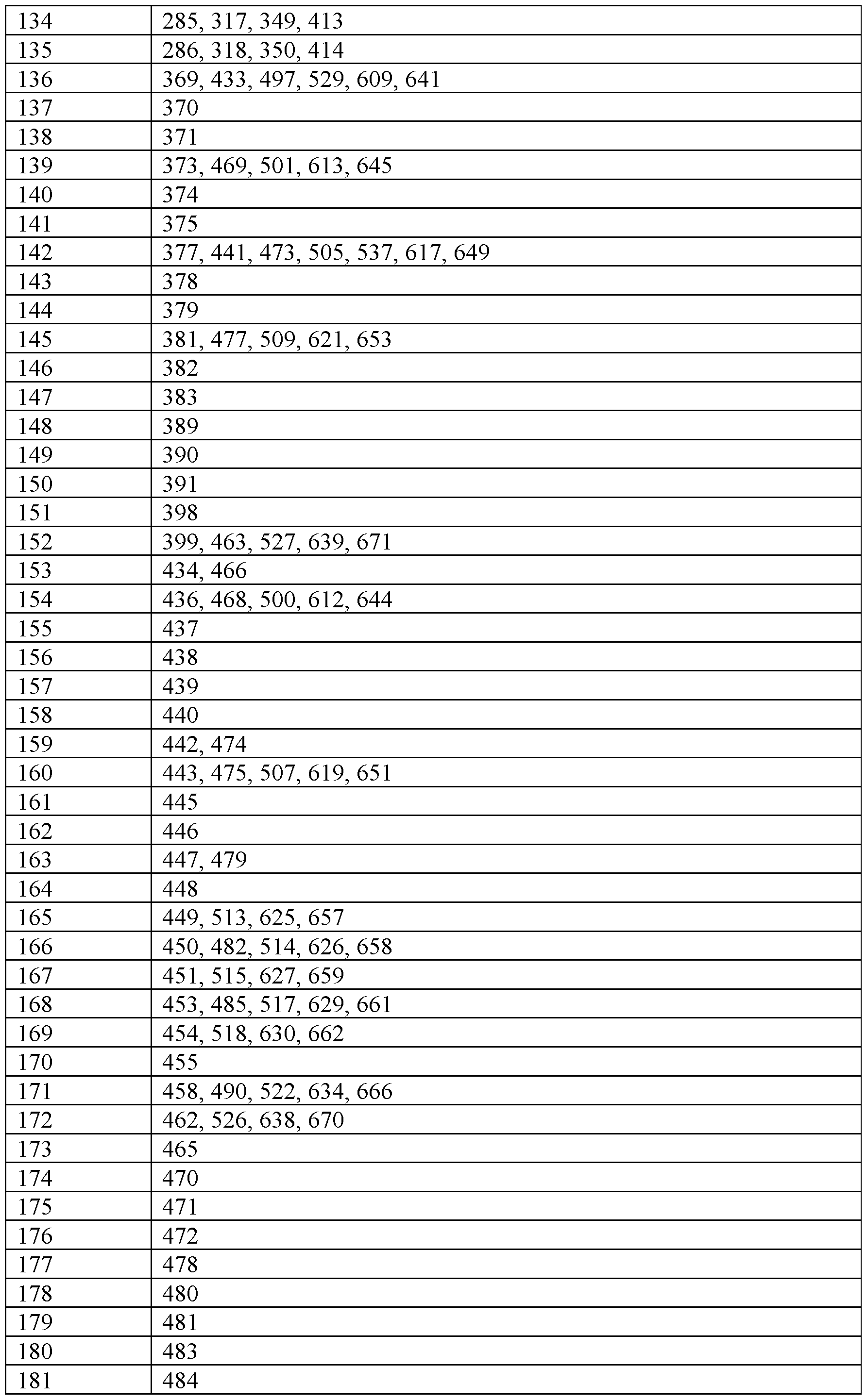


Claims
Priority Applications (8)
| Application Number | Priority Date | Filing Date | Title |
|---|---|---|---|
| CN202080092715.8A CN114945592B (en) | 2019-11-19 | 2020-11-19 | Anti-alpha-synuclein monoclonal antibodies and methods of use thereof |
| AU2020386061A AU2020386061A1 (en) | 2019-11-19 | 2020-11-19 | Anti-alpha-synuclein monoclonal antibodies, and methods using same |
| CA3158364A CA3158364A1 (en) | 2019-11-19 | 2020-11-19 | Anti-alpha-synuclein monoclonal antibodies, and methods using same |
| JP2022528957A JP7777071B2 (en) | 2019-11-19 | 2020-11-19 | Anti-alpha-synuclein monoclonal antibodies and methods of use thereof |
| US17/778,061 US20230025707A1 (en) | 2019-11-19 | 2020-11-19 | Anti-Alpha-Synuclein Monoclonal Antibodies, and Methods Using Same |
| IL293108A IL293108A (en) | 2019-11-19 | 2020-11-19 | Anti-alpha-synuclein monoclonal antibodies, and methods using same |
| EP20889174.7A EP4061840A4 (en) | 2019-11-19 | 2020-11-19 | Anti-alpha-synuclein monoclonal antibodies, and methods using same |
| MX2022006026A MX2022006026A (en) | 2019-11-19 | 2020-11-19 | ANTI-ALPHA-SINUCLEIN MONOCLONAL ANTIBODIES AND METHODS THAT USE THEM. |
Applications Claiming Priority (2)
| Application Number | Priority Date | Filing Date | Title |
|---|---|---|---|
| US201962937636P | 2019-11-19 | 2019-11-19 | |
| US62/937,636 | 2019-11-19 |
Publications (1)
| Publication Number | Publication Date |
|---|---|
| WO2021102197A1 true WO2021102197A1 (en) | 2021-05-27 |
Family
ID=75981490
Family Applications (1)
| Application Number | Title | Priority Date | Filing Date |
|---|---|---|---|
| PCT/US2020/061376 Ceased WO2021102197A1 (en) | 2019-11-19 | 2020-11-19 | Anti-alpha-synuclein monoclonal antibodies, and methods using same |
Country Status (9)
| Country | Link |
|---|---|
| US (1) | US20230025707A1 (en) |
| EP (1) | EP4061840A4 (en) |
| JP (1) | JP7777071B2 (en) |
| CN (1) | CN114945592B (en) |
| AU (1) | AU2020386061A1 (en) |
| CA (1) | CA3158364A1 (en) |
| IL (1) | IL293108A (en) |
| MX (1) | MX2022006026A (en) |
| WO (1) | WO2021102197A1 (en) |
Cited By (1)
| Publication number | Priority date | Publication date | Assignee | Title |
|---|---|---|---|---|
| US12162940B2 (en) | 2021-05-05 | 2024-12-10 | Immatics Biotechnologies Gmbh | BMA031 antigen binding polypeptides |
Families Citing this family (1)
| Publication number | Priority date | Publication date | Assignee | Title |
|---|---|---|---|---|
| EP4370154A4 (en) * | 2021-07-15 | 2025-04-02 | The Regents Of The University Of Michigan | COMPOSITIONS AND METHODS FOR TREATING ALPHA-SYNUCLEINOPATHIES |
Citations (4)
| Publication number | Priority date | Publication date | Assignee | Title |
|---|---|---|---|---|
| US20030079253A1 (en) * | 2000-05-02 | 2003-04-24 | Hiatt Andrew C. | Immunoglobulin binding protein arrays in eukaryotic cells |
| US20090252683A1 (en) * | 2005-10-11 | 2009-10-08 | Micromet Ag | Composition Comprising Cross-Species-Sepecific Antibodies and uses Thereof |
| CN103627676A (en) * | 2013-05-10 | 2014-03-12 | 深圳大学 | Physarum polycephalum 14-3-3 protein monoclonal antibodies and preparation method thereof |
| WO2018204352A1 (en) * | 2017-05-01 | 2018-11-08 | The Trustees Of The University Of Pennsylvania | Monoclonal antibodies against alpha-synuclein fibrils |
Family Cites Families (6)
| Publication number | Priority date | Publication date | Assignee | Title |
|---|---|---|---|---|
| CN101692092B (en) * | 2009-09-24 | 2013-04-10 | 首都医科大学宣武医院 | Method for quantitative detection of autologous α-synuclein antibody in human serum |
| NZ720769A (en) * | 2013-12-09 | 2022-10-28 | Allakos Inc | Anti-siglec-8 antibodies and methods of use thereof |
| US10364286B2 (en) * | 2016-12-22 | 2019-07-30 | H. Lundbeck A/S | Monoclonal anti-alpha-synuclein antibodies for preventing tau aggregation |
| EP3661961A4 (en) * | 2017-08-02 | 2021-04-14 | Stressmarq Biosciences Inc. | ACTIVE ALPHA-SYNNUCLEIN BINDING ANTIBODIES |
| US11155608B2 (en) * | 2017-08-23 | 2021-10-26 | The Trustees Of The University Of Pennsylvania | Monoclonal antibodies against pathological alpha-synuclein, and methods using same |
| CN110172098B (en) * | 2019-05-27 | 2023-03-10 | 长春工业大学 | Monoclonal antibody for resisting alpha-synuclein and application thereof |
-
2020
- 2020-11-19 US US17/778,061 patent/US20230025707A1/en active Pending
- 2020-11-19 CN CN202080092715.8A patent/CN114945592B/en active Active
- 2020-11-19 AU AU2020386061A patent/AU2020386061A1/en active Pending
- 2020-11-19 EP EP20889174.7A patent/EP4061840A4/en active Pending
- 2020-11-19 IL IL293108A patent/IL293108A/en unknown
- 2020-11-19 JP JP2022528957A patent/JP7777071B2/en active Active
- 2020-11-19 WO PCT/US2020/061376 patent/WO2021102197A1/en not_active Ceased
- 2020-11-19 CA CA3158364A patent/CA3158364A1/en active Pending
- 2020-11-19 MX MX2022006026A patent/MX2022006026A/en unknown
Patent Citations (4)
| Publication number | Priority date | Publication date | Assignee | Title |
|---|---|---|---|---|
| US20030079253A1 (en) * | 2000-05-02 | 2003-04-24 | Hiatt Andrew C. | Immunoglobulin binding protein arrays in eukaryotic cells |
| US20090252683A1 (en) * | 2005-10-11 | 2009-10-08 | Micromet Ag | Composition Comprising Cross-Species-Sepecific Antibodies and uses Thereof |
| CN103627676A (en) * | 2013-05-10 | 2014-03-12 | 深圳大学 | Physarum polycephalum 14-3-3 protein monoclonal antibodies and preparation method thereof |
| WO2018204352A1 (en) * | 2017-05-01 | 2018-11-08 | The Trustees Of The University Of Pennsylvania | Monoclonal antibodies against alpha-synuclein fibrils |
Non-Patent Citations (1)
| Title |
|---|
| See also references of EP4061840A4 * |
Cited By (1)
| Publication number | Priority date | Publication date | Assignee | Title |
|---|---|---|---|---|
| US12162940B2 (en) | 2021-05-05 | 2024-12-10 | Immatics Biotechnologies Gmbh | BMA031 antigen binding polypeptides |
Also Published As
| Publication number | Publication date |
|---|---|
| CN114945592A (en) | 2022-08-26 |
| CN114945592B (en) | 2025-09-19 |
| AU2020386061A1 (en) | 2022-06-02 |
| IL293108A (en) | 2022-07-01 |
| MX2022006026A (en) | 2022-09-12 |
| EP4061840A4 (en) | 2024-05-15 |
| EP4061840A1 (en) | 2022-09-28 |
| JP7777071B2 (en) | 2025-11-27 |
| JP2023502122A (en) | 2023-01-20 |
| US20230025707A1 (en) | 2023-01-26 |
| CA3158364A1 (en) | 2021-05-27 |
Similar Documents
| Publication | Publication Date | Title |
|---|---|---|
| RU2760875C1 (en) | Antibodies specific to hyperphosphorylated tau-protein and their application methods | |
| US12071474B2 (en) | Monoclonal antibodies against alpha-synuclein fibrils | |
| JP2022091948A (en) | Its diagnostic and therapeutic use for the treatment of human antibodies and neurological disorders | |
| JP2017522043A (en) | FcRn-specific human antibody and autoimmune disease treatment composition containing the same | |
| US20220041698A1 (en) | Monoclonal Antibodies Against Pathological Alpha-Synuclein, and Methods Using Same | |
| CN107531796A (en) | Antibodies that recognize the T14 peptide of AChE | |
| WO2016053610A1 (en) | Antibodies against pathological forms of tdp-43 and uses thereof | |
| US12459993B2 (en) | Anti-alpha-synuclein antibodies and uses thereof | |
| WO2023143425A1 (en) | Method for improving cognitive disorders | |
| JP7777071B2 (en) | Anti-alpha-synuclein monoclonal antibodies and methods of use thereof | |
| US9796778B1 (en) | Antibodies against pathological forms of TDP-43 and uses thereof | |
| US12553906B2 (en) | Method for determining potency of therapeutic anti-clever-1 antibody | |
| JP2025016653A (en) | Musk Inhibition | |
| EP4082574A1 (en) | Agent for preventing or treating acute-phase neuromyelitis optica | |
| US20230235034A1 (en) | Monoclonal antibodies against pathological tau, and methods using same | |
| KR20240112733A (en) | Nanobodies for preventing or treating schizophrenia | |
| WO2022060236A1 (en) | ANTIBODY COMPOSITIONS TARGETING NON-PHOSPHORYLATED α-SYNUCLEIN AGGREGATES | |
| EA041243B1 (en) | ANTIBODIES TO N3PGLU BETA-AMYLOID PEPTIDE AND THEIR USE |
Legal Events
| Date | Code | Title | Description |
|---|---|---|---|
| 121 | Ep: the epo has been informed by wipo that ep was designated in this application |
Ref document number: 20889174 Country of ref document: EP Kind code of ref document: A1 |
|
| ENP | Entry into the national phase |
Ref document number: 3158364 Country of ref document: CA |
|
| ENP | Entry into the national phase |
Ref document number: 2022528957 Country of ref document: JP Kind code of ref document: A |
|
| ENP | Entry into the national phase |
Ref document number: 2020386061 Country of ref document: AU Date of ref document: 20201119 Kind code of ref document: A |
|
| NENP | Non-entry into the national phase |
Ref country code: DE |
|
| ENP | Entry into the national phase |
Ref document number: 2020889174 Country of ref document: EP Effective date: 20220620 |
|
| WWG | Wipo information: grant in national office |
Ref document number: 202080092715.8 Country of ref document: CN |