WO2021117840A1 - Myclの一過性発現による増殖可能な膵島前駆細胞様細胞の誘導とインスリン陽性細胞への分化誘導 - Google Patents
Myclの一過性発現による増殖可能な膵島前駆細胞様細胞の誘導とインスリン陽性細胞への分化誘導 Download PDFInfo
- Publication number
- WO2021117840A1 WO2021117840A1 PCT/JP2020/046177 JP2020046177W WO2021117840A1 WO 2021117840 A1 WO2021117840 A1 WO 2021117840A1 JP 2020046177 W JP2020046177 W JP 2020046177W WO 2021117840 A1 WO2021117840 A1 WO 2021117840A1
- Authority
- WO
- WIPO (PCT)
- Prior art keywords
- cells
- mycl
- gene
- islet
- cell
- Prior art date
- Legal status (The legal status is an assumption and is not a legal conclusion. Google has not performed a legal analysis and makes no representation as to the accuracy of the status listed.)
- Ceased
Links
Images




Classifications
-
- C—CHEMISTRY; METALLURGY
- C12—BIOCHEMISTRY; BEER; SPIRITS; WINE; VINEGAR; MICROBIOLOGY; ENZYMOLOGY; MUTATION OR GENETIC ENGINEERING
- C12N—MICROORGANISMS OR ENZYMES; COMPOSITIONS THEREOF; PROPAGATING, PRESERVING, OR MAINTAINING MICROORGANISMS; MUTATION OR GENETIC ENGINEERING; CULTURE MEDIA
- C12N15/00—Mutation or genetic engineering; DNA or RNA concerning genetic engineering, vectors, e.g. plasmids, or their isolation, preparation or purification; Use of hosts therefor
- C12N15/09—Recombinant DNA-technology
- C12N15/63—Introduction of foreign genetic material using vectors; Vectors; Use of hosts therefor; Regulation of expression
-
- A—HUMAN NECESSITIES
- A61—MEDICAL OR VETERINARY SCIENCE; HYGIENE
- A61K—PREPARATIONS FOR MEDICAL, DENTAL OR TOILETRY PURPOSES
- A61K48/00—Medicinal preparations containing genetic material which is inserted into cells of the living body to treat genetic diseases; Gene therapy
-
- A—HUMAN NECESSITIES
- A61—MEDICAL OR VETERINARY SCIENCE; HYGIENE
- A61K—PREPARATIONS FOR MEDICAL, DENTAL OR TOILETRY PURPOSES
- A61K38/00—Medicinal preparations containing peptides
- A61K38/16—Peptides having more than 20 amino acids; Gastrins; Somatostatins; Melanotropins; Derivatives thereof
- A61K38/17—Peptides having more than 20 amino acids; Gastrins; Somatostatins; Melanotropins; Derivatives thereof from animals; from humans
- A61K38/1703—Peptides having more than 20 amino acids; Gastrins; Somatostatins; Melanotropins; Derivatives thereof from animals; from humans from vertebrates
- A61K38/1709—Peptides having more than 20 amino acids; Gastrins; Somatostatins; Melanotropins; Derivatives thereof from animals; from humans from vertebrates from mammals
-
- A—HUMAN NECESSITIES
- A01—AGRICULTURE; FORESTRY; ANIMAL HUSBANDRY; HUNTING; TRAPPING; FISHING
- A01K—ANIMAL HUSBANDRY; AVICULTURE; APICULTURE; PISCICULTURE; FISHING; REARING OR BREEDING ANIMALS, NOT OTHERWISE PROVIDED FOR; NEW BREEDS OF ANIMALS
- A01K67/00—Rearing or breeding animals, not otherwise provided for; New or modified breeds of animals
- A01K67/027—New or modified breeds of vertebrates
- A01K67/0275—Genetically modified vertebrates, e.g. transgenic
-
- A—HUMAN NECESSITIES
- A61—MEDICAL OR VETERINARY SCIENCE; HYGIENE
- A61K—PREPARATIONS FOR MEDICAL, DENTAL OR TOILETRY PURPOSES
- A61K35/00—Medicinal preparations containing materials or reaction products thereof with undetermined constitution
- A61K35/12—Materials from mammals; Compositions comprising non-specified tissues or cells; Compositions comprising non-embryonic stem cells; Genetically modified cells
- A61K35/37—Digestive system
- A61K35/39—Pancreas; Islets of Langerhans
-
- A—HUMAN NECESSITIES
- A61—MEDICAL OR VETERINARY SCIENCE; HYGIENE
- A61K—PREPARATIONS FOR MEDICAL, DENTAL OR TOILETRY PURPOSES
- A61K38/00—Medicinal preparations containing peptides
- A61K38/16—Peptides having more than 20 amino acids; Gastrins; Somatostatins; Melanotropins; Derivatives thereof
- A61K38/17—Peptides having more than 20 amino acids; Gastrins; Somatostatins; Melanotropins; Derivatives thereof from animals; from humans
-
- A—HUMAN NECESSITIES
- A61—MEDICAL OR VETERINARY SCIENCE; HYGIENE
- A61P—SPECIFIC THERAPEUTIC ACTIVITY OF CHEMICAL COMPOUNDS OR MEDICINAL PREPARATIONS
- A61P3/00—Drugs for disorders of the metabolism
- A61P3/08—Drugs for disorders of the metabolism for glucose homeostasis
- A61P3/10—Drugs for disorders of the metabolism for glucose homeostasis for hyperglycaemia, e.g. antidiabetics
-
- C—CHEMISTRY; METALLURGY
- C07—ORGANIC CHEMISTRY
- C07K—PEPTIDES
- C07K14/00—Peptides having more than 20 amino acids; Gastrins; Somatostatins; Melanotropins; Derivatives thereof
- C07K14/435—Peptides having more than 20 amino acids; Gastrins; Somatostatins; Melanotropins; Derivatives thereof from animals; from humans
-
- C—CHEMISTRY; METALLURGY
- C07—ORGANIC CHEMISTRY
- C07K—PEPTIDES
- C07K14/00—Peptides having more than 20 amino acids; Gastrins; Somatostatins; Melanotropins; Derivatives thereof
- C07K14/435—Peptides having more than 20 amino acids; Gastrins; Somatostatins; Melanotropins; Derivatives thereof from animals; from humans
- C07K14/46—Peptides having more than 20 amino acids; Gastrins; Somatostatins; Melanotropins; Derivatives thereof from animals; from humans from vertebrates
- C07K14/47—Peptides having more than 20 amino acids; Gastrins; Somatostatins; Melanotropins; Derivatives thereof from animals; from humans from vertebrates from mammals
-
- C—CHEMISTRY; METALLURGY
- C12—BIOCHEMISTRY; BEER; SPIRITS; WINE; VINEGAR; MICROBIOLOGY; ENZYMOLOGY; MUTATION OR GENETIC ENGINEERING
- C12N—MICROORGANISMS OR ENZYMES; COMPOSITIONS THEREOF; PROPAGATING, PRESERVING, OR MAINTAINING MICROORGANISMS; MUTATION OR GENETIC ENGINEERING; CULTURE MEDIA
- C12N5/00—Undifferentiated human, animal or plant cells, e.g. cell lines; Tissues; Cultivation or maintenance thereof; Culture media therefor
- C12N5/06—Animal cells or tissues; Human cells or tissues
- C12N5/0602—Vertebrate cells
- C12N5/0676—Pancreatic cells
- C12N5/0677—Three-dimensional culture, tissue culture or organ culture; Encapsulated cells
-
- C—CHEMISTRY; METALLURGY
- C12—BIOCHEMISTRY; BEER; SPIRITS; WINE; VINEGAR; MICROBIOLOGY; ENZYMOLOGY; MUTATION OR GENETIC ENGINEERING
- C12N—MICROORGANISMS OR ENZYMES; COMPOSITIONS THEREOF; PROPAGATING, PRESERVING, OR MAINTAINING MICROORGANISMS; MUTATION OR GENETIC ENGINEERING; CULTURE MEDIA
- C12N5/00—Undifferentiated human, animal or plant cells, e.g. cell lines; Tissues; Cultivation or maintenance thereof; Culture media therefor
- C12N5/06—Animal cells or tissues; Human cells or tissues
- C12N5/0602—Vertebrate cells
- C12N5/0676—Pancreatic cells
- C12N5/0678—Stem cells; Progenitor cells; Precursor cells
-
- C—CHEMISTRY; METALLURGY
- C12—BIOCHEMISTRY; BEER; SPIRITS; WINE; VINEGAR; MICROBIOLOGY; ENZYMOLOGY; MUTATION OR GENETIC ENGINEERING
- C12N—MICROORGANISMS OR ENZYMES; COMPOSITIONS THEREOF; PROPAGATING, PRESERVING, OR MAINTAINING MICROORGANISMS; MUTATION OR GENETIC ENGINEERING; CULTURE MEDIA
- C12N5/00—Undifferentiated human, animal or plant cells, e.g. cell lines; Tissues; Cultivation or maintenance thereof; Culture media therefor
- C12N5/10—Cells modified by introduction of foreign genetic material
-
- A—HUMAN NECESSITIES
- A01—AGRICULTURE; FORESTRY; ANIMAL HUSBANDRY; HUNTING; TRAPPING; FISHING
- A01K—ANIMAL HUSBANDRY; AVICULTURE; APICULTURE; PISCICULTURE; FISHING; REARING OR BREEDING ANIMALS, NOT OTHERWISE PROVIDED FOR; NEW BREEDS OF ANIMALS
- A01K2217/00—Genetically modified animals
- A01K2217/05—Animals comprising random inserted nucleic acids (transgenic)
- A01K2217/052—Animals comprising random inserted nucleic acids (transgenic) inducing gain of function
-
- A—HUMAN NECESSITIES
- A01—AGRICULTURE; FORESTRY; ANIMAL HUSBANDRY; HUNTING; TRAPPING; FISHING
- A01K—ANIMAL HUSBANDRY; AVICULTURE; APICULTURE; PISCICULTURE; FISHING; REARING OR BREEDING ANIMALS, NOT OTHERWISE PROVIDED FOR; NEW BREEDS OF ANIMALS
- A01K2217/00—Genetically modified animals
- A01K2217/20—Animal model comprising regulated expression system
- A01K2217/203—Animal model comprising inducible/conditional expression system, e.g. hormones, tet
-
- A—HUMAN NECESSITIES
- A01—AGRICULTURE; FORESTRY; ANIMAL HUSBANDRY; HUNTING; TRAPPING; FISHING
- A01K—ANIMAL HUSBANDRY; AVICULTURE; APICULTURE; PISCICULTURE; FISHING; REARING OR BREEDING ANIMALS, NOT OTHERWISE PROVIDED FOR; NEW BREEDS OF ANIMALS
- A01K2227/00—Animals characterised by species
- A01K2227/10—Mammal
- A01K2227/105—Murine
-
- A—HUMAN NECESSITIES
- A01—AGRICULTURE; FORESTRY; ANIMAL HUSBANDRY; HUNTING; TRAPPING; FISHING
- A01K—ANIMAL HUSBANDRY; AVICULTURE; APICULTURE; PISCICULTURE; FISHING; REARING OR BREEDING ANIMALS, NOT OTHERWISE PROVIDED FOR; NEW BREEDS OF ANIMALS
- A01K2267/00—Animals characterised by purpose
- A01K2267/03—Animal model, e.g. for test or diseases
- A01K2267/035—Animal model for multifactorial diseases
- A01K2267/0362—Animal model for lipid/glucose metabolism, e.g. obesity, type-2 diabetes
-
- A—HUMAN NECESSITIES
- A61—MEDICAL OR VETERINARY SCIENCE; HYGIENE
- A61K—PREPARATIONS FOR MEDICAL, DENTAL OR TOILETRY PURPOSES
- A61K38/00—Medicinal preparations containing peptides
-
- C—CHEMISTRY; METALLURGY
- C12—BIOCHEMISTRY; BEER; SPIRITS; WINE; VINEGAR; MICROBIOLOGY; ENZYMOLOGY; MUTATION OR GENETIC ENGINEERING
- C12N—MICROORGANISMS OR ENZYMES; COMPOSITIONS THEREOF; PROPAGATING, PRESERVING, OR MAINTAINING MICROORGANISMS; MUTATION OR GENETIC ENGINEERING; CULTURE MEDIA
- C12N2501/00—Active agents used in cell culture processes, e.g. differentation
- C12N2501/60—Transcription factors
- C12N2501/606—Transcription factors c-Myc
-
- C—CHEMISTRY; METALLURGY
- C12—BIOCHEMISTRY; BEER; SPIRITS; WINE; VINEGAR; MICROBIOLOGY; ENZYMOLOGY; MUTATION OR GENETIC ENGINEERING
- C12N—MICROORGANISMS OR ENZYMES; COMPOSITIONS THEREOF; PROPAGATING, PRESERVING, OR MAINTAINING MICROORGANISMS; MUTATION OR GENETIC ENGINEERING; CULTURE MEDIA
- C12N2510/00—Genetically modified cells
Definitions
- the present invention relates to a Mycl gene or an insulin production promoter containing pancreatic islet-like cells into which the Mycl gene has been introduced. It also relates to a pharmaceutical composition for preventing / treating diabetes, which comprises a Mycl gene or a gene product thereof, or islet-like cells into which the Mycl gene has been introduced. Furthermore, the present invention relates to a method of inducing proliferative islet progenitor cell-like cells by transient expression of the Mycl gene and inducing differentiation into insulin-producing cells.
- Non-Patent Document 1 It has been shown that repeated short-term expression of cell reprogramming factors in individual mice causes pancreatic islet cells to proliferate and glucose tolerance to improve.
- Islet transplantation is a medical treatment that makes it possible to maintain stable blood glucose by transplanting islet tissue for diabetic diseases, but donor shortage has become a serious problem especially in Japan, and various approaches are used. There is an urgent need to develop a method for regenerating pancreatic islet function. In recent years, the establishment of islet-like insulin-producing cells by inducing differentiation of ES / iPS cells has been reported, but the production technology for functional and large amounts of islet insulin-positive cells has not yet been established, and rejection reactions and rejection reactions have occurred. Problems such as autoimmune reaction are also a concern.
- An object of the present invention is to provide a means for treating diabetes, which comprises removing islet cells from a subject, inducing in vitro proliferative islet progenitor cell-like cells, and then returning the islet cells to the subject. To do. Furthermore, it is an object of the present invention to provide a means for treating diabetes by transiently overexpressing the Mycl gene in islet cells in the body.
- proliferative islet progenitor cell-like cells can be induced by introducing the Mycl gene into islet cells and expressing the gene.
- Proliferating cells express the Fev gene, Pax4 gene, and Cck gene expressed in embryonic pancreatic islet precursor cells in the presence of the Mycl gene, and at the same time express somatostatin and proliferate. , Differentiate into insulin-positive cells as proliferation ceases. That is, they have found that proliferative islet progenitor cell-like cells can be induced by transiently inducing the expression of the Mycl gene, and the proliferated islet progenitor cell-like cells can be differentiated into insulin-positive cells.
- the invention was completed.
- the present invention has the following aspects.
- the Mycl gene (1) Nucleic acid containing the base sequence represented by SEQ ID NO: 1 or 3; or (2) Hybridizing with nucleic acid containing the base sequence represented by SEQ ID NO: 1 or 3 under stringent conditions, and the Mycl gene
- the insulin production-promoting agent according to [1] which comprises a nucleic acid encoding a polypeptide having an activity of promoting insulin production when expression is induced.
- Mycl gene product (1) A polypeptide containing the amino acid sequence represented by SEQ ID NO: 2 or 4; or (2) At least 80%, 85%, 90%, 95%, 97% of the amino acid sequence represented by SEQ ID NO: 2 or 4.
- the insulin production-promoting agent according to [1] which comprises a polypeptide having 98% or 99% sequence identity and having an effect of proliferating pancreatic islet-like cells and / or an activity of promoting insulin production.
- the insulin production-promoting agent according to any one of [1] to [4], wherein the Mycl gene is transiently expressed.
- a pharmaceutical composition for preventing and / or treating diabetes and related diseases (I) Mycl gene or its gene product; vector in which the Mycl gene is integrated; and / or pancreatic islet cells into which the Mycl gene or its gene product has been introduced or whose expression has been induced; and (ii) pharmaceutically acceptable.
- the pharmaceutical composition comprising an excipient, diluent or carrier.
- Diabetes mellitus and related diseases are selected from diseases, disorders or symptoms related to type I diabetes, type II diabetes, impaired glucose tolerance, hyperglycemia, dyslipidemia, obesity or metabolic syndrome.
- the pharmaceutical composition according to [8]. [10] The Mycl gene (1) Nucleic acid containing the base sequence represented by SEQ ID NO: 1 or 3; or (2) Hybridizing with nucleic acid containing the base sequence represented by SEQ ID NO: 1 or 3 under stringent conditions, and the Mycl gene
- the Mycl gene product (1) A polypeptide containing the amino acid sequence represented by SEQ ID NO: 2 or 4; or (2) At least 80%, 85%, 90%, 95%, 97% of the amino acid sequence represented by SEQ ID NO: 2 or 3. , 98%, or 99% of the polypeptide having the effect of proliferating pancreatic islet-like cells and / or promoting insulin production, according to either [8] or [9].
- the pharmaceutical composition described. A kit containing the insulin production promoter according to any one of [1] to [7] or the pharmaceutical composition according to any one of [8] to [11].
- a kit further containing an activator for activating the Mycl gene.
- the activator for activating the Mycl gene consists of a group consisting of a promoter, an enhancer, an enzyme or factor that activates the promoter, an enzyme or factor that activates the enhancer, a nucleic acid protein complex, and a low molecular weight compound.
- the islet-like cell according to [15] wherein the islet cells are derived from primary islet cells, cultured islet cells, or stem cells isolated from the pancreas.
- a method comprising the step of introducing an episomal vector into pancreatic islet cells.
- the method for preparing islet-like cells according to [16] which comprises a step of introducing an RNA encoding a Mycl gene or a Mycl protein into islet cells.
- the present invention by controlling the expression of the extrinsic or endogenous Mycl gene, it is possible to treat diabetes or a related disease in which insulin production is desired.
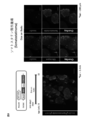
- mouse ES cells capable of inducing Mycl expression The establishment of mouse ES cells capable of inducing Mycl expression is shown. It shows an increase in islets due to Mycl overexpression. It shows the proliferation of somatostatin-positive islet cell-like cells due to Mycl overexpression. It shows the proliferation of somatostatin-positive islet cell-like cells due to Mycl overexpression. It shows the proliferation of somatostatin-positive islet cell-like cells due to Mycl overexpression. Somatostatin-positive islet-like cells proliferated by Mycl overexpression resemble embryonic islet progenitor cells. It shows proliferation induction of pancreatic islet progenitor cell-like cells by Mycl overexpression and proliferation arrest by Mycl overexpression arrest.
- the present invention relates to a Mycl gene or a gene product thereof, or an insulin production promoter containing pancreatic islet-like cells into which the Mycl gene has been introduced.
- the present invention relates to a pharmaceutical composition for preventing / treating diabetes, which comprises these insulin production promoters.
- the present invention will be described in detail below.
- pancreatic islet-like cells and their preparation methods are pancreatic islet-like cells and their preparation methods.
- pancreatic islet-like cells are islet cells into which the Mycl gene or its gene product has been introduced, as used herein. Point.
- islet-like cells that have transitioned to the proliferative phase due to forced expression of the Mycl gene may be particularly referred to as “islet progenitor cell-like cells”.
- islet progenitor cell-like cells Furthermore, by stopping the expression of the gene, it is possible to differentiate into cells having an insulin-producing ability (hereinafter, also referred to as "insulin-producing cells”). That is, according to the present invention, transient expression of the Mycl gene can increase the number of islet-like cells and differentiate them into insulin-producing cells.
- the "islet progenitor cell-like cell” is, for example, at least one, preferably two, of genes selected from Fev, Pax4, Cck, CDK4, and Ki67. More preferably, 3 or more are positive. Focusing on the proteins expressed, it is also characterized by reduced insulin and glucagon production compared to normal islets, or marked somatostatin production.
- Pancreatic islet cells are generally called Langerhans islets, which are cell aggregates called pancreatic islets that control the endocrine function of the pancreas and occupy about 1 to 2% of all cells in the pancreas. Refers to endocrine cells.
- islet cells are mainly composed of five types of cells: ⁇ cells, ⁇ cells, ⁇ cells, ⁇ cells, and PP cells.
- the main cells that make up the cell aggregate are ⁇ -cells, which occupy the central part of the pancreas. Beta cells make up about 60-80% of the cell assembly and secrete insulin, which allows glucose transfer to most cells in the body.
- Alpha cells occupy about 10-30% of the islets and secrete glucagon released during starvation, which allows glucose to be released from the liver to maintain normal blood glucose.
- Delta cells make up about 5-10% of islet cells and secrete somatostatin, which further regulates glucose levels.
- ⁇ cells and PP cells secrete ghrelin and pancreatic polypeptide, respectively.
- Pancreatic polypeptide-producing cells release hormones that alter exocrine and gastrointestinal function.
- islet cell types such as endothelial cells, nerve cells, and progenitor cells.
- pancreatic islet cells include the pancreatic islet cells described above, pancreatic islet progenitor cells, which are precursor cells of pancreatic islet cells, from the process of development into pancreatic islet cells or from somatic stem cells / pluripotent stem cells. It may be an intermediate cell generated up to the pancreatic islet cell or the pancreatic islet progenitor cell generated in the process of inducing differentiation of.
- the "intermediate cell” is preferably a cell whose fate is determined to differentiate into islet cells.
- the islet cells may be those produced from islet-like cells or islet progenitor cell-like cells into which the Mycl gene or a gene product thereof has been introduced in the present invention.
- type I diabetes lymphocyte-based cell infiltration is observed shortly after the onset. Eventually, ⁇ cells selectively disappear, and the volume of islets decreases, and ⁇ cells become the main constituents. Islet insulin secretion has a reserve, and type I diabetes develops when 90-95% of ⁇ -cells are lost. In type II diabetes, basically no morphological changes are observed in the islets, but the insulin secretory capacity of the islets is reduced.
- the origin or source of the islet cells into which the Mycl gene or the gene product thereof is introduced is not limited, but the primary islet cells isolated from the pancreas of an individual or the islet cells cultured by a known culture method. There may be.
- Cultured islet cells are not limited to, but are not limited to, islet cells derived from established pancreatic islet cells and stem cells (eg, iPS cells, ES cells, somatic stem cells) (eg, Kimura, A., et al., Cell). Chemical Biology, 2020, doi.org / 10.1016 / j.chembiol.2020.08.018) can be included.
- the pancreatic islet cell into which the Mycl gene or a gene product thereof is introduced may be a pancreatic islet-like cell and / or a pancreatic islet cell obtained from a pancreatic islet progenitor cell-like cell, and the pancreatic islet-like cell into which the Mycl gene has already been introduced.
- the Mycl gene or a gene product thereof may be repeatedly introduced into cells and / or pancreatic islet progenitor cell-like cells.
- either islet cells collected from a donor or stem cell-derived islet cells can be preferably used.
- the islet cells from the donor used may be autologous or allogeneic to the recipient.
- the present invention by introducing the Mycl gene into such islet cells, it is possible to treat diabetes by proliferating pancreatic islet progenitor cell-like cells in vitro and returning (transplanting) them to a patient. ..
- the immunosuppressant can be administered to the patient as appropriate.
- the above-mentioned islet-like cells, islet progenitor cell-like cells, cells capable of producing insulin, or any combination thereof can be used for transplantation into a patient.
- the islets as a raw material of the islet cells before the Mycl gene is introduced may be the islets in which most of the ⁇ cells have been shed, in addition to the islets containing a large number of normal ⁇ cells.
- the present invention can also be used for gene therapy of type I diabetic patients in which ⁇ cells have been lost by using islet-like cells or the like into which the Mycl gene has been introduced.
- Pluripotent stem cells are cells that have self-renewal ability and pluripotency, and have the ability to form all the cells that make up a living body. To say. "Self-renewal ability” refers to the ability to make the same undifferentiated cells as oneself from one cell. “Differentiation ability” refers to the ability of a cell to differentiate. Examples of pluripotent stem cells include embryonic stem cells (ES cells), induced pluripotent stem cells (iPS cells), and Muse cells (Multi-lineage differentiting cell). (Germline stem cell: GS cell), embryonic germ cell (EMbryonic germ cell: EG cell) and the like are included, but are not limited thereto.
- the pluripotent stem cells used in the present invention are preferably ES cells.
- the origin of pluripotent stem cells may be any of mammals, birds, fish, reptiles and amphibians, and is not particularly limited. Mammals include primates (humans, monkeys, etc.), rodents (mouses, rats, guinea pigs, etc.), cats, dogs, rabbits, sheep, pigs, cows, horses, donkeys, goats, ferrets and the like.
- ES cells are pluripotent stem cells that have the ability to differentiate into all histiocytes that make up an individual that exists early in development and have been strained for in vitro culture. Means things. ES cells can be expanded virtually indefinitely while retaining the ability to differentiate into all the cells that make up an individual, similar to pluripotent stem cells in early embryos. Specifically, mouse ES cells were first described in 1981 (Proc. Natl. Acad. Sci. USA 78, 7634-7638, 1981; Nature 292, 154-156, 1981). ES cells are pluripotent and can generate all the tissues and cell types that make up an individual. Rats (Inanaconns et al., Dev. Biol.
- Pluripotent embryonic stem cells have been isolated from a wide variety of species, including Sci. USA 92,7844-7848, 1995).
- the ES cells that can be used in the present invention include, but are not limited to, KH2 cells, RF8 cells, JI cells, CGR8 cells, MG1.19 cells, 129SV cells, C57 / BL6 cells, DBA-1 cells and the like. ..
- any established ES cell line can be used.
- a method of producing a cloned embryo using the somatic cells of the individual and establishing an ES cell line from the cloned embryo is used. It is valid. By using this method, it is possible to establish ES cells having the same genetic elements as the individual.
- somatic cell clone a phenomenon called "reprogramming" occurs in which the nucleus of the somatic cell introduced into the egg changes to the same state as the nucleus of the fertilized egg.
- ES cells also have an activity similar to that of an egg (Curr. Biol., 11, 1553-1558, 2001). That is, it is expected that somatic cells can be converted into cells such as ES cells by fusing individual somatic cells and ES cells. Since ES cells can be genetically engineered in vitro, by performing this with ES cells in which factors involved in immune rejection such as MHC genes have been engineered in advance, there is no need to use techniques such as somatic cell cloning embryo production. It is expected that rejection can be avoided.
- iPS cells are obtained by introducing genes for transcription factors such as Oct3 / 4, Sox2, Klf4, and c-Myc into somatic cells. , Means a cell having pluripotency similar to ES cells. iPS cells, like ES cells, can be expanded indefinitely while maintaining pluripotency.
- the basic method for producing iPS cells is a method of introducing four transcription factors Oct3 / 4, Sox2, Klf4 and c-Myc into cells using a virus (Takahashi K, Yamanaka).
- cells that can be used for producing iPS cells that is, cells from which iPS cells are derived, lymphocytes (T cells, B cells), fibroblasts, epithelial cells, endothelial cells, mucosal epithelial cells, etc. Examples include lobular stem cells, hematopoietic stem cells, adipose stem cells, dental pulp stem cells, and nerve stem cells.
- Reprogramming of iPS cells can be performed by a method well known to those skilled in the art, for example, Addgene's Blog / Post, "Delivery Methods for Generating iPSCs" (https://blog.addgene.org/delivery-methods- For-generating-ipscs).
- the method for introducing the Mycl gene into iPS cells is not limited, but is limited to recombinant viruses (eg, retrovirus, lentivirus, adenovirus, Sendaivirus, etc.), recombinant plasmids, minicircles, or episomes (eg, oriP /).
- Examples thereof include an introduction method using an Epstein-Barr nuclear antigen-1 (EBNA1) -based episomal vector), or a method of directly introducing an RNA (including mRNA) encoding the Mycl gene or the Mycl protein itself into a cell.
- EBNA1 Epstein-Barr nuclear antigen-1
- RNA including mRNA
- EG cell means any embryonic germ cell produced from a primordial germ cell, and its origin is not particularly limited.
- GS cell is a germ cell produced from testicular germ cells, and is a cell line capable of culturing sperm stem cells (sperm stem cells) in vitro (Cell. 119,1001-1012, 2004).
- mGS cells multipotent germline stem cells
- ES cells embryonic germline stem cells
- pluripotency pluripotency
- Mycl gene and its gene product Mycl is one of the members belonging to the family of Myc genes including c-Myc gene and Mycn ("N-Myc" gene). ..
- the Mycl gene like the c-Myc gene, is an oncogene and is also known as a reprogramming gene.
- the Mycl gene unlike the c-Myc gene, has been found to have almost no transforming ability (Nakagawa, M., et al., Proc. Natl. Acad. Sci. USA, vol. 107, p. 14152-14157, 2010).
- the cDNA sequence information of Mycl mice and humans is the NM of NCBI accession number, respectively. 008506 and NM It can be obtained by reference to 001033081, and one of ordinary skill in the art can easily isolate the cDNA.
- the isolated Mycl gene and its gene product it is preferable to use the isolated Mycl gene and its gene product.
- the base sequence of the Mycl gene can be specified by the NCBI accession number, but the Mycl genes that can be used include single-stranded or double-stranded DNA and its RNA complement.
- DNA includes, for example, naturally occurring DNA, recombinant DNA, chemically synthesized DNA, PCR-amplified DNA, and combinations thereof. DNA is preferable as the nucleic acid used in the present invention.
- pancreatic islet cells into which the Mycl gene has been introduced are the Mycl genes.
- the expression is not particularly limited as long as it has an action of causing cell proliferation by expression of the above-mentioned substance and promoting insulin production by stopping the expression of the substance.
- the Mycl gene is (1) Nucleic acid containing or consisting of the base sequence represented by SEQ ID NO: 1 or 3; or (2) Hybrid with nucleic acid containing or consisting of the base sequence represented by SEQ ID NO: 1 or 3 under stringent conditions. Nucleic acid encoding a polypeptide having the activity of proliferating pancreatic islet-like cells into which the Mycl gene has been introduced; or (3) Nucleic acid containing or consisting of the nucleotide sequence represented by SEQ ID NO: 1 or 3 and stringent.
- stringent conditions means hybridizing under moderate or high stringent conditions.
- moderate stringent conditions can be readily determined by one of ordinary skill in the art, for example, based on the length of the DNA.
- the basic conditions are Sambook, J. et al. Et al., Molecular Cloning, A Laboratory Hybrid (3rd edition), Cold Spring Hybrid Laboratory, 7.42-7.45 (2001), but with respect to the nitrocellulose filter, 5 ⁇ SSC, 0.5% SDS, 1.
- hybridization conditions of other similar hybridization solutions such as's solution
- washing conditions of about 60 ° C., 0.5 ⁇ SSC, 0.1% SDS are included.
- High stringent conditions can also be readily determined by one of ordinary skill in the art, eg, based on DNA length. In general, these conditions include hybridization and / or washing at temperatures higher than moderately stringent conditions and / or lower salt concentrations, eg, hybridization conditions as described above, and about 68 ° C. Defined with a 0.2 ⁇ SSC, 0.1% SDS wash. Those skilled in the art will recognize that the temperature and wash solution salt concentration can be adjusted as needed according to factors such as probe length.
- the homologous nucleic acid cloned by using the nucleic acid amplification reaction or hybridization as described above is at least 30% or more, preferably 50% or more, respectively, with respect to the base sequence shown in SEQ ID NO: 1 or 3. It has more preferably 70% or more, even more preferably 90% or more, even more preferably 95% or more, and most preferably 98% or more identity.
- the percentage of identity can be determined by visual inspection and mathematical calculation. Alternatively, the percent identity of the two nucleic acid sequences can be found in Devereux et al., Nucl. Acids Res. , 12, 387 (1984), and determined by comparing sequence information using the GAP computer program (GCG Wisconsin Package, version 10.3) available from the University of Wisconsin Genetics Computer Group (UWGCG). can do.
- the gene product of the Mycl gene is a polypeptide expressed from the Mycl gene described above.
- the polypeptide is (1) A polypeptide containing or consisting of the amino acid sequence represented by SEQ ID NO: 2 or 4; or (2) At least 80%, 85%, 90%, 95% with the amino acid sequence represented by SEQ ID NO: 2 or 4. , 97%, 98%, or 99% sequence identity, and can be a polypeptide having the effect of proliferating pancreatic islet-like cells and / or promoting insulin production.
- the gene product of the Mycl gene may be a variant of the polypeptide defined above, with one or more amino acid deletions, substitutions, or insertions in the amino acid sequence of SEQ ID NO: 2 or 4. And / or an amino acid sequence containing an addition.
- the substitution may be a conservative substitution, which is to replace a particular amino acid residue with a residue having similar physicochemical characteristics.
- conservative substitutions include substitutions between aliphatic group-containing amino acid residues such as substitutions between Ile, Val, Leu or Ala, between Lys and Arg, Glu and Asp, Gln and Asn. It includes substitutions between polar residues such as substitutions.
- Variants due to amino acid deletions, substitutions, insertions and / or additions can be added to the Mycl gene, eg, site-directed mutagenesis (eg, Nucleic Acid Research, Vol. 10, No. 20, p. 6487), which is a well-known technique. It can be prepared by applying -6500, 1982).
- site-directed mutagenesis eg, Nucleic Acid Research, Vol. 10, No. 20, p. 6487
- the term “one or more amino acids” means amino acids that can be deleted, substituted, inserted and / or added by a site-directed mutagenesis method. Further, in the present specification, "one or more amino acids” may mean one or several amino acids depending on the case.
- a gene is used as a method of deleting, substituting, inserting and / or adding one or more amino acids while maintaining the activity of the amino acid sequence of the polypeptide.
- a gene product of the Mycl gene in the present invention is 1 to 10, preferably 9 or less, 7 or less, 5 or less, 3 or less, or 2 or less in SEQ ID NO: 2 or 4.
- it may be a polypeptide consisting of an amino acid sequence in which one or less amino acids are deleted, substituted or added, and has an activity of promoting insulin production.
- the variant further has at least 80% or more, preferably 85% or more, 90% or more, 95% or more, 96% or more, 97% or more, 98% or more, or 99% or more amino acid identical to the amino acid sequence of SEQ ID NO: 2.
- a protein containing an amino acid sequence having sex which is a polypeptide having an effect of proliferating pancreatic islet-like cells and / or an effect of promoting insulin production.
- The% identity of the two amino acid sequences may be determined by visual inspection and mathematical calculation. Alternatively, the percent identity of the two protein sequences can be determined by Needleman, S. et al. B. And Wunsch, C.I. D. Determined based on the algorithm of (J. Mol. Biol., 48: 443-453, 1970) and by comparing sequence information using the GAP computer program available from the University of Wisconsin Genetics Computer Group (UWGCG). You may.
- the preferred default parameters of the GAP program are: (1) Henikoff, S. et al. And Henikoff, J. et al. G. (Proc. Natl. Acad. Sci. USA, 89: 10915-10919, 1992), scoring matrix, blossom62; (2) 12 gap weights; (3) 4 gap length weights; And (4) no penalty for end gaps.
- the method for introducing the Mycl gene into primary islet cells, cultured islet cells, or stem cells is not particularly limited.
- a method known to the trader can be used.
- “transformation” or “transfection” is common, which is induced in cells after uptake of exogenous nucleic acid (eg, exogenous DNA or RNA to host cells).
- exogenous nucleic acid eg, exogenous DNA or RNA to host cells.
- genetic alterations can be achieved by incorporating the exogenous nucleic acid into the genome of the host cell, or by maintaining the exogenous nucleic acid transiently or stably as an episomal component or independently.
- the introduced Mycl gene may be in a state of being integrated into the genome of the host cell or exists as an episomal component as long as it can control the on / off of the expression of the gene.
- the plasmid or vector containing the gene may be present in the cytoplasm as it is.
- a "vector” is used to introduce an exogenous nucleic acid (preferably DNA) into a host cell.
- the vector includes viruses, especially attenuated viruses and / or non-replicatable viruses.
- the viral vector include a retrovirus vector, a lentiviral vector, an adenovirus vector, an adeno-associated virus vector, and a Sendai virus vector.
- the vector can also contain regulatory sequences such as promoters, enhancers, ribosome binding sequences, terminators, polyadenylation sites, etc. to allow expression of exogenous nucleic acids.
- promoter also comprises a promoter component sufficient for promoter-dependent gene expression that is cell type-specifically controllable, tissue-specifically controllable, or inducible by an external signal or drug. Is intended. Such components may be located in the 5'or 3'region of the native gene.
- functionally bound means that the DNA sequence and the control sequence are bound so that they can be expressed when the appropriate molecule (eg, a transcriptionally activated protein) is bound to the control sequence. Means that you are.
- the introduction of the vector into the host cell is not limited, but the electroporation method (Meiner, V. et al., Proc. Natl. Acad. Sci. USA, 93: 14041-14406 (1996), etc.), calcium phosphate, etc. It is carried out by the method, the DEAE-dextran method, or a method using a lipid for gene transfer (lipofectamine, lipofectin, etc.).
- the cells into which the vector has been introduced can then be selected based on the characteristics of the marker gene (eg, drug resistance gene).
- the correct homologous recombination in the selected cells can be confirmed by Southern blotting or the like using a part of the target exogenous nucleic acid as a probe. In this way, a cell containing a gene of interest, specifically, a gene in which a marker gene is knocked into the Mycl gene in a heterozygous manner can be produced.
- a KH2 strain having a Frt sequence downstream of the Cola1 locus and expressing M2-rtTA, which is a reverse tetracycline-regulated transactivator, under the control of the endogenous Rosa26 promoter can be used ( Beard C, et al., Genesis, vol.44, p.23-28 (2006)).
- the Mycl gene can be introduced into the ES cells by a method well known to those skilled in the art.
- the Mycl gene is TA cloned into an entry vector, pCR8-GW-TOPO vector (manufactured by Invitrogen Life Technologies).
- a Colla1-TetOP-AttR1-ccdbB-AttR2-ires-mCherry vector is subjected to an LR reaction, and the TetOP-Mycl-ires-mCherry vector is used as a gene transfer vector.
- the "TetOP (operon)" sequence in the vector is a sequence to which a reverse tetracycline-regulating transactivator binds (tetracycline response factor: TRE), and is a reverse tetracycline such as doxycycline (Dox) added to cells.
- the reverse tetracycline-regulated transactivator expressed from the host cell binds in a dependent manner, and the expression of the gene linked downstream thereof is induced.
- iris internal ribosome entry site
- mCherry is a gene (reporter gene) encoding a red fluorescent protein.
- the present invention can proliferate pancreatic islet-like cells and differentiate into insulin-producing cells by controlling the transient expression of the Mycl gene.
- the present invention is characterized by transient expression of the Mycl gene, but when the Mycl gene is transiently expressed, the Mycl gene is introduced along with cell division of pancreatic islet-like cells. Since the number of cells decreases relatively, the expression level of the Mycl gene can be naturally decreased or stopped over time. That is, in one embodiment, the present invention achieves the object of the present invention by "on” control of the expression of the Mycl gene. In another embodiment, it is also possible to force the expression of the Mycl gene to be "off” (hereinafter referred to as "on / off” control).
- the expression of the Mycl gene introduced into the host cell can be controlled on / off. That is, in the presence of reverse tetracycline, the Mycl gene can continue to be expressed intracellularly and proliferate islet-like cells, while removing reverse tetracycline arrests the proliferation of islet-like cells and insulin-producing cells. Can induce differentiation into.
- the transient expression (on state) of the Mycl gene introduced into islet-like cells is at least 2 days to a maximum of 100 days from the start of cell culture, for example, 90 days, 80 days, 70 days, 60 days. It is preferably a period of days.
- the islet-like cells into which the Mycl gene has been introduced preferably proliferate during the above period.
- a "photoregulatory viral vector” (Tahara, M., et al.) That can accurately switch on / off the gene expression and cell proliferation of the viral vector by light irradiation. , PNAS, vol.116, 11587-11589, 2019) can be used.
- This is a gene in which a gene encoding an optical switch protein called a magnet is introduced into a viral vector, and the expression of the target gene incorporated into the vector can be controlled by using blue light.
- an episomal vector (Okita K., et al., Nat Methods 2011 May 8 (5): 409-412), Sendai virus, RNA vector ( Warren L., et al., Cell Stem Cell 2010 Nov 7 (5): 618-630) can be mentioned.
- the method used for the reprogramming (establishment) of iPS cells described above that is, the method for temporarily inducing a gene
- the method used for the reprogramming (establishment) of iPS cells described above that is, the method for temporarily inducing a gene
- the object of the present invention can be achieved by forcibly expressing the Mycl gene endogenous to the cell in addition to introducing the isolated exogenous Mycl gene.
- the means for expressing the endogenous Mycl gene is not limited, but the wild-type promoter or enhancer is replaced with a strong promoter or enhancer for operably inducing the expression of the Mycl gene, and the gene is forcibly expressed. It may be a method. Examples of promoters used for substitution include cytometric (CMV) promoters, which are potent promoters, inducible promoters that function in the presence of an inducer, and the like.
- CMV cytometric
- examples of the enhancer used for substitution include SV40 enhancer, herpes B virus enhancer, cytomegalovirus enhancer, ⁇ -fetoprotein enhancer and the like.
- CRISPR-type II including CRISPR-dCas9, as well as histone modifications, a demethylase capable of activating promoters and / or enhancers on the genome recognition sequences of CRISPR-type I, TALEN, ZFN.
- a molecule to which an enzyme, a transcriptional activator, specifically VP64, p65, Rta or the like is added can be used.
- the promoters and enhancers described above, enzymes and factors that activate them, or nucleic acid protein complexes or low molecular weight compounds may be referred to as "activators" for activating the Mycl gene. ..
- Introduction of Gene Product of Mycl Gene Product into cells can be performed by a general method of introducing a foreign gene or protein into cells.
- methods include, but are not limited to, transfection reagents, viruses, electroporation, particle gun, sonoporation, liposome fusion, and micromanipulators, laser irradiation. Examples thereof include an introduction method by forming pores in the cell membrane.
- ES cells into a mammal to prepare a chimeric mammal
- any medium known to those skilled in the art can be used for culturing ES cells into which the above-mentioned Mycl gene has been introduced.
- feeder cells for example, MEF (mouse embryonic fibroblasts)
- the ES cells are cultivated on the feeder cells in an ES cell medium (for example, for example).
- a mouse will be described as an example of a mammal, but a method for producing a knock-in mouse is well known to those skilled in the art.
- a chimeric mouse is prepared by injecting the above ES cells into a blastocyst of a mouse (for example, C57BL / 6 or the like) and transplanting it into the uterus of a pseudopregnant female mouse (ICR or the like). be able to.
- a chimeric mouse and a normal mouse (C57BL / 6, etc.) can be crossed to prepare a heterozygous mutant mouse in which the Mycl gene is heterozygously knocked in.
- a homozygous mutant mouse in which the Mycl gene is homozygously knocked in can be obtained.
- ECAT3 knock-in mice (Tokuzawa, Y., et al., Molecular and Cellular Biology, 23 (8): 2699-2708 (2003)), ECAT4 knock-in mice (Mitsui, K., et.) al., Cell, 113: 631-642 (2003)), ECAT5 knock-in mouse (Takahashi, K., K. Mitsui, and S. Yamanaka, Nature, 423 (6939): p541-545 (2003), JP-A-2003). -No. 265166), etc.).
- the chimeric mammal can be produced not only by the above ES cells but also by using iPS cells.
- blastocyst complementation techniques can be used to create organs from human iPS cells in non-human mammals.
- Nakauchi et al. Generated human pancreas derived from human iPS in vivo of apancreatic cloned pigs (Nakauchu, H., et al., PNAS, Vol. 110, No. 1, 4557- 4562 (2013)).
- the method for inducing the Mycl gene can be selected according to the method described above used for introducing the gene into cells. For example, when the Mycl gene is introduced into a cell using the TetOP-Mycl-ires-mCherry vector as described above as a gene transfer vector, the reverse expressed from the host cell depending on the reverse tetracycline such as Doxycycline (Dox). A tetracycline-regulated trans-activator binds to it, and the Mycl gene linked downstream thereof can be expressed to induce the proliferation of pancreatic islet-like cells.
- the concentration of Dox added to the cell culture system can be adjusted as appropriate. For example, it may be 1 to 100 mg / mL.
- the proliferation can be stopped by, for example, substituting with a medium containing no Dox, and cell differentiation such as insulin production can be induced.
- islet-like cell proliferation can be induced in the pancreas by feeding chimeric non-human mammals, for example, water containing Dox.
- concentration of Dox when added to water may be, for example, 1 to 100 mg / mL, preferably 2.0 mg / mL.
- pancreatic Islet Cell or Progenitor Cell thereof Having Insulin Producing Ability a method for producing pancreatic islet cell or progenitor cell thereof having insulin producing ability is provided.
- a production method is not limited, but using primary pancreatic islet cells, cultured pancreatic islet cells, or pancreatic islet cells derived from stem cells as a raw material, the Mycl gene is introduced into the pancreatic islet cells, and the cells are proliferated by forced expression of the Mycl gene. After that, by stopping the expression of the gene, pancreatic islet cells having an insulin-producing ability or progenitor cells thereof are obtained.
- the forced expression and arrest of the Mycl gene can be, for example, an alternative means for controlling the expression of the gene on / off (for example, the use of a photoregulatory viral vector), or a doxycycline-sensitive reverse tetracycline control.
- Sex transactivators can be utilized.
- islet cell progenitor cells or “islet progenitor cells” are cells (or cell groups) that are in the process of differentiating into insulin-producing islet cells after arrest of Mycl gene expression. ),
- one or more markers selected from the group consisting of PDX1 positive, PTF1a positive, NKX6.1 positive, Fev positive, Pax4 positive, and Cck gene can be identified as an index.
- an islet cell amplification promoter an islet function improver, an insulin production promoter containing the Mycl gene or a gene product thereof as an active ingredient; the above active ingredient and other pharmaceutically acceptable ingredients (eg, carrier).
- Use of the Mycl gene is provided.
- a method of administering the Mycl gene or its gene product to a subject for the purpose of preventing and / or treating diabetes in vivo method
- islet-like cells, islet precursors into which the Mycl gene or its gene product has been introduced in vitro A method (exvivo method) of transplanting a cell-like cell, an insulin-producing cell (hereinafter, may be simply referred to as “islet-like cell or the like”) or any combination thereof into a subject is provided.
- the Exvivo method of the present invention is intended to have a different aspect depending on the cells used.
- pancreatic islet-like cells obtained by gene transfer into adult pancreatic island-derived cells are produced in allogeneic in vitro or autologous in vitro (exvivo method in a narrow sense including both);
- pancreatic islet-like cells obtained by inducing differentiation.
- a mode (in a broad sense) for producing pancreatic islet-like cells obtained by introducing the Mycl gene of pancreatic islet-like cells derived from stem cells (iPS cells, ES cells, somatic stem cells, etc.) in allogeneic in vitro or autologous in vitro.
- the cells are autologous or allogeneic to the patient, a known method, specifically Nature Medicine volume 22, pages306-311 (2016). , Doi: 10.1038 / nm. 4030, Nature Biomedical Engineering volume 2, pages 810-821 (2016). , DOI: 10.1038 / s41551-018-0275-1, EBioMedine 12 (2016) 255-262. , DOI: https: // doi. org / 10.1016 / j. eviom.
- the islets to be transplanted may be encapsulated and administered by the method described in 2016.08.034 or the like. By encapsulating the islets to be transplanted, it is possible to use no immunosuppressive drug or reduce the dose of the immunosuppressive drug.
- the isolated pancreatic islets can be appropriately genetically edited.
- the gene editing is not particularly limited, but specifically, modification of a mutant gene contained in pancreatic islet cells by genome editing, modification of molecules that cause an immune reaction such as surface antigens such as HLA and GAD protein, Beta-2 Microglobulin and Preferred therapeutic features can be added, such as inducing immune tolerance by deleting the RFX5, RFXANK, RFXAP, and CIITA genes.
- the method of gene editing is not particularly limited, and examples thereof include transposon vectors such as CRISPR-Cas9, TALEN, ZFN, CRISPR-Cas3, CRISPR-TypeID and variants thereof, and piggyBAC for expressing functional molecules. Listed as
- Indication disease A disease to which the Mycl gene or its gene product can be applied based on the above-mentioned embodiment is a state in which insulin is not sufficiently functioning in a living body (typically, insulin resistance and decreased insulin secretion). It is a disease. According to the present invention, insulin production can be promoted by the Mycl gene or a gene product thereof, and has an action of lowering blood glucose in, for example, a diabetic patient. Indications are typically diabetes, but more specifically severe hypoglycemia, type I diabetes (including slowly progressive type 1 diabetes or type 1.5 diabetes), type II diabetes, and glucose tolerance.
- the type of diabetes that can be treated by the method described in the present specification is not particularly limited, but the present method provides a treatment that secretes physiological insulin depending on the blood glucose level and is less likely to cause hypoglycemia.
- severe hypoglycemia it is known as one embodiment because it is known to those skilled in the art that donor pancreatic islets have a remarkable effect on severe hypoglycemia, although it is not limited.
- the methods described in the literature can be used.
- the method described in the known literature referred to here is not limited, but for example, Diabetes Care 2016 Jul; 39 (7): 1230-1240. , DOI: 10.237 / dc15-1988, The New England Journal of Medicine.
- islet cells, islet-like cells, islet progenitor cell-like cells, or insulin which is not the cell transplantation described in the known literature, but is equal to, preferably more than the islet cell transplantation amount described in the known literature.
- a method of administering the Mycl gene or a gene product thereof to a subject (in vivo method) capable of amplifying the producing cells can be selected.
- type I diabetes When used for the treatment of type I diabetes, there is no particular limitation, but as one aspect of the treatment for type I diabetes, for example, insulin in patients with type I diabetes at any time, on an empty stomach, after glucose loading and / or after glucagon stimulation.
- the number of islet cells, islet-like cells, islet precursor cell-like cells, or insulin-producing cells contained may be adjusted according to the blood glucose level and / or the amount of C-peptide, by the method described herein.
- the dosage of the agent for performing in vivo treatment may be determined.
- Patients with type I diabetes who are insulin depleted are at increased risk of developing hypoglycemic symptoms, and from the viewpoint that treatment using the methods described herein is preferred, for example, on an empty stomach and / or during glucagon stimulation. It is possible to treat a type I diabetic patient having a blood C-peptide amount of 0.5 ng / mL or less, preferably 0.2 ng / mL or less, more preferably 0.1 ng / mL or less.
- the specific dose of the drug may be adjusted with reference to, for example, the transplantation amount of the donor pancreatic islets that are usually transplanted for the indication of severe hypoglycemia.
- islet cells, islet-like cells, and islet progenitor cells equivalent to 500 IEQ / kg or more, preferably 1000 IEQ / kg or more, more preferably 2000 IEQ / kg or more, and even more preferably 5000 IEQ / kg or more.
- Islets or insulin-producing cells Alternatively, a method (in vivo method) of administering the Mycl gene or a gene product thereof capable of amplifying islet-like cells, islet progenitor cell-like cells, or insulin-producing cells to the same extent can be selected.
- type II diabetes when used for the treatment of type II diabetes, there is no particular limitation, but for example, as one embodiment, it can be used as a therapeutic agent for insulin-dependent type II diabetes in which the amount of insulin secreted into the body is insufficient.
- the number of progenitor cell-like cells or insulin-producing cells may be adjusted, or the dosage of the agent for performing in vivo treatment may be determined by the methods described herein.
- the amount of C-peptide in blood during fasting and / or glucagon stimulation is 0.5 ng / mL or less, preferably 0.2 ng / mL or less. , More preferably 0.1 ng / mL or less of type II diabetic patients can be treated.
- the specific dose of the drug may be adjusted with reference to, for example, the transplantation amount of the donor pancreatic islets that is usually transplanted for the indication of severe hypoglycemia.
- islet cells, islet-like cells, and islet progenitor cells equivalent to 500 IEQ / kg or more, preferably 1000 IEQ / kg or more, more preferably 2000 IEQ / kg or more, and even more preferably 5000 IEQ / kg or more.
- Islets or insulin-producing cells Alternatively, a method (in vivo method) of administering the Mycl gene or a gene product thereof capable of amplifying islet-like cells, islet progenitor cell-like cells, or insulin-producing cells to the same extent can be selected.
- the agent contained in the same manner as type I diabetes and / or type II diabetes according to the amount of insulin, blood glucose level and / or C-peptide in the body.
- the amount can be adjusted.
- the islet cells, islet-like cells, islet progenitor cell-like cells, or insulin-producing cells amplified by the methods herein are preferably derived from the patient's own cells.
- the type of autoantibodies and HLA against pancreatic islet cells in the blood is investigated in advance, and before or after falling into an insulin-dependent state and / or an insulin-depleted state.
- the islet cells of the autologous can be amplified by the method described herein after that, treatment that does not require an immunosuppressant can be performed, and the transition to an insulin-dependent state and / or an insulin-depleted state can be prevented, or Insulin dependence and / or insulin depletion can be treated.
- the autoantibody against the pancreatic islet cells in the blood and the type of HLA are not particularly limited as long as they are involved in the slowly progressive type I diabetes, but for example, pancreatic islet cells.
- Known methods include checking whether pancreatic islet-related autoantibodies such as antibody (ICA), GAD antibody, insulin autoantibody (IAA), and IA-2 antibody are duplicated or alone positive.
- ICA antibody
- GAD antibody insulin autoantibody
- IA-2 antibody IA-2 antibody
- the ex vivo method is preferable for the treatment of severe hypoglycemia, but the islet cells can be amplified in the body (in vivo) by the method described in the present specification. .. Since the islet cells amplified in this way have the same effect as the ex vivo method, a treatment method for amplifying the islets in vivo can be preferably selected as a treatment method for severe hypoglycemia as in the ex vivo method. .. Furthermore, for the treatment of type I diabetes, type II diabetes, and slowly progressive type I diabetes, as in the case of the ex vivo method, the sex, age, body weight, condition of the affected area, condition of the cells used, etc. are taken into consideration in the body. You can choose how to amplify islet cells (in vivo). At this time, a method of amplifying islet cells in the body (in vivo) and an ex vivo method can also be combined.
- prevention means preventing or delaying the onset / delay of the onset / onset of the disease or its symptoms, or reducing the risk of onset / onset.
- Treatment includes alleviating (mitigating) the symptoms characteristic of the target disease or associated symptoms, preventing or delaying the exacerbation of the symptoms, and the treatment includes improvement of the disease. .. "Prevention" is
- the Mycl gene of the present invention or a gene product thereof can be used as a pancreatic islet cell amplification promoter, islet function improver, insulin production promoter or pharmaceutical composition for prevention and treatment of the above-mentioned indication diseases.
- the islet cell amplification promoter any one of ⁇ cells, ⁇ cells, ⁇ cells, ⁇ cells, and PP cells contained in the islets, preferably any two or more islet cells, is used.
- one aspect of the islet function improving agent is an agent that improves a part or all of the functions of the islets in the living body by administration, and a part of the functions of the islets is, for example, pancreatic islet cells.
- Glucagon-regulating action, hypoglycemic action by insulin, glucose production / release action by glucagon, gustrin, secretin, insulin and / or glucagon secretion-suppressing action or gastrointestinal nutrient absorption-suppressing action by somatostatin, appetite-regulating action by grelin, pancreatic Specific examples include the islet contraction-regulating action and the appetite-regulating action of the polypeptide.
- an agent that promotes physiological insulin secretion according to the blood glucose level which is one of the functions of pancreatic islets in the living body
- an agent that promotes physiological insulin secretion according to the blood glucose level which is one of the functions of pancreatic islets in the living body
- other pharmaceutically acceptable ingredients eg, carriers, excipients, disintegration.
- an activator for activating the Mycl gene may be included.
- the islet cells derived from the living body into which the Mycl gene or its gene product is introduced may be islet cells of a healthy person, or a type I diabetic patient or terminal type II induction in which some or most of the ⁇ cells have disappeared. It can be islet cells from patients with urinary disease. In this case, the islet cells may be autologous or allogeneic to the recipient.
- the cell preparation and pharmaceutical composition of the present invention can be obtained by suspending the islet-like cells obtained above in a physiological saline solution or an appropriate buffer solution (for example, phosphate buffered physiological saline solution). ..
- the number of cells required for treatment can be obtained by forcibly expressing the Mycl gene and appropriately proliferating the cells.
- pancreatic islet cells pancreatic islet-like cells, pancreatic islet progenitor cell-like cells, or insulin-producing cells in cell preparations and pharmaceutical compositions
- DMSO dimethylsulfoxide
- serum albumin serum albumin
- an antibiotic or the like may be contained in the cell preparation and the pharmaceutical composition.
- other pharmaceutically acceptable ingredients eg, carriers, excipients, disintegrants, buffers, emulsifiers, suspensions, soothing agents, stabilizers, preservatives, preservatives, saline, etc.
- It may be contained in a cell preparation and a pharmaceutical composition.
- Those skilled in the art can add these factors and agents to cell preparations and pharmaceutical compositions at appropriate concentrations.
- the number of islet cells, islet-like cells, islet progenitor cell-like cells, or insulin-producing cells contained in the cell preparations and pharmaceutical compositions prepared above is desired in the prevention and / or treatment of diabetes and related diseases.
- lowering of blood glucose level can be appropriately adjusted in consideration of the sex, age, body weight, condition of the affected area, condition of cells to be used, and the like.
- the insulin production promoting and pharmaceutical compositions of the present invention can be administered to various subjects, for example, mammals such as primates, humans, dogs, cats, cows, horses, pigs, sheep, etc. are intended and preferably. It is a human.
- the route of administration to the subject is not limited, but can be administered parenterally, for example, to any place capable of responding to glucose in the body by injection or infusion. Specifically, for example, it can be transplanted or administered intrapancreatically, subcapsularly, preferably subcutaneously, intraperitoneally, more preferably intravascularly, intravenously, and even more preferably intraportally.
- the method for activating the administered Mycl gene in vivo is not limited, but the above-mentioned “on” control or “on and / or off” control system for Mycl gene expression can be used.
- the above-mentioned "photoregulatory viral vector” (Tahara, M., et al., PNAS, vol.116, 11587-11589, 2019) may be used.
- markers specifically expressed in islet cells for example, PDX1, C-peptide, insulin, MafA, Mnx1, Pax4, Pax6, NeuroD1, Isl1, Nkx2). .2, Ngn3, HNF1a, Foxa2, Nkx6.1, glucagon, Arx, MafB, RFX6, IRX1, IRX2, somatostatin
- the route of administration to the subject when selecting a method of amplifying islet cells in the body (in vivo) is not limited, but is, for example, intrapancreatic, subcutaneous, intraperitoneal, preferably intravascular, intravenous, and even more preferably. Specific examples include the inside of the celiac artery and the inside of the pancreatic duct.
- a subject having diabetes or a disease related thereto is prevented and / or treated by using the Mycl gene or a gene product thereof, pancreatic islet-like cells, or any combination thereof.
- the method is provided.
- an activator for activating the Mycl gene can be administered, and it is administered before, simultaneously with, or after the administration of the insulin production promoter or the pharmaceutical composition. May be good.
- kits used for preventing and / or treating diabetes or a disease related thereto which comprises an insulin production promoter or a pharmaceutical composition.
- a kit can include instructions for administration or transplantation of the insulin production promoter or pharmaceutical composition to a subject.
- the kit may also further include an activator for activating the Mycl gene.
- Method (i) Establishment of ES cells capable of inducing Myc, Mycn, and Mycl expression in a Dox-dependent manner Cloning of Myc, Mycn, and Mycl cDNAs from ES cell-derived cDNAs was performed, and this cloning fragment was used as a pCR8-GW-TOPO vector. It was inserted into (Invitrogen).
- the Col1a1-TetOP-Mycl-ires-mCherry vector prepared by performing an LR reaction between the pCR8-Mycl-TOPO vector into which each Myc gene has been inserted and the TetOP-AttR1-ccdbB-AttR2-ires-mCherry vector (hereinafter, "targeting vector").
- targeting vector was inserted into the Col1a1 locus of KH2-ES cells by using a flip-in recombination system (Beard et al., 2006).
- hygromycin B (Roche) was selected at 150 ⁇ g / mL, and the formed colonies were picked up to establish an ES cell line capable of inducing the expression of each Myc gene in a Dox-dependent manner.
- knock out-DMEM containing 15% FBS, 50 U / mL P / S, L-glutamine, NEAA, 2-mercaptoethanol (2ME: GIBCO) and LIF (SIGMA) Gelatin coat (SIGMA) was carried out using the medium to which the above was added, and the feeder cells were cultured in a seeded dish.
- the cells were treated with 0.25% trypsin / 1 mM EDTA (GIBCO) at 37 ° C. for about 3 minutes, and about 1/10 of the cell suspension was seeded on a new dish.
- RNA recovery cultured cells were washed with PBS ( ⁇ ) (Nakalai Tasque), and then the cells were lysed with 350 ⁇ L of LBP buffer. Nucreo Spin® RNA Plus (TAKARA) was used for RNA extraction and the recommended protocol was followed. For the synthesis of cDNA, a Primescript single-stranded cDNA synthesis kit (TAKARA) was used and the recommended protocol was followed.
- X Pancreatic islet culture (three-dimensional culture method using gel) After adding 20 uL of Matrigel (CORNING) containing isolated pancreatic islets to a 96-well plate (CORNING), Matrigel was gelled by incubating at 37 ° C. for 15 minutes. Then, 140 ⁇ L of a medium containing a growth factor (see the table below) was added, and the cells were cultured at 37 ° C. at 5% CO 2.
- CORNING Matrigel
- Pancreatic islet culture (suspension culture) 2 mL of medium was added to a 6-well plate, and a cell culture insert (Millipore) was suspended on the medium. The isolated pancreatic islets and 20 ⁇ L of the medium were added on the cell culture insert, and the cells were cultured at 37 ° C. and 5% CO 2.
- IPGTT Intraperitoneal glucose tolerance test
- the Mycl expression group and the control group were fasted for 12 to 16 hours. Then, the body weight of each mouse was measured, and the D-glucose solution was injected into the abdominal cavity of the mouse so as to be D-glucose 2 g / kg (mouse). After 15, 30, 60, and 120 minutes, blood from each mouse was collected from the tail, and the blood glucose level was measured using an Antsens table (HORIBA).
- HORIBA Antsens table
- mice Preparation of diabetic mice Weigh immunodeficient mice (NOD / SCID) 8 to 12 weeks old and apply streptozotocin solution to 150 mg / kg of streptozotocin (STZ) (Sigma-Aldrich). Was injected intraperitoneally. One week later, the blood glucose level was measured using an Antsens table (Horiba), and mice having a blood glucose level of 250 mg / dL or more were used as diabetic mice at any time.
- STZ streptozotocin
- Xiv Islet transplant (subcapsular transplant)
- Diabetic mice were anesthetized by intraperitoneal injection of Somnopentil (Kyoritsu Seiyaku Co., Ltd.). After laparotomy, the renal capsule was incised using an injection needle. A silicone tube was inserted under the renal capsule and the islets were transplanted under the renal capsule using a Hamilton syringe. After transplantation, the silicone tube was removed and the peritoneum / capsule was sutured.
- Example 1 Establishment of mouse ES cells capable of inducing Mycl expression Whether or not the ES cell line into which the Mycl gene prepared above is integrated can be expressed in a Dox-dependent manner was examined.
- the expression of the Mycl gene can be confirmed by the expression of the mCherry gene integrated downstream of the gene.
- the mCherry gene is a gene encoding a red fluorescent protein, and expression of the gene causes cells to develop a red color.
- FIG. 1 when the gene expression before and after the addition of Dox was compared, the Mycl gene expression was remarkably increased, and it was found that the Mycl expression-inducible mouse ES cells could be established.
- Example 2 Proliferation of islet cells due to Mycl overexpression (formation of neuroendocrine tumor) Dox was administered to 8-week-old chimeric mice expressing the Mycl gene prepared above for 8 weeks. Mice were sacrificed 8 weeks after Dox administration, the pancreas was removed, and pancreas sections were histochemically evaluated. As shown by the arrows in FIG. 2, it can be seen that in the pancreatic tissue in which Mycl was overexpressed by induction by Dox, the islet cells proliferated and the islets were enlarged as compared with the normal pancreatic tissue.
- Example 3 Proliferation of islet progenitor cell-like cells by Mycl overexpression 4 weeks after administration of Dox to chimeric mice, the proliferation of somatostatin-positive cells was examined. As shown in Example 2, by expressing the Mycl gene in the islet cells, it is possible to induce the proliferation of the islet cells. As shown in FIGS. 3 to 6, proliferating cells show gene expression similar to pancreatic islet progenitor cells in the presence of the Mycl gene, and at the same time express and proliferate somatostatin, whereas insulin-positive cells are proliferating. Diminished.
- Example 4 Proliferation of somatostatin-positive islet cell-like cells by Mycl overexpression
- proliferation of somatostatin-positive cells and insulin-positive cells was examined 8 weeks after Dox administration.
- insulin-positive cells decreased and somatostatin-positive cells increased significantly.
- Example 5 Dedifferentiation into islet progenitor cell-like cells by Mycl overexpression
- gene expression analysis was performed on the enlarged islets 8 weeks after the administration of Dox. It is thought that islets differentiate into each islet cell from islet progenitor cells using Ngn3 as a marker, via islet progenitor cells using Fev as a marker (FIG. 6).
- Fv is a marker of progenitor cells
- Pax4 and Cck which are expressed at the same time
- Example 6 Insulin-positive cell induction by cessation of Mycl expression
- Dox administration was stopped after 8 weeks, and then the increase and decrease of insulin-positive cells and somatostatin-positive cells were observed 2 and 4 weeks later. did.
- FIG. 5 two and four weeks after the Dox administration was stopped, the insulin-positive cells that had decreased once increased, and in contrast, the somatostatin-positive cells that had increased once increased. It decreased (Fig. 8). From this result, it was suggested that the islet progenitor cell-like cells proliferated by Mycl overexpression were transformed into insulin-positive cells by stopping Mycl expression.
- Ki67 which is known as a target protein for cell proliferation ability
- the period of Dox administration increased and the number of proliferating cells (Ki-positive cells) increased.
- the number of cells decreased significantly and cell proliferation stopped (Fig. 7).
- Example 7 Enhancement of glucose tolerance by transient overexpression of Mycl
- glucose tolerance when administration of Dox was stopped was evaluated. As shown on the left side of FIG. 9, it can be seen that glucose tolerance is enhanced in the mice in which Dox administration was stopped as compared with the control (“cont.”). In addition, the blood glucose level on an empty stomach was consistently maintained, suggesting that the increased pancreatic islets in vivo are functional islets (Fig. 9, right).
- Example 8 Induction of islet cell proliferation in vitro by Mycl overexpression (1) Induction of Mycl expression in isolated islets The pancreas was excised from the chimeric mouse, and then the induction of Mycl expression in the isolated islets was examined. .. The Mycl expression was observed over time with the start of Dox addition as day 0, and the results are shown in FIG. Compared with the control, the Dox-added system tended to increase islets over time with the expression of the Mycl gene.
- Example 9 Evaluation of the functionality of in vitro growth-induced islet cells The functionality of the proliferated islet cells was examined by transplanting the in vitro growth-induced islet cells by Mycl overexpression into diabetic mice. The 30 isolated islets were dispersed and Dox was added for 1 week to induce the growth of islet cells. When these islet cells were collected and transplanted under the renal capsule of diabetic mice, improvement in blood glucose was observed at any time. Two weeks later, the kidneys transplanted with pancreatic islet cells were removed, and the diabetic mice returned to hyperglycemia. Generally, 300 or more islet transplants are required to lower the blood glucose level of diabetic mice. We succeeded in lowering the blood glucose level of diabetic mice with islet-like cells grown from 60 islets.
- Example 10 Verification of therapeutic effect in a diabetic mouse model by inducing Mycl expression A diabetic mouse model was prepared and the therapeutic effect by inducing Mycl expression was verified. A diabetic mouse model was prepared by intraperitoneally administering streptozotocin (STZ) (toxic to pancreatic ⁇ cells) to an 8-week-old Mycl expression-inducible mouse (KH2-Mycl) at a dose of 150 mg / kg. did. From 2 weeks to 8 weeks after that, the expression of Mycl was induced by Dox administration. The expression of Mycl was stopped by stopping the administration of Dox for another 2 weeks. At this point, a sugar responsiveness test (IPGTT) and histological analysis were performed.
- STZ streptozotocin
- KH2-Mycl 8-week-old Mycl expression-inducible mouse
- IPGTT sugar responsiveness test
- Example 11 Mycl induces expression of MYC family genes (“Myc”, “Mycn”, and “Mycl”) that do not induce abnormal growth other than pancreatic islets, respectively, in a Dox-dependent manner in vivo. Therefore, these genes are first introduced. ES cells capable of inducing expression were established (upper part of FIG. 15). Chimeric mice were prepared by injecting these ES cells into blastocysts. The expression of the MYC family gene was induced by adding Dox for 4 weeks from the time when the chimeric mouse was 4 weeks old.
- MYC family genes (“Myc”, “Mycn”, and “Mycl”
- Myc expression induction showed tumor formation in the liver, and Mycn expression induction showed tumor formation in the liver and intestine, while Mycl expression induction did not show abnormal growth in at least the liver and small intestine (lower part of FIG. 15). This suggests that Mycl proliferates specifically in islets.
- Example 12 Pancreatic islet hyperplasia in aged mice
- Pancreatic islet cells were isolated from aged mice (115 weeks old), and lentivirus capable of inducing the expression of Mycl and pZsGreenDR vectors (Takara, cat # 632428) (control group) in a Dox-dependent manner was used.
- the zsGreenDR used is a short-lived green fluorescent protein in which a proteolytic signal is fused to the C-terminal of zsGreen.
- pancreatic islet cells were transferred to a three-dimensional culture using Matrigel, and at the same time, Dox was administered to induce the expression of Mycl and zsGreenDR, respectively.
- the islet cells in which the expression of zsGreenDR was induced did not change in morphology even after 7 days (Fig. 16, right).
- an increase in islet cells was observed by inducing the expression of Mycl (Fig. 16, left). From this result, it was clarified that pancreatic islet hyperplasia by inducing the expression of Mcyl is possible even in a very old mouse.
- Example 13 Expression of Mcyl in human islet progenitor cells
- a paper submitted in 2020 JR Albarez-Dominguez, et al., Circadian Differentiants Migrations Migration of Human In Vitro Islands, Cell, Cell, Cell, Cell, Cell, Cell, Cell. In -122, 2020
- the molecular profile when human pancreatic ⁇ cells were gradually induced to differentiate from human iPS cells was observed. Therefore, using this data set, gene expression of the MYC family (described above) and H3K27ac (chromatin mark generally indicating transcriptional activation) were observed (FIG. 17).
- Mycl may contribute to the proliferation of islet cells in human islet cells as well as in mice.
- Example 14 Confirmation of islet hyperplasia in humans Human islet cells were infected with a lentivirus capable of inducing the expression of Mycl and zsGreenDR (control group) in a Dox-dependent manner. The next day, the islet cells were transferred to a three-dimensional culture using Matrigel, and at the same time, Dox was administered to induce the expression of Mycl and zsGreenDR, respectively.
- the islet cells in which the expression of zsGreenDR was induced did not change in morphology even after 7 days, but an increase in the islet cells was observed when the expression of MYCL was induced (Fig. 18, lower left). Furthermore, as a result of immunostaining, Ki67 (cell proliferation marker) was detected in cells in which mCherry expression was observed (synonymous with MYCL expression) in the group in which MYCL was overexpressed (Fig. 18 lower right).
- Example 15 Confirmation of islet hyperplasia in humans by single cell analysis Human islet cells were infected with lentivirus capable of inducing the expression of Mycl, MYCL, and zsGreenDR (control group) in a Dox-dependent manner. The next day, the cells were transferred to suspension culture using a cell culture insert, and at the same time, Dox was administered to induce the expression of Mycl and zsGreenDR, respectively. After 7 days, dead cells were removed, and then single-cell RNA-seq was performed according to a conventional method.
- ⁇ cells, ⁇ cells, ⁇ cells, pancreatic duct cells (“PP”), mesenchymal cells, vascular endothelial cells, and stellate cells were detected (Fig. 19, left).
- CDK4 which is a marker of cell proliferation
- CDK4 was not affected by the induction of zsGreenDR expression, but on the other hand, CDK4 was not affected by the induction of expression of Mycl and MYCL. Expression was induced. From this, it was found that human pancreatic islet cells can also proliferate by inducing the expression of Mycl.
- the present invention it is necessary to transiently express Mycl in donor-derived islet cells and pluripotent stem cell-derived islet cells, but by introducing an episomal vector, RNA, etc., a large amount can be obtained without genetic modification. It is also possible to establish islet cells. In addition, islet cells proliferated using this technique are expected to be able to proliferate and maintain as islet stock cell lines. The islet stock cell line has the potential to provide long-term, stable, and large quantities of insulin-positive cells. It is expected that inexpensive and high-quality islets can be provided to many diabetic patients in the future.
Landscapes
- Health & Medical Sciences (AREA)
- Life Sciences & Earth Sciences (AREA)
- Engineering & Computer Science (AREA)
- Chemical & Material Sciences (AREA)
- Genetics & Genomics (AREA)
- Organic Chemistry (AREA)
- General Health & Medical Sciences (AREA)
- Zoology (AREA)
- Bioinformatics & Cheminformatics (AREA)
- Biotechnology (AREA)
- Biomedical Technology (AREA)
- Medicinal Chemistry (AREA)
- Animal Behavior & Ethology (AREA)
- Veterinary Medicine (AREA)
- Diabetes (AREA)
- Wood Science & Technology (AREA)
- Public Health (AREA)
- Pharmacology & Pharmacy (AREA)
- General Engineering & Computer Science (AREA)
- Biochemistry (AREA)
- Gastroenterology & Hepatology (AREA)
- Molecular Biology (AREA)
- Epidemiology (AREA)
- Cell Biology (AREA)
- Proteomics, Peptides & Aminoacids (AREA)
- Microbiology (AREA)
- Biophysics (AREA)
- Immunology (AREA)
- Emergency Medicine (AREA)
- Endocrinology (AREA)
- Nuclear Medicine, Radiotherapy & Molecular Imaging (AREA)
- General Chemical & Material Sciences (AREA)
- Chemical Kinetics & Catalysis (AREA)
- Obesity (AREA)
- Hematology (AREA)
- Developmental Biology & Embryology (AREA)
- Plant Pathology (AREA)
- Toxicology (AREA)
- Physics & Mathematics (AREA)
- Nutrition Science (AREA)
Abstract
Description
[1]Mycl遺伝子又はその遺伝子産物を含む、インスリン産生促進剤。
[2]Mycl遺伝子が、
(1)配列番号1又は3で表される塩基配列を含む核酸;又は
(2)配列番号1又は3で表される塩基配列を含む核酸とストリンジェントな条件下でハイブリダイズし、かつMycl遺伝子が発現誘導された場合に、インスリン産生を促進する活性を有するポリペプチドをコードする核酸
を含む、[1]に記載のインスリン産生促進剤。
[3]
Mycl遺伝子産物が、
(1)配列番号2又は4で表されるアミノ酸配列を含むポリペプチド;又は
(2)配列番号2又は4で表されるアミノ酸配列と少なくとも80%、85%、90%、95%、97%、98%、若しくは99%の配列同一性を有し、並びに膵島様細胞を増殖させる効果及び/又はインスリン産生を促進する活性を有するポリペプチド
を含む、[1]に記載のインスリン産生促進剤。
[4]Mycl遺伝子又はその遺伝子産物が膵島細胞に導入されている、インスリン産生促進剤。
[5]Mycl遺伝子が一過的に発現する、[1]~[4]のいずれかに記載のインスリン産生促進剤。
[6]膵島細胞が、膵臓から単離された初代膵島細胞、培養膵島細胞、又は幹細胞由来である、[4]又は[5]に記載のインスリン産生促進剤。
[7]幹細胞が、iPS細胞、ES細胞、及び体性幹細胞からなる群から選択される、[6]に記載のインスリン産生促進剤。
[8]糖尿病及びそれに関連する疾患を予防及び/又は治療するための医薬組成物であって、
(i)Mycl遺伝子若しくはその遺伝子産物;Mycl遺伝子が組み込まれたベクター;及び/又はMycl遺伝子若しくはその遺伝子産物が導入された又は発現誘導された、膵島細胞;並びに
(ii)薬学的に許容される賦形剤、希釈剤又は担体を含む、前記医薬組成物。
[9]糖尿病及びそれに関連する疾患が、I型糖尿病、II型糖尿病、耐糖能障害、高血糖症、異脂肪血症、肥満症又は代謝症候群に関連する疾患、障害又は症状から選択される、[8]に記載の医薬組成物。
[10]Mycl遺伝子が、
(1)配列番号1又は3で表される塩基配列を含む核酸;又は
(2)配列番号1又は3で表される塩基配列を含む核酸とストリンジェントな条件下でハイブリダイズし、かつMycl遺伝子が発現誘導された場合に、インスリン産生を促進する活性を有するポリペプチドをコードする核酸
を含む、[8]又は[9]のいずれかに記載の医薬組成物。
[11]Mycl遺伝子産物が、
(1)配列番号2又は4で表されるアミノ酸配列を含むポリペプチド;又は
(2)配列番号2又は3で表されるアミノ酸配列と少なくとも80%、85%、90%、95%、97%、98%、若しくは99%の配列同一性を有し、並びに膵島様細胞を増殖させる効果及び/又はインスリン産生を促進する効果を有するポリペプチド
を含む、[8]又は[9]のいずれかに記載の医薬組成物。
[12][1]~[7]のいずれかに記載のインスリン産生促進剤、又は[8]~[11]のいずれかに記載の医薬組成物を含むキット。
[13]Mycl遺伝子を活性化させるための活性剤をさらに含むキット。
[14]Mycl遺伝子を活性化させるための活性剤が、プロモーター、エンハンサー、プロモーターを活性化する酵素又は因子、エンハンサーを活性化する酵素又は因子、核酸タンパク質複合体、及び低分子化合物からなる群から選択される、[13]に記載のキット。
[15]Mycl遺伝子又はその遺伝子産物が導入された膵島細胞。
[16]膵島細胞が、膵臓から単離された初代膵島細胞、培養膵島細胞、又は幹細胞由来である、[15]に記載の膵島様細胞。
[17][16]に記載の膵島様細胞を調製する方法であって、
(a)組換えプラスミド、組換えウイルスベクター、ミニサークル、又はエピソーマルベクターにMycl遺伝子を組み込む工程;及び
(b)工程(a)で得られた組換えプラスミド、組換えウイルスベクター、ミニサークル、又はエピソーマルベクターを膵島細胞に導入する工程
を含む方法。
[18][16]に記載の膵島様細胞を調製する方法であって、Mycl遺伝子をコードするRNA、又はMyclタンパク質を膵島細胞に導入する工程を含む方法。
[19]Mycl遺伝子を発現させる工程を含む、[15]若しくは[16]に記載の膵島様細胞、又は[17]若しくは[18]に記載の方法によって調製された膵島様細胞を増殖させる方法。
[20]Mycl遺伝子の発現が一過的であることを特徴とする、[19]に記載の方法。
(1)膵島様細胞
本明細書において使用するとき、「膵島様細胞」とは、本明細書において使用するとき、Mycl遺伝子又はその遺伝子産物が導入された、膵島細胞指す。なお、本明細書では、Mycl遺伝子の強制発現により、増殖期に移行した膵島様細胞を特に「膵島前駆細胞様細胞」と称することがある。さらに、該遺伝子の発現を停止させることによって、インスリン産生能を有する細胞(以下、「インスリン産生細胞」ともいう)に分化させることができる。すなわち、本発明によれば、Mycl遺伝子の一過性発現により、膵島様細胞の数を増やし、インスリンを産生させる細胞に分化させることができる。ここで、各細胞に発現したマーカーに着目すると、「膵島前駆細胞様細胞」は、例えば、Fev、Pax4、Cck、CDK4、及びKi67から選択される遺伝子のうち少なくとも1つ、好ましくは2つ、より好ましくは3つ以上が陽性である。また、発現されるタンパク質に着目すると、特にインスリン及びグルカゴン産生が通常の膵島で認められる場合に比べ低下しているか、又はソマトスタチン産生が顕著であることによっても特徴付けられる。
「膵島細胞」とは、一般的に、ランゲルハンス島とも言われ、膵臓の内分泌機能を司る膵島と呼ばれる細胞集合体であって、膵臓の全細胞の約1~2%を占める内分泌細胞を指す。また、膵島細胞は、主にα細胞、β細胞、δ細胞、ε細胞、及びPP細胞の5種類の細胞から構成される。細胞集合体を構成する主要な細胞は、β細胞であり、膵臓の中心部を占めている。β細胞は、細胞集合体の約60~80%を占め、体内のほとんどの細胞へのグルコース移行を可能にするインスリンを分泌する。一方、α細胞は、膵島の約10~30%を占め、正常の血糖を維持するためにグルコースの肝臓からの放出を可能にする、飢餓の間に放出されるグルカゴンを分泌する。δ細胞は、膵島細胞の約5~10%を占め、グルコース濃度をさらに調節するソマトスタチンを分泌する。また、ε細胞及びPP細胞は、それぞれ、グレリン及び膵ポリペプチドを分泌越する。膵ポリペプチド産生細胞(膵島細胞の約5~10%)は、外分泌機能と胃腸機能を変化させるホルモンを放出する。内皮細胞、神経細胞、及び前駆細胞などといった、その他の膵島細胞タイプもある。
本明細書において使用するとき、「多能性幹細胞」とは、自己複製能と多分化能を有する細胞であり、生体を構成するあらゆる細胞を形成する能力を備える細胞をいう。「自己複製能」とは、1つの細胞から自分と同じ未分化な細胞を作る能力のことをいう。「分化能」とは、細胞が分化する能力をいう。多能性幹細胞としては、例えば、胚性幹細胞(embryonic stem cell:ES細胞)、人工多能性幹細胞(induced pluripotent stem cell:iPS細胞)、Muse細胞(Multi-lineage differentiating Stress Enduring cell)、精子幹細胞(germline stem cell:GS細胞)、胚性生殖細胞(embryonic germ cell:EG細胞)などが含まれるが、これらに限定されない。本発明に用いる多能性幹細胞は、好ましくは、ES細胞である。なお、多能性幹細胞の由来は、哺乳動物、鳥類、魚類、爬虫類及び両生類のいずれでもよく、特に限定されない。哺乳動物は、霊長類(ヒト、サルなど)、げっ歯類(マウス、ラット、モルモットなど)、ネコ、イヌ、ウサギ、ヒツジ、ブタ、ウシ、ウマ、ロバ、ヤギ、フェレットなどを含む。
Mycl(「L-Myc」とも呼ばれる)遺伝子は、c-Myc遺伝子及びMycn(「N-Myc」遺伝子)を含むMyc遺伝子のファミリーに属するメンバーの1つである。Mycl遺伝子は、c-Myc遺伝子と同様に癌遺伝子であって、初期化遺伝子としても知られている。また、Mycl遺伝子は、c-Myc遺伝子と異なり、形質転換能がほとんどないことが分かっている(Nakagawa, M., et al., Proc. Natl. Acad. Sci. USA, vol. 107, p.14152-14157, 2010)。なお、Myclのマウス及びヒトのcDNA配列情報は、それぞれNCBIアクセッション番号のNM 008506及びNM 001033081を参照することにより取得することができ、当業者は容易にcDNAを単離することができる。
(1)配列番号1又は3で表される塩基配列を含む若しくはそれからなる核酸;又は
(2)配列番号1又は3で表される塩基配列を含む若しくはそれからなる核酸とストリンジェントな条件下でハイブリダイズし、並びにMycl遺伝子が導入された膵島様細胞を増殖させる活性を有するポリペプチドをコードする核酸;又は
(3)配列番号1又は3で表される塩基配列を含む若しくはそれからなる核酸とストリンジェントな条件下でハイブリダイズし、並びにMycl遺伝子が導入された膵島様細胞を増殖させた結果、インスリン産生細胞を増殖させる効果、ひいてはインスリン産生を促進させる効果を有するポリペプチドをコードする核酸を含む/それからなるものであり得る。
(1)配列番号2又は4で表されるアミノ酸配列を含む若しくはそれからなるポリペプチド;又は
(2)配列番号2又は4で表されるアミノ酸配列と少なくとも80%、85%、90%、95%、97%、98%、若しくは99%の配列同一性を有し、並びに膵島様細胞を増殖させる効果及び/又はインスリン産生を促進させる効果を有するポリペプチドであり得る。
本発明によれば、Mycl遺伝子を初代膵島細胞、培養膵島細胞、又は幹細胞(例えば、iPS細胞、ES細胞、体性幹細胞)に導入する方法は特に限定されず、当業者に公知の方法を用いることができる。遺伝子導入手段として、「形質転換」又は「トランスフェクション」が一般的であり、これは、外因性の核酸(例えば、宿主細胞に対して外来DNA又はRNA)の取込み後に細胞に誘導される一過的又は安定的な遺伝的変化を意味する。通常、遺伝的変化は、外因性の核酸を宿主細胞のゲノムに取り込むことによって、又はエピソーム成分として、若しくは独立して外因性の核酸を一過的又は安定的に維持することにより達成され得る。本発明によれば、導入されたMycl遺伝子は、該遺伝子の発現のオン/オフを制御することができれば、宿主細胞のゲノムに組み込まれた状態であってもよく、又はエピソーム成分として存在してもよく、又は該遺伝子を含むプラスミド若しくはベクターのまま細胞質に存在してもよい。
Mycl遺伝子産物の細胞への導入は、外来遺伝子やタンパク質を細胞に導入する一般的な方法により行うことができる。例えば、このような方法には、限定されないが、トランスフェクション試薬を用いる方法、ウイルスを用いる方法、エレクトロポレーション法、パーティクルガン法、ソノポレーション法、リポソーム融合法、及びマイクロマニピュレーター、レーザー光照射によって細胞膜に細孔を形成させることによる導入法などが挙げられる。
ES細胞を哺乳動物に導入して、キメラ哺乳動物を作製する方法は、当業者に周知の方法を用いて行うことができる。まず、上記のMycl遺伝子が導入されたES細胞の培養には、当業者に知られた如何なる培地を用いることができる。例えば、該ES細胞をフィーダー細胞上で培養する場合、フィーダー細胞(例えば、MEF(マウス胎児繊維芽細胞))を用いることができ、このフィーダー細胞上で該ES細胞をES細胞用培地(例えば、15%FBS、50U/mLのペニシリン/ストレプトマイシン、L-グルタミン、非必須アミノ酸を含むノックアウトDMEM(GIBCO)に、2-メルカプトエタノール(2ME、GIBCO)及びLIF(SIGMA)を添加した培地)を使用することができる。
本発明によれば、インビトロ及びインビボにおいて、上記で作製した膵島様細胞の増殖及び分化を制御することができる。Mycl遺伝子の誘導方法は、該遺伝子を細胞に導入するために用いた上述の方法に準じて選択可能である。例えば、上述したようなTetOP-Mycl-ires-mCherryベクターを遺伝子導入用ベクターとして使用して細胞にMycl遺伝子を導入した場合、ドキシサイクリン(Dox)などのリバーステトラサイクリンに依存して宿主細胞から発現したリバーステトラサイクリン制御性トランス活性化因子が結合し、その下流に連結されたMycl遺伝子を発現させて、膵島様細胞の増殖を誘導することができる。細胞培養系にDoxの添加する濃度は、適宜調整され得る。例えば、1~100mg/mLなどであってもよい。Doxの添加によって膵島様細胞を増殖させた後、例えば、Dox不含の培地に置換することによって増殖を停止し、インスリン産生などの細胞分化を誘導することができる。
本発明によれば、インスリン産生能を有する膵島細胞又はその前駆細胞を製造する方法が提供される。このような製造方法は、限定されないが、初代膵島細胞、培養膵島細胞、又は幹細胞由来である膵島細胞を原料として、Mycl遺伝子を該膵島細胞に導入し、Mycl遺伝子の強制発現により細胞を増殖させた後、該遺伝子の発現を停止させることによって、インスリン産生能を有する膵島細胞又はその前駆細胞を得ることを含む。なお、Mycl遺伝子の強制発現及び停止は、上述したように、例えば、該遺伝子の発現をオン/オフ制御する代替の手段(例えば、光制御性ウイルスベクターの使用)、又はドキシサイクリン感受性のリバーステトラサイクリン制御性トランス活性化因子を利用することができる。本明細書において使用する場合、「膵島細胞の前駆細胞」又は「膵島前駆細胞」は、Mycl遺伝子の発現停止後、インスリン産生能を有する膵島細胞へと分化していく途中の細胞(又は細胞群)を指し、例えば、PDX1陽性、PTF1a陽性、NKX6.1陽性、Fev陽性、Pax4陽性、及びCck遺伝子からなる群から1つ以上選択されるマーカーを指標として同定され得る。
本発明によれば、導入されたMycl遺伝子の発現を制御することにより、膵島様細胞を増殖させ、インスリン産生を促進させることができる。したがって、一態様では、Mycl遺伝子又はその遺伝子産物を有効成分として含む膵島細胞増幅促進剤、膵島機能改善剤、インスリン産生促進剤;上記有効成分及び薬学的に許容される他の成分(例えば、担体、賦形剤、崩壊剤、緩衝剤、乳化剤、懸濁剤、無痛化剤、安定剤、保存剤、防腐剤、生理食塩水など)を含有する医薬組成物;上記膵島細胞増幅促進剤、膵島機能改善剤、インスリン産生促進剤又は医薬組成物を用いた糖尿病患者の予防及び/又は治療法;並びに上記膵島細胞増幅促進剤、膵島機能改善剤、インスリン産生促進剤又は医薬組成物を製造するためのMycl遺伝子の使用が提供される。別の態様では、糖尿病の予防及び/又は治療目的で、Mycl遺伝子又はその遺伝子産物を対象に投与する方法(インビボ法);及びインビトロでMycl遺伝子又はその遺伝子産物を導入した膵島様細胞、膵島前駆細胞様細胞、若しくはインスリン産生細胞(以下、単に「膵島様細胞等」という場合がある)又はそれらの任意の組み合わせを対象に移植する方法(エクスビボ法)が提供される。
Mycl遺伝子又はその遺伝子産物を上記の態様に基づいて適用され得る疾患は、生体においてインスリンが十分に機能していない状態(典型的には、インスリン抵抗性、インスリン分泌低下)にある疾患である。本発明によれば、Mycl遺伝子又はその遺伝子産物によりインスリン産生を促進することができ、例えば、糖尿病患者に対して血糖を低下させる作用を有する。適応疾患としては、典型的には、糖尿病であるが、より詳細には、重症低血糖症、I型糖尿病(緩徐進行1型糖尿病又は1.5型糖尿病を含む)、II型糖尿病、耐糖能障害、高血糖症、異脂肪血症、肥満症又は代謝症候群に関連する疾患、障害又は症状、その他の特定の機序や疾患によるものであって、例えば、膵β細胞機能に関与する遺伝子異常、インスリン作用の伝達機構に関与する遺伝子異常、他の疾患や条件に伴うものとして膵外分泌疾患、内分泌疾患、肝疾患、薬剤や化学物質によるもの、感染症、免疫機序による希少な病態など、あるいは妊娠糖尿病などが挙げられる。さらに、糖尿病に起因した糖尿病性合併症(例えば、糖尿病性網膜症、糖尿病性神経障害など)も適応疾患に含めることができる。また、膵炎や膵臓癌に伴う膵臓全摘出手術又は膵臓部分切除の結果引き起こされるインスリン分泌不全状態も適応疾患に含めることができる。
「治療」とは、標的疾患に特徴的な症状又は随伴症状を緩和すること(軽症化)、症状の悪化を阻止ないし遅延することなどが含まれ、治療の中には疾患の改善も含まれる。「予防」とは、
本発明のMycl遺伝子又はその遺伝子産物は、膵島細胞増幅促進剤、膵島機能改善剤、インスリン産生促進剤又は医薬品組成物として上記適応疾患に対する予防及び治療に提供され得る。ここで、膵島細胞増幅促進剤の一態様としては、膵島に含まれるα細胞、β細胞、δ細胞、ε細胞、PP細胞のうちいずれか一つ、好ましくは任意の二つ以上の膵島細胞を増殖させる剤をいう。また、膵島機能改善剤の一態様としては、投与することにより、生体における膵島が担う機能の一部または全部を改善させる剤のことをいい、膵島の機能の一部とは例えば、膵島細胞による血糖調節作用、インスリンよる血糖降下作用、グルカゴンによるグルコース産生・放出作用、ソマトスタチンによるガストリン、セクレチン、インスリン及び/又はグルカゴンの分泌抑制作用若しくは消化管における栄養吸収抑制作用等、グレリンによる食欲調節作用、膵ポリペプチドによる胆嚢収縮調節作用や食欲調節作用が具体的に挙げられる。また、インスリン産生促進剤の一態様としては、例えば、生体内で膵島が担う機能の一つである、血糖値に応じた生理的なインスリン分泌を促進する剤が挙げられる。また、医薬組成物として提供される場合、上記の態様で使用されるMycl遺伝子又はその遺伝子産物の有効成分の他に、薬学的に許容される他の成分(例えば、担体、賦形剤、崩壊剤、緩衝剤、乳化剤、懸濁剤、無痛化剤、安定剤、保存剤、防腐剤、生理食塩水など)を含有させることができる。さらに、場合により、Mycl遺伝子を活性化させるための活性剤を含めてもよい。
本発明によれば、Mycl遺伝子若しくはその遺伝子産物、膵島様細胞等、又はそれらのいずれかの組み合わせを用いて、糖尿病又はそれに関連する疾患を有する対象を予防及び/又は治療する方法が提供される。さらに、本発明によれば、上記治療方法において、Mycl遺伝子を活性化させるための活性剤を投与することができ、インスリン産生促進剤又は医薬組成物の投与前に、同時に、又は後に投与してもよい。
本発明によれば、インスリン産生促進剤又は医薬組成物を含む、糖尿病又はそれに関連する疾患を予防及び/又は治療するために使用されるキットが提供される。このようなキットには、上記インスリン産生促進剤又は医薬組成物を対象に投与又は移植するための使用説明書を含むことができる。また、キットには、Mycl遺伝子を活性化させるための活性剤をさらに含み得る。
(i)Dox依存的にMyc、Mycn、Mycl発現誘導可能なES細胞の樹立
ES細胞由来のcDNAからMyc、Mycn、及びMyclのcDNAのクローニングを行い、このクローニング断片をpCR8-GW-TOPOベクター(Invitrogen社)へ挿入した。各Myc遺伝子が挿入されたpCR8-Mycl-TOPOベクターとTetOP-AttR1-ccdB-AttR2-ires-mCherryベクター間でLR反応を行い作製したCol1a1-TetOP-Mycl-ires-mCherryベクター(以下、「ターゲティングベクター」と呼ぶ)をflip-inリコンビネーションシステム(Beard et al., 2006)を用いることでKH2-ES細胞のCol1a1遺伝子座に挿入した。Flip-inリコンビネーションを行う際には、各Myc遺伝子が挿入されたターゲティングベクター50μgとpFlapaseベクター25μg及び25mM HEPES緩衝液(Gibco社)を含む高グルコースDMEM(Nacalai Tasque社)培地で懸濁した細胞懸濁液をGene pulser Xcell エレクトロポレーションシステム(BIO-RAD)を用いてKH2-ES細胞にエレクトロポレーション(Voltage:550 V,Capacitance:25μF,Resistance:∞,Cuvette:4mm以上の条件で2回パルス供給)した。エレクトロポレーションを行なった24時間後、ハイグロマイシンB(Roche社)150μg/mLで選択し、形成されたコロニーを拾い、Dox依存的に各Myc遺伝子を発現誘導可能なES細胞株を樹立した。
フィーダー細胞(MEF;マウス胎仔繊維芽細胞)の培養には、10%FBS(GIBCO社)、50U/mL Penicillin-Streptomycin(P/S;Nacalai Tesque社)、L-グルタミン(GIBCO社)、NEAA(Nacalai Tesque社)を含むDMEM(Nacalai Tesque社)培地を用いた。
ドキシサイクリン(Sigma-Aldrich社、以下、「Dox」と記載することがある)依存的にMyclの発現を誘導可能なES細胞をマウス胚盤胞(ICR,E3.5)にインジェクションし、偽妊娠2日目マウス(Slc:ICR,清水実験材料)の子宮内に移植することにより、Dox依存的にMycl発現を誘導可能な細胞を有したキメラマウスを作製した。
8週齢のマウスを使用し、2.0mg/mLのDoxを含む溶液を飲水投与した。培養細胞においては、終濃度2.0μg/mLとなるよう培地に添加した。
マウスを解剖後、各臓器を4%PFA(和光純薬社)内において1日振とうした翌日に70%EtOH(和光純薬100%EtOHを希釈して使用)に移し、さらに1日振とうした。翌日、スピンティッシュプロセッサーSTR120(Thermo SCIENTIFIC社)を使用し、推奨プロトコールに従いブロックを作製した。病理標本の作製はバイオゲート株式会社に委託した。
組織切片をキシレン(和光純薬社)、その後、100%EtOH(和光純薬社)に各30分以上浸した。水道水で約10分間洗浄し、沸騰させた抗原賦活化液pH9(ニチレイバイオサイエンス社、10倍希釈で使用)内に移し、10分間抗原賦活化処理を行った。ブロッキング溶液(2%BSA+1×PBS)により各倍率で希釈した1次抗体溶液を組織切片上に200μL添加し、30分~1時間静置した。1×PBSで2回洗浄した後、2次抗体溶液を組織切片上に2滴添加し、30分間静置した。1×PBSで2回洗浄した後、DAB染色の場合はDAB溶液(ニチレイバイオサイエンス社、DAB基質キット使用、1mLのElix水に試薬A及びBを各1滴ずつ添加・混合後、試薬Cを1滴添加・混合したもの)を組織切片上に150μL添加し、抗原抗体反応を行った後、顕微鏡下で観察を行った。蛍光染色の場合は、組織切片上に封入材を1滴添加し、カバーガラスをかけた後、顕微鏡下で観察を行った。
・抗mCherry抗体(abcam社、1/500)-抗ウサギIgG抗体(ニチレイバイオサイエンス社)
・抗Synaptophysin抗体(abcam社、1/500)-抗ウサギIgG抗体(ニチレイバイオサイエンス社)
・抗Chromogranin A抗体(DAKO社、1/500)-抗ウサギIgG抗体(ニチレイバイオサイエンス社)
・抗Ki67抗体(abcam社、1/200)-抗ウサギIgG抗体(ニチレイバイオサイエンス社)
・抗Insulin抗体(DAKO社)-抗モルモットIgG抗体(BIOTIUM社)
・抗Somatostatin抗体(Santa cruz社、1/300)-抗マウスIgG抗体(BIOTIUM社)
・抗Glucagon抗体(Santa cruz社、1/300)-抗マウスIgG抗体(BIOTIUM社)
RNA回収においては、培養細胞をPBS(-)(Nakalai Tasque)で洗浄後、350μLのLBP緩衝液で細胞を溶解した。RNA抽出にはNucreoSpin(登録商標)RNA Plus(TAKARA社)を用いて、推奨プロトコールに従った。cDNAの合成には、Primescript一本鎖cDNA合成キット(TAKARA社)を用いて推奨プロトコールに従った。
GoTaq qPCRマスターミックス(Promega)を用いて、推奨プロトコールに従った。Stepone Plusシステム(Life technologies社)により解析を行った。プライマー及びPCR反応条件は以下のものを使用した。

・95℃、2分間
・95℃(15秒)、60℃(1分)[40サイクル]
・95℃(15秒)、60℃(1分)、95℃(15秒)
8週齢のマウスにソムノペンチル(共立製薬株式会社)を腹腔内注射することで麻酔した。開腹後、十二指腸総胆管開口部を同定したのち、総胆管上部及び腸管をブルドック鉗子で止めた。総胆管を十二指腸との境目で切れ目を入れ、Colalgenase P(Roche社)(2mg/mL)を含むM199培地(Gibco社)2mLを注入した。その後、膵臓を摘出し、37℃の湯浴槽で11分30秒消化処理を行った。10%FBSを含むM199培地25mLで懸濁し、遠心分離(1000rpm、4℃、2分)を2回行った。上清を捨て、Histopaque(SIGMA社)10mLで懸濁させた後、その上から10%FBSを含むM199培地10mLを注ぎ、遠心分離(1000rpm、4℃、30分)を行った。上清を別の50mLチューブに移し、さらに10%FBSを含むM199培地25mLを加えた後、遠心分離(1000rpm、4℃、2分)を行った。
単離した膵島を1.5mLシリコンチューブに採取し、分散緩衝液(以下表2参照)100μLを添加した。37℃にて15分で静置後、ピペッティングすることで分散させた。


96ウェルプレート(CORNING社)に単離した膵島を含むマトリゲル(CORNING社)20uLを添加後、37℃にて15分間、インキュベートすることでマトリゲルをゲル化させた。その後、成長因子を含む培地(以下表参照)140μLを添加し、37℃にて5%CO2で培養を行った。

6ウェルプレートに培地を2mL添加し、培地上にセルカルチャーインサート(Millipore社)を浮遊させた。セルカルチャーインサート上に単離した膵島、及び培地20μLを添加し、37℃、5%CO2で培養を行った。
Mycl発現群及び対照群を12~16時間絶食した。その後、各マウスの体重を計測し、D-glucose 2g/kg(マウス)になるようにD-glucose溶液をマウスの腹腔内に注射した。15、30、60、120分後に各マウスの血液を尻尾から採血し、アントセンス台(Horiba社)を用いて血糖値を測定した。
8~12週齢の免疫不全マウス(NOD/SCID)の体重を測定し、ストレプトゾシン(STZ)(Sigma-Aldrich社)150mg/kgになるようにストレプトゾシン溶液をマウスの腹腔内に注射した。1週間後にアントセンス台(Horiba社)を用いて血糖値を測定し、随時血糖が250mg/dL以上のマウスを糖尿病マウスとして用いた。
糖尿病マウスにソムノペンチル(共立製薬株式会社)を腹腔内注射することで麻酔した。開腹後、注射針を用いて腎被膜を切開した。シリコンチューブを腎被膜下に挿入し、ハミルトンシリンジを用いて膵島を腎被膜下へ移植した。移植後、シリコンチューブを抜き、腹膜・皮膜を縫合した。
膵島を移植したマウスにソムノペンチル(共立製薬株式会社)を腹腔内注射することで麻酔した。開腹後、膵島を移植した腎臓を摘出し腎静脈・腎動脈を結紮糸にて結紮した。腎臓摘出後、腹膜・皮膜を縫合した。
GEOデータベースに公開されている解析データ(GSE101099;Byrnes LE et al.,Nat Commun.2018 Sep 25;9(1):3922)を用いて再解析を行った。t-SNE解析には、Seurat v2.2およびv2.3を使用した(Satija R.,et al.,Nat Biotechnol.2015 33:495-502)。
上記で作製したMycl遺伝子が組み込まれたES細胞株が、Dox依存的に発現可能かどうかを検討した。Mycl遺伝子の発現は、その遺伝子の下流に組み込んだmCherry遺伝子の発現により確認することができる。mCherry遺伝子は、赤色蛍光タンパク質をコードする遺伝子であり、該遺伝子の発現により、細胞は赤色に発色する。図1に示されるように、Dox添加前と添加後の遺伝子発現を比較すると、Mycl遺伝子発現が顕著に増加していることから、Mycl発現誘導可能マウスES細胞が樹立できたことが判明した。
上記で作製したMycl遺伝子を発現する8週齢のキメラマウスにDoxを8週間投与した。Dox投与から8週後にマウスを屠殺し、膵臓を摘出し、膵臓切片を組織化学的に評価した。図2において矢印で示されるように、Doxによる誘導によりMyclを過剰発現させた膵臓組織では、正常の膵臓組織と比較して、膵島細胞が増殖し、膵島が肥大していることが分かる。
キメラマウスにDoxを投与してから4週間後に、ソマトスタチン陽性細胞の増生について検討した。実施例2で示したように、膵島細胞にMycl遺伝子を発現させることで、膵島細胞の増殖の誘導が可能である。図3から図6に示されるように、増殖細胞はMycl遺伝子存在下では膵島前駆細胞に類似した遺伝子発現を示し、同時にソマトスタチンを発現し増殖しているが、これに対して、インスリン陽性細胞が減少した。
実施例2と同様の実験系において、Dox投与から8週間後にソマトスタチン陽性細胞及びインスリン陽性細胞の増殖を検討した。図4及び図5に示されるように、インスリン陽性細胞は減少し、ソマトスタチン陽性細胞が顕著に増加した。
実施例2と同様の実験系において、Dox投与から8週間後の肥大した膵島における遺伝子発現解析を行った。膵島はNgn3をマーカーとする膵島前駆細胞からFevをマーカーとする膵島前駆細胞を経て、各膵島細胞へと分化すると考えられている(図6)。Myclの過剰発現によって増殖した膵島細胞における遺伝子発現を解析したところ、前駆細胞のマーカーであるFevや同時期に発現するPax4、Cckの発現上昇が観察された(図13)。この結果から、Mycl過剰発現によって増殖可能な膵島前駆細胞様細胞を誘導可能であることが示唆された。
実施例2で使用した実験系において、Dox投与を8週間後に停止させ、それから2週間後及び4週間後にインスリン陽性細胞及びソマトスタチン陽性細胞の増減を観察した。図5に示されるように、Dox投与を停止してから2週間後及び4週間後には、一度は減少したインスリン陽性細胞が増加し、これとは対照的に、一度は増加したソマトスタチン陽性細胞が減少した(図8)。この結果から、Mycl過剰発現によって増殖した膵島前駆細胞様細胞は、Mycl発現を停止させたことにより、インスリン陽性細胞に変化したことが示唆された。
キメラマウスにおいて、Dox投与を停止した場合の耐糖能を評価した。図9左に示されるように、対照(「cont.」)と比較して、Dox投与を停止したマウスでは、耐糖能が亢進していることが分かる。また、空腹時における血糖値は一貫して維持されており、生体内において増大した膵島は機能性を持った膵島であることが示唆された(図9右)。
(1)単離した膵島におけるMycl発現誘導
キメラマウスから膵臓を摘出し、その後、単離した膵島についてMyclの発現誘導を検討した。Doxの添加開始時を0日として、Mycl発現を経時的に観察して結果を図10に示す。対照と比較して、Doxを添加された系では、Mycl遺伝子の発現とともに、経時的に膵島が増大する傾向にあった。
単離した膵島から分散させた細胞について、上記(1)と同様にMycl遺伝子の発現を検討した。Doxを添加してから14日目の細胞においてMycl遺伝子を観察すると、添加1日目と比較して、各細胞においてMycl遺伝子が発現していることがわかった(図11)。
上記で作製したc-Myc及びMycnが組み込まれたES細胞がドキシサイクリン依存的に発現誘導可能であることを確認した。このES細胞を用いてキメラマウスを作製した。作製したキメラマウスから単離した膵島細胞において、インビトロでドキシサイクリンを1週間添加することでc-Myc及びMycnの発現誘導を行った。その結果、c-MycおよびMycnの発現誘導により、増殖は促進するものの、Myclとは異なり細胞死が誘導されることがわかった(図12)(Pelengaris S, Khan M, Evan GI., Cell 2002; 109(3):321-334参照)。
試験管内でMycl過剰発現により増殖誘導を行った膵島細胞を糖尿病マウスに移植することで、増殖した膵島細胞の機能性を検討した。単離した30個の膵島を分散させ、1週間Doxを添加することで膵島細胞の増殖誘導を行った。この膵島細胞を回収し、糖尿病マウスの腎被膜下に移植したところ、随時血糖の改善が認められた。また、2週間後に膵島細胞を移植した腎臓を摘出したところ、糖尿病マウスが再び高血糖に戻った。一般的に糖尿病マウスの血糖値を低下させるためには300個以上の膵島移植が必要である。60個の膵島から増殖させた膵島様細胞で糖尿病マウスの血糖値を低下させることに成功した。
糖尿病マウスモデルを作製し、Myclの発現誘導による治療効果を検証した。8週齢のMycl発現誘導可能なマウス(KH2-Mycl)に150mg/kgとなるようにストレプトゾシン(STZ)(膵β細胞に毒性を有する)を腹腔内に投与することにより糖尿病マウスモデルを作製した。その2週間後から8週間、Dox投与によるMyclの発現誘導を行った。さらに2週間、Dox投与を停止することによりMyclの発現を停止させた。この時点で糖応答性試験(IPGTT)及び組織学的解析を行った。
MYCファミリー遺伝子(「Myc」、「Mycn」、及び「Mycl」)をそれぞれ生体内でDox依存的に発現誘導させるため、最初にこれらの遺伝子を発現誘導可能なES細胞を樹立した(図15上段)。このES細胞を胚盤胞にインジェクションすることによりキメラマウスを作製した。このキメラマウスが4週齢となった時点から4週間、Doxを添加することによりMYCファミリー遺伝子の発現誘導を行った。
老齢マウス(115週齢)から膵島細胞を単離し、Dox依存的にMycl及びpZsGreenDRベクター(Takara、cat#632428)(対照群)を発現誘導可能なレンチウイルスを感染させた。使用したzsGreenDRは、zsGreenのC末端にタンパク質分解シグナルを融合させた短寿命型の緑色蛍光タンパク質である。
2020年に投稿された論文(JR Alvarez-Dominguez,et al.,Circadian Entrainment Triggers Maturation of Human In Vitro Islets.,Cell Stem Cell,26(1),108-122,2020)では、ヒトiPS細胞から段階的にヒト膵β細胞を分化誘導させたときの分子プロファイルを観察した。そこで、このデータセットを用いて、MYCファミリー(上述)の遺伝子発現及びH3K27ac(一般的に転写活性化を示すクロマチンマーク)を観察した(図17)。
ヒト膵島細胞において、Dox依存的にMycl及びzsGreenDR(対照群)を発現誘導可能なレンチウイルスを感染させた。翌日、この膵島細胞をマトリゲルを用いた三次元培養に移行し、同時にDoxを投与することによりMycl及びzsGreenDRをそれぞれ発現誘導した。
ヒト膵島細胞において、Dox依存的にMycl、MYCL、及びzsGreenDR(対照群)をそれぞれ発現誘導可能なレンチウイルスを感染させた。翌日、細胞培養インサートを用いた浮遊培養に移行し、同時にDoxを投与することによりMycl及びzsGreenDRをそれぞれ発現誘導した。7日後、死細胞を除去後、常法に従ってシングルセルRNA-seqを行った。
Claims (20)
- Mycl遺伝子又はその遺伝子産物を含む、インスリン産生促進剤。
- Mycl遺伝子が、
(1)配列番号1又は3で表される塩基配列を含む核酸;又は
(2)配列番号1又は3で表される塩基配列を含む核酸とストリンジェントな条件下でハイブリダイズし、かつMycl遺伝子が発現誘導された場合に、インスリン産生を促進する活性を有するポリペプチドをコードする核酸
を含む、請求項1に記載のインスリン産生促進剤。 - Mycl遺伝子産物が、
(1)配列番号2又は4で表されるアミノ酸配列を含むポリペプチド;又は
(2)配列番号2又は4で表されるアミノ酸配列と少なくとも80%、85%、90%、95%、97%、98%、若しくは99%の配列同一性を有し、並びに膵島様細胞を増殖させる効果及び/又はインスリン産生を促進する活性を有するポリペプチド
を含む、請求項1に記載のインスリン産生促進剤。 - Mycl遺伝子又はその遺伝子産物が膵島細胞に導入されている、インスリン産生促進剤。
- Mycl遺伝子が一過的に発現する、請求項1~4のいずれか1項に記載のインスリン産生促進剤。
- 膵島細胞が、膵臓から単離された初代膵島細胞、培養膵島細胞、又は幹細胞由来である、請求項4又は5に記載のインスリン産生促進剤。
- 幹細胞が、iPS細胞、ES細胞、及び体性幹細胞からなる群から選択される、請求項6に記載のインスリン産生促進剤。
- 糖尿病及びそれに関連する疾患を予防及び/又は治療するための医薬組成物であって、
(i)Mycl遺伝子若しくはその遺伝子産物;Mycl遺伝子が組み込まれたベクター;及び/又はMycl遺伝子若しくはその遺伝子産物が導入された又は発現誘導された、膵島細胞;並びに
(ii)薬学的に許容される賦形剤、希釈剤又は担体を含む、前記医薬組成物。 - 糖尿病及びそれに関連する疾患が、I型糖尿病、II型糖尿病、耐糖能障害、高血糖症、異脂肪血症、肥満症又は代謝症候群に関連する疾患、障害又は症状から選択される、請求項8に記載の医薬組成物。
- Mycl遺伝子が、
(1)配列番号1又は3で表される塩基配列を含む核酸;又は
(2)配列番号1又は3で表される塩基配列を含む核酸とストリンジェントな条件下でハイブリダイズし、かつMycl遺伝子が発現誘導された場合に、インスリン産生を促進する活性を有するポリペプチドをコードする核酸
を含む、請求項8又は9のいずれかに記載の医薬組成物。 - Mycl遺伝子産物が、
(1)配列番号2又は4で表されるアミノ酸配列を含むポリペプチド;又は
(2)配列番号2又は3で表されるアミノ酸配列と少なくとも80%、85%、90%、95%、97%、98%、若しくは99%の配列同一性を有し、並びに膵島様細胞を増殖させる効果及び/又はインスリン産生を促進する効果を有するポリペプチド
を含む、請求項8又は9のいずれかに記載の医薬組成物。 - 請求項1~7のいずれか1項に記載のインスリン産生促進剤、又は請求項8~11のいずれか1項に記載の医薬組成物を含むキット。
- Mycl遺伝子を活性化させるための活性剤をさらに含むキット。
- Mycl遺伝子を活性化させるための活性剤が、プロモーター、エンハンサー、プロモーターを活性化する酵素又は因子、エンハンサーを活性化する酵素又は因子、核酸タンパク質複合体、及び低分子化合物からなる群から選択される、請求項13に記載のキット。
- Mycl遺伝子又はその遺伝子産物が導入された膵島細胞。
- 膵島細胞が、膵臓から単離された初代膵島細胞、培養膵島細胞、又は幹細胞由来である、請求項15に記載の膵島様細胞。
- 請求項16に記載の膵島様細胞を調製する方法であって、
(a)組換えプラスミド、組換えウイルスベクター、ミニサークル、又はエピソーマルベクターにMycl遺伝子を組み込む工程;及び
(b)工程(a)で得られた組換えプラスミド、組換えウイルスベクター、ミニサークル、又はエピソーマルベクターを膵島細胞に導入する工程
を含む方法。 - 請求項16に記載の膵島様細胞を調製する方法であって、Mycl遺伝子をコードするRNA、又はMyclタンパク質を膵島細胞に導入する工程を含む方法。
- Mycl遺伝子を発現させる工程を含む、請求項15若しくは16に記載の膵島様細胞、又は請求項17若しくは18に記載の方法によって調製された膵島様細胞を増殖させる方法。
- Mycl遺伝子の発現が一過的であることを特徴とする、請求項19に記載の方法。
Priority Applications (9)
| Application Number | Priority Date | Filing Date | Title |
|---|---|---|---|
| JP2021564047A JP7664629B2 (ja) | 2019-12-11 | 2020-12-10 | Myclの一過性発現による増殖可能な膵島前駆細胞様細胞の誘導とインスリン陽性細胞への分化誘導 |
| CN202080086566.4A CN114845727B (zh) | 2019-12-11 | 2020-12-10 | 基于Mycl瞬时表达的可增殖性胰岛前体细胞样细胞的诱导和胰岛素阳性细胞的分化诱导 |
| AU2020403679A AU2020403679A1 (en) | 2019-12-11 | 2020-12-10 | Induction of proliferous pancreatic islet precursor cell-like cells by transient expression of Mycl and induction of differentiation into insulin-positive cells |
| US17/784,045 US20230173020A1 (en) | 2019-12-11 | 2020-12-10 | Induction of proliferous pancreatic islet precursor cell-like cells by transient expression of mycl and induction of differentiation into insulin-positive cells |
| KR1020227019591A KR20220113389A (ko) | 2019-12-11 | 2020-12-10 | Mycl 의 일과성 발현에 의한 증식 가능한 췌도 전구 세포형 세포의 유도와 인슐린 양성 세포로의 분화 유도 |
| CA3164215A CA3164215A1 (en) | 2019-12-11 | 2020-12-10 | Induction of proliferous pancreatic islet precursor cell-like cells by transient expression of mycl and induction of differentiation into insulin-positive cells |
| EP20899627.2A EP4074329A4 (en) | 2019-12-11 | 2020-12-10 | Induction of proliferous pancreatic islet precursor cell-like cells by transient expression of mycl and induction of differentiation into insulin-positive cells |
| IL293803A IL293803A (en) | 2019-12-11 | 2020-12-10 | Induction of proliferating pancreatic islet-like germ cells by transient expression of mycl and induction of differentiation into insulin-positive cells |
| JP2025021028A JP2025065482A (ja) | 2019-12-11 | 2025-02-12 | Myclの一過性発現による増殖可能な膵島前駆細胞様細胞の誘導とインスリン陽性細胞への分化誘導 |
Applications Claiming Priority (2)
| Application Number | Priority Date | Filing Date | Title |
|---|---|---|---|
| JP2019-223953 | 2019-12-11 | ||
| JP2019223953 | 2019-12-11 |
Publications (1)
| Publication Number | Publication Date |
|---|---|
| WO2021117840A1 true WO2021117840A1 (ja) | 2021-06-17 |
Family
ID=76329969
Family Applications (1)
| Application Number | Title | Priority Date | Filing Date |
|---|---|---|---|
| PCT/JP2020/046177 Ceased WO2021117840A1 (ja) | 2019-12-11 | 2020-12-10 | Myclの一過性発現による増殖可能な膵島前駆細胞様細胞の誘導とインスリン陽性細胞への分化誘導 |
Country Status (9)
| Country | Link |
|---|---|
| US (1) | US20230173020A1 (ja) |
| EP (1) | EP4074329A4 (ja) |
| JP (2) | JP7664629B2 (ja) |
| KR (1) | KR20220113389A (ja) |
| CN (1) | CN114845727B (ja) |
| AU (1) | AU2020403679A1 (ja) |
| CA (1) | CA3164215A1 (ja) |
| IL (1) | IL293803A (ja) |
| WO (1) | WO2021117840A1 (ja) |
Cited By (1)
| Publication number | Priority date | Publication date | Assignee | Title |
|---|---|---|---|---|
| WO2024237210A1 (ja) | 2023-05-12 | 2024-11-21 | 国立大学法人 東京大学 | グルコース経路活性化による膵島細胞の増殖活性化 |
Citations (2)
| Publication number | Priority date | Publication date | Assignee | Title |
|---|---|---|---|---|
| JP2003265166A (ja) | 2002-03-15 | 2003-09-24 | Nobuya Yamanaka | Ecat5ノックアウト細胞 |
| WO2019157329A1 (en) * | 2018-02-09 | 2019-08-15 | Seraxis, Inc. | Pancreatic cells for treating diabetes and methods of generating the same |
Family Cites Families (9)
| Publication number | Priority date | Publication date | Assignee | Title |
|---|---|---|---|---|
| US6967019B2 (en) * | 1999-04-06 | 2005-11-22 | The Regents Of The University Of California | Production of pancreatic islet cells and delivery of insulin |
| US6911324B2 (en) * | 2001-10-18 | 2005-06-28 | The Regents Of The University Of California | Induction of beta cell differentiation in human cells |
| KR101564044B1 (ko) * | 2007-10-31 | 2015-10-28 | 고쿠리츠 다이가쿠 호진 교토 다이가쿠 | 핵초기화 방법 |
| US20120135015A1 (en) * | 2010-09-28 | 2012-05-31 | Baylor Research Institute | Induction of Pancreatic Stem Cells by Transient Overexpression of Reprogramming Factors and PDX1 Selection |
| EP2857500B1 (en) * | 2012-05-25 | 2018-01-31 | Saitama Medical University | Method for producing pancreatic hormone-producing cell, pancreatic hormone-producing cell, and differentiation/induction promoter |
| SG11201408717XA (en) * | 2012-06-26 | 2015-02-27 | Seraxis Inc | Stem cells and pancreatic cells useful for the treatment of insulin-dependent diabetes mellitus |
| US10568913B2 (en) * | 2013-03-28 | 2020-02-25 | Healthregen Pty Ltd | Method for generating mature β-like cells |
| CN103740757B (zh) * | 2014-01-21 | 2016-04-20 | 中国科学院生物物理研究所 | 一种利用重编程制备猪神经干细胞的方法 |
| KR20180029976A (ko) * | 2015-07-10 | 2018-03-21 | 하트 시드 가부시키가이샤 | 고품질 iPS 세포의 제조 방법 |
-
2020
- 2020-12-10 CA CA3164215A patent/CA3164215A1/en active Pending
- 2020-12-10 US US17/784,045 patent/US20230173020A1/en active Pending
- 2020-12-10 EP EP20899627.2A patent/EP4074329A4/en active Pending
- 2020-12-10 AU AU2020403679A patent/AU2020403679A1/en active Pending
- 2020-12-10 KR KR1020227019591A patent/KR20220113389A/ko active Pending
- 2020-12-10 CN CN202080086566.4A patent/CN114845727B/zh active Active
- 2020-12-10 JP JP2021564047A patent/JP7664629B2/ja active Active
- 2020-12-10 WO PCT/JP2020/046177 patent/WO2021117840A1/ja not_active Ceased
- 2020-12-10 IL IL293803A patent/IL293803A/en unknown
-
2025
- 2025-02-12 JP JP2025021028A patent/JP2025065482A/ja active Pending
Patent Citations (2)
| Publication number | Priority date | Publication date | Assignee | Title |
|---|---|---|---|---|
| JP2003265166A (ja) | 2002-03-15 | 2003-09-24 | Nobuya Yamanaka | Ecat5ノックアウト細胞 |
| WO2019157329A1 (en) * | 2018-02-09 | 2019-08-15 | Seraxis, Inc. | Pancreatic cells for treating diabetes and methods of generating the same |
Non-Patent Citations (45)
| Title |
|---|
| "NCBI", Database accession no. NM_008506 |
| BEARD C ET AL., GENESIS, vol. 44, 2006, pages 23 - 28 |
| BYRNES LE ET AL., NAT COMMUN., vol. 9, no. 1, 25 September 2018 (2018-09-25), pages 3922 |
| CELL, vol. 119, 2004, pages 1001 - 1012 |
| CURR. BIOL., vol. 11, 2001, pages 1553 - 1558 |
| DEV. BIOL., vol. 127, 1988, pages 224 - 227 |
| DEVEREUX ET AL., NUCL. ACIDS RES., vol. 12, 1984, pages 387 |
| DIABETES CARE, vol. 39, no. 7, July 2016 (2016-07-01), pages 1230 - 1240 |
| EBIOMEDICINE, vol. 12, 2016, pages 255 - 262 |
| HENIKOFF, S.HENIKOFF, J.G., PROC. NATL. ACAD. SCI. USA, vol. 89, 1992, pages 10915 - 10919 |
| IANNACONNS ET AL., DEV. BIOL., vol. 163, 1994, pages 288 - 292 |
| JR ALBAREZ-DOMINGUEZ ET AL.: "Circadian Entry Triggers Measurement of Human In Vitro Islets.", CELL STEM CELL, vol. 26, no. 1, 2020, pages 108 - 122 |
| KIMURA, A. ET AL., CELL CHEMICAL BIOLOGY, 2020 |
| MEINER, V. ET AL., PROC. NATL. ACAD. SCI. USA, vol. 93, 1996, pages 14041 - 14046 |
| MITSUI, K ET AL., CELL, vol. 113, 2003, pages 631 - 642 |
| MOL. REPROD. DEV., vol. 36, 1993, pages 424 - 433 |
| MOUNTFORD P. ET AL., PROC. NATL. SCI. USA, vol. 91, 1994, pages 4303 - 4307 |
| NAKAGAWA, M. ET AL., PROC. NATL. ACAD. SCI. USA, vol. 107, 2010, pages 14152 - 14157 |
| NAKAUCHI, H. ET AL., PNAS, vol. 110, no. 1, 2013, pages 4557 - 4562 |
| NATURE BIOMEDICAL ENGINEERING, vol. 2, 2018, pages 810 - 821 |
| NATURE BIOTECH., vol. 18, 2000, pages 399 - 404 |
| NATURE MEDICINE, vol. 22, 2016, pages 306 - 311 |
| NATURE, vol. 292, 1981, pages 154 - 156 |
| NEEDLEMAN, S.B.WUNSCH, C.D., J. MOL. BIOL., vol. 48, 1970, pages 443 - 453 |
| NOGUCHI, H. ET AL.: "Induction of expandable tissue-specific progenitor cells from human pancreatic Tissue through transient expression of defined factors", MOLECULAR THERAPY: METHODS & CLINICAL DEVELOPMENT, vol. 13, June 2019 (2019-06-01), pages 243 - 252, XP055835093 * |
| NUCLEIC ACID RESEARCH, vol. 10, no. 20, 1982, pages 6487 - 6500 |
| OCAMPO, A. ET AL.: "In vivo amelioration of age- associated hallmarks by partial reprogramming.", CELL, vol. 167, 15 December 2016 (2016-12-15), pages 1719 - 1733, XP029850723 * |
| OKITA K. ET AL., NAT METHODS, vol. 8, no. 5, May 2011 (2011-05-01), pages 409 - 412 |
| PELENGARIS SKHAN MEVAN GI., CELL, vol. 109, no. 3, 2002, pages 321 - 334 |
| PROC. NATL. ACAD. SCI. USA, vol. 78, 1981, pages 7634 - 7638 |
| PROC. NATL. ACAD. SCI. USA, vol. 92, 1995, pages 7844 - 7848 |
| PROC. NATL. ACAD. SCI. USA, vol. 95, 1998, pages 13726 - 13731 |
| REPROD. FERTIL. DEV., vol. 6, 1994, pages 553 - 562 |
| SAMBROOK, J. ET AL.: "Molecular Cloning, A Laboratory Manual", vol. 7, 2001, COLD SPRING HARBOR LABORATORY, pages: 42 - 45 |
| SATIJA R. ET AL., NAT BIOTECHNOL., vol. 33, 2015, pages 495 - 502 |
| SCIENCE, vol. 282, 1998, pages 1145 - 1147 |
| See also references of EP4074329A4 |
| TAHARA, M. ET AL., PNAS, vol. 116, 2019, pages 11587 - 11589 |
| TAKAHASHI KYAMANAKA S, CELL, vol. 126, no. 4, 2006, pages 663 - 676 |
| TAKAHASHI, K ET AL., CELL, vol. 131, no. 5, 2007, pages 861 - 72 |
| TAKAHASHI, K.K. MITSUIS. YAMANAKA, NATURE, vol. 423, no. 6939, 2003, pages 541 - 545 |
| THE NEW ENGLAND JOURNAL OF MEDICINE, vol. 343, no. 4, pages 230 - 238 |
| THE NEW ENGLAND JOURNAL OF MEDICINE., vol. 355, no. 13, pages 1318 - 1330 |
| TOKUZAWA, Y. ET AL., MOLECULAR AND CELLULAR BIOLOGY, vol. 23, no. 8, 2003, pages 2699 - 2708 |
| WARREN L. ET AL., CELL STEM CELL, vol. 7, no. 5, November 2010 (2010-11-01), pages 618 - 630 |
Cited By (2)
| Publication number | Priority date | Publication date | Assignee | Title |
|---|---|---|---|---|
| WO2024237210A1 (ja) | 2023-05-12 | 2024-11-21 | 国立大学法人 東京大学 | グルコース経路活性化による膵島細胞の増殖活性化 |
| EP4711449A1 (en) | 2023-05-12 | 2026-03-18 | The University of Tokyo | Proliferation activation of pancreatic islet cells by activation of glucose pathway |
Also Published As
| Publication number | Publication date |
|---|---|
| JP2025065482A (ja) | 2025-04-17 |
| CN114845727A (zh) | 2022-08-02 |
| CA3164215A1 (en) | 2021-06-17 |
| US20230173020A1 (en) | 2023-06-08 |
| CN114845727B (zh) | 2025-08-26 |
| JPWO2021117840A1 (ja) | 2021-06-17 |
| IL293803A (en) | 2022-08-01 |
| EP4074329A4 (en) | 2023-12-06 |
| JP7664629B2 (ja) | 2025-04-18 |
| AU2020403679A1 (en) | 2022-07-07 |
| KR20220113389A (ko) | 2022-08-12 |
| EP4074329A1 (en) | 2022-10-19 |
Similar Documents
| Publication | Publication Date | Title |
|---|---|---|
| US6242666B1 (en) | Animal model for identifying a common stem/progenitor to liver cells and pancreatic cells | |
| JP4891884B2 (ja) | 分化中の胚幹細胞、成体幹細胞および胚生殖系細胞を細胞特異的および成長特異的に選択するためのシステム | |
| US20120107284A1 (en) | Stem cells for transplantation and methods for production thereof | |
| WO2010022395A2 (en) | Methods of reprogramming cells | |
| JP2024009817A (ja) | 遺伝子修飾されたベータ細胞による糖尿病の治療 | |
| US20030157071A1 (en) | Treatment or replacement therapy using transgenic stem cells delivered to the gut | |
| JP2025065482A (ja) | Myclの一過性発現による増殖可能な膵島前駆細胞様細胞の誘導とインスリン陽性細胞への分化誘導 | |
| EP1456356B1 (en) | Method of producing human beta cell lines | |
| HK40075753A (en) | Induction of proliferous pancreatic islet precursor cell-like cells by transient expression of mycl and induction of differentiation into insulin-positive cells | |
| EP4711449A1 (en) | Proliferation activation of pancreatic islet cells by activation of glucose pathway | |
| US20080267928A1 (en) | Compositions and Methods for Making Insulin-Producing Cells | |
| CA3024296A1 (en) | Production of a canine beta cell line from an immature pancreas | |
| US20070274971A1 (en) | Method of Proliferating Precursor Cells | |
| Ramzy | Removing, replacing, and processing proinsulin in beta-cells | |
| AU2008200852A1 (en) | Treatment or replacement therapy using transgenic stem cells delivered to the gut | |
| AU2002344233A1 (en) | Treatment or replacement therapy using transgenic stem cells delivered to the gut | |
| JP2005168492A (ja) | 不死化マスト細胞株 |
Legal Events
| Date | Code | Title | Description |
|---|---|---|---|
| 121 | Ep: the epo has been informed by wipo that ep was designated in this application |
Ref document number: 20899627 Country of ref document: EP Kind code of ref document: A1 |
|
| ENP | Entry into the national phase |
Ref document number: 2021564047 Country of ref document: JP Kind code of ref document: A |
|
| ENP | Entry into the national phase |
Ref document number: 3164215 Country of ref document: CA |
|
| ENP | Entry into the national phase |
Ref document number: 2020403679 Country of ref document: AU Date of ref document: 20201210 Kind code of ref document: A |
|
| NENP | Non-entry into the national phase |
Ref country code: DE |
|
| ENP | Entry into the national phase |
Ref document number: 2020899627 Country of ref document: EP Effective date: 20220711 |
|
| WWG | Wipo information: grant in national office |
Ref document number: 202080086566.4 Country of ref document: CN |