WO2021131868A1 - 毛髪の染色方法 - Google Patents
毛髪の染色方法 Download PDFInfo
- Publication number
- WO2021131868A1 WO2021131868A1 PCT/JP2020/046611 JP2020046611W WO2021131868A1 WO 2021131868 A1 WO2021131868 A1 WO 2021131868A1 JP 2020046611 W JP2020046611 W JP 2020046611W WO 2021131868 A1 WO2021131868 A1 WO 2021131868A1
- Authority
- WO
- WIPO (PCT)
- Prior art keywords
- hair
- less
- group
- mass
- salt
- Prior art date
- Legal status (The legal status is an assumption and is not a legal conclusion. Google has not performed a legal analysis and makes no representation as to the accuracy of the status listed.)
- Ceased
Links
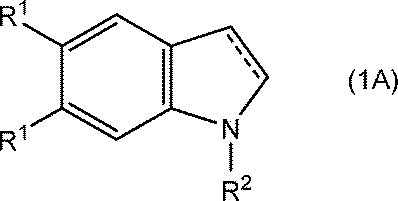
- 0 *c1c(*)cc2N(*)CCc2c1 Chemical compound *c1c(*)cc2N(*)CCc2c1 0.000 description 3
Classifications
-
- A—HUMAN NECESSITIES
- A61—MEDICAL OR VETERINARY SCIENCE; HYGIENE
- A61K—PREPARATIONS FOR MEDICAL, DENTAL OR TOILETRY PURPOSES
- A61K8/00—Cosmetics or similar toiletry preparations
- A61K8/18—Cosmetics or similar toiletry preparations characterised by the composition
- A61K8/30—Cosmetics or similar toiletry preparations characterised by the composition containing organic compounds
- A61K8/49—Cosmetics or similar toiletry preparations characterised by the composition containing organic compounds containing heterocyclic compounds
- A61K8/4906—Cosmetics or similar toiletry preparations characterised by the composition containing organic compounds containing heterocyclic compounds with one nitrogen as the only hetero atom
- A61K8/4913—Cosmetics or similar toiletry preparations characterised by the composition containing organic compounds containing heterocyclic compounds with one nitrogen as the only hetero atom having five membered rings, e.g. pyrrolidone carboxylic acid
- A61K8/492—Cosmetics or similar toiletry preparations characterised by the composition containing organic compounds containing heterocyclic compounds with one nitrogen as the only hetero atom having five membered rings, e.g. pyrrolidone carboxylic acid having condensed rings, e.g. indol
-
- A—HUMAN NECESSITIES
- A61—MEDICAL OR VETERINARY SCIENCE; HYGIENE
- A61K—PREPARATIONS FOR MEDICAL, DENTAL OR TOILETRY PURPOSES
- A61K8/00—Cosmetics or similar toiletry preparations
- A61K8/18—Cosmetics or similar toiletry preparations characterised by the composition
- A61K8/19—Cosmetics or similar toiletry preparations characterised by the composition containing inorganic ingredients
-
- A—HUMAN NECESSITIES
- A61—MEDICAL OR VETERINARY SCIENCE; HYGIENE
- A61K—PREPARATIONS FOR MEDICAL, DENTAL OR TOILETRY PURPOSES
- A61K8/00—Cosmetics or similar toiletry preparations
- A61K8/18—Cosmetics or similar toiletry preparations characterised by the composition
- A61K8/19—Cosmetics or similar toiletry preparations characterised by the composition containing inorganic ingredients
- A61K8/24—Phosphorous; Compounds thereof
-
- A—HUMAN NECESSITIES
- A61—MEDICAL OR VETERINARY SCIENCE; HYGIENE
- A61K—PREPARATIONS FOR MEDICAL, DENTAL OR TOILETRY PURPOSES
- A61K8/00—Cosmetics or similar toiletry preparations
- A61K8/18—Cosmetics or similar toiletry preparations characterised by the composition
- A61K8/30—Cosmetics or similar toiletry preparations characterised by the composition containing organic compounds
- A61K8/33—Cosmetics or similar toiletry preparations characterised by the composition containing organic compounds containing oxygen
- A61K8/36—Carboxylic acids; Salts or anhydrides thereof
- A61K8/365—Hydroxycarboxylic acids; Ketocarboxylic acids
-
- A—HUMAN NECESSITIES
- A61—MEDICAL OR VETERINARY SCIENCE; HYGIENE
- A61K—PREPARATIONS FOR MEDICAL, DENTAL OR TOILETRY PURPOSES
- A61K8/00—Cosmetics or similar toiletry preparations
- A61K8/18—Cosmetics or similar toiletry preparations characterised by the composition
- A61K8/30—Cosmetics or similar toiletry preparations characterised by the composition containing organic compounds
- A61K8/40—Cosmetics or similar toiletry preparations characterised by the composition containing organic compounds containing nitrogen
- A61K8/41—Amines
-
- A—HUMAN NECESSITIES
- A61—MEDICAL OR VETERINARY SCIENCE; HYGIENE
- A61Q—SPECIFIC USE OF COSMETICS OR SIMILAR TOILETRY PREPARATIONS
- A61Q5/00—Preparations for care of the hair
- A61Q5/10—Preparations for permanently dyeing the hair
-
- A—HUMAN NECESSITIES
- A61—MEDICAL OR VETERINARY SCIENCE; HYGIENE
- A61K—PREPARATIONS FOR MEDICAL, DENTAL OR TOILETRY PURPOSES
- A61K2800/00—Properties of cosmetic compositions or active ingredients thereof or formulation aids used therein and process related aspects
- A61K2800/80—Process related aspects concerning the preparation of the cosmetic composition or the storage or application thereof
- A61K2800/88—Two- or multipart kits
- A61K2800/884—Sequential application
Definitions
- the present invention relates to a method for dyeing hair.
- melanin precursors such as 5,6-dihydroxyindole, 5,6-dihydroxyindole or derivatives thereof (hereinafter, these are collectively referred to simply as "dihydroxyindole derivative").
- An air-oxidizing hair dye composition using the above is known. Since these melanin precursors do not use an oxidizing agent, they cause less damage to the hair even when used in a hair dye composition, and are highly convenient as a coloring component. Hair dyed with the melanin precursor is usually gray to black, but natural hair is more reddish and brighter than the color dyed with the melanin precursor.
- Patent Document 1 Japanese Unexamined Patent Publication No. 6-40866
- the color of hair dyed with a dihydroxyindole derivative can be made to look more natural without using a dihydroxyindole derivative or an additional masking colorant.
- a method for changing the color to a method including a step of treating hair dyed with dihydroxyindole with an acidic solution for an effective time and rinsing the treated hair is disclosed.
- the present invention relates to the following [1] to [2].
- a hair having the following steps 1 and 2 in order, and after performing the step 1, the hair is subjected to the step 2 while keeping the water content per 1 g of the hair in a wet state of 0.008 g or more.
- Dyeing method A hair dye composition containing a compound represented by the following general formula (1A) or a salt thereof (A) and an organic alkaline agent (B) and having a pH of 9.0 or more and 11.0 or less.
- Step of applying I) to hair [In the equation, the broken line indicates the presence or absence of the ⁇ bond.
- R 1 represents a hydroxyl group or an acetoxy group.
- Step 2 Applying a hair treatment agent (II) containing an organic acid or a salt thereof (C) and having a pH of 5.5 or less to hair [2]
- a compound represented by the general formula (1A) or The hair dye composition (I) containing the salt (A) and the organic alkaline agent (B) and having a pH of 9.0 or more and 11.0 or less, and the organic acid or its salt (C) are contained.
- a hair dyeing kit including a hair treatment agent (II) having a pH of 5.5 or less.
- the hair dyeing method of the present invention (hereinafter, also referred to as “the hair dyeing method of the present invention” or simply “the method of the present invention”) has the following steps 1 and 2 in this order, and after performing the step 1, the hair is dyed. Is subjected to the step 2 while keeping the water content per 1 g of the hair in a wet state of 0.008 g or more.
- Step 1 A hair dye composition containing a compound represented by the following general formula (1A) or a salt thereof (A) and an organic alkaline agent (B) and having a pH of 9.0 or more and 11.0 or less.
- Step of applying I) to hair [In the equation, the broken line indicates the presence or absence of the ⁇ bond.
- Step 2 A step of applying a hair treatment agent (II) containing an organic acid or a salt thereof (C) and having a pH of 5.5 or less to hair.
- a hair treatment agent (II) containing an organic acid or a salt thereof (C) and having a pH of 5.5 or less to hair.
- the gray to black hair dyed with the hair dye composition containing the component (A) which is a melanin precursor in step 1 is reddered in step 2. It can be changed to a strong and bright color in a short time.
- the hair tresses are previously treated with an aqueous solution of copper sulfate, then hair dyed with a dihydroxyindole derivative, and then these hair tresses are post-treated with various acidic solutions to obtain dihydroxy. It is said that a hair color that is warmer than the color produced by the indole derivative, has a reddish tint, and looks more natural can be obtained.
- it takes time to treat with an acidic solution in order to change the desired hair color and there is a concern that the scalp or hair may be damaged.
- the degree of change in color was low, and there was room for improvement in terms of changing the gray to black hair dyed with the dihydroxyindole derivative to a bright reddish color. Furthermore, since a heavy metal-containing catalyst is used, it cannot be said to be a preferable method from the viewpoint of environmental safety.
- An object of the present invention is a method for dyeing hair that is capable of dyeing gray to black hair dyed with a hair dye composition containing a melanin precursor into a more reddish, bright and natural shade. Is to provide.
- the present inventors sequentially include step 1 of applying a hair dye composition containing a predetermined melanin precursor to hair and step 2 of applying a predetermined hair treatment agent to hair.
- step 1 of applying a hair dye composition containing a predetermined melanin precursor to hair and step 2 of applying a predetermined hair treatment agent to hair.
- the pH of the hair dye composition By setting the pH of the hair dye composition to a relatively high pH value of 9.0 or more and 11.0 or less and using an organic alkaline agent as the alkaline agent, the hair becomes more reddish after the application of the hair treatment agent in Step 2.
- the color tone can be changed in a shorter time by subjecting the hair to the step 2 while keeping the hair in a predetermined wet state after the step 1, and it has been found that the above-mentioned problems can be solved.
- the hair treatment time can be shortened very much, and the convenience in actual use is excellent.
- Step 1 is a hair dye composition containing a compound represented by the following general formula (1A) or a salt thereof (A) and an organic alkaline agent (B) and having a pH of 9.0 or more and 11.0 or less.
- This is a step of applying (I) to hair.
- the hair dye composition (I) is applied to the hair, or the hair is immersed in the hair to dye the hair.
- the broken line indicates the presence or absence of the ⁇ bond.
- R 1 represents a hydroxyl group or an acetoxy group.
- R 2 represents a hydrogen atom, an acetyl group, a methyl group or an ethyl group.
- the hair dye composition (I) contains the compound represented by the general formula (1A) or a salt (A) thereof, and an organic alkaline agent (B), and has a pH of 9.0 or more and 11.0 or less. is there.
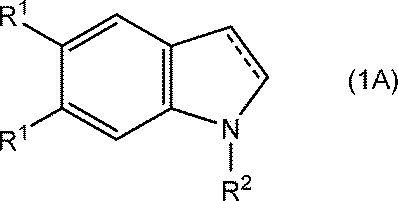
- the hair dye composition (I) contains a component (A) which is a compound represented by the following general formula (1A) or a salt thereof.
- a component (A) which is a compound represented by the following general formula (1A) or a salt thereof.
- the broken line indicates the presence or absence of the ⁇ bond.
- R 1 represents a hydroxyl group or an acetoxy group.
- R 2 represents a hydrogen atom, an acetyl group, a methyl group or an ethyl group.
- the melanin precursor of the component (A) is an indole derivative or an indoline derivative which is a compound represented by the general formula (1A), or a salt thereof, and in the present invention, one kind or a combination of two or more kinds thereof is used. be able to.
- R 1 and R 2 are preferably hydrogen atoms from the viewpoints of availability and hair dyeability of the component (A) and hair dyeing in a bright reddish color.
- Examples of the compound represented by the general formula (1A) include 5,6-dihydroxyindole, N-methyl-5,6-dihydroxyindole, N-ethyl-5,6-dihydroxyindole, and N-acetyl-5,6.
- -Dihydroxyindole 5-acetoxy-6-hydroxyindole, 5,6-dihydroxyindoline, N-methyl-5,6-dihydroxyindoline, N-ethyl-5,6-dihydroxyindoline, N-acetyl-5,6- Examples thereof include dihydroxyindolin and 5-acetoxy-6-hydroxyindoline.
- Examples of the salt of the compound represented by the general formula (1) include hydrochloride, hydrobromide, sulfate, phosphate, acetate, propionate, lactate, citrate and the like of the compound. Among them, hydrobromide is preferable from the viewpoint of availability.
- the component (A) is preferably one or more selected from the group consisting of 5,6-dihydroxyindole, 5,6-dihydroxyindole, and salts thereof, preferably 5,6-. Dihydroxyindole or a salt thereof is more preferable, and 5,6-dihydroxyindole is further preferable.
- the content of the component (A) in the hair dye composition (I) is preferably 0.05% by mass or more, more preferably 0.1% by mass or more, still more preferably 0.1% by mass or more, from the viewpoint of obtaining high hair dyeing property. It is 0.2% by mass or more, more preferably 0.3% by mass or more, and preferably 5% by mass or less, more preferably 3 from the viewpoint of dyeing hair in a bright reddish hue and from the viewpoint of economic efficiency. It is mass% or less, more preferably 1 mass% or less, still more preferably 0.8 mass% or less.
- the hair dye composition (I) contains an organic alkaline agent as a component (B).
- the component (B) has an action of swelling the hair to open the cuticle and improving the hair dyeability by the action of permeating the coloring component such as the component (A) into the inside of the hair. Further, when the hair is dyed using the hair dye composition (I) containing an organic alkaline agent in the step 1, the change in the color of the hair becomes large when the step 2 is performed, resulting in a brighter color with a stronger redness. You can dye your hair.
- any organic alkaline agent used in a normal hair dye composition can be used without particular limitation.
- organic alkaline agent examples include ammonia; mono-, di- or trimethanolamine, mono-, di- or triethanolamine, trishydroxymethylaminomethane, 2-amino-2-methyl-1-propanol and the like.
- the carbon number of the alkanolamine, alkylamine, or aralkylamine is preferably 10 or less, more preferably 8 or less, from the viewpoint of water solubility.
- the component (B) is preferably one or more selected from the group consisting of ammonia, alkanolamine, alkylamine, and aralkylamine, and is preferably from ammonia and alkanolamine. It is more preferable to contain one or more of them, and it is further preferable to contain an alkanolamine.
- an alkanolamine one or more selected from the group consisting of monoethanolamine, trishydroxymethylaminomethane and 2-amino-2-methyl-1-propanol, in particular, from the viewpoint of dyeing hair with a strong reddish and bright color.
- the content of the alkanolamine in the component (B) is preferably 70% by mass or more, more preferably 80% by mass or more, still more preferably 90% by mass or more, from the viewpoint of dyeing hair in a bright reddish color. , 100% by mass or less.
- the content of the component (B) in the hair dye composition (I) is preferably 0.1% by mass or more from the viewpoint of obtaining high hair dyeing property and dyeing hair into a bright reddish color. It is more preferably 0.5% by mass or more, further preferably 1% by mass or more, and from the viewpoint of suppressing irritation, it is preferably 10% by mass or less, more preferably 8% by mass or less, still more preferably 5% by mass or less. Is.
- the hair dye composition (I) when the hair is dyed in a brighter shade with a stronger redness, the hair dye composition (I) further uses a compound represented by the following general formula (1B) or a salt thereof as a coloring component.
- the broken line indicates the presence or absence of the ⁇ bond.
- R 1 represents a hydroxyl group or an acetoxy group.
- R 2 represents a hydrogen atom, an acetyl group, a methyl group or an ethyl group.
- R represents a hydrogen atom, a methyl group or an ethyl group.
- the compound represented by the general formula (1B) is an indolecarboxylic acid derivative, an indolinecarboxylic acid derivative, or a salt thereof, and in the present invention, one kind or a combination of two or more kinds thereof can be used. Among these, an indolecarboxylic acid derivative or a salt thereof is preferable from the viewpoint of high hair dyeability.
- R 1 is preferably a hydroxyl group from the viewpoint of the availability and hair dyeing property of the compound represented by the general formula (1B) and the hair dyeing in a bright reddish color.
- R 2 is preferably a hydrogen atom.
- Examples of the compound represented by the general formula (1B) include 5,6-dihydroxyindole-2-carboxylic acid, methyl 5,6-dihydroxyindole-2-carboxylate, and 5,6-dihydroxyindole-2-carboxylic acid.
- Examples of the salt of the compound represented by the general formula (1B) include hydrochloride, hydrobromide, sulfate, phosphate, acetate, propionate, lactate, citrate and the like of the compound. Among them, hydrobromide is preferable from the viewpoint of availability.
- R is a hydrogen atom in the general formula (1B)
- the carboxylic acid salt (-COOR is -COO - X + (X + is Na +) is the salt of the compound represented by the general formula (1B).
- K + and other alkali metal ions, Ca + , Mg + and other alkaline earth metal ions, ammonium ions and other cations) is the salt of the compound represented by the general formula (1B).
- the compounds represented by the general formula (1B) include 5,6-dihydroxyindole-2-carboxylic acid and 5,6-dihydroxyindole-2-carboxylic acid.
- One or more selected from the group consisting of methyl, 5,6-dihydroxyindole-2-carboxylic acid and salts thereof is preferable, 5,6-dihydroxyindole-2-carboxylic acid or a salt thereof is more preferable, and 5, 6-Dihydroxyindole-2-carboxylic acid is more preferred.
- the content of the compound represented by the general formula (1B) in the hair dye composition (I) is such that the hair is dyed in a bright reddish hue.
- the total content of the component (A) in the hair dye composition (I) and the compound represented by the general formula (1B) is preferably 0.06% by mass or more from the viewpoint of obtaining high hair dyeing property. , More preferably 0.1% by mass or more, further preferably 0.2% by mass or more, still more preferably 0.3% by mass or more, from the viewpoint of dyeing hair in a bright reddish color, and economically. From the viewpoint, it is preferably 7.5% by mass or less, more preferably 5% by mass or less, still more preferably 3% by mass or less, still more preferably 1% by mass or less.
- the hair dye composition (I) may appropriately contain components usually used in the hair dye composition as long as the object of the present invention is not impaired.
- the component include surfactants, pH adjusters, viscosity regulators, antioxidants, silicones, aromatic alcohols, dyes other than component (A), polymers, oils, anti-preservatives, vitamins, and sterilizers.
- the hair dye composition (I) is dyed in a bright reddish color without using a coloring component other than the component (A) and the compound represented by the general formula (1B).
- I can hair. Therefore, the hair dye composition (I) does not have to substantially contain a coloring component other than the component (A) and the compound represented by the general formula (1B).
- the content of the hair dye composition (I) is preferably 1% by mass or less, more preferably 0.5% by mass or less, still more preferably 0.2% by mass or less. This means that it is even more preferably 0% by mass.
- the coloring component other than the component (A) and the compound represented by the general formula (1B) include an oxidation dye (composed of a precursor and a coupler) usually used in a hair dye composition, and a direct dye.
- the hair dye composition (I) usually contains an aqueous medium.
- the aqueous medium include water; lower alcohols such as ethanol and isopropyl alcohol; low molecular weight diols having 6 or less carbon atoms such as 1,3-butylene glycol, glycerin, ethylene glycol and propylene glycol, and triol, which have an affinity for hair. From the viewpoint of sex, one or more selected from the group consisting of water and ethanol is preferable.
- the content of the aqueous medium in the hair dye composition (I) is usually in the range of 1 to 99% by mass, and can be appropriately selected depending on the dosage form.
- the content of the aqueous medium in the hair dye composition (I) is preferably 50% by mass or more, more preferably 70% by mass or more, still more preferably 80% by mass. From the viewpoint of facilitating the drying of the hair after the hair treatment, it is preferably 98% by mass or less.
- the dosage form of the hair dye composition (I) is not particularly limited, and can be any dosage form such as liquid, foam, paste, cream, solid, and powder. From the viewpoint of application to hair, immersion or the like, the dosage form of the hair dye composition (I) is preferably liquid, paste or cream, and more preferably liquid.
- the method for producing the hair dye composition (I) is not particularly limited.
- a component (A), a component (B), a compound represented by the general formula (1B) which is an optional component, and other components used as necessary are blended, and a known stirring device or the like is used. It can be manufactured by mixing.
- the pH of the hair dye composition (I) is 9.0 or more, preferably 9.5, from the viewpoint of improving the hair dyeability and changing the color to a brighter reddish color in step 2. It is super, more preferably 9.8 or more.
- the pH is 11.0 or less, preferably 10.8 or less, and more preferably 10.5 or less from the viewpoint of obtaining high hair dyeability and suppressing damage to hair.
- the pH is a measured value at 25 ° C., and can be specifically measured by the method described in Examples.
- the hair dye composition (I) is applied to the hair.
- the method of applying the hair dye composition (I) to the hair may be any method as long as the hair dye composition (I) can be brought into contact with the hair.
- the composition is in a dry state or a wet state.
- examples thereof include a method of applying the hair to the hair, a method of immersing the hair in a dry state or a wet state in the composition, and the like.
- the amount of the hair dye composition (I) applied to the hair is a bath ratio (dry mass of hair: mass of the hair dye composition), preferably 1: 1 from the viewpoint of the balance between hair dyeability and economy.
- the dry mass of hair means the mass of hair that has been washed with shampoo, dried by applying hot air from a dryer for 30 minutes, and left at a temperature of 25 ° C. and a relative humidity of 65% for a whole day and night.
- the target hair is preferably hair, and may be at least a part of the hair.
- the application time is preferably 10 seconds or longer, more preferably 20 seconds or longer, from the viewpoint of permeating the component (A) into the hair, to the practitioner.
- the immersion time is preferably 1 minute or longer, more preferably 3 minutes or longer, from the viewpoint of permeating the component (A) into the hair, and the practitioner. From the viewpoint of reducing the burden on the hair, it is preferably 60 minutes or less, more preferably 30 minutes or less.
- the leaving time at this time is preferably 1 minute or more, more preferably 3 minutes or more from the viewpoint of permeating the component (A) into the hair, and preferably 30 minutes from the viewpoint of reducing the burden on the practitioner. Below, it is more preferably 20 minutes or less.
- the total time for applying the hair dye composition (I) to the hair that is, the time for applying or immersing the hair dye composition (I) in the hair and the total leaving time can be changed as appropriate.
- it is preferably 30 seconds or more, more preferably 2 minutes or more, still more preferably 4 minutes or more, and it is preferable from the viewpoint of reducing the burden on the practitioner.
- Is 90 minutes or less more preferably 60 minutes or less, still more preferably 50 minutes or less, still more preferably 40 minutes or less.
- the temperature at which step 1 is performed is not particularly limited, but is preferably 40 ° C. or lower, more preferably 35 ° C. or lower, from the viewpoint of handleability of the hair dye composition (I). Further, from the viewpoint of improving the hair dyeability, the temperature is preferably 25 ° C. or higher, more preferably 30 ° C. or higher.
- a step of rinsing the hair between steps 1 and 2 (hereinafter, also simply referred to as “rinse step”) is performed. It is preferable to have.
- the rinsing step is performed, for example, by rinsing the hair dye composition (I) applied to the hair with water.
- the method of the present invention can appropriately have a step of drying hair (hereinafter, also simply referred to as "drying step") between step 1 and step 2.
- drying step a step of drying hair
- the hair is subjected to the step 2 while keeping the water content per 1 g of the hair in a wet state of 0.008 g or more.
- the step of drying the hair is a step of reducing the water content of the hair. For example, in order to positively reduce the water content of the hair, towel drying, dryer (cold air or hot air) drying, air drying, and two types thereof. It includes performing the above drying treatment in combination.
- the wet state of the hair is such that the amount of water per 1 g of the hair to be subjected to the step 2 after the step 1 is preferably 0.01 g or more, from the viewpoint of dyeing the hair into a bright reddish tint. It is more preferably 0.05 g or more, still more preferably 0.1 g or more, still more preferably 0.2 g or more, still more preferably 0.5 g or more, still more preferably 0.8 g or more.
- step 1 there is no particular limitation on the upper limit of the amount of water per 1 g of hair used in step 2, but it is usually 5 g or less, which suppresses the dripping of water from the hair and improves the treatmentability.
- the amount is preferably 3 g or less, more preferably 2 g or less, and further preferably 1.2 g or less.
- towel drying or the like it is preferable to keep the amount of water per 1 g of the hair in the above range after the step 1 is performed until the hair is subjected to the step 2.
- the amount of water per 1 g of hair can be determined by the method described in Examples.
- Step 2 is a step of applying the hair treatment agent (II) containing an organic acid or a salt (C) thereof and having a pH of 5.5 or less to the hair.
- step 2 by applying the hair treatment agent (II) to the hair, it is possible to cause a color shift of the coloring component that has penetrated into the hair and to dye the hair in a bright reddish hue.
- the hair treatment agent (II) contains an organic acid or a salt (C) thereof, and has a pH of 5.5 or less.
- the hair treatment agent (II) contains an organic acid or a salt thereof as a component (C).
- a fat having 8 or less carbon atoms is used from the viewpoint of dyeing the hair into a bright reddish color, the solubility in the hair treatment agent (II), and the suppression of damage to the scalp and hair.
- One or more selected from the group consisting of group carboxylic acids, aromatic sulfonic acids having 10 or less carbon atoms, or salts thereof are preferable.
- the "aliphatic carboxylic acid” means a carboxylic acid containing neither an aromatic ring nor a heterocycle. Moreover, the aliphatic carboxylic acid may have a hydroxy group.
- An organic acid salt can also be used as the component (C), and the salt includes, for example, an ammonium salt such as an ammonium salt or an alkylammonium salt; an alkali metal salt such as a sodium salt or a potassium salt; a calcium salt or a magnesium salt.
- Alkali earth metal salts such as, and ammonium salt, sodium salt, or potassium salt are preferable.
- Examples of the aliphatic carboxylic acid having 8 or less carbon atoms or a salt thereof include malic acid, citric acid, lactic acid, glycolic acid, malonic acid, maleic acid, glyceric acid, tartaric acid, and salts thereof. Among them, one or more selected from the group consisting of malic acid, citric acid, lactic acid, glycolic acid, glyceric acid, tartaric acid, and salts thereof is preferable.
- aromatic sulfonic acid having 10 or less carbon atoms or a salt thereof examples include benzenesulfonic acid, paratoluenesulfonic acid, 2,4-dimethylbenzenesulfonic acid, 2,5-dimethylbenzenesulfonic acid, naphthalenesulfonic acid, and saccharin. And these salts. Among them, one or more selected from the group consisting of p-toluenesulfonic acid, naphthalenesulfonic acid, and salts thereof is preferable.
- the component (C) can be used alone or in combination of two or more.
- the component (C) is a fat having 8 or less carbon atoms from the viewpoint of dyeing the hair into a bright reddish color, the solubility in the hair treatment agent (II), and the suppression of damage to the scalp and hair. It preferably contains a group carboxylic acid or a salt thereof, more preferably one or more selected from the group consisting of malic acid, citric acid, lactic acid, glycolic acid, glyceric acid, tartaric acid, and salts thereof, and lactic acid or It is more preferred to include the salt.
- the content of the aliphatic carboxylic acid having 8 or less carbon atoms or a salt thereof in the component (C) is from the viewpoint of dyeing hair into a bright reddish color, from the viewpoint of solubility in the hair treatment agent (II), and the scalp. From the viewpoint of suppressing damage to hair and hair, it is preferably 70% by mass or more, more preferably 80% by mass or more, still more preferably 90% by mass or more, and 100% by mass or less.
- the content of the component (C) in the hair treatment agent (II) is preferably 1% by mass or more, more preferably 3% by mass or more, still more preferably 5% by mass from the viewpoint of dyeing hair in a bright reddish color. % Or more, preferably 30% by mass or less, more preferably 20% by mass or less, still more preferably 15% by mass or less, from the viewpoint of suppressing damage to the scalp and hair.
- the component (C) is an organic acid salt
- the content of the component (C) in the hair treatment agent (II) is an organic acid equivalent content.
- the hair treatment agent (II) may appropriately contain other components as long as the object of the present invention is not impaired.
- the component include the components exemplified as "other components" in the hair dye composition (I), and for example, a pH adjuster, a viscosity adjuster, and the like can be contained.
- the hair treatment agent (II) usually contains an aqueous medium.
- the aqueous medium include the components exemplified in the hair dye composition (I), and water is preferable from the viewpoint of affinity with hair.
- the content of the aqueous medium in the hair treatment agent (II) can be appropriately selected depending on the dosage form, but is usually in the range of 1 to 99% by mass. From the viewpoint of easiness of rinsing the hair, the content of the aqueous medium in the hair treatment agent (II) is preferably 50% by mass or more, more preferably 70% by mass or more, still more preferably 80% by mass or more, and the hair. From the viewpoint of facilitating the drying of the hair after the treatment, it is preferably 98% by mass or less.
- the dosage form of the hair treatment agent (II) is not particularly limited, and any dosage form such as liquid, foam, paste, cream, etc. can be used. From the viewpoint of application to hair, immersion or the like, the dosage form of the hair treatment agent (II) is preferably liquid, paste or cream, and more preferably liquid.
- the method for producing the hair treatment agent (II) is also not particularly limited, and for example, it can be produced by blending the component (C) and other components used as needed and mixing them using a known stirring device or the like.
- the pH of the hair treatment agent (II) is 5.5 or less, preferably 4.5 or less, more preferably 4.0 or less, still more preferably 4. It is less than 0, more preferably 3.8 or less.
- the pH is preferably 2.0 or more, more preferably 2.3 or more, from the viewpoint of obtaining high hair dyeability and suppressing damage to the scalp and hair.
- the pH is a measured value at 25 ° C., and can be specifically measured by the method described in Examples.
- the hair treatment agent (II) is applied to the hair.
- the method of applying the hair treatment agent (II) to the hair may be any method as long as the treatment agent can be brought into contact with the hair.
- the amount of the hair treatment agent (II) applied to the hair is a bath ratio (dry mass of hair: mass of hair treatment agent), preferably 1: 0.2, from the viewpoint of dyeing hair in a bright reddish hue. It is ⁇ 1: 20, more preferably 1: 0.5 to 1:10, and even more preferably 1: 0.5 to 1: 5.
- the time for applying or immersing the hair treatment agent (II) in the hair is not particularly limited as long as the hair treatment agent (II) can be sufficiently applied to the hair, and varies depending on the amount of hair to be applied, the shape of the hair, and the like. be able to.
- a step of applying or immersing the hair treatment agent (II) to the hair and then leaving it to stand can be performed.
- the hair can be dyed in a bright shade with a strong redness without having a step of leaving the hair, but from the viewpoint of dyeing the hair in a bright shade with a strong redness, the leaving time at this time is set. It can be preferably 30 seconds or longer, more preferably 1 minute or longer, and even more preferably 2 minutes or longer. Further, from the viewpoint of reducing the burden on the practitioner and suppressing damage to the scalp and hair, the leaving time is preferably less than 10 minutes, more preferably 5 minutes or less, still more preferably 3 minutes or less. it can.
- the step of leaving the hair immersed in the hair treatment agent or leaving the hair after being pulled out from the hair treatment agent can be performed.
- the total of the time for applying the hair treatment agent (II) to the hair can be appropriately changed, but red.
- it is preferably 10 seconds or more, more preferably 20 seconds or more, and from the viewpoint of reducing the burden on the practitioner and suppressing damage to the scalp and hair, it is preferably 10 minutes. Below, it is more preferably 6 minutes or less, still more preferably 4 minutes or less.
- the temperature at which step 2 is performed is not particularly limited, but is preferably 40 ° C. or lower, more preferably 35 ° C. or lower, from the viewpoint of handleability of the hair treatment agent (II). Further, from the viewpoint of improving the hair dyeability, the temperature is preferably 25 ° C. or higher, more preferably 30 ° C. or higher.
- step 2 it is preferable to apply the hair treatment agent (II) to the hair, preferably leave it to stand, and then perform a step of rinsing the hair (rinsing step).
- the rinsing step is performed, for example, by rinsing the hair treatment agent (II) applied to the hair with water.
- a step of drying the hair may be performed. Further, the hair can be subjected to the step 1 again without the step of drying the hair.
- the method of the present invention comprises the above-mentioned steps 1 and 2 in order, and after performing the step 1, the hair is subjected to the step 2 while keeping the water content per 1 g of the hair in a wet state of 0.008 g or more.
- step 1 and step 2 may be performed once each, step 1 may be repeated twice or more, and then step 2 may be performed, or after step 1 is performed.
- Step 2 may be repeated twice or more. Further, these cycles may be repeated. From the viewpoint of dyeing the hair to a brighter reddish color, it is preferable to perform step 1 and step 2 once in sequence, and this cycle may be repeated until the desired hair dyeing color is obtained.
- the method of the present invention does not substantially include the step of applying the metal-based oxidation catalyst to the hair from the viewpoint of dyeing the hair in a bright reddish color and from the viewpoint of environmental safety.
- the metal-based oxidation catalyst referred to here is a compound that contains a metal and has an action of promoting the oxidation of the component (A), and specifically, iron, cobalt, manganese, copper, silver, titanium, zinc, and the like. Included is one or more of the metals or transition metals selected from the group consisting of tantalum, chromium, nickel, palladium, platinum, gold, mercury, cadmium, zinc, tin, antimony, lead and bismuth.
- applying the metal-based oxidation catalyst to the hair means that the metal-based oxidation catalyst or a solution thereof is applied to the hair before or after dyeing and brought into contact with the hair by immersion or the like.
- the fact that the step of applying the metal-based oxidation catalyst to the hair is substantially not included means that the step of applying the composition containing 0.01% by mass or more of the metal-based oxidation catalyst to the hair is not included.
- the metal-based oxidation catalyst When the metal-based oxidation catalyst is applied to the hair, the oxidation of the component (A) in the hair dye composition (I) applied to the hair in step 1 proceeds excessively, and the phenol in the component (A) or its oxide is excessively promoted. Since the hydroxyl group is oxidized to a ketone, there is no room for the primary structure of the component (A) or its oxide to change even if it is subjected to the subsequent step 2, and it is considered that the color shift to a reddish hue is unlikely to occur. Be done.
- the present invention also contains a compound represented by the following general formula (1A) or a salt (A) thereof, and an organic alkaline agent (B), and has a pH of 9.0 or more and 11.0 or less.
- a hair dyeing kit comprising the substance (I) and a hair treatment agent (II) containing an organic acid or a salt (C) thereof and having a pH of 5.5 or less.
- the broken line indicates the presence or absence of the ⁇ bond.
- R 1 represents a hydroxyl group or an acetoxy group.
- R 2 represents a hydrogen atom, an acetyl group, a methyl group or an ethyl group.
- the hair dye composition (I), the hair treatment agent (II), and preferred embodiments thereof are the same as described above.
- the hair dyeing kit of the present invention may include a hair dye composition (I) and a hair treatment agent (II), for example, a hair dye composition (I) and a hair treatment agent (II). Examples include two-part kits that are individually encapsulated.
- the shape of the container is not particularly limited and may be appropriately selected depending on the dosage form, and examples thereof include bottles, tubes, dispensers, and aerosols.
- the hair dyeing kit may further include a comb, a brush, and the like for applying the hair dye composition (I) and the hair treatment agent (II) to the hair, if necessary.
- the hair dyeing kit of the present invention can preferably be used according to the method described in the above-mentioned hair dyeing method.
- the present invention discloses a hair dyeing method and a hair dyeing kit.
- a hair having the following steps 1 and 2 in order, and after performing the step 1, the hair is subjected to the step 2 while keeping the water content per 1 g of the hair in a wet state of 0.008 g or more.
- Step 1 A hair dye composition containing a compound represented by the following general formula (1A) or a salt thereof (A) and an organic alkaline agent (B) and having a pH of 9.0 or more and 11.0 or less.
- Step of applying I) to hair [In the equation, the broken line indicates the presence or absence of the ⁇ bond.
- R 1 represents a hydroxyl group or an acetoxy group.
- Step 2 A step of applying a hair treatment agent (II) containing an organic acid or a salt (C) thereof and having a pH of 5.5 or less to hair ⁇ 2>
- the following steps 1 and 2 are sequentially provided, and the steps are carried out.
- a step of rinsing the hair is provided between 1 and 2, and after the step 1, the hair is kept in a wet state of 0.05 g or more and 2 g or less in terms of water content per 1 g of the hair, and the step 2 is performed. Hair dyeing method to be used for.
- Step 1 The compound represented by the following general formula (1A) or a salt (A) thereof is 0.1% by mass or more and 3% by mass or less, and the organic alkaline agent (B) is 0.5% by mass or more and 8% by mass or less.
- the broken line indicates the presence or absence of the ⁇ bond.
- R 1 represents a hydroxyl group or an acetoxy group.
- R 2 represents a hydrogen atom, an acetyl group, a methyl group or an ethyl group.
- Step 2 A hair treatment agent (II) containing 1% by mass or more and 30% by mass or less of an organic acid or a salt thereof (C) and having a pH of 2.0 or more and 4.0 or less is applied to the hair for 10 seconds or more and 6 minutes or less.
- Step to be applied ⁇ 3> The following steps 1 and 2 are sequentially provided, and there is a step of rinsing the hair between the steps 1 and 2, and after the step 1, the hair is applied per 1 g of the hair.
- a method for dyeing hair which is subjected to step 2 while keeping the water content in a wet state of 0.2 g or more and 1.2 g or less.
- Step 1 Contains 0.2% by mass or more and 1% by mass or less of the compound represented by the following general formula (1A) or a salt (A) thereof, and 1% by mass or more and 5% by mass or less of the organic alkaline agent (B).
- the broken line indicates the presence or absence of the ⁇ bond.
- R 1 represents a hydroxyl group or an acetoxy group.
- R 2 represents a hydrogen atom, an acetyl group, a methyl group or an ethyl group.
- Step 2 A hair treatment agent (II) containing an organic acid or a salt (C) thereof in an amount of 5% by mass or more and 15% by mass or less and having a pH of 2.3 or more and 3.8 or less is applied to the hair for 20 seconds or more and 4 minutes or less.
- a hair dye composition containing a compound represented by the following general formula (1A) or a salt thereof (A) and an organic alkaline agent (B) and having a pH of 9.0 or more and 11.0 or less.
- a hair dyeing kit comprising I) and a hair treatment agent (II) containing an organic acid or a salt (C) thereof and having a pH of 5.5 or less.
- the broken line indicates the presence or absence of the ⁇ bond.
- R 1 represents a hydroxyl group or an acetoxy group.
- R 2 represents a hydrogen atom, an acetyl group, a methyl group or an ethyl group.
- the compound represented by the following general formula (1A) or a salt (A) thereof is 0.1% by mass or more and 3% by mass or less, and the organic alkaline agent (B) is 0.5% by mass or more and 8% by mass or less.
- the hair dye composition (I) having a pH of more than 9.5 and 11.0 or less and an organic acid or a salt thereof (C) of 1% by mass or more and 30% by mass or less are contained, and the pH is 2.
- R 1 represents a hydroxyl group or an acetoxy group.
- R 2 represents a hydrogen atom, an acetyl group, a methyl group or an ethyl group.
- the compound represented by the following general formula (1A) or a salt (A) thereof is contained in an amount of 0.2% by mass or more and 1% by mass or less, and an organic alkaline agent (B) is contained in an amount of 1% by mass or more and 5% by mass or less.
- the hair dye composition (I) having a pH of 9.8 or more and 10.5 or less and the organic acid or a salt (C) thereof are contained in an amount of 5% by mass or more and 15% by mass or less, and the pH is 2.3 or more and 3
- the broken line indicates the presence or absence of the ⁇ bond.
- R 1 represents a hydroxyl group or an acetoxy group.
- R 2 represents a hydrogen atom, an acetyl group, a methyl group or an ethyl group.
- the component (A) contains at least one selected from the group consisting of 5,6-dihydroxyindole, 5,6-dihydroxyindole, and salts thereof.
- ⁇ 8> The hair dyeing method according to any one of ⁇ 1> to ⁇ 3> or any one of ⁇ 4> to ⁇ 6>, wherein the component (A) contains 5,6-dihydroxyindole or a salt thereof.
- Hair dyeing kit described in. ⁇ 9> The hair dyeing method according to any one of ⁇ 1> to ⁇ 3> or any one of ⁇ 4> to ⁇ 6>, wherein the component (A) contains 5,6-dihydroxyindole. Hair dyeing kit.
- ⁇ 10> The hair dyeing method according to any one of ⁇ 1> to ⁇ 3> or any one of ⁇ 4> to ⁇ 6>, wherein the component (B) contains one or more of ammonia and alkanolamine.
- Hair dyeing kit described in. ⁇ 11> Any of ⁇ 1> to ⁇ 3>, wherein the component (B) contains at least one selected from the group consisting of monoethanolamine, trishydroxymethylaminomethane and 2-amino-2-methyl-1-propanol.
- ⁇ 12> The hair according to any one of ⁇ 1> to ⁇ 3>, wherein the component (B) contains at least one selected from the group consisting of monoethanolamine and 2-amino-2-methyl-1-propanol.
- the hair dyeing kit according to any one of ⁇ 4> to ⁇ 6> ⁇ 13> The hair dyeing method according to any one of ⁇ 1> to ⁇ 3> or any of ⁇ 4> to ⁇ 6>, wherein the component (B) contains 2-amino-2-methyl-1-propanol.
- the component (C) contains at least one selected from the group consisting of an aliphatic carboxylic acid having 8 or less carbon atoms, an aromatic sulfonic acid having 10 or less carbon atoms, or a salt thereof ⁇ 1> to ⁇ 3.
- ⁇ 16> Any of ⁇ 1> to ⁇ 3>, wherein the component (C) contains at least one selected from the group consisting of malic acid, citric acid, lactic acid, glycolic acid, glyceric acid, tartaric acid, and salts thereof.
- ⁇ 17> The hair dyeing method according to any one of ⁇ 1> to ⁇ 3> or the hair dyeing according to any one of ⁇ 4> to ⁇ 6>, wherein the component (C) contains lactic acid or a salt thereof. Kit for.
- step 1 After performing step 1, the amount of water per 1 g of hair until it is subjected to step 2 is subjected to step 2 while maintaining a wet state of 0.5 g or more and 1.2 g or less ⁇ 1> to ⁇ 3>.
- step 2 The method for dyeing hair according to any one of. ⁇ 19> After performing step 1, the amount of water per 1 g of hair until it is subjected to step 2 is subjected to step 2 while maintaining a wet state of 0.8 g or more and 1.2 g or less ⁇ 1> to ⁇ 3>.
- R 1 represents a hydroxyl group or an acetoxy group.
- R 2 represents a hydrogen atom, an acetyl group, a methyl group or an ethyl group.
- R represents a hydrogen atom, a methyl group or an ethyl group.
- ⁇ 21> The method for dyeing hair according to any one of ⁇ 1> to ⁇ 3>, which does not substantially include a step of applying a metal-based oxidation catalyst to hair.
- ⁇ 22> The hair dyeing kit according to any one of ⁇ 4> to ⁇ 6>, which does not contain a composition containing 0.01% by mass or more of a metal-based oxidation catalyst.
- the evaluation tress was prepared, the pH was measured, the water content of the hair was measured, and the hair dyeability was evaluated by the following methods.
- the water content of the tress in the hair treatment step was measured by measuring the mass of the tress in each treatment step, and the difference from the mass of the dry tress was taken as the water content of the hair.
- the hair dye composition, hair treatment agent and metal solution used in this example were obtained by the following preparation methods.
- Hair treatment agents A to D were prepared by blending and mixing each component according to the composition shown in Table 2.
- the blending amount shown in Table 2 is the mass% of the active ingredient.
- Production Example 9 (Preparation of metal solution a) Each component was blended according to the composition shown in Table 3 to prepare a metal solution a.
- the blending amount shown in Table 3 is the mass% of the active ingredient.
- Examples 1 and 2 and Comparative Example 1 (Examination of the type of alkaline agent in the hair dye composition (I)) (Step 1 and rinsing step)
- the dried tress was immersed in 5 g of the hair dye composition A, B or Comparative C under a nitrogen atmosphere for 10 minutes (the bath ratio at the time of immersion (dry tress: hair dye composition) was 1: 5).
- the tress was withdrawn from the hair dye composition, lightly squeezed and adjusted so that the bath ratio (dry tress: hair dye composition) at the time of standing was 1: 1 and left in an air atmosphere for 10 minutes.
- the treated tress was rinsed with running warm water (about 40 ° C.) for 30 seconds.
- Step 2 After applying 1 g of Hair Treatment Agent A to the tress over 30 seconds (bath ratio (dry tress: hair treatment agent) 1: 1), immediately rinse with running warm water (about 40 ° C) for 30 seconds, and then use a dryer for 30 minutes. Cold air dried to obtain a treated tress.
- Table 4 shows the results of hair dyeing property evaluation of the treated tress.
- Example 3 and Comparative Example 2 Example 3 and Comparative Example 2 (Examination of drying step after step 1) (Step 1 and rinsing step)
- the dried tress was immersed in 5 g of the hair dye composition A under a nitrogen atmosphere for 10 minutes (the bath ratio at the time of immersion (dry tress: hair dye composition) was 1: 5).
- the tress was withdrawn from the hair dye composition, lightly squeezed and adjusted so that the bath ratio (dry tress: hair dye composition) at the time of standing was 1: 1 and left in an air atmosphere for 10 minutes.
- the treated tress was rinsed with running warm water (about 40 ° C.) for 30 seconds.
- Example 3 After performing the step 1 and the rinsing step, the tress was towel-dried, and then the tress was dried by applying hot air from a dryer for 30 minutes. The difference from the dry mass when the weight of the tress at this time was measured was taken as the amount of water in the hair.
- Comparative Example 2 after the step 1, the tress was towel-dried, and then the tress was dried by applying hot air from a dryer for 30 minutes. The tress after drying with a dryer was further left for a whole day and night in an environment with a humidity of 25 ° C. and a relative humidity of 65%. The difference from the dry mass when the weight of the tress at this time was measured was taken as the amount of water in the hair.
- Step 2 After performing the above drying step, after applying 1 g of hair treatment agent A to the tress over 30 seconds (bath ratio (dry tress: hair treatment agent) 1: 1), immediately 30 in running warm water (about 40 ° C.). Rinse for seconds and then cool air dry for 30 minutes with a dryer to give a treated tress.
- Table 5 shows the results of hair dyeing property evaluation of the treated tress.
- Example 1 shows the results of Example 1.
- step 2 is carried out without performing the hair drying treatment after the step 1 and the rinsing step.
- Examples 4 to 6 (Examination of pH of hair treatment agent (II) in step 2) (Step 1 and rinsing step)
- the dry tress was immersed in 5 g of the hair dye composition A for 10 minutes in a nitrogen atmosphere (the bath ratio at the time of immersion (dry tress: hair dye composition) was 1: 5).
- the tress was withdrawn from the hair dye composition, lightly squeezed and adjusted so that the bath ratio (dry tress: hair dye composition) at the time of standing was 1: 1 and left in an air atmosphere for 10 minutes.
- the treated tress was rinsed with running warm water (about 40 ° C.) for 30 seconds.
- Step 2 After applying 1 g of the hair treatment agent B, C or D to the tress over 30 seconds (bath ratio (dry tress: hair treatment agent) 1: 1), the hair was immediately rinsed with running warm water for 30 seconds without leaving. Then, it was dried with cold air for 30 minutes with a dryer to obtain a treated tress.
- Table 6 shows the results of hair dyeing property evaluation of the treated tress.
- Example 6 also shows the results of Example 1. The difference between Example 1 and Examples 4 to 6 is that in Example 1, the hair treatment agent A is used in the treatment in step 2.
- Examples 7 and 8 (Step 1 and rinsing step) The dried tress was immersed in 5 g of the hair dye composition A under a nitrogen atmosphere for 10 minutes (the bath ratio at the time of immersion (dry tress: hair dye composition) was 1: 5). Next, the tress was withdrawn from the hair dye composition, lightly squeezed and adjusted so that the bath ratio (dry tress: hair dye composition) at the time of standing was 1: 1 and left in an air atmosphere for 10 minutes. After 10 minutes, the treated tress was rinsed with running warm water (about 40 ° C.) for 30 seconds.
- Step 2 Without performing the hair drying treatment after the step 1, the hair was lightly squeezed so that the water content of the tress hair after the treatment of the step 1 was 1 g, and the water content was adjusted.
- Step 2 In Example 7, 1 g of the hair treatment agent A was applied to the tress over 30 seconds (bath ratio (dry tress: hair treatment agent) was 1: 1), left for 1 minute, and then in running warm water (about 40 ° C.). Rinse for 30 seconds. Then, it was dried with cold air for 30 minutes with a dryer to obtain a treated tress.
- Example 8 1 g of the hair treatment agent A was applied to the tress over 30 seconds (bath ratio (dry tress: hair treatment agent) was 1: 1), left for 3 minutes, and then in running warm water (about 40 ° C.). Rinse for 30 seconds. Then, it was dried with cold air for 30 minutes with a dryer to obtain a treated tress.
- Table 7 shows the results of hair dyeing property evaluation of the treated tress.
- Table 7 also shows the results of Example 1.
- the difference between Example 1 and Examples 7 and 8 is that in Example 1, no leaving time is provided after applying the hair treatment agent A in step 2.
- Reference Example 4 (Examination of the process of applying a metal-based oxidation catalyst to hair) (Treatment process with metal-based oxidation catalyst) After applying 1 g of the metal solution a to the dry tress over 1 minute (the bath ratio at the time of application (dry tress: metal solution) was 1: 1), the mixture was left for 5 minutes and then dried with cold air for 30 minutes with a dryer. (Step 1 and rinsing step) The tress after the metal-based oxidation catalyst treatment was immersed in 5 g of the hair dye composition comparison D under a nitrogen atmosphere for 10 minutes (the bath ratio at the time of immersion (dry tress: hair dye composition) was 1: 5). ..
- the tress was withdrawn from the hair dye composition, lightly squeezed and adjusted so that the bath ratio (dry tress: hair dye composition) at the time of standing was 1: 1 and left in an air atmosphere for 10 minutes. After 10 minutes, the treated tress was rinsed with running warm water (about 40 ° C.) for 30 seconds.
- the hair was lightly squeezed so that the water content of the tress hair after the treatment of the step 1 was 1 g, and the water content was adjusted.
- Step 2 After applying 1 g of Hair Treatment Agent A to the tress over 30 seconds (bath ratio (dry tress: hair treatment agent) 1: 1), the hair was immediately rinsed with running warm water for 30 seconds without leaving. Then, it was dried with cold air for 30 minutes with a dryer to obtain a treated tress.
- Table 8 shows the results of hair dyeing property evaluation of the treated tress.
- Example 8 also shows the results of Example 1.
- the difference between Example 1 and Reference Example 4 is that in Example 1, the treatment step with the metal-based oxidation catalyst was not performed before the step 1, and the hair dye composition A was used in the step 1. That is the point.
- Example 1 From the comparison of Example 1 and Reference Example 4, when the metal-based oxidation catalyst is applied to the hair, even if the hair is subjected to the step 2 while keeping the hair in a predetermined wet state after the step 1, the color is quickly colored. It was shown that the change in taste is unlikely to occur.
- the hair treatment time can be shortened very much, and the convenience in actual use is excellent.
Landscapes
- Health & Medical Sciences (AREA)
- Life Sciences & Earth Sciences (AREA)
- Animal Behavior & Ethology (AREA)
- General Health & Medical Sciences (AREA)
- Public Health (AREA)
- Veterinary Medicine (AREA)
- Birds (AREA)
- Epidemiology (AREA)
- Emergency Medicine (AREA)
- Chemical & Material Sciences (AREA)
- Inorganic Chemistry (AREA)
- Cosmetics (AREA)
Abstract
下記工程1及び工程2を順に有し、工程1を行った後、毛髪を、該毛髪1gあたりの水分量を0.008g以上の湿潤状態に保ったまま工程2に供する、毛髪の染色方法。 工程1:下記一般式(1A)で表される化合物又はその塩(A)、及び有機アルカリ剤(B)を含有し、pHが9.0以上11.0以下である染毛剤組成物(I)を毛髪に適用する工程〔式中、破線はπ結合の存在又は不存在を示す。R1は水酸基又はアセトキシ基を示す。R2は水素原子、アセチル基、メチル基又はエチル基を示す。〕 工程2:有機酸又はその塩(C)を含有し、pHが5.5以下である毛髪処理剤(II)を毛髪に適用する工程
Description
本発明は、毛髪の染色方法に関する。
従来、白髪染め用の着色成分として、メラニン前駆体である、5,6-ジヒドロキシインドール、5,6-ジヒドロキシインドリン又はこれらの誘導体(以下、これらを総称して、単に「ジヒドロキシインドール誘導体」ともいう)を使用した空気酸化型染毛剤組成物が知られている。これらメラニン前駆体は酸化剤を使用しないため、染毛剤組成物に用いた場合にも毛髪の傷みが少なく、また着色成分としての簡便性も高い。
上記メラニン前駆体により染色された毛髪は通常灰色~黒色を呈するが、天然の毛髪はメラニン前駆体により染色される色よりも赤味が強く明るい色合いを有している。そのため、メラニン前駆体を着色成分として利用していても、毛髪をより自然な色合いに染色する要望が高まっている。
例えば特許文献1(特開平6-40866号公報)には、ジヒドロキシインドール誘導体または追加のマスキング着色剤を使用せずに、ジヒドロキシインドール誘導体によりヘアダイされた毛髪の色をより自然に見える色になるように変化させる方法として、ジヒドロキシインドールによりヘアダイされた毛髪を酸性溶液により有効時間トリートメントし、そのトリートメントされた毛髪をすすぐ工程を含む方法が開示されている。
上記メラニン前駆体により染色された毛髪は通常灰色~黒色を呈するが、天然の毛髪はメラニン前駆体により染色される色よりも赤味が強く明るい色合いを有している。そのため、メラニン前駆体を着色成分として利用していても、毛髪をより自然な色合いに染色する要望が高まっている。
例えば特許文献1(特開平6-40866号公報)には、ジヒドロキシインドール誘導体または追加のマスキング着色剤を使用せずに、ジヒドロキシインドール誘導体によりヘアダイされた毛髪の色をより自然に見える色になるように変化させる方法として、ジヒドロキシインドールによりヘアダイされた毛髪を酸性溶液により有効時間トリートメントし、そのトリートメントされた毛髪をすすぐ工程を含む方法が開示されている。
本発明は下記[1]~[2]に関する。
[1]下記工程1及び工程2を順に有し、工程1を行った後、毛髪を、該毛髪1gあたりの水分量を0.008g以上の湿潤状態に保ったまま工程2に供する、毛髪の染色方法。
工程1:下記一般式(1A)で表される化合物又はその塩(A)、及び有機アルカリ剤(B)を含有し、pHが9.0以上11.0以下である染毛剤組成物(I)を毛髪に適用する工程

〔式中、破線はπ結合の存在又は不存在を示す。R1は水酸基又はアセトキシ基を示す。R2は水素原子、アセチル基、メチル基又はエチル基を示す。〕
工程2:有機酸又はその塩(C)を含有し、pHが5.5以下である毛髪処理剤(II)を毛髪に適用する工程
[2]前記一般式(1A)で表される化合物又はその塩(A)、及び有機アルカリ剤(B)を含有し、pHが9.0以上11.0以下である染毛剤組成物(I)と、有機酸又はその塩(C)を含有し、pHが5.5以下である毛髪処理剤(II)とを備えた染毛用キット。
[1]下記工程1及び工程2を順に有し、工程1を行った後、毛髪を、該毛髪1gあたりの水分量を0.008g以上の湿潤状態に保ったまま工程2に供する、毛髪の染色方法。
工程1:下記一般式(1A)で表される化合物又はその塩(A)、及び有機アルカリ剤(B)を含有し、pHが9.0以上11.0以下である染毛剤組成物(I)を毛髪に適用する工程
〔式中、破線はπ結合の存在又は不存在を示す。R1は水酸基又はアセトキシ基を示す。R2は水素原子、アセチル基、メチル基又はエチル基を示す。〕
工程2:有機酸又はその塩(C)を含有し、pHが5.5以下である毛髪処理剤(II)を毛髪に適用する工程
[2]前記一般式(1A)で表される化合物又はその塩(A)、及び有機アルカリ剤(B)を含有し、pHが9.0以上11.0以下である染毛剤組成物(I)と、有機酸又はその塩(C)を含有し、pHが5.5以下である毛髪処理剤(II)とを備えた染毛用キット。
[毛髪の染色方法]
本発明の毛髪の染色方法(以下、「本発明の染毛方法」又は単に「本発明の方法」ともいう)は、下記工程1及び工程2を順に有し、工程1を行った後、毛髪を、該毛髪1gあたりの水分量を0.008g以上の湿潤状態に保ったまま工程2に供することを特徴とする。
工程1:下記一般式(1A)で表される化合物又はその塩(A)、及び有機アルカリ剤(B)を含有し、pHが9.0以上11.0以下である染毛剤組成物(I)を毛髪に適用する工程
〔式中、破線はπ結合の存在又は不存在を示す。R1は水酸基又はアセトキシ基を示す。R2は水素原子、アセチル基、メチル基又はエチル基を示す。〕
工程2:有機酸又はその塩(C)を含有し、pHが5.5以下である毛髪処理剤(II)を毛髪に適用する工程
本発明の毛髪の染色方法(以下、「本発明の染毛方法」又は単に「本発明の方法」ともいう)は、下記工程1及び工程2を順に有し、工程1を行った後、毛髪を、該毛髪1gあたりの水分量を0.008g以上の湿潤状態に保ったまま工程2に供することを特徴とする。
工程1:下記一般式(1A)で表される化合物又はその塩(A)、及び有機アルカリ剤(B)を含有し、pHが9.0以上11.0以下である染毛剤組成物(I)を毛髪に適用する工程
〔式中、破線はπ結合の存在又は不存在を示す。R1は水酸基又はアセトキシ基を示す。R2は水素原子、アセチル基、メチル基又はエチル基を示す。〕
工程2:有機酸又はその塩(C)を含有し、pHが5.5以下である毛髪処理剤(II)を毛髪に適用する工程
本発明は上記構成であることにより、工程1において、メラニン前駆体である成分(A)を含有する染毛剤組成物を用いて染色された灰色~黒色の毛髪を、工程2で、より赤味が強く明るい色合いに短時間で変化させることができる。
特許文献1の実施例に開示された方法では、予め硫酸銅水溶液により髪房をトリートメントした後にジヒドロキシインドール誘導体によりヘアダイし、次いで、これらの髪房を種々の酸性溶液により後トリートメントすることで、ジヒドロキシインドール誘導体により生じる色よりも暖色で、赤味のある色合いを有し、より自然に見える毛髪色が得られるとしている。
しかしながら上記方法では、所望する髪色に変化させるためには酸性溶液によるトリートメントに時間がかかり、頭皮又は毛髪にダメージを与える懸念がある。また、色味の変化度も低く、ジヒドロキシインドール誘導体により染色された灰色~黒色の毛髪を赤味のある明るい色合いに変化させるという観点では改善の余地があった。さらに重金属含有触媒を使用することから、環境安全性の観点からも好ましい方法といえるものではなかった。
しかしながら上記方法では、所望する髪色に変化させるためには酸性溶液によるトリートメントに時間がかかり、頭皮又は毛髪にダメージを与える懸念がある。また、色味の変化度も低く、ジヒドロキシインドール誘導体により染色された灰色~黒色の毛髪を赤味のある明るい色合いに変化させるという観点では改善の余地があった。さらに重金属含有触媒を使用することから、環境安全性の観点からも好ましい方法といえるものではなかった。
本発明の課題は、メラニン前駆体を含有する染毛剤組成物を用いて染色された灰色~黒色の毛髪を、より赤味が強く、明るい自然な色合いに染めることが可能な毛髪の染色方法を提供することにある。
本発明者らは、所定のメラニン前駆体を含有する染毛剤組成物を毛髪に適用する工程1、及び所定の毛髪処理剤を毛髪に適用する工程2を順に有する毛髪の染色方法において、該染毛剤組成物のpHを9.0以上11.0以下と比較的高いpH値とし、且つアルカリ剤として有機アルカリ剤を用いることにより、工程2の毛髪処理剤の適用後に、より赤味の強い明るい色合いに染毛することができることを見出した。さらに、工程1を行った後、毛髪を所定の湿潤状態に保ったまま工程2に供することで、より短時間で色合いを変化させることを見出し、前記課題を解決できることを見出した。
本発明の方法によれば、通常灰色~黒色を呈する、メラニン前駆体により染色された毛髪を、より赤味が強く、明るい自然な色合いに短時間で変化させることが可能になる。そのため、毛髪処理時間を非常に短くすることができ、実使用における簡便性に優れる。
本発明の方法によれば、通常灰色~黒色を呈する、メラニン前駆体により染色された毛髪を、より赤味が強く、明るい自然な色合いに短時間で変化させることが可能になる。そのため、毛髪処理時間を非常に短くすることができ、実使用における簡便性に優れる。
<工程1>
工程1は、下記一般式(1A)で表される化合物又はその塩(A)、及び有機アルカリ剤(B)を含有し、pHが9.0以上11.0以下である染毛剤組成物(I)を毛髪に適用する工程である。工程1では、染毛剤組成物(I)を毛髪に塗布、又は毛髪を浸漬させること等により適用して染毛する。

〔式中、破線はπ結合の存在又は不存在を示す。R1は水酸基又はアセトキシ基を示す。R2は水素原子、アセチル基、メチル基又はエチル基を示す。〕
工程1は、下記一般式(1A)で表される化合物又はその塩(A)、及び有機アルカリ剤(B)を含有し、pHが9.0以上11.0以下である染毛剤組成物(I)を毛髪に適用する工程である。工程1では、染毛剤組成物(I)を毛髪に塗布、又は毛髪を浸漬させること等により適用して染毛する。
〔式中、破線はπ結合の存在又は不存在を示す。R1は水酸基又はアセトキシ基を示す。R2は水素原子、アセチル基、メチル基又はエチル基を示す。〕
(染毛剤組成物(I))
染毛剤組成物(I)は、前記一般式(1A)で表される化合物又はその塩(A)、及び有機アルカリ剤(B)を含有し、pHが9.0以上11.0以下である。
染毛剤組成物(I)は、前記一般式(1A)で表される化合物又はその塩(A)、及び有機アルカリ剤(B)を含有し、pHが9.0以上11.0以下である。
〔一般式(1A)で表される化合物又はその塩(A)〕
染毛剤組成物(I)は、下記一般式(1A)で表される化合物又はその塩である成分(A)を含有する。
〔式中、破線はπ結合の存在又は不存在を示す。R1は水酸基又はアセトキシ基を示す。R2は水素原子、アセチル基、メチル基又はエチル基を示す。〕
成分(A)のメラニン前駆体は、一般式(1A)で表される化合物であるインドール誘導体又はインドリン誘導体、又はこれらの塩であり、本発明においてはその1種又は2種以上の組み合わせを用いることができる。
また、成分(A)の入手性及び染毛性、並びに赤味の強い明るい色合いに染毛する観点から、一般式(1)において、R1、R2は好ましくは水素原子である。
染毛剤組成物(I)は、下記一般式(1A)で表される化合物又はその塩である成分(A)を含有する。
〔式中、破線はπ結合の存在又は不存在を示す。R1は水酸基又はアセトキシ基を示す。R2は水素原子、アセチル基、メチル基又はエチル基を示す。〕
成分(A)のメラニン前駆体は、一般式(1A)で表される化合物であるインドール誘導体又はインドリン誘導体、又はこれらの塩であり、本発明においてはその1種又は2種以上の組み合わせを用いることができる。
また、成分(A)の入手性及び染毛性、並びに赤味の強い明るい色合いに染毛する観点から、一般式(1)において、R1、R2は好ましくは水素原子である。
前記一般式(1A)で表される化合物としては、5,6-ジヒドロキシインドール、N-メチル-5,6-ジヒドロキシインドール、N-エチル-5,6-ジヒドロキシインドール、N-アセチル-5,6-ジヒドロキシインドール、5-アセトキシ-6-ヒドロキシインドール、5,6-ジヒドロキシインドリン、N-メチル-5,6-ジヒドロキシインドリン、N-エチル-5,6-ジヒドロキシインドリン、N-アセチル-5,6-ジヒドロキシインドリン、5-アセトキシ-6-ヒドロキシインドリン等が挙げられる。
前記一般式(1)で表される化合物の塩としては、該化合物の塩酸塩、臭化水素酸塩、硫酸塩、リン酸塩、酢酸塩、プロピオン酸塩、乳酸塩、クエン酸塩等が挙げられ、なかでも入手性の観点から臭化水素酸塩が好ましい。
毛髪を自然な色合いに染める観点から、成分(A)としては5,6-ジヒドロキシインドール、5,6-ジヒドロキシインドリン、及びこれらの塩からなる群から選ばれる1種以上が好ましく、5,6-ジヒドロキシインドール又はその塩がより好ましく、5,6-ジヒドロキシインドールがさらに好ましい。
染毛剤組成物(I)中の成分(A)の含有量は、高染毛性を得る観点から、好ましくは0.05質量%以上、より好ましくは0.1質量%以上、さらに好ましくは0.2質量%以上、よりさらに好ましくは0.3質量%以上であり、赤味の強い明るい色合いに染毛する観点、及び経済性の観点から、好ましくは5質量%以下、より好ましくは3質量%以下、さらに好ましくは1質量%以下、よりさらに好ましくは0.8質量%以下である。
〔有機アルカリ剤(B)〕
染毛剤組成物(I)は、成分(B)として有機アルカリ剤を含有する。成分(B)は毛髪を膨潤させてキューティクルを開き、成分(A)等の着色成分を毛髪の内部まで浸透させる作用により染毛性を向上させる作用を有する。また、工程1で有機アルカリ剤を含有する染毛剤組成物(I)を用いて染毛すると、工程2を行った際に毛髪の色合いの変化も大きくなり、より赤味の強い明るい色合いに染毛することができる。
成分(B)としては、通常の染毛剤組成物に使用される有機アルカリ剤であれば特に制限なく用いることができる。当該有機アルカリ剤としては、例えば、アンモニア;モノ-、ジ-又はトリメタノールアミン、モノ-、ジ-又はトリエタノールアミン、トリスヒドロキシメチルアミノメタン、2-アミノ-2-メチル-1-プロパノール等のアルカノールアミン;メチルアミン、ジメチルアミン、エチルアミン、ジエチルアミン、N-メチルエチルアミン、プロピルアミン、ブチルアミン等のアルキルアミン;ベンジルアミン等のアラルキルアミン等が挙げられ、これらのうち1種又は2種以上を用いることができる。アルカノールアミン、アルキルアミン、又はアラルキルアミンの炭素数は、水溶性の観点から、好ましくは10以下、より好ましくは8以下である。
なかでも、赤味の強い明るい色合いに染毛する観点からは、成分(B)はアンモニア、アルカノールアミン、アルキルアミン、及びアラルキルアミンからなる群から選ばれる1種以上が好ましく、アンモニア及びアルカノールアミンからなる1種以上を含むことがより好ましく、アルカノールアミンを含むことがさらに好ましい。アルカノールアミンとして、赤味の強い明るい色合いに染毛する観点からは、特にモノエタノールアミン、トリスヒドロキシメチルアミノメタン及び2-アミノ-2-メチル-1-プロパノールからなる群から選ばれる1種以上を含むことが好ましく、モノエタノールアミン及び2-アミノ-2-メチル-1-プロパノールからなる群から選ばれる1種以上を含むことがより好ましく、2-アミノ-2-メチル-1-プロパノールを含むことがさらに好ましい。
成分(B)中のアルカノールアミンの含有量は、赤味の強い明るい色合いに染毛する観点から、好ましくは70質量%以上、より好ましくは80質量%以上、さらに好ましくは90質量%以上であり、100質量%以下である。
染毛剤組成物(I)は、成分(B)として有機アルカリ剤を含有する。成分(B)は毛髪を膨潤させてキューティクルを開き、成分(A)等の着色成分を毛髪の内部まで浸透させる作用により染毛性を向上させる作用を有する。また、工程1で有機アルカリ剤を含有する染毛剤組成物(I)を用いて染毛すると、工程2を行った際に毛髪の色合いの変化も大きくなり、より赤味の強い明るい色合いに染毛することができる。
成分(B)としては、通常の染毛剤組成物に使用される有機アルカリ剤であれば特に制限なく用いることができる。当該有機アルカリ剤としては、例えば、アンモニア;モノ-、ジ-又はトリメタノールアミン、モノ-、ジ-又はトリエタノールアミン、トリスヒドロキシメチルアミノメタン、2-アミノ-2-メチル-1-プロパノール等のアルカノールアミン;メチルアミン、ジメチルアミン、エチルアミン、ジエチルアミン、N-メチルエチルアミン、プロピルアミン、ブチルアミン等のアルキルアミン;ベンジルアミン等のアラルキルアミン等が挙げられ、これらのうち1種又は2種以上を用いることができる。アルカノールアミン、アルキルアミン、又はアラルキルアミンの炭素数は、水溶性の観点から、好ましくは10以下、より好ましくは8以下である。
なかでも、赤味の強い明るい色合いに染毛する観点からは、成分(B)はアンモニア、アルカノールアミン、アルキルアミン、及びアラルキルアミンからなる群から選ばれる1種以上が好ましく、アンモニア及びアルカノールアミンからなる1種以上を含むことがより好ましく、アルカノールアミンを含むことがさらに好ましい。アルカノールアミンとして、赤味の強い明るい色合いに染毛する観点からは、特にモノエタノールアミン、トリスヒドロキシメチルアミノメタン及び2-アミノ-2-メチル-1-プロパノールからなる群から選ばれる1種以上を含むことが好ましく、モノエタノールアミン及び2-アミノ-2-メチル-1-プロパノールからなる群から選ばれる1種以上を含むことがより好ましく、2-アミノ-2-メチル-1-プロパノールを含むことがさらに好ましい。
成分(B)中のアルカノールアミンの含有量は、赤味の強い明るい色合いに染毛する観点から、好ましくは70質量%以上、より好ましくは80質量%以上、さらに好ましくは90質量%以上であり、100質量%以下である。
染毛剤組成物(I)中の成分(B)の含有量は、高染毛性を得る観点、及び赤味の強い明るい色合いに染毛する観点から、好ましくは0.1質量%以上、より好ましくは0.5質量%以上、さらに好ましくは1質量%以上であり、刺激性を抑制する観点から、好ましくは10質量%以下、より好ましくは8質量%以下、さらに好ましくは5質量%以下である。
〔一般式(1B)で表される化合物又はその塩〕
本発明においては、毛髪をより赤味の強い明るい色合いに染める場合には、染毛剤組成物(I)は、着色成分として、さらに下記一般式(1B)で表される化合物又はその塩を含有することができる。

〔式中、破線はπ結合の存在又は不存在を示す。R1は水酸基又はアセトキシ基を示す。R2は水素原子、アセチル基、メチル基又はエチル基を示す。Rは水素原子、メチル基又はエチル基を示す。〕
本発明においては、毛髪をより赤味の強い明るい色合いに染める場合には、染毛剤組成物(I)は、着色成分として、さらに下記一般式(1B)で表される化合物又はその塩を含有することができる。
〔式中、破線はπ結合の存在又は不存在を示す。R1は水酸基又はアセトキシ基を示す。R2は水素原子、アセチル基、メチル基又はエチル基を示す。Rは水素原子、メチル基又はエチル基を示す。〕
前記一般式(1B)で表される化合物としては、インドールカルボン酸誘導体、インドリンカルボン酸誘導体、又はこれらの塩であり、本発明においてはその1種又は2種以上の組み合わせを用いることができる。これらの中でも、高染毛性の観点からはインドールカルボン酸誘導体又はその塩が好ましい。
また、前記一般式(1B)で表される化合物の入手性及び染毛性、並びに赤味の強い明るい色合いに染毛する観点から、一般式(1B)において、R1は好ましくは水酸基であり、R2は好ましくは水素原子である。
また、前記一般式(1B)で表される化合物の入手性及び染毛性、並びに赤味の強い明るい色合いに染毛する観点から、一般式(1B)において、R1は好ましくは水酸基であり、R2は好ましくは水素原子である。
前記一般式(1B)で表される化合物としては、5,6-ジヒドロキシインドール-2-カルボン酸、5,6-ジヒドロキシインドール-2-カルボン酸メチル、5,6-ジヒドロキシインドール-2-カルボン酸エチル、N-メチル-5,6-ジヒドロキシインドール-2-カルボン酸、N-エチル-5,6-ジヒドロキシインドール-2-カルボン酸、N-アセチル-5,6-ジヒドロキシインドール-2-カルボン酸、5-アセトキシ-6-ヒドロキシインドール-2-カルボン酸、5,6-ジヒドロキシインドリン-2-カルボン酸、5,6-ジヒドロキシインドリン-2-カルボン酸メチル、5,6-ジヒドロキシインドリン-2-カルボン酸エチル、N-メチル-5,6-ジヒドロキシインドリン-2-カルボン酸、N-エチル-5,6-ジヒドロキシインドリン-2-カルボン酸、N-アセチル-5,6-ジヒドロキシインドリン-2-カルボン酸、5-アセトキシ-6-ヒドロキシインドリン-2-カルボン酸、等が挙げられる。
前記一般式(1B)で表される化合物の塩としては、該化合物の塩酸塩、臭化水素酸塩、硫酸塩、リン酸塩、酢酸塩、プロピオン酸塩、乳酸塩、クエン酸塩等が挙げられ、なかでも入手性の観点から臭化水素酸塩が好ましい。
また一般式(1B)においてRが水素原子である場合、一般式(1B)で表される化合物の塩としては、そのカルボン酸塩(-COORが-COO-X+(X+は、Na+、K+等のアルカリ金属イオン、Ca+、Mg+等のアルカリ土類金属イオン、アンモニウムイオンなどの陽イオン)である)が挙げられる。
また一般式(1B)においてRが水素原子である場合、一般式(1B)で表される化合物の塩としては、そのカルボン酸塩(-COORが-COO-X+(X+は、Na+、K+等のアルカリ金属イオン、Ca+、Mg+等のアルカリ土類金属イオン、アンモニウムイオンなどの陽イオン)である)が挙げられる。
毛髪をより赤味の強い明るい色合いに染める観点から、前記一般式(1B)で表される化合物としては5,6-ジヒドロキシインドール-2-カルボン酸、5,6-ジヒドロキシインドール-2-カルボン酸メチル、5,6-ジヒドロキシインドール-2-カルボン酸エチル及びこれらの塩からなる群から選ばれる1種以上が好ましく、5,6-ジヒドロキシインドール-2-カルボン酸又はその塩がより好ましく、5,6-ジヒドロキシインドール-2-カルボン酸がさらに好ましい。
前記一般式(1B)で表される化合物を用いる場合、染毛剤組成物(I)中の前記一般式(1B)で表される化合物の含有量は、赤味の強い明るい色合いに染毛する観点から、好ましくは0.001質量%以上、より好ましくは0.005質量%以上、さらに好ましくは0.01質量%以上、よりさらに好ましくは0.05質量%以上、よりさらに好ましくは0.08質量%以上であり、高染毛性を得る観点、及び経済性の観点から、好ましくは2.5質量%以下、より好ましくは1.5質量%以下、さらに好ましくは1質量%以下、よりさらに好ましくは0.5質量%以下、よりさらに好ましくは0.25質量%以下である。
また染毛剤組成物(I)中の成分(A)及び前記一般式(1B)で表される化合物の合計含有量は、高染毛性を得る観点から、好ましくは0.06質量%以上、より好ましくは0.1質量%以上、さらに好ましくは0.2質量%以上、よりさらに好ましくは0.3質量%以上であり、赤味の強い明るい色合いに染毛する観点、及び経済性の観点から、好ましくは7.5質量%以下、より好ましくは5質量%以下、さらに好ましくは3質量%以下、よりさらに好ましくは1質量%以下である。
〔その他の成分〕
染毛剤組成物(I)は、前記成分の他、染毛剤組成物に通常使用される成分を、本発明の目的を損なわない範囲で適宜含有してもよい。当該成分としては、例えば、界面活性剤、pH調整剤、粘度調整剤、酸化防止剤、シリコーン、芳香族アルコール、成分(A)以外の染色剤、ポリマー、油剤、抗フケ剤、ビタミン剤、殺菌剤、抗炎症剤、防腐剤、キレート剤、保湿剤、パール剤、セラミド類、香料、紫外線吸収剤等が挙げられる。
染毛剤組成物(I)は、前記成分の他、染毛剤組成物に通常使用される成分を、本発明の目的を損なわない範囲で適宜含有してもよい。当該成分としては、例えば、界面活性剤、pH調整剤、粘度調整剤、酸化防止剤、シリコーン、芳香族アルコール、成分(A)以外の染色剤、ポリマー、油剤、抗フケ剤、ビタミン剤、殺菌剤、抗炎症剤、防腐剤、キレート剤、保湿剤、パール剤、セラミド類、香料、紫外線吸収剤等が挙げられる。
本発明の方法によれば、染毛剤組成物(I)において成分(A)及び前記一般式(1B)で表される化合物以外の着色成分を用いなくても赤味の強い明るい色合いに染毛できる。したがって染毛剤組成物(I)は、成分(A)及び前記一般式(1B)で表される化合物以外の着色成分を実質的に含有しなくてもよい。なお、実質的に含有しないとは、染毛剤組成物(I)中の含有量として、好ましくは1質量%以下、より好ましくは0.5質量%以下、さらに好ましくは0.2質量%以下であり、よりさらに好ましくは0質量%であることを意味する。
成分(A)及び前記一般式(1B)で表される化合物以外の着色成分としては、通常染毛剤組成物に用いられる酸化染料(プレカーサー及びカップラーから構成される)、直接染料が挙げられる。
成分(A)及び前記一般式(1B)で表される化合物以外の着色成分としては、通常染毛剤組成物に用いられる酸化染料(プレカーサー及びカップラーから構成される)、直接染料が挙げられる。
〔水性媒体〕
染毛剤組成物(I)は、通常、水性媒体を含有する。水性媒体としては、水;エタノール、イソプロピルアルコール等の低級アルコール;1,3-ブチレングリコール、グリセリン、エチレングリコール、プロピレングリコール等の炭素数6以下の低分子ジオール及びトリオールが挙げられ、毛髪との親和性の観点から、水及びエタノールからなる群から選ばれる1種以上が好ましい。
染毛剤組成物(I)中の水性媒体の含有量は、通常、1~99質量%の範囲であり、その剤型により適宜選択することができる。毛髪のすすぎのしやすさの観点からは、染毛剤組成物(I)中の水性媒体の含有量は、好ましくは50質量%以上、より好ましくは70質量%以上、さらに好ましくは80質量%以上であり、毛髪処理後の毛髪の乾燥を容易にする観点から、好ましくは98質量%以下である。
染毛剤組成物(I)は、通常、水性媒体を含有する。水性媒体としては、水;エタノール、イソプロピルアルコール等の低級アルコール;1,3-ブチレングリコール、グリセリン、エチレングリコール、プロピレングリコール等の炭素数6以下の低分子ジオール及びトリオールが挙げられ、毛髪との親和性の観点から、水及びエタノールからなる群から選ばれる1種以上が好ましい。
染毛剤組成物(I)中の水性媒体の含有量は、通常、1~99質量%の範囲であり、その剤型により適宜選択することができる。毛髪のすすぎのしやすさの観点からは、染毛剤組成物(I)中の水性媒体の含有量は、好ましくは50質量%以上、より好ましくは70質量%以上、さらに好ましくは80質量%以上であり、毛髪処理後の毛髪の乾燥を容易にする観点から、好ましくは98質量%以下である。
染毛剤組成物(I)の剤型には特に制限はなく、例えば液体状、泡状、ペースト状、クリーム状、固形状、粉末状等、任意の剤型とすることが可能である。毛髪に塗布、浸漬等により適用する観点からは、染毛剤組成物(I)の剤型は液体状、ペースト状又はクリーム状が好ましく、液体状がより好ましい。
染毛剤組成物(I)の製造方法は特に限定されない。例えば、成分(A)、成分(B)、任意成分である前記一般式(1B)で表される化合物、及び必要に応じて用いられるその他の成分を配合し、公知の攪拌装置等を用いて混合することにより製造できる。
〔pH〕
染毛剤組成物(I)のpHは、染毛性を向上させる観点、及び、工程2においてより赤味の強い明るい色合いに変化させる観点から、9.0以上であり、好ましくは9.5超であり、より好ましくは9.8以上である。また当該pHは、高染毛性を得る観点、及び毛髪へのダメージ抑制の観点から、11.0以下であり、好ましくは10.8以下であり、より好ましくは10.5以下である。
上記pHは25℃における測定値であり、具体的には実施例に記載の方法により測定できる。
染毛剤組成物(I)のpHは、染毛性を向上させる観点、及び、工程2においてより赤味の強い明るい色合いに変化させる観点から、9.0以上であり、好ましくは9.5超であり、より好ましくは9.8以上である。また当該pHは、高染毛性を得る観点、及び毛髪へのダメージ抑制の観点から、11.0以下であり、好ましくは10.8以下であり、より好ましくは10.5以下である。
上記pHは25℃における測定値であり、具体的には実施例に記載の方法により測定できる。
工程1では、上記染毛剤組成物(I)を毛髪に適用する。染毛剤組成物(I)を毛髪に適用する方法としては、染毛剤組成物(I)を毛髪に接触させることができる方法であればよく、例えば、該組成物を乾燥状態又は湿潤状態の毛髪に塗布する方法、該組成物に乾燥状態又は湿潤状態の毛髪を浸漬させる方法等が挙げられる。
毛髪に適用する染毛剤組成物(I)の量は、染毛性及び経済性のバランスの観点から、浴比(毛髪の乾燥質量:染毛剤組成物の質量)で、好ましくは1:0.2~1:20、より好ましくは1:0.5~1:10であり、さらに好ましくは1:2~1:8である。毛髪の乾燥質量とは、毛髪をシャンプーで洗浄し、ドライヤーの熱風を30分間当てて乾燥させ、温度25℃、相対湿度65%下で一昼夜以上放置した毛髪の質量を意味する。
適用対象となる毛髪は頭髪であることが好ましく、頭髪の少なくとも一部であればよい。
染毛剤組成物(I)を毛髪に塗布する場合、塗布時間は、毛髪内に成分(A)を浸透させる観点から、好ましくは10秒以上、より好ましくは20秒以上であり、施術者への負担を低減する観点から、好ましくは10分以下、より好ましくは5分以下である。また染毛剤組成物(I)に毛髪を浸漬する場合、浸漬時間は、毛髪内に成分(A)を浸透させる観点から、好ましくは1分以上、より好ましくは3分以上であり、施術者への負担を低減する観点から、好ましくは60分以下、より好ましくは30分以下である。
毛髪に適用する染毛剤組成物(I)の量は、染毛性及び経済性のバランスの観点から、浴比(毛髪の乾燥質量:染毛剤組成物の質量)で、好ましくは1:0.2~1:20、より好ましくは1:0.5~1:10であり、さらに好ましくは1:2~1:8である。毛髪の乾燥質量とは、毛髪をシャンプーで洗浄し、ドライヤーの熱風を30分間当てて乾燥させ、温度25℃、相対湿度65%下で一昼夜以上放置した毛髪の質量を意味する。
適用対象となる毛髪は頭髪であることが好ましく、頭髪の少なくとも一部であればよい。
染毛剤組成物(I)を毛髪に塗布する場合、塗布時間は、毛髪内に成分(A)を浸透させる観点から、好ましくは10秒以上、より好ましくは20秒以上であり、施術者への負担を低減する観点から、好ましくは10分以下、より好ましくは5分以下である。また染毛剤組成物(I)に毛髪を浸漬する場合、浸漬時間は、毛髪内に成分(A)を浸透させる観点から、好ましくは1分以上、より好ましくは3分以上であり、施術者への負担を低減する観点から、好ましくは60分以下、より好ましくは30分以下である。
染毛剤組成物(I)を毛髪に塗布又は浸漬した後、さらに放置する工程を行うことが好ましい。この際の放置時間は、毛髪内に成分(A)を浸透させる観点から、好ましくは1分以上、より好ましくは3分以上であり、施術者への負担を低減する観点から、好ましくは30分以下、より好ましくは20分以下である。
工程1において、染毛剤組成物(I)を毛髪に適用させる時間、すなわち染毛剤組成物(I)を毛髪に塗布又は浸漬する時間及び放置時間の合計は、適宜変更することが可能であるが、毛髪内に成分(A)を浸透させる観点から、好ましくは30秒以上、より好ましくは2分以上、さらに好ましくは4分以上であり、施術者への負担を低減する観点から、好ましくは90分以下、より好ましくは60分以下、さらに好ましくは50分以下、よりさらに好ましくは40分以下である。
工程1を行う際の温度は特に制限されないが、染毛剤組成物(I)の取り扱い性の観点から、好ましくは40℃以下、より好ましくは35℃以下である。また、染毛性を向上させる観点から、好ましくは25℃以上、より好ましくは30℃以上である。
<すすぎ工程>
本発明の方法は、毛髪内に浸透されなかった成分(A)を除去する観点から、工程1と工程2との間に、毛髪をすすぎ流す工程(以下、単に「すすぎ工程」ともいう)を有することが好ましい。すすぎ工程は、例えば、毛髪に適用した染毛剤組成物(I)を水で洗い流すことにより行われる。
本発明の方法は、毛髪内に浸透されなかった成分(A)を除去する観点から、工程1と工程2との間に、毛髪をすすぎ流す工程(以下、単に「すすぎ工程」ともいう)を有することが好ましい。すすぎ工程は、例えば、毛髪に適用した染毛剤組成物(I)を水で洗い流すことにより行われる。
<乾燥工程>
本発明の方法は、工程1と工程2との間に、適宜、毛髪を乾燥させる工程(以下、単に「乾燥工程」ともいう)を有することができる。但し、赤味の強い明るい色合いに染毛し、且つ、後述する工程2において、毛髪処理剤(II)を毛髪に塗布又は浸漬した後、放置する工程を行った場合の放置時間を短縮する観点から、工程1を行った後、毛髪を、該毛髪1gあたりの水分量を0.008g以上の湿潤状態に保ったまま工程2に供する。
毛髪を乾燥させる工程とは毛髪の水分量を低減させる工程であり、例えば、積極的に毛髪の水分を低減させるために、タオルドライ、ドライヤー(冷風又は熱風)乾燥、風乾、及びこれらの2種以上の乾燥処理を組み合わせて行うことが含まれる。
本発明の方法は、工程1と工程2との間に、適宜、毛髪を乾燥させる工程(以下、単に「乾燥工程」ともいう)を有することができる。但し、赤味の強い明るい色合いに染毛し、且つ、後述する工程2において、毛髪処理剤(II)を毛髪に塗布又は浸漬した後、放置する工程を行った場合の放置時間を短縮する観点から、工程1を行った後、毛髪を、該毛髪1gあたりの水分量を0.008g以上の湿潤状態に保ったまま工程2に供する。
毛髪を乾燥させる工程とは毛髪の水分量を低減させる工程であり、例えば、積極的に毛髪の水分を低減させるために、タオルドライ、ドライヤー(冷風又は熱風)乾燥、風乾、及びこれらの2種以上の乾燥処理を組み合わせて行うことが含まれる。
毛髪の湿潤状態は、具体的には、赤味の強い明るい色合いに染毛する観点から、工程1を行った後、工程2に供する毛髪1gあたりの水分量を、好ましくは0.01g以上、より好ましくは0.05g以上、さらに好ましくは0.1g以上、よりさらに好ましくは0.2g以上、よりさらに好ましくは0.5g以上、よりさらに好ましくは0.8g以上になるようにする。工程1を行った後、工程2に供する毛髪1gあたりの水分量の上限値には特に制限はないが、通常、5g以下であり、毛髪からの水の垂れ落ちを抑制し、施術性を向上させる観点から、好ましくは3g以下、より好ましくは2g以下、さらに好ましくは1.2g以下になるようにする。
工程1と工程2との間に乾燥工程としてタオルドライ等を行う場合には、工程1を行った後、工程2に供するまでの毛髪1gあたりの水分量を上記範囲に保つことが好ましい。
毛髪1gあたりの水分量は、具体的には実施例に記載の方法により求めることができる。
工程1と工程2との間に乾燥工程としてタオルドライ等を行う場合には、工程1を行った後、工程2に供するまでの毛髪1gあたりの水分量を上記範囲に保つことが好ましい。
毛髪1gあたりの水分量は、具体的には実施例に記載の方法により求めることができる。
<工程2>
工程2は、有機酸又はその塩(C)を含有し、pHが5.5以下である毛髪処理剤(II)を毛髪に適用する工程である。工程2では、毛髪処理剤(II)を毛髪に適用することで、毛髪内に浸透した着色成分の色シフトを生じさせ、赤味の強い明るい色合いに染毛することが可能となる。
工程2は、有機酸又はその塩(C)を含有し、pHが5.5以下である毛髪処理剤(II)を毛髪に適用する工程である。工程2では、毛髪処理剤(II)を毛髪に適用することで、毛髪内に浸透した着色成分の色シフトを生じさせ、赤味の強い明るい色合いに染毛することが可能となる。
(毛髪処理剤(II))
毛髪処理剤(II)は、有機酸又はその塩(C)を含有し、pHが5.5以下である。
毛髪処理剤(II)は、有機酸又はその塩(C)を含有し、pHが5.5以下である。
〔有機酸又はその塩(C)〕
毛髪処理剤(II)は、成分(C)として有機酸又はその塩を含有する。成分(C)としては、赤味の強い明るい色合いに染毛する観点、毛髪処理剤(II)への溶解性の観点、及び頭皮や毛髪へのダメージ抑制の観点から、炭素数8以下の脂肪族カルボン酸、炭素数10以下の芳香族スルホン酸、又はこれらの塩からなる群から選ばれる1種以上が好ましい。なお本明細書において、「脂肪族カルボン酸」とは芳香環及び複素環をいずれも含まないカルボン酸を意味する。また、該脂肪族カルボン酸はヒドロキシ基を有していてもよい。
成分(C)として、有機酸の塩を用いることもでき、該塩としては、例えば、アンモニウム塩、アルキルアンモニウム塩等のアンモニウム塩;ナトリウム塩、カリウム塩等のアルカリ金属塩;カルシウム塩、マグネシウム塩等のアルカリ土類金属塩が挙げられ、アンモニウム塩、ナトリウム塩、又はカリウム塩が好ましい。
毛髪処理剤(II)は、成分(C)として有機酸又はその塩を含有する。成分(C)としては、赤味の強い明るい色合いに染毛する観点、毛髪処理剤(II)への溶解性の観点、及び頭皮や毛髪へのダメージ抑制の観点から、炭素数8以下の脂肪族カルボン酸、炭素数10以下の芳香族スルホン酸、又はこれらの塩からなる群から選ばれる1種以上が好ましい。なお本明細書において、「脂肪族カルボン酸」とは芳香環及び複素環をいずれも含まないカルボン酸を意味する。また、該脂肪族カルボン酸はヒドロキシ基を有していてもよい。
成分(C)として、有機酸の塩を用いることもでき、該塩としては、例えば、アンモニウム塩、アルキルアンモニウム塩等のアンモニウム塩;ナトリウム塩、カリウム塩等のアルカリ金属塩;カルシウム塩、マグネシウム塩等のアルカリ土類金属塩が挙げられ、アンモニウム塩、ナトリウム塩、又はカリウム塩が好ましい。
炭素数8以下の脂肪族カルボン酸又はその塩としては、例えば、リンゴ酸、クエン酸、乳酸、グリコール酸、マロン酸、マレイン酸、グリセリン酸、酒石酸、及びこれらの塩が挙げられる。中でも、リンゴ酸、クエン酸、乳酸、グリコール酸、グリセリン酸、酒石酸、及びこれらの塩からなる群から選ばれる1種以上が好ましい。
炭素数10以下の芳香族スルホン酸又はその塩としては、例えば、ベンゼンスルホン酸、パラトルエンスルホン酸、2,4-ジメチルベンゼンスルホン酸、2,5-ジメチルベンゼンスルホン酸、ナフタレンスルホン酸、サッカリン、及びこれらの塩が挙げられる。中でも、p-トルエンスルホン酸、ナフタレンスルホン酸、及びこれらの塩からなる群から選ばれる1種以上が好ましい。
炭素数10以下の芳香族スルホン酸又はその塩としては、例えば、ベンゼンスルホン酸、パラトルエンスルホン酸、2,4-ジメチルベンゼンスルホン酸、2,5-ジメチルベンゼンスルホン酸、ナフタレンスルホン酸、サッカリン、及びこれらの塩が挙げられる。中でも、p-トルエンスルホン酸、ナフタレンスルホン酸、及びこれらの塩からなる群から選ばれる1種以上が好ましい。
成分(C)は1種又は2種以上を組み合わせて用いることができる。
中でも、赤味の強い明るい色合いに染毛する観点、毛髪処理剤(II)への溶解性の観点、及び頭皮や毛髪へのダメージ抑制の観点から、成分(C)は炭素数8以下の脂肪族カルボン酸又はその塩を含むことが好ましく、リンゴ酸、クエン酸、乳酸、グリコール酸、グリセリン酸、酒石酸、及びこれらの塩からなる群から選ばれる1種以上を含むことがより好ましく、乳酸又はその塩を含むことがさらに好ましい。
成分(C)中の炭素数8以下の脂肪族カルボン酸又はその塩の含有量は、赤味の強い明るい色合いに染毛する観点、毛髪処理剤(II)への溶解性の観点、及び頭皮や毛髪へのダメージ抑制の観点から、好ましくは70質量%以上、より好ましくは80質量%以上、さらに好ましくは90質量%以上であり、100質量%以下である。
中でも、赤味の強い明るい色合いに染毛する観点、毛髪処理剤(II)への溶解性の観点、及び頭皮や毛髪へのダメージ抑制の観点から、成分(C)は炭素数8以下の脂肪族カルボン酸又はその塩を含むことが好ましく、リンゴ酸、クエン酸、乳酸、グリコール酸、グリセリン酸、酒石酸、及びこれらの塩からなる群から選ばれる1種以上を含むことがより好ましく、乳酸又はその塩を含むことがさらに好ましい。
成分(C)中の炭素数8以下の脂肪族カルボン酸又はその塩の含有量は、赤味の強い明るい色合いに染毛する観点、毛髪処理剤(II)への溶解性の観点、及び頭皮や毛髪へのダメージ抑制の観点から、好ましくは70質量%以上、より好ましくは80質量%以上、さらに好ましくは90質量%以上であり、100質量%以下である。
毛髪処理剤(II)中の成分(C)の含有量は、赤味の強い明るい色合いに染毛する観点から、好ましくは1質量%以上、より好ましくは3質量%以上、さらに好ましくは5質量%以上であり、頭皮や毛髪へのダメージ抑制の観点から、好ましくは30質量%以下、より好ましくは20質量%以下、さらに好ましくは15質量%以下である。なお成分(C)が有機酸塩である場合、毛髪処理剤(II)中の成分(C)の含有量とは、有機酸換算の含有量である。
〔その他の成分〕
毛髪処理剤(II)は、前記成分の他、本発明の目的を損なわない範囲でその他の成分を適宜含有してもよい。当該成分としては、前記染毛剤組成物(I)において「その他の成分」として例示した成分が挙げられ、例えばpH調整剤、粘度調整剤等を含有することができる。
毛髪処理剤(II)は、前記成分の他、本発明の目的を損なわない範囲でその他の成分を適宜含有してもよい。当該成分としては、前記染毛剤組成物(I)において「その他の成分」として例示した成分が挙げられ、例えばpH調整剤、粘度調整剤等を含有することができる。
〔水性媒体〕
毛髪処理剤(II)は、通常、水性媒体を含有する。水性媒体としては、前記染毛剤組成物(I)において例示した成分が挙げられ、毛髪との親和性の観点から、水が好ましい。
毛髪処理剤(II)中の水性媒体の含有量は、その剤型により適宜選択することができるが、通常、1~99質量%の範囲である。毛髪のすすぎやすさの観点から、毛髪処理剤(II)中の水性媒体の含有量は、好ましくは50質量%以上、より好ましくは70質量%以上、さらに好ましくは80質量%以上であり、毛髪処理後の毛髪の乾燥を容易にする観点から、好ましくは98質量%以下である。
毛髪処理剤(II)は、通常、水性媒体を含有する。水性媒体としては、前記染毛剤組成物(I)において例示した成分が挙げられ、毛髪との親和性の観点から、水が好ましい。
毛髪処理剤(II)中の水性媒体の含有量は、その剤型により適宜選択することができるが、通常、1~99質量%の範囲である。毛髪のすすぎやすさの観点から、毛髪処理剤(II)中の水性媒体の含有量は、好ましくは50質量%以上、より好ましくは70質量%以上、さらに好ましくは80質量%以上であり、毛髪処理後の毛髪の乾燥を容易にする観点から、好ましくは98質量%以下である。
毛髪処理剤(II)の剤型には特に制限はなく、例えば液体状、泡状、ペースト状、クリーム状等、任意の剤型とすることが可能である。毛髪に塗布、浸漬等により適用する観点からは、毛髪処理剤(II)の剤型は液体状、ペースト状又はクリーム状が好ましく、液体状がより好ましい。
毛髪処理剤(II)の製造方法も特に限定されず、例えば、成分(C)及び必要に応じて用いられるその他の成分を配合し、公知の攪拌装置等を用いて混合することにより製造できる。
〔pH〕
毛髪処理剤(II)のpHは、赤味の強い明るい色合いに染毛する観点から、5.5以下であり、好ましくは4.5以下、より好ましくは4.0以下、さらに好ましくは4.0未満、よりさらに好ましくは3.8以下である。また当該pHは、高染毛性を得る観点、及び頭皮や毛髪へのダメージ抑制の観点から、好ましくは2.0以上であり、より好ましくは2.3以上である。
上記pHは25℃における測定値であり、具体的には実施例に記載の方法により測定できる。
毛髪処理剤(II)のpHは、赤味の強い明るい色合いに染毛する観点から、5.5以下であり、好ましくは4.5以下、より好ましくは4.0以下、さらに好ましくは4.0未満、よりさらに好ましくは3.8以下である。また当該pHは、高染毛性を得る観点、及び頭皮や毛髪へのダメージ抑制の観点から、好ましくは2.0以上であり、より好ましくは2.3以上である。
上記pHは25℃における測定値であり、具体的には実施例に記載の方法により測定できる。
工程2では、上記毛髪処理剤(II)を毛髪に適用する。毛髪処理剤(II)を毛髪に適用する方法としては、該処理剤を毛髪に接触させることができる方法であればよく、例えば、該処理剤を毛髪に塗布する方法、該処理剤に毛髪を浸漬させる方法等が挙げられる。
毛髪に適用する毛髪処理剤(II)の量は、赤味の強い明るい色合いに染毛する観点から、浴比(毛髪の乾燥質量:毛髪処理剤の質量)で、好ましくは1:0.2~1:20、より好ましくは1:0.5~1:10、さらに好ましくは1:0.5~1:5である。
毛髪処理剤(II)を毛髪に塗布又は浸漬する時間は、毛髪処理剤(II)を毛髪に十分になじませることができれば特に制限されず、適用する毛髪の量、毛髪の形状等によって変化させることができる。
毛髪に適用する毛髪処理剤(II)の量は、赤味の強い明るい色合いに染毛する観点から、浴比(毛髪の乾燥質量:毛髪処理剤の質量)で、好ましくは1:0.2~1:20、より好ましくは1:0.5~1:10、さらに好ましくは1:0.5~1:5である。
毛髪処理剤(II)を毛髪に塗布又は浸漬する時間は、毛髪処理剤(II)を毛髪に十分になじませることができれば特に制限されず、適用する毛髪の量、毛髪の形状等によって変化させることができる。
また、より赤味の強い明るい色合いに染毛するために、毛髪処理剤(II)を毛髪に塗布又は浸漬した後、さらに放置する工程を行うことができる。本発明においては、放置する工程を有さなくとも、十分な赤みの強い明るい色合いに染毛することができるが、さらに赤味の強い明るい色合いに染毛する観点から、この際の放置時間を、好ましくは30秒以上、より好ましくは1分以上、さらに好ましくは2分以上とすることができる。また、施術者の負担を低減し、頭皮や毛髪へのダメージを抑制する観点から、該放置時間を、好ましくは10分未満、より好ましくは5分以下、さらに好ましくは3分以下とすることができる。
毛髪処理剤(II)に毛髪を浸漬させた場合は、毛髪を該毛髪処理剤に浸漬させたまま放置するか、又は毛髪を該毛髪処理剤から引き揚げた後に放置する工程を行うことができる。
工程2において、毛髪処理剤(II)を毛髪に適用させる時間、すなわち毛髪処理剤(II)を毛髪に塗布又は浸漬する時間及び放置時間の合計は、適宜変更することが可能であるが、赤味の強い明るい色合いに染毛する観点から、好ましくは10秒以上、より好ましくは20秒以上であり、施術者の負担を低減し、頭皮や毛髪へのダメージ抑制の観点から、好ましくは10分以下、より好ましくは6分以下、さらに好ましくは4分以下である。
工程2を行う際の温度は特に制限されないが、毛髪処理剤(II)の取り扱い性の観点から、好ましくは40℃以下、より好ましくは35℃以下である。また、染毛性を向上させる観点から、好ましくは25℃以上、より好ましくは30℃以上である。
工程2においては、毛髪処理剤(II)を毛髪に適用し、好ましくは放置した後に、毛髪をすすぎ流す工程(すすぎ工程)を行うことが好ましい。すすぎ工程は、例えば、毛髪に適用した毛髪処理剤(II)を水で洗い流すことにより行われる。
すすぎ工程を行った後は、毛髪を乾燥させる工程を行ってもよい。また、毛髪を乾燥させる工程を行わず、再度工程1に供することもできる。
すすぎ工程を行った後は、毛髪を乾燥させる工程を行ってもよい。また、毛髪を乾燥させる工程を行わず、再度工程1に供することもできる。
本発明の方法は、前述した工程1と工程2を順に有し、工程1を行った後、毛髪を、該毛髪1gあたりの水分量を0.008g以上の湿潤状態に保ったまま工程2に供していればよく、各工程を行う回数には特に制限はない。例えば本発明の方法においては、工程1と工程2を1回ずつ順に行ってもよく、工程1を2回以上繰り返して行った後に工程2を行ってもよく、あるいは、工程1を行った後に工程2を2回以上繰り返して行ってもよい。さらに、これらのサイクルを繰り返してもよい。より赤味の強い明るい色合いに染毛する観点から、工程1と工程2を1回ずつ順に行うことが好ましく、所望の染毛色になるまで、このサイクルを繰り返してもよい。
本発明の方法は、赤味の強い明るい色合いに染毛する観点、及び環境安全性の観点から、金属系酸化触媒を毛髪に適用する工程を実質的に含まないことが好ましい。ここでいう金属系酸化触媒とは、金属を含有し、且つ成分(A)の酸化を促進する作用のある化合物であり、具体的には鉄、コバルト、マンガン、銅、銀、チタン、ジルコニウム、タンタル、クロム、ニッケル、パラジウム、白金、金、水銀、カドミウム、亜鉛、スズ、アンチモン、鉛及びビスマスからなる群から選ばれる金属又は遷移金属の1種以上が挙げられる。より具体的には、硫酸第2銅、塩化ニッケル、硫酸第1鉄、酢酸鉛、硫酸マンガン及び硝酸亜鉛からなる群から選ばれる1種以上が挙げられる。また「金属系酸化触媒を毛髪に適用する」とは、金属系酸化触媒又はその溶液等を、染色前又は染色後の毛髪に塗布、浸漬等により接触させることをいう。金属系酸化触媒を毛髪に適用する工程を実質的に含まないとは、前記金属系酸化触媒を0.01質量%以上含有する組成物を毛髪に適用する工程を含まないこという。
金属系酸化触媒を毛髪に適用すると、工程1で毛髪に適用した染毛剤組成物(I)中の成分(A)の酸化が過度に進行して成分(A)又はその酸化物中のフェノール水酸基がケトンにまで酸化されるため、その後に工程2に供しても成分(A)又はその酸化物の一次構造が変化する余地がなく、赤味のある色合いへの色シフトが起こり難くなると考えられる。
[染毛用キット]
本発明はまた、下記一般式(1A)で表される化合物又はその塩(A)、及び有機アルカリ剤(B)を含有し、pHが9.0以上11.0以下である染毛剤組成物(I)と、有機酸又はその塩(C)を含有し、pHが5.5以下である毛髪処理剤(II)とを備えた染毛用キットを提供する。
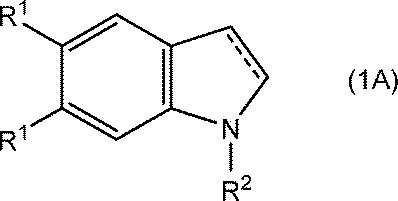
〔式中、破線はπ結合の存在又は不存在を示す。R1は水酸基又はアセトキシ基を示す。R2は水素原子、アセチル基、メチル基又はエチル基を示す。〕
本発明はまた、下記一般式(1A)で表される化合物又はその塩(A)、及び有機アルカリ剤(B)を含有し、pHが9.0以上11.0以下である染毛剤組成物(I)と、有機酸又はその塩(C)を含有し、pHが5.5以下である毛髪処理剤(II)とを備えた染毛用キットを提供する。
〔式中、破線はπ結合の存在又は不存在を示す。R1は水酸基又はアセトキシ基を示す。R2は水素原子、アセチル基、メチル基又はエチル基を示す。〕
染毛剤組成物(I)、毛髪処理剤(II)及びこれらの好適態様は前記と同じである。
本発明の染毛用キットは、染毛剤組成物(I)と毛髪処理剤(II)とを備えていればよく、例えば染毛剤組成物(I)と毛髪処理剤(II)とを個別に容器に封入したものを備えた二剤型のキットが挙げられる。容器の形状には特に制限はなく、剤型に応じて適宜選択することができ、例えばボトル、チューブ、ディスペンサー、エアゾール等が挙げられる。
染毛用キットは、必要に応じ染毛剤組成物(I)、毛髪処理剤(II)を毛髪に塗布等するためのコーム、ブラシ等をさらに備えていてもよい。
本発明の染毛用キットは、好ましくは、前述した毛髪の染色方法において記載した方法に従って使用することができる。
本発明の染毛用キットは、染毛剤組成物(I)と毛髪処理剤(II)とを備えていればよく、例えば染毛剤組成物(I)と毛髪処理剤(II)とを個別に容器に封入したものを備えた二剤型のキットが挙げられる。容器の形状には特に制限はなく、剤型に応じて適宜選択することができ、例えばボトル、チューブ、ディスペンサー、エアゾール等が挙げられる。
染毛用キットは、必要に応じ染毛剤組成物(I)、毛髪処理剤(II)を毛髪に塗布等するためのコーム、ブラシ等をさらに備えていてもよい。
本発明の染毛用キットは、好ましくは、前述した毛髪の染色方法において記載した方法に従って使用することができる。
上述の実施形態に関し、本発明は毛髪の染色方法及び染毛用キットを開示する。
<1>下記工程1及び工程2を順に有し、工程1を行った後、毛髪を、該毛髪1gあたりの水分量を0.008g以上の湿潤状態に保ったまま工程2に供する、毛髪の染色方法。
工程1:下記一般式(1A)で表される化合物又はその塩(A)、及び有機アルカリ剤(B)を含有し、pHが9.0以上11.0以下である染毛剤組成物(I)を毛髪に適用する工程
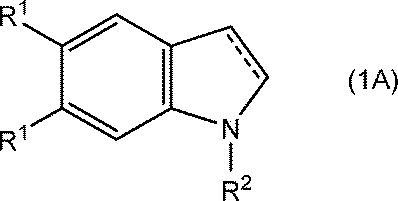
〔式中、破線はπ結合の存在又は不存在を示す。R1は水酸基又はアセトキシ基を示す。R2は水素原子、アセチル基、メチル基又はエチル基を示す。〕
工程2:有機酸又はその塩(C)を含有し、pHが5.5以下である毛髪処理剤(II)を毛髪に適用する工程
<2>下記工程1及び工程2を順に有し、工程1と工程2との間に毛髪をすすぎ流す工程を有し、工程1を行った後、毛髪を、該毛髪1gあたりの水分量を0.05g以上2g以下の湿潤状態に保ったまま工程2に供する、毛髪の染色方法。
工程1:下記一般式(1A)で表される化合物又はその塩(A)を0.1質量%以上3質量%以下、及び有機アルカリ剤(B)を0.5質量%以上8質量%以下含有し、pHが9.5超、11.0以下である染毛剤組成物(I)を毛髪に適用し、1分以上30分以下放置する工程

〔式中、破線はπ結合の存在又は不存在を示す。R1は水酸基又はアセトキシ基を示す。R2は水素原子、アセチル基、メチル基又はエチル基を示す。〕
工程2:有機酸又はその塩(C)を1質量%以上30質量%以下含有し、pHが2.0以上4.0以下である毛髪処理剤(II)を毛髪に10秒以上6分以下適用する工程
<3>下記工程1及び工程2を順に有し、工程1と工程2との間に毛髪をすすぎ流す工程を有し、工程1を行った後、毛髪を、該毛髪1gあたりの水分量を0.2g以上1.2g以下の湿潤状態に保ったまま工程2に供する、毛髪の染色方法。
工程1:下記一般式(1A)で表される化合物又はその塩(A)を0.2質量%以上1質量%以下、及び有機アルカリ剤(B)を1質量%以上5質量%以下含有し、pHが9.8以上10.5以下である染毛剤組成物(I)を毛髪に適用し、3分以上20分以下放置する工程
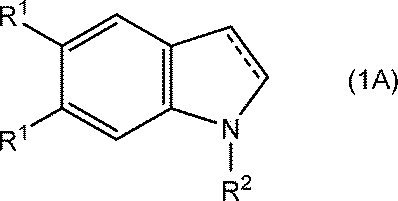
〔式中、破線はπ結合の存在又は不存在を示す。R1は水酸基又はアセトキシ基を示す。R2は水素原子、アセチル基、メチル基又はエチル基を示す。〕
工程2:有機酸又はその塩(C)を5質量%以上15質量%以下含有し、pHが2.3以上3.8以下である毛髪処理剤(II)を毛髪に20秒以上4分以下適用する工程
<1>下記工程1及び工程2を順に有し、工程1を行った後、毛髪を、該毛髪1gあたりの水分量を0.008g以上の湿潤状態に保ったまま工程2に供する、毛髪の染色方法。
工程1:下記一般式(1A)で表される化合物又はその塩(A)、及び有機アルカリ剤(B)を含有し、pHが9.0以上11.0以下である染毛剤組成物(I)を毛髪に適用する工程
〔式中、破線はπ結合の存在又は不存在を示す。R1は水酸基又はアセトキシ基を示す。R2は水素原子、アセチル基、メチル基又はエチル基を示す。〕
工程2:有機酸又はその塩(C)を含有し、pHが5.5以下である毛髪処理剤(II)を毛髪に適用する工程
<2>下記工程1及び工程2を順に有し、工程1と工程2との間に毛髪をすすぎ流す工程を有し、工程1を行った後、毛髪を、該毛髪1gあたりの水分量を0.05g以上2g以下の湿潤状態に保ったまま工程2に供する、毛髪の染色方法。
工程1:下記一般式(1A)で表される化合物又はその塩(A)を0.1質量%以上3質量%以下、及び有機アルカリ剤(B)を0.5質量%以上8質量%以下含有し、pHが9.5超、11.0以下である染毛剤組成物(I)を毛髪に適用し、1分以上30分以下放置する工程
〔式中、破線はπ結合の存在又は不存在を示す。R1は水酸基又はアセトキシ基を示す。R2は水素原子、アセチル基、メチル基又はエチル基を示す。〕
工程2:有機酸又はその塩(C)を1質量%以上30質量%以下含有し、pHが2.0以上4.0以下である毛髪処理剤(II)を毛髪に10秒以上6分以下適用する工程
<3>下記工程1及び工程2を順に有し、工程1と工程2との間に毛髪をすすぎ流す工程を有し、工程1を行った後、毛髪を、該毛髪1gあたりの水分量を0.2g以上1.2g以下の湿潤状態に保ったまま工程2に供する、毛髪の染色方法。
工程1:下記一般式(1A)で表される化合物又はその塩(A)を0.2質量%以上1質量%以下、及び有機アルカリ剤(B)を1質量%以上5質量%以下含有し、pHが9.8以上10.5以下である染毛剤組成物(I)を毛髪に適用し、3分以上20分以下放置する工程
〔式中、破線はπ結合の存在又は不存在を示す。R1は水酸基又はアセトキシ基を示す。R2は水素原子、アセチル基、メチル基又はエチル基を示す。〕
工程2:有機酸又はその塩(C)を5質量%以上15質量%以下含有し、pHが2.3以上3.8以下である毛髪処理剤(II)を毛髪に20秒以上4分以下適用する工程
<4>下記一般式(1A)で表される化合物又はその塩(A)、及び有機アルカリ剤(B)を含有し、pHが9.0以上11.0以下である染毛剤組成物(I)と、有機酸又はその塩(C)を含有し、pHが5.5以下である毛髪処理剤(II)とを備えた染毛用キット。

〔式中、破線はπ結合の存在又は不存在を示す。R1は水酸基又はアセトキシ基を示す。R2は水素原子、アセチル基、メチル基又はエチル基を示す。〕
<5>下記一般式(1A)で表される化合物又はその塩(A)を0.1質量%以上3質量%以下、及び有機アルカリ剤(B)を0.5質量%以上8質量%以下含有し、pHが9.5超、11.0以下である染毛剤組成物(I)と、有機酸又はその塩(C)を1質量%以上30質量%以下含有し、pHが2.0以上4.0以下である毛髪処理剤(II)とを備えた染毛用キット。
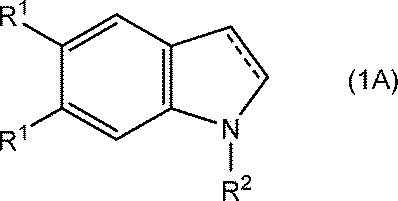
〔式中、破線はπ結合の存在又は不存在を示す。R1は水酸基又はアセトキシ基を示す。R2は水素原子、アセチル基、メチル基又はエチル基を示す。〕
<6>下記一般式(1A)で表される化合物又はその塩(A)を0.2質量%以上1質量%以下、及び有機アルカリ剤(B)を1質量%以上5質量%以下含有し、pHが9.8以上10.5以下である染毛剤組成物(I)と、有機酸又はその塩(C)を5質量%以上15質量%以下含有し、pHが2.3以上3.8以下である毛髪処理剤(II)とを備えた染毛用キット。
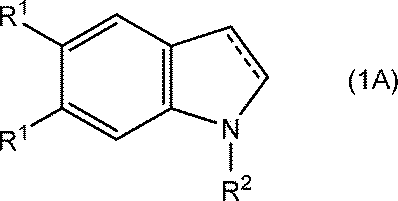
〔式中、破線はπ結合の存在又は不存在を示す。R1は水酸基又はアセトキシ基を示す。R2は水素原子、アセチル基、メチル基又はエチル基を示す。〕
〔式中、破線はπ結合の存在又は不存在を示す。R1は水酸基又はアセトキシ基を示す。R2は水素原子、アセチル基、メチル基又はエチル基を示す。〕
<5>下記一般式(1A)で表される化合物又はその塩(A)を0.1質量%以上3質量%以下、及び有機アルカリ剤(B)を0.5質量%以上8質量%以下含有し、pHが9.5超、11.0以下である染毛剤組成物(I)と、有機酸又はその塩(C)を1質量%以上30質量%以下含有し、pHが2.0以上4.0以下である毛髪処理剤(II)とを備えた染毛用キット。
〔式中、破線はπ結合の存在又は不存在を示す。R1は水酸基又はアセトキシ基を示す。R2は水素原子、アセチル基、メチル基又はエチル基を示す。〕
<6>下記一般式(1A)で表される化合物又はその塩(A)を0.2質量%以上1質量%以下、及び有機アルカリ剤(B)を1質量%以上5質量%以下含有し、pHが9.8以上10.5以下である染毛剤組成物(I)と、有機酸又はその塩(C)を5質量%以上15質量%以下含有し、pHが2.3以上3.8以下である毛髪処理剤(II)とを備えた染毛用キット。
〔式中、破線はπ結合の存在又は不存在を示す。R1は水酸基又はアセトキシ基を示す。R2は水素原子、アセチル基、メチル基又はエチル基を示す。〕
<7>成分(A)が、5,6-ジヒドロキシインドール、5,6-ジヒドロキシインドリン、及びこれらの塩からなる群から選ばれる1種以上を含む<1>~<3>のいずれか1に記載の毛髪の染色方法又は<4>~<6>のいずれか1に記載の染毛用キット。
<8>成分(A)が、5,6-ジヒドロキシインドール又はその塩を含む<1>~<3>のいずれか1に記載の毛髪の染色方法又は<4>~<6>のいずれか1に記載の染毛用キット。
<9>成分(A)が、5,6-ジヒドロキシインドールを含む<1>~<3>のいずれか1に記載の毛髪の染色方法又は<4>~<6>のいずれか1に記載の染毛用キット。
<8>成分(A)が、5,6-ジヒドロキシインドール又はその塩を含む<1>~<3>のいずれか1に記載の毛髪の染色方法又は<4>~<6>のいずれか1に記載の染毛用キット。
<9>成分(A)が、5,6-ジヒドロキシインドールを含む<1>~<3>のいずれか1に記載の毛髪の染色方法又は<4>~<6>のいずれか1に記載の染毛用キット。
<10>成分(B)が、アンモニア及びアルカノールアミンからなる1種以上を含む<1>~<3>のいずれか1に記載の毛髪の染色方法又は<4>~<6>のいずれか1に記載の染毛用キット。
<11>成分(B)が、モノエタノールアミン、トリスヒドロキシメチルアミノメタン及び2-アミノ-2-メチル-1-プロパノールからなる群から選ばれる1種以上を含む<1>~<3>のいずれか1に記載の毛髪の染色方法又は<4>~<6>のいずれか1に記載の染毛用キット。
<12>成分(B)が、モノエタノールアミン及び2-アミノ-2-メチル-1-プロパノールからなる群から選ばれる1種以上を含む<1>~<3>のいずれか1に記載の毛髪の染色方法又は<4>~<6>のいずれか1に記載の染毛用キット。
<13>成分(B)が、2-アミノ-2-メチル-1-プロパノールを含む<1>~<3>のいずれか1に記載の毛髪の染色方法又は<4>~<6>のいずれか1に記載の染毛用キット。
<11>成分(B)が、モノエタノールアミン、トリスヒドロキシメチルアミノメタン及び2-アミノ-2-メチル-1-プロパノールからなる群から選ばれる1種以上を含む<1>~<3>のいずれか1に記載の毛髪の染色方法又は<4>~<6>のいずれか1に記載の染毛用キット。
<12>成分(B)が、モノエタノールアミン及び2-アミノ-2-メチル-1-プロパノールからなる群から選ばれる1種以上を含む<1>~<3>のいずれか1に記載の毛髪の染色方法又は<4>~<6>のいずれか1に記載の染毛用キット。
<13>成分(B)が、2-アミノ-2-メチル-1-プロパノールを含む<1>~<3>のいずれか1に記載の毛髪の染色方法又は<4>~<6>のいずれか1に記載の染毛用キット。
<14>成分(C)が、炭素数8以下の脂肪族カルボン酸、炭素数10以下の芳香族スルホン酸、又はこれらの塩からなる群から選ばれる1種以上を含む<1>~<3>のいずれか1に記載の毛髪の染色方法又は<4>~<6>のいずれか1に記載の染毛用キット。
<15>成分(C)が、炭素数8以下の脂肪族カルボン酸又はその塩を含む<1>~<3>のいずれか1に記載の毛髪の染色方法又は<4>~<6>のいずれか1に記載の染毛用キット。
<16>成分(C)が、リンゴ酸、クエン酸、乳酸、グリコール酸、グリセリン酸、酒石酸、及びこれらの塩からなる群から選ばれる1種以上を含む<1>~<3>のいずれか1に記載の毛髪の染色方法又は<4>~<6>のいずれか1に記載の染毛用キット。
<17>成分(C)が、乳酸又はその塩を含む<1>~<3>のいずれか1に記載の毛髪の染色方法又は<4>~<6>のいずれか1に記載の染毛用キット。
<15>成分(C)が、炭素数8以下の脂肪族カルボン酸又はその塩を含む<1>~<3>のいずれか1に記載の毛髪の染色方法又は<4>~<6>のいずれか1に記載の染毛用キット。
<16>成分(C)が、リンゴ酸、クエン酸、乳酸、グリコール酸、グリセリン酸、酒石酸、及びこれらの塩からなる群から選ばれる1種以上を含む<1>~<3>のいずれか1に記載の毛髪の染色方法又は<4>~<6>のいずれか1に記載の染毛用キット。
<17>成分(C)が、乳酸又はその塩を含む<1>~<3>のいずれか1に記載の毛髪の染色方法又は<4>~<6>のいずれか1に記載の染毛用キット。
<18>工程1を行った後、工程2に供するまでの毛髪1gあたりの水分量を、0.5g以上1.2g以下の湿潤状態を保ったまま工程2に供する<1>~<3>のいずれか1に記載の毛髪の染色方法。
<19>工程1を行った後、工程2に供するまでの毛髪1gあたりの水分量を、0.8g以上1.2g以下の湿潤状態を保ったまま工程2に供する<1>~<3>のいずれか1に記載の毛髪の染色方法。
<19>工程1を行った後、工程2に供するまでの毛髪1gあたりの水分量を、0.8g以上1.2g以下の湿潤状態を保ったまま工程2に供する<1>~<3>のいずれか1に記載の毛髪の染色方法。
<20>さらに染毛剤組成物(I)中に下記一般式(1B)で表される化合物又はその塩を含有する<1>~<3>のいずれか1に記載の毛髪の染色方法又は<4>~<6>のいずれか1に記載の染毛用キット。

〔式中、破線はπ結合の存在又は不存在を示す。R1は水酸基又はアセトキシ基を示す。R2は水素原子、アセチル基、メチル基又はエチル基を示す。Rは水素原子、メチル基又はエチル基を示す。〕
<21>金属系酸化触媒を毛髪に適用する工程を実質的に含まない<1>~<3>のいずれか1に記載の毛髪の染色方法。
<22>金属系酸化触媒を0.01質量%以上含有する組成物を含まない<4>~<6>のいずれか1に記載の染毛用キット。
〔式中、破線はπ結合の存在又は不存在を示す。R1は水酸基又はアセトキシ基を示す。R2は水素原子、アセチル基、メチル基又はエチル基を示す。Rは水素原子、メチル基又はエチル基を示す。〕
<21>金属系酸化触媒を毛髪に適用する工程を実質的に含まない<1>~<3>のいずれか1に記載の毛髪の染色方法。
<22>金属系酸化触媒を0.01質量%以上含有する組成物を含まない<4>~<6>のいずれか1に記載の染毛用キット。
以下、本発明を実施例により説明するが、本発明は実施例の範囲に限定されない。なお本実施例において、評価用トレスの調製、pH測定、毛髪水分量の測定及び染毛性評価は以下の方法により行った。
[評価用トレスの調製]
未処理トレス(中国人女性の長さ10cm、質量1gの白髪トレス(BM-W-A、(株)ビューラックス))を、以下に示す組成のプレーンシャンプーで2回洗浄し、ドライヤーの熱風を30分間当てて乾燥させ、温度25℃、相対湿度65%下で一昼夜以上放置した(以下「乾燥トレス」ともいう)。この時のトレスの質量を乾燥質量とした。
未処理トレス(中国人女性の長さ10cm、質量1gの白髪トレス(BM-W-A、(株)ビューラックス))を、以下に示す組成のプレーンシャンプーで2回洗浄し、ドライヤーの熱風を30分間当てて乾燥させ、温度25℃、相対湿度65%下で一昼夜以上放置した(以下「乾燥トレス」ともいう)。この時のトレスの質量を乾燥質量とした。
(プレーンシャンプー) (質量%)
・ポリオキシエチレンラウリルエーテル硫酸ナトリウム
(エマールE-27C(有効成分量:27質量%)、花王(株)製)
57.4
・ラウラミドDEA(アミノーン L-02、花王(株)製) 1.5
・EDTA-2Na(フロスト DS、第一化学薬品(株)製)0.3
・リン酸(pH7.0に調整)
・安息香酸ナトリウム 0.5
精製水 残 量
計 100
[pH測定]
pHメーター(F-51、(株)堀場製作所製)を用いて、染毛剤組成物及び毛髪処理剤の25℃におけるpHを測定した。
・ポリオキシエチレンラウリルエーテル硫酸ナトリウム
(エマールE-27C(有効成分量:27質量%)、花王(株)製)
57.4
・ラウラミドDEA(アミノーン L-02、花王(株)製) 1.5
・EDTA-2Na(フロスト DS、第一化学薬品(株)製)0.3
・リン酸(pH7.0に調整)
・安息香酸ナトリウム 0.5
精製水 残 量
計 100
[pH測定]
pHメーター(F-51、(株)堀場製作所製)を用いて、染毛剤組成物及び毛髪処理剤の25℃におけるpHを測定した。
[毛髪水分量の測定]
毛髪処理工程におけるトレスの水分量は、各処理工程におけるトレスの質量を測定し、上記乾燥トレスの質量との差分を毛髪水分量とした。
毛髪処理工程におけるトレスの水分量は、各処理工程におけるトレスの質量を測定し、上記乾燥トレスの質量との差分を毛髪水分量とした。
[染毛性評価]
下記処理後のトレスの色相(a*)を、色彩色差計(CR-400、コニカミノルタ(株))を用いて、トレス1本につき6点測定し、その平均値を算出した。評価結果を表4~8に示す。a*の値が大きいほど赤味のある色合いに染色され、本発明の効果が得られていると評価される。
下記処理後のトレスの色相(a*)を、色彩色差計(CR-400、コニカミノルタ(株))を用いて、トレス1本につき6点測定し、その平均値を算出した。評価結果を表4~8に示す。a*の値が大きいほど赤味のある色合いに染色され、本発明の効果が得られていると評価される。
次に、本実施例で用いた染毛剤組成物、毛髪処理剤及び金属溶液は、下記の調製方法により得た。
製造例1~4(染毛剤組成物A、B、比較C、比較Dの調製)
表1に示す組成に従って各成分を配合して混合し、染毛剤組成物A、B、比較C、比較Dを調製した。表1に記載の配合量は、いずれも有効成分量の質量%である。
調製した染毛剤組成物は、窒素雰囲気下で保管し、使用の際にその都度、分取し、後述する染毛性評価を実施した。
表1に示す組成に従って各成分を配合して混合し、染毛剤組成物A、B、比較C、比較Dを調製した。表1に記載の配合量は、いずれも有効成分量の質量%である。
調製した染毛剤組成物は、窒素雰囲気下で保管し、使用の際にその都度、分取し、後述する染毛性評価を実施した。

*1:5,6-ジヒドロキシインドール溶液(MATRIX SCIENTIFIC社製、5,6-ジヒドロキシインドール:1質量%、エタノール:20質量%、水:残部)を、表に記載の有効分となるよう配合。
製造例5~8(毛髪処理剤A~Dの調製)
表2に示す組成に従って各成分を配合して混合し、毛髪処理剤A~Dを調製した。表2に記載の配合量は、有効成分の質量%である。
表2に示す組成に従って各成分を配合して混合し、毛髪処理剤A~Dを調製した。表2に記載の配合量は、有効成分の質量%である。
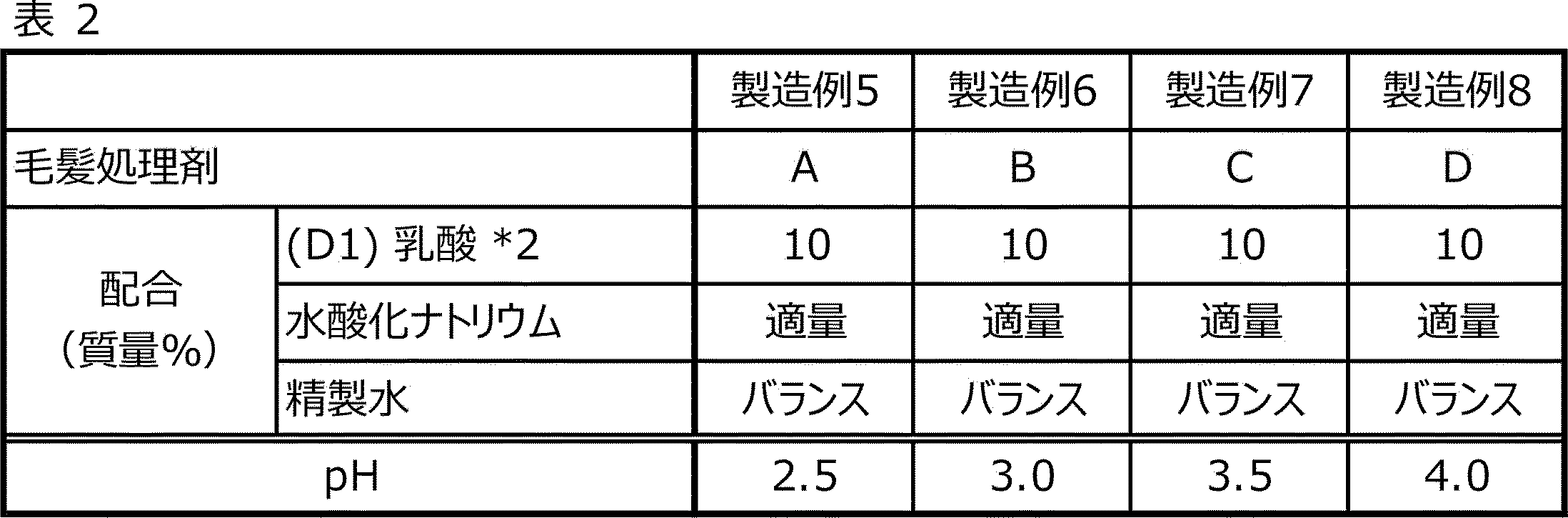
*2:武蔵野化学研究所製、商品名「ムサシノ乳酸90」
製造例9(金属溶液aの調製)
表3に示す組成に従って各成分を配合し、金属溶液aを調製した。表3に記載の配合量は、有効成分の質量%である。

表3に示す組成に従って各成分を配合し、金属溶液aを調製した。表3に記載の配合量は、有効成分の質量%である。
実施例1、2及び比較例1(染毛剤組成物(I)中のアルカリ剤の種類の検討)
(工程1及びすすぎ工程)
上記乾燥トレスを、窒素雰囲気下で、染毛剤組成物A、B又は比較C 5gに10分間浸漬した(浸漬時の浴比(乾燥トレス:染毛剤組成物)は1:5)。
次いで、トレスを染毛剤組成物から引き揚げ、放置時の浴比(乾燥トレス:染毛剤組成物)が1:1になるように軽く絞って調整し、空気雰囲気下で10分間放置した。10分経過後、処理後のトレスを流温水(約40℃)で30秒間洗い流した。
(乾燥工程)
工程1及びすすぎ工程の後に毛髪の乾燥処理を行わずに、工程1の処理後のトレスの毛髪水分量が1gとなるように軽く絞って水分を調整した。
(工程2)
トレスに毛髪処理剤A 1gを30秒間かけて塗布した後(浴比(乾燥トレス:毛髪処理剤)は1:1)、直ちに流温水(約40℃)で30秒間洗い流し、その後ドライヤーで30分間冷風乾燥し、処理トレスを得た。処理トレスの染毛性評価結果を表4に示す。
(工程1及びすすぎ工程)
上記乾燥トレスを、窒素雰囲気下で、染毛剤組成物A、B又は比較C 5gに10分間浸漬した(浸漬時の浴比(乾燥トレス:染毛剤組成物)は1:5)。
次いで、トレスを染毛剤組成物から引き揚げ、放置時の浴比(乾燥トレス:染毛剤組成物)が1:1になるように軽く絞って調整し、空気雰囲気下で10分間放置した。10分経過後、処理後のトレスを流温水(約40℃)で30秒間洗い流した。
(乾燥工程)
工程1及びすすぎ工程の後に毛髪の乾燥処理を行わずに、工程1の処理後のトレスの毛髪水分量が1gとなるように軽く絞って水分を調整した。
(工程2)
トレスに毛髪処理剤A 1gを30秒間かけて塗布した後(浴比(乾燥トレス:毛髪処理剤)は1:1)、直ちに流温水(約40℃)で30秒間洗い流し、その後ドライヤーで30分間冷風乾燥し、処理トレスを得た。処理トレスの染毛性評価結果を表4に示す。
参考例1~3(工程2を行わないもの)
前記乾燥トレスを用いて、実施例1、2及び比較例1と同様に工程1及びすすぎ工程を行った後、トレスのタオルドライを行い、次いでドライヤーの熱風を30分あててトレスを乾燥し、処理トレスを得た。処理トレスの染毛性評価を表4に示す。
また、工程2を行ったことによるa*の値の変化値を合わせて表4に示した。
前記乾燥トレスを用いて、実施例1、2及び比較例1と同様に工程1及びすすぎ工程を行った後、トレスのタオルドライを行い、次いでドライヤーの熱風を30分あててトレスを乾燥し、処理トレスを得た。処理トレスの染毛性評価を表4に示す。
また、工程2を行ったことによるa*の値の変化値を合わせて表4に示した。
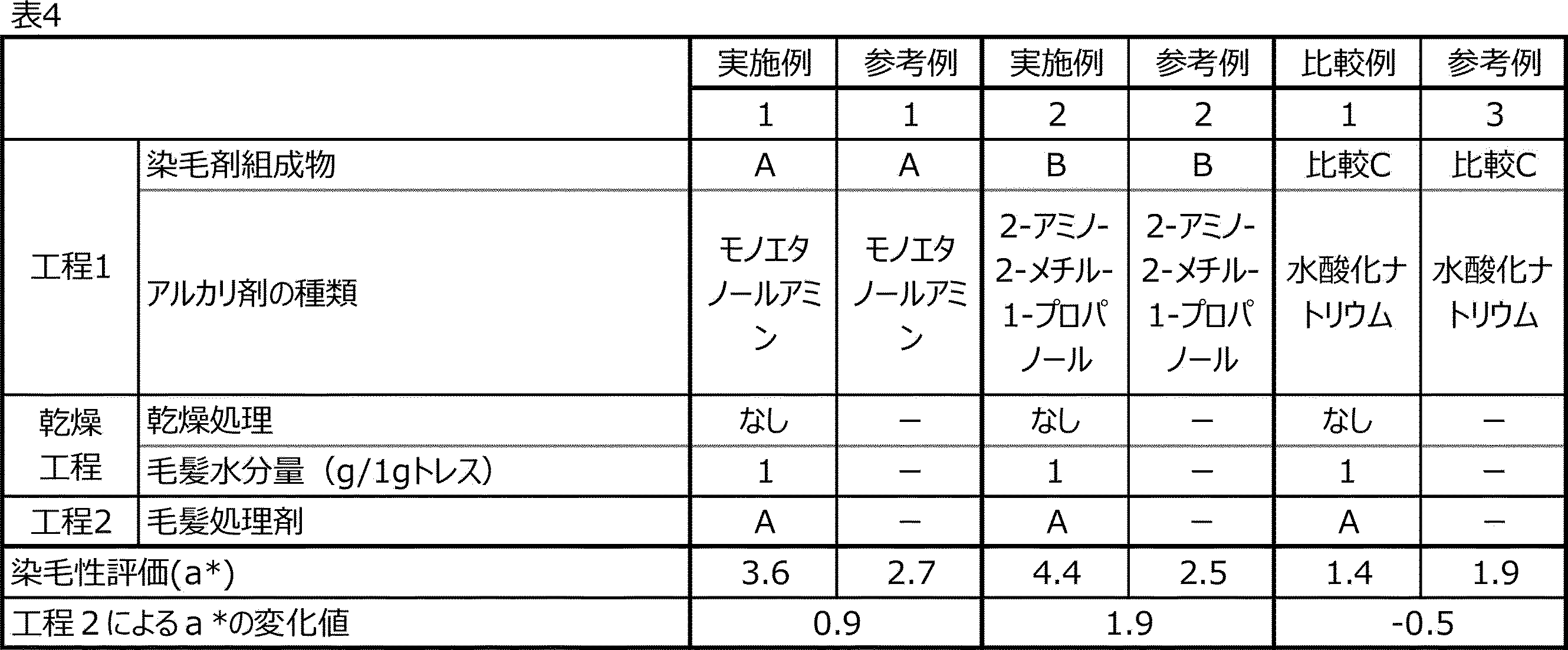
実施例1、2及び比較例1の対比から、染毛剤組成物(I)において、アルカリ剤として有機アルカリ剤を用いた場合に、毛髪処理剤(II)を適用することでa*の値が向上し、赤味の強い色合いに染毛することが示された。特に、染毛剤組成物(I)において有機アルカリ剤として2-アミノ-2-メチル-1-プロパノールを用いた場合に、染毛性が顕著に向上することが示された。
実施例3、比較例2(工程1後の乾燥工程の検討)
(工程1及びすすぎ工程)
前記乾燥トレスを、窒素雰囲気下で、染毛剤組成物A 5gに10分間浸漬した(浸漬時の浴比(乾燥トレス:染毛剤組成物)は1:5)。
次いで、トレスを染毛剤組成物から引き揚げ、放置時の浴比(乾燥トレス:染毛剤組成物)が1:1になるように軽く絞って調整し、空気雰囲気下で10分間放置した。10分経過後、処理後のトレスを流温水(約40℃)で30秒間洗い流した。
(乾燥工程)
実施例3では、工程1及びすすぎ工程を行った後、トレスのタオルドライを行い、次いでドライヤーの熱風を30分あててトレスを乾燥させた。この時のトレスの重量を測定した時の乾燥質量との差分を、毛髪水分量とした。
比較例2では、工程1を行った後、トレスのタオルドライを行い、次いでドライヤーの熱風を30分あててトレスを乾燥させた。ドライヤー乾燥後のトレスをさらに、湿度25℃、相対湿度65%の環境下で一昼夜以上放置した。この時のトレスの重量を測定した時の乾燥質量との差分を、毛髪水分量とした。
(工程2)
上記乾燥工程を行った後、トレスに毛髪処理剤A 1gを30秒間かけて塗布した後(浴比(乾燥トレス:毛髪処理剤)は1:1)、直ちに流温水(約40℃)で30秒間洗い流し、次いでドライヤーで30分間冷風乾燥し、処理トレスを得た。処理トレスの染毛性評価結果を表5に示す。
(工程1及びすすぎ工程)
前記乾燥トレスを、窒素雰囲気下で、染毛剤組成物A 5gに10分間浸漬した(浸漬時の浴比(乾燥トレス:染毛剤組成物)は1:5)。
次いで、トレスを染毛剤組成物から引き揚げ、放置時の浴比(乾燥トレス:染毛剤組成物)が1:1になるように軽く絞って調整し、空気雰囲気下で10分間放置した。10分経過後、処理後のトレスを流温水(約40℃)で30秒間洗い流した。
(乾燥工程)
実施例3では、工程1及びすすぎ工程を行った後、トレスのタオルドライを行い、次いでドライヤーの熱風を30分あててトレスを乾燥させた。この時のトレスの重量を測定した時の乾燥質量との差分を、毛髪水分量とした。
比較例2では、工程1を行った後、トレスのタオルドライを行い、次いでドライヤーの熱風を30分あててトレスを乾燥させた。ドライヤー乾燥後のトレスをさらに、湿度25℃、相対湿度65%の環境下で一昼夜以上放置した。この時のトレスの重量を測定した時の乾燥質量との差分を、毛髪水分量とした。
(工程2)
上記乾燥工程を行った後、トレスに毛髪処理剤A 1gを30秒間かけて塗布した後(浴比(乾燥トレス:毛髪処理剤)は1:1)、直ちに流温水(約40℃)で30秒間洗い流し、次いでドライヤーで30分間冷風乾燥し、処理トレスを得た。処理トレスの染毛性評価結果を表5に示す。
表5に実施例1の結果を合わせて記載した。実施例1と、実施例3及び比較例2との相違点は、実施例1では工程1及びすすぎ工程の後に毛髪の乾燥処理を行わずに、工程2を実施している点である。
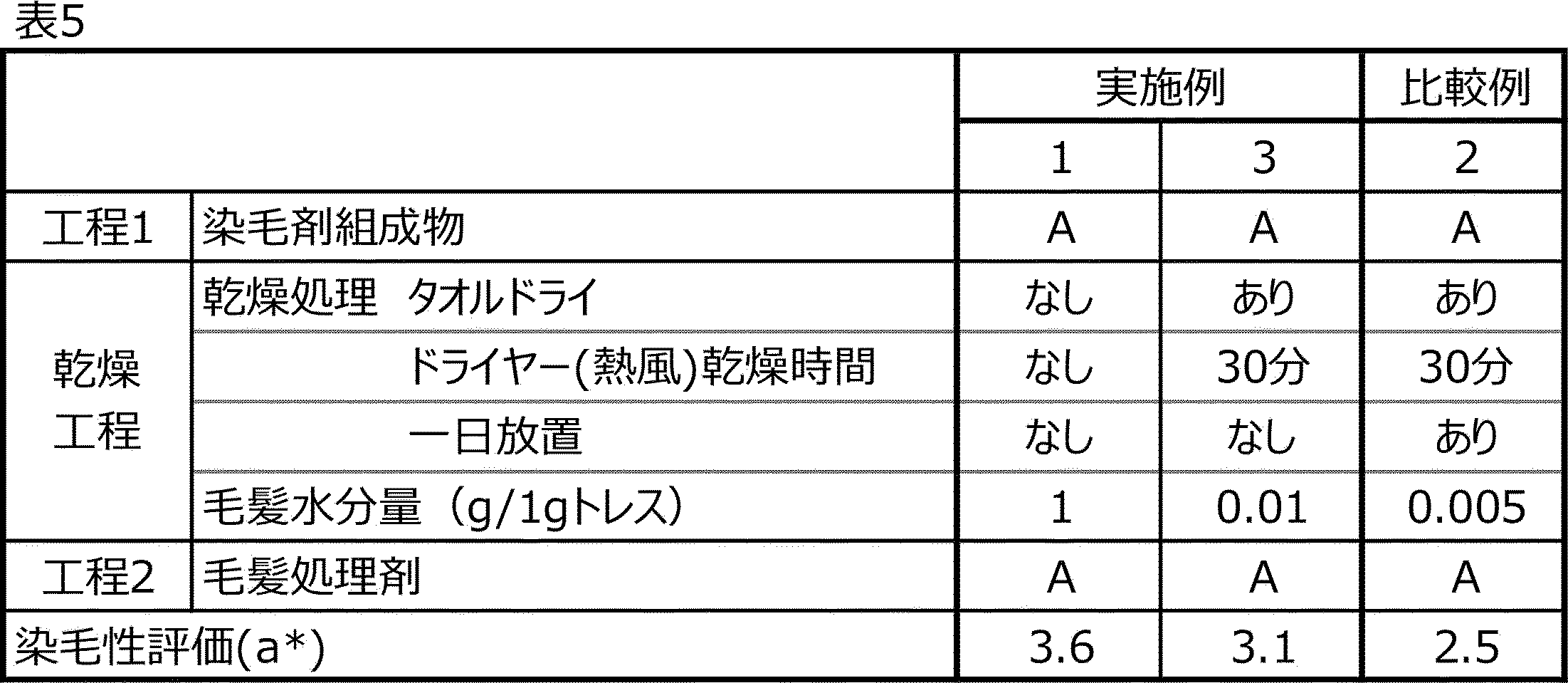
実施例1、3、及び比較例2の対比から、工程1を行った後、毛髪を所定の湿潤状態に保ったまま工程2に供することで、a*の値が向上し、色合いの変化を大きくできることが示された。
実施例4~6(工程2における毛髪処理剤(II)のpHの検討)
(工程1及びすすぎ工程)
実施例4~6においては、前記乾燥トレスを、窒素雰囲気下で、染毛剤組成物A 5gに10分間浸漬した(浸漬時の浴比(乾燥トレス:染毛剤組成物)は1:5)。
次いで、トレスを染毛剤組成物から引き揚げ、放置時の浴比(乾燥トレス:染毛剤組成物)が1:1になるように軽く絞って調整し、空気雰囲気下で10分間放置した。10分経過後、処理後のトレスを流温水(約40℃)で30秒間洗い流した。
(乾燥工程)
工程1及びすすぎ工程の後に毛髪の乾燥処理を行わずに、工程1の処理後のトレスの毛髪水分量が1gとなるように軽く絞って水分を調整した。
(工程2)
トレスに毛髪処理剤B、C又はD 1gを30秒間かけて塗布した後(浴比(乾燥トレス:毛髪処理剤)は1:1)、放置せずに直ちに流温水で30秒間洗い流した。次いでドライヤーで30分間冷風乾燥し、処理トレスを得た。処理トレスの染毛性評価結果を表6に示す。
(工程1及びすすぎ工程)
実施例4~6においては、前記乾燥トレスを、窒素雰囲気下で、染毛剤組成物A 5gに10分間浸漬した(浸漬時の浴比(乾燥トレス:染毛剤組成物)は1:5)。
次いで、トレスを染毛剤組成物から引き揚げ、放置時の浴比(乾燥トレス:染毛剤組成物)が1:1になるように軽く絞って調整し、空気雰囲気下で10分間放置した。10分経過後、処理後のトレスを流温水(約40℃)で30秒間洗い流した。
(乾燥工程)
工程1及びすすぎ工程の後に毛髪の乾燥処理を行わずに、工程1の処理後のトレスの毛髪水分量が1gとなるように軽く絞って水分を調整した。
(工程2)
トレスに毛髪処理剤B、C又はD 1gを30秒間かけて塗布した後(浴比(乾燥トレス:毛髪処理剤)は1:1)、放置せずに直ちに流温水で30秒間洗い流した。次いでドライヤーで30分間冷風乾燥し、処理トレスを得た。処理トレスの染毛性評価結果を表6に示す。
表6に実施例1の結果を合わせて記載した。実施例1と、実施例4~6との相違点は、実施例1では工程2において毛髪処理剤Aを用いて処理している点である。
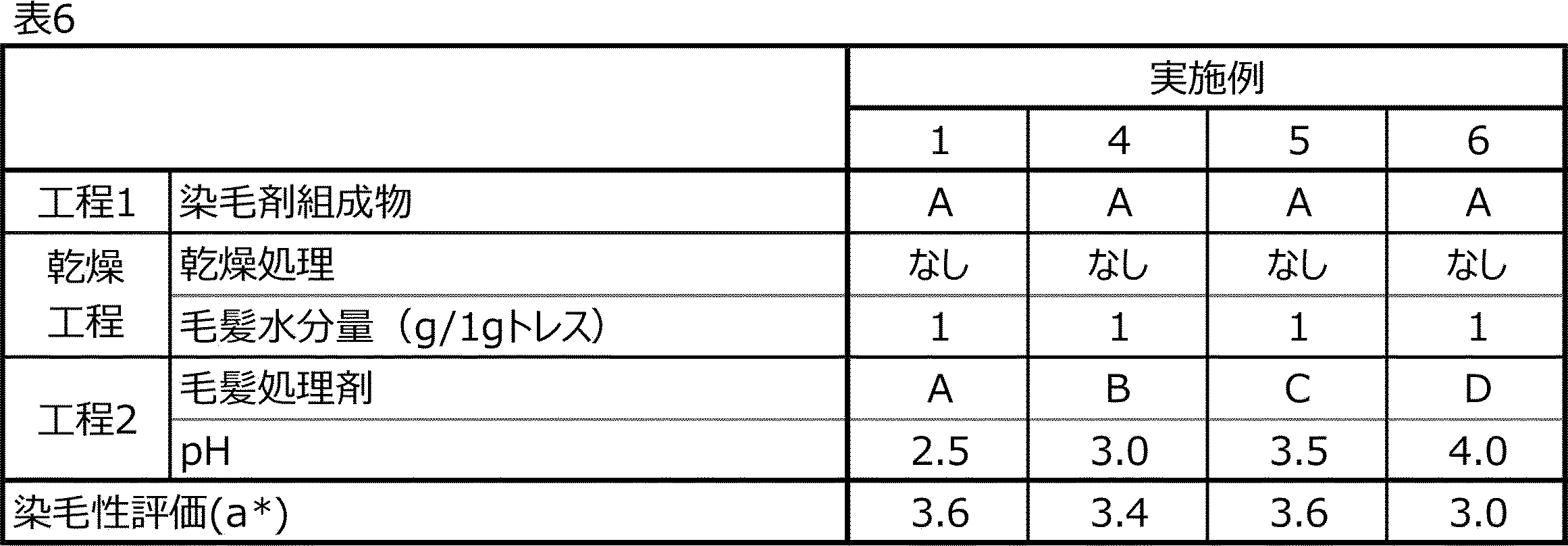
実施例1、4~6の対比から、毛髪処理剤(II)のpHが5.5以下であればa*の値は3.0以上となり、特にpHが4.0未満の範囲において、赤味のある色合いに変化させる効果が顕著に向上することが示された。
(工程2における毛髪処理剤(II)塗布後の放置時間の検討)
実施例7、8
(工程1及びすすぎ工程)
前記乾燥トレスを、窒素雰囲気下で、染毛剤組成物A 5gに10分間浸漬した(浸漬時の浴比(乾燥トレス:染毛剤組成物)は1:5)。
次いで、トレスを染毛剤組成物から引き揚げ、放置時の浴比(乾燥トレス:染毛剤組成物)が1:1になるように軽く絞って調整し、空気雰囲気下で10分間放置した。10分経過後、処理後のトレスを流温水(約40℃)で30秒間洗い流した。
(乾燥工程)
工程1の後に毛髪の乾燥処理を行わずに、工程1の処理後のトレスの毛髪水分量が1gとなるように軽く絞って水分を調整した。
(工程2)
実施例7では、トレスに毛髪処理剤A 1gを30秒間かけて塗布した後(浴比(乾燥トレス:毛髪処理剤)は1:1)、1分間放置した後に流温水(約40℃)で30秒間洗い流した。次いでドライヤーで30分間冷風乾燥し、処理トレスを得た。
実施例8では、トレスに毛髪処理剤A 1gを30秒間かけて塗布した後(浴比(乾燥トレス:毛髪処理剤)は1:1)、3分間放置した後に流温水(約40℃)で30秒間洗い流した。次いでドライヤーで30分間冷風乾燥し、処理トレスを得た。処理トレスの染毛性評価結果を表7に示す。
実施例7、8
(工程1及びすすぎ工程)
前記乾燥トレスを、窒素雰囲気下で、染毛剤組成物A 5gに10分間浸漬した(浸漬時の浴比(乾燥トレス:染毛剤組成物)は1:5)。
次いで、トレスを染毛剤組成物から引き揚げ、放置時の浴比(乾燥トレス:染毛剤組成物)が1:1になるように軽く絞って調整し、空気雰囲気下で10分間放置した。10分経過後、処理後のトレスを流温水(約40℃)で30秒間洗い流した。
(乾燥工程)
工程1の後に毛髪の乾燥処理を行わずに、工程1の処理後のトレスの毛髪水分量が1gとなるように軽く絞って水分を調整した。
(工程2)
実施例7では、トレスに毛髪処理剤A 1gを30秒間かけて塗布した後(浴比(乾燥トレス:毛髪処理剤)は1:1)、1分間放置した後に流温水(約40℃)で30秒間洗い流した。次いでドライヤーで30分間冷風乾燥し、処理トレスを得た。
実施例8では、トレスに毛髪処理剤A 1gを30秒間かけて塗布した後(浴比(乾燥トレス:毛髪処理剤)は1:1)、3分間放置した後に流温水(約40℃)で30秒間洗い流した。次いでドライヤーで30分間冷風乾燥し、処理トレスを得た。処理トレスの染毛性評価結果を表7に示す。
表7に実施例1の結果を合わせて記載した。実施例1と、実施例7、8との相違点は、実施例1では工程2において毛髪処理剤Aを塗布した後に放置時間を設けていない点である。

実施例1、7及び8の対比から、毛髪処理剤(II)を塗布後、速やかに色味の変化が生じ、さらに、放置時間を設けることでa*の値が向上し、色合いの変化は大きくなる傾向がある。本発明の方法によれば、1~3分程度という短時間の放置時間でも、十分に赤味の強い色合いに染毛することが示された。
参考例4(金属系酸化触媒を毛髪に適用する工程の検討)
(金属系酸化触媒による処理工程)
前記乾燥トレスに金属溶液a 1gを1分間かけて塗布した後(塗布時の浴比(乾燥トレス:金属溶液)は1:1)、5分間放置した後にドライヤーで30分間冷風乾燥した。
(工程1及びすすぎ工程)
上記金属系酸化触媒処理後のトレスを、窒素雰囲気下で、染毛剤組成物 比較D 5gに10分間浸漬した(浸漬時の浴比(乾燥トレス:染毛剤組成物)は1:5)。
次いで、トレスを染毛剤組成物から引き揚げ、放置時の浴比(乾燥トレス:染毛剤組成物)が1:1になるように軽く絞って調整し、空気雰囲気下で10分間放置した。10分経過後、処理後のトレスを流温水(約40℃)で30秒間洗い流した。
(乾燥工程)
工程1の後に毛髪の乾燥処理を行わずに、工程1の処理後のトレスの毛髪水分量が1gとなるように軽く絞って水分を調整した。
(工程2)
トレスに毛髪処理剤A 1gを30秒間かけて塗布した後(浴比(乾燥トレス:毛髪処理剤)は1:1)、放置せずに直ちに流温水で30秒間洗い流した。次いでドライヤーで30分間冷風乾燥し、処理トレスを得た。処理トレスの染毛性評価結果を表8に示す。
(金属系酸化触媒による処理工程)
前記乾燥トレスに金属溶液a 1gを1分間かけて塗布した後(塗布時の浴比(乾燥トレス:金属溶液)は1:1)、5分間放置した後にドライヤーで30分間冷風乾燥した。
(工程1及びすすぎ工程)
上記金属系酸化触媒処理後のトレスを、窒素雰囲気下で、染毛剤組成物 比較D 5gに10分間浸漬した(浸漬時の浴比(乾燥トレス:染毛剤組成物)は1:5)。
次いで、トレスを染毛剤組成物から引き揚げ、放置時の浴比(乾燥トレス:染毛剤組成物)が1:1になるように軽く絞って調整し、空気雰囲気下で10分間放置した。10分経過後、処理後のトレスを流温水(約40℃)で30秒間洗い流した。
(乾燥工程)
工程1の後に毛髪の乾燥処理を行わずに、工程1の処理後のトレスの毛髪水分量が1gとなるように軽く絞って水分を調整した。
(工程2)
トレスに毛髪処理剤A 1gを30秒間かけて塗布した後(浴比(乾燥トレス:毛髪処理剤)は1:1)、放置せずに直ちに流温水で30秒間洗い流した。次いでドライヤーで30分間冷風乾燥し、処理トレスを得た。処理トレスの染毛性評価結果を表8に示す。
表8に実施例1の結果を合わせて記載した。実施例1と、参考例4との相違点は、実施例1では工程1の前に金属系酸化触媒による処理工程を行っていない点、及び、工程1において染毛剤組成物Aを用いている点である。
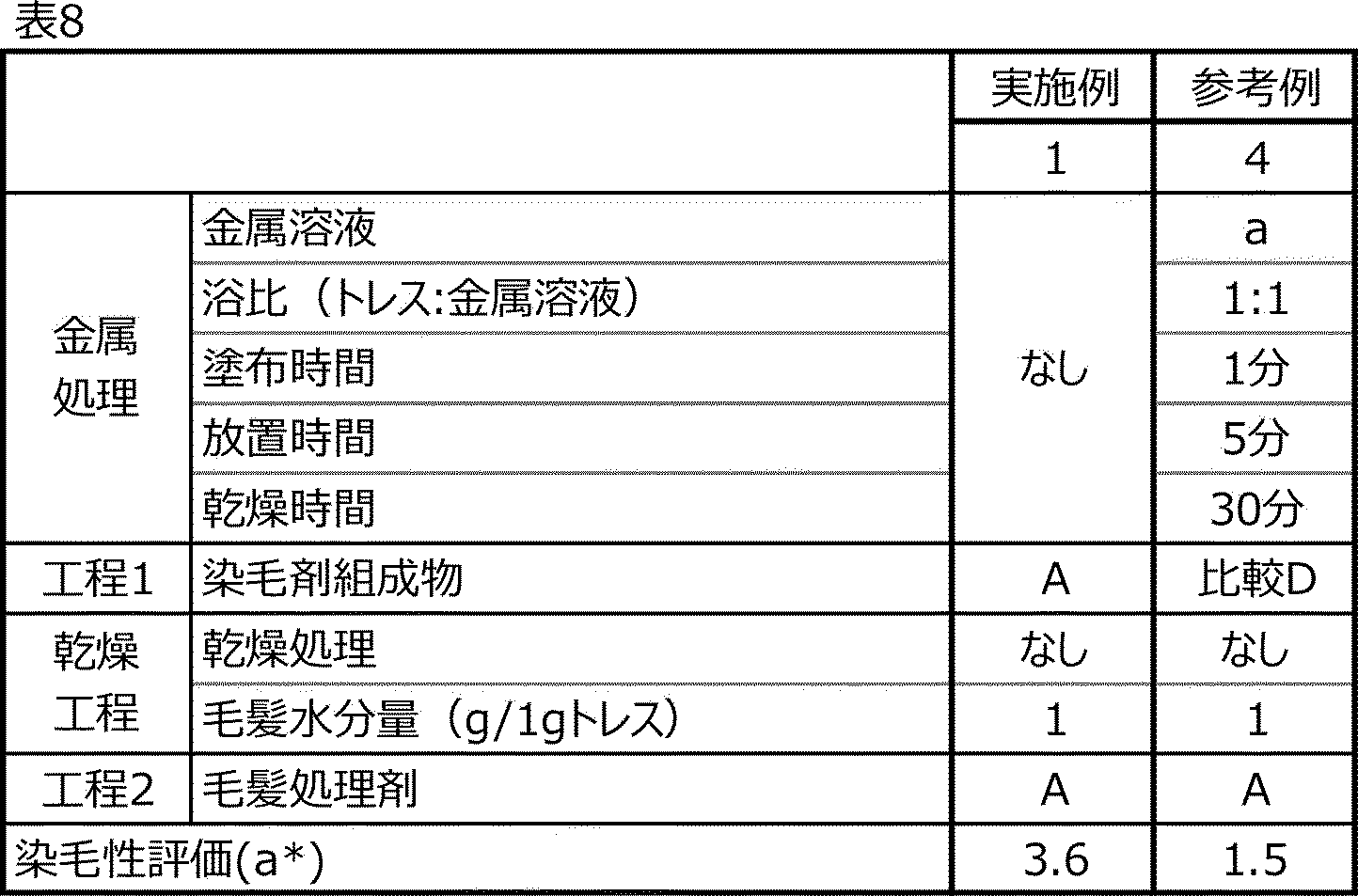
実施例1及び参考例4の対比から、金属系酸化触媒を毛髪に適用した場合、工程1を行った後、毛髪を所定の湿潤状態に保ったまま工程2に供したとしても、速やかに色味の変化が生じにくいことが示された。
本発明の方法によれば、通常灰色~黒色を呈する、メラニン前駆体により染色された毛髪をより赤味が強く、明るい自然な色合いに短時間で変化させることが可能になる。そのため、毛髪処理時間を非常に短くすることができ、実使用における簡便性に優れる。
Claims (6)
- 下記工程1及び工程2を順に有し、工程1を行った後、毛髪を、該毛髪1gあたりの水分量を0.008g以上の湿潤状態に保ったまま工程2に供する、毛髪の染色方法。
工程1:下記一般式(1A)で表される化合物又はその塩(A)、及び有機アルカリ剤(B)を含有し、pHが9.0以上11.0以下である染毛剤組成物(I)を毛髪に適用する工程

〔式中、破線はπ結合の存在又は不存在を示す。R1は水酸基又はアセトキシ基を示す。R2は水素原子、アセチル基、メチル基又はエチル基を示す。〕
工程2:有機酸又はその塩(C)を含有し、pHが5.5以下である毛髪処理剤(II)を毛髪に適用する工程 - 前記染毛剤組成物(I)中の成分(A)の含有量が0.05質量%以上5質量%以下である、請求項1に記載の染色方法。
- 成分(B)がアンモニア、アルカノールアミン、アルキルアミン、及びアラルキルアミンからなる群から選ばれる1種以上である、請求項1又は2に記載の染色方法。
- 成分(C)が炭素数8以下の脂肪族カルボン酸、炭素数10以下の芳香族スルホン酸、又はこれらの塩からなる群から選ばれる1種以上である、請求項1~3のいずれか1項に記載の染色方法。
- 工程1と工程2との間に、毛髪をすすぎ流す工程を有する、請求項1~4のいずれか1項に記載の染色方法。
- 下記一般式(1A)で表される化合物又はその塩(A)、及び有機アルカリ剤(B)を含有し、pHが9.0以上11.0以下である染毛剤組成物(I)と、有機酸又はその塩(C)を含有し、pHが5.5以下である毛髪処理剤(II)とを備えた染毛用キット。
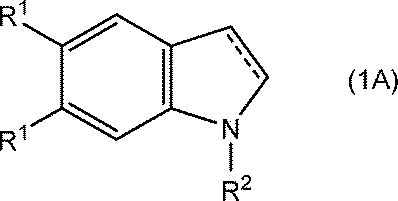
〔式中、破線はπ結合の存在又は不存在を示す。R1は水酸基又はアセトキシ基を示す。R2は水素原子、アセチル基、メチル基又はエチル基を示す。〕
Priority Applications (3)
| Application Number | Priority Date | Filing Date | Title |
|---|---|---|---|
| EP20904946.9A EP4082620A4 (en) | 2019-12-25 | 2020-12-14 | HAIR DYEING PROCESS |
| CN202080086557.5A CN114828817A (zh) | 2019-12-25 | 2020-12-14 | 毛发的染色方法 |
| US17/787,861 US11964037B2 (en) | 2019-12-25 | 2020-12-14 | Hair-dyeing method |
Applications Claiming Priority (2)
| Application Number | Priority Date | Filing Date | Title |
|---|---|---|---|
| JP2019234954A JP7478536B2 (ja) | 2019-12-25 | 2019-12-25 | 毛髪の染色方法 |
| JP2019-234954 | 2019-12-25 |
Publications (1)
| Publication Number | Publication Date |
|---|---|
| WO2021131868A1 true WO2021131868A1 (ja) | 2021-07-01 |
Family
ID=76574527
Family Applications (1)
| Application Number | Title | Priority Date | Filing Date |
|---|---|---|---|
| PCT/JP2020/046611 Ceased WO2021131868A1 (ja) | 2019-12-25 | 2020-12-14 | 毛髪の染色方法 |
Country Status (6)
| Country | Link |
|---|---|
| US (1) | US11964037B2 (ja) |
| EP (1) | EP4082620A4 (ja) |
| JP (1) | JP7478536B2 (ja) |
| CN (1) | CN114828817A (ja) |
| TW (1) | TWI869513B (ja) |
| WO (1) | WO2021131868A1 (ja) |
Cited By (1)
| Publication number | Priority date | Publication date | Assignee | Title |
|---|---|---|---|---|
| WO2024162259A1 (ja) * | 2023-01-30 | 2024-08-08 | 花王株式会社 | 染毛方法 |
Families Citing this family (1)
| Publication number | Priority date | Publication date | Assignee | Title |
|---|---|---|---|---|
| JP2023074399A (ja) * | 2021-11-17 | 2023-05-29 | 花王株式会社 | 表面改質方法 |
Citations (4)
| Publication number | Priority date | Publication date | Assignee | Title |
|---|---|---|---|---|
| JPH0640866A (ja) | 1992-06-03 | 1994-02-15 | Bristol Myers Squibb Co | ジヒドロキシインドールによりヘアダイされた毛髪の酸性後トリートメント方法 |
| JP2002322039A (ja) * | 2001-04-23 | 2002-11-08 | Kao Corp | 染毛剤組成物 |
| JP2007326803A (ja) * | 2006-06-07 | 2007-12-20 | Kao Corp | 一剤式染毛剤組成物 |
| JP2019094328A (ja) * | 2017-11-20 | 2019-06-20 | 花王株式会社 | 毛髪処理方法 |
Family Cites Families (8)
| Publication number | Priority date | Publication date | Assignee | Title |
|---|---|---|---|---|
| CA1201067A (en) * | 1982-12-07 | 1986-02-25 | Keith Brown | Hair dyeing process and composition |
| US5665336A (en) * | 1992-06-03 | 1997-09-09 | Bristol-Myers Squibb Company | Acidic post-treatment of hair dyed with dihydroxyindole |
| KR100681228B1 (ko) * | 1998-06-23 | 2007-02-09 | 헨켈 코만디트게젤샤프트 아우프 악티엔 | 케라틴 섬유 염색용 염색제 |
| JP5363703B2 (ja) * | 2006-06-07 | 2013-12-11 | 花王株式会社 | 一剤式染毛剤組成物 |
| US7857863B2 (en) * | 2006-06-07 | 2010-12-28 | Kao Corporation | One-part hair dye composition |
| JP2007326810A (ja) * | 2006-06-07 | 2007-12-20 | Kao Corp | 一剤式染毛剤組成物 |
| JP5432709B2 (ja) * | 2007-05-31 | 2014-03-05 | 花王株式会社 | 酸化型染毛剤組成物 |
| WO2019098376A1 (ja) * | 2017-11-20 | 2019-05-23 | 花王株式会社 | 毛髪処理方法 |
-
2019
- 2019-12-25 JP JP2019234954A patent/JP7478536B2/ja active Active
-
2020
- 2020-12-14 US US17/787,861 patent/US11964037B2/en active Active
- 2020-12-14 EP EP20904946.9A patent/EP4082620A4/en active Pending
- 2020-12-14 WO PCT/JP2020/046611 patent/WO2021131868A1/ja not_active Ceased
- 2020-12-14 CN CN202080086557.5A patent/CN114828817A/zh active Pending
- 2020-12-15 TW TW109144179A patent/TWI869513B/zh active
Patent Citations (4)
| Publication number | Priority date | Publication date | Assignee | Title |
|---|---|---|---|---|
| JPH0640866A (ja) | 1992-06-03 | 1994-02-15 | Bristol Myers Squibb Co | ジヒドロキシインドールによりヘアダイされた毛髪の酸性後トリートメント方法 |
| JP2002322039A (ja) * | 2001-04-23 | 2002-11-08 | Kao Corp | 染毛剤組成物 |
| JP2007326803A (ja) * | 2006-06-07 | 2007-12-20 | Kao Corp | 一剤式染毛剤組成物 |
| JP2019094328A (ja) * | 2017-11-20 | 2019-06-20 | 花王株式会社 | 毛髪処理方法 |
Non-Patent Citations (1)
| Title |
|---|
| See also references of EP4082620A4 |
Cited By (1)
| Publication number | Priority date | Publication date | Assignee | Title |
|---|---|---|---|---|
| WO2024162259A1 (ja) * | 2023-01-30 | 2024-08-08 | 花王株式会社 | 染毛方法 |
Also Published As
| Publication number | Publication date |
|---|---|
| TWI869513B (zh) | 2025-01-11 |
| US20230048023A1 (en) | 2023-02-16 |
| US11964037B2 (en) | 2024-04-23 |
| EP4082620A4 (en) | 2024-01-24 |
| CN114828817A (zh) | 2022-07-29 |
| EP4082620A1 (en) | 2022-11-02 |
| TW202135774A (zh) | 2021-10-01 |
| JP7478536B2 (ja) | 2024-05-07 |
| JP2021102581A (ja) | 2021-07-15 |
Similar Documents
| Publication | Publication Date | Title |
|---|---|---|
| JP5548382B2 (ja) | 染毛方法 | |
| JP2001192326A (ja) | 染色毛髪用処理組成物 | |
| HU213250B (en) | Oxidation hair colouring agents and method for dyeing keratine fibres | |
| US4183366A (en) | Henna hair coloring and/or conditioning compositions | |
| US11964037B2 (en) | Hair-dyeing method | |
| JP2001213737A (ja) | 毛髪処理剤配合用組成物及び毛髪処理剤 | |
| WO2019098376A1 (ja) | 毛髪処理方法 | |
| EP0490583B1 (en) | Hair treatment composition | |
| JP2000229821A (ja) | 酸性染毛料用処理剤及びこれを用いた頭髪の染色方法 | |
| JP7444602B2 (ja) | 毛髪の染色方法 | |
| JP4352362B2 (ja) | 毛髪用染毛料組成物 | |
| JPS6155483B2 (ja) | ||
| JPH11343217A (ja) | 染毛剤組成物 | |
| JP2024108159A (ja) | 染毛方法 | |
| JP2001294520A (ja) | 染色毛髪用処理剤 | |
| JP5752656B2 (ja) | 銀イオン含有の感光性染毛料の使用方法 | |
| KR102778889B1 (ko) | 단계적 헤어 컬러 조성물 및 이를 포함하는 화장료 조성물 | |
| JP2001064130A (ja) | 酸化型染毛剤 | |
| JP3430577B2 (ja) | 染毛料 | |
| JPH01311012A (ja) | 染毛剤組成物 | |
| TW202444284A (zh) | 毛髮形狀賦予方法 | |
| JPH08188520A (ja) | 染毛剤組成物 | |
| CN120676928A (zh) | 毛发的处理方法 | |
| KR101457488B1 (ko) | 빛을 조사하지 않고 모발을 염색하는 은이온 함유 감광성 염모료의 사용 방법 | |
| JP2015232031A (ja) | 染毛料及び染毛方法 |
Legal Events
| Date | Code | Title | Description |
|---|---|---|---|
| 121 | Ep: the epo has been informed by wipo that ep was designated in this application |
Ref document number: 20904946 Country of ref document: EP Kind code of ref document: A1 |
|
| NENP | Non-entry into the national phase |
Ref country code: DE |
|
| ENP | Entry into the national phase |
Ref document number: 2020904946 Country of ref document: EP Effective date: 20220725 |