WO2021131944A1 - 癌遺伝子治療薬 - Google Patents
癌遺伝子治療薬 Download PDFInfo
- Publication number
- WO2021131944A1 WO2021131944A1 PCT/JP2020/046891 JP2020046891W WO2021131944A1 WO 2021131944 A1 WO2021131944 A1 WO 2021131944A1 JP 2020046891 W JP2020046891 W JP 2020046891W WO 2021131944 A1 WO2021131944 A1 WO 2021131944A1
- Authority
- WO
- WIPO (PCT)
- Prior art keywords
- nucleic acid
- protein
- base sequence
- hif
- sequence
- Prior art date
- Legal status (The legal status is an assumption and is not a legal conclusion. Google has not performed a legal analysis and makes no representation as to the accuracy of the status listed.)
- Ceased
Links
Images







Classifications
-
- C—CHEMISTRY; METALLURGY
- C07—ORGANIC CHEMISTRY
- C07K—PEPTIDES
- C07K14/00—Peptides having more than 20 amino acids; Gastrins; Somatostatins; Melanotropins; Derivatives thereof
- C07K14/435—Peptides having more than 20 amino acids; Gastrins; Somatostatins; Melanotropins; Derivatives thereof from animals; from humans
- C07K14/705—Receptors; Cell surface antigens; Cell surface determinants
- C07K14/70596—Molecules with a "CD"-designation not provided for elsewhere
-
- C—CHEMISTRY; METALLURGY
- C12—BIOCHEMISTRY; BEER; SPIRITS; WINE; VINEGAR; MICROBIOLOGY; ENZYMOLOGY; MUTATION OR GENETIC ENGINEERING
- C12N—MICROORGANISMS OR ENZYMES; COMPOSITIONS THEREOF; PROPAGATING, PRESERVING, OR MAINTAINING MICROORGANISMS; MUTATION OR GENETIC ENGINEERING; CULTURE MEDIA
- C12N15/00—Mutation or genetic engineering; DNA or RNA concerning genetic engineering, vectors, e.g. plasmids, or their isolation, preparation or purification; Use of hosts therefor
- C12N15/09—Recombinant DNA-technology
- C12N15/63—Introduction of foreign genetic material using vectors; Vectors; Use of hosts therefor; Regulation of expression
- C12N15/79—Vectors or expression systems specially adapted for eukaryotic hosts
- C12N15/85—Vectors or expression systems specially adapted for eukaryotic hosts for animal cells
- C12N15/86—Viral vectors
-
- A—HUMAN NECESSITIES
- A61—MEDICAL OR VETERINARY SCIENCE; HYGIENE
- A61K—PREPARATIONS FOR MEDICAL, DENTAL OR TOILETRY PURPOSES
- A61K31/00—Medicinal preparations containing organic active ingredients
- A61K31/70—Carbohydrates; Sugars; Derivatives thereof
- A61K31/7088—Compounds having three or more nucleosides or nucleotides
-
- A—HUMAN NECESSITIES
- A61—MEDICAL OR VETERINARY SCIENCE; HYGIENE
- A61K—PREPARATIONS FOR MEDICAL, DENTAL OR TOILETRY PURPOSES
- A61K48/00—Medicinal preparations containing genetic material which is inserted into cells of the living body to treat genetic diseases; Gene therapy
- A61K48/005—Medicinal preparations containing genetic material which is inserted into cells of the living body to treat genetic diseases; Gene therapy characterised by an aspect of the 'active' part of the composition delivered, i.e. the nucleic acid delivered
-
- A—HUMAN NECESSITIES
- A61—MEDICAL OR VETERINARY SCIENCE; HYGIENE
- A61P—SPECIFIC THERAPEUTIC ACTIVITY OF CHEMICAL COMPOUNDS OR MEDICINAL PREPARATIONS
- A61P35/00—Antineoplastic agents
-
- C—CHEMISTRY; METALLURGY
- C07—ORGANIC CHEMISTRY
- C07K—PEPTIDES
- C07K14/00—Peptides having more than 20 amino acids; Gastrins; Somatostatins; Melanotropins; Derivatives thereof
- C07K14/435—Peptides having more than 20 amino acids; Gastrins; Somatostatins; Melanotropins; Derivatives thereof from animals; from humans
- C07K14/46—Peptides having more than 20 amino acids; Gastrins; Somatostatins; Melanotropins; Derivatives thereof from animals; from humans from vertebrates
- C07K14/47—Peptides having more than 20 amino acids; Gastrins; Somatostatins; Melanotropins; Derivatives thereof from animals; from humans from vertebrates from mammals
-
- C—CHEMISTRY; METALLURGY
- C07—ORGANIC CHEMISTRY
- C07K—PEPTIDES
- C07K14/00—Peptides having more than 20 amino acids; Gastrins; Somatostatins; Melanotropins; Derivatives thereof
- C07K14/435—Peptides having more than 20 amino acids; Gastrins; Somatostatins; Melanotropins; Derivatives thereof from animals; from humans
- C07K14/46—Peptides having more than 20 amino acids; Gastrins; Somatostatins; Melanotropins; Derivatives thereof from animals; from humans from vertebrates
- C07K14/47—Peptides having more than 20 amino acids; Gastrins; Somatostatins; Melanotropins; Derivatives thereof from animals; from humans from vertebrates from mammals
- C07K14/4701—Peptides having more than 20 amino acids; Gastrins; Somatostatins; Melanotropins; Derivatives thereof from animals; from humans from vertebrates from mammals not used
- C07K14/4702—Regulators; Modulating activity
-
- C—CHEMISTRY; METALLURGY
- C07—ORGANIC CHEMISTRY
- C07K—PEPTIDES
- C07K14/00—Peptides having more than 20 amino acids; Gastrins; Somatostatins; Melanotropins; Derivatives thereof
- C07K14/435—Peptides having more than 20 amino acids; Gastrins; Somatostatins; Melanotropins; Derivatives thereof from animals; from humans
- C07K14/705—Receptors; Cell surface antigens; Cell surface determinants
-
- C—CHEMISTRY; METALLURGY
- C07—ORGANIC CHEMISTRY
- C07K—PEPTIDES
- C07K14/00—Peptides having more than 20 amino acids; Gastrins; Somatostatins; Melanotropins; Derivatives thereof
- C07K14/435—Peptides having more than 20 amino acids; Gastrins; Somatostatins; Melanotropins; Derivatives thereof from animals; from humans
- C07K14/705—Receptors; Cell surface antigens; Cell surface determinants
- C07K14/70585—CD44
-
- C—CHEMISTRY; METALLURGY
- C12—BIOCHEMISTRY; BEER; SPIRITS; WINE; VINEGAR; MICROBIOLOGY; ENZYMOLOGY; MUTATION OR GENETIC ENGINEERING
- C12N—MICROORGANISMS OR ENZYMES; COMPOSITIONS THEREOF; PROPAGATING, PRESERVING, OR MAINTAINING MICROORGANISMS; MUTATION OR GENETIC ENGINEERING; CULTURE MEDIA
- C12N15/00—Mutation or genetic engineering; DNA or RNA concerning genetic engineering, vectors, e.g. plasmids, or their isolation, preparation or purification; Use of hosts therefor
- C12N15/09—Recombinant DNA-technology
- C12N15/11—DNA or RNA fragments; Modified forms thereof; Non-coding nucleic acids having a biological activity
- C12N15/62—DNA sequences coding for fusion proteins
- C12N15/625—DNA sequences coding for fusion proteins containing a sequence coding for a signal sequence
-
- A—HUMAN NECESSITIES
- A61—MEDICAL OR VETERINARY SCIENCE; HYGIENE
- A61K—PREPARATIONS FOR MEDICAL, DENTAL OR TOILETRY PURPOSES
- A61K38/00—Medicinal preparations containing peptides
-
- A—HUMAN NECESSITIES
- A61—MEDICAL OR VETERINARY SCIENCE; HYGIENE
- A61K—PREPARATIONS FOR MEDICAL, DENTAL OR TOILETRY PURPOSES
- A61K48/00—Medicinal preparations containing genetic material which is inserted into cells of the living body to treat genetic diseases; Gene therapy
-
- C—CHEMISTRY; METALLURGY
- C07—ORGANIC CHEMISTRY
- C07K—PEPTIDES
- C07K2319/00—Fusion polypeptide
-
- C—CHEMISTRY; METALLURGY
- C07—ORGANIC CHEMISTRY
- C07K—PEPTIDES
- C07K2319/00—Fusion polypeptide
- C07K2319/33—Fusion polypeptide fusions for targeting to specific cell types, e.g. tissue specific targeting, targeting of a bacterial subspecies
-
- C—CHEMISTRY; METALLURGY
- C07—ORGANIC CHEMISTRY
- C07K—PEPTIDES
- C07K2319/00—Fusion polypeptide
- C07K2319/70—Fusion polypeptide containing domain for protein-protein interaction
-
- C—CHEMISTRY; METALLURGY
- C12—BIOCHEMISTRY; BEER; SPIRITS; WINE; VINEGAR; MICROBIOLOGY; ENZYMOLOGY; MUTATION OR GENETIC ENGINEERING
- C12N—MICROORGANISMS OR ENZYMES; COMPOSITIONS THEREOF; PROPAGATING, PRESERVING, OR MAINTAINING MICROORGANISMS; MUTATION OR GENETIC ENGINEERING; CULTURE MEDIA
- C12N2710/00—MICROORGANISMS OR ENZYMES; COMPOSITIONS THEREOF; PROPAGATING, PRESERVING, OR MAINTAINING MICROORGANISMS; MUTATION OR GENETIC ENGINEERING; CULTURE MEDIA dsDNA viruses
- C12N2710/00011—Details
- C12N2710/10011—Adenoviridae
- C12N2710/10311—Mastadenovirus, e.g. human or simian adenoviruses
- C12N2710/10341—Use of virus, viral particle or viral elements as a vector
- C12N2710/10343—Use of virus, viral particle or viral elements as a vector viral genome or elements thereof as genetic vector
-
- C—CHEMISTRY; METALLURGY
- C12—BIOCHEMISTRY; BEER; SPIRITS; WINE; VINEGAR; MICROBIOLOGY; ENZYMOLOGY; MUTATION OR GENETIC ENGINEERING
- C12N—MICROORGANISMS OR ENZYMES; COMPOSITIONS THEREOF; PROPAGATING, PRESERVING, OR MAINTAINING MICROORGANISMS; MUTATION OR GENETIC ENGINEERING; CULTURE MEDIA
- C12N2750/00—MICROORGANISMS OR ENZYMES; COMPOSITIONS THEREOF; PROPAGATING, PRESERVING, OR MAINTAINING MICROORGANISMS; MUTATION OR GENETIC ENGINEERING; CULTURE MEDIA ssDNA viruses
- C12N2750/00011—Details
- C12N2750/14011—Parvoviridae
- C12N2750/14111—Dependovirus, e.g. adenoassociated viruses
- C12N2750/14141—Use of virus, viral particle or viral elements as a vector
- C12N2750/14143—Use of virus, viral particle or viral elements as a vector viral genome or elements thereof as genetic vector
Definitions
- the present disclosure relates to, for example, a novel oncogene therapeutic agent or method, an active ingredient thereof, and the like.
- a novel oncogene therapeutic agent or method an active ingredient thereof, and the like.
- gene therapy using a viral vector has been attracting attention as one of the new treatments for cancer.
- This utilizes the characteristics of various viruses and uses the virus as a "carrier" of genes and a viral vector.
- a recombinant viral vector incorporating a therapeutic gene can be directly administered into the body to treat a disease.
- Oncogene therapy has a different mechanism of action from existing treatments such as chemotherapy, in which genes are introduced into cancer cells to directly suppress genes involved in cancer development and growth, or tumor suppressor genes are introduced into cells. Directly induce cell death. Therefore, it is expected to be an effective treatment method for cancers that are difficult to treat with existing chemotherapy and radiation therapy.
- HIF-3alpha4 is a dominant-negative regulator of HIF-1 and is down-regulated in renal cell . FASEB J. 2005 Sep; 19 (11): 1396-406.
- the present inventors conducted a study with the main purpose of providing a novel oncogene therapeutic agent or method.
- a viral vector that carries a gene is important for expressing a gene introduced from the outside in cancer cells.
- Viral vectors include, for example, retroviruses, lentiviruses, and Sendai viruses.
- the present disclosure includes, for example, the subjects described in the following sections.
- Item 1. Nucleic acid encoding a protein having a CD44 extracellular function (B) Nucleic acid encoding a protein having a Notch core region function (C) Nucleic acid encoding a protein having a HIF-3 ⁇ 4 function (A)-(B) -Nucleic acid having a structure linked in the order of (C).
- Item 2. Nucleic acid (A), nucleic acid (B), and nucleic acid (C) are nucleic acids having a structure in which (A)-(B)-(C) are linked in this order.
- Item 4. (D-1) Does it consist of the nucleotide sequence of SEQ ID NO: 4? (D-2) In the base sequence of SEQ ID NO: 4, a portion consisting of a base sequence in which one or more bases are deleted, substituted, or added and encoding a protein capable of binding to hyaluronic acid, a protease.
- the portion encoding the protein that can be cleaved and the portion encoding the protein that can bind to HIF-1 ⁇ have a structure in which they are linked in this order, or (D-3) In the base sequence of SEQ ID NO: 4, it comprises a base sequence in which one or more bases are deleted, substituted, or added, and encodes a protein having an anticancer activity.
- Item 8. Item 7. The vector according to Item 7, wherein the vector is an adenovirus vector.
- Item 10. Item 9. The anti-cancer composition according to Item 9, which is an injection.
- the anticancer composition according to Item 9 or 10 which is used for treating breast cancer, prostate cancer, gastric cancer, or pancreatic cancer.
- Item 12. Item 8. The anti-cancer composition according to Item 9 or 10, which is used for treating triple-negative breast cancer.
- a novel oncogene therapeutic agent having a very high anticancer effect can be provided.
- the therapeutic agent may be effective against small cancer types that are not effective with existing cancer therapeutic agents, and may also be effective against, for example, triple-negative (estrogen receptor negative, progesterone receptor negative, HER2-negative) breast cancer and the like. It can be preferably used.
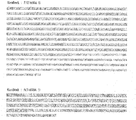
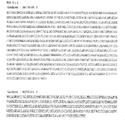
- the sequence of the prepared CD44 / Notch / HIF-3 ⁇ 4 fusion gene is shown.
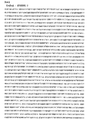
- the base sequence and amino acid sequence of human CD44 are shown.
- the underlined part is the part used for the production of the CD44 / Notch / HIF-3 ⁇ 4 fusion gene.
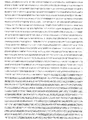
- the base sequence of Notch is shown.
- the base sequence of Notch (continued) is shown.
- the underlined part is the part used for the production of the CD44 / Notch / HIF-3 ⁇ 4 fusion gene.
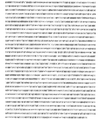
- the base sequence of Notch (continued) is shown.
- the amino acid sequence of Notch is shown.
- the underlined part is the part used for the production of the CD44 / Notch / HIF-3 ⁇ 4 fusion gene.
- the base sequence and amino acid sequence of human HIF-3 ⁇ 4 are shown.
- the underlined part is the part used for the production of the CD44 / Notch / HIF-3 ⁇ 4 fusion gene.
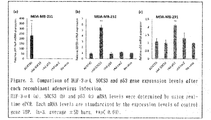
- the results of infecting cells in vitro with each recombinant adenovirus vector and evaluating whether each gene is normally introduced by a real-time PCR test are shown.
- Infect cells in vitro with each recombinant adenovirus vector containing ADX730 (genetically modified adenovirus vector incorporating a CD44 / Notch / HIF-3 ⁇ 4 fusion gene), and decoy of the CD44 Decoy receptor of ADX730.
- the results of a comparative study by a real-time PCR test are shown to see if the expression of the CD44 downstream genes Survivin and CCL2 genes is suppressed by function.
- Cells are infected in vitro with each recombinant adenovirus vector containing ADX730, and the HIF-1 ⁇ target genes VEGF, CyclinG2, and Bcl-xL genes are affected by the HIF-1 ⁇ function-suppressing effect of HIF-3 ⁇ 4 of ADX730.
- the results of a comparative study by a Real-time PCR test are shown to see if the expression is suppressed.
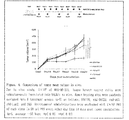
- each recombinant adenovirus vector containing ADX730 to nude mice transplanted with MDA-MB-231 human triple-negative breast cancer cells and examination of its tumor growth inhibitory effect are shown.
- a schematic diagram of the administration schedule is shown on the upper side.
- the lower side is a graph showing how the tumor volume was changed by the administration of each recombinant adenovirus vector or PBS (phosphate buffered saline).
- the present disclosure preferably includes, for example, a specific artificial nucleic acid, a viral vector incorporating the artificial nucleic acid, an anticancer composition containing the viral vector, a method for treating cancer using the composition, and the like. Not limited to these, the present disclosure includes everything disclosed herein and recognizable to those skilled in the art.
- the artificial nucleic acids included in the present disclosure include (A) a nucleic acid encoding a protein having a CD44 extracellular function, (B) a nucleic acid encoding a protein having a Notch core region function, and (C) a nucleic acid encoding a HIF-3 ⁇ 4 function. It is preferable that the nucleic acid encoding the protein is a nucleic acid having a structure in which (A)-(B)-(C) are linked in this order.
- the nucleic acid may be referred to as "nucleic acid of the present disclosure".
- the nucleic acid may be DNA, RNA, PNA or the like, but DNA is particularly preferable.
- the (A) side may be the 3'end or the 5'end, but the 5'end is preferable.
- CD44 is one of the receptors for hyaluronic acid and the like, and by binding to a ligand (for example, hyaluronic acid), it clusters and transmits a signal. It is known that this causes intracellular phenomena such as activation of kinases involved in various cell proliferation and cell migration such as c-Src, FAK, and MAPK. It is also known that after the signal transduction, the intracellular domain is transferred to the nucleus by being cleaved by a protease, and the isolated extracellular domain is released as soluble CD44. Due to these properties, CD44 is highly expressed in many types of cancer cells such as colon cancer, breast cancer, gastric cancer, pancreatic cancer, and prostate cancer, and is also being studied as a marker for cancer stem cells.
- a ligand for example, hyaluronic acid
- the extracellular function of CD44 is a receptor function for a ligand, and the function preferably includes, for example, hyaluronic acid binding ability.
- the protein having the extracellular function of CD44 may be, for example, the protein of the entire extracellular portion of CD44, or may include the cell membrane portion of CD44 as long as the receptor function for the ligand is not impaired. It may be a protein of a part of the extracellular component of CD44. Furthermore, one or more amino acids may be deleted, substituted, or added in such proteins as long as they have this function.
- the nucleic acid (A) is not particularly limited as long as it is a nucleic acid encoding such a polypeptide.
- examples of the preferred nucleic acid as the nucleic acid (A) include the following (a-1) or (a-2).
- A-1) Nucleic acid consisting of the nucleotide sequence of SEQ ID NO: 1 (a-2): In the nucleotide sequence of (a-1), 1 or 2 or more (for example, 1 to 30, 1 to 20, 1 to 10, Or a nucleic acid that comprises a base sequence in which 1, 2, 3, 4, or 5) bases are deleted, substituted, or added, and encodes a protein that can bind to hyaluronic acid.
- Whether the protein can bind to hyaluronic acid can be determined, for example, by obtaining these dissociation constants.
- Notch is a receptor expressed on the surface of cells
- the Notch signaling system is one of the main signaling systems responsible for intercellular signaling.
- the mechanism of intercellular signal transduction is that the signal-sending cell produces and releases a soluble ligand, which binds to a receptor on the cell surface of the signal-receiving cell. ..
- gene expression is regulated by activating intracellular signal transduction pathways such as the downstream phosphorylation cascade and changing the activity of specific transcription factors.
- the Notch signaling system is characterized in that signal transduction is performed by direct interaction between adjacent cells.
- Notch which acts as a receptor, binds to the ligand Delta or Serrate (Jagged in mammals) on the cell surface, and structural changes occur when physical force is applied, resulting in protein-cleaving enzymes such as ADAM protease or ⁇ -secretase.
- ADAM protease or ⁇ -secretase.
- the Notch core region is a region containing a site to be cleaved by the action of a protease, and the Notch core region function can be cleaved by a protease capable of cleaving the Notch core region (preferably limited separation). It is a function called.
- the protein having the Notch core region function may be, for example, a protein containing only a portion necessary for protease cleavage in the Notch core region, and is necessary for protease cleavage as long as it is cleaved by the action of protease.
- a protein containing one or more amino acids before and after a portion (for example, 1 to 30, 1 to 20, 1 to 10, or 1, 2, 3, 4, or 5) together with a portion required for protease cleavage. May be good.
- one or more eg, 1-30, 1-20, 1-10, or 1,2,3,4, or 5
- Amino acids may be deleted, substituted, or added.
- the nucleic acid (B) is not particularly limited as long as it is a nucleic acid encoding such a protein.
- examples of the preferred nucleic acid as the nucleic acid (B) include the following (b-1) or (b-2).
- B-1) Nucleic acid consisting of the base sequence of SEQ ID NO: 2
- b-2) From the base sequence in which one or more bases are deleted, substituted, or added in the base sequence of (b-1).
- ADAM protease As the protease, as described above, ADAM protease (ADAM protease) and ⁇ -secretase ( ⁇ -secretase) are preferably mentioned, and a polypeptide that is cleaved by either or both of these proteases can be encoded. More preferred. ADAM protease is a proteolytic enzyme belonging to a group called A Disintegrin And Metalloprotease family.
- protease Whether the protein can be cleaved by protease can be confirmed by treating the protein with protease and then electrophoresis (for example, SDS-PAGE).
- (b-2) is composed of a base sequence in which one or more bases are deleted, substituted, or added in the base sequence of (b-2'): (b-1), and is described above.
- a protein encoded by a nucleic acid having a structure linked in the order of (A)-(B)-(C) it encodes a protein that can be cleaved by an intracellular protease when a ligand binds to the protein encoded by the nucleic acid (A). More preferably, it is a nucleic acid.
- HIF Hydrofluid Inducible Factor
- hypoxia-inducing factor is a transcription factor that is activated when the inside of a cell falls into a hypoxic state, and is a heterodimer composed of HIF-1 ⁇ and HIF-1 ⁇ . It has been clarified that HIF-1 ⁇ is suppressed not only by decomposition by PHD under normal oxygen concentration but also by a transcription factor called IPAS (Inhibitory PAS domain protein) found in mice. IPAS was identified as a splicing variant of HIF-3 ⁇ , one of the HIFs. Although IPAS does not exhibit transcriptional activity by itself, it inhibits binding to DNA by interacting with HIF-1 ⁇ and suppresses the function of HIF-1 ⁇ . In humans, HIF-3 ⁇ 4, identified as a splicing variant of HIF-3 ⁇ , has been shown to perform a function similar to IPAS.
- the HIF-3 ⁇ 4 function is a function capable of suppressing HIF-1 ⁇ , and more specifically, a function of interacting (binding) with HIF-1 ⁇ .
- the protein having the HIF-3 ⁇ 4 function may be, for example, HIF-3 ⁇ 4 itself, or 1 or 2 or more (for example, 1 to 30, 1) in HIF-3 ⁇ 4 as long as HIF-1 ⁇ can be suppressed. It may be a protein to which amino acids of ⁇ 20, 1-10, or 1, 2, 3, 4, or 5) are further added. Furthermore, in such proteins, as long as HIF-1 ⁇ can be suppressed, one or two or more (for example, 1 to 30, 1 to 20, 1 to 10, or 1, 2, 3, 4, or 5) Amino acids may be deleted, substituted, or added.
- the nucleic acid (C) is not particularly limited as long as it is a nucleic acid encoding such a protein.
- examples of the preferred nucleic acid as the nucleic acid (C) include the following (c-1) or (c-2).
- C-1) Nucleic acid consisting of the base sequence of SEQ ID NO: 3
- c-2 From the base sequence in which one or more bases are deleted, substituted, or added in the base sequence of (c-1).
- Whether or not the protein can bind to HIF-1 ⁇ can be examined by a co-immunoprecipitation method or the like using the target protein, HIF-1 ⁇ , and an antibody that recognizes these.
- nucleic acid (A), nucleic acid (B), and nucleic acid (C) these nucleic acids may be directly linked, or each nucleic acid may be linked via a linker.
- the linker is not particularly limited as long as the effect of the nucleic acid of the present disclosure is not impaired, but is preferably a nucleic acid consisting of, for example, one or two or more bases.
- the base length of the nucleic acids of the present disclosure is preferably, for example, 8000 bp or less, and 7500, 7000, 6500, 6000, 5500, More preferably, it is 5000, 4500, 4000, 3500, or 3000 bp or less.
- nucleic acid of the present disclosure a nucleic acid consisting of the base sequence of (d-1) SEQ ID NO: 4 can be mentioned.
- the base sequence of SEQ ID NO: 4 comprises a base sequence in which one or more bases are deleted, substituted, or added, and Nucleic acids in which a portion encoding a protein that can bind to hyaluronic acid, a portion that encodes a protein that can be cleaved by a protease, and a portion that encodes a protein that can bind to HIF-1 ⁇ are linked in this order can also be mentioned. ..
- nucleic acid comprising a base sequence in which one or more bases are deleted, substituted, or added, and which encodes a protein having an anticancer activity is also available. Can be mentioned. Whether or not the protein encoded by the nucleic acid has an anticancer effect can be examined by incorporating the nucleic acid into an adenovirus vector so that it can be expressed and administering it to cancer cells.
- the number of bases, or the number of bases constituting the linker is preferably 1 to 100 (1, 2, 3, 4, 5, 6, 7, 8, 9, 10, 11, 12, 13, 14, etc.).
- the type of base in the present disclosure is not particularly limited, but is preferably A (adenitin), T (thymine), G (guanine), C (cytosine), or U (uracil).
- the nucleic acid of the present disclosure can be produced by a known method or a method that can be easily conceived from a known method.
- it can be produced by a genetic engineering method.
- DNA or RNA encoding CD44, Notch, and HIF-3 ⁇ 4 may be extracted from a human-derived sample, artificially mutated as necessary, and then ligated to produce the product.
- it may be produced by chemical synthesis.
- Fusion proteins encoded by the nucleic acids of the present disclosure include (i) a protein moiety having CD44 extracellular function, (ii) a protein moiety having Notch core region function, and (iii) a protein moiety having HIF-3 ⁇ 4 function. Therefore, (i) can function as a Decoy receptor, and a signal can be transmitted to (iii) via (ii). This becomes more effective when (i) is fused upstream of (ii).
- HIF-1 ⁇ activated in the tumor can be suppressed. It is considered that this makes it possible to suppress the gene to be inserted into the viral vector within an acceptable range and to exert an antitumor effect composed of a plurality of mechanisms of action.
- the vector in which the nucleic acid of the present disclosure is incorporated in an expressible manner is useful for treating cancer or also for increasing the production of the nucleic acid of the present disclosure.
- the vector include a plasmid vector, a cosmid vector, a phosmid vector, a virus vector and the like.
- viral vectors are particularly suitable.
- the viral vector include an adenoviral vector, a retroviral vector, a lentiviral vector, a Sendai viral vector and the like. Of these, the adenovirus vector is preferable.
- both a proliferative viral vector and a non-proliferative viral vector can be used. In particular, proliferative or non-proliferative adenovirus vectors are preferred.
- the nucleic acid of the present disclosure can be incorporated into a vector by a known method or a method that can be easily conceived from a known method.
- the anti-cancer composition containing the vector into which the nucleic acid of the present disclosure is expressively incorporated exhibits a very excellent anti-cancer effect (particularly a cancer therapeutic effect).
- the administration form of the anticancer composition is not particularly limited as long as the anticancer effect is exhibited.
- intratumoral administration is generally preferred, but intravenous administration may be used depending on the vector.
- the dosage form of the anticancer composition is not particularly limited as long as the anticancer effect is exhibited. For example, it is preferably an injection.
- the anti-cancer composition can appropriately contain components other than the above vector as needed.
- examples of such other components include a pharmaceutically acceptable carrier (for example, water), and an appropriate carrier can be selected and used according to the treatment site and the dosage form of the anticancer composition. ..
- Such an anti-cancer composition can also be prepared based on a known method.
- the cancer type to be treated with the anticancer composition is not particularly limited as long as the anticancer effect is exhibited.
- examples thereof include solid tumors and hematological malignancies, and more specifically, but not limited to, brain tumors, maxillary cancers, nasopharyngeal cancers, lung cancers, esophageal cancers, rectal cancers, colon cancers, liver cancers, gastric cancers, bile sac cancers.
- Pancreatic cancer skin cancer, breast cancer, uterine cancer, ovarian cancer, prostate cancer, kidney cancer, bladder cancer, thyroid cancer, multiple myeloma, lymphoma, acute myeloid leukemia, chronic myeloid leukemia, etc.
- the anti-cancer effect of the anti-cancer composition is very high, it is preferable because it can be used for cancer types for which existing cancer therapeutic agents are ineffective or small. For example, it can be preferably used for triple negative (estrogen receptor negative, progesterone receptor negative, HER2-negative) breast cancer and the like. Further, the type of anticancer effect of the anticancer composition is not particularly limited. For example, those capable of suppressing tumor growth and / or infiltration are preferable.
- CD44 / Notch / HIF-3 ⁇ 4 fusion gene was outsourced to GENEWIZ Solid science. Superior service. From each of these three types of human genes, restriction enzyme treatment with SwaI (TaKaRa, Siga, Japan), electrophoresis and purification were used as insert DNA.
- Each domain of the fusion gene is described in publicly known documents (particularly the above non-patent documents 9, 10 and 12) and the transmembrane domain search tool TMHMM (http://www.cbs.dtu.dk/services/TMHMM/). It was designed with reference to the signal peptide sequence search tool SignalP (http://www.cbs.dtu.dk/services/SignalP/).
- the sequence of the prepared CD44 / Notch / HIF-3 ⁇ 4 fusion gene is shown in FIG.
- the nucleotide sequences of the three human genes used are shown in FIGS. 2a to 2c, respectively.
- the pAxCAwtit2 cosmid vector attached to the Adenovirus Dual Expression Kit (TaKaRa, Siga, Japan) was used as the vector DNA for incorporating the insert DNA. Similar to the insert DNA, the cosmid vector was also purified by phenol-chloroform extraction after cleaving the SwaI sequence at the cloning site by restriction enzyme treatment.
- coli HST08 Premium Competent Cells were seeded on 100 ⁇ g / ml ampicillin-added LB agar medium (Nacalai Tesque, Kyoto, Japan) and cultured overnight at 37 ° C. After culturing, insert check PCR was performed using KOD FX Neo (TOYOBO CO., LTD., Osaka, Japan) using the colonies grown on the LB agar medium as a template to check whether the transformation was normal or not. Confirmed by gel electrophoresis.
- Lipofectamine LTX (invitrogen) using 10 ⁇ g of BspT104I digested cosmid was applied to HEK293 cells (National Institutes of Biomedical Innovation, Health and Nutrition) cultured in 60 mm cell culture Petri dish (TPP) to become confluent. , Waltham, MA) performed lipofection. Then, the cultured cells were collected and seeded on Biocoat Collagen I Cellware 96-Well Plate (CORNING, NY, USA).
- D-MEM Dulbecco's modified Eagle's medium
- FBS Fetal bovine serum
- ADX730 The adenovirus vector in which the CD44 / Notch / HIF-3 ⁇ 4 fusion gene is integrated so that it can be expressed is referred to as ADX730.
- HEK293 cells were cultured in Collagen Type I-Coated 25 cm 2 Flask (IWAKI) until they became 70 to 100% confluent, and 0.5 ml of 5% FBS-D-MEM and 15 ⁇ l of the secondary virus solution prepared above were added. Gently added to infect the virus. For infection, the plate was shaken several times in an incubator (37 ° C, 5% CO 2 ) and slowly shaken four times every 15 minutes. After 1 hour of infection, an additional 4.5 ml of 5% FBS-D-MEM was added to each well and cultured for 3 days. After culturing, it was confirmed that all the cells were denatured, and the cells were collected together with the culture medium.
- IWAKI Collagen Type I-Coated 25 cm 2 Flask
- HEK293 cells were cultured in Collagen Type I-Coated 75 cm 2 Flask (IWAKI) until 70-100% confluent, and 2 ml of 5% FBS-D-MEM and 50 ⁇ l of the tertiary virus solution prepared above were gently added. And infected the virus.
- the plate was shaken several times in an incubator (37 ° C, 5% CO 2 ) and slowly shaken four times every 15 minutes. After 1 hour of infection, another 13 ml of 5% FBS-D-MEM was added to each well and cultured for 3 days. After culturing, it was confirmed that all the cells were denatured, and the cells were collected together with the culture medium. The collected cells were frozen in liquid nitrogen and thawed in a warm bath at 37 ° C 6 times in the same manner as the primary virus solution. After the final freeze-thaw, centrifugation (3,000 rpm, 10 minutes, 4 ° C) was performed, and the collected supernatant was stored as a quaternary virus solution. All of these processes were performed according to the manual of the Adenovirus Dual Expression Kit (TaKaRa, Siga, Japan).
- the prepared cell pack was sufficiently stirred by vortex, 4 ⁇ l of 10% SDS was added, and the mixture was further stirred by vortex. After incubating at 50 ° C. for 1 hour, phenol-chloroform extraction and chloroform extraction were performed twice, and ethanol precipitation was performed. After ethanol precipitation, it was dissolved in 50 ⁇ l of TE Buffer containing RNase A, and 15 ⁇ l of it was used for restriction enzyme treatment with restriction enzyme XhoI. After the restriction enzyme treatment, the migration pattern of the obtained product was confirmed by agarose gel electrophoresis. All of these processes were performed according to the manual of Adenovirus Dual Expression Kit (TaKaRa, Siga, Japan).
- Mass culture and purification of recombinant adenovirus vector In order to use the recombinant adenovirus vector prepared above for subsequent experiments, mass culture and purification were performed.
- HEK293 cells were seeded to 70-100 % confluence in 5 Corning225cm 2 Flasks (CORNING, NY, USA).
- the virus was infected by gently adding 15 ml of 5% FBS-D-MEM and 150 ⁇ l of the tertiary virus solution prepared above. For infection, the plate was shaken several times in an incubator (37 ° C, 5% CO 2 ) and slowly shaken four times every 15 minutes.
- the filter was removed, the filter was attached to 5 ml syringe (TaKaRa, Siga, Japan) containing 3 ml of 1 ⁇ Elution Buffer (TaKaRa, Siga, Japan), and 1 ml of 1 ⁇ Elution Buffer was extruded and collected from the filter. After recovery, the filter was incubated once (room temperature, 5 minutes), and then the remaining 2 ml of 1 ⁇ Solution Buffer was extruded to elute the virus. All of these processes were performed according to the manual of the Adeno-X Maxi Purification Kit (TaKaRa, Siga, Japan).
- HEK293 cells were seeded into 12-Well Cell Culture Plate Flat Bottom (CORNING, NY, USA), and virus solution diluted 10-fold from 100-fold dilution to 10-fold dilution was added dropwise to each well for 2 days. It was cultured. After culturing, all the medium was removed, the cells were slightly dried, and then 1 ml of chilled methanol (FUJIFILM Wako Pure Chemical Corporation, Osaka, Japan) was added dropwise and incubated (-20 ° C, 10 minutes).
- HEK293 cells used in cell and medium experiments were D-MEM containing 10% FBS and 1% 100U / ml penicillin and 100mg / ml streptomycin (P / S; Nacalai Tesque, Kyoto, Japan), and A549 cells were 10% FBS.
- the cells were cultured using Ham's F-12K (FUJIFILM Wako Pure Chemical Corporation, Osaka, Japan) containing 1% P / S at 37 ° C. under 5% CO 2 conditions.
- MDA-MB-231 cells (The European Collection of Cell Cultures) were used at 37 ° C using Leibovitz's L-15 Medium (FUJIFILM Wako Pure Chemical Corporation, Osaka, Japan) containing 15% FBS and 1% P / S. Culturing was performed under conditions without CO 2 equilibration.
- ADX730 used in various recombinant virus experiments, recombinant adenovirus vector (rAd-SOCS3) incorporating SOCS3 gene, recombinant adenovirus vector (rAd-p53) incorporating p53 gene, and LacZ gene.
- the engineered recombinant adenovirus vector (rAd-LacZ) is mass-cultured and purified, and then Glycerol (Nacalai Tesque) is used using Slide-A-Lyzer Dialysis Cassette (Extra Strength) (Thermo Fisher Scientific, Waltham, MA).
- the buffer was exchanged with a dialysis buffer containing 10% and 1 mol / l-Tris-HCl Buffer Solution (Nacalai Tesque, Kyoto, Japan) 1%, and appropriate amounts of each were dispensed and stored at -80 ° C.
- rAd-SOCS3 and rAd-p53 are adenovirus vectors that are known candidates for oncogene therapy.
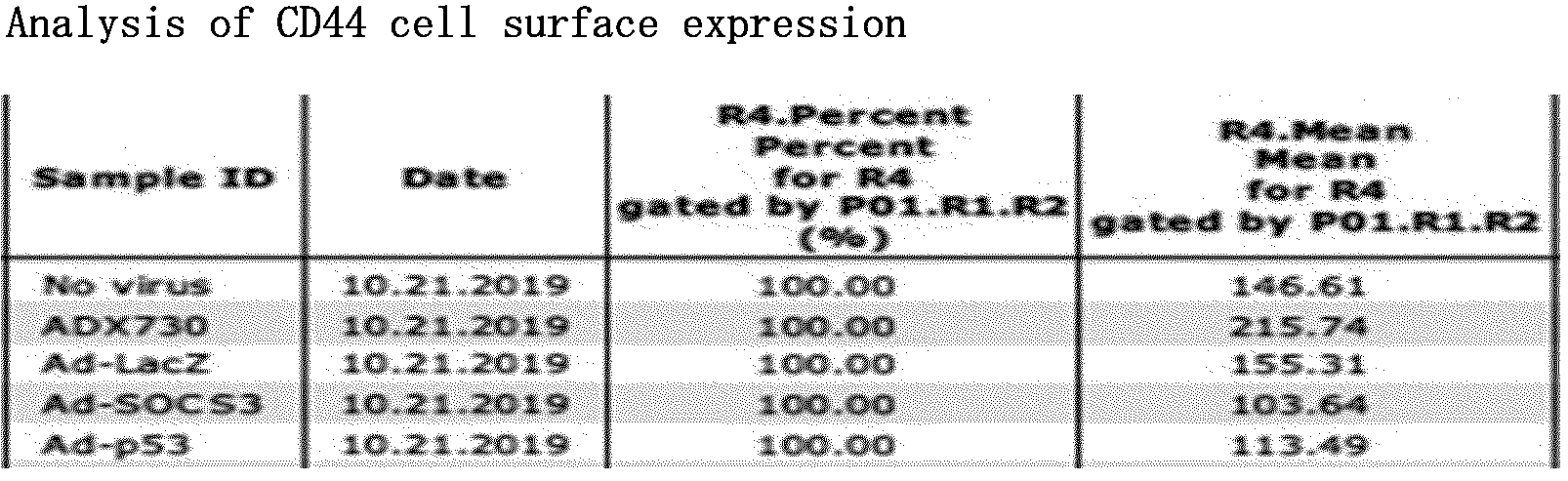
- Flow cytometry The cells were actually infected with ADX730 in vitro, and the comparison of the increase / decrease in the expression level of the CD44 region of the fusion gene incorporated into AD730 was evaluated using Flow cytemetry.
- MDA-MB-231 cells were seeded at 1 ⁇ 10 6 cells / well against 6-Well Cell Culture Plate Flat Bottom (CORNING, NY, USA) overnight at 37 ° C. without CO 2 equilibrium. It was cultured. After culturing, ADX730, rAd-SOCS3, rAd-p53, and rAd-LacZ were each infected with 40 multiplicity of infection (MOI) and cultured for another 48 hours.
- MOI multiplicity of infection
- the cells were washed with PBS and collected, and blocked using Blocking One Histo (Nacalai Tesque, Kyoto, Japan) at room temperature for 10 minutes. After blocking, wash the cells again with PBS and dilute 200-fold FITC anti-mouse / human CD44 Clone: IM7 (BioLegend, San Diego, CA) or 100-fold diluted FITC Rat IgG2a, ⁇ Isotype Ctrl Clone: RTK2758 (BioLegend, San) Diego, CA) was added dropwise, and the mixture was allowed to react for 30 minutes under shading on ice.
- IM7 BioLegend, San Diego, CA
- RTK2758 BioLegend, San) Diego, CA
- the cells were washed again with PBS, 100-fold diluted BD Pharmingen 7-AAD (BD Biosciences, San Diego, CA) was added dropwise, and the cells were reacted under shading on ice for 5 minutes. After the reaction, the cells were washed with PBS and measured using Guava easy Cyte (Merck Millipore, Burlington, MA). Data analysis was performed according to the attached software InCyte.
- the real-time PCR method was used to confirm the gene transfer by each recombinant adenovirus vector containing ADX730 and the effect obtained by its function.
- MDA-MB-231 cells were seeded at 1 ⁇ 10 6 cells / well against 6-Well Cell Culture Plate Flat Bottom, and Aneropack Kenki 5% (Mitsubishi Gas Chemical Company, Inc., Tokyo, Japan) and Sodium Hyaluronate. The cells were cultured overnight under the conditions of 37 ° C., 5% CO 2 , 1% ⁇ O 2, and 0.04 mg / ml by using (40 kDa to 80 kDa) (PG Research, Tokyo, Japan).
- ADX730, rAd-SOCS3, rAd-p53, and rAd-LacZ were each infected with 40 MOI, and further cultured for 48 hours. The cells were then harvested and Total RNA was extracted using NucleoSpin RNA (TaKaRa, Siga, Japan).
- cDNA was synthesized from the extracted RNA using PrimeScript RT reagent Kit with gDNA Eraser (TaKaRa, Siga, Japan), and the primers prepared using it as a template (Table 3), TB Green Premix Ex Taq II (TaKaRa, Siga) , Japan) and Thermal Cycler Dice Real Time System (TaKaRa, Siga, Japan) were used for PCR reaction and comparative C t method ( ⁇ C t method) analysis.
- mice Collection of mice and specimens In vivo experiments were conducted using mice in order to examine and compare the antitumor effects of ADX730 with other oncogene therapy agents.
- MDA-MB-231 cells 1 ⁇ 10 6 cells / 70 ⁇ l and Matrigel Martrix Basement Membrane HC (CORNING, NY, USA) for 6-week-old female BALB / cAJcl-nu / nu (CLEA Japan, Inc., Tokyo, Japan) )
- ADX730 (1 ⁇ 10 9 PFU / 50 ⁇ l), rAd-SOCS3 (1 ⁇ 10 9 PFU / 50 ⁇ l), rAd-p53 (1 ⁇ 10 9 PFU / 50 ⁇ l), rAd -LacZ (1 ⁇ 10 9 PFU / 50 ⁇ l) or PBS 50 ⁇ l was administered intratumorally every other day for a total of eight times (Days 14, 16, 18, 20, 22, 24, 26, 28). Tumor diameter measurement was performed twice a week from the start of virus administration, a total of 5 times.
- the tumor was collected and fixed at 4 ° C with 4% Paraformaldehyde Phosphate Buffer Solution (FUJIFILM Wako Pure Chemical Corporation, Osaka, Japan). Alternatively, it was stored at -80 ° C.
- the volume of the tumor was calculated by measuring the major axis (L) and the minor axis (W) and using the formula (W 2 ⁇ L) / 2.
- Each recombinant adenovirus vector containing ADX730 was infected with cells in vitro, and the normal introduction of each gene was evaluated by a real-time PCR test.
- the TBP (TATA-Box binding protein) gene was used as the endogenous control gene (forward primer used for measuring the expression of the TBP gene: 5'-GCCAGCTTCGGAGAGTTCTGGGATT-3', reverse primer: 5'-CGGGCACGAAGTGCAATGGTCTTTA-3'. ).
- the relative expression ratio with the control gene is shown in FIG. 3 as a result.
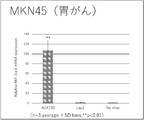
- ADX730 shows a high cancer therapeutic effect even if it is a cancer that is difficult to treat with existing therapeutic agents such as triple-negative breast cancer. Furthermore, in the above-mentioned Real-time PCR study, MDA-MB-231 cells derived from breast cancer were used, and the cells used were DU-145 cells derived from prostate cancer, MKN45 cells derived from gastric cancer, or The cells were changed to PANC-1 cells derived from pancreatic cancer, and the gene transfer by each recombinant adenovirus vector containing ADX730 was confirmed, and the effect obtained by the function was confirmed by the real-time PCR method.
- the number of seeded cells was 5 ⁇ 10 5 cells / well, and the introduction of the CD44 / Notch / HIF-3 ⁇ 4 fusion gene by ADX730 was confirmed and compared using a primer set targeting HIF-3 ⁇ 4 (Table 3). went.
- the results are shown in FIGS. 8a (DU-145 cells), 8b (MKN45 cells), and 8c (PANC-1 cells). It was confirmed that the expression of the CD44 / Notch / HIF-3 ⁇ 4 fusion gene was significantly increased regardless of which cell was used.
Landscapes
- Health & Medical Sciences (AREA)
- Life Sciences & Earth Sciences (AREA)
- Chemical & Material Sciences (AREA)
- Genetics & Genomics (AREA)
- Organic Chemistry (AREA)
- General Health & Medical Sciences (AREA)
- Zoology (AREA)
- Molecular Biology (AREA)
- Engineering & Computer Science (AREA)
- Medicinal Chemistry (AREA)
- Biophysics (AREA)
- Biochemistry (AREA)
- Biomedical Technology (AREA)
- Biotechnology (AREA)
- General Engineering & Computer Science (AREA)
- Wood Science & Technology (AREA)
- Bioinformatics & Cheminformatics (AREA)
- Proteomics, Peptides & Aminoacids (AREA)
- Gastroenterology & Hepatology (AREA)
- Toxicology (AREA)
- Cell Biology (AREA)
- Immunology (AREA)
- Pharmacology & Pharmacy (AREA)
- Veterinary Medicine (AREA)
- Public Health (AREA)
- Animal Behavior & Ethology (AREA)
- Microbiology (AREA)
- Plant Pathology (AREA)
- Physics & Mathematics (AREA)
- Virology (AREA)
- Chemical Kinetics & Catalysis (AREA)
- General Chemical & Material Sciences (AREA)
- Nuclear Medicine, Radiotherapy & Molecular Imaging (AREA)
- Epidemiology (AREA)
- Medicines That Contain Protein Lipid Enzymes And Other Medicines (AREA)
- Pharmaceuticals Containing Other Organic And Inorganic Compounds (AREA)
- Medicines Containing Material From Animals Or Micro-Organisms (AREA)
Abstract
Description
項1.
(A)CD44細胞外機能を有するタンパク質をコードする核酸
(B)Notchコア領域機能を有するタンパク質をコードする核酸
(C)HIF-3α4機能を有するタンパク質をコードする核酸
が(A)-(B)-(C)の順に連結された構造を有する核酸。
項2.
核酸(A)、核酸(B)、及び核酸(C)が、(A)-(B)-(C)の順に連結された構造を有する核酸であって、
核酸(A)が、
(a-1):配列番号1の塩基配列からなる核酸、あるいは
(a-2):(a-1)の塩基配列において、1又は2以上の塩基が欠失、置換、又は付加された塩基配列からなり、且つ、ヒアルロン酸と結合可能なタンパク質をコードする核酸
であり、
核酸(B)が、
(b-1):配列番号2の塩基配列からなる核酸、あるいは
(b-2):(b-1)の塩基配列において、1又は2以上の塩基が欠失、置換、又は付加された塩基配列からなり、且つ、プロテアーゼにより切断され得るタンパク質をコードする核酸
であり、
核酸(C)が、
(c-1):配列番号3の塩基配列からなる核酸、あるいは
(c-2):(c-1)の塩基配列において、1又は2以上の塩基が欠失、置換、又は付加された塩基配列からなり、且つ、HIF-1αと結合可能なタンパク質をコードする核酸である、
核酸。
項3.
核酸(A)が、
(a-1):配列番号1の塩基配列からなる核酸、あるいは
(a-2):(a-1)の塩基配列において、1又は2以上の塩基が欠失、置換、又は付加された塩基配列からなり、且つ、ヒアルロン酸と結合可能なタンパク質をコードする核酸
であり、
核酸(B)が、
(b-1):配列番号2の塩基配列からなる核酸、あるいは
(b-2):(b-1)の塩基配列において、1又は2以上の塩基が欠失、置換、又は付加された塩基配列からなり、且つ、前記(A)-(B)-(C)の順に連結された構造を有する核酸がコードするタンパク質において、プロテアーゼにより切断され得るタンパク質をコードする核酸
であり、
核酸(C)が、
(c-1):配列番号3の塩基配列からなる核酸、あるいは
(c-2):(c-1)の塩基配列において、1又は2以上の塩基が欠失、置換、又は付加された塩基配列からなり、且つ、HIF-1αと結合可能なタンパク質をコードする核酸
である、
項1に記載の核酸。
項4.
(d-1)配列番号4の塩基配列からなるか、
(d-2)配列番号4の塩基配列において、1又は2以上の塩基が欠失、置換、又は付加された塩基配列からなり、且つ、ヒアルロン酸と結合可能なタンパク質をコードする部分、プロテアーゼにより切断され得るタンパク質をコードする部分、及びHIF-1αと結合可能なタンパク質をコードする部分が、この順に連結された構造を有するか、あるいは、
(d-3)配列番号4の塩基配列において、1又は2以上の塩基が欠失、置換、又は付加された塩基配列からなり、且つ、抗癌作用を有するタンパク質をコードする、
核酸。
項5.
前記プロテアーゼが、ADAMプロテアーゼ又はγ-セクレターゼである、項1~4のいずれかに記載の核酸。
項6.
項1~5のいずれかに記載の核酸がコードするタンパク質。
項7.
項1~5のいずれかに記載の核酸が発現可能に組み込まれたベクター。
項8.
ベクターがアデノウイルスベクターである、項7に記載のベクター。
項9.
項1~5のいずれかに記載の核酸あるいは項7又は8に記載のベクターを含む、抗癌組成物。
項10.
注射剤である、項9に記載の抗癌組成物。
項11.
乳癌、前立腺癌、胃癌、又は膵臓癌治療用である、項9又は10に記載の抗癌組成物。
項12.
トリプルネガティブ乳癌治療用である、項9又は10に記載の抗癌組成物。
(a-1):配列番号1の塩基配列からなる核酸
(a-2):(a-1)の塩基配列において、1又は2以上(例えば、1~30、1~20、1~10、又は1、2、3、4、若しくは5)の塩基が欠失、置換、又は付加された塩基配列からなり、且つ、ヒアルロン酸と結合可能なタンパク質をコードする核酸
(b-1):配列番号2の塩基配列からなる核酸
(b-2):(b-1)の塩基配列において、1又は2以上の塩基が欠失、置換、又は付加された塩基配列からなり、且つ、プロテアーゼにより切断され得るタンパク質をコードする核酸
(c-1):配列番号3の塩基配列からなる核酸
(c-2):(c-1)の塩基配列において、1又は2以上の塩基が欠失、置換、又は付加された塩基配列からなり、且つ、HIF-1αと結合可能なタンパク質をコードする核酸
インサートDNA(CD44/Notch/HIF-3α4融合遺伝子)の構築
(A)CD44細胞外機能を有するタンパク質をコードする核酸、(B)Notchコア領域機能を有するタンパク質をコードする核酸、及び(C)HIF-3α4機能を有するタンパク質をコードする核酸が、(A)-(B)-(C)の順に連結された構造を有する核酸を、以下のようにして作製した。なお、本実施例において実際に作製された当該核酸の好ましい一態様を、「CD44/Notch/HIF-3α4融合遺伝子」とも標記する。
インサートDNAを組み込むためのベクターDNAには、Adenovirus Dual Expression Kit (TaKaRa, Siga, Japan)に付属のpAxCAwtit2コスミドベクターを使用した。コスミドベクターも、インサートDNAと同様、クローニングサイトに有するSwaI配列を制限酵素処理により切断し、フェノールクロロホルム抽出により精製した。
上記で作成したインサートDNA及びpAxCAwtit2コスミドベクターを連結させるため、Ligation Mix (TaKaRa, Siga, Japan)を用いてLigation反応(16℃、30分)を行った。反応後、反応溶液を用いてE.coli HST08 Premium Competent Cells (TaKaRa, Siga, Japan)への形質転換をキットのマニュアルに準拠した方法により行った。形質転換後のE.coli HST08 Premium Competent Cellsは、100μg/mlアンピシリン添加LB寒天培地(Nacalai Tesque, Kyoto, Japan)に播種し、37℃で一晩培養した。培養後、LB寒天培地上に生えたコロニーを鋳型にKOD FX Neo (TOYOBO CO., LTD., Osaka, Japan)を用いてインサートチェックPCRを行い、形質転換が正常に行われているかどうかをアガロースゲル電気泳動により確認した。確認後、適正なコロニーを100μg/mlアンピシリン添加LB液体培地(Nacalai Tesque, Kyoto, Japan)に継代培養し、後日培養物からGenopure Plasmid Maxi Kit (Roche)を用いてコスミドベクターの抽出を行った。抽出したコスミドベクターのサイズは40kbpを超えるため、さらにNruI(NEW ENGLAND BioLabs)による制限酵素処理及びLigationをすることで、アデノウイルスゲノムをほぼ欠失させ、コスミドサイズの縮小を行い、同様に抽出した縮小コスミドベクターを用いてDNAシーケンス解析による配列の確認を行った。
上記にようにして作製及び配列確認が行われた組換えコスミドベクターDNAを、BspT104I (TaKaRa, Siga, Japan)を用いて制限酵素処理した。制限酵素処理後は、フェノールクロロホルム抽出及びエタノール沈殿による精製を行い、30μlの滅菌精製水に溶解した。うち1μlを用いてアガロース電気泳動を行い、制限酵素BspT104Iによる消化を確認した。確認後、60mm細胞培養ペトリディッシュ(TPP)でコンフルエントになるよう培養したHEK293細胞(国立研究開発法人医薬基盤・健康・栄養研究所)に対して、BspT104I消化済みコスミド10μgを用いてLipofectamine LTX (invitrogen, Waltham, MA)によりリポフェクションを行った。その後、培養した細胞を回収し、Biocoat Collagen I Cellware 96-Well Plate(CORNING, NY, USA)に播種した。播種から5日後及び10日後、各ウェルに10% Fetal bovine serum (FBS ; Sigma Aldrich, St. Louis, MO)を含むDulbecco’s modified Eagle’s medium (D-MEM ; FUJIFILM Wako Pure Chemical Corporation, Osaka, Japan)を50μl加え、全ての細胞が完全に変性するまでさらに培養を行った。播種から18日後に判定を終了し、完全に細胞が変性していたウェルを4つ1.5mlエッペンチューブに回収し、液体窒素による凍結と37℃温浴による解凍を6回繰り返し行った。最後の凍結融解後、遠心(5,000rpm、5分、4℃)を行い、回収した上清を一次ウイルス液として保存した。これらの過程は全て、Adenovirus Dual Expression Kit (TaKaRa, Siga, Japan) のマニュアルに準拠した方法により行った。
Biocoat Collagen I Cellware 24-Well Plate (CORNING, NY, USA)に、HEK293細胞及びA549細胞(国立研究開発法人医薬基盤・健康・栄養研究所)をそれぞれ70~100%コンフルエントになるよう培養した。培養後、培地を取り除き、1ウェルにつき0.1mlの5% FBS-D-MEM及び上記で作成した一次ウイルス液10μlを添加し、各細胞にウイルスを感染させた。感染させる際は、インキュベーター内(37℃、5%CO2)でプレートを数回、ゆっくりと振盪させる操作を15分毎に4回行った。1時間の感染後、各ウェルにさらに0.4mlの5% FBS-D-MEMを添加し、3日間培養した。培養後、A549細胞で変性が認められず、HEK293細胞が完全に変性したクローンを一つ選別し、その細胞を培養液ごと回収した。回収した細胞は一次ウイルス液と同様に、液体窒素による凍結と37℃温浴による解凍を6回繰り返し行った。最後の凍結融解後、遠心(5,000rpm、5分、4℃)を行い、回収した上清を二次ウイルス液として保存した。
上記で四次ウイルス液を作成し分注保存する際、一つのサンプルは最後の凍結融解後、遠心(5,000rpm、5分、4℃)を行い、上清を全て取り除き細胞のみを回収保存した(cell pack)。cell packに以下の試薬を加え、全量を400μlとした。
Proteinase K (20mg/ml) 4μl
滅菌精製水 up to 400μl

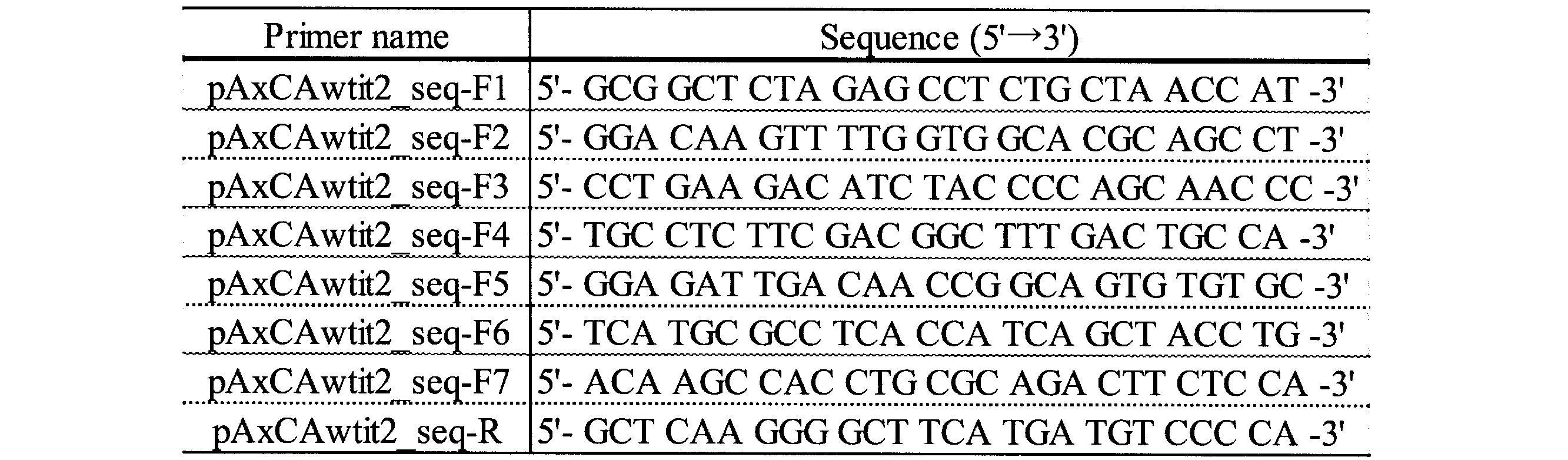
上記で作成した組換えアデノウイルスベクターを以降の実験に用いるため、大量培養と精製を行った。Corning225cm2 Flask (CORNING, NY, USA) 5枚に対して、HEK293細胞を70~100%コンフルエントとなるように播種した。15mlの5% FBS-D-MEM及び上記で作成した三次ウイルス液150μlを静かに添加し、ウイルスを感染させた。感染させる際は、インキュベーター内(37℃、5%CO2)でプレートを数回、ゆっくりと振盪させる操作を15分毎に4回行った。1時間の感染後、各ウェルにさらに35mlの5% FBS-D-MEMを添加し、3日間培養した。培養後、全ての細胞が変性していることを確認し、その細胞を培養液ごと回収した。回収後、一度遠心(3000rpm、10分、4℃)を行い、上清を取り除き新しい10% FBS-D-MEMを5ml加え、細胞ペレットを再懸濁した。その後、液体窒素による凍結と37℃温浴による解凍を6回繰り返し行った。最後の凍結融解後、遠心(3000rpm、10分、4℃)を行い、再度細胞を回収した。上清のみを回収し、Benzonase Nuclease (25U/μl) (TaKaRa, Siga, Japan)を5ml加え、インキュベート(37℃、30分)した。その後、上清と等量の1×Dilution Buffer (TaKaRa, Siga, Japan)を添加し、20ml syringe (TaKaRa, Siga, Japan)を使用して、0.45μm Syringe-tip Pre-filter (TaKaRa, Siga, Japan)でライセートを濾過した。この時、同時にAdeno-X Maxi Purification Assembly (TaKaRa, Siga, Japan)のフィルターに5mlの1×Equilibration Buffer (TaKaRa, Siga, Japan)を流速3ml/min (~1drop/sec)で滴下し平衡化した。濾過したライセートを、平衡化したフィルターに通しウイルスをトラップさせ、その後フィルターを20mlの1×Wash Buffer (TaKaRa, Siga, Japan)で洗浄した。洗浄後、フィルターを取り外し、3mlの1×Elution Buffer (TaKaRa, Siga, Japan)を含む5ml syringe (TaKaRa, Siga, Japan)にフィルターを取り付け、そこから1mlの1×Elution Bufferを押し出し回収した。回収後、一度フィルターをインキュベート(室温、5分)し、その後残り2mlの1×Elution Bufferを押し出し、ウイルスを溶出した。これらの過程は全て、Adeno-X Maxi Purification Kit (TaKaRa, Siga, Japan) のマニュアルに準拠した方法により行った。
上記で作成した組換えアデノウイルスベクターの力価測定を次のようにして行った。12-Well Cell Culture Plate Flat Bottom (CORNING, NY, USA)に対してHEK293細胞を播種し、各ウェルに100倍希釈から1000万倍希釈まで10倍希釈ずつ行ったウイルス液を滴下し、二日間培養した。培養後、培地を全て取り除き、細胞を少し乾燥させてから冷えたMethanol (FUJIFILM Wako Pure Chemical Corporation, Osaka, Japan)を1ml滴下しインキュベート(-20℃、10分)した。その後、Methanolを全て取り除き、1% Bovine Serum Albumin (BSA ; Sigma Aldrich, St. Louis, MO)を含むDulbecco’s PBS (-) “Nissui” (PBS ; NISSUI PHARMACEUTICAL CO., LTD., Tokyo, Japan)で三回洗浄した。洗浄後、1%BSAを含むPBSで1000倍希釈したMouse Anti-Hexon Antibody (TaKaRa, Siga, Japan)を0.5ml滴下し、シェイカーで振盪しながらインキュベート(37℃、1時間)した。反応後、1%BSAを含むPBSで三回洗浄し、1%BSAを含むPBSで500倍希釈したHRP conjugate Rat Anti-Mouse Antibody (TaKaRa, Siga, Japan)を0.5ml滴下し、シェイカーで振盪しながらインキュベート(37℃、1時間)した。反応後、1%BSAを含むPBSで三回洗浄し、1×Stable Peroxidase Buffer (TaKaRa, Siga, Japan)で10倍希釈した10×DAB Substrate (TaKaRa, Siga, Japan)を0.5ml滴下し、インキュベート(室温、10分)した。反応後、反応液を全て取り除き1mlのPBSを加え、変性細胞を顕微鏡で観察しながらその力価を決定した。これらの過程は全て、Adeno-X Rapid Titer Kit (TaKaRa, Siga, Japan) のマニュアルに準拠した方法により行った。
実験に使用したHEK293細胞は10%FBS及び1% 100U/ml penicillin and 100mg/ml streptomycin (P/S ; Nacalai Tesque, Kyoto, Japan)を含むD-MEMを、A549細胞は10%FBS及び1%P/Sを含むHam’s F-12K (FUJIFILM Wako Pure Chemical Corporation, Osaka, Japan)を用いて37℃、5%CO2条件下で培養を行った。また、MDA-MB-231細胞(The European Collection of Cell Cultures)は15%FBS及び1%P/Sを含むLeibovitz’s L-15 Medium(FUJIFILM Wako Pure Chemical Corporation, Osaka, Japan)を用いて37℃、CO2平衡化のない条件下で培養を行った。
実験に使用したADX730、SOCS3遺伝子を組込んだ遺伝子組換えアデノウイルスベクター(rAd-SOCS3)、p53遺伝子を組込んだ遺伝子組換えアデノウイルスベクター(rAd-p53)及びLacZ遺伝子を組込んだ遺伝子組換えアデノウイルスベクター(rAd-LacZ)は、大量培養及び精製の後、Slide-A-Lyzer Dialysis Cassette (Extra Strength) (Thermo Fisher Scientific, Waltham, MA)を用いて、Glycerol (Nacalai Tesque, Kyoto, Japan) 10%、1mol/l-Tris-HCl Buffer Solution (Nacalai Tesque, Kyoto, Japan) 1%を含む透析バッファーへとバッファー交換を行い、それぞれ適量分注し-80℃で保存した。
ADX730を実際にin vitroで細胞に感染させ、AD730に組込んだ融合遺伝子のCD44領域の発現量の増減比較をFlow cytemetryを用いて評価した。6-Well Cell Culture Plate Flat Bottom (CORNING, NY, USA)に対して1×10⁶cells/wellでMDA-MB-231細胞を播種し、37℃、CO2平衡化のない条件下で一晩培養した。培養後、ADX730、rAd-SOCS3、rAd-p53、rAd-LacZをそれぞれ40 multiplicity of infection (MOI)で感染させ、さらに48時間培養した。その後PBSにて細胞を洗浄して回収し、Blocking One Histo (Nacalai Tesque, Kyoto, Japan)を用いて室温で10分間ブロッキングを行った。ブロッキング後、再びPBSで細胞を洗浄し、200倍希釈FITC anti-mouse/human CD44 Clone : IM7 (BioLegend, San Diego, CA)又は100倍希釈FITC Rat IgG2a, κ Isotype Ctrl Clone : RTK2758 (BioLegend, San Diego, CA)を滴下し、氷上遮光下で30分間反応させた。反応後、再びPBSで細胞を洗浄し、100倍希釈BD Pharmingen 7-AAD (BD Biosciences, San Diego, CA)を滴下し、氷上遮光下で5分間反応させた。反応後PBSで洗浄し、Guava easyCyte (Merck Millipore, Burlington, MA)を使用して測定を行った。データ解析は付属のソフトウェアInCyteに従い行った。
ADX730を含む各遺伝子組換えアデノウイルスベクターによる遺伝子導入の確認と、その機能によって得られる効果の確認をReal-time PCR法によって行った。6-Well Cell Culture Plate Flat Bottomに対して1×10⁶cells/wellでMDA-MB-231細胞を播種し、アネロパック・ケンキ 5% (Mitsubishi Gas Chemical Company, Inc., Tokyo, Japan)及びSodium Hyaluronate (40kDa~80kDa) (PG Research, Tokyo, Japan)を使用したことによる37℃、5% CO2、1%≦O2、0.04mg/ml条件下でそれぞれ一晩培養した。培養後、ADX730、rAd-SOCS3、rAd-p53、rAd-LacZをそれぞれ40 MOIで感染させ、さらに48時間培養した。その後細胞を回収し、NucleoSpin RNA (TaKaRa, Siga, Japan)を使用してTotal RNAを抽出した。さらに抽出したRNAからPrimeScript RT reagent Kit with gDNA Eraser (TaKaRa, Siga, Japan)を使用してcDNAを合成し、それを鋳型に作成したプライマー(表3)、TB Green Premix Ex Taq II (TaKaRa, Siga, Japan)及びThermal Cycler Dice Real Time System (TaKaRa, Siga, Japan)を使用してPCR反応及び比較Ct法(ΔΔCt法)法による解析を行った。

ADX730による他の癌遺伝子治療薬との抗腫瘍効果の検討比較を行うため、マウスを用いたin vivo実験を行った。6週齢雌BALB/cAJcl-nu/nu (CLEA Japan, Inc., Tokyo, Japan)に対し、MDA-MB-231細胞1×10⁶ cell/70μlとMatrigel Martrix Basement Membrane HC (CORNING, NY, USA) 70μlを混合したものをマウスの右腰部に皮下接種し、各群5匹ずつ腫瘍の移植を行った(n=5)。腫瘍の生着を確認した移植から14日後、ADX730 (1×10⁹ PFU/50μl)、rAd-SOCS3 (1×10⁹ PFU/50μl)、rAd-p53 (1×10⁹ PFU/50μl)、rAd-LacZ (1×10⁹ PFU/50μl)またはPBS 50μlを、隔日で計八回(Days 14, 16, 18, 20, 22, 24, 26, 28)にわたり腫瘍内投与を行った。腫瘍径測定はウイルス投与開始日から週二回の計五回行い、測定終了後、腫瘍を回収し4% Paraformaldehyde Phosphate Buffer Solution (FUJIFILM Wako Pure Chemical Corporation, Osaka, Japan)による固定を経た4℃保存或いは-80℃保存を行った。腫瘍の体積は長径(L)と短径(W)を測定し、(W2×L)/2の計算式により算出した。
Flow cytometry
CD44に対する各サンプルの平均蛍光強度を比較すると、他の癌遺伝子治療薬であるrAd-SOCS3、rAd-p53或いはネガティブコントロールであるrAd-LacZを感染させた場合に対して、ADX730を感染させた場合その値が高いことが明らかとなった(表4)。
[各組換えアデノウイルスベクターの導入確認]
ADX730を含む各遺伝子組換えアデノウイルスベクターをin vitroで細胞に感染させ、各遺伝子の導入が正常に行われているかReal-time PCR試験によって評価した。なお、内在性コントール遺伝子としてTBP(TATA-Box結合タンパク質)遺伝子を用いた(TBP遺伝子の発現測定のため使用したフォワードプライマー:5’-GCCAGCTTCGGAGAGTTCTGGGATT-3’、リバースプライマー:5’-CGGGCACGAAGTGCAATGGTCTTTA-3’)。当該コントロール遺伝子との発現相対比を結果として図3に示す。
検討(a)では、HIF-3α4を標的としたプライマーを用いて、ADX730によるCD44/Notch/HIF-3α4融合遺伝子の導入確認とその比較を行い、他のベクターに比較してCD44/Notch/HIF-3α4融合遺伝子の発現が有意に増加したことが確認された。検討(b)では、SOCS3を標的としたプライマーを用いて、rAd-SOCS3によるSOCS3遺伝子の導入確認とその比較を行い、他のベクターと比較してSOCS3遺伝子の発現が有意に増加したことが確認された。検討(c)では、p53を標的としたプライマーを用いて、rAd-p53によるp53遺伝子の導入確認とその比較を行い、他のベクターと比較してp53遺伝子の発現が有意に増加したことが確認された。
ADX730を含む各遺伝子組換えアデノウイルスベクターをin vitroで細胞に感染させ、ADX730のCD44 Decoy receptorのDecoy(おとり)機能によりCD44下流遺伝子の抑制が行われているかReal-time PCR試験によって比較検討した(図4)。検討(a)では、CD44下流のSurvivinを標的としたプライマーを用いてその発現比較を行い、ADX730によるD44/Notch/HIF-3α4融合遺伝子の導入によってSurvivin遺伝子の発現が有意に減少したことが確認された。検討(b)では、CD44下流のCCL2を標的としたプライマーを用いてその発現比較を行い、ADX730によるD44/Notch/HIF-3α4融合遺伝子の導入によってCCL2遺伝子の発現が有意に減少したことが確認された。
ADX730を含む各遺伝子組換えアデノウイルスベクターをin vitroで細胞に感染させ、ADX730のHIF-3α4のHIF-1α機能抑制作用により標的遺伝子の発現抑制が行われているかReal-time PCR試験によって比較検討した(図5)。検討(a)では、HIF-1α標的遺伝子のVEGFを標的としたプライマーを用いてその発現比較を行い、ADX730の導入によってその発現が有意に減少したことが確認された。検討(b)では、HIF-1α標的遺伝子のCyclinG2を標的としたプライマーを用いてその発現比較を行い、ADX730の導入によってその発現がrAd-SOCS3、rAd-p53と比較して有意に減少したことが確認された。検討(c)では、HIF-1α標的遺伝子のBcl-xLを標的としたプライマーを用いてその発現比較を行い、ADX730の導入によってその発現がrAd-SOCS3と比較して有意に減少したことが確認された。
ADX730を含む各遺伝子組換えアデノウイルスベクター(当該検討においては癌遺伝子治療薬ということもできる)を、MDA-MB-231ヒトトリプルネガティブ乳癌細胞を移植したヌードマウスに対して腫瘍内投与(注射)し、その経過観察を行った。ヌードマウスに癌細胞を移植してから14日後、各治療薬の投与を開始し、一日置き計八回の腫瘍内投与を続けた。癌細胞を移植してから28日後には、他の治療薬やコントロール群に対して、ADX730投与群において有意に腫瘍の増大が抑えられていることが分かった(図6)。また、投与終了後に全ての腫瘍を取り出し、その比較を行った(図7)。
またさらに、上記のReal-time PCRの検討においては、乳癌由来のMDA-MB-231細胞を用いていたところ、使用する細胞を、前立腺癌由来のDU-145細胞、胃癌由来のMKN45細胞、又は膵臓癌由来のPANC-1細胞に変更して、ADX730を含む各遺伝子組換えアデノウイルスベクターによる遺伝子導入の確認と、その機能によって得られる効果の確認をReal-time PCR法によって行った。なお、播種細胞数は5×10⁵cells/wellとし、HIF-3α4を標的としたプライマーセット(表3)を用いて、ADX730によるCD44/Notch/HIF-3α4融合遺伝子の導入確認とその比較を行った。結果を図8a(DU-145細胞)、図8b(MKN45細胞)、及び図8c(PANC-1細胞)に示す。いずれの細胞を用いた場合でも、CD44/Notch/HIF-3α4融合遺伝子の発現が有意に増加したことが確認された。
Claims (12)
- (A)CD44細胞外機能を有するタンパク質をコードする核酸
(B)Notchコア領域機能を有するタンパク質をコードする核酸
(C)HIF-3α4機能を有するタンパク質をコードする核酸
が(A)-(B)-(C)の順に連結された構造を有する核酸。 - 核酸(A)、核酸(B)、及び核酸(C)が、(A)-(B)-(C)の順に連結された構造を有する核酸であって、
核酸(A)が、
(a-1):配列番号1の塩基配列からなる核酸、あるいは
(a-2):(a-1)の塩基配列において、1又は2以上の塩基が欠失、置換、又は付加された塩基配列からなり、且つ、ヒアルロン酸と結合可能なタンパク質をコードする核酸
であり、
核酸(B)が、
(b-1):配列番号2の塩基配列からなる核酸、あるいは
(b-2):(b-1)の塩基配列において、1又は2以上の塩基が欠失、置換、又は付加された塩基配列からなり、且つ、プロテアーゼにより切断され得るタンパク質をコードする核酸
であり、
核酸(C)が、
(c-1):配列番号3の塩基配列からなる核酸、あるいは
(c-2):(c-1)の塩基配列において、1又は2以上の塩基が欠失、置換、又は付加された塩基配列からなり、且つ、HIF-1αと結合可能なタンパク質をコードする核酸である、
核酸。 - 核酸(A)が、
(a-1):配列番号1の塩基配列からなる核酸、あるいは
(a-2):(a-1)の塩基配列において、1又は2以上の塩基が欠失、置換、又は付加された塩基配列からなり、且つ、ヒアルロン酸と結合可能なタンパク質をコードする核酸
であり、
核酸(B)が、
(b-1):配列番号2の塩基配列からなる核酸、あるいは
(b-2):(b-1)の塩基配列において、1又は2以上の塩基が欠失、置換、又は付加された塩基配列からなり、且つ、前記(A)-(B)-(C)の順に連結された構造を有する核酸がコードするタンパク質において、プロテアーゼにより切断され得るタンパク質をコードする核酸
であり、
核酸(C)が、
(c-1):配列番号3の塩基配列からなる核酸、あるいは
(c-2):(c-1)の塩基配列において、1又は2以上の塩基が欠失、置換、又は付加された塩基配列からなり、且つ、HIF-1αと結合可能なタンパク質をコードする核酸
である、
請求項1に記載の核酸。 - (d-1)配列番号4の塩基配列からなるか、
(d-2)配列番号4の塩基配列において、1又は2以上の塩基が欠失、置換、又は付加された塩基配列からなり、且つ、ヒアルロン酸と結合可能なタンパク質をコードする部分、プロテアーゼにより切断され得るタンパク質をコードする部分、及びHIF-1αと結合可能なタンパク質をコードする部分が、この順に連結された構造を有するか、あるいは、
(d-3)配列番号4の塩基配列において、1又は2以上の塩基が欠失、置換、又は付加された塩基配列からなり、且つ、抗癌作用を有するタンパク質をコードする、
核酸。 - 前記プロテアーゼが、ADAMプロテアーゼ又はγ-セクレターゼである、請求項1~4のいずれかに記載の核酸。
- 請求項1~5のいずれかに記載の核酸がコードするタンパク質。
- 請求項1~5のいずれかに記載の核酸が発現可能に組み込まれたベクター。
- ベクターがアデノウイルスベクターである、請求項7に記載のベクター。
- 請求項1~5のいずれかに記載の核酸あるいは請求項7又は8に記載のベクターを含む、抗癌組成物。
- 注射剤である、請求項9に記載の抗癌組成物。
- 乳癌、前立腺癌、胃癌、又は膵臓癌治療用である、請求項9又は10に記載の抗癌組成物。
- トリプルネガティブ乳癌治療用である、請求項9又は10に記載の抗癌組成物。
Priority Applications (4)
| Application Number | Priority Date | Filing Date | Title |
|---|---|---|---|
| EP20908300.5A EP4083213A4 (en) | 2019-12-27 | 2020-12-16 | Cancer gene therapy drug |
| JP2021567329A JP7737708B2 (ja) | 2019-12-27 | 2020-12-16 | 癌遺伝子治療薬 |
| CN202080090551.5A CN115151644B (zh) | 2019-12-27 | 2020-12-16 | 癌基因治疗药 |
| US17/789,447 US12459984B2 (en) | 2019-12-27 | 2020-12-16 | Cancer gene therapy drug |
Applications Claiming Priority (2)
| Application Number | Priority Date | Filing Date | Title |
|---|---|---|---|
| JP2019-239677 | 2019-12-27 | ||
| JP2019239677 | 2019-12-27 |
Publications (2)
| Publication Number | Publication Date |
|---|---|
| WO2021131944A1 true WO2021131944A1 (ja) | 2021-07-01 |
| WO2021131944A8 WO2021131944A8 (ja) | 2022-07-21 |
Family
ID=76575495
Family Applications (1)
| Application Number | Title | Priority Date | Filing Date |
|---|---|---|---|
| PCT/JP2020/046891 Ceased WO2021131944A1 (ja) | 2019-12-27 | 2020-12-16 | 癌遺伝子治療薬 |
Country Status (5)
| Country | Link |
|---|---|
| US (1) | US12459984B2 (ja) |
| EP (1) | EP4083213A4 (ja) |
| JP (1) | JP7737708B2 (ja) |
| CN (1) | CN115151644B (ja) |
| WO (1) | WO2021131944A1 (ja) |
Cited By (2)
| Publication number | Priority date | Publication date | Assignee | Title |
|---|---|---|---|---|
| WO2025110147A1 (ja) * | 2023-11-20 | 2025-05-30 | 国立大学法人神戸大学 | がんの遺伝子治療薬 |
| US12459984B2 (en) | 2019-12-27 | 2025-11-04 | National University Corporation Kobe University | Cancer gene therapy drug |
Citations (3)
| Publication number | Priority date | Publication date | Assignee | Title |
|---|---|---|---|---|
| JP2017504601A (ja) * | 2013-12-20 | 2017-02-09 | セレクティスCellectis | 免疫療法のためにマルチインプットシグナル感受性t細胞を操作する方法 |
| JP2018506293A (ja) * | 2015-02-24 | 2018-03-08 | ザ リージェンツ オブ ザ ユニバーシティ オブ カリフォルニア | 結合誘発型転写スイッチ及びその使用方法 |
| JP2019528077A (ja) * | 2016-08-23 | 2019-10-10 | ザ リージェンツ オブ ザ ユニバーシティ オブ カリフォルニア | タンパク質分解により切断可能なキメラポリペプチド及びそれらの使用方法 |
Family Cites Families (5)
| Publication number | Priority date | Publication date | Assignee | Title |
|---|---|---|---|---|
| WO2006121991A2 (en) * | 2005-05-06 | 2006-11-16 | Diadexus, Inc. | Compositions and methods for detection, prognosis and treatment of breast cancer |
| EP2853595A1 (en) * | 2013-09-30 | 2015-04-01 | Soluventis GmbH | NOTCH 1 specific siRNA molecules |
| US20160125127A1 (en) * | 2014-10-29 | 2016-05-05 | Council Of Scientific & Industrial Research | Identification of minimal combinations of oncoproteins in notch pathway to suppress human glioblastoma |
| CN110437339B (zh) * | 2018-05-04 | 2021-08-13 | 免疫靶向有限公司 | 一种以白介素15为活性成分的融合蛋白型药物前体 |
| WO2021131944A1 (ja) | 2019-12-27 | 2021-07-01 | 国立大学法人神戸大学 | 癌遺伝子治療薬 |
-
2020
- 2020-12-16 WO PCT/JP2020/046891 patent/WO2021131944A1/ja not_active Ceased
- 2020-12-16 EP EP20908300.5A patent/EP4083213A4/en active Pending
- 2020-12-16 CN CN202080090551.5A patent/CN115151644B/zh active Active
- 2020-12-16 US US17/789,447 patent/US12459984B2/en active Active
- 2020-12-16 JP JP2021567329A patent/JP7737708B2/ja active Active
Patent Citations (3)
| Publication number | Priority date | Publication date | Assignee | Title |
|---|---|---|---|---|
| JP2017504601A (ja) * | 2013-12-20 | 2017-02-09 | セレクティスCellectis | 免疫療法のためにマルチインプットシグナル感受性t細胞を操作する方法 |
| JP2018506293A (ja) * | 2015-02-24 | 2018-03-08 | ザ リージェンツ オブ ザ ユニバーシティ オブ カリフォルニア | 結合誘発型転写スイッチ及びその使用方法 |
| JP2019528077A (ja) * | 2016-08-23 | 2019-10-10 | ザ リージェンツ オブ ザ ユニバーシティ オブ カリフォルニア | タンパク質分解により切断可能なキメラポリペプチド及びそれらの使用方法 |
Non-Patent Citations (14)
| Title |
|---|
| BAZIL VHOREJSI V.: "Shedding of the CD44 adhesion molecule from leukocytes induced by anti-CD44 monoclonal antibody simulating the effect of a natural receptor ligand", J IMMUNOL., vol. 149, no. 3, 1 August 1992 (1992-08-01), pages 747 - 53, XP008156689 |
| BOURGUIGNON L.YZHU HSHAO L.CHEN Y.W.: "CD44 interaction with c-Src kinase promotes cortactin-mediated cytoskeleton function and hyaluronic acid-dependent ovarian tumor cell migration", J BIOL CHEM., vol. 276, no. 10, 17 November 2000 (2000-11-17), pages 7327 - 36 |
| CANCER RES., vol. 59, no. 5, 1 March 1999 (1999-03-01), pages 1141 - 5 |
| FUJITA Y.KITAGAWA M.NAKAMURA S.AZUMA K.ISHII G.HIGASHI M.KISHI H.HIWASA TKODA K.NAKAJIMA N.: "CD44 signaling through focal adhesion kinase and its anti-apoptotic effect", FEBS LETT, vol. 528, no. 1-3, 25 September 2002 (2002-09-25), pages 101 - 8, XP004383241, DOI: 10.1016/S0014-5793(02)03262-3 |
| GAO N.SHEN LZHANG Z.LEONARD S.S.HE H.ZHANG X.G.SHI X.JIANG B.H.: "Arsenite induces HIF-lalpha and VEGF through PI3K, Akt and reactive oxygen species in DU145 human prostate carcinoma cells", MOL CELL BIOCHEM, vol. 255, no. 1-2, January 2004 (2004-01-01), pages 33 - 45 |
| ISHIWATARI-HAYASAKA, H. ET AL.: "Requirements for signal delivery through CD 44: analysis using CD 44-Fas chimeric proteins", THE JOURNAL OF IMMUNOLOGY, vol. 163, 1999, pages 1258 - 1264, XP055838666 * |
| KOPAN R.ILAGAN MX: "The canonical Notch signaling pathway: unfolding the activation mechanism", CELL, vol. 137, no. 2, 17 April 2009 (2009-04-17), pages 216 - 33, XP055411700, DOI: 10.1016/j.cell.2009.03.045 |
| MAKINO Y., CAO R., SVENSSON K., BERTILSSON G., ASMAN M. TANAKA H., CAO Y., BERKENSTAM A., POELLINGER L.: "Inhibitory PAS domain protein is a negative regulator of hypoxia-inducible gene expression", NATURE, vol. 414, no. 6863, 29 November 2001 (2001-11-29), pages 550 - 4 |
| MAYNARD M.A., EVANS A.J., HOSOMI T., HARA S., JEWETT M.A., OHH M.: "Human HIF-3alpha4 is a dominant-negative regulator of HIF-1 and is down-regulated in renal cell carcinoma", FASEB J, vol. 19, no. 11, September 2005 (2005-09-01), pages 1396 - 406 |
| MORSUT L.ROYBAL K.T.XIONG X.GORDLEY R.MCOYLE S.M.THOMSON M.LIM W.A.: "Engineering Customized Cell Sensing and Response Behaviors Using Synthetic Notch Receptors", CELL, vol. 164, no. 4, 2016, pages 780 - 91, XP029416809, DOI: 10.1016/j.cell.2016.01.012 |
| MURAKAMI D.OKAMOTO I.NAGANO 0.KAWANO Y.TOMITA T.IWATSUBO TDE STROOPER B.YUMOTO ESAYA H.: "Presenilin-dependent gamma-secretase activity mediates the intramembranous cleavage of CD44", ONCOGENE, vol. 22, no. 10, 13 March 2003 (2003-03-13), pages 1511 - 6, XP037737092, DOI: 10.1038/sj.onc.1206298 |
| See also references of EP4083213A4 |
| SHONA, T.GRAEME, J.: "A Cancer Gene Therapy Approach that Targets Tumor-associated Hyaluronan", CANCER GROWTH AND METASTASIS 2009 (2, November 2009 (2009-11-01) |
| UEDA M.SAJI H.: "Radiolabeled Probes Targeting Hypoxia-Inducible Factor-1-Active Tumor Microenvironments", SCIENTIFIC WORLD JOURNAL, vol. 2014, 18 August 2014 (2014-08-18), pages 165461 |
Cited By (2)
| Publication number | Priority date | Publication date | Assignee | Title |
|---|---|---|---|---|
| US12459984B2 (en) | 2019-12-27 | 2025-11-04 | National University Corporation Kobe University | Cancer gene therapy drug |
| WO2025110147A1 (ja) * | 2023-11-20 | 2025-05-30 | 国立大学法人神戸大学 | がんの遺伝子治療薬 |
Also Published As
| Publication number | Publication date |
|---|---|
| CN115151644B (zh) | 2024-06-21 |
| WO2021131944A8 (ja) | 2022-07-21 |
| US20230067359A1 (en) | 2023-03-02 |
| EP4083213A4 (en) | 2024-01-10 |
| EP4083213A1 (en) | 2022-11-02 |
| US12459984B2 (en) | 2025-11-04 |
| JP7737708B2 (ja) | 2025-09-11 |
| JPWO2021131944A1 (ja) | 2021-07-01 |
| CN115151644A (zh) | 2022-10-04 |
Similar Documents
| Publication | Publication Date | Title |
|---|---|---|
| US20240175052A1 (en) | Adenovirus armed with bispecific T cell activator | |
| CN112500492B (zh) | 一种嵌合抗原受体及其用途 | |
| WO2024037288A1 (zh) | 一种靶向人dll3抗原的第四代car及其载体的制备和应用 | |
| JP5936129B2 (ja) | REIC/Dkk−3タンパク質の部分領域ポリペプチド | |
| TW201930589A (zh) | 表現特異性辨識人類間皮素之細胞表面分子、il-7、及ccl19之免疫活性細胞 | |
| CN110872577A (zh) | 修饰的免疫细胞及其应用 | |
| JPH11511980A (ja) | Mdm2タンパク質の腫瘍原活性のアンタゴニスト及び癌治療におけるその使用 | |
| US20250000975A1 (en) | Preparation for chimeric antigen receptor immune cell constructed on basis of gas6 and use of chimeric antigen receptor immune cell | |
| JP7737708B2 (ja) | 癌遺伝子治療薬 | |
| US11215618B2 (en) | Articles and methods directed to personalized therapy of cancer | |
| JP4660486B2 (ja) | ヒトアポリポ蛋白質(a)クリングルLK68またはLK8遺伝子を有効成分として含有する抗癌治療剤及びそれを使用した癌治療方法 | |
| JP2021512178A (ja) | 過増殖性疾患を治療するためのpcbp1の使用 | |
| JP2024530215A (ja) | 低酸素トリガーの人工転写因子、転写制御システム及びその応用 | |
| EP4458956A1 (en) | Anti-mesothelin nanobody chimeric antigen receptor and use thereof | |
| US20240041960A1 (en) | Anti-cancer-associated non-tumor cell agent comprising virus | |
| WO2025110147A1 (ja) | がんの遺伝子治療薬 | |
| CN104225621A (zh) | Gadd45g基因及其表达产物在诱导肿瘤细胞衰老中的应用 | |
| NL2031110B1 (en) | Recombinant adeno-associated virus vector, recombinant adeno-associated virus aav8-pd1 and use thereof | |
| CN112876566A (zh) | 一种cd3特异性慢病毒的构建及其应用 | |
| US12111319B2 (en) | Articles and methods directed to personalized therapy of cancer | |
| HK40113989A (en) | Adenovirus armed with bispecific t cell engager (bite) | |
| KR20230068278A (ko) | Upf1 단백질 또는 upf1 단백질 유래 폴리펩티드의 암의 예방 또는 치료 용도 | |
| CN121130073A (zh) | 一种增强nk细胞治疗非小细胞肺癌效果的组合物及其应用 | |
| CN120249393A (zh) | 一种基因表达载体及其体内递送的重组腺相关病毒和在癌症治疗中的应用 | |
| JP2023099118A (ja) | 改変されたミトコンドリアおよびその使用 |
Legal Events
| Date | Code | Title | Description |
|---|---|---|---|
| 121 | Ep: the epo has been informed by wipo that ep was designated in this application |
Ref document number: 20908300 Country of ref document: EP Kind code of ref document: A1 |
|
| ENP | Entry into the national phase |
Ref document number: 2021567329 Country of ref document: JP Kind code of ref document: A |
|
| NENP | Non-entry into the national phase |
Ref country code: DE |
|
| ENP | Entry into the national phase |
Ref document number: 2020908300 Country of ref document: EP Effective date: 20220727 |
|
| WWG | Wipo information: grant in national office |
Ref document number: 17789447 Country of ref document: US |