WO2021147836A1 - 通信方法、装置和系统 - Google Patents
通信方法、装置和系统 Download PDFInfo
- Publication number
- WO2021147836A1 WO2021147836A1 PCT/CN2021/072608 CN2021072608W WO2021147836A1 WO 2021147836 A1 WO2021147836 A1 WO 2021147836A1 CN 2021072608 W CN2021072608 W CN 2021072608W WO 2021147836 A1 WO2021147836 A1 WO 2021147836A1
- Authority
- WO
- WIPO (PCT)
- Prior art keywords
- reference signal
- information
- communication device
- wireless communication
- state
- Prior art date
- Legal status (The legal status is an assumption and is not a legal conclusion. Google has not performed a legal analysis and makes no representation as to the accuracy of the status listed.)
- Ceased
Links
Images




Classifications
-
- H—ELECTRICITY
- H04—ELECTRIC COMMUNICATION TECHNIQUE
- H04W—WIRELESS COMMUNICATION NETWORKS
- H04W52/00—Power management, e.g. Transmission Power Control [TPC] or power classes
- H04W52/02—Power saving arrangements
- H04W52/0209—Power saving arrangements in terminal devices
- H04W52/0225—Power saving arrangements in terminal devices using monitoring of external events, e.g. the presence of a signal
-
- H—ELECTRICITY
- H04—ELECTRIC COMMUNICATION TECHNIQUE
- H04L—TRANSMISSION OF DIGITAL INFORMATION, e.g. TELEGRAPHIC COMMUNICATION
- H04L5/00—Arrangements affording multiple use of the transmission path
- H04L5/003—Arrangements for allocating sub-channels of the transmission path
- H04L5/0048—Allocation of pilot signals, i.e. of signals known to the receiver
- H04L5/0051—Allocation of pilot signals, i.e. of signals known to the receiver of dedicated pilots, i.e. pilots destined for a single user or terminal
-
- H—ELECTRICITY
- H04—ELECTRIC COMMUNICATION TECHNIQUE
- H04L—TRANSMISSION OF DIGITAL INFORMATION, e.g. TELEGRAPHIC COMMUNICATION
- H04L5/00—Arrangements affording multiple use of the transmission path
- H04L5/003—Arrangements for allocating sub-channels of the transmission path
- H04L5/0048—Allocation of pilot signals, i.e. of signals known to the receiver
- H04L5/005—Allocation of pilot signals, i.e. of signals known to the receiver of common pilots, i.e. pilots destined for multiple users or terminals
-
- H—ELECTRICITY
- H04—ELECTRIC COMMUNICATION TECHNIQUE
- H04L—TRANSMISSION OF DIGITAL INFORMATION, e.g. TELEGRAPHIC COMMUNICATION
- H04L5/00—Arrangements affording multiple use of the transmission path
- H04L5/003—Arrangements for allocating sub-channels of the transmission path
- H04L5/0048—Allocation of pilot signals, i.e. of signals known to the receiver
-
- H—ELECTRICITY
- H04—ELECTRIC COMMUNICATION TECHNIQUE
- H04L—TRANSMISSION OF DIGITAL INFORMATION, e.g. TELEGRAPHIC COMMUNICATION
- H04L5/00—Arrangements affording multiple use of the transmission path
- H04L5/0091—Signalling for the administration of the divided path, e.g. signalling of configuration information
- H04L5/0092—Indication of how the channel is divided
-
- H—ELECTRICITY
- H04—ELECTRIC COMMUNICATION TECHNIQUE
- H04W—WIRELESS COMMUNICATION NETWORKS
- H04W52/00—Power management, e.g. Transmission Power Control [TPC] or power classes
- H04W52/02—Power saving arrangements
- H04W52/0209—Power saving arrangements in terminal devices
- H04W52/0225—Power saving arrangements in terminal devices using monitoring of external events, e.g. the presence of a signal
- H04W52/0229—Power saving arrangements in terminal devices using monitoring of external events, e.g. the presence of a signal where the received signal is a wanted signal
-
- H—ELECTRICITY
- H04—ELECTRIC COMMUNICATION TECHNIQUE
- H04W—WIRELESS COMMUNICATION NETWORKS
- H04W52/00—Power management, e.g. Transmission Power Control [TPC] or power classes
- H04W52/02—Power saving arrangements
- H04W52/0209—Power saving arrangements in terminal devices
- H04W52/0251—Power saving arrangements in terminal devices using monitoring of local events, e.g. events related to user activity
- H04W52/0254—Power saving arrangements in terminal devices using monitoring of local events, e.g. events related to user activity detecting a user operation or a tactile contact or a motion of the device
-
- H—ELECTRICITY
- H04—ELECTRIC COMMUNICATION TECHNIQUE
- H04W—WIRELESS COMMUNICATION NETWORKS
- H04W52/00—Power management, e.g. Transmission Power Control [TPC] or power classes
- H04W52/02—Power saving arrangements
- H04W52/0209—Power saving arrangements in terminal devices
- H04W52/0251—Power saving arrangements in terminal devices using monitoring of local events, e.g. events related to user activity
- H04W52/0258—Power saving arrangements in terminal devices using monitoring of local events, e.g. events related to user activity controlling an operation mode according to history or models of usage information, e.g. activity schedule or time of day
-
- H—ELECTRICITY
- H04—ELECTRIC COMMUNICATION TECHNIQUE
- H04W—WIRELESS COMMUNICATION NETWORKS
- H04W52/00—Power management, e.g. Transmission Power Control [TPC] or power classes
- H04W52/02—Power saving arrangements
- H04W52/0209—Power saving arrangements in terminal devices
- H04W52/0261—Power saving arrangements in terminal devices managing power supply demand, e.g. depending on battery level
- H04W52/0274—Power saving arrangements in terminal devices managing power supply demand, e.g. depending on battery level by switching on or off the equipment or parts thereof
- H04W52/028—Power saving arrangements in terminal devices managing power supply demand, e.g. depending on battery level by switching on or off the equipment or parts thereof switching on or off only a part of the equipment circuit blocks
-
- H—ELECTRICITY
- H04—ELECTRIC COMMUNICATION TECHNIQUE
- H04W—WIRELESS COMMUNICATION NETWORKS
- H04W52/00—Power management, e.g. Transmission Power Control [TPC] or power classes
- H04W52/04—Transmission power control [TPC]
- H04W52/52—Transmission power control [TPC] using AGC [Automatic Gain Control] circuits or amplifiers
-
- H—ELECTRICITY
- H04—ELECTRIC COMMUNICATION TECHNIQUE
- H04W—WIRELESS COMMUNICATION NETWORKS
- H04W68/00—User notification, e.g. alerting and paging, for incoming communication, change of service or the like
-
- H—ELECTRICITY
- H04—ELECTRIC COMMUNICATION TECHNIQUE
- H04W—WIRELESS COMMUNICATION NETWORKS
- H04W68/00—User notification, e.g. alerting and paging, for incoming communication, change of service or the like
- H04W68/02—Arrangements for increasing efficiency of notification or paging channel
-
- H—ELECTRICITY
- H04—ELECTRIC COMMUNICATION TECHNIQUE
- H04W—WIRELESS COMMUNICATION NETWORKS
- H04W76/00—Connection management
- H04W76/20—Manipulation of established connections
- H04W76/27—Transitions between radio resource control [RRC] states
-
- H—ELECTRICITY
- H04—ELECTRIC COMMUNICATION TECHNIQUE
- H04W—WIRELESS COMMUNICATION NETWORKS
- H04W76/00—Connection management
- H04W76/20—Manipulation of established connections
- H04W76/28—Discontinuous transmission [DTX]; Discontinuous reception [DRX]
-
- H—ELECTRICITY
- H04—ELECTRIC COMMUNICATION TECHNIQUE
- H04L—TRANSMISSION OF DIGITAL INFORMATION, e.g. TELEGRAPHIC COMMUNICATION
- H04L5/00—Arrangements affording multiple use of the transmission path
- H04L5/0001—Arrangements for dividing the transmission path
- H04L5/0003—Two-dimensional division
- H04L5/0005—Time-frequency
- H04L5/0007—Time-frequency the frequencies being orthogonal, e.g. OFDM(A) or DMT
-
- Y—GENERAL TAGGING OF NEW TECHNOLOGICAL DEVELOPMENTS; GENERAL TAGGING OF CROSS-SECTIONAL TECHNOLOGIES SPANNING OVER SEVERAL SECTIONS OF THE IPC; TECHNICAL SUBJECTS COVERED BY FORMER USPC CROSS-REFERENCE ART COLLECTIONS [XRACs] AND DIGESTS
- Y02—TECHNOLOGIES OR APPLICATIONS FOR MITIGATION OR ADAPTATION AGAINST CLIMATE CHANGE
- Y02D—CLIMATE CHANGE MITIGATION TECHNOLOGIES IN INFORMATION AND COMMUNICATION TECHNOLOGIES [ICT], I.E. INFORMATION AND COMMUNICATION TECHNOLOGIES AIMING AT THE REDUCTION OF THEIR OWN ENERGY USE
- Y02D30/00—Reducing energy consumption in communication networks
- Y02D30/70—Reducing energy consumption in communication networks in wireless communication networks
Definitions
- the embodiments of the present application relate to the field of communication technologies, and in particular, to a communication method, device, and system.
- reference signals can be used for multiple purposes.
- the finally determined cell-level reference signals are sent in a synchronization signal block (synchronization signal block, SSB).
- SSB will be sent periodically, and sent in certain time slots (the time slot in NR is the basic scheduling unit, and its length is related to the size of the subcarrier interval). For example, when the subcarrier interval is 15kHz, a time slot length is 1ms. At this time, a possible configuration is shown in Figure 1. The 4 SSBs are sent in 2ms, but the 4 SSBs in the next cycle It will be sent after 20ms.
- the UE User Equipment
- the UE will receive the paging sent by the network at the paging occasion (PO), and the UE needs to receive the paging downlink before receiving the paging.
- Control information downlink control information, DCI.
- DCI downlink control information
- the UE receives the paging DCI in order to ensure that the receiving performance of the paging DCI is sufficiently good, it needs to perform AGC adjustment and time-frequency synchronization in advance. As mentioned above, these tasks need to rely on reference signals.
- the UE may need to wake up a long time in advance (for example, 20 ms), as shown in FIG. 2. At this time, the sleep time of the UE is shortened, which will lead to waste of UE power consumption.
- the embodiments of the present application provide a communication method, device, and system, which are used to prevent a terminal device from waking up from a sleep state early to receive a first reference signal when it is in a disconnected state, so as to reduce the power consumption of the terminal device.
- an embodiment of the present application is a communication method, which is applied to a first wireless communication device.
- the first wireless communication device receives a system information block. Includes first information, the first information includes configuration information of the first reference signal, the first reference signal is a reference signal that can be used when the first wireless communication device is in a disconnected state; the first information is received from the network device according to the first information A reference signal.
- the first wireless communication device can determine the transmission time of the first reference signal according to the configuration information of the first reference signal, the first reference signal is closer to the PO, and the first wireless communication device is in Wake up at the first reference signal, and receive the first reference signal according to the first information (for better paging reception), which can prevent the first wireless communication device from waking up prematurely at the SSB, thereby reducing the first wireless communication The power consumption of the device.
- the first information is included in at least one of system information block 2 (system information block 2, SIB2 for short) to system information block y (system information block y, for short SIBy), y ⁇ 3.
- system information block 2 system information block 2, SIB2 for short
- system information block y system information block y, for short SIBy
- the available/vacant space of SIB2 ⁇ SIBy is relatively large, which can accommodate the configuration information of the first reference signal, and the change of the first information is relatively infrequent.
- Putting the first information in SIB2 ⁇ SIBy can prevent the first information from being too frequent To avoid increasing signaling overhead.
- the first wireless communication device after receiving the system information block, the first wireless communication device further receives second information from the network device, and the second information is used for Indicates the status of the first reference signal.
- the configuration information of the first reference signal changes infrequently, while the effective state of the first reference signal changes relatively frequently.
- the effective state of the first reference signal is indicated by the second information, and there is no need to update the “first reference signal”.
- a communication method is applied to a communication device, and the method includes: when the first wireless communication device is in a disconnected state, sending a system information block to the first wireless communication device, and the system information block Includes first information, the first information includes configuration information of a first reference signal, the first reference signal is a reference signal that can be used when the first wireless communication device is in a non-connected state; The communication device transmits the first reference signal.
- a communication method includes: when a second wireless communication device is in a connected state, a network device sends third information, and the second wireless communication device receives the third information, wherein the The third information includes configuration information of the second reference signal, which is a reference signal that can be used when the second wireless communication device is in a connected state; when the first wireless communication device is in a non-connected state, the network device sends the system An information block, the first wireless communication device receives the system information block, wherein the system information block includes first information, the first information includes configuration information of a first reference signal, and the first reference signal is the first wireless communication A reference signal that can be used when the device is in a non-connected state; the second reference signal is a subset of the first reference signal; the first wireless communication device parses the first information and obtains receiving parameters; in the first wireless communication When the device is in a disconnected state, the network device sends second information, the first wireless communication device receives the second information, and the second information is used to
- a wireless communication device includes: a receiving module, configured to receive a system information block when the wireless communication device is in a disconnected state, the system information block including first information, and the first The information includes configuration information of a first reference signal, where the first reference signal is a reference signal that can be used when the wireless communication device is in a disconnected state; and receiving the first reference signal from a network device according to the first information.
- a communication device includes: a sending module, configured to send a system information block to the first wireless communication device when the first wireless communication device is in a disconnected state, and the system information block Including first information, the first information including configuration information of a first reference signal, where the first reference signal is a reference signal that can be used when the first wireless communication device is in a disconnected state; and A wireless communication device transmits the first reference signal.
- a communication system includes: a terminal device for implementing the method in the first aspect and a network device for implementing the method in the second aspect.
- a communication device includes: a memory and a processor, the memory is coupled to the processor; the memory is used to store program instructions; the processor is used to call the program instructions in the memory to execute The communication method of the method in one aspect or the communication method of the method in the second aspect.
- an embodiment of the present application is a readable storage medium with a computer program stored on the readable storage medium; when the computer program is executed, the communication method as in the first aspect or the method as in the second aspect is implemented Communication method.
- the beneficial effects that can be achieved by the communication method, wireless communication device, communication device, communication system, and readable storage medium of the second aspect to the eighth aspect may refer to the beneficial effects in the communication method of the first aspect provided above. I won't repeat it here.
- Figure 1 is a schematic diagram of the configuration of an SSB
- Figure 2 is a schematic diagram of UE waking up in advance to receive SSB
- Figure 3 is a schematic diagram of a communication system provided by an embodiment of the application.
- FIG. 4 is a schematic diagram of a protocol stack of a network device provided by an embodiment of the application.
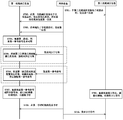
- FIG. 5 is a flowchart of a communication method provided by an embodiment of this application.
- FIG. 6 is a schematic diagram of signals of each device in an embodiment of the application.
- FIG. 7 is a flowchart of a communication method provided by another embodiment of this application.
- FIG. 8 is a schematic structural diagram of a communication device provided by an embodiment of this application.
- FIG. 9 is a schematic structural diagram of a communication device provided by another embodiment of this application.
- FIG. 10 is a schematic structural diagram of a communication device provided by another embodiment of this application.
- FIG. 11 is a schematic structural diagram of a terminal device provided by an embodiment of this application.
- FIG. 12 is a schematic structural diagram of a communication system provided by an embodiment of this application.
- Fig. 3 is a schematic diagram of a communication system provided by an embodiment of the application. As shown in Fig. 3, the communication system includes a network device and a terminal device.
- Radio Access Network also known as Radio Access Network (RAN) equipment. It is a device that connects terminal equipment to a wireless network. It can be an evolved base station (Long Term Evolution, LTE). Evolutional Node B, eNB or eNodeB), or relay station or access point, or base station in 5G network, such as transmission and reception point (TRP) and controller, are not limited here.
- the access network device may be a base station (such as a gNB) with a separate CU and DU architecture, as shown in FIG. 4, which is a schematic diagram of a protocol stack of a network device according to an embodiment of the application.
- the RAN device can be connected to the core network device (for example, it can be the core network of LTE, or the core network of 5G, etc.).
- CU and DU can be understood as the division of the base station from the perspective of logical functions.
- CU and DU can be physically separated or deployed together. Multiple DUs can share one CU.
- One DU can also be connected to multiple CUs (not shown in the figure).
- the CU and the DU can be connected through an interface, for example, an F1 interface.
- CU and DU can be divided according to the protocol layer of the wireless network.
- radio resource control Radio Resource Control
- service data adaptation protocol stack Service Data Adaptation Protocol, SDAP
- packet data convergence protocol packet data convergence protocol
- PDCP packet data convergence protocol
- RLC radio link control
- MAC media access control
- PHY physical layer
- the division of CU and DU processing functions according to this protocol layer is only an example, and it can also be divided in other ways.
- the CU or DU can be divided into functions with more protocol layers.
- the CU or DU can also be divided into part of the processing functions with the protocol layer.
- part of the functions of the RLC layer and the functions of the protocol layer above the RLC layer are set in the CU, and the remaining functions of the RLC layer and the functions of the protocol layer below the RLC layer are set in the DU.
- the functions of the CU or DU can also be divided according to service types or other system requirements. For example, it is divided by time delay, and the functions whose processing time needs to meet the delay requirement are set in the DU, and the functions that do not need to meet the delay requirement are set in the CU.
- the CU may also have one or more functions of the core network.
- One or more CUs can be set centrally or separately.
- the CU can be set on the network side to facilitate centralized management.
- the DU can have multiple radio frequency functions, or the radio frequency functions can be set remotely.
- the functions of the CU can be implemented by one entity or by different entities.
- the function of the CU can be further divided, for example, the control plane (CP) and the user plane (UP) are separated, that is, the control plane (CU-CP) of the CU and the CU user plane (CU-UP).
- the CU-CP and CU-UP may be implemented by different functional entities, and the CU-CP and CU-UP may be coupled with the DU to jointly complete the function of the base station.
- CU-CP is responsible for the control plane function, mainly including RRC and PDCP-C.
- PDCP-C is mainly responsible for encryption and decryption of control plane data, integrity protection, data transmission, etc.
- CU-UP is responsible for user plane functions, mainly including SDAP and PDCP-U.
- SDAP is mainly responsible for processing the data of the core network and mapping the data flow to the bearer.
- PDCP-U is mainly responsible for data encryption and decryption, integrity protection, header compression, serial number maintenance, data transmission, etc.
- CU-CP and CU-UP are connected through the E1 interface.
- CU-CP represents that gNB is connected to the core network through the Ng interface.
- CU-UP is connected to DU through F1-U (user plane).
- F1-C user plane
- another possible implementation is that PDCP-C is also in CU-UP.
- Wireless communication device It can be a terminal device, a chip, or a chipset.
- the terminal device can be a wireless terminal device, which can refer to a device with wireless transceiver function, which can be deployed on land, including indoor or outdoor, handheld or vehicle-mounted; or on the water (such as ships, etc.); It can also be deployed in the air (for example, on airplanes, balloons, satellites, etc.).
- the terminal device may be a mobile phone (mobile phone), a tablet computer (Pad), a computer with wireless transceiver function, a virtual reality (VR) terminal, an augmented reality (AR) terminal, and an industrial control (industrial control) terminal.
- VR virtual reality
- AR augmented reality
- industrial control industrial control
- the terminal device may also be referred to as user equipment (UE).
- the chip may be a chip applied to a terminal device, and the chip is used to implement communication between the terminal device and a network device.
- the chip has a wireless transceiver function and/or an information processing function.
- the chipset may be a chipset applied to a terminal device.
- the chipset includes a plurality of chips.
- the chipset is used to implement communication between the terminal device and the network device.
- the chipset has a wireless transceiver function and/or an information processing function.
- the terminal device has a circuit for communicating with the network device.
- the circuit can be integrated in one or more integrated circuits (ICs), and one or more integrated circuits (ICs) can be packaged in a chip or Multiple chips.
- ICs integrated circuits
- the following description takes the wireless communication device as a terminal device as an example, and the following terminal device can also be replaced by a wireless communication device such as a chip or a chipset.
- the state of the terminal device includes: connected, idle, and inactive.
- the terminal device When the terminal device is in the connected state, it establishes an air interface connection with the network device, and communicates with the network device according to the air interface connection.
- the terminal device When the terminal device is in the idle state or in the deactivated state, the air interface connection between the terminal device and the network device is disconnected, and the terminal device can receive broadcast information sent by the network device.
- the terminal device is in the deactivated state, the air interface connection between the terminal device and the network device is disconnected, but the context information continues to be saved.
- the terminal device enters the connected state from the deactivated state, it can quickly restore to the connected state based on the saved context information .
- reference signals can be used for user equipment (UE) for automatic gain control (AGC) adjustment, time-frequency synchronization, beam measurement, and radio resource management (RRM) measurement Wait.
- UE user equipment
- AGC automatic gain control
- RRM radio resource management
- the terminal device When the terminal device is in a deactivated state or an idle state, it periodically receives paging (paging, including control information and paging messages) sent by the network device.
- paging paging, including control information and paging messages
- the specific process is: when a terminal device in a deactivated state or an idle state generates a downlink service, the network device should inform the terminal device that there is a downlink service, and let the terminal device switch to the connected state.
- the network device informs the terminal device that there is a downlink service by sending a paging message.
- the terminal equipment will periodically monitor paging messages, and a paging occasion (PO) will appear in each cycle (paging DRX cycle), and the network equipment in the PO can issue paging messages. Paging, the terminal device detects whether there is a paging.
- a terminal device When a terminal device monitors a paging message, it must first monitor the paging downlink control information (downlink control information, DCI).
- DCI downlink control information
- Paging DCI is identified by a paging radio network temporary identifier (RNTI), and only the UE assigned a corresponding P-RNTI (Paging RNTI) can detect the paging DCI.
- RNTI paging radio network temporary identifier
- Paging RNTI paging radio network temporary identifier
- a terminal device (generally multiple terminal devices) will receive a physical downlink shared channel (Physical Downlink Shared Channel, PDSCH) carrying a paging message according to an indication of the paging DCI. If the terminal device detects its own identity (ID) in the paging message, it will initiate a random access procedure to switch to the connected state.
- ID Physical Downlink Shared Channel
- paging DCI can notify a group of paging messages that "may need to be transferred to
- the terminal device Before the terminal device receives the paging DCI in the PO, in order to ensure that the receiving performance of the paging DCI is good enough, it needs to perform AGC adjustment and time-frequency synchronization in advance. These tasks require reference signals sent by network equipment.
- the reference signal In a 5G mobile communication system, in one implementation, the reference signal is transmitted through the SSB. Since the SSB cycle may be relatively large, in extreme cases, the terminal device may need to be a long time in advance (for example, 20ms, as shown in Figure 2) wake up. At this time, the sleep time of the terminal device is shortened, which will lead to waste of power consumption of the terminal device.
- the terminal device when the terminal device is in a disconnected state, it can wake up at a moment before PO and receive the first reference signal (used for AGC adjustment, time-frequency synchronization, etc.), which can save money.
- the terminal device can receive information (first information) for configuring the first reference signal when it is not connected, and can know the transmission of the first reference signal based on the first information At the moment, you can wake up at the first reference signal.
- the first reference signal is closer to the PO than the SSB, so the power consumption of the terminal device can be effectively saved.
- FIG. 5 is a flowchart of a communication method provided by an embodiment of this application. As shown in FIG. 5, the method of this embodiment may include:
- the network device sends a system information block to the first wireless communication device (for example, a first UE), where the system information block includes first information, and the first information includes Configuration information of the first reference signal.
- the first wireless communication device receives the system information block when it is in the non-connected state.
- the network device determines the configuration information of the first reference signal, and then the network device sends the first information to the first wireless communication apparatus, and the first information includes the configuration information of the first reference signal.
- the configuration information is used to enable the first wireless communication device to receive the first reference signal.
- the configuration information may include the time position, transmission period, frequency position, frequency density, sequence generation parameters, and QCL (Quasi-co-located, (Quasi co-location) one or several items in the information.
- the sequence generation parameter may be a scrambling ID (scrambling ID), the sequence generation parameter is used to generate a pseudo-random sequence, and then a reference sequence is generated by the pseudo-random sequence, the reference sequence.
- a first reference signal when the channel condition is not good, may not be able to complete AGC adjustment, time-frequency synchronization, etc. for a PO, and the network device may send multiple first reference signals to the first wireless communication device.
- the first information may include multiple configuration information, and each configuration information may include the time position, transmission period, frequency position, frequency density, sequence generation parameters, and QCL of a first reference signal. (Quasi-co-located, quasi-co-located) one or several items in the information.
- the first wireless communication device can also determine which or Which first reference signals are closer to the PO, and select to receive one or more first reference signals closest to the PO, so as to more effectively save the power consumption of the first wireless communication device.
- the first wireless communication device being in a non-connected state includes: the first wireless communication device being in a deactivated state or an idle state. For example, if the first wireless communication device has been connected to the network device, the first wireless communication device enters the deactivated state or idle state from the connected state; or, the first wireless communication device has not been connected to the network device yet, The first wireless communication device has just entered the cell where the network device is located, and the first wireless communication device is in a deactivated state or an idle state.
- the network device When the first wireless communication device is in a disconnected state, the network device sends a first reference signal to the first wireless communication device according to the configuration information of the first reference signal. Correspondingly, when the first wireless communication device is in a disconnected state, the first reference signal is received from the network device according to the configuration information of the first reference signal.
- the network device when the first wireless communication apparatus is in a disconnected state, the network device sends the first reference signal to the first wireless communication apparatus according to the configuration information of the first reference signal in S501.
- the first wireless communication apparatus when the first wireless communication apparatus is in the disconnected state, it receives the first reference signal from the network device according to the configuration information of the first reference signal received from the network device in S501.
- SSB is sent periodically by network equipment.
- the first wireless communication device can determine the sending time of the SSB. At the same time, the first wireless communication device can determine the sending time of the first reference signal according to the configuration information of the first reference signal.
- the first wireless communication device wakes up at the first reference signal, and receives the first reference signal according to the first information (for better receiving Call), it is possible to prevent the first wireless communication device from waking up prematurely at the SSB, thereby reducing the power consumption of the first wireless communication device.
- the first wireless communication device if the first wireless communication device determines that the SSB is closer to the PO, the first wireless communication device wakes up at the SSB, thereby reducing the power consumption of the first wireless communication device, and performing AGC adjustment and time-frequency synchronization in time Wait for work.
- the network device and the first wireless communication device are located in the same cell, and there is a second wireless communication device in the cell, and when the second wireless communication device is in a connected state, the network device also sends third information
- the third information includes configuration information of the second reference signal
- the second reference signal is a reference signal that can be used when the second wireless communication device is in a connected state.
- the network device may use the second reference signal as a subset of the first reference signal, and broadcast the configuration information of the second reference signal as at least a part of the configuration information of the first reference signal for the first wireless
- the communication device performs AGC adjustment, time-frequency synchronization and other tasks.
- the same reference signal can be used for both the first wireless communication device in the non-connected state and the second wireless communication device in the connected state, which can save reference signal resources.
- the first wireless communication device may include a processor and a memory. After the first wireless communication device receives the first information, the processor of the first wireless communication device parses the first information to obtain the first reference signal.
- the receiving parameter is used by the first wireless communication device to receive the first reference signal at an appropriate time and frequency, and to process the first reference signal (for example, cross-correlation, etc.) to obtain the receiver in the first wireless communication device Time, frequency offset and other information.
- components such as the chip or receiver of the first wireless communication device may be adjusted according to the receiving parameters.
- the receiving parameter may be stored in the memory. If the state of the first reference signal is valid, the first wireless communication device then retrieves the receiving parameter from the memory, and receives the first reference signal of the network device according to the receiving parameter.
- the first information indicates that the indicated configuration information of the first reference signal may be configuration information of the first wireless communication device in a deactivated state or an idle state.
- the network device sends the first reference signal to the first wireless communication device, and the first wireless communication device receives the first reference signal from the network device according to the configuration information . Therefore, the first wireless communication device does not need to wake up from the sleep state early to receive the first reference signal when it is in the deactivated state, which reduces the power consumption of the first wireless communication device.
- the network device may broadcast the first information; if the network device finds that the first wireless communication device is In terms of the device, the first reference signal is not located between the SSB and the PO, and the network device may not broadcast the first information to save signaling overhead.
- each first reference signal corresponds to one configuration information
- each configuration information corresponds to a valid state.
- the first reference signal 1 corresponds to configuration information 1 (the configuration information 1 includes the time of the first reference signal 1).
- configuration information 1 corresponds to valid state 1
- first reference signal 2 corresponds to configuration information 2 (configuration information 2 includes the first The time position of a reference signal 2, the transmission period 2, the frequency position 2, the frequency density 2, the sequence generation parameter 2, the QCL information 2, etc.), the configuration information 2 corresponds to the valid state 2, and so on.
- the first reference signal is used for one or more of time synchronization, frequency synchronization, gain adjustment, channel state measurement, link quality monitoring, or wireless resource management, and is used for the first wireless communication device (for example, UE) better receive paging in PO.
- the time synchronization is used for the first wireless communication device to adjust the local clock so as to align in time with the frame boundary, subframe boundary, time slot boundary, and symbol boundary of the received downlink signal.
- Frequency synchronization refers to adjusting the oscillator of the first wireless communication device so as to align in frequency with the carrier boundary and sub-carrier boundary of the received downlink signal.
- the gain adjustment is used by the first wireless communication device to adjust the receiving power amplifier of the first wireless communication device so that the amplitude of the received signal is scaled to a proper range, neither the signal amplitude is too small, resulting in insufficient accuracy, nor the signal amplitude Too large causes signal distortion.
- the channel state measurement is used by the first wireless communication device and/or the network device to measure the channel state of the downlink channel from the network device to the first wireless communication device.
- Link quality monitoring is used by the first wireless communication device and/or network device to monitor the quality of the downlink channel from the network device to the first wireless communication device.
- the monitoring indicators include reference signal received power (RSRP) , Reference signal received quality (RSRQ), etc.
- Wireless resource management refers to the planning and scheduling of the air interface resources of the mobile communication system by the first wireless communication device and/or network equipment, and is responsible for managing all wireless resources, such as sites, sectors, carrier frequencies, etc., including establishment, monitoring, and Modify and delete.
- the first wireless communication device When the first wireless communication device is in the non-connected state, the first wireless communication device can switch to the connected state according to the received paging.
- the first reference signal mentioned in the foregoing embodiments may be one or several types.
- the first reference signal may be a channel state information reference signal (CSI-RS), tracking Any one or more of the primary reference signal (tracking reference signal, TRS), primary synchronization signal (primary synchronization signal, PSS), secondary synchronization signal (secondary synchronization signal, SSS), or other primary reference signals , Not limited.
- CSI-RS channel state information reference signal
- TRS tracking reference signal
- PSS primary synchronization signal
- PSS secondary synchronization signal
- SSS secondary synchronization signal
- SSS secondary synchronization signal
- the broadcast message includes the first information, which can ensure that the first wireless communication device receives the first message in the disconnected state.
- the broadcast information includes a master information block (MIB, master information block) and one or more system information blocks (SIBs, system information blocks).
- System information block SIB has many types, such as system information block 1 (SIB1, system information block 1), system information block 2 (SIB2, system information block 2)...System information block 9 (SIB9, system information block 9), etc. .
- SIB1 is information necessary for accessing the network
- SIB2-SIB 5 is information used for cell reselection and measurement
- SIB6-SIB8 is information used for earthquake and tsunami warning
- SIB9 is used for GPS timing. (Satellite time synchronization) information.
- the space of SIB1 is limited, and the space of other SIB messages (such as SIB2-SIB9) is larger than that of SIB1.
- SIB1 is sent periodically, SIB1 indicates whether to send other SIB messages, and SIB1 indicates the sending location.
- the first information is included in other types of SIBs (ie SIB2-SIBy, y ⁇ 3).
- SIB2-SIBy is larger than the available/vacant space of SIB1 and can accommodate The configuration information of the first reference signal is downloaded, and the change of the first information is relatively infrequent.
- Putting the first information in SIB2-SIBy can avoid sending the first information too frequently, thereby avoiding increasing signaling overhead.
- the first information is included in SIB2-SIB9, or the first information is included in a specially newly introduced SIB (for example, SIB10 or SIB11, etc.).
- the first information may be included in one or more SIBs, so as to conveniently put the first information in the SIBs.
- the network device also sends second information to the first wireless communication device, and the second information is used to indicate the valid state of the first reference signal (that is, the state of the first reference signal).
- the first wireless communication device receives the second information from the network device, and the frequency at which the first wireless communication device receives the second information is greater than the frequency at which the first wireless communication device receives the first information.
- the first wireless communication apparatus receives the first reference signal from the network device.
- the first wireless communication device sets the position of the first reference signal according to the first information Wake up and receive the first reference signal, which can effectively save the power consumption of the terminal device.
- the first reference signal is not received.
- the first wireless communication device is in the SSB signal Wake up at any time, receive the SSB signal, and not receive the first reference signal, so as to prevent the AGC adjustment, time-frequency synchronization, etc., from not being performed when the first reference signal is invalid.
- the network device can indicate the valid state of the first reference signal to the first wireless communication device, thereby providing more flexibility for resource control of the network device.
- the change in the effective state of the first reference signal may be related to the above-mentioned second wireless communication device. For example, if the second wireless communication device is in a connected state, the first reference signal may be effective; if the second wireless communication device is in a non-active state. In the connected state, the first reference signal may be invalid.
- the first information is included in other types of SIBs (ie SIB2-SIBy) other than SIB1, and the first wireless communication device needs to read the corresponding other types of SIBs (ie SIB2-SIBy) each time. SIBy to obtain the configuration information of the first reference signal).
- SIBy to obtain the configuration information of the first reference signal.
- the configuration information of the first reference signal changes infrequently, while the effective state of the first reference signal changes relatively frequently.
- the effective state of the first reference signal is indicated by the second information, and there is no need to update the “first reference signal”.
- the effective status of "" and frequently send other corresponding SIBs which can reduce signaling overhead.
- the status of the first reference signal may also include "may be valid (the resource corresponding to the first reference signal may be available)" or “may be invalid (that is, the resource corresponding to the first reference signal may be available). Not available, may be not available)”. If the second wireless communication device may enter the connected state from the unconnected state, the first reference signal may be "may be valid”; if the second wireless communication device may enter the unconnected state from the connected state, the first reference signal may be " May be invalid".
- the second information may use one or several bits to indicate the state of a first reference signal.
- each bit of the second information corresponds to one first reference signal
- the M first reference signals require M bits to correspond.
- a bit is "0”
- the first wireless communication device does not receive the first reference signal, but receives the SSB; when it indicates that the corresponding first reference signal is "probably invalid", the first wireless communication device can perform a certain blindness.
- the blind detection may include power detection, and if the power of the first wireless communication device is greater, the first wireless communication device receives the first reference signal. For example, when the one bit is '1', it indicates that the corresponding first reference signal is "valid” or “may be valid”. When it indicates that the corresponding first reference signal is "valid”, the first wireless communication device receives the first reference signal, but does not receive the SSB; when it indicates that the corresponding first reference signal is "possibly effective", the first wireless communication device can perform a certain amount of blindness.
- the blind detection may include power detection, and if the power of the first wireless communication device is greater, the first reference signal is received).
- the one-bit indication method can also be reversed, that is, ‘0’ and ‘1’ indicate the opposite meaning of the previous example, and the details are not repeated here.
- the second information corresponds to a first reference signal with two bits, for example, '00', '01', '10' and '11' respectively indicate that the first reference signal is "invalid", "probably invalid", and "probably invalid”.
- the processing method of the first wireless communication device can refer to the processing when each bit corresponds to a first reference signal, which will not be repeated here.
- SIB1 system information block 1
- SIB1 includes second information.
- the signaling overhead of the second information is relatively small. It can be placed in SIB1, and SIB1 is sent periodically to communicate with the first wireless in time.
- the device indicates the state of the first reference signal.
- the first wireless communication device receives SIB1 from the network device to update the state of the first reference signal. For example, when the network device broadcasts the configuration information of the M first reference signals, the network device indicates the status of the M first reference signals through a bitmap (bitmap), and M is an integer greater than or equal to 1. Since the signaling overhead of this bitmap is not large, it can be placed in SIB1.
- bitmap bitmap
- the first wireless communication device reads SIB1 more frequently than reads SIB2 ⁇ SIBy, so the state of the first reference signal can be obtained faster.
- the first wireless communication device may first read the configuration information of the M first reference signal resources from other SIBs (ie, SIB2-SIBy).
- SIB2-SIBy the configuration information of the M first reference signal resources from other SIBs.
- the valid state of the first reference signal is determined according to the bitmap in SIB1.
- the Bitmap can use one or several bits to indicate the state of a first reference signal. The specific method is as described above and will not be repeated here.
- the first wireless communication device Since the first wireless communication device also needs to periodically read the SIB1 when it is working normally in the non-connected state, putting the bitmap in the SIB1 will not increase the additional power consumption of the first wireless communication device.
- the first wireless communication device does not need to read the complete configuration information every time (the complete configuration information includes the time position of the reference signal, transmission period, frequency position, frequency density, sequence generation parameters, QCL information, etc., so the signaling overhead is compared Large), only need to introduce an additional bitmap (fewer bits, for example, when each bit corresponds to a first reference signal, only M bits are needed) can indicate the valid status of the M first reference signals. Therefore, the power consumption of the first wireless communication device is more effectively reduced, and network signaling overhead is saved.
- the second information is included in SIB1.
- the network device can indicate to the first wireless communication device that the first wireless communication device is in the disconnected state. In order to ensure that the first wireless communication device can learn the information through limited resources when resources are tight, and prevent the first wireless communication device from performing erroneous measurement/synchronization/AGC adjustments, etc.
- Fig. 6 shows the signals corresponding to each device in an embodiment.
- (a) in Fig. 6 represents the signal sent by the network device
- (b) in Fig. 6 represents the signal received by the first wireless communication device UE1a
- (C) represents the signal received by the first wireless communication device UE1b.
- SIBY represents SIB2 ⁇ SIBy
- SIB1-1 represents the current SIB1
- SIB1-2 represents the next SIB
- SSB1-1 represents the SSB signal of the first SSB cycle
- SSB1-2 represents the second SSB cycle.
- TRS1-1 represents the first reference signal of the first wireless communication device UE1a in the first SSB cycle
- PO1-1 represents the paging occasion of the first wireless communication device UE1a in the first SSB cycle
- TRS2- 1 indicates the first reference signal of the first wireless communication device UE1b in the first SSB period
- PO2-1 indicates the paging occasion of the first wireless communication device UE1b in the first SSB period
- TRS1-2 indicates the second reference signal
- PO1-2 indicates the paging occasion of the first wireless communication device UE1a in the second SSB period
- TRS2-2 indicates the first reference signal in the second SSB period
- the first reference signal of a wireless communication device UE1b, PO2-2 indicates the paging occasion of the first wireless communication device UE1b in the second SSB period
- the first paging period indicates a paging period of the first wireless communication device UE1a
- the "valid status" indicated by SIB1 may be the valid status of all the first reference signals from the position of the current SIB1 to the next SIB1.
- first reference signals between the current SIB1-1 and the next SIB1-2: a first reference signal TRS1-1, a first reference signal TRS2-1, and a first reference signal.
- TRS1-2 and the first reference signal TRS2-2 Then the current SIB1-1 indicates the valid state of the first reference signal TRS1-1, the first reference signal TRS2-1, the first reference signal TRS1-2, and the first reference signal TRS2-2.
- the "valid status" indicated by SIB1 can also be the valid status of all the first reference signals between the current SIB1 position and the Kth (K is an integer greater than or equal to 2) SIB1, namely SIB1 may indicate the valid state of the first reference signal in multiple SIB1 periods.
- the value of K may be predefined in the standard, may also be configured by the network device through broadcast signaling, or may be obtained by calculation.
- the paging occasion PO1-1 can perform AGC adjustment and time-frequency synchronization according to the first reference signal TRS1-1, and the paging occasion PO1-2 can be based on the first reference signal TRS1-2 (and the first reference signal TRS1-1) Perform AGC adjustment, time-frequency synchronization, etc.
- the paging timing PO2-1 can perform AGC adjustment, time-frequency synchronization, etc. according to the first reference signal TRS2-1, and the paging timing PO2-2 can be based on the first reference signal TRS2-2 (and the first reference signal TRS2-1) Perform AGC adjustment, time-frequency synchronization, etc.
- the network device sends a paging message (paging message).
- the paging message includes the second information.
- the signaling overhead of the second information is relatively small. It can be placed in the paging message.
- the paging message is sent periodically to communicate to the first wireless in time.
- the device indicates the state of the first reference signal.
- the first wireless communication device receives a paging message from the network device to update the state of the first reference signal. For example, when the network device broadcasts the configuration information of the M first reference signals through a paging message, the network device indicates the status of the M first reference signals through a bitmap (bitmap), and M is an integer greater than or equal to 1. Since the signaling overhead of the bitmap is not large, it can be placed in the paging message.
- bitmap bitmap
- the first wireless communication device reads the paging message more frequently than reading SIB2-SIBy, so the first wireless communication device can acquire the state of the first reference signal faster.
- Bitmap can use one or several bits to indicate the state of a first reference signal. The specific method is as described above (the second information can use one or several bits to indicate the state of a first reference signal), which will not be repeated here. .
- the first wireless communication device may first read the configuration information of the M first reference signal resources from other SIBs (ie, SIB2-SIBy). In the subsequent working process, the first wireless communication device may read the bitmap after receiving the paging DCI. The valid state of the first reference signal is determined according to the bitmap.
- the first wireless communication device Since the first wireless communication device also needs to periodically read the paging message when it is working normally in the non-connected state, putting the bitmap in the paging message will not increase the additional power consumption of the first wireless communication device.
- the first wireless communication device does not need to read the complete configuration information every time (the complete configuration information includes the time position of the reference signal, transmission period, frequency position, frequency density, sequence generation parameters, QCL information, etc., so the signaling overhead is compared Large), only need to introduce an additional bitmap (fewer bits, for example, when each bit corresponds to a first reference signal, only M bits are needed) can indicate the valid status of the M first reference signals. Therefore, the power consumption of the first wireless communication device is more effectively reduced, and network signaling overhead is saved.
- the second information is included in the paging message. Therefore, even when the first wireless communication device is in a disconnected state, the network device can indicate to the first wireless communication device that the first wireless communication device is in the disconnected state.
- the effective state of the signal is used to ensure that the first wireless communication device can learn the information through limited resources when resources are tight, and prevent the first wireless communication device from performing erroneous measurement/synchronization/AGC adjustments.
- the update of paging message is more frequent than that of SIB1 (SIB1 may be changed in units of days).
- bitmap (or the second message) in the paging message can update the effective status of the first reference signal in a more timely manner Therefore, it is avoided to read the SIB1 more frequently in order to read the bitmap, so that the power consumption of the first wireless communication device can be further saved.
- the paging message indicates the "valid status" of the M first reference signals, which may be the valid status of all the first reference signals from the current PO to the next PO.
- the paging message of the paging occasion PO1-1 indicates the valid state of the first reference signal TRS1-1 and the first reference signal TRS1-2.
- first reference signals there are two first reference signals (the first reference signal TRS1-2 and the first reference signal TRS2-2) between the paging occasion PO2-1 and the paging occasion PO2-2, and the paging message indication of the paging occasion PO2-1
- the valid state of the first reference signal TRS1-2 and the first reference signal TRS2-2 may also be all the first POs (that is, the K paging cycles) between the position of the current PO and the subsequent K (K is an integer greater than or equal to 2) POs.
- the effective state of a reference signal that is, paging message, may indicate the effective state of the first reference signal in multiple PO periods.
- the paging occasion PO1-1 can perform AGC adjustment and time-frequency synchronization according to the first reference signal TRS1-1, and the paging occasion PO1-2 can be based on the first reference signal TRS1-2 (and the first reference signal TRS1-1) Perform AGC adjustment, time-frequency synchronization, etc.
- the paging timing PO2-1 can perform AGC adjustment, time-frequency synchronization, etc. according to the first reference signal TRS2-1, and the paging timing PO2-2 can be based on the first reference signal TRS2-2 (and the first reference signal TRS2-1) Perform AGC adjustment, time-frequency synchronization, etc.
- the network device sends a paging message (paging message).
- the paging message includes the second information.
- the signaling overhead of the second information is relatively small. It can be placed in the paging message.
- the paging message is sent periodically to communicate to the first wireless in time.
- the device indicates the state of the first reference signal.
- the first wireless communication device receives a paging message from the network device to update the state of the first reference signal.
- each first reference signal may be associated with one or more POs, and each PO may With one or more first reference signals, the second information contained in a paging message in a paging occasion (PO) indicates the status of the N first reference signals (1 ⁇ N ⁇ M) , A smaller signaling overhead can be used to indicate the valid status of the first reference signal associated with the current PO.
- the paging message when the paging message indicates the "valid status", it indicates the status of the N first reference signals from the position of the current PO to the next PO, more precisely, from the current PO.
- the "valid state" indicated by the paging message may also be all the first POs (that is, the K paging cycles) between the position of the current PO and the subsequent K (K is an integer greater than or equal to 2) POs.
- the effective state of a reference signal that is, paging message, may indicate the effective state of the first reference signal in multiple PO periods.
- the paging occasion PO1-2 is only related to the first reference signal TRS1-2, and the paging occasion PO1-2 has no relationship with the first reference signal TRS2-1 (the paging occasion PO1-2 is based on the first reference signal TRS2-1).
- a reference signal TRS1-2 performs AGC adjustment, time-frequency synchronization, etc.), then the paging message in the paging occasion PO1-1 indicates the valid state of the first reference signal TRS1-2, and the paging message in the paging occasion PO1-1 There is no need to indicate the valid state of the first reference signal TRS2-1, so that signaling overhead can be saved.
- the first wireless communication device UE1b there are two first reference signals (the first reference signal TRS1-2 and the first reference signal TRS2-2) between the paging occasion PO2-1 and the paging occasion PO2-2.
- the paging occasion PO2-2 is only associated with the first reference signal TRS2-2, and the paging occasion PO2-2 is not associated with the first reference signal TRS1-2 (the paging occasion PO2-2 is based on the first reference signal TRS2-2 performs AGC adjustment, time-frequency synchronization, etc.), then the paging message in the paging occasion PO2-1 indicates the valid status of the first reference signal TRS2-2, and the paging message in the paging occasion PO2-1 does not need to indicate the first reference signal. A valid state of the reference signal TRS2-1, thereby saving signaling overhead.
- the paging occasion PO1-1 may be associated with multiple first reference signals TRS1-1; or, the paging occasion PO1-2 may be associated with multiple first reference signals TRS1-2;
- the paging message can use one or several bits to indicate the status of a first reference signal.
- the specific method is as described above (the second message can use one or several bits to indicate the status of a first reference signal), which will not be repeated here. Go into details.
- the paging message can indicate the status of one first reference signal through one bit, the paging message can indicate the valid status of the M first reference signals associated with the current PO through N bits.
- the first information further includes association information between a first reference signal and a PO
- the N first reference signals are N first reference signals that are associated with the PO, that is,
- the association relationship is determined by explicit configuration.
- the network device can determine which first reference signals are associated with the PO of the first wireless communication device, and the network device informs the first wireless communication device of the association relationship between the first reference signal and the PO through the first information, and only needs to log in It is sufficient to indicate the valid status of the N first reference signals associated with the current PO in the paging message.
- the first reference signal TRS1-2 is associated with the paging occasion PO1-2.
- the first wireless communication device UE1a is at the SIBY and the first wireless communication device UE1a receives the first reference signal TRS1-2.
- a message indicates that the paging occasion PO1-2 is associated with the first reference signal TRS1-2; the first wireless communication device UE1a is at the paging occasion PO1-1, and the received paging message may only indicate the first reference signal TRS1-2 Effective status.
- the association relationship is implicitly determined according to the position of the first reference signal and the position of the PO, for example, the N first reference signals are located before the paging occasion.
- the N first reference signals are located before the paging occasion.
- three first reference signals are shown before the paging occasion PO1-2: the first reference signal TRS1-1, the first reference signal TRS1-2, and the first reference signal.
- the first reference signal TRS2-2 is located after the paging occasion PO1-2, the network device can determine whether the first reference signal TRS1-1, the first reference signal TRS1-2, and the first reference signal TRS2-1 are One or more are associated with the paging occasion PO1-2, the first reference signal TRS2-2 is not associated with the paging occasion PO1-2, and the network device indicates the first reference signal TRS1 in the paging message of the paging occasion PO1-1 -1.
- the effective state of one or more of the first reference signal TRS1-2 and the first reference signal TRS2-1 does not need to indicate the effective state of the first reference signal TRS2-2.
- the network device can determine the paging timing PO1-1 and the paging timing PO2- 1 and the paging occasion PO1-2 are all associated with the first reference signal TRS1-1, and the first reference signal TRS2-2 is located after the paging occasion PO1-1, the paging occasion PO2-1, and the paging occasion PO1-2 , The network device can determine that the paging occasion PO1-1, the paging occasion PO2-1, and the paging occasion PO1-2 are not associated with the first reference signal TRS2-2.
- FIG. 7 is a flow chart of a communication method provided by an embodiment of the application.
- the steps in FIG. 7 may adopt the methods in the above-mentioned embodiments, and the same parts will not be repeated.
- the method of this embodiment may include:
- Step S701 The network device sends third information when the second wireless communication apparatus is in the connected state.
- the network equipment and the second wireless communication device (or the second UE) are in the same cell, the third information includes configuration information of the second reference signal, and the second reference signal is a reference signal that can be used when the second wireless communication device is in a connected state .
- the network device may broadcast the configuration information of the second reference signal as at least part of the configuration information of the first reference signal (for example, the second reference signal may be combined into the first signal) for the first wireless communication device to perform AGC adjustment, Time-frequency synchronization and other work, the second reference signal is a subset of the first reference signal.
- the third information is received.
- the same reference signal can be used for both the first wireless communication device in the non-connected state and the second wireless communication device in the connected state, which can save reference signal resources.
- Step S702 When the first wireless communication device is in a disconnected state, the network device sends a system information block to the first wireless communication device (or first UE), where the system information block includes first information, and the first information includes Configuration information of the first reference signal.
- the first wireless communication device receives the system information block from the network device when it is in the non-connected state.
- the first wireless communication device parses the first information and obtains receiving parameters, which are used to receive the first reference signal.
- the first wireless communication device may not read the first information first, and the first information may be stored in the memory of the first wireless communication device. If the first reference signal is valid, the first wireless communication device then retrieves the first information from the memory. One information.
- the first wireless communication device being in a non-connected state includes: the first wireless communication device (or the first UE) is in a deactivated state or an idle state. For example, if the first wireless communication device has been connected to the network device, the first wireless communication device enters the deactivated state or idle state from the connected state; or, the first wireless communication device has not been connected to the network device yet, The first wireless communication device has just entered the cell where the network device is located, and the first wireless communication device is in a deactivated state or an idle state.
- Step S703 When the first wireless communication device is in a disconnected state, the network device sends second information to the first wireless communication device.
- the second information is used to indicate the valid state (i.e., state) of the first reference signal.
- the first wireless communication device receives the second information from the network device, and the frequency at which the first wireless communication device receives the second information is greater than the frequency at which the first wireless communication device receives the first information.
- the second information may be any implementation manner in the foregoing embodiments, and details are not described herein again.
- the second information can indicate the valid state of the first reference signal, so there is no need to read the configuration information of the first reference signal every time, which can further save the power consumption of the first wireless communication device.
- Step S704 The first wireless communication device determines whether the first reference signal is available according to the valid state of the first reference signal indicated by the second information. If the first reference signal is valid (the state of the first reference signal satisfies the condition), the first reference signal is available; if the first reference signal is invalid (the state of the first reference signal does not satisfy the condition), the first reference signal is not available.
- the status of the first reference signal may also include "may be valid (the resource corresponding to the first reference signal may be available)" or “may be invalid (that is, the resource corresponding to the first reference signal may be unavailable, maybe not) available)". If the second wireless communication device may enter the connected state from the unconnected state, the first reference signal may be "may be valid”; if the second wireless communication device may enter the unconnected state from the connected state, the first reference signal may be " May be invalid". If the state of the first reference signal is possibly valid or possibly invalid, the first wireless communication device may perform a certain blind detection to determine whether the first reference signal needs to be received.
- Step S705 If the second information indicates that the first reference signal is invalid (that is, the state of the first reference signal does not meet the condition), the first reference signal is not received. In a specific embodiment, if the second information indicates that the first reference signal is invalid (that is, the resource corresponding to the first reference signal is not available), the first wireless communication device wakes up at the SSB signal, receives the SSB signal, and does not receive the The first reference signal avoids not performing AGC adjustment, time-frequency synchronization, etc. when the first reference signal is invalid.
- Step S706 If the second information indicates that the first reference signal is valid (that is, the state of the first reference signal satisfies the condition), the first wireless communication apparatus receives the first reference signal from the network device according to the receiving parameter. In a specific embodiment, if the second information indicates that the first reference signal is valid (that is, the resource corresponding to the first reference signal is available), the first wireless communication device wakes up at the first reference signal according to the first information, And receiving the first reference signal can effectively save the power consumption of the terminal device. When the first wireless communication device is in the disconnected state, the first wireless communication device can determine the transmission time of the first reference signal according to the configuration information of the first reference signal.
- the first reference signal is closer to the PO than the SSB, that is, the first reference signal is closer to the PO than the SSB. If the reference signal is closer to the PO, the first wireless communication device wakes up at the first reference signal, and receives the first reference signal according to the first information (for better paging reception), which can prevent the first wireless communication device from being Wake up prematurely at the SSB, thereby reducing the power consumption of the first wireless communication device.
- Step S707 The first wireless communication device performs AGC adjustment and time-frequency synchronization according to the received first reference signal or SSB, so as to better receive paging DCI.
- Step S708 When the first wireless communication device is in a disconnected state, the network device sends a page to the first wireless communication device in the paging occasion (the paging occasion of the first wireless communication device). Correspondingly, the first wireless communication device receives the paging from the network device to determine whether it needs to switch to the connected state.
- Step S709 The second wireless communication device adjusts the time-frequency offset according to the third information to better receive the downlink signal.
- Step S710 When the second wireless communication device is in a connected state, the network device sends a downlink signal to the second wireless communication device. Correspondingly, the second wireless communication device receives the downlink signal sent by the network device.
- the power consumption of the second wireless communication device can be effectively saved, the configuration information of the cell level will not be increased, and the signaling overhead is not large.
- step S709 can be anywhere between step S701 and step S710, the positions of step S708 and step S710 can be interchanged, and the positions of step S702 and step S703 can be interchanged. Change, wait.
- FIG. 8 is a schematic structural diagram of a communication device provided by an embodiment of the application.
- the communication device may be a first wireless communication device or a component of the first wireless communication device (for example, an integrated circuit, a chip, etc.) Etc.), or may be other communication modules for implementing operations corresponding to the first wireless communication device in any of the above embodiments.
- the first wireless communication device is a terminal device, a chip, or a chipset.
- the communication device 700 in this embodiment includes: a receiving module 701.
- the communication device 700 of this embodiment may further include a storage module 702 and a processing module 703.
- the receiving module 701 is configured to receive first information when the wireless communication device is in a disconnected state, where the first information includes configuration information of a first reference signal, and the first reference signal indicates that the wireless communication device is in a disconnected state.
- the first wireless communication device when the first wireless communication device is in the disconnected state and receives the first reference signal, the first wireless communication device can determine the transmission time of the first reference signal according to the configuration information of the first reference signal. Compared with the SSB, which is closer to the PO, that is, the first reference signal is closer to the PO, the first wireless communication device wakes up at the first reference signal, and receives the first reference signal according to the first information (for better receiving Call), it is possible to prevent the first wireless communication device from waking up prematurely at the SSB, thereby reducing the power consumption of the first wireless communication device.
- the first reference signal is used for one or more of time synchronization, frequency synchronization, gain adjustment, channel state measurement, link quality monitoring, or radio resource management.
- the storage module 702 is used to store the receiving parameters.
- the non-connected state includes a deactivated state or an idle state.
- the receiving module 701 is specifically configured to: receive a broadcast message from a network device, where the broadcast message includes the first information.
- the first information is included in at least one of system information block 2 (system information block 2, referred to as SIB2) to system information block y (system information block y, referred to as SIBy), y ⁇ 3.
- SIB2 ⁇ SIBy system information block 2
- SIBy system information block y
- the available/vacant space of SIB2 ⁇ SIBy is larger than the available/vacant space of SIB1, which can accommodate the configuration information of the first reference signal, and the change of the first information is relatively infrequent. Put the first information in SIB2 ⁇ SIBy. Avoid sending the first information too frequently, thereby avoiding the increase in overhead of signaling.
- the receiving module 701 is further configured to: receive second information from the network device, the second information indicating the state of the first reference signal; the processing module 703 is configured to: If the second information indicates that the state of the first reference signal satisfies the condition (that is, valid), the first reference signal is received from the network device according to the first information; if the second information indicates the first reference signal If the state of a reference signal does not satisfy the condition (ie, invalid), the first reference signal is not received.
- the network device can indicate the valid state of the first reference signal to the first wireless communication device, thereby providing more flexibility for resource control of the network device.
- the receiving module 701 is specifically configured to: receive system information block 1 (SIB1 for short) from a network device, where SIB1 includes second information; or, receive a paging message from the network device ( paging message), the paging message includes the second information.
- SIB1 system information block 1
- paging message receives a paging message from the network device ( paging message)
- the second information is included in the SIB1 or paging message.
- the first wireless communication device reads the second information more frequently than the first information, so the status of the first reference signal can be obtained faster, which is more effective This reduces the power consumption of the first wireless communication device and saves network signaling overhead.
- the first information includes M first reference signals, where M is an integer greater than or equal to 1; when the paging message includes the second information, it further includes: The second information contained in the paging message in the paging occasion (paging occasion, PO) indicates the status of the N first reference signals, and the N is an integer less than or equal to M, which can further save information Order overhead.
- the first information when the N is less than the M, the first information further includes the association information between the first reference signal and the PO, and the N first reference signals are associated with the PO N first reference signals; or when the N is less than the M, the N first reference signals are located before the paging occasion.
- the processing module 703 is further configured to: if the second information indicates that the first reference signal may be valid or may be invalid, control the first wireless communication device to perform blind detection, and determine whether to receive the first reference signal. Reference signal.
- the communication device of this embodiment may be used to execute the technical solution of the first wireless communication device in the method embodiment shown above, and its implementation principles and technical effects are similar, and will not be repeated here.
- FIG. 9 is a schematic structural diagram of a communication device provided by another embodiment of the application.
- the communication device may be a network device, or a component of a network device (for example, an integrated circuit, a chip, etc.), or may Other communication modules are used to implement operations corresponding to network devices in any of the above embodiments.
- the communication device 800 in this embodiment includes: a sending module 801.
- the sending module 801 is configured to send first information to the first wireless communication device when the first wireless communication device is in a disconnected state, the first information includes configuration information of the first reference signal, and the first reference signal is the first wireless communication A reference signal that can be used when the device is in a non-connected state; and, according to the configuration information, the first reference signal is sent to the first wireless communication device.
- the communication device of this embodiment may further include a processing module 802 configured to generate the first information before the sending module 801 sends the first information to the first wireless communication device.
- the non-connected state includes one or more of a deactivated state and an idle state.
- the sending module 801 is specifically configured to send a broadcast message to the first wireless communication device, where the broadcast message includes the first information.
- the first information is included in at least one of system information block 2 (system information block 2, SIB2 for short) to system information block y (system information block y, for short SIBy), y ⁇ 3.
- the sending module 801 is further configured to send second information to the first wireless communication device, and the second information is used to indicate the state of the first reference signal.
- the sending module 801 is specifically used for:
- SIB1 system information block 1
- SIB1 includes the second information
- paging message Send a paging message (paging message) to the terminal device, where the paging message includes the second information.
- the first information includes M first reference signals, and M is an integer greater than or equal to 1; when the paging message includes the second information, it further includes:
- the second information included in the paging message in the paging occasion (PO) indicates the status of the N first reference signals, and N is an integer less than or equal to M.
- the second information when N is less than M, the second information further includes the association information between the first reference signal and the PO, and the N first reference signals are N first reference signals that are associated with the PO; or, when When N is less than M, the N first reference signals are the N first reference signals located before the paging occasion and the paging occasion.
- the sending module 801 is further configured to: when the second wireless communication device is in the connected state, receive third information from the network device, the third information includes configuration information of the second reference signal, and the second reference signal It is a reference signal that can be used when the second wireless communication device is in a connected state; wherein, the second reference signal is a subset of the first reference signal.
- the communication device of this embodiment may be used to execute the technical solution of the network device in the method embodiment shown above, and its implementation principles and technical effects are similar, and will not be repeated here.
- FIG. 10 is a schematic structural diagram of a communication device provided by another embodiment of this application.
- the communication device 1100 described in this embodiment may be the first wireless communication device (or a component that can be used for the first wireless communication device) or a network device (or can be used for a network) mentioned in the foregoing method embodiment. Parts of the device).
- the communication device may be used to implement the method corresponding to the first wireless communication device or the network device described in the foregoing method embodiment. For details, refer to the description in the foregoing method embodiment.
- the communication device 1100 may include one or more processors 1101, and the processor 1101 may also be referred to as a processing unit, which may implement certain control or processing functions.
- the processor 1101 may be a general-purpose processor, a special-purpose processor, or the like. For example, it can be a baseband processor or a central processing unit.
- the baseband processor can be used to process the communication protocol and communication data
- the central processor can be used to control the communication device, execute the software program, and process the data of the software program.
- the processor 1101 may also store instructions 1103 or data (for example, intermediate data).
- the instruction 1103 may be executed by the processor 1101, so that the communication device 1100 executes the method corresponding to the first wireless communication device or the network device described in the foregoing method embodiment.
- the communication device 1100 may include a circuit, and the circuit may implement the sending or receiving or communication function in the foregoing method embodiment.
- the communication device 1100 may include one or more memories 1102, on which instructions 1104 may be stored, and the instructions may be executed on the processor to enable the communication device 1100 to execute The method described in the above method embodiment.
- the memory may also store data, for example, storing receiving parameters.
- the processor and the memory can be provided separately or integrated together.
- the communication device 1100 may further include a transceiver 1105 and/or an antenna 1106.
- the processor 1101 may be referred to as a processing unit, and controls a communication device (a first wireless communication device or a core network device or a wireless access network device).
- the transceiver 1105 may be called a transceiver unit, a transceiver, a transceiver circuit, or a transceiver, etc., and is used to implement the transceiver function of the communication device.
- the transceiver 1105 may receive the first wireless communication device when the first wireless communication device is in a disconnected state.
- Information the first information includes configuration information of a first reference signal, and the first reference signal is a reference signal that can be used when the first wireless communication device is in a non-connected state; the transceiver 1105 is in the non-connected state When receiving the first reference signal from the network device according to the first information.
- the processor 1101 stores the configuration information of the first reference signal in the memory 1102, and if the processor 1101 determines that the first reference signal is valid, the processor 1101 retrieves the configuration information of the first reference signal from the memory 1102.
- the transceiver 1105 receives the second information from the network device, and the second information is used to indicate the valid state (ie, the state) of the first reference signal. If the second information indicates the validity of the first reference signal (that is, the state of the first reference signal satisfies the condition), the transceiver 1105 receives the first reference signal from the network device according to the configuration information of the first reference signal If the second information indicates that the configuration of the first reference signal is invalid (that is, the state of the first reference signal does not meet the condition), the transceiver 1105 does not receive the first reference signal, but receives the SSB signal.
- the transceiver 1105 can send to the first wireless communication device when the first wireless communication device is in a non-connected state.
- First information the first information includes configuration information of the first reference signal, the first reference signal is a reference signal that can be used when the first wireless communication device is in a disconnected state; and the configuration information is sent to the first wireless communication device The first reference signal.
- the processor 1101 is configured to generate the first information before the transceiver 1105 sends the first information to the first wireless communication device.
- the processor 1101 is used to determine the state of the first reference signal, and the transceiver 1105 sends second information to the first wireless communication device, and the second information is used to indicate the state of the first reference signal.
- the processor 1101 and the transceiver 1105 described in this application can be implemented in an integrated circuit (IC), an analog IC, a radio frequency integrated circuit (RFIC), a mixed signal IC, and an application specific integrated circuit (application specific integrated circuit). circuit, ASIC), printed circuit board (PCB), electronic equipment, etc.
- the processor and transceiver can also be manufactured using various IC process technologies, such as complementary metal oxide semiconductor (CMOS), nMetal-oxide-semiconductor (NMOS), and P-type Metal oxide semiconductor (positive channel metal oxide semiconductor, PMOS), bipolar junction transistor (BJT), bipolar CMOS (BiCMOS), silicon germanium (SiGe), gallium arsenide (GaAs), etc.
- CMOS complementary metal oxide semiconductor
- NMOS nMetal-oxide-semiconductor
- PMOS bipolar junction transistor
- BiCMOS bipolar CMOS
- SiGe silicon germanium
- GaAs gallium arsenide
- the communication device 1100 is described by taking the first wireless communication device or the network device as an example, the communication device 1100 may also be an independent device or may be a part of a larger device.
- the device may be:
- the set of ICs may also include storage components for storing data and/or instructions;
- ASIC such as modem (MSM)
- FIG. 11 is a schematic structural diagram of a first wireless communication device provided by an embodiment of this application.
- the first wireless communication device may be applicable to the first wireless communication device described in the foregoing embodiments of the present application.
- FIG. 11 only shows the main components of the first wireless communication device.
- the first wireless communication device 1200 includes a processor, a memory, a control circuit, an antenna, and an input and output device.
- the processor is mainly used to process the communication protocol and communication data, and to control the entire terminal, execute the software program, and process the data of the software program.
- the memory is mainly used to store software programs and data.
- the radio frequency circuit is mainly used for the conversion of baseband signals and radio frequency signals and the processing of radio frequency signals.
- the antenna is mainly used to send and receive radio frequency signals in the form of electromagnetic waves.
- Input and output devices such as touch screens, display screens, keyboards, etc., are mainly used to receive data input by users and output data to users.
- the processor can read the software program in the storage unit, interpret and execute the instructions of the software program, and process the data of the software program.
- the processor performs baseband processing on the data to be sent, and outputs the baseband signal to the radio frequency circuit.
- the radio frequency circuit performs radio frequency processing on the baseband signal and sends the radio frequency signal to the outside in the form of electromagnetic waves through the antenna.
- the radio frequency circuit receives the radio frequency signal through the antenna, converts the radio frequency signal into a baseband signal, and outputs the baseband signal to the processor, and the processor converts the baseband signal into data and processes the data.
- FIG. 11 only shows a memory and a processor. In an actual terminal, there may be multiple processors and memories.
- the memory may also be referred to as a storage medium or a storage device, etc., which is not limited in the embodiment of the present application.
- the processor may include a baseband processor and a central processing unit.
- the baseband processor is mainly used to process communication protocols and communication data.
- the central processing unit is mainly used to control the entire terminal and execute software programs. , Process the data of the software program.
- the processor in FIG. 11 integrates the functions of the baseband processor and the central processing unit.
- the baseband processor and the central processing unit may also be independent processors, and are interconnected by technologies such as a bus.
- the first wireless communication device may include multiple baseband processors to adapt to different network standards, and the first wireless communication device may include multiple central processors to enhance its processing capabilities.
- the various components can be connected via various buses.
- the baseband processor may also be expressed as a baseband processing circuit or a baseband processing chip.
- the central processing unit can also be expressed as a central processing circuit or a central processing chip.
- the function of processing the communication protocol and the communication data can be built in the processor, or can be stored in the storage unit in the form of a software program, and the processor executes the software program to realize the baseband processing function.
- the antenna and control circuit with the transceiver function may be regarded as the transceiver module 1201 of the first wireless communication device 1200, and the processor with the processing function may be regarded as the processing module 1202 of the first wireless communication device 1200.
- the first wireless communication device 1200 includes a transceiver module 1201 and a processing module 1202.
- the transceiver module may also be called a transceiver, transceiver, transceiver, and so on.
- the device for implementing the receiving function in the transceiver module 1201 can be regarded as the receiving module, and the device for implementing the sending function in the transceiver module 1201 can be regarded as the sending module, that is, the transceiver module 1201 includes the receiving module.
- Module and sending module As an example, the receiving module may also be called a receiver, a receiver, a receiving circuit, etc., and the sending module may be called a transmitter, a transmitter, or a transmitting circuit, etc.
- FIG. 12 is a schematic structural diagram of a communication system provided by an embodiment of this application.
- the communication system 1300 described in this embodiment may include: a first wireless communication apparatus 1301 and a network device 1302. There may be one or more first wireless communication devices 1301.
- the first wireless communication device 1301 may adopt the structure of the device embodiment shown in FIG. 8 or FIG. 10 or FIG. 11.
- the network device 1302 may adopt the structure of the device embodiment shown in FIG. 9 or FIG. 10, and correspondingly, it may execute the technical solution related to the network device in any of the foregoing method embodiments.
- the implementation principles and technical effects are similar, and will not be repeated here. .
- Embodiment 1 A communication method applied to a first wireless communication device, the method including:
- the system information block When the first wireless communication device is in a disconnected state, receiving a system information block, the system information block includes first information, the first information includes configuration information of a first reference signal, and the first reference signal is A reference signal that can be used when the first wireless communication device is in a disconnected state;
- the configuration information includes one of time position, transmission period, frequency position, frequency density, sequence generation parameters, and quasi-co-located (QCL) information Item or several items.
- QCL quasi-co-located
- Embodiment 3 According to the method of embodiment 1 or 2, the first information is included in system information block 2 (SIB2 for short) to system information block y (SIBy for short) In at least one of, y ⁇ 3.
- the non-connected state includes a deactivated state or an idle state.
- Embodiment 5 The method according to any one of embodiments 1 to 4, receiving the first reference signal from a network device according to the first information includes: receiving the first reference signal from the network device in a non-connected state according to the first information Receiving the first reference signal.
- Embodiment 6 According to the method of any one of embodiments 1 to 5, after receiving the first information, the first wireless communication device parses the first information, and obtains receiving parameters;
- Receiving the first reference signal from a network device according to the first information includes:
- Embodiment 7 The method according to any one of embodiments 1 to 6, after receiving the system information block, further includes:
- Embodiment 8 According to the method of embodiment 7, receiving the first reference signal from a network device according to the first information includes:
- Embodiment 9 According to the method described in embodiment 7,
- the first wireless communication device performs blind detection.
- Embodiment 10 According to the method of embodiment 7 or 8, after receiving the second information, the first wireless communication device receives the first reference signal from a network device according to the first information;
- Receiving the first reference signal from a network device according to the first information includes:
- the receiving second information from the network device includes:
- SIB1 Receive system information block 1 (system information block 1, referred to as SIB1) from the network device, where the SIB1 includes the second information; or,
- a paging message (paging message) is received from the network device, where the paging message includes the second information.
- Embodiment 12 According to the method of embodiment 11, the first information includes M configuration information of the first reference signal, and the M is an integer greater than or equal to 1;
- the paging message includes the second information, the paging message is within a paging occasion (PO), and the second information indicates the status of the N first reference signals, where N is An integer less than or equal to M.
- Embodiment 13 According to the method described in embodiment 12,
- the N is less than the M
- the first information further includes the association information between the first reference signal and the PO
- the N first reference signals are N associated with the PO The first reference signal
- the N is smaller than the M, and the N first reference signals are located before the paging occasion.
- Embodiment 14 The method according to any one of embodiments 1 to 13, the method further comprising:
- the first reference signal includes a second reference signal
- the second reference signal is a reference signal that can be used by a second wireless communication device
- the second wireless communication device receives the second reference signal when the second wireless communication device is in a connected state.
- Embodiment 15 According to the method of any one of embodiments 1 to 13, the first reference signal is used for one of time synchronization, frequency synchronization, gain adjustment, channel state measurement, link quality monitoring, or radio resource management. Item or several items.
- the first wireless communication device is a terminal device, a chip, or a chipset.
- Embodiment 17 A communication method is applied to a communication device, and the method includes:
- the system information block is sent to the first wireless communication device, the system information block includes first information, and the first information includes configuration information of the first reference signal, so
- the first reference signal is a reference signal that can be used when the first wireless communication device is in a disconnected state;
- the configuration information includes one of time position, transmission period, frequency position, frequency density, sequence generation parameters, and quasi-co-located (QCL) information Item or several items.
- QCL quasi-co-located
- the first information includes at least one of the system information block 2 (system information block 2, SIB2) to system information block y (system information block y, SIBy) In one, y ⁇ 3.
- the non-connected state includes a deactivated state or an idle state.
- Embodiment 21 when the first wireless communication device is in a disconnected state, the network device sends a first reference signal to the first wireless communication device.
- Embodiment 22 The method according to any one of embodiments 17 to 21, after sending the system information block to the first wireless communication device, further includes:
- the sending second information to the first wireless communication device includes:
- SIB1 system information block 1
- SIB1 includes the second information
- paging message Send a paging message (paging message) to the first wireless communication device, where the paging message includes the second information.
- the first information includes M configuration information of the first reference signal, where M is an integer greater than or equal to 1;
- the paging message includes the second information, the paging message is within a paging occasion (PO), and the second information indicates the status of the N first reference signals, where N is An integer less than or equal to M.
- Embodiment 25 According to the method described in embodiment 24,
- the first information further includes the association information between the first reference signal and the PO, and the N first reference signals are associated with the PO N first reference signals;
- the N first reference signals are the N first reference signals located at the paging occasion and before the paging occasion.
- Embodiment 26 The method according to any one of embodiments 17 to 25, further comprising:
- the network device When the second wireless communication device is in the connected state, the network device sends third information to the second wireless communication device, where the third information includes configuration information of the second reference signal, and the second reference signal is The reference signal that can be used when the second wireless communication device is in a connected state;
- the second reference signal is a subset of the first reference signal.
- Embodiment 27 According to the method of any one of embodiments 17 to 25, the first reference signal is used for one of time synchronization, frequency synchronization, gain adjustment, channel state measurement, link quality monitoring, or radio resource management. Kind or several kinds.
- Embodiment 28 A communication method, including:
- the network device When the second wireless communication device is in the connected state, the network device sends third information, and the second wireless communication device receives the third information, where the third information includes configuration information of the second reference signal, and
- the second reference signal is a reference signal that can be used when the second wireless communication device is in a connected state;
- the network device When the first wireless communication device is in a disconnected state, the network device sends a system information block, and the first wireless communication device receives the system information block, wherein the system information block includes first information, and the first The information includes configuration information of a first reference signal, where the first reference signal is a reference signal that can be used when the first wireless communication device is in a disconnected state; and the second reference signal is a child of the first reference signal. set;
- the first wireless communication device parses the first information, and obtains receiving parameters
- the network device When the first wireless communication device is in a disconnected state, the network device sends second information, the first wireless communication device receives the second information, and the second information is used to indicate the first reference The state of the signal;
- the first wireless communication device confirms that the second information indicates that the state of the first reference signal satisfies a condition, and receives the first reference signal from the network device according to the receiving parameter, and the first reference signal
- the signal is located before the paging occasion (PO);
- the first wireless communication device confirms that the second information indicates that the state of the first reference signal does not satisfy a condition, and receives a synchronization signal block (synchronization signal block, SSB for short);
- the first wireless communication device performs at least one of AGC adjustment, time synchronization, and frequency synchronization according to the first reference signal or SSB;
- the network device When the first wireless communication device is in a disconnected state, the network device sends a page, and the first wireless communication device receives the page in the PO.
- the configuration information includes one of time position, transmission period, frequency position, frequency density, sequence generation parameters, and quasi-co-located (QCL) information Item or several items.
- QCL quasi-co-located
- the first information includes at least one of the system information block 2 (system information block 2, SIB2) to system information block y (system information block y, SIBy) In one, y ⁇ 3.
- the non-connected state includes a deactivated state or an idle state.
- Embodiment 32 According to the method of embodiment 28, the first wireless communication device receives the first reference signal or SSB in a disconnected state.
- the network device sending second information includes:
- the network device sends system information block 1 (system information block 1, referred to as SIB1), where the SIB1 includes the second information; or,
- the network device sends a paging message (paging message), and the paging message includes the second information.
- paging message paging message
- the first information includes M configuration information of the first reference signal, where M is an integer greater than or equal to 1;
- the paging message includes the second information, the paging message is within a paging occasion (PO), and the second information indicates the status of the N first reference signals, where N is An integer less than or equal to M.
- Embodiment 35 According to the method described in embodiment 34,
- the N is less than the M
- the first information further includes the association information between the first reference signal and the PO
- the N first reference signals are N associated with the PO The first reference signal
- the N is smaller than the M, and the N first reference signals are located before the paging occasion.
- Embodiment 36 The method according to any one of embodiments 28 to 35,
- the first wireless communication device performs blind detection.
- the first reference signal is used for one of time synchronization, frequency synchronization, gain adjustment, channel state measurement, link quality monitoring, or radio resource management. Item or several items.
- a wireless communication device including:
- the receiving module is configured to receive a system information block when the wireless communication device is in a disconnected state, the system information block includes first information, the first information includes configuration information of a first reference signal, and the first reference signal It is a reference signal that can be used when the wireless communication device is in a disconnected state; and receiving the first reference signal from a network device according to the first information.
- the receiving module is specifically configured to: the configuration information includes time position, transmission period, frequency position, frequency density, sequence generation parameters, and quasi-co-location (Quasi-co -located, QCL) one or more items in the information.
- the configuration information includes time position, transmission period, frequency position, frequency density, sequence generation parameters, and quasi-co-location (Quasi-co -located, QCL) one or more items in the information.
- Embodiment 40 The device according to embodiment 38 or 39, wherein the first information is included in system information block 2 (SIB2 for short) to system information block y (SIBy for short) In at least one of, y ⁇ 3.
- SIB2 system information block 2
- SIBy system information block y
- Embodiment 40 The device according to embodiment 38 or 39, wherein the non-connected state includes a deactivated state or an idle state.
- Embodiment 41 The device according to embodiment 38 or 39, wherein the first wireless communication device is in a non-connected state, and the receiving module receives the first reference signal.
- Embodiment 42 According to the device of any one of embodiments 38 to 41, the first wireless communication device further includes a processing module;
- the processing module parses the first information and obtains receiving parameters
- Receiving the first reference signal from a network device according to the first information includes:
- the receiving module is further configured to: receive second information from the network device, where the second information indicates the value of the first reference signal state.
- Embodiment 44 The device according to embodiment 43, wherein the device further includes:
- the processing module is configured to confirm that the second information indicates that the state of the first reference signal satisfies a condition, and receive the first reference signal from the network device.
- Embodiment 45 The device according to embodiment 43, which further includes:
- the processing module is configured to control the wireless communication device to perform blind detection according to the state of the first reference signal indicated by the second information.
- Embodiment 46 According to the apparatus of embodiment 43, after receiving the second information, the receiving module receives the first reference signal from a network device according to the first information;
- Receiving the first reference signal from a network device according to the first information includes:
- the receiving module receives the first reference signal according to the receiving parameter parsed from the first information and the state of the first reference signal indicated by the second information.
- Embodiment 47 The device according to embodiment 43,
- the receiving module is specifically configured to: receive system information block 1 (SIB1 for short) from the network device, where the SIB1 includes the second information; or, receive a paging message from the network device (paging message), the paging message includes the second information.
- SIB1 system information block 1
- Embodiment 48 The device according to embodiment 47, wherein the first information includes M configuration information of the first reference signal, and the M is an integer greater than or equal to 1;
- the paging message includes the second information, the paging message is within a paging occasion (PO), and the second information indicates the status of the N first reference signals, where N is An integer less than or equal to M.
- Embodiment 49 The device according to embodiment 48,
- the N is less than the M
- the first information further includes the association information between the first reference signal and the PO
- the N first reference signals are N associated with the PO The first reference signal
- the N is smaller than the M, and the N first reference signals are located before the paging occasion.
- Embodiment 50 The device according to any one of embodiments 38 to 49, wherein the first reference signal includes a second reference signal, and the second reference signal is a reference signal that can be used by a second wireless communication device, and the When the second wireless communication device is in the connected state, the second reference signal is received.
- the first reference signal includes a second reference signal
- the second reference signal is a reference signal that can be used by a second wireless communication device, and the When the second wireless communication device is in the connected state, the second reference signal is received.
- Embodiment 51 The device according to any one of embodiments 38 to 49, wherein the first reference signal is used for one of time synchronization, frequency synchronization, gain adjustment, channel state measurement, link quality monitoring, or radio resource management Item or several items.
- a communication device including:
- a sending module configured to send a system information block to the first wireless communication device when the first wireless communication device is in a disconnected state, the system information block includes first information, and the first information includes a first reference signal
- the first reference signal is a reference signal that can be used when the first wireless communication device is in a disconnected state; and, according to the configuration information, the first reference signal is sent to the first wireless communication device.
- Embodiment 53 The device according to embodiment 52, wherein the configuration information includes one of time position, transmission period, frequency position, frequency density, sequence generation parameters, and Quasi-co-located (QCL) information Item or several items.
- the configuration information includes one of time position, transmission period, frequency position, frequency density, sequence generation parameters, and Quasi-co-located (QCL) information Item or several items.
- QCL Quasi-co-located
- the first information includes at least one of system information block 2 (system information block 2, SIB2) to system information block y (system information block y, SIBy) In one, y ⁇ 3.
- system information block 2 system information block 2, SIB2
- system information block y system information block y, SIBy
- Embodiment 55 The device according to embodiment 52, wherein the non-connected state includes a deactivated state or an idle state.
- Embodiment 56 According to the device of embodiment 52, the first wireless communication device receives the first reference signal in a disconnected state.
- Embodiment 57 The device according to any one of embodiments 52 to 56,
- the sending module is further configured to send second information to the first wireless communication device, where the second information is used to indicate the state of the first reference signal.
- Embodiment 58 the device according to embodiment 57,
- the sending module is configured to send system information block 1 (system information block 1, referred to as SIB1) to the first wireless communication device, where the SIB1 includes the second information; or
- SIB1 system information block 1
- the communication device sends a paging message (paging message), where the paging message includes the second information.
- Embodiment 59 The device according to embodiment 58, wherein the first information includes M configuration information of the first reference signal, and the M is an integer greater than or equal to 1;
- the paging message includes the second information, the paging message is within a paging occasion (PO), and the second information indicates the status of the N first reference signals, where N is An integer less than or equal to M.
- Embodiment 60 The device according to embodiment 59,
- the N is less than the M
- the first information further includes the association information between the first reference signal and the PO
- the N first reference signals are N associated with the PO The first reference signal
- the N is smaller than the M, and the N first reference signals are located before the paging occasion.
- Embodiment 61 The device according to any one of embodiments 52 to 60, wherein the sending module is further configured to send a second reference signal to a second wireless communication device, where the first reference signal includes the second reference Signal, the second reference signal is a reference signal usable by a second wireless communication device, and the second wireless communication device receives the second reference signal when the second wireless communication device is in a connected state.
- the sending module is further configured to send a second reference signal to a second wireless communication device, where the first reference signal includes the second reference Signal, the second reference signal is a reference signal usable by a second wireless communication device, and the second wireless communication device receives the second reference signal when the second wireless communication device is in a connected state.
- Embodiment 62 The device according to any one of embodiments 52 to 60, wherein the first reference signal is used for one of time synchronization, frequency synchronization, gain adjustment, channel state measurement, link quality monitoring, or radio resource management Item or several items.
- Embodiment 63 A communication system, including: a terminal device used to implement the method described in any one of Embodiments 1 to 15, and a network device used to implement any one of the methods described in Embodiments 17 to 27.
- Embodiment 64 A communication device includes: a memory and a processor, and the memory is coupled with the processor;
- the memory is used to store program instructions
- the processor is configured to call the program instructions in the memory to execute the communication method according to any one of Embodiments 1 to 15 or the communication method according to any one of Embodiments 17 to 27.
- Embodiment 65 A readable storage medium having a computer program stored on the readable storage medium; when the computer program is executed, the communication method as described in any one of embodiments 1 to 15 or as described in the embodiment is implemented The communication method according to any one of 17 to 27.
- modules in the embodiments of the present application is illustrative, and is only a logical function division, and there may be other division methods in actual implementation.
- the functional modules in the embodiments of the present application may be integrated into one processing module, or each module may exist alone physically, or two or more modules may be integrated into one module.
- the above-mentioned integrated modules can be implemented in the form of hardware or software functional modules.
- the integrated module is implemented in the form of a software function module and sold or used as an independent product, it can be stored in a computer readable storage medium.
- the technical solution of the present application essentially or the part that contributes to the existing technology or all or part of the technical solution can be embodied in the form of a software product, and the computer software product is stored in a storage medium , Including a number of instructions to enable a computer device (which may be a personal computer, a server, or a network device, etc.) or a processor to execute all or part of the steps of the methods described in the various embodiments of the present application.
- the aforementioned storage media include: U disk, mobile hard disk, read-only memory (Read-Only Memory, ROM), random access memory (Random Access Memory, RAM), magnetic disk or optical disk and other media that can store program code .
- the computer program product includes one or more computer instructions.
- the computer may be a general-purpose computer, a special-purpose computer, a computer network, or other programmable devices.
- the computer instructions may be stored in a computer-readable storage medium, or transmitted from one computer-readable storage medium to another computer-readable storage medium. For example, the computer instructions may be transmitted from a website, computer, server, or data center.
- the computer-readable storage medium may be any available medium that can be accessed by a computer or a data storage device such as a server or data center integrated with one or more available media.
- the usable medium may be a magnetic medium (for example, a floppy disk, a hard disk, and a magnetic tape), an optical medium (for example, a DVD), or a semiconductor medium (for example, a solid state disk (SSD)).
Landscapes
- Engineering & Computer Science (AREA)
- Signal Processing (AREA)
- Computer Networks & Wireless Communication (AREA)
- Mobile Radio Communication Systems (AREA)
Abstract
本申请实施例提供一种通信方法、装置和系统,该方法包括:在终端设备处于非连接态时,从网络设备接收系统信息块,系统信息块包括第一信息,根据第一信息可以知道用于自动增益控制(Automatic Gain Control,AGC)调整、时频同步等工作的参考信号的配置,使得终端设备可以在第一参考信号处醒来,避免终端设备在同步信号块处过早的醒来,从而有效地降低终端设备的功耗。本申请方案可广泛适用于5G通信、人工智能、车联网、智能家居联网等领域。
Description
本申请要求在2020年1月23日提交中国国家知识产权局、申请号为202010077005.X的中国专利申请的优先权,发明名称为“通信方法、装置和系统”的中国专利申请的优先权,其全部内容通过引用结合在本申请中。
本申请实施例涉及通信技术领域,尤其涉及一种通信方法、装置和系统。
在5G通信系统中,参考信号(reference signal,RS)可以被用作多种用途。为了降低网络的资源开销,避免引入过多的小区级别参考信号,最终确定的小区级别的参考信号在同步信号块(synchronization signal block,SSB)中发送。其中,SSB会周期性发送,并且在某些时隙(NR中时隙为基本调度单位,其长度与子载波间隔大小有关)中发送。例如,在子载波间隔为15kHz的时候,一个时隙长度为1ms,此时一种可能的配置如图1所示,4个SSB在2ms的时间内发送完毕,但是下个周期的4个SSB要在20ms之后才会发送。
若UE(User Equipment,用户设备)处于去激活态或空闲态态时,会在寻呼时机(paging occasion,PO)接收网络侧发送的寻呼(paging),UE在接收paging之前需要接收paging下行控制信息(downlink control information,DCI)。而且UE在接收paging DCI之前,为了保证paging DCI的接收性能足够好,需要提前进行AGC调整、时频同步等工作,如前面所说,这些工作需要借助参考信号。
由于SSB周期可能比较大,极端情况下,UE可能需要提前很长时间(例如20ms)醒来,如图2所示。此时,UE的睡眠时间缩短,会导致UE功耗的浪费。
发明内容
本申请实施例提供一种通信方法、装置和系统,用于避免终端设备在处于非连接态时提早从休眠状态醒来以接收第一参考信号,以降低终端设备的功耗。
为了达到上述目的,本申请实施例采用如下技术方案:
第一方面,本申请实施例一种通信方法,该通信方法应用于第一无线通信装置,在第一无线通信装置处于非连接态时,该第一无线通信装置接收系统信息块,系统信息块包括第一信息,第一信息包括第一参考信号的配置信息,第一参考信号为该第一无线通信装置处于非连接态时可使用的参考信号;根据该第一信息从网络设备接收该第一参考信号。
在第一无线通信装置处于非连接态时,第一无线通信装置可以根据第一参考信号的配置信息判断第一参考信号的发送时间,第一参考信号离PO更近,第一无线通信装置在第一参考信号处醒来,根据第一信息接收第一参考信号(用于更 好的接收寻呼),可以避免第一无线通信装置在SSB处过早的醒来,从而降低第一无线通信装置的功耗。
示例性的,该第一信息包括在系统信息块2(system information block 2,简称SIB2)至系统信息块y(system information block y,简称SIBy)中的至少一个中,y≥3。SIB2~SIBy的可用/空余空间比较大,可以容纳下第一参考信号的配置信息,且第一信息的变化相对不频繁,将第一信息放在SIB2~SIBy中,可以避免第一信息过于频繁的发送,从而避免增大信令开销。
结合第一方面或上述可能的实现方式,在另一种可能的实现方式中,第一无线通信装置在接收该系统信息块之后,还从该网络设备接收第二信息,该第二信息用于指示该第一参考信号的状态。一般而言,第一参考信号的配置信息的变化不频繁,而第一参考信号的有效状态变化相对比较频繁,通过第二信息指示第一参考信号的有效状态,无需为了更新“第一参考信号的有效状态”而频繁发送对应的其它SIB,可以减小信令开销。
第二方面,本申请实施例一种通信方法,应用于通信装置,该方法包括:在第一无线通信装置处于非连接态时,向该第一无线通信装置发送系统信息块,该系统信息块包括第一信息,该第一信息包括第一参考信号的配置信息,该第一参考信号为该第一无线通信装置处于非连接态时可使用的参考信号;根据该配置信息向该第一无线通信装置发送第一参考信号。
第三方面,本申请实施例一种通信方法,该方法包括:在第二无线通信装置处于连接态时,网络设备发送第三信息,该第二无线通信装置接收该第三信息,其中,该第三信息包括第二参考信号的配置信息,该第二参考信号为该第二无线通信装置处于连接态时可使用的参考信号;在第一无线通信装置处于非连接态,该网络设备发送系统信息块,该第一无线通信装置接收该系统信息块,其中,该系统信息块包括第一信息,该第一信息包括第一参考信号的配置信息,该第一参考信号为该第一无线通信装置处于非连接态时可使用的参考信号;该第二参考信号为该第一参考信号的子集;该第一无线通信装置解析该第一信息,并得到接收参数;在该第一无线通信装置处于非连接态时,该网络设备发送第二信息,该第一无线通信装置接收该第二信息,该第二信息用于指示该第一参考信号的状态;该第一无线通信装置确认该第二信息指示该第一参考信号的状态满足条件,并根据该接收参数,从该网络设备接收该第一参考信号,该第一参考信号位于寻呼时机(paging occasion,PO)前;该第一无线通信装置确认该第二信息指示该第一参考信号的状态不满足条件,并接收同步信号块(synchronization signal block,简称SSB);该第一无线通信装置根据该第一参考信号或SSB,进行AGC调整、时间同步以及频率同步中的至少一项;在第一无线通信装置处于非连接态,该网络设备发送寻呼,该第一无线通信装置在该PO内接收该寻呼。
第四方面,本申请实施例一种无线通信装置,该装置包括:接收模块,用于在无线通信装置处于非连接态时,接收系统信息块,该系统信息块包括第一信息,该第一信息包括第一参考信号的配置信息,该第一参考信号为该无线通信装置处 于非连接态时可使用的参考信号;以及,根据该第一信息从网络设备接收该第一参考信号。
第五方面,本申请实施例一种通信装置,该装置包括:发送模块,用于在第一无线通信装置处于非连接态时,向该第一无线通信装置发送系统信息块,该系统信息块包括第一信息,该第一信息包括第一参考信号的配置信息,该第一参考信号为该第一无线通信装置处于非连接态时可使用的参考信号;以及,根据该配置信息向该第一无线通信装置发送第一参考信号。
第六方面,本申请实施例一种通信系统,该系统包括:用于实现第一方面中方法的终端设备、用于实现第二方面中方法的网络设备。
第七方面,本申请实施例一种通信装置,包括:存储器和处理器,该存储器与该处理器耦合;该存储器用于存储程序指令;该处理器用于调用该存储器中的程序指令执行如第一方面中方法的通信方法或者如第二方面中方法的通信方法。
第八方面,本申请实施例一种可读存储介质,该可读存储介质上存储有计算机程序;该计算机程序被执行时,实现如第一方面中方法的通信方法或者如第二方面中方法的通信方法。
第二方面至第八方面的通信方法、无线通信装置、通信装置、通信系统和可读存储介质所能达到的有益效果可参考上文所提供的第一方面的通信方法中的有益效果,此处不再赘述。
图1为一种SSB的配置示意图;
图2为UE提前醒来接收SSB的一种示意图;
图3为本申请实施例提供的通信系统的示意图
图4为本申请一实施例提供的网络设备的协议栈示意图;
图5为本申请一实施例提供的通信方法的流程图;
图6为本申请一实施例中各设备的信号示意图;
图7为本申请另一实施例提供的通信方法的流程图;
图8为本申请一实施例提供的通信装置的结构示意图;
图9为本申请另一实施例提供的通信装置的结构示意图;
图10为本申请另一实施例提供的一种通信装置的结构示意图;
图11为本申请一实施例提供的一种终端设备的结构示意图;
图12为本申请一实施例提供的一种通信系统的结构示意图。
图3为本申请实施例提供的通信系统的示意图,如图3所示,通信系统包括网络设备和终端设备。
以下,对本申请中的部分用语进行解释说明,以便于本领域技术人员理解:
网络设备:又称为无线接入网(Radio Access Network,RAN)设备,是一种将终端设备接入到无线网络的设备,可以是长期演进(Long Term Evolution,LTE)中的演进型基站(Evolutional Node B,eNB或eNodeB),或者中继站或接入点,或者5G网络中的基站,如发送和接收点(Transmission and Reception Point,TRP)、控制器,在此并不限定。一种可能的方式中,接入网设备可以是CU和DU分离架构的基站(如gNB),如图4所示,图4为本申请一实施例提供的网络设备的协议栈示意图。RAN设备可以与核心网设备相连(例如可以是LTE的核心网,也可以是5G的核心网等)。CU和DU可以理解为是对基站从逻辑功能角度的划分。CU和DU在物理上可以是分离的也可以部署在一起。多个DU可以共用一个CU。一个DU也可以连接多个CU(图中未示出)。CU和DU之间可以通过接口相连,例如可以是F1接口。CU和DU可以根据无线网络的协议层划分。例如无线资源控制(Radio Resource Control,RRC)、业务数据适配协议栈(Service Data Adaptation Protocol,SDAP)以及分组数据汇聚层协议(packet data convergence protocol,PDCP)层的功能设置在CU,而无线链路控制(radio link control,RLC),媒体接入控制(Media Access Control,MAC)层,物理(physical,PHY)层等的功能设置在DU。可以理解对CU和DU处理功能按照这种协议层的划分仅仅是一种举例,也可以按照其他的方式进行划分。例如可以将CU或者DU划分为具有更多协议层的功能。例如,CU或DU还可以划分为具有协议层的部分处理功能。在一种设计中,将RLC层的部分功能和RLC层以上的协议层的功能设置在CU,将RLC层的剩余功能和RLC层以下的协议层的功能设置在DU。在另一种设计中,还可以按照业务类型或者其他系统需求对CU或者DU的功能进行划分。例如按时延划分,将处理时间需要满足时延要求的功能设置在DU,不需要满足该时延要求的功能设置在CU。在另一种设计中,CU也可以具有核心网的一个或多个功能。一个或者多个CU可以集中设置,也分离设置。例如CU可以设置在网络侧方便集中管理。DU可以具有多个射频功能,也可以将射频功能拉远设置。
CU的功能可以由一个实体来实现也可以由不同的实体实现。例如,可以对CU的功能进行进一步切分,例如,将控制面(CP)和用户面(UP)分离,即CU的控制面(CU-CP)和CU用户面(CU-UP)。例如,CU-CP和CU-UP可以由不同的功能实体来实现,所述CU-CP和CU-UP可以与DU相耦合,共同完成基站的功能。一种可能的方式中,CU-CP负责控制面功能,主要包含RRC和PDCP-C。PDCP-C主要负责控制面数据的加解密,完整性保护,数据传输等。CU-UP负责用户面功能,主要包含SDAP和PDCP-U。其中SDAP主要负责将核心网的数据进行处理并将数据流(flow)映射到承载。PDCP-U主要负责数据面的加解密,完整性保护,头压缩,序列号维护,数据传输等。其中CU-CP和CU-UP通过E1接口连接。CU-CP代表gNB通过Ng接口和核心网连接。通过F1-C(控制面)和DU连接。CU-UP通过F1-U(用户面)和DU连接。当然还有一种可能的实现是PDCP-C也在CU-UP。
无线通信装置:可以是终端设备、芯片或芯片组。终端设备可以是无线终端设备,无线终端设备可以是指一种具有无线收发功能的设备,可以部署在陆地上,包括室内或室外、手持或车载;也可以部署在水面上(如轮船等);还可以部署在空中(例如飞机、气球和卫星上等)。所述终端设备可以是手机(mobile phone)、平板电脑(Pad)、带无线收发功能的电脑、虚拟现实(Virtual Reality,VR)终端、增强现实(Augmented Reality,AR)终端、工业控制(industrial control)中的无线终端、无人驾驶(self driving)中的无线终端、远程医疗(remote medical)中的无线终端、智能电网(smart grid)中的无线终端、运输安全(transportation safety)中的无线终端、智慧城市(smart city)中的无线终端、智慧家庭(smart home)中的无线终端等等,在此不作限定。可以理解的是,本申请实施例中,终端设备也可以称为用户设备(user equipment,UE)。芯片可以是应用于终端设备的芯片,该芯片用于实现终端设备与网络设备进行通信,例如该芯片具有无线收发功能和/或信息处理功能。芯片组可以是应用于终端设备的芯片组,芯片组包括多个芯片,该芯片组用于实现终端设备与网络设备进行通信,例如该芯片组具有无线收发功能和/或信息处理功能。在一些实施例中,终端设备中具有用于与网络设备进行通信的电路,该电路可以集成在一个或多个集成电路(IC),一个或多个集成电路(IC)可以封装在一个芯片或多个芯片中。以下以无线通信装置为终端设备为例进行说明,以下的终端设备也可以由芯片或芯片组等无线通信装置替换。
在5G移动通信系统中,终端设备所处的状态包括:连接态(connected)、空闲态(idle)以及去激活态(inactive)。终端设备处于连接态时,与网络设备建立空口连接,并根据空口连接与网络设备通信。终端设备处于空闲态或去激活态时,终端设备与网络设备的空口连接断开,终端设备可以接收网络设备发送的广播信息。终端设备处于去激活态时,终端设备与网络设备的空口连接断开,但是继续保存上下文信息,当终端设备由去激活态进入连接态时,基于保存的上下文信息,能快速地恢复到连接态。
在5G通信系统中,参考信号可以用于用户设备(user equipment,UE)进行自动增益控制(Automatic Gain Control,AGC)调整、时频同步、波束测量及无线资源管理(Radio Resource Management,RRM)测量等。在终端设备处于去激活态或空闲态时,会周期性的接收网络设备发送的寻呼(paging,寻呼,包括控制信息(control information)和寻呼消息(paging message))。具体过程为:当处于去激活态或空闲态的终端设备有下行业务产生的时候,网络设备应当告知该终端设备有下行业务,并让该终端设备转入连接态。目前,网络设备通过发送寻呼消息,来告知终端设备有下行业务的。为了避免终端设备的功耗过大,终端设备会周期性监测寻呼消息,每个周期(paging DRX cycle)会出现一个寻呼时机(paging occasion,PO),在PO内网络设备可以下发寻呼,终端设备检测是否有寻呼。
终端设备在监测寻呼消息的时候,首先要监测paging下行控制信息(downlink control information,DCI)。Paging DCI使用paging无线网络临时标识(radio network temporary identifier,RNTI)进行标识,只有被分配了对应的P-RNTI(Paging RNTI)的UE能够检测到paging DCI。终端设备(一般是多个终端设备)在收到paging DCI后,会根据该paging DCI的指示接收携带寻呼消息的物理下行共享信道(Physical Downlink Shared Channel,PDSCH)。如果终端设备在寻呼消息中检测到了自己的标识(Identity,ID),则会发起随机接入流程以转入连接态。简而言之,paging DCI可以通知一组寻呼消息“可能需要转到连接态”,进一步寻呼消息会告诉这一组终端设备,具体是哪些终端设备真的要转到连接态。
终端设备在PO内接收paging DCI之前,为了保证paging DCI的接收性能足够好,需要提前进行AGC调整、时频同步等工作。这些工作需要借助网络设备发送的参考信号。而在5G移动通信系统,在一种实现方式中,参考信号通过SSB来传输,由于SSB周期可能比较大,极端情况下,终端设备可能需要提前很长时间(例如20ms,如图2所示)醒来。此时,终端设备的睡眠时间缩短,会导致终端设备功耗的浪费。
在本申请的实施例中,在终端设备处于非连接态时,在PO之前较近的一个时刻能够醒来,接收第一参考信号(用于AGC调整、时频同步等工作),皆可以节约在SSB处提前醒来而浪费功耗的问题。为了使终端设备能够在第一参考信号处醒来,终端设备可以在非连接态时接收用于配置第一参考信号的信息(第一信息),根据第一信息可以知道第一参考信号的发送时刻,可以在第一参考信号处醒来。第一参考信号比SSB更靠近PO,因此可以有效地节约终端设备的功耗。以下,结合本申请的各实施例来具体进行说明。
图5为本申请一实施例提供的通信方法的流程图,如图5所示,本实施例的方法可以包括:
S501、在第一无线通信装置处于非连接态时,网络设备向该第一无线通信装置(例如,第一UE)发送系统信息块,所述系统信息块包括第一信息,该第一信息包括第一参考信号的配置信息。相应地,第一无线通信装置在处于非连接态时,接收该系统信息块。
本实施例中,网络设备确定第一参考信号的配置信息,然后网络设备向第一无线通信装置发送第一信息,该第一信息中包括上述第一参考信号的配置信息。配置信息用于使得第一无线通信装置可以接收第一参考信号,配置信息可以包括第一参考信号的时间位置、发送周期、频率位置、频率密度、序列生成参数和QCL(Quasi-co-located,准共址)信息中的一项或几项。示例性的,该序列生成参数可以是扰码ID(scrambling ID),该序列生成参数用于产生伪随机序列,进而通过伪随机序列生成参考序列,该参考序列。
在一些实施例中,当信道条件不好时,一个第一参考信号可能无法针对一个PO完成AGC调整、时频同步等工作,网络设备可以向第一无线通信装置发送多个第一参考信号。网络设备发送多个第一参考信号时,第一信息可以包括多个配置信息,每个配置信息可以包括一个第一参考信号的时间位置、发送周期、频率 位置、频率密度、序列生成参数和QCL(Quasi-co-located,准共址)信息中的一项或几项。当网络设备发送多个第一参考信号(多个第一参考信号都可以单独进行AGC调整、时频同步,且多个第一参考信号均有效)时,第一无线通信装置还可以判断哪个或哪些第一参考信号离PO更近,并选择接收离PO最近的一个或多个第一参考信号,以更有效地节约第一无线通信装置的功耗。
其中,第一无线通信装置处于非连接态,包括:该第一无线通信装置处于去激活态或空闲态。例如,该第一无线通信装置与该网络设备连接过,该第一无线通信装置由连接态进入去激活态或空闲态;或者,该第一无线通信装置还未与该网络设备连接过,该第一无线通信装置刚刚进入该网络设备所在的小区,该第一无线通信装置处于去激活态或空闲态。
S502、在该第一无线通信装置处于非连接态时,该网络设备根据第一参考信号的配置信息向在该第一无线通信装置发送第一参考信号。相应地,在该第一无线通信装置在处于非连接态时,根据第一参考信号的配置信息从网络设备接收第一参考信号。
本实施例中,当第一无线通信装置处于非连接态时,网络设备根据S501中的第一参考信号的配置信息,向第一无线通信装置发送第一参考信号。相应地,第一无线通信装置在处于非连接态时,根据S501中从网络设备接收的第一参考信号的配置信息,从网络设备接收第一参考信号。SSB是网络设备周期性发送的,第一无线通信装置可以判断SSB的发送时间,同时,第一无线通信装置可以根据第一参考信号的配置信息判断第一参考信号的发送时间,第一参考信号相比于SSB更靠近PO,即第一参考信号离PO更近,则第一无线通信装置在第一参考信号处醒来,根据第一信息接收第一参考信号(用于更好的接收寻呼),可以避免第一无线通信装置在SSB处过早的醒来,从而降低第一无线通信装置的功耗。
在一些实施例中,如果第一无线通信装置判断SSB更靠近PO,则第一无线通信装置在SSB处醒来,从而降低第一无线通信装置的功耗,并及时进行AGC调整、时频同步等工作。
在一种可能的实现方式中,网络设备和第一无线通信装置位于同一小区,该小区内还存在第二无线通信装置,在第二无线通信装置处于连接态时,网络设备还发送第三信息,第三信息包括第二参考信号的配置信息,第二参考信号为该第二无线通信装置处于连接态时可使用的参考信号。在一个实施例中,网络设备可以将第二参考信号作为第一参考信号的子集,将第二参考信号的配置信息作为第一参考信号的配置信息的至少一部分广播出去,用于第一无线通信装置进行AGC调整、时频同步等工作。由于网络设备需要为处于连接态的第二无线通信装置发送第三信息,因此,无需引入小区级别的配置信息。通过上述配置方法,相同的参考信号既可以给处于非连接态的第一无线通信装置使用,也可以给处于连接态的第二无线通信装置使用,可以节省参考信号的资源。
在一些实施例中,第一无线通信装置可以包括处理器和存储器,第一无线通信装置在接收第一信息后,第一无线通信装置的处理器解析该第一信息,以得到 第一参考信号的接收参数,接收参数用于第一无线通信装置在合适的时间和频率接收第一参考信号,并对第一参考信号进行处理(例如互相关等操作),得到第一无线通信装置中接收机的时间、频率偏移等信息。为了接收第一参考信号,可以根据接收参数,对第一无线通信装置的芯片或接收机等部件进行调整。接收参数可以存储在存储器中,如果第一参考信号的状态有效,则第一无线通信装置再从存储器中调取接收参数,根据接收参数接收网络设备的第一参考信号。
第一信息指示所指示第一参考信号的配置信息可以为第一无线通信装置处于去激活态或者空闲态的配置信息。相应地,在第一无线通信装置处于去激活态或者空闲态时,网络设备向第一无线通信装置发送第一参考信号,第一无线通信装置根据该配置信息,从网络设备接收第一参考信号。因此,第一无线通信装置无需在处于去激活态时提早从休眠状态醒来以接收第一参考信号,降低了第一无线通信装置的功耗。
在一些实施例中,如果网络设备发现对于一个第一无线通信装置来说,第一参考信号位于SSB与PO之间,网络设备可以广播第一信息;若网络设备发现对于任意一个第一无线通信装置来说,第一参考信号均不位于SSB与PO之间,网络设备可以不广播第一信息,以节约信令开销。
在一个实施例中,每个第一参考信号对应一个配置信息,每个配置信息对应一个有效状态,例如,第一参考信号1对应配置信息1(配置信息1中包括第一参考信号1的时间位置1、发送周期1、频率位置1、频率密度1、序列生成参数1、QCL信息1等),配置信息1对应有效状态1;第一参考信号2对应配置信息2(配置信息2中包括第一参考信号2的时间位置2、发送周期2、频率位置2、频率密度2、序列生成参数2、QCL信息2等),配置信息2对应有效状态2;以此类推。
在一些实施例中,第一参考信号用于时间同步、频率同步、增益调整、信道状态测量、链路质量监测或无线资源管理中的一种或几种,用于第一无线通信装置(例如UE)更好的在PO内接收寻呼。其中,时间同步用于第一无线通信装置调整本地时钟,以便在时间上与接收到的下行信号的帧边界、子帧边界、时隙边界、符号边界对齐。频率同步是指调整第一无线通信装置的振荡器,以便在频率上与接收到的下行信号的载波边界、子载波边界对齐。增益调整用于第一无线通信装置调整第一无线通信装置的接收功率放大器,以便使接收到的信号的幅度缩放到合适的范围,既不会信号幅度过小导致精度不足,又不会信号幅度过大导致信号失真。信道状态测量用于第一无线通信装置和/或网络设备对从网络设备到第一无线通信装置间的下行信道的信道状态进行测量。链路质量监测用于第一无线通信装置和/或网络设备对从网络设备到第一无线通信装置间的下行信道的质量进行监测,监测指标包括参考信号接收功率(reference signal received power,RSRP)、参考信号接收质量(reference signal received quality,RSRQ)等。无线资源管理是指第一无线通信装置和/或网络设备对移动通信系统的空中接口资源的规划和调度,负责管理所有的无线资源,如站点、扇区、载频等,包括建立、监视、修改和删除。当第一无线通信装置处于非连接态时,第一无线通信装置可 以根据接收到的寻呼转入连接态。其中,上述各实施例中提及的第一参考信号可以为一种或几种,例如,第一参考信号可以为信道状态信息第一参考信号(channel state information reference signal,CSI-RS)、跟踪第一参考信号(tracking reference signal,TRS)、主同步信号(primary synchronization signal,PSS)、辅同步信号(secondary synchronization signal,SSS)中的任意一种或几种,也可以是其他第一参考信号,不做限定。
第一无线通信装置在空闲态或去激活态时,仍然可以接收网络设备发送的广播信息,广播消息包括该第一信息,可以保证第一无线通信装置在非连接态接收到第一消息。广播信息包括主信息块(MIB,master information block)和一个或多个系统信息块(SIBs,system information blocks)。系统信息块SIB具有多种类型,如系统信息块1(SIB1,system information block 1)、系统信息块2(SIB2,system information block 2)……系统信息块9(SIB9,system information block 9)等。在一些实施例中,SIB1是用于接入网络必须的信息,SIB2-SIB 5是用于小区重选、测量的信息,SIB6-SIB8是用于地震海啸预警的信息,SIB9是用于GPS timing(卫星对时)的信息。SIB1的空间有限,其它SIB消息(例如SIB2-SIB9)相比于SIB1的空间较大。SIB1是周期性发送的,其它SIB消息由SIB1指示是否发送,由SIB1指示发送的位置。
在一些实施例中,该第一信息包括在SIB1以外的其它类型的SIB(即SIB2~SIBy,y≥3)中,SIB2~SIBy的可用/空余空间比SIB1的可用/空余空间大,可以容纳下第一参考信号的配置信息,且第一信息的变化相对不频繁,将第一信息放在SIB2~SIBy中,可以避免第一信息过于频繁的发送,从而避免增大信令开销。例如,该第一信息包括在SIB2-SIB9中,或者该第一信息包括在专门新引入的SIB(例如SIB10或SIB11等)。该第一信息可以包含在一个或多个SIB,以方便地将第一信息放入SIB中。
在一些实施例中,网络设备还向第一无线通信装置发送第二信息,第二信息用于指示上述第一参考信号的有效状态(即第一参考信号的状态)。相应地,第一无线通信装置从网络设备接收该第二信息,第一无线通信装置接收第二信息的频率大于接收第一信息的频率。
若第二信息指示第一参考信号为有效(即第一参考信号的状态满足条件),则第一无线通信装置从网络设备接收第一参考信号。在具体的实施例中,若所述第二信息指示第一参考信号为有效(即第一参考信号对应的资源可用,available),第一无线通信装置根据第一信息,在第一参考信号处唤醒,并接收第一参考信号,可以有效地节约终端设备的功耗。
若第二信息指示第一参考信号为无效(即第一参考信号的状态不满足条件),则不接收所述第一参考信号。在具体的实施例中,如图5中的步骤S5011,若第二信息指示第一参考信号为无效(即第一参考信号对应的资源不可用,not available),第一无线通信装置在SSB信号处唤醒,接收SSB信号,不接收所述第一参考信号,避免第一参考信号为无效时未进行AGC调整、时频同步等工作。
因此,网络设备可以向第一无线通信装置指示第一参考信号的有效状态,从而为网络设备的资源控制提供更多灵活性。例如,第一参考信号的有效状态的变化可以与上述第二无线通信装置相关,例如,如果第二无线通信装置处于连接态,则第一参考信号可以为有效;如果第二无线通信装置处于非连接态,则第一参考信号可以为无效。
在一个实施例中,该第一信息包括在SIB1以外的其它类型的SIB(即SIB2~SIBy)中,则第一无线通信装置每次都需要读取一下对应的其它类型的SIB(即SIB2~SIBy,以获得第一参考信号的配置信息)。一般而言,第一参考信号的配置信息的变化不频繁,而第一参考信号的有效状态变化相对比较频繁,通过第二信息指示第一参考信号的有效状态,无需为了更新“第一参考信号的有效状态”而频繁发送对应的其它SIB,可以减小信令开销。
此外,在一些实施例中,第一参考信号的状态还可以包括“可能有效(第一参考信号对应的资源可能可用,may be available)”或“可能无效(即第一参考信号对应的资源可能不可用,may be not available)”。如果第二无线通信装置可能从非连接态进入连接态,则第一参考信号可以为“可能有效”;如果第二无线通信装置可能从连接态进入非连接态,则第一参考信号可以为“可能无效”。
第二信息可以通过一个或几个比特,表示一个第一参考信号的状态。示例性的,第二信息通过每个比特对应一个第一参考信号,则M个第一参考信号需要M个比特来对应。当一个比特为‘0’时,表示对应的第一参考信号“无效”或“可能无效”。当表示对应的第一参考信号“无效”,第一无线通信装置不接收第一参考信号,接收SSB;当表示对应的第一参考信号“可能无效”,第一无线通信装置可以做一定的盲检测,以判断第一无线通信装置是否需要接收第一参考信号(例如,盲检测可以包括功率检测,如果第一无线通信装置的功率较大,则第一无线通信装置接收第一参考信号)。例如,当该一个比特为‘1’时,表示对应的第一参考信号“有效”或“可能有效”。当表示对应的第一参考信号“有效”,第一无线通信装置接收第一参考信号,不接收SSB;当表示对应的第一参考信号“可能有效”,第一无线通信装置可以做一定的盲检测,以判断是否需要接收第一参考信号(例如,盲检测可以包括功率检测,如果第一无线通信装置的功率较大,则接收第一参考信号)。此外,该一个比特的指示方法也可以反过来,即‘0’和‘1’表示与前面举例相反的意思,具体不再赘述。并且,第二信息通过两个比特对应一个第一参考信号,例如,‘00’、‘01’、‘10’和‘11’分别指示第一参考信号“无效”、“可能无效”、“可能有效”和“有效”,第一无线通信装置的处理方法可以参照每个比特对应一个第一参考信号时的处理,在此不再赘述。
以下具体介绍三种第二信息的可能的实现方式:
网络设备发送系统信息块1(system information block 1,简称SIB1),SIB1包括第二信息,第二信息的信令开销比较小,可以放在SIB1中,SIB1周期发送,从而及时向第一无线通信装置指示第一参考信号的状态。相应的,第一无线通信装置从网络设备接收SIB1,以更新第一参考信号的状态。例如,当网络设备广播 M个第一参考信号的配置信息时,网络设备通过一个bitmap(位图)指示M个第一参考信号的状态,M为大于或等于1的整数。由于该bitmap的信令开销不大,可以放在SIB1中。同时,第一无线通信装置读取SIB1相比于读取SIB2~SIBy更频繁,因此可以更快地获取第一参考信号的状态。对于有能力且有功耗需求的第一无线通信装置来说,可以先从其它SIB(即SIB2~SIBy)中读取M个第一参考信号资源的配置信息。之后工作过程中,根据SIB1中的bitmap确定第一参考信号的有效状态。Bitmap可以通过一个或几个比特,表示一个第一参考信号的状态,具体方法如上所述,在此不再赘述。
由于第一无线通信装置在非连接态正常工作时也需要周期性读取SIB1,因此bitmap放在SIB1中不会增加第一无线通信装置额外的功耗。第一无线通信装置无需每次都读一次完整的配置信息(完整的配置信息包括参考信号的时间位置、发送周期、频率位置、频率密度、序列生成参数、QCL信息等等,因此信令开销比较大),只需要额外引入一个bitmap(较少的比特,例如,当每个比特对应一个第一参考信号,只需要M个比特)就能指示M个第一参考信号的有效状态。因此会更有效地降低第一无线通信装置的功耗,并节约网络信令开销。此外,第二信息包括在SIB1中,因此,即使第一无线通信装置处于非连接态时,网络设备也可以向第一无线通信装置指示第一无线通信装置在非连接态时上述第一参考信号的有效状态,以保证在资源紧张的情况下可以通过有限的资源令第一无线通信装置获知该信息,防止第一无线通信装置进行错误的测量/同步/AGC调整等。
图6示出一个实施例中各设备所对应的信号,图6中的(a)表示网络设备发送的信号,图6中的(b)表示第一无线通信装置UE1a接收的信号,图6中的(c)表示第一无线通信装置UE1b接收的信号。在图6中,SIBY表示SIB2~SIBy,SIB1-1表示当前的SIB1,SIB1-2表示下一个SIB1,SSB1-1表示第一个SSB周期的SSB信号,SSB1-2表示第二个SSB周期的SSB信号,TRS1-1表示第一个SSB周期内的第一无线通信装置UE1a的第一参考信号,PO1-1表示第一个SSB周期内的第一无线通信装置UE1a的寻呼时机,TRS2-1表示第一个SSB周期内的第一无线通信装置UE1b的第一参考信号,PO2-1表示第一个SSB周期内的第一无线通信装置UE1b的寻呼时机,TRS1-2表示第二个SSB周期内的第一无线通信装置UE1a的第一参考信号,PO1-2表示第二个SSB周期内的第一无线通信装置UE1a的寻呼时机,TRS2-2表示第二个SSB周期内的第一无线通信装置UE1b的第一参考信号,PO2-2表示第二个SSB周期内的第一无线通信装置UE1b的寻呼时机,第一paging周期表示第一无线通信装置UE1a的一个paging周期,第二paging周期表示第一无线通信装置UE1b的一个paging周期。
在一些实施例中,SIB1指示的“有效状态”,可以是从当前SIB1的位置到下一个SIB1之间的所有第一参考信号的有效状态。示例性的,如图6所示,当前的SIB1-1到下一个SIB1-2之间有4个第一参考信号:第一参考信号TRS1-1、第一参考信号TRS2-1、第一参考信号TRS1-2和第一参考信号TRS2-2。则当前的SIB1-1指示第一参考信号TRS1-1、第一参考信号TRS2-1、第一参考信号TRS1-2和第一 参考信号TRS2-2的有效状态。在其它实施例中,SIB1指示的“有效状态”,还可以是从当前SIB1的位置到之后第K(K为大于等于2的整数)个SIB1之间的所有第一参考信号的有效状态,即SIB1可以指示多个SIB1周期内第一参考信号的有效状态。示例性的,K的取值可以是标准中预定义的,也可以是网络设备通过广播信令配置的,也可以是计算得到的。例如,SIB1指示一个PO与其下个周期的PO之间的所有第一参考信号的有效状态,在这两个PO之间发送了L次SIB1,则可以认为K=L。
寻呼时机PO1-1可以根据第一参考信号TRS1-1进行AGC调整、时频同步等工作,寻呼时机PO1-2可以根据第一参考信号TRS1-2(和第一参考信号TRS1-1)进行AGC调整、时频同步等工作。寻呼时机PO2-1可以根据第一参考信号TRS2-1进行AGC调整、时频同步等工作,寻呼时机PO2-2可以根据第一参考信号TRS2-2(和第一参考信号TRS2-1)进行AGC调整、时频同步等工作。
在可能的实现方式二中:
网络设备发送寻呼消息(paging message),寻呼消息包括所述第二信息,第二信息的信令开销比较小,可以放在paging message中,paging message周期发送,可以及时向第一无线通信装置指示第一参考信号的状态。相应的,第一无线通信装置从网络设备接收paging message,以更新第一参考信号的状态。例如,当网络设备通过paging message广播M个第一参考信号的配置信息,网络设备通过一个bitmap(位图)指示M个第一参考信号的状态,M为大于或等于1的整数。由于该bitmap的信令开销不大,可以放在paging message中。同时,第一无线通信装置读取paging message相比于读取SIB2~SIBy更频繁,因此第一无线通信装置可以更快地获取第一参考信号的状态。Bitmap可以通过一个或几个比特,表示一个第一参考信号的状态,具体方法如上所述(第二信息可以通过一个或几个比特,表示一个第一参考信号的状态),在此不再赘述。对于有能力且有功耗需求的第一无线通信装置来说,可以先从其它SIB(即SIB2~SIBy)中读取M个第一参考信号资源的配置信息。之后工作过程中,第一无线通信装置可以在收到paging DCI之后读取bitmap。根据bitmap确定第一参考信号的有效状态。
由于第一无线通信装置在非连接态正常工作时也需要周期性读取paging message,因此bitmap放在paging message中不会增加第一无线通信装置额外的功耗。第一无线通信装置无需每次都读一次完整的配置信息(完整的配置信息包括参考信号的时间位置、发送周期、频率位置、频率密度、序列生成参数、QCL信息等等,因此信令开销比较大),只需要额外引入一个bitmap(较少的比特,例如,当每个比特对应一个第一参考信号,只需要M个比特)就能指示M个第一参考信号的有效状态。因此会更有效地降低第一无线通信装置的功耗,并节约网络信令开销。此外,第二信息包括在paging message中,因此,即使第一无线通信装置处于非连接态时,网络设备也可以向第一无线通信装置指示第一无线通信装置在非连接态时上述第一参考信号的有效状态,以保证在资源紧张的情况下可以通过有限的资源令第一无线通信装置获知该信息,防止第一无线通信装置进行 错误的测量/同步/AGC调整。此外,paging message的更新比SIB1的更新频繁(SIB1可能以天为单位进行更改),因此,将bitmap(或第二信息)放在paging message中,可以更及时地更新第一参考信号的有效状态,避免为了读取该bitmap而更频繁的读取SIB1,从而可以更进一步的节约第一无线通信装置的功耗。
在一些实施例中,paging message指示M个第一参考信号的“有效状态”,可以是当前PO到下一个PO之间的所有第一参考信号的有效状态。示例性的,如图6所示,寻呼时机PO1-1和寻呼时机PO1-2之间具有两个第一参考信号(第一参考信号TRS2-1和第一参考信号TRS1-2),寻呼时机PO1-1的paging message指示第一参考信号TRS1-1和第一参考信号TRS1-2的有效状态。寻呼时机PO2-1和寻呼时机PO2-2之间具有两个第一参考信号(第一参考信号TRS1-2和第一参考信号TRS2-2),寻呼时机PO2-1的paging message指示第一参考信号TRS1-2和第一参考信号TRS2-2的有效状态。在其它实施例中,paging message指示的“有效状态”,还可以是从当前PO的位置到之后第K(K为大于等于2的整数)个PO之间(即K个paging周期)的所有第一参考信号的有效状态,即paging message可以指示多个PO周期内第一参考信号的有效状态。
寻呼时机PO1-1可以根据第一参考信号TRS1-1进行AGC调整、时频同步等工作,寻呼时机PO1-2可以根据第一参考信号TRS1-2(和第一参考信号TRS1-1)进行AGC调整、时频同步等工作。寻呼时机PO2-1可以根据第一参考信号TRS2-1进行AGC调整、时频同步等工作,寻呼时机PO2-2可以根据第一参考信号TRS2-2(和第一参考信号TRS2-1)进行AGC调整、时频同步等工作。
在可能的实现方式三中:
网络设备发送寻呼消息(paging message),寻呼消息包括所述第二信息,第二信息的信令开销比较小,可以放在paging message中,paging message周期发送,可以及时向第一无线通信装置指示第一参考信号的状态。相应的,第一无线通信装置从网络设备接收paging message,以更新第一参考信号的状态。例如,当网络设备通过paging message广播M个第一参考信号的配置信息(M为大于或等于1的整数),每个第一参考信号可能与一个或多个PO有关联关系,每个PO可能与一个或多个第一参考信号,在寻呼时机(paging occasion,PO)内的寻呼消息包含的所述第二信息指示N个所述第一参考信号的状态(1≤N≤M),可以使用更小的信令开销,就可以指示与当前PO关联的第一参考信号的有效状态。
在一些实施例中,paging message指示“有效状态”的时候,指示的是从当前PO的位置到下一个PO之间的N个第一参考信号的状态,更确切的说,是从当前PO的位置到下一个PO之间的N个第一参考信号的所有occasion的状态。在其它实施例中,paging message指示的“有效状态”,还可以是从当前PO的位置到之后第K(K为大于等于2的整数)个PO之间(即K个paging周期)的所有第一参考信号的有效状态,即paging message可以指示多个PO周期内第一参考信号的有效状态。
参考图6所示,针对第一无线通信装置UE1a,寻呼时机PO1-1和寻呼时机PO1-2之间具有两个第一参考信号(第一参考信号TRS2-1和第一参考信号TRS1-2),但寻呼时机PO1-2只与第一参考信号TRS1-2有关联关系,寻呼时机PO1-2与第一参考信号TRS2-1无关联关系(寻呼时机PO1-2根据第一参考信号TRS1-2进行AGC调整、时频同步等工作),则寻呼时机PO1-1内的paging message指示第一参考信号TRS1-2的有效状态,寻呼时机PO1-1内的paging message无需指示第一参考信号TRS2-1的有效状态,从而可以节约信令开销。同理,针对第一无线通信装置UE1b,寻呼时机PO2-1和寻呼时机PO2-2之间具有两个第一参考信号(第一参考信号TRS1-2和第一参考信号TRS2-2),但寻呼时机PO2-2只与第一参考信号TRS2-2有关联关系,寻呼时机PO2-2与第一参考信号TRS1-2无关联关系(寻呼时机PO2-2根据第一参考信号TRS2-2进行AGC调整、时频同步等工作),则寻呼时机PO2-1内的paging message指示第一参考信号TRS2-2的有效状态,寻呼时机PO2-1内的paging message无需指示第一参考信号TRS2-1的有效状态,从而可以节约信令开销。
在其它实施例中,寻呼时机PO1-1可以与多个第一参考信号TRS1-1有关联关系;或者,寻呼时机PO1-2可以与多个第一参考信号TRS1-2有关联关系;或者,寻呼时机PO2-1可以与多个第一参考信号TRS2-1有关联关系;或者,寻呼时机PO2-2可以与多个第一参考信号TRS2-2有关联关系;或者,第一参考信号TRS1-1和第一参考信号TRS2-1都与寻呼时机PO2-1有关联关系;或者,第一参考信号TRS2-1和第一参考信号TRS1-2都与寻呼时机PO1-2有关联关系;等等,在此不一一赘述。
paging message可以通过一个或几个比特,表示一个第一参考信号的状态,具体方法如上所述(第二信息可以通过一个或几个比特,表示一个第一参考信号的状态),在此不再赘述。当paging message可以通过一个比特表示一个第一参考信号的状态时,paging message可以通过N个比特指示当前PO关联的M个第一参考信号的有效状态。
在一些实施例中,所述第一信息还包括第一参考信号与PO的关联信息,所述N个所述第一参考信号为与所述PO有关联关系的N个第一参考信号,即该关联关系通过显式配置确定。具体的,网络设备可以判断哪些第一参考信号与第一无线通信装置的PO相关联,网络设备通过第一信息将第一参考信号与PO的关联关系告知第一无线通信装置,并只需在paging message中指示与当前PO关联的N个第一参考信号的有效状态即可。示例性的,在图6中,寻呼时机PO1-2相关联的为第一参考信号TRS1-2,则在寻呼时机PO1-1,第一无线通信装置UE1a在SIBY处,接收到的第一信息指示寻呼时机PO1-2与第一参考信号TRS1-2相关联;第一无线通信装置UE1a在寻呼时机PO1-1处,接收到的paging message可以仅仅指示第一参考信号TRS1-2的有效状态。
在一些实施例中,该关联关系通过根据第一参考信号的位置与PO的位置隐式确定,例如所述N个所述第一参考信号位于所述寻呼时机前。具体的,示例 性的,在图6中,在寻呼时机PO1-2前示出了三个第一参考信号:第一参考信号TRS1-1、第一参考信号TRS1-2和第一参考信号TRS2-1,第一参考信号TRS2-2位于寻呼时机PO1-2后,则网络设备可以判断第一参考信号TRS1-1、第一参考信号TRS1-2和第一参考信号TRS2-1中的一个或多个与寻呼时机PO1-2相关联,第一参考信号TRS2-2与寻呼时机PO1-2不关联,网络设备在寻呼时机PO1-1的paging message中指示第一参考信号TRS1-1、第一参考信号TRS1-2和第一参考信号TRS2-1中的一个或多个的有效状态,无需指示第一参考信号TRS2-2的有效状态。又如,第一参考信号TRS1-1位于寻呼时机PO1-1、寻呼时机PO2-1和寻呼时机PO1-2之前,则网络设备可以判断寻呼时机PO1-1、寻呼时机PO2-1和寻呼时机PO1-2均与第一参考信号TRS1-1相关联,而第一参考信号TRS2-2位于寻呼时机PO1-1、寻呼时机PO2-1和寻呼时机PO1-2之后,则网络设备可以判断寻呼时机PO1-1、寻呼时机PO2-1和寻呼时机PO1-2均与第一参考信号TRS2-2不关联。
图7为本申请一实施例提供的通信方法的流程图,图7中的各步骤可以采用上述的各实施例中的方法,相同的部分不再赘述。如图7所示,本实施例的方法可以包括:
步骤S701、网络设备在第二无线通信装置处于连接态时,发送第三信息。网络设备与第二无线通信装置(或第二UE)处于同一小区,第三信息包括第二参考信号的配置信息,第二参考信号为该第二无线通信装置处于连接态时可使用的参考信号。网络设备可以将第二参考信号的配置信息作为第一参考信号的配置信息的至少一部分广播出去(例如可以将第二参考信号凑成第一信号),用于第一无线通信装置进行AGC调整、时频同步等工作,第二参考信号为第一参考信号的子集。相应的,第二无线通信装置处于连接态时,接收该第三信息。通过上述配置方法,相同的参考信号既可以给处于非连接态的第一无线通信装置使用,也可以给处于连接态的第二无线通信装置使用,可以节省参考信号的资源。
步骤S702、在第一无线通信装置处于非连接态时,网络设备向该第一无线通信装置(或第一UE)发送系统信息块,所述系统信息块包括第一信息,该第一信息包括第一参考信号的配置信息。相应地,第一无线通信装置在处于非连接态时,从网络设备接收该系统信息块。该第一无线通信装置解析第一信息,并得到接收参数,接收参数用于接收第一参考信号。第一无线通信装置可以先不读取该第一信息,第一信息可以存储在第一无线通信装置的存储器中,如果第一参考信号有效,则第一无线通信装置再从存储器中调取第一信息。
其中,第一无线通信装置处于非连接态,包括:该第一无线通信装置(或第一UE)处于去激活态或空闲态。例如,该第一无线通信装置与该网络设备连接过,该第一无线通信装置由连接态进入去激活态或空闲态;或者,该第一无线通信装置还未与该网络设备连接过,该第一无线通信装置刚刚进入该网络设备所在的小区,该第一无线通信装置处于去激活态或空闲态。
步骤S703、在第一无线通信装置处于非连接态时,网络设备向第一无线通 信装置发送第二信息,第二信息用于指示上述第一参考信号的有效状态(即状态)。相应地,第一无线通信装置从网络设备接收该第二信息,第一无线通信装置接收第二信息的频率大于接收第一信息的频率。第二信息可以是上述实施例中的任意一种实现方式,在此不再赘述。第二信息可以指示第一参考信号的有效状态,因此无需每次读取第一参考信号的配置信息,可以进一步的节约第一无线通信装置的功耗。
步骤S704、第一无线通信装置根据第二信息所指示的第一参考信号的有效状态,判断第一参考信号是否可用。若第一参考信号有效(第一参考信号的状态满足条件),第一参考信号可用;若第一参考信号无效(第一参考信号的状态不满足条件),第一参考信号不可用。
此外,第一参考信号的状态还可以包括“可能有效(第一参考信号对应的资源可能可用,may be available)”或“可能无效(即第一参考信号对应的资源可能不可用,may be not available)”。如果第二无线通信装置可能从非连接态进入连接态,则第一参考信号可以为“可能有效”;如果第二无线通信装置可能从连接态进入非连接态,则第一参考信号可以为“可能无效”。如果第一参考信号的状态为可能有效或可能无效,则第一无线通信装置可以做一定的盲检测,以判断是否需要接收第一参考信号。
步骤S705、若第二信息指示第一参考信号为无效(即第一参考信号的状态不满足条件),则不接收所述第一参考信号。在具体的实施例中,若第二信息指示第一参考信号为无效(即第一参考信号对应的资源不可用),第一无线通信装置在SSB信号处唤醒,接收SSB信号,不接收所述第一参考信号,避免第一参考信号为无效时未进行AGC调整、时频同步等工作。
步骤S706、若第二信息指示第一参考信号为有效(即第一参考信号的状态满足条件),则第一无线通信装置根据接收参数,从网络设备接收第一参考信号。在具体的实施例中,若所述第二信息指示第一参考信号为有效(即第一参考信号对应的资源可用),第一无线通信装置根据第一信息,在第一参考信号处唤醒,并接收第一参考信号,可以有效地节约终端设备的功耗。当第一无线通信装置处于非连接态时,第一无线通信装置可以根据第一参考信号的配置信息判断第一参考信号的发送时间,第一参考信号相比于SSB更靠近PO,即第一参考信号离PO更近,则第一无线通信装置在第一参考信号处醒来,根据第一信息接收第一参考信号(用于更好的接收寻呼),可以避免第一无线通信装置在SSB处过早的醒来,从而降低第一无线通信装置的功耗。
步骤S707、第一无线通信装置根据收到的第一参考信号或SSB,进行AGC调整、时频同步,以更好地接收paging DCI。
步骤S708、在第一无线通信装置处于非连接态,在寻呼时机(第一无线通信装置的寻呼时机)内,网络设备向第一无线通信装置发送寻呼。相应地,第一无线通信装置从网络设备接收该寻呼,以判断是否需要转入连接态。
步骤S709、第二无线通信装置根据第三信息,并调整时频偏,以更好地接收 下行信号。
步骤S710、在第二无线通信装置处于连接态时,网络设备向第二无线通信装置发送下行信号。相应地,第二无线通信装置接收网络设备发送的下行信号。
通过上述步骤的方法,可以有效地节约第二无线通信装置的功耗,且不会增加小区级别的配置信息,信令开销不大。
以上各步骤并不限于图7所示的顺序,例如,步骤S709可以在步骤S701和步骤S710之间的任意位置,步骤S708和步骤S710的位置可以互换,步骤S702和步骤S703的位置可以互换,等等。
图8为本申请一实施例提供的通信装置的结构示意图,如图8所示,通信装置可以是第一无线通信装置,也可以是第一无线通信装置的部件(例如,集成电路,芯片等等),或者可以是其他通信模块,用于实现上述任一实施例中对应于第一无线通信装置的操作,例如,所述第一无线通信装置为终端设备、芯片或芯片组。本实施例的通信装置700包括:接收模块701。在一个实施例中,本实施例的通信装置700还可以包括存储模块702和处理模块703。
接收模块701,用于在无线通信装置处于非连接态时,接收第一信息,所述第一信息包括第一参考信号的配置信息,所述第一参考信号为所述无线通信装置处于非连接态时可使用的参考信号;以及,根据所述第一信息从网络设备接收所述第一参考信号。
本实施例中,当第一无线通信装置处于非连接态时,接收第一参考信号,第一无线通信装置可以根据第一参考信号的配置信息判断第一参考信号的发送时间,第一参考信号相比于SSB更靠近PO,即第一参考信号离PO更近,则第一无线通信装置在第一参考信号处醒来,根据第一信息接收第一参考信号(用于更好的接收寻呼),可以避免第一无线通信装置在SSB处过早的醒来,从而降低第一无线通信装置的功耗。
在一个实施例中,所述第一参考信号用于时间同步、频率同步、增益调整、信道状态测量、链路质量监测或无线资源管理中的一项或几项。
在一个实施例中,存储模块702,用于存储接收参数。
在一个实施例中,所述非连接态包括去激活态或空闲态。
在一个实施例中,所述接收模块701,具体用于:从网络设备接收广播消息,所述广播消息包括所述第一信息。在一个具体的实施例中,所述第一信息包括在系统信息块2(system information block 2,简称SIB2)至系统信息块y(system information block y,简称SIBy)中的至少一个中,y≥3。SIB2~SIBy的可用/空余空间比SIB1的可用/空余空间大,可以容纳下第一参考信号的配置信息,且第一信息的变化相对不频繁,将第一信息放在SIB2~SIBy中,可以避免第一信息过于频繁的发送,从而避免信令增大开销。
在一个实施例中,所述接收模块701,还用于:从所述网络设备接收第二信息,所述第二信息指示所述第一参考信号的状态;处理模块703,用于:若所述第二信息指示所述第一参考信号的状态满足条件(即有效),则根据所述第一信 息从所述网络设备接收所述第一参考信号;若所述第二信息指示所述第一参考信号的状态不满足条件(即无效),则不接收所述第一参考信号。网络设备可以向第一无线通信装置指示第一参考信号的有效状态,从而为网络设备的资源控制提供更多灵活性。
在一个实施例中,接收模块701,具体用于:从网络设备接收系统信息块1(system information block 1,简称SIB1),SIB1包括第二信息;或者,从所述网络设备接收寻呼消息(paging message),寻呼消息包括第二信息。第二信息包含在SIB1或寻呼消息中,同时,第一无线通信装置读取第二信息相比于读取第一信息更频繁,因此可以更快地获取第一参考信号的状态,更有效地降低第一无线通信装置的功耗,并节约网络信令开销。
在一个具体的实施例中,所述第一信息包括M个第一参考信号,所述M为大于或等于1的整数;当所述寻呼消息包括所述第二信息时,还包括:在寻呼时机(paging occasion,PO)内的寻呼消息包含的所述第二信息指示N个所述第一参考信号的状态,所述N为小于或等于M的整数,可以更进一步的节约信令开销。例如,当所述N小于所述M时,所述第一信息还包括所述第一参考信号与PO的关联信息,所述N个所述第一参考信号为与所述PO有关联关系的N个第一参考信号;或者当所述N小于所述M时,所述N个所述第一参考信号位于所述寻呼时机前。
在一个实施例中,处理模块703,还用于:若第二信息指示所述第一参考信号为可能有效或可能无效时,则控制第一无线通信装置进行盲检测,并确定是否接收第一参考信号。
本实施例的通信装置,可以用于执行上述所示方法实施例中第一无线通信装置的技术方案,其实现原理和技术效果类似,此处不再赘述。
图9为本申请另一实施例提供的通信装置的结构示意图,如图9所示,通信装置可以是网络设备,也可以是网络设备的部件(例如,集成电路,芯片等等),或者可以是其他通信模块,用于实现上述任一实施例中对应于网络设备的操作,本实施例的通信装置800包括:发送模块801。
发送模块801,用于在第一无线通信装置处于非连接态时,向第一无线通信装置发送第一信息,第一信息包括第一参考信号的配置信息,第一参考信号为第一无线通信装置处于非连接态时可使用的参考信号;以及,根据该配置信息向第一无线通信装置发送第一参考信号。
在一个实施例中,本实施例的通信装置还可以包括处理模块802,所述处理模块802,用于在发送模块801向第一无线通信装置发送第一信息之前,生成所述第一信息。
在一个实施例中,所述非连接态包括去激活态和空闲态中的一种或多种。
在一个实施例中,该发送模块801,具体用于向第一无线通信装置发送广播消息,所述广播消息包括所述第一信息。在具体的实施例中,第一信息包括在系统信息块2(system information block 2,简称SIB2)至系统信息块y(system information block y,简称SIBy)中的至少一个中,y≥3。
在一个实施例中,该发送模块801,还用于向该第一无线通信装置发送第二信息,该第二信息用于指示第一参考信号的状态。
在一个实施例中,该发送模块801,具体用于:
向第一无线通信装置发送系统信息块1(system information block 1,简称SIB1),所述SIB1包括所述第二信息;或者,
向终端设备发送寻呼消息(paging message),寻呼消息包括所述第二信息。
在一个实施例中,第一信息包括M个第一参考信号,M为大于或等于1的整数;当寻呼消息包括所述第二信息时,还包括:
在寻呼时机(paging occasion,PO)内的寻呼消息包含的所述第二信息指示N个第一参考信号的状态,N为小于或等于M的整数。
在一个实施例中,当N小于M时,第二信息还包括第一参考信号与PO的关联信息,N个第一参考信号为与PO有关联关系的N个第一参考信号;或者,当N小于M时,N个第一参考信号为位于寻呼时机与寻呼时机前的N个第一参考信号。
在一个实施例中,该发送模块801,还用于:在第二无线通信装置处于连接态时,从网络设备接收第三信息,第三信息包括第二参考信号的配置信息,第二参考信号为第二无线通信装置处于连接态时可使用的参考信号;其中,第二参考信号为第一参考信号的子集。
本实施例的通信装置,可以用于执行上述所示方法实施例中网络设备的技术方案,其实现原理和技术效果类似,此处不再赘述。
图10为本申请另一实施例提供的一种通信装置的结构示意图。如图10所示,本实施例所述的通信装置1100可以是前述方法实施例中提到的第一无线通信装置(或者可用于第一无线通信装置的部件)或者网络设备(或者可用于网络设备的部件)。通信装置可用于实现上述方法实施例中描述的对应于第一无线通信装置或者网络设备的方法,具体参见上述方法实施例中的说明。
所述通信装置1100可以包括一个或多个处理器1101,处理器1101也可以称为处理单元,可以实现一定的控制或者处理功能。处理器1101可以是通用处理器或者专用处理器等。例如可以是基带处理器、或中央处理器。基带处理器可以用于对通信协议以及通信数据进行处理,中央处理器可以用于对通信装置进行控制,执行软件程序,处理软件程序的数据。
在一种可能的设计中,处理器1101也可以存有指令1103或者数据(例如中间数据)。其中,指令1103可以被处理器1101运行,使得通信装置1100执行上述方法实施例中描述的对应于第一无线通信装置或者网络设备的方法。
在又一种可能的设计中,通信装置1100可以包括电路,所述电路可以实现前述方法实施例中发送或接收或者通信的功能。
在一种可能的实现方式中,通信装置1100中可以包括一个或多个存储器1102,其上可以存有指令1104,所述指令可在所述处理器上被运行,使得所述通信装置1100执行上述方法实施例中描述的方法。
在一种可能的实现方式中,所述存储器中也可以是存储有数据例如,存储接收参数。所述处理器和存储器可以单独设置,也可以集成在一起。
在一种可能的实现方式中,所述通信装置1100还可以包括收发器1105和/或天线1106。处理器1101可以称为处理单元,对通信装置(第一无线通信装置或核心网设备或者无线接入网设备)进行控制。收发器1105可以称为收发单元、收发机、收发电路、或者收发器等,用于实现通信装置的收发功能。
在一个设计中,若该通信装置1100用于实现对应于上述各实施例中第一无线通信装置的操作时,例如,可以由收发器1105在第一无线通信装置处于非连接态时,接收第一信息,所述第一信息包括第一参考信号的配置信息,所述第一参考信号为所述第一无线通信装置处于非连接态时可使用的参考信号;由收发器1105在非连接态时,根据所述第一信息从网络设备接收所述第一参考信号。
又例如:由处理器1101将第一参考信号的配置信息存储至存储器1102中,如果处理器1101判断第一参考信号有效,处理器1101从存储器1102中调取第一参考信号的配置信息。
又例如:由收发器1105从网络设备接收第二信息,所述第二信息用于指示第一参考信号的有效状态(即状态)。若所述第二信息指示第一参考信号的有效(即第一参考信号的状态满足条件),则由收发器1105根据所述第一参考信号的配置信息从所述网络设备接收第一参考信号;若所述第二信息指示所述第一参考信号的配无效(即第一参考信号的状态不满足条件),则由收发器1105不接收所述第一参考信号,而接收SSB信号。
其中,上述处理器1101和收发器1105的具体实现过程可以参见上述各实施例的相关描述,此处不再赘述。
另一个设计中,若该通信装置用于实现对应于上述各实施例中网络设备的操作时,例如可以由收发器1105在第一无线通信装置处于非连接态时,向第一无线通信装置发送第一信息,第一信息包括第一参考信号的配置信息,第一参考信号为第一无线通信装置处于非连接态时可使用的参考信号;并根据配置信息向所述第一无线通信装置发送第一参考信号。
又例如:处理器1101用于在收发器1105向第一无线通信装置发送第一信息之前,生成所述第一信息。处理器1101用于判断第一参考信号的状态,并由收发器1105向第一无线通信装置发送第二信息,第二信息用于指示第一参考信号的状态。
其中,上述处理器1101和收发器1105的具体实现过程可以参见上述各实施例的相关描述,此处不再赘述。
本申请中描述的处理器1101和收发器1105可实现在集成电路(integrated circuit,IC)、模拟IC、射频集成电路(radio frequency integrated circuit,RFIC)、混合信号IC、专用集成电路(application specific integrated circuit,ASIC)、印刷电路板(printed circuit board,PCB)、电子设备等上。该处理器和收发器也可以用各种IC工艺技术来制造,例如互补金属氧化物半导体(complementary metal oxide semiconductor,CMOS)、N型金属氧化物半导体(nMetal-oxide-semiconductor,NMOS)、P型金属氧化物半导体(positive channel metal oxide semiconductor,PMOS)、双极结型晶体管(Bipolar Junction Transistor,BJT)、双极CMOS(BiCMOS)、硅锗(SiGe)、砷化镓(GaAs)等。
虽然在以上的实施例描述中,通信装置1100以第一无线通信装置或者网络设备为例来描述,通信装置1100还可以是独立的设备或者可以是较大设备的一部分。例如所述设备可以是:
(1)独立的集成电路IC,或芯片,或,芯片系统或子系统;
(2)具有一个或多个IC的集合,在一种可能的实现方式中,该IC集合也可以包括用于存储数据和/或指令的存储部件;
(3)ASIC,例如调制解调器(MSM);
(4)可嵌入在其他设备内的模块;
(5)接收机、无线设备、移动单元,网络设备,云端处理设备等等;
(6)其他等等。
图11为本申请一实施例提供的一种第一无线通信装置的结构示意图。该第一无线通信装置可适用于本申请上述各实施例中所述的第一无线通信装置。为了便于说明,图11仅示出了第一无线通信装置的主要部件。如图11所示,第一无线通信装置1200包括处理器、存储器、控制电路、天线以及输入输出装置。处理器主要用于对通信协议以及通信数据进行处理,以及对整个终端进行控制,执行软件程序,处理软件程序的数据。存储器主要用于存储软件程序和数据。射频电路主要用于基带信号与射频信号的转换以及对射频信号的处理。天线主要用于收发电磁波形式的射频信号。输入输出装置,例如触摸屏、显示屏,键盘等主要用于接收用户输入的数据以及对用户输出数据。
当第一无线通信装置开机后,处理器可以读取存储单元中的软件程序,解释并执行软件程序的指令,处理软件程序的数据。当需要通过无线发送数据时,处理器对待发送的数据进行基带处理后,输出基带信号至射频电路,射频电路将基带信号进行射频处理后将射频信号通过天线以电磁波的形式向外发送。当有数据发送到终端时,射频电路通过天线接收到射频信号,将射频信号转换为基带信号,并将基带信号输出至处理器,处理器将基带信号转换为数据并对该数据进行处理。
本领域技术人员可以理解,为了便于说明,图11仅示出了一个存储器和处理器。在实际的终端中,可以存在多个处理器和存储器。存储器也可以称为存储介质或者存储设备等,本申请实施例对此不做限制。
作为一种可能的实现方式,处理器可以包括基带处理器和中央处理器,基带处理器主要用于对通信协议以及通信数据进行处理,中央处理器主要用于对整个终端进行控制,执行软件程序,处理软件程序的数据。图11中的处理器集成了基带处理器和中央处理器的功能,本领域技术人员可以理解,基带处理器和中央处理器也可以是各自独立的处理器,通过总线等技术互联。本领域技术人员可以理解,第一无线通信装置可以包括多个基带处理器以适应不同的网络制式,第一 无线通信装置可以包括多个中央处理器以增强其处理能力,第一无线通信装置的各个部件可以通过各种总线连接。所述基带处理器也可以表述为基带处理电路或者基带处理芯片。所述中央处理器也可以表述为中央处理电路或者中央处理芯片。对通信协议以及通信数据进行处理的功能可以内置在处理器中,也可以以软件程序的形式存储在存储单元中,由处理器执行软件程序以实现基带处理功能。
在一个例子中,可以将具有收发功能的天线和控制电路视为第一无线通信装置1200的收发模块1201,将具有处理功能的处理器视为第一无线通信装置1200的处理模块1202。如图11所示,第一无线通信装置1200包括收发模块1201和处理模块1202。收发模块也可以称为收发器、收发机、收发装置等。在一种可能的实现方式中,可以将收发模块1201中用于实现接收功能的器件视为接收模块,将收发模块1201中用于实现发送功能的器件视为发送模块,即收发模块1201包括接收模块和发送模块示例性的,接收模块也可以称为接收机、接收器、接收电路等,发送模块可以称为发射机、发射器或者发射电路等。
图12为本申请一实施例提供的一种通信系统的结构示意图。如图12所示,本实施例所述的通信系统1300可以包括:第一无线通信装置1301和网络设备1302。第一无线通信装置1301可以为一个或多个。其中,第一无线通信装置1301可以采用图8或图10或图11所示装置实施例的结构,其对应地,可以执行上述任一方法实施例有关第一无线通信装置的技术方案,其实现原理和技术效果类似,此处不再赘述。网络设备1302可以采用图9或图10所示装置实施例的结构,其对应地,可以执行上述任一方法实施例有关网络设备的技术方案,其实现原理和技术效果类似,此处不再赘述。
结合以上,本申请还提供如下实施例:
实施例1、一种通信方法,应用于第一无线通信装置,所述方法包括:
在所述第一无线通信装置处于非连接态时,接收系统信息块,所述系统信息块包括第一信息,所述第一信息包括第一参考信号的配置信息,所述第一参考信号为所述第一无线通信装置处于非连接态时可使用的参考信号;
根据所述第一信息从网络设备接收所述第一参考信号。
实施例2、根据实施例1所述的方法,所述配置信息包括时间位置、发送周期、频率位置、频率密度、序列生成参数和准共址(Quasi-co-located,QCL)信息中的一项或几项。
实施例3、根据实施例1或2所述的方法,所述第一信息包括在系统信息块2(system information block 2,简称SIB2)至系统信息块y(system information block y,简称SIBy)中的至少一个中,y≥3。
实施例4、根据实施例1至3任一项所述的方法,所述非连接态包括去激活态或空闲态。
实施例5、根据实施例1至4任一项所述的方法,根据所述第一信息从网络设备接收所述第一参考信号,包括:根据所述第一信息在非连接态从网络设备接收所述第一参考信号。
实施例6、根据实施例1至5任一项所述的方法,所述第一无线通信装置在接收到所述第一信息之后,解析所述第一信息,并得到接收参数;
根据所述第一信息从网络设备接收所述第一参考信号,包括:
根据所述接收参数从网络设备接收所述第一参考信号。
实施例7、根据实施例1至6任一项所述的方法,在接收所述系统信息块之后,还包括:
从所述网络设备接收第二信息,所述第二信息用于指示所述第一参考信号的状态。
实施例8、根据实施例7所述的方法,根据所述第一信息从网络设备接收所述第一参考信号,包括:
确认所述第二信息指示所述第一参考信号的状态满足条件,从所述网络设备接收所述第一参考信号。
实施例9、根据实施例7所述的方法,
根据所述第二信息指示的所述第一参考信号的状态,所述第一无线通信装置进行盲检测。
实施例10、根据实施例7或8所述的方法,所述第一无线通信装置在接收到所述第二信息后,根据所述第一信息从网络设备接收所述第一参考信号;
根据所述第一信息从网络设备接收所述第一参考信号,包括:
根据从所述第一信息解析到的接收参数,以及所述第二信息指示的所述第一参考信号的状态,接收所述第一参考信号。
实施例11、根据实施例7至10任一项所述的方法,所述从所述网络设备接收第二信息,包括:
从所述网络设备接收系统信息块1(system information block 1,简称SIB1),所述SIB1包括所述第二信息;或者,
从所述网络设备接收寻呼消息(paging message),所述寻呼消息包括所述第二信息。
实施例12、根据实施例11所述的方法,所述第一信息包括M个所述第一参考信号的配置信息,所述M为大于或等于1的整数;
所述寻呼消息包括所述第二信息,所述寻呼消息在寻呼时机(paging occasion,PO)内,所述第二信息指示N个所述第一参考信号的状态,所述N为小于或等于M的整数。
实施例13、根据实施例12所述的方法,
所述N小于所述M,所述第一信息还包括所述第一参考信号与所述PO的关联信息,所述N个所述第一参考信号为与所述PO有关联关系的N个第一参考信号;或者
所述N小于所述M,所述N个所述第一参考信号位于所述寻呼时机前。
实施例14、根据实施例1至13任一项所述的方法,所述方法还包括:
所述第一参考信号包含第二参考信号,所述第二参考信号为第二无线通信装 置可使用的参考信号,所述第二无线通信装置处于连接态时接收所述第二参考信号。
实施例15、根据实施例1至13任一项所述的方法,所述第一参考信号用于时间同步、频率同步、增益调整、信道状态测量、链路质量监测或无线资源管理中的一项或几项。
实施例16、根据实施例1至15任一项所述的方法,所述第一无线通信装置为终端设备、芯片或芯片组。
实施例17、一种通信方法,应用于通信装置,所述方法包括:
在第一无线通信装置处于非连接态时,向所述第一无线通信装置发送系统信息块,所述系统信息块包括第一信息,所述第一信息包括第一参考信号的配置信息,所述第一参考信号为所述第一无线通信装置处于非连接态时可使用的参考信号;
根据所述配置信息向所述第一无线通信装置发送第一参考信号。
实施例18、根据实施例17所述的方法,所述配置信息包括时间位置、发送周期、频率位置、频率密度、序列生成参数和准共址(Quasi-co-located,QCL)信息中的一项或几项。
实施例19、根据实施例17所述的方法,所述第一信息包括在系统信息块2(system information block 2,简称SIB2)至系统信息块y(system information block y,简称SIBy)中的至少一个中,y≥3。
实施例20、根据实施例17所述的方法,所述非连接态包括去激活态或空闲态。
实施例21、根据实施例17所述的方法,在所述第一无线通信装置处于非连接态接时,所述网络设备向所述第一无线通信装置发送第一参考信号。
实施例22、根据实施例17至21任一项所述的方法,在向所述第一无线通信装置发送所述系统信息块之后,还包括:
向所述第一无线通信装置发送第二信息,所述第二信息用于指示所述第一参考信号的状态。
实施例23、根据实施例22所述的方法,所述向所述第一无线通信装置发送第二信息,包括:
向所述第一无线通信装置发送系统信息块1(system information block 1,简称SIB1),所述SIB1包括所述第二信息;或者,
向所述第一无线通信装置发送寻呼消息(paging message),所述寻呼消息包括所述第二信息。
实施例24、根据实施例23所述的方法,所述第一信息包括M个所述第一参考信号的配置信息,所述M为大于或等于1的整数;
所述寻呼消息包括所述第二信息,所述寻呼消息在寻呼时机(paging occasion,PO)内,所述第二信息指示N个所述第一参考信号的状态,所述N为小于或等于M的整数。
实施例25、根据实施例24所述的方法,
当所述N小于所述M时,所述第一信息还包括所述第一参考信号与所述PO的关联信息,所述N个所述第一参考信号为与所述PO有关联关系的N个第一参考信号;或者
当所述N小于所述M时,所述N个所述第一参考信号为位于所述寻呼时机与所述寻呼时机前的N个第一参考信号。
实施例26、根据实施例17至25任一项所述的方法,所述方法还包括:
在第二无线通信装置处于连接态时,所述网络设备向所述第二无线通信装置发送第三信息,所述第三信息包括第二参考信号的配置信息,所述第二参考信号为所述第二无线通信装置处于连接态时可使用的参考信号;
所述第二参考信号为所述第一参考信号的子集。
实施例27、根据实施例17至25任一项所述的方法,所述第一参考信号用于时间同步、频率同步、增益调整、信道状态测量、链路质量监测或无线资源管理中的一种或几种。
实施例28、一种通信方法,包括:
在第二无线通信装置处于连接态时,网络设备发送第三信息,所述第二无线通信装置接收所述第三信息,其中,所述第三信息包括第二参考信号的配置信息,所述第二参考信号为所述第二无线通信装置处于连接态时可使用的参考信号;
在第一无线通信装置处于非连接态,所述网络设备发送系统信息块,所述第一无线通信装置接收所述系统信息块,其中,所述系统信息块包括第一信息,所述第一信息包括第一参考信号的配置信息,所述第一参考信号为所述第一无线通信装置处于非连接态时可使用的参考信号;所述第二参考信号为所述第一参考信号的子集;
所述第一无线通信装置解析所述第一信息,并得到接收参数;
在所述第一无线通信装置处于非连接态时,所述网络设备发送第二信息,所述第一无线通信装置接收所述第二信息,所述第二信息用于指示所述第一参考信号的状态;
所述第一无线通信装置确认所述第二信息指示所述第一参考信号的状态满足条件,并根据所述接收参数,从所述网络设备接收所述第一参考信号,所述第一参考信号位于寻呼时机(paging occasion,PO)前;
所述第一无线通信装置确认所述第二信息指示所述第一参考信号的状态不满足条件,并接收同步信号块(synchronization signal block,简称SSB);
所述第一无线通信装置根据所述第一参考信号或SSB,进行AGC调整、时间同步以及频率同步中的至少一项;
在第一无线通信装置处于非连接态,所述网络设备发送寻呼,所述第一无线通信装置在所述PO内接收所述寻呼。
实施例29、根据实施例28所述的方法,所述配置信息包括时间位置、发送周期、频率位置、频率密度、序列生成参数和准共址(Quasi-co-located,QCL) 信息中的一项或几项。
实施例30、根据实施例28所述的方法,所述第一信息包括在系统信息块2(system information block 2,简称SIB2)至系统信息块y(system information block y,简称SIBy)中的至少一个中,y≥3。
实施例31、根据实施例28所述的方法,所述非连接态包括去激活态或空闲态。
实施例32、根据实施例28所述的方法,所述第一无线通信装置在非连接态接收所述第一参考信号或SSB。
实施例33、根据实施例28至32任一项所述的方法,所述网络设备发送第二信息,包括:
所述网络设备发送系统信息块1(system information block 1,简称SIB1),所述SIB1包括所述第二信息;或者,
所述网络设备发送寻呼消息(paging message),所述寻呼消息包括所述第二信息。
实施例34、根据实施例33所述的方法,所述第一信息包括M个所述第一参考信号的配置信息,所述M为大于或等于1的整数;
所述寻呼消息包括所述第二信息,所述寻呼消息在寻呼时机(paging occasion,PO)内,所述第二信息指示N个所述第一参考信号的状态,所述N为小于或等于M的整数。
实施例35、根据实施例34所述的方法,
所述N小于所述M,所述第一信息还包括所述第一参考信号与所述PO的关联信息,所述N个所述第一参考信号为与所述PO有关联关系的N个第一参考信号;或者
所述N小于所述M,所述N个所述第一参考信号位于所述寻呼时机前。
实施例36、根据实施例28至35任一项所述的方法,
根据所述第二信息指示的所述第一参考信号的状态,所述第一无线通信装置进行盲检测。
实施例37、根据实施例28至36任一项所述的方法,所述第一参考信号用于时间同步、频率同步、增益调整、信道状态测量、链路质量监测或无线资源管理中的一项或几项。
实施例38、一种无线通信装置,包括:
接收模块,用于在无线通信装置处于非连接态时,接收系统信息块,所述系统信息块包括第一信息,所述第一信息包括第一参考信号的配置信息,所述第一参考信号为所述无线通信装置处于非连接态时可使用的参考信号;以及,根据所述第一信息从网络设备接收所述第一参考信号。
实施例39、根据实施例38所述的装置,所述接收模块,具体用于:所述配置信息包括时间位置、发送周期、频率位置、频率密度、序列生成参数和准共址(Quasi-co-located,QCL)信息中的一项或几项。
实施例40、根据实施例38或39所述的装置,所述第一信息包括在系统信息块2(system information block 2,简称SIB2)至系统信息块y(system information block y,简称SIBy)中的至少一个中,y≥3。
实施例40、根据实施例38或39所述的装置,所述非连接态包括去激活态或空闲态。
实施例41、根据实施例38或39所述的装置,所述第一无线通信装置在非连接态,所述接收模块接收所述第一参考信号。
实施例42、根据实施例38至41任一项所述的装置,所述第一无线通信装置还包括处理模块;
所述接收模块在接收到所述第一信息之后,所述处理模块解析所述第一信息,并得到接收参数;
根据所述第一信息从网络设备接收所述第一参考信号,包括:
根据所述接收参数从网络设备接收所述第一参考信号。
实施例43、根据实施例38至42任一项所述的装置,所述接收模块,还用于:从所述网络设备接收第二信息,所述第二信息指示所述第一参考信号的状态。
实施例44、根据实施例43所述的装置,所述的装置还包括:
处理模块,用于确认所述第二信息指示所述第一参考信号的状态满足条件,从所述网络设备接收所述第一参考信号。
实施例45、根据实施例43所述的装置,所述的装置还包括:
处理模块,用于根据所述第二信息指示的所述第一参考信号的状态,控制所述无线通信装置进行盲检测。
实施例46、根据实施例43所述的装置,在接收到所述第二信息后,所述接收模块根据所述第一信息从网络设备接收所述第一参考信号;
根据所述第一信息从网络设备接收所述第一参考信号,包括:
所述接收模块根据从所述第一信息解析到的接收参数,以及所述第二信息指示的所述第一参考信号的状态,接收所述第一参考信号。
实施例47、根据实施例43所述的装置,
所述接收模块,具体用于:从所述网络设备接收系统信息块1(system information block 1,简称SIB1),所述SIB1包括所述第二信息;或者,从所述网络设备接收寻呼消息(paging message),所述寻呼消息包括所述第二信息。
实施例48、根据实施例47所述的装置,所述第一信息包括M个所述第一参考信号的配置信息,所述M为大于或等于1的整数;
所述寻呼消息包括所述第二信息,所述寻呼消息在寻呼时机(paging occasion,PO)内,所述第二信息指示N个所述第一参考信号的状态,所述N为小于或等于M的整数。
实施例49、根据实施例48所述的装置,
所述N小于所述M,所述第一信息还包括所述第一参考信号与所述PO的关联信息,所述N个所述第一参考信号为与所述PO有关联关系的N个第一参 考信号;或者
所述N小于所述M,所述N个所述第一参考信号位于所述寻呼时机前。
实施例50、根据实施例38至49任一项所述的装置,所述第一参考信号包含第二参考信号,所述第二参考信号为第二无线通信装置可使用的参考信号,所述第二无线通信装置处于连接态时接收所述第二参考信号。
实施例51、根据实施例38至49任一项所述的装置,所述第一参考信号用于时间同步、频率同步、增益调整、信道状态测量、链路质量监测或无线资源管理中的一项或几项。
实施例52、一种通信装置,包括:
发送模块,用于在第一无线通信装置处于非连接态时,向所述第一无线通信装置发送系统信息块,所述系统信息块包括第一信息,所述第一信息包括第一参考信号的配置信息,所述第一参考信号为所述第一无线通信装置处于非连接态时可使用的参考信号;以及,根据所述配置信息向所述第一无线通信装置发送第一参考信号。
实施例53、根据实施例52所述的装置,所述配置信息包括时间位置、发送周期、频率位置、频率密度、序列生成参数和准共址(Quasi-co-located,QCL)信息中的一项或几项。
实施例54、根据实施例52所述的装置,所述第一信息包括在系统信息块2(system information block 2,简称SIB2)至系统信息块y(system information block y,简称SIBy)中的至少一个中,y≥3。
实施例55、根据实施例52所述的装置,所述非连接态包括去激活态或空闲态。
实施例56、根据实施例52所述的装置,所述第一无线通信装置在非连接态接收所述第一参考信号。
实施例57、根据实施例52至56任一项所述的装置,
所述发送模块,还用于向所述第一无线通信装置发送第二信息,所述第二信息用于指示所述第一参考信号的状态。
实施例58、根据实施例57所述的装置,
所述发送模块,用于向所述第一无线通信装置发送系统信息块1(system information block 1,简称SIB1),所述SIB1包括所述第二信息;或者,用于向所述第一无线通信装置发送寻呼消息(paging message),所述寻呼消息包括所述第二信息。
实施例59、根据实施例58所述的装置,所述第一信息包括M个所述第一参考信号的配置信息,所述M为大于或等于1的整数;
所述寻呼消息包括所述第二信息,所述寻呼消息在寻呼时机(paging occasion,PO)内,所述第二信息指示N个所述第一参考信号的状态,所述N为小于或等于M的整数。
实施例60、根据实施例59所述的装置,
所述N小于所述M,所述第一信息还包括所述第一参考信号与所述PO的关联信息,所述N个所述第一参考信号为与所述PO有关联关系的N个第一参考信号;或者
所述N小于所述M,所述N个所述第一参考信号位于所述寻呼时机前。
实施例61、根据实施例52至60任一项所述的装置,所述发送模块,还用于向第二无线通信装置发送第二参考信号,所述第一参考信号包含所述第二参考信号,所述第二参考信号为第二无线通信装置可使用的参考信号,所述第二无线通信装置处于连接态时接收所述第二参考信号。
实施例62、根据实施例52至60任一项所述的装置,所述第一参考信号用于时间同步、频率同步、增益调整、信道状态测量、链路质量监测或无线资源管理中的一项或几项。
实施例63、一种通信系统,包括:用于实现如实施例1至15任一项所述方法的终端设备、用于实现如实施例17至27任一项所述的网络设备。
实施例64、一种通信装置,包括:存储器和处理器,所述存储器与所述处理器耦合;
所述存储器用于存储程序指令;
所述处理器用于调用所述存储器中的程序指令执行如实施例1至15任一项所述的通信方法或者如实施例17至27任一项所述的通信方法。
实施例65、一种可读存储介质,所述可读存储介质上存储有计算机程序;所述计算机程序被执行时,实现如实施例1至15任一项所述的通信方法或者如实施例17至27任一项所述的通信方法。
需要说明的是,本申请实施例中对模块的划分是示意性的,仅仅为一种逻辑功能划分,实际实现时可以有另外的划分方式。在本申请的实施例中的各功能模块可以集成在一个处理模块中,也可以是各个模块单独物理存在,也可以两个或两个以上模块集成在一个模块中。上述集成的模块既可以采用硬件的形式实现,也可以采用软件功能模块的形式实现。
所述集成的模块如果以软件功能模块的形式实现并作为独立的产品销售或使用时,可以存储在一个计算机可读取存储介质中。基于这样的理解,本申请的技术方案本质上或者说对现有技术做出贡献的部分或者该技术方案的全部或部分可以以软件产品的形式体现出来,该计算机软件产品存储在一个存储介质中,包括若干指令用以使得一台计算机设备(可以是个人计算机,服务器,或者网络设备等)或处理器(processor)执行本申请各个实施例所述方法的全部或部分步骤。而前述的存储介质包括:U盘、移动硬盘、只读存储器(Read-Only Memory,ROM)、随机存取存储器(Random Access Memory,RAM)、磁碟或者光盘等各种可以存储程序代码的介质。
在上述实施例中,可以全部或部分地通过软件、硬件、固件或者其任意组合来实现。当使用软件实现时,可以全部或部分地以计算机程序产品的形式实现。 所述计算机程序产品包括一个或多个计算机指令。在计算机上加载和执行所述计算机程序指令时,全部或部分地产生按照本申请实施例所述的流程或功能。所述计算机可以是通用计算机、专用计算机、计算机网络、或者其他可编程装置。所述计算机指令可以存储在计算机可读存储介质中,或者从一个计算机可读存储介质向另一个计算机可读存储介质传输,例如,所述计算机指令可以从一个网站站点、计算机、服务器或数据中心通过有线(例如同轴电缆、光纤、数字用户线(DSL))或无线(例如红外、无线、微波等)方式向另一个网站站点、计算机、服务器或数据中心进行传输。所述计算机可读存储介质可以是计算机能够存取的任何可用介质或者是包含一个或多个可用介质集成的服务器、数据中心等数据存储设备。所述可用介质可以是磁性介质,(例如,软盘、硬盘、磁带)、光介质(例如,DVD)、或者半导体介质(例如固态硬盘Solid State Disk(SSD))等。
Claims (30)
- 一种通信方法,应用于第一无线通信装置,其特征在于,所述方法包括:在所述第一无线通信装置处于非连接态时,接收系统信息块,所述系统信息块包括第一信息,所述第一信息包括第一参考信号的配置信息,所述第一参考信号为所述第一无线通信装置处于非连接态时可使用的参考信号;根据所述第一信息从网络设备接收所述第一参考信号。
- 根据权利要求1所述的方法,其特征在于,所述配置信息包括时间位置、发送周期、频率位置、频率密度、序列生成参数和准共址(Quasi-co-located,QCL)信息中的一项或几项。
- 根据权利要求1或2所述的方法,其特征在于,所述第一信息包括在系统信息块2(system information block 2,简称SIB2)至系统信息块y(system information block y,简称SIBy)中的至少一个中,y≥3。
- 根据权利要求1至3任一项所述的方法,其特征在于,所述非连接态包括去激活态或空闲态。
- 根据权利要求1至4任一项所述的方法,其特征在于,根据所述第一信息从网络设备接收所述第一参考信号,包括:根据所述第一信息在非连接态从网络设备接收所述第一参考信号。
- 根据权利要求1至5任一项所述的方法,其特征在于,所述第一无线通信装置在接收到所述第一信息之后,解析所述第一信息,并得到接收参数;根据所述第一信息从网络设备接收所述第一参考信号,包括:根据所述接收参数从网络设备接收所述第一参考信号。
- 根据权利要求1至6任一项所述的方法,其特征在于,在接收所述系统信息块之后,还包括:从所述网络设备接收第二信息,所述第二信息用于指示所述第一参考信号的状态。
- 根据权利要求7所述的方法,其特征在于,根据所述第一信息从网络设备接收所述第一参考信号,包括:确认所述第二信息指示所述第一参考信号的状态满足条件,从所述网络设备接收所述第一参考信号。
- 根据权利要求7所述的方法,其特征在于,根据所述第二信息指示的所述第一参考信号的状态,所述第一无线通信装置进行盲检测。
- 根据权利要求7或8所述的方法,其特征在于,所述第一无线通信装置在接收到所述第二信息后,根据所述第一信息从网络设备接收所述第一参考信号;根据所述第一信息从网络设备接收所述第一参考信号,包括:根据从所述第一信息解析到的接收参数,以及所述第二信息指示的所述第一参考信号的状态,接收所述第一参考信号。
- 根据权利要求7至10任一项所述的方法,其特征在于,所述从所述网 络设备接收第二信息,包括:从所述网络设备接收系统信息块1(system information block 1,简称SIB1),所述SIB1包括所述第二信息;或者,从所述网络设备接收寻呼消息(paging message),所述寻呼消息包括所述第二信息。
- 根据权利要求11所述的方法,其特征在于,所述第一信息包括M个所述第一参考信号的配置信息,所述M为大于或等于1的整数;所述寻呼消息包括所述第二信息,所述寻呼消息在寻呼时机(paging occasion,PO)内,所述第二信息指示N个所述第一参考信号的状态,所述N为小于或等于M的整数。
- 根据权利要求12所述的方法,其特征在于,所述N小于所述M,所述第一信息还包括所述第一参考信号与所述PO的关联信息,所述N个所述第一参考信号为与所述PO有关联关系的N个第一参考信号;或者所述N小于所述M,所述N个所述第一参考信号位于所述寻呼时机前。
- 根据权利要求1至13任一项所述的方法,其特征在于,所述方法还包括:所述第一参考信号包含第二参考信号,所述第二参考信号为第二无线通信装置可使用的参考信号,所述第二无线通信装置处于连接态时接收所述第二参考信号。
- 根据权利要求1至13任一项所述的方法,其特征在于,所述第一参考信号用于时间同步、频率同步、增益调整、信道状态测量、链路质量监测或无线资源管理中的一项或几项。
- 根据权利要求1至15任一项所述的方法,其特征在于,所述第一无线通信装置为终端设备、芯片或芯片组。
- 一种通信方法,其特征在于,应用于通信装置,所述方法包括:在第一无线通信装置处于非连接态时,向所述第一无线通信装置发送系统信息块,所述系统信息块包括第一信息,所述第一信息包括第一参考信号的配置信息,所述第一参考信号为所述第一无线通信装置处于非连接态时可使用的参考信号;根据所述配置信息向所述第一无线通信装置发送第一参考信号。
- 根据权利要求17所述的方法,其特征在于,所述第一信息包括在系统信息块2(system information block 2,简称SIB2)至系统信息块y(system information block y,简称SIBy)中的至少一个中,y≥3。
- 根据权利要求17或18所述的方法,其特征在于,在向所述第一无线通信装置发送所述系统信息块之后,还包括:向所述第一无线通信装置发送第二信息,所述第二信息用于指示所述第一参考信号的状态。
- 一种通信方法,其特征在于,包括:在第二无线通信装置处于连接态时,网络设备发送第三信息,所述第二无线通信装置接收所述第三信息,其中,所述第三信息包括第二参考信号的配置信息,所述第二参考信号为所述第二无线通信装置处于连接态时可使用的参考信号;在第一无线通信装置处于非连接态,所述网络设备发送系统信息块,所述第一无线通信装置接收所述系统信息块,其中,所述系统信息块包括第一信息,所述第一信息包括第一参考信号的配置信息,所述第一参考信号为所述第一无线通信装置处于非连接态时可使用的参考信号;所述第二参考信号为所述第一参考信号的子集;所述第一无线通信装置解析所述第一信息,并得到接收参数;在所述第一无线通信装置处于非连接态时,所述网络设备发送第二信息,所述第一无线通信装置接收所述第二信息,所述第二信息用于指示所述第一参考信号的状态;所述第一无线通信装置确认所述第二信息指示所述第一参考信号的状态满足条件,并根据所述接收参数,从所述网络设备接收所述第一参考信号,所述第一参考信号位于寻呼时机(paging occasion,PO)前;所述第一无线通信装置确认所述第二信息指示所述第一参考信号的状态不满足条件,并接收同步信号块(synchronization signal block,简称SSB);所述第一无线通信装置根据所述第一参考信号或SSB,进行AGC调整、时间同步以及频率同步中的至少一项;在第一无线通信装置处于非连接态,所述网络设备发送寻呼,所述第一无线通信装置在所述PO内接收所述寻呼。
- 一种无线通信装置,其特征在于,包括:接收模块,用于在无线通信装置处于非连接态时,接收系统信息块,所述系统信息块包括第一信息,所述第一信息包括第一参考信号的配置信息,所述第一参考信号为所述无线通信装置处于非连接态时可使用的参考信号;以及,根据所述第一信息从网络设备接收所述第一参考信号。
- 根据权利要求21所述的装置,其特征在于,所述第一信息包括在系统信息块2(system information block 2,简称SIB2)至系统信息块y(system information block y,简称SIBy)中的至少一个中,y≥3。
- 根据权利要求21或22所述的装置,其特征在于,所述接收模块,还用于:从所述网络设备接收第二信息,所述第二信息指示所述第一参考信号的状态。
- 一种通信装置,其特征在于,包括:发送模块,用于在第一无线通信装置处于非连接态时,向所述第一无线通信装置发送系统信息块,所述系统信息块包括第一信息,所述第一信息包括第一参考信号的配置信息,所述第一参考信号为所述第一无线通信装置处于非连接态时可使用的参考信号;以及,根据所述配置信息向所述第一无线通信装置发送第一参考信号。
- 根据权利要求24所述的装置,其特征在于,所述第一信息包括在系统信息块2(system information block 2,简称SIB2)至系统信息块y(system information block y,简称SIBy)中的至少一个中,y≥3。
- 根据权利要求24或25所述的装置,其特征在于,所述发送模块,还用于向所述第一无线通信装置发送第二信息,所述第二信息用于指示所述第一参考信号的状态。
- 一种通信系统,其特征在于,包括:用于实现如权利要求1至15任一项所述方法的终端设备、用于实现如权利要求17至19任一项所述的网络设备。
- 一种通信装置,其特征在于,包括:存储器和处理器,所述存储器与所述处理器耦合;所述存储器用于存储程序指令;所述处理器用于调用所述存储器中的程序指令执行如权利要求1至15任一项所述的通信方法。
- 一种通信装置,其特征在于,包括:存储器和处理器,所述存储器与所述处理器耦合;所述存储器用于存储程序指令;所述处理器用于调用所述存储器中的程序指令执行如权利要求17至19任一项所述的通信方法。
- 一种可读存储介质,其特征在于,所述可读存储介质上存储有计算机程序;所述计算机程序被执行时,实现如权利要求1至15任一项所述的通信方法或者如权利要求17至19任一项所述的通信方法。
Priority Applications (2)
| Application Number | Priority Date | Filing Date | Title |
|---|---|---|---|
| EP21745064.2A EP4084537A4 (en) | 2020-01-23 | 2021-01-19 | COMMUNICATION METHOD, DEVICE AND SYSTEM |
| US17/794,811 US12368557B2 (en) | 2020-01-23 | 2021-01-19 | Communications method, apparatus, and system |
Applications Claiming Priority (2)
| Application Number | Priority Date | Filing Date | Title |
|---|---|---|---|
| CN202010077005.X | 2020-01-23 | ||
| CN202010077005.XA CN113163474B (zh) | 2020-01-23 | 2020-01-23 | 通信方法、装置和系统 |
Publications (1)
| Publication Number | Publication Date |
|---|---|
| WO2021147836A1 true WO2021147836A1 (zh) | 2021-07-29 |
Family
ID=76882133
Family Applications (1)
| Application Number | Title | Priority Date | Filing Date |
|---|---|---|---|
| PCT/CN2021/072608 Ceased WO2021147836A1 (zh) | 2020-01-23 | 2021-01-19 | 通信方法、装置和系统 |
Country Status (4)
| Country | Link |
|---|---|
| US (1) | US12368557B2 (zh) |
| EP (1) | EP4084537A4 (zh) |
| CN (2) | CN117500032A (zh) |
| WO (1) | WO2021147836A1 (zh) |
Cited By (1)
| Publication number | Priority date | Publication date | Assignee | Title |
|---|---|---|---|---|
| CN114342492A (zh) * | 2021-11-25 | 2022-04-12 | 北京小米移动软件有限公司 | 终端与网络同步的方法、装置、通信设备及存储介质 |
Families Citing this family (6)
| Publication number | Priority date | Publication date | Assignee | Title |
|---|---|---|---|---|
| US20230171717A1 (en) * | 2020-04-28 | 2023-06-01 | Mediatek Singapore Pte. Ltd. | System Information Design For Synchronization In Non-Terrestrial Network Communications |
| US20240089775A1 (en) * | 2021-01-26 | 2024-03-14 | Ntt Docomo, Inc. | Terminal, base station, and radio communication method |
| CN115190507B (zh) * | 2021-04-06 | 2026-05-12 | 北京紫光展锐通信技术有限公司 | 辅小区激活方法及装置、存储介质、终端、网络设备 |
| CN115943718A (zh) * | 2021-08-05 | 2023-04-07 | 北京小米移动软件有限公司 | 一种通信方法、装置及设备 |
| CN116055017B (zh) * | 2021-10-28 | 2025-06-06 | 华为技术有限公司 | 通信方法和装置 |
| CN116321212A (zh) * | 2021-12-20 | 2023-06-23 | 华为技术有限公司 | 一种通信方法及装置 |
Citations (4)
| Publication number | Priority date | Publication date | Assignee | Title |
|---|---|---|---|---|
| US20140233530A1 (en) * | 2013-02-20 | 2014-08-21 | Qualcomm Incorporated | Methods and apparatus for accessing dormant cells |
| CN106211246A (zh) * | 2016-06-17 | 2016-12-07 | 深圳市金立通信设备有限公司 | 一种减少信道探测信号发送次数的方法、基站及终端 |
| CN108141299A (zh) * | 2015-10-16 | 2018-06-08 | 三星电子株式会社 | 用于无线通信系统中的系统信息获取的方法和设备 |
| CN109842917A (zh) * | 2017-11-29 | 2019-06-04 | 维沃移动通信有限公司 | 系统信息块的传输方法和用户终端 |
Family Cites Families (8)
| Publication number | Priority date | Publication date | Assignee | Title |
|---|---|---|---|---|
| US20120213108A1 (en) | 2011-02-22 | 2012-08-23 | Qualcomm Incorporated | Radio resource monitoring (rrm) and radio link monitoring (rlm) procedures for remote radio head (rrh) deployments |
| US10057896B2 (en) * | 2015-04-09 | 2018-08-21 | Telefonaktiebolaget Lm Ericsson (Publ) | Resolving colliding signals |
| US11121744B2 (en) | 2015-11-04 | 2021-09-14 | Lg Electronics Inc. | Method for transmitting and receiving downlink data in wireless communication system, and apparatus therefor |
| US11026215B2 (en) * | 2017-09-15 | 2021-06-01 | Apple Inc. | UE specific search space and a common search space in a wide coverage enhancement |
| WO2019084734A1 (zh) * | 2017-10-30 | 2019-05-09 | Oppo广东移动通信有限公司 | 用于资源分配的方法、网络设备和终端设备 |
| CN109803280B (zh) * | 2017-11-16 | 2021-04-13 | 维沃移动通信有限公司 | 非连接态用户侧设备的测量方法、装置及用户侧设备 |
| WO2021030991A1 (zh) * | 2019-08-16 | 2021-02-25 | 华为技术有限公司 | 一种上行传输资源的确定方法及装置 |
| US11483855B2 (en) * | 2019-10-02 | 2022-10-25 | Qualcomm Incorporated | Physical resource and transmission parameter configuration without a radio resource control connection |
-
2020
- 2020-01-23 CN CN202311439125.XA patent/CN117500032A/zh active Pending
- 2020-01-23 CN CN202010077005.XA patent/CN113163474B/zh active Active
-
2021
- 2021-01-19 EP EP21745064.2A patent/EP4084537A4/en active Pending
- 2021-01-19 WO PCT/CN2021/072608 patent/WO2021147836A1/zh not_active Ceased
- 2021-01-19 US US17/794,811 patent/US12368557B2/en active Active
Patent Citations (4)
| Publication number | Priority date | Publication date | Assignee | Title |
|---|---|---|---|---|
| US20140233530A1 (en) * | 2013-02-20 | 2014-08-21 | Qualcomm Incorporated | Methods and apparatus for accessing dormant cells |
| CN108141299A (zh) * | 2015-10-16 | 2018-06-08 | 三星电子株式会社 | 用于无线通信系统中的系统信息获取的方法和设备 |
| CN106211246A (zh) * | 2016-06-17 | 2016-12-07 | 深圳市金立通信设备有限公司 | 一种减少信道探测信号发送次数的方法、基站及终端 |
| CN109842917A (zh) * | 2017-11-29 | 2019-06-04 | 维沃移动通信有限公司 | 系统信息块的传输方法和用户终端 |
Non-Patent Citations (2)
| Title |
|---|
| ANONYMOUS: "3rd Generation Partnership Project; Technical Specification Group Radio Access Network; NR; NR and NG-RAN Overall Description; Stage 2 (Release 15)", 3GPP TS 38.300 V15.8.0, 3RD GENERATION PARTNERSHIP PROJECT (3GPP), 1 December 2019 (2019-12-01), pages 1 - 101, XP055830966, Retrieved from the Internet <URL:https://www.3gpp.org/ftp/Specs/archive/38_series/38.300/38300-f80.zip> [retrieved on 20210809] * |
| See also references of EP4084537A4 |
Cited By (1)
| Publication number | Priority date | Publication date | Assignee | Title |
|---|---|---|---|---|
| CN114342492A (zh) * | 2021-11-25 | 2022-04-12 | 北京小米移动软件有限公司 | 终端与网络同步的方法、装置、通信设备及存储介质 |
Also Published As
| Publication number | Publication date |
|---|---|
| CN113163474A (zh) | 2021-07-23 |
| US12368557B2 (en) | 2025-07-22 |
| CN113163474B (zh) | 2023-11-17 |
| US20230066040A1 (en) | 2023-03-02 |
| EP4084537A1 (en) | 2022-11-02 |
| CN117500032A (zh) | 2024-02-02 |
| EP4084537A4 (en) | 2023-06-07 |
Similar Documents
| Publication | Publication Date | Title |
|---|---|---|
| CN113163474B (zh) | 通信方法、装置和系统 | |
| US20240214935A1 (en) | Communication method and communication apparatus | |
| WO2021088701A1 (zh) | 通信方法、装置和系统 | |
| US12010651B2 (en) | Wireless communication method, terminal, and network device | |
| EP3952193B1 (en) | Method for transmitting signal, terminal device, and network device | |
| US20240147421A1 (en) | Communication method and communication apparatus | |
| CN116438879A (zh) | 寻呼消息发送的方法和装置 | |
| US20240147371A1 (en) | Method for determining energy-saving signal monitoring occasion, terminal device and chip | |
| JP7459273B2 (ja) | 通信方法、装置、およびシステム | |
| EP4576895A1 (en) | Communication method and related apparatus | |
| US20240284404A1 (en) | Communication method and communication apparatus | |
| US20220053421A1 (en) | Communication method, apparatus, and system | |
| CN119051820A (zh) | 无线通信的方法及设备 | |
| CN116584053A (zh) | 一种协商方法及其装置 | |
| EP3567753B1 (en) | Methods and apparatus for paging and computer-readable storage medium | |
| CN118785370A (zh) | 寻呼方法及通信设备 | |
| US20240244583A1 (en) | Method for transmitting paging early indication (pei), and terminal and network device | |
| WO2022165756A1 (zh) | 一种节能信息确定方法、电子设备及存储介质 | |
| CN114126012A (zh) | 寻呼处理方法、装置、用户设备及基站 | |
| CN117221825A (zh) | 通信方法和通信装置 | |
| EP4708977A1 (en) | Communication method and apparatus | |
| US20260107337A1 (en) | Communication method and communication apparatus | |
| US20240172121A1 (en) | Method for determining transmission resource for power saving signal, terminal device, chip and storage medium | |
| US20240276319A1 (en) | Communication method and device | |
| CN118301742A (zh) | 一种寻呼方法、接入网设备及用户设备 |
Legal Events
| Date | Code | Title | Description |
|---|---|---|---|
| 121 | Ep: the epo has been informed by wipo that ep was designated in this application |
Ref document number: 21745064 Country of ref document: EP Kind code of ref document: A1 |
|
| ENP | Entry into the national phase |
Ref document number: 2021745064 Country of ref document: EP Effective date: 20220728 |
|
| NENP | Non-entry into the national phase |
Ref country code: DE |