WO2021173726A1 - Wnt super agonists - Google Patents
Wnt super agonists Download PDFInfo
- Publication number
- WO2021173726A1 WO2021173726A1 PCT/US2021/019484 US2021019484W WO2021173726A1 WO 2021173726 A1 WO2021173726 A1 WO 2021173726A1 US 2021019484 W US2021019484 W US 2021019484W WO 2021173726 A1 WO2021173726 A1 WO 2021173726A1
- Authority
- WO
- WIPO (PCT)
- Prior art keywords
- wnt
- binding
- molecule
- fragment
- rspo
- Prior art date
- Legal status (The legal status is an assumption and is not a legal conclusion. Google has not performed a legal analysis and makes no representation as to the accuracy of the status listed.)
- Ceased
Links
Classifications
-
- C—CHEMISTRY; METALLURGY
- C07—ORGANIC CHEMISTRY
- C07K—PEPTIDES
- C07K16/00—Immunoglobulins [IG], e.g. monoclonal or polyclonal antibodies
- C07K16/18—Immunoglobulins [IG], e.g. monoclonal or polyclonal antibodies against material from animals or humans
- C07K16/28—Immunoglobulins [IG], e.g. monoclonal or polyclonal antibodies against material from animals or humans against receptors, cell surface antigens or cell surface determinants
-
- C—CHEMISTRY; METALLURGY
- C07—ORGANIC CHEMISTRY
- C07K—PEPTIDES
- C07K16/00—Immunoglobulins [IG], e.g. monoclonal or polyclonal antibodies
- C07K16/18—Immunoglobulins [IG], e.g. monoclonal or polyclonal antibodies against material from animals or humans
- C07K16/28—Immunoglobulins [IG], e.g. monoclonal or polyclonal antibodies against material from animals or humans against receptors, cell surface antigens or cell surface determinants
- C07K16/2863—Immunoglobulins [IG], e.g. monoclonal or polyclonal antibodies against material from animals or humans against receptors, cell surface antigens or cell surface determinants against receptors for growth factors, growth regulators
-
- A—HUMAN NECESSITIES
- A61—MEDICAL OR VETERINARY SCIENCE; HYGIENE
- A61P—SPECIFIC THERAPEUTIC ACTIVITY OF CHEMICAL COMPOUNDS OR MEDICINAL PREPARATIONS
- A61P43/00—Drugs for specific purposes, not provided for in groups A61P1/00-A61P41/00
-
- C—CHEMISTRY; METALLURGY
- C07—ORGANIC CHEMISTRY
- C07K—PEPTIDES
- C07K14/00—Peptides having more than 20 amino acids; Gastrins; Somatostatins; Melanotropins; Derivatives thereof
- C07K14/435—Peptides having more than 20 amino acids; Gastrins; Somatostatins; Melanotropins; Derivatives thereof from animals; from humans
- C07K14/475—Growth factors; Growth regulators
-
- A—HUMAN NECESSITIES
- A61—MEDICAL OR VETERINARY SCIENCE; HYGIENE
- A61K—PREPARATIONS FOR MEDICAL, DENTAL OR TOILETRY PURPOSES
- A61K39/00—Medicinal preparations containing antigens or antibodies
- A61K2039/505—Medicinal preparations containing antigens or antibodies comprising antibodies
-
- C—CHEMISTRY; METALLURGY
- C07—ORGANIC CHEMISTRY
- C07K—PEPTIDES
- C07K16/00—Immunoglobulins [IG], e.g. monoclonal or polyclonal antibodies
- C07K16/18—Immunoglobulins [IG], e.g. monoclonal or polyclonal antibodies against material from animals or humans
- C07K16/22—Immunoglobulins [IG], e.g. monoclonal or polyclonal antibodies against material from animals or humans against growth factors ; against growth regulators
-
- C—CHEMISTRY; METALLURGY
- C07—ORGANIC CHEMISTRY
- C07K—PEPTIDES
- C07K2317/00—Immunoglobulins specific features
- C07K2317/30—Immunoglobulins specific features characterized by aspects of specificity or valency
- C07K2317/31—Immunoglobulins specific features characterized by aspects of specificity or valency multispecific
-
- C—CHEMISTRY; METALLURGY
- C07—ORGANIC CHEMISTRY
- C07K—PEPTIDES
- C07K2317/00—Immunoglobulins specific features
- C07K2317/50—Immunoglobulins specific features characterized by immunoglobulin fragments
- C07K2317/52—Constant or Fc region; Isotype
-
- C—CHEMISTRY; METALLURGY
- C07—ORGANIC CHEMISTRY
- C07K—PEPTIDES
- C07K2317/00—Immunoglobulins specific features
- C07K2317/50—Immunoglobulins specific features characterized by immunoglobulin fragments
- C07K2317/55—Fab or Fab'
-
- C—CHEMISTRY; METALLURGY
- C07—ORGANIC CHEMISTRY
- C07K—PEPTIDES
- C07K2317/00—Immunoglobulins specific features
- C07K2317/50—Immunoglobulins specific features characterized by immunoglobulin fragments
- C07K2317/56—Immunoglobulins specific features characterized by immunoglobulin fragments variable (Fv) region, i.e. VH and/or VL
-
- C—CHEMISTRY; METALLURGY
- C07—ORGANIC CHEMISTRY
- C07K—PEPTIDES
- C07K2317/00—Immunoglobulins specific features
- C07K2317/50—Immunoglobulins specific features characterized by immunoglobulin fragments
- C07K2317/56—Immunoglobulins specific features characterized by immunoglobulin fragments variable (Fv) region, i.e. VH and/or VL
- C07K2317/569—Single domain, e.g. dAb, sdAb, VHH, VNAR or nanobody®
-
- C—CHEMISTRY; METALLURGY
- C07—ORGANIC CHEMISTRY
- C07K—PEPTIDES
- C07K2317/00—Immunoglobulins specific features
- C07K2317/60—Immunoglobulins specific features characterized by non-natural combinations of immunoglobulin fragments
- C07K2317/62—Immunoglobulins specific features characterized by non-natural combinations of immunoglobulin fragments comprising only variable region components
- C07K2317/622—Single chain antibody (scFv)
-
- C—CHEMISTRY; METALLURGY
- C07—ORGANIC CHEMISTRY
- C07K—PEPTIDES
- C07K2317/00—Immunoglobulins specific features
- C07K2317/60—Immunoglobulins specific features characterized by non-natural combinations of immunoglobulin fragments
- C07K2317/64—Immunoglobulins specific features characterized by non-natural combinations of immunoglobulin fragments comprising a combination of variable region and constant region components
-
- C—CHEMISTRY; METALLURGY
- C07—ORGANIC CHEMISTRY
- C07K—PEPTIDES
- C07K2317/00—Immunoglobulins specific features
- C07K2317/70—Immunoglobulins specific features characterized by effect upon binding to a cell or to an antigen
- C07K2317/75—Agonist effect on antigen
-
- C—CHEMISTRY; METALLURGY
- C07—ORGANIC CHEMISTRY
- C07K—PEPTIDES
- C07K2319/00—Fusion polypeptide
- C07K2319/20—Fusion polypeptide containing a tag with affinity for a non-protein ligand
- C07K2319/21—Fusion polypeptide containing a tag with affinity for a non-protein ligand containing a His-tag
-
- C—CHEMISTRY; METALLURGY
- C07—ORGANIC CHEMISTRY
- C07K—PEPTIDES
- C07K2319/00—Fusion polypeptide
- C07K2319/30—Non-immunoglobulin-derived peptide or protein having an immunoglobulin constant or Fc region, or a fragment thereof, attached thereto
-
- C—CHEMISTRY; METALLURGY
- C07—ORGANIC CHEMISTRY
- C07K—PEPTIDES
- C07K2319/00—Fusion polypeptide
- C07K2319/70—Fusion polypeptide containing domain for protein-protein interaction
Definitions
- the present invention provides antigen binding formats having both WNT agonist and WNT enhancer activities or WNT agonist or WNT enhancer activities alone.
- WNT Wired-related integration site
- WNT Wired and Int-1
- Wingless-Int Wingless-Int ligands and their signals play key roles in the control of development, homeostasis and regeneration of many essential organs and tissues, including bone, liver, skin, stomach, intestine, kidney, central nervous system, mammary gland, taste bud, ovary, cochlea and many other tissues (reviewed, e.g., by Clevers, Loh, andNusse (2014) Science ; 346:54). Modulation of WNT signaling pathways has potential for treatment of degenerative diseases and tissue injuries.
- the seven-pass transmembrane receptor Frizzled is critical for nearly all WNT signaling, and the N-terminal FZD cysteine rich domain (CRD) serves as the WNT binding domain.
- the WNT/p-catenin pathway requires the Low-density lipoprotein receptor related proteins 5 and 6 (LRP5/6) to serve as co-receptors.
- LRP5 and LRP6 are functionally redundant single-pass transmembrane receptors. Biochemical studies of LRP6 indicate that different WNTs may bind to different extracellular domains of the LRP5/6 proteins.
- the LRP6 extracellular domain contains four repeating sequences of b- propeller and epidermal growth factor-like (bR-E) domains.
- the crystal structures of the extracellular LRP6 regions indicate that the bR-E repeats represent two discrete, compact, rigid structures, each containing two bR-E pairs.
- WNT9b binds the first two bR-E repeats on the extracellular domain of LRP6, whereas WNT3a binds the last two bR-E domains.
- Non-WNT agonists or enhancers include Norrin and R-Spondin (RSPO), respectively.
- Norrin is a Fz4-specific ligand that, in conjunction with binding and activation of another WNT receptor, LRP5, forms a WNT surrogate or mimetic molecule.
- the four RSPO genes represent a family of conserved secreted proteins that can enhance the WNT pathway signaling.
- LGR4/5/6 leucine-rich repeat-containing GPCRs 4, 5, and 6) are receptors for RSPOs.
- RSPO 1-4 are a family of ligands that amplify WNT signals. Each of the RSPOs work through a receptor complex that contains Zinc and Ring Finger 3 (ZNRF3) or Ring Finger Protein 43 (RNF43) on one end and a Leucine-rich repeat- containing G-protein coupled receptor 4-6 (LGR4-6) on the other (reviewed, e.g., by Knight and Hankenson 2014, Matrix Biology; 37: 157-161). RSPO might also work through additional mechanisms of action (Lebensohn and Rohatgi 2018, eLife, 7:e33126).
- ZNRF3 Zinc and Ring Finger 3
- RMF43 Ring Finger Protein 43
- LGR4-6 Leucine-rich repeat- containing G-protein coupled receptor 4-6
- ZNRF3 and RNF43 are two membrane-bound E3 ligases specifically targeting WNT receptors (FZDl-10 and LRP5 or LRP6) for degradation. Binding of an RSPO to ZNRF3/RNF43 and LGR4-6 causes clearance or sequestration of the ternary complex, which removes E3 ligases from WNT receptors and stabilizes WNT receptors, resulting in enhanced WNT signals.
- Each RSPO contains two Furin domains (1 and 2), with Furin domain 1 binding to ZNRF3/RNF43, and Furin domain 2 binding to LGR4-6. Fragments of RSPOs containing Furin domains 1 and 2 are sufficient for amplifying WNT signaling.
- Antibodies are a well-established and rapidly growing drug class with at least 45 antibody -based products currently marketed for imaging or therapy in the United States and/or Europe with ⁇ $100 billion in total worldwide sales. This major clinical and commercial success with antibody therapeutics has fueled much interest in developing the next generation antibody drugs including bispecific antibodies.
- bispecific antibodies or multispecific antibodies (collectively “MsAbs”) bind to at least two different antigens, or at least two different epitopes on the same antigen, as first demonstrated more than 50 years ago.
- Engineering monospecific antibodies for multispecificity opens up many new potential therapeutic applications as evidenced by >30 BsAb in clinical development.
- Bispecific or multispecific antibodies are a class of engineered antibody and antibody like proteins that, in contrast to ‘regular’ monospecific antibodies, combine two or more different specific antigen binding elements in a single construct. Since bispecific antibodies do not typically occur in nature, they are constructed either chemically or biologically, using techniques such as cell fusion or recombinant DNA technologies. The ability to bind two or more different epitopes with a single molecule offers a number of potential advantages.
- One approach is to use the specificity of one arm as a targeting site for individual molecules, cellular markers or organisms, such as bacteria and viruses, while the other arm functions as an effector site for the recruitment of effector cells or delivery of molecular payloads to the target, such as drugs, cytokines or toxins.
- bispecifics can be used to dual target, allowing detection or binding of a target cell type with much higher specificity than monospecific antibodies.
- MsAb The modular architecture of immunoglobulins has been exploited to create a growing number (>60) of alternative MsAb formats (see, e.g., Spiess et al. (2015) Mol. Immunol. 67:95-106). MsAb are classified here into five distinct structural groups: (i) bispecific IgG (BsIgG) (ii) IgG appended with an additional antigen-binding moiety (iii) MsAb fragments (iv) Multispecific fusion proteins and (v) MsAb conjugates.
- BsIgG bispecific IgG
- IgG appended with an additional antigen-binding moiety iii) MsAb fragments
- Multispecific fusion proteins Multispecific fusion proteins
- WNT surrogate molecules which can bind to the hetero-oligomeric WNT/LRP receptor complex have been described previously (see, e.g., WO2019/126398, US 2020- 0308287 Al, USSN 17/257,817 and W02020/010308) as have WNT enhancers using RSPO (see, e.g., W02018/140821, US 2020-0048324 Al, WO2018/132572, US 2020-0024338 Al, 17/257,820 and W02020/014271).
- a combination WNT surrogate molecule and enhancer e.g., a WNT surrogate molecule that facilitates hetero-oligomerization in specific tissues along with WNT enhancement facilitated by RSPO or a mimetic thereof, has not been previously disclosed,
- the present invention fulfills this need by providing flexible structures of multispecific antibody (MsAb) formats that bind to different receptors (co receptors) and acting either as a mimetic or antagonist of the natural ligand.
- MsAb multispecific antibody
- FIGS. 1A-M show the structure-function analysis of different configurations of WNT surrogate molecules in tandem scFv-IgG, Fv-IgG, Fab-IgG, and Fv-Fab formats: (A) schematic drawing of the different structures created using anti-LRP and anti-FZD antibody fragments is shown; (B) shows relative activity of these WNT surrogate molecules or WNT3A on WNT -responsive HEK293 STF reporter cell lines; (C) shows the ability of RSPO to potentiate the activity of these WNT surrogates; and (D-M) show the ability of Fv- IgG structures containing different FZD-binders to stimulate WNT pathways in the presence of RSPO.
- FIGS. 2A-E show the structure-function analysis of anti-FZD binders fused with a mutant RPSO (RSP02-RA) in different configurations: schematic drawing (A), WNT signaling activity (B), and effects on receptor levels (C) of Fv-IgGs fused to RSPOR2A are shown (in (C), at 10 3 , the lines from top to bottom correspond to: anti-GFP, untreated, anti- GFP-RSP02A, F12578-RSP02RA, and no stain); (D) shows the activity of additional FZD binders fused to RSP02RA; and (E) shows the activity of monovalent fusion proteins. “F” indicates anti-FZD binder, and “aGFP” indicates antiGFP antibody serving as negative control.
- RSP02-RA mutant RPSO
- FIGS. 3 A-M shows the activity of trispecific, hexavalent molecules containing FZD, LRP, and E3-ligase binding moieties:
- A shows a schematic drawing of a WNT surrogate (anti-FZD, anti-LRP bispecific antibody) fused to RSP02-RA;
- B-K show that molecules constructed with RSP02RA and FZD binders of different specificity all demonstrate both WNT surrogate and RSPO mimetic activities (E, F, G, K are from HEK293 cells transfected with FZD4, FZD9, FZD 10, and FZD4, respectively);
- J shows additional attachment sites for RSP02RA on the WNT mimetic molecule;
- K shows the activity of molecules with the formats shown in (J) (at log -8 of the left graph, the lines from top to bottom correspond to: L6-F4-2+20nM Rspo, L6-F4-2-RSP02RA-CH, L6-F4
- FIGS. 4A-C show the activity of additional trispecific molecules containing FZD
- (A) shows a schematic drawing a WNT surrogate (anti- FZD, anti-LRP bispecific antibody in various scFv-IgG configurations, top two structures) fused to RSP02RA (bottom four structures); and (B-C) show the activity of molecules in (A) in the presence or absence of RSPO.
- FIGS. 5A-H shows WNT super agonist stimulates the expansion of several mouse and human organoids: (A, C, E, G) representative brightfield images of organoid outgrowth after 7 or 14 days. Scale bars, 400pm. (B, D, F, H) quantification of cell viability using CellTiter- Glo ® . Each datapoint represents an independent experiment.
- C Outgrowth of human small intestinal organoids after 7 days using InM of surrogate molecules and D) quantification of cell viability.
- E Outgrowth of mouse hepatocyte organoids after 14 days using InM of surrogate molecules and F) quantification of cell viability.
- FIGS. 6A-H show in vivo effects of WNT mimetic molecules.
- the panel of WNT mimetics were dosed at 3mg per kg intraperitoneally on day 0, 3, 7 and 10 in C57B1/6J mice.
- A-C The relative changes (%) of bone mineral densities (BMD) of whole body (A), femur (B) and lumbar (C) of the various treatment groups on day7 and 13 by DEXA analysis.
- D The temporal body weight changes.
- E The relative changes (%) of body fat content on day 7 and 13.
- F-H The organ weight of salivary gland (F), liver (G), and small intestine (H) at the takedown on day 14.
- Statistical Analyses One-way ANOVA, with post hoc Holm-Sidak test (GraphPad Prism). All comparisons made with the anti-GFP group. Data are show as mean ⁇ standard deviation (SD). * p ⁇ 0.05, ** p ⁇ 0.01, *** p ⁇ 0.001, **** p ⁇ 0.0001.
- FIG. 7 shows formats of illustrative WNT surrogate molecules.
- the Fab regions of the FZD binding domain and the LRP5/6 binding domain are indicated as being derived from the heavy chain or light chain of a parental antibody, but all other combinations of Fabs are also contemplated, e.g., HC-HC or LC-LC Fabs in either the heavy chain or light chain of the Fab-IgG construct, or switching the order of the two Fabs in either or both arms of the construct.
- FIG. 8 shows formats of illustrative WNT super agonist molecules.
- the present invention provides an WNT super agonist molecule comprising a plurality of antigen binding domains, wherein the binding domains bind to at least one first WNT receptor and at least one second WNT receptor, and a WNT enhancer.
- a surrogate molecule is an agonist mimicking a natural ligand by facilitating the hetero-oligomerization of at least two different receptors in the present of a tissue targeting moiety.
- the binding domains are engineered to mimic a natural WNT ligand.
- the binding domains are fused directly together.
- the binding domains of the super agonist are fused together with a peptide linker.
- the peptide linker is about 1 amino acid in length to about 30 amino acids in length. In other embodiments, the peptide linker is about 5 amino acids in length to about 15 amino acids in length. In another embodiment, the peptide linker comprises one or more glycine and/or serine residues. In one embodiment, at least one of the binding domains is selected from the group consisting of: an scFv, a VHH/sdAb, a Fab fragment, a Fab'2 fragment, a diabody, and an Fv fragment. In a further embodiment, at least one of the binding domains is fused to an Fc fragment. In a further embodiment, the structure is an Fv-IgG.
- the disclosure provides a WNT super agonist molecule, comprising: a) a Frizzled (FZD) binding domain; b) an LRP5/6 binding domain; and c) an E3 ligase binding domain, wherein the super agonist molecule activates the canonical WNT signaling pathway in a cell.
- the FZD binding domain binds one or more FZD receptor
- the LRP5/6 binding domain binds one or more of LRP5 and/or LRP6
- the E3 ligase binding domain binds ZNRF3 and/or RNF43.
- the WNT super agonist comprises one or more polypeptides, wherein at least one polypeptide comprises a FZD binding domain fused to an LRP5/6 binding domain, and wherein at least one polypeptide comprises an E3 ligase binding domain fused to a FZD binding domain or an LRP5/6 binding domain.
- the fused binding domains are fused directly together and/or fused via a peptide linker.
- the peptide linker is about 1 amino acid in length to about 30 amino acids in length, or about 5 amino acids in length to about 15 amino acids in length, optionally 5, 6, 7, 8, 9, 10, 11, 12, 13, 14 or 15 amino acids in length.
- the peptide linker comprises one or more glycine and/or serine residues.
- at least one of the binding domains is selected from the group consisting of: an scFv, a VHH/sdAb, a Fab fragment, a Fab'2 fragment, a diabody, and an Fv fragment.
- at least one of the binding domains is fused to an Fc fragment, optionally wherein the Fc fragment is from an IgG, IgM, IgA, IgD or IgE antibody isotype or an a, d, e, g, or m antibody heavy chain.
- the WNT super agonist molecule has ro comprises a structure depicted in Table 3 or Table 4, e.g., the Fv-IgG structure.
- the WNT enhancer domain of the WNT super agonist molecule comprises an E3 ligase binding domain selected from the group consisting of: a mutant R-spondin (RSPO) protein and an antibody or functional fragment thereof.
- the mutant RSPO protein has reduced binding to Leucine-rich repeat-containing G-protein receptors 4-6 (LGR4-6) as compared to wild type RSPO.
- the E3 ligase binding domain binds a Zinc and Ring Finger 3 (ZNRF3) and/or a Ring Finger Protein 43 (RNF43).
- the E3 ligase binding domain is selected from the group consisting of: an scFv, a VHH/sdAb, a Fab fragment, a Fab'2 fragment, a diabody, and an Fv fragment .
- the E3 ligase binding domain is fused to a C-terminus of an Fc fragment of an Fv-IgG, either directly or via a linker, optionally wherein the linker is a peptide linker of about 1 amino acid in length to about 30 amino acids in length, or about 5 amino acids in length to about 15 amino acids in length, or 5, 6, 7, 8, 9, 10, 11, 12, 13, 14 or 15 amino acids in length.
- the E3 ligase binding domain is fused to a C-terminus of: a) a light chain or fragment thereof of a FZD binding domain; b) a heavy chain or fragment thereof of a FZD binding domain; c) a light chain or fragment thereof of a LRP5/6 binding domain; or d) a heavy chain or fragment thereof of a LRP5/6binding domain, either directly or via a linker, optionally wherein the linker is a peptide linker of about 1 amino acid in length to about 30 amino acids in length, or about 5 amino acids in length to about 15 amino acids in length, or 5, 6, 7, 8, 9, 10, 11, 12, 13, 14 or 15 amino acids in length.
- the binding domain that binds an E3 ubiquitin ligase is fused to a N-terminus of: a) a light chain or fragment thereof of a FZD binding domain; b) a heavy chain or fragment thereof of a FZD binding domain; c) a light chain or fragment thereof of a LRP5/6 binding domain; or d) a heavy chain or fragment thereof of a LRP5/6 binding domain, either directly or via a linker, optionally wherein the linker is a peptide linker of about 1 amino acid in length to about 30 amino acids in length, or about 5 amino acids in length to about 15 amino acids in length, or 5, 6, 7, 8, 9, 10, 11, 12, 13, 14 or 15 amino acids in length.
- a WNT super agonist comprises a polypeptide having at least 90% or 95% sequence identity to a sequence provided in Table 3 or Table 4, or a combination of polypeptides, each having at least 90% or 95% sequence identity to a sequence provided in Table 3 or Table 4.
- the disclosure provides a WNT enhancer molecule (e.g., an RSPO mimetic) comprising at least one binding domain that binds to at least one WNT receptor; and a WNT enhancer.
- a WNT enhancer molecule e.g., an RSPO mimetic
- an R-spondin (RSPO) mimetic comprises a first binding composition that binds a WNT receptor and a second binding composition that binds an E3 ubiquitin ligase.
- the first binding composition binds a FZD receptor or an LRP receptor, optionally LRP5 and/or LRP6.
- the first binding composition is selected from the group consisting of: an scFv, a VHH/sdAb, a Fab fragment, a Fab'2 fragment, a diabody, and an Fv fragment.
- the second binding composition is an RSPO protein, optionally a mutant RSPO protein, or an antibody or fragment thereof that binds an E3 ubiquitin ligase.
- the binding compositions are fused directly together or via a peptide linker.
- the peptide linker is about 1 amino acid in length to about 30 amino acids in length, or about 5 amino acids in length to about 15 amino acids in length, optionally 5, 6, 7, 8, 9, 10, 11, 12, 13, 14 or 15 amino acids in length.
- the peptide linker comprises one or more glycine and/or serine residues.
- the WNT enhancer comprises a polypeptide having at least 90% or 95% sequence identity to a sequence provided in Table 3 or Table 4, or a combination of polypeptides, each having at least 90% or 95% sequence identity to a sequence provided in Table 3 or Table 4.
- the disclosure provides a WNT surrogate molecule comprising at least one binding domain that binds a FZD receptor and at least one binding domain that binds an LRP receptor.
- a WNT surrogate comprises: a) a Frizzled (FZD) binding domain; and b) an LRP5/6 binding domain, wherein the super agonist molecule activates the canonical WNT signaling pathway in a cell.
- the FZD binding domain binds one or more FZD receptor; and b) the LRP5/6 binding domain binds LRP5 and/or LRP6.
- the FZD binding domain is selected from the group consisting of: an scFv, a VHH/sdAb, a Fab fragment, a Fab'2 fragment, a diabody, and an Fv fragment.
- the LRP5/6 binding domain is selected from the group consisting of: an scFv, a VHH/sdAb, a Fab fragment, a Fab'2 fragment, a diabody, and an Fv fragment.
- the binding domains are fused directly together or via a peptide linker.
- the peptide linker is about 1 amino acid in length to about 30 amino acids in length, about 5 amino acids in length to about 15 amino acids in length, optionally 5, 6, 7, 8, 9, 10, 11, 12, 13, 14 or 15 amino acids in length.
- the peptide linker comprises one or more glycine and/or serine residues.
- the WNT surrogate molecule comprises a polypeptide having at least 90% or 95% sequence identity to a sequence provided in Table 3 or Table 4, or a combination of polypeptides, each having at least 90% or 95% sequence identity to a sequence provided in Table 3 or Table 4.
- the WNT enhancer is selected from the group consisting of: a wild-type RSPO protein, a mutant RSPO protein, and a binding domain that binds to an E3 ubiquitin ligase.
- the mutant RSPO protein has reduced binding to Leucine-rich repeat-containing G-protein receptors 4-6 (LGR4-6) as compared to wild type RSPO.
- the binding domain that binds a E3 ubiquitin ligase binds to a Zinc and Ring Finger 3 (ZNRF3) and/or a Ring Finger Protein 43 (RNF43).
- the binding domain that binds to an E3 ubiquitin ligase is selected from the group consisting of: an scFv, a VHH/sdAb, a Fab fragment, a Fab'2 fragment, a diabody, and an Fv fragment.
- the binding domain that binds an E3 ubiquitin ligase is fused to a C-terminus of an Fc fragment of the Fv-IgG.
- the binding domain that binds an E3 ubiquitin ligase is fused to a C-terminus of: a) a light chain of a binding domain that binds to a FZD receptor; b) a heavy chain of a binding domain that binds to a FZD receptor; c) a light chain of a binding domain that binds to an LRP receptor; or b) a heavy chain of a binding domain that binds to an LRP receptor.
- the binding domain that binds an E3 ubiquitin ligase is fused to a N-terminus of: a) a light chain of a binding domain that binds to a FZD receptor; b) a heavy chain of a binding domain that binds to a FZD receptor; c) a light chain of a binding domain that binds to an LRP receptor; or d) a heavy chain of a binding domain that binds to an LRP receptor.
- the super-agonist comprises a structure depicted in Table 3 or Table 4.
- one or more of the polypeptides comprises an additional sequence, e.g., a tag, which may, e.g., be used to facilitate purification of the polypeptide.
- a tag e.g., be used to facilitate purification of the polypeptide.
- tag molecules include, but are not limited to, His tags, Myc tags, and Flag tags.
- the present invention provides a method for treating a subject having a disease or disorder associated with reduced WNT signaling, comprising administering to the subject an effective amount of the WNT super agonist molecule, a WNT enhancer molecule, a WNT surrogate molecule, or a pharmaceutical composition comprising one or more of these molecules.
- the disease or disorder is selected from the group consisting of: oral mucositis, short bowel syndrome, inflammatory bowel diseases (IBD), other gastrointestinal disorders; treatment of metabolic syndrome, dyslipidemia, treatment of diabetes, treatment of pancreatitis, conditions where exocrine or endocrine pancreas tissues are damaged; conditions where enhanced epidermal regeneration is desired, e.g., epidermal wound healing, treatment of diabetic foot ulcers, syndromes involving tooth, nail, or dermal hypoplasia, etc., conditions where angiogenesis is beneficial; myocardial infarction, coronary artery disease, heart failure; immunodeficiencies, graft versus host diseases, acute kidney injuries, chronic kidney diseases, chronic obstructive pulmonary diseases (COPD), idiopathic pulmonary fibrosis (IPF), cirrhosis, acute liver failure, chronic liver diseases with hepatitis C or B virus infection or post-antiviral drug therapies, alcoholic liver diseases, alcoholic hepatitis, non
- the present invention provides a method of generating, culturing, or maintaining an organ tissue, cell, or an organoid culture, comprising contacting the organ tissue, cell, or an organoid culture with a WNT super agonist molecule, a WNT enhancer molecule, or a WNT surrogate molecule, or a pharmaceutical composition comprising the WNT super agonist molecule, WNT enhancer molecule, or WNT surrogate molecule.
- the organ tissue obtained is from a donor and contacted with the WNT super agonist molecule, WNT enhancer molecule, or WNT surrogate molecule, optionally by perfusing the organ tissue ex vivo with a composition comprising the WNT super agonist molecule, WNT enhancer molecule, or WNT surrogate molecule.
- the viability of the organ tissue is maintained by contacting donor organ tissue in vivo, with a composition comprising the WNT super agonist or the WNT enhancer molecule.
- the organoid culture is maintained by contacting the organoid culture with the WNT super agonist molecule, WNT enhancer molecule, or WNT surrogate molecule, optionally by culturing the organoid culture in a medium comprising the WNT super agonist or the WNT enhancer.
- the disclosure provides a method for inducing bone formation or increasing bone density in a subject, comprising comprising administering to the subject an effective amount of a WNT super agonist molecule, WNT enhancer molecule, or WNT surrogate molecule, or a pharmaceutical composition comprising one or more of these molecules.
- the method is performed using a WNT super agonist molecule that binds FZD5, FZD8, and FZD9.
- the method is performed using a WNT surrogatet molecule that binds FZD5, FZD8, and FZD9.
- the disclosure provides a method for regenerating a salivary gland or inducing salivary gland growth in a subject, comprising administering to the subject an effective amount of a WNT super agonist molecule, WNT enhancer molecule, or WNT surrogate molecule, or a pharmaceutical composition comprising one or more of these molecules.
- the methods is performed for treating hyposalivation in the subject.
- the method is performed using a WNT super agonist molecule that binds FZD1, FZD2, and FZD7.
- the method is performed using a WNT surrogate molecule that binds FZD1, FZD2, and FZD7.
- the present invention provides an RSPO mimetic comprising a first binding composition that binds one WNT receptor and a second binding composition that binds an E3 ubiquitin ligase.
- the first binding composition binds a FZD receptor or an LRP receptor.
- the first binding composition is selected from the group consisting of: an scFv, a VHH/sdAb, a Fab fragment, a Fab'2 fragment, a diabody, and an Fv fragment.
- the second binding composition is an RSPO protein or an antibody or fragment thereof that binds an E3 ubiquitin ligase.
- “Activity” of a molecule may describe or refer to the binding of the molecule to a ligand or to a receptor, to catalytic activity, to the ability to stimulate gene expression, to antigenic activity, to the modulation of activities of other molecules, and the like. “Activity” of a molecule may also refer to activity in modulating or maintaining cell-to-cell interactions, e.g., adhesion, or activity in maintaining a structure of a cell, e.g., cell membranes or cytoskeleton. “Activity” may also mean specific activity, e.g., [catalytic activity]/[mg protein], or [immunological activity]/[mg protein], or the like.
- administering or “introducing” or “providing”, as used herein, refer to delivery of a composition to a cell, to cells, tissues and/or organs of a subject, or to a subject. Such administering or introducing may take place in vivo, in vitro or ex vivo.
- an antibody is an immunoglobulin molecule capable of specific binding to a target, such as a carbohydrate, polynucleotide, lipid, polypeptide, etc., through at least one epitope recognition site, located in the variable region of the immunoglobulin molecule.
- a target such as a carbohydrate, polynucleotide, lipid, polypeptide, etc.
- the term encompasses not only intact polyclonal or monoclonal antibodies, but also fragments thereof (such as dAb, Fab, Fab', F(ab')2, Fv), single chain (scFv), VHH, synthetic variants thereof, naturally occurring variants, fusion proteins comprising an antibody or an antigen-binding fragment thereof, humanized antibodies, chimeric antibodies, and any other modified configuration of the immunoglobulin molecule that comprises an antigen-binding site or fragment (epitope recognition site) of the required specificity.
- “Diabodies” multivalent or multispecific fragments constructed by gene fusion (WO94/13804; P. Holliger et al (1993)., Proc. Natl. Acad. Sci.
- Minibodies comprising a scFv joined to a CH3 domain are also included herein (See e.g., S. Hu et al. (1996), Cancer Res., 56:3055-3061; Ward, E. S. et al. (1989) Nature 341:544-546; Bird et al.(1988) Science 242:423-426; Huston et al. (1988) Proc. Natl. Acad. Sci. USA 85:5879-5883; PCT/US92/09965; WO94/13804; P. Holliger et al.(1993) Proc. Natl. Acad. Sci. USA 90:6444-6448; and Y. Reiter et al. (1996) Nature Biotech. 14:1239-1245).
- an antigen-binding fragment refers to a polypeptide fragment that contains at least one CDR of an immunoglobulin heavy and/or light chain, or of a VHH, that binds to the antigen of interest, in particular to one or more FZD receptor or LRP5 or LRP6 receptor.
- an antigen-binding fragment of the herein described antibodies may comprise 1, 2, 3, 4, 5, or all 6 CDRs of a VH and VL sequence set forth herein from antibodies that bind one or more FZD receptor or LRP5 and/or LRP6.
- an antigen-binding fragment may comprise all three VH CDRs or all three VL CDRs.
- an antigen binding fragment thereof may comprise all three CDRs of a VHH binding fragment.
- An antigen-binding fragment of a FZD-specific antibody is capable of binding to a FZD receptor.
- An antigen- binding fragment of a LRP5/6-specific antibody is capable of binding to a LRP5 and/or LRP6 receptor.
- the term encompasses not only isolated fragments but also polypeptides comprising an antigen-binding fragment of an antibody disclosed herein, such as, for example, fusion proteins comprising an antigen binding fragment of an antibody disclosed herein, such as, e.g., a fusion protein comprising a VHH that binds one or more FZD receptors and a VHH that binds LRP5 and/or LRP6.
- the term "antigen" refers to a molecule or a portion of a molecule capable of being bound by a selective binding agent, such as an antibody, and additionally capable of being used in an animal to produce antibodies capable of binding to an epitope of that antigen.
- a binding agent e.g., a WNT surrogate molecule or binding region thereof
- WNT surrogate molecule or binding region thereof is said to specifically bind an antigen when it preferentially recognizes its target antigen in a complex mixture of proteins and/or macromolecules.
- a WNT surrogate molecule or binding region thereof e.g., an antibody or antigen-binding fragment thereof
- the equilibrium dissociation constant may be ⁇ 10 9 M or ⁇ 10 10 M.
- CDR refers to at least one of the three hypervariable regions of a heavy or light chain variable (V) region. Proceeding from the N-terminus of a heavy or light chain, these regions are denoted as “CDR1,” “CDR2,” and “CDR3” respectively.
- An antigen-binding site therefore, includes six CDRs, comprising the CDR set from each of a heavy and a light chain V region.
- a polypeptide comprising a single CDR (e.g., a CDR1, CDR2 or CDR3) is referred to herein as a "molecular recognition unit.” Crystallographic analysis of a number of antigen-antibody complexes has demonstrated that the amino acid residues of CDRs form extensive contact with bound antigen, wherein the most extensive antigen contact is with the heavy chain CDR3. Thus, the molecular recognition units are primarily responsible for the specificity of an antigen-binding site.
- antibodies and antigen-binding fragments thereof as described herein include a heavy chain and a light chain CDRs, respectively interposed between a heavy chain and a light chain framework regions (FRs)which provide support to the CDRs and define the spatial relationship of the CDRs relative to each other.
- FRs light chain framework regions
- FRs refer to the four flanking amino acid sequences which frame the CDRs of a heavy or light chain V region. Some FR residues may contact bound antigen; however, FRs are primarily responsible for folding the V region into the antigen binding site, particularly the FR residues directly adjacent to the CDRs. Within FRs, certain amino residues and certain structural features are very highly conserved. In this regard, all V region sequences contain an internal disulfide loop of around 90 amino acid residues. When the V regions fold into a binding-site, the CDRs are displayed as projecting loop motifs which form an antigen-binding surface.
- immunoglobulin CDRs and variable domains may be determined by reference to Rabat, E. A. et ak, Sequences of Proteins of Immunological Interest. 4th Edition. US Department of Health and Human Services. 1987, and updates thereof, now available on the Internet (immuno.bme.nwu.edu).
- a “monoclonal antibody” refers to a homogeneous antibody population wherein the monoclonal antibody is comprised of amino acids (naturally occurring and non-naturally occurring) that are involved in the selective binding of an epitope. Monoclonal antibodies are highly specific, being directed against a single epitope.
- monoclonal antibody encompasses not only intact monoclonal antibodies and full-length monoclonal antibodies, but also fragments thereof (such as Fab, Fab', F(ab')2, Fv), single chain (scFv), VHH, variants thereof, fusion proteins comprising an antigen-binding fragment of a monoclonal antibody, humanized monoclonal antibodies, chimeric monoclonal antibodies, and any other modified configuration of the immunoglobulin molecule that comprises an antigen- binding fragment (epitope recognition site) of the required specificity and the ability to bind to an epitope, including WNT surrogate molecules disclosed herein.
- fragments thereof such as Fab, Fab', F(ab')2, Fv), single chain (scFv), VHH, variants thereof, fusion proteins comprising an antigen-binding fragment of a monoclonal antibody, humanized monoclonal antibodies, chimeric monoclonal antibodies, and any other modified configuration of the immunoglobulin molecule that comprises an
- antibody it is not intended to be limited as regards the source of the antibody or the manner in which it is made (e.g., by hybridoma, phage selection, recombinant expression, transgenic animals, etc.).
- the term includes whole immunoglobulins as well as the fragments etc. described above under the definition of "antibody.”
- co-receptor refers to a first cell surface receptor that binds signaling molecule or ligand in conjunction with another receptor to facilitate ligand recognition and initiate a biological process, such as WNT pathway signaling.
- agonist activity refers to the ability of an agonist to mimic the effect or activity of a naturally occurring protein.
- peptide linker or “linker moiety” refers to a sequence of sometimes repeating amino acid residues, usually glycine and serine, that are used to join the various antigen binding domains described below.
- the length of the linker sequence determines the flexibility of the antigen binding domains in MsAbs, in particular, in the binding of epitopes on co-receptors such as FZD receptors, LRP5 and/or LRP6, and/or ZNRF3/RNF43.
- the term “enhances” refers to a measurable increase in the level of receptor signaling modulated by a ligand or ligand agonist compared with the level in the absence of the agonist, e.g., a WNT surrogate molecule.
- the increase in the level of receptor signaling is at least 10%, at least 20%, at least 50%, at least two-fold, at least five-fold, at least 10-fold, at least 20-fold, at least 50- fold, or at least 100- fold as compared to the level of receptor signaling in the absence of the agonist, e.g., in the same cell type.
- a WNT super agonist molecule increases the level of receptor signaling to a greater degree than a corresponding WNT surrogate molecule comprising the same FZD binding domain and LRP5/6 binding domain, but lacking the E3 ligase binding domain, e.g., by at least 10%, at least 20%, at least 50%, or at least two-fold.
- An antigen or epitope that "specifically binds" or “preferentially binds" (used interchangeably herein) to an antibody or antigen-binding fragment thereof is a term well understood in the art, and methods to determine such specific or preferential binding are also well known in the art.
- a molecule e.g., a WNT surrogate molecule or WNT super agonist molecule, is said to exhibit "specific binding” or “preferential binding” if it reacts or associates more frequently, more rapidly, with greater duration and/or with greater affinity with a particular cell or substance than it does with alternative cells or substances.
- a molecule or binding region thereof e.g., a WNT surrogate molecule or binding region thereof, "specifically binds" or “preferentially binds" to a target antigen, e.g., a FZD receptor, if it binds with greater affinity, avidity, more readily, and/or with greater duration than it binds to other substances.
- a surrogate molecule or binding region thereof that specifically or preferentially binds to a first target may or may not specifically or preferentially bind to a second target.
- “specific binding” or “preferential binding” does not necessarily require (although it can include) exclusive binding.
- reference to binding means preferential binding.
- operably linked means that the components to which the term is applied are in a relationship that allows them to carry out their inherent functions under suitable conditions.
- a transcription control sequence "operably linked" to a protein coding sequence is ligated thereto so that expression of the protein coding sequence is achieved under conditions compatible with the transcriptional activity of the control sequences.
- control sequence refers to polynucleotide sequences that can affect expression, processing or intracellular localization of coding sequences to which they are ligated or operably linked. The nature of such control sequences may depend upon the host organism.
- transcription control sequences for prokaryotes may include a promoter, ribosomal binding site, and transcription termination sequence.
- transcription control sequences for eukaryotes may include promoters comprising one or a plurality of recognition sites for transcription factors, transcription enhancer sequences, transcription termination sequences and polyadenylation sequences.
- control sequences can include leader sequences and/or fusion partner sequences.
- polynucleotide as referred to herein means single- stranded or double- stranded nucleic acid polymers.
- the nucleotides comprising the polynucleotide can be ribonucleotides or deoxyribonucleotides or a modified form of either type of nucleotide.
- Said modifications include base modifications such as bromouridine, ribose modifications such as arabinoside and 2',3'-dideoxyribose and intemucleotide linkage modifications such as phosphorothioate, phosphorodithioate, phosphoroselenoate, phosphorodiselenoate, phosphoroanilothioate, phoshoraniladate and phosphoroamidate.
- base modifications such as bromouridine
- ribose modifications such as arabinoside and 2',3'-dideoxyribose
- intemucleotide linkage modifications such as phosphorothioate, phosphorodithioate, phosphoroselenoate, phosphorodiselenoate, phosphoroanilothioate, phoshoraniladate and phosphoroamidate.
- polynucleotide specifically includes single and double stranded forms of DNA.
- nucleotides includes deoxyribonucleotides and ribonucleotides.
- modified nucleotides includes nucleotides with modified or substituted sugar groups and the like.
- oligonucleotide linkages includes oligonucleotide linkages such as phosphorothioate, phosphorodithioate, phosphoroselenoate, phosphorodiselenoate, phosphoroanilothioate, phoshoraniladate, phosphoroamidate, and the like. See, e.g., LaPlanche et al. (1986) Nucl. Acids Res. 14:9081; Stec et al.
- An oligonucleotide can include a detectable label to enable detection of the oligonucleotide or hybridization thereof.
- vector is used to refer to any molecule (e.g., nucleic acid, plasmid, or virus) used to transfer coding information to a host cell.
- expression vector refers to a vector that is suitable for transformation of a host cell and contains nucleic acid sequences that direct and/or control expression of inserted heterologous nucleic acid sequences. Expression includes, but is not limited to, processes such as transcription, translation, and RNA splicing, if introns are present.
- the term "host cell” is used to refer to a cell into which has been introduced, or which is capable of having introduced into it, a nucleic acid sequence encoding one or more of the herein described polypeptides, and which further expresses or is capable of expressing a selected gene of interest, such as a gene encoding any herein described polypeptide.
- the term includes the progeny of the parent cell, whether or not the progeny are identical in morphology or in genetic make-up to the original parent, so long as the selected gene is present. Accordingly there is also contemplated a method comprising introducing such nucleic acid into a host cell.
- the introduction may employ any available technique.
- suitable techniques may include calcium phosphate transfection, DEAE-Dextran, electroporation, liposome- mediated transfection and transduction using retrovirus or other virus, e.g. vaccinia or, for insect cells, baculovirus.
- suitable techniques may include calcium chloride transformation, electroporation and transfection using bacteriophage. The introduction may be followed by causing or allowing expression from the nucleic acid, e.g. by culturing host cells under conditions for expression of the gene.
- the nucleic acid is integrated into the genome (e.g. chromosome) of the host cell.
- Transduction also refers to the acquisition and transfer of eukaryotic cellular sequences by retroviruses.
- transfection is used to refer to the uptake of foreign or exogenous DNA by a cell, and a cell has been "transfected” when the exogenous DNA has been introduced inside the cell membrane. A number of transfection techniques are well known in the art and are disclosed herein.
- transformation refers to a change in a cell's genetic characteristics, and a cell has been transformed when it has been modified to contain a new DNA.
- a cell is transformed where it is genetically modified from its native state.
- the transforming DNA may recombine with that of the cell by physically integrating into a chromosome of the cell, or may be maintained transiently as an episomal element without being replicated, or may replicate independently as a plasmid.
- a cell is considered to have been stably transformed when the DNA is replicated with the division of the cell.
- non- naturally occurring or “non-native” as used herein refers to a material that is not found in nature or that has been structurally modified or synthesized by a human.
- polypeptide protein and “peptide” and “glycoprotein” are used interchangeably and mean a polymer of amino acids not limited to any particular length. The term does not exclude modifications such as myristylation, sulfation, glycosylation, phosphorylation and addition or deletion of signal sequences.
- polypeptide or protein means one or more chains of amino acids, wherein each chain comprises amino acids covalently linked by peptide bonds, and wherein said polypeptide or protein can comprise a plurality of chains non-covalently and/or covalently linked together by peptide bonds, having the sequence of native proteins, that is, proteins produced by naturally- occurring and specifically non-recombinant cells, or genetically-engineered or recombinant cells, and comprise molecules having the amino acid sequence of the native protein, or molecules having deletions from, additions to, and/or substitutions of one or more amino acids of the native sequence.
- polypeptide and protein specifically encompass WNT surrogate molecules, FZD binding regions thereof, LRP5/6 binding regions thereof, antibodies and antigen-binding fragments thereof that bind to a FZD receptor or a LRP5 or LRP6 receptor disclosed herein, or sequences that have deletions from, additions to, and/or substitutions of one or more amino acid of any of these polypetides.
- a "polypeptide” or a “protein” can comprise one (termed “a monomer”) or a plurality (termed “a multimer”) of amino acid chains.
- isolated protein means that a subject protein, surrogate molecule, or antibody: (1) is free of at least some other proteins with which it would typically be found in nature; (2) is essentially free of other proteins from the same source, e.g., from the same species, (3) is expressed by a cell from a different species; (4) has been separated from at least about 50 percent of polynucleotides, lipids, carbohydrates, or other materials with which it is associated in nature; (5) is not associated (by covalent or noncovalent interaction) with portions of a protein with which the "isolated protein” is associated in nature; (6) is operably associated (by covalent or noncovalent interaction) with a polypeptide with which it is not associated in nature; or (7) does not occur in nature.
- an isolated protein can be encoded by genomic DNA, cDNA, mRNA or other RNA, or may be of synthetic origin, or any combination thereof.
- an isolated protein may comprise naturally-occurring and/or artificial polypeptide sequences.
- the isolated protein is substantially free from proteins or polypeptides or other contaminants that are found in its natural environment that would interfere with its use (therapeutic, diagnostic, prophylactic, research or otherwise).
- a “WNT super agonist” is a molecule having enhanced WNT agonist activity.
- the WNT super agonists have both WNT signaling and WNT signal enhancing activity.
- the WNT super agonist molecule will bind both at least one FZD receptor and at least one LRP receptor, as well as binding and activating at least one E3 ubiquitin ligase receptor, thereby stabilizing the FZD and/or LRP receptors.
- the present invention provides combinations of antigen binding molecules that act as WNT super agonist, WNT surrogate and WNT enhancing (RSPO mimetic) molecules by binding to and modulating co-receptor signaling, for example, antigen binding molecules that bind to one or more FZD receptor and one or more LRP5 or LRP6 receptor, and one or more ZNRF3/RNF43 E3 ubiquitin ligase molecules, which in turn modulate a downstream WNT signaling pathway, and methods of preparation and use thereof.
- the surrogate molecules activate or increase a signaling pathway associated with one or both of the co-receptors.
- the WNT super agonist molecules disclosed herein comprise: (i) one or more antibodies or antigen-binding fragments thereof that specifically bind to one or more first co-receptor, including antibodies or antigen-binding fragments thereof having particular co-receptor specificity and/or functional properties; (ii) one or more antibodies or antigen-binding fragments thereof that specifically bind to one or more second co-receptors; and (iii) one or more polypeptides (e.g., a mutated R-spondin) that specifically bind to one or more E3 ligase, e.g., ZNRF3 and/or RNF43.
- Certain embodiments encompass specific structural formats or arrangements of the first and second co-receptor binding region(s) of the WNT super agonist molecules advantageous in increasing downstream signaling and related biological effects.
- the WNT surrogate molecules disclosed herein comprise: (i) one or more antibodies or antigen-binding fragments thereof that specifically bind to one or more first co-receptor, including antibodies or antigen-binding fragments thereof having particular co-receptor specificity and/or functional properties; and (ii) one or more antibodies or antigen-binding fragments thereof that specifically bind to one or more second co receptors.
- Certain embodiments encompass specific structural formats or arrangements of the first and second co-receptor binding region(s) of the WNT surrogate molecules advantageous in increasing downstream signaling and related biological effects.
- the WNT enhancer molecules (also referred to as RSPO mimetics) disclosed herein comprise: (i) one or more antibodies or antigen-binding fragments thereof that specifically bind to one or more first co-receptor (either one or more FZD or LRP5/6), including antibodies or antigen-binding fragments thereof having particular co receptor specificity and/or functional properties; (ii) one or more polypeptides (e.g., a mutated R-spondin) that specifically bind to one or more E3 ligase, e.g., ZNRF3 and/or RNF43.
- RSPO mimetics comprise: (i) one or more antibodies or antigen-binding fragments thereof that specifically bind to one or more first co-receptor (either one or more FZD or LRP5/6), including antibodies or antigen-binding fragments thereof having particular co receptor specificity and/or functional properties; (ii) one or more polypeptides (e.g., a mutated R-
- Certain embodiments encompass specific structural formats or arrangements of the first and second co-receptor binding region(s) of the WNT super agonist molecules advantageous in increasing downstream signaling and related biological effects.
- the WNT enhancer molecules do not bind to both a FZD receptor and an LRP5/6.
- Sequences of illustrative antibodies, or antigen-binding fragments, or complementarity determining regions (CDRs) thereof, that bind to one or more FZD receptors are set forth in WO2019126399. Sequences of illustrative LRP5 and/or LRP6 antibodies, or antigen-binding fragments, or complementarity determining regions (CDRs) thereof, are set forth in W02019126401. Sequences of antigen binding molecules that bind one or more FZD receptor and LRP5 and/or LRP6 are set forth in U.S. Provisional application nos. 62/607,875, 62/641,217, and 62/680,522, titled WNT Signaling Pathway Agonists, filed December 19, 2017, March 9, 2018, and June 4, 2018, respectively.
- Antibodies and antibody fragments thereof may be prepared by methods well known in the art.
- the proteolytic enzyme papain preferentially cleaves IgG molecules to yield several fragments, two of which (the F(ab) fragments) each comprise a covalent heterodimer that includes an intact antigen-binding site.
- the enzyme pepsin is able to cleave IgG molecules to provide several fragments, including the F(ab')2 fragment which comprises both antigen-binding sites.
- An Fv fragment for use according to certain embodiments of the present invention can be produced by preferential proteolytic cleavage of an IgM, and on rare occasions of an IgG or IgA immunoglobulin molecule.
- Fv fragments are, however, more commonly derived using recombinant techniques known in the art.
- the Fv fragment includes a non-covalent VH:VL heterodimer including an antigen-binding site which retains much of the antigen recognition and binding capabilities of the native antibody molecule.
- VH:VL heterodimer including an antigen-binding site which retains much of the antigen recognition and binding capabilities of the native antibody molecule.
- single chain Fv or scFV antibodies are contemplated.
- Kappa bodies (Ill et al. (1997), Prot. Eng. 10: 949-57; minibodies (Martin et al. (1994) EMBO J 13: 5305-9; diabodies (Holliger et al. (1993) PNAS 90: 6444-8; orjanusins (Traunecker et al.( ⁇ 99l) EMBO J 10: 3655-59; and Traunecker etal. (1992) Int. ./. Cancer Suppl. 7: 51-52.), may be prepared using standard molecular biology techniques following the teachings of the present application with regard to selecting antibodies having the desired specificity.
- bispecific or chimeric antibodies may be made that encompass the ligands of the present disclosure.
- a chimeric antibody may comprise CDRs and framework regions from different antibodies, while bispecific antibodies may be generated that bind specifically to one or more FZD receptor through one binding domain and to a second molecule through a second binding domain.
- These antibodies may be produced through recombinant molecular biological techniques or may be physically conjugated together.
- a single chain Fv (scFv) polypeptide is a covalently linked VH::VL heterodimer which is expressed from a gene fusion including VH- and VL- encoding genes linked by an encoded peptide linker.
- a number of methods have been described to discern chemical structures for converting the naturally aggregated — but chemically separated — light and heavy polypeptide chains from an antibody V region into an scFv molecule which will fold into a three dimensional structure substantially similar to the structure of an antigen-binding site. See, e.g. , U.S. Pat. Nos. 5,091,513 and 5,132,405, to Huston et al.; and U.S. Pat. No. 4,946,778, to Ladner etal.
- an antibody as described herein is in the form of a diabody.
- Diabodies are multimers of polypeptides, each polypeptide comprising a first domain comprising a binding region of an immunoglobulin light chain and a second domain comprising a binding region of an immunoglobulin heavy chain, the two domains being linked (e.g. by a peptide linker) but unable to associate with each other to form an antigen binding site: antigen binding sites are formed by the association of the first domain of one polypeptide within the multimer with the second domain of another polypeptide within the multimer (WO94/13804).
- a dAb fragment of an antibody consists of a VH domain (Ward, E. S. etal. (1989) Nature 341:544-546).
- bispecific antibodies may be conventional bispecific antibodies, which can be manufactured in a variety of ways (Holliger, P. and Winter G. (1993) Curr. Op. Biotechnol. 4:446-449), e.g. prepared chemically or from hybrid hybridomas, or may be any of the bispecific antibody fragments mentioned above.
- Diabodies and scFv can be constructed without an Fc region, using only variable domains, potentially reducing the effects of anti -idiotypic reaction.
- Bispecific diabodies, as opposed to bispecific whole antibodies may also be particularly useful because they can be readily constructed and expressed in E. coli.
- Diabodies (and many other polypeptides such as antibody fragments) of appropriate binding specificities can be readily selected using phage display (WO94/13804) from libraries. If one arm of the diabody is to be kept constant, for instance, with a specificity directed against antigen X, then a library can be made where the other arm is varied and an antibody of appropriate specificity selected. Bispecific whole antibodies may be made by knobs-into- holes engineering (J. B. B. Ridgeway et al.(1996) Protein Eng., 9:616- 621).
- the antibodies described herein may be provided in the form of a UniBody®.
- a UniBody® is an IgG4 antibody with the hinge region removed (see GenMab Utrecht, The Netherlands; see also, e.g, US20090226421). This proprietary antibody technology creates a stable, smaller antibody format with an anticipated longer therapeutic window than current small antibody formats. IgG4 antibodies are considered inert and thus do not interact with the immune system. Fully human IgG4 antibodies may be modified by eliminating the hinge region of the antibody to obtain half-molecule fragments having distinct stability properties relative to the corresponding intact IgG4 (GenMab, Utrecht). Halving the IgG4 molecule leaves only one area on the UniBody® that can bind to cognate antigens (e.g., disease targets) and the UniBody® therefore binds univalently to only one site on target cells.
- the antibodies of the present disclosure may take the form of a single variable domain fragment known as a VHH.
- VHH technology was originally developed following the discovery and identification that camelidae (e.g., camels and llamas) possess fully functional antibodies that consist of heavy chains only and therefore lack light chains.
- camelidae e.g., camels and llamas
- These heavy-chain only antibodies contain a single VHH domain and two constant domains (CH2, CH3).
- the cloned and isolated VHH domains have full antigen binding capacity and are very stable.
- These VHH domains are encoded by single genes and are efficiently produced in almost all prokaryotic and eukaryotic hosts e.g. E. coli (see e.g. U.S. Pat. No.
- VHHs may be formulated as a ready -to-use solution having a long shelf life.
- the Nanoclone® method (see, e.g., WO 06/079372) is a proprietary method for generating VHHs against a desired target, based on automated high-throughput selection of B-cells.
- VHH antibodies typically have a small size of around 15 kDa.
- the antibodies or antigen-binding fragments thereof as disclosed herein are humanized.
- the antigen-binding site may comprise either complete variable domains fused onto constant domains or only the CDRs grafted onto appropriate framework regions in the variable domains.
- Epitope binding sites may be wild type or modified by one or more amino acid substitutions.
- variable regions of both heavy and light chains contain three complementarity- determining regions (CDRs) which vary in response to the epitopes in question and determine binding capability, flanked by four framework regions (FRs) which are relatively conserved in a given species and which putatively provide a scaffolding for the CDRs.
- CDRs complementarity- determining regions
- FRs framework regions
- humanized antibodies preserve all CDR sequences (for example, a humanized mouse antibody which contains all six CDRs from the mouse antibodies).
- humanized antibodies have one or more CDRs (one, two, three, four, five, six) which are altered with respect to the original antibody, which are also termed one or more CDRs "derived from" one or more CDRs from the original antibody.
- the antibodies of the present disclosure may be chimeric antibodies.
- a chimeric antibody is comprised of an antigen-binding fragment of an antibody operably linked or otherwise fused to a heterologous Fc portion of a different antibody.
- the heterologous Fc domain is of human origin.
- the heterologous Fc domain may be from a different Ig class from the parent antibody, including IgA (including subclasses IgAl and IgA2), IgD, IgE, IgG (including subclasses IgGl, IgG2, IgG3, and IgG4), and IgM.
- the heterologous Fc domain may be comprised of CH2 and CH3 domains from one or more of the different Ig classes.
- the antigen-binding fragment of a chimeric antibody may comprise only one or more of the CDRs of the antibodies described herein (e.g., 1, 2, 3, 4, 5, or 6 CDRs of the antibodies described herein), or may comprise an entire variable domain (VL, VH or both).
- the disclosure provides, in certain aspects, surrogate molecules that bind both one or more of a first receptor (e.g., FZD) and one or more of a second receptor (e.g., LRP5 and/or LRP6; also referred to as LRP5/6).
- a WNT surrogate molecule can bind one or more human FZD receptors and one or both of a human LRP5 and/or a human LRP6.
- a surrogate molecule is capable of modulating or modulates signaling events associated with at least one of the co-receptors that it binds, in a cell contacted with the surrogate molecule.
- the surrogate molecule increases receptor signaling.
- a WNT surrogate molecule specifically modulates the biological activity of a human WNT/ -catenin signaling pathway.
- Surrogate molecules of the present invention are biologically active in binding to one or more of a first receptor and to one or more of a second receptor, and as an example, in the activation of WNT signaling, the WNT surrogate molecule is a WNT agonist.
- the term "agonist activity" refers to the ability of an agonist to mimic the effect or activity of a naturally occurring protein binding to a first and second receptor.
- the ability of the surrogate molecules and other receptor agonists disclosed herein to mimic the activity of the natural ligand can be confirmed by a number of assays.
- WNT surrogate molecules, some of which are disclosed herein activate, enhance or increase the canonical WNT/b- catenin signaling pathway.
- the structures of the surrogate molecules disclosed herein are bispecific, i.e., they specifically bind to two or more different epitopes, e.g., one or more epitopes of a first receptor, and one or more epitopes of a second receptor.
- WNT surrogate molecules disclosed herein are multivalent, e.g., they comprise two or more regions that each specifically bind to the same epitope, e.g., two or more regions that bind to an epitope within one or more first co-receptor and/or two or more regions that bind to an epitope within a second co-receptor. In particular embodiments, they comprise two or more regions that bind to an epitope within a first co receptor and two or more regions that bind to an epitope within a second co-receptor.
- surrogate molecules comprise a ratio of the number of regions that bind one or more first co-receptor to the number of regions that a second co-receptor of or about: 1:1, 2:1, 3:1, 4:1, 5:1, 6:1, 2:3, 2:5, 2:7, 7:2, 5:2, 3:2, 3:4, 3:5, 3:7, 3:8, 8:3, 7:3, 5:3, 4:3, 4:5, 4:7, 4:9, 9:4, 7:4, 5:4, 6:7, 7:6, 1:2, 1:3, 1:4, 1:5, or 1:6.
- the surrogate molecules are bispecific and multivalent.
- the structures of the WNT surrogate molecules disclosed herein may have any of a variety of different structural formats or configurations.
- the surrogate molecules may comprise polypeptides and/or non-polypeptide binding moieties, e.g., small molecules.
- the surrogate molecules comprise both a polypeptide region and a non-polypeptide binding moiety.
- the surrogate molecules may comprise a single polypeptide, or they may comprise two or more, three or more, or four or more polypeptides.
- one or more polypeptides of a surrogate molecule are antibodies or antigen-binding fragments thereof.
- surrogates comprise two antibodies or antigen binding fragments thereof, one that binds one or more first co-receptor and one that binds on or more second co-receptor.
- the surrogates comprises one, two, three, or four polypeptides, e.g., linked or bound to each other or fused to each other.
- WNT surrogate structures contemplated by the disclosure are provided in Figure 7.
- the surrogate molecules may be a fusion protein comprising one or more first co-receptor binding domain and one or more second co receptor binding domain.
- the binding domains may be directly fused or they may be connected via a linker, e.g., a polypeptide linker, including but not limited to any of those disclosed herein.
- the surrogate molecules comprise two or more polypeptides
- the polypeptides may be linked via covalent bonds, such as, e.g., disulfide bonds, and/or noncovalent interactions.
- covalent bonds such as, e.g., disulfide bonds, and/or noncovalent interactions.
- heavy chains of human immunoglobulin IgG interact at the level of their CH3 domains directly, whereas, at the level of their CH2 domains, they interact via the carbohydrate attached to the asparagine (Asn) N84.4 in the DE turn.
- the surrogate molecules comprise one or more regions derived from an antibody or antigen-binding fragment thereof, e.g., antibody heavy chains or antibody light chains or fragments thereof.
- a surrogate polypeptide comprises two antibody heavy chain regions (e.g., hinge regions) bound together via one or more disulfide bond.
- a surrogate polypeptide comprises an antibody light chain region (e.g., a CL region) and an antibody heavy chain region (e.g., a CHI region) bound together via one or more disulfide bond.
- Surrogate polypeptides may be engineered to facilitate binding between two polypeptides.
- Knob-into-holes amino acid modifications may be introduced into two different polypeptides to facilitate their binding.
- Knobs-into-holes amino acid (AA) changes is a rational design strategy developed in antibody engineering, used for heterodimerization of the heavy chains, in the production of bispecific IgG antibodies. AA changes are engineered in order to create a knob on the CH3 of the heavy chains from a first antibody and a hole on the CH3 of the heavy chains of a second antibody.
- the knob may be represented by a tyrosine (Y) that belongs to the 'very large' IMGT volume class of AA, whereas the hole may be represented by a threonine (T) that belongs to the 'small' IMGT volume class.
- Y tyrosine
- T threonine
- Other means of introducing modifications into polypeptides to facilitate their binding are known and available in the art. For example, specific amino acids may be introduced and used for cross-linking, such as Cysteine to form an intermolecular disulfide bond.
- Surrogate molecules may have a variety of different structural formats, including but not limited to those as described in WO2019126398 and W02020010308.
- a surrogate molecule comprises an scFv or antigen-binding fragment thereof fused to a VHH or antigen-binding fragment thereof.
- the scFv specifically binds one or more first receptor
- the VHH specifically binds to one or more second receptor.
- the scFv specifically binds LRP5 and/or LRP6, and the VHH specifically binds one or more FZD receptor.
- the scFv or antigen-binding fragment thereof is fused directly to the VHH or antigen-binding fragment thereof, whereas in other embodiments, the two binding regions are fused via a linker moiety.
- the VHH is fused or linked to the N-terminus of the scFV, while in other embodiments, the VHH is fused to the C-terminus of the scFv.
- a surrogate molecule comprises one or more Fab or antigen-binding fragment thereof and one or more VHH or antigen- binding fragment thereof (or alternatively, one or more scFv or antigen-binding fragment thereof).
- the Fab specifically binds one or more FZD receptor
- the VHH (or scFv) specifically binds LRP5 and/or LRP6.
- the Fab specifically binds LRP5 and/or LRP6, and the VHH (or scFv) specifically binds one or more FZD receptor.
- the VHH (or scFv) is fused to the N- terminus of the Fab, while in some embodiments, the VHH (or scFv) is fused to the C-terminus of the Fab.
- the Fab is present in a full IgG format, and the VHH (or scFv) is fused to the N-terminus and/or C-terminus of the IgG light chain.
- the Fab is present in a full IgG format, and the VHH (or scFv) is fused to the N-terminus and/or C-terminus of the IgG heavy chain.
- two or more VHHs (or scFvs) are fused to the IgG at any combination of these locations.
- Fabs may be converted into a full IgG format that includes both the Fab and Fc fragments, for example, using genetic engineering to generate a fusion polypeptide comprising the Fab fused to an Fc region, i.e., the Fab is present in a full IgG format.
- the Fc region for the full IgG format may be derived from any of a variety of different Fes, including but not limited to, a wild-type or modified IgGl, IgG2, IgG3, IgG4 or other isotype, e.g., wild-type or modified human IgGl, human IgG2, human IgG3, human IgG4, human IgG4Pro (comprising a mutation in core hinge region that prevents the formation of IgG4 half molecules), human IgA, human IgE, human IgM, or the modified IgGl referred to as IgGl LALAPG.
- the L235A, P329G (LALA-PG) variant has been shown to eliminate complement binding and fixation as well as Fc-g dependent antibody-dependent cell- mediated cytotoxity (ADCC) in both murine IgG2a and human IgGl .
- LALA-PG substitutions allow a more accurate translation of results generated with an “effectorless” antibody framework scaffold between mice and primates.
- the IgG comprises one or more of the following amino acid substitutions: N297G, N297A, N297E, L234A, L235A, or P236G.
- Non-limiting examples of bivalent and bispecific surrogate molecules of co-receptors that are bivalent towards both the one or more first receptor and one or more second receptor are provided as the top four structures depicted in WO2019126398 and W02020010308, where the VHH or scFv is depicted in white or grey, and the Fab or IgG is depicted in black. As shown, the VHH (or scFvs) may be fused to the N-termini of both light chains, to the N-termini of both heavy chains, to the C- termini of both light chains, or to the C-termini of both heavy chains.
- VHH or scFvs
- VHH could be fused to both the N-termini and C-termini of the heavy and/or light chains, to the N-termini of the light chains and the heavy chains, to the C-termini of the heavy and light chains, to the N-termini of the heavy chains and C-termini of the light chains, or to the C-termini of the heavy chains and the N-termini of the light chains.
- two or more VHH (or scFvs) may be fused together, optionally via a linker moiety, and fused to the Fab or IgG at one or more of these locations.
- the surrogate molecule has a Hetero-IgG format, whereas the Fab is present as a half antibody, and one or more VHH (or scFv) is fused to one or more of the N-terminus of the Fc, the N-terminus of the Fab, the C-terminus of the Fc, or the C-terminus of the Fab.
- VHH or scFv
- a bispecific but monovalent to each receptor version of this format is depicted at Figure 6.
- the Fab or antigen-binding fragment (or IgG) thereof is fused directly to the VHH (or scFv) or antigen-binding fragment thereof, whereas in other embodiments, the binding regions are fused via a linker moiety.
- the Fab is described herein or comprises any of the CDR sets described herein.
- an antigen binding molecule comprises one or more Fab or antigen-binding fragment thereof that binds one or more first receptor (e.g., FZD receptors) and one or more Fab or antigen-binding fragment thereof that binds to at least one or more second receptor (e.g., LRP5 and/or LRP6).
- it comprises two Fab or antigen-binding fragments thereof that bind one or more first co-receptor and/or two Fab or antigen-binding fragments thereof that bind to one or more second co-receptor.
- one or more of the Fab is present in a full IgG format, and in certain embodiments, both Fab are present in a full IgG format.
- the Fab in full IgG format specifically binds one or more first receptor (e.g., one or more FZD receptor), and the other Fab specifically binds at least one second receptor (e.g., LRP5 and/or LRP6).
- the Fab specifically binds one or more FZD receptor
- the Fab in full IgG format specifically binds LRP5 and/or LRP6.
- the Fab specifically binds LRP5 and/or LRP6, and the Fab in full IgG format specifically binds one or more FZD receptor.
- the Fab is fused to the N-terminus of the IgG, e.g., to the heavy chain or light chain N-terminus, optionally via a linker.
- the Fab is fused to the N-terminus of the heavy chain of the IgG and not fused to the light chain.
- the two heavy chains can be fused together directly or via a linker.
- FIG. 1 A An example of such a bispecific and bivalent with respect to both receptors is shown in Figure 1 A.
- two or more VHHs may be fused together, optionally via a linker moiety, and fused to the Fab or IgG at one or more of these locations.
- the WNT surrogate molecule has a Hetero-IgG format, whereas one of the Fab is present as a half antibody, and the other Fab is fused to one or more of the N-terminus of the Fc, the N-terminus of the Fab, or the C- terminus of the Fc.
- a bispecific but monovalent to each receptor version of this format is depicted at Figure 6.
- the Fab or antigen-binding fragment thereof is fused directly to the other Fab or IgG or antigen-binding fragment thereof, whereas in other embodiments, the binding regions are fused via a linker moiety.
- the one or both of the two Fabs are described herein or comprise any of the CDR sets described herein.
- the antigen binding molecules have a format as described in PCT Application Publication No. WO2017/136820, e.g., a Fabs- in-tandem IgG (FIT-IG) format. Shiyong Gong, Fang Ren, Danqing Wu, Xuan Wu & Chengbin Wu (2017).
- FIT-IG also include the formats disclosed in, e.g., Gong, et al (2017) mAbs 9: 118-1128.
- FIT-IGs combine the functions of two antibodies into one molecule by re arranging the DNA sequences of two parental monoclonal antibodies into two or three constructs and co-expressing them in mammalian cells.
- FIT-IG formats and constructs are provided in FIGS. 1 A and IB and FIGS. 2A and 2B of PCT Application Publication No. WO2017/136820.
- FIT-IGs require no Fc mutation; no scFv elements; and no linker or peptide connector.
- the Fab-domains in each arm work “in tandem” forming a tetravalent bi-specific antibody with four active and independent antigen binding sites that retain the biological function of their parental antibodies
- WNT surrogates comprises a Fab and an IgG.
- the Fab binder LC is fused to the HC of the IgG, e.g., by a linker of various length in between.
- the Fab binder HC can be fused or unfused to the LC of the IgG.
- a variation of this format has been called Fabs-in-tandem IgG (or FIT-Ig).
- the WNT surrogate molecules have a format described in PCT Application Publication No. W02009/080251 (Klein et al.), e.g. a CrossMab format.
- CrossMabs formats are also described in Schaefer et al. (2011) Proc. Natl. Acad. Sci USA 108: 11187-11192.
- the CrossMab format allows correct assembly of two heavy chains and two light chains derived from existing antibodies to form a bispecific, bivalent IgG antibodies.
- the technology is based on the cross over the antibody domain within one Fab- arm of a bispecific IgG antibody in order to enable correct chain association.
- Various portions of the Fab can be exchanged, e.g., the entire Fab, the variable heavy and light chains, or the CHI -CL chains can be exchanged.
- FiT-Ig and CrossMab technologies are combined to create a multispecific, multivalent antigen binding molecule, Cross-FiT, as depicted in Figure 1 A and Table 2.
- a linker between the crossed CL domain of the Fab and the Ig domains rather than between the CHI and Ig domains.
- Additional antigen binding fragments e.g., Fabs, VHH/sdAbs, and/or scFvs, can be appended to the Cross-FiT structure at various sites, e.g., the heavy or light chains and/or the C-terminus of the Fc domain to create multispecific antibodies.
- surrogate molecules comprise two or more VHHs/sdAbs (or scFvs), including at least one that binds one or more first receptor and at least one that binds at least one second receptor.
- one of the binding regions is a VHH/sdAbs and the other is an scFv.
- Surrogate molecules comprising two or more VHH/sdAbs (or scFvs) may be formatted in a variety of configurations, including but not limited to those depicted in WO2019126398 and W02020010308 .
- two or more VHH/sdAbs are fused in tandem or fused to two different ends of an Fc, optionally via one or more linkers.
- linkers are present, the linker and its length may be the same or different between the VHH/sdAb (or scFv) and the other VHH/sdAb (or scFv), or between the VHH and Fc.
- the VHH/sdAb is fused to the N-terminus, at either the heavy or light chain, and/or C-terminus of the IgG heavy chain.
- two or more VHH/sdAbs are fused to the IgG at any combination of these locations.
- both VHH/sdAbs may be fused to the N-termini of the Fc, to the C-termini of the Fc, or one or more VHH/sdAb may be fused to either or both of an N-terminus or C- terminus of the Fc.
- the surrogate molecule has a Hetero-IgG format, whereas one VHH/sdAb is present as a half antibody, and the other is fused to the N-terminus of the Fc or the C-terminus of the Fc.
- the VHH/sdAb is fused directly to the other VHH/sdAb whereas in other embodiments, the binding regions are fused via a linker moiety.
- the VHH/sdAb are described herein or comprises any of the CDR sets described herein. In various embodiments, any of these formats may comprise one or more scFvs in place of one or more VHH/sdAbs.
- a surrogate molecule is formatted as a diabody.
- the binders against the two co-receptors can also be linked together in a diabody (or DART) configuration.
- the diabody can also be in a single chain configuration. If the diabody is fused to an Fc, this will create a bivalent bispecific format. Without fusion to Fc, this would be a monovalent bispecific format.
- a diabody is a noncovalent dimer scFv fragment that consists of the heavy-chain variable (VH) and light-chain variable (VL) regions connected by a small peptide linker.
- Another form of diabody is a single-chain (Fv)2 in which two scFv fragments are covalently linked to each other.
- the surrogate molecules in various embodiments, comprise one or more antibodies or antigen-binding fragments thereof disclosed herein.
- the surrogate comprises two polypeptides, wherein each polypeptide comprises an Nab or scFv that binds at least one first co-receptor and an Nab or scFv that binds at least one second co-receptor, optionally wherein one of the binding domains is an scFv and the other is an Nab.
- a surrogate comprises three polypeptides, wherein the first polypeptide comprises an antibody heavy chain and the second polypeptide comprises an antibody light chain, wherein the antibody heavy chain and light chain bind either receptor, and wherein the third polypeptide comprises a VHH/sdAb fused to a heavy chain Fc region or the light chain of the antibody, wherein the VHH/sdAb binds to either co receptor.
- the surrogates comprise four polypeptides, including two heavy chain polypeptides and two light chain polypeptides, wherein the two heavy chains and two light chains bind one or more first receptor, and further comprise one or more VHH/sdAb or scFv fused to one or more of the heavy chains and/or light chains, wherein the VHH/sdAb or scFv binds to one or more second co-receptor.
- a WNT surrogate comprises at least four polypeptides, including two heavy chain polypeptides and two light chain polypeptides that bind either LRP5/6 or one or more FZDs, wherein the WNT surrogate further comprises a Fab that binds either LRP5/6 or one or more FZDs.
- the Fab may comprise two polypeptides, each fused to one of the two heavy chain polypeptides, and two polypeptides, each fused to one of the two light chain polypeptides, or it may comprise two polypeptides each fused to one of the two heavy chain polypeptides and two additional polypeptides, each bound to one of the two polypeptides fused to the heavy chain polypeptides, thus making a second Fab.
- Other configurations disclosed herein may be used to produce different surrogate molecules.
- Ig molecules where the VL and VH domains of one Ig are appended with the VL and VH domains of a second antibody.
- This format is call Fv-Ig or 2Fv-Ig for a homodimer.
- the VL and VH domains from the second Ig are appended to the N-terminus of the VL and VH domains of the first Ig via short peptide linkers.
- This format preserves the natural antibody’s avidity to cell surface receptors or to more than one receptor or co-receptor complexes (see, e.g., Wu, et al (2007) Nature Biotechnol. 25: 1290-1297)
- the antigen binding formats are surrogate molecules that comprise one or more polypeptides comprising two or more binding regions.
- the two or more binding regions may be a first receptor binding regions or a second receptor binding regions, or they may comprise one or more first receptor binding region and one or more second receptor binding region.
- the binding regions may be directly joined or contiguous, or may be separated by a linker, e.g. a polypeptide linker, or a non-peptidic linker, etc.
- the length of the linker, and therefore the spacing between the binding domains can be used to modulate the signal strength, and can be selected depending on the desired use of the surrogate molecule.
- the enforced distance between binding domains can vary, but in certain embodiments may be less than about 100 angstroms, less than about 90 angstroms, less than about 80 angstroms, less than about 70 angstroms, less than about 60 angstroms, or less than about 50 angstroms.
- the linker is a rigid linker, in other embodiments the linker is a flexible linker.
- the linker is a peptide linker
- it may be from about 1-30 amino acids in length, about 5-15 amino acids in length, or about 1, 2, 3, 4, 5, 6, 7, 8, 9, 10, 11, 12, 13, 14, 15, 16, 17, 18, 19, 2021, 22, 23, 24, 25, 26, 27, 28, 29, 30 or more amino acids in length, and is of sufficient length and amino acid composition to enforce the distance between binding domains.
- the linker comprises or consists of one or more glycine and/or serine residues.
- the surrogate molecule can be multimerized, e.g. through an Fc domain, by concatenation, coiled coils, polypeptide zippers, biotin/avidin or streptavidin multimerization, and the like.
- the surrogate molecules can also be joined to a moiety such as PEG, Fc, etc., as known in the art to enhance stability in vivo.
- a surrogate molecule enhances or increases the co-receptors pathway signaling, e.g., in the case of WNT - b-catenin signaling, by at least 30%, 35%,
- WNT surrogate molecules may enhance b- catenin signaling by a factor of 2x, 5x, lOx, lOOx, lOOOx, lOOOOx or more as compared to the activity in the absence of the WNT surrogate molecule when measured, for example when measured in the TOPFIash assay.
- functional properties of the surrogate molecules may be assessed using a variety of methods known to the skilled person, including e.g., affmity/binding assays (for example, surface plasmon resonance, competitive inhibition assays), cytotoxicity assays, cell viability assays, cell proliferation or differentiation assays in response to the native molecule/ligand, cancer cell and/or tumor growth inhibition using in vitro or in vivo models, including but not limited to any described herein.
- the surrogate molecules may also be tested for effects on one or both co-receptor internalization, in vitro and in vivo efficacy, etc.
- Such assays may be performed using well-established protocols known to the skilled person (see e.g., Current Protocols in Molecular Biology (Greene Publ. Assoc. Inc. & John Wiley & Sons, Inc., NY, NY); Current Protocols in Immunology (Edited by: John E. Coligan, Ada M. Kruisbeek, David H. Margulies, Ethan M. Shevach, Warren Strober 2001 John Wiley & Sons, NY, NY); or commercially available kits.
- a binding region of a surrogate molecule comprises one or more of the CDRs of the anti- co-receptor antibodies.
- a surrogate molecule e.g., an antigen binding fragment of an anti-FZD antibody
- it has been shown in some cases that the transfer of only the VHCDR3 of an antibody can be performed while still retaining desired specific binding Barbas et ak, PNAS (1995) 92: 2529-2533). See also, McLane et ah, PNAS (1995) 92:5214- 5218, Barbas et ak, J. Am. Chem. Soc. (1994) 116:2161-2162).
- Also disclosed herein is a method for obtaining an antibody or antigen binding domain specific for a co-receptor, the method comprising providing by way of addition, deletion, substitution or insertion of one or more amino acids in the amino acid sequence of a VH domain set out herein or a VH domain which is an amino acid sequence variant of the VH domain, optionally combining the VH domain thus provided with one or more VL domains, and testing the VH domain or VH/VL combination or combinations to identify a specific binding member or an antibody antigen binding domain specific for one or more co receptors and optionally with one or more desired properties.
- the VL domains may have an amino acid sequence which is substantially as set out herein.
- Immunological binding generally refers to the non-covalent interactions of the type which occur between an immunoglobulin molecule and an antigen for which the immunoglobulin is specific, for example by way of illustration and not limitation, as a result of electrostatic, ionic, hydrophilic and/or hydrophobic attractions or repulsion, steric forces, hydrogen bonding, van der Waals forces, and other interactions.
- the strength, or affinity of immunological binding interactions can be expressed in terms of the dissociation constant (Kd) of the interaction, wherein a smaller Kd represents a greater affinity.
- Immunological binding properties of selected polypeptides can be quantified using methods well known in the art.
- One such method entails measuring the rates of antigen-binding site/antigen complex formation and dissociation, wherein those rates depend on the concentrations of the complex partners, the affinity of the interaction, and on geometric parameters that equally influence the rate in both directions.
- both the "on rate constant” (Kon) and the “off rate constant” (Koff) can be determined by calculation of the concentrations and the actual rates of association and dissociation.
- the ratio of Koff /Kon enables cancellation of all parameters not related to affinity, and is thus equal to the dissociation constant Kd. See, generally, Davies et al. (1990) Annual Rev. Biochem. 59:439-473.
- the surrogate molecules or binding regions thereof described herein have an affinity of less than about 10,000 nM, less than about 1000 nM, less than about 100 nM, less than about 10 nM, less than about 1 nM, or less than about 0.1 nM, and in some embodiments, the antibodies may have even higher affinity for one or more co receptors.
- the constant regions of immunoglobulins show less sequence diversity than the variable regions, and are responsible for binding a number of natural proteins to elicit important biochemical events.
- immunoglobulins there are five different classes of antibodies including IgA (which includes subclasses IgAl and IgA2), IgD, IgE, IgG (which includes subclasses IgGl, IgG2, IgG3, and IgG4), and IgM.
- IgA which includes subclasses IgAl and IgA2
- IgD immunoglobulins
- IgG which includes subclasses IgGl, IgG2, IgG3, and IgG4
- IgM immunoglobulins
- the distinguishing features between these antibody classes are their constant regions, although subtler differences may exist in the V region.
- Molecules disclosed herein may comprise an antibody constant region of any class, subclass, or isotype.
- the Fc region of an antibody interacts with a number of Fc receptors and ligands, imparting an array of important functional capabilities referred to as effector functions.
- the Fc region comprises Ig domains CH2 and CH3 and the N-terminal hinge leading into CH2.
- An important family of Fc receptors for the IgG class are the Fc gamma receptors (FcyRs). These receptors mediate communication between antibodies and the cellular arm of the immune system (Raghavan et al., 1996, Annu Rev Cell Dev Biol 12:181- 220; Ravetch et al., 2001, Annu Rev Immunol 19:275-290).
- this protein family includes FcyRI (CD64), including isoforms FcyRIa, FcyRIb, and FcyRIc; FcyRII (CD32), including isoforms FcyRIIa (including allotypes H131 and R131), FcyRIIb (including FcyRIIb-l and FcyRIIb-2), and FcyRIIc; and FcyRIII (CD16), including isoforms FcyRIIIa (including allotypes V158 and F158) and FcyRIIIb (including allotypes FcyRIIIb-NAl and FcYRIIIb-NA2) (Jefferis et al., 2002, Immunol Lett 82:57-65).
- These receptors typically have an extracellular domain that mediates binding to Fc, a membrane spanning region, and an intracellular domain that may mediate some signaling event within the cell. These receptors are expressed in a variety of immune cells including monocytes, macrophages, neutrophils, dendritic cells, eosinophils, mast cells, platelets, B cells, large granular lymphocytes, Langerhans' cells, natural killer (NK) cells, and T cells. Formation of the Fc/FcyR complex recruits these effector cells to sites of bound antigen, typically resulting in signaling events within the cells and important subsequent immune responses such as release of inflammation mediators, B cell activation, endocytosis, phagocytosis, and cytotoxic attack.
- NK natural killer
- ADCC antibody dependent cell-mediated cytotoxicity
- ADCP antibody dependent cell-mediated phagocytosis
- the different IgG subclasses have different affinities for the FcyRs, with IgGl and IgG3 typically binding substantially better to the receptors than IgG2 and IgG4 (Jefferis et al., 2002, Immunol Lett 82:57-65). All FcyRs bind the same region on IgG Fc, yet with different affinities: the high affinity binder FcyRI has a Kd for IgGl of 10 8 M 1 , whereas the low affinity receptors FcyRII and FcyRIII generally bind at 10 6 and 10 5 respectively.
- FcyRIIIa and FcyRIIIb are 96% identical; however, FcyRIIIb does not have an intracellular signaling domain.
- FcyRI, FcyRIIa/c, and FcyRIIIa are positive regulators of immune complex-triggered activation, characterized by having an intracellular domain that has an immunoreceptor tyrosine-based activation motif (IT AM)
- FcyRIIb has an immunoreceptor tyrosine-based inhibition motif (ITEM) and is therefore inhibitory.
- ITEM immunoreceptor tyrosine-based inhibition motif
- the receptors also differ in expression pattern and levels on different immune cells.
- the Fc region is also involved in activation of the complement cascade.
- Cl binds with its Clq subunits to Fc fragments of IgG or IgM, which has formed a complex with antigen(s).
- modifications to the Fc region comprise modifications that alter (either enhance or decrease) the ability of a FZD-specific antibody as described herein to activate the complement system (see e.g., U.S. Patent 7,740,847).
- CDC complement-dependent cytotoxicity
- the present invention provides the surrogate molecules having a modified Fc region with altered functional properties, such as reduced or enhanced CDC, ADCC, or ADCP activity, or enhanced binding affinity for a specific FcyR or increased serum half-life.
- modified Fc regions contemplated herein are described, for example, in issued U.S. Patents 7,317,091; 7,657,380; 7,662,925; 6,538,124; 6,528,624; 7,297,775; 7,364,731; Published U.S. Applications US2009092599; US20080131435; US20080138344; and published International Applications W02006/105338; W02004/063351; W02006/088494; W02007/024249.
- the Fc region can be important for proper assembly of the msAb.
- modifications to the CH3 domain such as knobs-in-hole (see, e.g.,
- W01996/027011; and WO1998/050431 can prevent heavy chain mispairing.
- the present invention utilizes these mutations in certain Fc embodiments.
- the surrogate molecules disclosed herein may also be modified to include an epitope tag or label, e.g., for use in purification or diagnostic applications.
- an epitope tag or label e.g., for use in purification or diagnostic applications.
- linking groups known in the art for making antibody conjugates, including, for example, those disclosed in U.S. Pat. No. 5,208,020 or EP Patent 0425 235 Bl, and Chari et al., Cancer Research 52:127-131 (1992).
- the linking groups include disulfide groups, thioether groups, acid labile groups, photolabile groups, peptidase labile groups, or esterase labile groups, as disclosed in the above-identified patents, disulfide and thioether groups being preferred.
- antigen-binding fragments thereof against one co receptor and/or antibodies and antigen-binding fragments thereof against the other co receptor present within a surrogate molecule are monoclonal. In certain embodiments, they are humanized.
- WNT Enhancers WNT Signal Enhancing Molecules
- RSPOs are capable of amplifying WNT signals.
- the minimal functional unit of RSPO is composed of two Furin domains, Furin domain 1 that binds to ZNRF3/RNF43 E3 ligases, and Furin domain 2 that binds to LGR4-6, bringing together a ternary complex of RSPO, LGR, and the E3 ligases. This results in internalization of the whole complex and removal of ZNRF3/RNF43 away from their targets of destruction.
- Furin domain 1 alone is not functional, but it is capable of binding to both ZNRF3 and RNF43.
- a WNT signal enhancing molecule increases signaling as compared to if only the WNT or WNT surrogate was used, e.g., by at least 10%, at least 20%, at least 30%, at least 50%, or at least two-fold, at least 3-fold, at least five-fold, or at least 10-fold.
- the action module or E3 ligase binding domain responsible for enhancing WNT signaling described herein can be, but is not limited to, any functional moiety that can bind to the ZNRF3/RNF43 ligases, e.g., polypeptides, antibodies or fragments thereof, or organic chemicals.
- the action module for example a polypeptide comprising the Furin domain 1 of an RSPO, either alone or together with a tissue specific targeting module (which may be substantially inactive in non-target tissues, so as to minimize potential off-target effects).
- the action module is fused to or bound to at least one WNT receptor or receptor bidning domain, and when the E3 ligases ZNRF3/RNF43 are recruited to a ternary leading them to be relocated on the cell surface, sequestered, and/or cleared from the cell surface.
- the action module or E3 ligase binding domain comprises a fragment or variant of an RSPO polypeptide (e.g., any of RSPOs 1-4), or a functional fragment or variant thereof.
- the action module comprises a fragment of a wild-type RSPO, and in other embodiments, the action module comprises a fragment of an RSPO comprising one or more amino acid modifications.
- the RSPO may be any RSPO known in the art or a homolog thereof, including RSPOs from any animal species, including but not limited to mammalian species, such as human RSPOs.
- RSPOs have been identified and described, and their polypeptide and encoding polynucleotide sequences are known and available in the art.
- the RSPO polypeptide is a human RSPO or a homolog found in other vertebrates or non-vertebrates, e.g., a mouse RSPO.
- Their homologues and variants are available from general database search, such as https://www.dot.ncbi.dot.nlm.dot.nih.dot.gov/protein/.
- the present invention includes (but is not limited to) action modules comprising or consisting of fragments and variants of any of these or other RSPOs, in particular, RSPO 2.
- variants of any of the RSPO polypeptides and fragments thereof comprise one or more amino acid modifications, e.g., deletions, additions, or substitutions as compared to the wild-type RSPO polypeptide.
- the modification(s) may be present in any region of the variant of RSPO or a fragment thereof, including but not limited to a Furin domain 1 and/or a Furin domain 2.
- the RSPO is RSPO 2 containing mutations in the Furin domain 2, e.g., F105R and F109A, resulting in abrogated LGR4-6 binding.
- This mutant RSPO is known as “RSP02RA”. It is understood that amino acid modifications outside of the Furin domain 1 or Furin domain 2 may alter the resulting variant such that the resulting variant has reduced LGR4-6 binding activity as compared to the wild-type RSPO or fragment thereof.
- the action module comprises or consists of an RSPO sequence, e.g., a full length or wild-type RSPO-1, -2, -3 or -4, optionally a human RSPO-1, - 2, -3, or -4, or a variant or fragment thereof.
- it is a variant of any of RSPOs- 1-4 having at least 80%, at least 85%, at least 90%, at least 95%, at least 98%, or at least 99% sequence identity to the corresponding wild-type RSPO-1-4 sequence.
- the action module comprises or consists of a full length RSPO (e.g., any of RSPOs-1-4) comprising one or more amino acid modifications, including but not limited to any of those disclosed herein.
- the action module comprises or consists of a fragment of a wild-type or modified RSPO (e.g., any of RSPOs-1-4).
- the fragment is able to bind to ZNRF3 and/or RNF43.
- the action module comprises the Furin domain 1 of an RSPO protein, or fragments or variants of RSPO proteins.
- the action module comprises or consists of one or more (e.g., one, two or three or more Furin domain 1 of an RSPO protein (e.g., RSPO-1-4), or a variant thereof having at least 85%, at least 90%, at least 95%, at least 98% or at least 99% sequence identify to an RSPO Furin domain 1.
- the action module comprises an RSPO Furin 1 domain or variant or fragment thereof and an RSPO Furin 2 domain or variant or fragment thereof.
- the action module comprises an antibody, or antigen binding fragment thereof, that bind ZNRF3/RNF43.
- the action module specifically binds to either ZNRF3 or RNF43. Examples of ZNRF3/RNF43 binding molecules are described in W02020014271.
- the action module or E3 ligase binding domain comprises one or more Furin domain 1 of an RSPO, e.g., human RSPO 1 or human RSPO 2, or a variant thereof.
- the action module comprises one or more Furin domain 1 of an RSPO, but it does not comprise a Furin domain 2 of an RSPO.
- the action module comprises one or more Furin domain 1 of an RSPO, and it comprises a modified or variant Furin domain 2 of an RSPO, e.g., a Furin domain 2 with reduced activity as compared to the wild-type Furin domain 2.
- the action module comprises an RSPO protein having a modified or variant Furin domain 2 of an RSPO, e.g., a Furin domain 2 with reduced activity as compared to the wild-type Furin domain 2.
- an action module comprises two or more Furin domains 1, or variants thereof, or multimers of a Furin domain 1 or variant thereof.
- the action module comprises a variant RSPO Furin 1 domain comprising one or more point mutations, e.g., at amino acid residues corresponding to K58, H76, S77, R86, and/or N91 of human RSPO 2.
- the action module comprises a variant RSPO Furin 2 domain comprising one or more point mutations, e.g., at amino acid residues corresponding to F105, F109 (e.g., “RSP02RA”), and/or K121 of human RSPO 2.
- the action module comprises a modified or variant Furin domain 1 of an RSPO that has increased activity, e.g., binding to ZNRF3/RNF43, as compared to the wild-type Furin domain 1.
- Action modules or E3 ligase binding domain may further comprise additional moieties or polypeptide sequences, e.g., additional amino acid residues to stabilize the structure of the WNT signal enhancing molecule in which it is present.
- an action module comprises a peptide or polypeptide without obvious/strong sequence homology to RSPOs but has binding affinity to ZNRF3/RNF43 comparable to or higher than the binding affinity of RSPOs to ZNRF3/RNF43.
- the action module or E3 ligase binding domain comprises a Furin domain 1 of an RSPO polypeptide (e.g., a human RSPO), or a functional fragment or variant thereof, and a modified or variant Furin domain 2 of an RSPO polypeptide (e.g., a human RSPO), wherein the modified Furin domain 2 has reduced binding affinity to LGR4-6 as compared to the corresponding wild-type Furin domain 2.
- the Furin domain 2 comprises one or more point mutations, e.g., at amino acid residues corresponding to FI 05 and/or FI 09 of human RSPO 2.
- the action module or E3 ligase binding domain comprises a Furin domain 1 or variant thereof and a Furin domain 2 or variant thereof, wherein the Furin domain 1 and/or Furin domain 2 comprises one or more point mutations.
- the one or more point mutations within the action module or E3 ligase binding domain may occur at any amino acid residues within the Furin domain 1 and/or Furin domain 2, including but not limited to, e.g., at amino acid residues K58, H76, S77, R86, N91, F105, F109, or K121 and other residues that can be modified to reduce the binding affinity to LGR4-6.
- Regions of the Furin domain 1 and Furin domain 2 of human RSPO 1 that are important for its functional activity have been identified, including conserved hydrophilic residues S48, N51, R66, R70 and Q71, and less conserved, hydrophobic residues, L46, L54, 162 and L64, which are important for binding to the E3 ligases.
- amino acid residues K59, S78, D85, R87, N88 and N92 form a hydrophilic interaction surface with LGR5, and the FSHNF amino acid sequence has been identified as a loop important for the hydrophobic surface.
- action modules or E3 ligase binding domains comprising RSPO Furin domain 1 and/or Furin domain 2 may comprise one or more mutations within any of these regions, surfaces or amino acid residues.
- action modules comprising RSPO Furin domain 1 and/or Furin domain 2 may comprise one or more mutations or other alternations beyond these regions, surfaces or amino acid residues, which indirectly compromise LGR4-6 binding by affecting the structure and/or stability of the binding surface.
- action modules comprising RSPO Furin domain 1 and/or Furin domain 2 may comprise one or more mutations at any amino acid residues, including but not limited to any of those depicted in the accompanying Examples.
- the action module comprises a Furin 1 domain and a modified Furin domain 2 comprising amino acid substitutions at amino acid residues FI 05 and/or FI 09 (e.g., RSP02RA).
- the action module comprises a modified Furin 1 domain and a modified Furin 2 domain, where in certain embodiments, the modified Furin 1 domain comprises one or more amino acid modifications at amino acids R65, R69 and/or Q70, and the modified Furin domain comprises one or more amino acid modification at amino acids FI 05 and/or FI 09.
- the modified Furin domain 2 has binding affinity to LGR4-6 less than 80%, less than 50%, less than 20%, or less than 10% the binding of the corresponding wild-type Furin domain 2, e.g., in the context of the full length RSPO protein.
- the action module or E3 ligase binding domain comprises a Furin domain 1 of an RSPO polypeptide (e.g., a human RSPO), or a functional fragment or variant thereof, and an unmodified Furin domain 2 of an RSPO polypeptide (e.g., a human RSPO).
- a modified Furin domain 2 having reduced binding affinity to LGR4-6 as compared to the corresponding wild-type Furin domain 2 is more desirable to increase the specificity of tissue targeting
- the unmodified Furin domain 2 combined with the targeting module has improved tissue targeting over wild-type RSPO without targeting module, and has utility in certain contexts.
- the action module or E3 ligase binding domain comprises a wild-type or modified RSPO Furin domain 1, e.g., from any of RSPO-1, -2, -3, -4, optionally human RSPOs-1, -2, -3 or -4.
- the action module comprises the RSPO Furin 1 domain and a wild-type or modified RSPO Furin 2 domain, e.g., from any of RSPO-1, -2, -3, -4, optionally human RSPOs-1, -2, -3 or -4.
- the action module comprises the first RSPO Furin 1 domain and a second wild-type or modified RSPO Furin 1 domain, e.g., from any of RSPO-1, -2, -3, -4, optionally human RSPOs-1, -2, - 3 or -4.
- the modified Furin domain 2 has comparable binding affinity to LGR4-6 or a binding affinity to LGR4-6 of less than 80%, less than 50%, less than 20%, or less than 10% the binding of the corresponding wild-type Furin domain 2, e.g., in the context of the full length RSPO protein.
- the action module comprises an antibody or antigen-binding fragment thereof that specifically binds ZNRF3 and/or RNF43.
- the action module comprises an antibody or antigen-binding fragment thereof that binds to human RNF43 (hRNF43, NCBI reference sequence XP_011523257.1), or human ZNRF3 (hZNRF3; NCBI reference sequence NP_001193927.1).
- the action module is an antibody or an antigen-binding fragment thereof, comprising: a) CDRH1, CDRH2 and CDRH3 sequences set forth for any of the antibodies of W02020014271 (e.g., see Table 2A); and/or b) CDRLl, CDRL2 and CDRL3 sequences set forth for any of the antibodies of W02020014271 (e.g., see Table 2A), or a variant of said antibody, or antigen-binding fragment thereof, comprising one or more amino acid modifications, wherein said variant comprises less than 8 amino acid substitutions in said CDR sequences.
- the present invention encompasses WNT super agonist molecules, in particular, molecules containing a WNT surrogate (e.g., a FZD binder and an LRP binder) in combination with a WNT enhancer (e.g., an RSPO protein or E3 ligase binder). It was surprisingly found that molecules comprising both a WNT surrogate and a WNT enhancer acted as WNT super agonists, and induced a greater level of WNT signaling pathway activity than a WNT surrogate.
- a WNT surrogate e.g., a FZD binder and an LRP binder
- WNT enhancer e.g., an RSPO protein or E3 ligase binder
- WNT enhancer or RSPO mimetic, where the E3 ligase binding domain is fused to a FZD or LRP binding domain
- WNT super agonists disclosed herein resulted in increased levels of FZD protein on the cell surface and actually stimulated the WNT signaling pathway.
- a WNT super agonist molecule enhances or increases the co-receptors pathway signaling, e.g., in the case of WNT - b-catenin signaling, by at least 30%, 35%, 40%, 45%, 50%, 60%, 70%, 75%, 80%, 85%, 90%, 95%, 100%, 110%, 150%, 200%, 250%, 300%, 400% or 500%, as compared to the b-catenin signaling induced by a neutral substance or negative control as measured in an assay described above, for example as measured in the TOPFlash assay (see, e.g., Molinaar (1996) Cell 86:391-399).
- a WNT super agonist molecule comprises a first binding domain that binds one or more FZD; a second binding domain that binds LRP5/6; and a third domain comprising a WNT enhancer, e.g., wherein the WNT enhancer comprises an E3 ligase binding domain.
- These domains may be present on one, two, three, or four polypeptides. When present on more than one polypeptide, the two or more polypeptides may be bound to each other to form the WNT super agonist.
- Non-limiting examples of various WNT super agonist structures contemplated by the disclosure are provided in Table 4 and Figures 8A-8B.
- a WNT super agonist molecule comprises any of the structures disclosed herein for a WNT surrogate molecule, while further comprising a WNT enhancer domain and, optionally, a targeting module.
- the WNT enhancer domain comprises an RSPO protein or functional variant or fragment thereof.
- the WNT enhancer domain binds one or more E3 ligase.
- the WNT enhancer domain does not substantially bind to LGR.
- the WNT enhancer domain is a mutant RSPO that lacks an LGR binding region.
- the WNT super agonist molecule further comprises a targeting module, e.g., a targeting module that binds specific cell types or tissue types.
- a targeting module e.g., a targeting module that binds specific cell types or tissue types.
- one or more WNT enhancer domain is fused to either end of any polypeptide present within a WNT surrogate molecule.
- one, two, three, or four WNT enhancer domains are present within a WNT super agonist.
- the WNT surrogates, WNT enhancers, or WNT super agonists comprise or have a structure including, but not limited to, a tandem scFv, scFv-IgG, Fv-IgG, Fab-IgG, VHH-IgG, or Fv-Fab (see, e.g., the general structures of Figure 1 A and the specific structures of Figures 2A, 2D, 2E, 3 A, 3J, 3L, 3M, 4, 7, 8 A, 8B, and Tables 3 and 4).
- Tandem scFv super agonists are generated and assembled by linking or directly fusing a first scFv to either the C- or N-terminus of a second scFv molecule.
- the first scFv can bind to one or more FZD receptors and the second scFv can bind to one or more LRP receptors.
- the first scFv can bind to one or more LRP receptors, and the second scFv can bind to one or more FZD receptors.
- One of the scFv molecules can also be linked or directly fused at its C-terminus to the N-terminus of an Fc molecule.
- the WNT enhancer is linked or fused to the N-terminus of a first scFv, which in turn is linked or fused to the N-terminus of the second scFv, which is linked or fused to the N-terminus of the Fc molecule.
- the WNT enhancer is linked or fused to the C-terminus of the Fc molecule, which in turn is linked or fused to the C-terminus of one scFv molecule, which is linked or fused at its N-terminus to the C-terminus of a second scFv molecule.
- Fab-IgG molecules where the FZD and LRP binders are both Fabs can be assembled in various approaches, such as charge pairing, knobs-in-holes, crossover of heavy and light chains of the Fabs, etc.
- charge pairing the heavy chain (VH-CH1) domain of an anti-LRP6 Fab or an anti-FZD Fab (through direct fusion or a linker, e.g., a linker of 1-30 or 5-15 amino acid, e.g., 5, 10, or 15-mer amino acids) are fused in tandem with the N-terminus of the heavy chain (VH-CH1-CH2-CH3) of an anti-FZD or anti -LRP binder.
- both VH-CHl domains of anti-LRP6 and anti-FZD contain three amino acid mutations (Q39D, Q105D, S183K in the anti-LRP6 Fab; Q39K, Q105K, S183E in anti-FZD Fab) each for proper paring with their own partner light chains, which also contain three complementary amino acid mutations (Q38K, A/S43K, S176E in anti-LRP6 light chain; Q38D, A/S43D, S176K in the anti-FZD light chain).
- the anti-LRP6 and anti-FZD Fabs could be reversed, where the anti-FZD binder is a Fab and is fused to anti-LRP binder which is in IgG format.
- the WNT enhancer can be attached to the Fab to the N-terminus of either the Vh or VI the Fab furthest from the IgG domain. In other embodiments, the WNT enhancer is attached to C- terminus of the IgG domain.
- HC-LC cross over approach for Fab-on-IgG format The light chain (VL-CL) domains of anti-LRP6 binder is (through direct fusion or a linker, e.g., a linker of 1-30 or 5- 15 amino acid, e.g., 5, 10, or 15-mer amino acids) fused in tandem with the N-terminus of the heavy chain (VH-CHl -CH2-CH3) of an anti-FZD binder.
- the second construct was VH- CHl of the anti-LRP6 binder and the third construct was VL-CL of the anti-FZD binder.
- anti-LRP6 and the anti-FZD binders could be reversed, where anti-FZD binder Fab is fused to the N-terminus of the anti-LRP binder which is in IgG format.
- WNT enhancer can be attached to N-terminus of the VH or VL of the crossover Fab furthest from the IgG domain, or attached to the C-terminus of the IgG domain.
- the WNT surrogate region of the WNT super agonist is an Fv-IgG.
- Illustrative examples of various structural formats that may be used are provided in FIG. 1 A, and FIG. 8A and 8B, as well as Table 4.
- the WNT super agonist is an Fv-IgG with the components including at least one binding domain that binds to at least one FZD receptor, at least one binding domain that binds to an LRP receptor, and either at least one RSPO protein (mutant or wild-type) or at least one binding domain that binds to an E3 ubiquitin ligase.
- the LRP binding domain is a VHH or Fab fragment linked to the N-terminus of a Fab that binds to a FZD receptor, which is fused to an Fc domain at the C terminus of the FZD Fab (see, e.g., Figures 2A, 2D, 2E, 3A, 3J, 3L, 3M, 4A, 8A, 8B, and Table 4).
- the FZD binding domain is a VHH or Fab fragment linked to the N-terminus of a Fab that binds to LRP5/6, which is fused to an Fc domain at the C terminus of the LRP5/6 Fab.
- the Fv-IgG contains the LRP5/6 VHH and FZD Fab, with an RSPO protein or E3 ligase binder attached to the C- terminus of the Fc domain.
- the RSPO or E3 ligase binder can be attached to the C-terminus of the heavy or light chain of the Fab (see, e.g., Figure 3J, Figures 8A and 8B, and Table 4).
- the WNT surrogate region of the WNT super agonist is an Fv-IgG comprising four linked polypeptides, e.g., as depicted in FIG. 8 A or FIG. 8B.
- the Fv-IgG comprises two heavy chain polypeptides and two light chain polypeptides.
- each heavy chain polypeptide comprises an Fc region, a variable region of an anti-FZD antibody, and a variable region of an anti-LRP5/6 antibody, wherein the two variable regions are present N-terminal to the Fc region, and wherein the two variable regions may be in either order.
- the heavy chain comprises from N-terminus to C-terminus: an anti-LRP5/6 antibody variable region, an anti- FZD variable region, and an Fc region.
- one or both variable region is present within a Fab.
- the heavy chain may further comprise additional sequences, such as, e.g., a hinge region between the Fc region and the variable regions (or Fab).
- the two light chain polypeptides each comprise a variable region of an anti-FZD antibody, and a variable region of an anti-LRP5/6 antibody, wherein the two variable regions may be in either order, and wherein either or both variable region is present within a Fab.
- an E3 ligase binding domain is fused to the C- terminus or N-terminus of one or both heavy chains. In particular embodiments, an E3 ligase binding domain is fused to the C-terminus or N-terminus of one or both light chains (see, e.g., FIG. 8B).
- the two heavy chain polypeptides of the WNT super agonist molecule are the same, and bind to each other. In certain embodiments, the two heavy chain polypeptides of the WNT super agonist molecule are different, for example, when the WNT super agonist molecule includes only one E3 ligase binding domain.
- the two different heavy chains may be engineered to selectively bind to each other to produce heterodimers, e.g., by introducing Knob-into-holes amino acid modifications into the two different polypeptides to facilitate their binding.
- the Fv-IgG or other format structure can include a tissue or cell targeting domain, which can be attached at similar sites as the RSPO or E3 ligase binder or can be an full length antibody that binds a tissue/cell specific target with the WNT receptor binding domains and RSPO/E3 ligase binding domains attached at various sites as described above.
- any of the domains present in the WNT super agonist are directly joined, or may be separated via a linker, e.g., a polypeptide linker, or a non-peptidic linker, etc.
- the length of the linker, and therefore the spacing between the binding domains can be used to modulate the signal strength, and can be selected depending on the desired use of the WNT super agonist molecule.
- the enforced distance between any of the various linked binding domains can vary, but in certain embodiments may be less than about 100 angstroms, less than about 90 angstroms, less than about 80 angstroms, less than about 70 angstroms, less than about 60 angstroms, or less than about 50 angstroms.
- the linker is a rigid linker, in other embodiments the linker is a flexible linker.
- the linker may be from about 1-30 amino acids in length, about 5-15 amino acids in length, or about 1, 2, 3, 4, 5, 6, 7, 8, 9, 10, 11, 12, 13, 14, 15, 16, 17, 18, 19, 20 21, 22, 23, 24, 25, 26, 27, 28, 29, 30 or more amino acids in length, and is of sufficient length and amino acid composition to enforce the distance between binding domains.
- the linker comprises or consists of one or more glycine and/or serine residues.
- the WNT super agonist comprises any of the ratios of FZD binding domains and LRP5/6 binding domains disclosed herein for WNT surrogate molecules.
- the WNT super agonist comprises any of the ratios of FZD binding domains and LRP5/6 binding domains disclosed herein for WNT surrogate molecules, and further comprises one or two E3 ligase binding domains.
- the WNT super agonist molecules or one or more binding regions thereof described herein have an affinity of less than about 10,000 nM, less than about 1000 nM, less than about 100 nM, less than about 10 nM, less than about 1 nM, or less than about 0.1 nM, and in some embodiments, the antibodies may have even higher affinity for one or more co-receptors.
- a WNT super agonist comprises one or more polypeptide sequence disclosed herein, e.g., in the Examples, or a functional variant or fragment thereof.
- any of the molecules disclosed herein e.g., WNT super agonists, WNT surrogates, and WNT enhancers (RSPO mimetics) may further comprise a cell- or tissue-specific binding domain.
- Specific cell types and cells within specific tissue may comprise one or more cell- or tissue-specific surface molecule, such as a cell surface receptor.
- the molecule is said to be cell- or tissue-specific if a greater amount of the molecule is present on the specific cell or tissue type as compared to one or more other cell or tissue types, or any other cell or tissue type.
- the greater amount is at least two-fold, at least five-fold, at least 10-fold, at least 20-fold, at least 50-fold, or at least 100-fold as compared to the amount in the one or more other cell or tissue types, or any other cell or tissue type.
- the cell-specific surface molecule has increased or enhanced expression on a target organ, tissue or cell type, e.g., an organ, tissue or cell type in which it is desirous to enhance WNT signaling, e.g., to treat or prevent a disease or disorder, e.g., as compared to one or more other non-targeted organs, tissues or cell types.
- the cell-specific surface molecule is preferentially expressed on the surface of the target organ, tissue or cell type as compared to one or more other organ, tissue or cell types, respectively.
- a cell surface receptor is considered to be a tissue-specific or cell-specific cell surface molecule if it is expressed at levels at least two-fold, at least five-fold, at least 10-fold, at least 20-fold, at least 30-fold, at least 40-fold, at least 50-fold, at least 100-fold, at least 500-fold, or at least 1000-fold higher in the target organ, tissue or cell than it is expressed in one or more, five or more, all other organs, tissues or cells, or an average of all other organs, tissue or cells, respectively.
- the tissue-specific or cell-specific cell surface molecule is a cell surface receptor, e.g., a polypeptide receptor comprising a region located within the cell surface membrane and an extracellular region to which the targeting module can bind.
- the methods described herein may be practiced by specifically targeting cell surface molecules that are only expressed on the target tissue or a subset of tissues including the target tissue, or by specifically targeting cell surface molecules that have higher levels of expression on the target tissue as compared to all, most, or a substantial number of other tissues, e.g., higher expression on the target tissue than on at least two, at least five, at least ten, or at least twenty other tissues.
- the targeted tissue may be bound by a targeting module, e.g., a binding domain that specifically binds to the tissue specific receptor.
- the targeted tissue may be any tissue, e.g., any mammalian tissue or cell type. In certain embodiments, the targeted tissue may be present in any organ.
- the target tissue is bone tissue, liver tissue, skin tissue, stomach tissue, intestine tissue, oral mucosa tissue, kidney tissue, central nervous system tissue, mammary gland tissue, taste bud tissue, ovary tissue, inner ear tissue (including cochlear and vestibular tissues), hair follicles, pancreas tissue, retina tissue, cornea tissue, heart tissue or lung tissue, and the targeting module binds to a tissue-specific cell surface molecule (e.g., a cell surface receptor) preferentially expressed on bone tissue, liver tissue, skin tissue, stomach tissue, intestine tissue, oral mucosa tissue, kidney tissue, central nervous system tissue, mammary gland tissue, taste bud tissue, ovary tissue, inner ear tissue (including cochlear and vestibular tissues), hair follicles, pancreas tissue, retina tissue, cornea tissue, heart tissue or lung tissue, respectively.
- a tissue-specific cell surface molecule e.g., a cell surface receptor
- the targeting module may bind to any cell type, e.g., any cell within any tissue, organ or animal, including but not limited to mammals, such as humans.
- the tissue-specific WNT surrogate-signal enhancing combination molecule binds to specific cell types, e.g., specific cell types associated with a target tissue.
- the targeting module may bind to hepatocytes, precursors and stem cells of hepatocytes, biliary tract cells, and/or endothelial or other vascular cells.
- the targeting module may bind osteoblasts, precursors of osteoblasts, mesenchymal stem cells, stem cells and precursor cells that give rise to bone, cartilage and/or other cells present in bone tissue.
- Cell types present in various tissues including but not limited to the tissues described herein, are known in the art, and in various embodiments, the tissue-specific WNT signal enhancing molecules described herein may bind any of them.
- an RSPO mimetic having the activities of RSPO is desirable.
- the disclosure provides RSPO mimetics, comprising: (i) either a FZD binding domain or an LRP5/6 binding domain (but not both); and an E3 ligase binding domain.
- the WNT enhancers can operate as RSPO mimetics.
- the RSPO mimetic can have the structures depicted in Figures 2A, 2D, or 2E.
- an RSPO mimetic will have mutant RSPO (RSP02RA) and at least one binding domain specific for a WNT receptor (e.g., FZD or LRP).
- the RSPO mimetic with a FZD binding domain can function as a tissue or cell specific RSPO mimetic if the FZD receptor expression is limited to a particular organ, tissue, or cell.
- the WNT surrogate, enhancer, and/or targeting modules are bound or fused directly to each other, whereas in other embodiments, they are separated by a linker, e.g., a polypeptide linker, or a non-peptidyl linker, etc.
- a linker is an Fc linker, e.g., a region of an antibody Fc domain capable of dimerizing with another Fc linker, e.g., via one or more disulfide bonds.
- a linker is albumin, e.g., human serum albumin, where the targeting and action modules are on the N- and C- termini of albumin.
- the linker is made up of amino acids linked together by peptide bonds.
- the linker comprises, in length, from 1 up to about 40 amino acid residues, from 1 up to about 30 amino acid residues, from 1 up to about 20 amino acid residues, from 5 up to about 15 amino acid residues, or from 1 to about 10 amino acid residues, e.g., 3, 4, 5, 6, 7, 8, 9, 10, 11, 12, 13, 14, or 15 amino acids.
- the amino acid residues in the linker are from among the twenty canonical amino acids, and in certain embodiments, selected from cysteine, glycine, alanine, proline, asparagine, glutamine, and/or serine.
- a linker comprises one or more non-natural amino acids.
- a peptidyl linker is made up of a majority of amino acids that are sterically unhindered, such as glycine, serine, and alanine linked by a peptide bond.
- Certain linkers include polyglycines, poly serines, and polyalanines, or combinations of any of these.
- Some exemplary peptidyl linkers are poly(Gly)l-8, particularly (Gly)3, (Gly)4 (SEQ ID NO: 1), (Gly)5 (SEQ ID NO: 2), (Gly)6 (SEQ ID NO: 3), (Gly)7 (SEQ ID NO: 4), and (Gly)8 (SEQ ID NO: 5) as well as, poly(Gly)4 Ser (SEQ ID NO: 6), poly(Gly-Ala)2 (SEQ ID NO: 7), poly(Gly-Ala)3 (SEQ ID NO: 8), poly(Gly-Ala)4 (SEQ ID NO: 9) and poly(Ala)l-8 (SEQ ID NO: 10-14).
- peptidyl linkers include (Gly)5Lys (SEQ ID NO: 15), and (Gly)5LysArg (SEQ ID NO: 16).
- (Gly)3Lys(Gly)4 means Gly-Gly-Gly-Lys-Gly-Gly-Gly-Gly (SEQ ID NO: 17).
- Other combinations of Gly and Ala are also useful.
- a peptidyl linker can also comprise a non-peptidyl segment such as a 6 carbon aliphatic molecule of the formula — CH2— CH2— CH2— CH2— CH2— CH2— CH2— .
- the peptidyl linkers can be altered to form derivatives as described herein.
- Non-peptide portions of the inventive composition of matter, such as non-peptidyl linkers or non-peptide half-life extending moieties can be synthesized by conventional organic chemistry reactions.
- Chemical groups that find use in linking binding domains include carbamate; amide (amine plus carboxylic acid); ester (alcohol plus carboxylic acid), thioether (haloalkane plus sulfhydryl; maleimide plus sulfhydryl), Schiff s base (amine plus aldehyde), urea (amine plus isocyanate), thiourea (amine plus isothiocyanate), sulfonamide (amine plus sulfonyl chloride), disulfide; hydrazone, lipids, and the like, as known in the art.
- the linkage between domains may comprise spacers, e.g. alkyl spacers, which may be linear or branched, usually linear, and may include one or more unsaturated bonds; usually having from one to about 300 carbon atoms; more usually from about one to 25 carbon atoms; and may be from about three to 12 carbon atoms.
- Spacers of this type may also comprise heteroatoms or functional groups, including amines, ethers, phosphodiesters, and the like.
- Such linkers may include polyethylene glycol, which may be linear or branched.
- the domains may be joined through a homo- or heterobifunctional linker.
- Illustrative entities include: azidobenzoyl hydrazide, N-[4-(p- azidosalicylamino)butyl]-3'-[2'-pyridyldithio]propionamide), bis-sulfosuccinimidyl suberate, dimethyladipimidate, disuccinimidyltartrate, N-g-maleimidobutyryloxysuccinimide ester, N- hydroxy sulfosuccinimidyl-4-azidobenzoate, N-succinimidyl [4-azidophenyl]-l,3'- dithiopropionate, N-succinimidyl [4-iodoacetyl]aminobenzoate, glutaraldehyde, NHS-PEG- MAL; succinimidyl 4-
- reagents useful include: homobifunctional cross-linking reagents including bismaleimidohexane ("BMH”); p,p'-difluoro-m,m'-dinitrodiphenylsulfone (which forms irreversible cross-linkages with amino and phenolic groups); dimethyl adipimidate (which is specific for amino groups); phenol- 1,4-disulfonylchloride (which reacts principally with amino groups); hexamethylenediisocyanate or diisothiocyanate, or azophenyl-p-diisocyanate (which reacts principally with amino groups); disdiazobenzidine (which reacts primarily with tyrosine and histidine); O-benzotriazolyloxy tetramethuluronium hexafluorophosphate (HATU), dicyclohexyl carbodiimde, bromo-tris (pyrrolidino) phosphon
- BMH
- the present invention further provides in certain embodiments an isolated nucleic acid encoding a polypeptide present in a molecule disclosed herein, e.g., a WNT surrogate, a WNT enhancer, or a WNT super agonist.
- Nucleic acids include DNA and RNA. These and related embodiments may include polynucleotides encoding antibody fragments that bind one or more co-receptors.
- isolated polynucleotide shall mean a polynucleotide of genomic, cDNA, or synthetic origin, or some combination thereof, which by virtue of its origin, the isolated polynucleotide: (1) is not associated with all or a portion of a polynucleotide in which the isolated polynucleotide is found in nature; (2) is linked to a polynucleotide to which it is not linked in nature, or (3) does not occur in nature as part of a larger sequence.
- An isolated polynucleotide may include naturally occurring and/or artificial sequences.
- polynucleotides may include genomic sequences, extra-genomic and plasmid-encoded sequences and smaller engineered gene segments that express, or may be adapted to express, proteins, polypeptides, peptides and the like. Such segments may be naturally isolated, or modified synthetically by the skilled person.
- polynucleotides may be single- stranded (coding or antisense) or double-stranded, and may be DNA (genomic, cDNA or synthetic) or RNA molecules.
- RNA molecules may include HnRNA molecules, which contain introns and correspond to a DNA molecule in a one-to-one manner, and mRNA molecules, which do not contain introns. Additional coding or non-coding sequences may, but need not, be present within a polynucleotide according to the present disclosure, and a polynucleotide may, but need not, be linked to other molecules and/or support materials.
- Polynucleotides may comprise a native sequence or may comprise a sequence that encodes a variant or derivative of such a sequence.
- nucleotide sequences that encodes an antibody as described herein. Some of these polynucleotides bear minimal sequence identity to the nucleotide sequence of the native or original polynucleotide sequence encoding a polypeptide within a WNT surrogate, a WNT enhancer, or a WNT super agonist.
- a mutagenesis approach such as site-specific mutagenesis, may be employed for the preparation of variants and/or derivatives of the polypeptides described herein.
- site-specific mutagenesis By this approach, specific modifications in a polypeptide sequence can be made through mutagenesis of the underlying polynucleotides that encode them.
- Site-specific mutagenesis allows the production of mutants through the use of specific oligonucleotide sequences which encode the DNA sequence of the desired mutation, as well as a sufficient number of adjacent nucleotides, to provide a primer sequence of sufficient size and sequence complexity to form a stable duplex on both sides of the deletion junction being traversed. Mutations may be employed in a selected polynucleotide sequence to improve, alter, decrease, modify, or otherwise change the properties of the polynucleotide itself, and/or alter the properties, activity, composition, stability, or primary sequence of the encoded polypeptide.
- the inventors contemplate the mutagenesis of the polynucleotide sequences that encode a polypeptide present in a molecule disclosed herein, e.g., a WNT surrogate, a WNT enhancer, or a WNT super agonist, to alter one or more properties of the encoded polypeptide, such as the binding affinity, or the function of a particular Fc region, or the affinity of the Fc region for a particular FcyR.
- the techniques of site-specific mutagenesis are well-known in the art, and are widely used to create variants of both polypeptides and polynucleotides. For example, site- specific mutagenesis is often used to alter a specific portion of a DNA molecule.
- a primer comprising typically about 14 to about 25 nucleotides or so in length is employed, with about 5 to about 10 residues on both sides of the junction of the sequence being altered.
- site-specific mutagenesis techniques have often employed a phage vector that exists in both a single stranded and double stranded form.
- Typical vectors useful in site-directed mutagenesis include vectors such as the Ml 3 phage. These phages are readily commercially-available and their use is generally well-known to those skilled in the art.
- Double-stranded plasmids are also routinely employed in site directed mutagenesis that eliminates the step of transferring the gene of interest from a plasmid to a phage.
- sequence variants of the selected peptide-encoding DNA segments using site-directed mutagenesis provides a means of producing potentially useful species and is not meant to be limiting as there are other ways in which sequence variants of peptides and the DNA sequences encoding them may be obtained.
- recombinant vectors encoding the desired peptide sequence may be treated with mutagenic agents, such as hydroxylamine, to obtain sequence variants.
- mutagenic agents such as hydroxylamine
- one or more nucleic acids encoding a polypeptide of a molecule disclosed herein are introduced directly into a host cell, and the cell incubated under conditions sufficient to induce expression of the encoded polypeptides.
- the surrogate polypeptides of this disclosure may be prepared using standard techniques well known to those of skill in the art in combination with the polypeptide and nucleic acid sequences provided herein.
- the polypeptide sequences may be used to determine appropriate nucleic acid sequences encoding the particular polypeptide disclosed thereby.
- the nucleic acid sequence may be optimized to reflect particular codon "preferences" for various expression systems according to standard methods well known to those of skill in the art.
- a recombinant host cell that comprises one or more constructs as described herein, e.g., a vector comprising a nucleic acid encoding a surrogate molecule or polypeptide thereof; and a method of production of the encoded product, which method comprises expression from encoding nucleic acid therefor.
- Expression may conveniently be achieved by culturing under appropriate conditions recombinant host cells containing the nucleic acid.
- an antibody or antigen-binding fragment thereof may be isolated and/or purified using any suitable technique, and then used as desired.
- Polypeptides, and encoding nucleic acid molecules and vectors may be isolated and/or purified, e.g. from their natural environment, in substantially pure or homogeneous form, or, in the case of nucleic acid, free or substantially free of nucleic acid or genes of origin other than the sequence encoding a polypeptide with the desired function.
- Nucleic acid may comprise DNA or RNA and may be wholly or partially synthetic. Reference to a nucleotide sequence as set out herein encompasses a DNA molecule with the specified sequence, and encompasses a RNA molecule with the specified sequence in which U is substituted for T, unless context requires otherwise.
- Suitable host cells include bacteria, mammalian cells, yeast and baculovirus systems. Mammalian cell lines available in the art for expression of a heterologous polypeptide include Chinese hamster ovary cells, HeLa cells, baby hamster kidney cells, NSO mouse melanoma cells and many others. A common, preferred bacterial host is E. coli.
- Polypeptides present within a molecule disclosed herein, e.g., a WNT surrogate, a WNT enhancer, or a WNT super agonist, may be recombinantly produced in prokaryotic or eukaryotic cells.
- polypeptides e.g., antibodies and antigen-binding fragments thereof
- prokaryotic cells such as E. coli
- expression in eukaryotic cells in culture is also available to those skilled in the art as an option for production of antibodies or antigen-binding fragments thereof, see recent reviews, for example Ref, M. E. (1993) Curr. Opinion Biotech. 4: 573-576; Trill J. J. et al. (1995) Curr. Opinion Biotech 6: 553-560.
- Suitable vectors can be chosen or constructed, containing appropriate regulatory sequences, including promoter sequences, terminator sequences, polyadenylation sequences, enhancer sequences, marker genes and other sequences as appropriate.
- Vectors may be plasmids, viral e.g. phage, or phagemid, as appropriate.
- plasmids viral e.g. phage, or phagemid, as appropriate.
- Many known techniques and protocols for manipulation of nucleic acid for example in preparation of nucleic acid constructs, mutagenesis, sequencing, introduction of DNA into cells and gene expression, and analysis of proteins, are described in detail in Current Protocols in Molecular Biology, Second Edition, Ausubel et al. eds., John Wiley & Sons, 1992, or subsequent updates thereto.
- the present invention also provides, in certain embodiments, a method which comprises using a construct as stated above in an expression system in order to express a particular polypeptide present within a molecule disclosed herein, e.g., a WNT surrogate, a WNT enhancer, or a WNT super agonist.
- a construct as stated above in an expression system in order to express a particular polypeptide present within a molecule disclosed herein, e.g., a WNT surrogate, a WNT enhancer, or a WNT super agonist.
- transduction is used to refer to the transfer of genes from one bacterium to another, usually by a phage.
- amino acid sequence modification(s) of any of the polypeptides described herein are contemplated. For example, it may be desirable to improve the binding affinity and/or other biological properties of the surrogate molecule.
- amino acid sequence variants of a molecule disclosed herein e.g., a WNT surrogate, a WNT enhancer, or a WNT super agonist, may be prepared by introducing appropriate nucleotide changes into a polynucleotide that encodes the antibody, or a chain thereof, or by peptide synthesis.
- modifications include, for example, deletions from, and/or insertions into and/or substitutions of, residues within the amino acid sequences of the antibody.
- Any combination of deletion, insertion, and substitution may be made to arrive at the final surrogate molecule, provided that the final construct possesses the desired characteristics (e.g., high affinity binding to one or more co receptors).
- the amino acid changes also may alter post-translational processes of the antibody, such as changing the number or position of glycosylation sites. Any of the variations and modifications described above for polypeptides of the present invention may be included in antibodies of the present invention.
- the present disclosure provides variants of any of the polypeptides (e.g., polypeptides of surrogate molecules, super agonists, or antibodies or antigen-binding fragments thereof) disclosed herein.
- a variant has at least 90%, at least 95%, at least 98%, or at least 99% identity to a polypeptide disclosed herein.
- such variant polypeptides bind to one or more first co-receptors, and/or to one or more second co-receptors, and/or to an E3 ligase at least about 50%, at least about 70%, and in certain embodiments, at least about 90% as well as a molecule specifically set forth herein.
- such variant molecules bind to one or more first co-receptor, and/or to one or more second co-receptor, with greater affinity than the molecules set forth herein, for example, that bind quantitatively at least about 105%, 106%, 107%, 108%, 109%, or 110% as well as an antibody sequence specifically set forth herein.
- a molecule disclosed herein e.g., a WNT surrogate, a WNT enhancer, or a WNT super agonist, or a binding region thereof, e.g., a Fab, scFv, or VHH may comprise: a) a heavy chain variable region comprising: i. a CDR1 region that is identical in amino acid sequence to the heavy chain CDR1 region of a selected antibody described herein; ii. a CDR2 region that is identical in amino acid sequence to the heavy chain CDR2 region of the selected antibody; and iii.
- a CDR3 region that is identical in amino acid sequence to the heavy chain CDR3 region of the selected antibody; and/or b) a light chain variable domain comprising: i. a CDR1 region that is identical in amino acid sequence to the light chain CDR1 region of the selected antibody; ii. a CDR2 region that is identical in amino acid sequence to the light chain CDR2 region of the selected antibody; and iii. a CDR3 region that is identical in amino acid sequence to the light chain CDR3 region of the selected antibody; wherein the antibody specifically binds a selected target.
- the antibody, or antigen-binding fragment thereof is a variant antibody or antigen-binding fragment thereof wherein the variant comprises a heavy and light chain identical to the selected antibody except for up to 8, 9, 10, 11, 12, 13, 14, 15, or more amino acid substitutions in the CDR regions of the VH and VL regions.
- the variant comprises a heavy and light chain identical to the selected antibody except for up to 8, 9, 10, 11, 12, 13, 14, 15, or more amino acid substitutions in the CDR regions of the VH and VL regions.
- substitutions may be in CDRs either in the VH and/or the VL regions. (See e.g., Muller, 1998, Structure 6: 1153- 1167).
- a molecule disclosed herein e.g., a WNT surrogate, a WNT enhancer, or a WNT super agonist, or a binding region thereof, e.g., a Fab, scFv, or VHH/sdAb
- a binding region thereof e.g., a Fab, scFv, or VHH/sdAb
- a polypeptide has a certain percent "sequence identity" to another polypeptide, meaning that, when aligned, that percentage of amino acids are the same when comparing the two sequences. Sequence similarity can be determined in a number of different manners. To determine sequence identity, sequences can be aligned using the methods and computer programs, including BLAST, available over the world wide web at ncbi.nlm.nih.gov/BLAST/. Another alignment algorithm is FASTA, available in the Genetics Computing Group (GCG) package, from Madison, Wis., USA, a wholly owned subsidiary of Oxford Molecular Group, Inc. Other techniques for alignment are described in Methods in Enzymology, vol.
- GCG Genetics Computing Group
- the program has default parameters determined by the sequences inputted to be compared.
- the sequence identity is determined using the default parameters determined by the program. This program is available also from Genetics Computing Group (GCG) package, from Madison, Wis., USA.
- GCG Genetics Computing Group
- FastDB is described in Current Methods in Sequence Comparison and Analysis, Macromolecule Sequencing and Synthesis, Selected Methods and Applications, pp. 127-149, 1988, Alan R. Liss, Inc. Percent sequence identity is calculated by FastDB based upon the following parameters: Mismatch Penalty: 1.00; Gap Penalty: 1.00; Gap Size Penalty: 0.33; and Joining Penalty: 30.0.
- a molecule disclosed herein e.g., a WNT surrogate, a WNT enhancer, or a WNT super agonist, or a binding region thereof, e.g., a Fab, scFv, or VHH may comprise: a) a heavy chain variable region comprising: i. a CDR1 region that is identical in amino acid sequence to the heavy chain CDR1 region of a selected antibody described herein; ii. a CDR2 region that is identical in amino acid sequence to the heavy chain CDR2 region of the selected antibody; and iii.
- a CDR3 region that is identical in amino acid sequence to the heavy chain CDR3 region of the selected antibody; and b) a light chain variable domain comprising: i. a CDR1 region that is identical in amino acid sequence to the light chain CDR1 region of the selected antibody; ii. a CDR2 region that is identical in amino acid sequence to the light chain CDR2 region of the selected antibody; and iii. a CDR3 region that is identical in amino acid sequence to the light chain CDR3 region of the selected antibody; wherein the antibody specifically binds a selected target (e.g., a FZD receptor, such as FZD1).
- a selected target e.g., a FZD receptor, such as FZD1
- the antibody, or antigen-binding fragment thereof is a variant antibody wherein the variant comprises a heavy and light chain identical to the selected antibody except for up to 8, 9, 10, 11, 12, 13, 14, 15, or more amino acid substitutions in the CDR regions of the VH and VL regions.
- the variant comprises a heavy and light chain identical to the selected antibody except for up to 8, 9, 10, 11, 12, 13, 14, 15, or more amino acid substitutions in the CDR regions of the VH and VL regions.
- substitutions may be in CDRs either in the VH and/or the VL regions. (See e.g., Muller, 1998, Structure 6: 1153-1167).
- Determination of the three-dimensional structures of representative polypeptides may be made through routine methodologies such that substitution, addition, deletion or insertion of one or more amino acids with selected natural or non-natural amino acids can be virtually modeled for purposes of determining whether a so derived structural variant retains the space-filling properties of presently disclosed species. See, for instance, Donate et al., 1994 Prot. Sci. 3:2378; Bradley et al., Science 309: 1868-1871 (2005); Schueler-Furman et al., Science 310:638 (2005); Dietz et al., Proc. Nat.
- VMD is a molecular visualization program for displaying, animating, and analyzing large biomolecular systems using 3-D graphics and built-in scripting (see the website for the Theoretical and Computational Biophysics Group, University of Illinois at Urbana-Champagne, at ks.uiuc.edu/Research/vmd/.
- the various binding domains and molecules described in the Examples may be modified or combined in other orientations or configurations, including but not limited to any of the various configurations shown in the Examples or Figures.
- the positions of the FZD binding domain and the LRP5/6 binding domain may be switched in any of the polypeptides present within the structures depicted.
- the disclosure further includes polypeptide variants of any of the polypeptides or binding domains thereof disclosed herein, such polypeptide variants having at least 70%, at least 75%, at least 80%, at least 85%, at least 90%, at least 95%, at least 98%, or at least 99% sequence identity to a polypeptide or binding domain thereof disclosed herein.
- compositions comprising a surrogate molecule described herein and one or more pharmaceutically acceptable diluent, carrier, or excipient are also disclosed.
- pharmaceutical compositions comprising a polynucleotide comprising a nucleic acid sequence encoding a surrogate molecule described herein and one or more pharmaceutically acceptable diluent, carrier, or excipient are also disclosed.
- the pharmaceutical composition further comprises one or more polynucleotides comprising a nucleic acid sequence encoding a naturally occurring co receptor ligand polypeptide.
- the polynucleotides are DNA or mRNA, e.g., a modified mRNA.
- the polynucleotides are modified mRNAs further comprising a 5’ cap sequence and/or a 3’ tailing sequence, e.g., a polyA tail.
- the polynucleotides are expression cassettes comprising a promoter operatively linked to the coding sequences.
- the nucleic acid sequence encoding the surrogate molecule and the nucleic acid sequence encoding naturally occurring co receptor ligand polypeptide are present in the same polynucleotide.
- compositions comprising an expression vector, e.g., a viral vector, comprising a polynucleotide comprising a nucleic acid sequence encoding a surrogate molecule described herein and one or more pharmaceutically acceptable diluent, carrier, or excipient are also disclosed.
- the pharmaceutical composition further comprises an expression vector, e.g., a viral vector, comprising a polynucleotide comprising a nucleic acid sequence encoding a naturally occurring co receptor ligand polypeptide.
- the nucleic acid sequence encoding the surrogate molecule and the nucleic acid sequence encoding the naturally occurring co receptor ligand polypeptide are present in the same polynucleotide, e.g., expression cassette.
- the present invention further contemplates a pharmaceutical composition
- a pharmaceutical composition comprising a cell comprising an expression vector comprising a polynucleotide comprising a promoter operatively linked to a nucleic acid encoding a surrogate molecule and one or more pharmaceutically acceptable diluent, carrier, or excipient.
- the pharmaceutical composition further comprises a cell comprising an expression vector comprising a polynucleotide comprising a promoter operatively linked to a nucleic acid sequence encoding a polypeptide corresponding to the natural ligand of the receptors.
- the cell is a heterologous cell or an autologous cell obtained from the subject to be treated.
- the cell is a stem cell, e.g., an adipose- derived stem cell or a hematopoietic stem cell.
- the subject molecules can be combined with pharmaceutically-acceptable carriers, diluents, excipients and reagents useful in preparing a formulation that is generally safe, non-toxic, and desirable, and includes excipients that are acceptable for mammalian, e.g., human or primate, use.
- excipients can be solid, liquid, semisolid, or, in the case of an aerosol composition, gaseous.
- carriers, diluents and excipients include, but are not limited to, water, saline, Ringer's solutions, dextrose solution, and 5% human serum albumin. Supplementary active compounds can also be incorporated into the formulations.
- Solutions or suspensions used for the formulations can include a sterile diluent such as water for injection, saline solution, fixed oils, polyethylene glycols, glycerine, propylene glycol or other synthetic solvents; antibacterial compounds such as benzyl alcohol or methyl parabens; antioxidants such as ascorbic acid or sodium bisulfite; chelating compounds such as ethylenediaminetetraacetic acid (EDTA); buffers such as acetates, citrates or phosphates; detergents such as Tween 20 to prevent aggregation; and compounds for the adjustment of tonicity such as sodium chloride or dextrose.
- the pH can be adjusted with acids or bases, such as hydrochloric acid or sodium hydroxide.
- the pharmaceutical compositions are sterile.
- Pharmaceutical compositions may further include sterile aqueous solutions or dispersions and sterile powders for the extemporaneous preparation of sterile injectable solutions or dispersion.
- suitable carriers include physiological saline, bacteriostatic water, or phosphate buffered saline (PBS).
- PBS phosphate buffered saline
- the composition is sterile and should be fluid such that it can be drawn into a syringe or delivered to a subject from a syringe. In certain embodiments, it is stable under the conditions of manufacture and storage and is preserved against the contaminating action of microorganisms such as bacteria and fungi.
- the carrier can be, e.g., a solvent or dispersion medium containing, for example, water, ethanol, polyol (for example, glycerol, propylene glycol, and liquid polyethylene glycol, and the like), and suitable mixtures thereof.
- the proper fluidity can be maintained, for example, by the use of a coating such as lecithin, by the maintenance of the required particle size in the case of dispersion and by the use of surfactants.
- Prevention of the action of microorganisms can be achieved by various antibacterial and antifungal agents, for example, parabens, chlorobutanol, phenol, ascorbic acid, thimerosal, and the like.
- isotonic agents for example, sugars, polyalcohols such as mannitol, sorbitol, sodium chloride in the composition.
- Prolonged absorption of the internal compositions can be brought about by including in the composition an agent which delays absorption, for example, aluminum monostearate and gelatin.
- Sterile solutions can be prepared by incorporating the surrogate molecule (or encoding polynucleotide or cell comprising the same) in the required amount in an appropriate solvent with one or a combination of ingredients enumerated above, as required, followed by filtered sterilization.
- dispersions are prepared by incorporating the active compound into a sterile vehicle that contains a basic dispersion medium and the required other ingredients from those enumerated above.
- methods of preparation are vacuum drying and freeze-drying that yields a powder of the active ingredient plus any additional desired ingredient from a previously sterile-filtered solution thereof.
- the pharmaceutical compositions are prepared with carriers that will protect the antibody or antigen-binding fragment thereof against rapid elimination from the body, such as a controlled release formulation, including implants and microencapsulated delivery systems.
- a controlled release formulation including implants and microencapsulated delivery systems.
- Biodegradable, biocompatible polymers can be used, such as ethylene vinyl acetate, polyanhydrides, polyglycolic acid, collagen, polyorthoesters, and polylactic acid. Methods for preparation of such formulations will be apparent to those skilled in the art. The materials can also be obtained commercially.
- Liposomal suspensions can also be used as pharmaceutically acceptable carriers. These can be prepared according to methods known to those skilled in the art.
- Dosage unit form refers to physically discrete units suited as unitary dosages for the subject to be treated; each unit containing a predetermined quantity of active antibody or antigen-binding fragment thereof calculated to produce the desired therapeutic effect in association with the required pharmaceutical carrier.
- the specification for the dosage unit forms are dictated by and directly dependent on the unique characteristics of the antibody or antigen-binding fragment thereof and the particular therapeutic effect to be achieved, and the limitations inherent in the art of compounding such an active antibody or antigen-binding fragment thereof for the treatment of individuals.
- compositions can be included in a container, pack, or dispenser, e.g. syringe, e.g. a prefilled syringe, together with instructions for administration.
- compositions of the invention encompass any pharmaceutically acceptable salts, esters, or salts of such esters, or any other compound which, upon administration to an animal comprising a human, is capable of providing (directly or indirectly) the biologically active antibody or antigen-binding fragment thereof.
- the present invention includes pharmaceutically acceptable salts of a WNT surrogate molecule described herein.
- pharmaceutically acceptable salt refers to physiologically and pharmaceutically acceptable salts of the compounds of the invention: i.e., salts that retain the desired biological activity of the parent compound and do not impart undesired toxicological effects thereto.
- a variety of pharmaceutically acceptable salts are known in the art and described, e.g., in “Remington’s Pharmaceutical Sciences”, 17th edition, Alfonso R.
- Pharmaceutically acceptable base addition salts are formed with metals or amines, such as alkali and alkaline earth metals or organic amines. Metals used as cations comprise sodium, potassium, magnesium, calcium, and the like.
- Amines comprise N-N’- dibenzylethylenediamine, chloroprocaine, choline, diethanolamine, dicyclohexylamine, ethylenediamine, N-methylglucamine, and procaine (see, for example, Berge et ah, “Pharmaceutical Salts,” J. Pharma Sci., 1977, 66, 119).
- the base addition salts of said acidic compounds are prepared by contacting the free acid form with a sufficient amount of the desired base to produce the salt in the conventional manner.
- the free acid form may be regenerated by contacting the salt form with an acid and isolating the free acid in the conventional manner.
- the free acid forms differ from their respective salt forms somewhat in certain physical properties such as solubility in polar solvents, but otherwise the salts are equivalent to their respective free acid for purposes of the present invention.
- the pharmaceutical composition provided herein comprise a therapeutically effective amount of a WNT surrogate molecule or pharmaceutically acceptable salt thereof in admixture with a pharmaceutically acceptable carrier, diluent and/or excipient, for example saline, phosphate buffered saline, phosphate and amino acids, polymers, polyols, sugar, buffers, preservatives and other proteins.
- a pharmaceutically acceptable carrier for example saline, phosphate buffered saline, phosphate and amino acids, polymers, polyols, sugar, buffers, preservatives and other proteins.
- Exemplary amino acids, polymers and sugars and the like are octylphenoxy polyethoxy ethanol compounds, polyethylene glycol monostearate compounds, polyoxyethylene sorbitan fatty acid esters, sucrose, fructose, dextrose, maltose, glucose, mannitol, dextran, sorbitol, inositol, galactitol, xylitol, lactose, trehalose, bovine or human serum albumin, citrate, acetate, Ringer's and Hank's solutions, cysteine, arginine, carnitine, alanine, glycine, lysine, valine, leucine, polyvinylpyrrolidone, polyethylene and glycol.
- this formulation is stable for at least six months at 4° C.
- the pharmaceutical composition provided herein comprises a buffer, such as phosphate buffered saline (PBS) or sodium phosphate/sodium sulfate, tris buffer, glycine buffer, sterile water and other buffers known to the ordinarily skilled artisan such as those described by Good et al. (1966) Biochemistry 5:467.
- the pH of the buffer may be in the range of 6.5 to 7.75, preferably 7 to 7.5, and most preferably 7.2 to 7.4.
- the WNT super agonist molecules, WNT surrogate molecules, and WNT enhancer molecules can be used as to treat various diseases or disorders where tissue regeneration is necessary or beneficial.
- Subjects that may be treated include, but are not limited to, mammals, e.g., humans.
- diseases include, but are not limited to: increase bone growth or regeneration, bone grafting, healing of bone fractures, treatment of osteoporosis and osteoporotic fractures, vertebral compression fractures, spinal fusion, osseointegration of orthopedic devices, tendon-bone integration, tooth growth and regeneration, dental implantation, periodontal diseases, maxillofacial reconstruction, and osteonecrosis of the jaw.
- treatment of alopecia enhancing regeneration of sensory organs, e.g. treatment of hearing loss, including internal and external auditory hair cells, treatment of vestibular hypofunction, treatment of macular degeneration, treatment of various retinopathies, including but not limited to vitreoretinopathy, diabetic retinopathy, other diseases of retinal degeneration, wet age-related macular degeneration (AMD), dry AMD, Fuchs’ dystrophy, other cornea disease, etc.; treatment of stroke, traumatic brain injury, Alzheimer's disease, multiple sclerosis and other conditions affecting the blood brain barrier; treatment of spinal cord injuries, other spinal cord diseases.
- alopecia e.g. treatment of hearing loss, including internal and external auditory hair cells, treatment of vestibular hypofunction, treatment of macular degeneration, treatment of various retinopathies, including but not limited to vitreoretinopathy, diabetic retinopathy, other diseases of retinal degeneration, wet age-related macular degeneration (AMD), dry AMD, Fuchs’ dystrophy,
- compositions of this invention may also be used in treatment of oral mucositis, treatment of short bowel syndrome, inflammatory bowel diseases (IBD), other gastrointestinal disorders; treatment of metabolic syndrome, dyslipidemia, treatment of diabetes, treatment of pancreatitis, conditions where exocrine or endocrine pancreas tissues are damaged; conditions where enhanced epidermal regeneration is desired, e.g., epidermal wound healing, treatment of diabetic foot ulcers, syndromes involving tooth, nail, or dermal hypoplasia, etc., conditions where angiogenesis is beneficial; treatment of myocardial infarction, coronary artery disease, heart failure; enhanced growth of hematopoietic cells, e.g.
- compositions of the present invention may also be used in enhanced regeneration of liver cells, e.g.
- compositions of this invention may treat diseases and disorders including, without limitation, conditions in which regenerative cell growth is desired.
- the WNT super agonist molecules, WNT surrogate molecules, and WNT enhancer molecules may be used to induce bone formation or increase bone density in a subject.
- the subject may be administered an effective amount of a WNT super agonist molecule, WNT surrogate molecule, or WNT enhancer molecule.
- the subject is administered a WNT super agonist molecule or a WNT surrogate molecule comprising a FZD binding domain that binds to FZD5, FZD8, and FZD9.
- the WNT super agonist molecules, WNT surrogate molecules, and WNT enhancer molecules may be used for regenerating a salivary gland, inducing salivary gland growth or salivary gland tissue growth in a subject.
- the method may be used to treat hyposalivation or dry mouth in a subject.
- the subject may be administered an effective amount of a WNT super agonist molecule, WNT surrogate molecule, or WNT enhancer molecule.
- the subject is administered a WNT super agonist molecule or a WNT surrogate molecule comprising a FZD binding domain that binds to FZD1, FZD2, and FZD7.
- the WNT super agonist molecules, WNT surrogate molecules, and WNT enhancer molecules may be used to preserve cells, tissues, organs or organoids, e.g., tissue or organs for transplantation.
- a cell, tissue, organ, or organoid may be contacted with a WNT super agonist molecule, WNT surrogate molecule, or WNT enhancer molecule in vivo or ex vivo.
- the cell, tissue, organ, or organoid may be contacted with a WNT super agonist molecule, WNT surrogate molecule, or WNT enhancer molecule while still in the donor (i.e., before removal from the donor) and/or after removal from the donor.
- the methods may maintain or enhance viability of the cell, tissue, or organ, for example, during storage or prior to transplantation into a recipient.
- the cells, tissue, or organ is perfused in a composition or solution comprising the WNT super agonist molecule, WNT surrogate molecule, or WNT enhancer molecule.
- certain organ tissue is contacted with a WNT super agonist molecule to maintain viability of that tissue.
- the organ tissue is donor organ tissue to be transplanted to a recipient in need thereof.
- donor organ tissue is perfused in vivo with a solution comprising a WNT super agonist molecule disclosed here, e.g., before the organ tissue is removed from the donor.
- donor organ tissue is perfused ex vivo with a solution comprising a WNT super agonist molecule disclosed here, e.g., during storage or during transport from a donor to a recipient.
- the organ tissue contacted with a Wnt signal enhancing molecule remains viable for transplantation for at least 10%, at least 20%, at least 50%, or at least 100% longer than if it was not contacted with the Wnt signal enhancing molecule.
- the organ tissue is liver tissue.
- the WNT super agonist molecules, WNT surrogate molecules, and WNT enhancer molecules may be used for the expansion and/or maintenance of ex vivo tissue, e.g., skin tissue.
- the tissue is isolated from a donor or a patient.
- the tissue may be contacted with (e.g., maintained or cultured in the presence of) a WNT super agonist molecule, WNT surrogate molecule, or WNT enhancer molecule in vivo or ex vivo.
- the tissue is contacted ex vivo, e.g., by perfusion with a composition comprising a WNT super agonist molecule, WNT surrogate molecule, or WNT enhancer molecule.
- the WNT super agonist molecules, WNT surrogate molecules, and WNT enhancer molecules may be used to generate or maintain an organoid or organoid culture.
- an organoid culture may be contacted with a WNT super agonist molecule, WNT surrogate molecule, or WNT enhancer molecule, for example, by culturing the organoid in a medium comprising a WNT super agonist molecule, WNT surrogate molecule, or WNT enhancer molecule.
- an organoid culture is generated, grown, or maintained by contacting it with one or more WNT super agonist molecules disclosed herein.
- the WNT super agonist molecule is present in the culture media used to grow or maintain the organoid tissue.
- a pharmaceutical composition is administered parenterally, e.g., intravenously, orally, rectally, or by injection. In some embodiments, it is administered locally, e.g., topically or intramuscularly. In some embodiments, a composition is administered to target tissues, e.g., to bone, joints, ear tissue, eye tissue, gastrointestinal tract, skin, a wound site or spinal cord.
- Methods of the invention may be practiced in vivo or ex vivo.
- the contacting of a target cell or tissue with a surrogate molecule is performed ex vivo, with subsequent implantation of the cells or tissues, e.g., activated stem or progenitor cells, into the subject.
- a surrogate molecule e.g., activated stem or progenitor cells
- the dose and dosage regimen may depend upon a variety of factors readily determined by a physician, such as the nature of the disease or disorder, the characteristics of the subject, and the subject's history.
- the amount of a surrogate molecule administered or provided to the subject is in the range of about 0.01 mg/kg to about 50 mg/kg, 0.1 mg/kg to about 500 mg/kg, or about 0.1 mg/kg to about 50 mg/kg of the subject’s body weight.
- Recombinant molecules were generated that combine agonists for the WNT receptors, FZD and/or LRP co-receptors, together with agonists for the E3 ligase receptors, ZNRF3 or RNF43, to create WNT signaling ‘super agonists’
- WNT signaling activity was measured using HEK293 cells containing a luciferase gene controlled by a WNT-responsive promoter (Super Top Flash reporter assay, STF) as previously reported ( ⁇ Chen, 2020 #65 ⁇ ).
- STF Super Top Flash reporter assay
- HEK293 cells transiently transfected with a plasmid overexpressing ZNRF3 (Gen- Script OHu22977) were treated for 24 h with RSPO derivative molecules at 10 nM final concentration in DMEM supplemented with 10% FBS.
- Cells were dissociated using Gibco enzyme-free dissociation buffer, washed, and resuspended in FACS buffer (IX PBS with 1% BSA with 0.02% sodium azide). Cells were incubated with 1 nM F 12578 IgG for 1 h. After washing, the cells were incubated with goat anti-human IgG Alexa Fluor 647 (Invitrogen, Carlsbad, CA) for 40 min.
- Mouse small intestinal organoids (#70931 STEMCELL Technologies) were maintained and expanded as described in Sato etal ., 2009.
- adapted expansion medium contained Advanced DMEM, lOmM HEPES, lx GlutaMAX, IX Penicillin- Streptomycin, lx B27, 1.25mM N-acetylcysteine, 50 ng/mL recombinant human EGF, 50 ng/mL recombinant human Noggin and 500 ng/mL recombinant human R-Spondin 1 (see Table 1).
- adapted expansion medium contained Advanced DMEM, lOmM HEPES, lx GlutaMAX, IX Penicillin-Streptomycin, lx B27, lx N2, 1 25mM N-acetylcysteine, lOmM Nicotinamide, 50 ng/mL recombinant human EGF, 50 ng/mL recombinant human Noggin, 500 ng/mL recombinant human R-Spondin 1, 0.5nM L6-F12578 surrogate Wnt, lOnM recombinant Gastrin, 500nM A83-01 and IOmM SB202190 (see Table 1).
- Mouse hepatocvte organoids were grown from primary CD1 murine hepatocytes (#MSCP20 Thermo Fisher) and expanded as described in Hu etal ., 2018.
- adapted expansion medium contained Advanced DMEM, lOmM HEPES, lx GlutaMAX, IX Penicillin-Streptomycin, lx B27, 1 25mM N-acetylcysteine, 50 ng/mL recombinant human EGF, 50 ng/mL recombinant human Noggin, 500 ng/mL recombinant human R-Spondin 1, lOnM recombinant Gastrin, 3 mM CHIR99021, 25 ng/mL recombinant HGF, 50 ng/mL FGF7, 50 ng/mL FGF10, lOmM Nicotinamide and 500nM A83-01 (see Table 1).
- adapted expansion medium contained Advanced DMEM, lOmM HEPES, lx GlutaMAX, IX Penicillin-Streptomycin, lx B27, 50 ng/mL recombinant human EGF, 100 ng/mL recombinant human FGF10, 500nM A83-01 and 500 ng/mL recombinant human R-Spondin 1 (see Table 1).
- a new modular and flexible platform for potent, selective WNT surrogate generation was created (see, e.g., WO 2020/010308).
- a key feature of the platform was the requirement for multimerization of FZDs and LRPs, with optimal stoichiometry of two FZD and one or two LRP binders, for maximal WNT/p-catenin activation.
- This platform was built based on tandem scFv antibody fragment format (See Table 3). To understand whether additional multivalent antibody formats can produce active surrogate WNTs, Fv-IgG, Fab-IgG, scFv- IgG formats as shown in Fig. 1 A, Fig. 4A, and Table 3, were tested.
- LRP6E3E4 binder YW211.31.57 (see, e.g., US 8,846,041; designated “LI”), and a FZD 1,2, 7, 5, 8 binder, 18R5 (Gurney, et al. (2012) Proc. Natl. Acad. Sci. 109: 1171-11722; designated “FI”) were chosen to combine in the formats shown in Fig. 1 A, Fig. 4A, and Table 3 to generate the following constructs: L6F 12578 (scFv-Fc), L6-F 12578 (Fv-IgG), and L6-F 12578 (Fab-IgG). As a negative control, anti-GFP binders were used.
- Fv-IgG format produced the most active molecule, is easier to manufacture, and has more desirable biophysical properties, for example, being a much more stable format compared to tandem scFvs, which are less stable and have propensity for aggregation, we focused on Fv-IgG for additional WNT mimetic generation. To test the general applicability of this format, we chose additional FZD binders of different specificity for mimetic assembly with LRP binder, L6.
- FZD binders R2H1 (US 2016/0194394, FZDI, 2,7 binder referred herein as F127), 2919 (WO 2017/127933, FZDs, 8 binder referred herein as F58), 5044 (US 2016/0194394, FZD4 binder referred herein as F4), 5063 (US 2016/0194394, FZD 4 binder referred herein as F4-2), 3SC10 (WO 2019/126399, FZD 4,9 binder referred herein as F49), hB9L9.3 (US 2016/0194394, FZD10 binder referred herein as F10), F7.B (Pavlovic, et al.
- F2I covers the 8 FZDs that signals through b-catenin.
- L6-F127 Fv-IgG
- L6-F58 Fv-IgG
- L6-F7B Fv-IgG
- L6- F2I Fv-IgG
- binds FZDI,2,7, FZDs, 8, FZDI,2, 4,S,7,8 , and FZDI,2, 4,S,7,8 , respectively, are highly active on the WNT responsive HEK293 STF cells (Fig. ID, 1L).
- HEK293 cells does not express or expresses low levels of FZD 4 , FZD9, and FZD10 (data not shown), the parental cells do not show significant response to L6-F4 (Fv-IgG), L6-F49 (Fv-IgG), and L6- F10 (Fv-IgG) (Fig. 1G, II, IK).
- L6-F4 (Fv-IgG), L6-F49 (Fv-IgG), L6-F10 (Fv- IgG), and L6-F4-2 (Fv-IgG) induced potent signaling in HEK293 STF cells over-expressing FZD 4 , FZD9, FZD10, and FZD 4 , respectively, consistent with their binding specificity toward these three receptors (Fig. IF, 1H, 1 J, 1M).
- WNT mimetics are a valuable set of molecules that allows studies of b-catenin dependent FZDs.
- ZNRF3 and RNF43 are membrane-bound E3 ligases that target WNT receptors (FZDs and LRPs) for degradation (Hao et al. (2012) Nature 485: 195-200; andKoo etal. (2012) Nature 488:665-669). Based on the activities of the E3 ligases, constructs were made to test if a fusion between FZD and E3 ligase binders would act as an antagonist of WNT signaling. [00215] The E3 ligase binding activity of RSP02 was utilized by fusing either a control GFP antibody or the FZD binding antibody, F 12578, to a mutant RSP02 fragment.
- the mutant RSP02 fragment contained furin domains, FulFu2, that harbor a double F105R/F109A mutation in the Fu2 domain (Fig. 2A, designated “RSP02RA”).
- RSP02RA fragment lost the ability to bind LGR (and therefore lost the WNT signal enhancing activity), but retained ability to bind E3 ligases (Xie et al. (2013) EMBO Rep. 14:1120-1126).
- Fc-RSP02 wild type RSP02FulFu2-Fc fusion
- the RSP02RA mutant fusion to a negative control anti-GFP antibody had significantly diminished WNT signal enhancing activity. Only modest activities were observed at the highest dose tested (Fig. 2B).
- the monovalent fusion protein also enhanced WNT3 A activity.
- FZD binder fusions to RSP02RA, or generally E3 ligase binders acted in a RSPO mimetic fashion and enhanced WNT signaling. Structure and sequence of these novel RSPO mimetic molecules are shown in Table 4.
- This WNT super agonist activity translated to different FZD binders, e.g., L6-F127-RSP02RA, L6-F58- RSP02RA, L6-F4-RSP02RA, L6-F49-RSP02RA, L6-F10-RSPO2RA, L6-F7B-RSP02RA, L6-F2I-RSP02RA, L6-F4-2-RSP02RA ( Figure 3C-3K). Additional formats where RSP02RA was attached to different locations of the WNT mimetic molecule was also constructed as shown in Fig. 3 J, with activities shown in 3K. Table 4 describes the different components/formats tested.
- F indicates Fzd binder and “aGFP” indicates anti-GFP antibody sequence
- RSP02RA fusions with other FZD and LRP binders were made having the RSP02RA fusions at different locations on the IgG molecule.
- R2M3 F6 and 26
- L2 LRP binders
- the RSP02RA protein was fused to C terminus of either the heavy or light chain of the IgG.
- all of these FZD-RSP02RA fusions resulted in RSPO mimetic activity, and additional fusion of a LRP binder resulted in super agonist activity. Therefore, these results demonstrated an approach to generate both RSPO mimetic as well as WNT super-agonists molecules that can target specific subsets of FZD receptors.
- WNT super agonist molecules replace both WNT and R-spondin in Organoid Culture
- organoid cells secrete their own WNT proteins, such as, for example, Paneth cells in murine small intestinal organoids (Sato et al., 2009).
- Organoid cultures without endogenous WNT source, such as human intestinal organoids require the addition of WNT’s or WNT mimetics (Sato et al., 2011, Janda et al., 2017).
- WNT WNT
- WNT mimetics Obtaining high quality WNT proteins and/or R-spondins for organoid medium can be laborious and costly.
- To test whether a single WNT super agonist molecule can replace both WNT and R-spondin in organoid medium we tested the outgrowth efficiency of several different organoid cultures in the presence of L6-F12578-RSP02RA.
- L6-F 12578 alone had little to no effect on the growth of these cells (Fig. 5 A, 5B).
- WNT3A plus RSPOl and L6-F12578 plus RSPOl stimulated the outgrowth of large cystic organoids in seven days.
- porcupine inhibitor Similar to the experimental setup for mouse and human intestine, porcupine inhibitor
- RSP02RA can be due to a differential sensitivity to RSPOl and RSP02 but needs further investigation.
- WNT super agonist can replace WNT3 A and RSPO in organoids cultures from intestine, liver and kidney for both mouse and human.
- L6-F12578-RSP02RA and other WNT super agonists to outperform recombinant WNT, RSPO and WNT- and RSPO- conditioned media for a wide variety of other organoid models.
- the whole-body bone mineral densities (BMD) were increased by 39%, 38%, 29% and 11% in the groups of L6-F12578, L6-F127, L6-F58, and L6-F4 at day 13 (P ⁇ 0.001), respectively (Fig. 6A).
- the BMDs of femur and lumbar were increased up to 60% in the groups of L6-F12578, L6-F127, L6-F58, and L6-F4 at day 13 (P ⁇ 0.001) (Fig. 6B, C).
- the liver weight increased by 28% (P ⁇ 0.001) in L6-F12578 group and by 48% (P .001) in L6-F4 group, and the small intestine weight increased by 21% (P .05), 31% (PCO.001), 30% (pO.Ol) and 24%(P ⁇ 0.05) in the group of L6-F12578, L6-F58, L6-F4, and L6-F49, respectively.
- Tumour suppressor RNF43 is a stem-cell E3 ligase that induces endocytosis of Wnt receptors. Nature 488, 665-669.
Landscapes
- Health & Medical Sciences (AREA)
- Chemical & Material Sciences (AREA)
- Organic Chemistry (AREA)
- Immunology (AREA)
- Life Sciences & Earth Sciences (AREA)
- General Health & Medical Sciences (AREA)
- Medicinal Chemistry (AREA)
- Biochemistry (AREA)
- Biophysics (AREA)
- Genetics & Genomics (AREA)
- Molecular Biology (AREA)
- Proteomics, Peptides & Aminoacids (AREA)
- Bioinformatics & Cheminformatics (AREA)
- Animal Behavior & Ethology (AREA)
- Veterinary Medicine (AREA)
- Engineering & Computer Science (AREA)
- Public Health (AREA)
- Chemical Kinetics & Catalysis (AREA)
- General Chemical & Material Sciences (AREA)
- Nuclear Medicine, Radiotherapy & Molecular Imaging (AREA)
- Pharmacology & Pharmacy (AREA)
- Zoology (AREA)
- Toxicology (AREA)
- Gastroenterology & Hepatology (AREA)
- Peptides Or Proteins (AREA)
- Medicines That Contain Protein Lipid Enzymes And Other Medicines (AREA)
- Medicines Containing Antibodies Or Antigens For Use As Internal Diagnostic Agents (AREA)
- Acyclic And Carbocyclic Compounds In Medicinal Compositions (AREA)
- Steroid Compounds (AREA)
- Pharmaceuticals Containing Other Organic And Inorganic Compounds (AREA)
- Micro-Organisms Or Cultivation Processes Thereof (AREA)
- Medicinal Preparation (AREA)
Abstract
Description


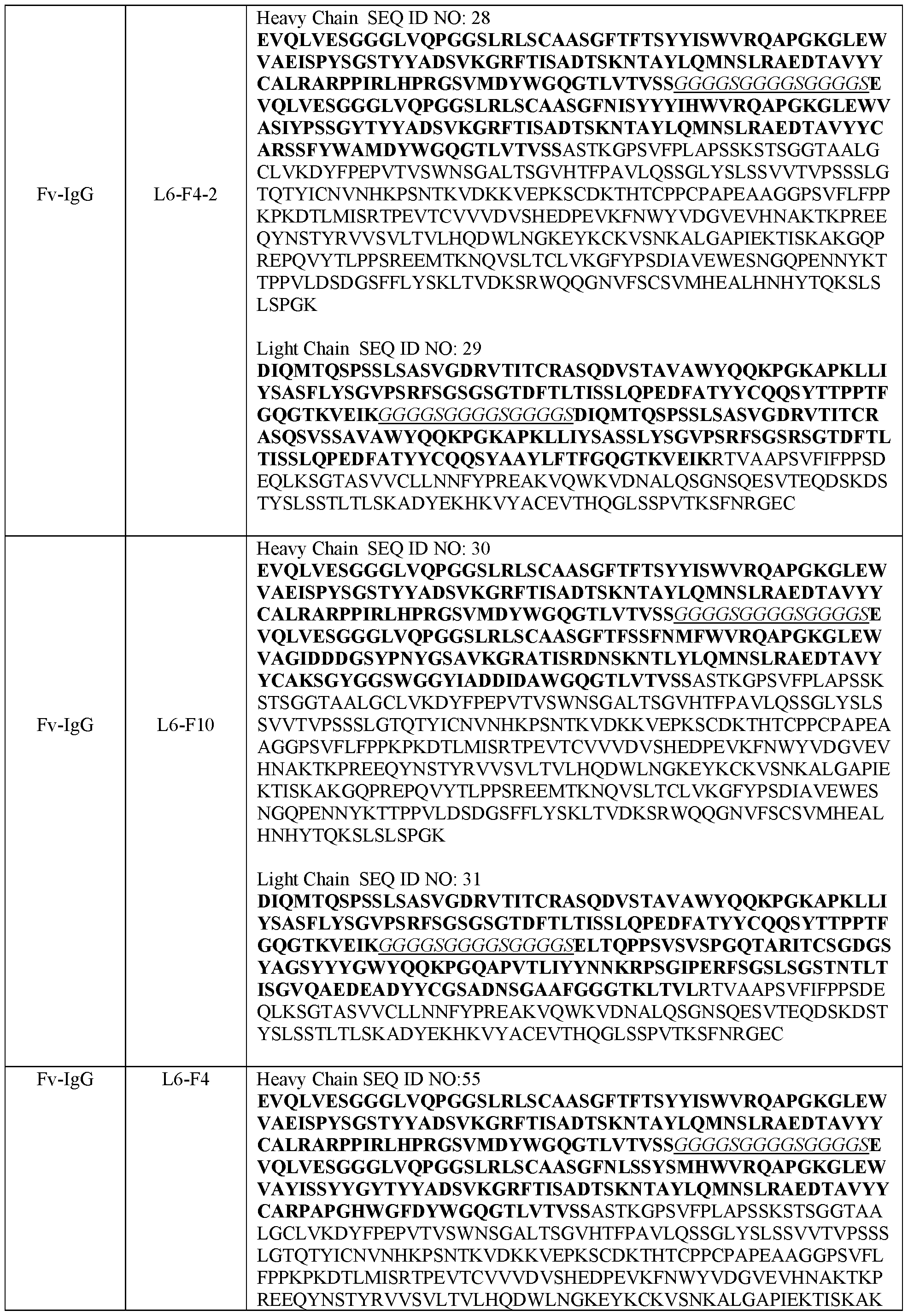


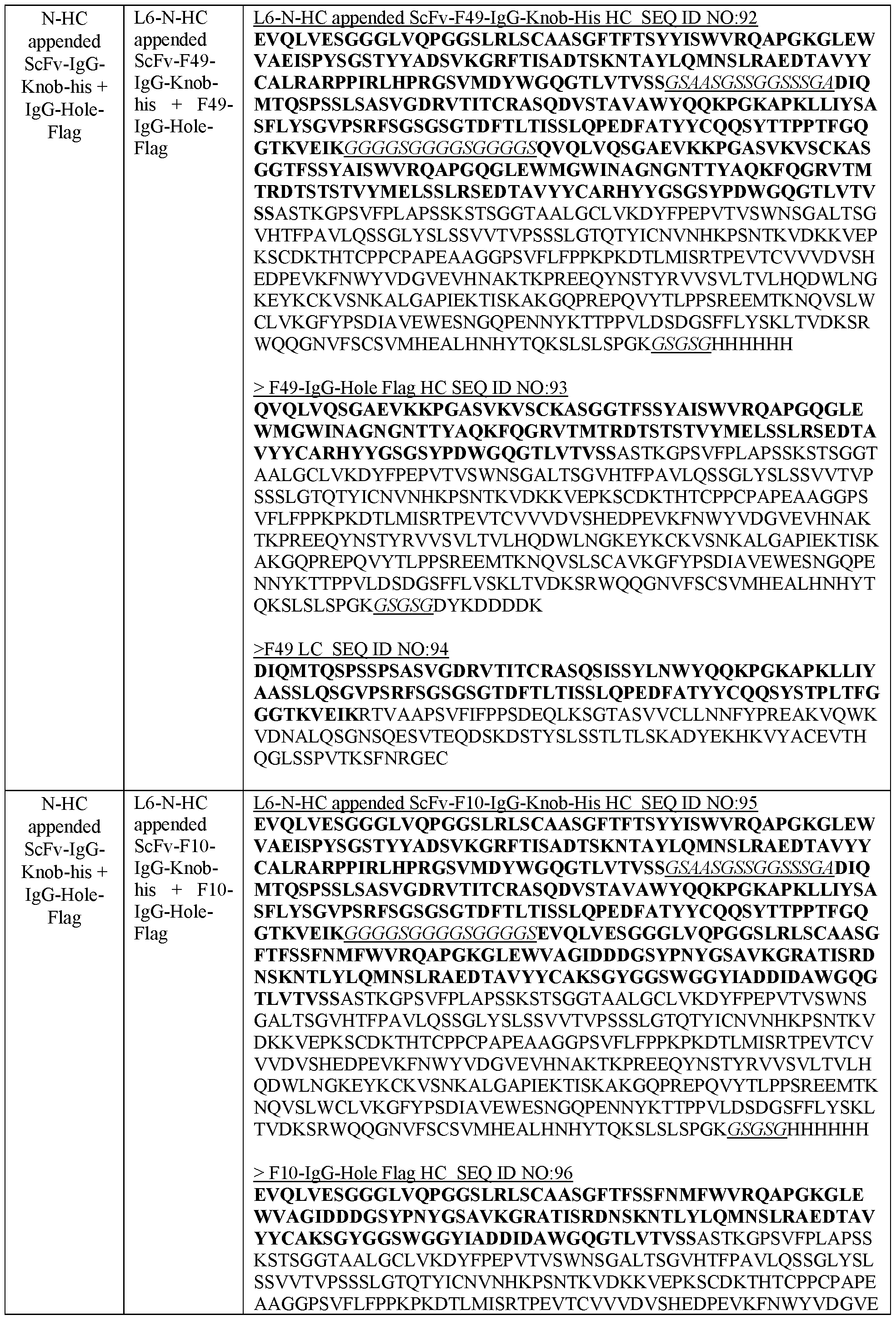


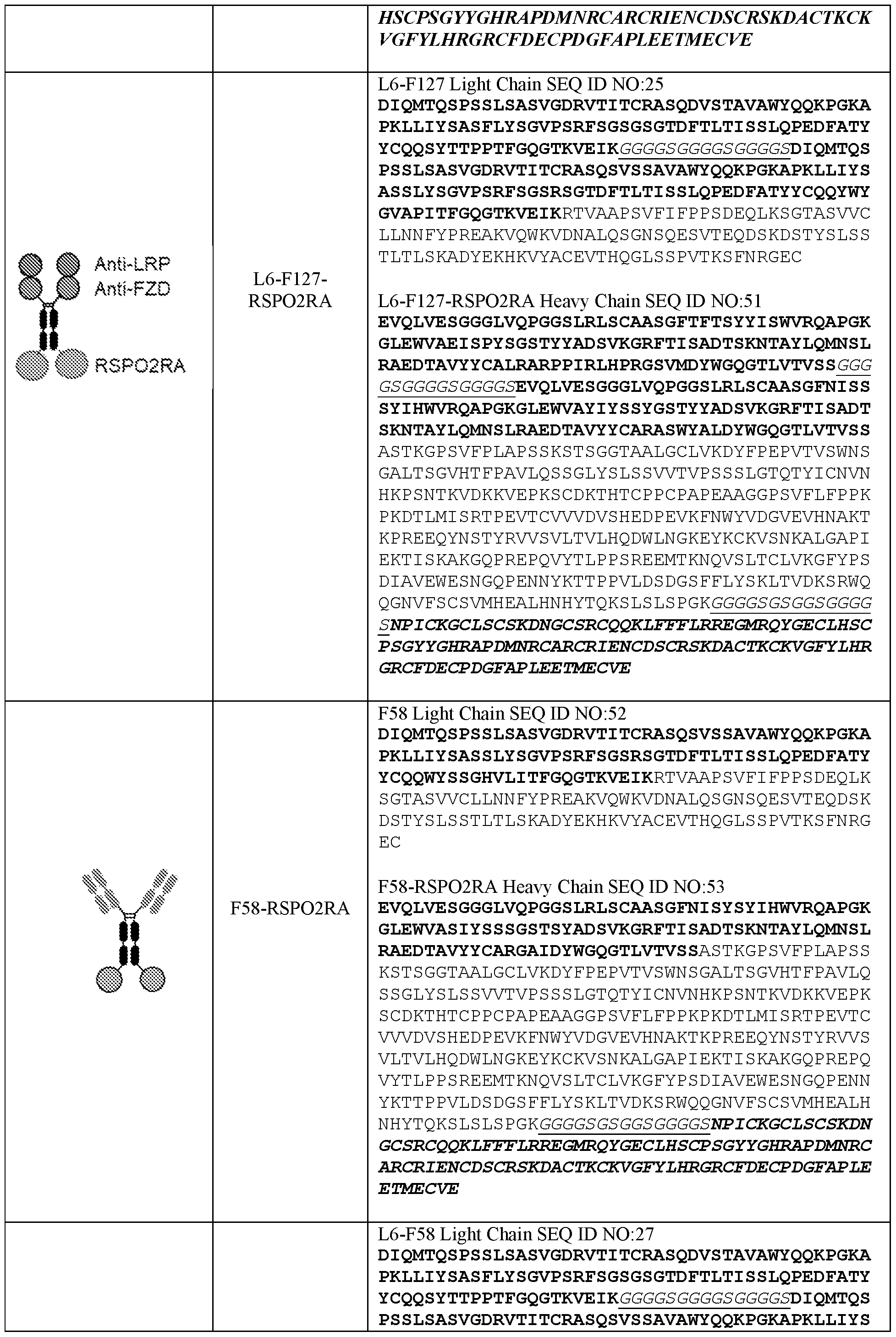


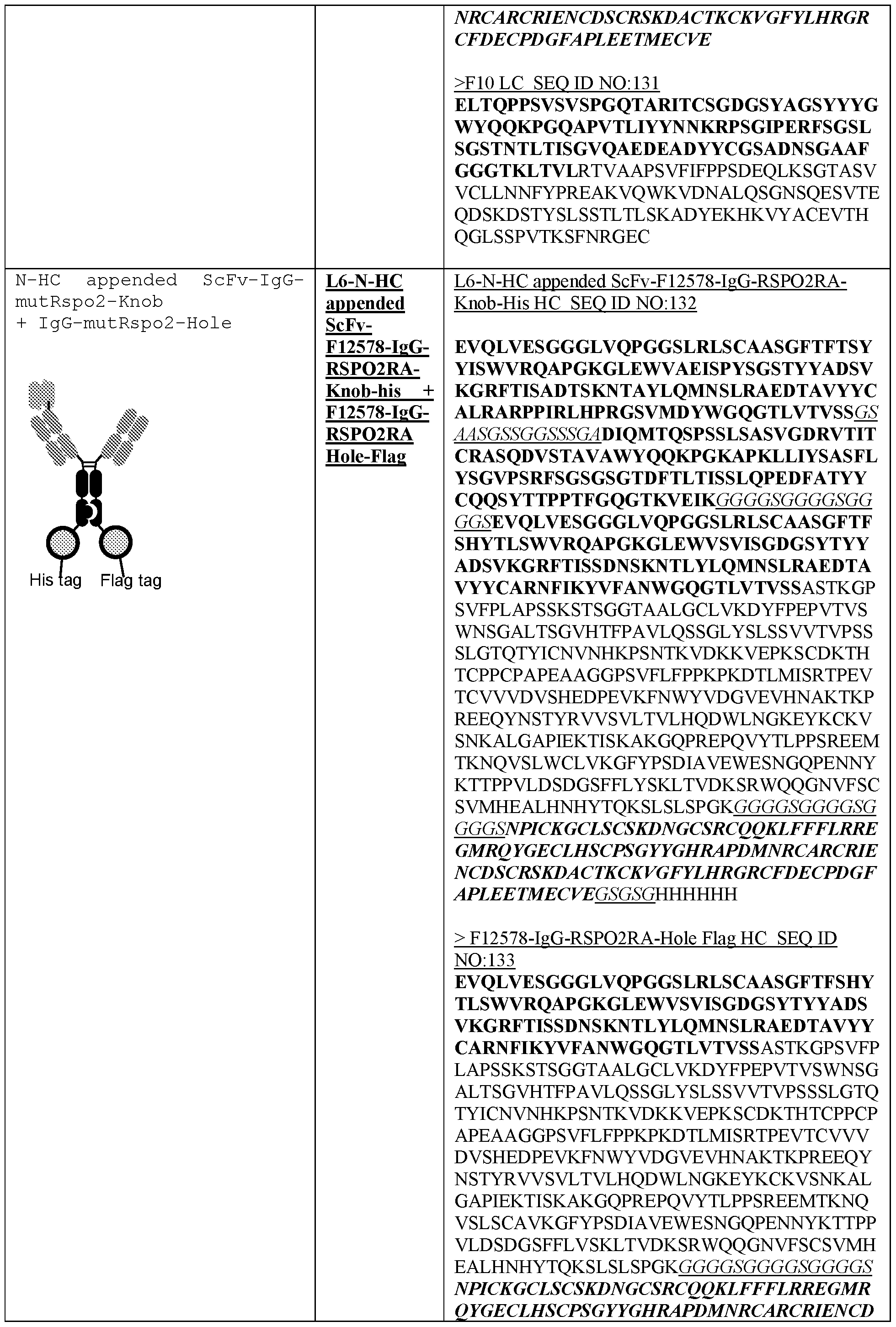


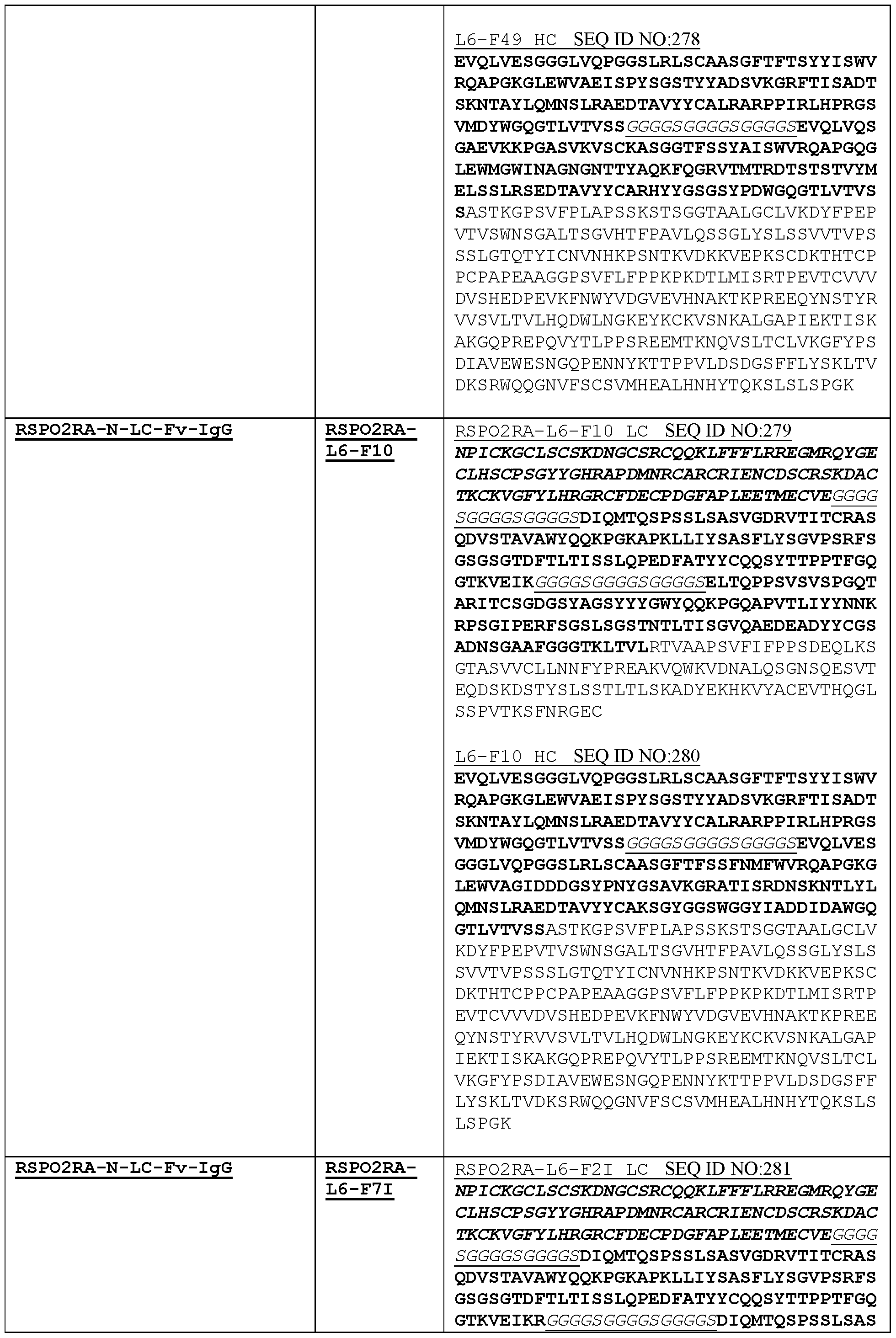


Claims
Priority Applications (6)
| Application Number | Priority Date | Filing Date | Title |
|---|---|---|---|
| JP2022550165A JP2023515505A (en) | 2020-02-24 | 2021-02-24 | WNT super agonist |
| AU2021227662A AU2021227662A1 (en) | 2020-02-24 | 2021-02-24 | WNT super agonists |
| EP21760255.6A EP4110821A4 (en) | 2020-02-24 | 2021-02-24 | WNT SUPERAGONISTS |
| CN202180016647.1A CN115427446A (en) | 2020-02-24 | 2021-02-24 | WNT super agonist |
| US17/801,624 US20230138045A1 (en) | 2020-02-24 | 2021-02-24 | Wnt super agonists |
| CA3170340A CA3170340A1 (en) | 2020-02-24 | 2021-02-24 | Wnt super agonists |
Applications Claiming Priority (4)
| Application Number | Priority Date | Filing Date | Title |
|---|---|---|---|
| US202062980870P | 2020-02-24 | 2020-02-24 | |
| US62/980,870 | 2020-02-24 | ||
| US202063114368P | 2020-11-16 | 2020-11-16 | |
| US63/114,368 | 2020-11-16 |
Publications (1)
| Publication Number | Publication Date |
|---|---|
| WO2021173726A1 true WO2021173726A1 (en) | 2021-09-02 |
Family
ID=77490518
Family Applications (1)
| Application Number | Title | Priority Date | Filing Date |
|---|---|---|---|
| PCT/US2021/019484 Ceased WO2021173726A1 (en) | 2020-02-24 | 2021-02-24 | Wnt super agonists |
Country Status (7)
| Country | Link |
|---|---|
| US (1) | US20230138045A1 (en) |
| EP (1) | EP4110821A4 (en) |
| JP (1) | JP2023515505A (en) |
| CN (1) | CN115427446A (en) |
| AU (1) | AU2021227662A1 (en) |
| CA (1) | CA3170340A1 (en) |
| WO (1) | WO2021173726A1 (en) |
Cited By (13)
| Publication number | Priority date | Publication date | Assignee | Title |
|---|---|---|---|---|
| CN113651891A (en) * | 2021-08-02 | 2021-11-16 | 苏州天梯生物医药有限公司 | Application of dual-property antibody in preparation of medicine for treating congenital alpha-muscular dystrophy |
| WO2023115048A1 (en) * | 2021-12-17 | 2023-06-22 | Surrozen Operating, Inc. | Wnt-surrogate agents and methods for lacrimal gland regeneration |
| WO2023113395A1 (en) * | 2021-12-13 | 2023-06-22 | 연세대학교 산학협력단 | Method for optimally culturing organoid derived from basal cells or luminal cells isolated from human salivary gland tissue |
| US11746150B2 (en) | 2017-12-19 | 2023-09-05 | Surrozen Operating, Inc. | Anti-LRP5/6 antibodies and methods of use |
| US11773171B2 (en) | 2017-12-19 | 2023-10-03 | Surrozen Operating, Inc. | WNT surrogate molecules and uses thereof |
| US11958891B2 (en) | 2017-01-26 | 2024-04-16 | Surrozen Operating, Inc. | Tissue-specific Wnt signal enhancing molecules and uses thereof |
| US12006368B2 (en) | 2017-12-19 | 2024-06-11 | Surrozen Operating, Inc. | Anti-frizzled antibodies and methods of use |
| WO2024227103A1 (en) * | 2023-04-27 | 2024-10-31 | Surrozen Operating, Inc. | Molecules modulating wnt signaling pathways and uses thereof |
| US12240876B2 (en) | 2020-11-16 | 2025-03-04 | Surrozen Operating, Inc. | Liver-specific Wnt signal enhancing molecules and uses thereof |
| EP4401841A4 (en) * | 2021-09-14 | 2025-07-02 | Surrozen Operating Inc | MODULATION OF WNT SIGNALING IN LUNG DISEASES |
| WO2025231015A1 (en) * | 2024-04-30 | 2025-11-06 | Context Therapeutics Inc. | Compositions comprising bispecific antibodies that bind to claudin 6 and cd3, and uses thereof |
| WO2025231017A1 (en) * | 2024-04-30 | 2025-11-06 | Context Therapeutics Inc. | Bispecific antibodies and methods of using the same |
| US12466884B2 (en) | 2018-07-09 | 2025-11-11 | Surrozen Operating, Inc. | Tissue-specific WNT signal enhancing molecules and uses |
Citations (2)
| Publication number | Priority date | Publication date | Assignee | Title |
|---|---|---|---|---|
| US20200024338A1 (en) * | 2017-01-11 | 2020-01-23 | The Board Of Trustees Of The Leland Stanford Junior University | R-Spondin (RSPO) Surrogate Molecules |
| US20200048324A1 (en) * | 2017-01-26 | 2020-02-13 | Surrozen, Inc. | Tissue-specific wnt signal enhancing molecules and uses thereof |
Family Cites Families (3)
| Publication number | Priority date | Publication date | Assignee | Title |
|---|---|---|---|---|
| EP3732201A4 (en) * | 2017-12-19 | 2022-04-20 | Surrozen Operating, Inc. | WNT SUBSTITUTION MOLECULES AND THEIR USES |
| CA3104526A1 (en) * | 2018-07-05 | 2020-01-09 | Surrozen, Inc. | Multi-specific wnt surrogate molecules and uses thereof |
| JP2021530223A (en) * | 2018-07-09 | 2021-11-11 | スロゼン, インコーポレイテッド | Tissue-specific Wnt signaling-enhancing molecule and its use |
-
2021
- 2021-02-24 CN CN202180016647.1A patent/CN115427446A/en active Pending
- 2021-02-24 US US17/801,624 patent/US20230138045A1/en active Pending
- 2021-02-24 EP EP21760255.6A patent/EP4110821A4/en not_active Withdrawn
- 2021-02-24 AU AU2021227662A patent/AU2021227662A1/en not_active Abandoned
- 2021-02-24 WO PCT/US2021/019484 patent/WO2021173726A1/en not_active Ceased
- 2021-02-24 JP JP2022550165A patent/JP2023515505A/en active Pending
- 2021-02-24 CA CA3170340A patent/CA3170340A1/en active Pending
Patent Citations (2)
| Publication number | Priority date | Publication date | Assignee | Title |
|---|---|---|---|---|
| US20200024338A1 (en) * | 2017-01-11 | 2020-01-23 | The Board Of Trustees Of The Leland Stanford Junior University | R-Spondin (RSPO) Surrogate Molecules |
| US20200048324A1 (en) * | 2017-01-26 | 2020-02-13 | Surrozen, Inc. | Tissue-specific wnt signal enhancing molecules and uses thereof |
Non-Patent Citations (1)
| Title |
|---|
| See also references of EP4110821A4 * |
Cited By (16)
| Publication number | Priority date | Publication date | Assignee | Title |
|---|---|---|---|---|
| US11958891B2 (en) | 2017-01-26 | 2024-04-16 | Surrozen Operating, Inc. | Tissue-specific Wnt signal enhancing molecules and uses thereof |
| US12297278B2 (en) | 2017-12-19 | 2025-05-13 | Surrozen Operating, Inc. | Wnt surrogate molecules and uses thereof |
| US12006368B2 (en) | 2017-12-19 | 2024-06-11 | Surrozen Operating, Inc. | Anti-frizzled antibodies and methods of use |
| US11746150B2 (en) | 2017-12-19 | 2023-09-05 | Surrozen Operating, Inc. | Anti-LRP5/6 antibodies and methods of use |
| US11773171B2 (en) | 2017-12-19 | 2023-10-03 | Surrozen Operating, Inc. | WNT surrogate molecules and uses thereof |
| US12466884B2 (en) | 2018-07-09 | 2025-11-11 | Surrozen Operating, Inc. | Tissue-specific WNT signal enhancing molecules and uses |
| US12240876B2 (en) | 2020-11-16 | 2025-03-04 | Surrozen Operating, Inc. | Liver-specific Wnt signal enhancing molecules and uses thereof |
| CN113651891B (en) * | 2021-08-02 | 2023-08-04 | 苏州天梯生物医药有限公司 | Application of diabody in preparation of medicine for treating congenital alpha-muscular dystrophy |
| CN113651891A (en) * | 2021-08-02 | 2021-11-16 | 苏州天梯生物医药有限公司 | Application of dual-property antibody in preparation of medicine for treating congenital alpha-muscular dystrophy |
| EP4401841A4 (en) * | 2021-09-14 | 2025-07-02 | Surrozen Operating Inc | MODULATION OF WNT SIGNALING IN LUNG DISEASES |
| WO2023113395A1 (en) * | 2021-12-13 | 2023-06-22 | 연세대학교 산학협력단 | Method for optimally culturing organoid derived from basal cells or luminal cells isolated from human salivary gland tissue |
| WO2023115048A1 (en) * | 2021-12-17 | 2023-06-22 | Surrozen Operating, Inc. | Wnt-surrogate agents and methods for lacrimal gland regeneration |
| EP4448009A4 (en) * | 2021-12-17 | 2025-12-10 | Surrozen Operating Inc | WNT-SURROGATE AGENT AND METHOD FOR LEAR GLAND REGENERATION |
| WO2024227103A1 (en) * | 2023-04-27 | 2024-10-31 | Surrozen Operating, Inc. | Molecules modulating wnt signaling pathways and uses thereof |
| WO2025231017A1 (en) * | 2024-04-30 | 2025-11-06 | Context Therapeutics Inc. | Bispecific antibodies and methods of using the same |
| WO2025231015A1 (en) * | 2024-04-30 | 2025-11-06 | Context Therapeutics Inc. | Compositions comprising bispecific antibodies that bind to claudin 6 and cd3, and uses thereof |
Also Published As
| Publication number | Publication date |
|---|---|
| AU2021227662A1 (en) | 2022-09-01 |
| JP2023515505A (en) | 2023-04-13 |
| CA3170340A1 (en) | 2021-09-02 |
| US20230138045A1 (en) | 2023-05-04 |
| CN115427446A (en) | 2022-12-02 |
| EP4110821A1 (en) | 2023-01-04 |
| EP4110821A4 (en) | 2024-04-10 |
Similar Documents
| Publication | Publication Date | Title |
|---|---|---|
| US20230138045A1 (en) | Wnt super agonists | |
| JP7671326B2 (en) | Anti-Frizzled Antibodies and Methods of Use | |
| JP7667823B2 (en) | Anti-LRP5/6 Antibodies and Methods of Use | |
| EP3820906B1 (en) | Multi-specific wnt surrogate molecules and uses thereof | |
| US20220064337A1 (en) | Antigen binding formats for receptor complexes | |
| KR20180033501A (en) | The bispecific antibody constructs that bind to DLL3 and CD3 | |
| RS60916B1 (en) | Anti-cd3 antibodies, anti-cd123 antibodies and bispecific antibodies specifically binding to cd3 and/or cd123 | |
| US12606629B2 (en) | Monospecific anti-frizzled antibodies and methods of use | |
| IL324541A (en) | Modified single-domain antibodies | |
| WO2024040118A2 (en) | Cell targeting multicomponent polypeptide | |
| KR20230058057A (en) | antigen binding protein | |
| TW202436354A (en) | Anti-cldn6 antibodies and methods of use | |
| TW202607017A (en) | Antigen-binding proteins against serum albumin and uses thereof | |
| WO2025255435A2 (en) | Antigen-binding proteins against serum albumin and uses thereof | |
| WO2026044274A1 (en) | Wnt surrogate fusion molecule | |
| WO2026044275A1 (en) | Wnt surrogate fusion molecule |
Legal Events
| Date | Code | Title | Description |
|---|---|---|---|
| 121 | Ep: the epo has been informed by wipo that ep was designated in this application |
Ref document number: 21760255 Country of ref document: EP Kind code of ref document: A1 |
|
| ENP | Entry into the national phase |
Ref document number: 3170340 Country of ref document: CA |
|
| ENP | Entry into the national phase |
Ref document number: 2022550165 Country of ref document: JP Kind code of ref document: A |
|
| ENP | Entry into the national phase |
Ref document number: 2021227662 Country of ref document: AU Date of ref document: 20210224 Kind code of ref document: A |
|
| NENP | Non-entry into the national phase |
Ref country code: DE |
|
| ENP | Entry into the national phase |
Ref document number: 2021760255 Country of ref document: EP Effective date: 20220926 |