WO2021188659A1 - Helical stapled peptides and uses thereof - Google Patents
Helical stapled peptides and uses thereof Download PDFInfo
- Publication number
- WO2021188659A1 WO2021188659A1 PCT/US2021/022744 US2021022744W WO2021188659A1 WO 2021188659 A1 WO2021188659 A1 WO 2021188659A1 US 2021022744 W US2021022744 W US 2021022744W WO 2021188659 A1 WO2021188659 A1 WO 2021188659A1
- Authority
- WO
- WIPO (PCT)
- Prior art keywords
- substituted
- unsubstituted
- independently
- amino acid
- peptide
- Prior art date
- Legal status (The legal status is an assumption and is not a legal conclusion. Google has not performed a legal analysis and makes no representation as to the accuracy of the status listed.)
- Ceased
Links
- 0 C*1C*(C)C(C(C)=O)N(*)CC1 Chemical compound C*1C*(C)C(C(C)=O)N(*)CC1 0.000 description 4
Classifications
-
- C—CHEMISTRY; METALLURGY
- C07—ORGANIC CHEMISTRY
- C07K—PEPTIDES
- C07K7/00—Peptides having 5 to 20 amino acids in a fully defined sequence; Derivatives thereof
- C07K7/04—Linear peptides containing only normal peptide links
- C07K7/06—Linear peptides containing only normal peptide links having 5 to 11 amino acids
-
- C—CHEMISTRY; METALLURGY
- C07—ORGANIC CHEMISTRY
- C07K—PEPTIDES
- C07K14/00—Peptides having more than 20 amino acids; Gastrins; Somatostatins; Melanotropins; Derivatives thereof
- C07K14/001—Peptides having more than 20 amino acids; Gastrins; Somatostatins; Melanotropins; Derivatives thereof by chemical synthesis
-
- C—CHEMISTRY; METALLURGY
- C07—ORGANIC CHEMISTRY
- C07K—PEPTIDES
- C07K7/00—Peptides having 5 to 20 amino acids in a fully defined sequence; Derivatives thereof
- C07K7/04—Linear peptides containing only normal peptide links
- C07K7/08—Linear peptides containing only normal peptide links having 12 to 20 amino acids
-
- A—HUMAN NECESSITIES
- A61—MEDICAL OR VETERINARY SCIENCE; HYGIENE
- A61K—PREPARATIONS FOR MEDICAL, DENTAL OR TOILETRY PURPOSES
- A61K38/00—Medicinal preparations containing peptides
Definitions
- the present disclosure relates to the fields of biology and chemistry, particularly cellular biology and organic chemistry.
- the present disclosure provides molecules that are able to cross biological membranes and bind intracellular targets with high affinity.
- such moleucles are or comprise peptides.
- such molecules are or comprise stapled peptides.
- the present disclosure provides various compounds which are peptides.
- provided peptides are useful for preparing stapled peptides, e g., through metathesis.
- the present disclosure provides stapled peptides that demonstrate various advantages, e.g., adjusted membrane permeability, reduced number of N-terminus unmasked amide NH, etc.
- a provided peptide comprises an amino acid residue B 1 as described herein. In some embodiments, a peptide comprises a residue having the structure of P- I or a salt form thereof. In some embodiments, a peptide comprises a residue having the structure of P-II or a salt form thereof. In some embodiments, a peptide comprises a residue having the structure of P-III or a salt form thereof.
- a provided peptide is or comprises B- X 2 - Z- J - X 5 - X 6 - Z- X 8 - X 9 - X 10 - X 11 - X 12 - X 13 , or a salt thereof, wherein each variable is independently as described herein.
- a provided peptide is or comprises B’- X 2 - Z- J’ - X 5 - X 6 - Z- X 8 - X 9 - X 10 - X 11 - X 12 - X 13 , or a salt thereof, wherein each variable is independently as described herein.
- a provided peptide is or comprises B- Z - X 3 - J - X 5 - Z- X 7 - X 8 - X 9 - X 10 - X 11 - X 12 - X 13 , or a salt thereof, wherein each variable is independently as described herein.
- a provided peptide is or comprises B’- Z - X 3 - J' - X 3 - Z- X 7 - X 8 - X 9 - X 10 - X 11 - X 12 - X 13 , or a salt thereof, wherein each variable is independently as described herein.
- a provided peptide is or comprises B- X 2 - X 3 - J - X 5 - X 6 - X 7 - O - X 9 - X 10 - X 11 - X 12 - X 13 , or a salt thereof, wherein each variable is independently as described herein.
- a provided peptide is or comprises B’- X 2 - X 3 - J” - X 5 - X 6 - X 7
- a provided peptide is or comprises B- X 2 - X 3 - J - X 5 - X 6 - X 7 - X 8 - X 9 - X 10 - O - X 12 - X 13 - X 14 , or a salt thereof, wherein each variable is independently as described herein.
- a provided peptide is or comprises B’- X 2 - X 3 - J” - X 5 - X 6 - X 7
- a provided peptide has the structure of: or a salt thereof, wherein each variable is independently as described herein.
- a provided peptide has the structure of: or a salt thereof, wherein each variable is independently as described herein.
- the present disclosure provides a pharmaceutical composition which comprises or delivers a peptide, or a pharmaceutically acceptable salt thereof, and a pharmaceutically acceptable carrier and/or a pharmaceutically acceptable excipient.
- the present disclosure provides methods for modulating one or more functions and/or properties of an estrogen receptor, comprising administering to a system comprising the estrogen receptor a provided peptide or composition. In some embodiments, the present disclosure provides methods for modulating one or more functions and/or properties of an estrogen receptor, comprising contacting the estrogen receptor a provided peptide or composition.
- the present disclosure provides methods for treating conditions, disorders or diseases associated with estrogen receptor. In some embodiments, the present disclosure provides methods for treating or preventing a condition, disorder or disease, comprising administering to a subject suffering therefrom or susceptible thereto an effective amount of a provided peptide or composition. In some embodiments, the present disclosure provides methods for treating a condition, disorder or disease, comprising administering to a subject suffering therefrom a therapeutically effective amount of a provided peptide or composition. In some embodiments, a condition, disorder or disease is cancer.
- Figures 1A and 1B are schematic representations of an ⁇ -helical peptide.
- the schematic shows the N-acetyl capped helical peptides having four unsatisfied N-terminal amide NH bonds (shown as grey spheres) while the rest of the amide NH bonds are optionally and independently part of the internal hydrogen bonding network intrinsic to helical peptides.
- Figure 1B provides an expanded view of the five N-terminal amide NH bonds in helical peptides of Figure 1A.
- Figures 1C and 1D are schematic of non-limiting stapled peptides of the present disclosure.
- Figure 1C shows how ProLock stapled peptides are designed to possess only one unsatisfied amide N-terminal NH bond.
- Figure ID shows an expanded view of the five N- terminal amide NH bonds in ProLock stapled peptides in Figure 1C. Only the amide NH of the i+l residue remains easily accessible to solvent waters
- FIG. 2 is a schematic drawing showing a synthesis scheme of N-acetyl-PL3-OH (“PL3”).
- L-proline formed oxazolidinone-1 with chloral hydrate under reflux conditions.
- Figures 3A and 3B are an X-ray crystal structure of the Estrogen Receptor Binding Domain (ER LBD) ( Figure 3 A) and a table showing the sequences of the ligands that bind to the ERLBD ( Figure 3B).
- ER LBD Estrogen Receptor Binding Domain
- FIG. 4 is a schematic drawing showing the PAMP assay plate system.
- the PAMPA plate system is composed of two compartments, donor and acceptor, which are separated by a phospholipid-infused membrane.
- Figure 5 is a line graph showing the direct fluorescence polarization (FP) values of an FITC-ERL4 probe with ER ⁇ LBD.
- the KD of the probe was determined to be 160nM with a 1 : 1 binding model with Hill slope.
- the FP values are mean ⁇ S.E.M of two independent replicates.
- Figure 6 is a line graph showing the Competition FP data of first generation ProLock stapled peptides. The high and low polarization data from each assay plate was used to normalize the data, which were fit to a 1 : 1 binding model with Hill slope to determine EC 50 .
- the normalized FP values are mean ⁇ S.E.M of at least four independent replicates.
- Figure 7 is a line graph showing a calibration curve of ten standard compounds that was used to determine CHI LogD. The retention time values are mean ⁇ S.E.M of two independent replicates.
- Figure 8 is a schematic showing the structures of some non-limiting amino acid residue analogs as described herein.
- Figure 9A is a schematic showing the stapling reaction for various non-limiting stapled peptides as described herein.
- Figure 9B are a series of line graphs showing the percent product conversion of six peptides at two ring closing metathesis (RCM) temperatures (room temperature and 37 °C) in two catalyst concentrations (15 mol% Grubbs-I and 25 mol% Grubbs-I) at four different timepoints (30 min, 60 min, 120 min, and 240 min).
- RCM ring closing metathesis
- Figure 9C is a bar graph showing the percent product conversion and isomer distribution of three peptides with S3, S4 and S5 stapling amino acids at position 4, at two RCM temperatures, and two catalyst concentrations, all after 240 minutes.
- the percent product conversion bar graphs are split based on the isomer distribution with each staple type.
- Figure 9D is a line graph showing the CD spectra of all five ProLock stapled products from Figure 9C. Based on the CD analysis, PL3-S5 stapled ProLock peptide isomer 2 has a canonical ⁇ -helical structure.
- Figure 9E is a line graph showing the CD spectra of first-generation ProLock stapled peptides. All of the first-generation peptides except PLL4-4 adopt a helical conformation, as determined by the presence of two minima in the spectra at 208 and 222 nm.
- Figure 10A is a line graph showing the results of NMR solution analysis of the PLL4- 5 ProLock stapled peptide, a non-limiting stapled peptide of the present disclosure.
- the peaks corresponding to two olefin protons of PLL4-5 are used to determine the geometry of the alkenyl bond.
- the J-coupling values of 10.1 and 11.7 Hz implicated that the olefin of isomer-2 stapled product of PLL4-5 peptide adopts a cis- conformation.
- Figure 10B is a schematic diagram showing an ensemble of five lowest energy structures of PLL4-5.
- the overlaid stmctures indicate that the peptide adopts an a -helical fold through the first 1.5 turns.
- Backbone RMSD of this overlay was 0.49 ⁇ (RMSD was calculated using Protein Consensus tool in MOE software).
- Figure 11 is a schematic diagram showing five design variants of six ProLock stapled peptides were tested in the PAMPA assay to assess the importance of the ProLock design components.
- the design features examined were the N-terminal acetyl cap (capped vs. no-cap peptide), the remaining solvent-exposed amide NH bond of the i+1 residue (normal vs. depsi- linked peptide), the C-terminal methyl amide cap (methyl amide vs. amide cap), and a ProLock staple (ProLock stapled vs. unstapled vs S5-S5 stapled peptide).
- the aberrant expression and/or function of certain intracellular molecules is known to be associated with diseases such as cancer (Sever and Brugge, Cold Spring Harb Perspect Med 2015;5:a006098).
- diseases such as cancer
- members of the myc oncogene family are dysregulated in over 50% of human cancers (Chen et al., Signal Trnasduction and Targeted Therapy (2016) 3: 5); however, to date, there is no FDA approved therapeutic targeting myc for treating human cancer.
- Other intracellular targets are known to drive human diseases, and yet are unable to be drugged — the so-called “undruggable” targets. At least part of reason that these intracellular targets are undruggable is because they lack a deep hydrophobic pocket normally required for small molecule binding. In other words, small molecule therapeutics, while able to cross the cell membrane and thus access the intracellular target, are unable to bind to the target with high enough affinity to effectively modulate that target and thus modulate the growth and/or behavior of the cell bearing that target.
- targets e.g., proteins
- macrocyclic molecules frequently peptidic in structure, whose large size compared to small molecules enables them to bind with high affinity and specificity to the surfaces of such targets
- ⁇ -helix a protein secondary structure that is defined by repeating intramolecular hydrogen bonds between the amide proton group of one residue and the carbonyl of the amino acid located 3 residues N-terminal to it.
- TM transmembrane
- TM proteins in eukaryotes are almost exclusively ⁇ -helical, and the only alternative TM fold found in nature is the bacterially-derived bet ⁇ -barrel, which also cloaks amide protons with an intramolecular hydrogen bonding network, albeit in an significantly larger structure than single ⁇ -helices that is impractical for the development of synthetic drugs (Vinothkumar et al., Q Rev Biophys 2010, 43 (1), 65-158).
- the present disclosure encompasses the recognition that while these prior systems may do an effective job of cloaking the amide protons within the body of the ⁇ -helix, they fail to address exposure of amide protons at the N- terminal end of the ⁇ -helix.
- the present disclosure stems from the insight that reducing the number of “uncloaked” N-terminal amide protons, while also maintaining conformational stabilization of the ⁇ -helix, facilitate passive membrane permeation.
- the present disclosure provides stapled peptides with reduced number of uncloaked N-terminal amide protons. In some embodiments, the present disclosure provides stapled peptides with a reduced number of “free” N-terminal amide protons which form hydrogen-bonds with water when exposed to water. In some embodiments, a reduction is to no more than one. As demonstrated herein, in many embodiments, provided stapled peptides can possess helical structures and provide various advantages.
- a provided technology stems from the development of a novel stapling system, ProLockTM, that stabilizes peptides in an ⁇ -helical conformation while also reducing the number of solvent-exposed amide protons at the peptide N-terminus.
- ProLockTM novel stapling system
- Incorporation of a ProLockTM staple into biologically relevant sequences can endow them with the ability to passively cross membranes at levels comparable to some orally bioavailable drugs, while retaining the ability to bind their protein target with low- or submicromolar affinity.
- the present disclosure is directed to an ⁇ -helix stapling system, a ProLockTM stapling system (trademarked by Fog Pharmaceuticals, Inc.) which is designed to enable the passive permeability of ⁇ -helical peptides by removing or cloaking one or more (e.g., in some embodiments, three of their four) unsatisfied N-terminal amide protons, and by nucleating and stabilizing helix formation.
- the present disclosure provides peptides comprising such a stapling system, and compositions and methods thereof.
- the present disclosure is directed to a stapling system comprising two staples or more staples in the same peptide.
- a single amino acid is attached to two staples.
- at least one of the two or more staples in the same peptide is a ProLockTM staple.
- the present disclosure provides compounds, e.g., stapled peptides, that are able to cross biological membranes (e.g., cell membranes) and also bind with high affinity to intracellular targets.
- biological membranes e.g., cell membranes
- Compounds, amino acids, and polypeptides described herein can comprise one or more asymmetric centers, and thus can exist in various isomeric forms, e.g ., enantiomers and/or diastereomers.
- the compounds, amino acids, and polypeptides described herein can be in the form of an individual enantiomer, diastereomer or geometric isomer, or can be in the form of a mixture of stereoisomers, including racemic mixtures and mixtures enriched in one or more stereoisomer.
- Isomers can be isolated from mixtures by methods known to those skilled in the art, including chiral high pressure liquid chromatography (HPLC) and the formation and crystallization of chiral salts; or preferred isomers can be prepared by asymmetric syntheses.
- HPLC high pressure liquid chromatography
- C 1-6 alkyl is intended to encompass, C 1 , C 2 , C 3 , C 4 , C 5 , C 6 , C 1-6 , C 1-5 , C 1-4 , C 1-3 , C 1-2 , C 2-6 , C 2-5 , C 2-4 , C 2-3 , C 3-6 , C 3-5 , C 3-4 , C 4-6 , C 4-5 , and C 5-6 alkyl.
- aliphatic groups containing 1-6 aliphatic carbon atoms is intended to encompass aliphatic groups contain 1 aliphatic carbon atom, 2 aliphatic carbon atoms, 3 aliphatic carbon atoms, 4 aliphatic carbon atoms, 5 aliphatic carbon atoms, or 6 aliphatic carbon atoms.
- aliphatic means a straight-chain (i.e., unbranched) or branched, substituted or unsubstituted hydrocarbon chain that is completely saturated or that contains one or more units of unsaturation, or a substituted or unsubstituted monocyclic, bicyclic, or polycyclic hydrocarbon ring that is completely saturated or that contains one or more units of unsaturation, or combinations thereof.
- aliphatic groups contain 1- 100 aliphatic carbon atoms. In some embodiments, aliphatic groups contain 1-30 aliphatic carbon atoms. In some embodiments, aliphatic groups contain 1-20 aliphatic carbon atoms.
- aliphatic groups contain 1-10 aliphatic carbon atoms. In other embodiments, aliphatic groups contain 1-9 aliphatic carbon atoms. In other embodiments, aliphatic groups contain 1-8 aliphatic carbon atoms. In other embodiments, aliphatic groups contain 1-7 aliphatic carbon atoms. In other embodiments, aliphatic groups contain 1-6 aliphatic carbon atoms. In still other embodiments, aliphatic groups contain 1-5 aliphatic carbon atoms, and in yet other embodiments, aliphatic groups contain 1, 2, 3, or 4 aliphatic carbon atoms.
- Suitable aliphatic groups include, but are not limited to, linear or branched, substituted or unsubstituted alkyl, alkenyl, alkynyl groups and hybrids thereof, as well as cycloalkyl and cycloalkenyl groups.
- an aliphatic group is optionally substituted with one or more functional groups.
- “aliphatic” is intended herein to include alkyl, alkenyl, alkynyl, cycloalkyl, and cycloalkenyl moieties.
- heteroaliphatic refers to aliphatic moieties that contain one or more oxygen, sulfur, nitrogen, phosphorus, or silicon atoms, e.g., in place of carbon atoms. Heteroaliphatic moieties may be branched, unbranched, cyclic or acyclic and include saturated and unsaturated heterocycles such as morpholino, pyrrolidinyl, etc.
- heteroaliphatic moieties are substituted by independent replacement of one or more of the hydrogen atoms thereon with one or more moieties including, but not limited to aliphatic; heteroaliphatic; aryl; heteroaryl; arylalkyl; heteroarylalkyl; alkoxy; aryloxy; heteroalkoxy; heteroaryl oxy; alkylthio; arylthio; heteroalkylthio; heteroarylthio; -F; -C1; -Br; -I; - OH; -NO 2 ; -CN; -CF 3 ; -CH 2 CF 3 ; -CHCI 2 ; -CH 2 OH; -CH 2 CH 2 OH; -CH 2 NH 2 ; -CH 2 SO 2 CH3; - C(O)Rx; -CO 2 (RX); -CON(R x ) 2 ; -OC(O)Rx a ; -OC0 2
- alkyl is given its ordinary meaning in the art and may include saturated aliphatic groups, including straight-chain alkyl groups, branched-chain alkyl groups, cycloalkyl (alicyclic) groups, alkyl substituted cycloalkyl groups, and cycloalkyl substituted alkyl groups.
- cycloalkyl rings have from about 3-10 carbon atoms in their ring stmcture where such rings are monocyclic, bicyclic, or polycyclic, and alternatively about 5, 6 or 7 carbons in the ring structure.
- an alkyl group may be a lower alkyl group, wherein a lower alkyl group comprises 1-4 carbon atoms (e.g., C 1- C 4 for straight chain lower alkyls).
- a lower alkyl group comprises 1-4 carbon atoms (e.g., C 1- C 4 for straight chain lower alkyls).
- alkyl is a chain (straight or branched) having 1 to 20 (inclusive) carbon atoms in it.
- alkyl has 1-100 carbon atoms.
- a straight chain or branched chain alkyl has about 1-20 carbon atoms in its backbone (e.g., C 1 -C 20 for straight chain, C 2 -C 20 for branched chain).
- an alkyl group has 1 to 20 carbon atoms (“ C 1 -C 20 alkyl”).
- an alkyl group has 1 to 10 carbon atoms (“C 1-10 alkyl”).
- an alkyl group has 1 to 9 carbon atoms (“C 1-9 alkyl”).
- an alkyl group has 1 to 8 carbon atoms (“C 1-8 alkyl”).
- an alkyl group has 1 to 7 carbon atoms (“C1-7 alkyl”). In some embodiments, an alkyl group has 1 to 6 carbon atoms (“C 1-6 alkyl”). In some embodiments, an alkyl group has 1 to 5 carbon atoms (“C 1-5 alkyl”). In some embodiments, an alkyl group has 1 to 4 carbon atoms (“C 1-4 alkyl”). In some embodiments, an alkyl group has 1 to 3 carbon atoms (“C 1-3 alkyl”). In some embodiments, an alkyl group has 1 to 2 carbon atoms (“C 1-2 alkyl”). In some embodiments, an alkyl group has 1 carbon atom (“C1 alkyl”).
- an alkyl group has 2 to 6 carbon atoms (“C 2-6 alkyl”).
- C 1-6 alkyl groups include methyl (Ci), ethyl (C 2 ), n-propyl (C 3 ), isopropyl (C 3 ), n-butyl (C 4 ), tert-butyl (C 4 ), sec-butyl (C 4 ), iso-butyl (C 4 ), n-pentyl (C 5 ), 3-pentanyl (C 5 ), amyl (C 5 ), neopentyl (C 5 ), 3-methy1-2-butanyl (C 5 ), tertiary amyl (C 5 ), and n-hexyl (C 6 ).
- alkyl groups include n-heptyl (C 7 ), n-octyl (C 5 ) and the like. Unless otherwise specified, each instance of an alkyl group is independently unsubstituted (an “unsubstituted alkyl”) or substituted (a “substituted alkyl”) with one or more substituents. In certain embodiments, the alkyl group is an unsubstituted C 1-10 alkyl (e.g, -CH 3 ). In certain embodiments, the alkyl group is a substituted C 1-10 alkyl.
- Perhaloalkyl is a substituted alkyl group as defined herein wherein all of the hydrogen atoms are independently replaced by a halogen, e.g., fluoro, bromo, chloro, or iodo.
- the alkyl moiety has 1 to 8 carbon atoms (“Ci-8 perhaloalkyl”).
- the alkyl moiety has 1 to 6 carbon atoms (“C 1-6 perhaloalkyl”).
- the alkyl moiety has 1 to 4 carbon atoms (“C 1-4 perhaloalkyl”).
- the alkyl moiety has 1 to 3 carbon atoms (“C 1-3 perhaloalkyl”).
- the alkyl moiety has 1 to 2 carbon atoms (“C 1-2 perhaloalkyl”).
- C 1-2 perhaloalkyl all of the hydrogen atoms are replaced with fluoro.
- all of the hydrogen atoms are replaced with chloro.
- perhaloalkyl groups include -C 1-4 , -CF 2 CF 3 , -CF 2 CF 2 CF 3 , -CCI 3 , -CFCI 2 , -CF 2 CI, and the like.
- heteroalkyl refers to a radical of a straight-chain or branched saturated hydrocarbon group having from 1 to 30 carbon atoms, and which further comprises 1- 10 heteroatoms independently selected from oxygen, nitrogen, and sulfur included within the parent chain (“C 1-30 heteroalkyl”).
- a heteroalkyl group has 1 to 20 carbon atoms and 1-10 heteroatoms, inclusive (“C 1 -C 2 h 0 eteroalkyl”).
- a heteroalkyl group has 1 to 20 carbon atoms and 1-10 heteroatoms, inclusive (“C 1-10 heteroalkyl”).
- a heteroalkyl group has 1 to 9 carbon atoms and 1-6 heteroatoms, inclusive (“C 1-9 heteroalkyl”). In some embodiments, a heteroalkyl group has 1 to 8 carbon atoms and 1-5 heteroatoms, inclusive (“C 1-8 heteroalkyl”). In some embodiments, a heteroalkyl group has 1 to 7 carbon atoms, and 1-4 heteroatoms, inclusive (“C 1-7 heteroalkyl”). In some embodiments, a heteroalkyl group has 1 to 6 carbon atoms and 1-3 heteroatoms, inclusive (“C 1-6 heteroalkyl”). In some embodiments, a heteroalkyl group has 1 to 5 carbon atoms and 1-2 heteroatoms, inclusive (“C1-5 heteroalkyl”).
- a heteroalkyl group has 1 to 4 carbon atoms and 1-2 heteroatoms, inclusive (“C 1-4 heteroalkyl”). In some embodiments, a heteroalkyl group has 1 to 3 carbon atoms and 1-2 heteroatoms, inclusive (“C 1-3 heteroalkyl”). In some embodiments, a heteroalkyl group has 1 to 2 carbon atoms and 1 heteroatom, inclusive (“C 1-2 heteroalkyl”). In some embodiments, a heteroalkyl group has 1 carbon atom and 1 heteroatom, inclusive (“Ci heteroalkyl”). In some embodiments, a heteroalkyl group has 2 to 6 carbon atoms and 1-3 heteroatoms, inclusive (“C 2-6 heteroalkyl”).
- each instance of a heteroalkyl group is independently unsubstituted (an “unsubstituted heteroalkyl”) or substituted (a “substituted heteroalkyl”) with one or more substituents.
- the heteroalkyl group is an unsubstituted C 1-10 alkyl.
- the heteroalkyl group is a substituted C 1-10 heteroalkyl.
- alkynyl refers to a radical of a straight-chain or branched hydrocarbon group having from 2 to 30 carbon atoms, one or more carbon-carbon triple bonds, and optionally one or more double bonds (“C 2-30 alkynyl”).
- an alkynyl group has 2 to 20 carbon atoms (“C 2-20 alkynyl”).
- an alkynyl group has 2 to 10 carbon atoms (“C 2-10 alkynyl”).
- an alkynyl group has 2 to 9 carbon atoms (“C 2-9 alkynyl”).
- an alkynyl group has 2 to 8 carbon atoms (“C 2-8 alkynyl”).
- an alkynyl group has 2 to 7 carbon atoms (“C 2-7 alkynyl”). In some embodiments, an alkynyl group has 2 to 6 carbon atoms (“C 2-6 alkynyl”). In some embodiments, an alkynyl group has 2 to 5 carbon atoms (“C 2-5 alkynyl”). In some embodiments, an alkynyl group has 2 to 4 carbon atoms (“C 2-4 alkynyl”). In some embodiments, an alkynyl group has 2 to 3 carbon atoms (“C 2-3 alkynyl”). In some embodiments, an alkynyl group has 2 carbon atoms (“C 2 alkynyl”).
- the one or more carbon-carbon triple bonds can be internal (such as in 2-butynyl) or terminal (such as in 1-butynyl).
- Examples of C 2-4 alkynyl groups include, without limitation, ethynyl (C 2 ), 1-propynyl (C 3 ), 2-propynyl (C 3 ), 1-butynyl (Cr), 2-butynyl (C 4 ), and the like.
- Examples of C 2-6 alkenyl groups include the aforementioned C 2-4 alkynyl groups as well as pentynyl (C 5 ), hexynyl (C 6 ), and the like.
- alkynyl examples include heptynyl (C 7 ), octynyl (C 5 ), and the like. Unless otherwise specified, each instance of an alkynyl group is independently unsubstituted (an “unsubstituted alkynyl”) or substituted (a “substituted alkynyl”) with one or more substituents. In certain embodiments, the alkynyl group is an unsubstituted C 2-10 alkynyl. In certain embodiments, the alkynyl group is a substituted C 2 - 10 alkynyl.
- heteroalkynyl refers to a radical of a straight-chain or branched hydrocarbon group having from 2 to 30 carbon atoms, one or more carbon-carbon triple bonds, optionally one or more double bonds, and which further comprises 1-10 heteroatoms independently selected from oxygen, nitrogen, and sulfur included within the parent chain (“C 2 - 30 heteroalkynyl”).
- a heteroalkynyl group has 2 to 20 carbon atoms and 1-10 heteroatoms, inclusive (“C 2-20 heteroalkynyl”).
- a heteroalkenyl group has 2 to 10 carbon atoms and 1-10 heteroatoms, inclusive (“C 2-10 heteroalkynyl”).
- a heteroalkynyl group has 2 to 9 carbon atoms and 1-6 heteroatoms, inclusive (“C 2-9 heteroalkynyl”). In some embodiments, a heteroalkynyl group has 2 to 8 carbon atoms and 1-5 heteroatoms, inclusive (“C 2-8 heteroalkynyl”). In some embodiments, a heteroalkynyl group has 2 to 7 carbon atoms, and 1-4 heteroatoms, inclusive (“C 2-7 heteroalkynyl”). In some embodiments, a heteroalkynyl group has 2 to 6 carbon atoms and 1-3 heteroatoms, inclusive (“C 2-6 heteroalkynyl”).
- a heteroalkynyl group has 2 to 5 carbon atoms and 1-2 heteroatoms, inclusive (“C 2-5 heteroalkynyl”). In some embodiments, a heteroalkynyl group has 2 to 4 carbon atoms and 1-2 heteroatoms, inclusive (“C 2-4 heteroalkynyl”). In some embodiments, a heteroalkynyl group has 2 to 3 carbon atoms and 1-2 heteroatoms, inclusive (“C 2-3 heteroalkynyl”). In some embodiments, a heteroalkynyl group has 2 carbon atoms and 1 heteroatom, inclusive (“C 2 heteroalkynyl”).
- a heteroalkynyl group has 2 to 6 carbon atoms and 1-3 heteroatoms, inclusive (“C 2-6 heteroalkynyl”). Unless otherwise specified, each instance of a heteroalkynyl group is independently unsubstituted (an “unsubstituted heteroalkynyl”) or substituted (a “substituted heteroalkynyl”) with one or more substituents. In certain embodiments, the heteroalkynyl group is an unsubstituted C 2-10 heteroalkynyl. In certain embodiments, the heteroalkynyl group is a substituted C 2-10 heteroalkynyl.
- substituent names which end in the suffix “-ene” refer to a biradical derived from the removal of an additional hydrogen atom from monoradical group as defined herein.
- the monoradical alkyl is the biradical alkylene upon removal of an additional hydrogen atom from the alkyl.
- alkenyl is alkenylene; alkynyl is alkynylene; heteroalkyl is heteroalkylene; heteroalkenyl is heteroalkenylene; heteroalkynyl is heteroalkynylene; carbocyclyl is carbocyclylene; heterocyclyl is heterocyclylene; aryl is arylene; and heteroaryl is heteroarylene.
- alkylene refers to a bivalent alkyl group.
- alkenylene refers to a bivalent alkenyl group.
- “carbocyclyl” or “carbocyclic” refers to a radical of a non-aromatic cyclic hydrocarbon group having from 3 to 10 ring carbon atoms (“C 3-10 carbocyclyl”) and zero heteroatoms in the non-aromatic ring system.
- a carbocyclyl group has 3 to 8 ring carbon atoms (“C 3-8 carbocyclyl”).
- a carbocyclyl group has 3 to 6 ring carbon atoms (“C 3-6 carbocyclyl”).
- a carbocyclyl group has 3 to 6 ring carbon atoms (“C 3-6 carbocyclyl”).
- a carbocyclyl group has 5 to 10 ring carbon atoms (“C 5-10 carbocyclyl”).
- Exemplary C 3-6 carbocyclyl groups include, without limitation, cyclopropyl (C 3 ), cyclopropenyl (C 3 ), cyclobutyl (C 6 ), cyclobutenyl (C 4 ), cyclopentyl (C 5 ), cyclopentenyl (C 5 ), cyclohexyl (C 6 ), cyclohexenyl (C 6 ), cyclohexadienyl (C 6 ), and the like.
- Exemplary C 3-8 carbocyclyl groups include, without limitation, the aforementioned C 3-6 carbocyclyl groups as well as cycloheptyl (C 7 ), cycloheptenyl (C 7 ), cycloheptadienyl (C 7 ), cycloheptatrienyl (C 7 ), cyclooctyl (C 8 ), cyclooctenyl (C 8 ), bicyclo[2.2.1]heptanyl (C 7 ), bicyclo[2.2.2]octanyl (C 6 ), and the like.
- Exemplary C 3-10 carbocyclyl groups include, without limitation, the aforementioned C 3-8 carbocyclyl groups as well as cyclononyl (C 6 ), cyclononenyl (C 9 ), cyclodecyl (C 10 ), cyclodecenyl (C 10 ), octahydro-1 //-in denyl (C 9 ), decahydronaphthalenyl (C 10 ), spiro[4.5]decanyl (C 10 ), and the like.
- the carbocyclyl group is either monocyclic (“monocyclic carbocyclyl”) or polycyclic (e.g containing a fused, bridged or spiro ring system such as abicyclic system (“bicyclic carbocyclyl”) or tricyclic system (“tricyclic carbocyclyl”)) and can be saturated or can contain one or more carbon-carbon double or triple bonds.
- Carbocyclyl also includes ring systems wherein the carbocyclyl ring, as defined above, is fused with one or more aryl or heteroaryl groups wherein the point of attachment is on the carbocyclyl ring, and in such instances, the number of carbons continue to designate the number of carbons in the carbocyclic ring system.
- each instance of a carbocyclyl group is independently unsubstituted (an “unsubstituted carbocyclyl”) or substituted (a “substituted carbocyclyl”) with one or more substituents.
- the carbocyclyl group is an unsubstituted C 3 - 10 carbocyclyl.
- the carbocyclyl group is a substituted C 3-10 carbocyclyl.
- “carbocyclyl” is a monocyclic, saturated carbocyclyl group having from 3 to 10 ring carbon atoms (“C 3-10 cycloalkyl”).
- a cycloalkyl group has 3 to 8 ring carbon atoms (“C 3-8 cycloalkyl”).
- a cycloalkyl group has 3 to 6 ring carbon atoms (“C 3-6 cycloalkyl”).
- a cycloalkyl group has 5 to 6 ring carbon atoms (“C 5-6 cycloalkyl”).
- a cycloalkyl group has 5 to 10 ring carbon atoms (“C 5-10 cycloalkyl”).
- C 5-6 cycloalkyl groups include cyclopentyl (C 5 ) and cyclohexyl (C 5 ).
- Examples of C 3-6 cycloalkyl groups include the aforementioned C 5-6 cycloalkyl groups as well as cyclopropyl (C 3 ) and cyclobutyl (C 4 ).
- C 3-8 cycloalkyl groups include the aforementioned C 3-6 cycloalkyl groups as well as cycloheptyl (C 7 ) and cyclooctyl (C 5 ).
- each instance of a cycloalkyl group is independently unsubstituted (an “unsubstituted cycloalkyl”) or substituted (a “substituted cycloalkyl”) with one or more substituents.
- the cycloalkyl group is an unsubstituted C 3-10 cycloalkyl.
- the cycloalkyl group is a substituted C 3-10 cycloalkyl.
- cycloalkyl rings have from about 3-10 carbon atoms in their ring structure where such rings are monocyclic, bicyclic, or polycyclic, and alternatively about 5, 6 or 7 carbons in the ring structure.
- an alkyl group may be a lower alkyl group, wherein a lower alkyl group comprises 1-4 carbon atoms (e.g., C 1- C 4 for straight chain lower alkyls).
- heterocyclyl As used herein, “heterocyclyl”, “heterocyclic”, “heterocyclyl,” “heterocyclic radical,” and “heterocyclic ring” are used interchangeably and refer to a monocyclic, bicyclic or polycyclic ring moiety (e.g., 3-30 membered) that is saturated or partially unsaturated and has one or more heteroatom ring atoms.
- a heteroatom is boron, nitrogen, oxygen, silicon, sulfur, or phosphorus.
- a heteroatom is nitrogen, oxygen, silicon, sulfur, or phosphorus.
- a heteroatom is nitrogen, oxygen, sulfur, or phosphorus.
- a heteroatom is nitrogen, oxygen or sulfur.
- a heterocyclyl group is a stable 5- to 7-membered monocyclic or 7- to 10- membered bicyclic heterocyclic moiety that is either saturated or partially unsaturated, and having, in addition to carbon atoms, one or more, preferably one to four, heteroatoms, as defined above.
- nitrogen includes substituted nitrogen.
- the nitrogen may be N (as in 3, 4-dihydro-2H pyrrolyl), NH (as in pyrrolidinyl), or + NR (as in A substituted pyrrolidinyl).
- a heterocyclic ring can be attached to its pendant group at any heteroatom or carbon atom that results in a stable structure and any of the ring atoms can be optionally substituted.
- saturated or partially unsaturated heterocyclic radicals include, without limitation, tetrahydrofuranyl, tetrahydrothienyl, pyrrolidinyl, piperidinyl, pyrrolinyl, tetrahydroquinolinyl, tetrahydroisoquinolinyl, decahydroquinolinyl, oxazolidinyl, piperazinyl, dioxanyl, dioxolanyl, diazepinyl, oxazepinyl, thiazepinyl, morpholinyl, and quinuclidinyl.
- heterocycle refers to an alkyl group substituted by a heterocyclyl, wherein the alkyl and heterocyclyl portions independently are optionally substituted.
- each instance of heterocyclyl is independently unsubstituted (an “unsubstituted heterocyclyl”) or substituted (a “substituted heterocyclyl”) with one or more substituents.
- the heterocyclyl group is an unsubstituted 3- 14 membered heterocyclyl.
- the heterocyclyl group is a substituted 3-14 membered heterocyclyl.
- a heterocyclyl group is a 5-10 membered non-aromatic ring system having ring carbon atoms and 1-4 ring heteroatoms, wherein each heteroatom is independently selected from nitrogen, oxygen, and sulfur (“5-10 membered heterocyclyl”).
- a heterocyclyl group is a 5-8 membered non-aromatic ring system having ring carbon atoms and 1-4 ring heteroatoms, wherein each heteroatom is independently selected from nitrogen, oxygen, and sulfur (“5-8 membered heterocyclyl”).
- a heterocyclyl group is a 5-6 membered non-aromatic ring system having ring carbon atoms and 1-4 ring heteroatoms, wherein each heteroatom is independently selected from nitrogen, oxygen, and sulfur (“5-6 membered heterocyclyl”).
- the 5-6 membered heterocyclyl has 1-3 ring heteroatoms selected from nitrogen, oxygen, and sulfur.
- the 5-6 membered heterocyclyl has 1-2 ring heteroatoms selected from nitrogen, oxygen, and sulfur.
- the 5-6 membered heterocyclyl has 1 ring heteroatom selected from nitrogen, oxygen, and sulfur.
- Exemplary 3-membered heterocyclyl groups containing 1 heteroatom include, without limitation, azirdinyl, oxiranyl, and thiorenyl.
- Exemplary 4-membered heterocyclyl groups containing 1 heteroatom include, without limitation, azetidinyl, oxetanyl, and thietanyl.
- Exemplary 5-membered heterocyclyl groups containing 1 heteroatom include, without limitation, tetrahydrofuranyl, dihydrofuranyl, tetrahydrothiophenyl, dihydrothiophenyl, pyrrolidinyl, dihydropyrrolyl, and pyrroly1-2,5-dione.
- Exemplary 5-membered heterocyclyl groups containing 2 heteroatoms include, without limitation, dioxolanyl, oxathiolanyl, and dithiolanyl.
- Exemplary 5-membered heterocyclyl groups containing 3 heteroatoms include, without limitation, triazolinyl, oxadiazolinyl, and thiadiazolinyl.
- Exemplary 6-membered heterocyclyl groups containing 1 heteroatom include, without limitation, piperidinyl, tetrahydropyranyl, dihydropyridinyl, and thianyl.
- Exemplary 6-membered heterocyclyl groups containing 2 heteroatoms include, without limitation, piperazinyl, morpholinyl, dithianyl, and dioxanyl. Exemplary 6-membered heterocyclyl groups containing 2 heteroatoms include, without limitation, triazinanyl. Exemplary 7-membered heterocyclyl groups containing 1 heteroatom include, without limitation, azepanyl, oxepanyl, and thiepanyl. Exemplary 8- membered heterocyclyl groups containing 1 heteroatom include, without limitation, azocanyl, oxecanyl, and thiocanyl.
- bicyclic heterocyclyl groups include, without limitation, indolinyl, isoindolinyl, dihydrobenzofuranyl, dihydrobenzothienyl, tetrahydrobenzothienyl, tetrahydrobenzofuranyl, tetrahydroindolyl, tetrahydroquinolinyl, tetrahydroisoquinolinyl, decahydroquinolinyl, decahydroisoquinolinyl, octahydrochromenyl, octahydroisochromenyl, decahydronaphthyridinyl, decahydro-1,8-naphthyridinyl, octahydropyrrolo[3,2-b]pyrrole, indolinyl, phthalimidyl, naphthalimidyl, chromanyl, chromenyl, 1H-benzo[e][1,4-
- aryl used alone or as part of a larger moiety as in “aralkyl,” “aralkoxy,” “aryloxyalkyl,” etc. refers to monocyclic, bicyclic or polycyclic ring systems having a total of five to thirty ring members, wherein at least one ring in the system is aromatic.
- an aryl group is a monocyclic, bicyclic or polycyclic ring system having a total of five to fourteen ring members, wherein at least one ring in the system is aromatic, and wherein each ring in the system contains 3 to 7 ring members.
- an aryl group is a biaryl group.
- aryl may be used interchangeably with the term “aryl ring.”
- aryl refers to an aromatic ring system which includes, but not limited to, phenyl, biphenyl, naphthyl, binaphthyl, anthracyl and the like.
- 0, 1, 2, 3, or 4 atoms of each ring of an aryl ring are substituted by a substituent.
- there are zero heteroatoms provided in the aromatic ring system for example, “C 6-14 aryl”).
- an aryl group has 6 ring carbon atoms (“C 6 aryl”; e.g., phenyl).
- an aryl group has 10 ring carbon atoms (“C 10 aryl”; e.g., naphthyl such as 1-naphthyl and 2-naphthyl).
- an aryl group has 14 ring carbon atoms (“C 14 aryl”; e.g., anthracyl).
- Aryl also includes ring systems wherein the aryl ring, as defined above, is fused with one or more carbocyclyl or heterocyclyl groups wherein the radical or point of attachment is on the aryl ring, and in such instances, the number of carbon atoms continue to designate the number of carbon atoms in the aryl ring system.
- each instance of an aryl group is independently unsubstituted (an “unsubstituted aryl”) or substituted (a “substituted aryl”) with one or more substituents.
- the aryl group is an unsubstituted C 6 -14 aryl group.
- the aryl group is a substituted C 6 -14 aryl group.
- aryl also included within the scope of the term “aryl,” as it is used herein, is a group in which an aromatic ring is fused to one or more non-aromatic rings, such as indanyl, phthalimidyl, naphthimidyl, phenanthridinyl, or tetrahydronaphthyl, and the like, where a radical or point of attachment is on an aryl ring.
- alkyl is a subset of “alkyl” and refers to an alkyl group, as defined herein, substituted by an aryl group, as defined herein, wherein the point of attachment is on the alkyl moiety.
- arylaikoxy refers to an alkoxy substituted with aryl.
- heteroaryl and “heteroar-,” used alone or as part of a larger moiety e.g, “heteroaralkyl,” or “heteroaralkoxy,” refer to monocyclic, bicyclic or polycyclic ring systems having, for example, a total of five to thirty, e.g., 5, 6, 9, 10, 14, etc., ring members, wherein at least one ring in the system is aromatic and at least one aromatic ring atom is a heteroatom.
- a heteroatom is nitrogen, oxygen or sulfur.
- a heteroaryl group is a group having 5 to 10 ring atoms (i.e., monocyclic, bicyclic or polycyclic), in some embodiments 5, 6, 9, or 10 ring atoms. In some embodiments, a heteroaryl group has 6, 10, or 14 p electrons shared in a cyclic array; and having, in addition to carbon atoms, from one to five heteroatoms.
- Heteroaryl groups include, without limitation, thienyl, furanyl, pyrrolyl, imidazolyl, pyrazolyl, triazolyl, tetrazolyl, oxazolyl, isoxazolyl, oxadiazolyl, thiazolyl, isothiazolyl, thiadiazolyl, pyridyl, pyridazinyl, pyrimidinyl, pyrazinyl, indolizinyl, purinyl, naphthyridinyl, and pteridinyl.
- a heteroaryl is a heterobiaryl group, such as bipyridyl and the like.
- heteroaryl and “heteroar-”, as used herein, also include groups in which a heteroaromatic ring is fused to one or more aryl, cycloaliphatic, or heterocyclyl rings, where a radical or point of attachment is on a heteroaromatic ring.
- Nonlimiting examples include indolyl, isoindolyl, benzothienyl, benzofuranyl, dibenzofuranyl, indazolyl, benzimidazolyl, benzthiazolyl, quinolyl, isoquinolyl, cinnolinyl, phthalazinyl, quinazolinyl, quinoxalinyl, 4H quinolizinyl, carbazolyl, acridinyl, phenazinyl, phenothiazinyl, phenoxazinyl, tetrahydroquinolinyl, tetrahydroisoquinolinyl, and pyrido[2,3-b]-1,4-oxazin- 3(4H)-one.
- heteroaryl group may be monocyclic, bicyclic or polycyclic.
- heteroaryl may be used interchangeably with the terms “heteroaryl ring,” “heteroaryl group,” or “heteroaromatic,” any of which terms include rings that are optionally substituted.
- heteroarylkyl refers to an alkyl group substituted by a heteroaryl group, wherein the alkyl and heteroaryl portions independently are optionally substituted.
- a heteroaryl group is a 5-10 membered aromatic ring system having ring carbon atoms and 1-4 ring heteroatoms provided in the aromatic ring system, wherein each heteroatom is independently selected from nitrogen, oxygen, and sulfur (“5-10 membered heteroaryl”).
- a heteroaryl group is a 5-8 membered aromatic ring system having ring carbon atoms and 1-4 ring heteroatoms provided in the aromatic ring system, wherein each heteroatom is independently selected from nitrogen, oxygen, and sulfur (“5-8 membered heteroaryl”).
- a heteroaryl group is a 5-6 membered aromatic ring system having ring carbon atoms and 1-4 ring heteroatoms provided in the aromatic ring system, wherein each heteroatom is independently selected from nitrogen, oxygen, and sulfur (“5-6 membered heteroaryl”).
- the 5-6 membered heteroaryl has 1-3 ring heteroatoms selected from nitrogen, oxygen, and sulfur.
- the 5-6 membered heteroaryl has 1-2 ring heteroatoms selected from nitrogen, oxygen, and sulfur.
- the 5-6 membered heteroaryl has 1 ring heteroatom selected from nitrogen, oxygen, and sulfur.
- each instance of a heteroaryl group is independently unsubstituted (an “unsubstituted heteroaryl”) or substituted (a “substituted heteroaryl”) with one or more substituents.
- the heteroaryl group is an unsubstituted 5-14 membered heteroaryl.
- the heteroaryl group is a substituted 5-14 membered heteroaryl.
- Exemplary 5-membered heteroaryl groups containing 1 heteroatom include, without limitation, pyrrolyl, furanyl and thiophenyl.
- Exemplary 5-membered heteroaryl groups containing 2 heteroatoms include, without limitation, imidazolyl, pyrazolyl, oxazolyl, isoxazolyl, thiazolyl, and isothiazolyl.
- Exemplary 5-membered heteroaryl groups containing 3 heteroatoms include, without limitation, triazolyl, oxadiazolyl, and thiadiazolyl.
- Exemplary 5-membered heteroaryl groups containing 4 heteroatoms include, without limitation, tetrazolyl.
- Exemplary 6- membered heteroaryl groups containing 1 heteroatom include, without limitation, pyridinyl.
- Exemplary 6-membered heteroaryl groups containing 2 heteroatoms include, without limitation, pyridazinyl, pyrimidinyl, and pyrazinyl.
- Exemplary 6-membered heteroaryl groups containing 3 or 4 heteroatoms include, without limitation, triazinyl and tetrazinyl, respectively.
- Exemplary 7- membered heteroaryl groups containing 1 heteroatom include, without limitation, azepinyl, oxepinyl, and thiepinyl.
- Exemplary 5,6— bicyclic heteroaryl groups include, without limitation, indolyl, isoindolyl, indazolyl, benzotriazolyl, benzothiophenyl, isobenzothiophenyl, benzofuranyl, benzoisofuranyl, benzimidazolyl, benzoxazolyl, benzisoxazolyl, benzoxadiazolyl, benzthiazolyl, benzisothiazolyl, benzthiadiazolyl, indolizinyl, and purinyl.
- Exemplary 6,6- bicyclic heteroaryl groups include, without limitation, naphthyridinyl, pteridinyl, quinolinyl, isoquinolinyl, cinnolinyl, quinoxalinyl, phthalazinyl, and quinazolinyl.
- Exemplary tricyclic heteroaryl groups include, without limitation, phenanthridinyl, dibenzofuranyl, carbazolyl, acridinyl, phenothiazinyl, phenoxazinyl and phenazinyl.
- heteroalkyl is given its ordinary meaning in the art and refers to an alkyl group in which one or more carbon atoms is replaced with a heteroatom (e.g., oxygen, nitrogen, sulfur, silicon, phosphorus, and the like), or substituted by a heteroaryl group, wherein the point of attachment is on the alkyl moiety.
- heteroalkyl groups include, but are not limited to, alkoxy, polyethylene glycol)-, alkyl-substituted amino, tetrahydrofuranyl, piperidinyl, morpholinyl, etc
- heteroatom means an atom that is not carbon and is not hydrogen.
- a heteroatom is oxygen, sulfur, nitrogen, phosphorus, boron or silicon (including any oxidized form of nitrogen, sulfur, phosphorus, or silicon; the quatemized form of any basic nitrogen or a substitutable nitrogen of a heterocyclic ring (for example, N as in 3,4- di hy dro-2//-py rrol y 1 ), NH (as in pyrrolidinyl) or NR + (as in N-substituted pyrrolidinyl); etc.).
- a heteroatom is boron, nitrogen, oxygen, silicon, sulfur, or phosphorus.
- a heteroatom is nitrogen, oxygen, silicon, sulfur, or phosphorus.
- a heteroatom is nitrogen, oxygen, sulfur, or phosphorus.
- a heteroatom is nitrogen, oxygen or sulfur.
- partially unsaturated refers to a group that includes at least one double or triple bond.
- the term “partially unsaturated” is intended to encompass rings having multiple sites of unsaturation, but is not intended to include aromatic groups (e.g., aryl or heteroaryl moieties) as herein defined.
- saturated refers to a group that does not contain a double or triple bond, i.e., contains all single bonds.
- Alkyl, alkenyl, alkynyl, carbocyclyl, heterocyclyl, aryl, and heteroaryl groups, as defined herein, are optionally substituted (e.g ., “substituted” or “unsubstituted” alkyl, “substituted” or “unsubstituted” alkenyl, “substituted” or “unsubstituted” alkynyl, “substituted” or “unsubstituted” carbocyclyl, “substituted” or “unsubstituted” heterocyclyl, “substituted” or “unsubstituted” aryl or “substituted” or “unsubstituted” heteroaryl group).
- substituted means that at least one hydrogen present on a group (e.g., a carbon or nitrogen atom) is replaced with a permissible substituent, e.g., a substituent which upon substitution results in a stable compound, e.g., a compound which does not spontaneously undergo transformation such as by rearrangement, cyclization, elimination, or other reaction.
- a “substituted” group has a substituent at one or more substitutable positions of the group, and when more than one position in any given structure is substituted, the substituent is either the same or different at each position.
- substituted is contemplated to include substitution with all permissible substituents of organic compounds, any of the substituents described herein that results in the formation of a stable compound.
- the present disclosure contemplates any and all such combinations in order to arrive at a stable compound.
- heteroatoms such as nitrogen may have hydrogen substituents and/or any suitable substituent as described herein which satisfy the valencies of the heteroatoms and results in the formation of a stable moiety.
- hydroxyl refers to the group -OH.
- thiol refers to the group -SH.
- substituted thiol or “substituted thio,” by extension, refers to a thiol group wherein the sulfur atom directly attached to the parent molecule is substituted with a group other than hydrogen, and includes groups selected from and wherein R aa , and R cc are as defined herein.
- amino refers to the group -Nth.
- substituted amino by extension, refers to a monosub stituted amino, a disubstituted amino, or a tri substituted amino, as defined herein.
- trisub stituted amino or a “quaternary amino salt” or a “quaternary salt” refers to a nitrogen atom covalently attached to four groups such that the nitrogen is cationic, wherein the cationic nitrogen atom is futher complexed with an anionic counterion, e.g., such as groups of the Formula -N(R bb )rX “ and -N(R bb )2- + X _ , wherein R bb and X “ are as defined herein.
- a “counterion” or “anionic counterion” is a negatively charged group associated with a cationic quaternary amino group in order to maintain electronic neutrality.
- exemplary counterions include halide ions (e.g ., HSOc, sulfonate ions (e.g., methansulfonate, trifluoromethanesulfonate.
- sulfonyl refers to a group selected from - S02R aa , and -S020R aa , wherein R aa and R bb are as defined herein.
- acyl refers a group wherein the carbon directly attached to the parent molecule is sp 2 hybridized, and is substituted with an oxygen, nitrogen or sulfur atom.
- azido refers to a group of the formula: -N3.
- cyano refers to a group of the formula: -CN.
- isocyano refers to a group of the formula: -NC.
- nitro refers to a group of the formula: -NO2.
- halo or “halogen” refers to fluorine (fluoro, -F), chlorine
- sil refers to the group -Si(R aa )3, wherein R aa is as defined herein.
- Nitrogen atoms can be substituted or unsubstituted as valency permits, and include primary, secondary, tertiary, and quarternary nitrogen atoms.
- Exemplary nitrogen atom substitutents include, but are not limited to, hydrogen, alkenyl, C 2-10 alkynyl, C 3-10 carbocyclyl, 3-14 membered heterocyclyl, C 6 -14 aryl, and 5-14 membered heteroaryl, or two R cc groups attached to a nitrogen atom are joined to form a 3-14 membered heterocyclyl or 5-14 membered heteroaryl ring, wherein each alkyl, alkenyl, alkynyl, carbocyclyl, heterocyclyl, aryl, and heteroaryl is independently substituted with 0, 1, 2, 3, 4, or 5 R dd groups, and wherein R aa , R bb , R cc and R dd are as defined above.
- the substituent present on the nitrogen atom is an amino protecting group (also referred to herein as a “nitrogen protecting group”).
- Amino protecting groups include, but are not limited to, heteroaralkyl), C 2-10 alkenyl, C 2-10 alkynyl, C 3-10 carbocyclyl, 3-14 membered heterocyclyl, Ce- 14 aryl, and 5-14 membered heteroaryl groups, wherein each alkyl, alkenyl, alkynyl, carbocyclyl, heterocyclyl, aralkyl, aryl, and heteroaryl is independently substituted with 0, 1, 2, 3, 4, or 5 R dd groups, and wherein R aa , R bb , R cc , and R dd are as defined herein.
- Amino protecting groups are well known in the art and include those described in detail in Protecting Groups in Organic Synthesis , T. W. Greene and P. G. M. Wuts, 3 rd edition, John Wiley & Sons, 1999, incorporated herein by reference.
- Amino protecting groups such as carbamate groups include, but are not limited to, methyl carbamate, ethyl carbamante, 9-fluorenylmethyl carbamate (Fmoc), 9- (2-sulfo)fluorenylmethyl carbamate, 9-(2,7-dibromo)fluoroenylmethyl carbamate, 2,7-di-/- buty1-[9-(10,10-dioxo-10,10,10,10-tetrahydrothioxanthyl)]methyl carbamate (DBD-Tmoc), 4- methoxyphenacyl carbamate (Phenoc), 2,2,2-trichloroethyl carbamate (Troc), 2- tri m ethyl s i ly 1 ethyl carbamate (Teoc), 2-phenylethyl carbamate (hZ), 1-(
- amino protecting groups include, but are not limited to, phenothiaziny1-(lO)- acyl derivative, A’-p-toluenesulfonylaminoacyl derivative, A f ’-ph eny 1 am i n oth i oacy 1 derivative, A-benzoyl phenyl al any I derivative, A-acetylmethionine derivative, 4,5-dipheny1-3-oxazolin-2- one, A-phthalimide, A-dithiasuccinimide (Dts), A-2,3-diphenylmaleimide, A- 2,5— dimethylpyrrole, A-1 , 1 ,4,4-tetramethyldisilylazacyclopentane adduct (STABASE), 5- substituted l,3-dimethy1-1,3,5-triazacyclohexan-2-one, 5-substituted 1 , 3 — dib enzy 1
- the substituent present on an oxygen atom is a hydroxyl protecting group (also referred to herein as an “oxygen protecting group”).
- Hydroxyl protecting groups are well known in the art and include those described in detail in Protecting Groups in Organic Synthesis , T. W. Greene and P. G. M. Wuts, 3 rd edition, John Wiley & Sons, 1999, incorporated herein by reference.
- oxygen protecting groups include, but are not limited to, methyl, methoxylmethyl (MOM), methylthiomethyl (MTM), /-butylthiomethyl, (phenyldimethylsilyl)methoxymethyl (SMOM), benzyloxymethyl ( BOM)./?- methoxybenzyloxymethyl (PMBM), (4-methoxyphenoxy)methyl (p-AOM), guaiacolmethyl (GUM), -butoxy methyl, 4-pentenyloxymethyl (POM), siloxymethyl, 2-methoxyethoxymethyl (MEM), 2,2,2-trichloroethoxymethyl, bis(2-chloroethoxy)methyl, 2-
- a “thiol protecting group” is well known in the art and include those described in detail in Protecting Groups in Organic Synthesis , T. W. Greene and P. G. M. Wuts, 3 rd edition, John Wiley & Sons, 1999, the entirety of which is incorporated herein by reference.
- Examples of protected thiol groups further include, but are not limited to, thioesters, carbonates, sulfonates allyl thioethers, thioethers, silyl thioethers, alkyl thioethers, arylalkyl thioethers, and alkyloxyalkyl thioethers.
- ester groups include formates, acetates, proprionates, pentanoates, crotonates, and benzoates.
- Specific examples of ester groups include formate, benzoyl formate, chloroacetate, trifluoroacetate, methoxyacetate, triphenylmethoxyacetate, p- chlorophenoxyacetate, 3-phenylpropionate, 4-oxopentanoate, 4,4-(ethylenedithio)pentanoate, pivaloate (trimethylacetate), crotonate, 4-methoxy-crotonate, benzoate, p-benylbenzoate, 2,4,6- trimethylbenzoate.
- carbonates include 9-fluorenylmethyl, ethyl, 2,2,2- trichloroethyl, 2— (trimethylsilyl)ethyl, 2-(phenylsulfonyl)ethyl, vinyl, allyl, and p-nitrobenzyl carbonate.
- silyl groups include trimethylsilyl, triethyl silyl, t-butyldimethylsilyl, t- butyldiphenylsilyl, triisopropyl silyl ether, and other trialkylsilyl ethers.
- alkyl groups include methyl, benzyl, p-methoxybenzyl, 3,4-dimethoxybenzyl, trityl, t-butyl, and allyl ether, or derivatives thereof.
- arylalkyl groups include benzyl, p-methoxybenzyl (MPM), 3,4-dimethoxybenzyl, O-nitrobenzyl, p-nitrobenzyl, p-halobenzyl, 2,6-dichlorobenzyl, p-cyanobenzyl, 2- and 4-picolyl ethers.
- amino acid is used interchangeably with “amino acid residue” and “amino acid residue analog”, and refers to a molecule containing both an amino group and a carboxyl group.
- Amino acids include alpha-amino acids and beta-amino acids, the structures of which are depicted below.
- the amino acid is an alph ⁇ -amino acid.
- the amino acid is an unnatural amino acid.
- the amino acid is a natural amino acid.
- amino acid is an unnatural amino acid.
- Exemplary amino acids include, without limitation, natural alph ⁇ -amino acids such as D- and L-isomers of the 20 common naturally occurring alpha amino acids found in peptides, unnatural alph ⁇ -amino acids, natural bet ⁇ -amino acids ( e.g bet ⁇ -alanine), and unnnatural bet ⁇ - amino acids.
- Amino acids used in the construction of peptides of the present disclosure may be prepared by organic synthesis, or obtained by other routes, such as, for example, degradation of or isolation from a natural source. Amino acids may be commercially available or may be synthesized.
- each instance of an amino acid is, independently, a natural L-amino acid as provided in Table A, or an unnatural amino acid as provided in Tables B, C, D, and/or E.
- an amino acid residue is suitable for stapling, e.g., via olefin metathesis:
- olefin metathesis There are many known unnatural amino acids any of which may be included in the peptides of the present disclosure. See, for example, S. Hunt, The Non Protein Amino Acids: In Chemistry and Biochemistry of the Amino Acids, edited by G. C. Barrett, Chapman and Hall, 1985.
- unnatural amino acids are 4-hydroxyproline, desmosine, gamm ⁇ -aminobutyric acid, beta-cyanoalanine, norvaline, 4-(E)-buteny1-4(R)-methy1-N- methy1-L-threonine, N-methy1-L-1eucine, 1-amino-cyclopropanecarboxylic acid, 1-amino-2- pheny1-cyclopropanecarboxylic acid, 1-amino-cyclobutanecarboxylic acid, 4-amino- cyclopentenecarboxylic acid, 3-amino-cyclohexanecarboxylic acid, 4-piperidylacetic acid, 4- amino-1-methylpyrrole-2-carboxylic acid, 2,4-diaminobutyric acid, 2,3-diaminopropionic acid, 2,4-diaminobutyric acid, 2-aminoheptanedioic acid, 4-(aminomethyl
- amino acids for use in the present disclosure may be derivatized to include amino acid residues that are hydroxylated, phosphorylated, sulfonated, acylated, alkylated, famesylated, geryanylated, and/or glycosylated.
- a “peptide” or “polypeptide” comprises a polymer of amino acid residues linked together by peptide (amide) bonds.
- the term(s), as used herein, refers to proteins, polypeptides, and peptide of any size, structure, or function.
- the term(s), as used herein, include stapled, unstapled, stitched, and unstitched polypeptides.
- a peptide or polypeptide will be at least three amino acids long.
- a peptide or polypeptide may refer to an individual protein or a collection of proteins.
- One or more of the amino acids in a peptide or polypeptide may be modified, for example, by the addition of a chemical entity such as a carbohydrate group, a hydroxyl group, a phosphate group, a farnesyl group, an isofarnesyl group, a fatty acid group, a linker for conjugation, functionalization, or other modification.
- a peptide or polypeptide may also be a single molecule or may be a multi-molecular complex, such as a protein.
- a peptide or polypeptide may be just a fragment of a naturally occurring protein or peptide.
- a peptide or polypeptide may be naturally occurring, recombinant, or synthetic, or any combination thereof.
- a polypeptide has an amino acid sequence that occurs in nature. In some embodiments, a polypeptide has an amino acid sequence that does not occur in nature. In some embodiments, a polypeptide has an amino acid sequence that is engineered in that it is designed and/or produced through action of the hand of man. In some embodiments, a polypeptide may comprise or consist of natural amino acids, non-natural amino acids, or both. In some embodiments, a polypeptide may comprise or consist of only natural amino acids or only non-natural amino acids. In some embodiments, a polypeptide may comprise D-amino acids, L- amino acids, or both. In some embodiments, a polypeptide may comprise only D-amino acids.
- a polypeptide may comprise only L-amino acids.
- a polypeptide may include one or more pendant groups or other modifications, e.g ., modifying or attached to one or more amino acid side chains, at the polypeptide’s N-terminus, at the polypeptide’s C-terminus, or any combination thereof.
- such pendant groups or modifications may be selected from the group consisting of acetylation, amidation, lipidation, methylation, pegylation, etc., including combinations thereof.
- a polypeptide may be cyclic, and/or may comprise a cyclic portion.
- a polypeptide is not cyclic and/or does not comprise any cyclic portion.
- a polypeptide is linear.
- a polypeptide may be or comprise a stapled polypeptide.
- the term “polypeptide” may be appended to a name of a reference polypeptide, activity, or structure; in such instances it is used herein to refer to polypeptides that share the relevant activity or structure and thus can be considered to be members of the same class or family of polypeptides.
- exemplary polypeptides within the class whose amino acid sequences and/or functions are known; in some embodiments, such exemplary polypeptides are reference polypeptides for the polypeptide class or family.
- a member of a polypeptide class or family shows significant sequence homology or identity with, shares a common sequence motif (e.g., a characteristic sequence element) with, and/or shares a common activity (in some embodiments at a comparable level or within a designated range) with a reference polypeptide of the class; in some embodiments with all polypeptides within the class).
- a member polypeptide shows an overall degree of sequence homology or identity with a reference polypeptide that is at least about 30-40%, and is often greater than about 50%, 60%, 70%, 80%, 90%, 91%, 92%,
- a conserved region usually encompasses at least 3-4 and often up to 20 or more amino acids; in some embodiments, a conserved region encompasses at least one stretch of at least 2, 3, 4, 5, 6, 7, 8, 9, 10, 11, 12, 13, 14, 15 or more contiguous amino acids.
- a relevant polypeptide may comprise or consist of a fragment of a parent polypeptide.
- a useful polypeptide as may comprise or consist of a plurality of fragments, each of which is found in the same parent polypeptide in a different spatial arrangement relative to one another than is found in the polypeptide of interest (e.g ., fragments that are directly linked in the parent may be spatially separated in the polypeptide of interest or vice versa, and/or fragments may be present in a different order in the polypeptide of interest than in the parent), so that the polypeptide of interest is a derivative of its parent polypeptide.
- the present disclosure provides a peptide comprising an amino acid residue having the structure of P-I:
- R al and R a2 are taken together with their intervening atoms to form Ring A;
- Ring A is a substituted 3-10 membered saturated or partially unsaturated ring having 0-3 heteroatoms in addition to the nitrogen to which R al is attached, wherein at least one substituent of the ring is -K-R a3 , or -K-, wherein K is connected to the side chain or backbone carbon of a second amino acid residue optionally through a linker S p ; each K is independently a covalent bond, or an optionally substituted Ci-20 aliphatic or heteroaliphatic chain having 1-6 heteroatoms, wherein one or more methylene unit is optionally and independently replaced with -C(R’)2-, -Cy-, -0-, -S-, -S-S-, -N(R’)-, -C(O)-,
- each -Cy- is independently an optionally substituted bivalent group selected from a C 3 -20 cycloaliphatic ring, a C 6 -20 aryl ring, a 5-20 membered heteroaryl ring having 1-10 heteroatoms independently selected from oxygen, nitrogen, sulfur, phosphorus and silicon, and a 3-20 membered heterocyclyl ring having 1-10 heteroatoms independently selected from oxygen, nitrogen, sulfur, phosphorus and silicon;
- S p is — S pl — S p2 — S p3 — , wherein S pl is bonded to K and S p3 is bonded to a side chain or backbone carbon of a second amino acid residue; each of S pl , S p2 , and S p3 is independently S L ; each S L is independently a bond, a substituted or unsubstituted Ci-10 alkane, a substituted or unsubstituted Ci-10 alkylene, or an optionally substituted, bivalent C1-C 2 0 aliphatic group wherein one or more methylene units of the aliphatic group are optionally and independently replaced with -C(R’) 2- -Cy-, -0-, -S-, -S-S-, -N(R’)-, -C(O)-, -C(S)-, -C(NR’)-, -C(O)N(R’)-, -N(R’ )C
- each heteroatom in a structure of the present disclosure is independently selected from nitrogen, oxygen and sulfur.
- Ring A is a monocyclic. In some embodiments, Ring A is saturated. In some embodiments, Ring A is partially unsaturated.
- -K- is bonded to -CH- to which R a2 is attached to (replacing the H).
- K is optionally substituted bivalent Ci-io alphatic. In some embodiments, K is optionally substituted bivalent Ci-io alkylene. In some embodiments, K is linear bivalent Ci-io alphatic. In some embodiments, K is linear bivalent Ci-io alkylene. In some embodiments, K is optionally substituted bivalent Ci-io heteroalphatic having 1-4 heteroatoms. In some embodiments, K is optionally substituted bivalent Ci-io heteroalkylene having 1-4 heteroatoms. In some embodiments, K is linear bivalent Ci-io heteroalphatic having 1-4 heteroatoms. In some embodiments, K is linear bivalent Ci-io heteroalkylene having 1-4 heteroatoms. In some embodiments, K is linear bivalent Ci-io heteroalkylene having 1-4 heteroatoms. In some embodiments, a provided peptide comprises a residue having the structure of formula P-II:
- a provided peptide comprises a residue having the structure of formula P-III:
- R a is hydrogen, substituted or unsubstituted aliphatic; substituted or unsubstituted heteroaliphatic; substituted or unsubstituted aryl; substituted or unsubstituted heteroaryl; substituted or unsubstituted acyl; a resin; an amino protecting group; or a label optionally joined by a linker, wherein the linker is a group selected from, or one or more combinations of, substituted or unsubstituted alkylene; substituted or unsubstituted alkenylene; substituted or unsubstituted alkynylene; substituted or unsubstituted heteroalkylene; substituted or unsubstituted heteroalkenylene; substituted or unsubstituted carbocyclene; substituted or unsubstituted heterocyclene; substituted or unsubstituted arylene; and substituted or unsubstituted heteroaryl
- K is connected to the side chain or backbone carbon of a second amino acid residue optionally through a linker S p .
- R a Various provided compound in the present disclosure may have R a .
- R a is H.
- R a is optionally substituted acyl.
- R a is a suitable amino protecting group.
- R a is Fmoc.
- R a is t-Boc.
- R a is R-C(O)-.
- R a is acetyl.
- a residue of formula P-I has the structure or salt form thereof, wherein each variable is independently as described herein.
- the present disclosure provides a peptide comprising an amino acid residue B 1 , wherein:
- B 1 is B or B’:
- v is 1 or 2;
- K is a covalent bond, or an substituted or unsubstituted bivalent group selected from a bivalent aliphatic group, alkylene, alkenylene, alkynylene, a bivalent heteroaliphatic group, heteroalkylene, heteroalkenylene, heteroalkynylene, heterocyclene, carbocyclene, arylene, and heteroaryl ene, and when B 1 is B’, K is connected to the side chain or backbone carbon of a second amino acid residue optionally through a linker S p ;
- R a is hydrogen, substituted or unsubstituted aliphatic; substituted or unsubstituted heteroaliphatic; substituted or unsubstituted aryl; substituted or unsubstituted heteroaryl; substituted or unsubstituted acyl; a resin; an amino protecting group; or a label optionally joined by a linker, wherein the linker is a group selected from, or one or more combinations of, substituted or unsubstituted alkylene; substituted or unsubstituted alkenylene; substituted or unsubstituted alkynylene; substituted or unsubstituted heteroalkylene; substituted or unsubstituted heteroalkenylene; substituted or unsubstituted carbocyclene; substituted or unsubstituted heterocyclene; substituted or unsubstituted arylene; and substituted or unsubstituted heteroarylene; each instance of R b , is, independently, hydrogen
- the present disclosure provides a peptide comprising an amino acid residue B 1 , wherein R a is or comprises a peptide moiety, and each other variable is independently as described herein.
- R a is R’-[X]d-, wherein d is 1, 2, 3,
- R’ is R-C(O)-.
- R is optionally substituted Ci-io aliphatic.
- R is optionally substituted Ci-io alkyl.
- R is methyl.
- B 1 is B as described herein.
- B 1 is B
- a provided peptide comprises a second amino acid residue whose side chain comprises a double bond or a triple bond.
- a second amino acid residue comprises a double bond.
- a second amino acid residue comprises a terminal double bond.
- B 1 and a second amino acid residue may form a staple, e.g., via metathesis.
- B 1 is B’ as described herein.
- a second amino acid is J as described herein.
- a provided peptide comprises one or more Z as described herein.
- Suitable positions for J and/or one or more Z residues include those described in sequences herein.
- a second amino acid residue is J’ as described herein (with S p included).
- a staple is between two residues at position i and i+3, wherein i is the position of B 1 .
- J or J’ is at position i+3 while B 1 is at position i.
- i is 1.
- a group e.g., a monovalent group such as aliphatic, alkyl, alkenyl, alkynyl, heteroaliphatic, heteroalkyl, aryl, heteroaryl, acyl, etc.
- a bivalent group such as a bivalent alphatic or heteroaliphatic group, alkylene, alkenylene, alkynylene, heteroalkylene, heteroalkenylene, heteroalkynylene, heterocyclene, carbocyclene, arylene, and heteroaryl ene, etc. (e.g., those recited in K, S p , S pl ,
- S p2 , S p3 , S L , etc. is a C1-2, C1-4, Ci-6, Ci-8, Ci-10, Ci-i5,or Ci-20 and having 0-10 heteroatoms and is further optionally substituted.
- each heteroatom is independently selected from nitrogen, oxygen and sulfur.
- S p is bonded to a backbone carbon (e.g., alph ⁇ -carbon) of a second amino acid residue. In some embodiments, S p is bonded to a side chain of a second amino acid residue (e.g., to Li).
- K is -CH2-. In some embodiments, K is -CH2CH2-. In some embodiments, K is -CH2 CH2CH2-.
- the present disclosure provides a peptide, wherein the peptide is or comprises:
- K is a covalent bond, or an substituted or unsubstituted bivalent group selected from a bivalent aliphatic group, alkylene, alkenylene, alkynylene, a bivalent heteroaliphatic group, heteroalkylene, heteroalkenylene, heteroalkynylene, heterocyclene, carbocyclene, arylene, and heteroarylene;
- R a is hydrogen, substituted or unsubstituted aliphatic; substituted or unsubstituted heteroaliphatic; substituted or unsubstituted aryl; substituted or unsubstituted heteroaryl; substituted or unsubstituted acyl; a resin; an amino protecting group; or a label optionally joined by a linker, wherein the linker is a group selected from, or one or more combinations of, substituted or unsubstituted alkylene; substituted or unsubstituted alkenylene; substituted or unsubstituted alkynylene; substituted or unsubstituted heteroalkylene; substituted or unsubstituted heteroalkenylene; substituted or unsubstituted carbocyclene; substituted or unsubstituted heterocyclene; substituted or unsubstituted arylene; and substituted or unsubstituted heteroarylene; each instance of R b , is, independently, hydrogen
- X 6 is Z. [00128]
- the present disclosure provides a peptide, wherein the peptide is or comprises:
- R a is or comprises a peptide moiety, and each other variable is independently as described herein.
- R a is R’-[X]d-
- R’ is R-C(O)-.
- R is optionally substituted Ci-io aliphatic.
- R is optionally substituted Ci-io alkyl.
- R is methyl.
- the present disclosure provides a peptide, wherein the peptide is or comprises:
- K is a covalent bond, or an substituted or unsubstituted bivalent group selected from a bivalent aliphatic group, alkylene, alkenylene, alkynylene, a bivalent heteroaliphatic group, heteroalkylene, heteroalkenylene, heteroalkynylene, heterocyclene, carbocyclene, arylene, and heteroarylene;
- R a is hydrogen, substituted or unsubstituted aliphatic; substituted or unsubstituted heteroaliphatic; substituted or unsubstituted aryl; substituted or unsubstituted heteroaryl; substituted or unsubstituted acyl; a resin; an amino protecting group; or a label optionally joined by a linker, wherein the linker is a group selected from, or one or more combinations of, substituted or unsubstituted alkylene; substituted or unsubstituted alkenylene; substituted or unsubstituted alkynylene; substituted or unsubstituted heteroalkylene; substituted or unsubstituted heteroalkenylene; substituted or unsubstituted carbocyclene; substituted or unsubstituted heterocyclene; substituted or unsubstituted arylene; and substituted or unsubstituted heteroarylene; salt or a stereoisomeric form thereof; each S
- X 6 is Z.
- the present disclosure provides a peptide, wherein the peptide is or comprises:
- R a is or comprises a peptide moiety, and each other variable is independently as described herein.
- R a is R’-[X]d-
- R’ is R-C(O)-.
- R is optionally substituted Ci-io aliphatic.
- R is optionally substituted Ci-io alkyl.
- R is methyl.
- the present disclosure provides a peptide, wherein the peptide is or comprises:
- K is a covalent bond, or an substituted or unsubstituted bivalent group selected from a bivalent aliphatic group, alkylene, alkenylene, alkynylene, a bivalent heteroaliphatic group, heteroalkylene, heteroalkenylene, heteroalkynylene, heterocyclene, carbocyclene, arylene, and heteroarylene;
- R a is hydrogen, substituted or unsubstituted aliphatic; substituted or unsubstituted heteroaliphatic; substituted or unsubstituted aryl; substituted or unsubstituted heteroaryl; substituted or unsubstituted acyl; a resin; an amino protecting group; or a label optionally joined by a linker, wherein the linker is a group selected from, or one or more combinations of, substituted or unsubstituted alkylene; substituted or unsubstituted alkenylene; substituted or unsubstituted alkynylene; substituted or unsubstituted heteroalkylene; substituted or unsubstituted heteroalkenylene; substituted or unsubstituted carbocyclene; substituted or unsubstituted heterocyclene; substituted or unsubstituted arylene; and substituted or unsubstituted heteroarylene; each instance of R b , is, independently, hydrogen
- R 1 and R 2 independently represents a single bond, a double bond or a triple bond; each instance of R 1 and R 2 is independently hydrogen; substituted or unsubstituted aliphatic; substituted or unsubstituted alkylene; substituted or unsubstituted alkynylene; substituted or unsubstituted heteroaliphatic; substituted or unsubstituted aryl; substituted or unsubstituted heteroaryl; substituted or unsubstituted acyl; substituted or unsubstituted hydroxyl; substituted or unsubstituted thiol; substituted or unsubstituted amino; or halo; and each instance of R c , is, independently, hydrogen; substituted or unsubstituted aliphatic; substituted or unsubstituted heteroaliphatic; substituted or unsubstituted aryl; substituted or unsubstituted heteroaryl; substituted or unsubstituted acyl;
- the present disclosure provides a peptide, wherein the peptide is or comprises:
- R a is or comprises a peptide moiety, and each other variable is independently as described herein.
- R a is R’-[X]d-
- R’ is R-C(O)-.
- R is optionally substituted Ci-io aliphatic.
- R is optionally substituted Ci-io alkyl.
- R is methyl.
- the present disclosure provides a peptide, wherein the peptide is or comprises:
- the present disclosure provides a peptide, wherein the peptide is or comprises:
- R a is or comprises a peptide moiety, and each other variable is independently as described herein.
- R a is R’-[X]d-
- R’ is R-C(O)-.
- R is optionally substituted Ci-io aliphatic.
- R is optionally substituted Ci-io alkyl.
- R is methyl.
- each amino acid residue (e g., X 3 , X 5 , X 7 , X 8 , X 9 , X 10 , X 11 , X 12 , and X 13 , X, Z, etc.) is independently a natural amino acid residue.
- one or more amino acid residues are independently a homolog of a natural amino acid residue.
- J is: salt or a stereoisomeric form thereof, wherein: each instance of q is independently 1, 2, or 3; and each instance of - . — independently represents a single bond, a double bond or a triple bond.
- R 1 is -H. In some embodiments, R 1 is optionally substituted Ci-6 alkyl. In some embodiments, R 1 is methyl.
- J is S3 residue. In some embodiments, J is a R3 residue. In some embodiments, J is a S4 residue. In some embodiments, J is a R4 residue. In some embodiments, J is a S5 residue. In some embodiments, J is an R5 residue.
- R a is optionally substituted acyl.
- R a is -C(O)R, wherein R is as described herein.
- R is optionally substituted Ci- 6 aliphatic.
- R is optionally substituted Ci-6 alkyl.
- R is methyl.
- R a is substituted or unsubstituted acetyl.
- R a is O3 ⁇ 4(3(O)-.
- B 1 is B as described herein. In some embodiments, B 1 is B’ as described herein. In some embodiments, wherein n is 1-10, and R is as described herein. In some embodiments, some embodiments, R is methyl. In some embodiments, B is ⁇ . In some embodiments, B is ⁇
- n is 1-10, and R is as described herein. In some embodiments, some embodiments, R is methyl. In some embodiments, some embodiments, some embodiments, n is 1, 2, 3, 4, 5, 6, 7, 8, 9, or 10. In some embodiments, n is 1. In some embodiments, n is 2. In some embodiments, n is 3. In some embodiments, n is 4. In some embodiments, n is 5. In some embodiments, some embodiments, some embodiments, B is some embodiments, B’ is In various embodiments, B is selected from the group consisting of:
- - is a single bond. In some embodiments, — . a double bond. In some embodiments, - is a triple bond. In various embodiments, B’ is selected from the group consisting of: or a stereoisomeric form thereof.
- K is optionally substituted Ci-io alkylene. In some embodiments, K is -CH2-. In some embodiments, K is -CH2CH2-. In some embodiments, K is -CH2CH2CH2-. In some embodiments, B is a N-acetyl-PL3 residue. [00142] In some embodiments, v is 1. In some embodiments, v is 2.
- K is bonded to alph ⁇ -carbon of B or B ⁇
- K is an optionally substituted bivalent aliphatic.
- K is an optionally substituted bivalent heteroaliphatic.
- K is optionally substituted Ci-10 alkylene.
- K is -CH2-.
- K is -CH2CH2-.
- K is -CH2CH2CH2-.
- K is -CH2CH2CH2-.
- K is -CH2CH2CH2CH2-.
- K is -CH2CH2CH2CH2-.
- K is -CH2CH2CH2CH2CH2-.
- K is -CH2CH2CH2CH2CH2-.
- R b is -H.
- R 1 is -H. In some embodiments, R 1 is optionally substituted Ci-6 alkyl. In some embodiments, R 1 is methyl.
- R c is -H. In some embodiments, R c is optionally substituted Ci-6 alkyl. In some embodiments, R c is methyl.
- an optionally substituted Ci-6 alkyl is -CH2-. In some embodiments, it is ⁇ ⁇ CYh)2 ⁇ . In some embodiments, it is -(012)3-. In some embodiments, it is -(012)4-. In some embodiments, it is -(CH2)s-.
- X 2 is an amino acid residue or a homolog thereof selected from a leucine amino acid residue, an isoleucine amino acid residue, an alanine amino acid residue, a cyclopropyl alanine amino acid residue, a lysine amino acid residue, and a threonine amino acid residue, wherein the homolog may be a D stereoisomer or an L stereoisomer.
- X 2 is a leucine amino acid residue or a homolog thereof, wherein the homolog may be a D stereoisomer or an L stereoisomer.
- X 2 is an alanine amino acid residue or a homolog thereof, wherein the homolog may be a D stereoisomer or an L stereoisomer.
- X 3 is an amino acid residue or a homolog thereof selected from a histidine amino acid residue, a norleucine amino acid residue, a leucine amino acid residue, and an arginine amino acid residue, wherein the homolog may be a D stereoisomer or an L stereoisomer.
- X 3 is a leucine amino acid residue or a homolog thereof, wherein the homolog may be a D stereoisomer or an L stereoisomer.
- X 5 is an amino acid residue or a homolog thereof selected from an arginine amino acid residue, an asparagine amino acid residue, a leucine amino acid residue, a tyrosine amino acid residue, a norleucine amino acid residue, a cyclopropyl alanine amino acid residue, and a histidine amino acid residue, wherein the homolog may be a D stereoisomer or an L stereoisomer.
- X 5 is an arginine amino acid residue or a homolog thereof, wherein the homolog may be a D stereoisomer or an L stereoisomer.
- X 5 is a tyrosine amino acid residue or a homolog thereof, wherein the homolog may be a D stereoisomer or an L stereoisomer.
- X 6 is an amino acid residue or a homolog thereof selected from a leucine amino acid residue, a histidine amino acid residue, a tyrosine amino acid residue, and a norleucine amino acid residue, wherein the homolog may be a D stereoisomer or an L stereoisomer.
- X 6 is a leucine amino acid residue or a homolog thereof, wherein the homolog may be a D stereoisomer or an L stereoisomer.
- X 7 is an amino acid residue or a homolog thereof selected from a leucine amino acid residue, a glutamine amino acid residue, a histidine amino acid residue, and an alanine amino acid residue, wherein the homolog may be a D stereoisomer or an L stereoisomer.
- X 7 is a leucine amino acid residue or a homolog thereof, wherein the homolog may be a D stereoisomer or an L stereoisomer.
- X 8 is an amino acid residue or a homolog thereof selected from an glutamine amino acid residue, a leucine amino acid residue, a histidine amino acid residue, a threonine amino acid residue, an alanine amino acid residue, a tyrosine amino acid residue, an aspartic acid amino acid residue, and an asparagine amino acid residue, wherein the homolog may be a D stereoisomer or an L stereoisomer.
- X 8 is a glutamine amino acid residue or a homolog thereof, wherein the homolog may be a D stereoisomer or an L stereoisomer.
- X 8 is an aspartic acid amino acid residue or a homolog thereof, wherein the homolog may be a D stereoisomer or an L stereoisomer. In some embodiments, X 8 is a tyrosine amino acid residue or a homolog thereof, wherein the homolog may be a D stereoisomer or an L stereoisomer.
- X 9 is an amino acid residue or a homolog thereof selected from a tyrosine amino acid residue, an aspartic acid amino acid residue, and an asparagine amino acid residue, wherein the homolog may be a D stereoisomer or an L stereoisomer. In some embodiments, X 9 is an aspartic acid amino acid residue, wherein the homolog may be a D stereoisomer or an L stereoisomer. In some embodiments, X 9 is a tyrosine amino acid residue, wherein the homolog may be a D stereoisomer or an L stereoisomer.
- affinity is a measure of the tightness with a particular ligand (e.g., an agent) binds to its partner (e.g., the estrogen receptor or a portion thereof such as the ligand-binding domain of the estrogen receptor).
- affinity is measured by a quantitative assay.
- binding partner concentration may be fixed to be in excess of ligand concentration so as to mimic physiological conditions.
- binding partner concentration and/or ligand concentration may be varied.
- affinity may be compared to a reference under comparable conditions (e.g., concentrations).
- affinity can be measured in different ways.
- affinity is represented as a half-maximal effective concentration (EC 5 o) of the indicated stapled peptide for its target.
- the EC 5 0 is the concentration of the indicated peptide that gives a half-maximal response.
- affinity is represented as the half-maximal inhibitory concentration (IC 5 0) of the indicated stapled peptide in inhibiting its target.
- the IC 5 0 is the concentration of the indicated peptide where the binding to its target is reduced by half. For both EC 5 0 and IC 5 0, the lower the number, the higher the affinity.
- a high affinity is achieved with an IC 5 0 that is less than 1.3 uM, or less than 1.0 uM, or less than 0.75 uM (750 nM), or less than 0.5 uM (500 nM), or less than 0.25 uM (250 uM), or less than 0.1 uM (100 nM), or less than 75 nM or less than 50 nM, or less than 25 nM, or less than 10 nM, or less than 5 nM.
- a high affinity is achieved with an EC 5 0 that is less than 1.3 uM, or less than 1.0 uM, or less than 0.75 uM (750 nM), or less than 0.5 uM (500 nM), or less than 0.25 uM (250 uM), or less than 0.1 uM (100 nM), or less than 75 nM or less than 50 nM, or less than 25 nM, or less than 10 nM, or less than 5 nM.
- a peptide described herein binds to its target with high affinity.
- the peptide binds to the estrogen receptor with high affinity.
- a peptide binds to an estrogen receptor with a half maximal effective concentration (EC 5 0) of less than about 3.0 uM. In some embodiments, the peptide binds to the estrogen receptor with an EC 5 0 of less than about 1.0 uM.
- N-terminal amide proton cloaking of helices via the introduction of an N-terminal proline cap that is conformationally stabilized by a hydrocarbon stapling system results in a peptide that is able to penetrate a cell membrane (as assessed, for example, by the PAMPA assay) as well as have high affinity for a target (e.g., an intracellular target such as the estrogen receptor ligand binding domain), the addition of a second staple to hold the C-terminal portion of the peptide in helical formation is predicted to result in additional improvements in the cell membrane penetration properties and/or affinity of the peptide.
- a target e.g., an intracellular target such as the estrogen receptor ligand binding domain
- the peptides described herein further comprise at least one additional staple, where the additional staple is not at the N-terminus of the peptide.
- Staples for peptides are known and described in, for example, PCT Publication Nos. WO2014/159969 and WO2019/051327, and in US Patent No. 10,487,110.
- the peptide comprises an amino acid residue analog that is attached to two staples.
- J is: or a salt or stereoisomeric form thereof; wherein:
- R d is hydrogen; acyl; substituted or unsubstituted Ci-6 alkyl; or an amino protecting group;
- L2 is independently a bond, N, optionally substituted CH, or C(R 4 );
- R 5 is, independently, hydrogen; acyl; substituted or unsubstituted Ci-6 alkyl; or an amino protecting group;
- each of R 3 and R 4 is independently hydrogen, halogen, -NO2, -OH, -CN, or Ci-6 alkyl;
- each of j and jl is independently 0, 1, 2, 3, 4, 5, 6, 7, 8, 9, or 10; and each instance of - . — independently represents a single bond, a double bond or a triple bond.
- J is: or a salt or stereoisomeric form thereof; each of X 9 , X 10 , and X 11 is present; and
- X n is: or a salt or stereoisomeric form thereof; wherein:
- R d is hydrogen; acyl; substituted or unsubstituted Ci-6 alkyl; or an amino protecting group; each instance of . independently represents a single bond, a double bond or a triple bond;
- L2 is independently a bond, N, optionally substituted CH, or C(R 4 );
- R 5 is, independently, hydrogen; acyl; substituted or unsubstituted Ci-6 alkyl; or an amino protecting group; each of R 3 and R 4 is independently hydrogen, halogen, -NC , -OH, -CN, or Ci-6 alkyl; and each of j and j l is independently 0, 1, 2, 3, 4, 5, 6, 7, 8, 9, or 10; and each instance of - independently represents a single bond, a double bond or a triple bond.
- the present disclosure provides a peptide, wherein the peptide is or comprises:
- K is a covalent bond, or an substituted or unsubstituted bivalent group selected from a bivalent aliphatic group, alkylene, alkenylene, alkynylene, a bivalent heteroaliphatic group, heteroalkylene, heteroalkenylene, heteroalkynylene, heterocyclene, carbocyclene, arylene, and heteroarylene;
- R a is hydrogen, substituted or unsubstituted aliphatic; substituted or unsubstituted heteroaliphatic; substituted or unsubstituted aryl; substituted or unsubstituted heteroaryl; substituted or unsubstituted acyl; a resin; an amino protecting group; or a label optionally joined by a linker, wherein the linker is a group consisting of one or more combinations of substituted or unsubstituted alkylene; substituted or unsubstituted alkenylene; substituted or unsubstituted alkynylene; substituted or unsubstituted heteroalkylene; substituted or unsubstituted heteroalkenylene; substituted or unsubstituted carbocyclene; substituted or unsubstituted heterocyclene; substituted or unsubstituted arylene; or substituted or unsubstituted heteroarylene; each instance of R b , is, independently, hydrogen; substitute
- R c is, independently, hydrogen; substituted or unsubstituted aliphatic; substituted or unsubstituted heteroaliphatic; substituted or unsubstituted aryl; substituted or unsubstituted heteroaryl; substituted or unsubstituted acyl; substituted or unsubstituted hydroxyl; substituted or unsubstituted thiol; substituted or unsubstituted amino; cyano; isocyano; halo; or nitro; and
- 0 is of formula or a salt or stereoisomeric form thereof; wherein:
- R d is hydrogen; acyl; substituted or unsubstituted Ci-6 alkyl; or an amino protecting group; each instance of . independently represents a single bond, a double bond or a triple bond;
- L2 is independently a bond, N, optionally substituted CH, or C(R 4 );
- R 5 is, independently, hydrogen; acyl; substituted or unsubstituted Ci-6 alkyl; or an amino protecting group; each of R 3 and R 4 is independently hydrogen, halogen, -NO2, -OH, -CN, or Ci-6 alkyl; each of j and jl is independently 0, 1, 2, 3, 4, 5, 6, 7, 8, 9, or 10; and each of X 2 , X 3 , X 5 , X 6 , X 7 , X 9 , X 10 , X 11 , X 12 , and X 13 is independently an amino acid residue which may be a D stereoisomer or an L stereoisomer; and each of X 9 , X 10 , X 11 , X 12 , and X 13 is optionally present.
- the present disclosure provides a peptide, wherein the peptide is or comprises:
- R a is or comprises a peptide moiety, and each other variable is independently as described herein.
- R a is R’-[X]d-
- R’ is R-C(O)-.
- R is optionally substituted Ci-10 aliphatic.
- R is optionally substituted Ci-10 alkyl.
- R is methyl.
- the present disclosure provides a peptide, wherein the peptide is or comprises:
- the present disclosure provides a peptide, wherein the peptide is or comprises:
- R a is or comprises a peptide moiety, and each other variable is independently as described herein.
- R a is R’-[X]d-
- R’ is R-C(O)-.
- R is optionally substituted Ci-io aliphatic.
- R is optionally substituted Ci-io alkyl.
- R is methyl.
- the present disclosure provides a peptide, wherein the peptide is or comprises:
- each of X 2 , X 3 , X 5 , X 6 , X 8 , X 9 , X 10 , X 12 , X 13 , and X 14 is independently an amino acid residue which may be a D stereoisomer or an L stereoisomer; each of X 8 , X 9 , X 10 , X 12 , X 13 , and X 14 is optionally present;
- the present disclosure provides a peptide, wherein the peptide is or comprises:
- R a is or comprises a peptide moiety, and each other variable is independently as described herein.
- R a is R’-[X]d-
- R’ is R-C(O)-.
- R is optionally substituted Ci-io aliphatic.
- R is optionally substituted Ci-io alkyl.
- R is methyl.
- the present disclosure provides a peptide, wherein the peptide is or comprises:
- the present disclosure provides a peptide, wherein the peptide is or comprises:
- R a is or comprises a peptide moiety, and each other variable is independently as described herein.
- R a is R’-[X]d-
- R’ is R-C(O)-.
- R is optionally substituted Ci-io aliphatic.
- R is optionally substituted Ci-io alkyl.
- R is methyl.
- an optionally substituted Ci-6 alkyl is -CH2-. In some embodiments, it is -(012)2- In some embodiments, it is -(012)3-. In some embodiments, it is -(012)4-. In some embodiments, it is -(012)5-.
- B is selected from:
- the present disclosure provides a peptide having the structure of: salt or stereoisomeric form thereof; wherein: v is 1 or 2;
- K is a hydrogen; a substituted or unsubstituted aliphatic; a substituted or unsubstituted alkylene; a substituted or unsubstituted alkynylene; a substituted or unsubstituted heteroaliphatic; a substituted or unsubstituted aryl; a substituted or unsubstituted heteroaryl; a substituted or unsubstituted acyl; a substituted or unsubstituted hydroxyl; a substituted or unsubstituted thiol; a substituted or unsubstituted amino; or a halo;
- R a is hydrogen, substituted or unsubstituted aliphatic; substituted or unsubstituted heteroaliphatic; substituted or unsubstituted aryl; substituted or unsubstituted heteroaryl; substituted or unsubstituted acyl; a resin; an amino protecting group; or a label optionally joined by a linker, wherein the linker is a group consisting of one or more combinations of substituted or unsubstituted alkylene; substituted or unsubstituted alkenylene; substituted or unsubstituted alkynylene; substituted or unsubstituted heteroalkylene; substituted or unsubstituted heteroalkenylene; substituted or unsubstituted carbocyclene; substituted or unsubstituted heterocyclene; substituted or unsubstituted arylene; or substituted or unsubstituted heteroarylene; each of R 1 and R 2 is independently R’;
- C 3 is R’, -OR’ or -N(R’) 2 ; each of X is independently an amino acid residue which may be a D stereoisomer or an L stereoisomer; each of a, b, and c is independently 1, 2, 3, 4, 5, 6, 7, 8, 9 10, 11, 12, 13, 14, 15, 16, 17, 18, 19, or 20;
- C 1 is a carbon atom
- C 2 is of the formula:
- L2 is independently a bond, N, optionally substituted CH, or C(R 4 );
- R 5 is, independently, hydrogen; acyl; substituted or unsubstituted Ci-6 alkyl; or an amino protecting group; each of R 3 and R 4 is independently hydrogen, halogen, -NO2, -OH, -CN, or Ci-6 alkyl; each of j and jl is independently 0, 1, 2, 3, 4, 5, 6, 7, 8, 9, or 10;
- S p is — S pl — S p2 — S p3 — , wherein S pl is bonded to K and S p3 is bonded to C 1 ;
- S s is -S sl -S s2 -S s3 -, wherein S sl is bonded to C 1 and S s3 is bonded to Li; each of S pl , S p2 , S p3 , S sl , S s2 , and S s3 is independently S L ; each S L is independently a bond, a substituted or unsubstituted Ci-10 alkane, a substituted or unsubstituted Ci-10 alkylene, or an optionally substituted, bivalent C1-C 2 0 aliphatic group wherein one or more methylene units of the aliphatic group are optionally and independently replaced with -C(R’) 2- -Cy-, -0-, -S-, -S-S-, -N(R’)-, -C(O)-, -C(S)-, -C(NR’)-, -C(O)N(R’)-,
- b is 6, or b is 3, or a is 2. In some embodiments, a is 2. In some embodiments, b is 3. In some embodiments, b is 6. In some embodiments, a is 2 and b is 3. In some embodiments, a is 2 and b is 6.
- K is -CH2-.
- R a is optionally substituted acyl.
- R a is -C(O)R.
- R is optionally substituted Ci-6 aliphatic.
- R is optionally substituted Ci-6 alkyl.
- R is methyl.
- Z is an amino acid residue which comprises an optionally substituted C 4 -6 (e.g., C 4 , C 5 , or C 6 ) aliphatic side chain. In some embodiments, Z is an amino acid residue which comprises an optionally substituted C 4 -6 (e.g., C 4 , C 5 , or Ce) alkyl side chain. In some embodiments, Z is an amino acid residue which comprises an C 4 -6 (e.g., C 4 , C 5 , or C 6 ) alkyl side chain.
- Z is a leucine amino acid residue or a homolog thereof, such as, for example, a residue selected from the group consisting of a leucine amino acid residue, an isoleucine amino acid residue, a homoleucine amino acid residue, an alloisoleucine amino acid residue, a norleucine amino acid residue, and a tert-leucine amino acid residue, wherein the homolog may be a D stereoisomer or an L stereoisomer.
- Z is a leucine residue.
- the peptide can form a helix structure.
- the peptide can traverse a phospholipid-infused membrane
- a membrane in a PAMPA assay or a cell membrane e.g., a membrane in a PAMPA assay or a cell membrane.
- the present disclosure further provides a method of altering a biological pathway in a cell comprising treating the cell with one or more of the various non-limiting stapled peptides described herein, or salt thereof.
- a method comprises in vitro or in vivo methods (e.g., the cell may be in a subject, such as a cancer cell in a human subject).
- Such a peptide may be useful as a research tool, e.g., for cellular assays.
- compositions comprising one or more of the stapled peptides described herein, or a salt thereof, and a pharmaceutically acceptable excipient.
- Pharmaceutical compositions comprise compositions for therapeutic use as well as cosmetic compositions. Such compositions may optionally comprise one or more additional therapeutically active agents.
- a method of administering a pharmaceutical composition comprising an inventive composition to a subject in need thereof is provided.
- the inventive composition is administered to humans.
- the “active ingredient” generally refers to one or more of the various stapled peptides described herein.
- compositions for administration to humans are principally directed to pharmaceutical compositions for administration to humans, it will be understood by the skilled artisan that such compositions are generally suitable for administration to animals of all sorts. Modification of pharmaceutical compositions for administration to various animals is well understood, and the ordinarily skilled veterinary pharmacologist can design and/or perform such modification with merely ordinary, if any, experimentation.
- compositions described herein may be prepared by any method known or hereafter developed in the art of pharmacology.
- preparatory methods include the step of bringing the active ingredient into association with an excipient and/or one or more other accessory ingredients, and then, if necessary and/or desirable, shaping and/or packaging the product into a desired single- or multi-dose unit.
- a pharmaceutical composition of the present disclosure may be prepared, packaged, and/or sold in bulk, as a single unit dose, and/or as a plurality of single unit doses.
- a “unit dose” is discrete amount of the pharmaceutical composition comprising a predetermined amount of the active ingredient.
- the amount of the active ingredient is generally equal to the dosage of the active ingredient which would be administered to a subject and/or a convenient fraction of such a dosage such as, for example, one-half or one-third of such a dosage.
- compositions of the present disclosure will vary, depending upon the identity, size, and/or disorder of the subject treated and further depending upon the route by which the composition is to be administered.
- the composition may comprise between 0.1% and 100% (w/w) active ingredient.
- pharmaceutically acceptable refers to those compounds, materials, compositions, and/or dosage forms which are, within the scope of sound medical judgment, suitable for use in contact with the tissues of human beings and animals without excessive toxicity, irritation, allergic response, or other problem or complication, commensurate with a reasonable benefit/risk ratio.
- a pharmaceutically acceptable excipient includes any and all solvents, dispersion media, diluents, or other liquid vehicles, dispersion or suspension aids, surface active agents, isotonic agents, thickening or emulsifying agents, preservatives, solid binders, lubricants and the like, as suited to the particular dosage form desired.
- Remington The Science and Practice of Pharmacy, 21 st Edition, A. R. Gennaro, (Lippincott, Williams & Wilkins, Baltimore, MD, 2006) discloses various excipients used in formulating pharmaceutical compositions and known techniques for the preparation thereof.
- any conventional carrier medium is incompatible with a substance or its derivatives, such as by producing any undesirable biological effect or otherwise interacting in a deleterious manner with any other component(s) of the pharmaceutical composition, its use is contemplated to be within the scope of the present disclosure.
- the pharmaceutically acceptable excipient is at least 95%
- the excipient is approved for use in humans and for veterinary use. In some embodiments, the excipient is approved by the United States Food and Drug Administration. In some embodiments, the excipient is pharmaceutical grade. In some embodiments, the excipient meets the standards of the United States Pharmacopoeia (USP), the European Pharmacopoeia (EP), the British Pharmacopoeia, and/or the International Pharmacopoeia.
- USP United States Pharmacopoeia
- EP European Pharmacopoeia
- British Pharmacopoeia the British Pharmacopoeia
- International Pharmacopoeia International Pharmacopoeia
- salts refers to salts of such compounds that are appropriate for use in pharmaceutical contexts, i.e., salts which are, within the scope of sound medical judgment, suitable for use in contact with the tissues of humans and lower animals without undue toxicity, irritation, allergic response and the like, and are commensurate with a reasonable benefit/risk ratio.
- Pharmaceutically acceptable salts are well known. For example, S. M. Berge, et al. describes pharmaceutically acceptable salts in detail in J. Pharmaceutical Sciences, 66: 1-19 (1977).
- pharmaceutically acceptable salts include, but are not limited to, nontoxic acid addition salts, which are salts of an amino group formed with inorganic acids such as hydrochloric acid, hydrobromic acid, phosphoric acid, sulfuric acid and perchloric acid or with organic acids such as acetic acid, maleic acid, tartaric acid, citric acid, succinic acid or malonic acid or by using other known methods such as ion exchange.
- nontoxic acid addition salts which are salts of an amino group formed with inorganic acids such as hydrochloric acid, hydrobromic acid, phosphoric acid, sulfuric acid and perchloric acid or with organic acids such as acetic acid, maleic acid, tartaric acid, citric acid, succinic acid or malonic acid or by using other known methods such as ion exchange.
- pharmaceutically acceptable salts include, but are not limited to, adipate, alginate, ascorbate, aspartate, benzenesulfonate, benzoate, bisulfate, borate, butyrate, camphorate, camphorsulfonate, citrate, cyclopentanepropionate, digluconate, dodecyl sulfate, ethanesulfonate, formate, fumarate, glucoheptonate, glycerophosphate, gluconate, hemisulfate, heptanoate, hexanoate, hydroiodide, 2-hydroxy-ethanesulfonate, lactobionate, lactate, laurate, lauryl sulfate, malate, maleate, malonate, methanesulfonate, 2-naphthalenesulfonate, nicotinate, nitrate, oleate, oxalate, palm
- pharmaceutically acceptable salts include, but are not limited to, nontoxic base addition salts, such as those formed by acidic groups of provided compounds (e.g ., phosphate linkage groups of oligonucleotides, phosphorothioate linkage groups of oligonucleotides, etc.) with bases.
- Representative alkali or alkaline earth metal salts include salts of sodium, lithium, potassium, calcium, magnesium, and the like.
- pharmaceutically acceptable salts are ammonium salts (e.g., -N(R)3 + ).
- pharmaceutically acceptable salts are sodium salts.
- pharmaceutically acceptable salts include, when appropriate, nontoxic ammonium, quaternary ammonium, and amine cations formed using counterions such as halide, hydroxide, carboxylate, sulfate, phosphate, nitrate, alkyl having from 1 to 6 carbon atoms, sulfonate and aryl sulfonate.
- compositions include, but are not limited to, inert diluents, dispersing and/or granulating agents, surface active agents and/or emulsifiers, disintegrating agents, binding agents, preservatives, buffering agents, lubricating agents, and/or oils. Such excipients may optionally be included in the inventive formulations. Excipients such as cocoa butter and suppository waxes, coloring agents, coating agents, sweetening, flavoring, and perfuming agents can be present in the composition, according to the judgment of the Formulator.
- Exemplary diluents include, but are not limited to, calcium carbonate, sodium carbonate, calcium phosphate, dicalcium phosphate, calcium sulfate, calcium hydrogen phosphate, sodium phosphate lactose, sucrose, cellulose, microcrystalline cellulose, kaolin, mannitol, sorbitol, inositol, sodium chloride, dry starch, cornstarch, powdered sugar, and combinations thereof.
- Exemplary granulating and/or dispersing agents include, but are not limited to, potato starch, com starch, tapioca starch, sodium starch glycolate, clays, alginic acid, guar gum, citms pulp, agar, bentonite, cellulose and wood products, natural sponge, cation-exchange resins, calcium carbonate, silicates, sodium carbonate, cross-1inked poly(viny1-pyrrolidone) (crospovidone), sodium carboxymethyl starch (sodium starch glycolate), carboxymethyl cellulose, cross-1inked sodium carboxymethyl cellulose (croscarmellose), methylcellulose, pregelatinized starch (starch 1500), microcrystalline starch, water insoluble starch, calcium carboxymethyl cellulose, magnesium aluminum silicate (Veegum), sodium lauryl sulfate, quaternary ammonium compounds, and combinations thereof.
- Exemplary surface active agents and/or emulsifiers include, but are not limited to, natural emulsifiers (e.g. acacia, agar, alginic acid, sodium alginate, tragacanth, chondrux, cholesterol, xanthan, pectin, gelatin, egg yolk, casein, wool fat, cholesterol, wax, and lecithin), colloidal clays (e.g. bentonite [aluminum silicate] and Veegum [magnesium aluminum silicate]), long chain amino acid derivatives, high molecular weight alcohols (e.g.
- natural emulsifiers e.g. acacia, agar, alginic acid, sodium alginate, tragacanth, chondrux, cholesterol, xanthan, pectin, gelatin, egg yolk, casein, wool fat, cholesterol, wax, and lecithin
- colloidal clays e.g. bentonite [aluminum silicate]
- stearyl alcohol cetyl alcohol, oleyl alcohol, triacetin monostearate, ethylene glycol distearate, glyceryl monostearate, and propylene glycol monostearate, polyvinyl alcohol), carbomers (e.g . carboxy polymethylene, polyacrylic acid, acrylic acid polymer, and carboxyvinyl polymer), carrageenan, cellulosic derivatives (e.g. carboxymethylcellulose sodium, powdered cellulose, hydroxymethyl cellulose, hydroxypropyl cellulose, hydroxypropyl methylcellulose, methylcellulose), sorbitan fatty acid esters (e.g.
- Cremophor polyoxyethylene ethers, (e.g. polyoxyethylene lauryl ether [Brij 30]), poly(viny1-pyrrolidone), diethylene glycol monolaurate, triethanolamine oleate, sodium oleate, potassium oleate, ethyl oleate, oleic acid, ethyl laurate, sodium lauryl sulfate, Pluronic F 68, Poloxamer 188, cetrimonium bromide, cetylpyridinium chloride, benzalkonium chloride, docusate sodium, and/or combinations thereof.
- polyoxyethylene ethers e.g. polyoxyethylene lauryl ether [Brij 30]
- poly(viny1-pyrrolidone) diethylene glycol monolaurate
- triethanolamine oleate sodium oleate
- potassium oleate ethyl oleate
- oleic acid ethyl laurate
- Exemplary binding agents include, but are not limited to, starch (e.g. cornstarch and starch paste); gelatin; sugars (e.g. sucrose, glucose, dextrose, dextrin, molasses, lactose, lactitol, mannitol,); natural and synthetic gums (e.g.
- acacia sodium alginate, extract of Irish moss, panwar gum, ghatti gum, mucilage of isapol husks, carboxymethylcellulose, methylcellulose, ethylcellulose, hydroxyethylcellulose, hydroxypropyl cellulose, hydroxypropyl methylcellulose, microcrystalline cellulose, cellulose acetate, poly(viny1-pyrrolidone), magnesium aluminum silicate (Veegum), and larch arabogalactan); alginates; polyethylene oxide; polyethylene glycol; inorganic calcium salts; silicic acid; polymethacrylates; waxes; water; alcohol; and combinations thereof.
- Exemplary preservatives may include antioxidants, chelating agents, antimicrobial preservatives, antifungal preservatives, alcohol preservatives, acidic preservatives, and other preservatives.
- Exemplary antioxidants include, but are not limited to, alpha tocopherol, ascorbic acid, acorbyl palmitate, butylated hydroxyanisole, butylated hydroxytoluene, monothioglycerol, potassium metabi sulfite, propionic acid, propyl gallate, sodium ascorbate, sodium bisulfite, sodium metabi sulfite, and sodium sulfite.
- Exemplary chelating agents include ethylenediaminetetraacetic acid (EDTA), citric acid monohydrate, disodium edetate, dipotassium edetate, edetic acid, fumaric acid, malic acid, phosphoric acid, sodium edetate, tartaric acid, and trisodium edetate.
- EDTA ethylenediaminetetraacetic acid
- citric acid monohydrate disodium edetate
- dipotassium edetate dipotassium edetate
- edetic acid fumaric acid, malic acid
- phosphoric acid sodium edetate
- tartaric acid tartaric acid
- trisodium edetate trisodium edetate.
- antimicrobial preservatives include, but are not limited to, benzalkonium chloride, benzethonium chloride, benzyl alcohol, bronopol, cetrimide, cetylpyridinium chloride, chlorhexidine, chlorobutanol, chlorocresol, chloroxylenol, cresol, ethyl alcohol, glycerin, hexetidine, imidurea, phenol, phenoxyethanol, phenylethyl alcohol, phenylmer curie nitrate, propylene glycol, and thimerosal.
- Exemplary antifungal preservatives include, but are not limited to, butyl paraben, methyl paraben, ethyl paraben, propyl paraben, benzoic acid, hydroxybenzoic acid, potassium benzoate, potassium sorbate, sodium benzoate, sodium propionate, and sorbic acid.
- Exemplary alcohol preservatives include, but are not limited to, ethanol, polyethylene glycol, phenol, phenolic compounds, bisphenol, chlorobutanol, hydroxybenzoate, and phenylethyl alcohol.
- Exemplary acidic preservatives include, but are not limited to, vitamin A, vitamin C, vitamin E, beta-carotene, citric acid, acetic acid, dehydroacetic acid, ascorbic acid, sorbic acid, and phytic acid.
- preservatives include, but are not limited to, tocopherol, tocopherol acetate, deteroxime mesylate, cetrimide, butylated hydroxyanisol (BHA), butylated hydroxytoluened (BHT), ethylenediamine, sodium lauryl sulfate (SLS), sodium lauryl ether sulfate (SLES), sodium bisulfite, sodium metabi sulfite, potassium sulfite, potassium metabi sulfite, Glydant Plus, Phenonip, methylparaben, Germall 115, Germaben ll, Neolone, Kathon, and Euxyl.
- the preservative is an anti-oxidant.
- the preservative is a chelating agent.
- Exemplary buffering agents include, but are not limited to, citrate buffer solutions, acetate buffer solutions, phosphate buffer solutions, ammonium chloride, calcium carbonate, calcium chloride, calcium citrate, calcium glubionate, calcium gluceptate, calcium gluconate, D- gluconic acid, calcium glycerophosphate, calcium lactate, propanoic acid, calcium levulinate, pentanoic acid, dibasic calcium phosphate, phosphoric acid, tribasic calcium phosphate, calcium hydroxide phosphate, potassium acetate, potassium chloride, potassium gluconate, potassium mixtures, dibasic potassium phosphate, monobasic potassium phosphate, potassium phosphate mixtures, sodium acetate, sodium bicarbonate, sodium chloride, sodium citrate, sodium lactate, dibasic sodium phosphate, monobasic sodium phosphate, sodium phosphate mixtures, tromethamine, magnesium hydroxide, aluminum hydroxide, alginic acid, pyrogen-free water,
- Exemplary lubricating agents include, but are not limited to, magnesium stearate, calcium stearate, stearic acid, silica, talc, malt, glyceryl behanate, hydrogenated vegetable oils, polyethylene glycol, sodium benzoate, sodium acetate, sodium chloride, leucine, magnesium lauryl sulfate, sodium lauryl sulfate, ., and combinations thereof.
- oils include, but are not limited to, almond, apricot kernel, avocado, babassu, bergamot, black current seed, borage, cade, camomile, canola, caraway, carnauba, castor, cinnamon, cocoa butter, coconut, cod liver, coffee, corn, cotton seed, emu, eucalyptus, evening primrose, fish, flaxseed, geraniol, gourd, grape seed, hazel nut, hyssop, isopropyl myri state, jojoba, kukui nut, lavandin, lavender, lemon, litsea cubeba, macademia nut, mallow, mango seed, meadowfoam seed, mink, nutmeg, olive, orange, orange roughy, palm, palm kernel, peach kernel, peanut, poppy seed, pumpkin seed, rapeseed, rice bran, rosemary, safflower, sandalwood, sasquana,
- oils include, but are not limited to, butyl stearate, caprylic triglyceride, capric triglyceride, cyclomethicone, diethyl sebacate, dimethicone 360, isopropyl myristate, mineral oil, octyldodecanol, oleyl alcohol, silicone oil, and combinations thereof.
- Liquid dosage forms for oral and parenteral administration include, but are not limited to, pharmaceutically acceptable emulsions, microemulsions, solutions, suspensions, syrups and elixirs.
- the liquid dosage forms may comprise inert diluents commonly used in the art such as, for example, water or other solvents, solubilizing agents and emulsifiers such as ethyl alcohol, isopropyl alcohol, ethyl carbonate, ethyl acetate, benzyl alcohol, benzyl benzoate, propylene glycol, 1,3-butylene glycol, dimethylformamide, oils (in particular, cottonseed, groundnut, com, germ, olive, castor, and sesame oils), glycerol, tetrahydrofurfuryl alcohol, polyethylene glycols and fatty acid esters of sorbitan, and mixtures thereof.
- inert diluents commonly used in the art such as, for example, water
- the oral compositions can include adjuvants such as wetting agents, emulsifying and suspending agents, sweetening, flavoring, and perfuming agents.
- adjuvants such as wetting agents, emulsifying and suspending agents, sweetening, flavoring, and perfuming agents.
- the conjugates of the present disclosure are mixed with solubilizing agents such as Cremophor, alcohols, oils, modified oils, glycols, polysorbates, cyclodextrins, polymers, and combinations thereof.
- Injectable preparations for example, sterile injectable aqueous or oleaginous suspensions may be formulated according to the known art using dispersing or wetting agents and suspending agents.
- the sterile injectable preparation may be a sterile injectable solution, suspension or emulsion in a nontoxic parenterally acceptable diluent or solvent, for example, as a solution in 1,3-butanediol.
- acceptable vehicles and solvents that may be employed are water, Ringer's solution, U.S.P. and isotonic sodium chloride solution.
- sterile, fixed oils are conventionally employed as a solvent or suspending medium.
- any bland fixed oil can be employed including synthetic mono- or diglycerides.
- fatty acids such as oleic acid are used in the preparation of injectables.
- the injectable formulations can be sterilized, for example, by filtration through a bacteria1-retaining filter, or by incorporating sterilizing agents in the form of sterile solid compositions which can be dissolved or dispersed in sterile water or other sterile injectable medium prior to use.
- compositions for rectal or vaginal administration are typically suppositories which can be prepared by mixing the conjugates of this present disclosure with non-irritating excipients or carriers such as cocoa butter, polyethylene glycol or a suppository wax which are solid at ambient temperature but liquid at body temperature and therefore melt in the rectum or vaginal cavity and release the active ingredient.
- non-irritating excipients or carriers such as cocoa butter, polyethylene glycol or a suppository wax which are solid at ambient temperature but liquid at body temperature and therefore melt in the rectum or vaginal cavity and release the active ingredient.
- Solid dosage forms for oral administration include capsules, tablets, pills, powders, and granules.
- the active ingredient is mixed with at least one inert, pharmaceutically acceptable excipient or carrier such as sodium citrate or dicalcium phosphate and/or a) fillers or extenders such as starches, lactose, sucrose, glucose, mannitol, and silicic acid, b) binders such as, for example, carboxymethylcellulose, alginates, gelatin, polyvinylpyrrolidinone, sucrose, and acacia, c) humectants such as glycerol, d) disintegrating agents such as agar, calcium carbonate, potato or tapioca starch, alginic acid, certain silicates, and sodium carbonate, e) solution retarding agents such as paraffin, f) absorption accelerators such as quaternary ammonium compounds, g) wetting agents such as, for example, cetyl alcohol and g
- Solid compositions of a similar type may be employed as fillers in soft and hard- filled gelatin capsules using such excipients as lactose or milk sugar as well as high molecular weight polyethylene glycols and the like.
- the solid dosage forms of tablets, capsules, pills, and granules can be prepared with coatings and shells such as enteric coatings and other coatings well known in the pharmaceutical formulating art. They may optionally comprise opacifying agents and can be of a composition that they release the active ingredient(s) only, or preferentially, in a certain part of the intestinal tract, optionally, in a delayed manner. Examples of embedding compositions which can be used include polymeric substances and waxes.
- Solid compositions of a similar type may be employed as fillers in soft and hard-filled gelatin capsules using such excipients as lactose or milk sugar as well as high molecular weight polyethylene glycols and the like.
- the active ingredients can be in micro- encapsulated form with one or more excipients as noted above.
- the solid dosage forms of tablets, capsules, pills, and granules can be prepared with coatings and shells such as enteric coatings, release controlling coatings and other coatings well known in the pharmaceutical formulating art.
- the active ingredient may be admixed with at least one inert diluent such as sucrose, lactose or starch.
- Such dosage forms may comprise, as is normal practice, additional substances other than inert diluents, e.g., tableting lubricants and other tableting aids such a magnesium stearate and microcrystalline cellulose.
- the dosage forms may comprise buffering agents. They may optionally comprise opacifying agents and can be of a composition that they release the active ingredient(s) only, or preferentially, in a certain part of the intestinal tract, optionally, in a delayed manner.
- opacifying agents include polymeric substances and waxes.
- Dosage forms for topical and/or transdermal administration of a conjugate of this disclosure may include ointments, pastes, creams, lotions, gels, powders, solutions, sprays, inhalants and/or patches.
- the active component is admixed under sterile disorders with a pharmaceutically acceptable carrier and/or any needed preservatives and/or buffers as may be required.
- the present disclosure contemplates the use of transdermal patches, which often have the added advantage of providing controlled delivery of an active ingredient to the body.
- Such dosage forms may be prepared, for example, by dissolving and/or dispensing the active ingredient in the proper medium.
- the rate may be controlled by either providing a rate controlling membrane and/or by dispersing the active ingredient in a polymer matrix and/or gel.
- Suitable devices for use in delivering intradermal pharmaceutical compositions described herein include short needle devices such as those described in U.S. Patents 4,886,499; 5,190,521; 5,328,483; 5,527,288; 4,270,537; 5,015,235; 5,141,496; and 5,417,662.
- Intradermal compositions may be administered by devices which limit the effective penetration length of a needle into the skin, such as those described in PCT publication WO 99/34850 and functional equivalents thereof. Jet injection devices are described, for example, in U.S.
- conventional syringes may be used in the classical mantoux method of intradermal administration.
- Formulations for topical administration include, but are not limited to, liquid and/or semi liquid preparations such as liniments, lotions, oil in water and/or water in oil emulsions such as creams, ointments and/or pastes, and/or solutions and/or suspensions.
- Topically- administrable formulations may, for example, comprise from about 1% to about 10% (w/w) active ingredient, although the concentration of the active ingredient may be as high as the solubility limit of the active ingredient in the solvent.
- Formulations for topical administration may further comprise one or more of the additional ingredients described herein.
- a pharmaceutical composition of the present disclosure may be prepared, packaged, and/or sold in a formulation for pulmonary administration via the buccal cavity.
- a formulation may comprise dry particles which comprise the active ingredient and which have a diameter in the range from about 0.5 to about 7 nanometers or from about 1 to about 6 nanometers.
- Such compositions are conveniently in the form of dry powders for administration using a device comprising a dry powder reservoir to which a stream of propellant may be directed to disperse the powder and/or using a self propelling solvent/powder dispensing container such as a device comprising the active ingredient dissolved and/or suspended in a low- boiling propellant in a sealed container.
- Such powders comprise particles wherein at least 98% of the particles by weight have a diameter greater than 0.5 nanometers and at least 95% of the particles by number have a diameter less than 7 nanometers. Alternatively, at least 95% of the particles by weight have a diameter greater than 1 nanometer and at least 90% of the particles by number have a diameter less than 6 nanometers.
- Dry powder compositions may include a solid fine powder diluent such as sugar and are conveniently provided in a unit dose form.
- Low boiling propellants generally include liquid propellants having a boiling point of below 65 °F at atmospheric pressure.
- the propellant may constitute 50 to 99.9% (w/w) of the composition, and the active ingredient may constitute 0.1 to 20% (w/w) of the composition.
- the propellant may further comprise additional ingredients such as a liquid non ionic and/or solid anionic surfactant and/or a solid diluent (which may have a particle size of the same order as particles comprising the active ingredient).
- compositions of the present disclosure formulated for pulmonary delivery may provide the active ingredient in the form of droplets of a solution and/or suspension.
- Such formulations may be prepared, packaged, and/or sold as aqueous and/or dilute alcoholic solutions and/or suspensions, optionally sterile, comprising the active ingredient, and may conveniently be administered using any nebulization and/or atomization device.
- Such formulations may further comprise one or more additional ingredients including, but not limited to, a flavoring agent such as saccharin sodium, a volatile oil, a buffering agent, a surface active agent, and/or a preservative such as methylhydroxybenzoate.
- the droplets provided by this route of administration may have an average diameter in the range from about 0.1 to about 200 nanometers.
- formulations described herein as being useful for pulmonary delivery are useful for intranasal delivery of a pharmaceutical composition of the present disclosure.
- Another formulation for intranasal administration is a coarse powder comprising the active ingredient and having an average particle from about 0.2 to 500 micrometers. Such a formulation is administered in the manner in which snuff is taken, i.e. by rapid inhalation through the nasal passage from a container of the powder held close to the nares.
- Formulations for nasal administration may, for example, comprise from about as little as 0.1% (w/w) and as much as 100% (w/w) of the active ingredient, and may comprise one or more of the additional ingredients described herein.
- a pharmaceutical composition of the present disclosure may be prepared, packaged, and/or sold in a formulation for buccal administration.
- Such formulations may, for example, be in the form of tablets and/or lozenges made using conventional methods, and may, for example, 0.1 to 20% (w/w) active ingredient, the balance comprising an orally dissolvable and/or degradable composition and, optionally, one or more of the additional ingredients described herein.
- formulations for buccal administration may comprise a powder and/or an aerosolized and/or atomized solution and/or suspension comprising the active ingredient.
- Such powdered, aerosolized, and/or aerosolized formulations when dispersed, may have an average particle and/or droplet size in the range from about 0.1 to about 200 nanometers, and may further comprise one or more of the additional ingredients described herein.
- a pharmaceutical composition of the present disclosure may be prepared, packaged, and/or sold in a formulation for ophthalmic administration.
- Such formulations may, for example, be in the form of eye drops including, for example, a 0.1/1.0% (w/w) solution and/or suspension of the active ingredient in an aqueous or oily liquid carrier.
- Such drops may further comprise buffering agents, salts, and/or one or more other of the additional ingredients described herein.
- Other opthalmically-administrable formulations which are useful include those which comprise the active ingredient in microcrystalline form and/or in a liposomal preparation. Ear drops and/or eye drops are contemplated as being within the scope of the present disclosure.
- Inventive peptides provided herein are typically formulated in dosage unit form for ease of administration and uniformity of dosage.
- the peptide or pharmaceutically acceptable composition comprising the peptide
- a “therapeutically effective amount” of a compound e g., a stapled peptide as described herein
- the term “therapeutically effective amount” can encompass an amount that improves overall therapy, reduces or avoids symptoms or causes of the disease (or disorder), or enhances the therapeutic efficacy of another therapeutic agent.
- the total daily usage of the compositions of the present disclosure will be decided by the attending physician within the scope of sound medical judgment.
- the specific therapeutically effective amount e.g., the therapeutically effective dose level
- the specific therapeutically effective amount for any particular subject will depend upon a variety of factors including the disease (e.g., a disease involving the estrogen receptor, such as breast ovarian, colorectal, prostate, or endometrial cancer), disorder, or disorder being treated and the severity of the disorder; the activity of the specific active ingredient employed; the specific composition employed; the age, body weight, general health, sex and diet of the subject; the time of administration, route of administration, and rate of excretion of the specific active ingredient employed; the duration of the treatment; drugs used in combination or coincidental with the specific active ingredient employed; and like factors well known in the medical arts.
- the disease e.g., a disease involving the estrogen receptor, such as breast ovarian, colorectal, prostate, or endometrial cancer
- disorder or disorder being treated and the severity of
- One or more of the various stapled peptides described herein, salt thereof, or pharmaceutical composition thereof may be administered by any route.
- the one or more stapled peptides described herein, salt thereof, or pharmaceutical composition thereof are administered by a variety of routes, including oral, intravenous, intramuscular, intra arterial, intramedullary, intrathecal, subcutaneous, intraventricular, transdermal, intradermal, rectal, intravaginal, intraperitoneal, topical (as by powders, ointments, creams, and/or drops), mucosal, nasal, bucal, enteral, sublingual; by intratracheal instillation, bronchial instillation, and/or inhalation; and/or as an oral spray, nasal spray, and/or aerosol.
- Specifically contemplated routes are systemic intravenous injection, regional administration via blood and/or lymph supply, and/or direct administration to an affected site.
- the most appropriate route of administration will depend upon a variety of factors including the nature of the agent (e.g., its stability in the environment of the gastrointestinal tract), and the disorder of the subject (e.g., whether the subject is able to tolerate oral administration).
- the oral and/or nasal spray and/or aerosol route is most commonly used to deliver therapeutic agents directly to the lungs and/or respiratory system.
- the present disclosure encompasses the delivery of the inventive pharmaceutical composition by any appropriate route taking into consideration likely advances in the sciences of drug delivery.
- a stapled peptide as described herein, or a salt thereof, or pharmaceutical composition thereof may be administered at dosage levels sufficient to deliver from about 0.001 mg/kg to about 100 mg/kg, from about 0.01 mg/kg to about 50 mg/kg, from about 0.1 mg/kg to about 40 mg/kg, from about 0.5 mg/kg to about 30 mg/kg, from about 0.01 mg/kg to about 10 mg/kg, from about 0.1 mg/kg to about 10 mg/kg, or from about 1 mg/kg to about 25 mg/kg, of subject body weight per day, one or more times a day, to obtain the desired therapeutic effect.
- the desired dosage may be delivered three times a day, two times a day, once a day, every other day, every third day, every week, every two weeks, every three weeks, or every four weeks.
- the desired dosage may be delivered using multiple administrations (e.g, two, three, four, five, six, seven, eight, nine, ten, eleven, twelve, thirteen, fourteen, or more administrations).
- dose ranges as described herein provide guidance for the administration of provided pharmaceutical compositions to an adult.
- the amount to be administered to, for example, a child or an adolescent can be determined by a medical practitioner or person skilled in the art and can be lower or the same as that administered to an adult.
- the exact amount of an inventive polypeptide required to achieve an effective amount will vary from subject to subject, depending, for example, on species, age, and general disorder of a subject, severity of the side effects or disorder, identity of the particular compound(s), mode of administration, and the like.
- the present disclosure encompasses “therapeutic cocktails” comprising inventive polypeptides.
- inventive polypeptide comprises a single species which can bind to multiple targets.
- different inventive polypeptides comprise different targeting moiety species, and all of the different targeting moiety species can bind to the same target.
- different inventive polypeptides comprise different targeting moiety species, and all of the different targeting moiety species can bind to different targets.
- such different targets may be associated with the same cell type. In some embodiments, such different targets may be associated with different cell types.
- inventive polypeptides and pharmaceutical compositions of the present disclosure can be employed in combination therapies.
- the particular combination of therapies (therapeutics or procedures) to employ in a combination regimen will take into account compatibility of the desired therapeutics and/or procedures and the desired therapeutic effect to be achieved.
- the therapies employed may achieve a desired effect for the same purpose (for example, an inventive conjugate useful for detecting tumors may be administered concurrently with another agent useful for detecting tumors), or they may achieve different effects (e.g., control of any adverse effects).
- compositions of the present disclosure may be administered either alone or in combination with one or more therapeutically active agents.
- the compositions can be administered concurrently with, prior to, or subsequent to, one or more other desired therapeutics or medical procedures. In general, each agent will be administered at a dose and/or on a time schedule determined for that agent.
- the present disclosure encompasses the delivery of the inventive pharmaceutical compositions in combination with agents that may improve their bioavailability, reduce and/or modify their metabolism, inhibit their excretion, and/or modify their distribution within the body. It will further be appreciated that therapeutically active agent and the inventive polypeptides utilized in this combination may be administered together in a single composition or administered separately in different compositions.
- a “therapeutically active agent” refers to any substance used as a medicine for treatment, prevention, delay, reduction or amelioration of a disorder, and refers to a substance that is useful for therapy, including prophylactic and therapeutic treatment.
- a therapeutically active agent also includes a compound that increases the effect or effectiveness of another compound, for example, by enhancing potency or reducing adverse effects of thevarious stapled peptides described herein.
- a therapeutically active agent is an anti-cancer agent, antibiotic, anti-viral agent, anti-HIV agent, anti-parasite agent, anti-protozoal agent, anesthetic, anticoagulant, inhibitor of an enzyme, steroidal agent, steroidal or non-steroidal anti- inflammatory agent, antihistamine, immunosuppressant agent, anti-neoplastic agent, antigen, vaccine, antibody, decongestant, sedative, opioid, analgesic, anti-pyretic, birth control agent, hormone, prostaglandin, progestational agent, anti-glaucoma agent, ophthalmic agent, anti cholinergic, analgesic, anti-depressant, anti-psychotic, neurotoxin, hypnotic, tranquilizer, anti convulsant, muscle relaxant, anti-Parkinson agent, anti-spasmodic, muscle contractant, channel blocker, miotic agent, anti-secretory agent, anti-thrombotic agent, anticoagulant, anticoagulant, anticoagulant, anticoagulant
- inventive pharmaceutical compositions may be administered in combination with any therapeutically active agent or procedure (e.g., surgery, radiation therapy) that is useful to treat, alleviate, ameliorate, relieve, delay onset of, inhibit progression of, reduce severity of, and/or reduce incidence of one or more symptoms or features of cancer.
- any therapeutically active agent or procedure e.g., surgery, radiation therapy
- kits comprising one or more of the polypeptides of the present disclosure.
- the present disclosure provides a kit comprising an inventive polypeptide and instructions for use.
- a kit may comprise multiple different polypeptides.
- a kit may comprise any of a number of additional components or reagents in any combination. All of the various combinations are not set forth explicitly but each combination is included in the scope of the present disclosure.
- kits may include, for example, (I) one or more inventive polypeptides and, optionally, one or more particular therapeutically active agents to be delivered; (ii) instructions for administration to a subject in need thereof.
- Kits typically include instructions which may, for example, comprise protocols and/or describe disorders for production of inventive polypeptides, administration of inventive polypeptides to a subject in need thereof, design of novel inventive polypeptide.
- Kits will generally include one or more vessels or containers so that some or all of the individual components and reagents may be separately housed.
- Kits may also include a means for enclosing individual containers in relatively close confinement for commercial sale, e.g., a plastic box, in which instructions, packaging materials such as styrofoam, may be enclosed.
- An identifier e.g, a bar code, radio frequency identification (ID) tag, may be present in or on the kit or in or one or more of the vessels or containers included in the kit.
- ID radio frequency identification
- An identifier can be used, e.g., to uniquely identify the kit for purposes of quality control, inventory control, tracking, movement between workstations.
- This example describes the development of a ProLockTM staple system and its use in ProLockTM stapled peptides that target various targets, e.g., an estrogen receptor.
- provided peptides comprise amino acid residues whose amino group is a secondary amine, e.g., proline. It has been reported that among the common natural amino acids, proline is the strongest ⁇ -helix-initiating residue in proteins (see Yun et ah, Proteins: Structure, Function, and Bioinformatics 1991, 10 (3), 219-228; Richardson and Richardson, Science 1988, 240 (4859), 1648).
- proline Since proline is unique among natural amino acids in possessing a secondary rather than primary amine, it uniquely removes one N-terminal proton by N-alkylation; in addition, N-acetylation of proline results in formation of an intrahelical hydrogen bond that cloaks one or two of the exposed N-terminal protons. As those skilled in the art will appreciate, other amino acids comprising secondary amino groups may behave similarly.
- a ProLockTM stapling system incorporates these design principles, and among other things, can reduce the number of amide protons available for interaction with water by, e g., i) removing the N-terminal amide proton via incorporation of a N-acylated (e.g., N- acetylated) proline or an analog thereof, and ii) stabilizing the proline or an analog thereof in a conformation that cloaks one or more (e.g., two of the three remaining) unsatisfied N-terminal amide protons e.g., through bifurcated hydrogen bonding with the carbonyl of the N-acetyl group.
- N-acylated e.g., N- acetylated
- an analog is an amino acid whose amino group is a secondary amine.
- an analog as a residue in a provided peptide has the structure of , wherein each variable is independently as described herein.
- an analog as a residue in a provided peptide has the structure wherein each variable is independently as described herein.
- an analog as a residue in a provided peptide has the structure of formula P-I or a salt form thereof.
- each heteroatom in a structure of the present disclosure is independently selected from nitrogen, oxygen and sulfur.
- Ring A is a monocyclic.
- Ring A is saturated.
- Ring A is partially unsaturated.
- -K- is bonded to -CH- to which R a2 is attached to (replacing the H).
- R a3 is -CfNCFk and -CoCH.
- R a3 is optionally substituted -CoCH.
- R a3 is -CoCH.
- K is optionally substituted bivalent Ci-io alphatic.
- K is optionally substituted bivalent Ci-io alkylene.
- K is linear bivalent Ci-io alphatic.
- K is linear bivalent Ci-io alkylene. In some embodiments, K is optionally substituted bivalent Ci-io heteroalphatic having 1-4 heteroatoms. In some embodiments, K is optionally substituted bivalent Ci-io heteroalkylene having 1-4 heteroatoms. In some embodiments, K is linear bivalent Ci-io heteroalphatic having 1-4 heteroatoms. In some embodiments, K is linear bivalent Ci-io heteroalkylene having 1-4 heteroatoms. In some embodiments, a residue has the structure of formula P-II or a salt form thereof, wherein each variable is independently as described herein.
- a residue has the structure of formula P-III or a salt form thereof, wherein each variable is independently as described herein.
- R a is optionally substituted acyl.
- R a is R-C(O)-.
- R a is acetyl.
- an amino acid has the structure of R a -N(R al )CH(R a2 )-C(O)0H or a salt thereof.
- Ring A is substituted with -K-R a3 (e.g., in certain unstapled peptides, amino acids, etc.).
- Ring A is substituted with K,
- K is connected to the side chain or backbone carbon of a second amino acid residue optionally through a linker S p .
- R a Various provided compound in the present disclosure may have R a .
- R a is H.
- R a is optionally substituted acyl.
- R a is a suitable amino protecting group.
- R a is Fmoc.
- R a is t-Boc.
- R a is R-C(O)-.
- R a is acetyl.
- a residue of formula P-I has the structure or salt form thereof, wherein each variable is independently as described herein.
- the present disclosure recognizes that carbonyl of an amino acid N-terminal to a proline (or an analog thereof) was sometimes oriented in a conformation that may be capable of forming a bifurcated hydrogen bond with two of the remaining unsatisfied N-terminal amide protons, rather than just one.
- protein structural data mining was employed. A database containing 42,380 unique protein chain crystal structures was mined to extract all helical peptides with proline at the N-terminus. The extracted helices were those with more than eight amino acids, a proline residue at the N- terminus of helices, and a calculated percent helicity greater than 60%.
- the model blends Kirchoff s electrostatic theory (for sigma bonds) and conventional p-orbital MO calculations (for pi-systems) to estimate the hydrogen-bonding energy. Based on the hydrogen-bonding energy calculations, 7,680 helices (-24%) of the helices were determined to exhibit bifurcated H-bond between the acetyl group attached to N-terminus of proline and i+2 and i+3 amide NH bonds.
- N-acylated proline such as N-acetyl proline, -C(O)-N(R al )CH(R a2 )-C(O)-, R-C(O)-N(R al )CH(R a2 )-C(O)-, R a -C(O)-N(R al )CH(R a2 )-C(O)-, or salt form thereof.
- N-acylated proline analog e.g., N-acylated proline such as N-acetyl proline, -C(O)-N(R al )CH(R a2 )-C(O)-, R-C(O)-N(R al )CH(R a2 )-C(O)-, R a -C(O)-N(R al )CH(R a2 )-C(O)-, or salt form thereof
- a stapling system was incorporated into a peptide.
- a staple is a (i, i+3) staple.
- an N-acylated proline analog is at position i.
- a staple e.g., a hydrocarbon stapling system
- a short (/, / 3) staple connects the ⁇ - carbon of a proline analog (/) and the ⁇ -carbon of an i+3 residue.
- Figures 1A-1D show a ProLockTM stapling system as an example and how it cloaks amide protons at the N-terminus of ⁇ -helices. As shown in Figure 1 A, N-acetyl capped helical peptides that are not stapled have four unsatisfied N-terminal amide NH bonds (shown as grey spheres in Figure 1 A).
- FIG. 1 A the rest of the amide NH bonds are part of the internal hydrogen bonding network intrinsic to helical peptides.
- Figure 1B provides an expanded view of the five N-terminal amide NH bonds in helical peptides of Figure 1A.
- Figure 1C various ProLockTM stapled peptides are designed to possess only one unsatisfied amide N-terminal NH bond.
- the N-terminal amide bond has no attached hydrogen, due to the incorporation of N- acetyl capped proline.
- the amide NH bonds of the residues at i+ 2 and i+ 3 positions are managed by a bifurcated hydrogen bond with the carbonyl oxygen of the N-terminal acetyl cap (see Figure 1C).
- the /, /+ 3 staple originating from the alpha carbon of proline is designed to stabilize the helical fold and propagate helicity towards the C-terminus of the peptide (see Figure 1C).
- Figure ID provides an expanded view of the five N-terminal amide NH bonds in a ProLockTM stapled peptides of Figure 1C. Only the amide NH of the z+1 residue remains easily accessible to solvent water (see “unmanaged” i+1 in Figure ID).
- this design is intended to organize the N-terminal amino acids in an oc-helical conformation that positions a N-acetyl cap of a proline (or analogs thereof) for optimal hydrogen bonding to the amide protons of the i+2 and i+3 residues. Further, by constraining the N-terminal amino acids in an ⁇ -helical conformation, this design is expected to propagate or can be made to form a helical conformation past the stapled i, i+3 region via helix nucleation, as occurs in other ⁇ -helical stabilization systems.
- a ProLockTM stapling system design comprising an N-terminal proline-based stapling system can reduce the number of unsatisfied N-terminal amide protons from four to one, and can also facilitate the overall peptide in helical conformation.
- ProLockTM stapled peptides a proline amino acid residue analog, PL3, which incorporates an allyl group in the position ordinarily occupied by the hydrogen attached to the proline ⁇ -carbon was designed.
- This PL3 stapling amino acid was designed and synthesized as follows.
- other amino acids as described herein may also be utilized, e g., those having the structure of R a -N(R al )CH(R a2 )-C(O)OH or a salt thereof.
- PL3 (Ac-PL3-OH ((R)-N-acetyl-2-(2’-propenyl) proline) was synthesized in three steps, as has been previously described in PCT Publication No. WO2014/052647 (referred to in that document as “PS3”) and is depicted as compound 3 in the schematic shown in Figure 2. Briefly (and referring to compounds 1, 2, and 3 in Figure 2), in the first step, a suspension of L- proline (25.0 g, 217 mmol) and chloral hydrate (54.0 g, 325 mmol) was heated under reflux in chloroform (250 mL) for six hours with a reverse Dean-Stark trap.
- Fmoc-PL3-LeucicAcid-OH ((,V)-2-(((A’)- l -(((9//-fluoren-9-yl)methoxy) carbonyl)-2- allylpyrrolidine-2-carbonyl)oxy)-4-methylpentanoic acid) was synthesized in two steps.
- Fmoc-PL3-OH (5g, 13.25mmol) was dissolved in 15 mL of dry dichloromethane by stirring at room temperature under an atmosphere of nitrogen.
- a drop of dimethylformamide (DMF) was added to the solution before adding oxalyl chloride (1.14mL, 13.25mmol) in a dropwise manner to the solution.
- the ER LBD is derived from the estrogen receptor (ER), a member of the steroid hormone nuclear receptor (SHR) family (Evans, R. M. S Science. 1988;240(4854):889— 895). SHRs have an N-terminal activation domain, a central DNA binding domain, and a C-terminal ligand binding domain (LBD) (Tsai and O'Malley, Annu. Rev. Biochem. 1994;63:451-486).
- ER estrogen receptor
- SHRs a member of the steroid hormone nuclear receptor family
- LBD C-terminal ligand binding domain
- ER functions as a transcription factor when bound to its cognate agonist by dissociating from chaperone proteins and binding target DNA or other proteins involved in gene transcription (Beato et al., Cell 1995;83(6):851— 857; Brzozowski et al., Nature 1997;389(6652):753— 758).
- the natural ⁇ -helical peptide binders of ER LBD are short, 9-12 amino acid long peptides that have been extensively studied in the context of inhibiting protein-protein interactions (PPIs) of the ER LBD with nuclear receptor coactivator proteins (Speltz et al., Angewandte Chemie International Edition 2016, 55 (13), 4252-4255; Phillips et al., Journal of the American Chemical Society 2011, 133 (25), 9696-9699). These peptides were found to be attractive for assessing a ProLockTM stapling system for two main reasons.
- Figure 3A provides an overlay of ⁇ -helical peptide ligand structures and sequences in complex with the Estrogen Receptor Ligand Binding Domain (ER LBD).
- ER LBD Estrogen Receptor Ligand Binding Domain
- the two conserved leucine residues of the six peptide binders are shown with blue sticks in Figure 3A, and used to align the sequences of the peptides in Figure 3B.
- Figure 3B two of the six sequences, namely those with Protein Database ID Nos.
- 4J24 and 4J26 possess a native proline, shown with dark grey sticks in Figure 3A, towards the N-terminus of the helix.
- the variety in the natural ⁇ -helical peptide binders of the ER LBD offered the opportunity to assess the generality of ProLockTM stapling system performance in peptides with varying physicochemical properties.
- Second, a number of known ER LBD binders have an N-terminal proline in their sequences. Inspection of co-crystal structures of these peptides bound to the ER LBD indicated that a hydrocarbon staple connecting the PL3 proline analog to the i+3 position would be largely solvent-exposed. This suggested that incorporation of a ProLockTM staple at those positions could be tolerated in the context of binding to the ER LBD.
- methyl indole AM resin EMD Millipore; Burlington, MA
- ProTide Rink Amide resin CEM Corporation
- Peptides were synthesized by standard Fmoc-based solid-phase peptide synthesis (Fmoc-SPPS), according to standard methods (see Verdine and Hilinski, “Stapled peptides for intracellular drug targets”. In Methods in Enzymology: Protein Engineering for Therapeutics,
- a split-pool ProLock stapled library was designed to test the peptides in library format, as shown in Table 1 below.
- the split-pool ProLockTM stapled peptide libraries were synthesized using Methyl Indole AM resin (EMD Millipore). The split-pool synthesis followed standard Fmoc- SPPS except at the variable positions shown in Table 1. At a variable position, the resin was split into different reaction vessels after Fmoc-deprotection and followed by the coupling of multiple amino acids. The resin was then pooled together following the coupling step before proceeding further. Following cleavage from resin, a ProLockTM stapled peptide library was purified by plate-based Cl 8 cartridge (Sep-Pak) purification before proceeding further analysis and characterization.
- Methyl Indole AM resin EMD Millipore
- the split-pool synthesis followed standard Fmoc- SPPS except at the variable positions shown in Table 1. At a variable position, the resin was split into different reaction vessels after Fmoc-deprotection and followed by the coupling of multiple amino acids. The resin was then pooled together following the coupling step before proceeding further. Following cle
- PAMPA Parallel Artificial Membrane Permeability Assay
- the PAMPA plate system is composed of two compartments, donor and acceptor, which are separated by a phospholipid-infused membrane. The amount of compound transferred from the acceptor well into the donor well over a period of incubation time is used to determine the passive permeability of a compound.
- PAMPA assays were typically run in a 96-well format with the membrane-containing donor compartment (donor plate) sitting inside the bottom acceptor compartment (acceptor plate) (see a typical PAMPA well in Figure 4). The two plates are separated by a membrane infused with phospholipids. The amount of compound transferred from the acceptor well into the donor well over a period of incubation is used to determine the effective permeability (Pe) of a compound (e.g., a stapled peptide). The amount of compound transferred from one well to the other is usually quantified by reverse-phase HPLC - mass spectrometry.
- Pe effective permeability
- the PAMPA assay has been extensively used to determine the passive permeability of small molecules, and the assay has been adapted for measuring the passive permeability of peptide macrocycles (Hewitt et al., Journal of the American Chemical Society 2015, 137 (2), 715-721; Wang et al., Proc Natl Acad Sci U S A 2014, 111 (49), 17504-17509; Hickey et al., Journal of Medicinal Chemistry 2016, 59 (11), 5368-5376; Rader et al., Bioorganic & Medicinal Chemistry 2018, 26 (10), 2766-2773).
- DPBS phosphate buffer saline
- the PAMPA plate system was equilibrated at room temperature for at least an hour before setting up the assay.
- the donor plate with a lid was then carefully inserted into the acceptor plate with no bubbles formed at the interface of donor and acceptor plates.
- the PAMPA assay plate was covered with aluminum foil and placed in a 37°C incubator for 5 hours.
- IOmM input solution of all compounds was diluted 20-fold to a final acetonitrile concentration of 50% before analyzing by reverse-phase HPLC and Q-Exactive plus mass spectrometer.
- PAMPA donor and acceptor plates were separated and diluted 20-fold and 2-fold respectively to a final acetonitrile concentration of 50%.
- the diluted solutions of PAMPA donor and acceptor plates were analyzed by reverse- phase HPLC and Q-Exactive plus mass spectrometer.
- the ion intensity of compounds from the MS analysis of input sample, donor and acceptor samples at the end of incubation time were used to measure effective permeability (Pe) and % retention of each compound.
- Pe measures the passive permeability of each compound tested in the PAMPA assay, whereas % retention measures the amount of compound retained in solution at the end of the assay compared to the input sample. Since plate-to-plate variation can be observed with this assay, two approved orally bioavailable drugs, Warfarin, Cyclosporine A (C 5 A), and a few ProLock stapled peptides with modest PAMPA permeability were used as controls on each PAMPA plate to ensure the quality of the assay results.
- PAMPA analysis of the ten first-generation ProLockTM stapled peptides showed that four peptides, PLL4-4, PLL4-5, PLL4-7, and PLL4-10, were capable of crossing PAMPA membrane with P e values of 0.3 x 10 6 cm/sec to 0.7 x 10 6 cm/sec (see Table 2 below). While these values are relatively low compared to many orally bioavailable drugs, they are comparable to that of C 5 A under the same experimental conditions.
- FITC labeled ERL4 peptide (FITC-pAl ⁇ -His-Pro-Leu-Leu-Nle-Arg-Leu-Leu-Leu- Ser-Pro-CONH2) was synthesized to be used as a fluorescence probe based on existing literature (Fuchs et al., Journal of the American Chemical Society 2013, 135 (11), 4364-4371). Direct FP was performed in black 384-well plates (Corning). The final volume of each assay well was 40 pL with constant concentration of FITC labeled ERL4 peptide (lOnM) and variable concentrations of ERp LBD protein.
- ERp LBD expression and purification was performed as follows.
- BL21(DE3) pLysS E. coli cells were transformed with a pET28a+ vector containing ERp LBD (residues from 261 to 500) along with anN-terminal His6-yBBr-TEV tag.
- An overnight culture in lOmL of TB media containing 50 pg/mL kanamycin was prepared from a single bacterial colony. The overnight culture was subsequently added to 1 liter of autoclaved TB media containing 50 pg/mL kanamycin and shaken at 37°C until an OD of 0.6-0.8 was reached. IPTG was added to the culture and left shaking for 6 hours.
- ERp LBD Bacterial culture was pelleted and resuspended in lysis buffer. Resuspended bacterial culture was incubated at 0°C for 10 minutes before sonication at 65% amplitude with 10-sec cycles using a Branson Sonifier. The lysate was then cleared by centrifugation at 8000xg for 20 min.
- ERp LBD was purified by IMAC affinity (Ni-NTA resin) purification followed by SEC chromatography (Superdex 200 10/300 increase) with a buffer of 35 mM Tris pH 8.0, 150 mM NaCl, 10 % glycerol, ImM DTT. The expected molecular weight of the ERP LBD protein is 30.8 KDa, which molecular weight was confirmed by SDS PAGE analysis. Purified ERp LBD was concentrated to 90 pM and was stored at -80°C buffer.
- ERp LBD protein (5 pM) premixed with estradiol (10 pM) was the highest concentration tested in the assay. The subsequent protein concentrations were three-fold dilutions from the highest concentration of 5 pM.
- the plate was centrifuged for 10 seconds at 3000 rpm and incubated at 4°C for 1 hour. FP measurements were performed at room temperature with excitation and emission wavelengths at 485 and 535nm using a Clariostar microplate reader (BMG Labtech). The direct FP results were analyzed by Prism 7 (GraphPad).
- Figure 5 shows the direct Fluorescence polarization of FITC-ERL4 probe with ERp LBD.
- the KD of the probe in Figure 5 was determined to be 160nM with a 1 : 1 binding model with Hill slope.
- the FP values shown in Figure 5 are mean ⁇ S.E.M of two independent replicates.
- the non-linear regression analysis of the direct FP data estimated the Kd of FITC labeled ERL4 peptide to be 160nM with a 1 :1 binding model with Hill slope.
- Competition FP assays were also employed. These were performed in black 384-well plates (Corning). The final volume of each assay well was 80pL containing constant concentrations of estradiol (1 mM) and FITC labeled ERL4 (lOnM). The ER ⁇ S LBD concentration was held constant (200nM) while varying the concentration of ProLock stapled peptides (3 -fold dilution from 10 mM). Upon addition of samples to each well, the plate was centrifuged for 10 seconds at 3000 rpm and incubated at 4°C for 1 hour. FP measurements were performed at room temperature with excitation and emission wavelengths at 485 and 535nm using a Clariostar microplate reader (BMG Labtech).
- Each plate had high and low polarization samples, which are used to normalize the assay data.
- the competition FP results were analyzed by Prism 7 (GraphPad). The non-linear regression analysis of the data was used to determine the half- maximal effective concentration (EC 50) of ProLock stapled peptides.
- Representative competition FP data is shown in Figure 6. As shown in Figure 6, the high and low polarization data from each assay plate was used to normalize the data, which were fit to a 1 : 1 binding model with Hill slope to determine EC 5 0.
- the normalized FP values shown in Figure 6 are mean ⁇ S.E.M of at least four independent replicates.
- CHI LogD measurement assay was employed. To do this, a calibration curve to relate chromatographic hydrophobicity index (CHI) based on the retention time(tR) was plotted using ten small molecules used as a standard set (see Valko et ah, ADMET & DMPK 2018, 6 (2), 162 - 175). The curve is shown in Figure 7, plotting retention time and chromatographic hydrophobicity index (CHI) with ten standard compounds. The retention time measurements were performed using reverse-phase HPLC and Q-Exactive mass spectrometer with Phenomenex Gemini C-18 column (3uM, 50x3 mm).
- Table 2 below shows the biophysical and biochemical characterization of ten first- generation ProLockTM stapled peptides, having the sequences of SEQ ID Nos: 7 (PLL4-1), 8 (PLL4-2), 9 (PLL4-3), 10 (PLL4-4), 11 (PLL4-5), 12 (PLL4-6), 13 (PLL4-7), 14 (PLL4-9), 15 (PLL4-10), and 16 (PLL4-12), respectively.
- the sequences were chosen to cover a diversity of aliphatic, aromatic, acidic, and basic amino acids, and to represent all of the commonly used side chain protecting groups for natural amino acids in Fmoc-based solid-phase peptide synthesis (Fmoc SPPS).
- PAMPA effective permeability (Pe), half maximal effective concentration (EC 50) for binding to the ER LBD, and hydrophobicity (CHI LogD) measurements are shown in Table 2.
- Two orally bioavailable drugs, Warfarin and Cyclosporine A (C 5 A) were used as controls on each PAMPA plate to ensure assay reproducibility.
- PAMPA, EC 5 0, and CHI LogD values are mean ⁇ S.E.M of at least eight, four, and three independent replicates, respectively.
- Figure 9A is a schematic showing how all six peptides were synthesized by Fmoc SPPS and were subjected to ring closing metathesis (RCM) reaction on the solid phase. Briefly, the N-terminal amino acid of a model peptide sequence, PLL4-5, was fixed to N-acetyl PL3, whereas the fourth residue was substituted with six different ⁇ -methylated stapling amino acids: S5, S4, and S3 along with their enantiomers R5, R4, and R3.
- RCM ring closing metathesis
- the RCM reaction was performed using two different concentrations of Grubbs-I catalyst (15 mol% and 25 mol%), two different temperatures for stapling (room temperature (RT) and 37°C), and four different reaction times (30, 60, 120, and 240 min).
- RT room temperature
- 240 min tests the catalyst was washed off the resin after 120 min and an additional treatment of fresh catalyst was introduced.
- peptides were cleaved from resin with trifluoroacetic acid (TFA) and analyzed by reverse phase HPLC-MS to assess product conversion yield and isomer distribution.
- TFA trifluoroacetic acid
- the results of the reactions are shown in Figure 9B and suggest that the maximum product was formed at 240 min for most of the staple combinations under all tested conditions.
- Figure 9B shows the percent product conversion of all six peptides at two RCM temperatures, two catalyst concentrations and four different timepoints. Treatment with 25% catalyst at 37°C afforded the highest percent conversion for most of the staple combinations, and in general, a higher product conversion was observed with S-stereoisomers at position i+3 compared to R- stereoisomers (see Figure 9B).
- the PL3-S4 and PL3-S5 staple combinations showed superior conversion when compared to all other staple combinations. While the PL3-S3 staple combination yielded a single product peak, the PL3-S4 and PL3-S5 combinations generated two different stapled products, as evidenced by two resolvable peaks in HPLC.
- MOE software was used to generate solution NMR structures of PLL4-5 by performing LowMode MD simulations with the distance and dihedral restraints containing structure (Labute, P., Journal of Chemical Information and Modeling 2010, 50 (5), 792-800).
- the “Protein Consensus” tool in MOE was used to estimate the backbone RMSD of five lowest energy structures.
- Figure 9C shows the percent product conversion and isomer distribution of three peptides with S3, S4 and S5 stapling amino acids at position 4, at two RCM temperatures, and two catalyst concentrations.
- the optimal stapling condition based on superior isomer 2 product conversion was with 25% Grubbs-I catalyst at 37°C for 240 minutes.
- CD spectra were plotted with mean residue ellipticity (deg cm 2 / dmol). As shown in Figure 9D, CD results indicated that PL3-S5 isomer 2 was the only stapled product that adopted an ⁇ -helical conformation, as assessed by the presence of minima at 208 nm and 222 nm, which are characteristic of ⁇ -helical folds (Greenfield, N. I, Nat. Protoc. 2006, 1 (6), 2876-2890).
- the CD spectrum of the PL3-S3 stapled product most closely resembled a 3io helical conformation, which has a similar CD profile as ⁇ -helices but with a significantly deeper minimum at 208nm compared to 222nm (Toniolo et al., Journal of the American Chemical Society 1996, 118 (11), 2744-2745).
- the remainder of the stapled products did not have CD profiles that resemble well- defined secondary structures.
- the PL3-S5 combination was identified as the optimal stapling pair for efficiently forming ⁇ -helical peptides in the context of the PLL4-5 sequence, with optimal stapling conditions of 25% Grubbs-I catalyst at 37°C for 240 minutes.
- the initial panel of model ER LBD peptides listed in Table 2 above were synthesized with the PL3-S5 staple combination using these optimized stapling conditions.
- the stapled isomer 2 product was the major product for all ten first-generation sequences.
- Table 4 below shows the biophysical and biochemical characterization of second- generation ProLock stapled peptides.
- PAMPA effective permeability (P e ), half maximal effective concentration (EC 5 0) for binding to the ER LBD, and hydrophobicity (CHI LogD) measurements are shown.
- Two orally bioavailable drugs, Warfarin and Cyclosporine A (C 5 A) were used as controls on each PAMPA plate to ensure quality of the assay.
- PAMPA, EC 5 0, and CHI LogD values are mean ⁇ S.E.M of at least eight, four, three independent replicates, respectively.
- Table 5 shows the summary of the percentage (%) retention of compounds tested in the PAMPA assay.
- arginine residues do appear in some sequences with P e values exceeding 1 x 10 6 cm/sec, they are always accompanied by a negatively charged residue at an / 3 or / 4 position, suggesting that charge pairing may be required for arginine-containing sequences to passively transit membranes.
- ProLockTM stapled peptides with both modest membrane permeability and ERp LBD affinity, the importance of ProLockTM stapled peptide design components for maintaining passive membrane permeability were investigated. For this work, six ProLockTM stapled peptides with diverse membrane permeability were selected: PLL4-5, PLL4-10, PLL5-2, PLL7-7, PLL7-9, and PLL7-20.
- the corresponding design variants synthesized were: replacement of the N-terminal acetyl cap with no cap (free NH), replacement of the amide linkage at position i+1 with a depsi-linkage (ester bond), replacement of the C-terminal amide cap with no cap (carboxamide C-terminus), incorporation of an S5-S5 staple instead of ProLockTM staple, and omitting olefin metathesis crosslinking to afford an unstapled version of the peptide.
- Figure 11 schematically depicts the design variants.
- the S5-S5 version involved the replacement of the PL3 position with an alanine residue and the incorporation of an S5 residue N-terminal to the alanine (i.e. at the i-1 position).
- the unstapled version of PLL5-2 possessed a slightly higher PAMPA P e value compared to the parent ProLockTM stapled peptide (1 .7x 10 "6 cm/sec vs 1.6 x 10 6 cm/sec, respectively).
- N-Fmoc- PL3-OH (rather than N-acetyl-PL3-OH) would enable additional tests of ProLockTM staple designs, in particular the replacement of the acetyl group with alternative capping groups that would not be capable of forming bifurcated hydrogen bonds with the i+2 and i+3 amide protons.
- Table 7 provides a summary of the peptide names, theoretical and observed m/z, and charge (z) of the different peptides described in Examples 1 and 2.
- the amino acid at position two is shown as Lee (leucic acid).
- This example is directed to a stapled peptide comprising both a ProLockTM staple to cloak the N-terminal amide proton as well as a second staple that holds the C-terminal portion of the peptide in a helical conformation.
- the first staple e.g., a ProLockTM staple
- the second staple are attached to the same amino acid residue. Staples that can be second staples are known (see, e.g., PCT Publication Nos. WO2014/159969 and WO2019/051327, and US Patent No. 10,487,110).
- the various tables in the present disclosure list the sequences of a number of peptides comprising a single ProLockTM staple. Based on the results from ProLockTM stapled peptides, it is expected that a peptide comprising both a ProLockTM staple and a second staple will have superior qualities in terms of ability to traverse a phosphospholipid-infused membrane (e.g., a PAMPA membrane or a cell membrane) or increased affinity for a target (e.g., the ER LBD target), or both.
- a phosphospholipid-infused membrane e.g., a PAMPA membrane or a cell membrane
- a target e.g., the ER LBD target
- adding only a ProLockTM staple may not dramatically increase the ability of the peptide to traverse a phosphospholipid-infused membrane or may not result in a peptide with dramatically increased affinity for its target.
- a native peptide may be able to bind its target with an EC 5 0 of, for example, 750 nM.
- the EC 5 0 may not dramatically decrease (or may, in fact, increase) as compared to the non-stapled peptide because a ProLockTM staple interferes with the binding of the peptide to its target even though the ability of the stapled peptide to traverse a phosphospholipid-infused membrane increases as compared to the non-stapled peptide.
- the EC 5 0 is expected to stay the same as or decrease as compared to the EC 5 0 of the peptide having only a ProLockTM staple, or to stay the same as or decrease below the EC 5 0 of the native (i.e., unstapled) peptide.
- the PAMPA permeability value is expected to stay the same as or increase as compared to the PAMPA number of the peptide having only a ProLockTM staple, or to stay the same as or increase as compared to the PAMPA value of the native (i.e., unstapled) peptide. While this would be unexpected to those of skill in the art, because of the analyses described herein to study and optimize a ProLockTM staple in stapled peptides, such an improvement with two staples is predicted.
Landscapes
- Chemical & Material Sciences (AREA)
- Organic Chemistry (AREA)
- Health & Medical Sciences (AREA)
- Molecular Biology (AREA)
- Biophysics (AREA)
- General Health & Medical Sciences (AREA)
- Genetics & Genomics (AREA)
- Medicinal Chemistry (AREA)
- Biochemistry (AREA)
- Proteomics, Peptides & Aminoacids (AREA)
- Life Sciences & Earth Sciences (AREA)
- Chemical Kinetics & Catalysis (AREA)
- General Chemical & Material Sciences (AREA)
- Gastroenterology & Hepatology (AREA)
- Peptides Or Proteins (AREA)
- Medicines That Contain Protein Lipid Enzymes And Other Medicines (AREA)
Abstract
Description





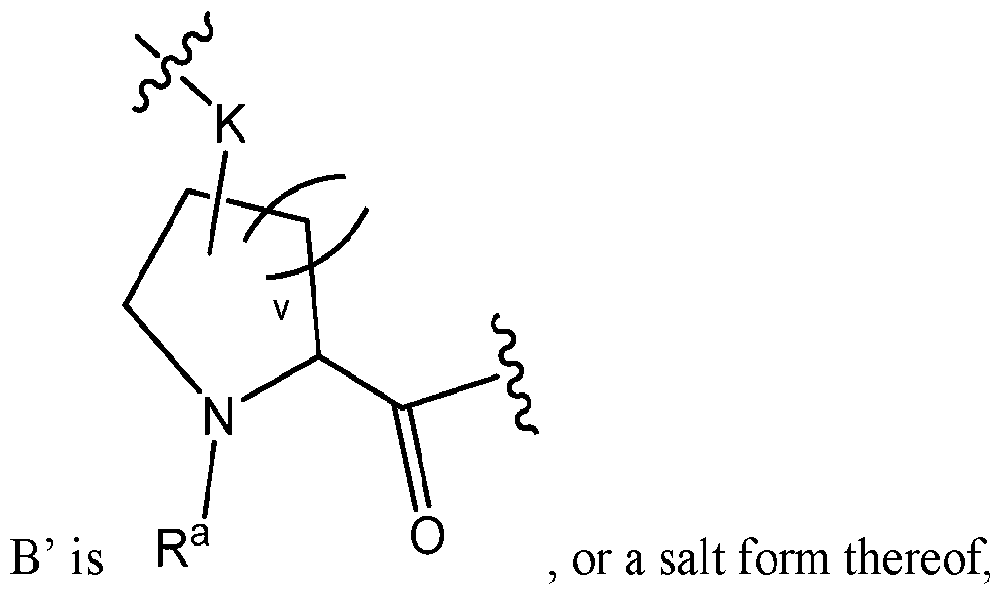


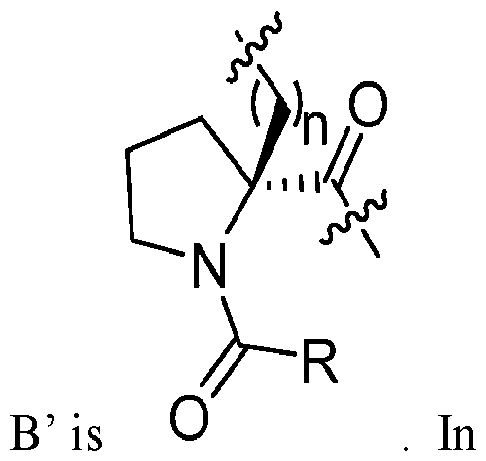


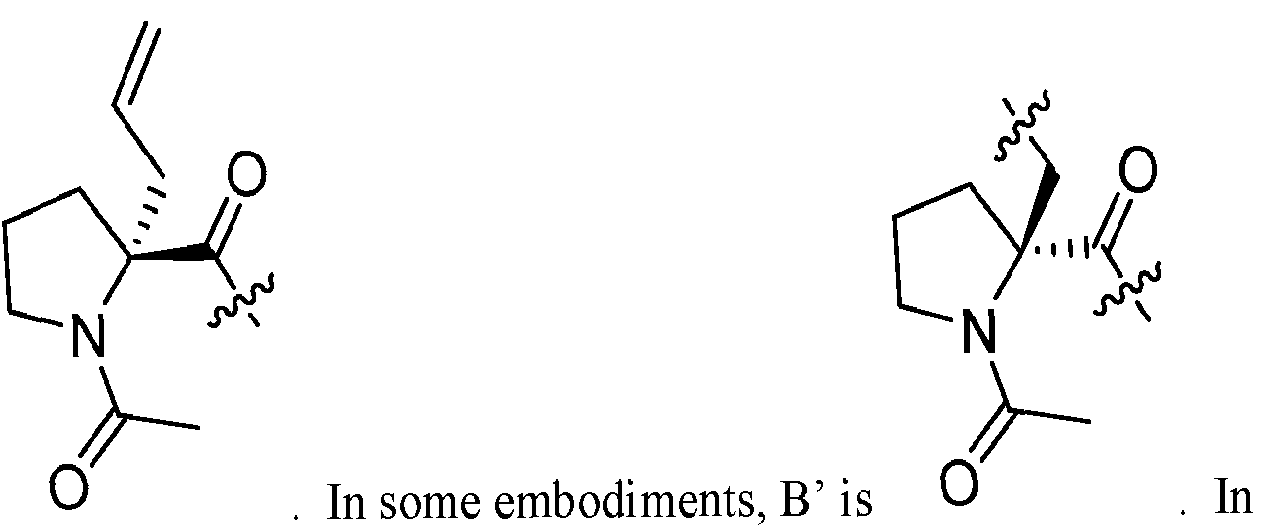

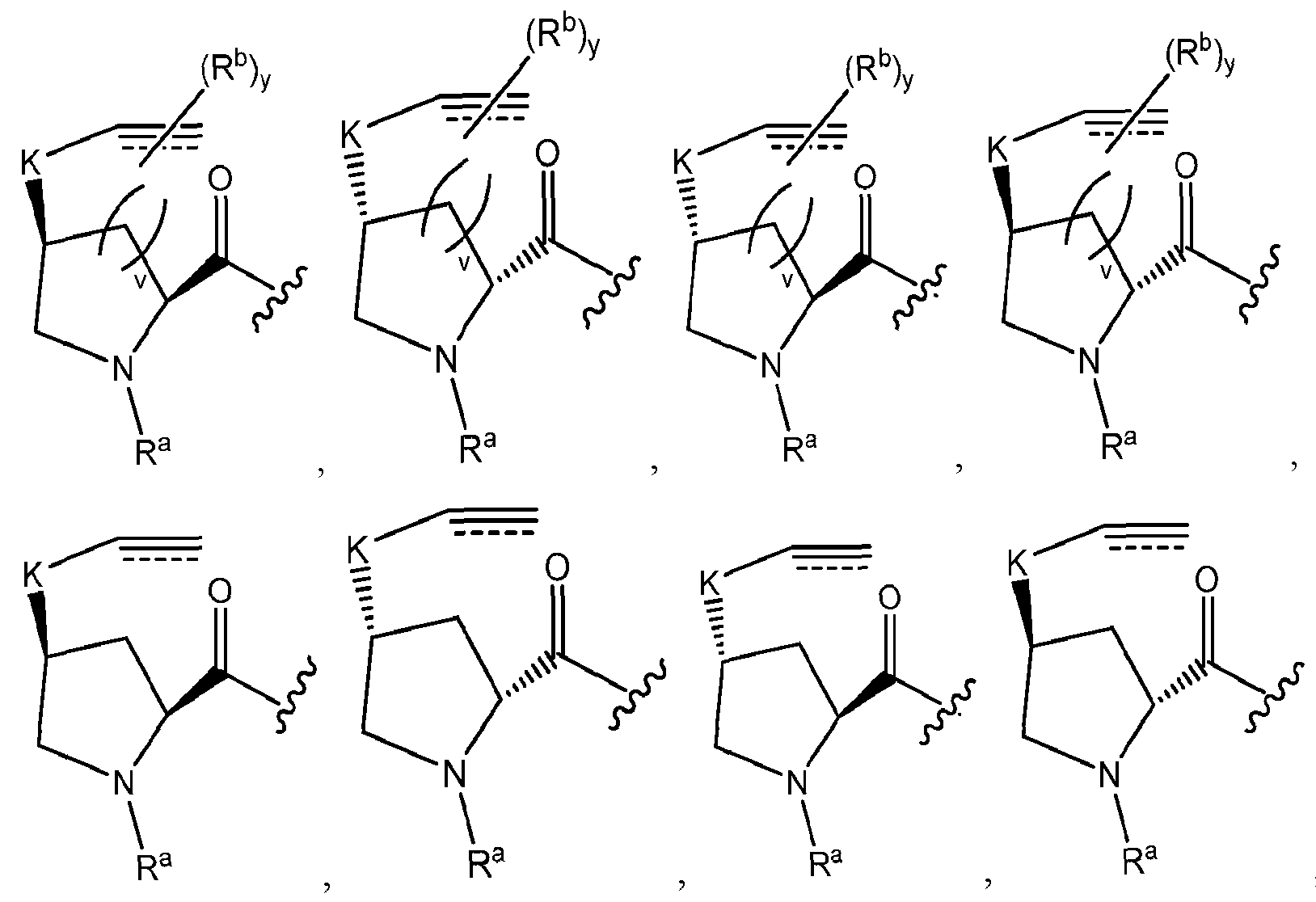


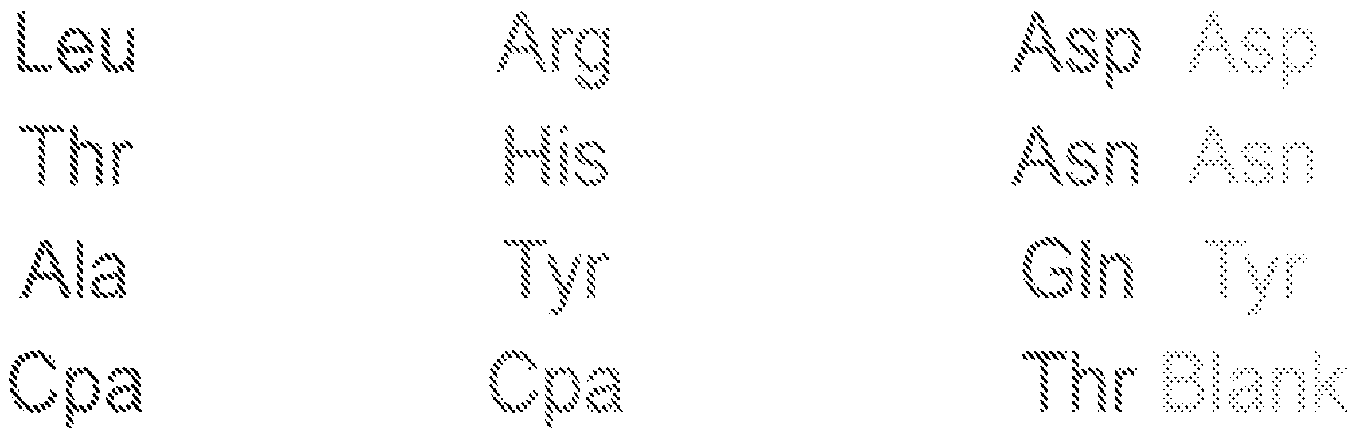


Claims


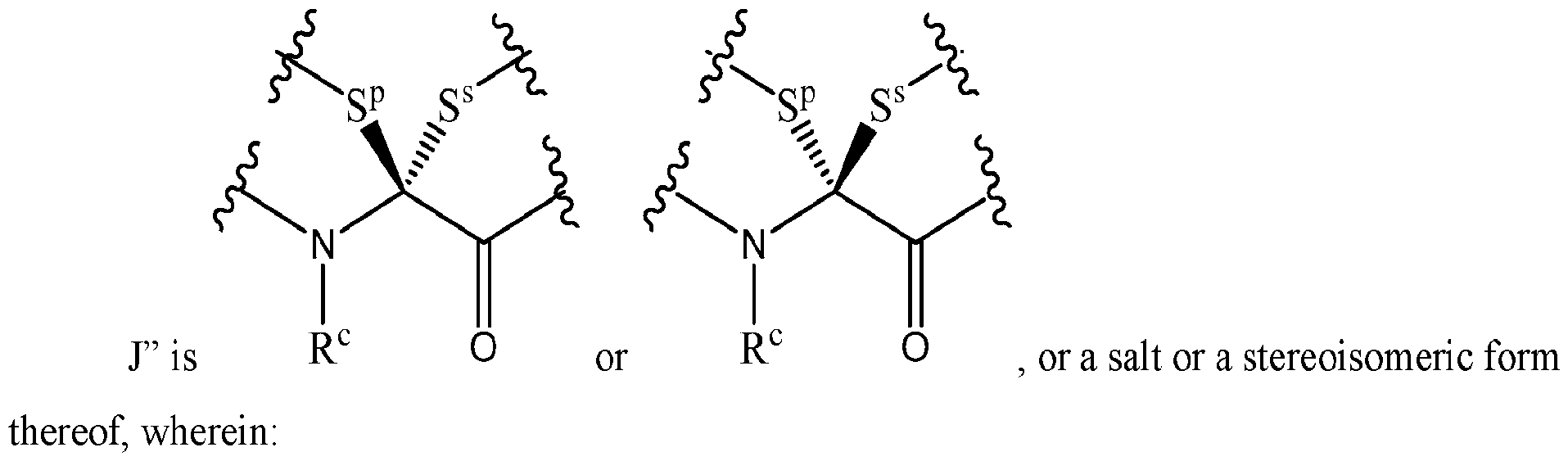


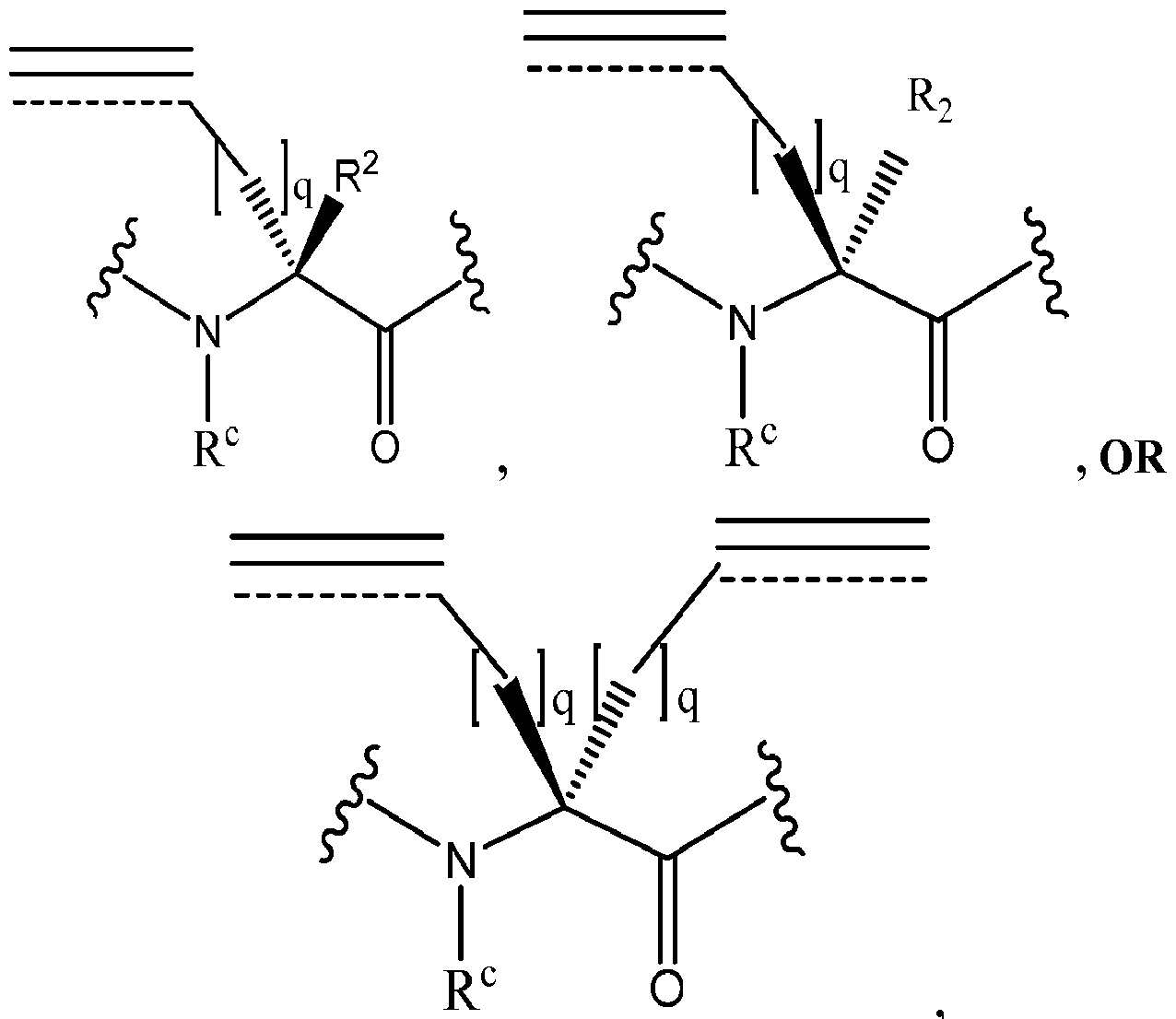


Priority Applications (5)
| Application Number | Priority Date | Filing Date | Title |
|---|---|---|---|
| CA3172164A CA3172164A1 (en) | 2020-03-17 | 2021-03-17 | Helical stapled peptides and uses thereof |
| EP21771102.7A EP4121082A4 (en) | 2020-03-17 | 2021-03-17 | HELICALLY STAPLED PEPTIDES AND USES THEREOF |
| AU2021237619A AU2021237619A1 (en) | 2020-03-17 | 2021-03-17 | Helical stapled peptides and uses thereof |
| JP2022556037A JP2023518413A (en) | 2020-03-17 | 2021-03-17 | Helix staple peptides and uses thereof |
| US17/912,029 US20230357320A1 (en) | 2020-03-17 | 2021-03-17 | Helical stapled peptides and uses thereof |
Applications Claiming Priority (2)
| Application Number | Priority Date | Filing Date | Title |
|---|---|---|---|
| US202062991032P | 2020-03-17 | 2020-03-17 | |
| US62/991,032 | 2020-03-17 |
Publications (1)
| Publication Number | Publication Date |
|---|---|
| WO2021188659A1 true WO2021188659A1 (en) | 2021-09-23 |
Family
ID=77772169
Family Applications (1)
| Application Number | Title | Priority Date | Filing Date |
|---|---|---|---|
| PCT/US2021/022744 Ceased WO2021188659A1 (en) | 2020-03-17 | 2021-03-17 | Helical stapled peptides and uses thereof |
Country Status (6)
| Country | Link |
|---|---|
| US (1) | US20230357320A1 (en) |
| EP (1) | EP4121082A4 (en) |
| JP (1) | JP2023518413A (en) |
| AU (1) | AU2021237619A1 (en) |
| CA (1) | CA3172164A1 (en) |
| WO (1) | WO2021188659A1 (en) |
Cited By (2)
| Publication number | Priority date | Publication date | Assignee | Title |
|---|---|---|---|---|
| US11834482B2 (en) | 2017-09-07 | 2023-12-05 | Fog Pharmaceuticals, Inc. | Agents modulating beta-catenin functions and methods thereof |
| US12398178B2 (en) | 2018-08-20 | 2025-08-26 | Parabilis Medicines, Inc. | Collections of peptides, peptide agents, and methods of use thereof |
Citations (1)
| Publication number | Priority date | Publication date | Assignee | Title |
|---|---|---|---|---|
| US20170157262A1 (en) * | 2012-07-12 | 2017-06-08 | R. Yongxin Zhao | Conjugates of cell binding molecules with cytotoxic agents |
Family Cites Families (1)
| Publication number | Priority date | Publication date | Assignee | Title |
|---|---|---|---|---|
| WO2014052647A2 (en) * | 2012-09-26 | 2014-04-03 | President And Fellows Of Harvard College | Proline-locked stapled peptides and uses thereof |
-
2021
- 2021-03-17 EP EP21771102.7A patent/EP4121082A4/en not_active Withdrawn
- 2021-03-17 CA CA3172164A patent/CA3172164A1/en active Pending
- 2021-03-17 WO PCT/US2021/022744 patent/WO2021188659A1/en not_active Ceased
- 2021-03-17 AU AU2021237619A patent/AU2021237619A1/en not_active Abandoned
- 2021-03-17 JP JP2022556037A patent/JP2023518413A/en active Pending
- 2021-03-17 US US17/912,029 patent/US20230357320A1/en not_active Abandoned
Patent Citations (1)
| Publication number | Priority date | Publication date | Assignee | Title |
|---|---|---|---|---|
| US20170157262A1 (en) * | 2012-07-12 | 2017-06-08 | R. Yongxin Zhao | Conjugates of cell binding molecules with cytotoxic agents |
Non-Patent Citations (3)
| Title |
|---|
| MCGRATH SALLY, TORTORICI MARCELLO, DROUIN LUDOVIC, SOLANKI SAVADE, VIDLER LEWIS, WESTWOOD ISAAC, GIMESON PETER, VAN MONTFORT ROB, : "Structure-Enabled Discovery of a Stapled Peptide Inhibitor to Target the Oncogenic Transcriptional Repressor TLE1", CHEM. EUR. J., vol. 23, no. 40, 2017, pages 9577 - 9584, XP055858721 * |
| See also references of EP4121082A4 * |
| TANI K.: "Asymmetric isomerization of allylic compounds and the mechanism", PURE & APP! . CHEM., vol. 57, no. 12, 1985, pages 1845 - 1854, XP055858726 * |
Cited By (2)
| Publication number | Priority date | Publication date | Assignee | Title |
|---|---|---|---|---|
| US11834482B2 (en) | 2017-09-07 | 2023-12-05 | Fog Pharmaceuticals, Inc. | Agents modulating beta-catenin functions and methods thereof |
| US12398178B2 (en) | 2018-08-20 | 2025-08-26 | Parabilis Medicines, Inc. | Collections of peptides, peptide agents, and methods of use thereof |
Also Published As
| Publication number | Publication date |
|---|---|
| US20230357320A1 (en) | 2023-11-09 |
| EP4121082A4 (en) | 2024-05-01 |
| JP2023518413A (en) | 2023-05-01 |
| CA3172164A1 (en) | 2021-09-23 |
| EP4121082A1 (en) | 2023-01-25 |
| AU2021237619A1 (en) | 2022-11-10 |
Similar Documents
| Publication | Publication Date | Title |
|---|---|---|
| AU2021203014B2 (en) | Stapled and stitched polypeptides and uses thereof | |
| US20220177522A1 (en) | Proline-locked stapled peptides and uses thereof | |
| US20180057565A1 (en) | Stabilized polypeptide insulin receptor modulators | |
| AU2019201247A1 (en) | Stabilized polypeptide insulin receptor modulators | |
| EP3688021A1 (en) | Use of metformin and analogs thereof to reduce ran protein levels in the treatment of neurological disorders | |
| WO2019028362A1 (en) | Inhibitors of plasma kallikrein and uses thereof | |
| EP4121082A1 (en) | Helical stapled peptides and uses thereof | |
| HK40047860A (en) | Stapled and stitched polypeptides and uses thereof | |
| HK40058717A (en) | Proline derivatives | |
| BR122020012710B1 (en) | AMINO ACID | |
| HK1213269B (en) | Proline-locked stapled peptides and uses thereof |
Legal Events
| Date | Code | Title | Description |
|---|---|---|---|
| 121 | Ep: the epo has been informed by wipo that ep was designated in this application |
Ref document number: 21771102 Country of ref document: EP Kind code of ref document: A1 |
|
| ENP | Entry into the national phase |
Ref document number: 2022556037 Country of ref document: JP Kind code of ref document: A Ref document number: 3172164 Country of ref document: CA |
|
| NENP | Non-entry into the national phase |
Ref country code: DE |
|
| ENP | Entry into the national phase |
Ref document number: 2021771102 Country of ref document: EP Effective date: 20221017 |
|
| ENP | Entry into the national phase |
Ref document number: 2021237619 Country of ref document: AU Date of ref document: 20210317 Kind code of ref document: A |