WO2021217047A1 - Epha4 targeting compounds and methods of use thereof - Google Patents
Epha4 targeting compounds and methods of use thereof Download PDFInfo
- Publication number
- WO2021217047A1 WO2021217047A1 PCT/US2021/028914 US2021028914W WO2021217047A1 WO 2021217047 A1 WO2021217047 A1 WO 2021217047A1 US 2021028914 W US2021028914 W US 2021028914W WO 2021217047 A1 WO2021217047 A1 WO 2021217047A1
- Authority
- WO
- WIPO (PCT)
- Prior art keywords
- alkyl
- peptide
- heterocycloalkyl
- aryl
- nhc
- Prior art date
- Legal status (The legal status is an assumption and is not a legal conclusion. Google has not performed a legal analysis and makes no representation as to the accuracy of the status listed.)
- Ceased
Links
- 0 *c1ccc(CN(CC2)CCN2c(cc2)ccc2NC(CNC([C@](CCCCNC(N)=N)NC([C@](Cc(cc2)ccc2-c2ccccc2)NC([C@](Cc(c2c3)c[n]c2ccc3O)NC(CCCN)=O)=O)=O)=O)=O)cc1 Chemical compound *c1ccc(CN(CC2)CCN2c(cc2)ccc2NC(CNC([C@](CCCCNC(N)=N)NC([C@](Cc(cc2)ccc2-c2ccccc2)NC([C@](Cc(c2c3)c[n]c2ccc3O)NC(CCCN)=O)=O)=O)=O)=O)cc1 0.000 description 2
- HQSGPFRDBRMNNI-UQXSMCFUSA-N COc(cccc1)c1-c1ccc(C[C@H](C(NC([C@H](Cc(c2c3)c[nH]c2ccc3O)NC([C@@H](CCC2)C[C@H]2N)=O)=O)[SiH3])C(N[C@@H](CCCCNC(N)=N)C(NCC(Nc(cc2)ccc2N2CCNCC2)=O)=O)=O)cc1 Chemical compound COc(cccc1)c1-c1ccc(C[C@H](C(NC([C@H](Cc(c2c3)c[nH]c2ccc3O)NC([C@@H](CCC2)C[C@H]2N)=O)=O)[SiH3])C(N[C@@H](CCCCNC(N)=N)C(NCC(Nc(cc2)ccc2N2CCNCC2)=O)=O)=O)cc1 HQSGPFRDBRMNNI-UQXSMCFUSA-N 0.000 description 1
- YAVSVBAOJWFTBX-AKVJRYSWSA-N C[C@H](C(Nc(cc1)ccc1N1CCOCC1)=O)NC([C@H](CCCCNC(N)=N)NC([C@H](Cc(cc1)ccc1-c(cccc1)c1OC)NC([C@H](Cc(c1c2)c[nH]c1ccc2O)NC([C@@H](CCC1)C[C@H]1N)=O)=O)=O)=O Chemical compound C[C@H](C(Nc(cc1)ccc1N1CCOCC1)=O)NC([C@H](CCCCNC(N)=N)NC([C@H](Cc(cc1)ccc1-c(cccc1)c1OC)NC([C@H](Cc(c1c2)c[nH]c1ccc2O)NC([C@@H](CCC1)C[C@H]1N)=O)=O)=O)=O YAVSVBAOJWFTBX-AKVJRYSWSA-N 0.000 description 1
Classifications
-
- C—CHEMISTRY; METALLURGY
- C07—ORGANIC CHEMISTRY
- C07K—PEPTIDES
- C07K7/00—Peptides having 5 to 20 amino acids in a fully defined sequence; Derivatives thereof
- C07K7/04—Linear peptides containing only normal peptide links
- C07K7/06—Linear peptides containing only normal peptide links having 5 to 11 amino acids
-
- C—CHEMISTRY; METALLURGY
- C07—ORGANIC CHEMISTRY
- C07K—PEPTIDES
- C07K7/00—Peptides having 5 to 20 amino acids in a fully defined sequence; Derivatives thereof
- C07K7/02—Linear peptides containing at least one abnormal peptide link
-
- G—PHYSICS
- G01—MEASURING; TESTING
- G01N—INVESTIGATING OR ANALYSING MATERIALS BY DETERMINING THEIR CHEMICAL OR PHYSICAL PROPERTIES
- G01N33/00—Investigating or analysing materials by specific methods not covered by groups G01N1/00 - G01N31/00
- G01N33/48—Biological material, e.g. blood, urine; Haemocytometers
- G01N33/50—Chemical analysis of biological material, e.g. blood, urine; Testing involving biospecific ligand binding methods; Immunological testing
- G01N33/5005—Chemical analysis of biological material, e.g. blood, urine; Testing involving biospecific ligand binding methods; Immunological testing involving human or animal cells
- G01N33/5008—Chemical analysis of biological material, e.g. blood, urine; Testing involving biospecific ligand binding methods; Immunological testing involving human or animal cells for testing or evaluating the effect of chemical or biological compounds, e.g. drugs, cosmetics
- G01N33/5082—Supracellular entities, e.g. tissue, organisms
-
- A—HUMAN NECESSITIES
- A61—MEDICAL OR VETERINARY SCIENCE; HYGIENE
- A61K—PREPARATIONS FOR MEDICAL, DENTAL OR TOILETRY PURPOSES
- A61K38/00—Medicinal preparations containing peptides
-
- G—PHYSICS
- G01—MEASURING; TESTING
- G01N—INVESTIGATING OR ANALYSING MATERIALS BY DETERMINING THEIR CHEMICAL OR PHYSICAL PROPERTIES
- G01N2800/00—Detection or diagnosis of diseases
- G01N2800/28—Neurological disorders
-
- G—PHYSICS
- G01—MEASURING; TESTING
- G01N—INVESTIGATING OR ANALYSING MATERIALS BY DETERMINING THEIR CHEMICAL OR PHYSICAL PROPERTIES
- G01N2800/00—Detection or diagnosis of diseases
- G01N2800/28—Neurological disorders
- G01N2800/2835—Movement disorders, e.g. Parkinson, Huntington, Tourette
-
- G—PHYSICS
- G01—MEASURING; TESTING
- G01N—INVESTIGATING OR ANALYSING MATERIALS BY DETERMINING THEIR CHEMICAL OR PHYSICAL PROPERTIES
- G01N2800/00—Detection or diagnosis of diseases
- G01N2800/52—Predicting or monitoring the response to treatment, e.g. for selection of therapy based on assay results in personalised medicine; Prognosis
Definitions
- EphA4 expression inversely correlates with onset and progression of the disease, (Van Hoecke et al., 2012, Nature medicine 18, 1418-1422). EphA4 signaling has been studied in ALS and other human diseases, including Alzheimer disease (AD) (Fu et al., 2014, PNAS 111, 9959-9964), spinal cord injury (Spanevello et al., 2013, J Neurotrauma 30, 1023- 1034), brain injury (Frugier et al., 2012, J Neuropathol Exp Neurol 71, 242-250; Hanell et al., 2012, J Neurotrauma 29, 2660-2671), and some type of cancers (Fukai et al., 2008, Mol Cancer Ther 7, 2768-2778; Iiizumi et al., 2006, Cancer Sci 97, 1211-1216; Miyazaki et al., 2013, BMC Clin Pathol 13, 19.; Oshima et al., 2008, Int
- EphA4 expression is correlated with progression and resistance to chemotherapy of several human cancers including gastric, breast, and pancreatic cancers, as well multiple myeloma, where it also promotes cancer cell invasions. Finally, it has been shown that EphA4 is involved in hippocampal synaptic dysfunctions in mouse models of Alzheimer's disease, suggesting that its modulators can also be useful to threat AD. These studies suggest that the EphA4 is a potential target for several human conditions and that targeting its ligand–binding domain provides an avenue to novel and effective therapeutics. Thus, there is need for potent EphA4 targeting agents that bind to the EphA4 ligand binding domain (LBD) for the development of novel therapeutics.
- LBD EphA4 ligand binding domain
- Certain embodiments of the invention provide a compound comprising a peptide of Formula (I) X 0 -X 1 -X2-X3-X4 from the N terminal to C terminal, wherein: X 0 is a residue of an amino acid; X 1 is a residue of Tryptophan (Trp); X2 is a residue of 4-phenyl-Phenylalanine (Bip); X3 is a residue of an amino acid; X4 is absent, or a residue of an amino acid; or a salt thereof.
- Formula (I) X 0 -X 1 -X2-X3-X4 from the N terminal to C terminal, wherein: X 0 is a residue of an amino acid; X 1 is a residue of Tryptophan (Trp); X2 is a residue of 4-phenyl-Phenylalanine (Bip); X3 is a residue of an amino acid; X4 is absent, or a residue of an amino acid; or
- Certain embodiments of the invention provide a compound comprising a peptide of Formula (I) X 0 -X 1 -X2-X3-X4 from the N terminal to C terminal, wherein: X 0 is a residue of a beta-amino acid, gamma-amino acid, or delta-amino acid; X 1 is a residue of Tryptophan (Trp); X2 is a residue of 4-phenyl-Phenylalanine (Bip); X 3 is a residue of an amino acid; X4 is a residue of an amino acid; or a salt thereof.
- a compound as described herein consists of a peptide of Formula (I) as described herein.
- certain embodiments of the invention provide a peptide of Formula (I) as described herein.
- Certain embodiments of the invention provide a composition (e.g., a pharmaceutical composition) comprising a compound or peptide as described herein, or a pharmaceutically acceptable salt thereof, and a pharmaceutically acceptable carrier.
- Certain embodiments of the invention provide a method of modulating EphA4 in vitro or in vivo, comprising contacting EphA4 with an effective amount of a compound or peptide as described herein, or a salt thereof.
- Certain embodiments of the invention provide a compound or peptide, or a pharmaceutically acceptable salt thereof, as described herein, for the prophylactic or therapeutic treatment of a disease associated with EphA4 and/or ephrin-B2 in a mammal in need thereof. Certain embodiments of the invention provide the use of a compound or peptide, or a pharmaceutically acceptable salt thereof, as described herein, to prepare a medicament for treating a disease associated with EphA4 and/or ephrin-B2 in a mammal in need thereof.
- Certain embodiments provide a method of treating or preventing motor neuron degeneration in a mammal in need thereof, comprising administering a therapeutically effective amount of a compound or peptide as described herein, or a pharmaceutically acceptable salt thereof, to the mammal. Certain embodiments provide a compound or peptide as described herein, or a pharmaceutically acceptable salt thereof, for treating or preventing motor neuron degeneration. Certain embodiments provide the use of a compound or peptide as described herein, or a pharmaceutically acceptable salt thereof, to prepare a medicament for treating or preventing motor neuron degeneration in a mammal.
- Certain embodiments provide a method for identifying an EphA4 agonist, the method comprising isolating primary motor neurons from the spinal cord of an animal, contacting a test compound with the isolated primary motor neurons under conditions suitable for binding between the test compound and EphA4, evaluating axon growth cone morphology of the primary motor neurons, and identifying the test compound as an EphA4 agonist when growth cone collapse is detected.
- Certain embodiments provide a compound, or a salt thereof, as described herein.
- Certain embodiments provide a peptide, or a salt thereof, as described herein.
- the invention also provides processes and intermediates disclosed herein that are useful for preparing a compound/peptide, or a salt thereof, as described herein.
- Figure 1A APY-d3 (reference peptide).
- Figure 1B.2D [ 13 C, 1 H] correlation spectra with a sample 13 C ⁇ -Met labeled of the EphA4 ligand binding domain, measured in absence and presence of reference peptide APY-d3 ( ⁇ A-PYCVYR- ⁇ A-SWSC- CONH 2 ).
- Changes in the chemical shift of Met 164 are indicative of agonistic binding mode of the agent.
- the long arrow indicates the change in chemical shift of Met 115 induced by APY- d3.
- the short arrow indicates the change in chemical shift of Met 164 induced by APY-d3.
- Figure 1C Figure 1C.
- ITC Isothermal titration calorimetry
- Figures 2A-2C Figure 2A. Compound 2.
- Figure 2B.2D [ 13 C, 1 H] correlation spectra with a sample 13 C ⁇ -Met labeled of the EphA4 ligand binding domain, measured in absence and presence of compound 2. Changes in the chemical shift of Met 164 are indicative of agonistic binding mode of the agent. The arrow indicates the change in chemical shift of Met 164 induced by compound 2.
- Figure 2C Isothermal titration calorimetry (ITC) data with compound 2 for the determination of the value reported in Table 1.
- Figures 3A-3C Figure 3A. Compound 3.
- Figure 3B.2D [ 13 C, 1 H] correlation spectra with a sample 13 C ⁇ -Met labeled of the EphA4 ligand binding domain, measured in absence and presence of compound 3. Changes in the chemical shift of Met 164 are indicative of agonistic binding mode of the agent. The arrow indicates the change in chemical shift of Met 164 induced by compound 3.
- Figure 3C Isothermal titration calorimetry (ITC) data with compound 3 for the determination of the value reported in Table 1.
- Figure 4B.2D [ 13 C, 1 H] correlation spectra with a sample 13 C ⁇ -Met labeled of the EphA4 ligand binding domain, measured in absence and presence of compound 8 (150D4). Changes in the chemical shift of Met 164 are indicative of agonistic binding mode of the agent. The arrow indicates the change in chemical shift of Met 164 induced by compound 8.
- Figure 4C Isothermal titration calorimetry (ITC) data with compound 8 for the determination of the value reported in Table 1.
- Fig.5A Schematic representation of the Ala-XXX positional scanning library made up by 46 x 3 mixtures each containing 46 x 46 tetrapeptides.
- Fig.5B Summary of the chemical shift perturbations induced by each mixture. The perturbations were detected using 1D 1 H aliphatic region of the EphA4-LBD as illustrated in panel Fig.5C).
- Fig.5D Chemical structure of consensus agent 1 and relative perturbations induced (at 20 ⁇ M) in the 1D 1 H aliphatic spectrum of EphA4 (20 ⁇ M).
- Fig.5E Isothermal titration calorimetry data with EphA4-LBD and compound E1.
- FIG. 6A-6D Biophysical studies on EphA4-LBD in the free versus bound state.
- Fig.6A Superposition of the X-ray structures of EphA4-LBD in the apo form (PDB ID 2WO1) and APY-d3 bound (PDB ID 5JR2; stick model for APY-d3).
- the thickness of the tube is proportional to the pairwise backbone C ⁇ atoms RMSD between the two compared structures. Most notable conformational changes upon antagonist APY-d3 binding are highlighted, together with Met residues that are displayed as stick models.
- Fig.6B Superposition of the X-ray structures of EphA4-LBD in the apo form (PDB ID2WO1) and ephrinA5 bound (PDB ID 4BKA; stick model showing only a peptide region from ephrinA5 that is contact with the EphA4-LBD). Most notable conformational changes upon agonist ephrinA5 binding are highlighted, together with Met residues.
- Fig.6C 2D [ 13 C, 1 H] correlation spectra for EphA4-LBD 13 C ⁇ -Met labeled, measured in absence and in presence of antagonist APY-d3 or agonist 123C4.
- Fig.6D Isothermal titration calorimetry curves for the binding of agents APY-d3 or 123C4 to EphA4-LBD.
- Figures 7A-7D Biophysical characterizations of 150D4 binding to EphA4-LBD.
- Fig.7A ITC data for the binding of 150D4 to EphA4-LBD, EphA3-LBD, or EphA2-LBD.
- Fig.7B 150D4 displaces the binding between EphA4-LBD and ephrinA5, as detected by [ 13 C, 1 H] correlation spectra with EphA4-LBD 13 C-Met.
- Fig.7C and Fig.7D) report 1D 1 H NMR and 2D [ 13 C, 1 H] correlation spectra, respectively, of 13C-Met-EphA4-LBD recorded in presence of various concentrations of 150D4.
- Figures 8A-8D X-ray and NMR studies with 150D4 in complex with EphA4-LBD.
- Fig.8A Superposition of the structure of EphA4-LBD in complex with 150D4 (sticks model) versus the apo structure of EphA4-LBD (PDB ID 2WO1). The highlighted conformational changes are similar to those induced by the agonistic ligand ephrinA5 (see Figure 6).
- Fig.8B 2D [ 13 C, 1 H] correlation spectra of 13 C ⁇ -Met-EphA4-LBD collected in absence and presence of 150D4.
- the large chemical shift changes for residues Met 60 and Met 164 induced by 150D4 are in agreement with the conformational changes observed in loops D-E and J-K, respectively, while and unlike APY-d3, no significant perturbations were observed for Met 115, in the G-H loop.
- Fig.8C Schematic plot to represent the intermolecular interactions between 150D4 and EphA4- LBD.
- Fig.8D Stick model and contour map of the observed electron density for 150D4 when in complex with EphA4-LBD.
- FIG. 9A-9E EphA4 phosphorylation in primary spinal cord motor neurons.
- Fig.9A Representative western blot images of pEphA4, total EphA4 (after immunoprecipitation, IP) and a motor neuron marker, choin e (ChAT i cell lysate) in cultures of primary spinal cord motor neurons treated with DMSO, Fc, ephrinA1-Fc (eA1-Fc), APYd3, compound 2, compound 9, compound 3, and 150D4 (1 ⁇ M and 10 ⁇ M) for 30 min.
- Fig.9B-9D Graphs show average ratio of pEphA4 and total EphA4 in primary motor neuron cultures treated with DMSO, Fc, eA1-Fc, APYd3, compound 2, compound 9, compound 3, and 150D4 (Fig.9B); DMSO, Fc and eA1-Fc (Fig.9C); DMSO and 1 ⁇ M 150D4 (D). Black solid lines above the graph indicate separate experiments (experiments 1-4, Fig.9B). Error bars indicate SEM (each experiment was repeated 3 times).
- Fig.9E representative western blot images of pEphA4, total EphA4 and ChAT in primary spinal cord motor neurons treated with DMSO, 1 ⁇ M 123C3, 10 ⁇ M 123C4, 1 ⁇ M 150D4, or 10 ⁇ M 150D4.
- Figures 10A-10E Growth cone collapse in primary spinal cord motor neurons.
- Fig.10A- D Representative images of 2 DIV primary spinal cord motor neurons treated with DMSO (A), Fc (Fc), eA1-Fc (C), 1 ⁇ M 150D4 or 10 ⁇ M 150D4. Growth cone morphology was assessed by labeling F-actin with rhodamine-coupled phalloidin. Motor neurons were identified by genetically encoded Hb9-GFP and immunostaining against ChAT.
- Fig.10B, D High magnification images of growing (Fig.10B) and collapsed (Fig.10D) growth cones. Scale bars are 50 ⁇ m in A, C and 10 ⁇ m in B, D.
- Fig.11A Schematic illustration of the assay. NPCs were differentiated into induced astrocytes for five days then seeded on a 96 well plate. 10 ⁇ M of new ephrin ligand compounds were added 24 hours later at the time of motor neuron addition.100 ⁇ M 123C4 was added to co-culture at time of motor neuron addition as a positive control.
- Fig.11B Representative image of motor neurons following 3 days in co-culture.
- Fig.11C Quantification of motor neuron survival following co-culture. Data was normalized to average motor neuron survival of healthy controls. Data represents a minimum of 2 independent experiments. Statistical analysis was performed using unpaired t-test comparing corresponding treated and untreated iAs.
- EphA4 belongs to the Eph family of receptor tyrosine kinases, which together with their membrane-bound ligands, the ephrins (Eph receptor-interacting proteins), generate bidirectional signals controlling a multitude of cellular processes.
- EphA4 belongs to the Eph family of receptor tyrosine kinases, which together with their membrane-bound ligands, the ephrins (Eph receptor-interacting proteins), generate bidirectional signals controlling a multitude of cellular processes.
- ephrin-B2 One endogenous ligand for EphA4 is ephrin-B2.
- ligand-binding of this signaling axis may trigger forward signaling in the EphA4 expressing cells (e.g., neuron) and/or reverse signaling in ephrin-B2 expressing cells (e.g., astrocyte).
- EphA4 expressing cells e.g., neuron
- ephrin-B2 expressing cells e.g., astrocyte
- the uni-directional and/or bidirectional signaling of this axis has been implicated in cancer and neurological diseases.
- Pharmacological disruption of the EphA4 / ephrin-B2 engagement may mitigate neurological pathology and promote the repair and regeneration of neurons (e.g., motor neurons).
- certain embodiments of the invention provide EphA4 targeting compounds/peptides that bind the Ligand Binding Domain (LBD) of EphA4 and potently compete with its natural ligand(s) (e.g., a ligand described herein).
- LBD Ligand Binding Domain
- compounds/peptides of the invention inhibit the EphA4 and ephrin-B2 interaction.
- compounds/peptides of the invention block EphA4 from binding its natural ligand(s) (e.g., a ligand described herein).
- compounds/peptides of the invention irreversibly bind EphA4.
- compounds/peptides of the invention decrease the level of EphA4 on the cell surface or induce cellular internalization of EphA4.
- a compound/peptide of the invention is an EphA4 agonist.
- a compound/peptide of the invention is an EphA4 partial agonist.
- a compound/peptide of the invention is an EphA4 antagonist.
- compounds/peptides of the invention inhibit EphA4 mediated reverse signaling of ephrin-B2 in ephrin-B2 expressing cells (e.g., astrocyte).
- EphA4 Targeting Compounds comprising a peptide of Formula (I) Certain embodiments of the invention provide a compound comprising a peptide of Formula (I) X 0 -X 1 -X2-X3-X4 from the N terminal to C terminal, wherein: X 0 is a residue of an amino acid; X 1 is a residue of Tryptophan (Trp); X2 is a residue of 4-phenyl-Phenylalanine (Bip); X3 is a residue of an amino acid; X4 is absent or a residue of an amino acid; or a salt thereof.
- the peptide of Formula (I) X 0 -X 1 -X2-X3-X4 is 4 amino acids in length. In certain embodiments, the peptide of Formula (I) X 0 -X 1 -X2-X3-X4 is 5 amino acids in length.
- Certain embodiments of the invention provide a compound comprising a peptide of Formula (I) X 0 -X 1 -X2-X3-X4 from the N terminal to C terminal, wherein: X 0 is a residue of a beta-amino acid, gamma-amino acid, or delta-amino acid; X 1 is a residue of Tryptophan (Trp); X2 is a residue of 4-phenyl-Phenylalanine (Bip); X 3 is a residue of an amino acid; X4 is a residue of an amino acid; or a salt thereof.
- each residue of an amino acid in the peptide of Formula (I) is independently and optionally substituted.
- the optional substituent is halogen, hydroxy, cyano, (C 1 - C 6 )alkoxy, or (C 1 -C 6 )alkyl that is optionally substituted with one or more halo.
- each residue of an amino acid in the peptide of Formula (I) is independently and optionally substituted.
- Trp at X 1 is optionally substituted on the indole group.
- X 1 is a residue of 5- hydroxy-Trp or 5-methoxy-Trp.
- Bip at X2 is optionally substituted on one or both phenyl group.
- X2 is a residue of 4-(2- methoxyphenyl)-Phe.
- X 1 , X2, X3 and X4 are each a residue of an alpha-amino acid.
- the compound is/consists of a peptide of Formula (I) as described herein.
- N-terminus of a peptide of Formula (I) Certain embodiments of the invention provide a compound comprising or consisting of a peptide of Formula (I) X 0 -X 1 -X2-X3-X4 from the N terminal to C terminal, wherein X 0 is the residue of an amino acid at the N-terminus of the peptide, and X4 (if present) is the residue of an amino acid at the C-terminus of the peptide.
- the N-terminus of the peptide of Formula (I) is a primary amine group (NH 2 -).
- the N-terminus of the peptide of Formula (I) is not acylated.
- the primary amine NH 2 - of X 0 is not capped (e.g., acylated, or formylated) and may carry a positive charge as H3N + - under suitable conditions (e.g., physiological condition).
- the N-terminus of the peptide of Formula (I) is capped.
- the N-terminus of the peptide of Formula (I) is acylated or formylated.
- X 0 is a residue of an alpha-amino acid (e.g., Ala). In certain embodiments, X 0 is not a residue of an alpha-amino acid, or X 0 is a residue of a nonalpha-amino acid. In certain embodiments, X 0 is a residue of a beta-amino acid, gamma-amino acid, or delta-amino acid.
- the alpha-amino group is a primary amine group.
- the beta-amino group is a primary amine group.
- the gamma-amino group is a primary amine group.
- the delta-amino group is a primary amine group.
- X 0 is a residue of a beta-amino acid (e.g., beta-alanine).
- X 0 is a residue of a gamma-amino acid.
- the gamma carbon of the gamma-amino acid is on a linear or branched carbon chain.
- X 0 is a residue of gamma-amino-butyric acid (GABA).
- GABA gamma-amino-butyric acid
- the gamma carbon of the gamma-amino acid is on a cycloalkyl group (e.g., cyclopentyl, cyclohexyl or cycloheptyl).
- X 0 is a residue of 3-aminocyclopentane-1-carboxylic acid.
- X 0 is a residue of 3-amino- cyclohexane-1-carboxylic acid (ACHC)
- X 0 is a residue of 3- aminocycloheptane-1-carboxylic acid.
- the residue of X 0 is optionally substituted.
- the optional substituent is halogen, hydroxy, cyano, (C 1 - C 6 )alkoxy, or (C 1 -C 6 )alkyl that is optionally substituted with one or more halo.
- the optional substituent is Ra and/or Rb as defined herein (e.g., in formula (Ib) below).
- the invention provides a compound comprising a peptide of Formula (I) X 0 -X 1 -X 2 -X 3 -X 4 wherein: X 0 is a residue of a gamma-amino acid (e.g., GABA or ACHC), X 1 is a residue of Trp, X2 is a residue of Bip, X3 is a residue of an amino acid, X4 is absent, or a residue of an amino acid.
- the compound consists of such a peptide of Formula (I).
- the invention provides a compound comprising a peptide of Formula (I) X 0 -X 1 -X2-X3-X4 wherein: X 0 is a residue of a gamma-amino acid (e.g., GABA or ACHC), X 1 is a residue of Trp, X2 is a residue of Bip, X3 is a residue of an amino acid, X4 is a residue of an amino acid.
- the compound consists of such a peptide of Formula (I).
- each residue of an amino acid in the peptide of Formula (I) is independently and optionally substituted.
- Trp at X 1 is optionally substituted on the indole group.
- X 1 is a residue of 5- hydroxy-Trp or 5-methoxy-Trp.
- Bip at X2 is optionally substituted on one or both phenyl group.
- X2 is a residue of 4-(2- methoxyphenyl)-Phe.
- X 1 in the peptide of Formula (I) In certain embodiments, X 1 is a residue of Trp In certain embodiments, the residue of Trp in X 1 is optionally substituted.
- the indole group of the residue of Trp in X 1 is optionally substituted with -OH or -OCH3.
- X 1 is a residue of 5-hydroxy-Trp.
- X 1 is a residue of 5-methoxy-Trp.
- X 1 is a residue of 6-methoxy-Trp.
- the residue of Trp in X 1 is optionally substituted with a heteratom (e.g., nitrogen atom) on the six-membered ring of the indole group.
- the optional substituent is halogen, hydroxy, cyano, (C 1 - C 6 )alkoxy, or (C 1 -C 6 )alkyl that is optionally substituted with one or more halo.
- the optional substituent is R 1 as defined herein (e.g., in formula (Ia) below).
- the invention provides a compound comprising a peptide of Formula (I) X 0 -X 1 -X2-X3-X4 wherein: X 0 is a residue of a beta-amino acid, gamma-amino acid or delta-amino acid, X 1 is a residue of 5-hydroxy-Trp, X2 is a residue of Bip, X3 is a residue of an amino acid, X4 is a residue of an amino acid.
- the compound consists of such a peptide of Formula (I).
- the invention provides a compound comprising a peptide of Formula (I) X 0 -X 1 -X2-X3-X4 wherein: X 0 is a residue of a beta-amino acid, gamma-amino acid or delta-amino acid, X 1 is a residue of 5-hydroxy-Trp, X2 is a residue of Bip, X3 is a residue of an amino acid, X4 is absent, or a residue of an amino acid.
- the compound consists of such a peptide of Formula (I).
- each residue of an amino acid in the peptide of Formula (I) is independently and optionally substituted.
- Trp at X 1 is optionally substituted on the indole group.
- X 1 is a residue of 5- hydroxy-Trp or 5-methoxy-Trp.
- Bip at X2 is optionally substituted on one or both phenyl group.
- X 2 is a residue of 4-(2- methoxyphenyl)-Phe.
- X2 in the peptide of Formula (I) is a residue of Bip, also referred to as 4-phenyl-L- phenylalanine, or 4-phenyl-Phe, or L-4,4'-Biphenylalanine.
- the residue of Bip in X2 is optionally substituted.
- each phenyl ring of the residue of Bip in X2 is optionally and independently substituted.
- the proximal phenyl ring of the residue of Bip in X2 is optionally substituted.
- the optional substituent is halogen, hydroxy, cyano, (C 1 - C 6 )alkoxy, or (C 1 -C 6 )alkyl that is optionally substituted with one or more halo.
- the optional substituent on the proximal phenyl ring is R 2 as defined herein (e.g., in formula (Ia) below).
- the 4-phenyl ring of the residue of Bip in X 2 is optionally substituted.
- the 4-phenyl ring of the residue of Bip in X2 is optionally substituted with -OH or -OCH 3 .
- X2 is a residue of 4-(2- methoxyphenyl)-Phe.
- X2 is a residue of 4-(2, 6-dimethoxyphenyl)-Phe.
- the 4-phenyl ring of the residue of Bip in X2 is optionally substituted with halogen or alkyl group.
- X2 is a residue of 4-(4-chlorophenyl)-Phe.
- X2 is a residue of 4-(4-methylphenyl)-Phe.
- X2 is a residue of 4-(2-methylphenyl)-Phe.
- the optional substituent is halogen, hydroxy, cyano, (C 1 - C 6 )alkoxy, or (C 1 -C 6 )alkyl that is optionally substituted with one or more halo.
- the optional substituent on the 4-phenyl ring is R 3 as defined herein (e.g., in formula (Ia) below).
- X2 is a residue of Naphthylmethyl glycine. In certain embodiments, X2 is a residue of N-(1-Naphthylmethyl)glycine. In certain embodiments, X2 is a residue of N-(2-Naphthylmethyl)glycine.
- the invention provides a compound comprising a peptide of Formula (I) X 0 -X 1 -X2-X3-X4 wherein: X 0 is a residue of a beta-amino acid, gamma-amino acid or delta-amino acid, X 1 is a residue of Trp, X2 is a residue of 4-(2-methoxyphenyl)-Phe, X3 is a residue of an amino acid X4 is a residue of an amino acid.
- the compound consists of such a peptide of Formula (I).
- the invention provides a compound comprising a peptide of Formula (I) X 0 -X 1 -X2-X3-X4 wherein: X 0 is a residue of a beta-amino acid, gamma-amino acid or delta-amino acid, X 1 is a residue of Trp, X2 is a residue of 4-(2-methoxyphenyl)-Phe, X3 is a residue of an amino acid, X4 is absent, or a residue of an amino acid.
- the compound consists of such a peptide of Formula (I).
- each residue of an amino acid in the peptide of Formula (I) is independently and optionally substituted.
- Trp at X 1 is optionally substituted on the indole group.
- X 1 is a residue of 5- hydroxy-Trp or 5-methoxy-Trp.
- Bip at X2 is optionally substituted on one or both phenyl group.
- X2 is a residue of 4-(2- methoxyphenyl)-Phe.
- X 3 in the peptide of Formula (I) In certain embodiments, X3 is a residue of an amino acid. In certain embodiments, X3 is a residue of an alpha-amino acid.
- X3 is a positively charged residue of an amino acid comprising a positively charged amino acid side chain (e.g., an amino acid side chain comprising primary amine or guanidino group).
- X3 is a residue of hArg, Arg, hLys, Lys, Orn, Dab, Dap, or 4-Guanidino Phe.
- X3 is a residue of hArg, Arg, hLys, Lys, Orn, Dab or Dap.
- X3 is a residue of hArg.
- X3 is a residue of L-hArg.
- X3 is a residue of Arg.
- X3 is a residue of hLys. In certain embodiments, X3 is a residue of Lys. In certain embodiments, X3 is a residue of Orn. In certain embodiments, X3 is a residue of Dab. In certain embodiments, X3 is a residue of Dap. In certain embodiments, X3 is a residue of 4-Guanidino Phe. In certain embodiments, the side chain of X3 is R 4 as defined herein (e.g., in formula (Ia) below). In certain embodiments, the residue of X3 is optionally substituted.
- the optional substituent is halogen, hydroxy, cyano, (C 1 - C 6 )alkoxy, or (C 1 -C 6 )alkyl that is optionally substituted with one or more halo.
- the invention provides a compound comprising a peptide of Formula (I) X 0 -X 1 -X2-X3-X4 wherein: X 0 is a residue of a beta-amino acid, gamma-amino acid or delta-amino acid, X 1 is a residue of Trp, X2 is a residue of Bip, X3 is a residue of hArg, Arg, hLys, Lys, Orn, Dab or Dap, X4 is a residue of an amino acid.
- the compound consists of such a peptide of Formula (I).
- the invention provides a compound comprising a peptide of Formula (I) X 0 -X 1 -X 2 -X 3 -X4 wherein: X 0 is a residue of a beta-amino acid, gamma-amino acid or delta-amino acid, X 1 is a residue of Trp, X2 is a residue of Bip, X3 is a residue of hArg, Arg, hLys, Lys, Orn, Dab, Dap, or 4-Guanidino Phe, X4 is absent, or a residue of an amino acid.
- the compound consists of such a peptide of Formula (I).
- each residue of an amino acid in the peptide of Formula (I) is independently and optionally substituted.
- Trp at X 1 is optionally substituted on the indole group.
- X 1 is a residue of 5- hydroxy-Trp or 5-methoxy-Trp.
- Bip at X2 is optionally substituted on one or both phenyl group.
- X 2 is a residue of 4-(2- methoxyphenyl)-Phe.
- X4 in the peptide of Formula (I) is absent or a residue of an amino acid.
- X4 is a residue of an amino acid (e.g., L or D amino acid).
- X4 is a residue of an alpha-amino acid.
- X4 is a residue of Gly, Ala, Thr or Ser.
- X 4 is a residue of Gly, or Ala.
- X4 is a residue of Gly.
- X4 is a residue of Ala.
- X4 is a residue of D-Ala.
- X4 is a residue of L-Ala. In certain embodiments, X4 is a residue of Thr. In certain embodiments, X4 is a residue of Ser. In certain embodiments, X4 is a residue of Leu. In certain embodiments, X4 is a residue of Glu. In certain embodiments, X4 is a residue of Lys. In certain embodiments, X4 is a residue of Phe. In certain embodiments, X4 is a residue of Trp. In certain embodiments, X4 is a residue of a beta-amino acid (e.g., beta Alanine). In certain embodiments, X4 is a residue of Trp.
- a beta-amino acid e.g., beta Alanine
- X4 is not a residue of substituted or unsubstituted Trp. In certain embodiments, X4 is a residue of 3-(4- Pyridyl)-alanine. In certain embodiments, X4 is not a residue of substituted or unsubstituted 3- (4-Pyridyl)-alanine. In certain embodiments, the side chain of X4 is R 5 as defined herein (e.g., in formula (Ia) below). In certain embodiments, the residue of X4 is optionally substituted.
- optional substituent is halogen, hydroxy, cyano, (C 1 -C 6 )alkoxy, or (C 1 -C 6 )alkyl that is optionally substituted with one or more halo.
- the invention provides a compound comprising a peptide of Formula (I) X 0 -X 1 -X2-X3-X4 wherein: X 0 is a residue of a beta-amino acid, gamma-amino acid or delta-amino acid, X 1 is a residue of Trp, X2 is a residue of Bip, X3 is a residue of an amino acid, X 4 is a residue of Gly, Ala, Thr or Ser.
- the compound consists of such a peptide of Formula (I).
- the invention provides a compound comprising a peptide of Formula (I) X 0 -X 1 -X2-X3-X4 wherein: X 0 is a residue of a beta-amino acid, gamma-amino acid or delta-amino acid, X 1 is a residue of Trp, X2 is a residue of Bip, X3 is a residue of an amino acid, X4 is absent, or a residue of Gly, Ala, Thr, Ser, Glu, Phe, Trp, Leu, Lys, or beta-Alanine.
- the compound consists of such a peptide of Formula (I).
- each residue of an amino acid in the peptide of Formula (I) is independently and optionally substituted.
- Trp at X 1 is optionally substituted on the indole group.
- X 1 is a residue of 5- hydroxy-Trp or 5-methoxy-Trp.
- Bip at X2 is optionally substituted on one or both phenyl group.
- X2 is a residue of 4-(2- methoxyphenyl)-Phe.
- C-terminus of the peptide of Formula (I) In certain embodiments, the C-terminus of the peptide of formula (I) is amidated with an alkyl-amino group.
- the C-terminus of the peptide of formula (I) is amidated with an aryl-amino or heteroaryl-amino group.
- the aryl-amino group is anilinyl, which may also be referred to as phenylamino.
- the heteroaryl-amino group is pyridyl-amino group.
- the heteroaryl-amino group is (2-pyridyl)-amino group.
- the aryl-amino or heteroaryl-amino is optionally substituted.
- the optional substituent is halogen, hydroxy, cyano, (C 1 - C 6 )alkoxy, or (C 1 -C 6 )alkyl that is optionally substituted with one or more halo.
- the aryl-amino or heteroaryl-amino is optionally substituted with R 6 as defined herein (e.g., in formula (Ia) below).
- the aryl-amino group or heteroaryl-amino group is optionally substituted with halo, (C 1 -C 6 )alkyl, heterocycle (e.g., 4-morpholinyl, 2-Oxa-6- azaspiro[3.3]heptan-6-yl, 1-piperazinyl or 4-piperidinyl), or amino, wherein the (C 1 -C 6 )alkyl, heterocycle, or amino is further optionally substituted with optionally substituted aryl, heterocycle or arylalkyl.
- the anilinyl group is substituted with halo (e.g., fluoro).
- the anilinyl group is substituted with hydroxy group.
- the anilinyl group is 2-hydroxyl anilinyl.
- the anilinyl group is substituted (e.g., at para-position) with an alkyl that is further optionally substituted with a heterocycle.
- the anilinyl group is substituted with (4-morpholinyl)-methyl.
- the anilinyl group is substituted (e.g., at para-position) with a heterocycle (e.g., 4-morpholinyl, 2-Oxa-6-azaspiro[3.3]heptan-6-yl, 1-piperazinyl or 4- piperidinyl), which is further optionally substituted with optionally substituted arylalkyl (e.g., benzyl optionally substituted with sulfonyl halide).
- the anilinyl group is substituted (e.g., at para-position) with an amino group, which is optionally substituted with optionally substituted aryl.
- the anilinyl group is substituted at para-position with 4 methoxyanilinyl
- the (2-pyridyl)-amino group is substituted with halo (e.g., fluoro).
- the (2-pyridyl)-amino group is substituted with hydroxy group.
- the (2-pyridyl)-amino group is substituted with an alkyl that is further optionally substituted with an optionally substituted heterocycle.
- the (2- pyridyl)-amino group is substituted with (4-morpholinyl)-methyl.
- the (2-pyridyl)-amino group is substituted with a heterocycle (e.g., 4-morpholinyl, 2-Oxa-6-azaspiro[3.3]heptan-6-yl, 1-piperazinyl or 4-piperidinyl), which is further optionally substituted with optionally substituted arylalkyl (e.g., benzyl optionally substituted with sulfonyl halide).
- the (2-pyridyl)-amino group is substituted with an amino group, which is optionally substituted with optionally substituted aryl.
- the (2-pyridyl)- amino group is substituted with 4-methoxyanilinyl.
- the C-terminus of the peptide of formula (I) is amidated with an alkyl-amino group (e.g., C 1 -3 alkyl-amino group), which is optionally substituted with an aryl or heteroaryl group on the alkyl group.
- the C-terminus of the peptide of formula (I) may be amidated with 3-(2-amino-ethyl)-5-methoxy-1H-indole.
- the C-terminus of the peptide of formula (I) is amidated with a benzylamino group, such as 2-hydroxybenzylamino or 3,5-dimethoxybenzylamino group.
- the invention provides a compound comprising a peptide of Formula (I) X 0 -X 1 -X2-X3-X4 wherein: X 0 is a residue of a beta-amino acid, gamma-amino acid or delta-amino acid, X 1 is a residue of Trp, X2 is a residue of Bip, X3 is a residue of an amino acid, X4 is a residue of an amino acid, wherein the carboxylic acid terminal of X4 is amidated (e.g., via anilinyl or (2-pyridyl)- amino group).
- the compound consists of such a peptide of Formula (I).
- the invention provides a compound that comprises a peptide of Formula (I) wherein: X 0 is a residue of GABA or ACHC, X 1 is a residue of Trp, 5-hydroxy-Trp or 5-methoxy-Trp, X2 is a residue of Bip or 4-(2-methoxyphenyl) Phe X 3 is a residue of hArg, Arg, hLys, Lys, Orn, Dab or Dap, X 4 is a residue of Gly, Ala, Thr or Ser, wherein the C-terminus of the peptide of Formula (I) is amidated with anilinyl group or (2-pyridyl)-amino group, or a salt thereof.
- X 0 is a residue of GABA or ACHC
- X 1 is a residue of Trp, 5-hydroxy-Trp or 5-methoxy-Trp
- X2 is a residue of Bip or 4-(2-methoxyphenyl) P
- the compound consists of such a peptide of Formula (I).
- the anilinyl group or (2-pyridyl)-amino group is optionally substituted.
- the optional substituent is halogen, hydroxy, cyano, (C 1 - C 6 )alkoxy, or (C 1 -C 6 )alkyl that is optionally substituted with one or more halo.
- the aryl-amino or heteroaryl-amino is optionally substituted with R 6 as defined herein (e.g., in formula (Ia) below).
- the invention provides a compound that comprises a peptide of Formula (I) wherein: X 0 is a residue of GABA or ACHC, X 1 is a residue of Trp, 5-hydroxy-Trp or 5-methoxy-Trp, X2 is a residue of Bip or 4-(2-methoxyphenyl)-Phe, X3 is a residue of hArg, Arg, hLys, Lys, Orn, Dab or Dap, X4 is a residue of Gly, Ala, Thr or Ser, wherein the C-terminus of the peptide of Formula (I) is amidated and R x is H; and R y is 2-pyridyl or phenyl that is optionally substituted with one or more groups independently selected from the group consisting of halo, hydroxy, cyano, carboxyl, - CONH 2 , -NO 2 , -SH, -SO3H, -SO4H, -SO 2
- X 4 is a residue of Gly or Ala.
- the compound consists of such a peptide of Formula (I).
- each residue of an amino acid in the peptide of Formula (I) is independently and optionally substituted
- Trp at X 1 is optionally substituted on the indole group.
- X 1 is a residue of 5- hydroxy-Trp or 5-methoxy-Trp.
- Bip at X2 is optionally substituted on one or both phenyl group.
- X2 is a residue of 4-(2- methoxyphenyl)-Phe.
- the dipeptide segment X 1 -X2 in formula (I) is Trp-Bip.
- the tripeptide segment X 0 -X 1 -X2 in formula (I) is GABA-Trp- Bip.
- the tripeptide segment X 0 -X 1 -X2 in formula (I) is ACHC-Trp- Bip.
- the tripeptide segment X 1 -X2-X3 in formula (I) is Trp-Bip-hArg.
- the tetrapeptide segment X 0 -X 1 -X 2 -X 3 in formula (I) is GABA- Trp-Bip-hArg.
- the tetrapeptide segment X 0 -X 1 -X2-X3 in formula (I) is ACHC- Trp-Bip-hArg.
- the tetrapeptide segment X 1 -X2-X3-X4 in formula (I) is Trp-Bip- hArg-Gly or Trp-Bip-hArg-Ala.
- the peptide of formula (I) X 0 -X 1 -X2-X3-X4 is GABA-Trp-Bip- hArg-Gly or GABA-Trp-Bip-hArg-Ala.
- the peptide of formula (I) X 0 -X 1 -X2-X3-X4 is ACHC-Trp-Bip- hArg-Gly or ACHC-Trp-Bip-hArg-Ala.
- Each amino acid of the peptide segment or formula (I) described herein is optionally and independently substituted.
- any peptide segment or formula (I) comprising Trp in X 1 can be 5-hydroxy-Trp in X 1 or 5-methoxy-Trp in X 1 .
- Any peptide segment or formula (I) comprising Bip in X2 can be 4-(2-methoxyphenyl)-Phe in X2.
- peptide of formula (I) include combinations of optionally substituted residues or terminus from one or more of certain embodiments described herein. Certain embodiments of the invention provide a compound comprising a peptide of Formula (I) as described herein. Certain embodiments of the invention provide a peptide of Formula (I) as described herein. Certain embodiments of the invention provide a compound comprising a peptide of Formula (I’):
- R x0 is X 0 as described herein.
- R x0 is a residue of an alpha-amino acid (e.g., Ala).
- R x0 is a residue of a beta-amino acid, gamma-amino acid, or delta-amino acid.
- R x0 is a residue of a gamma-amino acid (e.g., GABA or ACHC),
- R x4 is a residue of an amino acid.
- the R x4 is X 4 as described herein.
- R x4 is a residue of Gly, Ala, Thr, Ser, Leu, Glu, Lys, Phe, Trp, or beta alanine.
- the C-terminal of R x4 is amidated (e.g., via an alkyl-amino, aryl-amino or heteroaryl amino group as described herein, such as an optionally substituted anilinyl or (2-pyridyl)-amino group).
- R 4 is an amino acid side chain that is positively charged.
- R 4 is an amino acid side chain comprising a guanidino group or a primary amino group.
- the R 4 amino acid side chain may have a positive charge under suitable conditions.
- R 4 is the side chain of hArg, Arg, hLys, Lys, Orn, Dab or Dap.
- R 4 is the side chain of 4-Guanidino Phe.
- Certain embodiments of the invention provide a compound consisting of a peptide of Formula (I) as described herein, or a salt thereof.
- Certain embodiments of the invention provide a peptide of Formula (I) as described herein, or a salt thereof.
- Certain embodiments of the invention provide a compound comprising a peptide of Formula (Ia):
- n is 0, 1, or 2;
- X is C or N;
- h, i, j and k are each independent 0, 1, 2 or 3;
- the alkyl, heteroalkyl, cycloalkyl, heterocycloalkyl, aryl, or heteroaryl is optionally substituted.
- the alkyl, heteroalkyl, cycloalkyl, heterocycloalkyl, aryl, or heteroaryl is optionally substituted with halogen, hydroxy, cyano, (C 1 -C 6 )alkoxy, or (C 1 - C 6 )alkyl that is optionally substituted with one or more halo.
- the alkyl, heteroalkyl, cycloalkyl, heterocycloalkyl, aryl, or heteroaryl is optionally substituted with halogen, hydroxy, (C 1 -C 6 )alkoxy, -OSO 2 F, or -SO 2 F.
- n is 1.
- X is C.
- X is N.
- R 1 is -OH.
- R 1 is -OCH3.
- R 2 is absent.
- R 3 is -OCH3.
- R 3 is absent.
- R 3 is C 1 -3 alkyl.
- R 3 is -CH3 or halogen (e.g., chloro).
- R 4 is an amino acid side chain comprising a primary amine group (e.g., guanidino group or amino group). The primary amine group may have a positive charge under suitable conditions.
- R 4 is the side chain of hArg, Arg, hLys, Lys, Orn, Dab or Dap.
- R 4 is the side chain of 4- Guanidino Phe.
- R 5 is H.
- R 5 is CH3. In certain embodiments, R 5 is -H, -CH 3 , -CH 2 OH, or -CH(OH)CH 3 . In certain embodiments, R 6 is 4-morpholinyl. In certain embodiments, R 6 is 2-Oxa-6- azaspiro[3.3]heptan-6-yl. In certain embodiments, R 6 is (4-morpholinyl)-methyl. In certain embodiments, R 6 is 1-piperazinyl. In certain embodiments, R 6 is anilinyl. In certain embodiments, R 6 is fluoro.
- Formula (Ia) is Formula (Ia’):
- the alkyl, heteroalkyl, cycloalkyl, heterocycloalkyl, aryl, or heteroaryl is optionally substituted.
- the alkyl, heteroalkyl, cycloalkyl, heterocycloalkyl, aryl, or heteroaryl is optionally substituted with halogen, hydroxy, cyano, (C 1 -C 6 )alkoxy, or (C 1 - C 6 )alkyl that is optionally substituted with one or more halo.
- the alkyl, heteroalkyl, cycloalkyl, heterocycloalkyl, aryl, or heteroaryl is optionally substituted with halogen, hydroxy, (C 1 -C 6 )alkoxy, -OSO 2 F, or -SO 2 F.
- n is 1.
- R a is H.
- R b is H.
- X is C.
- X is N.
- R 1 is -OH.
- R 1 is -OCH3.
- R 2 is absent.
- R 3 is -OCH3.
- R 3 is absent.
- R 3 is C 1 -3 alkyl. In certain embodiments, R 3 is -CH3 or halogen (e.g., chloro). In certain embodiments, R 4 is an amino acid side chain comprising a primary amine group (e.g., guanidino group or amino group). The primary amine group may have a positive charge under suitable conditions. In certain embodiments, R 4 is the L-hArg side chain. In certain embodiments, R 4 is the side chain of hArg, Arg, hLys, Lys, Orn, Dab or Dap. In certain embodiments, R 4 is the side chain of 4-Guanidino Phe. In certain embodiments, R 5 is H. In certain embodiments, R 5 is CH3.
- R 5 is -H, -CH3, -CH2OH, or -CH(OH)CH3.
- R 6 is 4-morpholinyl.
- R 6 is 2-Oxa-6- azaspiro[3.3]heptan-6-yl.
- R 6 is (4-morpholinyl)-methyl.
- R 6 is 1-piperazinyl.
- R 6 is anilinyl.
- R 6 is fluoro.
- R 6 is -OSO 2 F, or -SO 2 F.
- Formula (Ib) is Formula (Ib’):
- the alkyl, heteroalkyl, cycloalkyl, heterocycloalkyl, aryl, or heteroaryl is optionally substituted.
- the alkyl, heteroalkyl, cycloalkyl, heterocycloalkyl, aryl, or heteroaryl is optionally substituted with halogen, hydroxy, cyano, (C 1 -C 6 )alkoxy, or (C 1 - C 6 )alkyl that is optionally substituted with one or more halo.
- the alkyl, heteroalkyl, cycloalkyl, heterocycloalkyl, aryl, or heteroaryl is optionally substituted with halogen, hydroxy, (C 1 -C 6 )alkoxy, -OSO 2 F, or -SO 2 F.
- n is 1.
- X is C.
- X is N.
- R 1 is -OH.
- R 1 is -OCH 3 .
- R 2 is absent.
- R 3 is -OCH3.
- R 3 is absent.
- R 3 is C 1 -3 alkyl.
- R 3 is -CH3 or halogen (e.g., chloro).
- R 4 is an amino acid side chain comprising a primary amine group (e.g., guanidino group or amino group). The primary amine group may have a positive charge under suitable conditions.
- R 4 is the L-hArg side chain.
- R 4 is the side chain of hArg, Arg, hLys, Lys, Orn, Dab or Dap.
- R 4 is the side chain of 4-Guanidino Phe.
- R 5 is H. In certain embodiments, R 5 is CH3.
- R 5 is -H, -CH 3 , -CH 2 OH, or -CH(OH)CH 3 .
- R 6 is fluoro.
- R 7 is -OSO 2 F.
- R 7 is -SO 2 F.
- Formula (Ic) is Formula (Ic’):
- the alkyl, heteroalkyl, cycloalkyl, heterocycloalkyl, aryl, or heteroaryl is optionally substituted.
- the alkyl, heteroalkyl, cycloalkyl, heterocycloalkyl, aryl, or heteroaryl is optionally substituted with halogen, hydroxy, cyano, (C 1 -C 6 )alkoxy, or (C 1 - C 6 )alkyl that is optionally substituted with one or more halo.
- the alkyl, heteroalkyl, cycloalkyl, heterocycloalkyl, aryl, or heteroaryl is optionally substituted with halogen, hydroxy, (C 1 -C 6 )alkoxy, -OSO 2 F, or -SO 2 F.
- n is 1.
- X is C.
- X is N.
- R a is H.
- R b is H.
- R 1 is -OH.
- R 1 is -OCH3.
- R 2 is absent.
- R 3 is -OCH3.
- R 3 is absent.
- R 3 is C 1 -3 alkyl. In certain embodiments, R 3 is -CH3 or halogen (e.g., chloro). In certain embodiments, R 4 is an amino acid side chain comprising a primary amine group (e.g., guanidino group or amino group). The primary amine group may have a positive charge under suitable conditions. In certain embodiments, R 4 is the L-hArg side chain. In certain embodiments, R 4 is the side chain of hArg, Arg, hLys, Lys, Orn, Dab or Dap. In certain embodiments, R 4 is the side chain of 4-Guanidino Phe. In certain embodiments, R 5 is H. In certain embodiments, R 5 is CH3.
- R 5 is -H, -CH3, -CH2OH, or -CH(OH)CH3.
- R 6 is fluoro
- R 7 is -OSO 2 F.
- R 7 is -SO 2 F.
- Formula (Id) is Formula (Id’):
- the invention provides a compound comprising a peptide of Formula (I), which is:
- Certain embodiments provide a peptide of Formula (I), which is:
- the peptide of Formula (I) is:
- the peptide of Formula (I) is: , or a salt thereof.
- the invention provides a compound comprising a peptide of Formula (I) as described in any one of Tables 1-8. In certain embodiments, the invention provides a peptide of Formula (I) as described in any one of Tables 1-8. Certain Methods of the Invention The invention also provides a method of modulating EphA4 in vitro or in vivo, comprising contacting EphA4 with an effective amount of a compound or peptide as described herein, or a salt thereof.
- the invention also provides a method of activating EphA4 in vitro or in vivo, comprising contacting EphA4 with an effective amount of a compound or peptide as described herein, or a salt thereof.
- EphA4 is expressed in a motor neuron.
- the compound/peptide is an agonist.
- certain embodiments provide a method of activating EphA4 in a motor neuron, comprising contacting EphA4 with an effective amount of a compound or peptide as described herein, or salt thereof, wherein the compound/peptide is an agonist.
- EphA4 is activated by at least about 30%, 40%, 50%, or more, when the motor neuron is treated with a given concentration of the compound/peptide (e.g., 10 micromolar or less, such as 1 micromolar or less), compared to a control (e.g., a negative control, such as non-treated cells). In certain embodiments, EphA4 is activated by at least about 30% when contacted with 1 micromolar or less, as compared to a non-treated control. In certain embodiments, EphA4 is activated by at least about 40% when contacted with 1 micromolar or less, as compared to a non-treated control.
- a control e.g., a negative control, such as non-treated cells.
- EphA4 is activated by at least about 50% when contacted with 1 micromolar or less, as compared to a non-treated control. In certain embodiments, EphA4 activation is measured using a method described herein.
- the invention also provides a method of increasing the cellular internalization of EphA4 in vitro or in vivo, comprising contacting EphA4 with an effective amount of a compound or peptide as described herein, or a salt thereof.
- the invention also provides a method of antagonizing EphA4 in vitro or in vivo, comprising contacting EphA4 with an effective amount of a compound or peptide as described herein, or a salt thereof.
- the invention also provides a method of blocking EphA4 binding with its natural ligand(s) in vitro or in vivo, comprising contacting EphA4 with an effective amount of a compound or peptide as described herein, or a salt thereof.
- the invention also provides a method of inhibiting EphA4 and ephrin-B2 interaction in vitro or in vivo, comprising contacting EphA4 with an effective amount of a compound or peptide as described herein, or a salt thereof.
- the invention also provides a method of blocking EphA4-mediated ephrin-B2 signaling in vitro or in vivo, comprising contacting EphA4 with an effective amount of a compound or peptide as described herein, or a salt thereof.
- Certain embodiments of the invention provide a method of treating a disease associated with EphA4 and/or ephrin-B2 in a mammal in need thereof, comprising administering a therapeutically effective amount of a compound or peptide as described herein, or a salt thereof (e.g., a pharmaceutically acceptable salt thereof), to the mammal.
- the invention also provides a compound or peptide or a pharmaceutically acceptable salt thereof, as described herein, for the prophylactic or therapeutic treatment of a disease associated with EphA4 and/or ephrin-B2 in a mammal in need thereof.
- Certain embodiments of the invention provide the use of a compound or peptide, or a pharmaceutically acceptable salt thereof, as described herein, to prepare a medicament for treating a disease associated with EphA4 and/or ephrin-B2 in a mammal in need thereof.
- the invention also provides a compound or peptide, or a pharmaceutically acceptable salt thereof, as described herein, for use in medical therapy.
- the disease associated with EphA4 is a neurological disorder.
- the disease associated with EphA4 is a neurodegenerative disease (e.g., amyotrophic lateral sclerosis (ALS), Alzheimer’s disease (AD) or Parkinson’s disease (PD)).
- the disease associated with EphA4 is spinal cord injury.
- the disease associated with EphA4 is traumatic brain injury.
- the disease associated with EphA4 is astrogliosis.
- the disease associated with EphA4 is cancer.
- the cancer is gastric cancer, breast cancer, pancreatic cancer, multiple myeloma, brain cancer (e.g., glioma), thyroid cancer, urothelial cancer, testis cancer, endometrial cancer, rectal cancer, colon cancer, urothelial cancer, or skin cancer.
- the disease associated with EphA4 is amyotrophic lateral sclerosis (ALS).
- the disease is familial ALS (fALS).
- the disease is sporadic ALS (sALS).
- motor neuron degeneration is reduced.
- motor neuron degeneration induced by astrocytes is reduced.
- a compound/peptide described herein may be used to protect a motor neuron from degeneration.
- a method described herein may further comprise identifying a human subject susceptible to ALS (e.g., diagnosing a subject harboring a SOD1 mutation), and administering a compound/peptide described herein therapeutically and/or prophylactically.
- the compound/peptide described herein is a synthetic agonistic for EphA4.
- the compound/peptide activates EphA4.
- the compound/peptide activates EphA4 in a motor neuron.
- the compound/peptide activates EphA4 in a brain neuron.
- the compound/peptide activates EphA4 in a spinal cord neuron.
- Certain embodiments also provide a method of treating (e.g., ameliorating, reducing, or suppressing) or preventing motor neuron degeneration in a mammal in need thereof, comprising administering a therapeutically effective amount of a compound or peptide as described herein, or a pharmaceutically acceptable salt thereof, to the mammal.
- the motor neuron degeneration is induced by astrocytes.
- motor neuron degeneration is inhibited by at least about 10%, 20%, 30%, 40%, 50%, 60%, 70%, 80%, 90%, 95%, 96%, 97%, 98%, 99%, or 100%.
- motor neuron degeneration is prevented.
- the mammal has familial ALS (fALS) or was determined to have a mutation associated with fALS.
- the compound/peptide is administered to the mammal therapeutically.
- the compound/peptide is administered to the mammal prophylactically.
- the mammal has sporadic ALS (sALS).
- the compound/peptide is an EphA4 agonist and the compound/peptide activates EphA4.
- Certain embodiments provide a compound or peptide, or a pharmaceutically acceptable salt thereof, as described herein, for treating or preventing motor neuron degeneration in a mammal in need thereof.
- Certain embodiments provide the use of a compound or peptide, or a pharmaceutically acceptable salt thereof, as described herein, to prepare a medicament for treating or preventing motor neuron degeneration in a mammal in need thereof.
- the mammal is a human.
- Certain embodiments described herein provide methods for predicting whether a patient is likely to respond favorably to a treatment.
- certain embodiments of the invention provide a method of identifying patient (e.g., a patient having a disorder associated with motor neuron degeneration, such as ALS) that is likely to respond to treatment, the method comprising of a) isolating fibroblasts from the patient; b) culturing the fibroblasts under conditions suitable to generate patient derived astrocytes, c) co-culturing the patient derived astrocytes with mouse motor neurons (MN) in the presence of a compound or peptide as described herein, or a pharmaceutically acceptable salt thereof; and c) identifying the patient as being likely to respond to treatment with the compound/peptide, or pharmaceutically acceptable salt thereof, when MN cell degeneration or MN cell death is inhibited as compared to a control (e.g., a negative control, such as a MN cell that was not contacted with the compound/peptide) or reference value.
- a control e.g., a negative control, such as a MN cell that was not
- fibroblasts are reprogrammed directly into neuronal progenitor cells (NPCs) and the NPCs are subsequently cultured under conditions suitable to generate astrocytes.
- the method further comprises administering the compound or peptide to the identified patient.
- motor neuron degeneration or cell death is inhibited by at least about 10%, 20%, 30%, 40%, 50%, 60%, 70%, 80%, 90%, 95%, 96%, 97%, 98%, 99%, or 100% as compared to a control (e.g., a negative control).
- motor neuron degeneration is prevented.
- the patient has familial ALS (fALS).
- fALS familial ALS
- sALS sporadic ALS
- the compound/peptide is an EphA4 agonist.
- Certain embodiments also provide a method for identifying an EphA4 agonist, the method comprising isolating a primary motor neuron(s) from the spinal cord of an animal, contacting a test compound/peptide with the isolated primary motor neuron(s), under conditions suitable for binding between the test compound/peptide and EphA4, evaluating axon growth cone morphology of the primary motor neuron(s), and identifying the test compound/peptide as an EphA4 agonist when growth cone collapse is detected.
- the animal is a transgenic animal.
- the primary motor neurons express a fluorescent protein, such as GFP.
- compositions and Administration also provide a composition (e.g., a pharmaceutical composition) comprising a compound (e.g., a peptide) as described herein, or a salt (e.g., pharmaceutically acceptable) thereof, and a pharmaceutically acceptable carrier.
- a pharmaceutical composition comprising a compound (e.g., a peptide) as described herein, or a salt (e.g., pharmaceutically acceptable) thereof, and a pharmaceutically acceptable carrier.
- Compounds described herein can be formulated as pharmaceutical compositions and administered to a mammalian host, such as a human patient in a variety of forms adapted to the chosen route of administration, i.e., orally or parenterally, by intravenous, intramuscular, intrathecal, topical, intranasal, inhalation, suppository, sub dermal osmotic pump, intraperitoneal, intradermal or subcutaneous routes.
- the present compounds may be systemically administered, e.g., orally or intravenously, in combination with a pharmaceutically acceptable vehicle such as an inert diluent or an assimilable edible carrier (pharmaceutically acceptable excipients are well known in the field).
- a pharmaceutically acceptable vehicle such as an inert diluent or an assimilable edible carrier (pharmaceutically acceptable excipients are well known in the field).
- the composition may be freeze-dried into lyophilized formulation (e.g., lyophilized cake), may be enclosed in hard or soft shell gelatin capsules, or may be compressed into tablets.
- the active compound may be combined with one or more excipients and used in the form of ingestible tablets, buccal tablets, troches, capsules, elixirs, suspensions, syrups, wafers, and the like.
- the capsules, tablets or other oral delivery formulation may have enteric coating for controlled release of the compound at desired intestinal segment.
- Such compositions and preparations should contain at least 0.1% of active compound.
- the percentage of the compositions and preparations may, of course, be varied and may conveniently be between about 2 to about 60% of the weight of a given unit dosage form.
- the amount of active compound in such therapeutically useful compositions is such that an effective dosage level will be obtained.
- the present compounds may be administered via intrathecal delivery.
- Lyophilized formulations may also contain carrier such as bulking agent (e.g., mannitol or glycine) and cryoprotectant/lyoprotectant (e.g., trehalose or sucrose).
- Lyophilized formulation can be reconstituted into a liquid dosage form using saline, 5% dextrose solution or sterile water before administration.
- the tablets, troches, pills, capsules, and the like may also contain the following: binders such as gum tragacanth, acacia, corn starch or gelatin; excipients such as dicalcium phosphate; a disintegrating agent such as corn starch, potato starch, alginic acid and the like; a lubricant such as magnesium stearate; and a sweetening agent such as sucrose, fructose, lactose or aspartame or a flavoring agent such as peppermint, oil of wintergreen, or cherry flavoring may be added.
- binders such as gum tragacanth, acacia, corn starch or gelatin
- excipients such as dicalcium phosphate
- a disintegrating agent such as corn starch, potato starch, alginic acid and the like
- the unit dosage form When the unit dosage form is a capsule, it may contain, in addition to materials of the above type, a liquid carrier, such as a vegetable oil or a polyethylene glycol. Various other materials may be present as coatings or to otherwise modify the physical form of the solid unit dosage form. For instance, tablets, pills, or capsules may be coated with gelatin, wax, shellac or sugar and the like. A syrup or elixir may contain the active compound, sucrose or fructose as a sweetening agent, methyl and propylparabens as preservatives, a dye and flavoring such as cherry or orange flavor. Of course, any material used in preparing any unit dosage form should be pharmaceutically acceptable and substantially non-toxic in the amounts employed.
- the active compound may be incorporated into sustained- release preparations and devices.
- the active compound may also be administered intravenously, intradermally, subcutaneously, intrathecally or intraperitoneally by infusion or injection.
- Solutions of the active compound or its salts can be prepared in water, optionally mixed with a nontoxic surfactant.
- Dispersions can also be prepared in glycerol, liquid polyethylene glycols, triacetin, and mixtures thereof and in oils. Under ordinary conditions of storage and use, these preparations contain a preservative to prevent the growth of microorganisms.
- the pharmaceutical dosage forms suitable for injection or infusion can include sterile aqueous solutions or dispersions or sterile powders comprising the active ingredient which are adapted for the extemporaneous preparation of sterile injectable or infusible solutions or dispersions, optionally encapsulated in liposomes.
- the ultimate dosage form should be sterile, fluid and stable under the conditions of manufacture and storage.
- the liquid carrier or vehicle can be a solvent or liquid dispersion medium comprising, for example, water, ethanol, a polyol (for example, glycerol, propylene glycol, liquid polyethylene glycols, and the like), vegetable oils, nontoxic glyceryl esters, and suitable mixtures thereof.
- the proper fluidity can be maintained, for example, by the formation of liposomes, by the maintenance of the required particle size in the case of dispersions or by the use of surfactants.
- the prevention of the action of microorganisms can be brought about by various antibacterial and antifungal agents, for example, parabens, chlorobutanol, phenol, sorbic acid, thimerosal, and the like. In many cases, it will be preferable to include isotonic agents, for example, sugars, buffers or sodium chloride. Prolonged absorption of the injectable compositions can be brought about by the use in the compositions of agents delaying absorption, for example, aluminum monostearate and gelatin.
- Sterile injectable solutions are prepared by incorporating the active compound in the required amount in the appropriate solvent with various other ingredients enumerated above, as required, followed by filter sterilization.
- the preferred methods of preparation are vacuum drying and the freeze-drying techniques, which yield a powder of the active ingredient plus any additional desired ingredient present in the previously sterile-filtered solutions.
- the present compounds may be applied in pure form, i.e., when they are liquids. However, it will generally be desirable to administer them to the skin as compositions or formulations, in combination with a dermatologically acceptable carrier, which may be a solid or a liquid.
- Useful solid carriers include finely divided solids such as talc, clay, microcrystalline cellulose, silica, alumina, starch, starch derivatives and the like.
- Useful liquid carriers include water, alcohols or glycols or water-alcohol/glycol blends, in which the present compounds can be dissolved or dispersed at effective levels, optionally with the aid of non-toxic surfactants.
- Adjuvants such as fragrances and additional antimicrobial agents can be added to optimize the properties for a given use.
- the resultant liquid compositions can be applied from absorbent pads, used to impregnate bandages and other dressings, or sprayed onto the affected area using pump-type or aerosol sprayers.
- Thickeners such as synthetic polymers, fatty acids, fatty acid salts and esters, fatty alcohols, modified celluloses or modified mineral materials can also be employed with liquid carriers to form spreadable pastes, gels, ointments, soaps, and the like, for application directly to the skin of the user.
- useful dermatological compositions which can be used to deliver the compounds of formula I to the skin are known to the art; for example, see Jacquet et al. (U.S. Pat. No.4,608,392), Geria (U.S. Pat. No.4,992,478), Smith et al. (U.S. Pat. No.4,559,157) and Wortzman (U.S. Pat. No.4,820,508).
- Useful dosages of the compounds described herein can be determined by comparing their in vitro activity, and in vivo activity in animal models. Methods for the extrapolation of effective dosages in mice, and other animals, to humans are known to the art; for example, see U.S. Pat. No.4,938,949.
- the amount of the compound, or an active salt or derivative thereof, required for use in treatment will vary not only with the particular salt selected but also with the route of administration, the nature of the condition being treated and the age and condition of the patient and will be ultimately at the discretion of the attendant physician or clinician.
- the compound may be conveniently formulated in unit dosage form.
- the invention provides a composition comprising a compound of the invention formulated in such a unit dosage form.
- the desired dose may conveniently be presented in a single dose or as divided doses administered at appropriate intervals, for example, as two, three, four or more sub-doses per day.
- the sub-dose itself may be further divided, e.g., into a number of discrete loosely spaced administrations.
- Compounds or peptides of the invention described herein can also be administered in combination with other therapeutic agent(s).
- compounds/peptides of the invention, or pharmaceutical salts thereof may be administered with other agent(s) that are useful for treating diseases associated with EphA4 (e.g., ALS, AD or cancer).
- the invention also provides a composition comprising a compound/peptide of the invention described herein, or a pharmaceutically acceptable salt thereof, at least one other therapeutic agent, and a pharmaceutically acceptable diluent or carrier.
- the invention also provides a kit comprising a compound/peptide of the invention described herein, or a pharmaceutically acceptable salt thereof, and optionally at least one other therapeutic agent, packaging material, and instructions for administering the compound/peptide of the invention described herein or the pharmaceutically acceptable salt thereof and the other optional therapeutic agent or agents to an mammal to modulate EphA4 activity, and/or treat diseases associated with EphA4 (e.g., ALS, AD or cancer).
- EphA4 e.g., ALS, AD or cancer.
- a compound comprising a peptide of Formula (I) X 0 -X 1 -X2-X3-X4 from N terminal to C terminal, wherein: X 0 is a residue of a beta-amino acid, gamma-amino acid, or delta-amino acid; X 1 is a residue of Trp; X2 is a residue of Bip; X3 is a residue of an amino acid; X 4 is a residue of an amino acid; or a salt thereof.
- Embodiment 2 The compound of Embodiment 1, wherein the N-terminus of the peptide is a primary amine group.
- Embodiment 4 The compound of any one of Embodiments 1-2, wherein X 0 is a residue of a gamma-amino acid.
- Embodiment 4. The compound of any one of Embodiments 1-3, wherein X 0 is a residue of gamma-amino-butyric acid (GABA).
- Embodiment 5. The compound of any one of Embodiments 1-3, wherein X 0 is a residue of 3-amino-cyclohexanecarboxylic acid (ACHC).
- Embodiment 6 The compound of any one of Embodiments 1-5, wherein X 1 is a residue of 5-hydroxy-Trp or 5-methoxy-Trp.
- Embodiment 8 The compound of any one of Embodiments 1-6, wherein X2 is a residue of Bip or 4-(2-methoxyphenyl)-Phe.
- Embodiment 8 The compound of any one of Embodiments 1-7, wherein X3 is a residue of hArg, Arg, hLys, Lys, Orn, Dab or Dap.
- Embodiment 9. The compound of any one of Embodiments 1-8, wherein X4 is a residue of Gly, Ala, Thr or Ser.
- Embodiment 10 The compound of any one of Embodiments 1-9, wherein the C- terminus of the peptide of Formula (I) is amidated with an amino group.
- Embodiment 12 The compound of any one of Embodiments 1-10, wherein the C- terminus of the peptide of Formula (I) is amidated with an aryl-amino or heteroaryl-amino group.
- Embodiment 12 The compound of any one of Embodiments 111, wherein the C- terminus of the peptide of Formula (I) is amidated with an anilinyl group.
- Embodiment 13 The compound of any one of Embodiments 1-11, wherein the C- terminus of the peptide of Formula (I) is amidated with a (2-pyridyl)-amino group.
- Embodiment 14 The compound of any one of Embodiments 1-10, wherein the C- terminus of the peptide of Formula (I) is amidated with an aryl-amino or heteroaryl-amino group.
- Embodiment 12 The compound of any one of Embodiments 111, wherein the C- terminus of the peptide
- X 0 is a residue of GABA or ACHC
- X 1 is a residue of Trp, 5-hydroxy-Trp or 5-methoxy-Trp
- X2 is a residue of Bip or 4-(2-methoxyphenyl)-Phe
- X3 is a residue of hArg, Arg, hLys, Lys, Orn
- Dab or Dap X4 is a residue of Gly, Ala, Thr or Ser, wherein the C-terminus of the peptide of Formula (I) is amidated with an anilinyl group or a (2-pyridyl)-amino group, or a salt thereof.
- Embodiment 15 The compound of Embodiment 1, wherein the compound consists of the peptide of Formula (I).
- Embodiment 17 The compound of Embodiment 16, wherein R 4 is the side chain of hArg, Arg, hLys, Lys, Orn, Dab, or Dap.
- Embodiment 18 The compound of Embodiment 16, wherein R 4 is the side chain of L- hArg.
- Embodiment 19 The compound of any one of Embodiments 16-18, wherein R 5 is -H, - CH3, -CH2OH, or -CH(OH)CH3.
- Embodiment 20 The compound of any one of Embodiments 16-18, wherein R 5 is -H, - CH3, -CH2OH, or -CH(OH)CH3.
- n 0, 1, or 2
- X is C or N
- h, i, j and k are each independent 0, 1, 2 or 3
- Embodiment 21 The compound of Embodiment 20, wherein R 6 is -OSO 2 F, or -SO 2 F.
- Embodiment 23 The compound of Embodiment 22, wherein R 7 is -OSO 2 F, or -SO 2 F.
- Embodiment 24 The compound of Embodiment 1, wherein the peptide has structure of Formula (Id) wherein n is 0, 1, or 2; X is C or N; h, i, j, k and m are each independent 0, 1, 2 or 3; R a , R b , R 1 , R 2 , R 3 , R 4 , R 5 , R 6 and R 7 are each independently absent, hydrogen, halogen, - OCH3, -CN, -OH, -NH 2 , -CH2OH-, -CH2(OH)CH3, -COOH, - CONH 2 , -NO 2 , -SH, -SO3H, -SO4H, -SO 2 NH 2 , -OSO 2 F, -SO 2 F, -NHNH 2 , -ONH 2 , -
- Embodiment 27 The compound of Embodiment 1, wherein the peptide is or a salt thereof.
- Embodiment 28. A composition comprising a compound that comprises a peptide of Formula (I) as described in any one of Embodiments 1-27, or a pharmaceutically acceptable salt thereof, and a pharmaceutically acceptable carrier.
- Embodiment 29. A method of treating a disease associated with EphA4 in a mammal in need thereof, comprising administering a therapeutically effective amount of a compound comprising a peptide of Formula (I) as described in any one of Embodiments 1-27, or a pharmaceutically acceptable salt thereof, to the mammal.
- Embodiment 31. A compound comprising a peptide of Formula (I), or a pharmaceutically acceptable salt thereof, as described in any one of Embodiments 1-27, for the prophylactic or therapeutic treatment of a disease associated with EphA4 in a mammal in need thereof.
- Embodiment 32. The use of a compound comprising a peptide of Formula (I), or a pharmaceutically acceptable salt thereof, as described in any one of Embodiments 1-27, to prepare a medicament for treating a disease associated with EphA4 in a mammal in need thereof.
- Embodiment 103 The peptide of any one of Embodiments 101-102, wherein the N- terminus of the peptide is a primary amine group.
- Embodiment 104 The peptide of any one of Embodiments 101-102, wherein the N- terminus of the peptide is a primary amine group.
- Embodiment 101-103 The peptide of any one of Embodiments 101-103, wherein X 0 is a residue of a gamma-amino acid.
- Embodiment 105 The peptide of any one of Embodiments 101-104, wherein X 0 is a residue of gamma-amino-butyric acid (GABA).
- Embodiment 106 The peptide of any one of Embodiments 101-104, wherein X 0 is a residue of 3-amino-cyclohexanecarboxylic acid (ACHC).
- ACBC 3-amino-cyclohexanecarboxylic acid
- Embodiment 110 The peptide of any one of Embodiments 101-106, wherein X 1 is a residue of 5-hydroxy-Trp or 5-methoxy-Trp.
- Embodiment 108 The peptide of any one of Embodiments 101-107, wherein X 2 is a residue of Bip or 4-(2-methoxyphenyl)-Phe.
- Embodiment 109 The peptide of any one of Embodiments 101-108, wherein X3 is a positively charged amino acid residue.
- Embodiment 110 The peptide of any one of Embodiments 101-106, wherein X 1 is a residue of 5-hydroxy-Trp or 5-methoxy-Trp.
- Embodiment 108 The peptide of any one of Embodiments 101-107, wherein X 2 is a residue of Bip or 4-(2-methoxyphenyl)-Phe.
- Embodiment 109 The peptide of any one of Embod
- Embodiment 111 The peptide of any one of Embodiments 101-109, wherein X3 is a residue of hArg, Arg, hLys, Lys, Orn, Dab, Dap, or 4-guanidino Phe.
- Embodiment 111 The peptide of any one of Embodiments 101-110, wherein X4 is a residue of Gly, Ala, Thr or Ser.
- the peptide of any one of Embodiments 101-111, wherein X4 is a residue of an amino acid, wherein the C-terminus is a carboxyl group -COOH, or the C-terminus is amidated to form -C( O)NR x R y .
- Embodiment 113 Embodiment 113.
- Embodiment 114 The peptide of any one of Embodiments 101-110, wherein X4 is absent.
- Embodiment 117 The peptide of any one of Embodiments 101116, wherein: X 0 is a residue of GABA or ACHC, X 1 is a residue of Trp, 5-hydroxy-Trp or 5-methoxy-Trp, X2 is a residue of Bip or 4-(2-methoxyphenyl)-Phe, X3 is a residue of hArg, Arg, hLys, Lys, Orn, Dab or Dap, X4 is a residue of Gly, Ala, Thr or Ser, wherein the C-terminus of the peptide of Formula (I) is amidated and R x is H; and R y is 2-pyridyl or phenyl that is optionally substituted with one or more groups independently selected from the group consisting of halo, hydroxy, cyano, carboxyl, - CONH 2 , -NO 2 , -SH, -SO3H, -SO4H, -SO 2
- Embodiment 118 The peptide of any one of Embodiments 101-117, wherein X4 is a residue of Gly or Ala.
- Embodiment 120 The peptide of Embodiment 119, wherein R 4 is the side chain of hArg, Arg, hLys, Lys, Orn, Dab, Dap, or 4-guanidino Phe.
- Embodiment 121 The peptide of Embodiment 119, wherein R 4 is the side chain of L- hArg.
- Embodiment 122 The peptide of any one of Embodiments 119-121, wherein R 5 is -H, - CH3, -CH2OH, or -CH(OH)CH3.
- Embodiment 123 The peptide of any one of Embodiments 119-121, wherein R 5 is -H, - CH3, -CH2OH, or -CH(OH)CH3.
- n 0, 1, or 2;
- X is C or N;
- h, i, j and k are each independent 0, 1, 2 or 3;
- Embodiment 124 The peptide of Embodiment 123, wherein R 6 is -OSO 2 F, or -SO 2 F.
- Embodiment 126 The peptide of Embodiment 125, wherein R 7 is -OSO 2 F, or -SO 2 F.
- Embodiment 128 The peptide of Embodiment 127, wherein R 7 is -OSO 2 F, or -SO 2 F.
- Embodiment 129 The peptide of Embodiment 101, that is selected from the group consisting of:
- Embodiment 130 The peptide of Embodiment 101, that is or a salt thereof.
- Embodiment 131 The peptide of Embodiment 101, that is , or a salt thereof.
- Embodiment 132 A composition comprising a peptide as described in any one of Embodiments 101-131, or a pharmaceutically acceptable salt thereof, and a pharmaceutically acceptable carrier.
- Embodiment 133 The composition of Embodiment 132, which is a pharmaceutical composition.
- Embodiment 134 The composition of Embodiment 132, which is a pharmaceutical composition.
- a method of activating EphA4 in a motor neuron comprising contacting EphA4 with an effective amount of a peptide as described in any one of Embodiments 101-131, or salt thereof, wherein the peptide is an agonist.
- Embodiment 135. The method of Embodiment 134, wherein the EphA4 is activated by at least about 30% when tested with 1 micromolar or less, as compared to non-treated control.
- Embodiment 136. The method of Embodiment 134, wherein the EphA4 is activated by at least about 50% when tested with 1 micromolar or less, as compared to non-treated control.
- Embodiment 137 Embodiment 137.
- Embodiment 138 A method of treating a disease associated with EphA4 in a mammal in need thereof, comprising administering a therapeutically effective amount of a peptide as described in any one of Embodiments 101-131, or a pharmaceutically acceptable salt thereof, to the mammal.
- Embodiment 139 The method of Embodiment 138, wherein the disease associated with EphA4 is cancer.
- Embodiment 140 is
- Embodiment 139 wherein the cancer is selected from the group consisting of gastric cancer, breast cancer, pancreatic cancer, multiple myeloma, brain cancer (e.g., glioma), thyroid cancer, urothelial cancer, testis cancer, endometrial cancer, rectal cancer, colon cancer, urothelial cancer, or skin cancer.
- Embodiment 141 The method of Embodiment 138, wherein the disease associated with EphA4 is a neurodegenerative disease.
- Embodiment 142 The method of Embodiment 141, wherein the neurodegenerative disease is amyotrophic lateral sclerosis (ALS), Alzheimer’s disease (AD) or Parkinson’s disease (PD).
- ALS amyotrophic lateral sclerosis
- AD Alzheimer’s disease
- PD Parkinson’s disease
- Embodiment 142 wherein the neurodegenerative disease is ALS.
- Embodiment 144 The method of Embodiment 143, wherein the ALS is familial ALS (fALS).
- Embodiment 145 The method of Embodiment 143, wherein the ALS is sporadic ALS (sALS).
- Embodiment 146 The method of any one of Embodiments 143-145, wherein motor neuron degeneration is reduced.
- Embodiment 147 The method of any one of Embodiments 143-145, wherein motor neuron degeneration induced by astrocytes is reduced.
- Embodiment 148 The method of any one of Embodiments 142, wherein the neurodegenerative disease is ALS.
- Embodiment 144 The method of Embodiment 143, wherein the ALS is familial ALS (fALS).
- Embodiment 145 The method of Embodiment 143, wherein the ALS is sporadic ALS (sALS).
- Embodiment 149 The method of any one of Embodiments 138-147, wherein the peptide is an EphA4 agonist.
- Embodiment 149 The method of Embodiment 148, wherein the peptide activates EphA4 expressed in a brain neuron or a spinal cord neuron.
- Embodiment 150 A peptide or a pharmaceutically acceptable salt thereof, as described in any one of Embodiments 101-131, for the prophylactic or therapeutic treatment of a disease associated with EphA4.
- Embodiment 151 The use of a peptide or a pharmaceutically acceptable salt thereof, as described in any one of Embodiments 101-131, to prepare a medicament for treating a disease associated with EphA4 in a mammal.
- Embodiment 152 A method of treating or preventing motor neuron degeneration in a mammal in need thereof, comprising administering a therapeutically effective amount of a peptide as described in any one of Embodiments 101-131, or a pharmaceutically acceptable salt thereof, to the mammal.
- Embodiment 153 The method of Embodiment 152, wherein the motor neuron degeneration is induced by astrocytes.
- Embodiment 154 The method of Embodiment 152 or 153, wherein the mammal has familial ALS (fALS) or was determined to have a mutation associated with fALS.
- Embodiment 155 The method of Embodiment 154, wherein the peptide is administered to the mammal prophylactically.
- Embodiment 156 The method of Embodiment 152 or 153, wherein the mammal has sporadic ALS (sALS).
- Embodiment 157 The method of any one of Embodiments 152-156, wherein the peptide is an EphA4 agonist.
- Embodiment 158 A peptide or a pharmaceutically acceptable salt thereof, as described in any one of Embodiments 101-131, for treating or preventing motor neuron degeneration.
- Embodiment 159 The use of a peptide or a pharmaceutically acceptable salt thereof, as described in any one of Embodiments 101-131, to prepare a medicament for treating or preventing motor neuron degeneration in a mammal.
- Embodiment 160 The use of a peptide or a pharmaceutically acceptable salt thereof, as described in any one of Embodiments 101-131, to prepare a medicament for treating or preventing motor neuron degeneration in a mammal.
- a method for identifying an EphA4 agonist comprising isolating primary motor neurons from the spinal cord of an animal, contacting a test compound with the isolated primary motor neurons, under conditions suitable for binding between the test compound and EphA4, evaluating axon growth cone morphology of the primary motor neurons, and identifying the test compound as an EphA4 agonist when growth cone collapse is detected.
- a method of identifying an ALS patient that is likely to respond to treatment comprising of a) isolating fibroblasts from the ALS patient, b) culturing the fibroblasts under conditions suitable to generate patient derived astrocytes, c) co-culturing the patient derived astrocytes with mouse motor neurons (MN) in the presence of a peptide as described in any one of Embodiments 101-131, or a pharmaceutically acceptable salt thereof, and d) identifying the patient as being likely to respond to treatment with the peptide, or pharmaceutically acceptable salt thereof, when MN cell degeneration or death is inhibited as compared to a non-treatment control.
- MN mouse motor neurons
- halo or halogen is fluoro, chloro, bromo, or iodo.
- Alkyl, alkoxy, alkenyl, alkynyl, etc. denote both straight and branched groups; but reference to an individual radical such as propyl embraces only the straight chain radical, a branched chain isomer such as isopropyl being specifically referred to.
- alkyl by itself or as part of another substituent, means, unless otherwise stated, a straight or branched chain hydrocarbon radical, having the number of carbon atoms designated (i.e., C 1 -8 means one to eight carbons).
- Examples include (C 1 -C8)alkyl, (C2-C8)alkyl, (C 1 -C 6 )alkyl, (C 1 -C3)alkyl, (C2-C 6 )alkyl and (C 3 -C 6 )alkyl.
- alkyl groups include methyl, ethyl, n-propyl, iso-propyl, n-butyl, t-butyl, iso-butyl, sec-butyl, n-pentyl, n-hexyl, n- heptyl, n-octyl, and higher homologs and isomers.
- alkoxy refers to the formula -OR or radical thereof, where R is an alkyl as defined.
- heteroalkyl refers to a straight or branched hydrocarbon chain alkyl radical containing no unsaturation, having the number of carbon atoms designated (e.g., C 1 -C8 alkyl) consisting of carbon and hydrogen atoms and one or two heteroatoms selected from O, N, S and Si, wherein the nitrogen or sulfur atoms may be optionally oxidized and the nitrogen atom may be quaternized.
- the heteroatom(s) may be placed at any position of the heteroalkyl group including between the rest of the heteroalkyl group and the fragment to which it is attached.
- heteroalkyl is attached to the rest of the molecule by a single bond.
- alkenyl refers to an unsaturated alkyl radical having one or more double bonds. Examples of such unsaturated alkyl groups include vinyl, 2-propenyl, crotyl, 2- isopentenyl, 2-(butadienyl), 2,4-pentadienyl, 3-(1,4-pentadienyl) and the higher homologs and isomers.
- cycloalkyl refers to a saturated or partially unsaturated (non-aromatic) all carbon ring having 3 to 8 carbon atoms (i.e., (C3-C8)carbocycle).
- carbocycle includes multicyclic carbocyles such as a bicyclic carbocycles (e.g., bicyclic carbocycles having about 3 to 15 carbon atoms , about 6 to 15 carbon atoms, or 6 to 12 carbon atoms such as bicyclo[3.1.0]hexane and bicyclo[2.1.1]hexane), and polycyclic carbocycles (e.g tricyclic and tetracyclic carbocycles with up to about 20 carbon atoms).
- bicyclic carbocycles e.g., bicyclic carbocycles having about 3 to 15 carbon atoms , about 6 to 15 carbon atoms, or 6 to 12 carbon atoms such as bicyclo[3.1.0]hexane and bicyclo[2.1.1]hexane
- polycyclic carbocycles e.g tricyclic and tetracyclic carbocycles with up to about 20 carbon atoms.
- the rings of the multiple condensed ring system can be connected to each other via fused, spiro and bridged bonds when allowed by valency requirements.
- multicyclic carbocyles can be connected to each other via a single carbon atom to form a spiro connection (e.g., spiropentane, spiro[4,5]decane, etc), via two adjacent carbon atoms to form a fused connection (e.g., carbocycles such as decahydronaphthalene, norsabinane, norcarane) or via two non-adjacent carbon atoms to form a bridged connection (e.g., norbornane, bicyclo[2.2.2]octane, etc).
- a spiro connection e.g., spiropentane, spiro[4,5]decane, etc
- fused connection e.g., carbocycles such as decahydronaphthalene, norsabinan
- Non-limiting examples of cycloalkyls include cyclopropyl, cyclobutyl, cyclopentyl, cyclohexyl, bicyclo[2.2.1]heptane, pinane, and adamantane.
- the term “heterocycle” or “heterocycloalkyl” refers to a single saturated or partially unsaturated ring that has at least one atom other than carbon in the ring, wherein the atom is selected from the group consisting of oxygen, nitrogen, and sulfur; the term also includes multiple condensed ring systems that have at least one such saturated or partially unsaturated ring, which multiple condensed ring systems are further described below.
- the term includes single saturated or partially unsaturated rings (e.g., 3, 4, 5, 6 or 7-membered rings) from about 1 to 6 carbon atoms and from about 1 to 3 heteroatoms selected from the group consisting of oxygen, nitrogen, and sulfur in the ring.
- the sulfur and nitrogen atoms may also be present in their oxidized forms.
- Exemplary heterocycles include but are not limited to azetidinyl, tetrahydrofuranyl and piperidinyl.
- heterocycle or “heterocycloalkyl” also includes multiple condensed ring systems (e.g., ring systems comprising 2, 3 or 4 rings) wherein a single heterocycle ring (as defined above) can be condensed with one or more groups selected from cycloalkyl, aryl, and heterocycle to form the multiple condensed ring system.
- the rings of the multiple condensed ring system can be connected to each other via fused, spiro and bridged bonds when allowed by valency requirements. It is to be understood that the individual rings of the multiple condensed ring system may be connected in any order relative to one another.
- the point of attachment of a multiple condensed ring system can be at any position of the multiple condensed ring system including a heterocycle, aryl and carbocycle portion of the ring.
- heterocycle includes a 3-15 membered heterocycle.
- heterocycle includes a 3-10 membered heterocycle.
- heterocycle includes a 3-8 membered heterocycle.
- heterocycle includes a 3-7 membered heterocycle.
- heterocycle includes a 3-6 membered heterocycle.
- the term heterocycle includes a 4-6 membered heterocycle.
- heterocycle includes a 3-10 membered monocyclic or bicyclic heterocycle comprising 1 to 4 heteroatoms. In one embodiment the term heterocycle includes a 3-8 membered monocyclic or bicyclic heterocycle heterocycle comprising 1 to 3 heteroatoms. In one embodiment the term heterocycle includes a 3-6 membered monocyclic heterocycle comprising 1 to 2 heteroatoms. In one embodiment the term heterocycle includes a 4-6 membered monocyclic heterocycle comprising 1 to 2 heteroatoms.
- heterocycles include, but are not limited to aziridinyl, azetidinyl, pyrrolidinyl, piperidinyl, homopiperidinyl, morpholinyl, thiomorpholinyl, piperazinyl, tetrahydrofuranyl, dihydrooxazolyl, tetrahydropyranyl, tetrahydrothiopyranyl, 1,2,3,4- tetrahydroquinolyl, benzoxazinyl, dihydrooxazolyl, chromanyl, 1,2-dihydropyridinyl, 2,3-dihydrobenzofuranyl, 1,3-benzodioxolyl, 1,4-benzodioxanyl, spiro[cyclopropane-1,1'-isoindolinyl]-3'-one, isoindolinyl-1-one, 2-oxa-6- azaspiro[3.3]heptanyl,
- halo refers to bromo, chloro, fluoro or iodo. In some embodiments, halogen refers to chloro or fluoro.
- aryl refers to a single all carbon aromatic ring or a multiple condensed all carbon ring system wherein at least one of the rings is aromatic. For example, in certain embodiments, an aryl group has 6 to 20 carbon atoms, 6 to 14 carbon atoms, 6 to 12 carbon atoms, or 6 to 10 carbon atoms.
- Aryl includes a phenyl radical.
- Aryl also includes multiple condensed carbon ring systems (e.g., ring systems comprising 2, 3 or 4 rings) having about 9 to 20 carbon atoms in which at least one ring is aromatic and wherein the other rings may be aromatic or not aromatic (i.e., cycloalkyl.
- the rings of the multiple condensed ring system can be connected to each other via fused, spiro and bridged bonds when allowed by valency requirements. It is to be understood that the point of attachment of a multiple condensed ring system, as defined above, can be at any position of the ring system including an aromatic or a carbocycle portion of the ring.
- Non-limiting examples of aryl groups include, but are not limited to, phenyl, indenyl, indanyl, naphthyl, 1, 2, 3, 4-tetrahydronaphthyl, anthracenyl, and the like.
- aryl-amino refers to an amino group in which one or more hydrogen atom has been replaced with an aryl group as defined above.
- Non-limiting examples of aryl-amino groups include, but are not limited to, anilinyl that is also referred to as phenylamino (which is (C 6 H5)-NH-), indenylamino, indanylamino, naphthylamino, and the like.
- heteroaryl refers to a single aromatic ring that has at least one atom other than carbon in the ring, wherein the atom is selected from the group consisting of oxygen, nitrogen and sulfur; “heteroaryl” also includes multiple condensed ring systems that have at least one such aromatic ring, which multiple condensed ring systems are further described below.
- heteroaryl includes single aromatic rings of from about 1 to 6 carbon atoms and about 1-4 heteroatoms selected from the group consisting of oxygen, nitrogen and sulfur. The sulfur and nitrogen atoms may also be present in an oxidized form provided the ring is aromatic.
- heteroaryl ring systems include but are not limited to pyridyl, pyrimidinyl, oxazolyl or furyl.
- “Heteroaryl” also includes multiple condensed ring systems (e.g., ring systems comprising 2, 3 or 4 rings) wherein a heteroaryl group, as defined above, is condensed with one or more rings selected from cycloalkyl, aryl, heterocycle, and heteroaryl. It is to be understood that the point of attachment for a heteroaryl or heteroaryl multiple condensed ring system can be at any suitable atom of the heteroaryl or heteroaryl multiple condensed ring system including a carbon atom and a heteroatom (e.g., a nitrogen).
- heteroaryls include but are not limited to pyridyl, pyrrolyl, pyrazinyl, pyrimidinyl, pyridazinyl, pyrazolyl, thienyl, indolyl, imidazolyl, triazolyl, tetrazolyl, oxazolyl, isoxazolyl, thiazolyl, furyl, oxadiazolyl, thiadiazolyl, quinolyl, isoquinolyl, benzothiazolyl, benzoxazolyl, indazolyl, quinoxalyl, and quinazolyl.
- heteroatom is meant to include oxygen (O), nitrogen (N), sulfur (S) and silicon (Si).
- heteroaryl-amino refers to an amino group in which one or more hydrogen atom has been replaced with heteroaryl group as defined above.
- Non-limiting examples of heteroaryl-amino groups include, but are not limited to, pyridylamino, pyrrolylamino, and the like.
- alkyl-amino refers to an amino group in which one or more hydrogen atom has been replaced with alkyl group as defined above.
- alkyl-amino groups include, but are not limited to, methylamino, ethylamino, and the like.
- amino acid comprises the residues of the natural amino acids (e.g.
- amino acid side chain refers to the functional group attached to the alpha carbon of an alpha amino acid.
- the side chain of Ala is CH3-; the side chain of Cys is HS-CH2-; the side chain of Ser is HO-CH2-; the side chain of Phe is benzyl.
- Amino acid side chains are well known in the art, amino acids are usually categorized based on side chain property into a few groups. For example, amino acid side chain may be polar or nonpolar. Amino acid side chain may be charged (positively or negatively) or noncharged.
- amino acid also comprises natural and unnatural amino acids bearing a conventional amino protecting group (e.g.
- acetyl or benzyloxycarbonyl as well as natural and unnatural amino acids protected at the carboxy terminus (e.g. as a (C 1 -C 6 )alkyl, phenyl or benzyl ester or amide; or as an ⁇ -methylbenzyl amide).
- suitable amino and carboxy protecting groups are known to those skilled in the art (See for example, T.W. Greene, Protecting Groups In Organic Synthesis; Wiley: New York, 1981, and references cited therein).
- amino acid also comprises alpha-amino acids (e.g., glycine: NH 2 CH2COOH), beta- amino acids (e.g., beta-alanine: NH 2 (CH2)2COOH), gamma-amino acids (e.g., gamma- aminobutyric acid: NH 2 (CH 2 ) 3 COOH), delta-amino acids, epsilon-amino acids and zeta-amino acids.
- alpha carbon e.g., glycine: NH 2 CH2COOH
- beta- amino acids e.g., beta-alanine: NH 2 (CH2)2COOH
- gamma-amino acids e.g., gamma- aminobutyric acid: NH 2 (CH 2 ) 3 COOH
- delta-amino acids epsilon-amino acids and zeta-amino acids.
- alpha amino acids e.g.,
- amino acids containing an amino group bonded directly to the beta carbon are referred to as beta amino acids.
- the system continues naming in alphabetical order with Greek letters.
- the term "peptide” or “peptidomimetic” describes a sequence of 2 to 25 amino acids (e.g. as defined hereinabove) or peptidyl residues.
- the peptide described herein is 4 amino acids in length.
- the peptide described herein is 5 amino acids in length.
- the peptide described herein is 6 amino acids in length.
- the peptide described herein is 7 amino acids in length.
- the peptide described herein is 8 amino acids in length.
- Peptide derivatives can be prepared as disclosed in U.S.
- the term “dipeptide” refers to a peptide comprising two amino acids joined through an amide bond.
- tripeptide means a peptide comprising three amino acids joined through two amide bonds.
- tetrapeptide means a peptide comprising four amino acids joined through three amide bonds.
- pentapeptide means a peptide comprising five amino acids joined through four amide bonds.
- hexapeptide means a peptide comprising six amino acids joined through five amide bonds.
- heptapeptide means a peptide comprising seven amino acids joined through six amide bonds.
- octapeptide means a peptide comprising eight amino acids joined through seven amide bonds. It is understood that the N-terminus of a peptide (the amino group of the first amino acid residue in the peptide) could be a free primary amine group NH 2 -, which may be positively charged as H3N + - under certain suitable conditions including physiological conditions.
- the N- terminus of a peptide may be a capped amine group, for example, via acylation or formylation.
- R N is H, optionally substituted (C 3 -C 6 )cycloalkyl or (C 1 -C4)alkyl.
- the C- terminus of a peptide (the carboxy group of the last amino acid residue in the peptide) may be a free carboxyl group -COOH, which may be negatively charged as -COO- under suitable conditions.
- the C-terminus of a peptide may be capped, for example, via amidation.
- the C-terminus of a peptide may be amidated as described herein (e.g., amidated with an aryl-amino, heteroaryl-amino, or alkyl-amino group).
- the C-terminus of a peptide may be a free carboxyl group -COOH, or its amide thereof.
- the term “residue of an amino acid, dipeptide or tripeptide” means a portion of an amino acid, dipeptide or tripeptide.
- scaffold segment may comprise residues of peptides, wherein certain atoms (e.g., H or OH) have been removed to link the amino acids via a peptide bond.
- beneficial or desired clinical results include, but are not limited to, alleviation of symptoms, diminishment of extent of disease, stabilized (i.e., not worsening) state of disease, delay or slowing of disease progression, amelioration or palliation of the disease state, and remission (whether partial or total), whether detectable or undetectable.
- the onset of a disorder or disease is prevented or delayed.
- the progression of a disease is slowed or stopped "Treatment” can also mean prolonging survival as compared to expected survival if not receiving treatment.
- Those in need of treatment include those already with the condition or disorder as well as those prone to have the condition or disorder or those in which the condition or disorder is to be prevented.
- the phrase "therapeutically effective amount” means an amount of a compound (e.g., peptide) of the present invention that (i) treats the particular disease, condition, or disorder, (ii) attenuates, ameliorates, or eliminates one or more symptoms of the particular disease, condition, or disorder, or (iii) prevents or delays the onset of one or more symptoms of the particular disease, condition, or disorder described herein.
- prediction (and variations such as predicting) is used herein to refer to the likelihood that a patient will respond either favorably or unfavorably to a given therapy (e.g., a compound or peptide as described herein). In one embodiment, the prediction relates to the extent of such responses. Predictive methods described herein can be used to make treatment decisions by choosing the most appropriate treatment for a particular patient. The predictive methods may be used in predicting if a patient is likely to respond favorably to a treatment regimen, or whether long-term survival of the patient following a therapeutic regimen is likely.
- agonist or “agonistic agent” as used herein refers to a compound (e.g., peptide) that binds and activates a receptor to produce a biological response.
- the biological response triggered by an agonistic compound for receptor EphA4 may be similar to that elicited by the natural ligands (such as ephrinA5).
- an EphA4 agonist compound as described herein binds and activates EphA4, triggering EphA4 related biological responses, including but not limited to EphA4 receptor phosphorylation and/or initiation of signal transduction along the EphA4 associated signaling pathway(s).
- mammal refers to, e.g., humans, higher non-human primates, rodents, domestic, cows, horses, pigs, sheep, dogs and cats. In one embodiment, the mammal is a human.
- Stereochemical definitions and conventions used herein generally follow S. P. Parker, Ed., McGraw-Hill Dictionary of Chemical Terms (1984) McGraw-Hill Book Company, New York; and Eliel, E. and Wilen, S., "Stereochemistry of Organic Compounds", John Wiley & Sons, Inc., New York, 1994.
- the compounds of the invention can contain asymmetric or chiral centers, and therefore exist in different stereoisomeric forms.
- a compound prefixed with (+) or d is dextrorotatory.
- these stereoisomers are identical except that they are mirror images of one another.
- a specific stereoisomer can also be referred to as an enantiomer, and a mixture of such isomers is often called an enantiomeric mixture.
- a 50:50 mixture of enantiomers is referred to as a racemic mixture or a racemate, which can occur where there has been no stereoselection or stereospecificity in a chemical reaction or process.
- the terms “racemic mixture” and “racemate” refer to an equimolar mixture of two enantiomeric species, devoid of optical activity.
- the atom to which the bond is attached includes all stereochemical possibilities.
- all stereochemical possibilities are included for the following compounds: C d S IJf f 12f 500f
- a bond in a compound formula herein is drawn in a defined stereochemical manner (e.g. bold, bold-wedge, dashed or dashed-wedge)
- the atom to which the stereochemical bond is attached is enriched in the absolute stereoisomer depicted unless otherwise noted.
- the compound may be at least 51% the absolute stereoisomer depicted.
- the compound may be at least 60% the absolute stereoisomer depicted. In another embodiment, the compound may be at least 80% the absolute stereoisomer depicted. In another embodiment, the compound may be at least 90% the absolute stereoisomer depicted. In another embodiment, the compound may be at least 95 the absolute stereoisomer depicted. In another embodiment, the compound may be at least 99% the absolute stereoisomer depicted. For example, in certain embodiments, the atom to which the stereochemical bond is attached is enriched in the absolute stereoisomer depicted for the following compounds: ⁇ 8 1 Compounds of the invention can be prepared using known starting materials and techniques or using starting materials and techniques that are analogous to those described herein.
- EXAMPLE 1 Peptides were synthesized by using standard solid-phase synthesis protocol, using the BAL resin as anchoring for the C-terminal amines. Isothermal Titration Calorimetry (ITC) measurements were performed in a reverse fashion by titrating the protein into the ligand solution. Solution nuclear magnetic resonance (NMR) experiments were conducted on a 700 MHz Bruker Avance spectrometer equipped with a TCI cryoprobe. Each protein sample was dissolved into an NMR tube at afinal concentration of 20 ⁇ M (1% DMSO-d6) in the presence of 20 ⁇ M of each compound. ⁇ ⁇
- the agents bind with nanomolar affinity, trigger receptor activation in cellular assays with motor neurons, and provide remarkable motor neuron protection from Amyotrophic Lateral Sclerosis (ALS) patient derived astrocytes Structural studies on the complex between EphA4 ligand binding domain and a most active agent provide insights on the mechanism of the agents at a molecular level. Taken together, the data form a strong foundation for the translation of these agents for the treatment of ALS and potentially other human diseases.
- fHTS focused high throughput screening
- the fHTS by NMR delivered an agent with single digit micromolar affinity, therefore more directly amenable to further hit-to-lead optimization, as reported below.
- residues Met 164 and Met 60 are located within the binding site of the EphA4-LBD, in the D-E loop and J-K loop, respectively ( Figure 6A, B).
- Met 13 C ⁇ , 1 H ⁇ chemical shift perturbations induced by test ligands can be used to monitor and iteratively rank order ligands’ binding as illustrated in Figure 6.
- the specific resonance assignments of these Met residues have been obtained previously by single point mutations followed by 13 C ⁇ -methionine labeling and NMR analysis (Wu et al., Cell Chem Biol, 24 (3): 293-305, (2017)).
- EphA4 In targeting EphA4, an important aspect regarding the activity of its ligands is whether these agents could be predicted to work as antagonists or agonists.
- Our previous studies identified 123C4 as a possible agonistic agent (Wu et al., Cell Chem Biol, 24 (3): 293-305, (2017)), while antagonistic compounds have been recently derived by phage display strategies, represented by the 13mer cyclic peptide APY-d3 as the most potent agent reported to date targeting EphA4-LBD ( Figure 6) (Olson et al., ACS Med Chem Lett, 7 (9): 841-846, (2016)).
- Met 60 chemical shift changes can be more directly attributed to direct interactions of the ligand with the residue, and to some extent, also perhaps to some expected locally induced conformational changes.
- large chemical shift changes for the resonances of residues Met 115 or Met 164 correlated to binding to antagonist agent APY-d3, or by agonistic agent 123C4, respectively.
- the chemical shifts of these residues was monitored to assess whether the test agent would cause conformational changes that are more similar to those caused by the antagonist or by the agonist.
- Kd and thermodynamic binding parameters were obtained by isothermal titration calorimetry measurements ag i t bi t E hA4 li d binding domain.
- ⁇ ⁇ indicates chemical shift perturbations induced by test ligands (at 40 ⁇ concentration) to 1 H ⁇ / 13 C ⁇ resonances of Met 164 in EphA4-LDB (at 20 ⁇ ).
- ⁇ values represent weight average perturbations observed in the 1 H and 13 C dimensions, as described in the methods.
- ⁇ ⁇ indicates chemical shift perturbations induced by test ligands (at 40 ⁇ M concentration) to 1 H ⁇ / 13 C ⁇ resonances of Met 164 in EphA4-LDB (at 20 ⁇ M).
- ⁇ ⁇ values represent weight average perturbations observed in the 1 H and 13 C dimensions, as described in the methods.
- ⁇ ⁇ indicates chemical shift perturbations induced by test ligands (at 40 ⁇ M concentration) to 1 H ⁇ / 13 C ⁇ resonances of Met 164 in EphA4-LDB (at 20 ⁇ M).
- ⁇ ⁇ values represent weight average perturbations observed in the 1 H and 13 C dimensions, as described in the methods.
- Kd values were obtained by isothermal titration calorimetry measurements with the respective ligand binding domains.
- ⁇ ⁇ indicate chemical shift perturbations induced by test ligands (at 40 ⁇ M concentration) to 1 H ⁇ / 13 C ⁇ resonances of the indicated residues in EphA4-LDB (at 20 ⁇ M).
- ⁇ ⁇ values represent weight average perturbations observed in the 1 H and 13 C dimensions, as described in the methods.
- N.D. not determined; N.A., no affinity detectable under the tested experimental conditions.
- the agents are very soluble in buffer, that may turn out particularly useful if their administration as therapeutics would require intrathecal delivery.
- the fHTS by NMR approach of the Ala-XXX positional scanned tetra- peptide library, followed by stepwise and iterative optimizations of the P1-P4 positions, and the introduction of a P5 amine at the C-terminal resulted in agents that are as potent as those derived from an extensively optimized phage display derived APY-d3 peptide.
- the agents are predicted to work as agonists based on chemical shift perturbations detected via the 13 C ⁇ / 1 H ⁇ resonances of Met 115, Met 164, and Met 60 (Table 8).
- the structure of the ligand binding domain of EphA4-LDB in complex with ligand 150D4 adopts a typical bi-lobal architecture that is characteristic of other members of the eukaryotic protein kinase family ( Figure 8).
- the resulting electron density showed an unambiguous binding mode for the ligand 150D4, including the orientation and conformation of the ligand.
- the N-terminal amine is involved in hydrogen bonding with EphA4 Glu 55
- the tryptophan in position P2 occupies a shallow hydrophobic sub pocket, with the 5-hydroxyl group involved in hydrogen bonding with Arg 106 mediated by a water molecule
- the bi-phenyl group of position P3 occupies a deep pocket, juxtaposing the aromatic rings in proximity of Met 164 ( Figure 8). This geometry likely justifies the large perturbations induced by these agents on the chemical shifts of Met 164.
- the molecular basis for the selectivity of the compound can also be deduced by analyses of the X-ray structure of EphA4 in complex with 150D4 and the X-ray structure of EphA3 in complex with ephrinA5 (PDB ID 4LOP) (Forse et al., PLoS One , 10 (5): e0127081, (2015)). Comparing EphA4-LBD and EphA3-LBD structures confirmed that there are only few significant differences in the ligand binding regions of these proteins, amounting to 8 mutations. Hence, a construct representing the ligand binding domain of EphA3 was prepared by introducing these 8 mutations and in a EphA4-LBD construct (see experimental session). Isothermal titration calorimetry measurements with 150D4 and this EphA3-LBD chimera indicated that the agent presented a markedly reduced affinity for this construct ( Figure 7,
- 150D4 and other related agents in Table 8 represent potent and selective binders for EphA4-LBD, that induce conformational changes upon binding that resemble more closely those induced by agonistic agents.
- EphA4 ligands An indirect measure of agonism by EphA4 ligands can be assessed by monitoring the phosphorylation of its cytosolic kinase domain upon ligand binding.
- primary motor neurons were isolated from postnatal day (P) 0-P2 mouse spinal cords of B6.Cg-Tg(Hlxb9- GFP)lTmj/J (Hb9-GFP) mice. Subsequently, cells were treated with ephrinAl-Fc (R&D Systems, #602-Al) or human Fc (R&D Systems, #110-HG) as controls.
- EphrinAl-Fc needs clustering for maximal agonistic activity, which was accomplished by the incubation with goat anti-human IgG (Jackson ImmunoResearch, #109-005-003) for 1 h at 4°C.
- primary motor neurons were then treated with pre-clustered Fc (2 pg/mL, as negative control), pre-clustered ephrinAl-Fc (2 pg/mL, as positive control), and various agents including antagonist APY-d3, and agents listed in Table 8, namely 123C4, compound 2, compound 9, compound 3, and 150D4, each at concentrations 1 pM or 10 pM, for 30 min at 37°C under 5% CO 2 /10% O 2 atmosphere, and then processed for western blotting.
- astrocytes have been implicated as significant contributors to motor neuron death in both in familial ALS (fALS), that is driven by inactivating mutations within the superoxide dismutase 1 (SOD1) gene and that account for less than 2% of all ALS cases, (Di Giorgio et al., Nat Neurosci, 10 (5): 608-614, (2007) ; Nagai et al., Nat Neurosci, 10 (5): 615-622, (2007) ; Yamanaka et al., Nat Neurosci, 11 (3): 251-253, (2008)) and the more common sporadic form of ALS (sALS).(Di Giorgio et al., Nat Neurosci, 10 (5): 608-614, (2007) ; Nagai et al., Nat Neurosci, 10 (5): 615-622, (2007) ; Di Giorgio et al., Cell Stem
- astrocytes derived from both patient groups are similarly toxic to motor neurons (Haidet-Phillips et al., Nat Biotechnol, 29 (9): 824-828, (2011)).
- a co-culture assay was developed to provide a meaningful and a more general in vitro model system to evaluate potential experimental therapeutics for sALS and fALS.
- agonistic agent 150D4 at 10 ⁇ M was probed to rescue sALS astrocytes-induced motor neuron death, side by side with first generation agent 123C4. The latter resulted active only at higher concentrations, hence it was tested at 100 ⁇ M.
- 150D4 and, to a lesser extent, 123C4 were able to protect mouse motor neurons from iAstrocytes derived from ALS ti t ( Figure 11) (Meyer et al., Proc Natl Acad Sci U S A, 111 (2): 829-832, (2014)). Most previously known agents tested using this assay for unrelated targets did not result in any significant protection, making 150D4 potentially a viable lead agent for further drug development studies for ALS therapeutics. In addition, brain exposure to 150D4 was determined in pharmacokinetics study (Table 9), suggesting 150D4 may be able to cross blood brain barrier.
- EphA4 belongs to large family of receptor tyrosine kinases, which together with their ephrin ligands, is involved in bi-directional signaling events that control several cellular processes during development and in disease (Pasquale, Cell, 133 (1): 38-52, (2008)).
- the ephrin mediated signaling occur by interactions with the extracellular Eph ligand binding domain (LBD), which in turn activates intracellular domains including a kinase domain, in addition to a sterile alpha motif (SAM) domain, and a PDZ binding motif that are believed to propagate the cell signaling cascade.
- LBD Eph ligand binding domain
- SAM sterile alpha motif
- EphA4 went under scrutiny for its possible role critical role in several disease conditions (Boyd et al., Nat Rev Drug Discov, 13 (1): 39-62, (2014)), including abnormal blood clotting, spinal cord injury, and Alzheimer’s disease (AD), in addition to amyotrophic lateral sclerosis and potentially other diseases (Tognolini et al., ACS Chem Neurosci, 5 (12): 1146-1147, (2014)). Numerous structural studies identified the molecular determinants for EphA4- LBD/ephrin interactions (Bowden et al., Structure, 17 (10): 1386-1397, (2009)).
- agent 123C4 ( Figure 5) was reported as a first synthetic agonistic ligand with a dissociation constant for EphA4-LBD of ⁇ 400 nM, that was derived by a de novo HTS by NMR campaign, testing a library of ⁇ 100,000 tri-peptides, including non-natural amino acids, followed by SAR studies (Wu et al., Chemistry & biology, 20 (1): 19-33, (2013) ; Wu et al., Curr Top Med Chem, 15 (20): 2032-2042, (2015) ; Bottini et al., ChemMedChem, 11 (8): 919- 927, (2016) ; Baggio et al., ACS Chem Biol, 12 (12): 2981-2989, (2017) ; Wu et al., Cell Chem Biol, 24 (3): 293-305, (2017)).
- loop G- H contains residue Met 115, hence 13 C ⁇ -Met labeled samples of EphA4-LBD was used to monitor and compare the binding of the antagonist agent APY-d3, and the agents described herein. It was found that while both classes of agents caused widespread changes in the chemical shifts of binding site Met residues 60 and 164 (located in the D-E and J-K loops, respectively), only the antagonist caused very large chemical shift perturbations in G-H loop Met 115 resonances, well in agreement with X-ray studies on that complex. At the same time, these observations would suggest that certain agents described herein, similar to 123C4, could act as agonists for the EphA4.
- the agents acted as agonists towards EphA4 in primary motor neurons, both by activating receptor phosphorylation and by inducing growth cone collapse, similar to ephrinA1-Fc.
- EphA4 in disease were focused on ALS, where until now SOD1 mutant transgenic mice models have been used to evaluate the potential therapeutic benefit of experimental therapeutics for this specific form of fALS.
- SOD1 mutant transgenic mice models have been used to evaluate the potential therapeutic benefit of experimental therapeutics for this specific form of fALS.
- deletion of the EphA4 gene (heterozygous) in a SOD1(G93A) mouse model of ALS resulted in improved survival (Van Hoecke et al., Nature medicine, 18 (9): 1418-1422, (2012))
- more recent studies seemed to be contradictory on how and when to target EphA4 in ALS.
- EphA4-Fc a fusion protein combining the extracellular domain of wild-type EphA4 with an IgG Fc fragment
- EphA4-Fc IgG Fc fragment
- the astrocytes Pasquale, Cell, 133 (1): 38-52, (2008).
- the unbound receptor can exert a pro-apoptotic activity in motor neurons (MNs) (Furne et al., Biochim Biophys Acta, 1793 (2): 231-238, (2009)), while the ephrin bound receptor is not pro-apoptotic, suggesting that ephrin-mimetics (or agonistic agents) may be needed to ameliorate MNs cell death induced by overexpression of EphA4 in ALS patients.
- MNs motor neurons
- ephrin-mimetics or agonistic agents
- ephrinA5 and EphA4 offer also other possible therapeutic opportunities.
- ephrinA5 mimetics like 150D4, could find applications also in oncology, including glioma and colon cancers (Li et al., Oncogene, 28 (15): 1759-1768, (2009) ; Wang et al., FEBS J, 279 (2): 251-263, (2012) ; Pensold et al., Int J Mol Sci, 22 (3): (2021)), where ephrinA5 was found to act as a tumor suppressor, interfering with EGFR.
- 150D4 is more selective for the EphA4 subtype, and being a synthetic agent, it is readily available for translation into a therapeutic agent.
- the agent could be deployed for detailed in vivo efficacy evaluations in models of ALS and potentially other human diseases, including Alzheimer disease (AD) (Fu et al., Proceedings of the National Academy of Sciences of the United States of America, 111 (27): 9959-9964, (2014)) spinal cord injury, (Spanevello et al., J Neurotrauma, 30 (12): 1023-1034, (2013)), brain injury (Frugier et al., J Neuropathol Exp Neurol, 71 (3): 242-250, (2012) ; Hanell et al., J Neurotrauma, 29 (17): 2660-2671, (2012)), and some type of cancers (Iiizumi et al., Cancer Sci, 97 (11): 1211-1216, (2006) ; Fukai et al., Mol Cancer Ther, 7 (9): 2768-2778, (2008) ; Oshima et al., Int J Oncol, 33 (3): 573-577, (2008) ; Miyazaki et
- Fmoc deprotection was performed by treating the resin-bound peptide with 20% piperidine in DMF twice. Peptides were cleaved from Rink amide resin with a cleavage cocktail containing TFA/TIS/water/phenol (94:2:2:2) for 5 h. The cleaving solution was filtered from the resin, evaporated under reduced pressure and the peptides precipitated in Et2O, centrifuged and dried in high vacuum.
- BAL resin was used as solid-phase support (0.05 mmol scale). Briefly, a BAL resin was loaded using a solution of 4-(Morpholinomethyl)aniline (3 eq.) in DMF added to the reactor and shaken for 30 min, followed by reduction using Sodium triacetoxyborohydride (3 eq., overnight reaction at room temperature). The resin was subsequently filtered, washed three times with DMF, three times with DCM (3x) and again three times with DMF. For the coupling of Fmoc-Glycine on the secondary amine, reaction time was increased to 2 h. Fmoc deprotection and peptide elongation then followed standard procedures described in the general chemistry section.
- BAL resin was used as solid-phase support (0.05 mmol scale). Briefly, a BAL resin was loaded using a solution of 4-Morpholinoaniline (3 eq.) in DMF added to the reactor and shaken for 30 min, followed by reduction using Sodium triacetoxyborohydride (3 eq., overnight reaction at room temperature). The resin was subsequently filtered, washed three times with DMF, three times with DCM (3x) and again three times with DMF. For the coupling of Fmoc-Glycine on the secondary amine reaction time was increased to 2 h. Fmoc deprotection and peptide elongation then followed standard procedures described in the general chemistry section.
- Proteins were purified using Ni 2+ affinity chromatography, eluted in 25 mM Tris at pH 7.5, 500 mM NaCl, and 500 mM imidazole. Finally, the protein was further purified, and buffer exchanged, through a size-exclusion chromatography with a HiLoad 26/ 60 Superdex 75 preparative-grade column into an aqueous buffer composed of 25 mM Tris at pH 7.5, 150 mM NaCl.
- EphA4 LBD with 13 C ⁇ / 1 H ⁇ -Met labeled was expressed like previously described but adding a suspension of 100 mg of 13 C ⁇ / 1 H ⁇ - Methionine in 1 mL of DMSO per liter of LB medium, 10 minutes before induction.
- EphA3 chimera was produced by introduction the following mutations in EphA4-LBD (29 - 209): Arg37Lys, Gly52His, Ile59Gly, Met60Val, Glu77Asp, Vall57Met, Ilel59Leu, Metl64Leu, Cys204Ala. Transformation, expression, and purification of EphA3-LBD chimera was performed as described above for EphA4-LBD.
- EphA2-LBD For the expression of EphA2-LBD, a pETlSb vector encoding for the EphA2 ligand binding domain (residues 27-200) and an N-terminal His tag was transformed into Origami (DE3) competent cells. The transformed cells were transferred to LB medium at 37°C with 100 ⁇ g/L of ampicillin until reaching an OD 600 of 0.6-0.7, followed by induction with 0.5 mM IPTG overnight at 20 °C. Bacteria were collected and lysed by soni cation at 4°C.
- the overexpressed protein was purified using Ni 2+ affinity chromatography and further purified and buffer exchanged through a size-exclusion chromatography with a HiLoad 26/ 60 Superdex 75 preparative-grade column into an aqueous buffer composed of 25 mM Tris at pH 7.5, 150 mM NaCl.
- Human Ephrin-A5 was obtained from Sino Biological US Inc (Chesterbrook, PA). Isothermal titration calorimetry (ITC) measurements.
- ITC Isothermal titration calorimetry
- thermodynamics signatures were made at 200s or 400s intervals with a stirring speed of 75 rpm. All the solutions were kept in the autosampler at 4°C.
- the analysis of the thermodynamics signatures and for dissociation constant determination was performed by the NanoAnalyze software (TA Instruments, New Castle, DE) and subsequently exported into Microsoft Excel.
- NMR Nuclear Magnetic Resonance
- NMR spectra were acquired on Bruker Avance III 700MHz spectrometer equipped with a TCI cryoprobe. All NMR data were processed and analyzed using TOP SPIN 3.6.1 (Bruker, Billerica, MA, USA).2D-[ 13 C, 1 H]-HSQC experiments were acquired with 20 ⁇ M proteins using 8 scans with 2,048 and 256 complex data points in the 1 H and 15 N dimensions, respectively, at 298 K. For the 150D4 NMR titrations in Figure 82D-[ 13 C, 1 H]-HSQC experiments were acquired using 16 scans per increment, and for ephrinA5 binding studies (Figure 8) with 10 ⁇ M protein, using 32 scans per increment.
- 2D [ 13 C, 1 H] HSQC and 1D 1 H-aliph experiments were acquired.
- Figure 5 a total chemical shift perturbation generated by each mixtures to the 5 peaks below 0 ppm in the 1D 1 H-aliph spectra of EphA4-LBD were considered.
- EphA4-LBD was used in crystallisation trials employing both a standard screen with approximately 1200 different conditions, as well as crystallisation conditions identified using literature data. Conditions initially obtained have been optimised using standard strategies, systematically varying parameters critically influencing crystallisation, such as temperature, protein concentration, drop ratio, and others. These conditions were also refined by systematically varying pH or precipitant concentrations.
- a cryo-protocol was established using PROTEROS Standard Protocols. Crystals have been flash-frozen and measured at a temperature of 100 K.
- the X-ray diffraction data have been collected from complex crystals of EphA4-LBD mutant C204A with the ligand 150D4 at the Deutsches Elektronen-Synchrotron (DESY, Hamburg, Germany) using cryogenic conditions.
- the crystals belong to space group P 43212.
- Data were processed using the programmes autoPROC, XDS and autoPROC, AIMLESS.
- the phase information necessary to determine and analyze the structure was obtained by molecular replacement. Model building and refinement was performed according to standard protocols with COOT and the software package CCP4, respectively. For the calculation of the free R- factor, a measure to cross-validate the correctness of the final model, about 4.9 % of measured reflections were excluded from the refinement procedure (see Table 10).
- Anisotropic B-factor refinement (using REFMAC5, CCP4) has been carried out, which resulted in lower R-factors and higher quality of the electron density map.
- the ligand parameterization and generation of the corresponding library files were carried out with CORINA.
- the water model was built with the "Find waters"-algorithm of COOT by putting water molecules in peaks of the Fo-Fc map contoured at 3.0 followed by refinement with REFMAC5 and checking all waters with the validation tool of COOT.
- the criteria for the list of suspicious waters were: B-factor greater 80 A2, 2Fo-Fc map less than 1.2 s, distance to closest contact less than 2.3 ⁇ or more than 3.5 ⁇ .
- the suspicious water molecules and those in the ligand binding site were checked manually.
- the Ramachandran Plot of the final model shows 90.3 % of all residues in the most favored region, 9.1 % in the additionally allowed region, and 0.6 % in the generously allowed region. No residues are found in the disallowed region.
- Statistics of the final structure and the refinement process are listed in Table 10.
- Primary motor neurons Primary motor neurons were isolated from spinal cords of B6.Cg-Tg(Hlxb9-GFP)1Tmj/J (Hb9-GFP) mice at postnatal day (P) 0–2. Tissues were dissected, cut into 1-2 mm pieces and treated with a papain/DNase I (0.1 M PBS/0.1% BSA/ 25 mM glucose/5% papain/1 ⁇ DNase I [Sigma, #D5025-15K]) solution for 20 min at 37°C. Cells were mechanically dissociated, filtered using a 100 ⁇ m cell strainer and further purified using OptiPrep gradient centrifugation as described in (Wang, 2017).
- a papain/DNase I 0.1 M PBS/0.1% BSA/ 25 mM glucose/5% papain/1 ⁇ DNase I [Sigma, #D5025-15K]
- Neurons were plated on poly-D-lysine (0.5 mg/mL) and laminin (5 ⁇ g/mL) coated 6- or 24-well plates (350,000 cells per well of 6-well plate and 75,000 cells per well of 24-well plate) in Neurobasal media with 25 mM glutamine, 1% penicillin- streptomycin, B27 supplement (Invitrogen, #17504-044). After 2 h media was changed to a fresh media containing 5% horse serum (Gibco, #26050-070) and 10 ng CTNF (Sino Biological, #11841-H-07E-5). Cells were maintained under 5% CO 2 /10% O 2 atmosphere at 37°C for two days.
- EphA4 receptor activation EphrinA1-Fc (R&D Systems, #602-A1) and human Fc (R&D Systems, #110-HG) were pre-clustered by the incubation with goat anti-human IgG (Jackson ImmunoResearch, #109-005- 003) for 1 h at 4°C.
- DIV primary spinal cord motor neurons were treated as described above with Fc, ephrinA1-Fc, 1 ⁇ M 150D4, 10 ⁇ M 150D4, 1 ⁇ M 150D4 plus ephrinA1-Fc or 10 ⁇ M 150D4 plus ephrinA1-Fc.0.1% DMSO was used as a negative control in both experiments.
- membrane blots were washed in stripping buffer (2% SDS, 100 mM ⁇ -mercaptoethanol, 50 mM Tris-HCl [pH 6.8]) for 30 min at 55°C and then washed 5 ⁇ 5 min with TBST, blocked with 5% skim milk, and re-probed for EphA4 (Invitrogen, #371600). Blots were washed 3 ⁇ 10 min with TBS/0.1% Tween 20 and then incubated with anti-mouse HRP-conjugated secondary antibodies in TBS/0.1% Tween 20/1% BSA (Jackson ImmunoResearch, #715-035-150) for 2 h at room temperature.
- stripping buffer 2% SDS, 100 mM ⁇ -mercaptoethanol, 50 mM Tris-HCl [pH 6.8]
- blots were washed 3 ⁇ 10 min with TBS/0.1% Tween 20 and developed as described above. Blots with cell lysate samples were probed for ChAT (rabbit anti- mouse, Millipore-Sigma, #AB143, 1:1000) overnight and then incubated with corresponding secondary HRP-conjugated goat anti-rabbit antibody (Thermo Fisher Scientific, #G-21234) for 2 h as described above. Band density was analyzed by measuring band and background intensity using Adobe Photoshop CS5.1 software. Immunocytochemistry Primary neurons were fixed with 2% paraformaldehyde in 0.1 M PBS for 30 min at room temperature, then washed 3 ⁇ 10 min with 0.1 M PBS.
- Cells were permeabilized for 10 min at room temperature with 0.1% Triton X-100 in 0.1 M PBS and then washed 3 ⁇ 10 min in 0.1 M PBS. Cells were blocked with 5% NDS in 0.1 M PBS for 1 h at room temperature.
- axon growth cones cells were stained with phalloidin-rhodamine (1:40, Invitrogen, #R415) in a blocking buffer for 1 h at room temperature and motor neuron marker was immunolabeled with anti-ChAT antibody (1:500, Millipore-Sigma, #AB143) in 0.1 M PBS containing 1% NDS overnight at 4°C.
- Coverslips then were washed 3 ⁇ 10 min with 0.1 M PBS at room temperature followed by the incubation with Alexa Fluor 350-conjugated goat anti- rabbit immunoglobulin G (IgG) (1:500, Invitrogen, #A21068) for 2 h at room temperature. Coverslips were mounted on slides with Vectashield mounting medium (Vector Laboratories, #H100010). Image Analysis For growth cone analysis, images were captured using a Nikon Eclipse TE2000-U inverted fluorescent microscope with a 20 ⁇ air objective and a Hamamatsu ORCA-AG 12-bit CCD camera using Image-Pro software. For analysis, 100 images were collected (2 coverslips/group, 3 experiments, 1–3 neurons/image) per treatment group.
- NPCs neuronal progenitor cells
- iAstrocytes were lifted and seeded into a 96 well (10,000 cells per well).
- Motor neurons expressing GFP under an HB9 promotor were differentiated from mouse embryonic bodies as previously described (Meyer et al., Proc Natl Acad Sci U S A, 111 (2): 829- 832, (2014)), EBs were dissociated with papain and sorted using Becton-Dickenson Influx sorter using software. Cells are sorted through a 100 micron tip with sheath pressure of 27.
- GFP+ motor neurons were seeded in a 96 well plate (10000 cells per well) Co-cultures were imaged with InCell for up to three days.
- BAL 5-(4-Formyl-3,5-dimethoxyphenoxy)pentanoyl amido (4- methylphenyl)methyl polystyrene resin
- HATU 1-[Bis(dimethylamino)methylene]-1H-1,2,3- triazolo[4,5-b]pyridinium 3-oxid hexafluorophosphate
- DIPEA N,N-Diisopropylethylamine
- DMF Dimethylformamide
Landscapes
- Health & Medical Sciences (AREA)
- Life Sciences & Earth Sciences (AREA)
- Chemical & Material Sciences (AREA)
- Engineering & Computer Science (AREA)
- Biomedical Technology (AREA)
- Molecular Biology (AREA)
- Immunology (AREA)
- Urology & Nephrology (AREA)
- Medicinal Chemistry (AREA)
- Biochemistry (AREA)
- Organic Chemistry (AREA)
- Hematology (AREA)
- General Health & Medical Sciences (AREA)
- Cell Biology (AREA)
- Biotechnology (AREA)
- Proteomics, Peptides & Aminoacids (AREA)
- Biophysics (AREA)
- Tropical Medicine & Parasitology (AREA)
- Bioinformatics & Cheminformatics (AREA)
- Genetics & Genomics (AREA)
- Microbiology (AREA)
- Toxicology (AREA)
- Food Science & Technology (AREA)
- Physics & Mathematics (AREA)
- Analytical Chemistry (AREA)
- General Physics & Mathematics (AREA)
- Pathology (AREA)
- Peptides Or Proteins (AREA)
- Medicines That Contain Protein Lipid Enzymes And Other Medicines (AREA)
- Investigating Or Analysing Biological Materials (AREA)
Abstract
Description


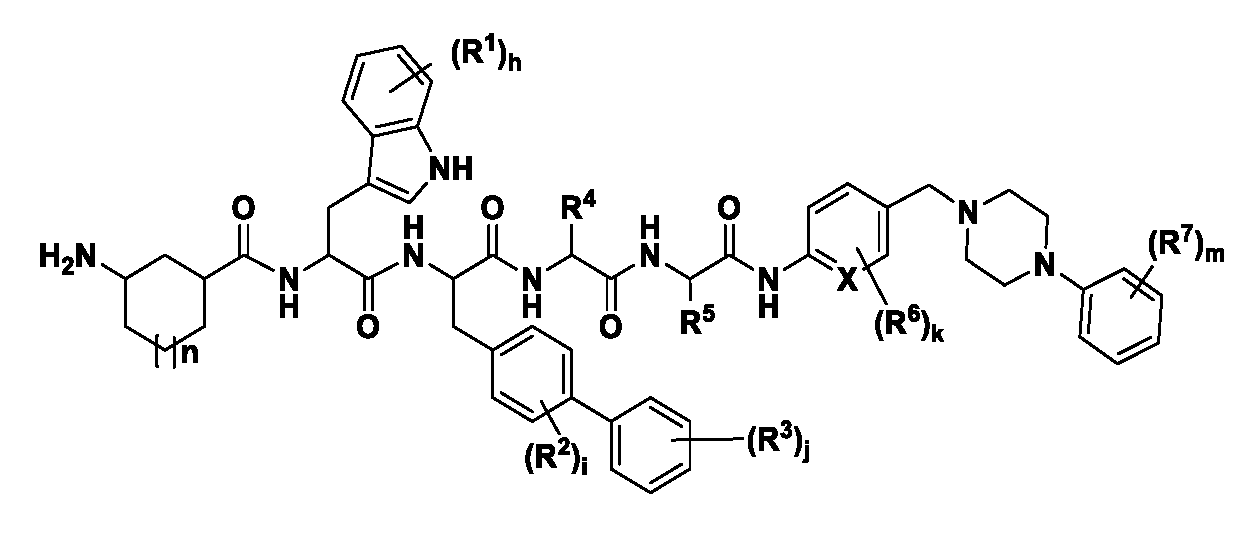


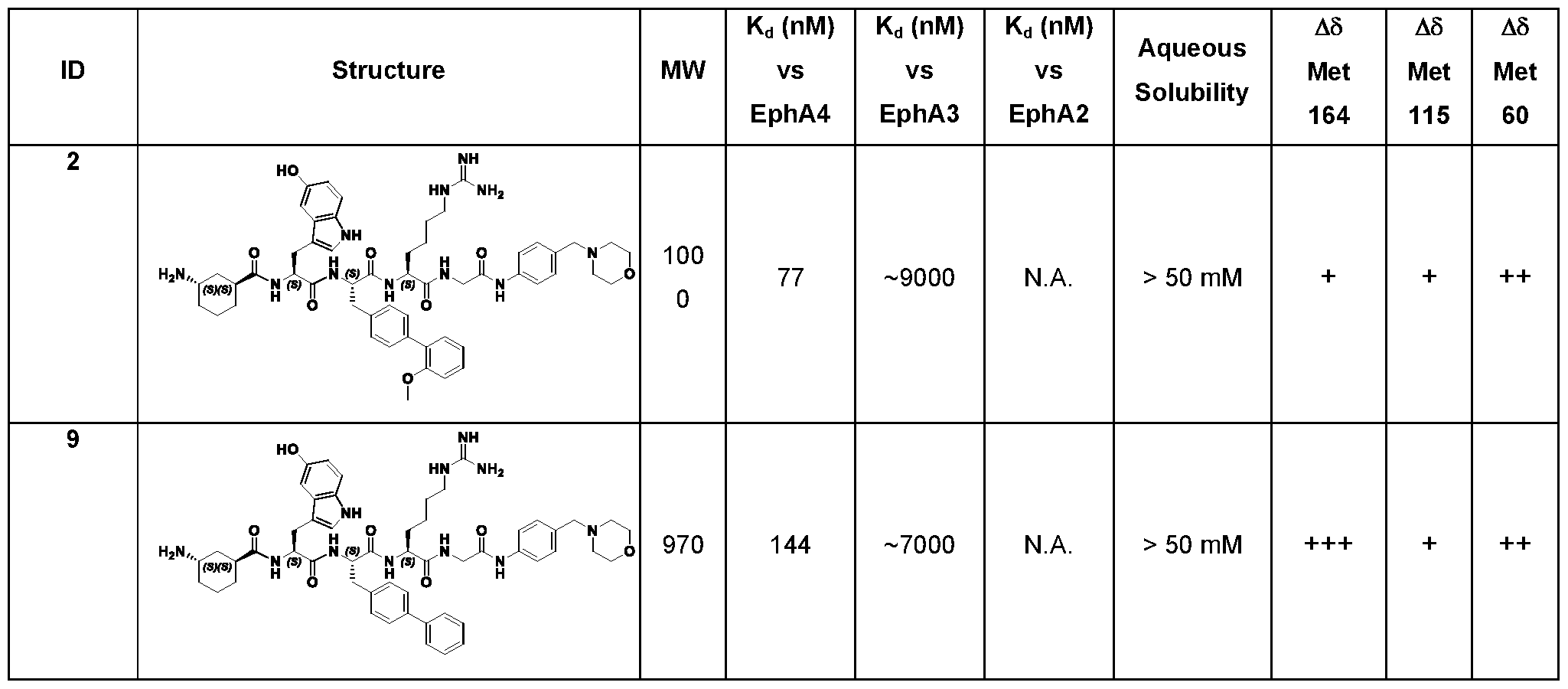

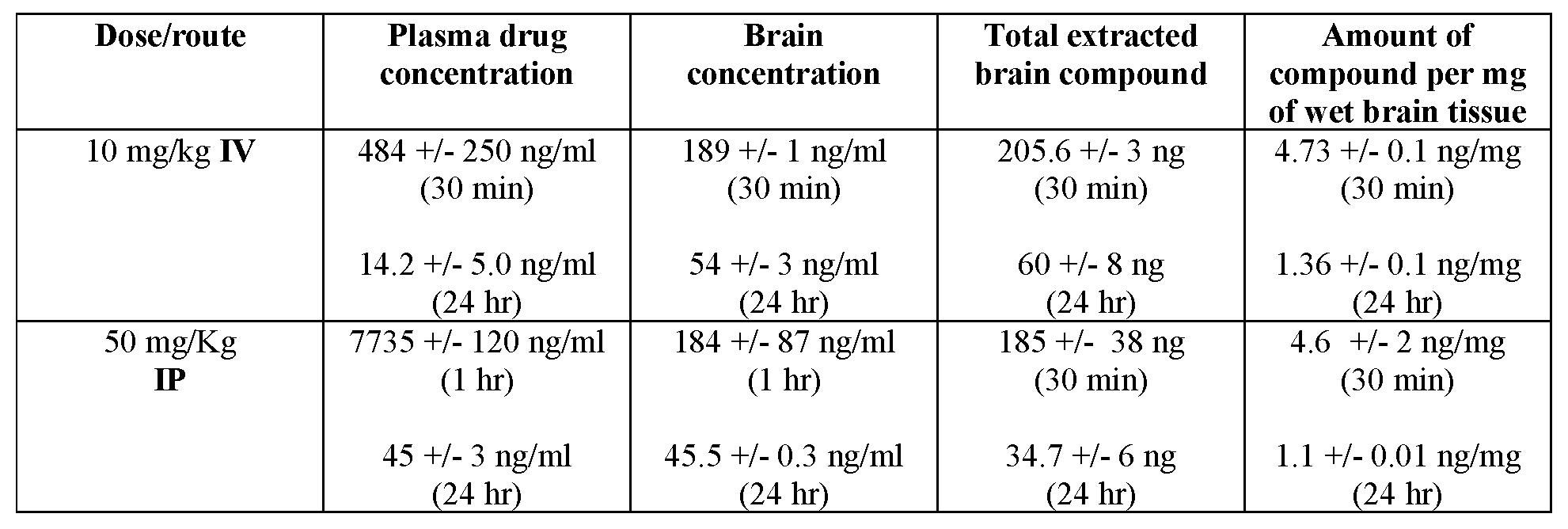


Claims


Priority Applications (4)
| Application Number | Priority Date | Filing Date | Title |
|---|---|---|---|
| AU2021258282A AU2021258282A1 (en) | 2020-04-23 | 2021-04-23 | EphA4 targeting compounds and methods of use thereof |
| EP21792684.9A EP4139326A4 (en) | 2020-04-23 | 2021-04-23 | Epha4 targeting compounds and methods of use thereof |
| US17/920,231 US20230203096A1 (en) | 2020-04-23 | 2021-04-23 | Epha4 targeting compounds and methods of use thereof |
| JP2022564244A JP2023522986A (en) | 2020-04-23 | 2021-04-23 | EPHA4 targeting compounds and methods of use thereof |
Applications Claiming Priority (2)
| Application Number | Priority Date | Filing Date | Title |
|---|---|---|---|
| US202063014551P | 2020-04-23 | 2020-04-23 | |
| US63/014,551 | 2020-04-23 |
Publications (1)
| Publication Number | Publication Date |
|---|---|
| WO2021217047A1 true WO2021217047A1 (en) | 2021-10-28 |
Family
ID=78270222
Family Applications (1)
| Application Number | Title | Priority Date | Filing Date |
|---|---|---|---|
| PCT/US2021/028914 Ceased WO2021217047A1 (en) | 2020-04-23 | 2021-04-23 | Epha4 targeting compounds and methods of use thereof |
Country Status (5)
| Country | Link |
|---|---|
| US (1) | US20230203096A1 (en) |
| EP (1) | EP4139326A4 (en) |
| JP (1) | JP2023522986A (en) |
| AU (1) | AU2021258282A1 (en) |
| WO (1) | WO2021217047A1 (en) |
Cited By (1)
| Publication number | Priority date | Publication date | Assignee | Title |
|---|---|---|---|---|
| WO2024233346A1 (en) * | 2023-05-05 | 2024-11-14 | Sanford Burnham Prebys Medical Discovery Institute | Epha4 antagonists and uses thereof |
Citations (5)
| Publication number | Priority date | Publication date | Assignee | Title |
|---|---|---|---|---|
| US20040180823A1 (en) * | 2002-09-24 | 2004-09-16 | Pasquale Elena B. | Novel agents that modulate Eph receptor activity |
| US20100166657A1 (en) * | 2003-06-06 | 2010-07-01 | Medimmune, Llc | USE OF EphA4 AND MODULATOR OF EphA4 FOR DIAGNOSIS, TREATMENT AND PREVENTION OF CANCER |
| US20100197688A1 (en) * | 2008-05-29 | 2010-08-05 | Nantermet Philippe G | Epha4 rtk inhibitors for treatment of neurological and neurodegenerative disorders and cancer |
| WO2016019280A1 (en) * | 2014-07-31 | 2016-02-04 | The Government Of The United States Of America As Represented By The Secretary Of The Department Of Health And Human Services | Human monoclonal antibodies against epha4 and their use |
| US20180127464A1 (en) * | 2015-04-29 | 2018-05-10 | Sanford-Burnham Medical Research Institute | Novel epha4 inhibitors targeting its ligand binding domain |
-
2021
- 2021-04-23 AU AU2021258282A patent/AU2021258282A1/en active Pending
- 2021-04-23 WO PCT/US2021/028914 patent/WO2021217047A1/en not_active Ceased
- 2021-04-23 EP EP21792684.9A patent/EP4139326A4/en active Pending
- 2021-04-23 US US17/920,231 patent/US20230203096A1/en active Pending
- 2021-04-23 JP JP2022564244A patent/JP2023522986A/en active Pending
Patent Citations (5)
| Publication number | Priority date | Publication date | Assignee | Title |
|---|---|---|---|---|
| US20040180823A1 (en) * | 2002-09-24 | 2004-09-16 | Pasquale Elena B. | Novel agents that modulate Eph receptor activity |
| US20100166657A1 (en) * | 2003-06-06 | 2010-07-01 | Medimmune, Llc | USE OF EphA4 AND MODULATOR OF EphA4 FOR DIAGNOSIS, TREATMENT AND PREVENTION OF CANCER |
| US20100197688A1 (en) * | 2008-05-29 | 2010-08-05 | Nantermet Philippe G | Epha4 rtk inhibitors for treatment of neurological and neurodegenerative disorders and cancer |
| WO2016019280A1 (en) * | 2014-07-31 | 2016-02-04 | The Government Of The United States Of America As Represented By The Secretary Of The Department Of Health And Human Services | Human monoclonal antibodies against epha4 and their use |
| US20180127464A1 (en) * | 2015-04-29 | 2018-05-10 | Sanford-Burnham Medical Research Institute | Novel epha4 inhibitors targeting its ligand binding domain |
Non-Patent Citations (44)
| Title |
|---|
| BAGGIO ET AL., ACS CHEM BIOL, vol. 12, no. 12, 2017, pages 2981 - 2989 |
| BAGGIO ET AL., J MED CHEM, 2018 |
| BARILE ET AL., CHEM REV, vol. 114, no. 9, 2014, pages 4749 - 4763 |
| BOTTINI ET AL., CHEMMEDCHEM, vol. 11, no. 8, 2016, pages 919 - 927 |
| BOWDEN ET AL., STRUCTURE, vol. 17, no. 10, 2009, pages 1386 - 1397 |
| BOYD ET AL., NAT REV DRUG DISCOV, vol. 13, no. 1, 2014, pages 39 - 62 |
| DI GIORGIO ET AL., CELL STEM CELL, vol. 3, no. 6, 2008, pages 649 - 657 |
| DI GIORGIO ET AL., NAT NEUROSCI, vol. 10, no. 5, 2007, pages 615 - 622 |
| FORSE ET AL., PLOS ONE, vol. 10, no. 5, 2015, pages e0127081 |
| FRUGIER ET AL., JNEUROPATHOL EXP NEUROL, vol. 71, no. 3, 2012, pages 242 - 250 |
| FU ET AL., PROCEEDINGS OF THE NATIONAL ACADEMY OF SCIENCES OF THE UNITED STATES OF AMERICA, vol. 111, no. 27, 2014, pages 9959 - 9964 |
| FUKAI ET AL., MOL CANCER THER, vol. 7, no. 9, 2008, pages 2768 - 2778 |
| FUME ET AL., BIOCHIM BIOPHYS ACTA, vol. 1793, no. 2, 2009, pages 231 - 238 |
| HAIDET-PHILLIPS ET AL., NAT BIOTECHNOL, vol. 29, no. 9, 2011, pages 824 - 828 |
| HANELL ET AL., J NEUROTRAUMA, vol. 29, no. 17, 2012, pages 2660 - 2671 |
| IIIZUMI ET AL., CANCER SCI, vol. 97, no. 11, 2006, pages 1211 - 1216 |
| LAMBERTO ET AL., ACS CHEMICAL BIOLOGY, vol. 9, no. 12, 2014, pages 2787 - 2795 |
| LAMBERTO ET AL., THE BIOCHEMICAL JOURNAL, vol. 445, no. 1, 2012, pages 47 - 56 |
| LI ET AL., ONCOGENE, vol. 28, no. 15, 2009, pages 1759 - 1768 |
| MEYER ET AL., PROC NATL ACAD SCI USA, vol. 111, no. 2, 2014, pages 829 - 832 |
| MIYAZAKI ET AL., BMC CLIN PATHOL, vol. 13, no. 1, 2013, pages 19 |
| MURAI ET AL., MOLECULAR AND CELLULAR NEUROSCIENCES, vol. 24, no. 4, 2003, pages 1000 - 1011 |
| NOBERINI ET AL., THE JOURNAL OF BIOLOGICAL CHEMISTRY, vol. 283, no. 43, 2008, pages 29461 - 29472 |
| OLSON ET AL., ACS MED CHEM LETT, vol. 7, no. 9, 2016, pages 841 - 846 |
| OSHIMA ET AL., INT J ONCOL, vol. 33, no. 3, 2008, pages 573 - 577 |
| PASQUALE, CELL, vol. 133, no. 1, 2008, pages 38 - 52 |
| PELLECCHIA ET AL., NAT REV DRUG DISCOV, vol. 1, no. 3, 2002, pages 211 - 219 |
| PELLECCHIA ET AL., NAT REV DRUG DISCOV, vol. 7, no. 9, 2008, pages 738 - 745 |
| PELLECCHIA, CHEMISTRY & BIOLOGY, vol. 12, no. 9, 2005, pages 961 - 971 |
| PENSOLD ET AL., INTJMOL SCI, vol. 22, no. 3, 2021 |
| RAN ET AL., CURR OPIN CHEM BIOL, vol. 44, 2018, pages 75 - 86 |
| RUE ET AL., ACTA NEUROPATHOL COMMUN, vol. 7, no. 1, 2019, pages 114 |
| RUE ET AL., SCI REP, vol. 9, no. 1, 2019, pages 14112 |
| See also references of EP4139326A4 |
| SPANEVELLO ET AL., J NEUROTRAUMA, vol. 30, no. 12, 2013, pages 1023 - 1034 |
| TOGNOLINI ET AL., ACS CHEM NEUROSCI, vol. 5, no. 12, 2014, pages 1146 - 1147 |
| VAN HOECKE ET AL., NATURE MEDICINE, vol. 18, no. 9, 2012, pages 1418 - 1422 |
| WANG ET AL., FEBS,I, vol. 279, no. 2, 2012, pages 251 - 263 |
| WU ET AL., CELL CHEM BIOL, vol. 24, no. 3, 2017, pages 293 - 305 |
| WU ET AL., CHEMISTRY & BIOLOGY, vol. 20, no. 1, 2013, pages 19 - 33 |
| WU ET AL., CURR TOP MED CHEM, vol. 15, no. 20, 2015, pages 2032 - 2042 |
| XU ET AL., PROC NATLACAD SCI USA, vol. 110, no. 36, 2013, pages 14634 - 14639 |
| YAMANAKA ET AL., NAT NEUROSCI, vol. 11, no. 3, 2008, pages 251 - 253 |
| ZHAO ET AL., SCI REP, vol. 8, no. 1, 2018, pages 11393 |
Cited By (1)
| Publication number | Priority date | Publication date | Assignee | Title |
|---|---|---|---|---|
| WO2024233346A1 (en) * | 2023-05-05 | 2024-11-14 | Sanford Burnham Prebys Medical Discovery Institute | Epha4 antagonists and uses thereof |
Also Published As
| Publication number | Publication date |
|---|---|
| US20230203096A1 (en) | 2023-06-29 |
| AU2021258282A1 (en) | 2022-12-15 |
| JP2023522986A (en) | 2023-06-01 |
| EP4139326A4 (en) | 2024-05-29 |
| EP4139326A1 (en) | 2023-03-01 |
Similar Documents
| Publication | Publication Date | Title |
|---|---|---|
| CA3023670C (en) | Agonist agents of cd47 inducing programmed cell death and their use in the treatments of diseases associated with defects in programmed cell death | |
| JP2020117510A (en) | Compounds that stabilize NMDA receptor modulators and pharmaceutical compositions containing them | |
| US12202881B2 (en) | Integrin binding peptides and uses thereof | |
| KR20120129954A (en) | Secondary structure stabilized nmda receptor modulators and uses thereof | |
| US20240217922A1 (en) | Modulators of sortilin activity | |
| EA026687B1 (en) | Peptides as oxytocin agonists | |
| NO326692B1 (en) | Tetrahydrocarbazole derivatives as ligands for G-protein coupled receptors (GPCRs), their use and pharmaceutical preparations containing these | |
| WO2021217047A1 (en) | Epha4 targeting compounds and methods of use thereof | |
| JP6952320B2 (en) | New NK3 receptor agonist | |
| KR20040072657A (en) | Tetrahydrocarbazole derivatives as ligands for G-protein coupled receptors(GPCR) | |
| EP3838912A1 (en) | Retro-inverso peptides | |
| EA030091B1 (en) | Peptides as oxytocin agonists | |
| JP5103563B2 (en) | Somatostatin receptor 1 and / or 4 selective agonists and antagonists | |
| JP2007507472A (en) | Sulfonylamino-peptidomimetics acting on somatostatin receptor subtype 4 (SSTR4) and 1 (SSTR1) | |
| CN115768456A (en) | TSLP-specific bicyclic peptide ligands | |
| CN107602450B (en) | Novel CXCR4 antagonists based on amino acid backbone and their preparation and biomedical applications | |
| TW202417032A (en) | Cyclic peptide or salt thereof and MDMX inhibitor | |
| KR20230048130A (en) | Cyclic Kemerin-9 Derivatives | |
| US20230399361A1 (en) | Macrocyclic peptides | |
| WO2014061772A1 (en) | Novel nk3 receptor agonist | |
| US20250296955A1 (en) | Pin1 targeting compounds and degraders and methods thereof | |
| TW202417465A (en) | Cyclic peptide or salt thereof, and MDMX inhibitor | |
| Anselmi | Peptidomimetic ligands for tuning integrin-mediated signalling: rational design, synthesis and theranostic applications | |
| JPWO2015083816A1 (en) | Novel NK3 receptor agonist | |
| WO2025061176A1 (en) | Cycloalkane-substituted amine derivative, preparation method therefor and use thereof |
Legal Events
| Date | Code | Title | Description |
|---|---|---|---|
| 121 | Ep: the epo has been informed by wipo that ep was designated in this application |
Ref document number: 21792684 Country of ref document: EP Kind code of ref document: A1 |
|
| ENP | Entry into the national phase |
Ref document number: 2022564244 Country of ref document: JP Kind code of ref document: A |
|
| NENP | Non-entry into the national phase |
Ref country code: DE |
|
| ENP | Entry into the national phase |
Ref document number: 2021792684 Country of ref document: EP Effective date: 20221123 |
|
| ENP | Entry into the national phase |
Ref document number: 2021258282 Country of ref document: AU Date of ref document: 20210423 Kind code of ref document: A |