WO2022003674A1 - Neutrophil-binding peptides - Google Patents
Neutrophil-binding peptides Download PDFInfo
- Publication number
- WO2022003674A1 WO2022003674A1 PCT/IL2021/050783 IL2021050783W WO2022003674A1 WO 2022003674 A1 WO2022003674 A1 WO 2022003674A1 IL 2021050783 W IL2021050783 W IL 2021050783W WO 2022003674 A1 WO2022003674 A1 WO 2022003674A1
- Authority
- WO
- WIPO (PCT)
- Prior art keywords
- peptide
- seq
- neutrophils
- lqi
- multimer
- Prior art date
- Legal status (The legal status is an assumption and is not a legal conclusion. Google has not performed a legal analysis and makes no representation as to the accuracy of the status listed.)
- Ceased
Links
Classifications
-
- C—CHEMISTRY; METALLURGY
- C07—ORGANIC CHEMISTRY
- C07K—PEPTIDES
- C07K17/00—Carrier-bound or immobilised peptides; Preparation thereof
- C07K17/02—Peptides being immobilised on, or in, an organic carrier
- C07K17/08—Peptides being immobilised on, or in, an organic carrier the carrier being a synthetic polymer
-
- A—HUMAN NECESSITIES
- A61—MEDICAL OR VETERINARY SCIENCE; HYGIENE
- A61K—PREPARATIONS FOR MEDICAL, DENTAL OR TOILETRY PURPOSES
- A61K31/00—Medicinal preparations containing organic active ingredients
- A61K31/02—Halogenated hydrocarbons
- A61K31/025—Halogenated hydrocarbons carbocyclic
- A61K31/03—Halogenated hydrocarbons carbocyclic aromatic
-
- A—HUMAN NECESSITIES
- A61—MEDICAL OR VETERINARY SCIENCE; HYGIENE
- A61K—PREPARATIONS FOR MEDICAL, DENTAL OR TOILETRY PURPOSES
- A61K31/00—Medicinal preparations containing organic active ingredients
- A61K31/33—Heterocyclic compounds
- A61K31/395—Heterocyclic compounds having nitrogen as a ring hetero atom, e.g. guanethidine or rifamycins
- A61K31/41—Heterocyclic compounds having nitrogen as a ring hetero atom, e.g. guanethidine or rifamycins having five-membered rings with two or more ring hetero atoms, at least one of which being nitrogen, e.g. tetrazole
- A61K31/4196—1,2,4-Triazoles
-
- A—HUMAN NECESSITIES
- A61—MEDICAL OR VETERINARY SCIENCE; HYGIENE
- A61K—PREPARATIONS FOR MEDICAL, DENTAL OR TOILETRY PURPOSES
- A61K31/00—Medicinal preparations containing organic active ingredients
- A61K31/33—Heterocyclic compounds
- A61K31/395—Heterocyclic compounds having nitrogen as a ring hetero atom, e.g. guanethidine or rifamycins
- A61K31/435—Heterocyclic compounds having nitrogen as a ring hetero atom, e.g. guanethidine or rifamycins having six-membered rings with one nitrogen as the only ring hetero atom
- A61K31/44—Non condensed pyridines; Hydrogenated derivatives thereof
- A61K31/4427—Non condensed pyridines; Hydrogenated derivatives thereof containing further heterocyclic ring systems
- A61K31/4439—Non condensed pyridines; Hydrogenated derivatives thereof containing further heterocyclic ring systems containing a five-membered ring with nitrogen as a ring hetero atom, e.g. omeprazole
-
- A—HUMAN NECESSITIES
- A61—MEDICAL OR VETERINARY SCIENCE; HYGIENE
- A61K—PREPARATIONS FOR MEDICAL, DENTAL OR TOILETRY PURPOSES
- A61K47/00—Medicinal preparations characterised by the non-active ingredients used, e.g. carriers or inert additives; Targeting or modifying agents chemically bound to the active ingredient
- A61K47/50—Medicinal preparations characterised by the non-active ingredients used, e.g. carriers or inert additives; Targeting or modifying agents chemically bound to the active ingredient the non-active ingredient being chemically bound to the active ingredient, e.g. polymer-drug conjugates
- A61K47/51—Medicinal preparations characterised by the non-active ingredients used, e.g. carriers or inert additives; Targeting or modifying agents chemically bound to the active ingredient the non-active ingredient being chemically bound to the active ingredient, e.g. polymer-drug conjugates the non-active ingredient being a modifying agent
- A61K47/62—Medicinal preparations characterised by the non-active ingredients used, e.g. carriers or inert additives; Targeting or modifying agents chemically bound to the active ingredient the non-active ingredient being chemically bound to the active ingredient, e.g. polymer-drug conjugates the non-active ingredient being a modifying agent the modifying agent being a protein, peptide or polyamino acid
- A61K47/64—Drug-peptide, drug-protein or drug-polyamino acid conjugates, i.e. the modifying agent being a peptide, protein or polyamino acid which is covalently bonded or complexed to a therapeutically active agent
-
- A—HUMAN NECESSITIES
- A61—MEDICAL OR VETERINARY SCIENCE; HYGIENE
- A61K—PREPARATIONS FOR MEDICAL, DENTAL OR TOILETRY PURPOSES
- A61K47/00—Medicinal preparations characterised by the non-active ingredients used, e.g. carriers or inert additives; Targeting or modifying agents chemically bound to the active ingredient
- A61K47/50—Medicinal preparations characterised by the non-active ingredients used, e.g. carriers or inert additives; Targeting or modifying agents chemically bound to the active ingredient the non-active ingredient being chemically bound to the active ingredient, e.g. polymer-drug conjugates
- A61K47/69—Medicinal preparations characterised by the non-active ingredients used, e.g. carriers or inert additives; Targeting or modifying agents chemically bound to the active ingredient the non-active ingredient being chemically bound to the active ingredient, e.g. polymer-drug conjugates the conjugate being characterised by physical or galenical forms, e.g. emulsion, particle, inclusion complex, stent or kit
- A61K47/6921—Medicinal preparations characterised by the non-active ingredients used, e.g. carriers or inert additives; Targeting or modifying agents chemically bound to the active ingredient the non-active ingredient being chemically bound to the active ingredient, e.g. polymer-drug conjugates the conjugate being characterised by physical or galenical forms, e.g. emulsion, particle, inclusion complex, stent or kit the form being a particulate, a powder, an adsorbate, a bead or a sphere
- A61K47/6927—Medicinal preparations characterised by the non-active ingredients used, e.g. carriers or inert additives; Targeting or modifying agents chemically bound to the active ingredient the non-active ingredient being chemically bound to the active ingredient, e.g. polymer-drug conjugates the conjugate being characterised by physical or galenical forms, e.g. emulsion, particle, inclusion complex, stent or kit the form being a particulate, a powder, an adsorbate, a bead or a sphere the form being a solid microparticle having no hollow or gas-filled cores
- A61K47/6929—Medicinal preparations characterised by the non-active ingredients used, e.g. carriers or inert additives; Targeting or modifying agents chemically bound to the active ingredient the non-active ingredient being chemically bound to the active ingredient, e.g. polymer-drug conjugates the conjugate being characterised by physical or galenical forms, e.g. emulsion, particle, inclusion complex, stent or kit the form being a particulate, a powder, an adsorbate, a bead or a sphere the form being a solid microparticle having no hollow or gas-filled cores the form being a nanoparticle, e.g. an immuno-nanoparticle
- A61K47/6931—Medicinal preparations characterised by the non-active ingredients used, e.g. carriers or inert additives; Targeting or modifying agents chemically bound to the active ingredient the non-active ingredient being chemically bound to the active ingredient, e.g. polymer-drug conjugates the conjugate being characterised by physical or galenical forms, e.g. emulsion, particle, inclusion complex, stent or kit the form being a particulate, a powder, an adsorbate, a bead or a sphere the form being a solid microparticle having no hollow or gas-filled cores the form being a nanoparticle, e.g. an immuno-nanoparticle the material constituting the nanoparticle being a polymer
- A61K47/6935—Medicinal preparations characterised by the non-active ingredients used, e.g. carriers or inert additives; Targeting or modifying agents chemically bound to the active ingredient the non-active ingredient being chemically bound to the active ingredient, e.g. polymer-drug conjugates the conjugate being characterised by physical or galenical forms, e.g. emulsion, particle, inclusion complex, stent or kit the form being a particulate, a powder, an adsorbate, a bead or a sphere the form being a solid microparticle having no hollow or gas-filled cores the form being a nanoparticle, e.g. an immuno-nanoparticle the material constituting the nanoparticle being a polymer the polymer being obtained otherwise than by reactions involving carbon to carbon unsaturated bonds, e.g. polyesters, polyamides or polyglycerol
- A61K47/6937—Medicinal preparations characterised by the non-active ingredients used, e.g. carriers or inert additives; Targeting or modifying agents chemically bound to the active ingredient the non-active ingredient being chemically bound to the active ingredient, e.g. polymer-drug conjugates the conjugate being characterised by physical or galenical forms, e.g. emulsion, particle, inclusion complex, stent or kit the form being a particulate, a powder, an adsorbate, a bead or a sphere the form being a solid microparticle having no hollow or gas-filled cores the form being a nanoparticle, e.g. an immuno-nanoparticle the material constituting the nanoparticle being a polymer the polymer being obtained otherwise than by reactions involving carbon to carbon unsaturated bonds, e.g. polyesters, polyamides or polyglycerol the polymer being PLGA, PLA or polyglycolic acid
-
- A—HUMAN NECESSITIES
- A61—MEDICAL OR VETERINARY SCIENCE; HYGIENE
- A61P—SPECIFIC THERAPEUTIC ACTIVITY OF CHEMICAL COMPOUNDS OR MEDICINAL PREPARATIONS
- A61P1/00—Drugs for disorders of the alimentary tract or the digestive system
-
- A—HUMAN NECESSITIES
- A61—MEDICAL OR VETERINARY SCIENCE; HYGIENE
- A61P—SPECIFIC THERAPEUTIC ACTIVITY OF CHEMICAL COMPOUNDS OR MEDICINAL PREPARATIONS
- A61P11/00—Drugs for disorders of the respiratory system
-
- A—HUMAN NECESSITIES
- A61—MEDICAL OR VETERINARY SCIENCE; HYGIENE
- A61P—SPECIFIC THERAPEUTIC ACTIVITY OF CHEMICAL COMPOUNDS OR MEDICINAL PREPARATIONS
- A61P35/00—Antineoplastic agents
-
- A—HUMAN NECESSITIES
- A61—MEDICAL OR VETERINARY SCIENCE; HYGIENE
- A61P—SPECIFIC THERAPEUTIC ACTIVITY OF CHEMICAL COMPOUNDS OR MEDICINAL PREPARATIONS
- A61P37/00—Drugs for immunological or allergic disorders
-
- C—CHEMISTRY; METALLURGY
- C07—ORGANIC CHEMISTRY
- C07K—PEPTIDES
- C07K7/00—Peptides having 5 to 20 amino acids in a fully defined sequence; Derivatives thereof
- C07K7/04—Linear peptides containing only normal peptide links
- C07K7/06—Linear peptides containing only normal peptide links having 5 to 11 amino acids
-
- C—CHEMISTRY; METALLURGY
- C07—ORGANIC CHEMISTRY
- C07K—PEPTIDES
- C07K7/00—Peptides having 5 to 20 amino acids in a fully defined sequence; Derivatives thereof
- C07K7/04—Linear peptides containing only normal peptide links
- C07K7/08—Linear peptides containing only normal peptide links having 12 to 20 amino acids
-
- A—HUMAN NECESSITIES
- A61—MEDICAL OR VETERINARY SCIENCE; HYGIENE
- A61K—PREPARATIONS FOR MEDICAL, DENTAL OR TOILETRY PURPOSES
- A61K47/00—Medicinal preparations characterised by the non-active ingredients used, e.g. carriers or inert additives; Targeting or modifying agents chemically bound to the active ingredient
- A61K47/06—Organic compounds, e.g. natural or synthetic hydrocarbons, polyolefins, mineral oil, petrolatum or ozokerite
- A61K47/26—Carbohydrates, e.g. sugar alcohols, amino sugars, nucleic acids, mono-, di- or oligo-saccharides; Derivatives thereof, e.g. polysorbates, sorbitan fatty acid esters or glycyrrhizin
-
- A—HUMAN NECESSITIES
- A61—MEDICAL OR VETERINARY SCIENCE; HYGIENE
- A61K—PREPARATIONS FOR MEDICAL, DENTAL OR TOILETRY PURPOSES
- A61K9/00—Medicinal preparations characterised by special physical form
- A61K9/0012—Galenical forms characterised by the site of application
- A61K9/0019—Injectable compositions; Intramuscular, intravenous, arterial, subcutaneous administration; Compositions to be administered through the skin in an invasive manner
-
- A—HUMAN NECESSITIES
- A61—MEDICAL OR VETERINARY SCIENCE; HYGIENE
- A61K—PREPARATIONS FOR MEDICAL, DENTAL OR TOILETRY PURPOSES
- A61K9/00—Medicinal preparations characterised by special physical form
- A61K9/14—Particulate form, e.g. powders, Processes for size reducing of pure drugs or the resulting products, Pure drug nanoparticles
- A61K9/19—Particulate form, e.g. powders, Processes for size reducing of pure drugs or the resulting products, Pure drug nanoparticles lyophilised, i.e. freeze-dried, solutions or dispersions
-
- A—HUMAN NECESSITIES
- A61—MEDICAL OR VETERINARY SCIENCE; HYGIENE
- A61K—PREPARATIONS FOR MEDICAL, DENTAL OR TOILETRY PURPOSES
- A61K9/00—Medicinal preparations characterised by special physical form
- A61K9/48—Preparations in capsules, e.g. of gelatin, of chocolate
- A61K9/50—Microcapsules having a gas, liquid or semi-solid filling; Solid microparticles or pellets surrounded by a distinct coating layer, e.g. coated microspheres, coated drug crystals
- A61K9/51—Nanocapsules; Nanoparticles
- A61K9/5107—Excipients; Inactive ingredients
- A61K9/513—Organic macromolecular compounds; Dendrimers
- A61K9/5146—Organic macromolecular compounds; Dendrimers obtained otherwise than by reactions only involving carbon-to-carbon unsaturated bonds, e.g. polyethylene glycol, polyamines, polyanhydrides
- A61K9/5153—Polyesters, e.g. poly(lactide-co-glycolide)
-
- B—PERFORMING OPERATIONS; TRANSPORTING
- B82—NANOTECHNOLOGY
- B82Y—SPECIFIC USES OR APPLICATIONS OF NANOSTRUCTURES; MEASUREMENT OR ANALYSIS OF NANOSTRUCTURES; MANUFACTURE OR TREATMENT OF NANOSTRUCTURES
- B82Y30/00—Nanotechnology for materials or surface science, e.g. nanocomposites
-
- B—PERFORMING OPERATIONS; TRANSPORTING
- B82—NANOTECHNOLOGY
- B82Y—SPECIFIC USES OR APPLICATIONS OF NANOSTRUCTURES; MEASUREMENT OR ANALYSIS OF NANOSTRUCTURES; MANUFACTURE OR TREATMENT OF NANOSTRUCTURES
- B82Y5/00—Nanobiotechnology or nanomedicine, e.g. protein engineering or drug delivery
Definitions
- the present invention relates to neutrophil-targeted delivery of therapeutic or diagnostic agents in medical conditions including cancer as well as infectious, inflammatory and autoimmune diseases or disorders.
- Malignant cells are basically recognizable to the immune system. However, tumors have evolved mechanisms to create a complex immunosuppressive network that paralyzes the effector arm of the immune response. Tumor immunosuppression is directed by inhibitory cytokines and more importantly, specific cellular populations. Key parts of this immunosuppressive network are myeloid cells, in particular neutrophils and macrophages, “re-educated” by the tumor microenvironment to support tumor growth.
- neutrophils have been studied much less extensively than other cells of the immune system, such as T-cells and macrophages. Yet, there is increasing evidence suggesting that neutrophils contribute to tumorigenesis by supporting angiogenesis and tumor cell growth. On the other hand, along with having pro-tumor functionality, neutrophils have also been shown to have anti-tumor properties and ability to kill tumor cells directly, for example by release of reactive oxygen species, proteases, membrane-perforating agents, or cytokines such as TNFa and interleukin- 1b (Tazzyman S, el al. International journal of experimental pathology, 2009, 90(3), 222-231).
- neutrophils are potent effector cells in a wide range of infectious, inflammatory and autoimmune conditions. Modulation of neutrophil functions in patients afflicted with these conditions as well as in cancer patients may have significant therapeutic benefits and effects on disease progression. However, the remarkably short lifetime of neutrophils poses a major challenge for ex vivo manipulation and subsequent transplantation of these cells. [006] In vivo manipulation of neutrophil function requires targeting of an active agent specifically to the neutrophil population in order to minimize off-target effects. Antibodies specific to mouse neutrophils are available (Daley, J Leukoc Biol. 2008, 83(1), 64-70), but they deplete neutrophils when administered in vivo.
- CD 177 is a neutrophil-specific extracellular surface protein that belongs to a gene superfamily which as common feature possesses at least one LU domain (Ly/uPAR) having 80 amino-acids including 10 cysteines.
- Human CD 177 is 50 % conserved when aligned to C- terminus of mouse CD 177.
- the human CD 177 contains 2 direct repeats of the LU domain, while the mouse CD177 has 4.
- McAlica 13(7): e0200444 discloses CD177-mediated nanoparticle targeting of human and mouse neutrophils by binding peptides identified from a phage display library.
- the present invention provides novel peptide sequences that specifically bind to neutrophils, peptide conjugates and multimeric molecules comprising said peptide sequences.
- the peptides, peptide conjugates and their multimeric forms can be used as targeting agents for specific in vivo delivery of therapeutic and/or diagnostic agents to neutrophils and are useful in particular in patients afflicted with cancer, infectious diseases, inflammatory diseases or disorders or inflammatory autoimmune diseases or disorders.
- a peptide comprising an amino acid sequence selected from the group consisting of:
- SSLMTTQLIATSI (SEQ ID NO: 4);
- PELD SKP YFPPL (SEQ ID NO: 5);
- TETSLRIVSTNP SEQ ID NO: 11
- LSIVSGSALNHL (SEQ ID NO: 12); and LTLVSERPMI (SEQ ID NO: 13).
- the peptide comprises 6-30 amino acids.
- the peptide comprises 10-20 amino acids.
- the peptide consists of an amino acid sequence selected from the group consisting of: SEQ ID NO: 1-13.
- the peptide comprises at least one cyclization.
- the peptide comprises an amino acid sequence selected from the group consisting of: SEQ ID NO: 1-8.
- the peptide comprises an amino acid sequence selected from the group consisting of SEQ ID NO: 9-13.
- the peptide is conjugated to at least one moiety capable of increasing solubility and optionally to at least one linker or spacer.
- the at least one moiety capable of increasing solubility is an 8-amino-3,6-dioxaoctanoic acid (Doa) residue.
- peptide has a structure according to Formula III: Peptide-Doa-Doa-C (Formula III) wherein the C is a Cysteine residue, and the Peptide denotes a peptide of the invention.
- the linker comprises a 3-maleimidopropionic acid (Mpa) residue.
- a peptide multimer comprising a plurality of identical or different peptides of the invention.
- the peptide multimer comprises 2-20 identical or different peptides.
- the peptide multimer comprises 2-4 identical or different peptides.
- the peptide multimer comprises 4 identical or different peptides.
- the peptides are covalently linked to each other or to a scaffold directly or through a linker or spacer.
- the peptide multimer comprises a branched scaffold.
- the branched scaffold comprises at least one Lys residue linked to the peptides directly or through a spacer or linker.
- the peptide multimer further comprises a biotin moiety covalently attached to the peptide multimer.
- the peptide multimer has a structure according to Formula I:
- Peptide-Doa-Doa-C-Mpa wherein each Peptide independently denotes a peptide of the invention.
- the peptide multimer has a structure according to Formula II:
- Peptide-Doa-Doa-C-Mpa wherein each Peptide independently denotes a peptide of the invention.
- the peptide multimer comprises at least two different peptides.
- the peptide multimer comprises four identical peptides.
- a peptide complex comprising at least two peptide multimers of the invention.
- the peptide of the invention, the peptide multimer of the invention, or the peptide complex of the invention comprises an amino acid sequence selected from the group consisting of SEQ ID NO: 1 to 8, for use in targeting to human neutrophils.
- the peptide of the invention, the peptide multimer of the invention, or the peptide complex of the invention comprises an amino acid sequence selected from the group consisting of SEQ ID NO: 9 to 13, for use in targeting to murine neutrophils.
- composition comprising a peptide of the invention, a peptide multimer of the invention, or a peptide complex of the invention attached to a therapeutic or diagnostic agent directly or through a carrier or linker.
- composition comprising a nanoparticle comprising a core particle and a peptide of the invention, a peptide multimer of the invention, or a peptide complex of the invention attached to an outer surface of the core particle.
- the composition further comprises a therapeutic or diagnostic agent.
- the therapeutic agent is a neutrophil modifying therapeutic agent.
- the neutrophil modifying therapeutic agent is a neutrophil cytotoxic agent.
- the therapeutic agent is selected from the group consisting of a TGF-b inhibitor, an exocytosis inhibitor and a flavoenzyme inhibitor.
- the TGF-b inhibitor is SB431542
- the exocytosis inhibitor is Nexinhib-20
- the flavoenzyme inhibitor is diphenyleneiodonium chloride (DPI).
- a pharmaceutical composition comprising a peptide of the invention, a peptide multimer of the invention, a peptide complex of the invention or a composition of the invention and a pharmaceutically acceptable carrier, excipient or adjuvant.
- the pharmaceutical composition is formulated for systemic administration or administration to a site of inflammation.
- the pharmaceutical composition is for use in treating a neutrophil-associated disease or condition.
- the pharmaceutical composition is for use in treating a disease or condition associated with accumulation of neutrophils to a diseased or injured tissue or site.
- the disease or condition is selected from the group consisting of: a cancer, an inflammatory disease or condition and an inflammatory autoimmune disease or condition.
- the disease or condition is an inflammatory disease or condition.
- the inflammatory disease or condition is selected from chronic obstructive pulmonary disease (COPD), inflammatory bowel disease (IBD) and peritonitis.
- COPD chronic obstructive pulmonary disease
- IBD inflammatory bowel disease
- peritonitis peritonitis
- a method of treating a neutrophil- associated disease or condition in a subject in need thereof comprising administering to the subject a pharmaceutical composition of the invention.
- the disease or condition is selected from the group consisting of: a cancer, an inflammatory disease or condition and an inflammatory autoimmune disease or condition.
- the disease or condition is an inflammatory disease or condition.
- the inflammatory disease or condition is selected from chronic obstructive pulmonary disease (COPD), inflammatory bowel disease (IBD) and peritonitis.
- COPD chronic obstructive pulmonary disease
- IBD inflammatory bowel disease
- peritonitis peritonitis
- FIG. 1A-D Validation of Phage Binding of Highest-Ranking Peptides Sequences Selected on Mouse Neutrophils.
- (1A-B) WBC were isolated from 4T1 tumor bearing mice and binding of phage presenting the LQIQSWSSSP (SEQ ID NO: 9) peptide to neutrophils (Ly6G + CD l ib +, red histogram) and other WBC (Ly6G - CD l ib blue histogram) was evaluated using anti -Ml 3 PE-labelled antibody and (1A) flow cytometry analysis or (IB) microscopy.
- FIG. 2A-I (2A) Schematic representation of the structure of a tetrameric LQI.
- Figure 4 A bar graph showing the in vitro binding of uncoated or LQI tetramer-coated nanospheres to neutrophils or other WBCs from 4T1 tumor bearing mice. Analysis was performed by flow cytometry.
- Figures 5A-B Bar graphs showing the percent of nanospheres-carrying neutrophils (nanosphere+ neutrophils) detected in (5A) the blood of peritonitis-induced mice and (5B) the peritoneal lavage of peritonitis-induced mice.
- Pep.” LQI tetramer-coated nanospheres.
- Net neutrophils.
- “Others” other WBCs.
- Figures 6A-B (6A) A histogram obtained by flow cytometry analysis showing LQI tetramer-coated nanosphere uptake by neutrophils in a mouse with colitis. (6B) Micrographs showing an overview image of the distal colon, cut open and flattened, taken with the typhoon laser scanner (left), and images acquired with binocular fluorescence microscope showing magnified area of nanosphere infiltration (right). Highlighted dots represent areas of high fluorescence.
- Figure 7 A bar graph showing the percentage of SA-Cy3+ cells from total population of purified HDNs, after preincubation of LQI tetramer in BSA/lxPBS buffer (control) or in mouse serum (20-, 40- or 60-minute incubation). Analysis was performed by flow cytometry.
- Figures 8A-G Effect of the LQI-tetramer on neutrophil function (8A) Neutrophils were incubated for 6.5 hours in the presence or absence of 10, 100 and 1000 nM of LQI tetramer. Treatment with 10 nM PMA was used as positive control. Viability was determined by trypan exclusion and compared to untreated control neutrophils as shown in a bar graph.
- Figure 9 A bar graph showing the percentage of dead 4T1 cells after incubation with HDNs only, HDNs + LQI tetramer, or HDNs + KFP tetramer, relative to control cells that were not cultured with HDNs.
- Figure 10 A bar graph showing resazurin-based viability assay of 4T1 cells, untreated or treated with LQI tetramer peptide, KFP tetramer or cytochalasin B (positive control).
- Figure 11 A schematic representation of Phage library screening, alternating rounds of positive selection (to HDN) and negative selection (to mononuclear low-density fraction, LDF).
- Figure 12 Representative histograms showing the binding level of an empty phage (control) and 8 human peptide-phages to circulating neutrophils.
- Figures 13A-13I Bar graphs showing the percentage of binding of peptides-phages to neutrophils from different healthy individuals, for the following peptides: 1.1 (SEQ ID NO: 1, Fig. 13 A), 27 (SEQ ID NO: 2, Fig. 13B), 4 (SEQ ID NO: 3, Fig. 13C), 14 (SEQ ID NO: 4, Fig. 13D), PEL (SEQ ID NO: 5, Fig. 13E), ELV (SEQ ID NO: 6, Fig. 13F), SLE (SEQ ID NO: 7, Fig. 19G) and SEL (SEQ ID NO: 8, Fig. 13H).
- M40, Z45, Z48, A38, T26, A25, R55 and N27 represent different individuals.
- Bar graph summarizing the binding of phages expressing different peptides to CD66b+ neutrophils from different donors (colored circles). Open black circles represent an outlier excluded from the overall average.
- Figures 15A-F (15A) Bar graph of representative quantification of 16-KFP binding to neutrophils (SSC h ' 8h ) and other WBC (SSC low ) from a healthy donor. (15B) Line graph showing no effect of KFP-tetramer on neutrophil ROS production. (15C-D). Bar graphs showing no effect of KFP-tetramer on neutrophil viability as measured by (15C) microscopy or (15D) flow cytometry. (15E) Bar graph showing the KFP-tetramer is not chemoattractive to neutrophils. (15F) Bar graph showing no effect of KFP-tetramer on neutrophil attraction to CXCL2.
- Figures 16A-F Optimization of LQI Tetramer Coating of PLGA NP.
- (16D Bar graphs of the binding of PLGA-PEG-Maleimide NP decorated with different concentrations of the LQI tetramer with c-terminal cysteine.
- Figures 17A-E NSNP Mediated Modulation of Neutrophil Function In Vitro and In vivo.
- SSC high side scatter
- Bar chart showing % of neutrophils and other WBC binding to monomer-coated NP.
- (17D) Line graph showing PMA (50 nM) induced ROS production in control neutrophils (Cont.), neutrophils treated with empty (Empty NP) or DPI- containing NSNP (DPI NP) or with free DPI (Cone.).
- FIG. 18A-G (18A-B) Micrographs shows western blot analysis detecting total Smad2/3 and phopho-Smad2 in HDNs that were (18A) preincubated with empty NP + TGFP, or SB431542 NP + TGFP before adding TGFP or (18B) incubated with TGFP only (control), empty NP + TGFp, or SB431542 NP + TGFp.
- mice were untreated and mice treated with empty NSNP (Empty NP) served as control for NSNP injection.
- (18D-E) Dot plots of (18D) neutrophils (Ly6G +) and (18E) non-neutrophil WBC (Ly6G -) isolated from 4Tl-tumor bearing mice were incubated with empty NP, roscovitine- loaded NP or free Roscovitine. Subsequently cells were analysed for Annexin-V binding to quantify apoptotic cells.
- (18F Bar graph of the effect of empty or roscovitine-containing NSNP on neutrophil numbers 4 hrs following NP administration.
- (18G) Line graph showing the effect on H2O2 production by PMA stimulated peritoneal neutrophils produced by of free DPI, empty NSNPs, or DPI containing NSNPs administered intravenously.
- FIG. 19A-E NSNP distribution in vivo.
- Figures 20A-K Neutrophil Specific Targeting of Degranulation and ROS Production Attenuates the Development of COPD.
- (20F Line graph of average pressure-volume loops of healthy PBS treated (blue), COPD empty NP treated (red), COPD DPI-NP treated (green) and COPD Nexinhib-20 NP treated mice (violet).
- Figures 21A-G (21 A) Micrograph sliver staining of a protein gel showing pulldown of the LQI-peptide ligand CD177 using immobilized 16-LQI on neutrophil lysate. (21B) Table of top-ranking proteins enriched by 16-LQI pull-down. (21C-D) Representative dot plots of isolated WBC stained with (21C) Ly6G and CD 177 or (21D) CD 177 and 16-LQI.
- Figures 22A-C Bar graph of 16-KFP binding and CD177 expression of neutrophils of healthy donors (2, 6, 10), COPD patients (11, 12) and lung cancer patients (13).
- 22B Line graph of correlation between CD 177 expression and 16-KFP binding in different donors.
- 22C Bare graph of binding of 16-KFP to neutrophils with increasing amounts of CD 177 blocking antibody.
- the present invention provides peptide sequences that specifically bind to neutrophils, molecules comprising said peptide sequences, in monomeric or multimeric forms, and complexes comprising them.
- the peptides in their various forms can be used for targeted in vivo delivery of therapeutic and/or diagnostic agents to neutrophils, in patients afflicted with cancer as well as infectious disease, inflammatory disease or disorder or inflammatory autoimmune disease or disorder associated with accumulation of neutrophils to a diseased or injured tissue or site.
- Neutrophils have a significant role in the overall immune response against these diseases or disorders and their modulation is a heretofore unexplored therapeutic avenue.
- the present invention is based in part on the finding of several specific short peptide sequences that show highly specific binding to neutrophils. Tetramers and higher-level conjugations of the peptides showed ex vivo and in vivo binding to circulating neutrophils of healthy as well as diseased mice and humans, and was found to accumulate in the site of disease. It was also shown that the peptides do not affect neutrophil viability and function.
- the present invention is further based in part on the discovery that after systemic TGFP blockade, the phenotype of tumor-associated neutrophils (TANs) changes from a tumor- supportive phenotype into a pro-inflammatory tumor-suppressive phenotype, and that nanoparticles containing TGFP inhibitor completely block TGFP signaling in high-density mature neutrophils (High Density Neutrophils - HDNs).
- TANs tumor-associated neutrophils
- nanoparticles containing TGFP inhibitor completely block TGFP signaling in high-density mature neutrophils (High Density Neutrophils - HDNs).
- Fridlender, Z.G., et al. (Cancer cell, 2009, 16(3) 183-194) showed that systemic blockade of TGFp resulted in alteration of neutrophil phenotype from N2 TAN intoNl TAN.
- Targeting of the TGFP inhibitor to neutrophils, using specific peptides and nanoparticles as carriers, can efficiently block TGFP signaling in vivo in a targeted manner without other undesirable side effects.
- the present invention provides peptides that bind to human or murine neutrophils, and uses thereof in treatment or diagnosis of a neutrophil-associated medical condition.
- the medical condition is selected from the group consisting of cancer, infectious disease, inflammatory disease or disorder and autoimmune disease or disorder. Each possibility represents a separate embodiment of the present invention.
- neutrophils refers to the type of leucocyte most numerous in mammals, which forms an important part of the innate immune system. Neutrophils form part of a family of polymorphonuclear cells (PMN) with basophils and eosinophils. Neutrophils are normally found in the bloodstream. During the starting (acute) phase of inflammation, particularly as a result of bacterial infection, and certain forms of cancer, neutrophils are among the first immune cells migrating towards the site of inflammation/tumor. They migrate through the blood vessels, then through interstitial tissue, following chemical signals, such as interleukin-8 (IL-8) and C5a.
- IL-8 interleukin-8
- neutrophils encompasses all types of neutrophils, either mature, immature, high-density or low-density, including but not limited to High Density Neutrophils - HDNs and Low Density Neutrophils (LDNs).
- LDNs Low Density Neutrophils
- peptide refers to a short chain of amino acid residues linked by peptide bonds, i.e., a covalent bond formed between the carboxyl group of one amino acid and an amino group of an adjacent amino acid.
- peptide refers to short sequences having up to 50 amino acids.
- a chain of amino acids monomers longer than 50 amino acid is referred as a “polypeptide”.
- polypeptides when having more than 50 amino acid residues, can also be classified as proteins, more particularly, proteins of low or medium molecular weight.
- peptide encompasses also the term “peptide analog”.
- peptide analog and “analog” are used herein interchangeably and refer to an analog of a peptide having at least 80% identity with the original peptide, wherein the analog retains the activity of the original peptide.
- analog and “active analog” may be used interchangeably.
- analog refers to a peptide which contains substitutions, rearrangements, deletions, additions and/or chemical modifications in the amino acid sequence of the parent peptide.
- the peptide analog has at least 80%, at least 90% or at least 95% sequence identity to the original peptide.
- the analog has about 70% to about 95%, about 80% to about 90% or about 85% to about 95% sequence identity to the original peptide.
- the analog of the present invention comprises the sequence of the original peptide in which 1 or 2 deletions, additions and/or substitutions were made.
- fragment refers to a fragment of the original peptide or of an analog thereof in which 1 or 2 amino acid residues have been deleted, wherein said fragment retains the activity of the original peptide or analog.
- fragment and “active fragment” may be used interchangeably.
- substitutions of the amino acids may be conservative or non-conservative substitution.
- the non-conservative substitution encompasses substitution of one amino acid by any other amino acid.
- the amino acid is substituted by a non natural amino acid.
- analog encompasses also the term “conservative analog”.
- Conservative substitutions of amino acids as known to those skilled in the art are within the scope of the present invention.
- Conservative amino acid substitutions include replacement of one amino acid with another having the same type of functional group or side chain, e.g., aliphatic, aromatic, positively charged, negatively charged.
- One of skill will recognize that individual substitutions, is a "conservatively modified analog" where the alteration results in the substitution of an amino acid with a chemically similar amino acid.
- Conservative substitution tables providing functionally similar amino acids are well known in the art. One typical example of conservative substitution is provided below.
- the following six groups each contain amino acids that are conservative substitutions for one another: (1) Alanine (A), Serine (S), Threonine (T); (2) Aspartic acid (D), Glutamic acid (E); (3) Asparagine (N), Glutamine (Q); (4) Arginine (R), Lysine (K); (5) Isoleucine (I), Leucine (L), Methionine (M), Valine (V); and (6) Phenylalanine (F), Tyrosine (Y), Tryptophan (W).
- the conservative substitution encompass substitution with a chemically similar non-natural amino acid.
- the analog is a conservative analog of the peptide.
- the conservative analog of the present invention comprises the sequence of the original peptide in which 1 or 2 conservative substitutions were made.
- the analog consists of the amino acid sequence of the original peptide in which 1 or 2 conservative substitutions were made.
- the analog consists of the amino acid sequence of the original peptide with 1 or 2 conservative substitutions.
- amino acid refers to an organic compound comprising both amine and carboxylic acid functional groups, which may be either a natural or non-natural amino acid.
- the twenty two natural amino acids are aspartic acid (Asp), tyrosine (Tyr), leucine (Leu), tryptophan (Trp), arginine (Arg), valine (Val), glutamic acid (Glu), methionine (Met), phenylalanine (Phe), serine (Ser), alanine (Ala), glutamine (Gin), glycine (Gly), proline (Pro), threonine (Thr), asparagine (Asn), lysine (Lys), histidine (His), isoleucine (He), cysteine (Cys), selenocysteine (Sec), and pyrrolysine (Pyl).
- Non-limiting examples of non-natural amino acids include diaminopropionic acid (Dap), diaminobutyric acid (Dab), ornithine (Om), aminoadipic acid, b-alanine, 1-naphthylalanine, 3-(l-naphthyl)alanine, 3-(2-naphthyl)alanine, g-aminobutiric acid (GABA), 3-(aminomethyl) benzoic acid, p-ethynyl-phenylalanine, p- propargly-oxy-phenylalanine, m-ethynyl-phenylalanine, p-bromophenylalanine, p- iodophenylalanine, p-azidophenylalanine, p-acetylphenylalanine, azidonorleucine, 6-ethynyl- tryptophan, 5-ethynyl-
- the present invention provides a peptide comprising an amino acid sequence selected from the group consisting of:
- SSLMTTQLIATSI (SEQ ID NO: 4);
- PELD SKP YFPPL (SEQ ID NO: 5); EL VT ASMPRPNN (SEQ ID NO: 6);
- TETSLRIVSTNP SEQ ID NO: 11
- LSIVSGSALNHL SEQ ID NO: 12
- LTLVSERPMI SEQ ID NO: 13
- the present invention provides a peptide of up to
- the peptide comprises an amino acid sequence selected from the group consisting of SEQ ID NO: 1 to 9 or a salt thereof.
- the present invention provides a peptide of up to 30 amino acids, wherein the peptide comprises an amino acid sequence selected from the group consisting of SEQ ID NO: 10 to 13 or a salt thereof.
- the present invention provides a peptide of up to 30 amino acids for use in targeting to neutrophils, wherein the peptide comprises an amino acid sequence selected from the group consisting of SEQ ID NO: 1 to 13 or a salt thereof.
- the present invention provides a peptide of up to 30 amino acids that binds to human neutrophils, said peptide comprising an amino acid sequence selected from the group consisting of: SEQ ID NO: 1 to 8.
- the present invention provides a peptide for use in targeting to human neutrophils, wherein the peptide comprises an amino acid sequence selected from the group consisting of SEQ ID NO: 1 to 8 or a salt thereof.
- the present invention provides a peptide that binds to murine neutrophils, said peptide comprising an amino acid sequence selected from the group consisting of SEQ ID NO: 9 to 13 or a salt thereof.
- the present invention provides a peptide of up to 30 amino acids for use in targeting to murine neutrophils, wherein the peptide comprises an amino acid sequence selected from the group consisting of SEQ ID NO: 9 to 13 or a salt thereof.
- the peptide that binds to murine neutrophils consists of the amino acid sequence LQIQSWSSSP (SEQ ID NO: 9) or a salt thereof.
- Salts refers to both salts of carboxyl groups and to acid addition salts of amino or guanidino groups of the peptide molecule.
- Salts of carboxyl groups may be formed by means known in the art and include inorganic salts, for example sodium, calcium, ammonium, ferric or zinc salts, and the like, and salts with organic bases such as salts formed for example with amines such as triethanolamine, piperidine, procaine, and the like.
- Acid addition salts include, for example, salts with mineral acids such as, for example, acetic acid or oxalic acid. Salts describe here also ionic components added to the peptide solution to enhance hydrogel formation and /or mineralization of calcium minerals.
- the human- and the murine- neutrophil-binding peptides bind to the neutrophils via the human and mouse CD 177, respectively.
- the present invention provides a peptide binding to mouse CD177, said peptide comprising the amino acid sequence selected from SEQ ID NO: 9 to 13 or an analog or salt thereof.
- the present invention provides a peptide binding to human CD177, said peptide comprising an amino acid sequence selected from SEQ ID NO: 1 to 8, or an analog or salt thereof.
- the peptides, analogs and salts of the present invention may be produced by any method known in the art, including recombinant and synthetic methods. Synthetic methods include exclusive solid phase synthesis, partial solid phase synthesis, fragment condensation, or classical solution synthesis. Solid phase peptide synthesis procedures are well known to one skilled in the art. Synthetic methods to produce peptides include but are not limited to FMOC solid phase peptide synthesis described, for example in Fields G. B., Noble R., Int. J. Pept. Protein Res., 35: 161-214, 1990.
- synthetic peptides are purified by preparative high- performance liquid chromatography and the peptide sequence is confirmed via amino acid sequencing by methods known to one skilled in the art.
- the peptide is a neutrophil binding peptide.
- the neutrophils are mammalian neutrophils.
- the neutrophils are rodent neutrophils.
- the neutrophils are murine neutrophils.
- the neutrophils are human neutrophils.
- the peptide is a neutrophil targeting peptide.
- the peptide is a CD 177 binding peptide. According to some embodiments, the peptide is a CD 177 targeting peptide. According to some embodiments, CD 177 is mammalian CD 177. According to some embodiments, CD 177 is rodent CD177. According to some embodiments, CD177 is murine CD177. According to some embodiments, CD 177 is human CD 177.
- the peptide comprises at most 500, 450, 400, 350, 300, 250, 200, 150, 100, 90, 80, 70, 60, 50, 45, 40, 35, 30, 25, 20, 15 or 10 amino acids. Each possibility represents a separate embodiment of the invention.
- the peptide comprises at most 100 amino acids. In some embodiments, the peptide comprises at most 50 amino acids. In some embodiments, the peptide comprises at most 30 amino acids. In some embodiments, the peptide comprises up to 30 amino acids. In some embodiments, the peptide comprises at most 20 amino acids. In some embodiments, the peptide comprises at most 15 amino acids.
- the peptide comprises 6-100, 6-50, 6-40, 6-30, 6- 25, 6-20, 6-15, 5-12, 6-10, 10-100, 10-50, 10-40, 10-30, 10-25, 10-20, 10-15, 10-12, 12-100, 12-50, 12-40, 12-30, 12-25, 12-20, 12-15, 15-100, 15-50, 15-40, 15-30, 15-25, or 15-20, amino acids.
- the peptide comprises at least 6 amino acids.
- the peptide comprises at least 8 amino acids.
- the peptide comprises at least 10 amino acids.
- the peptide comprises at least 12 amino acids.
- the peptide comprises at least 15 amino acids.
- the peptide comprises SEQ ID NO: 1. According to some embodiments, the peptide consists of SEQ ID NO: 1. According to some embodiments, the peptide comprises SEQ ID NO: 2. According to some embodiments, the peptide consists of SEQ ID NO: 2. According to some embodiments, the peptide comprises SEQ ID NO: 3. According to some embodiments, the peptide consists of SEQ ID NO: 3. According to some embodiments, the peptide comprises SEQ ID NO: 4. According to some embodiments, the peptide consists of SEQ ID NO: 4. According to some embodiments, the peptide comprises SEQ ID NO: 5. According to some embodiments, the peptide consists of SEQ ID NO: 5.
- the peptide comprises SEQ ID NO: 6. According to some embodiments, the peptide consists of SEQ ID NO: 6. According to some embodiments, the peptide comprises SEQ ID NO: 7. According to some embodiments, the peptide consists of SEQ ID NO: 7. According to some embodiments, the peptide comprises SEQ ID NO: 8. According to some embodiments, the peptide consists of SEQ ID NO: 8. According to some embodiments, the peptide comprises an amino acids sequence selected from the group consisting of SEQ ID NO: 1-8. According to some embodiments, the peptide consists of an amino acids sequence selected from the group consisting of SEQ ID NO: 1-8.
- the peptide binds to human neutrophils and/or human CD 177 and the peptide comprises or consists of an amino acids sequence selected from the group consisting of SEQ ID NO: 1-8. According to some embodiments, the peptide comprises an amino acids sequence selected from the group consisting of SEQ ID NO: 1-9. According to some embodiments, the peptide consists of an amino acids sequence selected from the group consisting of SEQ ID NO: 1-9.
- the peptide comprises SEQ ID NO: 9. According to some embodiments, the peptide consists of SEQ ID NO: 9. According to some embodiments, the peptide comprises SEQ ID NO: 10. According to some embodiments, the peptide consists of SEQ ID NO: 10. According to some embodiments, the peptide comprises SEQ ID NO: 11. According to some embodiments, the peptide consists of SEQ ID NO: 11. According to some embodiments, the peptide comprises SEQ ID NO: 12. According to some embodiments, the peptide consists of SEQ ID NO: 12. According to some embodiments, the peptide comprises SEQ ID NO: 13. According to some embodiments, the peptide consists of SEQ ID NO: 13.
- the peptide comprises an amino acids sequence selected from the group consisting of SEQ ID NO: 9-13. According to some embodiments, the peptide consists of an amino acids sequence selected from the group consisting of SEQ ID NO: 9-13. In some embodiments, the peptide binds to human neutrophils and/or human CD 177 and the peptide comprises or consists of an amino acids sequence selected from the group consisting of SEQ ID NO: 9-13.
- the peptides comprise at least one cyclization.
- the peptides of the present invention are cyclic peptides.
- the term “cyclization” as used herein refers to an intramolecular bond between two non- adjacent amino acids.
- the terms “cyclic peptide” and “cyclopeptide” are used herein interchangeably and refer to a peptide having an intramolecular bond between two non- adjacent amino acids.
- the cyclization can be made through a covalent or non-covalent bond.
- Intramolecular bonds include, but are not limited to, backbone to backbone, side-chain to backbone and side-chain to side-chain bonds.
- the cyclization occurs between the N-terminal and C-terminal amino acids.
- the cyclization occurs via a spacer.
- the peptides are linear peptides.
- the peptides of the present invention are conjugated to at least one moiety capable of increasing solubility. According to some embodiments, the peptides of the present invention are conjugated to at least one moiety capable of increasing permeability. According to some embodiments, the peptides of the present invention are conjugated at least one moiety capable of increasing solubility or permeability. According to some embodiments, at least one is a plurality of moieties. In some embodiments, a plurality is 2. In some embodiments, a plurality is at least 2, 3, 4, 5, 6, 7, 8, 9, or 10. Each possibility represents a separate embodiment of the invention.
- the peptides of the present invention are conjugated to at least one linker or spacer. According to further embodiments, the peptides of the present invention are conjugated to at least one moiety capable of increasing solubility or permeability and optionally to at least one linker or spacer. According to yet further embodiments, the peptides of the present invention are conjugated to at least one moiety capable of increasing solubility or permeability and to at least one linker or spacer.
- the peptides of the present invention are conjugated to at least one moiety capable of increasing solubility or permeability and to at least one linker or spacer, wherein the at least one moiety capable of increasing solubility or permeability and the at least one linker or spacer are covalently linked to each other.
- the linker is an amino acid linker. In some embodiments, the linker is a chemical linker. In some embodiments, the linker is a bond. In some embodiments, the bond is a covalent bond. In some embodiments, the bond is a peptide bond. In some embodiments, the spacer is an amino acid spacer. In some embodiments, the linker or spacer comprises at least 1, 2, 3, 4, 5, 6, 7, 8, 9 or 10 amino acids. Each possibility represents a separate embodiment of the invention. In some embodiments, the linker or spacer is a single amino acid.
- the linker or spacer comprises at most 1, 2, 3, 4, 5, 6, 7, 8, 9, 10, 11, 12, 13, 14, 15, 20, 25, 30, 35, 40, 45, 50, 60, 70, 75, 80, 90, or 100 amino acids. Each possibility represents a separate embodiment of the invention. In some embodiments, the linker or spacer comprises at most 1 amino acid. In some embodiments, the linker or spacer comprises at most 10 amino acids.
- the linker is a cysteine residue. In some embodiments, the linker is a lysine residue. In some embodiments, the linker is at least one repeat of the dipeptide lysine-alanine. In some embodiments, the linker is at least two repeats of the dipeptide KA. In some embodiments, the linker is two repeats of the dipeptide KA. In some embodiments, the linker comprises or consists of KAKA (SEQ ID NO: 16).
- a first peptide is separated from a second peptide by a spacer. In some embodiments, a first peptide is linked to a second peptide by a linker. In some embodiments, a peptide is separated from a moiety by a spacer. In some embodiments, a peptide is linked to a moiety by a linker. In some embodiments, a first moiety and a second moiety are separated by a spacer. In some embodiments, a first moiety and a second moiety are linked by a linker. In some embodiments, the linkage is a C-terminal linkage. In some embodiments, the linkage is an N-terminal linkage. In some embodiments, the linkage is not an N-terminal linkage. In some embodiments, there is no linkage to the N-terminus of the peptide. In some embodiments, the peptide comprises a free N-terminus.
- the peptide is conjugated to at least one moiety via the peptide’s C-terminus.
- the peptide is conjugated to the at least one linker or spacer via the peptide’s C-terminus.
- the N-terminus of the peptide is not modified.
- the peptide has a free amine group on its N-terminus. Without being bound to any theory or mechanism, it is speculated that the amine group in the N-terminus of the peptides may be involved in the binding to neutrophils.
- Moieties capable of increasing solubility are well known in the art and any such moiety may be employed for the peptide of the invention.
- Moieties that are capable of increasing solubility include but are not limited to: 8-amino-3,6-dioxaoctanoic acid (Doa) residues, polyethylene-glycol (PEG) in any length and peptides comprising the amino acid sequence GGGS (SEQ ID NO: 17) or GGGGS (SEQ ID NO: 18).
- the moiety is a DOA residue.
- the moiety is PEG.
- the linker comprises at least one repeat of SEQ ID NO: 17.
- the linker comprises at least one repeat of SEQ ID NO: 18. In some embodiments, the linker comprises or consists of at least 1, 2, 3, 4, or 5 repeats of SEQ ID NO: 17. Each possibility represents a separate embodiment of the invention. In some embodiments, the linker comprises or consists of at least 1, 2, 3, 4, or 5 repeats of SEQ ID NO: 18. Each possibility represents a separate embodiment of the invention.
- the moiety capable of increasing solubility comprises an 8-amino-3,6-dioxaoctanoic acid (Doa) residue.
- Doa 8-amino-3,6-dioxaoctanoic acid
- the peptides are conjugated to 1,2, 3, 4 or 5 Doa residues. Each possibility represents a separate embodiment of the present invention.
- the peptides are conjugated to 2 Doa residues.
- the Doa residues are covalently connected to each other, to the peptide sequence and/or to a linker.
- the peptides are conjugated to two units of Doa residues covalently connected to each other.
- the covalent linkage is a peptide linkage.
- the peptide and the residue are in a single amino acid chain.
- conjugated or “peptide conjugate” as used herein refer to a molecule in which a peptide moiety is attached (i.e., coupled or linked), either directly or via a linker or spacer, by means of covalent chemical bonding to at least one peptidic or non-peptidic molecule.
- linker and “spacer” are used herein interchangeably and refer to any molecule that covalently binds and therefore linking two molecules.
- Non-limiting examples of the linker are amino acids, peptides, or any other organic substance that can be used to allow distance between two linked molecules.
- the linker is a flexible linker.
- the linker is a flexible peptide.
- the linker is a flexible peptide comprising at least one glycine residue.
- the linker comprises plurality of Lysine residues.
- the linker comprises 3-12 Lysine residues.
- the linker comprises a 3-maleimidopropionic acid (Mpa) residue.
- the present invention provides peptide conjugates comprising at least one peptide selected from SEQ ID NO: 1 to 13 and at least one moiety capable of increasing solubility. According to other embodiments, the present invention provides peptide conjugates comprising at least one peptide selected from SEQ ID NO: 1 to 13and at least one linker or spacer. According to further embodiments, the peptide conjugates comprise at least one peptide selected from SEQ ID NO: 1 to 13, at least one moiety capable of increasing solubility and optionally at least one linker or spacer.
- the peptide conjugates comprise at least one peptide selected from SEQ ID NO: 1 to 13, at least one moiety capable of increasing solubility and at least one linker or spacer. According to yet further embodiments, the peptide conjugates comprise at least one moiety capable of increasing solubility-and at least one linker or spacer, wherein the at least one moiety capable of increasing solubility and the at least one linker or spacer are covalently linked to each other.
- the peptide conjugates comprise at least one peptide selected from SEQ ID NO: 1 to 13 and 1,2, 3, 4 or 5 units of a Doa residue. Each possibility represents a separate embodiment of the present invention. According to further embodiments, the peptide conjugates comprise at least one peptide selected from SEQ ID NO: 1 to 13and 2, 3, 4 or 5 units of a Doa residue, wherein the Doa residues are covalently connected to each other to the peptide sequence and/or to a linker.
- the peptide conjugates comprise at least one peptide selected from SEQ ID NO: 1 to 13, at least one Doa residue and at least one Mpa residue.
- the present invention provides peptide conjugates comprising the amino acid sequence LQIQSWSSSP (SEQ ID NO: 9) and at least one moiety capable of increasing solubility.
- the present invention provides peptide conjugates comprising SEQ ID NO: 9 and at least one linker or spacer.
- the peptide conjugates comprise SEQ ID NO: 9, at least one moiety capable of increasing solubility and optionally at least one linker or spacer.
- the peptide conjugates comprise SEQ ID NO: 9, at least one moiety capable of increasing solubility and at least one linker or spacer.
- the peptide conjugates comprise SEQ ID NO: 9 and 1, 2, 3, 4 or 5 units of a Doa residue. Each possibility represents a separate embodiment of the present invention. According to further embodiments, the peptide conjugates comprise SEQ ID NO: 9 and 2, 3, 4 or 5 units of a Doa residue, wherein the Doa residues are covalently connected to each other, to the peptide sequence and/or to a linker.
- the peptide conjugates comprise SEQ ID NO: 9, at least one Doa residue and at least one Mpa residue.
- the peptide conjugate comprises at least one moiety capable of increasing solubility, wherein the at least one moiety is conjugated to the peptide via the peptide’s C-terminus.
- peptide conjugate comprises at least one linker or spacer, wherein the at least one linker or spacer is conjugated to the peptide via the peptide’s C-terminus.
- the N-terminus of the peptide conjugate is not modified.
- the peptide conjugate has a free amine group on its N-terminus.
- the peptide conjugate has a structure according to Formula III:
- Peptide-Doa-Doa-C (Formula III) wherein “C” is a Cysteine residue, and wherein “Peptide” denotes a peptide of the invention or a salt thereof. In some embodiments, “Peptide” denotes a peptide of the invention or a salt thereof.
- a peptide multimer comprising a plurality of peptides of the invention.
- the plurality of peptides is a plurality of same peptide. According to some embodiments, the plurality of peptides is a plurality of different peptides. According to some embodiments, the peptides are identical or different peptides. According to some embodiments, the present invention provides a peptide multimer comprising a plurality of identical or different peptides selected from peptides of the invention or salts thereof. According to other embodiments, the present invention provides a peptide multimer for use in targeting to human neutrophils, wherein the peptide multimer comprises a plurality of identical or different peptides selected from the group consisting of SEQ ID NO: 1-8 or salts thereof.
- the present invention provides a peptide multimer for use in targeting to murine neutrophils, wherein the peptide multimer comprises a plurality of identical or different peptides selected from the group consisting of SEQ ID NO: 9-13 or salts thereof.
- peptide multimer and “multimeric peptide” are used interchangeably herein and refer to a construct that contains a plurality (at least two, typically at least three or more) of peptides, not necessarily adjacent.
- the peptide multimer is a branched molecule. According to other embodiments, the peptide multimer is a non-branched molecule. According to other embodiments, the peptide multimer is a linear molecule. According to other embodiments, the peptide multimer is a circular molecule. [0137] According to some embodiments, the peptide multimer comprises at most 4, 6, 8, 10, 12, 14, 16, 18, 20, 25, 30, 35, 40, 45 or 50 peptides. Each possibility represents a separate embodiment of the present invention. According to some embodiments, the peptide multimer comprises at least 2, 4, 6, 8, 10, 12, 14, or 16 peptides. Each possibility represents a separate embodiment of the present invention.
- the peptide multimer comprises 2-20, 2-16, 2-14, 2-12, 2-10, 2-8, 2-6 or 2-4 identical or different peptides. Each possibility represents a separate embodiment of the present invention. According to some embodiments, the peptide multimer comprises 2-20, 2-16, 2-14, 2-12, 2-10, 2-8, 2-6 or 2-4 peptides. Each possibility represents a separate embodiment of the present invention. According to some embodiments, the peptide multimer comprises 2-20 peptides. According to some embodiments, the peptide multimer comprises 2-4 peptides. According to some embodiments, the peptide multimer comprises 2 peptides. According to some embodiments, the peptide multimer comprises 4 peptides. According to some embodiments, the peptide multimer comprises 16 peptides. According to specific embodiments, the peptide multimer comprises 4 identical or different peptides.
- the peptides in the peptide multimer are covalently linked to each other directly or through a linker or spacer. According to other embodiments, the peptides in the peptide multimer are covalently linked to a scaffold directly or through a linker or spacer.
- the peptide multimer comprises a plurality of identical or different peptide conjugates. According to some embodiments, the peptide multimer comprises peptide conjugates comprising at least one peptide selected from SEQ ID NO: 1-8. According to some embodiments, the peptide multimer comprises peptide conjugates comprising at least one peptide selected from SEQ ID NO: 9-13. According to other embodiments, the peptide multimer comprises peptide conjugates comprising at least one peptide having the sequence LQIQSWSSSP.
- the peptide multimer comprises 2-20, 2-16, 2-14, 2-12, 2-10, 2-8, 2-6 or 2-4 identical or different peptide conjugates comprising at least one peptide selected from SEQ ID NO: 1-8. According to other embodiments, the peptide multimer comprises 2-20, 2-16, 2-14, 2-12, 2-10, 2-8, 2-6 or 2-4 identical or different peptide conjugates comprising at least one peptide selected from SEQ ID NO: 9-13. According to specific embodiments, the peptide multimer comprises 4 identical or different peptide conjugates. [0140] According to some embodiments, the peptide conjugates in the peptide multimer are covalently linked to each other directly or through a linker or spacer.
- the peptide conjugates in the peptide multimer are covalently linked to a scaffold directly or through a linker or spacer. According to further embodiments, the peptide conjugates in the peptide multimer are non-covalently linked to a scaffold directly or through a linker or spacer.
- the scaffold is a branched scaffold. According to other embodiments, the scaffold is a non-branched scaffold.
- each one of the peptides or peptide conjugates is bound to the scaffold directly or via a linker or spacer.
- the peptides or peptide conjugates are covalently attached to each other and at least one peptide/peptide conjugate is bound to the scaffold directly or via a linker or spacer.
- the scaffold is a peptidic or polypeptidic scaffold.
- the peptidic or polypeptidic scaffold connects the peptides to each other on a single location in the scaffold, or to a different location on a scaffold.
- the scaffold comprises at least one Lysine (Lys) residue.
- the scaffold comprises at least three Lys residues.
- the at least three Lys residues are connected together by amide bonds to form a branched multimeric scaffold.
- at least one amide bond is formed between the epsilon amine of a Lys residue and the carboxy group of another Lys residue.
- the peptide multimer comprises the molecule Mpa -Cysteine-peptide.
- the peptide multimer comprises a molecule of the scheme:
- X represents the peptide’s C-terminus selected from carboxy acid, amide or alcohol group and optionally a linker or spacer, and each “peptide” independently denotes a peptide of the invention or a salt thereof.
- At least one of the peptides is present in multiple copies.
- the multiple copies are linked thereby forming a multi-target peptide multimer.
- the peptide copies are linked through a linker.
- the peptide copies are linked directly.
- the multimer comprises copies linked both directly and via a linker.
- the peptide multimer comprises a plurality of neutrophil-binding peptides arranged in an alternating sequential polymeric structure B(XiX2X3...X m ) n B or in a block copolymer structure B(Xi) n Z(X 2 )nZ(X 3 )nZ...(X m )n, wherein B is an optional sequence of 1-10 amino acid residues; n is at each occurrence independently an integer of 2-50; m is an integer of 3-50; each of Xi, X 2 ...X is an identical or different peptide of the invention; Z at each occurrence is a bond or a spacer of 1-4 amino acid residues.
- B is an optional sequence of 1-10 amino acid residues
- n is at each occurrence independently an integer of 2-50
- m is an integer of 3-50
- each of Xi, X 2 ...X is an identical or different peptide of the invention
- Z at each occurrence is a bond or a spacer of
- block copolymer structure means that all the copies of a single peptide contained in the multimer are arranged adjacently.
- the scaffold comprises or formed from a polyethylene glycol (PEG) molecule(s) or a modified PEG molecule(s).
- the scaffold comprises a branched PEG molecule.
- the branched molecule comprises at least two sites available to bind a peptide of the present invention.
- the scaffold comprises from 2 to 100, 3 to 90, 4 to 60, 5 to 50, 6 to 40, 7 to 35, 8 to 30, 9 to 25 or 10 to 20, or 2 to 50 sites available to bind a peptide.
- the PEG molecule is a branched molecule, comprising at least two separate connections to a peptide.
- the PEG is bound to additional PEG molecules.
- multiple PEG molecules are bound to provide a multi-armed PEG molecule.
- the peptides are connected to the PEG scaffold through amide bonds formed between amino groups of an NEh-PEG molecule.
- at least one peptide is connected to PEG scaffold though a Lys residue.
- the peptide multimer comprises a branched scaffold comprising at least one Lys residue linked to the peptides or peptide conjugates directly or through a spacer or linker.
- the peptide multimer comprises a branched scaffold comprising at two Lys residues linked to the peptides or peptide conjugates directly or through a spacer or linker.
- the peptide multimer comprises a branched scaffold comprising the amino acid sequence Lys- Ala-Lys-Ala (KAKA, SEQ ID NO: 16) linked to the peptides or peptide conjugates directly or through a spacer or linker.
- the peptide multimer further comprises a biotin moiety covalently attached to said peptide multimer directly or via a spacer or linker.
- the biotin is attached to said peptide multimer through the C-terminus.
- the biotin moiety makes the peptide multimer accessible for fluorescent detection and manipulation.
- the peptide multimer further comprises a biotin moiety, wherein the biotin moiety is non-covalently attached to said peptide multimer.
- the peptide multimer further comprises an avidin moiety attached to said peptide multimer directly or via a spacer or linker.
- the peptide multimer further comprises a streptavidin moiety attached to said peptide multimer directly or via a spacer or linker.
- the peptide multimer comprises a biotin moiety and an avidin/ streptavidin moiety attached to each other through biotin-avidin interactions.
- the multimeric peptide is homo-multimeric. According to other embodiments, the multimeric peptide is hetero-multimeric.
- the term “homo-multimeric” refers to a multimeric peptide comprising multiple copies of a single peptide.
- the multimeric peptide comprises 2-20, 2-16, 2-14, 2-12, 2-10, 2-8, 2-6 or 2-4 identical peptides.
- the multimeric peptide comprises 2-20, 2-16, 2-14, 2-12, 2-10, 2-8, 2-6 or 2-4 copies of a peptide comprising the amino acid sequence KFPDLDSRRLPHMSL (SEQ ID NO: 1).
- SEQ ID NO: 1 amino acid sequence
- the multimeric peptide comprises 2-20, 2-16, 2-14, 2-12, 2-10, 2-8, 2-6 or 2-4 copies of a peptide comprising the amino acid sequence LATTHMVFSPDH (SEQ ID NO: 2).
- the multimeric peptide comprises 2-20, 2-16, 2-14, 2-12, 2-10, 2-8, 2-6 or 2-4 copies of a peptide comprising the amino acid sequence PSSNLESTPLSLL (SEQ ID NO: 3).
- SEQ ID NO: 3 amino acid sequence PSSNLESTPLSLL
- the multimeric peptide comprises 2-20, 2-16, 2-14, 2-12, 2-10, 2-8, 2-6 or 2-4 copies of a peptide comprising the amino acid sequence SSLMTTQLIATSI (SEQ ID NO: 4). Each possibility represents a separate embodiment of the invention. According to some embodiments, the multimeric peptide comprises 2-20, 2-16, 2-14, 2-12, 2-10, 2-8, 2-6 or 2-4 copies of a peptide comprising the amino acid sequence PELDSKPYFPPL (SEQ ID NO: 5). Each possibility represents a separate embodiment of the invention.
- the multimeric peptide comprises 2-20, 2-16, 2-14, 2-12, 2-10, 2-8, 2-6 or 2-4 copies of a peptide comprising the amino acid sequence ELVTASMPRPNN (SEQ ID NO: 6). Each possibility represents a separate embodiment of the invention. According to some embodiments, the multimeric peptide comprises 2-20, 2-16, 2-14, 2-12, 2-10, 2-8, 2-6 or 2-4 copies of a peptide comprising the amino acid sequence SLESSPMAQLPQ (SEQ ID NO: 7). Each possibility represents a separate embodiment of the invention.
- the multimeric peptide comprises 2-20, 2-16, 2-14, 2-12, 2-10, 2-8, 2-6 or 2-4 copies of a peptide comprising the amino acid sequence SELRSTPLLVPS (SEQ ID NO: 8). Each possibility represents a separate embodiment of the invention. According to some embodiments, the multimeric peptide comprises 2-20, 2-16, 2-14, 2-12, 2-10, 2-8, 2-6 or 2-4 copies of a peptide comprising the amino acid sequence LQIQSWSSSP (SEQ ID NO: 9). Each possibility represents a separate embodiment of the invention.
- the multimeric peptide comprises 2-20, 2-16, 2-14, 2-12, 2-10, 2-8, 2-6 or 2-4 copies of a peptide comprising the amino acid sequence STMTILGTGS (SEQ ID NO: 10). Each possibility represents a separate embodiment of the invention. According to some embodiments, the multimeric peptide comprises 2-20, 2-16, 2-14, 2-12, 2-10, 2-8, 2-6 or 2-4 copies of a peptide comprising the amino acid sequence TETSLRIVSTNP (SEQ ID NO: 11). Each possibility represents a separate embodiment of the invention.
- the multimeric peptide comprises 2-20, 2-16, 2-14, 2-12, 2-10, 2-8, 2-6 or 2-4 copies of a peptide comprising the amino acid sequence LSIVSGSALNHL (SEQ ID NO: 12). Each possibility represents a separate embodiment of the invention. According to some embodiments, the multimeric peptide comprises 2-20, 2-16, 2-14, 2-12, 2-10, 2-8, 2-6 or 2-4 copies of a peptide comprising the amino acid sequence LTLVSERPMI (SEQ ID NO: 13). Each possibility represents a separate embodiment of the invention.
- the multimeric peptide is a tetramer comprising 4 copies of a peptide comprising an amino acid sequence selected from the group consisting of SEQ ID NO: 1 to 13.
- the multimeric peptide is a tetramer comprising 4 copies of a peptide comprising the amino acid sequence selected from SEQ ID NO: 1 to 8.
- the multimeric peptide is a tetramer comprising 4 copies of a peptide comprising the amino acid sequence selected from SEQ ID NO: 9 to 13.
- the multimeric peptide is a tetramer comprising 4 copies of a peptide comprising the amino acid sequence KFPDLDSRRLPHMSL (SEQ ID NO: 1). According to other embodiments, the multimeric peptide is a tetramer comprising 4 copies of a peptide comprising the amino acid sequence LQIQSWSSSP (SEQ ID NO: 9).
- hetero-multimeric refers to a multimeric peptide comprising one or more copies of at least two different peptides.
- the term “different peptides” refers to peptides having different sequence and not to two copies of the same peptide.
- the multimeric peptide comprises one or more copies of at least two different peptides of the invention.
- the multimeric peptide comprises one or more copies of at least two different peptides of the invention.
- the hetero multimeric peptide comprises 2, 3, 4, 5 ,6, 7 or 8 different peptide sequences of the invention or a salt thereof.
- a peptide multimer comprising 4 copies of a single neutrophil binding peptide, binds more efficiently to circulating neutrophils than a monomer of the peptide. Without being bound to any theory or mechanism, it is believed that a hetero- multimeric peptide comprising at least two substantially different peptides would target even higher percent of neutrophils than a homo-multimeric peptide.
- the hetero-multimeric peptide comprises 2-20, 2-10 or 2-5 copies of at least one of the different peptides. According to other embodiments, the hetero-multimeric peptide comprises 2-20, 2-10 or 2-5 copies of at least two of the different peptides. According to further embodiments, the hetero-multimeric peptide comprises 2-20, 2-10 or 2-5 copies of at least three of the different peptides. Each possibility represents a separate embodiment of the present invention.
- the peptide multimer is a tetramer peptide presenting the neutrophil-binding peptide on 4 branches.
- at least one peptide in the tetramer has a free amine group on its N-terminus.
- each one of the neutrophil-binding peptides in the tetramer has a free amine group on the N-terminus.
- the multimer peptide is a tetramer peptide presenting 4 copies of one neutrophil-binding peptide on 4 branches.
- the multimer peptide is a tetramer peptide presenting 4 copies of one neutrophil-binding peptide on 4 branches, wherein at least one copy of the neutrophil-binding peptide has a free amine group on its N-terminus.
- the multimer peptide is a tetramer peptide presenting 4 copies of one neutrophil-binding peptide on 4 branches, wherein each one of the copies of the neutrophil binding peptide has a free amine group on its N-terminus.
- the peptide multimer comprises a structure according to Formula F Peptide-Doa-Doa-C-Mpa
- the peptide multimer comprises a structure according to Formula I, wherein each “Peptide” independently denotes a peptide of the invention or a salt thereof, wherein at least 2 peptides are different.
- the peptide multimer comprises a structure according to Formula I, wherein each “Peptide” independently denotes a peptide of the invention or a salt thereof, wherein at least 3 peptides are different.
- the peptide multimer comprises a structure according to Formula I, wherein each “Peptide” independently denotes a different peptide sequence, wherein each peptide sequence comprises a sequence selected from the group consisting of SEQ ID NO: 1 to 13 or a salt thereof.
- the peptide multimer comprises a structure according to Formula I, wherein each “Peptide” independently denotes a peptide of the invention or a salt thereof, wherein at least 2 peptides are identical.
- the peptide multimer comprises a structure according to Formula I, wherein each “Peptide” independently denotes a peptide of the invention or a salt thereof, wherein at least 3 peptides are identical.
- the peptide multimer comprises a structure according to Formula I, wherein “Peptide” denotes a peptide of the invention or a salt thereof. According to other embodiments, the peptide multimer comprises a structure according to Formula I, wherein each “Peptide” independently denotes a peptide of the invention or a salt thereof, wherein 4 peptides are identical.
- the peptide multimer comprises a structure according to Formula I, wherein “Peptide” denotes a peptide comprising the amino acid sequence of SEQ ID NO: 1 or a salt thereof. According to some embodiments, the peptide multimer comprises a structure according to Formula I, wherein “Peptide” denotes a peptide consisting of the amino acid sequence of SEQ ID NO: 1 or a salt thereof. According to some embodiments, the peptide multimer comprises a structure according to Formula I, wherein “Peptide” denotes a peptide comprising the amino acid sequence of SEQ ID NO: 9 or a salt thereof. According to some embodiments, the peptide multimer comprises a structure according to Formula I, wherein “Peptide” denotes a peptide consisting of the amino acid sequence of SEQ ID NO: 9 or a salt thereof.
- the peptide multimer comprises a structure according to Formula II:
- the peptide multimer comprises a structure according to Formula II, wherein each “Peptide” independently denotes a peptide of the invention or a salt thereof, wherein at least 2 peptides are different.
- the peptide multimer comprises a structure according to Formula II, wherein each “Peptide” independently denotes a peptide of the invention or a salt thereof, wherein at least 3 peptides are different.
- the peptide multimer comprises a structure according to Formula II, wherein each “Peptide” independently denotes a different peptide sequence, wherein each peptide sequence comprises a sequence selected from the group consisting of SEQ ID NO: 1 to 13 or a salt thereof.
- the peptide multimer comprises a structure according to Formula II, wherein each “Peptide” independently denotes a peptide of the invention or a salt thereof, wherein at least 2 peptides are identical.
- the peptide multimer comprises a structure according to Formula II, wherein each “Peptide” independently denotes a peptide of the invention or a salt thereof, wherein at least 3 peptides are identical.
- the peptide multimer comprises a structure according to Formula II, wherein “Peptide” denotes a peptide of the invention or a salt thereof. According to other embodiments, the peptide multimer comprises a structure according to Formula II, wherein each “Peptide” independently denotes a peptide of the invention or a salt thereof, wherein 4 peptides are identical.
- the peptide multimer comprises a structure according to Formula II, wherein “Peptide” denotes a peptide comprising the amino acid sequence of SEQ ID NO: 1 or a salt thereof. According to some embodiments, the peptide multimer comprises a structure according to Formula II, wherein “Peptide” denotes a peptide consisting of the amino acid sequence of SEQ ID NO: 1 or a salt thereof. According to some embodiments, the peptide multimer comprises a structure according to Formula II, wherein “Peptide” denotes a peptide comprising the amino acid sequence of SEQ ID NO: 9 or a salt thereof. According to some embodiments, the peptide multimer comprises a structure according to Formula II, wherein “Peptide” denotes a peptide consisting of the amino acid sequence of SEQ ID NO: 9 or a salt thereof.
- a peptide complex comprising at least two peptide multimers of the invention.
- the present invention provides a peptide complex comprising at least two peptide multimers.
- the term “peptide complex” refers to a construct that contains a plurality (at least two, typically at least three or more) of identical or different peptide multimers, not necessarily adjacent.
- the peptide complex comprises at least two peptide multimers, wherein the peptide multimers comprise at least one peptide of the invention or a salt thereof.
- the present invention provides a peptide complex for use in targeting to human neutrophils wherein the peptide complex comprises at least two peptide multimers, wherein the peptide multimers comprise at least one peptide comprising a sequence selected from SEQ ID NO: 1 to 13 or a salt thereof.
- the peptide complex comprises at least two peptide multimers, wherein the peptide multimers comprise at least two peptides comprising the amino acid sequence of SEQ ID NO: 9 or a salt thereof.
- the peptide complex comprises at least two peptide multimers, wherein the peptide multimers comprise at least two peptides comprising the amino acid sequence of SEQ ID NO: 1 or a salt thereof.
- the present invention provides a peptide complex for use in targeting to murine neutrophils wherein the peptide complex comprises at least two peptide multimers, wherein the peptide multimers comprise at least one peptide comprising SEQ ID NO: 9 or a salt thereof.
- the present invention provides a peptide complex for use in targeting to human neutrophils wherein the peptide complex comprises at least two peptide multimers, wherein the peptide multimers comprise at least one peptide comprising SEQ ID NO: 1 or a salt thereof.
- the peptide multimers in the peptide complex are covalently connected to each other directly or via a linker or spacer.
- the linker or spacer is selected from the group consisting but not limited to amino acids, peptides, and any other organic substance that can be used to allow distance between two linked molecules.
- the peptide multimers in the peptide complex are non-covalently attached to each other.
- the peptide multimers in the peptide complex are non-covalently attached to each other through a biotin-avidin interactions.
- the peptide complex comprises at least two biotin moieties and an avidin/streptavidin moiety, wherein the at least two biotin moieties are covalently attached to the peptide multimers, and wherein the avidin/streptavidin moiety is non-covalently attached to the biotin moieties.
- the peptide complex comprises 4 peptide multimers and an avidin/streptavidin moiety, wherein each one of the peptide multimers is covalently attached to a biotin moiety, and wherein the 4 peptide multimers are non-covalently attached to the avidin/streptavidin moiety.
- a composition comprising a peptide of the invention, a peptide multimer of the invention or a peptide complex of the invention.
- the peptide, peptide multimer or peptide complex is attached to a therapeutic agent.
- the peptide, peptide multimer or peptide complex is attached to a diagnostic agent.
- attached is directly attached.
- attached is attached via a linker.
- attached is attached via a carrier.
- attached is covalently attached.
- attached is attached via a carrier.
- attached is non-covalently attached.
- the peptide, peptide multimer or peptide complex is attached to a therapeutic or diagnostic agent directly or through a carrier or linker.
- a therapeutic or diagnostic agent directly or through a carrier or linker.
- the peptide, peptide multimer or peptide complex is covalently attached to the therapeutic/diagnostic agent directly or through a linker or spacer.
- the peptide, peptide multimer or peptide complex is non-covalently attached to the therapeutic/diagnostic agent.
- the peptide, peptide multimer or peptide complex is attached to a therapeutic or diagnostic agent through a carrier, wherein the carrier is a particle, wherein the size of the particle is in the sub-micron range.
- the carrier is a particle.
- the particle is a sub-micron size particle.
- the particle is a nanoparticle (NP).
- the peptide, peptide conjugate, peptide multimer or peptide complex is attached to a therapeutic or diagnostic agent through a carrier, wherein the carrier is a nanoparticle.
- the peptide, peptide conjugate, peptide multimer or peptide complex is attached to a therapeutic or diagnostic agent through a carrier, wherein the carrier is a nanoparticle encapsulating or coated with said therapeutic or diagnostic agent.
- nanoparticle refers to a particle having an average size of up to about 1000 nm, as determined by any method known in the art, for example dynamic light scattering (DLS) for determining the hydrodynamic diameter of the particles and transmission electron microscopy (TEM) for determining the accurate geometric nanoparticle size.
- DLS dynamic light scattering
- TEM transmission electron microscopy
- the size of the nanoparticle is within the range of 50-1000, 100-1000, 200-1000, 250-1000, 300-1000, 500-1000, 600-1000, 700-1000, 50-900, 100-900, 200-900, 250-900, 300-900, 500-900, 600-900, 700-900, 50-800, 100-800, 200-800, 250-800, 300-800, 500-800, 600-800, 700-800, 50-600, 100-600, 200-600, 250-600, 300-600, 500-600, or 50-200 nm.
- the nanoparticle is selected from a nanosphere and a nanorod.
- the term “nanosphere” refers to a nanoparticle having a spherical shape.
- the term “nanorod” refers to a nanoparticle having a rod-like shape.
- the nanoparticle is a liposome.
- the nanoparticle is a polymeric nanoparticle.
- the polymeric nanoparticle comprises poly(lactic-co-gly colic acid) (PLGA).
- the nanoparticle is a metallic nanoparticle.
- the nanoparticle is fluorescently-labeled.
- the nanoparticle is modified with PEG.
- the nanoparticle comprises a PLGA core.
- the nanoparticle is coated with a reactive agent.
- the reactive agent is suitable for conjugating the peptide, peptide multimer or peptide complex to the nanoparticle.
- Reactive groups for conjugation are well known in the art and examples of such are provided herein below.
- the reactive group is a binding or capture group.
- the binding or capture group is for binding or capturing a peptide or a linker or spacer.
- the reactive group is streptavidin (SA).
- SA is for binding a peptide/multimer/complex comprising biotin.
- the reactive group is a thiol.
- the thiol if for binding a peptide/multimer/complex comprising a cysteine.
- the cysteine is a free cystine.
- the cysteine is in a linker.
- the linkage is a maleimide linkage.
- the nanoparticle encapsulates the agent.
- the nanoparticle comprises a hydrophilic core and the agent is in the core.
- the nanoparticle comprises a hydrophobic core and the agent is in the core.
- the agent is associated with the surface of the nanoparticle.
- the agent is linked or conjugated to the surface of the nanoparticle.
- the agent is a hydrophobic agent.
- the agent is a hydrophilic agent.
- the agent is a neutrophil modifying agent. In some embodiments, the agent is a neutrophil modifying therapeutic agent. In some embodiments, the agent blocks reactive oxidation species (ROS) production. In some embodiments, the agent is a ROS inhibiting agent. In some embodiments, a ROS inhibiting agent is a flavoenzyme inhibitor. In some embodiments, the agent is an exocytosis inhibitor. In some embodiments, the agent blocks degranulation. In some embodiments, the agent is a degranulation inhibiting agent. In some embodiments, the agent is a cytotoxic agent. In some embodiments, cytotoxic is cell cytotoxic. In some embodiments, the cell is a neutrophil. In some embodiments, the agent is selected from the group consisting of TGF-b inhibitor, an exocytosis inhibitor and a flavoenzyme inhibitor.
- ROS reactive oxidation species
- the peptide, peptide multimer or peptide complex is attached to a therapeutic agent directly or through a carrier, wherein the therapeutic agent is a TGFp inhibitor.
- the therapeutic agent is a TGFP inhibitor.
- the TGFP inhibitor is SB-431542. TGFP inhibitors are well known in the art and any such inhibitor can be used as the therapeutic agent.
- the therapeutic agent is a flavoenzyme inhibitor.
- the flavoenzyme is a membrane flavoenzyme.
- the membrane flavoenzyme is a nicotinamide adenine dinucleotide phosphate(NADPH) oxidase.
- NADPH nicotinamide adenine dinucleotide phosphate
- the NADPH oxidase is inhibitor diphenyleneiodonium (DPI).
- the flavoenzyme inhibitor is DPI.
- the therapeutic agent is selected from Sinomenine and Ginko Biloba.
- the therapeutic agent is Sinomenine.
- the therapeutic agent is Ginko Biloba. Flavoenzyme inhibitors are well known in the art and any such inhibitor may be used as the therapeutic agent of the invention.
- the therapeutic agent is an exocytosis inhibitor.
- the therapeutic agent is a neutrophil exocytosis inhibitor.
- the exocytosis inhibitor is Nexinhib-20. Exocytosis inhibitors are well known in the art and any such inhibitor may be used as the therapeutic agent of the invention.
- the peptides of the present invention are stable in serum at 37°C for at least 10, 20, 30, 40, 50 or-60 minutes. Each possibility represents a separate embodiment of the present invention.
- the serum includes various proteases mostly belonging to the coagulations cascade like factor XI or thrombin. Most of these proteases are serine proteases known to have similar substrate specificity as trypsin i.e., cleavage of peptide bonds after positive charged amino acids (Arg, Lys). Without being bound to any theory or mechanism, it is hypothesized that the peptides of the present invention which do not comprise positively-charged amino acid (e.g via LQIQSWSSSP, SEQ ID NO: 9), may be excluded from proteolytic degradation in serum. [0177] According to some embodiments, the peptides of the invention are conjugated to a stabilizing agent.
- the peptides, peptide conjugates and peptide multimers of the invention do not impair viability of neutrophils or viability of other blood cells. According to some embodiments, the peptides, peptide conjugates and peptide multimers do not impair neutrophil function. According to particular embodiments, the peptides, peptide conjugates and peptide multimers do not impair neutrophil activation, ROS production, migration and/or cytotoxicity towards cancer cells.
- Neutrophil activation, migration and ROS production can be examined by methods known in the art, including for example determining the surface expression of CD l ib as a proxy for neutrophil activation; Boyden chamber assay for testing neutrophil migration; and luminol based assay to determine the extent of ROS production.
- the present invention provides a nanoparticle comprising a core particle and a plurality of at least one of the peptides or peptide multimers/complexes as detailed in the present invention, wherein the peptides or peptide multimers/complexes are attached to the outer surface of said core particle.
- core particle refers to a nanoparticle that can be surrounded or coated with the peptides or peptide multimers/complexes of the invention.
- the peptides or peptide multimers/complexes can be attached to the outer surface of the core particle via covalent or non-covalent bonds.
- the present invention provides a nanoparticle comprising a core particle and at least one peptide of the invention, wherein the at least one peptide is attached to the outer surface of said core particle. In some embodiments, at least one is a plurality. [0183] According to some embodiments, the present invention provides a nanoparticle comprising a core particle and at least one peptide comprising the amino acid sequence KFPDLDSRRLPHMSL (SEQ ID NO: 1), wherein the peptide is attached to the outer surface of said core particle, directly or through a linker or spacer. In some embodiments, at least one is a plurality.
- the present invention provides a nanoparticle comprising a core particle and at least one peptide multimer of the invention , wherein the at least one peptide multimer is attached to the outer surface of said core particle.
- at least one is a plurality.
- the present invention provides a nanoparticle comprising a core particle and at least one peptide complex of the invention, wherein the at least one peptide complex is attached to the outer surface of said core particle.
- the present invention provides a nanoparticle comprising a core particle and at least one peptide comprising the amino acid sequence LQIQSWSSSP (SEQ ID NO: 1), wherein the at least one peptide is attached to the outer surface of said core particle.
- the core particle is selected from the group consisting of: liposomes, solid lipid nanoparticles, polymeric nanoparticles and metallic nanoparticles. According to some embodiments, the core particle is biodegradable.
- nanoparticle surface with PEG can increase in vivo circulation time and decrease uptake by macrophages. Therefore, according to some embodiments, the nanoparticle is modified with PEG.
- the core particle is a streptavi din-coated nanoparticle and the peptide, peptide multimer or complex comprises at least one biotin moiety, wherein the peptide, peptide multimer or complex is attached to the core particle through biotin-streptavidin interactions.
- streptavidin- coated particle is a streptavidin-coated fluorescent nile red particle.
- the core particle is a polymeric nanoparticle wherein the polymeric nanoparticle is selected from the group consisting but not limited to: polylactide-polyglycolide copolymers (PLGA), polylactide, polycaprolactones, polyacrylates, polyethylene glycol (PEG) and propylene glycol (PPG) nanoparticles and copolymers thereof.
- PLGA polylactide-polyglycolide copolymers
- PEG polyethylene glycol
- PPG propylene glycol
- PLGA particles offers several advantages for drug delivery platforms: 1. Biodegradability and biocompatibility.
- Possibility of sustained release- degradation time can vary from several months to several years, depending on the molecular weight and copolymer ratio.
- the polymeric nanoparticle is a PLGA nanoparticle.
- the PLGA is acid-terminated.
- the PLGA particle further comprises PEG.
- the PLGA is PEG modified PLGA.
- the PLGA particle further comprises Maleimide.
- the particle is a PLGA-PEG-Maleimide particle.
- the Maleimide is 30% Maleimide.
- the core particle is a streptavi din-coated PLGA nanoparticle
- the at least one peptide or peptide multimer/complex comprises at least one biotin moiety, wherein the plurality of the at least one peptide or peptide multimer/complex are attached to the outer surface of said core particle through biotin-streptavidin interactions.
- the core particle is a PLGA particle comprising acid- terminated PLGA, and the at least one peptide or peptide multimer/complex comprises at least one peptide sequence with a free amine group on the C-terminus, wherein the plurality of the at least one peptide or peptide multimer/complex are directly conjugated to the outer surface of said core particle through covalent amide bonds.
- the nanoparticle comprises a PEG-modified PLGA core particle and a plurality of tetramer peptides comprising four copies of a peptide comprising the sequence KFPDLDSRRLPHMSL (SEQ ID NO: 1), or a salt thereof, wherein said four peptide copies comprise a free amine groups on the C-terminus.
- the nanoparticle is coated with a plurality of peptide conjugates. According to some embodiments, the nanoparticle is coated with a plurality of peptide conjugates having a structure according to Formula III. According to some embodiments, the nanoparticle comprises a PLGA core coated with a plurality of peptide conjugates. According to some embodiments, the nanoparticle comprises a PLGA core coated with a plurality of peptide conjugates having a structure according to Formula III [0196] According to particular embodiments, the nanoparticle further comprises a therapeutic or diagnostic agent. Each possibility represents a separate embodiment of the resent invention.
- the therapeutic or diagnostic agent can be either encapsulated inside the nanoparticle (e.g., encapsulation in liposomes or polymeric nanoparticles) or attached to the particle surface non-covalently or covalently via a spacer or linker.
- the nanoparticle comprises PEG-modified PLGA core particle; at least one peptide of the invention and at least one Doa moiety; and a therapeutic agent; wherein the at least one peptide conjugate is attached to the outer surface of the core nanoparticle and wherein the therapeutic agent is encapsulated within the core particle.
- the at least one peptide conjugate has a structure according to Formula IP.
- the therapeutic agent is selected from the group consisting of TGFP inhibitors and flavoenzyme inhibitors.
- the therapeutic agent is a TGFp inhibitor.
- the nanoparticle comprises PEG-modified PLGA core particle, at least one peptide or peptide tetramer or complex thereof comprising a sequence selected from SEQ ID NO: 1 to 13, and a TGFp inhibitor, wherein the at least one peptide, peptide tetramer or complex thereof, is attached to the outer surface of the core nanoparticle and wherein the TGFp inhibitor is encapsulated within the core particle.
- Any TGFP inhibitor can be used, including but not limited to small molecules, peptides, polypeptides and antibodies.
- the TGFp inhibitor is SB431542.
- the present invention provides a composition comprising a peptide or peptide/multimer of the present invention. According to some embodiments, the present invention provides a composition comprising the nanoparticle in embodiments thereof as described hereinabove.
- the composition is a pharmaceutical composition.
- the composition comprises a pharmaceutically acceptable carrier, excipient or adjuvant.
- the present invention provides a pharmaceutical composition comprising a peptide or a peptide multimer/complex and a pharmaceutically acceptable excipient, wherein the peptide or a peptide multimer/complex comprises at least one amino acid sequence selected from the group consisting of SEQ ID NO: 1 to 13 or a salt thereof.
- the present invention provides a pharmaceutical composition
- a pharmaceutical composition comprising a nanoparticle and a pharmaceutically acceptable excipient, wherein the nanoparticle comprises a core particle and a plurality of at least one peptide or peptide multimer/complex comprising at least one amino acid sequence selected from the group consisting of SEQ ID NO: 1 to 13 or a salt thereof.
- the group consisting of SEQ ID NO: 1 to 13 is the group consisting of SEQ ID NO: 1 to 8. It will be understood that when the composition is for use in treating a human the peptide will comprise a sequence selected from SEQ ID NO: 1 to 8.
- the pharmaceutical composition further comprises a therapeutic or diagnostic agent associated to said peptide or peptide multimer/complex.
- agent associated refers to various types of binding or complexation forms, including but not limited to direct or non-direct (via a spacer or linker) covalent bonds, non-covalent bonds (such as biotin-avidin interaction), complexation with a carrier or a nanoparticle (e.g., coating, encapsulation) which is further linked, covalently or non-covalently, to the peptide or peptide multimer or complex.
- the pharmaceutical composition comprises only a single peptide sequence selected from SEQ ID NO: 1 to 13 or a salt thereof. According to other embodiments, the pharmaceutical composition comprises at least two different peptide sequences selected from SEQ ID NO: 1 to 13 or a salt thereof.
- Formulation of the pharmaceutical composition may be adjusted according to applications.
- the pharmaceutical composition may be formulated using a method known in the art so as to provide rapid, continuous or delayed release of the active ingredient after administration to mammals.
- the formulation may be any one selected from among powders, syrups, liquids and solutions, aerosols, emulsions, suspensions, infusions, tablets, injections, spirits, capsules, and soft or hard gelatin capsules.
- pharmaceutically acceptable carrier or “pharmaceutically acceptable excipient” or “pharmaceutically acceptable adjuvant” as used herein refers to any and all solvents, dispersion media, preservatives, antioxidants, coatings, isotonic and absorption delaying agents, surfactants, fillers, disintegrants, binders, diluents, lubricants, glidants, pH adjusting agents, buffering agents, enhancers, wetting agents, solubilizing agents, surfactants, antioxidants the like, that are compatible with pharmaceutical administration.
- Non-limiting examples of suitable excipients are water, saline, phosphate buffered saline (PBS), dextrose, glycerol, ethanol, or the like and combinations thereof.
- PBS phosphate buffered saline
- dextrose glycerol
- ethanol ethanol
- suitable carriers are well known to those skilled in the art.
- the use of such media and agents for pharmaceutically active substances is well known in the art.
- compositions may contain other active compounds providing supplemental, additional, or enhanced therapeutic functions.
- the peptides or peptide multimers/complexes of the present invention could be, according to some embodiments, suspended in a sterile saline solution for therapeutic uses.
- suitable drug delivery systems include, e.g., implantable drug release systems, hydrogels, hydroxymethylcellulose, microcapsules, liposomes, microemulsions, microspheres, and the like. Controlled release preparations can be prepared through the use of polymers to complex or adsorb the molecule according to the present invention.
- biocompatible polymers include matrices of poly(ethylene-co-vinyl acetate) and matrices of a polyanhydride copolymer of a stearic acid dimer and sebacic acid.
- the rate of release of the molecule according to the present invention from such a matrix depends upon the molecular weight of the molecule, the amount of the molecule within the matrix, and the size of dispersed particles.
- the carrier may comprise, in total, from about 0.1% to about 99.99999% by weight of the pharmaceutical compositions presented herein.
- the present invention provides a method of treating a medical condition in which neutrophils are involved in the pathogenesis, the method comprising administering to a subject in need thereof the pharmaceutical composition of the present invention.
- a peptide, peptide multimer, peptide complex or composition of the invention for use in treating a medical condition in which neutrophils are involved in the pathogenesis.
- a medical condition is a disease.
- a medical condition is a condition.
- a medical condition is a disorder.
- the medical condition is a neutrophil-associated disease or condition.
- the medical condition is a disease or condition associated with accumulation of neutrophils.
- the accumulation is at a diseased tissue or site.
- the accumulation is at an injured tissue or site.
- the medical condition is an inflammatory disease or condition.
- the inflammatory disease or condition is an autoimmune inflammatory disease or condition.
- the medical condition is a disease in which the release of neutrophil extracellular nets (NETosis) is part of the pathophysiology.
- the medical condition is a disease characterized by excessive neutrophil -mediated tissue damage.
- Non limiting examples of disease characterized by excessive neutrophil-mediated tissue damage are pulmonary diseases such as acute respiratory distress syndrome (ARDS) and chronic obstructive pulmonary disease (COPD).
- ARDS acute respiratory distress syndrome
- COPD chronic obstructive pulmonary disease
- the medical condition is ARDS.
- the medical condition is COPD.
- the disease is COPD.
- the medical condition is selected from the group consisting of: a cancer, an inflammatory disease, condition or disorder, and an autoimmune disease, condition or disorder.
- the autoimmune disease, condition or disorder is an inflammatory autoimmune disease, condition or disorder.
- the medical disease is selected from the group consisting of thrombosis, Alzheimer disease, and a neutrophil-mediated skin disease.
- the medical condition is neutrophil-mediated skin disease.
- the medical condition is cancer.
- the medical condition is an inflammatory condition.
- the medical condition is an inflammatory disease.
- the inflammatory disease or condition is selected from chronic obstructive pulmonary disease (COPD), inflammatory bowel disease (IBD) and peritonitis.
- COPD chronic obstructive pulmonary disease
- IBD inflammatory bowel disease
- peritonitis According to some embodiments, the inflammatory disease or condition is COPD.
- the inflammatory disease or condition is IBD.
- the inflammatory disease or condition is peritonitis.
- IBD comprise colitis and Chron’s disease.
- IBD is colitis.
- colitis is ulcerative colitis.
- the present invention provides a method of treating a medical condition selected from the group consisting of cancer, inflammatory disease or disorder and autoimmune disease or disorder, the method comprising administering to a subject in need thereof the pharmaceutical composition of the present invention.
- the cancer is selected from solid tumor cancer and hematological cancer.
- the solid cancer is selected from the group consisting of breast cancer, lung cancer, colon cancer, pancreatic cancer, liver cancer, head and neck cancer and kidney cancer.
- the hematological cancer is leukemia.
- each possibility represents a separate embodiment of the present invention.
- the inflammatory disease is a disease in which neutrophils are involved in the pathogenesis.
- the inflammatory disease or disorder is selected from the group consisting of peritonitis, colitis, vasculitis, atherosclerosis, chronic obstructive pulmonary disease (COPD), acute respiratory distress syndrome (ARDS), bronchiectasis, neutrophilic asthma, rheumatoid arthritis (RA), lupus, cystic fibrosis (CF), sepsis, multiple sclerosis, psoriasis and traumatic injury.
- COPD chronic obstructive pulmonary disease
- ARDS acute respiratory distress syndrome
- bronchiectasis neutrophilic asthma
- RA rheumatoid arthritis
- CF cystic fibrosis
- sepsis multiple sclerosis
- psoriasis and traumatic injury.
- the disease or disorder is Systemic Lupus Erythrocytes (SLE).
- the disease or disorder is rheum
- the pharmaceutical composition of the present invention may be administered by any know method.
- the terms "administering” or “administration of’ a substance, a compound or an agent to a subject can be carried out using one of a variety of methods known to those skilled in the art.
- a compound or an agent can be administered, intravenously, arterially, intradermally, intramuscularly, intraperitonealy, intravenously, subcutaneously, ocularly, sublingually, orally (by ingestion), intranasally (by inhalation), intraspinally, intracerebrally, and transdermally (by absorption, e.g., through a skin duct).
- a compound or agent can also appropriately be introduced by rechargeable or biodegradable polymeric devices or other devices, e.g., patches and pumps, or formulations, which provide for the extended, slow or controlled release of the compound or agent.
- Administering can also be performed, for example, once, a plurality of times, and/or over one or more extended periods.
- the administration includes both direct administration, including self administration, and indirect administration, including the act of prescribing a drug.
- a physician who instructs a patient to self-administer a drug, or to have the drug administered by another and/or who provides a patient with a prescription for a drug is administering the drug to the patient.
- the pharmaceutical composition is administered by an invasive mode of administration such as intramuscularly, intravenously, intra-arterially, intraarticularly or parenterally. According to specific embodiments, the pharmaceutical composition is administered intravenously. According to some embodiments, the composition is administered systemically. According to some embodiments, the composition is administered to a site of inflammation. According to some embodiments, the composition is formulated for systemic administration. According to some embodiments, the composition is formulated for administration to a site of inflammation.
- the therapeutically effective amount of the molecule according to the present invention will depend, inter alia upon the administration schedule, the unit dose of molecule administered, whether the molecule is administered in combination with other therapeutic agents, the immune status and health of the patient, the therapeutic activity of the molecule administered and the judgment of the treating physician.
- a “therapeutically effective amount” refers to the amount of a molecule required to alleviate one or more symptoms associated with a disorder being treated over a period of time.
- an appropriate dosage of a molecule of the invention varies depending on the administration route, type of molecule (polypeptide, polynucleotide, organic molecule etc.) age, body weight, sex, or conditions of the patient, it will be determined by the physician in the end. Various considerations in arriving at an effective amount are described, e.g., in Goodman and Gilman's: The Pharmacological Bases of Therapeutics, 8th ed., Pergamon Press, 1990; and Remington's Pharmaceutical Sciences, 17th ed., Mack Publishing Co., Easton, Pa., 1990.
- the present invention provides a diagnostic or research composition comprising the peptide or peptide multimer/complex of the invention.
- the present invention provides a diagnostic or research composition comprising a nanoparticle comprising the peptide or peptide multimer/complex of the invention.
- the peptide or peptide multimer/complex comprises the amino acid sequence LQIQSWSSSP or a salt thereof.
- Cell lines Mouse mammary tumor breast cancer cells 4T1, expressing luciferase introduced by lentiviral infection, and AB12 lung cancer cells were used.
- Tumor-bearing mice Following anesthesia, female mice were injected to the mammary fat pad with lxlO 6 4T1 tumor cells. Breast tumors were allowed to reach an average size of 700-800 mm 3 (15-21 days). Blood was harvested through cardiac puncture. Blood was diluted with 0.5% BSA/lxPBS to 6 ml and overlaid on a sucrose gradient (3 ml Histopaque 1119, 3 ml Histopaque 1077). In order to obtain a pure neutrophil population, cells were harvested from the interface layer between 1.119 and 1.077 g/ml Histopaque (around the 3 ml mark). RBC lysis was performed with water for 30 sec and stopped by adding 2.5% BSA/5xPBS.
- tumors were harvested from the mice, minced, and digested in LI 5 medium containing 0.2 mg/ml collagenase type I, 0.1 mg/ml collagenase type II, 0.2 mg/ml collagenase type IV, 25 pg/ml Elastase and 25 pg/ml DNase I at 37°C for 1 hr. After RBC lysis, remaining cells were coated with APC-labeled Ly6G-specific antibodies, and purified using Easy-sep columns following manufacturer’s instructions.
- Serum preparation Blood was extracted from one healthy Balb/C mouse by cardiac puncture and was transferred into a 1.7 mL tube. Blood was left at RT for 1 h to allow blood clotting. The sample was centrifuged for 10 min at 1,500 g at 4 °C. From -850 pi of blood, 380 m ⁇ of serum could be obtained.
- Peritonitis model peritonitis was induced in Balb/C mice by intraperitoneal (i.p.) injection of 1 ml zymosan/PBS (1 mg/ml). 4 hours after induction, 200 m ⁇ of peptide- or uncoated-nanosphere solution was injected via the tail vein. 200 m ⁇ of nanospheres equals approximately 4.7 x 10 11 spheres per mouse. After 2 hours, mice were sacrificed and blood and peritoneal lavage were harvested and examined for presence of sphere-positive neutrophils.
- peritoneal lavage i.e. injection of 5 ml PBS into the peritoneum, gentle massage and collection of cells with a 25G needle on a 5 ml syringe.
- WBC and 0.5xl0 6 peritoneal cells were stained with CD45-APC and Ly6G-Vio antibodies and after wash analyzed by flow cytometry.
- Colitis model colitis was induced in healthy Balb/C mice by adding 4% DSS to the drinking water for 5 consecutive days. Drinking water was then changed to tap water until the end of the experiment. Control mice were given tap water for all the duration of the experiment. Since it was founded in calibration experiments that the peak of inflammation and neutrophil infiltration is on day 7, 200 m ⁇ of peptide- or uncoated-nanosphere solution (200 m ⁇ of nanospheres equals approximately 4.7 x 10 11 spheres) were injected on day 7, waited 2, 5 or 24 hours and isolated blood and organs for single cell FACS analysis and sectioning for histology.
- Proximal colons were minced, and digested in LI 5 medium containing 0.2 mg/ml collagenase type I, 0.1 mg/ml collagenase type II, 0.2 mg/ml collagenase type IV, 25 pg/ml Elastase and 25 pg/ml DNase I at 37°C for 30 min with shaking.
- the cell suspension was filtered through 45 pm cell strainer.
- lxlO 6 cells were stained with CD45 and Ly6G antibody for 30 min at 4°C. After washing, cells were analyzed by flow cytometry. Typhoon laser scanner was used to visualize distribution of fluorescence within organs.
- Human blood samples Human experiments were done based on Hadassah's Helsinki approval.
- Flow cytometric analysis All samples were filtered through cell strainer caps (35 pm) of BD tubes before analyzed by FACS. Cells were studied by FACS analysis using a BD LSR Fortessa flow cytometer. Data analysis is done using FlowJo X software (Ashland, OR).
- Phage display screening on human neutrophils The phage library compromised a mix of 8 libraries, including 6-, 8-, 10- and 12-mers in a cysteine looped and unlooped form. The library stock had a concentration of lxlO 12 pfu/ml and was diluted 1 : 10 in 0.5% BSA/lxPBS.
- the supernatant was applied to HDNs as described for the first selection round. From here on, amplification and selection steps repeat.
- the eluate of the third selection round was subjected to PCR.
- primers that flank the insertion site of pVIII a PCR product including a big variety of sequences coding for different peptides can be obtained.
- the PCR product was sequenced by MiSeq (Core Research Facility Unit Hadassah Ein Kerem). The obtained sequences were subjected to bioinformatics and motif analysis.
- Phage titration - Plaque Assay DH5aF + bacteria are grown in 2 ml LB medium overnight. 200 pi of bacterial culture are added to 0.5% agarose and poured onto a pre-warmed LB agar plate. When the agarose is solid, a ten-fold serial dilution of phage solution is applied. The dilution that allows identifying single plaques is used to count back to the titer of phages in the stock solution.
- Synthetic peptides Peptides were purchased or synthesized using solid phase peptide synthesis.
- Resazurin Viability Assay 4T1 breast cancer cells were plated in 10% FCS/DMEM in a 96-well plate at a density of 50,000 cells per well. Cells were allowed to attach for 4 hours before treatment with the LQI tetramer peptide in different concentrations. 18 hours later, resazurin solution was added in an amount that equaled 10% of the culture medium volume. 2 hours later, fluorescence was measured which determines the cell number (viability) as a function of metabolic activity using the conversion of resazurin dye.
- FITC Annexin V and PI staining lxlO 6 of purified HDN from 4T1 tumor bearing mice were incubated with the different concentrations of LQI tetramer peptide for 30 min at 37°C in 100 uL of 10% FCS/RPMI and stained with FITC Annexin V according to manufacturer’s instruction (Invitrogen). 0.5 pi of PI 1 mg/ml were added to 300 pi of stained cell suspension 30 sec before flow cytometry analysis.
- ROS production 180 pi containing 2xl0 5 purified HDN in Hank's balanced salt solution without phenol red (HBSS) were placed in each well of a white 96- flat-bottom well plate. 20 pi of a 500 pM luminol solution in PBS were added to each well. Using the plate reader, basal chemiluminescence was determined for 1000 msec in a time course of 5 minutes with 10 sec intervals. Then, cells were treated with various amounts of the LQI tetramer peptide or 10 nM PMA. Immediately after treatment, chemiluminescence was read in the plate reader (InfmiteF200Pro, TEC AN) for a time course of 35 min.
- HBSS Hank's balanced salt solution without phenol red
- Transwell migration assay HDNs were isolated by density-gradient centrifugation from the circulation of 4T1 tumor-bearing mice, purity >95%. 800 pi of 2% FCS/RPMI medium were placed into the 24-well plate, then Millicell® cell culture inserts with a pore size of 5 mM were placed into the wells and allowed to soak for 5 min. HDNs were suspended to a density of 250,000 cells/ml in 2% FCS/RPMI and 200 m ⁇ of the cell suspension were placed into the upper chamber of the transwell insert.
- luciferase assay to monitor the anti-tumor activity of isolated neutrophils (‘Killing Assay’): 5,000 luciferase-labeled 4T1 breast carcinoma cells were seeded in 100 m ⁇ OptiMem medium containing 2% heat-inactivated FCS in each well of a white 96-flat-bottom well plate. 24 hours after seeding the tumor cells, lxlO 5 HDNs purified from the circulation of 4T1 -tumor-bearing mice were added in 50 m ⁇ OptiMem with 2% FCS. The co-culture was incubated overnight. Control wells were incubated in 50 m ⁇ medium without neutrophils.
- % tumor lysis (1 -[luminescence of samples with neutrophil s]/[luminescence of samples in medium]) x 100%.
- Detection Assay for LQI tetramer peptide Two assays were used to detect LQI tetramer peptide binding:
- “Tetramer-Streptavidin Complex” 1 m ⁇ of the 309 mM stock solution of the tetrameric peptide was preincubated with 300 m ⁇ of 3.3 pg/ml SA-Cy3 for 30 min at RT. 100 pi of LQI tetramer- SA-Cy 3 mix was then used to stain 0.5xl0 6 cells.
- Nanosphere coating and i.v. injection Streptavidin Coated Fluorescent Nile Red Particles (0.7-0.9 mM) were purchased from Spherotech, Inc., IL, US. 200 m ⁇ of spheres were resuspended in 400 m ⁇ of PBS and 5 m ⁇ of 309 mM LQI tetramer peptide solution was added. After lx wash with PBS, spheres were resuspended in 200 m ⁇ PBS and injected via the tail vein.
- PLGA particle generation 85 mg of PLGA (-45 kDa), 5 mg of PLGA-Cy5 and 2 mg of SB-431542 purchased from Axon Medchem were dissolved in a total volume of 3 ml chloroform. 2.5 ml of SA-lipid conjugate were added to 23 ml of 2% PVA/PBS in a 50 ml tube and solution was saturated with 5-6 drops of chloroform. A tip sonicator was placed into the 50 ml tube and the chloroform solution containing the PLGA, PLGA-Cy5 and SB-431542 was added dropwise to the PVA solution while sonication for 90 sec.
- NP formulation was washed twice with 45 ml lx PBS (20,000 rpm for 20 min 4°C) and then resuspended in 2 ml of 2% mannitol/H20. Suspension was frozen in -20 °C ethanol bath and lyophilized for 48 h.
- SB-431542 PLGA nanoparticles SB-431542, a known TGFP blocker (Laping NJ, et al. Molecular pharmacology, 2002, 62(1), 58-64) was encapsulated into PLGA nanoparticles using an oil/water single emulsion technique. Briefly, 2 mg of SB- 431542 and 90 mg pf PLGA (50:50 lactide:glycolide ratio, acid terminated, ⁇ 45 kDa) were dissolved in 3 ml of chloroform.
- the PLGA-SB- 431542 solution was added drop-wise to 2% polyvinyl alcohol (PVA) solution (25ml), and sonicated over an ice bath (using a tip sonicator) for 90 sec to form an oil/water emulsion.
- PVA polyvinyl alcohol
- the emulsion was stirred overnight at room temperature (in the hood) to remove the chloroform, resulting in NPs formation.
- NPs were washed with PBS (using ultracentrifuge) to remove PVA and un-entrapped SB-431542.
- Drug-free NPs (Empty NPs) were prepared by the same procedure, omitting the drug.
- NPs are resuspended. NP are collected and washed twice with 50 ml PBS using ultracentrifugation. Finally, NP are resuspended in 2 ml of 2% mannitol and freeze-dried.
- KFPDLD SRRLPHM SL (SEQ ID NO: l)-Doa-Doa-C-Mpa
- KFPDLD SRRLPHM SL (SEQ ID NO: l)-Doa-Doa-C-Mpa
- NP characterization NPs are characterized by dynamic light scattering (Malvern Zetasizer), transmission electron and scanning electron microscopy (TEM & SEM). In order to quantify drug loading, 1 mg of nanoparticles is dissolved in 50 pi of DMSO which disintegrates the nanoparticles and release SB-431542. The absorption of the solution is measured at 325 nm. Based on a standard curve, the concentration of SB-431542 is determined. Drug loading is then calculated using the following formula: weight of drug in nanoparticles
- the yield of nanoparticles is calculated using the following formula: weight of nanoparticles
- Peptide coupling was quantified using BCA assay. After peptide coupling and several wash steps, 1 mg of particles from batches with and without peptide linkage, were subjected to BCA assay. The determined amount of peptide linked to nanoparticles, as well as the initial amount used (4 mg) are used as input in the following formula: weight of peptide in nanoparticles
- a phage-display screening of a peptide library was conducted, in a similar way to a screen conducted by Mazzucchelli etal. (Blood, 1999, 93(5), 1738-1748).
- a library of pages displaying 10 12 different peptides on their VIII protein was used to identify peptides that bind to murine neutrophils.
- the peptides in the library were random sequences of 6-12 amino acids in linear or cyclic form (Ryvkin et al., 2018, Nucleic Acids Research, 2018, Vol. 46, No. 9 e52).
- the screen was conducted using murine Normal-Density Neutrophils (NDN) for positive selection, whereas monocytes and lymphocytes served for negative selection.
- NDN murine Normal-Density Neutrophils
- the peptide having the best binding obtained in the screening was the peptide LQI, consisting of the amino acid sequence LQIQSWSSSP (SEQ ID NO: 9).
- the phage presenting this peptide showed the highest specificity, binding to 95% of neutrophils, with no detectable binding to monocytes or lymphocytes (Fig. 1A-B).
- Several LQI monomeric peptide conjugates were synthesized by tagging the N- terminus of LQI peptide with Cy5, biotin or fluorescein (Fig. 1C). Competition assays were then performed in order to evaluate the binding of LQI and its conjugates to murine neutrophils.
- lxlO 6 density-gradient purified HDNs from 4T1 tumor bearing Balb/C mice were incubated first with each of the synthetic peptides for 20 min, and later incubated with 10 10 phages presenting the LQI peptide on their surface. Phage binding was detected by flow cytometry with a M13-PE antibody.
- a tetrameric peptide was designed comprising 4 copies of the peptide LQI (having a free N-terminus) on a branched tetrameric core based on Li et al. (Molecular cancer therapeutics, 2009, 8(5), 1239-1249).
- Each branch of the tetrameric peptide comprises 8- amino-3,6-dioxaoctanoic acid (Doa) to increase solubility, maleimidopropionic acid (Mpa) as a linker, and is connected via lysine linkers to a biotin-tag which makes the complex accessible for fluorescent detection and manipulation.
- Doa 8- amino-3,6-dioxaoctanoic acid
- Mpa maleimidopropionic acid
- the structure of the tetrameric peptide is provided in Figure 2A.
- LQI tetramer was incubated with fluorescently-tagged S A which has four binding sites for biotin.
- the LQI tetramer-SA complex is a 16-mer of the LQI-peptide (16-LQI).
- 2.7 pg of S A-Cy3 were incubated with different amounts of LQI tetramer peptide for 20 min at room temperature (RT) to allow complex formation.
- Samples were then loaded on a 12.5% native polyacrylamide gel (PAGE) and run for 3 hours at 200 V.
- SA-Cy3 fluorescence was detected using a fluorescent imager. As can be seen in Figure 3, a shift in the molecular weight of SA was observed, confirming complex formation.
- LQI tetramer shows specific binding to neutrophils from healthy and tumor bearing mice
- HDNs were purified from the circulation of naive Balb/C, naive C57BL/6, 4T1 -tumor bearing Balb/C mice and AB 12-tumor bearing C57BL/6 mice using density -gradient centrifugation (purity >95%).
- 0.5xl0 6 purified HDNs were stained in 100 pi of preincubated 3.3 pg/ml 16-LQI-Cy3 solution for 30 min at 4°C.
- the 16-LQI binds with high efficacy to 87% of circulating neutrophils isolated from healthy mice. Phagocytosis, or background binding by monocytes was detected but with a lower mean fluorescence intensity (MFI). Likewise, the 16-LQI showed strong specificity to circulating neutrophils (Ly6G + cells) in mice bearing 4T1 tumors (Fig. 2F).
- TANs LQI tetramer to tumor-associated neutrophils
- TANs were purified from 4T1 tumors using the EasySep APC selection Kit (purity >90%).
- 0.5xl0 6 purified TANs were stained in 100 pi of preincubated 3.3 pg/ml LQI tetramer-SA-Cy3 solution for 30 min at 4°C. After staining, cells were washed and analyzed by flow cytometry. The results showed remarkably high binding efficiency of LQI tetramer to TANs (98%) (Fig. 2G).
- Figure 2H shows a summary of LQI tetramer binding to all different types of neutrophils analyzed, and control tests (control peptide KFPDLDSRRLPHMSL (SEQ ID NO: 1) and SA-Cy3 only). It can be seen that the LQI tetramer peptide binds to the different neutrophils with very high efficiency. Finally, using confocal imaging it was demonstrated that 16-LQI is engulfed specifically by neutrophils (Fig. 21).
- LQI tetramer-coated nanospheres show specific targeting to neutrophils in vitro
- Streptavidin-coated fluorescent nile red nanospheres (700-900 nm) were coated with the LQI tetramer via its biotin-tag, by incubating 20 m ⁇ of the nanospheres with 5 m ⁇ of 30.9 mM LQI tetramer solution for 30 min, followed by washing by centrifugation at 3000g for lOmin. The binding specificity of these tetramer-coated nanospheres towards purified HDNs from 4Tl-tumor bearing mice was then assessed in vitro.
- lxlO 6 density-gradient purified HDNs from 4T1 tumor bearing Balb/C mice were incubated with 20 m ⁇ of uncoated or LQI tetramer-coated nanospheres for 1 hour at 37 °C. After three washes, cells were analyzed by flow cytometry. As shown in Figure 4A, the LQI tetramer coating increased neutrophil binding up to 92 %, compared to 44% binding of the uncoated nanospheres. In addition, unspecific uptake by other WBCs was reduced by the tetramer coating.
- LQI tetramer-coated nanospheres show in vivo targeting to neutrophils from mice with inflammatory conditions
- mice Streptavidin-coated fluorescent nile red nanospheres, uncoated (control) or coated with the LQI tetramer peptide (as described in Example 4), were injected into the tail vain of mice with peritonitis. After 2 hours, mice were sacrificed and blood and peritoneal lavage were harvested and examined for presence of sphere-positive neutrophils, by staining with CD45-APC and Ly6G-Vio antibodies followed by washing and analysis by flow cytometry. [0281] As shown in Figures 5A and 5B, an increased percentage (30%) of nanosphere positive neutrophils was detected in the circulation (Fig. 5A), and between 8-15% in the peritoneum (Fig. 5B) in mice injected with LQI tetramer-coated spheres. Mice injected with uncoated spheres showed only 2-9% nanosphere+ neutrophils in the circulation and between 0.5 to 2% in the peritoneum.
- Colitis was induced in mice though administration of dextran sulfate sodium (DSS) in the drinking water for 5 days and then switching to regular tap water. On day 7, the mice were injected with LQI tetramer-coated nanospheres and sacrificed on the following day. Presence of sphere-positive neutrophils was examined by staining with CD45 and Ly6G antibodies followed by washing and analysis by flow cytometry.
- DSS dextran sulfate sodium
- nanosphere-injected mice exhibited accumulation of fluorescent cells in the inflamed colons, indicating that the LQI tetramer-coated nanospheres efficiently target colon-infiltrating neutrophils.
- the accumulation of fluorescent signal in the colon was also visualized in the whole organ using the typhoon fluorescent laser scanner as well as fluorescent binocular microscope (Fig. 6B).
- LQI tetramer peptide shows high stability in serum ex vivo [0288]
- LQI tetramer peptide (7.7 mM) was incubated in mouse serum at 37°C for 20 min, 40 min or 1 hour. After incubation, 150 pi of 0.5% BSA/lxPBS buffer with 3.3 pg/ml SA-Cy3 and 0.7xl0 6 HDNs purified from the circulation of tumor-bearing mice were added to the 40 m ⁇ of serum including the peptide. As stability readout, the binding capacity of the LQI-tetramer to HDNs was examined.
- LQI tetramer was incubated at 37 °C for 20 min in 40 m ⁇ 0.5% BSA/lxPBS buffer. HDNs were incubated for 30 min at 4 °C, washed and analyzed by flow cytometry. As depicted in Figure 7, binding of neutrophils is well maintained, decreasing from 95% binding of all HDNs after 20- and 40- min incubation, to 85% after 1 hour incubation, suggesting good stability of the LQI-tetramer. The minor decrease in binding could be due to hydrolysis of the peptide.
- Neutrophils were isolated from the circulation of Balb/C mice bearing 4T1 tumors.
- the neutrophils (0.5xl0 6 ) were then treated with increasing concentrations of LQI tetramer peptide (310 nM, 3.1 mM and 31mM) and incubated in OptiMEM 0.5% FCS for 6.5 hours.
- Control neutrophils received corresponding amount of water in OptiMEM 0.5% FCS for 6.5 hours.
- PMA phorbol 12-myristate 13-acetate
- ROS reactive oxygen species
- Neutrophils were isolated from the circulation of Balb/C mice bearing 4T1 tumors. The neutrophils were then treated with increasing concentrations of the LQI tetramer peptide (310 nM, 3.1 mM and 31 mM) or 10 nM PMA as a positive control for activation. Corresponding amount of water was added to the control cells (untreated). Cells were stained with CDl lb-FITC for 30 min at 4°C and then washed and analyzed by flow cytometry, to determine the surface expression of CD l ib as a proxy for neutrophil activation.
- LQI tetramer peptide 310 nM, 3.1 mM and 31 mM
- 10 nM PMA 10 nM PMA
- FIG. 8D shows that while PMA induced a dramatic increase in CD1 lb surface expression, neutrophils treated with the LQI tetramer peptide did not show any significant difference in CD l ib surface expression compared to control (FLO treated). This indicates that the LQI tetramer peptide has no significant effect on neutrophil activation.
- Neutrophils were isolated from Balb/C mice bearing 4T1 tumors. The neutrophils were then treated with increasing concentrations of the LQI tetramer peptide (39nM, 390nM and 3.9mM). Treatment with 10 nM PMA served as a positive control and equal volumes of ThO as a negative control. A luminol based assay was used to determine the extent of ROS production. Briefly, after treatment with the LQI tetramer peptide or PMA, luminol was added to cells and production of chemiluminescence was measured over a time course of 35 min. Measured chemiluminescence corresponds to ROS production, and accumulation of ROS was calculated.
- LQI tetramer peptide was added to the co-culture of 4T1 cancer cells and HDNs, and the percentage of killing was measured and compared to that without LQI tetramer treatment.
- LQI tetramer peptide was added to the co-culture of 4T1 cancer cells and HDNs, and the percentage of killing was measured and compared to that without LQI tetramer treatment.
- 5.000 luciferase-labeled 4T1 breast carcinoma cells were cultured for 18 hours.
- lxlO 5 HDNs purified from the circulation of 4T1 tumor bearing mice were added. The co-culture was incubated overnight.
- the same assay is used to test the cytotoxicity of LQI tetramer toward other cells, for example normal epithelial cells, normal endothelial cells and fibroblasts.
- Neutrophils were identified based on a CD66b + SSC ⁇ 11 gating, and the level of phage binding was assessed using PE-conjugated anti -Ml 3 antibody for specific phage staining. As shown in Figures 13A-H, the results showed a range of binding between 30-70%, depending on the peptide and the individual. Importantly all phage bound to significant number of neutrophils for all subjects and the various peptides all bound -60% of circulating neutrophils on average (Fig. 131).
- Human neutrophil-binding peptides show high affinity to circulating neutrophils from lung cancer patients
- a biotinylated KFP-tetramer multiantigen (designated 16-KFP) was generated in the same manner as the 16-LQI.
- 16-KFP bound -80% of human neutorophils and less than 10% of non-neutrophil WBC (Fig. 15A).
- the human 16-KFP had no significant effect on neutrophil activation (Fig. 15B), viability (Fig. 15C-D) or chemotactic properties (Fig. 15E-F).
- NP synthesis was carried out by anchoring SA via a fatty acid tail to the PLGA particles, a strategy based on Park eta/. (Journal of controlled release, 2011, 156(1), 109-115). Briefly, stearic acid (C-18 fatty acid) was activated in the carboxyl -group of the acid with EDC/NHS chemistry and was linked to the free amine groups present within SA. The fatty acid linked SA was added to the polymer mix during sonication when the polymer emulsion was created. The polymer emulsion was left overnight under stirring in a chemical hood to allow organic solvent evaporation and nanoparticle formation.
- stearic acid C-18 fatty acid
- SB-431542 (a TGFP blocker) was encapsulated into PLGA nanoparticles during the synthesis process (see Methods). Due to its hydrophobic character, fatty acids anchor within the PLGA particles presenting the hydrophilic SA on their surface, thus enabling further conjugation with biotin-tagged peptide tetramer.
- the hydrodynamic diameter of the nanoparticles was 300nm (+/-100) as measured by dynamic light scattering (DLS).
- This tetrameric peptide can be conjugated to PLGA particles via the Cysteine (C) residue using a maleimide linker.
- PLGA particles were prepared with polyethylene glycol (PEG) surface modification (see Methods) to increase in vivo circulation time and decrease uptake by macrophages.
- PEG polyethylene glycol
- the fabricated PLGA nanoparticles (NP) contained PLGA-PEG-Maleimide (30%) and when PLGA-Cy5 (10%) was incorporated in the NP formulation detection of uptake nanoparticle could be monitored by flow cytometry.
- the most efficient NP formulation was found to be PLGA-PEG-Mal as it showed very high neutrophil uptake with minimal uptake by non neutrophil WBCs (Fig.
- the hydrodynamic diameter of the nanoparticles was 300nm (+/-100) as measured by dynamic light scattering (DLS) and importantly, using electron microscopy, there was no size difference observed between the LQI-tetramer coated and uncoated PLGA NP (Fig. 16F).
- PLGA NPs are known to gradually degrade within the cell, releasing any encapsulated payload. Therefore, whether neutrophil degranulation ROS production could be modulated by encapsulating small molecule inhibitors within neutrophil specific NPs (NSNPs) was tested. Neutrophils generate ROS via the NADPH oxidase complex which is potently inhibited by Diphenyeneiodonium (DPI). DPI was loaded in the LQI-coated nanoparticles using a single emulsion encapsulation process. Then, neutrophils were pretreated for 3 hrs with 10 ul empty NP (Empty NP), 10 ul DPI-loaded NP (NP+DPI) or 1 uM free DPI.
- Empty NP 10 ul empty NP
- NP+DPI 10 ul DPI-loaded NP
- neutrophils were stimulated with 50 nM PMA to induce ROS production. Positive control for PMA induction were neutrophils pretreated with vehicle (empty NP). Negative control (Cont.) were untreated neutrophils. Stimulating neutrophils with PMA dramatically increases ROS production (Fig. 17D). While addition of empty NSNPs had no effect on PMA stimulated ROS production, free DPI, and to a larger extend DPI-NSNPs, efficiently blocked the effect of PMA on ROS production (Fig. 17D).
- NSNPs may be used to block neutrophils’ ability to degranulate. This process can be inhibited by Nexinhib-20. Following PMA stimulation neutrophil degranulate, as measured by an increase in CD1 lb surface expression. This process is completely blocked when neutrophils are pre-treated with Nexinhib-20 containing NSNPs (Fig. 17E). Together, these observations demonstrate both the efficacy and specificity of using NSNPs to specifically manipulate ROS production and degranulation, processes critical for inflammation.
- Roscovitine is another therapeutic molecule that works similarly to SB431542. It was found that NSNPs encapsulating Roscovitine also induced neutrophil specific cell death as measured both by flow cytometry (Fig. 18D-E) and microscopy (Fig. 18F).
- the five treatment groups are thoroughly washed to remove any unbound nanoparticles, and then incubated for 30 min, 1 hour, 2 hours or 4 hours in the presence or absence of TGFp (10 ng/m ⁇ ) in order to activate the TGFp signaling pathway.
- TGFp 10 ng/m ⁇
- cells are lysed in 40 pi lysis buffer and prepared for western blot to detect total Smad2/3 and phopho-Smad2. The optimal time point and the amount of nanoparticles necessary to inhibit TGFP signaling are determined.
- NSNPs are taken up by circulating neutrophils and carried with them to the site of inflammation.
- the DSS-induced mouse model of colitis was used and found that NSNP are taken up by circulating neutrophils (Fig. 19C) and accumulate in inflammatory foci within the colon of mice with colitis but not in the colon of healthy mice (Fig. 19D-E).
- NSNPs targeting either ROS production (DPI) and degranulation (Nexinhib-20) may be used therapeutically in a mouse model of chronic obstructive pulmonary disease (COPD) (Fig. 20A). It was found that DPI-NSNPs, and to a lesser extent Nexinhib-20-NSNPs reduced the overall bronchoalveolar lavage fluid (BALF) cellularity indicating a reduced state of inflammation (Fig. 20B). DPI-NSNPs reduced BALF neutrophils and T-cells but had no significant effect on macrophage numbers. On the other hand, Nexinhib-20-NSNPs did not affect any of these cell populations (Fig. 20C-E).
- BALF bronchoalveolar lavage fluid
- WBC white blood cells
- 25 pi of whole blood are isolated from a blood healthy donor and are incubated with different volumes of KFP-PLGA NPs (see Example 14) at room temperature under motion. Different amounts of nanoparticles are added to the cells for 30 min. After 30 min, the cells are washed and stained with antibodies against CD45, CD66b and CD 177 to identify WBC and neutrophils. By flow cytometry analysis the percentages of nanoparticle-positive populations are determined. The amount of nanoparticles that gives the best ratio of neutrophil to non-neutrophil targeting is determined. Furthermore, the incubated cells are fixed with 1.6% PFA and transferred to a microscope slide using cytospin. Cells are covered with DAPI-containing mounting medium and imaged using confocal microscopy.
- Neutrophil phagocytic activity is determined using the Phagocytosis Assay Kit (Cayman Chemical) according to the manufacturer’s instructions. In brief, neutrophils of the different treatment groups are diluted in phagocytosis buffer to which FITC-labeled beads are added and incubated for 2 hours at 37°C. The extent of phagocytosis is determined using FACS analysis.
- the expression of the integrin CD l ib is a proxy for neutrophil activation.
- the five neutrophil treatment groups are analyzed for their CD1 lb surface expression after 1, 2, 4 and 6 hours of incubation with the nanoparticles.
- ROS reactive oxygen species
- the binding partner of the LQI peptide on the neutrophil surface was identified.
- the biotinylated LQI-tetramer was bound to streptavidin-agarose beads and incubated with neutrophil lysate for 3h. After washing, the bound proteins were eluted by incubating the beads for 10 min at 95°C in protein sample buffer containing beta-mercaptoethanol. The gel was stained using silver staining. Lanes of the eluates of peptide- and control-beads were cut out and analyzed by mass spectrometry.
- CD 177 was identified as a binding-partner of the peptides binding to human neutrophils (SEQ ID NOs: 1-8). Using the KFP-tetramer as bait in a pull down experiment followed by mass spectrometry, CD 177 was identified as the binding partner for 16-KFP. Indeed, a strong positive correlation between CD 177 expression and KFP- tetramer binding to neutrophils of healthy donors, patients with COPD and lung cancer patients was observed (Fig. 22A-B). Interestingly, a single healthy donor was found whose neutrophils were bound only to a low percentage by the neutrophil-specific phages (see empty gray circles at the bottom of bars in Fig. 131).
- mouse and human CD 177 proteins act as binding partners for neutrophil specific peptides although they differ in molecular weight (105kDa and 54kDa respectively) and the 16-LQI and the 16-KFP do not cross bind (see Fig. 2D, 16-Cont.).
Landscapes
- Health & Medical Sciences (AREA)
- Chemical & Material Sciences (AREA)
- Life Sciences & Earth Sciences (AREA)
- Medicinal Chemistry (AREA)
- General Health & Medical Sciences (AREA)
- Organic Chemistry (AREA)
- Pharmacology & Pharmacy (AREA)
- Animal Behavior & Ethology (AREA)
- Public Health (AREA)
- Veterinary Medicine (AREA)
- Epidemiology (AREA)
- Engineering & Computer Science (AREA)
- Proteomics, Peptides & Aminoacids (AREA)
- Molecular Biology (AREA)
- Bioinformatics & Cheminformatics (AREA)
- Biochemistry (AREA)
- Genetics & Genomics (AREA)
- Biophysics (AREA)
- Nanotechnology (AREA)
- Chemical Kinetics & Catalysis (AREA)
- General Chemical & Material Sciences (AREA)
- Nuclear Medicine, Radiotherapy & Molecular Imaging (AREA)
- Immunology (AREA)
- Pulmonology (AREA)
- Peptides Or Proteins (AREA)
- Medicines That Contain Protein Lipid Enzymes And Other Medicines (AREA)
- Medicinal Preparation (AREA)
- Pharmaceuticals Containing Other Organic And Inorganic Compounds (AREA)
Abstract
Description


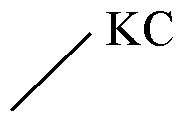


Claims


Priority Applications (5)
| Application Number | Priority Date | Filing Date | Title |
|---|---|---|---|
| CA3183791A CA3183791A1 (en) | 2020-06-28 | 2021-06-27 | Neutrophil-binding peptides |
| EP21833945.5A EP4172173B1 (en) | 2020-06-28 | 2021-06-27 | Neutrophil-binding peptides |
| JP2022581417A JP2023532724A (en) | 2020-06-28 | 2021-06-27 | Neutrophil binding peptide |
| CN202180052676.3A CN116670174A (en) | 2020-06-28 | 2021-06-27 | neutrophil-binding peptide |
| US18/089,067 US11952431B2 (en) | 2020-06-28 | 2022-12-27 | Neutrophil-binding peptides |
Applications Claiming Priority (2)
| Application Number | Priority Date | Filing Date | Title |
|---|---|---|---|
| US202063045107P | 2020-06-28 | 2020-06-28 | |
| US63/045,107 | 2020-06-28 |
Related Child Applications (1)
| Application Number | Title | Priority Date | Filing Date |
|---|---|---|---|
| US18/089,067 Continuation US11952431B2 (en) | 2020-06-28 | 2022-12-27 | Neutrophil-binding peptides |
Publications (1)
| Publication Number | Publication Date |
|---|---|
| WO2022003674A1 true WO2022003674A1 (en) | 2022-01-06 |
Family
ID=79315688
Family Applications (1)
| Application Number | Title | Priority Date | Filing Date |
|---|---|---|---|
| PCT/IL2021/050783 Ceased WO2022003674A1 (en) | 2020-06-28 | 2021-06-27 | Neutrophil-binding peptides |
Country Status (6)
| Country | Link |
|---|---|
| US (1) | US11952431B2 (en) |
| EP (1) | EP4172173B1 (en) |
| JP (1) | JP2023532724A (en) |
| CN (1) | CN116670174A (en) |
| CA (1) | CA3183791A1 (en) |
| WO (1) | WO2022003674A1 (en) |
Cited By (2)
| Publication number | Priority date | Publication date | Assignee | Title |
|---|---|---|---|---|
| WO2023112038A1 (en) | 2021-12-15 | 2023-06-22 | Immunyx Pharma Ltd. | Neutrophil exocytosis inhibitors |
| CN117224696A (en) * | 2023-09-19 | 2023-12-15 | 高州市人民医院 | Drug delivery system for targeting binding neutrophils |
Family Cites Families (7)
| Publication number | Priority date | Publication date | Assignee | Title |
|---|---|---|---|---|
| US5674977A (en) * | 1993-02-05 | 1997-10-07 | The Ontario Cancer Institute | Branched synthetic peptide conjugate |
| EP1542718B1 (en) * | 2002-09-24 | 2015-11-11 | Dong Xie | Peptide derivative fusion inhibitors of hiv infection |
| RU2012103240A (en) * | 2009-07-02 | 2013-08-10 | Ангиокем Инк. | MULTI-DIMENSIONAL PEPTIDE CONJUGATES AND THEIR APPLICATION |
| US9603948B2 (en) * | 2012-10-11 | 2017-03-28 | Uti Limited Partnership | Methods and compositions for treating multiple sclerosis and related disorders |
| US20150050213A1 (en) * | 2013-08-14 | 2015-02-19 | University Of Virginia Patent Foundation | Compositions and methods for imaging inflammation of traumatic brain injury |
| BR112017022845A2 (en) * | 2015-04-23 | 2018-07-17 | Nantomics, Llc | cancer neoepitopes |
| AU2018310983B2 (en) * | 2017-08-02 | 2025-01-23 | The Regents Of The University Of California | Optimized peptides for targeting human nerves and their use in image guided surgery, diagnostics and therapeutic delivery |
-
2021
- 2021-06-27 WO PCT/IL2021/050783 patent/WO2022003674A1/en not_active Ceased
- 2021-06-27 CA CA3183791A patent/CA3183791A1/en active Pending
- 2021-06-27 CN CN202180052676.3A patent/CN116670174A/en active Pending
- 2021-06-27 EP EP21833945.5A patent/EP4172173B1/en active Active
- 2021-06-27 JP JP2022581417A patent/JP2023532724A/en active Pending
-
2022
- 2022-12-27 US US18/089,067 patent/US11952431B2/en active Active
Non-Patent Citations (4)
| Title |
|---|
| MIETTINEN HEINI M., GRIPENTROG JEANNIE M., LORD CONNIE I., NAGY JON O.: "CD177-mediated nanoparticle targeting of human and mouse neutrophils", PLOS ONE, vol. 13, no. 7, 10 July 2018 (2018-07-10), pages 1 - 23, XP055898444, DOI: 10.1371/journal.pone.0200444 * |
| NEUNER PHILIPPE, GALLO PASQUALE, ORSATTI LAURA, FONTANA LAURA, MONACI PAOLO: "An Efficient and Versatile Synthesis of BisPNA−Peptide Conjugates Based on Chemoselective Oxime Formation", BIOCONJUGATE CHEMISTRY, vol. 14, no. 2, 1 March 2003 (2003-03-01), US , pages 276 - 281, XP055898447, ISSN: 1043-1802, DOI: 10.1021/bc020060p * |
| SANDRA VOELS: "Blocking of TGFβ Signaling Using a Novel Platform for Neutrophil Specific Targeting Prevents Metastasis", THE JOINT MEETING OF THE ISRAELI IMMUNOLOGICAL SOCIETY (IIS) AND THE ISRAELI SOCIETY FOR CANCER RESEARCH (ISCR), 23 September 2019 (2019-09-23), pages 259, XP055898442 * |
| See also references of EP4172173A4 * |
Cited By (3)
| Publication number | Priority date | Publication date | Assignee | Title |
|---|---|---|---|---|
| WO2023112038A1 (en) | 2021-12-15 | 2023-06-22 | Immunyx Pharma Ltd. | Neutrophil exocytosis inhibitors |
| US12194034B2 (en) | 2021-12-15 | 2025-01-14 | Immunyx Pharma Ltd. | Neutrophil exocytosis inhibitors |
| CN117224696A (en) * | 2023-09-19 | 2023-12-15 | 高州市人民医院 | Drug delivery system for targeting binding neutrophils |
Also Published As
| Publication number | Publication date |
|---|---|
| JP2023532724A (en) | 2023-07-31 |
| US11952431B2 (en) | 2024-04-09 |
| CA3183791A1 (en) | 2022-01-06 |
| EP4172173B1 (en) | 2025-02-19 |
| EP4172173A4 (en) | 2024-07-10 |
| EP4172173A1 (en) | 2023-05-03 |
| CN116670174A (en) | 2023-08-29 |
| US20230203203A1 (en) | 2023-06-29 |
Similar Documents
| Publication | Publication Date | Title |
|---|---|---|
| JP6553105B2 (en) | Chlorotoxin variants, conjugates and methods of using them | |
| US7144860B2 (en) | Heart homing conjugates | |
| US11952431B2 (en) | Neutrophil-binding peptides | |
| AU770381B2 (en) | Homing pro-apoptotic conjugates and methods of using same | |
| US20120263739A1 (en) | Anti integrin antibodies linked to nanoparticles loaded with chemotherapeutic agents | |
| CN105431162B (en) | Biomimetic peptides and biodegradable delivery platforms for the treatment of angiogenesis-and lymphangiogenesis-dependent diseases | |
| EP3522906B1 (en) | Compounds and methods for activating tie2 signaling | |
| KR20150110460A (en) | Inhibiting peptides derived from triggering receptor expressed on myeloid cells-1 (trem-1) trem-like transcript 1 (tlt-1) and uses thereof | |
| JP6339231B2 (en) | Trail receptor agonist for the treatment of fibrotic diseases | |
| CN111971067B (en) | Cardiac targeting agents containing tannins | |
| KR20200060666A (en) | Plaque targeting nano-carrier comprising pluronic polymer with plaque targeting peptide and chitosan | |
| KR20260036603A (en) | Anticoagulant proteins and their use for treating diseases associated with the activation of neutrophils | |
| Nie et al. | A STING agonist-loaded bispecific nanobioconjugate modulates macrophage immune responses to enhance antitumor immunotherapy | |
| CN115427428A (en) | Novel cell-penetrating peptides and uses thereof | |
| CN103037892A (en) | Compositions and methods for inducing angiogenesis | |
| CN115887676A (en) | Application of CD47 functional mimic peptide in the preparation of M2 macrophage targeted delivery system | |
| US20210132062A1 (en) | Methods for identifying and preparing pharmaceutical agents for activating tie2 receptor | |
| CN115869418B (en) | Gold nanoparticle for regulating formation of serum protein corona, preparation method and application thereof | |
| JP2025527938A (en) | Brain-penetrating peptides and methods of use thereof | |
| Webber et al. | Reprint of: Development of bioactive peptide amphiphiles for therapeutic cell delivery | |
| EP4599841A1 (en) | Peptides for use in a method for the treatment of cancer | |
| CN111683685B (en) | Compositions and methods for treating neurological damage | |
| CN115605218A (en) | Homing peptide-directed decorin conjugates for the treatment of epidermolysis bullosa | |
| Yan et al. | Reconstruction of TNF-α with specific isoelectric point released from SPIONs basing on variable charge to enhance pH-sensitive controlled-release | |
| US20230072949A1 (en) | Nanomaterials for targeted treatment and imaging of aneurysmal microenvironment |
Legal Events
| Date | Code | Title | Description |
|---|---|---|---|
| 121 | Ep: the epo has been informed by wipo that ep was designated in this application |
Ref document number: 21833945 Country of ref document: EP Kind code of ref document: A1 |
|
| ENP | Entry into the national phase |
Ref document number: 3183791 Country of ref document: CA |
|
| ENP | Entry into the national phase |
Ref document number: 2022581417 Country of ref document: JP Kind code of ref document: A |
|
| NENP | Non-entry into the national phase |
Ref country code: DE |
|
| ENP | Entry into the national phase |
Ref document number: 2021833945 Country of ref document: EP Effective date: 20230130 |
|
| WWE | Wipo information: entry into national phase |
Ref document number: 202180052676.3 Country of ref document: CN |