WO2022004846A1 - 軟骨組織体の製造方法 - Google Patents
軟骨組織体の製造方法 Download PDFInfo
- Publication number
- WO2022004846A1 WO2022004846A1 PCT/JP2021/024967 JP2021024967W WO2022004846A1 WO 2022004846 A1 WO2022004846 A1 WO 2022004846A1 JP 2021024967 W JP2021024967 W JP 2021024967W WO 2022004846 A1 WO2022004846 A1 WO 2022004846A1
- Authority
- WO
- WIPO (PCT)
- Prior art keywords
- group
- cells
- cell
- substrate
- medium
- Prior art date
- Legal status (The legal status is an assumption and is not a legal conclusion. Google has not performed a legal analysis and makes no representation as to the accuracy of the status listed.)
- Ceased
Links
Images


Classifications
-
- C—CHEMISTRY; METALLURGY
- C12—BIOCHEMISTRY; BEER; SPIRITS; WINE; VINEGAR; MICROBIOLOGY; ENZYMOLOGY; MUTATION OR GENETIC ENGINEERING
- C12N—MICROORGANISMS OR ENZYMES; COMPOSITIONS THEREOF; PROPAGATING, PRESERVING, OR MAINTAINING MICROORGANISMS; MUTATION OR GENETIC ENGINEERING; CULTURE MEDIA
- C12N5/00—Undifferentiated human, animal or plant cells, e.g. cell lines; Tissues; Cultivation or maintenance thereof; Culture media therefor
- C12N5/06—Animal cells or tissues; Human cells or tissues
- C12N5/0602—Vertebrate cells
- C12N5/0652—Cells of skeletal and connective tissues; Mesenchyme
- C12N5/0655—Chondrocytes; Cartilage
-
- C—CHEMISTRY; METALLURGY
- C12—BIOCHEMISTRY; BEER; SPIRITS; WINE; VINEGAR; MICROBIOLOGY; ENZYMOLOGY; MUTATION OR GENETIC ENGINEERING
- C12M—APPARATUS FOR ENZYMOLOGY OR MICROBIOLOGY; APPARATUS FOR CULTURING MICROORGANISMS FOR PRODUCING BIOMASS, FOR GROWING CELLS OR FOR OBTAINING FERMENTATION OR METABOLIC PRODUCTS, i.e. BIOREACTORS OR FERMENTERS
- C12M3/00—Tissue, human, animal or plant cell, or virus culture apparatus
-
- A—HUMAN NECESSITIES
- A61—MEDICAL OR VETERINARY SCIENCE; HYGIENE
- A61K—PREPARATIONS FOR MEDICAL, DENTAL OR TOILETRY PURPOSES
- A61K35/00—Medicinal preparations containing materials or reaction products thereof with undetermined constitution
- A61K35/12—Materials from mammals; Compositions comprising non-specified tissues or cells; Compositions comprising non-embryonic stem cells; Genetically modified cells
- A61K35/32—Bones; Osteocytes; Osteoblasts; Tendons; Tenocytes; Teeth; Odontoblasts; Cartilage; Chondrocytes; Synovial membrane
-
- C—CHEMISTRY; METALLURGY
- C08—ORGANIC MACROMOLECULAR COMPOUNDS; THEIR PREPARATION OR CHEMICAL WORKING-UP; COMPOSITIONS BASED THEREON
- C08F—MACROMOLECULAR COMPOUNDS OBTAINED BY REACTIONS ONLY INVOLVING CARBON-TO-CARBON UNSATURATED BONDS
- C08F220/00—Copolymers of compounds having one or more unsaturated aliphatic radicals, each having only one carbon-to-carbon double bond, and only one being terminated by only one carboxyl radical or a salt, anhydride ester, amide, imide or nitrile thereof
- C08F220/02—Monocarboxylic acids having less than ten carbon atoms; Derivatives thereof
- C08F220/04—Acids; Metal salts or ammonium salts thereof
-
- C—CHEMISTRY; METALLURGY
- C08—ORGANIC MACROMOLECULAR COMPOUNDS; THEIR PREPARATION OR CHEMICAL WORKING-UP; COMPOSITIONS BASED THEREON
- C08F—MACROMOLECULAR COMPOUNDS OBTAINED BY REACTIONS ONLY INVOLVING CARBON-TO-CARBON UNSATURATED BONDS
- C08F220/00—Copolymers of compounds having one or more unsaturated aliphatic radicals, each having only one carbon-to-carbon double bond, and only one being terminated by only one carboxyl radical or a salt, anhydride ester, amide, imide or nitrile thereof
- C08F220/02—Monocarboxylic acids having less than ten carbon atoms; Derivatives thereof
- C08F220/10—Esters
- C08F220/34—Esters containing nitrogen, e.g. N,N-dimethylaminoethyl (meth)acrylate
-
- C—CHEMISTRY; METALLURGY
- C12—BIOCHEMISTRY; BEER; SPIRITS; WINE; VINEGAR; MICROBIOLOGY; ENZYMOLOGY; MUTATION OR GENETIC ENGINEERING
- C12N—MICROORGANISMS OR ENZYMES; COMPOSITIONS THEREOF; PROPAGATING, PRESERVING, OR MAINTAINING MICROORGANISMS; MUTATION OR GENETIC ENGINEERING; CULTURE MEDIA
- C12N5/00—Undifferentiated human, animal or plant cells, e.g. cell lines; Tissues; Cultivation or maintenance thereof; Culture media therefor
- C12N5/06—Animal cells or tissues; Human cells or tissues
-
- C—CHEMISTRY; METALLURGY
- C12—BIOCHEMISTRY; BEER; SPIRITS; WINE; VINEGAR; MICROBIOLOGY; ENZYMOLOGY; MUTATION OR GENETIC ENGINEERING
- C12N—MICROORGANISMS OR ENZYMES; COMPOSITIONS THEREOF; PROPAGATING, PRESERVING, OR MAINTAINING MICROORGANISMS; MUTATION OR GENETIC ENGINEERING; CULTURE MEDIA
- C12N2500/00—Specific components of cell culture medium
- C12N2500/05—Inorganic components
- C12N2500/10—Metals; Metal chelators
- C12N2500/20—Transition metals
- C12N2500/24—Iron; Fe chelators; Transferrin
- C12N2500/25—Insulin-transferrin; Insulin-transferrin-selenium
-
- C—CHEMISTRY; METALLURGY
- C12—BIOCHEMISTRY; BEER; SPIRITS; WINE; VINEGAR; MICROBIOLOGY; ENZYMOLOGY; MUTATION OR GENETIC ENGINEERING
- C12N—MICROORGANISMS OR ENZYMES; COMPOSITIONS THEREOF; PROPAGATING, PRESERVING, OR MAINTAINING MICROORGANISMS; MUTATION OR GENETIC ENGINEERING; CULTURE MEDIA
- C12N2500/00—Specific components of cell culture medium
- C12N2500/30—Organic components
- C12N2500/36—Lipids
-
- C—CHEMISTRY; METALLURGY
- C12—BIOCHEMISTRY; BEER; SPIRITS; WINE; VINEGAR; MICROBIOLOGY; ENZYMOLOGY; MUTATION OR GENETIC ENGINEERING
- C12N—MICROORGANISMS OR ENZYMES; COMPOSITIONS THEREOF; PROPAGATING, PRESERVING, OR MAINTAINING MICROORGANISMS; MUTATION OR GENETIC ENGINEERING; CULTURE MEDIA
- C12N2501/00—Active agents used in cell culture processes, e.g. differentation
- C12N2501/10—Growth factors
- C12N2501/11—Epidermal growth factor [EGF]
-
- C—CHEMISTRY; METALLURGY
- C12—BIOCHEMISTRY; BEER; SPIRITS; WINE; VINEGAR; MICROBIOLOGY; ENZYMOLOGY; MUTATION OR GENETIC ENGINEERING
- C12N—MICROORGANISMS OR ENZYMES; COMPOSITIONS THEREOF; PROPAGATING, PRESERVING, OR MAINTAINING MICROORGANISMS; MUTATION OR GENETIC ENGINEERING; CULTURE MEDIA
- C12N2501/00—Active agents used in cell culture processes, e.g. differentation
- C12N2501/10—Growth factors
- C12N2501/115—Basic fibroblast growth factor (bFGF, FGF-2)
-
- C—CHEMISTRY; METALLURGY
- C12—BIOCHEMISTRY; BEER; SPIRITS; WINE; VINEGAR; MICROBIOLOGY; ENZYMOLOGY; MUTATION OR GENETIC ENGINEERING
- C12N—MICROORGANISMS OR ENZYMES; COMPOSITIONS THEREOF; PROPAGATING, PRESERVING, OR MAINTAINING MICROORGANISMS; MUTATION OR GENETIC ENGINEERING; CULTURE MEDIA
- C12N2501/00—Active agents used in cell culture processes, e.g. differentation
- C12N2501/10—Growth factors
- C12N2501/15—Transforming growth factor beta (TGF-β)
-
- C—CHEMISTRY; METALLURGY
- C12—BIOCHEMISTRY; BEER; SPIRITS; WINE; VINEGAR; MICROBIOLOGY; ENZYMOLOGY; MUTATION OR GENETIC ENGINEERING
- C12N—MICROORGANISMS OR ENZYMES; COMPOSITIONS THEREOF; PROPAGATING, PRESERVING, OR MAINTAINING MICROORGANISMS; MUTATION OR GENETIC ENGINEERING; CULTURE MEDIA
- C12N2501/00—Active agents used in cell culture processes, e.g. differentation
- C12N2501/10—Growth factors
- C12N2501/155—Bone morphogenic proteins [BMP]; Osteogenins; Osteogenic factor; Bone inducing factor
-
- C—CHEMISTRY; METALLURGY
- C12—BIOCHEMISTRY; BEER; SPIRITS; WINE; VINEGAR; MICROBIOLOGY; ENZYMOLOGY; MUTATION OR GENETIC ENGINEERING
- C12N—MICROORGANISMS OR ENZYMES; COMPOSITIONS THEREOF; PROPAGATING, PRESERVING, OR MAINTAINING MICROORGANISMS; MUTATION OR GENETIC ENGINEERING; CULTURE MEDIA
- C12N2501/00—Active agents used in cell culture processes, e.g. differentation
- C12N2501/10—Growth factors
- C12N2501/16—Activin; Inhibin; Mullerian inhibiting substance
-
- C—CHEMISTRY; METALLURGY
- C12—BIOCHEMISTRY; BEER; SPIRITS; WINE; VINEGAR; MICROBIOLOGY; ENZYMOLOGY; MUTATION OR GENETIC ENGINEERING
- C12N—MICROORGANISMS OR ENZYMES; COMPOSITIONS THEREOF; PROPAGATING, PRESERVING, OR MAINTAINING MICROORGANISMS; MUTATION OR GENETIC ENGINEERING; CULTURE MEDIA
- C12N2501/00—Active agents used in cell culture processes, e.g. differentation
- C12N2501/40—Regulators of development
- C12N2501/415—Wnt; Frizzeled
-
- C—CHEMISTRY; METALLURGY
- C12—BIOCHEMISTRY; BEER; SPIRITS; WINE; VINEGAR; MICROBIOLOGY; ENZYMOLOGY; MUTATION OR GENETIC ENGINEERING
- C12N—MICROORGANISMS OR ENZYMES; COMPOSITIONS THEREOF; PROPAGATING, PRESERVING, OR MAINTAINING MICROORGANISMS; MUTATION OR GENETIC ENGINEERING; CULTURE MEDIA
- C12N2501/00—Active agents used in cell culture processes, e.g. differentation
- C12N2501/70—Enzymes
- C12N2501/72—Transferases [EC 2.]
- C12N2501/727—Kinases (EC 2.7.)
-
- C—CHEMISTRY; METALLURGY
- C12—BIOCHEMISTRY; BEER; SPIRITS; WINE; VINEGAR; MICROBIOLOGY; ENZYMOLOGY; MUTATION OR GENETIC ENGINEERING
- C12N—MICROORGANISMS OR ENZYMES; COMPOSITIONS THEREOF; PROPAGATING, PRESERVING, OR MAINTAINING MICROORGANISMS; MUTATION OR GENETIC ENGINEERING; CULTURE MEDIA
- C12N2506/00—Differentiation of animal cells from one lineage to another; Differentiation of pluripotent cells
- C12N2506/45—Differentiation of animal cells from one lineage to another; Differentiation of pluripotent cells from artificially induced pluripotent stem cells
-
- C—CHEMISTRY; METALLURGY
- C12—BIOCHEMISTRY; BEER; SPIRITS; WINE; VINEGAR; MICROBIOLOGY; ENZYMOLOGY; MUTATION OR GENETIC ENGINEERING
- C12N—MICROORGANISMS OR ENZYMES; COMPOSITIONS THEREOF; PROPAGATING, PRESERVING, OR MAINTAINING MICROORGANISMS; MUTATION OR GENETIC ENGINEERING; CULTURE MEDIA
- C12N2533/00—Supports or coatings for cell culture, characterised by material
- C12N2533/30—Synthetic polymers
-
- C—CHEMISTRY; METALLURGY
- C12—BIOCHEMISTRY; BEER; SPIRITS; WINE; VINEGAR; MICROBIOLOGY; ENZYMOLOGY; MUTATION OR GENETIC ENGINEERING
- C12N—MICROORGANISMS OR ENZYMES; COMPOSITIONS THEREOF; PROPAGATING, PRESERVING, OR MAINTAINING MICROORGANISMS; MUTATION OR GENETIC ENGINEERING; CULTURE MEDIA
- C12N2533/00—Supports or coatings for cell culture, characterised by material
- C12N2533/70—Polysaccharides
- C12N2533/76—Agarose, agar-agar
Definitions
- the present invention relates to a method for producing cartilage tissue.
- the present inventors have conducted diligent research on cells in the intermediate stage when producing cartilage tissue from stem cells and a method for producing the same, and a method for producing cartilage tissue from the cells, and have applied for a patent for a part of them. It is done (see, for example, PCT / JP2020 / 035517).
- cells having an intermediate stage differentiation orientation that is, cartilage precursor cells
- cartilage precursor cells can be expanded and cultured and stocked, and quality-controlled cells of the same lot can be treated to induce cartilage differentiation. Since it can be used as cartilage tissue and the prepared cartilage tissue does not contain cells other than cartilage cells, it is advantageous for using cartilage tissue for regenerative medicine.
- cartilage tissue by producing cartilage tissue from such cartilage progenitor cells under predetermined culture conditions, it is possible to produce large cartilage tissue pieces from a small number of cells as well as efficient cell proliferation. Was found and completed.
- the present invention includes the following.
- U a1 and U a2 independently represent a hydrogen atom or a linear or branched alkyl group having 1 to 5 carbon atoms
- R a1 is a hydrogen atom or a linear or branched alkyl having 1 to 5 carbon atoms.
- R a2 represents a linear or branched alkylene group having 1 to 5 carbon atoms]
- Rb represents a hydrogen atom or a linear or branched alkyl group having 1 to 5 carbon atoms]] to produce a cell agglomerate comprising a plurality of spots consisting of a copolymer containing a repeating unit derived from a monomer represented by.
- Step of providing a substrate for use; a step of seeding the substrate with PRRX1 protein-positive human cartilage progenitor cells derived from pluripotent stem cells; a step of culturing the cells to form cell aggregates; culturing the aggregates A method for producing a cartilage tissue, which comprises a step of creating a cartilage tissue.
- the above copolymer further comprises the following formula (III): [During the ceremony, R c and R d independently represent a hydrogen atom or a linear or branched alkyl group having 1 to 5 carbon atoms, and R e represents a linear or branched alkylene group having 1 to 5 carbon atoms. , N represents a number from 1 to 50], the production method according to the above [1] or [2], which comprises a structural unit derived from a monomer represented by.
- a copolymer in which the substrate having the ability to suppress cell adhesion contains a repeating unit containing a group represented by the following formula (a) and a repeating unit containing a group represented by the following formula (b).
- U a11 , U a12 , U b11 , U b12 and U b13 each independently represent a hydrogen atom or a linear or branched alkyl group having 1 to 5 carbon atoms
- An ⁇ is a halide ion or an inorganic acid.
- the weight average molecular weight of agar is 10,000 to 60,000, and the content of agar is 0.005 (w / v)% or more and less than 2 (w / v)% with respect to the total amount of the medium. , The manufacturing method according to the above [5].
- cartilage tissue In the production method of the present invention, quality-controlled cartilage precursor cells are used as raw materials, and cartilage differentiation-inducing treatment can be performed to obtain cartilage tissue. Therefore, the produced cartilage tissue does not contain cells other than chondrocytes. Therefore, it is advantageous for safely using cartilage tissue for regenerative medicine. Furthermore, by producing cartilage tissue from cartilage progenitor cells under predetermined culture conditions, it is possible to produce large cartilage tissue pieces from a small number of cells as well as efficient cell proliferation, which is advantageous in terms of cost. ..
- An image (upper right) and a magnified image (lower right). 6 is a photomicrograph of the actual condition of the cartilage tissue obtained in Example 1. It is an inverted micrograph (bright field) of the cartilage tissue obtained in Example 1. It is an image of the tissue section of the cartilage tissue obtained in Example 1 which was stained with hematoxylin (HE) (left), alcian blue and stained (center), or stained with safranin O (right). In Evaluation Example 1, a tissue piece collected 4 weeks after transplantation of the cartilage tissue obtained in Example 1 was stained with HE (left), safranin O (center), or toluidine blue (right). be.
- the method for producing cartilage tissue of the present invention is: (1) For producing a cell aggregate comprising a plurality of spots composed of a copolymer containing a repeating unit derived from the monomers represented by the formulas (I) and (II) on a substrate having the ability to suppress cell adhesion.
- the process of providing the substrate (2) A step of seeding the substrate with human cartilage progenitor cells positive for PRRX1 protein derived from pluripotent stem cells; (3) A step of culturing the cells to form a cell aggregate; and (4) A step of culturing the aggregate to create a cartilage tissue. It is characterized by including.
- a substrate for producing a cell aggregate is provided.
- the substrate for producing a cell aggregate according to the present invention is composed of a plurality of copolymers containing a repeating unit derived from the monomers represented by the formulas (I) and (II) on a substrate having an ability to suppress cell adhesion. Equipped with spots.
- the copolymer has the following formula (I):
- U a1 and U a2 independently represent a hydrogen atom or a linear or branched alkyl group having 1 to 5 carbon atoms
- R a1 is a hydrogen atom or a linear or branched alkyl having 1 to 5 carbon atoms.
- R a2 represents a linear or branched alkylene group having 1 to 5 carbon atoms
- Rb comprises a repeating unit derived from a monomer represented by a hydrogen atom or a linear or branched alkyl group having 1 to 5 carbon atoms.
- the "linear or branched alkyl group having 1 to 5 carbon atoms" as used herein includes, for example, a methyl group, an ethyl group, an n-propyl group, an isopropyl group, an n-butyl group, and the like. Isobutyl group, s-butyl group, t-butyl group, n-pentyl group, 1-methylbutyl group, 2-methylbutyl group, 3-methylbutyl group, 1,1-dimethylpropyl group, 1,2-dimethylpropyl group, 2 , 2-Dimethylpropyl group or 1-ethylpropyl group.
- R a1 and R b are independently selected from a hydrogen atom and a methyl group, respectively.
- U a1 and U a2 are preferably independently selected from a hydrogen atom, a methyl group, an ethyl group, an n-propyl group, an isopropyl group and an n-butyl group, but may be a methyl group or an ethyl group. Most preferably, a methyl group is preferred.
- the "linear or branched alkylene group having 1 to 5 carbon atoms” includes, for example, a methylene group, an ethylene group, a propylene group, a trimethylene group, a tetramethylene group, or 1-methyl.
- R a2 is preferably selected from an ethylene group and a propylene group.
- examples of the monomer represented by the above formula (I) include 2-N, N-dimethylaminoethyl methacrylate, N, N-dimethylaminomethyl methacrylate and the like, and 2-N, N-dimethylaminoethyl methacrylate is used. preferable.
- examples of the monomer represented by the above formula (II) include acrylic acid and methacrylic acid, and methacrylic acid is preferable.
- the molar ratio to the total number of repeating units is preferably 99 mol% to 51 mol%, more preferably 98 mol% to 60 mol%, further preferably 95 mol% to 70 mol%, and 93 mol% to 70 mol%. Is even more preferable.
- the molar ratio of the repeating unit derived from the monomer represented by the formula (II) is 50 mol% or more, the anionic property of the copolymer becomes excessive and the adhesive strength of the cells tends to decrease.
- the molar ratio of the repeating unit derived from each monomer can be replaced with the ratio calculated from the charged amount (molar amount) of the monomer.
- the copolymer contains a repeating unit derived from a monomer represented by the formula (I) / formula (II), and a structural unit derived from a monomer having two or more carbon-carbon unsaturated bonds. You may be.
- the monomer having two or more carbon-carbon unsaturated bonds is specifically a monomer having two or more carbon-carbon double bonds, for example, a polyfunctional acrylate compound, a polyfunctional acrylamide compound, and a polyfunctionality. Examples thereof include polyester and isoprene compounds.
- Preferred specific examples include monomers represented by the following formulas (III) to (V).
- R c and R d independently represent a hydrogen atom or a linear or branched alkyl group having 1 to 5 carbon atoms
- R e is a linear or branched alkylene having 1 to 5 carbon atoms. It represents a group, and n represents a number from 1 to 50.
- the monomer represented by the formula (III) is preferable.
- R c and R d are independently selected from a hydrogen atom and a methyl group, respectively.
- Re is preferably selected from a methylene group, an ethylene group and a propylene group, more preferably an ethylene group.
- n is a number of 1 to 50, n is preferably a number of 1 to 30, and n is more preferably a number of 1 to 10.
- the molar ratio of repeating units derived from a monomer having two or more carbon-carbon unsaturated bonds (typically, a monomer represented by the formulas (III) to (V)) in the copolymer is determined. It is preferably 0 mol% to 5 mol%, more preferably 0 mol% to 3 mol%. If the molar ratio of the repeating unit derived from a monomer having two or more carbon-carbon unsaturated bonds exceeds 5 mol%, it will gel during production due to high molecular weight due to excessive cross-linking, making production difficult. There is a fear.
- the copolymer may further contain, as an optional additional monomer component, an ethylenically unsaturated monomer or a repeating unit derived from a polysaccharide or a derivative thereof.
- ethylenically unsaturated monomers include one or more selected from the group consisting of (meth) acrylic acid esters; vinyl acetate; vinylpyrrolidone; ethylene; vinyl alcohols; and their hydrophilic functional derivatives.
- Ethylene unsaturated monomers can be mentioned.
- polysaccharides or derivatives thereof include cellulosic polymers such as hydroxyalkyl cellulose (eg, hydroxyethyl cellulose or hydroxypropyl cellulose), starch, dextran, and curdlan.
- the hydrophilic functional derivative refers to an ethylenically unsaturated monomer having a hydrophilic functional group or structure.
- hydrophilic functional groups or structures include betaine structures; amide structures; alkylene glycol residues; amino groups; and sulfinyl groups.
- Betaine structure means a monovalent or divalent group of a compound having an amphoteric center of a quaternary ammonium type cation structure and an acidic anion structure, for example, a phosphorylcholine group: Can be mentioned.
- a phosphorylcholine group for example, a phosphorylcholine group:
- examples of the ethylenically unsaturated monomer having such a structure include 2-methacryloyloxyethyl phosphorylcholine (MPC) and the like.
- the amide structure is as follows: [Here, R 16 , R 17 and R 18 are independent of each other and are concretely such as a hydrogen atom or an organic group (for example, a linear or branched alkyl group having 1 to 5 carbon atoms which may be substituted). Is a methyl group, an isopropyl group, a hydroxymethyl group, a hydroxyethyl group, etc.)] Means the group represented by. Examples of ethylenically unsaturated monomers having such a structure include (meth) acrylamide, N-isopropylacrylamide, N- (hydroxymethyl) (meth) acrylamide and the like. Further, a monomer having such a structure is disclosed in, for example, Japanese Patent Application Laid-Open No. 2010-169604.
- the alkylene glycol residue remains after the hydroxyl group of one or both terminals of the alkylene glycol (HO-Alk-OH; where Alk is an alkylene group having 1 to 10 carbon atoms) undergoes a condensation reaction with another compound. It means an alkyleneoxy group (-Alk-O-) and also includes a poly (alkyleneoxy) group in which an alkyleneoxy unit is repeated.
- alkyleneoxy group -Alk-O-
- Examples of the ethylenically unsaturated monomer having such a structure include 2-hydroxyethyl (meth) acrylate and methoxypolyethylene glycol (meth) acrylate. Further, a monomer having such a structure is disclosed in, for example, Japanese Patent Application Laid-Open No. 2008-533489.
- the amino group is of the formula: -NH 2 , -NHR 19 or -NR 20 R 21 [where R 19 , R 20 and R 21 are independent of each other and have an organic group (eg, 1 to 5 carbon atoms). It means a group represented by], which is a linear or branched alkyl group, etc.).
- Amino groups in the present invention include quaternized or chlorided amino groups. Examples of the ethylenically unsaturated monomer having such a structure include dimethylaminoethyl (meth) acrylate, 2- (t-butylamino) ethyl (meth) acrylate, and methacryloylcholine chloride.
- the sulfinyl group has the following formula: [Here, R 22 is an organic group (for example, an organic group having 1 to 10 carbon atoms, preferably an alkyl group having 1 or more hydroxy groups and having 1 to 10 carbon atoms, etc.)]. Means the group represented by.
- a method for introducing a sulfinyl group a method disclosed in JP-A-2014-48278 can be mentioned.
- the copolymer of the present application can be produced by a method known per se (for example, the method described in JP-A-2014-162865, International Publication No. 2020/040247).
- the number average molecular weight (Mn) of the copolymer is 20,000 to 1,000,000, more preferably 50,000 to 800,000.
- the ratio (Mw / Mn) of the weight average molecular weight (Mw) of the copolymer to the number average molecular weight (Mn) is 1.01 to 10.00, and 1.2 to 8.0. It is preferably 1.4 to 6.0, preferably 1.5 to 5.0, and preferably 1.6 to 4.5.
- the number average molecular weight (Mn) and the number average molecular weight (Mn) can be obtained by, for example, Gel Filtration Chromatography.
- the cell aggregate refers to a structure formed as a result of cell aggregation, and its shape is not limited to a spherical shape or a ring shape.
- the substrate for producing a cell aggregate used in the present invention can be produced by applying the copolymer in a spot shape to the surface of the substrate and drying it.
- the "surface” refers to a surface in contact with the contents such as cells or cell culture medium, and particularly, when the substrate is a part of the cell culture container, refers to the bottom surface of the surfaces in contact with the contents.
- the shape of the substrate surface may be flat or uneven, but a flat shape is preferable. Further, the substrate may be a so-called cell culture vessel or a part thereof.
- Cell culture containers include petri dishes commonly used for cell culture, tissue culture dishes, petri dishes or dishes such as multi-dish, cell culture flasks, spinner flasks and other flasks, plastic bags, and Teflon (registered trademark) bags. , Bags such as culture bags, microplates, microwell plates, multi-plates, plates such as multi-well plates, chamber slides, tubes, trays, bottles such as roller bottles and the like.
- Examples of the material of the substrate include glass, metal, metal-containing compound or metalloid-containing compound, activated carbon or resin.
- Metals are typical metals: (aluminum group elements: Al, Ga, In; iron group elements: Fe, Co, Ni; chromium group elements: Cr, Mo, W, U; manganese group elements: Mn, Re; noble metals: Cu , Ag, Au, etc.
- metal-containing compounds or semi-metal-containing compounds are ceramics, semiconductors such as silicon, and metals, which are sintered bodies whose basic component is a metal oxide and which is baked and hardened by heat treatment at a high temperature.
- Inorganic compounds such as oxides or semi-metal oxides (silicon oxides, alumina, etc.), metal carbides or semi-metal carbides, metal nitrides or semi-metal nitrides (silicon nitrides, etc.), metal boroides or semi-metal boroides, etc. Examples thereof include inorganic solid materials such as molded bodies of the above, aluminum, nickel titanium, and stainless steel (SUS304, SUS316, SUS316L, etc.).
- the resin may be a natural resin or a derivative thereof, or a synthetic resin, and the natural resin or a derivative thereof may be synthetic such as cellulose, cellulose triacetate (CTA), nitrocellulose (NC), and cellulose immobilized with dextran sulfate.
- Resins include polyacrylonitrile (PAN), polyimide (PI), polyester polymer alloy (PEPA), polystyrene (PS), polysulfone (PSF), polyethylene terephthalate (PET), polymethylmethacrylate (PMMA), polyvinyl alcohol (PVA).
- PU Polyurethane
- EVAL Ethylene Vinyl Alcohol
- PE Polyethylene
- PP Polypropylene
- PVDF Polyfluorovinylidene
- PES Polyethersulfone
- PC Polycarbonate
- COP Cycloolefin Polymer
- PVC Polyvinyl chloride
- PTFE Polytetrafluoroethylene
- UHPE Ultra High Molecular Weight Polyethylene
- PDMS Polydimethylsiloxane
- ABS Acrylonitrile-butadiene-styrene resin
- Teflon® Teflon®
- the copolymer when the copolymer is applied in a spot shape on the surface of the substrate and dried, no treatment at a high temperature is required, so that a resin having low heat resistance or the like is used. Is also applicable.
- the material of the substrate may be one type or a combination of two or more types.
- the substrate for producing a cell aggregate used in the present invention includes a plurality of spots made of the copolymer.
- the ratio of the total area of the spots to the surface area of the substrate is not particularly limited, but is, for example, 30% or more, the diameter of each spot is, for example, 50 to 5000 ⁇ m, and the distance between the spots is, for example, 30 to 1000 ⁇ m.
- the shape of the spot is not particularly limited, but is, for example, a substantially circular shape or a quadrangular shape, but a substantially circular spot is preferable.
- the ratio of the total area of the spots to the surface area of the substrate, the diameter of each spot and the distance between the spots may be appropriately selected from a predetermined range according to the type of cells and the substrate to be used, the desired size of the cell aggregate, and the like.
- the ratio of the total area of the spots to the surface area of the substrate is preferably 30% or more, 40% or more, 50% or more, and preferably 99% or less, and the diameter of each spot is 50 to 50. It is preferably 5000 ⁇ m and preferably 300 to 3000 ⁇ m, and the distance between the spots is preferably 30 to 1000 ⁇ m and preferably 100 to 500 ⁇ m.
- spheroids of uniform size can be obtained. Multiple pieces can be formed at one time on one substrate (container). Compared with the cell aggregates produced by non-adhesive culture on a conventional cell low-adhesion plate, the size of the cell aggregates can be adjusted according to the regulation of the adhesion area (cell aggregates of any size can be produced). There is a merit in.
- the spot made of the copolymer can be formed by applying a copolymer, preferably a base material containing the copolymer.
- the base material can be prepared by mixing the copolymer with an aqueous solution containing an aqueous solution by a method known per se. Such a base material is useful for promoting the formation of cell aggregates.
- aqueous solution examples include a salt-containing aqueous solution such as water, physiological saline or a phosphate buffer solution, or a mixed solvent in which water or a salt-containing aqueous solution and alcohol are combined.
- Alcohols include alcohols having 2 to 6 carbon atoms, such as ethanol, propanol, isopropanol, 1-butanol, 2-butanol, isobutanol, t-butanol, 1-pentanol, 2-pentanol, 3-pentanol.
- the base material in addition to the above-mentioned copolymer and solvent, other substances may be added as needed within a range that does not impair the performance of the obtained base film.
- other substances include pH adjusters, cross-linking agents, preservatives, surfactants, primers that enhance adhesion to containers or substrates, fungicides, saccharides and the like.
- an inkjet method for example, an inkjet method, a screen printing method, a slit coating method, a roll-to-roll method, or the like can be used, but a printing technique such as an inkjet method or screen printing is preferable.
- a substrate that protects the non-formed portion of the spot is immersed in the above-mentioned base material, and the base agent is added to the substrate (container) that protects the non-formed portion of the spot in some cases, and a predetermined method is used.
- a method such as allowing to stand for a period of time is used, but in the case of a substrate, in the case of a cell culture vessel as one embodiment, a substrate agent may be added to a container that protects the non-formed portion of the spot, and the mixture is allowed to stand for a predetermined time. Will be done.
- the addition can be performed, for example, by adding 0.5 to 1 times the total volume of the container as a base material using a syringe or the like.
- the standing is carried out by appropriately selecting the time and temperature according to the material of the container or substrate and the type of the base material for cell culture. For example, 1 minute to 24 hours, preferably 5 minutes to 3 hours, 10 to It is carried out at 80 ° C. This makes it possible to manufacture a substrate for producing a cell aggregate.
- the spots on the surface of the substrate obtained by such a method are washed as they are without undergoing a drying step, or with water or a sample medium (for example, water, buffer solution, medium, etc.) to be subjected to cell culture. Later, it can be used as a substrate for producing cell aggregates.
- a sample medium for example, water, buffer solution, medium, etc.
- the cells are dried within 48 hours, preferably within 24 hours, more preferably within 12 hours, further preferably within 6 hours, further preferably within 3 hours, still more preferably within 1 hour.
- a sample medium eg, water, buffer, medium, etc., particularly preferably medium (eg, DMEM medium (Dalveco's modified Eagle's medium)) as it is without going through the steps or to be subjected to water or cell culture. After washing, it can be used as a substrate for producing cell aggregates.
- the substrate for producing cell aggregates may be subjected to a drying step.
- the drying step is carried out in the atmosphere or in vacuum, preferably in the temperature range of ⁇ 200 ° C. to 200 ° C. By removing the solvent in the substrate by the drying step, the solvent is completely adhered to the substrate.
- Spots can also be formed by drying, for example, at room temperature (10 ° C. to 35 ° C., preferably 20 ° C. to 30 ° C., eg 25 ° C.), but to form spots more quickly, for example 40 ° C. to 50 ° C. It may be dried at ° C. If the drying temperature is less than ⁇ 200 ° C., an uncommon refrigerant must be used, which is not versatile, and it takes a long time to dry due to solvent sublimation, resulting in inefficiency. If the drying temperature is more than 200 ° C., thermal decomposition of the copolymer occurs. A more preferable drying temperature is 10 ° C to 180 ° C, and a more preferable drying temperature is 20 ° C to 150 ° C.
- the substrate for producing a cell aggregate used in the present invention is produced through the above simple steps. Further, in order to remove impurities, unreacted monomers and the like remaining on the spot (coating film), a step of washing with at least one solvent selected from an aqueous solution containing water and an electrolyte may be carried out. For cleaning, running water cleaning or ultrasonic cleaning is desirable.
- the aqueous solution containing the water and the electrolyte may be heated in the range of, for example, 40 ° C to 95 ° C.
- the aqueous solution containing an electrolyte PBS, physiological saline (containing only sodium chloride), dalbecolinic acid buffered saline, Tris buffered saline, HEEPS buffered saline and Veronal buffered saline are preferable, and PBS is preferable. Especially preferable.
- the coating film does not elute and remains firmly fixed to the substrate even when washed with water, PBS, alcohol, or the like.
- the film thickness of the spot (coating film) has a maximum film thickness and a minimum film thickness in the range of 1 to 1000 nm, preferably in the range of 5 to 500 nm.
- the substrate for producing a cell aggregate used in the present invention is produced using a substrate having an ability to suppress cell adhesion.
- a substrate having an ability to suppress cell adhesion a substrate having an ability to suppress cell adhesion.
- a substrate a commercially available cell culture dish having undergone cell low-adhesion treatment, a cell incubator having a cell adhesion-suppressing ability, or the like may be used, and for example, the cells described in JP-A-2008-61609. Culture vessels can be used, but are not limited to this.
- the substrate may be subjected to a cell adhesion suppressing treatment before the formation of the spot (coating film).
- a substrate having a cell adhesion inhibitory ability can be produced, for example, through a step of applying a known coating film forming composition having a cell adhesion inhibitory ability.
- the coating film forming composition having an ability to suppress cell adhesion includes a repeating unit containing an organic group represented by the following formula (a) and a repeating unit containing an organic group represented by the following formula (b).
- the coating film may be included in at least a part of the surface of the substrate, but is applied over the entire surface for producing cell aggregates (that is, the surface where the spots of the present application are present) or over the entire surface of the substrate.
- the linear or branched alkyl group having 1 to 5 carbon atoms is the same as that described above.
- the coating film forming composition for example, the coating film forming composition described in International Publication No. 2014/196650 can be used.
- the coating method for forming the coating film is not particularly limited, and a normal spin coating method, a dip coating method, a solvent casting method, or the like is used.
- the drying step of the coating film is performed in the atmosphere or vacuum in the temperature range of ⁇ 200 ° C. to 180 ° C.
- the solvent in the coating film forming composition is removed, and the formulas (a) and (b) of the copolymer form an ionic bond and are completely fixed to the substrate.
- the coating film can be formed by drying at room temperature (10 ° C. to 35 ° C., for example, 25 ° C.), for example, but in order to form the coating film more quickly, it is dried at, for example, 40 ° C. to 50 ° C. You may. Further, a drying step at an extremely low temperature to a low temperature (around ⁇ 200 ° C. to ⁇ 30 ° C.) by a freeze-drying method may be used. Freeze-drying is called vacuum freeze-drying, which is a method of cooling what is normally desired to be dried with a refrigerant and removing the solvent by sublimation in a vacuum state.
- Examples of a general refrigerant used in freeze-drying include a mixed medium of dry ice and methanol (-78 ° C), liquid nitrogen (-196 ° C), and the like. If the drying temperature is ⁇ 200 ° C. or lower, an uncommon refrigerant must be used, which is not versatile, and it takes a long time to dry due to solvent sublimation, resulting in inefficiency. When the drying temperature is 200 ° C. or higher, the ionic bonding reaction on the surface of the coating film proceeds too much, the surface loses its hydrophilicity, and the ability to suppress the adhesion of biological substances is not exhibited. A more preferable drying temperature is 10 ° C to 180 ° C, and a more preferable drying temperature is 25 ° C to 150 ° C.
- One or more solvents selected from an aqueous solution containing water and an electrolyte to eliminate impurities, unreacted monomers, etc. remaining on the coating film after drying, and to adjust the ion balance of the copolymer in the film. It is desirable to wash with running water or ultrasonic washing.
- the aqueous solution containing the water and the electrolyte may be heated in the range of, for example, 40 ° C to 95 ° C.
- the aqueous solution containing an electrolyte PBS, physiological saline (containing only sodium chloride), dalbecolinic acid buffered saline, Tris buffered saline, HEEPS buffered saline and Veronal buffered saline are preferable, and PBS is preferable. Especially preferable.
- the coating film does not elute and remains firmly fixed to the substrate even when washed with water, PBS, alcohol, or the like. Even if the formed coating film adheres to the biological substance, it can be easily removed by washing with water or the like, and the surface of the substrate on which the coating film is formed has an ability to suppress the adhesion of the biological substance.
- the film thickness of the coating film is preferably 5 to 1000 nm, more preferably 5 to 500 nm.
- step (2) human cartilage progenitor cells positive for PRRX1 protein derived from pluripotent stem cells are seeded on the cell aggregate production substrate.
- a “pluripotent stem cell” means a cell having both self-renewal ability and an ability to differentiate into other cells of multiple lines (pluripotency), and a “progenitor cell” is a final differentiation destination from a stem cell. It means a cell that is in the process of differentiating into a functional cell. Therefore, the pluripotent stem cell-derived human chondrocyte progenitor cell means a cell that has been induced to differentiate using the pluripotent stem cell as a raw material cell and is in the process of being differentiated into a chondrocyte that is the final differentiation destination.
- pluripotent stem cells for example, pluripotent cells such as embryonic stem cells (ES cells) and induced pluripotent stem cells (iPS cells) (cells having the ability to differentiate into all somatic cells and cells of the germ lineage).
- ES cells embryonic stem cells
- iPS cells induced pluripotent stem cells
- PRRX1 Pigmented related homeobox1 protein
- PRRX1 aired related homeobox1 protein
- nucleotide sequence of the human (Homo sapiens) PRRX1 inherited cDNA and the amino acid sequence of the PRRX1 protein are registered in GenBank provided by the National Center for Biotechnology Information (NCBI) with the following accession numbers. ing. If multiple revisions are registered, it is understood to refer to the latest revision.
- --Human PRRX1 gene NM_006902 (NM_006902.5), NM_022716 (NM_022716.4)
- the fact that the cells are positive for PRRX1 protein can be detected by a known method. For example, detection by a reporter gene whose expression is regulated by a transcription promoter sequence of the PRRX1 gene, detection by immunostaining using a specific antibody against the PRRX1 protein, and the like can be mentioned.
- PRRX1 protein-positive cartilage progenitor cells can be produced, for example, by a method including the following steps: --The process of inducing differentiation of lateral plate mesoderm cells from pluripotent stem cells, --The step of culturing the cells induced to differentiate by the above step in an environment that activates the Wnt signal to prepare limb bud mesenchymal cells. --A step of culturing limb bud mesenchymal cells prepared by the above step in an environment that activates Wnt signaling to prepare cartilage progenitor cells.
- the pluripotent stem cell used as the raw material cell for example, an embryonic stem cell (ES cell), an artificial pluripotent stem cell (iPS cell), or the like can be used.
- ES cell embryonic stem cell
- iPS cell artificial pluripotent stem cell
- newly prepared ones or already established ones can be used.
- differentiation of lateral plate mesoderm cells is induced from pluripotent stem cells.
- known means can be used. For example, a method according to the method described in the literature: Loh et al, 2016, Cell, 451-467 can be adopted. Specifically, the pluripotent stem cells are first induced to differentiate into the primitive streak (Mid-primitive streak), and then the primitive streak is induced to differentiate into the lateral plate mesoderm cells.
- the induction of differentiation of the lateral plate mesoderm cells can be confirmed, for example, by detecting the expression of the HAND1 protein, which is a specific marker for the lateral plate mesoderm cells.
- the differentiation-induced lateral plate mesoderm cells are cultured in an environment that activates the Wnt signal, and the differentiation is induced into the lateral plate mesoderm-derived PRRX1-positive cells that are PRRX1 protein-positive.
- the culture in order to reduce the influence of the previous culture environment, it is preferable to perform the culture in an environment that activates the Wnt signal after appropriately washing with a PBS buffer solution or the like.
- Induction of differentiation from lateral plate mesophyll cells to limb bud mesenchymal cells is also preferably performed in the absence of an FGF signal activator such as FGF2, in an environment that activates the Wnt signal, and the TGF ⁇ signal. It is more preferable to carry out in the presence of one, two or three selected from the group consisting of inhibitors, BMP signal inhibitors and hedgehog signal inhibitors, and TGF ⁇ signal inhibitors, BMP signal inhibitors and TGF ⁇ signal inhibitors. It is even more preferable to carry out in the presence of an agent and a hedgehog signal inhibitor.
- Wnt signaling activators enhance Wnt-mediated signaling (particularly the canonical Wnt pathway).
- Wnt signal activator include GSK3 ⁇ inhibitors, Wnt family proteins and the like.
- CHIR99021 (6-[[2-[[4- (2,4-Dichlorophenyl) -5- (5-methyl-1H-imidazol-2-yl) -2-pyrimidinyl] amino] ethyl] amino] -3-pyridinecarbonitrile), XAV939 (3,5,7,8-Tetrahydro-2- [4- (trifluoromethyl) phenyl] -4H-thiopyrano [4,3-d] pyrimidin-4-one), Examples include LiC1. When CHIR99021 is used as the Wnt signal activator, the addition amount thereof can be, for example, about 0.1 to 20 ⁇ M, preferably 1 to 10 ⁇ M.
- BMP signal suppressants suppress (inhibit) BMP-mediated signal transduction.
- BMP signal inhibitor examples include LDN193189 (4- [6- [4- (1-Piperazinyl) phenyl] pyrazolo [1,5-a] pyrimidin-3-yl] quinoline) or a salt thereof (for example, hydrochloride).
- examples thereof include DMH-1, and the addition amount thereof can be, for example, about 0.1 to 10 ⁇ M, preferably 0.2 to 5 ⁇ M.
- the TGF ⁇ signal inhibitor suppresses (inhibits) TGF ⁇ -mediated signal transduction.
- TGF ⁇ signal activator examples include A-83-01 (3- (6-methyl-2-pyridinyl) -N-phenyl-4- (4-quinolinyl) -1H-pyrazol-1-carbothioamide), SB431542 and the like.
- the addition amount thereof can be, for example, about 0.1 to 10 ⁇ M, preferably 0.2 to 5 ⁇ M.
- Hedgehog signaling inhibitors suppress (inhibit) signal transduction mediated by hedgehog.
- examples of the hedgehog signaling activator include vismordegib, cyclopamine, and sonidigib, and the amount thereof can be added, for example, about 10 nM to 1 ⁇ M, preferably about 50 nM to 500 nM.
- the culture is exemplified, but not limited to, a method of culturing under the conditions of about 37 ° C. and a carbon dioxide concentration of about 5%. Culturing under the above conditions can be carried out using, for example, a known CO 2 incubator while controlling the temperature and CO 2 concentration.
- Culturing can be performed by two-dimensional cell culture (planar culture).
- Two-dimensional cell culture can be carried out by subjecting the culture device to a coating treatment that promotes cell adhesion, if necessary.
- the period of culturing in an environment that activates the Wnt signal is not particularly limited, but is, for example, about 6 o'clock to 4 days, preferably about 1 to 3 days, and more preferably about 2 days. It can be (about 48 hours). If necessary, the medium can be exchanged.
- the culture conditions are preferably according to a conventional method.
- subculture In culturing, subculture can be performed as needed. For passage, collect the cells before or shortly after reaching the confluent state and seed the cells in fresh medium. In addition, the medium can be replaced as appropriate.
- a serum-free medium such as IMDM medium, F12 medium, or a mixed medium thereof as the medium. Differentiation can be induced and maintenance culture can be performed without containing animal-derived components.
- antibacterial agents such as streptomycin and penicillin, non-essential amino acids (NEAA), and ROCK inhibitors (for example, Y-27632 ((R)-(+)-trans-N-(4-Pyridyl)-(4-Pyridyl)- 4- (1-aminoethyl) -cyclohexanecarboxamide ⁇ 2HCl)
- hormones such as insulin, proteins such as transtransferase and albumin, lipids, polyvinyl alcohol, various medium additives such as monothioglycerol can be added.
- the prepared limb bud mesenchymal stem cells are cultured in an environment that activates the Wnt signal, and differentiation is induced into cartilage progenitor cells that are positive for PRRX1 protein.
- the environment in which the Wnt signal is activated is synonymous with the above.
- PRRX1 protein-positive cartilage progenitor cells are produced. Specific embodiments are as described in Examples described later. You can also refer to the description of International Publication No. 2021 / 054449. Further, the cartilage progenitor cells thus obtained can be expanded and cultured in the same lot and can be stocked under certain quality control conditions.
- the seeding of human cartilage precursor cells to the cell aggregate production substrate is performed by using a cell suspension in which the cells are suspended in a medium, for example, a medium used for culturing in the subsequent step (3), and this is used as the cell aggregate. It is carried out by a method known per se, such as adding to a manufacturing substrate.
- step (3) human cartilage progenitor cells positive for PRRX1 protein derived from pluripotent stem cells are cultured to create cell aggregates.
- the culture is not particularly limited as long as it is a method capable of producing cell aggregates from the human cartilage progenitor cells, and is appropriately selected depending on the properties of the human cartilage progenitor cells and the like.
- PRRX1 protein-positive human cartilage progenitor cells derived from pluripotent stem cells in an environment that activates the Wnt signal and / or in an environment that suppresses the TGF ⁇ signal.
- Wnt signaling activators enhance Wnt-mediated signaling (particularly the canonical Wnt pathway).
- Wnt signal activator include GSK3 ⁇ inhibitors, Wnt family proteins and the like.
- CHIR99021 (6-[[2-[[4- (2,4-dichlorophenyl) -5- (5-methyl-1H-imidazol-2-yl) -2-pyrimidinyl] amino] ethyl] amino] -3-pyridinecarbonitrile), XAV939 (3,5,7,8-Tetrahydro-2- [4- (trifluoromethyl) phenyl] -4H-thiopyrano [4,3-d] pyrimidin-4-one), Examples include LiC1. When CHIR99021 is used as the Wnt signal activator, the addition amount thereof can be, for example, about 0.1 to 20 ⁇ M, preferably 1 to 10 ⁇ M.
- Culturing in an environment that suppresses the TGF ⁇ signal can be performed, for example, by culturing in the presence of an effective amount of the TGF ⁇ signal inhibitor.
- the TGF ⁇ signal inhibitor suppresses (inhibits) TGF ⁇ -mediated signal transduction.
- Examples of the TGF ⁇ signal inhibitor include A-83-01 (3- (6-methyl-2-pyridinyl) -N-phenyl-4- (4-quinolinyl) -1H-pyrazol-1-carbothioamide) and SB431542 (4-). [4- (1,3-benzodioxol-5-yl) -5- (2-pyridinyl) -1H-imidazol-2-yl] -benzamide) and the like can be mentioned.
- the addition amount thereof can be, for example, about 0.1 to 10 ⁇ M, preferably 0.2 to 5 ⁇ M.
- the culture is exemplified, but not limited to, a method of culturing under the conditions of about 37 ° C. and a carbon dioxide concentration of about 5%. Culturing under the above conditions can be carried out using, for example, a known CO 2 incubator while controlling the temperature and CO 2 concentration.
- the period for culturing is not particularly limited, but can be, for example, about 6 o'clock to 4 days, preferably about 1 to 3 days, and more preferably about 2 days (about 48 hours). .. If necessary, the medium can be exchanged.
- the culture conditions are preferably according to a conventional method.
- a serum-free medium such as IMDM medium, F12 medium, or a mixed medium thereof as the medium. Differentiation can be induced and maintenance culture can be performed without containing animal-derived components. Further, in the serum-free medium, antibacterial agents such as streptomycin and penicillin, non-essential amino acids (NEAA), ROCK inhibitors (for example, Y-27632), cell growth factors such as EGF and FGF, hormones such as insulin, transferrin and albumin.
- NEAA non-essential amino acids
- ROCK inhibitors for example, Y-27632
- cell growth factors such as EGF and FGF
- hormones such as insulin, transferrin and albumin.
- media additives such as proteins, lipids, polyvinyl alcohol, monothioglycerol and the like can be added.
- cell aggregates are produced from human cartilage progenitor cells. Specific embodiments are as described in Examples described later.
- the cells are adhered to the spots and then peeled off to form a cell aggregate.
- the cell aggregate refers to a structure formed as a result of cell aggregation, and its shape is not limited to a spherical shape or a ring shape.
- the size of the cell aggregates can be adjusted according to the regulation of the adhesion area (cell aggregates of any size can be produced). There is a merit in.
- step (4) the cell aggregate obtained in the above step is cultured to create a cartilage tissue.
- the culture is not particularly limited as long as it is a method capable of producing cartilage tissue from the cell aggregate, and is appropriately selected depending on the properties of the cell aggregate obtained from the human cartilage progenitor cells and the like.
- Wnt signaling activators enhance Wnt-mediated signaling (particularly the canonical Wnt pathway).
- Wnt signal activator include GSK3 ⁇ inhibitors, Wnt family proteins and the like.
- CHIR99021 (6-[[2-[[4- (2,4-dichlorophenyl) -5- (5-methyl-1H-imidazol-2-yl) -2-pyrimidinyl] amino] ethyl] amino] -3-pyridinecarbonitrile), XAV939 (3,5,7,8-Tetrahydro-2- [4- (trifluoromethyl) phenyl] -4H-thiopyrano [4,3-d] pyrimidin-4-one), Examples include LiC1. When CHIR99021 is used as the Wnt signal activator, the addition amount thereof can be, for example, about 0.1 to 20 ⁇ M, preferably 1 to 10 ⁇ M.
- FGF signal activators enhance fibroblast growth factor (FGF) signaling.
- FGF signal activator include FGF1 / aFGF and FGF2 / bFGF.
- FGF2 is used as the FGF signal activator, the addition amount thereof can be, for example, about 0.1 to 100 ng / mL, preferably 1 to 50 ng / mL.
- step (i) and step (ii) can be performed by two-dimensional cell culture (planar culture) or three-dimensional culture.
- Two-dimensional cell culture can be carried out by subjecting the culture device to a coating treatment that promotes cell adhesion, if necessary.
- Step (iii) is preferably carried out in three-dimensional culture.
- Culturing can be carried out in a suitable container for storing cells and medium.
- a suitable culturing method a method of culturing under conditions of about 37 ° C. and a carbon dioxide concentration of about 5% is exemplified, but the method is not limited thereto.
- Culturing under the above conditions can be carried out using, for example, a known CO 2 incubator while controlling the temperature and CO 2 concentration.
- the period of culturing in an environment that activates the Wnt signal is not particularly limited as long as the effect of the present invention is not impaired. For example, it can be about 2 hours to 12 days, 4 days to 8 days. Further, when the culture is carried out in multiple stages, for example, when the culture is carried out in the above three stages, the steps (i) and (ii) can be about 2 hours to 12 days and 4 days to 8 days, respectively. The step (iii) can be about 2 hours to 60 days and about 8 days to 54 days. If necessary, the medium can be changed during the culture period.
- the culture conditions are preferably according to a conventional method.
- subculture In culture, subculture can be performed if necessary. For passage, collect the cells before or shortly after reaching the confluent state and seed the cells in fresh medium.
- the medium used for the culture in step (4) is not particularly limited. Serum-free media such as IMDM medium, F12 medium, or a mixture thereof can be used as the medium, and L-ascorbic acid, ITS (insulin-transferrin-sodium selenate medium supplement), GDF5, and / or A known cartilage induction medium supplemented with BMP4 or the like can be used. Also, if necessary, antibacterial agents such as streptomycin and penicillin, non-essential amino acids (NEAA), ROCK inhibitors (eg, Y-27632), cell growth factors such as EGF and TGF ⁇ , hormones such as insulin, transferrin and albumin. Various known media additives such as proteins, lipids, polyvinyl alcohol, monothioglycerol and the like can also be added.
- the medium used in the culture of step (4) preferably contains agar or an agar-containing medium composition.
- Agar is composed of agarose and agaropectin in which agarose is partially sulfated or substituted with a methoxy group, a pyruvate group, or a carboxyl group, but there is no limitation on the ratio of these components, and agarose is used. It may be composed of only.
- low-melting-point agarose in which agarose is hydroxyethylated
- industrially produced powder, flake or solid agar is preferably used because of its high purity and uniform quality.
- those having various properties and physical properties generally used can be used, and low molecular weight agar having a weight average molecular weight of 10,000 to 60,000 and a weight average molecular weight. It is possible to use low-strength agar having a low gel strength of more than 60,000 and about 100,000 or less, a high-molecular-weight agar having a weight average molecular weight of about 290,000, and the like.
- agar As such agar, commercially available products can be used, for example, "Ultra Agar Ena”, “Ultra Agar AX-30", and “Ultra Agar AX-100” sold by Ina Food Industry Co., Ltd. , "S-6", “S-7” and the like can be used.
- an agar having a weight average molecular weight of 10,000 to 60,000 and having a lower molecular weight than general agar (hereinafter, may be referred to as "small molecule agar” in the present invention) is used.
- the weight average molecular weight of the small molecule agar is 10,000 to 60,000 as described above, more preferably 20,000 to 60,000, still more preferably 30,000 to 60,000. It is even more preferably 40,000 to 60,000, even more preferably 43,000 to 60,000, and particularly preferably 43,000 to 50,000.
- agar having a weight average molecular weight of less than 10,000 it may be difficult to obtain the effect of dispersing cells.
- agar having a weight average molecular weight of more than 60,000 when agar having a weight average molecular weight of more than 60,000 is used, the dispersion of cells or tissues in the medium may become non-uniform, and a sufficient growth promoting effect may not be obtained.
- the low molecular weight agar used in the present invention preferably has a narrow molecular weight distribution, and the molecular weight distribution (Mw /) obtained as a value obtained by dividing the weight average molecular weight (Mw) of the agar by the number average molecular weight (Mn).
- Mn is preferably 1.1 to 8.0, more preferably 1.5 to 7.0, still more preferably 2.0 to 6.0, and 2.5 to 5 It is even more preferably 5.5, and particularly preferably 3.5 to 5.0.
- the weight average molecular weight and the number average molecular weight of agar can be measured by a gel permeation chromatography method by high performance liquid chromatography (HPLC).
- the low-molecular-weight agar is made into an acid during the process of reducing the molecular weight of agar by acid treatment of ordinary agar, or during the extraction step from seaweeds such as gelidiaceae, Gracilaria, and agar, or with respect to the agar that has undergone either the extraction step or the filtration step. It can be produced by a known method such as treatment, but a product commercially available as low molecular weight agar, for example, the above-mentioned "Ultra Agar Ena" (manufactured by Ina Food Industry Co., Ltd.) can also be used.
- the agar is used as it is as a medium additive and added to the medium used in the step (4), or the medium composition containing the agar is diluted with the medium used in the step (4) to carry out the culture. Can be done.
- an agar-containing medium composition for example, "SphereMAX (trademark)" (manufactured by Nissan Chemical Co., Ltd.) or the like can be used. Further specific embodiments of agar and agar-containing medium compositions are described in International Publication No. 2016/163733.
- the agar content is preferably 0.005 (w / v)% or more and less than 2 (w / v)%, preferably 0.03 (w / v), based on the total amount of the medium used in the step (4). % Or more and less than 2 (w / v)%, more preferably 0.03 (w / v)% to 1 (w / v)%, and 0.03 (w / v)%. Even more preferably, it is ⁇ 0.1 (w / v)%.
- the content of agar in the medium is 0.005 (w / v)% or more, it proliferates without forming an excessively large cell agglomerate, and an effect of promoting cell proliferation can be seen.
- the content of agar in the medium is 0.03 (w / v)% or more, uniform dispersion of cells or tissues can be obtained, which is more preferable.
- the content of agar in the medium composition is 2 (w / v)% or more, it may gel at room temperature, which may make handling difficult.
- cartilage tissue is produced. It can be confirmed that the cartilage tissue is obtained, for example, by positive for safranin O staining, alcian blue staining, safranin O staining, or toluidine blue staining.
- the present invention also relates to a method for treating human articular cartilage injury, which comprises transplanting the cartilage tissue obtained by the production method of the present invention into a damaged or defective site of articular cartilage.
- a method for treating human articular cartilage injury which comprises transplanting the cartilage tissue obtained by the production method of the present invention into a damaged or defective site of articular cartilage.
- specific embodiments and preferred embodiments of the method for producing cartilage tissue are as described above.
- the transplantation can be carried out by inserting one or more of the cartilage tissue bodies obtained by the production method of the present invention into the damaged or defective site of the articular cartilage.
- Preparation Example 1 (Preparation of substrate for producing cell aggregate) 2- (N, N-dimethylamino) ethyl methacrylate in a 1.5 cm square area in the center of the culture surface of a culture dish (diameter: 35 mm) (Sumitomo Bakelite Co., Ltd., MS9035X) having the ability to suppress cell adhesion.
- An appropriate amount of an aqueous solution of a copolymer of methacrylic acid (the molar ratio of 2- (N, N-dimethylaminoethyl) methacrylate to all monomers is 90%) is arranged in a grid pattern using a droplet projecting device (MICROJET corporation, BioSpot BT600).
- a substrate for producing agglomerates was prepared.
- LBM lineage cells
- ⁇ Primitive streak differentiation induction medium composition Serum-free medium: 50% IMDM medium (Gibco) + 50% F12 medium (Gibco) + 1 mg / mL polyvinyl alcohol (Sigma-Aldrich) + 1% (v / v) lipid concentrate (Gibco) + 450 ⁇ M monothioglycerol (Sigma-Aldrich) + 0.7 ⁇ g / mL insulin (Sigma-Aldrich) + 15 ⁇ g / mL transferase (Sigma-Aldrich) + 1% (v / v) penicillin / streptomycin (Gibco) (hereinafter referred to as “CDM2 basal medium”) 30ng / mL activin A 40 ng / mL BMP4 6 ⁇ M CHIR99021 100nM PIK90 (Funakoshi Co., Ltd.) 10 ⁇ M Y-27632
- LPM Lateral plate mesoderm differentiation-inducing medium composition: CDM2 basal medium 1 ⁇ M A-83-01 30ng / mL BMP4 1 ⁇ M C59 10 ⁇ M Y-27632
- -Limb bud mesenchymal cell (LBM) differentiation induction medium composition CDM2 basal medium 1 ⁇ M A-83-01 0.5 ⁇ M LDN-193189 3 ⁇ M CHIR99021 150nM vismodegib 10 ⁇ M Y-27632
- the obtained LBM cells were exfoliated using Accutase (Thermo Fisher Scientific), and 2 ⁇ 10 5 cells were contained in 16 ⁇ L of iMatrix-511 (Nippi Co., Ltd.) as described below. It was suspended in differentiation-inducing medium and added to a 60 mm culture dish. The medium was replaced with a new human cartilage progenitor cell differentiation-inducing medium every two days to induce differentiation into human cartilage progenitor cells. Cells were similarly passaged before reaching subconfluent.
- CDM2 basal medium 1 ⁇ M A-83-01 3 ⁇ M CHIR99021 20ng / mL FGF2 20ng / mL EGF 10 ⁇ M Y-27632
- Example 1 (Creation of cell aggregate) 1 ⁇ 10 6 humans obtained in Preparation Example 2 suspended in 1 mL of medium (CDM2 basal medium + 3 ⁇ M CHIR99021 + 1 ⁇ M A-83-01 + 20 ng / mL EGF + 20 ng / mL FGF) in the culture dish obtained in Preparation Example 1.
- Cartilage progenitor cells hereinafter, also referred to as "ExpLBM cells” were seeded and cultured at 37 ° C. Medium exchange was performed after 4 hours. It was confirmed that cell aggregates were formed 2 days after the medium exchange. The results are shown in FIG.
- FIGS. 2 and 3 are views in FIGS. 2 and 3.
- FIG. 2 is a stereomicrograph
- FIG. 3 is a photograph taken with an inverted microscope in a bright field.
- the formed cartilage tissue was fixed with 4% PFA, tissue sections were prepared, and the results of staining with hematoxylin (HE), alcian blue, and safranin O are shown in FIG. 4, respectively.
- the dyeing conditions are as follows. -HE staining conditions After deparaffinization, staining was performed with Eosin for 1 minute, and then nuclear staining was performed by treating the specimen with hematoxylin for 20 minutes. ⁇ Alcian blue staining conditions After deparaffinization, the specimen is treated with 1% alcyan blue / 3% acetic acid for 20 minutes, washed with 3% acetic acid, and then treated with hematoxylin for 20 minutes for nuclear staining. rice field.
- cartilage precursor cells can be used as a raw material and treated to induce differentiation to obtain cartilage tissue, and the produced cartilage tissue does not contain cells other than chondrocytes.
- by producing cartilage tissue from cartilage progenitor cells under predetermined culture conditions it is possible to produce large cartilage tissue pieces from a small number of cells as well as efficient cell proliferation, which is advantageous in terms of cost. ..
Landscapes
- Health & Medical Sciences (AREA)
- Chemical & Material Sciences (AREA)
- Engineering & Computer Science (AREA)
- Life Sciences & Earth Sciences (AREA)
- Organic Chemistry (AREA)
- Biomedical Technology (AREA)
- Zoology (AREA)
- Wood Science & Technology (AREA)
- Bioinformatics & Cheminformatics (AREA)
- Biotechnology (AREA)
- Genetics & Genomics (AREA)
- Medicinal Chemistry (AREA)
- Cell Biology (AREA)
- General Health & Medical Sciences (AREA)
- Microbiology (AREA)
- Chemical Kinetics & Catalysis (AREA)
- Biochemistry (AREA)
- General Engineering & Computer Science (AREA)
- Polymers & Plastics (AREA)
- Rheumatology (AREA)
- Virology (AREA)
- Sustainable Development (AREA)
- Developmental Biology & Embryology (AREA)
- Orthopedic Medicine & Surgery (AREA)
- Immunology (AREA)
- Pharmacology & Pharmacy (AREA)
- Epidemiology (AREA)
- Animal Behavior & Ethology (AREA)
- Public Health (AREA)
- Veterinary Medicine (AREA)
- Apparatus Associated With Microorganisms And Enzymes (AREA)
- Micro-Organisms Or Cultivation Processes Thereof (AREA)
Abstract
本発明は、細胞の付着抑制能を有する基板上に、下記式(I)及び(II): [式中、Ua1、Ua、Ra1、Ra2及びRbは、明細書及び特許請求の範囲に記載のとおりである]で表されるモノマーから誘導される繰り返し単位を含む共重合体からなる複数のスポットを備える細胞凝集塊製造用基板を提供する工程;該基板に、多能性幹細胞由来のPRRX1タンパク質陽性であるヒト軟骨前駆細胞を播種する工程;該細胞を培養し細胞凝集塊を作成する工程;該凝集塊を培養し軟骨組織体を作成する工程、を含むことを特徴とする、軟骨組織体の製造方法を提供する。
Description
本発明は、軟骨組織体の製造方法に関する。
関節軟骨損傷の治療の一つである自家培養軟骨組織を移植する方法では、軟骨採取と培養軟骨移植の2回の手術が必要となるため、患者の負担が大きい。この患者負担の軽減等の観点から、移植のための軟骨組織を自家培養ではなく各種幹細胞の分化誘導・培養から作製する各種再生医療技術が提案されている。例えば、人工多能性幹細胞(iPS細胞)を中胚葉に誘導し、アスコルビン酸、BMP2、TGFβ、GDF5の存在下で培養することで、ディッシュ上の一部の細胞が軟骨細胞凝集物を形成し、それを剥離し、浮遊培養することで硝子軟骨組織を作り出す技術が報告されている(例えば、非特許文献1参照)。
A. Yamashita, M. Morioka, Y. Yahara, M. Okada, T. Kobayashi, S. Kuriyama, S. Matsuda, N. Tsumaki, Generation of scaffoldless hyaline cartilaginous tissue from human iPSCs, Stem cell reports 4 (2015) 404-418
上記技術では、ヒト多能性幹細胞より最終産物としての硝子軟骨組織を作り出すことはできるが、中間段階の細胞(=ヒト軟骨前駆細胞)が規定されていない。そのため、高効率で、組織形状/性状の均一化された軟骨再生材料の大量生産が難しいという課題があった。
本発明者らは、これまでに幹細胞より軟骨組織を作製する際の中間段階の細胞及びその製造方法と、その細胞からの軟骨組織の製造方法について鋭意研究を行い、その一部について特許出願も行っている(例えば、PCT/JP2020/035517参照)。この方法では、中間段階の分化指向性を有する細胞(すなわち、軟骨前駆細胞)を拡大培養し、ストック化を行うことができ、品質管理された同ロットの細胞を、軟骨分化誘導処理することで軟骨組織とすることができるため、また作製した軟骨組織に軟骨細胞以外の細胞は含まれていないため、軟骨組織体を再生医療に使用する上で有利である。本発明は、そのような軟骨前駆細胞からの軟骨組織の作製を、所定の培養条件下で行うことにより、効率的な細胞増殖と共に、少数の細胞から大きな軟骨組織片の作成が可能となることを見出し、完成させたものである。
本発明は以下を包含する。
[1] 細胞の付着抑制能を有する基板上に、下記式(I):

[式中、
Ua1及びUa2は、それぞれ独立して、水素原子又は炭素原子数1乃至5の直鎖若しくは分岐アルキル基を表し、Ra1は、水素原子又は炭素原子数1乃至5の直鎖若しくは分岐アルキル基を表し、Ra2は、炭素原子数1乃至5の直鎖若しくは分岐アルキレン基を表す]で表されるモノマーから誘導される繰り返し単位、及び、下記式(II):

[式中、
Rbは、水素原子又は炭素原子数1乃至5の直鎖若しくは分岐アルキル基を表す]で表されるモノマーから誘導される繰り返し単位を含む共重合体からなる複数のスポットを備える細胞凝集塊製造用基板を提供する工程;該基板に、多能性幹細胞由来のPRRX1タンパク質陽性であるヒト軟骨前駆細胞を播種する工程;該細胞を培養し細胞凝集塊を作成する工程;該凝集塊を培養し軟骨組織体を作成する工程、を含むことを特徴とする、軟骨組織体の製造方法。
[1] 細胞の付着抑制能を有する基板上に、下記式(I):
[式中、
Ua1及びUa2は、それぞれ独立して、水素原子又は炭素原子数1乃至5の直鎖若しくは分岐アルキル基を表し、Ra1は、水素原子又は炭素原子数1乃至5の直鎖若しくは分岐アルキル基を表し、Ra2は、炭素原子数1乃至5の直鎖若しくは分岐アルキレン基を表す]で表されるモノマーから誘導される繰り返し単位、及び、下記式(II):
[式中、
Rbは、水素原子又は炭素原子数1乃至5の直鎖若しくは分岐アルキル基を表す]で表されるモノマーから誘導される繰り返し単位を含む共重合体からなる複数のスポットを備える細胞凝集塊製造用基板を提供する工程;該基板に、多能性幹細胞由来のPRRX1タンパク質陽性であるヒト軟骨前駆細胞を播種する工程;該細胞を培養し細胞凝集塊を作成する工程;該凝集塊を培養し軟骨組織体を作成する工程、を含むことを特徴とする、軟骨組織体の製造方法。
[2] 式(I)で表されるモノマーから誘導される繰り返し単位の、上記式(I)で表されるモノマーから誘導される繰り返し単位及び上記式(II)で表されるモノマーから誘導される繰り返し単位の合計に対するモル比率が、99モル%~51モル%である、上記[1]に記載の製造方法。
[3] 上記共重合体が、さらに下記式(III):

[式中、
Rc及びRdは、それぞれ独立して、水素原子又は炭素原子数1乃至5の直鎖若しくは分岐アルキル基を表し、Reは、炭素原子数1乃至5の直鎖若しくは分岐アルキレン基を表し、nは1~50の数を表す]で表されるモノマーから誘導される構造単位を含む、上記[1]又は[2]に記載の製造方法。
[式中、
Rc及びRdは、それぞれ独立して、水素原子又は炭素原子数1乃至5の直鎖若しくは分岐アルキル基を表し、Reは、炭素原子数1乃至5の直鎖若しくは分岐アルキレン基を表し、nは1~50の数を表す]で表されるモノマーから誘導される構造単位を含む、上記[1]又は[2]に記載の製造方法。
[4] 上記細胞の付着抑制能を有する基板が、下記式(a)で表される基を含む繰り返し単位と、下記式(b)で表される基を含む繰り返し単位とを含む共重合体(P):

[式中、
Ua11、Ua12、Ub11、Ub12及びUb13は、それぞれ独立して、水素原子又は炭素原子数1乃至5の直鎖若しくは分岐アルキル基を表し、An-は、ハロゲン化物イオン、無機酸イオン、水酸化物イオン及びイソチオシアネートイオンからなる群から選ばれる陰イオンを表す]
を含むコーティング膜をその表面の少なくとも一部に含む、上記[1]~[3]のいずれかに記載の製造方法。
[式中、
Ua11、Ua12、Ub11、Ub12及びUb13は、それぞれ独立して、水素原子又は炭素原子数1乃至5の直鎖若しくは分岐アルキル基を表し、An-は、ハロゲン化物イオン、無機酸イオン、水酸化物イオン及びイソチオシアネートイオンからなる群から選ばれる陰イオンを表す]
を含むコーティング膜をその表面の少なくとも一部に含む、上記[1]~[3]のいずれかに記載の製造方法。
[5] 軟骨組織体を作成する工程における培養が寒天を含有する培地で実施される、上記[1]~[4]のいずれかに記載の製造方法。
[6] 寒天の重量平均分子量が10,000~60,000であり、寒天の含有量が培地の全量に対して0.005(w/v)%以上2(w/v)%未満である、上記[5]に記載の製造方法。
本発明の製造方法は、品質管理された軟骨前駆細胞を原料とし、軟骨分化誘導処理することで軟骨組織とすることができるため、また作製した軟骨組織に軟骨細胞以外の細胞は含まれていないため、軟骨組織体を再生医療に安全に使用する上で有利である。さらに軟骨前駆細胞からの軟骨組織の作製を、所定の培養条件下で行うことにより、効率的な細胞増殖と共に、少数の細胞から大きな軟骨組織片の作成が可能となり、コストの面でも有利である。
<軟骨組織体の製造方法>
本発明の軟骨組織体の製造方法は、
(1)細胞の付着抑制能を有する基板上に、式(I)及び(II)で表されるモノマーから誘導される繰り返し単位を含む共重合体からなる複数のスポットを備える細胞凝集塊製造用基板を提供する工程;
(2)該基板に、多能性幹細胞由来のPRRX1タンパク質陽性であるヒト軟骨前駆細胞を播種する工程;
(3)該細胞を培養し細胞凝集塊を作成する工程;及び
(4)該凝集塊を培養し軟骨組織体を作成する工程、
を含むことを特徴とする。
本発明の軟骨組織体の製造方法は、
(1)細胞の付着抑制能を有する基板上に、式(I)及び(II)で表されるモノマーから誘導される繰り返し単位を含む共重合体からなる複数のスポットを備える細胞凝集塊製造用基板を提供する工程;
(2)該基板に、多能性幹細胞由来のPRRX1タンパク質陽性であるヒト軟骨前駆細胞を播種する工程;
(3)該細胞を培養し細胞凝集塊を作成する工程;及び
(4)該凝集塊を培養し軟骨組織体を作成する工程、
を含むことを特徴とする。
工程(1)
工程(1)では、細胞凝集塊製造用基板を提供する。本発明に係る細胞凝集塊製造用基板は、細胞の付着抑制能を有する基板上に、式(I)及び(II)で表されるモノマーから誘導される繰り返し単位を含む共重合体からなる複数のスポットを備える。
工程(1)では、細胞凝集塊製造用基板を提供する。本発明に係る細胞凝集塊製造用基板は、細胞の付着抑制能を有する基板上に、式(I)及び(II)で表されるモノマーから誘導される繰り返し単位を含む共重合体からなる複数のスポットを備える。
(共重合体)
前記共重合体は、下記式(I):

[式中、
Ua1及びUa2は、それぞれ独立して、水素原子又は炭素原子数1乃至5の直鎖若しくは分岐アルキル基を表し、Ra1は、水素原子又は炭素原子数1乃至5の直鎖若しくは分岐アルキル基を表し、Ra2は、炭素原子数1乃至5の直鎖若しくは分岐アルキレン基を表す]で表されるモノマーから誘導される繰り返し単位、及び、下記式(II):

[式中、
Rbは、水素原子又は炭素原子数1乃至5の直鎖若しくは分岐アルキル基を表す]で表されるモノマーから誘導される繰り返し単位を含む。
前記共重合体は、下記式(I):
[式中、
Ua1及びUa2は、それぞれ独立して、水素原子又は炭素原子数1乃至5の直鎖若しくは分岐アルキル基を表し、Ra1は、水素原子又は炭素原子数1乃至5の直鎖若しくは分岐アルキル基を表し、Ra2は、炭素原子数1乃至5の直鎖若しくは分岐アルキレン基を表す]で表されるモノマーから誘導される繰り返し単位、及び、下記式(II):
[式中、
Rbは、水素原子又は炭素原子数1乃至5の直鎖若しくは分岐アルキル基を表す]で表されるモノマーから誘導される繰り返し単位を含む。
本明細書において、他に定義のない限り、「炭素原子数1乃至5の直鎖若しくは分岐アルキル基」としては、例えばメチル基、エチル基、n-プロピル基、イソプロピル基、n-ブチル基、イソブチル基、s-ブチル基、t-ブチル基、n-ペンチル基、1-メチルブチル基、2-メチルブチル基、3-メチルブチル基、1,1-ジメチルプロピル基、1,2-ジメチルプロピル基、2,2-ジメチルプロピル基又は1-エチルプロピル基が挙げられる。
Ra1及びRbは、それぞれ独立して、水素原子及びメチル基から選ばれることが好ましい。
Ua1及びUa2は、それぞれ独立して、水素原子、メチル基、エチル基、n-プロピル基、イソプロピル基及びn-ブチル基から選ばれることが好ましいが、メチル基又はエチル基であることが好ましく、メチル基が最も好ましい。
本明細書において、他に定義のない限り、「炭素原子数1乃至5の直鎖若しくは分岐アルキレン基」としては、例えばメチレン基、エチレン基、プロピレン基、トリメチレン基、テトラメチレン基、1-メチルプロピレン基、2-メチルプロピレン基、ジメチルエチレン基、エチルエチレン基、ペンタメチレン基、1-メチル-テトラメチレン基、2-メチル-テトラメチレン基、1,1-ジメチル-トリメチレン基、1,2-ジメチル-トリメチレン基、2,2-ジメチル-トリメチレン基、1-エチル-トリメチレン基等が挙げられる。これらの中で、Ra2としてはエチレン基及びプロピレン基から選ばれることが好ましい。
したがって、上記式(I)で表されるモノマーとしては、2-N,N-ジメチルアミノエチルメタクリレート、N,N-ジメチルアミノメチルメタクリレートなどが挙げられ、2-N,N-ジメチルアミノエチルメタクリレートが好ましい。上記式(II)で表されるモノマーとしては、アクリル酸、メタクリル酸などが挙げられ、メタクリル酸が好ましい。
前記共重合体中の式(I)で表されるモノマーから誘導される繰り返し単位の、式(I)で表されるモノマーから誘導される繰り返し単位及び式(II)で表されるモノマーから誘導される繰り返し単位の合計に対するモル比率は、99モル%~51モル%が好ましく、98モル%~60モル%がより好ましく、95モル%~70モル%がさらに好ましく、93モル%~70モル%がさらにより好ましい。式(II)で表されるモノマーから誘導される繰り返し単位のモル比率が50モル%以上であると、共重合体のアニオン性が過剰となり、細胞の接着力が低下する傾向がある。なお、本明細書において、他に断りのない限り、各モノマーから誘導される繰り返し単位のモル比率は、モノマーの仕込み量(モル量)から算出した比率に置き換えることができる。
前記共重合体は、式(I)/式(II)で表されるモノマーから誘導される繰り返し単位と共に、さらに2つ以上の炭素-炭素不飽和結合を有するモノマーから誘導される構造単位を含んでいてもよい。2つ以上の炭素-炭素不飽和結合を有するモノマーとは、具体的には、2つ以上の炭素-炭素二重結合を有するモノマーであり、例えば多官能アクリレート化合物、多官能アクリルアミド化合物、多官能ポリエステル、又はイソプレン化合物などが挙げられる。
好ましい具体例としては下記式(III)~(V)で表されるモノマーが挙げられる。


式中、Rc及びRdは、それぞれ独立して、水素原子又は炭素原子数1乃至5の直鎖若しくは分岐アルキル基を表し、Reは、炭素原子数1乃至5の直鎖若しくは分岐アルキレン基を表し、nは1~50の数を表す。これらの中で、式(III)で表されるモノマーが好ましい。
Rc及びRdは、それぞれ独立して、水素原子及びメチル基から選ばれることが好ましい。
Reはメチレン基、エチレン基及びプロピレン基から選ばれることが好ましく、エチレン基がより好ましい。
Reはメチレン基、エチレン基及びプロピレン基から選ばれることが好ましく、エチレン基がより好ましい。
nは1~50の数であるが、nは1~30の数であることが好ましく、nは1~10の数であることがより好ましい。
前記共重合体中の2つ以上の炭素-炭素不飽和結合を有するモノマー(典型的には、式(III)~(V)で表されるモノマー)から誘導される繰り返し単位のモル比率は、0モル%~5モル%が好ましく、0モル%~3モル%がより好ましい。2つ以上の炭素-炭素不飽和結合を有するモノマーから誘導される繰り返し単位のモル比率が5モル%を超えると、過度な架橋による高分子量化により、製造中にゲル化して製造を困難にする恐れがある。
前記共重合体は、さらに任意の追加モノマー成分として、エチレン性不飽和モノマー、又は多糖類若しくはその誘導体から誘導される繰り返し単位を含んでいてもよい。エチレン性不飽和モノマーの例としては、(メタ)アクリル酸エステル;酢酸ビニル;ビニルピロリドン;エチレン;ビニルアルコール;並びにそれらの親水性の官能性誘導体からなる群より選択される1種又は2種以上のエチレン性不飽和モノマーを挙げることができる。多糖類又はその誘導体の例としては、ヒドロキシアルキルセルロース(例えば、ヒドロキシエチルセルロース又はヒドロキシプロピルセルロース)等のセルロース系高分子、デンプン、デキストラン、カードランを挙げることができる。
親水性の官能性誘導体とは、親水性の官能基又は構造を有するエチレン性不飽和モノマーを指す。親水性の官能性基又は構造の例としては、ベタイン構造;アミド構造;アルキレングリコール残基;アミノ基;並びにスルフィニル基等が挙げられる。
ベタイン構造は、第4級アンモニウム型の陽イオン構造と、酸性の陰イオン構造との両性中心を持つ化合物の一価又は二価の基を意味し、例えば、ホスホリルコリン基:

を挙げることができる。そのような構造を有するエチレン性不飽和モノマーの例としては、2-メタクリロイルオキシエチルホスホリルコリン(MPC)等を挙げることができる。
を挙げることができる。そのような構造を有するエチレン性不飽和モノマーの例としては、2-メタクリロイルオキシエチルホスホリルコリン(MPC)等を挙げることができる。
アミド構造は、下記式:

[ここで、R16、R17及びR18は、互いに独立して、水素原子又は有機基(例えば、置換されていてもよい炭素原子数1乃至5の直鎖若しくは分岐アルキル基等、具体的には、メチル基、イソプロピル基、ヒドロキシメチル基又はヒドロキシエチル基等)である]
で表される基を意味する。そのような構造を有するエチレン性不飽和モノマーの例としては、(メタ)アクリルアミド、N-イソプロピルアクリルアミド、N-(ヒドロキシメチル)(メタ)アクリルアミド等を挙げることができる。さらに、そのような構造を有するモノマーは、例えば、特開2010-169604号公報等に開示されている。
[ここで、R16、R17及びR18は、互いに独立して、水素原子又は有機基(例えば、置換されていてもよい炭素原子数1乃至5の直鎖若しくは分岐アルキル基等、具体的には、メチル基、イソプロピル基、ヒドロキシメチル基又はヒドロキシエチル基等)である]
で表される基を意味する。そのような構造を有するエチレン性不飽和モノマーの例としては、(メタ)アクリルアミド、N-イソプロピルアクリルアミド、N-(ヒドロキシメチル)(メタ)アクリルアミド等を挙げることができる。さらに、そのような構造を有するモノマーは、例えば、特開2010-169604号公報等に開示されている。
アルキレングリコール残基は、アルキレングリコール(HO-Alk-OH;ここでAlkは、炭素原子数1乃至10のアルキレン基である)の片側端末又は両端末の水酸基が他の化合物と縮合反応した後に残るアルキレンオキシ基(-Alk-O-)を意味し、アルキレンオキシ単位が繰り返されるポリ(アルキレンオキシ)基も包含する。そのような構造を有するエチレン性不飽和モノマーの例としては、2-ヒドロキシエチル(メタ)アクリレート、メトキシポリエチレングリコール(メタ)アクリレート等を挙げることができる。さらに、そのような構造を有するモノマーは、例えば、特開2008-533489号公報等に開示されている。
アミノ基は、式:-NH2、-NHR19又は-NR20R21[ここで、R19、R20及びR21は、互いに独立して、有機基(例えば、炭素原子数1乃至5の直鎖若しくは分岐アルキル基等)である]で表される基を意味する。本発明におけるアミノ基には、4級化又は塩化されたアミノ基を包含する。そのような構造を有するエチレン性不飽和モノマーの例としては、ジメチルアミノエチル(メタ)アクリレート、2-(t-ブチルアミノ)エチル(メタ)アクリレート、メタクリロイルコリンクロリド等を挙げることができる。
スルフィニル基は、下記式:

[ここで、R22は、有機基(例えば、炭素原子数1乃至10の有機基、好ましくは、1個以上のヒドロキシ基を有する炭素原子数1乃至10のアルキル基等)である]
で表される基を意味する。スルフィニル基の導入方法として、特開2014-48278号公報等に開示された方法を挙げることができる。
[ここで、R22は、有機基(例えば、炭素原子数1乃至10の有機基、好ましくは、1個以上のヒドロキシ基を有する炭素原子数1乃至10のアルキル基等)である]
で表される基を意味する。スルフィニル基の導入方法として、特開2014-48278号公報等に開示された方法を挙げることができる。
本願の共重合体は、それ自体公知の方法(例えば特開2014-162865号公報、国際公開第2020/040247号に記載の方法)で製造できる。
前記共重合体の数平均分子量(Mn)は、20,000~1,000,000であり、50,000~800,000であることがさらに好ましい。
前記共重合体の重量平均分子量(Mw)と前記数平均分子量(Mn)との比(Mw/Mn)が、1.01~10.00であり、1.2~8.0であることが好ましく、1.4~6.0であることが好ましく、1.5~5.0であることが好ましく、1.6~4.5であることが好ましい。
前記数平均分子量(Mn)と数平均分子量(Mn)は、例えばGel Filtration Chromatographyにより求めることができる。
前記共重合体の重量平均分子量(Mw)と前記数平均分子量(Mn)との比(Mw/Mn)が、1.01~10.00であり、1.2~8.0であることが好ましく、1.4~6.0であることが好ましく、1.5~5.0であることが好ましく、1.6~4.5であることが好ましい。
前記数平均分子量(Mn)と数平均分子量(Mn)は、例えばGel Filtration Chromatographyにより求めることができる。
前記共重合体を利用することで、細胞を接着させた後に剥離させて細胞凝集塊(スフェロイド)を形成させることが可能である。なお細胞凝集塊とは、細胞が凝集した結果形成する構造体を示し、球状やリング状などのように形状が限定されない。
(基板)
本発明で使用される細胞凝集塊製造用基板は、前記共重合体を基板の表面にスポット状に塗布し乾燥することにより製造できる。ここで「表面」とは、細胞又は細胞培養液などの内容物と接する面を指し、特に基板が細胞培養容器の一部である場合は、内容物と接する面のうちの底面を指す。
本発明で使用される細胞凝集塊製造用基板は、前記共重合体を基板の表面にスポット状に塗布し乾燥することにより製造できる。ここで「表面」とは、細胞又は細胞培養液などの内容物と接する面を指し、特に基板が細胞培養容器の一部である場合は、内容物と接する面のうちの底面を指す。
基板表面の形状は、平面であっても凹凸があってもよいが、平面形状であることが好ましい。また基板は、いわゆる細胞培養容器又はその一部であってもよい。細胞培養容器としては、細胞の培養に一般的に用いられるペトリデッシュ、組織培養用ディッシュ、マルチディッシュなどのシャーレ又はディッシュ、細胞培養フラスコ、スピナーフラスコなどのフラスコ、プラスチックバッグ、テフロン(登録商標)バッグ、培養バッグなどのバッグ、マイクロプレート、マイクロウェルプレート、マルチプレート、マルチウェルプレートなどのプレート、チャンバースライド、チューブ、トレイ、ローラーボトルなどのボトル等が挙げられる。
基板の材質は、例えば、ガラス、金属、金属含有化合物若しくは半金属含有化合物、活性炭又は樹脂を挙げることができる。金属は、典型金属:(アルミニウム族元素:Al、Ga、In;鉄族元素:Fe、Co、Ni;クロム族元素:Cr、Mo、W、U;マンガン族元素:Mn、Re;貴金属:Cu、Ag、Au等が挙げられる。金属含有化合物若しくは半金属含有化合物は、例えば基本成分が金属酸化物で、高温での熱処理によって焼き固めた焼結体であるセラミックス、シリコンのような半導体、金属酸化物若しくは半金属酸化物(シリコン酸化物、アルミナ等)、金属炭化物若しくは半金属炭化物、金属窒化物若しくは半金属窒化物(シリコン窒化物等)、金属ホウ化物若しくは半金属ホウ化物等の無機化合物の成形体等の無機固体材料、アルミニウム、ニッケルチタン、ステンレス(SUS304、SUS316、SUS316L等)が挙げられる。
樹脂としては、天然樹脂若しくはその誘導体、又は合成樹脂いずれでもよく、天然樹脂若しくはその誘導体としては、セルロース、三酢酸セルロース(CTA)、ニトロセルロース(NC)、デキストラン硫酸を固定化したセルロース等、合成樹脂としてはポリアクリロニトリル(PAN)、ポリイミド(PI)、ポリエステル系ポリマーアロイ(PEPA)、ポリスチレン(PS)、ポリスルホン(PSF)、ポリエチレンテレフタレート(PET)、ポリメチルメタクリレート(PMMA)、ポリビニルアルコール(PVA)、ポリウレタン(PU)、エチレンビニルアルコール(EVAL)、ポリエチレン(PE)、ポリエステル、ポリプロピレン(PP)、ポリフッ化ビニリデン(PVDF)、ポリエーテルスルホン(PES)、ポリカーボネート(PC)、シクロオレフィンポリマー(COP)、ポリ塩化ビニル(PVC)、ポリテトラフルオロエチレン(PTFE)、超高分子量ポリエチレン(UHPE)、ポリジメチルシロキサン(PDMS)、アクリロニトリル-ブタジエン-スチレン樹脂(ABS)又はテフロン(登録商標)が好ましく用いられる。
本発明で使用される細胞凝集塊製造用基板の製造では、前記共重合体を基板の表面にスポット状に塗布し乾燥する際に、高温での処理を要しないため、耐熱性が低い樹脂等も適用可能である。基板の材質は1種類であっても2種類以上の組み合わせであってもよい。
(スポット)
本発明で使用される細胞凝集塊製造用基板は、前記共重合体からなる複数のスポットを備える。基板の表面積に対するスポットの総面積の割合は、特に限定はないが、例えば30%以上であり、かつ各スポットの直径が例えば50~5000μmであり、スポット間の間隔が例えば30~1000μmである。スポットの形状は、特に限定されないが、例えば略円状、四角形形状であるが、略円状のスポットであることが好ましい。
基板の表面積に対するスポットの総面積の割合、各スポットの直径やスポット間の間隔は、用いる細胞や基板の種類、細胞凝集塊の所望のサイズ等に応じて、所定の範囲から適宜選択することができるが、基板の表面積に対するスポットの総面積の割合は、30%以上、40%以上、50%以上であることが好ましく、かつ99%以下であることが好ましく、各スポットの直径は、50~5000μmであり、300~3000μmであることが好ましく、スポット間の間隔は、30~1000μmであり、100~500μmであることが好ましい。
本発明で使用される細胞凝集塊製造用基板は、前記共重合体からなる複数のスポットを備える。基板の表面積に対するスポットの総面積の割合は、特に限定はないが、例えば30%以上であり、かつ各スポットの直径が例えば50~5000μmであり、スポット間の間隔が例えば30~1000μmである。スポットの形状は、特に限定されないが、例えば略円状、四角形形状であるが、略円状のスポットであることが好ましい。
基板の表面積に対するスポットの総面積の割合、各スポットの直径やスポット間の間隔は、用いる細胞や基板の種類、細胞凝集塊の所望のサイズ等に応じて、所定の範囲から適宜選択することができるが、基板の表面積に対するスポットの総面積の割合は、30%以上、40%以上、50%以上であることが好ましく、かつ99%以下であることが好ましく、各スポットの直径は、50~5000μmであり、300~3000μmであることが好ましく、スポット間の間隔は、30~1000μmであり、100~500μmであることが好ましい。
細胞の付着抑制能を有する基板上に、細胞が接着し得る独立したマイクロサイズの領域(スポット)を、このように高密度で、好ましくは規則的に配することにより、均一なサイズのスフェロイドを一つの基板(容器)で一度に複数形成できる。従来の細胞低接着プレート上での非接着培養により作製される細胞凝集塊と比較し、接着面積の規定による細胞凝集塊のサイズ調整(任意の大きさの細胞凝集塊が製造できる)などの点でメリットがある。
前記共重合体からなるスポットは、共重合体、好ましくは前記共重合体を含む下地剤を塗布することにより形成することができる。下地剤は、前記共重合体に、それ自体公知の方法にて含水溶液を混合させることで調製できる。そのような下地剤は、細胞凝集塊形成促進用として有用である。
含水溶液とは、水、生理食塩水又はリン酸緩衝溶液などの塩含有水溶液、あるいは水又は塩含有水溶液とアルコールとを組み合わせた混合溶媒が挙げられる。アルコールとしては、炭素原子数2乃至6のアルコール、例えば、エタノール、プロパノール、イソプロパノール、1-ブタノール、2-ブタノール、イソブタノール、t-ブタノール、1-ペンタノール、2-ペンタノール、3-ペンタノール、1-ヘプタノール、2-ヘプタノール、2,2-ジメチル-1-プロパノール(=ネオペンチルアルコール)、2-メチル-1-プロパノール、2-メチル-1-ブタノール、2-メチル-2-ブタノール(=t-アミルアルコール)、3-メチル-1-ブタノール、3-メチル-3-ペンタノール、シクロペンタノール、1-ヘキサノール、2-ヘキサノール、3-ヘキサノール、2,3-ジメチル-2-ブタノール、3,3-ジメチル-1-ブタノール、3,3-ジメチル-2-ブタノール、2-エチル-1-ブタノール、2-メチル-1-ペンタノール、2-メチル-2-ペンタノール、2-メチル-3-ペンタノール、3-メチル-1-ペンタノール、3-メチル-2-ペンタノール、3-メチル-3-ペンタノール、4-メチル-1-ペンタノール、4-メチル-2-ペンタノール、4-メチル-3-ペンタノール及びシクロヘキサノールが挙げられ、単独で又はそれらの組み合わせの混合溶媒を用いてもよい。
さらに下地剤は、前記共重合体と溶媒の他に、必要に応じて得られる下地膜の性能を損ねない範囲で他の物質を添加することもできる。他の物質としては、pH調整剤、架橋剤、防腐剤、界面活性剤、容器又は基板との密着性を高めるプライマー、防カビ剤及び糖類等が挙げられる。
下地剤の塗布の方式としては、例えばインクジェット法、スクリーン印刷法、スリットコート法、ロール・トゥー・ロール法等を用いることが出来るが、好ましくはインクジェット法又はスクリーン印刷等の印刷技術で行われる。
別の塗布方法としては、例えば場合によりスポットの非形成箇所を保護した基板を上記下地剤に浸漬する、下地剤を場合によりスポットの非形成箇所を保護した基板(容器)に添加し、所定の時間静置する等の方法が用いられるが、基板、一態様として細胞培養容器の場合は、下地剤を場合によりスポットの非形成箇所を保護した容器に添加し、所定の時間静置する方法によって行われる。添加は、例えば、容器の全容積の0.5乃至1倍量の下地剤を、シリンジ等を用いて添加することによって行うことができる。静置は、容器又は基板の材質や細胞培養の下地剤の種類に応じて、時間や温度を適宜選択して実施されるが、例えば、1分から24時間、好ましくは5分から3時間、10乃至80℃で実施される。これにより、細胞凝集塊製造用基板を製造することができる。
また、かかる方法により得られる基板の表面のスポットは、乾燥工程を経ずにそのまま、あるいは水又は細胞培養に付される試料の媒質(例えば、水、緩衝液、培地等)を用いての洗浄後に、細胞凝集塊製造用基板として使用することができる。
すなわち、基板の表面のスポットの形成後、48時間以内、好ましくは24時間以内、さらに好ましくは12時間以内、さらに好ましくは6時間以内、さらに好ましくは3時間以内、さらに好ましくは1時間以内に乾燥工程を経ずにそのまま、あるいは水又は細胞培養に付される試料の媒質(例えば、水、緩衝液、培地等、特に好ましくは培地(例えば、DMEM培地(ダルベッコ改変イーグル培地))を用いての洗浄後に、細胞凝集塊製造用基板として使用することができる。
細胞凝集塊製造用基板は、乾燥工程に付してもよい。乾燥工程は、大気下又は真空下にて、好ましくは、温度-200℃乃至200℃の範囲内で行なう。乾燥工程により、上記下地剤中の溶媒を取り除くことで、基体へ完全に固着する。
スポットは、例えば室温(10℃乃至35℃、好ましくは20℃乃至30℃、例えば25℃)での乾燥でも形成することができるが、より迅速にスポットを形成させるために、例えば40℃乃至50℃にて乾燥させてもよい。乾燥温度が-200℃未満であると、一般的ではない冷媒を使用しなければならず汎用性に欠けることと、溶媒昇華のために乾燥に長時間を要し効率が悪い。乾燥温度が200℃超であると、共重合体の熱分解が生じる。より好ましい乾燥温度は10℃乃至180℃、より好ましい乾燥温度は20℃乃至150℃である。
本発明で使用される細胞凝集塊製造用基板は、以上の簡便な工程を経て製造される。
また、スポット(塗布膜)に残存する不純物、未反応モノマー等を除去するために、水及び電解質を含む水溶液から選ばれる少なくとも1種の溶媒で洗浄する工程を実施してもよい。洗浄は、流水洗浄又は超音波洗浄等が望ましい。上記水及び電解質を含む水溶液は例えば40℃乃至95℃の範囲で加温されたものでもよい。電解質を含む水溶液は、PBS、生理食塩水(塩化ナトリウムのみを含むもの)、ダルベッコリン酸緩衝生理食塩水、トリス緩衝生理食塩水、HEPES緩衝生理食塩水及びベロナール緩衝生理食塩水が好ましく、PBSが特に好ましい。固着後は水、PBS及びアルコール等で洗浄してもコーティング膜は溶出せずに基体に強固に固着したままである。
また、スポット(塗布膜)に残存する不純物、未反応モノマー等を除去するために、水及び電解質を含む水溶液から選ばれる少なくとも1種の溶媒で洗浄する工程を実施してもよい。洗浄は、流水洗浄又は超音波洗浄等が望ましい。上記水及び電解質を含む水溶液は例えば40℃乃至95℃の範囲で加温されたものでもよい。電解質を含む水溶液は、PBS、生理食塩水(塩化ナトリウムのみを含むもの)、ダルベッコリン酸緩衝生理食塩水、トリス緩衝生理食塩水、HEPES緩衝生理食塩水及びベロナール緩衝生理食塩水が好ましく、PBSが特に好ましい。固着後は水、PBS及びアルコール等で洗浄してもコーティング膜は溶出せずに基体に強固に固着したままである。
スポット(塗布膜)の膜厚は、最大膜厚と最小膜厚が1~1000nmの範囲であり、好ましくは5~500nmの範囲である。
本発明で使用される細胞凝集塊製造用基板は、細胞の付着抑制能を有する基板を用いて製造される。そのような基板として、市販の細胞低接着処理済みの細胞培養皿、細胞の付着抑制能を有する細胞培養器等を使用してもよく、例えば特開2008-61609号公報に記載されている細胞培養容器が使用できるが、これに限定されるものではない。あるいは前記スポット(塗布膜)の形成前に、基板が細胞の付着抑制処理を施されたものであってよい。細胞の付着抑制能を有する基板は、例えば公知の細胞の付着抑制能を持つコーティング膜形成用組成物を塗布する工程を経て製造出来る。細胞の付着抑制能を有するコーティング膜形成組成物としては、下記式(a)で表される有機基を含む繰り返し単位と、下記式(b)で表される有機基を含む繰り返し単位とを含む共重合体(P):
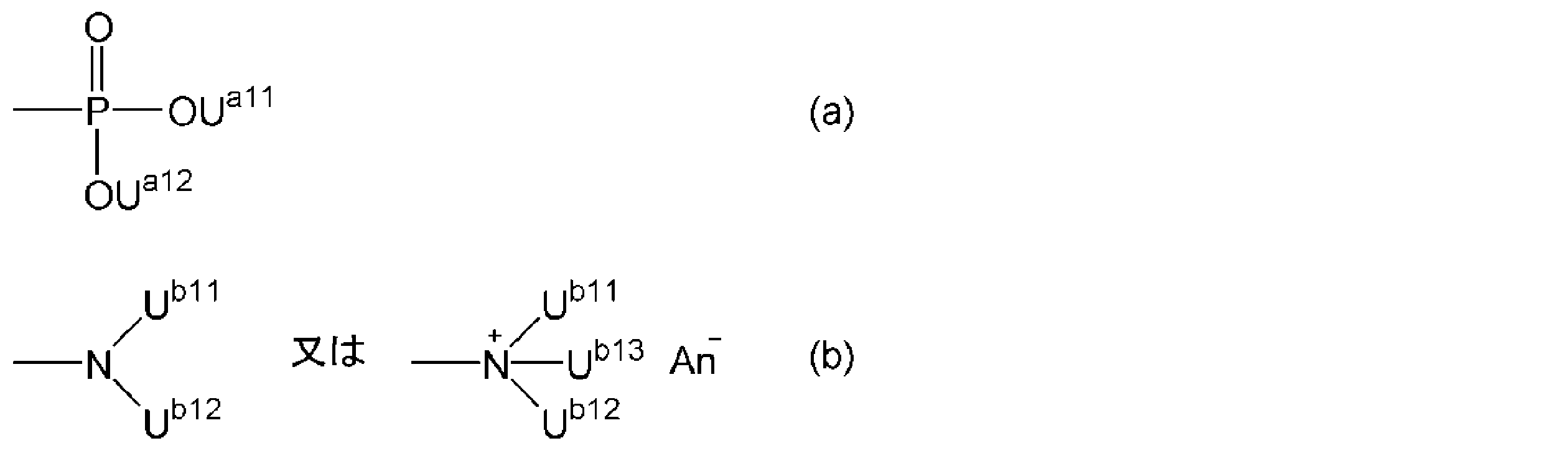
[式中、
Ua11、Ua12、Ub11、Ub12及びUb13は、それぞれ独立して、水素原子又は炭素原子数1乃至5の直鎖若しくは分岐アルキル基を表し、An-は、ハロゲン化物イオン、無機酸イオン、水酸化物イオン及びイソチオシアネートイオンからなる群から選ばれる陰イオンを表す]
と、溶媒とを含むコーティング膜形成用組成物を容器又は基板の表面に塗布し乾燥する工程を含むことが好ましい。前記コーティング膜は、基板表面の少なくとも一部に含めばよいが、細胞凝集塊を製造する表面(すなわち本願のスポットが存在する表面)全体に渡って、あるいは基板表面全体に渡って塗布されていることが好ましい。
炭素原子数1乃至5の直鎖若しくは分岐アルキル基は、上述のものと同一である。
[式中、
Ua11、Ua12、Ub11、Ub12及びUb13は、それぞれ独立して、水素原子又は炭素原子数1乃至5の直鎖若しくは分岐アルキル基を表し、An-は、ハロゲン化物イオン、無機酸イオン、水酸化物イオン及びイソチオシアネートイオンからなる群から選ばれる陰イオンを表す]
と、溶媒とを含むコーティング膜形成用組成物を容器又は基板の表面に塗布し乾燥する工程を含むことが好ましい。前記コーティング膜は、基板表面の少なくとも一部に含めばよいが、細胞凝集塊を製造する表面(すなわち本願のスポットが存在する表面)全体に渡って、あるいは基板表面全体に渡って塗布されていることが好ましい。
炭素原子数1乃至5の直鎖若しくは分岐アルキル基は、上述のものと同一である。
前記コーティング膜形成用組成物は例えば、国際公開第2014/196650に記載されているコーティング膜形成用組成物が使用できる。
前記コーティング膜形成用組成物の塗布方法としては、特に制限は無く、通常のスピンコート、ディップコート、溶媒キャスト法等の塗布法が用いられる。
前記コーティング膜の乾燥工程は、大気下又は真空下にて、温度-200℃乃至180℃の範囲内で行なう。乾燥工程により、上記コーティング膜形成用組成物中の溶媒を取り除くと共に、上記共重合体の式(a)及び式(b)同士がイオン結合を形成して基体へ完全に固着する。
前記コーティング膜は、例えば室温(10℃乃至35℃、例えば25℃)での乾燥でも形成することができるが、より迅速にコーティング膜を形成させるために、例えば40℃乃至50℃にて乾燥させてもよい。またフリーズドライ法による極低温~低温(-200℃乃至-30℃前後)での乾燥工程を用いてもよい。フリーズドライは真空凍結乾燥と呼ばれ、通常乾燥させたいものを冷媒で冷却し、真空状態にて溶媒を昇華により除く方法である。フリーズドライで用いられる一般的な冷媒は、ドライアイスとメタノールを混合媒体(-78℃)、液体窒素(-196℃)等が挙げられる。
乾燥温度が-200℃以下であると、一般的ではない冷媒を使用しなければならず汎用性に欠けることと、溶媒昇華のために乾燥に長時間を要し効率が悪い。乾燥温度が200℃以上であると、コーティング膜表面のイオン結合反応が進みすぎて該表面が親水性を失い、生体物質付着抑制能が発揮されない。より好ましい乾燥温度は10℃乃至180℃、より好ましい乾燥温度は25℃乃至150℃である。
乾燥温度が-200℃以下であると、一般的ではない冷媒を使用しなければならず汎用性に欠けることと、溶媒昇華のために乾燥に長時間を要し効率が悪い。乾燥温度が200℃以上であると、コーティング膜表面のイオン結合反応が進みすぎて該表面が親水性を失い、生体物質付着抑制能が発揮されない。より好ましい乾燥温度は10℃乃至180℃、より好ましい乾燥温度は25℃乃至150℃である。
乾燥後、前記コーティング膜上に残存する不純物、未反応モノマー等を無くすため、さらには膜中の共重合体のイオンバランスを調節するために、水及び電解質を含む水溶液から選ばれる1以上の溶媒で流水洗浄又は超音波洗浄等で洗浄することが望ましい。上記水及び電解質を含む水溶液は例えば40℃乃至95℃の範囲で加温されたものでもよい。電解質を含む水溶液は、PBS、生理食塩水(塩化ナトリウムのみを含むもの)、ダルベッコリン酸緩衝生理食塩水、トリス緩衝生理食塩水、HEPES緩衝生理食塩水及びベロナール緩衝生理食塩水が好ましく、PBSが特に好ましい。固着後は水、PBS及びアルコール等で洗浄してもコーティング膜は溶出せずに基体に強固に固着したままである。形成されたコーティング膜は生体物質が付着してもその後水洗等にて容易に除去することができ、前記コーティング膜が形成された基体表面は、生体物質の付着抑制能を有する。
前記コーティング膜の膜厚は、好ましくは5~1000nmであり、さらに好ましくは5~500nmである。
細胞の付着抑制能を有するとは、例えばWO2016/093293の実施例に記載した方法で行う蛍光顕微鏡によるコーティング膜無し、又は細胞低吸着処理無しと比較した場合の相対吸光度(WST O.D.450nm)(%)((実施例の吸光度(WST O.D.450nm))/(比較例の吸光度(WST O.D.450nm)))が50%以下、好ましくは30%以下、さらに好ましくは20%以下であることを意味する。
工程(2)
工程(2)では、前記細胞凝集塊製造用基板に、多能性幹細胞由来のPRRX1タンパク質陽性であるヒト軟骨前駆細胞を播種する。
工程(2)では、前記細胞凝集塊製造用基板に、多能性幹細胞由来のPRRX1タンパク質陽性であるヒト軟骨前駆細胞を播種する。
「多能性幹細胞」とは、自己複製能と他の複数系統の細胞に分化する能力(多分化能)とを併せ持つ細胞を意味し、また「前駆細胞」とは、幹細胞から最終の分化先である機能細胞へ分化する途中にある細胞を意味する。したがって、多能性幹細胞由来のヒト軟骨前駆細胞とは、多能性幹細胞を原料細胞として分化誘導され、かつ最終の分化先である軟骨細胞へと分化する途中にある細胞を意味する。ここで多能性幹細胞としては、例えば、胚性幹細胞(ES細胞)、人工多能性幹細胞(iPS細胞)などの万能性細胞(あらゆる体細胞及び生殖系列の細胞に分化する能力を有する細胞)が挙げられる。
さらに本発明において「ヒト軟骨前駆細胞」は、PRRX1タンパク質陽性である。PRRX1(Paired related homeobox 1)タンパク質とは、ホメオドメインを有する転写因子の一つであり、発生過程において側板中胚葉由来の肢芽や、沿軸中胚葉由来の頭部中胚葉で特異的に発現することが知られている。
ヒト(Homo sapiens)のPRRX1遺伝了のcDNAの塩基配列及びPRRX1タンパク質のアミノ酸配列は、米国生物工学情報センター(NCBI; National Center for Biotechnology Information)が提供するGenBankに、下記のアクセッション番号で登録されている。なお複数のリビジョン(revision)が登録されている場合、最新のリビジョンを指すと理解される。
- ヒトPRRX1遺伝子: NM_006902 (NM_006902.5)、NM_022716 (NM_022716.4)
- ヒトPRRX1タンハク質: NP_008833 (NP_008833.1)、NP_073207 (NP_073207.1)
- ヒトPRRX1遺伝子: NM_006902 (NM_006902.5)、NM_022716 (NM_022716.4)
- ヒトPRRX1タンハク質: NP_008833 (NP_008833.1)、NP_073207 (NP_073207.1)
細胞がPRRX1タンパク質陽性であることは、公知の手法により検出することができる。例えば、PRRX1遺伝子の転写プロモーター配列により発現が制御されるレポーター遺伝子による検出、PRRX1タンパク質に対する特異的な抗体を用いた免疫染色による検出等が挙げられる。
PRRX1タンパク質陽性の軟骨前駆細胞は、例えば以下の工程を含む手法により製造することができる:
- 多能性幹細胞から側板中胚葉細胞を分化誘導する工程、
- 前記工程により分化誘導された細胞を、Wntシグナルを活性化する環境下で培養し、肢芽間葉系細胞を調製する工程、
- 前記工程により調製された肢芽間葉系細胞を、Wntシグナルを活性化する環境下で培養し、軟骨前駆細胞を調製する工程。
- 多能性幹細胞から側板中胚葉細胞を分化誘導する工程、
- 前記工程により分化誘導された細胞を、Wntシグナルを活性化する環境下で培養し、肢芽間葉系細胞を調製する工程、
- 前記工程により調製された肢芽間葉系細胞を、Wntシグナルを活性化する環境下で培養し、軟骨前駆細胞を調製する工程。
前記手法において、原料細胞として用いる多能性幹細胞としては、例えば、胚性幹細胞(ES細胞)、人工多能性幹細胞(iPS細胞)などを使用することができる。ES細胞及びiPS細胞は、新規に作製したもの、又は既に確立されたものを使用することができる。
前記手法において、まず多能性幹細胞から側板中胚葉細胞を分化誘導する。多能性幹細胞から側板中胚葉細胞を分化誘導する手段としては、公知の手段を用いることができる。例えば、文献:Loh et al, 2016, Cell, 451-467に記載の方法に準じた方法を採用することができる。具体的には多能性幹細胞からまず原始線条(Mid-primitive streak)へと分化誘導を行い、次いで原始線条から側板中胚葉細胞への分化誘導を行う。
側板中胚葉細胞が分化誘導されたことは、例えば側板中胚葉細胞の特異的マーカーであるHAND1タンパク質の発現を検出することにより確認することができる。
次いで、分化誘導された側板中胚葉細胞を、Wntシグナルを活性化する環境下で培養し、PRRX1タンパク質陽性である、側板中胚葉由来PRRX1陽性細胞へ分化誘導する。なお、前の培養環境の影響を低減するために、PBS緩衝液等での洗浄を適宜行った上でWntシグナルを活性化する環境下での培養を行うことが好ましい。
側板中胚葉細胞から肢芽間葉系細胞への分化誘導はまた、FGF2などのFGFシグナル活性化剤の非存在下で行うことが好ましく、Wntシグナルを活性化する環境下に行い、かつTGFβシグナル抑制剤、BMPシグナル抑制剤及びヘッジホッグシグナル抑制剤からなる群から選ばれる1種、2種又は3種の存在下に行うことがより好ましく、TGFβシグナル抑制剤、BMPシグナル抑制剤、TGFβシグナル抑制剤、及びヘッジホッグシグナル抑制剤の存在下に行うことがさらにより好ましい。
Wntシグナルを活性化する環境下での培養は、例えば有効量のWntシグナル活性化剤の存在下で培養をすることで行うことができる。Wntシグナル活性化剤は、Wntにより媒介されるシグナル伝達(特に、カノニカルWnt経路)を増強するものである。Wntシグナル活性化剤としては、GSK3β阻害剤、Wntファミリータンパク質などが挙げられる。例えば、GSK3β阻害剤としては、CHIR99021(6-[[2-[[4-(2,4-Dichlorophenyl)-5-(5-methyl-1H-imidazol-2-yl)-2-pyrimidinyl]amino]ethyl]amino]-3-pyridinecarbonitrile)、XAV939(3,5,7,8-Tetrahydro-2-[4-(trifluoromethyl)phenyl]-4H-thiopyrano[4,3-d]pyrimidin-4-one)、LiC1などが挙げられる。Wntシグナル活性化剤としてCHIR99021を用いる場合、その添加量は例えば、0.1~20μM程度、好ましくは1~10μMとすることができる。
BMPシグナル抑制剤は、BMPにより媒介されるシグナル伝達を抑制(阻害)するものである。BMPシグナル抑制剤としては、LDN193189(4-[6-[4-(1-Piperazinyl)phenyl]pyrazolo[1,5-a]pyrimidin-3-yl]quinoline)又はその塩(例えば、塩酸塩)、DMH-1などが挙げられ、その添加量は例えば、0.1~10μM程度、好ましくは0.2~5μMとすることができる。
TGFβシグナル抑制剤は、TGFβにより媒介されるシグナル伝達を抑制(阻害)するものである。TGFβシグナル活性化剤としては、A-83-01(3-(6-メチル-2-ピリジニル)-N-フェニル-4-(4-キノリニル)-1H-ピラゾール-1-カルボチオアミド)、SB431542などが挙げられ、その添加量は例えば、0.1~10μM程度、好ましくは0.2~5μMとすることができる。
ヘッジホッグシグナル抑制剤は、ヘッジホッグにより媒介されるシグナル伝達を抑制(阻害)するものである。ヘッジホッグシグナル活性化剤としては、ビスモルデギブ(Vismordegib)、シクロパミン、ソニデジブなどが挙げられ、その添加量は例えば、10nM~1μM程度、好ましくは50nM~500nM程度とすることができる。
TGFβシグナル抑制剤は、TGFβにより媒介されるシグナル伝達を抑制(阻害)するものである。TGFβシグナル活性化剤としては、A-83-01(3-(6-メチル-2-ピリジニル)-N-フェニル-4-(4-キノリニル)-1H-ピラゾール-1-カルボチオアミド)、SB431542などが挙げられ、その添加量は例えば、0.1~10μM程度、好ましくは0.2~5μMとすることができる。
ヘッジホッグシグナル抑制剤は、ヘッジホッグにより媒介されるシグナル伝達を抑制(阻害)するものである。ヘッジホッグシグナル活性化剤としては、ビスモルデギブ(Vismordegib)、シクロパミン、ソニデジブなどが挙げられ、その添加量は例えば、10nM~1μM程度、好ましくは50nM~500nM程度とすることができる。
培養は、約37℃程度及び二酸化炭素濃度約5%程度の条件下で培養する手法が例示されるが、これに限定されない。上記条件での培養は、例えば公知のCO2インキュベータを用いて温度及びCO2濃度を制御しながら行なうことができる。
培養は二次元細胞培養(平面培養)で行うことができる。二次元細胞培養は、培養器具を必要に応じて細胞の接着を促進するコーティング処理して行うことができる。
Wntシグナルを活性化する環境下での培養を行う期間は、特に限定されるものではないが、例えば、6時問~4日程度、好ましくは1日間~3日間程度、より好ましくは2日間程度(48時間程度)とすることができる。必要に応じて、培地交換を行うことができる。培養条件は、常法に準じることが好ましい。
培養においては、必要に応じて継代を行うことができる。継代を行う場合は、コンフルエント状態に到達する前又は直後に細胞を回収し、細胞を新しい培地に播種する。また、培地を適宜交換することもできる。
培地としてIMDM培地、F12培地、又はその混合培地などの無血清培地を用いることが好ましい。動物由来成分不含の状態で分化誘導並びに維持培養が可能である。また前記無血清培地に、ストレプトマイシン、ペニシリンなどの抗菌薬、非必須アミノ酸(NEAA)、ROCK阻害剤(例えば、Y-27632((R)-(+)-trans-N-(4-Pyridyl)-4-(1-aminoethyl)-cyclohexanecarboxamide・2HCl))、インスリンなどのホルモン、トランスフェリン、アルブミンなどのタンパク質、脂質、ポリビニルアルコール、モノチオグリセロール等の各種培地添加物を添加することができる。
次いで、調製された肢芽間葉系幹細胞を、Wntシグナルを活性化する環境下で培養し、PRRX1タンパク質陽性である、軟骨前駆細胞へと分化誘導する。なお、Wntシグナルを活性化する環境下とは、上記と同義である。また肢芽間葉系細胞から軟骨前駆細胞への分化誘導はさらに、FGF2などのFGFシグナル活性化剤の存在下で行うことが好ましい。
このようにして、PRRX1タンパク質陽性の軟骨前駆細胞が製造される。具体的な実施態様は、後述の実施例に記載のとおりである。また国際公開第2021/054449号の記載を参照することもできる。また、このように得られた軟骨前駆細胞は、同一ロットにおいて拡大培養が可能であり、一定の品質管理条件下でストック可能である。
ヒト軟骨前駆細胞の前記細胞凝集塊製造用基板への播種は、細胞を培地、例えば続く工程(3)における培養で使用される培地に懸濁した細胞懸濁液とし、これを前記細胞凝集塊製造用基板に添加する等、それ自体公知の方法で実施される。
工程(3)
工程(3)では、多能性幹細胞由来のPRRX1タンパク質陽性であるヒト軟骨前駆細胞を培養し細胞凝集塊を作成する。
培養は、前記ヒト軟骨前駆細胞から細胞凝集塊を作成しうる手法であれば特に限定されず、ヒト軟骨前駆細胞の性質等に応じて適宜選択される。
工程(3)では、多能性幹細胞由来のPRRX1タンパク質陽性であるヒト軟骨前駆細胞を培養し細胞凝集塊を作成する。
培養は、前記ヒト軟骨前駆細胞から細胞凝集塊を作成しうる手法であれば特に限定されず、ヒト軟骨前駆細胞の性質等に応じて適宜選択される。
例えば、多能性幹細胞由来のPRRX1タンパク質陽性のヒト軟骨前駆細胞の培養は、Wntシグナルを活性化する環境下、及び/又は、TGFβシグナルを抑制する環境下で行うことが好ましい。
Wntシグナルを活性化する環境下での培養は、例えば有効量のWntシグナル活性化剤の存在下で培養をすることで行うことができる。Wntシグナル活性化剤は、Wntにより媒介されるシグナル伝達(特に、カノニカルWnt経路)を増強するものである。Wntシグナル活性化剤としては、GSK3β阻害剤、Wntファミリータンパク質などが挙げられる。例えば、GSK3β阻害剤としては、CHIR99021(6-[[2-[[4-(2,4-dichlorophenyl)-5-(5-methyl-1H-imidazol-2-yl)-2-pyrimidinyl]amino]ethyl]amino]-3-pyridinecarbonitrile)、XAV939(3,5,7,8-Tetrahydro-2-[4-(trifluoromethyl)phenyl]-4H-thiopyrano[4,3-d]pyrimidin-4-one)、LiC1などが挙げられる。Wntシグナル活性化剤としてCHIR99021を用いる場合、その添加量は例えば、0.1~20μM程度、好ましくは1~10μMとすることができる。
TGFβシグナルを抑制する環境下での培養は、例えば有効量のTGFβシグナル抑制剤の存在下で培養をすることで行うことができる。TGFβシグナル抑制剤は、TGFβにより媒介されるシグナル伝達を抑制(阻害)するものである。TGFβシグナル抑制剤としては、A-83-01(3-(6-methyl-2-pyridinyl)-N-phenyl-4-(4-quinolinyl)-1H-pyrazol-1-carbothioamide)、SB431542(4-[4-(1,3-benzodioxol-5-yl)-5-(2-pyridinyl)-1H-imidazol-2-yl]-benzamide)などが挙げられる。TGFβシグナル抑制剤としてA-83-01を用いる場合、その添加量は例えば、0.1~10μM程度、好ましくは0.2~5μMとすることができる。
培養は、約37℃程度及び二酸化炭素濃度約5%程度の条件下で培養する手法が例示されるが、これに限定されない。上記条件での培養は、例えば公知のCO2インキュベータを用いて温度及びCO2濃度を制御しながら行なうことができる。
培養を行う期間は、特に限定されるものではないが、例えば、6時問~4日程度、好ましくは1日間~3日間程度、より好ましくは2日間程度(48時間程度)とすることができる。必要に応じて、培地交換を行うことができる。培養条件は、常法に準じることが好ましい。
培地としてIMDM培地、F12培地、又はその混合培地などの無血清培地を用いることが好ましい。動物由来成分不含の状態で分化誘導並びに維持培養が可能である。また前記無血清培地に、ストレプトマイシン、ペニシリンなどの抗菌薬、非必須アミノ酸(NEAA)、ROCK阻害剤(例えば、Y-27632)、EGF、FGFなどの細胞増殖因子、インスリンなどのホルモン、トランスフェリン、アルブミンなどのタンパク質、脂質、ポリビニルアルコール、モノチオグリセロール等の各種培地添加物を添加することができる。
このようにして、ヒト軟骨前駆細胞から細胞凝集塊が製造される。具体的な実施態様は、後述の実施例に記載のとおりである。
工程(1)で提供される、特定の共重合体からなる複数のスポットを備える細胞凝集塊製造用基板を利用することで、スポットに細胞を接着させた後に剥離させて細胞凝集塊を形成させることが可能である。なお細胞凝集塊とは、細胞が凝集した結果形成する構造体を示し、球状やリング状などのように形状が限定されない。従来の細胞低接着プレート上での非接着培養により作製される細胞凝集塊と比較し、接着面積の規定による細胞凝集塊のサイズ調整(任意の大きさの細胞凝集塊が製造できる)などの点でメリットがある。
工程(4)
工程(4)では、前記工程で得られた細胞凝集塊を培養し軟骨組織体を作成する。
培養は、前記細胞凝集塊から軟骨組織体を作成しうる手法であれば特に限定されず、前記ヒト軟骨前駆細胞から得られる細胞凝集塊の性質等に応じて適宜選択される。
工程(4)では、前記工程で得られた細胞凝集塊を培養し軟骨組織体を作成する。
培養は、前記細胞凝集塊から軟骨組織体を作成しうる手法であれば特に限定されず、前記ヒト軟骨前駆細胞から得られる細胞凝集塊の性質等に応じて適宜選択される。
例えば、多能性幹細胞由来のPRRX1タンパク質陽性のヒト軟骨前駆細胞から得られる細胞凝集塊の培養は、Wntシグナルを活性化する環境下で培養する工程を含む方法で行うことが好ましい。
Wntシグナルを活性化する環境下での培養は、例えば有効量のWntシグナル活性化剤の存在下で培養をすることで行うことができる。Wntシグナル活性化剤は、Wntにより媒介されるシグナル伝達(特に、カノニカルWnt経路)を増強するものである。Wntシグナル活性化剤としては、GSK3β阻害剤、Wntファミリータンパク質などが挙げられる。例えば、GSK3β阻害剤としては、CHIR99021(6-[[2-[[4-(2,4-dichlorophenyl)-5-(5-methyl-1H-imidazol-2-yl)-2-pyrimidinyl]amino]ethyl]amino]-3-pyridinecarbonitrile)、XAV939(3,5,7,8-Tetrahydro-2-[4-(trifluoromethyl)phenyl]-4H-thiopyrano[4,3-d]pyrimidin-4-one)、LiC1などが挙げられる。Wntシグナル活性化剤としてCHIR99021を用いる場合、その添加量は例えば、0.1~20μM程度、好ましくは1~10μMとすることができる。
また培養は、多段階で行うことが好ましい。具体的には、
(i)Wntシグナル活性剤の存在下かつFGFシグナル活性化剤の存在下で培養をする工程、次いで
(ii)FGFシグナル活性化剤の存在下で(かつ好ましくは、Wntシグナル活性化剤の非存在下で)培養をする工程、次いで
(iii)好ましくは、Wntシグナル活性化剤の非存在下かつFGFシグナル活性化剤の非存在下で培養する工程
の3段階で行うことが好ましい。
(i)Wntシグナル活性剤の存在下かつFGFシグナル活性化剤の存在下で培養をする工程、次いで
(ii)FGFシグナル活性化剤の存在下で(かつ好ましくは、Wntシグナル活性化剤の非存在下で)培養をする工程、次いで
(iii)好ましくは、Wntシグナル活性化剤の非存在下かつFGFシグナル活性化剤の非存在下で培養する工程
の3段階で行うことが好ましい。
FGFシグナルを活性化する環境下での培養は、例えば有効量のFGFシグナル活性化剤の存在下で培養をすることで行うことができる。FGFシグナル活性化剤は、線維芽細胞成長因子(FGF)シグナル伝達を増強するものである。FGFシグナル活性化剤としては、FGF1/aFGF、FGF2/bFGFなどが挙げられる。FGFシグナル活性化剤としてFGF2を用いる場合、その添加量は例えば、0.1~100ng/mL程度、好ましくは1~50ng/mLとすることができる。
前記3段階での培養を行う場合、工程(i)及び工程(ii)は二次元細胞培養(平面培養)又は三次元培養で行うことができる。二次元細胞培養は、培養器具を必要に応じて細胞の接着を促進するコーティング処理して行うことができる。工程(iii)は、三次元培養で行うことが好ましい。なお、各段階の培養の間において、前の培養環境の影響を低減するために、PBS緩衝液等での洗浄を適宜行った上で培養を行うことが好ましい。
培養は、細胞及び培地を格納するための適切な容器中で行なうことができる。好適な培養を行なう手法として、約37℃程度及び二酸化炭素濃度約5%程度の条件下で培養する手法が例示されるが、これに限定されない。上記条件での培養は、例えば公知のCO2インキュベータを用いて温度及びCO2濃度を制御しながら行なうことができる。
Wntシグナルを活性化する環境下での培養を行う期間は、本発明の効果を損なわない範囲で、特に限定されるものではない。例えば、2時間~12日程度、4日間~8日間程度とすることができる。また培養を多段階で行う場合、例えば前記3段階での培養を行う場合、工程(i)及び工程(ii)はそれぞれ、2時間~12日程度、4日間~8日間程度とすることができ、工程(iii)は、2時間~60日程度、8日間~54日間程度とすることができる。必要に応じて、培養期間中に培地交換を行うことができる。培養条件は、常法に準じることが好ましい。
培養において、必要において継代を行うことができる。継代を行う場合は、コンフルエント状態に到達する前又は直後に細胞を回収し、細胞を新しい培地に播種する。
工程(4)の培養で用いる培地は、特に限定されない。培地としてIMDM培地、F12培地、又はその混合培地などの無血清培地を用いることができ、さらにそれらにL-アスコルビン酸、ITS(インスリン-トランスフェリン-亜セレン酸ナトリウム培地サプリメント)、GDF5、及び/又はBMP4等を添加した公知の軟骨誘導培地を用いることができる。また、必要に応じて、ストレプトマイシン、ペニシリンなどの抗菌薬、非必須アミノ酸(NEAA)、ROCK阻害剤(例えば、Y-27632)、EGF、TGFβなどの細胞増殖因子、インスリンなどのホルモン、トランスフェリン、アルブミンなどのタンパク質、脂質、ポリビニルアルコール、モノチオグリセロール等の公知の各種培地添加物を添加することもできる。
さらに工程(4)の培養で用いる培地は、好ましくは寒天又は寒天含有培地組成物を含有する。
寒天は、アガロースと、アガロースが部分的に硫酸エステル化され、又はメトキシ基、ピルビン酸基、カルボキシル基により置換されたアガロペクチンとにより構成されるが、これらの構成成分の比率に関して制限はなく、アガロースのみにて構成されてもよい。また、アガロースがヒドロキシエチル化された低融点アガロースや、原料海藻の選択により、又はヒドロキシエチル化を施す等により調製された低融点寒天、さらに温湯に対しても高い溶解性を示す即溶性寒天等も、本発明における「寒天」に含まれる。
本発明では、工業的に製造される粉末状、フレーク状又は固形状の寒天が、高純度で品質も均一であるため、好ましく用いられる。また、医薬品、食品等の分野で、一般的に使用される種々の性状、物性を有するものを用いることができ、重量平均分子量が10,000~60,000の低分子量の寒天、重量平均分子量が60,000を超え100,000以下程度で、ゲル強度の低い低強度寒天、重量平均分子量が290,000程度の高分子量の寒天等を用いることができる。かかる寒天としては、市販されている製品を利用することができ、例えば、伊那食品工業株式会社から販売されている「ウルトラ寒天イーナ」、「ウルトラ寒天AX-30」、「ウルトラ寒天AX-100」、「S-6」、「S-7」等を用いることができる。
本発明においては、重量平均分子量が10,000~60,000であり、一般的な寒天よりも低分子量の寒天(以下、本明細書において「低分子寒天」と称することがある)を用いることが好ましい。低分子寒天の重量平均分子量は、上記の通り10,000~60,000であり、20,000~60,000であることがより好ましく、30,000~60,000であることがさらに好ましく、40,000~60,000であることがさらにより好ましく、43,000~60,000であることがより一層好ましく、43,000~50,000であることが特に好ましい。重量平均分子量が10,000未満である寒天を用いた場合には、細胞を分散する効果を得ることが困難な場合がある。一方、重量平均分子量が60,000を超える寒天を用いた場合には、細胞又は組織の培地中における分散が不均一となり、十分な増殖促進効果を得ることができない場合がある。
さらに、本発明で用いる低分子寒天としては、分子量分布が狭いものであることが好ましく、寒天の重量平均分子量(Mw)を数平均分子量(Mn)で除した値として得られる分子量分布(Mw/Mn)は、1.1~8.0であることが好ましく、1.5~7.0であることがより好ましく、2.0~6.0であることがさらに好ましく、2.5~5.5であることがより一層好ましく、3.5~5.0であることが特に好ましい。
なお、寒天の上記重量平均分子量及び数平均分子量は、高速液体クロマトグラフィー(HPLC)によるゲル浸透クロマトグラフィー法により測定することができる。
前記低分子寒天は、通常の寒天の酸処理による低分子化、あるいは、テングサ、オゴノリ、オバクサ等の海藻からの抽出工程時に、又は前記抽出工程もしくはろ過工程のいずれかを経た寒天に対し、酸処理を行う等、公知の方法により製造することができるが、低分子寒天として市販されている製品、例えば上記した「ウルトラ寒天イーナ」(伊那食品工業株式会社製)等を用いることもできる。
前記寒天をそのまま培地添加物として、前記工程(4)で用いる培地に添加するか、又は前記寒天を含む培地組成物を、前記工程(4)で用いる培地で希釈して、培養を実施することができる。そのような寒天含有培地組成物として、例えば「SphereMAX(商標)」(日産化学株式会社製)等を用いることができる。また寒天及び寒天含有培地組成物のさらなる具体的態様は、国際公開第2016/167373号に記載されている。
寒天の含有量は、工程(4)で用いる培地の全量に対して0.005(w/v)%以上2(w/v)%未満であることが好ましく、0.03(w/v)%以上2(w/v)%未満であることがより好ましく、0.03(w/v)%~1(w/v)%であることがさらに好ましく、0.03(w/v)%~0.1(w/v)%であることがさらにより好ましい。培地中の寒天の含有量が0.005(w/v)%以上であれば、過剰な大きさの細胞凝集塊を形成することなく増殖し、細胞の増殖促進効果が見られる。また、培地中の寒天の含有量が0.03(w/v)%以上であれば、細胞又は組織の均一な分散が得られるため、より好ましい。一方、培地組成物中の寒天の含有量が2(w/v)%以上であると、室温でゲル化してしまう場合があるため、取扱いが困難となることがある。
このようにして、軟骨組織体が製造される。軟骨組織体が得られたことは、例えばサフラニンO染色、アルシアンブルー染色、サフラニンO染色、又はトルイジンブルー染色が陽性であることなどにより確認することができる。
<軟骨組織体の使用>
本発明はまた、ヒトの関節軟骨損傷の治療方法であって、本発明の製造方法により得られる軟骨組織体を関節軟骨の損傷又は欠損部位に移植することを特徴とする方法に関する。ここで、軟骨組織体の製造方法の具体的態様や好ましい態様は、上記のとおりである。また移植は、関節軟骨の損傷又は欠損部位に、本発明の製造方法により得られる軟骨組織体の1個又は複数個を入れることにより実施することができる。
本発明はまた、ヒトの関節軟骨損傷の治療方法であって、本発明の製造方法により得られる軟骨組織体を関節軟骨の損傷又は欠損部位に移植することを特徴とする方法に関する。ここで、軟骨組織体の製造方法の具体的態様や好ましい態様は、上記のとおりである。また移植は、関節軟骨の損傷又は欠損部位に、本発明の製造方法により得られる軟骨組織体の1個又は複数個を入れることにより実施することができる。
[調製例1]
(細胞凝集塊製造用基板の調製)
細胞の付着抑制能を有する培養ディッシュ(直径:35mm)(住友ベークライト株式会社、MS9035X)の培養表面の中央部の1.5cm四方の範囲に、2-(N,N-ジメチルアミノ)エチルメタクリレートとメタクリル酸の共重合体(全モノマーに対する2-(N,N-ジメチルアミノエチル)メタクリレートのモル比率が90%)の水溶液を液滴突出装置(MICROJET corporation、BioSpot BT600)を用いて適量ずつ格子状に上下左右に300μmの間隔を空けて滴下した後、液滴を室温で15分間乾燥して固着化させることで、細胞が接着し得る独立した直径100~1000μmの円形スポット領域を350個有する細胞凝集塊製造用基板を調製した。
(細胞凝集塊製造用基板の調製)
細胞の付着抑制能を有する培養ディッシュ(直径:35mm)(住友ベークライト株式会社、MS9035X)の培養表面の中央部の1.5cm四方の範囲に、2-(N,N-ジメチルアミノ)エチルメタクリレートとメタクリル酸の共重合体(全モノマーに対する2-(N,N-ジメチルアミノエチル)メタクリレートのモル比率が90%)の水溶液を液滴突出装置(MICROJET corporation、BioSpot BT600)を用いて適量ずつ格子状に上下左右に300μmの間隔を空けて滴下した後、液滴を室温で15分間乾燥して固着化させることで、細胞が接着し得る独立した直径100~1000μmの円形スポット領域を350個有する細胞凝集塊製造用基板を調製した。
[調製例2]
(PRRX1タンパク質陽性であるヒト軟骨前駆細胞の調製)
ヒトiPS細胞(3×10⁴:京都大学iPS細胞研究所から提供された414C2細胞株)を、10μM CultureSure(登録商標)Y-27632(富士フイルム和光純薬(株))及び4μLのiMatrix-511((株)ニッピ)を含有する1mLのStemFit(登録商標)(味の素ヘルシーサプライ(株))に懸濁し、35mmの培養皿に加えた。翌日、培地を、Y-27632不含の新たなStemFit(登録商標)に交換した。2日間の培養後、細胞をPBSで洗浄し、各段階で以下の組成を有する培地に交換することにより、原始線条(mid-primitive streak)、側板中胚葉細胞(LPM)、肢芽間葉系細胞(LBM)へと、順次、分化を誘導した。
(PRRX1タンパク質陽性であるヒト軟骨前駆細胞の調製)
ヒトiPS細胞(3×10⁴:京都大学iPS細胞研究所から提供された414C2細胞株)を、10μM CultureSure(登録商標)Y-27632(富士フイルム和光純薬(株))及び4μLのiMatrix-511((株)ニッピ)を含有する1mLのStemFit(登録商標)(味の素ヘルシーサプライ(株))に懸濁し、35mmの培養皿に加えた。翌日、培地を、Y-27632不含の新たなStemFit(登録商標)に交換した。2日間の培養後、細胞をPBSで洗浄し、各段階で以下の組成を有する培地に交換することにより、原始線条(mid-primitive streak)、側板中胚葉細胞(LPM)、肢芽間葉系細胞(LBM)へと、順次、分化を誘導した。
・原始線条分化誘導培地組成:
無血清培地:50%IMDM培地(Gibco)+50%F12培地(Gibco)+1mg/mLポリビニルアルコール(Sigma-Aldrich)+1%(v/v)脂質濃縮物(Gibco)+450μMモノチオグリセロール(Sigma-Aldrich)+0.7μg/mLインスリン(Sigma-Aldrich)+15μg/mLトランスフェリン(Sigma-Aldrich)+1%(v/v)ペニシリン/ストレプトマイシン(Gibco)(以下、「CDM2 basal medium」と称す)
30ng/mL アクチビンA
40ng/mL BMP4
6μM CHIR99021
100nM PIK90(フナコシ(株))
10μM Y-27632
無血清培地:50%IMDM培地(Gibco)+50%F12培地(Gibco)+1mg/mLポリビニルアルコール(Sigma-Aldrich)+1%(v/v)脂質濃縮物(Gibco)+450μMモノチオグリセロール(Sigma-Aldrich)+0.7μg/mLインスリン(Sigma-Aldrich)+15μg/mLトランスフェリン(Sigma-Aldrich)+1%(v/v)ペニシリン/ストレプトマイシン(Gibco)(以下、「CDM2 basal medium」と称す)
30ng/mL アクチビンA
40ng/mL BMP4
6μM CHIR99021
100nM PIK90(フナコシ(株))
10μM Y-27632
・側板中胚葉(LPM)分化誘導培地組成:
CDM2 basal medium
1μM A-83-01
30ng/mL BMP4
1μM C59
10μM Y-27632
CDM2 basal medium
1μM A-83-01
30ng/mL BMP4
1μM C59
10μM Y-27632
・肢芽間葉系細胞(LBM)分化誘導培地組成:
CDM2 basal medium
1μM A-83-01
0.5μM LDN-193189
3μM CHIR99021
150nM ビスモデギブ
10μM Y-27632
CDM2 basal medium
1μM A-83-01
0.5μM LDN-193189
3μM CHIR99021
150nM ビスモデギブ
10μM Y-27632
次いで、得られたLBM細胞を、Accutase(Thermo Fisher Scientific)を用いて剥離し、2×10⁵の細胞を、16μLのiMatrix-511((株)ニッピ)を含有する、下記のヒト軟骨前駆細胞分化誘導培地に懸濁し、60mmの培養皿に加えた。2日ごとに培地を新たなヒト軟骨前駆細胞分化誘導培地に交換し、ヒト軟骨前駆細胞へと分化誘導した。細胞は、サブコンフルエントに達する前に、同様に継代した。
・ヒト軟骨前駆細胞分化誘導培地組成:
CDM2 basal medium
1μM A-83-01
3μM CHIR99021
20ng/mL FGF2
20ng/mL EGF
10μM Y-27632
CDM2 basal medium
1μM A-83-01
3μM CHIR99021
20ng/mL FGF2
20ng/mL EGF
10μM Y-27632
[実施例1]
(細胞凝集塊の作成)
調製例1で得られた培養ディッシュに、1mLの培地(CDM2 basal medium+3μM CHIR99021+1μM A-83-01+20ng/mL EGF+20ng/mL FGF)で懸濁した、調製例2で得られた1×10⁶個のヒト軟骨前駆細胞(以下、「ExpLBM細胞」とも称す)を播種し、37℃で培養を行った。4時間後に培地交換を行った。培地交換2日後に細胞凝集塊が形成されていることが確認された。結果を図1に示す。
(細胞凝集塊の作成)
調製例1で得られた培養ディッシュに、1mLの培地(CDM2 basal medium+3μM CHIR99021+1μM A-83-01+20ng/mL EGF+20ng/mL FGF)で懸濁した、調製例2で得られた1×10⁶個のヒト軟骨前駆細胞(以下、「ExpLBM細胞」とも称す)を播種し、37℃で培養を行った。4時間後に培地交換を行った。培地交換2日後に細胞凝集塊が形成されていることが確認された。結果を図1に示す。
(軟骨組織体の作成)
得られた細胞凝集塊を剥離し、ultra low attachment plate (6 well)(Corning社製#3471)へ移した。移した細胞凝集塊は、培地1にて6日間処理し(day0~day6:培地組成は下記に記載)、day6の時点にて培地2に切り替えて6日間処理し(day6~day12:培地組成は下記に記載)、その後、培地3に切り替えて42日間(day12~day54:培地組成は下記に記載)培養を行い、軟骨組織体を得た。結果を図2及び図3に示す。図2は実体顕微鏡写真であり、図3は倒立顕微鏡により明視野で撮影を行った写真である。
得られた細胞凝集塊を剥離し、ultra low attachment plate (6 well)(Corning社製#3471)へ移した。移した細胞凝集塊は、培地1にて6日間処理し(day0~day6:培地組成は下記に記載)、day6の時点にて培地2に切り替えて6日間処理し(day6~day12:培地組成は下記に記載)、その後、培地3に切り替えて42日間(day12~day54:培地組成は下記に記載)培養を行い、軟骨組織体を得た。結果を図2及び図3に示す。図2は実体顕微鏡写真であり、図3は倒立顕微鏡により明視野で撮影を行った写真である。
培地組成
培地1:CDM2 basal medium+3μM CHIR99021+10ng/mL FGF2+50μg/mL アスコルビン酸+1×ITS+4%低分子寒天含有培地組成物
培地2:CDM2 basal medium+10ng/mL FGF2+50μg/mL アスコルビン酸+30ng/mL BMP4+10ng/mL TGFβ1+10ng/mL GDF5+1×ITS+0.04%低分子寒天含有培地組成物
培地3:CDM2 basal medium+50μg/mL アスコルビン酸+30ng/mL BMP4+10ng/mL TGFβ1+10ng/mL GDF5+1×ITS+0.04%低分子寒天含有培地組成物
前記低分子寒天含有培地組成物は、国際公開第2016/167373の試験例10に従って調製した低分子寒天含有培地組成物である。
培地1:CDM2 basal medium+3μM CHIR99021+10ng/mL FGF2+50μg/mL アスコルビン酸+1×ITS+4%低分子寒天含有培地組成物
培地2:CDM2 basal medium+10ng/mL FGF2+50μg/mL アスコルビン酸+30ng/mL BMP4+10ng/mL TGFβ1+10ng/mL GDF5+1×ITS+0.04%低分子寒天含有培地組成物
培地3:CDM2 basal medium+50μg/mL アスコルビン酸+30ng/mL BMP4+10ng/mL TGFβ1+10ng/mL GDF5+1×ITS+0.04%低分子寒天含有培地組成物
前記低分子寒天含有培地組成物は、国際公開第2016/167373の試験例10に従って調製した低分子寒天含有培地組成物である。
(軟骨組織体の観察)
形成された軟骨組織体を4%PFAで固定し、組織切片を作成してヘマトキシリン(HE)、アルシアンブルー及びサフラニンOで染色を行った結果を図4に各々示す。染色条件は以下の通りである。
・HE染色条件
脱パラフィン後にEosinで1分間の染色を行い、次にヘマトキシリンで20分標本を処理することで核染色を行った。
・アルシアンブルー染色条件
脱パラフィン後に標本を1%アルシアンブルー/3%酢酸で20分処理し、3%酢酸で洗浄を行った後、ヘマトキシリンで20分標本を処理することで核染色を行った。
・サフラニンO染色条件
脱パラフィン後にワイゲルト鉄へマトキシリン(Weigert’s iron hematoxylin)溶液で10分間染色を行った。次にファストグリーン溶液で5分間染色を行った後、1%酢酸で洗浄を行った。次に0.1%サフラニンO溶液で5分間染色を行った。
形成された軟骨組織体を4%PFAで固定し、組織切片を作成してヘマトキシリン(HE)、アルシアンブルー及びサフラニンOで染色を行った結果を図4に各々示す。染色条件は以下の通りである。
・HE染色条件
脱パラフィン後にEosinで1分間の染色を行い、次にヘマトキシリンで20分標本を処理することで核染色を行った。
・アルシアンブルー染色条件
脱パラフィン後に標本を1%アルシアンブルー/3%酢酸で20分処理し、3%酢酸で洗浄を行った後、ヘマトキシリンで20分標本を処理することで核染色を行った。
・サフラニンO染色条件
脱パラフィン後にワイゲルト鉄へマトキシリン(Weigert’s iron hematoxylin)溶液で10分間染色を行った。次にファストグリーン溶液で5分間染色を行った後、1%酢酸で洗浄を行った。次に0.1%サフラニンO溶液で5分間染色を行った。
[評価例1]
生検トレパンでSCIDラット(supplied by the National BioResource Project - Rat, Tokyo University (Tokyo, Japan))の膝関節軟骨に穴(長径1.5mm、深さ約1mm)を空け、実施例1で作製した軟骨組織体(3個)を押し込んで移植した。移植4週間後に組織片を採取し、各種組織染色(HE染色、サフラニンO、トルイジンブルー染色)を行った。結果を図5に示す。図5に示すように、移植物の欠損部での生着が認められ、同部位で硝子軟骨が形成されていることが分かった。
生検トレパンでSCIDラット(supplied by the National BioResource Project - Rat, Tokyo University (Tokyo, Japan))の膝関節軟骨に穴(長径1.5mm、深さ約1mm)を空け、実施例1で作製した軟骨組織体(3個)を押し込んで移植した。移植4週間後に組織片を採取し、各種組織染色(HE染色、サフラニンO、トルイジンブルー染色)を行った。結果を図5に示す。図5に示すように、移植物の欠損部での生着が認められ、同部位で硝子軟骨が形成されていることが分かった。
本発明の製造方法は、品質管理された軟骨前駆細胞を原料とし、分化誘導処理することで軟骨組織とすることができるため、また作製した軟骨組織に軟骨細胞以外の細胞は含まれていないため、軟骨組織体を再生医療に安全に使用する上で有利である。さらに軟骨前駆細胞からの軟骨組織の作製を、所定の培養条件下で行うことにより、効率的な細胞増殖と共に、少数の細胞から大きな軟骨組織片の作成が可能となり、コストの面でも有利である。
Claims (6)
- 細胞の付着抑制能を有する基板上に、下記式(I):
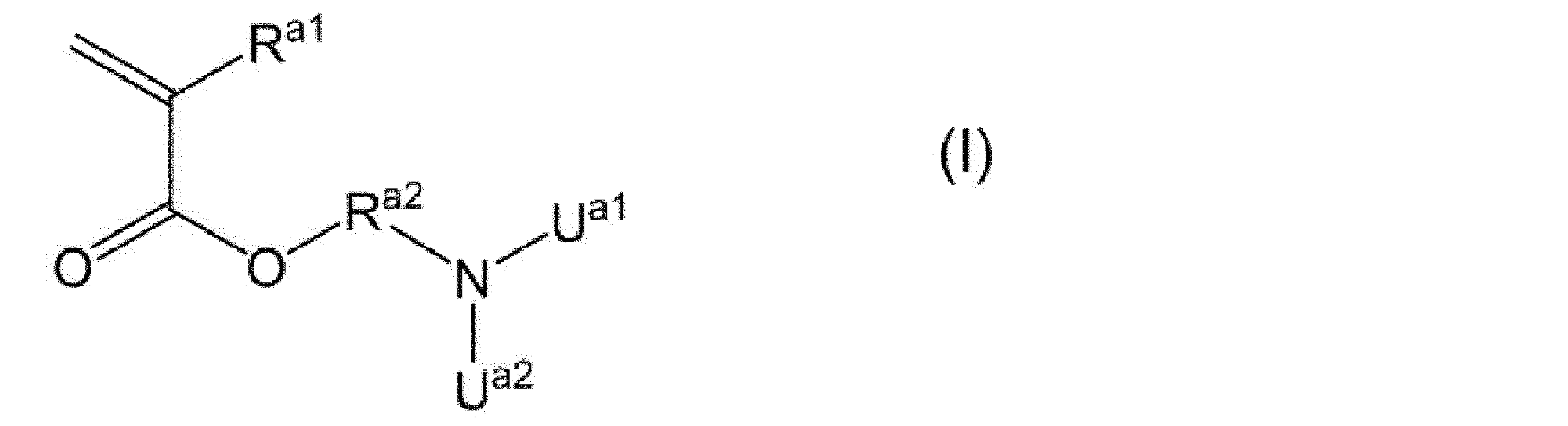
[式中、
Ua1及びUa2は、それぞれ独立して、水素原子又は炭素原子数1乃至5の直鎖若しくは分岐アルキル基を表し、Ra1は、水素原子又は炭素原子数1乃至5の直鎖若しくは分岐アルキル基を表し、Ra2は、炭素原子数1乃至5の直鎖若しくは分岐アルキレン基を表す]で表されるモノマーから誘導される繰り返し単位、及び、下記式(II):

[式中、
Rbは、水素原子又は炭素原子数1乃至5の直鎖若しくは分岐アルキル基を表す]で表されるモノマーから誘導される繰り返し単位を含む共重合体からなる複数のスポットを備える細胞凝集塊製造用基板を提供する工程;該基板に、多能性幹細胞由来のPRRX1タンパク質陽性であるヒト軟骨前駆細胞を播種する工程;該細胞を培養し細胞凝集塊を作成する工程;該凝集塊を培養し軟骨組織体を作成する工程、を含むことを特徴とする、軟骨組織体の製造方法。 - 式(I)で表されるモノマーから誘導される繰り返し単位の、上記式(I)で表されるモノマーから誘導される繰り返し単位及び上記式(II)で表されるモノマーから誘導される繰り返し単位の合計に対するモル比率が、99モル%~51モル%である、請求項1に記載の製造方法。
- 上記共重合体が、さらに下記式(III):

[式中、
Rc及びRdは、それぞれ独立して、水素原子又は炭素原子数1乃至5の直鎖若しくは分岐アルキル基を表し、Reは、炭素原子数1乃至5の直鎖若しくは分岐アルキレン基を表し、nは1~50の数を表す]で表されるモノマーから誘導される構造単位を含む、請求項1又は2に記載の製造方法。 - 上記細胞の付着抑制能を有する基板が、下記式(a)で表される基を含む繰り返し単位と、下記式(b)で表される基を含む繰り返し単位とを含む共重合体(P):

[式中、
Ua11、Ua12、Ub11、Ub12及びUb13は、それぞれ独立して、水素原子又は炭素原子数1乃至5の直鎖若しくは分岐アルキル基を表し、An-は、ハロゲン化物イオン、無機酸イオン、水酸化物イオン及びイソチオシアネートイオンからなる群から選ばれる陰イオンを表す]
を含むコーティング膜をその表面の少なくとも一部に含む、請求項1~3のいずれか1項に記載の製造方法。 - 軟骨組織体を作成する工程における培養が寒天を含有する培地で実施される、請求項1~4のいずれか1項に記載の製造方法。
- 寒天の重量平均分子量が10,000~60,000であり、寒天の含有量が培地の全量に対して0.005(w/v)%以上2(w/v)%未満である、請求項5に記載の製造方法。
Priority Applications (4)
| Application Number | Priority Date | Filing Date | Title |
|---|---|---|---|
| EP21833040.5A EP4177339A4 (en) | 2020-07-03 | 2021-07-01 | Method for producing cartilage tissue |
| JP2022534112A JP7744656B2 (ja) | 2020-07-03 | 2021-07-01 | 軟骨組織体の製造方法 |
| US18/003,737 US20230257686A1 (en) | 2020-07-03 | 2021-07-01 | Method for producing cartilage tissue |
| CN202180046853.7A CN115997007A (zh) | 2020-07-03 | 2021-07-01 | 软骨组织体的制造方法 |
Applications Claiming Priority (2)
| Application Number | Priority Date | Filing Date | Title |
|---|---|---|---|
| JP2020115594 | 2020-07-03 | ||
| JP2020-115594 | 2020-07-03 |
Publications (1)
| Publication Number | Publication Date |
|---|---|
| WO2022004846A1 true WO2022004846A1 (ja) | 2022-01-06 |
Family
ID=79315347
Family Applications (1)
| Application Number | Title | Priority Date | Filing Date |
|---|---|---|---|
| PCT/JP2021/024967 Ceased WO2022004846A1 (ja) | 2020-07-03 | 2021-07-01 | 軟骨組織体の製造方法 |
Country Status (6)
| Country | Link |
|---|---|
| US (1) | US20230257686A1 (ja) |
| EP (1) | EP4177339A4 (ja) |
| JP (1) | JP7744656B2 (ja) |
| CN (1) | CN115997007A (ja) |
| TW (1) | TW202216987A (ja) |
| WO (1) | WO2022004846A1 (ja) |
Cited By (1)
| Publication number | Priority date | Publication date | Assignee | Title |
|---|---|---|---|---|
| CN118109397A (zh) * | 2022-11-30 | 2024-05-31 | 北赛泓升(北京)生物科技有限公司 | 人多能干细胞分化来源的软骨微组织的制备方法及用途 |
Citations (12)
| Publication number | Priority date | Publication date | Assignee | Title |
|---|---|---|---|---|
| JP2008061609A (ja) | 2006-09-08 | 2008-03-21 | Sumitomo Bakelite Co Ltd | 細胞培養容器の製造方法および細胞培養容器。 |
| JP2008533489A (ja) | 2005-03-15 | 2008-08-21 | 住友ベークライト株式会社 | 医療材料用高分子化合物及び該高分子化合物を用いたバイオチップ用基板 |
| JP2010169604A (ja) | 2009-01-26 | 2010-08-05 | Jsr Corp | 非特異吸着防止剤および物品のコーティング方法 |
| JP2014048278A (ja) | 2012-09-04 | 2014-03-17 | Jsr Corp | 無機材料で構成される表面用の表面処理剤、該表面処理剤でコーティングされた器具、その製造方法、及び新規重合体 |
| JP2014162865A (ja) | 2013-02-26 | 2014-09-08 | National Cerebral & Cardiovascular Center | 温度応答性ポリマーの製造方法、温度応答性ポリマー、細胞培養器の製造方法、及び細胞培養器 |
| WO2014196650A1 (ja) | 2013-06-07 | 2014-12-11 | 日産化学工業株式会社 | 生体物質の付着抑制能を有するイオンコンプレックス材料及びその製造方法 |
| WO2016093293A1 (ja) | 2014-12-10 | 2016-06-16 | 日産化学工業株式会社 | 生体物質の付着抑制能を有するイオンコンプレックス材料及びその製造方法 |
| WO2016133208A1 (ja) * | 2015-02-19 | 2016-08-25 | 国立大学法人京都大学 | 新規軟骨細胞誘導方法 |
| WO2016167373A1 (ja) | 2015-04-16 | 2016-10-20 | 日産化学工業株式会社 | 培地添加物及び培地組成物並びにそれらを用いた細胞又は組織の培養方法 |
| WO2016208777A1 (ja) * | 2015-06-26 | 2016-12-29 | 国立研究開発法人国立循環器病研究センター | 細胞培養器 |
| WO2020040247A1 (ja) | 2018-08-24 | 2020-02-27 | 日産化学株式会社 | 細胞培養の下地膜として使用するポリマーの製造方法及び細胞培養容器 |
| WO2021054449A1 (ja) | 2019-09-18 | 2021-03-25 | 国立大学法人 岡山大学 | Lbm、cpc、opc、それらの調製方法及び品質管理方法、キット、移植材料並びに疾患モデル |
Family Cites Families (4)
| Publication number | Priority date | Publication date | Assignee | Title |
|---|---|---|---|---|
| CA2725728C (en) * | 2009-11-24 | 2014-01-28 | University Of Connecticut | Differentiation of human embryonic and induced pluripotent stem cells |
| GB201114293D0 (en) * | 2011-08-19 | 2011-10-05 | Univ Edinburgh | Endothelial polymers |
| JP6032483B2 (ja) * | 2011-12-28 | 2016-11-30 | 国立研究開発法人国立循環器病研究センター | 温度感応性材料及び止血剤 |
| WO2021167042A1 (ja) * | 2020-02-21 | 2021-08-26 | 日産化学株式会社 | 細胞凝集速度が制御可能な細胞培養器 |
-
2021
- 2021-07-01 EP EP21833040.5A patent/EP4177339A4/en not_active Withdrawn
- 2021-07-01 WO PCT/JP2021/024967 patent/WO2022004846A1/ja not_active Ceased
- 2021-07-01 US US18/003,737 patent/US20230257686A1/en active Pending
- 2021-07-01 JP JP2022534112A patent/JP7744656B2/ja active Active
- 2021-07-01 CN CN202180046853.7A patent/CN115997007A/zh active Pending
- 2021-07-02 TW TW110124496A patent/TW202216987A/zh unknown
Patent Citations (12)
| Publication number | Priority date | Publication date | Assignee | Title |
|---|---|---|---|---|
| JP2008533489A (ja) | 2005-03-15 | 2008-08-21 | 住友ベークライト株式会社 | 医療材料用高分子化合物及び該高分子化合物を用いたバイオチップ用基板 |
| JP2008061609A (ja) | 2006-09-08 | 2008-03-21 | Sumitomo Bakelite Co Ltd | 細胞培養容器の製造方法および細胞培養容器。 |
| JP2010169604A (ja) | 2009-01-26 | 2010-08-05 | Jsr Corp | 非特異吸着防止剤および物品のコーティング方法 |
| JP2014048278A (ja) | 2012-09-04 | 2014-03-17 | Jsr Corp | 無機材料で構成される表面用の表面処理剤、該表面処理剤でコーティングされた器具、その製造方法、及び新規重合体 |
| JP2014162865A (ja) | 2013-02-26 | 2014-09-08 | National Cerebral & Cardiovascular Center | 温度応答性ポリマーの製造方法、温度応答性ポリマー、細胞培養器の製造方法、及び細胞培養器 |
| WO2014196650A1 (ja) | 2013-06-07 | 2014-12-11 | 日産化学工業株式会社 | 生体物質の付着抑制能を有するイオンコンプレックス材料及びその製造方法 |
| WO2016093293A1 (ja) | 2014-12-10 | 2016-06-16 | 日産化学工業株式会社 | 生体物質の付着抑制能を有するイオンコンプレックス材料及びその製造方法 |
| WO2016133208A1 (ja) * | 2015-02-19 | 2016-08-25 | 国立大学法人京都大学 | 新規軟骨細胞誘導方法 |
| WO2016167373A1 (ja) | 2015-04-16 | 2016-10-20 | 日産化学工業株式会社 | 培地添加物及び培地組成物並びにそれらを用いた細胞又は組織の培養方法 |
| WO2016208777A1 (ja) * | 2015-06-26 | 2016-12-29 | 国立研究開発法人国立循環器病研究センター | 細胞培養器 |
| WO2020040247A1 (ja) | 2018-08-24 | 2020-02-27 | 日産化学株式会社 | 細胞培養の下地膜として使用するポリマーの製造方法及び細胞培養容器 |
| WO2021054449A1 (ja) | 2019-09-18 | 2021-03-25 | 国立大学法人 岡山大学 | Lbm、cpc、opc、それらの調製方法及び品質管理方法、キット、移植材料並びに疾患モデル |
Non-Patent Citations (6)
| Title |
|---|
| A. YAMASHITAM. MORIOKAY. YAHARAM. OKADAT. KOBAYASHIS. KURIYAMAS. MATSUDAN. TSUMAKI: "Generation of scaffoldless hyaline cartilaginous tissue from human iPSCs", STEM CELL REPORTS, vol. 4, 2015, pages 404 - 418, XP055350263, DOI: 10.1016/j.stemcr.2015.01.016 |
| CHEN YING, XU HANQIAN, LIN GUFA: "Generation of iPSC-derived limb progenitor-like cells for stimulating phalange regeneration in the adult mouse", CELL DISCOVERY, vol. 3, no. 1, 1 December 2017 (2017-12-01), pages 1 - 14, XP055897172, DOI: 10.1038/celldisc.2017.46 * |
| KATSUTSUGU UMEDA, ZHAO JIANGANG, SIMMONS PAUL, STANLEY EDOUARD, ELEFANTY ANDREW, NAKAYAMA NAOKI: "Human chondrogenic paraxial mesoderm, directed specification and prospective isolation from pluripotent stem cells", SCIENTIFIC REPORTS, vol. 2, pages 1 - 11, XP055278227, DOI: 10.1038/srep00455 * |
| KAWABE KENJI, TAKESHI TAKARADA: "Molecular understanding of hierarchy and lineage of mesenchymal stem cells in vivo", NIHON YAKURIGAKU ZASSHI - FOLIA PHARMACOLOGICA JAPONICA, vol. 153, no. 2, 9 February 2019 (2019-02-09), JP , pages 67 - 72, XP055897169, ISSN: 0015-5691, DOI: 10.1254/fpj.153.67 * |
| LOH ET AL., CELL, 2016, pages 451 - 467 |
| See also references of EP4177339A4 |
Cited By (1)
| Publication number | Priority date | Publication date | Assignee | Title |
|---|---|---|---|---|
| CN118109397A (zh) * | 2022-11-30 | 2024-05-31 | 北赛泓升(北京)生物科技有限公司 | 人多能干细胞分化来源的软骨微组织的制备方法及用途 |
Also Published As
| Publication number | Publication date |
|---|---|
| JP7744656B2 (ja) | 2025-09-26 |
| EP4177339A4 (en) | 2024-01-03 |
| TW202216987A (zh) | 2022-05-01 |
| US20230257686A1 (en) | 2023-08-17 |
| CN115997007A (zh) | 2023-04-21 |
| JPWO2022004846A1 (ja) | 2022-01-06 |
| EP4177339A1 (en) | 2023-05-10 |
Similar Documents
| Publication | Publication Date | Title |
|---|---|---|
| JP7002530B2 (ja) | 小型運動性幹細胞を使用した組成物および方法 | |
| EP4032971A1 (en) | Lbm, cpc, opc, production and quality control methods therefor, kit, graft material, and disease model | |
| WO2018116904A1 (ja) | 細胞培養基材 | |
| JPWO2017010544A1 (ja) | 多能性幹細胞または脂肪組織もしくは骨髄由来の間葉系幹細胞由来の心筋細胞の凍結保存方法 | |
| JP2026021365A (ja) | ヒト多能性幹細胞からの放射状グリア及びアストロサイトの分化 | |
| JP2025090847A (ja) | 細胞培養基材及びその製造方法、多能性幹細胞の分化誘導方法、並びに細胞培養キット | |
| WO2020235319A1 (ja) | 軟骨又は骨の前駆細胞の拡大培養方法 | |
| JP7744656B2 (ja) | 軟骨組織体の製造方法 | |
| EP4108759A1 (en) | Cell incubator capable of controlling cell aggregation rate | |
| JP7828599B2 (ja) | 形状型軟骨組織体の調製方法 | |
| WO2023282253A1 (ja) | 無血清培地中での細胞培養用下地材料 | |
| US20200332252A1 (en) | Hollow microcarrier for shear-free culture of adherent cells in bioreactors | |
| JP7781521B2 (ja) | 多能性幹細胞由来細胞のシート化方法 | |
| JP7748804B2 (ja) | 多能性幹細胞由来細胞の移植片形成方法 | |
| CN111172098B (zh) | 含单个五糖结构单元的化合物在细胞培养中的应用 | |
| JP7089710B1 (ja) | 無血清培地中での細胞培養用下地材料 | |
| JP7781522B2 (ja) | 多能性幹細胞由来細胞のシート化方法 | |
| JP7768513B2 (ja) | 細胞凝集塊の製造方法 | |
| WO2022254961A1 (ja) | 幹細胞を作製するための細胞培養補助剤、及び幹細胞の作製方法 | |
| WO2025231435A1 (en) | Development of human hepatocyte differentiation and detection method using ipscs | |
| WO2023027079A1 (ja) | 細胞構造体製造装置 |
Legal Events
| Date | Code | Title | Description |
|---|---|---|---|
| 121 | Ep: the epo has been informed by wipo that ep was designated in this application |
Ref document number: 21833040 Country of ref document: EP Kind code of ref document: A1 |
|
| ENP | Entry into the national phase |
Ref document number: 2022534112 Country of ref document: JP Kind code of ref document: A |
|
| WWE | Wipo information: entry into national phase |
Ref document number: 2021833040 Country of ref document: EP |
|
| NENP | Non-entry into the national phase |
Ref country code: DE |