WO2022051630A1 - Methods and compositions for predicting and/or monitoring diabetes and treatments therefor - Google Patents
Methods and compositions for predicting and/or monitoring diabetes and treatments therefor Download PDFInfo
- Publication number
- WO2022051630A1 WO2022051630A1 PCT/US2021/049078 US2021049078W WO2022051630A1 WO 2022051630 A1 WO2022051630 A1 WO 2022051630A1 US 2021049078 W US2021049078 W US 2021049078W WO 2022051630 A1 WO2022051630 A1 WO 2022051630A1
- Authority
- WO
- WIPO (PCT)
- Prior art keywords
- nucleic acid
- snp
- cpg
- appendix
- methylation
- Prior art date
- Legal status (The legal status is an assumption and is not a legal conclusion. Google has not performed a legal analysis and makes no representation as to the accuracy of the status listed.)
- Ceased
Links
Classifications
-
- C—CHEMISTRY; METALLURGY
- C12—BIOCHEMISTRY; BEER; SPIRITS; WINE; VINEGAR; MICROBIOLOGY; ENZYMOLOGY; MUTATION OR GENETIC ENGINEERING
- C12Q—MEASURING OR TESTING PROCESSES INVOLVING ENZYMES, NUCLEIC ACIDS OR MICROORGANISMS; COMPOSITIONS OR TEST PAPERS THEREFOR; PROCESSES OF PREPARING SUCH COMPOSITIONS; CONDITION-RESPONSIVE CONTROL IN MICROBIOLOGICAL OR ENZYMOLOGICAL PROCESSES
- C12Q1/00—Measuring or testing processes involving enzymes, nucleic acids or microorganisms; Compositions therefor; Processes of preparing such compositions
- C12Q1/68—Measuring or testing processes involving enzymes, nucleic acids or microorganisms; Compositions therefor; Processes of preparing such compositions involving nucleic acids
- C12Q1/6876—Nucleic acid products used in the analysis of nucleic acids, e.g. primers or probes
- C12Q1/6883—Nucleic acid products used in the analysis of nucleic acids, e.g. primers or probes for diseases caused by alterations of genetic material
-
- G—PHYSICS
- G16—INFORMATION AND COMMUNICATION TECHNOLOGY [ICT] SPECIALLY ADAPTED FOR SPECIFIC APPLICATION FIELDS
- G16B—BIOINFORMATICS, i.e. INFORMATION AND COMMUNICATION TECHNOLOGY [ICT] SPECIALLY ADAPTED FOR GENETIC OR PROTEIN-RELATED DATA PROCESSING IN COMPUTATIONAL MOLECULAR BIOLOGY
- G16B20/00—ICT specially adapted for functional genomics or proteomics, e.g. genotype-phenotype associations
- G16B20/20—Allele or variant detection, e.g. single nucleotide polymorphism [SNP] detection
-
- G—PHYSICS
- G16—INFORMATION AND COMMUNICATION TECHNOLOGY [ICT] SPECIALLY ADAPTED FOR SPECIFIC APPLICATION FIELDS
- G16B—BIOINFORMATICS, i.e. INFORMATION AND COMMUNICATION TECHNOLOGY [ICT] SPECIALLY ADAPTED FOR GENETIC OR PROTEIN-RELATED DATA PROCESSING IN COMPUTATIONAL MOLECULAR BIOLOGY
- G16B40/00—ICT specially adapted for biostatistics; ICT specially adapted for bioinformatics-related machine learning or data mining, e.g. knowledge discovery or pattern finding
-
- C—CHEMISTRY; METALLURGY
- C12—BIOCHEMISTRY; BEER; SPIRITS; WINE; VINEGAR; MICROBIOLOGY; ENZYMOLOGY; MUTATION OR GENETIC ENGINEERING
- C12Q—MEASURING OR TESTING PROCESSES INVOLVING ENZYMES, NUCLEIC ACIDS OR MICROORGANISMS; COMPOSITIONS OR TEST PAPERS THEREFOR; PROCESSES OF PREPARING SUCH COMPOSITIONS; CONDITION-RESPONSIVE CONTROL IN MICROBIOLOGICAL OR ENZYMOLOGICAL PROCESSES
- C12Q2600/00—Oligonucleotides characterized by their use
- C12Q2600/154—Methylation markers
-
- C—CHEMISTRY; METALLURGY
- C12—BIOCHEMISTRY; BEER; SPIRITS; WINE; VINEGAR; MICROBIOLOGY; ENZYMOLOGY; MUTATION OR GENETIC ENGINEERING
- C12Q—MEASURING OR TESTING PROCESSES INVOLVING ENZYMES, NUCLEIC ACIDS OR MICROORGANISMS; COMPOSITIONS OR TEST PAPERS THEREFOR; PROCESSES OF PREPARING SUCH COMPOSITIONS; CONDITION-RESPONSIVE CONTROL IN MICROBIOLOGICAL OR ENZYMOLOGICAL PROCESSES
- C12Q2600/00—Oligonucleotides characterized by their use
- C12Q2600/156—Polymorphic or mutational markers
Definitions
- This disclosure generally relates to methods and compositions related to predicting and/or monitoring diabetes in an individual.
- Diabetes e.g., type 1, type 2, adult onset
- insulin resistance e.g., insulin resistance
- reduced insulin secretion e.g., reduced insulin secretion.
- lifestyle factors such as obesity (defined by a body mass index of greater than 30), lack of physical activity, poor diet, stress, and urbanization, in combination with genetics.
- kits for determining methylation status of at least one CpG dinucleotide and a genotype of at least one single-nucleotide polymorphism are provided.
- Such a kit generally includes at least one first nucleic acid primer at least 8 nucleotides in length that is complementary to a bisulfite-converted nucleic acid sequence comprising a first CpG dinucleotide at a GC locus selected from the group consisting of cg!9693031, cg!7901584, cg06500161, cgl3375427, and cg21139312 or a second CpG dinucleotide in linkage disequilibrium with the first CpG dinucleotide, wherein the linkage disequilibrium has a value of R>0.3, wherein the at least one first nucleic acid primer detects a methylated or unmethylated CpG dinucleotide, and at least one second nucleic acid primer at least 8 nucleotides in length that is complementary to a DNA sequence or a bisulfite-converted DNA sequence of a first SNP selected from the group consisting of rsl
- the at least one first nucleic acid primer detects the unmethylated CpG dinucleotide. In some embodiments, the at least one first nucleic acid primer detects the methylated CpG dinucleotide.
- the at least one first nucleic acid primer comprises one or more nucleotide analogs. In some embodiments, the at least one first nucleic acid primer comprises one or more synthetic or non-natural nucleotides.
- the methods described herein further include at least a third nucleic acid primer at least 8 nucleotides in length that is complementary to a nucleic acid sequence upstream of the CpG dinucleotide.
- kits described herein can further include a solid substrate to which the at least one first nucleic acid primer is bound.
- the substrate is a polymer, glass, semiconductor, paper, metal, gel or hydrogel.
- the solid substrate is a microarray or microfluidics card.
- kits described herein further include a detectable label. In some embodiments, the kits described herein further include at least a third nucleic acid primer at least 8 nucleotides in length that is complementary to a nucleic acid sequence downstream of the CpG dinucleotide. In another aspect, methods of determining the presence of biomarkers associated with diabetes in a biological sample from a patient are provided.
- Such a method typically includes (a) providing a first portion of the biological sample and a second portion of the biological sample, wherein the nucleic acid from at least the first portion is bisulfite converted; (b) contacting the first portion of the biological sample with a first oligonucleotide primer at least 8 nucleotides in length that is complementary to a sequence that comprises a first CpG dinucleotide at a GC locus selected from the group consisting of cgl9693031, cgl7901584, cg06500161, cgl3375427, and cg21139312, or a second CpG dinucleotide in linkage disequilibrium with the first CpG dinucleotide at a GC locus selected from the group consisting of cgl9693031, cgl7901584, cg06500161, cgl3375427, and cg21139312, wherein the linkage disequilib
- methods of determining the presence of a biomarker associated with diabetes in a patient sample typically include (a) isolating nucleic acid sample from the patient sample, (b) performing a genotyping assay on a first portion of the nucleic acid sample to detect the presence of at least one SNP, wherein the at least one SNP is a first SNP from Appendix C and/or a second SNP in linkage disequilibrium (R>0.3) with a first SNP from Appendix C to obtain genotype data; and/or (c) bisulfite converting the nucleic acid in a second portion of the nucleic acid and performing methylation assessment on a second portion of the nucleic acid sample to detect methylation status of at least one CpG site from Appendix A and/or a CpG site collinear (R>0.3) with a CpG from Appendix A to obtain methylation data; and (d) inputting the genotype data from step (b) and
- the at least one interaction effect is selected from the group consisting of a gene-environment interaction (SNPxCpG) effect, a gene-gene interaction (SNPxSNP) effect, and an environment-environment interaction (CpGxCpG) effect.
- the at least one interaction effect is a gene-environment interaction effect (SNPxCpG) between a CpG site from Appendix A or a CpG site that is collinear (R>0.3) with a CpG site from Appendix A and a SNP from Appendix C or a SNP within moderate linkage disequilibrium (R>0.3) from a SNP from Appendix C.
- the at least one interaction effect is an environmentenvironment interaction effect (CpGxCpG) between at least two CpG sites from Appendix A. In some embodiments, one or both of the at least two CpG sites are collinear (R>0.3) with one or both of the at least two CpG sites from Appendix A. In some embodiments, the at least one interaction effect is a gene-gene interaction effect (SNPxSNP) between at least two SNPs from Appendix C. In some embodiments, one or both of the at least two SNPs are collinear (R>0.3) with one or both of the at least two SNPs from Appendix C.
- CpGxCpG environmentenvironment interaction effect
- SNPxSNP gene-gene interaction effect
- the biological sample is a saliva sample.
- systems for determining methylation status of at least one CpG dinucleotide and a genotype of at least one single-nucleotide polymorphism typically include a nucleic acid isolation module configured to isolate a nucleic acid sample from a subject sample; a genotyping assay module configured to perform a genotyping assay on a first portion of the nucleic acid sample to detect the presence of at least one SNP, wherein the at least one SNP is a first SNP from Appendix C and/or is a second SNP in linkage disequilibrium (R>0.3) with a first SNP from Appendix C to obtain genotype data; a methylation assay module configured to bisulfite convert the nucleic acid in a second portion of the nucleic acid and perform a methylation assessment on a second portion of the nucleic acid sample to detect methylation status of at least one CpG site from Appendix A and/or a C
- the system further includes an output module configured to provide an output based on an identification by the identification system, wherein the identification accounts for at least one SNP main effect and/or at least one CpG main effect and/or at least one interaction effect based on the genotype data from step (b) and/or methylation data from step (c).
- an output module configured to provide an output based on an identification by the identification system, wherein the identification accounts for at least one SNP main effect and/or at least one CpG main effect and/or at least one interaction effect based on the genotype data from step (b) and/or methylation data from step (c).
- the algorithm is a machine learning algorithm capable of accounting for linear and non-linear effects.
- non-transitory computer-readable media storing instructions executable by a processing device to perform operations.
- Such operations typically include accounting for at least one SNP main effect and/or at least one CpG main effect and/or at least one interaction effect based on genotype data and/or methylation data, wherein: (i) the genotype data is based on a genotyping assay on a first portion of a nucleic acid sample isolated from a subject sample to detect the presence of at least one SNP, wherein the at least one SNP is a first SNP from Appendix C and/or is a second SNP in linkage disequilibrium (R>0.3) with a first SNP from Appendix C to obtain the genotype data; and (ii) the methylation data is based on a methylation assay on a bisulfite converted nucleic acid in a second portion of the nucleic acid sample to detect methylation status of at least one CpG site from Appendix A and/or a C
- the operations further include providing an output based on the accounting.
- Representative outputs include, without limitation, one or more of storing a report based on the accounting to another non-transitory computer-readable medium, modifying a display based on the accounting, triggering an audible alert based on the accounting, triggering a haptic or vibratory alert based on the accounting, triggering the printing of a report based on the accounting, or triggering the delivery of a therapeutic based on the accounting.
- FIG. 1 is a ROC curve of main effects diabetes classification model.
- FIG. 2 is a ROC curve of interaction effects diabetes classification model.
- FIG. 3 is a block diagram of an exemplary diabetes classification system.
- FIG. 4 is a flow diagram of an exemplary process for diabetes classification.
- FIG. 5 is a block diagram of exemplary computing devices.
- the present disclosure provides methods and kits for determining whether a subject has a predisposition to, or likelihood of having or developing diabetes.
- the methylation status of one or more CpG dinucleotides is associated with diabetes.
- biomarkers described herein can be used in the diagnosis and prognosis of cardiovascular diseases and events.
- the terms “marker” and “biomarker” can be used interchangeably.
- a biomarker generally refers to a measurable or detectable biological moiety (e.g., the presence or amount of a protein, a genetic and/or histological component).
- the biomarkers used herein typically are associated with diabetes.
- DNA does not exist as naked molecules in the cell.
- DNA is associated with proteins called histones to form a complex substance known as chromatin.
- Chemical modifications of the DNA or the histones alter the structure of the chromatin without changing the nucleotide sequence of the DNA. Such modifications are described as “epigenetic” modifications of the DNA. Changes to the structure of the chromatin can have a profound influence on gene expression. If the chromatin is condensed, factors involved in gene expression may not have access to the DNA, and the genes will be switched off. Conversely, if the chromatin is “open,” the genes can be switched on. Some important forms of epigenetic modification are DNA methylation and histone deacetylation.
- DNA methylation is a chemical modification of the DNA molecule itself and is carried out by an enzyme called DNA methyltransferase. Methylation can directly switch off gene expression by preventing transcription factors binding to promoters. A more general effect is the attraction of methyl-binding domain (MBD) proteins. These are associated with further enzymes called histone deacetylases (HDACs), which function to chemically modify histones and change chromatin structure. Chromatin-containing acetylated histones are open and accessible to transcription factors, and the genes are potentially active. Histone deacetylation causes the condensation of chromatin, making it inaccessible to transcription factors and causing the silencing of genes.
- HDACs histone deacetylases
- CpG islands are short stretches of DNA in which the frequency of the CpG sequence is higher than other regions.
- the “p” in the term CpG indicates that cysteine (“C”) and guanine (“G”) are connected by a phosphodiester bond.
- CpG islands are often located around promoters of housekeeping genes and many regulated genes. At these locations, the CG sequence is not methylated. By contrast, the CG sequences in inactive genes are usually methylated to suppress their expression.
- methylation status means the determination whether a certain target DNA, such as a CpG dinucleotide, is methylated or is unmethylated.
- CpG dinucleotide repeat motif means a series of two or more CpG dinucleotides positioned in a DNA sequence.
- CpG islands About 56% of human genes and 47% of mouse genes are associated with CpG islands. Often, CpG islands overlap the promoter and extend about 1000 base pairs downstream into the transcription unit. Identification of potential CpG islands during sequence analysis helps to define the extreme 5' ends of genes, something that is notoriously difficult with cDNA-based approaches.
- the methylation of a CpG island can be determined by a skilled artisan using any method suitable to determine such methylation. For example, the skilled artisan can use a bisulfite reaction-based method for determining such methylation.
- linkage equilibrium can be quantitated as linkage disequilibrium, using, for example, the Pearson correlation (R) or co-inheritance of alleles (D’).
- R Pearson correlation
- D co-inheritance of alleles
- a low level of linkage can be reflected in a correlation (e.g., R value) of about 0.1 or less
- R value co-inheritance of alleles
- a moderate level of linkage is reflected in a R value of about 0.3
- a high level of linkage is reflected in a R value of 0.5 or greater.
- collinearity (with an R value) is used as a determination of the linear strength of the association between two CpGs (e.g., a low level of collinearity can be reflected by an R value of about 0.1 or less; a moderate level of collinearity can be reflected by an R value of about 0.3; and a high level of collinearity can be reflected by an R value of about 0.5 or greater).
- the present disclosure provides methods to determine the nucleic acid methylation of one or more loci in a subject in order to predict the clinical course and eventual outcome of subjects suspected of being predisposed or of having diabetes.
- Genetic screening can be broadly defined as testing to determine if a subject has a genetic marker that either causes a disease state or is “linked” to the genetic component causing the disease state.
- Linkage refers to the phenomenon that DNA sequences which are close together in the genome have a tendency to be inherited together. Two sequences may be linked because of some selective advantage of co-inheritance. More typically, however, two polymorphic sequences are co-inherited because of the relative infrequency with which meiotic recombination events occur within the region between the two polymorphisms.
- the coinherited polymorphic alleles are said to be in “linkage disequilibrium” with one another because, in a given population, they tend to either both occur together or else not occur at all in any particular member of the population. Indeed, where multiple polymorphisms in a given chromosomal region are found to be in linkage disequilibrium with one another, they define a quasi-stable genetic “haplotype.” In contrast, recombination events occurring between two polymorphic loci cause them to become separated onto distinct homologous chromosomes. If meiotic recombination between two physically linked polymorphisms occurs frequently enough, the two polymorphisms will appear to segregate independently and are said to be in linkage equilibrium.
- linkage disequilibrium can be quantitated (using, for example, the Pearson correlation (R) or co-inheritance of alleles (D’)).
- R Pearson correlation
- D co-inheritance of alleles
- collinearity (with an R value) is used as a determination of the linear strength of the association between two CpGs (e.g., a low level of collinearity can be reflected by an R value of about 0.1 or less; a moderate level of collinearity can be reflected by an R value of about 0.3; and a high level of collinearity can be reflected by an R value of about 0.5 or greater).
- the methods may be practiced as follows.
- a sample such as a blood sample, is taken from a subject.
- a single cell type e.g., lymphocytes, basophils, or monocytes isolated from the blood, may be isolated for further testing.
- the DNA is harvested from the sample and examined to determine the methylation of one or more loci.
- the DNA of interest can be treated with bisulfite to deaminate unmethylated cytosine residues to uracil. Since uracil base pairs with adenosine, thymidines are incorporated into subsequent DNA strands in the place of unmethylated cytosine residues during subsequence PCR amplifications.
- the target sequence is amplified by PCR, and probed with a loci-specific probe. Depending on the particular sequence of the probe used, only the methylated or unmethylated DNA will bind to the probe.
- Methods of determining the nucleic acid profile for a subject are well known to a skilled artisan and include any of the well-known detection methods.
- Various PCR methods are described, for example, in PCR Primer: A Laboratory Manual, Dieffenbach 7 Dveksler, Eds., Cold Spring Harbor Laboratory Press, 1995.
- nucleic acid quantification includes DNA sequencing, hybridization technologies, such as Southern Blotting, amplification methods such as Ligase Chain Reaction (LCR), Nucleic Acid Sequence Based Amplification (NASBA), Self-sustained Sequence Replication (SSR or 3 SR), Strand Displacement Amplification (SDA), and Transcription Mediated Amplification (TMA), Quantitative PCR (qPCR), or other DNA analyses, as well as RT-PCR, in vitro translation, Northern blotting, and other RNA analyses.
- LCR Ligase Chain Reaction
- NASBA Nucleic Acid Sequence Based Amplification
- SSR or 3 SR Self-sustained Sequence Replication
- SDA Strand Displacement Amplification
- TMA Transcription Mediated Amplification
- qPCR Quantitative PCR
- qPCR Quantitative PCR
- SNP Single Nucleotide Polymorphism
- SNP Single nucleotide polymorphism genotyping measures genetic variations of SNPs between members of a species.
- a SNP is a single base pair change at a specific locus, usually consisting of two alleles (where the rare allele frequency is >1%). SNPs are very common. Because SNPs are conserved during evolution, they have been proposed as markers for use in quantitative trait loci (QTL) analysis and in association studies in place of microsatellites.
- QTL quantitative trait loci
- SNP genotyping methods including hybridization-based methods (such as Dynamic allele-specific hybridization, molecular beacons, and SNP microarrays) enzyme-based methods (including restriction fragment length polymorphism, PCR-based methods, flap endonuclease, primer extension, 5’ - nuclease, and oligonucleotide ligation assay), other post-amplification methods based on physical properties of DNA (such as single strand conformation polymorphism, temperature gradient gel electrophoresis, denaturing high performance liquid chromatography, high-resolution melting of the entire amplicon, use of DNA mismatch-binding proteins, SNPlex and surveyor nuclease assay), and sequencing (such as “next generation” sequencing). See, e.g., US Patent No. 7,972,779.
- hybridization-based methods such as Dynamic allele-specific hybridization, molecular beacons, and SNP microarrays
- enzyme-based methods including restriction fragment length polymorphism, PCR-
- a plurality of alleles at a locus can arise from one or more polymorphisms in a region of a gene that encodes a polypeptide or in a regulatory control sequence that affects expression of the polypeptide, such as a promoter or poly adenylation sequence.
- alleles can arise from one or more polymorphisms at a locus distal to a gene that encodes a polypeptide or in a regulatory control sequence.
- a polymorphism can affect a polypeptide at a transcriptional or a translational level (e.g., a polypeptide’s transcription rate, translation rate, degradation rate, and/or activity).
- Allelic differences can be characterized in a sample from a single subject or from a plurality of subjects using methods that are known to a skilled artisan. Such methods can include, but are not limited to, measuring the potential for a polynucleotide sequence to be expressed and/or measuring an amount of an encoded polypeptide. Methods are available that can detect proteins or nucleic acids directly or indirectly, and assay methods are specifically contemplated to include screening for the presence of particular sequences or structures of nucleic acids or polypeptides using, e.g., any of various known microarray technologies. It will be fully appreciated by the skilled artisan that the allele need not have previously been shown to have had any link or association with the disorder phenotype. Instead, an allele and a pathogenic environmental risk factor can interact to predict a predisposition to a disorder phenotype even when neither the allele nor the risk factor bears any direct relation to the disorder phenotype.
- Genetic screening can be broadly defined as testing to determine if a subject has mutations (or alleles or polymorphisms) that either cause a disease state or are “linked” to the mutation causing a disease state.
- Linkage refers to the phenomenon that DNA sequences which are close together in the genome have a tendency to be inherited together. Two sequences may be linked because of some selective advantage of co-inheritance. More typically, however, two polymorphic sequences are co-inherited because of the relative infrequency with which meiotic recombination events occur within the region between the two polymorphisms.
- the co-inherited polymorphic alleles are said to be in “linkage disequilibrium” with one another because, in a given population, they tend to either both occur together or else not occur at all in any particular member of the population. Indeed, where multiple polymorphisms in a given chromosomal region are found to be in linkage disequilibrium with one another, they define a quasi-stable genetic “haplotype.” In contrast, recombination events occurring between two polymorphic loci cause them to become separated onto distinct homologous chromosomes. If meiotic recombination between two physically linked polymorphisms occurs frequently enough, the two polymorphisms will appear to segregate independently and are said to be in linkage equilibrium.
- linkage equilibrium / disequilibrium can be quantitated (using, for example, the Pearson correlation (R) or co-inheritance of alleles (D’)).
- R Pearson correlation
- D co-inheritance of alleles
- a low level of linkage can be reflected in a correlation (e.g., R value) of about 0.1 or less
- a moderate level of linkage is reflected in a R value of about 0.3
- a high level of linkage is reflected in a R value of 0.5 or greater.
- one or more polymorphic alleles of the haplotype can be used as a diagnostic or prognostic indicator of the likelihood of developing the disease.
- This association between otherwise benign polymorphisms and a disease-causing polymorphism occurs if the disease mutation arose in the recent past, so that sufficient time has not elapsed for equilibrium to be achieved through recombination events. Therefore, identification of a haplotype that spans or is linked to a disease-causing mutational change serves as a predictive measure of an individual's likelihood of having inherited that disease-causing mutation.
- prognostic or diagnostic procedures can be utilized without necessitating the identification and isolation of the actual disease-causing lesion. This is significant because the precise determination of the molecular defect involved in a disease process can be difficult and laborious, especially in the case of multifactorial diseases.
- the statistical correlation between a disorder and a polymorphism does not necessarily indicate that the polymorphism directly causes the disorder. Rather the correlated polymorphism may be a benign allelic variant which is linked to (i. e. , in linkage disequilibrium with) a disorder-causing mutation that has occurred in the recent evolutionary past, so that sufficient time has not elapsed for equilibrium to be achieved through recombination events in the intervening chromosomal segment.
- detection of a polymorphic allele associated with that disease can be utilized without consideration of whether the polymorphism is directly involved in the etiology of the disease.
- a broad-spanning haplotype (describing the typical pattern of co-inheritance of alleles of a set of linked polymorphic markers) can be targeted for diagnostic purposes once an association has been drawn between a particular disease or condition and a corresponding haplotype.
- the determination of an individual's likelihood for developing a particular disease of condition can be made by characterizing one or more disease-associated polymorphic alleles (or even one or more disease-associated haplotypes) without necessarily determining or characterizing the causative genetic variation.
- SNPs single nucleotide polymorphisms
- SNPs are major contributors to genetic variation, comprising some 80% of all known polymorphisms, and their density in the genome is estimated to be on average 1 per 1,000 base pairs. SNPs are most frequently bi-allelic, or occurring in only two different forms (although up to four different forms of an SNP, corresponding to the four different nucleotide bases occurring in DNA, are theoretically possible).
- SNPs are mutationally more stable than other polymorphisms, making them suitable for association studies in which linkage disequilibrium between markers and an unknown variant is used to map disease-causing mutations.
- SNPs typically have only two alleles, they can be genotyped by a simple plus / minus assay rather than a length measurement, making them more amenable to automation.
- allelic profiling can be accomplished using a nucleic acid microarray.
- the genetic testing field is rapidly evolving and, as such, the skilled artisan will appreciate that a wide range of profiling tests exist, and will be developed, to determine the allelic profile of individuals in accord with the disclosure.
- nucleic acid refers to deoxyribonucleotides or ribonucleotides and polymers thereof in either single- or double-stranded form, made of monomers (nucleotides) containing a sugar, phosphate and a base that is either a purine or pyrimidine. Unless specifically limited, the term encompasses nucleic acids containing known analogs of natural nucleotides that have similar binding properties as the reference nucleic acid and are metabolized in a manner similar to naturally occurring nucleotides. Unless otherwise indicated, a particular nucleic acid sequence also encompasses conservatively modified variants thereof (e.g., degenerate codon substitutions) and complementary sequences, as well as the sequence explicitly indicated.
- degenerate codon substitutions may be achieved by generating sequences in which the third position of one or more selected (or all) codons is substituted with mixed-base and/or deoxyinosine residues.
- nucleic acid “nucleic acid molecule,” or “polynucleotide” are used interchangeably and may also be used interchangeably with gene, cDNA, DNA and/or RNA encoded by a gene.
- nucleotide sequence refers to a polymer of DNA or RNA which can be single-stranded or double-stranded, optionally containing synthetic, non-natural or altered nucleotide bases capable of incorporation into DNA or RNA polymers.
- a DNA molecule or polynucleotide is a polymer of deoxyribonucleotides (A, G, C, and T), and an RNA molecule or polynucleotide is a polymer of ribonucleotides (A, G, C and U).
- the term “gene” is used broadly to refer to any segment of nucleic acid associated with a biological function. Genes include coding sequences and/or the regulatory sequences required for their expression. Accordingly, a gene includes, but is not necessarily limited to, promoter sequences, terminators, translational regulatory sequences such as ribosome binding sites and internal ribosome entry sites, enhancers, silencers, insulators, boundary elements, replication origins, matrix attachment sites and locus control regions.
- “gene” refers to a nucleic acid fragment that expresses mRNA, functional RNA, or specific protein, including regulatory sequences.
- “Functional RNA” refers to sense RNA, antisense RNA, ribozyme RNA, siRNA, or other RNA that may not be translated but yet has an effect on at least one cellular process.
- “Genes” also include non-expressed DNA segments that, for example, form recognition sequences for other proteins. “Genes” can be obtained from a variety of sources, including cloning from a source of interest or synthesizing from known or predicted sequence information, and may include sequences designed to have desired parameters.
- Gene expression refers to the conversion of the information, contained in a gene, into a gene product. It refers to the transcription and/or translation of an endogenous gene, heterologous gene or nucleic acid segment, or a transgene in cells. In addition, expression refers to the transcription and stable accumulation of sense (mRNA) or functional RNA. Expression may also refer to the production of protein.
- altered level of expression refers to the level of expression in transgenic cells or organisms that differs from that of normal or untransformed cells or organisms.
- a gene product can be the transcriptional product of a gene (e.g., mRNA, tRNA, rRNA, antisense RNA, ribozyme, structural RNA or any other type of RNA) or a protein produced by translation of an mRNA.
- Gene products also include RNAs that are modified, by processes such as capping, polyadenylation, methylation, and editing, and proteins modified by, for example, methylation, acetylation, phosphorylation, ubiquitination, ADP-ribosylation, myristilation, and glycosylation.
- RNA transcript refers to the product resulting from RNA polymerase-catalyzed transcription of a DNA sequence.
- RNA transcript When the RNA transcript is a complementary copy of the DNA sequence, it is referred to as the primary transcript; a RNA sequence derived from post- transcriptional processing of the primary transcript is referred to as the mature RNA.
- Messenger RNA mRNA
- cDNA refers to a single- or a double-stranded DNA that is complementary to and derived from mRNA.
- Fusional RNA refers to sense RNA, antisense RNA, ribozyme RNA, siRNA, or other RNA that may not be translated but yet has an effect on at least one cellular process.
- a “coding sequence” or a sequence that “encodes” a polypeptide is a nucleic acid molecule that is transcribed (in the case of DNA) and/or translated (in the case of mRNA) into a polypeptide in vivo when placed under the control of appropriate regulatory sequences.
- the boundaries of the coding sequence are determined by a start codon at the 5’ (amino) terminus and a translation stop codon at the 3’ (carboxy) terminus.
- a coding sequence can include, but is not limited to, cDNA from viral, prokaryotic or eukaryotic mRNA, genomic DNA sequences from viral (e.g., DNA viruses and retroviruses) or prokaryotic DNA, and synthetic DNA sequences.
- a transcription termination sequence can be located 3’ to the coding sequence.
- regulatory sequences each refer to nucleotide sequences located upstream (5’ non-coding sequences), within, or downstream (3’ non-coding sequences) of a coding sequence, and which influence the transcription, RNA processing or stability, or translation of the associated coding sequence. Regulatory sequences include enhancers, promoters, translation leader sequences, introns, and polyadenylation signal sequences. They include natural and synthetic sequences as well as sequences that may be a combination of synthetic and natural sequences.
- an “isolated” or “purified” DNA molecule or RNA molecule is a DNA molecule or RNA molecule that exists apart from its native environment and is, therefore, not a product of nature.
- An isolated DNA molecule or RNA molecule may exist in a purified form or may exist in a non-native environment such as, for example, a transgenic host cell.
- an “isolated” or “purified” nucleic acid molecule is substantially free of other cellular material, or culture medium when produced by recombinant techniques, or substantially free of chemical precursors or other chemicals when chemically synthesized.
- an “isolated” nucleic acid is free of sequences that naturally flank the nucleic acid (i.e., sequences located at the 5' and 3' ends of the nucleic acid) in the genomic DNA of the organism from which the nucleic acid is derived.
- fragment is intended a polypeptide consisting of only a part of the intact full- length polypeptide sequence and structure.
- the fragment can include a C-terminal deletion, an N-terminal deletion, and/or an internal deletion of the native polypeptide.
- a fragment of a protein will generally include at least about 5-100 contiguous amino acid residues of the full-length molecule (e.g., at least about 15-25 contiguous amino acid residues of the full-length molecule, at least about 20-50 or more contiguous amino acid residues of the full-length molecule, or any integer between 5 amino acids and the full- length sequence).
- “Naturally occurring” is used to describe a composition that can be found in nature as distinct from being artificially produced.
- a nucleotide sequence present in an organism which can be isolated from a source in nature and which has not been intentionally modified by a person in the laboratory, is naturally occurring.
- a “5’ non-coding sequence” refers to a nucleotide sequence located 5’ (upstream) to the coding sequence. 5’ non-coding sequences are present in the fully processed mRNA upstream of the initiation codon and may affect processing of the primary transcript to mRNA, mRNA stability or translation efficiency.
- a “3’ non-coding sequence” refers to nucleotide sequences located 3’ (downstream) to a coding sequence and may include polyadenylation signal sequences and other sequences encoding regulatory signals capable of affecting mRNA processing or gene expression.
- a “promoter” refers to a nucleotide sequence, usually upstream (5’) to its coding sequence, which directs and/or controls the expression of the coding sequence by providing the recognition for RNA polymerase and other factors required for proper transcription.
- “Promoter” can include a minimal promoter that is a short DNA sequence comprised of a TATA-box and other sequences that serve to specify the site of transcription initiation, to which regulatory elements are added for control of expression.
- “Promoter” also can refer to a nucleotide sequence that includes a minimal promoter plus one or more regulatory elements (e.g., enhancers) that are capable of controlling the expression of a coding sequence or functional RNA.
- Promoters may be derived in their entirety from a native sequence, or be composed of different elements derived from different promoters found in nature, or even be comprised of synthetic DNA sequences.
- a promoter may also contain DNA sequences that are involved in the binding of protein factors that control the effectiveness of transcription initiation in response to physiological or developmental conditions. “Constitutive expression” refers to expression using a constitutive promoter. “Conditional” and “regulated expression” refer to expression controlled by a regulated promoter.
- An “enhancer” is a DNA sequence that can stimulate promoter activity.
- An enhancer may be an innate element of the promoter or a heterologous element inserted to enhance the level or tissue specificity of a promoter. Enhancers often are capable of operating in both orientations, and are capable of functioning even when moved either upstream or downstream from the promoter. Both enhancers and other regulatory elements within a promoter bind sequence-specific DNA-binding proteins that mediate their effects.
- “Operably -linked” refers to the association of nucleic acid sequences on a single nucleic acid fragment so that the function of one of the sequences is affected by another.
- a regulatory DNA sequence is said to be “operably linked to” or “associated with” a DNA sequence that codes for an RNA or a polypeptide if the two sequences are situated such that the regulatory DNA sequence affects expression of the coding DNA sequence (i. e. , that the coding sequence or functional RNA is under the transcriptional control of the promoter). Coding sequences can be operably-linked to regulatory sequences in sense or antisense orientation.
- “Expression” refers to the transcription and/or translation of an endogenous gene, heterologous gene or nucleic acid segment, or a transgene in cells.
- expression refers to the transcription and stable accumulation of sense (mRNA) or functional RNA. Expression may also refer to the production of protein.
- the term “altered level of expression” refers to a level of expression in cells or organisms that differs from that of normal cells or organisms.
- sequence comparison typically one sequence acts as a reference sequence to which test sequences are compared.
- sequence comparison algorithm test and reference sequences are input into a computer, and sequence algorithm program parameters are designated. The sequence comparison algorithm then calculates the percent sequence identity for the test sequence(s) relative to the reference sequence, based on the designated algorithm parameters.
- reference sequence is a defined sequence used as a basis for sequence comparison.
- a reference sequence may be a subset or the entirety of a specified sequence; for example, as a segment of a full-length cDNA or gene sequence, or the complete cDNA or gene sequence.
- comparison window makes reference to a contiguous and specified segment of a polynucleotide sequence, wherein the polynucleotide sequence in the comparison window may comprise additions or deletions (i. e. , gaps) compared to the reference sequence (which does not comprise additions or deletions) for optimal alignment of the two sequences.
- the comparison window is at least 20 contiguous nucleotides in length, and optionally can be 30, 40, 50, 100, or longer.
- Such implementations include, but are not limited to: CLUSTAL in the PC/Gene program (available from Intelligenetics, Mountain View, Calif); the ALIGN program (Version 2.0) and GAP, BESTFIT, BLAST, FASTA, and TFASTA in the Wisconsin Genetics Software Package, Version 8 (available from Genetics Computer Group (GCG), 575 Science Drive, Madison, Wis., USA). Alignments using these programs can be performed using the default parameters.
- the CLUSTAL program is well described by Higgins et al. (Higgins et al., CABIOS, 5, 151 (1989)); Corpet et al. (Corpet et al., Nucl. Acids Res., 16, 10881 (1988)); Huang et al.
- HSPs high scoring sequence pairs
- Cumulative scores are calculated using, for nucleotide sequences, the parameters “M” (reward score for a pair of matching residues; always >0) and “N” (penalty score for mismatching residues; always ⁇ 0), and for amino acid sequences, a scoring matrix is used to calculate the cumulative score. Extension of the word hits in each direction are halted when the cumulative alignment score falls off by the quantity “X” from its maximum achieved value, the cumulative score goes to zero or below due to the accumulation of one or more negative-scoring residue alignments, or the end of either sequence is reached.
- the BLAST algorithm In addition to calculating percent sequence identity, the BLAST algorithm also performs a statistical analysis of the similarity between two sequences.
- One measure of similarity provided by the BLAST algorithm is the smallest sum probability (P(N)), which provides an indication of the probability by which a match between two nucleotide or amino acid sequences would occur by chance.
- P(N) the smallest sum probability
- a test nucleic acid sequence is considered similar to a reference sequence if the smallest sum probability in a comparison of the test nucleic acid sequence to the reference nucleic acid sequence is less than about 0.1, less than about 0.01, or even less than about 0.001.
- Gapped BLAST in BLAST 2.0
- PSI-BLAST in BLAST 2.0
- the default parameters of the respective programs e.g., BLASTN for nucleotide sequences, BLASTX for proteins
- the BLASTN program for nucleotide sequences
- W wordlength
- E expectation
- the BLASTP program uses as defaults a wordlength (W) of 3, an expectation (E) of 10, and the BLOSUM62 scoring matrix. Alignment may also be performed manually by inspection.
- comparison of nucleotide sequences for determination of percent sequence identity to the promoter sequences disclosed herein may be made using the BlastN program (version 1.4.7 or later) with its default parameters or any equivalent program.
- equivalent program is intended any sequence comparison program that, for any two sequences in question, generates an alignment having identical nucleotide or amino acid residue matches and an identical percent sequence identity when compared to the corresponding alignment generated by the program.
- sequence identity or “identity” in the context of two nucleic acid or polypeptide sequences makes reference to a specified percentage of residues in the two sequences that are the same when aligned for maximum correspondence over a specified comparison window, as measured by sequence comparison algorithms or by visual inspection.
- percentage of sequence identity is used in reference to proteins it is recognized that residue positions which are not identical often differ by conservative amino acid substitutions, where amino acid residues are substituted for other amino acid residues with similar chemical properties (e.g., charge or hydrophobicity) and, therefore, do not change the functional properties of the molecule.
- sequences differ in conservative substitutions the percent sequence identity may be adjusted upwards to correct for the conservative nature of the substitution.
- Sequences that differ by such conservative substitutions are said to have “sequence similarity” or “similarity.” Means for making this adjustment are well known to those of skill in the art. Typically, this involves scoring a conservative substitution as a partial rather than a full mismatch, thereby increasing the percentage sequence identity. Thus, for example, where an identical amino acid is given a score of 1 and a non-conservative substitution is given a score of zero, a conservative substitution is given a score between zero and 1. The scoring of conservative substitutions is calculated, e.g., as implemented in the program PC/GENE (Intelligenetics, Mountain View, Calif).
- percent sequence identity means the value determined by comparing two optimally aligned sequences over a comparison window, wherein the portion of the polynucleotide sequence in the comparison window may comprise additions or deletions (i. e. , gaps) as compared to the reference sequence (which does not comprise additions or deletions) for optimal alignment of the two sequences. The percentage is calculated by determining the number of positions at which the identical nucleic acid base or amino acid residue occurs in both sequences to yield the number of matched positions, dividing the number of matched positions by the total number of positions in the window of comparison, and multiplying the result by 100 to yield the percentage of sequence identity.
- substantially identical of polynucleotide sequences means that a polynucleotide comprises a sequence that has at least 70%, 71%, 72%, 73%, 74%, 75%, 76%, 77%, 78%, 79%, 80%, 81%, 82%, 83%, 84%, 85%, 86%, 87%, 88%, 89%, 90%, 91%, 92%, 93%, or 94%, or even at least 95%, 96%, 97%, 98%, 99% or 100% sequence identity, compared to a reference sequence using one of the alignment programs described herein using standard parameters.
- Substantial identity of amino acid sequences for these purposes normally means sequence identity of at least 70% (e.g., 71%, 72%, 73%, 74%, 75%, 76%, 77%, 78%, 79%), at least 80% (e.g., 81%, 82%, 83%, 84%, 85%, 86%, 87%, 88%, 89%), at least 90% (e.g., 91%, 92%, 93%, or 94%), or even at least 95% (e.g., 96%, 97%, 98%, 99%, or 100%).
- substantially identical in the context of a peptide indicates that a peptide comprises a sequence with at least 70%, 71%, 72%, 73%, 74%, 75%, 76%, 77%, 78%, 79%, 80%, 81%, 82%, 83%, 84%, 85%, 86%, 87%, 88%, 89%, 90%, 91%, 92%, 93%, or 94%, or even 95%, 96%, 97%, 98% or 99%, sequence identity to the reference sequence over a specified comparison window.
- optimal alignment is conducted using the homology alignment algorithm of Needleman and Wunsch (Needleman and Wunsch, J. Mol. Biol., 48, 443 (1970)).
- a peptide is substantially identical to a second peptide, for example, where the two peptides differ only by a conservative substitution.
- the disclosure also provides nucleic acid molecules and peptides that are substantially identical to the nucleic acid molecules and peptides presented herein.
- nucleotide sequences are substantially identical is if two molecules hybridize to each other under stringent conditions. Hybridization of nucleic acids is discussed in more detail below.
- nucleic acid probe or a “probe specific for” a nucleic acid refers to a nucleic acid sequence that has at least about 80%, e.g., at least about 90%, e.g., at least about 95% contiguous sequence identity or homology to the nucleic acid sequence encoding the targeted sequence of interest.
- a probe (or oligonucleotide or primer) of the disclosure is at least about 8 nucleotides in length (e.g., at least about 8-50 nucleotides in length, e.g., at least about 10-40, e.g., at least about 15-35 nucleotides in length).
- the oligonucleotide probes or primers of the disclosure may comprise at least about eight nucleotides at the 3' of the oligonucleotide that have at least about 80%, e.g., at least about 85%, e.g., at least about 90%, e.g., at least about 95% contiguous identity to the targeted sequence of interest.
- Primer pairs are useful for determination of the nucleotide sequence of a particular SNP using PCR.
- the pairs of single-stranded DNA primers can be annealed to sequences within or surrounding the SNP in order to prime amplifying DNA synthesis of the SNP itself.
- the first step of the process involves contacting a biological sample obtained from a subject, which sample contains nucleic acid, with at least one primer to form a hybridized DNA.
- the oligonucleotide primers that are useful in the methods of the present disclosure can be any primer comprised of about 8 bases up to about 80 or 100 bases or more. In one embodiment of the present disclosure, the primers are between about 10 and about 20 bases.
- primers themselves can be synthesized using techniques that are well known in the art. Generally, the primers can be made using oligonucleotide synthesizing machines that are commercially available.
- the labels used in the assays of disclosure can be primary labels (where the label comprises an element that is detected directly) or secondary labels (where the detected label binds to a primary label, e.g., as is common in immunological labeling).
- An introduction to labels also called “tags”
- tags tagging or labeling procedures, and detection of labels is found in Polak and Van Noorden (1997) Introduction to Immunocytochemistry, second edition, Springer Verlag, N.Y. and in Haugland (1996) Handbook of Fluorescent Probes and Research Chemicals, a combined handbook and catalogue Published by Molecular Probes, Inc., Eugene, Oreg.
- Primary and secondary labels can include undetected elements as well as detected elements.
- Useful primary and secondary labels in the present disclosure can include spectral labels such as fluorescent dyes (e.g., fluorescein and derivatives such as fluorescein isothiocyanate (FITC) and Oregon GreenTM, rhodamine and derivatives (e.g., Texas red, tetramethylrhodamine isothiocyanate (TRITC), etc.), digoxigenin, biotin, phycoerythrin, AMCA, CyDyesTM, and the like), radiolabels (e.g., 3 H, 125 1, 35 S, 14 C, 32 P, 33 P), enzymes (e.g., horse-radish peroxidase, alkaline phosphatase) spectral colorimetric labels such as colloidal gold or colored glass or plastic (e.g., polystyrene, polypropylene, latex) beads.
- fluorescent dyes e.g., fluorescein and
- the label may be coupled directly or indirectly to a component of the detection assay (e.g., the labeled nucleic acid) according to methods well known in the art.
- a component of the detection assay e.g., the labeled nucleic acid
- a wide variety of labels may be used, with the choice of label depending on sensitivity required, ease of conjugation with the compound, stability requirements, available instrumentation, and disposal provisions.
- a detector that monitors a probe-substrate nucleic acid hybridization is adapted to the particular label that is used.
- Typical detectors include spectrophotometers, phototubes and photodiodes, microscopes, scintillation counters, cameras, film and the like, as well as combinations thereof. Examples of suitable detectors are widely available from a variety of commercial sources known to persons of skill. Commonly, an optical image of a substrate comprising bound labeled nucleic acids is digitized for subsequent computer analysis.
- Labels include those that use (1) chemiluminescence (using Horseradish Peroxidase and/or Alkaline Phosphatase with substrates that produce photons as breakdown products) with kits being available, e.g., from Molecular Probes, Amersham, Boehringer-Mannheim, and Life Technologies/Gibco BRL; (2) color production (using both Horseradish Peroxidase and/or Alkaline Phosphatase with substrates that produce a colored precipitate) (kits available from Life Technologies/Gibco BRL, and Boehringer- Mannheim); (3) hemifluorescence using, e.g., Alkaline Phosphatase and the substrate AttoPhos (Amersham) or other substrates that produce fluorescent products, (4) fluorescence (e.g., using Cy-5 (Amersham), fluorescein, and other fluorescent labels); (5) radioactivity using kinase enzymes or other end-labeling approaches, nick translation, random priming, or
- Fluorescent labels can be used and have the advantage of requiring fewer precautions in handling, and being amendable to high-throughput visualization techniques (optical analysis including digitization of the image for analysis in an integrated system comprising a computer).
- Preferred labels are typically characterized by one or more of the following: high sensitivity, high stability, low background, low environmental sensitivity and high specificity in labeling.
- Fluorescent moieties which can be incorporated into a label, generally are known including Texas red, dixogenin, biotin, 1- and 2-aminonaphthalene, p,p'-diaminostilbenes, pyrenes, quaternary phenanthridine salts, 9-aminoacridines, p,p'-diaminobenzophenone imines, anthracenes, oxacarbocyanine, merocyanine, 3-aminoequilenin, perylene, bis-benzoxazole, bis-p-oxazolyl benzene, 1,2- benzophenazin, retinol, bis-3-aminopyridinium salts, hellebrigenin, tetracycline, sterophenol, benzimidazolylphenylamine, 2-oxo-3-chromen, indole, xanthen, 7- hydroxycoumarin, phenoxazine, calicylate
- fluorescent labels are commercially available from the SIGMA Chemical Company (Saint Louis, MO), Molecular Probes, R&D systems (Minneapolis, MN), Pharmacia LKB Biotechnology (Piscataway, NJ), CLONTECH Laboratories, Inc. (Palo Alto, CA), Chem Genes Corp., Aldrich Chemical Company (Milwaukee, WI), Glen Research, Inc., GIBCO BRL Life Technologies, Inc. (Gaithersberg, MD), Fluka ChemicaBiochemika Analytika (Fluka Chemie AG, Buchs, Switzerland), and Applied BiosystemsTM (Foster City, CA), as well as many other commercial sources known to one of skill.
- Means of detecting and quantifying labels are well known to those of skill in the art.
- means for detection include a scintillation counter or photographic film as in autoradiography; and when the label is optically detectable, typical detectors include microscopes, cameras, phototubes, photodiodes and many other detection systems that are widely available.
- Oligonucleotide primers or probes may be prepared having any of a wide variety of base sequences according to techniques that are well known in the art.
- Suitable bases for preparing an oligonucleotide primer or probe may be selected from naturally occurring nucleotide bases such as adenine, cytosine, guanine, uracil, and thymine; and non-naturally occurring or “synthetic” nucleotide bases such as 7-deaza-guanine 8-oxo- guanine, 6-mercaptoguanine, 4-acetylcytidine, 5-(carboxyhydroxyethyl)uridine, 2'-O- methylcytidine, 5-carboxymethylamino-methyl-2-thioridine, 5- carboxymethylaminomethyluridine, dihydrouridine, 2'-O-methylpseudouridine, P,D- galactosylqueosine, 2'-O-methylguanosine, in
- oligonucleotide backbone may be employed, including DNA, RNA (although RNA is less preferred than DNA), modified sugars such as carbocycles, and sugars containing 2' substitutions such as fluoro and methoxy.
- the oligonucleotides may be oligonucleotides wherein at least one, or all, of the intemucleotide bridging phosphate residues are modified phosphates, such as methyl phosphonates, methyl phosphonotlioates, phosphoroinorpholidates, phosphoropiperazidates and phosplioramidates (for example, every other one of the intemucleotide bridging phosphate residues may be modified as described).
- the oligonucleotide may be a “peptide nucleic acid” such as described in Nielsen et al., Science, 254:1497-1500 (1991).
- a “single base pair extension probe” is a nucleic acid that selectively recognizes a single nucleotide polymorphism (i.e., either the A or the G of an A/G polymorphism).
- these probes take the form of a DNA primer (e.g., as in PCR primers) that are modified so that incorporation of the primer releases a fluorophore.
- a Taqman® probe that uses the 5' exonuclease activity of the enzyme Taq Polymerase for measuring the amount of target sequences in the samples.
- TaqMan® probes consist of a 18-22 bp oligonucleotide probe, which is labeled with a reporter fluorophore at the 5' end, and a quencher fluorophore at the 3' end. Incorporation of the probe molecule into a PCR chain (which occurs because the probe set is contained in a mixture of PCR primers) liberates the reporter fluorophore from the effects of the quencher. The primer must be able to recognize the target binding site. Some primer extension probes can be “activated” directly by DNA polymerase without a full PCR extension cycle.
- oligonucleotide probe should possess a sequence at least a portion of which is capable of binding to a known portion of the sequence of the DNA sample.
- the nucleic acid probes provided by the present disclosure are useful for a number of purposes.
- the amplification of DNA present in a biological sample may be carried out by any means known to the art.
- suitable amplification techniques include, but are not limited to, polymerase chain reaction (including, for RNA amplification, reverse-transcriptase polymerase chain reaction), ligase chain reaction, strand displacement amplification, transcription-based amplification, self-sustained sequence replication (or “3 SR”), the Qbeta replicase system, nucleic acid sequence-based amplification (or “NASBA”), the repair chain reaction (or “RCR”), and boomerang DNA amplification (or “BDA”).
- the bases incorporated into the amplification product can be natural or modified bases (modified before or after amplification), and the bases can be selected to optimize subsequent electrochemical detection steps.
- PCR Polymerase chain reaction
- a nucleic acid sample e.g., in the presence of a heat stable DNA polymerase
- one oligonucleotide primer for each strand of the specific sequence to be detected under hybridizing conditions so that an extension product of each primer is synthesized that is complementary to each nucleic acid strand, with the primers sufficiently complementary to each strand of the specific sequence to hybridize therewith so that the extension product synthesized from each primer, when it is separated from its complement, can serve as a template for synthesis of the extension product of the other primer, and then treating the sample under denaturing conditions to separate the primer extension products from their templates if the sequence or sequences to be detected are present.
- Detection of the amplified sequence may be carried out by adding, to the reaction product, an oligonucleotide probe capable of hybridizing to the reaction product (e.g., an oligonucleotide primer or probe of the present disclosure), the probe carrying a detectable label, and then detecting the label in accordance with known techniques.
- an oligonucleotide probe capable of hybridizing to the reaction product e.g., an oligonucleotide primer or probe of the present disclosure
- the probe carrying a detectable label e.g., an oligonucleotide primer or probe of the present disclosure
- the probe carrying a detectable label e.g., an oligonucleotide primer or probe of the present disclosure
- the probe carrying a detectable label e.g., an oligonucleotide primer or probe of the present disclosure
- the probe carrying a detectable label e.g., an oligonucleotide primer or probe of the present
- Strand displacement amplification can be carried out in accordance with known techniques.
- SDA can be carried out with a single amplification primer or a pair of amplification primers, with exponential amplification being achieved with the latter.
- SDA amplification primers comprise, in the 5’ to 3’ direction, a flanking sequence (the DNA sequence of which is noncritical), a restriction site for the restriction enzyme employed in the reaction, and an oligonucleotide sequence (e.g., an oligonucleotide primer or probe as described herein) that hybridizes to the target sequence to be amplified and/or detected.
- the flanking sequence which serves to facilitate binding of the restriction enzyme to the recognition site and provides a DNA polymerase priming site after the restriction site has been nicked, can be about 15 to 20 nucleotides in length.
- the restriction site is functional in the SDA reaction.
- the oligonucleotide primer or probe portion can be about 13 to 15 nucleotides in length.
- Ligase chain reaction also can be carried out in accordance with known techniques.
- the reaction is carried out with two pairs of oligonucleotide probes: one pair binds to one strand of the sequence to be detected; the other pair binds to the other strand of the sequence to be detected. Each pair together completely overlaps the strand to which it corresponds.
- the reaction is carried out by, first, denaturing (e.g., separating) the strands of the sequence to be detected, then reacting the strands with the two pairs of oligonucleotide probes in the presence of a heat stable ligase so that each pair of oligonucleotide probes is ligated together, then separating the reaction product, and then cyclically repeating the process until the sequence has been amplified to the desired degree. Detection then can be carried out in like manner as described above with respect to PCR.
- a particular SNP at a particular locus can be detected.
- Techniques that are useful in the methods described herein include, but are not limited to, direct DNA sequencing, PFGE analysis, allele-specific oligonucleotide (ASO), dot blot analysis and denaturing gradient gel electrophoresis, and are well known to a skilled artisan.
- SSCA single-stranded conformation polymorphism assay
- CDGE clamped denaturing gel electrophoresis
- HA heteroduplex analysis
- CMC chemical mismatch cleavage
- ASO allele specific oligonucleotide
- Detection of SNPs can be accomplished by sequencing the desired target region using techniques well known in the art. Alternatively, sequences can be amplified directly from a genomic DNA preparation from tissue from a subject using known techniques. The DNA sequence of the amplified sequences then can be determined.
- Insertions and deletions of genes can also be detected by cloning, sequencing and amplification.
- restriction fragment length polymorphism (RFLP) probes for the gene or surrounding marker genes can be used to score alteration of an allele or an insertion in a polymorphic fragment.
- Other techniques for detecting insertions and deletions as known in the art can be used.
- SSCA detects a band that migrates differentially because the sequence change causes a difference in single-strand, intramolecular base pairing.
- RNase protection involves cleavage of the mutant polynucleotide into two or more smaller fragments.
- DGGE detects differences in migration rates of mutant sequences compared to wild-type sequences, using a denaturing gradient gel.
- an allele-specific oligonucleotide assay an oligonucleotide is designed which detects a specific sequence, and the assay is performed by detecting the presence or absence of a hybridization signal.
- the protein binds only to sequences that contain a nucleotide mismatch in a heteroduplex between mutant and wild-type sequences.
- Mismatches are hybridized nucleic acid duplexes in which the two strands are not 100% complementary. Lack of total homology may be due to deletions, insertions, inversions or substitutions. Mismatch detection can be used to detect point mutations in the gene or in its mRNA product. While these techniques are less sensitive than sequencing, they are simpler to perform on a large number of samples.
- An example of a mismatch cleavage technique is the RNase protection method. The riboprobe and either mRNA or DNA isolated from the tumor tissue are annealed (hybridized) together and subsequently digested with the enzyme RNase A that is able to detect some mismatches in a duplex RNA structure.
- RNA product will be seen which is smaller than the full length duplex RNA for the riboprobe and the mRNA or DNA.
- the riboprobe need not be the full length of the mRNA or gene but can be a segment of either. If the riboprobe includes only a segment of the mRNA or gene, it will be desirable to use a number of these probes to screen the whole mRNA sequence for mismatches.
- DNA probes can be used to detect mismatches, through enzymatic or chemical cleavage.
- mismatches can be detected by shifts in the electrophoretic mobility of mismatched duplexes relative to matched duplexes.
- riboprobes or DNA probes the cellular mRNA or DNA that might contain a mutation can be amplified using PCR before hybridization.
- hybridizing specifically to refers to the binding, duplexing, or hybridizing of a molecule only to a particular nucleotide sequence under stringent conditions when that sequence is present in a complex mixture (e.g., total cellular) DNA or RNA.
- Bod(s) substantially refers to complementary hybridization between a primer or probe nucleic acid and a target nucleic acid and embraces minor mismatches that can be accommodated by reducing the stringency of the hybridization media to achieve the desired detection of the target nucleic acid sequence.
- stringent conditions are selected to be about 5°C lower than the thermal melting point (T m ) for the specific sequence at a defined ionic strength and pH.
- stringent conditions encompass temperatures in the range of about 1°C to about 20°C, depending upon the desired degree of stringency as otherwise qualified herein.
- Nucleic acids that do not hybridize to each other under stringent conditions are still substantially identical if the polypeptides they encode are substantially identical. This may occur, e.g., when a copy of a nucleic acid is created using the maximum codon degeneracy permitted by the genetic code.
- One indication that two nucleic acid sequences are substantially identical is when the polypeptide encoded by the first nucleic acid is immunologically cross reactive with the polypeptide encoded by the second nucleic acid.
- “Stringent conditions” are those that (1) employ low ionic strength and high temperature for washing, for example, 0.015 M NaCl / 0.0015 M sodium citrate (SSC); 0.1% sodium lauryl sulfate (SDS) at 50°C, or (2) employ a denaturing agent such as formamide during hybridization, e.g., 50% formamide with 0.1% bovine serum albumin / 0.1% Ficoll / 0.1% polyvinylpyrrolidone / 50 mM sodium phosphate buffer at pH 6.5 with 750 mM NaCl, 75 mM sodium citrate at 42°C.
- SSC sodium lauryl sulfate
- a denaturing agent such as formamide during hybridization, e.g., 50% formamide with 0.1% bovine serum albumin / 0.1% Ficoll / 0.1% polyvinylpyrrolidone / 50 mM sodium phosphate buffer at pH 6.5 with 750 mM NaCl, 75 mM sodium citrate
- Another example is use of 50% formamide, 5 x SSC (0.75 M NaCl, 0.075 M sodium citrate), 50 mM sodium phosphate (pH 6.8), 0.1% sodium pyrophosphate, 5x Denhardfs solution, sonicated salmon sperm DNA (50 pg/ml), 0.1% SDS, and 10% dextran sulfate at 42°C, with washes at 42°C in 0.2 x SSC and 0.1% SDS.
- Other examples of stringent conditions are well known in the art.
- “Stringent hybridization conditions” and “stringent hybridization wash conditions” in the context of nucleic acid hybridization experiments such as Southern and Northern hybridizations are sequence dependent, and are different under different environmental parameters. Longer sequences hybridize specifically at higher temperatures.
- the thermal melting point (Tm) is the temperature (under defined ionic strength and pH) at which 50% of the target sequence hybridizes to a perfectly matched primer or probe sequence. Specificity is typically the function of post-hybridization washes, the critical factors being the ionic strength and temperature of the final wash solution.
- Tm can be approximated from the equation of Meinkoth and Wahl (1984); T m 81.5°C + 16.6 (log M) + 0.41 (%GC) - 0.61 (% form) - 500/L; where M is the molarity of monovalent cations, %GC is the percentage of guanosine and cytosine nucleotides in the DNA, % form is the percentage of formamide in the hybridization solution, and L is the length of the hybrid in base pairs. Tm is reduced by about 1°C for each 1% of mismatching; thus, Tm, hybridization, and/or wash conditions can be adjusted to hybridize to sequences of the desired identity.
- the Tm can be decreased 10°C.
- stringent conditions are selected to be about 5°C lower than the Tm for the specific sequence and its complement at a defined ionic strength and pH.
- severely stringent conditions can utilize a hybridization and/or wash at 1, 2, 3, or 4°C lower than the Tm; moderately stringent conditions can utilize a hybridization and/or wash at 6, 7, 8, 9, or 10°C lower than the Tm; low stringency conditions can utilize a hybridization and/or wash at 11, 12, 13, 14, 15, or 20°C lower than the Tm.
- hybridization and wash compositions those of ordinary skill will understand that variations in the stringency of hybridization and/or wash solutions are inherently described. If the desired degree of mismatching results in a temperature of less than 45°C (aqueous solution) or 32°C (formamide solution), the SSC concentration can be increased so that a higher temperature can be used. Generally, highly stringent hybridization and wash conditions are selected to be about 5°C lower than the Tmfor the specific sequence at a defined ionic strength and pH.
- An example of highly stringent wash conditions is 0.15 M NaCl at 72°C for about 15 minutes.
- An example of stringent wash conditions is a 0.2 x SSC wash at 65°C for 15 minutes.
- a high stringency wash is preceded by a low stringency wash to remove background signal.
- An example of a medium stringency wash for a duplex of, e.g., more than 100 nucleotides, is 1 x SSC at 45°C for 15 minutes.
- stringent conditions typically involve salt concentrations of less than about 1.5 M, less than about 0.01 to 1.0 M, Na ion concentration (or other salts) at pH 7.0 to 8.3, and the temperature is typically at least about 30°C and at least about 60°C for long oligonucleotides (e.g., >50 nucleotides).
- Stringent conditions also can be achieved by the addition of destabilizing agents such as formamide.
- destabilizing agents such as formamide.
- a signal to noise ratio of 2x (or higher) than that observed for an unrelated oligonucleotide in the particular hybridization assay indicates detection of a specific hybridization.
- Nucleic acids that do not hybridize to each other under stringent conditions are still substantially identical if the proteins that they encode are substantially identical. This can occur, e.g., when a copy of a nucleic acid is created using the maximum codon degeneracy permitted by the genetic code.
- Very stringent conditions can be equal to the T m for a particular oligonucleotide.
- An example of stringent conditions for hybridization of complementary nucleic acids that have more than 100 complementary residues on a filter in a Southern or Northern blot is 50% formamide, e.g., hybridization in 50% formamide, 1 M NaCl, 1% SDS at 37°C, and a wash in 0.1 x SSC at 60 to 65°C.
- Exemplary moderate stringency conditions include hybridization in 40 to 45% formamide, 1.0 M NaCl, 1% SDS at 37°C, and a wash in 0.5x to lx SSC at 55 to 60°C.
- Northern analysis or “Northern blotting” is a method used to identify RNA sequences that hybridize to a known probe such as an oligonucleotide, DNA fragment, cDNA or fragment thereof, or RNA fragment.
- the probe can be labeled with a radioisotope such as 32 P, by biotinylation or with an enzyme.
- the RNA to be analyzed can be usually electrophoretically separated on an agarose or polyacrylamide gel, transferred to nitrocellulose, nylon, or other suitable membrane, and hybridized with the probe, using standard techniques well known in the art.
- Nucleic acid sample may be contacted with an oligonucleotide in any suitable manner known to those skilled in the art.
- the DNA sample may be solubilized in solution, and contacted with the oligonucleotide by solubilizing the oligonucleotide in solution with the DNA sample under conditions that permit hybridization. Suitable conditions are well known to those skilled in the art.
- the DNA sample may be solubilized in solution with the oligonucleotide immobilized on a solid support, whereby the DNA sample may be contacted with the oligonucleotide by immersing the solid support having the oligonucleotide immobilized thereon in the solution containing the DNA sample.
- substrate refers to any solid support to which an oligonucleotide may be attached.
- the substrate material may be modified, covalently or otherwise, with coatings or functional groups to facilitate binding of oligonucleotides.
- Suitable substrate materials include polymers, glasses, semiconductors, papers, metals, gels and hydrogels among others. Substrates may have any physical shape or size, e.g., plates, strips, or microparticles.
- spot refers to a distinct location on a substrate to which oligonucleotides of known sequence are attached. A spot may be an area on a planar substrate, or it may be, for example, a microparticle distinguishable from other microparticles.
- bound means affixed to the solid substrate. A spot is “bound” to the solid substrate when it is affixed in a particular location on the substrate for purposes of the screening assay.
- the substrate is a polymer, glass, semiconductor, paper, metal, gel or hydrogel.
- a kit can further include a solid substrate and at least one control oligonucleotide, wherein the at least one control oligonucleotide is bound onto the substrate in a distinct spot.
- the solid substrate is a microarray.
- An “array” or “microarray” is used synonymously herein to refer to a plurality of primers or probes attached to one or more distinguishable spots on a substrate.
- a microarray may include a single substrate or a plurality of substrates, for example a plurality of beads or microspheres.
- a “copy” of a microarray contains the same types and arrangements of primer or probes.
- the present disclosure provides a method for determining whether a subject has the likelihood of having diabetes by determining methylation status of a CpG dinucleotide repeat or CpG dinucleotide repeat motif region, where the methylation status of the CpG dinucleotide is associated with diabetes.
- the method determines the methylation status of a plurality (e.g., any integer between 1 and 10,000, such as at least 100) of CpG dinucleotide repeat motif regions.
- a “biological sample” encompasses essentially any sample type obtained from a subject that can be used in a diagnostic or prognostic method described herein.
- the biological sample may be any bodily fluid, tissue or any other sample from which clinically relevant biomarkers may be determined.
- “Biological samples” also can encompass cells in culture, cell supernatants, cell lysates, blood, serum, plasma, urine, cerebral spinal fluid, biological fluid, and tissue samples.
- blood samples, or samples derived from blood e.g. plasma, circulating, peripheral, lymphocytes, etc., are assayed for the presence of one or more SNPs and/or the methylation status of one or more CpG dinucleotides.
- a biological sample also can be saliva.
- a biological sample that contains nucleic acids is provided and tested.
- Biological samples can be obtained from subjects using well known techniques such as venipuncture, lumbar puncture, fluid sample such as saliva or urine, or the like.
- the term “healthy” means that a subject does not manifest a particular condition, and is no more likely than at random to be susceptible to a particular condition.
- the term “predisposition” is defined as a tendency or susceptibility for a subject to manifest a condition. For example, a predisposed subject is more likely to manifest a condition than is a control subject or a healthy subject.
- Prevalence is defined by the American Psychological Association (APA) as the “the total number or percentage of cases (e.g., of a disease or disorder) existing in a population” (APA Dictionary of Psychology, (American Psychological Association, Washington, DC, 2007)). In some instances, point prevalence is used to describe the prevalence of cases at a discrete point of time, and period prevalence is used to describe the number of cases that exist for a period of time (e.g., a month, a year). Prevalence typically is expressed as a rate per population unit (e.g., number of cases per 100,000 people) instead of an absolute number or a percent.
- APA American Psychological Association
- point prevalence is used to describe the prevalence of cases at a discrete point of time
- period prevalence is used to describe the number of cases that exist for a period of time (e.g., a month, a year).
- Prevalence typically is expressed as a rate per population unit (e.g., number of cases per 100,000 people) instead of an absolute number or a percent.
- incidence is defined by the APA as “the rate of occurrence of new cases of a given event or condition (e.g., a disorder, disease, symptom, or injury) in a particular population in a given period” of time (APA Dictionary of Psychology, (American Psychological Association, Washington, DC, 2007)).
- the period of time can be a year or less than a year; in some instances, the period of time can be longer than a year (e.g., two years, five years, ten years).
- Diagnosis is defined by the APA as the “process of identifying and determining the nature of a disease or disorder by its signs and symptoms, through the use of assessment techniques (e.g., tests and examinations) and other available evidence” (APA Dictionary of Psychology, (American Psychological Association, Washington, DC, 2007)).
- a diagnosis can refer to the present time period, or to a time period in the past or the future.
- prognosis is defined by the APA as “a prediction of the course, duration, severity, and outcome of a condition, disease, or disorder” (APA Dictionary of Psychology, (American Psychological Association, Washington, DC, 2007)). A prognosis can be made, for example, over a period of one month, six months, one year, five years, ten years, or longer.
- Risk assessment is defined as a “study of a subject done for the purpose of trying to determine the probability that that person will develop a particular disease or, if the disease is already present, the probability that the person will suffer exacerbation of it or death from it” (Youngson, 2005, Collins Dictionary of Medicine). In some instances, risk assessment is based on conditions or events and not directly on disease. In some instances, a risk assessment is determined over a period of time (e.g., months, years).
- Biomarkers are described herein that can be used in methods of detecting whether or not a subject is predisposed to diabetes.
- the methods described herein can be used to predict the likelihood for an individual to develop diabetes and/or prognosticate as to the severity of the disease or the outcome for the individual.
- Such methods typically include providing a biological sample from the subject; contacting DNA from the biological sample with bisulfite under alkaline conditions; contacting the bisulfite-treated DNA with at least one first oligonucleotide primer at least 8 nucleotides in length that is complementary to a sequence that comprises a CpG dinucleotide (e.g., at a GC locus referred to as cgl9693031, cgl7901584, cg06500161, cgl3375427, and cg21139312); and determining the methylation status of the CpG dinucleotide.
- a CpG dinucleotide e.g., at a GC locus referred to as cgl9693031, cgl7901584, cg06500161, cgl3375427, and cg21139312
- the at least one first oligonucleotide probe can detect either the unmethylated CpG dinucleotide or the methylated CpG dinucleotide.
- Such a method using genomic or bisulfite-treated DNA can further include determining the genotype of a single nucleotide polymorphism (SNP) (e.g., rsl834967, rs41480347, rs2141638, rs6684261, and rsl423855) or a second SNP in linkage disequilibrium with the first SNP.
- SNP single nucleotide polymorphism
- methylation of one or more particular CpG dinucleotides and the presence of one or more particular SNPs can be used to predict whether or not the subject has diabetes or has an increased likelihood of developing diabetes.
- the method further comprises contacting the bisulfite- treated DNA with at least one second oligonucleotide probe at least 8 nucleotides in length that is complementary to a sequence that comprises a CpG dinucleotide, where the at least one second oligonucleotide probe detects either the unmethylated CpG dinucleotide or the methylated CpG dinucleotide, whichever is not detected by the at least one first oligonucleotide probe.
- the ratio of methylated CpG dinucleotides to unmethylated CpG dinucleotides in the biological sample can be determined as a part of the methods described herein. Determining the ratio of methylated CpG dinucleotides to unmethylated CpG dinucleotides at a particular locus or genome-wide can be used, for example, to assess the level of transcriptional activity and/or gene expression locally or globally. It would be appreciated that determining the methylation status of the one or more CpG dinucleotides and determining the presence (or absence) of a SNP can utilize any number of techniques, such as, for example, amplifying and/or sequencing steps. Amplifying and sequencing are well known techniques in the art and are used routinely to determine both the methylation status of a particular sequence and the presence / absence of a SNP.
- Such methods typically include providing a first portion of the biological sample and contacting DNA from the first portion with bisulfite under alkaline conditions.
- the bisulfite-treated first portion can be contacted with a first oligonucleotide probe that is at least 8 nucleotides in length and that is complementary to a sequence that comprises a CpG dinucleotide (detected, e.g., at a CG locus referred to as cgl9693031, cgl7901584, cg06500161, cgl3375427, and cg21139312), and a second portion of the biological sample can be contacted with a nucleic acid probe at least 8 nucleotides in length that is complementary to a SNP (e.g., rsl834967, rs41480347, rs2141638, rs6684261,
- SNP e.g., rsl834967, rs41480
- the percentage of methylation of the CpG dinucleotide at one or more of the GC loci designated cg06500161, cg21139312, cgl9693031, cgl7901584, or cgl 3375427 (or at a CpG that is in linkage disequilibrium with one or more of such CpGs) and the identity of the nucleotide at one or more SNPs designated rs41480347, rs2141638, rs6684261, and rsl423855 (or at a SNP that is in linkage disequilibrium with one or more of such SNPs) are biomarkers associated with diabetes and can be used to predict the likelihood that an individual will develop diabetes and/or prognosticate as to the severity of the disease or the outcome for the individual.
- articles of manufacture and kits containing probes, oligonucleotides or antibodies are provided. Such articles of manufacture can be used in the methods described herein.
- An article of manufacture can include one or more containers with, for example, a label. Suitable containers include, for example, bottles, vials, and test tubes. The containers can be formed from a variety of materials such as glass or plastic. The container can hold a composition that includes one or more agents that are effective for practicing the methods described herein. The label on the container indicates that the composition can be used for a specific application.
- the kit of the disclosure will typically comprise the container described above and one or more other containers comprising materials desirable from a commercial and user standpoint, including buffers, diluents, filters and package inserts with instructions for use.
- the present disclosure provides a kit for determining the methylation status of at least one CpG dinucleotide and the presence of at least one single-nucleotide polymorphism (SNP).
- a kit as described herein may contain a number of primers that is any integer between 1 and 10,000, such as 1, 2, 3, 4, 5, 6, 7, 8, 9, 10, . . . 9997, 9998, 9999, 10,000.
- the term “nucleic acid primer” or “nucleic acid probes” or “oligonucleotide” encompasses both DNA and RNA sequences.
- the primers or probes may be physically located on a single solid substrate or on multiple substrates.
- a kit as described herein can include at least one first nucleic acid primer (e.g., at least 8 nucleotides in length) that is complementary to a bisulfite-converted nucleic acid sequence comprising a CpG dinucleotide (detected, e.g., at a GC locus referred to as cg!9693031, cg!7901584, cg06500161, cg!3375427, and cg21139312), and at least one second nucleic acid primer (e.g., at least 8 nucleotides in length) that is complementary to a SNP (e.g., rsl834967, rs41480347, rs2141638, rs6684261, and rsl423855).
- the at least one first nucleic acid primer can detect the methylated or unmethylated CpG dinucleotide.
- nucleic acid primers, probes or oligonucleotides described herein can include one or more nucleotide analogs and/or one or more synthetic or non-natural nucleotides.
- kits described herein can include a solid substrate.
- one or more of the nucleic acid primers can be bound to the solid support.
- solid supports include, without limitation, polymers, glass, semiconductors, papers, metals, gels or hydrogels. Additional examples of solid supports include, without limitation, microarrays or microfluidics cards.
- kits described herein can include one or more detectable labels.
- one or more of the nucleic acid primers can be labeled with the one or more detectable labels.
- Representative detectable labels include, without limitation, an enzyme label, a fluorescent label, and a colorimetric label.
- Linear effects e.g., linear regression
- linear and non-linear effects e.g., Random Forest, Gradient Boosting, Neural Networks (e.g., deep neural network, extreme learning machine (ELM)), Support Vector Machine, Hidden Markov model)
- ELM extreme learning machine
- Hidden Markov model e.g., Hidden Markov model
- Any type of machine learning algorithm or deep learning neural network algorithm capable of capturing linear and/or non-linear contribution of traits for the prediction can be used.
- a combination of algorithms e.g., a combination or ensemble of multiple algorithms that capture linear and/or non-linear contributions of traits is used.
- Random ForestTM is a popular machine learning algorithm created by Breiman & Cutler for generating “classification trees” (see, for example, “stat.berkeley.edu/ ⁇ breiman/RandomForests/cc_home.htm” on the World Wide Web).
- a diagnostic classifier algorithm was written to be implemented in R and Python programming languages (though it can be implemented in many other programming languages), according to well described guidelines by Breiman & Cutler.
- a diagnostic classifier algorithm was generated using data from at least two traits (T) and the diagnosis of interest from that population.
- the output e.g., diagnosis
- the output e.g., diagnosis
- the inputs are at least one genotype (e.g., SNP) and the methylation status of at least one CpG dinucleotide, and the outcome can represent a positive or a negative probability (e.g., prediction or diagnosis) for diabetes.
- the Traits (T) used to determine the outcome can represent the methylation status of at least one CpG dinucleotide or at least one genotype (e.g., of a SNP), but Traits (T) also can correspond to at least one interaction (e.g., between methylation status and genotype (CpGxSNP), between the methylation status of two different sites (CpGxCpG) or between two different genotypes (SNPxSNP)). It would be appreciated that any such interactions can be visualized using partial dependence plots.
- FIG. 3 is a block diagram of an example diabetes classification system 300.
- the system 300 can perform monitoring and/or prediction of diabetes.
- the system 300 can be used to perform one or more of the example processes described herein.
- a subject 301 provides a subject sample 302.
- the subject sample 302 can be, e.g., a blood sample, a saliva sample, or any other appropriate biological sample from the subject 301.
- medical personnel 303 e.g., a doctor, a nurse, a lab technician, a caregiver
- the subject 301 may obtain the subject sample 302 from herself or himself (e.g., by using a portable blood sampling device or a home collection kit).
- a nucleic acid isolation module 310 isolates a nucleic acid sample 312 from the subject sample 302.
- the nucleic acid isolation module 310 can be a manual, semi-automated, or automatic process that perform or more of cell lysis, removal of contaminating proteins, deactivating DNAases and/or RNAases, and recovery of DNA and/or RNA.
- the nucleic acid isolation module 310 can be a part of an automated process or analysis device configured to isolate the nucleic acid sample 312 from the subject sample 302.
- the nucleic acid isolation module 310 can be part of one or more of the example kits described in this document, to be used by a human user such as the medical personnel 303.
- a genotyping assay module 320 receives a portion 314a of the nucleic acid sample 312.
- the genotyping assay module 320 is configured to perform a genotyping assay on the portion 314a of the nucleic acid sample 312 to detect the presence of at least one SNP, wherein the at least one SNP is a first SNP from Appendix C and/or is a second SNP in linkage disequilibrium (R>0.3) with a first SNP from Appendix C to determine, identify, or otherwise obtain a collection of genotype data 322.
- the genotyping assay module 320 can be a manual, semi-automated, or automatic process.
- genotyping assay module 320 can be a part of an automated process or analysis device configured to perform a genotyping assay on the portion 314a.
- the genotyping assay module 320 can be part of one or more of the example kits described in this document, to be used by a human user such as the medical personnel 303 or a laboratory technician.
- a methylation assay module 330 receives a portion 314b of the nucleic acid sample 312.
- the methylation assay module 330 is configured to bisulfite convert the nucleic acid in the portion 314b of the nucleic acid sample 312 and perform methylation assessment on the portion 314b of the nucleic acid sample 312 to detect methylation status of at least one CpG site from Appendix A and/or a CpG site collinear (R>0.3) with a CpG from Appendix A to determine, identify, or otherwise obtain a collection of methylation data 332.
- An identification system 340 is configured to receive the collection of genotype data 322 and the collection of methylation data 332, and identify one or more predetermined traits or characteristics of the subject 301 based on a diagnostic classifier algorithm module 342.
- the diagnostic classifier algorithm module 342 is configured to account for at least one SNP main effect and/or at least one CpG main effect and/or at least one interaction effect.
- the diagnostic classifier algorithm module 342 can perform one or more of the algorithms described herein that may indicate the presence of disease (e.g., diagnostic indicators) or a propensity to develop disease (e.g., predict).
- the identification system may be configured to identify genetic and/or environmental characteristics that determines the presence of or the likelihood of a subject developing disease (e.g., diabetes), even when the disease is of polygenic origin.
- the diagnostic classifier algorithm module 342 can be a machine learning algorithm capable of accounting for linear and non-linear effects.
- the identification system 340 provides an output 350 based on the diagnostic and/or prognostic indicators provided by the diagnostic classifier algorithm module 342.
- the identification system 340 can include an output module configured to provide the output 350.
- the output 350 can be an identification of one or more diseases that the subject 301 may already have.
- the output 350 may indicate that traits that are indicative of the presence of diabetes were found in the subject 301.
- the output 350 can be an indication of a likelihood that the subject 301 may develop a disease within a predetermined time frame (e.g., the subject 301 may have a 43% chance of developing diabetes within 3 years, the subject 301 may have a 77% of having a heart attack within 2 years).
- the output 350 can include therapeutic and/or preventative recommendations based on the diagnostic and/or prognostic indicators provided by the diagnostic classifier algorithm module 342.
- the output 350 may include a recommendation to consult with the medical personnel 303, identify possible dietary or lifestyle changes by the subject 301 to address or avoid the condition, identify potential treatments and/or remedies for the subject 301 to consider in consultation with the medical personnel 303, or combinations of these and/or any other appropriate information based on the output of the algorithm(s) of the diagnostic classifier algorithm module 342.
- the output 350 is provided in various formats.
- the information provided by the output 350 can be formatted into a message 360 that is provided to the subject 301 and/or to the medical personnel 303.
- the message 360 can be formatted as a report (e.g., a word processing file, a portable document format file) that is at least temporarily stored on a non-transitory storage medium (e.g., a hard drive, a FLASH memory), where it can be retrieved by the subject 301 and/or the medical personnel 303 for review.
- the message 360 can be formatted as an electronic message (e.g., an email, a text message, an instant message) that is transmitted to the subject 301 and/or the medical personnel 303 for review.
- the message 360 can be a printed report.
- the output 350 can be provided to a printing system that is configured to generate a hard copy report based on the output 350.
- Subsequent automated or manual processing systems can package the report as a letter or other parcel that can be sent for physical delivery to the subject 301 and/or to the medical personnel 303 (e.g., the system 300 can created a paper printout the results and mail them through postal mail).
- a treatment device 370 can be configured to receive the diagnostic and/or prognostic indicators provided by the output 350 and provide therapy and/or treatment based on the diagnostic and/or prognostic indicators.
- the output 350 may indicate that the subject 301 has diabetes
- the treatment device 370 may be insulin or another drug delivered e.g., directly (e.g., tablets or capsules) or via a syringe or a wearable insulin pump that reacts by identifying or receiving configuration settings for an appropriate dosage of insulin to treat the condition and/or activating a pump or plunger or other mechanism to administer the dosage to the subject 301.
- the output 350 may indicate that the subject 301 has a high likelihood of the onset of diabetes within the next two years, three years or five years, and the treatment device 370 may be a continuous glucose monitoring system that reacts by identifying or by receiving configuration settings for an appropriate dose of insulin or any other appropriate therapeutic and/or preventative substances.
- the treatment device 370 can be configured to also include one or more of the nucleic acid isolation module 310, the genotyping assay module 320, the methylation assay module 330, and/or the identification system 340.
- a storage system 380 is configured to store the output 350.
- the information included in the output 350 can be stored temporarily, for a predetermined period of time, or substantially permanently in a database, in a file, or as any other appropriate collection of data.
- the storage system 380 can store the output 350 in anon-transitory storage medium (e.g., a hard drive, a FLASH memory).
- the output 350 may include some or all of the collection of genotype data 322, the collection of methylation data 332, and/or the output 350 in personal health record that the subject 301 can store or carry with them.
- the storage system 380 can store the output 350 as a physical medium, for example, the storage system 380 can include a printer that can generate a paper report based on the output 350, and/or store the report as a hard copy that can be physically filed away for later retrieval.
- An input/output device 382 is physical device configured to display or otherwise present an output that is perceptible to humans (e.g., the subject 301, the medical personnel 303).
- the input/output device 382 may be an electronic display device in a doctor’s office.
- the system 300 may process the subject sample 302, and then alter the configuration of pixels onscreen to modify the information displayed by the input/output device 382 based on the output 350 (e.g., a screen can be updated to display an identified diagnosis and/or prognosis for the subject 301 to the medical personnel).
- the input/output device 382 can be configured to provide audible (e.g., spoken output) and/or tactile (e.g., braille, haptic, vibratory) output that modifies or otherwise transforms the output 350 into a physical and/or tangible output (e.g., to convey the diagnostic and/or prognostic indicators in a manner that is perceptible to a user who is sight-challenged).
- the input/output device 382 can be configured to alter, transform, or modify a physical characteristic of a physical structure or medium based on the output 350.
- a user device 384 (e.g., a computer, a smartphone, a tablet computer, a computerized terminal) is configured to display, emit, or otherwise present one or more outputs that are perceptible to a human user, such as the subject 301 and/or the medical personnel 303.
- the user device 384 can receive the output 350 (e.g., as data, as the message 360) and provide an alert to the user and/or provide an output (e.g., display a report, read a report aloud) based on the output 350.
- the user device 384 can include one or more of the storage device 380 or the input/output device 382.
- the user device 382 can be part of the treatment device 370.
- the user device 384 can be configured to include one or more of the nucleic acid isolation module 310, the genotyping assay module 320, the methylation assay module 330, or the identification system 340.
- some or all of the system 300 may be reused to provide additional information.
- the system 300 may be used to gather an initial set of health information for the subject 301 and/or identify information that can assist the medical personnel 303 with an initial diagnosis/prognosis. Later, the patent 301 may be re-examined using the system 300, for example, to determine the effectiveness of prescribed medical and/or lifestyle strategies over time. Since the collection of genotype data 322 does not change over time for an individual person, the system 300 may refrain from performing the functions of the genotyping assay module 320 again.
- the methylation assay module 330 may be used to generate an updated version of the collection of methylation data 332, and the updated collection of methylation data 332 can be provided to the identification system 340 for processing along with the collection of genotype data 322 that was previously generated.
- the subject sample 302 can be collected on a periodic basis and processed based on the existing collection of genotype data 322 and updated collections of methylation data 332 to produce updated outputs 350 that can be used to provide ongoing monitoring of one or more conditions identified for the subject 301.
- FIG. 4 is a flow diagram of an example process 400 for diabetes classification.
- the process 400 can be some or all of the example processes described above.
- the process 400 can be the process performed by some or all of the example system 300 of FIG. 3.
- a nucleic acid sample is isolated from a subject sample.
- the example nucleic acid isolation module 310 can be configured to isolate and/or substantially purify nucleic acid compositions from the example subject sample 302 to produce the example nucleic acid sample 312.
- a genotyping assay is performed on a first portion of the nucleic acid sample to detect the presence of at least one SNP, wherein the at least one SNP is a first SNP from Appendix C and/or is a second SNP in linkage disequilibrium (R>0.3) with a first SNP from Appendix C to obtain genotype data.
- the example genotyping assay module 320 could be used to analyze the example portion 314a of the nucleic acid sample 312 to produce the example collection of genotype data 322.
- a second portion of the nucleic acid sample is bisulfite converted, and a methylation assessment is performed on the second portion of the nucleic acid sample to detect methylation status of at least one CpG site from Appendix A and/or a CpG site collinear (R>0.3) with a CpG from Appendix A to obtain methylation data.
- the example methylation assay module 330 can be used to process the portion 314b of the nucleic acid sample 312 to produce the example collection of methylation data 332.
- the genotype data from step 420 and/or methylation data from step 430 is input into an algorithm.
- the example collection of genotype data 322 and the example collection of methylation data 332 are input into the example identification system 340 and processed using the example diagnostic classifier algorithm module 342.
- At 450 at least one SNP main effect and/or at least one CpG main effect and/or at least one interaction effect are accounted for.
- the example diagnostic classifier algorithm module 342 can be configured to account for at least one SNP main effect and/or at least one CpG main effect and/or at least one interaction effect.
- the diagnostic classifier algorithm module 342 can be a machine learning algorithm capable of accounting for linear and non-linear effects.
- an output is provided.
- the example identification system 340 can provide the example output 350.
- another nucleic acid sample is isolated from another sample from the subject.
- the example nucleic acid isolation module 310 can be configured to isolate and/or substantially purify nucleic acid compositions from another sample to produce another example nucleic acid sample. Since the collection of genotype data 322 from a subject does not change over time, the newly -produced nucleic acid sample can be used to obtain methylation data 332, which is used along with the existing collection of genotype data 322 to provide an updated output (e.g., to perform a checkup on the subject 301 at a later point in time). In some implementations, this abbreviated process can be performed on a periodic or semi-periodic basis to provide ongoing monitoring of one or more medical conditions identified for the subject 301.
- FIG. 5 is a block diagram of example computing devices 500, 550 that may be used to implement the systems and methods described in this document, either as a client or as a server or plurality of servers.
- Computing device 500 is intended to represent various forms of digital computers, such as laptops, desktops, workstations, personal digital assistants, servers, blade servers, mainframes, and other appropriate computers.
- Computing device 500 can also represent all or parts of various forms of computerized devices, such as embedded digital controllers, media bridges, modems, network routers, network access points, network repeaters, and network interface devices including mesh network communication interfaces.
- Computing device 550 is intended to represent various forms of mobile devices, such as personal digital assistants, cellular telephones, smartphones, and other similar computing devices.
- the components shown here, their connections and relationships, and their functions, are meant to be exemplary only, and are not meant to limit implementations of the inventions described and/or claimed in this document.
- Computing device 500 includes a processor 502, a memory 504, a storage device 506, a high-speed interface 508 connecting to memory 504 and high-speed expansion ports 510, and a low speed interface 512 connecting to a low speed bus 514 and storage device 506.
- Each of the components 502, 504, 506, 508, 510, and 512 are interconnected using various busses, and may be mounted on a common motherboard or in other manners as appropriate.
- the processor 502 can process instructions for execution within the computing device 500, including instructions stored in the memory 504 or on the storage device 506 to display graphical information for a GUI on an external input/output device, such as display 516 coupled to high speed interface 508.
- multiple processors and/or multiple buses may be used, as appropriate, along with multiple memories and types of memory.
- multiple computing devices 500 may be connected, with each device providing portions of the necessary operations (e.g., as a server bank, a group of blade servers, or a multi-processor system).
- the memory 504 stores information within the computing device 500.
- the memory 504 is a computer-readable medium.
- the memory 504 is a volatile memory unit or units.
- the memory 504 is a non-volatile memory unit or units.
- the storage device 506 is capable of providing mass storage for the computing device 500.
- the storage device 506 is a computer-readable medium.
- the storage device 506 may be a floppy disk device, a hard disk device, an optical disk device, or a tape device, a flash memory or other similar solid state memory device, or an array of devices, including devices in a storage area network or other configurations.
- a computer program product is tangibly embodied in an information carrier.
- the computer program product contains instructions that, when executed, perform one or more methods, such as those described above.
- the information carrier is a computer- or machine-readable medium, such as the memory 504, the storage device 506, or memory on processor 502.
- the high speed controller 508 manages bandwidth-intensive operations for the computing device 500, while the low speed controller 512 manages lower bandwidthintensive operations. Such allocation of duties is exemplary only.
- the high-speed controller 508 is coupled to memory 504, display 516 (e.g., through a graphics processor or accelerator), and to high-speed expansion ports 510, which may accept various expansion cards (not shown).
- low-speed controller 512 is coupled to storage device 506 and low-speed expansion port 517 through the low- speed bus 514.
- the low-speed expansion port which may include various communication ports (e.g., Universal Serial Bus (USB), BLUETOOTH, BLUETOOTH Low Energy (BLE), Ethernet, wireless Ethernet (WiFi), High-Definition Multimedia Interface (HDMI), ZIGBEE, visible or infrared transceivers, Infrared Data Association (IrDA), fiber optic, laser, sonic, ultrasonic) may be coupled to one or more input/output devices, such as a keyboard, a pointing device, a scanner, a networking device such as a gateway, modem, switch, or router, e.g., through a network adapter 513.
- USB Universal Serial Bus
- BLE BLUETOOTH
- Ethernet wireless Ethernet
- WiFi High-Definition Multimedia Interface
- HDMI High-Definition Multimedia Interface
- ZIGBEE High-Definition Multimedia Interface
- IrDA Infrared Data Association
- fiber optic laser, sonic, ultrasonic
- Peripheral devices can communicate with the high speed controller 508 through one or more peripheral interfaces of the low speed controller 512, including but not limited to a USB stack, an Ethernet stack, a WiFi radio, a BLUETOOTH Low Energy (BLE) radio, a ZIGBEE radio, an HDMI stack, and a BLUETOOTH radio, as is appropriate for the configuration of the particular sensor.
- a sensor that outputs a reading over a USB cable can communicate through a USB stack.
- the network adapter 513 can communicate with a network 515.
- Computer networks typically have one or more gateways, modems, routers, media interfaces, media bridges, repeaters, switches, hubs, Domain Name Servers (DNS), and Dynamic Host Configuration Protocol (DHCP) servers that allow communication between devices on the network and devices on other networks (e.g. the Internet).
- DNS Domain Name Server
- DHCP Dynamic Host Configuration Protocol
- One such gateway can be a network gateway that routes network communication traffic among devices within the network and devices outside of the network.
- DNS Domain Name Server
- IP Internet Protocol
- the network 515 can include one or more networks.
- the network(s) may provide for communications under various modes or protocols, such as Global System for Mobile communication (GSM) voice calls, Short Message Service (SMS), Enhanced Messaging Service (EMS), or Multimedia Messaging Service (MMS) messaging, Code Division Multiple Access (CDMA), Time Division Multiple Access (TDMA), Personal Digital Cellular (PDC), Wideband Code Division Multiple Access (WCDMA), CDMA2000, General Packet Radio System (GPRS), or one or more television or cable networks, among others.
- GSM Global System for Mobile communication
- SMS Short Message Service
- EMS Enhanced Messaging Service
- MMS Multimedia Messaging Service
- CDMA Code Division Multiple Access
- TDMA Time Division Multiple Access
- PDC Personal Digital Cellular
- WCDMA Wideband Code Division Multiple Access
- CDMA2000 Code Division Multiple Access 2000
- GPRS General Packet Radio System
- the communication may occur through a radio-frequency transceiver.
- short-range communication may occur, such as using a B
- the network 515 can have a hub-and-spoke network configuration.
- a hub-and-spoke network configuration can allow for an extensible network that can accommodate components being added, removed, failing, and replaced. This can allow, for example, more, fewer, or different devices on the network 515. For example, if a device fails or is deprecated by a newer version of the device, the network 515 can be configured such that network adapter 513 can to be updated about the replacement device.
- the network 515 can have a mesh network configuration (e.g., ZIGBEE).
- Mesh configurations may be contrasted with conventional star/tree network configurations in which the networked devices are directly linked to only a small subset of other network devices (e.g., bridges/switches), and the links between these devices are hierarchical.
- a mesh network configuration can allow infrastructure nodes (e.g., bridges, switches and other infrastructure devices) to connect directly and non- hierarchically to other nodes.
- the connections can be dynamically self-organize and selfconfigure to route data.
- multiple nodes can participate in the relay of information.
- the mesh network can self-configure to dynamically redistribute workloads and provide fault-tolerance and network robustness.
- the computing device 500 may be implemented in a number of different forms, as shown in the figure. For example, it may be implemented as a standard server 520, or multiple times in a group of such servers. It may also be implemented as part of a rack server system 524. It may also be implemented as part of network device such a modem, gateway, router, access point, repeater, mesh node, switch, hub, or security device (e.g., camera server). In addition, it may be implemented in a personal computer such as a laptop computer 522. Alternatively, components from computing device 500 may be combined with other components in a mobile device (not shown), such as device 550.
- a mobile device not shown
- the device 550 can be a mobile telephone (e.g., a smartphone), a handheld computer, a tablet computer, a network appliance, a camera, an enhanced general packet radio service (EGPRS) mobile phone, a media player, a navigation device, an email device, a game console, an interactive or so-called “smart” television, a media streaming device, or a combination of any two or more of these data processing devices or other data processing devices.
- the device 550 can be included as part of a motor vehicle (e.g., an automobile, an emergency vehicle (e.g., fire truck, ambulance), a bus).
- a motor vehicle e.g., an automobile, an emergency vehicle (e.g., fire truck, ambulance), a bus).
- Each of such devices may contain one or more of computing device 500, 550, and an entire system may be made up of multiple computing devices 500, 550 communicating with each other through a low speed bus or a wired or wireless network.
- Computing device 550 includes a processor 552, memory 564, an input/output device such as a display 554, a communication interface 566, and a transceiver 568, among other components.
- the device 550 may also be provided with a storage device, such as a microdrive or other device, to provide additional storage.
- a storage device such as a microdrive or other device, to provide additional storage.
- Each of the components 550, 552, 564, 554, 566, and 568 are interconnected using various buses, and several of the components may be mounted on a common motherboard or in other manners as appropriate.
- the processor 552 can process instructions for execution within the computing device 550, including instructions stored in the memory 564.
- the processor may also include separate analog and digital processors.
- the processor may provide, for example, for coordination of the other components of the device 550, such as control of user interfaces, applications run by device 550, and wireless communication by device 550.
- Processor 552 may communicate with a user through control interface 558 and display interface 556 coupled to a display 554.
- the display 554 may be, for example, a TFT LCD display or an OLED display, or other appropriate display technology.
- the display interface 556 may comprise appropriate circuitry for driving the display 554 to present graphical and other information to a user.
- the control interface 558 may receive commands from a user and convert them for submission to the processor 552.
- an external interface 562 may be provide in communication with processor 552, so as to enable near area communication of device 550 with other devices.
- External interface 562 may provide, for example, for wired communication (e.g., via a docking procedure) or for wireless communication (e.g., via Bluetooth or other such technologies).
- the memory 564 stores information within the computing device 550.
- the memory 564 is a computer-readable medium.
- the memory 564 is a volatile memory unit or units.
- the memory 564 is anon-volatile memory unit or units.
- Expansion memory 574 may also be provided and connected to device 550 through expansion interface 572, which may include, for example, a SIMM card interface. Such expansion memory 574 may provide extra storage space for device 550, or may also store applications or other information for device 550.
- expansion memory 574 may include instructions to carry out or supplement the processes described above, and may include secure information also.
- expansion memory 574 may be provide as a security module for device 550, and may be programmed with instructions that permit secure use of device 550.
- secure applications may be provided via the SIMM cards, along with additional information, such as placing identifying information on the SIMM card in a non-hackable manner.
- the memory may include for example, flash memory and/or MR. AM memory, as discussed below.
- a computer program product is tangibly embodied in an information carrier.
- the computer program product contains instructions that, when executed, perform one or more methods, such as those described above.
- the information carrier is a computer- or machine-readable medium, such as the memory 564, expansion memory 574, or memory on processor 552.
- Device 550 may communicate wirelessly through communication interface 566, which may include digital signal processing circuitry where necessary. Communication interface 566 may provide for communications under various modes or protocols, such as GSM voice calls, Voice Over LTE (VOLTE) calls, SMS, EMS, or MMS messaging, CDMA, TDMA, PDC, WCDMA, CDMA2000, GPRS, WiMAX, LTE, 5G, among others. Such communication may occur, for example, through radio-frequency transceiver 568. In addition, short-range communication may occur, such as using a Bluetooth, WiFi, or other such transceiver (not shown) configured to provide uplink and/or downlink portions of data communication. In addition, GPS receiver module 570 may provide additional wireless data to device 550, which may be used as appropriate by applications running on device 550.
- VOLTE Voice Over LTE
- Device 550 may also communication audibly using audio codec 560, which may receive spoken information from a user and convert it to usable digital information. Audio codex 560 may likewise generate audible sound for a user, such as through a speaker, e.g., in a handset of device 550. Such sound may include sound from voice telephone calls, may include recorded sound (e.g., voice messages, music files, etc.) and may also include sound generated by applications operating on device 550.
- Audio codec 560 may receive spoken information from a user and convert it to usable digital information. Audio codex 560 may likewise generate audible sound for a user, such as through a speaker, e.g., in a handset of device 550. Such sound may include sound from voice telephone calls, may include recorded sound (e.g., voice messages, music files, etc.) and may also include sound generated by applications operating on device 550.
- the computing device 550 may be implemented in a number of different forms, as shown in the figure. For example, it may be implemented as a cellular telephone 580. It may also be implemented as part of a smartphone 582, personal digital assistant, or other similar mobile device.
- implementations of the systems and techniques described here can be realized in digital electronic circuitry, integrated circuitry, specially designed ASICs (application specific integrated circuits), computer hardware, firmware, software, and/or combinations thereof.
- ASICs application specific integrated circuits
- These various implementations can include implementation in one or more computer programs that are executable and/or interpretable on a programmable system including at least one programmable processor, which may be special or general purpose, coupled to receive data and instructions from, and to transmit data and instructions to, a storage system, at least one input device, and at least one output device.
- the systems and techniques described here can be implemented on a computer having a display device (e.g., a CRT (cathode ray tube) or LCD (liquid crystal display) monitor) for displaying information to the user and a keyboard and a pointing device (e.g., a mouse or a trackball) by which the user can provide input to the computer.
- a display device e.g., a CRT (cathode ray tube) or LCD (liquid crystal display) monitor
- a keyboard and a pointing device e.g., a mouse or a trackball
- Other kinds of devices can be used to provide for interaction with a user as well; for example, feedback provided to the user can be any form of sensory feedback (e.g., visual feedback, auditory feedback, or tactile feedback); and input from the user can be received in any form, including acoustic, speech, or tactile input.
- the systems and techniques described here can be implemented in a computing system that includes a back end component (e.g., as a data server), or that includes a middleware component (e.g., an application server), or that includes a front end component (e.g., a client computer having a graphical user interface or a Web browser through which a user can interact with an implementation of the systems and techniques described here), or any combination of such back end, middleware, or front end components.
- the components of the system can be interconnected by any form or medium of digital data communication (e.g., a communication network). Examples of communication networks include a local area network (“LAN”), a wide area network (“WAN”), and the Internet.
- LAN local area network
- WAN wide area network
- the Internet the global information network
- Some communication networks can be configured to carry power as well as information on the same physical media. This allows a single cable to provide both data connection and electric power to devices.
- Examples of such shared media include power over network configurations in which power is provided over media that is primarily or previously used for communications.
- power over network is Power Over Ethernet (POE) which pass electric power along with data on twisted pair Ethernet cabling.
- Examples of such shared media also include network over power configurations in which communication is performed over media that is primarily or previously used for providing power.
- PLC Power Line Communication
- PDSL power-line digital subscriber line
- PPN power-line networking
- EOP Ethemet-Over-Power
- the computing system can include clients and servers.
- a client and server are generally remote from each other and typically interact through a communication network.
- the relationship of client and server arises by virtue of computer programs running on the respective computers and having a client-server relationship to each other.
- the computing system can include routers, gateways, modems, switches, hub, bridges, and repeaters.
- a router is a networking device that forwards data packets between computer networks and performs traffic directing functions.
- a network switch is a networking device that connects networked devices together by performing packet switching to receive, process, and forward data to destination devices.
- a gateway is a network device that allows data to flow from one discrete network to another. Some gateways can be distinct from routers or switches in that they can communicate using more than one protocol and can operate at one or more of the seven layers of the open systems interconnection model (OSI).
- a media bridge is a network device that converts data between transmission media so that it can be transmitted from computer to computer.
- a modem is a type of media bridge, typically used to connect a local area network to a wide area network such as a telecommunications network.
- a network repeater is a network device that receives a signal and retransmits it to extend transmissions and allow the signal can cover longer distances or overcome a communications obstruction. It will be apparent that the present disclosure provides a skilled artisan the ability to construct a matrix in which the methylation status of one or more CpG dinucleotides and one or more genotypes (e.g., SNPs; e.g., at one or more alleles) can be evaluated as described herein, typically using a computer, to identify interactions and allow for prediction of diabetes. Although such an analysis is complex, no undue experimentation is required as all necessary information is either readily available to the skilled artisan or can be acquired by experimentation as described herein.
- compositions and methods are provided for detecting whether or not a subject is predisposed to diabetes, to predict the likelihood for an individual to develop diabetes, and/or prognosticate as to the severity of the disease or the outcome for the individual.
- the information obtained from the compositions and methods provided herein can educate the appropriate treatment strategies.
- Treatments for diabetes are known in the art and typically depend on the type of diabetes (e.g., type I, type II, adult onset). With respect to type I diabetes, treatments include, for example, insulin delivery and/or cell therapy (e.g., stem cell therapy, beta cell transplantation). It would be appreciated that insulin can be delivered via injection into soft tissues or implantation of an insulin pump, and that the insulin can be a short-acting, rapid-acting, or long-acting insulin.
- type I diabetes treatments include, for example, insulin delivery and/or cell therapy (e.g., stem cell therapy, beta cell transplantation). It would be appreciated that insulin can be delivered via injection into soft tissues or implantation of an insulin pump, and that the insulin can be a short-acting, rapid-acting, or long-acting insulin.
- treatments include, for example, lifestyle changes (e.g., diet (e.g., low carbohydrate diet), weight loss, exercise, reduction or cessation in smoking and/or drinking), pharmaceuticals (e.g., insulin, alpha-glucosidase inhibitors, biguanides, dopamine agonist, dipeptidyl peptidase- 4 (DPP-4) inhibitors, glucagon-like peptide (GLP)-l receptor agonists, sodium-glucose transporter (SGLT)-2 inhibitors, sulfonylureas, thiazolidinediones) and/or mechanical devices (e.g., insulin pumps, continuous glucose monitor (CGM) systems).
- lifestyle changes e.g., diet (e.g., low carbohydrate diet), weight loss, exercise, reduction or cessation in smoking and/or drinking
- pharmaceuticals e.g., insulin, alpha-glucosidase inhibitors, biguanides, dopamine agonist, dipeptidyl
- FHS Framingham Heart Study
- This cohort consists of 2,483 males and 2,641 females, for a total of 5,124 individuals (Mahmood et al., 2014, The Lancet, 383:999-1008). The specific analyses described herein were approved by the University of Iowa Institutional Review Board.
- the intensity data (ID AT) files of the samples alongside their slide and array information were used to perform the DASEN normalization using the MethyLumi, WateRmelon and IlluminaHumanMethylation450k.db R packages (Pidsley et al., 2013, BMC Genomics, 14:1-10).
- the DASEN normalization performs probe filtering, background correction and adjustment for probe types. Samples were removed if they contained >1% of CpG sites with a detection p-value >0.05. CpG sites were removed if they had a bead count of ⁇ 3 and/or >1% of samples had a detection p- value >0.05. After DASEN normalization, there were 2,560 samples and 484,241 sites remaining (484,125 CpG sites).
- CpG sites were grouped by chromosome. Of those CpG sites, 472,822 mapped to autosomes. Methylation beta values were converted to M values using the beta2m R function in the Lumi package and subsequently converted to z- scores using an R script (Du et al., 2008, Bioinform., 24: 1547-8).
- 2,406 (1,100 males and 1,306 females) had genome-wide genotype data from the Affymetrix GeneChip HumanMapping 500K Array Set (Santa Clara, CA). This array is capable of profiling 500,568 SNPs in the genome. Quality control was performed at both the sample and SNP probe levels in PLINK. The initial quality control step involved identifying individuals with discordant sex information. None were identified. Next, individuals with a heterozygosity rate of greater or smaller than the mean ⁇ 2SD and with a proportion of missing SNPs >0.03 were excluded. Related individuals were also excluded if the identity by descent value was >0.185 (halfway between second and third degree relatives).
- HbAlc percent hemoglobin Ale
- the total number of genetic (SNP) and epigenetic (DNA methylation) probes remaining after quality control measures were 403,192 and 472,822, respectively. Due to the large number of variables (876,014 total, excluding possible interaction between SNPs and DNA methylation sites), and to avoid collinearity, variable reduction was performed.
- Linkage disequilibrium based SNP pruning was performed in PLINK (Purcell et al., 2007, Am. J. Hum. Gen., 81:559-75) with a window size of 50 SNPs, window shift of 5 SNPs and a pairwise SNP-SNP LD threshold of 0.5. This reduced the number of SNPs from 403,192 to 161,474. To further reduce the number of SNPs, the chi-squared p-value was calculated between the remaining 161,474 SNPs and CHF and stroke status. Those with a chi-squared p-value ⁇ 0.1 were retained for classification analyses, resulting in 15,687 SNPs for diabetes.
- the point bi-serial correlation was calculated between the 472,822 CpG sites and CHF and stroke status. CpG sites were retained if the point bi-serial correlation was at least 0.1. A total of 24,014 CpG sites remained for diabetes. Subsequently, Pearson correlations between sites were calculated independently for each illness. If the Pearson correlation between two loci were at least 0.8, the loci with a smaller point bi-serial correlation was discarded. In the end, 12,161 DNA methylation loci remained for the classification analyses of diabetes.
- a receiver operating characteristic (ROC) curve provides a graphical representation of binary classification performance with varying discrimination thresholds. Therefore, to assess the capability of DNA methylation and SNPs in classifying diabetes, an R script was written to perform logistic regression of the models shown below and subsequently calculate the area under the curve (AUC) of the ROC curve (Beck et al., 1086, Arch. Pathol. Lab. Med., 110: 13-20) using the pROC package in R. This was performed systematically using DNA methylation sites that were ordered in descending order of point bi-serial with respect to diabetes and SNPs that were order in ascending order of chi-squared p-value with respect to diabetes. In the models listed below, SNP*meth term represents the gene-environment interaction.
- the two models for diabetes show highly significant CpG sites and SNPs that are highly significant at the 0.05 significance level with respect to diabetes status.
- the tables and AUC values clearly demonstrate the importance of accounting for both genetic and epigenetic effects.
- Appendix A shows a list of CpGs whose methylation is associated with diabetes.
- Appendix B shows a list of genes whose methylation is associated with diabetes.
- Appendix C shows a list of SNPs associated with diabetes.
- the numerical values provided in Appendix A, B, and C are the mean of 5-fold cross validation scores, AUC ROC (Area Under The Receiver Operating Characteristic Curve), sensitivity and specificity, which were computed by the diabetes assessment / prediction algorithm described herein. Sensitivity is the true positive rate and specificity is the true negative rate.
Landscapes
- Life Sciences & Earth Sciences (AREA)
- Chemical & Material Sciences (AREA)
- Health & Medical Sciences (AREA)
- Engineering & Computer Science (AREA)
- Proteomics, Peptides & Aminoacids (AREA)
- Physics & Mathematics (AREA)
- Organic Chemistry (AREA)
- Bioinformatics & Cheminformatics (AREA)
- Genetics & Genomics (AREA)
- Analytical Chemistry (AREA)
- Biotechnology (AREA)
- Biophysics (AREA)
- General Health & Medical Sciences (AREA)
- Wood Science & Technology (AREA)
- Zoology (AREA)
- Medical Informatics (AREA)
- Molecular Biology (AREA)
- Evolutionary Biology (AREA)
- Bioinformatics & Computational Biology (AREA)
- Spectroscopy & Molecular Physics (AREA)
- Theoretical Computer Science (AREA)
- Biochemistry (AREA)
- General Engineering & Computer Science (AREA)
- Pathology (AREA)
- Microbiology (AREA)
- Immunology (AREA)
- Computer Vision & Pattern Recognition (AREA)
- Bioethics (AREA)
- Artificial Intelligence (AREA)
- Data Mining & Analysis (AREA)
- Databases & Information Systems (AREA)
- Epidemiology (AREA)
- Evolutionary Computation (AREA)
- Public Health (AREA)
- Software Systems (AREA)
- Measuring Or Testing Involving Enzymes Or Micro-Organisms (AREA)
- Investigating Or Analysing Biological Materials (AREA)
- Apparatus Associated With Microorganisms And Enzymes (AREA)
Abstract
Description


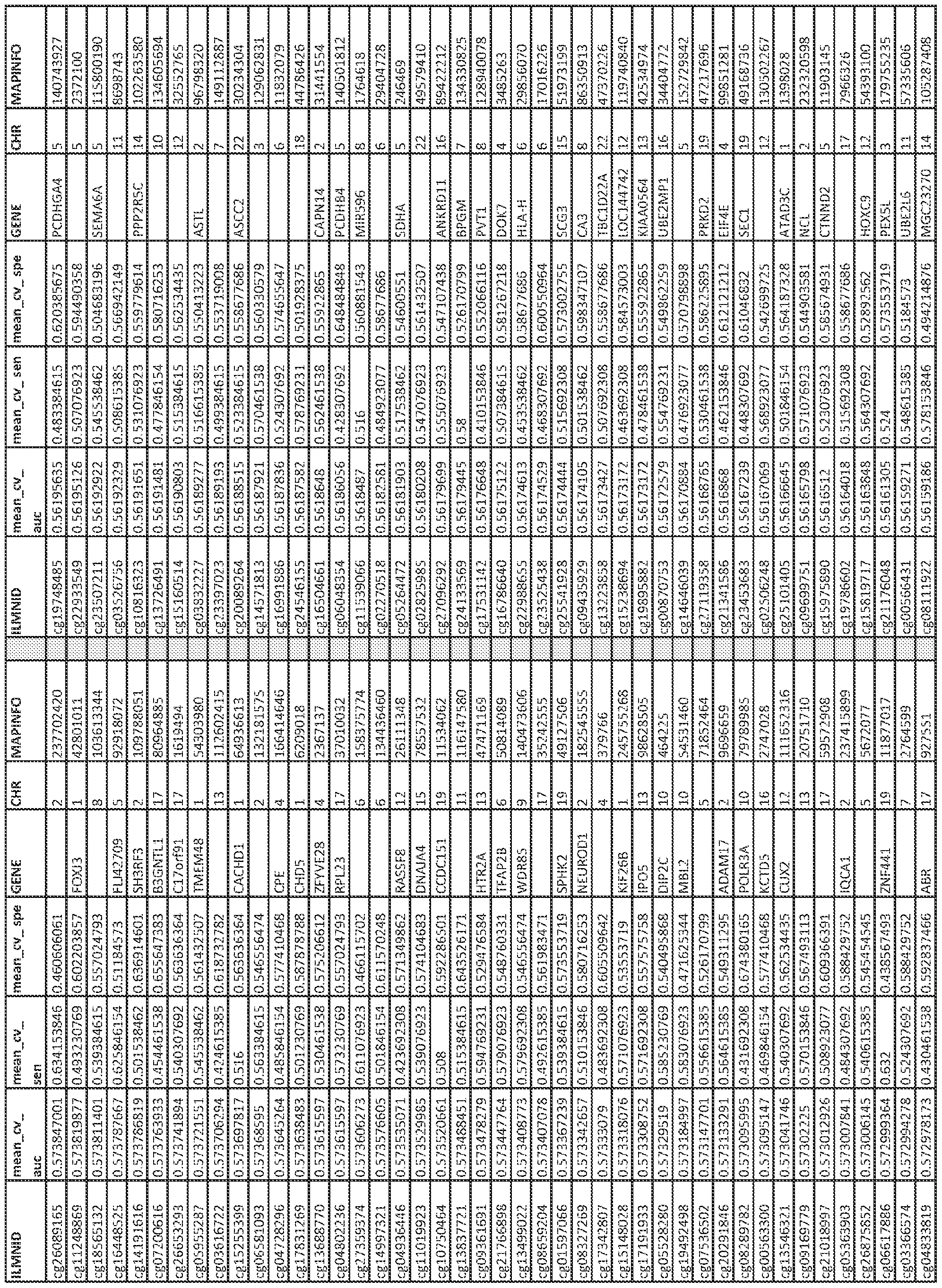
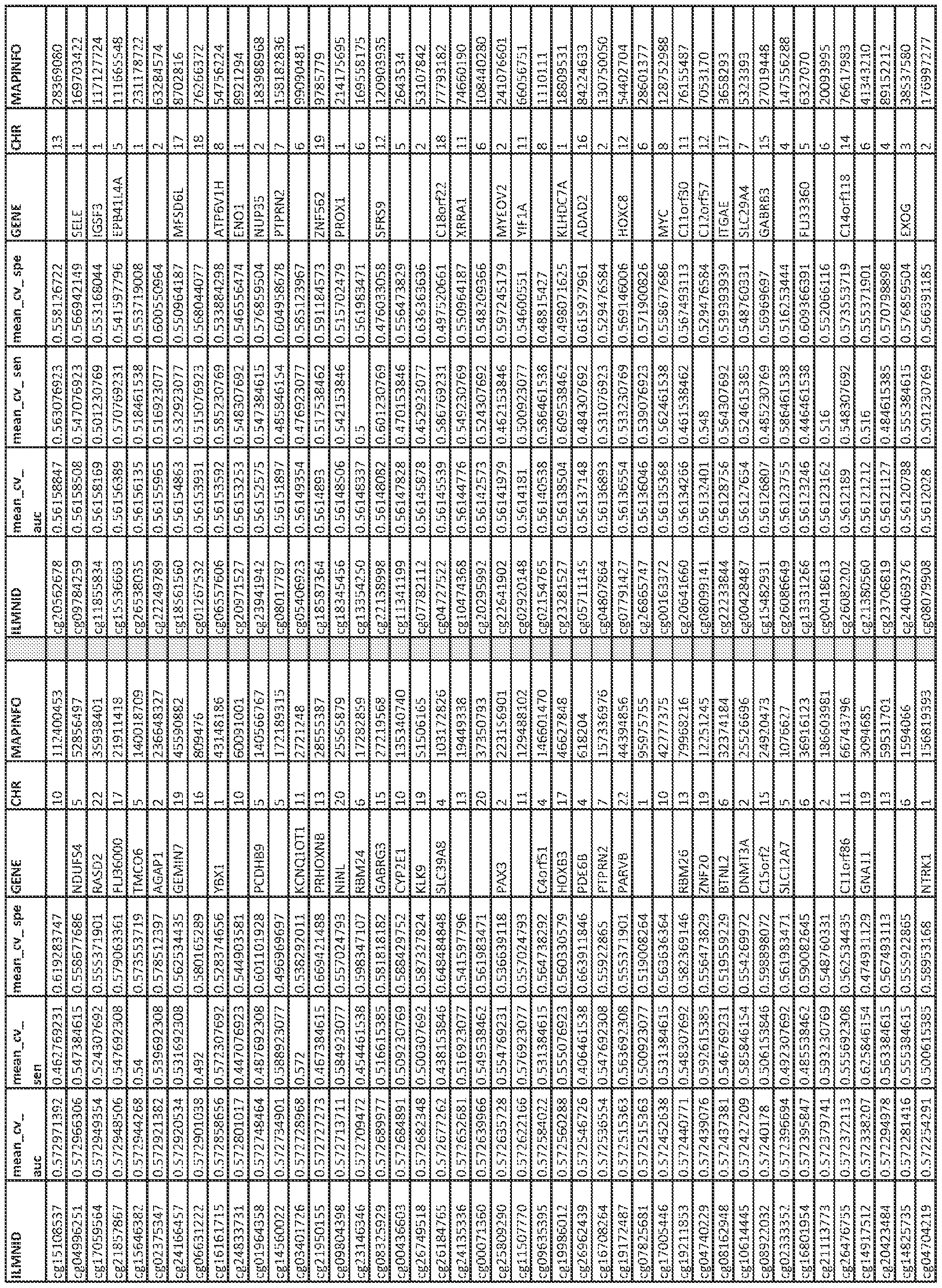


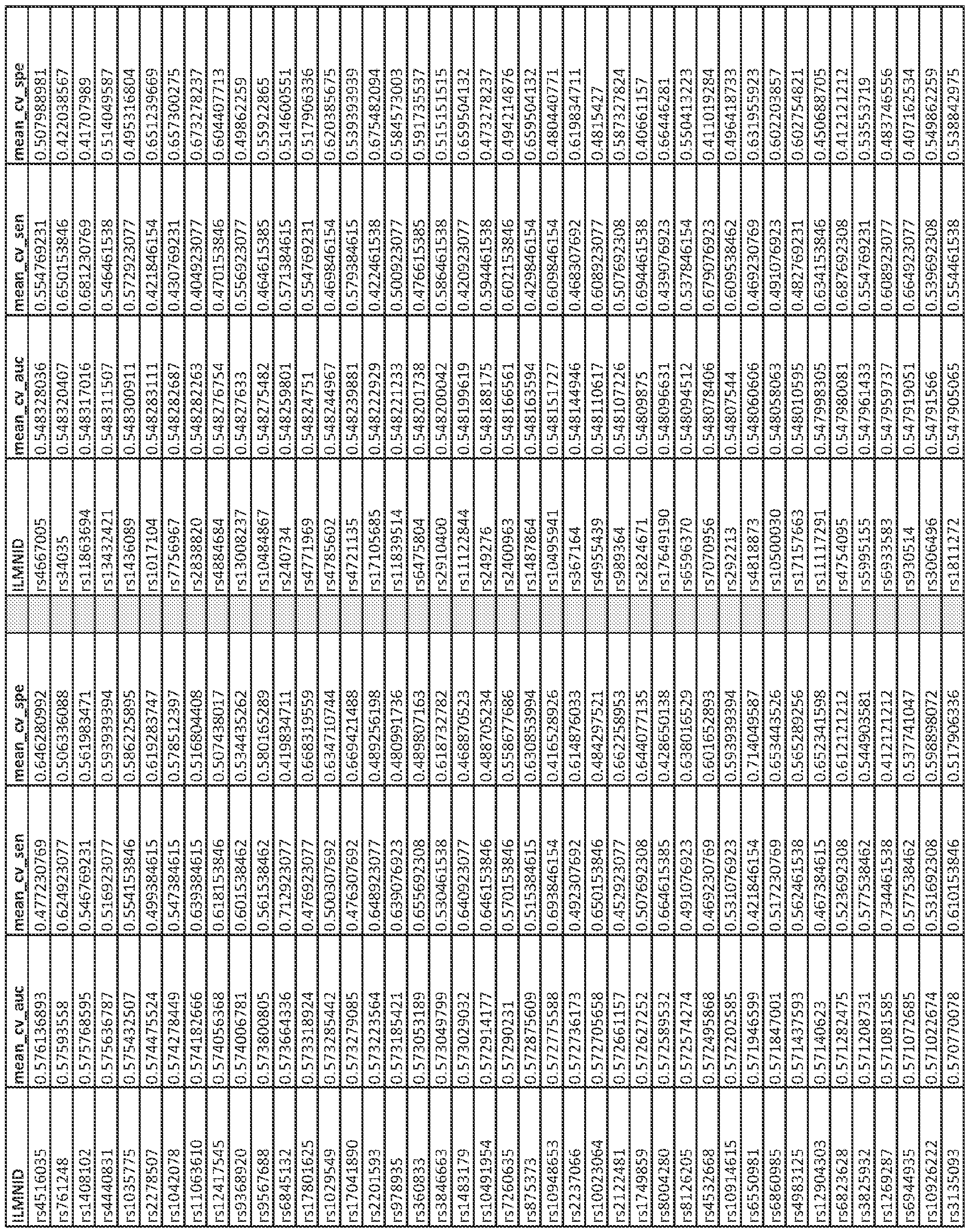


Claims
Priority Applications (6)
| Application Number | Priority Date | Filing Date | Title |
|---|---|---|---|
| CA3194027A CA3194027A1 (en) | 2020-09-04 | 2021-09-03 | Methods and compositions for predicting and/or monitoring diabetes and treatments therefor |
| EP21865198.2A EP4208571A4 (en) | 2020-09-04 | 2021-09-03 | Methods and compositions for predicting and/or monitoring diabetes and treatments therefor |
| JP2023515292A JP2023541828A (en) | 2020-09-04 | 2021-09-03 | Methods and compositions for predicting and/or monitoring and treating diabetes |
| US18/044,041 US20230313302A1 (en) | 2020-09-04 | 2021-09-03 | Methods and compositions for predicting and/or monitoring diabetes and treatments therefor |
| AU2021338376A AU2021338376A1 (en) | 2020-09-04 | 2021-09-03 | Methods and compositions for predicting and/or monitoring diabetes and treatments therefor |
| CN202180073095.8A CN116490622A (en) | 2020-09-04 | 2021-09-03 | Methods and compositions for predicting and/or monitoring diabetes and its treatment |
Applications Claiming Priority (2)
| Application Number | Priority Date | Filing Date | Title |
|---|---|---|---|
| US202063074836P | 2020-09-04 | 2020-09-04 | |
| US63/074,836 | 2020-09-04 |
Publications (1)
| Publication Number | Publication Date |
|---|---|
| WO2022051630A1 true WO2022051630A1 (en) | 2022-03-10 |
Family
ID=80491519
Family Applications (1)
| Application Number | Title | Priority Date | Filing Date |
|---|---|---|---|
| PCT/US2021/049078 Ceased WO2022051630A1 (en) | 2020-09-04 | 2021-09-03 | Methods and compositions for predicting and/or monitoring diabetes and treatments therefor |
Country Status (7)
| Country | Link |
|---|---|
| US (1) | US20230313302A1 (en) |
| EP (1) | EP4208571A4 (en) |
| JP (1) | JP2023541828A (en) |
| CN (1) | CN116490622A (en) |
| AU (1) | AU2021338376A1 (en) |
| CA (1) | CA3194027A1 (en) |
| WO (1) | WO2022051630A1 (en) |
Families Citing this family (1)
| Publication number | Priority date | Publication date | Assignee | Title |
|---|---|---|---|---|
| US20250130967A1 (en) * | 2023-10-20 | 2025-04-24 | Stratus Technologies Ireland Ltd. | Systems and methods to preconfigure a hardware module |
Citations (1)
| Publication number | Priority date | Publication date | Assignee | Title |
|---|---|---|---|---|
| US20190264286A1 (en) * | 2016-06-08 | 2019-08-29 | University Of Iowa Research Foundation | Compositions and methods for detecting predisposition to cardiovascular disease |
Family Cites Families (2)
| Publication number | Priority date | Publication date | Assignee | Title |
|---|---|---|---|---|
| GB9805918D0 (en) * | 1998-03-19 | 1998-05-13 | Nycomed Amersham Plc | Sequencing by hybridisation |
| EP1268856A2 (en) * | 2000-04-07 | 2003-01-02 | Epigenomics AG | Detection of single nucleotide polymorphisms (snp's) and cytosine-methylations |
-
2021
- 2021-09-03 EP EP21865198.2A patent/EP4208571A4/en active Pending
- 2021-09-03 CA CA3194027A patent/CA3194027A1/en active Pending
- 2021-09-03 AU AU2021338376A patent/AU2021338376A1/en active Pending
- 2021-09-03 CN CN202180073095.8A patent/CN116490622A/en active Pending
- 2021-09-03 US US18/044,041 patent/US20230313302A1/en active Pending
- 2021-09-03 WO PCT/US2021/049078 patent/WO2022051630A1/en not_active Ceased
- 2021-09-03 JP JP2023515292A patent/JP2023541828A/en active Pending
Patent Citations (1)
| Publication number | Priority date | Publication date | Assignee | Title |
|---|---|---|---|---|
| US20190264286A1 (en) * | 2016-06-08 | 2019-08-29 | University Of Iowa Research Foundation | Compositions and methods for detecting predisposition to cardiovascular disease |
Non-Patent Citations (2)
| Title |
|---|
| GÜL HÜSAMETTIN, AYDIN SON YEŞIM, AÇIKEL CENGIZHAN: "Discovering missing heritability and early risk prediction for type 2 diabetes: a new perspective for genome-wide association study analysis with the Nurses’ Health Study and the Health Professionals’ Follow-Up Study", TURKISH JOURNAL OF MEDICAL SCIENCES., SCIENTIFIC AND TECHNICAL RESEARCH COUNCIL OF TURKEY - TUBITAK,TURKIYE BILIMSEL VE TEKNIK ARASTIRMA KURUMU, TR, vol. 44, no. 6, 21 November 2014 (2014-11-21), TR , pages 946 - 954, XP055913230, ISSN: 1300-0144, DOI: 10.3906/sag-1310-77 * |
| See also references of EP4208571A4 * |
Also Published As
| Publication number | Publication date |
|---|---|
| CA3194027A1 (en) | 2022-03-10 |
| JP2023541828A (en) | 2023-10-04 |
| EP4208571A4 (en) | 2024-10-23 |
| US20230313302A1 (en) | 2023-10-05 |
| EP4208571A1 (en) | 2023-07-12 |
| AU2021338376A1 (en) | 2023-04-13 |
| CN116490622A (en) | 2023-07-25 |
Similar Documents
| Publication | Publication Date | Title |
|---|---|---|
| US12043869B2 (en) | Compositions and methods for detecting predisposition to cardiovascular disease | |
| US20260035749A1 (en) | Methods and compositions for predicting and/or monitoring cardiovascular disease and treatments therefor | |
| Dash et al. | Mutational screening of VSX1 in keratoconus patients from the European population | |
| EP4208571A1 (en) | Methods and compositions for predicting and/or monitoring diabetes and treatments therefor | |
| Boonen et al. | Two maternal duplications involving the CDKN1C gene are associated with contrasting growth phenotypes | |
| US7807465B2 (en) | Methods for identifying an individual at increased risk of developing coronary artery disease | |
| AU2024248181A1 (en) | Methods and compositions for predicting and/or monitoring cardiovascular disease and interventions therefor | |
| WO2014067005A1 (en) | Novel marker for mental disorders | |
| EP2195448B1 (en) | Method to predict iris color | |
| US20100003691A1 (en) | Genetic Markers Associated with Degenerative Disc Disease and Uses Thereof | |
| WO2014121180A1 (en) | Genetic variants in interstitial lung disease subjects | |
| WO2020219572A1 (en) | Use of biomarkers for degenerative disc disease | |
| CN105765077B (en) | Detection method for determining risk of anti-thyroid drug-induced agranulocytosis and kit for determination | |
| HK40061532A (en) | Compositions for detecting predisposition to cardiovascular disease | |
| HK40000428B (en) | Compositions for detecting predisposition to cardiovascular disease |
Legal Events
| Date | Code | Title | Description |
|---|---|---|---|
| 121 | Ep: the epo has been informed by wipo that ep was designated in this application |
Ref document number: 21865198 Country of ref document: EP Kind code of ref document: A1 |
|
| ENP | Entry into the national phase |
Ref document number: 3194027 Country of ref document: CA |
|
| ENP | Entry into the national phase |
Ref document number: 2023515292 Country of ref document: JP Kind code of ref document: A |
|
| WWE | Wipo information: entry into national phase |
Ref document number: 202317024829 Country of ref document: IN |
|
| NENP | Non-entry into the national phase |
Ref country code: DE |
|
| ENP | Entry into the national phase |
Ref document number: 2021338376 Country of ref document: AU Date of ref document: 20210903 Kind code of ref document: A |
|
| ENP | Entry into the national phase |
Ref document number: 2021865198 Country of ref document: EP Effective date: 20230404 |
|
| WWE | Wipo information: entry into national phase |
Ref document number: 202180073095.8 Country of ref document: CN |
|
| WWE | Wipo information: entry into national phase |
Ref document number: 523442840 Country of ref document: SA |
|
| WWE | Wipo information: entry into national phase |
Ref document number: 523442840 Country of ref document: SA |
|
| WWE | Wipo information: entry into national phase |
Ref document number: 524462207 Country of ref document: SA |
|
| WWE | Wipo information: entry into national phase |
Ref document number: 524462207 Country of ref document: SA |