WO2022061553A1 - 一种信道状态信息csi上报方法、装置及存储介质 - Google Patents
一种信道状态信息csi上报方法、装置及存储介质 Download PDFInfo
- Publication number
- WO2022061553A1 WO2022061553A1 PCT/CN2020/116932 CN2020116932W WO2022061553A1 WO 2022061553 A1 WO2022061553 A1 WO 2022061553A1 CN 2020116932 W CN2020116932 W CN 2020116932W WO 2022061553 A1 WO2022061553 A1 WO 2022061553A1
- Authority
- WO
- WIPO (PCT)
- Prior art keywords
- csi measurement
- measurement information
- csi
- reporting
- resource
- Prior art date
- Legal status (The legal status is an assumption and is not a legal conclusion. Google has not performed a legal analysis and makes no representation as to the accuracy of the status listed.)
- Ceased
Links
Images




Classifications
-
- H—ELECTRICITY
- H04—ELECTRIC COMMUNICATION TECHNIQUE
- H04W—WIRELESS COMMUNICATION NETWORKS
- H04W24/00—Supervisory, monitoring or testing arrangements
- H04W24/10—Scheduling measurement reports ; Arrangements for measurement reports
-
- H—ELECTRICITY
- H04—ELECTRIC COMMUNICATION TECHNIQUE
- H04B—TRANSMISSION
- H04B7/00—Radio transmission systems, i.e. using radiation field
- H04B7/02—Diversity systems; Multi-antenna system, i.e. transmission or reception using multiple antennas
- H04B7/04—Diversity systems; Multi-antenna system, i.e. transmission or reception using multiple antennas using two or more spaced independent antennas
- H04B7/06—Diversity systems; Multi-antenna system, i.e. transmission or reception using multiple antennas using two or more spaced independent antennas at the transmitting station
- H04B7/0613—Diversity systems; Multi-antenna system, i.e. transmission or reception using multiple antennas using two or more spaced independent antennas at the transmitting station using simultaneous transmission
- H04B7/0615—Diversity systems; Multi-antenna system, i.e. transmission or reception using multiple antennas using two or more spaced independent antennas at the transmitting station using simultaneous transmission of weighted versions of same signal
- H04B7/0619—Diversity systems; Multi-antenna system, i.e. transmission or reception using multiple antennas using two or more spaced independent antennas at the transmitting station using simultaneous transmission of weighted versions of same signal using feedback from receiving side
- H04B7/0621—Feedback content
- H04B7/0626—Channel coefficients, e.g. channel state information [CSI]
-
- H—ELECTRICITY
- H04—ELECTRIC COMMUNICATION TECHNIQUE
- H04L—TRANSMISSION OF DIGITAL INFORMATION, e.g. TELEGRAPHIC COMMUNICATION
- H04L1/00—Arrangements for detecting or preventing errors in the information received
- H04L1/0001—Systems modifying transmission characteristics according to link quality, e.g. power backoff
- H04L1/0023—Systems modifying transmission characteristics according to link quality, e.g. power backoff characterised by the signalling
- H04L1/0026—Transmission of channel quality indication
-
- H—ELECTRICITY
- H04—ELECTRIC COMMUNICATION TECHNIQUE
- H04L—TRANSMISSION OF DIGITAL INFORMATION, e.g. TELEGRAPHIC COMMUNICATION
- H04L1/00—Arrangements for detecting or preventing errors in the information received
- H04L1/0001—Systems modifying transmission characteristics according to link quality, e.g. power backoff
- H04L1/0023—Systems modifying transmission characteristics according to link quality, e.g. power backoff characterised by the signalling
- H04L1/0027—Scheduling of signalling, e.g. occurrence thereof
-
- H—ELECTRICITY
- H04—ELECTRIC COMMUNICATION TECHNIQUE
- H04L—TRANSMISSION OF DIGITAL INFORMATION, e.g. TELEGRAPHIC COMMUNICATION
- H04L1/00—Arrangements for detecting or preventing errors in the information received
- H04L1/0001—Systems modifying transmission characteristics according to link quality, e.g. power backoff
- H04L1/0023—Systems modifying transmission characteristics according to link quality, e.g. power backoff characterised by the signalling
- H04L1/0028—Formatting
- H04L1/0029—Reduction of the amount of signalling, e.g. retention of useful signalling or differential signalling
-
- H—ELECTRICITY
- H04—ELECTRIC COMMUNICATION TECHNIQUE
- H04L—TRANSMISSION OF DIGITAL INFORMATION, e.g. TELEGRAPHIC COMMUNICATION
- H04L5/00—Arrangements affording multiple use of the transmission path
- H04L5/003—Arrangements for allocating sub-channels of the transmission path
- H04L5/0053—Allocation of signalling, i.e. of overhead other than pilot signals
- H04L5/0057—Physical resource allocation for CQI
-
- H—ELECTRICITY
- H04—ELECTRIC COMMUNICATION TECHNIQUE
- H04W—WIRELESS COMMUNICATION NETWORKS
- H04W24/00—Supervisory, monitoring or testing arrangements
- H04W24/02—Arrangements for optimising operational condition
-
- H—ELECTRICITY
- H04—ELECTRIC COMMUNICATION TECHNIQUE
- H04W—WIRELESS COMMUNICATION NETWORKS
- H04W24/00—Supervisory, monitoring or testing arrangements
- H04W24/08—Testing, supervising or monitoring using real traffic
-
- H—ELECTRICITY
- H04—ELECTRIC COMMUNICATION TECHNIQUE
- H04W—WIRELESS COMMUNICATION NETWORKS
- H04W72/00—Local resource management
- H04W72/12—Wireless traffic scheduling
- H04W72/1263—Mapping of traffic onto schedule, e.g. scheduled allocation or multiplexing of flows
- H04W72/1268—Mapping of traffic onto schedule, e.g. scheduled allocation or multiplexing of flows of uplink data flows
-
- H—ELECTRICITY
- H04—ELECTRIC COMMUNICATION TECHNIQUE
- H04W—WIRELESS COMMUNICATION NETWORKS
- H04W72/00—Local resource management
- H04W72/20—Control channels or signalling for resource management
- H04W72/23—Control channels or signalling for resource management in the downlink direction of a wireless link, i.e. towards a terminal
-
- H—ELECTRICITY
- H04—ELECTRIC COMMUNICATION TECHNIQUE
- H04W—WIRELESS COMMUNICATION NETWORKS
- H04W72/00—Local resource management
- H04W72/50—Allocation or scheduling criteria for wireless resources
- H04W72/51—Allocation or scheduling criteria for wireless resources based on terminal or device properties
-
- H—ELECTRICITY
- H04—ELECTRIC COMMUNICATION TECHNIQUE
- H04W—WIRELESS COMMUNICATION NETWORKS
- H04W8/00—Network data management
- H04W8/22—Processing or transfer of terminal data, e.g. status or physical capabilities
-
- H—ELECTRICITY
- H04—ELECTRIC COMMUNICATION TECHNIQUE
- H04W—WIRELESS COMMUNICATION NETWORKS
- H04W72/00—Local resource management
- H04W72/20—Control channels or signalling for resource management
- H04W72/21—Control channels or signalling for resource management in the uplink direction of a wireless link, i.e. towards the network
-
- H—ELECTRICITY
- H04—ELECTRIC COMMUNICATION TECHNIQUE
- H04W—WIRELESS COMMUNICATION NETWORKS
- H04W84/00—Network topologies
- H04W84/02—Hierarchically pre-organised networks, e.g. paging networks, cellular networks, WLAN [Wireless Local Area Network] or WLL [Wireless Local Loop]
-
- H—ELECTRICITY
- H04—ELECTRIC COMMUNICATION TECHNIQUE
- H04W—WIRELESS COMMUNICATION NETWORKS
- H04W88/00—Devices specially adapted for wireless communication networks, e.g. terminals, base stations or access point devices
- H04W88/02—Terminal devices
-
- H—ELECTRICITY
- H04—ELECTRIC COMMUNICATION TECHNIQUE
- H04W—WIRELESS COMMUNICATION NETWORKS
- H04W88/00—Devices specially adapted for wireless communication networks, e.g. terminals, base stations or access point devices
- H04W88/08—Access point devices
-
- H—ELECTRICITY
- H04—ELECTRIC COMMUNICATION TECHNIQUE
- H04W—WIRELESS COMMUNICATION NETWORKS
- H04W92/00—Interfaces specially adapted for wireless communication networks
- H04W92/02—Inter-networking arrangements
-
- H—ELECTRICITY
- H04—ELECTRIC COMMUNICATION TECHNIQUE
- H04W—WIRELESS COMMUNICATION NETWORKS
- H04W92/00—Interfaces specially adapted for wireless communication networks
- H04W92/04—Interfaces between hierarchically different network devices
- H04W92/10—Interfaces between hierarchically different network devices between terminal device and access point, i.e. wireless air interface
Definitions
- the present disclosure relates to the field of wireless communication technologies, and in particular, to a method, device, and storage medium for reporting channel state information (CSI).
- CSI channel state information
- the channel environment used to transmit data is affected by various factors.
- the channel quality status of the physical downlink channel can be acquired in real time through the CSI reference signal.
- the terminal reports CSI measurement information to the network side, including periodic reporting, semi-persistent reporting and aperiodic reporting.
- CSI measurement information including periodic reporting, semi-persistent reporting and aperiodic reporting.
- the channel state of the terminal does not change much or does not change, and the terminal still needs to report CSI measurement information to the network side, which easily leads to unnecessary CSI reporting resources and energy consumption overhead.
- the present disclosure provides a channel state information CSI reporting method, device and storage medium.
- a method for reporting channel state information (CSI) is provided, applied to a terminal, including:
- the first configuration parameter is used to indicate a parameter for reporting the CSI measurement information by the first-type terminal, and the first configuration parameter includes at least a CSI measurement information reporting threshold; reporting based on the CSI measurement information Threshold value, reporting CSI measurement information.
- reporting the CSI measurement information based on the CSI measurement information reporting threshold including:
- the CSI measurement information is reported.
- the method includes:
- the CSI measurement information is not reported;
- the CSI measurement information is not reported.
- the CSI measurement information reporting threshold is determined based on a terminal type and/or a service type.
- the reporting of the CSI measurement information includes:
- the CSI measurement information is reported based on the PUCCH resource of the physical uplink control channel.
- the reporting of the CSI measurement information based on the physical uplink control channel PUCCH resource includes:
- the second period In response to the periodic measurement of the CSI based on the first period, periodically reporting the CSI measurement information on the PUCCH resource of the physical uplink control channel based on the second period, the second period having the same time domain resources as the first period
- the starting position and the slot length of the time slot, the time domain position of the PUCCH resource in the second cycle is offset by N slots relative to the time domain resource position in the first cycle, as the time domain resource position for sending the current CSI measurement information;
- the first period is determined based on the channel quality state.
- the reporting of the CSI measurement information based on the physical uplink control channel PUCCH resource includes:
- the CSI measurement information is reported based on the first PUCCH resource, and the first PUCCH time-domain resource position is offset by N time slots relative to the time-domain resource position of the CSI measurement, as the sending current Time domain resource location of CSI measurement information.
- the N timeslot resource locations are determined based on pre-configured information
- the frequency domain location of the PUCCH resource is determined by RRC signaling.
- the method further includes:
- a first uplink scheduling request SR1 is sent, where the first uplink scheduling request SR1 is dedicated to requesting acquisition of PUCCH resources for reporting the CSI measurement information.
- the reporting of the CSI measurement information includes:
- the CSI measurement information is reported based on the physical uplink shared channel PUSCH.
- the reporting of the CSI measurement information based on the physical uplink shared channel PUSCH includes:
- the CSI measurement information is reported based on the first PUSCH resource, and the first PUSCH resource is used for transmitting other uplink data.
- the CSI measurement information is carried by the medium access control layer control unit MAC CE of the first PUSCH resource.
- the reporting of the CSI measurement information based on the physical uplink shared channel PUSCH includes:
- multiplexing the second PUSCH resource bearing the buffer status report BSR to report the CSI measurement information In response to currently no available PUSCH resource and no other uplink data transmission, multiplexing the second PUSCH resource bearing the buffer status report BSR to report the CSI measurement information.
- the CSI measurement information is carried by the MAC-CE of the second PUSCH resource.
- the reporting of the CSI measurement information based on the physical uplink shared channel PUSCH includes:
- the first PUSCH resources In response to currently no available PUSCH resources and other uplink data transmissions, it is determined to use the first PUSCH resources to report the CSI measurement information, and the first PUSCH resources are used to transmit the other uplink data.
- the reporting of the CSI measurement information based on the physical uplink shared channel PUSCH includes:
- a second uplink scheduling request SR2 is sent, and the second uplink scheduling request SR2 is dedicated to requesting to obtain a third PUSCH resource for reporting the CSI measurement information, and the third PUSCH resource is dedicated to transmitting the CSI measurement information.
- a method for reporting channel state information CSI is provided, which is applied to a network side device, including:
- a first configuration parameter is determined, where the first configuration parameter is used to indicate a parameter for reporting the CSI measurement information by the terminal of the first type, and the first configuration parameter includes at least a CSI measurement information reporting threshold.
- the method includes:
- Receive CSI measurement information where the CSI measurement information is the CSI reported by the first type terminal in response to the difference between the first CSI measurement value and the second CSI measurement value of the channel state being greater than the CSI measurement information reporting threshold. measurement information;
- the CSI measurement information is the CSI measurement information reported by the first type terminal in response to the difference between the first CSI measurement value of the channel state and the second CSI measurement value being equal to the CSI measurement information reporting threshold.
- the CSI measurement information reporting threshold is determined based on a terminal type and/or a service type.
- the receiving CSI measurement information includes:
- the CSI measurement information is received based on the physical uplink control channel PUCCH resource.
- the receiving CSI measurement information based on the physical uplink control channel PUCCH resource includes:
- the second period In response to the periodic measurement of the CSI based on the first period, periodically receiving the CSI measurement information on the PUCCH resource of the physical uplink control channel based on the second period, the second period having the same time domain resources as the first period.
- the starting position and the slot length of the time slot, the time domain position of the PUCCH resource in the second cycle is offset by N slots relative to the time domain resource position in the first cycle, as the time domain resource position for sending the current CSI measurement information;
- the first period is determined based on the channel quality state.
- the receiving CSI measurement information based on the physical uplink control channel PUCCH resource includes:
- the first PUCCH time-domain resource position is offset by N time slots relative to the time-domain resource position of the CSI measurement, as the receiving current Time domain resource location of CSI measurement information.
- the N timeslot resource locations are determined based on pre-configured information
- the frequency domain location of the PUCCH resource is determined by RRC signaling.
- the method further includes:
- a first uplink scheduling request SR1 is received, where the first uplink scheduling request SR1 is dedicated to requesting to obtain a PUCCH resource for reporting the CSI measurement information.
- the receiving CSI measurement information includes:
- CSI measurement information is received based on the physical uplink shared channel PUSCH.
- the receiving CSI measurement information based on the physical uplink shared channel PUSCH includes:
- the CSI measurement information is received based on the first PUSCH resource, and the first PUSCH resource is used for transmitting other uplink data.
- the CSI measurement information is carried by the medium access control layer control element MAC-CE of the first PUSCH resource.
- the receiving CSI measurement information based on the physical uplink shared channel PUSCH includes:
- multiplexing the second PUSCH resource carrying the buffer status report BSR to receive the CSI measurement information In response to currently no available PUSCH resource and no other uplink data transmission, multiplexing the second PUSCH resource carrying the buffer status report BSR to receive the CSI measurement information.
- the CSI measurement information is carried by the MAC-CE of the second PUSCH resource.
- the receiving CSI measurement information based on the physical uplink shared channel PUSCH includes:
- the first PUSCH resources In response to currently no available PUSCH resources and there are other uplink data transmissions, it is determined to use the first PUSCH resources to receive the CSI measurement information, and the first PUSCH resources are used to transmit the other uplink data.
- the receiving CSI measurement information based on the physical uplink shared channel PUSCH includes:
- a second uplink scheduling request SR2 is received, where the second uplink scheduling request SR2 is dedicated to requesting to acquire a third PUSCH resource for reporting the CSI measurement information, and the third PUSCH resource is dedicated to transmitting the CSI measurement information.
- an apparatus for reporting channel state information CSI is provided, applied to a terminal, including:
- a first determining module configured to determine a first configuration parameter, where the first configuration parameter is used to indicate a parameter for reporting the CSI measurement information by the first-type terminal, and the first configuration parameter at least includes a CSI measurement information reporting threshold;
- a reporting module configured to report the CSI measurement information based on the reporting threshold value of the CSI measurement information.
- the reporting module is used to:
- the CSI measurement information is reported.
- the reporting module is used to:
- the CSI measurement information is not reported;
- the CSI measurement information is not reported.
- the CSI measurement information reporting threshold is determined based on a terminal type and/or a service type.
- the reporting module is used to:
- the CSI measurement information is reported based on the PUCCH resource of the physical uplink control channel.
- the reporting module is used to:
- the second period In response to the periodic measurement of the CSI based on the first period, periodically reporting the CSI measurement information on the PUCCH resource of the physical uplink control channel based on the second period, the second period having the same time domain resources as the first period
- the starting position and the slot length of the time slot, the time domain position of the PUCCH resource in the second cycle is offset by N slots relative to the time domain resource position in the first cycle, as the time domain resource position for sending the current CSI measurement information;
- the first period is determined based on the channel quality state.
- the reporting module is used to:
- the CSI measurement information is reported based on the first PUCCH resource, and the first PUCCH time-domain resource position is offset by N time slots relative to the time-domain resource position of the CSI measurement, as the sending current Time domain resource location of CSI measurement information.
- the N timeslot resource locations are determined based on pre-configured information
- the frequency domain location of the PUCCH resource is determined by RRC signaling.
- the reporting module is also used for:
- a first uplink scheduling request SR1 is sent, where the first uplink scheduling request SR1 is dedicated to requesting acquisition of PUCCH resources for reporting the CSI measurement information.
- the reporting module is used to:
- the CSI measurement information is reported based on the physical uplink shared channel PUSCH.
- the reporting module is used to:
- the CSI measurement information is reported based on the first PUSCH resource, and the first PUSCH resource is used for transmitting other uplink data.
- the CSI measurement information is carried by the medium access control layer control unit MAC CE of the first PUSCH resource.
- the reporting module is used to:
- multiplexing the second PUSCH resource bearing the buffer status report BSR to report the CSI measurement information In response to currently no available PUSCH resource and no other uplink data transmission, multiplexing the second PUSCH resource bearing the buffer status report BSR to report the CSI measurement information.
- the CSI measurement information is carried by the MAC-CE of the second PUSCH resource.
- the reporting module is used to:
- the first PUSCH resources In response to currently no available PUSCH resources and other uplink data transmissions, it is determined to use the first PUSCH resources to report the CSI measurement information, and the first PUSCH resources are used to transmit the other uplink data.
- the reporting module is used to:
- a second uplink scheduling request SR2 is sent, where the second uplink scheduling request SR2 is dedicated to requesting to obtain a third PUSCH resource for reporting the CSI measurement information, and the third PUSCH resource is dedicated to transmitting the CSI measurement information.
- an apparatus for reporting channel state information CSI is provided, which is applied to a network side device, including:
- the second determining module is configured to determine a first configuration parameter, where the first configuration parameter is used to indicate a parameter for reporting the CSI measurement information by the first type terminal, and the first configuration parameter includes at least a threshold value for reporting the CSI measurement information.
- the apparatus includes:
- a receiving module configured to receive CSI measurement information, the CSI measurement information is the difference between the first CSI measurement value and the second CSI measurement value of the first type terminal in response to the channel state is greater than the CSI measurement information reporting threshold value, the reported CSI measurement information;
- the CSI measurement information is the CSI measurement information reported by the first type terminal in response to the difference between the first CSI measurement value of the channel state and the second CSI measurement value being equal to the CSI measurement information reporting threshold.
- the CSI measurement information reporting threshold is determined based on a terminal type and/or a service type.
- the receiving module is used for:
- the CSI measurement information is received based on the physical uplink control channel PUCCH resource.
- the receiving module is used for:
- the second period In response to the periodic measurement of the CSI based on the first period, periodically receiving the CSI measurement information on the PUCCH resource of the physical uplink control channel based on the second period, the second period having the same time domain resources as the first period.
- the starting position and the slot length of the time slot, the time domain position of the PUCCH resource in the second cycle is offset by N slots relative to the time domain resource position in the first cycle, as the time domain resource position for sending the current CSI measurement information;
- the first period is determined based on the channel quality state.
- the receiving module is used for:
- the first PUCCH time-domain resource position is offset by N time slots relative to the time-domain resource position of the CSI measurement, as the receiving current Time domain resource location of CSI measurement information.
- the N timeslot resource locations are determined based on pre-configured information
- the frequency domain location of the PUCCH resource is determined by RRC signaling.
- the receiving module is further configured to:
- a first uplink scheduling request SR1 is received, where the first uplink scheduling request SR1 is dedicated to requesting to obtain a PUCCH resource for reporting the CSI measurement information.
- the receiving module is used for:
- CSI measurement information is received based on the physical uplink shared channel PUSCH.
- the receiving module is used for:
- the CSI measurement information is received based on the first PUSCH resource, and the first PUSCH resource is used for transmitting other uplink data.
- the CSI measurement information is carried by the medium access control layer control element MAC-CE of the first PUSCH resource.
- the receiving module is used for:
- multiplexing the second PUSCH resource carrying the buffer status report BSR to receive the CSI measurement information In response to currently no available PUSCH resource and no other uplink data transmission, multiplexing the second PUSCH resource carrying the buffer status report BSR to receive the CSI measurement information.
- the CSI measurement information is carried by the MAC-CE of the second PUSCH resource.
- the receiving module is used for:
- the first PUSCH resources In response to currently no available PUSCH resources and there are other uplink data transmissions, it is determined to use the first PUSCH resources to receive the CSI measurement information, and the first PUSCH resources are used to transmit the other uplink data.
- the receiving module is used for:
- a second uplink scheduling request SR2 is received, where the second uplink scheduling request SR2 is dedicated to requesting to obtain a third PUSCH resource for reporting the CSI measurement information, and the third PUSCH resource is dedicated to transmitting the CSI measurement information.
- a communication device comprising:
- memory for storing processor-executable instructions
- the processor is configured to: execute the channel state information CSI reporting method described in the first aspect or any one of the implementation manners of the first aspect, or configured to: execute the second aspect or any one of the second aspect A method for reporting channel state information CSI described in an embodiment.
- a non-transitory computer-readable storage medium when instructions in the storage medium are executed by a processor of a mobile terminal, the mobile terminal can execute the first aspect or the first aspect.
- the technical solutions provided by the embodiments of the present disclosure may include the following beneficial effects: by determining the reporting threshold value of the CSI measurement information of the configuration terminal, and further determining the reporting CSI measurement information, the energy consumption and/or energy consumption of reporting the CSI measurement information can be effectively reduced. or resource overhead.
- FIG. 1 is an architectural diagram of a communication system between a network device and a terminal according to an exemplary embodiment.
- Fig. 2 is a flowchart showing a method for reporting channel state information CSI according to an exemplary embodiment.
- FIG. 3 is a schematic diagram illustrating a time-domain resource position offset time slot for reporting CSI measurement information and a time-domain resource position offset for CSI measurement in a channel state information CSI reporting method according to an exemplary embodiment.
- FIG. 4 is a schematic diagram illustrating a method for reporting channel state information CSI in which PUSCH resources carrying BSR are multiplexed to report CSI measurement information according to an exemplary embodiment.
- Fig. 5 is a schematic diagram showing a method for reporting channel state information CSI using other uplink data transmission resources to report CSI measurement information according to an exemplary embodiment.
- FIG. 6 is a flowchart illustrating another method for reporting channel state information CSI according to an exemplary embodiment.
- FIG. 7 is a schematic diagram illustrating a time-domain resource position offset time slot for receiving CSI measurement information and CSI measurement in a method for reporting channel state information CSI according to an exemplary embodiment.
- FIG. 8 is a schematic diagram illustrating a method for reporting channel state information CSI in which PUSCH resources carrying BSR are multiplexed to receive CSI measurement information according to an exemplary embodiment.
- FIG. 9 is a schematic diagram showing a method for reporting channel state information CSI using other uplink data transmission resources to receive CSI measurement information according to an exemplary embodiment.
- Fig. 10 is a block diagram of an apparatus for reporting channel state information CSI according to an exemplary embodiment.
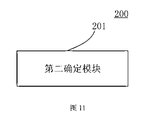
- Fig. 11 is a block diagram of another apparatus for reporting channel state information CSI according to an exemplary embodiment.
- FIG. 12 is a block diagram of yet another apparatus for reporting channel state information CSI according to an exemplary embodiment.
- Fig. 13 is a block diagram of an apparatus according to an exemplary embodiment.
- Fig. 14 is a block diagram of an apparatus according to an exemplary embodiment.
- the channel quality status of the physical downlink control channel can be acquired in real time through a channel state information reference signal (Channel State Information-Reference Signal, CSI-RS).
- CSI-RS Channel State Information-Reference Signal
- the embodiment includes: the network side device sends the CSI-RS signal to the terminal through the configuration information.
- the terminal measures the received CSI-RS signal, and reports the CSI measurement result to the network side device.
- the network side device determines the channel quality status of the physical downlink control channel according to the CSI measurement result reported by the terminal, and performs related scheduling processing.
- the terminal In the related wireless communication system, there are three ways for the terminal to report the CSI measurement information.
- the terminal reports the CSI measurement information periodically.
- the network side device configures time-frequency domain resources for periodically reporting CSI measurement information for the terminal through radio resource control (Radio Resource Control, RRC) signaling.
- RRC Radio Resource Control
- the terminal performs periodic measurement of the CSI, and periodically reports the CSI measurement information according to the measurement period of the CSI, and this method carries the CSI measurement information through a physical uplink control channel (PUCCH).
- PUCCH physical uplink control channel
- the terminal reports the CSI measurement information in a semi-persistent reporting manner.
- the resources used for reporting the CSI measurement information in this manner may be PUCCH resources or physical uplink shared channel (physical uplink shared channel, PUSCH) resources.
- the reporting of the CSI measurement information by the terminal based on the PUSCH resource includes: the terminal obtains resources for reporting the CSI measurement information based on dynamic signaling on the network side. And when the terminal reports the CSI measurement information semi-continuously based on the PUSCH resource, it can pass the Downlink Control Signaling (Downlink) scrambled by the Scheduling Request (SR) CSI Radio Network Tempory Identity (RNTI) SP-CSI-RNTI.
- SR Scheduling Request
- RNTI Radio Network Tempory Identity
- the terminal reporting the CSI measurement information based on the PUCCH resource includes: the network side device can configure semi-static reporting resources for the terminal through RRC signaling. And, when the terminal uses the PUCCH resource to report the CSI measurement information semi-persistently, the media access control layer control element (media access control, control element, MAC-CE) on the PUCCH resource is used to activate or deactivate the terminal to use the PUCCH resource to report the CSI measurement information semi-persistently. .
- media access control layer control element media access control, control element, MAC-CE
- the terminal reports the CSI.
- the u +1 slot takes effect.
- the terminal reports the CSI measurement information in an aperiodic manner.
- the terminal is triggered to report the CSI measurement information by scrambling the DCI with the C-RNTI, and the reporting is performed based on the PUSCH resource.
- the terminal reporting the CSI measurement information is indicated by the network side device through the CSI Request field in format 0_1 in the DCI.
- Redcap UE For low-capacity terminals Redcap UE includes three usage scenarios, such as factory sensors, video surveillance and wearable devices. Among them, the positions of the factory sensors and video surveillance equipment are relatively fixed, so the channel state changes of the terminals deployed in the factory sensors and video surveillance equipment are also relatively small. However, in the wireless system, the above three methods are still used to report the CSI measurement information, which may easily lead to unnecessary energy consumption and/or resource overhead for CSI reporting.
- FIG. 1 is an architectural diagram of a communication system between a network device and a terminal according to an exemplary embodiment.
- the channel state information CSI reporting method provided by the present disclosure. It can be applied to the communication system architecture diagram shown in FIG. 1 .
- the terminal performs CSI measurement on the channel state based on the CSI-RS signal sent by the network side device to obtain CSI measurement information.
- This CSI measurement information is compared with the last CSI measurement. If the channel state measured this time has a relatively large change from the channel state measured last time, the current CSI measurement information is reported to the network side device. Otherwise, the terminal does not report the CSI measurement information.
- the reporting energy consumption and/or resource overhead used for reporting the CSI measurement information is further saved.
- the communication system between the network device and the terminal shown in FIG. 1 is only a schematic illustration, and the wireless communication system may also include other network devices, such as core network devices, wireless relay devices, and wireless backhaul devices. Transmission equipment, etc., are not shown in Figure 1.
- the embodiments of the present disclosure do not limit the number of network devices and the number of terminals included in the wireless communication system.
- the wireless communication system is a network that provides a wireless communication function.
- Wireless communication systems can use different communication technologies, such as code division multiple access (CDMA), wideband code division multiple access (WCDMA), time division multiple access (TDMA) , frequency division multiple access (frequency division multiple access, FDMA), orthogonal frequency division multiple access (orthogonal frequency-division multiple access, OFDMA), single carrier frequency division multiple access (single Carrier FDMA, SC-FDMA), carrier sense Carrier Sense Multiple Access with Collision Avoidance.
- CDMA code division multiple access
- WCDMA wideband code division multiple access
- TDMA time division multiple access
- FDMA frequency division multiple access
- OFDMA orthogonal frequency division multiple access
- single carrier frequency division multiple access single Carrier FDMA, SC-FDMA
- carrier sense Carrier Sense Multiple Access with Collision Avoidance CDMA
- CDMA code division multiple access
- WCDMA wideband code division multiple access
- TDMA time division multiple access
- OFDMA orthogonal
- the network can be divided into 2G (English: generation) network, 3G network, 4G network or future evolution network, such as 5G network, 5G network can also be called a new wireless network ( New Radio, NR).
- 2G International: generation
- 3G network 4G network or future evolution network, such as 5G network
- 5G network can also be called a new wireless network ( New Radio, NR).
- New Radio New Radio
- the present disclosure will sometimes refer to a wireless communication network simply as a network.
- the wireless access network equipment may be: a base station, an evolved node B (base station), a home base station, an access point (AP) in a wireless fidelity (WIFI) system, a wireless relay A node, a wireless backhaul node, a transmission point (TP) or a transmission and reception point (TRP), etc., can also be a gNB in an NR system, or can also be a component or part of a device that constitutes a base station Wait.
- the network device may also be an in-vehicle device. It should be understood that, in the embodiments of the present disclosure, the specific technology and specific device form adopted by the network device are not limited.
- the terminal involved in the present disclosure may also be referred to as terminal equipment, user equipment (User Equipment, UE), mobile station (Mobile Station, MS), mobile terminal (Mobile Terminal, MT), etc.
- a device that provides voice and/or data connectivity for example, a terminal may be a handheld device with wireless connectivity, a vehicle-mounted device, or the like.
- some examples of terminals are: Smartphone (Mobile Phone), Pocket Personal Computer (PPC), PDA, Personal Digital Assistant (PDA), notebook computer, tablet computer, wearable device, or Vehicle equipment, etc.
- the terminal device may also be an in-vehicle device. It should be understood that the embodiments of the present disclosure do not limit the specific technology and specific device form adopted by the terminal.
- a method for reporting channel state information CSI is provided.
- the following embodiments will describe the channel state information CSI reporting method with reference to the accompanying drawings.
- Fig. 2 is a flowchart showing a method for reporting channel state information CSI according to an exemplary embodiment. As shown in Fig. 2 , the method for reporting channel state information CSI is used in a terminal, and includes the following steps.
- step S11 a first configuration parameter is determined.
- the first configuration parameter is used to indicate a parameter for reporting the CSI measurement information by the terminal of the first type, and the first configuration parameter may include a CSI measurement information reporting threshold.
- the first configuration parameter may also include any of the following parameters;
- the acquisition method of the reporting resource used for reporting the CSI measurement information is the acquisition method of the reporting resource used for reporting the CSI measurement information.
- the first type of terminal may be a low-capability terminal redcap UE, or a stationary redcap UE.
- the terminal is only an example, and is not a specific limitation of the present disclosure.
- the first configuration parameter includes at least a CSI measurement information reporting threshold.
- the first configuration parameter may further include the number of measurement reports; in other words, configure the number of measurement items that the terminal needs to report.
- the first configuration parameter may further include a measurement object (eg, physical resources for downlink measurement).
- a measurement object eg, physical resources for downlink measurement.
- the first configuration parameter may further include an acquisition manner of a reporting resource used by the terminal to report the CSI measurement information. It can be understood that, the network-side device can configure multiple different ways of obtaining the reporting resources for the terminal.
- the network side device configures the first parameter of the CSI information reported by the terminal through high-layer RRC signaling. And according to the terminal characteristics of the first type, the network side device configures the terminal with the first configuration parameter in a relatively fixed periodic configuration manner through RRC signaling.
- the CSI measurement information is reported based on the CSI measurement information reporting threshold.
- the terminal determines whether to report the current CSI measurement information based on the CSI measurement information reporting threshold configured by the network side device.
- the CSI measurement information may be a signal to interference plus noise ratio (Signal to Interference plus Noise Ratio, SINR).
- SINR Signal to Interference plus Noise Ratio
- the CSI measurement information of the current channel state is the first CSI measurement value M(n)
- the CSI measurement information of the last channel state is the second CSI measurement value M(n-1)
- the CSI measurement information reporting threshold is M_delta is taken as an example to illustrate.
- the terminal reports the CSI measurement information.
- the CSI measurement information reporting threshold may be the absolute value of the difference between the first CSI measurement value and the second CSI measurement value, ie
- the terminal reports the CSI measurement information if the difference between the first CSI measurement value and the second CSI measurement value is equal to the CSI measurement information reporting threshold.
- the CSI measurement information reporting threshold may be the absolute value of the difference between the first CSI measurement value and the second CSI measurement value, ie
- M_delta, the terminal reports CSI measurement information.
- the CSI measurement information reporting threshold may be the difference between the first CSI measurement value and the second CSI measurement value, or may be the difference between the first CSI measurement value and the second CSI measurement value The absolute value of the difference between the values; in any embodiment of the present disclosure, details are not repeated.
- the terminal reports the CSI measurement information.
- the CSI measurement information reporting threshold may be the absolute value of the difference between the first CSI measurement value and the second CSI measurement value, ie
- the terminal reports the CSI measurement information if the difference between the first CSI measurement value and the second CSI measurement value is equal to the CSI measurement information reporting threshold.
- the CSI measurement information reporting threshold may be the absolute value of the difference between the first CSI measurement value and the second CSI measurement value, ie
- M_delta, the terminal reports CSI measurement information.
- the network-side device may configure at least one CSI measurement information reporting threshold for the terminal.
- the CSI measurement information reporting threshold may be configured separately according to the type of the terminal or different service types included in the terminal. Exemplarily, if a type of terminal is more sensitive to the channel quality requirements, for example, a stationary security sensor, a relatively small CSI measurement information reporting threshold is configured for this type of sensor. If the terminal is an ordinary video surveillance device, a relatively large CSI measurement information reporting threshold is configured for the terminal.
- different service types may correspond to different CSI measurement information reporting thresholds; or, different terminal types may correspond to different CSI measurement information reporting thresholds; or, different services in the same terminal may affect channel quality According to different service requirements, multiple CSI measurement information reporting thresholds are configured for the terminal.
- the CSI measurement information when the terminal triggers the reporting of the CSI measurement information, the CSI measurement information may be reported through different resources.
- the terminal may actively perform CSI measurement information reporting; in some embodiments, the terminal may perform CSI measurement information reporting according to relevant communication protocol regulations; in some embodiments, the terminal may perform CSI measurement information according to a preset trigger time Reporting of measurement information.
- This embodiment of the present disclosure proposes a method for reporting CSI, and this embodiment may be implemented alone or together with any other embodiment of the present disclosure.
- the CSI reporting method according to the embodiment of the present disclosure includes: the terminal reports CSI measurement information through PUCCH resources.
- the network-side device configures a PUCCH resource for the terminal to periodically report the CSI measurement information.
- the terminal periodically reports the CSI measurement information on the PUCCH resource of the physical uplink control channel based on the second period.
- the second cycle and the first cycle have the same starting position of the time domain resource and the slot length of the time slot, and the time domain position of the PUCCH resource of the second cycle is offset by N slots relative to the time domain resource position of the first cycle, as The time-domain resource position where the current CSI measurement information is sent.
- the offset N slots need to be determined based on factors such as the time for comparing the CSI measurement information, the start time of the uplink symbol, and the slot alignment time.
- the first period and the second period may be appropriately expanded, for example, the first period and the second period may be increased to 1280 time slots. It can effectively reduce the energy consumption of the terminal.
- the terminal adopts the format 2 of the PUCCH resource to report the CSI measurement information. Using the format 2 of the PUCCH resource to report the CSI measurement information is suitable for the CSI measurement information with a small payload, which avoids waste of PUCCH resources.
- the network side device statically configures the PUCCH time-frequency domain resources for CSI reporting for the terminal through RRC signaling.
- the CSI measurement information is reported based on the first PUCCH resource, and the first PUCCH time-domain resource position is: offset by N time slots relative to the time-domain resource position corresponding to the CSI measurement, as the time-domain resource position for sending the current CSI measurement information.
- This embodiment is similar to the above-mentioned embodiment, in order to avoid waste of PUCCH resources, the format 2 of the PUCCH resources is used to report the CSI measurement information.
- the reporting of CSI measurement information using format 2 of the PUCCH resource is suitable for CSI measurement information with a small payload.
- FIG. 3 is a schematic diagram illustrating a time-domain resource position offset slot for reporting CSI measurement information and a time-domain resource position offset for CSI measurement in a method for reporting channel state information CSI according to an exemplary embodiment.
- N the value of N is 2
- the reported CSI measurement information and the time domain resource position of the CSI measurement are offset by 2 time slots.
- the terminal reports the CSI measurement information based on the second period, so that the terminal can report the CSI measurement information in time, and when the channel quality state does not change much, the terminal does not need to report the CSI measurement information, which can effectively reduce the radio frequency energy consumption of CSI reporting. overhead.
- the offset N timeslot resource positions may be determined based on predefined information.
- N can be set as a fixed value through signaling or a communication protocol configured by the base station; in other embodiments, the offset value N can be dynamically determined based on signaling configured by the base station.
- the terminal determines the value of N based on the predefined information, and reports the CSI measurement information at an offset of N time slots relative to the time domain resource position of the CSI measurement.
- the value of N may also be determined through RRC signaling. At this time, the value of N can be flexibly changed.
- the network-side device may select a candidate offset slot from the offset slot set as an offset N slots relative to the time domain resource position of the CSI measurement to report the CSI measurement information. And configure the value of N to the terminal through RRC signaling. As described above, performing CSI measurement and reporting CSI measurement information based on time-domain resources with different PUCCH resources does not require complex scheduling procedures.
- the reporting of the CSI measurement information based on the PUCCH resource further includes a manner that the terminal may request, through a first uplink scheduling request (Scheduling Request, SR) SR1, to acquire the PUCCH resource for reporting the CSI measurement information.
- the first uplink scheduling request SR1 is dedicated to requesting acquisition of resources for reporting CSI measurement information.
- the network-side device After receiving the dedicated SR1 signaling sent by the terminal, the network-side device allocates PUCCH resources required for reporting the CSI measurement information to the terminal.
- the network side device can determine the size of the payload of the CSI measurement information reported by the terminal at this time.
- the network side device may instruct the terminal to use PUCCH format 2 to report the CSI measurement information.
- the network side device may instruct the terminal to use the new PUCCH format to report the CSI measurement information. And more time-frequency resources are allocated for the new PUCCH format.
- the network side device indicates the location and format of the PUCCH resource used by the terminal through the DCI command.
- This embodiment of the present disclosure proposes a method for reporting CSI, and this embodiment may be implemented alone or together with any other embodiment of the present disclosure.
- the CSI reporting method according to the embodiment of the present disclosure includes: the terminal reports CSI measurement information through PUSCH resources.
- the terminal determines that there are currently available PUSCH resources, and then determines to use the currently available PUSCH resources to report the CSI measurement information.
- the present disclosure refers to the currently available PUSCH resource as the first PUSCH resource for the convenience of description.
- the first PUSCH resource is used to transmit other uplink data at the same time.
- the MAC CE of the first PUSCH resource is used to carry the CSI measurement information.
- the MAC CE retains a value of 35 by using the logical channel identification (LCID) of the Uplink Shared Channel (UL-SCH).
- the CSI measurement information reported to the MAC CE is a variable byte, and the bytes of the CSI measurement information reported to the MAC CE are determined based on the number of measurement items included in the reported CSI measurement information.
- the terminal may multiplex the PUSCH resource carrying the Buffer Status Report (Buffer Status Report, BSR) to report the CSI measurement information.
- Buffer Status Report BSR
- this embodiment can be applied to a situation where there are currently no available PUSCH resources and no other available uplink transmissions.
- the present disclosure refers to the PUSCH resource carrying the BSR as the second PUSCH resource for the convenience of description.
- the CSI measurement information report uses the reserved value 35 of the LCID of the UL-SCH.
- FIG. 4 is a schematic diagram of reporting CSI measurement information by multiplexing a PUSCH resource bearing a BSR in a method for reporting channel state information CSI according to an exemplary embodiment. As shown in FIG.
- the terminal requests the network side device to configure PUSCH resources for reporting CSI measurement information based on the general scheduling request SR.
- the network-side device After receiving the request information sent by the terminal, the network-side device configures PUSCH resources for the terminal, and the terminal reports CSI measurement information according to the PUSCH resources configured by the network-side device.
- the PUSCH resources allocated by the network side device for the terminal to transmit the BSR are relatively small. Therefore, this embodiment is used in the case where the payload used to carry the CSI measurement information is small.
- the CSI measurement information is reported by using the first PUSCH resource used for transmitting other uplink data transmission, and the CSI measurement information is uploaded to the network side device; or, the CSI measurement information and other uplink transmission data are uploaded to the equipment on the network side.
- this embodiment can be applied when there are currently no available PUSCH resources and there are other uplink transmissions.
- FIG. 5 is a schematic diagram showing a method for reporting channel state information CSI using other uplink data transmission resources to report CSI measurement information according to an exemplary embodiment. As shown in FIG. 5 , at this time, the terminal applies for using the PUSCH resource for reporting the CSI measurement information based on the general scheduling request SR.
- the base station configures the terminal with PUSCH resources for transmitting the BSR based on the scheduling request sent by the terminal.
- the BSR transmitted by the terminal reports the signaling of reporting the CSI measurement information to the network side device together with the overhead of other data.
- the network-side device configures, for the terminal, PUSCH resources for uploading other data and CSI measurement information based on the signaling of the CSI measurement information and the overhead of other data.
- the terminal reports CSI measurement information and other uplink data based on the PUSCH resource.
- the reported CSI measurement information is carried through the MAC-CE of the PUSCH resource, and uses the reserved value of 35 for the LCID of the UL-SCH. This embodiment can also be used in the case where the payload of the CSI measurement information is large and there is no other uplink data to be transmitted.
- reporting the CSI measurement information based on the PUSCH resource further includes a manner.
- the terminal may send a second uplink scheduling request SR2, and the second uplink scheduling request SR2 is dedicated to requesting to obtain a third PUSCH resource for reporting CSI measurement information, and the third PUSCH resource is dedicated to transmitting CSI measurement information.
- the implementation includes that the terminal sends an SR2 request to apply for a third PUSCH resource for reporting CSI measurement information, and the network side allocates a third PUSCH resource for reporting the CSI measurement information to the terminal based on the terminal-specific scheduling request SR2.
- the size of the third PUSCH resource is determined based on the first configuration parameter configured by the network side device for the terminal.
- the flexibility of reporting the CSI measurement information is increased by configuring various ways of reporting the CSI measurement information.
- the dedicated SR1 and SR2 involved in the present disclosure are redesigned, and the general SR and the dedicated SR1 and SR2 can be distinguished by different time-frequency domain resource positions/sequences. It can be understood that the redesigned dedicated SR1 and SR2 in the present disclosure will not affect other uplink scheduling requests.
- This embodiment of the present disclosure proposes a method for reporting CSI, and this embodiment may be implemented alone or together with any other embodiment of the present disclosure.
- the CSI reporting method according to the embodiment of the present disclosure includes: the terminal uses PUCCH resources and PUSCH resources to coordinately report CSI measurement information.
- the CSI measurement information is reported using the PUCCH resources; when there are no available PUCCH resources, the CSI measurement information is reported using the PUSCH resources.
- the PUCCH resource reference may be made to any one of the methods in the embodiments of the present disclosure, or any feasible method in the related art may be adopted.
- the PUSCH resource reference may be made to any one of the embodiments of the present disclosure, or any feasible method in the related art may be adopted.
- the CSI measurement information when there are available PUCCH resources, can be reported using the PUCCH resources; when there are no available PUCCH resources, the CSI measurement information can be reported using the PUSCH resources.
- the PUCCH resource can refer to any one of the embodiments of the present disclosure, and can also adopt any one of the feasible methods in the related art.
- the PUSCH resource reference may be made to any one of the embodiments of the present disclosure, or any feasible method in the related art may be adopted.
- an embodiment of the present disclosure also provides a method for reporting channel state information CSI.
- Fig. 6 is a flowchart showing a method for reporting channel state information CSI according to an exemplary embodiment. As shown in Fig. 6 , the method for reporting channel state information CSI is used in a terminal, and includes the following steps.
- step S21 a first configuration parameter is determined.
- the first configuration parameter is used to indicate a parameter for reporting the CSI measurement information by the terminal of the first type, and the first configuration parameter may include a CSI measurement information reporting threshold.
- the first configuration parameter may also include any of the following parameters;
- the acquisition method of the reporting resource used for reporting the CSI measurement information is the acquisition method of the reporting resource used for reporting the CSI measurement information.
- the first type of terminal may be a low-capability terminal redcap UE, or a stationary redcap UE.
- the terminal is only an example, and is not a specific limitation of the present disclosure.
- the first configuration parameter includes at least a CSI measurement information reporting threshold.
- the first configuration parameter may further include the number of measurement reports; in other words, configure the number of measurement items that the terminal needs to report.
- the first configuration parameter may further include a measurement object (eg, physical resources for downlink measurement).
- a measurement object eg, physical resources for downlink measurement.
- the first configuration parameter may further include an acquisition manner of a reporting resource used by the terminal to report the CSI measurement information. It can be understood that, the network-side device can configure multiple different ways of obtaining the reporting resources for the terminal.
- the network side device configures the first parameter of the CSI information reported by the terminal through high-layer RRC signaling. And according to the terminal characteristics of the first type, the network side device configures the terminal with the first configuration parameter in a relatively fixed periodic configuration manner through RRC signaling.
- the network side device receives the CSI measurement information reported by the terminal.
- the CSI measurement information is the CSI measurement information reported by the first type terminal in response to the difference between the first CSI measurement value of the channel state and the second CSI measurement value being greater than the CSI measurement information reporting threshold.
- the CSI measurement information is the CSI measurement information reported by the first type terminal in response to the difference between the first CSI measurement value of the channel state and the second CSI measurement value being equal to the CSI measurement information reporting threshold.
- the terminal determines whether to report the current CSI measurement information based on the CSI measurement information reporting threshold configured by the network side device.
- the CSI measurement information may be a signal to interference plus noise ratio (Signal to Interference plus Noise Ratio, SINR).
- SINR Signal to Interference plus Noise Ratio
- the CSI measurement information of the current channel state is the first CSI measurement value M(n)
- the CSI measurement information of the last channel state is the second CSI measurement value M(n-1)
- the CSI measurement information reporting threshold is M_delta is taken as an example to illustrate.
- the terminal reports the CSI measurement information.
- the CSI measurement information reporting threshold may be the absolute value of the difference between the first CSI measurement value and the second CSI measurement value, ie
- the terminal reports the CSI measurement information if the difference between the first CSI measurement value and the second CSI measurement value is equal to the CSI measurement information reporting threshold.
- the CSI measurement information reporting threshold may be the absolute value of the difference between the first CSI measurement value and the second CSI measurement value, ie
- M_delta, the terminal reports CSI measurement information.
- the CSI measurement information reporting threshold may be the difference between the first CSI measurement value and the second CSI measurement value, or may be the difference between the first CSI measurement value and the second CSI measurement value The absolute value of the difference between the values; in any embodiment of the present disclosure, details are not repeated.
- the terminal reports the CSI measurement information.
- the CSI measurement information reporting threshold may be the absolute value of the difference between the first CSI measurement value and the second CSI measurement value, ie
- the terminal reports the CSI measurement information if the difference between the first CSI measurement value and the second CSI measurement value is equal to the CSI measurement information reporting threshold.
- the CSI measurement information reporting threshold may be the absolute value of the difference between the first CSI measurement value and the second CSI measurement value, ie
- M_delta, the terminal reports CSI measurement information.
- the network-side device may configure at least one CSI measurement information reporting threshold for the terminal.
- the CSI measurement information reporting threshold may be configured separately according to the type of the terminal or different service types included in the terminal. Exemplarily, if a type of terminal is more sensitive to the channel quality requirements, for example, a stationary security sensor, a relatively small CSI measurement information reporting threshold is configured for this type of sensor. If the terminal is an ordinary video surveillance device, a relatively large CSI measurement information reporting threshold is configured for the terminal.
- different service types may correspond to different CSI measurement information reporting thresholds; or, different terminal types may correspond to different CSI measurement information reporting thresholds; or different services in the same terminal may respond to channel quality conditions
- the requirements are different, and multiple CSI measurement information reporting thresholds are configured for the terminal according to different service requirements.
- the CSI measurement information when the terminal triggers the reporting of the CSI measurement information, the CSI measurement information may be reported through different resources.
- the terminal may actively perform CSI measurement information reporting; in some embodiments, the terminal may perform CSI measurement information reporting according to relevant communication protocol regulations; in some embodiments, the terminal may perform CSI measurement information according to a preset trigger time Reporting of measurement information.
- the CSI reporting method according to the embodiment of the present disclosure includes: a network-side device receives CSI measurement information through PUCCH resources.
- the network-side device configures a PUCCH resource for the terminal to periodically report the CSI measurement information.
- the terminal periodically reports the CSI measurement information on the PUCCH resource of the physical uplink control channel based on the second period.
- the second cycle and the first cycle have the same starting position of the time domain resource and the slot length of the time slot, and the time domain position of the PUCCH resource of the second cycle is offset by N slots relative to the time domain resource position of the first cycle, as The time-domain resource position where the current CSI measurement information is sent.
- the offset N slots need to be determined based on factors such as the time for comparing the CSI measurement information, the start time of the uplink symbol, and the slot alignment time.
- the first period and the second period may be appropriately expanded, for example, the first period and the second period may be increased to 1280 time slots. It can effectively reduce the energy consumption of the terminal.
- the terminal adopts the format 2 of the PUCCH resource to report the CSI measurement information.
- the CSI measurement information received by the network side device in format 2 of the PUCCH resource is suitable for the CSI measurement information with a smaller payload, which avoids waste of PUCCH resources.
- the network side device statically configures the PUCCH time-frequency domain resources for CSI reporting for the terminal through RRC signaling.
- the CSI measurement information is reported based on the first PUCCH resource, and the first PUCCH time-domain resource location is: offset by N time slots relative to the time-domain resource location corresponding to the CSI measurement, as the time-domain resource location for receiving the current CSI measurement information.
- This embodiment is similar to the above-mentioned embodiment, in order to avoid waste of PUCCH resources, the format 2 of the PUCCH resources is used to report the CSI measurement information.
- the network side device receives the CSI measurement information based on the format 2 of the PUCCH resource, and this method is suitable for the CSI measurement information with a smaller payload.
- FIG. 7 is a schematic diagram illustrating a time-domain resource position offset time slot for receiving CSI measurement information and CSI measurement in a method for reporting channel state information CSI according to an exemplary embodiment. As shown in FIG. 7 , if the value of N is 2, the reported CSI measurement information and the time domain resource position of the CSI measurement are offset by 2 time slots.
- the network side device receives the CSI measurement information based on the second period, and can receive the CSI measurement information reported by the terminal in time.
- the offset N timeslot resource positions may be determined based on predefined information.
- the base station can set N as a fixed value through configured signaling or a communication protocol; in other embodiments, the base station can dynamically determine the offset value N based on the configured signaling.
- the network side device receives the CSI measurement information at an offset of N time slots relative to the time domain resource position of the CSI measurement. In another manner, the network side device may also determine the value of N through RRC signaling. At this time, the value of N can be flexibly changed.
- the network-side device may select a candidate offset slot from the offset slot set as an offset N slots relative to the time domain resource position of the CSI measurement to report the CSI measurement information. And configure the value of N to the terminal through RRC signaling. As described above, CSI measurement and CSI measurement information are received based on time-domain resources with different PUCCH resources.
- Receiving the CSI measurement information based on the PUCCH resource further includes a manner in which the network side device acquires the PUCCH resource for reporting the CSI measurement information based on the terminal requesting through a first uplink scheduling request (Scheduling Request, SR) SR1.
- the network side device configures a PUCCH resource for reporting the CSI measurement information for the terminal.
- the first uplink scheduling request SR1 is dedicated to requesting to acquire PUCCH resources for reporting CSI measurement information.
- the network-side device After receiving the dedicated SR1 signaling sent by the terminal, the network-side device allocates PUCCH resources required for reporting the CSI measurement information to the terminal.
- the first configuration parameter for the terminal to report the CSI information is determined by the network side. Therefore, the network side device can determine the size of the payload of the CSI measurement information reported by the terminal at this time.
- the network side device may instruct the terminal to use PUCCH format 2 to report the CSI measurement information.
- the network side device may instruct the terminal to use the new PUCCH format to report the CSI measurement information. And more time-frequency resources are allocated for the new PUCCH format.
- the network side device indicates the location and format of the PUCCH resource used by the terminal through the DCI command.
- This embodiment of the present disclosure proposes a method for reporting CSI, and this embodiment may be implemented alone or together with any other embodiment of the present disclosure.
- the CSI reporting method according to the embodiment of the present disclosure includes: the terminal reports CSI measurement information through PUSCH resources.
- the terminal determines that there are currently available PUSCH resources, and then determines to use the currently available PUSCH resources to report the CSI measurement information.
- the network side device receives the CSI measurement information based on the PUSCH resources currently available to the terminal.
- the present disclosure refers to the currently available PUSCH resource as the first PUSCH resource for the convenience of description. Wherein, the first PUSCH resource is used to transmit other uplink data at the same time.
- the MAC CE of the first PUSCH resource is used to carry the CSI measurement information.
- the MAC CE retains a value of 35 by using the logical channel identification (LCID) of the Uplink Shared Channel (UL-SCH).
- the CSI measurement information reported to the MAC CE is a variable byte, and the bytes of the CSI measurement information reported to the MAC CE are determined based on the number of measurement items included in the reported CSI measurement information.
- the terminal may multiplex the PUSCH resources of the BSR to report the CSI measurement information, and the network-side device may receive the CSI measurement information based on the PUSCH resources of the BSR.
- this embodiment can be applied to a situation where there are currently no available PUSCH resources and no other available uplink transmissions.
- the present disclosure refers to the PUSCH resource carrying the BSR as the second PUSCH resource for the convenience of description.
- the CSI measurement information report uses the reserved value 35 of the LCID of the UL-SCH.
- FIG. 8 is a schematic diagram of receiving CSI measurement information by multiplexing a PUSCH resource bearing a BSR in a method for reporting channel state information CSI according to an exemplary embodiment.
- the terminal requests the network side device to configure PUSCH resources for receiving CSI measurement information based on the general scheduling request SR request.
- the network-side device After receiving the request information sent by the terminal, the network-side device configures PUSCH resources for the terminal, and the network-side device receives CSI measurement information according to the PUSCH resources configured for the terminal.
- the PUSCH resources allocated by the network side device for the terminal to transmit the BSR are relatively small. Therefore, this embodiment is used in the case where the payload used to carry the CSI measurement information is small.
- the network-side device may receive CSI measurement information based on the first PUSCH resource used to transmit other uplink data transmission, or receive the CSI measurement information together with other uplink transmission data.
- this embodiment can be applied when there are currently no available PUSCH resources and there are other uplink transmissions.
- FIG. 9 is a schematic diagram showing a method for reporting channel state information CSI using other uplink data transmission resources to receive CSI measurement information according to an exemplary embodiment. As shown in FIG. 9 , at this time, the terminal applies for using the PUSCH resource for reporting the CSI measurement information based on the general scheduling request SR.
- the network side device configures the terminal with PUSCH resources for transmitting the BSR based on the scheduling request sent by the terminal.
- the BSR transmitted by the terminal reports the signaling of reporting the CSI measurement information to the network side device together with the overhead of other data.
- the network-side device configures, for the terminal, PUSCH resources for uploading other data and CSI measurement information based on the signaling of the CSI measurement information and the overhead of other data.
- the network side device receives CSI measurement information and other uplink data based on the PUSCH resources.
- the reported CSI measurement information is carried through the MAC-CE of the PUSCH resource, and uses the reserved value of 35 for the LCID of the UL-SCH. This embodiment can also be used in the case where the payload of the CSI measurement information is large and there is no other uplink data to be transmitted.
- receiving the CSI measurement information based on the PUSCH resource further includes a manner.
- the network side device receives the second uplink scheduling request SR2 sent by the terminal.
- the second uplink scheduling request SR2 is dedicated to requesting to obtain the third PUSCH resource for reporting CSI measurement information
- the third PUSCH resource is dedicated to transmitting the CSI measurement information.
- the implementation includes that the terminal sends an SR2 request to apply for a third PUSCH resource for reporting CSI measurement information, and the network side allocates a third PUSCH resource for reporting the CSI measurement information to the terminal based on the terminal-specific scheduling request SR2.
- the size of the third PUSCH resource is determined based on the first configuration parameter configured by the network side device for the terminal.
- the flexibility of receiving the CSI measurement information is increased by configuring various ways of receiving the CSI measurement information.
- the dedicated SR1 and SR2 involved in the present disclosure are redesigned, and the general SR and the dedicated SR1 and SR2 can be distinguished by different time-frequency domain resource positions/sequences. It can be understood that the redesigned dedicated SR1 and SR2 in the present disclosure will not affect other uplink scheduling requests.
- This embodiment of the present disclosure proposes a method for reporting CSI, and this embodiment may be implemented alone or together with any other embodiment of the present disclosure.
- the CSI reporting method according to the embodiment of the present disclosure includes: the terminal uses PUCCH resources and PUSCH resources to coordinately report CSI measurement information.
- the CSI measurement information is reported using the PUCCH resources; when there are no available PUCCH resources, the CSI measurement information is reported using the PUSCH resources.
- the PUCCH resource reference may be made to any one of the methods in the embodiments of the present disclosure, or any feasible method in the related art may be adopted.
- the PUSCH resource reference may be made to any one of the embodiments of the present disclosure, or any feasible method in the related art may be adopted.
- the CSI measurement information when there are available PUCCH resources, the CSI measurement information can be reported using the PUCCH resources; when there are no available PUCCH resources, the CSI measurement information can be reported using the PUSCH resources.
- the PUCCH resource reference may be made to any one of the methods in the embodiments of the present disclosure, or any feasible method in the related art may be adopted.
- the PUSCH resource reference may be made to any one of the embodiments of the present disclosure, or any feasible method in the related art may be adopted.
- an embodiment of the present disclosure also provides an apparatus for reporting channel state information CSI.
- the apparatus for reporting channel state information CSI includes hardware structures and/or software modules corresponding to each function.
- the embodiments of the present disclosure can be implemented in hardware or a combination of hardware and computer software. Whether a function is performed by hardware or computer software driving hardware depends on the specific application and design constraints of the technical solution. Those skilled in the art may use different methods to implement the described functions for each specific application, but such implementation should not be considered beyond the scope of the technical solutions of the embodiments of the present disclosure.
- FIG. 10 is a block diagram of an apparatus 100 for reporting channel state information CSI according to an exemplary embodiment.
- the apparatus includes a first determining module 101 and a reporting module 102 .
- the first determining module 101 is configured to determine a first configuration parameter, where the first configuration parameter is used to instruct a first type of terminal to perform CSI measurement information reporting, and the first configuration parameter at least includes a CSI measurement information reporting threshold.
- the reporting module 102 is configured to report the CSI measurement information based on the reporting threshold value of the CSI measurement information.
- the reporting module 102 is configured to report the CSI measurement information in response to the difference between the first CSI measurement value and the second CSI measurement value of the channel state being greater than the CSI measurement information reporting threshold.
- the CSI measurement information is reported.
- the reporting module 102 is configured to, in response to the difference between the first CSI measurement value of the channel state and the second CSI measurement value being less than the CSI measurement information reporting threshold, not to report the CSI measurement information.
- the CSI measurement information is not reported.
- the CSI measurement information reporting threshold is determined based on the terminal type and/or the service type.
- the reporting module 102 is configured to report the CSI measurement information based on the physical uplink control channel PUCCH resource.
- the reporting module 102 is configured to, in response to the periodic measurement of the CSI based on the first period, periodically report the CSI measurement information on the PUCCH resource of the physical uplink control channel based on the second period, and the second period is the same as the first period.
- One cycle has the same starting position of time domain resources and slot length of time slot, and the time domain position of PUCCH resources in the second cycle is offset by N slots relative to the time domain resource position of the first cycle, which is used as the time when the current CSI measurement information is sent. Domain resource location.
- the first period is determined based on the channel quality status.
- the reporting module 102 is configured to, in response to the aperiodic measurement of the CSI, report the CSI measurement information based on the first PUCCH resource, where the position of the first PUCCH time domain resource is offset from the time domain resource position of the CSI measurement. Shift N time slots as the time domain resource position for sending the current CSI measurement information.
- the N timeslot resource positions are determined based on pre-configured information.
- the frequency domain location of the PUCCH resource is determined through RRC signaling.
- the reporting module 102 is further configured to send a first uplink scheduling request SR1, and the first uplink scheduling request SR1 is dedicated to requesting acquisition of PUCCH resources for reporting CSI measurement information.
- the reporting module 102 is configured to report the CSI measurement information based on the physical uplink shared channel PUSCH.
- the reporting module 102 is configured to, in response to the currently available first PUSCH resource, report the CSI measurement information based on the first PUSCH resource, and the first PUSCH resource is used to transmit other uplink data.
- the CSI measurement information is carried by the medium access control layer control unit MAC CE of the first PUSCH resource.
- the reporting module 102 is configured to, in response to currently no available PUSCH resources and no other uplink data transmission, multiplex the second PUSCH resource bearing the buffer status report BSR to report the CSI measurement information.
- the CSI measurement information is carried by the MAC-CE of the second PUSCH resource.
- the reporting module 102 is configured to, in response to currently no available PUSCH resources and other uplink data transmissions, determine to use the first PUSCH resources to report the CSI measurement information, and the first PUSCH resources are used to transmit other uplink data.
- the reporting module 102 is configured to send a second uplink scheduling request SR2, the second uplink scheduling request SR2 is dedicated to requesting acquisition of a third PUSCH resource for reporting CSI measurement information, and the third PUSCH resource is dedicated to transmitting CSI measurement information.
- FIG. 11 is a block diagram of an apparatus 200 for reporting channel state information CSI according to an exemplary embodiment. Applied to a network side device, referring to FIG. 11 , the apparatus includes a second determination module 201 .
- the second determination module is configured to determine a first configuration parameter, where the first configuration parameter is used to indicate a parameter for reporting the CSI measurement information by the terminal of the first type, and the first configuration parameter at least includes a CSI measurement information reporting threshold.
- FIG. 12 is a block diagram of an apparatus 300 for reporting channel state information CSI according to an exemplary embodiment.
- the channel state information CSI reporting device includes:
- the receiving module 301 is configured to receive CSI measurement information, where the CSI measurement information is reported by the first type terminal in response to the difference between the first CSI measurement value and the second CSI measurement value of the channel state being greater than the CSI measurement information reporting threshold. CSI measurement information.
- the CSI measurement information is the CSI measurement information reported by the first type terminal in response to the difference between the first CSI measurement value of the channel state and the second CSI measurement value being equal to the CSI measurement information reporting threshold.
- the CSI measurement information reporting threshold is determined based on the terminal type and/or the service type.
- the receiving module 301 is configured to receive the CSI measurement information based on the PUCCH resource of the physical uplink control channel.
- the receiving module 301 is configured to periodically receive the CSI measurement information based on the second period on the PUCCH resource of the physical uplink control channel in response to the periodic measurement of the CSI based on the first period, and the second period is the same as the first period.
- One cycle has the same starting position of time domain resources and slot length of time slot, and the time domain position of PUCCH resources in the second cycle is offset by N slots relative to the time domain resource position of the first cycle, which is used as the time when the current CSI measurement information is sent. Domain resource location.
- the first period is determined based on the channel quality status.
- the receiving module 301 is configured to receive CSI measurement information based on the first PUCCH resource in response to the aperiodic measurement of the CSI, the position of the first PUCCH time-domain resource is offset from the time-domain resource position of the CSI measurement Shift N time slots as the time domain resource position for receiving the current CSI measurement information.
- the N timeslot resource positions are determined based on pre-configured information.
- the frequency domain location of the PUCCH resource is determined through RRC signaling.
- the receiving module 301 is further configured to receive a first uplink scheduling request SR1, and the first uplink scheduling request SR1 is dedicated to requesting acquisition of PUCCH resources for reporting CSI measurement information.
- the receiving module 301 is configured to receive CSI measurement information based on the physical uplink shared channel PUSCH.
- the receiving module 301 is configured to receive CSI measurement information based on the first PUSCH resource in response to the currently available first PUSCH resource, and the first PUSCH resource is used to transmit other uplink data.
- the CSI measurement information is carried by the medium access control layer control element MAC-CE of the first PUSCH resource.
- the receiving module 301 is configured to receive CSI measurement information by multiplexing the second PUSCH resource bearing the buffer status report BSR in response to currently no available PUSCH resource and no other uplink data transmission.
- the CSI measurement information is carried by the MAC-CE of the second PUSCH resource.
- the receiving module 301 is configured to determine to use the first PUSCH resource to receive CSI measurement information in response to no available PUSCH resource and other uplink data transmission currently, and the first PUSCH resource is used to transmit other uplink data.
- the receiving module 301 is configured to receive a second uplink scheduling request SR2, the second uplink scheduling request SR2 is dedicated to requesting to obtain a third PUSCH resource for reporting CSI measurement information, and the third PUSCH resource is dedicated to transmitting CSI measurement information.
- FIG. 13 is a block diagram of an apparatus 400 for channel state information CSI reporting according to an exemplary embodiment.
- apparatus 400 may be a mobile phone, computer, digital broadcast terminal, messaging device, game console, tablet device, medical device, fitness device, personal digital assistant, and the like.
- apparatus 400 may include one or more of the following components: processing component 402, memory 404, power component 406, multimedia component 408, audio component 410, input/output (I/O) interface 412, sensor component 414, and Communication component 416 .
- the processing component 402 generally controls the overall operation of the device 400, such as operations associated with display, phone calls, data communications, camera operations, and recording operations.
- the processing component 402 may include one or more processors 420 to execute instructions to perform all or some of the steps of the methods described above. Additionally, processing component 402 may include one or more modules that facilitate interaction between processing component 402 and other components. For example, processing component 402 may include a multimedia module to facilitate interaction between multimedia component 408 and processing component 402.
- Memory 404 is configured to store various types of data to support operations at device 400 . Examples of such data include instructions for any application or method operating on device 400, contact data, phonebook data, messages, pictures, videos, and the like. Memory 404 may be implemented by any type of volatile or non-volatile storage device or combination thereof, such as static random access memory (SRAM), electrically erasable programmable read only memory (EEPROM), erasable Programmable Read Only Memory (EPROM), Programmable Read Only Memory (PROM), Read Only Memory (ROM), Magnetic Memory, Flash Memory, Magnetic or Optical Disk.
- SRAM static random access memory
- EEPROM electrically erasable programmable read only memory
- EPROM erasable Programmable Read Only Memory
- PROM Programmable Read Only Memory
- ROM Read Only Memory
- Magnetic Memory Flash Memory
- Magnetic or Optical Disk Magnetic Disk
- Power component 406 provides power to various components of device 400 .
- Power components 406 may include a power management system, one or more power sources, and other components associated with generating, managing, and distributing power to device 400 .
- Multimedia component 408 includes screens that provide an output interface between the device 400 and the user.
- the screen may include a liquid crystal display (LCD) and a touch panel (TP). If the screen includes a touch panel, the screen may be implemented as a touch screen to receive input signals from a user.
- the touch panel includes one or more touch sensors to sense touch, swipe, and gestures on the touch panel. The touch sensor may not only sense the boundaries of a touch or swipe action, but also detect the duration and pressure associated with the touch or swipe action.
- multimedia component 408 includes a front-facing camera and/or a rear-facing camera. When the apparatus 400 is in an operation mode, such as a shooting mode or a video mode, the front camera and/or the rear camera may receive external multimedia data.
- Each of the front and rear cameras can be a fixed optical lens system or have focal length and optical zoom capability.
- Audio component 410 is configured to output and/or input audio signals.
- audio component 410 includes a microphone (MIC) that is configured to receive external audio signals when device 400 is in operating modes, such as call mode, recording mode, and voice recognition mode.
- the received audio signal may be further stored in memory 404 or transmitted via communication component 416 .
- audio component 410 also includes a speaker for outputting audio signals.
- the I/O interface 412 provides an interface between the processing component 402 and a peripheral interface module, which may be a keyboard, a click wheel, a button, or the like. These buttons may include, but are not limited to: home button, volume buttons, start button, and lock button.
- Sensor assembly 414 includes one or more sensors for providing status assessment of various aspects of device 400 .
- the sensor assembly 414 can detect the open/closed state of the device 400, the relative positioning of components, such as the display and keypad of the device 400, and the sensor assembly 414 can also detect a change in the position of the device 400 or a component of the device 400 , the presence or absence of user contact with the device 400 , the orientation or acceleration/deceleration of the device 400 and the temperature change of the device 400 .
- Sensor assembly 414 may include a proximity sensor configured to detect the presence of nearby objects in the absence of any physical contact.
- Sensor assembly 414 may also include a light sensor, such as a CMOS or CCD image sensor, for use in imaging applications.
- the sensor assembly 414 may also include an acceleration sensor, a gyroscope sensor, a magnetic sensor, a pressure sensor, or a temperature sensor.
- Communication component 416 is configured to facilitate wired or wireless communication between apparatus 400 and other devices.
- Device 400 may access wireless networks based on communication standards, such as WiFi, 2G or 3G, or a combination thereof.
- the communication component 416 receives broadcast signals or broadcast related information from an external broadcast management system via a broadcast channel.
- the communication component 416 also includes a near field communication (NFC) module to facilitate short-range communication.
- NFC near field communication
- the NFC module may be implemented based on radio frequency identification (RFID) technology, infrared data association (IrDA) technology, ultra-wideband (UWB) technology, Bluetooth (BT) technology and other technologies.
- RFID radio frequency identification
- IrDA infrared data association
- UWB ultra-wideband
- Bluetooth Bluetooth
- apparatus 400 may be implemented by one or more application specific integrated circuits (ASICs), digital signal processors (DSPs), digital signal processing devices (DSPDs), programmable logic devices (PLDs), field programmable A gate array (FPGA), controller, microcontroller, microprocessor or other electronic component implementation is used to perform the above method.
- ASICs application specific integrated circuits
- DSPs digital signal processors
- DSPDs digital signal processing devices
- PLDs programmable logic devices
- FPGA field programmable A gate array
- controller microcontroller, microprocessor or other electronic component implementation is used to perform the above method.
- non-transitory computer-readable storage medium including instructions, such as a memory 404 including instructions, executable by the processor 420 of the apparatus 400 to perform the method described above.
- the non-transitory computer-readable storage medium may be ROM, random access memory (RAM), CD-ROM, magnetic tape, floppy disk, optical data storage device, and the like.
- FIG. 14 is a block diagram of an apparatus 500 for channel state information CSI reporting according to an exemplary embodiment.
- the apparatus 500 may be provided as a server.
- apparatus 500 includes a processing component 522, which further includes one or more processors, and a memory resource, represented by memory 532, for storing instructions executable by processing component 522, such as an application program.
- An application program stored in memory 532 may include one or more modules, each corresponding to a set of instructions.
- the processing component 522 is configured to execute the instruction to execute the above-mentioned method for channel state information CSI reporting.
- Device 500 may also include a power supply assembly 526 configured to perform power management of device 500 , a wired or wireless network interface 550 configured to connect device 500 to a network, and an input output (I/O) interface 558 .
- Device 500 may operate based on an operating system stored in memory 532, such as Windows ServerTM, Mac OS XTM, UnixTM, LinuxTM, FreeBSDTM or the like.
- first, second, etc. are used to describe various information, but the information should not be limited to these terms. These terms are only used to distinguish the same type of information from one another, and do not imply a particular order or level of importance. In fact, the expressions “first”, “second” etc. are used completely interchangeably.
- the first information may also be referred to as the second information, and similarly, the second information may also be referred to as the first information, without departing from the scope of the present disclosure.
Landscapes
- Engineering & Computer Science (AREA)
- Signal Processing (AREA)
- Computer Networks & Wireless Communication (AREA)
- Quality & Reliability (AREA)
- Databases & Information Systems (AREA)
- Mobile Radio Communication Systems (AREA)
Abstract
本公开是关于一种信道状态信息CSI上报方法、装置及存储介质。其中,信道状态信息CSI上报方法,应用于终端,包括:确定第一配置参数,所述第一配置参数用于指示第一类型终端进行CSI测量信息上报的参数,所述第一配置参数至少包括CSI测量信息上报门限值;基于所述CSI测量信息上报门限值,上报CSI测量信息。通过本公开可以有效减少用于上报CSI测量信息的资源开销。
Description
本公开涉及无线通信技术领域,尤其涉及一种信道状态信息(Channel State Information,CSI)上报方法、装置及存储介质。
无线通信系统中,用于传输数据的信道环境受到多种因素的影响。其中,无线通信系统中可以通过CSI参考信号来实时获取物理下行信道的信道质量状况。
相关技术中,终端向网络侧上报CSI测量信息,包括周期性上报,半持续性上报和非周期性上报。但是,当终端处于固定或静止状态时,终端的信道状态变化不大或者无变化,此时终端仍然需要向网络侧上报CSI测量信息,因此容易导致不必要的CSI上报资源和能耗的开销。
发明内容
为克服相关技术中存在的问题,本公开提供一种信道状态信息CSI上报方法、装置及存储介质。
根据本公开实施例的第一方面,提供一种信道状态信息CSI上报方法,应用于终端,包括:
确定第一配置参数,所述第一配置参数用于指示第一类型终端进行CSI测量信息上报的参数,所述第一配置参数至少包括CSI测量信息上报门限值;基于所述CSI测量信息上报门限值,上报CSI测量信息。
在一种实施方式中,基于所述CSI测量信息上报门限值,上报CSI测量信息,包括:
响应于信道状态的第一CSI测量值与第二CSI测量值之间差值,大于CSI测量信息上报门限值,上报CSI测量信息;
或
响应于信道状态的第一CSI测量值与第二CSI测量值之间差值,等于CSI测量信息上报门限值,上报CSI测量信息。
在一种实施方式中,所述方法包括:
响应于信道状态的第一CSI测量值与第二CSI测量值之间差值,小于CSI测量信息上报门限值,不上报CSI测量信息;
或
响应于信道状态的第一CSI测量值与第二CSI测量值之间差值,等于CSI测量信息上 报门限值,不上报CSI测量信息。
在一种实施方式中,所述CSI测量信息上报门限值基于终端类型和/或业务类型确定。
在一种实施方式中,所述上报CSI测量信息,包括:
基于物理上行控制信道PUCCH资源上报CSI测量信息。
在一种实施方式中,所述基于物理上行控制信道PUCCH资源上报CSI测量信息包括:
响应于基于第一周期对CSI进行周期性测量,在物理上行控制信道PUCCH资源基于第二周期进行周期性上报CSI测量信息,所述第二周期与所述第一周期具有相同的时域资源起始位置与时隙slot长度,所述第二周期的PUCCH资源时域位置相对于所述第一周期的时域资源位置偏移N个slot,作为发送当前CSI测量信息的时域资源位置;所述第一周期基于信道质量状态确定。
在一种实施方式中,所述基于物理上行控制信道PUCCH资源上报CSI测量信息包括:
响应于对CSI进行非周期性测量,基于第一PUCCH资源上报CSI测量信息,所述第一PUCCH时域资源位置相对于所述CSI测量的时域资源位置偏移N个时隙,作为发送当前CSI测量信息的时域资源位置。
在一种实施方式中,所述N个时隙资源位置基于预配置信息确定;
或
基于无线控制资源RRC信令确定。
在一种实施方式中,所述PUCCH资源的频域位置通过RRC信令确定。
在一种实施方式中,所述方法还包括:
发送第一上行调度请求SR1,所述第一上行调度请求SR1专用于请求获取上报所述CSI测量信息的PUCCH资源。
在一种实施方式中,所述上报CSI测量信息,包括:
基于物理上行共享信道PUSCH上报CSI测量信息。
在一种实施方式中,所述基于物理上行共享信道PUSCH上报CSI测量信息包括:
响应于当前存在可用的第一PUSCH资源,基于所述第一PUSCH资源上报CSI测量信息,所述第一PUSCH资源用于传输其他上行数据。
在一种实施方式中,所述CSI测量信息通过第一PUSCH资源的媒体接入控制层控制单元MAC CE承载。
在一种实施方式中,所述基于物理上行共享信道PUSCH上报CSI测量信息包括:
响应于当前不存在可用PUSCH资源且不存在其他上行数据传输,复用承载缓冲状态报告BSR的第二PUSCH资源上报CSI测量信息。
在一种实施方式中,所述CSI测量信息通过第二PUSCH资源的MAC-CE承载。
在一种实施方式中,所述基于物理上行共享信道PUSCH上报CSI测量信息包括:
响应于当前不存在可用PUSCH资源且存在其他上行数据传输,确定使用第一PUSCH资源上报CSI测量信息,所述第一PUSCH资源用于传输所述其他上行数据。
在一种实施方式中,所述基于物理上行共享信道PUSCH上报CSI测量信息包括:
发送第二上行调度请求SR2,所述第二上行调度请求SR2专用于请求获取上报所述CSI测量信息的第三PUSCH资源,第三PUSCH资源专用于传输CSI测量信息。
根据本公开实施例的第二方面,提供一种信道状态信息CSI上报方法,应用于网络侧设备,包括:
确定第一配置参数,所述第一配置参数用于指示第一类型终端进行CSI测量信息上报的参数,所述第一配置参数至少包括CSI测量信息上报门限值。
在一种实施方式中,所述方法包括:
接收CSI测量信息,所述CSI测量信息是由所述第一类型终端响应于信道状态的第一CSI测量值与第二CSI测量值之间差值大于CSI测量信息上报门限值,上报的CSI测量信息;
或
所述CSI测量信息是由所述第一类型终端响应于信道状态的第一CSI测量值与第二CSI测量值之间差值等于CSI测量信息上报门限值,上报的CSI测量信息。
在一种实施方式中,所述CSI测量信息上报门限值基于终端类型和/或业务类型确定。
在一种实施方式中,所述接收CSI测量信息,包括:
基于物理上行控制信道PUCCH资源接收CSI测量信息。
在一种实施方式中,所述基于物理上行控制信道PUCCH资源接收CSI测量信息包括:
响应于基于第一周期对CSI进行周期性测量,在物理上行控制信道PUCCH资源基于第二周期进行周期性接收CSI测量信息,所述第二周期与所述第一周期具有相同的时域资源起始位置与时隙slot长度,所述第二周期的PUCCH资源时域位置相对于所述第一周期的时域资源位置偏移N个slot,作为发送当前CSI测量信息的时域资源位置;所述第一周期基于信道质量状态确定。
在一种实施方式中,所述基于物理上行控制信道PUCCH资源接收CSI测量信息包括:
响应于对CSI进行非周期性测量,基于第一PUCCH资源接收CSI测量信息,所述第一PUCCH时域资源位置相对于所述CSI测量的时域资源位置偏移N个时隙,作为接收当 前CSI测量信息的时域资源位置。
在一种实施方式中,所述N个时隙资源位置基于预配置信息确定;
或
基于无线控制资源RRC信令确定。
在一种实施方式中,所述PUCCH资源的频域位置通过RRC信令确定。
在一种实施方式中,所述方法还包括:
接收第一上行调度请求SR1,所述第一上行调度请求SR1专用于请求获取上报所述CSI测量信息的PUCCH资源。
在一种实施方式中,所述接收CSI测量信息,包括:
基于物理上行共享信道PUSCH接收CSI测量信息。
在一种实施方式中,所述基于物理上行共享信道PUSCH接收CSI测量信息包括:
响应于当前存在可用的第一PUSCH资源,基于所述第一PUSCH资源接收CSI测量信息,所述第一PUSCH资源用于传输其他上行数据。
在一种实施方式中,所述CSI测量信息通过第一PUSCH资源的媒体接入控制层控制单元MAC-CE承载。
在一种实施方式中,所述基于物理上行共享信道PUSCH接收CSI测量信息包括:
响应于当前不存在可用PUSCH资源且不存在其他上行数据传输,复用承载缓冲状态报告BSR的第二PUSCH资源接收CSI测量信息。
在一种实施方式中,所述CSI测量信息通过第二PUSCH资源的MAC-CE承载。
在一种实施方式中,所述基于物理上行共享信道PUSCH接收CSI测量信息包括:
响应于当前不存在可用PUSCH资源且存在其他上行数据传输,确定使用第一PUSCH资源接收CSI测量信息,所述第一PUSCH资源用于传输所述其他上行数据。
在一种实施方式中,所述基于物理上行共享信道PUSCH接收CSI测量信息包括:
接收第二上行调度请求SR2,所述第二上行调度请求SR2专用于请求获取上报所述CSI测量信息的第三PUSCH资源,第三PUSCH资源专用于传输CSI测量信息。
根据本公开实施例的第三方面,提供一种信道状态信息CSI上报装置,应用于终端,包括:
第一确定模块,用于确定第一配置参数,所述第一配置参数用于指示第一类型终端进行CSI测量信息上报的参数,所述第一配置参数至少包括CSI测量信息上报门限值;上报模块,用于基于所述CSI测量信息上报门限值,上报CSI测量信息。
在一种实施方式中,上报模块用于:
响应于信道状态的第一CSI测量值与第二CSI测量值之间差值,大于CSI测量信息上报门限值,上报CSI测量信息;
或
响应于信道状态的第一CSI测量值与第二CSI测量值之间差值,等于CSI测量信息上报门限值,上报CSI测量信息。
在一种实施方式中,所述上报模块用于:
响应于信道状态的第一CSI测量值与第二CSI测量值之间差值,小于CSI测量信息上报门限值,不上报CSI测量信息;
或
响应于信道状态的第一CSI测量值与第二CSI测量值之间差值,等于CSI测量信息上报门限值,不上报CSI测量信息。
在一种实施方式中,所述CSI测量信息上报门限值基于终端类型和/或业务类型确定。
在一种实施方式中,所述上报模块用于:
基于物理上行控制信道PUCCH资源上报CSI测量信息。
在一种实施方式中,所述上报模块用于:
响应于基于第一周期对CSI进行周期性测量,在物理上行控制信道PUCCH资源基于第二周期进行周期性上报CSI测量信息,所述第二周期与所述第一周期具有相同的时域资源起始位置与时隙slot长度,所述第二周期的PUCCH资源时域位置相对于所述第一周期的时域资源位置偏移N个slot,作为发送当前CSI测量信息的时域资源位置;所述第一周期基于信道质量状态确定。
在一种实施方式中,所述上报模块用于:
响应于对CSI进行非周期性测量,基于第一PUCCH资源上报CSI测量信息,所述第一PUCCH时域资源位置相对于所述CSI测量的时域资源位置偏移N个时隙,作为发送当前CSI测量信息的时域资源位置。
在一种实施方式中,所述N个时隙资源位置基于预配置信息确定;
或
基于无线控制资源RRC信令确定。
在一种实施方式中,所述PUCCH资源的频域位置通过RRC信令确定。
在一种实施方式中,所述上报模块还用于:
发送第一上行调度请求SR1,所述第一上行调度请求SR1专用于请求获取上报所述 CSI测量信息的PUCCH资源。
在一种实施方式中,所述上报模块用于:
基于物理上行共享信道PUSCH上报CSI测量信息。
在一种实施方式中,所述上报模块用于:
响应于当前存在可用的第一PUSCH资源,基于所述第一PUSCH资源上报CSI测量信息,所述第一PUSCH资源用于传输其他上行数据。
在一种实施方式中,所述CSI测量信息通过第一PUSCH资源的媒体接入控制层控制单元MAC CE承载。
在一种实施方式中,所述上报模块用于:
响应于当前不存在可用PUSCH资源且不存在其他上行数据传输,复用承载缓冲状态报告BSR的第二PUSCH资源上报CSI测量信息。
在一种实施方式中,所述CSI测量信息通过第二PUSCH资源的MAC-CE承载。
在一种实施方式中,所述上报模块用于:
响应于当前不存在可用PUSCH资源且存在其他上行数据传输,确定使用第一PUSCH资源上报CSI测量信息,所述第一PUSCH资源用于传输所述其他上行数据。
在一种实施方式中,所述上报模块用于:
发送第二上行调度请求SR2,所述第二上行调度请求SR2专用于请求获取上报所述CSI测量信息的第三PUSCH资源,第三PUSCH资源专用于传输CSI测量信息。
根据本公开实施例的第四方面,提供一种信道状态信息CSI上报装置,应用于网络侧设备,包括:
第二确定模块,用于确定第一配置参数,所述第一配置参数用于指示第一类型终端进行CSI测量信息上报的参数,所述第一配置参数至少包括CSI测量信息上报门限值。
在一种实施方式中,所述装置包括:
接收模块,用于接收CSI测量信息,所述CSI测量信息是由所述第一类型终端响应于信道状态的第一CSI测量值与第二CSI测量值之间差值大于CSI测量信息上报门限值,上报的CSI测量信息;
或
所述CSI测量信息是由所述第一类型终端响应于信道状态的第一CSI测量值与第二CSI测量值之间差值等于CSI测量信息上报门限值,上报的CSI测量信息。
在一种实施方式中,所述CSI测量信息上报门限值基于终端类型和/或业务类型确定。
在一种实施方式中,所述接收模块,用于:
基于物理上行控制信道PUCCH资源接收CSI测量信息。
在一种实施方式中,所述接收模块,用于:
响应于基于第一周期对CSI进行周期性测量,在物理上行控制信道PUCCH资源基于第二周期进行周期性接收CSI测量信息,所述第二周期与所述第一周期具有相同的时域资源起始位置与时隙slot长度,所述第二周期的PUCCH资源时域位置相对于所述第一周期的时域资源位置偏移N个slot,作为发送当前CSI测量信息的时域资源位置;所述第一周期基于信道质量状态确定。
在一种实施方式中,所述接收模块,用于:
响应于对CSI进行非周期性测量,基于第一PUCCH资源接收CSI测量信息,所述第一PUCCH时域资源位置相对于所述CSI测量的时域资源位置偏移N个时隙,作为接收当前CSI测量信息的时域资源位置。
在一种实施方式中,所述N个时隙资源位置基于预配置信息确定;
或
基于无线控制资源RRC信令确定。
在一种实施方式中,所述PUCCH资源的频域位置通过RRC信令确定。
在一种实施方式中,所述接收模块,还用于:
接收第一上行调度请求SR1,所述第一上行调度请求SR1专用于请求获取上报所述CSI测量信息的PUCCH资源。
在一种实施方式中,所述接收模块,用于:
基于物理上行共享信道PUSCH接收CSI测量信息。
在一种实施方式中,所述接收模块,用于:
响应于当前存在可用的第一PUSCH资源,基于所述第一PUSCH资源接收CSI测量信息,所述第一PUSCH资源用于传输其他上行数据。
在一种实施方式中,所述CSI测量信息通过第一PUSCH资源的媒体接入控制层控制单元MAC-CE承载。
在一种实施方式中,所述接收模块,用于:
响应于当前不存在可用PUSCH资源且不存在其他上行数据传输,复用承载缓冲状态报告BSR的第二PUSCH资源接收CSI测量信息。
在一种实施方式中,所述CSI测量信息通过第二PUSCH资源的MAC-CE承载。
在一种实施方式中,所述接收模块,用于:
响应于当前不存在可用PUSCH资源且存在其他上行数据传输,确定使用第一PUSCH资源接收CSI测量信息,所述第一PUSCH资源用于传输所述其他上行数据。
在一种实施方式中,所述接收模块,用于:
接收第二上行调度请求SR2,所述第二上行调度请求SR2专用于请求获取上报所述CSI测量信息的第三PUSCH资源,第三PUSCH资源专用于传输CSI测量信息。
根据本公开实施例的第五方面,提供一种通信装置,包括:
处理器;
用于存储处理器可执行指令的存储器;
其中,所述处理器被配置为:执行第一方面或第一方面中任意一种实施方式中所述的信道状态信息CSI上报方法,或被配置为:执行第二方面或第二方面中任意一种实施方式中所述的信道状态信息CSI上报方法。
根据本公开实施例的第六方面,提供一种非临时性计算机可读存储介质,当所述存储介质中的指令由移动终端的处理器执行时,使得移动终端能够执行执行第一方面或第一方面中任意一种实施方式中所述的信道状态信息CSI上报方法,或执行第二方面或第二方面中任意一种实施方式中所述的信道状态信息CSI上报方法。
本公开的实施例提供的技术方案可以包括以下有益效果:通过本公开确定配置终端的CSI测量信息上报门限值,进一步确定上报CSI测量信息,可以有效减少上报CSI测量信息使用的能耗和/或资源的开销。
应当理解的是,以上的一般描述和后文的细节描述仅是示例性和解释性的,并不能限制本公开。
此处的附图被并入说明书中并构成本说明书的一部分,示出了符合本公开的实施例,并与说明书一起用于解释本公开的原理。
图1是根据一示例性实施例示出的一种网络设备与终端的通信系统架构图。
图2是根据一示例性实施例示出的一种信道状态信息CSI上报方法的流程图。
图3是根据一示例性实施例示出的一种信道状态信息CSI上报方法的上报CSI测量信息与CSI测量的时域资源位置偏移时隙的示意图。
图4是根据一示例性实施例示出的一种信道状态信息CSI上报方法的复用承载BSR的PUSCH资源上报CSI测量信息的示意图。
图5是根据一示例性实施例示出的一种信道状态信息CSI上报方法的使用其他上行数 据传输资源上报CSI测量信息的示意图。
图6是根据一示例性实施例示出的另一种信道状态信息CSI上报方法的流程图。
图7是根据一示例性实施例示出的一种信道状态信息CSI上报方法的接收CSI测量信息与CSI测量的时域资源位置偏移时隙的示意图。
图8是根据一示例性实施例示出的一种信道状态信息CSI上报方法的复用承载BSR的PUSCH资源接收CSI测量信息的示意图。
图9是根据一示例性实施例示出的一种信道状态信息CSI上报方法的使用其他上行数据传输资源接收CSI测量信息的示意图。
图10是根据一示例性实施例示出的一种信道状态信息CSI上报装置框图。
图11是根据一示例性实施例示出的另一种信道状态信息CSI上报装置框图。
图12是根据一示例性实施例示出的又一种信道状态信息CSI上报装置框图。
图13是根据一示例性实施例示出的一种装置的框图。
图14是根据一示例性实施例示出的一种装置的框图。
这里将详细地对示例性实施例进行说明,其示例表示在附图中。下面的描述涉及附图时,除非另有表示,不同附图中的相同数字表示相同或相似的要素。以下示例性实施例中所描述的实施方式并不代表与本公开相一致的所有实施方式。相反,它们仅是与如所附权利要求书中所详述的、本公开的一些方面相一致的装置和方法的例子。
在无线通信系统中,终端与网络侧设备需要通过传输信道进行通信,而传输信道容易受到多种因素的影响,导致通信系统中的传输信道呈现动态变化的特征。在相关技术中,可以通过信道状态信息参考信号(Channel State Information-Reference Signal,CSI-RS)实时获取物理下行控制信道的信道质量状况。其中,实施方式包括:网络侧设备通过配置信息发送CSI-RS信号至终端。终端对接收的CSI-RS信号进行测量,并将CSI测量结果上报给网络侧设备。网络侧设备根据终端上报的CSI测量结果确定物理下行控制信道的信道质量状况,并进行相关的调度处理。
在相关的无线通信系统中,包括了三种终端上报CSI测量信息的方式。
一种方式中,终端基于周期性上报CSI测量信息。具体为,网络侧设备通过无线资源控制(Radio Resource Control,RRC)信令为终端配置周期性上报CSI测量信息的时频域资源。终端执行对CSI的周期性测量,同时根据对CSI的测量周期进行周期性上报CSI测量信息,并且该方式通过物理上行控制信道(physical uplink control channel,PUCCH)承载CSI测量信息。
另一种方式中,终端采用半持续上报的方式上报CSI测量信息。该方式下用于上报CSI测量信息的资源可以是PUCCH资源,也可以是物理上行共享信道(physical uplink shared channel,PUSCH)资源。其中,终端基于PUSCH资源上报CSI测量信息,包括:终端基于网络侧的动态信令获取用于上报CSI测量信息的资源。并且终端基于PUSCH资源半持续上报CSI测量信息时,可以通过调度请求(Scheduling Request,SR)CSI无线网络临时标识(Radio Network Tempory Identity,RNTI)SP-CSI-RNTI加扰的下行控制信令(Downlink Control Information,DCI)进行激活或去激活终端使用PUSCH资源上报CSI测量信息。终端基于PUCCH资源上报CSI测量信息,包括:网络侧设备可以通过RRC信令为终端配置半静态上报资源。以及,终端使用PUCCH资源半持续上报CSI测量信息时,通过PUCCH资源上的媒体接入控制层控制单元(mediaaccesscontrol,controlelement,MAC-CE)进行激活或去激活终端使用PUCCH资源半持续上报CSI测量信息。示例性的,若终端接收物理下行共享信道(physical downlink shared channel,PDSCH)对应的混合自动重传请求(Hybrid Automatic Repeat reQuest,HARQ)确认(Acknowledgement,ACK)的时隙为n,则终端上报CSI在n+3N
slot
subframe,u+1时隙开始生效。
又一种方式中,终端采用非周期性的方式上报CSI测量信息。在该方式中,通过C-RNTI加扰DCI触发终端上报CSI测量信息,并且基于PUSCH资源进行上报。此时,终端上报CSI测量信息由网络侧设备通过DCI中的format 0_1中的CSI Request字段指示。
而针对于低能力终端Redcap UE包括的三种使用场景,例如工厂传感器,视频监控和可穿戴设备。其中,工厂传感器和视频监控设备部署的位置相对固定,因此在工厂传感器和视频监控设备部署的终端的信道状态变化也相对较小。但是,在无线系统中仍然采用上述三种方式上报CSI测量信息,容易导致不要的CSI上报能耗和/或资源开销。
基于上述实施例中涉及到的问题,本公开提供一种信道状态信息CSI上报方法。图1是根据一示例性实施例示出的一种网络设备与终端的通信系统架构图。本公开提供的信道状态信息CSI上报方法。可以应用于图1所示的通信系统架构图中,如图1所示,在终端基于网络侧设备发送的CSI-RS信号对信道状态进行CSI测量,得到CSI测量信息。将该CSI测量信息与上一次CSI测量进行比较。若本次测量的信道状态与上一次测量的信道状态具有比较大的变化,则将本次CSI测量信息上报给网络侧设备。否则,终端不进行CSI测量信息的上报。进一步节省了上报CSI测量信息使用的上报能耗和/或资源开销。
可以理解的是,图1所示的网络设备与终端的通信系统仅是进行示意性说明,无线通信系统中还可包括其它网络设备,例如还可以包括核心网设备、无线中继设备和无线回传设备等,在图1中未画出。本公开实施例对该无线通信系统中包括的网络设备数量和终端 数量不做限定。
进一步可以理解的是,本公开实施例的无线通信系统,是一种提供无线通信功能的网络。无线通信系统可以采用不同的通信技术,例如码分多址(code division multiple access,CDMA)、宽带码分多址(wideband code division multiple access,WCDMA)、时分多址(time division multiple access,TDMA)、频分多址(frequency division multiple access,FDMA)、正交频分多址(orthogonal frequency-division multiple access,OFDMA)、单载波频分多址(single Carrier FDMA,SC-FDMA)、载波侦听多路访问/冲突避免(Carrier Sense Multiple Access with Collision Avoidance)。根据不同网络的容量、速率、时延等因素可以将网络分为2G(英文:generation)网络、3G网络、4G网络或者未来演进网络,如5G网络,5G网络也可称为是新无线网络(New Radio,NR)。为了方便描述,本公开有时会将无线通信网络简称为网络。
进一步的,本公开中涉及的网络设备也可以称为无线接入网设备。该无线接入网设备可以是:基站、演进型基站(evolved node B,基站)、家庭基站、无线保真(wireless fidelity,WIFI)系统中的接入点(access point,AP)、无线中继节点、无线回传节点、传输点(transmission point,TP)或者发送接收点(transmission and reception point,TRP)等,还可以为NR系统中的gNB,或者,还可以是构成基站的组件或一部分设备等。当为车联网(V2X)通信系统时,网络设备还可以是车载设备。应理解,本公开的实施例中,对网络设备所采用的具体技术和具体设备形态不做限定。
进一步的,本公开中涉及的终端,也可以称为终端设备、用户设备(User Equipment,UE)、移动台(Mobile Station,MS)、移动终端(Mobile Terminal,MT)等,是一种向用户提供语音和/或数据连通性的设备,例如,终端可以是具有无线连接功能的手持式设备、车载设备等。目前,一些终端的举例为:智能手机(Mobile Phone)、口袋计算机(Pocket Personal Computer,PPC)、掌上电脑、个人数字助理(Personal Digital Assistant,PDA)、笔记本电脑、平板电脑、可穿戴设备、或者车载设备等。此外,当为车联网(V2X)通信系统时,终端设备还可以是车载设备。应理解,本公开实施例对终端所采用的具体技术和具体设备形态不做限定。
在本公开实施例中,提供一种信道状态信息CSI上报方法。下述实施例将对信道状态信息CSI上报方法结合附图进行说明。
图2是根据一示例性实施例示出的一种信道状态信息CSI上报方法的流程图,如图2所示,信道状态信息CSI上报方法用于终端中,包括以下步骤。
在步骤S11中,确定第一配置参数。
在本公开实施例中,第一配置参数用于指示第一类型终端进行CSI测量信息上报的参数,第一配置参数可以包括CSI测量信息上报门限值。在另一些实施例中,该第一配置参数除了CSI测量信息上报门限值外,还可以包括以下的任一个参数;
测量上报的数量;
测量对象;
用于上报CSI测量信息的上报资源的获取方式。
示例性的,第一类型终端可以是低能力终端redcap UE,或是stationary redcap UE。当然还终端仅仅是举例说明,并不是本公开的具体限定。
在一些实施例中,第一配置参数中至少包括CSI测量信息上报门限值。
在另一些实施例中,第一配置参数还可以包括测量上报的数量;换言之,配置终端需要进行上报的测量项数量。
在又一些实施例中,第一配置参数还可以包括测量对象(例如,下行测量的物理资源)。
在一些实施例中,第一配置参数还可以包括终端用于上报CSI测量信息的上报资源的获取方式。可以理解的是,网络侧设备可以为终端配置多个不同的上报资源的获取方式。
并且,网络侧设备通过高层RRC信令对终端上报CSI信息的第一参数进行配置。并根据第一类型的终端特性,网络侧设备通过RRC信令采用较为固定的周期性配置方式为终端配置第一配置参数。
在步骤S12中,基于CSI测量信息上报门限值,上报CSI测量信息。在本公开实施例中,终端基于网络侧设备配置的CSI测量信息上报门限值,确定是否上报本次的CSI测量信息。在本公开实施例中,CSI测量信息可以是信号与干扰加噪声比(Signal to Interference plus Noise Ratio,SINR)。下面以本次信道状态的CSI测量信息为第一CSI测量值M(n),上一次信道状态的CSI测量信息为第二CSI测量值M(n-1),CSI测量信息上报门限值为M_delta为例进行说明。通过本公开上报CSI测量信息的方法,可以有效减少上报CSI测量信息的资源开销。
在本公开一种实施方式中,若第一CSI测量值与第二CSI测量值之间差值大于CSI测量信息上报门限值,则终端上报CSI测量信息。在一些实施例中,该CSI测量信息上报门限值可以为第一CSI测量值与第二CSI测量值之间差值的绝对值,即|M(n)-M(n-1)|>M_delta,则终端上报CSI测量信息。或者,若第一CSI测量值与第二CSI测量值之间差值等于CSI测量信息上报门限值,则终端上报CSI测量信息。在一些实施例中,该CSI测量信息上报门限值可以为第一CSI测量值与第二CSI测量值之间差值的绝对值,即|M(n)-M(n-1)|=M_delta,则终端上报CSI测量信息。
在本公开的所有实施例中,该CSI测量信息上报门限值可以为第一CSI测量值与第二CSI测量值之间差值,也可以为第一CSI测量值与第二CSI测量值之间差值的绝对值;在本公开的任一个实施例中,不再赘述。
在本公开一种实施方式中,若第一CSI测量值与第二CSI测量值之间差值小于CSI测量信息上报门限值,则终端上报CSI测量信息。在一些实施例中,该CSI测量信息上报门限值可以为第一CSI测量值与第二CSI测量值之间差值的绝对值,即|M(n)-M(n-1)|<M_delta,则终端上报CSI测量信息。或者,若第一CSI测量值与第二CSI测量值之间差值等于CSI测量信息上报门限值则终端上报CSI测量信息。在一些实施例中,该CSI测量信息上报门限值可以为第一CSI测量值与第二CSI测量值之间差值的绝对值,即|M(n)-M(n-1)|=M_delta,则终端上报CSI测量信息。
在本公开实施例中,网络侧设备可以为终端配置至少一个CSI测量信息上报门限值。CSI测量信息上报门限值可以根据终端的类型或者终端包括的不同的业务类型分别配置CSI测量信息上报门限值。示例性的,若一类型的终端对信道质量状况要求较为敏感,例如,stationary安全类传感器,则为该类传感器配置一个相对较小的CSI测量信息上报门限值。若终端为普通的视频监控设备,则为该终端配置一个相对较大的CSI测量信息上报门限值。即,不同的业务类型,可以对应不同的CSI测量信息上报门限值;或,不同的终端类型,可以对应不同的CSI测量信息上报门限值;或,同一个终端中不同的业务对信道质量状况要求不同,根据不同的业务要求为终端配置多个CSI测量信息上报门限值。
在本公开实施例中,当终端触发CSI测量信息上报时,可以通过不同的资源进行上报CSI测量信息。在一些实施例中,终端可以主动执行CSI测量信息上报;在一些实施例中,终端可以根据相关的通讯协议规定执行CSI测量信息上报;在一些实施例中,终端可以根据预设触发时间执行CSI测量信息上报。
本公开实施例提出了一种CSI的上报方法,该实施例可以单独被实施,可以与本公开的任何一个其他的实施例一起被实施例。本公开实施例的CSI的上报方法包括:终端通过PUCCH资源上报CSI测量信息。
一种实施方式为,针对于终端基于第一周期对CSI进行周期性测量的情况,网络侧设备为终端配置周期性上报CSI测量信息的PUCCH资源。终端在物理上行控制信道PUCCH资源基于第二周期进行周期性上报CSI测量信息。其中,第二周期与第一周期具有相同的时域资源起始位置与时隙slot长度,第二周期的PUCCH资源时域位置相对于第一周期的时域资源位置偏移N个slot,作为发送当前CSI测量信息的时域资源位置。并且在本公开实施例中,偏移的N个slot需要基于比较CSI测量信息的时间,上行符号起始时间与slot 对齐时间等因素确定。以及还可以根据终端具有的稳定的信道质量状况,适当扩大第一周期和第二周期,例如将第一周期和第二周期增加至1280个时隙等。可以有效减少终端的能耗。在本公开实施例中,终端在物理上行控制信道PUCCH资源基于第二周期进行周期性上报CSI测量信息时,采用PUCCH资源的format 2上报CSI测量信息。采用PUCCH资源的format 2上报CSI测量信息适用于净载荷较小的CSI测量信息,避免了对PUCCH资源的浪费。
另一种实施方式为,针对于终端对CSI进行非周期性测量的情况。网络侧设备通过RRC信令为终端静态配置用于CSI上报的PUCCH时频域资源。基于第一PUCCH资源上报CSI测量信息,第一PUCCH时域资源位置为:相对于CSI测量所对应的时域资源位置偏移N个时隙,作为发送当前CSI测量信息的时域资源位置。该实施方式与上述实施方式类似,为避免对PUCCH资源的浪费,采用PUCCH资源的format 2上报CSI测量信息。采用PUCCH资源的format 2上报CSI测量信息适用于净载荷较小的CSI测量信息。
示例性的,图3是根据一示例性实施例示出的一种信道状态信息CSI上报方法的上报CSI测量信息与CSI测量的时域资源位置偏移时隙的示意图。如图3所示,若N的取值为2,则上报CSI测量信息与CSI测量的时域资源位置偏移2个时隙。
终端基于第二周期上报CSI测量信息,可以使终端能够及时的上报CSI测量信息,并且在信道质量状态变化不大时,终端不需要进行上报CSI测量信息,可以有效降低CSI上报的射频能耗的开销。
在本公开实施例中,偏移的N个时隙资源位置可以基于预定义信息确定。在一些实施例中,可以通过基站配置的信令或通信协议将N设为固定值;在另一些实施例中,可以基于基站配置的信令动态确定偏移值N。终端基于预定义信息确定N的取值,并在相对于CSI测量的时域资源位置偏移N个时隙上报CSI测量信息。另一方式中,还可以通过RRC信令确定N的取值。此时,N的取值可以是灵活变化的。网络侧设备基于终端的处理能力可以基于偏移时隙集合中选择一个候选偏移时隙作为相对于CSI测量的时域资源位置偏移N个时隙上报CSI测量信息。并通过RRC信令将N的取值配置给终端。如上述,基于PUCCH资源不同的时域资源进行CSI测量和上报CSI测量信息,无需复杂的调度流程。
基于PUCCH资源上报CSI测量信息还包括一种方式,终端可以通过第一上行调度请求(Scheduling Request,SR)SR1请求获取上报CSI测量信息的PUCCH资源。在一些实施例中,其中第一上行调度请求SR1专用于请求获取上报CSI测量信息的资源。
当网络侧设备接收到终端发送的专用SR1信令后,为终端分配用于上报CSI测量信息所需的PUCCH资源。根据上述实施例可知,终端上报CSI信息的第一配置参数是由网络 侧确定的,因此,网络侧设备可以确定此时终端上报CSI测量信息的净载荷的大小。当网络侧设备确定此时终端上报CSI测量信息的净载荷较小时,网络侧设备可以指示终端使用PUCCH format 2进行上报CSI测量信息。当网络侧设备确定此时终端上报CSI测量信息的净载荷较大时,网络侧设备可以指示终端使用新的PUCCH格式进行上报CSI测量信息。并且为新的PUCCH格式分配较多的时频资源。网络侧设备通过DCI指令指示终端使用的PUCCH资源位置及格式。
本公开实施例提出了一种CSI的上报方法,该实施例可以单独被实施,可以与本公开的任何一个其他的实施例一起被实施例。本公开实施例的CSI的上报方法包括:终端通过PUSCH资源上报CSI测量信息。
在一种实施方式中,对于终端当前存在可用的PUSCH资源的情况。终端确定当前存在可用的PUSCH资源,则确定使用当前可用的PUSCH资源进行上报CSI测量信息。本公开为方便描述将当前存在可用的PUSCH资源称为第一PUSCH资源。其中,第一PUSCH资源用于同时传输其他上行数据。在本公开实施例中,为将CSI测量信息与其他上行数据区分,使用第一PUSCH资源的MAC CE承载CSI测量信息。MAC CE通过使用上行共享信道(Uplink Shared Channel,UL-SCH)的逻辑信道标识(logical channel identify,LCID)保留值35。在本公开实施例中,CSI测量信息上报MAC CE为可变字节,并且CSI测量信息上报MAC CE的字节是基于上报CSI测量信息包括的测量项的数量确定的。
在另一种实施方式中,终端可以复用承载缓冲状态报告(Buffer Status Report,BSR)的PUSCH资源进行上报CSI测量信息。示例性的,这一实施方式可以应用于当前不存在可用的PUSCH资源且不存在其他可用上行传输的情况。本公开为方便描述将用承载BSR的PUSCH资源称为第二PUSCH资源。在本公开中,CSI测量信息上报使用UL-SCH的LCID的保留值35。示例性的,图4是根据一示例性实施例示出的一种信道状态信息CSI上报方法的复用承载BSR的PUSCH资源上报CSI测量信息的示意图。如图4所示,终端基于一般调度请求SR向网络侧设备请求配置用于上报CSI测量信息的PUSCH资源。网络侧设备接收到终端发送的请求信息后为终端配置PUSCH资源,终端根据网络侧设备配置的PUSCH资源上报CSI测量信息。可以理解的是,由于网络侧设备为终端分配的传输BSR的PUSCH资源较小。因此该实施方式使用于用来承载CSI测量信息的净载荷较小的情况。
在另一种实施方式中,使用用于传输其他上行数据传输的第一PUSCH资源上报CSI测量信息,将CSI测量信息上传至网络侧设备;或,将CSI测量信息与其他上行传输数据一起上传至网络侧设备。示例性的,这一实施方式可以应用于当前不存在可用PUSCH资 源且存在其他上行传输。图5是根据一示例性实施例示出的一种信道状态信息CSI上报方法的使用其他上行数据传输资源上报CSI测量信息的示意图。如图5所示,此时,终端基于一般调度请求SR申请使用PUSCH资源用于上报CSI测量信息。以其他上行数据为BSR为例,基站基于终端发送的调度请求为终端配置用于传输BSR的PUSCH资源。终端传输的BSR将上报CSI测量信息的信令与其他数据的开销一起上报给网络侧设备。网络侧设备基于CSI测量信息的信令与其他数据的开销为终端配置用于上传其他数据和CSI测量信息的PUSCH资源。终端基于PUSCH资源上报CSI测量信息和其他上行数据。在本公开实施例中,上报CSI测量信息通过PUSCH资源的MAC-CE承载,并且使用使用UL-SCH的LCID的保留值35。该实施方式还可以用于CSI测量信息的净载荷较大且无其他上行数据待传输的情况。
在本公开实施例中,基于PUSCH资源上报CSI测量信息还包括一种方式。终端可以发送第二上行调度请求SR2,第二上行调度请求SR2专用于请求获取上报CSI测量信息的第三PUSCH资源,第三PUSCH资源专用于传输CSI测量信息。其实施方式包括,终端发送SR2请求申请用于上报CSI测量信息的第三PUSCH资源,网络侧基于终端专用的调度请求SR2为终端分配用于上报CSI测量信息的第三PUSCH资源。其中第三PUSCH资源的大小基于网络侧设备为终端配置的第一配置参数确定。
在本公开实施例中,通过配置的多种上报CSI测量信息的方式,增加了上报CSI测量信息的灵活性。并且,本公开中涉及的专用SR1和SR2是重新设计的,可以通过不同的时频域资源位置/序列区分一般SR和专用的SR1和SR2。可以理解的是,本公开中重新设计的专用SR1和SR2不会对其他上行调度请求造成影响。
本公开实施例提出了一种CSI的上报方法,该实施例可以单独被实施,可以与本公开的任何一个其他的实施例一起被实施例。本公开实施例的CSI的上报方法包括:终端通过PUCCH资源和PUSCH资源协同进行上报CSI测量信息。
在一些实施例中,当有可用的PUCCH资源时,采用PUCCH资源上报CSI测量信息;当没有可用的PUCCH资源时,采用PUSCH资源上报CSI测量信息。而如何通过PUCCH资源进行上报,可以参考本公开实施例中的任意一种方式,也可以采用相关技术中的任意一种可行方式。相似的,如何通过PUSCH资源进行上报,可以参考本公开实施例中的任意一种方式,也可以采用相关技术中的任意一种可行方式。
在一些实施例中,可以当有可用的PUCCH资源时,采用PUCCH资源上报CSI测量信息;当没有可用的PUCCH资源时,采用PUSCH资源上报CSI测量信息。而如何通过PUCCH资源进行上报,可以参考本公开实施例中的任意一种方式,也可以采用相关技术 中的任意一种可行方式。相似的,如何通过PUSCH资源进行上报,可以参考本公开实施例中的任意一种方式,也可以采用相关技术中的任意一种可行方式。
基于相同或类似的构思,本公开实施例还提供一种信道状态信息CSI上报方法。
图6是根据一示例性实施例示出的一种信道状态信息CSI上报方法的流程图,如图6所示,信道状态信息CSI上报方法用于终端中,包括以下步骤。
在步骤S21中,确定第一配置参数。
在本公开实施例中,第一配置参数用于指示第一类型终端进行CSI测量信息上报的参数,第一配置参数可以包括CSI测量信息上报门限值。在另一些实施例中,该第一配置参数除了CSI测量信息上报门限值外,还可以包括以下的任一个参数;
测量上报的数量;
测量对象;
用于上报CSI测量信息的上报资源的获取方式。
示例性的,第一类型终端可以是低能力终端redcap UE,或是stationary redcap UE。当然还终端仅仅是举例说明,并不是本公开的具体限定。
在一些实施例中,第一配置参数中至少包括CSI测量信息上报门限值。
在另一些实施例中,第一配置参数还可以包括测量上报的数量;换言之,配置终端需要进行上报的测量项数量。
在又一些实施例中,第一配置参数还可以包括测量对象(例如,下行测量的物理资源)。
在一些实施例中,第一配置参数还可以包括终端用于上报CSI测量信息的上报资源的获取方式。可以理解的是,网络侧设备可以为终端配置多个不同的上报资源的获取方式。
并且,网络侧设备通过高层RRC信令对终端上报CSI信息的第一参数进行配置。并根据第一类型的终端特性,网络侧设备通过RRC信令采用较为固定的周期性配置方式为终端配置第一配置参数。
在本公开实施例中,网络侧设备接收终端上报的CSI测量信息。CSI测量信息是由第一类型终端响应于信道状态的第一CSI测量值与第二CSI测量值之间差值大于CSI测量信息上报门限值,上报的CSI测量信息。或CSI测量信息是由第一类型终端响应于信道状态的第一CSI测量值与第二CSI测量值之间差值等于CSI测量信息上报门限值,上报的CSI测量信息。
在本公开实施例中,终端基于网络侧设备配置的CSI测量信息上报门限值,确定是否 上报本次的CSI测量信息。在本公开实施例中,CSI测量信息可以是信号与干扰加噪声比(Signal to Interference plus Noise Ratio,SINR)。下面以本次信道状态的CSI测量信息为第一CSI测量值M(n),上一次信道状态的CSI测量信息为第二CSI测量值M(n-1),CSI测量信息上报门限值为M_delta为例进行说明。通过本公开上报CSI测量信息的方法,可以有效减少上报CSI测量信息的资源开销。
在本公开一种实施方式中,若第一CSI测量值与第二CSI测量值之间差值大于CSI测量信息上报门限值,则终端上报CSI测量信息。在一些实施例中,该CSI测量信息上报门限值可以为第一CSI测量值与第二CSI测量值之间差值的绝对值,即|M(n)-M(n-1)|>M_delta,则终端上报CSI测量信息。或者,若第一CSI测量值与第二CSI测量值之间差值等于CSI测量信息上报门限值,则终端上报CSI测量信息。在一些实施例中,该CSI测量信息上报门限值可以为第一CSI测量值与第二CSI测量值之间差值的绝对值,即|M(n)-M(n-1)|=M_delta,则终端上报CSI测量信息。
在本公开的所有实施例中,该CSI测量信息上报门限值可以为第一CSI测量值与第二CSI测量值之间差值,也可以为第一CSI测量值与第二CSI测量值之间差值的绝对值;在本公开的任一个实施例中,不再赘述。
在本公开一种实施方式中,若第一CSI测量值与第二CSI测量值之间差值小于CSI测量信息上报门限值,则终端上报CSI测量信息。在一些实施例中,该CSI测量信息上报门限值可以为第一CSI测量值与第二CSI测量值之间差值的绝对值,即|M(n)-M(n-1)|<M_delta,则终端上报CSI测量信息。或者,若第一CSI测量值与第二CSI测量值之间差值等于CSI测量信息上报门限值则终端上报CSI测量信息。在一些实施例中,该CSI测量信息上报门限值可以为第一CSI测量值与第二CSI测量值之间差值的绝对值,即|M(n)-M(n-1)|=M_delta,则终端上报CSI测量信息。
在本公开实施例中,网络侧设备可以为终端配置至少一个CSI测量信息上报门限值。CSI测量信息上报门限值可以根据终端的类型或者终端包括的不同的业务类型分别配置CSI测量信息上报门限值。示例性的,若一类型的终端对信道质量状况要求较为敏感,例如,stationary安全类传感器,则为该类传感器配置一个相对较小的CSI测量信息上报门限值。若终端为普通的视频监控设备,则为该终端配置一个相对较大的CSI测量信息上报门限值。即,不同的业务类型,可以对应不同的CSI测量信息上报门限值;或,不同的终端类型,可以对应不同的CSI测量信息上报门限值;或同一个终端中不同的业务对信道质量状况要求不同,根据不同的业务要求为终端配置多个CSI测量信息上报门限值。
在本公开实施例中,当终端触发CSI测量信息上报时,可以通过不同的资源进行上报 CSI测量信息。在一些实施例中,终端可以主动执行CSI测量信息上报;在一些实施例中,终端可以根据相关的通讯协议规定执行CSI测量信息上报;在一些实施例中,终端可以根据预设触发时间执行CSI测量信息上报。
本公开实施例提出了一种CSI的上报方法,该实施例可以单独被实施,可以与本公开的任何一个其他的实施例一起被实施例。本公开实施例的CSI的上报方法包括:网络侧设备通过PUCCH资源接收CSI测量信息。
一种实施方式为,针对于终端基于第一周期对CSI进行周期性测量的情况,网络侧设备为终端配置周期性上报CSI测量信息的PUCCH资源。终端在物理上行控制信道PUCCH资源基于第二周期进行周期性上报CSI测量信息。其中,第二周期与第一周期具有相同的时域资源起始位置与时隙slot长度,第二周期的PUCCH资源时域位置相对于第一周期的时域资源位置偏移N个slot,作为发送当前CSI测量信息的时域资源位置。并且在本公开实施例中,偏移的N个slot需要基于比较CSI测量信息的时间,上行符号起始时间与slot对齐时间等因素确定。以及还可以根据终端具有的稳定的信道质量状况,适当扩大第一周期和第二周期,例如将第一周期和第二周期增加至1280个时隙等。可以有效减少终端的能耗。在本公开实施例中,终端在物理上行控制信道PUCCH资源基于第二周期进行周期性上报CSI测量信息时,采用PUCCH资源的format 2上报CSI测量信息。网络侧设备在PUCCH资源的format 2接收CSI测量信息适用于净载荷较小的CSI测量信息,避免了对PUCCH资源的浪费。
另一种实施方式为,针对于终端对CSI进行非周期性测量的情况。网络侧设备通过RRC信令为终端静态配置用于CSI上报的PUCCH时频域资源。基于第一PUCCH资源上报CSI测量信息,第一PUCCH时域资源位置为:相对于CSI测量所对应的时域资源位置偏移N个时隙,作为接受当前CSI测量信息的时域资源位置。该实施方式与上述实施方式类似,为避免对PUCCH资源的浪费,采用PUCCH资源的format 2上报CSI测量信息。网络侧设备基于PUCCH资源的format 2接收CSI测量信息,该方式适用于净载荷较小的CSI测量信息。
示例性的,图7是根据一示例性实施例示出的一种信道状态信息CSI上报方法的接收CSI测量信息与CSI测量的时域资源位置偏移时隙的示意图。如图7所示,若N的取值为2,则上报CSI测量信息与CSI测量的时域资源位置偏移2个时隙。
网络侧设备基于第二周期接收CSI测量信息,可以及时的接收终端上报的CSI测量信息。
在本公开实施例中,偏移的N个时隙资源位置可以基于预定义信息确定。在一些实施 例中,基站可以通过配置的信令或通信协议将N设为固定值;在另一些实施例中,基站可以基于配置的信令动态确定偏移值N。网络侧设备基于预定义信息确定的N的取值,在相对于CSI测量的时域资源位置偏移N个时隙接收CSI测量信息。另一方式中,网络侧设备还可以通过RRC信令确定N的取值。此时,N的取值可以是灵活变化的。网络侧设备基于终端的处理能力可以基于偏移时隙集合中选择一个候选偏移时隙作为相对于CSI测量的时域资源位置偏移N个时隙上报CSI测量信息。并通过RRC信令将N的取值配置给终端。如上述,基于PUCCH资源不同的时域资源进行CSI测量和接收CSI测量信息。
基于PUCCH资源接收CSI测量信息还包括一种方式,网络侧设备基于终端通过第一上行调度请求(Scheduling Request,SR)SR1请求获取上报CSI测量信息的PUCCH资源。在一些实施例中,网络侧设备为终端配置用于上报CSI测量信息的PUCCH资源。其中第一上行调度请求SR1专用于请求获取上报CSI测量信息的PUCCH资源。
当网络侧设备接收到终端发送的专用SR1信令后,为终端分配用于上报CSI测量信息所需的PUCCH资源。根据上述实施例可知,终端上报CSI信息的第一配置参数是由网络侧确定的,因此,网络侧设备可以确定此时终端上报CSI测量信息的净载荷的大小。当网络侧设备确定此时终端上报CSI测量信息的净载荷较小时,网络侧设备可以指示终端使用PUCCH format 2进行上报CSI测量信息。当网络侧设备确定此时终端上报CSI测量信息的净载荷较大时,网络侧设备可以指示终端使用新的PUCCH格式进行上报CSI测量信息。并且为新的PUCCH格式分配较多的时频资源。网络侧设备通过DCI指令指示终端使用的PUCCH资源位置及格式。
本公开实施例提出了一种CSI的上报方法,该实施例可以单独被实施,可以与本公开的任何一个其他的实施例一起被实施例。本公开实施例的CSI的上报方法包括:终端通过PUSCH资源上报CSI测量信息。
在一种实施方式中,对于终端当前存在可用的PUSCH资源的情况。终端确定当前存在可用的PUSCH资源,则确定使用当前可用的PUSCH资源进行上报CSI测量信息。网络侧设备基于终端当前可用的PUSCH资源进行接收CSI测量信息。本公开为方便描述将中当前存在可用的PUSCH资源称为第一PUSCH资源。其中,第一PUSCH资源用于同时传输其他上行数据。在本公开实施例中,为将CSI测量信息与其他上行数据区分,使用第一PUSCH资源的MAC CE承载CSI测量信息。MAC CE通过使用上行共享信道(Uplink Shared Channel,UL-SCH)的逻辑信道标识(logical channel identify,LCID)保留值35。在本公开实施例中,CSI测量信息上报MAC CE为可变字节,并且CSI测量信息上报MAC CE的字节是基于上报CSI测量信息包括的测量项的数量确定的。
在另一种实施方式中,终端可以复用BSR的PUSCH资源进行上报CSI测量信息,网络侧设备基于BSR的PUSCH资源进行接收CSI测量信息。示例性的,这一实施方式可以应用于当前不存在可用的PUSCH资源且不存在其他可用上行传输的情况。本公开为方便描述将用承载BSR的PUSCH资源称为第二PUSCH资源。在本公开中,CSI测量信息上报使用UL-SCH的LCID的保留值35。示例性的,图8是根据一示例性实施例示出的一种信道状态信息CSI上报方法的复用承载BSR的PUSCH资源接收CSI测量信息的示意图。如图8所示,终端基于一般调度请求SR请求向网络侧设备请求配置用于接收CSI测量信息的PUSCH资源。网络侧设备接收到终端发送的请求信息后为终端配置PUSCH资源,网络侧设备根据为终端配置的PUSCH资源接收CSI测量信息。可以理解的是,由于网络侧设备为终端分配的传输BSR的PUSCH资源较小。因此该实施方式使用于用来承载CSI测量信息的净载荷较小的情况。
在另一种实施方式中,网路侧设备可以基于用于传输其他上行数据传输的第一PUSCH资源接收CSI测量信息,或一起接收CSI测量信息与其他上行传输数据。示例性的,这一实施方式可以应用于当前不存在可用PUSCH资源且存在其他上行传输。图9是根据一示例性实施例示出的一种信道状态信息CSI上报方法的使用其他上行数据传输资源接收CSI测量信息的示意图。如图9所示,此时,终端基于一般调度请求SR申请使用PUSCH资源用于上报CSI测量信息。以其他上行数据为BSR为例,网络侧设备基于终端发送的调度请求为终端配置用于传输BSR的PUSCH资源。终端传输的BSR将上报CSI测量信息的信令与其他数据的开销一起上报给网络侧设备。网络侧设备基于CSI测量信息的信令与其他数据的开销为终端配置用于上传其他数据和CSI测量信息的PUSCH资源。网络侧设备基于PUSCH资源接收CSI测量信息和其他上行数据。在本公开实施例中,上报CSI测量信息通过PUSCH资源的MAC-CE承载,并且使用使用UL-SCH的LCID的保留值35。该实施方式还可以用于CSI测量信息的净载荷较大且无其他上行数据待传输的情况。
在本公开实施例中,基于PUSCH资源接收CSI测量信息还包括一种方式。网络侧设备接收终端发送的第二上行调度请求SR2,第二上行调度请求SR2专用于请求获取上报CSI测量信息的第三PUSCH资源,第三PUSCH资源专用于传输CSI测量信息。其实施方式包括,终端发送SR2请求申请用于上报CSI测量信息的第三PUSCH资源,网络侧基于终端专用的调度请求SR2为终端分配用于上报CSI测量信息的第三PUSCH资源。其中第三PUSCH资源的大小基于网络侧设备为终端配置的第一配置参数确定。
在本公开实施例中,通过配置的多种接收CSI测量信息的方式,增加了接收CSI测量信息的灵活性。并且,本公开中涉及的专用SR1和SR2是重新设计的,可以通过不同的时 频域资源位置/序列区分一般SR和专用的SR1和SR2。可以理解的是,本公开中重新设计的专用SR1和SR2不会对其他上行调度请求造成影响。
本公开实施例提出了一种CSI的上报方法,该实施例可以单独被实施,可以与本公开的任何一个其他的实施例一起被实施例。本公开实施例的CSI的上报方法包括:终端通过PUCCH资源和PUSCH资源协同进行上报CSI测量信息。
在一些实施例中,当有可用的PUCCH资源时,采用PUCCH资源上报CSI测量信息;当没有可用的PUCCH资源时,采用PUSCH资源上报CSI测量信息。而如何通过PUCCH资源进行上报,可以参考本公开实施例中的任意一种方式,也可以采用相关技术中的任意一种可行方式。相似的,如何通过PUSCH资源进行上报,可以参考本公开实施例中的任意一种方式,也可以采用相关技术中的任意一种可行方式。
在一些实施例中,可以当有可用的PUCCH资源时,采用PUCCH资源上报CSI测量信息;当没有可用的PUCCH资源时,采用PUSCH资源上报CSI测量信息。而如何通过PUCCH资源进行上报,可以参考本公开实施例中的任意一种方式,也可以采用相关技术中的任意一种可行方式。相似的,如何通过PUSCH资源进行上报,可以参考本公开实施例中的任意一种方式,也可以采用相关技术中的任意一种可行方式。
基于相同的构思,本公开实施例还提供一种信道状态信息CSI上报装置。
可以理解的是,本公开实施例提供的信道状态信息CSI上报装置为了实现上述功能,其包含了执行各个功能相应的硬件结构和/或软件模块。结合本公开实施例中所公开的各示例的单元及算法步骤,本公开实施例能够以硬件或硬件和计算机软件的结合形式来实现。某个功能究竟以硬件还是计算机软件驱动硬件的方式来执行,取决于技术方案的特定应用和设计约束条件。本领域技术人员可以对每个特定的应用来使用不同的方法来实现所描述的功能,但是这种实现不应认为超出本公开实施例的技术方案的范围。
图10是根据一示例性实施例示出的一种信道状态信息CSI上报装置100框图。参照图10,该装置包括第一确定模块101和上报模块102。
第一确定模块101,用于确定第一配置参数,第一配置参数用于指示第一类型终端进行CSI测量信息上报的参数,第一配置参数至少包括CSI测量信息上报门限值。上报模块102,用于基于CSI测量信息上报门限值,上报CSI测量信息。
在本公开实施方式中,上报模块102用于,响应于信道状态的第一CSI测量值与第二CSI测量值之间差值,大于CSI测量信息上报门限值,上报CSI测量信息。
或
响应于信道状态的第一CSI测量值与第二CSI测量值之间差值,等于CSI测量信息上报门限值,上报CSI测量信息。
在本公开实施方式中,上报模块102用于,响应于信道状态的第一CSI测量值与第二CSI测量值之间差值,小于CSI测量信息上报门限值,不上报CSI测量信息。
或
响应于信道状态的第一CSI测量值与第二CSI测量值之间差值,等于CSI测量信息上报门限值,不上报CSI测量信息。
在本公开实施方式中,CSI测量信息上报门限值基于终端类型和/或业务类型确定。
在本公开实施方式中,上报模块102用于,基于物理上行控制信道PUCCH资源上报CSI测量信息。
在本公开实施方式中,上报模块102用于,响应于基于第一周期对CSI进行周期性测量,在物理上行控制信道PUCCH资源基于第二周期进行周期性上报CSI测量信息,第二周期与第一周期具有相同的时域资源起始位置与时隙slot长度,第二周期的PUCCH资源时域位置相对于第一周期的时域资源位置偏移N个slot,作为发送当前CSI测量信息的时域资源位置。第一周期基于信道质量状态确定。
在本公开实施方式中,上报模块102用于,响应于对CSI进行非周期性测量,基于第一PUCCH资源上报CSI测量信息,第一PUCCH时域资源位置相对于CSI测量的时域资源位置偏移N个时隙,作为发送当前CSI测量信息的时域资源位置。
在本公开实施方式中,N个时隙资源位置基于预配置信息确定。
或
基于无线控制资源RRC信令确定。
在本公开实施方式中,PUCCH资源的频域位置通过RRC信令确定。
在本公开实施方式中,上报模块102还用于,发送第一上行调度请求SR1,第一上行调度请求SR1专用于请求获取上报CSI测量信息的PUCCH资源。
在本公开实施方式中,上报模块102用于,基于物理上行共享信道PUSCH上报CSI测量信息。
在本公开实施方式中,上报模块102用于,响应于当前存在可用的第一PUSCH资源,基于第一PUSCH资源上报CSI测量信息,第一PUSCH资源用于传输其他上行数据。
在本公开实施方式中,CSI测量信息通过第一PUSCH资源的媒体接入控制层控制单元MAC CE承载。
在本公开实施方式中,上报模块102用于,响应于当前不存在可用PUSCH资源且不存在其他上行数据传输,复用承载缓冲状态报告BSR的第二PUSCH资源上报CSI测量信息。
在本公开实施方式中,CSI测量信息通过第二PUSCH资源的MAC-CE承载。
在本公开实施方式中,上报模块102用于,响应于当前不存在可用PUSCH资源且存在其他上行数据传输,确定使用第一PUSCH资源上报CSI测量信息,第一PUSCH资源用于传输其他上行数据。
在本公开实施方式中,上报模块102用于,发送第二上行调度请求SR2,第二上行调度请求SR2专用于请求获取上报CSI测量信息的第三PUSCH资源,第三PUSCH资源专用于传输CSI测量信息。
图11是根据一示例性实施例示出的一种信道状态信息CSI上报装置200框图。应用于网络侧设备,参照图11,该装置包括第二确定模块201。
第二确定模块,用于确定第一配置参数,第一配置参数用于指示第一类型终端进行CSI测量信息上报的参数,第一配置参数至少包括CSI测量信息上报门限值。
在本公开实施方式中,图12是根据一示例性实施例示出的一种信道状态信息CSI上报装置300框图。信道状态信息CSI上报装置包括:
接收模块301,用于接收CSI测量信息,CSI测量信息是由第一类型终端响应于信道状态的第一CSI测量值与第二CSI测量值之间差值大于CSI测量信息上报门限值,上报的CSI测量信息。
或
CSI测量信息是由第一类型终端响应于信道状态的第一CSI测量值与第二CSI测量值之间差值等于CSI测量信息上报门限值,上报的CSI测量信息。
在本公开实施方式中,CSI测量信息上报门限值基于终端类型和/或业务类型确定。
在本公开实施方式中,接收模块301用于,基于物理上行控制信道PUCCH资源接收CSI测量信息。
在本公开实施方式中,接收模块301,用于响应于基于第一周期对CSI进行周期性测量,在物理上行控制信道PUCCH资源基于第二周期进行周期性接收CSI测量信息,第二周期与第一周期具有相同的时域资源起始位置与时隙slot长度,第二周期的PUCCH资源时域位置相对于第一周期的时域资源位置偏移N个slot,作为发送当前CSI测量信息的时域资源位置。第一周期基于信道质量状态确定。
在本公开实施方式中,接收模块301,用于响应于对CSI进行非周期性测量,基于第一PUCCH资源接收CSI测量信息,第一PUCCH时域资源位置相对于CSI测量的时域资源位置偏移N个时隙,作为接收当前CSI测量信息的时域资源位置。
在本公开实施方式中,N个时隙资源位置基于预配置信息确定。
或
基于无线控制资源RRC信令确定。
在本公开实施方式中,PUCCH资源的频域位置通过RRC信令确定。
在本公开实施方式中,接收模块301,还用于接收第一上行调度请求SR1,第一上行调度请求SR1专用于请求获取上报CSI测量信息的PUCCH资源。
在本公开实施方式中,接收模块301,用于基于物理上行共享信道PUSCH接收CSI测量信息。
在本公开实施方式中,接收模块301,用于响应于当前存在可用的第一PUSCH资源,基于第一PUSCH资源接收CSI测量信息,第一PUSCH资源用于传输其他上行数据。
在本公开实施方式中,CSI测量信息通过第一PUSCH资源的媒体接入控制层控制单元MAC-CE承载。
在本公开实施方式中,接收模块301,用于响应于当前不存在可用PUSCH资源且不存在其他上行数据传输,复用承载缓冲状态报告BSR的第二PUSCH资源接收CSI测量信息。
在本公开实施方式中,CSI测量信息通过第二PUSCH资源的MAC-CE承载。
在本公开实施方式中,接收模块301,用于响应于当前不存在可用PUSCH资源且存在其他上行数据传输,确定使用第一PUSCH资源接收CSI测量信息,第一PUSCH资源用于传输其他上行数据。
在本公开实施方式中,接收模块301,用于接收第二上行调度请求SR2,第二上行调度请求SR2专用于请求获取上报CSI测量信息的第三PUSCH资源,第三PUSCH资源专用于传输CSI测量信息。
关于上述实施例中的装置,其中各个模块执行操作的具体方式已经在有关该方法的实施例中进行了详细描述,此处将不做详细阐述说明。
图13是根据一示例性实施例示出的一种用于信道状态信息CSI上报的装置400的框图。例如,装置400可以是移动电话,计算机,数字广播终端,消息收发设备,游戏控制台,平板设备,医疗设备,健身设备,个人数字助理等。
参照图13,装置400可以包括以下一个或多个组件:处理组件402,存储器404,电力组件406,多媒体组件408,音频组件410,输入/输出(I/O)接口412,传感器组件414, 以及通信组件416。
处理组件402通常控制装置400的整体操作,诸如与显示,电话呼叫,数据通信,相机操作和记录操作相关联的操作。处理组件402可以包括一个或多个处理器420来执行指令,以完成上述的方法的全部或部分步骤。此外,处理组件402可以包括一个或多个模块,便于处理组件402和其他组件之间的交互。例如,处理组件402可以包括多媒体模块,以方便多媒体组件408和处理组件402之间的交互。
存储器404被配置为存储各种类型的数据以支持在装置400的操作。这些数据的示例包括用于在装置400上操作的任何应用程序或方法的指令,联系人数据,电话簿数据,消息,图片,视频等。存储器404可以由任何类型的易失性或非易失性存储设备或者它们的组合实现,如静态随机存取存储器(SRAM),电可擦除可编程只读存储器(EEPROM),可擦除可编程只读存储器(EPROM),可编程只读存储器(PROM),只读存储器(ROM),磁存储器,快闪存储器,磁盘或光盘。
电力组件406为装置400的各种组件提供电力。电力组件406可以包括电源管理系统,一个或多个电源,及其他与为装置400生成、管理和分配电力相关联的组件。
多媒体组件408包括在所述装置400和用户之间的提供一个输出接口的屏幕。在一些实施例中,屏幕可以包括液晶显示器(LCD)和触摸面板(TP)。如果屏幕包括触摸面板,屏幕可以被实现为触摸屏,以接收来自用户的输入信号。触摸面板包括一个或多个触摸传感器以感测触摸、滑动和触摸面板上的手势。所述触摸传感器可以不仅感测触摸或滑动动作的边界,而且还检测与所述触摸或滑动操作相关的持续时间和压力。在一些实施例中,多媒体组件408包括一个前置摄像头和/或后置摄像头。当装置400处于操作模式,如拍摄模式或视频模式时,前置摄像头和/或后置摄像头可以接收外部的多媒体数据。每个前置摄像头和后置摄像头可以是一个固定的光学透镜系统或具有焦距和光学变焦能力。
音频组件410被配置为输出和/或输入音频信号。例如,音频组件410包括一个麦克风(MIC),当装置400处于操作模式,如呼叫模式、记录模式和语音识别模式时,麦克风被配置为接收外部音频信号。所接收的音频信号可以被进一步存储在存储器404或经由通信组件416发送。在一些实施例中,音频组件410还包括一个扬声器,用于输出音频信号。
I/O接口412为处理组件402和外围接口模块之间提供接口,上述外围接口模块可以是键盘,点击轮,按钮等。这些按钮可包括但不限于:主页按钮、音量按钮、启动按钮和锁定按钮。
传感器组件414包括一个或多个传感器,用于为装置400提供各个方面的状态评估。例如,传感器组件414可以检测到装置400的打开/关闭状态,组件的相对定位,例如所述 组件为装置400的显示器和小键盘,传感器组件414还可以检测装置400或装置400一个组件的位置改变,用户与装置400接触的存在或不存在,装置400方位或加速/减速和装置400的温度变化。传感器组件414可以包括接近传感器,被配置用来在没有任何的物理接触时检测附近物体的存在。传感器组件414还可以包括光传感器,如CMOS或CCD图像传感器,用于在成像应用中使用。在一些实施例中,该传感器组件414还可以包括加速度传感器,陀螺仪传感器,磁传感器,压力传感器或温度传感器。
通信组件416被配置为便于装置400和其他设备之间有线或无线方式的通信。装置400可以接入基于通信标准的无线网络,如WiFi,2G或3G,或它们的组合。在一个示例性实施例中,通信组件416经由广播信道接收来自外部广播管理系统的广播信号或广播相关信息。在一个示例性实施例中,所述通信组件416还包括近场通信(NFC)模块,以促进短程通信。例如,在NFC模块可基于射频识别(RFID)技术,红外数据协会(IrDA)技术,超宽带(UWB)技术,蓝牙(BT)技术和其他技术来实现。
在示例性实施例中,装置400可以被一个或多个应用专用集成电路(ASIC)、数字信号处理器(DSP)、数字信号处理设备(DSPD)、可编程逻辑器件(PLD)、现场可编程门阵列(FPGA)、控制器、微控制器、微处理器或其他电子元件实现,用于执行上述方法。
在示例性实施例中,还提供了一种包括指令的非临时性计算机可读存储介质,例如包括指令的存储器404,上述指令可由装置400的处理器420执行以完成上述方法。例如,所述非临时性计算机可读存储介质可以是ROM、随机存取存储器(RAM)、CD-ROM、磁带、软盘和光数据存储设备等。
图14是根据一示例性实施例示出的一种用于信道状态信息CSI上报的装置500的框图。例如,装置500可以被提供为一服务器。参照图14,装置500包括处理组件522,其进一步包括一个或多个处理器,以及由存储器532所代表的存储器资源,用于存储可由处理组件522的执行的指令,例如应用程序。存储器532中存储的应用程序可以包括一个或一个以上的每一个对应于一组指令的模块。此外,处理组件522被配置为执行指令,以执行上述信道状态信息CSI上报的方法。
装置500还可以包括一个电源组件526被配置为执行装置500的电源管理,一个有线或无线网络接口550被配置为将装置500连接到网络,和一个输入输出(I/O)接口558。装置500可以操作基于存储在存储器532的操作系统,例如Windows ServerTM,Mac OS XTM,UnixTM,LinuxTM,FreeBSDTM或类似。
进一步可以理解的是,本公开中“多个”是指两个或两个以上,其它量词与之类似。“和/或”,描述关联对象的关联关系,表示可以存在三种关系,例如,A和/或B,可以表示:单独存在A,同时存在A和B,单独存在B这三种情况。字符“/”一般表示前后关联对象是一种“或”的关系。单数形式的“一种”、“所述”和“该”也旨在包括多数形式,除非上下文清楚地表示其他含义。
进一步可以理解的是,术语“第一”、“第二”等用于描述各种信息,但这些信息不应限于这些术语。这些术语仅用来将同一类型的信息彼此区分开,并不表示特定的顺序或者重要程度。实际上,“第一”、“第二”等表述完全可以互换使用。例如,在不脱离本公开范围的情况下,第一信息也可以被称为第二信息,类似地,第二信息也可以被称为第一信息。
进一步可以理解的是,本公开实施例中尽管在附图中以特定的顺序描述操作,但是不应将其理解为要求按照所示的特定顺序或是串行顺序来执行这些操作,或是要求执行全部所示的操作以得到期望的结果。在特定环境中,多任务和并行处理可能是有利的。
本领域技术人员在考虑说明书及实践这里公开的发明后,将容易想到本公开的其它实施方案。本申请旨在涵盖本公开的任何变型、用途或者适应性变化,这些变型、用途或者适应性变化遵循本公开的一般性原理并包括本公开未公开的本技术领域中的公知常识或惯用技术手段。说明书和实施例仅被视为示例性的,本公开的真正范围和精神由下面的权利要求指出。
应当理解的是,本公开并不局限于上面已经描述并在附图中示出的精确结构,并且可以在不脱离其范围进行各种修改和改变。本公开的范围仅由所附的权利要求来限制。
Claims (37)
- 一种信道状态信息CSI上报方法,其特征在于,应用于终端,包括:确定第一配置参数,所述第一配置参数用于指示第一类型终端进行CSI测量信息上报的参数,所述第一配置参数至少包括CSI测量信息上报门限值;基于所述CSI测量信息上报门限值,上报CSI测量信息。
- 根据权利要求1所述的CSI上报方法,其特征在于,基于所述CSI测量信息上报门限值,上报CSI测量信息,包括:响应于信道状态的第一CSI测量值与第二CSI测量值之间差值,大于CSI测量信息上报门限值,上报CSI测量信息;或响应于信道状态的第一CSI测量值与第二CSI测量值之间差值,等于CSI测量信息上报门限值,上报CSI测量信息。
- 根据权利要求1所述的CSI上报方法,其特征在于,所述方法包括:响应于信道状态的第一CSI测量值与第二CSI测量值之间差值,小于CSI测量信息上报门限值,不上报CSI测量信息;或响应于信道状态的第一CSI测量值与第二CSI测量值之间差值,等于CSI测量信息上报门限值,不上报CSI测量信息。
- 根据权利要求2所述的CSI上报方法,其特征在于,所述CSI测量信息上报门限值基于终端类型和/或业务类型确定。
- 根据权利要求1所述的CSI上报方法,其特征在于,所述上报CSI测量信息,包括:基于物理上行控制信道PUCCH资源上报CSI测量信息。
- 根据权利要求5所述的CSI上报方法,其特征在于,所述基于物理上行控制信道PUCCH资源上报CSI测量信息包括:响应于基于第一周期对CSI进行周期性测量,在物理上行控制信道PUCCH资源基于第二周期进行周期性上报CSI测量信息,所述第二周期与所述第一周期具有相同的时域资源起始位置与时隙slot长度,所述第二周期的PUCCH资源时域位置相对于所述第一周期的时域资源位置偏移N个slot,作为发送当前CSI测量信息的时域资源位置;所述第一周期基于信道质量状态确定。
- 根据权利要求5所述的CSI上报方法,其特征在于,所述基于物理上行控制信道PUCCH资源上报CSI测量信息包括:响应于对CSI进行非周期性测量,基于第一PUCCH资源上报CSI测量信息,所述第一PUCCH时域资源位置相对于所述CSI测量的时域资源位置偏移N个时隙,作为发送当前CSI测量信息的时域资源位置。
- 根据权利要求6或7所述的CSI上报方法,其特征在于,所述N个时隙资源位置基于预配置信息确定;或基于无线控制资源RRC信令确定。
- 根据权利要求6或7所述的CSI上报方法,其特征在于,所述PUCCH资源的频域位置通过RRC信令确定。
- 根据权利要求5所述的CSI上报方法,其特征在于,所述方法还包括:发送第一上行调度请求SR1,所述第一上行调度请求SR1专用于请求获取上报所述CSI测量信息的PUCCH资源。
- 根据权利要求1所述的CSI上报方法,其特征在于,所述上报CSI测量信息,包括:基于物理上行共享信道PUSCH上报CSI测量信息。
- 根据权利要求11所述的CSI上报方法,其特征在于,所述基于物理上行共享信道PUSCH上报CSI测量信息包括:响应于当前存在可用的第一PUSCH资源,基于所述第一PUSCH资源上报CSI测量信息,所述第一PUSCH资源用于传输其他上行数据。
- 根据权利要求12所述的CSI上报方法,其特征在于,所述CSI测量信息通过第一PUSCH资源的媒体接入控制层控制单元MAC CE承载。
- 根据权利要求11所述的CSI上报方法,其特征在于,所述基于物理上行共享信道PUSCH上报CSI测量信息包括:响应于当前不存在可用PUSCH资源且不存在其他上行数据传输,复用承载缓冲状态报告BSR的第二PUSCH资源上报CSI测量信息。
- 根据权利要求14所述的CSI上报方法,其特征在于,所述CSI测量信息通过第二PUSCH资源的MAC-CE承载。
- 根据权利要求11所述的CSI上报方法,其特征在于,所述基于物理上行共享信道PUSCH上报CSI测量信息包括:响应于当前不存在可用PUSCH资源且存在其他上行数据传输,确定使用第一PUSCH资源上报CSI测量信息,所述第一PUSCH资源用于传输所述其他上行数据。
- 根据权利要求11所述的CSI上报方法,其特征在于,所述基于物理上行共享信道PUSCH上报CSI测量信息包括:发送第二上行调度请求SR2,所述第二上行调度请求SR2专用于请求获取上报所述CSI测量信息的第三PUSCH资源,第三PUSCH资源专用于传输CSI测量信息。
- 一种信道状态信息CSI上报方法,其特征在于,应用于网络侧设备,包括:确定第一配置参数,所述第一配置参数用于指示第一类型终端进行CSI测量信息上报的参数,所述第一配置参数至少包括CSI测量信息上报门限值。
- 根据权利要求18所述的CSI上报方法,其特征在于,所述方法包括:接收CSI测量信息,所述CSI测量信息是由所述第一类型终端响应于信道状态的第一CSI测量值与第二CSI测量值之间差值大于CSI测量信息上报门限值,上报的CSI测量信息;或所述CSI测量信息是由所述第一类型终端响应于信道状态的第一CSI测量值与第二CSI测量值之间差值等于CSI测量信息上报门限值,上报的CSI测量信息。
- 根据权利要求19所述的CSI上报方法,其特征在于,所述CSI测量信息上报门限值基于终端类型和/或业务类型确定。
- 根据权利要求19所述的CSI上报方法,其特征在于,所述接收CSI测量信息,包括:基于物理上行控制信道PUCCH资源接收CSI测量信息。
- 根据权利要求21所述的CSI上报方法,其特征在于,所述基于物理上行控制信道PUCCH资源接收CSI测量信息包括:响应于基于第一周期对CSI进行周期性测量,在物理上行控制信道PUCCH资源基于第二周期进行周期性接收CSI测量信息,所述第二周期与所述第一周期具有相同的时域资源起始位置与时隙slot长度,所述第二周期的PUCCH资源时域位置相对于所述第一周期的时域资源位置偏移N个slot,作为发送当前CSI测量信息的时域资源位置;所述第一周期基于信道质量状态确定。
- 根据权利要求21所述的CSI上报方法,其特征在于,所述基于物理上行控制信道PUCCH资源接收CSI测量信息包括:响应于对CSI进行非周期性测量,基于第一PUCCH资源接收CSI测量信息,所述第一PUCCH时域资源位置相对于所述CSI测量的时域资源位置偏移N个时隙,作为接收当前CSI测量信息的时域资源位置。
- 根据权利要求22或23所述的CSI上报方法,其特征在于,所述N个时隙资源位置基于预配置信息确定;或基于无线控制资源RRC信令确定。
- 根据权利要求22或23所述的CSI上报方法,其特征在于,所述PUCCH资源的频域位置通过RRC信令确定。
- 根据权利要求21所述的CSI上报方法,其特征在于,所述方法还包括:接收第一上行调度请求SR1,所述第一上行调度请求SR1专用于请求获取上报所述CSI测量信息的PUCCH资源。
- 根据权利要求19所述的CSI上报方法,其特征在于,所述接收CSI测量信息,包括:基于物理上行共享信道PUSCH接收CSI测量信息。
- 根据权利要求27所述的CSI上报方法,其特征在于,所述基于物理上行共享信道PUSCH接收CSI测量信息包括:响应于当前存在可用的第一PUSCH资源,基于所述第一PUSCH资源接收CSI测量信息,所述第一PUSCH资源用于传输其他上行数据。
- 根据权利要求28所述的CSI上报方法,其特征在于,所述CSI测量信息通过第一PUSCH资源的媒体接入控制层控制单元MAC-CE承载。
- 根据权利要求27所述的CSI上报方法,其特征在于,所述基于物理上行共享信道PUSCH接收CSI测量信息包括:响应于当前不存在可用PUSCH资源且不存在其他上行数据传输,复用承载缓冲状态报告BSR的第二PUSCH资源接收CSI测量信息。
- 根据权利要求30所述的CSI上报方法,其特征在于,所述CSI测量信息通过第二PUSCH资源的MAC-CE承载。
- 根据权利要求27所述的CSI上报方法,其特征在于,所述基于物理上行共享信道PUSCH接收CSI测量信息包括:响应于当前不存在可用PUSCH资源且存在其他上行数据传输,确定使用第一PUSCH资源接收CSI测量信息,所述第一PUSCH资源用于传输所述其他上行数据。
- 根据权利要求27所述的CSI上报方法,其特征在于,所述基于物理上行共享信道PUSCH接收CSI测量信息包括:接收第二上行调度请求SR2,所述第二上行调度请求SR2专用于请求获取上报所述CSI测量信息的第三PUSCH资源,第三PUSCH资源专用于传输CSI测量信息。
- 一种信道状态信息CSI上报装置,其特征在于,应用于终端,包括:第一确定模块,用于确定第一配置参数,所述第一配置参数用于指示第一类型终端进行CSI测量信息上报的参数,所述第一配置参数至少包括CSI测量信息上报门限值;上报模块,用于基于所述CSI测量信息上报门限值,上报CSI测量信息。
- 一种信道状态信息CSI上报装置,其特征在于,应用于网络侧设备,包括:第二确定模块,用于确定第一配置参数,所述第一配置参数用于指示第一类型终端进行CSI测量信息上报的参数,所述第一配置参数至少包括CSI测量信息上报门限值。
- 一种通信装置,其特征在于,包括:处理器;用于存储处理器可执行指令的存储器;其中,所述处理器被配置为:执行权利要求1-17中任意一项所述的信道状态信息CSI上报方法,或被配置为:执行权利要求18-33中任意一项所述的信道状态信息CSI上报方法。
- 一种非临时性计算机可读存储介质,当所述存储介质中的指令由移动终端的处理器执行时,使得移动终端能够执行权利要求1-17中任意一项所述的信道状态信息CSI上报方法,或执行权利要求18-33中任意一项所述的信道状态信息CSI上报方法。
Priority Applications (5)
| Application Number | Priority Date | Filing Date | Title |
|---|---|---|---|
| CN202080002416.0A CN114731532B (zh) | 2020-09-22 | 2020-09-22 | 一种信道状态信息csi上报方法、装置及存储介质 |
| PCT/CN2020/116932 WO2022061553A1 (zh) | 2020-09-22 | 2020-09-22 | 一种信道状态信息csi上报方法、装置及存储介质 |
| EP20954407.1A EP4221303A4 (en) | 2020-09-22 | 2020-09-22 | Method and apparatus for reporting channel status information (CSI) and storage medium |
| CN202410557971.XA CN118338350B (zh) | 2020-09-22 | 2020-09-22 | 一种通信方法、装置及存储介质 |
| US18/027,225 US12501300B2 (en) | 2020-09-22 | 2020-09-22 | Method for reporting channel state information and communication device |
Applications Claiming Priority (1)
| Application Number | Priority Date | Filing Date | Title |
|---|---|---|---|
| PCT/CN2020/116932 WO2022061553A1 (zh) | 2020-09-22 | 2020-09-22 | 一种信道状态信息csi上报方法、装置及存储介质 |
Publications (1)
| Publication Number | Publication Date |
|---|---|
| WO2022061553A1 true WO2022061553A1 (zh) | 2022-03-31 |
Family
ID=80844719
Family Applications (1)
| Application Number | Title | Priority Date | Filing Date |
|---|---|---|---|
| PCT/CN2020/116932 Ceased WO2022061553A1 (zh) | 2020-09-22 | 2020-09-22 | 一种信道状态信息csi上报方法、装置及存储介质 |
Country Status (4)
| Country | Link |
|---|---|
| US (1) | US12501300B2 (zh) |
| EP (1) | EP4221303A4 (zh) |
| CN (2) | CN114731532B (zh) |
| WO (1) | WO2022061553A1 (zh) |
Cited By (1)
| Publication number | Priority date | Publication date | Assignee | Title |
|---|---|---|---|---|
| WO2025208439A1 (zh) * | 2024-04-03 | 2025-10-09 | 富士通株式会社 | 发送或接收信息的方法、装置和通信系统 |
Families Citing this family (7)
| Publication number | Priority date | Publication date | Assignee | Title |
|---|---|---|---|---|
| CN116250195A (zh) * | 2020-09-29 | 2023-06-09 | 华为技术有限公司 | 干扰上报的方法与装置 |
| EP4586537A1 (en) * | 2024-01-12 | 2025-07-16 | KT Corporation | Method and apparatus for reporting event-based measurement result |
| WO2025162106A1 (en) * | 2024-01-31 | 2025-08-07 | Mediatek Inc. | Methods and apparatus for channel state information reporting in mobile communications |
| WO2025208402A1 (en) * | 2024-04-03 | 2025-10-09 | Qualcomm Incorporated | Processing criteria for event driven channel state reporting |
| WO2026021083A1 (en) * | 2024-07-23 | 2026-01-29 | Mediatek Inc. | Methods and apparatus for channel state information report configuration and generation |
| CN121771794A (zh) * | 2024-09-29 | 2026-03-31 | 维沃移动通信有限公司 | 信息确定方法、装置、终端及网络侧设备 |
| CN120730369A (zh) * | 2025-08-28 | 2025-09-30 | 北京玄戒技术有限公司 | 通信方法、装置、设备、芯片及介质 |
Citations (4)
| Publication number | Priority date | Publication date | Assignee | Title |
|---|---|---|---|---|
| CN102624500A (zh) * | 2011-01-26 | 2012-08-01 | 上海华为技术有限公司 | Cqi上报方法、获取cqi的方法、系统、终端及基站 |
| CN103929267A (zh) * | 2013-01-15 | 2014-07-16 | 华为技术有限公司 | 信息上报的方法、用户设备、基站及系统 |
| WO2014113243A2 (en) * | 2013-01-16 | 2014-07-24 | Qualcomm Incorporated | Channel state information and adaptive modulation and coding design for long-term evolution machine type communications |
| CN110383875A (zh) * | 2018-02-13 | 2019-10-25 | 联发科技股份有限公司 | 用户设备报告上的省电技术 |
Family Cites Families (8)
| Publication number | Priority date | Publication date | Assignee | Title |
|---|---|---|---|---|
| CN109314957B (zh) * | 2016-09-30 | 2021-02-26 | Oppo广东移动通信有限公司 | 发送或接收信道状态信息的方法和设备 |
| US11115851B2 (en) * | 2017-06-16 | 2021-09-07 | Guangdong Oppo Mobile Telecommunications Corp., Ltd. | Cell measurement method, terminal device and network device |
| WO2019192007A1 (en) * | 2018-04-05 | 2019-10-10 | Qualcomm Incorporated | Collision handling for csi reporting on pusch |
| CN111132314B (zh) * | 2018-10-30 | 2022-06-24 | 维沃移动通信有限公司 | 非周期信道状态信息参考信号配置方法、网络设备及终端 |
| CN111656813B (zh) * | 2020-04-08 | 2023-09-19 | 北京小米移动软件有限公司 | 配置测量信息传输方法及装置、通信设备及存储介质 |
| CN111566965B (zh) * | 2020-04-09 | 2023-06-02 | 北京小米移动软件有限公司 | 信道状态信息报告配置方法、装置及计算机可读存储介质 |
| WO2021212280A1 (en) * | 2020-04-20 | 2021-10-28 | Qualcomm Incorporated | Methods for csi report transmitted on multi-slot pusch |
| US11930517B2 (en) * | 2020-09-04 | 2024-03-12 | Qualcomm Incorporated | CSI difference report |
-
2020
- 2020-09-22 WO PCT/CN2020/116932 patent/WO2022061553A1/zh not_active Ceased
- 2020-09-22 CN CN202080002416.0A patent/CN114731532B/zh active Active
- 2020-09-22 US US18/027,225 patent/US12501300B2/en active Active
- 2020-09-22 CN CN202410557971.XA patent/CN118338350B/zh active Active
- 2020-09-22 EP EP20954407.1A patent/EP4221303A4/en active Pending
Patent Citations (4)
| Publication number | Priority date | Publication date | Assignee | Title |
|---|---|---|---|---|
| CN102624500A (zh) * | 2011-01-26 | 2012-08-01 | 上海华为技术有限公司 | Cqi上报方法、获取cqi的方法、系统、终端及基站 |
| CN103929267A (zh) * | 2013-01-15 | 2014-07-16 | 华为技术有限公司 | 信息上报的方法、用户设备、基站及系统 |
| WO2014113243A2 (en) * | 2013-01-16 | 2014-07-24 | Qualcomm Incorporated | Channel state information and adaptive modulation and coding design for long-term evolution machine type communications |
| CN110383875A (zh) * | 2018-02-13 | 2019-10-25 | 联发科技股份有限公司 | 用户设备报告上的省电技术 |
Non-Patent Citations (2)
| Title |
|---|
| MODERATOR (NOKIA): "FL summary on aperiodic CSI-RS triggering with different numerology between CSI-RS and triggering PDCCH – Email discussion conclusion", 3GPP DRAFT; R1-2002841, 3RD GENERATION PARTNERSHIP PROJECT (3GPP), MOBILE COMPETENCE CENTRE ; 650, ROUTE DES LUCIOLES ; F-06921 SOPHIA-ANTIPOLIS CEDEX ; FRANCE, vol. RAN WG1, no. e-Meeting; 20200420 - 20200430, 25 April 2020 (2020-04-25), Mobile Competence Centre ; 650, route des Lucioles ; F-06921 Sophia-Antipolis Cedex ; France , XP051878572 * |
| See also references of EP4221303A4 * |
Cited By (1)
| Publication number | Priority date | Publication date | Assignee | Title |
|---|---|---|---|---|
| WO2025208439A1 (zh) * | 2024-04-03 | 2025-10-09 | 富士通株式会社 | 发送或接收信息的方法、装置和通信系统 |
Also Published As
| Publication number | Publication date |
|---|---|
| EP4221303A1 (en) | 2023-08-02 |
| CN118338350A (zh) | 2024-07-12 |
| CN118338350B (zh) | 2025-06-10 |
| CN114731532A (zh) | 2022-07-08 |
| US20230337031A1 (en) | 2023-10-19 |
| CN114731532B (zh) | 2024-05-31 |
| US12501300B2 (en) | 2025-12-16 |
| EP4221303A4 (en) | 2025-03-12 |
Similar Documents
| Publication | Publication Date | Title |
|---|---|---|
| CN118338350B (zh) | 一种通信方法、装置及存储介质 | |
| CN110786030A (zh) | 通信方法、装置及存储介质 | |
| WO2022151488A1 (zh) | 一种带宽部分确定方法、带宽部分确定装置及存储介质 | |
| CN116471667B (zh) | 波束失败请求资源分配方法、装置及存储介质 | |
| WO2022205004A1 (zh) | 默认波束的确定方法、装置及通信设备 | |
| CN113767583A (zh) | 非授权频段反馈信息传输方法、装置及存储介质 | |
| WO2022165856A1 (zh) | 一种信息上报方法、信息上报装置及存储介质 | |
| WO2022193149A1 (zh) | 波束确定方法、波束确定装置及存储介质 | |
| CN114271002A (zh) | 一种物理上行控制信道资源确定方法、装置及存储介质 | |
| EP4661557A1 (en) | Beam indication method, apparatus and device, and storage medium | |
| EP4615110A1 (en) | Communication method, apparatus and device, and storage medium | |
| WO2022027323A1 (zh) | 用于寻呼信息处理的方法、装置及存储介质 | |
| WO2022110028A1 (zh) | 上行控制信息传输方法、装置及存储介质 | |
| CN115088301B (zh) | 一种数据传输方法、数据传输装置及存储介质 | |
| US20240323935A1 (en) | Message configuration method, message configuration apparatus, and storage medium | |
| WO2020029268A1 (zh) | 上行反馈方法、装置、终端和基站以及存储介质 | |
| WO2022151490A1 (zh) | 一种信道状态信息确定方法、装置及存储介质 | |
| WO2022205003A1 (zh) | 默认波束的确定方法、装置及通信设备 | |
| CN112689965A (zh) | 一种传输方法、传输装置及存储介质 | |
| KR20230125831A (ko) | 랜덤 액세스 파라미터 설정 방법, 장치 및 저장 매체 | |
| WO2022217601A1 (zh) | 资源分配方法、装置及存储介质 | |
| CN106797586B (zh) | 速率配置方法及装置 | |
| WO2021007788A1 (zh) | 目标数据适用处理能力的确定方法、装置及存储介质 | |
| EP4668898A1 (en) | Power control parameter configuration method and apparatus, and storage medium | |
| US20240205946A1 (en) | Sidelink communication method and apparatus, and storage medium |
Legal Events
| Date | Code | Title | Description |
|---|---|---|---|
| 121 | Ep: the epo has been informed by wipo that ep was designated in this application |
Ref document number: 20954407 Country of ref document: EP Kind code of ref document: A1 |
|
| WWE | Wipo information: entry into national phase |
Ref document number: 202347026603 Country of ref document: IN |
|
| NENP | Non-entry into the national phase |
Ref country code: DE |
|
| ENP | Entry into the national phase |
Ref document number: 2020954407 Country of ref document: EP Effective date: 20230424 |