WO2022070903A1 - 情報処理装置および方法 - Google Patents
情報処理装置および方法 Download PDFInfo
- Publication number
- WO2022070903A1 WO2022070903A1 PCT/JP2021/033827 JP2021033827W WO2022070903A1 WO 2022070903 A1 WO2022070903 A1 WO 2022070903A1 JP 2021033827 W JP2021033827 W JP 2021033827W WO 2022070903 A1 WO2022070903 A1 WO 2022070903A1
- Authority
- WO
- WIPO (PCT)
- Prior art keywords
- information
- object content
- profile
- mpeg
- file
- Prior art date
- Legal status (The legal status is an assumption and is not a legal conclusion. Google has not performed a legal analysis and makes no representation as to the accuracy of the status listed.)
- Ceased
Links
Images















Classifications
-
- H—ELECTRICITY
- H04—ELECTRIC COMMUNICATION TECHNIQUE
- H04N—PICTORIAL COMMUNICATION, e.g. TELEVISION
- H04N21/00—Selective content distribution, e.g. interactive television or video on demand [VOD]
- H04N21/80—Generation or processing of content or additional data by content creator independently of the distribution process; Content per se
- H04N21/83—Generation or processing of protective or descriptive data associated with content; Content structuring
- H04N21/845—Structuring of content, e.g. decomposing content into time segments
- H04N21/8456—Structuring of content, e.g. decomposing content into time segments by decomposing the content in the time domain, e.g. in time segments
-
- H—ELECTRICITY
- H04—ELECTRIC COMMUNICATION TECHNIQUE
- H04N—PICTORIAL COMMUNICATION, e.g. TELEVISION
- H04N19/00—Methods or arrangements for coding, decoding, compressing or decompressing digital video signals
- H04N19/50—Methods or arrangements for coding, decoding, compressing or decompressing digital video signals using predictive coding
- H04N19/597—Methods or arrangements for coding, decoding, compressing or decompressing digital video signals using predictive coding specially adapted for multi-view video sequence encoding
-
- G—PHYSICS
- G06—COMPUTING OR CALCULATING; COUNTING
- G06T—IMAGE DATA PROCESSING OR GENERATION, IN GENERAL
- G06T17/00—Three-dimensional [3D] modelling for computer graphics
-
- H—ELECTRICITY
- H04—ELECTRIC COMMUNICATION TECHNIQUE
- H04N—PICTORIAL COMMUNICATION, e.g. TELEVISION
- H04N21/00—Selective content distribution, e.g. interactive television or video on demand [VOD]
- H04N21/20—Servers specifically adapted for the distribution of content, e.g. VOD servers; Operations thereof
- H04N21/23—Processing of content or additional data; Elementary server operations; Server middleware
- H04N21/234—Processing of video elementary streams, e.g. splicing of video streams or manipulating encoded video stream scene graphs
- H04N21/23412—Processing of video elementary streams, e.g. splicing of video streams or manipulating encoded video stream scene graphs for generating or manipulating the scene composition of objects, e.g. MPEG-4 objects
-
- H—ELECTRICITY
- H04—ELECTRIC COMMUNICATION TECHNIQUE
- H04N—PICTORIAL COMMUNICATION, e.g. TELEVISION
- H04N21/00—Selective content distribution, e.g. interactive television or video on demand [VOD]
- H04N21/80—Generation or processing of content or additional data by content creator independently of the distribution process; Content per se
- H04N21/81—Monomedia components thereof
- H04N21/8146—Monomedia components thereof involving graphical data, e.g. 3D object, 2D graphics
-
- H—ELECTRICITY
- H04—ELECTRIC COMMUNICATION TECHNIQUE
- H04N—PICTORIAL COMMUNICATION, e.g. TELEVISION
- H04N21/00—Selective content distribution, e.g. interactive television or video on demand [VOD]
- H04N21/80—Generation or processing of content or additional data by content creator independently of the distribution process; Content per se
- H04N21/81—Monomedia components thereof
- H04N21/816—Monomedia components thereof involving special video data, e.g 3D video
-
- H—ELECTRICITY
- H04—ELECTRIC COMMUNICATION TECHNIQUE
- H04N—PICTORIAL COMMUNICATION, e.g. TELEVISION
- H04N21/00—Selective content distribution, e.g. interactive television or video on demand [VOD]
- H04N21/80—Generation or processing of content or additional data by content creator independently of the distribution process; Content per se
- H04N21/85—Assembly of content; Generation of multimedia applications
- H04N21/854—Content authoring
- H04N21/85406—Content authoring involving a specific file format, e.g. MP4 format
-
- H—ELECTRICITY
- H04—ELECTRIC COMMUNICATION TECHNIQUE
- H04N—PICTORIAL COMMUNICATION, e.g. TELEVISION
- H04N21/00—Selective content distribution, e.g. interactive television or video on demand [VOD]
- H04N21/80—Generation or processing of content or additional data by content creator independently of the distribution process; Content per se
- H04N21/85—Assembly of content; Generation of multimedia applications
- H04N21/854—Content authoring
- H04N21/8543—Content authoring using a description language, e.g. Multimedia and Hypermedia information coding Expert Group [MHEG], eXtensible Markup Language [XML]
Definitions
- the present disclosure relates to information processing devices and methods, and more particularly to information processing devices and methods capable of suppressing an increase in the load of reproduction processing.
- glTF The GL Transmission Format
- MPEG Motion Picture Experts Group
- Timedmedia as 3D object content
- Non-Patent Document 2 and Non-Patent Document 2 See Patent Document 3
- MPEG-I Scene Description it is also considered to be able to switch the coding method, profile, level, etc. of the 3D object content according to the performance of the client and the like.
- This disclosure has been made in view of such a situation, and is intended to enable the increase in the load of the reproduction process to be suppressed.
- the information processing device of one aspect of this technology is the information associated with MPD (Media Presentation Description) that stores the metadata of the 3D object content distributed using MPEG DASH (Moving Picture Experts Group Dynamic Adaptive Streaming over HTTP). It is an information processing apparatus including a file generation unit that generates a scene description file that describes a scene of the 3D object content, which includes information on encoding of Representation included in the Adaptation Set in the MPD.
- MPD Media Presentation Description
- MPEG DASH Motion Picture Experts Group Dynamic Adaptive Streaming over HTTP
- the information processing method for one aspect of this technology is information associated with MPD (Media Presentation Description) that stores metadata of 3D object content distributed using MPEG DASH (Moving Picture Experts Group Dynamic Adaptive Streaming over HTTP). It is an information processing method for generating a scene description file that describes a scene of the 3D object content, which includes information on encoding of Representation included in the Adaptation Set in the MPD.
- MPD Media Presentation Description
- MPEG DASH Motion Picture Experts Group Dynamic Adaptive Streaming over HTTP
- the information processing device of the other aspect of this technology outputs information associated with MPD (Media Presentation Description) that stores the metadata of 3D object content distributed using MPEG DASH (Moving Picture Experts Group Dynamic Adaptive Streaming over HTTP).
- MPD Media Presentation Description
- MPEG DASH Motion Picture Experts Group Dynamic Adaptive Streaming over HTTP
- the scene description file that describes the scene of the 3D object content including the scene description file is analyzed, and the 3D object content to be decoded is decoded based on the information regarding the encoding of the representation included in the Adaptation Set in the MPD contained in the scene description file.
- It is an information processing apparatus including a selection unit for selecting the above and a decoding unit for decoding the coded data of the 3D object content selected by the selection unit.
- the information processing method of other aspects of this technology is to use information associated with MPD (Media Presentation Description) that stores the metadata of 3D object content distributed using MPEG DASH (Moving Picture Experts Group Dynamic Adaptive Streaming over HTTP).
- MPD Media Presentation Description
- MPEG DASH Motion Picture Experts Group Dynamic Adaptive Streaming over HTTP.
- the scene description file that describes the scene of the 3D object content including the scene description file is analyzed, and the 3D object content to be decoded is decoded based on the information regarding the encoding of the representation included in the Adaptation Set in the MPD contained in the scene description file.
- the information processing device and method of one aspect of this technology are linked to MPD (Media Presentation Description) that stores the metadata of 3D object content distributed using MPEG DASH (Moving Picture Experts Group Dynamic Adaptive Streaming over HTTP).
- a scene description file is generated that describes the scene of the 3D object content, including the information and the information about the encoding of the Representation contained in the Adaptation Set in the MPD.
- MPD Media Presentation Description
- MPEG DASH Motion Picture Experts Group Dynamic Adaptive Streaming over HTTP
- the scene description file that describes the scene of the 3D object content is analyzed, and the 3D object content that is decrypted based on the information related to the encoding of the Representation included in the Adaptation Set in MPD contained in the scene description file. Is selected and the encoded data of the selected 3D object content is decoded.
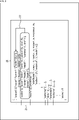
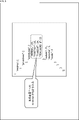
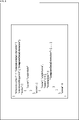
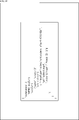
- FIG. 1 It is a figure which shows the main configuration example of glTF2.0. It is a figure which shows the example of the reference relation with a glTF object. It is a figure which shows the description example of the JSON format file. It is a figure explaining the access method to the binary data. It is a figure which shows the description example of the JSON format file. It is a figure explaining the relationship of a buffer object, a buffer view object, and an accessor object. It is a figure which shows the description example of a buffer object, a buffer view object, and an accessor object. It is a figure explaining the extension method of glTF2.0. It is a figure explaining the extension for handling Timed media. It is a figure explaining the extension for handling Timed media.
- Non-Patent Document 1 (above)
- Non-Patent Document 2 (above)
- Non-Patent Document 3 (above)
- glTF The GL Transmission Format
- glTF2.0 for example, as shown in FIG. 1, it is composed of a JSON format file (.glTF), a binary file (.bin), and an image file (.png, .jpg, etc.).
- Binary files store binary data such as geometry and animation.
- the image file stores data such as textures.
- the JSON format file is a scene description file described in JSON (JavaScript (registered trademark) Object Notation).
- a scene description is metadata that describes a scene (description) of 3D content. The description of this scene description defines what kind of scene it is.
- a scene description file is a file that stores such a scene description. In the present disclosure, the scene description file is also referred to as a scene description file.
- the JSON format file description consists of a list of KEY and VALUE pairs. An example of the format is shown below. “KEY”: ”VALUE”
- the key is composed of a character string.
- a value is composed of a numerical value, a character string, a boolean value, an array, an object, or null.
- key / value pairs (“KEY”: ”VALUE”) can be grouped together using ⁇ (curly braces).
- ⁇ curly braces
- JSON objects An example of the format is shown below. “User”: ⁇ "id”: 1, "name”: “tanaka” ⁇
- JSON object that combines a pair of "id”: 1 and a pair of "name”: “tanaka” is defined as the value corresponding to the key (user).
- 0 or more values can be arranged using [] (square brackets).
- This array is also called a JSON array.
- a JSON object can be applied as an element of this JSON array.
- An example of the format is shown below. test “: ["hoge “,” fuga “,” bar “] "users”: [ ⁇ "id”: 1, "name”: “tanaka” ⁇ , ⁇ "id”: 2, "name”: “yamada” ⁇ , ⁇ "id”: 3, "name”: "sato”” ⁇ ]
- Figure 2 shows the glTF objects that can be described at the top level of the JSON format file and the reference relationships that they can have.
- the long circles in the tree structure shown in FIG. 2 indicate objects, and the arrows between the objects indicate reference relationships.
- objects such as "scene”, “node”, “mesh”, “camera”, “skin”, “material”, “texture” are described at the top level of the JSON format file.
- FIG. 3 shows a description example of such a JSON format file (scene description).
- the JSON format file 20 of FIG. 3 shows a description example of a part of the uppermost level.
- the top-level object 21 is a glTF object shown in FIG.
- reference relationships between objects are shown as shown by arrows 22. More specifically, the reference relationship is shown by specifying the index of the element of the array of the referenced object in the property of the superordinate object.
- FIG. 4 is a diagram illustrating a method of accessing binary data.
- the binary data is stored in a buffer object. That is, information for accessing binary data in the buffer object (for example, URI (Uniform Resource Identifier), etc.) is shown.
- URI Uniform Resource Identifier
- FIG. 4 from an object such as a mesh (mesh), a camera (camera), a skin (skin), etc., an accessor object (accessor object) and a buffer view are given to the buffer object. It can be accessed via an object (bufferView object).
- FIG. 5 shows a description example of a mesh object (mesh) in a JSON format file.
- vertex attributes such as NORMAL, POSITION, TANGENT, and TEXCORD_0 are defined as keys, and the accessor object to be referenced is specified as a value for each attribute. Has been done.
- FIG. 6 shows the relationship between the buffer object, buffer view object, and accessor object. Further, FIG. 7 shows a description example of those objects in the JSON format file.
- the buffer object 41 is an object that stores information (URI, etc.) for accessing binary data that is actual data, and information indicating the data length (for example, byte length) of the binary data.
- FIG. 7A shows a description example of the buffer object 41.
- the "" bytelength “: 102040" shown in A of FIG. 7 indicates that the byte length of the buffer object 41 is 102040 bytes (bytes) as shown in FIG.
- "" uri “:” duck.bin “” shown in A of FIG. 7 indicates that the URI of the buffer object 41 is "duck.bin” as shown in FIG.
- the buffer view object 42 is an object that stores information about a subset area of binary data specified in the buffer object 41 (that is, information about a part of the area of the buffer object 41).
- FIG. 7B shows a description example of the buffer view object 42.
- the buffer view object 42 indicates, for example, the identification information of the buffer object 41 to which the buffer view object 42 belongs, and the position of the buffer view object 42 in the buffer object 41.
- Information such as an offset (for example, byte offset) and a length (for example, byte length) indicating the data length (for example, byte length) of the buffer view object 42 is stored.
- each buffer view object that is, for each subset area.
- information such as “" buffer “: 0”, “" bytelength “: 25272", and “" byteOffset “: 0" shown on the upper side in B of FIG. 7 is shown in the buffer object 41 in FIG. This is the information of the first buffer view object 42 (bufferView [0]).
- information such as "" buffer “: 0”, “" bytelength ": 76768", and "" byteOffset ": 25272" shown at the lower side in B of FIG. 7 is shown in the buffer object 41 in FIG. This is the information of the second buffer view object 42 (bufferView [1]).
- the "" buffer “: 0" of the first buffer view object 42 (bufferView [0]) shown in B of FIG. 7 is the buffer view object 42 (bufferView [0]) as shown in FIG. Indicates that the identification information of the buffer object 41 to which the is belonging is "0" (Buffer [0]). Further, “" bytelength ": 25272” indicates that the byte length of the buffer view object 42 (bufferView [0]) is 25272 bytes. Further, “" byteOffset “: 0" indicates that the byte offset of the buffer view object 42 (bufferView [0]) is 0 bytes.
- the "" buffer “: 0" of the second buffer view object 42 (bufferView [1]) shown in B of FIG. 7 is the buffer view object 42 (bufferView [0]) as shown in FIG. Indicates that the identification information of the buffer object 41 to which the is belonging is "0" (Buffer [0]). Further, “" bytelength “: 76768” indicates that the byte length of the buffer view object 42 (bufferView [0]) is 76768 bytes. Further, “" byteOffset ": 25272” indicates that the byte offset of the buffer view object 42 (bufferView [0]) is 25272 bytes.
- the accessor object 43 is an object that stores information regarding a method of interpreting data of the buffer view object 42.
- FIG. 7C shows a description example of the accessor object 43.
- the accessor object 43 has, for example, identification information of the buffer view object 42 to which the accessor object 43 belongs, and an offset indicating the position of the buffer view object 42 in the buffer object 41. (For example, byte offset), the component type of the buffer view object 42, the number of data stored in the buffer view object 42, the type of data stored in the buffer view object 42, and the like are stored. This information is described for each buffer view object.
- FIG. 8 is a diagram illustrating an extension method of glTF 2.0.
- the description example shown in FIG. 8 shows a description example in which a newly defined object (CompareDataExtension) is stored in the extension object of the scene object.
- a new object (CompareDataExtension) is stored in the extension object (extensions) of the scene object ("scenes").
- the name of the new object is defined in "extensionUsed” and "extensionRequired”. This indicates that the new object is the object needed for loading.
- Timed media is media data that changes in the time axis direction, such as a moving image in a two-dimensional image.
- GlTF was applicable only to still image data as media data (3D object content). In other words, glTF did not support moving image media data.
- animation a method of switching still images along the time axis
- timed media for example, video data
- glTF 2.0 is applied
- JSON format file is applied as a scene description
- glTF is extended so that timed media (for example, video data) can be handled as media data. Is being considered. For example, the following extensions are made to handle timed media.
- FIG. 9 is a diagram illustrating an extension for handling timed media.
- extension objects extensions
- MPEG_media MPEG media object that manages actual data such as video data. That is, the MPEG media object stores information about actual data such as video data.
- an MPEG video texture object (MPEG_video_texture) is provided as an extension object (extensions) of the texture object (texture).
- the MPEG video texture object stores the accessor information corresponding to the buffer object to be accessed. That is, the accessor information corresponding to the buffer object in which the texture media (texture media) specified by the MPEG media object (MPEG_media) is decoded and stored is stored in the MPEG video texture object.
- FIG. 10 is a diagram showing a description example of an MPEG media object (MPEG_media) and an MPEG video texture object (MPEG_video_texture) in a scene description for explaining an extension for handling timed media.
- MPEG_media MPEG media object
- MPEG_video_texture MPEG video texture object
- an MPEG video texture object MPEG_video_texture
- extension object extensions
- the index of the accessor (2" in this example) is specified as the value of the MPEG video texture object.
- an MPEG media object (MPEG_media) is set as an extension object (extensions) of glTF as shown below in the 7th to 16th lines from the top. Then, as the value of the MPEG media object, various information about the MPEG media object such as the encoding and URI of the MPEG media object is stored.
- an MPEG circular buffer object (MPEG_circular_buffer) is provided as an extension object (extensions) of the buffer object (buffer).
- the MPEG circular buffer object stores information for dynamically storing data in the buffer object. For example, information such as information indicating the data length of the buffer header (bufferHeader) and information indicating the number of frames is stored in this MPEG circular buffer object.
- the buffer header stores information such as an index, a time stamp of stored frame data, and data length.
- an MPEG timed accessor object (MPEG_timed_accessor) is provided as an extension object (extensions) of the accessor object (accessor).
- the buffer view object (bufferView) referenced in the time direction can change (the position can change). Therefore, the information indicating the buffer view object to be referenced is stored in this MPEG timed accessor object.
- the MPEG timed accessor object stores information indicating a reference to a buffer view object (bufferView) in which a timedaccessor information header is described.
- the timed accessor information header is, for example, header information that stores information in the dynamically changing accessor object and the buffer view object.
- FIG. 11 is a diagram showing a description example of an MPEG circular buffer object (MPEG_circular_buffer) and an MPEG timed accessor object (MPEG_timed_accessor) in a scene description for explaining an extension for handling timed media.
- MPEG timed accessor object MPEG_timed_accessor
- the MPEG timed accessor object MPEG_timed_accessor
- the value of the MPEG timed accessor object parameters such as the index of the buffer view object (“1” in this example), the update rate (updataRate), and the immutable information (immutable) and their values are specified.
- the MPEG circular buffer object (MPEG_circular_buffer) is set as the extension object (extensions) of the buffer object (buffer) as shown below in the 13th line from the top. Then, as the value of the MPEG circular buffer object, parameters such as buffer frame count (count), header length (headerLength), and update rate (updataRate) and their values are specified.
- FIG. 12 is a diagram for explaining an extension for handling timed media.
- FIG. 12 shows an example of the relationship between the MPEG timed accessor object and the MPEG circular buffer object and the accessor object, the buffer view object, and the buffer object.
- the MPEG circular buffer object of the buffer object stores time-varying data in the buffer area indicated by the buffer object, such as buffer frame count (count), header length (headerLength), update rate (updataRate), etc. Contains the information needed to do this. Further, parameters such as an index (idex), a time stamp (timestamp), and a data length (length) are stored in the buffer header (bufferHeader) which is the header of the buffer area.
- bufferHeader the buffer header of the buffer area.
- the MPEG timed accessor object of the accessor object stores information about the buffer view object to be referenced, such as the index (bufferView), update rate (updataRate), and immutable information (immutable) of the buffer view object.
- the object stores information about the buffer view object in which the timed accessor information header to be referenced is stored.
- the time stamp delta timestamp_delta
- the update data of the accessor object, the update data of the buffer view object, and the like can be stored in the timed accessor information header.
- the audio data is also managed in the MPEG media object and linked via the accessor object, the buffer view object, and the buffer object in the same manner as the above-mentioned texture.
- FIG. 13 is a diagram illustrating a method of associating 3D object contents.
- the texture object (texture) is expanded to provide an MPEG timed texture object (corresponding to the MPEG video texture object of FIG. 9).
- the index of the accessor object (accessor index) is used, and the accessor object of the reference destination is associated.
- the accessor object is expanded to provide an MPEG timed accessor, and the buffer view object index (bufferView index) is used in the MPEG timed accessor to associate the referenced buffer view object. Further, in the buffer view object, the index of the buffer object (bufferindex) is used, and the buffer object of the reference destination is associated with the buffer view object. Then, the buffer object is expanded to provide an MPEG circular buffer object, and the index (source index) of the MPEG media object (MPEG_media) is used to associate the referenced MPEG media object.
- the node object (Node) is expanded to provide an MPEG spatial audio object (corresponding to the MPEG video texture object of FIG. 9). Then, in the MPEG spatial audio object, the index of the accessor object (accessor index) is used, and the accessor object of the reference destination is associated.
- the accessor object is expanded to provide an MPEG timed accessor, and the buffer view object index (bufferView index) is used in the MPEG timed accessor to associate the referenced buffer view object. Further, in the buffer view object, the index of the buffer object (bufferindex) is used, and the buffer object of the reference destination is associated with the buffer view object. Then, the buffer object is expanded to provide an MPEG circular buffer object, and the index (source index) of the MPEG media object (MPEG_media) is used to associate the referenced MPEG media object.
- the 3D object placed in the scene and the 3D object content are linked as follows.
- FIG. 14 is a diagram showing a description example of an MPEG media object (MPEG_media) in a scene description. Information about media including URIs, tracks, and the like is described in the 5th to 10th lines from the top of FIG. 2.
- MPEG_circular_buffer extension From the MPEG circular buffer object (MPEG_circular_buffer extension), refer to the element ID (source index) of the media array and specify the media stored in the buffer object (buffer).
- 3. A buffer view object (bufferview) for referencing the data of each track is specified, and an accessor object (accessor) showing how to interpret the data is specified.
- the 3D object (texture or audio) signals information about a reference to the accessor object (accessor).
- FIG. 15 is a diagram showing a description example of an alternative array of MPEG media objects in the scene description in that case.
- FIG. 15 when describing a plurality of switchable (selectable) 3D object contents in an MPEG media object, they are described using an alternative array. Each element of this alternative array is associated with different 3D object contents. That is, a plurality of 3D object contents are described so as to be switchable (selectable) by the alternative array. For example, in the case of FIG. 15, the 3D object content indicated by the element 91 of the alternative array and the 3D object content indicated by the element 92 can be switched (selectable).
- codec information information regarding coding of 3D object contents is described as codec information.
- the device that reproduces the 3D object content can select the 3D object content to be reproduced from the alternative array described in the MPEG media object based on the information about the 3D object content (for example, codec information). ..
- This codec information may include, for example, information such as the coding method, profile, and level of 3D object content.
- the device that reproduces the 3D object content can select the 3D object content to be reproduced based on the information. For example, a device that reproduces 3D object content can compare its own performance with the information thereof and select the optimum 3D object content as the 3D object content to be reproduced. For example, a device that reproduces 3D object content can select the highest quality 3D object content among the reproducible 3D object content as the 3D object content to be reproduced.
- FIG. 16A is a diagram showing a description example of the MPEG media object (MPEG_media) in the scene description in that case.
- This codec information includes information about the encoding method, profile, and level of 3D object content. Therefore, the device that reproduces the 3D object content can select and reproduce the reproducible element (3D object content) based on, for example, its own performance and this codec information.
- the MPEG media object is the 3D object content to be delivered.
- an MPD Media Presentation Description
- the information for selecting the 3D object content was not stored in the scene description (SceneDescription).
- FIG. 16B is a diagram showing a description example of the MPEG media object (MPEG_media) in the scene description in that case.
- MPD is specified as shown in mimeType and uri on the 7th, 8th, 10th, and 11th lines from the top, but the codec information of the 3D object content is not described. Therefore, it is difficult for the device that reproduces the 3D object content to select any element (that is, the 3D object content) from the alternative array based on the codec information of the 3D object content.
- the device that reproduces the 3D object content in order for the device that reproduces the 3D object content to select the 3D object content based on the information for selecting the 3D object content, it is necessary to acquire and analyze the MPD of all the elements.
- rice field For example, a device that reproduces 3D object content acquires and analyzes the MPD of each element, grasps the codec information of each 3D object content, identifies the optimum codec information from the codec information, and corresponds to the codec information in 3D. Complicated work such as acquiring object contents was required. Therefore, there is a possibility that the load of the reproduction process of the 3D object content will increase.
- information associated with MPD Media Presentation Description
- MPEG DASH Motion Picture Experts Group Dynamic Adaptive Streaming over HTTP
- Adaptation in that MPD.
- information associated with MPD MediaPresentationDescription
- MPEG DASH Motion Picture Experts Group Dynamic Adaptive Streaming over HTTP
- Adaptation in that MPD.
- a file generation unit that generates a scene description file that describes a scene of 3D object content including information on encoding of Representation included in Set.
- a device that reproduces 3D object content by describing and transmitting information related to the encoding of representation included in the adaptation set in MPD in a scene description file (scene description). Can select 3D object content to play based on the information about its encoding. That is, the device that reproduces the 3D object content can be easily described in the scene description without the need for complicated work such as acquiring and analyzing the MPDs of all the elements of the alternative array described in the scene description. Based on the information about the encoded encoding, the 3D object content to be played can be selected. Therefore, it is possible to suppress an increase in the load of the reproduction process.
- 3D object content including information associated with MPD (Media Presentation Description) that stores metadata of 3D object content distributed using MPEG DASH (Moving Picture Experts Group Dynamic Adaptive Streaming over HTTP).
- the scene description file that describes the scene of Decode the coded data of the 3D object content.
- 3D object content including information associated with MPD (Media Presentation Description) that stores metadata of 3D object content distributed using MPEG DASH (Moving Picture Experts Group Dynamic Adaptive Streaming over HTTP) in an information processing device.
- a selection unit that analyzes the scene description file that describes the scene and selects the 3D object content to be decoded based on the information about the encoding of the Representation included in the Adaptation Set in MPD contained in the scene description file. It is provided with a decoding unit that decodes the encoded data of the 3D object content selected by the selection unit.
- the device that reproduces the 3D object content does not require complicated work such as acquiring and analyzing the MPD of all the elements of the alternative array described in the scene description file (scene description). You can easily select the 3D object content to play based on the encoding information described in the scene description. Therefore, it is possible to suppress an increase in the load of the reproduction process.
- Information about this encoding may be stored in the tracks array of each element of the alternative array of the MPEG media object (extension object) (MPEG_media extension). Then, when playing back the 3D object content, the information regarding encoding (codec information) stored in the tracks array of each element of the alternative array of the MPEG media object (extended object) of the scene description file is used. Based on this, the 3D object content to be decoded may be selected from the alternative array.
- the flow of the reproduction process can be the same as the case of transmitting the MP4 file including the 3D object content.
- it is not necessary to change the processing flow between the case of distributing the 3D object file using MPEG DASH and the case of transmitting the MP4 file including the 3D object content, and the device for reproducing the 3D object content. It is possible to suppress an increase in mounting cost.
- the content of this codec information is arbitrary as long as it contains information related to coding.
- the codec information may include information about the coding scheme, profile, and level applied to the coding of the representation. Then, when playing back the 3D object content, the 3D object content to be decoded may be selected based on the information about the encoding method, the profile, and the level.
- the codec information may include a part of this information or may include other information.
- the device that reproduces the 3D object content is based on information about the encoding method, profile, and level applied to the encoding of any of the representations contained in the 3D object content (adaptation set). Since the 3D object content to be decoded can be selected, a more appropriate 3D object content can be easily selected. For example, a device that reproduces 3D object content can compare these information applied to each 3D object content with its own ability and select reproducible 3D object content.
- ⁇ Method 1> For example, as shown in the second row from the top of the table shown in FIG. 17, a single codec information may be stored in the track array. That is, one codec information may be stored for each track (method 1).
- FIG. 18 shows a description example of the MPEG media object (MPEG_media) of the scene description in that case.
- the track array (tracks []) of the first element of the alternative array (alternatives []) in the media array (media []) of the MPEG media object (MPEG_media) has one codec. Information is described ("codecs": "avc1.42E01E”). This codec information is the codec information of any representation in the adaptation set that corresponds to the track of the first element of the alternative array.
- codec information is described in the track array (tracks []) of the second element of the alternative array (alternatives []) ("codecs": "hev1.1.6.L93.B0". ).
- This codec information is the codec information of any representation in the adaptation set that corresponds to the track of the second element of the alternative array.
- the track array of each element of the alternative array stores the codec information of any representation in the adaptation set corresponding to that track.
- the device that reproduces the 3D object content can select the 3D object content to be decoded based on the codec information of any of the representations included in the 3D object content (adaptation set). , Easier to select more suitable 3D object content.
- a device that reproduces 3D object content can compare the codec information of each 3D object content with its own ability and select reproducible 3D object content.
- One codec information stored in this track array may be, for example, codec information common to all representations in the adaptation set. That is, the codec information of all representations contained in the adaptation set may be the same, and the codec information shown in the track array may be applicable to all representations contained in the adaptation set. ..
- this codec information is the codec information (that is, the highest value) of the representation with the highest coding quality among all the representations included in the corresponding adaptation set, or the codec information with the lowest coding quality. It may include the codec information (ie, the lowest value) of the presentation. Then, when playing back the 3D object content, the 3D object content to be decoded may be selected based on the codec information of the highest value or the lowest value (for example, information on the coding method, profile, and level). ..
- the definition of the maximum and minimum values of codec information is arbitrary.
- parameters such as bit depth and color component format (chroma format) are shown as profiles, and parameters such as resolution and frame rate are shown as levels.
- the maximum value of the codec information may indicate the maximum value of the parameter of the profile or level
- the minimum value of the codec information may indicate the minimum value of the parameter of the profile or level.
- the device that reproduces the 3D object content can easily play the adaptation set (3D object content).
- Sufficient performance can be grasped.
- a device that reproduces 3D object content reproduces the entire adaptation set (3D object content) if its ability is higher than its maximum value, that is, if it can reproduce the representation corresponding to that maximum value. be able to.
- a device that reproduces 3D object content can easily grasp such a thing based on the maximum value of the codec information shown in the MPEG media object.
- a device that reproduces 3D object content can more reliably reproduce the selected 3D object content by selecting the 3D object content whose ability is higher than the maximum value of the codec information.
- the device that reproduces the 3D object content can easily perform the adaptation set (3D). It is possible to grasp the performance required for playback of object content). For example, a device that plays 3D object content will play any representation in its adaptation set if its ability is lower than its minimum, that is, if the representation corresponding to that minimum cannot be played. It's impossible. A device that reproduces 3D object content can easily grasp such a thing based on the minimum value of the codec information shown in the MPEG media object.
- a device that reproduces 3D object content excludes 3D object content whose ability is lower than the minimum value of the codec information from the candidates, and selects the 3D object content to be reproduced from the candidates that are not excluded. , More easily select playable 3D object content.
- the scene description may be able to indicate either the maximum value or the minimum value of the codec information.
- flag information indicating whether the indicated codec information is the highest value or the lowest value may be transmitted.
- the device that reproduces the 3D object content can easily grasp the MPEG DASH profile applied to the distribution of the 3D object content.
- information about the MPEG DASH profile may be stored in the mimeType of each element of the alternative array of the MPEG media object in the scene description file. Then, when playing back the 3D object content, the 3D object content to be decoded is selected based on the information about the MPEG DASH profile stored in the mimeType of each element of the alternative array of the MPEG media object of the scene description file. You may.
- FIG. 19 is a diagram showing a description example of the MPEG media object (MPEG_media) of the scene description in that case.
- MPEG_media the MPEG media object
- each element of the alternative array (alternatives []) in the media array (media []) of the MPEG media object (MPEG_media) has a profile of MPEG DASH in addition to the above-mentioned codec information. Information about is described.
- the mimeType of each element of the alternative array describes information about the MPEG DASH profile (profiles: "urn: mpeg: dash: profile: isoff-live: 2011").
- the device that reproduces the 3D object content can easily grasp the MPEG DASH profile applied to the distribution of the 3D object content.
- FIG. 16A A description example of the MPEG media object (MPEG_media) of the scene description when transferring an MP4 file containing 3D object contents is shown in FIG. 16A.
- the codec information for each element of the alternative array is shown in mimeType.
- mimeType the codec information for each element of the alternative array.
- codec information may be stored in the track array of each element of the alternative array.
- FIG. 20 is a diagram showing a description example of the MPEG media object (MPEG_media) of the scene description in that case.
- MPEG_media MPEG media object
- the codec information of the representation included in the adaptation set of each element of the alternative array is stored in the track array of that element (9th line from the top ("codecs”: “avc1). .42E01E "), 12th line from the top (“codecs ":” hev1.1.6.L93.B0 ”)).
- the codec information can be stored at the same position as when the file containing the 3D object content shown in FIGS. 18 and 19 is delivered using MPEG DASH.
- the device that reproduces the 3D object content has the same processing flow as the case where the MP4 file containing the 3D object content is transferred and the case where the file containing the 3D object content is delivered using MPEG DASH.
- a profile alternative array (profile_alternatives []) is provided in the media array (media []) of the MPEG media object (MPEG_media), and the profile alternative array is provided.
- Information about the MPEG DASH profile may be stored in the mimeType of each element (method 1-2). That is, when the information about the profile of MPEG DASH is common to a plurality of elements (tracks) of the alternative array, they may be described together.
- information about the MPEG DASH profile may be stored in the mimeType of each element of the profile alternative array of the MPEG media object in the scene description file. Then, when playing back the 3D object content, the 3D object content to be decoded is selected based on the information about the MPEG DASH profile stored in the mimeType of each element of the profile alternative array of the MPEG media object in the scene description file. You may.
- FIG. 21 is a diagram showing a description example of the MPEG media object (MPEG_media) of the scene description in that case.
- a profile alternative array profile_alternatives []
- media [] media of the MPEG media object
- mimeType is also shown for each element of the profile alternative array (that is, outside the alternative array).
- the mimeType stores information about the MPEG DASH profile. For example, (profiles: “urn: mpeg: dash: profile: isoff-on-demand: 2011”) is described as the profile information in the mimeType on the eighth line from the top of FIG. 21. Further, in the mimeType on the 16th line from the top of FIG. 21, (profiles: “urn: mpeg: dash: profile: isoff-live: 2011”) is described as the profile information.
- the number of descriptions of information regarding the MPEG DASH profile can be reduced. For example, if two types of codec information and information on two types of MPEG DASH profiles are combined, the number of elements of the alternative array becomes four. Therefore, in the case of the description example of FIG. 19, four types of information on the MPEG DASH profile are provided. Need to be described. On the other hand, in the case of the description example of FIG. 21, two pieces of information regarding the MPEG DASH profile may be described. Therefore, it is possible to suppress an increase in the amount of data in the scene description.
- ⁇ Method 2> For example, as shown in the fifth row from the top of the table shown in FIG. 17, a plurality of codec information may be stored in the track array. That is, a plurality of codec information may be stored for each track (method 2).
- Method 2-1 For example, as shown in the sixth row from the top of the table shown in FIG. 17, the maximum value and the minimum value of the codec information in the adaptation set may be stored (method 2-1).
- this codec information is the codec information (ie, the highest value) of the representation with the highest coding quality among all the representations contained in the corresponding adaptation set, as well as the codec information with the lowest coding quality. It may include the codec information (ie, the lowest value) of the presentation. That is, both the minimum value and the maximum value of the codec information may be included. Then, when playing back the 3D object content, the 3D object content to be decoded may be selected based on the codec information of the highest value and the lowest value (for example, information on the coding method, profile, and level). ..
- the definition of the maximum and minimum values of codec information is arbitrary.
- the profile shows parameters such as bit depth and color component format
- the level shows parameters such as resolution and frame rate.
- the maximum value of the codec information may indicate the maximum value of the parameter of the profile or level
- the minimum value of the codec information may indicate the minimum value of the parameter of the profile or level.
- FIG. 22 is a diagram showing a description example of the MPEG media object (MPEG_media) of the scene description in that case.
- MPEG_media two codec information is described in the track array of each element of the alternative array of the MPEG media object (MPEG_media).
- codecs “avc1.42E01E” and “avc1.64000d”
- codecs “avc1.42E01E avc1.64000d”
- codecs “hev1.1.6.L93.B0” and “hev1.1.6.L153.90”
- These two codec information of each track array indicate the maximum value and the minimum value of the codec information, respectively.
- 3D object content may be selected based on the width (that is, both the minimum value and the maximum value).
- the method of reference is arbitrary.
- the 3D object content having the larger minimum value may be selected.
- the 3D object content having the larger maximum value may be selected.
- the 3D object content may be selected according to the position of its width (for example, which is closer to the highest value or the lowest value) of its own ability.
- methods other than these may be used.
- the device for reproducing the 3D object content may select and apply any one of the plurality of methods.
- the minimum value and the maximum value of the codec information are separated by a space, but the method of separating the minimum value and the maximum value is arbitrary and is not limited to this example. For example, other symbols such as a colon may be used to separate the lowest and highest values. Further, a dedicated property may be provided for each of the maximum value and the minimum value, and the maximum value or the minimum value may be indicated in each property.
- Method 2-2 For example, as shown at the bottom of the table shown in FIG. 17, codec information of all representations included in the adaptation set may be stored (method 2-2).
- this codec information may include the codec information of the representation with the highest coding quality among all the representations included in the corresponding adaptation set. Then, when playing back the 3D object content, the 3D object content to be decoded may be selected based on all the codec information (for example, information on the coding method, profile, and level).
- FIG. 23 is a diagram showing a description example of the MPEG media object (MPEG_media) of the scene description in that case.
- MPEG_media MPEG media object
- the codec information of all the representations included in the adaptation set is described. For example, in the track array on the 15th line, three codecs, "avc1.42E01E”, “avc1.640028”, and “avc1.640030", are shown ("codecs": "avc1.42E01E avc1.” 640028 avc1.640030 ").
- each track array describes the codec information of all representations included in the adaptation set.
- the quality of all representations included in the adaptation set can be expressed. That is, it is possible to easily grasp whether or not each representation is playable.
- the method of selecting 3D object content based on the codec information of all such representations is arbitrary. For example, when there are a plurality of playable tracks (adaptation sets), the 3D object content having more (or less) playable representations may be selected. Further, the 3D object content having the higher (or lower) average value of the codec information of each representation may be selected. Of course, methods other than these may be used. Further, the device for reproducing the 3D object content may select and apply any one of the plurality of methods.
- the minimum value and the maximum value of the codec information are separated by a space, but the method of separating the minimum value and the maximum value is arbitrary and is not limited to this example. For example, other symbols such as a colon may be used to separate the lowest and highest values. Further, a dedicated property may be provided for each of the maximum value and the minimum value, and the maximum value or the minimum value may be indicated in each property.
- each codec information is separated by a space, but the method of dividing the codec information is arbitrary and is not limited to this example. For example, other symbols such as a colon may be used to separate the codec information.
- ⁇ method 2> (method ⁇ 2-1> and method ⁇ 2-2>)
- the MPEG media object (MPEG_media).
- a profile alternative array (profile_alternatives []) may be provided in the media array (media []), and information about the MPEG DASH profile (profile) may be stored in the mimeType of each element of the profile alternative array.
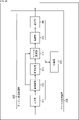
- FIG. 24 is a block diagram showing an example of the configuration of a file generation device, which is an aspect of an information processing device to which the present technology is applied.
- the file generation device 300 shown in FIG. 24 is a device that generates information for distribution of 3D object contents.
- the file generation device 300 generates a 3D object content file to be distributed using MPEG DASH and its MPD, and generates a scene description file (scene description) of the 3D object content.
- FIG. 24 shows the main things such as the processing unit and the data flow, and not all of them are shown in FIG. 24. That is, in the file generation device 300, there may be a processing unit that is not shown as a block in FIG. 24, or there may be a processing or data flow that is not shown as an arrow or the like in FIG. 24.
- the file generation device 300 has a control unit 301 and a file generation processing unit 302.
- the control unit 301 controls the file generation processing unit 302.
- the file generation processing unit 302 is controlled by the control unit 301 to perform processing related to file generation. For example, the file generation processing unit 302 generates a 3D object content file to be distributed using MPEG DASH and its MPD. Further, the file generation processing unit 302 generates a scene description file corresponding to the 3D object content file.
- the file generation processing unit 302 outputs the generated file to the outside of the file generation device 300.
- the file generation processing unit 302 has an input unit 311, a preprocessing unit 312, an encoding unit 313, a file generation unit 314, a recording unit 315, and an output unit 316.
- the input unit 311 acquires the 3D object content and supplies it to the preprocessing unit 312.
- the preprocessing unit 312 extracts information necessary for file generation from the 3D object content.
- the preprocessing unit 312 supplies the extracted information to the file generation unit 314. Further, the preprocessing unit 312 supplies the 3D object content to the coding unit 313.
- the coding unit 313 encodes the 3D object content supplied from the preprocessing unit 312 and generates coded data (bitstream).
- the coding unit 313 supplies the coded data of the generated 3D object content to the file generation unit 314.
- the file generation unit 314 acquires the coded data of the 3D object content supplied from the coding unit 313. Further, the file generation unit 314 acquires the information supplied from the preprocessing unit 312.
- the file generation unit 314 generates a 3D object content file that stores the encoded data of the acquired 3D object content. Further, the file generation unit 314 generates an MPD corresponding to the 3D object content file. The file generation unit 314 appropriately uses the information supplied from the preprocessing unit 312 to execute these processes. For example, the file generation unit 314 stores the information supplied from the preprocessing unit 312 in the 3D object content file or MPD.
- the file generation unit 314 generates a scene description file corresponding to the generated 3D object content file. At that time, the file generation unit 314 has ⁇ 2. Transmission of codecs information of Representation> The above-mentioned technology is applied to generate a scene description file. The file generation unit 314 has ⁇ 2. Any one or more of the methods of the present technology described above can be applied in the transmission of codecs information and the like of Representation.
- the file generation unit 314 is a scene description including information related to the MPD that stores the metadata of the 3D object content distributed using MPEG DASH and information related to the encoding of the representation included in the adaptation set in the MPD. Generate a file.
- the file generation unit 314 may store the information related to the encoding in the track array of the alternative array of the MPEG media object (MPEG_media extension) of the scene description file.
- MPEG_media extension MPEG media object
- the file generation unit 314 may also store coding information, including information about the coding method, profile, and level applied to the representation coding, in the scene description file.
- the file generator 314 has information about the encoding of the representation with the highest quality of encoding among all the representations included in the adaptation set (eg, information about the encoding method, profile, and level).
- information about the encoding of the lowest quality representation may be stored in the scene description file.
- the file generator 314 has information on the coding of the representation with the highest coding quality among all the representations included in the adaptation set (eg, information on the coding method, profile, and level). Also, information about the encoding of the lowest quality representation (eg, information about the coding scheme, profile, and level) may be stored in the scene description file.
- the file generation unit 314 may store information regarding the coding of all representations included in the adaptation set (for example, information regarding the coding method, profile, and level) in the scene description file.
- the file generation unit 314 may further store information about the MPEG DASH profile in the scene description file.
- the file generation unit 314 may store information about the MPEG DASH profile in the mimeType of the alternative array of the MPEG media object (MPEG_media extension) of the scene description file.
- the file generation unit 314 may store information about the MPEG DASH profile in the mimeType of the profile alternative array of the MPEG media object (MPEG_media extension) of the scene description file.
- the file generation unit 314 supplies the generated file to the recording unit 315.
- the recording unit 315 has an arbitrary recording medium such as a hard disk or a semiconductor memory, and records a file supplied from the file generation unit 314 on the recording medium. Further, the recording unit 315 reads out the file recorded on the recording medium according to the request of the control unit 301 or the output unit 316, or at a predetermined timing, and supplies the file to the output unit 316.
- the output unit 316 acquires a file supplied from the recording unit 315, and outputs the file to the outside of the file generation device 300 (for example, a distribution server, a playback device, etc.).
- the file generation device 300 for example, a distribution server, a playback device, etc.
- the file generation device 300 can describe and transmit information regarding the coding of the representation included in the adaptation set in the MPD in the scene description file (scene description). Then, the device for reproducing the 3D object content can select the 3D object content to be reproduced based on the information regarding the coding thereof. That is, the device that reproduces the 3D object content can be easily described in the scene description without the need for complicated work such as acquiring and analyzing the MPDs of all the elements of the alternative array described in the scene description. Based on the information about the encoded encoding, the 3D object content to be played can be selected. Therefore, it is possible to suppress an increase in the load of the reproduction process.
- the input unit 311 of the file generation device 300 acquires the 3D object content which is the data of the 3D object in step S301.
- step S302 the preprocessing unit 312 extracts the information to be stored in the file from the 3D object content acquired in step S301.
- step S303 the coding unit 313 encodes the 3D object content acquired in step S301 and generates the coded data of the 3D object content. Then, the file generation unit 314 generates a 3D object content file that stores the coded data of the 3D object content. At that time, the file generation unit 314 stores the information extracted in step S302 in the 3D object content file as appropriate.
- the file generation unit 314 generates an MPD corresponding to the 3D object content file.
- step S304 the file generation unit 314 generates a scene description file corresponding to the 3D object content file.
- the file generation unit 314 has ⁇ 2.
- Transmission of codecs information of Representation> The above-mentioned technology is applied to generate a scene description file.
- the file generation unit 314 has ⁇ 2. Any one or more of the methods of the present technology described above can be applied in the transmission of codecs information and the like of Representation.
- the file generation unit 314 is a scene description including information related to the MPD that stores the metadata of the 3D object content distributed using MPEG DASH and information related to the encoding of the representation included in the adaptation set in the MPD. Generate a file.
- the file generation unit 314 may store the information related to the encoding in the track array of the alternative array of the MPEG media object (MPEG_media extension) of the scene description file.
- MPEG_media extension MPEG media object
- the file generation unit 314 may also store coding information, including information about the coding method, profile, and level applied to the representation coding, in the scene description file.
- the file generator 314 has information about the encoding of the representation with the highest quality of encoding among all the representations included in the adaptation set (eg, information about the encoding method, profile, and level).
- information about the encoding of the lowest quality representation may be stored in the scene description file.
- the file generator 314 has information on the coding of the representation with the highest coding quality among all the representations included in the adaptation set (eg, information on the coding method, profile, and level). Also, information about the encoding of the lowest quality representation (eg, information about the coding scheme, profile, and level) may be stored in the scene description file.
- the file generation unit 314 may store information regarding the coding of all representations included in the adaptation set (for example, information regarding the coding method, profile, and level) in the scene description file.
- the file generation unit 314 may further store information about the MPEG DASH profile in the scene description file.
- the file generation unit 314 may store information about the MPEG DASH profile in the mimeType of the alternative array of the MPEG media object (MPEG_media extension) of the scene description file.
- the file generation unit 314 may store information about the MPEG DASH profile in the mimeType of the profile alternative array of the MPEG media object (MPEG_media extension) of the scene description file.
- step S305 the recording unit 315 records the file (for example, 3D object content file, MPD, scene description file, etc.) generated in step S304 on the recording medium.
- the file for example, 3D object content file, MPD, scene description file, etc.
- step S306 the output unit 316 reads the file recorded in step S305 from the recording medium, and outputs the read file to the outside of the file generation device 300 at a predetermined timing.
- step S306 When the process of step S306 is completed, the file generation process is completed.
- the file generation device 300 can describe and transmit information regarding the coding of the representation included in the adaptation set in the MPD in the scene description file (scene description). can. Then, the device for reproducing the 3D object content can select the 3D object content to be reproduced based on the information regarding the coding thereof. That is, the device that reproduces the 3D object content can be easily described in the scene description without the need for complicated work such as acquiring and analyzing the MPDs of all the elements of the alternative array described in the scene description. Based on the information about the encoded encoding, the 3D object content to be played can be selected. Therefore, it is possible to suppress an increase in the load of the reproduction process.
- FIG. 26 is a block diagram showing an example of a configuration of a client device, which is an aspect of an information processing device to which the present technology is applied.
- the client device 400 shown in FIG. 26 is a playback device that performs playback processing of 3D object content based on a scene description file (scene description).
- scene description file scene description
- the client device 400 reproduces the 3D object content stored in the 3D object content file distributed by using MPEG DASH generated by the file generation device 300.
- the client device 400 decodes the coded data of the 3D object content stored in the 3D object content file based on the scene description file, renders the generated 3D object content, and generates a display image. indicate.
- FIG. 26 shows the main things such as the processing unit and the flow of data, and not all of them are shown in FIG. 26. That is, in the client device 400, there may be a processing unit that is not shown as a block in FIG. 26, or there may be a processing or data flow that is not shown as an arrow or the like in FIG. 26.
- the client device 400 has a control unit 401 and a reproduction processing unit 402.
- the control unit 401 performs processing related to the control of the reproduction processing unit 402.
- the reproduction processing unit 402 performs processing related to reproduction of the 3D object content stored in the 3D object content file.
- the reproduction processing unit 402 is controlled by the control unit 401 to acquire a scene description file from a distribution server (not shown) or the like.
- the reproduction processing unit 402 acquires a 3D object content file for storing the 3D object content to be reproduced based on the scene description file. Then, the reproduction processing unit 402 performs reproduction processing of the 3D object content stored in the acquired 3D object content file.
- the reproduction processing unit 402 includes a file acquisition unit 411, a file processing unit 412, a decoding unit 413, a display information generation unit 414, a display unit 415, and a display control unit 416.
- the file acquisition unit 411 acquires a scene description file supplied from the outside of the client device 400, such as a distribution server or a file generation device 300.
- the file acquisition unit 411 supplies the acquired scene description file to the file processing unit 412.
- the file acquisition unit 411 acquires an MPD corresponding to the 3D object content to be reproduced, a 3D object content file for storing the 3D object content, and the like according to the control of the file processing unit 412 using the scene description file.
- This 3D object content file is distributed using MPEG DASH.
- the file acquisition unit 411 supplies those acquired files to the file processing unit 412.
- the file processing unit 412 acquires the scene description file supplied from the file acquisition unit 411.
- the file processing unit 412 selects the 3D object content to be reproduced based on the acquired scene description file. Then, the file processing unit 412 controls the file acquisition unit 411 and acquires the MPD corresponding to the 3D object content file that stores the selected 3D object content. Then, the file processing unit 412 acquires a 3D object content file that stores the selected 3D object content based on the MPD.
- the file processing unit 412 is ⁇ 2.
- the above-mentioned technology is applied in the transmission of codecs information of Representation>.
- the file processing unit 412 is described in ⁇ 2. Any one or more of the methods of the present technology described above can be applied in the transmission of codecs information and the like of Representation.
- the file processing unit 412 analyzes a scene description file containing information associated with the MPD that stores the metadata of the 3D object content distributed using MPEG DASH, and the adaptation set in the MPD included in the scene description file. Select the 3D object content to decode based on the information about encoding the representation contained in.
- the file processing unit 412 may select the 3D object content to be decoded based on the information regarding the encoding stored in the track array of the alternative array of the MPEG media object (MPEG_media extension) of the scene description file. ..
- the file processing unit 412 may select the 3D object content to be decoded based on the information regarding the coding method, profile, and level stored in the scene description file and applied to the coding of the representation. ..
- the file processing unit 412 provides information on the coding of the representation having the highest coding quality among all the representations included in the adaptation set stored in the scene description file (for example, the coding method, etc.).
- Information about the profile and level) or information about the encoding of the lowest quality representation may be used to select the 3D object content to decrypt. ..
- the file processing unit 412 provides information on the coding of the representation having the highest coding quality among all the representations included in the adaptation set stored in the scene description file (for example, the coding method, etc.).
- Information about the profile and level), as well as information about the encoding of the lowest quality representation may be used to select the 3D object content to decrypt. ..
- the file processing unit 412 decodes based on the information regarding the coding of all the representations included in the adaptation set (for example, the information regarding the coding method, the profile, and the level) stored in the scene description file. You may select 3D object content.
- the file processing unit 412 may further select the 3D object content to be decoded based on the information regarding the MPEG DASH profile stored in the scene description file.
- the file processing unit 412 may select the 3D object content to be decoded based on the information about the MPEG DASH profile stored in the mimeType of the alternative array of the MPEG media object (MPEG_media extension) of the scene description file.
- the file processing unit 412 may select the 3D object content to be decoded based on the information about the MPEG DASH profile stored in the mimeType of the profile alternative array of the MPEG media object (MPEG_media extension) of the scene description file. ..
- the file processing unit 412 supplies the 3D object content file acquired as described above to the decoding unit 413 and the display control unit 416.
- the decoding unit 413 decodes the coded data of the 3D object content stored in the 3D object content file supplied from the file processing unit 412. That is, the decoding unit 413 decodes the coded data of the 3D object content selected by the file processing unit 412. The decoding unit 413 supplies the 3D object content obtained by the decoding to the display information generation unit 414.
- the display information generation unit 414 acquires the 3D object content supplied from the decoding unit 413. Further, the display information generation unit 414 acquires the control information supplied from the display control unit 416. Then, the display information generation unit 414 generates the display image or the like from the acquired 3D object contents according to the control information. The display information generation unit 414 supplies the generated display image or the like to the display unit 415.
- the display unit 415 has a display device, and displays the display image supplied from the display information generation unit 414 using the display device.
- the display control unit 416 acquires the information supplied from the file processing unit 412.
- the display control unit 416 controls the display information generation unit 414 based on the information.
- the display control unit 416 controls the display of the display image by supplying control information to the display information generation unit 414.
- the client device 400 can easily obtain and analyze the MPDs of all the elements of the alternative array described in the scene description file (scene description) without requiring complicated work.
- the 3D object content to be reproduced can be selected based on the information regarding the encoding described in the scene description. Therefore, it is possible to suppress an increase in the load of the reproduction process.
- the file acquisition unit 411 of the client device 400 acquires the scene description file in step S401.
- step S402 the file processing unit 412 analyzes the scene description file acquired in step S401, and based on the coding information (codec information) stored in the scene description file, the 3D object content appropriate as a decoding target. Select. At that time, the file processing unit 412 is described in ⁇ 2. Transmission of codecs information, etc. of Representation> Apply the above-mentioned technology to select 3D object content. The file processing unit 412 is described in ⁇ 2. Any one or more of the methods of the present technology described above can be applied in the transmission of codecs information and the like of Representation.
- the file processing unit 412 analyzes a scene description file containing information associated with the MPD that stores the metadata of the 3D object content distributed using MPEG DASH, and the adaptation set in the MPD included in the scene description file. Select the 3D object content to decode based on the information about encoding the representation contained in.
- the file processing unit 412 may select the 3D object content to be decoded based on the information regarding the encoding stored in the track array of the alternative array of the MPEG media object (MPEG_media extension) of the scene description file. ..
- the file processing unit 412 may select the 3D object content to be decoded based on the information regarding the coding method, profile, and level stored in the scene description file and applied to the coding of the representation. ..
- the file processing unit 412 provides information on the coding of the representation having the highest coding quality among all the representations included in the adaptation set stored in the scene description file (for example, the coding method, etc.).
- Information about the profile and level) or information about the encoding of the lowest quality representation may be used to select the 3D object content to decrypt. ..
- the file processing unit 412 provides information on the coding of the representation having the highest coding quality among all the representations included in the adaptation set stored in the scene description file (for example, the coding method, etc.).
- Information about the profile and level), as well as information about the encoding of the lowest quality representation may be used to select the 3D object content to decrypt. ..
- the file processing unit 412 decodes based on the information regarding the coding of all the representations included in the adaptation set (for example, the information regarding the coding method, the profile, and the level) stored in the scene description file. You may select 3D object content.
- the file processing unit 412 may further select the 3D object content to be decoded based on the information regarding the MPEG DASH profile stored in the scene description file.
- the file processing unit 412 may select the 3D object content to be decoded based on the information about the MPEG DASH profile stored in the mimeType of the alternative array of the MPEG media object (MPEG_media extension) of the scene description file.
- the file processing unit 412 may select the 3D object content to be decoded based on the information about the MPEG DASH profile stored in the mimeType of the profile alternative array of the MPEG media object (MPEG_media extension) of the scene description file. ..
- step S403 the file acquisition unit 411 acquires the MPD corresponding to the 3D object content selected in step S402. Further, the file acquisition unit 411 acquires a 3D object content file for storing the 3D object content selected in step S402 based on the MPD.
- step S404 the file processing unit 412 extracts the coded data of the 3D object content selected in step S402 from the 3D object content file acquired in step S403.
- step S405 the decoding unit 413 decodes the coded data of the 3D object content extracted in step S404 and generates the 3D object content. That is, the decoding unit 413 decodes the coded data of the 3D object content selected in step S402.
- step S406 the display information generation unit 414 executes rendering using the 3D object content generated in step S405. That is, the display information generation unit 414 arranges a 3D object in the scene and generates a display image under the control of the display control unit 416.
- step S407 the display unit 415 displays the display image generated in step S406 by using the display device.
- step S407 When the process of step S407 is completed, the client process is completed.
- the client device 400 requires complicated work such as acquiring and analyzing the MPDs of all the elements of the alternative array described in the scene description file (scene description). Instead, you can easily select the 3D object content to play based on the encoding information described in the scene description. Therefore, it is possible to suppress an increase in the load of the reproduction process.
- Addendum> ⁇ Computer> The series of processes described above can be executed by hardware or software.
- the programs constituting the software are installed in the computer.
- the computer includes a computer embedded in dedicated hardware and, for example, a general-purpose personal computer capable of executing various functions by installing various programs.
- FIG. 28 is a block diagram showing a configuration example of computer hardware that executes the above-mentioned series of processes programmatically.
- the CPU Central Processing Unit
- ROM ReadOnly Memory
- RAM RandomAccessMemory
- the input / output interface 910 is also connected to the bus 904.
- An input unit 911, an output unit 912, a storage unit 913, a communication unit 914, and a drive 915 are connected to the input / output interface 910.
- the input unit 911 includes, for example, a keyboard, a mouse, a microphone, a touch panel, an input terminal, and the like.
- the output unit 912 includes, for example, a display, a speaker, an output terminal, and the like.
- the storage unit 913 is composed of, for example, a hard disk, a RAM disk, a non-volatile memory, or the like.
- the communication unit 914 is composed of, for example, a network interface.
- the drive 915 drives a removable medium 921 such as a magnetic disk, an optical disk, a magneto-optical disk, or a semiconductor memory.
- the CPU 901 loads the program stored in the storage unit 913 into the RAM 903 via the input / output interface 910 and the bus 904 and executes the above-mentioned series. Is processed.
- the RAM 903 also appropriately stores data and the like necessary for the CPU 901 to execute various processes.
- the program executed by the computer can be recorded and applied to the removable media 921 as a package media or the like, for example.
- the program can be installed in the storage unit 913 via the input / output interface 910 by mounting the removable media 921 in the drive 915.
- the program can also be provided via wired or wireless transmission media such as local area networks, the Internet, and digital satellite broadcasting.
- the program can be received by the communication unit 914 and installed in the storage unit 913.
- this program can also be installed in advance in ROM 902 or storage unit 913.
- this technology can be applied to any configuration.
- this technique can be applied to various electronic devices.
- the present technology includes a processor as a system LSI (Large Scale Integration) (for example, a video processor), a module using a plurality of processors (for example, a video module), and a unit using a plurality of modules (for example, a video unit).
- a processor as a system LSI (Large Scale Integration) (for example, a video processor), a module using a plurality of processors (for example, a video module), and a unit using a plurality of modules (for example, a video unit).
- a processor as a system LSI (Large Scale Integration) (for example, a video processor), a module using a plurality of processors (for example, a video module), and a unit using a plurality of modules (for example, a video unit).
- a processor as a system LSI (Large Scale Integration) (for example, a video processor), a module using a plurality of processors (for example,
- this technology can be applied to a network system composed of a plurality of devices.
- the present technology may be implemented as cloud computing that is shared and jointly processed by a plurality of devices via a network.
- this technology is implemented in a cloud service that provides services related to images (moving images) to any terminal such as computers, AV (AudioVisual) devices, portable information processing terminals, and IoT (Internet of Things) devices. You may try to do it.
- the system means a set of a plurality of components (devices, modules (parts), etc.), and it does not matter whether all the components are in the same housing. Therefore, a plurality of devices housed in separate housings and connected via a network, and a device in which a plurality of modules are housed in one housing are both systems. ..
- Systems, devices, processing units, etc. to which this technology is applied can be used in any field such as transportation, medical care, crime prevention, agriculture, livestock industry, mining, beauty, factories, home appliances, weather, nature monitoring, etc. .. The use is also arbitrary.
- this technology can be applied to systems and devices used for providing ornamental contents and the like.
- the present technology can be applied to systems and devices used for traffic such as traffic condition supervision and automatic driving control.
- the present technology can be applied to systems and devices used for security purposes.
- the present technology can be applied to a system or device used for automatic control of a machine or the like.
- the present technology can be applied to systems and devices used for agriculture and livestock industry.
- the present technology can also be applied to systems and devices for monitoring natural conditions such as volcanoes, forests and oceans, and wildlife. Further, for example, the present technology can be applied to systems and devices used for sports.
- the "flag” is information for identifying a plurality of states, and is not only information used for identifying two states of true (1) or false (0), but also three or more states. It also contains information that can identify the state. Therefore, the value that this "flag” can take may be, for example, 2 values of 1/0 or 3 or more values. That is, the number of bits constituting this "flag” is arbitrary, and may be 1 bit or a plurality of bits.
- the identification information (including the flag) is assumed to include not only the identification information in the bit stream but also the difference information of the identification information with respect to a certain reference information in the bit stream. In, the "flag” and “identification information” include not only the information but also the difference information with respect to the reference information.
- various information (metadata, etc.) regarding the coded data may be transmitted or recorded in any form as long as it is associated with the coded data.
- the term "associate" means, for example, to make the other data available (linkable) when processing one data. That is, the data associated with each other may be combined as one data or may be individual data.
- the information associated with the coded data (image) may be transmitted on a transmission path different from the coded data (image).
- the information associated with the coded data (image) may be recorded on a recording medium (or another recording area of the same recording medium) different from the coded data (image). good.
- this "association" may be a part of the data, not the entire data.
- the image and the information corresponding to the image may be associated with each other in any unit such as a plurality of frames, one frame, or a part within the frame.
- the embodiment of the present technology is not limited to the above-described embodiment, and various changes can be made without departing from the gist of the present technology.
- the configuration described as one device (or processing unit) may be divided and configured as a plurality of devices (or processing units).
- the configurations described above as a plurality of devices (or processing units) may be collectively configured as one device (or processing unit).
- a configuration other than the above may be added to the configuration of each device (or each processing unit).
- a part of the configuration of one device (or processing unit) may be included in the configuration of another device (or other processing unit). ..
- the above-mentioned program may be executed in any device.
- the device may have necessary functions (functional blocks, etc.) so that necessary information can be obtained.
- each step of one flowchart may be executed by one device, or may be shared and executed by a plurality of devices.
- one device may execute the plurality of processes, or the plurality of devices may share and execute the plurality of processes.
- a plurality of processes included in one step can be executed as processes of a plurality of steps.
- the processes described as a plurality of steps can be collectively executed as one step.
- the processing of the steps for writing the program may be executed in chronological order in the order described in the present specification, and may be executed in parallel or in a row. It may be executed individually at the required timing such as when it is broken. That is, as long as there is no contradiction, the processes of each step may be executed in an order different from the above-mentioned order. Further, the processing of the step for describing this program may be executed in parallel with the processing of another program, or may be executed in combination with the processing of another program.
- a plurality of technologies related to this technology can be independently implemented independently as long as there is no contradiction.
- any plurality of the present technologies can be used in combination.
- some or all of the techniques described in any of the embodiments may be combined with some or all of the techniques described in other embodiments.
- a part or all of any of the above-mentioned techniques may be carried out in combination with other techniques not described above.
- the present technology can also have the following configurations.
- Information associated with MPD Media Presentation Description
- MPEG DASH Motion Picture Experts Group Dynamic Adaptive Streaming over HTTP
- An information processing device including a file generation unit that generates a scene description file that describes a scene of the 3D object content, including information related to encoding of Representation.
- the scene description file stores information related to the encoding in the tracks array of the alternatives array of the MPEG_media extension.
- the information processing apparatus includes information regarding a coding method, a profile, and a level applied to the coding of the Representation.
- the information regarding the coding is included in all the Representations included in the Adaptation Set. Information about the coding method, profile, and level of the Representation with the highest coding quality.
- the information processing apparatus which includes information about the coding method, the profile, and the level of the Representation having the lowest quality.
- the information regarding the coding is included in all the Representations included in the Adaptation Set. Information about the coding method, profile, and level of the Representation with the highest coding quality.
- the information processing apparatus which includes information on the coding method, the profile, and the level of the Representation having the lowest quality.
- the information regarding the coding includes information regarding the coding method, the profile, and the level of all the Representations included in the Adaptation Set.
- the scene description file further stores information about the MPEG DASH profile.
- the scene description file stores information about the MPEG DASH profile in the mimetype of the alternatives array of the MPEG_media extension.
- the information processing apparatus stores information about the MPEG DASH profile in the mimetype of the profile_alternatives array of the MPEG_media extension.
- Information associated with MPD Media Presentation Description
- MPEG DASH Motion Picture Experts Group Dynamic Adaptive Streaming over HTTP
- the scene of the 3D object content including the information associated with the MPD (Media Presentation Description) that stores the metadata of the 3D object content distributed using MPEG DASH (Moving Picture Experts Group Dynamic Adaptive Streaming over HTTP).
- a selection unit that analyzes the scene description file to be described and selects the 3D object content to be decoded based on the information regarding the encoding of the Representation included in the Adaptation Set in the MPD contained in the scene description file.
- An information processing device including a decoding unit that decodes the coded data of the 3D object content selected by the selection unit.
- the selection unit selects the 3D object content to be decoded based on the information regarding the encoding stored in the tracks array of the alternatives array of the MPEG_media extension of the scene description file (11).
- Information processing device Information processing device.
- the information regarding the coding includes information regarding the coding method, profile, and level applied to the coding of the Representation.
- the information regarding the coding can be obtained from all the Representations included in the Adaptation Set. Information about the coding method, profile, and level of the Representation with the highest coding quality.
- the selection unit is Information about the coding scheme, profile, and level of the Representation of the highest quality.
- the information processing apparatus according to (13), wherein the 3D object content to be decoded is selected based on the information about the coding method, the profile, and the level of the Representation having the lowest quality.
- the information regarding the coding is included in all the Representations included in the Adaptation Set.
- Also included is information about the coding scheme, profile, and level of the Representation with the lowest quality.
- the selection unit is Information about the coding scheme, profile, and level of the Representation of the highest quality.
- the information processing apparatus according to (13), wherein the 3D object content to be decoded is selected based on the information regarding the coding method, the profile, and the level of the Representation having the lowest quality.
- the information about the coding includes information about the coding method, the profile, and the level of all the Representations included in the Adaptation Set.
- the information according to (13), wherein the selection unit selects the 3D object content to be decoded based on the information about the coding method, the profile, and the level of all the Representations included in the Adaptation Set. Processing equipment.
- the selection unit further selects the 3D object content to be decoded based on the information about the MPEG DASH profile stored in the scene description file (12) to (16). Information processing equipment.
- the selection unit selects the 3D object content to be decoded based on the information about the profile of the MPEG DASH stored in the mimetype of the alternatives array of the MPEG_media extension of the scene description file (17).
- the selection unit selects the 3D object content to be decoded based on the information about the MPEG DASH profile stored in the mimetype of the profile_alternatives array of the MPEG_media extension of the scene description file (17). Information processing equipment.
- the scene of the 3D object content including the information associated with the MPD (Media Presentation Description) that stores the metadata of the 3D object content distributed using MPEG DASH (Moving Picture Experts Group Dynamic Adaptive Streaming over HTTP).
- the scene description file to be described is analyzed, and the 3D object content to be decoded is selected based on the information regarding the encoding of the Representation included in the Adaptation Set in the MPD contained in the scene description file.
- An information processing method for decoding the coded data of the selected 3D object content is performed by the scene description file.
- 300 file generation device 301 control unit, 302 file generation processing unit, 311 input unit, 312 preprocessing unit, 313 coding unit, 314 file generation unit, 315 recording unit, 316 output unit, 400 client device, 401 control unit, 402 Client processing unit, 411 file acquisition unit, 412 file processing unit, 413 decoding unit, 414 display information generation unit, 415 display unit, 416 display control unit
Landscapes
- Engineering & Computer Science (AREA)
- Multimedia (AREA)
- Signal Processing (AREA)
- Physics & Mathematics (AREA)
- Computer Graphics (AREA)
- Computer Security & Cryptography (AREA)
- Geometry (AREA)
- Software Systems (AREA)
- General Physics & Mathematics (AREA)
- Theoretical Computer Science (AREA)
- Two-Way Televisions, Distribution Of Moving Picture Or The Like (AREA)
Abstract
Description
1.MPEG-I Scene Description
2.Representationのcodecs情報等の伝送
3.第1の実施の形態(ファイル生成装置)
4.第2の実施の形態(クライアント装置)
5.付記
<技術内容・技術用語をサポートする文献等>
本技術で開示される範囲は、実施の形態に記載されている内容だけではなく、出願当時において公知となっている以下の非特許文献等に記載されている内容や以下の非特許文献において参照されている他の文献の内容等も含まれる。
非特許文献2:(上述)
非特許文献3:(上述)
従来、例えば、非特許文献1に記載のように、3D(3次元)オブジェクトを3次元空間内に配置するためのフォーマットであるglTF(The GL Transmission Format)(登録商標)2.0があった。glTF2.0では、例えば図1に示されるように、JSONフォーマットファイル(.glTF)と、バイナリファイル(.bin)と、イメージファイル(.pngや.jpg等)とにより構成される。バイナリファイルは、ジオメトリやアニメーション等のバイナリデータを格納する。イメージファイルは、テクスチャ等のデータを格納する。
“KEY”:”VALUE”
“user”:{"id":1, "name":"tanaka”}
test":["hoge", "fuga", "bar"]
"users":[{"id":1, "name":"tanaka"},{"id":2,"name":"yamada"},{"id":3, "name":"sato"}]
近年、例えば、非特許文献2に示されるように、MPEG(Moving Picture Experts Group)-I Scene Descriptionにおいて、glTF2.0を拡張し、3Dオブジェクトコンテンツとしてタイムドメディア(Timed media)を適用することが検討されている。タイムドメディアとは、2次元画像における動画像のように、時間軸方向に変化するメディアデータである。
"media":[
{"name":"source_1", "renderingRate":30.0, "startTime":9.0, "timeOffset":0.0,
"loop":"true", "controls":"false",
"alternatives":[{"mimeType":"video/mp4;codecs=\"avc1.42E01E\"", "uri":"video1.mp4",
"tracks":[{"track":""#track_ID=1"}]
}]
}
]
}
非特許文献3に記載のように、オーディオデータも上述のテクスチャと同様に、MPEGメディアオブジェクトにおいて管理され、アクセサオブジェクト、バッファビューオブジェクト、バッファオブジェクトを介して紐づけられる。
2.MPEGサーキュラバッファオブジェクト(MPEG_circular_buffer extension)から、メディア(media)配列の要素ID(source index)を参照し、バッファオブジェクト(buffer)内に格納されるメディアを指定する。
3.各トラックのデータを参照するためのバッファビューオブジェクト(bufferview)を指定し、さらにそのデータの解釈方法を示したアクセサオブジェクト(accessor)を指定する。
4.3Dオブジェクト(textureやaudio)からはアクセサオブジェクト(accessor)への参照に関する情報がシグナルされる。
MPEG-I Scene Descriptionにおいては、3Dオブジェクトコンテンツの符号化方式、プロファイル、またはレベル等を、クライアントの性能等に応じて切り替え得るようにすることも検討されている。図15は、その場合の、シーンディスクリプションにおけるMPEGメディアオブジェクトのオルタナティブ配列の記述例を示す図である。
そこで、3Dオブジェクトコンテンツを含むファイルがMPEG DASHを用いて配信される場合、図17に示される表の最上段に示されるように、シーンディスクリプション(Scene Description)に、MPDのアダプテーションセット(Adaptation Set)内のリプレゼンテーション(Representation)の符号化に関する情報(コーデック情報)を格納するようにする。
例えば、図17に示される表の上から2段目に示されるように、トラック配列内に単数のコーデック情報を格納してもよい。つまり、各トラックに対して1つのコーデック情報を格納するようにしてもよい(方法1)。
以上においてはリプレゼンテーションのコーデック情報をMPEGメディアオブジェクトに格納するように説明したが、さらに、MPEG DASHのプロファイル(profile)に関する情報をシーン記述ファイル(のMPEGメディアオブジェクト)に格納してもよい。そして、3Dオブジェクトコンテンツを再生する際には、そのシーン記述ファイル(のMPEGメディアオブジェクト)に格納されるMPEG DASHのプロファイルに関する情報に基づいて、復号する3Dオブジェクトコンテンツを選択してもよい。
図17に示される表の上から3段目に示されるように、オルタナティブ配列の各要素のmimeTypeに、MPEG DASHのプロファイル(profile)に関する情報を格納してもよい(方法1-1)。
3Dオブジェクトコンテンツを含むMP4ファイルを転送する場合の、シーンディスクリプションのMPEGメディアオブジェクト(MPEG_media)の記述例を図16のAに示した。この例では、オルタナティブ配列の各要素のコーデック情報がmimeTypeに示されている。ただし、これは一例であり、記述様式は、この例に限定されない。例えば、オルタナティブ配列の各要素のトラック配列内にコーデック情報を格納してもよい。
図17に示される表の上から4段目に示されるように、MPEGメディアオブジェクト(MPEG_media)のメディア配列(media[])内にプロファイルオルタナティブ配列(profile_alternatives[])を設け、そのプロファイルオルタナティブ配列の各要素のmimeTypeに、MPEG DASHのプロファイル(profile)に関する情報を格納してもよい(方法1-2)。つまり、MPEG DASHのプロファイルに関する情報が、オルタナティブ配列の複数の要素(トラック)で共通する場合、それらをまとめて記述するようにしてもよい。
例えば、図17に示される表の上から5段目に示されるように、トラック配列内に複数のコーデック情報を格納してもよい。つまり、各トラックに対して複数のコーデック情報を格納するようにしてもよい(方法2)。
例えば、図17に示される表の上から6段目に示されるように、アダプテーションセット内におけるコーデック情報の最高値および最低値を格納してもよい(方法2-1)。
例えば、図17に示される表の最下段に示されるように、アダプテーションセット内含まれる全てのリプレゼンテーションのコーデック情報を格納してもよい(方法2-2)。
なお、上述した本技術の各手法は、矛盾が生じない限り任意に組み合わせて適用することができる。例えば、<方法2>(方法<2-1>および方法<2-2>)においては、<方法1-1>を適用する例について説明した。つまり、オルタナティブ配列の各要素のmimeTypeに、MPEG DASHのプロファイル(profile)に関する情報が格納されるように説明した。しかしながら、この<方法2>(方法<2-1>および方法<2-2>)の場合においても、図18の例のように、<方法2>(方法<2-1>および方法<2-2>)の記述を省略してもよい。また、<方法2>(方法<2-1>および方法<2-2>)の場合においても、<方法1-2>のように(図21の例のように)、MPEGメディアオブジェクト(MPEG_media)のメディア配列(media[])内にプロファイルオルタナティブ配列(profile_alternatives[])を設け、そのプロファイルオルタナティブ配列の各要素のmimeTypeに、MPEG DASHのプロファイル(profile)に関する情報を格納してもよい。
<ファイル生成装置>
以上に説明した本技術の各手法は、任意の装置において適用することができる。図24は、本技術を適用した情報処理装置の一態様であるファイル生成装置の構成の一例を示すブロック図である。図24に示されるファイル生成装置300は、3Dオブジェクトコンテンツの配信用の情報を生成する装置である。例えば、ファイル生成装置300は、MPEG DASHを用いて配信する3DオブジェクトコンテンツファイルやそのMPDを生成したり、その3Dオブジェクトコンテンツのシーン記述ファイル(シーンディスクリプション)を生成したりする。
図24のファイル生成装置300により実行されるファイル生成処理の流れの例を、図25のフローチャートを参照して説明する。
<クライアント装置>
図26は、本技術を適用した情報処理装置の一態様であるクライアント装置の構成の一例を示すブロック図である。図26に示されるクライアント装置400は、シーン記述ファイル(シーンディスクリプション)に基づいて、3Dオブジェクトコンテンツの再生処理を行う再生装置である。例えば、クライアント装置400は、ファイル生成装置300により生成された、MPEG DASHを用いて配信される3Dオブジェクトコンテンツファイルに格納される3Dオブジェクトコンテンツを再生する。例えば、クライアント装置400は、シーン記述ファイルに基づいて、3Dオブジェクトコンテンツファイルに格納される3Dオブジェクトコンテンツの符号化データを復号し、生成された3Dオブジェクトコンテンツのレンダリングを行い、表示画像を生成して表示する。
図26のクライアント装置400により実行されるクライアント処理の流れの例を、図27のフローチャートを参照して説明する。
<コンピュータ>
上述した一連の処理は、ハードウエアにより実行させることもできるし、ソフトウエアにより実行させることもできる。一連の処理をソフトウエアにより実行する場合には、そのソフトウエアを構成するプログラムが、コンピュータにインストールされる。ここでコンピュータには、専用のハードウエアに組み込まれているコンピュータや、各種のプログラムをインストールすることで、各種の機能を実行することが可能な、例えば汎用のパーソナルコンピュータ等が含まれる。
本技術は、任意の画像符号化・復号方式に適用することができる。
本技術を適用したシステム、装置、処理部等は、例えば、交通、医療、防犯、農業、畜産業、鉱業、美容、工場、家電、気象、自然監視等、任意の分野に利用することができる。また、その用途も任意である。
なお、本明細書において「フラグ」とは、複数の状態を識別するための情報であり、真(1)または偽(0)の2状態を識別する際に用いる情報だけでなく、3以上の状態を識別することが可能な情報も含まれる。したがって、この「フラグ」が取り得る値は、例えば1/0の2値であってもよいし、3値以上であってもよい。すなわち、この「フラグ」を構成するbit数は任意であり、1bitでも複数bitでもよい。また、識別情報(フラグも含む)は、その識別情報をビットストリームに含める形だけでなく、ある基準となる情報に対する識別情報の差分情報をビットストリームに含める形も想定されるため、本明細書においては、「フラグ」や「識別情報」は、その情報だけではなく、基準となる情報に対する差分情報も包含する。
(1) MPEG DASH(Moving Picture Experts Group Dynamic Adaptive Streaming over HTTP)を用いて配信する3Dオブジェクトコンテンツのメタデータを格納するMPD(Media Presentation Description)に紐づく情報と、前記MPDにおけるAdaptation Setに含まれるRepresentationの符号化に関する情報を含む、前記3Dオブジェクトコンテンツのシーンを記述するシーン記述ファイルを生成するファイル生成部
を備える情報処理装置。
(2) 前記シーン記述ファイルは、前記符号化に関する情報を、MPEG_media extensionのalternatives配列のtracks配列に格納する
(1)に記載の情報処理装置。
(3) 前記符号化に関する情報は、前記Representationの符号化に適用された符号化方式、プロファイル、およびレベルに関する情報を含む
(1)または(2)に記載の情報処理装置。
(4) 前記符号化に関する情報は、前記Adaptation Setに含まれる全ての前記Representationの内の、
符号化の品質が最高の前記Representationの、前記符号化方式、前記プロファイル、および前記レベルに関する情報、
または、前記品質が最低の前記Representationの、前記符号化方式、前記プロファイル、および前記レベルに関する情報
を含む
(3)に記載の情報処理装置。
(5) 前記符号化に関する情報は、前記Adaptation Setに含まれる全ての前記Representationの内の、
符号化の品質が最高の前記Representationの、前記符号化方式、前記プロファイル、および前記レベルに関する情報、
並びに、前記品質が最低の前記Representationの、前記符号化方式、前記プロファイル、および前記レベルに関する情報
を含む
(3)に記載の情報処理装置。
(6) 前記符号化に関する情報は、前記Adaptation Setに含まれる全ての前記Representationの、前記符号化方式、前記プロファイル、および前記レベルに関する情報を含む
(3)に記載の情報処理装置。
(7) 前記シーン記述ファイルは、さらに、前記MPEG DASHのプロファイルに関する情報を格納する
(2)乃至(6)のいずれかに記載の情報処理装置。
(8) 前記シーン記述ファイルは、前記MPEG DASHのプロファイルに関する情報を、前記MPEG_media extensionの前記alternatives配列のmimetypeに格納する
(7)に記載の情報処理装置。
(9) 前記シーン記述ファイルは、前記MPEG DASHのプロファイルに関する情報を、前記MPEG_media extension のprofile_alternatives配列のmimetypeに格納する
(7)に記載の情報処理装置。
(10) MPEG DASH(Moving Picture Experts Group Dynamic Adaptive Streaming over HTTP)を用いて配信する3Dオブジェクトコンテンツのメタデータを格納するMPD(Media Presentation Description)に紐づく情報と、前記MPDにおけるAdaptation Setに含まれるRepresentationの符号化に関する情報を含む、前記3Dオブジェクトコンテンツのシーンを記述するシーン記述ファイルを生成する
情報処理方法。
前記選択部により選択された前記3Dオブジェクトコンテンツの符号化データを復号する復号部と
を備える情報処理装置。
(12) 前記選択部は、前記シーン記述ファイルのMPEG_media extensionのalternatives配列のtracks配列に格納されている前記符号化に関する情報に基づいて、復号する前記3Dオブジェクトコンテンツを選択する
(11)に記載の情報処理装置。
(13) 前記符号化に関する情報は、前記Representationの符号化に適用された符号化方式、プロファイル、およびレベルに関する情報を含み、
前記選択部は、前記符号化方式、前記プロファイル、および前記レベルに関する情報に基づいて、復号する前記3Dオブジェクトコンテンツを選択する
(11)または(12)に記載の情報処理装置。
(14) 前記符号化に関する情報は、前記Adaptation Setに含まれる全ての前記Representationの内の、
符号化の品質が最高の前記Representationの、前記符号化方式、前記プロファイル、および前記レベルに関する情報、
または、前記品質が最低の前記Representationの、前記符号化方式、前記プロファイル、および前記レベルに関する情報
を含み、
前記選択部は、
前記品質が最高の前記Representationの、前記符号化方式、前記プロファイル、および前記レベルに関する情報、
または、前記品質が最低の前記Representationの、前記符号化方式、前記プロファイル、および前記レベルに関する情報
に基づいて、復号する前記3Dオブジェクトコンテンツを選択する
(13)に記載の情報処理装置。
(15) 前記符号化に関する情報は、前記Adaptation Setに含まれる全ての前記Representationの内の、
符号化の品質が最高の前記Representationの、前記符号化方式、前記プロファイル、および前記レベルに関する情報、
並びに、前記品質が最低の前記Representationの、前記符号化方式、前記プロファイル、および前記レベルに関する情報
を含み、
前記選択部は、
前記品質が最高の前記Representationの、前記符号化方式、前記プロファイル、および前記レベルに関する情報、
並びに、前記品質が最低の前記Representationの、前記符号化方式、前記プロファイル、および前記レベルに関する情報
に基づいて、復号する前記3Dオブジェクトコンテンツを選択する
(13)に記載の情報処理装置。
(16) 前記符号化に関する情報は、前記Adaptation Setに含まれる全ての前記Representationの、前記符号化方式、前記プロファイル、および前記レベルに関する情報を含み、
前記選択部は、前記Adaptation Setに含まれる全ての前記Representationの、前記符号化方式、前記プロファイル、および前記レベルに関する情報に基づいて、復号する前記3Dオブジェクトコンテンツを選択する
(13)に記載の情報処理装置。
(17) 前記選択部は、さらに、前記シーン記述ファイルに格納される前記MPEG DASHのプロファイルに関する情報に基づいて、復号する前記3Dオブジェクトコンテンツを選択する
(12)乃至(16)のいずれかに記載の情報処理装置。
(18) 前記選択部は、前記シーン記述ファイルの前記MPEG_media extensionの前記alternatives配列のmimetypeに格納される前記MPEG DASHのプロファイルに関する情報に基づいて、復号する前記3Dオブジェクトコンテンツを選択する
(17)に記載の情報処理装置。
(19) 前記選択部は、前記シーン記述ファイルの前記MPEG_media extension のprofile_alternatives配列のmimetypeに格納される前記MPEG DASHのプロファイルに関する情報に基づいて、復号する前記3Dオブジェクトコンテンツを選択する
(17)に記載の情報処理装置。
(20) MPEG DASH(Moving Picture Experts Group Dynamic Adaptive Streaming over HTTP)を用いて配信する3Dオブジェクトコンテンツのメタデータを格納するMPD(Media Presentation Description)に紐づく情報を含む、前記3Dオブジェクトコンテンツのシーンを記述するシーン記述ファイルを解析し、前記シーン記述ファイルに含まれる、前記MPDにおけるAdaptation Setに含まれるRepresentationの符号化に関する情報に基づいて、復号する前記3Dオブジェクトコンテンツを選択し、
選択された前記3Dオブジェクトコンテンツの符号化データを復号する
情報処理方法。
Claims (20)
- MPEG DASH(Moving Picture Experts Group Dynamic Adaptive Streaming over HTTP)を用いて配信する3Dオブジェクトコンテンツのメタデータを格納するMPD(Media Presentation Description)に紐づく情報と、前記MPDにおけるAdaptation Setに含まれるRepresentationの符号化に関する情報を含む、前記3Dオブジェクトコンテンツのシーンを記述するシーン記述ファイルを生成するファイル生成部
を備える情報処理装置。 - 前記シーン記述ファイルは、前記符号化に関する情報を、MPEG_media extensionのalternatives配列のtracks配列に格納する
請求項1に記載の情報処理装置。 - 前記符号化に関する情報は、前記Representationの符号化に適用された符号化方式、プロファイル、およびレベルに関する情報を含む
請求項1に記載の情報処理装置。 - 前記符号化に関する情報は、前記Adaptation Setに含まれる全ての前記Representationの内の、
符号化の品質が最高の前記Representationの、前記符号化方式、前記プロファイル、および前記レベルに関する情報、
または、前記品質が最低の前記Representationの、前記符号化方式、前記プロファイル、および前記レベルに関する情報
を含む
請求項3に記載の情報処理装置。 - 前記符号化に関する情報は、前記Adaptation Setに含まれる全ての前記Representationの内の、
符号化の品質が最高の前記Representationの、前記符号化方式、前記プロファイル、および前記レベルに関する情報、
並びに、前記品質が最低の前記Representationの、前記符号化方式、前記プロファイル、および前記レベルに関する情報
を含む
請求項3に記載の情報処理装置。 - 前記符号化に関する情報は、前記Adaptation Setに含まれる全ての前記Representationの、前記符号化方式、前記プロファイル、および前記レベルに関する情報を含む
請求項3に記載の情報処理装置。 - 前記シーン記述ファイルは、さらに、前記MPEG DASHのプロファイルに関する情報を格納する
請求項2に記載の情報処理装置。 - 前記シーン記述ファイルは、前記MPEG DASHのプロファイルに関する情報を、前記MPEG_media extensionの前記alternatives配列のmimetypeに格納する
請求項7に記載の情報処理装置。 - 前記シーン記述ファイルは、前記MPEG DASHのプロファイルに関する情報を、前記MPEG_media extension のprofile_alternatives配列のmimetypeに格納する
請求項7に記載の情報処理装置。 - MPEG DASH(Moving Picture Experts Group Dynamic Adaptive Streaming over HTTP)を用いて配信する3Dオブジェクトコンテンツのメタデータを格納するMPD(Media Presentation Description)に紐づく情報と、前記MPDにおけるAdaptation Setに含まれるRepresentationの符号化に関する情報を含む、前記3Dオブジェクトコンテンツのシーンを記述するシーン記述ファイルを生成する
情報処理方法。 - MPEG DASH(Moving Picture Experts Group Dynamic Adaptive Streaming over HTTP)を用いて配信する3Dオブジェクトコンテンツのメタデータを格納するMPD(Media Presentation Description)に紐づく情報を含む、前記3Dオブジェクトコンテンツのシーンを記述するシーン記述ファイルを解析し、前記シーン記述ファイルに含まれる、前記MPDにおけるAdaptation Setに含まれるRepresentationの符号化に関する情報に基づいて、復号する前記3Dオブジェクトコンテンツを選択する選択部と、
前記選択部により選択された前記3Dオブジェクトコンテンツの符号化データを復号する復号部と
を備える情報処理装置。 - 前記選択部は、前記シーン記述ファイルのMPEG_media extensionのalternatives配列のtracks配列に格納されている前記符号化に関する情報に基づいて、復号する前記3Dオブジェクトコンテンツを選択する
請求項11に記載の情報処理装置。 - 前記符号化に関する情報は、前記Representationの符号化に適用された符号化方式、プロファイル、およびレベルに関する情報を含み、
前記選択部は、前記符号化方式、前記プロファイル、および前記レベルに関する情報に基づいて、復号する前記3Dオブジェクトコンテンツを選択する
請求項11に記載の情報処理装置。 - 前記符号化に関する情報は、前記Adaptation Setに含まれる全ての前記Representationの内の、
符号化の品質が最高の前記Representationの、前記符号化方式、前記プロファイル、および前記レベルに関する情報、
または、前記品質が最低の前記Representationの、前記符号化方式、前記プロファイル、および前記レベルに関する情報
を含み、
前記選択部は、
前記品質が最高の前記Representationの、前記符号化方式、前記プロファイル、および前記レベルに関する情報、
または、前記品質が最低の前記Representationの、前記符号化方式、前記プロファイル、および前記レベルに関する情報
に基づいて、復号する前記3Dオブジェクトコンテンツを選択する
請求項13に記載の情報処理装置。 - 前記符号化に関する情報は、前記Adaptation Setに含まれる全ての前記Representationの内の、
符号化の品質が最高の前記Representationの、前記符号化方式、前記プロファイル、および前記レベルに関する情報、
並びに、前記品質が最低の前記Representationの、前記符号化方式、前記プロファイル、および前記レベルに関する情報
を含み、
前記選択部は、
前記品質が最高の前記Representationの、前記符号化方式、前記プロファイル、および前記レベルに関する情報、
並びに、前記品質が最低の前記Representationの、前記符号化方式、前記プロファイル、および前記レベルに関する情報
に基づいて、復号する前記3Dオブジェクトコンテンツを選択する
請求項13に記載の情報処理装置。 - 前記符号化に関する情報は、前記Adaptation Setに含まれる全ての前記Representationの、前記符号化方式、前記プロファイル、および前記レベルに関する情報を含み、
前記選択部は、前記Adaptation Setに含まれる全ての前記Representationの、前記符号化方式、前記プロファイル、および前記レベルに関する情報に基づいて、復号する前記3Dオブジェクトコンテンツを選択する
請求項13に記載の情報処理装置。 - 前記選択部は、さらに、前記シーン記述ファイルに格納される前記MPEG DASHのプロファイルに関する情報に基づいて、復号する前記3Dオブジェクトコンテンツを選択する
請求項12に記載の情報処理装置。 - 前記選択部は、前記シーン記述ファイルの前記MPEG_media extensionの前記alternatives配列のmimetypeに格納される前記MPEG DASHのプロファイルに関する情報に基づいて、復号する前記3Dオブジェクトコンテンツを選択する
請求項17に記載の情報処理装置。 - 前記選択部は、前記シーン記述ファイルの前記MPEG_media extension のprofile_alternatives配列のmimetypeに格納される前記MPEG DASHのプロファイルに関する情報に基づいて、復号する前記3Dオブジェクトコンテンツを選択する
請求項17に記載の情報処理装置。 - MPEG DASH(Moving Picture Experts Group Dynamic Adaptive Streaming over HTTP)を用いて配信する3Dオブジェクトコンテンツのメタデータを格納するMPD(Media Presentation Description)に紐づく情報を含む、前記3Dオブジェクトコンテンツのシーンを記述するシーン記述ファイルを解析し、前記シーン記述ファイルに含まれる、前記MPDにおけるAdaptation Setに含まれるRepresentationの符号化に関する情報に基づいて、復号する前記3Dオブジェクトコンテンツを選択し、
選択された前記3Dオブジェクトコンテンツの符号化データを復号する
情報処理方法。
Priority Applications (4)
| Application Number | Priority Date | Filing Date | Title |
|---|---|---|---|
| JP2022553792A JP7722385B2 (ja) | 2020-09-29 | 2021-09-15 | 情報処理装置および方法 |
| US18/041,834 US12418679B2 (en) | 2020-09-29 | 2021-09-15 | Information processing apparatus and method |
| CN202180051453.5A CN115918096A (zh) | 2020-09-29 | 2021-09-15 | 信息处理装置和方法 |
| EP21875205.3A EP4224864A4 (en) | 2020-09-29 | 2021-09-15 | DEVICE AND METHOD FOR PROCESSING INFORMATION |
Applications Claiming Priority (2)
| Application Number | Priority Date | Filing Date | Title |
|---|---|---|---|
| US202063084780P | 2020-09-29 | 2020-09-29 | |
| US63/084,780 | 2020-09-29 |
Publications (1)
| Publication Number | Publication Date |
|---|---|
| WO2022070903A1 true WO2022070903A1 (ja) | 2022-04-07 |
Family
ID=80951418
Family Applications (1)
| Application Number | Title | Priority Date | Filing Date |
|---|---|---|---|
| PCT/JP2021/033827 Ceased WO2022070903A1 (ja) | 2020-09-29 | 2021-09-15 | 情報処理装置および方法 |
Country Status (5)
| Country | Link |
|---|---|
| US (1) | US12418679B2 (ja) |
| EP (1) | EP4224864A4 (ja) |
| JP (1) | JP7722385B2 (ja) |
| CN (1) | CN115918096A (ja) |
| WO (1) | WO2022070903A1 (ja) |
Cited By (1)
| Publication number | Priority date | Publication date | Assignee | Title |
|---|---|---|---|---|
| WO2024202638A1 (ja) * | 2023-03-24 | 2024-10-03 | ソニーグループ株式会社 | 情報処理装置および方法 |
Families Citing this family (2)
| Publication number | Priority date | Publication date | Assignee | Title |
|---|---|---|---|---|
| EP3982638A4 (en) * | 2019-06-25 | 2023-03-29 | Sony Group Corporation | INFORMATION PROCESSING DEVICE, INFORMATION PROCESSING METHOD, PLAYBACK PROCESSING DEVICE AND PLAYBACK PROCESSING METHOD |
| US11954053B2 (en) * | 2022-04-29 | 2024-04-09 | SambaNova Systems, Inc. | Integrating buffer views into buffer access operations in a coarse-grained reconfigurable computing environment |
Citations (3)
| Publication number | Priority date | Publication date | Assignee | Title |
|---|---|---|---|---|
| WO2020116154A1 (ja) * | 2018-12-03 | 2020-06-11 | ソニー株式会社 | 情報処理装置および方法 |
| WO2020154206A1 (en) * | 2019-01-24 | 2020-07-30 | Pcms Holdings, Inc. | System and method for adaptive spatial content streaming with multiple levels of detail and degrees of freedom |
| WO2020189038A1 (ja) * | 2019-03-20 | 2020-09-24 | ソニー株式会社 | 情報処理装置、情報処理方法、再生処理装置及び再生処理方法 |
Family Cites Families (14)
| Publication number | Priority date | Publication date | Assignee | Title |
|---|---|---|---|---|
| US6271854B1 (en) * | 1997-12-15 | 2001-08-07 | Intel Corporation | Method and apparatus for facilitating navigation in three-dimensional graphic scenes |
| EP3170047A4 (en) * | 2014-07-15 | 2018-05-30 | Ostendo Technologies, Inc. | Preprocessor for full parallax light field compression |
| US10693936B2 (en) * | 2015-08-25 | 2020-06-23 | Qualcomm Incorporated | Transporting coded audio data |
| US9854375B2 (en) * | 2015-12-01 | 2017-12-26 | Qualcomm Incorporated | Selection of coded next generation audio data for transport |
| US10244167B2 (en) * | 2016-06-17 | 2019-03-26 | Gopro, Inc. | Apparatus and methods for image encoding using spatially weighted encoding quality parameters |
| US20180343468A1 (en) * | 2017-05-26 | 2018-11-29 | Comcast Cable Communications, Llc | Dynamic Encoding Using Remote Encoding Profiles |
| US20210360236A1 (en) * | 2019-01-30 | 2021-11-18 | Omnivor, Inc. | System and method for encoding a block-based volumetric video having a plurality of video frames of a 3d object into a 2d video format |
| WO2021016176A1 (en) * | 2019-07-23 | 2021-01-28 | Pcms Holdings, Inc. | System and method for adaptive lenslet light field transmission and rendering |
| US11627314B2 (en) * | 2019-09-27 | 2023-04-11 | Apple Inc. | Video-based point cloud compression with non-normative smoothing |
| US11546401B2 (en) * | 2019-11-07 | 2023-01-03 | Bitmovin, Inc. | Fast multi-rate encoding for adaptive HTTP streaming |
| CN114930866B (zh) * | 2020-01-03 | 2025-08-01 | 诺基亚技术有限公司 | 用于实时纹理适配的方法 |
| WO2021205061A1 (en) * | 2020-04-07 | 2021-10-14 | Nokia Technologies Oy | An apparatus, a method and a computer program for video coding and decoding |
| US11785290B2 (en) * | 2020-06-24 | 2023-10-10 | Qualcomm Incorporated | Media access function for scene descriptions |
| US12003693B2 (en) * | 2021-03-10 | 2024-06-04 | Qualcomm Incorporated | Object collision data for virtual camera in virtual interactive scene defined by streamed media data |
-
2021
- 2021-09-15 EP EP21875205.3A patent/EP4224864A4/en not_active Withdrawn
- 2021-09-15 JP JP2022553792A patent/JP7722385B2/ja active Active
- 2021-09-15 WO PCT/JP2021/033827 patent/WO2022070903A1/ja not_active Ceased
- 2021-09-15 CN CN202180051453.5A patent/CN115918096A/zh not_active Withdrawn
- 2021-09-15 US US18/041,834 patent/US12418679B2/en active Active
Patent Citations (3)
| Publication number | Priority date | Publication date | Assignee | Title |
|---|---|---|---|---|
| WO2020116154A1 (ja) * | 2018-12-03 | 2020-06-11 | ソニー株式会社 | 情報処理装置および方法 |
| WO2020154206A1 (en) * | 2019-01-24 | 2020-07-30 | Pcms Holdings, Inc. | System and method for adaptive spatial content streaming with multiple levels of detail and degrees of freedom |
| WO2020189038A1 (ja) * | 2019-03-20 | 2020-09-24 | ソニー株式会社 | 情報処理装置、情報処理方法、再生処理装置及び再生処理方法 |
Non-Patent Citations (4)
| Title |
|---|
| "Technologies under Considerations on Support of MPEG Media in Scene Descriptions", ISO/IEC JTC 1/SC 29/WG 11, 3 July 2020 (2020-07-03) |
| IMED BOUAZIZITHOMAS STOCKHAMMER: "SD] Basic support for Audio in scene description", ISO/IEC JTC1/SC29/WG11 MPEG2020/M54852, August 2020 (2020-08-01) |
| SAURABH BHATIAPATRICK COZZIALEXEY KNYAZEVTONY PARISI, KHRONOS GLTF2.0, 9 June 2017 (2017-06-09), Retrieved from the Internet <URL:https://github.com/KhronosGroup/glTF/tree/master/specification/2.0> |
| See also references of EP4224864A4 |
Cited By (1)
| Publication number | Priority date | Publication date | Assignee | Title |
|---|---|---|---|---|
| WO2024202638A1 (ja) * | 2023-03-24 | 2024-10-03 | ソニーグループ株式会社 | 情報処理装置および方法 |
Also Published As
| Publication number | Publication date |
|---|---|
| JPWO2022070903A1 (ja) | 2022-04-07 |
| US20230300374A1 (en) | 2023-09-21 |
| CN115918096A (zh) | 2023-04-04 |
| JP7722385B2 (ja) | 2025-08-13 |
| EP4224864A4 (en) | 2024-04-03 |
| US12418679B2 (en) | 2025-09-16 |
| EP4224864A1 (en) | 2023-08-09 |
Similar Documents
| Publication | Publication Date | Title |
|---|---|---|
| US12475643B2 (en) | Information processing device and method | |
| US12347021B2 (en) | Information processing device and method | |
| JP7722385B2 (ja) | 情報処理装置および方法 | |
| JP7823691B2 (ja) | 情報処理装置、情報処理方法、再生処理装置及び再生処理方法 | |
| WO2021117859A1 (ja) | 画像処理装置および方法 | |
| WO2021251141A1 (ja) | 情報処理装置および方法 | |
| WO2022054744A1 (ja) | 情報処理装置および方法 | |
| US11825135B2 (en) | Information processing apparatus, information processing method, reproduction processing apparatus, and reproduction processing method | |
| EP4496319A1 (en) | Information processing device and method | |
| EP4411644A1 (en) | Information processing device and method | |
| WO2022220278A1 (ja) | 情報処理装置および方法 | |
| WO2022075342A1 (ja) | 情報処理装置および方法 | |
| EP4325871A1 (en) | Information processing device and method | |
| US12587678B2 (en) | Information processing apparatus and method thereof | |
| EP4325870A1 (en) | Information processing device and method | |
| JP7816367B2 (ja) | 画像処理装置および方法 | |
| JP2022063882A (ja) | 情報処理装置および方法、並びに、再生装置および方法 | |
| WO2022220207A1 (ja) | 情報処理装置および方法 | |
| WO2022138231A1 (ja) | 画像処理装置および方法 | |
| CN119013995A (zh) | 信息处理设备和方法 |
Legal Events
| Date | Code | Title | Description |
|---|---|---|---|
| 121 | Ep: the epo has been informed by wipo that ep was designated in this application |
Ref document number: 21875205 Country of ref document: EP Kind code of ref document: A1 |
|
| ENP | Entry into the national phase |
Ref document number: 2022553792 Country of ref document: JP Kind code of ref document: A |
|
| NENP | Non-entry into the national phase |
Ref country code: DE |
|
| ENP | Entry into the national phase |
Ref document number: 2021875205 Country of ref document: EP Effective date: 20230502 |
|
| WWW | Wipo information: withdrawn in national office |
Ref document number: 2021875205 Country of ref document: EP |
|
| WWG | Wipo information: grant in national office |
Ref document number: 18041834 Country of ref document: US |