WO2022076741A1 - Coxib-derived conjugate compounds and methods of use thereof - Google Patents
Coxib-derived conjugate compounds and methods of use thereof Download PDFInfo
- Publication number
- WO2022076741A1 WO2022076741A1 PCT/US2021/054048 US2021054048W WO2022076741A1 WO 2022076741 A1 WO2022076741 A1 WO 2022076741A1 US 2021054048 W US2021054048 W US 2021054048W WO 2022076741 A1 WO2022076741 A1 WO 2022076741A1
- Authority
- WO
- WIPO (PCT)
- Prior art keywords
- compound
- subject
- salt
- cox
- compounds
- Prior art date
- Legal status (The legal status is an assumption and is not a legal conclusion. Google has not performed a legal analysis and makes no representation as to the accuracy of the status listed.)
- Ceased
Links
Classifications
-
- A—HUMAN NECESSITIES
- A61—MEDICAL OR VETERINARY SCIENCE; HYGIENE
- A61K—PREPARATIONS FOR MEDICAL, DENTAL OR TOILETRY PURPOSES
- A61K51/00—Preparations containing radioactive substances for use in therapy or testing in vivo
- A61K51/02—Preparations containing radioactive substances for use in therapy or testing in vivo characterised by the carrier, i.e. characterised by the agent or material covalently linked or complexing the radioactive nucleus
- A61K51/04—Organic compounds
- A61K51/0497—Organic compounds conjugates with a carrier being an organic compounds
-
- A—HUMAN NECESSITIES
- A61—MEDICAL OR VETERINARY SCIENCE; HYGIENE
- A61P—SPECIFIC THERAPEUTIC ACTIVITY OF CHEMICAL COMPOUNDS OR MEDICINAL PREPARATIONS
- A61P19/00—Drugs for skeletal disorders
- A61P19/02—Drugs for skeletal disorders for joint disorders, e.g. arthritis, arthrosis
-
- A—HUMAN NECESSITIES
- A61—MEDICAL OR VETERINARY SCIENCE; HYGIENE
- A61K—PREPARATIONS FOR MEDICAL, DENTAL OR TOILETRY PURPOSES
- A61K31/00—Medicinal preparations containing organic active ingredients
- A61K31/33—Heterocyclic compounds
- A61K31/395—Heterocyclic compounds having nitrogen as a ring hetero atom, e.g. guanethidine or rifamycins
- A61K31/41—Heterocyclic compounds having nitrogen as a ring hetero atom, e.g. guanethidine or rifamycins having five-membered rings with two or more ring hetero atoms, at least one of which being nitrogen, e.g. tetrazole
- A61K31/415—1,2-Diazoles
-
- A—HUMAN NECESSITIES
- A61—MEDICAL OR VETERINARY SCIENCE; HYGIENE
- A61K—PREPARATIONS FOR MEDICAL, DENTAL OR TOILETRY PURPOSES
- A61K31/00—Medicinal preparations containing organic active ingredients
- A61K31/33—Heterocyclic compounds
- A61K31/395—Heterocyclic compounds having nitrogen as a ring hetero atom, e.g. guanethidine or rifamycins
- A61K31/41—Heterocyclic compounds having nitrogen as a ring hetero atom, e.g. guanethidine or rifamycins having five-membered rings with two or more ring hetero atoms, at least one of which being nitrogen, e.g. tetrazole
- A61K31/42—Oxazoles
-
- A—HUMAN NECESSITIES
- A61—MEDICAL OR VETERINARY SCIENCE; HYGIENE
- A61K—PREPARATIONS FOR MEDICAL, DENTAL OR TOILETRY PURPOSES
- A61K39/00—Medicinal preparations containing antigens or antibodies
- A61K39/395—Antibodies; Immunoglobulins; Immune serum, e.g. antilymphocytic serum
-
- A—HUMAN NECESSITIES
- A61—MEDICAL OR VETERINARY SCIENCE; HYGIENE
- A61K—PREPARATIONS FOR MEDICAL, DENTAL OR TOILETRY PURPOSES
- A61K39/00—Medicinal preparations containing antigens or antibodies
- A61K39/395—Antibodies; Immunoglobulins; Immune serum, e.g. antilymphocytic serum
- A61K39/39533—Antibodies; Immunoglobulins; Immune serum, e.g. antilymphocytic serum against materials from animals
- A61K39/3955—Antibodies; Immunoglobulins; Immune serum, e.g. antilymphocytic serum against materials from animals against proteinaceous materials, e.g. enzymes, hormones, lymphokines
-
- A—HUMAN NECESSITIES
- A61—MEDICAL OR VETERINARY SCIENCE; HYGIENE
- A61K—PREPARATIONS FOR MEDICAL, DENTAL OR TOILETRY PURPOSES
- A61K47/00—Medicinal preparations characterised by the non-active ingredients used, e.g. carriers or inert additives; Targeting or modifying agents chemically bound to the active ingredient
- A61K47/50—Medicinal preparations characterised by the non-active ingredients used, e.g. carriers or inert additives; Targeting or modifying agents chemically bound to the active ingredient the non-active ingredient being chemically bound to the active ingredient, e.g. polymer-drug conjugates
- A61K47/51—Medicinal preparations characterised by the non-active ingredients used, e.g. carriers or inert additives; Targeting or modifying agents chemically bound to the active ingredient the non-active ingredient being chemically bound to the active ingredient, e.g. polymer-drug conjugates the non-active ingredient being a modifying agent
- A61K47/54—Medicinal preparations characterised by the non-active ingredients used, e.g. carriers or inert additives; Targeting or modifying agents chemically bound to the active ingredient the non-active ingredient being chemically bound to the active ingredient, e.g. polymer-drug conjugates the non-active ingredient being a modifying agent the modifying agent being an organic compound
- A61K47/547—Chelates, e.g. Gd-DOTA or Zinc-amino acid chelates; Chelate-forming compounds, e.g. DOTA or ethylenediamine being covalently linked or complexed to the pharmacologically- or therapeutically-active agent
-
- A—HUMAN NECESSITIES
- A61—MEDICAL OR VETERINARY SCIENCE; HYGIENE
- A61K—PREPARATIONS FOR MEDICAL, DENTAL OR TOILETRY PURPOSES
- A61K51/00—Preparations containing radioactive substances for use in therapy or testing in vivo
- A61K51/02—Preparations containing radioactive substances for use in therapy or testing in vivo characterised by the carrier, i.e. characterised by the agent or material covalently linked or complexing the radioactive nucleus
- A61K51/04—Organic compounds
- A61K51/041—Heterocyclic compounds
- A61K51/044—Heterocyclic compounds having nitrogen as a ring hetero atom, e.g. guanethidine, rifamycins
- A61K51/0453—Heterocyclic compounds having nitrogen as a ring hetero atom, e.g. guanethidine, rifamycins having five-membered rings with two or more ring hetero atoms, at least one of which being nitrogen, e.g. tetrazole
-
- A—HUMAN NECESSITIES
- A61—MEDICAL OR VETERINARY SCIENCE; HYGIENE
- A61P—SPECIFIC THERAPEUTIC ACTIVITY OF CHEMICAL COMPOUNDS OR MEDICINAL PREPARATIONS
- A61P29/00—Non-central analgesic, antipyretic or antiinflammatory agents, e.g. antirheumatic agents; Non-steroidal antiinflammatory drugs [NSAID]
-
- C—CHEMISTRY; METALLURGY
- C07—ORGANIC CHEMISTRY
- C07D—HETEROCYCLIC COMPOUNDS
- C07D231/00—Heterocyclic compounds containing 1,2-diazole or hydrogenated 1,2-diazole rings
- C07D231/02—Heterocyclic compounds containing 1,2-diazole or hydrogenated 1,2-diazole rings not condensed with other rings
- C07D231/10—Heterocyclic compounds containing 1,2-diazole or hydrogenated 1,2-diazole rings not condensed with other rings having two or three double bonds between ring members or between ring members and non-ring members
- C07D231/12—Heterocyclic compounds containing 1,2-diazole or hydrogenated 1,2-diazole rings not condensed with other rings having two or three double bonds between ring members or between ring members and non-ring members with only hydrogen atoms, hydrocarbon or substituted hydrocarbon radicals, directly attached to ring carbon atoms
-
- C—CHEMISTRY; METALLURGY
- C07—ORGANIC CHEMISTRY
- C07D—HETEROCYCLIC COMPOUNDS
- C07D261/00—Heterocyclic compounds containing 1,2-oxazole or hydrogenated 1,2-oxazole rings
- C07D261/02—Heterocyclic compounds containing 1,2-oxazole or hydrogenated 1,2-oxazole rings not condensed with other rings
- C07D261/06—Heterocyclic compounds containing 1,2-oxazole or hydrogenated 1,2-oxazole rings not condensed with other rings having two or more double bonds between ring members or between ring members and non-ring members
- C07D261/08—Heterocyclic compounds containing 1,2-oxazole or hydrogenated 1,2-oxazole rings not condensed with other rings having two or more double bonds between ring members or between ring members and non-ring members with only hydrogen atoms, hydrocarbon or substituted hydrocarbon radicals, directly attached to ring carbon atoms
-
- C—CHEMISTRY; METALLURGY
- C07—ORGANIC CHEMISTRY
- C07F—ACYCLIC, CARBOCYCLIC OR HETEROCYCLIC COMPOUNDS CONTAINING ELEMENTS OTHER THAN CARBON, HYDROGEN, HALOGEN, OXYGEN, NITROGEN, SULFUR, SELENIUM OR TELLURIUM
- C07F13/00—Compounds containing elements of Groups 7 or 17 of the Periodic Table
- C07F13/005—Compounds without a metal-carbon linkage
-
- C—CHEMISTRY; METALLURGY
- C07—ORGANIC CHEMISTRY
- C07F—ACYCLIC, CARBOCYCLIC OR HETEROCYCLIC COMPOUNDS CONTAINING ELEMENTS OTHER THAN CARBON, HYDROGEN, HALOGEN, OXYGEN, NITROGEN, SULFUR, SELENIUM OR TELLURIUM
- C07F17/00—Metallocenes
-
- C—CHEMISTRY; METALLURGY
- C07—ORGANIC CHEMISTRY
- C07F—ACYCLIC, CARBOCYCLIC OR HETEROCYCLIC COMPOUNDS CONTAINING ELEMENTS OTHER THAN CARBON, HYDROGEN, HALOGEN, OXYGEN, NITROGEN, SULFUR, SELENIUM OR TELLURIUM
- C07F17/00—Metallocenes
- C07F17/02—Metallocenes of metals of Groups 8, 9 or 10 of the Periodic Table
-
- A—HUMAN NECESSITIES
- A61—MEDICAL OR VETERINARY SCIENCE; HYGIENE
- A61B—DIAGNOSIS; SURGERY; IDENTIFICATION
- A61B6/00—Apparatus or devices for radiation diagnosis; Apparatus or devices for radiation diagnosis combined with radiation therapy equipment
- A61B6/48—Diagnostic techniques
- A61B6/481—Diagnostic techniques involving the use of contrast agents
-
- A—HUMAN NECESSITIES
- A61—MEDICAL OR VETERINARY SCIENCE; HYGIENE
- A61K—PREPARATIONS FOR MEDICAL, DENTAL OR TOILETRY PURPOSES
- A61K39/00—Medicinal preparations containing antigens or antibodies
- A61K2039/505—Medicinal preparations containing antigens or antibodies comprising antibodies
Definitions
- An additional example is MRI screening for breast tumors, whose value has recently been questioned for both insensitivity and occasional misinterpretation.
- the presence or absence of sentinel (metastatic) nodes is critical for the optimal treatment of breast cancer.
- Low grade chondrosarcomas are notoriously difficult to read by the pathologist, and frequently have to be sent to multiple institutions for a diagnostic consensus. All of these examples suggest the need for improving detection for all benign, malignant, primary and secondary tumors.
- a rapid and non-invasive method of localizing tumors would aid enormous in diagnosing and treating the underlying cause.
- the growing tendency to understand tumors at the molecular level may also be guided by such improved non-invasive methods.
- Another example is the difficulty in diagnosing pain in the chest or thorax, which can arise from multiple causes, such as cardiac ischemia, gastroesophageal reflux, or pulmonary embolism, and diagnosis of abdominal pain, which can arise from appendicitis, ischemic bowel disease, abdominal abscess, diverticulitis, Crohn's disease, ulcerative colitis, volvulus, inter alia.
- differential diagnosis requires a systematic process of elimination through tests and procedures until the cause and/or location of pathology is identified.
- Medicaments and methods for such screening would prove useful in limiting outbreaks of diseases; early treatment of infected individuals; and avoiding unnecessary treatment or isolation for individuals who are suspected of being infected, but who in actuality have not been infected, by a disease.
- pathology is often accompanied by inflammation at the site of the pathology (which is not necessarily the site where pain is experienced)
- rapid and non-invasive methods of localizing inflammation in a patient experiencing pain would aid enormous in diagnosing and treating the underlying cause of the pain.
- the current disclosure provides compounds and methods useful for identification of areas of pathology, including tumors and inflammation, and screening for infections and sites of infections, via non-invasive imaging. All of the compounds and methods disclosed herein can be used in both human and veterinary medicine.
- disclosed herein are coxib conjugate compounds of Formula (I) or Formula (II):
- R 1 is –NH 2 or –CH 3 ;
- R 2 is H, F, Cl, -OCH3, -CH3, or -CF3;
- R 3 is –NH 2 or –CH 3 ;
- R 4 is H, F, Cl, -CH 3 , -OCH 3 , or -CF 3 ;
- R 5 is alkylene, haloalkylene, alkenylene, heteroalkylene, or heteroalkylene substituted with halogen;
- M is technetium-99m ( 99m Tc), rhenium (Re), or manganese (Mn).
- the compounds are of Formula (I), or a salt thereof.
- the compounds are of Formula (II), [0012] or a salt thereof.
- M can be technetium-99m.
- M can be 186 Re.
- M can be 188 Re.
- M can be 185 Re or 187 Re.
- M can be 52 Mn.
- Any of the embodiments of the compounds disclosed herein, or a salt thereof, can additionally have the limitation of a proviso that the longest chain in -R 5 - has at least four atoms and at most twelve atoms.
- R 1 is –NH2.
- R 1 is –CH3.
- R 2 is H.
- R 2 is F.
- R 2 is Cl.
- R 2 is –CH 3 .
- R 2 is –OCH 3 . In some embodiments of Formula (I), R 2 is -CF3. [0016] In some embodiments of Formula (II), R 3 is –NH 2 . In some embodiments of Formula (II), R 3 is –CH 3 . In some embodiments of Formula (II), R 4 is H. In some embodiments of Formula (II), R 4 is F. In some embodiments of Formula (II), R 4 is Cl. In some embodiments of Formula (II), R 4 is -CH 3 . In some embodiments of Formula (II), R 4 is -OCH 3 . In some embodiments of Formula (II), R 4 is -CF 3 .
- R 5 can be C1-C12 alkylene, C1-C12 haloalkylene, C2-C12 alkenylene, heteroalkylene having between 2 and 10 carbon atoms and between 1 and 4 heteroatoms selected from O, S, and N (where N in the heteroalkylene chain can be substituted with H or C 1 -C 4 alkyl), or heteroalkylene having between 2 and 10 carbon atoms and between 1 and 4 heteroatoms selected from O, S, and N (where N in the heteroalkylene chain can be substituted with H or C 1 -C 4 alkyl) substituted with halogen, for example 1, 2, 3, or 4 halogen atoms.
- all of the heteroatoms can be O.
- all of the halogen substituents can be fluorine atoms.
- all of the heteroatoms can be O and all of the halogen substituents can be fluorine atoms.
- R 5 can be C 4 -C 10 alkylene, C 4 -C 10 haloalkylene, C 4 -C 10 alkenylene, or heteroalkylene having between 2 and 8 carbon atoms and between 1 and 4 heteroatoms selected from O, S, and N (where N in the heteroalkylene chain can be substituted with H or C 1 -C 4 alkyl), or heteroalkylene having between 2 and 10 carbon atoms and between 1 and 4 heteroatoms selected from O, S, and N (where N in the heteroalkylene chain can be substituted with H or C 1 -C 4 alkyl) substituted with halogen, for example 1, 2, 3, or 4 halogen atoms.
- all of the heteroatoms can be O.
- all of the halogen substituents can be fluorine atoms.
- all of the heteroatoms can be O and all of the halogen substituents can be fluorine atoms.
- R 5 can be -(CH 2 )p1-, where p1 can be 1, 2, 3, 4, 5, 6, 7, 8, 9, 10, 11, or 12. In any embodiments of the compounds disclosed herein, or a salt thereof, R 5 can be -(CH 2 ) p1 -, where p1 can be 4, 5, 6, 7, 8, 9, or 10. [0020] In any embodiments of the compounds disclosed herein, or a salt thereof, R 5 can be -[(CH 2 ) p2 -O] q -(CH 2 ) p3 -, wherein each p2 and each p3 can be independently 1, 2, 3, or 4; and q can be 1, 2, or 3.
- the linker -R 5 - can be: –(CH 2 ) 4 -, –(CH2)5-, –(CH2)6-, –(CH 2 ) 7 -, –(CH2)8-, –(CH2)9-, –(CH 2 ) 10 -, -(CH 2 )-O-(CH 2 ) 4 -,
- the compound is selected from Compound Nos. 1-31, 35-38 or 40 of FIG. 1. [0030] In some embodiments, the compound is selected from Compound Nos. 42-77 of FIG. 1. [0031] In some embodiments, the coxib conjugate compound, or a salt thereof, can have an IC 50 for cyclooxygenase inhibition of less than about 0.5 micromolar. The cyclooxygenase can be COX-2. [0032] In further embodiments, disclosed herein is a pharmaceutical composition comprising one or more compounds of any of the coxib conjugate compounds disclosed herein, or a salt thereof, and a pharmaceutically acceptable excipient.
- a method of imaging a site of pathology or suspected pathology in a subject comprising: a) administering one or more coxib conjugate compounds disclosed herein, or a salt thereof, or a pharmaceutical composition of any of the foregoing, to the subject, wherein M is 99m Tc, 186 Re, 188 Re, or 52 Mn; and b) generating an image of the subject or an image of a portion of the subject.
- the pathology or suspected pathology in the subject can be a tumor or a suspected tumor.
- the subject can be suffering from pain.
- the pathology or suspected pathology in the subject can be an infection or a suspected infection.
- coxib conjugate compounds for use in imaging a site of pathology or suspected pathology in a subject.
- the pathology or suspected pathology in the subject can be a tumor or a suspected tumor.
- the subject can be suffering from pain.
- the pathology or suspected pathology in the subject can be an infection or a suspected infection.
- disclosed herein is the use of one or more coxib conjugate compounds disclosed herein, or a salt thereof, or a pharmaceutical composition of any of the forgoing, in the preparation of a medicament for use in imaging a site of pathology or suspected pathology in a subject.
- the pathology or suspected pathology in the subject can be a tumor or a suspected tumor.
- the subject can be suffering from pain.
- the pathology or suspected pathology in the subject can be an infection or a suspected infection.
- the present disclosure provides any of the coxib derivative compounds disclosed herein, with the substitution of a non-radioactive agent for the radioactive agent.
- the present disclosure also embraces those generic structures or specific compounds with a non-radioactive agent, such as non-radioactive Re, such as 185 Re or 187 Re, or their oxides or tricarbonyl derivatives.
- the disclosure provides any of the coxib derivative compounds disclosed herein, with the removal of the metal group or radioactive agent.
- the disclosure also embraces those generic structures or specific conjugates without the metal or metal derivative, that is, with the uncomplexed (free) chelator.
- the present disclosure provides any of the coxib derivative compounds disclosed herein, with the substitution of a different radioactive agent for the radioactive agent shown in the structure.
- the present disclosure also embraces those generic structures or specific compounds with a different radioactive agent selected from 99m Tc, 52 Mn, 186 Re, or 188 Re, or their oxides or tricarbonyl derivatives.
- the disclosure provides the synthesis of any of the coxib derivative compounds described herein, according to the protocols disclosed herein.
- Some embodiments described herein are recited as “comprising” or “comprises” with respect to their various elements.
- those elements can be recited with the transitional phrase “consisting essentially of” or “consists essentially of” as applied to those elements.
- those elements can be recited with the transitional phrase “consisting of” or “consists of” as applied to those elements.
- the alternative embodiment for that composition or method of “consisting essentially of A and B” and the alternative embodiment for that composition or method of “consisting of A and B” are also considered to have been disclosed herein.
- compositions when a composition is described as “consisting essentially of” the listed components, the composition contains the components expressly listed, and may contain other components which do not substantially affect the condition being treated.
- the composition either does not contain any other components which do substantially affect the condition being treated other than those components expressly listed; or, if the composition does contain extra components other than those listed which substantially affect the condition being treated, the composition does not contain a sufficient concentration or amount of those extra components to substantially affect the condition being treated.
- a method is described as “consisting essentially of” the listed steps, the method contains the steps listed, and may contain other steps that do not substantially affect the condition being treated, but the method does not contain any other steps which substantially affect the condition being treated other than those steps expressly listed.
- FIG. 1 illustrates rhenium-containing celecoxib and valdecoxib derivatives 1- 31, 35-38, and 40; and technetium-99m-containing celecoxib and valdecoxib derivatives 42-77.
- FIG. 2 illustrates celecoxib and valdecoxib derivatives P1-P31 without chelated metals, and celecoxib and valdecoxib derivatives P32-P36 with ferrocenes as the metal- binding group.
- FIG. 3 shows an HPLC chromatogram of Compound 47 after synthesis.
- FIG. 4 shows an HPLC chromatogram of Compound 48 after synthesis.
- Identifying sites of pathology is important for proper diagnosis and treatment of a patient. However, it can often be difficult to pinpoint the precise location of pathology. Extensive imaging and testing may be required to accurately identify the source of pathology.
- Tumor localization is an example of a condition where it can be difficult to precisely identify the area of pathology, e.g., in a patient with metastatic adenocarcinoma who presents with clear metastasis, but where the primary site of the malignancy is not known. The secondary sites of the tumor (metastases) are difficult to find in many cancer cases.
- Pain is a common symptom in medicine and is another condition where the source of the pathology is not always readily apparent, despite thorough physical exams, laboratory studies, and radiologic studies and analysis. This is especially true for low back pain and abdominal pain. Pain in the body results from various compounds produced and released at the site of the injured area.
- pain-producing compounds include bradykinins, prostaglandins, chemokines, histamine, and others.
- the site at which the patient perceives the pain may not be the site of the actual injury or pathology.
- the term “referred pain” is used to describe pain that is perceived by the patient at a site distinct from the pathology. Referred pain can complicate diagnosis, location of the actual site of pathology, and determination of appropriate treatment. Imaging of patients using the compounds disclosed herein can locate the site of pathology that causes pain, such as back pain, abdominal pain, and neck pain.
- Prostaglandins, especially the PG 2 group of prostaglandins are over- expressed in tumor cells.
- Prostaglandins are also strongly associated with the experience of pain. Because prostaglandins are produced at the site of tumor location, actual injury, or pathology, identifying the site where prostaglandin synthesis occurs will assist in locating the precise area of pathology. Biosynthesis of the PG2 prostaglandins requires the cyclooxygenase (COX) enzyme.
- COX cyclooxygenase
- the cyclooxygenase enzyme exists in (at least) two isoforms, COX-1, which is expressed constitutively, but which may be upregulated at sites of pain and inflammation, and COX-2, which is inducible by inflammatory stimuli. Both COX-1 and COX-2 are upregulated at tumor sites.
- cyclooxygenase enzymes are readily inhibited by non-steroidal anti- inflammatory drugs (NSAIDs), which are sold over the counter in most countries, and also often frequently prescribed by doctors.
- NSAIDs non-steroidal anti-inflammatory drugs
- These non-steroidal anti-inflammatory medicines include several pharmaceutical classes; each class has a number of specific drugs.
- the current disclosure provides coxib derivative compounds which have a residue or fragment of either the NSAID valdecoxib or the NSAID celecoxib; an imaging moiety; and a linker joining the residue or fragment of the NSAID with the imaging moiety.
- the coxib derivative compound is suitable for imaging with an appropriate imaging modality.
- the disclosure also provides coxib derivative compounds which are not used for imaging, but which are useful surrogates for studying the chemical, biological, and pharmacokinetic properties of the compounds suitable for imaging.
- substitution of non-radioactive isotopes of rhenium (Re) for 99m Tc results in a compound which can be handled without the need for radiation protection (the most abundant rhenium isotope, 187 Re, has a half-life of on the order of 10 10 years, and the second most abundant rhenium isotope, 185 Re, is stable).
- coxib derivative compounds are also useful for diagnosis of infections. Infections cause cells to overexpress the COX-1 and COX-2 enzymes. The pattern distribution of the cellular influence for the three major types of infections, bacterial, tuberculosis (TB), or viral, differ in major ways.
- Bacterial infections affect COX production in the cells of most of the body’s organs.
- the compounds disclosed herein can be used for diagnosis of any bacterial infection, and are particularly useful in abscess forming bacteria, in subjects or patients with an organ-specific infection, and in aiding in diagnosis and determination of the cause of a fever of unknown origin (FUO).
- the organ most involved would produce more COX enzyme than the rest of the body’s tissues, even though all tissues may show some increased activity.
- TB infections can infect almost any organ, such as the lungs, the testes, the spinal column (such as psoas abscess), etc.
- Scans conducted with compounds disclosed herein can help pinpoint the major locus of TB infection, which is especially helpful in a subject or patient with a positive skin reaction to TB (such as a positive PPD test).
- the primary locus for a TB infection would likely be at the site of the highest gamma count on a gamma camera when a gamma-emitting radioactive moiety is used in the compound.
- Viral infections tend to first cause elevated COX production in the spleen to a great extent and in the stomach to a slightly lesser extent.
- the compounds disclosed herein can thus be used for the screening of asymptomatic patients infected with a virus. Patients are frequently infectious even before they exhibit symptoms, such as patients with Ebola virus and other viruses.
- An asymptomatic patient or subject who has been exposed to such viruses can be screened by administration of compounds disclosed herein, followed by imaging.
- viruses such as Ebola virus, influenza viruses, corona viruses (including severe acute respiratory syndrome coronavirus 2, or SARS-CoV-2), or other viruses deemed sufficiently important for screening, or who has traveled in areas where outbreaks of such viruses have occurred, can be screened by administration of compounds disclosed herein, followed by imaging.
- a gamma scanner could detect signals above background (and thus increased COX expression) from at least the spleen and probably the stomach, indicating the presence of an infection.
- Alkyl is intended to embrace a univalent saturated linear or branched hydrocarbon chain having the number of carbon atoms specified, or if no number is specified, having 1 to 12 carbon atoms, such as 1 to 10 carbon atoms, or 1 to 8 carbon atoms.
- Alkylene refers to a similar group, which is divalent.
- Particular alkyl groups are those having 1 to 20 carbon atoms (a “C 1 -C 20 alkyl”), having 1 to 10 carbon atoms (a “C 1 -C 10 alkyl”), having 6 to 10 carbon atoms (a “C6-C10 alkyl”), having 1 to 6 carbon atoms (a “C1-C6 alkyl”), having 2 to 6 carbon atoms (a “C2-C6 alkyl”), or having 1 to 4 carbon atoms (a “C1-C4 alkyl”).
- alkyl groups include, but are not limited to, groups such as methyl, ethyl, n-propyl, isopropyl, n- butyl, t-butyl, isobutyl, sec-butyl, n-pentyl, n-hexyl, n-heptyl, n-octyl, n-nonyl, n-decyl, and the like.
- Particular alkylene groups are those having 1 to 20 carbon atoms (a “C1-C20 alkylene”), having 1 to 10 carbon atoms (a “C 1 -C 10 alkylene”), having 6 to 10 carbon atoms (a “C 6 -C 10 alkylene”), having 1 to 6 carbon atoms (a “C 1 -C 6 alkylene”), 1 to 5 carbon atoms (a “C 1 -C 5 alkylene”), 1 to 4 carbon atoms (a “C1-C4 alkylene”) or 1 to 3 carbon atoms (a “C1-C3 alkylene”).
- alkylene examples include, but are not limited to, groups such as methylene (-CH2-), ethylene (-CH 2 CH 2 -), propylene (-CH 2 CH 2 CH 2 -), isopropylene (-CH 2 CH(CH 3 )-), butylene (-CH2(CH2)2CH2-), isobutylene (-CH2CH(CH3)CH2-), pentylene (-CH2(CH2)3CH2-), hexylene (-CH2(CH2)4CH2-), heptylene (-CH2(CH2)5CH2-), octylene (-CH2(CH2)6CH2-), and the like.
- groups such as methylene (-CH2-), ethylene (-CH 2 CH 2 -), propylene (-CH 2 CH 2 CH 2 -), isopropylene (-CH 2 CH(CH 3 )-), butylene (-CH2(CH2)2CH2-), isobutylene (-CH2CH(CH3)CH2-), pentylene (-
- substituents are -CH 3 , -CH 2 CH 3 , -CF 3 , -CH 2 CF 3 , -CF 2 CF 3 , -OCH 3 , -NH(CH 3 ), -N(CH 3 ) 2 , -SCH 3 , and SO2CH3.
- substituents or optional substituents can be specified for a particular group.
- “Optionally substituted alkylene” groups can be unsubstituted or substituted in the same manner as substituted alkyl groups. It is understood that when alkylene is substituted (for example with a cycloalkyl group), the substituent is not one of the sites of bivalency.
- Hydroalkyl is intended to embrace a univalent saturated linear or branched hydrocarbon chain having the number of carbon atoms specified, or if no number is specified, having 1 to 12 carbon atoms, such as 1 to 10 carbon atoms, or 1 to 8 carbon atoms, which bears at least one halogen substituent.
- Haloalkylene refers to a similar group, which is divalent.
- Particular haloalkyl groups are those having 1 to 20 carbon atoms (a “C 1 -C 20 haloalkyl”), having 1 to 10 carbon atoms (a “C1-C10 haloalkyl”), having 6 to 10 carbon atoms (a “C6-C10 haloalkyl”), having 1 to 6 carbon atoms (a “C1-C6 haloalkyl”), having 2 to 6 carbon atoms (a “C2-C6 haloalkyl”), or having 1 to 4 carbon atoms (a “C 1 -C 4 haloalkyl”).
- An example of a haloalkyl group is trifluoromethyl, -CF3.
- haloalkylene group is -(CF2)-(CH2)5- .
- the halogen can be F, Cl, Br, or I, particularly F.
- Cycloalkyl is intended to embrace a univalent saturated cyclic hydrocarbon chain having the number of carbon atoms specified, or if no number is specified, having 3 to 10 carbon atoms, such as 3 to 8 carbon atoms or 3 to 6 carbon atoms.
- a cycloalkyl can consist of one ring, such as cyclohexyl, or multiple rings, such as adamantyl.
- a cycloalkyl comprising more than one ring may be fused, spiro or bridged, or combinations thereof.
- Particular cycloalkyl groups are those having from 3 to 12 annular carbon atoms.
- a preferred cycloalkyl is a cyclic hydrocarbon having from 3 to 8 annular carbon atoms (a "C 3 -C 8 cycloalkyl"), having 3 to 6 annular carbon atoms (a “C 3 -C 6 cycloalkyl”), or having from 3 to 4 annular carbon atoms (a "C 3 - C4 cycloalkyl”).
- Examples of cycloalkyl include, but are not limited to, cyclopropyl, cyclobutyl, cyclopentyl, cyclohexyl, cycloheptyl, norbornyl, and the like.
- Cycloalkylene refers to a similar group, which is divalent. Cycloalkylene can consist of one ring or multiple rings which may be fused, spiro or bridged, or combinations thereof. Particular cycloalkylene groups are those having from 3 to 12 annular carbon atoms.
- a preferred cycloalkylene is a cyclic hydrocarbon having from 3 to 8 annular carbon atoms (a "C 3 -C 8 cycloalkylene”), having 3 to 6 carbon atoms (a “C 3 -C 6 cycloalkylene”), or having from 3 to 4 annular carbon atoms (a "C 3 -C 4 cycloalkylene").
- cycloalkylene examples include, but are not limited to, cyclopropylene, cyclobutylene, cyclopentylene, cyclohexylene, cycloheptylene, norbornylene, and the like.
- a cycloalkylene may attach to the remaining structures via the same ring carbon atom (e.g., 1,1- cyclopropylene) or different ring carbon atoms (e.g., 1,2-cyclopropylene).
- the connecting bonds may be cis or trans to each other (e.g., cis-1,2-cyclopropylene or trans-1,2-cyclopropylene).
- cyclopropylene can indicate 1,1-cyclopropylene or 1,2- cyclopropylene (e.g., cis-1,2-cyclopropylene, trans-1,2-cyclopropylene, or a mixture thereof), or a mixture thereof.
- Cycloalkyl and cycloalkylene groups can be unsubstituted or substituted in the same manner as substituted alkyl groups where chemically possible.
- “Heteroalkyl” is defined as a univalent alkyl group in which at least one carbon atom of the alkyl group is replaced by a heteroatom, such as O, S, or N.
- Substituents on the third valence in a nitrogen atom in a heteroalkyl group include, but are not limited to, hydrogen or C 1 -C 4 alkyl.
- “Heteroalkylene” refers to a similar group, which is divalent.
- heteroalkyl and heteroalkylene groups include, but are not limited to, ethylene glycol and polyethylene glycol moieties, such as (-CH2CH2-O)n-H (a monovalent heteroalkyl group) and (-CH 2 CH 2 -O-) n (a divalent heteroalkylene group) where n is an integer from 1 to 12 inclusive, and propylene glycol and polypropylene glycol moieties, such as (-CH2CH(CH3)-O-)n-H (a monovalent heteroalkyl group) and (-CH2CH(CH3)-O-)n– (a divalent heteroalkylene group) where n is an integer from 1 to 12 inclusive.
- ethylene glycol and polyethylene glycol moieties such as (-CH2CH2-O)n-H (a monovalent heteroalkyl group) and (-CH 2 CH 2 -O-) n (a divalent heteroalkylene group) where n is an integer from 1 to 12 inclusive
- Heteroalkyl and heteroalkylene groups can be unsubstituted or substituted in the same manner as substituted alkyl groups where chemically possible.
- “Alkenyl” is intended to embrace a univalent linear or branched hydrocarbon chain having at least one carbon-carbon double bond, and having the number of carbon atoms specified, or if no number is specified, having 2 to 12 carbon atoms, such as 2 to 10 carbon atoms or 2 to 8 carbon atoms.
- An alkenyl group may have “cis” or “trans” configurations, or alternatively have “E” or “Z” configurations.
- Particular alkenyl groups are those having 2 to 20 carbon atoms (a “C 2 -C 20 alkenyl”), having 6 to 10 carbon atoms (a “C 6 -C 10 alkenyl”), having 2 to 8 carbon atoms (a “C2-C8 alkenyl”), having 2 to 6 carbon atoms (a “C2-C6 alkenyl”), or having 2 to 4 carbon atoms (a “C 2 -C 4 alkenyl”).
- alkenyl groups include, but are not limited to, groups such as ethenyl (or vinyl), prop-1-enyl, prop-2-enyl (or allyl), 2-methylprop-1-enyl, but-1-enyl, but-2-enyl, but-3-enyl, buta-1,3-dienyl, 2-methylbuta-1,3-dienyl, pent-1-enyl, pent-2- enyl, hex-1-enyl, hex-2-enyl, hex-3-enyl, and the like.
- Alkenylene refers to a similar group, which is divalent.
- Particular alkenylene groups are those having 2 to 20 carbon atoms (a “C2-C20 alkenylene”), having 2 to 10 carbon atoms (a “C 2 -C 10 alkenylene”), having 6 to 10 carbon atoms (a “C6-C10 alkenylene”), having 2 to 6 carbon atoms (a “C2-C6 alkenylene”), 2 to 4 carbon atoms (a “C2-C4 alkenylene”) or 2 to 3 carbon atoms (a “C2-C3 alkenylene”).
- Alkenyl and alkenylene groups can be unsubstituted or substituted in the same manner as substituted alkyl groups where chemically possible.
- Cycloalkenyl is intended to embrace a univalent cyclic hydrocarbon chain having at least one carbon-carbon double bond and having the number of carbon atoms specified, or if no number is specified, having 4 to 10 carbon atoms, such as 4 to 8 carbon atoms or 4 to 6 carbon atoms.
- Cycloalkenylene refers to a similar group, which is divalent. Cycloalkenyl and cycloalkenylene groups can be unsubstituted or substituted in the same manner as substituted alkyl groups where chemically possible.
- Alkynyl is intended to embrace a univalent linear or branched hydrocarbon chain having at least one carbon-carbon triple bond, and having the number of carbon atoms specified, or if no number is specified, having 2 to 12 carbon atoms, such as 2 to 10 carbon atoms or 2 to 8 carbon atoms.
- Particular alkynyl groups are those having 2 to 20 carbon atoms (a “C2-C20 alkynyl”), having 6 to 10 carbon atoms (a “C6-C10 alkynyl”), having 2 to 8 carbon atoms (a “C2-C8 alkynyl”), having 2 to 6 carbon atoms (a “C2-C6 alkynyl”), or having 2 to 4 carbon atoms (a “C 2 -C 4 alkynyl”).
- alkynyl group examples include, but are not limited to, groups such as ethynyl (or acetylenyl), prop-1-ynyl, prop-2-ynyl (or propargyl), but-1-ynyl, but-2-ynyl, but-3-ynyl, and the like.
- Alkynylene refers to a similar group, which is divalent.
- Particular alkynylene groups are those having 2 to 20 carbon atoms (a “C 2 -C 20 alkynylene”), having 2 to 10 carbon atoms (a “C 2 -C 10 alkynylene”), having 6 to 10 carbon atoms (a “C 6 -C 10 alkynylene”), having 2 to 6 carbon atoms (a “C2-C6 alkynylene”), 2 to 4 carbon atoms (a “C2-C4 alkynylene”) or 2 to 3 carbon atoms (a “C 2 -C 3 alkynylene”).
- alkynylene examples include, but are not limited to, groups such as ethynylene (or acetylenylene) (-C ⁇ C-), propynylene (-C ⁇ CCH 2 -), and the like.
- Alkynyl and alkynylene groups can be unsubstituted or substituted in the same manner as substituted alkyl groups where chemically possible.
- the various groups described above can be attached to the remainder of the molecule at any chemically possible location on the fragment.
- groups are typically attached by replacement of a hydrogen, hydroxyl, methyl, or methoxy group on a “complete” molecule to generate the appropriate fragment, and a bond is drawn from the open valence on the fragment to the remainder of the molecule.
- attachment of the heteroalkyl group –CH2-O-CH3 proceeds by removal of a hydrogen from one of the methyl groups of CH 3 -O-CH 3 , to generate the heteroalkyl fragment –CH 2 -O-CH 3 , from which a bond is drawn from the open valence to the remainder of the molecule.
- a “residue” of a non-steroidal anti-inflammatory drug (NSAID) such as celecoxib or valdecoxib, referred to as an “NSAID residue” or “residue of a NSAID,” is a portion of the NSAID, where the portion of the NSAID retains its ability to bind to cyclooxygenase.
- NSAID residue refers to the portion of the molecule left after removal of a hydrogen, a hydroxyl, a methyl, or a methoxy group from the NSAID. The residue is then bonded or complexed together with an imaging moiety.
- NSAID residues also include portions of an NSAID that retains its ability to bind to cyclooxygenase, where the portion is further modified by the replacement of a hydrogen with a halogen or a trifluoromethyl group, or by the replacement of a methyl group with a trifluoromethyl group, or by the replacement of a hydroxyl group with a methoxy group.
- the residue can be connected to a linker, which linker in turn is attached to an imaging moiety, in order to bond or complex the NSAID residue with the imaging moiety.
- Pharmaceutically acceptable salts are those salts which can be administered as drugs or pharmaceuticals to humans and/or animals and which, upon administration, retain at least some of the biological activity of the free compound (neutral compound or non-salt compound).
- the desired salt of a basic compound may be prepared by methods known to those of skill in the art by treating the compound with an acid.
- inorganic acids include, but are not limited to, hydrochloric acid, hydrobromic acid, sulfuric acid, nitric acid, and phosphoric acid.
- organic acids include, but are not limited to, formic acid, acetic acid, propionic acid, glycolic acid, pyruvic acid, oxalic acid, maleic acid, malonic acid, succinic acid, fumaric acid, tartaric acid, citric acid, benzoic acid, cinnamic acid, mandelic acid, sulfonic acids, and salicylic acid.
- Salts of basic compounds with amino acids, such as aspartate salts and glutamate salts can also be prepared.
- the desired salt of an acidic compound can be prepared by methods known to those of skill in the art by treating the compound with a base.
- Examples of inorganic salts of acid compounds include, but are not limited to, alkali metal and alkaline earth salts, such as sodium salts, potassium salts, magnesium salts, and calcium salts; ammonium salts; and aluminum salts.
- Examples of organic salts of acid compounds include, but are not limited to, procaine, dibenzylamine, N-ethylpiperidine, N,N'-dibenzylethylenediamine, and triethylamine salts. Salts of acidic compounds with amino acids, such as lysine salts, can also be prepared.
- salts of acidic compounds with amino acids such as lysine salts, can also be prepared.
- the disclosure also encompasses, where chemically possible, all stereoisomers and geometric isomers of the compounds, including diastereomers, enantiomers, and cis/trans (E/Z) isomers.
- the disclosure also encompasses mixtures of stereoisomers and/or geometric isomers in any ratio, including, but not limited to, racemic mixtures.
- the structure is intended to embrace all possible stereoisomers of the compound depicted. If stereochemistry is explicitly indicated for one portion or portions of a molecule, but not for another portion or portions of a molecule, the structure is intended to embrace all possible stereoisomers for the portion or portions where stereochemistry is not explicitly indicated. [0070] Unless a specific isotope is indicated, the disclosure encompasses all isotopologues of the compounds disclosed herein, such as, for example, deuterated derivatives of the compounds (where H can be 2 H, i.e., D). [0071] The groups represented by in Formula (I) and Formula (II), or by CHELA in the Examples, are meant to represent metal-binding groups.
- Groups CHE-1 and CHE-2 are chelating groups with a bound metal, while groups CHE-5 and CHE-6 are chelating groups which do not have a bound metal.
- the conjugates of valdecoxib are formed by removing the methyl group at the 5-position of the oxazole ring (circled in the structure below), and using that valence for connection of the linker: .
- the conjugates of celecoxib are formed by removing the trifluoromethyl group at the 3-position of the pyrazole ring (circled in the structure below), and using that valence for connection of the linker:
- coxib conjugate compounds which comprise a coxib moiety, a linker, and a metal-binding group, which can be chelating group which can chelate a metal or metal oxide, a cyclopentadienyl group which chelates a metal or metal derivative, or a ferrocene group which binds iron.
- coxib conjugate compounds of Formula (I) or Formula (II) as described herein are coxib conjugate compounds of Formula (I) or Formula (II) as described herein.
- the coxib conjugate compound, or a salt thereof can have an IC50 for cyclooxygenase inhibition of less than about 0.5 micromolar.
- the cyclooxygenase can be COX-2.
- a pharmaceutical composition comprising one or more compounds of any of the coxib conjugate compounds disclosed herein, or a salt thereof, and a pharmaceutically acceptable excipient.
- a method of imaging a site of pathology or suspected pathology in a subject comprising: a) administering one or more coxib conjugate compounds disclosed herein, or a salt thereof, or a pharmaceutical composition of any of the foregoing, to the subject, wherein M is 99m Tc, 186 Re, 188 Re, or 52 Mn; and b) generating an image of the subject or an image of a portion of the subject.
- the pathology or suspected pathology in the subject can be a tumor or a suspected tumor.
- the subject can be suffering from pain.
- the pathology or suspected pathology in the subject can be an infection or a suspected infection.
- coxib conjugate compounds for use in imaging a site of pathology or suspected pathology in a subject.
- the pathology or suspected pathology in the subject can be a tumor or a suspected tumor.
- the subject can be suffering from pain.
- the pathology or suspected pathology in the subject can be an infection or a suspected infection.
- disclosed herein is the use of one or more coxib conjugate compounds disclosed herein, or a salt thereof, or a pharmaceutical composition of any of the forgoing, in the preparation of a medicament for use in imaging a site of pathology or suspected pathology in a subject.
- the pathology or suspected pathology in the subject can be a tumor or a suspected tumor.
- the subject can be suffering from pain.
- the pathology or suspected pathology in the subject can be an infection or a suspected infection.
- the present disclosure provides any of the coxib derivative compounds disclosed herein, with the substitution of a non-radioactive agent for the radioactive agent.
- the present disclosure also embraces those generic structures or specific compounds with a non-radioactive metal, such as non-radioactive Re, such as 185 Re or 187 Re, or their oxides or tricarbonyl derivatives.
- the disclosure provides any of the coxib derivative compounds disclosed herein, with the removal of the radioactive agent.
- the disclosure also embraces those generic structures or specific conjugates without the metal, that is, with the uncomplexed (free) chelator.
- the disclosure provides the synthesis of any of the coxib derivative compounds described herein, according to the protocols disclosed herein.
- Cyclooxygenase binding of the compounds are derivatives of the coxib compounds celecoxib and valdecoxib.
- Compounds which can be used for diagnostic and imaging purposes include compounds disclosed herein which have an IC 50 for inhibition of a cyclooxygenase, such as COX-2, of less than about 2 micromolar, less than about 1 micromolar less than about 0.5 micromolar, less than about 0.3 micromolar, less than about 0.1 micromolar, less than about 50 nanomolar, or less than about 10 nanomolar.
- Conjugates of coxibs such as celecoxib and valdecoxib, with an imaging moiety provide several advantages.
- Coxib compounds tend to be highly water soluble compared to other NSAID compounds.
- the greater solubility leads to more efficient reactions during synthesis, particularly for the step of insertion of the technetium (or other metal) into the chelator.
- the greater reaction efficiency leads to higher yield, less unreacted starting material, and a purer product.
- the increased aqueous solubility also enables use of widely available and well-tolerated vehicles such as 0.9% saline (physiological saline), 5% dextrose, and other vehicles for intravenous administration.
- Good water solubility also provides for a broader range of concentrations for in vitro and in vivo use and testing. This is particularly useful for toxicity testing, where concentrations much higher than the contemplated clinical concentrations are used in order to screen for toxic effects.
- coxibs tend to bind more strongly to cyclooxygenase than other NSAIDs, which can enable use of a lower concentration of a coxib-based conjugate for imaging and more effective imaging. Screening for allergic reactions [0086] Imaging agents may cause allergic reactions in some patients.
- the compounds can be screened using tests such as the basophil activation test described in Biological Example G and the ELISA histamine release assay described in Biological Example H. These tests can be used to identify whether compounds have the potential to cause adverse effects, and such compounds can be excluded from further development.
- Formulations and Routes of Administration [0087] The coxib derivative compounds disclosed herein can be administered in any suitable form that will provide sufficient levels for the purposes of imaging.
- Intravenous administration is a useful route of administration, although other parenteral routes can also be employed, where parenteral as used herein includes subcutaneous injections, intravenous injection, intraarterial injection, intramuscular injection, intrasternal injection, intraperitoneal injection, or infusion techniques.
- the compounds can also be administered orally or enterally, which is a preferred route when compatible with the absorption of the compound and with imaging requirements. Where the pharmacokinetics of the compounds are suitable, the compounds can also be administered sublingually, by buccal administration, subcutaneously, by spinal administration, by epidural administration, by administration to cerebral ventricles, by inhalation (e.g.
- the formulations and preparations used in the methods disclosed herein are sterile.
- Sterile pharmaceutical formulations are compounded or manufactured according to pharmaceutical-grade sterilization standards (United States Pharmacopeia Chapters 797, 1072, and 1211; California Business & Professions Code 4127.7; 16 California Code of Regulations 1751, 21 Code of Federal Regulations 211) known to those of skill in the art.
- Oral administration is advantageous due to its ease of implementation and patient compliance. If a patient has difficulty swallowing, introduction of medicine via feeding tube, feeding syringe, or gastrostomy can be employed in order to accomplish enteric administration.
- the active compound (and, if present, other co-administered agents) can be enterally administered in any other pharmaceutically acceptable carrier suitable for formulation for administration via feeding tube, feeding syringe, or gastrostomy.
- Intravenous administration can also be used advantageously, for delivery of the coxib derivative compounds disclosed herein to the bloodstream as quickly as possible and to circumvent the need for absorption from the gastrointestinal tract.
- the coxib derivative compounds described for use herein can be administered in solid form, in liquid form, in aerosol form, or in the form of tablets, pills, powder mixtures, capsules, granules, injectables, solutions, suppositories, enemas, colonic irrigations, emulsions, dispersions, food premixes, and in other forms suitable for the route of administration.
- the compounds can also be administered in liposome formulations.
- Injectable preparations for example, sterile injectable aqueous or oleaginous suspensions, may be formulated according to methods known in the art using suitable dispersing or wetting agents and suspending agents.
- the sterile injectable preparation may also be a sterile injectable solution or suspension in a nontoxic parenterally acceptable diluent or solvent, for example, as a solution in propylene glycol.
- acceptable vehicles and solvents that may be employed are water, Ringer’s solution, and isotonic sodium chloride solution.
- Solid dosage forms for oral administration may include capsules, tablets, pills, powders, and granules.
- the active compound may be admixed with at least one inert diluent such as sucrose, lactose, or starch.
- Such dosage forms may also comprise additional substances other than inert diluents, e.g., lubricating agents such as magnesium stearate.
- Liquid dosage forms for oral administration may include pharmaceutically acceptable emulsions, solutions, suspensions, syrups, and elixirs containing inert diluents commonly used in the art, such as water. Such compositions may also comprise adjuvants, such as wetting agents, emulsifying and suspending agents, cyclodextrins, and sweetening, flavoring, and perfuming agents. Alternatively, the compound may also be administered in neat form if suitable. [0095] The compounds disclosed herein can also be administered in the form of liposomes.
- liposomes are generally derived from phospholipids or other lipid substances. Liposomes are formed by mono or multilamellar hydrated liquid crystals that are dispersed in an aqueous medium. Any non-toxic, physiologically acceptable and metabolizable lipid capable of forming liposomes can be used.
- the present compositions in liposome form can contain, in addition to a compound as disclosed herein, stabilizers, preservatives, excipients, and the like.
- the preferred lipids are the phospholipids and phosphatidyl cholines (lecithins), both natural and synthetic. Methods to form liposomes are known in the art.
- the amount of active ingredient that may be combined with the carrier materials to produce a single dosage form can vary depending upon the patient to which the active ingredient is administered and the particular mode of administration. It will be understood, however, that the specific dose level for any particular patient will depend upon a variety of factors including the specific compound employed; the age, body weight, body area, body mass index (BMI), general health, sex, and diet of the patient; the time of administration and route of administration used; the rate of excretion; and the drug combination, if any, used.
- the compounds can be administered in a unit dosage formulation.
- the pharmaceutical unit dosage chosen is fabricated and administered to provide sufficient concentration of drug for imaging a patient.
- the compounds disclosed herein can be administered as the sole active pharmaceutical agent, they can also be used in combination with one or more other agents.
- the additional active agents may generally be employed in therapeutic amounts as indicated in the Physicians’ Desk Reference (PDR) 53rd Edition (1999), which is incorporated herein by reference, or such therapeutically useful amounts as would be known to one of ordinary skill in the art, or as are determined empirically for each patient.
- Combinations of the coxib derivative compounds can also be used. Combining two or more compounds can provide advantages over using a single compound.
- Advantages can include the ability to tune pharmacokinetics and pharmacodynamics, to adjust the solubility of the overall composition and/or its components, to adjust the half-life of total compound in the body, to enhance imaging contrast and/or definition, to adjust binding kinetics to COX, to adjust binding affinity to COX, or to enhance the stability of the composition either in storage or in use.
- the two or more compounds can be combined in solution form such as those solution forms described above (such as in a sterile solution for IV administration), or in solid form such as those solid forms as described above (such as pill or tablet form).
- the two or more compounds can be mixed together shortly before administration and administered together.
- the two or more compounds can be administered simultaneously, either by the same route of administration or by different routes of administration.
- kits form can contain two or more compounds as individual compounds, with printed or electronic instructions for administration either as a mixture of compounds, as separate compounds administered simultaneously, or as separate compounds administered consecutively. Where three or more compounds are administered, they can be administered as a mixture of compounds, as separate compounds administered simultaneously, as separate compounds administered consecutively, as separate compounds where two or more may be administered simultaneously with the remainder administered consecutively before or after the simultaneous administration, or any other possible combination of mixed administration, simultaneous administration, and consecutive administration.
- Imaging techniques [0099] The coxib derivative compounds comprising the radioactive agent can be used with any suitable imaging technique.
- Images of a subject, or of a portion of a subject such as the arm, leg, or any specific region of the body of the subject can be generated using gamma cameras, planar gamma imaging, scintigraphic imaging, SPECT imaging (single photon emission computed tomography), and other radiographic or tomographic imaging techniques.
- Exemplary imaging methods that can be used are described in Pacelli et al., J. Label. Compd. Radiopharm. 57:317-322 (2014); de Vries et al., J Nucl. Med. 44:1700–1706 (2003); Tietz et al., Current Medicinal Chemistry, 20, 4350-4369 (2013); Sogbein, Oyebola O.
- COX-2 expression is not observed in most tissues.
- Qualitative detection of imaging agents in a specific region is indicative of elevated COX-2 expression levels, that is, elevated levels of COX-2 enzyme. Such qualitative detection is diagnostic of a pain generator site or a site of pathology.
- the relative amount of COX-2 enzyme present can be determined based on the measured levels of radioactivity from the compounds disclosed herein, providing quantitative information on COX-2 enzyme levels (e.g., using a scale reflecting intensity).
- Imaging Applications [0101] Earlier Diagnosis of Rheumatoid Arthritis: Rheumatoid arthritis (RA) is difficult to diagnose especially in the early stages, as the early symptoms are similar to the symptoms of several other diseases and the sensitivity of current methods is inadequate. As a result, at least 30% of patients are not diagnosed at an early stage that could delay or prevent disease progression and severity. It is well established that an early diagnosis of RA with early intervention leads to better patient outcomes. However, currently there are no blood or imaging tests to confirm or rule out an early diagnosis of RA.
- Diagnosis of RA is about 70% accurate and may not include the extent of the RA throughout the body. Providing a method for accurate early diagnosis of RA will enable treatment to begin earlier in the disease process, can improve patient outcome, and reduce costs associated with the disease.
- Imaging with a compound that binds to COX-2, such as the compounds disclosed herein, can significantly improve the sensitivity of the diagnosis and provide guidance on how wide-spread the disease is. A patient usually presents with extremity pain that is non traumatic and with morning stiffness. Because the constellation of joint involvement in RA is not unique in the early stages of the disease, imaging with compounds, such as those disclosed herein, can be used to rule out other causes of autoimmune disorders, leading to more certainty in a diagnosis of RA.
- psoriatic arthritis, ankylosing spondylitis, and Reiter’s syndrome can present only with extremity joint pain.
- RA does not.
- an imaging compound such as the compounds disclosed herein
- any increased uptake in the kidney could signify inflammation of the kidney that is caused by systemic lupus erythematous (SLE nephritis) which, again, eliminates the diagnosis of RA.
- Joints which can be affected by rheumatoid arthritis include the proximal interphalangeal and metacarpophalangeal joints of the hands (i.e., the finger joints and knuckles) and the wrist joints.
- the distal interphalangeal joints may also be affected, although this is less common.
- Joints in the feet which may be affected include, but are not limited to, the metatarsophalangeal joints.
- Other joints which may be affected include the shoulders, elbows, knees, and ankles. Any or all of these joints can be imaged with compounds that bind to COX-2, such as with the compounds disclosed herein, for diagnosis, evaluation, and treatment.
- Imaging scans with such agents can be used on a regular schedule. If the practitioner sees that the COX-2 enzyme levels are not going down, they can discontinue treatment. This would save expense and reduce the patient side effects of the treatment that is no longer working. [0106] Evaluating Need for Opioid Treatment: Physicians currently do not have an objective quantifiable diagnostic tool to determine if a patient actually has pain that requires opioid treatment. Though states have developed guidelines or suggestions on the proper length of time to utilize opioid therapy, it has not been shown that these guidelines are adequate to reliably guide clinical practice. Imaging with an agent that indicates levels of COX-2 enzyme, such as the compounds disclosed herein, represents a more objective method for determining the necessity of opioids.
- Opioid misuse is a severe problem in the United State and in other countries, underscoring the importance of ensuring that patients with severe pain are appropriately treated, and also that patients that do not need opioid drugs to control pain are appropriately excluded from opioid treatment.
- opioid prescriptions are written per year. The United States is in the midst of an opioid crisis which began because of the significant misuse of prescription opioids. Four out of five heroin users began using heroin after using prescription opioids, underscoring the need for determining when opioid drugs are truly needed.
- Pain physicians and primary care doctors do not have an objective and quantifiable way of deciding on writing a prescription for opioids.
- Imaging with an agent that indicates levels of COX-2 enzyme can provide important information on the levels of COX 2 enzyme in the body. If elevated COX-2 is not seen on exam, then an opioid prescription is not indicated. Imaging with agents such as those disclosed herein can play a significant role in reducing the number of prescriptions, while making sure that the patients that truly need opioids are appropriately taken care of.
- Anti-nerve growth factor antibodies have been proposed as a treatment for pain, such as chronic low back pain. However, anti-NGF antibody treatment has also been associated with adverse effects such as joint damage (see, e.g., Markman, J.D.
- kits [0110] Further embodiments of the disclosure provide one or more kit forms which can contain one or more coxib derivative compounds as disclosed herein.
- the kit can contain printed or electronic instructions for administration of the one or more compounds.
- the kit can contain one or more compounds as disclosed herein which lacks the radioactive agent, such as compounds P1-P36 described in FIG.
- TBDMS tert-butyldimethylsilyl TBDMS-Cl tert-butyldimethylsilyl chloride
- TEA triethylamine tert or t tertiary TFA or TFAA trifluoroacetic acid
- THF tetrahydrofuran TLC thin layer chromatography
- TMS trimethylsilyl or trimethylsilane Tr triphenylmethyl t R retention time tBuOH tert-butyl alcohol v/v volume per volume
- Step C [0115] 40 g of compound 2 was suspended in sat. aq. NaHCO3 solution (200 mL) and extracted with chloroform (3 x 150 mL). The combined organic layers were dried over Na 2 SO 4 , filtered, and the filtrate was concentrated to give the free base 4 as a white solid. Step D.
- Example S-03 Compound 13 Step A.
- PBr3 (21.1 g, 79.2 mol) slowly at 0 °C.
- the reaction was warmed and stirred at 30 °C for 2 h, the reaction was quenched with ice-water (100 ml) and basified with sat. aq. NaHCO3 solution (100 mL) to adjust the pH to 8.
- the resulting solution was then extracted with DCM (250 mL x 3).
- Example S-04 Compound 22 [0162] Compound 57 was also prepared by procedures similar to the ones described in Example S-03, replacing pentane-1,5-diol in Step B with heptane-1,7-diol and replacing Intermediate 2 used in Step D with Intermediate 1.
- Example S-05 Compound 23 Step A.
- PBr 3 43 g, 160 mmol
- the reaction was quenched with NaHCO3 (sat. aq., 200 mL) at 0 °C and then extracted with DCM (200 mL x 3).
- Example S-07 Compound 25 Step A To a solution of deoxybenzoin (1,2-diphenylethan-1-one, 50 g, 250 mmol) in EtOH (250 mL) and H2O (75 mL) was added hydroxylamine hydrochloride (34.5 g, 500 mmol) and sodium acetate trihydrate (68 g, 500 mmol). The mixture was stirred under reflux for 2h. The reaction mixture was then diluted with 125 mL of 30% aqueous EtOH and allowed to cool to room temperature whereupon crystals of pure oxime was formed.
- the resulting reaction mixture was stirred at 70 °C for 1.5h then cooled to room temperature.
- the reaction was quenched with Na2S2O3 (sat. aq., 50 mL), followed by NaHCO 3 (sat. aq., 50 mL) and then extracted with EtOAc (100 mL x 3).
- the combined organic layers were washed with brine, dried over Na 2 SO 4 , filtered and the filtrate was concentrated in vacuo.
- Compound 30 was prepared by procedures similar to the one described in Example S-03, replacing 4-(5-(4-fluorophenyl)-3-(hydroxymethyl)-1H-pyrazol-1- yl)benzenesulfonamide in Step A with 4-(5-(hydroxymethyl)-3-phenylisoxazol-4- yl)benzenesulfonamide (prepared as described in Example S-07, step D) and replacing butane- 1,4-diol in Step B with pentane-1,5-diol.
- Compound 31 was prepared by procedures similar to the one described in Example S-03, replacing 4-(5-(4-fluorophenyl)-3-(hydroxymethyl)-1H-pyrazol-1- yl)benzenesulfonamide in Step A with 4-(5-(hydroxymethyl)-3-phenylisoxazol-4- yl)benzenesulfonamide (prepared as described in Example S-07, step D) and replacing butane- 1,4-diol in Step B with hexane-1,6-diol.
- Example S-08 Compound 32 Step A.
- 4-(5-(4-fluorophenyl)-3-(9-hydroxynonyl)-1H-pyrazol-1- yl)benzenesulfonamide 800 mg, 1.74 mmol
- Et3N 527 mg, 5.22 mmol
- MsCl 218 mg, 1.91 mmol
- the resulting mixture was warmed to RT and stirred at this temperature for 1h.
- NH 4 Cl (sat. aq., 30 mL) was added and the reaction was extracted with DCM (30 mL x 3).
- Example S-10 Compound 42
- Compound 32 can be converted into the [Cp 99m Tc(CO)3] complex 42 as described in the literature, see e.g. Bioorg. Med. Chem. Letters 22 (2012) 6352–6357; J. Med. Chem. (2007), 50, 543-549; J. Med. Chem. (2013), 56, 471 ⁇ 482; J. Med. Chem. (2014), 57, 7113 ⁇ 7125.
- Compounds 43 and 44 can also be prepared by using the procedures described in Example S-10, replacing Compound 32 with the appropriate starting material shown in Table 6 below. Table 6
- compounds 45 and 46 can also be prepared by using the procedures described in Example S-10, replacing Compound 32 with the appropriate starting material shown in Table 7 below.
- Table 7 Example S-11 Compound 47 [0232] Into a 10 ml glass vial with seal and stopper removed, was successively added 10 mg of glucoheptanoic acid and 20 mg of di-sodium tartrate dihydrate, 450 ⁇ L 0.1N HCl, 0.50 mL nitrogen-purged 0.9% sodium chloride, 10% aqueous mannitol solution and 1 mL Argon purged abs.
- Table 9 [0240] Compounds shown in Table 10 can also be prepared by using the procedures described in Example S-11 or S-12.
- Table 10 Compound 77 [0241] Compound 77 can be prepared by using the procedures described in Example S-11 or S-12.
- Example S-13 Compound 78 [0242] -(5-(4-Fluorophenyl)-3-(9-((2-mercaptoethyl)(2-((2- mercaptoethyl)amino)ethyl)amino)nonyl)-1H-pyrazol-1-yl)benzenesulfonamide dihydrochloride [0243] To a solution of tert-butyl (2-((9-(5-(4-fluorophenyl)-1-(4-sulfamoylphenyl)- 1H-pyrazol-3-yl)nonyl)(2-(tritylthio)ethyl)amino)ethy
- COX inhibition assays A variety of assays can be used to evaluate inhibition of compounds to cyclooxygenase (COX). Compounds as presently disclosed are screened for inhibition of cyclooxygenase in the following assays.
- Cell-based COX-2 assay RAW264.7 cells are plated at a density of 2.5 ⁇ 105/ml cells in a 96-well plate with 0.1 ml of culture medium per well and cultured overnight. The cells are pre-incubated for 30 min with various doses of compounds and stimulated for 7 h with 1 ⁇ g/ml LPS and 10U/ml IFN-g. The cell culture supernatants are collected immediately following treatment and centrifuged at 1,000 rpm for 5 min to remove the particulate matter. PGE2 is determined using a Prostaglandin E2 assay kit (catalog no.
- COX-1/-2 enzyme assay The ability of compounds to inhibit ovine COX-1 and human COX-2 is determined using a commercially available enzyme immunoassay (EIA) kit (catalog no. 701090 (COX-1); 701080 (COX-2) Cayman Chemical Co., Ann Arbor, MI, USA) according to the manufacturer’s protocol. COX catalyzes the first step in the biosynthesis of AA to PGH2.
- EIA enzyme immunoassay
- PGF2 ⁇ produced from PGH2 by reduction with stannous chloride, was measured by EIA (ACETM competitive EIA, Cayman Chemical, Ann Arbor, MI, USA). Briefly, to a series of supplied reaction buffer solutions [960 ⁇ l 0.1 M Tris-HCl (pH 8.0) containing 5 mM EDTA and 2 mM phenol] with either COX-1 or COX-2 (10 ⁇ l) enzyme in the presence of heme (10 ⁇ l), 10 ⁇ l of various concentrations of test drug solutions are added. These solutions are incubated for 15 min at 37 °C and subsequently 10 ⁇ l AA solution (100 ⁇ M) is added.
- EIA ACETM competitive EIA, Cayman Chemical, Ann Arbor, MI, USA.
- the COX reaction is stopped by the addition of 30 ⁇ l stannous chloride after 2 min, mixed immediately, supernatants are 2000-fold diluted.
- the produced PGF2 ⁇ is measured by EIA.
- This assay is based on the competition between PGs and a PG-acetylcholinesterase conjugate (PG tracer) for a limited amount of PG antiserum.
- the amount of PG tracer that is able to bind to the PG antiserum is inversely proportional to the concentration of PGs in the wells since the concentration of the PG tracer is held at a constant while the concentration of PGs varies.
- the specific antiserum-PG complex binds to a mouse anti-rabbit IgG that had been previously attached to the well.
- the plate is washed to remove any unbound reagents and 200 ⁇ l Ellman’s reagent (5,5'-dithiobis-(2-nitrobenzoic acid), which contains the substrate to acetylcholine esterase, is added to the well.
- the product of this enzymatic reaction generates a distinct yellow color that absorbs at 406 nm.
- the intensity of this color determined by spectrophotometry, is proportional to the amount of PG tracer bound to the well, which is inversely proportional to the amount of PGs present in the well during the incubation.
- Percent inhibition is calculated by the comparison of the compounds treated to the various control incubations. [0274] Dose-response curves are generated using XLFit (IDBS, Surrey, UK) or Prism (GraphPad Software, La Jolla, CA, US) to calculate IC50 values for each compound tested. [0275] Representative results for COX-2 inhibition are provided in Table 11 below. IC50 values are given in micromolar units. Table 11 [0276] Representative results for COX-1 inhibition are provided in Table 12 below. IC50 values are given in micromolar units.
- Scans of the patient can be repeated at various intervals after ingestion or injection of the compound as disclosed herein, for example, at two hours, three hours, and four hours after ingestion or injection.
- the scan findings are correlated with the patient’s medical history, physical examination and other information to assist in diagnosis of the etiology of the pain and determine appropriate treatment.
- Biological Example C “Tumor scans” to localize site(s) of tumor(s) [0278] A patient to be screened for presence of a tumor is scheduled for a “COX scan.” The patient refrains from drinking or eating for at least eight hours prior to the COX scan.
- a compound as disclosed herein is administered to the patient either orally or parenterally.
- the patient is scanned with the appropriate modality to determine the locus or loci of the greatest concentration of the compound.
- the loci are imaged and viewed or photographed as appropriate. Scans of the patient can be repeated at various intervals after ingestion or injection of the compound as disclosed herein, for example, at two hours, three hours, and four hours after ingestion or injection.
- the scan findings are correlated with the patient’s medical history, physical examination and other information to assist in diagnosis of the presence and/or location of the tumor and determine appropriate treatment.
- a compound as disclosed herein is administered to the patient either orally or parenterally. After an appropriate period of time determined by the pharmacokinetics of the compound as disclosed herein, during which the compound as disclosed herein binds to cyclooxygenase, the patient is scanned with the appropriate modality to determine the locus or loci of the greatest concentration of the compound. The loci are imaged and viewed or photographed as appropriate.
- Scans of the patient can be repeated at various intervals after ingestion or injection of the compound as disclosed herein, for example, at two hours, three hours, and four hours after ingestion or injection.
- the scan findings are correlated with the patient’s medical history, physical examination and other information to assist in diagnosis of the presence and/or location of an infection, and to determine appropriate treatment.
- Biological Example E Scans to screen candidate compounds for imaging [0280] Animal models can be used to test the coxib derivative compounds disclosed herein for their suitability for clinical use. Animal models of pain (and inflammation related to pain), of infection, and of cancer are well known. See, for example, Handbook of Laboratory Animal Sciense, Second Edition: Animal Models, Volume 2 (Jann Hau, Gerald L.
- a suitable animal model (for pain, for cancer, or for infection) is selected and the appropriate pathology is induced. The site of the induced pain, inflammation, infection, or tumor is recorded by the investigator.
- One or more candidate coxib derivative compounds disclosed herein is administered to the animal, either by oral gavage or parenterally.
- the animal is scanned with the appropriate modality to determine the locus or loci of the greatest concentration of the compound.
- the location(s) indicated by the scan are compared with the known site or sites at which the pathology was induced, for evaluation of the effectiveness of the compound for accumulating at the site of pathology.
- the carrageenan induced rat paw edema assay can be used as an exemplary model for inflammation; see Shalini, V. et al., Molecular Immunology 66:229–239 (2015); see also Winter, C. et al., Proc. Soc.
- the Flow CAST® BAT Assay (Buhlmann Diagnostics Corp, Amherst, New Hampshire, USA, Catalog number FK-CCR-U) can be used for this test.
- This assay relies on a 2-color flow cytometric detection of activated basophils.
- human whole blood is incubated in presence of buffer (background), positive control (IgE or fMLP), or test items (TI).
- IgE or fMLP positive control
- TI test items
- cells are stained for activated basophils using the provided staining reagent.
- CCR3 is used as the basophil marker and CD63 as the activation marker.
- the strategy is to use CCR3 to isolate basophils and then use CD63 to identify activated (CCR3+ CD63+) and non-activated (CCR3+ CD63-) basophils.
- the assay kit provides 2 positive controls, to ensures that donor cells have the capacity to react and provide positive activation signal. This is important as around 15-20 % of donors will be negative for one of the controls, and 5-10% negative for both. Donors that do not react to positive stimuli cannot be used to assess allergenic potential of test items.
- Activated % (# of CCR3+CD63+ cells) divided by (# of CCR3+cells) x 100 [0288] To determine if a compound elicits a positive reaction, result from each donor must be compared to its control conditions. First, non-stimulated donor sample should have less than 5% activated basophils. In addition, one of the two positive controls must give a % activated response above 10%. Finally, the number of analyzed basophils should not be below 200. A % activated response above 10% for a test item is considered a positive response for allergenic potential.
- Biological Example H ELISA histamine release assay [0289] This assay is conducted in two parts.
- test item positive control, or negative control to induce the release of histamine from basophils. These conditions are tested for each individual blood sample to compare basal level of histamine and histamine level in test conditions. In addition, an extra treatment group provides the total histamine level for each blood sample (measured after lysis of cells). [0290] Afterward, samples are spun down. Supernatant is collected and acylated for histamine detection. Acylated samples are then submitted to a relatively standard competitive ELISA. Histamine levels in samples incubated with test item and positive controls are then compared to basal and total levels of histamine to evaluate for the presence of an allergenic response.
- Kits for the ELISA histamine release assay are available from Immuno- Biological Laboratories Inc.
- Rheumatoid arthritis is difficult to diagnose especially in the early stages, as the early symptoms are similar to the symptoms of several other diseases and the sensitivity of current methods is inadequate. As a result, at least 30% of patients are not diagnosed at an early stage that could delay or prevent disease progression and severity. It is well established that an early diagnosis of RA with early intervention leads to better patient outcomes. However, currently there are no blood or imaging tests to confirm or rule out an early diagnosis of RA.
- Diagnosis of RA is about 70% accurate and may not include the extent of the RA throughout the body. Providing a method for accurate early diagnosis of RA will enable treatment to begin earlier in the disease process, can improve patient outcome, and reduce costs associated with the disease.
- Imaging with a compound that binds to COX-2 can significantly improve the sensitivity of the diagnosis and provide guidance on how wide-spread the disease is.
- Other COX-2 binding imaging agents such as the compounds disclosed in International Patent Application WO 2015/200187, can also be used in this method.
- a patient usually presents with extremity pain that is non traumatic and with morning stiffness.
- imaging with compounds, such as those disclosed herein can be used to rule out other causes of autoimmune disorders, leading to more certainty in a diagnosis of RA.
- psoriatic arthritis, ankylosing spondylitis, and Reiters syndrome can present only with extremity joint pain.
- RA does not.
- increased binding of an imaging compound, such as the compounds disclosed herein is noted in the spinal region on the scan then the diagnosis of RA can be eliminated.
- any increased uptake in the kidney could signify inflammation of the kidney that is caused by systemic lupus erythematous (SLE nephritis) which, again, eliminates the diagnosis of RA.
- SLE nephritis systemic lupus erythematous
- a compound as disclosed herein is administered to the patient either orally or parenterally.
- the patient is scanned with the appropriate modality to determine the locus or loci of the greatest concentration of the compound.
- the loci are imaged and viewed or photographed as appropriate with emphasis on regions typically affected by RA, such as joints in the fingers, and on regions that are involved in other disease processes with early symptoms that mimic RA.
- Scans of the patient can be repeated at various intervals after ingestion or injection of the compound as disclosed herein, for example, at two hours, three hours, and four hours after ingestion or injection.
- the scan findings are correlated with the patient’s medical history, physical examination and other information to assist in diagnosis.
- Therapeutic agents such as non-steroidal anti-inflammatory agents, steroids, methotrexate, or biologics such as Humira® or Remicade® can be prescribed for patients with overexpression of COX-2 in regions affected by rheumatoid arthritis, including the synovium of various joints.
- Biological Example J Evaluating Efficacy of Treatment of Rheumatoid Arthritis
- Patients can be treated for rheumatoid arthritis (RA) using several therapies, including various pharmaceutical agents, physical therapy, or surgery. In the United States, approximately 900,000 RA patients per year are treated with anti-TNF antibodies such as Humira®. These treatments are expensive and carry the risk of side effects such as infection.
- Imaging agents for COX-2 enzyme levels can be used as a companion diagnostic to identify when antibody treatment has stopped working.
- Other COX-2 binding imaging agents such as the compounds disclosed in International Patent Application WO 2015/200187, may be used. Imaging scans with such agents can be used on a regular schedule. If the practitioner sees that the COX-2 enzyme levels are not going down, they can discontinue treatment. This would save expense and reduce the patient side effects of the treatment that is no longer working.
- a patient undergoing treatment for RA such as a patient being treated with anti-TNF antibodies, is scheduled for a scan with a compound as disclosed herein.
- Other COX-2 binding imaging agents such as the compounds disclosed in International Patent Application WO 2015/200187, may be used.
- the patient refrains from drinking or eating for at least eight hours prior to the scan.
- a compound as disclosed herein is administered to the patient either orally or parenterally. After an appropriate period of time determined by the pharmacokinetics of the compound as disclosed herein, during which the compound as disclosed herein binds to cyclooxygenase, the patient is scanned with the appropriate modality to determine the locus or loci of the greatest concentration of the compound.
- the loci are imaged and viewed or photographed as appropriate with emphasis on regions typically affected by RA, such as joints in the fingers. Scans of the patient can be repeated at various intervals after ingestion or injection of the compound as disclosed herein, for example, at two hours, three hours, and four hours after ingestion or injection.
- the scan findings are correlated with the patient’s medical history, physical examination and other information to assist in diagnosis. Inflammation and overexpression of COX-2 in regions affected by rheumatoid arthritis, such as the synovium of various joints, is determined. The efficacy of treatment is assessed based on these determinations, and the specific treatment can be continued, terminated, or adjusted as appropriate.
- Biological Example K Evaluating Need for Opiate Treatment
- Physicians currently do not have an objective quantifiable diagnostic tool to determine if a patient actually has pain that requires opioid treatment. Though states have developed guidelines or suggestions on the proper length of time to utilize opioid therapy, it has not been shown that these guidelines are adequate to reliably guide clinical practice. Imaging with an agent that indicates levels of COX-2 enzyme, such as the compounds disclosed herein, represents a more objective method for determining the necessity of opioids.
- Opioid misuse is a severe problem in the United State and in other countries, underscoring the importance of ensuring that patients with severe pain are appropriately treated, and also that patients that do not need opioid drugs to control pain are appropriately excluded from opioid treatment.
- Imaging with agents such as those disclosed herein can play a significant role in reducing the number of prescriptions, while making sure that the patients that truly need opioids are appropriately taken care of.
- a “pain scan” as in Biological Example A can be performed. The scan is performed either on the specific location of pain indicated by the patient, or over the entire body of the patient. The amount and distribution of COX-2 expression is determined, enabling the physician to decide whether an opioid prescription or a different treatment is indicated.
- the initial scan can serve as a baseline for COX-2 expression for comparison with later scans during future physician visits, to determine if COX-2 expression has remained stable or has changed.
Landscapes
- Health & Medical Sciences (AREA)
- Chemical & Material Sciences (AREA)
- Life Sciences & Earth Sciences (AREA)
- Medicinal Chemistry (AREA)
- Veterinary Medicine (AREA)
- Animal Behavior & Ethology (AREA)
- General Health & Medical Sciences (AREA)
- Public Health (AREA)
- Pharmacology & Pharmacy (AREA)
- Organic Chemistry (AREA)
- Epidemiology (AREA)
- Engineering & Computer Science (AREA)
- Bioinformatics & Cheminformatics (AREA)
- Immunology (AREA)
- Nuclear Medicine, Radiotherapy & Molecular Imaging (AREA)
- Rheumatology (AREA)
- Chemical Kinetics & Catalysis (AREA)
- General Chemical & Material Sciences (AREA)
- Optics & Photonics (AREA)
- Physics & Mathematics (AREA)
- Proteomics, Peptides & Aminoacids (AREA)
- Physical Education & Sports Medicine (AREA)
- Orthopedic Medicine & Surgery (AREA)
- Microbiology (AREA)
- Mycology (AREA)
- Endocrinology (AREA)
- Pain & Pain Management (AREA)
- Medicines Containing Antibodies Or Antigens For Use As Internal Diagnostic Agents (AREA)
- Pharmaceuticals Containing Other Organic And Inorganic Compounds (AREA)
- Medical Informatics (AREA)
- Medicines That Contain Protein Lipid Enzymes And Other Medicines (AREA)
- High Energy & Nuclear Physics (AREA)
- Biophysics (AREA)
- Medicinal Preparation (AREA)
- Pathology (AREA)
- Radiology & Medical Imaging (AREA)
- Biomedical Technology (AREA)
- Heart & Thoracic Surgery (AREA)
- Molecular Biology (AREA)
- Surgery (AREA)
Abstract
Description

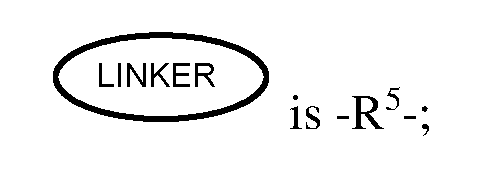


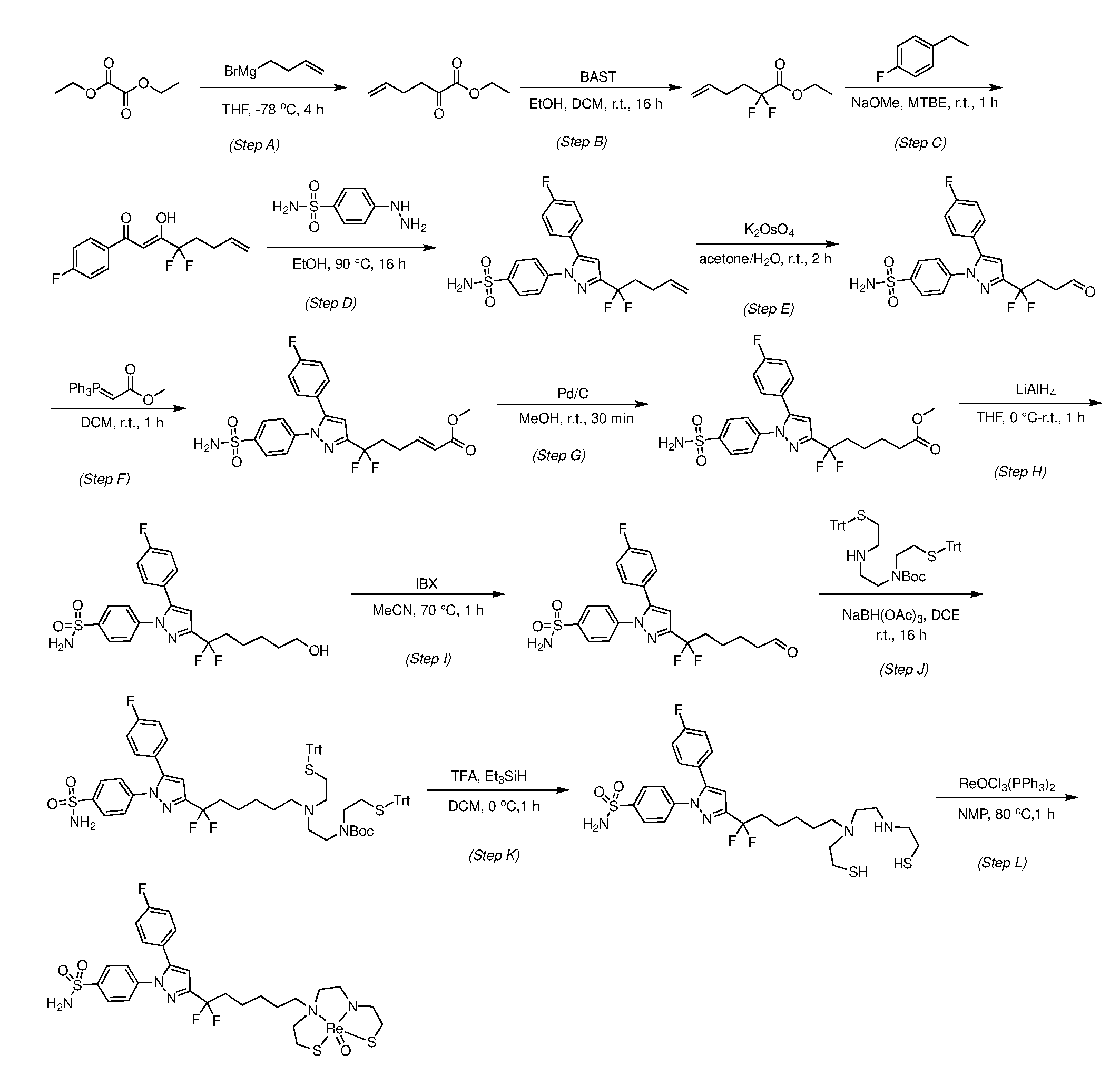


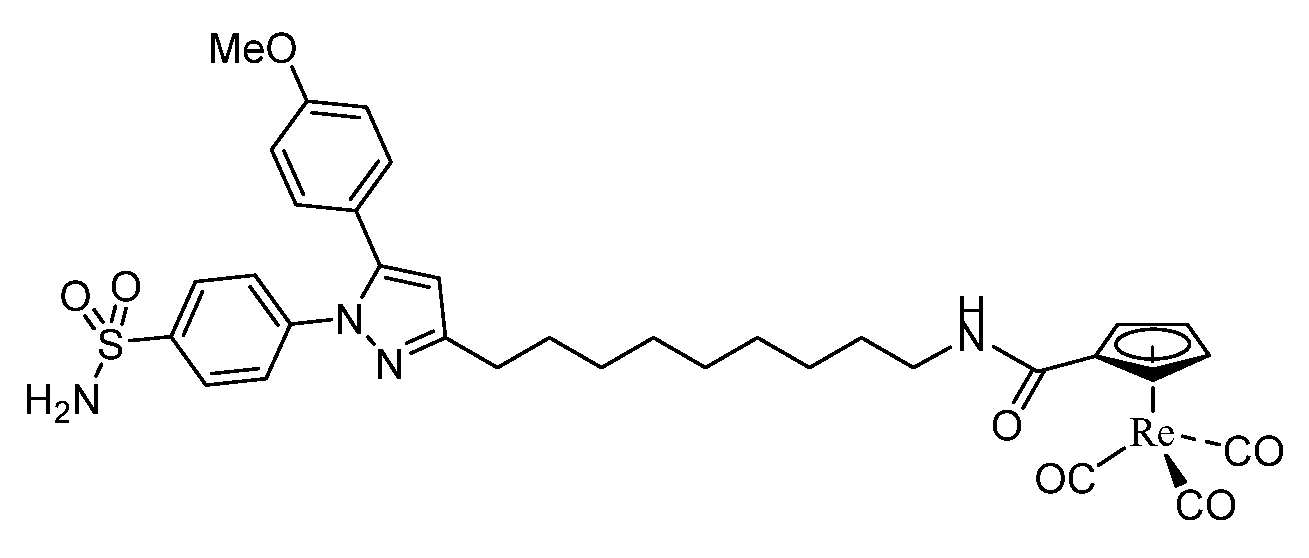


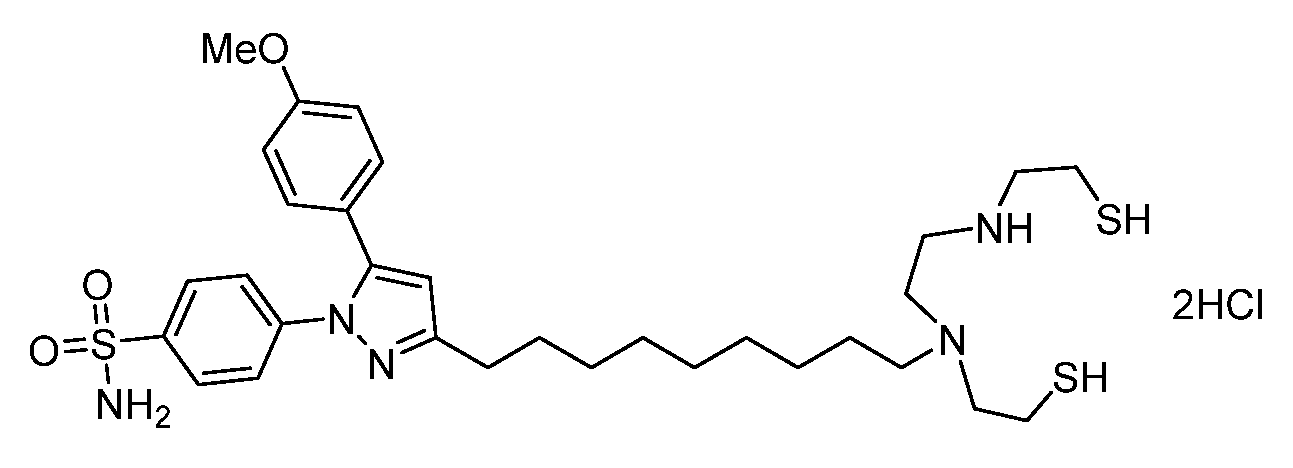


Claims

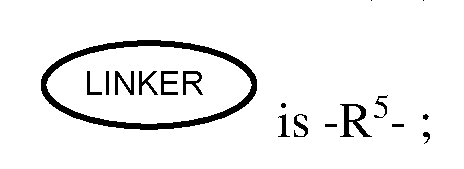


Priority Applications (6)
| Application Number | Priority Date | Filing Date | Title |
|---|---|---|---|
| CN202180075317.XA CN116406368A (en) | 2020-10-07 | 2021-10-07 | Coxib-derived conjugated compounds and methods of use thereof |
| CA3195082A CA3195082A1 (en) | 2020-10-07 | 2021-10-07 | Coxib-derived conjugate compounds and methods of use thereof |
| JP2023521972A JP2023545298A (en) | 2020-10-07 | 2021-10-07 | Complex compounds derived from coxibs and their use |
| AU2021356529A AU2021356529A1 (en) | 2020-10-07 | 2021-10-07 | Coxib-derived conjugate compounds and methods of use thereof |
| KR1020237015353A KR20230106603A (en) | 2020-10-07 | 2021-10-07 | Coxib inducing conjugate compounds and uses thereof |
| EP21878567.3A EP4225384A4 (en) | 2020-10-07 | 2021-10-07 | COXIB-DERIVED CONJUGATE COMPOUNDS AND METHODS OF USE THEREOF |
Applications Claiming Priority (2)
| Application Number | Priority Date | Filing Date | Title |
|---|---|---|---|
| US202063088791P | 2020-10-07 | 2020-10-07 | |
| US63/088,791 | 2020-10-07 |
Publications (1)
| Publication Number | Publication Date |
|---|---|
| WO2022076741A1 true WO2022076741A1 (en) | 2022-04-14 |
Family
ID=81126114
Family Applications (1)
| Application Number | Title | Priority Date | Filing Date |
|---|---|---|---|
| PCT/US2021/054048 Ceased WO2022076741A1 (en) | 2020-10-07 | 2021-10-07 | Coxib-derived conjugate compounds and methods of use thereof |
Country Status (8)
| Country | Link |
|---|---|
| US (3) | US20220133918A1 (en) |
| EP (1) | EP4225384A4 (en) |
| JP (1) | JP2023545298A (en) |
| KR (1) | KR20230106603A (en) |
| CN (1) | CN116406368A (en) |
| AU (1) | AU2021356529A1 (en) |
| CA (1) | CA3195082A1 (en) |
| WO (1) | WO2022076741A1 (en) |
Families Citing this family (1)
| Publication number | Priority date | Publication date | Assignee | Title |
|---|---|---|---|---|
| WO2024118818A1 (en) * | 2022-11-30 | 2024-06-06 | Reiley Pharmaceuticals, Inc. | Nsaid-derived conjugate compounds for imaging |
Citations (5)
| Publication number | Priority date | Publication date | Assignee | Title |
|---|---|---|---|---|
| US20050053600A1 (en) * | 2003-09-09 | 2005-03-10 | Lane Thomas E. | Methods for treating rheumatoid arthritis |
| US20120252794A1 (en) * | 1997-09-17 | 2012-10-04 | Purdue Pharma L.P. | Analgesic combination of opioid analgesic and cyclooxygenase-2 inhibitor |
| US20160200752A1 (en) * | 2015-01-09 | 2016-07-14 | Reiley Pharmaceuticals, Inc. | Cox-2-targeting, platinum-containing conjugates and their use in the treatment of tumors and cancers |
| US9539324B2 (en) * | 2010-12-01 | 2017-01-10 | Alderbio Holdings, Llc | Methods of preventing inflammation and treating pain using anti-NGF compositions |
| US20190169084A1 (en) * | 2014-06-27 | 2019-06-06 | Reiley Pharmaceuticals, Inc. | Conjugates derived from non-steroidal anti-inflammatory drugs and methods of use thereof in imaging |
Family Cites Families (4)
| Publication number | Priority date | Publication date | Assignee | Title |
|---|---|---|---|---|
| US6492411B1 (en) * | 1993-11-30 | 2002-12-10 | G. D. Searle & Co. | Substituted pyrazolyl benzenesulfonamides for the treatment of inflammation |
| ES2183935T3 (en) * | 1995-02-13 | 2003-04-01 | Searle & Co | SUBSTITUTED ISOXAZOLS FOR THE TREATMENT OF INFLAMMATION. |
| CA2676413A1 (en) * | 2007-01-19 | 2008-07-31 | Mallinckrodt Inc. | Diagnostic and therapeutic cyclooxygenase-2 binding ligands |
| JP6190723B2 (en) * | 2010-12-01 | 2017-08-30 | アルダーバイオ ホールディングス エルエルシー | Anti-NGF compositions and uses thereof |
-
2021
- 2021-10-07 AU AU2021356529A patent/AU2021356529A1/en active Pending
- 2021-10-07 KR KR1020237015353A patent/KR20230106603A/en active Pending
- 2021-10-07 JP JP2023521972A patent/JP2023545298A/en active Pending
- 2021-10-07 CN CN202180075317.XA patent/CN116406368A/en active Pending
- 2021-10-07 WO PCT/US2021/054048 patent/WO2022076741A1/en not_active Ceased
- 2021-10-07 CA CA3195082A patent/CA3195082A1/en active Pending
- 2021-10-07 EP EP21878567.3A patent/EP4225384A4/en active Pending
- 2021-10-07 US US17/450,264 patent/US20220133918A1/en not_active Abandoned
-
2025
- 2025-04-07 US US19/172,545 patent/US20250255992A1/en not_active Abandoned
- 2025-12-08 US US19/412,527 patent/US20260102525A1/en active Pending
Patent Citations (5)
| Publication number | Priority date | Publication date | Assignee | Title |
|---|---|---|---|---|
| US20120252794A1 (en) * | 1997-09-17 | 2012-10-04 | Purdue Pharma L.P. | Analgesic combination of opioid analgesic and cyclooxygenase-2 inhibitor |
| US20050053600A1 (en) * | 2003-09-09 | 2005-03-10 | Lane Thomas E. | Methods for treating rheumatoid arthritis |
| US9539324B2 (en) * | 2010-12-01 | 2017-01-10 | Alderbio Holdings, Llc | Methods of preventing inflammation and treating pain using anti-NGF compositions |
| US20190169084A1 (en) * | 2014-06-27 | 2019-06-06 | Reiley Pharmaceuticals, Inc. | Conjugates derived from non-steroidal anti-inflammatory drugs and methods of use thereof in imaging |
| US20160200752A1 (en) * | 2015-01-09 | 2016-07-14 | Reiley Pharmaceuticals, Inc. | Cox-2-targeting, platinum-containing conjugates and their use in the treatment of tumors and cancers |
Non-Patent Citations (3)
| Title |
|---|
| See also references of EP4225384A4 * |
| SIEGLE ISABEL, THOMAS KLEIN, JANNE T. BACKMAN, JOHANNES G. SAAL, ROLF M. NÜSING, PETER FRITZ: "Expression of cyclooxygenase 1 and cyclooxygenase 2 in human synovial tissue: Differential elevation of cyclooxygenase 2 in inflammatory joint diseases", ARTHRITIS & RHEUMATISM, WILEY INTERSCIENCE, US, vol. 41, no. 1, 1 January 1998 (1998-01-01), US , pages 122 - 129, XP093306698, ISSN: 0004-3591, DOI: 10.1002/1529-0131(199801)41:1<122::AID-ART15>3.0.CO;2-8 * |
| WANG ET AL.: "Ferrocene-containing hybrids as potential anticancer agents: Current developments, mechanisms of action and structure-activity relationships", EUROPEAN JOURNAL OF MEDICINAL CHEMISTRY, vol. 190, 30 January 2020 (2020-01-30), pages 1 - 21, XP086065716, DOI: 10.1016/j.ejmech.2020.112109 * |
Also Published As
| Publication number | Publication date |
|---|---|
| US20260102525A1 (en) | 2026-04-16 |
| CN116406368A (en) | 2023-07-07 |
| AU2021356529A1 (en) | 2023-06-15 |
| US20250255992A1 (en) | 2025-08-14 |
| US20220133918A1 (en) | 2022-05-05 |
| CA3195082A1 (en) | 2022-04-14 |
| EP4225384A4 (en) | 2025-10-08 |
| KR20230106603A (en) | 2023-07-13 |
| JP2023545298A (en) | 2023-10-27 |
| AU2021356529A9 (en) | 2024-06-20 |
| EP4225384A1 (en) | 2023-08-16 |
Similar Documents
| Publication | Publication Date | Title |
|---|---|---|
| CN110123820B (en) | Arginase inhibitors and methods of use thereof | |
| US20260102525A1 (en) | Coxib-derived conjugate compounds and methods of use thereof | |
| JP7671796B2 (en) | COT modulators and methods of use thereof | |
| JP6275484B2 (en) | PSMA targeted dendrimer | |
| ES2573494T3 (en) | Cucurbit [n] uril type molecular containers and their manufacturing and use procedures | |
| US20240190790A1 (en) | Conjugates derived from non-steroidal anti-inflammatory drugs and methods of use thereof in imaging | |
| US20110064673A1 (en) | New L-Glutamic acid and L-Glutamine derivative (III), use thereof and method for obtaining them | |
| WO2024118818A1 (en) | Nsaid-derived conjugate compounds for imaging | |
| TW201136609A (en) | Compounds for imaging apoptotic cell death | |
| WO2022148821A1 (en) | Usp7 binding survival-targeting chimeric (surtac) molecules & uses thereof | |
| JP2020023455A (en) | Monoamine oxidaze b imaging probe | |
| JP4945133B2 (en) | 4-phenoxyquinazoline derivative radioactive compound | |
| HK40012747A (en) | Arginase inhibitors and methods of use thereof | |
| HK40012747B (en) | Arginase inhibitors and methods of use thereof | |
| HK1213769B (en) | Arginase inhibitors and methods of use thereof |
Legal Events
| Date | Code | Title | Description |
|---|---|---|---|
| 121 | Ep: the epo has been informed by wipo that ep was designated in this application |
Ref document number: 21878567 Country of ref document: EP Kind code of ref document: A1 |
|
| WWE | Wipo information: entry into national phase |
Ref document number: 2023521972 Country of ref document: JP |
|
| ENP | Entry into the national phase |
Ref document number: 3195082 Country of ref document: CA |
|
| NENP | Non-entry into the national phase |
Ref country code: DE |
|
| ENP | Entry into the national phase |
Ref document number: 2021878567 Country of ref document: EP Effective date: 20230508 |
|
| ENP | Entry into the national phase |
Ref document number: 2021356529 Country of ref document: AU Date of ref document: 20211007 Kind code of ref document: A |