WO2022130975A1 - 種子の発芽促進用液体及びそれを用いた種子の発芽促進方法 - Google Patents
種子の発芽促進用液体及びそれを用いた種子の発芽促進方法 Download PDFInfo
- Publication number
- WO2022130975A1 WO2022130975A1 PCT/JP2021/044039 JP2021044039W WO2022130975A1 WO 2022130975 A1 WO2022130975 A1 WO 2022130975A1 JP 2021044039 W JP2021044039 W JP 2021044039W WO 2022130975 A1 WO2022130975 A1 WO 2022130975A1
- Authority
- WO
- WIPO (PCT)
- Prior art keywords
- germination
- seeds
- water
- seed germination
- promoting
- Prior art date
- Legal status (The legal status is an assumption and is not a legal conclusion. Google has not performed a legal analysis and makes no representation as to the accuracy of the status listed.)
- Ceased
Links
Images








Classifications
-
- A—HUMAN NECESSITIES
- A01—AGRICULTURE; FORESTRY; ANIMAL HUSBANDRY; HUNTING; TRAPPING; FISHING
- A01C—PLANTING; SOWING; FERTILISING
- A01C1/00—Apparatus, or methods of use thereof, for testing or treating seed, roots, or the like, prior to sowing or planting
- A01C1/06—Coating or dressing seed
-
- A—HUMAN NECESSITIES
- A01—AGRICULTURE; FORESTRY; ANIMAL HUSBANDRY; HUNTING; TRAPPING; FISHING
- A01C—PLANTING; SOWING; FERTILISING
- A01C1/00—Apparatus, or methods of use thereof, for testing or treating seed, roots, or the like, prior to sowing or planting
- A01C1/02—Germinating apparatus; Determining germination capacity of seeds or the like
-
- A—HUMAN NECESSITIES
- A01—AGRICULTURE; FORESTRY; ANIMAL HUSBANDRY; HUNTING; TRAPPING; FISHING
- A01N—PRESERVATION OF BODIES OF HUMANS OR ANIMALS OR PLANTS OR PARTS THEREOF; BIOCIDES, e.g. AS DISINFECTANTS, AS PESTICIDES OR AS HERBICIDES; PEST REPELLANTS OR ATTRACTANTS; PLANT GROWTH REGULATORS
- A01N25/00—Biocides, pest repellants or attractants, or plant growth regulators, characterised by their forms, or by their non-active ingredients or by their methods of application, e.g. seed treatment or sequential application; Substances for reducing the noxious effect of the active ingredients to organisms other than pests
-
- A—HUMAN NECESSITIES
- A01—AGRICULTURE; FORESTRY; ANIMAL HUSBANDRY; HUNTING; TRAPPING; FISHING
- A01N—PRESERVATION OF BODIES OF HUMANS OR ANIMALS OR PLANTS OR PARTS THEREOF; BIOCIDES, e.g. AS DISINFECTANTS, AS PESTICIDES OR AS HERBICIDES; PEST REPELLANTS OR ATTRACTANTS; PLANT GROWTH REGULATORS
- A01N59/00—Biocides, pest repellants or attractants, or plant growth regulators containing elements or inorganic compounds
-
- A—HUMAN NECESSITIES
- A01—AGRICULTURE; FORESTRY; ANIMAL HUSBANDRY; HUNTING; TRAPPING; FISHING
- A01P—BIOCIDAL, PEST REPELLANT, PEST ATTRACTANT OR PLANT GROWTH REGULATORY ACTIVITY OF CHEMICAL COMPOUNDS OR PREPARATIONS
- A01P21/00—Plant growth regulators
Definitions
- the present invention relates to a seed germination promoting liquid and a seed germination promoting method using the same.
- the germination promoting agent described in Patent Document 1 uses a specific compound, and the germination promoting method described in Patent Document 2 is applicable because it grinds the surface of seeds. There was a problem that there were restrictions on the method and application target.
- the present invention has no restrictions on the application method and application target, and the seeds can be widely used for seed germination promotion. It is an object of the present invention to provide a germination promoting liquid and a method for promoting germination of seeds using the same.
- the seed germination promoting liquid of the present invention includes active oxygen seeds and nanoparticles catalysts (including those in which nanoparticles are aggregated into secondary particles in a stationary state.
- the present invention is used. It is characterized by consisting of water containing the same in the specification).
- the method for promoting germination of seeds of the present invention using the above-mentioned liquid for promoting germination of seeds is characterized in that the seeds are moistened with water containing an active oxygen seed and a nanoparticle catalyst in a stationary state.
- a method of moistening the seeds a method of immersing the seeds in water containing an active oxygen seed and a nanoparticle catalyst in a stationary state, or a method of immersing the seed in water containing an active oxygen seed and a nanoparticle catalyst in a stationary state is used. Includes methods of spraying or spraying seeds.
- water containing the active oxygen species and the nanoparticle catalyst in the stationary state in an environment where it does not come into contact with organic substances (excluding seeds). Therefore, specifically, the following items are recommended.
- -Use purified water such as ion-exchanged water as the raw material for producing water containing active oxygen species and nanoparticle catalysts in a stationary state.
- -The equipment and utensils used to generate and store water containing active oxygen species and nanoparticle catalysts in a stationary state, and the equipment and utensils used in the cultivation process are made of glass or metal.
- wash with a neutral detergent and then rinse with ion-exchanged water multiple times wash with sodium hypochlorite aqueous solution and then rinse with ion-exchanged water multiple times, and so on.
- the active oxygen species which is a component considered to exert the seed germination promoting action contained in the germination promoting liquid, is used as a raw material. It can be produced by treating the water of the seeds, and then finally returns to the water, so it is safe and secure, there are no restrictions on the application method or application target, and it is widely used for promoting seed germination. It can be used.
- the seed germination promoting liquid of the present invention comprises water containing an active oxygen seed and a nanoparticle catalyst in a stationary state, and the seed germination promoting liquid has a conductivity of 2000 ⁇ S / cm or less. Is generated by causing cavitation in water while flowing, and by generating plasma by a plasma generation mechanism that applies a pulse voltage between the electrodes in water containing bubbles whose main component is water vapor generated by the cavitation. can do.
- a conventionally known device that is, a device that causes cavitation in water and applies a pulse voltage between electrodes in water containing bubbles containing water vapor as a main component.
- the flow path cross-sectional area is changed by a mechanism for generating plasma by such a plasma generation mechanism, more specifically, a nozzle, an obstacle, etc. described in Patent Document 3-4 described in the column of prior art documents.
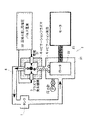
- the seed germination promoting liquid generating device includes a tank 1 for storing water, a stirring device 2 for stirring water supplied from the tank 1 as a cavitation generation mechanism, and a stirring device 2.
- a plasma generation mechanism 3 that generates cavitation in water containing bubbles (cavitation bubbles) containing water vapor as a main component, and a pipeline 4 that connects these mechanisms to circulate water. It is configured with and. Here, it is not essential to circulate water, and for example, if the processing efficiency can be further improved by providing a plurality of plasma generation mechanisms or installing a plurality of sets of electrode pairs, 1-pass processing may be used.
- the stirring device 2 is configured to include a rotor 22 concentrically and rotatably provided inside the casing 21, a motor 23 and the like for rotationally driving the rotor 22.
- the plasma generation mechanism 3 is a pulse power supply 32 or the like that applies a voltage of, for example, a discharge start voltage or more, a pulse width of 1.5 ⁇ s or less, and a pulse voltage of a repetition frequency of 100 kHz or more between the electrode 31 made of a conductor and the electrode 31.
- the vaporized material is ionized (plasmaized) by the high voltage dielectric breakdown discharge due to the pulse voltage, and the submerged plasma (cavitation plasma. ) ”.) Is generated.
- the discharge form generated by the pulse voltage is preferably a glow discharge, which is a metal or metal oxide caused by the consumable component of the electrode 31, a sulfide caused by impurities contained in water generated by the submerged plasma, and the like. It is possible to synthesize a nanoparticle catalyst in the form of crystals, semi-crystals, amorphous or the like composed of an inorganic compound such as chloride at a low temperature and with high energy efficiency. That is, the nanoparticles catalyst is nanoparticles of the component of the electrode 31, and when the electrode is a metal, the moment the nanoparticles are formed, they become metal nanoparticles, and depending on the type of metal, the nanoparticles may be oxidized or become water.
- the flow velocity of water in the vicinity of the electrode 31 in the plasma generation mechanism 3 is about 10 m / s, preferably 5 m / s or more.
- the electrodes 31 are preferably arranged so as to face each other in the direction perpendicular to the flow of water, but as long as plasma can be generated, an arrangement form such as a C shape can be adopted.
- Electrodes 31 Materials for the electrode 31 include tungsten, copper, iron, silver, gold, platinum, as well as aluminum, scandium, titanium, vanadium, chromium, manganese, cobalt, nickel, zinc, gallium, germanium, yttrium, zirconium, molybdenum, and technetium.
- Metals such as ruthenium, rhodium, palladium, cadmium, indium, tin, antimony, lanthanoid, hafnium, tantalum, renium, osmium, iridium, tarium, bismuth, boronium, carbon, conductive diamonds, alloys and composite materials thereof (plating)
- the conductor material such as (including those coated with a thin film by a method such as dry coating) and oxide (including those in which the surface of the electrode 31 reacts with water) is arbitrarily selected according to the application. Can be done.
- the electrodes 31 arranged so as to face each other can be made of different materials such as gold and silver and the size of the electrodes.
- the shape of the electrode 31 may be a prism, an ellipsoidal column, a cone, or a prism as well as a cylinder. There is no problem if one pair of electrodes 31 is used, but two or more pairs may be installed in order to further improve the processing efficiency. Further, although there is no problem if one set of plasma generation mechanism is used, two or more sets may be installed in order to further improve the processing efficiency. One side of the electrode 31 may or may not be grounded. It is safer not to touch the ground because the discharge path is limited between the electrodes. Further, if necessary, water is treated at 50 ° C. or lower by operating a cooling means provided in the seed germination promoting liquid generation device, for example, a jacket cooling means (not shown) provided in the stirring device 2. Can be done.
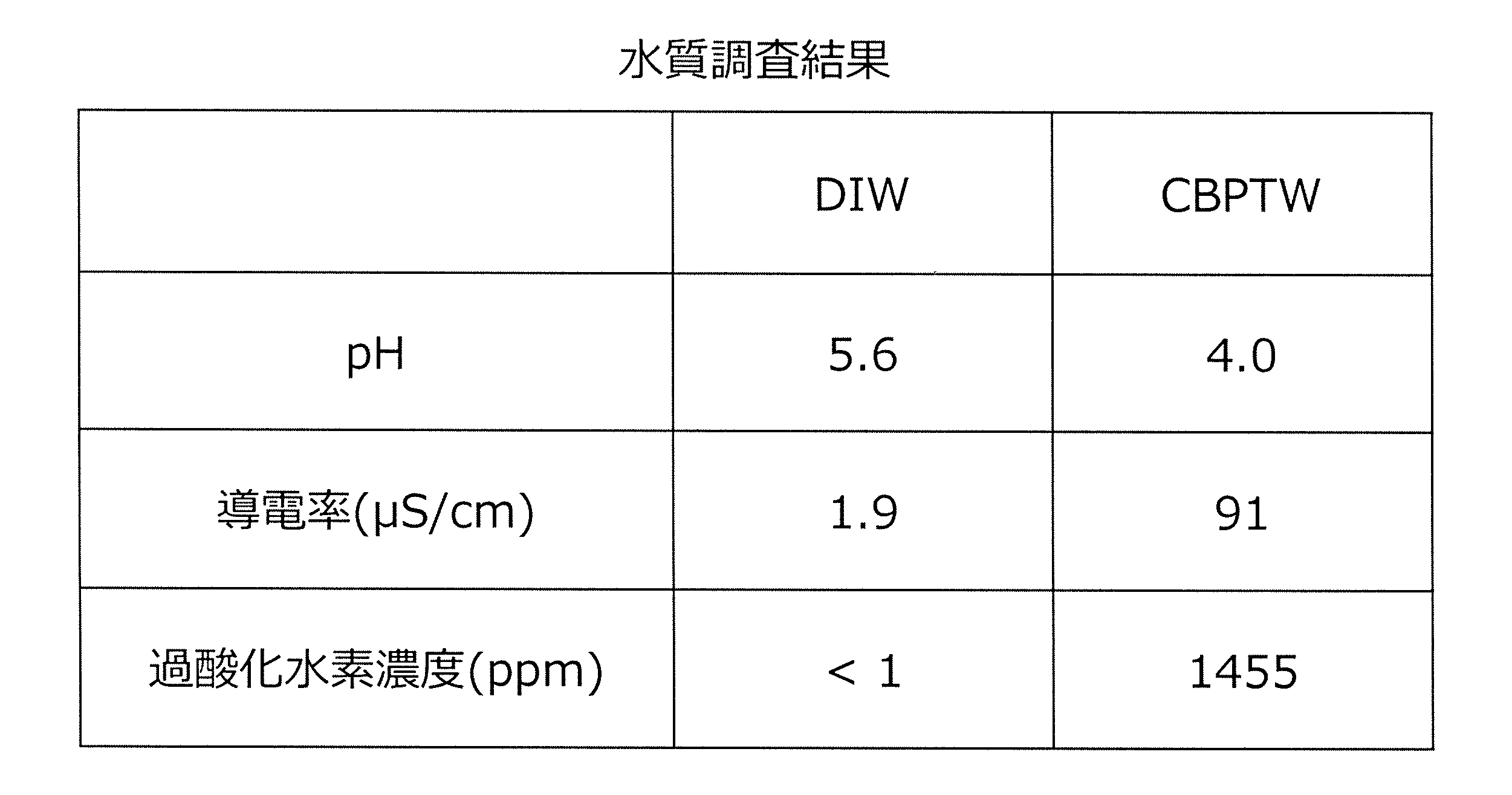
- the seed germination promoting liquid is a long-lived active oxygen species (superoxide anion radical ( .O2- ) , hydroperoxyradical (HOO.), Hydrogen peroxide present in the seed germination promoting liquid.
- hydrogen peroxide (H 2 O 2 ) present in the germination promoting liquid is activated by the catalytic action of the nanoparticle catalyst present in the germination promoting liquid.
- active oxygen species such as hydroxyl radical (.OH)
- .OH hydroxyl radical
- the amount of hydrogen peroxide and the nanoparticle catalyst present in the seed germination promoting liquid is important for the seed germination promoting liquid, and according to the present invention, the raw material is simple, high speed, and only water. It can be generated in large quantities at the same time.
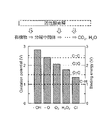
- FIG. 2 shows the oxidation potentials and binding energies of various substances including reactive oxygen species.
- active oxygen species such as hydroxyl radical (.OH) have a large organic substance (including microorganisms (viruses, bacteria, fungi, protozoa), etc.) in addition to the seed germination promoting effect. Since it has a decomposition (bactericidal) action, it can also be expected to have a disinfecting effect on seeds.
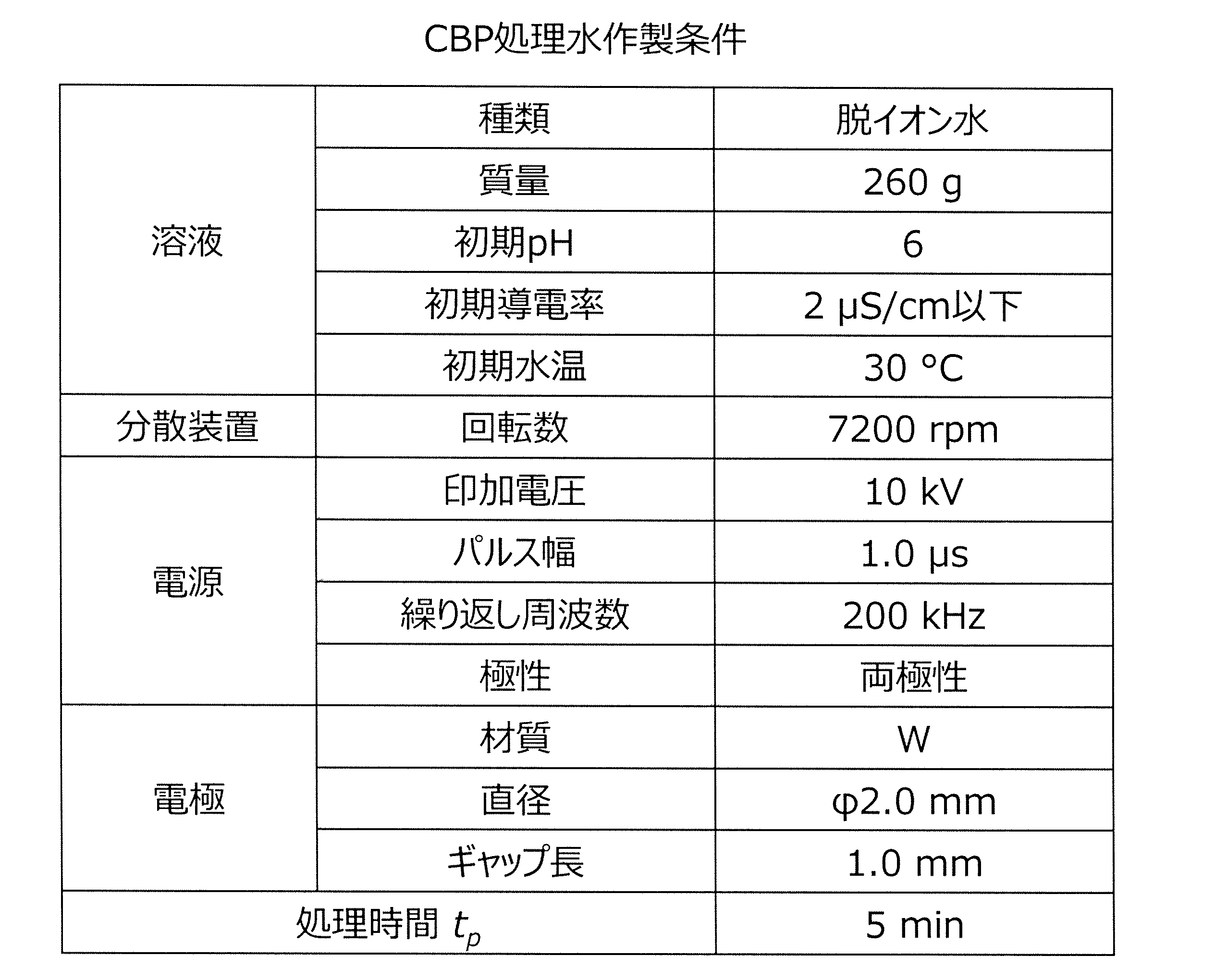
- Table 1 shows the treatment conditions (preferable range) of the seed germination promoting liquid generator
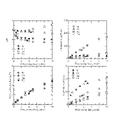
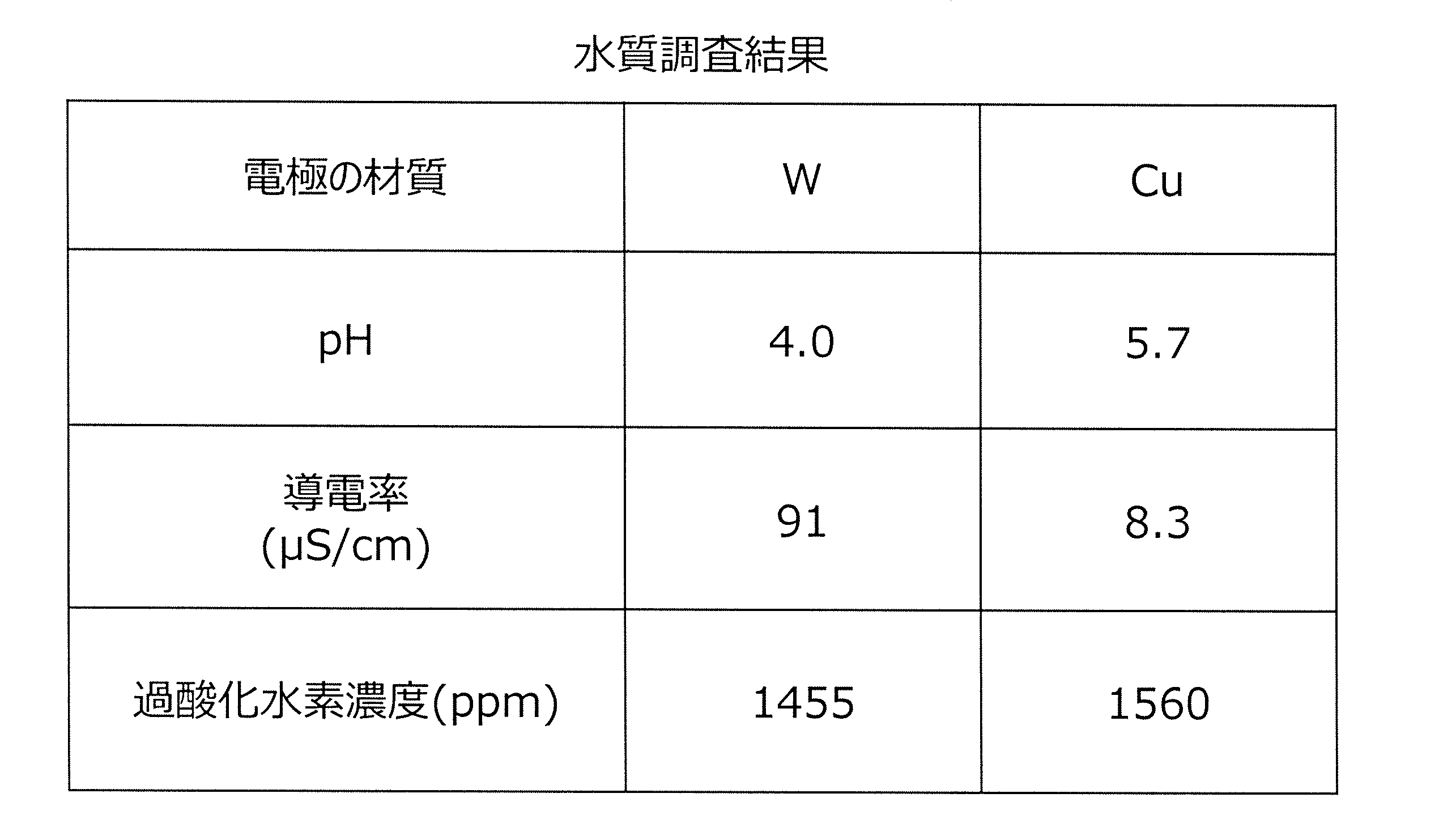
- FIG. 3 shows the treatment time, pH, conductivity, hydrogen peroxide concentration, and electrode consumption for each electrode material. The relationships are shown respectively.
- purified water such as ion-exchanged water (sometimes referred to as “DIW” in the present specification), but the water is not limited thereto.
- DIW ion-exchanged water
- the applied voltage is too low, the plasma will not light up, and if it is too high, the plasma generation rate will increase, but if it is too high, it will shift from preferable glow discharge to arc discharge, which is not preferable.
- the pulse width is too short, the plasma will not light up, and if it is too long, the plasma generation rate will increase, but if it is too long, it will shift to arc discharge, which is not preferable.
- the higher the repetition frequency the higher the plasma generation rate, and the more stable the plasma can be generated.
- the polarity of the pulse voltage may be bipolar, positive or negative.
- the electrode material may be a conductor that is stable in water. It may be metal, alloy or carbon. -Since nanoparticle catalysts such as electrode components are mixed in the seed germination promoting liquid as impurities, it may be necessary to select the material depending on the method of use.
- the treatment time is usually about 2-10 minutes, preferably about 3-8 minutes, and more preferably about 5 minutes.
- the treatment time is usually about 2-10 minutes, preferably about 3-8 minutes, and more preferably about 5 minutes.
- 100 seeds were permeated and sterilized with 100 mL of 1.0% sodium hypochlorite aqueous solution for 5 minutes and washed 5 times with ion-exchanged water. Then, it was dried at 40 ° C. for 17 hours in a drying chamber (DKM300, Yamato).
- the beaker, petri dish, etc. used in the experiment were washed with tap water and immersed in 200 ppm of an aqueous sodium hypochlorite solution for 15 minutes so that no organic matter remained. Then, it was immersed in tap water for 2 minutes, immersed in 20 ppm of sodium thiosulfate aqueous solution for 2 minutes, and dried in a drying chamber (DKM300, Yamato) at 40 ° C.
- a pack test (WAK-CIO / DP, kyoritsu Chemica-Cheek Lab) was used to confirm that the residual chlorine in seeds and instruments was less than 0.1 ppm.
- Germination conditions The seeds were immersed in a germination liquid (water) for about half a day so that the seeds were exposed to the air, and then the germination rate at that time was measured.
- the electrode material used for the seed germination promoting liquid generator was determined. It was found that the germination rate (germination promotion rate) was slightly affected.
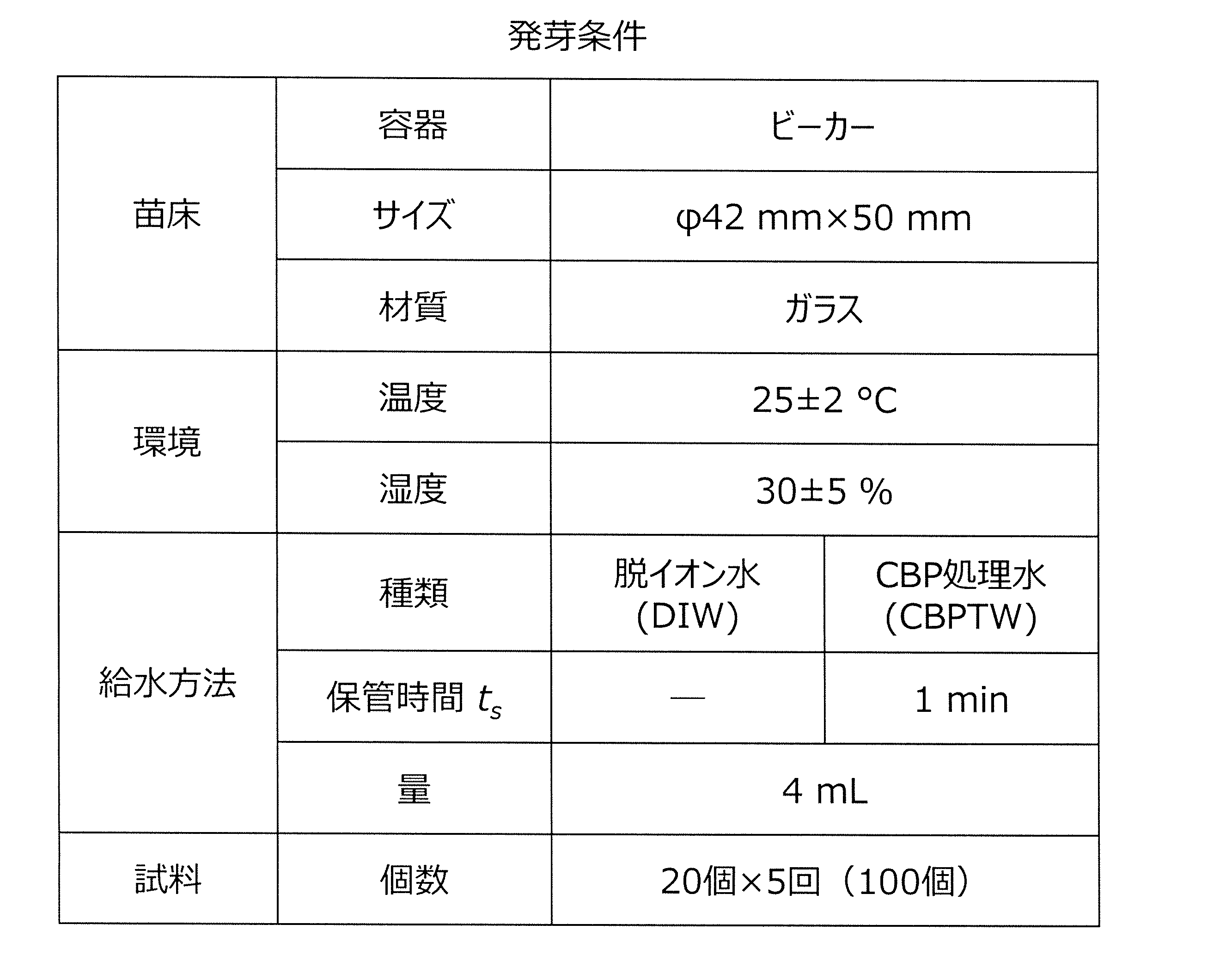
- the CBP-treated water was transferred from the apparatus to a beaker after preparation, and then put into a mist. Since the seeds of radish sprouts are dark germinated seeds, the nursery is installed in a dark room at 25 ( ⁇ 2) ° C and humidity 30 ( ⁇ 5)% for one day, and the germination rate under each condition is measured at intervals of 30 minutes. (HD Camera Lite) was used for measurement. The number of samples was 20 seeds in one nursery, and 5 nurseries were prepared to make a total of 100.
- the kitchen paper contains an organic substance (material itself + binder), and the organic substance causes the seed germination promoting effect of the CBP-treated water to be lost at an early stage.
- the organic substance causes the seed germination promoting effect of the CBP-treated water to be lost at an early stage.
- CBP-treated water comes into contact with CBP-treated water.
- clean non-organic substances such as glass and metal with a cleaning solution such as sodium hypochlorite aqueous solution. By doing so, it is important to use it in a state where no organic matter remains.
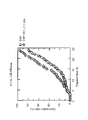
- the test results of the seed germination test shown in FIGS. 14 to 17 (operating time of the seed germination promoting liquid generator (treatment time tp ), germination rate and seedling growth degree (leaf area) (growth test). The following was found from the relationship with)), which was carried out according to the method shown in Table 6.
- DIW purified water
- CBP-treated water CBPTW
- the processing time tp is preferably about 3 to 10 min, centering on 5 min.
- the test results of the degree of growth of seedlings (area of leaves) showed the same tendency (the degree of growth of seedlings became faster by promoting the germination of seeds), and the treatment time tp was centered on 5 min.
- about 3 to 10 min is preferable.
- the liquid for promoting germination of seeds of the present invention and the method for promoting germination of seeds using the same have been described above based on the embodiments thereof, but the present invention is not limited thereto and deviates from the gist thereof.
- the configuration can be changed as appropriate to the extent that it does not.
- the raw material water is an active oxygen species which is a component considered to exert a seed germination promoting action contained in the germination promoting liquid. It can be produced by processing and then finally returned to water, so it is safe and secure, and there are no restrictions on the application method or application target, for example, broccoli, mustard, cress, red cabbage.
- Green beans, black mappe, soybeans, arugula, sprouts such as bean seedlings, Mizuna, endive, green mustard, tarsai, beetle bee queen, green romain, red romain, trevis, red oak, red salad, lororossa, red mustard, spinach , Ice burger tasting, red mustard, loro green, arugula rocket, baby leaves such as pino green, etc.
Landscapes
- Life Sciences & Earth Sciences (AREA)
- Environmental Sciences (AREA)
- Zoology (AREA)
- Engineering & Computer Science (AREA)
- Health & Medical Sciences (AREA)
- Pest Control & Pesticides (AREA)
- Plant Pathology (AREA)
- Wood Science & Technology (AREA)
- Chemical & Material Sciences (AREA)
- General Health & Medical Sciences (AREA)
- Soil Sciences (AREA)
- General Chemical & Material Sciences (AREA)
- Agronomy & Crop Science (AREA)
- Chemical Kinetics & Catalysis (AREA)
- Dentistry (AREA)
- Botany (AREA)
- Inorganic Chemistry (AREA)
- Physiology (AREA)
- Toxicology (AREA)
- Pretreatment Of Seeds And Plants (AREA)
- Agricultural Chemicals And Associated Chemicals (AREA)
Abstract
Description
ここで、種子を湿潤させる方法としては、静置状態で活性酸素種及びナノ粒子触媒を含有する水に、種子を浸す方法や、静置状態で活性酸素種及びナノ粒子触媒を含有する水を、種子に噴霧したり、散布したりする方法を含む。
このため、具体的には、以下の事項が推奨される。
・静置状態で活性酸素種及びナノ粒子触媒を含有する水を生成するための原料となる水として、イオン交換水等の精製水を用いる。
・静置状態で活性酸素種及びナノ粒子触媒を含有する水を、生成したり、貯蔵したりするために使用する器機や器具、栽培過程で使用する器機や器具には、ガラス製や金属製等の有機物でないものを、例えば、中性洗剤で洗浄後イオン交換水で複数回濯ぐ、次亜塩素酸ナトリウム水溶液で洗浄後イオン交換水で複数回濯ぐ等の方法で洗浄することによって有機物が残存しない状態で使用する。
これにより、有機物によって、活性酸素種の消滅を抑制し、種子の発芽促進効果が失われることを防止することができる。
ここで、水を循環させることは必須ではなく、例えば、プラズマ発生機構を複数設けたり、電極対を複数組設置したりすることによって、より処理効率を高めることができれば、1パス処理でもよい。
パルス電圧によって生起される放電形態は、グロー放電であることが好ましく、電極31の消耗成分に起因する金属や金属酸化物、液中プラズマによって生成される水に含まれる不純物に起因する硫化物、塩化物等の無機化合物等からなる、結晶、準結晶、アモルファス等の形態のナノ粒子触媒の合成を、低温で、かつ、エネルギ効率よく行うことができる。すなわち、ナノ粒子触媒は、電極31の成分のナノ粒子であり、電極が金属の場合、ナノ粒子ができた瞬間は金属ナノ粒子となり、金属の種類によって、そのナノ粒子が酸化されたり、水に塩素や硫黄が含まれているとナノ粒子が塩化されたり硫化されたりする(不純物に含まれる物質によってその物質との化合物になる場合がある。)。
ここで、プラズマ発生機構3内の電極31付近の水の流速は約10m/sであり、5m/s以上が望ましい。
電極31は、水の流れに対して垂直方向に、対向させて配置することが好ましいが、プラズマが生成できる限りにおいて、ハの字等の配置形態を採用することができる。
電極31の材料には、タングステン、銅、鉄、銀、金、白金のほか、アルミニウム、スカンジウム、チタン、バナジウム、クロム、マンガン、コバルト、ニッケル、亜鉛、ガリウム、ゲルマニウム、イットリウム、ジルコニウム、モリブデン、テクネチウム、ルテニウム、ロジウム、パラジウム、カドミウム、インジウム、錫、アンチモン、ランタノイド、ハフニウム、タンタル、レニウム、オスミウム、イリジウム、タリウム、ビスマス、ボロニウム等の金属、カーボン、導電性ダイヤモンド、それらの合金や複合材料(メッキやドライコーティング等の手法で薄膜で被覆したものを含む。)や酸化物(電極31の表面が水と反応したものを含む。)等の導体材料を、用途に応じて、任意に選択することができる。対向させて配置する電極31で、金と銀など、用いる材料や電極サイズを異ならせることもできる。
電極31の形状は、円柱のほか、角柱、楕円柱、円錐、角錘であってもよい。電極31は、1対あれば問題ないが、より処理効率を上げるために2対以上設置してもよい。また、プラズマ発生機構は1セットあれば問題ないが、より処理効率を上げるために2セット以上設置してもよい。
電極31の片側は接地してもよいし、接地しなくてもよい。接地しない方が放電路は電極間に限定されるため、安全である。
また、必要に応じて、種子の発芽促進用液体の生成装置に設けた冷却手段、例えば、撹拌装置2に設けたジャケット冷却手段(図示省略)を稼働することによって、水を50℃以下で処理するようにすることができる。
そして、この種子の発芽促進用液体は、種子の発芽促進用液体中に存在する長寿命の活性酸素種(スーパーオキシドアニオンラジカル(・O2 -)、ヒドロペルオキシラジカル(HOO・)、過酸化水素(H2O2))による殺菌作用に加えて、発芽促進用液体中に存在する過酸化水素(H2O2)が、発芽促進用液体中に存在するナノ粒子触媒の触媒作用によって、活性酸素種の中で最も酸化力の高いヒドロキシルラジカル(・OH)等の活性酸素種を持続的に生成させることにより、より増強され、種子の発芽促進効果が長期間持続するものとなる。
このため、種子の発芽促進用液体は、種子の発芽促進用液体中に存在する過酸化水素及びナノ粒子触媒の量が重要であり、本発明によって、原料は水だけで簡単、高速、かつ、大量に同時に生成することができる。
図2からも明らかなように、ヒドロキシルラジカル(・OH)等の活性酸素種は、種子の発芽促進効果に加えて、有機物(微生物(ウイルス、細菌、真菌、原虫)等を含む。)の大きな分解(殺菌)作用を有するため、併せて、種子の消毒効果も期待できる。
表1に、種子の発芽促進用液体の生成装置の処理条件(好ましい範囲)を、図3に、電極の材質ごとの処理時間とpH、導電率、過酸化水素の濃度及び電極消耗量との関係を、それぞれ示す。

・初期(「プラズマ処理前」を意味する。他の項目も同じ。)の導電率は低い方がプラズマ生成率(印加したパルス数に対するプラズマが生成したパルス数の割合。)が高くなり、効率よく種子の発芽促進用液体を生成することができる。
・初期CODが高いと、生成される活性酸素種が消費されてしまい好ましくない。
・初期導電率、初期pH、初期CODが好ましい範囲内であれば、他の混雑物は影響しない。このため、処理原料となる水としては、イオン交換水(本明細書において、「DIW」という場合がある。)等の精製水を用いることが好ましいが、これに限定されるものではない。
・撹拌装置の回転数は高い方がキャビテーション気泡が増えるので、プラズマ生成率が高くなり、効率よく種子の発芽促進用液体を生成することができる。
・印加電圧は低すぎるとプラズマが点灯せず、高くなるとプラズマ生成率が高くなるが、高すぎると好ましいグロー放電からアーク放電に移行してしまい好ましくない。
・パルス幅は短すぎるとプラズマが点灯せず、長くなるとプラズマ生成率が高くなるが、長すぎるとアーク放電に移行してしまい好ましくない。
・繰り返し周波数は高いほどプラズマ生成率が高くなり、安定してプラズマが生成できる。
・パルス電圧の極性は、両極性でも正極性でも負極性でもよい。
・電極材質は、水中で安定な導体であればよい。金属でも合金でもカーボンでもよい。
・種子の発芽促進用液体に不純物として電極成分等のナノ粒子触媒が混入するため、使用方法によって材料を選ぶ必要が生じる場合がある。
・電極直径は細すぎると電界が集中してプラズマが点灯しやすいが、アーク放電に移行しやすくなり、太すぎるとプラズマが点灯しにくくなる。
・電極のギャップ長は短すぎるとアーク放電に移行しやすくなる、長すぎるとプラズマが点灯しにくくなる。
・処理時間は短すぎると生成される活性酸素種及びナノ粒子触媒が少なくなり、長すぎると生成される活性酸素種及びナノ粒子触媒によって導電率が高くなり、プラズマ生成率が低下する。処理時間は、通常は、2-10分程度、好ましくは、3-8分程度、より好ましくは、5分程度である。ここで、種子の発芽促進用液体の生成装置は、撹拌装置の回転数が7200rpmの場合、1秒間に250mLの水が装置内を1回循環するようにされている。
次に、以下の試験方法で、モデルとしてカイワレ大根の種子を用いた発芽試験を行った。
(1)種子及び前処理(後述の種子の発芽試験(2)及び(3)も同じ。)
カイワレ大根の種子を使用し、種子が細菌に汚染されている場合、種子の発芽や成長に影響を与える可能性があるため、種子を殺菌した。種子の殺菌は独立行政法人林木育種センターのマニュアルに従った。供試植物としてカイワレ大根の種子(中原採種場、発芽率85%)を使用した。種子100個を1.0%の次亜塩素酸ナトリウム水溶液100mLで5分間浸透滅菌し、イオン交換水で5回洗浄した。その後、乾燥室(DKM300、Yamato)内にて40℃で17時間乾燥させた。実験で使用するビーカーやシャーレ等は、有機物が残存しない状態にして使用するために、水道水で洗浄し次亜塩素酸ナトリウム水溶液200ppmに15分間浸漬させた。その後、水道水に2分間浸漬させ、チオ硫酸ナトリウム水溶液20ppmに2分間浸漬し、乾燥室(DKM300、Yamato)にて40℃で乾燥させた。また、殺菌試験後にパックテスト(WAK-CIO・DP、kyoritsu Chemica-Cheak Lab)を用いて種子や器具の残留塩素が0.1ppm未満となることを確認した。
(2)発芽条件
種子を発芽用液体(水)に、種子が空気に触れるよう約半分ほど1日間浸漬した後、その時点の発芽率を測定した。
(3)種子の発芽促進用液体の生成装置の操作
種子の発芽促進用液体の生成装置に精製水(イオン交換水)260mLを投入し、表3に示す処理条件で種子の発芽促進用液体の生成装置を作動時間tp=5分間作動させたものを試料水とした。試料水を滅菌合成樹脂製容器に採水し、所定時間tS放置した。所定時間放置後(種子を浸漬させるまでの経過時間tS=1min-4weeks)の試料水4mLをガラス製のビーカー(φ42mm、高さ50mm)に採取し、その中に種子を浸漬した。
なお、対照として精製水(イオン交換水)4mLをガラス製のビーカーに採取し、その中に種子を浸漬した。
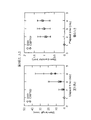
・精製水(イオン交換水)(DIW)と比較して、CBP処理水(CBPTW)は、発芽率(発芽促進率)が最大20%向上する。
・使用するCBP処理水の放置時間tS(CBP処理水を生成してからの経過時間)が長くなる程、発芽率(発芽促進率)が低下し、CBP処理水の効果が失われていく。図7に示す試験結果では、4週間で効果がほぼ失われるため、それより早く(できるだけ早く)使用することが望ましいことが分かる。
このことから、水に含まれる活性酸素種の量が発芽率(発芽促進率)に影響している(CBP処理水の放置時間が長くなる程、活性酸素種の量が減少する。)と推定できる。
なお、このことは、図8に示す、種子を浸漬する発芽用液体(水)として、精製水(イオン交換水)のほか、過酸化水素水を用いた比較試験の結果からも推認できる。
次に、以下の手順で、成長試験を行った。
種子の発芽試験で発芽した苗を、培地に定植し、その間の茎の長さ及び太さを測定し、3日後に採取し、根の長さ及び葉の面積を測定し、乾燥し、7日後に乾燥重量を測定した。
ここで、培地は、ロックウール(JAN130031、大和プラスチック)(30mm×30mm×30mm)に電動ドリルで径3mm、深さ5mmで対角線を四等分し等間隔に5つの穴をあけた。その後、穴をあけたロックウール4つをガラスシャーレに設置したものを培地とした。そして、発芽率を24時間測定した後、シャーレに置いた4つのロックウールのそれぞれの穴に1粒ずつ種子を定植した。定植後、イオン交換水100mLをシャーレに入れロックウールに十分給水させた後、シャーレの底から高さ10mmになるまでイオン交換水を入れ、暗室に放置した。そして1日間隔で成長の様子を撮影し、イオン交換水をシャーレの底から高さ10mmに調整した。また、カイワレ大根同士が接触すると成長の妨げとなるため3日目からはLEDプランター(greenteria、Deagostini)でカイワレ大根にLED光を12時間当て茎を垂直に伸ばすようにした。
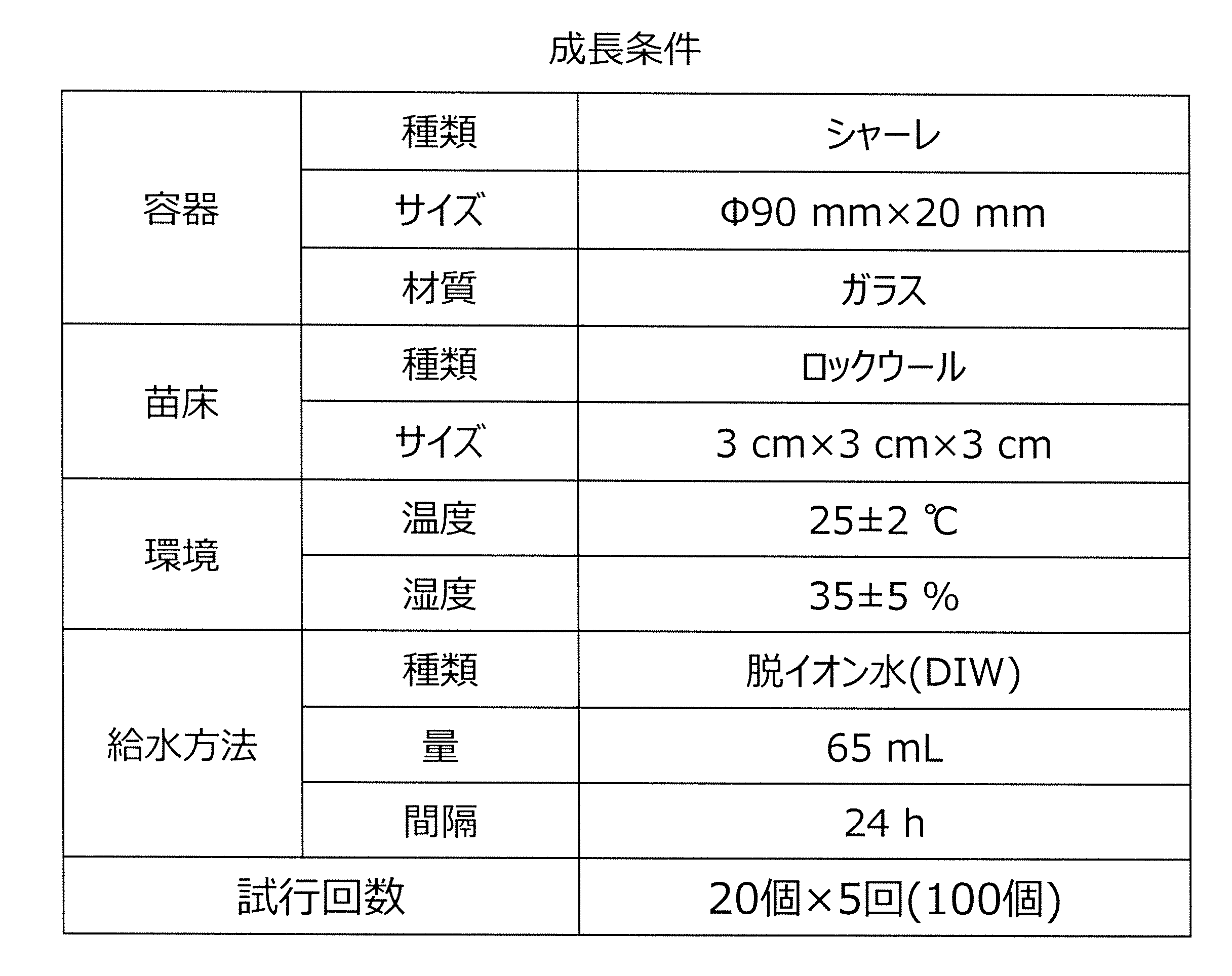
・精製水(イオン交換水)と比較して、CBP処理水は、成長試験においても、発芽率(発芽促進率)の良好な結果を引き継いで、苗が良好に成長することを確認した。
次に、以下の試験方法で、異なる発芽環境下での発芽試験を行った。
具体的には、(1)種子に溶液を噴霧させる方法と、(2)種子を溶液に浸漬させる方法の2通りの方法で発芽試験を行った。
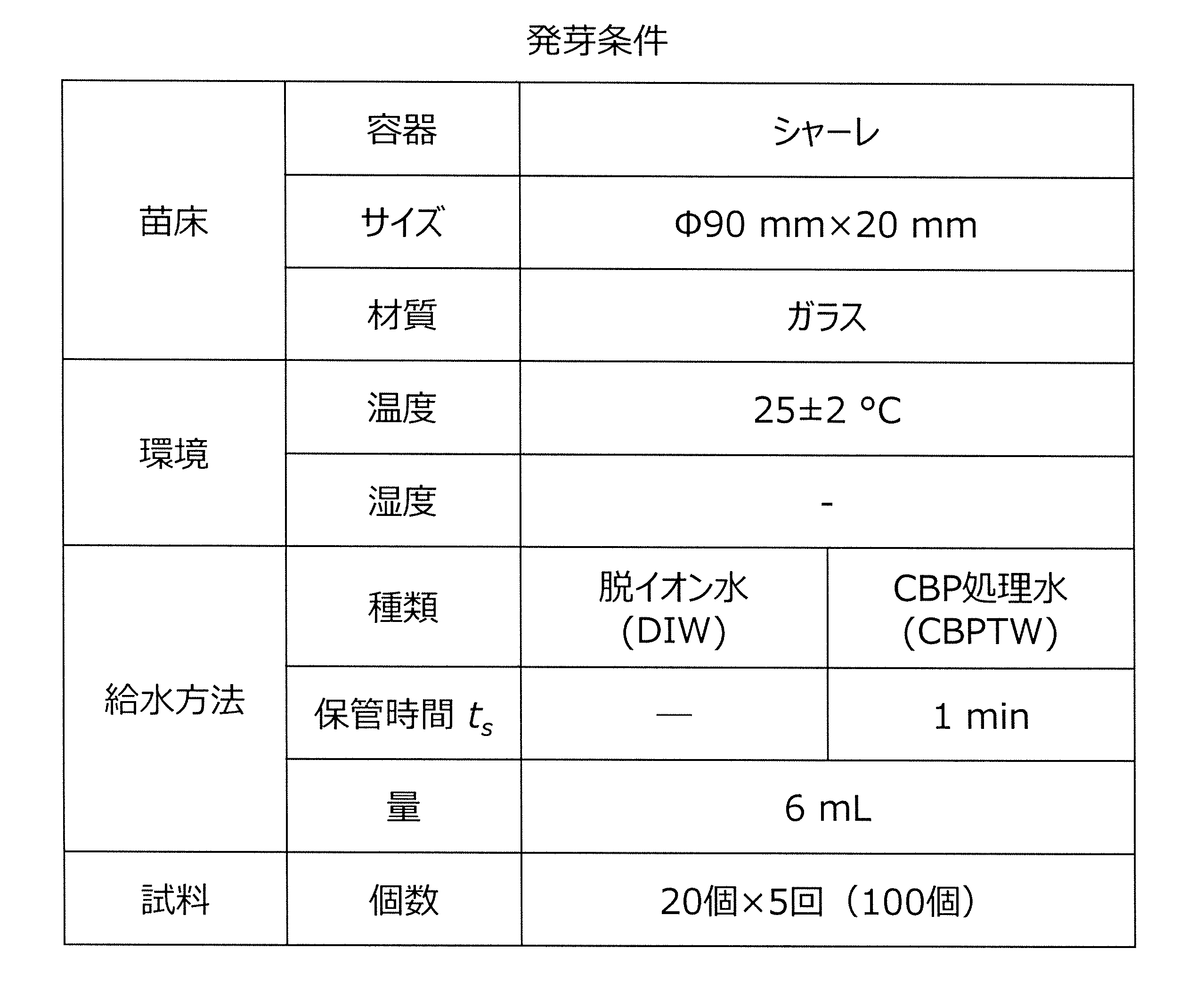
キッチンペーパー(スーパーグリッドエンポス、エリエール)(22cm×22.5cm)を二つ折りにし、四隅を4cm山折りにしてキッチンペーパーの厚さを均一にし、ガラスシャーレ(φ90mm、高さ20mm)の中に入れたものを苗床とした。
苗床に縦5個、横4個で等間隔に20個の種子を並べた。
イオン交換水及び表3の条件で処理したCBP処理水(経過時間tS=1min)を霧吹きで6mL種子に噴霧しシャーレに蓋をした。なお、CBP処理水は、作製後、装置からビーカーに移し、その後霧吹きに入れた。カイワレ大根の種子は暗発芽種子であるため苗床は25(±2)℃、湿度30(±5)%の暗室に1日間設置し、各条件下における発芽率を30分間隔でインターバル撮影のアプリ(HD Camera Lite)を用いて測定した。試料の個数は1つの苗床に種子20個とし、苗床を5個用意することで計100個とした。
ガラスビーカー(φ42mm、高さ50mm)に種子20個入れイオン交換水、表3の条件で処理したCBP処理水(種子を浸漬させるまでの経過時間tS=1min-4weeks)を4mL霧吹きで種子に振りかけ、種子が空気に触れるよう約半分ほど浸漬させた状態で同様に発芽率を測定した。
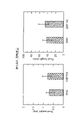
・(2)種子を溶液に浸漬させる方法と異なり、(1)のシャーレにキッチンペーパーを敷き、種子に溶液を噴霧させる方法では、CBP処理水は、精製水(イオン交換水)と有意差がなく、種子の発芽促進効果がないことを確認した。これは、キッチンペーパーには有機物(材質そのもの+結着剤)が含まれており、その有機物によってCBP処理水が有する種子の発芽促進効果が早期に失われたものと考えられる。また、このことから、CBP処理水が有する種子の発芽促進効果を発揮させるためには、有機物がない環境で使用することが重要であり、具体的には、CBP処理水が接触する、CBP処理水の生成過程や貯蔵過程で使用する器機や器具、栽培過程で使用する器機や器具には、ガラス製や金属製等の有機物でないものを、次亜塩素酸ナトリウム水溶液等の洗浄液を用いて洗浄することによって有機物が残存しない状態で使用することが重要であることが分かる。
次に、以下の試験方法で、モデルとしてカイワレ大根の種子を用いた発芽試験を行った。
(1)発芽条件
種子を発芽用液体(水)に、種子が空気に触れるよう約半分ほど1日間浸漬した後、その時点の発芽率を測定した。
(2)種子の発芽促進用液体の生成装置の操作
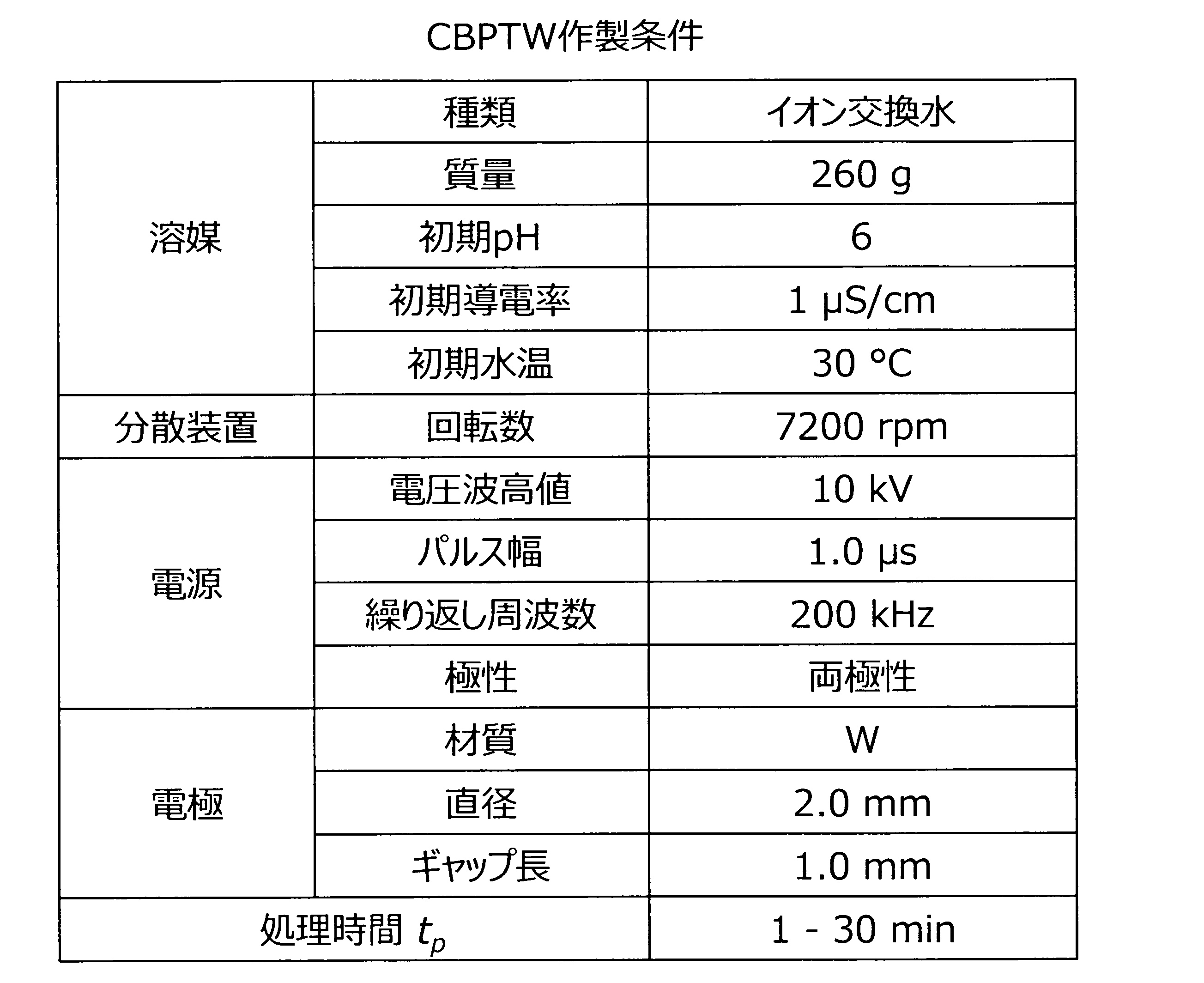
種子の発芽促進用液体の生成装置に精製水(イオン交換水)260mLを投入し、表9に示す処理条件で種子の発芽促進用液体の生成装置を作動時間tp=1-30分間作動させたものを試料水とした。試料水を滅菌合成樹脂製容器に採水し、所定時間tS放置した。所定時間放置後(種子を浸漬させるまでの経過時間tS=1min)の試料水15mLをガラス製のシャーレ(φ92mm、高さ15mm)に採取し、その中に種子を浸漬した。
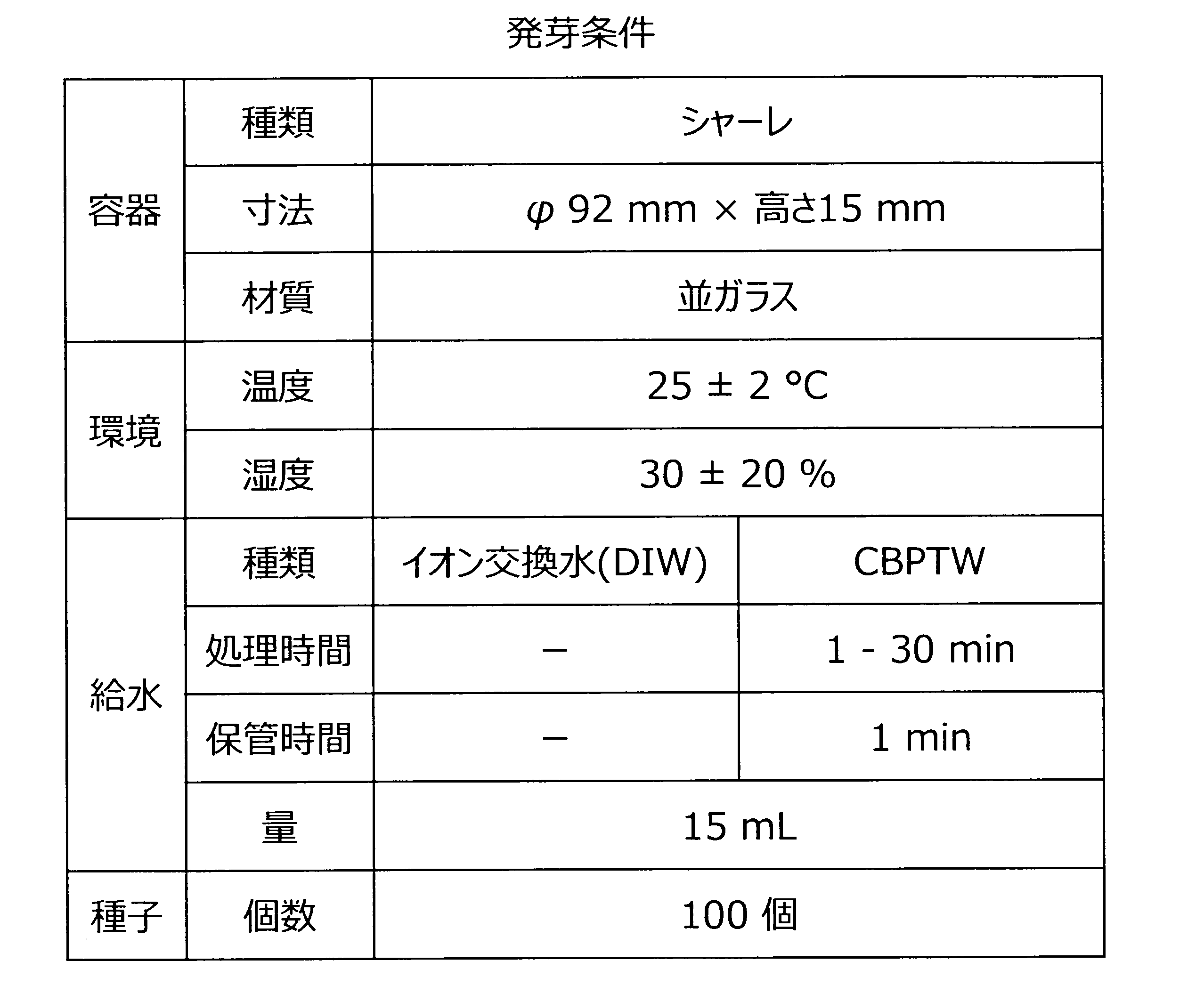
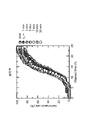
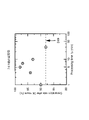
・精製水(イオン交換水)(DIW)と比較して、CBP処理水(CBPTW)は、発芽率(発芽促進率)が向上するが、24h後の発芽率の結果から、特に、処理時間tp=5min付近で発芽率(発芽促進率)のピークが出現する。このことから、処理時間tpは、5minを中心に、3~10min程度が好ましいといえる。
・苗の成長度合い(葉の面積)の試験結果も、同様の傾向(種子の発芽が促進されることによって、苗の成長度合いも速くなる。)を示し、処理時間tpは、5minを中心に、3~10min程度が好ましいといえる。
2 撹拌装置
21 ケーシング
22 ロータ
23 モータ
3 プラズマ発生機構
31 電極
32 パルス電源
4 管路
Claims (3)
- 静置状態で活性酸素種及びナノ粒子触媒を含有する水からなることを特徴とする種子の発芽促進用液体。
- 静置状態で活性酸素種及びナノ粒子触媒を含有する水を用いて、種子を湿潤させることを特徴とする種子の発芽促進方法。
- 前記静置状態で活性酸素種及びナノ粒子触媒を含有する水を、有機物に触れない環境下で使用することを特徴とする請求項2に記載の種子の発芽促進方法。
Priority Applications (3)
| Application Number | Priority Date | Filing Date | Title |
|---|---|---|---|
| US17/999,949 US12302777B2 (en) | 2020-12-18 | 2021-12-01 | Seed germination promoting liquid and seed germination promoting method using the same |
| EP21906338.5A EP4140305A4 (en) | 2020-12-18 | 2021-12-01 | SEED GERMINATION PROMOTION LIQUID AND METHOD FOR PROMOTING SEED GERMINATION THEREOF |
| JP2022569839A JP7481695B2 (ja) | 2020-12-18 | 2021-12-01 | 種子の発芽促進用液体及びそれを用いた種子の発芽促進方法 |
Applications Claiming Priority (2)
| Application Number | Priority Date | Filing Date | Title |
|---|---|---|---|
| JP2020-210528 | 2020-12-18 | ||
| JP2020210528 | 2020-12-18 |
Publications (1)
| Publication Number | Publication Date |
|---|---|
| WO2022130975A1 true WO2022130975A1 (ja) | 2022-06-23 |
Family
ID=82057594
Family Applications (1)
| Application Number | Title | Priority Date | Filing Date |
|---|---|---|---|
| PCT/JP2021/044039 Ceased WO2022130975A1 (ja) | 2020-12-18 | 2021-12-01 | 種子の発芽促進用液体及びそれを用いた種子の発芽促進方法 |
Country Status (4)
| Country | Link |
|---|---|
| US (1) | US12302777B2 (ja) |
| EP (1) | EP4140305A4 (ja) |
| JP (1) | JP7481695B2 (ja) |
| WO (1) | WO2022130975A1 (ja) |
Cited By (1)
| Publication number | Priority date | Publication date | Assignee | Title |
|---|---|---|---|---|
| JP2024024810A (ja) * | 2022-08-10 | 2024-02-26 | 兵庫県公立大学法人 | 植物種子の殺菌方法及びそれに用いる装置 |
Citations (8)
| Publication number | Priority date | Publication date | Assignee | Title |
|---|---|---|---|---|
| JPH03103125A (ja) * | 1989-05-09 | 1991-04-30 | Ain:Kk | 脱臭性、抗殺菌性、遠赤外線放射性及び帯電防止性を有する植物育成用粒体 |
| JP2008120815A (ja) * | 2000-04-25 | 2008-05-29 | Okayama Prefecture | 細胞または器官の分化調節剤およびそれを用いる形態形成の調節法 |
| JP2011041914A (ja) | 2009-08-21 | 2011-03-03 | Yaskawa Electric Corp | 水処理装置 |
| JP2012135226A (ja) | 2010-12-24 | 2012-07-19 | Satake Corp | 種子の発芽促進処理方法及び発芽促進処理種子 |
| JP2013512870A (ja) * | 2009-12-02 | 2013-04-18 | ビーエーエスエフ ソシエタス・ヨーロピア | 表面改質粒子状銅塩による植物病原性微生物の防除方法 |
| JP2015003297A (ja) | 2013-06-20 | 2015-01-08 | スタンレー電気株式会社 | 排水液処理方法及び装置 |
| JP2017176201A (ja) | 2016-03-28 | 2017-10-05 | 日本スピンドル製造株式会社 | 液状物質の殺菌方法及び装置 |
| JP2020063382A (ja) * | 2018-10-18 | 2020-04-23 | 株式会社田中金属製作所 | 土壌障害の予防又は改善剤 |
Family Cites Families (8)
| Publication number | Priority date | Publication date | Assignee | Title |
|---|---|---|---|---|
| FR2663196A1 (fr) * | 1990-06-13 | 1991-12-20 | Rhone Poulenc Agrochimie | Composition fongicide a base d'un triazole et d'une autre matiere active pour le traitement des semences. |
| WO2001080638A1 (en) | 2000-04-25 | 2001-11-01 | Okayama Prefecture | Cell- or organ-differentiation controllers and method of controlling morphogenesis by using the same |
| US8308075B2 (en) * | 2005-04-19 | 2012-11-13 | Kamterter Products, Llc | Systems for the control and use of fluids and particles |
| US20160120186A1 (en) * | 2013-05-29 | 2016-05-05 | University Of Saskatchewan | Enhancement and control of seed germination with compositions comprising a transition metal catalyst and an oxidant |
| NZ726116A (en) * | 2013-06-26 | 2018-07-27 | Indigo Ag Inc | Seed-origin endophyte populations, compositions, and methods of use |
| NL2015197B1 (en) * | 2015-07-21 | 2017-02-07 | Thatchtec B V | Seed treatment. |
| GB201702158D0 (en) | 2017-02-09 | 2017-03-29 | Syngenta Participations Ag | Germination promoters |
| CN114449895B (zh) * | 2019-04-17 | 2024-08-20 | 安第斯农业公司 | 用于改善植物性状和产量的新型种子处理方法和组合物 |
-
2021
- 2021-12-01 EP EP21906338.5A patent/EP4140305A4/en active Pending
- 2021-12-01 JP JP2022569839A patent/JP7481695B2/ja active Active
- 2021-12-01 US US17/999,949 patent/US12302777B2/en active Active
- 2021-12-01 WO PCT/JP2021/044039 patent/WO2022130975A1/ja not_active Ceased
Patent Citations (8)
| Publication number | Priority date | Publication date | Assignee | Title |
|---|---|---|---|---|
| JPH03103125A (ja) * | 1989-05-09 | 1991-04-30 | Ain:Kk | 脱臭性、抗殺菌性、遠赤外線放射性及び帯電防止性を有する植物育成用粒体 |
| JP2008120815A (ja) * | 2000-04-25 | 2008-05-29 | Okayama Prefecture | 細胞または器官の分化調節剤およびそれを用いる形態形成の調節法 |
| JP2011041914A (ja) | 2009-08-21 | 2011-03-03 | Yaskawa Electric Corp | 水処理装置 |
| JP2013512870A (ja) * | 2009-12-02 | 2013-04-18 | ビーエーエスエフ ソシエタス・ヨーロピア | 表面改質粒子状銅塩による植物病原性微生物の防除方法 |
| JP2012135226A (ja) | 2010-12-24 | 2012-07-19 | Satake Corp | 種子の発芽促進処理方法及び発芽促進処理種子 |
| JP2015003297A (ja) | 2013-06-20 | 2015-01-08 | スタンレー電気株式会社 | 排水液処理方法及び装置 |
| JP2017176201A (ja) | 2016-03-28 | 2017-10-05 | 日本スピンドル製造株式会社 | 液状物質の殺菌方法及び装置 |
| JP2020063382A (ja) * | 2018-10-18 | 2020-04-23 | 株式会社田中金属製作所 | 土壌障害の予防又は改善剤 |
Non-Patent Citations (1)
| Title |
|---|
| See also references of EP4140305A4 |
Cited By (1)
| Publication number | Priority date | Publication date | Assignee | Title |
|---|---|---|---|---|
| JP2024024810A (ja) * | 2022-08-10 | 2024-02-26 | 兵庫県公立大学法人 | 植物種子の殺菌方法及びそれに用いる装置 |
Also Published As
| Publication number | Publication date |
|---|---|
| EP4140305A4 (en) | 2024-08-14 |
| US12302777B2 (en) | 2025-05-20 |
| JP7481695B2 (ja) | 2024-05-13 |
| EP4140305A1 (en) | 2023-03-01 |
| JPWO2022130975A1 (ja) | 2022-06-23 |
| US20230200289A1 (en) | 2023-06-29 |
Similar Documents
| Publication | Publication Date | Title |
|---|---|---|
| Guo et al. | Plasma‐activated water production and its application in agriculture | |
| Liu et al. | Oxidative capacity of nanobubbles and its effect on seed germination | |
| EP3235350B1 (en) | Thermal and non-thermal plasma activated water reactor system | |
| Dhakal et al. | Effects of spark dielectric barrier discharge plasma on water sterilization and seed germination | |
| JP4365413B2 (ja) | 中性電解水、中性電解水の製造方法及び中性電解水の製造装置 | |
| CN100415657C (zh) | 改进的碘消毒方法和过程 | |
| JP7397430B2 (ja) | 殺菌用液体及びその生成方法 | |
| Chalise et al. | Enhancing seed germination and growth parameters of cauliflower (Brassica oleracea, variety Botrytis) using plasma-activated water | |
| JP7481695B2 (ja) | 種子の発芽促進用液体及びそれを用いた種子の発芽促進方法 | |
| Liu et al. | Selective generation of H2O2 by Cu-modified graphitic carbon nitride for rapid water disinfection via intracellular Fenton reaction | |
| JPH09502655A (ja) | 物質のレドックス電位を下げる装置及び方法 | |
| JP6656823B2 (ja) | 電解水の製造原料、それを用いた電解液、及び、その電解液から製造される電解水、並びに、その電解液及び電解水の製造方法 | |
| Arroyo et al. | Factors triggering germination in plasma-activated cotton seeds: water imbibition vs. reactive species’ formation | |
| Nurul Aniyyah et al. | Electrolysis study effect on electrolyzed water as disinfectant and sanitizer | |
| CN1628522B (zh) | 载有银的粒子以及其制造方法 | |
| Suwannarat et al. | Disinfection efficacy of electrohydraulic discharge plasma against Xanthomonas campestris pv campestris: a sustainable seed treatment approach | |
| Chen et al. | Design of bubble-based plasma sterilization system based on freestanding rotary triboelectric nanogenerator | |
| CN103628112B (zh) | 一种钛基氧化钛氯化银复合涂层材料的制备方法 | |
| JP5030089B2 (ja) | 除菌または除粒子による洗浄方法、およびそれに用いる装置 | |
| JPWO2020122258A1 (ja) | ラジカル水の製造方法、製造装置及びラジカル水 | |
| JPH1066553A (ja) | 農産物の洗浄水及び洗浄方法 | |
| JP2018134589A (ja) | 電解水の製造原料及びそれを用いた電解液、並びに、その製造原料、その電解液、及び、その電解水の製造方法 | |
| JP2024024810A (ja) | 植物種子の殺菌方法及びそれに用いる装置 | |
| JP2024024811A (ja) | 植物の殺菌用液体、植物の殺菌用液体の生成方法及び植物の殺菌方法 | |
| NL9500096A (nl) | Werkwijze voor het bereiden van een schimmeldodend/bacteriedodend materiaal voor hydrocultuurtoepassing, aldus verkregen materiaal en werkwijze voor het beschermen van gewassen tegen schimmels en/of bacteriën bij hydrocultuur. |
Legal Events
| Date | Code | Title | Description |
|---|---|---|---|
| 121 | Ep: the epo has been informed by wipo that ep was designated in this application |
Ref document number: 21906338 Country of ref document: EP Kind code of ref document: A1 |
|
| ENP | Entry into the national phase |
Ref document number: 2022569839 Country of ref document: JP Kind code of ref document: A |
|
| ENP | Entry into the national phase |
Ref document number: 2021906338 Country of ref document: EP Effective date: 20221123 |
|
| NENP | Non-entry into the national phase |
Ref country code: DE |
|
| WWG | Wipo information: grant in national office |
Ref document number: 17999949 Country of ref document: US |