WO2022141090A1 - 一种信息接收方法,信息发送方法,以及通信装置 - Google Patents
一种信息接收方法,信息发送方法,以及通信装置 Download PDFInfo
- Publication number
- WO2022141090A1 WO2022141090A1 PCT/CN2020/140992 CN2020140992W WO2022141090A1 WO 2022141090 A1 WO2022141090 A1 WO 2022141090A1 CN 2020140992 W CN2020140992 W CN 2020140992W WO 2022141090 A1 WO2022141090 A1 WO 2022141090A1
- Authority
- WO
- WIPO (PCT)
- Prior art keywords
- service
- information
- wake
- signal
- notified
- Prior art date
- Legal status (The legal status is an assumption and is not a legal conclusion. Google has not performed a legal analysis and makes no representation as to the accuracy of the status listed.)
- Ceased
Links
Images




Classifications
-
- H—ELECTRICITY
- H04—ELECTRIC COMMUNICATION TECHNIQUE
- H04W—WIRELESS COMMUNICATION NETWORKS
- H04W52/00—Power management, e.g. Transmission Power Control [TPC] or power classes
- H04W52/02—Power saving arrangements
- H04W52/0209—Power saving arrangements in terminal devices
- H04W52/0225—Power saving arrangements in terminal devices using monitoring of external events, e.g. the presence of a signal
- H04W52/0229—Power saving arrangements in terminal devices using monitoring of external events, e.g. the presence of a signal where the received signal is a wanted signal
- H04W52/0235—Power saving arrangements in terminal devices using monitoring of external events, e.g. the presence of a signal where the received signal is a wanted signal where the received signal is a power saving command
-
- H—ELECTRICITY
- H04—ELECTRIC COMMUNICATION TECHNIQUE
- H04W—WIRELESS COMMUNICATION NETWORKS
- H04W52/00—Power management, e.g. Transmission Power Control [TPC] or power classes
- H04W52/02—Power saving arrangements
- H04W52/0209—Power saving arrangements in terminal devices
- H04W52/0225—Power saving arrangements in terminal devices using monitoring of external events, e.g. the presence of a signal
- H04W52/0229—Power saving arrangements in terminal devices using monitoring of external events, e.g. the presence of a signal where the received signal is a wanted signal
-
- H—ELECTRICITY
- H04—ELECTRIC COMMUNICATION TECHNIQUE
- H04W—WIRELESS COMMUNICATION NETWORKS
- H04W52/00—Power management, e.g. Transmission Power Control [TPC] or power classes
- H04W52/02—Power saving arrangements
- H04W52/0209—Power saving arrangements in terminal devices
- H04W52/0225—Power saving arrangements in terminal devices using monitoring of external events, e.g. the presence of a signal
-
- H—ELECTRICITY
- H04—ELECTRIC COMMUNICATION TECHNIQUE
- H04W—WIRELESS COMMUNICATION NETWORKS
- H04W4/00—Services specially adapted for wireless communication networks; Facilities therefor
- H04W4/06—Selective distribution of broadcast services, e.g. multimedia broadcast multicast service [MBMS]; Services to user groups; One-way selective calling services
-
- H—ELECTRICITY
- H04—ELECTRIC COMMUNICATION TECHNIQUE
- H04W—WIRELESS COMMUNICATION NETWORKS
- H04W52/00—Power management, e.g. Transmission Power Control [TPC] or power classes
- H04W52/02—Power saving arrangements
- H04W52/0209—Power saving arrangements in terminal devices
- H04W52/0261—Power saving arrangements in terminal devices managing power supply demand, e.g. depending on battery level
- H04W52/0274—Power saving arrangements in terminal devices managing power supply demand, e.g. depending on battery level by switching on or off the equipment or parts thereof
- H04W52/028—Power saving arrangements in terminal devices managing power supply demand, e.g. depending on battery level by switching on or off the equipment or parts thereof switching on or off only a part of the equipment circuit blocks
-
- H—ELECTRICITY
- H04—ELECTRIC COMMUNICATION TECHNIQUE
- H04W—WIRELESS COMMUNICATION NETWORKS
- H04W68/00—User notification, e.g. alerting and paging, for incoming communication, change of service or the like
- H04W68/005—Transmission of information for alerting of incoming communication
-
- H—ELECTRICITY
- H04—ELECTRIC COMMUNICATION TECHNIQUE
- H04W—WIRELESS COMMUNICATION NETWORKS
- H04W68/00—User notification, e.g. alerting and paging, for incoming communication, change of service or the like
- H04W68/02—Arrangements for increasing efficiency of notification or paging channel
-
- H—ELECTRICITY
- H04—ELECTRIC COMMUNICATION TECHNIQUE
- H04W—WIRELESS COMMUNICATION NETWORKS
- H04W76/00—Connection management
- H04W76/40—Connection management for selective distribution or broadcast
-
- Y—GENERAL TAGGING OF NEW TECHNOLOGICAL DEVELOPMENTS; GENERAL TAGGING OF CROSS-SECTIONAL TECHNOLOGIES SPANNING OVER SEVERAL SECTIONS OF THE IPC; TECHNICAL SUBJECTS COVERED BY FORMER USPC CROSS-REFERENCE ART COLLECTIONS [XRACs] AND DIGESTS
- Y02—TECHNOLOGIES OR APPLICATIONS FOR MITIGATION OR ADAPTATION AGAINST CLIMATE CHANGE
- Y02D—CLIMATE CHANGE MITIGATION TECHNOLOGIES IN INFORMATION AND COMMUNICATION TECHNOLOGIES [ICT], I.E. INFORMATION AND COMMUNICATION TECHNOLOGIES AIMING AT THE REDUCTION OF THEIR OWN ENERGY USE
- Y02D30/00—Reducing energy consumption in communication networks
- Y02D30/70—Reducing energy consumption in communication networks in wireless communication networks
Definitions
- the embodiments of the present application relate to the field of communications, and in particular, to a method for receiving information, a method for sending information, and a communication device.
- a network device (such as a core network or a base station) can notify the terminal device of the arrival of a service through a paging (Paging) message.
- the terminal device determines whether there is information related to itself in the paging message by receiving the paging message, so as to perform subsequent service processing.
- the terminal device can first detect downlink control information (DCI), the DCI indicates the radio resource carrying the paging message, and the modulation and coding mechanism used and other information, and then the terminal device receives the DCI according to the detected DCI.
- DCI downlink control information
- the paging message and according to the content of the paging message, confirm whether the paging message is related to itself, for example, whether it has its own identification information, whether it has the identification information of the service that it is interested in, etc. If it is determined that the paging message is If it is related to oneself, the follow-up service is processed according to the paging message.
- MBS multicast broadcast service
- MBS-related identification information such as a temporary mobile group identity (TMGI)
- the terminal equipment that is not interested in the MBS still needs to read the above DCI, and determines that the paging has nothing to do with itself through the MBS indication in the DCI, and even needs to read the DCI and paging message, and then determine that the paging has nothing to do with itself according to the identification information in the paging message.
- the above-mentioned paging mechanism increases the power consumption of the terminal equipment that is not interested in MBS, thereby affecting the battery life of the terminal equipment.
- Embodiments of the present application provide an information receiving method, an information sending method, and a communication device, which relate to the field of communication and can reduce power consumption of terminal equipment.
- an embodiment of the present application provides a method for receiving information, including: determining that a service state is a unicast service state, determining to detect a first wake-up signal according to the service state, and receiving a first wake-up signal in response to the detected first wake-up signal. a message.
- a wake-up signal is introduced, and the wake-up signal is only related to the unicast service, so as to reduce unnecessary power consumption of the terminal device in other service states.
- a possible design includes: determining that the service state includes a multicast service state and/or a broadcast service state, and determining not to detect the first wake-up signal and detecting the first information according to the service state.
- the wake-up signal is only related to the unicast service, unnecessary power consumption of the terminal equipment in the multicast service state and/or the broadcast service state is reduced.
- a possible design includes: determining that the service state includes multicast service state and/or broadcasting service state; determining to detect the second wake-up signal according to the service state; and detecting the first information in response to the detected second wake-up signal.
- a possible design includes: determining to detect the first wake-up signal according to the service state, and detecting the first information in response to the detected first wake-up signal.
- a possible design includes: determining the service state includes broadcasting the service state, determining to detect the third wake-up signal according to the service state, and detecting the first information in response to the detected third wake-up signal.
- the power consumption of terminal devices in different service states can be reduced.
- a possible design includes: determining to detect the first wake-up signal and/or the second wake-up signal, and detecting the first information in response to the detected first wake-up signal or the second wake-up signal.
- a possible design includes that the second wake-up signal belongs to a second wake-up signal set, the second wake-up signal set includes at least two second wake-up signals, wherein each second wake-up signal in the second wake-up signal set and service attribute information
- a service attribute in the set is associated and used to indicate that the first information is received, and the service attribute information set includes: one of a service identification information set, a service type information set, a service quality QoS requirement information set, and one of a service notification frequency information set
- the set of service attribute information includes at least two pieces of service attribute information, wherein, according to the service state, determining to detect the second wake-up signal includes: according to the service attribute information, determining to detect the second wake-up signal associated with the service attribute information, and in response to the detected and The second wake-up signal associated with the service attribute information detects the first information.
- a possible design includes that the first information is used to indicate service notification information.
- a possible design includes that the first information is used to indicate the service notification information includes: the first information is used to indicate the type of service to be notified,
- the type of service to be notified only includes broadcast service or multicast service, or,
- the type of service to be notified includes broadcast service or multicast service, and/or unicast service, or,
- the type of service to be notified includes at least one of broadcast service, multicast service, unicast service, or,
- the service type to be notified includes at least one of the following: broadcast service, at least one multicast service in the multicast service set, and unicast service, wherein each service in the multicast service set and a service attribute in the service attribute information set association;
- the method further includes: receiving first information, and receiving service notification information when a first condition is satisfied, where the first condition includes that the service state matches the service type to be notified.
- an embodiment of the present application provides a method for sending information, including: determining that a service type to be notified includes a unicast service, determining to send a first wake-up signal and first information according to the service type to be notified, and the first wake-up The information corresponds to the first information.
- a possible design includes: determining that the service type to be notified includes multicast service and/or broadcast service, and according to the service type to be notified, determining not to send the first wake-up signal and sending the first information.
- a possible design includes: determining that the service type to be notified includes multicast service and/or broadcast service, and determining to send a second wake-up signal and first information according to the service type to be notified, where the second wake-up information corresponds to the first information .
- a possible design includes: determining that the service type to be notified includes a broadcast service, and determining to send the third wake-up signal and the first information according to the service type to be notified.
- a possible design includes: the second wake-up signal belongs to a second wake-up signal set, the second wake-up signal set includes at least two second wake-up signals, wherein each second wake-up signal in the second wake-up signal set and service attribute information
- a service attribute in the set is associated and used to indicate the first information
- the service attribute information set includes: a service identification information set, a service type information set, a service quality QoS requirement information set, one of the frequency information sets of service notifications, a service
- the attribute information set includes at least two pieces of service attribute information, wherein, according to the service type to be notified, determining to send the second wake-up signal and the first information includes: according to the service attribute information, determining to send the second wake-up signal associated with the service attribute information and first information.
- a possible design includes: the first information is used to indicate service notification information.
- a possible design includes: the first information is used to indicate the service notification information includes: the first information is used to indicate the type of service to be notified,
- the type of service to be notified only includes broadcast service or multicast service, or,
- the type of service to be notified includes broadcast service or multicast service, and/or unicast service, or,
- the type of service to be notified includes at least one of broadcast service, multicast service, unicast service, or,
- the service type to be notified includes at least one of the following: broadcast service, at least one multicast service in the multicast service set, and unicast service, wherein each service in the multicast service set and a service attribute in the service attribute information set association.
- an embodiment of the present application provides an information receiving apparatus, including: a processing unit for determining that a service state is a unicast service state; and determining and detecting a first wake-up signal according to the service state; a transceiver unit for responding to the detection The received first wake-up signal receives the first information.
- a possible design includes: a processing unit for determining that the service state includes multicast service state and/or broadcast service state; and determining not to detect the first wake-up signal according to the service state; and a transceiver unit for detecting the first information.
- a possible design includes: a processing unit for determining that the service state includes a multicast service state and/or a broadcast service state; and determining and detecting a second wake-up signal according to the service state; a transceiver unit for responding to the detected first wake-up signal; Second, the wake-up signal detects the first information.
- a possible design includes: a processing unit, configured to determine and detect the first wake-up signal according to the service state; and a transceiver unit, configured to detect the first information in response to the detected first wake-up signal.
- a possible design includes: a processing unit for determining that the service state includes a broadcast service state; and determining and detecting a third wake-up signal according to the service state; a transceiver unit for detecting the first wake-up signal in response to the detected third wake-up signal. information.
- a possible design includes: a processing unit for determining to detect the first wake-up signal and/or the second wake-up signal; a transceiver unit for detecting the first information in response to the detected first wake-up signal or the second wake-up signal .
- a possible design includes: the second wake-up signal belongs to a second wake-up signal set, the second wake-up signal set includes at least two second wake-up signals, wherein each second wake-up signal in the second wake-up signal set and service attribute information
- a service attribute in the set is associated and used to indicate that the first information is received, and the service attribute information set includes: one of a service identification information set, a service type information set, a service quality QoS requirement information set, and one of a service notification frequency information set,
- the service attribute information set includes at least two service attribute information;
- determining to detect the second wake-up signal according to the service state includes: determining to detect the second wake-up signal associated with the service attribute information according to the service attribute information; detecting the second wake-up signal associated with the service attribute information in response to the detected second wake-up signal a message.
- a possible design includes: the first information is used to indicate service notification information.
- a possible design includes: the first information is used to indicate the service notification information includes: the first information is used to indicate the type of service to be notified,
- the type of service to be notified only includes broadcast service or multicast service, or,
- the type of service to be notified includes broadcast service or multicast service, and/or unicast service, or,
- the service type to be notified includes at least one of broadcast service, multicast service, and unicast service, or,
- the service type to be notified includes at least one of the following: broadcast service, at least one multicast service in the multicast service set, and unicast service, wherein each service in the multicast service set and a service attribute in the service attribute information set association;
- the transceiver unit is used to receive the first information; and when the first condition is met, the service notification information is received, and the first condition includes that the service state matches the service type to be notified.
- an embodiment of the present application provides an apparatus for sending information, including: a processing unit configured to determine that a service type to be notified includes a unicast service; and, according to the service type to be notified, determine to send a first wake-up signal and a first wake-up signal A message, the first wake-up message corresponds to the first message.
- a possible design includes: a processing unit for determining that the service type to be notified includes multicast service and/or broadcast service; and determining not to send the first wake-up signal according to the service type to be notified; a transceiver unit for sending first information.
- a possible design includes: a processing unit configured to determine that the type of service to be notified includes multicast service and/or broadcast service; and according to the type of service to be notified, determining to send a second wake-up signal and first information, the second wake-up The information corresponds to the first information.
- a possible design includes: a processing unit configured to determine that the type of service to be notified includes a broadcast service; and determining to send the third wake-up signal and the first information according to the type of service to be notified.
- a possible design includes: the second wake-up signal belongs to a second wake-up signal set, the second wake-up signal set includes at least two second wake-up signals, wherein each second wake-up signal in the second wake-up signal set and service attribute information
- a service attribute in the set is associated and used to indicate the first information
- the service attribute information set includes: a service identification information set, a service type information set, a service quality QoS requirement information set, one of the frequency information sets of service notifications, a service
- the attribute information set includes at least two service attribute information;
- the processing unit is configured to determine, according to the service attribute information, to send the second wake-up signal and the first information associated with the service attribute information.
- a possible design includes: the first information is used to indicate service notification information.
- a possible design includes: the first information is used to indicate the service notification information includes: the first information is used to indicate the type of service to be notified,
- the type of service to be notified only includes broadcast service or multicast service, or,
- the type of service to be notified includes broadcast service or multicast service, and/or unicast service, or,
- the service type to be notified includes at least one of broadcast service, multicast service, and unicast service, or,
- the service type to be notified includes at least one of the following: broadcast service, at least one multicast service in the multicast service set, and unicast service, wherein each service in the multicast service set and a service attribute in the service attribute information set association.
- an embodiment of the present application provides a communication device, including a processor, where the processor is coupled to a memory, the memory is used to store instructions, and when the instructions are executed by the processor, the communication device is made to perform the above-mentioned first aspect and possible Design any of the methods.
- an embodiment of the present application provides a communication device, including a processor, where the processor is coupled to a memory, and the memory is used for storing instructions, and when the instructions are executed by the processor, the communication device is made to perform the above-mentioned second aspect and possible Design any of the methods.
- embodiments of the present application provide a computer-readable storage medium for storing instructions, which, when the instructions are executed by a computer, cause the computer to execute the method according to any one of the foregoing first aspect and possible designs.
- embodiments of the present application provide a computer-readable storage medium for storing instructions, which, when the instructions are executed by a computer, cause the computer to execute the method according to any one of the second aspect and possible designs.
- an embodiment of the present application provides a circuit system, including a processing circuit and an interface circuit, where the processing circuit and the interface circuit are used to implement the first aspect or any possible design or the second aspect or any of the above possible design methods.
- an embodiment of the present application further provides a computer program for implementing the method provided by the first aspect or any possible design thereof or the second aspect or any possible design thereof.
- an embodiment of the present application further provides a communication system, including the communication device of the third aspect or any possible design thereof, or the communication device of the fifth aspect, and also including the fourth aspect or any one of the foregoing The communication device of the possible design, or the communication device of the sixth aspect.
- FIG. 1 is a schematic diagram of a communication system provided by an embodiment of the present application.
- FIG. 2 is a schematic block diagram of a communication device according to an embodiment of the present application.
- FIG. 3 is a schematic block diagram of another communication apparatus provided by an embodiment of the present application.
- FIG. 4 is a schematic block diagram of a circuit system provided by an embodiment of the present application.
- FIG. 5 is a schematic flowchart of a method for receiving information and a method for sending information provided by an embodiment of the present application
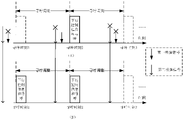
- FIG. 6 is a schematic diagram of detecting a wake-up signal and service notification information according to an embodiment of the present application
- FIG. 7 is a schematic flowchart of another information receiving method and sending method provided by an embodiment of the present application.
- FIG. 8 is a schematic diagram of another detection wake-up signal and service notification information provided by an embodiment of the present application.
- FIG. 9 is a schematic flowchart of another information receiving method and sending method provided by an embodiment of the present application.
- FIG. 10 is a schematic diagram of still another detection wake-up signal and service notification information provided by an embodiment of the present application.
- At least one (item) means one or more
- plural means two or more
- at least two (item) means two or three and three
- “and/or” is used to describe the relationship of related objects, indicating that there can be three kinds of relationships, for example, "A and/or B” can mean: only A exists, only B exists, and both A and B exist three A case where A and B can be singular or plural.
- the character “/” generally indicates that the associated objects are an “or” relationship.
- At least one of the following” or similar expressions refers to any combination of these items. For example, at least one (a) of a, b or c, can mean: a, b, c, "a and b", “a and c", “b and c", or "a and b and c" ".
- the methods and communication apparatuses provided in the embodiments of the present application may be applied to various communication systems, for example, a fourth generation (4th generation, 4G) communication system, a 4.5G communication system, a 5G communication system, a system that integrates multiple communication systems, or Future evolved communication systems (eg, 6G communication systems).
- 4G fourth generation
- 4G fourth generation
- 5G fifth generation
- 5G fifth generation
- 5G fifth generation
- Future evolved communication systems eg, 6G communication systems
- Future evolved communication systems eg, 6G communication systems.
- LTE long term evolution
- NR new radio
- WiFi wireless-fidelity
- wireless ad hoc system wireless ad hoc system
- device-to-device direct connection communication system ad hoc system
- 3GPP third Generation Partnership Project
- the unicast service state may specifically refer to that the terminal device only supports the unicast service, or the terminal device is only interested in the unicast service, or only receives the unicast service.
- the service state may mean that the terminal device has no MBS capability, is not interested in MBS, or does not receive MBS.
- the service state may specifically refer to that the terminal device supports the multicast service, or the terminal device is interested in the multicast service, or is receiving the multicast service.
- the service status may specifically refer to that the terminal device supports the broadcast service, or the terminal device is interested in the broadcast service, or is receiving the broadcast service.
- the terminal device At a paging occasion (PO) in each paging cycle, the terminal device will wake up from the dormant state, detect whether there is a paging message, and perform service processing according to the received paging message. Specifically, the terminal device can first detect downlink control information (DCI, downlink control information), the DCI indicates the radio resource carrying the paging message, and the modulation and coding mechanism used and other information, and then, according to the detected DCI, the terminal device receives paging message, and according to the content of the paging message, confirm whether the paging message is related to itself, for example, whether it has its own identification information, whether it has the identification information of the service that it is interested in, etc. If it is determined that the paging message is If it is related to oneself, the follow-up service is processed according to the paging message.
- DCI downlink control information
- the terminal device receives paging message, and according to the content of the paging message, confirm whether the paging message is related
- the wake-up signal in the embodiment of the present application is designed to save energy of the terminal device.
- the wake-up signal may also be referred to as a power saving signal, or WUS.
- WUS power saving signal
- a wake-up signal can be detected first. If the wake-up signal is detected, the terminal device will further detect the DCI and the paging message; if no wake-up information is detected, the terminal device will No further detection of DCI is performed, and sleep is continued in this paging cycle until the PO detects DCI in the next paging cycle, and then a wake-up signal is detected, and corresponding actions are performed according to whether the wake-up signal is detected.
- the UE Compared with directly detecting DCI or directly detecting a paging message, the UE first detects the wake-up signal, and the energy consumption is lower.
- the wake-up signal in the embodiments of the present application can be applied to energy saving in the process of receiving paging messages, can also be applied to energy saving in the process of receiving system broadcast messages, and can also be applied to energy saving in the process of receiving Multicast Control Channel (MCCH) , etc., which are not limited in the embodiments of the present application.
- MCCH Multicast Control Channel
- the network device can also be replaced by a chip configured in the network device, and the terminal device can also be replaced by a chip configured in the terminal device. .
- FIG. 1 shows a communication system according to an embodiment of the present application.
- the communication system 100 includes one or more network devices (only one network device 110 is shown in FIG. 1 ), and One or more end devices that communicate with one or more network devices.
- the terminal device 111 and the terminal device 112 shown in FIG. 1 communicate with the network device 110 .
- network equipment and terminal equipment may also be referred to as communication equipment.
- the network device 110 can send a paging message to the terminal device, and the terminal device can receive the paging message to determine whether there is a service related to itself.
- the terminal device in this embodiment of the present application may refer to a user equipment (user equipment, UE), an access terminal, a subscriber unit, a subscriber station, a mobile station, a mobile station, a remote station, a remote terminal, a mobile device, a user terminal, a terminal, a wireless Communication equipment, user agent or user equipment.
- UE user equipment
- the terminal device may also be a cellular phone, a cordless phone, a session initiation protocol (SIP) phone, a wireless local loop (WLL) station, a personal digital assistant (PDA), a wireless communication
- SIP session initiation protocol
- WLL wireless local loop
- PDA personal digital assistant
- the network device in this embodiment of the present application may be a device for communicating with a terminal device.
- the network device may be a base station (base station), an evolved NodeB (eNodeB), a transmission reception point (TRP), a next generation NodeB (gNB) in a 5G mobile communication system , a base station in a future mobile communication system or an access node in a WiFi system, etc.
- the network device may also be a module or unit that completes some functions of the base station, for example, may be a centralized unit (central unit, CU) or a distributed unit (distributed unit, DU).
- the network device may also be a wireless controller, a relay station, an access point, a vehicle-mounted device, a wearable device, or other communication systems evolving in the future in a cloud radio access network (CRAN) scenario.
- CRAN cloud radio access network
- the terminal device or the network device includes a hardware layer, an operating system layer running on the hardware layer, and an application layer running on the operating system layer.
- This hardware layer includes hardware such as central processing unit (CPU), memory management unit (MMU), and memory (also called main memory).
- the operating system may be any one or more computer operating systems that implement business processing through processes, such as a Linux operating system, a Unix operating system, an Android operating system, an iOS operating system, or a Windows operating system.
- the application layer includes applications such as browsers, address books, word processing software, and instant messaging software.
- the embodiments of the present application do not specifically limit the specific structure of the execution body of the methods provided by the embodiments of the present application, as long as the program that records the codes of the methods provided by the embodiments of the present application can be executed to provide the methods provided by the embodiments of the present application.
- the execution subject of the method provided by the embodiment of the present application may be a terminal device or a network device, or a functional module in the terminal device or network device that can call and execute a program.
- various aspects or features of the present application may be implemented as a method, apparatus, or article of manufacture using standard programming and/or engineering techniques.
- article of manufacture encompasses a computer program accessible from any computer readable device, carrier or media.
- computer readable media may include, but are not limited to: magnetic storage devices (eg, hard disks, floppy disks, or magnetic tapes, etc.), optical disks (eg, compact discs (CDs), digital versatile discs (DVDs) etc.), smart cards and flash memory devices (eg, erasable programmable read-only memory (EPROM), card, stick or key drives, etc.).
- various storage media described herein can represent one or more devices and/or other machine-readable media for storing information.
- the term "machine-readable medium” may include, but is not limited to, wireless channels and various other media capable of storing, containing, and/or carrying instructions and/or data.
- FIG. 2 is a schematic block diagram of a communication apparatus 1000 provided by an embodiment of the present application.
- the communication apparatus 1000 may include a transceiver unit 1100 and a processing unit 1200 .
- the communication apparatus 1000 can be used as the network device 110 or an apparatus applied in the network device 110 .
- the communication apparatus 1000 may be used as the terminal device 111 or the terminal device 112 , or an apparatus applied to the terminal device 111 or the terminal device 112 .
- the processing unit 1100 may process the received signal or information, or process the signal or information before sending the signal or information. For example, when the processing unit 1100 belongs to the network device 110, the processing unit 1100 may perform baseband processing on the signal or information received by the transceiver unit 1200. Or the information that has undergone baseband processing is further processed. For example, when the information received by the transceiver unit 1200 is a radio resource control (Radio Resource Control, RRC) connection request message from the terminal device, the processing unit 1100 of the network device 110 can be connected. Access control, for example, according to information such as system load and/or priority of the terminal device, it is determined that the terminal device is allowed to access.
- RRC Radio Resource Control
- the processing unit 1100 may perform baseband processing on the signal or information received by the transceiver unit 1200. For example, after the transceiver unit 1200 receives the wake-up signal, the processing unit 1100 determines to further detect the DCI corresponding to the wake-up signal, and after the transceiver unit 1200 receives the paging message, determines whether it is related to itself.
- the transceiver unit 1200 can receive and/or transmit signals. For example, when the transceiver unit 1200 belongs to the network device 110, the transceiver unit 1200 can send a signal or information to the terminal device 111 or the terminal device 112, where the signal or information may include WUS, DCI, paging message, system broadcast message, MCCH, downlink data etc. Correspondingly, when the transceiver unit 1200 belongs to the terminal device 111 or the terminal device 112 , the transceiver unit 1200 can receive the above-mentioned signal or information from the network device 110 .
- the transceiver unit 1200 may receive signals or information from the terminal device 111 or the terminal device 112, where the signals or information may include measurement reports, uplink data, uplink reference signals, and downlink data. Receive status information, etc.
- the transceiver unit 1200 can send the above-mentioned signal or information to the network device 110 .
- the communication device 1000 may also include a communication unit 1300 .
- the communication unit 1300 can complete the reception and/or transmission of signals or information with other network devices.
- the communication unit 1300 can communicate with other network devices (not shown in FIG. 1).
- the network device 110 is a base station and other network devices are also base stations, then the communication unit 1300 can communicate with other base stations (signal or information reception and/or transmission).
- the network device 110 is a base station, and other network devices are core network, the communication unit 1300 may communicate with the core network (signal or information reception and/or transmission).
- FIG. 3 is a schematic block diagram of another communication apparatus 2000 provided by an embodiment of the present application.
- the communication apparatus 2000 may include one or more processors 2100 (only one processor is shown in FIG. 3 ), and may also include a transceiver 2200 .
- the communication apparatus 2000 can be used as the network device 110 or a device applied to the network device 110 .
- the communication apparatus 2000 may be used as the terminal device 111 or the terminal device 112 , or an apparatus applied to the terminal device 111 or the terminal device 112 .
- the functions of the processing unit 1100 in the communication device 1000 may be implemented by one or more processors 2100 .
- the function of the transceiver unit 1200 in the communication device 1000 may be implemented by the transceiver 2200 .
- a transceiver may include a receiver for performing the function (or operation) of receiving and a transmitter for performing the function (or operation) of transmitting operate).
- Transceivers are used to communicate with other devices/devices over a transmission medium.
- the communication device 2000 may also include one or more memories 2300 . Used to store program instructions and/or data.
- the memory 2300 and the processor 2100 are coupled.
- the coupling in the embodiments of the present application refers to indirect coupling or communication connection between devices or units, which may be in electrical, mechanical or other forms, and is used for information interaction between devices or units.
- the processor 2100 may cooperate with the memory 2300.
- the processor 2100 may execute program instructions stored in the memory 2300 .
- at least one of the above-mentioned one or more memories may be included in the processor.
- the specific connection medium between the processor 2100, the transceiver 2200, and the memory 2300 is not limited in this embodiment of the present application.
- the processor 2100 , the transceiver 2200 and the memory 2300 are connected through a bus 2400 , and the bus is represented by a thick line. limit.
- the bus can be divided into address bus, data bus, control bus and so on. For ease of presentation, only one thick line is used in FIG. 3, but it does not mean that there is only one bus or one type of bus.
- the network device may also have more components and the like than those shown in FIG. 3 . It is also understandable that when the communication device shown in FIG. 3 is a terminal device, the terminal device may also have more components and the like than those shown in FIG. 3 . This embodiment of the present application does not limit this.
- FIG. 4 is a schematic block diagram of a circuit system 3000 provided by an embodiment of the present application.
- the network device may include a processing circuit 3100 and an interface circuit 3200 .
- the circuit system 3000 can be used as the network device 110 or a device applied in the network device 110 .
- the circuit system 3000 may be used as the terminal device 111 or the terminal device 112 , or a device applied to the terminal device 111 or the terminal device 112 .
- the above-mentioned processing unit 1100 may be implemented by the processing circuit 3100
- the transceiver unit 1200 may be implemented by the interface circuit 3200 .
- the processing circuit 3100 may be a chip, a logic circuit, an integrated circuit, or a system on chip (SoC) chip, etc.
- the interface circuit 3200 may be a communication interface, an input/output interface, and the like.
- the processor 2100 or the processing circuit 3100 may be a general-purpose processor, a digital signal processor, an application-specific integrated circuit, a field programmable gate array or other programmable logic devices, discrete gate or transistor logic devices, discrete hardware components, etc., can implement or execute the methods, steps, and logical block diagrams provided in the embodiments of the present application.
- a general purpose processor may be a microprocessor or any conventional processor or the like. The steps of the method provided in conjunction with the embodiments of the present application may be directly embodied as being executed by a hardware processor, or executed by a combination of hardware and software modules in the processor, or the like.
- the execution subject is only a network device and/or a terminal device as an example, the network device can also be replaced by a chip configured in the network device, and the terminal device can also be replaced by a terminal device configured in the chip.
- the network device notifies the terminal device of the arrival of a service through a paging mechanism.
- the terminal device determines whether there is information related to itself in the paging message by receiving the paging message, so as to perform subsequent service processing.
- the terminal device will wake up periodically to listen for paging messages from the network device in an idle state or in an inactive state, and be in a dormant state (for example, turn off the receiver) at other times.
- the terminal device can wake up at a paging moment (PO) in each paging cycle to detect (or receive) the DCI sent by the network device, and then receive the paging message according to the detected (or received) DCI, And according to the content in the paging message, confirm whether the paging message is related to the self.
- the terminal device can also read the system information according to the indication of the short message (short message) in the DCI (for example, if the short message indicates that the system information has changed, the terminal device reads the system information according to the short message).
- the terminal device will first detect the wake-up signal before each PO wakes up to monitor the DCI. Only after the wake-up signal is detected, will the DCI and paging messages be further received. If no wake-up signal is detected, the terminal device will DCI and paging messages will not be received during the current paging cycle.
- the paged terminal device can only detect And after receiving the paging message, it knows whether the paging message is related to itself. For example, if the service status of terminal device 1 is unicast, but the paging message is for MBS, then terminal device 1 must first receive the paging message before knowing that the paging has nothing to do with itself. The terminal device detects DCI (or wake-up signal and DCI) and receives paging messages that are not related to itself, which will waste its own power and affect the battery life.
- DCI or wake-up signal and DCI
- the embodiments of the present application provide a method for receiving information and a method for sending information, which reduces the power consumption caused by the terminal device detecting paging messages unrelated to itself, and is beneficial to battery life.
- the information receiving method and the sending method provided by the embodiments of the present application are described by taking the execution subject as the terminal device 111 and the network device 110 as an example.
- a method for receiving and sending information is provided.
- the terminal device 111 determines whether to detect a wake-up signal according to a service state. For example, when the service state is a unicast service state, the wake-up signal is detected. When the service state includes a multicast service state and/or broadcast service state, no wake-up signal is detected. Or the wake-up signal is refined, and the terminal device detects different wake-up signals in different service states. Therefore, the power consumption caused by the terminal device waking up to detect and receive service notification information unrelated to itself can be reduced.
- FIG. 5 is a schematic flowchart of a method for receiving information and a method for sending information provided by an embodiment of the present application. As shown in Figure 5, the method includes:
- the network device 110 determines the service type to be notified.
- the type of service to be notified that is, which service is to be notified, which service is to be initiated, which service is to be received by the terminal device, or which service the terminal needs to transmit, etc.
- the service type to be notified may include at least one of a unicast service, a multicast service, and a broadcast service.
- the service type to be notified may include at least one of unicast service and MBS (ie, no distinction is made between multicast service and broadcast service).
- the manner in which the network device obtains the service type to be notified may include first receiving a service notification information from the core network, and the service notification information may be paging or other information of the core network, which is not limited in this embodiment of the present application.
- the core network when the core network has a notification related to MBS services, such as the start of MBS, there is MBS data to be transmitted, etc., the core network triggers the notification, and accordingly, the service notification information may indicate multicast services and/or broadcast services related.
- Information such as service identity (Service ID), TMGI, MBS Indicator, service type (such as multicast service, broadcast service), identification information of terminal equipment receiving the service or terminal equipment interested in the service (such as UE ID), etc. one or more.
- the network device may request the core network for the content of service notification information, and then receive service notification information from the core network.
- the service notification information may further indicate capability information of whether the terminal device supports the wake-up signal.
- the capability information is reported by the terminal device to the core network in advance.
- the capability information may include whether the terminal device supports a wake-up signal, the time interval between the wake-up signal and the corresponding paging moment, and the like. It can be understood that the time interval between the wake-up signal and the corresponding paging moment represents the minimum time interval between the wake-up signal and the PO, and the minimum time interval may be related to the processing capability of the terminal device.
- the type of service to be notified may be stored locally by the network device, for example, information related to the multicast service and/or broadcast service, such as service ID (Service ID), TMGI, One or more of MBS Indicator, service type (such as multicast service, broadcast service), etc.
- service ID Service ID
- TMGI One or more of MBS Indicator
- service type such as multicast service, broadcast service
- the network device determines whether to perform the action performed by the network device in S102 according to the service type to be notified.
- the network device determines to perform the action performed by the network device in S102.
- the service type to be notified is unicast service, or the service type to be notified includes unicast service and multicast service, or the service type to be notified includes unicast service, multicast service and broadcast service.
- the network device determines Perform the action performed by the network device in S102.
- the service notification information from the core network indicates that the terminal device supports the wake-up signal capability information
- the network device also needs to determine that the terminal device supports receiving the wake-up signal before determining to perform the action performed by the network device in S102. If it is determined that the terminal device corresponding to the unicast service to be paged does not support receiving the wake-up signal, the network device does not perform S102.
- the network device determines to perform the action performed by the network device in S103, but does not perform S102. Or, the network device determines that the terminal device corresponding to the unicast service to be paged does not support receiving a wake-up signal, and does not execute S102.
- the action of the network device 110 may be performed by the processing unit 1100, the processor 2100 or the processing circuit 3100 of the aforementioned communication apparatus (as the network device).
- the terminal device 111 determines the service status.
- the service state of the terminal device 111 may be a unicast service state, or the service state of the terminal device 111 may include a multicast service state, or the service state of the terminal device 111 may include a broadcast service state, or the service state of the terminal device 111 may Including multicast service status and broadcast service status.
- the service state of the terminal device 111 may be a unicast service state, or the service state of the terminal device 111 may include a multicast service state, or the service state of the terminal device 111 may include a broadcast service state, or the service state of the terminal device 111 may Including multicast service status and broadcast service status.
- the terminal device When the service state of the terminal device 111 is the unicast service state, the terminal device performs the action of the terminal device in S102, such as detecting the first wake-up signal from the network device.
- the terminal device When the service state of the terminal device 111 includes the multicast service state and/or the broadcast service state, the terminal device skips S102 and executes the actions of the terminal device in S103.
- the network device will simultaneously page a group of terminal devices, and the group of terminal devices may include one or more terminal devices.
- the group of terminal devices may include the terminal device 111 and the terminal device 112 .
- the network equipment can divide the terminal equipment into different groups according to the identification information of the terminal equipment, such as a temporary mobile station identity (temporary mobile subscriber identity, TMSI).
- Terminal devices of the same group wake up at the same paging time (PO) to detect or receive paging messages.
- PO paging time
- the service state of the terminal device 111 is a unicast service state
- the service state of the terminal device 112 may include a multicast service state and/or a broadcast service state.
- the terminal device 111 If the service state of the terminal device 111 includes the multicast service state and/or the broadcast service state, even if the network device 110 sends the first wake-up signal (for example, the network device determines that the service notification information for the group of terminal devices includes the unicast service ), the terminal device 111 also does not perform S102, that is, does not detect the first wake-up signal, or ignores the first wake-up signal.
- the terminal device 111 detects the first wake-up signal regardless of whether the network device sends the first wake-up signal.
- the action of the terminal device 111 may be performed by the processing unit 1100, the processor 2100 or the processing circuit 3100 of the aforementioned communication apparatus (as the terminal device).
- the network device 110 sends a first wake-up signal to the terminal device 111 .
- the network device may send the first wake-up signal. I won't go into details here.
- the network device sends the first wake-up signal according to the service type to be notified including the unicast service.
- step S201a is optional, that is, the network device may not explicitly determine the service type to be notified.
- the terminal device 111 when the service state of the terminal device 111 is the unicast service state, it is determined to detect the first wake-up signal.
- the terminal device determines to detect the first wake-up signal according to the service state being the unicast service state.
- step 101b is optional, that is, the terminal device determines that the service state is the unicast service state when there is no welder.
- the first wake-up signal is used to instruct the terminal device to detect the first information.
- the terminal device detects the first wake-up signal, it means that the terminal device needs to further receive the first information.
- the terminal device tries to detect the first wake-up signal, but does not detect (receive) the first wake-up signal, the terminal device no longer receives the first information, but waits until the paging moment corresponding to the next paging cycle, or the first At the time corresponding to the wake-up signal, the first wake-up signal is detected according to the service state.
- FIG. 6 shows an example in which the terminal device detects the first wake-up signal and service notification information.
- the service state of the terminal device is a unicast service state
- the service notification information is paging
- the first information is downlink control information as an example for description.
- the terminal device before a paging moment in each paging cycle, the terminal device first detects the first wake-up signal corresponding to the paging moment. Specifically, before paging time 1, the terminal device wakes up and tries to detect the first wake-up signal, but does not detect the first wake-up signal, then the terminal device no longer detects downlink control information and paging at paging time 1, but instead detects the first wake-up signal.
- the terminal device Before paging time 2, the terminal device wakes up again to detect the first wake-up signal. If the first wake-up signal is detected, the terminal device further receives downlink control information and paging at paging time 2, and according to the content of the paging Perform subsequent processing, such as receiving unicast services, receiving multicast services and/or broadcast services, etc. Before paging time 3, the terminal device tries to detect the first wake-up signal again, but does not detect the first wake-up signal, then the terminal device no longer detects downlink control information and paging at paging time 3, but keeps sleeping until the next A paging cycle is not repeated here.
- the service state of the terminal device includes multicast service state and/or broadcast service state, the service notification information is paging, and the first information is downlink control information as an example for description.
- the terminal device detects or receives downlink control information and paging at a paging moment in each paging cycle. Specifically, at paging time 1, the terminal device does not receive downlink control information and paging at paging time 1, and then keeps dormant until the next paging cycle (paging time 2). At paging time 2, the terminal device wakes up again to detect or receive downlink control information and paging.
- follow-up processing is performed according to the content of the paging, such as receiving unicast services, receiving multicast services and/or or broadcasting services, etc.
- the terminal device Before paging time 3, the terminal device tries to detect downlink control information and paging again, and details are not repeated here.
- the network device first sends the configuration information of the first wake-up signal to the terminal device.
- the corresponding terminal device receives the configuration information of the first wake-up signal.
- the configuration information of the first wake-up signal may be carried in system information or information sent by other network devices in a broadcast manner, and may also be carried in unicast information, such as a dedicated message such as a radio resource control release (RRC Release) message,
- RRC Release radio resource control release
- the configuration information of the first wake-up signal may include: the frequency domain resource location of WUS (Frequency location of WUS), the time domain resource location of WUS, the configured maximum WUS duration (Maximum WUS duration), and the configured maximum WUS duration ends to Minimum time gap in from the end of the configured maximum WUS duration to the first associated PO, etc.
- the action of the network device 110 may be performed by the transceiver unit 1200, the transceiver 2200 or the interface circuit 3200 of the aforementioned communication device (as the network device), and the action of the terminal device 111 may be performed by the aforementioned communication device (as the terminal device)
- the transceiver unit 1200, the transceiver 2200 or the interface circuit 3200 to execute.
- the network device 110 sends the first information to the terminal device.
- the terminal device 111 detects or receives the first information.
- the first information may be downlink control information (DCI), and when the service notification information is paging, the first information may be scrambled using P-RNTI, and when the service notification information is system information, the first information may be scrambled using System information wireless network temporary identity (system information-radio network temporary identity, SI-RNTI) or paging wireless network temporary identity (paging-radio network temporary identity, P-RNTI) scramble, when the service notification information is MCCH, the first A message may be scrambled using a Multimedia Broadcast Multicast Service Wireless Network Temporary Identity (Multimedia Broadcast Multicast Service-RNTI, M-RNTI) or P-RNTI.
- DCI downlink control information
- P-RNTI downlink control information
- M-RNTI Multimedia Broadcast Multicast Multicast Service Wireless Network Temporary Identity
- the first information includes radio resources (such as physical resource blocks) used for transmitting the service notification information, and may also include information such as modulation and coding methods.
- the terminal device When the service state of the terminal device 111 is the unicast service state, the terminal device receives the first information according to the detected first wake-up signal. That is, the terminal device receives the first information in response to the detected first wake-up number. Further, the terminal device receives the service notification information according to the received first information (action of the terminal device in S104).
- the terminal device detects or receives the first information. That is, the terminal device directly detects whether there is the first information at the paging moment, and if the first information is detected (or the first information is received), the service notification information is further received according to the first information (action of the terminal device in S104) .
- the action of the network device 110 may be performed by the transceiver unit 1200, the transceiver 2200 or the interface circuit 3200 of the aforementioned communication device (as the network device), and the action of the terminal device 111 may be performed by the aforementioned communication device (as the terminal device)
- the network device 110 sends service notification information to the terminal device.
- the terminal device 111 receives the service notification information.
- the service notification information may include at least one of paging, system information, and information carried in the MCCH.
- the content in the service notification information may include at least one of identification information of the terminal device to be notified and identification information of the service to be notified.
- the identification information of the terminal device may be TMSI, and the identification information of the service to be notified may be TMGI.
- the service notification information may also be system information and/or MCCH, and in this case, the identification information of the service to be notified may be TMGI.
- the content of the service notification information may include the type of service to be notified.
- the service notification information may be transmitted in a physical downlink shared channel (PDSCH), for example, when the service notification information is paging or system information, it is transmitted in the PDSCH.
- PDSCH physical downlink shared channel
- the terminal device performs subsequent operations according to the content in the service notification information.
- the service notification information as an example of paging
- the terminal device determines that the paging is related to itself according to the identification information of the service to be notified, that is to say, whether the identification information of the service to be notified is sensed by the terminal device.
- the service notification information can also instruct the terminal device to read the system information and/or MCCH information, and the system information and/or MCCH information can include the identification information of the service to be notified.
- the information determines that the paging is related to itself, and then responds to the notification information. For example, if the terminal device is in an idle state or an inactive state, the terminal device initiates an RRC connection request process, or obtains service configuration through broadcast information.
- the action of the network device 110 may be performed by the transceiver unit 1200, the transceiver 2200 or the interface circuit 3200 of the aforementioned communication device (as the network device), and the action of the terminal device 111 may be performed by the aforementioned communication device (as the terminal device)
- This step is optional.
- a wake-up signal is introduced, and the wake-up signal is only related to the unicast service, so as to reduce unnecessary power consumption of the terminal device.
- the service state of the terminal device is the unicast service state
- the first wake-up signal is detected, and when the terminal device includes the multicast service state and/or the broadcast service state, the first wake-up signal is no longer detected.
- the service type to be notified in the notification information only includes the multicast service state and/or the broadcast service state, on the one hand, the network device does not need to send the first wake-up signal; If the first wake-up signal is not detected, there is no need to further receive the first information and the service notification information.
- different wake-up signals are designed for different service states. For example, when the service state of the terminal device is the unicast service state, the first wake-up signal is detected, and when the service state of the terminal device includes the multicast service state and/or the broadcast service state, the second wake-up signal is detected, and further, it is possible to detect the second wake-up signal.
- the first wake-up signal In addition to the benefits in the foregoing embodiments, the power consumption of the terminal equipment whose service state is the multicast service state and/or the broadcast service state can also be reduced.
- the method provided by the embodiment of this application includes the following steps:
- the network device 110 confirms the service type to be notified. Specifically, for this step, reference may be made to S101a.
- the network device determines to perform the action of the network device in S202a, for example, the service type to be notified includes a unicast service, or when the service type to be notified includes a unicast service For the unicast service and the multicast service, the network device determines to execute the action of the network device in S202a.
- the network device determines to perform the action of the network device in S202b, for example, when the service type to be notified includes multicast service and/or broadcast service, or when the service type to be notified includes The service type includes multicast service and/or broadcast service, and unicast service, and the network device determines to execute the action of the network device in S202b.
- the network device determines to execute the action of the network device in S202a and the action of the network device in S202b.
- the terminal device 111 determines the service status.
- step S201b The difference between this step S201b and S101b is that when the service state of the terminal device 111 is a unicast service state, the terminal device performs the actions of the terminal device in S202a to detect the first wake-up signal from the network device.
- the terminal device performs the action of the terminal device in S202b.
- the terminal device may also perform the action of the terminal device in S202a.
- the network device 110 sends a first wake-up signal to the terminal device 111.
- the actions of the network device in S201a and S202a can be replaced by the network device sending the first wake-up signal according to the service type to be notified, including the unicast service.
- step S201a is optional, that is, the network device There may be no actions that explicitly determine the type of service to be notified.
- the service state of the terminal device 111 is the unicast service state, it is determined to detect the first wake-up signal.
- the actions of the terminal device in S201b and S202a may be replaced by the terminal device 111 detecting the first wake-up signal according to the service state being a unicast service state.
- step S201b is optional.
- the network device 110 sends a second wake-up signal to the terminal device 111.
- step S201a is optional, that is, The network device may have no action to explicitly determine the type of service to be notified.
- the service state of the terminal device 111 includes the multicast service state and/or the broadcast service state, it is determined to detect the second wake-up signal.
- the actions of the terminal device in S201b and S202b may be replaced by the terminal device 111 detecting the second wake-up signal according to the service state including the multicast service state and/or the broadcast service state.
- step S201b is optional.
- the second wake-up signal is used to instruct the terminal device to detect the first information.
- the terminal device detects the second wake-up signal, it means that the terminal device needs to further receive the first information.
- the terminal device tries to detect the second wake-up signal, but does not detect (receive) the second wake-up signal, the terminal device no longer receives the first information, but waits for the paging time corresponding to the next paging cycle, and then according to the service state, the second wake-up signal is detected.
- the sequences used by the first wake-up signal and the second wake-up signal may be different, and/or the used radio resources (time domain resources and/or frequency domain resources) may be different.
- the periods of the first wake-up signal and the second wake-up signal may also be different, for example, the period of the first wake-up signal is the same as the paging period, the period of the second wake-up signal is N times the paging period, N is greater than 1, etc. .
- FIG. 8 shows an example in which the terminal device detects the first wake-up signal, the second wake-up signal and service notification information.
- the description is given by taking the service notification information as paging and the first information as downlink control information as an example.
- FIG. 8(A) it is assumed that the service state of the terminal device is a unicast service state, and reference may be made to FIG. 6(A), which will not be repeated here.
- the service state of the terminal device includes a multicast service state and/or a broadcast service state, and the terminal device detects the second wake-up signal.
- the process of detecting the first wake-up signal by the terminal device is similar, and details are not described again.
- the terminal device detects the first wake-up signal and the second wake-up signal, as shown in FIG. 8(B). At this time, regardless of the detection of the first wake-up signal or the detection of the second wake-up signal, the terminal device must receive the first information. Further, when the terminal device detects one of the first wake-up signal and the second wake-up signal, it can no longer detect the other wake-up signal, thereby further reducing the power consumption of the terminal. As shown in Fig.
- the terminal device before paging time 1, the terminal device detects the second wake-up signal, then receives downlink control information and paging at paging time 1, and before paging time 2, the terminal device detects the first wake-up signal. wake-up signal, then the downlink control information and paging are received at paging time 2. Before paging time 3, the terminal device does not detect the first wake-up signal nor the second wake-up signal. Then receive downlink control information and paging, and keep dormant until the next paging cycle (not shown in the figure).
- the network device first sends the configuration information of the first wake-up signal and the second wake-up signal to the terminal device.
- the corresponding terminal device receives the configuration information of the first wake-up signal and the second wake-up signal.
- the configuration information of the first wake-up signal and the second wake-up signal may be carried in system information or information sent by other network devices in a broadcast manner, or may be carried in unicast information, such as a radio resource control release (RRC Release) message and other special messages, the embodiment of the present application does not limit it.
- RRC Release radio resource control release
- the configuration information of the first wake-up signal may indicate radio resources (one or more of time domain resources, frequency domain resources, code domain resources, and air domain resources) of the first wake-up signal, and the configuration information may also indicate that the first wake-up signal is associated with the first wake-up signal.
- the service state is the unicast service state.
- the configuration information of the second wake-up signal may indicate radio resources (one or more of time-domain resources, frequency-domain resources, code-domain resources, and space-domain resources) of the second wake-up signal, and the configuration information may also indicate
- the wake-up signal association or service state is a broadcast service state and/or a multicast service state.
- the terminal device determines the detected wake-up signal according to the service state and the configuration information of the first wake-up signal and/or the configuration information of the second wake-up signal.
- the network device 110 sends the first information to the terminal device.
- the terminal device 111 detects or receives the first information.
- the network device 110 sends service notification information to the terminal device.
- the terminal device 111 receives the service notification information.
- This step is optional.
- the power consumption of the terminal device in the unicast service state can be reduced, and the power consumption of the terminal equipment in the unicast service state can also be reduced. Power consumption of terminal equipment broadcasting traffic status and/or multicast traffic status. For example, when the service state of the terminal device is the unicast service state, the first wake-up signal is detected, and the first information and service notification information are further received only after the first wake-up signal is detected. If the first wake-up signal is not detected, The terminal device does not need to receive the corresponding first information and service notification information, thereby achieving the effect of power saving.
- the terminal device when the terminal device includes the multicast service state and/or the broadcast service state, and detects the second wake-up signal (or the first wake-up signal and the second wake-up signal), only the second wake-up signal (or the first wake-up signal and the second wake-up signal) is detected. After the second wake-up signal), the first information and service notification information are further received. If the second wake-up signal is not detected (or neither the first wake-up signal nor the second wake-up signal is detected), the terminal device is in the There is no need to receive the corresponding first information and service notification information, thereby achieving the power saving effect.
- a third wake-up signal is further introduced, which are respectively for unicast service, multicast service and broadcast service.
- the service state of the terminal device is a unicast service state
- the first wake-up signal is detected; when the service state of the terminal device includes a multicast service state, the second wake-up signal is detected, and further, the first wake-up signal can be detected.
- the service state of the terminal device includes the broadcast service state
- the third wake-up signal is detected, and further, the first wake-up signal and/or the second wake-up signal may also be detected.
- the embodiments of this application can reduce the power consumption of terminal devices in different service states.
- the method provided by the embodiment of this application includes the following steps:
- the network device 110 confirms the service type to be notified. Specifically, for this step, reference may be made to S101a or S201a.
- the network device determines to execute the action of the network device in S302a, for example, the service type to be notified includes a unicast service, or when the service type to be notified includes a unicast service For the unicast service and the multicast service, the network device determines to execute the action of the network device in S302a.
- the network device determines to perform the action of the network device in S302b, for example, when the service type to be notified includes multicast service, or when the service type to be notified includes multicast service and broadcast service , and the unicast service, the network device determines to execute the action of the network device in S302b.
- the network device determines to perform the action of the network device in S302c, for example, when the service type to be notified includes broadcast service, or when the service type to be notified includes broadcast service and multicast service, and For the unicast service, the network device determines to execute the action of the network device in S302c.
- the network device determines to execute the action of the network device in S302a, the action of the network device in S302b and the action of the network device in S302c.
- the terminal device 111 determines the service status.
- this step may refer to S101b or S201b.
- the difference between this step S301b and S201b is that when the service state of the terminal device 111 is a unicast service state, the terminal device performs the actions of the terminal device in S302a to detect the first wake-up signal from the network device.
- the terminal device performs the action of the terminal device in S302b.
- the terminal device may also perform the action of the terminal device in S302a.
- the terminal device performs the action of the terminal device in S302c.
- the terminal device may also perform the action of the terminal device in S302a and/or the action of the terminal device in S302b.
- the network device 110 sends a first wake-up signal to the terminal device 111.
- the service state of the terminal device 111 is the unicast service state, it is determined to detect the first wake-up signal.
- the network device 110 sends a second wake-up signal to the terminal device 111.
- the service state of the terminal device 111 includes the multicast service state, it is determined to detect the second wake-up signal.
- the second wake-up signal is used to instruct the terminal device to detect the first information.
- the terminal device detects the second wake-up signal, it means that the terminal device needs to further receive the first information.
- the terminal device tries to detect the second wake-up signal, but does not detect (receive) the second wake-up signal, the terminal device no longer receives the first information, but waits for the paging time corresponding to the next paging cycle, and then according to the service state, the second wake-up signal is detected.
- the network device 110 sends a third wake-up signal to the terminal device 111.
- the service state of the terminal device 111 includes the broadcast service state, it is determined to detect the third wake-up signal.
- the sequences used by the first wake-up signal, the second wake-up signal, and the third wake-up signal may be different, and/or the used radio resources (time domain resources and/or frequency domain resources) may be different.
- the periods of the first wake-up signal and the second wake-up signal may also be different, for example, the period of the first wake-up signal is the same as the paging period, the period of the second wake-up signal is M times the paging period, and M is greater than 1, etc.
- the period of the third wake-up signal is N times of the paging period, and N is greater than 1 and so on.
- an embodiment of the present application provides an example of a terminal device detecting a first wake-up signal, a second wake-up signal, a third wake-up signal, and service notification information.
- the description is given by taking the service notification information as paging and the first information as downlink control information as an example.
- the terminal device detects the first wake-up signal, as shown in FIG. 8(A). I won't go into details here.
- the terminal device detects the second wake-up signal. At this time, the process of detecting the first wake-up signal by the terminal device is similar and will not be repeated.
- the terminal device detects the first wake-up signal and the second wake-up signal, as shown in FIG. 8(B) , which will not be repeated here.
- the terminal device detects the third wake-up signal. At this time, the process of detecting the first wake-up signal or the second wake-up signal by the terminal device is similar and will not be repeated.
- the terminal device when the service state of the terminal device is the broadcast service state, the terminal device detects the first wake-up signal and the third wake-up signal. At this time, the process of detecting the first wake-up signal or the second wake-up signal by the terminal device is similar. It is not repeated here.
- the terminal device when the service state of the terminal device is the broadcast service state, the terminal device detects the second wake-up signal and the third wake-up signal. At this time, the process of detecting the first wake-up signal or the second wake-up signal by the terminal device is similar. It is not repeated here.
- the terminal device detects the first wake-up signal, the second wake-up signal and the third wake-up signal, as shown in FIG. 10 .
- the terminal device detects any one of the first wake-up signal, the second wake-up signal, and the third wake-up signal, the terminal device must receive the first information.
- the terminal device detects any one of the first wake-up signal, the second wake-up signal and the third wake-up signal, the other two wake-up signals may not be detected, thereby further reducing the power consumption of the terminal. As shown in FIG.
- the terminal device before paging time 1, the terminal device detects the third wake-up signal, then receives downlink control information and paging at paging time 1, and before paging time 2, the terminal device detects the first wake-up signal signal, the downlink control information and paging are received at paging time 2. Before paging time 3, the terminal device does not detect the first wake-up signal, the second wake-up signal, and the third wake-up signal. , the downlink control information and paging will not be received at the paging time 3, and will remain dormant until the next paging cycle (not shown in the figure).
- the network device first sends the configuration information of the first wake-up signal, the second wake-up signal and the third wake-up signal to the terminal device.
- the corresponding terminal device receives the configuration information of the first wake-up signal, the second wake-up signal and the third wake-up signal.
- the configuration information of the first wake-up signal, the second wake-up signal and the third wake-up signal may be carried in system information or information sent by other network devices in a broadcast manner, or may be carried in unicast information, such as RRC release In special messages such as (RRC Release) messages, this embodiment of the present application does not limit it.
- the configuration information of the first wake-up signal may indicate radio resources (one or more of time domain resources, frequency domain resources, code domain resources, and air domain resources) of the first wake-up signal, and the configuration information may also indicate that the first wake-up signal is associated with the first wake-up signal.
- the service state is the unicast service state.
- the configuration information of the second wake-up signal may indicate radio resources (one or more of time-domain resources, frequency-domain resources, code-domain resources, and space-domain resources) of the second wake-up signal, and the configuration information may also indicate The wake-up signal association or service state is the multicast service state.
- the configuration information of the third wake-up signal may indicate radio resources (one or more of time domain resources, frequency domain resources, code domain resources, and air domain resources) of the third wake-up signal, and the configuration information may also indicate The wake-up signal association or service state is the multicast service state.
- the terminal device determines the detected wake-up signal according to the service state and at least one of the configuration information of the first wake-up signal, the configuration information of the second wake-up signal, or the configuration information of the third wake-up signal.
- the network device 110 sends the first information to the terminal device.
- the terminal device 111 detects or receives the first information.
- the network device 110 sends service notification information to the terminal device.
- the terminal device 111 receives the service notification information.
- This step is optional.
- the consumption of the terminal equipment in the unicast service state is reduced.
- the power consumption of the terminal equipment in the broadcast service state and the power consumption of the terminal equipment in the multicast service state can also be reduced.
- the service state of the terminal device is the unicast service state
- the first wake-up signal is detected, and the first information and service notification information are further received only after the first wake-up signal is detected. If the first wake-up signal is not detected, The terminal device does not need to receive the corresponding first information and service notification information, thereby achieving the effect of power saving.
- the terminal device when the terminal device includes the multicast service state, it detects the second wake-up signal (or the first wake-up signal and the second wake-up signal), and only after detecting the second wake-up signal (or the first wake-up signal and the second wake-up signal) , the first information and the service notification information are further received. If the second wake-up signal is not detected (or the first wake-up signal is not detected, nor the second wake-up signal is detected), the terminal device does not need to receive the corresponding first wake-up signal. information and service notification information, so as to achieve the effect of power saving.
- the terminal device when the terminal device includes the broadcast service status, the third wake-up signal (or the third wake-up signal, and the first wake-up signal and/or the second wake-up signal) is detected, and only the third wake-up signal (or the third wake-up signal) is detected. , and the first wake-up signal and/or the second wake-up signal), the first information and service notification information are further received, if the third wake-up signal is not detected (or the first wake-up signal is not detected, the second wake-up signal and The third wake-up signal), the terminal device does not need to receive the corresponding first information and service notification information, so as to achieve a power saving effect.
- the above wake-up signal is further refined.
- the second wake-up signal in the above embodiment belongs to the second wake-up signal set, and the second wake-up signal set includes at least two second wake-up signals, wherein each second wake-up signal in the second wake-up signal set is related to the service A service attribute in the attribute information set is associated, and the second wake-up signal in the second wake-up signal set is used to indicate the first information.
- the network device first sends configuration information of the second wake-up signal set to the terminal device, the configuration information of the second wake-up signal set includes configuration information of at least two second wake-up signals, wherein each second wake-up signal
- the configuration information can indicate the radio resources (one or more of time domain resources, frequency domain resources, code domain resources, and air domain resources) of the corresponding second wake-up signal, and can also indicate that the service status associated with the second wake-up signal is The service state corresponding to a piece of service attribute information in the service attribute information set.
- the terminal device determines the detected second wake-up signal according to the service state and the configuration information of the second wake-up signal set.
- the network device before the network device sends the configuration information of the second wake-up signal set to the terminal device, the network device obtains the foregoing service attribute information set from the core network.
- the service attribute information set includes at least one of a service identification information set, a service type information set, a service quality QoS requirement information set, or a service notification frequency information set.
- the service attribute information set includes at least two service attribute information. Further, the terminal device determines to detect a second wake-up signal associated with the service attribute information in the second wake-up signal set according to the service state (or service attribute information).
- the terminal device detects one or more second wake-up signals associated with the one or more service attribute information.
- the set of service identification information may include at least two sets of identifications of multicast services, such as TMGI.
- TMGI multicast services
- different TMGIs are divided into groups, and each group of TMGIs represents one piece of service attribute information.
- At least one TMGI is included in each set of TMGIs.
- each TMGI can form a group.
- TMGI 0-5 is a group
- TMGI 6-10 is a group, and so on.
- TMGI Mod X group different TMGIs into a group, Mod means modulo, and X is a positive integer.
- the identifier of each group of multicast services corresponds to a second wake-up signal.
- the service state of the terminal device includes the multicast service state.
- the service state of the terminal device includes the service state corresponding to one or more service attribute information.
- the current service state of the terminal device is related to the service attribute information TMGI 0 ⁇ In the service state corresponding to 5, the terminal device detects the second wake-up signal associated with the service attribute information TMGI 0-5.
- the set of service type information may include public safety (public safety), vehicle-to-everything (V2X), software delivery over wireless, group communications (group communications) and at least one of Internet of Things (Internet of Things, IoT) applications, wherein each service type is associated with a second wake-up signal.
- the service state of the terminal device includes the multicast service state.
- the service state of the terminal device includes the service state corresponding to one or more service attribute information.
- the current service state of the terminal device is corresponding to the public safety service type.
- the terminal device detects the second wake-up signal associated with the public safety service type.
- the current service state of the terminal device is a service state corresponding to V2X, and the terminal device detects a second wake-up signal associated with the V2X service type.
- the quality of service QoS requirement information set may include at least two multicast service QoS requirement information.
- the multicast service QoS requirement information set includes low QoS requirement information and high QoS requirement information, wherein the low QoS requirement information is associated with a second wake-up signal, and the high QoS requirement information is associated with another second wake-up signal.
- the service state of the terminal device includes the multicast service state.
- the service state of the terminal device includes the service state corresponding to one or more service attribute information.
- the current service state of the terminal device corresponds to the low QoS requirement information.
- the terminal device detects the second wake-up signal associated with the low QoS requirement information.
- the current service state of the terminal device is a service state corresponding to the high QoS requirement information, and the terminal device detects the second wake-up signal associated with the high QoS requirement information.
- each QoS requirement information in the multicast service QoS requirement information set includes different 5QIs
- the service status of the terminal equipment includes the multicast service status specifically
- the service status of the terminal equipment includes a
- the frequency information set of service notifications may include information that the frequency of service notifications is equal to or lower than the first threshold value, or information that the frequency of service notifications is higher than or equal to the first threshold value, which are respectively associated with a first threshold value.
- Two wake-up signal associations It can be understood that the frequency of service notifications can be divided into finer groups as required, and there is no restriction on application. It can be understood that the frequency of service notifications of different services may be different.
- the service status of the terminal device includes the multicast service status. Specifically, the service status of the terminal device includes the service status corresponding to one or more service attribute information. For example, the current service status of the terminal device is equal to the frequency of service notification. or lower than the service state corresponding to the first threshold value, the terminal device detects the second wake-up signal associated with the information that the frequency of the service notification is equal to or lower than the first threshold value.
- the second wake-up signal mentioned in the embodiments of the present application may be replaced by a third wake-up signal
- the second wake-up signal set may be replaced by a third wake-up signal set.
- the second wake-up signal and the third wake-up signal may be refined respectively, for example, the second wake-up signal belongs to the second wake-up signal set, and each second wake-up signal in the second wake-up signal set The signal is associated with a service attribute in the service attribute information set
- the third wake-up signal belongs to the third wake-up signal set
- each third wake-up signal in the third wake-up signal set is associated with a service attribute in the service attribute information set.
- the power consumption of terminal devices in different service states can be reduced.
- the terminal device after receiving the first information (such as DCI for scheduling paging) that is used to indicate service notification information (such as paging), the terminal device will receive the service notification information according to the first information, and then The content of the service notification information determines whether the service notification information is related to itself. For example, a terminal device whose service state is in the unicast service state, after receiving the service notification information, if the content of the service notification information only contains multicast services and/or broadcast service, the terminal device determines that the service notification information has nothing to do with itself, but at this time, the terminal device has already received the first information and the service notification information, thereby increasing power consumption.
- the first information such as DCI for scheduling paging
- service notification information such as paging
- the terminal equipment determines that the service notification information has nothing to do with itself, but at this time, The terminal device has already received the first information and the service notification information, thereby increasing power consumption.
- another embodiment of the present application provides a method for sending and receiving information.
- the first information indicates the type of service to be notified, and the terminal device can quickly obtain whether the service notification information is related to itself through the first information, thereby reducing power consumption caused by receiving service notification information not related to itself .
- the first information is used to indicate a service type to be notified.
- the type of service to be notified may include only broadcast service and/or multicast service, or may include broadcast service and/or multicast service and unicast service.
- 1 bit is used in the first information to indicate that when the value of this 1 bit is 1, the service notification information is only related to broadcast services and/or multicast services.
- the value of 1 bit determines that the service notification information indicated by the first information is not to be received.
- the service notification information is not only related to broadcast services and/or multicast services.
- Terminal devices in any service state are The service notification information indicated by the first information is received. It can be understood that the corresponding relationship between the value of the 1 bit and the service type to be notified can be changed, which is not limited in this application. The same below.
- the service type to be notified may include broadcast service and/or multicast service, and/or unicast service.
- 2 bits are used in the first information to indicate, where the value of 1 bit is used to indicate whether to notify the broadcast service and/or the multicast service.
- the value of "1" indicates that the broadcast service and/or the multicast service is notified.
- a "0" indicates that broadcast services and/or multicast services are not notified.
- the value of the other 1 bit indicates whether to notify the unicast service.
- the value of "1" indicates that the unicast service is notified, and the value of "0" indicates that the unicast service is not notified.
- the value of this 2 bit is "01", indicating that the type of service to be notified is not notifying broadcast service and/or multicast service, but notifying unicast service.
- a value of "10” indicates that the type of service to be notified is notifying broadcast service and/or multicast service, but not notifying unicast service.
- a value of "11” indicates that the type of service to be notified is notifying broadcast service and/or multicast service, and also notifying unicast service at this time.
- the terminal device determines whether to receive the service notification information according to the service state and the value of 2 bits in the first information.
- the service state of the terminal device is a unicast service state
- the value of the foregoing 2 bit is "10”
- the above-mentioned 2bit value is "01” or "11”, it is determined to receive the service notification information indicated by the first information.
- the service type to be notified may include at least one of a broadcast service, a multicast service, and a unicast service.
- 3 bits are used in the first information to indicate, wherein the value of 1 bit is used to indicate whether to notify the broadcast service.
- the value of the second bit is used to indicate whether to notify the multicast service, for example, the value of "1" indicates that the multicast service is notified, and the value of "0" indicates that the multicast service is not notified.
- the value of the third bit indicates whether to notify the unicast service, for example, the value of "1" indicates that the unicast service is notified, and the value of "0" indicates that the unicast service is not notified.
- the value of this 3 bit is "001", indicating that the type of service to be notified is neither broadcast service nor multicast service, but unicast service is notified.
- a value of "110” indicates that the types of services to be notified are broadcast services and multicast services, but unicast services are not notified.
- a value of "111” indicates that the types of services to be notified are notification broadcast services, multicast services, and unicast services.
- the terminal device determines whether to receive the service notification information according to the service state and the value of 3 bits in the first information.
- the service state of the terminal device is a unicast service state
- the value of the above-mentioned 3 bits is "110”
- the value of the above 3 bits is "001" or "011” or "111”
- the service type to be notified includes at least one of the following: broadcast service, at least one multicast service in the multicast service set, and unicast service, wherein each service in the multicast service set is the same as the above implementation
- a business attribute association in the business attribute information set in the example For example, multiple bits are used in the first information to indicate, where the value of the first bit is used to indicate whether to notify the broadcast service, for example, the value of "1" indicates that the broadcast service is notified, and the value of "0" indicates that the broadcast service is not notified business.
- the value of the second bit is used to indicate whether to notify the unicast service, for example, the value of "1" indicates that the unicast service is notified, and the value of "0" indicates that the unicast service is not notified.
- the value of other bits indicates whether to notify at least one multicast service in the multicast service set. For example, if a service attribute set contains 2 service attributes, the multiple bits are 2 bits, and each bit indicates the multicast service. A service in the set, for example, "10" indicates the notification of the first multicast service in the multicast service set, but not the second multicast service in the multicast service set, and "11" indicates the notification of the multicast service set The first multicast service and the second multicast service, etc.
- the terminal device determines whether to receive the service notification information according to the service state and the values of multiple bits in the first information.
- the implementation method is similar to that described above, and will not be repeated here.
- the service type to be notified includes at least one of the following: at least one broadcast service in the broadcast service set, at least one multicast service in the multicast service set, and unicast service, wherein the Each service is associated with a service attribute in the service attribute information set in the above embodiment, and each service in the multicast service set is associated with a service attribute in the service attribute information set in the above embodiment.
- the terminal device determines whether to receive the service notification information according to the service state and the values of multiple bits in the first information. The implementation method is similar to that described above, and will not be repeated here.
- the embodiments of the present application may be implemented independently, or may be implemented in combination with the foregoing embodiments. This application is not limited. It can be understood that the implementation method for the network device to send the wake-up signal, the first information or the service notification information may refer to the description of the network device in the foregoing embodiment, and the implementation method for the terminal device to receive the first information or service notification information may refer to the foregoing embodiment. The description of the terminal device will not be repeated here.
- the first information indicates the type of service to be notified, and the terminal device can quickly obtain whether the service notification information is related to itself through the first information, thereby reducing power consumption caused by receiving service notification information not related to itself .
- the disclosed system, apparatus and method may be implemented in other manners.
- the apparatus embodiments described above are only illustrative.
- the division of the units is only a logical function division. In actual implementation, there may be other division methods.
- multiple units or components may be combined or Can be integrated into another system, or some features can be ignored, or not implemented.
- the shown or discussed mutual coupling or direct coupling or communication connection may be indirect coupling or communication connection through some interfaces, devices or units, and may also be electrical, mechanical or other forms of connection.
- the units described as separate components may or may not be physically separated, and components displayed as units may or may not be physical units, that is, may be located in one place, or may be distributed to multiple network units. Some or all of the units may be selected according to actual needs to achieve the technical effects of the solutions provided by the embodiments of the present application.
- each functional unit in each embodiment of the present application may be integrated into one processing unit, or each unit may exist physically alone, or two or more units may be integrated into one unit.
- the above-mentioned integrated units may be implemented in the form of hardware, or may be implemented in the form of software functional units.
- the integrated unit if implemented in the form of a software functional unit and sold or used as an independent product, may be stored in a computer-readable storage medium.
- the technical solution of the present application can be essentially or contribute to the part, or all or part of the technical solution can be embodied in the form of a software product, and the computer software product is stored in a readable storage medium.
- a computer device which may be a personal computer, a server, or a network device, etc.
- the aforementioned readable storage medium includes: U disk, mobile hard disk, read-only memory (ROM), random access memory (RAM), magnetic disk or optical disk, etc. that can store program codes medium.
- the present application also provides a computer program for implementing the operations and/or processing performed by the terminal device in the information receiving method and the sending method provided by the present application.
- the present application also provides a computer program for implementing the operations and/or processing performed by the network device in the information receiving method and the sending method provided by the present application.
- the present application also provides a computer-readable storage medium, where computer codes are stored in the computer-readable storage medium, and when the computer codes are run on the computer, the computer executes the terminal device execution in the information receiving method and the sending method provided by the present application. operation and/or processing.
- the present application also provides a computer-readable storage medium, where computer codes are stored in the computer-readable storage medium, and when the computer codes are run on the computer, the computer executes the network device execution in the information receiving method and the sending method provided by the present application. operation and/or processing.
- the present application also provides a computer program product, the computer program product includes computer code or computer program, when the computer code or computer program is run on a computer, the terminal equipment in the information receiving method and the sending method provided by the present application is executed. Operations and/or processes are performed.
- the present application also provides a computer program product, the computer program product includes computer code or computer program, when the computer code or computer program is run on a computer, the network device in the information receiving method and the sending method provided by the present application executes Operations and/or processes are performed.
Landscapes
- Engineering & Computer Science (AREA)
- Computer Networks & Wireless Communication (AREA)
- Signal Processing (AREA)
- Multimedia (AREA)
- Mobile Radio Communication Systems (AREA)
- Communication Control (AREA)
- Telephone Function (AREA)
Abstract
Description
Claims (35)
- 一种信息接收方法,其特征在于,确定业务状态为单播业务状态;根据所述业务状态,确定检测第一唤醒信号;响应于检测到的所述第一唤醒信号,接收第一信息。
- 根据权利要求1所述的方法,其特征在于,所述方法还包括:确定所述业务状态包括组播业务状态和/或广播业务状态,根据所述业务状态,确定不检测所述第一唤醒信号;检测所述第一信息。
- 根据权利要求1所述的方法,其特征在于,所述方法还包括:确定所述业务状态包括组播业务状态和/或广播业务状态;根据所述业务状态,确定检测第二唤醒信号;响应于检测到的所述第二唤醒信号,检测所述第一信息。
- 根据权利要求3所述的方法,其特征在于,所述方法还包括:根据所述业务状态,确定检测所述第一唤醒信号;响应于检测到的所述第一唤醒信号,检测所述第一信息。
- 根据权利要求1所述的方法,其特征在于,所述方法还包括:确定所述业务状态包括广播业务状态;根据所述业务状态,确定检测第三唤醒信号;响应于检测到的所述第三唤醒信号,检测所述第一信息。
- 根据权利要求5所述的方法,其特征在于,所述方法还包括:确定检测所述第一唤醒信号和/或所述第二唤醒信号;响应于检测到的所述第一唤醒信号或所述第二唤醒信号,检测所述第一信息。
- 根据权利要求3或4所述的方法,其特征在于,所述第二唤醒信号属于第二唤醒信号集合,所述第二唤醒信号集合包括至少两个第二唤醒信号,其中,所述第二唤醒信号集合中每个第二唤醒信号与业务属性信息集合中的一个业务属性关联且用于指示接收所述第一信息,所述业务属性信息集合包括:业务标识信息集合,业务类型信息集合,服务质量QoS需求信息集合,业务通知的频繁程度信息集合中的一个,所述业务属性信息集合包括至少两个业务属性信息;所述根据所述业务状态,确定检测第二唤醒信号包括:根据业务属性信息,确定检测与所述业务属性信息关联的第二唤醒信号;响应于检测到的与所述业务属性信息关联的所述第二唤醒信号,检测所述第一信息。
- 根据权利要求1-7任一项所述的方法,其特征在于,所述第一信息用于指示业务通知信息。
- 根据权利要求8所述的方法,其特征在于,所述第一信息用于指示业务通知信息包括:所述第一信息用于指示待通知的业务类型,其中,所述待通知的业务类型仅包括广播业务或多播业务,或者所述待通知的业务类型包括广播业务或多播业务,和/或单播业务,或者所述待通知的业务类型包括广播业务,多播业务,单播业务中的至少一个,或者所述待通知的业务类型包括如下至少一个:广播业务,多播业务集合中的至少一个多播业务,单播业务,其中,所述多播业务集合中的每个业务与所述业务属性信息集合中的一个业务属性关 联;所述方法还包括:接收所述第一信息;满足第一条件时,接收所述业务通知信息,所述第一条件包括所述业务状态与所述待通知的业务类型匹配。
- 一种信息发送方法,其特征在于,确定待通知的业务类型包括单播业务;根据所述待通知的业务类型,确定发送第一唤醒信号以及第一信息,所述第一唤醒信息与所述第一信息对应。
- 根据权利要求10所述的方法,其特征在于,所述方法还包括:确定所述待通知的业务类型包括组播业务和/或广播业务;根据所述待通知的业务类型,确定不发送所述第一唤醒信号;发送所述第一信息。
- 根据权利要求10所述的方法,其特征在于,所述方法还包括:确定所述待通知的业务类型包括组播业务和/或广播业务;根据所述待通知的业务类型,确定发送第二唤醒信号和所述第一信息,所述第二唤醒信息与所述第一信息对应。
- 根据权利要求10所述的方法,其特征在于,所述方法还包括:确定所述待通知的业务类型包括广播业务;根据所述待通知的业务类型,确定发送第三唤醒信号和所述第一信息。
- 根据权利要求12所述的方法,其特征在于,所述第二唤醒信号属于第二唤醒信号集合,所述第二唤醒信号集合包括至少两个第二唤醒信号,其中,所述第二唤醒信号集合中每个第二唤醒信号与业务属性信息集合中的一个业务属性关联且用于指示所述第一信息,所述业务属性信息集合包括:业务标识信息集合,业务类型信息集合,服务质量QoS需求信息集合,业务通知的频繁程度信息集合中的一个,所述业务属性信息集合包括至少两个业务属性信息;根据所述待通知的业务类型,确定发送第二唤醒信号和所述第一信息包括:根据业务属性信息,确定发送与所述业务属性信息关联的第二唤醒信号和所述第一信息。
- 根据权利要求10-14任一项所述的方法,其特征在于,所述第一信息用于指示业务通知信息。
- 根据权利要求15所述的方法,其特征在于,所述第一信息用于指示业务通知信息包括:所述第一信息用于指示待通知的业务类型,其中,所述待通知的业务类型仅包括广播业务或多播业务,或者所述待通知的业务类型包括广播业务或多播业务,和/或单播业务,或者所述待通知的业务类型包括广播业务,多播业务,单播业务中的至少一个,或者所述待通知的业务类型包括如下至少一个:广播业务,多播业务集合中的至少一个多播业务,单播业务,其中,所述多播业务集合中的每个业务与所述业务属性信息集合中的一个业务属性关联。
- 一种信息接收装置,其特征在于,包括:处理单元,用于确定业务状态为单播业务状态;以及根据所述业务状态,确定检测第一唤醒信号;收发单元,响应于检测到的所述第一唤醒信号,接收第一信息。
- 根据权利要求17所述的装置,其特征在于,所述处理单元,用于确定所述业务状态包括组播业务状态和/或广播业务状态;以及根据所述业务状态,确定不检测所述第一唤醒信号;所述收发单元,用于检测所述第一信息。
- 根据权利要求17所述的装置,其特征在于,所述处理单元,用于确定所述业务状态包括组播业务状态和/或广播业务状态;以及根据所述业务状态,确定检测第二唤醒信号;所述收发单元,用于响应于检测到的所述第二唤醒信号,检测所述第一信息。
- 根据权利要求19所述的装置,其特征在于:所述处理单元,用于根据所述业务状态,确定检测所述第一唤醒信号;所述收发单元,用于响应于检测到的所述第一唤醒信号,检测所述第一信息。
- 根据权利要求17所述的装置,其特征在于:所述处理单元,用于确定所述业务状态包括广播业务状态;以及根据所述业务状态,确定检测第三唤醒信号;所述收发单元,用于响应于检测到的所述第三唤醒信号,检测所述第一信息。
- 根据权利要求21所述的装置,其特征在于:所述处理单元,用于确定检测所述第一唤醒信号和/或所述第二唤醒信号;所述收发单元,用于响应于检测到的所述第一唤醒信号或所述第二唤醒信号,检测所述第一信息。
- 根据权利要求19或20所述的装置,其特征在于,所述第二唤醒信号属于第二唤醒信号集合,所述第二唤醒信号集合包括至少两个第二唤醒信号,其中,所述第二唤醒信号集合中每个第二唤醒信号与业务属性信息集合中的一个业务属性关联且用于指示接收所述第一信息,所述业务属性信息集合包括:业务标识信息集合,业务类型信息集合,服务质量QoS需求信息集合,业务通知的频繁程度信息集合中的一个,所述业务属性信息集合包括至少两个业务属性信息;所述根据所述业务状态,确定检测第二唤醒信号包括:根据业务属性信息,确定检测与所述业务属性信息关联的第二唤醒信号;响应于检测到的与所述业务属性信息关联的所述第二唤醒信号,检测所述第一信息。
- 根据权利要求17-23任一项所述的装置,其特征在于,所述第一信息用于指示业务通知信息。
- 根据权利要求24所述的装置,其特征在于,所述第一信息用于指示业务通知信息包括:所述第一信息用于指示待通知的业务类型,其中,所述待通知的业务类型仅包括广播业务或多播业务,或者所述待通知的业务类型包括广播业务或多播业务,和/或单播业务,或者所述待通知的业务类型包括广播业务,多播业务,单播业务中的至少一个,或者所述待通知的业务类型包括如下至少一个:广播业务,多播业务集合中的至少一个多播业务,单播业务,其中,所述多播业务集合中的每个业务与所述业务属性信息集合中的一个业务属性关联;其中,所述收发单元,用于接收所述第一信息;以及满足第一条件时,接收所述业务通知信息,所述第一条件包括所述业务状态与所述待通知的业务类型匹配。
- 一种信息发送装置,其特征在于,包括:处理单元,用于确定待通知的业务类型包括单播业务;以及根据所述待通知的业务类型,确定发送第一唤醒信号以及第一信息,所述第一唤醒信息与所述第一信息对应。
- 根据权利要求26所述的装置,其特征在于,所述处理单元,用于确定所述待通知的业务类型包括组播业务和/或广播业务;以及根据所述待通知的业务类型,确定不发送所述第一唤醒信号;收发单元,用于发送所述第一信息。
- 根据权利要求26所述的装置,其特征在于:所述处理单元,用于确定所述待通知的业务类型包括组播业务和/或广播业务;以及根据所述待通知的业务类型,确定发送第二唤醒信号和所述第一信息,所述第二唤醒信息与所述第一信息对应。
- 根据权利要求26所述的装置,其特征在于,所述处理单元,用于确定所述待通知的业务类型包括广播业务;以及根据所述待通知的业务类型,确定发送第三唤醒信号和所述第一信息。
- 根据权利要求28所述的装置,其特征在于,所述第二唤醒信号属于第二唤醒信号集合,所述第二唤醒信号集合包括至少两个第二唤醒信号,其中,所述第二唤醒信号集合中每个第二唤醒信号与业务属性信息集合中的一个业务属性关联且用于指示所述第一信息,所述业务属性信息集合包括:业务标识信息集合,业务类型信息集合,服务质量QoS需求信息集合,业务通知的频繁程度信息集合中的一个,所述业务属性信息集合包括至少两个业务属性信息;其中,所述处理单元,用于根据业务属性信息,确定发送与所述业务属性信息关联的第二唤醒信号和所述第一信息。
- 根据权利要求26-30任一项所述的装置,其特征在于,所述第一信息用于指示业务通知信息。
- 根据权利要求31所述的装置,其特征在于,所述第一信息用于指示业务通知信息包括:所述第一信息用于指示待通知的业务类型,其中,所述待通知的业务类型仅包括广播业务或多播业务,或者所述待通知的业务类型包括广播业务或多播业务,和/或单播业务,或者所述待通知的业务类型包括广播业务,多播业务,单播业务中的至少一个,或者所述待通知的业务类型包括如下至少一个:广播业务,多播业务集合中的至少一个多播业务,单播业务,其中,所述多播业务集合中的每个业务与所述业务属性信息集合中的一个业务属性关联。
- 一种通信装置,包括处理器,所述处理器与存储器耦合,所述存储器用于存储指令,当所述指令被所述处理器运行时,使得所述通信装置执行如权利要求1-9任一项所述的方法。
- 一种通信装置,包括处理器,所述处理器与存储器耦合,所述存储器用于存储指令,当所述指令被所述处理器运行时,使得所述通信装置执行如权利要求10-16任一项所述的方法。
- 一种计算机可读存储介质,用于存储指令,当所述指令被计算机运行时,使得所述计算机执行如权利要求1-16任一项所述的方法。
Priority Applications (5)
| Application Number | Priority Date | Filing Date | Title |
|---|---|---|---|
| PCT/CN2020/140992 WO2022141090A1 (zh) | 2020-12-29 | 2020-12-29 | 一种信息接收方法,信息发送方法,以及通信装置 |
| EP20967438.1A EP4274329A4 (en) | 2020-12-29 | 2020-12-29 | INFORMATION RECEIVING METHOD, INFORMATION SENDING METHOD AND COMMUNICATION APPARATUS |
| KR1020237024894A KR20230121135A (ko) | 2020-12-29 | 2020-12-29 | 정보 수신 방법, 정보 전송 방법 및 통신 장치 |
| CN202080108135.3A CN116671197B (zh) | 2020-12-29 | 2020-12-29 | 一种信息接收方法,信息发送方法,以及通信装置 |
| US18/342,439 US20230345371A1 (en) | 2020-12-29 | 2023-06-27 | Information receiving method, information sending method, and communication device |
Applications Claiming Priority (1)
| Application Number | Priority Date | Filing Date | Title |
|---|---|---|---|
| PCT/CN2020/140992 WO2022141090A1 (zh) | 2020-12-29 | 2020-12-29 | 一种信息接收方法,信息发送方法,以及通信装置 |
Related Child Applications (1)
| Application Number | Title | Priority Date | Filing Date |
|---|---|---|---|
| US18/342,439 Continuation US20230345371A1 (en) | 2020-12-29 | 2023-06-27 | Information receiving method, information sending method, and communication device |
Publications (1)
| Publication Number | Publication Date |
|---|---|
| WO2022141090A1 true WO2022141090A1 (zh) | 2022-07-07 |
Family
ID=82258770
Family Applications (1)
| Application Number | Title | Priority Date | Filing Date |
|---|---|---|---|
| PCT/CN2020/140992 Ceased WO2022141090A1 (zh) | 2020-12-29 | 2020-12-29 | 一种信息接收方法,信息发送方法,以及通信装置 |
Country Status (5)
| Country | Link |
|---|---|
| US (1) | US20230345371A1 (zh) |
| EP (1) | EP4274329A4 (zh) |
| KR (1) | KR20230121135A (zh) |
| CN (1) | CN116671197B (zh) |
| WO (1) | WO2022141090A1 (zh) |
Families Citing this family (2)
| Publication number | Priority date | Publication date | Assignee | Title |
|---|---|---|---|---|
| EP4033819A1 (en) * | 2021-01-22 | 2022-07-27 | Robert Bosch GmbH | Methods and apparatuses for sidelink communication |
| CN116233975A (zh) * | 2021-12-03 | 2023-06-06 | 展讯通信(上海)有限公司 | 资源确定方法与装置、终端 |
Citations (5)
| Publication number | Priority date | Publication date | Assignee | Title |
|---|---|---|---|---|
| CN101557408A (zh) * | 2008-04-11 | 2009-10-14 | 中国人民解放军信息工程大学 | 一种无线传感器网络主动式休眠调度方法 |
| CN104704895A (zh) * | 2012-10-03 | 2015-06-10 | 高通股份有限公司 | 用于m2m和mtc通信的广播/多播的使用 |
| CN110753387A (zh) * | 2018-07-24 | 2020-02-04 | 珠海市魅族科技有限公司 | 下行控制信道的监控方法及下行控制信道监控的控制方法 |
| US20200163021A1 (en) * | 2017-07-07 | 2020-05-21 | Lg Electronics Inc. | Method for transmitting or receiving frame in wireless lan, and device therefor |
| CN111225433A (zh) * | 2018-11-26 | 2020-06-02 | 华为技术有限公司 | 一种信息处理方法及信息处理装置 |
Family Cites Families (9)
| Publication number | Priority date | Publication date | Assignee | Title |
|---|---|---|---|---|
| EP3711397A4 (en) * | 2017-11-17 | 2021-07-07 | Nokia Technologies Oy | USING A WAKE-UP SIGNAL TO SKIP DCI PASSING INFORMATION |
| WO2019136742A1 (en) * | 2018-01-15 | 2019-07-18 | Zte Corporation | Method and apparatus for low power channel access |
| US11546851B2 (en) * | 2018-01-26 | 2023-01-03 | Lg Electronics Inc. | Method for transmitting/receiving signal in wireless communication system and device therefor |
| CN110958672B (zh) * | 2018-09-27 | 2023-04-21 | 北京三星通信技术研究有限公司 | 唤醒信号的传输方法、用户设备、基站及可读存储介质 |
| CN111465086B (zh) * | 2019-01-18 | 2022-11-29 | 中兴通讯股份有限公司 | 唤醒信号的发送和接收方法及装置、电子装置 |
| CN110536384A (zh) * | 2019-03-29 | 2019-12-03 | 中兴通讯股份有限公司 | 唤醒终端的方法、装置和存储介质 |
| EP3944677A4 (en) * | 2019-04-30 | 2022-04-27 | Guangdong Oppo Mobile Telecommunications Corp., Ltd. | SMALL SIZE ALCOHOL FUEL SELF-HEATING VAPOR BURN DEVICE |
| US11240867B2 (en) * | 2019-10-25 | 2022-02-01 | Huawei Technologies Co., Ltd. | Method and device for configuring and using a bandwidth part for communication in radio resource control inactive state |
| US12408111B2 (en) * | 2020-07-03 | 2025-09-02 | Qualcomm Incorporated | Wake-up signal design for multiple multicast sessions |
-
2020
- 2020-12-29 EP EP20967438.1A patent/EP4274329A4/en active Pending
- 2020-12-29 WO PCT/CN2020/140992 patent/WO2022141090A1/zh not_active Ceased
- 2020-12-29 KR KR1020237024894A patent/KR20230121135A/ko active Pending
- 2020-12-29 CN CN202080108135.3A patent/CN116671197B/zh active Active
-
2023
- 2023-06-27 US US18/342,439 patent/US20230345371A1/en active Pending
Patent Citations (5)
| Publication number | Priority date | Publication date | Assignee | Title |
|---|---|---|---|---|
| CN101557408A (zh) * | 2008-04-11 | 2009-10-14 | 中国人民解放军信息工程大学 | 一种无线传感器网络主动式休眠调度方法 |
| CN104704895A (zh) * | 2012-10-03 | 2015-06-10 | 高通股份有限公司 | 用于m2m和mtc通信的广播/多播的使用 |
| US20200163021A1 (en) * | 2017-07-07 | 2020-05-21 | Lg Electronics Inc. | Method for transmitting or receiving frame in wireless lan, and device therefor |
| CN110753387A (zh) * | 2018-07-24 | 2020-02-04 | 珠海市魅族科技有限公司 | 下行控制信道的监控方法及下行控制信道监控的控制方法 |
| CN111225433A (zh) * | 2018-11-26 | 2020-06-02 | 华为技术有限公司 | 一种信息处理方法及信息处理装置 |
Non-Patent Citations (1)
| Title |
|---|
| See also references of EP4274329A4 * |
Also Published As
| Publication number | Publication date |
|---|---|
| CN116671197A (zh) | 2023-08-29 |
| KR20230121135A (ko) | 2023-08-17 |
| EP4274329A1 (en) | 2023-11-08 |
| US20230345371A1 (en) | 2023-10-26 |
| EP4274329A4 (en) | 2024-03-20 |
| CN116671197B (zh) | 2026-01-09 |
Similar Documents
| Publication | Publication Date | Title |
|---|---|---|
| US20240276378A1 (en) | Paging a User Equipment in Idle or Inactive State | |
| US20240214935A1 (en) | Communication method and communication apparatus | |
| US20200374780A1 (en) | Information processing method and apparatus | |
| US20220312327A1 (en) | Transmitting wake-up signals for paging operations | |
| CN115942336A (zh) | 通信方法与装置、终端和网络设备 | |
| WO2023284839A1 (zh) | 监听方法与装置、终端和网络设备 | |
| CN111356230A (zh) | 一种通信方法及装置 | |
| US12096396B2 (en) | Determining a location of a wake-up signal for paging reception | |
| CN118303101A (zh) | 寻呼方法、终端设备和网络设备 | |
| US12574846B2 (en) | Wake-up signal reception for paging operations | |
| JP2023524889A (ja) | 通信方法及び装置 | |
| CN117641577B (zh) | 通信方法及相关设备 | |
| CN105307203A (zh) | 寻呼消息的自适应监测方法及通信装置 | |
| CN117641578B (zh) | 通信方法及相关设备 | |
| WO2022017379A1 (zh) | 信号的收发方法、节点及网络侧设备 | |
| WO2024012224A1 (zh) | 一种通信的方法和装置 | |
| US20230345371A1 (en) | Information receiving method, information sending method, and communication device | |
| CN117528777B (zh) | 一种寻呼方法以及相关设备 | |
| CN120434773A (zh) | 一种寻呼方法以及相关设备 | |
| CN115474161B (zh) | 集群寻呼方法、装置、集群终端、网络设备及存储介质 | |
| US20250097846A1 (en) | Communication method and communication apparatus | |
| WO2023130223A1 (zh) | 寻呼分组id的分配方法、装置、设备及存储介质 | |
| CN116746170A (zh) | 基于短消息的mbs控制信道配置的更新方法 | |
| WO2022027677A1 (zh) | 一种通信方法、装置及计算机可读存储介质 | |
| CN115412860B (zh) | 组呼配置、接收方法及装置、计算机可读存储介质 |
Legal Events
| Date | Code | Title | Description |
|---|---|---|---|
| 121 | Ep: the epo has been informed by wipo that ep was designated in this application |
Ref document number: 20967438 Country of ref document: EP Kind code of ref document: A1 |
|
| WWE | Wipo information: entry into national phase |
Ref document number: 202080108135.3 Country of ref document: CN |
|
| WWE | Wipo information: entry into national phase |
Ref document number: 202337044464 Country of ref document: IN |
|
| ENP | Entry into the national phase |
Ref document number: 20237024894 Country of ref document: KR Kind code of ref document: A |
|
| NENP | Non-entry into the national phase |
Ref country code: DE |
|
| ENP | Entry into the national phase |
Ref document number: 2020967438 Country of ref document: EP Effective date: 20230731 |