WO2022147338A1 - Monoclonal antibody against human mac-1 and uses thereof - Google Patents
Monoclonal antibody against human mac-1 and uses thereof Download PDFInfo
- Publication number
- WO2022147338A1 WO2022147338A1 PCT/US2021/065802 US2021065802W WO2022147338A1 WO 2022147338 A1 WO2022147338 A1 WO 2022147338A1 US 2021065802 W US2021065802 W US 2021065802W WO 2022147338 A1 WO2022147338 A1 WO 2022147338A1
- Authority
- WO
- WIPO (PCT)
- Prior art keywords
- seq
- mac
- antibody
- cdr
- cdr sequence
- Prior art date
- Legal status (The legal status is an assumption and is not a legal conclusion. Google has not performed a legal analysis and makes no representation as to the accuracy of the status listed.)
- Ceased
Links
Classifications
-
- C—CHEMISTRY; METALLURGY
- C07—ORGANIC CHEMISTRY
- C07K—PEPTIDES
- C07K16/00—Immunoglobulins [IG], e.g. monoclonal or polyclonal antibodies
- C07K16/18—Immunoglobulins [IG], e.g. monoclonal or polyclonal antibodies against material from animals or humans
- C07K16/28—Immunoglobulins [IG], e.g. monoclonal or polyclonal antibodies against material from animals or humans against receptors, cell surface antigens or cell surface determinants
- C07K16/2839—Immunoglobulins [IG], e.g. monoclonal or polyclonal antibodies against material from animals or humans against receptors, cell surface antigens or cell surface determinants against the integrin superfamily
- C07K16/2845—Immunoglobulins [IG], e.g. monoclonal or polyclonal antibodies against material from animals or humans against receptors, cell surface antigens or cell surface determinants against the integrin superfamily against integrin beta2-subunit-containing molecules, e.g. CD11, CD18
-
- A—HUMAN NECESSITIES
- A61—MEDICAL OR VETERINARY SCIENCE; HYGIENE
- A61P—SPECIFIC THERAPEUTIC ACTIVITY OF CHEMICAL COMPOUNDS OR MEDICINAL PREPARATIONS
- A61P29/00—Non-central analgesic, antipyretic or antiinflammatory agents, e.g. antirheumatic agents; Non-steroidal antiinflammatory drugs [NSAID]
-
- A—HUMAN NECESSITIES
- A61—MEDICAL OR VETERINARY SCIENCE; HYGIENE
- A61P—SPECIFIC THERAPEUTIC ACTIVITY OF CHEMICAL COMPOUNDS OR MEDICINAL PREPARATIONS
- A61P31/00—Antiinfectives, i.e. antibiotics, antiseptics, chemotherapeutics
- A61P31/12—Antivirals
- A61P31/14—Antivirals for RNA viruses
- A61P31/18—Antivirals for RNA viruses for HIV
-
- A—HUMAN NECESSITIES
- A61—MEDICAL OR VETERINARY SCIENCE; HYGIENE
- A61P—SPECIFIC THERAPEUTIC ACTIVITY OF CHEMICAL COMPOUNDS OR MEDICINAL PREPARATIONS
- A61P35/00—Antineoplastic agents
-
- A—HUMAN NECESSITIES
- A61—MEDICAL OR VETERINARY SCIENCE; HYGIENE
- A61K—PREPARATIONS FOR MEDICAL, DENTAL OR TOILETRY PURPOSES
- A61K39/00—Medicinal preparations containing antigens or antibodies
- A61K2039/505—Medicinal preparations containing antigens or antibodies comprising antibodies
-
- A—HUMAN NECESSITIES
- A61—MEDICAL OR VETERINARY SCIENCE; HYGIENE
- A61K—PREPARATIONS FOR MEDICAL, DENTAL OR TOILETRY PURPOSES
- A61K39/00—Medicinal preparations containing antigens or antibodies
- A61K2039/57—Medicinal preparations containing antigens or antibodies characterised by the type of response, e.g. Th1, Th2
-
- C—CHEMISTRY; METALLURGY
- C07—ORGANIC CHEMISTRY
- C07K—PEPTIDES
- C07K2317/00—Immunoglobulins specific features
- C07K2317/30—Immunoglobulins specific features characterized by aspects of specificity or valency
- C07K2317/33—Crossreactivity, e.g. for species or epitope, or lack of said crossreactivity
-
- C—CHEMISTRY; METALLURGY
- C07—ORGANIC CHEMISTRY
- C07K—PEPTIDES
- C07K2317/00—Immunoglobulins specific features
- C07K2317/70—Immunoglobulins specific features characterized by effect upon binding to a cell or to an antigen
- C07K2317/73—Inducing cell death, e.g. apoptosis, necrosis or inhibition of cell proliferation
-
- C—CHEMISTRY; METALLURGY
- C07—ORGANIC CHEMISTRY
- C07K—PEPTIDES
- C07K2317/00—Immunoglobulins specific features
- C07K2317/70—Immunoglobulins specific features characterized by effect upon binding to a cell or to an antigen
- C07K2317/75—Agonist effect on antigen
-
- C—CHEMISTRY; METALLURGY
- C07—ORGANIC CHEMISTRY
- C07K—PEPTIDES
- C07K2317/00—Immunoglobulins specific features
- C07K2317/70—Immunoglobulins specific features characterized by effect upon binding to a cell or to an antigen
- C07K2317/76—Antagonist effect on antigen, e.g. neutralization or inhibition of binding
Definitions
- Macrophage-1 antigen (Mac-1, integrin aM02) is mainly expressed on the surface of innate immune cells (including monocytes, neutrophils, NK cells, etc.).
- Mac-1 is a heterodimeric glycoprotein comprising non-covalently linked integrin aM (CD 11b, CR3A, ITGAM) and integrin 02 (CD18, ITGB2).
- CD1 lb is a transmembrane protein with alarge extracellular domain and a short cytoplasmic tail. Its extracellular domain comprises an I domain, a 0-propeller domain, a thigh domain, a calf-1 domain, and a calf-2 domain.
- the I domain of CDllb has around 179 amino acids inserting into the 0-propeller domain. This I domain is responsible for binding to promiscuous ligands (e.g., iC3b, fibrinogen, ICAM-1, CD40L, etc.) and participates in cell adhesion, migration, chemotaxis, and phagocytosis, and regulates inflammatory responses of innate immune cells.
- promiscuous ligands e.g., iC3b, fibrinogen, ICAM-1, CD40L, etc.
- Mac-1 exists in distinct conformations with different ligand binding affinities.
- CD1 lb and CD18 are bent in a V shape with the I-domain close to the membrane to form an inactive Mac-1 (low affinity).
- Inside-out signaling changes the Mac-1 to an open conformation, extending the I domain away from the membrane for optimal ligand binding.
- One epitope located on the I-EGF2 of CD 18 is hidden in the bent conformation (inactive or closed state); this epitope becomes exposed and can be recognized by a monoclonal antibody (KIM127) in the extended or open state (J. Immunol. 2001; 166: 5629-5637).
- This conformational change also results in the rearrangement of the I domain site such that it becomes a high affinity site for ligand binding and forms an epitope for mAb m24 binding (Proc. Natl. Acad. Sci. USA. 2004; 101: 2333-2338).
- Such conformational changes accompanying ligand binding affinity changes are tied to Mac-1 functions.
- Embodiments of the invention relate to antibodies that can bind specifically to Mac-1 and modulate immune cell functions. These antibodies may be used to treat various Mac-1 associated diseases or conditions, such as infectious diseases or cancers.
- One aspect of the invention relates to antibodies against human Mac-1.
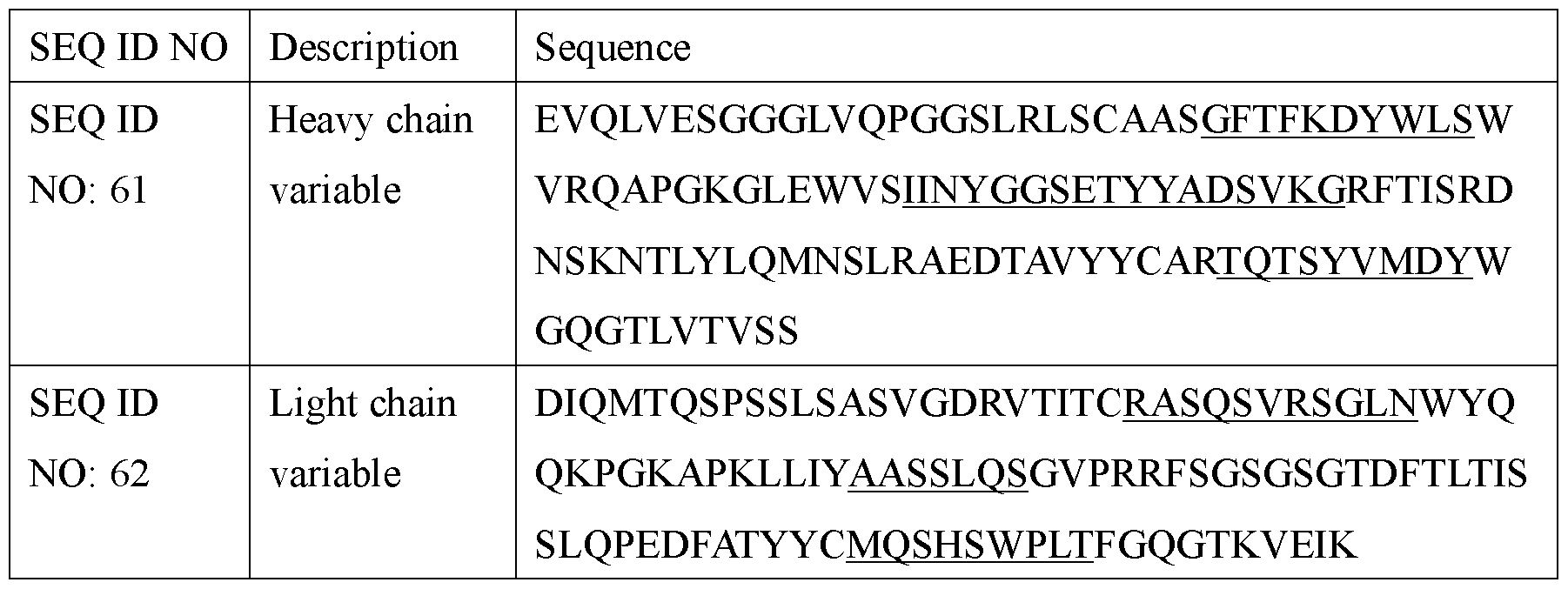
- An antibody against human Mac-1 in accordance with one embodiment of the invention comprises a lightchain variable region sequence and a heavy -chain variable region sequence selected from SEQ ID NO:1 through SEQ ID NO: 158 shown in Table I.
- One aspect of the invention relates to methods for treating a disorder associate with Mac-1.
- a method in accordance with one embodiment of the invention comprises administering to a subject in need thereof an effective amount of an antibody of the invention.
- the disorder is an acute or chronic inflammation.
- the disorder may be an infection or a cancer.
- FIG. 1 shows the two conformations of Mac-1 and their epitopes for activationsensitive mAbs.
- FIG. 2 shows results of characterization of HEK293/Mac-1 using various antibodies.
- HEK293 cells were incubated in PBS (Mock) or PBS/MnCh (Mn 2+ ). Bindings of isotype control IgG, a CD1 lb specific mAb (clone ICRF44), a CD18 specific mAb (clone 6.7), or P2 activationdependent mAbs (KIM127 and m24) were detected using flow cytometry.
- FIG. 3A shows that representative anti-Mac-1 antibodies of the invention (DF3M-5, H4L2, m2396, 24G05, and 28E07-HH) predominantly bind to myeloid immune cells (monocytes and neutrophils). Other antibodies of the invention show similar properties.
- FIG. 3B shows that clones m2396, DF3M-5, and 24G05 bind to mouse Mac-1 expressing cell line Raw264.7.
- FIG. 4 shows examples of anti-Mac-1 antibodies that can modulate conformational changes of Mac-1 under PBS (Mock) or PBS/MnCh (Mn 2+ ) conditions.
- FIG. 5 shows that anti -Mac- 1 antibody treatments can modulate TLR4 agonist- induced Thl/Th2 cytokines responses in mice in vivo. Data are shown as the means ⁇ SEM (4 mice per group).
- FIG. 6 shows that anti-Mac-1 antibodies reduce tumor growths in A549 human lung tumor bearing humanized NOG-EXL mouse model in vivo. Data are shown as the means ⁇ SEM (10 mice per group).
- FIG. 7A shows that anti-Mac-1 antibody enhanced the expression of functional markers in myeloid cells isolated from HIV patients.
- FIG. 7B shows that anti -Mac- 1 antibody reduced the virus load in PBMCs from HIV patients.
- Embodiments of the invention relate to antibodies that can bind specifically to Mac-1 and modulate immune cell functions. These antibodies may be used to treat various Mac-1 associated diseases or conditions, such as infectious diseases or cancers.
- the antibodies and reagents used for flow cytometry are KIM 127 (hybridoma from ATCC), m24-PE (BioLegend), anti-CDl lb-APC (clone ICRF44, BioLegend), anti-CD18-APC (clone 6.7, BD), BSA (BioShop), Rat IgGlK-APC (BioLegend), and Rat IgGlK-PE (BioLegend).
- the KIM127 antibody and BSA were conjugated with CF647, i.e., labeled with CF647 labeling kit (CF Dye & Biotin SE Protein Labeling Kits, Biotium).
- HEK293 cells Stable transfection of human integrin Mac-1 in HEK293 cells (BCRC) was performed using jetP RIME® (PolyPlus) transfection protocols. Briefly, HEK293 cells were cultured in Dulbecco’s Modified Eagle’s Medium (DMEM, Coming), supplemented with 10% heat- inactivated fetal bovine serum (Gibco) and 50 lU/mL penicillin and streptomycin (Coming) at 37 °C. The cells were seeded at 8 x 10 5 cells/well on a 6-well plate (Coster).
- DMEM Dulbecco
- DMEM Modified Eagle’s Medium
- Gibco heat- inactivated fetal bovine serum
- Coming penicillin and streptomycin
- a mixture of the jetPRIME® reagent and 2 pg pcDN A3.1 /human CD18 expression plasmid carrying a hygromycin-resistance gene was added to the cells, and the cells were cultured for 24 hr.
- the selection antibiotic, hygromycin B (InvivoGen) was added at a concentration of 200 pg/ml, and half of the culture media containing the antibiotic were changed every 2 to 3 days.
- the CD18-expression cells were collected using the Cell Sorter (SH800Z, SONY) to pick up CD18-high expression cells and seeded at single cell/well and 5000 cells/well on a24-well plate (Coster) and a 6-well plate.
- the selection antibiotics 1 mg/ml G418 (InvivoGen) and 200 pg/ml Hygromycin B, were added, and the medium containing selection antibiotics was changed every 2 to 3 days.
- the Mac-1 expression was measured with anti-human CDllb-APC (clone ICRF44, BioLegend) and anti-hCD18-APC by flow cytometry. The stable clone 1-4 was picked up.
- the HEK293/Mac-1 cells (clonel-4) were counted and washed twice with staining buffer (PBS containing 1% FBS, and 0.1% sodium azide). Cells were adjusted at a concentration of 1x10 5 cells/ml in staining buffer and treated with/without 0.25 mM MnCh (Sigma). Cells were treated with anti -Mac- 1 antibodies and fluorescent conjugated anti -human IgG4 antibodies and incubated for 15 mins. After washing with the staining buffer, the cells were analyzed by flow cytometry.
- staining buffer PBS containing 1% FBS, and 0.1% sodium azide
- these cells were treated with the antibodies (ICRF44, KIM127, m24, or isotype control) in the presence or absence lOpg/ml anti-Mac-1 antibodies. The cells were then incubated at 37 °C for 30 min. After washing with the staining buffer, the cells were analyzed by flow cytometry.
- the antibodies ICRF44, KIM127, m24, or isotype control
- Murine Thl and Th2 cytokines in the serum were detected by ProcartaPlex MS (Thermo Fisher Scientific) according to the manufacturer instructions.
- Human umbilical cord blood derived CD34+ cells were transplanted into NOG-EXL mice via the tail vein. About 10 weeks after transplantation, peripheral blood were collected from the humanized NOG-EXL animals under anesthesia and used for FACS analysis. The types, proportions, fluorescence intensities, and absolute counts of immune cells (T cells, B cells, dendritic cells, and monocyte cells) were analyzed. When the average hCD45 + % > 15%, hCD3 + of hCD45 + % > 3%, and hCD14 + of hCD45 + % > 5%, the humanized NOG-EXL animals were used for the anti -cancer study.
- A549 cells were cultured in a 37 °C incubator containing 5% CO2 with 10% FBS in F-12K medium. The cells were sub-cultured within 10 passages before being inoculated into mice. A549 cells (5xl0 6 cells) were mixed with Matrigel (v/v 1:1) in a volume of 200 pl immediately before injection subcutaneously. Before inoculation, mice were anesthetized with 2-5% isoflurane.
- tumor-bearing animals were grouped into 3 groups based on the frequency of macrophage in human CD45 + cells, the frequency of CD3 + cell in human CD45 + cells, and tumor volumes, each group contains 10 mice.
- the day of grouping was denoted as day 0. Mice were treated on day 0.
- PBMC Peripheral blood mononuclear cells
- Intracellular HIV virus detection- 2 long-terminal repeat (LTR)- DNA circles quantitation [0030] DNA of 3 day-cultured PBMC (3xl0 6 cells/well in a 24-well culture plate) treated with/without PMA (lOOng/ml) and ionomycin (1 pg/ml) in the presence of human IgG4 antibody (BioLegend) or Anti-Mac-1 antibody (H4L2, 10 pg/ml) was extracted with QIAamp DNA Blood Mini Kit (Qiagen, MD, USA) and DNA were eluted by 50pl nuclease-free water. Digital PCR was performed with the QX100TM Droplet DigitalTM PCR platform (Bio-Rad, Hercules, California).
- the ddPCR mix was made by adding 1-5 pl of sample to 10 pl 2x ddPCRTM supermix for probes (Bio-Rad), Ipl EcoR, 500 nM of primers, and 250 nM of probe in a final volume of 20 pl.
- the mix was placed in an 8-channel cartridge, 70 pl of droplet generating oil (Bio-Rad) was added and droplets were generated in the QX100TM droplet generator (Bio-Rad). Droplet in oil suspensions were transferred to an ddPCR 96-well plate (Bio-Rad) and PCR was performed in the T100TM Thermal Cycler (Bio-Rad).
- DdPCR amplification reactions consisted of an initial denaturation at 95°C for 10 min, followed by 40 cycles of 95°C for 15 sec denaturation and 60°C for 60 sec annealing/elongation temperature, and enzyme deactivation at 98°C for 10 min.
- the ramping rate of each step is 2°C/sec.
- the sequences of primer pairs are listed in Table VI.
- Results were compared by Fisher’s exact test for categorical variables and paired t test or unpaired t test for continuous variables as appropriate. Data are reported as the mean ⁇ SEM. Statistical analysis was performed using Prism 9.0 software. Two-sided tests were used, and a p-value of ⁇ 0.05 was considered statistically significant.
- HEK293 cells which do not express endogenous Mac-1, were transfected with pcDN A3.1 /human CDl lb and pcDN A3.1 /human CD18 plasmids using liposome transfections. After G418 and hygromycin selections, we obtained several single-cell clones stably expressing the human Mac-1 on the cell surface by FACS sorting using CD18-specific mAb (clone 6.7) and CDllb specific mAb (clone ICRF44). One clone, designated 1-4, was selected for all the examples presented in this description. Other clones show similar properties.
- Anti-Mac- 1 antibodies selectively bind to the different states of Mac- 1 on HEK293/Mac-l cell surface
- Anti-Mac- 1 antibodies predominantly bind to Mac-1 on the innate immune cell surface
- the innate immune cells such as monocytes (CD14 + cells) and neutrophils (CD66b + cells) are the main cells that express Mac-1 on their cell surface. Some populations of B cells also expressed Mac-1 on their cell surface (Proc Natl Acad Sci U S A. 2008 Apr 1; 105(13):5195- 200).
- the specificities of selective anti-Mac-1 antibodies were determined by flow cytometry using human whole blood. As shown in FIG. 3A, anti-Mac-1 antibodies in this example were able to bind to the innate immune cells (CD14 + and CD66b + cells) and small populations of B cells (CD19 + cells).
- Anti -Mac- 1 antibodies induce a conformational change in Mac-1
- m2396 and DF3M-5 treatments enhanced TLR4-induced Thl cytokines (such as IFN-y, IL-1 , and TNF-a) and slightly enhance TLR4-induced Th2 cytokines (such as IL-5 and IL-13) in the serum.
- TLR4-induced Thl cytokines such as IFN-y, IL-1 , and TNF-a
- Th2 cytokines such as IL-5 and IL-13
- Anti-Mac- 1 antibody treatment reduces tumor growth
- anti-cancer activities of the anti-Mac-1 antibodies of the invention were further evaluated in the treatment of A549 cancer model in female NOG- EXL humanized mice.
- mice were randomized into 3 groups (Human IgG4, m2396, and 28E07-HH) and the treatments were started.
- the mean tumor sizes of mice reached 172.59 mm 3 in Human IgG4 group, 132.51 mm 3 in m2396 group, and 109.88 mm 3 in 28E07-HH group on Day35 post grouping (FIG. 6).
- FIG. 6 shows results from representative antibodies m2396 and 28E07-HH.
- Other antibodies of the invention have similar properties.
- the tumor growth inhibition (TGI) % of the m2396 group and 28E07-HH group were 23.59%, and 35.93%, respectively.
- the TGI of the different groups at different time points were shown in Table V.
- Anti-Mac- 1 antibody treatment reduced HIV viral load and reverses immunosuppressed phenotype of PBMC in HIV patients
- PBMC isolated from fifteen latent HIV -infected patients were treated with anti -Mac- 1 antibodies for 3 days in vitro.
- the anti-Mac-1 antibody H4L2 shown as a representative of anti-Mac-1 antibodies
- FIG 7A the anti-Mac-1 antibody (H4L2 shown as a representative of anti-Mac-1 antibodies) significantly enhanced the expression of CD86 and MHC class II functional markers in myeloid cells of HIV patients.
- DCs dendritic cells
- HIV- 1 persists in the infected cells as a stable integrated genome and more labile unintegrated DNA, which includes linear, 1-LTR and 2-LTR circular DNA.
- 2-LTR circle DNA although less abundant, is considered a surrogate marker for recent infection events and is currently used as a diagnostic tool.
- C. Orlandi et al. “A comparative analysis of unintegrated HIV-1 DNA measurement as a potential biomarker of the cellular reservoir in the blood of patients controlling and non-controlling viral replication,” J. Transl. Med. 18, 204 (2020). Doi: 10.1186/sl2967- 020-02368-y).
- HIV virus DNA reservoir was quantified using the 2 long-terminal repeat (LTR) DNA circles as the marker. Because these fifteen HIV-1 infected patients were receiving regular highly active antiretroviral therapy (ART) treatments, only 3 of the 15 patients had detectable levels of the HIV DNA by the LTR assay. Nevertheless, declines in the HIV 2LTR DNA levels were observed in these 3 patients’ PBMC samples treated with the anti -Mac- 1 antibody or with the anti-Mac-1 antibody in combination with phorbol 12- myristate 13-acetate (PMA) and ionomycin (FIG. 7B).
- ART highly active antiretroviral therapy
- Anti-Mac- 1 antibody sequence clone 24F08 (Underline is a CDR sequence)
- Anti-Mac- 1 antibody sequence clone 24F09 (Underline is a CDR sequence)
- Anti-Mac- 1 antibody sequence clone: 24F11 Underline is a CDR sequence
- Anti-Mac- 1 antibody sequence clone: 24F12 Underline is a CDR sequence
- Anti-Mac-1 antibody sequence clone 24G01 (Underline is a CDR sequence)
- Anti-Mac- 1 antibody sequence clone 24G05 (Underline is a CDR sequence)
- Anti-Mac- 1 antibody sequence clone 24G07 (Underline is a CDR sequence)
- Anti-Mac- 1 antibody sequence clone 24G08 (Underline is a CDR sequence)
- Anti-Mac- 1 antibody sequence clone 24G09 (Underline is a CDR sequence)
- Anti-Mac- 1 antibody sequence clone 24G10 (Underline is a CDR sequence)
- Anti-Mac- 1 antibody sequence clone 24G11 (Underline is a CDR sequence)
- Anti-Mac-1 antibody sequence clone 24G12 (Underline is a CDR sequence)
- Anti-Mac-1 antibody sequence clone 24H01 (Underline is a CDR sequence)
- Anti-Mac- 1 antibody sequence clone 24H02 (Underline is a CDR sequence)
- Anti-Mac- 1 antibody sequence clone 24H03 (Underline is a CDR sequence)
- Anti-Mac- 1 antibody sequence clone 25A06 (Underline is a CDR sequence)
- Anti-Mac- 1 antibody sequence clone 25A09 (Underline is a CDR sequence)
- Anti-Mac- 1 antibody sequence clone 25A10 (Underline is a CDR sequence)
- Anti-Mac- 1 antibody sequence clone 25B03 (Underline is a CDR sequence)
- Anti-Mac- 1 antibody sequence clone 25B01 (Underline is a CDR sequence)
- Anti-Mac-1 antibody sequence clone DF3-10 (Underline is a CDR sequence)
- Anti-Mac-1 antibody sequence clone DF3-28 (Underline is a CDR sequence)
- Anti-Mac-1 antibody sequence clone DF3-30 (Underline is a CDR sequence)
- Anti-Mac-1 antibody sequence clone DF3-32 (Underline is a CDR sequence)
- Anti-Mac- 1 antibody sequence clone DF4-16 (Underline is a CDR sequence)
- Anti-Mac- 1 antibody sequence clone DF4-17 (Underline is a CDR sequence)
- Anti-Mac- 1 antibody sequence clone DF4-25 (Underline is a CDR sequence)
- Anti-Mac- 1 antibody sequence clone DF4-26 (Underline is a CDR sequence)
- Anti-Mac- 1 antibody sequence clone DF4-42 (Underline is a CDR sequence)
- Anti-Mac- 1 antibody sequence clone DF3M-1 (Underline is a CDR sequence)
- Anti-Mac- 1 antibody sequence clone DF3M-2 (Underline is a CDR sequence)
- Anti-Mac- 1 antibody sequence clone DF3M-5 (Underline is a CDR sequence)
- Anti-Mac-1 antibody sequence clone DF3M-18 (Underline is a CDR sequence)
- Anti-Mac- 1 antibody sequence clone DF3M-19 (Underline is a CDR sequence)
- Anti-Mac-1 antibody sequence clone DF3M-30 (Underline is a CDR sequence)
- Anti-Mac-1 antibody sequence clone DF3M-36 (Underline is a CDR sequence)
- Anti-Mac- 1 antibody sequence clone DF3M-42 (Underline is a CDR sequence)
- Anti-Mac- 1 antibody sequence clone DF4M-1 (Underline is a CDR sequence)
- Anti-Mac- 1 antibody sequence clone DF4M-3 (Underline is a CDR sequence)
- Anti-Mac-1 antibody sequence clone DF4M-7-1 (Underline is a CDR sequence)
- Anti-Mac- 1 antibody sequence clone: DF4M-9 Underline is a CDR sequence
- Anti-Mac-1 antibody sequence clone DF4M-11 (Underline is a CDR sequence)
- Anti-Mac- 1 antibody sequence clone DF4M-17 (Underline is a CDR sequence)
- Anti-Mac-1 antibody sequence clone DF4M-18 (Underline is a CDR sequence)
- Anti-Mac- 1 antibody sequence clone DF4M-21 (Underline is a CDR sequence)
- Anti-Mac- 1 antibody sequence clone DF4M-23 (Underline is a CDR sequence)
- Anti-Mac-1 antibody sequence clone DF4M-30 (Underline is a CDR sequence)
- Anti-Mac-1 antibody sequence clone DF4M-31 (Underline is a CDR sequence)
- Anti-Mac- 1 antibody sequence clone DF4M-45 (Underline is a CDR sequence)
- Anti-Mac- 1 antibody sequence clone 28E07 (Underline is a CDR sequence)
- Anti-Mac-1 antibody sequence clone 28A12 (Underline is a CDR sequence)
- Anti-Mac-1 antibody sequence clone 27G04 (Underline is a CDR sequence)
- Anti-Mac- 1 antibody sequence clone: 27A04 Underline is a CDR sequence
- Anti-Mac- 1 antibody sequence clone: 27A06 Underline is a CDR sequence
- Anti-Mac- 1 antibody sequence clone: 28G06 Underline is a CDR sequence
- Anti-Mac- 1 antibody sequence clone: 27B10 Underline is a CDR sequence
- Anti-Mac- 1 antibody sequence clone 27D06 (Underline is a CDR sequence)
- Anti-Mac- 1 antibody sequence clone 28D06 (Underline is a CDR sequence)
- Anti-Mac-1 antibody sequence clone 27E12 (Underline is a CDR sequence)
- Anti-Mac-1 antibody sequence clone m2396 (Underline is a CDR sequence)
- Anti-Mac- 1 antibody sequence clone H4L2 (Underline is a CDR sequence)
- Anti-Mac- 1 antibody sequence clone 28E07-HH (Underline is a CDR sequence)
- Anti-Mac-1 antibody sequence clone 28E07-B1H (Underline is a CDR sequence)
- Anti-Mac- 1 antibody sequence clone 28E07-B2H (Underline is a CDR sequence)
- Anti-Mac- 1 antibody sequence clone 28E07-B3H (Underline is a CDR sequence)
- Anti-Mac- 1 antibody sequence clone 28E07-B4H (Underline is a CDR sequence)
- Anti-Mac- 1 antibody sequence clone 28E07-HB1 (Underline is a CDR sequence)
- Anti-Mac- 1 antibody sequence clone 28E07-HB2 (Underline is a CDR sequence)
- Anti-Mac- 1 antibody sequence clone: 28E07-HB4 Underline is a CDR sequence
- Anti-Mac- 1 antibody sequence clone 28E07-B1B1 (Underline is a CDR sequence)
- Anti-Mac- 1 antibody sequence clone 28E07-B1B2 (Underline is a CDR sequence)
- Anti-Mac- 1 antibody sequence clone 28E07-B2B1 (Underline is a CDR sequence)
- Anti-Mac- 1 antibody sequence clone 28E07-B2B2 (Underline is a CDR sequence)
- Table II The anti-Mac-1 antibodies selectively bind to different statuses of human Mac-1.
- HEK293/Mac-1 cells (clonel-4) were incubated in PBS (Mock), or PBS/MnCh (Mn 2+ ).
- Binding of isotype control IgG, the CDllb specific mAb (ICRF44), the CDllb activationsensing mAh (CBRM1/5), or the screened anti-Mac-1 antibody was detected using flow cytometry.
- the anti-Mac-1 antibodies can serve as agonist to enhance the conformational change of Mac- 1.
- HEK293/Mac-1 cells (clonel-4) were incubated with 10 pg/ml anti-Mac-1 antibodies under the PBS (Mock) condition. Binding of KIM127 or m24 was detected using flow cytometry.
- the anti-Mac-1 antibody can serve as an antagonist to reduce the conformational change of Mac- 1.
- HEK293/Mac-1 cells (clonel-4) were incubated with 10 Hg/ml anti-Mac-1 antibodies under the PBS/MnCh (Mn 2+ ) condition. Binding of KIMI 27 or m24 was detected using flow cytometry.
- TGI Tumor growth inhibition
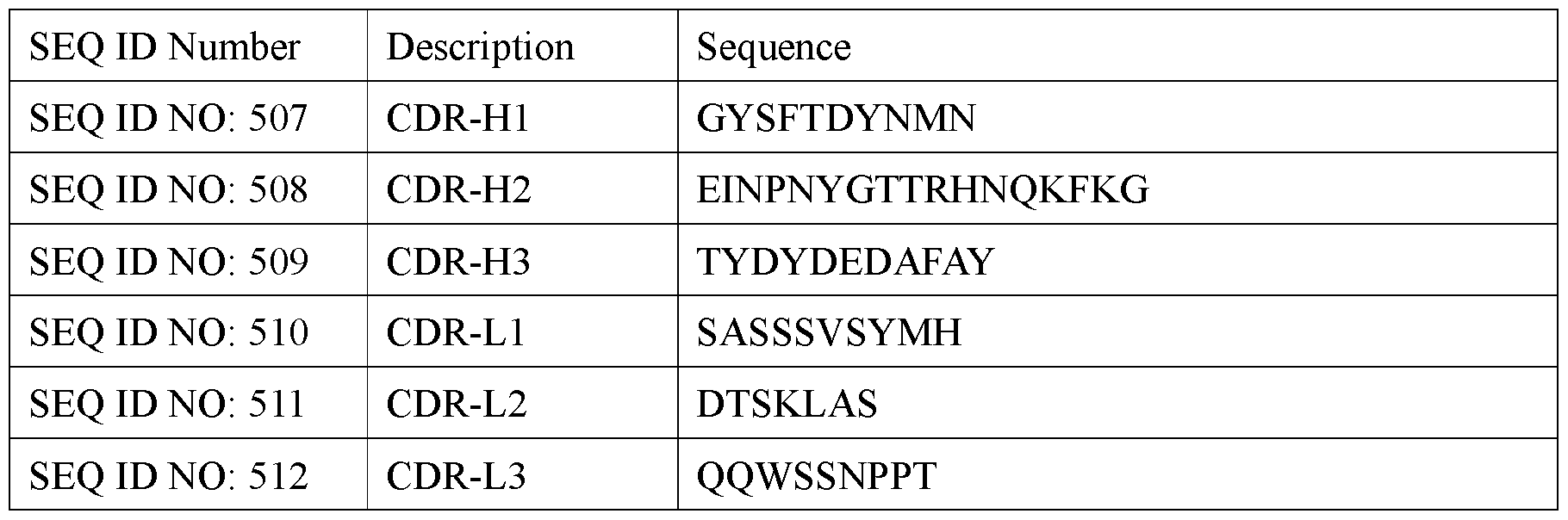
- Anti-Mac- 1 antibody sequence clone 24H03 (Underline is a CDR sequence)
- Anti-Mac- 1 antibody sequence clone 25B03 (Underline is a CDR sequence)
- Anti-Mac- 1 antibody sequence clone DF3M-5 (Underline is a CDR sequence)
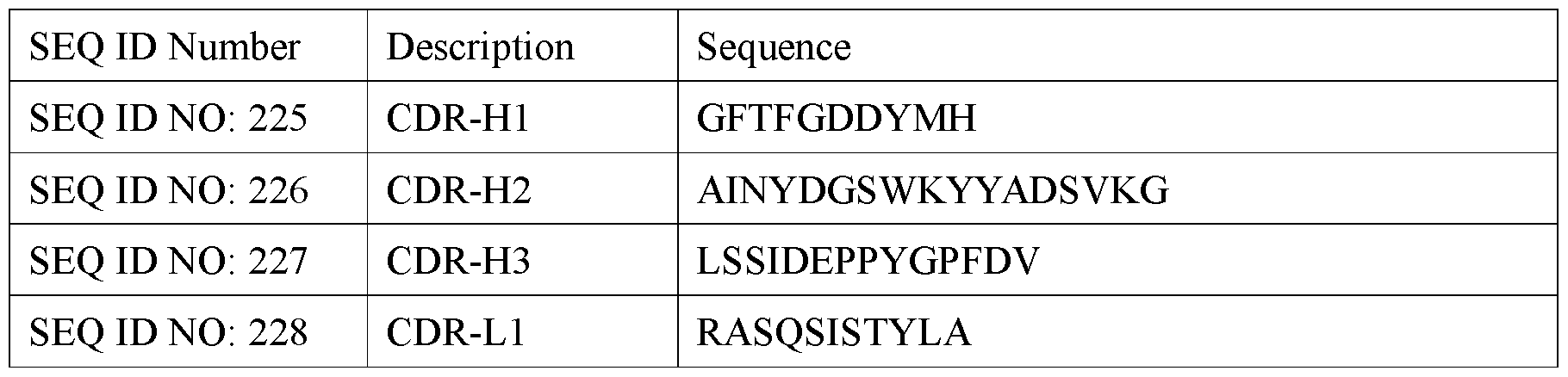
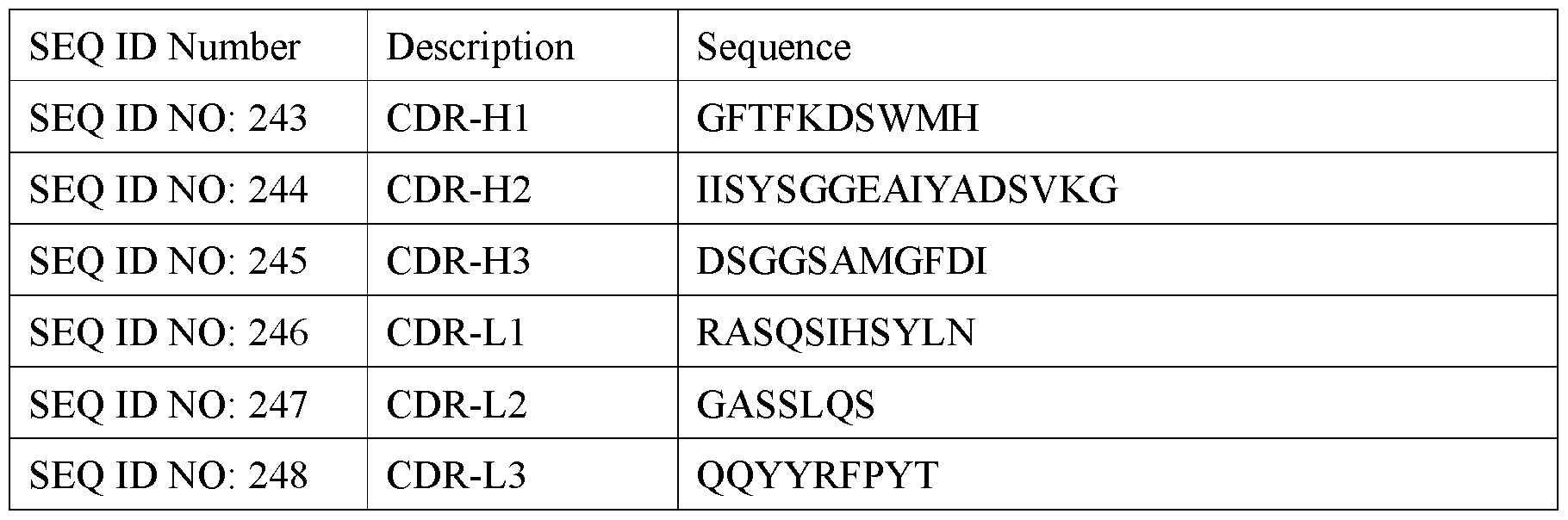
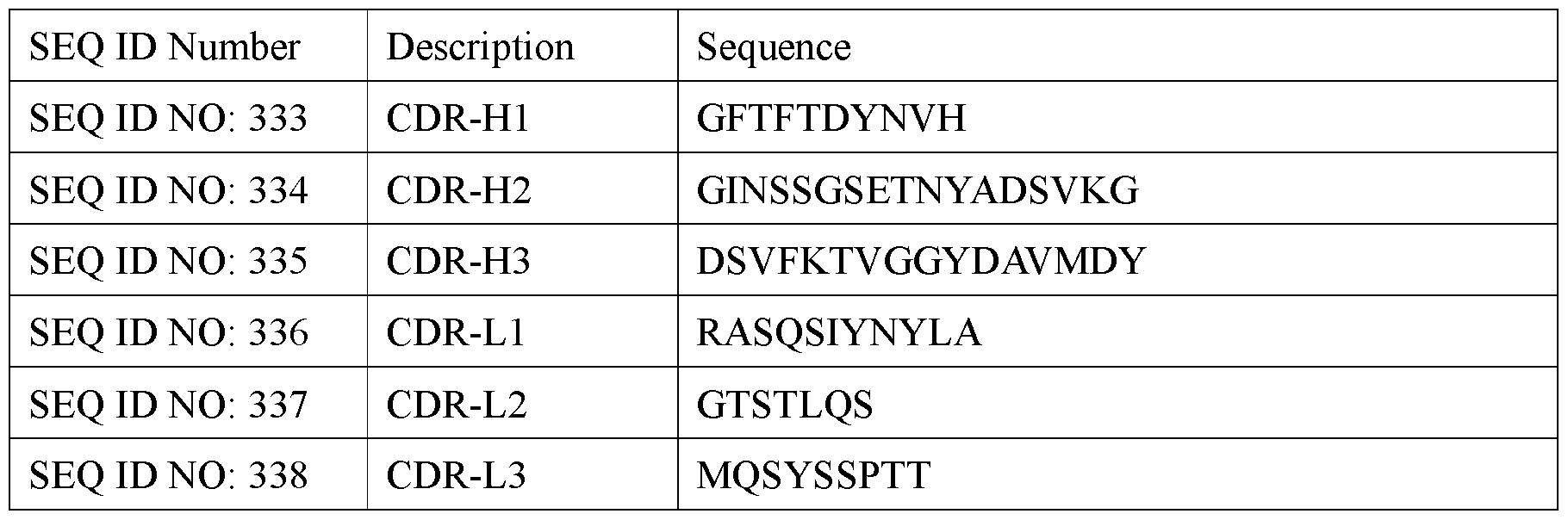
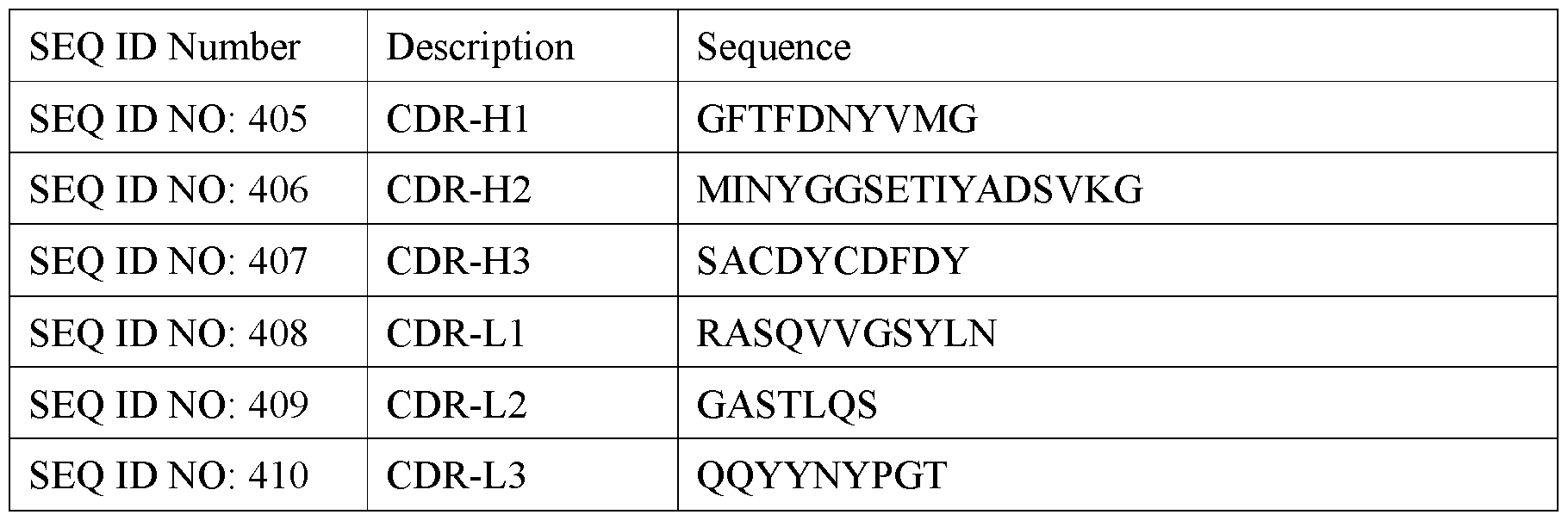
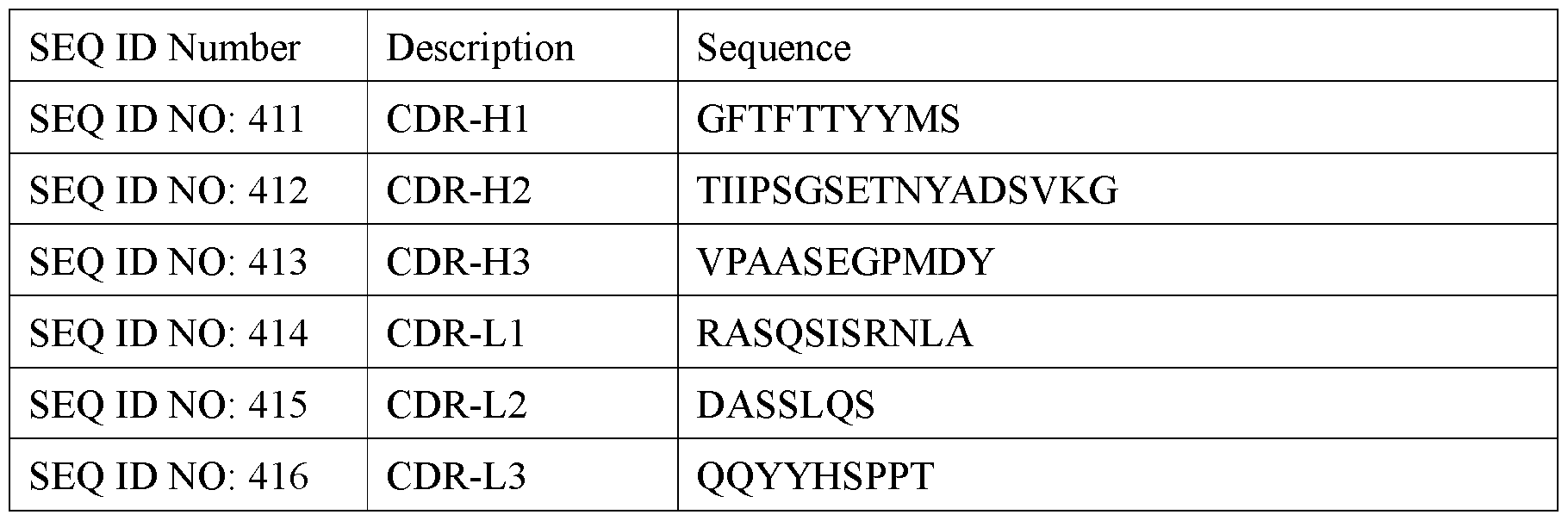
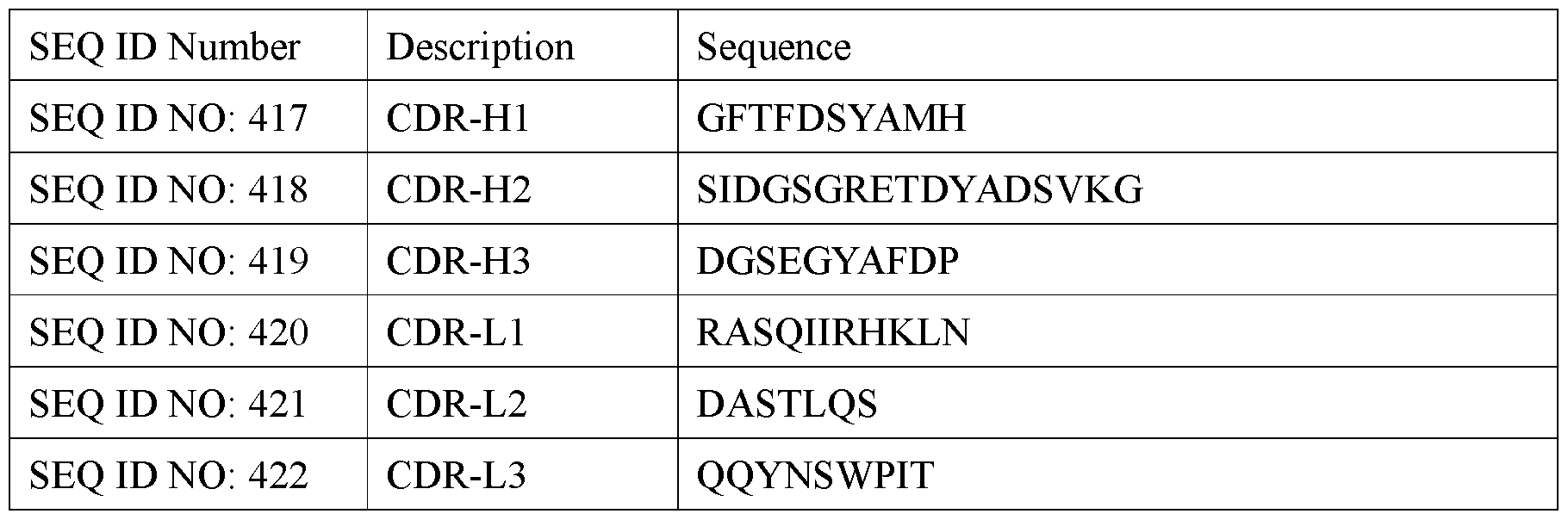
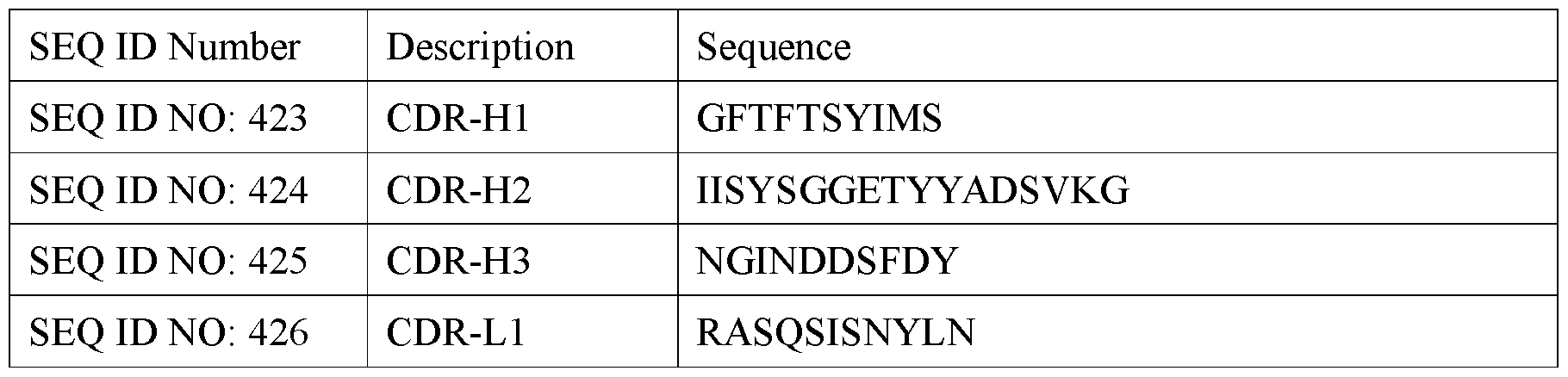
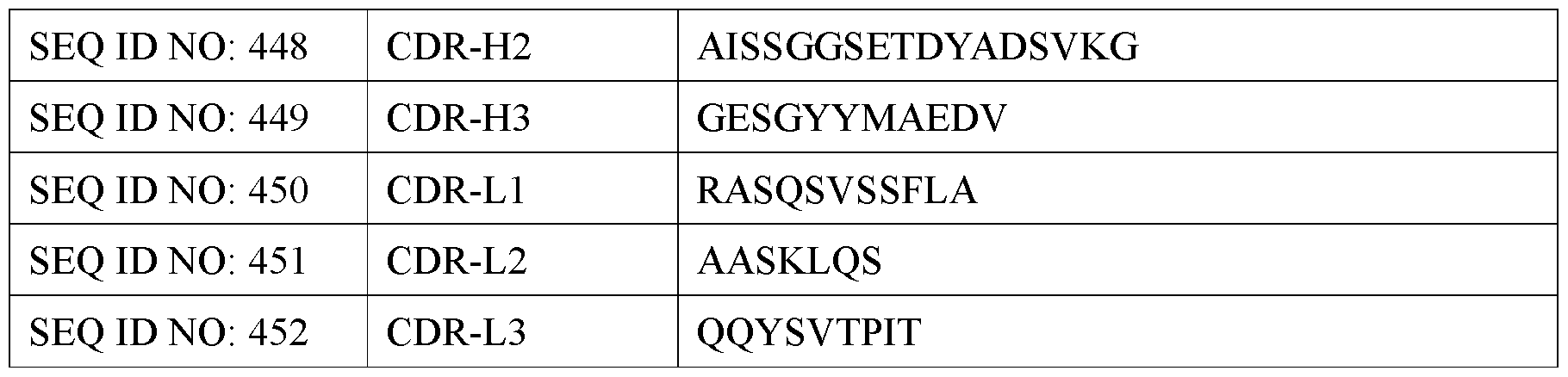
- Anti-Mac-1 antibody CDR sequence clone 28E07, 28E07-HH, 28E07-B1H, 28E07-B2H, 28E07-B3H, 28E07-B4H, 28E07-HB1, 28E07-HB2, 28E07-HB3, 28E07-HB4, 28E07-B1B1, 28E07-B1B2, 28E07-B2B1, and 28E07-B2B2
Landscapes
- Health & Medical Sciences (AREA)
- Chemical & Material Sciences (AREA)
- Organic Chemistry (AREA)
- Life Sciences & Earth Sciences (AREA)
- General Health & Medical Sciences (AREA)
- Medicinal Chemistry (AREA)
- Immunology (AREA)
- Pharmacology & Pharmacy (AREA)
- Chemical Kinetics & Catalysis (AREA)
- Animal Behavior & Ethology (AREA)
- General Chemical & Material Sciences (AREA)
- Public Health (AREA)
- Veterinary Medicine (AREA)
- Nuclear Medicine, Radiotherapy & Molecular Imaging (AREA)
- Molecular Biology (AREA)
- Proteomics, Peptides & Aminoacids (AREA)
- Genetics & Genomics (AREA)
- Biophysics (AREA)
- Biochemistry (AREA)
- Virology (AREA)
- Rheumatology (AREA)
- Pain & Pain Management (AREA)
- Oncology (AREA)
- Communicable Diseases (AREA)
- Tropical Medicine & Parasitology (AREA)
- AIDS & HIV (AREA)
- Peptides Or Proteins (AREA)
- Medicines Containing Antibodies Or Antigens For Use As Internal Diagnostic Agents (AREA)
Abstract
Description
















Claims
Priority Applications (10)
| Application Number | Priority Date | Filing Date | Title |
|---|---|---|---|
| CN202180094281.XA CN116963772A (en) | 2020-12-30 | 2021-12-30 | Monoclonal antibodies against human MAC-1 and their uses |
| JP2023540621A JP2024501884A (en) | 2020-12-30 | 2021-12-30 | Monoclonal antibody against human MAC-1 and its use |
| BR112023013052A BR112023013052A2 (en) | 2020-12-30 | 2021-12-30 | Monoclonal antibody against human mac-1 and its uses |
| CA3203552A CA3203552A1 (en) | 2020-12-30 | 2021-12-30 | Monoclonal antibody against human mac-1 and uses thereof |
| EP21916546.1A EP4271413A4 (en) | 2020-12-30 | 2021-12-30 | MONOCLONAL ANTIBODY AGAINST HUMAN MAC-1 AND ITS USES |
| US18/259,958 US20240084017A1 (en) | 2020-12-30 | 2021-12-30 | Monoclonal antibody against human mac-1 and uses thereof |
| AU2021413899A AU2021413899A1 (en) | 2020-12-30 | 2021-12-30 | Monoclonal antibody against human mac-1 and uses thereof |
| KR1020237025748A KR20230140448A (en) | 2020-12-30 | 2021-12-30 | Monoclonal antibody against human Mac-1 and uses thereof |
| TW111119536A TWI869677B (en) | 2020-12-30 | 2022-05-25 | Monoclonal antibody against human mac-1 and uses thereof |
| TW113121565A TWI911761B (en) | 2020-12-30 | 2022-05-25 | Monoclonal antibody against human mac-1 and uses thereof |
Applications Claiming Priority (2)
| Application Number | Priority Date | Filing Date | Title |
|---|---|---|---|
| US202063131893P | 2020-12-30 | 2020-12-30 | |
| US63/131,893 | 2020-12-30 |
Publications (1)
| Publication Number | Publication Date |
|---|---|
| WO2022147338A1 true WO2022147338A1 (en) | 2022-07-07 |
Family
ID=82259686
Family Applications (1)
| Application Number | Title | Priority Date | Filing Date |
|---|---|---|---|
| PCT/US2021/065802 Ceased WO2022147338A1 (en) | 2020-12-30 | 2021-12-30 | Monoclonal antibody against human mac-1 and uses thereof |
Country Status (10)
| Country | Link |
|---|---|
| US (1) | US20240084017A1 (en) |
| EP (1) | EP4271413A4 (en) |
| JP (1) | JP2024501884A (en) |
| KR (1) | KR20230140448A (en) |
| CN (1) | CN116963772A (en) |
| AU (1) | AU2021413899A1 (en) |
| BR (1) | BR112023013052A2 (en) |
| CA (1) | CA3203552A1 (en) |
| TW (2) | TWI911761B (en) |
| WO (1) | WO2022147338A1 (en) |
Cited By (8)
| Publication number | Priority date | Publication date | Assignee | Title |
|---|---|---|---|---|
| US20240002515A1 (en) * | 2015-06-12 | 2024-01-04 | Ascendo Biotechnology, Inc. | Methods and antibodies for modulation of immunoresponse |
| WO2024040195A1 (en) | 2022-08-17 | 2024-02-22 | Capstan Therapeutics, Inc. | Conditioning for in vivo immune cell engineering |
| WO2024249954A1 (en) | 2023-05-31 | 2024-12-05 | Capstan Therapeutics, Inc. | Lipid nanoparticle formulations and compositions |
| WO2025076127A1 (en) | 2023-10-05 | 2025-04-10 | Capstan Therapeutics, Inc. | Constrained ionizable cationic lipids and lipid nanoparticles |
| WO2025076113A1 (en) | 2023-10-05 | 2025-04-10 | Capstan Therapeutics, Inc. | Ionizable cationic lipids with conserved spacing and lipid nanoparticles |
| WO2025179294A2 (en) | 2024-02-22 | 2025-08-28 | Capstan Therapeutics, Inc. | Immune engineering amplification |
| WO2025217454A2 (en) | 2024-04-11 | 2025-10-16 | Capstan Therapeutics, Inc. | Ionizable cationic lipids and lipid nanoparticles |
| WO2025217452A1 (en) | 2024-04-11 | 2025-10-16 | Capstan Therapeutics, Inc. | Constrained ionizable cationic lipids and lipid nanoparticles |
Citations (3)
| Publication number | Priority date | Publication date | Assignee | Title |
|---|---|---|---|---|
| US20140147445A1 (en) * | 2010-10-21 | 2014-05-29 | Baker Idi Heart & Diabetes Institute Holdings Ltd. | Selective Targeting of the CD40L/Mac-1 Interaction by Small Peptide Inhibitors and its Use for the Treatment of Inflammation and Atherogenesis |
| US20160108110A1 (en) * | 2014-08-07 | 2016-04-21 | Novartis Ag | Angiopoetin-like 4 (angptl4) antibodies and methods of use |
| US20160130326A1 (en) * | 2013-06-26 | 2016-05-12 | Numab Ag | Novel antibody frameworks |
Family Cites Families (3)
| Publication number | Priority date | Publication date | Assignee | Title |
|---|---|---|---|---|
| HK1254289A1 (en) * | 2015-06-12 | 2019-07-19 | 台湾基督长老教会马偕医疗财团法人马偕纪念医院 | Methods and antibodies for modulation of immunoresponse |
| RU2020118134A (en) * | 2017-11-03 | 2021-12-03 | Маккей Мемориал Хоспитал | METHOD FOR MODULATION OF TUMOR ASSOCIATED MYELOID CELLS AND IMPROVEMENT OF BLOCKADE OF IMMUNE CONTROL POINTS |
| TWI911144B (en) * | 2018-08-09 | 2026-01-11 | 英屬開曼群島商先知生物科技股份有限公司 | Method for suppression of hepapitis b virus replication and hepapitis b virus surface antigen secretion |
-
2021
- 2021-12-30 BR BR112023013052A patent/BR112023013052A2/en unknown
- 2021-12-30 AU AU2021413899A patent/AU2021413899A1/en active Pending
- 2021-12-30 US US18/259,958 patent/US20240084017A1/en active Pending
- 2021-12-30 EP EP21916546.1A patent/EP4271413A4/en active Pending
- 2021-12-30 JP JP2023540621A patent/JP2024501884A/en active Pending
- 2021-12-30 KR KR1020237025748A patent/KR20230140448A/en active Pending
- 2021-12-30 CN CN202180094281.XA patent/CN116963772A/en active Pending
- 2021-12-30 WO PCT/US2021/065802 patent/WO2022147338A1/en not_active Ceased
- 2021-12-30 CA CA3203552A patent/CA3203552A1/en active Pending
-
2022
- 2022-05-25 TW TW113121565A patent/TWI911761B/en active
- 2022-05-25 TW TW111119536A patent/TWI869677B/en active
Patent Citations (3)
| Publication number | Priority date | Publication date | Assignee | Title |
|---|---|---|---|---|
| US20140147445A1 (en) * | 2010-10-21 | 2014-05-29 | Baker Idi Heart & Diabetes Institute Holdings Ltd. | Selective Targeting of the CD40L/Mac-1 Interaction by Small Peptide Inhibitors and its Use for the Treatment of Inflammation and Atherogenesis |
| US20160130326A1 (en) * | 2013-06-26 | 2016-05-12 | Numab Ag | Novel antibody frameworks |
| US20160108110A1 (en) * | 2014-08-07 | 2016-04-21 | Novartis Ag | Angiopoetin-like 4 (angptl4) antibodies and methods of use |
Non-Patent Citations (1)
| Title |
|---|
| See also references of EP4271413A4 * |
Cited By (9)
| Publication number | Priority date | Publication date | Assignee | Title |
|---|---|---|---|---|
| US20240002515A1 (en) * | 2015-06-12 | 2024-01-04 | Ascendo Biotechnology, Inc. | Methods and antibodies for modulation of immunoresponse |
| WO2024040195A1 (en) | 2022-08-17 | 2024-02-22 | Capstan Therapeutics, Inc. | Conditioning for in vivo immune cell engineering |
| WO2024040194A1 (en) | 2022-08-17 | 2024-02-22 | Capstan Therapeutics, Inc. | Conditioning for in vivo immune cell engineering |
| WO2024249954A1 (en) | 2023-05-31 | 2024-12-05 | Capstan Therapeutics, Inc. | Lipid nanoparticle formulations and compositions |
| WO2025076127A1 (en) | 2023-10-05 | 2025-04-10 | Capstan Therapeutics, Inc. | Constrained ionizable cationic lipids and lipid nanoparticles |
| WO2025076113A1 (en) | 2023-10-05 | 2025-04-10 | Capstan Therapeutics, Inc. | Ionizable cationic lipids with conserved spacing and lipid nanoparticles |
| WO2025179294A2 (en) | 2024-02-22 | 2025-08-28 | Capstan Therapeutics, Inc. | Immune engineering amplification |
| WO2025217454A2 (en) | 2024-04-11 | 2025-10-16 | Capstan Therapeutics, Inc. | Ionizable cationic lipids and lipid nanoparticles |
| WO2025217452A1 (en) | 2024-04-11 | 2025-10-16 | Capstan Therapeutics, Inc. | Constrained ionizable cationic lipids and lipid nanoparticles |
Also Published As
| Publication number | Publication date |
|---|---|
| US20240084017A1 (en) | 2024-03-14 |
| EP4271413A1 (en) | 2023-11-08 |
| TW202438108A (en) | 2024-10-01 |
| TWI869677B (en) | 2025-01-11 |
| TW202325340A (en) | 2023-07-01 |
| AU2021413899A1 (en) | 2023-08-03 |
| CN116963772A (en) | 2023-10-27 |
| BR112023013052A2 (en) | 2023-09-26 |
| KR20230140448A (en) | 2023-10-06 |
| AU2021413899A9 (en) | 2025-03-13 |
| TWI911761B (en) | 2026-01-11 |
| EP4271413A4 (en) | 2025-07-30 |
| JP2024501884A (en) | 2024-01-16 |
| CA3203552A1 (en) | 2022-07-07 |
Similar Documents
| Publication | Publication Date | Title |
|---|---|---|
| TWI869677B (en) | Monoclonal antibody against human mac-1 and uses thereof | |
| JP2021050225A (en) | Methods for expanding or depleting t regulatory cells | |
| JP2022513685A (en) | Methods for Treatment with Adoptive Cell Therapy | |
| EP3721901A1 (en) | Toxicity management for anti-tumor activity of cars | |
| US20240060046A1 (en) | Expanded and stimulated natural killer cells | |
| WO2018229163A1 (en) | Methods of activating v delta 2 negative gamma delta t cells | |
| EP3515475B1 (en) | Chimeric antigen receptor (car) that targets chemokine receptor ccr4 and its use | |
| WO2021095010A1 (en) | Renal cell carcinoma (rcc) therapy using genetically engineered t cells targeting cd70 | |
| TWI913728B (en) | Chimeric antigen receptor t cell therapy | |
| US20260048084A1 (en) | Methods of administering natural killer cells comprising an anti-human epidermal growth factor receptor 2 (her2) chimeric antigen receptor (car) | |
| US20220378829A1 (en) | Genetically engineered immune cells targeting cd70 for use in treating solid tumors | |
| WO2021155830A1 (en) | Anti-hpv t cell receptors and engineered cells | |
| WO2022127401A1 (en) | Chimeric antigen receptor targeting cd123 and use thereof | |
| Pillarisetti et al. | Ramantamig (JNJ-79635322), a novel T-cell-engaging trispecific antibody targeting BCMA, GPRC5D, and CD3, in multiple myeloma models | |
| JP2023024996A (en) | Chimeric antigen receptor T cell therapy | |
| EP4479743A1 (en) | Predicting adverse events from immunotherapy | |
| WO2022098756A1 (en) | Chimeric antigen receptor cell therapy | |
| TWI825131B (en) | Treatment or preventive agents for HTLV-1 associated myelopathy (HAM), and treatment methods for HAM | |
| Huang et al. | Efficacy-enhanced and cytokine release syndrome-attenuated anti-CD7 universal chimeric antigen receptor-T cell therapy for relapsed/refractory CD7-positive hematological malignancies: a phase I clinical study | |
| US20250290154A1 (en) | Predictive markers for immunotherapy | |
| EP4568999A1 (en) | Chimeric antigen receptor domains | |
| CN116510010A (en) | anti-PD-1 antibodies and their use in the preparation of a medicament for treating non-small cell lung cancer patients | |
| WO2026096859A2 (en) | Biomarkers related to immunotherapy efficacy |
Legal Events
| Date | Code | Title | Description |
|---|---|---|---|
| 121 | Ep: the epo has been informed by wipo that ep was designated in this application |
Ref document number: 21916546 Country of ref document: EP Kind code of ref document: A1 |
|
| ENP | Entry into the national phase |
Ref document number: 3203552 Country of ref document: CA |
|
| WWE | Wipo information: entry into national phase |
Ref document number: 18259958 Country of ref document: US |
|
| WWE | Wipo information: entry into national phase |
Ref document number: 2023540621 Country of ref document: JP |
|
| REG | Reference to national code |
Ref country code: BR Ref legal event code: B01A Ref document number: 112023013052 Country of ref document: BR |
|
| NENP | Non-entry into the national phase |
Ref country code: DE |
|
| ENP | Entry into the national phase |
Ref document number: 2021413899 Country of ref document: AU Date of ref document: 20211230 Kind code of ref document: A |
|
| ENP | Entry into the national phase |
Ref document number: 2021916546 Country of ref document: EP Effective date: 20230731 |
|
| WWE | Wipo information: entry into national phase |
Ref document number: 202180094281.X Country of ref document: CN |
|
| REG | Reference to national code |
Ref country code: BR Ref legal event code: B01E Ref document number: 112023013052 Country of ref document: BR Free format text: COM BASE NA PORTARIA/INPI/NO 48/2022, APRESENTE NOVO CONTEUDO DE LISTAGEM POIS O CONTEUDO DA LISTAGEM APRESENTADA NA PETICAO NO 870230056214 DE 28/06/2023 POSSUI OS CAMPOS 110 DIVERGENTES DO PEDIDO EM QUESTAO. A EXIGENCIA DEVE SER RESPONDIDA, COM A INCLUSAO DO CAMPO 140 , EM ATE 60 (SESSENTA) DIAS DE SUA PUBLICACAO E DEVE SER REALIZADA POR MEIO DA PETICAO GRU CODIGO DE SERVICO 207. |
|
| ENP | Entry into the national phase |
Ref document number: 112023013052 Country of ref document: BR Kind code of ref document: A2 Effective date: 20230628 |