WO2022158065A1 - 嵌合検知方法、嵌合検知装置及び嵌合検知システム - Google Patents
嵌合検知方法、嵌合検知装置及び嵌合検知システム Download PDFInfo
- Publication number
- WO2022158065A1 WO2022158065A1 PCT/JP2021/039306 JP2021039306W WO2022158065A1 WO 2022158065 A1 WO2022158065 A1 WO 2022158065A1 JP 2021039306 W JP2021039306 W JP 2021039306W WO 2022158065 A1 WO2022158065 A1 WO 2022158065A1
- Authority
- WO
- WIPO (PCT)
- Prior art keywords
- data
- fitting
- vibration
- mating
- amplitude
- Prior art date
- Legal status (The legal status is an assumption and is not a legal conclusion. Google has not performed a legal analysis and makes no representation as to the accuracy of the status listed.)
- Ceased
Links
Images



Classifications
-
- G—PHYSICS
- G01—MEASURING; TESTING
- G01H—MEASUREMENT OF MECHANICAL VIBRATIONS OR ULTRASONIC, SONIC OR INFRASONIC WAVES
- G01H1/00—Measuring characteristics of vibrations in solids by using direct conduction to the detector
-
- H—ELECTRICITY
- H01—ELECTRIC ELEMENTS
- H01R—ELECTRICALLY-CONDUCTIVE CONNECTIONS; STRUCTURAL ASSOCIATIONS OF A PLURALITY OF MUTUALLY-INSULATED ELECTRICAL CONNECTING ELEMENTS; COUPLING DEVICES; CURRENT COLLECTORS
- H01R13/00—Details of coupling devices of the kinds covered by groups H01R12/70 or H01R24/00 - H01R33/00
- H01R13/64—Means for preventing incorrect coupling
- H01R13/641—Means for preventing incorrect coupling by indicating incorrect coupling; by indicating correct or full engagement
-
- G—PHYSICS
- G01—MEASURING; TESTING
- G01H—MEASUREMENT OF MECHANICAL VIBRATIONS OR ULTRASONIC, SONIC OR INFRASONIC WAVES
- G01H1/00—Measuring characteristics of vibrations in solids by using direct conduction to the detector
- G01H1/12—Measuring characteristics of vibrations in solids by using direct conduction to the detector of longitudinal or not specified vibrations
- G01H1/16—Amplitude
-
- G—PHYSICS
- G01—MEASURING; TESTING
- G01H—MEASUREMENT OF MECHANICAL VIBRATIONS OR ULTRASONIC, SONIC OR INFRASONIC WAVES
- G01H17/00—Measuring mechanical vibrations or ultrasonic, sonic or infrasonic waves, not provided for in the other groups of this subclass
-
- H—ELECTRICITY
- H01—ELECTRIC ELEMENTS
- H01R—ELECTRICALLY-CONDUCTIVE CONNECTIONS; STRUCTURAL ASSOCIATIONS OF A PLURALITY OF MUTUALLY-INSULATED ELECTRICAL CONNECTING ELEMENTS; COUPLING DEVICES; CURRENT COLLECTORS
- H01R43/00—Apparatus or processes specially adapted for manufacturing, assembling, maintaining, or repairing of line connectors or current collectors or for joining electric conductors
- H01R43/26—Apparatus or processes specially adapted for manufacturing, assembling, maintaining, or repairing of line connectors or current collectors or for joining electric conductors for engaging or disengaging the two parts of a coupling device
Definitions
- the present disclosure relates to a mating detection method, a mating detection device, and a mating detection system.
- fitting detection method According to the fitting detection method, fitting detection device, and fitting detection system of the present disclosure, it is possible to efficiently detect normal fitting.
- the vibration sensor 10 is a sensor that detects vibration. Vibration sensor 10 detects vibration data associated with vibration.
- the vibration sensor 10 is, for example, a piezoelectric sensor that converts force applied to a piezoelectric body into voltage, and detects the voltage as vibration data.
- Processor 21 is, for example, a central processing unit (CPU), microprocessor, or other processing unit capable of executing computer-executable instructions. Processor 21 executes instructions stored in storage device 22 .
- CPU central processing unit
- microprocessor or other processing unit capable of executing computer-executable instructions.
- Processor 21 executes instructions stored in storage device 22 .
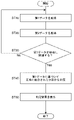
- the processor 21 determines to execute step ST20 when the absolute value of the amplitude of the first data is greater than the absolute value of the first threshold T1. On the other hand, the processor 21 determines not to execute step ST20 when the absolute value of the amplitude of the first data is equal to or less than the absolute value of the first threshold value T1. In this case, the process returns to step ST11.
- the trained model 24 receives the first data indicating the amplitude waveform of the vibration due to normal fitting, the second data indicating the amplitude waveform with less distortion (difference) than the first data is generated. Output.
- FIG. 10 is a schematic diagram showing an example of second data output by the learned model 24 when the first data is an amplitude waveform of vibration caused by disturbance other than normal fitting.
- FIG. 11 is a schematic diagram explaining comparison between the first data and the second data shown in FIG.
- the trained model 24 when the input first data is the amplitude waveform of vibration due to normal fitting, the output second data is substantially the same as the first data. Amplitude waveform.
- the output second data when the input first data is an amplitude waveform of vibration caused by disturbance other than normal fitting, the output second data has an amplitude waveform different from that of the first data.
- the processor 21 determines that the first data is not related to fitting when the degree of distortion is greater than the second threshold T2. In this case, the process proceeds to step ST40. On the other hand, the processor 21 determines that the first data is related to fitting when the degree of distortion is equal to or less than the second threshold T2. In this case, the process returns to step ST10.
- the criterion for determining whether the process proceeds to step ST40 or returns to step ST10 is not limited to the magnitude relationship between the degree of distortion and the second threshold value T2. For example, whether or not the degree of distortion falls within a predetermined threshold range (for example, threshold value T21 or more and threshold value T22 or less) may be used as a criterion for determining whether the process proceeds to step ST40 or returns to step ST10. In short, if it is possible to determine whether or not the first data is related to fit based on the degree of distortion, various means can be applied.
- the processor 21 compares the fitting determination data with the reference data, and determines whether or not the connector has been properly fitted based on the comparison result. Specifically, the processor 21 compares the peak level of the fit determination data and the level of the reference data.
- the reference data is stored in the storage device 22 .
- a plurality of reference data may be stored in the storage device 22 .
- the reference data may be selected from a plurality of reference data according to the shape, type, and size of the connector.
- the fitting detection method can detect whether or not the connectors are properly fitted by performing steps ST10 to ST40.
- the fitting detection method based on the second data output from the learned model 24, it is possible to determine whether or not the first data is related to vibration due to fitting, so that vibration due to disturbance can be eliminated. can be done. As a result, the load of determination processing is relatively light, and the determination time is also shortened. Moreover, in the fitting detection method, it is possible to reduce the possibility of erroneously determining that the fitting is normal based on the vibration caused by the disturbance, and improve the determination accuracy.
- the trained model 24 is an autoencoder, and the second data indicates information obtained by compressing and reconstructing the first data by the autoencoder.
- a step ST30 for determining whether or not the first data is related to fitting compares the first data and second data, and determines whether or not the first data is related to fitting based on the result of the comparison. judge. With such a configuration, it is possible to determine whether or not the first data is related to fitting based on the comparison between the first data and the second data. Thereby, it is possible to easily determine whether or not the first data is related to vibration due to fitting.
- the step ST20 of acquiring the second data includes a step ST21 of increasing the amplitude of the first data and a step ST22 of inputting the first data with the increased amplitude to the trained model 24.
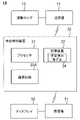
- the second embodiment differs from the first embodiment in that a display 30 is provided.
- the second embodiment differs from the first embodiment in that a step ST50 for presenting the determination result is included.
- steps ST10 to ST40 shown in FIG. 15 are the same as steps ST10 to ST40 shown in FIG. 9, so description thereof will be omitted.
- the fitting detection method of the present disclosure further includes step ST50 of displaying the determination result as to whether or not the fitting has been performed normally.
- step ST50 of displaying the determination result as to whether or not the fitting has been performed normally.
- the receiver 31 receives the detection result of the fitting detection device 20 . Specifically, the receiver 31 wirelessly connects with the communication circuit 23A and receives the determination result. The detection result received by the receiver 31 is transmitted to the display 30 . Receiver 31 includes a circuit that performs wireless communication with fitting detection device 20 in compliance with a predetermined communication standard.
- the trained model 24 is stored on the server 40.
- the server 40 receives the first data from the fitting detection device 20 via wireless communication.
- the server 40 acquires the second data by inputting the received first data to the trained model 24 .
- the second data is transmitted from the server 40 to the fitting detection device 20 .
- the server 40 performs step ST20 of acquiring the second data shown in FIG.
- the communication circuit 41 is a circuit that performs wireless communication with the fitting detection device 20 in compliance with a predetermined communication standard.
- Predetermined communication standards include, for example, Wi-Fi (registered trademark) and Bluetooth (registered trademark).
- the communication circuit 41 exchanges data with the communication circuit 23A of the fitting detection device 20 by wireless communication.
- the communication circuit 41 receives first data from the fitting detection device 20 and transmits second data to the fitting detection device 20 .
- the server 40 When the server 40 performs the determination step ST30 shown in FIG. 15, the server 40 transmits the determination result as to whether or not the first data is related to fitting to the fitting detection device 20 via the communication circuit 41. You may
- the second model creation method may be created using pruning, or it may be a learned model newly created in the process of distillation.
- these models and/or models that output comprehensively using a plurality of these models are also referred to as trained models.
Landscapes
- Physics & Mathematics (AREA)
- General Physics & Mathematics (AREA)
- Measurement Of Mechanical Vibrations Or Ultrasonic Waves (AREA)
- Manufacturing Of Electrical Connectors (AREA)
Abstract
Description
コネクタの正常な嵌合を検知する嵌合検知方法として、例えば、コネクタの嵌合により生じる振動を振動センサによって検出し、検出した振動に基づいてコネクタが正常に嵌合されたか否かを判定する方法が知られている。
以下、第1実施形態について、図面を参照しながら説明する。
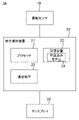
図1を参照して、第1実施形態の嵌合検知システム1の構成について説明する。
振動センサ10は、振動を検出するセンサである。振動センサ10は、振動に関連する振動データを検出する。振動センサ10は、例えば、圧電体に加えられた力を電圧に変換する圧電センサであり、振動データとして電圧を検出する。
嵌合検知装置20は、振動センサ10で検出された振動データに基づいて、コネクタの嵌合を検知する。具体的には、嵌合検知装置20は、振動センサ10から振動データを受信し、振動データに基づいてコネクタが正常に嵌合されたか否かを検知する。
嵌合検知装置20の構成について詳細に説明する。
プロセッサ21は、例えば、中央処理ユニット(CPU)、マイクロプロセッサ、又はコンピュータ実行可能命令の実行が可能なその他の処理ユニットである。プロセッサ21は、記憶装置22に記憶された命令を実行する。
記憶装置22は、嵌合検知装置20の機能を実現するために必要なプログラム及びデータを記憶する記憶媒体である。記憶装置22は、例えば、ハードディスク(HDD)、SSD、RAM、DRAM、強誘電体メモリ、フラッシュメモリ、磁気ディスク、又はこれらの組み合わせによって実現できる。
通信端子23は、振動センサ10からの信号を受け取る通信端子である。本実施形態では、通信端子23は、USB,HDMI(登録商標)又はLANなどで振動センサ10と接続されていてもよい。
図2を用いて、嵌合検知方法について説明する。図2は、第1実施形態の嵌合検知方法の一例を示すフローチャートである。
本開示の第1実施形態の嵌合検知方法によると以下の効果を奏する。
(第2実施形態)
図14を参照して、第2実施形態の嵌合検知システム1Aの構成について説明する。
ディスプレイ30は、嵌合検知装置20の検知結果を表示する。具体的には、ディスプレイ30は、コネクタが正常に嵌合されたか否かの判定結果を表示する。
図16を参照して、第3実施形態の嵌合検知システム1Bの構成について説明する。
図17を参照して、第4実施形態の嵌合検知システム1Cの構成について説明する。
サーバ40は、通信回路41、プロセッサ42及び記憶装置43を備える。
以上のように、本出願において開示する技術の例示として、上記実施形態を説明した。しかしながら、本開示における技術は、これに限定されず、適宜、変更、置き換え、付加、省略などを行った実施形態にも適用可能である。そこで、以下、他の実施形態を例示する。
(1)本開示の嵌合検知方法は、嵌合を検知する嵌合検知方法であって、振動から生成される情報を示す第1データを取得し、少なくとも正常な嵌合により生じる振動から生成される情報を教師データとして機械学習が行われた学習済みモデルに、第1データを入力することによって、学習済みモデルから出力される第2データを取得し、第2データに基づいて、第1データが嵌合に関連するか否かを判定し、第1データが嵌合に関連する場合に、第1データに基づいて正常に嵌合されたか否かを判定すること、を含む。
振動を検出する振動センサと、プロセッサと、プロセッサにより実行可能な命令を記憶した記憶装置と、を備え、命令は、振動センサによって検出される振動から生成される情報を示す第1データを取得し、少なくとも正常な嵌合により生じる振動から生成される情報を教師データとして機械学習が行われた学習済みモデルに、第1データを入力することによって、学習済みモデルから出力される第2データを取得し、第2データに基づいて、第1データが嵌合に関連するか否かを判定し、第1データが嵌合に関連する場合に、第1データに基づいて正常に嵌合されたか否かを判定すること、を含む。
10 振動センサ
11 送信機
20 嵌合検知装置
21 プロセッサ
22 記憶装置
23 通信端子
23A 通信回路
24 学習済みモデル
30 ディスプレイ
31 受信機
40 サーバ
41 通信回路
42 プロセッサ
43 記憶装置
P1,P2,P3 ピーク
T1,T2 閾値
Claims (19)
- 嵌合を検知する嵌合検知方法であって、
振動から生成される情報を示す第1データを取得し、
少なくとも正常な嵌合により生じる振動から生成される情報を教師データとして機械学習が行われた学習済みモデルに、前記第1データを入力することによって、前記学習済みモデルから出力される第2データを取得し、
前記第2データに基づいて、前記第1データが嵌合に関連するか否かを判定し、
前記第1データが嵌合に関連する場合に、前記第1データに基づいて正常に嵌合されたか否かを判定すること、
を含む、
嵌合検知方法。 - 前記第1データが前記振動の振幅波形を示し、
前記学習済みモデルが、少なくとも前記正常な嵌合により生じる振動の振幅波形を教師データとして機械学習が行われている場合において、
前記第1データを取得することは、前記第1データの振幅と第1閾値とに基づいて、前記第2データを取得する処理を実行するか否かを判定する、
請求項1に記載の嵌合検知方法。 - 前記学習済みモデルは、オートエンコーダであり、
前記第2データは、前記オートエンコーダによって、前記第1データが圧縮され、再構成されて得られた情報を示し、
前記第1データが嵌合に関連するか否かを判定することは、前記第1データと前記第2データとを比較し、前記比較の結果に基づいて前記第1データが嵌合に関連するか否かを判定する、
請求項1に記載の嵌合検知方法。 - 前記第1データが嵌合に関連するか否かを判定することは、
前記第1データと前記第2データとの差異を示す歪み度を算出し、
前記歪み度に基づいて、前記第1データが嵌合に関連するか否かを判定する、
請求項3に記載の嵌合検知方法。 - 前記正常な嵌合により生じる振動の振幅波形は、時間の経過に伴い振幅が小さくなり、且つ波形のピークである山の数が少なくとも2つ以上である、
請求項1に記載の嵌合検知方法。 - 前記第1データは、前記正常な嵌合以外の外乱による振動の振幅波形を含み、
前記第1データが前記外乱による振動の振幅波形を含む場合には、前記第1データは嵌合に関連しないと判定される、
請求項1に記載の嵌合検知方法。 - 前記第2データを取得することは、
前記第1データの振幅を拡大し、
前記振幅を拡大した前記第1データを前記学習済みモデルに入力する、
請求項1に記載の嵌合検知方法。 - 前記正常に嵌合されたか否かの判定結果を表示することを更に含む、
請求項1に記載の嵌合検知方法。 - 嵌合を検知する嵌合検知装置であって、
プロセッサと、
前記プロセッサにより実行可能な命令を記憶した記憶装置と、
を備え、
前記命令は、
振動から生成される情報を示す第1データを取得し、
少なくとも正常な嵌合により生じる振動から生成される情報を教師データとして機械学習が行われた学習済みモデルに、前記第1データを入力することによって、前記学習済みモデルから出力される第2データを取得し、
前記第2データに基づいて、前記第1データが嵌合に関連するか否かを判定し、
前記第1データが嵌合に関連する場合に、前記第1データに基づいて正常に嵌合されたか否かを判定すること、
を含む、嵌合検知装置。 - 前記第1データが前記振動の振幅波形を示し、
前記学習済みモデルが、少なくとも前記正常な嵌合により生じる振動の振幅波形を教師データとして機械学習が行われている場合において、
前記第1データを取得することは、前記第1データの振幅と第1閾値とに基づいて、前記第2データを取得する処理を実行するか否かを判定する、
請求項9に記載の嵌合検知装置。 - 前記学習済みモデルは、オートエンコーダであり、
前記第2データは、前記オートエンコーダによって、前記第1データが圧縮され、再構成されて得られた情報を示し、
前記第1データが嵌合に関連するか否かを判定することは、前記第1データと前記第2データとを比較し、前記比較の結果に基づいて前記第1データが嵌合に関連するか否かを判定する、
請求項9に記載の嵌合検知装置。 - 前記第1データが嵌合に関連するか否かを判定することは、
前記第1データと前記第2データとの差異を示す歪み度を算出し、
前記歪み度に基づいて、前記第1データが嵌合に関連するか否かを判定する、
請求項11に記載の嵌合検知装置。 - 前記正常な嵌合により生じる振動の振幅波形は、時間の経過に伴い振幅が小さくなり、且つ波形のピークである山の数が少なくとも2つ以上である、
請求項9に記載の嵌合検知装置。 - 前記第1データは、前記正常な嵌合以外の外乱による振動の振幅波形を含み、
前記第1データが前記外乱による振動の振幅波形を含む場合には、前記第1データが嵌合に関連しないと判定される、
請求項9に記載の嵌合検知装置。 - 前記第2データを取得することは、
前記第1データの振幅を拡大し、
前記振幅を拡大した前記第1データを前記学習済みモデルに入力する、
請求項9に記載の嵌合検知装置。 - 嵌合を検知する嵌合検知システムであって、
振動を検出する振動センサと、
プロセッサと、
前記プロセッサにより実行可能な命令を記憶した記憶装置と、
を備え、
前記命令は、
前記振動センサによって検出される前記振動から生成される情報を示す第1データを取得し、
少なくとも正常な嵌合により生じる振動から生成される情報を教師データとして機械学習が行われた学習済みモデルに、前記第1データを入力することによって、前記学習済みモデルから出力される第2データを取得し、
前記第2データに基づいて、前記第1データが嵌合に関連するか否かを判定し、
前記第1データが嵌合に関連する場合に、前記第1データに基づいて正常に嵌合されたか否かを判定すること、
を含む、嵌合検知システム。 - 前記命令は、前記正常に嵌合されたか否かの判定結果を表示すること、を更に含む、
請求項16に記載の嵌合検知システム。 - 無線通信を介して接続されるサーバを更に備え、
前記学習済みモデルは、前記サーバの記憶装置に格納されており、
前記第2データを取得することは、
無線通信を介して前記サーバに前記第1データを送信し、
前記サーバのプロセッサによって、前記学習済みモデルに、前記第1データを入力し、前記学習済みモデルから出力される前記第2データを取得する、
請求項16に記載の嵌合検知システム。 - 前記第2データに基づいて、前記第1データが嵌合に関連するか否かを判定する処理と、前記第1データに基づいて正常に嵌合されたか否かを判定する処理とのうち少なくとも1つは、前記サーバのプロセッサにより実行される、
請求項18に記載の嵌合検知システム。
Priority Applications (3)
| Application Number | Priority Date | Filing Date | Title |
|---|---|---|---|
| JP2022576978A JP7457908B2 (ja) | 2021-01-20 | 2021-10-25 | 嵌合検知方法、嵌合検知装置及び嵌合検知システム |
| EP21921168.7A EP4283801A4 (en) | 2021-01-20 | 2021-10-25 | ASSEMBLY DETECTION METHOD, ASSEMBLY DETECTION DEVICE AND ASSEMBLY DETECTION SYSTEM |
| US18/222,703 US20230361511A1 (en) | 2021-01-20 | 2023-07-17 | Fitting detection method, fitting detection device, and fitting detection system |
Applications Claiming Priority (2)
| Application Number | Priority Date | Filing Date | Title |
|---|---|---|---|
| JP2021-007276 | 2021-01-20 | ||
| JP2021007276 | 2021-01-20 |
Related Child Applications (1)
| Application Number | Title | Priority Date | Filing Date |
|---|---|---|---|
| US18/222,703 Continuation US20230361511A1 (en) | 2021-01-20 | 2023-07-17 | Fitting detection method, fitting detection device, and fitting detection system |
Publications (1)
| Publication Number | Publication Date |
|---|---|
| WO2022158065A1 true WO2022158065A1 (ja) | 2022-07-28 |
Family
ID=82548702
Family Applications (1)
| Application Number | Title | Priority Date | Filing Date |
|---|---|---|---|
| PCT/JP2021/039306 Ceased WO2022158065A1 (ja) | 2021-01-20 | 2021-10-25 | 嵌合検知方法、嵌合検知装置及び嵌合検知システム |
Country Status (4)
| Country | Link |
|---|---|
| US (1) | US20230361511A1 (ja) |
| EP (1) | EP4283801A4 (ja) |
| JP (1) | JP7457908B2 (ja) |
| WO (1) | WO2022158065A1 (ja) |
Cited By (1)
| Publication number | Priority date | Publication date | Assignee | Title |
|---|---|---|---|---|
| WO2024062823A1 (ja) * | 2022-09-22 | 2024-03-28 | パナソニックIpマネジメント株式会社 | 分類方法、分類装置及び分類システム |
Families Citing this family (1)
| Publication number | Priority date | Publication date | Assignee | Title |
|---|---|---|---|---|
| JP7620147B1 (ja) * | 2024-05-17 | 2025-01-22 | Kddi株式会社 | 篏合音検出装置 |
Citations (5)
| Publication number | Priority date | Publication date | Assignee | Title |
|---|---|---|---|---|
| JPH0982443A (ja) | 1995-09-06 | 1997-03-28 | Sumitomo Wiring Syst Ltd | コネクタの嵌合検知方法及び嵌合検知装置 |
| WO2008143226A1 (ja) * | 2007-05-24 | 2008-11-27 | Toyota Jidosha Kabushiki Kaisha | コネクタ嵌合状態判定装置、コネクタ嵌合状態判定システム及びコネクタ嵌合状態判定方法 |
| JP2010199047A (ja) * | 2009-02-26 | 2010-09-09 | Washino Kiko Kk | コネクタ結合検知装置 |
| WO2019176354A1 (ja) * | 2018-03-13 | 2019-09-19 | 住友電気工業株式会社 | 学習用データ収集方法、学習用データ収集装置、異変検知システム及びコンピュータプログラム |
| WO2020218129A1 (ja) * | 2019-04-22 | 2020-10-29 | トヨタ紡織株式会社 | 判定システム、分離装置、判定方法、およびプログラム |
Family Cites Families (10)
| Publication number | Priority date | Publication date | Assignee | Title |
|---|---|---|---|---|
| US20040143398A1 (en) * | 2003-01-03 | 2004-07-22 | Nelson Mitchell C. | Method and system for monitoring vibration and/or mechanical waves in mechanical systems |
| US8179248B2 (en) * | 2006-10-13 | 2012-05-15 | Savannah River Nuclear Solutions, Llc | Door latching recognition apparatus and process |
| US10766113B2 (en) * | 2015-12-11 | 2020-09-08 | Makino Milling Machine Co., Ltd. | Machine tool |
| WO2018094273A1 (en) * | 2016-11-17 | 2018-05-24 | Ez Pulley Llc | Systems and methods for detection and analysis of faulty components in a rotating pulley system |
| US10539932B2 (en) * | 2017-09-30 | 2020-01-21 | Intel Corporation | Machine diagnostics based on overall system energy state |
| JP2020101431A (ja) * | 2018-12-21 | 2020-07-02 | 東京電力ホールディングス株式会社 | 情報処理装置、情報処理システム、携帯端末、プログラム、及び検出部 |
| JP7217246B2 (ja) * | 2019-04-26 | 2023-02-02 | 長野計器株式会社 | モニタリング装置および健全度モニタリングシステム |
| JP7239982B2 (ja) * | 2019-06-04 | 2023-03-15 | 国立大学法人広島大学 | 触覚評価システム、触覚評価方法及びプログラム |
| KR102737991B1 (ko) * | 2019-08-15 | 2024-12-05 | 엘지전자 주식회사 | 딥러닝 기반의 세탁기의 진동 분석 방법과 그 장치 |
| DE102019006810A1 (de) * | 2019-10-01 | 2020-04-02 | Daimler Ag | Verfahren zur Überprüfung einer Herstellung einer Steckverbindung |
-
2021
- 2021-10-25 EP EP21921168.7A patent/EP4283801A4/en not_active Withdrawn
- 2021-10-25 WO PCT/JP2021/039306 patent/WO2022158065A1/ja not_active Ceased
- 2021-10-25 JP JP2022576978A patent/JP7457908B2/ja active Active
-
2023
- 2023-07-17 US US18/222,703 patent/US20230361511A1/en active Pending
Patent Citations (5)
| Publication number | Priority date | Publication date | Assignee | Title |
|---|---|---|---|---|
| JPH0982443A (ja) | 1995-09-06 | 1997-03-28 | Sumitomo Wiring Syst Ltd | コネクタの嵌合検知方法及び嵌合検知装置 |
| WO2008143226A1 (ja) * | 2007-05-24 | 2008-11-27 | Toyota Jidosha Kabushiki Kaisha | コネクタ嵌合状態判定装置、コネクタ嵌合状態判定システム及びコネクタ嵌合状態判定方法 |
| JP2010199047A (ja) * | 2009-02-26 | 2010-09-09 | Washino Kiko Kk | コネクタ結合検知装置 |
| WO2019176354A1 (ja) * | 2018-03-13 | 2019-09-19 | 住友電気工業株式会社 | 学習用データ収集方法、学習用データ収集装置、異変検知システム及びコンピュータプログラム |
| WO2020218129A1 (ja) * | 2019-04-22 | 2020-10-29 | トヨタ紡織株式会社 | 判定システム、分離装置、判定方法、およびプログラム |
Non-Patent Citations (1)
| Title |
|---|
| See also references of EP4283801A4 |
Cited By (1)
| Publication number | Priority date | Publication date | Assignee | Title |
|---|---|---|---|---|
| WO2024062823A1 (ja) * | 2022-09-22 | 2024-03-28 | パナソニックIpマネジメント株式会社 | 分類方法、分類装置及び分類システム |
Also Published As
| Publication number | Publication date |
|---|---|
| JP7457908B2 (ja) | 2024-03-29 |
| EP4283801A1 (en) | 2023-11-29 |
| EP4283801A4 (en) | 2024-06-05 |
| US20230361511A1 (en) | 2023-11-09 |
| JPWO2022158065A1 (ja) | 2022-07-28 |
Similar Documents
| Publication | Publication Date | Title |
|---|---|---|
| JP7457908B2 (ja) | 嵌合検知方法、嵌合検知装置及び嵌合検知システム | |
| US12154590B2 (en) | Data processing method, data processing device, and program | |
| Cheng et al. | Independent component analysis based source number estimation and its comparison for mechanical systems | |
| KR101939683B1 (ko) | 사용자 행동 실시간 인식장치 및 방법 | |
| US20180276569A1 (en) | Learning model construction device, abnormality detection device, abnormality detection system and server | |
| KR102181762B1 (ko) | 적대적 오토 인코더 기반 이상 데이터 검출 장치 | |
| KR102116604B1 (ko) | 레이더를 이용한 제스처 인식 장치 및 방법 | |
| Barella et al. | ClusterOSS: a new undersampling method for imbalanced learning | |
| Ashwini et al. | Skeletal data based activity recognition system | |
| CN109598823B (zh) | 基于多传感器的身份识别方法 | |
| Aparna et al. | Human activity recognition via wi-fi csi and vae-cnn-bilstm hybrid deep learning | |
| JP7092818B2 (ja) | 異常検知装置 | |
| Zhang et al. | Dynamic evaluation of degradation space variation for machine condition monitoring | |
| US20210166082A1 (en) | Data analysis system and data analysis method | |
| JP7624625B2 (ja) | 嵌合検知判定システム、嵌合検知判定装置および嵌合検知判定方法 | |
| US20250216222A1 (en) | Sensor data verification | |
| CN121794751A (zh) | 使用神经网络从音频混合信号中提取音频信号 | |
| JP2022175941A (ja) | 嵌合検知判定システムおよび嵌合検知判定方法 | |
| Hiruma et al. | Separating stereo audio mixture having no phase difference by convex clustering and disjointness map | |
| JP6625270B1 (ja) | 表示データ生成装置、表示データ生成方法及びプログラム | |
| KR20240083695A (ko) | 심층 학습 기반 분석 시스템 및 그의 동작 방법 | |
| KR102661402B1 (ko) | 인공지능 기반 침입 탐지 시스템 및 방법 | |
| JP5936377B2 (ja) | 音声区間検出装置 | |
| JP5874963B2 (ja) | 移動体の動き分類方法及び移動体の動き分類システム | |
| US20220269958A1 (en) | Device-invariant, frequency-domain signal processing with machine learning |
Legal Events
| Date | Code | Title | Description |
|---|---|---|---|
| 121 | Ep: the epo has been informed by wipo that ep was designated in this application |
Ref document number: 21921168 Country of ref document: EP Kind code of ref document: A1 |
|
| ENP | Entry into the national phase |
Ref document number: 2022576978 Country of ref document: JP Kind code of ref document: A |
|
| NENP | Non-entry into the national phase |
Ref country code: DE |
|
| ENP | Entry into the national phase |
Ref document number: 2021921168 Country of ref document: EP Effective date: 20230821 |
|
| WWW | Wipo information: withdrawn in national office |
Ref document number: 2021921168 Country of ref document: EP |