WO2022170385A1 - Process - Google Patents
Process Download PDFInfo
- Publication number
- WO2022170385A1 WO2022170385A1 PCT/AU2022/050077 AU2022050077W WO2022170385A1 WO 2022170385 A1 WO2022170385 A1 WO 2022170385A1 AU 2022050077 W AU2022050077 W AU 2022050077W WO 2022170385 A1 WO2022170385 A1 WO 2022170385A1
- Authority
- WO
- WIPO (PCT)
- Prior art keywords
- seq
- amino acid
- codeine
- polypeptide
- nucleotide sequence
- Prior art date
- Legal status (The legal status is an assumption and is not a legal conclusion. Google has not performed a legal analysis and makes no representation as to the accuracy of the status listed.)
- Ceased
Links
Classifications
-
- A—HUMAN NECESSITIES
- A01—AGRICULTURE; FORESTRY; ANIMAL HUSBANDRY; HUNTING; TRAPPING; FISHING
- A01H—NEW PLANTS OR NON-TRANSGENIC PROCESSES FOR OBTAINING THEM; PLANT REPRODUCTION BY TISSUE CULTURE TECHNIQUES
- A01H6/00—Angiosperms, i.e. flowering plants, characterised by their botanic taxonomy
- A01H6/64—Papaveraceae, e.g. poppy
-
- C—CHEMISTRY; METALLURGY
- C12—BIOCHEMISTRY; BEER; SPIRITS; WINE; VINEGAR; MICROBIOLOGY; ENZYMOLOGY; MUTATION OR GENETIC ENGINEERING
- C12P—FERMENTATION OR ENZYME-USING PROCESSES TO SYNTHESISE A DESIRED CHEMICAL COMPOUND OR COMPOSITION OR TO SEPARATE OPTICAL ISOMERS FROM A RACEMIC MIXTURE
- C12P17/00—Preparation of heterocyclic carbon compounds with only O, N, S, Se or Te as ring hetero atoms
- C12P17/18—Preparation of heterocyclic carbon compounds with only O, N, S, Se or Te as ring hetero atoms containing at least two hetero rings condensed among themselves or condensed with a common carbocyclic ring system, e.g. rifamycin
-
- A—HUMAN NECESSITIES
- A01—AGRICULTURE; FORESTRY; ANIMAL HUSBANDRY; HUNTING; TRAPPING; FISHING
- A01H—NEW PLANTS OR NON-TRANSGENIC PROCESSES FOR OBTAINING THEM; PLANT REPRODUCTION BY TISSUE CULTURE TECHNIQUES
- A01H1/00—Processes for modifying genotypes ; Plants characterised by associated natural traits
- A01H1/10—Processes for modifying non-agronomic quality output traits, e.g. for industrial processing; Value added, non-agronomic traits
- A01H1/101—Processes for modifying non-agronomic quality output traits, e.g. for industrial processing; Value added, non-agronomic traits involving biosynthetic or metabolic pathways, i.e. metabolic engineering, e.g. nicotine or caffeine
-
- A—HUMAN NECESSITIES
- A01—AGRICULTURE; FORESTRY; ANIMAL HUSBANDRY; HUNTING; TRAPPING; FISHING
- A01H—NEW PLANTS OR NON-TRANSGENIC PROCESSES FOR OBTAINING THEM; PLANT REPRODUCTION BY TISSUE CULTURE TECHNIQUES
- A01H5/00—Angiosperms, i.e. flowering plants, characterised by their plant parts; Angiosperms characterised otherwise than by their botanic taxonomy
- A01H5/02—Flowers
-
- C—CHEMISTRY; METALLURGY
- C12—BIOCHEMISTRY; BEER; SPIRITS; WINE; VINEGAR; MICROBIOLOGY; ENZYMOLOGY; MUTATION OR GENETIC ENGINEERING
- C12N—MICROORGANISMS OR ENZYMES; COMPOSITIONS THEREOF; PROPAGATING, PRESERVING, OR MAINTAINING MICROORGANISMS; MUTATION OR GENETIC ENGINEERING; CULTURE MEDIA
- C12N15/00—Mutation or genetic engineering; DNA or RNA concerning genetic engineering, vectors, e.g. plasmids, or their isolation, preparation or purification; Use of hosts therefor
- C12N15/09—Recombinant DNA-technology
- C12N15/63—Introduction of foreign genetic material using vectors; Vectors; Use of hosts therefor; Regulation of expression
- C12N15/70—Vectors or expression systems specially adapted for E. coli
-
- C—CHEMISTRY; METALLURGY
- C12—BIOCHEMISTRY; BEER; SPIRITS; WINE; VINEGAR; MICROBIOLOGY; ENZYMOLOGY; MUTATION OR GENETIC ENGINEERING
- C12N—MICROORGANISMS OR ENZYMES; COMPOSITIONS THEREOF; PROPAGATING, PRESERVING, OR MAINTAINING MICROORGANISMS; MUTATION OR GENETIC ENGINEERING; CULTURE MEDIA
- C12N15/00—Mutation or genetic engineering; DNA or RNA concerning genetic engineering, vectors, e.g. plasmids, or their isolation, preparation or purification; Use of hosts therefor
- C12N15/09—Recombinant DNA-technology
- C12N15/63—Introduction of foreign genetic material using vectors; Vectors; Use of hosts therefor; Regulation of expression
- C12N15/79—Vectors or expression systems specially adapted for eukaryotic hosts
- C12N15/82—Vectors or expression systems specially adapted for eukaryotic hosts for plant cells, e.g. plant artificial chromosomes (PACs)
- C12N15/8241—Phenotypically and genetically modified plants via recombinant DNA technology
- C12N15/8242—Phenotypically and genetically modified plants via recombinant DNA technology with non-agronomic quality (output) traits, e.g. for industrial processing; Value added, non-agronomic traits
- C12N15/8243—Phenotypically and genetically modified plants via recombinant DNA technology with non-agronomic quality (output) traits, e.g. for industrial processing; Value added, non-agronomic traits involving biosynthetic or metabolic pathways, i.e. metabolic engineering, e.g. nicotine, caffeine
-
- C—CHEMISTRY; METALLURGY
- C12—BIOCHEMISTRY; BEER; SPIRITS; WINE; VINEGAR; MICROBIOLOGY; ENZYMOLOGY; MUTATION OR GENETIC ENGINEERING
- C12N—MICROORGANISMS OR ENZYMES; COMPOSITIONS THEREOF; PROPAGATING, PRESERVING, OR MAINTAINING MICROORGANISMS; MUTATION OR GENETIC ENGINEERING; CULTURE MEDIA
- C12N9/00—Enzymes; Proenzymes; Compositions thereof; Processes for preparing, activating, inhibiting, separating or purifying enzymes
- C12N9/0004—Oxidoreductases (1.)
- C12N9/0071—Oxidoreductases (1.) acting on paired donors with incorporation of molecular oxygen (1.14)
-
- C—CHEMISTRY; METALLURGY
- C12—BIOCHEMISTRY; BEER; SPIRITS; WINE; VINEGAR; MICROBIOLOGY; ENZYMOLOGY; MUTATION OR GENETIC ENGINEERING
- C12Y—ENZYMES
- C12Y114/00—Oxidoreductases acting on paired donors, with incorporation or reduction of molecular oxygen (1.14)
- C12Y114/11—Oxidoreductases acting on paired donors, with incorporation or reduction of molecular oxygen (1.14) with 2-oxoglutarate as one donor, and incorporation of one atom each of oxygen into both donors (1.14.11)
- C12Y114/11031—Thebaine 6-O-demethylase (1.14.11.31)
-
- C—CHEMISTRY; METALLURGY
- C12—BIOCHEMISTRY; BEER; SPIRITS; WINE; VINEGAR; MICROBIOLOGY; ENZYMOLOGY; MUTATION OR GENETIC ENGINEERING
- C12Y—ENZYMES
- C12Y114/00—Oxidoreductases acting on paired donors, with incorporation or reduction of molecular oxygen (1.14)
- C12Y114/11—Oxidoreductases acting on paired donors, with incorporation or reduction of molecular oxygen (1.14) with 2-oxoglutarate as one donor, and incorporation of one atom each of oxygen into both donors (1.14.11)
- C12Y114/11032—Codeine 3-O-demethylase (1.14.11.32)
Definitions
- the disclosure relates to a process for the manufacture of one or more opiate or opioid alkaloids wherein the process comprises the formation of a reaction mixture including a host cell transformed with one or more nucleic acid molecules encoding an enzyme catalysing at least one reaction in the conversion of an opiate alkaloid, including semi synthetic opioid alkaloids, and reacting the mixture to convert said opiate alkaloid, or semi synthetic opioid alkaloid, into a further opiate or opioid alkaloid and optionally extracting the product(s) of the reaction mixture; vectors comprising said nucleic acid molecules; and host cells expressing nucleic acids encoding polypeptides and modified polypeptides with altered or enhanced activity.
- Opiates such as codeine and morphine are potent analgesics and are frequently used to treat moderate to strong pain.
- Semi-synthetic opioids such as oxycodone, oxymorphone, nalbuphine, naloxone, naltrexone, buprenorphine or etorphine have often a lower side effect profile when compared to codeine and morphine thus offering a valuable pain- management-alternative.
- the biosynthetic pathway of morphinan alkaloids is well established and includes a series of enzymatic steps starting from dopamine and 4-hydroxyphenylacetaldehyde leading to the synthesis of R-reticuline which is subsequently transformed to thebaine.
- Thebaine is then converted to either oripavine by the codeine 3-O-demethylase (CODM) or transformed in several steps to codeine involving the activity of the thebaine-6-O- demethylase (T60DM). Codeine is subsequently converted to morphine by de-methylation by CODM.
- Thebaine is a starting material for the synthesis of some semi-synthetic opioids. Whilst opiate alkaloids can be extracted from latex, harvested from the green seed pods of opium poppy or from the poppy straw, which is the dried mature plant, the demand for the opiate alkaloids in general exceeds the available natural supply necessitating costly chemical synthesis.
- Thebaine the chemical precursor of codeine, morphine and semi-synthetic opioids is readily converted in the plant and thus the level of thebaine in the wild type poppy plant is low.
- W02017/122011 which is incorporated by reference in its entirety, discloses the characterisation of the genomic locus encoding CODM genes in Papaver somniferum.
- the locus includes three closely linked CODM genes that are around 99% identical at the level of genomic sequence. Mutations in the CODM genes that affect enzyme activity are associated with elevated codeine and in plants carrying a deletion of each of the CODM genes the plants have very high levels of codeine.
- EP3398430 which is incorporated by reference in its entirety, is disclosed the characterisation of the genomic locus encoding T60DM genes. The locus includes five T60DM genes. In P. somniferum plants that carry mutations in both the CODM three gene cluster combined with mutations in T60DM genes the resulting double mutants show high levels of thebaine. If CODM and T60DM expression or activity is undetectable the resulting plants have very high levels of thebaine.
- a process for the conversion of one or more opiate or opioid alkaloids to one or more opiate or opioid intermediates comprising forming a preparation comprising a host cell, for example a bacterial, fungal or plant cell, transformed with a one or more nucleic acids encoding an enzyme involved in opiate biotransformation, or an enzyme involved in the synthesis of semi-synthetic opioids such as oxycodone, oxymorphone, nalbuphine, naloxone, naltrexone, buprenorphine or etorphine
- a crude poppy extract obtained from a poppy for example P. sominferum
- incubating the preparation to obtain a biotransformation and optionally extracting one or more opiate or opioid alkaloids from the transformed preparation.
- the disclosure provides a scaled transformation of opiate alkaloids as an alternative to in planta extraction of opiate alkaloids from Papaver species.
- CODM polypeptides carrying amino acid modifications which result in altered or enhanced CODM activity.
- a method for the biotransformation of one or more opiate alkaloids or synthetic opioid alkaloids comprising the steps: forming a preparation comprising a host cell transformed with one or more nucleic acid molecules encoding one or more polypeptides catalysing at least one reaction in the conversion of one or more opiate alkaloids or synthetic opioid alkaloids to one or more different opiate alkaloids or semi-synthetic opioid alkaloids; incubating the reaction to allow transformation of one or more opiates alkaloids or semi-synthetic opioid alkaloids; and optionally extracting said one or more transformed different opiate alkaloids or semi-synthetic opioid alkaloids from said preparation.
- said preparation comprises naturally occurring opiate alkaloids.
- said preparation comprises semi synthetic opioid alkaloids.
- said preparation comprises a crude poppy extract comprising natural opiate alkaloids, for example, codeine, thebaine, codeinone and morphinone.
- said preparation comprises an opiate alkaloid is selected from the group consisting of thebaine, oripavine, codeine, morphinone, neomorphinone, neopinone and codeinone, preferably thebaine and codeine.
- said preparation comprises codeine or thebaine.
- said one or more transformed different opiate alkaloids are selected from the group consisting of oripavine, codeine, morphinone, neomorphinone, neopinone and codeinone, preferably thebaine and codeine.
- said one or more transformed different opiate alkaloids is oripavine and morphine.
- said opioid alkaloid is a semi-synthetic opioid alkaloid selected from the group consisting of: oxycodone, oxymorphone, hydrocodone, hydromorphone, dihydrocodeine, dihydromorphine: 14-hydroxycodeine, 14- hydroxymorphine, noroxycodone, noroxymorphone, noroxycodeinone, noroxymorphinone, 14-hydroxy norcodeinone, 14-hydroxy normorphinone, 14- hydroxycodeinone, 14-hydroxymorphinone, buprenorphine intermediates such as for example N-cyclopropylmethyl-7a-(2-hydroxy-3,3-dimethyl-2-butyl)-6,14-endoethano- 6,7,8, 14-tetrahydronorthebaine or 7-acetyl-6,14-endoetheno-6,7,8,14-
- Tetrahydrothebaine Tetrahydrothebaine, buprenorphine ((2S)-2-[17-(cyclopropylmethyl)-4,5a-epoxy-3- hydroxy-6-methoxy-6a,14-ethano-14a-morphinan-7a-yl]-3,3-dimethylbutan-2-ol), and etorphine intermediate.
- semi-synthetic opioid alkaloids as disclosed in US2019/0144900 which is incorporated by reference in its entirety.
- said nucleic acid molecule comprises a nucleotide sequence selected from the group consisting of: i) a nucleotide sequence as set forth in SEQ ID NO: 1, 2, 3, 4, 5, 6, 7, 8, 9, 10, 11 , 12, 13, 14 or 15; ii) a nucleotide sequence wherein said sequence is degenerate as a result of the genetic code to the nucleotide sequence defined in (i); iii) a nucleic acid molecule comprising a nucleotide sequence the complementary strand of which hybridizes under stringent hybridization conditions to the sequence in SEQ ID NO: 1, 2, 3, 4, 5, 6, 7, 8, 9, 10, 11, 12, 13, 14 or 15 wherein said nucleic acid molecule encodes a codeine 3- O-demethylase; iv) a nucleotide sequence that encodes a polypeptide comprising an amino acid sequence as represented in SEQ ID NO: 19, 20, 21 , 22, 23, 24, 25, 26, 27, 28, 29, 30 or 31; v)
- nucleotide sequence encoding codeine 3- O-demethylase polypeptide is set forth in SEQ ID NO: 3 or comprising a nucleotide sequence that is at least 90% identical to SEQ ID NO: 3.
- Sequence homology is 90%, 91%, 92%, 93%, 94%, 95%, 96%, 97%, 98% or 99% identity or similarity to the full-length nucleotide or amino acid sequence herein disclosed.
- nucleotide sequence encoding codeine 3- O-demethylase polypeptide is set forth in SEQ ID NO: 8 or comprising a nucleotide sequence that is at least 90% identical to SEQ ID NO: 8.
- nucleotide sequence encoding codeine 3- O-demethylase polypeptide is selected from the group consisting of SEQ ID NO 1, 2, 4, 5, 6, 7, 9, 10, 11, 12, 13, 14 and 15, or comprising a nucleotide sequence that is at least 90% identical to SEQ ID NO: 1, 2, 4, 5, 6, 7, 9, 10, 11, 12, 13, H and 15.
- said codeine 3-O-demethylase polypeptide comprises an amino acid sequence as set forth in SEQ ID NO: 19, or a polypeptide comprising the amino acid sequence that is at least 90% identical to SEQ ID NO: 19.
- said codeine 3-O-demethylase polypeptide comprises an amino acid sequence as set forth in SEQ ID NO: 20, or a polypeptide comprising the amino acid sequence that is at least 90% identical to SEQ ID NO: 20 and includes the amino acid substitution E259K.
- said codeine 3-O-demethylase polypeptide comprises an amino acid sequence as set forth in SEQ ID NO: 21 , or a polypeptide comprising the amino acid sequence that is at least 90% identical to SEQ ID NO: 21 and includes the amino acid substitution E259D.
- said codeine 3-O-demethylase polypeptide comprises an amino acid sequence as set forth in SEQ ID NO: 22, or a polypeptide comprising the amino acid sequence that is at least 90% identical to SEQ ID NO: 22 and includes the amino acid substitution E259H.
- said codeine 3-O-demethylase polypeptide comprises an amino acid sequence as set forth in SEQ ID NO: 23, or a polypeptide comprising the amino acid sequence that is at least 90% identical to SEQ ID NO: 23 and includes the amino acid substitution E259Q.
- said codeine 3-O-demethylase polypeptide comprises an amino acid sequence as set forth in SEQ ID NO: 24, or a polypeptide comprising the amino acid sequence that is at least 90% identical to SEQ ID NO: 24 and includes the amino acid substitution E259A.
- said codeine 3-O-demethylase polypeptide comprises an amino acid sequence as set forth in SEQ ID NO: 25, or a polypeptide comprising the amino acid sequence that is at least 90% identical to SEQ ID NO: 25 and includes the amino acid substitution E259S.
- said codeine 3-O-demethylase polypeptide comprises an amino acid sequence as set forth in SEQ ID NO: 26 or a codeine 3-O- demethylase polypeptide comprising the amino acid sequence that is at least 90% identical to SEQ ID NO: 26 and includes the amino acid substitution E259G.
- said codeine 3-O-demethylase polypeptide comprises an amino acid sequence as set forth in SEQ ID NO: 27, or a polypeptide comprising the amino acid sequence that is at least 90% identical to SEQ ID NO: 27 and includes the amino acid substitution R260T.
- said codeine 3-O-demethylase polypeptide comprises an amino acid sequence as set forth in SEQ ID NO: 28, or a polypeptide comprising the amino acid sequence that is at least 90% identical to SEQ ID NO: 28 and includes the amino acid substitution E259G and R260T.
- said codeine 3-O-demethylase polypeptide comprises an amino acid sequence as set forth in SEQ ID NO: 29, or a polypeptide comprising the amino acid sequence that is at least 90% identical to SEQ ID NO: 29 and includes the amino acid substitution R260K.
- said codeine 3-O-demethylase polypeptide comprises an amino acid sequence as set forth in SEQ ID NO: 30, or a polypeptide comprising the amino acid sequence that is at least 90% identical to SEQ ID NO: 30 and includes the amino acid substitution E259D and R260K.
- said codeine 3-O-demethylase polypeptide comprises an amino acid sequence as set forth in SEQ ID NO: 31 , or a polypeptide comprising the amino acid sequence that is at least 90% identical to SEQ ID NO: 31 and includes the amino acid substitution E259G and R260K.
- said nucleic acid molecule comprises a nucleotide sequence selected from the group consisting of: i) a nucleotide sequence as set forth in SEQ ID NO: 37, 38, 39, 40, 41, 42, 43, 44, 45, 46, 47, 48, 49, 50, 51 or 52; ii) a nucleotide sequence wherein said sequence is degenerate as a result of the genetic code to the nucleotide sequence defined in (i); iii) a nucleic acid molecule comprising a nucleotide sequence the complementary strand of which hybridizes under stringent hybridization conditions to the sequence in SEQ ID NO: 37, 38, 39, 40, 41, 42, 43, 44, 45, 46, 47, 48, 49, 50, 51 or 52 wherein said nucleic acid molecule encodes a codeine 3-O-demethylase; iv) a nucleotide sequence that encodes a polypeptide comprising an amino acid sequence as
- said nucleotide sequence encoding codeine 3- O-demethylase polypeptide is selected from the group consisting of SEQ ID NO 37, 38, 39, 40, 41, 42, 43, 44, 45, 46, 47, 48, 49, 50, 51 and 52, or comprising a nucleotide sequence that is at least 90% identical to a sequence selected from the group consisting of: SEQ ID NO: 37, 38, 39, 40, 41, 42, 43, 44, 45, 46, 47, 48, 49, 50, 51 and 52.
- nucleotide sequence encoding a codeine 3-O-demethylase polypeptide is set forth in SEQ ID NO: 47 or comprising a nucleotide sequence that is at least 90% identical to SEQ ID NO: 47.
- nucleotide sequence encoding a codeine 3-O-demethylase polypeptide is set forth in SEQ ID NO: 43 or comprising a nucleotide sequence that is at least 90% identical to SEQ ID NO: 43.
- nucleotide sequence encoding a codeine 3-O-demethylase polypeptide is set forth in SEQ ID NO: 52 or comprising a nucleotide sequence that is at least 90% identical to SEQ ID NO: 52.
- nucleotide sequence encoding a codeine 3-O-demethylase polypeptide is set forth in SEQ ID NO: 51 or comprising a nucleotide sequence that is at least 90% identical to SEQ ID NO: 51.
- nucleotide sequence encoding a codeine 3-O-demethylase polypeptide is set forth in SEQ ID NO: 50 or comprising a nucleotide sequence that is at least 90% identical to SEQ ID NO: 50.
- said codeine 3-O-demethylase polypeptide comprises an amino acid sequence as set forth in SEQ ID NO: 53, or a polypeptide comprising the amino acid sequence that is at least 90% identical to SEQ ID NO: 53.
- said codeine 3-O-demethylase polypeptide comprises an amino acid sequence as set forth in SEQ ID NO: 54, or a polypeptide comprising the amino acid sequence that is at least 90% identical to SEQ ID NO: 54 and includes the amino acid substitution T3K, P4A, I5K and I7M.
- said codeine 3-O-demethylase polypeptide comprises an amino acid sequence as set forth in SEQ ID NO: 55, or a polypeptide comprising the amino acid sequence that is at least 90% identical to SEQ ID NO: 55 and includes the amino acid substitution Y357S and M360I.
- said codeine 3-O-demethylase polypeptide comprises an amino acid sequence as set forth in SEQ ID NO: 56, or a polypeptide comprising the amino acid sequence that is at least 90% identical to SEQ ID NO: 56 and includes the amino acid substitution T3K, P4A, I5K, I7M, Y357S and M360I.
- said codeine 3-O-demethylase polypeptide comprises an amino acid sequence as set forth in SEQ ID NO: 57, or a polypeptide comprising the amino acid sequence that is at least 90% identical to SEQ ID NO: 57 and includes the amino acid substitution T3K.
- said codeine 3-O-demethylase polypeptide comprises an amino acid sequence as set forth in SEQ ID NO: 58, or a polypeptide comprising the amino acid sequence that is at least 90% identical to SEQ ID NO: 58 and includes the amino acid substitution P4A.
- said codeine 3-O-demethylase polypeptide comprises an amino acid sequence as set forth in SEQ ID NO: 59, or a polypeptide comprising the amino acid sequence that is at least 90% identical to SEQ ID NO: 59 and includes the amino acid substitution I5K.
- said codeine 3-O-demethylase polypeptide comprises an amino acid sequence as set forth in SEQ ID NO: 60 or a codeine 3-O- demethylase polypeptide comprising the amino acid sequence that is at least 90% identical to SEQ ID NO: 60 and includes the amino acid substitution I7M.
- said codeine 3-O-demethylase polypeptide comprises an amino acid sequence as set forth in SEQ ID NO: 61 , or a polypeptide comprising the amino acid sequence that is at least 90% identical to SEQ ID NO: 61 and includes the amino acid substitution Y357S.
- said codeine 3-O-demethylase polypeptide comprises an amino acid sequence as set forth in SEQ ID NO: 62, or a polypeptide comprising the amino acid sequence that is at least 90% identical to SEQ ID NO: 62 and includes the amino acid substitution M360I.
- said codeine 3-O-demethylase polypeptide comprises an amino acid sequence as set forth in SEQ ID NO: 63, or a polypeptide comprising the amino acid sequence that is at least 90% identical to SEQ ID NO: 63 and includes the amino acid substitution I5K and M360I.
- said codeine 3-O-demethylase polypeptide comprises an amino acid sequence as set forth in SEQ ID NO: 64, or a polypeptide comprising the amino acid sequence that is at least 90% identical to SEQ ID NO: 64 and includes the amino acid substitution I5K and E259G.
- said codeine 3-O-demethylase polypeptide comprises an amino acid sequence as set forth in SEQ ID NO: 65, or a polypeptide comprising the amino acid sequence that is at least 90% identical to SEQ ID NO: 65 and includes the amino acid substitution E259G and M360I.
- said codeine 3-O-demethylase polypeptide comprises an amino acid sequence as set forth in SEQ ID NO: 66, or a polypeptide comprising the amino acid sequence that is at least 90% identical to SEQ ID NO: 66 and includes the amino acid substitution I5K, E259G and M360I.
- said codeine 3-O-demethylase polypeptide comprises an amino acid sequence as set forth in SEQ ID NO: 67, or a polypeptide comprising the amino acid sequence that is at least 90% identical to SEQ ID NO: 67 and includes the amino acid substitution P4A, E259G and M360I.
- said codeine 3-O-demethylase polypeptide comprises an amino acid sequence as set forth in SEQ ID NO: 68, or a polypeptide comprising the amino acid sequence that is at least 90% identical to SEQ ID NO: 68 and includes the amino acid substitution P4A, I5K, E259G and M360I.
- said nucleic acid molecule comprises a nucleotide sequence selected from the group consisting of: i) a nucleotide sequence as set forth in SEQ ID NO: 16; ii) a nucleotide sequence wherein said sequence is degenerate as a result of the genetic code to the nucleotide sequence defined in i); iii) a nucleic acid molecule comprising a nucleotide sequence the complementary strand of which hybridizes under stringent hybridization conditions to the sequence in SEQ ID NO: 16 wherein said nucleic acid molecule encodes a thebaine 6-O-demethylase; iv) a nucleotide sequence that encodes a polypeptide comprising an amino acid sequence as represented in SEQ ID NO: 32; v) a nucleotide sequence that encodes a polypeptide comprising an amino acid sequence wherein said amino acid sequence is modified by addition deletion or substitution of at least one amino acid residue as represented in i
- said nucleic acid molecule comprises a nucleotide sequence selected from the group consisting of: i) a nucleotide sequence as set forth in SEQ ID NO: 18; ii) a nucleotide sequence wherein said sequence is degenerate as a result of the genetic code to the nucleotide sequence defined in i); iii) a nucleic acid molecule comprising a nucleotide sequence the complementary strand of which hybridizes under stringent hybridization conditions to the sequence in SEQ ID NO: 18 wherein said nucleic acid molecule encodes a codeinone reductase; iv) a nucleotide sequence that encodes a polypeptide comprising an amino acid sequence as represented in SEQ ID NO: 34; v) a nucleotide sequence that encodes a polypeptide comprising an amino acid sequence wherein said amino acid sequence is modified by addition deletion or substitution of at least one amino acid residue as represented in iv) above
- said nucleic acid molecule comprises a nucleotide sequence selected from the group consisting of: i) a nucleotide sequence as set forth in SEQ ID NO: 17; ii) a nucleotide sequence wherein said sequence is degenerate as a result of the genetic code to the nucleotide sequence defined in i); iii) a nucleic acid molecule comprising a nucleotide sequence the complementary strand of which hybridizes under stringent hybridization conditions to the sequence in SEQ ID NO: 17 wherein said nucleic acid molecule encodes a neopinone isomerase; iv) a nucleotide sequence that encodes a polypeptide comprising an amino acid sequence as represented in SEQ ID NO: 33; v) a nucleotide sequence that encodes a polypeptide comprising an amino acid sequence wherein said amino acid sequence is modified by addition deletion or substitution of at least one amino acid residue as represented in
- Hybridization of a nucleic acid molecule occurs when two complementary nucleic acid molecules undergo an amount of hydrogen bonding to each other.
- the stringency of hybridization can vary according to the environmental conditions surrounding the nucleic acids, the nature of the hybridization method, and the composition and length of the nucleic acid molecules used. Calculations regarding hybridization conditions required for attaining particular degrees of stringency are discussed in Sambrook et ai, Molecular Cloning: A Laboratory Manual (Cold Spring Harbor Laboratory Press, Cold Spring Harbor, NY, 2001); and Tijssen, Laboratory Techniques in Biochemistry and Molecular Biology — Hybridization with Nucleic Acid Probes Part I, Chapter 2 (Elsevier, New York, 1993).
- the T m is the temperature at which 50% of a given strand of a nucleic acid molecule is hybridized to its complementary strand.
- the following is an exemplary set of hybridization conditions and is not limiting: Very High Stringency (allows sequences that share at least 90%, 91%, 92%, 93%, 94%,
- Hybridization 5x SSC at 65°C for 16 hours Wash twice: 2x SSC at room temperature (RT) for 15 minutes each Wash twice: 0.5x SSC at 65°C for 20 minutes each
- said host cell is a eukaryotic cell.
- said eukaryotic cell is a plant cell, for example a Papaver species plant cell e.g., P. somniferum cell.
- said eukaryotic cell is a microbial cell, for example a Saccharomyces cerevisiae cell or Pichia pastoris cell.
- said host cell is a prokaryotic cell.
- said prokaryotic cell is a bacterial cell, for example an Escherichia coli ( E . coli) cell.
- microorganisms are used as organisms in the process according to the invention, they are grown or cultured in the manner with which the skilled worker is familiar, depending on the host organism.
- a liquid medium comprising a carbon source, usually in the form of sugars, a nitrogen source, usually in the form of organic nitrogen sources such as yeast extract or salts such as ammonium sulfate, trace elements such as salts of iron, manganese and magnesium and, if appropriate, vitamins, at temperatures of between 0°C and 100°C, preferably between 10°C and 60°C, while gassing in oxygen.
- the pH of the liquid medium can either be kept constant, regulated during the culturing period, or not.
- the cultures can be grown batchwise, semi-batchwise, or continuously.
- Nutrients can be provided at the beginning of the fermentation or fed in semi-continuously or continuously.
- These products can be isolated from the organisms as described above by processes known to the skilled worker, for example, selective extraction from an aqueous phase into and out of an immiscible organic solvent through the manipulation of product solubilities by pH adjustment with acids or bases. Purification using adsorbents and or formation of crystals by changing the solubility of the target compounds using temperature, polarity of the solution, pH of the solution, formation of salts of the target compounds, thereby allowing isolation of the desired products.
- the organisms can advantageously be disrupted beforehand.
- the pH value is advantageously kept between 4 and 12, preferably between pH 6 and 9, especially preferably between pH 7 and 8.
- the culture medium to be used must suitably meet the requirements of the strains in question. Descriptions of culture media for various microorganisms can be found in the textbook “Manual of Methods for General Bacteriology” of the American Society for Bacteriology (Washington D.C., USA, 1981).
- these media which can be employed in accordance with the invention usually comprise one or more carbon sources, nitrogen sources, inorganic salts, vitamins and/or trace elements.
- Preferred carbon sources are sugars, such as mono-, di- or polysaccharides.
- Examples of carbon sources are glucose, fructose, mannose, galactose, ribose, sorbose, ribulose, lactose, maltose, sucrose, raffinose, starch or cellulose.
- Sugars can also be added to the media via complex mixtures such as molasses or other by-products from sugar refining. The addition of mixtures of a variety of carbon sources may also be advantageous.
- oils and fats such as, for example, soya oil, sunflower oil, peanut oil and/or coconut fat, fatty acids such as, for example, palmitic acid, stearic acid and/or linoleic acid, alcohols and/or polyalcohols such as, for example, glycerol, methanol and/or ethanol, and/or organic acids such as, for example, acetic acid and/or lactic acid.
- Nitrogen sources are usually organic or inorganic nitrogen compounds or materials comprising these compounds.
- nitrogen sources comprise ammonia in liquid or gaseous form or ammonium salts such as ammonium sulfate, ammonium chloride, ammonium phosphate, ammonium carbonate or ammonium nitrate, nitrates, urea, amino acids or complex nitrogen sources such as cornsteep liquor, soya meal, soya protein, yeast extract, meat extract and others.
- ammonium salts such as ammonium sulfate, ammonium chloride, ammonium phosphate, ammonium carbonate or ammonium nitrate, nitrates, urea
- amino acids or complex nitrogen sources such as cornsteep liquor, soya meal, soya protein, yeast extract, meat extract and others.
- the nitrogen sources can be used individually or as a mixture.
- Inorganic salt compounds which may be present in the media comprise the chloride, phosphorus and sulfate salts of calcium, magnesium, sodium, cobalt, molybdenum, potassium, manganese, zinc, copper and iron.
- Inorganic sulfur-containing compounds such as, for example, sulfates, sulfites, dithionites, tetrathionates, thiosulfates, sulfides, or else organic sulfur compounds such as mercaptans and thiols may be used as sources of sulfur for the production of sulfur- containing fine chemicals, in particular of methionine.
- Phosphoric acid potassium dihydrogen phosphate or dipotassium hydrogen phosphate or the corresponding sodium-containing salts may be used as sources of phosphorus.
- Chelating agents may be added to the medium to keep the metal ions in solution.
- Particularly suitable chelating agents comprise dihydroxyphenols such as catechol or protocatechu ate and organic acids such as citric acid.
- the fermentation media used according to the invention for culturing microorganisms usually also comprise other growth factors such as vitamins or growth promoters, which include, for example, biotin, riboflavin, thiamine, folic acid, nicotinic acid, panthothenate and pyridoxine.
- growth factors and salts are frequently derived from complex media components such as yeast extract, molasses, cornsteep liquor and the like. It is moreover possible to add suitable precursors to the culture medium.
- the exact composition of the media compounds heavily depends on the particular experiment and is decided upon individually for each specific case. Information on the optimization of media can be found in the textbook “Applied Microbiol. Physiology, A Practical Approach” (Editors P.M. Rhodes, P.F. Stanbury, IRL Press (1997) pp. 53-73, ISBN 0 19 963577 3).
- Growth media can also be obtained from commercial suppliers, for example Standard 1 (Merck) or BHI (brain heart infusion, DIFCO) and the
- All media components are sterilized, either by heat (20 min at 1.5 bar and 121 °C) or by filter sterilization.
- the components may be sterilized either together or, if required, separately. All media components may be present at the start of the cultivation or added continuously or batchwise, as desired.
- the culture temperature is normally between 15°C and 45°C, preferably at from 25°C to 40°C and may be kept constant or may be altered during the experiment.
- the pH of the medium should be in the range from 5.0 to 8.5, preferably around 7.0.
- the pH for cultivation can be controlled during cultivation by adding basic compounds such as sodium hydroxide, potassium hydroxide, ammonia and aqueous ammonia or acidic compounds such as phosphoric acid, acetic acid or sulfuric acid.
- Foaming can be controlled by employing antifoams such as, for example, fatty acid polyglycol esters.
- suitable substances having a selective effect for example antibiotics.
- Aerobic conditions are maintained by introducing oxygen or oxygen-containing gas mixtures such as, for example, ambient air into the culture.
- the temperature of the culture is normally 20°C to 45°C and preferably 25°C to 40°C.
- the culture is continued until formation of the desired product is at a maximum. This aim is normally achieved within 10 to 160 hours.
- the fermentation broths obtained in this way those comprising polyunsaturated fatty acids, usually contain a dry mass of from 7.5% to 25% by weight.
- the fermentation broth can then be processed further.
- the biomass may, according to requirement, be removed completely or partially from the fermentation broth by separation methods such as, for example, centrifugation, filtration, decanting or a combination of these methods or be left completely in said broth. It is advantageous to process the biomass after its separation.
- the fermentation broth can also be thickened or concentrated without separating the cells, using known methods such as, for example, with the aid of a rotary evaporator, thin-film evaporator, falling-film evaporator, by reverse osmosis or by nanofiltration.
- this concentrated fermentation broth can be processed to obtain the opiate alkaloids present therein.
- said crude poppy extract is obtained from a Papaver somniferum or Papaver bracteatum plant.
- said Papaver species naturally comprises high levels of one or more opiate alkaloid(s).
- said Papaver species is modified wherein said modification is a genomic modification wherein said genomic modification is associated with elevated opiate alkaloid content.
- said Papaver species is P. somniferum and said modification is mutation(s) in one or more codeine 3-O-demethylase.
- said P. somniferum plant is modified wherein the plant is deleted or mutated for one, two or three linked codeine 3-O-demethylase genes encoded by a nucleic acid molecule comprising the nucleotide sequence set forth in SEQ ID NO: 1, or a nucleic acid molecule comprising a nucleotide sequence that is 95-99% identical to the nucleotide sequence set forth in SEQ ID NO: 1.
- said P. somniferum plant is modified wherein the plant is deleted or mutated for one, two or three linked codeine 3-O-demethylase genes encoded by a nucleic acid molecule comprising the nucleotide sequence set forth in SEQ ID NO: 37, or a nucleic acid molecule comprising a nucleotide sequence that is 95-99% identical to the nucleotide sequence set forth in SEQ ID NO: 37.
- said P. somniferum plant is modified by deletion of all or part of a nucleic acid molecule comprising or consisting of the nucleotide sequence as set forth in SEQ ID NO: 35 wherein one, two or three linked codeine 3-O-demethylase genes are deleted or mutated.
- said P. somniferum plant is deleted for each codeine 3-O-demethylase gene wherein codeine 3-O-demethylase activity is undetectable.
- P. somniferum plant comprises a modification wherein said modification is deletion or mutation in one or more thebaine 6-0- demethylases.
- said P. somniferum plant is modified wherein the plant is deleted or mutated for one, two, three, four or five linked thebaine 6-O-demethylase genes encoded by a nucleic acid molecule comprising the nucleotide sequence set forth in SEQ ID NO: 16, or a nucleic acid molecule comprising a nucleotide sequence that is 95- 99% identical to the nucleotide sequence set forth in SEQ ID NO: 16.
- said P. somniferum plant is modified by deletion of all or part of a nucleic acid molecule comprising or consisting of the nucleotide sequence as set forth in SEQ ID NO: 36 wherein one, two, three, four or five linked thebaine 6-O- demethylase genes are deleted or mutated.
- said P. somniferum plant is deleted for each thebaine 6-O-demethylase gene wherein 6-O-demethylase activity is undetectable.
- said P. somniferum plant is modified and comprises: a genomic modification to one, two or three genes encoding codeine 3-0- demethylases, a genomic modification to one, two, three, four or five genes encoding thebaine 6- O-demethylases, wherein the expression of codeine 3-O-demethylases or the activity of codeine 3-0- demethylases is reduced or undetectable and further wherein the expression of said thebaine 6-O-demethylases or activity of thebaine 6-O-demethylases is reduced or undetectable wherein the modified plant has elevated levels of thebaine when compared to a wild type P. somniferum plant and comprising functional genes encoding codeine 3- O-demethylase(s) and functional genes encoding thebaine 6-0-demethylase(s).
- a modified codeine 3-0- demethylase polypeptide wherein the activity of said modified codeine 3-O-demethylase polypeptide is altered.
- said modification is to an amino acid sequence as set forth in SEQ ID NO: 19 wherein said polypeptide is modified by addition, deletion or substitution of at least one amino acid residue.
- said modified codeine 3-O-demethylase polypeptide is modified at amino acid position 259.
- said modified codeine 3-O-demethylase polypeptide is modified at amino acid position 260.
- modified codeine 3-O- demethylase polypeptide is modified at amino acid position 259 and 260.
- said modified codeine 3-O-demethylase polypeptide is selected from the group consisting of SEQ ID NO: 20, 21, 22, 23, 24, 25, 26, 27, 28, 29, 30 or 31.
- said modification is to an amino acid sequence as set forth in SEQ ID NO: 53 wherein said polypeptide is modified by addition, deletion or substitution of at least one amino acid residue.
- modified codeine 3-O- demethylase polypeptide is modified at amino acid position 3.
- modified codeine 3-O- demethylase polypeptide is modified at amino acid position 4.
- modified codeine 3-O- demethylase polypeptide is modified at amino acid position 5.
- modified codeine 3-O- demethylase polypeptide is modified at amino acid position 7.
- modified codeine 3-O- demethylase polypeptide is modified at amino acid position 259.
- modified codeine 3-O- demethylase polypeptide is modified at amino acid position 357.
- modified codeine 3-0- demethylase polypeptide is modified at amino acid position 360.
- said modified codeine 3-0- demethylase polypeptide is modified at amino acid position 3, 4, 5, 7, 259, 357 and/or 360, or combinations thereof, optionally at positions selected from the group consisting of i) 357 and 360, ii) 5 and 360, iii) 5 and 259, iv) 259 and 360, v) 5, 259 and 360, vi) 4, 259 and 360, vii) 4, 5, 259 and 360, viii) 3, 4, 5 and 7, and ix) 3, 4, 5, 7, 357 and 360.
- said modified codeine 3-O-demethylase polypeptide is modified at amino acid position 3, 4, 5, 7, 259, 260, 357 and/or 360 or combinations thereof.
- said modified codeine 3-O- demethylase polypeptide is selected from the group consisting of SEQ ID NO: 54, 55, 56, 57, 58, 59, 60, 61, 62, 63, 64, 65, 66, 67 or 68.
- said modified codeine 3-O-demethylase polypeptide has enhanced activity when compared to a wild type codeine 3-O- demethylase polypeptide as represented by the amino acid sequence set forth in SEQ ID NO: 19.
- said enhanced codeine 3-O-demethylase activity is at least 10% higher when compared to a wild-type codeine 3-O-demethylase as represented by the amino acid sequence set forth in SEQ ID NO: 19.
- said enhanced codeine 3-O-demethylase activity is at least 15%, 20%, 25%, 30%, 35%, 40%, 45%, 50%, 60%, 70%, 80%, 90% or 100% higher when compared to a wild-type codeine 3-O-demethylase polypeptide as represented by the amino acid sequence set forth in SEQ ID NO: 19.
- said modified codeine 3-O-demethylase polypeptide is represented by the amino acid sequence set forth in SEQ ID NO: 21.
- modified codeine 3-O-demethylase polypeptide is represented by the amino acid sequence set forth in SEQ ID NO: 26.
- modified codeine 3-O-demethylase polypeptide is represented by the amino acid sequence selected from the group consisting of a sequence set forth in SEQ ID NO: 22, 23, 24, 25, 27, 28, 29, 30 and 31.
- said modified codeine 3-O-demethylase polypeptide has enhanced activity when compared to a wild type codeine 3-O- demethylase polypeptide as represented by the amino acid sequence set forth in SEQ ID NO: 53.
- said enhanced codeine 3-O-demethylase activity is at least 10% higher when compared to a wild-type codeine 3-O-demethylase as represented by the amino acid sequence set forth in SEQ ID NO: 53.
- said enhanced codeine 3-O-demethylase activity is at least 15%, 20%, 25%, 30%, 35%, 40%, 45%, 50%, 60%, 70%, 80%, 90% or 100% higher when compared to a wild-type codeine 3-O-demethylase polypeptide as represented by the amino acid sequence set forth in SEQ ID NO: 53.
- Codeine and thebaine are substrates of the codeine 3-O-demethylase polypeptide.
- the substrate specificity of the codeine 3-O-demethylase polypeptide to codeine and thebaine can change dependent on the specific mutation. This is measurable by a reduced oripavine yield when compared to the yield obtained when using the wild type enzyme and when compared to the morphine yield. See for example Figure 5.
- thebaine to oripavine yield for the I7M strain was only 6%, vs 47% for the WT CODM expressing strain. While the average codeine to morphine yield was 32% and 47% for the I7M and WT CODM expressing strains, respectively.
- said modified codeine 3-O-demethylase polypeptide has altered substrate specificity when compared to a wild type codeine 3-O- demethylase polypeptide as represented by the amino acid sequence set forth in SEQ ID NO: 53 or 19.
- said altered substrate specificity is represented by an increase or decrease in oripavine yield when compared to the wild type yield.
- said altered substrate specificity is represented by an increase or decrease in morphine yield when compared to the wild type yield.
- SEQ ID NO 54, 55, 56, 60 and 61 show a higher substrate specificity for thebaine when compared to codeine and when compared to the wild type.
- SEQ ID NO 57, 58, 59, 62. 63. 64. 65. 66. 67 and 68 show a higher substrate specificity for codeine when compared to thebaine and when compared to the wild type.
- said modified codeine 3-O-demethylase polypeptide is represented by the amino acid sequence selected from the group consisting of SEQ ID NO 54, 55, 56, 57, 58, 59, 60, 61, 62, 63, 64, 65, 67 and 68.
- said modified codeine 3-O-demethylase polypeptide is represented by the amino acid sequence set forth in SEQ ID NO: 49.
- said modified codeine 3-O-demethylase polypeptide is represented by the amino acid sequence set forth in SEQ ID NO: 55.
- said modified codeine 3-O-demethylase polypeptide is represented by the amino acid sequence set forth in SEQ ID NO: 56.
- said modified codeine 3-O-demethylase polypeptide is represented by the amino acid sequence set forth in SEQ ID NO: 57.
- said modified codeine 3-O-demethylase polypeptide is represented by the amino acid sequence set forth in SEQ ID NO: 58.
- said modified codeine 3-O-demethylase polypeptide is represented by the amino acid sequence set forth in SEQ ID NO: 59.
- said modified codeine 3-O-demethylase polypeptide is represented by the amino acid sequence set forth in SEQ ID NO: 60.
- modified codeine 3-O-demethylase polypeptide is represented by the amino acid sequence set forth in SEQ ID NO: 61. In a preferred embodiment of the invention said modified codeine 3-O-demethylase polypeptide is represented by the amino acid sequence set forth in SEQ ID NO: 62.
- said modified codeine 3-O-demethylase polypeptide is represented by the amino acid sequence set forth in SEQ ID NO: 65.
- said modified codeine 3-O-demethylase polypeptide is represented by the amino acid sequence set forth in SEQ ID NO: 64
- said modified codeine 3-O-demethylase polypeptide is represented by the amino acid sequence set forth in SEQ ID NO: 68.
- said modified codeine 3-O-demethylase polypeptide is represented by the amino acid sequence set forth in SEQ ID NO: 67.
- said modified codeine 3-O-demethylase polypeptide is represented by the amino acid sequence set forth in SEQ ID NO: 66.
- said modified codeine 3-O-demethylase polypeptide is represented by the amino acid sequence set forth in SEQ ID NO: 63.
- an isolated nucleic acid molecule comprising a nucleotide sequence encoding a modified codeine 3-O- demethylase polypeptide according to the invention.
- said nucleic acid molecule comprises a nucleotide sequence as set forth in SEQ ID NO: 2, 3, 4, 5, 6, 7, 8, 9, 10, 11, 12, 13, 14 or 15 or comprising a nucleotide sequence that is at least 90% identical to SEQ ID NO: 2, 3, 4, 5, 6, 7, 8, 9, 10, 11, 12, 13, 14 or 15 and encodes a polypeptide with modified codeine 3-O-demethylase activity.
- said nucleic acid molecule comprises a nucleotide sequence as set forth in SEQ ID NO: 38, 39, 40, 41 , 42, 43, 44, 45, 46, 47, 48, 49, 50, 51 or 52 or comprising a nucleotide sequence that is at least 90% identical to SEQ ID NO: 38, 39, 40, 41, 42, 43, 44, 45, 46, 47, 48, 49, 50, 51 or 52 and encodes a polypeptide with modified codeine 3-O-demethylase activity.
- said nucleic acid molecule comprises a nucleotide sequence as set forth in SEQ ID NO: 1 wherein said sequence is modified wherein said modification is to a codon for amino acid residue 259 and/or 260.
- said nucleic acid molecule comprises a nucleotide sequence as set forth in SEQ ID NO: 37 wherein said sequence is modified wherein said modification is to a codon for amino acid residue 3, 4, 5, 7, 259, 357and/or 360.
- said nucleic acid molecule comprises a nucleotide sequence encoding modified codeine 3-O-demethylase is set forth in SEQ ID NO: 3 or comprising a nucleotide sequence that is at least 90% identical to SEQ ID NO: 3 and includes a modification to a codon for amino acid residue 259 and optionally also 260.
- nucleotide sequence encoding modified codeine 3-O-demethylase is set forth in SEQ ID NO: 8 or comprising a nucleotide sequence that is at least 90% identical to SEQ ID NO: 8 and includes a modification to a codon for amino acid residue 259 and optionally also 260.
- said nucleic acid molecule comprises a nucleotide sequence encoding modified codeine 3-O-demethylase is selected from the group consisting of SEQ ID NO: 2, 4, 5, 6, 7, 10, 12, 13, 14 and 15, or comprising a nucleotide sequence that is at least 90% identical to a sequence selected from the group consisting of SEQ ID NO: 2, 4, 5, 6, 7, 10, 12, 13, 14 and 15 and includes a modification to a codon for amino acid residue 259 and optionally also 260.
- said nucleic acid molecule comprises a nucleotide sequence encoding modified codeine 3-O-demethylase is selected from the group consisting of SEQ ID NO: 9 and 11 or comprising a nucleotide sequence that is at least 90% identical to a sequence selected from the group consisting of SEQ ID NO: 9 and 11 and includes a modification to a codon for amino acid residue 260 and optionally also 259.
- said nucleotide sequence encoding modified codeine 3-O-demethylase is selected from the group consisting of SEQ ID NO: 38, 39, 40, 41 , 42, 43, 44, 45, 46, 47, 48, 49, 50, 51 and 52, or comprising a nucleotide sequence that is at least 90% identical to a sequence selected from the group consisting of SEQ ID NO: 38, 39, 40, 41, 42, 43, 44, 45, 46, 47, 48, 49, 50, 51 and 52 and includes a modification to a codon for the amino acid residues selected from the group consisting of 3, 4, 5, 7, 259, 357 and 360, and optionally combinations thereof selected from the group consisting of i) 357 and 360, ii) 5 and 360, iii) 5 and 259, iv) 259 and 360, v) 5, 259 and 360, vi) 4, 259 and 360, vii) 4, 5, 259 and 360, viii) 3, 4, 5 and 7, and 7, and
- nucleotide sequence encodes a modified codeine 3-O-demethylase polypeptide comprising an amino acid sequence as set forth in SEQ ID NO: 20, or a polypeptide comprising the amino acid sequence that is at least 90% identical to SEQ ID NO: 20 and includes the amino acid substitution E259K.
- nucleotide sequence encodes a modified codeine 3-O-demethylase polypeptide comprising an amino acid sequence as set forth in SEQ ID NO: 21, or a polypeptide comprising the amino acid sequence that is at least 90% identical to SEQ ID NO: 21 and includes the amino acid substitution E259D.
- nucleotide sequence encodes a modified codeine 3-O-demethylase polypeptide comprising an amino acid sequence as set forth in SEQ ID NO: 22 or a polypeptide comprising the amino acid sequence that is at least 90% identical to SEQ ID NO: 22 and includes the amino acid substitution E259H.
- nucleotide sequence encodes a modified codeine 3-O-demethylase polypeptide comprising an amino acid sequence as set forth in SEQ ID NO: 23, or a polypeptide comprising the amino acid sequence that is at least 90% identical to SEQ ID NO: 23 and includes the amino acid substitution E259Q.
- nucleotide sequence encodes a modified codeine 3-O-demethylase polypeptide comprising an amino acid sequence as set forth in SEQ ID NO: 24, or a polypeptide comprising the amino acid sequence that is at least 90% identical to SEQ ID NO: 24 and includes the amino acid substitution E259A.
- nucleotide sequence encodes a modified codeine 3-O-demethylase polypeptide comprising an amino acid sequence as set forth in SEQ ID NO: 25, or a polypeptide comprising the amino acid sequence that is at least 90% identical to SEQ ID NO: 25 and includes the amino acid substitution E259S.
- nucleotide sequence encodes a modified codeine 3-O-demethylase polypeptide comprising an amino acid sequence as set forth in SEQ ID NO: 26 or a polypeptide comprising the amino acid sequence that is at least 90% identical to SEQ ID NO: 26 and includes the amino acid substitution E259G.
- nucleotide sequence encodes a modified codeine 3-O-demethylase polypeptide comprising an amino acid sequence as set forth in SEQ ID NO: 27 or a polypeptide comprising the amino acid sequence that is at least 90% identical to SEQ ID NO: 27 and includes the amino acid substitution R260T.
- nucleotide sequence encodes a modified codeine 3-O-demethylase polypeptide comprising an amino acid sequence as set forth in SEQ ID NO: 28, or a polypeptide comprising the amino acid sequence that is at least 90% identical to SEQ ID NO: 28 and includes the amino acid substitution E259G and R260T.
- nucleotide sequence encodes a modified codeine 3-O-demethylase polypeptide comprising an amino acid sequence as set forth in SEQ ID NO: 29 or a polypeptide comprising the amino acid sequence that is at least 90% identical to SEQ ID NO: 29 and includes the amino acid substitution R260K.
- nucleotide sequence encodes a modified codeine 3-O-demethylase polypeptide comprising an amino acid sequence as set forth in SEQ ID NO: 30, or a polypeptide comprising the amino acid sequence that is at least 90% identical to SEQ ID NO: 30 and includes the amino acid substitution E259D and R260K.
- nucleotide sequence encodes a modified codeine 3-O-demethylase polypeptide comprising an amino acid sequence as set forth in SEQ ID NO: 31 or a polypeptide comprising the amino acid sequence that is at least 90% identical to SEQ ID NO: 31 and includes the amino acid substitution E259G and R260K.
- nucleotide sequence encodes a modified codeine 3-O-demethylase polypeptide comprising an amino acid sequence as set forth in SEQ ID NO: 54, or a polypeptide comprising the amino acid sequence that is at least 90% identical to SEQ ID NO: 54 and includes the amino acid substitution T3K, P4A, I5K and I7M.
- nucleotide sequence encodes a modified codeine 3-O-demethylase polypeptide comprising an amino acid sequence as set forth in SEQ ID NO: 55 or a polypeptide comprising the amino acid sequence that is at least 90% identical to SEQ ID NO: 55 and includes the amino acid substitution Y357S and M360I.
- said nucleotide sequence encodes a modified codeine 3-O-demethylase polypeptide comprising an amino acid sequence as set forth in SEQ ID NO: 56, or a polypeptide comprising the amino acid sequence that is at least 90% identical to SEQ ID NO: 56 and includes the amino acid substitution T3K, P4A, I5K, I7M, Y357S and M360I.
- nucleotide sequence encodes a modified codeine 3-O-demethylase polypeptide comprising an amino acid sequence as set forth in SEQ ID NO: 57 or a polypeptide comprising the amino acid sequence that is at least 90% identical to SEQ ID NO: 57 and includes the amino acid substitution T3K.
- nucleotide sequence encodes a modified codeine 3-O-demethylase polypeptide comprising an amino acid sequence as set forth in SEQ ID NO: 58, or a polypeptide comprising the amino acid sequence that is at least 90% identical to SEQ ID NO: 58 and includes the amino acid substitution P4A.
- nucleotide sequence encodes a modified codeine 3-O-demethylase polypeptide comprising an amino acid sequence as set forth in SEQ ID NO: 59 or a polypeptide comprising the amino acid sequence that is at least 90% identical to SEQ ID NO: 59 and includes the amino acid substitution I5K.
- nucleotide sequence encodes a modified codeine 3-O-demethylase polypeptide comprising an amino acid sequence as set forth in SEQ ID NO: 60, or a polypeptide comprising the amino acid sequence that is at least 90% identical to SEQ ID NO: 60 and includes the amino acid substitution I7M.
- nucleotide sequence encodes a modified codeine 3-O-demethylase polypeptide comprising an amino acid sequence as set forth in SEQ ID NO: 61 or a polypeptide comprising the amino acid sequence that is at least 90% identical to SEQ ID NO: 61 and includes the amino acid substitution Y357S.
- nucleotide sequence encodes a modified codeine 3-O-demethylase polypeptide comprising an amino acid sequence as set forth in SEQ ID NO: 62, or a polypeptide comprising the amino acid sequence that is at least 90% identical to SEQ ID NO: 62 and includes the amino acid substitution M360I.
- nucleotide sequence encodes a modified codeine 3-O-demethylase polypeptide comprising an amino acid sequence as set forth in SEQ ID NO: 63 or a polypeptide comprising the amino acid sequence that is at least 90% identical to SEQ ID NO: 63 and includes the amino acid substitution I5K and M360I.
- nucleotide sequence encodes a modified codeine 3-O-demethylase polypeptide comprising an amino acid sequence as set forth in SEQ ID NO: 64, or a polypeptide comprising the amino acid sequence that is at least 90% identical to SEQ ID NO: 64 and includes the amino acid substitution I5K and E259G.
- nucleotide sequence encodes a modified codeine 3-O-demethylase polypeptide comprising an amino acid sequence as set forth in SEQ ID NO: 65 or a polypeptide comprising the amino acid sequence that is at least 90% identical to SEQ ID NO: 65 and includes the amino acid substitution E259G and M360I.
- nucleotide sequence encodes a modified codeine 3-O-demethylase polypeptide comprising an amino acid sequence as set forth in SEQ ID NO: 66, or a polypeptide comprising the amino acid sequence that is at least 90% identical to SEQ ID NO: 66 and includes the amino acid substitution I5K, E259G and M360I.
- nucleotide sequence encodes a modified codeine 3-O-demethylase polypeptide comprising an amino acid sequence as set forth in SEQ ID NO: 67 or a polypeptide comprising the amino acid sequence that is at least 90% identical to SEQ ID NO: 67 and includes the amino acid substitution P4A, E259G and M360I.
- said nucleotide sequence encodes a modified codeine 3-O-demethylase polypeptide comprising an amino acid sequence as set forth in SEQ ID NO: 68, or a polypeptide comprising the amino acid sequence that is at least 90% identical to SEQ ID NO: 68 and includes the amino acid substitution P4A, I5K, E259G and M360I.
- said nucleic acid molecule comprises a nucleotide sequence wherein said nucleotide sequence is degenerate because of the genetic code and encodes a modified codeine 3-O-demethylase polypeptide according to the invention.
- an expression vector comprising a nucleic acid molecule according to the invention.
- said expression vector comprises a promoter operably linked to said nucleic acid molecule.
- said promoter is a constitutive promoter.
- said promoter is regulatable.
- said promoter is inducible to provide induced expression of the operably linked nucleic acid.
- said expression vector is adapted for expression in a microbial host cell.
- a cell transformed with a nucleic acid molecule or vector according to the invention there is provided a cell transformed with a nucleic acid molecule or vector according to the invention.
- said host cell is a eukaryotic cell.
- said eukaryotic cell is a plant cell, for example a Papaver species plant cell e.g., P. somniferum.
- said eukaryotic cell is a microbial cell, for example a Saccharomyces cerevisiae cell or Pichia pastoris cell.
- said host cell is a prokaryotic cell.
- said prokaryotic cell is a bacterial cell, for example an Escherichia coli cell.
- a cell culture comprising a cell according to the invention.
- a fermenter comprising a cell culture according to the invention.
- a process for the biotransformation of at first opiate or opioid alkaloid to a second opiate or opioid alkaloid comprising: forming a preparation comprising a modified codeine 3-O-demethylase polypeptide according to the invention and a crude poppy extract or a purified or semi-purified source of selected opiate or opioid alkaloid; and incubating the preparation to allow transformation of one or more opiate or opioid alkaloids; and optionally extracting said one or more transformed opiate or opioid alkaloids from said preparation.
- said modified codeine 3-O-demethylase polypeptide is expressed by a cell according to the invention.
- said first opiate alkaloid is a natural opiate alkaloid.
- said first opiate alkaloid is a semi-synthetic opioid alkaloid.
- said first opiate alkaloid is thebaine and said second opiate alkaloid is oripavine.
- said first opiate alkaloid is codeine and said second opiate alkaloid is morphine.
- said first opiate alkaloid is codeinone and said second opiate alkaloid is morphinone.
- first semi-synthetic opioid alkaloid is oxycodone and said second semi-synthetic opioid alkaloid is oxymorphone.
- first semi-synthetic opioid alkaloid is hydrocodone and said second semi-synthetic opioid alkaloid is hydromorphone.
- said first semi-synthetic opioid alkaloid is dihydrocodeine and said second semi-synthetic opioid alkaloid is dihydromorphine.
- said first semi-synthetic opioid alkaloid is 14-hydroxycodeine and said second semi-synthetic opioid alkaloid is 14-hydroxymorphine.
- said first semi-synthetic opioid alkaloid is noroxycodone and said second semi-synthetic opioid alkaloid is noroxymorphone.
- said first semi-synthetic opioid alkaloid is noroxycodeinone and said second semi-synthetic opioid alkaloid is noroxymorphinone.
- said first semi-synthetic opioid alkaloid is 14-hydroxy norcodeinone and said second semi-synthetic opioid alkaloid is 14-hydroxy normorphinone.
- said first semi-synthetic opioid alkaloid is 14-hydroxycodeinone and said second semi-synthetic opioid alkaloid is 14- hydroxymorphinone.
- said first semi-synthetic opioid alkaloid is buprenorphine intermediate (N-cyclopropylmethyl-7a-(2-hydroxy- 3,3-dimethyl-2-butyl)- 6,14-endoethano-6,7,8,14-tetrahydronorthebaine) and said second semi-synthetic opioid alkaloid is buprenorphine ((2S)-2-[17-(cyclopropylmethyl)-4,5a-epoxy-3-hydroxy-6- methoxy-6a,14-ethano-14a-morphinan-7a-Yl]-3,3-dimethylbutan-2-ol).
- said first semi-synthetic opioid alkaloid is buprenorphine intermediate (7-acetyl-6,14-endoetheno-6,7,8,14-tetrahydrothebaine) and said second semi-synthetic opioid alkaloid is etorphine intermediate.
- Figure 1 Pathways for the conversion of thebaine to morphine in Papaver somniferurrr,
- Figure 2 A) Yield of oripavine and morphine produced by CODM mutants expressed relative to the yield obtained for wild type (WT) CODM. Biotransformations were conducted using strains expressing CODM mutants with varying amino acids at position 259 or WT CODM for 4 hours for oripavine or 30 minutes for morphine. The data are the mean ⁇ the standard deviation of three independent replicates. B) Representative SDS-PAGE image of WT CODM and CODM mutant expression. The values give expression relative to WT CODM determined by densiometric analysis, where the data is the mean ⁇ the standard deviation of three independent replicates;
- Figure 3 Yield of oripavine and morphine produced by CODM mutants expressed relative to the yield obtained for wild type (WT) CODM. Biotransformations were conducted using strains expressing CODM mutants with varying amino acids at position 259, position 260 or both position 259 and 260 or WT CODM for 4 hours for oripavine or 30 minutes for morphine. The data are the mean ⁇ the standard deviation of three independent replicates.
- Figure 4 Production of oripavine as a function of biotransformation progress using pure thebaine or thebaine crude extract as the substrate and cells expressing wild type CODM. Data are the mean ⁇ the standard deviation of two independent replicates.
- FIG. 5 A) Yield of oripavine and morphine produced by CODM mutants expressed relative to the yield obtained for wild type (WT) CODM. Biotransformations were conducted using strains expressing CODM mutants with a single amino acid residue change (T3K, P4A, I5K, I7M, Y357S or M360I) or a mutation at multiple sites; 1) T3K + P4A + I5K + I7M, 2) Y357S + M360I, and 3) T3K + P4A + I5K + I7M + Y357S + M360I or WT CODM. Oripavine yield was assayed after 4 hours and morphine after 30 minutes.
- the data are the mean ⁇ the standard deviation of three independent replicates.
- Figure 6 Yield of oripavine and morphine produced by CODM mutants expressed relative to the yield obtained for wild type (WT) CODM. Biotransformations were conducted using strains expressing CODM mutants with combination of the P4A, I5K, E259G and M360I mutations or the I5K single mutation or WT CODM. Oripavine yield was assayed after 4 hours and morphine after 30 minutes. The data are the mean ⁇ the standard deviation of three independent replicates.
- B Representative SDS-PAGE image of WT CODM and CODM mutant protein expression. The values give expression relative to WT CODM determined by densiometric analysis, where the data is the mean ⁇ the standard deviation of three independent replicates.
- Figure 7 A) Yield of oripavine produced as a function of time during biotransformation with cells expressing CODM with either the single I5K mutation, the single M360I mutation, the double I5K + M360I mutations or wild type (WT) CODM. Oripavine was assayed every hour for nine hours and then every three hours, until twenty-four hours had passed.
- Antibiotics analytical grade glycerol, Isopropyl b-D-l-thiogalactopyranoside (IPTG), sodium chloride, sodium ascorbate, glucose, and iron sulfate heptahydrate, HPLC grade acetonitrile, methanol, trifluoracetic acid (TFA), dichloromethane (DCM) and acetic acid were purchased from Merck (USA).
- Restriction enzymes, Phusion High Fidelity DNA Polymerase, NEBuilder HiFi DNA Assembly, E. coli 5-alpha competent cells and E. coli BL21(DE3) competent cells (an E. coli B strain derivative) were purchased from New England BioLabs Inc., USA.
- Yeast extract and tryptone for medium preparation were purchased from Oxiod, Thermo Scientific, UK. Water for all the experiments was purified to a resistivity of 3 18.2 MQ.cm.
- Thebaine, oripavine, codeine and morphine were provided by Sun Pharmaceutical Industries Australia Pty Ltd.
- Plasmids used in this study are listed in Table 1, primers and synthetic sequences are listed in Table 2 and 3.
- Synthetic gBIock sequences were codon optimized for expression in E. coli B strains and ordered from Integrated DNA Technologies (IDT, USA). Sufficient vector homology ( ⁇ 20 bp) for assembly by NEBuilder HiFi DNA Assembly was designed into the gBIocks to speed up construct creation.
- the T7 polymerase expression vector pET24b-6H-MBP Merck, USA was used to control expression of the genes of interest.
- Each open reading frame (ORF) was /V-terminally fused to a six-histidine tag (6H) and a maltose binding protein (MBP).
- E. coli 5-alpha competent cells were used for plasmid cloning and maintenance, while E. coli BL21(DE3) competent cells were used for biotransformation and protein expression. Assembled constructs were verified by sequencing (Australian Genome Research Facility, Australia) using primers UM13/UM03 (see Table 2).
- the CODM (UniProtKB: D4N502) (referred to here as WT CODM for ease of comparison) expression plasmid employing E. coli codon usage, pGWKS100, was created by assembling the 1.1 kb CODM gBIock (UMg4) into the BamHI- and Xhol-linearized pET24b- 6H-MBP backbone using NEBuilder.
- Several of the expression vectors (pGWKS101 , 119-126, see Table 1) were created using the same procedure; the wild type residue was replaced with the appropriate residue by PCR amplification (see Table 2) and then cloned into the linearized pET24b-6H-MBP expression vector using NEBuilder.
- pGWKS101 of the endogenous CODM E259K variant (NCBI Reference Sequence: XP_026416234.1) the glutamic acid (E) residue present within the CODM WT isoform was replaced with a lysine (K) residue by PCR amplification (UM15/UM05 and UM06/UM18) and the two fragments assembled into linearized pET24b-6H-MBP via NEBuilder.
- the remaining expression vectors (pGWSK127-129, 131-146) (see Table 1) were created by assembling the respective 1.1 kb ORF gBIocks (UMg8-26) (see Table 3) into the linearized pET24b-6H-MBP backbone using NEBuilder.
- Biotransformations were conducted in 20 mL volumes and consisted of the indicated alkaloid (1 mM thebaine, 1 mM codeine or thebaine crude poppy extract), 100 mM phosphate buffer (pH 6.0), 0.5% w/w glucose, 10 pM iron(ll) sulfate (FeS0 4 ) and 10 mM sodium ascorbate and E. coli cells of OD600 of 10.
- the reaction was conducted at 24°C with shaking at 220 rpm. Samples were taken regularly at different time intervals. Samples collected were centrifuged, at 16,000 g for 7 minutes, and the supernatant was analyzed by liquid chromatography-mass spectrometer for alkaloid quantification. Three independent replicates were conducted for CODM mutant biotransformations and two for thebaine crude extract biotransformations.
- the soluble protein produced by protein expression was determined by SDS-PAGE analysis using the Bug BusterTM protocol provided by the manufacturer. Briefly, the soluble protein fraction was liberated from frozen cell pellets, where the OD600 was 1 , by resuspension in BugBusterTM protein extraction reagent containing Benzonase (25 units/mL of BugBusterTM reagent) (Merck, Germany). The insoluble cell debris and soluble protein containing supernatant were then separated by centrifugation at 16,000 g for 20 minutes and 4°C. The soluble protein fractions were run on a pre-cast Bolt 8% Bis-Tris Plus Gels (ThermoFisher Scientific, USA) in MOPS running buffer at 120 V for 60 minutes.
- Protein size was estimated using the Precision Plus proteinTM KaleidoscopeTM Prestained Protein Standard (Bio-Rad Laboratories, USA). Band intensity (less background intensity and normalized to the 75 kDa molecular weight band) was calculated using the Image Lab software (Bio-Rad Laboratories, USA). Soluble protein expression was determined for each of the CODM mutant assays independent replicates.
- Extracts are prepared as would be by those familiar in the art of natural product extraction where the extraction may contain aqueous and/or hydrocarbon based liquid systems, at temperatures between 0°C and 100°C, adjusted for pH (between pH 2 and pH 14) using appropriate acidic or alkaline reagents.
- Alkaloid compounds in biotransformation samples were identified by comparing to alkaloid standards, referring to both retention time [morphine at 4.3 min, codeine at 6.9 min, oripavine at 7.5 min and thebaine at 10.1 min] and mass to charge ratio ( m/z ) [morphine 286, codeine 300, oripavine 298 and thebaine 312] Shimadzu LabSolutions software was used to integrate the peak area for each compound to quantify the concentration of alkaloid in each sample, by referring to the peak area of alkaloid standard series with concentrations ranging from 25 pg/mL to 500 pg/mL. Samples were injected into the LC-MS with a 5 pL injection volume for analysis.
- Example 1 The suitability of thebaine crude poppy extract as a biotransformation substrate, relative to pure thebaine, was assessed over the course of 24 hours. Two concentrations of thebaine crude extract, equivalent to 0.2 g/L thebaine and 0.5 g/L thebaine, were assayed. Crude extract was added to the reaction mixture in place of pure thebaine and all other components were kept constant. As can be seen in Figure 4 thebaine crude extract can replace pure thebaine with minimal variation to reaction progression. Moreover, several concentrations of thebaine crude extract can be employed as a biotransformation substrate, producing higher concentrations of oripavine.
- the R260T expressing strain generated -28% less morphine and -29% less oripavine than WT CODM and expressed -63% less soluble protein, see Figure 3.
- the R260K expressing strain produced similar levels of both products to WT CODM, with a similar amount of soluble protein produced to the WT CODM strain, see Figure 3.
- T3K, P4A, I5K, I7M, Y357S or M360I Six additional strains were generated with the following combinations of mutations: 1) T3K + P4A + I5K + I7M, 2) Y357S + M360I, and 3) T3K + P4A + I5K + I7M + Y357S + M360I.
- both the I5K strain and the M360I strain demonstrated an improvement in product yield, with morphine yield improved by -58% and - 29% respectively and oripavine yield by -79% and -33% respectively, compared to the WT CODM strain ( Figure 5A).
- the I5K mutation appeared to improve the amount of soluble protein expressed, with ⁇ 2.9x greater than WT CODM but only small changes in protein expression were observed in the M360I strain compared to WT CODM ( Figure 5B).
- T3K, P4A, I7M or Y357S led to either a minor improvement in product yield (e.g., T3K or P4A) or a reduction in product yield by at least -22% (e.g. I7M orY357S) relative to the WT CODM strain. This coincided with little change (e.g. T3K, P4A, Y357S or I7M) in the level of protein expression (Figure 5B).
- All three strains containing the combined mutants had a lower biotransformation yield for at least one of the two desired products relative to the WT CODM strain. This coincided with an increase in the level of protein expression for all three strains, which was most notable for the T3K + P4A + I5K + I7K strain ( ⁇ 3.2x) and the T3K + P4A + I5K + I7M + Y357S + M360I strain ( ⁇ 4x).
- Example 4 Six additional strains were generated containing various combinations of the P4A, I5K, E259G and M360 mutations to assess the impact of these beneficial mutations on the yield and level of soluble protein expression for the modified CODM enzymes.
- morphine production was measured after 15 minutes (compared to 30 minutes in Example 3) and oripavine after 2 hours (compared to 4 hours in Example 3) as shown in Figure 6A. This was due to an accelerated reaction rate for these mutants.
- the performance of the strains containing the single mutations I5K or M360I or the double mutations I5K + M360I was compared to the WT CODM over the time course of the entire thebaine or codeine demethylation reaction. Oripavine was assayed every hour for the first nine hours and then every three hours until twenty-four hours had passed. The quicker codeine demethylation reaction was assessed by measuring morphine every fifteen minutes over two hours.
- the strain containing the I5K + M360I double mutation performed the fastest biotransformation, with thebaine as a substrate, achieving a yield of thebaine to oripavine of -95% after -five hours ( Figure 7A).
- the strains with single mutations also performed faster than the strain with WT CODM.
- the bioconversion reaction neared complete conversion for all three mutant strains at least twelve hours before that of the WT CODM strain.
- Two strains displayed a similar fast biotransformation rate with codeine as the substrate; these contained the single mutation I5K or the double mutation I5K + M360I, which achieved a yield of morphine of - 94% after one hour, which was faster than the WT CODM control ( Figure 7B).
- the single mutant M360I was faster than the WT CODM control but not as fast as the other two mutant strains. All three mutants achieved near complete conversion by two hours.
- Plasmid Genotype Source pGWKS134 encodes an identical protein to the WT CODM enzyme within the pGWKSIOO plasmid, differing only in the codons used at the 2 nd (GAG- GAA), 6 th (TTG- ⁇ CTG) and 118 th (CGC ⁇ CGT) codon.
- pGWKS127-129 and pGWKS135-145 contain the equivalent codon usage to pGWKS134 and the pGWKS134 strain was used as the control WT CODM in these assays. This control was used for experiments described in Examples 4-6 but not Examples 1-3, which used pGWKSIOO strain as the control WT CODM.
- Table 2 Primers used in this study
- Synthetic sequences used for cloning are denoted by UMgX, were ordered from IDT and codon optimized for expression in E. coli B strains. Homology regions CCTGAAAGACGCGCAGACTGGATCC and
- CTCGAGCACCACCACCACCACCACCACCACTGAGATCCGGCTGCTA and other similar sequences were included upstream and downstream, respectively, of each synthetic sequences to facilitate NEBuilder assembly and are optional in relation to nucleic acid molecules encoding proteins according to the invention.
Landscapes
- Life Sciences & Earth Sciences (AREA)
- Health & Medical Sciences (AREA)
- Genetics & Genomics (AREA)
- Chemical & Material Sciences (AREA)
- Engineering & Computer Science (AREA)
- Organic Chemistry (AREA)
- Zoology (AREA)
- Wood Science & Technology (AREA)
- Bioinformatics & Cheminformatics (AREA)
- Biotechnology (AREA)
- General Engineering & Computer Science (AREA)
- General Health & Medical Sciences (AREA)
- Biochemistry (AREA)
- Biomedical Technology (AREA)
- Microbiology (AREA)
- Molecular Biology (AREA)
- Physics & Mathematics (AREA)
- Biophysics (AREA)
- Plant Pathology (AREA)
- Botany (AREA)
- Environmental Sciences (AREA)
- Developmental Biology & Embryology (AREA)
- Nutrition Science (AREA)
- General Chemical & Material Sciences (AREA)
- Chemical Kinetics & Catalysis (AREA)
- Medicinal Chemistry (AREA)
- Cell Biology (AREA)
- Physiology (AREA)
- Natural Medicines & Medicinal Plants (AREA)
- Micro-Organisms Or Cultivation Processes Thereof (AREA)
- Enzymes And Modification Thereof (AREA)
- Preparation Of Compounds By Using Micro-Organisms (AREA)
Abstract
Description





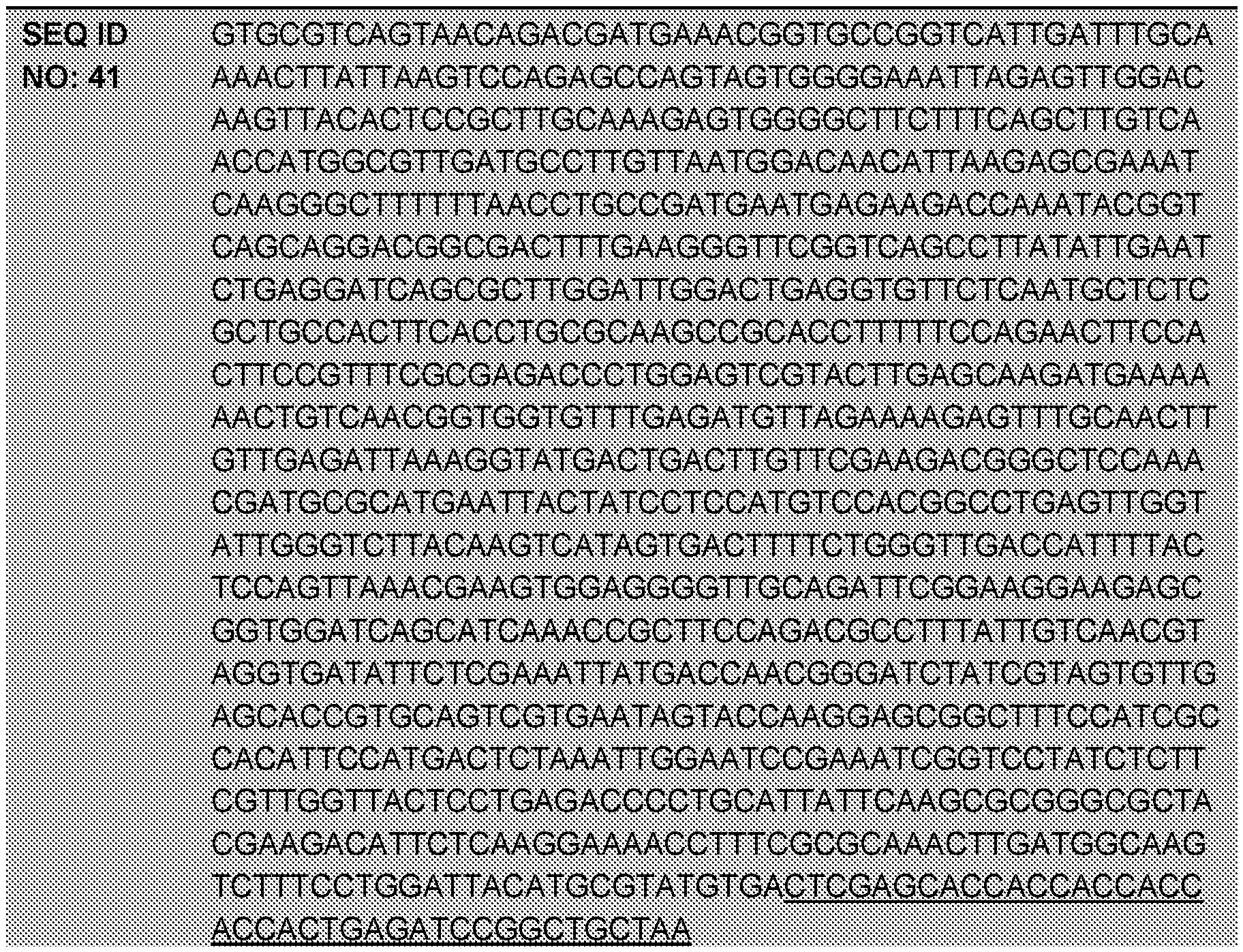


Claims
Priority Applications (5)
| Application Number | Priority Date | Filing Date | Title |
|---|---|---|---|
| US18/276,606 US20250283129A1 (en) | 2021-02-10 | 2022-02-09 | Process |
| AU2022220400A AU2022220400A1 (en) | 2021-02-10 | 2022-02-09 | Process |
| EP22751999.8A EP4291018A4 (en) | 2021-02-10 | 2022-02-09 | PROCESS |
| JP2023572045A JP2024507282A (en) | 2021-02-10 | 2022-02-09 | process |
| CA3207174A CA3207174A1 (en) | 2021-02-10 | 2022-02-09 | Process |
Applications Claiming Priority (2)
| Application Number | Priority Date | Filing Date | Title |
|---|---|---|---|
| GB2101796.7 | 2021-02-10 | ||
| GBGB2101796.7A GB202101796D0 (en) | 2021-02-10 | 2021-02-10 | Process |
Publications (1)
| Publication Number | Publication Date |
|---|---|
| WO2022170385A1 true WO2022170385A1 (en) | 2022-08-18 |
Family
ID=74879050
Family Applications (1)
| Application Number | Title | Priority Date | Filing Date |
|---|---|---|---|
| PCT/AU2022/050077 Ceased WO2022170385A1 (en) | 2021-02-10 | 2022-02-09 | Process |
Country Status (7)
| Country | Link |
|---|---|
| US (1) | US20250283129A1 (en) |
| EP (1) | EP4291018A4 (en) |
| JP (1) | JP2024507282A (en) |
| AU (1) | AU2022220400A1 (en) |
| CA (1) | CA3207174A1 (en) |
| GB (1) | GB202101796D0 (en) |
| WO (1) | WO2022170385A1 (en) |
Cited By (1)
| Publication number | Priority date | Publication date | Assignee | Title |
|---|---|---|---|---|
| EP4437838A1 (en) * | 2023-03-28 | 2024-10-02 | Sun Pharmaceutical Industries Australia PTY Limited | Modified plant |
Citations (2)
| Publication number | Priority date | Publication date | Assignee | Title |
|---|---|---|---|---|
| WO2011058446A2 (en) * | 2009-11-12 | 2011-05-19 | Uti Limited Partnership | Thebaine 6-o-demethylase and codeine o-demethylase from papaver somniferum |
| WO2017122011A1 (en) * | 2016-01-13 | 2017-07-20 | Sun Pharmaceutical Industries Australia Pty Limited | Modified plant |
Family Cites Families (2)
| Publication number | Priority date | Publication date | Assignee | Title |
|---|---|---|---|---|
| WO2019157383A2 (en) * | 2018-02-08 | 2019-08-15 | Antheia, Inc. | Methods of producing morphinan alkaloids and derivatives |
| WO2020198373A1 (en) * | 2019-03-26 | 2020-10-01 | Antheia, Inc. | Methods of improving production of morphinan alkaloids and derivatives |
-
2021
- 2021-02-10 GB GBGB2101796.7A patent/GB202101796D0/en not_active Ceased
-
2022
- 2022-02-09 US US18/276,606 patent/US20250283129A1/en active Pending
- 2022-02-09 JP JP2023572045A patent/JP2024507282A/en active Pending
- 2022-02-09 EP EP22751999.8A patent/EP4291018A4/en active Pending
- 2022-02-09 WO PCT/AU2022/050077 patent/WO2022170385A1/en not_active Ceased
- 2022-02-09 AU AU2022220400A patent/AU2022220400A1/en active Pending
- 2022-02-09 CA CA3207174A patent/CA3207174A1/en active Pending
Patent Citations (2)
| Publication number | Priority date | Publication date | Assignee | Title |
|---|---|---|---|---|
| WO2011058446A2 (en) * | 2009-11-12 | 2011-05-19 | Uti Limited Partnership | Thebaine 6-o-demethylase and codeine o-demethylase from papaver somniferum |
| WO2017122011A1 (en) * | 2016-01-13 | 2017-07-20 | Sun Pharmaceutical Industries Australia Pty Limited | Modified plant |
Non-Patent Citations (2)
| Title |
|---|
| See also references of EP4291018A4 * |
| WEERAWAT RUNGUPHAN; WESLEES. GLENN; SARAHE. O'CONNOR;: "Redesign of a Dioxygenase in Morphine Biosynthesis", CHEMISTRY & BIOLOGY, CURRENT BIOLOGY, LONDON, GB, vol. 19, no. 6, 23 April 2012 (2012-04-23), GB , pages 674 - 678, XP028497230, ISSN: 1074-5521, DOI: 10.1016/j.chembiol.2012.04.017 * |
Cited By (1)
| Publication number | Priority date | Publication date | Assignee | Title |
|---|---|---|---|---|
| EP4437838A1 (en) * | 2023-03-28 | 2024-10-02 | Sun Pharmaceutical Industries Australia PTY Limited | Modified plant |
Also Published As
| Publication number | Publication date |
|---|---|
| CA3207174A1 (en) | 2022-08-18 |
| EP4291018A1 (en) | 2023-12-20 |
| EP4291018A4 (en) | 2025-12-17 |
| AU2022220400A1 (en) | 2023-08-03 |
| JP2024507282A (en) | 2024-02-16 |
| US20250283129A1 (en) | 2025-09-11 |
| GB202101796D0 (en) | 2021-03-24 |
Similar Documents
| Publication | Publication Date | Title |
|---|---|---|
| Liebergesell et al. | Cloning and nucleotide sequences of genes relevant for biosynthesis of poly (3‐hydroxybutyric acid) in Chromatium vinosum strain D | |
| EP2034026A1 (en) | Process for production of optically active alcohol | |
| KR102108021B1 (en) | Recombinant Corynebacterium glutamicum strain for producing glutaric acid and a method of producing glutaric acid using the same | |
| CN110607286B (en) | Application of Grifola frondosa ergothioneine genes Gfegt1 and Gfegt2 in the synthesis of ergothioneine | |
| KR100511734B1 (en) | Method for producing optically active compound | |
| US20240150804A1 (en) | Demethylation of Reticuline and Derivatives Thereof with Fungal Cytochrome P450 | |
| JP3943540B2 (en) | Stereoselective production of cyclic L-amino acids | |
| US7635580B2 (en) | Method for the production of sulpher-containing fine chemicals by fermentation | |
| WO2022170385A1 (en) | Process | |
| EP1297148A1 (en) | Nucleotide sequences which code for the mdha gene from corynebacterium glutamicum | |
| CN109055417B (en) | A kind of recombinant microorganism, its preparation method and its application in the production of coenzyme Q10 | |
| WO2007094178A1 (en) | Novel (s,s)-butanediol dehydrogenase, gene for the same, and use of the same | |
| CA2366135A1 (en) | New genes containing a dna sequence coding for hydroxynitrile lyase, recombinant proteins derived therefrom and having hydroxynitrile lyase activity, and use thereof | |
| CZ369197A3 (en) | Method of obtaining acyloins, pyruvate decarboxylase suitable therefor as well as process for preparing the pyruvate decarboxylase and dna sequence for pdc gene encoding thereof | |
| US7524666B2 (en) | Reductase gene and use thereof | |
| KR100679759B1 (en) | Transformants and New Biosynthetic Genes Produce Secondary Metabolites Modified by Functional Groups | |
| CN115011569B (en) | Bose NemR-PS mutant and application thereof in preparation of (S) -citronellol | |
| JP2011177029A (en) | Method for producing optically-active amine derivative | |
| EP2992106A1 (en) | Biocatalytic process for the production of (r)-3-quinuclidinol | |
| WO2026009168A1 (en) | Transcription array | |
| Hailes et al. | Engineering pathways in Escherichia coli for the synthesis of morphine alkaloid analgesics and antitussives | |
| Meybodi et al. | Transformation of Morphine Alkaloid by a Novel Indigenous Pseudomonas Strain Isolated from Wastewater of a Pharmaceutical Plant in Iran | |
| CN107286227B (en) | Novel use of Streptomyces hirsutus ATCC 19091 protein | |
| CN120239749A (en) | Methods for improving the production of morphinan alkaloids and derivatives | |
| Zhu et al. | Efficient asymmetric synthesis of (S)-3-phenyllactic acid by using whole cells of recombinant E. coli |
Legal Events
| Date | Code | Title | Description |
|---|---|---|---|
| 121 | Ep: the epo has been informed by wipo that ep was designated in this application |
Ref document number: 22751999 Country of ref document: EP Kind code of ref document: A1 |
|
| WWE | Wipo information: entry into national phase |
Ref document number: 3207174 Country of ref document: CA |
|
| ENP | Entry into the national phase |
Ref document number: 2022220400 Country of ref document: AU Date of ref document: 20220209 Kind code of ref document: A |
|
| WWE | Wipo information: entry into national phase |
Ref document number: 2023572045 Country of ref document: JP |
|
| WWE | Wipo information: entry into national phase |
Ref document number: 202317060499 Country of ref document: IN |
|
| WWE | Wipo information: entry into national phase |
Ref document number: 2022751999 Country of ref document: EP |
|
| NENP | Non-entry into the national phase |
Ref country code: DE |
|
| ENP | Entry into the national phase |
Ref document number: 2022751999 Country of ref document: EP Effective date: 20230911 |
|
| WWP | Wipo information: published in national office |
Ref document number: 18276606 Country of ref document: US |