WO2022240555A1 - Chryseobacterium insect inhibitory microbial compositions and methods of making and using - Google Patents
Chryseobacterium insect inhibitory microbial compositions and methods of making and using Download PDFInfo
- Publication number
- WO2022240555A1 WO2022240555A1 PCT/US2022/025342 US2022025342W WO2022240555A1 WO 2022240555 A1 WO2022240555 A1 WO 2022240555A1 US 2022025342 W US2022025342 W US 2022025342W WO 2022240555 A1 WO2022240555 A1 WO 2022240555A1
- Authority
- WO
- WIPO (PCT)
- Prior art keywords
- insect
- plu6
- composition
- aedes
- chryseobacterium
- Prior art date
- Legal status (The legal status is an assumption and is not a legal conclusion. Google has not performed a legal analysis and makes no representation as to the accuracy of the status listed.)
- Ceased
Links
Classifications
-
- A—HUMAN NECESSITIES
- A01—AGRICULTURE; FORESTRY; ANIMAL HUSBANDRY; HUNTING; TRAPPING; FISHING
- A01N—PRESERVATION OF BODIES OF HUMANS OR ANIMALS OR PLANTS OR PARTS THEREOF; BIOCIDES, e.g. AS DISINFECTANTS, AS PESTICIDES OR AS HERBICIDES; PEST REPELLANTS OR ATTRACTANTS; PLANT GROWTH REGULATORS
- A01N43/00—Biocides, pest repellants or attractants, or plant growth regulators containing heterocyclic compounds
- A01N43/34—Biocides, pest repellants or attractants, or plant growth regulators containing heterocyclic compounds having rings with one nitrogen atom as the only ring hetero atom
- A01N43/36—Biocides, pest repellants or attractants, or plant growth regulators containing heterocyclic compounds having rings with one nitrogen atom as the only ring hetero atom five-membered rings
- A01N43/38—Biocides, pest repellants or attractants, or plant growth regulators containing heterocyclic compounds having rings with one nitrogen atom as the only ring hetero atom five-membered rings condensed with carbocyclic rings
-
- A—HUMAN NECESSITIES
- A01—AGRICULTURE; FORESTRY; ANIMAL HUSBANDRY; HUNTING; TRAPPING; FISHING
- A01P—BIOCIDAL, PEST REPELLANT, PEST ATTRACTANT OR PLANT GROWTH REGULATORY ACTIVITY OF CHEMICAL COMPOUNDS OR PREPARATIONS
- A01P7/00—Arthropodicides
- A01P7/04—Insecticides
-
- A—HUMAN NECESSITIES
- A01—AGRICULTURE; FORESTRY; ANIMAL HUSBANDRY; HUNTING; TRAPPING; FISHING
- A01N—PRESERVATION OF BODIES OF HUMANS OR ANIMALS OR PLANTS OR PARTS THEREOF; BIOCIDES, e.g. AS DISINFECTANTS, AS PESTICIDES OR AS HERBICIDES; PEST REPELLANTS OR ATTRACTANTS; PLANT GROWTH REGULATORS
- A01N63/00—Biocides, pest repellants or attractants, or plant growth regulators containing microorganisms, viruses, microbial fungi, animals or substances produced by, or obtained from, microorganisms, viruses, microbial fungi or animals, e.g. enzymes or fermentates
- A01N63/20—Bacteria; Substances produced thereby or obtained therefrom
-
- C—CHEMISTRY; METALLURGY
- C07—ORGANIC CHEMISTRY
- C07K—PEPTIDES
- C07K14/00—Peptides having more than 20 amino acids; Gastrins; Somatostatins; Melanotropins; Derivatives thereof
- C07K14/195—Peptides having more than 20 amino acids; Gastrins; Somatostatins; Melanotropins; Derivatives thereof from bacteria
-
- C—CHEMISTRY; METALLURGY
- C12—BIOCHEMISTRY; BEER; SPIRITS; WINE; VINEGAR; MICROBIOLOGY; ENZYMOLOGY; MUTATION OR GENETIC ENGINEERING
- C12N—MICROORGANISMS OR ENZYMES; COMPOSITIONS THEREOF; PROPAGATING, PRESERVING, OR MAINTAINING MICROORGANISMS; MUTATION OR GENETIC ENGINEERING; CULTURE MEDIA
- C12N1/00—Microorganisms; Compositions thereof; Processes of propagating, maintaining or preserving microorganisms or compositions thereof; Processes of preparing or isolating a composition containing a microorganism; Culture media therefor
- C12N1/20—Bacteria; Culture media therefor
-
- C—CHEMISTRY; METALLURGY
- C12—BIOCHEMISTRY; BEER; SPIRITS; WINE; VINEGAR; MICROBIOLOGY; ENZYMOLOGY; MUTATION OR GENETIC ENGINEERING
- C12N—MICROORGANISMS OR ENZYMES; COMPOSITIONS THEREOF; PROPAGATING, PRESERVING, OR MAINTAINING MICROORGANISMS; MUTATION OR GENETIC ENGINEERING; CULTURE MEDIA
- C12N1/00—Microorganisms; Compositions thereof; Processes of propagating, maintaining or preserving microorganisms or compositions thereof; Processes of preparing or isolating a composition containing a microorganism; Culture media therefor
- C12N1/20—Bacteria; Culture media therefor
- C12N1/205—Bacterial isolates
-
- C—CHEMISTRY; METALLURGY
- C12—BIOCHEMISTRY; BEER; SPIRITS; WINE; VINEGAR; MICROBIOLOGY; ENZYMOLOGY; MUTATION OR GENETIC ENGINEERING
- C12N—MICROORGANISMS OR ENZYMES; COMPOSITIONS THEREOF; PROPAGATING, PRESERVING, OR MAINTAINING MICROORGANISMS; MUTATION OR GENETIC ENGINEERING; CULTURE MEDIA
- C12N9/00—Enzymes; Proenzymes; Compositions thereof; Processes for preparing, activating, inhibiting, separating or purifying enzymes
- C12N9/10—Transferases (2.)
- C12N9/12—Transferases (2.) transferring phosphorus containing groups, e.g. kinases (2.7)
- C12N9/1241—Nucleotidyltransferases (2.7.7)
- C12N9/1247—DNA-directed RNA polymerase (2.7.7.6)
-
- C—CHEMISTRY; METALLURGY
- C12—BIOCHEMISTRY; BEER; SPIRITS; WINE; VINEGAR; MICROBIOLOGY; ENZYMOLOGY; MUTATION OR GENETIC ENGINEERING
- C12N—MICROORGANISMS OR ENZYMES; COMPOSITIONS THEREOF; PROPAGATING, PRESERVING, OR MAINTAINING MICROORGANISMS; MUTATION OR GENETIC ENGINEERING; CULTURE MEDIA
- C12N9/00—Enzymes; Proenzymes; Compositions thereof; Processes for preparing, activating, inhibiting, separating or purifying enzymes
- C12N9/90—Isomerases (5.)
-
- C—CHEMISTRY; METALLURGY
- C12—BIOCHEMISTRY; BEER; SPIRITS; WINE; VINEGAR; MICROBIOLOGY; ENZYMOLOGY; MUTATION OR GENETIC ENGINEERING
- C12Y—ENZYMES
- C12Y207/00—Transferases transferring phosphorus-containing groups (2.7)
- C12Y207/07—Nucleotidyltransferases (2.7.7)
- C12Y207/07006—DNA-directed RNA polymerase (2.7.7.6)
-
- C—CHEMISTRY; METALLURGY
- C12—BIOCHEMISTRY; BEER; SPIRITS; WINE; VINEGAR; MICROBIOLOGY; ENZYMOLOGY; MUTATION OR GENETIC ENGINEERING
- C12R—INDEXING SCHEME ASSOCIATED WITH SUBCLASSES C12C - C12Q, RELATING TO MICROORGANISMS
- C12R2001/00—Microorganisms ; Processes using microorganisms
- C12R2001/01—Bacteria or Actinomycetales ; using bacteria or Actinomycetales
Definitions
- 601_SEQUENCE_LISTING_ST25.txt is 14,009,737 bytes in size.
- This disclosure is drawn to certain insect inhibitory compositions comprising Chryseobacterium strains, insect inhibitory compositions and compounds derived from Chryseobacterium organisms, plant parts treated with the insect inhibitory compositions, methods of using the insect inhibitory compositions to control insects, and methods of making the insect inhibitory compositions.
- Insect pests can afflict humans, livestock, companion animals, and plants either directly or indirectly by serving as vectors for a variety of pathogens and parasites.
- insect resistance to insecticides is an ongoing problem, there is an ongoing need for new insect control agents to both inhibit insecticide resistant insects and stall development of such resistance.
- Agents that can inhibit Dipteran insects including mosquitos such as Aedes species are of particular value.
- Aedes aegypti mosquitoes are known carriers of human diseases, including Zika virus, Chikungunya, Dengue, and Yellow Fever that are particularly problematic. Reports of resistance to DDT and pyrethroid insecticides in certain Aedes populations (Kushwah et al.
- compositions comprising: (i) a Chryseobacterium monoculture or a product thereof wherein the Chryseobacterium comprises: (a) at least one coding region encoding a protein with at least 95%, 96%, 97%, 98%, 99%, 99.5%, 99.8%, 99.9%, or 100% sequence identity across the entire length of SEQ ID NO: 1 (MKCIGJBJ 03627 DNA gyrase subunit A), at least 95%, 96%, 97%, 98%, 99%, 99.5%, 99.8%, 99.9%, or 100% sequence identity across the entire length of SEQ ID NO: 2 (MKCIGJBJ 03079 DNA topoisomerase 1), at least 95%, 96%, 97%, 98%, 99%, 99.5%, 99.8%, 99.9%, or 100% sequence identity across the entire length of SEQ ID NO: 3 (MKCIGJBJ_00500 DNA-directed RNA polymerase subunit beta), at
- kits comprising a Chryseobacterium composition of this disclosure, and at least one of an application device, diluent, and/or vessel.
- Certain embodiments provide for a plant part that is at least partially coated with a Chryseobacterium composition of this disclosure.
- a method for inhibiting growth, reproduction, egg laying, development, and/or feeding of an insect comprising exposing the insect to an insect inhibitory amount of a Chryseobacterium composition of this disclosure.
- an insect e.g., a dipteran, a lepidopteran
- Certain embodiments provide for a method of reducing insect damage to a plant comprising the step of applying an insect inhibitory amount of a Chryseobacterium composition of this disclosure to one or more parts of the plant, to soil that is adjacent to the plant, and/or to soil in which the plant is grown.
- Certain embodiments provide for a method of making an insect inhibitory composition
- a method of making an insect inhibitory composition comprising the step of combining: (i) a monoculture of a Chryseobacterium organism that comprises: (a) at least one coding region encoding a protein with at least 95%, 96%, 97%, 98%, 99%, 99.5%, 99.8%, 99.9%, or 100% sequence identity across the entire length of SEQ ID NO: 1 (MKCIGJBJ_03627 DNA gyrase subunit A), at least 95%, 96%, 97%, 98%, 99%, 99.5%, 99.8%, 99.9%, or 100% sequence identity across the entire length of SEQ ID NO: 2 (MKCIGJB J_03079 DNA topoisomerase 1), at least 95%, 96%, 97%, 98%, 99%, 99.5%, 99.8%, 99.9%, or 100% sequence identity across the entire length of SEQ ID NO: 3 (MKCIGJB J_00500 DNA
- the PLU6 organism or PLU6-type organism is a Chryseobacterium species, e.g., C. timonianum, C. indologenes, C. gleum, or C. rhizosphaerae, having insecticidal activity, e.g., having killing activity against dipterans and/or lepidopterans (e.g., an insect from a genus Aedes, Anticar sia, Culex, Anopheles, Heliothis, Trichoplusia, Spodoptera, Chrysodeixis, Diatraea, Helicoverpa, or Chlorided).
- a Chryseobacterium species e.g., C. timonianum, C. indologenes, C. gleum, or C. rhizosphaerae
- insecticidal activity e.g., having killing activity against dipterans and/or lepidopterans (e.g., an insect from a
- the technology provides a method of killing an insect.
- embodiments of methods comprise contacting an insect with a microbial organism that is PLU6, a PLU6-type organism, or an organism having an insecticidal activity similar to PLU6 or a PLU6-type organism.
- the microbial organism produces a diindolylalkane compound.
- the diindolylalkane compound is 3,3-diindolylmethane or 3-((lH-indol-2-yl)methyl)-lH-indole.
- the insect is a lepidopteran or dipteran.
- the insect is from the family Culicidae, Noctuidae, Tortricidae, Crambidae, or Erebidae. In some embodiments, the insect is from the genus Aedes, Anticarsia, Culex, Anopheles, Heliothis, Trichoplusia, Spodoptera, Chrysodeixis, Diatraea, Helicoverpa, or Chloridea.
- the insect is Aedes aegpyti, Culex quinquefasciatus, Heliothis viriscens, Trichoplusia ni, Spodoptera exigua, Chrysodeixis includens, Helicoverpa zea, Spodoptera eridania, Spodoptera frugiperda, Diatraea saccharalis, Diatraea grandiosella, Anopheles quadrimaculatus , or Anticarsia gemmetalis.
- the microbial organism (e.g., PLU6-type organism) comprises a nucleotide sequence having at least 95% sequence identity to one or more sequences provided by one or more of SEQ ID NO: 78-82 (16S rRNA gene, 23S rRNA gene, and three different 5S rRNA genes).
- the microbial organism comprises a nucleotide sequence having at least 95% sequence identity to one or more sequences provided by a sequence of SEQ ID NO: 83; SEQ ID NO: 84-157; SEQ ID NO: 158— 234; SEQ ID NO: 235-464; SEQ ID NO: 465-723; or SEQ ID NO: 724-850, corresponding to sequences associated with the phylogenetic clades 1-6, respectively, as shown in FIG. 10.
- the microbial organism comprises a nucleotide sequence encoding a polypeptide having at least 95% sequence identity to one or more amino acid sequences provided by SEQ ID NO: 1-5 (DNA gyrase subunit A, DNA topoisomerase 1, DNA-directed RNA polymerase subunit beta, DNA-directed RNA polymerase subunit beta', DNA-directed RNA polymerase subunit alpha); or comprises a nucleotide sequence encoding a polypeptide having at least 95% sequence identity to one or more amino acid sequences provided by a sequence SEQ ID NO: 851-1202 (Appendix A).
- the technology provides a method of producing an insecticide.
- methods comprise growing a liquid culture comprising a microbial organism that is PLU6, a PLU6-type organism, or an organism having an insecticidal activity similar to PLU6 or a PLU6-type organism.
- the microbial organism e.g., PLU6-type organism
- the microbial organism (e.g., PLU6-type organism) comprises a nucleotide sequence having at least 95% sequence identity to one or more sequences provided by a sequence of SEQ ID NO: 83; SEQ ID NO: 84-157; SEQ ID NO: 158-234; SEQ ID NO: 235- 464; SEQ ID NO: 465-723; or SEQ ID NO: 724-850 corresponding to sequences associated with the phylogenetic clades 1-6, respectively, as shown in FIG. 10.
- the microbial organism comprises a nucleotide sequence encoding a polypeptide having at least 95% sequence identity to one or more amino acid sequences provided by SEQ ID NO: 1-5 (DNA gyrase subunit A, DNA topoisomerase 1, DNA-directed RNA polymerase subunit beta, DNA-directed RNA polymerase subunit beta', DNA-directed RNA polymerase subunit alpha); or comprises a nucleotide sequence encoding a polypeptide having at least 95% sequence identity to one or more amino acid sequences provided by a sequence SEQ ID NO: 851-1202 (Appendix A).
- methods further comprise isolating an insecticidal compound from said liquid culture.
- methods further comprise isolating the microbial organism that is PLU6, a PLU6-type organism, or an organism having an insecticidal activity similar to PLU6 or a PLU6-type organism.
- the insecticidal compound is a diindolylalkane compound.
- the diindolylalkane compound is 3,3-diindolylmethane or 3-((lH-indol-2-yl)methyl)-lH-indole.
- the technology relates to heterologous expression of an insecticidal compound.
- the technology relates to heterologous expression of one or more polypeptides from PLU6, a PLU6-type organism, or an organism having an insecticidal activity similar to PLU6 or a PLU6-type organism functioning to produce an insecticidal compound.
- the technology relates to heterologous expression of one or more polypeptides of a biosynthetic pathway, biological system, metabolic pathway, metabolic network, gene cluster, operon, or other group of genes, proteins, and/or enzymes from PLU6, a PLU6-type organism, or an organism having an insecticidal activity similar to PLU6 or a PLU6-type organism that function to produce an insecticidal compound (e.g., an indolylalkane).
- an insecticidal compound e.g., an indolylalkane
- methods comprise expressing an insecticide from a nucleotide sequence obtained from PLU6, a PLU6-type organism, or an organism having an insecticidal activity similar to PLU6 or a PLU6-type organism.
- methods comprise expressing a protein from a nucleotide sequence obtained from PLU6, a PLU6-type organism, or an organism having an insecticidal activity similar to PLU6 or a PLU6-type organism, wherein the protein functions alone or with other proteins to produce an insecticidal compound.
- methods comprise expressing a product (e.g., an insecticide or a protein functioning to produce an insecticide) in a heterologous host that comprises one or more nucleotide sequences obtained from PLU6, a PLU6-type organism, or an organism having an insecticidal activity similar to PLU6 or a PLU6-type organism.
- the one or more nucleotide sequences comprise a sequence provided by SEQ ID NO: 83, 84-157, 158-234, 235-464, 465-723, or 724-850.
- the nucleotide sequence encodes a polypeptide having an amino acid sequence provided by one or more sequences provided by SEQ ID NO: 851-1202 (Appendix A).
- the technology provides a heterologous organism (e.g., a microbe or a plant) comprising a nucleic acid from PLU6, a PLU6-type organism, or an organism having an insecticidal activity similar to PLU6 or a PLU6-type organism.
- the nucleotide sequence is a sequence provided by SEQ ID NO: 83, 84-157, 158-234, 235-464, 465-723, or 724-850.
- the nucleotide sequence encodes a polypeptide having an amino acid sequence provided by one or more sequences provided by SEQ ID NO: 851-1202 (Appendix A).
- the technology provides a heterologous organism expressing one or more polypeptides from PLU6, a PLU6- type organism, or an organism having an insecticidal activity similar to PLU6 or a PLU6-type organism functioning to produce an insecticidal compound.
- the technology relates to a heterologous organism expressing one or more polypeptides of a biosynthetic pathway, biological system, metabolic pathway, metabolic network, gene cluster, operon, or other group of genes, proteins, and/or enzymes from PLU6, a PLU6-type organism, or an organism having an insecticidal activity similar to PLU6 or a PLU6-type organism that function to produce an insecticidal compound.
- the technology provides a method of producing an insect- resistant plant, said method comprising expressing in the plant a product encoded by a nucleotide sequence of PLU6, a PLU6-type organism, or an organism having an insecticidal activity similar to PLU6 or a PLU6-type organism.
- the product encoded by a nucleotide sequence of PLU6, a PLU6-type organism, or an organism having an insecticidal activity similar to PLU6 or a PLU6-type organism is a polypeptide that functions alone or with other proteins to produce a diindolylalkane compound (e.g., a diindolylalkane as described herein).
- the plant comprises a nucleotide sequence provided by SEQ ID NO: 83, 84-157, 158-234, 235-464, 465-723, or 724-850.
- the plant comprises a nucleotide sequence that encodes a polypeptide having an amino acid sequence provided by one or more sequences provided by SEQ ID NO: 851-1202 (Appendix A).
- the technology provides a method of producing a plant expressing one or more polypeptides from PLU6, a PLU6-type organism, or an organism having an insecticidal activity similar to PLU6 or a PLU6-type organism.
- the technology relates to a method of producing a plant expressing one or more polypeptides of a biosynthetic pathway, biological system, metabolic pathway, metabolic network, gene cluster, operon, or other group of genes, proteins, and/or enzymes from PLU6, a PLU6-type organism, or an organism having an insecticidal activity similar to PLU6 or a PLU6-type organism.
- the technology provides a plant expressing a product encoded by a nucleotide sequence of PLU6, a PLU6-type organism, or an organism having an insecticidal activity similar to PLU6 or a PLU6-type organism.
- the product encoded by a nucleotide sequence of PLU6, a PLU6-type organism, or an organism having an insecticidal activity similar to PLU6 or a PLU6-type organism is a protein that functions alone or with other proteins to produce a diindolylalkane compound (e.g., a diindolylalkane as described herein).
- the plant comprises a nucleotide sequence of PLU6, a PLU6-type organism, or an organism having an insecticidal activity similar to PLU6 or a PLU6-type organism is provided by SEQ ID NO: 83, 84-157, 158-234, 235-464, 465-723, or 724-850.
- the plant comprises a nucleotide sequence that encodes a polypeptide having an amino acid sequence provided by one or more sequences provided by SEQ ID NO: 851-1202 (Appendix A).
- the technology provides a plant expressing one or more polypeptides from PLU6, a PLU6-type organism, or an organism having an insecticidal activity similar to PLU6 or a PLU6-type organism.
- the technology relates to a plant expressing one or more polypeptides of a biosynthetic pathway, biological system, metabolic pathway, metabolic network, gene cluster, operon, or other group of genes, proteins, and/or enzymes from PLU6, a PLU6-type organism, or an organism having an insecticidal activity similar to PLU6 or a PLU6-type organism.
- the technology provides a method of killing an insect by contacting an insect with a dindolylalkyl compound.
- the dindolylalkyl compound is 3,3-diindolylmethane.
- the diindolyl alkane compound is 3- ((lH-indol-2-yl)methyl)-lH-indole.
- the insect is a lepidopteran or dipteran.
- the insect is from the family Culicidae, Noctuidae, Tortricidae, Crambidae, or Erebidae.
- the insect is from the genus Aedes, Anticarsia, Culex, Anopheles, Heliothis, Trichoplusia, Spodoptera, Chrysodeixis, Diatraea, Helicoverpa, or Chloridea.
- the insect is Aedes aegpyti, Anopheles quadrimaculatus, Culex quinquefasciatus , Heliothis viriscens, Trichoplusia ni, Spodoptera exigua, Chrysodeixis includens, Helicoverpa zea, Spodoptera eridania, Spodoptera frugiperda, Diatraea saccharalis, Diatraea grandiosella, or Anticarsia gemmetalis.
- the dindolylalkyl compound (e.g., 3,3-diindolylmethane or 3-((lH-indol-2-yl)methyl)-lH-indole) is produced by a PLU6 organism, a PLU6-type organism, or an organism having an insecticidal activity similar to PLU6 or a PLU6-type organism.
- methods of killing an insect comprise producing a dindolylalkyl compound (e.g., 3,3-diindolylmethane or 3-((lH-indol-2-yl)methyl)-lH-indole) using a PLU6 organism, a PLU6-type organism, or an organism having an insecticidal activity similar to PLU6 or a PLU6-type organism (e.g., by culturing the PLU6 organism, a PLU6-type organism, or an organism having an insecticidal activity similar to PLU6 or a PLU6-type organism) and contacting the insect with the diindolylalkyl compound or with a composition comprising the diindolylalkyl compound (e.g., a culture comprising the PLU6 organism, a PLU6-type organism, or an organism having an insecticidal activity similar to PLU6 or a PLU6-type organism and the diind
- the technology provides a method of producing an indole compound.
- methods comprise growing a liquid culture comprising a microbial organism that is PLU6 or a PLU6-type organism.
- the microbial organism comprises a nucleotide sequence provided by SEQ ID NO: 78-82; 83, 84-157, 158-234, 235-464, 465-723, or 724-850; or the microbial organism comprises a nucleotide sequence encoding a polypeptide comprising an amino acid sequence provided by SEQ ID NO: 1-5; or 851-1202.
- methods further comprise isolating an indole compound from said liquid culture.
- the indole compound is a tri-indole compound or a tetra-indole compound.
- the indole compound has a structure according to
- the microbial organism is a heterologous organism comprising a nucleotide sequence obtained from PLU6 or a PLU6-type organism.
- the heterologous organism comprises a nucleotide sequence that is a nucleotide sequence provided by SEQ ID NO: 78-82; 83, 84-157, 158-234, 235-464, 465-723, or 724- 850; or is a nucleotide sequence encoding a polypeptide comprising an amino acid sequence provided by SEQ ID NO: 1-5; or 851-1202.
- FIG. 1 is a bar plot of data showing the larvicidal activity of PLU6 against various species of mosquito larvae ( Aedes aegypti, Culex quinquefasciatus , and Anopheles quadrimaculatus).
- the bioactive culture of PLU6 was grown for 2 days. Mortality was assessed 72 hours after application to third-instar larvae. Error bars represent standard deviations from at least three independent biological replicates.
- “Neg. control” represents data obtained using Bacillus thuringiensis subspecies israelensis strain 4Q7 from the Bacillus Genetic Stock Center (Ohio State University, Columbus, OH), from which the plasmid encoding the larvicidal toxin has been removed. The positive control was sourced from a commercially available larvicide product comprising Bacillus thuringiensis subspecies israelensis. “Media only” samples were treated with sterile NYSM media.
- FIG. 2 is a bar plot of data showing the larvicidal activity of PLU6 culture against Ae. aegypti larvae following various treatments to the culture.
- the bioactive culture of PLU6 was grown for 2 days. Cell pellets and supernatants were obtained by centrifuging the whole culture for 10 minutes at 4000 rpm. Supernatants were filtered through a 0.22 ⁇ m sterile filter to obtain cell-free supernatants. Cell pellets were resuspended in fresh NYSM and applied to larvae. For heat treatments, whole cultures were heated in a heat block for the indicated time and temperature before application to larvae. Mortality was assessed 72 hours after application to larvae. Error bars represent standard deviations from at least three independent biological replicates.
- the positive control was sourced from a commercially available larvicide product comprising Bacillus thuringiensis subspecies israelensis. “Media only” samples were treated with sterile NYSM media.
- FIG. 3 is a bar plot of data showing larvicidal activity of PLU6 culture and ATCC 29898 culture against Ae. aegypti.
- the bioactive cultures of PLU6 and ATCC 29898 were grown for 2 days. Mortality was assessed 72 hours after application to larvae. Error bars represent standard deviations from at least three independent biological replicates. “Media only” samples were treated with sterile NYSM media.
- FIG. 4 shows a phylogenetic tree of 16S rRNA genes (-1513 bp) from reference whole genome sequences deposited in NCBI compared to whole genome sequence of PLU6 and negative control ATCC 29898.
- the 16S rRNA genes were extracted post-assembly of reads using a Hidden Markov Model and aligned using MUSCLE.
- the phylogenetic tree was constructed using FastTree, which infers maximum-likelihood phylogenetic trees from nucleotide alignments, with a Gamma20-based likelihood under the generalized time- reversible model.
- FIG. 5 shows the relationships between all sequencing runs of PLU6 and other closely related strains using a core set of proteins that are concatenated and aligned.
- Appendix A (SEQ ID NO: 851-1202) provides the amino acid sequences of predicted proteins present in the PLU6 strains shown in FIG. 5 (L0947, L0948, L0949, L0950, L0951, L0952, L0953, L0954, L78 and L88).
- the functions of the encoded proteins were predicted using Hidden Markov Modeling and the Pfam database of protein families (see, e.g., Mistry (2021) “Pfam: The protein families database in 2021”, Nucleic Acids Research 49: D412-D419, incorporated herein by reference).
- FIG. 6 represents a parsed output of the PLU6 16S rDNA to the same region of organisms found at NCBI and describes the most closely related organisms using a classic methodology for comparing organisms.
- FIG. 7 is a bar plot of data showing the larvicidal activity of Chryseobacterium strains related to PLU6 (“biosimilars”) isolated from environmental sources. Cultures were applied at 10% v/v. Strains M289, M290, M291, and M48 are control strains sourced from the American Type Culture Collection. M289, M290, and M291 are clones of ATCC29897 (C. indologenes). Strain M48 is a clone of ATCC29898 (C. taihuense). NYSM represents the negative control (media, no bacterial cells). Isolated Flavobacterium strains are also shown. Error bars represent standard deviations calculated from at least three independent replicates.
- FIG. 8 is a bar plot of data showing the larvicidal activity of cell-free supernatants derived from Chryseobacterium strains biosimilar to PLU6. Cell-free culture supernatants were applied at 10% v/v.
- Strains M289, M290, M291, and M48 are control strains sourced from the American Type Culture Collection. M289, M290, and M291 are clones of ATCC29897 (C. indologenes). Strain M48 is a clone of ATCC29898 (C. taihuense).
- NYSM represents the negative control (media, no bacterial cells). Error bars represent standard deviations calculated from at least three independent biological replicates.
- FIG. 9A to 9C is a whole genome phylogeny based on gene presence/absence created using PEPPAN vl.0.5. Bars represent average 72 hour mortality against Aeries aegypti following application with microbial cultures. Black bars represent mortality rates above 15%, and grey bars represent mortality rates below 15%.
- FIG. 10A to 10D is a whole genome phylogeny based on core genes present in over 60% of strains in the analysis created using PEPPAN vl.0.5. Bars represent average 72 hour mortality against Aedes aegypti following application with microbial cultures. Black bars represent mortality rates above 15%, and grey bars represent mortality rates below 15%.
- all biosimilar organisms comprised nucleotide sequences having at least 95% identity to the nucleotide sequences of PLU6 DNA gyrase subunit A, DNA topoisomerase I, DNA-directed RNA polymerase subunit beta, DNA-directed RNA polymerase subunit beta prime, DNA- directed RNA polymerase subunit alpha. Boxes numbered 1 to 6 indicate six clades of organisms (clades 1-6) having significant insecticidal killing activity against Aeries aegypti.
- a nucleotide sequence common to all members of Clade 1 is provided by SEQ ID NO: 83.
- Nucleotide sequences common to all members of Clade 2 are provided by SEQ ID NO: 84- 157.
- Nucleotide sequences common to all members of Clade 3 are provided by SEQ ID NO: 158-234.
- Nucleotide sequences common to all members of Clade 4 are provided by SEQ ID NO: 235-464.
- Nucleotide sequences common to all members of Clade 5 are provided by SEQ ID NO: 465-723.
- Nucleotide sequences common to all members of Clade 6 are provided by SEQ ID NO: 724-850.
- FIG. 11A and FIG. 11B are plots of data showing that organic extracts from supernatants of PLU6 and M82 cultures are active against Ac. aegypti larvae. Activity is dose- dependent and is not sensitive to heat treatment. Shown are representative dose curves for PLU6 (FIG. 11 A) and M82 (FIG. 11B) extracts applied to Ae. aegypti larvae. Mortality data were plotted against logio-transformed compound concentrations. Inhibitory dose-response curves were fitted using GraphPad Prism software. Error bars represent standard deviations calculated from two technical replicates (assay wells).
- the mean LC 50 s calculated for PLU6 extract and PLU6 extract treated at 60°C for 10 minutes were 253 ⁇ 11 ⁇ g/mL and 249 ⁇ 17 ⁇ g/mL, respectively.
- the mean LC 50 s calculated for M82 extract and M82 extract treated at 95°C for 10 minutes were 340 ⁇ 113 ⁇ g/mL and 271 ⁇ 227 ⁇ g/mL, respectively. Standard deviations were calculated from two independent replicate dose curves for which the curve fit R2 values were > 0.75.
- FIG. llC shows preparative HPLC (210 nm and 254 nm) chromatograms of PLU6 ethyl acetate extract. Numbers on the chromatogram indicate fractions collected.
- FIG. 11D shows a semipreparative HPLC (220 nm) chromatogram of fraction 19 indicated in FIG. 11C.
- FIG. 11E is a comparison of the HPLC (210 nm) chromatograms of fractions 17- 19 indicated in FIG. 11C of the PLU6 ethyl acetate extract (bottom trace) and an arundine (3,3'- diindolylmethane) standard (top trace).
- FIG. 1 IF is a comparison of the 3 ⁇ 4 NMR (600 MHz, MeOD-rri) spectra of fractions 17-19 indicated in FIG. 11C of the PLU6 ethyl acetate extract (bottom trace) and an arundine (3,3'-diindolylmethane) standard (top trace).
- FIG. 11G is a mass spectrum of metabolite 2 described herein.
- FIG. 11H is a tri-indole chemical structure of the metabolite 2 compound.
- FIG. 1 II is a mass spectrum of metabolite 3 described herein.
- FIG. 11 J is a tetra-indole chemical structure of the metabolite 3 compound.
- FIG. 13 is a plot of data showing that the diindole compound 3,3 ’ -diindolylmethane produced by strain PLU6 is active against Aedes aegypti larvae in a dose-dependent manner.
- the mean LC 50 calculated for 3,3 ’-diindolylmethane was 7.5 ⁇ 3.0 ⁇ g/mL (standard deviation calculated from five independent replicate dose curves for which the curve fit R 2 values were > 0.75. Significant outlier LC 50 values were identified using Grubb’s test with P ⁇ 0.01 and were not included in calculating the mean LC 50 ). Mortality in the negative control was not subtracted but was ⁇ 10% for all assays.
- FIG. 14 is a plot showing that the diindole compound 3,3 ’-diindolylmethane produced by strain PLU6 is active against Culex quinquefasciatus larvae in a dose-dependent manner. Mortality data were plotted against logio-transformed compound concentrations. An inhibitory dose-response curve was fitted using GraphPad Prism software. The representative curve fit shown corresponds to a 3,3 ’-diindolylmethane LC50 of 7.5 ⁇ g/mL (95% Cl [4.5, 13.3]). Error bars represent standard deviations calculated from four technical replicates (assay wells). Mortality in the negative control was 0%.
- FIG. 15 is a series of plots showing that 3,3 ’-diindolylmethane has dose-dependent activity against five Lepidopteran species.
- FIG. 16 is a plot of data showing that the pupation rate of Drosophila suzukii (spotted wing Drosophila) is not affected by 3,3 ’-diindolylmethane treatment (diet incorporation).
- A1X 100 ⁇ g/mL;
- A5X 500 ⁇ g/mL;
- A10X 1000 ⁇ g/mL.
- FIG. 17 is a plot of data showing that the eclosion rate of Drosophila suzukii (spotted wing Drosophila) is not affected by 3,3’-diindolylmethane treatment (diet incorporation).
- A1X 100 ⁇ g/mL;
- A5X 500 ⁇ g/mL;
- A10X 1000 ⁇ g/mL.
- Each concentration was tested with 10 vials containing 20 I) suzukii L2 larvae.
- FIG. 18 is a series of plots showing that the egg-to-adult survival of Drosophila suzukii (spotted wing Drosophila) is not affected by 3,3’-diindolylmethane treatment (diet incorporation).
- A1X 100 ⁇ g/mL;
- A5X 500 ⁇ g/mL;
- A10X 1000 ⁇ g/mL.
- Each concentration was tested with 10 vials containing 201) suzukii L2 larvae.
- “Dpi” indicates days post infestation (0 dpi is the day of egg-laying).
- FIG. 19 is a plot of data showing that the synthetic diindole compound 3-((lH- indol-2-yl)methyl)-lH-indole is active against Aeries aegypti larvae. Shown is a representative dose curve for 3-((lH-indol-2-yl)methyl)-lH-indole applied to Ae. aegypti larvae. Mortality data were plotted against logio-transformed compound concentrations. An inhibitory dose- response curve was fitted using GraphPad Prism software.
- the representative curve fit shown corresponds to a 3-((lH-indol-2-yl)methyl)-lH-indole LC 50 of 5.8 ⁇ g/mL (95% Cl [5.1, 6.8]). Error bars represent standard deviations calculated from four technical replicates (assay wells).
- the mean LC 50 calculated for 3-((lH-indol-2-yl)methyl)-lH-indole was 6.3 ⁇ 2.1 ⁇ g/mL (standard deviation calculated from four independent replicate dose curves for which the curve fit R 2 values were > 0.75.
- Significant outlier LC 50 values were identified using Grubb’s test with P ⁇ 0.01 and were not included in calculating the mean LCrio) Mortality in the negative control was not subtracted but was ⁇ 10% for all assays.
- FIG. 20 is a plot of data showing that the synthetic diindole compound 3-((lH- indol-2-yl)methyl)-lH-indole is active against Culex quinquefasciatus larvae. Shown is a representative dose curve for 3-((lH-indol-2-yl)methyl)-lH-indole applied to C. quinquefasciatus larvae. Mortality data were plotted against logio-transformed compound concentrations. An inhibitory dose-response curve was fitted using GraphPad Prism software.
- the representative curve fit shown corresponds to a 3-((lH-indol-2-yl)methyl)-lH-indole LC 50 of 1.5 ⁇ g/mL (95% Cl [1.3, 1.7]). Error bars represent standard deviations calculated from four technical replicates (assay wells). The mean LC 50 calculated for 3-((lH-indol-2-yl)methyl)- lH-indole was 0.95 ⁇ 0.75 ⁇ g/mL (standard deviation calculated from two independent replicate dose curves for which the curve fit R 2 values were > 0.75. Mortality in the negative control was not subtracted but was ⁇ 10% for all assays.
- FIG. 21 is a plot of data showing that indole trimer (e.g., metabolite 2 or tri-indole) and tetramer (e.g., metabolite 3 or tetra-indole) compounds display no activity against Aeries aegypti larvae compared to diindole compounds. Error bars represent standard deviations calculated from two technical replicates (assay wells).
- indole trimer e.g., metabolite 2 or tri-indole
- tetramer e.g., metabolite 3 or tetra-indole
- the term “or” is an inclusive “or” operator and is equivalent to the term “and/or” unless the context clearly dictates otherwise.
- the term “and/or” where used herein is to be taken as specific disclosure of each of the two specified features or components with or without the other.
- the term “and/or” as used in a phrase such as “A and/or B” herein is intended to include “A and B,” “A or B,” “A” (alone), and “B” (alone).
- the term “and/or” as used in a phrase such as “A, B, and/or C” is intended to encompass each of the following embodiments: A, B, and C; A, B, or C; A or C; A or B; B or C; A and C; A and B; B and C; A (alone); B (alone); and C (alone).
- numeric ranges includes the endpoints and each intervening number therebetween with the same degree of precision.
- the numbers 7 and 8 are contemplated in addition to 6 and 9, and for the range 6.0-7.0, the numbers 6.0, 6.1, 6.2, 6.3, 6.4, 6.5, 6.6, 6.7, 6.8, 6.9, and 7.0 are explicitly contemplated.
- the suffix “-free” refers to an embodiment of the technology that omits the feature of the base root of the word to which “-free” is appended. That is, the term “X-free” as used herein means “without X”, where X is a feature of the technology omitted in the “X-free” technology. For example, a “calcium-free” composition does not comprise calcium, a “mixing-free” method does not comprise a mixing step, etc.
- first”, “second”, “third”, etc. may be used herein to describe various steps, elements, compositions, components, regions, layers, and/or sections, these steps, elements, compositions, components, regions, layers, and/or sections should not be limited by these terms, unless otherwise indicated. These terms are used to distinguish one step, element, composition, component, region, layer, and/or section from another step, element, composition, component, region, layer, and/or section. Terms such as “first”, “second”, and other numerical terms when used herein do not imply a sequence or order unless clearly indicated by the context. Thus, a first step, element, composition, component, region, layer, or section discussed herein could be termed a second step, element, composition, component, region, layer, or section without departing from technology.
- the word “presence” or “absence” is used in a relative sense to describe the amount or level of a particular entity (e.g., component, action, element). For example, when an entity is said to be “present”, it means the level or amount of this entity is above a pre-determined threshold; conversely, when an entity is said to be “absent”, it means the level or amount of this entity is below a pre-determined threshold.
- the pre-determined threshold may be the threshold for detectability associated with the particular test used to detect the entity or any other threshold.
- an “increase” or a “decrease” refers to a detectable (e.g., measured) positive or negative change, respectively, in the value of a variable relative to a previously measured value of the variable, relative to a pre-established value, and/or relative to a value of a standard control.
- An increase is a positive change preferably at least 10%, more preferably 50%, still more preferably 2-fold, even more preferably at least 5-fold, and most preferably at least 10-fold relative to the previously measured value of the variable, the pre-established value, and/or the value of a standard control.
- a decrease is a negative change preferably at least 10%, more preferably 50%, still more preferably at least 80%, and most preferably at least 90% of the previously measured value of the variable, the pre-established value, and/or the value of a standard control.
- Other terms indicating quantitative changes or differences, such as “more” or “less,” are used herein in the same fashion as described above.
- the terms “include,” “includes,” and “including” are to be construed as at least having the features to which they refer while not excluding any additional unspecified features.
- insect refers to any stage of an insect’s life cycle (egg, larva, pupa, or adult).
- egg refers to both fertilized and unfertilized eggs.
- an insect inhibitory amount refers to an amount of a composition that results in any measurable inhibition of insect motility, viability, growth, insect development, insect reproduction, insect egg laying, insect feeding behavior, insect mating behavior, and/or any measurable decrease in the adverse effects caused by insect feeding, egg laying or other interaction with a plant.
- heterologous refers to any element (e.g., a microorganism or any component thereol) that is in a context other than that which it occurs in nature.
- heterologous when used in reference to a gene or nucleic acid refers to a gene that has been manipulated in some way.
- a heterologous gene includes a gene from one species introduced into another species.
- a heterologous gene also includes a gene native to an organism that has been altered in some way (e.g., mutated, added in multiple copies, linked to a non-native promoter or enhancer sequence, etc.).
- Heterologous genes are distinguished from endogenous genes in that the heterologous gene sequences are typically joined to nucleotide sequences comprising regulatory elements such as promoters that are not found naturally associated with the gene for the protein encoded by the heterologous gene or with endogenous gene sequences in the chromosome, or are associated with portions of the chromosome not found in nature (e.g., genes expressed in loci where the gene is not normally expressed).
- a “host cell” refers to any cell capable of replicating and/or transcribing and/or translating a heterologous gene.
- a “host cell” refers to any eukaryotic or prokaryotic cell (e.g., plant cells, algal cells such as C. reinhardtii, bacterial cells such as yeast cells, E. coli, insect cells, etc.), whether located in vitro or in vivo.
- a host cell may be located in a transgenic plant or located in a plant part or part of a plant tissue or in cell culture.
- a host cell is a “heterologous host cell”.
- a “heterologous host cell” is a cell comprising a heterologous gene, e.g., a gene from an organism that is different than the heterologous host cell.
- transgenic when used in reference to a plant or leaf or fruit or seed, e.g., a “transgenic plant,” transgenic leaf,” “transgenic fruit,” “transgenic seed,” or a “transgenic host cell”, refers to a plant or leaf or fruit or seed that contains at least one heterologous or foreign gene in one or more of its cells.
- transgenic plant material refers broadly to a plant, a plant structure, a plant tissue, a plant seed or a plant cell that contains at least one heterologous gene in one or more of its cells.
- the term “plant” is used in its broadest sense. It includes, but is not limited to, any species of grass (e.g. turf grass), ornamental or decorative, crop or cereal, fodder or forage, fruit or vegetable, fruit plant or vegetable plant, herb plant, woody plant, flower plant or tree. It is not meant to limit a plant to any particular structure. It also refers to a unicellular plant (e.g. microalga) and a plurality of plant cells that are largely differentiated into a colony (e.g. volvox) or a structure that is present at any stage of a plant's development.
- Such structures include, but are not limited to, a seed, a tiller, a sprig, a stolen, a plug, a rhizome, a shoot, a stem, a leaf, a flower petal, a fruit, et cetera.
- Transgenic plants may be produced using techniques known in the art.
- amino acid sequence is used interchangeably to refer to compounds comprising amino acids joined via peptide bonds and a “protein” encoded by a gene is not limited to the amino acid sequence encoded by the gene, but includes post-translational modifications of the protein.
- amino acid sequence is recited herein to refer to an amino acid sequence of a protein molecule
- amino acid sequence and like terms, such as “polypeptide” or “protein” are not meant to limit the amino acid sequence to the complete, native amino acid sequence associated with the recited protein molecule.
- an “amino acid sequence” can be deduced from the nucleic acid sequence encoding the protein.
- the deduced amino acid sequence from a coding nucleic acid sequence includes sequences which are derived from the deduced amino acid sequence and modified by post-translational processing, where modifications include but not limited to glycosylation, hydroxylations, phosphorylations, and amino acid deletions, substitutions, and additions.
- an amino acid sequence comprising a deduced amino acid sequence is understood to include post-translational modifications of the encoded and deduced amino acid sequence.
- the term “X” may represent any amino acid.
- sequence identity means that two polynucleotide or two polypeptide sequences are identical (i.e., on a nucleotide-by -nucleotide basis or amino acid basis) over the window of comparison.
- percentage of sequence identity is calculated by comparing two optimally aligned sequences over the window of comparison, determining the number of positions at which the identical nucleic acid base (e.g., A, T, C, G, U, or I) or amino acid, in which often conserved amino acids are taken into account, occurs in both sequences to yield the number of matched positions, dividing the number of matched positions by the total number of positions in the window of comparison (i.e., the window size), and multiplying the result by 100 to yield the percentage of sequence identity.
- the identical nucleic acid base e.g., A, T, C, G, U, or I
- amino acid in which often conserved amino acids are taken into account
- substantially identical denotes a characteristic of a polynucleotide sequence, wherein the polynucleotide comprises a sequence that has at least 85 percent sequence identity, preferably at least 90 to 95 percent sequence identity, more usually at least 99 percent sequence identity as compared to a reference sequence over a comparison window of at least 20 nucleotide positions, frequently over a window of at least 25-50 nucleotides, wherein the percentage of sequence identity is calculated by comparing the reference sequence to the polynucleotide sequence which may include deletions or additions which total 20 percent or less of the reference sequence over the window of comparison.
- the reference sequence may be a subset of a larger sequence, for example, as a segment of the full-length sequences of the compositions claimed in the present invention.
- expression when used in reference to a nucleic acid sequence, such as a gene, refers to the process of converting genetic information encoded in a gene into RNA (e.g. , mRNA, rRNA, tRNA, or snRNA) through “transcription” of the gene (/. e. , via the enzymatic action of an RNA polymerase), and into protein where applicable (as when a gene encodes a protein), through “translation” of mRNA.
- RNA e.g. , mRNA, rRNA, tRNA, or snRNA
- a “system” refers to a plurality of real and/or abstract components operating together for a common purpose.
- a “system” is an integrated assemblage of hardware and/or software components.
- each component of the system interacts with one or more other components and/or is related to one or more other components.
- a system refers to a combination of components and software for controlling and directing methods.
- a “system” or “subsystem” may comprise one or more of, or any combination of, the following: mechanical devices, hardware, components of hardware, circuits, circuitry, logic design, logical components, software, software modules, components of software or software modules, software procedures, software instructions, software routines, software objects, software functions, software classes, software programs, files containing software, etc., to perform a function of the system or subsystem.
- the methods and apparatus of the embodiments may take the form of program code (e.g., instructions) embodied in tangible media, such as floppy diskettes, CD-ROMs, hard drives, flash memory, or any other machine-readable storage medium wherein, when the program code is loaded into and executed by a machine, such as a computer, the machine becomes an apparatus for practicing the embodiments.
- the computing device In the case of program code execution on programmable computers, the computing device generally includes a processor, a storage medium readable by the processor (e.g., volatile and non-volatile memory and/or storage elements), at least one input device, and at least one output device.
- One or more programs may implement or utilize the processes described in connection with the embodiments, e.g., through the use of an application programming interface (API), reusable controls, or the like.
- API application programming interface
- Such programs are preferably implemented in a high-level procedural or object-oriented programming language to communicate with a computer system.
- the program(s) can be implemented in assembly or machine language, if desired.
- the language may be a compiled or interpreted language, and combined with hardware implementations.
- biological system refers to a collection of genes, enzymes, activities, or functions that operate together to provide a metabolic pathway or metabolic network.
- a biological system may also be described in terms of nutrient flux, energy flux, electrochemical gradients, metabolic inputs (biological reactants), and metabolic outputs (biological products), e.g., that provide for conversion of energy inputs into energy for biological processes, anabolic synthesis of biomolecules, and elimination of wastes.
- metabolic pathway refers to a set of connected metabolic, biochemical, and physical processes that transform a metabolic input to a metabolic output in a series of steps and intermediates.
- metabolic network refers to a set of connected metabolic pathways.
- a metabolic network may transform a metabolic input to a metabolic output in a series of steps and intermediates.
- microbial refers to an organism that exists as a microscopic cell that is included within the domains of Archaea, Bacteria, or Eukarya in the three-domain system (see Woese (1990) Proc Natl Acad Sci USA 87: 4576 - 79, incorporated herein by reference), the latter including yeast and filamentous fungi, protozoa, algae, or higher Protista.
- the term is intended to encompass prokaryotic or eukaryotic cells or organisms having a microscopic size and includes bacteria, archaea, and eubacteria of all species as well as eukaryotic microorganisms such as yeast and fungi. Also included are cell cultures of any species that can be cultured for the production of a chemical.
- microbial cells and “microbes” are used interchangeably with the term “microorganism”.
- the terms “bacteria” and “bacterium” and “archaea” and “archaeon” refer to prokaryotic organisms of the domain Bacteria and Archaea in the three- domain system.
- the term “Archaea” refers to a taxonomic domain of organisms typically found in unusual environments and distinguished from the rest of the prokaryotes by several criteria, including the number of ribosomal proteins and the lack of muramic acid in cell walls. On the basis of small subunit rRNA analysis, the Archaea consist of two phylogenetically-distinct groups: Crenarchaeota and Euryarchaeota.
- the Archaea can be organized into three types: methanogens (prokaryotes that produce methane); extreme halophiles (prokaryotes that live at very high concentrations of salt (NaCl); and extreme (hyper) thermophiles (prokaryotes that live at very high temperatures).
- methanogens prokaryotes that produce methane
- extreme halophiles prokaryotes that live at very high concentrations of salt (NaCl)
- extreme (hyper) thermophiles prokaryotes that live at very high temperatures.
- these prokaryotes exhibit unique structural or biochemical attributes which adapt them to their particular habitats.
- the Crenarchaeota consist mainly of hyperthermophilic sulfur-dependent prokaryotes and the Euryarchaeota contain the methanogens and extreme halophiles.
- Bacteria refers to a domain of prokaryotic organisms. Bacteria include at least 11 distinct groups as follows: (1) Gram-positive (gram+) bacteria, of which there are two major subdivisions: (1) high G+C group (Actinomycetes, Mycobacteria, Micrococcus, others) (2) low G+C group (Bacillus, Clostridia, Lactobacillus, Staphylococci, Streptococci, My coplasmas); (2) Proteobacteria, e.g., Purple photosynthetic+non- photosynthetic Gram-negative bacteria (includes most “common” Gram-negative bacteria); (3) Cyanobacteria, e.g., oxygenic phototrophs; (4) Spirochetes and related species; (5) Planctomyces; (6) Bacteroides, Flavobacteria; (7) Chlamydia; (8) Green sulfur bacteria; (9) Green non-sulfur
- Gram-negative bacteria include cocci, nonenteric rods, and enteric rods.
- the genera of Gram-negative bacteria include, for example, Neisseria, Spirillum, Pasteurella, Brucella, Yersinia, Francisella, Haemophilus, Bordetella, Escherichia, Salmonella, Shigella, Klebsiella, Proteus, Vibrio, Pseudomonas, Bacteroides, Acetobacter, Aerobacter, Agrobacterium, Azotobacter, Spirilla, Serratia, Rhizobium, Chlamydia, Rickettsia, Treponema, and Fusobacterium.
- Gram positive bacteria include cocci, nonsporulating rods, and sporulating rods.
- the genera of gram positive bacteria include, for example, Actinomyces, Bacillus, Clostridium, Corynebacterium, Erysipelothrix, Lactobacillus, Listeria, Mycobacterium, Myxococcus, Nocardia, Staphylococcus, Streptococcus, and Streptomyces.
- the term “genus” is defined as a taxonomic group of related species according to the Taxonomic Outline of Bacteria and Archaea (Garrity et al. (2007) The Taxonomic Outline of Bacteria and Archaea. TOBA Release 7.7, March 2007. Michigan State University Board of Trustees).
- genomic hybridization is defined as a collection of closely related organisms with greater than 97% 16S ribosomal RNA sequence homology and greater than 70% genomic hybridization and sufficiently different from all other organisms so as to be recognized as a distinct unit.
- strain as used herein in reference to a microorganism describes an isolate of a microorganism considered to be of the same species but with a unique genome and, if nucleotide changes are non-synonymous, a unique proteome differing from other strains of the same organism. Strains may differ in their non-chromosomal genetic complement. Typically, strains are the result of isolation from a different host or at a different location and time, but multiple strains of the same organism may be isolated from the same host.
- nucleic acid As used herein, the term “naturally occurring” as applied to a nucleic acid, an enzyme, a cell, or an organism, refers to a nucleic acid, enzyme, cell, or organism that is found in nature.
- a polypeptide or polynucleotide sequence that is present in an organism that can be isolated from a source in nature and that has not been intentionally modified by a human in the laboratory is naturally occurring.
- non-naturally occurring refers to a nucleic acid, an enzyme, a cell, or an organism that has at least one genetic alteration not normally found in the naturally occurring nucleic acid, enzyme, cell, or organism.
- Genetic alterations include, for example, modifications introducing expressible nucleic acids encoding metabolic polypeptides, other nucleic acid additions, nucleic acid deletions, and/or other functional disruption of the microbial genetic material. Such modifications include, for example, coding regions and functional fragments thereof, for heterologous, homologous, or both heterologous and homologous polypeptides for the referenced species. Additional modifications include, for example, non-coding regulatory regions in which the modifications alter expression of a gene or operon.
- in vitro refers to an artificial environment and to processes or reactions that occur within an artificial environment.
- in vitro environments include, but are not limited to, test tubes and cell cultures.
- in vivo refers to the natural environment (e.g., an animal or a cell) and to processes or reactions that occur within a natural environment.
- cell culture refers to any in vitro culture of cells, including, e.g., prokaryotic cells and eukaryotic cells. Included within this term are continuous cell lines, primary cell cultures, transformed cell lines, finite cell lines (e.g., non-transformed cells), bacterial or archaeal cultures in or on solid or liquid media, and any other cell population maintained in vitro.
- a culturable organism refers to a living organism that can be maintained and grown in a laboratory.
- a culturable organism may not be maintained and grown in a laboratory in a pure culture free of other organisms and so may be referred to as an “unculturable organism” with respect to growing as a pure culture.
- such an organism may be grown in a laboratory in a microbial consortium comprising at least one other organism and so may be a “culturable organism” with respect to the consortium and be also an “unculturable organism” with respect to being grown in a pure culture without the other member(s) of the consortium.
- isolated As used herein, “isolate”, “isolated”, “isolated microbe”, and like terms are intended to mean that the one or more microorganisms has been separated from at least one of the materials with which it is associated in a particular environment (for example, soil, water, or a higher multicellular organism).
- an “isolated microbe” does not exist in its naturally occurring environment; rather, through the various techniques described herein, the microbe has been removed from its natural setting and placed into a non-naturally occurring state of existence.
- the isolated strain may exist as, for example, a biologically pure culture, or as spores (or other forms of the strain) in association with a carrier composition.
- the isolated microbes exist as isolated and biologically pure cultures. It will be appreciated by one of skill in the art that an isolated and biologically pure culture of a particular microbe denotes that said culture is substantially free (within scientific reason) of other living organisms and contains only the individual microbe in question.
- the culture can contain varying concentrations of said microbe, and isolated and biologically pure microbes often necessarily differ from less pure or impure materials.
- the disclosure provides for certain quantitative measures of the concentration, or purity limitations, that are found within an isolated and biologically pure microbial culture. The presence of these purity values, in certain embodiments, is a further attribute that distinguishes the presently disclosed microbes from those microbes existing in a natural state.
- genomic refers to the genetic material (e.g., chromosome) of an organism.
- the term “gene” refers to a nucleic acid molecule that comprises a nucleic acid sequence that encodes a polypeptide or non-coding RNA and the expression control sequences that are operably linked to the nucleic acid sequence that encodes the polypeptide or non-coding RNA.
- a gene may comprise a promoter, one or more enhancers, a nucleic acid sequence that encodes a polypeptide or a non-coding RNA, downstream regulatory sequences and, possibly, other nucleic acid sequences involved in regulating the transcription of an RNA from the gene.
- genetic basis refers to the underlying genetic or genomic cause of a particular observation.
- the term “genetic” refers to the heritable information encoded in the sequence of DNA nucleotides.
- the term “genetic characterization” is intended to mean the sequencing, genotyping, comparison, mapping, or other assay of information encoded in DNA.
- genetic material refers to the DNA within an organism that is passed along from one generation to the next. Normally, genetic material refers to the genome of an organism. Extra-chromosomal elements, such as organelle or plasmid DNA, can also be a part of the genetic material that determines organism properties.
- polynucleotide is used herein interchangeably with the term “nucleic acid” and refers to an organic polymer composed of two or more monomers including nucleotides, nucleosides or analogs thereof, including but not limited to single stranded or double stranded, sense or antisense deoxyribonucleic acid (DNA) of any length and, where appropriate, single stranded or double stranded, sense or antisense ribonucleic acid (RNA) of any length, including siRNA.
- DNA single stranded or double stranded
- RNA ribonucleic acid
- nucleotide refers to any of several compounds that consist of a ribose or deoxyribose sugar joined to a purine or a pyrimidine base and to a phosphate group, and that are the basic structural units of nucleic acids.
- nucleoside refers to a compound (as guanosine or adenosine) that consists of a purine or pyrimidine base combined with deoxyribose or ribose and is found especially in nucleic acids.
- nucleotide analog or “nucleoside analog” refers, respectively, to a nucleotide or nucleoside in which one or more individual atoms have been replaced with a different atom or with a different functional group. Accordingly, the term polynucleotide includes nucleic acids of any length, DNA, RNA, analogs and fragments thereof. A polynucleotide of three or more nucleotides is also called nucleotidic oligomer or oligonucleotide.
- the polynucleotides described herein include “genes” and that the nucleic acid molecules described herein include “vectors” or “plasmids.” Accordingly, the term “gene”, also called a “structural gene” refers to a polynucleotide that codes for a particular sequence of amino acids, which comprise all or part of one or more proteins or enzymes, and may include regulatory (non-transcribed) DNA sequences, such as promoter sequences, which determine for example the conditions under which the gene is expressed.
- the transcribed region of the gene may include untranslated regions, including introns, 5'-untranslated region (UTR), and 3'-UTR, as well as the coding sequence.
- enzyme refers to any substance that catalyzes or promotes one or more chemical or biochemical reactions, which usually includes enzymes totally or partially composed of a polypeptide or polypeptides, but can include enzymes composed of a different molecule including polynucleotides.
- homolog refers to distinct enzymes or genes of a second family or species which are determined by functional, structural, or genomic analyses to be an enzyme or gene of the second family or species which corresponds to the original enzyme or gene of the first family or species. Homologs most often have functional, structural, or genomic similarities. Techniques are known by which homologs of an enzyme or gene can readily be cloned using genetic probes and PCR. Identity of cloned sequences as homologs can be confirmed using functional assays and/or by genomic mapping of the genes.
- taxonomic unit is a group of organisms that are considered similar enough to be treated as a separate unit.
- a taxonomic unit may comprise a family, genus, species, or population within a species (e.g., strain), but is not limited as such.
- OTU operational taxonomic unit
- An OTU may comprise a taxonomic family, genus, or species but is not limited as such. OTUs are frequently defined by comparing nucleotide sequences between organisms.
- the OTU may include a group of microorganisms treated as a unit based on, e.g., a sequence identity of >97%, >95%, >90%, >80%, or >70% among at least a portion of a differentiating biomarker, such as the 16S rRNA gene.
- environmental sample means a sample taken or acquired from any part of the environment (e.g., ecosystem, ecological niche, habitat, etc.)
- An environmental sample may include liquid samples from a river, lake, pond, ocean, glaciers, icebergs, rain, snow, sewage, reservoirs, tap water, drinking water, etc.; solid samples from soil, compost, sand, rocks, concrete, wood, brick, sewage, etc.; and gaseous samples from the air, underwater heat vents, industrial exhaust, vehicular exhaust, etc.
- insect inhibitory compositions comprising certain Chryseobacterium strains, plant parts treated with the compositions, methods of using the compositions to control insects, and methods of making the compositions.
- Insect inhibitory compositions provided herein provide for inhibition of insect viability, insect growth, insect development, insect reproduction, insect egg laying, insect feeding behavior, insect mating behavior and/or any measurable decrease in the adverse effects caused by insect (e.g., damage to a plant including reductions in yield, fruit quality, and the like; numbers of insects present in a sample, numbers of insects carrying viruses and/or parasites).
- such insect inhibitory activity of the compositions is increased in comparison to untreated controls and/or controls comprising a mock composition lacking insect inhibitory microorganisms and/or compounds. In certain embodiments, such insect inhibitory activity of the compositions is increased against insects that have acquired resistance to other insect inhibitory microorganisms and/or compounds with distinct modes-of-action in comparison to untreated control compositions, controls treated with a mock composition lacking insect inhibitory microorganisms and/or compounds, and/or control compositions comprising other insect inhibitory microorganisms and/or compounds with distinct modes-of-action.
- Chryseobacterium strains that can be used in the compositions, plant parts, and methods provided herein include strains characterized by the presence of particular genes.
- the Chryseobacterium strain can comprise: (a) at least one gene and/or coding region encoding a protein with at least 95%, 96%, 97%, 98%, 99%, 99.5%, 99.8%, 99.9%, or 100% sequence identity across the entire length of SEQ ID NO: 1 (MKCIGJBJ 03627 DNA gyrase subunit A), at least 95%, 96%, 97%, 98%, 99%, 99.5%, 99.8%, 99.9%, or 100% sequence identity across the entire length of SEQ ID NO: 2 (MKCIGJBJ 03079 DNA topoisomerase 1), at least 95%, 96%, 97%, 98%, 99%, 99.5%, 99.8%, 99.9%, or 100% sequence identity across the entire length of SEQ ID NO: 3 (MKCIGJB
- the Chryseobacterium strain can comprise: (a) at least one gene comprising a sequence with at least 80%, 90%, 95%, 98%, 99%, 99.5%, 99.8%, 99.9%, or 100% sequence identity across the entire length of a gene described above wherein the gene sequence can be found within SEQ ID NO: 77, or found within or comprises or consists of SEQ ID NOs: 6-76.
- PLU6-type strains Any of the aforementioned Chryseobacterium strains that can be used in the compositions and methods provided herein are hereinafter referred to as “PLU6-type” strains, “PLU6-type” bacteria, “PLU6-type” monocultures, and the like.
- the compositions will comprise PLU6-type bacteria at a concentration of least 1 x 10 6 , 2 x 10 6 , 5 x 10 6 , 1 x 10 7 , 2 x 10 7 , 5 x 10 7 , 1 x 10 8 , 2 x 10 8 , or 5 x 10 8 colony forming units (CFU) per milliliter of the composition or at a titer of at least 1 x 10 6 , 2 x 10 6 , 5 x 10 6 , 1 x 10 7 , 2 x 10 7 , 5 x 10 7 , 1 x 10 8 , 2 x 10 8 , or 5 x 10 8 colony forming units (CFU) per gram of the composition.
- CFU colony forming units
- the compositions will comprise PLU6-type bacteria at a concentration of 1 x 10 6 , 2 x 10 6 , 5 x 10 6 , 1 x 10 7 , or 2 x 10 7 to about 5 x 10 7 , 1 x 10 8 , 2 x 10 8 , or 5 x 10 8 colony forming units (CFU) per milliliter of the composition or at a titer of 1 x 10 6 , 2 x 10 6 , 5 x 10 6 , 1 x 10 7 , or 2 x 10 7 to about 5 x 10 7 , 1 x 10 8 , 2 x 10 8 , or 5 x 10 8 colony forming units (CFU) per gram of the composition.
- CFU colony forming units
- a representative PLU6-type strain, PLU6, that can be used in the compositions, plant parts, and methods provided herein was deposited with the AMERICAN TYPE CULTURE COLLECTION (ATCC) under the terms of the Budapest Treaty on the International Recognition of the Deposit of Microorganisms for the Purposes of Patent Procedure.
- ATCC AMERICAN TYPE CULTURE COLLECTION
- the above deposit was made on May 18, 2021, pursuant to the terms of the Budapest Treaty, and is intended to meet the requirements of 37 CFR ⁇ 1.801-1.809.
- the deposit was made under Patent Deposit Number PTA-127072. Access to the deposits will be available upon request during the pendency of the application to the Commissioner of Patents and Trademarks and persons determined by the Commissioner to be entitled thereto.
- Variants and/or progeny of the deposited strain PLU6 comprising any of the aforementioned genes and/or provided at any of the aforementioned concentrations can also be used in the compositions, plant parts, and methods provided herein.
- Such variants can be obtained by genetic transformation or gene editing (e.g., CRISPR-Cas9 editing) of the deposited strain PLU6 (ATCC Patent Deposit Number PTA-127072).
- Methods for editing PLU6 can be adapted from methods disclosed for editing bacterial genomes (e.g., Altenbuchner, I, Appl Environ Microbiol. 2016, 82(17):5421- 7. doi:10.1128/AEM.01453-16).
- Such progeny can be obtained by culturing the deposited strain PLU6 (ATCC Patent Deposit Number PTA-127072) or by isolation of progeny from products containing or treated with the PLU6 strain (e.g., compositions comprising PLU6, plants or plant parts treated with PLU6, environmental samples treated with PLU6 including soil, water, and the like).
- Insects inhibited by the aforementioned compositions include Dipteran insects (e.g. Aedes sp., Anopheles sp., Culex sp., Ceratitis sp., a Delia sp., Mayetolia sp., Rhagoletis sp., Anastrepha sp.
- Glossina sp. a Musca sp., Cochliomyia sp., Chrysops sp., Simulium sp., Phlebotomus sp., Culicoides sp., or Dermatobia sp.).
- the PLU6-type bacteria can be detected by detecting a protein or ortholog thereof having at least 95%, 96%, 97%, 98%, 99%, 99.5%, 99.8%, 99.9%, or 100% sequence identity across the entire length of SEQ ID NO: 1-5 and/or a sequence contained in Appendix A (PLU6_1-PLU6_352; SEQ ID NO: 851- 1202).
- proteins can be detected by methods including immunological-based detection and/or mass-spectrometry based detection.
- the PLU6-type bacteria can be detected by detecting a gene or ortholog thereof having at least 80%, 90%, 95%, 96%, 97%, 98%, 99%, 99.5%, 99.8%, 99.9%, or 100% sequence identity across the entire length of a PLU6 gene as described herein.
- genes can be detected by methods including hybridization-based, PCR-based, chain elongation-based, nanopore-based, sequencing-based, and/or mass spectrometry-based nucleic acid detection methods.
- PLU6-type monocultures used in the compositions, plant parts, and methods as well as cultures or harvested PLU6-type monocultures provided herein include embodiments that are essentially free of contaminating organisms.
- Such contaminating microorganisms are microorganisms other than the desired PLU6-type strain of the monoculture.
- the contaminating microorganisms are of an indeterminate origin and arise through inadvertant infection of the PLU6-type monocultures.
- compositions or cultures comprising the harvested PLU6-type monocultures that are essentially free of contaminating microorganisms comprise less than about 5%, 3%, 2%, 1%, 0.5%, 0.2%, or 0.1% by mass, colony forming units, or metagenomic analysis contaminating microorganisms other than the desired PLU6-type strain of the monoculture.
- compositions useful in the practice of the methods of inhibiting insects provided herein do not need to be entirely free of contaminating microorganisms.
- compositions for use as insect inhibitory agents are formulated under non-aseptic conditions, it is anticipated that some levels of contaminating microorganisms (e.g., less than about 5%, 3%, 2%, 1%, 0.5%, 0.2%, or 0.1% by mass, colony forming units, or metagenomic analysis) can be present without reducing the insect inhibitory activity of the composition to unacceptable levels.
- the compositions, cultures, or harvested PLU6- type strains that are free of contaminating microorganisms comprise 0% by mass, colony forming units, or metagenomic analysis contaminating microorganisms other than the desired PLU6-type strains.
- Methods for assessing contamination by metagenome analysis can be adapted from various disclosed methods for use in assessing contamination of laboratory reagents (e.g., Salter et al., BMC Biology, 2014, 12:87 (doi.org/10.1186/sl2915-014-0087-z).
- Monocultures of the desired PLU6-type strains that are essentially free of contaminating organisms can be obtained by culturing an uncontaminated isolate of the strain under axenic conditions.
- Such axenic conditions can be achieved by sterilizing culture media by methods that include heat and pressure treatment (e.g., in an autoclave), filtration (e.g., in a filter having a pore size of 0.45 micrometers or less), irradiation, plasma treatment, and any combination of such techniques.
- compositions comprising the PLU6-type strains can further comprise additional desirable microorganisms or viruses.
- desirable microorganisms or viruses include: (a) microorganisms that inhibit the same insect pest or class of insect pests as the PLU6-type strains by a different mode-of-action; (b) microorganisms or viruses that inhibit wholly distinct insect pests or classes of insect pests (e.g., Coleopteran, Lepidopteran, and/or Hymenopteran insect pests) or other plant pathogenic or pathogenic bacteria, fungi, or nematodes; and/or (c) microorganisms that improve plant yield (e.g., nitrogen-fixing bacteria such as Rhizobium or Bradyrhizobium).
- Microorganisms or viruses that inhibit the same insect pest or class of insect pests as the PLU6-type strains by a different mode-of-action include various microorganisms disclosed in US Patent Application publication US20180049435, which is incorporated herein by reference in its entirety.
- Useful microorganisms or viruses with insecticidal, acaricidal, molluscidal and/or nematicidal activity include Agrobacterium radiobacter, Bacillus sp., (e.g., B. cereus, B. firmus, B. thuringiensis, B. thuringiensis ssp. aizawai, B. t. ssp. israelensis, B. t. ssp. galleriae, B. t. ssp. kurstaki, B. t. ssp. tenebriones), Beauveria bassiana, B.
- Bacillus sp. e.g., B. cereus, B. firmus, B. thuringiensis, B. thuringiensis ssp. aizawai, B. t. ssp. israelensis, B. t. ssp. galleriae, B. t
- brongniartii Burkholderia sp., Chromobacterium subtsugae, Cydia pomonella granulovirus (CpGV), Cryptophlebia leucotreta granulovirus (CrleGV), Flavobacterium sp., Helicoverpa armigera nucleopolyhedrovirus (HearNPV), Helicoverpa zea nucleopolyhedrovirus (HzNPV), Helicoverpa zea single capsid nucleopolyhedrovirus (HzSNPV), Heterorhabditis bacteriophora, Isaria fumosorosea, Lecanicillium longisporum, L.
- HearNPV Helicoverpa armigera nucleopolyhedrovirus
- HzNPV Helicoverpa zea nucleopolyhedrovirus
- HzSNPV Helicoverpa zea single capsid nucleopolyhe
- Useful microorganisms or viruses with fungicidal, bactericidal, viricidal and/or plant defense activator activity that can be combined with the PLU6-type strains include Ampelomyces quisqualis, Aspergillus flavus, Aureobasidium pullulans, Bacillus sp. (e.g. B..altitudinis, B.
- amyloliquefaciens B. megaterium, B. mojavensis, B. mycoides, B. simplex, B. solisalsi, B. subtilis, B. subtilis var. amyloliquefaciens), Candida oleophiia, C. saitoana, Clavibacter michiganensis (bacteriophages), Coniothyrium minitans, Cryphonectria parasitica, Cryptococcus albidus, Dilophosphora alopecuri, Fusarium oxysporum, Clonostachys rosea f. catenulate (also named Gliocladium catenulatum) , Gliocladium roseum, Lysobacter antibioticus , L.
- useful microorganisms or viruses with activity against Dipteran insects e.g., Aedes sp., Culexsp., or Anopheles sp.
- PLU6-type strains are combined with a Dipteran active Bacillus thuringiensis (B.t) strain (e.g. B.t. subsp.
- B.t Dipteran active Bacillus thuringiensis
- PLU6-type strains are combined with a dipteran active Bacillus thuringiensis (B.t) strain which expresses a CrylAb, CrylCa, Cry2Aa, Cry4Aa, Cry4Ba, CryllAa, Cry 11B, Cryl6A, CytlAa, and/or Cyt2Aa protein.
- PLU6-type strains are combined with a dipteran active C. bifermentans subsp.
- the PLU6-type strains are combined with a Dipteran active B. sphaericus strains, including those expressing a binary toxin.
- Useful Dipteran active B. sphaericus strains that can be combined with the PLU6-type strains include the binary toxin expressing strains that have been disclosed, variants thereof, and related/?
- compositions comprising the PLU6-type strains can further comprise insect inhibitory compounds.
- Insect inhibitory compounds that can be combined with the PLU6-type strains include organophosphate, pyrethroid, carbamate, chlorinated hydrocarbon, pyrethroid, spinosyn, spinosoid, nicotinoid, pyrazole, or pyrrole insecticides.
- Compositions provided herein can include certain adjuvants and/or excipients.
- Such adjuvants are components added to the composition that can preserve and/or potentiate the insect inhibitory activity of the PLU6-type strains.
- Contemplated adjuvants include those that are naturally occurring and those that are non-naturally occurring. Broad categories of adjuvants that can be used include agents that promote distribution or retention of the composition or insect inhibitory activity of the composition onto or within a treatment target (e.g., standing water, soil, and/or a plant part).
- Surfactants that can be used as adjuvants include anionic, cationic, nonionic and amphoteric surfactants, block polymers, polyelectrolytes, and mixtures thereof.
- Such surfactants can serve as an emulsifier, dispersant, solubilizer, wetter, penetration enhancer, and/or protective colloid in compositions comprising the PLU6-type bacteria or monocultures provided herein.
- Anionic surfactants that can be used include alkali, alkaline earth or ammonium salts of sulfonates (e.g., alkylarylsulfonates, diphenylsulfonates, alpha-olefin sulfonates, lignin sulfonates, sulfonates of fatty acids and oils, sulfonates of ethoxylated alkylphenols, sulfonates of alkoxylated arylphenols, sulfonates of condensed naphthalenes, sulfonates of dodecyl- and tridecylbenzenes, sulfonates of naphthalenes and alkylna
- alkyl carboxylates carboxylated alcohol ethoxylates, or carboxylated alkylphenol ethoxylates
- Other useful adjuvants include sticking agents (e.g., binders or tackifiers) particularly in embodiments where the composition is for application to a plant part (e.g., foliage, seed, roots, and the like) or soil.
- Sticking agents include polyvinylpyrrolidones, polyvinylacetates, polyvinyl alcohols, polyacrylates, biological or synthetic waxes, and cellulose ethers.
- compositions comprising the PLU6-type bacteria and/or whole cultures thereof (e.g., PLU6- type bacteria and fermentation broth).
- shelf-life is extended by including desiccants and/or other agents that provide for maintaining the composition in a state that is essentially free of water.
- Such compositions that are essentially free of water include those with a water content of less than about 1%, 0.5%, 0.2%, or 0.1% by weight.
- the water content of a composition that is essentially free of water is about 1%, 0.5%, or 0.2% to about 0.1%, 0.05%, 0.02%, or 0.01% by weight.
- compositions can include a lyophilized (i.e., freeze-dried) PLU6-type bacteria.
- useful adjuvants used in such compositions comprising lyophilized PLU6-type bacterial cultures include various cryoprotectants (e.g., disaccharides such as sucrose, trehalose, proteins such as Bovine Serum Albumin and the like, glycine betaine, and combinations thereof).
- compositions comprising the PLU6-type bacteria provided herein can include certain excipients.
- excipients are components added to the composition that are essentially inert and serve as bulking agents.
- a component of the composition can serve an excipient and an adjuvant.
- excipients used herein include mineral earths (e.g., silicates, silica gels, talc, kaolins, limestone, lime, chalk, clays, dolomite, diatomaceous earth, bentonite, calcium sulfate, magnesium sulfate, magnesium oxide), polysaccharides (e.g., cellulose, starch); and various plant products (e.g., bagasse, wood chips, or any other lignocellulosic biomass) and mixtures of any of the foregoing materials.
- mineral earths e.g., silicates, silica gels, talc, kaolins, limestone, lime, chalk, clays, dolomite, diatomaceous earth, bentonite, calcium sulfate, magnesium sulfate, magnesium oxide
- polysaccharides e.g., cellulose, starch
- plant products e.g., bagasse, wood chips, or any other lignocellulosic biomass
- compositions comprising the PLU6-type bacteria can be an aqueous liquid, a non-aqueous liquid, or an emulsion comprising an aqueous and an immiscible and/or partially miscible non-aqueous liquid.
- Non-aqueous liquids that are used alone or in emulsions include mineral oils (e.g., kerosene and/or diesel oil); animal oils, plant oils (e.g., com, soy, castor, rapeseed and/or any other oilseed oil, and the like); aliphatic, cyclic and aromatic hydrocarbons (e.g., toluene, paraffin, tetrahydronaphthalene, and/or alkylated naphthalenes); alcohols (e.g., propanol, butanol, benzylalcohol, and/or cyclo-hexanol); glycols; dimethyl sulfoxide (DMSO); ketones (e.g., cyclohexanone; esters (e.g., lactates, carbonates, fatty acid esters, gamma-butyrolactone); saturated and/or unsaturated fatty acids (e.g., stearic, palm
- compositions comprising the PLU6-type bacteria can be applied to plants, plant parts (e.g., seeds, leaves, roots, and/or stems), or soil to which a plant is growing or is to be grown in to inhibit insect pest of the plants.
- Insect pests of plants that can be controlled by such applications include Ceratitis sp., Delia sp., Mayetolia sp., Rhagoletis sp., and/or Anastrepha sp.
- Application to the plant or plant part can be achieved by spraying, soaking, distribution of granulated formulations of the compositions, or otherwise applying the composition.
- applications can be performed serially at suitable intervals (e.g., daily, weekly, bi-weekly, monthly, or bi-monthly).
- Application to the soil can be achieved by a soil soak or drench, by in furrow applications, and the like.
- any of the aforementioned applications of the composition will provide for ingestion by the insect and/or contacting any surface of the insect with the composition. Turf grasses, crop plants, ornamental plants, vegetables, as well as nut- and fruit-bearing trees and plants can be treated with the aforementioned compositions or by the aforementioned methods.
- Plants and plant parts treated by the aforementioned compositions include maize, wheat, rye, barley, oats, buckwheat, sorghum, rice, onion, grass, sunflower, canola, peas, beans, soybean, cotton, linseed, cauliflower, asparagus, lettuce, tobacco mustard, sugar beet, potato, sweet potato, carrot, turnip, celery, tomato, eggplant, cucumber, squash, apple, apricot, peach, pear, plum, orange, blackberry, blueberry, strawberry, cranberry and lemon.
- plant parts e.g., seeds, leaves, stems, roots, tubers, and the like
- the compositions comprising the PLU6-type bacteria.
- such aforementioned applications are at a rate of at least 3 x 10 4 , 1 x 10 5 , 3 x 10 5 , 1 x 10 6 , or 3 x 10 6 CFU of the PLU6-type bacteria per gram fresh weight plant tissue or soil.
- compositions comprising the PLU6-type bacteria are applied to soil, standing water, or any materials that will retain water, especially when or before such soil, water, materials contain insects (e.g., eggs, larvae, pupa, and/or adults), and/or to the insects.
- insects e.g., eggs, larvae, pupa, and/or adults
- Insects that can be inhibited by such applications include dipteran insects (e.g., Aedes sp., Anopheles sp., Culex sp., Ceratitis sp., Delia sp., Glossina sp., Musca sp.
- application of the composition will provide for ingestion by the insect and/or contacting any surface of the insect with the composition.
- Application sites include pools, ditches, irrigation channels, tanks, pits, ponds, blocked or unblocked drains, marshes, fields with standing water, and the like.
- applications can be performed serially at suitable intervals (e.g., daily, weekly, bi-weekly, or monthly).
- Application of the compositions can be achieved by spraying, soaking, distribution of powdered, granulated, and/or encapsulated formulations of the compositions, or otherwise applying the composition.
- compositions comprising the PLU6-type bacteria are applied when or before such soil, water, or materials contain mosquitos (e.g , Aedes sp., Anopheles sp., and/or Culexsp.), and especially when or before such soil, water, or materials contain mosquito eggs or larvae.
- mosquitos e.g , Aedes sp., Anopheles sp., and/or Culexsp.
- Suitable formulations used to control Anopheles larvae in standing water include formulations that promote floating at the surface of the water where such larvae typically feed. Such floating or other useful formulations can be adapted from those disclosed in Aly et al., 1987, J. Am. Mosquito Control Assoc. 3:583-588; Cheung et al., 1985, Appl. Environ. Microbiol.
- the formulations can comprise a slow-release formulation.
- the formulations can comprise a UV radiation blocking agent.
- such aforementioned applications are at a rate where the insects in a liquid matrix (e.g., water, including any standing or any other aforementioned bodies of water) are exposed to at least 3 x 10 4 , 1 x 10 5 , 3 x 10 5 , 1 x 10 6 , or 3 x 10 6 CFU of the PLU6- type bacteria per milliliter of the liquid matrix.
- such aforementioned applications are at a rate where the insects in a solid or semi-solid matrix (e.g., soil) are exposed to at least 3 x 10 4 , 1 x 10 5 , 3 x 10 5 , 1 x 10 6 , 3 x 10 6 , 1 x 10 7 , 3 x 10 7 , or 1 x 10 8 CFU of the PLU6-type bacteria per gram of the solid or semi-solid matrix.
- a solid or semi-solid matrix e.g., soil
- 1 x 10 5 , 3 x 10 5 , 1 x 10 6 , 3 x 10 6 , 1 x 10 7 , 3 x 10 7 , or 1 x 10 8 CFU of the PLU6-type bacteria per gram of the solid or semi-solid matrix are also provided herein are methods of making the compositions comprising PLU6- type bacteria or monocultures thereof.
- such methods can comprise combining any of the aforementioned PLU6-type bacteria or monocultures thereof with at least one adjuvant and/or excipient, including any of the aforementioned adjuvants and/or excipients.
- the monoculture of the PLU6-type bacteria is obtained by steps which comprise inoculating sterile bacterial growth media with the PLU6-type bacteria, growing the Chryseobacterium in the growth media in the essential absence of contaminating microorganisms, and harvesting a bacterial monoculture of the PLU6-type bacteria that is essentially free of contaminating microorganisms. Growing can be in bacterial growth media suitable for growth of Chryseobacterium strains.
- growth media examples include rich media such as Nutrient Yeast Salt Medium (NYSM), Nutrient Broth (3 g/L beef extract; 5 g/L peptone OR 8/L nutrient broth powder), MOPS EZ Defined Media, the formulation of which is shown below (e.g., Teknova cat # M2105), and the like.
- rich media such as Nutrient Yeast Salt Medium (NYSM), Nutrient Broth (3 g/L beef extract; 5 g/L peptone OR 8/L nutrient broth powder), MOPS EZ Defined Media, the formulation of which is shown below (e.g., Teknova cat # M2105), and the like.
- Suitable growth conditions include both fed-batch and continuous fermentation processes. Cultures are typically subjected to aeration in the media at a temperature of about 30 °C (e.g., about 26 °C or 28 °C to about 32 °C or 34 °C).
- PLU6- type bacteria can be harvested by separation from the fermentation broth by centrifugation and/or filtration.
- harvested PLU6-type bacteria are harvested with the fermentation broth (e.g., as a whole culture comprising both bacteria and the fermentation broth) or components of the fermentation broth for use in the composition. In certain embodiments, the whole broth is concentrated by partial or complete removal of water.
- the whole broth or a concentrate thereof is lyophilized to obtain a dried monoculture that is essentially free of water for use in preparing the composition.
- the compositions made by the aforementioned methods comprise PLU6-type bacteria at a concentration of least 1 x 10 6 , 2 x 10 6 , 5 x 10 6 , 1 x 10 7 , 2 x 10 7 , 5 x 10 7 , 1 x 10 8 , 2 x 10 8 , or 5 x 10 8 colony forming units (CFU) per milliliter of the composition or at a titer of at least 1 x 10 6 , 2 x 10 6 , 5 x 10 6 , 1 x 10 7 , 2 x 10 7 , 5 x 10 7 , 1 x 10 8 , 2 x 10 8 , or 5 x 10 8 colony forming units (CFU) per gram of the composition.
- the compositions made by the aforementioned methods comprise PLU6-type bacteria at a concentration of 1 x 10 6 , 2 x 10 6 , 5 x 10 6 , 1 x 10 7 , or 2 x 10 7 to about 5 x 10 7 , 1 x 10 8 , 2 x 10 8 , or 5 x 10 8 colony forming units (CFU) per milliliter of the composition or at a titer of 1 x 10 6 , 2 x 10 6 , 5 x 10 6 , 1 x 10 7 , or 2 x 10 7 to about 5 x 10 7 , 1 x 10 8 , 2 x 10 8 , or 5 x 10 8 colony forming units (CFU) per gram of the composition.
- CFU colony forming units
- organisms are characterized by shotgun metagenomic sequencing.
- Techniques and systems to obtain genetic sequences from multiple organisms in a sample are well known by persons skilled in the art.
- Zhou et al. Appl. Environ. Microbiol. (1996) 62:316-322) provides a robust nucleic acid extraction and purification. This protocol may also be modified depending on the experimental goals and environmental sample type, such as soils, sediments, and groundwater. Many commercially available DNA extraction and purification kits can also be used.
- Samples with lower than 2 ⁇ g purified DNA may require amplification, which can be performed using conventional techniques known in the art, such as a whole community genome amplification (WCGA) method (Wu et al., Appl. Environ. Microbiol. (2006) 72, 4931-4941).
- WCGA whole community genome amplification
- Techniques and systems for obtaining purified RNA from environmental samples are also well known by persons skilled in the art. For example, the approach described by Hurt et al. (Appl. Environ. Microbiol. (2001) 67:4495-4503) can be used. This method can isolate DNA and RNA simultaneously within the same sample.
- a gel electrophoresis method can also be used to isolate community RNA (McGrath et al., J. Microbiol.
- RNA amplification approach a whole community RNA amplification approach (WCRA) (Gao et al., Appl. Environ. Microbiol. (2007) 73:563-571) to obtain cDNA.
- WCRA whole community RNA amplification approach
- environmental sampling and DNA extraction are conducted as previously described (DeSantis et al., Microbial Ecology, 53(3):371-383, 2007).
- Isolated nucleic acids can be subject to a sequencing method to obtain sequencing data.
- Sequencing methods can be broadly divided into those that typically use template amplification and those that do not.
- Amplification-requiring methods include pyrosequencing commercialized by Roche as the 454 technology platforms (e.g., GS 20 and GS FLX), Life Technologies/Ion Torrent, the Solexa platform commercialized by Illumina, GnuBio, and the Supported Oligonucleotide Ligation and Detection (SOLiD) platform commercialized by Applied Biosystems.
- Non-amplification approaches also known as single-molecule sequencing
- metagenomic shotgun sequencing comprises, in some embodiments, pyrosequencing, sequencing-by-ligation, single molecule sequencing, sequence-by-synthesis (SBS), semiconductor sequencing, nanopore sequencing, massive parallel clonal, massive parallel single molecule SBS, massive parallel single molecule real-time, massive parallel single molecule real-time nanopore technology, etc.
- SBS sequence-by-synthesis
- Morozova and Marra provide a review of some such technologies in Genomics, 92: 255 (2008), herein incorporated by reference in its entirety. Those of ordinary skill in the art will recognize that because RNA is less stable in the cell and more prone to nuclease attack experimentally RNA is usually reverse transcribed to DNA before sequencing.
- DNA sequencing techniques include fluorescence- based sequencing methodologies (See, e.g., Birren et al., Genome Analysis: Analyzing DNA, 1, Cold Spring Harbor, N.Y.; herein incorporated by reference in its entirety); automated sequencing techniques; parallel sequencing of partitioned amplicons (PCT Publication No: W02006084132 to Kevin McKeman et ak, herein incorporated by reference in its entirety); and sequencing by parallel oligonucleotide extension (See, e.g., U.S. Pat. No. 5,750,341 to Macevicz et ak, and U.S. Pat. No.
- the insecticidal organism is a member of the genus Chryseobacterium, e.g., a Chryseobacterium species such as, e.g., Chryseobacterium gleum. See also FIG. 9 and 10.
- Cn is a linker that comprises an alkylene group or equivalent (e.g., an alkyl chain having 1 to 12 carbon atoms).
- exemplary, non-limiting insecticidal compounds are 3,3-diindolylmethane and 3-((lH-indol-2-yl)methyl)-lH-indole.
- the insecticidal compounds provided herein comprise two indole moieties linked by a linker comprising an alkylene chain (e.g., methylene (-CH2-)) attached at the position 2 or 3 carbon of each indole group.
- the linker between the two indole groups may be any chemical linker provided that it does not substantially inhibit the killing activity of the insecticidal compound.
- PLU6-type organisms organisms having insecticidal activity similar to PLU6 and PLU6-type organisms, and/or diindolylalkane compounds were insecticidal against Ac. aegpyti, C. quinquefasciatus, H. viriscens, T. ni, S. exigua, C. includens, H. zea, S. eridania, S. frugiperda, D. saccharalis, D. grandiosella, and A. gemmetalis. These species represent a broad variety of insects including moths and other caterpillars, borers, armyworms, and mosquitos.
- the technology relates to a transgenic plant comprising a heterologous nucleic acid, which can be introduced into a plant cell in a number of art- recognized ways. Those skilled in the art will appreciate that the choice of method might depend on the type of plant targeted for transformation.
- the vector is maintained episomally. In other embodiments, the vector is integrated into the genome.
- a polynucleotide can be introduced into a cell by a variety of methods well known to those of ordinary skill in the art.
- the polynucleotide can be introduced into a plant cell using a direct gene transfer method such as electroporation or microprojectile mediated transformation, or using Agrobacterium mediated transformation. See, e.g., Hinchee et al. (1988) Biotechnology, 6:915; Ishida et al. (1996) Nature Biotechnology 14:745, all of which are herein incorporated by reference).
- Chryseobacterium PLU6 cultures were grown aerobically in sterile Nutrient Yeast Salt Medium (NYSM).
- NYSM contained 8 g/L nutrient broth powder, 0.5 g/L yeast extract, 1 mM MgCl 2 , 700 mM CaCl 2 , 50 mM MnCl 2 . Growth was at 30 °C and 200-250 rpm on a rotary shaker. PLU6 was sampled after 2 days of growth for application to multiple species of mosquito larvae.
- Ae. aegypti eggs were purchased from Benzon Research (Carlisle, PA). Eggs were hatched under vacuum into sterile water. Culex quinquefasciatus and Anopheles quadrimaculatus larvae (first or second instar) were also purchased from Benzon Research (Carlisle, PA). Larvae were reared at approximately 22 °C in trays containing water at an approximate larval density of 2 larvae/mL and fed crushed TETRAMIN fish food tablets, powdered Enterra Protein (Enterra, Langley, BC, Canada), or powdered cricket protein (Bud’s Cricket Protein Powder, Harrison Food Group).
- Culex quinquefasciatus and Anopheles quadrimaculatus larvae were also purchased from Benzon Research (Carlisle, PA). Larvae were reared to third instar at approximately 22 °C in trays containing water at an approximate larval density of 2 larvae/mL and fed crushed TETRAMIN fish food tablets or powdered Enterra Protein (Enterra, Langley, BC, Canada).
- Bacillus thuringiensis subspecies israelensis strains were used as positive and negative controls.
- Larvicidal positive control Bacillus thuringiensis subspecies israelensis was sourced from a commercially available product comprising Bacillus thuringiensis subspecies israelensis (SUMMIT MOSQUITO DUNKS/BTI Briquets, Summit Chemical Company, Baltimore, Maryland).
- Bacillus thuringiensis subspecies israelensis strain 4Q7 from the Bacillus Genetic Stock Center (Ohio State University, Columbus, OH) is a strain of Bacillus thuringiensis subspecies israelensis from which the plasmid encoding the larvicidal toxin has been removed and was used as a negative control for larvicidal activity.
- NYSM media was also used as a negative control in the larvicide activity assays.
- Chryseobacterium strain ATCC29898 [Chryseobacterium sp. (ATCC29898)] was used as a negative control for larvicidal activity. ATCC29898 was reclassified as Chryseobacterium taihuense. The taxonomic classification of the negative control as Chryseobacterium taihuense was confirmed by recovering the 16S sequence after whole genome sequencing and aligning it with known 16S sequences. Chryseobacterium strain ATCC29898 was purchased from the American Type Culture Collection (ATCC, Manassas, VA).
- Chryseobacterium strain PLU6 isolated from soil has larvicidal activity against various species of mosquito larvae ( Aedes aegypti, Culex quinquefasciatus, and Anopheles quadrimaculatus). PLU6 was most active against Anopheles quadrimaculatus and had minimal activity against Culex quinquefasciatus. These results suggest that the mechanism of action of PLU6 is not specific to a genus or species of mosquito.
- larvicidal activity for PLU6 is greatest when applied as a whole culture. Activity is associated with both the cell pellet and supernatant fractions but may be reduced upon fractionation or may be due to the presence of multiple active components. PLU6 activity displays intermediate heat sensitivity as whole culture.
- larvicidal activity observed in PLU6 is not conserved amongst all Chryseobacterium and may be specific to PLU6 or C. gleum. Genes unique to PLU6 when compared to ATCC29898 may contribute to or be responsible for larvicidal activity.
- FIG. 4 shows that PLU6 is characterized as Chryseobacterium gleum and the negative control is characterized as Chyseobacterium taihuense. Alignment of 16S genes is a golden standard within the field used primarily to classify taxonomy of bacterial strains.
- Table 1 provided herewith and which is incorporated by reference in its entirety herein, provides a summary of the sequences provided in the accompanying sequence listing (SEQ ID NOs: 851-1202) as well as the accession number and name of a related sequence found in the Pfam protein families database (Finn et al. Nucleic Acids Research (2016) Database Issue 44:D279-D285; https internet site “pfam.xfam.org”).
- Example 2 [0158] During the development of embodiments of the technology described herein, experiments were conducted to test the insecticidal activity of cultures comprising PLU6 and PLU6-type organisms, compositions prepared from cultures comprising PLU6 and PLU6-type organisms, small molecules produced by PLU6 and PLU6-type organisms, and/or small molecules related to small molecules produced by PLU6 and PLU6-type organisms.
- Aedes aegypti bioassays with compounds were performed using second or third instar larvae, with biological replication. Larvae were washed with sterile water before transfer to 24-well assay plates containing 1 mL of sterile water in each well. Each well contained 5 larvae. Compound dilutions were made in DMSO, topped with sterile NYSM broth and applied to each assay well. The final DMSO concentration was 1% in each assay well. Larval mortality was scored for each well at 24-hour timepoints after application.
- Culex quinquefasciatus bioassays with compounds were purchased from Benzon Research, Inc. (Carlisle, PA). Assays were performed with third instar larvae. Larvae were washed with sterile water before transfer to 24-well assay plates containing 1 mL of sterile water in each well. Each well contained 5 larvae. Compound dilutions were made in DMSO, topped with sterile NYSM broth and applied to each assay well. The final DMSO concentration was 1% in each assay well. Larvae mortality was scored for each well at 24-hour timepoints after application.
- Lepidopteran bioassays Lepidopteran bioassays. Lepidopteran bioassays were performed at Benzon Research, Inc. (Carlisle, PA). 3,3'-Diindolylmethane samples were solubilized in dimethyl sulfoxide (DMSO). Samples were then frozen and shipped to Benzon. Samples were resuspended with 9 ⁇ volumes of water before application to the assay well. The final DMSO concentration in the assay well was 2%. PLU6 extract samples were prepared as a series of three 1:5 dilutions in dimethyl sulfoxide. Samples were then further diluted with fresh NYSM broth, then shipped to Benzon Research for use in a diet overlay assay.
- DMSO dimethyl sulfoxide
- xylostella for which third instar larvae were used.
- a diet-surface overlay format was used, in which 500 microliters of diet was placed in each well. One hundred microliters of sample was then pipetted into each well and allowed to dry. A DMSO control was included with each set of samples.
- An internal Btk (Bacillus thurengiensis kurstaki) standard at a concentration of 1000 ppm was used as a positive control, and water was used as a negative control.
- EIMS Electrospray ionization mass spectra
- UHPLC-QTOF analysis was performed on an UHPLC-QTOF instrument comprising an Agilent 1290 Infinity II UHPLC (Phenomenex Kinetex 1.7 ⁇ m phenylhexyl column, 50 ⁇ 2.1 mm, eluting with 0.4 mL/min of isocratic 90% H20/MeCN for 1 min followed by gradient elution to 100% MeCN over 6 min (with isocratic 0.1% formic acid modifier) coupled to an Agilent 6545 LC/Q-TOF- MS system operating in positive mode, monitoring a mass range of 100 to 2000 amu.
- Agilent 1290 Infinity II UHPLC Phenomenex Kinetex 1.7 ⁇ m phenylhexyl column, 50 ⁇ 2.1 mm, eluting with 0.4 mL/min of isocratic 90% H20/MeCN for 1 min followed by gradient elution to 100% MeCN over 6 min (with isocratic 0.1% formic acid modifier) coupled
- NMR spectra were obtained on an Agilent 600 NMR spectrometer ( 1 H: 600 MHz, 13C: 150 MHz) equipped with a 5 mm DB AUTOX PFG broadband probe and a Varian NMR System console, with automatic tuning and matching in the solvents indicated and referenced to residual signals ( ⁇ H 3.31 and ⁇ c 49.0 ppm for MeOH) in deuterated solvents. All data analysis was performed using MestReNova NMR software.
- Biosimilar Chryseobacterium and Flavobacterium strains were isolated from soil samples, streaked for isolation on solid media, and their genera verified using their 16S rRNA gene sequences and bioinformatic tools known in the art.
- Strain M48 is a clone of ATCC29898 (C. taihuense). NYSM represents the negative control (media, no bacterial cells). Isolated Flavobacterium strains are also shown. Error bars represent standard deviations calculated from at least three independent replicates. As shown by FIG. 7, distinct Chryseobacterium species have larvicidal activity against Ae. aegypti larvae.
- Strain M48 is a clone of ATCC29898 (C. taihuense).
- NYSM represents the negative control (media, no bacterial cells). Error bars represent standard deviations calculated from at least three independent biological replicates.
- FIG. 9 shows a phylogeny of organisms based on the presence and absence of genes.
- FIG. 10 is a phylogeny based on SNP variation in genes that were represented in at least 60% of the organisms. Both trees (FIG. 9 and FIG. 10) were built using PEPPAN v 1.0.5, which draws trees using a RapidNJ algorithm.
- the trees were visualized and annotated using the Environment for Tree Exploration (ETE) python package.
- ETE Environment for Tree Exploration
- the bars represent the average 72 hour mortality of Aedes aegypti following application of microbial cultures. Black bars represent Aedes aegypti mortality rates above 15%, and grey bars represent Aedes aegypti mortality rates below 15%.
- bars represent the average 72 hour mortality of Aedes aegypti following application of microbial cultures. Black bars represent Aedes aegypti mortality rates above 15%, and grey bars represent Aedes aegypti mortality rates below 15%.
- all organisms identified as having killing activity e.g., detected to cause insecticidal (e.g., larvicidal) mortality of at least 15%
- all organisms identified as having killing activity have at least one coding region encoding a protein with at least 95% sequence identity across the entire length of SEQ ID NO: 1 (MKCIGJBJ_03627 DNA gyrase subunit A), at least 95% sequence identity across the entire length of SEQ ID NO: 2 (MKCIGJBJ_03079 DNA topoisomerase 1), at least 95% sequence identity across the entire length of SEQ ID NO: 3 (MKCIGJBJ_00500 DNA-directed RNA polymerase subunit beta), at least 95% sequence identity across the entire length of SEQ ID NO: 4 (MKCIGJBJ_00499 DNA-directed RNA polymerase subunit
- FIG. 11 A show dose curves for PLU6 (FIG. 11 A) and M82 (FIG. 1 IB) extracts applied to Ae. aegypti larvae. Mortality data were plotted against logio-transformed compound concentrations. Inhibitory dose-response curves were fitted using GraphPad Prism software. Error bars represent standard deviations calculated from two technical replicates (assay wells). The mean LC 50 s calculated for PLU6 extract and PLU6 extract treated at 60°C for 10 minutes were 253 ⁇ 11 ⁇ g/mL and 249 ⁇ 17 ⁇ g/mL, respectively.
- the mean LC 50 s calculated for M82 extract and M82 extract treated at 95°C for 10 minutes were 340 ⁇ 113 ⁇ g/mL and 271 ⁇ 227 ⁇ g/mL, respectively. Standard deviations were calculated from two independent replicate dose curves for which the curve fit R 2 values were > 0.75.
- extracts prepared from Chryseobacterium strains cause mortality in a variety of insects (e.g., across multiple taxonomic groups).
- treatment with extracts from Chryseobacterium strains causes mortality in cabbage looper ( Trichoplusia ni ) neonates (FIG. 12).
- Assay used N 16 larvae per concentration.
- the EtOAc fraction was dried over anhydrous Na2S04 and concentrated to dryness in vacuo to yield 1627 mg of product. [0174] The EtOAc fraction was redissolved in MeOH and subjected to chromatographic fractionation (FIG. 11C) using preparative reversed-phase HPLC (Phenomenex Luna phenyl- hexyl, 21.2 mm ⁇ 15 cm, 5 pm, 20 mL/min, isocratic elution with 80% H20/MeCN for 2 min followed by gradient elution from 80% H20/MeCN to 100% MeCN over 30 min then isocratic elution with 100% MeCN for 5 min) to yield 30 fractions.
- Fraction 19 was subjected to chromatographic purification using semi preparative reversed phase HPLC (Phenomenex Luna phenylhexyl, 10 mm ⁇ 25 cm, 5 pm, 4 mL/min, isocratic elution with 50% H20/MeCN for 8 min followed by gradient elution from 50% H20/MeCN to 2% H20/MeCN over 40 min then isocratic elution with 2% H20/MeCN for 6 min). Chromatographic purification of Fraction 19 yielded several peaks (FIG. 11D). Fraction 17 (FIG. 11D) from the chromatographic purification of Fraction 19 identified above (FIG. 11C) was further characterized.
- the representative curve fit shown corresponds to a 3,3’- diindolylmethane LC50 of 10.2 ⁇ g/mL (95% Cl [7.3, 14.2]). Error bars represent standard deviations calculated from four technical replicates (assay wells).
- the mean LC50 calculated for 3,3’-diindolylmethane was 7.5 ⁇ 3.0 ⁇ g/mL (standard deviation calculated from five independent replicate dose curves for which the curve fit R 2 values were > 0.75.
- Significant outlier LC50 values were identified using Grubb’s test with P ⁇ 0.01 and were not included in calculating the mean LC50). Mortality in the negative control was not subtracted but was ⁇ 10% for all assays.
- the representative curve fit shown corresponds to a 3,3’-diindolylmethane LC 50 of 7.5 ⁇ g/mL (95% Cl [4.5, 13.3]). Error bars represent standard deviations calculated from four technical replicates (assay wells). Mortality in the negative control was 0%.
- 3,3’-diindolylmethane is active against Spodoptera frugiperda, Trichoplusia ni, and Heliothis virescens in a dose-dependent manner.
- mortality of lepidopteran larvae was measured after 7 days of diet overlay treatment with 3,3’-diindolylmethane at the concentrations indicated in Table 3.
- Plutella xylostella neonates were used.
- P. xylostella third instar larvae were used.
- the positive control used was 1000 ppm of Bacillus thuringiensis kurstaki.
- CM Cydia pomonella (codling moth); ECB, Ostrinia nubilalis (European com borer); SCB, Diatraea saccharalis (sugarcane borer); SWCB, Diatraea grandiosella (southwestern com borer); CL, Trichoplusia ni (cabbage looper); BAW, Spodoptera exigua (beet armyworm); DBM, Plutella xylostella (diamondback moth); SBL, Chrysodeixis includens (soybean looper); VBC, Anticarsia gemmatalis (velvetbean caterpillar); CEW, Helicoverpa zea (com earworm); BCW, Agrotis
- FIG. 19 shows a representative dose curve for 3-((lH-indol-2- yl)methyl)-lH-indole applied to A e.
- the mean LC 50 calculated for 3-((lH-indol-2-yl)methyl)-lH-indole was 6.3 ⁇ 2.1 ⁇ g/mL (standard deviation was calculated from four independent replicate dose curves for which the curve fit R 2 values were > 0.75. Significant outlier LC 50 values were identified using Grubb’s test with P ⁇ 0.01 and were not included in calculating the mean LC 50 ). Mortality in the negative control was not subtracted but was ⁇ 10% for all assays.
- FIG. 20 shows a representative dose curve for 3-((lH-indol-2-yl)methyl)-lH-indole applied to C. quinquefasciatus larvae.
- the Chryseobacterium strain can comprise at least one gene and/or nucleic acid comprising a sequence with at least 80%, 90%, 95%, 98%, 99%, 99.5%, 99.8%, 99.9%, or 100% sequence identity across the entire length of a sequence of:
- FIKCIG3B3_03436 FIKCIG3 B3_03441
- FIKCIG3B3_03458 FIKCIG3 B3_03464
- FIKCIG3B3_03466 FIKCIG3B3_03476
Landscapes
- Life Sciences & Earth Sciences (AREA)
- Health & Medical Sciences (AREA)
- Chemical & Material Sciences (AREA)
- Engineering & Computer Science (AREA)
- Zoology (AREA)
- Wood Science & Technology (AREA)
- Organic Chemistry (AREA)
- Genetics & Genomics (AREA)
- Bioinformatics & Cheminformatics (AREA)
- General Health & Medical Sciences (AREA)
- Biotechnology (AREA)
- Biochemistry (AREA)
- General Engineering & Computer Science (AREA)
- Medicinal Chemistry (AREA)
- Microbiology (AREA)
- Biomedical Technology (AREA)
- Molecular Biology (AREA)
- Virology (AREA)
- Tropical Medicine & Parasitology (AREA)
- Environmental Sciences (AREA)
- Plant Pathology (AREA)
- Pest Control & Pesticides (AREA)
- Agronomy & Crop Science (AREA)
- Dentistry (AREA)
- General Chemical & Material Sciences (AREA)
- Biophysics (AREA)
- Gastroenterology & Hepatology (AREA)
- Insects & Arthropods (AREA)
- Chemical Kinetics & Catalysis (AREA)
- Proteomics, Peptides & Aminoacids (AREA)
- Agricultural Chemicals And Associated Chemicals (AREA)
- Preparation Of Compounds By Using Micro-Organisms (AREA)
- Micro-Organisms Or Cultivation Processes Thereof (AREA)
- Breeding Of Plants And Reproduction By Means Of Culturing (AREA)
- Measuring Or Testing Involving Enzymes Or Micro-Organisms (AREA)
- Medicines Containing Material From Animals Or Micro-Organisms (AREA)
Abstract
Description


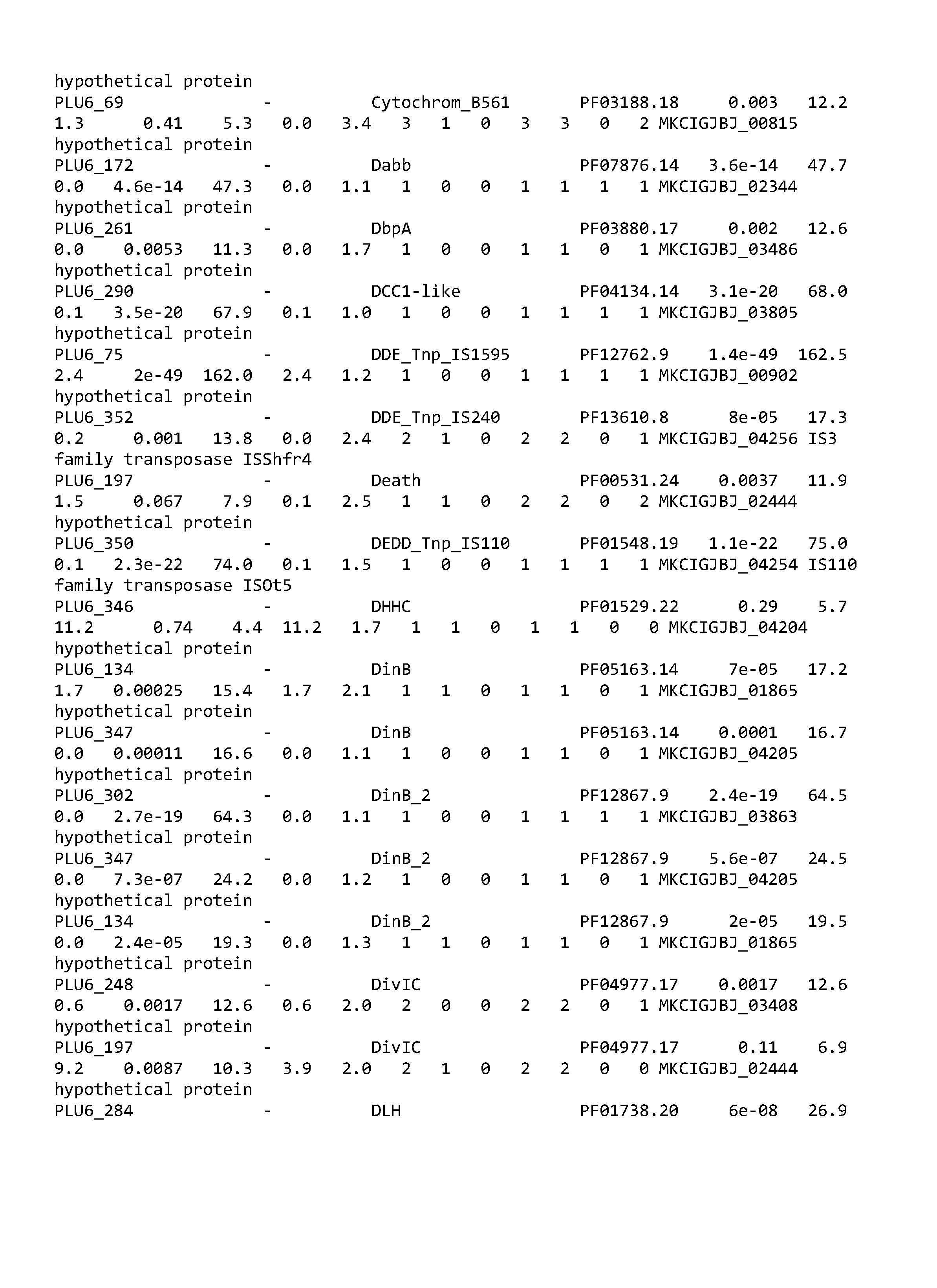


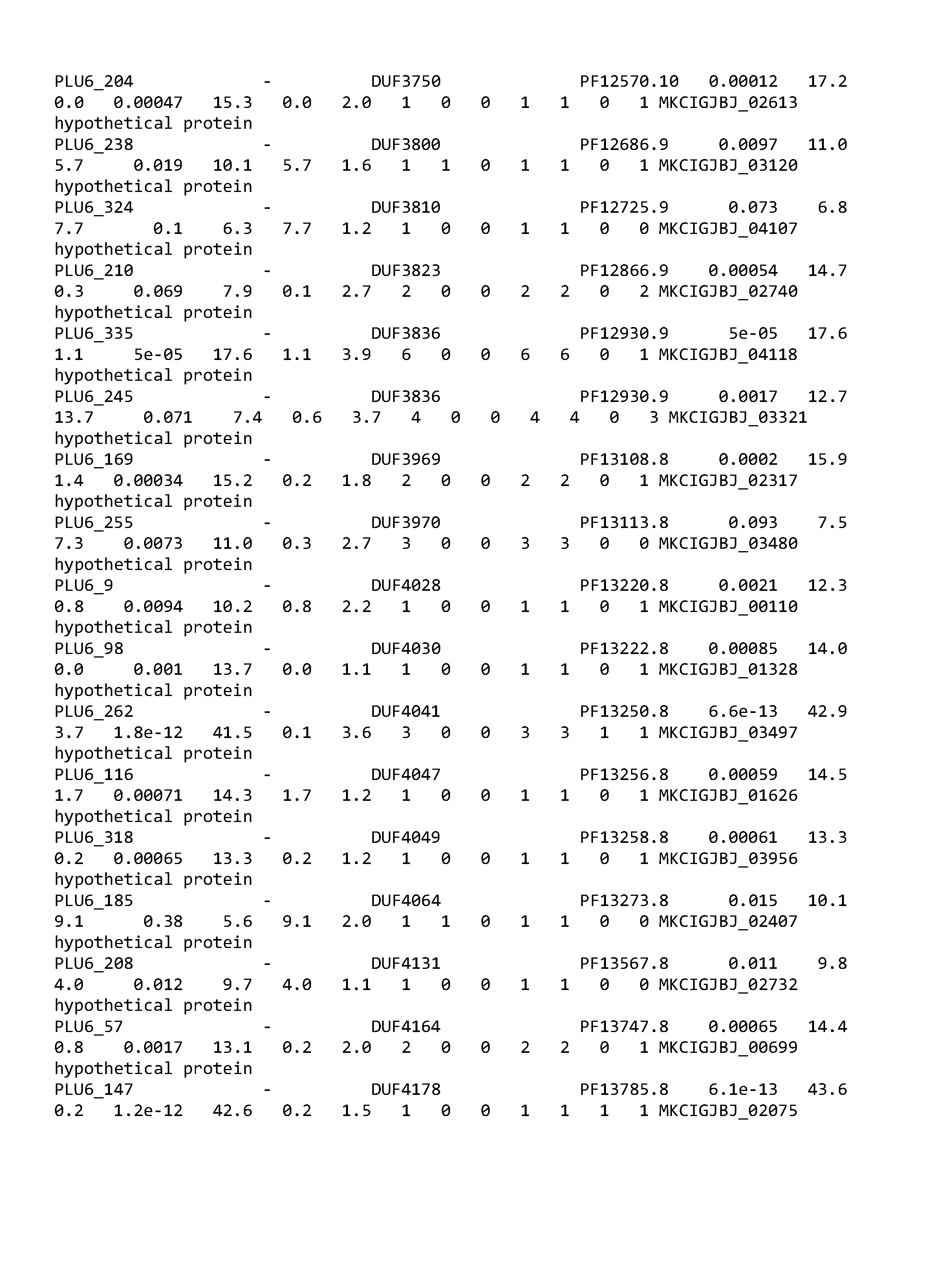


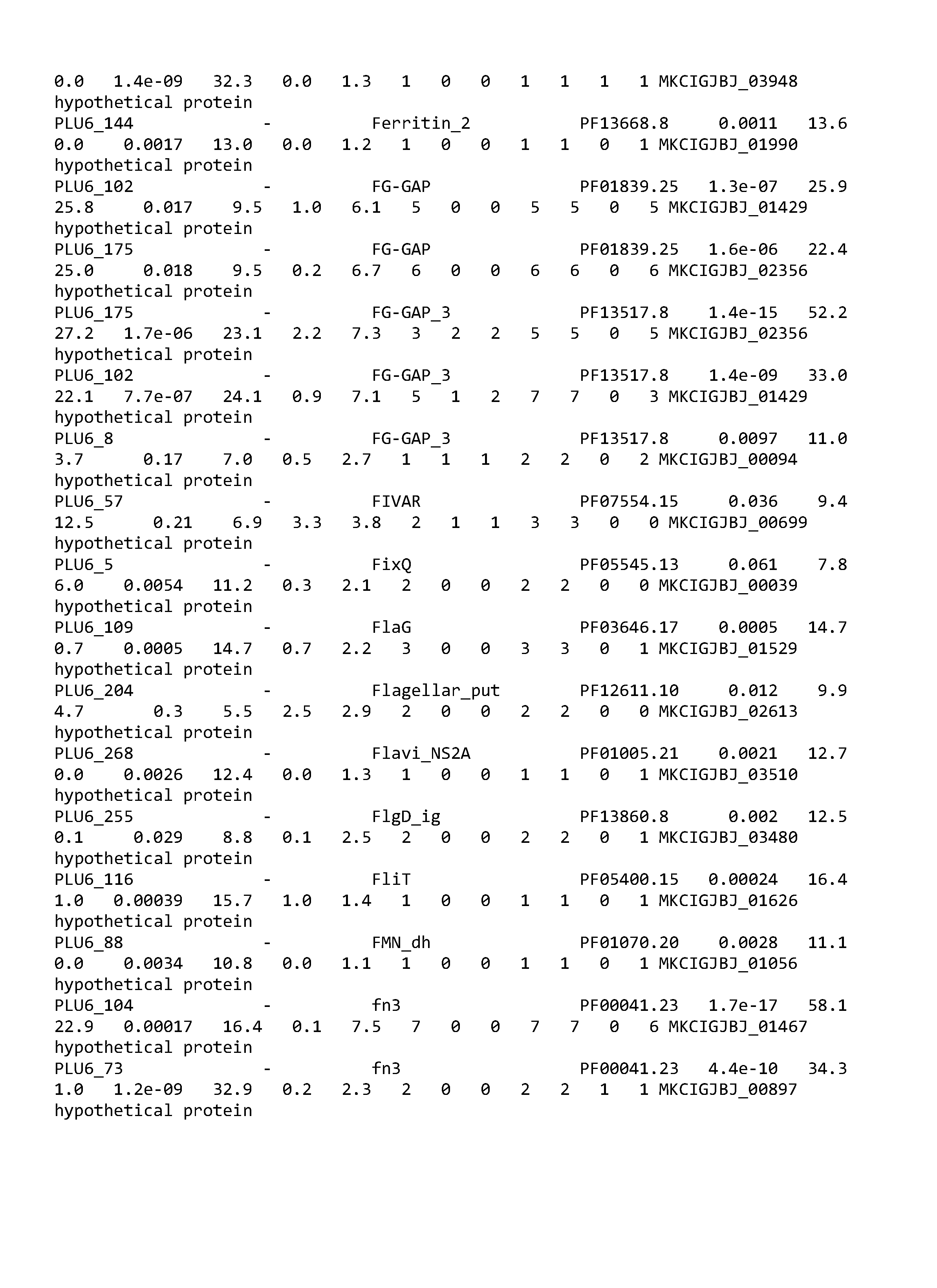


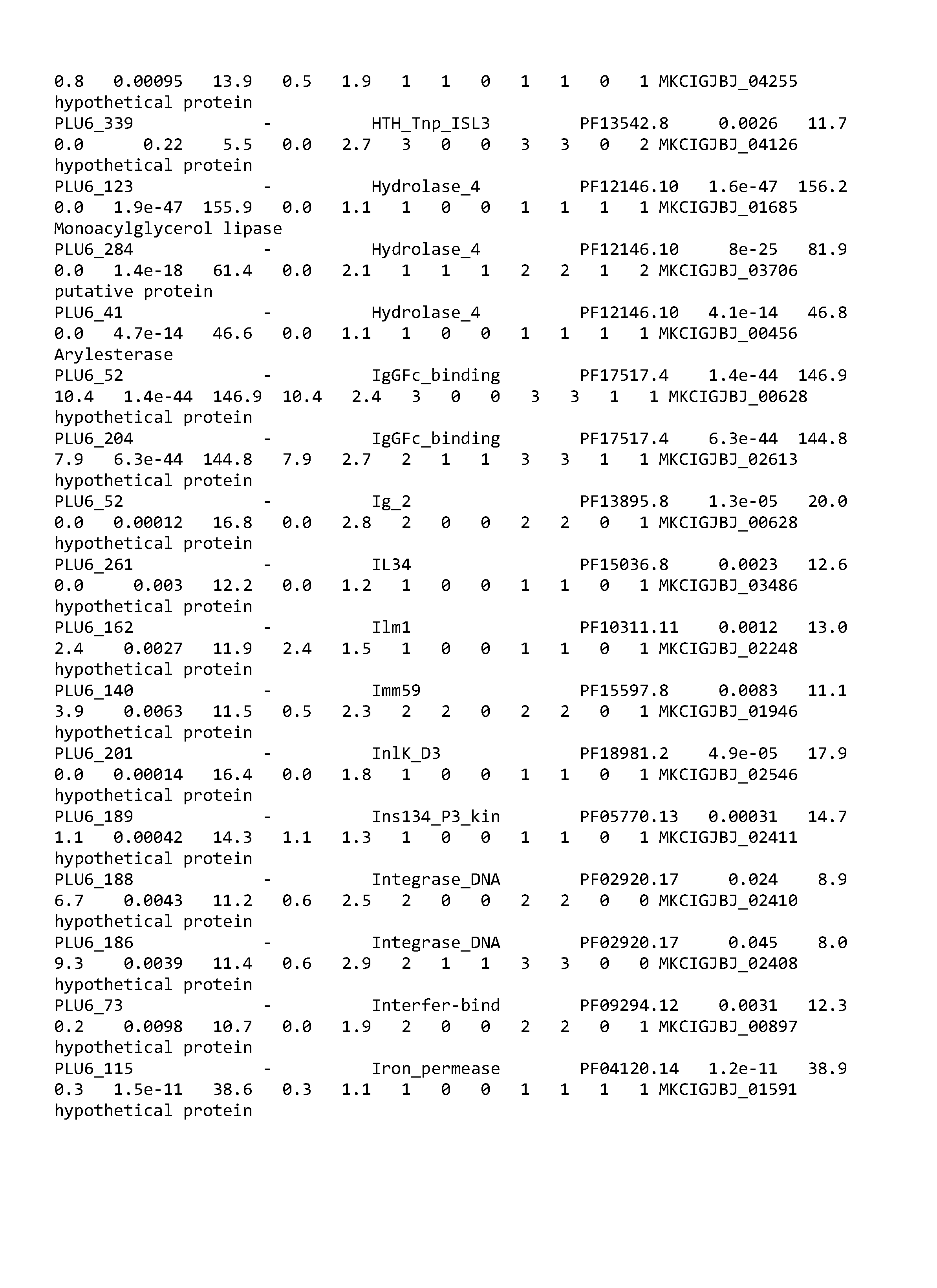

















Claims

Priority Applications (6)
| Application Number | Priority Date | Filing Date | Title |
|---|---|---|---|
| JP2023570200A JP2024521658A (en) | 2021-05-14 | 2022-04-19 | Chryseobacterium insect-inhibiting microbial compositions and methods of making and using |
| BR112023022483A BR112023022483A2 (en) | 2021-05-14 | 2022-04-19 | MICROBIAL COMPOSITIONS OF CHRYSEOBACTERIUM INSECT INHIBITORS AND METHODS OF PREPARATION AND USE |
| CN202280034935.4A CN117751179A (en) | 2021-05-14 | 2022-04-19 | Flavobacterium insect inhibitory microbial compositions and methods of making and using the same |
| CA3217005A CA3217005A1 (en) | 2021-05-14 | 2022-04-19 | Chryseobacterium insect inhibitory microbial compositions and methods of making and using |
| EP22808018.0A EP4351343A4 (en) | 2021-05-14 | 2022-04-19 | CHRYSEOBACTERIUM INSECT INHIBITING MICROBIAL COMPOSITIONS AND METHODS OF MAKING AND USING THE SAME |
| AU2022274750A AU2022274750A1 (en) | 2021-05-14 | 2022-04-19 | Chryseobacterium insect inhibitory microbial compositions and methods of making and using |
Applications Claiming Priority (2)
| Application Number | Priority Date | Filing Date | Title |
|---|---|---|---|
| US202163188961P | 2021-05-14 | 2021-05-14 | |
| US63/188,961 | 2021-05-14 |
Publications (1)
| Publication Number | Publication Date |
|---|---|
| WO2022240555A1 true WO2022240555A1 (en) | 2022-11-17 |
Family
ID=84028918
Family Applications (1)
| Application Number | Title | Priority Date | Filing Date |
|---|---|---|---|
| PCT/US2022/025342 Ceased WO2022240555A1 (en) | 2021-05-14 | 2022-04-19 | Chryseobacterium insect inhibitory microbial compositions and methods of making and using |
Country Status (8)
| Country | Link |
|---|---|
| US (1) | US12376589B2 (en) |
| EP (1) | EP4351343A4 (en) |
| JP (1) | JP2024521658A (en) |
| CN (1) | CN117751179A (en) |
| AU (1) | AU2022274750A1 (en) |
| BR (1) | BR112023022483A2 (en) |
| CA (1) | CA3217005A1 (en) |
| WO (1) | WO2022240555A1 (en) |
Families Citing this family (2)
| Publication number | Priority date | Publication date | Assignee | Title |
|---|---|---|---|---|
| AU2022274750A1 (en) | 2021-05-14 | 2023-11-16 | Pluton Biosciences, Inc. | Chryseobacterium insect inhibitory microbial compositions and methods of making and using |
| CN121406539A (en) * | 2025-12-23 | 2026-01-27 | 浙江大学 | A strain of Chlorella ZJU_645, biological agents and their culture, fermentation methods and applications |
Citations (3)
| Publication number | Priority date | Publication date | Assignee | Title |
|---|---|---|---|---|
| US20060073161A1 (en) * | 1999-04-09 | 2006-04-06 | Breton Gary L | Nucleic acid and amino acid sequences relating to Bacteroides fragilis for diagnostics and therapeutics |
| WO2019211850A1 (en) * | 2018-05-03 | 2019-11-07 | Evogene Ltd. | Insecticidal polypeptides and use thereof |
| US20190382714A1 (en) * | 2015-07-25 | 2019-12-19 | Bioconsortia, Inc. | Agriculturally beneficial microbes, microbial compositions, and consortia |
Family Cites Families (21)
| Publication number | Priority date | Publication date | Assignee | Title |
|---|---|---|---|---|
| US5743477A (en) | 1992-08-27 | 1998-04-28 | Dowelanco | Insecticidal proteins and method for plant protection |
| US5714330A (en) | 1994-04-04 | 1998-02-03 | Lynx Therapeutics, Inc. | DNA sequencing by stepwise ligation and cleavage |
| US5695934A (en) | 1994-10-13 | 1997-12-09 | Lynx Therapeutics, Inc. | Massively parallel sequencing of sorted polynucleotides |
| US5750341A (en) | 1995-04-17 | 1998-05-12 | Lynx Therapeutics, Inc. | DNA sequencing by parallel oligonucleotide extensions |
| US6052943A (en) * | 1997-10-09 | 2000-04-25 | Cornell Research Foundation, Inc. | Fiber barriers for control of agricultural pests |
| US6511803B1 (en) | 1997-10-10 | 2003-01-28 | President And Fellows Of Harvard College | Replica amplification of nucleic acid arrays |
| US6485944B1 (en) | 1997-10-10 | 2002-11-26 | President And Fellows Of Harvard College | Replica amplification of nucleic acid arrays |
| JP2001519538A (en) | 1997-10-10 | 2001-10-23 | プレジデント・アンド・フェローズ・オブ・ハーバード・カレッジ | Replica amplification of nucleic acid arrays |
| US6787308B2 (en) | 1998-07-30 | 2004-09-07 | Solexa Ltd. | Arrayed biomolecules and their use in sequencing |
| AR021833A1 (en) | 1998-09-30 | 2002-08-07 | Applied Research Systems | METHODS OF AMPLIFICATION AND SEQUENCING OF NUCLEIC ACID |
| AU7537200A (en) | 1999-09-29 | 2001-04-30 | Solexa Ltd. | Polynucleotide sequencing |
| CA2513899C (en) | 2003-01-29 | 2013-03-26 | 454 Corporation | Methods of amplifying and sequencing nucleic acids |
| EP2230316A1 (en) | 2005-02-01 | 2010-09-22 | AB Advanced Genetic Analysis Corporation | Nucleic acid sequencing by performing successive cycles of duplex extension |
| TW201225844A (en) * | 2010-10-25 | 2012-07-01 | Marrone Bio Innovations Inc | Chromobacterium bioactive compositions and metabolites |
| AR085509A1 (en) * | 2011-03-09 | 2013-10-09 | Bayer Cropscience Ag | INDOL- AND BENCIMIDAZOLCARBOXAMIDS AS INSECTICIDES AND ACARICIDES |
| US9969686B2 (en) | 2014-08-05 | 2018-05-15 | Wisconsin Alumni Research Foundation | Synthesis of diindolylmethanes and indolo[3,2-b]carbazoles, compounds formed thereby, and pharmaceutical compositions containing them |
| US11219211B2 (en) | 2015-03-11 | 2022-01-11 | Basf Agrochemical Products B.V. | Pesticidal mixture comprising a carboxamide compound and a biopesticide |
| AR108745A1 (en) | 2016-06-21 | 2018-09-19 | Syngenta Participations Ag | MICROBIOCIDES OXADIAZOL DERIVATIVES |
| EP3708669A1 (en) * | 2019-03-13 | 2020-09-16 | Genective | Pesticidal genes and methods of use |
| US20230220410A1 (en) * | 2020-06-14 | 2023-07-13 | Ramot At Tel-Aviv University Ltd. | Plants tolerant to broad range of pathogens |
| AU2022274750A1 (en) | 2021-05-14 | 2023-11-16 | Pluton Biosciences, Inc. | Chryseobacterium insect inhibitory microbial compositions and methods of making and using |
-
2022
- 2022-04-19 AU AU2022274750A patent/AU2022274750A1/en active Pending
- 2022-04-19 WO PCT/US2022/025342 patent/WO2022240555A1/en not_active Ceased
- 2022-04-19 JP JP2023570200A patent/JP2024521658A/en active Pending
- 2022-04-19 CA CA3217005A patent/CA3217005A1/en active Pending
- 2022-04-19 US US17/724,078 patent/US12376589B2/en active Active
- 2022-04-19 BR BR112023022483A patent/BR112023022483A2/en unknown
- 2022-04-19 CN CN202280034935.4A patent/CN117751179A/en active Pending
- 2022-04-19 EP EP22808018.0A patent/EP4351343A4/en not_active Withdrawn
Patent Citations (3)
| Publication number | Priority date | Publication date | Assignee | Title |
|---|---|---|---|---|
| US20060073161A1 (en) * | 1999-04-09 | 2006-04-06 | Breton Gary L | Nucleic acid and amino acid sequences relating to Bacteroides fragilis for diagnostics and therapeutics |
| US20190382714A1 (en) * | 2015-07-25 | 2019-12-19 | Bioconsortia, Inc. | Agriculturally beneficial microbes, microbial compositions, and consortia |
| WO2019211850A1 (en) * | 2018-05-03 | 2019-11-07 | Evogene Ltd. | Insecticidal polypeptides and use thereof |
Non-Patent Citations (1)
| Title |
|---|
| See also references of EP4351343A4 * |
Also Published As
| Publication number | Publication date |
|---|---|
| US12376589B2 (en) | 2025-08-05 |
| CN117751179A (en) | 2024-03-22 |
| BR112023022483A2 (en) | 2024-01-16 |
| EP4351343A4 (en) | 2025-04-09 |
| EP4351343A1 (en) | 2024-04-17 |
| JP2024521658A (en) | 2024-06-04 |
| AU2022274750A1 (en) | 2023-11-16 |
| CA3217005A1 (en) | 2022-11-17 |
| US20220369635A1 (en) | 2022-11-24 |
Similar Documents
| Publication | Publication Date | Title |
|---|---|---|
| Wong et al. | Low‐diversity bacterial community in the gut of the fruitfly Drosophila melanogaster | |
| Wu et al. | Cold‐adapted Bacilli isolated from the Qinghai–Tibetan Plateau are able to promote plant growth in extreme environments | |
| Hollensteiner et al. | Bacillus thuringiensis and Bacillus weihenstephanensis inhibit the growth of phytopathogenic Verticillium species | |
| Lugli et al. | Phylogenetic classification of six novel species belonging to the genus Bifidobacterium comprising Bifidobacterium anseris sp. nov., Bifidobacterium criceti sp. nov., Bifidobacterium imperatoris sp. nov., Bifidobacterium italicum sp. nov., Bifidobacterium margollesii sp. nov. and Bifidobacterium parmae sp. nov. | |
| Hamm et al. | Keratinophilic fungi: Specialized fungal communities in a desert ecosystem identified using cultured-based and Illumina sequencing approaches | |
| US12376589B2 (en) | Chryseobacterium insect inhibitory microbial compositions and methods of making and using | |
| Münchhoff et al. | Host specificity and phylogeography of the prochlorophyte Prochloron sp., an obligate symbiont in didemnid ascidians | |
| Rabinovitch et al. | Bacillus thuringiensis characterization: morphology, physiology, biochemistry, pathotype, cellular, and molecular aspects | |
| Liu et al. | Intraspecific polymorphism of rDNA among five Nosema bombycis isolates from different geographic regions in China | |
| CN111518729A (en) | High-flux separation culture method for crop root system microbiome | |
| Guzman et al. | Entomobacter blattae gen. nov., sp. nov., a new member of the Acetobacteraceae isolated from the gut of the cockroach Gromphadorhina portentosa | |
| Ma et al. | Cell lines from diamondback moth exhibiting differential susceptibility to baculovirus infection and expressing midgut genes | |
| Zothansanga et al. | Diversity and toxicity of Bacillus thuringiensis from shifting cultivation (jhum) habitat | |
| Krithika et al. | Genome mining of photorhabdus luminescens tnau1 reveals novel gene assets with insecticidal and nematicidal properties | |
| Gani et al. | Molecular phylogeny of entomopathogens | |
| Snyder et al. | Effects of culturing on the population structure of a hyperthermophilic virus | |
| Santos et al. | Characterization of Bacillus thuringiensis isolates with potential for control of Aedes aegypti (Linnaeus, 1762)(Diptera: Culicidae) | |
| Walter et al. | Ecogenomics of the marine benthic filamentous cyanobacterium Adonisia | |
| Lu et al. | Tripartite associations among bacteriophage WO, Wolbachia, and host affected by temperature and age in Tetranychus urticae | |
| Gutiérrez et al. | Bacillus thuringiensis | |
| Alfazairy et al. | Microbial control of the cotton leafworm Spodoptera littoralis (Boisd.) by Egyptian Bacillus thuringiensis isolates | |
| Fernanda Vázquez-Ramírez et al. | Molecular and toxicological characterization of a Bacillus thuringiensis strain expressing a Vip3 protein highly toxic to Spodoptera frugiperda (Lepidoptera: Noctuidae) | |
| Pandiarajan et al. | Gut resident microbes in groundnut pest Amsacta albistriga (Red Hairy Caterpillar) | |
| Shojaaddini et al. | A Bacillus thuringiensis strain producing epizootics on Plodia interpunctella: a case study | |
| Alves et al. | Draft genome of neotropical Bacillus thuringiensis UFT038 and its potential against lepidopteran soybean pests |
Legal Events
| Date | Code | Title | Description |
|---|---|---|---|
| 121 | Ep: the epo has been informed by wipo that ep was designated in this application |
Ref document number: 22808018 Country of ref document: EP Kind code of ref document: A1 |
|
| WWE | Wipo information: entry into national phase |
Ref document number: 3217005 Country of ref document: CA |
|
| WWE | Wipo information: entry into national phase |
Ref document number: 2022274750 Country of ref document: AU Ref document number: AU2022274750 Country of ref document: AU |
|
| REG | Reference to national code |
Ref country code: BR Ref legal event code: B01A Ref document number: 112023022483 Country of ref document: BR |
|
| WWE | Wipo information: entry into national phase |
Ref document number: 202280034935.4 Country of ref document: CN Ref document number: 2023570200 Country of ref document: JP |
|
| ENP | Entry into the national phase |
Ref document number: 2022274750 Country of ref document: AU Date of ref document: 20220419 Kind code of ref document: A |
|
| WWE | Wipo information: entry into national phase |
Ref document number: 202317084722 Country of ref document: IN |
|
| WWE | Wipo information: entry into national phase |
Ref document number: 2022808018 Country of ref document: EP |
|
| NENP | Non-entry into the national phase |
Ref country code: DE |
|
| ENP | Entry into the national phase |
Ref document number: 2022808018 Country of ref document: EP Effective date: 20231214 |
|
| ENP | Entry into the national phase |
Ref document number: 112023022483 Country of ref document: BR Kind code of ref document: A2 Effective date: 20231027 |
|
| WWW | Wipo information: withdrawn in national office |
Ref document number: 2022808018 Country of ref document: EP |