WO2022247920A1 - 喹啉胺类化合物、其制备方法及其在医药上的应用 - Google Patents
喹啉胺类化合物、其制备方法及其在医药上的应用 Download PDFInfo
- Publication number
- WO2022247920A1 WO2022247920A1 PCT/CN2022/095441 CN2022095441W WO2022247920A1 WO 2022247920 A1 WO2022247920 A1 WO 2022247920A1 CN 2022095441 W CN2022095441 W CN 2022095441W WO 2022247920 A1 WO2022247920 A1 WO 2022247920A1
- Authority
- WO
- WIPO (PCT)
- Prior art keywords
- general formula
- alkyl
- pharmaceutically acceptable
- group
- compound
- Prior art date
- Legal status (The legal status is an assumption and is not a legal conclusion. Google has not performed a legal analysis and makes no representation as to the accuracy of the status listed.)
- Ceased
Links
Images


Classifications
-
- C—CHEMISTRY; METALLURGY
- C07—ORGANIC CHEMISTRY
- C07D—HETEROCYCLIC COMPOUNDS
- C07D405/00—Heterocyclic compounds containing both one or more hetero rings having oxygen atoms as the only ring hetero atoms, and one or more rings having nitrogen as the only ring hetero atom
- C07D405/02—Heterocyclic compounds containing both one or more hetero rings having oxygen atoms as the only ring hetero atoms, and one or more rings having nitrogen as the only ring hetero atom containing two hetero rings
- C07D405/12—Heterocyclic compounds containing both one or more hetero rings having oxygen atoms as the only ring hetero atoms, and one or more rings having nitrogen as the only ring hetero atom containing two hetero rings linked by a chain containing hetero atoms as chain links
-
- A—HUMAN NECESSITIES
- A61—MEDICAL OR VETERINARY SCIENCE; HYGIENE
- A61K—PREPARATIONS FOR MEDICAL, DENTAL OR TOILETRY PURPOSES
- A61K31/00—Medicinal preparations containing organic active ingredients
- A61K31/33—Heterocyclic compounds
- A61K31/395—Heterocyclic compounds having nitrogen as a ring hetero atom, e.g. guanethidine or rifamycins
- A61K31/435—Heterocyclic compounds having nitrogen as a ring hetero atom, e.g. guanethidine or rifamycins having six-membered rings with one nitrogen as the only ring hetero atom
- A61K31/47—Quinolines; Isoquinolines
-
- A—HUMAN NECESSITIES
- A61—MEDICAL OR VETERINARY SCIENCE; HYGIENE
- A61K—PREPARATIONS FOR MEDICAL, DENTAL OR TOILETRY PURPOSES
- A61K31/00—Medicinal preparations containing organic active ingredients
- A61K31/33—Heterocyclic compounds
- A61K31/395—Heterocyclic compounds having nitrogen as a ring hetero atom, e.g. guanethidine or rifamycins
- A61K31/435—Heterocyclic compounds having nitrogen as a ring hetero atom, e.g. guanethidine or rifamycins having six-membered rings with one nitrogen as the only ring hetero atom
- A61K31/47—Quinolines; Isoquinolines
- A61K31/4709—Non-condensed quinolines and containing further heterocyclic rings
-
- A—HUMAN NECESSITIES
- A61—MEDICAL OR VETERINARY SCIENCE; HYGIENE
- A61K—PREPARATIONS FOR MEDICAL, DENTAL OR TOILETRY PURPOSES
- A61K31/00—Medicinal preparations containing organic active ingredients
- A61K31/33—Heterocyclic compounds
- A61K31/395—Heterocyclic compounds having nitrogen as a ring hetero atom, e.g. guanethidine or rifamycins
- A61K31/435—Heterocyclic compounds having nitrogen as a ring hetero atom, e.g. guanethidine or rifamycins having six-membered rings with one nitrogen as the only ring hetero atom
- A61K31/47—Quinolines; Isoquinolines
- A61K31/473—Quinolines; Isoquinolines ortho- or peri-condensed with carbocyclic ring systems, e.g. acridines, phenanthridines
-
- A—HUMAN NECESSITIES
- A61—MEDICAL OR VETERINARY SCIENCE; HYGIENE
- A61K—PREPARATIONS FOR MEDICAL, DENTAL OR TOILETRY PURPOSES
- A61K31/00—Medicinal preparations containing organic active ingredients
- A61K31/70—Carbohydrates; Sugars; Derivatives thereof
- A61K31/7042—Compounds having saccharide radicals and heterocyclic rings
- A61K31/7052—Compounds having saccharide radicals and heterocyclic rings having nitrogen as a ring hetero atom, e.g. nucleosides, nucleotides
- A61K31/706—Compounds having saccharide radicals and heterocyclic rings having nitrogen as a ring hetero atom, e.g. nucleosides, nucleotides containing six-membered rings with nitrogen as a ring hetero atom
-
- A—HUMAN NECESSITIES
- A61—MEDICAL OR VETERINARY SCIENCE; HYGIENE
- A61P—SPECIFIC THERAPEUTIC ACTIVITY OF CHEMICAL COMPOUNDS OR MEDICINAL PREPARATIONS
- A61P1/00—Drugs for disorders of the alimentary tract or the digestive system
-
- A—HUMAN NECESSITIES
- A61—MEDICAL OR VETERINARY SCIENCE; HYGIENE
- A61P—SPECIFIC THERAPEUTIC ACTIVITY OF CHEMICAL COMPOUNDS OR MEDICINAL PREPARATIONS
- A61P29/00—Non-central analgesic, antipyretic or antiinflammatory agents, e.g. antirheumatic agents; Non-steroidal antiinflammatory drugs [NSAID]
-
- A—HUMAN NECESSITIES
- A61—MEDICAL OR VETERINARY SCIENCE; HYGIENE
- A61P—SPECIFIC THERAPEUTIC ACTIVITY OF CHEMICAL COMPOUNDS OR MEDICINAL PREPARATIONS
- A61P31/00—Antiinfectives, i.e. antibiotics, antiseptics, chemotherapeutics
- A61P31/12—Antivirals
-
- A—HUMAN NECESSITIES
- A61—MEDICAL OR VETERINARY SCIENCE; HYGIENE
- A61P—SPECIFIC THERAPEUTIC ACTIVITY OF CHEMICAL COMPOUNDS OR MEDICINAL PREPARATIONS
- A61P31/00—Antiinfectives, i.e. antibiotics, antiseptics, chemotherapeutics
- A61P31/12—Antivirals
- A61P31/14—Antivirals for RNA viruses
- A61P31/18—Antivirals for RNA viruses for HIV
-
- A—HUMAN NECESSITIES
- A61—MEDICAL OR VETERINARY SCIENCE; HYGIENE
- A61P—SPECIFIC THERAPEUTIC ACTIVITY OF CHEMICAL COMPOUNDS OR MEDICINAL PREPARATIONS
- A61P35/00—Antineoplastic agents
-
- A—HUMAN NECESSITIES
- A61—MEDICAL OR VETERINARY SCIENCE; HYGIENE
- A61P—SPECIFIC THERAPEUTIC ACTIVITY OF CHEMICAL COMPOUNDS OR MEDICINAL PREPARATIONS
- A61P37/00—Drugs for immunological or allergic disorders
- A61P37/02—Immunomodulators
- A61P37/06—Immunosuppressants, e.g. drugs for graft rejection
-
- C—CHEMISTRY; METALLURGY
- C07—ORGANIC CHEMISTRY
- C07D—HETEROCYCLIC COMPOUNDS
- C07D215/00—Heterocyclic compounds containing quinoline or hydrogenated quinoline ring systems
- C07D215/02—Heterocyclic compounds containing quinoline or hydrogenated quinoline ring systems having no bond between the ring nitrogen atom and a non-ring member or having only hydrogen atoms or carbon atoms directly attached to the ring nitrogen atom
- C07D215/16—Heterocyclic compounds containing quinoline or hydrogenated quinoline ring systems having no bond between the ring nitrogen atom and a non-ring member or having only hydrogen atoms or carbon atoms directly attached to the ring nitrogen atom with hetero atoms or with carbon atoms having three bonds to hetero atoms with at the most one bond to halogen, e.g. ester or nitrile radicals, directly attached to ring carbon atoms
- C07D215/38—Nitrogen atoms
-
- C—CHEMISTRY; METALLURGY
- C07—ORGANIC CHEMISTRY
- C07D—HETEROCYCLIC COMPOUNDS
- C07D401/00—Heterocyclic compounds containing two or more hetero rings, having nitrogen atoms as the only ring hetero atoms, at least one ring being a six-membered ring with only one nitrogen atom
- C07D401/02—Heterocyclic compounds containing two or more hetero rings, having nitrogen atoms as the only ring hetero atoms, at least one ring being a six-membered ring with only one nitrogen atom containing two hetero rings
- C07D401/12—Heterocyclic compounds containing two or more hetero rings, having nitrogen atoms as the only ring hetero atoms, at least one ring being a six-membered ring with only one nitrogen atom containing two hetero rings linked by a chain containing hetero atoms as chain links
-
- C—CHEMISTRY; METALLURGY
- C07—ORGANIC CHEMISTRY
- C07D—HETEROCYCLIC COMPOUNDS
- C07D405/00—Heterocyclic compounds containing both one or more hetero rings having oxygen atoms as the only ring hetero atoms, and one or more rings having nitrogen as the only ring hetero atom
- C07D405/14—Heterocyclic compounds containing both one or more hetero rings having oxygen atoms as the only ring hetero atoms, and one or more rings having nitrogen as the only ring hetero atom containing three or more hetero rings
-
- C—CHEMISTRY; METALLURGY
- C07—ORGANIC CHEMISTRY
- C07D—HETEROCYCLIC COMPOUNDS
- C07D413/00—Heterocyclic compounds containing two or more hetero rings, at least one ring having nitrogen and oxygen atoms as the only ring hetero atoms
- C07D413/02—Heterocyclic compounds containing two or more hetero rings, at least one ring having nitrogen and oxygen atoms as the only ring hetero atoms containing two hetero rings
- C07D413/12—Heterocyclic compounds containing two or more hetero rings, at least one ring having nitrogen and oxygen atoms as the only ring hetero atoms containing two hetero rings linked by a chain containing hetero atoms as chain links
-
- C—CHEMISTRY; METALLURGY
- C07—ORGANIC CHEMISTRY
- C07D—HETEROCYCLIC COMPOUNDS
- C07D491/00—Heterocyclic compounds containing in the condensed ring system both one or more rings having oxygen atoms as the only ring hetero atoms and one or more rings having nitrogen atoms as the only ring hetero atoms, not provided for by groups C07D451/00 - C07D459/00, C07D463/00, C07D477/00 or C07D489/00
- C07D491/02—Heterocyclic compounds containing in the condensed ring system both one or more rings having oxygen atoms as the only ring hetero atoms and one or more rings having nitrogen atoms as the only ring hetero atoms, not provided for by groups C07D451/00 - C07D459/00, C07D463/00, C07D477/00 or C07D489/00 in which the condensed system contains two hetero rings
- C07D491/04—Ortho-condensed systems
- C07D491/056—Ortho-condensed systems with two or more oxygen atoms as ring hetero atoms in the oxygen-containing ring
-
- C—CHEMISTRY; METALLURGY
- C07—ORGANIC CHEMISTRY
- C07H—SUGARS; DERIVATIVES THEREOF; NUCLEOSIDES; NUCLEOTIDES; NUCLEIC ACIDS
- C07H1/00—Processes for the preparation of sugar derivatives
-
- C—CHEMISTRY; METALLURGY
- C07—ORGANIC CHEMISTRY
- C07H—SUGARS; DERIVATIVES THEREOF; NUCLEOSIDES; NUCLEOTIDES; NUCLEIC ACIDS
- C07H17/00—Compounds containing heterocyclic radicals directly attached to hetero atoms of saccharide radicals
- C07H17/04—Heterocyclic radicals containing only oxygen as ring hetero atoms
-
- A—HUMAN NECESSITIES
- A61—MEDICAL OR VETERINARY SCIENCE; HYGIENE
- A61P—SPECIFIC THERAPEUTIC ACTIVITY OF CHEMICAL COMPOUNDS OR MEDICINAL PREPARATIONS
- A61P15/00—Drugs for genital or sexual disorders; Contraceptives
Definitions
- the disclosure belongs to the field of medicine, and relates to a quinoline amine compound, its preparation method and its application in medicine.
- the present disclosure relates to quinoline amine compounds represented by general formula (I), their preparation methods, pharmaceutical compositions containing such compounds, and their use as therapeutic agents, especially as miRNA modulators and in Use in the manufacture of a medicament for treating a disease or condition improved by modulating miRNA levels.
- MicroRNA is a class of non-coding single-stranded RNA molecules encoded by endogenous genes with a length of about 22 nucleotides. They participate in post-transcriptional gene expression regulation in animals and plants. Each miRNA can have multiple target genes, and several miRNAs can also regulate the same gene. This complex network can be used to precisely regulate target genes. miR-124 is widely expressed in various tissues throughout the body, especially highly expressed in brain tissues. Studies have shown that overexpression of miR-124 can promote the quiescent transition of activated macrophage-microglia, thereby suppressing the autoimmune disease encephalomyelitis (Ponomarev ED et al., Nat Med, 2011; 17:67-70).
- miR-124 can promote the transformation of macrophages to M2 type, thereby exerting anti-inflammatory effects (Veremeyko T, et.al, Plos One, 2013; 8:e81774). miR-124 also affected T cell differentiation, and the levels of IFN- ⁇ and TNF ⁇ in miR-124-treated T cells were decreased. Overexpression of miR-124 reduces the expression of inflammatory cytokine IL-17 by down-regulating STAT3 protein, and inhibits the differentiation of Th17 cells to play an anti-inflammatory effect (Wei J et.al, Cancer Res, 2013; 73:3913-3926).
- Inflammation is a protective response of the immune system to local infection or tissue damage, and severe inflammatory responses can damage the body.
- the general manifestations of an inflammatory response are pain, heat, redness, swelling, and loss of function.
- Inflammatory diseases encompass a variety of conditions and include inflammatory diseases related to autoimmunity, inflammatory diseases in the central nervous system (CNS), inflammatory diseases in the joints, inflammatory diseases in the digestive tract, and inflammatory diseases in the skin disease etc.
- Inflammatory bowel disease (IBD) and rheumatoid arthritis (RA) are two of the most common inflammatory diseases that have received widespread attention.
- IBD ulcerative colitis
- CD Crohn's disease
- IBD Crohn's disease
- IBD IBD is usually manifested by an excess of immune cells invading the intestinal mucosa, an imbalance of T cell subsets including Th17, Th1, and Treg, and hyperactivated macrophages and dendritic cells.
- Drugs currently on the market or in clinical trials include JAK inhibitors and TNF ⁇ antibodies that reduce inflammation, IL-12 and IL-23 antibodies that inhibit Th1 and Th17 differentiation, and integrin ⁇ 4 ⁇ 7 antibodies that block inflammatory cell infiltration.
- Rheumatoid arthritis is a systemic inflammatory disease affecting the lining of the joints (called the synovium) and is characterized by polyarticular, symmetrical, aggressive joint inflammation of the small joints of the hands and feet, often with joint External organ involvement can lead to joint deformity and loss of function.
- Inflammatory cytokines like tumor necrosis factor TNF ⁇ , interleukins IL-1 and IL-6 play an important role in the pathogenesis of rheumatoid arthritis (RA).
- Treatment is usually with disease-modifying antirheumatic drugs (DMARDs) or biological drugs such as TNF ⁇ inhibitors.
- DMARDs disease-modifying antirheumatic drugs
- TNF ⁇ inhibitors biological drugs
- Ring A is cycloalkyl or heterocyclyl
- G is N atom or CR 2a ;
- Each R is the same or different, and each independently selected from hydrogen atom, deuterium atom, halogen, alkyl, alkoxy, oxo, hydroxyalkyl, cycloalkyloxy, heterocyclyloxy, alkenyl , alkynyl, hydroxyl, cyano, nitro, -NR 5 R 6 , -NHC(O)R 7 , -C(O)R 8 , -C(O)(CH 2 ) q NR 9 R 10 , ring Alkyl, heterocyclyl, aryloxy, heteroaryloxy, aryl and heteroaryl, wherein the alkyl, alkoxy, cycloalkyl, heterocyclyl, aryl and heteroaryl each independently optionally selected from halogen, alkyl, alkoxy, haloalkyl, haloalkoxy, hydroxy, nitro, amino, cyano, cycloalkyl, heterocyclyl, aryl, and heteroary
- Each R is the same or different, and is independently selected from hydrogen atom, halogen, hydroxyl, carboxyl, alkyl, haloalkyl, alkoxy, haloalkoxy, hydroxyalkyl, cyano and amino;
- Each R is the same or different and is independently selected from halogen, hydroxy, carboxyl, alkyl, haloalkyl, alkoxy, haloalkoxy, hydroxyalkyl, cyano, cycloalkyl, heterocyclyl, aryl and heteroaryl;
- each of the cycloalkyl or heterocyclic groups is independently selected from the group consisting of halogen, hydroxyl, Carboxy, alkyl, haloalkyl, alkoxy, haloalkoxy, hydroxyalkyl and cyano are substituted by one or more of the same or different substituents;
- R is selected from a hydrogen atom, an alkyl group, a cycloalkyl group and a heterocyclic group; wherein said alkyl group, cycloalkyl group and heterocyclic group are each independently selected from halogen, hydroxyl, carboxyl, alkyl, alkane Oxygen, haloalkyl, haloalkoxy, nitro, amino and cyano are substituted by one or more of the same or different substituents;
- R 5 and R 6 are the same or different, each independently selected from a hydrogen atom, an alkyl group, a haloalkyl group, a hydroxyalkyl group, a hydroxyl group, an amino group, a cycloalkyl group and a heterocyclic group;
- R is selected from a hydrogen atom, an alkyl group, a haloalkyl group, a hydroxyalkyl group, a cycloalkyl group and a heterocyclic group;
- R is selected from a hydrogen atom, an alkyl group, a haloalkyl group, a hydroxyalkyl group, a hydroxyl group, a cycloalkyl group and a heterocyclic group;
- R 9 and R 10 are the same or different, each independently selected from a hydrogen atom, an alkyl group, a haloalkyl group, a hydroxyalkyl group, a hydroxyl group, an amino group, a cycloalkyl group and a heterocyclic group;
- R 2a is selected from hydrogen atom, halogen, hydroxyl, carboxyl, alkyl, haloalkyl, alkoxy, haloalkoxy, hydroxyalkyl, cyano and amino;
- n 0, 1, 2, 3 or 4;
- n 0, 1 or 2;
- p 1, 2, 3 or 4;
- q 0, 1, 2 or 3.
- Ring A is cycloalkyl or heterocyclyl
- G is N atom or CR 2a ;
- Each R is the same or different, and each independently selected from a hydrogen atom, halogen, alkyl, alkoxy, oxo, hydroxyalkyl, cycloalkyloxy, heterocyclyloxy, alkenyl, alkynyl , hydroxyl, cyano, nitro, -NR 5 R 6 , -NHC(O)R 7 , -C(O)R 8 , -C(O)(CH 2 ) q NR 9 R 10 , cycloalkyl, Heterocyclyl, aryloxy, heteroaryloxy, aryl and heteroaryl, wherein said alkyl, alkoxy, cycloalkyl, heterocyclyl, aryl and heteroaryl are each independently Optionally selected from one or more of halogen, alkyl, alkoxy, haloalkyl, haloalkoxy, hydroxy, nitro, amino, cyano, cycloalkyl, heterocyclyl, aryl
- Each R is the same or different, and is independently selected from hydrogen atom, halogen, hydroxyl, carboxyl, alkyl, haloalkyl, alkoxy, haloalkoxy, hydroxyalkyl, cyano and amino;
- Each R is the same or different and is independently selected from halogen, hydroxy, carboxyl, alkyl, haloalkyl, alkoxy, haloalkoxy, hydroxyalkyl, cyano, cycloalkyl, heterocyclyl, aryl and heteroaryl;
- each of the cycloalkyl or heterocyclic groups is independently selected from the group consisting of halogen, hydroxyl, Carboxy, alkyl, haloalkyl, alkoxy, haloalkoxy, hydroxyalkyl and cyano are substituted by one or more of the same or different substituents;
- R is selected from a hydrogen atom, an alkyl group, a cycloalkyl group and a heterocyclic group; wherein said alkyl group, cycloalkyl group and heterocyclic group are each independently selected from halogen, hydroxyl, carboxyl, alkyl, alkane Oxygen, haloalkyl, haloalkoxy, nitro, amino and cyano are substituted by one or more of the same or different substituents;
- R 5 and R 6 are the same or different, each independently selected from a hydrogen atom, an alkyl group, a haloalkyl group, a hydroxyalkyl group, a hydroxyl group, an amino group, a cycloalkyl group and a heterocyclic group;
- R is selected from a hydrogen atom, an alkyl group, a haloalkyl group, a hydroxyalkyl group, a cycloalkyl group and a heterocyclic group;
- R is selected from a hydrogen atom, an alkyl group, a haloalkyl group, a hydroxyalkyl group, a hydroxyl group, a cycloalkyl group and a heterocyclic group;
- R 9 and R 10 are the same or different, each independently selected from a hydrogen atom, an alkyl group, a haloalkyl group, a hydroxyalkyl group, a hydroxyl group, an amino group, a cycloalkyl group and a heterocyclic group;
- R 2a is selected from hydrogen atom, halogen, hydroxyl, carboxyl, alkyl, haloalkyl, alkoxy, haloalkoxy, hydroxyalkyl, cyano and amino;
- n 0, 1, 2, 3 or 4;
- n 0, 1 or 2;
- p 1, 2, 3 or 4;
- q 0, 1, 2 or 3.
- the compound represented by general formula (I) or a pharmaceutically acceptable salt thereof is a compound represented by general formula (IC) or a pharmaceutically acceptable salt thereof:
- Rings A, G, R 1 to R 3 , n, m and p are as defined in the general formula (I).
- the compound represented by general formula (I), general formula (IC) or a pharmaceutically acceptable salt thereof wherein not for
- the compound represented by general formula (I) or a pharmaceutically acceptable salt thereof is a compound represented by general formula (I-1) or general formula (I-2) or its pharmaceutically acceptable salts:
- Rings A, G, R 1 to R 3 , n, m and p are as defined in the general formula (I).
- the compound represented by general formula (I) or a pharmaceutically acceptable salt thereof is a compound represented by general formula (I-3) or general formula (I-4) or its pharmaceutically acceptable salts:
- Ring B is cycloalkyl or heterocyclyl; wherein said cycloalkyl or heterocyclyl are each independently selected from halogen, hydroxyl, carboxyl, alkyl, haloalkyl, alkoxy, haloalkoxy, One or more of the same or different substituents in hydroxyalkyl and cyano;
- each R 3a is the same or different, and each independently selected from halogen, hydroxy, carboxy, alkyl, haloalkyl, alkoxy, haloalkoxy, hydroxyalkyl and cyano;
- r 0, 1 or 2;
- Rings A, G, R 1 , R 2 , R 4 , n and m are as defined in general formula (I).
- the compound represented by general formula (I) or a pharmaceutically acceptable salt thereof is a compound represented by general formula (I-3C) or general formula (I-4C) or its pharmaceutically acceptable salts:
- Ring A, ring B, G, R 1 , R 2 , R 3a , n, r and m are as defined in general formula (I-3) or general formula (I-4).
- the compound represented by general formula (I-3), general formula (I-3C), general formula (I-4) or general formula (I-4C) or its A pharmaceutically acceptable salt wherein ring B is 3 to 8 membered cycloalkyl or 3 to 8 membered heterocyclic group; preferably, ring B is 5 or 6 membered cycloalkyl or 5 or 6 membered heterocyclic group; more preferably , Ring B is cyclopentyl.
- each R 1 is the same or different, and each independently selected from a hydrogen atom , deuterium atom, halogen, -C(O)R 8 , C 1-6 alkyl, C 1-6 alkoxy and oxo; preferably selected from hydrogen atom, deuterium atom, halogen, -C(O)R 8 and C 1-6 alkyl; R 8 is as defined in general formula (I).
- the general formula (I), general formula (I-1), general formula (I-2), general formula (I-3), general formula (I-3C), A compound represented by general formula (I-4), general formula (I-4C) or general formula (IC) or a pharmaceutically acceptable salt thereof wherein: R is selected from hydrogen atom, C 1-6 alkyl and halogen Substitute C 1-6 alkyl; preferably, R 8 is C 1-6 alkyl; more preferably, R 8 is methyl.
- the compound represented by general formula (I) or a pharmaceutically acceptable salt thereof is a compound represented by general formula (II) or a pharmaceutically acceptable salt thereof:
- G 1 , G 2 and G 3 are the same or different, and each independently selected from O atom, S atom, NR 1a and CR 1b R 1c ;
- R 1a is selected from hydrogen atom, alkyl, -C(O)R 8 , -C(O)(CH 2 ) q NR 9 R 10 , cycloalkyl, heterocyclyl, aryl and heteroaryl, wherein all The alkyl, cycloalkyl, heterocyclyl, aryl and heteroaryl are each independently selected from the group consisting of halogen, alkyl, alkoxy, haloalkyl, haloalkoxy, hydroxyl, nitro, amino, One or more of the same or different substituents in cyano, cycloalkyl, heterocyclyl, aryl and heteroaryl;
- R 1b and R 1c are the same or different, and each independently selected from hydrogen atom, deuterium atom, halogen, alkyl, alkoxy, cycloalkyloxy, heterocyclyloxy, alkenyl, alkynyl, hydroxyl, Cyano, Nitro, -NR 5 R 6 , -NHC(O)R 7 , -C(O)R 8 , -C(O)(CH 2 ) q NR 9 R 10 , Cycloalkyl, Heterocyclyl , aryloxy, heteroaryloxy, aryl and heteroaryl, or R 1b and R 1c together form an oxo group, wherein the alkyl, alkoxy, cycloalkyl, heterocyclyl, Aryl and heteroaryl are each independently optionally selected from the group consisting of halogen, alkyl, alkoxy, haloalkyl, haloalkoxy, hydroxy, nitro, amino, cyano, cycl
- G, R 2 to R 10 , m, p and q are as defined in the general formula (I).
- G 1 , G 2 and G 3 are the same or different, and each independently selected from O atom, S atom, NR 1a and CR 1b R 1c ;
- R 1a is selected from hydrogen atom, alkyl, -C(O)R 8 , -C(O)(CH 2 ) q NR 9 R 10 , cycloalkyl, heterocyclyl, aryl and heteroaryl, wherein all The alkyl, cycloalkyl, heterocyclyl, aryl and heteroaryl are each independently selected from the group consisting of halogen, alkyl, alkoxy, haloalkyl, haloalkoxy, hydroxyl, nitro, amino, One or more of the same or different substituents in cyano, cycloalkyl, heterocyclyl, aryl and heteroaryl;
- R 1b and R 1c are the same or different, and each independently selected from hydrogen atom, halogen, alkyl, alkoxy, cycloalkyloxy, heterocyclyloxy, alkenyl, alkynyl, hydroxyl, cyano, Nitro, -NR 5 R 6 , -NHC(O)R 7 , -C(O)R 8 , -C(O)(CH 2 ) q NR 9 R 10 , Cycloalkyl, Heterocyclyl, Aryl Oxygen, heteroaryloxy, aryl and heteroaryl, or R 1b and R 1c together form oxo, wherein said alkyl, alkoxy, cycloalkyl, heterocyclyl, aryl and The heteroaryl groups are each independently optionally selected from the group consisting of halogen, alkyl, alkoxy, haloalkyl, haloalkoxy, hydroxy, nitro, amino, cyano, cycloalkyl,
- G, R 2 to R 10 , m, p and q are as defined in the general formula (I).
- the compound represented by general formula (I) or general formula (II) or a pharmaceutically acceptable salt thereof is a compound represented by general formula (IIC) or a pharmaceutically acceptable salt thereof Salt to use:
- G, G 1 , G 2 , G 3 , R 2 , R 3 , m and p are as defined in the general formula (II).
- the compound represented by general formula (I) or general formula (II) or a pharmaceutically acceptable salt thereof is general formula (IID-1) or (IID-2)
- G, G 1 , G 2 , G 3 , R 2 , R 3 , m and p are as defined in the general formula (II).
- the compound represented by general formula (II), general formula (IIC), general formula (IID-1) or general formula (IID-2) or a pharmaceutically acceptable salt thereof wherein G 1 and G 2 are the same or different, and each independently selected from O atom, S atom, NR 1a and CR 1b R 1c ; G 3 is CR 1b R 1c ; R 1a , R 1b and R 1c are as in the general formula as defined in (II).
- the compound represented by general formula (II), general formula (IIC), general formula (IID-1) or general formula (IID-2) or a pharmaceutically acceptable salt thereof wherein G 1 is an O atom or NR 1a ; G 2 and G 3 are each independently CR 1b R 1c ; R 1a , R 1b and R 1c are as defined in the general formula (II).
- the compound represented by general formula (II), general formula (IIC), general formula (IID-1) or general formula (IID-2) or a pharmaceutically acceptable salt thereof wherein G 2 is an O atom or NR 1a ; G 1 and G 3 are each independently CR 1b R 1c ; R 1a , R 1b and R 1c are as defined in the general formula (II).
- the compound represented by general formula (II), general formula (IIC), general formula (IID-1) or general formula (IID-2) or a pharmaceutically acceptable salt thereof wherein G 1 and G 2 are both O atoms; G 3 is CR 1b R 1c ; R 1b and R 1c are as defined in the general formula (II).
- the compound represented by general formula (II), general formula (IIC), general formula (IID-1) or general formula (IID-2) or a pharmaceutically acceptable salt thereof wherein G 1 , G 2 and G 3 are each independently CR 1b R 1c ; R 1b and R 1c are as defined in general formula (II).
- the compound represented by general formula (II), general formula (IIC), general formula (IID-1) or general formula (IID-2) or a pharmaceutically acceptable salt thereof in for G 1 and G 2 are the same or different, and each independently selected from O atom, NR 1a and CR 1b R 1c , R 1a , R 1b and R 1c are as defined in general formula (II); preferably, selected from R 1a , R 1b and R 1c are as defined in general formula (II); more preferably, selected from
- the compound represented by general formula (I) or a pharmaceutically acceptable salt thereof is a compound represented by general formula (III) or a pharmaceutically acceptable salt thereof:
- L 1 , L 2 , L 3 and L 4 are the same or different, and each independently selected from O atom, S atom, NR 1d and CR 1e R 1f ;
- R 1d is selected from hydrogen atom, alkyl, -C(O)R 8 , -C(O)(CH 2 ) q NR 9 R 10 , cycloalkyl, heterocyclyl, aryl and heteroaryl, wherein all The alkyl, cycloalkyl, heterocyclyl, aryl and heteroaryl are each independently selected from the group consisting of halogen, alkyl, alkoxy, haloalkyl, haloalkoxy, hydroxyl, nitro, amino, One or more of the same or different substituents in cyano, cycloalkyl, heterocyclyl, aryl and heteroaryl;
- R 1e and R 1f are the same or different, and each independently selected from hydrogen atom, deuterium atom, halogen, alkyl, alkoxy, cycloalkyloxy, heterocyclyloxy, alkenyl, alkynyl, hydroxyl, Cyano, Nitro, -NR 5 R 6 , -NHC(O)R 7 , -C(O)R 8 , -C(O)(CH 2 ) q NR 9 R 10 , Cycloalkyl, Heterocyclyl , aryloxy, heteroaryloxy, aryl and heteroaryl, or R 1e and R 1f together form an oxo group, wherein the alkyl, alkoxy, cycloalkyl, heterocyclyl, Aryl and heteroaryl are each independently optionally selected from the group consisting of halogen, alkyl, alkoxy, haloalkyl, haloalkoxy, hydroxy, nitro, amino, cyano, cycl
- G, R 2 to R 10 , m, p and q are as defined in the general formula (I).
- L 1 , L 2 , L 3 and L 4 are the same or different, and each independently selected from O atom, S atom, NR 1d and CR 1e R 1f ;
- R 1d is selected from hydrogen atom, alkyl, -C(O)R 8 , -C(O)(CH 2 ) q NR 9 R 10 , cycloalkyl, heterocyclyl, aryl and heteroaryl, wherein all The alkyl, cycloalkyl, heterocyclyl, aryl and heteroaryl are each independently selected from the group consisting of halogen, alkyl, alkoxy, haloalkyl, haloalkoxy, hydroxyl, nitro, amino, One or more of the same or different substituents in cyano, cycloalkyl, heterocyclyl, aryl and heteroaryl;
- R 1e and R 1f are the same or different, and each independently selected from hydrogen atom, halogen, alkyl, alkoxy, cycloalkyloxy, heterocyclyloxy, alkenyl, alkynyl, hydroxyl, cyano, Nitro, -NR 5 R 6 , -NHC(O)R 7 , -C(O)R 8 , -C(O)(CH 2 ) q NR 9 R 10 , Cycloalkyl, Heterocyclyl, Aryl Oxygen, heteroaryloxy, aryl and heteroaryl, or R 1e and R 1f together form an oxo group, wherein said alkyl, alkoxy, cycloalkyl, heterocyclyl, aryl and The heteroaryl groups are each independently optionally selected from the group consisting of halogen, alkyl, alkoxy, haloalkyl, haloalkoxy, hydroxy, nitro, amino, cyano, cycloalky
- G, R 2 to R 10 , m, p and q are as defined in the general formula (I).
- the compound represented by general formula (I) or general formula (III) or a pharmaceutically acceptable salt thereof is a compound represented by general formula (IIIC) or a pharmaceutically acceptable salt thereof Salt to use:
- G, L 1 , L 2 , L 3 , L 4 , R 2 , R 3 , m and p are as defined in the general formula (III).
- the compound represented by general formula (I) or general formula (III) or a pharmaceutically acceptable salt thereof is general formula (IIID-1) or general formula (IIID- 2)
- G, L 1 , L 2 , L 3 , L 4 , R 2 , R 3 , m and p are as defined in the general formula (III).
- the compound represented by general formula (III), general formula (IIIC), general formula (IID-1) or general formula (IID-2) or a pharmaceutically acceptable salt thereof wherein L 1 and L 2 are the same or different, and each independently selected from O atom, S atom, NR 1d and CR 1e R 1f ; L 3 and L 4 are each independently CR 1e R 1f ; R 1d , R 1e and R 1f are as defined in general formula (III).
- the compound represented by general formula (III), general formula (IIIC), general formula (IID-1) or general formula (IID-2) or a pharmaceutically acceptable salt thereof wherein L 1 is an O atom or NR 1d ; L 2 , L 3 and L 4 are each independently CR 1e R 1f ; R 1d , R 1e and R 1f are as defined in the general formula (III).
- the compound represented by general formula (III), general formula (IIIC), general formula (IID-1) or general formula (IID-2) or a pharmaceutically acceptable salt thereof wherein L 2 is an O atom or NR 1d ; L 1 , L 3 and L 4 are each independently CR 1e R 1f ; R 1d , R 1e and R 1f are as defined in the general formula (III).
- the compound represented by general formula (III), general formula (IIIC), general formula (IID-1) or general formula (IID-2) or a pharmaceutically acceptable salt thereof wherein L 3 is an O atom or NR 1d ; L 1 , L 2 and L 4 are each independently CR 1e R 1f ; R 1d , R 1e and R 1f are as defined in the general formula (III).
- the compound represented by general formula (III), general formula (IIIC), general formula (IID-1) or general formula (IID-2) or a pharmaceutically acceptable salt thereof wherein L 4 is an O atom or NR 1d ; L 1 , L 2 and L 3 are each independently CR 1e R 1f ; R 1d , R 1e and R 1f are as defined in the general formula (III).
- the compound represented by general formula (III), general formula (IIIC), general formula (IID-1) or general formula (IID-2) or a pharmaceutically acceptable salt thereof wherein L 1 and L 2 are both O atoms; L 3 and L 4 are each independently CR 1e R 1f ; R 1e and R 1f are as defined in the general formula (III).
- the compound represented by general formula (III), general formula (IIIC), general formula (IID-1) or general formula (IID-2) or a pharmaceutically acceptable salt thereof wherein L 1 , L 2 , L 3 and L 4 are each independently CR 1e R 1f ; R 1e and R 1f are as defined in general formula (III).
- the compound represented by general formula (III), general formula (IIIC), general formula (IID-1) or general formula (IID-2) or a pharmaceutically acceptable salt thereof in for L 1 and L 2 are the same or different, and each independently is an O atom or CR 1e R 1f , R 1e and R 1f are as defined in the general formula (III); preferably, for R 1e and R 1f are as defined in general formula (III); more preferably, selected from
- each R 3a is the same or different, and each independently is halogen or C 1-6 alkyl; preferably, R 3a is halogen; more preferably, R 3a is Cl.
- each R 3 is the same or different, and each independently selected from halogen, C 1-6 alkyl, C 1-6 alkoxy, 3 to 8 membered cycloalkyl, 3 to 8 membered Heterocyclyl and cyano; preferably, each R is the same or different, and each independently selected from Cl, Br, methyl, methoxy, cyano, cyclopropyl, tetrahydropyranyl and dihydropyryl More preferably, each R 3 is the same or different, and each independently selected from Cl, methyl, methoxy, cyano, cyclopropyl and t
- the compound represented by general formula (I-3), general formula (I-4), general formula (I-3C) or general formula (I-4C) or its A pharmaceutically acceptable salt wherein each R 3a is the same or different, and each independently selected from halogen, C 1-6 alkyl, C 1-6 alkoxy and cyano.
- the cycloalkyl or heterocyclic groups are each independently optionally selected from one
- the compound represented by general formula (I) or (II) or a pharmaceutically acceptable salt thereof is a compound represented by general formula (II-1) or Pharmaceutically acceptable salts:
- G, R 3 , R 4 , G 1 , G 2 , R 1b and R 1c are as defined in the general formula (II).
- the compound represented by general formula (I), general formula (II) or general formula (II-1) or a pharmaceutically acceptable salt thereof which is general formula (II- The compound shown in 1C) or a pharmaceutically acceptable salt thereof:
- G, G 1 , G 2 , R 3 , R 1b and R 1c are as defined in the general formula (II-1);
- the compound represented by general formula (I) or general formula (III) or a pharmaceutically acceptable salt thereof is a compound represented by general formula (III-1) or Pharmaceutically acceptable salts:
- R 3 , R 4 , L 1 , L 2 , R 1e and R 1f are as defined in the general formula (III).
- the compound represented by general formula (I), general formula (III) or general formula (III-1) or a pharmaceutically acceptable salt thereof is general formula (III- The compound shown in 1C) or a pharmaceutically acceptable salt thereof:
- G, L 1 , L 2 , R 3 , R 1e and R 1f are as defined in the general formula (III-1).
- the compound represented by general formula (III-1) or general formula (III-1C) or a pharmaceutically acceptable salt thereof wherein L 1 and L 2 are the same or different, and each independently selected from O atom, NR 1d and CR 1e R 1f ; R 1d , R 1e and R 1f are as defined in general formula (III).
- the compound represented by general formula (III-1) or general formula (III-1C) or a pharmaceutically acceptable salt thereof wherein L 1 is an O atom or NR 1d ; L 2 is CR 1e R 1f ; or; L 2 is an O atom or NR 1d ; L 1 is CR 1e R 1f ; R 1d , R 1e and R 1f are as defined in the general formula (III).
- the compound represented by the general formula (II-1), general formula (II-1C), general formula (III-1) or general formula (III-1C) or its A pharmaceutically acceptable salt wherein R 3 is halogen or C 1-6 alkyl; preferably, R 3 is halogen; more preferably Cl.
- the general formula (II), general formula (IIC), general formula (II-1), general formula (II-1C), general formula (III), general formula (IID -1), general formula (IID-2), general formula (IIID-1), general formula (IIID-2), general formula (IIIC), general formula (III-1) or general formula (III-1C) The compound or pharmaceutically acceptable salt thereof, wherein R 1a or R 1d is selected from hydrogen atom, C 1-6 alkyl and -C(O)R 8 , R 8 is C 1-6 alkyl; preferably, R 1a and R 1d are the same or different, and are each independently methyl or acetyl.
- the compound represented by the general formula (I) or a pharmaceutically acceptable salt thereof wherein ring A is a 3 to 8 membered cycloalkyl group or a 3 to 8 membered heterocyclic group; G is N atom or CR 2a ; R 2a is selected from hydrogen atom, halogen and C 1-6 alkyl; each R 1 is the same or different, and each independently selected from hydrogen atom, deuterium atom, halogen, -C(O)R 8.
- R 8 is C 1-6 alkyl, C 1-6 alkoxy and oxo;
- R 8 is C 1-6 alkyl;
- n is 0 (that is, R 1 is a hydrogen atom), 1, 2, 3 or 4 each R 2 is the same or different, and each independently selected from a hydrogen atom, halogen and C 1-6 alkyl;
- m is 0 (that is, R 2 is a hydrogen atom), 1 or 2; each R 3 is the same or different, and each independently selected from halogen, C 1-6 alkyl, C 1-6 alkoxy and cyano;
- p is 1, 2 or 3;
- R 4 is a hydrogen atom or a 3- to 8-membered heterocyclic group, the The 3- to 8-membered heterocyclic group is substituted with one or more same or different substituents selected from hydroxyl and carboxyl.
- the compound represented by the general formula (I) or a pharmaceutically acceptable salt thereof wherein ring A is a 5- or 6-membered cycloalkyl group or a 5- or 6-membered heterocyclic group; G is CR 2a ; R 2a is a hydrogen atom; each R 1 is the same or different, and each independently selected from hydrogen atom, deuterium atom, halogen, -C(O)R 8 , C 1-6 alkyl and C 1-6 Alkoxy; R 8 is C 1-6 alkyl; n is 0 (that is, R 1 is a hydrogen atom), 1, 2, 3 or 4; each R 2 is a hydrogen atom; each R 3 is the same or different, and each independently selected from halogen, C 1-6 alkyl, C 1-6 alkoxy and cyano; p is 1, 2 or 3; R 4 is a hydrogen atom or a 3- to 8-membered heterocyclic group; wherein said The 3- to 8-membered
- the compound represented by general formula (II) or a pharmaceutically acceptable salt thereof wherein selected from R 1a is selected from hydrogen atom, C 1-6 alkyl and -C(O)R 8 , R 8 is C 1-6 alkyl; R 1b and R 1c are the same or different, and each independently selected from hydrogen atom, Deuterium atom, halogen and C 1-6 alkyl; G is N atom or CR 2a ; R 2a is hydrogen atom; m is 0; for R 3v is halogen, R 3w , R 3x and R 3y are the same or different, and each independently selected from hydrogen atom, halogen, C 1-6 alkyl, C 1-6 haloalkyl, C 1-6 alkoxy, C 1-6 haloalkoxy, cyano, 3 to 8 membered cycloalkyl and 3 to 8 membered heterocyclic group, or R 3w , R 3x together with the attached carbon atoms form
- the compound represented by general formula (III) or a pharmaceutically acceptable salt thereof wherein for R 1e and R 1f are the same or different, and are each independently selected from a hydrogen atom, a deuterium atom, a halogen and a C 1-6 alkyl group; G is a N atom or CR 2a ; R 2a is a hydrogen atom; m is 0; for R 3v is halogen, R 3w , R 3x and R 3y are the same or different, and are each independently selected from hydrogen atom, halogen, C 1-6 alkyl, C 1-6 haloalkyl, C 1-6 alkoxy, C 1-6 haloalkoxy, cyano, 3 to 6 membered cycloalkyl and 3 to 6 membered heterocyclic group; R 4 is a hydrogen atom or 3 to 8 membered heterocyclic group, the 3 to 8 membered heterocyclic group The group is substituted by one or more identical or different
- the compound represented by general formula (I-3) or general formula (I-4) or a pharmaceutically acceptable salt thereof wherein ring B is 3 to 8 membered cycloalkyl or 3 to 8-membered heterocyclyl; Ring A is 5 or 6-membered cycloalkyl or 5 or 6-membered heterocyclyl; G is CR 2a ; R 2a is a hydrogen atom; each R 1 is the same or different, and each independently selected from hydrogen atom, deuterium atom, halogen, -C(O)R 8 , C 1-6 alkyl and C 1-6 alkoxy; R 8 is C 1-6 alkyl; n is 0 (ie R 1 is a hydrogen atom), 1, 2, 3 or 4; R 2 is a hydrogen atom; each R 3a is the same or different, and each independently selected from halogen, C 1-6 alkyl, C 1-6 alkoxy and cyano R is 0, 1 or 2; R is a hydrogen atom
- Typical compounds of the present disclosure include, but are not limited to:
- Another aspect of the present disclosure relates to a compound represented by general formula (I-1C) or (I-2C) or a salt thereof:
- R and R 11 are the same or different, and are independently selected from alkyl, cycloalkyl and heterocyclyl; preferably, R is C 1-6 alkyl; R 11 is C 1-6 alkyl;
- Rings A, G, R 1 to R 3 , m, n and p are as defined in the general formula (I).
- Another aspect of the present disclosure relates to compounds represented by general formula (IID-1A) or (IID-2A) or salts thereof:
- R and R 11 are the same or different, and are independently selected from alkyl, cycloalkyl and heterocyclyl; preferably, R is C 1-6 alkyl; R 11 is C 1-6 alkyl;
- Rings A, G, G 1 , G 2 , G 3 , R 2 , R 3 , m and p are as defined in general formula (II).
- Another aspect of the present disclosure relates to a compound represented by general formula (IIID-1A) or (IIID-2A) or a salt thereof:
- R and R 11 are the same or different, and are independently selected from alkyl, cycloalkyl and heterocyclyl; preferably, R is C 1-6 alkyl; R 11 is C 1-6 alkyl;
- Rings A, G, L 1 , L 2 , L 3 , L 4 , R 2 , R 3 , m and p are as defined in general formula (III).
- said general formula (I-1C), (I-2C), (IID-1A), (IID-2A), (IID-1A) or (IID-2A) The compound or pharmaceutically acceptable salt thereof, wherein R is C 1-6 alkyl; preferably, R is methyl.
- said general formula (I-1C), (I-2C), (IID-1A), (IID-2A), (IID-1A) or (IID-2A) The compound or pharmaceutically acceptable salt thereof, wherein R 11 is C 1-6 alkyl; preferably, R 11 is methyl.
- Typical intermediate compounds of the present disclosure include, but are not limited to:
- Another aspect of the present disclosure relates to a method for preparing a compound represented by general formula (I) or a pharmaceutically acceptable salt thereof, the method comprising:
- Y is a halogen; preferably a Br atom
- R and R 11 are the same or different, and are independently selected from alkyl, cycloalkyl and heterocyclyl; preferably, R is C 1-6 alkyl; R 11 is C 1-6 alkyl;
- Rings A, G, R 1 to R 3 , m, n and p are as defined in the general formula (I).
- Another aspect of the present disclosure relates to a method for preparing a compound represented by general formula (IC) or a pharmaceutically acceptable salt thereof, the method comprising:
- the compound of general formula (IA) or its salt reacts with the compound of general formula (IB) or its salt to obtain the compound of general formula (IC) or its pharmaceutically acceptable salt;
- X is a halogen; preferably a Cl atom;
- Rings A, G, R 1 to R 3 , m, n and p are as defined in general formula (IC).
- Another aspect of the present disclosure relates to a method for preparing a compound represented by general formula (I-1) or a pharmaceutically acceptable salt thereof, the method comprising:
- the compound of general formula (I-1C) or its salt undergoes an ester hydrolysis reaction to obtain the compound of general formula (I-1) or a pharmaceutically acceptable salt thereof;
- R and R are as defined in general formula (I-1C);
- Rings A, G, R 1 to R 3 , m, n and p are as defined in the general formula (I-1).
- Another aspect of the present disclosure relates to a method for preparing a compound represented by general formula (I-2) or a pharmaceutically acceptable salt thereof, the method comprising:
- the compound of general formula (I-2C) or its salt undergoes ester hydrolysis reaction to obtain the compound of general formula (I-2) or its pharmaceutically acceptable salt;
- R and R are as defined in general formula (I-2C);
- Rings A, G, R 1 to R 3 , m, n and p are as defined in the general formula (I-2).
- Another aspect of the present disclosure relates to a method for preparing a compound represented by general formula (I-3) or a pharmaceutically acceptable salt thereof, the method comprising:
- the compound of general formula (I-3C) or its pharmaceutically acceptable salt reacts with R 4' -Y compound, then removes the protecting group on R 4' , obtains the compound of general formula (I-3) or its pharmaceutically acceptable the salt used;
- Y is a halogen; preferably a Br atom
- R and R 11 are the same or different, and are independently selected from alkyl, cycloalkyl and heterocyclyl; preferably, R is C 1-6 alkyl; R 11 is C 1-6 alkyl;
- Ring A, ring B, G, R 1 , R 2 , R 3a , m, n and r are as defined in the general formula (I-3).
- Another aspect of the present disclosure relates to a method for preparing a compound represented by general formula (I-3C) or a pharmaceutically acceptable salt thereof, the method comprising:
- the compound of general formula (I-3A) or its salt reacts with the compound of general formula (IB) or its salt to obtain the compound of general formula (I-3C) or its pharmaceutically acceptable salt;
- X is a halogen; preferably a Cl atom;
- Ring A, ring B, G, R 1 , R 2 , R 3a , m, n and r are as defined in the general formula (I-3C).
- Another aspect of the present disclosure relates to a method for preparing a compound represented by general formula (I-4) or a pharmaceutically acceptable salt thereof, the method comprising:
- Y is a halogen; preferably a Br atom
- R and R 11 are the same or different, and are independently selected from alkyl, cycloalkyl and heterocyclyl; preferably, R is C 1-6 alkyl; R 11 is C 1-6 alkyl;
- Ring A, ring B, G, R 1 , R 2 , R 3a , m, n and r are as defined in the general formula (I-4).
- Another aspect of the present disclosure relates to a method for preparing a compound represented by general formula (I-4C) or a pharmaceutically acceptable salt thereof, the method comprising:
- the compound of general formula (I-4A) or its salt reacts with the compound of general formula (IB) or its salt to obtain the compound of general formula (I-4C) or its pharmaceutically acceptable salt;
- X is a halogen; preferably a Cl atom;
- Ring A, ring B, G, R 1 , R 2 , R 3a , m, n and r are as defined in the general formula (I-4C).
- Another aspect of the present disclosure relates to a method for preparing a compound represented by general formula (II) or a pharmaceutically acceptable salt thereof, the method comprising:
- Y is a halogen; preferably a Br atom
- R and R 11 are the same or different, and are independently selected from alkyl, cycloalkyl and heterocyclyl; preferably, R is C 1-6 alkyl; R 11 is C 1-6 alkyl;
- G, G 1 , G 2 , G 3 , R 2 , R 3 , m and p are as defined in the general formula (II).
- Another aspect of the present disclosure relates to a method for preparing a compound represented by general formula (IIC) or a pharmaceutically acceptable salt thereof, the method comprising:
- the compound of general formula (IA) or its salt reacts with the compound of general formula (IIB) or its salt to obtain the compound of general formula (IIC) or its pharmaceutically acceptable salt;
- X is a halogen; preferably a Cl atom;
- G, G 1 , G 2 , G 3 , R 2 , R 3 , m and p are as defined in general formula (IIC).
- Another aspect of the present disclosure relates to a method for preparing a compound represented by general formula (IID-1) or a pharmaceutically acceptable salt thereof, the method comprising:
- the compound of general formula (IID-1A) or its salt undergoes an ester hydrolysis reaction to obtain the compound of general formula (IID-1) or a pharmaceutically acceptable salt thereof;
- R and R 11 are the same or different, and are independently selected from alkyl, cycloalkyl and heterocyclyl; preferably, R is C 1-6 alkyl; R 11 is C 1-6 alkyl;
- G, G 1 , G 2 , G 3 , R 2 , R 3 , m and p are as defined in the general formula (IID-1).
- Another aspect of the present disclosure relates to a method for preparing a compound represented by general formula (IID-2) or a pharmaceutically acceptable salt thereof, the method comprising:
- the compound of general formula (IID-2A) or its salt undergoes an ester hydrolysis reaction to obtain the compound of general formula (IID-2) or a pharmaceutically acceptable salt thereof;
- R and R 11 are the same or different, and are independently selected from alkyl, cycloalkyl and heterocyclyl; preferably, R is C 1-6 alkyl; R 11 is C 1-6 alkyl;
- G, G 1 , G 2 , G 3 , R 2 , R 3 , m and p are as defined in the general formula (IID-2).
- Another aspect of the present disclosure relates to a method for preparing a compound represented by general formula (II-1) or a pharmaceutically acceptable salt thereof, the method comprising:
- Y is a halogen; preferably a Br atom
- R and R 11 are the same or different, and are independently selected from alkyl, cycloalkyl and heterocyclyl; preferably, R is C 1-6 alkyl; R 11 is C 1-6 alkyl;
- G, G 1 , G 2 , R 1b , R 1c and R 3 are as defined in the general formula (II-1); preferably, R 3 is halogen.
- Another aspect of the present disclosure relates to a method for preparing a compound represented by general formula (II-1C) or a pharmaceutically acceptable salt thereof, the method comprising:
- the compound of general formula (II-1A) or its salt reacts with the compound of general formula (II-1B) or its salt to obtain the compound of general formula (II-1C) or its pharmaceutically acceptable salt;
- X is a halogen; preferably a Cl atom;
- G, G 1 , G 2 , R 1b , R 1c and R 3 are as defined in the general formula (II-1C); preferably, R 3 is halogen.
- Another aspect of the present disclosure relates to a method for preparing a compound represented by general formula (III) or a pharmaceutically acceptable salt thereof, the method comprising:
- Y is a halogen; preferably a Br atom
- R and R 11 are the same or different, and are independently selected from alkyl, cycloalkyl and heterocyclyl; preferably, R is C 1-6 alkyl; R 11 is C 1-6 alkyl;
- G, L 1 , L 2 , L 3 , L 4 , R 2 , R 3 , m and p are as defined in the general formula (III).
- Another aspect of the present disclosure relates to a method for preparing a compound represented by general formula (IIIC) or a pharmaceutically acceptable salt thereof, the method comprising:
- the compound of general formula (IA) or its salt reacts with the compound of general formula (IIIB) or its salt to obtain the compound of general formula (IIIC) or its pharmaceutically acceptable salt;
- X is a halogen; preferably a Cl atom;
- G, L 1 , L 2 , L 3 , L 4 , R 2 , R 3 , m and p are as defined in general formula (IIIC).
- Another aspect of the present disclosure relates to a method for preparing a compound represented by general formula (IIID-1) or a pharmaceutically acceptable salt thereof, the method comprising:
- the compound of general formula (IIID-1A) or its salt undergoes an ester hydrolysis reaction to obtain the compound of general formula (IIID-1) or a pharmaceutically acceptable salt thereof;
- R and R 11 are the same or different, and are independently selected from alkyl, cycloalkyl and heterocyclyl; preferably, R is C 1-6 alkyl; R 11 is C 1-6 alkyl;
- Another aspect of the present disclosure relates to a method for preparing a compound represented by general formula (IIID-2) or a pharmaceutically acceptable salt thereof, the method comprising:
- the compound of general formula (IIID-2A) or its salt undergoes an ester hydrolysis reaction to obtain the compound of general formula (IIID-2) or a pharmaceutically acceptable salt thereof;
- R and R 11 are the same or different, and are independently selected from alkyl, cycloalkyl and heterocyclyl; preferably, R is C 1-6 alkyl; R 11 is C 1-6 alkyl;
- Another aspect of the present disclosure relates to a method for preparing a compound represented by general formula (III-1) or a pharmaceutically acceptable salt thereof, the method comprising:
- Y is a halogen; preferably a Br atom
- R and R 11 are the same or different, and are independently selected from alkyl, cycloalkyl and heterocyclyl; preferably, R is C 1-6 alkyl; R 11 is C 1-6 alkyl;
- G, L 1 , L 2 , R 1e , R 1f and R 3 are as defined in the general formula (III-1); preferably, R 3 is halogen.
- Another aspect of the present disclosure relates to a method for preparing a compound represented by general formula (III-1C) or a pharmaceutically acceptable salt thereof, the method comprising:
- the compound of general formula (II-1A) or its salt reacts with the compound of general formula (III-1B) or its salt to obtain the compound of general formula (III-1C) or its pharmaceutically acceptable salt;
- X is a halogen; preferably a Cl atom;
- G, L 1 , L 2 , R 1e , R 1f and R 3 are as defined in the general formula (III-1C); preferably, R 3 is halogen.
- Another aspect of the present disclosure relates to a pharmaceutical composition, which contains a therapeutically effective amount of the general formula (I), general formula (IC), general formula (I-1), general formula (I- 2), general formula (I-3), general formula (I-3C), general formula (I-4), general formula (I-4C), general formula (II), general formula (IIC), general formula ( II-1), general formula (II-1C), general formula (III), general formula (IID-1), general formula (IID-2), general formula (IIID-1), general formula (IID-2) , general formula (IIIC), general formula (III-1C), general formula (III-1) and the compound shown in Table A or a pharmaceutically acceptable salt thereof, and one or more pharmaceutically acceptable carriers, diluent or excipient.
- a pharmaceutical composition which contains a therapeutically effective amount of the general formula (I), general formula (IC), general formula (I-1), general formula (I- 2), general formula (I-3), general formula (I-3C), general formula (I-4), general formula (I-4C), general
- the present disclosure further relates to general formula (I), general formula (IC), general formula (I-1), general formula (I-2), general formula (I-3), general formula (I-3C), general formula (I-4), general formula (I-4C), general formula (II), general formula (IIC), general formula (II-1), general formula (II-1C), general formula (III), general formula (IID-1), general formula (IID-2), general formula (IIID-1), general formula (IIID-2), general formula (IIIC), general formula (III-1C), general formula (III-1 ) and a compound shown in Table A or a pharmaceutically acceptable salt thereof, or a pharmaceutical composition comprising it in the preparation of a medicine for regulating miRNA levels; preferably, the miRNA is miR-124.
- the present disclosure further relates to general formula (I), general formula (IC), general formula (I-1), general formula (I-2), general formula (I-3), general formula (I-3C), general formula (I-4), general formula (I-4C), general formula (II), general formula (IIC), general formula (II-1), general formula (II-1C), general formula (III), general formula (IID-1), general formula (IID-2), general formula (IIID-1), general formula (IIID-2), general formula (IIIC), general formula (III-1C), general formula (III-1 ) and a compound shown in Table A or a pharmaceutically acceptable salt thereof, or a pharmaceutical composition comprising it in the preparation of a medicine for treating a disease or condition improved by regulating miRNA levels.
- the present disclosure further relates to general formula (I), general formula (IC), general formula (I-1), general formula (I-2), general formula (I-3), general formula (I-3C), general formula (I-4), general formula (I-4C), general formula (II), general formula (IIC), general formula (II-1), general formula (II-1C), general formula (III), general formula (IID-1), general formula (IID-2), general formula (IIID-1), general formula (IIID-2), general formula (IIIC), general formula (III-1C), general formula (III-1 ) and the compound shown in Table A or a pharmaceutically acceptable salt thereof, or the use of a pharmaceutical composition comprising it in the preparation of a medicament for the treatment and/or prevention of a disease or condition selected from the group consisting of viruses Infection, inflammation and cancer.
- the present disclosure further relates to general formula (I), general formula (IC), general formula (I-1), general formula (I-2), general formula (I-3), general formula (I-3C), general formula (I-4), general formula (I-4C), general formula (II), general formula (IIC), general formula (II-1), general formula (II-1C), general formula (III), general formula (IID-1), general formula (IID-2), general formula (IIID-1), general formula (IIID-2), general formula (IIIC), general formula (III-1C), general formula (III-1 ) and a compound or a pharmaceutically acceptable salt thereof shown in Table A, or the use of a pharmaceutical composition comprising it in the preparation of a medicament for treating and/or preventing AIDS or AIDS-related conditions or human immunodeficiency virus (HIV) .
- a pharmaceutical composition comprising it in the preparation of a medicament for treating and/or preventing AIDS or AIDS-related conditions or human immunodeficiency virus (HIV) .
- the present disclosure further relates to general formula (I), general formula (IC), general formula (I-1), general formula (I-2), general formula (I-3), general formula (I-3C), general formula (I-4), general formula (I-4C), general formula (II), general formula (IIC), general formula (II-1), general formula (II-1C), general formula (III), general formula (IID-1), general formula (IID-2), general formula (IIID-1), general formula (IIID-2), general formula (IIIC), general formula (III-1C), general formula (III-1 ) and the compound shown in Table A or a pharmaceutically acceptable salt thereof, or the use of a pharmaceutical composition comprising it in the preparation of a medicament for the treatment and/or prevention of a disease or condition, wherein the disease or condition is inflammation,
- the inflammation is selected from autoimmunity-related inflammatory diseases, inflammatory diseases in the central nervous system (CNS), inflammatory diseases in joints, inflammatory diseases in the digestive tract, inflammatory diseases in the skin, epithelial cell-related other inflammatory diseases
- the present disclosure further relates to a general formula (I), general formula (IC), general formula (I-1), general formula (I-2), general formula (I-3), general formula (I-3C), General formula (I-4), general formula (I-4C), general formula (II), general formula (II), general formula (IIC), general formula (II-1), general formula (II-1C), general formula (III), General formula (IID-1), general formula (IID-2), general formula (IIID-1), general formula (IIID-2), general formula (IIIC), general formula (III-1C), general formula (III -1) and a compound shown in Table A or a pharmaceutically acceptable salt thereof, or a pharmaceutical composition comprising it, which is used as a medicament for the treatment and/or prevention of a disease or condition, wherein said disease or condition is selected from viruses Infection, inflammation and cancer; wherein said inflammation is selected from inflammatory bowel disease, rheumatoid arthritis, multiple sclerosis, Alzheimer's disease, Parkinson's disease, osteoarthritis, atherosclerosis
- the present disclosure further relates to general formula (I), general formula (IC), general formula (I-1), general formula (I-2), general formula (I-3), general formula (I-3C), general formula (I-4), general formula (I-4C), general formula (II), general formula (IIC), general formula (II-1), general formula (II-1C), general formula (III), general formula (IID-1), general formula (IID-2), general formula (IIID-1), general formula (IIID-2), general formula (IIIC), general formula (III-1C), general formula (III-1 ) and the compound shown in Table A or a pharmaceutically acceptable salt thereof, or the use of a pharmaceutical composition comprising it in the preparation of a medicament for treating and/or preventing a disease or condition, wherein the disease or condition is cancer, so Said cancer is selected from leukemia, lymphoma, macroglobulinemia, heavy chain disease, sarcoma, carcinoma, pancreatic cancer, breast cancer, ovarian cancer, prostate cancer, squamous cell carcinoma, sweat gland carcinoma, se
- the present disclosure further relates to a method for regulating miRNA levels, which comprises administering a therapeutically effective dose of general formula (I), general formula (IC), general formula (I-1), general formula (I-2), General formula (I-3), general formula (I-3C), general formula (I-4), general formula (I-4C), general formula (II), general formula (IIC), general formula (II-1 ), general formula (II-1C), general formula (III), general formula (IID-1), general formula (IID-2), general formula (IIID-1), general formula (IID-2), general formula (IIIC), general formula (III-1C), general formula (III-1) and the compound shown in Table A or its pharmaceutically acceptable salt, or a pharmaceutical composition comprising it; preferably, the miRNA is miR -124.
- the present disclosure further relates to a method for treating and/or preventing a disease or condition, which comprises administering to a patient in need of a therapeutically effective amount of general formula (I), general formula (IC), general formula (I-1), general formula ( I-2), general formula (I-3), general formula (I-3C), general formula (I-4), general formula (I-4C), general formula (II), general formula (IIC), general Formula (II-1), general formula (II-1C), general formula (III), general formula (IID-1), general formula (IID-2), general formula (IIID-1), general formula (IID- 2), the compound shown in general formula (IIIC), general formula (III-1C), general formula (III-1) and Table A or its pharmaceutically acceptable salt, or a pharmaceutical composition comprising it, wherein said The disease or condition is selected from viral infection, inflammation and cancer; said inflammation is preferably selected from autoimmune-related inflammatory diseases, inflammatory diseases in the central nervous system (CNS), inflammatory diseases in joints, inflammatory diseases in the digestive tract Inflammatory diseases,
- the present disclosure further relates to a general formula (I), general formula (IC), general formula (I-1), general formula (I-2), general formula (I-3), general formula (I-3C), General formula (I-4), general formula (I-4C), general formula (II), general formula (II), general formula (IIC), general formula (II-1), general formula (II-1C), general formula (III), General formula (IID-1), general formula (IID-2), general formula (IIID-1), general formula (IIID-2), general formula (IIIC), general formula (III-1C), general formula (III -1) and a compound shown in Table A or a pharmaceutically acceptable salt thereof, or a pharmaceutical composition comprising it, which is used as a medicament for the treatment and/or prevention of a disease or condition, wherein said disease or condition is selected from viruses Infection, inflammation and cancer; wherein said inflammation is selected from inflammatory bowel disease, rheumatoid arthritis, multiple sclerosis, Alzheimer's disease, Parkinson's disease, osteoarthritis, atherosclerosis
- the present disclosure further relates to a method for treating and/or preventing a disease or condition, which comprises administering to a patient in need of a therapeutically effective amount of general formula (I), general formula (IC), general formula (I-1), general formula ( I-2), general formula (I-3), general formula (I-3C), general formula (I-4), general formula (I-4C), general formula (II), general formula (IIC), general Formula (II-1), general formula (II-1C), general formula (III), general formula (IID-1), general formula (IID-2), general formula (IIID-1), general formula (IID- 2), the compound shown in general formula (IIIC), general formula (III-1C), general formula (III-1) and Table A or its pharmaceutically acceptable salt, or a pharmaceutical composition comprising it, wherein said The disease or condition is selected from viral infection, inflammation and cancer; said cancer is selected from leukemia, lymphoma, macroglobulinemia, heavy chain disease, sarcoma, carcinoma, pancreatic cancer, breast cancer, ovarian cancer,
- the present disclosure further relates to a method for treating and/or preventing a disease or condition, which comprises administering to a patient in need of a therapeutically effective amount of general formula (I), general formula (IC), general formula (I-1), general formula ( I-2), general formula (I-3), general formula (I-3C), general formula (I-4), general formula (I-4C), general formula (II), general formula (IIC), general Formula (II-1), general formula (II-1C), general formula (III), general formula (IID-1), general formula (IID-2), general formula (IIID-1), general formula (IID- 2), the compound shown in general formula (IIIC), general formula (III-1C), general formula (III-1) and Table A or its pharmaceutically acceptable salt, or a pharmaceutical composition comprising it, wherein said The disease or condition is selected from AIDS or an AIDS-related condition and Human Immunodeficiency Virus (HIV).
- HIV Human Immunodeficiency Virus
- the present disclosure further relates to a general formula (I), general formula (IC), general formula (I-1), general formula (I-2), general formula (I-3), general formula (I-3C), General formula (I-4), general formula (I-4C), general formula (II), general formula (II), general formula (IIC), general formula (II-1), general formula (II-1C), general formula (III), General formula (IID-1), general formula (IID-2), general formula (IIID-1), general formula (IIID-2), general formula (IIIC), general formula (III-1C), general formula (III -1) and a compound shown in Table A or a pharmaceutically acceptable salt thereof, or a pharmaceutical composition comprising the same, for use as a medicament.
- the present disclosure further relates to a general formula (I), general formula (IC), general formula (I-1), general formula (I-2), general formula (I-3), general formula (I-3C), General formula (I-4), general formula (I-4C), general formula (II), general formula (II), general formula (IIC), general formula (II-1), general formula (II-1C), general formula (III), General formula (IID-1), general formula (IID-2), general formula (IIID-1), general formula (IIID-2), general formula (IIIC), general formula (III-1C), general formula (III -1) and a compound shown in Table A or a pharmaceutically acceptable salt thereof, or a pharmaceutical composition comprising it, which is used for regulating miRNA; preferably, the miRNA is miR-124.
- the present disclosure further relates to a general formula (I), general formula (IC), general formula (I-1), general formula (I-2), general formula (I-3), general formula (I-3C), General formula (I-4), general formula (I-4C), general formula (II), general formula (IIC), general formula (II-1), general formula (II-1C), general formula (III), General formula (IID-1), general formula (IID-2), general formula (IIID-1), general formula (IIID-2), general formula (IIIC), general formula (III-1C), general formula (III -1) and the compounds shown in Table A or their pharmaceutically acceptable salts, or pharmaceutical compositions comprising them, for the treatment and/or prevention of diseases or conditions, wherein said diseases or conditions are selected from viruses Infection, inflammation and cancer; said inflammation is preferably selected from autoimmune-related inflammatory diseases, inflammatory diseases in the central nervous system (CNS), inflammatory diseases in the joints, inflammatory diseases in the digestive tract, inflammatory diseases in the skin Inflammatory diseases, other inflammatory diseases of epithelial cells, inflammation
- the present disclosure further relates to a general formula (I), general formula (IC), general formula (I-1), general formula (I-2), general formula (I-3), general formula (I-3C), General formula (I-4), general formula (I-4C), general formula (II), general formula (IIC), general formula (II-1), general formula (II-1C), general formula (III), General formula (IID-1), general formula (IID-2), general formula (IIID-1), general formula (IIID-2), general formula (IIIC), general formula (III-1C), general formula (III -1) and the compounds shown in Table A or their pharmaceutically acceptable salts, or pharmaceutical compositions comprising them, for the treatment and/or prevention of diseases or conditions, wherein said diseases or conditions are selected from viruses Infection, inflammation and cancer; wherein said inflammation is selected from inflammatory bowel disease, rheumatoid arthritis, multiple sclerosis, Alzheimer's disease, Parkinson's disease, osteoarthritis, atherosclerosis, ankylosing spine inflammation, psoriasis, derma
- the present disclosure further relates to a general formula (I), general formula (IC), general formula (I-1), general formula (I-2), general formula (I-3), general formula (I-3C), General formula (I-4), general formula (I-4C), general formula (II), general formula (II), general formula (IIC), general formula (II-1), general formula (II-1C), general formula (III), General formula (IID-1), general formula (IID-2), general formula (IIID-1), general formula (IIID-2), general formula (IIIC), general formula (III-1C), general formula (III -1) and the compounds shown in Table A or their pharmaceutically acceptable salts, or pharmaceutical compositions comprising them, for the treatment and/or prevention of diseases or conditions, wherein said diseases or conditions are selected from viruses Infection, inflammation and cancer; wherein said inflammation is inflammatory bowel disease; wherein said inflammatory bowel disease is ulcerative colitis (UC) or Crohn's disease (CD).
- diseases or conditions are selected from viruses Infection, inflammation and cancer; wherein said inflammation is inflammatory
- the present disclosure further relates to a general formula (I), general formula (IC), general formula (I-1), general formula (I-2), general formula (I-3), general formula (I-3C), General formula (I-4), general formula (I-4C), general formula (II), general formula (IIC), general formula (II-1), general formula (II-1C), general formula (III), General formula (IID-1), general formula (IID-2), general formula (IIID-1), general formula (IIID-2), general formula (IIIC), general formula (III-1C), general formula (III -1) and the compounds shown in Table A or their pharmaceutically acceptable salts, or pharmaceutical compositions comprising them, for the treatment and/or prevention of diseases or conditions, wherein said diseases or conditions are selected from viruses Infection, inflammation and cancer; said cancer is selected from the group consisting of leukemia, lymphoma, macroglobulinemia, heavy chain disease, sarcoma, carcinoma, pancreatic cancer, breast cancer, ovarian cancer, prostate cancer, squamous cell carcinoma, sweat gland cancer,
- the present disclosure further relates to a general formula (I), general formula (IC), general formula (I-1), general formula (I-2), general formula (I-3), general formula (I-3C), General formula (I-4), general formula (I-4C), general formula (II), general formula (II), general formula (IIC), general formula (II-1), general formula (II-1C), general formula (III), General formula (IID-1), general formula (IID-2), general formula (IIID-1), general formula (IIID-2), general formula (IIIC), general formula (III-1C), general formula (III -1) and a compound shown in Table A or a pharmaceutically acceptable salt thereof, or a pharmaceutical composition comprising it, which is used for the treatment and/or prevention of AIDS or AIDS-related conditions or human immunodeficiency virus (HIV) .
- a pharmaceutical composition comprising it, which is used for the treatment and/or prevention of AIDS or AIDS-related conditions or human immunodeficiency virus (HIV) .
- diseases or conditions described in the present disclosure are diseases or conditions that are treated and/or prevented by modulating miRNA levels; preferably, the miRNA is miR-124.
- the viral infection of the present disclosure is a retroviral infection.
- the inflammatory bowel disease described in the present disclosure is ulcerative colitis (UC) or Crohn's disease (CD).
- UC ulcerative colitis
- CD Crohn's disease
- the lymphoma of the present disclosure is Hodgkin's disease or non-Hodgkin's lymphoma (e.g., mantle cell lymphoma, diffuse large B-cell lymphoma, follicle center lymphoma, marginal zone B-cell lymphoma , lymphoplasmacytic lymphoma and peripheral T-cell lymphoma); liver cancer is preferably hepatocellular carcinoma; lung cancer (also known as bronchial lung cancer) is selected from non-small cell lung cancer (NSCLC) (such as squamous cell carcinoma) and small cell lung cancer (SCLC ); kidney cancer is selected from renal cell carcinoma, clear cell and renal oncocytoma; leukemia is selected from chronic lymphocytic leukemia (CLL), chronic myelogenous leukemia, acute lymphoblastic leukemia (ALL), T-cell Acute lymphoblastic leukemia (T-ALL), chronic myelogenous leukemia (CML), and acute myelogenous
- the active compounds are prepared in a form suitable for administration by any suitable route, and the compositions of the present disclosure are formulated by conventional methods using one or more pharmaceutically acceptable carriers. Accordingly, the active compounds of the present disclosure may be formulated in various dosage forms for oral administration, injection (eg, intravenous, intramuscular or subcutaneous), administration by inhalation or insufflation.
- the disclosed compounds can also be formulated into dosage forms such as tablets, hard or soft capsules, aqueous or oily suspensions, emulsions, injections, dispersible powders or granules, suppositories, lozenges or syrups.
- the active compound is preferably presented in unit dose form, or in such a form that the patient can self-administer it as a single dose.
- a unit dosage form of a compound or composition of the present disclosure may be presented as a tablet, capsule, cachet, bottle, powder, granule, lozenge, suppository, reconstituted powder or liquid.
- a suitable unit dosage may be from 0.1 to 1000 mg.
- the pharmaceutical composition of the present disclosure may contain one or more auxiliary materials selected from the following components: fillers (diluents), binders, wetting agents, disintegrants or excipients Wait.
- auxiliary materials selected from the following components: fillers (diluents), binders, wetting agents, disintegrants or excipients Wait.
- the compositions may contain from 0.1 to 99% by weight of active compound.
- Tablets contain the active ingredient in admixture with non-toxic pharmaceutically acceptable excipients suitable for the manufacture of tablets.
- excipients may be inert excipients, granulating agents, disintegrants, binders and lubricants.
- These tablets may be uncoated or may be coated by known techniques to mask the taste of the drug or to delay disintegration and absorption in the gastrointestinal tract, thus providing sustained release over an extended period of time.
- Oral formulations can also be provided in soft gelatin capsules, wherein the active ingredient is mixed with an inert solid diluent, or where the active ingredient is mixed with a water-soluble carrier or an oil vehicle.
- Aqueous suspensions contain the active materials in admixture with excipients suitable for the manufacture of aqueous suspensions. Such excipients are suspending, dispersing or wetting agents. Aqueous suspensions may also contain one or more preservatives, one or more coloring agents, one or more flavoring agents and one or more sweetening agents.
- Oily suspensions can be formulated by suspending the active ingredient in a vegetable or mineral oil. Oily suspensions may contain a thickening agent. Sweetening and flavoring agents as mentioned above may be added to provide a palatable preparation. These compositions can be preserved by adding antioxidants.
- compositions of the present disclosure may also be in the form of oil-in-water emulsions.
- the oily phase may be vegetable oil, or mineral oil or a mixture thereof.
- Suitable emulsifiers may be naturally occurring phospholipids, and the emulsions may also contain sweetening agents, flavoring agents, preservatives and antioxidants.
- Such formulations may also contain a demulcent, a preservative, coloring agents and antioxidants.
- compositions of the present disclosure may be in the form of sterile injectable aqueous solutions.
- acceptable vehicles or solvents that may be employed are water, Ringer's solution and isotonic sodium chloride solution.
- the sterile injectable preparation can be a sterile injectable oil-in-water microemulsion in which the active ingredient is dissolved in an oily phase, and the injection or microemulsion can be injected into the patient's bloodstream by local bulk injection.
- solutions and microemulsions are preferably administered in a manner that maintains a constant circulating concentration of the disclosed compounds.
- a continuous intravenous delivery device can be used.
- An example of such a device is the Deltec CADD-PLUS.TM. Model 5400 IV pump.
- compositions of the present disclosure may be in the form of sterile injectable aqueous or oily suspensions for intramuscular and subcutaneous administration.
- This suspension may be formulated according to the known art using those suitable dispersing or wetting agents and suspending agents which have been mentioned above.
- the sterile injectable preparation may also be a sterile injectable solution or suspension prepared in a parenterally acceptable non-toxic diluent or solvent.
- sterile fixed oils are conveniently employed as a solvent or suspending medium. For this purpose, any blended and fixed oil may be used.
- fatty acids are also used in the preparation of injectables.
- the disclosed compounds may be administered in the form of suppositories for rectal administration.
- These pharmaceutical compositions can be prepared by mixing the drug with a suitable non-irritating excipient which is solid at ordinary temperatures but liquid in the rectum and will therefore melt in the rectum to release the drug.
- Aqueous suspensions of dispersible powders and granules can be prepared by the addition of water to administer the disclosed compounds.
- These pharmaceutical compositions can be prepared by mixing the active ingredient with a dispersing or wetting agent, suspending agent or one or more preservatives.
- the dosage of the drug to be administered depends on many factors, including but not limited to the following factors: the activity of the specific compound used, the age of the patient, the weight of the patient, the state of health of the patient, the behavior of the patient , patient's diet, administration time, administration method, rate of excretion, combination of drugs, severity of disease, etc.; in addition, the optimal treatment mode such as the mode of treatment, the daily dosage of the compound or the content of the pharmaceutically acceptable saltkinds can be validated against traditional treatment regimens.
- alkyl refers to a saturated straight-chain or branched aliphatic hydrocarbon group, which is a straight-chain or branched group containing 1 to 20 carbon atoms, preferably containing 1 to 12 (eg 1, 2, 3, 4 , 5, 6, 7, 8, 9, 10, 11 and 12) carbon atoms (i.e. C 1-12 alkyl), more preferably containing 1 to 6 carbon atoms (i.e. C 1- 6 alkyl).
- Non-limiting examples of alkyl groups include: methyl, ethyl, n-propyl, isopropyl, n-butyl, isobutyl, tert-butyl, sec-butyl, n-pentyl, 1,1-dimethyl Propyl, 1,2-dimethylpropyl, 2,2-dimethylpropyl, 1-ethylpropyl, 2-methylbutyl, 3-methylbutyl, n-hexyl, 1-ethyl Base-2-methylpropyl, 1,1,2-trimethylpropyl, 1,1-dimethylbutyl, 1,2-dimethylbutyl, 2,2-dimethylbutyl , 1,3-dimethylbutyl, 2-ethylbutyl, 2-methylpentyl, 3-methylpentyl, 4-methylpentyl, 2,3-dimethylbutyl, n- Heptyl, 2-methylhexyl, 3-methylhexyl, 4-methylhexyl
- Alkyl groups may be substituted or unsubstituted, and when substituted, they may be substituted at any available point of attachment, the substituents being preferably selected from deuterium atoms, halogen, alkoxy, haloalkyl, haloalkoxy, One or more of cycloalkyloxy, heterocyclyloxy, hydroxyl, hydroxyalkyl, oxo, cyano, amino, nitro, cycloalkyl, heterocyclyl, aryl and heteroaryl .
- alkylene refers to a saturated straight or branched chain aliphatic hydrocarbon radical, which is a residue derived by removing two hydrogen atoms from the same carbon atom or two different carbon atoms of a parent alkane, which is a group containing 1 Straight or branched chain groups of up to 20 carbon atoms, preferably containing 1 to 12 (e.g. 1, 2, 3, 4, 5, 6, 7, 8, 9, 10, 11 and 12) carbon atoms (i.e. C 1-12 alkylene), more preferably an alkylene group containing 1 to 6 carbon atoms (i.e. C 1-6 alkylene).
- Non-limiting examples of alkylene include, but are not limited to, methylene (-CH 2 -), 1,1-ethylene (-CH(CH 3 )-), 1,2-ethylene (-CH 2 CH 2 )-, 1,1-propylene (-CH(CH 2 CH 3 )-), 1,2-propylene (-CH 2 CH(CH 3 )-), 1,3-propylene (-CH 2 CH 2 CH 2 -), 1,4-butylene (-CH 2 CH 2 CH 2 CH 2 -), etc.
- Alkylene may be substituted or unsubstituted, and when substituted, it may be substituted at any available point of attachment, preferably the substituents are independently optionally selected from alkenyl, alkynyl, alkoxy, haloalkane Oxy, cycloalkyloxy, heterocyclyloxy, alkylthio, alkylamino, halogen, mercapto, hydroxyl, nitro, cyano, cycloalkyl, heterocyclyl, aryl, heteroaryl, One or more of cycloalkyloxy, heterocyclyloxy, cycloalkylthio, heterocyclylthio and oxo.
- alkenyl refers to an alkyl compound containing at least one carbon-carbon double bond in the molecule, wherein alkyl is as defined above.
- Alkenyl groups containing 2 to 12 (e.g. 2, 3, 4, 5, 6, 7, 8, 9, 10, 11 and 12) carbon atoms are preferred, more preferably alkenyl groups containing 2 to 6 carbon atoms ( i.e. C2-6 alkenyl).
- Alkenyl may be substituted or unsubstituted, and when substituted, the substituent is preferably selected from the group consisting of alkoxy, halo, haloalkyl, haloalkoxy, cycloalkyloxy, heterocyclyloxy, hydroxy, hydroxyalkyl
- the substituent is preferably selected from the group consisting of alkoxy, halo, haloalkyl, haloalkoxy, cycloalkyloxy, heterocyclyloxy, hydroxy, hydroxyalkyl
- radical, oxo, cyano, amino, nitro, cycloalkyl, heterocyclyl, aryl and heteroaryl are examples of radical, oxo, cyano, amino, nitro, cycloalkyl, heterocyclyl, aryl and heteroaryl.
- alkynyl refers to an alkyl compound containing at least one carbon-carbon triple bond in the molecule, wherein alkyl is as defined above.
- Alkynyl groups containing 2 to 12 (e.g. 2, 3, 4, 5, 6, 7, 8, 9, 10, 11 and 12) carbon atoms i.e. C 2-12 alkynyl
- Alkynyl groups containing 2 to 12 (e.g. 2, 3, 4, 5, 6, 7, 8, 9, 10, 11 and 12) carbon atoms i.e. C 2-12 alkynyl
- Alkynyl to 6 carbon atoms ie C 2-6 alkynyl
- Alkynyl may be substituted or unsubstituted, and when substituted, the substituent is preferably selected from the group consisting of alkoxy, halo, haloalkyl, haloalkoxy, cycloalkyloxy, heterocyclyloxy, hydroxy, hydroxyalkyl
- substituent is preferably selected from the group consisting of alkoxy, halo, haloalkyl, haloalkoxy, cycloalkyloxy, heterocyclyloxy, hydroxy, hydroxyalkyl
- radical, cyano, amino, nitro, cycloalkyl, heterocyclyl, aryl and heteroaryl are examples of radical, cyano, amino, nitro, cycloalkyl, heterocyclyl, aryl and heteroaryl.
- cycloalkyl refers to a saturated or partially unsaturated monocyclic or polycyclic cyclic hydrocarbon substituent, the cycloalkyl ring containing 3 to 20 carbon atoms, preferably 3 to 12 (eg 3, 4, 5, 6 , 7, 8, 9, 10, 11 and 12) carbon atoms (ie 3 to 12 membered cycloalkyl), preferably 3 to 8 carbon atoms (ie 3 to 8 membered cycloalkyl), more preferably 3 to 6 carbon atoms (ie 3 to 6 membered cycloalkyl), most preferably 5 or 6 carbon atoms (ie 5 or 6 membered cycloalkyl).
- Non-limiting examples of monocyclic cycloalkyls include cyclopropyl, cyclobutyl, cyclopentyl, cyclopentenyl, cyclohexyl, cyclohexenyl, cyclohexadienyl, cycloheptyl, cycloheptatriene Base and cyclooctyl, etc.; polycyclic cycloalkyl includes spirocycloalkyl, fused cycloalkyl and bridged cycloalkyl.
- spirocycloalkyl refers to a 5- to 20-membered polycyclic group that shares one carbon atom (referred to as a spiro atom) between monocyclic rings, which may contain one or more double bonds. Preferably it is 6 to 14 yuan, more preferably 7 to 10 yuan (eg 7, 8, 9 or 10 yuan). According to the number of spiro atoms shared between the ring and the ring, spirocycloalkyl is divided into single spirocycloalkyl or polyspirocycloalkyl (such as double spirocycloalkyl), preferably single spirocycloalkyl and double spirocycloalkyl .
- spirocycloalkyl groups include:
- fused cycloalkyl refers to a 5 to 20 membered all-carbon polycyclic group in which each ring of the system shares an adjacent pair of carbon atoms with other rings in the system, wherein one or more rings may contain one or multiple double bonds.
- it is 6 to 14 yuan, more preferably 7 to 10 yuan (eg 7, 8, 9 or 10 yuan).
- bicyclic, tricyclic, tetracyclic and other polycyclic condensed cycloalkyl groups preferably bicyclic or tricyclic, more preferably 3-membered/4-membered, 3-membered/5-membered, 3-membered/6-membered, 4-membered Yuan/4 Yuan, 4 Yuan/5 Yuan, 4 Yuan/6 Yuan, 5 Yuan/4 Yuan, 5 Yuan/5 Yuan, 5 Yuan/6 Yuan, 6 Yuan/3 Yuan, 6 Yuan/4 Yuan, 6 Yuan/ 5-membered, 6-membered/6-membered, 6-membered/7-membered, 7-membered/5-membered or 7-membered/6-membered bicycloalkyl group.
- fused cycloalkyl groups include:
- bridged cycloalkyl refers to an all-carbon polycyclic group of 5 to 20 members, any two rings sharing two carbon atoms not directly connected, which may contain one or more double bonds. Preferably it is 6 to 14 yuan, more preferably 7 to 10 yuan (eg 7, 8, 9 or 10 yuan). According to the number of rings, it can be divided into bicyclic, tricyclic, tetracyclic and other polycyclic bridged cycloalkyl groups, preferably bicyclic, tricyclic or tetracyclic bridged cycloalkyl groups, more preferably bicyclic or tricyclic bridged cycloalkyl groups.
- bridged cycloalkyl groups include:
- the cycloalkyl ring includes a cycloalkyl group as described above (including monocyclic, spiro, fused and bridged rings) fused to an aryl, heteroaryl or heterocycloalkyl ring wherein the parent structure is bonded to
- the rings taken together are cycloalkyl, non-limiting examples include etc.; preferred
- Cycloalkyl may be substituted or unsubstituted and when substituted it may be substituted at any available point of attachment, the substituents are preferably selected from halogen, alkyl, alkoxy, haloalkyl, haloalkoxy One or more of , cycloalkyloxy, heterocyclyloxy, hydroxyl, hydroxyalkyl, oxo, cyano, amino, nitro, cycloalkyl, heterocyclyl, aryl and heteroaryl indivual.
- alkoxy refers to -O-(alkyl), wherein alkyl is as defined above.
- alkoxy include: methoxy, ethoxy, propoxy and butoxy.
- Alkoxy may be optionally substituted or unsubstituted, and when substituted, its substituent is preferably selected from deuterium atom, halogen, alkoxy, haloalkyl, haloalkoxy, cycloalkyloxy, heterocyclyl
- heterocyclyl refers to a saturated or partially unsaturated monocyclic or polycyclic ring substituent comprising 3 to 20 ring atoms, one or more of which is a heteroatom selected from nitrogen, oxygen and sulfur,
- the sulfur can be optionally oxoated (ie to form a sulfoxide or sulfone), excluding the -O-O-, -O-S- or -S-S- ring moieties, the remaining ring atoms being carbon.
- 1, 2, 3 and 4) are hetero atoms (ie 3 to 12 membered heterocyclyl); more preferably contain 3 to 8 ring atoms (eg 3, 4, 5, 6, 7 and 8), of which 1-3 are heteroatoms (eg 1, 2 and 3) (ie 3 to 8 membered heterocyclyl); more preferably contain 3 to 6 ring atoms, of which 1-3 are heteroatoms (ie 3 to 6 membered heterocyclyl); most preferably contain 5 or 6 ring atoms Ring atoms, 1-3 of which are heteroatoms (ie 5 or 6 membered heterocyclyl).
- Non-limiting examples of monocyclic heterocyclyl groups include pyrrolidinyl, tetrahydropyranyl, 1,2,3,6-tetrahydropyridyl, piperidinyl, piperazinyl, morpholinyl, thiomorpholine base, homopiperazinyl, etc.
- Polycyclic heterocyclyls include spiroheterocyclyls, fused heterocyclyls and bridged heterocyclyls.
- spiroheterocyclyl refers to 5 to 20 membered polycyclic heterocyclic groups sharing one atom (called spiro atom) between monocyclic rings, wherein one or more ring atoms are heterocyclic groups selected from nitrogen, oxygen and sulfur atoms, said sulfur may optionally be oxo (ie to form a sulfoxide or sulfone), and the remaining ring atoms are carbon. It may contain one or more double bonds. Preferably it is 6 to 14 yuan, more preferably 7 to 10 yuan (eg 7, 8, 9 or 10 yuan).
- the spiroheterocyclyl can be divided into single spiroheterocyclyl or polyspiroheterocyclyl (such as double spiroheterocyclyl), preferably single spiroheterocyclyl and double spiroheterocyclyl .
- spiroheterocyclyl More preferably 3 yuan/5 yuan, 3 yuan/6 yuan, 4 yuan/4 yuan, 4 yuan/5 yuan, 4 yuan/6 yuan, 5 yuan/5 yuan, 5 yuan/6 yuan or 6 yuan/6 yuan Monospiroheterocyclyl.
- spiroheterocyclyls include:
- fused heterocyclyl refers to a 5 to 20 membered polycyclic heterocyclic group in which each ring in the system shares an adjacent pair of atoms with other rings in the system, and one or more rings may contain one or more Double bonds wherein one or more ring atoms are heteroatoms selected from nitrogen, oxygen and sulfur, said sulfur optionally being oxo-substituted (ie to form sulfoxides or sulfones), and the remaining ring atoms being carbon.
- it is 6 to 14 yuan, more preferably 7 to 10 yuan (eg 7, 8, 9 or 10 yuan).
- bicyclic, tricyclic, tetracyclic and other polycyclic fused heterocyclic groups preferably bicyclic or tricyclic, more preferably 3-membered/4-membered, 3-membered/5-membered, 3-membered/6-membered, 4-membered Yuan/4 Yuan, 4 Yuan/5 Yuan, 4 Yuan/6 Yuan, 5 Yuan/3 Yuan, 5 Yuan/4 Yuan, 5 Yuan/5 Yuan, 5 Yuan/6 Yuan, 5 Yuan/7 Yuan, 6 Yuan/ 3-membered, 6-membered/4-membered, 6-membered/5-membered, 6-membered/6-membered, 6-membered/7-membered, 7-membered/5-membered or 7-membered/6-membered bicyclic condensed heterocyclic group.
- fused heterocyclic groups include:
- bridged heterocyclyl refers to a 5 to 14 membered polycyclic heterocyclic group in which any two rings share two atoms not directly connected, which may contain one or more double bonds, in which one or more ring atoms is a heteroatom selected from nitrogen, oxygen and sulfur, said sulfur being optionally substituted with oxo (ie to form a sulfoxide or sulfone), the remaining ring atoms being carbon.
- it is 6 to 14 yuan, more preferably 7 to 10 yuan (eg 7, 8, 9 or 10 yuan).
- bridged heterocyclyl groups include:
- the heterocyclyl ring includes a heterocyclyl as described above (including monocyclic, spiro heterocyclic, fused heterocyclic and bridged heterocyclic) fused to an aryl, heteroaryl or cycloalkyl ring, wherein with the parent
- the rings the structures are joined together are heterocyclyl, non-limiting examples of which include:
- the heterocyclyl group may be substituted or unsubstituted and when substituted it may be substituted at any available point of attachment, the substituents are preferably selected from halogen, alkyl, alkoxy, haloalkyl, haloalkoxy , cycloalkyloxy, heterocyclyloxy, hydroxyl, hydroxyalkyl, cyano, amino, nitro, cycloalkyl, heterocyclyl, aryl, and heteroaryl.
- aryl refers to a 6 to 14 membered all-carbon monocyclic or fused polycyclic (a fused polycyclic is a ring sharing adjacent pairs of carbon atoms) group, preferably 6 to 10 membered, having a conjugated ⁇ -electron system, Examples include phenyl and naphthyl.
- the aryl ring includes an aryl ring as described above fused to a heteroaryl, heterocyclyl or cycloalkyl ring, wherein the ring bonded to the parent structure is an aryl ring, non-limiting examples of which include :
- Aryl may be substituted or unsubstituted, and when substituted, it may be substituted at any available point of attachment, the substituents being preferably selected from halogen, alkyl, alkoxy, haloalkyl, haloalkoxy, One or more of cycloalkyloxy, heterocyclyloxy, hydroxy, hydroxyalkyl, cyano, amino, nitro, cycloalkyl, heterocyclyl, aryl and heteroaryl.
- heteroaryl refers to a heteroaromatic system comprising 1 to 4 heteroatoms (eg 1, 2, 3 and 4), 5 to 14 ring atoms, wherein the heteroatoms are selected from oxygen, sulfur and nitrogen.
- Heteroaryl is preferably 5 to 10 membered (eg 5, 6, 7, 8, 9 or 10 membered), more preferably 5 or 6 membered, for example furyl, thienyl, pyridyl, pyrrolyl, N-alkylpyrrole base, pyrimidinyl, pyrazinyl, pyridazinyl, imidazolyl, pyrazolyl, triazolyl, tetrazolyl, etc.
- the heteroaryl ring includes a heteroaryl as described above fused to an aryl, heterocyclyl or cycloalkyl ring, wherein the ring attached to the parent structure is a heteroaryl ring, non-limiting examples of which include :
- Heteroaryl may be substituted or unsubstituted and when substituted it may be substituted at any available point of attachment, the substituents are preferably selected from halogen, alkyl, alkoxy, haloalkyl, haloalkoxy , cycloalkyloxy, heterocyclyloxy, hydroxyl, hydroxyalkyl, cyano, amino, nitro, cycloalkyl, heterocyclyl, aryl, and heteroaryl.
- cycloalkyl, heterocyclyl, aryl and heteroaryl groups include residues derived by removing one hydrogen atom from a parent ring atom, or by removing two hydrogen atoms from the same ring atom or two different ring atoms of the parent
- the residue from which the atom is derived is "divalent cycloalkyl", "divalent heterocyclyl", “arylene”, “heteroarylene”.
- amino-protecting group is used to protect the amino group with a group that can be easily removed in order to keep the amino group unchanged when other parts of the molecule react.
- Non-limiting examples include: (trimethylsilyl)ethoxymethyl, tetrahydropyranyl, t-butoxycarbonyl, acetyl, benzyl, allyl, p-methoxybenzyl, and the like. These groups may be optionally substituted with 1 to 3 substituents selected from halogen, alkoxy and nitro.
- hydroxyl protecting group refers to a hydroxy derivative that is usually used to block or protect a hydroxy group to react on other functional groups of the compound.
- the hydroxyl protecting group may be, for example: triethylsilyl, triisopropylsilyl, tert-butyldimethylsilyl (TBS), tert-butyldiphenylsilyl, Methyl, tert-butyl, allyl, benzyl, methoxymethyl (MOM), ethoxyethyl, formyl, acetyl, benzoyl, p-nitrobenzoyl, etc.
- cycloalkyloxy refers to cycloalkyl-O-, wherein cycloalkyl is as defined above.
- heterocyclyloxy refers to heterocyclyl-O-, wherein heterocyclyl is as defined above.
- aryloxy refers to aryl-O-, wherein aryl is as defined above.
- heteroaryloxy refers to heteroaryl-O-, wherein heteroaryl is as defined above.
- alkylthio refers to alkyl-S-, wherein alkyl is as defined above.
- haloalkyl refers to an alkyl group substituted with one or more halogens, wherein alkyl is as defined above.
- haloalkoxy refers to an alkoxy group substituted with one or more halogens, wherein alkoxy group is as defined above.
- deuteroalkyl refers to an alkyl group substituted with one or more deuterium atoms, wherein alkyl is as defined above.
- hydroxyalkyl refers to an alkyl group substituted with one or more hydroxy groups, wherein alkyl is as defined above.
- halogen refers to fluorine, chlorine, bromine or iodine.
- hydroxyl refers to -OH.
- mercapto refers to -SH.
- amino refers to -NH2 .
- cyano refers to -CN.
- nitro refers to -NO2 .
- carboxylate refers to -C(O)O(alkyl), -C(O)O(cycloalkyl), (alkyl)C(O)O- or (cycloalkyl)C(O )O-, wherein alkyl and cycloalkyl are as defined above.
- Compounds of the present disclosure include isotopic derivatives thereof.
- isotopically derivative refers to compounds that differ in structure only by the presence of one or more isotopically enriched atoms.
- hydrogen is replaced by "deuterium” or “tritium”, or 18 F-fluorine label ( 18 F isotope) is used instead of fluorine, or 11 C-, 13 C-, or 14 C-enriched
- carbon 11 C-, 13 C-, or 14 C-carbon labels; 11 C-, 13 C-, or 14 C-isotopes
- a deuterated form of a compound is one in which each available hydrogen atom attached to a carbon atom is independently replaced by a deuterium atom.
- Those skilled in the art can refer to the relevant literature to synthesize the deuterated form of the compound.
- deuterated starting materials can be used in the preparation of deuterated forms of the compounds, or they can be synthesized using conventional techniques using deuterated reagents including but not limited to deuterated borane, trideuterioborane in tetrahydrofuran , deuterated lithium aluminum hydride, deuterated ethyl iodide and deuterated methyl iodide, etc.
- Deuterated compounds generally retain comparable activity to non-deuterated compounds, and can achieve better metabolic stability when deuterated at certain sites, thereby gaining certain therapeutic advantages.
- deuterated drugs Compared with non-deuterated drugs, deuterated drugs have the advantages of reducing toxic and side effects, increasing drug stability, enhancing curative effect, and prolonging the biological half-life of drugs.
- each available hydrogen atom attached to a carbon atom can be independently replaced by a deuterium atom, wherein the deuterium substitution can be partial or complete, partial deuterium substitution means that at least one hydrogen is replaced by at least one deuterium.
- a position is specifically designated as deuterium (D)
- the position is understood to have an abundance of deuterium (i.e. at least 15% deuterium incorporation) that is at least 1000 times greater than the natural abundance of deuterium (which is 0.015%) .
- Exemplary compounds having a natural abundance greater than deuterium can be at least 1000 times more abundant deuterium (i.e.
- deuterium incorporation at least 15% deuterium incorporation
- at least 2000 times more abundant deuterium i.e. at least 30% deuterium incorporation
- at least 3000 times the abundance of deuterium i.e. at least 45% deuterium incorporation
- at least 3340 times the abundance of deuterium i.e. at least 50.1% deuterium incorporation
- at least 3500 times the abundance of deuterium i.e. at least 52.5% deuterium incorporation
- at least 4000-fold more abundant deuterium i.e. at least 60% deuterium incorporation
- at least 4500-fold more abundant deuterium i.e. at least 67.5% deuterium incorporation
- at least 5000-fold Deuterium in abundance i.e.
- deuterium in at least 5500 times abundance i.e. at least 82.5% deuterium incorporation
- deuterium in at least 6000 times abundance i.e. at least 90% deuterium incorporation deuterium incorporation
- at least 6333.3 times the abundance of deuterium i.e. at least 95% deuterium incorporation
- at least 6466.7 times the abundance of deuterium i.e. at least 97% deuterium incorporation
- at least 6600 times the abundance of deuterium That is, at least 99% deuterium incorporation
- at least 6633.3 times the abundance of deuterium ie, at least 99.5% deuterium incorporation
- stereoisomer refers to isomers that are identical in structure but differ in the arrangement of the atoms in space. It includes cis and trans (or Z and E) isomers, (-)- and (+)-isomers, (R)- and (S)-enantiomers, diastereomers isomers, (D)- and (L)-isomers, tautomers, atropisomers, conformers and mixtures thereof (e.g. racemates, mixtures of diastereomers) . Substituents in compounds of the present disclosure may be present with additional asymmetric atoms.
- An isomer of a certain compound in the present disclosure can be prepared by asymmetric synthesis or derivatization with a chiral auxiliary agent, or, when the molecule contains a basic functional group (such as an amino group) or an acidic functional group (such as a carboxyl group), Diastereomeric salts are formed with appropriate optically active acids or bases, followed by diastereomeric resolution to obtain the pure isomers by conventional methods well known in the art. Furthermore, separation of enantiomers and diastereomers is usually accomplished by chromatography.
- tautomer or tautomeric form
- tautomer refers to structural isomers that exist in equilibrium and are readily converted from one isomeric form to the other. It includes all possible tautomers, ie present as single isomers or as mixtures of said tautomers in any ratio. Non-limiting examples include: keto-enol, imine-enamine, lactam-lactam, and the like. An example of a lactam-lactam equilibrium is shown below:
- the bond Indicates unassigned configuration, i.e. if chiral isomers exist in the chemical structure, the bond can be or or both and Two configurations.
- C 1-6 alkyl optionally substituted by halogen or cyano means that halogen or cyano may but not necessarily exist, and this description includes the case where the alkyl is substituted by halogen or cyano and the alkyl is not substituted by halogen And the case of cyano substitution.
- Substituted means that one or more hydrogen atoms in a group, preferably 1 to 5, more preferably 1 to 3 hydrogen atoms are independently substituted by a corresponding number of substituents. Possible or impossible substitutions can be determined (by experiment or theory) by those skilled in the art without undue effort. For example, an amino or hydroxyl group with free hydrogen may be unstable when bonded to a carbon atom with an unsaturated (eg, ethylenic) bond.
- “Pharmaceutical composition” means a mixture containing one or more compounds described herein, or pharmaceutically acceptable salts or prodrugs thereof, and other chemical components, such as pharmaceutically acceptable carriers and excipients .
- the purpose of the pharmaceutical composition is to promote the administration to the organism, facilitate the absorption of the active ingredient and thus exert biological activity.
- “Pharmaceutically acceptable salt” refers to a salt of a compound of the present disclosure, which may be selected from inorganic or organic salts. Such salts are safe and effective when used in mammals, and have proper biological activity. Salts can be prepared separately during the final isolation and purification of the compounds, or by reacting the appropriate group with a suitable base or acid.
- Bases commonly used to form pharmaceutically acceptable salts include inorganic bases, such as sodium hydroxide and potassium hydroxide, and organic bases, such as ammonia. Acids commonly used to form pharmaceutically acceptable salts include inorganic acids as well as organic acids.
- the term "therapeutically effective amount” refers to an amount of the drug or agent sufficient to achieve, or at least partially achieve, the desired effect.
- the determination of the effective amount varies from person to person, depending on the age and general condition of the recipient, and also depends on the specific active substance. The appropriate effective amount in each case can be determined by those skilled in the art according to routine experiments.
- the term "pharmaceutically acceptable” means those compounds, materials, compositions and/or dosage forms, which are suitable for use in contact with patient tissues without undue toxicity, irritation, allergic reaction or Other problems or complications that have a reasonable benefit/risk ratio and are valid for the intended use.
- the preparation method of the compound represented by the general formula (I) of the present disclosure or a pharmaceutically acceptable salt thereof comprises the following steps:
- a compound of general formula (IC) or a pharmaceutically acceptable salt thereof and R 4' -Y compound undergoes a nucleophilic substitution reaction under basic conditions, and then removes the protecting group on R 4' under basic conditions to obtain the general A compound of formula (I) or a pharmaceutically acceptable salt thereof;
- Y is a halogen; preferably a Br atom
- R and R 11 are the same or different, and are independently selected from alkyl, cycloalkyl and heterocyclyl; preferably, R is C 1-6 alkyl; R 11 is C 1-6 alkyl;
- Rings A, G, R 1 to R 3 , m, n and p are as defined in the general formula (I).
- the preparation method of the compound represented by the general formula (IC) of the present disclosure or a pharmaceutically acceptable salt thereof comprises the following steps:
- the compound of general formula (IA) or its salt and the compound of general formula (IB) or its salt optionally undergoes aromatic nucleophilic substitution reaction under basic conditions or acidic conditions; Or optionally occurs under basic conditions and the presence of a catalyst A coupling reaction to obtain a compound of general formula (IC) or a pharmaceutically acceptable salt thereof;
- X is a halogen; preferably a Cl atom;
- Rings A, G, R 1 to R 3 , m, n and p are as defined in general formula (IC).
- the preparation method of the compound represented by the general formula (I-1) of the present disclosure or a pharmaceutically acceptable salt thereof comprises the following steps:
- a compound of general formula (I-1C) or a salt thereof undergoes an ester hydrolysis reaction under alkaline conditions to obtain a compound of general formula (I-1) or a pharmaceutically acceptable salt thereof;
- R and R are as defined in general formula (I-1C);
- Rings A, G, R 1 to R 3 , m, n and p are as defined in the general formula (I-1).
- the preparation method of the compound represented by the general formula (I-2) of the present disclosure or a pharmaceutically acceptable salt thereof comprises the following steps:
- a compound of general formula (I-2C) or a salt thereof undergoes an ester hydrolysis reaction under alkaline conditions to obtain a compound of general formula (I-2) or a pharmaceutically acceptable salt thereof;
- R and R 11 are the same or different, and are independently selected from alkyl, cycloalkyl or heterocyclyl; preferably, R is C 1-6 alkyl; R 11 is C 1-6 alkyl;
- Rings A, G, R 1 to R 3 , m, n and p are as defined in the general formula (I-2).
- the preparation method of the compound represented by the general formula (I-3) of the present disclosure or a pharmaceutically acceptable salt thereof comprises the following steps:
- a compound of general formula (I-3C) or a pharmaceutically acceptable salt thereof and R 4' -Y compound undergoes a nucleophilic substitution reaction under basic conditions, and then removes the protecting group on R 4' under basic conditions, obtain a compound of general formula (I-3) or a pharmaceutically acceptable salt thereof;
- Y is a halogen; preferably a Br atom
- R and R 11 are the same or different, and are independently selected from alkyl, cycloalkyl and heterocyclyl; preferably, R is C 1-6 alkyl; R 11 is C 1-6 alkyl;
- Ring A, ring B, G, R 1 , R 2 , R 3a , n, m and r are as defined in the general formula (I-3).
- the preparation method of the compound represented by the general formula (I-3C) of the present disclosure or a pharmaceutically acceptable salt thereof comprises the following steps:
- the compound of general formula (I-3A) or its salt and the compound of general formula (IB) or its salt optionally undergo nucleophilic substitution reaction under basic conditions or acidic conditions; or optionally in the presence of basic conditions and catalysts A coupling reaction occurs to obtain a compound of general formula (I-3C) or a pharmaceutically acceptable salt thereof;
- X is a halogen; preferably a Cl atom;
- Ring A, ring B, G, R 1 , R 2 , R 3a , n, m and r are as defined in the general formula (I-3C).
- the preparation method of the compound represented by the general formula (I-4) of the present disclosure or a pharmaceutically acceptable salt thereof comprises the following steps:
- a compound of general formula (I-4C) or a pharmaceutically acceptable salt thereof and R 4' -Y compound undergoes a nucleophilic substitution reaction under basic conditions, and then removes the protecting group on R 4' under basic conditions, obtain a compound of general formula (I-4) or a pharmaceutically acceptable salt thereof;
- Y is a halogen; preferably a Br atom
- R and R 11 are the same or different, and are independently selected from alkyl, cycloalkyl and heterocyclyl; preferably, R is C 1-6 alkyl; R 11 is C 1-6 alkyl;
- Ring A, ring B, G, R 1 , R 2 , R 3a , n, m and r are as defined in the general formula (I-4).
- the preparation method of the compound represented by the general formula (I-4C) of the present disclosure or a pharmaceutically acceptable salt thereof comprises the following steps:
- the compound of general formula (I-4A) or its salt and the compound of general formula (IB) or its salt optionally undergo nucleophilic substitution reaction under basic conditions or acidic conditions; or optionally in the presence of basic conditions and catalysts A coupling reaction occurs to obtain a compound of general formula (I-4C) or a pharmaceutically acceptable salt thereof;
- X is a halogen; preferably a Cl atom;
- Ring A, ring B, G, R 1 , R 2 , R 3a , n, m and r are as defined in the general formula (I-4C).
- the preparation method of the compound represented by the general formula (II) of the present disclosure or a pharmaceutically acceptable salt thereof comprises the following steps:
- a compound of general formula (IIC) or a pharmaceutically acceptable salt thereof and R 4' -Y compound undergoes a nucleophilic substitution reaction under basic conditions, and then removes the protecting group on R 4' under basic conditions to obtain the general A compound of formula (II) or a pharmaceutically acceptable salt thereof;
- Y is a halogen; preferably a Br atom
- R and R 11 are the same or different, and are independently selected from alkyl, cycloalkyl and heterocyclyl; preferably, R is C 1-6 alkyl; R 11 is C 1-6 alkyl;
- G, G 1 , G 2 , G 3 , R 2 , R 3 , m and p are as defined in the general formula (II).
- the preparation method of the compound represented by the general formula (IIC) of the present disclosure or a pharmaceutically acceptable salt thereof comprises the following steps:
- the compound of general formula (IA) or its salt and the compound of general formula (IIB) or its salt optionally undergo nucleophilic substitution reaction under basic conditions or acidic conditions; Link reaction, obtain the compound of general formula (IIC) or its pharmaceutically acceptable salt;
- X is a halogen; preferably a Cl atom;
- G, G 1 , G 2 , G 3 , R 2 , R 3 , m and p are as defined in general formula (IIC).
- the preparation method of the compound represented by the general formula (IID-1) of the present disclosure or a pharmaceutically acceptable salt thereof comprises the following steps:
- the compound of general formula (IID-1A) or a salt thereof undergoes an ester hydrolysis reaction under alkaline conditions to obtain a compound of general formula (IID-1) or a pharmaceutically acceptable salt thereof;
- R and R 11 are the same or different, and are independently selected from alkyl, cycloalkyl and heterocyclyl; preferably, R is C 1-6 alkyl; R 11 is C 1-6 alkyl;
- G, G 1 , G 2 , G 3 , R 2 , R 3 , m and p are as defined in the general formula (IID-1).
- the preparation method of the compound represented by the general formula (IID-2) of the present disclosure or a pharmaceutically acceptable salt thereof comprises the following steps:
- the compound of the general formula (IID-2A) or its salt undergoes an ester hydrolysis reaction under alkaline conditions to obtain the compound of the general formula (IID-2) or a pharmaceutically acceptable salt thereof;
- R and R 11 are the same or different, and are independently selected from alkyl, cycloalkyl and heterocyclyl; preferably, R is C 1-6 alkyl; R 11 is C 1-6 alkyl;
- G, G 1 , G 2 , G 3 , R 2 , R 3 , m and p are as defined in the general formula (IID-2).
- the preparation method of the compound represented by the general formula (II-1) of the present disclosure or a pharmaceutically acceptable salt thereof comprises the following steps:
- Y is a halogen; preferably a Br atom
- R and R 11 are the same or different, and are independently selected from alkyl, cycloalkyl and heterocyclyl; preferably, R is C 1-6 alkyl; R 11 is C 1-6 alkyl;
- G, G 1 , G 2 , R 1b , R 1c and R 3 are as defined in the general formula (II-1); preferably, R 3 is halogen.
- the preparation method of the compound represented by the general formula (II-1C) of the present disclosure or a pharmaceutically acceptable salt thereof comprises the following steps:
- the compound of general formula (II-1A) or its salt and the compound of general formula (II-1B) or its salt optionally undergo nucleophilic substitution reaction under basic condition or acidic condition; Or optionally under basic condition and catalyst A coupling reaction occurs in the presence of a compound of general formula (II-1C) or a pharmaceutically acceptable salt thereof;
- X is a halogen; preferably a Cl atom;
- G, G 1 , G 2 , R 1b , R 1c and R 3 are as defined in the general formula (II-1C); preferably, R 3 is halogen.
- the preparation method of the compound represented by the general formula (III) of the present disclosure or a pharmaceutically acceptable salt thereof comprises the following steps:
- a compound of general formula (IIIC) or a pharmaceutically acceptable salt thereof and R 4' -Y compound undergoes a nucleophilic substitution reaction under basic conditions, and then removes the protecting group on R 4' under basic conditions to obtain the general A compound of formula (III) or a pharmaceutically acceptable salt thereof;
- Y is a halogen; preferably a Br atom
- R and R 11 are the same or different, and are independently selected from alkyl, cycloalkyl and heterocyclyl; preferably, R is C 1-6 alkyl; R 11 is C 1-6 alkyl;
- G, L 1 , L 2 , L 3 , L 4 , R 2 , R 3 , m and p are as defined in the general formula (III).
- the preparation method of the compound represented by the general formula (IIIC) of the present disclosure or a pharmaceutically acceptable salt thereof comprises the following steps:
- the compound of general formula (IA) or its salt and the compound of general formula (IIIB) or its salt optionally undergo nucleophilic substitution reaction under basic conditions or acidic conditions; Link reaction, obtain the compound of general formula (IIIC) or its pharmaceutically acceptable salt;
- X is a halogen; preferably a Cl atom;
- G, L 1 , L 2 , L 3 , L 4 , R 2 , R 3 , m and p are as defined in general formula (IIIC).
- the preparation method of the compound represented by the general formula (IIID-1) of the present disclosure or a pharmaceutically acceptable salt thereof comprises the following steps:
- the compound of general formula (IIID-1A) or a salt thereof undergoes an ester hydrolysis reaction under alkaline conditions to obtain a compound of general formula (IIID-1) or a pharmaceutically acceptable salt thereof;
- R and R 11 are the same or different, and are independently selected from alkyl, cycloalkyl and heterocyclyl; preferably, R is C 1-6 alkyl; R 11 is C 1-6 alkyl;
- a compound of general formula (IIID-2A) or a salt thereof undergoes an ester hydrolysis reaction under alkaline conditions to obtain a compound of general formula (IIID-2) or a pharmaceutically acceptable salt thereof;
- R and R 11 are the same or different, and are independently selected from alkyl, cycloalkyl and heterocyclyl; preferably, R is C 1-6 alkyl; R 11 is C 1-6 alkyl;
- the preparation method of the compound represented by the general formula (III-1) of the present disclosure or a pharmaceutically acceptable salt thereof comprises the following steps:
- a compound of general formula (III-1C) or a pharmaceutically acceptable salt thereof and R 4' -Y compound undergoes a nucleophilic substitution reaction under basic conditions, and then removes the protecting group on R 4' under basic conditions, obtain a compound of general formula (III-1) or a pharmaceutically acceptable salt thereof;
- Y is a halogen; preferably a Br atom
- R and R 11 are the same or different, and are independently selected from alkyl, cycloalkyl and heterocyclyl; preferably, R is C 1-6 alkyl; R 11 is C 1-6 alkyl;
- G, L 1 , L 2 , R 1e , R 1f and R 3 are as defined in the general formula (III-1); preferably, R 3 is halogen.
- the preparation method of the compound represented by the general formula (III-1C) of the present disclosure or a pharmaceutically acceptable salt thereof comprises the following steps:
- the compound of general formula (II-1A) or its salt and the compound of general formula (III-1B) or its salt optionally undergo nucleophilic substitution reaction under basic condition or acidic condition; Or optionally under basic condition and catalyst A coupling reaction occurs in the presence of a compound of general formula (III-1C) or a pharmaceutically acceptable salt thereof;
- X is a halogen; preferably a Cl atom;
- G, L 1 , L 2 , R 1e , R 1f and R 3 are as defined in the general formula (III-1C); preferably, R 3 is halogen.
- the reagents that provide the basic conditions in the above synthesis scheme include organic bases and inorganic bases, and the organic bases include but are not limited to triethylamine, pyridine, N,N-diisopropylethylamine, n-butyl Lithium, lithium diisopropylamide, sodium acetate, potassium acetate, sodium tert-butoxide, potassium tert-butoxide or 1,8-diazabicycloundec-7-ene, the inorganic bases include but Not limited to sodium hydride, potassium phosphate, sodium carbonate, potassium carbonate, cesium carbonate, cadmium carbonate, sodium hydroxide, lithium hydroxide monohydrate, lithium hydroxide and potassium hydroxide; Lithium hydroxide monohydrate, potassium carbonate, cesium carbonate and cadmium carbonate; Reagents providing alkaline conditions described in schemes two, six, eight, ten, fourteen, sixteen and twenty are more preferably potassium carbonate or cesium carbonate ; The
- the reagents for alkaline conditions described in Schemes 3, 4, 11, 12, 17 and 18 are preferably lithium hydroxide monohydrate, more preferably lithium hydroxide monohydrate and hydrogen peroxide.
- the reagent that provides basic conditions in the reaction of removing the protecting group on R 4' described in Schemes 1, 5, 7, 9, 13, 15 and 19 is preferably lithium hydroxide monohydrate, more preferably a Lithium Hydroxide Hydrate and Hydrogen Peroxide.
- the reagents that provide the acidic conditions in the above synthesis scheme include but are not limited to mellitic acid, thiosulfuric acid, trichloroacetic acid, trinitrobenzenesulfonic acid, trifluoromethanesulfonic acid and trifluoroacetic acid; preferably, the The reagent providing acidic conditions is trifluoroacetic acid.
- ester hydrolysis reaction involved in the above synthesis scheme is preferably carried out under the conditions of lithium hydroxide monohydrate and hydrogen peroxide.
- the catalysts described in the above synthesis scheme include but are not limited to tetrakis(triphenylphosphine)palladium, palladium dichloride, palladium acetate, methanesulfonic acid (2-dicyclohexylphosphine)-3,6-dimethoxy- 2',4',6'-triisopropyl-1,1'-biphenyl)(2'-amino-1,1'-biphenyl-2-yl)palladium(II), 1,1'- Bis(dibenzylphosphino)ferrocenepalladium dichloride, [1,1'-bis(diphenylphosphino)ferrocene]palladium dichloride, [1,1'-bis(diphenylphosphino) ) ferrocene]palladium dichloride dichloromethane complex, tris(dibenzylideneacetone)dipalladium and 4,5-bis(dipheny
- the reaction of the above steps is preferably carried out in a solvent, and the solvent used includes but is not limited to: pyridine, ethylene glycol dimethyl ether, acetic acid, methanol, ethanol, acetonitrile, n-butanol, toluene, tetrahydrofuran, methylene chloride, petroleum ether, Ethyl acetate, n-hexane, dimethyl sulfoxide, 1,4-dioxane, water, N,N-dimethylformamide, N,N-dimethylacetamide, 1,2-dibromo Ethane and its mixtures.
- the solvent used includes but is not limited to: pyridine, ethylene glycol dimethyl ether, acetic acid, methanol, ethanol, acetonitrile, n-butanol, toluene, tetrahydrofuran, methylene chloride, petroleum ether, Ethyl acetate, n-hex
- Figure 1 Effect of compound 1 of the present disclosure on body weight of UC mice induced by sodium dextran sulfate (DSS).
- #P ⁇ 0.05 means that there is a significant difference between the model group and the normal control group
- ##P ⁇ 0.01 means that there is a highly significant difference between the model group and the normal control group
- ###P ⁇ 0.001 means that the model group is compared with the normal control group
- *P ⁇ 0.05 means that there is a significant difference between the drug treatment group and the model group
- **P ⁇ 0.01 means that there is a highly significant difference between the drug treatment group and the model group
- ***P ⁇ 0.001 means that there is a highly significant difference between the administration group and the model group.
- Figure 2 The effect of compound 1 of the present disclosure on the colon length of dextran sodium sulfate (DSS)-induced UC mice.
- #P ⁇ 0.05 means that there is a significant difference between the model group and the normal control group
- ##P ⁇ 0.01 means that there is a highly significant difference between the model group and the normal control group
- ###P ⁇ 0.001 means that the model group is compared with the normal control group
- *P ⁇ 0.05 means that there is a significant difference between the drug treatment group and the model group
- **P ⁇ 0.01 means that there is a highly significant difference between the drug treatment group and the model group
- ***P ⁇ 0.001 means that there is a highly significant difference between the administration group and the model group.
- NMR nuclear magnetic resonance
- MS mass spectroscopy
- MS was determined with Agilent 1200/1290 DAD-6110/6120 Quadrupole MS liquid mass spectrometer (manufacturer: Agilent, MS model: 6110/6120 Quadrupole MS), waters ACQuity UPLC-QD/SQD (manufacturer: waters, MS Model: waters ACQuity Qda Detector/waters SQ Detector), THERMO Ultimate 3000-Q Exactive (manufacturer: THERMO, MS model: THERMO Q Exactive).
- HPLC High performance liquid chromatography
- Chiral HPLC analysis was performed using an Agilent 1260 DAD high performance liquid chromatograph.
- the CombiFlash rapid preparation instrument uses Combiflash Rf200 (TELEDYNE ISCO).
- the thin-layer chromatography silica gel plate uses Yantai Huanghai HSGF254 or Qingdao GF254 silica gel plate.
- the specification of the silica gel plate used in thin-layer chromatography (TLC) is 0.15mm-0.2mm, and the specification of thin-layer chromatography separation and purification products is 0.4mm. ⁇ 0.5mm.
- Silica gel column chromatography generally uses Yantai Huanghai silica gel 200-300 mesh silica gel as the carrier.
- the known starting materials of the present disclosure can be adopted or synthesized according to methods known in the art, or can be purchased from ABCR GmbH & Co.KG, Acros Organics, Aldrich Chemical Company, Shaoyuan Chemical Technology (Accela ChemBio Inc), Darui Chemicals and other companies.
- the reactions can all be carried out under an argon atmosphere or a nitrogen atmosphere.
- the argon atmosphere or nitrogen atmosphere means that the reaction bottle is connected to an argon or nitrogen balloon with a volume of about 1 L.
- the hydrogen atmosphere means that the reaction bottle is connected to a hydrogen balloon with a capacity of about 1L.
- the pressurized hydrogenation reaction uses Parr 3916EKX hydrogenation instrument and Qinglan QL-500 hydrogen generator or HC2-SS hydrogenation instrument.
- the hydrogenation reaction is usually vacuumized and filled with hydrogen, and the operation is repeated 3 times.
- the solution refers to an aqueous solution.
- reaction temperature is room temperature, which is 20°C to 30°C.
- the monitoring of the reaction process in the embodiment adopts thin-layer chromatography (TLC), the developer used for reaction, the eluent system of the column chromatography that purifies compound adopts and the developer system of thin-layer chromatography comprise: A: Dichloromethane/methanol system, B: n-hexane/ethyl acetate system, the volume ratio of the solvent is adjusted according to the polarity of the compound, and can also be adjusted by adding a small amount of basic or acidic reagents such as triethylamine and acetic acid.
- TLC thin-layer chromatography
- Dissolve compound 1 (500mg, 1.49mmol) in toluene (30mL), add cadmium carbonate (155mg, 0.90mmol), heat to 140°C for 12 hours, then add 1-bromo-1-deoxy-2,3 , 4-tri-O-acetyl- ⁇ -D-glucuronic acid methyl ester 2a (1.05g, 2.64mmol, Shaoyuan Chemical Technology), 140 °C water separation reaction for 24 hours. Cooled to room temperature, concentrated under reduced pressure to remove toluene, and purified by column chromatography with eluent system B to obtain the title compound 2b (340 mg, yield 35%).
- Lithium hydroxide monohydrate (450 mg, 10.74 mmol) was dissolved in water (5 mL), hydrogen peroxide (1 mL) was added, and stirred at room temperature for 10 minutes. This solution was added to a tetrahydrofuran solution (15 mL) of compound 2b (340 mg, 0.52 mmol), and stirred at room temperature for 2 hours.
- 5-aminoindane 4a (168 mg, 1.26 mmol, TCI), compound 1a (100 mg, 0.51 mmol, Shanghai Haohong) and trifluoroacetic acid (173 mg, 1.51 mmol) were dissolved in isopropanol (3 mL). The reaction was heated to 100°C for 12 hours. Cooled to room temperature, the reaction solution was filtered through preparative high performance liquid chromatography (Waters 2767-SQ Detecor2, elution system: 10mmol/L aqueous solution of ammonium bicarbonate and acetonitrile, gradient of acetonitrile: 65%-85%, flow rate: 30mL/ min) separation and purification to obtain the title compound 4 (129 mg, yield: 87%).
- reaction solution After being cooled to room temperature, the reaction solution was filtered and subjected to preparative high-performance liquid chromatography (Waters 2767-SQ Detecor2, elution system: 10mmol/L ammonium bicarbonate aqueous solution and acetonitrile, gradient of acetonitrile: 58%-78%, flow rate: 30mL /min) separation and purification to obtain the title compound 6 (63 mg, yield: 80%).
- preparative high-performance liquid chromatography Waters 2767-SQ Detecor2, elution system: 10mmol/L ammonium bicarbonate aqueous solution and acetonitrile, gradient of acetonitrile: 58%-78%, flow rate: 30mL /min
- 2-Methoxy-4-nitrophenol 8a (2.0g, 11.82mmol, Bi De Pharmaceutical), cesium carbonate (5.8g, 17.74mmol), 1,2-dibromotetrafluoroethane 8b (6.2g, 23.65mmol, Shanghai Titan Technology) and 1-propanethiol (0.45g, 5.91mmol, TCI) were dissolved in 30mL dimethyl sulfoxide, raised to 100 ° C for 12 hours. Cool to room temperature, add 50mL of 2N sodium hydroxide solution, extract with ether (50mL ⁇ 3), combine the organic phases, then wash with 2N sodium hydroxide solution (50mL ⁇ 3), and wash with saturated sodium chloride solution (50mL ⁇ 3).
- 2,3-Dihydroxy-5-bromopyridine 9a (2.0g, 10.53mmol, Bi De Pharmaceutical), anhydrous potassium carbonate (4.36g, 31.55mmol), dibromomethane (2.2g, 12.65mmol) were dissolved in 30mL N -Methylpyrrolidone, heated up to 100°C for 12 hours. Cool to room temperature, pour into 30 mL of water, extract with ethyl acetate (50 mL ⁇ 3), combine the organic phases, wash with saturated sodium chloride solution (50 mL ⁇ 2), dry over anhydrous sodium sulfate, filter, and concentrate the filtrate under reduced pressure. The resulting residue was purified by silica gel column chromatography with eluent system B to obtain the title compound 9b (300 mg, yield: 14%).
- reaction solution was cooled to room temperature, 20 mL of water was added, extracted with ethyl acetate (20 mL ⁇ 3), washed with saturated sodium chloride solution (30 mL), the organic phase was dried over anhydrous sodium sulfate, filtered, the filtrate was concentrated under reduced pressure, and the The resulting residue was purified by chromatography with eluent system B to afford the title compound 9c (50 mg, yield: 42%).
- the reaction solution was cooled to room temperature, 25 mL of water was added, extracted with ethyl acetate (25 mL ⁇ 3), washed with saturated sodium chloride solution (25 mL ⁇ 2), dried over anhydrous sodium sulfate, filtered, the filtrate was concentrated under reduced pressure, and the residue was subjected to high-efficiency Preparative liquid chromatography (Waters-2545, elution system: 10mmol/L ammonium bicarbonate aqueous solution and acetonitrile, gradient of acetonitrile: 10%-26%, flow rate: 30mL/min) purified to obtain the target compound 10 (750mg, Yield: 50%).
- Lithium hydroxide monohydrate (645 mg, 15.35 mmol) was dissolved in water (4 mL), 30% hydrogen peroxide solution (1.83 mL) was added, and stirred at room temperature for 10 minutes. This solution was added to a tetrahydrofuran solution (16 mL) of compound 21a (450 mg, 0.51 mmol), and stirred at room temperature for 16 hours.
- Dissolve compound 6 (500mg, 1.60mmol) in toluene (30mL), add cadmium carbonate (165mg, 0.96mmol), heat to 140°C for 12 hours, then add compound 2a (1.90g, 4.80mmol), 140 °C water separation reaction for 24 hours. Cooled to room temperature, concentrated under reduced pressure to remove toluene, and the residue was purified by column chromatography with eluent system B to obtain the title compound 22a (400 mg, yield 40%).
- Lithium hydroxide monohydrate (534 mg, 12.72 mmol) was dissolved in water (5 mL), 30% hydrogen peroxide solution (1.1 mL) was added, and stirred at room temperature for 10 minutes. This solution was added to a tetrahydrofuran solution (15 mL) of compound 22a (400 mg, 0.64 mmol), and stirred at room temperature for 2 hours.
Landscapes
- Chemical & Material Sciences (AREA)
- Organic Chemistry (AREA)
- Health & Medical Sciences (AREA)
- Life Sciences & Earth Sciences (AREA)
- General Health & Medical Sciences (AREA)
- Veterinary Medicine (AREA)
- Medicinal Chemistry (AREA)
- Pharmacology & Pharmacy (AREA)
- Animal Behavior & Ethology (AREA)
- Public Health (AREA)
- Molecular Biology (AREA)
- Engineering & Computer Science (AREA)
- Nuclear Medicine, Radiotherapy & Molecular Imaging (AREA)
- General Chemical & Material Sciences (AREA)
- Chemical Kinetics & Catalysis (AREA)
- Epidemiology (AREA)
- Genetics & Genomics (AREA)
- Biotechnology (AREA)
- Biochemistry (AREA)
- Bioinformatics & Cheminformatics (AREA)
- Immunology (AREA)
- Virology (AREA)
- Communicable Diseases (AREA)
- Oncology (AREA)
- Transplantation (AREA)
- Pain & Pain Management (AREA)
- Rheumatology (AREA)
- AIDS & HIV (AREA)
- Tropical Medicine & Parasitology (AREA)
- Pharmaceuticals Containing Other Organic And Inorganic Compounds (AREA)
- Nitrogen Condensed Heterocyclic Rings (AREA)
- Saccharide Compounds (AREA)
Abstract
Description


| 化合物 | miR-124上调(倍数) |
| DMSO | 1.0 |
| 1 | 3.9 |
| 2 | 1.2 |
| 3 | 5.2 |
| 4 | 5.4 |
| 5 | 1.4 |
| 6 | 2.7 |
| 7 | 5.2 |
| 8 | 5.4 |
| 9 | 2.4 |
| 10 | 2.1 |
| 11 | 2.4 |
| 12 | 1.8 |
| 13 | 2.8 |
| 14 | 1.5 |
| 15 | 5.7 |
| 16 | 3.9 |
| 17 | 5.9 |
| 18 | 2.7 |
| 20 | 5.0 |
| 21 | 1.9 |
| 22 | 1.7 |
| 23 | 2.3 |
| 24 | 3.0 |
| 25 | 6.7 |
| 26 | 2.4 |


Claims (29)
- 一种通式(I)所示的化合物或其可药用的盐:
 其中:环A为环烷基或杂环基;G为N原子或CR 2a;各个R 1相同或不同,且各自独立地选自氢原子、氘原子、卤素、烷基、烷氧基、氧代基、羟烷基、环烷基氧基、杂环基氧基、烯基、炔基、羟基、氰基、硝基、-NR 5R 6、-NHC(O)R 7、-C(O)R 8、-C(O)(CH 2) qNR 9R 10、环烷基、杂环基、芳基氧基、杂芳基氧基、芳基和杂芳基,其中所述的烷基、烷氧基、环烷基、杂环基、芳基和杂芳基各自独立地任选被选自卤素、烷基、烷氧基、卤代烷基、卤代烷氧基、羟基、硝基、氨基、氰基、环烷基、杂环基、芳基和杂芳基中的一个或多个相同或不同的取代基取代;各个R 2相同或不同,且各自独立地选自氢原子、卤素、羟基、羧基、烷基、卤代烷基、烷氧基、卤代烷氧基、羟烷基、氰基和氨基;各个R 3相同或不同,且各自独立地选自卤素、羟基、羧基、烷基、卤代烷基、烷氧基、卤代烷氧基、羟烷基、氰基、环烷基、杂环基、芳基和杂芳基;或者其中的两个相邻的R 3和相连的苯环上的碳原子形成环烷基或杂环基,所述的环烷基或杂环基各自独立地任选被选自卤素、羟基、羧基、烷基、卤代烷基、烷氧基、卤代烷氧基、羟烷基和氰基中的一个或多个相同或不同的取代基取代;R 4选自氢原子、烷基、环烷基和杂环基;其中所述的烷基、环烷基和杂环基各自独立地任选被选自卤素、羟基、羧基、烷基、烷氧基、卤代烷基、卤代烷氧基、硝基、氨基和氰基中的一个或多个相同或不同的取代基取代;R 5和R 6相同或不同,各自独立地选自氢原子、烷基、卤代烷基、羟烷基、羟基、氨基、环烷基和杂环基;R 7选自氢原子、烷基、卤代烷基、羟烷基、环烷基和杂环基;R 8选自氢原子、烷基、卤代烷基、羟烷基、羟基、环烷基和杂环基;R 9和R 10相同或不同,各自独立地选自氢原子、烷基、卤代烷基、羟烷基、羟基、氨基、环烷基和杂环基;R 2a选自氢原子、卤素、羟基、羧基、烷基、卤代烷基、烷氧基、卤代烷氧基、羟烷基、氰基和氨基;n为0、1、2、3或4;m为0、1或2;p为1、2、3或4;且q为0、1、2或3。
 - 根据权利要求1所述的通式(I)所示的化合物或其可药用的盐,其中各个R 1相同或不同,且各自独立地选自氢原子、卤素、烷基、烷氧基、氧代基、羟烷基、环烷基氧基、杂环基氧基、烯基、炔基、羟基、氰基、硝基、-NR 5R 6、-NHC(O)R 7、-C(O)R 8、-C(O)(CH 2) qNR 9R 10、环烷基、杂环基、芳基氧基、杂芳基氧基、芳基和杂芳基,其中所述的烷基、烷氧基、环烷基、杂环基、芳基和杂芳基各自独立地任选被选自卤素、烷基、烷氧基、卤代烷基、卤代烷氧基、羟基、硝基、氨基、氰基、环烷基、杂环基、芳基和杂芳基中的一个或多个相同或不同的取代基取代;R 5至R 10和q如权利要求1中所定义。
- 根据权利要求1所述的通式(I)所示的化合物或其可药用的盐,其为通式(IC)所示的化合物或其可药用的盐:
 其中:环A、G、R 1至R 3、n、m和p如权利要求1中所定义。
 - 根据权利要求1所述的通式(I)所示的化合物或其可药用的盐,其为通式(I-1)或通式(I-2)所示的化合物或其可药用的盐:
 其中:环A、G、R 1至R 3、n、m和p如权利要求1中所定义。
 - 根据权利要求1所述的通式(I)所示的化合物或其可药用的盐,其为通式(I-3) 或通式(I-4)所示的化合物或其可药用的盐:
 其中:环B为环烷基或杂环基;其中所述的环烷基或杂环基各自独立地任选被选自卤素、羟基、羧基、烷基、卤代烷基、烷氧基、卤代烷氧基、羟烷基和氰基中的一个或多个相同或不同的取代基取代;各个R 3a相同或不同,且各自独立地选自卤素、羟基、羧基、烷基、卤代烷基、烷氧基、卤代烷氧基、羟烷基和氰基;r为0、1或2;环A、G、R 1、R 2、R 4、n和m如权利要求1中所定义。
 - 根据权利要求5中所述的通式(I)所示的化合物或其可药用的盐,其中:环B为3至8元环烷基或3至8元杂环基;优选地,环B为5或6元环烷基或5或6元杂环基。
- 根据权利要求1至6中任一项所述的通式(I)所示的化合物或其可药用的盐,其中:环A为3至8元环烷基或3至8元杂环基;优选地,环A为5或6元环烷基或5或6元杂环基。
- 根据权利要求1至7中任一项所述的通式(I)所示的化合物或其可药用的盐,其中:各个R 1相同或不同,且各自独立地选自氢原子、氘原子、卤素、-C(O)R 8、C 1-6烷基、C 1-6烷氧基和氧代基;R 8如权利要求1中所定义。
- 根据权利要求1所述的通式(I)所示的化合物或其可药用的盐,其为通式(II)所示的化合物或其可药用的盐:
 其中:G 1、G 2和G 3相同或不同,且各自独立地选自O原子、S原子、NR 1a和CR 1bR 1c;R 1a选自氢原子、烷基、-C(O)R 8、-C(O)(CH 2) qNR 9R 10、环烷基、杂环基、芳 基和杂芳基,其中所述的烷基、环烷基、杂环基、芳基和杂芳基各自独立地任选被选自卤素、烷基、烷氧基、卤代烷基、卤代烷氧基、羟基、硝基、氨基、氰基、环烷基、杂环基、芳基和杂芳基中的一个或多个相同或不同的取代基取代;R 1b和R 1c相同或不同,且各自独立地选自氢原子、氘原子、卤素、烷基、烷氧基、环烷基氧基、杂环基氧基、烯基、炔基、羟基、氰基、硝基、-NR 5R 6、-NHC(O)R 7、-C(O)R 8、-C(O)(CH 2) qNR 9R 10、环烷基、杂环基、芳基氧基、杂芳基氧基、芳基和杂芳基,或者R 1b和R 1c一起形成氧代基,其中所述的烷基、烷氧基、环烷基、杂环基、芳基和杂芳基各自独立地任选被选自卤素、烷基、烷氧基、卤代烷基、卤代烷氧基、羟基、硝基、氨基、氰基、环烷基、杂环基、芳基和杂芳基中的一个或多个相同或不同的取代基取代;G、R 2至R 10、m、p和q如权利要求1中所定义。
 - 根据权利要求9所述的通式(I)所示的化合物或其可药用的盐,其中:G 1和G 2相同或不同,且各自独立地选自O原子、S原子、NR 1a和CR 1bR 1c;G 3为CR 1bR 1c;R 1a、R 1b和R 1c如权利要求9中所定义。
- 根据权利要求1所述的通式(I)所示的化合物或其可药用的盐,其为通式(III)所示的化合物或其可药用的盐:
 其中:L 1、L 2、L 3和L 4相同或不同,且各自独立地选自O原子、S原子、NR 1d和CR 1eR 1f;R 1d选自氢原子、烷基、-C(O)R 8、-C(O)(CH 2) qNR 9R 10、环烷基、杂环基、芳基和杂芳基,其中所述的烷基、环烷基、杂环基、芳基和杂芳基各自独立地任选被选自卤素、烷基、烷氧基、卤代烷基、卤代烷氧基、羟基、硝基、氨基、氰基、环烷基、杂环基、芳基和杂芳基中的一个或多个相同或不同的取代基取代;R 1e和R 1f相同或不同,且各自独立地选自氢原子、氘原子、卤素、烷基、烷氧基、环烷基氧基、杂环基氧基、烯基、炔基、羟基、氰基、硝基、-NR 5R 6、-NHC(O)R 7、-C(O)R 8、-C(O)(CH 2) qNR 9R 10、环烷基、杂环基、芳基氧基、杂芳基氧基、芳基和杂芳基,其中所述的烷基、烷氧基、环烷基、杂环基、芳基和杂芳基各自独立地任选被选自卤素、烷基、烷氧基、卤代烷基、卤代烷氧基、羟基、硝基、氨基、 氰基、环烷基、杂环基、芳基和杂芳基中的一个或多个相同或不同的取代基取代;G、R 2至R 10、m、p和q如权利要求1中所定义。
 - 根据权利要求11所述的通式(I)所示的化合物或其可药用的盐,其中:L 1和L 2相同或不同,且各自独立地选自O原子、S原子、NR 1d和CR 1eR 1f;L 3和L 4各自独立地为CR 1eR 1f;R 1d、R 1e和R 1f如权利要求11中所定义。
- 根据权利要求1至12中任一项所述的通式(I)所示的化合物或其可药用的盐,其中:各个R 2相同或不同,且各自独立地选自氢原子、卤素和C 1-6烷基;优选地,R 2为氢原子。
- 根据权利要求1至4、7至13中任一项所述的通式(I)所示的化合物或其可药用的盐,其中:各个R 3相同或不同,且各自独立地选自卤素、C 1-6烷基、C 1-6烷氧基、3至8元环烷基、3至8元杂环基和氰基;优选地,R 3为卤素。
- 根据权利要求1、5至14中任一项所述的通式(I)所示的化合物或其可药用的盐,其中:R 4为氢原子或3至8元杂环基;其中所述的3至8元杂环基被选自羟基和羧基中的一个或多个相同或不同的取代基取代。
- 根据权利要求1、2、5至14中任一项所述的通式(I)所示的化合物或其可药用的盐,其中:R 4为

- 根据权利要求1至16中任一项所述的通式(I)所示的化合物或其可药用的盐,其选自以下任一化合物:


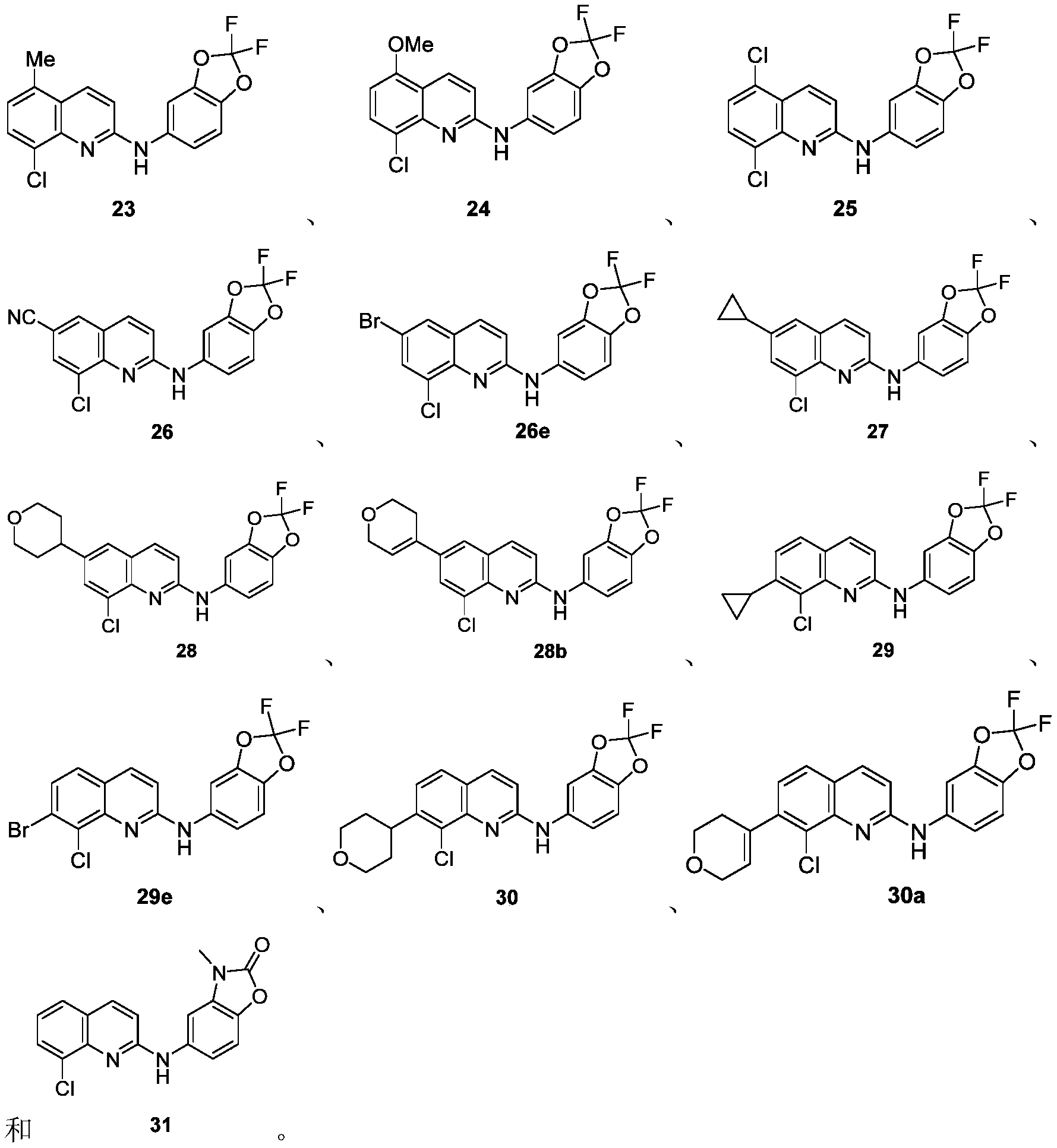
- 一种通式(I-1C)或(I-2C)所示的化合物或其盐:
 其中:R和R 11相同或不同,且各自独立地选自烷基、环烷基和杂环基;优选地,R为C 1-6烷基;R 11为C 1-6烷基;环A、G、R 1至R 3、m、n和p如权利要求1中所定义。
 - 根据权利要求18所述的化合物或其盐,其为如下化合物:

- 一种制备根据权利要求3所述的通式(IC)所示的化合物或其可药用的盐的方法,该方法包括以下步骤:
 通式(IA)化合物或其盐与通式(IB)化合物或其盐反应,得到通式(IC)的化合物或其可药用的盐;其中:X为卤素;优选为Cl原子;环A、G、R 1至R 3、m、n和p如权利要求3中所定义。
 - 一种制备根据权利要求1所述的通式(I)所示的化合物或其可药用的盐的方法,该方法包括以下步骤:
 通式(IC)的化合物或其可药用的盐与R 4’-Y化合物反应,然后脱去R 4’上的保护基,得到通式(I)的化合物或其可药用的盐;其中:Y为卤素;优选为Br原子;R 4’为
 R和R 11相同或不同,且各自独立地选自烷基、环烷基和杂环基;R 4为
 环A、G、R 1至R 3、m、n和p如权利要求1中所定义。
 - 一种药物组合物,所述药物组合物含有治疗有效量的根据权利要求1至17中任一项所述的通式(I)所示的化合物或其可药用的盐,以及一种或多种药学上可接受的载体、稀释剂或赋形剂。
- 根据权利要求1至17中任一项所述的通式(I)所示的化合物或其可药用的盐或根据权利要求22所述的药物组合物在制备用于调节miRNA水平的药物中的用途。
- 根据权利要求1至17中任一项所述的通式(I)所示的化合物或其可药用的盐或根据权利要求22所述的药物组合物在制备用于治疗和/或预防疾病或病况的药物中的用途,所述的疾病或病况选自病毒感染、炎症和癌症。
- 根据权利要求1至17中任一项所述的通式(I)所示的化合物或其可药用的盐或根据权利要求22所述的药物组合物在制备用于治疗和/或预防AIDS或AIDS相关的病况或人类免疫缺陷病毒(HIV)药物中的用途。
- 根据权利要求24所述的用途,其中所述的炎症选自自身免疫有关的炎性疾病、中枢神经系统(CNS)中的炎性疾病、关节中的炎性疾病、消化道中的炎性疾病、皮肤中的炎性疾病、上皮细胞有关的其他炎性疾病、与癌症有关的炎症、与刺激有关的炎症和与损伤有关的炎症。
- 根据权利要求24所述的用途,其中所述的炎症选自炎性肠病、类风湿性关节炎、多发性硬化、阿尔茨海默病、帕金森病、骨关节炎、动脉粥样硬化、强直性脊柱炎、银屑癣、皮炎、系统性红斑狼疮、斯耶格伦(Sjogren)综合征、支气管炎、哮喘和与结肠癌有关的炎症;优选地,所述炎症为炎性肠病。
- 根据权利要求27所述的用途,其中所述的炎性肠病为溃疡性结肠炎(UC)或克罗恩病(CD)。
- 根据权利要求24所述的用途,其中所述的癌症选自白血病、淋巴瘤、巨球蛋白血症、重链病、肉瘤、癌瘤、胰腺癌、乳腺癌、卵巢癌、前列腺癌、鳞癌、汗腺癌、皮脂腺癌、乳头状癌、囊腺癌、髓样癌、支气管癌、肝癌、胆管癌、绒毛膜癌、精原细胞瘤、胚胎癌、威尔姆氏肿瘤、宫颈癌、子宫癌、睾丸癌、肺癌、膀胱癌、神经胶质瘤、髓母细胞瘤、颅咽管瘤、室管膜瘤、松果体瘤、血管母细胞瘤、听神经瘤、神经鞘瘤、神经纤维瘤、视网膜母细胞瘤、黑色素瘤、皮肤癌、肾癌、鼻咽癌、胃癌、食道癌、头颈癌、结肠直肠癌、小肠癌、胆囊癌、儿科肿瘤、尿路上皮癌、输尿管肿瘤、甲状腺癌、骨瘤、成神经细胞瘤、脑瘤和骨髓瘤。
Priority Applications (9)
| Application Number | Priority Date | Filing Date | Title |
|---|---|---|---|
| JP2023572661A JP2024519993A (ja) | 2021-05-27 | 2022-05-27 | キノリンアミン系化合物、その調製方法及びその医薬的応用 |
| KR1020237043944A KR20240014059A (ko) | 2021-05-27 | 2022-05-27 | 퀴놀린아민 화합물, 이의 제조 방법 및 약제에서의 이의 용도 |
| MX2023013972A MX2023013972A (es) | 2021-05-27 | 2022-05-27 | Compuesto de quinolinamina, metodo de preparacion y aplicacion del mismo en productos farmaceuticos. |
| BR112023024741A BR112023024741A2 (pt) | 2021-05-27 | 2022-05-27 | Composto de quinolinamina, método de preparação para o mesmo e aplicação do mesmo em produtos farmacêuticos |
| US18/564,512 US20240327388A1 (en) | 2021-05-27 | 2022-05-27 | Quinolinamine compound, preparation method therefor and application thereof in pharmaceuticals |
| EP22810644.9A EP4349831A4 (en) | 2021-05-27 | 2022-05-27 | QUINOLINAMINE COMPOUND, ITS PREPARATION PROCESS AND ITS USE IN PHARMACEUTICAL PRODUCTS |
| CN202280030768.6A CN117222639A (zh) | 2021-05-27 | 2022-05-27 | 喹啉胺类化合物、其制备方法及其在医药上的应用 |
| CA3219657A CA3219657A1 (en) | 2021-05-27 | 2022-05-27 | Quinolinamine compound, preparation method therefor and application thereof in pharmaceuticals |
| AU2022283404A AU2022283404A1 (en) | 2021-05-27 | 2022-05-27 | Quinolinamine compound, preparation method therefor and application thereof in pharmaceuticals |
Applications Claiming Priority (4)
| Application Number | Priority Date | Filing Date | Title |
|---|---|---|---|
| CN202110606803 | 2021-05-27 | ||
| CN202110606803.1 | 2021-05-27 | ||
| CN202110976020.2 | 2021-08-24 | ||
| CN202110976020 | 2021-08-24 |
Publications (2)
| Publication Number | Publication Date |
|---|---|
| WO2022247920A1 true WO2022247920A1 (zh) | 2022-12-01 |
| WO2022247920A9 WO2022247920A9 (zh) | 2023-01-05 |
Family
ID=84228425
Family Applications (1)
| Application Number | Title | Priority Date | Filing Date |
|---|---|---|---|
| PCT/CN2022/095441 Ceased WO2022247920A1 (zh) | 2021-05-27 | 2022-05-27 | 喹啉胺类化合物、其制备方法及其在医药上的应用 |
Country Status (11)
| Country | Link |
|---|---|
| US (1) | US20240327388A1 (zh) |
| EP (1) | EP4349831A4 (zh) |
| JP (1) | JP2024519993A (zh) |
| KR (1) | KR20240014059A (zh) |
| CN (1) | CN117222639A (zh) |
| AU (1) | AU2022283404A1 (zh) |
| BR (1) | BR112023024741A2 (zh) |
| CA (1) | CA3219657A1 (zh) |
| MX (1) | MX2023013972A (zh) |
| TW (1) | TW202313592A (zh) |
| WO (1) | WO2022247920A1 (zh) |
Cited By (5)
| Publication number | Priority date | Publication date | Assignee | Title |
|---|---|---|---|---|
| CN116854634A (zh) * | 2023-06-27 | 2023-10-10 | 广东药科大学 | 一种选择性ces2抑制剂、其制备方法及其作为药物的用途 |
| WO2024109936A1 (zh) | 2022-11-25 | 2024-05-30 | 江苏恒瑞医药股份有限公司 | 一种喹啉胺类化合物晶型及其制备方法 |
| WO2024109937A1 (zh) * | 2022-11-25 | 2024-05-30 | 江苏恒瑞医药股份有限公司 | 一种喹啉胺类化合物的可药用盐、晶型及其制备方法 |
| WO2025045123A1 (zh) * | 2023-08-30 | 2025-03-06 | 江苏正大丰海制药有限公司 | 用于调节微小rna-124活性的化合物 |
| WO2025201294A1 (zh) * | 2024-03-26 | 2025-10-02 | 深圳信立泰药业股份有限公司 | 一种吲哚类化合物及其制备方法与miR上调应用 |
Citations (9)
| Publication number | Priority date | Publication date | Assignee | Title |
|---|---|---|---|---|
| WO2010143169A2 (en) | 2009-06-12 | 2010-12-16 | Société Splicos | Compounds useful for treating aids |
| JP2011026251A (ja) * | 2009-07-27 | 2011-02-10 | Kowa Co | 2−アリールアミノキノリン化合物及びこれを有効成分として含有するエリスロポエチン産生促進剤 |
| WO2012037351A1 (en) | 2010-09-17 | 2012-03-22 | Glaxosmithkline Llc | Compounds |
| WO2014169845A2 (zh) | 2013-04-19 | 2014-10-23 | 四川海思科制药有限公司 | 4,5−二氢−吡唑并【3,4−c】吡啶−2−酮衍生物、其制备方法以及应用 |
| WO2015001518A1 (en) | 2013-07-05 | 2015-01-08 | Splicos | Bicyclic compounds useful for treating diseases caused by retroviruses |
| WO2016009065A2 (en) | 2014-07-17 | 2016-01-21 | Abivax | Quinoline derivatives for the treatment of inflammatory diseases |
| WO2016135052A1 (en) | 2015-02-23 | 2016-09-01 | Abivax | A new quinoline derivative for use in the treatment and prevention of viral infections |
| WO2017158201A1 (en) | 2016-03-18 | 2017-09-21 | Ratiopharm Gmbh | Process for preparing quinolin-2-yl-phenylamine derivatives and their salts |
| WO2020127843A1 (en) | 2018-12-20 | 2020-06-25 | Abivax | Quinoline derivatives for use in the treatment of inflammation diseases |
Family Cites Families (2)
| Publication number | Priority date | Publication date | Assignee | Title |
|---|---|---|---|---|
| WO2000015645A1 (fr) * | 1998-09-11 | 2000-03-23 | Kyorin Pharmaceutical Co., Ltd. | Derives d'esters phosphoniques et leur procede de production |
| CA3168533A1 (en) * | 2020-01-24 | 2021-07-29 | The Trustees Of Princeton University | Heterocyclic compounds and uses thereof |
-
2022
- 2022-05-27 US US18/564,512 patent/US20240327388A1/en active Pending
- 2022-05-27 MX MX2023013972A patent/MX2023013972A/es unknown
- 2022-05-27 EP EP22810644.9A patent/EP4349831A4/en active Pending
- 2022-05-27 CN CN202280030768.6A patent/CN117222639A/zh active Pending
- 2022-05-27 AU AU2022283404A patent/AU2022283404A1/en active Pending
- 2022-05-27 JP JP2023572661A patent/JP2024519993A/ja active Pending
- 2022-05-27 TW TW111119883A patent/TW202313592A/zh unknown
- 2022-05-27 WO PCT/CN2022/095441 patent/WO2022247920A1/zh not_active Ceased
- 2022-05-27 CA CA3219657A patent/CA3219657A1/en active Pending
- 2022-05-27 KR KR1020237043944A patent/KR20240014059A/ko active Pending
- 2022-05-27 BR BR112023024741A patent/BR112023024741A2/pt unknown
Patent Citations (11)
| Publication number | Priority date | Publication date | Assignee | Title |
|---|---|---|---|---|
| WO2010143169A2 (en) | 2009-06-12 | 2010-12-16 | Société Splicos | Compounds useful for treating aids |
| JP2011026251A (ja) * | 2009-07-27 | 2011-02-10 | Kowa Co | 2−アリールアミノキノリン化合物及びこれを有効成分として含有するエリスロポエチン産生促進剤 |
| WO2012037351A1 (en) | 2010-09-17 | 2012-03-22 | Glaxosmithkline Llc | Compounds |
| WO2014169845A2 (zh) | 2013-04-19 | 2014-10-23 | 四川海思科制药有限公司 | 4,5−二氢−吡唑并【3,4−c】吡啶−2−酮衍生物、其制备方法以及应用 |
| WO2015001518A1 (en) | 2013-07-05 | 2015-01-08 | Splicos | Bicyclic compounds useful for treating diseases caused by retroviruses |
| WO2016009065A2 (en) | 2014-07-17 | 2016-01-21 | Abivax | Quinoline derivatives for the treatment of inflammatory diseases |
| CN107207463A (zh) * | 2014-07-17 | 2017-09-26 | Abivax公司 | 用于治疗炎性疾病的喹啉衍生物 |
| WO2016135052A1 (en) | 2015-02-23 | 2016-09-01 | Abivax | A new quinoline derivative for use in the treatment and prevention of viral infections |
| CN107531681A (zh) * | 2015-02-23 | 2018-01-02 | Abivax公司 | 用于治疗和预防病毒感染的新喹啉衍生物 |
| WO2017158201A1 (en) | 2016-03-18 | 2017-09-21 | Ratiopharm Gmbh | Process for preparing quinolin-2-yl-phenylamine derivatives and their salts |
| WO2020127843A1 (en) | 2018-12-20 | 2020-06-25 | Abivax | Quinoline derivatives for use in the treatment of inflammation diseases |
Non-Patent Citations (7)
| Title |
|---|
| ACS CATALYSIS, vol. 8, 2018, pages 4783 - 4788 |
| KOUKOS G ET AL., GASTROENTEROLOGY, vol. 145, 2013, pages 842 - 852 |
| NAKAMACHI, Y ET AL., ARTHRITIS RHEUM, vol. 60, 2009, pages 1294 - 1304 |
| PONOMAREV ED ET AL., NAT MED, vol. 17, 2011, pages 67 - 70 |
| See also references of EP4349831A4 |
| VEREMEYKO T ET AL., PLOS ONE, vol. 8, 2013, pages e81774 |
| WEI J ET AL., CANCER RES, vol. 73, 2013, pages 3913 - 3926 |
Cited By (9)
| Publication number | Priority date | Publication date | Assignee | Title |
|---|---|---|---|---|
| WO2024109936A1 (zh) | 2022-11-25 | 2024-05-30 | 江苏恒瑞医药股份有限公司 | 一种喹啉胺类化合物晶型及其制备方法 |
| WO2024109937A1 (zh) * | 2022-11-25 | 2024-05-30 | 江苏恒瑞医药股份有限公司 | 一种喹啉胺类化合物的可药用盐、晶型及其制备方法 |
| CN120152971A (zh) * | 2022-11-25 | 2025-06-13 | 江苏恒瑞医药股份有限公司 | 一种喹啉胺类化合物晶型及其制备方法 |
| CN120187716A (zh) * | 2022-11-25 | 2025-06-20 | 江苏恒瑞医药股份有限公司 | 一种喹啉胺类化合物的可药用盐、晶型及其制备方法 |
| EP4624469A1 (en) | 2022-11-25 | 2025-10-01 | Jiangsu Hengrui Pharmaceuticals Co., Ltd. | Quinoline amine compound crystal form and preparation method therefor |
| CN116854634A (zh) * | 2023-06-27 | 2023-10-10 | 广东药科大学 | 一种选择性ces2抑制剂、其制备方法及其作为药物的用途 |
| CN116854634B (zh) * | 2023-06-27 | 2025-12-09 | 广东药科大学 | 一种选择性ces2抑制剂、其制备方法及其作为药物的用途 |
| WO2025045123A1 (zh) * | 2023-08-30 | 2025-03-06 | 江苏正大丰海制药有限公司 | 用于调节微小rna-124活性的化合物 |
| WO2025201294A1 (zh) * | 2024-03-26 | 2025-10-02 | 深圳信立泰药业股份有限公司 | 一种吲哚类化合物及其制备方法与miR上调应用 |
Also Published As
| Publication number | Publication date |
|---|---|
| TW202313592A (zh) | 2023-04-01 |
| KR20240014059A (ko) | 2024-01-31 |
| MX2023013972A (es) | 2023-12-11 |
| EP4349831A4 (en) | 2024-09-04 |
| JP2024519993A (ja) | 2024-05-21 |
| EP4349831A1 (en) | 2024-04-10 |
| CN117222639A (zh) | 2023-12-12 |
| CA3219657A1 (en) | 2022-12-01 |
| WO2022247920A9 (zh) | 2023-01-05 |
| AU2022283404A1 (en) | 2023-11-30 |
| BR112023024741A2 (pt) | 2024-02-15 |
| US20240327388A1 (en) | 2024-10-03 |
Similar Documents
| Publication | Publication Date | Title |
|---|---|---|
| CN113980032B (zh) | 稠合四环类衍生物、其制备方法及其在医药上的应用 | |
| WO2022247920A1 (zh) | 喹啉胺类化合物、其制备方法及其在医药上的应用 | |
| WO2023066371A1 (zh) | 含氮的四环化合物、其制备方法及其在医药上的应用 | |
| WO2023072297A1 (zh) | 含氮的四环化合物、其制备方法及其在医药上的应用 | |
| CN116199703A (zh) | 稠合四环杂环化合物、其制备方法及其在医药上的应用 | |
| TW202321263A (zh) | 磺醯胺衍生物、其製備方法及其在醫藥上的應用 | |
| CN114206853A (zh) | 用于治疗的parp14的靶向蛋白质降解 | |
| CN113329998A (zh) | 用于治疗与nlrp活性相关的病症的磺酰亚胺酰胺化合物和组合物 | |
| WO2022017365A1 (zh) | 含硫异吲哚啉类衍生物、其制备方法及其在医药上的应用 | |
| CN114907377A (zh) | 稠合四环类化合物、其制备方法及其在医药上的应用 | |
| CN116669736B (zh) | 稠杂环基取代的环己二酰亚胺衍生物、其制备方法及其在医药上的应用 | |
| CN115433127A (zh) | 喹啉胺类化合物、其制备方法及其在医药上的应用 | |
| CN111094254B (zh) | 杂芳基类衍生物、其制备方法及其在医药上的应用 | |
| KR20200140262A (ko) | Tcr-nck 상호 작용의 억제제로서의 크로멘 유도체 | |
| CN111320633A (zh) | 吡咯/咪唑并六元杂芳环类化合物及其制备方法和医药用途 | |
| CN111205309B (zh) | 吲哚类大环衍生物、其制备方法及其在医药上的应用 | |
| WO2021104413A1 (zh) | 稠合吡啶环衍生物、其制备方法及其在医药上的应用 | |
| CN113912608B (zh) | 嘧啶并嘧啶酮类衍生物、其制备方法及其在医药上的应用 | |
| WO2022237890A1 (zh) | 氮杂卓类稠环化合物及其医药用途 | |
| JP2024510306A (ja) | Ctla-4低分子分解剤及びその使用 | |
| WO2022022630A1 (zh) | 氧杂氮杂螺环类衍生物、其制备方法及其在医药上的应用 | |
| WO2023138657A1 (zh) | 喹啉胺类化合物、其制备方法及其在医药上的应用 | |
| CN114456173B (zh) | 稠环基取代的环己二酰亚胺类衍生物、其制备方法及其在医药上的应用 | |
| CN115835863B (zh) | 氧杂氮杂双环类衍生物、其制备方法及其在医药上的应用 | |
| EA050466B1 (ru) | Соединение хинолинаминового ряда, способ его получения и его применение в фармацевтике |
Legal Events
| Date | Code | Title | Description |
|---|---|---|---|
| 121 | Ep: the epo has been informed by wipo that ep was designated in this application |
Ref document number: 22810644 Country of ref document: EP Kind code of ref document: A1 |
|
| WWE | Wipo information: entry into national phase |
Ref document number: 202280030768.6 Country of ref document: CN |
|
| WWE | Wipo information: entry into national phase |
Ref document number: 2022283404 Country of ref document: AU Ref document number: AU2022283404 Country of ref document: AU |
|
| WWE | Wipo information: entry into national phase |
Ref document number: 3219657 Country of ref document: CA |
|
| WWE | Wipo information: entry into national phase |
Ref document number: 2023572661 Country of ref document: JP |
|
| WWE | Wipo information: entry into national phase |
Ref document number: 202317079439 Country of ref document: IN |
|
| WWE | Wipo information: entry into national phase |
Ref document number: MX/A/2023/013972 Country of ref document: MX |
|
| WWE | Wipo information: entry into national phase |
Ref document number: 18564512 Country of ref document: US |
|
| ENP | Entry into the national phase |
Ref document number: 2022283404 Country of ref document: AU Date of ref document: 20220527 Kind code of ref document: A |
|
| REG | Reference to national code |
Ref country code: BR Ref legal event code: B01A Ref document number: 112023024741 Country of ref document: BR |
|
| WWE | Wipo information: entry into national phase |
Ref document number: 202393273 Country of ref document: EA |
|
| ENP | Entry into the national phase |
Ref document number: 20237043944 Country of ref document: KR Kind code of ref document: A |
|
| WWE | Wipo information: entry into national phase |
Ref document number: 1020237043944 Country of ref document: KR |
|
| NENP | Non-entry into the national phase |
Ref country code: DE |
|
| WWE | Wipo information: entry into national phase |
Ref document number: 2022810644 Country of ref document: EP |
|
| ENP | Entry into the national phase |
Ref document number: 2022810644 Country of ref document: EP Effective date: 20240102 |
|
| ENP | Entry into the national phase |
Ref document number: 112023024741 Country of ref document: BR Kind code of ref document: A2 Effective date: 20231127 |