WO2023033005A1 - 培養関連プロセス最適化方法及び培養関連プロセス最適化システム - Google Patents
培養関連プロセス最適化方法及び培養関連プロセス最適化システム Download PDFInfo
- Publication number
- WO2023033005A1 WO2023033005A1 PCT/JP2022/032667 JP2022032667W WO2023033005A1 WO 2023033005 A1 WO2023033005 A1 WO 2023033005A1 JP 2022032667 W JP2022032667 W JP 2022032667W WO 2023033005 A1 WO2023033005 A1 WO 2023033005A1
- Authority
- WO
- WIPO (PCT)
- Prior art keywords
- execution
- variable parameter
- culture
- execution procedure
- procedure
- Prior art date
- Legal status (The legal status is an assumption and is not a legal conclusion. Google has not performed a legal analysis and makes no representation as to the accuracy of the status listed.)
- Ceased
Links
Images





















Classifications
-
- G—PHYSICS
- G16—INFORMATION AND COMMUNICATION TECHNOLOGY [ICT] SPECIALLY ADAPTED FOR SPECIFIC APPLICATION FIELDS
- G16B—BIOINFORMATICS, i.e. INFORMATION AND COMMUNICATION TECHNOLOGY [ICT] SPECIALLY ADAPTED FOR GENETIC OR PROTEIN-RELATED DATA PROCESSING IN COMPUTATIONAL MOLECULAR BIOLOGY
- G16B25/00—ICT specially adapted for hybridisation; ICT specially adapted for gene or protein expression
- G16B25/10—Gene or protein expression profiling; Expression-ratio estimation or normalisation
-
- G—PHYSICS
- G06—COMPUTING OR CALCULATING; COUNTING
- G06Q—INFORMATION AND COMMUNICATION TECHNOLOGY [ICT] SPECIALLY ADAPTED FOR ADMINISTRATIVE, COMMERCIAL, FINANCIAL, MANAGERIAL OR SUPERVISORY PURPOSES; SYSTEMS OR METHODS SPECIALLY ADAPTED FOR ADMINISTRATIVE, COMMERCIAL, FINANCIAL, MANAGERIAL OR SUPERVISORY PURPOSES, NOT OTHERWISE PROVIDED FOR
- G06Q10/00—Administration; Management
- G06Q10/06—Resources, workflows, human or project management; Enterprise or organisation planning; Enterprise or organisation modelling
-
- C—CHEMISTRY; METALLURGY
- C12—BIOCHEMISTRY; BEER; SPIRITS; WINE; VINEGAR; MICROBIOLOGY; ENZYMOLOGY; MUTATION OR GENETIC ENGINEERING
- C12Q—MEASURING OR TESTING PROCESSES INVOLVING ENZYMES, NUCLEIC ACIDS OR MICROORGANISMS; COMPOSITIONS OR TEST PAPERS THEREFOR; PROCESSES OF PREPARING SUCH COMPOSITIONS; CONDITION-RESPONSIVE CONTROL IN MICROBIOLOGICAL OR ENZYMOLOGICAL PROCESSES
- C12Q3/00—Condition responsive control processes
-
- C—CHEMISTRY; METALLURGY
- C12—BIOCHEMISTRY; BEER; SPIRITS; WINE; VINEGAR; MICROBIOLOGY; ENZYMOLOGY; MUTATION OR GENETIC ENGINEERING
- C12M—APPARATUS FOR ENZYMOLOGY OR MICROBIOLOGY; APPARATUS FOR CULTURING MICROORGANISMS FOR PRODUCING BIOMASS, FOR GROWING CELLS OR FOR OBTAINING FERMENTATION OR METABOLIC PRODUCTS, i.e. BIOREACTORS OR FERMENTERS
- C12M41/00—Means for regulation, monitoring, measurement or control, e.g. flow regulation
- C12M41/48—Automatic or computerized control
-
- C—CHEMISTRY; METALLURGY
- C12—BIOCHEMISTRY; BEER; SPIRITS; WINE; VINEGAR; MICROBIOLOGY; ENZYMOLOGY; MUTATION OR GENETIC ENGINEERING
- C12Q—MEASURING OR TESTING PROCESSES INVOLVING ENZYMES, NUCLEIC ACIDS OR MICROORGANISMS; COMPOSITIONS OR TEST PAPERS THEREFOR; PROCESSES OF PREPARING SUCH COMPOSITIONS; CONDITION-RESPONSIVE CONTROL IN MICROBIOLOGICAL OR ENZYMOLOGICAL PROCESSES
- C12Q1/00—Measuring or testing processes involving enzymes, nucleic acids or microorganisms; Compositions therefor; Processes of preparing such compositions
- C12Q1/02—Measuring or testing processes involving enzymes, nucleic acids or microorganisms; Compositions therefor; Processes of preparing such compositions involving viable microorganisms
-
- G—PHYSICS
- G06—COMPUTING OR CALCULATING; COUNTING
- G06F—ELECTRIC DIGITAL DATA PROCESSING
- G06F18/00—Pattern recognition
- G06F18/20—Analysing
- G06F18/27—Regression, e.g. linear or logistic regression
-
- G—PHYSICS
- G06—COMPUTING OR CALCULATING; COUNTING
- G06N—COMPUTING ARRANGEMENTS BASED ON SPECIFIC COMPUTATIONAL MODELS
- G06N20/00—Machine learning
-
- G—PHYSICS
- G06—COMPUTING OR CALCULATING; COUNTING
- G06N—COMPUTING ARRANGEMENTS BASED ON SPECIFIC COMPUTATIONAL MODELS
- G06N5/00—Computing arrangements using knowledge-based models
- G06N5/01—Dynamic search techniques; Heuristics; Dynamic trees; Branch-and-bound
Definitions
- the present invention relates to a culture-related process optimization method and a culture-related process optimization system.
- Patent Document 1 proposes a system for executing and managing laboratory experiments in life sciences.
- the present invention has been made in consideration of the above points, and aims to provide a culture-related process optimization method and a culture-related process optimization system capable of optimizing culture-related processes.
- a culture-related process optimization method is a culture-related process optimization method in a culture-related process optimization system for optimizing a culture-related process related to cell culture, wherein the culture-related process an obtaining step of obtaining, by means of a starting point execution procedure obtaining unit, a starting point execution procedure that defines one or more operations to be performed and that defines the content of the operation and that serves as a starting point for a search;
- a variable parameter item identification step in which one or more variable parameter items for which variable parameter values can be set is identified by a variable parameter item identification unit; and an execution procedure generation step of setting the variable parameter value to the variable parameter item identified in the variable parameter item identification step to generate an execution procedure, an execution result acquisition step of acquiring, by an execution result acquisition unit, an execution result obtained when the method is executed; an evaluation result acquisition step of acquiring, by an evaluation result acquisition unit, an evaluation result of the execution result; the execution procedure; and a storage step of correlating the value, the execution result and the evaluation result and recording them in a database.
- Method. [3] The culture-related process optimization method according to [1] above, wherein the culture-related process is a medium adjustment process for adjusting a medium and/or a cell culture process for culturing cells.
- the variable parameter item specifying step determines the origin execution procedure based on the execution performance result when the execution subject executed according to the past execution procedure identical to or related to the origin execution procedure in the execution environment.
- the culture-related process optimization method according to any one of [1] to [3] above, wherein one or more variable parameter items in which the variable parameter values can be set are specified.
- [5] Further comprising a template execution procedure generation step of generating a template execution procedure in which a search range indicating the range of variable parameter values that can be set in the variable parameter item is generated by a template execution procedure generation unit; The step selects the variable parameter value from the search range defined in the template execution procedure, sets the selected variable parameter value to the variable parameter item, and generates the execution procedure, above [1].
- the culture-related process optimization method according to any one of -[4].
- the execution procedure generation step determines the variable parameter value based on the execution performance result when the execution subject executes in the execution environment according to the same or related past execution procedure as the origin execution procedure.
- the culture-related process optimization method according to any one of [1] to [5] above.
- the execution procedure generation step generates a regression model based on the execution performance result, and uses the regression model to determine the variable parameter value to be set in the variable parameter item, above [1] to The culture-related process optimization method according to any one of [6].
- [8] The culture-related process optimization according to any one of [1] to [7] above, wherein the execution procedure generating step sets the variable parameter values for the purpose of obtaining the desired evaluation result.
- the evaluation result is at least one or more of the cost, yield, quality, execution time, variation thereof, and deviation from a given target value for the execution procedure [ 1] to [8], the culture-related process optimization method according to any one of items.
- An execution schedule generation unit generates an execution schedule indicating how the corresponding execution subjects coordinate and execute the plurality of operations specified in the execution procedure in chronological order in the execution environment.
- the culture-related process optimization method according to any one of [1] to [9] above, further comprising a step of generating an execution schedule.
- the execution schedule generating step analyzes the syntax of the execution procedure, and determines the dependencies between the operations specified in the execution procedure, the processing targets of the operations, and the deliverables obtained by the operations.
- the constraints on the operation generate a syntax tree that is at least an analyzable data structure, and generate the execution schedule based on the syntax tree.
- a runtime environment information acquisition step of acquiring, by a runtime environment information acquisition unit, runtime environment information indicating the execution subject that actually performs the operation specified in the execution procedure in the runtime environment;
- the culture-related process optimization method according to [10] or [11] above, wherein the schedule generation step generates the execution schedule based on the execution procedure and the execution environment information.
- the culture-related item according to any one of [10] to [12] above, wherein the execution schedule generation step generates the execution schedule in consideration of constraints set as constraint conditions of the execution procedure. Process optimization method.
- the culture-related process optimization method according to [16] above wherein the execution procedure generation step sets a time constraint on the operation as the constraint condition in the constraint item.
- the execution procedure generating step includes, as the time constraints, the time constraint that defines the execution time required when the execution subject performs the operation, and the time that sets a time constraint between the operations.
- the culture-related process optimization method according to [17] above including at least one of the constraints.
- the execution procedure generation step includes: The culture-related process optimization method according to [16] above, wherein, as the constraint condition, a parallelism constraint that defines whether or not the plurality of operations can be performed in parallel is set in the constraint item.
- the execution procedure generating step selects a candidate variable parameter value that can be the variable parameter value estimated to obtain a predetermined evaluation result, inputs the selected candidate variable parameter value, and outputs the evaluation result. Any one of the above [1] to [20], wherein a variable parameter value selection simulation is executed as an output by arithmetic processing, and the range of the variable parameter value is limited based on the result of the variable parameter value selection simulation. 3. A culture-related process optimization method according to Section 1. [23] Using the input and output of the variable parameter value selection simulation as learning data, generating a trained regression model capable of differentiating the output with the input, and limiting the range of the variable parameter values based on the regression model. The method for optimizing the culture-related process according to [22] above.
- the optimum range search step includes an existing conditional logical expression expressing the existing condition in a logical expression and a search in which the preset search range of the variable parameter value is expressed in a logical expression by the optimum range logical expression generation unit.
- the existing condition is the patent publication or the unexamined patent publication
- the existing condition acquiring step acquires an existing claim described in the patent publication or the unexamined patent publication as the existing condition
- the patent information analysis unit analyzes the dependent relationship of a plurality of existing claims, and for each of the existing claims, the mutual The culture-related process optimization method according to [27] above, including a patent information analysis step of analyzing relationships.
- a culture-related process optimization system for optimizing a culture-related process related to cell culture, wherein one or more operations to be performed in the culture-related process are defined, and A starting point execution procedure obtaining unit for obtaining a defined starting point execution procedure that serves as a search starting point, and a variable parameter item that specifies one or more variable parameter items for which variable parameter values can be set in the starting point execution procedure.
- Execution procedure generation for generating an execution procedure by setting the variable parameter value to the variable parameter item identified by the variable parameter item identification unit based on the identification unit, past execution results, and evaluation results thereof.
- a culture-related process optimization system comprising: a database that associates and records values, execution results, and evaluation results.
- An existing condition acquisition unit that acquires existing conditions related to the culture-related process; an optimum range search unit that searches for an optimum range of the variable parameter values that does not satisfy the constituent requirements and that allows the execution procedure to be generated outside the range of the existing conditions, wherein the execution procedure generation unit searches for the optimum range.
- culture-related processes related to cell culture can be optimized.
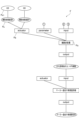
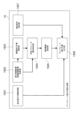
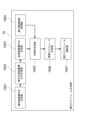
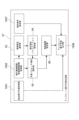
- FIG. 1 is a block diagram showing the overall configuration of a culture-related process optimization system according to this embodiment;
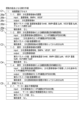
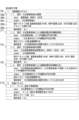
- FIG. It is a schematic diagram which shows an example of a structure of an origin execution procedure.
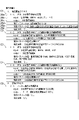
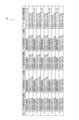
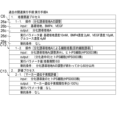
- FIG. 10 is a schematic diagram showing an example of a configuration of an execution performance result and an evaluation performance result 1 according to a past execution procedure;
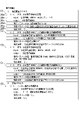
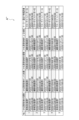
- FIG. 11 is a schematic diagram showing an example of a configuration of an execution performance result and an evaluation performance result 2 according to a past execution procedure;
- FIG. 4 is a schematic diagram showing an example of the configuration of a template execution procedure;
- FIG. 4 is a schematic diagram showing an example of the configuration of execution procedure 1;
- FIG. 11 is a schematic diagram showing an example of the configuration of execution procedure 2;
- FIG. 4 is a schematic diagram showing an example of the configuration of an execution procedure abstract syntax tree
- FIG. 9 is a schematic diagram showing the configuration of the continuation of the execution procedure abstract syntax tree shown in FIG. 8
- FIG. 9 is a schematic diagram showing the configuration of the continuation of the execution procedure abstract syntax tree shown in FIG. 8
- 4 is a schematic diagram showing the configuration of runtime environment information
- FIG. Fig. 2 is a schematic diagram showing a partial order configuration
- FIG. 4 is a schematic diagram for explaining a set A′ in which execution subjects are assigned to operations
- FIG. 4 is a schematic diagram showing an example of the configuration of an extended abstract syntax tree
- FIG. 13 is a schematic diagram showing the configuration of the continuation of the extended abstract syntax tree shown in FIG. 12;
- FIG. 13 is a schematic diagram showing the configuration of the continuation of the extended abstract syntax tree shown in FIG. 12;
- FIG. 4 is a schematic diagram for explaining a set A′′ in which an execution start time and an execution end time are assigned to each element of the set A′;
- FIG. 11 is a schematic diagram for explaining a set A′′′ of combinations that satisfy a constraint;
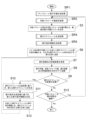
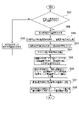
- 4 is a flow chart showing a procedure for optimizing a culture-related process according to the present embodiment;
- FIG. 4 is a schematic diagram for explaining when a plurality of execution procedures are executed;
- 3 is a block diagram showing the configuration of a template execution procedure generation unit;
- FIG. FIG. 11 is a schematic diagram showing an example of the configuration of another starting point execution procedure;
- FIG. 4 is a schematic diagram showing an example of the configuration of a past related execution procedure A;
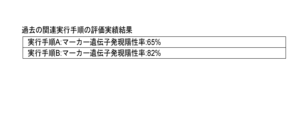
- FIG. 4 is a schematic diagram showing an example of the configuration of a past related execution procedure B; It is a schematic diagram showing an example of the evaluation performance result of the past related execution procedure.
- FIG. 11 is a schematic diagram showing an example of the configuration of another template execution procedure;
- FIG. 11 is a schematic diagram showing an example of the configuration of another execution procedure 1;
- FIG. 11 is a schematic diagram showing an example of the configuration of another execution procedure 2;
- FIG. 10 is a flowchart showing a template execution procedure generation processing procedure;
- FIG. 4 is a block diagram showing the configuration of a variable parameter value setting unit;
- FIG. 4 is a flowchart showing a variable parameter value setting processing procedure; 4 is a block diagram showing the configuration of an execution schedule generator; FIG. FIG. 11 is a flowchart showing an execution schedule generation processing procedure;
- FIG. 1 is a schematic diagram showing an example of configuration (1) of an individual abstract syntax tree;
- FIG. 4 is a schematic diagram showing an example of configuration (2) of an individual abstract syntax tree;
- FIG. 4 is a schematic diagram showing an example of configuration (3) of an individual abstract syntax tree;
- FIG. 4 is a schematic diagram showing an example of configuration (4) of an individual abstract syntax tree;
- FIG. 10 is a flow chart showing an individual abstract syntax tree generation processing procedure;
- FIG. FIG. 4 is a schematic diagram for explaining an outline (1) of an individual abstract syntax tree generation processing procedure;
- FIG. 10 is a schematic diagram for explaining an outline (2) of an individual abstract syntax tree generation processing procedure;
- FIG. 10 is a schematic diagram for explaining an outline (3) of an individual abstract syntax tree generation processing procedure;
- FIG. 10 is a schematic diagram for explaining an outline (4) of an individual abstract syntax tree generation processing procedure;
- FIG. 10 is a flow chart showing an execution procedure abstract syntax tree generation processing procedure;
- FIG. 4 is a schematic diagram showing configuration (1) of individual abstract syntax trees integrated by execution procedure abstract syntax tree generation processing;
- FIG. 4 is a schematic diagram showing configuration (2) of individual abstract syntax trees integrated by execution procedure abstract syntax tree generation processing;
- FIG. 43 is a schematic diagram showing the configuration of an intermediate abstract syntax tree obtained by integrating the individual abstract syntax tree shown in FIG. 41 and the individual abstract syntax tree shown in FIG. 42;
- FIG. 11 is a flow chart showing an extended abstract syntax tree generation processing procedure;
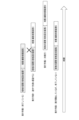
- FIG. FIG. 2 is a schematic diagram for explaining an overview of partial order;
- 4 is a block diagram showing the configuration of an execution instruction information generation unit;
- FIG. 11 is a flow chart showing an execution instruction information generation processing procedure;
- FIG. 11 is a block diagram showing the configuration of a template execution procedure generation unit according to the second embodiment;
- FIG. 11 is a flowchart showing a template execution procedure generation processing procedure according to the second embodiment;
- FIG. FIG. 11 is a block diagram showing the configuration of a variable parameter value setting unit according to the second embodiment;
- FIG. 9 is a flowchart showing a variable parameter value setting processing procedure according to the second embodiment;
- FIG. 11 is a schematic diagram for explaining limiting the range of variable parameter values in the second embodiment;
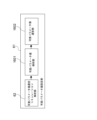
- FIG. 11 is a block diagram showing the overall configuration of a culture-related process optimization system according to a fourth embodiment; 4 is a block diagram showing the configuration of an optimum range searching unit;
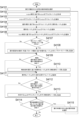
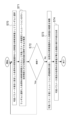
- FIG. 7 is a flow chart showing an optimum range search processing procedure;
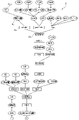
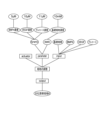
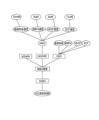
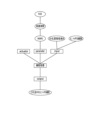
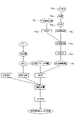
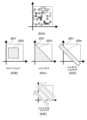
- FIG. 4 is a schematic diagram showing an example of a claim syntax tree generated based on existing claims 1 to 4;
- FIG. 4 is a schematic diagram showing an example of a constituent requirement syntax tree generated based on the contents of existing claim 1;
- FIG. 4 is a schematic diagram showing a logical formula in which the existing conditional logical formulas of claims 1 to 4 are associated with dependencies;
- culture-related processes are various processes associated with culturing cells that perform one or more operations required in the course of culturing various cells.
- medium adjustment process the medium used for cell culture
- cell culture process the process of culturing cells using the medium
- a series of processes may be applied as the culture-related process, only the medium adjustment process may be applied as the culture-related process, and only the cell culture process may be applied as the culture-related process.
- Culture-related processes include the selection of the basal medium, the adjustment of the medium, the selection of the components used for the adjustment of the medium, the cultivation of cells in the adjusted medium, the conditions for the cultivation, and the equipment that performs these operations. selection and determination of the processing procedure of the subject of execution.
- FIG. 1 is a block diagram showing the overall configuration of a culture-related process optimization system 1 according to this embodiment, which executes a culture-related process optimization method.
- a culture-related process optimization system 1 has a configuration in which a culture-related process optimization device 2 and a plurality of communication devices 3a, 3b, 3c, and 3d are connected to a network 4 such as the Internet. .
- the culture-related process optimization system for example, a culture-related process related to regenerative medicine in which human iPS cells are cultured to induce differentiation into specific cells, and a culture in which CHO cells are cultured to produce biopharmaceuticals (antibody production)
- a culture-related process related to regenerative medicine in which human iPS cells are cultured to induce differentiation into specific cells
- CHO cells in which CHO cells are cultured to produce biopharmaceuticals (antibody production)
- the gain is as large as possible and optimal evaluation results can be obtained.
- Such an execution procedure is obtained by trial and error.
- the optimal evaluation result is at least one of cost, yield, quality, execution time, variation thereof, and deviation from a given target value for the execution procedure of the culture-related process.
- the costs involved in cell production Cell yield, cell quality, run time to produce cells, their variability, and their deviation from given target values.
- the execution procedure refers to a series of operations performed in the culture-related process and the evaluation process (e.g., medium adjustment and culture, marker gene expression evaluation, etc.), and the processing target (e.g., human iPS cells, etc.), artifacts obtained after processing the processing target by each operation (e.g., cells induced to differentiate from human iPS cells, etc.), and various execution parameter values when processing the processing target by the operation (e.g., basal medium concentration, BMP4 concentration, VEGF concentration, glucose concentration, culture period, etc.) and constraints on operation (e.g., "After 5 minutes or more have passed since the device was started", etc.) be.
- the processing target e.g., human iPS cells, etc.
- artifacts obtained after processing the processing target by each operation e.g., cells induced to differentiate from human iPS cells, etc.
- various execution parameter values when processing the processing target by the operation e.g., basal medium concentration, BMP4 concentration, VEGF concentration
- an execution procedure an experimental procedure showing a series of operations when conducting a life science experiment by multiple experimenters in a laboratory, using multiple devices, adjusting the medium and culturing cells in the medium It corresponds to the medium adjustment/culturing procedures, etc. that show the series of operations up to.
- the production conditions for example, the combination of various execution parameter values such as basal medium concentration and glucose concentration
- the production procedure of a culture-related process that maximize the gain obtained from a certain culture-related process are not self-evident. Rather, naive methods require many iterative runs of experiments and trial-and-error.
- culture-related processes that use organisms are being automated by using robots, etc. Due to differences and the like, it becomes necessary to find the optimum production conditions in each case, and as a result, the total cost of searching for production conditions increases.
- the execution subject actually executes the culture-related process in the execution environment 100 according to the execution procedure, and the optimal production conditions for obtaining as large a profit as possible
- searching for it is possible to find the optimum production conditions with a large profit with as few experiments as possible, reduce the total cost and labor required to search for the production conditions, and seek an optimum culture-related process with a large profit. It can be so.
- differentiation-inducing medium A (hereinafter also simply referred to as "medium A”) and medium A are different types.
- Differentiation-inducing medium B (hereinafter also simply referred to as "medium B”) and a culture-related process for inducing differentiation of human iPS cells and producing specific cells are exemplified.
- An outline of the conversion system 1 will be described below.
- an evaluation process for evaluating cells induced to differentiate from human iPS cells obtained by a culture-related process a case of evaluating the positive rate of expression of marker genes will be described.
- a culture-related process optimization device 2 included in a culture-related process optimization system 1 includes an arithmetic processing unit 7, a database 8, a display unit 9, an operation unit 10, and a transmission/reception unit 11. have The transmission/reception unit 11 functions as an execution result acquisition unit and an evaluation result acquisition unit.
- the arithmetic processing unit 7 has a microcomputer configuration including a CPU (Central Processing Unit), RAM (Random Access Memory), ROM (Read Only Memory), etc., which are not shown, and includes a database 8, a display unit 9, and an operation unit 10. and the transmitting/receiving unit 11 are connected.
- CPU Central Processing Unit
- RAM Random Access Memory
- ROM Read Only Memory
- the arithmetic processing unit 7 executes the culturing-related process optimization program stored in advance in the ROM. , a template execution procedure generation processing program, a variable parameter value setting processing program, an execution schedule generation processing program, an execution instruction information generation processing program, etc., are read as appropriate based on operation instructions and developed in RAM, thereby optimizing the culture-related processes.
- Each circuit unit is controlled according to a program or the like.
- the arithmetic processing unit 7 generates, for example, a template execution procedure, an execution schedule, execution instruction information, etc. by executing a culture-related process optimization process, and stores these arithmetic processing results in the database 8 .
- the database 8 stores the computational processing results of the computation processing unit 7, and also stores execution environment information (described later) received from the outside by the transmission/reception unit 11, and the like.
- the database 8 stores the execution result when the execution subject executed the execution procedure of the culture-related process in the past (hereinafter, the past execution result is also referred to as the execution result result) and the execution result result.
- Various data such as past evaluation results (hereinafter, evaluation results for past execution results are also referred to as evaluation performance results) are stored.
- the display unit 9 displays the template execution procedure generated by the arithmetic processing unit 7 and the result of arithmetic processing such as the execution procedure, so that the administrator or the like who manages the culture-related process optimization device 2 can grasp them.
- the culture-related process optimization device 2 induces differentiation of human iPS cells using the culture media A and B, and performs a culture-related process and an evaluation process for producing specific cells by the culture-related process optimization processing.
- An execution procedure an execution schedule, which is data indicating when each operation in the execution procedure should be performed in cooperation with each execution subject, and an execution schedule to the execution subject of the execution environment 100 according to the execution schedule.
- execution instruction information which is data for instructing the execution of the respective corresponding operations.
- the culture-related process optimization device 2 transmits the execution schedule and execution instruction information to the corresponding execution subject communication devices 3 a , 3 b , 3 c , and 3 d in the execution environment 100 via the network 4 .
- the execution environment 100 shown in FIG. 1 indicates an environment in which the execution procedure of the culture-related process and the evaluation process is actually executed, such as a factory or a laboratory.
- An execution entity within the execution environment 100 executes each operation defined within the execution procedure of the culture-related process and the evaluation process.
- Execution subjects vary depending on the types of culture-related processes and evaluation processes, and include, for example, mechanical devices, robot arms, humans, incubators, measuring instruments such as cameras, experiment automation devices, computers, and the like.
- human iPS cells (hereinafter simply referred to as "cells") are differentiated using media A and B, and a culture-related process for producing specific cells and a procedure for executing the culture-related process are performed.
- An evaluation process for evaluating marker gene expression of cells produced by X, Y and flow cytometer Q, which evaluates marker gene expression, can serve as execution bodies.
- the execution schedule and execution instruction information generated by the culture-related process optimization device 2 are transferred to the medium mixing device P, the cell culture devices X and Y, and the flow In order to present it to the cytometer Q, it is transmitted to the communication devices 3a, 3b, 3c, and 3d of the execution subjects via the network 4.
- the communication device 3a is connected to or mounted on the medium mixing device P, presents the setting information included in the execution instruction information generated for the medium mixing device P to the medium mixing device P, and based on the setting information
- the medium mixing device P may be automatically operated according to the execution schedule.
- the communication device 3a may be, for example, an electronic device such as a personal computer or a smart phone owned by an operator who adjusts the culture media A and B and mixes the culture media A and B as necessary.
- the communication device 3a presents the execution schedule received from the culture-related process optimization device 2 and the execution instruction information generated for the medium mixing device P to the operator who operates the medium mixing device P, The worker is made to use the medium mixing device P to perform adjustment work and the like.
- the communication device 3b is connected to or mounted on the cell culture device X, presents the setting information included in the execution instruction information generated for the cell culture device X to the cell culture device X, and based on the setting information The cell culture apparatus X may be automatically operated according to the execution schedule.
- the communication device 3c is also connected to or mounted on the cell culture device Y, presents the setting information included in the execution instruction information generated for the cell culture device Y to the cell culture device Y, and based on the setting information The cell culture apparatus Y may be automatically operated according to the execution schedule.
- the communication devices 3b and 3c may be, for example, electronic devices such as personal computers and smartphones owned by workers who perform culture work for medium A and medium B, respectively.
- the communication devices 3b and 3c operate the cell culture devices X and Y with the execution schedule received from the culture-related process optimization device 2 and the execution instruction information generated for the cell culture devices X and Y. This is presented to each worker, and each worker is made to perform culture work and the like using the cell culture apparatuses X and Y.
- Flow cytometer Q is a cell analysis device that can perform marker gene expression evaluation of cells cultured using medium A and B, for example.
- the communication device 3d is connected to or mounted on the flow cytometer Q, presents the setting information included in the execution instruction information generated for the flow cytometer Q to the flow cytometer Q, and performs an execution schedule based on the setting information.
- the flow cytometer Q can be automatically run as usual.
- the communication device 3d may be, for example, an electronic device such as a personal computer or a smart phone owned by an operator who performs marker gene expression evaluation work.
- the communication device 3d presents the execution schedule received from the culture-related process optimization device 2 and the execution instruction information generated for the flow cytometer Q to the worker operating the flow cytometer Q, Have the operator perform marker gene expression evaluation work, etc. using flow cytometer Q.
- these communication devices 3a, 3b, 3c, and 3d appropriately transmit the execution results and evaluation results obtained when the corresponding execution subject executes according to the execution schedule and execution instruction information via the network 4. to the conversion device 2.
- the arithmetic processing unit 7 includes a template execution procedure generation unit 15, a variable parameter value setting unit 16, an execution procedure generation unit 17, a determination unit 18, an execution schedule generation unit 19, and an execution instruction information generation unit 20. Then, a template execution procedure, execution procedure, execution schedule, and execution instruction information, which will be described later, are generated.
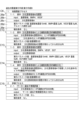
- FIG. 2 is a schematic diagram showing an example of the configuration of a starting point execution procedure for culture-related processes and evaluation processes for cells cultured in media A and B.
- FIG. 2 is a schematic diagram showing an example of the configuration of a starting point execution procedure for culture-related processes and evaluation processes for cells cultured in media A and B.
- the template execution procedure generation unit 15 is used for the culture-related processes that the administrator wants to optimize (for example, adjustment of media A and B, cell culture in medium A, and culture of differentiated cells cultured in medium A in medium B). and an evaluation process (marker gene expression evaluation) is selected or input via the operation unit 10, execution procedures corresponding to these culture-related processes and evaluation processes are selected from a plurality of execution procedures stored in the database 8. as the starting execution step.
- the template execution procedure generation unit 15 performs, as operations of culture-related processes, adjustment of medium A, cell culture using medium A (adjusted), adjustment of medium B, and adjustment of medium A. 4 operations are specified, including culturing cells in the process of differentiation cultured in medium B (adjusted), and as an operation of the evaluation process, one operation of marker gene expression evaluation is specified, and the starting point execution procedure selected as
- the starting point execution procedure defines the contents of the operations performed in the culture-related process and the evaluation process in the operation summary columns C1, C2, C3, and C4 for each operation.
- an operation item 26a that defines the content of the operation
- an input item 26b that defines the processing target of the operation
- an item obtained by the operation It has an output item 26c that specifies the deliverable to be produced
- an execution parameter item 26d that specifies numerical values related to the operation
- a constraint condition item 26e that specifies the constraint condition regarding the operation.
- the "basal medium concentration” defined in the execution parameter item 26d is defined as “10 mM” as a parameter value indicating the concentration of the basal medium
- the "BMP4 concentration” is BMP4 (Bone Morphogenetic Protein 4: bone morphogenetic factor 4 (Bone morphogenetic protein 4)) is defined as a parameter value indicating the concentration of "2 ⁇ M”
- VEGF concentration is VEGF (Vascular Endothelial Growth Factor: Vascular Endothelial Growth Factor) "5 ⁇ M” as a parameter value indicating the concentration is defined
- “4 ⁇ M” is defined as a parameter value indicating the glucose concentration in "glucose concentration”.
- Constraints stipulate conditions that restrict operations. For example, there are time constraints, concurrency constraints, and execution condition constraints. Defined.
- Time constraints include, for example, a time constraint that defines the execution time required for an execution subject to operate an execution procedure, and a time constraint that imposes a time constraint between operations of an execution procedure.
- an execution condition constraint there is an execution condition constraint that stipulates that the operation of the execution procedure must be performed within the range of predetermined conditions. Within 60 minutes from the end of the adjustment of B”.
- input item 26b contains “differentiation-inducing medium B (adjusted), (cultivated in differentiation-inducing medium A during differentiation) Human iPS cells (HPS0003 strain)”, and from the provision of “differentiation induction medium B (adjusted)”, it is specified that the operation is performed after the operation specified in the operation summary column C3 is completed, and , "Human iPS cells (HPS0003 strain) (in the middle of differentiation cultured in differentiation-inducing medium A)” stipulates that the operation is performed after the operation specified in the operation summary column C2 is completed.
- the template execution procedure generation unit 15 creates an execution parameter item 26d whose execution parameter value can be changed in the origin execution procedure based on the past execution procedure execution result and its evaluation result stored in the database 8. is selected as a variable parameter item, and then template execution for determining in what execution parameter value execution procedure the culture-related process and the evaluation process should be executed in the execution environment 100 and the execution results evaluated Generate instructions.
- 3 and 4 show the results of execution results and evaluation results of past execution procedures searched from the database 8 based on the contents of the operation summary columns C1, C2, C3, and C4 of the starting point execution procedure shown in FIG. An example configuration is shown.
- the template execution procedure generating unit 15 compares, for example, a plurality of execution result results and evaluation result results retrieved from the database 8, and selects an execution parameter value from among the execution parameter items 26d in the operation summary columns C1, C2, C3, and C4.
- Execution parameter items 26d that can be changeable variable parameter items are identified.
- the execution parameter item 26d that can be a variable parameter item for example, the trend of change in numerical values of the execution parameter values in the actual execution result and the evaluation actual result can be used as a guideline.
- the template execution procedure generation unit 15 compares, for example, the execution performance result and evaluation performance result 1 shown in FIG. 3 with the execution performance result and evaluation performance result 2 shown in FIG.
- the respective execution parameter values are different, and due to these differences, the operations of FIGS. Based on the fact that the evaluation results shown in the output item 26c of the overview column C5 are different, it can be inferred that these execution parameter values are items that can be variable parameter values (variable parameter items).
- the search range set in the past execution procedure that obtained the execution results is specified, and the common part with the union of the past search ranges is used as a new search. You may make it set as a range.
- the execution parameter item will affect the evaluation result result. may be set as a rule such as not to be a variable parameter item because it is small.
- variable parameter items are determined from execution parameter items for which numerical values are set as variable parameter items.
- An operation item 26a or the like that defines something other than a numerical value may be selected as a variable parameter item. That is, in the starting point execution procedure, all the operations and conditions related to the operations that can be changed in the execution environment 100 can be variable parameter items.
- An example of selecting an operation item 26a or the like that defines something other than a numerical value as a variable parameter item will be described in detail in another embodiment described later.
- the template execution procedure generation unit 15 compares the execution performance result and evaluation performance result 1 shown in FIG. 3 with the execution performance result and evaluation performance result 2 shown in FIG. 4, and determines variable parameter values for variable parameter items. Sets the search range, which is the numeric range of . In this case, the template execution procedure generation unit 15 confirms that the "marker gene expression positive rate" of the output item 26c in the operation summary column C5 of the "marker gene expression evaluation” of the evaluation process is different between the execution result and the evaluation result. and the execution parameter value of the execution parameter item 26d, which is a variable parameter item, the range of variable parameter values (search range) that will give the desired marker gene expression positive rate is estimated, and FIG. , a template execution procedure can be generated in which the variable parameter item 26g and its search range are set.
- VEGF concentration is 12 ⁇ M, which is higher than “VEGF concentration” in FIG. 4
- glucose concentration is 4 ⁇ M, which is lower than “glucose concentration” in FIG.
- the execution parameter item 26d in the operation summary column C1 of "Adjustment of differentiation-inducing medium A" affects the positive rate of marker gene expression, and these are set as the search range for variable parameter values.
- a search range of variable parameter values is estimated by such a feature extraction rule.
- the template execution procedure generation unit 15 generates one or more types of results that may affect the evaluation results, based on a given feature extraction rule, based on one or more types of past execution results and evaluation results. Guess the execution parameter item of and its search range.
- the template execution procedure generation unit 15 generates past execution procedures related to the origin execution procedure (hereinafter referred to as related execution procedures) even when the origin execution procedure is composed of operations different from past execution procedures. It also has a function of setting the variable parameter item 26g and its search range in the starting point execution procedure based on the execution performance result and the evaluation performance result of the related execution procedure.
- the template execution procedure generation unit 15 determines the execution parameter items and their search ranges that will affect the evaluation result in the operation of the evaluation process in the starting point execution procedure, and the execution performance results of a plurality of related execution procedures. And it is estimated by comparative analysis of evaluation results.
- the template execution procedure generation unit 15 performs at least one matrix operation and at least one linear or non-linear transformation between the execution parameter values of both the origin execution procedure and the execution performance results and evaluation performance results of the plurality of related execution procedures.
- the feature value transformation function is the result of past execution results and Refers to a function for extracting a low-dimensional space that is effective for the objective variable based on the actual evaluation results. By searching for variable parameter values in a low-dimensional search space generated by such a feature conversion function, the search can be made more efficient.
- a machine learning model such as a neural network, which is a type of regression model
- a machine learning model can be defined by combining at least one matrix operation and at least one linear or nonlinear transformation.
- An example of designing a feature transformation function by combining at least one matrix operation and at least one linear or nonlinear transformation is given below.
- there is a certain relationship between cell culture temperature and culture time and if the conditions (culture temperature and culture time) are changed while satisfying this relationship, the evaluation value will be high (the desired evaluation result is obtained case).
- the feature conversion function after learning the relationship between the incubation time and the incubation temperature where the above evaluation value is high, using the feature conversion function, perform sequential optimization in the space specified by the feature conversion function. By doing so, the search can proceed efficiently.
- the template execution procedure generation unit 15 makes rules based on prior knowledge that is analyzed in advance by an administrator or the like to determine which factor contributes most to the improvement of the evaluation results in the execution results and evaluation results of the related execution procedures. By doing so, it is possible to effectively set the variable parameter items and their search ranges in the originating execution procedure from the execution performance results and the evaluation performance results of the related execution procedures. A detailed description of setting the variable parameter item and its search range based on the execution performance result and the evaluation performance result of the related execution procedure will be given later.
- FIG. 5 shows an example of the configuration of a template execution procedure in which a variable parameter item 26g is set in the origin execution procedure and a search range is set in each of the variable parameter items 26g, with reference to the execution result and the evaluation result.
- variable parameter items 26g "BMP4 concentration”, "VEGF concentration”, and “glucose concentration” in the operation summary column C1 of "Adjustment of differentiation induction medium A” are set as variable parameter items 26g, referring to the execution results and evaluation results.
- the template execution procedure generation unit 15 sends the generated template execution procedure to the variable parameter value setting unit 16 and the execution procedure generation unit 17.
- the variable parameter value setting unit 16 determines what variable parameter value within the search range is used to execute the execution procedure in the execution environment 100 based on the past execution results and evaluation results. A plurality of variable parameter values selected from among them are sent to the execution procedure generator 17 .
- variable parameter value setting unit 16 based on one or more types of past execution results and evaluation results, according to a given procedure (for example, Bayesian optimization, orthogonal array, Latin hypercube method, etc.) , generate a plurality of variable parameter values included in the search range in the template execution procedure.
- the variable parameter values may be set by projecting the execution results onto the search space representing the search range of the variable parameter item 26g.
- a variable parameter value is set from within the search range according to a rule determined by the administrator, such as the orthogonal method. can do.
- variable parameter value setting unit 16 for example, a regression model (response surface) is generated from one or more types of past execution results and evaluation results, and using this regression model, for example, Bayesian optimization Multiple variable parameter values are selected from within the search range by multitasking Bayesian optimization or the like.
- a regression model response surface
- Bayesian optimization Multiple variable parameter values are selected from within the search range by multitasking Bayesian optimization or the like.
- the execution procedure generation unit 17 writes the variable parameter values selected by the variable parameter value setting unit 16 to the variable parameter items 26g of the template execution procedure, and generates a plurality of execution procedures with different variable parameter values. In this manner, the execution procedure generation unit 17 generates a list of multiple execution procedures with different variable parameter values.
- FIG. 6 and 7 show an example of two execution procedures with different variable parameter values set in the variable parameter item 26g.
- FIG. The execution procedure is shown in which the value is set to "10 ⁇ M" and the variable parameter value of "glucose concentration" is set to "11 ⁇ M".
- FIG. ” is set to “8 ⁇ M”, and the variable parameter value of “glucose concentration” is set to “6 ⁇ M”.
- the execution procedure generation unit 17 generates a list of such execution procedures and sends the list of execution procedures to the execution schedule generation unit 19 .
- the execution schedule generation unit 19 sequentially selects execution procedures from the list of execution procedures and generates an execution schedule for each execution procedure.
- execution procedures from the list of execution procedures and generates an execution schedule for each execution procedure.
- Each execution schedule or one execution schedule indicating the relationship of the progress of a plurality of execution procedures may be generated.
- An execution subject presented with multiple execution schedules at once may, for example, simultaneously execute execution procedures according to multiple execution schedules at once, depending on the content of the execution schedules.
- Arbitrary execution schedules may be selected in order, and execution procedures may be executed according to each execution schedule. It is desirable that the execution subject sends these results to the culture-related process optimization device 2 each time it obtains execution results and evaluation results from executing these execution procedures.
- the cultivation-related process optimization device 2 presents an execution schedule to the execution subject of the execution environment 100, and causes the execution subject to execute the execution procedure according to the execution schedule. Upon receipt, it is desirable to regenerate an execution procedure that reflects the contents of these execution results and evaluation results, and to generate an execution schedule for the regenerated execution procedure each time. As a result, it is possible to generate an optimal execution procedure that reflects the actual execution results and evaluation results obtained by the execution subject in the execution environment 100 each time, and to optimize the culture-related process.
- the execution schedule generator 19 generates an execution procedure abstract syntax tree t as shown in FIGS. 8, 9A, and 9B based on the execution procedure shown in FIG.
- the execution procedure abstract syntax tree analyzes the syntax of the execution procedure to determine the dependencies between the operations specified in the execution procedure, the processing targets of the operations, the artifacts obtained by the operations, and the constraints on the operations.
- a parsable data structure is a syntax tree.
- An execution procedure abstract syntax tree t as a syntax tree is an operation item 26a, an input item 26b, an output item 26c, an execution parameter item 26d, a variable parameter specified in operation summary columns C1, C2, C3, and C4 in the execution procedure. It has a tree-like data structure in which the contents of the item 26g and the constraint condition item 26e are nodes, and these nodes are connected by edges to define dependencies between operations.
- the execution schedule generation unit 19 creates an operation item 26a, an input item 26b, an output item 26c, an execution parameter item 26d, a variable parameter item 26g, and a constraint condition for each of the operation summary columns C1, C2, C3, and C4 of the execution procedure.
- the contents of the item 26e are used as nodes, and these nodes are connected by edges to individually generate individual abstract syntax trees in which dependencies are defined.
- An execution procedure abstract syntax tree t can be generated by linking.
- the execution schedule generation unit 19 generates each of the execution procedures in the execution procedure based on the execution environment information (described later) received from the execution environment 100 via the transmission/reception unit 11 and the execution procedure abstract syntax tree t described above. Generates an extended abstract syntax tree (described later) in which the execution subject that executes the operation is linked to the execution procedure abstract syntax tree t.
- the extended abstract syntax tree as a syntax tree analyzes the syntax of the execution procedure to determine the dependencies between the operations specified in the execution procedure, the processing targets of the operations, the artifacts obtained by the operations, and the Constraints on operations and execution subjects that execute each operation in the execution procedure are parsable data structures, which are syntax trees.
- the execution environment information E includes execution subject candidates who can actually execute each operation defined in the execution procedure in the execution environment 100, and execution time when the execution subject executes the operation. , an unexecutable time (usage status) during which the execution subject cannot be used for the operation.
- the operation of "Adjustment" shown in the operation summary columns C1 and C3 of the execution procedure can be executed by the medium mixing device P, but the cell culture devices X and Y and the flow site It is stipulated that it cannot be executed with meter Q, and the execution time (30 minutes for medium A adjustment, 30 minutes for medium B adjustment) when medium mixing device P executes "adjustment" is stipulated. ing.
- the execution environment information E may define, for example, appropriate temperature, humidity, etc. for reaching the desired state of the culture mediums A and B in the device that is the subject of execution (here, the culture medium mixing device P). .
- the execution environment information E may define information related to the function and performance of the execution subject machine, such as the operational accuracy of the machine and the waiting time.
- the operation of "culture” shown in the operation summary column C2 of the execution procedure can be executed by the cell culture apparatuses X and Y, but is executed by the medium mixing apparatus P and the flow cytometer Q.
- the execution time when cell culture devices X and Y execute “cell culture” (cell culture device X requires 6 days for culture with media A and B. Cell culture device Y requires 6 days for culture in media A and B).
- Execution environment information E specifies an unexecutable time indicating that the cell culture device X cannot execute the operation of the execution procedure from 17:00 on January 3, 2020 to 17:00 on January 6, 2020 as the usage status. and an unexecutable time is defined to indicate that the cell culture device Y cannot execute the operation of the execution procedure from 17:00 on January 12, 2020 to 17:00 on January 15, 2020.
- an unexecutable time is defined during which the execution subject cannot perform the operation.
- the invention is not limited to this.
- an execution environment in which the executable time (for example, January 2, 2020, 9:00 to 16:00, etc.) during which the execution subject can execute the operation is specified as the usage status that indicates whether or not the operation is possible for the execution subject.
- Information E may be applied. Note that these non-executable time and executable time are simply referred to as usage status.
- a predetermined information processing device in the execution environment 100 receives individual information of each execution subject (which execution subject can execute which operation, execution time, usage status). may be compiled to generate runtime environment information E, and the culture-related process optimization device 2 may receive the runtime environment information E generated by the information processing device on the runtime environment 100 side. Further, each execution entity of the execution environment 100 transmits its own individual information to the culture-related process optimization device 2 via the communication devices 3a, 3b, 3c, and 3d, and the arithmetic processing unit of the culture-related process optimization device 2 7, the execution environment information E may be generated by collecting the individual information.
- the execution schedule generation unit 19 identifies and acquires operation nodes that need to be allocated to execution subject nodes (denoted as "actuator" in FIGS. 8, 9A, and 9B) included in the execution procedure abstract syntax tree t. From the execution environment information E and the execution procedure abstract syntax tree t, without considering any constraints, the execution environment information E Allocate the prescribed execution subject, and obtain a set A' in which the execution subject is allocated to each operation, as shown in FIG.
- the set A' is a combination pattern obtained by assigning all execution agents capable of executing operations to execution agent nodes in the execution procedure abstract syntax tree t without considering constraints. .
- the execution schedule generation unit 19 reflects the result of the set A' in which the execution subject is assigned to each operation, to the execution subject node in the execution procedure abstract syntax tree t, and generates the results as shown in FIGS. Generate an extended abstract syntax tree t'.
- an extended abstract syntax tree t' which is a tree-structured data structure obtained by allocating the execution subject of the execution environment information E shown in FIG. 10A to the execution procedure shown in FIG. A series of operations from adjustment of media A and B to cell culture and evaluation of marker gene expression are associated with execution subjects, execution times, and constraints. The generation of such an extended abstract syntax tree t' will be described later.
- the execution schedule generation unit 19 generates operations that can be executed in series and operations that can be executed in parallel among a series of operations that are executed in order, as shown in FIG. 10B. and generate a partial order showing
- the execution schedule generation unit 19 determines the start time for starting the execution procedure (here, 8:30 on January 2, 2020), and creates a partial order that can analyze the concurrency constraint for a series of operations of the execution procedure. , an execution start time and an execution end time are assigned to each element of the set A' in accordance with the order in which the operations are executed, and a set A'' shown in FIG. 15 is obtained.
- the set A'' in FIG. 15 is the order of operations to be executed sequentially in the execution procedure from a predetermined start time (8:30 on January 2, 2020) without considering the constraints in the execution procedure.
- a combination pattern is shown in which an execution start time and an execution end time that can be executed by the execution subject are assigned to each operation.
- the execution schedule generation unit 19 generates all combinations of time allocation schedules that have the possibility of executing the operation of the execution procedure by the execution subject when the constraints in the execution procedure are not taken into consideration. are obtained as a set A''.
- the execution schedule generation unit 19 reads the constraint conditions of each operation (the conditions specified in the constraint item 26e) from the execution procedure, the execution procedure abstract syntax tree t, or the extended abstract syntax tree t', A time-allocated schedule that satisfies all the specified execution time constraints is extracted as a candidate schedule from the set A'', and a set A''' consisting of the candidate schedules is obtained.
- FIG. 16 shows an example of a set A''' of combinations that satisfy the constraint defined in the constraint item 26e.
- the constraint condition item 26e is "within 60 minutes after the adjustment of differentiation-inducing medium B is completed". stipulated. Therefore, as shown in FIG. 16, the execution schedule generator 19 extracts "No. 1", “No. 2", and "No. 4" that satisfy the above constraints as candidate schedules, and extracts these candidate schedules. Obtain a set A''' consisting of schedules.
- a selection condition is set in advance by an administrator, for example, selecting a candidate schedule having the earliest execution end time of "marker gene expression evaluation" which is the final operation of the execution procedure. ing.
- the execution schedule generator 19 selects one candidate schedule that satisfies the selection condition from the set A''' as the final execution schedule.
- the candidate schedule with the earliest execution end time is "No.4".
- “No.4" after “adjustment of differentiation-inducing medium A”, "culture with differentiation-inducing medium A” and “adjustment of differentiation-inducing medium B” without parallelism constraints are performed in parallel, and " By performing "culture with differentiation-inducing medium B” immediately after simultaneously completing “culturing with differentiation-inducing medium A” and “adjustment of differentiation-inducing medium B", “No.1", “No.2” and “ No. 4, this is the schedule that has achieved the most reduction in time. Note that "No. 2" does not consider concurrency constraints, so it has the longest execution time.
- an index for determining the superiority or inferiority is set in addition to the execution end time, and the schedule with the smaller number (No), which is the identifier of the candidate schedule, is selected. Select as execution schedule.
- the execution schedule generator 19 sends the selected execution schedule to the execution instruction information generator 20 .
- the execution instruction information generation unit 20 refers to the execution environment information E, and generates execution instruction information instructing the execution of each operation according to the execution schedule for each execution subject that executes each operation.
- the execution instruction information is data describing sufficient information to cause the execution subject to execute each operation of the execution procedure according to the execution schedule in the execution environment 100 .
- setting information such as a program for controlling and operating the medium mixing device P, the cell culture devices X and Y, and the flow cytometer Q corresponds.
- the arithmetic processing unit 7 sends each execution schedule and execution instruction information generated for each execution procedure to the transmission/reception unit 11, and the transmission/reception unit 11 responds via the network 4. It is transmitted to each of the communication devices 3a, 3b, 3c, and 3d, which are the main bodies of execution.
- the communication devices 3a, 3b, 3c, and 3d that have received the execution schedule and execution instruction information send the execution schedule and execution instructions to the medium mixing device P, the cell culture devices X and Y, and the flow cytometer Q, which are the corresponding execution subjects. Information is presented and operations are performed in the execution environment 100 .
- the culture-related process optimization system 1 causes each execution entity to execute the operation of the execution procedure based on the execution schedule and the execution instruction information in the execution environment 100, and as a result, the execution result and the evaluation result of the execution procedure are obtained. Each time they are obtained, these execution results and evaluation results are transmitted from the communication devices 3a, 3b, 3c, and 3d to the culture-related process optimization device 2.
- FIG. 1
- the culture-related process optimization device 2 receives an execution result or an evaluation result from the communication devices 3a, 3b, 3c, and 3d of the execution environment 100, the execution procedure, the variable parameter values set in the execution procedure, and the execution result and the evaluation results are recorded in the database 8 in association with each other, and these execution results and evaluation results are analyzed by the determination section 18 of the arithmetic processing section 7 .
- the rescheduling determination unit 23 of the determination unit 18 determines that (i) the progress of the actual execution procedure in the execution environment 100 is different from the execution schedule, and the execution procedure is not executed according to the execution schedule. or (ii) when it is determined that there is an effect on an unexecuted part in the execution schedule and it is necessary to change the execution schedule, the execution schedule and execution for executing the execution procedure according to the execution schedule Regenerate the instruction information.
- cell culture apparatus X executes an execution procedure according to an execution schedule in which culture with medium A is performed in cell culture apparatus X, and then culture with medium B is also performed in the same cell culture apparatus X
- cell culture apparatus X When receiving from the cell culture device X an execution result indicating that X takes longer than expected to culture with medium A and the subsequent execution of culture with medium B by the cell culture device X is delayed, the determination unit 18 , the cell culture apparatus X determines that the execution procedure is not executed according to the execution schedule, and regenerates the execution schedule and execution instruction information.
- the cell culture apparatus X and the medium mixing apparatus P perform the execution procedure according to the execution schedule in which the cell culture apparatus X performs the culture using the medium A and the medium B mixing apparatus P performs the adjustment of the medium B in parallel.
- the cell culture device X takes longer than expected to culture with medium A, it does not affect the adjustment of medium B by medium mixing device P, and the adjustment of medium B and the subsequent cell culture device Operations such as cell culture in medium B using X and Y may be executed according to the execution schedule.
- the determination unit 18 receives an execution result from the cell culture apparatus X indicating that the culture using the medium A took time and could not be executed according to the execution schedule, the unexecuted portion in the execution schedule (For example, adjustment of medium B, cell culture using medium B using cell culture apparatuses X and Y, evaluation of marker gene expression, etc.) are not affected, and it is determined that there is no need to change the execution schedule.
- the determination unit 18 not only determines whether or not all execution subjects have executed according to the execution schedule, but also determines whether some execution subjects in the execution environment 100 have not executed according to the execution schedule.
- the operations of some of the execution subjects do not affect the operations of other execution subjects, the other execution subjects execute the operations according to the execution schedule, and finally the execution procedure is completed by the end date and time presented by the execution schedule is terminated.
- the determination unit 18 determines whether the execution procedure will be executed. It is determined that execution as scheduled is possible and that there is no need to change the execution schedule.
- the culture-related process optimization device 2 sends the regenerated execution schedule and execution instruction information back to the corresponding communication devices 3a, 3b, 3c, and 3d, respectively.
- a new execution schedule and execution instruction information are presented to the medium mixing device P, the cell culture devices X and Y, or the flow cytometer Q, which are the corresponding execution subjects, and each operation is performed in the execution environment 100 .
- the continuation determination unit 22 of the determination unit 18 receives execution results and evaluation results from the communication devices 3 a , 3 b , 3 c , and 3 d of the execution environment 100 , a continuation instruction is given from the administrator via the operation unit 10 . received from the communication devices 3a, 3b, 3c, and 3d of the execution environment 100 based on whether or not the evaluation result is a desired evaluation result, or whether or not a predetermined number of evaluation results have been obtained, and the like. Based on the execution results and evaluation results, the variable parameter value setting unit 16 again determines whether or not to search for new variable parameter values reflecting the execution results and evaluation results.
- the continuation determination unit 22 provides the variable parameter value setting unit 16 with newly obtained execution results and evaluation results. Regenerate the regression model (response surface).
- the arithmetic processing unit 7 causes the variable parameter value setting unit 16 to newly select a plurality of variable parameter values from within the search range by Bayesian optimization, multitasking Bayesian optimization, etc. using this regression model.
- the execution procedure generating unit 17 generates a list of a plurality of execution procedures with different or same variable parameter values.
- the execution procedure generation unit 17 when the execution procedure generation unit 17 generates a list of execution procedures with the same variable parameter value, the execution subject of the execution environment 100 is caused to execute the same execution procedure multiple times. It is effective from the viewpoint of verifying the certainty of evaluation and verifying whether the same evaluation results can be obtained. More specifically, when it can be expected that the execution results and evaluation results of the culture-related process are noisy (even if the evaluation results obtained with the given variable parameter values are 5% above the historical maximum values, is due to noise or is really improved), it is possible to obtain statistics such as standard deviation and average to make more accurate evaluation.
- the culture-related process optimizing device 2 regenerates the execution schedule and execution instructions corresponding to the newly generated execution procedure, and stores them in the communication devices 3 a , 3 b , 3 c , 3 c , 3d, and presents the execution schedule and execution instruction information to the medium mixing device P, the cell culture devices X and Y, and the flow cytometer Q, which are the corresponding execution subjects in the execution environment 100, and the execution instruction information of the execution environment 100 Each operation is performed in the medium mixing device P, the cell culture devices X and Y, and the flow cytometer Q.
- the culture-related process optimization system 1 generates an execution schedule and execution instruction information, and executes the execution schedule and execution instruction information (medium mixer P, cell culture apparatuses X and Y, and flow cytometer Q ), acquisition of execution results and evaluation results from the execution subject based on this, and setting of new variable parameter values reflecting the obtained execution results and evaluation results are repeated.
- the culture-related process optimization system 1 while reflecting the execution result and the evaluation result of the execution subject actually executing the culture-related process in the execution environment 100, the optimum variable parameter value and execution value that can obtain as large a gain as possible. Schedules can be explored and optimal culture-related processes with large gains can be sought.
- FIG. 17A an outline of the culture-related process optimization method described above will be described using the flowchart of FIG. 17A.
- a plurality of execution schedules and execution instruction information generated for each listed execution procedure are presented to each execution subject, and a plurality of different execution procedures are displayed in the execution environment 100. are preferably executed at the same time, in which case the execution results and evaluation results may be received for each different execution procedure each time.
- FIG. 17B Such a case will be described later with reference to FIG. 17B, and the flowchart of FIG. 17A will be described below by focusing on the processing for one execution procedure in order to simplify the description.
- the culture-related process optimization device 2 starts the culture-related process optimization processing procedure from the start step, performs template execution procedure generation processing in subroutine SR1, and generates a template execution procedure. .
- the culturing-related process optimization device 2 performs variable parameter value setting processing, and selects a plurality of variable parameter values from the search range of the variable parameter item 26g defined in the template execution procedure.
- the culture-related process optimization device 2 At the next step S3, the culture-related process optimization device 2 generates a list of multiple execution procedures with different (or the same) variable parameter values in the variable parameter item 26g.
- the culturing-related process optimizing apparatus 2 performs execution schedule generation processing to generate an execution schedule for each execution procedure generated in step S3.
- the cultivation-related process optimization apparatus 2 performs execution instruction information generation processing to generate execution instruction information for the execution schedule generated in subroutine SR4.
- the cultivation-related process optimizing device 2 transmits the execution schedule and execution instruction information generated for each execution procedure in the list to the corresponding execution subject in the execution schedule.
- each execution entity is caused to operate the execution procedure.
- the cultivation-related process optimization device 2 receives the execution result and the evaluation result obtained in the execution environment 100 by the transmission/reception unit 11, and in the next step S8, based on the execution schedule and the execution instruction information
- the execution procedure executed by the execution subject in the execution environment 100, the variable parameter values at this time, the execution results obtained from the execution environment 100, and the evaluation results similarly obtained from the execution environment 100 are associated and recorded in the database 8. do.
- the culture-related process optimization device 2 determines whether or not the execution procedure is being executed according to the execution schedule presented to the execution subject based on the execution results, evaluation results, and the like.
- the culture-related process optimization device 2 determines whether or not the execution procedure is being executed according to the execution schedule presented to the execution subject based on the execution results, evaluation results, and the like.
- the execution procedure has not been executed according to the execution schedule presented to the execution subject, it is determined that the execution schedule needs to be changed (Yes), and the culture-related process optimization device 2, in step S10,
- the execution part is analyzed, and an execution schedule that can be executed in the execution environment 100 is generated by execution schedule generation processing.
- the culturing-related process optimizing apparatus 2 In the next step S11, the culturing-related process optimizing apparatus 2 generates execution instruction information for the newly generated execution schedule, and in the next step S12, executes the newly generated execution schedule and the execution instruction information. Send to the corresponding execution subject in the schedule.
- step S9 if the execution procedure is executed according to the execution schedule presented to the execution subject, it is determined that the execution schedule does not need to be changed (No), and the culture-related process optimization device 2 proceeds to the next step S13. , it is determined whether or not to search for the optimum variable parameter value again from the search range of the template execution procedure by reflecting the execution result and the evaluation result obtained from the execution subject of the execution environment 100 .
- variable parameter value is searched for a predetermined number of times after the execution result and the evaluation result are obtained from the execution subject of the execution environment 100. If it is set to search for a value, search for the optimum variable parameter value again from within the search range of the template execution procedure (Yes).
- the culture-related process optimization device 2 returns to the subroutine SR2 again and repeats the above-described processing until a negative result (No) is obtained in step S13.
- the culture-related process optimization device 2 determines in step S13 that the optimal variable parameter value should not be searched again from the search range of the template execution procedure, the above-described culture-related process optimization processing is terminated.
- FIG. 17B shows an example in which four execution procedures 0, 1, 2, and 3 are presented as execution procedures for culture-related processes.
- a plurality of different execution procedures are presented to each execution subject via the execution schedule and the execution instruction information, and in the execution environment 100, a plurality of different execution procedures are executed in parallel. It is desirable that
- execution procedure 1 it is assumed that the adjustment of medium A, cell culture with medium A, adjustment of medium B, and cell culture with medium B have been completed, and the optimum execution result has been obtained.
- execution procedure 1 the adjustment of medium A (or the adjustment of medium B) failed or was delayed, and the execution result indicates that there is an unexecuted operation (cultivation) due to its influence. do.
- execution procedure 2 has not been executed, execution procedure 3 is currently being executed, and execution results have not been obtained.
- the culture-related process optimization device 2 after receiving the execution result of execution procedure 0, the culture-related process optimization device 2 fails or delays adjustment of medium A or medium B for other execution procedure 2, as shown in FIG. 17B. As a result, you will receive an execution result indicating that there is an unexecuted operation (cultivation).
- the optimization device 2 for culturing-related processes stores the execution result of the optimum execution procedure 0 in the database 8 and utilizes it for generation of the regression model from the next time onward.
- the culture-related process optimization device 2 does not immediately end the culture-related process optimization processing, and
- the execution result of execution procedure 1 is also stored in database 8 .
- Such an unoptimized execution result can also be used as reference data from the next time onwards when generating a new execution procedure, if necessary.
- the execution results and evaluation results of the other execution procedures 1, 2, and 3 are obtained without focusing on only one execution procedure 0 and terminating the cultivation-related process optimization processing. is also acquired as necessary and stored in the database 8, and depending on the situation, it is desirable that the optimization processing of the culture-related process is terminated by the judgment of the manager or the like.
- FIG. 18 is a block diagram showing the configuration of the template execution procedure generator 15.
- the template execution procedure generation unit 15 includes a starting point execution procedure acquisition unit 1501, an execution result/evaluation result acquisition unit 1502, a related execution procedure analysis unit 1503, and a variable parameter item identification unit 1504. , a search range setting unit 1505 , a template execution procedure output unit 1506 , and a constraint condition setting unit 1507 .
- the starting point execution procedure acquisition unit 1501 receives input via the operation unit 10, “adjustment of differentiation-inducing medium A”, “culture with differentiation-inducing medium A”, “adjustment of differentiation-inducing medium B”, “differentiation From the contents of culture-related processes and evaluation processes such as “culture with induction medium B” and “marker gene expression evaluation”, the contents (for example, processing targets, products, operations, etc.) as shown in FIG.
- a common starting point execution procedure that serves as a starting point for optimization is acquired from the database 8 .
- the execution performance result/evaluation performance result acquisition unit 1502 acquires the results shown in FIGS. As shown, if the execution result and evaluation result of the same execution procedure as the origin execution procedure or the execution result and evaluation result of the same execution procedure as the origin execution procedure do not exist in the database 8, the origin execution procedure Acquires from the database 8 the execution performance results and evaluation performance results of the execution procedures (related execution procedures) related to .
- the content of the culture-related process and the evaluation process input via the operation unit 10, and the execution performance result and evaluation performance result that are the same as the content of the operation summary column in the origin execution procedure are acquired from the database 8.
- execution performance results and evaluation performance results that are similar to the contents of the input culture-related process and evaluation process, and execution that is similar to the contents of the operation summary column in the origin execution procedure Performance results and evaluation performance results may be obtained from the database 8 .
- the similarity is determined from, for example, the contents and order of operations included in the culture-related process and the evaluation process (hereinafter collectively referred to as processes), and the names and characteristic values of the inputs and outputs of the process.
- processes the contents and order of operations included in the culture-related process and the evaluation process
- characteristics values such as the distance between names, the content of each component in the medium, and the genotype of the cell.
- execution performance results and evaluation performance results that are similar to the content of the input culture-related process and evaluation process can be obtained. It is possible to obtain from the database 8 the result, the execution performance result and the evaluation performance result that are similar to the content of the operation summary column in the origin execution procedure.
- the related execution procedure analysis unit 1503 determines that the execution result and the evaluation result of the same execution procedure as the origin execution procedure do not exist in the database 8, and the execution result and evaluation result of the execution procedure related to the origin execution procedure (related execution procedure).
- the execution performance results and the evaluation performance results of the related execution procedures are analyzed in order to specify variable parameter items and their search ranges from the origin execution procedure. The case of analyzing the execution performance results and the evaluation performance results of the related execution procedures and specifying the variable parameter items and their search ranges from the origin execution procedure will be described later.
- the variable parameter item identification unit 1504 identifies the execution parameter item 26d that can set the variable parameter item 26g for setting the search range of the variable parameter value, etc., from the starting point execution procedure based on the execution performance result and the evaluation performance result. do.
- the search range setting unit 1505 identifies and sets the search range to be set in the variable parameter item 26g based on the execution performance result and the evaluation performance result.
- the setting of the variable parameter item 26g and its search range may be set by the administrator via the operation unit 10.
- the search range set in the variable parameter item 26g includes, for example: (i) the maximum variable estimated range obtained by further widening the predetermined area range based on the variable parameter value range specified by the arithmetic processing unit 7 or the administrator; and (ii) the range of variable parameter values specified by the arithmetic processing unit 7 or the administrator as a reference, a predetermined area range that seems more promising (for example, the administrator's past empirical measurements, knowledge, constraints It may be a search range that indicates the minimum variable estimated range narrowed to a range specified from conditions or the like. An example of narrowing the search range of the variable parameter value to an optimum range that avoids the contents of the patent publications based on patent publications, published patent publications, etc. will be described in detail in the fourth embodiment described later.
- the search range setting unit 1505 calculates backward from the permissible variation in quality and determines the variable parameter items.
- the search range may be narrowed down, or the search range may be narrowed down so as to optimize the cumulative value of a series of evaluation results.
- a template execution procedure output unit 1506 sets the search range obtained by the search range setting unit 1505 as a starting point execution procedure, generates a template execution procedure based on the starting point execution procedure, and outputs the template execution procedure.
- the constraint condition setting unit 1507 adds new constraint conditions to the constraint condition item 26e in the template execution procedure or corrects the constraint conditions as necessary.
- FIG. 19 shows the culture-related processes of adjusting medium A, culturing cells in medium A, adjusting medium B, and culturing the cells cultured in medium A in medium B to produce cells in the desired condition;
- 1 is a schematic diagram showing an example of a starting point run procedure that defines an evaluation process for performing marker gene expression evaluation on the obtained cells.
- the starting point execution procedure acquisition unit 1501 specifies, for example, the culture-related process that the administrator wants to optimize, "adjustment of differentiation-inducing medium A”, “adjustment of differentiation-inducing medium B”, “differentiation-inducing medium A
- the terms “culture with differentiation-inducing medium B” and “culture with differentiation-inducing medium B” are input via the operation unit 10, and the term “marker gene expression evaluation” that specifies the evaluation process is input via the operation unit 10.
- the database 8 is searched for execution procedures for the same culture-related process and evaluation process, and acquired as starting execution procedures.
- the execution procedure containing the same term is searched from the database 8 and acquired as the starting execution procedure.
- the type represented by the term for example, operation, input, output, constraint, etc.
- the operation procedure the order of use of the processing target before performing the operation
- the appearance order of the artifacts obtained by the operation A starting point procedure may be obtained from the database 8 based on a predetermined similarity between them, such as the structure of an intermediate representation (for example, an abstract syntax tree).
- FIG. 19 shows an example of the configuration of the origin execution procedure searched from the database 8.
- this starting point execution procedure defines the contents of operations performed in the culture-related process and the evaluation process in operation summary columns C6, C7, C8, C9, and C10 for each operation.
- operation summary columns C6, C7, C8, C9, and C10 of the starting point execution procedure similarly to the above-described starting point execution procedure of FIG. It has a specified input item 26b, an output item 26c specifying the product obtained by the operation, an execution parameter item 26d specifying numerical values related to the operation, and a constraint condition item 26e specifying the constraint condition regarding the operation.
- the execution performance result/evaluation performance result acquisition unit 1502 searches whether or not the execution performance result and the evaluation performance result of the same execution procedure as the origin execution procedure are recorded in the database 8. If the execution result and evaluation result of the execution procedure are not recorded in the database 8, the execution result and evaluation result of the execution procedure related to the origin execution procedure (related execution procedure) are acquired from the database 8.
- the execution performance result/evaluation performance result acquisition unit 1502 for example, "adjustment of differentiation-inducing medium A”, “adjustment of differentiation-inducing medium B”, “differentiation Based on terms such as “culture with induction medium A”, “culture with differentiation induction medium B”, and terms such as “marker gene expression evaluation” defined in the evaluation process, the execution procedure containing these terms is stored in the database. 8 are identified from among the execution procedures recorded in 8, and the identified execution procedure is set as a related execution procedure, and the execution performance results and evaluation performance results of the relevant execution procedure are obtained from the database 8.
- FIGS. 20 and 21 show an example of the configuration of the execution results of the related execution procedure and the evaluation process.
- FIG. 22 shows the results of evaluation of the related execution procedures (execution procedures A and Z) shown in FIGS. 20 and 21.
- FIG. 22 shows the results of evaluation of the related execution procedures (execution procedures A and Z) shown in FIGS. 20 and 21.
- the related execution procedure analysis unit 1503 analyzes the contents of the execution result results shown in the operation summary column C6 of each culture-related process of the related execution procedures shown in FIGS. 20 and 21 and the contents of each evaluation result shown in FIG. Analyze and evaluate the relevance and dependency between the content of execution performance results obtained in the culture-related process (variation of execution parameter values, etc.) and the content of the evaluation performance results obtained in the evaluation process. Infer the execution parameters of culture-related processes that affect performance results.
- the related execution procedure analysis unit 1503 determines that the "marker gene expression positive rate", which is the evaluation performance result of "execution procedure B" shown in FIG. Therefore, we hypothesize that we should search for an execution parameter value that will lead to a result close to the value ("82%") of the "marker gene expression positive rate", which is also the evaluation result of "execution procedure B". can stand.
- the related execution procedure analysis unit 1503 analyzes the contents of the “execution parameter values” of the execution procedures A and B, and analyzes the “basal medium concentration”, “BMP4 concentration”, and “glucose concentration” in the “execution procedure A”. and “execution procedure B” are equal, and for "VEGF concentration”, "execution procedure A” is “10 ⁇ M” and the value is larger than “execution procedure B" "5 ⁇ M".
- the related execution procedure analysis unit 1503 can produce cells close to the "marker gene expression positive rate" obtained by "execution procedure B" by increasing the value of "VEGF concentration” among the "execution parameters". Obtain an analysis result that there is a possibility. Although only two evaluation result results of the execution procedures A and Z are illustrated here, by comparing the execution parameter values of a large number of evaluation result results executed in the past, for example, hundreds of evaluation result results, Variable parameter values may be determined. At this time, the related execution procedure analysis unit 1503 evaluates the value of the "marker gene expression positive rate” to a value close to "82%", for example, "77% to 87%” with a range of around "5%". The execution parameter values of multiple procedures for which actual results have been obtained may be compared.
- the related execution procedure analysis unit 1503 sends such analysis results to the variable parameter item identification unit 1504. Based on the analysis result received from the related execution procedure analysis unit 1503 and the execution performance result and evaluation performance result of the related execution procedure, the variable parameter item identification unit 1504 determines the “differentiation of the origin execution procedure” as shown in FIG.
- the execution parameter items "BMP4 concentration”, “VEGF concentration” and “glucose concentration” defined in the operation summary column C6 of "Adjustment of induction medium A" are set as variable parameter items 26j.
- the variable parameter item identification unit 1504 uses the analysis result from the related execution procedure analysis unit 1503, the execution performance result and the evaluation performance result of the related execution procedure, and "BMP4 concentration", "VEGF concentration” and "glucose Based on the starting point execution procedure set as the variable parameter item 26j, the search range of the variable parameter item 26j is estimated, for example, "0 ⁇ M ⁇ BMP4 concentration ⁇ 10 ⁇ M”, "0 ⁇ M ⁇ VEGF concentration ⁇ 15 ⁇ M” and "3 ⁇ M ⁇ Glucose Concentration ⁇ 15 ⁇ M”.
- a unique value is set as an "execution parameter” instead of a "variable parameter”.
- the template execution procedure output unit 1506 outputs a template execution procedure as shown in FIG.
- FIGS. 24 and 25 show an example of the configuration of an execution procedure generated based on the template execution procedure shown in FIG.
- the variable parameter value setting unit 16 receives the template execution procedure shown in FIG.
- Multiple variable parameter values are selected from the search range, and multiple executions in which each variable parameter value is set by the execution procedure generation unit 17 Generate a list of steps.
- the template execution procedure generation unit 15 acquires from the database 8 a starting point execution procedure that serves as a starting point for searching based on the culture-related process and the evaluation process.
- the template execution procedure generation unit 15 creates a new starting point execution procedure, You may make it acquire the said origin execution procedure.
- a new starting point execution procedure may be created by the administrator himself/herself through the operation unit 10 and obtained. It may be acquired by automatically creating a rough starting point execution procedure based on the tendency of the device name, etc., using the operation of the predetermined culture-related process and the evaluation process as a model.
- the template execution procedure generation unit 15 determines whether or not the past execution result and evaluation result of the same execution procedure as the origin execution procedure exist in the database 8.
- the template execution procedure generation unit 15 determines that the execution result and the evaluation result of the same execution procedure as the origin execution procedure exist in the database 8 (Yes)
- the origin execution procedure is generated. Acquire from the database 8 the execution performance result and the evaluation performance result of the same execution procedure.
- the template execution procedure generation unit 15 identifies variable parameter items for which variable parameter values can be set in the origin execution procedure based on the past execution result and evaluation result obtained in step S204. do.
- the administrator scrutinizes the items from the starting point execution procedure, and based on the selection command input by the administrator via the operation unit 10, the predetermined items are set as variable parameters. You may make it set as an item.
- the template execution procedure generation unit 15 estimates a search range that can be set for the variable parameter item based on the past execution result and the evaluation result obtained in step S204, and Set the scope to a variable parameter item.
- the template execution procedure generation unit 15 outputs the template execution procedure in which the search range is set in the variable parameter item, and terminates the template execution procedure generation processing procedure described above.
- the administrator examines the range of the variable parameter values and sets the search range based on the input of the input command via the operation unit 10 by the administrator. You may do so.
- step S203 when the template execution procedure generation unit 15 determines that the execution result and evaluation result of the same execution procedure as the origin execution procedure do not exist in the database 8 (No), the next step S207 is performed. , acquires from the database 8 the execution performance results and evaluation performance results of the related execution procedures related to the origin execution procedure, based on the input culture-related process and evaluation process.
- the template execution procedure generation unit 15 compares the execution performance results and the evaluation performance results of a plurality of related execution procedures, and guesses the execution parameter items that affect the evaluation performance results from the origin execution procedure. do.
- the template execution procedure generation unit 15 sets an execution parameter item that affects the evaluation result result as a variable parameter item, and sets a search range that can be set for this variable parameter item as the execution result result of the related execution procedure and Make a guess based on the actual results of the evaluation. Then, the template execution procedure generation unit 15 sets the estimated predetermined search range to the variable parameter item. In the next step S210, the template execution procedure generation unit 15 outputs the template execution procedure in which the search range is set in the variable parameter item, and terminates the template execution procedure generation processing procedure described above.
- FIG. 27 is a block diagram showing the configuration of the variable parameter value setting section 16.
- the variable parameter value setting section 16 has a variable parameter value analysis section 1601 and a variable parameter value selection section 1602 .
- the variable parameter value analysis unit 1601 acquires from the database 8 execution performance results and evaluation performance results that are the same as or related to the origin execution procedure, and uses a regression model or the like using these execution performance results and evaluation performance results to determine the search range. Analyze the variable parameter values that affect the evaluation performance results from among them.
- a regression model for example, a principal component analysis (PCA ;PrincipalComponentAnalysis) and the execution parameter value and the evaluation result of the execution result at the location corresponding to the variable parameter item whose search range was set in the template execution procedure as explanatory variables, and the evaluation result as the objective variable.
- PCA Principal component analysis
- Various regression models applying linear or non-linear transformations can be applied, such as Partial Least Squares (PLS), Polynomial Regression, Gaussian Process Regression, Random Forest Regression, and others.
- PLS Partial Least Squares
- Polynomial Regression Polynomial Regression
- Gaussian Process Regression Gaussian Process Regression
- Random Forest Regression Random Forest Regression
- a machine learning model generated by performing machine learning on execution performance results and evaluation performance results may be applied.
- a machine learning model for example, a neural network defined by combining at least one matrix operation and at least one linear or nonlinear transformation can be applied.
- supervised learning is performed on an unlearned machine learning model, the execution performance result, the evaluation performance result, and a correct label indicating whether or not the evaluation performance result is the desired result (for example, the desired evaluation Accuracy rate indicating whether or not it is an actual result), and when learning the execution actual result and the evaluation actual result, the correct label is attached and learned.
- the execution results and their evaluation results are used to learn the regularities and characteristics of the execution results and evaluation results.
- variable parameter value setting unit 16 inputs the arbitrarily selected variable parameter value to the learned machine learning model, and the prediction result (for example, the accuracy rate if there is a teacher, Prediction evaluation results, if any, are obtained, and variable parameter value selection section 1602 selects variable parameter values based on the prediction results.
- regression model it is desirable to add the execution results and evaluation results received from the execution environment 100 each time as explanatory variables, objective variables, learning data, and the like. As a result, it is possible to generate a regression model that reflects the latest data of the execution procedure executed in the execution environment 100, thereby further optimizing the culture-related process.
- variable parameter value selection unit 1602 selects a predetermined number from the search range of the variable parameter item according to, for example, Bayesian optimization, orthogonal array, Latin hypercube method, etc. Select variable parameter values for
- variable parameter value selection unit 1602 selects variable parameter values using a regression model generated by the variable parameter value analysis unit 1601 based on past execution results and evaluation results. go.
- a method of selecting variable parameter values using a regression model it is possible to define some function on the search space based on the regression model, and select it algorithmically by optimizing the function. , some or all of the variable parameter values so generated may be replaced at the administrator's discretion.
- the function defined on the search space quantitatively defines, for example, at which point in the search space variable parameter values are generated and how much improvement in evaluation results and new information can be obtained.
- variable parameter values e.g., Upper Confidence Bound, Expected Improvement, parallel Knowledge Gradient, Mutual Information, etc.
- optimizations e.g., maximization, minimization, weighted sampling, etc.
- variable parameter values When there are multiple variable parameter values and it is necessary to assign priority to them, it is necessary to sort them according to a given criterion (for example, sorting based on the value of the above function, or sequentially using methods such as Local Penalization). If variable parameter values are generated in , the priority can be determined algorithmically by assigning priority in ascending order of variable parameter value generation, etc.), and the administrator can arbitrarily assign priority good too.
- variable parameter value setting unit 16 in the case of the attribute value of the variable parameter value (for example, the concentration of the substance in the solution, the flow velocity, etc.), it is better to multiply the variable parameter value by log , the change of the target variable becomes uniform and the contribution becomes easier to see.
- variable parameter values may be inferred from within a transformed or restricted search range. For example, when it is known that a certain variable parameter value is of a type that changes logarithmically with respect to the evaluation value, the variable parameter value is also logarithmically transformed.
- variable parameter value setting unit 16 calculates backward from the permissible variation in quality, etc.
- the parameter values may be narrowed down, or a variable parameter value may be selected from the search range so as to optimize the cumulative value of a series of evaluation results.
- variable parameter value setting process described above will be described using the flowchart of FIG.
- a regression model for the search range is generated based on past execution performance results and evaluation performance results.
- variable parameter value setting unit 16 selects a plurality of variable parameter values from within the search range for the variable parameter item for which the search range is set, based on the regression model, and performs the variable parameter value setting processing procedure. exit.
- FIG. 29 is a block diagram showing the configuration of the execution schedule generator 19.
- FIG. 30 is a flowchart showing an execution schedule generation processing procedure.
- an example of generating an execution schedule for the execution procedure shown in FIG. 6 will be described below.
- the execution schedule generation unit 19 includes an individual abstract syntax tree generation unit 1901, an execution procedure abstract syntax tree generation unit 1902, an extended abstract syntax tree generation unit 1903, an execution environment information acquisition unit 1904, It has a partial order generator 1905 , a candidate schedule generator 1906 and an execution schedule selector 1907 .
- the execution schedule generation unit 19 starts the execution schedule generation processing procedure from the start step, and moves to the next subroutine SR41 and step S404.
- Execution schedule generation unit 19 performs individual abstract syntax tree generation processing (described later) by individual abstract syntax tree generation unit 1901 in subroutine SR41, and as shown in FIG. An individual abstract syntax tree is generated for each operation specified in C3, C4, and C5.
- FIG. 31 shows the configuration of an individual abstract syntax tree generated from the operation summary column C1 of "Adjustment of differentiation-inducing medium A" of the execution procedure shown in FIG. 6 by the individual abstract syntax tree generation processing.
- FIG. 32 shows the configuration of an individual abstract syntax tree generated by the individual abstract syntax tree generation process from the operation summary column C2 of the execution procedure shown in FIG.
- FIG. 33 shows the configuration of an individual abstract syntax tree generated from the operation summary column C3 of "Adjustment of differentiation-inducing medium B" of the execution procedure shown in FIG. 6 by the individual abstract syntax tree generation processing.
- FIG. 34 shows the configuration of an individual abstract syntax tree generated by the individual abstract syntax tree generation process from the operation summary column C4 of the “cell culture in differentiation-inducing medium B” of the execution procedure shown in FIG.
- step S404 the execution schedule generation unit 19 uses the execution environment information acquisition unit 1904 to acquire the execution environment information E as shown in FIG. 10A from the database 8 or the execution environment 100, for example.
- execution schedule generation unit 19 performs execution procedure abstract syntax tree generation processing (described later) by execution procedure abstract syntax tree generation unit 1902, and integrates a plurality of individual abstract syntax trees generated in subroutine SR41. , generate an execution procedure abstract syntax tree t as shown in FIGS. 8, 9A and 9B. When there is only one individual abstract syntax tree, the individual abstract syntax tree is treated as an execution procedure abstract syntax tree.
- the execution schedule generation unit 19 performs an extended abstract syntax tree generation process (described later) by the extended abstract syntax tree generation unit 1903 in the next subroutine SR43 to generate the execution procedure abstract syntax tree shown in FIGS. 8, 9A and 9B.
- the content of the execution environment information E shown in FIG. 10A is reflected in t to generate the extended abstract syntax tree t' shown in FIGS.
- the execution schedule generator 19 uses the partial order generator 1905 to generate a partial order as shown in FIG. 10B from the extended abstract syntax tree t'.
- the execution schedule generation unit 19 uses the candidate schedule generation unit 1906 to determine the start time (for example, 8:30 on January 2, 2020) to start the execution procedure, and the partial order and execution are performed.
- the execution schedule generation unit 19 selects, from among the plurality of time allocation schedules, candidate schedules that satisfy the constraint conditions specified in the execution procedure, etc., by the candidate schedule generation unit 1906, and generates a set A' of the candidate schedules. '' (FIG. 16).
- the execution schedule generation unit 19 causes the execution schedule selection unit 1907 to select, for example, "a candidate schedule with the earliest execution end time of 'marker gene expression evaluation' which is the final operation of the execution procedure".
- An execution schedule is selected from a plurality of candidate schedules based on preset selection conditions, and the execution schedule generation processing procedure is terminated.
- FIG. 35 is a flowchart of an example of an individual abstract syntax tree generation processing procedure.
- an example of generating an individual abstract syntax tree as shown in FIG. 39 is shown based on the operation summary column C2 of "cell culture with differentiation-inducing medium A" in execution procedure 1 shown in FIG.
- the individual abstract syntax tree generation unit 1901 starts the individual abstract syntax tree generation processing procedure from the start step, and in the next step S4101, generates an individual abstract syntax tree from the execution procedure.
- the operation item 26a in the operation overview column C2 is selected.
- the individual abstract syntax tree generation unit 1901 In the next step S4102, the individual abstract syntax tree generation unit 1901 generates the contents of the output item 26c (in this case, "(in the process of differentiation)" as shown in “step 1" in FIG. ) to generate an output object node n 1 indicating “human iPS cells”). In the next step S4103, the individual abstract syntax tree generation unit 1901 creates an output label node n2 indicating "output" as a child of the output object node n1 via an edge, as shown in "step2" in FIG. to add.
- the individual abstract syntax tree generation unit 1901 adds the operation item 26a to the child of the output label node n2 based on the operation item 26a in the operation overview column C2, as shown in "step 3" in FIG.
- An operation name node n3 indicating the operation content (here, "cell culture with differentiation-inducing medium A” indicating the operation content, and simply "cell culture” in FIG. 36) is added via an edge.
- the individual abstract syntax tree generation unit 1901 generates an input label node n4 indicating "input" as a child of the operation name node n3 via an edge, as shown in "step4" in FIG. to add.
- the individual abstract syntax tree generation unit 1901 generates the contents of the input item 26b (here, "differentiation induction medium Add an input object node n 5 indicating A” and “human iPS cells”) via an edge.
- the individual abstract syntax tree generation unit 1901 determines whether there is an execution parameter value or a variable parameter value in the operation summary column C2.
- an execution parameter value exists in the execution parameter item 26d (the variable parameter item 26g also exists), and a positive result (Yes) is obtained in step S4107. Therefore, the individual abstract syntax tree generation unit 1901 moves to the next step S4108.
- step S4108 the individual abstract syntax tree generation unit 1901 creates a parameter node indicating the contents of the execution parameter item 26d (the variable parameter item 26g if the variable parameter item 26g exists), as shown in "step 6" in FIG. Add group n 6 to the children of operation name node n 3 via the edge.
- the parameter node group n 6 is a parameter label node n 60 indicating that it is a parameter node, and a static label node that is added via an edge to the child of the parameter label node n 60 and indicates that it is an execution parameter value. has n62 . Note that if a variable parameter value exists, a dynamic label node is added in the same manner as the parameter label node n60 .
- an execution parameter value (here , "incubation period”) is added as a child to the static label node n 62 indicating that it is an execution parameter value by an edge
- an execution parameter A parameter value node n 64 (here "6 days") indicating the numerical value is added via the edge.
- the parameter name node that indicates the parameter name defined by the variable parameter value is added as a child to the dynamic label node that indicates the variable parameter value by an edge in the same way as above.
- a parameter value node indicating the numerical value of the variable parameter value is added as a child of the parameter name node via an edge.
- step S4107 when it is determined in step S4107 that the execution parameter value or variable parameter value does not exist, the individual abstract syntax tree generation unit 1901 moves to the next step S4109.
- step S4109 the individual abstract syntax tree generation unit 1901 determines whether or not there is a constraint condition regarding the operation in the constraint condition item 26e of the operation summary column C3, and if so, moves to the next step S4110.
- the constraint specified in the constraint item 26e is a constraint directly related to the operation, a constraint related to the input item 26b, a constraint related to the output item 26c, or a constraint related to the execution parameter item 26d or the variable parameter item 26g.
- the conditions are defined when the execution procedure is generated.
- the operation summary column C2 does not have any restrictions on the operation, so the illustration is omitted. If there is a constraint related to the operation, the individual abstract syntax tree generation unit 1901 creates a constraint node group n 7 (FIG. not shown) to the children of the operation name node n3 .
- the operation constraint node group n 7 is created by adding a constraint label node n 70 indicating the content of the operation constraint to the child of the operation name node n 3 via an edge, and creating a constraint label node n 70 (Fig. not shown), a static label node n 71 (not shown) is added via an edge if the constraint is static (fixed condition that does not change).
- a constraint name node n 72 (not shown) indicating the subject name to be constrained is added through an edge
- a parameter value node n 73 (not shown) indicating the parameter value is added via the edge. Note that if the constraint is dynamic, a dynamic label node is added in the same procedure as described above.
- step S4109 when it is determined in step S4109 that there is no constraint condition regarding the operation, the individual abstract syntax tree generation unit 1901 proceeds to the next step S4111.
- step S4111 the individual abstract syntax tree generation unit 1901 assigns the actuator label node n8 , which indicates the execution subject of the operation, to the child of the operation name node n3 via an edge, as shown in "step7" in FIG. to add.
- the individual abstract syntax tree generation unit 1901 determines whether or not a constraint condition related to the input item 26b exists in the constraint condition item 26e of the operation summary column C3. Move to S4113.
- step S4113 the individual abstract syntax tree generation unit 1901 creates a constraint node group n 9 indicating the content of the constraint regarding the input item 26b based on the constraint item 26e, as shown in "step 8" in FIG. , to the children of the corresponding input object node n 5 .
- an output label node n 90 is added to the child of the corresponding input object node n 5 via an edge, and an intermediate label node n 91 is added to the child of the output label node n 90 .
- an input label node n 92 is added to the child of the intermediate label node n 91 via an edge, and the operation start/ Criteria for judging the end (in this case, "within 60 minutes after the adjustment of the differentiation-inducing medium A" are defined, so here, "differentiation-inducing medium A” is An input object node n 93 indicating an input target that serves as a criterion for starting an operation defined by the constraint is added via an edge.
- a constraint label node n 94 indicating the content of the constraint regarding the input item 26b is added to the child of the intermediate label node n 91 via an edge, and the child of this constraint label node n 94 , a static label node n 95 indicating that the constraint is static (a fixed condition that does not fluctuate), a constraint name node n 96 indicating the subject name to be constrained (here, "time"), and a constrained A parameter value node n 97 indicating the parameter value (here, "0 minutes to 60 minutes”) is added serially through the edge.
- step S4112 when it is determined in step S4112 that there is no constraint regarding the input item 26b, the individual abstract syntax tree generation unit 1901 moves to the next step S4114.
- the individual abstract syntax tree generation unit 1901 can generate an individual abstract syntax tree for, for example, the operation summary column C2 of the execution procedure.
- step S4114 the individual abstract syntax tree generation unit 1901 determines whether or not there is an operation item 26a for which no individual abstract syntax tree has been generated in the execution procedure.
- the individual abstract syntax tree generation unit 1901 determines that there is an operation item 26a for which an individual abstract syntax tree has not been generated in the execution procedure (Yes)
- the next step S4115 in the execution procedure , select the operation item 26a of the other operation summary columns C1, C3, C4, C5 for which no individual abstract syntax tree has been generated, return to step S4102 described above, and obtain a negative result (No) in step S4114. The above process is repeated until
- step S4114 determines in step S4114 that there is no operation item 26a for which an individual abstract syntax tree has not been generated in the execution procedure (No)
- FIG. 40 is a flowchart showing an example of an execution procedure abstract syntax tree generation processing procedure.
- FIG. 6 the individual abstract syntax tree of FIG.
- An example of integration with the individual abstract syntax tree of FIG. 42 generated based on column C5 is shown.
- the execution procedure abstract syntax tree generation unit 1902 starts the execution procedure abstract syntax tree generation processing procedure from the start step, and in the next step S4201, the steps shown in FIGS. (FIG. 41 has the same configuration as FIG. 34), a predetermined individual abstract syntax tree (here, for example, an individual Select the abstract syntax tree (Fig. 42)).
- the execution procedure abstract syntax tree generation unit 1902 generates an input label node having no children, which is included in the individual abstract syntax tree of the "evaluation process" selected in the previous step S4201, as shown in FIG. Identify the set N l of .
- the execution procedure abstract syntax tree generation unit 1902 generates input object nodes (here, "(human iPS cells after induction of differentiation)" included in the set Nl in FIG. 42 as shown in FIG. has an output object node n 200 with the same label (e.g., a node name by which the node can be identified) as the input object node n 100 labeled with , and the output object node n 200 does not have a parent, " Identify the individual abstract syntax tree of "cell culture with differentiation-inducing medium B".
- the execution procedure abstract syntax tree generation unit 1902 converts the output object node n 200 of the individual abstract syntax tree of "cell culture with differentiation-inducing medium B" identified in the previous step S4203 shown in FIG. Replace the input object node n 100 included in the set N l of the individual abstract syntax trees of "marker gene expression evaluation" shown in 42, and connect the individual abstract syntax tree in FIG. 42 and the individual abstract syntax tree in FIG. , generates an intermediate abstract syntax tree as shown in FIG.
- the execution procedure abstract syntax tree generation unit 1902 generates an individual abstract syntax tree or an intermediate abstract syntax tree connectable to the elements of the set Nl of input label nodes having no children included in the intermediate abstract syntax tree. exists or not.
- the execution procedure abstract syntax tree generator 1902 moves to step S4203 described above again to identify an individual abstract syntax tree connectable to the new set Nl included in the intermediate abstract syntax tree. In this way, in step S4205, until there is no individual abstract syntax tree or intermediate abstract syntax tree that can be connected to the elements of the set N l of input label nodes that have no children and are included in the intermediate abstract syntax tree, the above-described repeat the process.
- step S4205 if there is no individual abstract syntax tree or intermediate abstract syntax tree that can be connected to the elements of the set Nl of input label nodes that have no children and are included in the intermediate abstract syntax tree, the execution procedure abstract syntax tree
- the generation unit 1902 outputs the intermediate abstract syntax tree as the final execution procedure abstract syntax tree t′ (FIGS. 8 and 9), and terminates the execution procedure abstract syntax tree generation procedure described above. .
- FIG. 44 is a flowchart of an example of an extended abstract syntax tree generation processing procedure.
- an extended abstract syntax tree t′ (FIGS. 12 and 13) and FIG. 14).
- the extended abstract syntax tree generation unit 1903 starts the extended abstract syntax tree generation processing procedure from the start step, and in the next step S4301, a predetermined execution subject from the execution environment information E in FIG. 10A. to select.
- a predetermined execution subject from the execution environment information E in FIG. 10A. to select.
- the extended abstract syntax tree generation unit 1903 identifies, from the information in the execution environment information E, the operations that can be executed by the execution subject "medium mixing device P" selected in the previous step S4301.
- the medium mixing device P that can be the subject of execution can only perform the operations of adjusting medium A and adjusting medium B, and the cell culture device X that can be the subject of execution.
- Y it is specified that only the operation of culturing cells can be performed, and that the flow cytometer Q, which can be the subject of execution, can only perform the operation of evaluating the expression of the marker gene.
- the extended abstract syntax tree generation unit 1903 assigns the execution subject selected in the previous step S4301 as a label (for example, an execution subject name by which the execution subject can be identified).
- Generate name node n x More specifically, for example, in the case of the medium mixing device P, it is the execution entity name node n x labeled with “medium mixing device P” that can identify the medium mixing device P, and in the case of the cell culture device X , is an execution subject name node n x labeled with “cell culture device X” that can identify the cell culture device X.
- the extended abstract syntax tree generation unit 1903 generates an operation name corresponding to an operation (that is, "adjustment of medium") that can be executed by the execution subject "medium mixing device P" selected in the previous step S4301. Select node n3 from execution procedure abstract syntax tree t.
- the extended abstract syntax tree t′ shown in FIG. Select the operation name node n3 of "Adjust Media” (ie, "Adjust Media” in FIG. 9A) from tree t.
- the extended abstract syntax tree generation unit 1903 creates "medium mixer P''s execution subject name node n x is added via an edge.
- the extended abstract syntax tree generation unit 1903 identifies, from the execution environment information E, the execution time for the operation of "adjust medium” that can be executed by the "medium mixing device P" selected in the previous step S4301. Then, as shown in FIG. 12, the execution time node n x1 indicating this execution time (here, "30 minutes") is set as a child of the execution subject name node n x of "medium mixing device P" via an edge to add.
- the extended abstract syntax tree generation unit 1903 determines that another operation name node n3 corresponding to another operation executable by the “medium mixing device P” selected in the previous step S4301 is the execution procedure Determine whether or not it exists in the abstract syntax tree t.
- the extended abstract syntax tree generation unit 1903 in the next step S4308, generates the operation name "Adjust culture medium” corresponding to the operation executable by the "medium mixing device P" selected in the previous step S4301. Select node n3 from the execution procedure abstract syntax tree t, return to step S4305 again, and repeat the above-described processing.
- step S4307 if a negative result is obtained in step S4307, this means that the operation name node n 3 (as shown in FIGS. 13 and 14, " This indicates that the execution subject name node n x and execution time node n x1 of ⁇ medium mixing device P'' have been added to all operation name nodes n 3 ) of ⁇ medium adjustment'', and at this time, extended abstract syntax tree generation The part 1903 moves to next step S4309.
- step S4309 the extended abstract syntax tree generation unit 1903 determines whether or not there are other execution entities (for example, cell culture devices X and Y and flow cytometer Q) that have not been selected in the execution environment information E. is determined, and if it does not exist, an extended abstract syntax tree t' is generated in which all the execution subjects in the execution environment information E are defined as nodes in the execution procedure abstract syntax tree t. , and the above-described extended abstract syntax tree generation processing procedure is terminated.
- execution entities for example, cell culture devices X and Y and flow cytometer Q
- step S4309 if there are other execution entities (for example, cell culture devices X and Y and flow cytometer Q) that have not been selected in the execution environment information E, the extended abstract syntax tree generation unit 1903 selects another execution subject from the execution environment information E in the next step S4310, returns to step S4302 again, and repeats the above-described processing until a negative result is obtained in step S4309.
- execution entities for example, cell culture devices X and Y and flow cytometer Q
- the partial order generator 1905 generates a partial order as shown in FIG. 10B from the extended abstract syntax tree.
- the partial order generation unit 1905 generates “adjustment of differentiation-inducing medium A” and “adjustment of differentiation-inducing medium B” that do not have an operation name node n3 in descendants among the operation name nodes n3 of the extended abstract syntax tree t′.
- Each operation name node n3 is extracted as shown in "step 1" in FIG.
- the partial order generation unit 1905 selects only the operation name node n3 of “adjustment of differentiation-inducing medium A”, which does not have an operation name node n3 as a descendant, as a child .
- Extract the operation name node n 3 (simply written as “cell culture” in the extended abstract syntax tree t′) of “culture with differentiation-inducing medium A”, and extract “differentiation-inducing medium As a child of the operation name node n3 of "Culture with A”, add the operation name node n3 of "Adjust differentiation-inducing medium A" via an edge.
- the operation name node n 3 of 'culture with differentiation-inducing medium B' (simply written as 'cell culture' in the extended abstract syntax tree t') contains 'adjustment of differentiation-inducing medium B'. not only the operation name node n 3 of "", but also the operation name node n 3 of "culture with differentiation-inducing medium A" as a child, so only the operation name node n 3 of "adjustment of differentiation-inducing medium B" is a child Operation name node does not exist. Therefore, no other operation name node n3 is added to the operation name node n3 of "adjustment of differentiation-inducing medium B".
- step 3 "differentiation Extract the operation name node n 3 of "culture with induction medium B”, and set “culture with differentiation induction medium A” and “culture with differentiation induction medium B” as children of the operation name node n 3 of the "culture with differentiation induction medium B” Add each operation name node n 3 of "Adjustment" through the edge.
- the partial order generation unit 1905 as shown in "step 4" in FIG. 45, based on the extended abstract syntax tree t', has the operation name node n3 of "cultivation with differentiation-inducing medium B" as a child. Extract the operation name node n 3 of "Marker gene expression evaluation”, and set the operation name node n 3 of "Culturing with differentiation induction medium B" as a child of the operation name node n 3 of "Marker gene expression evaluation”. to obtain the final processing result, the partial order.
- FIG. 46 is a block diagram showing the configuration of the execution instruction information generator 20. As shown in FIG. Also, FIG. 47 is a flow chart showing an execution instruction information generation processing procedure. As shown in FIG. 46 , the execution instruction information generation unit 20 has an operation overview column selection unit 2001 , an operation manual generation unit 2002 and a setting information generation unit 2003 .
- an operation manual and setting information which will be described later, are used as the execution instruction information, but the present invention is not limited to this. Only the setting information may be used as the execution instruction information.
- the execution instruction information generation unit 20 starts the execution instruction information generation processing procedure from the start step, as shown in FIG.
- the operation summary column selection unit 2001 selects a predetermined operation summary column C1 from, for example, the execution procedure shown in FIG. 6, and proceeds to next steps S502 and S503.
- the operation manual generation unit 2002 reads from the database 8 an operation instruction format pre-associated with the operation overview column C1 selected in step S501.
- the operation instruction format is a command in a predetermined format in a language readable by the culture medium mixing device P, etc., and the content of the execution procedure and the content of the execution schedule generated based on the execution procedure are specified.
- the language is presented in such a way that the medium mixing device P, etc., which is the execution subject, can be identified.
- the operation instruction format is text in a predetermined format in natural language, etc., and is generated based on the contents of the execution procedure and the execution procedure. Any format may be used as long as the content of the executed execution schedule can be presented in a natural language so that humans can understand it.
- the operation manual generation unit 2002 reads out the constraint information, execution parameter values, variable parameter values, etc. of the operation summary column C1 selected in step S501, as well as time information of the execution schedule, etc., and stores the read contents. , respectively in areas predetermined in the operation instruction format to generate an operation manual.
- the operation manual may be in various formats as long as the contents of the execution procedure and the contents of the execution schedule generated based on the execution procedure can be created in a way that humans can understand using natural language. It should be noted that the operation manual written in natural language does not have to be output when there is no human intervention in the device such as the culture medium mixing device P that is the subject of execution.
- step S503 the setting information generation unit 2003 generates the execution start date and time at which the execution subject begins to execute the operation, the execution end date and time at which the execution subject finishes executing the operation, and the constraints on the execution procedure, which are defined in the execution schedule. Based on the conditions, the execution parameter values, and the variable parameter values, for example, setting information such as a program for operating the culture medium mixing device P, which is the execution subject of the operation summary column C1 selected in step S501, is generated.
- step S505 the execution instruction information generation unit 20 outputs the operation manual and setting information generated based on the operation summary field C1 selected in step S501 and the execution schedule as execution instruction information.
- step S506 the execution instruction information generation unit 20 determines whether or not there is an unselected operation summary column in the execution procedure. 2001, in step S507, selects the operation summary column C2 or the like that has not been selected in step S501, and returns to step S502 above.
- the execution instruction information generation unit 20 repeats the above-described processing until a negative result (No) is obtained in step S506, thereby completing all the operation summary columns C1, C2, C3, Execution instruction information can be generated for each of C4 and C5.
- the medium adjustment process and the cell culture process A case of applying a culture-related process consisting of
- the culture-related process includes, as operations, a medium adjustment process including operations related to medium adjustment (operation summary columns C1 and C3), and a cell culture process including operations related to cell culture using a medium (operation summary columns C2 and C4). It may be a culture-related process containing at least one of them. That is, in the above-described embodiment, for example, only one of the operation summary columns C1 to C4 may be applied as the culture-related process.
- the culturing-related process optimization device 2 retrieves the variable parameter value from the operation summary column C1.
- a plurality of different execution procedures are generated, the plurality of execution procedures are transmitted to the medium mixing device P, and the medium mixing device P is caused to repeatedly execute "adjustment of the differentiation-inducing medium A" according to each execution procedure.
- variable parameter values in the operation summary column C1 may be determined based on past execution results as described above, or may be set in advance by the user via the operation unit 10. This produces multiple media A that are adjusted based on multiple combinations of variable parameter values. Then, a predetermined evaluation process is executed for each generated medium A to obtain the evaluation result of each medium A, and the execution result and the evaluation result are accumulated in the culture-related process optimization device 2 . The culture-related process optimization device 2 associates the obtained execution procedure, variable parameter values, execution results, and evaluation results, and records them in the database 8 .
- the method for optimizing a culture-related process defines a plurality of operations sequentially performed in a culture-related process related to cell culture as operation items, and Acquire a starting point execution procedure, which is the starting point of a search, in which information about operations is defined (acquisition step).
- a starting point execution procedure which is the starting point of a search, in which information about operations is defined.
- one or more variable parameter items for which variable parameter values can be set are specified in the starting point execution procedure (variable parameter item specifying step), and past execution results and their evaluation results are obtained.
- the variable parameter value is set to the variable parameter item specified in the variable parameter item specifying step, and an execution procedure is created (execution procedure creation step).
- the culture-related process optimization method acquires an execution result when the execution subject executes according to the execution procedure in the execution environment (execution result acquisition step), and acquires an evaluation result for the execution result (evaluation result acquisition step).
- the culture-related process optimization method associates and records these execution procedures, variable parameter values, execution results, and evaluation results (storage step).
- the culture-related process optimization method allows the execution subject to actually execute the culture-related process in the execution environment 100 based on these execution procedures, variable parameter values, the execution results, and the evaluation results, thereby obtaining as large a profit as possible. It can be used as a clue to search for the execution procedure of the optimum production conditions to be obtained, and it is possible to find the optimum production conditions (conditions for medium adjustment, cell culture conditions, etc.) that yield large gains with as few experiments as possible. In addition, the culture-related process optimization method can find the optimal production conditions with large gains with as few experiments as possible, so it is possible to reduce the total cost and labor required to search for production conditions, and to find the optimal production conditions with large gains. Culture-related processes can be sought.
- the culture-related process optimization method executes a variable parameter value selection simulation when selecting a variable parameter value from the search range set in the variable parameter item of the template execution procedure, A variable parameter value is selected from the search range for each variable parameter item based on the result of the parameter value selection simulation.
- the execution procedure when optimizing an execution procedure for execution in the execution environment 100 by sequential optimization, the execution procedure is actually executed in the execution environment 100 to perform sequential optimization.
- narrow down the types of variable parameter items in advance by item selection simulation, or limit the range of variable parameter values in advance by using the simulation analysis results obtained based on the variable parameter value selection simulation By doing so, it is possible to reduce the number of conditions examined in the execution environment 100 .
- the execution subject actually executes the execution procedure in the execution environment 100, and the variable parameter item to be optimized and the variable parameter value range limit.
- the number of execution procedures actually performed in the execution environment 100 can be greatly reduced.
- the culture-related process optimization method according to the second embodiment will be described, taking a bioplant with particularly many hidden variables as an example. More specifically, for example, suppose that there is E. coli X introduced with a plasmid for expressing an enzyme P that produces a certain compound A, and this E. coli X is cultured in medium M to induce the expression of the enzyme P. Considering a culture-related process for producing a compound (hereinafter also referred to as a target substance) A, item selection simulation and variable parameter value selection simulation will be described in order below.
- the yield of the target substance A is maximized from among several hundred types of candidate raw materials that compose the medium M. It is possible to narrow down the raw materials for composing the medium M in advance, and greatly reduce the number of execution procedures actually performed in the execution environment 100 .
- FIG. 48 is a block diagram showing the configuration of the template execution procedure generation unit 51 according to the second embodiment.
- FIG. 49 is a flowchart showing a template execution procedure generation processing procedure according to the second embodiment.
- the template execution procedure generation unit 51 includes a starting point execution procedure acquisition unit 1501, an execution result/evaluation result acquisition unit 1502, a candidate item selection unit 53, an item selection simulation analysis unit 54, It has a variable parameter item analysis unit 55 , a search range setting unit 56 , a template execution procedure output unit 1506 and a constraint condition setting unit 1507 .
- the culture-related process optimization device 2 starts the template execution procedure generation procedure from the start step, and in the next step S201, the culture-related process and evaluation process to be optimized are input by the administrator. be done.
- the starting point execution procedure acquisition unit 1501 acquires from the database 8 the starting point execution procedure that serves as the starting point of the search based on the culture-related process and the evaluation process.
- the candidate item selection unit 53 specifies a plurality of candidate raw materials (also referred to as candidate variable parameter items) that compose the medium M in order to obtain an evaluation result of maximizing the yield of the target substance A in the evaluation process. Then, a predetermined dissolution amount is arbitrarily selected as a parameter value for item selection of each candidate raw material.
- the number of candidate variable parameter items (candidate raw materials) is not particularly limited, and here, two or more (plurality) such as 9 or 10 are used, but the number may be one.
- the candidate variable parameter items (candidate raw materials) may be specified by the manager, or may be specified based on the results of the item selection simulation evaluation performed in the past, which will be described later. is not particularly limited.
- the execution performance result/evaluation performance result acquisition unit 1502 obtains the past execution performance results and evaluation performance results regarding the medium M from the database 8.
- m candidate raw materials are specified from among the raw materials of medium M used in the execution results, etc., and metabolism is performed centering on the raw materials of medium M used in the execution results, etc.
- m candidate ingredients may be identified.
- the metabolic pathway network is data indicating the pathways of chain chemical reactions that occur in cells in biochemistry, and in this case, is stored in the database 8 in advance.
- the candidate item selection unit 53 acquires the metabolic pathway network from the database 8 and selects m candidate raw materials for composing the medium M based on the metabolic pathway network.
- step S52 the item selection simulation analysis unit 54 performs an item selection simulation using the dissolution amounts of the m candidate raw materials specified in step S51 as input, and as an item selection simulation evaluation result, what is the yield of the target substance A. I get the output result that I guessed.
- the item selection parameter value is the dissolution amount, but in other culture-related processes, the item selection parameter value may be Needless to say, the concentration, the mixing amount, the temperature, the time, and the like.
- the item selection simulation uses, for example, a cell simulation such as E-cell, or a biochemical reaction system that works under non-ideal conditions such as molecular crowding and localization.
- a cell simulation such as E-cell
- a biochemical reaction system that works under non-ideal conditions such as molecular crowding and localization.
- the item selection simulation analysis unit 54 sets, for example, the time when a predetermined time T has passed since the start of the item selection simulation as the start time T, and based on the item selection simulation result, the time ( The integrated value of the yield of the target substance A up to T+ ⁇ t) is calculated as the item selection simulation evaluation result.
- the candidate item selection unit 53 newly selects the item selection parameter value (that is, the dissolution amount of the candidate raw material) of the candidate variable parameter item (candidate raw material), and continues the process of performing the item selection simulation. decide whether to Whether or not to continue executing the item selection simulation may be determined, for example, by the administrator, or the candidate item selection unit 53 may determine whether or not the item selection simulation has been executed a predetermined number of times. , the candidate item selection unit 53 may determine whether or not a desired item selection simulation evaluation result (here, a raw material with a large yield change of the target substance A) has been obtained.
- a desired item selection simulation evaluation result here, a raw material with a large yield change of the target substance A
- step S53 determines to continue the item selection simulation (Yes) in step S53, that is, when the administrator determines to continue or when the item selection simulation has not been executed a predetermined number of times, the candidate item selection unit 53, or when the candidate item selection unit 53 determines that the desired item selection simulation evaluation result group has not been obtained, the process returns to step S51 again, and a new dissolution amount (parameter value for item selection) is set for the candidate raw material. is selected, and in the next step S52, an item selection simulation is performed with the newly selected dissolution amount as an input.
- step S53 when the candidate item selection unit 53 determines not to continue the item selection simulation (No), that is, when the administrator determines not to continue, or when the candidate item selection unit 53 determines that the item selection simulation has been executed a predetermined number of times.
- the selection unit 53 makes a determination, or when the candidate item selection unit 53 determines that a desired item selection simulation evaluation result group has been obtained, the process proceeds to the next step S54.
- variable parameter item analysis unit 55 determines candidate It is possible to identify whether or not the raw material has a large effect on the change in yield or the increase in yield, and based on this, the raw materials that are variable parameter items are restricted.
- the search range setting unit 56 determines that the yield change (or yield increase) of the target substance A is affected, and for each raw material of the variable parameter items narrowed down in step S54, past actual execution result results And based on the trend of the evaluation results, the search range of the dissolution amount that can be set is estimated, and the estimated predetermined search range is set for each raw material of the variable parameter item.
- step S211 the template execution procedure output unit 1506 sets the search range obtained by the search range setting unit 56 as a starting point execution procedure, generates a template execution procedure based on the starting point execution procedure, and outputs the template execution procedure. , terminates the template execution procedure generation procedure described above.
- the type and number (m) of candidate raw materials are fixed, and the dissolution amount of each fixed combination of candidate raw materials is changed to repeat the item selection simulation.
- the item selection simulation may be repeated by appropriately changing the types and number of candidate raw materials to be combined.
- variable parameter value selection simulation uses a variable parameter value selection simulation when selecting variable parameter values from the search range of the template execution procedure. Narrow down the range of each dissolution amount (mol/L) in 1 (L) that maximizes the yield [g/L] of target substance A for the raw materials, and select variable parameter values based on this It is something to do.
- FIG. 50 is a block diagram showing the configuration of the variable parameter value setting section 61 according to the second embodiment.
- FIG. 51 is a flowchart showing a variable parameter value setting processing procedure according to the second embodiment.
- the variable parameter value setting section 61 has a variable parameter value selection simulation analysis section 62 , a variable parameter value analysis section 1601 and a variable parameter value selection section 1602 .
- variable parameter value selection simulation analysis unit 62 starts the variable parameter value setting processing procedure from the start step, and in the next step S70, from the search range of each raw material set in the variable parameter item , respectively predetermined dissolution amount (for example, in 1 (L), the dissolution amount L 1 of raw material m 1 , the dissolution amount L 2 of raw material m 2 , the dissolution amount L 3 of raw material m 3 , etc.) are variable candidates
- a parameter value (hereinafter also referred to as a candidate dissolution amount) is randomly selected.
- variable parameter value selection simulation analysis unit 62 performs a variable parameter value selection simulation with input of the candidate dissolution amount of each raw material randomly selected in step S70. Obtain information on how the yield of target substance A is distributed when the concentration of the medium is entered.
- variable parameter value selection simulation for example, a biochemical reaction system that works under non-ideal conditions such as molecular crowding and localization is modeled in advance using a cell simulation such as E-cell.
- m raw materials in a predetermined dissolution amount e.g., raw material m 1 dissolution amount L 1 , raw material m 2 dissolution amount L 2 , raw material m 3 dissolution amount L 3 , etc.
- Escherichia coli X is cultured and the expression of enzyme P is induced, it is possible to virtually simulate how much target substance A can be expected to be yielded.
- variable parameter value selection simulation analysis unit 62 sets, for example, a start time T when a predetermined time T has passed since the start of the variable parameter value selection simulation, and based on the item selection simulation result, The integrated value of the yield of the target substance A from the start time T to the time (T+ ⁇ t) is calculated as the variable parameter value selection simulation evaluation result.
- step S72 the variable parameter value selection simulation analysis unit 62 determines whether or not to continue the processing of newly selecting the candidate dissolution amount from the search range and performing the variable parameter value selection simulation.
- the variable parameter value selection simulation analysis unit 62 determines to continue the variable parameter value selection simulation (Yes) in step S72, that is, when the administrator determines to continue or executes the variable parameter value selection simulation a predetermined number of times.
- the process proceeds to step S70. After returning, the candidate dissolution amount is randomly selected from the search range, and the variable parameter value selection simulation is performed again.
- variable parameter value selection simulation is performed for each combination candidate, and the integrated value of the yield of the target substance A is calculated for each combination candidate. It is calculated as the evaluation result of variable parameter value selection simulation.
- step S72 when the variable parameter value selection simulation analysis unit 62 determines not to continue the variable parameter value selection simulation (No), that is, when the administrator determines not to continue the variable parameter value selection simulation.
- the variable parameter value selection simulation analysis unit 62 determines that the variable parameter value selection simulation analysis unit 62 has executed the predetermined number of times, or determines that the desired variable parameter value selection simulation evaluation result group has been obtained, the following to step S73.
- step S73 the variable parameter value analysis unit 1601, for example, based on the variable parameter value selection simulation evaluation result, obtains the distribution tendency of the candidate variable parameter value and the variable parameter value selection simulation evaluation result, and from this distribution tendency, each raw material Limit the range of dissolution amount from the search range of .
- the variable parameter value selection unit 1602 selects the variable parameter value (dissolution amount ) are selected to generate a plurality of execution procedures in which the dissolution amount of each raw material of the variable parameter item is different, and the above-described variable parameter value setting procedure is completed.
- the method of limiting the range of variable parameter values from the results of the variable parameter value selection simulation and selecting the variable parameter values from within the limited range is not particularly limited. , it is desirable to select variable parameter values that can be expected to obtain optimum evaluation results.
- 63A in FIG. 52 uses two types of variable parameter items (raw materials) to simplify the explanation, and changes the candidate variable parameter value (candidate dissolution amount) for each variable parameter item to obtain a variable parameter
- a schematic diagram showing the image of the distribution tendency with the results is shown.
- 63A in FIG. 52 indicates, for example, the candidate dissolution amount of the first raw material a1 during the variable parameter value selection simulation on the horizontal axis, and the candidate dissolution amount of the second candidate raw material b1 on the vertical axis. It is an example in which each obtained variable parameter value selection simulation evaluation result is color-coded. Based on the distribution tendency of the simulation evaluation results for selection of variable parameter values, the range of variable parameter values presumed to be optimal is narrowed down. quantity).
- variable parameter value analysis unit 1601 generates a regression model using, for example, the candidate dissolution amount of each raw material used in the variable parameter value selection simulation as an explanatory variable and the evaluation result of the variable parameter value selection simulation as an objective variable. , based on the analysis results of this regression model, the range of the optimum dissolution amount of the raw material may be limited, and the variable parameter value may be selected from within the limited range.
- variable parameter value analysis unit 1601 uses, for example, the candidate dissolution amount of each raw material used in the variable parameter value selection simulation as an explanatory variable, and furthermore, the past execution results stored in the database 8
- results and execution results are also used as explanatory variables, and a regression model is generated using the evaluation performance results and evaluation results (yield) of the execution performance results, and the variable parameter value selection simulation evaluation results as objective variables.
- the optimum dissolution amount range of the raw material may be limited, and the variable parameter value may be selected from the limited range.
- variable parameter value selection simulation is performed to limit the range of variable parameter values (dissolution amount) of the raw material that causes a large change in the yield of the target substance A, and based on this, the variable parameter value of the raw material is selected.
- the present invention is not limited to this.
- variable parameter value analysis unit 1601 uses the learned regression model a without executing the variable parameter value selection simulation when limiting the dissolution amount of each raw material that causes a large change in the yield of the target substance A.
- the computational load can be reduced compared to the variable parameter value selection simulation, and the evaluation results of the variable parameter value selection simulation can be approximated in a shorter time than the variable parameter value selection simulation. can be obtained, and simulation can be used to efficiently search for the dissolution amount as a variable parameter value.
- learning the regression model a not only the input and output of the variable parameter value selection simulation, but also the execution results and evaluation results recorded in the database 8 are used as learning data, and the machine learning model ( Regression model a) may be learned.
- the following regression model b may be used to limit the range of variable parameter values.
- a trained regression model a that extracts the characteristic hyperparameter value obtained by changing the variable parameter value (dissolution amount of raw material) as a feature quantity Generate.
- the feature values such as hyperparameter values extracted from this trained regression model a
- past execution results raw material of medium M used in the past
- evaluation results target substance at that time
- the yield of A may be used as an explanatory variable
- the evaluation performance result may be used as an objective variable to generate a final regression model b.
- the regression model f(x/w) takes as input a d-dimensional vector of x. It is also assumed that there are k (integers of 1 ⁇ k) weight variables w. 2.
- the regression model in 1 above performs regression on the data, i (integers of 1 ⁇ i ⁇ k) out of k weight variables w are set so that the output of the regression model fits the data means to update. (For example, find the weights of a regression model that approximates the input and output of a variable parameter value selection simulation.) 3.
- the patterns (1) and (2) below exist as a case of transplanting to the final regression model b used for actually selecting variable parameter values. For example, if regression model a and final regression model b are multiplied by the same functional form, (1) Substitute some or all of the k weight variables of the regression model a after learning into the corresponding weight variables of the final regression model b.
- variable parameter value analysis unit 1601 can limit the range of the dissolution amount of the raw material in which the yield change of the target substance A becomes large.
- variable parameter value selection simulation evaluation It is the schematic which imaged as area
- the search range ER1 can be limited to the regions ER2, ER3, and ER4 by explicitly describing the constraints (no unknowns or degrees of freedom), which can be extracted as feature quantities. can.
- 63E in FIG. 52 is a schematic diagram showing that the search range is not limited to an area that can be explicitly written down as 63D, but may have one or more unknowns and degrees of freedom.
- the narrowed search range was uniquely specified, whereas in 63E the search range itself is characterized by the unknown c.
- the effect of limiting the search range as a result there is
- the culture-related process optimization method according to the second embodiment also performs the culture-related process optimization process and its evaluation process in the same manner as in the first embodiment. , an execution schedule that is data indicating when each operation in the execution procedure should be performed in cooperation by each execution subject, and an execution schedule for the execution subject of the execution environment 100 and execution instruction information for instructing to execute corresponding operations along the lines. Therefore, the culture-related process optimization method according to the second embodiment can also achieve the same effects as the first embodiment.
- a parameter value (dissolution amount) for item selection of a candidate variable parameter item (candidate raw material) that can be a variable parameter item presumed to obtain a predetermined evaluation result is selected, the item selection parameter value of the selected candidate raw material is input, and the evaluation result (yield change of the target substance) is output.
- the variable parameter items are restricted in advance (variable parameter item identification step).
- a candidate variable parameter value (candidate raw material) that is estimated to give a predetermined evaluation result is selected, the selected candidate variable parameter value is input, and evaluation is performed.
- the result yield change of the target substance
- a variable parameter value selection simulation is executed by arithmetic processing, and based on the result of the variable parameter value selection simulation, the range of variable parameter values is limited in advance ( variable parameter value identification step).
- variable parameter value identification step the input and output of the variable parameter value selection simulation are used as learning data to generate a learned regression model that can differentiate the output with the input, and this learned regression model Based on this, the range of variable parameter values may be limited.
- the evaluation result of the variable parameter value selection simulation and the approximate analysis result can be obtained in a shorter time than the variable parameter value selection simulation, and the search for the variable parameter value can be performed efficiently.
- variable parameter value identification step using the input and output of the variable parameter value selection simulation as learning data, generating a learned regression model that extracts the feature amount according to the change in the candidate variable parameter value, A final regression model may be generated using features extracted from this trained regression model, and the range of variable parameter values may be limited based on this final regression model.
- variable parameter items of the template execution procedure and the variable parameter values of the execution procedure can be restricted to some extent by the item selection simulation and the variable parameter value selection simulation. It is possible to greatly reduce the number of execution procedures that are actually performed.
- the execution result and evaluation result of the related execution procedure are retrieved from the database 8 and acquired.
- the search is performed in a wider range. For example, based on terms defined not only in the operation item 26a in the starting point execution procedure, but also in any of the other input items 26b, output items 26c, execution parameter items 26d, and constraint condition items 26e, The execution performance results and the evaluation performance results may be obtained by searching the database 8 .
- At least the operation item 26a, the input item 26b, the output item 26c, the execution parameter item 26d, and the constraint condition item 26e in the starting point execution procedure such as , (i) technical processing and processing methods such as culturing methods, heating methods, cooling methods, molding methods, compression methods, or selection methods, (ii) basal medium, raw materials, etc., and (iii) ) differentiation-inducing medium (adjusted), target substance, or product obtained by manipulation, and (iv) evaluation method such as qualitative and quantitative evaluation, appearance evaluation, moldability evaluation, or quality evaluation. and properties, identification, composition, composition, varieties, genes, homology, production conditions, etc. are determined in advance, and based on these predetermined matters, the results of execution results and evaluation results of related execution procedures , may be obtained by searching from the database 8.
- the medium, composition, gene, strain, culture method, culture procedure, culture temperature, and culture defined in the operation item 26a, input item 26b, output item 26c, execution parameter item 26d, or constraint condition item 26e of the origin execution procedure In addition to retrieving and obtaining execution performance results and evaluation performance results that include the same terms as time and the like from the database 8 as execution performance results and evaluation performance results of related execution procedures, simply searching by the identity of terms Instead, predetermine the matters related to these matters and composition, varieties, genes, homology, production conditions, etc. Based on these predetermined matters, the results of execution results and evaluation results of related execution procedures A search may be made from the database 8 .
- FIG. 53 is a block diagram showing the overall configuration of a culture-related process optimization system 301 that executes the culture-related process optimization method according to the fourth embodiment.
- this culture-related process optimization system 301 is provided with an optimal range searching unit 303 in a culture-related process optimization device 302, and the culture-related process optimization device 302 is provided with
- This embodiment differs from the above-described first embodiment in that the patent information management system 101a and the information management system 101b are connected to each other.
- the description of the same configuration as that of the first embodiment will be omitted, and the description will focus on the differences from the first embodiment.
- the culture-related process optimization device 302 can, for example, read patent publications (publications showing the content of patent applications approved as rights after examination by the Patent Office) and patent publications (publications showing the content of patent applications before obtaining rights).
- Patent information management system 101a such as a patent information platform (J-PlatPat (registered trademark)), foreign patent information service (FOPISER), Espacenet (registered trademark), PATENTSCOPE (registered trademark), etc. and an information management system 101b are connected via a network 4.
- J-PlatPat registered trademark
- FOPISER foreign patent information service
- Espacenet registered trademark
- PATENTSCOPE registered trademark
- the patent information management system 101a reads out from the database a predetermined patent publication or published patent publication in response to the patent information acquisition command, and sends this as patent publication data to the culture-related process optimization system 301 via the network 4.
- the culture-related process optimization system 301 receives the patent publication data transmitted from the patent information management system 101a in response to the patent information acquisition command via the transmission/reception unit 11 and stores the data in the database 8 .
- the culture-related process optimizing device 302 displays the acquired patent publication data on the display unit 9 so that the administrator can visually recognize the content of the patent publication or the published patent publication based on the patent publication data.
- the culture-related process optimization device 302 receives, for example, a medium, cells cultured in the medium, and the medium from the information management system 101b connected via the network 4 in response to an operation command from the operation unit 10.
- Various types of technical information related to culture such as a medium adjustment process indicating a method for adjusting, a cell culture process indicating a method for culturing cells, and the like can be acquired as necessary.
- the culture-related process optimization device 302 can acquire patent publication data and other various technical information as existing conditions via the network 4 .
- technical information other than patent publication data that can be acquired as existing conditions by the culture-related process optimization device 302 includes not only known technical information but also unknown technical information.
- technical information for example, various technical information such as academic papers, textbooks, experiment notes, product specifications, technical information described on websites, and technical information collected and created by specific people can be applied. can.
- patent publication data which is a patent publication recognized as a right through examination by the Patent Office, is acquired as an existing condition will be mainly described.
- the optimum range search unit 303 searches for the optimum range of variable parameter values that can generate an execution procedure that avoids the existing conditions. Specifically, the optimum range search unit 303 selects a plurality of configuration requirements included in the existing conditions from within the variable parameter value search range defined based on the starting point execution procedure, past execution results, evaluation results, etc. Among them, an optimum range of variable parameter values capable of generating an execution procedure that does not satisfy at least one or more configuration requirements and is outside the range of the existing conditions is searched.
- the culture-related process optimization device 302 by executing the optimum range search process, at least one or more constituent elements out of the plurality of constituent elements specified in the claims of the patent publication are determined. Identify the optimum range of variable parameter values that can generate a template execution procedure that does not satisfy and is outside the scope of the patent right, and in the culture-related process, the gain is as large as possible, the optimum evaluation result is obtained, and the existing conditions are satisfied. The avoidance execution procedure is obtained by trial and error.
- patent publications are selected as existing conditions, it is possible to seek execution procedures that yield as large a benefit as possible, obtain optimal evaluation results, and do not infringe patent rights, in culture-related processes.
- FIG. 54 is a block diagram showing the configuration of the optimum range searching section 303.
- FIG. 55 is a flow chart showing the optimum range search processing procedure executed by the culture-related process optimization device 302 .
- the optimum range search section 303 has a patent information analysis section 304 , an optimum range logical expression generation section 305 and a logical expression analysis section 306 .
- the patent information analysis unit 304 has a claim analysis unit 3041 and a constituent element analysis unit 3042
- the optimal range logical expression generation unit 305 has an existing conditional logical expression generation unit 3051 and a search range logical expression generation unit. 3052 and an optimum range logical expression analysis unit 3053 .
- the culture-related process optimization device 302 acquires the existing conditions from an external system or the like via the network 4, as shown in FIG. Move to S87.
- the optimum range searching unit 303 determines whether the acquired existing conditions are patent publication data.
- the determination as to whether or not the acquired existing conditions are patent publication data can be made, for example, based on whether or not the acquisition source of the acquired existing conditions is the patent information management system 101a. The judgment may be made based on whether or not the characters "patent publication” or "published patent publication” are included. You may make it judge by inputting through 10.
- step S87 if a positive result is obtained in step S87, this means that the acquired existing conditions are patent information data.
- the claim analysis unit 3041 analyzes the dependent relationship of claims to be analyzed (hereinafter referred to as existing claims) included in the patent publication data.
- existing claims the dependent relationship of claims to be analyzed
- Existing claim 1 Bone morphogenetic protein 4 (hereinafter referred to as BMP4 (Bone morphogenetic protein-4)) less than 3 ⁇ M, Vascular endothelial growth factor (hereinafter referred to as VEGF (Vascular Endothelial Growth Factor)) less than 5 ⁇ M, and/or Stem cell growth factor (hereinafter referred to as SCF (Stem Cell Factor)) of 5 ⁇ M or more and less than 10 ⁇ M, A medium for mesenchymal stem cells, comprising: ⁇ "Existing claim 2 2. The medium for mesenchymal stem cells according to claim 1, further comprising less than 5 ⁇ M of saccharides.
- BMP4 Bone morphogenetic protein-4
- VEGF Vascular endothelial growth factor
- SCF Stem cell growth factor
- the claim analysis unit 3041 stores, for example, information on the format prescribed by the Patent Office in advance for patent application documents consisting of claims and specifications, and information on dependencies of existing claims in the scope of claims. Dependency analysis information and the like regarding general formats and terms used when expressing relationships are stored in advance.
- the claim analysis unit 3041 extracts claim information from the patent publication data, analyzes dependency relationship analysis information and known natural language processing techniques (for example, Cited document 1: Sheremetyeva, S., Nirenburg, S., & Nirenburg, I. (1996). Generating patent claims from interactive input.
- FIG. 56 shows an example of a claim syntax tree generated by the claim analysis unit 3041 based on existing claims 1 to 4.
- existing claim 1 is defined as a parent
- existing claim 2 is defined as a child of existing claim 1
- existing claim 2 is defined as a child of these existing claims 1 and 2.
- An existing claim 3 is defined
- an existing claim 4 is defined as a child of the existing claim 3.
- the constituent requirement analysis unit 3042 divides the description contents into a plurality of constituent requirements for each of existing claims 1 to 4, and , For example, based on terms such as ", (punctuation)", “and", and “or” in a sentence, the relationships between constituent elements are analyzed.
- the constituent requirement analysis unit 3042 predefines a term representing the relationship between constituent requirements, and uses this definition information and a known natural language processing technology (for example, Cited document 3: Shinmori, A., Okumura, M ., Marukawa, Y., & Iwayama, M. (2003, July). Patent claim processing for readability-structure analysis and term explanation.
- FIG. 57 is a schematic diagram showing the configuration of the constituent requirement syntax tree generated from the existing claim 1 by the constituent requirement analysis unit 3042.
- FIG. Here, from the terms such as ", (punctuation)" and “and/or” in the text, existing claim 1 has the constituent requirement of "containing less than 3 ⁇ M of BMP4" and the configuration of "containing less than 5 ⁇ M of VEGF" The requirement can be divided into the constituent requirement of "containing 5 ⁇ M or more and less than 10 ⁇ M of SCF" and the constituent requirement of "mesenchymal stem cell medium”.
- the constituent elements of the existing claims refer to substances, synthesis methods, parts, positions, directions, times, quantities, concentrations, temperatures, pressures, etc. defined in the existing claims. , numerical values, units, etc., and also requirements expressed by sentences in which a plurality of these terms are connected and have one meaning.
- the constituent elements consisting of the terms are "media for mesenchymal stem cells", "BMP4", “less than 3 ⁇ M”, “VEGF”, “less than 5 ⁇ M”, “ Terms such as “SCF”, “greater than or equal to 5 ⁇ M” and “less than 10 ⁇ M” are applicable.
- the constituent element analysis unit 3042 analyzes terms such as ", (punctuation)" and "and/or” in the text of existing claim 1, definition information of terms that express the relationship between constituent elements, and known natural language processing Based on the technology, analyze the constituent elements of the existing claim 1 and the relationship between each constituent element, identify the constituent elements in units of terms and sentences as described above, and determine the relationship between these constituent elements. Generate the represented configuration requirement syntax tree (FIG. 57).
- the configuration requirement analysis unit 3042 provides an elaboration node n 200 as a starting point, and assigns a target node n 201 and an attribute node n 202 as children of the elaboration node n 200. , connecting these target node n 201 and attribute node n 202 to refinement node n 200 by edges respectively.
- the constituent requirement analysis unit 3042 extracts the noun "media for mesenchymal stem cells” that is the "title of the invention” at the end of existing claim 1, associates it with the target node n 201 , and converts existing claim 1 to the above
- the "/" of "and/or” divided into four forms is analyzed, and "or” indicating that it is sufficient to satisfy any constraint defined by the child is associated with the attribute node n 202 .
- Constituent requirement analysis unit 3042 as a child of the attribute node n 203 of "or” that represents the relationship between "and” and “or” of "and/or” in existing claim 1, constructive requirement composed of sentence units Of the "and/or” indicating the relationship between, the "or” node n 205 representing “or” that is sufficient to satisfy any constraint specified by the child, and the need to satisfy all the constraints specified by the child is provided with an 'and' node n 206 representing 'and', and these are connected to the attribute node n 203 via an edge.
- the configuration requirement analysis unit 3042 creates a plurality of constraint nodes n each representing the contents of the configuration requirements classified by "or” as children of the node n 205 representing "or” which is sufficient if any constraint is satisfied.
- 2051 , n 2052 , n 2053 are provided and connected to node n 205 via edges.
- the configuration requirement analysis unit 3042 provides a variable node n 207 and a parameter node n 208 as children of each of the constraint nodes n 2051 , n 2052 and n 2053 , and assigns them to each of the constraint nodes n 2051 and n.
- 2052 and n 2053 are connected via edges.
- the label "BMP4" is connected to the variable node n 207 via an edge
- the parameter node n 208 is associated with the parameter "less than 3 ⁇ M”
- the constituent requirement of existing claim 1 shown in i) is defined as "containing less than 3 ⁇ M of BMP4".
- Constraint node n 2052 has a label of "VEGF” connected to variable node n 207 via an edge, and parameter node n 208 is associated with a parameter of "less than 5 ⁇ M", as shown in (ii) above.
- the constituent feature of existing claim 1, "containing less than 5 ⁇ M of VEGF,” is defined.
- the constraint node n 2053 has a label "SCF" connected to the variable node n 207 via an edge, and the parameter node n 208 is provided with a node n 2081 representing the logical product of "and".
- a lower limit node n 2082 and an upper limit node n 2083 are provided as children of a node n 2081 representing a logical product, and these nodes are connected by an edge.
- the lower limit node n 2082 is associated with the label of the parameter lower limit "5 ⁇ M or more" defined in existing claim 1 for “SCF” defined by the parent constraint node n 2053
- the upper limit node n 2083 is associated with the label of the upper limit value of the parameter “less than 10 ⁇ M” limited in existing claim 1 for “SCF” defined by the parent constraint node n 2053 as well.
- the other node n 206 representing "and" provided as a child of the attribute node n 203 has constraint nodes n 2061 , n 2062 , n 2063 are provided and are connected via edges as children of the node n 206 representing "and".
- the constraint nodes n 2061 , n 2062 , and n 2063 have the same content as the constraint nodes n 2051 , n 2052 , and n 2053 defined in the node n 205 representing "or” described above, so the description is omitted.
- constituent requirement analysis unit 3042 also generates constituent requirement syntax trees for the remaining existing claims 2 to 4 in the same way as for existing claim 1.
- constituent feature analysis unit 3042 analyzes the mutual relationship of a plurality of constituent features defined in each of the existing claims 1 to 4 for each of the existing claims 1 to 4, and A configuration requirement syntax tree is generated that represents the mutual relationships of the configuration requirements of terms 1-4.
- Patent claim processing for readability Structure analysis and term explanation (https://www. researchgate.net/publication/228569678_Patent_claim_processing_for_readability_Structure_analysis_and_term_explanation)” may apply.
- constituent feature syntax trees are generated separately for each of existing claims 1 to 4.
- the constituent feature syntax tree of existing claim 1 has been described with reference to FIG.
- the present invention is not limited to this. It may be represented by a single configuration requirement syntax tree.
- the existing conditional logical expression generation unit 3051 generates an existing conditional logical expression expressing the content of each of the existing claims 1 to 4 based on the constituent requirement syntax tree generated for each of the existing claims 1 to 4. Generate each. That is, the existing conditional logical expression generation unit 3051 generates logical symbols (for example, ( ⁇ , ⁇ , ⁇ , ⁇ , ⁇ , ⁇ , ⁇ , ⁇ , etc.) used to represent logical expressions in logic.
- logical symbols for example, ( ⁇ , ⁇ , ⁇ , ⁇ , ⁇ , ⁇ , ⁇ , etc.
- the existing conditional logical expression of existing claim 1 is the following expression (1)
- the existing conditional logical expression of existing claim 2 is the following expression (2) ( ⁇ is the logical sum (or) , ⁇ is the logical product (and)).
- step S91 analyzes the existing conditional logical expression generated in step S90, and converts the terms included in the existing conditional logical expression to terms having a relationship of subordinate concepts (here, also called ontology). Generates an existing conditional logical expression converted to ). For example, in formula (2), which is the existing conditional logical formula of existing claim 2, the following formula ( 3) Generate a new existing conditional logical expression as shown in 3).
- Such conversion to terms having a relationship of subordinate concepts can be performed by specifying substances having a relationship of subordinate concepts of "sugars" using definition information that predefines the relationship between superordinate and subordinate concepts, or performing analysis. Substances defined as subordinate concepts of "sugars” may be searched and specified from the descriptions of specifications included in the patent publication data being processed. Also, here, the case where the terms defined in the existing claims are converted into terms having a relationship of a more specific concept has been described, but the present invention is not limited to this, and the terms defined in the existing claims can be converted to a more specific term. You may make it convert into the term in relation.
- step S91 the existing conditional logical expression generation unit 3051 analyzes each of the existing conditional logical expressions of existing claims 1 to 4, and based on the dependencies of the existing claims 1 to 4 analyzed in step S88, existing conditional logical expressions generated for each of existing claims 1 to 4 are associated with subordinate relations.
- FIG. 58 shows an example of structured data structured by associating the existing conditional logical expressions of existing claims 1 to 4 with dependent relationships.
- the existing conditional logical expression generation unit 3051 for example, since the existing claim 2 is dependent on the existing claim 1 (existing claim 1 ⁇ existing claim 2 ("1 ⁇ 2" in FIG. 58) notation)), the existing conditional logical expression of existing claim 2, which is a dependent claim of existing claim 1, is placed adjacent to the existing conditional logical expression of existing claim 1 on which it depends.
- the existing conditional logical expression generation unit 3051 for example, since the existing claim 3 depends on the existing claim 2 and the existing claim 1, which are dependent claims of the existing claim 1 (existing claim Claim 1 ⁇ existing claim 2 ⁇ existing claim 3 (indicated as “1 2 3” in FIG.
- existing claim 1 ⁇ existing claim 3 (indicated as “1 3” in FIG. 58)), Regarding the existing claim 3, which is a dependent claim of the existing claim 1 or 2, the existing claim 1 and the existing claim 2 are dependent on the existing claim 1 and the existing claim 2, respectively. 2 existing conditional logic expressions.
- the existing conditional logical expression generation unit 3051 generates structured data indicating the dependency pattern of the existing claims for each line of the existing claims 1 to 4. Based on the structured data, the existing conditional logical expression generation unit 3051 generates an existing conditional logical expression associated with individual existing conditional logical expressions of existing claims 1 to 4 as shown in the following formula (4). (hereinafter simply referred to as logical expression P).
- Formula P existing conditional logical expression of existing claim 1 ⁇ (Existing conditional logical expression of existing claim 1 ⁇ Existing conditional logical expression of existing claim 2) ⁇ (Existing conditional logical expression of existing claim 1 ⁇ Existing conditional logical expression of existing claim 2 ⁇ Existing conditional logical expression of existing claim 3) ⁇ (Existing conditional logical expression of existing claim 1 ⁇ Existing conditional logical expression of existing claim 2 ⁇ Existing conditional logical expression of existing claim 3 ⁇ Existing conditional logical expression of existing claim 4) ⁇ (Existing conditional logical expression of existing claim 1 ⁇ Existing conditional logical expression of existing claim 3) ⁇ (existing conditional logical expression of existing claim 1 ⁇ existing conditional logical expression of existing claim 3 ⁇ existing conditional logical expression of existing claim 4) ...(4)
- the logical formula P considering all existing claims 1 to 4 is complicated, in order to simplify the explanation, the logical formula P' is applied.
- the logical formula P' is represented by the following formula (5).
- step S95 the search range logical expression generation unit 3052 acquires the search range of the variable parameter value to be optimized, which is generated by the template execution procedure generation unit 15 of the arithmetic processing unit 7.
- a search range logical expression Q representing the search range is generated using the logical symbols used to represent the logical expression.
- step S87 the acquired existing conditions are not patent information data, that is, neither patent publications nor published patent publications, but technical information such as books and papers.
- step S93 the existing conditional logical expression generation unit 3051 analyzes the acquired technical information, extracts an existing condition to be analyzed from the technical information, generates an existing conditional logical expression representing the existing condition, The process moves to the next step S95.
- the method of generating the existing conditional logical expression representing the existing condition is not particularly limited. may be used to automatically extract existing conditions from technical information and generate existing conditional logical expressions.
- BMP4 is 0 ⁇ M or more and less than 10 ⁇ M
- SCF is 0 ⁇ M or more and 15 ⁇ M or less
- glucose is 10 ⁇ M or more and 15 ⁇ M or less.
- the search range logical formula generation unit 3052 generates the following formula (6) as the search range logical formula Q based on the search range of the variable parameter value.
- search range formula Q (0 ⁇ M ⁇ BMP4 ⁇ 10 ⁇ M) ⁇ (0 ⁇ M ⁇ SCF ⁇ 15 ⁇ M) ⁇ (10 ⁇ M ⁇ glucose ⁇ 15 ⁇ M) ... (6)
- step S96 the optimum range logical expression analysis unit 3053 searches for variable parameter values based on the logical expression P' obtained in step S91 and the search range logical expression Q obtained in step S95. Generate an optimal range logical expression R that indicates the optimal range outside the range of the existing conditions within the range.
- the logical formula P' in order to simplify the explanation, the logical formula P' is used here instead of the logical formula P
- the search range logical formula Q the logical symbol " ⁇ ” and the logic symbol “ ⁇ ” representing logical product, the following equation (7) is obtained.
- step S97 the optimal range logical formula analysis unit 3053 converts the logical formula R obtained in step S96 into, for example, a disjunctive normal form optimal range logical formula.
- ⁇ P' can be expressed as in the following equation (8).
- ⁇ P ⁇ ( ⁇ Ps ⁇ ⁇ Pp ⁇ ⁇ Pglt) ⁇ ( ⁇ Ps ⁇ ⁇ Pp ⁇ ⁇ Pglt ⁇ ⁇ Pglc ⁇ ⁇ Pt)
- the search range logical expression Q can be expressed as shown in Equation (9) below.
- Q Qs ⁇ Qglt ⁇ Qglc
- Qs 0 ⁇ M ⁇ BMP4 ⁇ 10 ⁇ M
- Qglt 0 ⁇ M ⁇ SCF ⁇ 15 ⁇ M
- Qglc 3 ⁇ M ⁇ glucose ⁇ 15 ⁇ M
- Equation (10) can be obtained from Equations (8) and (9) above.
- step S97 after converting into the disjunctive normal form optimal range logical formula (R1 ⁇ ... ⁇ Rn, R1 ⁇ R2 in this embodiment), the next step S98 is performed, and the logical formula analysis unit 306 , the range of variable parameter values defined in the template execution procedure is extracted based on the obtained optimal range logical formula of the disjunctive normal form, and the optimal range search processing procedure is terminated.
- step S98 the logical expression analysis unit 306 determines the conditions (in this example, for example, Pp: VEGF ⁇ 5 ⁇ M) replace true.
- the logical expression analysis unit 306 identifies a common portion having common range conditions regarding parameters in each of R1 and R2 of the optimal range logical expression of the disjunctive normal form, and determines the optimal range excluding the identified common portion.
- Generate range formulas The following formula (11) shows the optimal range logical formula excluding the common part in R1 of the optimal range logical formula of the disjunctive normal form, and the following formula (12) is the optimal range logical formula of the disjunctive normal form The optimum range logical expression excluding the common part at R2 is shown.
- R1 ( ⁇ Ps ⁇ ⁇ Pp ⁇ ⁇ Pglt ⁇ Qs ⁇ Qglt ⁇ Qglc) ⁇ (3 ⁇ M ⁇ BMP4 ⁇ 10 ⁇ M) ⁇ ((0 ⁇ M ⁇ SCF ⁇ 5 ⁇ M) ⁇ (10 ⁇ M ⁇ SCF ⁇ 15 ⁇ M)) ⁇ (3 ⁇ M ⁇ glucose ⁇ 15 ⁇ M) ... (11)
- R2 ( ⁇ Ps ⁇ ⁇ Pp ⁇ ⁇ Pglt ⁇ ⁇ Pglc ⁇ ⁇ Pt ⁇ Qs ⁇ Qglt ⁇ Qglc) ⁇ (3 ⁇ M ⁇ BMP4 ⁇ 10 ⁇ M) ⁇ ((0 ⁇ M ⁇ SCF ⁇ 5 ⁇ M) ⁇ (10 ⁇ M ⁇ SCF ⁇ 15 ⁇ M)) ⁇ (5 ⁇ M ⁇ glucose ⁇ 15 ⁇ M) ... (12)
- the logical expression analysis unit 306 replaces the condition regarding the parameter outside the search range of the variable parameter value in R1 of the optimal range logical expression of the disjunctive normal form with true, and based on the above expression (11) excluding the common part , to obtain the ranges of the three parameters as shown in equation (13) below.
- the logical expression analysis unit 306 replaces the condition regarding the parameter outside the search range of the variable parameter value in R2 of the optimal range logical expression in the disjunctive normal form with true, and replaces the above expression (12) excluding the common part with Based on this, three parameter ranges are obtained as shown in the following equation (14).
- the logical expression analysis unit 306 analyzes the condition of the above formula (13) obtained from R1 of the optimal range logical formula of the disjunctive normal form and the above formula (14 ), and the range of parameters included in the conditions of the above formula (13) and the above formula (14) is determined by the final variable parameter value range defined by the template execution procedure to extract
- condition of the above equation (13) includes the condition of the above equation (14)
- range of parameters indicated by the condition of the above equation (13) is defined by the template execution procedure. as a range of final variable parameter values.
- the template execution procedure generation unit 15 receives the variable parameter value range obtained by the optimum range search unit 303, and the template execution procedure generation unit 15 adds the optimum range to the variable parameter item of the execution template.
- the range of variable parameter values obtained by the search unit 303 is set as a new search range.
- "3 ⁇ M ⁇ BMP4 concentration ⁇ 10 ⁇ M” is defined as the variable parameter value of "BMP4 concentration" in the variable parameter item 26g in the operation summary column C1.
- the variable parameter value range obtained by the optimum range search unit 303 is set as a new search range in the variable parameter item 26g.
- variable parameter value setting unit 16 determines what variable parameter value is used in the execution environment 100 within the set search range based on the past execution results and evaluation results, as in the above-described embodiment.
- a plurality of variable parameter values selected from the search range can be sent to the execution procedure generator 17 by determining whether to execute the execution procedure.
- the execution procedure generation unit 17 writes the variable parameter values selected by the variable parameter value setting unit 16 to the variable parameter items 26g of the template execution procedure, as in the above-described embodiment. Multiple execution procedures can be generated. In this way, the execution procedure generator 17 can generate a list of multiple execution procedures with different variable parameter values.
- the culture-related process optimization device 302 acquires the existing conditions related to the culture-related processes via the transmitter/receiver 11 as an existing condition acquisition unit (existing condition acquisition step). Then, the culturing-related process optimizing device 302 determines, within a predetermined search range of variable parameter values, existing conditions that do not satisfy at least one or more constituent requirements among a plurality of constituent requirements included in the existing conditions. The optimum range of the variable parameter values that can generate an out-of-range execution procedure is searched by the optimum range searching unit 303 (optimal range searching step).
- the culture-related process optimizing device 302 sets variable parameter values from among the optimum ranges of variable parameter values searched in the optimum range search step to generate an execution procedure. made it
- the culture-related process optimization device 302 in addition to having the same effect as the above-described embodiment, it is possible to obtain a culture process under new conditions that have not existed in the past, avoiding the existing conditions.
- the optimal range logical formula of the disjunctive normal form that generates the optimal range logical formula in the form of the disjunction (or) of the conjunctive clause (and) is used as the optimal range logical formula of the normal form.
- the present invention is not limited to this. , may be applied.
- the analysis result of the optimal range logical formula by the logical formula analysis unit the case where the standard form of the optimal range logical formula is obtained has been described, but the present invention is not limited to this. It suffices to derive a satisfying condition and obtain an optimum range logical expression indicating an optimum range outside the range of existing conditions within the search range of variable parameter values, and various other solution methods may be applied.
- the transmitting/receiving unit 11 connected to the network 4 is applied as the existing condition acquisition unit
- the present invention is not limited to this, and an interface that can be connected to an external device can be used as an existing condition acquisition unit. It may be applied as an acquisition unit to directly acquire existing conditions from an external device without going through the network 4 .
- a culture medium-related process optimization system that combines the configuration of the second embodiment and the configuration of the fourth embodiment, and the configuration of the third embodiment and the configuration of the fourth embodiment. may be used as a medium-related process optimization system in combination with
Landscapes
- Engineering & Computer Science (AREA)
- Chemical & Material Sciences (AREA)
- Life Sciences & Earth Sciences (AREA)
- Theoretical Computer Science (AREA)
- Health & Medical Sciences (AREA)
- Organic Chemistry (AREA)
- Physics & Mathematics (AREA)
- General Engineering & Computer Science (AREA)
- Wood Science & Technology (AREA)
- Zoology (AREA)
- Bioinformatics & Cheminformatics (AREA)
- Genetics & Genomics (AREA)
- General Physics & Mathematics (AREA)
- Data Mining & Analysis (AREA)
- General Health & Medical Sciences (AREA)
- Biotechnology (AREA)
- Software Systems (AREA)
- Artificial Intelligence (AREA)
- Evolutionary Computation (AREA)
- Molecular Biology (AREA)
- Proteomics, Peptides & Aminoacids (AREA)
- Biochemistry (AREA)
- Microbiology (AREA)
- Mathematical Physics (AREA)
- Computing Systems (AREA)
- Business, Economics & Management (AREA)
- Analytical Chemistry (AREA)
- Immunology (AREA)
- Computational Linguistics (AREA)
- Bioinformatics & Computational Biology (AREA)
- Medical Informatics (AREA)
- Biophysics (AREA)
- Evolutionary Biology (AREA)
- Human Resources & Organizations (AREA)
- Economics (AREA)
- Computer Vision & Pattern Recognition (AREA)
- Entrepreneurship & Innovation (AREA)
- Strategic Management (AREA)
- Development Economics (AREA)
- Game Theory and Decision Science (AREA)
Abstract
Description
[2]前記培養関連プロセスには、前記操作として、培地の調整に関する操作と、前記培地による細胞培養に関する操作とのうち、少なくともいずれかを含む、上記[1]に記載の培養関連プロセス最適化方法。
[3]前記培養関連プロセスは、培地を調整する培地調整プロセス及び/又は細胞を培養する細胞培養プロセスである、上記[1]に記載の培養関連プロセス最適化方法。
[4]前記可変パラメータ項目特定ステップは、前記実行環境において前記実行主体が前記起点実行手順と同一又は関連する過去の実行手順に従って実行したときの前記実行実績結果に基づいて、前記起点実行手順の中で前記可変パラメータ値を設定可能な1つ又は複数の前記可変パラメータ項目を特定する、上記[1]~[3]のいずれか1項に記載の培養関連プロセス最適化方法。
[5]前記可変パラメータ項目に設定可能な前記可変パラメータ値の範囲を示す探索範囲を設定したテンプレート実行手順を、テンプレート実行手順生成部によって生成するテンプレート実行手順生成ステップをさらに含み、前記実行手順生成ステップは、前記テンプレート実行手順で規定した前記探索範囲の中から前記可変パラメータ値を選択し、選択した前記可変パラメータ値を前記可変パラメータ項目に設定して前記実行手順を生成する、上記[1]~[4]のいずれか1項に記載の培養関連プロセス最適化方法。
[6]前記実行手順生成ステップは、前記実行環境において前記実行主体が前記起点実行手順と同一又は関連する過去の実行手順に従って実行したときの前記実行実績結果に基づいて、前記可変パラメータ値を決定する、上記[1]~[5]のいずれか1項に記載の培養関連プロセス最適化方法。
[7]前記実行手順生成ステップは、前記実行実績結果に基づいて回帰モデルを生成し、前記回帰モデルを用いて、前記可変パラメータ項目に設定する前記可変パラメータ値を決定する、上記[1]~[6]のいずれか1項に記載の培養関連プロセス最適化方法。
[8]前記実行手順生成ステップは、所望する前記評価結果を得ることを目的に前記可変パラメータ値を設定する、上記[1]~[7]のいずれか1項に記載の培養関連プロセス最適化方法。
[9]前記評価結果は、前記実行手順に係るコスト、収量、品質、実行時間、それらのばらつき、及びそれらの所与の目標値からの偏差、のうちの少なくとも1種類以上である、上記[1]~[8]のいずれか1項に記載の培養関連プロセス最適化方法。
[10]前記実行手順で規定した前記複数の操作を、それぞれ対応する前記実行主体が前記実行環境でどのように協調して時系列に実行するかを示した実行スケジュールを、実行スケジュール生成部によって生成する実行スケジュール生成ステップをさらに含む、上記[1]~[9]のいずれか1項に記載の培養関連プロセス最適化方法。
[11]前記実行スケジュール生成ステップは、前記実行手順を構文解析し、前記実行手順で規定したそれぞれの前記操作の間の依存性と、前記操作の処理対象と、前記操作により得られる成果物と、前記操作に関する制約条件と、が少なくとも解析可能なデータ構造である構文木を生成し、前記構文木に基づいて前記実行スケジュールを生成する、上記[10]に記載の培養関連プロセス最適化方法。
[12]前記実行手順で規定した前記操作を実際に前記実行環境で行う前記実行主体が示された実行環境情報を、実行環境情報取得部によって取得する実行環境情報取得ステップをさらに含み、前記実行スケジュール生成ステップは、前記実行手順と前記実行環境情報とに基づいて前記実行スケジュールを生成する、上記[10]又は[11]に記載の培養関連プロセス最適化方法。
[13]前記実行スケジュール生成ステップは、前記実行手順の制約条件項目に設定した制約条件を考慮した前記実行スケジュールを生成する、上記[10]~[12]のいずれか1項に記載の培養関連プロセス最適化方法。
[14]前記実行環境における前記実行主体に対して、前記実行手順で規定した前記操作の実行を指示した実行指示情報を、実行指示情報生成部によって生成する実行指示情報生成ステップをさらに含む、上記[1]~[13]のいずれか1項に記載の培養関連プロセス最適化方法。
[15]前記実行指示情報生成ステップは、前記実行手順の制約条件項目に設定した制約条件を抽出して前記実行指示情報に含める、上記[14]に記載の培養関連プロセス最適化方法。
[16]前記実行手順生成ステップは、前記実行環境で前記実行手順を前記実行主体が行う際の制約条件を、前記実行手順の制約条件項目に設定する、上記[1]~[15]のいずれか1項に記載の培養関連プロセス最適化方法。
[17]前記実行手順生成ステップは、前記制約条件項目に、前記制約条件として、前記操作に関する時間制約を設定する、上記[16]に記載の培養関連プロセス最適化方法。
[18]前記実行手順生成ステップは、前記時間制約として、前記実行主体が前記操作を行うときにかかる実行時間を規定する前記時間制約、及び、前記操作の間に時間的な制約を設ける前記時間制約の少なくともいずれかを含める、上記[17]に記載の培養関連プロセス最適化方法。
[19]前記実行手順生成ステップは、
前記制約条件項目に、前記制約条件として、前記複数の操作を並行に行うことができるか否かに関して規定した並行性制約を設定する、上記[16]に記載の培養関連プロセス最適化方法。
[20]前記実行手順生成ステップは、前記制約条件項目に、前記制約条件として、所定の条件の範囲内で前記操作を行わなければならないことを規定した実行条件制約を設定する、上記[16]に記載の培養関連プロセス最適化方法。
[21]前記可変パラメータ項目特定ステップは、所定の評価結果が得られると推測される前記可変パラメータ項目となり得る候補可変パラメータ項目において項目選定用パラメータ値を選択し、選択した前記項目選定用パラメータ値を入力とし、前記評価結果を出力とする、項目選定シミュレーションを演算処理により実行し、前記項目選定シミュレーションの結果に基づいて、前記可変パラメータ項目を選定する、上記[1]~[20]のいずれか1項に記載の培養関連プロセス最適化方法。
[22]前記実行手順生成ステップは、所定の評価結果が得られると推測される前記可変パラメータ値となり得る候補可変パラメータ値を選択し、選択した前記候補可変パラメータ値を入力とし、前記評価結果を出力とする、可変パラメータ値選定シミュレーションを演算処理により実行し、前記可変パラメータ値選定シミュレーションの結果に基づいて、前記可変パラメータ値の範囲を制限する、上記[1]~[20]のいずれか1項に記載の培養関連プロセス最適化方法。
[23]前記可変パラメータ値選定シミュレーションの入出力を学習データとして用いて、出力を入力で微分可能な学習済みの回帰モデルを生成し、前記回帰モデルに基づいて、前記可変パラメータ値の範囲を制限する、上記[22]に記載の培養関連プロセス最適化方法。
[24]前記可変パラメータ値選定シミュレーションの入出力を学習データとして用いて、前記候補可変パラメータ値の変化に応じた特徴量を抽出する学習済みの回帰モデルを生成し、前記学習済みの回帰モデルから抽出した特徴量を用いた前記回帰モデルに基づいて、前記可変パラメータ値の範囲を制限する、上記[22]に記載の培養関連プロセス最適化方法。
[25]前記実行手順生成ステップの前に、前記培養関連プロセスに関する既存条件を既存条件取得部で取得する既存条件取得ステップと、予め規定した前記可変パラメータ値の探索範囲内において、前記既存条件に含まれる複数の構成要件のうち、少なくとも1つ以上の構成要件を充足しない、前記既存条件の範囲外の前記実行手順を生成可能な前記可変パラメータ値の最適範囲を、最適範囲探索部で探索する最適範囲探索ステップと、を含み、前記実行手順生成ステップは、前記最適範囲探索ステップで探索した前記可変パラメータ値の最適範囲の中から前記可変パラメータ値を設定して前記実行手順を生成する、上記[1]に記載の培養関連プロセス最適化方法。
[26]前記最適範囲探索ステップは、最適範囲論理式生成部によって、前記既存条件を論理式で表した既存条件論理式と、予め設定した前記可変パラメータ値の探索範囲を論理式で表した探索範囲論理式と、に基づいて、前記可変パラメータ値の最適範囲を論理式で表した最適範囲論理式を生成する最適範囲論理式生成ステップと、論理式解析部によって前記最適範囲論理式を解析し、前記既存条件の範囲外となる異なる実行手順を生成可能な前記可変パラメータ値の最適範囲を前記可変パラメータ項目ごとに特定する解析ステップと、を含む、上記[25]に記載の培養関連プロセス最適化方法。
[27]前記最適範囲探索ステップは、特許公報、公開特許公報及び技術情報のうち、いずれかを前記既存条件として用いる、上記[25]又は[26]に記載の培養関連プロセス最適化方法。
[28]前記既存条件が前記特許公報又は前記公開特許公報である場合、前記既存条件取得ステップは、前記特許公報又は前記公開特許公報に記載された既存請求項を前記既存条件として取得し、前記最適範囲探索ステップは、特許情報解析部によって、複数の既存請求項の従属関係を解析するとともに、前記既存請求項ごとに、前記既存請求項内にそれぞれ規定されている複数の構成要件の互いの関係性を解析する特許情報解析ステップを含む、上記[27]に記載の培養関連プロセス最適化方法。
[29]細胞の培養に関連する培養関連プロセスを最適化する培養関連プロセス最適化システムであって、前記培養関連プロセスで行われる1つ又は複数の操作が規定され、かつ、前記操作に関する内容が規定された、探索の起点となる起点実行手順を取得する起点実行手順取得部と、前記起点実行手順の中で可変パラメータ値を設定可能な1つ又は複数の可変パラメータ項目を特定する可変パラメータ項目特定部と、過去の実行実績結果とその評価実績結果とに基づいて、前記可変パラメータ項目特定部で特定した前記可変パラメータ項目に前記可変パラメータ値を設定して、実行手順を生成する実行手順生成部と、実行環境において実行主体が前記実行手順に従って実行したときの実行結果を取得する実行結果取得部と、前記実行結果に対する評価結果を取得する評価結果取得部と、前記実行手順、前記可変パラメータ値、前記実行結果及び前記評価結果を対応付けて記録するデータベースと、を含む、培養関連プロセス最適化システム。
[30]前記培養関連プロセスに関する既存条件を取得する既存条件取得部と、予め規定した前記可変パラメータ値の探索範囲内において、前記既存条件に含まれる複数の構成要件のうち、少なくとも1つ以上の構成要件を充足しない、前記既存条件の範囲外の前記実行手順を生成可能な前記可変パラメータ値の最適範囲を探索する最適範囲探索部と、を備え、前記実行手順生成部は、前記最適範囲探索部で探索した前記可変パラメータ値の最適範囲の中から前記可変パラメータ値を設定して前記実行手順を生成する、上記[29]に記載の培養関連プロセス最適化システム。
(1-1)第1実施形態に係る培養関連プロセス最適化方法の概要
まずは、本実施形態に係る培養関連プロセス最適化方法の概要について説明する。ここにいう培養関連プロセスとは、種々の細胞を培養する過程で必要となる1つ又は複数の操作を実行する、細胞の培養に関連した種々のプロセスである。以下の実施形態では、細胞の培養に用いる培地について調整を行うプロセス(以下、培地調整プロセスとも称する)から、当該培地を用いて細胞の培養を行うプロセス(以下、細胞培養プロセスとも称する)までの一連のプロセスを培養関連プロセスとして適用してもよく、また、培地調整プロセスだけを培養関連プロセスとして適用してもよく、細胞培養プロセスだけを培養関連プロセスとして適用してもよい。培養関連プロセスには、基礎培地の選定、培地の調整、培地の調整に用いられる成分の選定、調整後の培地による細胞の培養、及びその培養条件、これらの操作を実行する装置等の実行主体の選定、及び当該実行主体の処理手順の決定、のうち少なくとも一部の操作が含まれる。
少なくとも1つの行列演算と少なくとも1つの線形または非線形変換を組み合わせた形で特徴量変換関数を設計する例として以下のような例がある。例えば、細胞の培養温度と、培養時間の間に一定の関係性があり、その関係性を満たしながら条件(培養温度及び培養時間)を振ると、評価値が高く出るケース(所望の評価結果が得られるケース)を想定する。このような場合に、上記評価値が高めに出る培養時間と培養温度との関係性を特徴量変換関数で学習した上で、特徴量変換関数によって指定された空間の上で逐次最適化を行うことで、効率よく探索を進めることができる。
なお、本実施形態では、過去に実行実績結果及び評価実績結果がデータベース8に存在しない場合でも、例えば、直交法等、管理者が定めたルールに従って、当該探索範囲の中から可変パラメータ値を設定することができる。
このように、培養関連プロセス最適化システム1では、1つの実行手順0についてのみ着目して培養関連プロセス最適化処理を終了させることなく、他の実行手順1,2,3の実行結果や評価結果についても必要に応じて取得してデータベース8に蓄積させてゆき、状況に応じて、管理者等の判断により培養関連プロセス最適化処理を終了するようにすることが望ましい。
(1-2-1)テンプレート実行手順生成部の構成
次に、上述したテンプレート実行手順を生成するテンプレート実行手順生成処理について説明する。図18は、テンプレート実行手順生成部15の構成を示すブロック図である。図18に示すように、テンプレート実行手順生成部15は、起点実行手順取得部1501と、実行実績結果・評価実績結果取得部1502と、関連実行手順解析部1503と、可変パラメータ項目特定部1504と、探索範囲設定部1505と、テンプレート実行手順出力部1506と、制約条件設定部1507とを有する。
ここで、起点実行手順と同じ実行手順の実行実績結果及び評価実績結果がデータベース8に存在していない場合に、関連実行手順の実行実績結果及び評価実績結果を解析し、起点実行手順の中から可変パラメータ項目やその探索範囲を特定する場合について、図19から図28を用いて、以下説明する。
次に、上述したテンプレート実行手順生成処理について、図26のフローチャートを用いて以下説明する。図26に示すように、培養関連プロセス最適化装置2は、開始ステップからテンプレート実行手順生成処理手順を開始し、次のステップS201で、最適化したい培養関連プロセス及び評価プロセスが、管理者により入力される。
なお、このような可変パラメータ項目における探索範囲の設定については、管理者が可変パラメータ値の範囲を精査し、管理者による操作部10を介した入力命令の入力に基づいて、探索範囲を設定するようにしてもよい。
次に、上述した可変パラメータ値設定処理手順について説明する。図27は、可変パラメータ値設定部16の構成を示すブロック図である。図27に示すように、可変パラメータ値設定部16は、可変パラメータ値解析部1601と可変パラメータ値選定部1602とを有する。可変パラメータ値解析部1601は、例えば、起点実行手順と同一又は関連した実行実績結果及び評価実績結果をデータベース8から取得し、これら実行実績結果及び評価実績結果を用いた回帰モデル等によって、探索範囲の中から評価実績結果に影響を与える可変パラメータ値を解析する。
(1-4-1)実行スケジュール生成処理の概要
次に、上述した実行スケジュール生成処理手順について説明する。図29は、実行スケジュール生成部19の構成を示すブロック図である。また、図30は、実行スケジュール生成処理手順を示すフローチャートである。なお、ここでは、図6に示した実行手順の実行スケジュールを生成する例について以下説明する。
次に、上述した個別抽象構文木生成処理について説明する。図35は、個別抽象構文木生成処理手順の一例を示すフローチャートである。ここでは、図6に示した実行手順1の「分化誘導培地Aによる細胞培養」の操作概要欄C2に基づいて、図39に示すような個別抽象構文木を生成する例を示す。
次に、上述した個別抽象構文木を統合する実行手順抽象構文木生成処理について説明する。図40は、実行手順抽象構文木生成処理手順の一例を示すフローチャートである。なお、ここでは、図6に示した実行手順において、「分化誘導培地Bによる細胞培養」の操作概要欄C4に基づいて生成した、図41の個別抽象構文木と、「評価プロセス」の操作概要欄C5に基づいて生成した、図42の個別抽象構文木とを統合する例を示す。
次に、上述した拡張抽象構文木生成処理手順について説明する。図44は、拡張抽象構文木生成処理手順の一例を示すフローチャートである。なお、ここでは、図10Aに示した実行環境情報Eと、図8、図9A及び図9Bに示した実行手順抽象構文木tと、に基づいて拡張抽象構文木t´(図12、図13及び図14)を生成する例を示す。
次に、上述した半順序の生成処理手順について説明する。この場合、半順序生成部1905は、拡張抽象構文木から、図10Bに示すような半順序を生成する。半順序生成部1905は、拡張抽象構文木t´の操作名ノードn3のうち、子孫に操作名ノードn3を持たない「分化誘導培地Aの調整」及び「分化誘導培地Bの調整」の各操作名ノードn3を、図45の「step1」に示すように抽出する。
次に、上述した実行指示情報生成処理手順について説明する。図46は、実行指示情報生成部20の構成を示すブロック図である。また、図47は、実行指示情報生成処理手順を示すフローチャートである。図46に示すように、実行指示情報生成部20は、操作概要欄選択部2001と、操作マニュアル生成部2002と、設定情報生成部2003とを有する。
なお、上述の(1-1)から(1-5)では、例えば図6の実行手順1における操作概要欄C1~C4のように、培地調整プロセスと細胞培養プロセスとでなる培養関連プロセスを適用した場合について説明した。しかしながら、培養関連プロセスは、操作として、培地の調整に関する操作(操作概要欄C1,C3)を含む培地調整プロセスと、培地による細胞培養に関する操作(操作概要欄C2,C4)を含む細胞培養プロセスとのうち、少なくともいずれかを含んだ培養関連プロセスであってもよい。すなわち、上述の実施形態では、例えば、操作概要欄C1~C4のうち1つだけを培養関連プロセスとして適用してもよい。
以上の構成において、本実施形態に係る培養関連プロセス最適化方法は、細胞の培養に関する培養関連プロセスで順に行われる複数の操作がそれぞれ操作項目として規定され、かつ、操作に関する情報が規定された、探索の起点となる起点実行手順を取得する(取得ステップ)。培養関連プロセス最適化方法は、起点実行手順の中で可変パラメータ値を設定可能な1つ又は複数の可変パラメータ項目を特定し(可変パラメータ項目特定ステップ)、過去の実行実績結果とその評価実績結果とに基づいて、可変パラメータ項目特定ステップで特定した可変パラメータ項目に前記可変パラメータ値を設定して、実行手順を生成する(実行手順生成ステップ)。
次に、第2実施形態に係る培養関連プロセス最適化方法について説明する。第2実施形態に係る培養関連プロセス最適化方法は、テンプレート実行手順に設定する可変パラメータ項目を選定する際に、項目選定シミュレーションを実行し、項目選定シミュレーションの結果に基づいて、起点実行手順の中から可変パラメータ項目を選定する。
まずは、培養関連プロセス最適化方法において、項目選定シミュレーションを用いて、目的物質Aの収量[g/L]を最大化するような、培地Mを組成する最適な数種類の原料を、可変パラメータ項目として特定したテンプレート実行手順を生成する場合について説明する。
ここで、例えば、培地Mを組成する候補原料として、数百種類存在している場合に、培養関連プロセスにおいて目的物質Aの収量を最大化できる培地Mを得るためには、これら数百種類の候補原料の中から、いずれの原料を選択すれば最適であるか、あるいは、いずれの原料を組み合わせることが最適であるか、各原料をどのような配合で混ぜ合わせることが最適であるかについて、実行環境100において実際に実行主体に実行手順を実行させてゆき、得られた実行結果及び評価結果から特定してゆくには負担が大きいものとなる。
次に可変パラメータ値選定シミュレーションについて説明する。この場合、培養関連プロセス最適化方法は、テンプレート実行手順の探索範囲の中から可変パラメータ値を選択する際に、可変パラメータ値選定シミュレーションを用いて、培地Mを組成する複数(例えば、m1個)の原料について目的物質Aの収量[g/L]を最大化するような、1(L)中でのそれぞれの溶解量(mol/L)の範囲を絞り込み、これを基に可変パラメータ値を選定するものである。
この場合、このような学習済みの回帰モデルaをデータベース8に予め記憶しておくことが望ましい。これにより、可変パラメータ値解析部1601は、目的物質Aの収量変化が大きくなる各原料の溶解量をそれぞれ制限する際、可変パラメータ値選定シミュレーションを実行することなく、学習済みの回帰モデルaを用いて、原料の最適な溶解量の範囲を制限することがきる。
学習済みの回帰モデルaを用いる場合には、可変パラメータ値選定シミュレーションに比して演算処理の負担を低減できることもあり、可変パラメータ値選定シミュレーションよりも短時間で可変パラメータ値選定シミュレーション評価結果と近似の解析結果を得られ、シミュレーションを用いて、可変パラメータ値とする溶解量の探索を効率的に行うことができる。
なお、回帰モデルaを学習させる際には、可変パラメータ値選定シミュレーションの入出力だけでなく、データベース8に記録されている実行実績結果及び評価実績結果等についても学習データとして用い、機械学習モデル(回帰モデルa)を学習させるようにしてもよい。
次に、この学習済みの回帰モデルaから抽出した、ハイパーパラメータ値等の特徴量を参考にし、過去の実行実績結果(過去に用いた培地Mの原料)や評価実績結果(そのときの目的物質Aの収量)を説明変数とし、当該評価実績結果を目的変数とした、最終的な回帰モデルbを生成するようにしてもよい。
1.ここで、回帰モデルf(x/w)は入力としてd次元のベクトルのxをとる。また、k個(1≦k の整数)の重み変数wを持つとする。
2.上記1の回帰モデルがデータに対して回帰を行うとは、k個の重み変数wのうち、i個(1≦i≦k の整数)を、回帰モデルの出力がデータに当てはまるように更新することをいう。(例えば、可変パラメータ値選定シミュレーションの入出力を近似するような回帰モデルの重みを求めるなど。)
3.上記2で得られた回帰モデルaの特徴量を、別の回帰モデルbに移行するときのやり方(可変パラメータ値選定シミュレーションの入出力を近似するように学習した回帰モデルaの知見を、実際に可変パラメータ値を選択するのに用いる最終的な回帰モデルbに移植する場合など)としては大まかに下記(1)、(2)のパターンが存在する。例えば、回帰モデルaと最終的な回帰モデルbが同じ関数形でかける場合、
(1)学習後の、回帰モデルaの重み変数k個のうちの一部又は全部を、最終的な回帰モデルbの対応する重み変数に代入する。
(2)回帰モデルaのk個の重み変数の間に成り立っている、1つ以上の関係式又は不等式c(w)=0 or c(w)>0 などを抽出(又は管理者が作成)し、その関係を、最終的な回帰モデルbの重み変数wも(学習時に)同様に満たすようにする。
また、回帰モデルaと最終的な回帰モデルbとが同じ関数形とならないような場合は、回帰モデルaの入出力を近似するように、最終的な回帰モデルbを訓練するという方法によっても、回帰モデルaの特徴量を、別の回帰モデルbに移行することが可能である。
以上の構成において、第2実施形態に係る培養関連プロセス最適化方法でも、第1実施形態と同様に、培養関連プロセス最適化処理によって、培養関連プロセス及びその評価プロセスの実行手順と、実行手順内の各操作をそれぞれどのようなタイミングで各実行主体が協調して行うべきかを示したデータである実行スケジュールと、実行環境100の実行主体に対して実行スケジュールに沿ってそれぞれ対応する操作を実行することを指示する実行指示情報とを生成する。従って、第2実施形態に係る培養関連プロセス最適化方法でも、第1実施形態と同様の効果を奏することができる。
続いて、第3実施形態に係る培養関連プロセス最適化方法について説明する。上述した実施形態においては、起点実行手順の中の操作項目26aに規定した用語を基に、関連実行手順の実行実績結果及び評価実績結果を、データベース8から検索して取得するようにしたが、本実施形態ではより広範囲で検索を実行する。例えば、起点実行手順の中の操作項目26aだけでなく、その他のinput項目26b、output項目26c、実行パラメータ項目26d及び制約条件項目26eのいずれかに規定された用語を基に、関連実行手順の実行実績結果及び評価実績結果を、データベース8から検索して取得してもよい。
(4-1)第4実施形態に係る培養関連プロセス最適化方法の概要
次に、第4実施形態に係る培養関連プロセス最適化方法について説明する。図53は、第4実施形態に係る培養関連プロセス最適化方法を実行する、培養関連プロセス最適化システム301の全体構成を示したブロック図である。図53に示すように、この培養関連プロセス最適化システム301は、培養関連プロセス最適化装置302に最適範囲探索部303が設けられている点と、培養関連プロセス最適化装置302にネットワーク4を介して特許情報管理システム101a及び情報管理システム101bが接続されている点とで、上述した第1実施形態と異なるものである。以下、説明の重複を避けるため、第1実施形態と同一構成については説明を省略し、第1実施形態との相違点に着目して説明する。
次に、上述した最適範囲探索処理について説明する。図54は、最適範囲探索部303の構成を示すブロック図である。また、図55は、培養関連プロセス最適化装置302で実行される最適範囲探索処理手順を示すフローチャートである。図54に示すように、最適範囲探索部303は、特許情報解析部304と、最適範囲論理式生成部305と、論理式解析部306とを有する。また、特許情報解析部304は、請求項解析部3041と、構成要件解析部3042とを有し、最適範囲論理式生成部305は、既存条件論理式生成部3051と、探索範囲論理式生成部3052と、最適範囲論理式解析部3053とを有する。
骨形成タンパク質4(以下、BMP4(Bone morphogenetic protein-4)と称する)を3μM未満、
血管内皮増殖因子(以下、VEGF(Vascular Endothelial Growth Factor)と称する)を5μM未満、
及び/又は、
幹細胞増殖因子(以下、SCF(Stem Cell Factor)と称す)を5μM以上10μM未満、
含む、間葉系幹細胞用培地。』
『既存請求項2
さらに、糖類を5μM未満
含む、上記の既存請求項1に記載の間葉系幹細胞用培地。』
『既存請求項3
さらに、物質Kを含む、
上記の既存請求項1又は2に記載の間葉系幹細胞用培地。』
『既存請求項4
前記物質Kを5μM未満
含む、上記の既存請求項3に記載の間葉系幹細胞用培地。』」
(i) 「BMP4を3μM未満含む間葉系幹細胞用培地」
(ii) 「VEGFを5μM未満含む間葉系幹細胞用培地」
(iii) 「SCFを5μM以上10μM未満含む間葉系幹細胞用培地」
(iV) 「BMP4を3μM未満と、VEGFを5μM未満と、SCFを5μM以上10μM未満と、を全て含む間葉系幹細胞用培地」
= 既存請求項1の既存条件論理式∨
(既存請求項1の既存条件論理式Λ既存請求項2の既存条件論理式)∨
(既存請求項1の既存条件論理式Λ既存請求項2の既存条件論理式Λ既存請求項3の既存条件論理式)∨
(既存請求項1の既存条件論理式Λ既存請求項2の既存条件論理式Λ既存請求項3の既存条件論理式Λ既存請求項4の既存条件論理式)∨
(既存請求項1の既存条件論理式Λ既存請求項3の既存条件論理式)∨
(既存請求項1の既存条件論理式Λ既存請求項3の既存条件論理式Λ既存請求項4の既存条件論理式) …(4)
= 既存請求項1∨(既存請求項1∧既存請求項2)
=(BMP4 < 3μM) ∨ (VEGF < 5μM) ∨ (5μM ≦ SCF < 10μM) ∨ ((BMP4 < 3μM )∧ (VEGF < 5μM) ∧ (5μM ≦ SCF < 10μM)) ∨
((BMP4 < 3μM) ∨ (VEGF < 5μM) ∨ (5μM ≦ SCF < 10μM) ∨ ((BMP4 < 3μM) ∧ (VEGF < 5μM) ∧ (5μM ≦ SCF < 10μM))) ∧ ((グルコース < 5μM) ∨ (トレハロース < 5μM))…(5)
= (0μM ≦ BMP4 ≦ 10μM) ∧ (0μM ≦ SCF ≦ 15μM) ∧ (10μM ≦ グルコース ≦ 15μM) …(6)
= ¬ P´ ∧ Q
= ¬((BMP4 < 3μM) ∨ (VEGF < 5μM) ∨ (5μM ≦ SCF < 10μM) ∨ ((BMP4 < 3μM) ∧ (VEGF < 5μM) ∧ (5μM ≦ SCF < 10μM)) ∨ (((BMP4 < 3μM) ∨ (VEGF < 5μM) ∨ (5μM ≦ SCF < 10μM) ∨ ((BMP4 < 3μM) ∧ (VEGF < 5μM) ∧ (5μM ≦ SCF < 10μM))) ∧ ((グルコース < 5μM) ∨ (トレハロース < 5μM)))) ∧
((0μM ≦ BMP4 ≦ 10) ∧ (0μM ≦ SCF ≦ 15μM) ∧ (10μM ≦ グルコース ≦ 15μM)) …(7)
¬ P´= (¬ Ps ∧ ¬ Pp ∧ ¬ Pglt) ∨ (¬Ps ∧ ¬Pp ∧ ¬Pglt ∧ ¬Pglc ∧ ¬Pt)
但し、Ps: BMP4 < 3μM
Pp: VEGF < 5μM
Pglt: 5μM ≦ SCF < 10μM
Pglc: グルコース < 5μM
Pt: トレハロース < 5μM …(8)
Q = Qs ∧ Qglt ∧ Qglc
但し、Qs: 0μM ≦ BMP4 ≦ 10μM
Qglt: 0μM ≦ SCF ≦ 15μM
Qglc: 3μM ≦ グルコース ≦ 15μM …(9)
=((¬ Ps ∧ ¬ Pp ∧ ¬ Pglt) ∨ (¬ Ps ∧ ¬ Pp ∧ ¬ Pglt ∧ ¬ Pglc ∧ ¬ Pt)) ∧
(Qs ∧ Qglt ∧ Qglc)
= R1 ∨ R2
但し、R1 = (¬ Ps ∧ ¬ Pp ∧ ¬ Pglt ∧ Qs ∧ Qglt ∧ Qglc)
R2 = (¬ Ps ∧ ¬ Pp ∧ ¬ Pglt ∧ ¬ Pglc ∧ ¬ Pt ∧ Qs ∧ Qglt ∧ Qglc) …(10)
→ (3μM ≦ BMP4 ≦ 10μM) ∧ ((0μM ≦ SCF ≦ 5μM) ∨ (10μM ≦ SCF ≦ 15μM)) ∧ (3μM ≦ グルコース ≦ 15μM) …(11)
→ (3μM ≦ BMP4 ≦ 10μM) ∧ ((0μM ≦ SCF ≦ 5μM) ∨ (10μM ≦ SCF ≦ 15μM)) ∧ (5μM ≦ グルコース ≦ 15μM) …(12)
(0μM ≦ SCF ≦ 5μM) ∨ (10μM ≦ SCF ≦ 15μM)、
3μM ≦ グルコース ≦ 15μM …(13)
(0μM ≦ SCF ≦ 5μM) ∨ (10μM ≦ SCF ≦ 15μM)
5μM ≦ グルコース ≦ 15μM …(14)
以上の構成において、培養関連プロセス最適化装置302は、培養関連プロセスに関する既存条件を、既存条件取得部として送受信部11を介して取得する(既存条件取得ステップ)。そして、培養関連プロセス最適化装置302は、予め規定した可変パラメータ値の探索範囲内において、当該既存条件に含まれる複数の構成要件のうち、少なくとも1つ以上の構成要件を充足しない、既存条件の範囲外の実行手順を生成可能な前記可変パラメータ値の最適範囲を、最適範囲探索部303で探索する(最適範囲探索ステップ)。
(¬ P1 ∧ ¬ P2 ∧ … ∧ ¬ PN) ∧ Q …(15)
2、302 培養関連プロセス最適化装置
3a,3b,3c,3d 通信装置
8 データベース
11 送受信部(実行結果取得部、評価結果取得部、既存条件取得部)
15 テンプレート実行手順生成部
16 可変パラメータ値設定部
17 実行手順生成部
19 実行スケジュール生成部
20 実行指示情報生成部
303 最適範囲探索部
1501 起点実行手順取得部
1504 可変パラメータ項目特定部
t 実行手順抽象構文木(構文木)
t´ 拡張抽象構文木(構文木)
Claims (15)
- 細胞の培養に関連する培養関連プロセスを最適化する培養関連プロセス最適化方法であって、
前記培養関連プロセスで行われる1つ又は複数の操作が規定され、かつ、前記操作に関する内容が規定された、探索の起点となる起点実行手順を、起点実行手順取得部によって取得する取得ステップと、
前記起点実行手順の中で可変パラメータ値を設定可能な1つ又は複数の可変パラメータ項目を、可変パラメータ項目特定部によって特定する可変パラメータ項目特定ステップと、
実行手順生成部によって、過去の実行実績結果とその評価実績結果とに基づいて、前記可変パラメータ項目特定ステップで特定した前記可変パラメータ項目に前記可変パラメータ値を設定して、実行手順を生成する実行手順生成ステップと、
実行環境において実行主体が前記実行手順に従って実際に実行したときの実行結果を、実行結果取得部によって取得する実行結果取得ステップと、
前記実行結果に対する評価結果を、評価結果取得部によって取得する評価結果取得ステップと、
前記実行手順、前記可変パラメータ値、前記実行結果及び前記評価結果を対応付けて、データベースに記録する記憶ステップと、
を含む、培養関連プロセス最適化方法。 - 前記培養関連プロセスには、前記操作として、培地の調整に関する操作と、前記培地による細胞培養に関する操作とのうち、少なくともいずれかを含む、
請求項1に記載の培養関連プロセス最適化方法。 - 前記培養関連プロセスは、培地を調整する培地調整プロセス及び/又は細胞を培養する細胞培養プロセスである、
請求項1に記載の培養関連プロセス最適化方法。 - 前記可変パラメータ項目特定ステップは、
前記実行環境において前記実行主体が前記起点実行手順と同一又は関連する過去の実行手順に従って実行したときの前記実行実績結果に基づいて、前記起点実行手順の中で前記可変パラメータ値を設定可能な1つ又は複数の前記可変パラメータ項目を特定する、
請求項1~3のいずれか1項に記載の培養関連プロセス最適化方法。 - 前記可変パラメータ項目に設定可能な前記可変パラメータ値の範囲を示す探索範囲を設定したテンプレート実行手順を、テンプレート実行手順生成部によって生成するテンプレート実行手順生成ステップをさらに含み、
前記実行手順生成ステップは、
前記テンプレート実行手順で規定した前記探索範囲の中から前記可変パラメータ値を選択し、選択した前記可変パラメータ値を前記可変パラメータ項目に設定して前記実行手順を生成する、
請求項1~4のいずれか1項に記載の培養関連プロセス最適化方法。 - 前記実行手順生成ステップは、
前記実行環境において前記実行主体が前記起点実行手順と同一又は関連する過去の実行手順に従って実行したときの前記実行実績結果に基づいて、前記可変パラメータ値を決定する、
請求項1~5のいずれか1項に記載の培養関連プロセス最適化方法。 - 前記実行手順生成ステップは、
前記実行実績結果に基づいて回帰モデルを生成し、前記回帰モデルを用いて、前記可変パラメータ項目に設定する前記可変パラメータ値を決定する、
請求項1~6のいずれか1項に記載の培養関連プロセス最適化方法。 - 前記実行手順で規定した前記複数の操作を、それぞれ対応する前記実行主体が前記実行環境でどのように協調して時系列に実行するかを示した実行スケジュールを、実行スケジュール生成部によって生成する実行スケジュール生成ステップをさらに含む、
請求項1~7のいずれか1項に記載の培養関連プロセス最適化方法。 - 前記実行手順生成ステップは、
前記実行環境で前記実行手順を前記実行主体が行う際の制約条件を、前記実行手順の制約条件項目に設定する、
請求項1~8のいずれか1項に記載の培養関連プロセス最適化方法。 - 前記可変パラメータ項目特定ステップは、
所定の評価結果が得られると推測される前記可変パラメータ項目となり得る候補可変パラメータ項目において項目選定用パラメータ値を選択し、選択した前記項目選定用パラメータ値を入力とし、前記評価結果を出力とする、項目選定シミュレーションを演算処理により実行し、前記項目選定シミュレーションの結果に基づいて、前記可変パラメータ項目を選定する、
請求項1~9のいずれか1項に記載の培養関連プロセス最適化方法。 - 前記実行手順生成ステップは、
所定の評価結果が得られると推測される前記可変パラメータ値となり得る候補可変パラメータ値を選択し、選択した前記候補可変パラメータ値を入力とし、前記評価結果を出力とする、可変パラメータ値選定シミュレーションを演算処理により実行し、前記可変パラメータ値選定シミュレーションの結果に基づいて、前記可変パラメータ値の範囲を制限する、
請求項1~10のいずれか1項に記載の培養関連プロセス最適化方法。 - 前記実行手順生成ステップの前に、
前記培養関連プロセスに関する既存条件を既存条件取得部で取得する既存条件取得ステップと、
予め規定した前記可変パラメータ値の探索範囲内において、前記既存条件に含まれる複数の構成要件のうち、少なくとも1つ以上の構成要件を充足しない、前記既存条件の範囲外の前記実行手順を生成可能な前記可変パラメータ値の最適範囲を、最適範囲探索部で探索する最適範囲探索ステップと、
を含み、
前記実行手順生成ステップは、前記最適範囲探索ステップで探索した前記可変パラメータ値の最適範囲の中から前記可変パラメータ値を設定して前記実行手順を生成する、
請求項1に記載の培養関連プロセス最適化方法。 - 前記最適範囲探索ステップは、
最適範囲論理式生成部によって、前記既存条件を論理式で表した既存条件論理式と、予め設定した前記可変パラメータ値の探索範囲を論理式で表した探索範囲論理式と、に基づいて、前記可変パラメータ値の最適範囲を論理式で表した最適範囲論理式を生成する最適範囲論理式生成ステップと、
論理式解析部によって前記最適範囲論理式を解析し、前記既存条件の範囲外となる異なる実行手順を生成可能な前記可変パラメータ値の最適範囲を前記可変パラメータ項目ごとに特定する解析ステップと、
を含む、
請求項12に記載の培養関連プロセス最適化方法。 - 前記既存条件が特許公報又は公開特許公報である場合、前記既存条件取得ステップは、
前記特許公報又は前記公開特許公報に記載された既存請求項を前記既存条件として取得し、
前記最適範囲探索ステップは、
特許情報解析部によって、複数の既存請求項の従属関係を解析するとともに、前記既存請求項ごとに、前記既存請求項内にそれぞれ規定されている複数の構成要件の互いの関係性を解析する特許情報解析ステップを含む、
請求項12に記載の培養関連プロセス最適化方法。 - 細胞の培養に関連する培養関連プロセスを最適化する培養関連プロセス最適化システムであって、
前記培養関連プロセスで行われる1つ又は複数の操作が規定され、かつ、前記操作に関する内容が規定された、探索の起点となる起点実行手順を取得する起点実行手順取得部と、
前記起点実行手順の中で可変パラメータ値を設定可能な1つ又は複数の可変パラメータ項目を特定する可変パラメータ項目特定部と、
過去の実行実績結果とその評価実績結果とに基づいて、前記可変パラメータ項目特定部で特定した前記可変パラメータ項目に前記可変パラメータ値を設定して、実行手順を生成する実行手順生成部と、
実行環境において実行主体が前記実行手順に従って実行したときの実行結果を取得する実行結果取得部と、
前記実行結果に対する評価結果を取得する評価結果取得部と、
前記実行手順、前記可変パラメータ値、前記実行結果及び前記評価結果を対応付けて記録するデータベースと、
を含む、培養関連プロセス最適化システム。
Priority Applications (4)
| Application Number | Priority Date | Filing Date | Title |
|---|---|---|---|
| US18/688,351 US12291754B2 (en) | 2021-08-31 | 2022-08-30 | Culture-related process optimization method and culture-related process optimization system |
| CN202280057251.6A CN117858953B (zh) | 2021-08-31 | 2022-08-30 | 培养关联过程优化方法及培养关联过程优化系统 |
| CN202511155872.XA CN121034410A (zh) | 2021-08-31 | 2022-08-30 | 培养关联过程优化方法及培养关联过程优化系统 |
| EP22864587.5A EP4397769A4 (en) | 2021-08-31 | 2022-08-30 | CROP-ASSOCIATED PROCESS OPTIMIZATION METHOD AND CROP-ASSOCIATED PROCESS OPTIMIZATION SYSTEM |
Applications Claiming Priority (2)
| Application Number | Priority Date | Filing Date | Title |
|---|---|---|---|
| JP2021-141911 | 2021-08-31 | ||
| JP2021141911A JP7417287B2 (ja) | 2021-08-31 | 2021-08-31 | 培養関連プロセス最適化方法及び培養関連プロセス最適化システム |
Publications (1)
| Publication Number | Publication Date |
|---|---|
| WO2023033005A1 true WO2023033005A1 (ja) | 2023-03-09 |
Family
ID=85411283
Family Applications (1)
| Application Number | Title | Priority Date | Filing Date |
|---|---|---|---|
| PCT/JP2022/032667 Ceased WO2023033005A1 (ja) | 2021-08-31 | 2022-08-30 | 培養関連プロセス最適化方法及び培養関連プロセス最適化システム |
Country Status (5)
| Country | Link |
|---|---|
| US (1) | US12291754B2 (ja) |
| EP (1) | EP4397769A4 (ja) |
| JP (1) | JP7417287B2 (ja) |
| CN (2) | CN121034410A (ja) |
| WO (1) | WO2023033005A1 (ja) |
Families Citing this family (8)
| Publication number | Priority date | Publication date | Assignee | Title |
|---|---|---|---|---|
| KR102785329B1 (ko) * | 2023-04-07 | 2025-03-25 | (주)그래디언트 바이오컨버전스 | 배양배지 조건 출력 장치, 종양세포의 배양배지 조건을 출력하는 방법, 및 컴퓨터 프로그램 |
| WO2024231973A1 (ja) * | 2023-05-08 | 2024-11-14 | 株式会社日立製作所 | 情報処理装置 |
| JP2025042284A (ja) | 2023-09-14 | 2025-03-27 | 株式会社日立ハイテク | 細胞培養実験システム、細胞培養実験方法、およびプログラム |
| WO2025099893A1 (ja) * | 2023-11-09 | 2025-05-15 | 三菱電機株式会社 | 培養支援装置、これを用いた培養システム、及び微生物の培養支援方法 |
| JP2025140913A (ja) * | 2024-03-14 | 2025-09-29 | 株式会社日立製作所 | 管理システムおよび管理方法 |
| JP2026023312A (ja) * | 2024-07-31 | 2026-02-13 | 株式会社日立プラントサービス | 培養システム、培養方法および培養管理装置 |
| WO2026048927A1 (ja) * | 2024-09-02 | 2026-03-05 | 株式会社島津製作所 | 培養条件の最適化方法及び演算処理装置 |
| CN120044800B (zh) * | 2025-04-08 | 2025-10-17 | 江苏蔚蓝数智科技有限公司 | 基于人工智能技术的变压器干燥处理过程控制系统及方法 |
Citations (7)
| Publication number | Priority date | Publication date | Assignee | Title |
|---|---|---|---|---|
| JPH06168248A (ja) * | 1992-11-30 | 1994-06-14 | Sanyo Electric Co Ltd | 生産計画作成装置 |
| JP2015230702A (ja) * | 2014-06-06 | 2015-12-21 | 株式会社リコー | 処理フロー生成装置、処理フロー生成方法、処理フロー生成プログラム、情報処理装置の製造方法及び情報処理プログラムの製造方法 |
| WO2019031545A1 (ja) * | 2017-08-08 | 2019-02-14 | 東京エレクトロン株式会社 | 多能性幹細胞の未分化状態を判定する方法、多能性幹細胞の継代培養方法およびそれら方法に使用される装置 |
| JP2019101683A (ja) * | 2017-11-30 | 2019-06-24 | 三菱重工業株式会社 | シミュレーションの条件の適正化方法、製造工程シミュレーション装置、製造工程シミュレーションシステム及びプログラム |
| WO2020039683A1 (ja) * | 2018-08-22 | 2020-02-27 | 富士フイルム株式会社 | 細胞培養支援装置の作動プログラム、細胞培養支援装置、細胞培養支援装置の作動方法 |
| WO2021049044A1 (ja) * | 2019-09-13 | 2021-03-18 | エピストラ株式会社 | 培地製造方法、培地製造パラメータ決定方法、培地、およびプログラム |
| WO2022044345A1 (ja) * | 2020-08-31 | 2022-03-03 | エピストラ株式会社 | 生産プロセス最適化方法及び生産プロセス最適化システム |
Family Cites Families (16)
| Publication number | Priority date | Publication date | Assignee | Title |
|---|---|---|---|---|
| US20050091021A1 (en) * | 2003-10-27 | 2005-04-28 | Anurag Gupta | Method and apparatus for controlling polyolefin reactor temperature |
| JP4091585B2 (ja) | 2004-09-30 | 2008-05-28 | 株式会社東芝 | 知識検索データベース構築システム及び方法 |
| TW200902558A (en) * | 2007-02-16 | 2009-01-16 | Univation Tech Llc | Method for on-line monitoring and control of polymerization processes and reactors to prevent discontinuity events |
| WO2011021391A1 (ja) * | 2009-08-19 | 2011-02-24 | 国立大学法人名古屋大学 | 培養細胞評価装置、インキュベータおよびプログラム |
| US8818562B2 (en) * | 2011-06-04 | 2014-08-26 | Invensys Systems, Inc. | Simulated fermentation process |
| JP5905078B2 (ja) * | 2012-03-30 | 2016-04-20 | 株式会社日立製作所 | 細胞培養装置、制御装置、及び方法 |
| KR101458857B1 (ko) * | 2014-03-04 | 2014-11-07 | 엠앤에스시스템 주식회사 | 특허 분석 시스템 및 방법과 이를 실행하기 위한 프로그램이 기록된 기록매체 |
| AU2016287731B2 (en) | 2015-06-30 | 2021-11-25 | Emerald Cloud Lab, Inc. | Laboratory experiment data exploration and visualization |
| EP3296387B1 (de) * | 2016-09-16 | 2019-05-15 | Siemens Aktiengesellschaft | Verfahren zur überwachung von bioprozessen |
| WO2020012853A1 (ja) | 2018-07-13 | 2020-01-16 | 富士フイルム株式会社 | 細胞培養作業支援装置、プログラム、及び作動方法 |
| WO2020021860A1 (ja) * | 2018-07-24 | 2020-01-30 | 富士フイルム株式会社 | 細胞培養支援装置の作動プログラム、細胞培養支援装置、細胞培養支援装置の作動方法 |
| JP7755921B2 (ja) * | 2019-03-29 | 2025-10-17 | 味の素株式会社 | 制御装置、制御方法およびプログラムならびに有機化合物の製造方法 |
| US11688487B2 (en) * | 2019-07-31 | 2023-06-27 | X Development Llc | Scalable experimental workflow for parameter estimation |
| EP4013848A1 (en) * | 2019-08-14 | 2022-06-22 | F. Hoffmann-La Roche AG | Method for determining process variables in cell cultivation processes |
| CN120210094A (zh) | 2020-02-19 | 2025-06-27 | 富士胶片株式会社 | 细胞培养工艺搜索方法、细胞培养工艺搜索装置及已学习模型 |
| CN115274004B (zh) * | 2022-07-26 | 2023-06-09 | 江南大学 | 一种基于知识复用的发酵过程菌体浓度预测方法及系统 |
-
2021
- 2021-08-31 JP JP2021141911A patent/JP7417287B2/ja active Active
-
2022
- 2022-08-30 US US18/688,351 patent/US12291754B2/en active Active
- 2022-08-30 EP EP22864587.5A patent/EP4397769A4/en active Pending
- 2022-08-30 WO PCT/JP2022/032667 patent/WO2023033005A1/ja not_active Ceased
- 2022-08-30 CN CN202511155872.XA patent/CN121034410A/zh active Pending
- 2022-08-30 CN CN202280057251.6A patent/CN117858953B/zh active Active
Patent Citations (7)
| Publication number | Priority date | Publication date | Assignee | Title |
|---|---|---|---|---|
| JPH06168248A (ja) * | 1992-11-30 | 1994-06-14 | Sanyo Electric Co Ltd | 生産計画作成装置 |
| JP2015230702A (ja) * | 2014-06-06 | 2015-12-21 | 株式会社リコー | 処理フロー生成装置、処理フロー生成方法、処理フロー生成プログラム、情報処理装置の製造方法及び情報処理プログラムの製造方法 |
| WO2019031545A1 (ja) * | 2017-08-08 | 2019-02-14 | 東京エレクトロン株式会社 | 多能性幹細胞の未分化状態を判定する方法、多能性幹細胞の継代培養方法およびそれら方法に使用される装置 |
| JP2019101683A (ja) * | 2017-11-30 | 2019-06-24 | 三菱重工業株式会社 | シミュレーションの条件の適正化方法、製造工程シミュレーション装置、製造工程シミュレーションシステム及びプログラム |
| WO2020039683A1 (ja) * | 2018-08-22 | 2020-02-27 | 富士フイルム株式会社 | 細胞培養支援装置の作動プログラム、細胞培養支援装置、細胞培養支援装置の作動方法 |
| WO2021049044A1 (ja) * | 2019-09-13 | 2021-03-18 | エピストラ株式会社 | 培地製造方法、培地製造パラメータ決定方法、培地、およびプログラム |
| WO2022044345A1 (ja) * | 2020-08-31 | 2022-03-03 | エピストラ株式会社 | 生産プロセス最適化方法及び生産プロセス最適化システム |
Non-Patent Citations (4)
| Title |
|---|
| See also references of EP4397769A4 |
| SHEREMETYEVA, S.: "Natural language analysis of patent claims.", PROCEEDINGS OF THE ACL-2003 WORKSHOP ON PATENT CORPUS PROCESSING, July 2003 (2003-07-01), pages 66 - 73, XP003002606 |
| SHEREMETYEVA, SNIRENBURG, S.NIRENBURG, I.: "Generating patent claims from interactive input", IN EIGHTH INTERNATIONAL NATURAL LANGUAGE GENERATION WORKSHOP, 1996, Retrieved from the Internet <URL:https://www.researchgate.net/publication/2480091_Generating_Patent_Claims_From_Interactive_Input> |
| SHINMORI, A.OKUMURA, M.MARUKAWA, Y.IWAYAMA, M.: "Patent claim processing for readability - structure analysis and term explanation", PROCEEDINGS OF THE ACL-2003 WORKSHOP ON PATENT CORPUS PROCESSING, July 2003 (2003-07-01), pages 56 - 65, Retrieved from the Internet <URL:https://aclanthology.org/W03-2007.pdf> |
Also Published As
| Publication number | Publication date |
|---|---|
| US12291754B2 (en) | 2025-05-06 |
| EP4397769A1 (en) | 2024-07-10 |
| US20240327935A1 (en) | 2024-10-03 |
| EP4397769A4 (en) | 2025-11-12 |
| JP2023035238A (ja) | 2023-03-13 |
| JP7417287B2 (ja) | 2024-01-18 |
| CN117858953B (zh) | 2025-09-09 |
| CN121034410A (zh) | 2025-11-28 |
| CN117858953A (zh) | 2024-04-09 |
Similar Documents
| Publication | Publication Date | Title |
|---|---|---|
| JP7417287B2 (ja) | 培養関連プロセス最適化方法及び培養関連プロセス最適化システム | |
| JP6931946B1 (ja) | 生産プロセス最適化方法及び生産プロセス最適化システム | |
| Pitangueira et al. | Software requirements selection and prioritization using SBSE approaches: A systematic review and mapping of the literature | |
| Zhao et al. | An entropy-based clustering ensemble method to support resource allocation in business process management | |
| Yoshimoto et al. | Stand-level forest management planning approaches | |
| JP2024032071A (ja) | 企業評価プロセッサシステム | |
| JP2022045064A (ja) | 計算機システムおよび情報処理方法 | |
| Shi-Jin et al. | A filtered-beam-search-based heuristic algorithm for flexible job-shop scheduling problem | |
| Jank et al. | Product portfolio design using prescriptive analytics | |
| Velezmoro-Abanto et al. | Lean Construction Strategies Supported by Artificial Intelligence Techniques for Construction Project Management--A Review. | |
| Radwan et al. | AI-Driven Prioritization Techniques of Requirements in Agile Methodologies: A Systematic Literature Review. | |
| Hernandez et al. | Using multi-criteria decision making for selecting picking strategies | |
| Hussein et al. | Increasing reproducibility in science by interlinking semantic artifact descriptions in a knowledge graph | |
| Yavuz | Iterated beam search for the combined car sequencing and level scheduling problem | |
| Cao et al. | A buffer allocation evolutionary algorithm for resource-constrained projects with activity clusters | |
| Özdemir et al. | An integrated approach to evaluating assembly-line design alternatives with equipment selection | |
| Khalid et al. | Incorporating shifting bottleneck identification in assembly line balancing problem using an artificial immune system approach: MNA Khalid, UK Yusof | |
| Wińska et al. | Reducing the uncertainty of agile software development using a random forest classification algorithm | |
| Song et al. | [Retracted] Optimal Allocation of Enterprise Resources Based on the Intelligent Algorithm from the Perspective of Multidimensional Dynamic Innovation | |
| de Moraes et al. | A machine learning-assisted decision-making methodology based on simplex weight generation for non-dominated alternative selection | |
| U-Dominic et al. | Systematic literature review of Six Sigma philosophy in manufacturing operations | |
| Grobler | A Diversity Based Multi-objective Hyper-heuristic for the FJSP with Sequence-Dependent Set-Up Times, Auxiliary Resources and Machine Down Time | |
| Xiang et al. | A strip-packing constructive algorithm with deep reinforcement learning for dynamic resource-constrained seru scheduling problems | |
| Rogachev et al. | Cognitive modelling of evolution of regional food security indicators in import substitution | |
| Moriguchi et al. | Accelerating forest stand selection for subsidization using neural networks |
Legal Events
| Date | Code | Title | Description |
|---|---|---|---|
| 121 | Ep: the epo has been informed by wipo that ep was designated in this application |
Ref document number: 22864587 Country of ref document: EP Kind code of ref document: A1 |
|
| WWE | Wipo information: entry into national phase |
Ref document number: 202280057251.6 Country of ref document: CN |
|
| WWE | Wipo information: entry into national phase |
Ref document number: 18688351 Country of ref document: US |
|
| WWE | Wipo information: entry into national phase |
Ref document number: 2022864587 Country of ref document: EP |
|
| NENP | Non-entry into the national phase |
Ref country code: DE |
|
| ENP | Entry into the national phase |
Ref document number: 2022864587 Country of ref document: EP Effective date: 20240402 |
|
| WWG | Wipo information: grant in national office |
Ref document number: 18688351 Country of ref document: US |
|
| WWG | Wipo information: grant in national office |
Ref document number: 202280057251.6 Country of ref document: CN |