WO2023044014A1 - Methods, systems and compositions for restoration and preservation of intact organs in a mammal - Google Patents
Methods, systems and compositions for restoration and preservation of intact organs in a mammal Download PDFInfo
- Publication number
- WO2023044014A1 WO2023044014A1 PCT/US2022/043816 US2022043816W WO2023044014A1 WO 2023044014 A1 WO2023044014 A1 WO 2023044014A1 US 2022043816 W US2022043816 W US 2022043816W WO 2023044014 A1 WO2023044014 A1 WO 2023044014A1
- Authority
- WO
- WIPO (PCT)
- Prior art keywords
- perfusate
- mixture
- organex
- mammal
- perfusion
- Prior art date
- Legal status (The legal status is an assumption and is not a legal conclusion. Google has not performed a legal analysis and makes no representation as to the accuracy of the status listed.)
- Ceased
Links
Classifications
-
- A—HUMAN NECESSITIES
- A61—MEDICAL OR VETERINARY SCIENCE; HYGIENE
- A61P—SPECIFIC THERAPEUTIC ACTIVITY OF CHEMICAL COMPOUNDS OR MEDICINAL PREPARATIONS
- A61P7/00—Drugs for disorders of the blood or the extracellular fluid
- A61P7/08—Plasma substitutes; Perfusion solutions; Dialytics or haemodialytics; Drugs for electrolytic or acid-base disorders, e.g. hypovolemic shock
-
- A—HUMAN NECESSITIES
- A01—AGRICULTURE; FORESTRY; ANIMAL HUSBANDRY; HUNTING; TRAPPING; FISHING
- A01N—PRESERVATION OF BODIES OF HUMANS OR ANIMALS OR PLANTS OR PARTS THEREOF; BIOCIDES, e.g. AS DISINFECTANTS, AS PESTICIDES OR AS HERBICIDES; PEST REPELLANTS OR ATTRACTANTS; PLANT GROWTH REGULATORS
- A01N1/00—Preservation of bodies of humans or animals, or parts thereof
- A01N1/10—Preservation of living parts
- A01N1/12—Chemical aspects of preservation
- A01N1/122—Preservation or perfusion media
-
- A—HUMAN NECESSITIES
- A01—AGRICULTURE; FORESTRY; ANIMAL HUSBANDRY; HUNTING; TRAPPING; FISHING
- A01N—PRESERVATION OF BODIES OF HUMANS OR ANIMALS OR PLANTS OR PARTS THEREOF; BIOCIDES, e.g. AS DISINFECTANTS, AS PESTICIDES OR AS HERBICIDES; PEST REPELLANTS OR ATTRACTANTS; PLANT GROWTH REGULATORS
- A01N1/00—Preservation of bodies of humans or animals, or parts thereof
- A01N1/10—Preservation of living parts
- A01N1/12—Chemical aspects of preservation
- A01N1/122—Preservation or perfusion media
- A01N1/126—Physiologically active agents, e.g. antioxidants or nutrients
-
- A—HUMAN NECESSITIES
- A01—AGRICULTURE; FORESTRY; ANIMAL HUSBANDRY; HUNTING; TRAPPING; FISHING
- A01N—PRESERVATION OF BODIES OF HUMANS OR ANIMALS OR PLANTS OR PARTS THEREOF; BIOCIDES, e.g. AS DISINFECTANTS, AS PESTICIDES OR AS HERBICIDES; PEST REPELLANTS OR ATTRACTANTS; PLANT GROWTH REGULATORS
- A01N1/00—Preservation of bodies of humans or animals, or parts thereof
- A01N1/10—Preservation of living parts
- A01N1/14—Mechanical aspects of preservation; Apparatus or containers therefor
- A01N1/142—Apparatus
- A01N1/143—Apparatus for organ perfusion
-
- A—HUMAN NECESSITIES
- A01—AGRICULTURE; FORESTRY; ANIMAL HUSBANDRY; HUNTING; TRAPPING; FISHING
- A01N—PRESERVATION OF BODIES OF HUMANS OR ANIMALS OR PLANTS OR PARTS THEREOF; BIOCIDES, e.g. AS DISINFECTANTS, AS PESTICIDES OR AS HERBICIDES; PEST REPELLANTS OR ATTRACTANTS; PLANT GROWTH REGULATORS
- A01N1/00—Preservation of bodies of humans or animals, or parts thereof
- A01N1/10—Preservation of living parts
- A01N1/14—Mechanical aspects of preservation; Apparatus or containers therefor
- A01N1/142—Apparatus
- A01N1/144—Apparatus for temperature control, e.g. refrigerators or freeze-drying apparatus
-
- A—HUMAN NECESSITIES
- A01—AGRICULTURE; FORESTRY; ANIMAL HUSBANDRY; HUNTING; TRAPPING; FISHING
- A01N—PRESERVATION OF BODIES OF HUMANS OR ANIMALS OR PLANTS OR PARTS THEREOF; BIOCIDES, e.g. AS DISINFECTANTS, AS PESTICIDES OR AS HERBICIDES; PEST REPELLANTS OR ATTRACTANTS; PLANT GROWTH REGULATORS
- A01N1/00—Preservation of bodies of humans or animals, or parts thereof
- A01N1/10—Preservation of living parts
- A01N1/16—Physical preservation processes
- A01N1/162—Temperature processes, e.g. following predefined temperature changes over time
Definitions
- the invention provides an isolated perfusate mixture comprising: an inorganic salt solution; an artificial oxygen carrier; and autologous blood.
- the invention provides a system for the hypothermic preservation of organs in a mammal, the system comprising: a perfusion device for the perfusion of an isolated perfusate mixture into the mammal, the perfusion device comprising: a perfusion loop; and a controller programmed to regulate at least a perfusate temperature within the perfusion loop to maintain hypothermic conditions; and the isolated perfusate mixture as described elsewhere herein.
- the invention provides a mammal perfused with the isolated perfusate composition as described elsewhere herein, wherein mammalian organs are perfused under hypothermic conditions.
- the invention provides perfused organs in a diseased mammal , wherein the perfused organs maintain one or more properties selected from the group consisting of an in vivo level of cell function and viability, and an in vivo level of morphology
- the one or more artificial oxygen carriers is selected from the group consisting of hemoglobin glutamer-250, isolated cell-free hemoglobin, cross-linked hemoglobin, polymerized hemoglobin, encapsulated hemoglobin, and perfluorocarbon oxygen carriers.
- the artificial oxygen carrier is hemoglobin glutamer-250.
- the one or more inorganic salts are selected from the group consisting of sodium chloride, sodium bicarbonate, magnesium chloride, and calcium chloride.
- the perfusate mixture comprises a priming solution containing one or more sugars.
- the one or more sugars are glucose or dextrane.
- the isolated perfusate mixture further comprises one or more amino acids.
- the one or more amino acids are selected from the group consisting of glycine, L-alanyl-glutamine, L-arginine, L-cysteine, L-histidine, L-isoleucine, L- leucine, L-lysine, L-methionine, L-phenylalanine, L-serine, L-threonine, L-tryptophan, L- tyrosine, L-valine and salts and solvates thereof.
- the perfusate mixture further comprises one or more vitamins.
- the one or more vitamins are selected from the group consisting of choline, D-calcium pantothenate, folic acid, niacinamide, pyridoxine, riboflavin, thiamine, i- inositol and salts and solvates thereof.
- the perfusate mixture further comprises, ferric nitrate, magnesium sulfate, potassium chloride, sodium phosphate, and derivatives thereof.
- the perfusate mixture further comprises an anti-clotting agent.
- the anti-clotting agent is heparin.
- the percentage of autologous blood in the mixture is between 10% and 50%. In certain embodiments, the percentage of autologous blood in the mixture is approximately 28%.
- the mixture is dialyzed against a solution comprising inorganic salts. In certain embodiments, the mixture is dialyzed against plasma.
- the mixture comprises electrolytes and oncotic agents at levels comparable to those in autologous blood.
- the perfusate further comprises cytoprotective agents.
- the cytoprotective agents are selected from the group consisting of 2-Iminobiotin, Necrostatin-1, sodium 3-hydroxybutryate, glutathione, minocycline, lamotrigine, QVE-Oph, methylene blue, and/or any salts, solvates, tautomers, and prodrugs thereof.
- the mixture further comprises antibiotics.
- the antibiotic is ceftriazone.
- the mixture comprises one or more anti-inflammatory agents.
- the one or more the anti-inflammatory agents is dexamathazone or cetirizine.
- the temperature of the mixture is approximately 28°C.
- the perfusion loop further comprises at least one pulse generator programmed to generate a pressure pulse within the perfusate within the perfusion loop.
- the perfusion loop comprises a venous loop, a filtration loop and an arterial loop
- the venous loop comprises at least one perfusion pump
- the filtration loop comprises at least one perfusion pump, and at least one hemodiafiltration unit adapted and configured to equilibrate the perfusate
- the arterial loop comprises at least one gas exchange source and at least one gas mixer adapted and configured to supply oxygen and carbon dioxide to the perfusate
- the mammal, the venous loop, the filtration loop and the arterial loop are in fluidic communication such that the perfusate can be carried from the mammal, through the venous loop, through the filtration loop, through the arterial loop and back to the mammal.
- the one or more components selected from the group consisting of the venous loop, the filtration loop and the arterial loop further comprise a reservoir containing excess perfusate.
- the one or more components selected from the group consisting of the mammal, the venous loop, the filtration loop and the arterial loop further comprise one or more elements selected from the group consisting of: one or more valves adapted and configured to regulate the flow of the perfusate; one or more filters adapted and configured to filter the perfusate; and one or more sensors for measuring one or more properties of the perfusate selected from the group consisting of pH, dissolved oxygen concentration, dissolved carbon dioxide concentration, dissolved metabolite concentration, temperature, pressure, and flow rate.
- the one or more sensors measure the concentration of at least one dissolved metabolite selected from the group consisting of nitric oxide, lactate, bicarbonate, oxygen, carbon dioxide, total hemoglobin, methemoglobin, oxyhemoglobin, carboxyhemoglobin, sodium, potassium, chloride, calcium, glucose, urea, ammonia, and creatinine.
- the mammal perfusion apparatus comprises one or more sensors for measuring one or more properties of the perfusate selected from the group consisting of a pressure and a flow rate.
- the one or more components selected from the group consisting of the mammal, the venous loop, the filtration loop and the arterial loop comprise one or more heat exchange units comprising: one or more heat exchangers; one or more temperature regulation units; one or more temperature regulating pumps; a thermoregulation fluid; and one or more pipes configured and adapted to transport the thermoregulation fluid, wherein the one or more pipes are in fluidic communication with the one or more heat exchangers, the one or more temperature regulation units and the one or more temperature regulating pumps.
- the one or more components selected from the group consisting of the brain enclosure unit, the venous loop, the filtration loop and the arterial loop comprise one or more sensors adapted and configured to measure the temperature within the perfusion device.
- the one or more sensors are adapted and configured to measure the temperature within the perfusion device
- the one or more temperature regulation units and the one or more temperature regulating pumps are in electronic communication with a computer programmed to regulate the temperature of the thermoregulation fluid and the specified flow rate of the one or more temperature regulating pumps to maintain a specified temperature within the perfusion device.
- the hemodiafiltration unit is adapted and configured to supply one or more nutrients to the perfusate, selected from the group consisting of Glycine, L-Alanyl- Glutamine, L- Arginine hydrochloride, L-Cystine, L-Histidine hydrochloride-H2O, L-Isoleucine, L-Leucine, L-Lysine hydrochloride, L-Methionine, L-Phenylalanine, L-Serine, L-Threonine, L- Tryptophan, L-Tyrosine, L-Valine, Choline chloride, D-Calcium pantothenate, Folic Acid, Niacinamide, Pyridoxine hydrochloride, Riboflavin, Thiamine hydrochloride, i-Inositol, Calcium Chloride (CaC12-2H2O), Ferric Nitrate (Fe(NO3)3 9H2O), Magnesium Sulfate (M
- the system is configured to perfuse the mammal with the perfusate at a cardiac pulsatile pressure of about 20 mmHg to about 140 mmHg.
- the system is configured to perfuse the organs in the mammal with the perfusate through the pulse generator at a rate of about 40 to about 180 beats per minute.
- system further comprises a controller in electronic communication with one or more elements of the system.
- the mammal is a deceased mammal. In certain embodiments, the mammal is a human. In certain embodiments, the deceased mammal is deceased for longer than 1 hour. In certain embodiments, the deceased mammal has been deceased for longer than 4 hours. In certain embodiments, the mammal died of cardiac arrest.
- the organs in the deceased mammal are ischemic prior to perfusion with the isolated perfusate mixture.
- rigor mortis is prevented. In certain embodiments, rigor mortis is reversed.
- the perfusate mixture flows into the ophthalmic artery.
- the perfusate mixture flows into the renal intralobular arteries.
- FIGS. 1 A-1G show overview of the OrganEx technology and experimental workflow.
- FIG 1 A shows connection of the porcine body to the OrganEx perfusion system (or ECMO, not shown) via cannulation of the femoral artery and vein.
- FIG. IB is a simplified schematic view of the OrganEx perfusion device. The system is equipped with a centrifugal pump, pulse generator, hemodiafiltration gas infusion, drug delivery systems, and sensors to measure metabolic and circulation parameters.
- FIG.1C is a schematic of the experimental workflow and conditions.
- FIG. ID the lid of the flow chamber that is connected to the electronic pressure regulator via an air line and the barb connector.
- FIG. IE the bottom view of the lid showing in green space occupied by air.
- FIG. IF the isometric view of the body, in green is the fluid path (fluid space) occupied by the mixture of autologous blood and the perfusate.
- FIG. 1G the side view of the lid, body and the membrane that separates two parts.
- FIGS. 2A-2E show circulation and blood/perfusate properties during the perfusion protocols.
- FIGS. 3 A-3K show analysis of tissue integrity across experimental conditions and organs.
- FIG. 3E are representative images of H&E staining in heart, liver, and kidney.
- FIGS. 4A-4P show analysis of cell death across experimental conditions and organs.
- FIGS. 4A, 4F, 4K, and 4N Representative confocal images of immunofluorescent staining for activated caspase 3 (actCASP3) and TUNEL assay in heart, liver, kidney, and brain.
- FIGS. 4B- 4D Quantification of actCASP3 immunolabeling signal intensity in heart (FIG. 4B), liver (FIG. 4C), and kidney (FIG. 4D).
- FIGS. 4G-4J Normalized total intensity of TUNEL signal in heart (FIG. 4G), liver (FIG. 4H), and kidney (FIG. 41).
- FIGS. 40 and 4P Normalized total intensity of TUNEL signal in CAI (FIG. 40) and PFC (FIG. 4P). Scale bars, 50 pm. Data presented are mean ⁇ S.E.M. One-way ANOVA with post-hoc Dunnett’s adjustments was performed. For more detailed information on statistics and reproducibility, see methods. *P ⁇ 0.05, **P ⁇ 0.01, ***P ⁇ 0.001, NS: not significant.
- FIG. 5A-5K depict functional characterization and metabolic activity of selected organs.
- FIGS 5A-5C complexes in ECMO and OrganEx treated animals 3 hours into the perfusion (left); Chi-squared test was performed. Representative EKG trances in OrganEx and ECMO group 3 hours into the perfusion (right).
- FIG. 5F Representative confocal images of immunolabeling for albumin in liver. Scale bars, 50 pm.
- FIG. 5H Representative images of organotypic hippocampal slices after 14 days in culture. Scale bar, 500 pm.
- FIG. 5 J Representative confocal images of newly synthesized proteins (AHA, Click-iT chemistry) with DAPI counterstaining in the long-term organotypic hippocampal slice culture. Scale bar, 100 pm.
- FIG. 5D Observed QRS .
- FIGS 6A-6D show organ and cell type-specific transcriptomic changes assessed by snRNA-seq across various warm ischemia intervals and different perfusion interventions.
- Upper panels UMAP layout showing major t-types in the hippocampus (FIG.6A) , heart(FIG.6B), liver(FIG.6C), and kidney(FIG.6D).
- Middle panels comparison of averaged Augur AUC scores across t-types indicating which cell type underwent the most transcriptomic changes;
- Lower panels dot plots depicting P values of gene set enrichment of gene sets important in cellular recovery and specific cellular functions in major respective t-types. **P ⁇ 0.01, ***P ⁇ 0.001.
- FIGS. 7A-7E show analysis of circulation and blood/perfusate properties after Ih of warm ischemia and perfusion interventions.
- FIG.7A Representative fluoroscopy images of autologous blood flow (ECMO intervention, up) or a mixture of autologous blood and the perfusate (OrganEx intervention, below) in the head captured after 3 and 6 hours respectively of perfusion, showing robust restoration of the circulation in the OrganEx group.
- a contrast catheter was placed in the left common carotid artery (CCA), except in the ECMO group at 6 hours timepoint where contrast catheter could not be advanced beyond aortic arch in to the left CCA due to pronounced vasoconstriction, thus resulting in bilateral CCA filling.
- n 6.
- FIG.7C Longitudinal change in arterial and venous cannula pressures throughout the perfusion demonstrating robust perfusion in OrganEx group.
- FIG.7D Time-dependent changes in oxygen delivery and consumption demonstrating increased oxygen delivery and stable oxygen consumption over the perfusion period in OrganEx group.
- FIG.7E Presence of classical signs of death (rigor and livor mortis) in ECMO as compared to OrganEx group at the experimental endpoint. Data presented are mean ⁇ S.E.M. Two-tailed unpaired t-test was performed. For more detailed information on statistics and reproducibility, see methods. *P ⁇ 0.05, **P ⁇ 0.01, ***P ⁇ 0.001, NS: not significant.
- FIGS. 8A-8L show Nissl staining and immunohistochemical analysis of the hippocampal CAI region and the prefrontal cortex (PFC).
- FIG. 8A Representative images of Nissl staining of the CAI (up) and PFC (below).
- FIGS. 8B and 8C Quantification of the number of cells per standardized area (FIG. 8B) and percentage of ellipsoid cells per area (FIG. 8C) in the CAI between the experimental groups.
- FIGS. 8D and 8E Quantification of the number of cells per standardized area (FIG. 8D) and percentage of ellipsoid cells per area (FIG. 8E) in the PFC between the experimental groups.
- FIGS. 8A Representative images of Nissl staining of the CAI (up) and PFC (below).
- FIGS. 8B and 8C Quantification of the number of cells per standardized area (FIG. 8B) and percentage of ellipsoid cells
- FIG. 8F and 8H Representative confocal images of immunofluorescent staining for neurons (RBFOX3/NeuN), astrocytes (GFAP), and microglia (IBA1) counterstained with DAPI nuclear stain in CAI (FIG. 8F) and PFC (FIG. 8H).
- FIG. 8G Quantification of GFAP immunoreactivity in hippocampal CAI region depicting comparable immunoreactivity between OrganEx and Oh WIT group, with a significant increase compared to the other groups.
- Microglia number (FIG. 8L) shows comparable results between OrganEx and Oh WIT with different dynamics seen in the ECMO group. Scale bars, 50 pm. Data presented are mean ⁇ S.E.M. One-way ANOVA with post-hoc Dunnett’s adjustments was performed. For more detailed information on statistics and reproducibility, see methods. *P ⁇ 0.05, **P ⁇ 0.01, ***P ⁇ 0.001, NS: not significant.
- FIGS. 9A-9J show representative images of H&E staining across assessed peripheral organs and kidney periodic acid-Schiff (PAS) staining and immunolabeling for HACVR1 and Ki-67.
- FIG.9A Representative images of the H&E staining in heart, kidney, liver, pancreas, and lungs. Arrows point to nuclear damage, asterisks point to disrupted tissue integrity, empty arrowheads point to hemorrhage, full arrowheads point to cell vacuolization, double arrows point to tissue edema.
- FIGS. 9B and 9C H&E histopathological scores in lungs (FIG.9B) and pancreas (FIG.9C).
- FIG.9D Representative images of PAS staining of the kidney. Arrows point to disrupted brush border, full arrowheads point to the presence of casts, asterisks point to tubular dilation, double arrows point to the Bowman space dilation.
- FIG.9E Kidney PAS histopathological damage score.
- FIG.9F and FIG.9H Representative confocal images of immunofluorescent staining for HAVCR1 and Ki-67 in kidney, respectively.
- FIG.9G Quantification of HAVCR1 immunolabeling signal intensity.
- FIG.9I and FIG.9J Quantification of the kidney Ki-67 positive staining.
- HACVR1 and Ki-67 immunolabeling quantification results follow a similar pattern seen with other organs with comparable results between Oh WIT and OrganEx group and significant decrease in the 7h WIT and ECMO groups. Scale bars, 100 pm. Data presented are mean ⁇ S.E.M. One-way ANOVA with post-hoc Dunnett’s adjustments was performed. For more detailed information on statistics and reproducibility, see methods. *P ⁇ 0.05, **P ⁇ 0.01, NS: not significant.
- FIGS. 10A-10O show evaluation of different cell death pathways by immunohistochemical staining for important molecules in pyroptosis (IL1B), necroptosis (RIPK3) and ferroptosis (GPX4) across the experimental conditions.
- FIGS 10A, 10F, 10K Representative confocal images of immunofluorescent staining for pyroptosis marker IL IB, necroptosis marker RIPK3, and ferroptosis marker GPX4, each co-stained with DAPI nuclear stain in CAI, heart, liver, and kidney.
- FIGS.10B-10E Quantification of IL1B immunolabeling signal intensity in CAI (FIG.10B), heart (FIG.10C), liver (FIG.10D), and kidney (FIG.10E).
- FIGS.10G-10J Quantification of RIPK3 positive intranuclear co-staining in CAI (FIG.10G), and immunolabeling signal intensity heart (FIG.10H), liver (FIG.101), kidney (FIG.10J).
- FIGS.10L- 10O Quantification of GPX4 immunolabeling signal intensity in CAI (FIG.10L), heart (FIG.10M), liver (FIG.10N), and kidney (FIG.10O). Scale bars, 50 pm left and right panels.
- FIGS. 11 A-l 10 EEG setup and recordings, click-iT chemistry and immunohistochemical analysis of factor V and troponin I.
- FIG.l 1A Placement of EEG electrodes on the porcine scalp.
- FIG.1 IB Representative snapshot of the EEG recordings after administration of anesthesia and before the induction of cardiac arrest by ventricular fibrillation.
- FIG.l 1C Representative snapshot of the EEG recordings immediately following the ventricular fibrillation.
- FIG.l ID Representative snapshot of the EEG during ECMO intervention at around 2h of perfusion protocol.
- FIG.1 IE Representative snapshot of the EEG during OrganEx intervention at around 2h of perfusion protocol, showing a light pulsatile artefact.
- FIGS.1 IF and 11G Representative snapshot of the EEG recordings following contrast injection at 3h in ECMO and OrganEx animals, respectively. OrganEx EEG snapshot is consistent with a possible muscle-movement artefact. GND, ground electrode; REF, reference electrode.
- FIGS.11H and 111 Representative confocal images of AHA through Click-iT chemistry in newly synthesized proteins with DAPI nuclear stain in the long-term organotypic hippocampal slice culture in CA3 (FIG.l 1H) and DG (FIG.11 Al) subregions.
- FIGS.11 J and 1 IK Relative intensity of nascent protein around nuclei in hippocampal CA3 (FIG.l 1 J) and DG (FIG.l IK) region showing comparable protein synthesis between OrganEx and Oh WIT up to 14 days in culture.
- FIG.l IL Representative confocal images of immunofluorescent staining for troponin I in the heart.
- FIG.1 IM Quantification of troponin I immunolabeling signal intensity in heart. A decreased trend in immunolabeling intensity was observed with ischemia time and a significant decrease in immunolabeling intensity in ECMO compared to the OrganEx group.
- FIG.l IN Representative confocal images of immunofluorescent staining for factor V in liver.
- FIG.110 Quantification of factor V immunolabeling signal intensity in liver follows a similar pattern seen with other organs with comparable results between Oh WIT, Ih WIT, and OrganEx group and a significant decrease in 7h WIT and ECMO groups. Scale bars, 50 pm. Data presented are mean ⁇ S.E.M. For more detailed information on statistics and reproducibility, see methods. *P ⁇ 0.05, **P ⁇ 0.01, NS: not significant. AU, arbitrary units.
- FIGS. 12A-12F Quality control of snRNA-seq data in healthy and varying ischemic conditions in the hippocampus, heart, liver, and kidney.
- a taxonomy of t-types in healthy organs and brain, heart, liver, and kidney that experienced ischemia (Ih WIT, 7h WIT, ECMO and OrganEx) were generated, representing presumptive major cell types across organs of interest.
- Ih WIT, 7h WIT, ECMO and OrganEx a taxonomy of t-types in healthy organs and brain, heart, liver, and kidney that experienced ischemia
- These major t-types were further subdivided into high-resolution subclusters that were transcriptomically comparable to publicly available human and mouse single-cell datasets and that were marked by distinct expression profiles.
- FIG. 12A Bar plot showing the number of cells/nuclei across organs and biological replicates.
- FIG. 12B Violin plot showing the distribution of the number of unique molecular identifiers - UMIs (upper panel) and genes (lower panel) detected across all biological replicates.
- FIGS. 12C-12F respective analyses of snRNA-seq in the hippocampus (FIG. 12C), heart (FIG. 12D), liver (FIG. 12E), and kidney (FIG. 12F).
- the left upper corner depicts detailed UMAP layout showing all t-types in the respective organs.
- the right side depicts the expression of top t- type markers.
- the left lower corner depicts transcriptomic correlation between the t-type taxonomy defined in this study and that of previous human and mouse datasets.
- FIGS. 13A-13D Single-nucleus transcriptome analysis in healthy and varying ischemic conditions in the hippocampus (FIG.13 A), heart(FIG.13 B), liver (FIG.13 C), and kidney(FIG.13D).
- FIGS.13A-13D From left to right: UMAP layout showing major t-types; UMAP layout , colored by Augur cell type prioritization (AUC) between Oh WIT compared to Ih (up) and 7h WIT (down); statistical comparison of Augur AUC scores between Oh WIT and Ih (up) and 7h (down) of WIT; Volcano plot showing top DEGs in major annotated t-types between Oh and Ih WIT (up), or Oh and 7h WIT (down); GO terms associated with the genes up and downregulated in detected nuclei between Oh and Ih WIT (up), or Oh and 7h WIT (down) with their nominal P-value in respective major annotated t-types.
- AUC Augur cell
- FIGS. 14A -14H show hippocampal single-nucleus transcriptome analysis comparing OrganEx to other experimental conditions.
- FIG.14A AUC scores of the Augur cell type prioritization between OrganEx and other groups.
- FIG.14B Volcano plot showing DEGs in hippocampal neurons between OrganEx and Oh WIT, Ih WIT, 7h WIT, and ECMO.
- FIG.14C Trajectories of hippocampal neurons. Color indicates different experimental groups.
- FIG.14D Sankey plot showing perfusate components and violin plots showing their effects on hippocampal neurons between the OrganEx and ECMO groups.
- FIG.14E Hierarchical clustering of the top DEGs across experimental groups and derived functional gene modules (upper left).
- FIG.14F Expression of the genes involved in cell-death pathways in neurons.
- FIG.14G Gene expression enrichment of the genes involved in cell-death pathways in neurons.
- FIG.14H Overall signaling patterns across all experimental conditions. Genes important in inflammation are highlighted gray, i, Stacked bar plot showing relative information flow for each signaling pa pathway across experimental group pairs. Significant signaling pathways were ranked based on differences in the overall information flow within the inferred networks between OrganEx and Oh WIT, Ih WIT, 7h WIT, and ECMO. Genes important in inflammation are highlighted gray.
- FIGS. 15A-15H show heart single-nucleus transcriptome analysis comparing OrganEx to other experimental conditions.
- FIG.15 A AUC scores of the Augur cell type prioritization between OrganEx and other groups.
- FIG.15B Volcano plot showing the DEGs in cardiomyocytes between OrganEx and Oh WIT, Ih WIT, 7h WIT, and ECMO.
- FIG.15C Trajectories of hippocampal neurons. Color indicates different experimental groups.
- FIG.15D Sankey plot showing perfusate components and violin plots showing their effects on cardiomyocytes between the OrganEx and ECMO groups.
- FIG.15E Hierarchical clustering of the top DEGs across experimental groups and derived functional gene modules (upper left). Eigengene average expression trends exhibit distinct trends between ECMO and OrganEx groups (upper right) of modules whose enriched GO terms are predominantly related to cellular function (below) (FIG. 34).
- FIG.15F Expression of the genes involved in cell-death pathways in cardiomyocytes.
- FIG.15G Gene expression enrichment of the genes involved in cell-death pathways in cardiomyocytes.
- FIG.15H Overall signaling patterns across all experimental conditions.
- FIGS. 16A-16I show liver single-nucleus transcriptome analysis comparing OrganEx to other experimental conditions.
- FIG.16 A AUC scores of the Augur cell type prioritization between OrganEx and other groups.
- FIG.16B Volcano plot showing DEGs in hepatocytes between OrganEx and Oh WIT, Ih WIT, 7h WIT, and ECMO.
- FIG.16C Trajectories of hippocampal neurons. Color indicates different experimental groups.
- FIG.16D Sankey plot showing perfusate components and violin plots showing their effects on hepatocytes between the OrganEx and ECMO.
- FIG.16E Hierarchical clustering of the top DEGs across experimental groups and derived functional gene modules (upper left).
- FIG.16F Expression of the genes involved in cell-death pathways in hepatocytes.
- FIG.16G Gene expression enrichment of the genes involved in cell-death pathways in hepatocytes.
- FIG.16H Overall signaling patterns across all experimental conditions. Genes important in inflammation are highlighted gray.
- FIG.16A I Stacked bar plot showing relative information flow for each signaling pathway across experimental group pairs. Significant signaling pathways were ranked based on differences in the overall information flow within the inferred networks between OrganEx and Oh WIT, Ih WIT, 7h WIT, and ECMO.
- Necro-1 necrostatin-1
- Mino minocycline
- DEXA dexamethasone
- Met. B methylene blue
- GEE Glutathione Ethyl Ester. *P ⁇ 0.05, **P ⁇ 0.01, ***P ⁇ 0.001, NS: not significant.
- FIGS.17A- 171 show kidney single-nucleus transcriptome analysis comparing OrganEx to other experimental conditions.
- FIG.17 A AUC scores of the Augur cell type prioritization between OrganEx and other groups.
- FIG.17B Volcano plot showing DEGs in PCT between OrganEx and Oh WIT, Ih WIT, 7h WIT, and ECMO.
- FIG.17C Trajectories of hippocampal neurons. Color indicates pseudotime progression and different cell states, respectively.
- FIG.17D Sankey plot showing perfusate components and violin plots showing their effects on PCT between the OrganEx and ECMO groups.
- FIG.17E Hierarchical clustering of the top DEGs across experimental groups and derived functional gene modules (upper left).
- FIG.17F Expression of the genes involved in cell-death pathways in PCT.
- FIG.17G Gene expression enrichment of the genes involved in cell-death pathways in PCT.
- PCT proximal convoluted tubule.
- FIG.17H Overall signaling patterns across all experimental conditions. Genes important in inflammation are highlighted gray.
- the invention provides a novel system for restoration and preservation of an intact mammalian organs.
- the system is capable of preserving organs in the mammalian body and restoring and maintaining cellular integrity and cellular function for hours post mortem or after global ischemia.
- the invention also provides novel synthetic organ perfusate formulations, and methods of mixing the perfusate with blood, for example, autologous blood, derived from the mammal.
- the invention includes surgical methods and procedures to connect the mammal to the OrganEx system.
- the system, perfusate, and surgical method attenuate organ cell death, preserve anatomical and cellular integrity and restore cellular function as indicated by active metabolism.
- the invention also provides means to reduce reperfusion injury, stimulate recovery from hypoxia, and metabolically support the energy needs of organ function.
- the invention further provides methods of using the system and blood perfusate mixture, to prevent the collapse of organ vasculature and to allow for better perfusion of the organs.
- the invention provides methods to prevent the onset of rigor mortis.
- the term “about” is understood as within a range of normal tolerance in the art, for example within 2 standard deviations of the mean. “About” can be understood as within 10%, 9%, 8%, 7%, 6%, 5%, 4%, 3%, 2%, 1%, 0.5%, 0.1%, 0.05%, or 0.01% of the stated value. Unless otherwise clear from context, all numerical values provided herein are modified by the term about.
- hypooxic refers to a concentration of dissolved oxygen less than about 13%, corresponding to a partial pressure of about 100 mmHg, the physiologic partial pressure of oxygen in the alveoli of the lung.
- cellular hypoxia refers to a cellular response to exposure to a hypoxic environment, often resulting in apoptosis, or cellular death.
- anaerobic metabolism refers to the cellular consumption of glucose to produce two molecules of lactate, with the lactate remaining in dissolved in solution. The ratio of lactate produced to glucose consumed will be 2: 1.
- the term “aerobic metabolism” refers to the cellular consumption of glucose to produce two molecules of lactate, both of which will be consumed through the Krebs cycle in the presence of sufficient levels of oxygen.
- the ratio of lactate produced to glucose consumed will be 0: 1.
- hypothermic refers to a body temperature substantially below normal bounds. Hypothermic temperatures include, but are not limited to, temperatures between 10° and 32° C, between 20°C and 30°C, and about 28°C.
- salt embraces addition salts of free acids or free bases that are compounds useful within the invention.
- Suitable acid addition salts may be prepared from an inorganic acid or from an organic acid.
- inorganic acids include hydrochloric, hydrobromic, hydriodic, nitric, carbonic, sulfuric, phosphoric acids, perchloric and tetrafluorob or onic acids.
- organic acids may be selected from aliphatic, cycloaliphatic, aromatic, araliphatic, heterocyclic, carboxylic and sulfonic classes of organic acids, examples of which include formic, acetic, propionic, succinic, glycolic, gluconic, lactic, malic, tartaric, citric, ascorbic, glucuronic, maleic, fumaric, pyruvic, aspartic, glutamic, benzoic, anthranilic, 4-hydroxybenzoic, phenylacetic, mandelic, embonic (pamoic), methanesulfonic, ethanesulfonic, benzenesulfonic, pantothenic, trifluoromethanesulfonic, 2- hydroxyethanesulfonic, p-toluenesulfonic, sulfanilic, cyclohexylaminosulfonic, stearic, alginic, b -hydroxybutyric
- Suitable base addition salts of compounds useful within the invention include, for example, metallic salts including alkali metal, alkaline earth metal and transition metal salts such as, for example, lithium, calcium, magnesium, potassium, sodium and zinc salts.
- Acceptable base addition salts also include organic salts made from basic amines such as, for example, N,N'-dibenzylethylenediamine, chloroprocaine, choline, diethanolamine, ethylenediamine, meglumine (N-methyl-glucamine) and procaine. All of these salts may be prepared by conventional means from the corresponding free base compound by reacting, for example, the appropriate acid or base with the corresponding free base.
- Ranges provided herein are understood to be shorthand for all of the values within the range.
- a range of 1 to 50 is understood to include any number, combination of numbers, or sub-range from the group consisting 1, 2, 3, 4, 5, 6, 7, 8, 9, 10, 11, 12, 13, 14, 15, 16, 17, 18, 19, 20, 21, 22, 23, 24, 25, 26, 27, 28, 29, 30, 31, 32, 33, 34, 35, 36, 37, 38, 39, 40, 41, 42, 43, 44, 45, 46, 47, 48, 49, or 50 (as well as fractions thereof unless the context clearly dictates otherwise).
- rigor mortis refers to process that sets in upon the death of a mammal. Rigor mortis is characterized by stiffening of the muscles. Stiffening occurs as a result of ATP depletion. ATP is depleted in ischemic tissues where there is insufficient oxygen available for mitochondria to drive ATP formation. As a result, the bridges between actin and myosin fibers are no longer broken, causing muscle stiffness.
- OrganEx refers to a system that consists of a perfusion system and synthetic perfusate.
- the perfusion system consists of a computer driven custom-made pulse generator connected to a centrifugal pump, which enables reproduction of physiological pressure and flow waveforms, together with automated hemodiafiltration, gas mixer, and drug delivery systems which allow control of blood coagulation and supplementation of the perfusate.
- the perfusion system is also equipped with sensors for electrolytes, blood gases, metabolic parameters, hemoglobin, vessels and cannulas pressures, and total circulatory flow rate.
- autologous blood of the mammal is drained into the OrganEx system and mixed with the perfusate, which is then used to perfuse the animal.
- ECMO refers to a clinical standard of a heart-and-lung substitution perfusion device - extracorporeal membrane oxygenation system (ECMO).
- ECMO heart-and-lung substitution perfusion device - extracorporeal membrane oxygenation system
- DMEM Dulbecco s Modified Eagle Medium
- the invention provides a novel OrganEx technology and its experimental application that has the potential for recovery of key molecular and cellular processes in multiple porcine organs after prolonged warm ischemia.
- the data presented herein demonstrate that mammalian cells are more resilient to ischemic injury than previously understood. Further, the data establish that cellular deterioration is a more protracted process that is not scripted within narrowly-defined sequences or timeframes.
- the application of the OrganEx technology can halt the process of cell demise.
- the application of the OrganEx technology can shift cellular states towards recovery at molecular and cellular levels.
- the application of the present invention can shift cellular states towards recovery, even following prolonged warm ischemia.
- the invention provides a comprehensive single-cell transcriptomic analysis of the brain and vital peripheral organs over varying warm ischemic intervals.
- the comprehensive single-cell transcriptomic analysis of the brain and vital peripheral organs over varying warm ischemic intervals is obtained utilizing perfusion with either autologous blood, the OrganEx perfusate, or a mixture of autologous blood and the OrganEx perfusate.
- the invention provides a transcriptome dataset and a unique resource for future basic and translational studies on cell-types, organs and ischemia.
- the OrganEx platform and acellular perfusate connected to an intact dead mammal, provides a solution to the problem of ischemic stress in tissue culture and isolated organs.
- the invention provides a means to reinstate circulation and systemic metabolic parameters across multiple organs in an intact animal.
- the invention provides for the removal of deleterious processes and lack of oxygen, crucial for the control of multiple non-specific injury mechanisms affecting end-organ recovery and overall prognosis after global ischemia.
- the invention facilitates or enables repair responses at the molecular and cellular level in several or all organs.
- the repair at the molecular and cellular level translate to processes supporting recovery of organs.
- recovery of organs last for an extended period of time.
- rigor mortis can be prevented in an animal following warm ischemia.
- rigor mortis can be reversed.
- dead spots in the heart can be prevented.
- electrical activity can be measured in the heart.
- contractile activity can be measured in the heart.
- electrical activity can be measured in the brain.
- the movements can be initiated in the animal.
- the animal may regain consciousness.
- the animal may regain the ability to move.
- enduring effects on cellular recovery post perfusion occurs in slices from the tissue most susceptible to ischemia, the hippocampus.
- long term in vivo recovery of the hippocampus, and other organs is observed at the organ level.
- long OrganEx perfusions of the whole-body can prevent organs from undergoing ischemic injury.
- long OrganEx perfusion can lead to recovery of vital organs, including the brain, the hearth, the kidney, the pancreas, or the liver.
- the OrganEx technology can be used in combination with mammals that are still alive.
- the live mammal is a human.
- the live mammal being treated has experienced a stroke or a heart attack prior to perfusion with the blood perfusate mixture.
- the human recovers and/or recovers more quickly from the stroke or the heart attack.
- the invention preserves and recovers brain function.
- the recovery from ischemic injury in the brain is measurable by magnetic resonance imaging (MRI).
- MRI magnetic resonance imaging
- long OrganEx perfusion can be applied to the mammal, e.g., a human, following a cardiac event, e.g., a heart attack.
- the invention preserves and recovers heart function.
- the mammal recovers and/or recovers more quickly from the heart attack.
- the recovery from ischemic injury in the heart is measurable with an electrocardiogram (EKG).
- EKG electrocardiogram
- death of a mammal may be reversed.
- the technology provides for new avenues for whole-body global ischemia research.
- the invention provides a means to conduct clinical resuscitation science or transplantation medicine.
- the invention provides for larger donor organ pools by recovering previously marginalized organs.
- the invention includes a novel perfusion composition for the preservation of organs in the mammalian body.
- the perfusion composition can be used to preserve organs in a mammal after warm ischemia.
- the blood perfusate mixture can preserve the brain, the liver, lung, heart, pancreas, kidney, and the like.
- the perfusion composition is a perfusate comprising a solution comprising one or more artificial oxygen carrier compounds and one or more compounds selected from the group consisting of anti-cytotoxic compounds, antioxidants, anti-inflammatory compounds, antiepileptic compounds, anti-apoptotic compounds, antibiotics, cell death inhibitors, neuroprotectants and oxidative/nitrosative stress inhibitors.
- the perfusate comprises priming solution.
- the priming solution comprises sodium chloride, sodium bicarbonate, magnesium chloride, calcium chloride, glucose and dextrane.
- concentrations of the components in the priming solutions is as shown in Table 1.
- the perfusate comprises hemodiafiltration exchange solution.
- the hemodiafiltration exchange solution comprises one or more amino acids selected from the group consisting of glycine, L-alanyl-glutamine, L-arginine, L-cysteine, L-histidine, L-isoleucine, L-leucine, L-lysine, L-methionine, L-phenylalanine, L-serine, L- threonine, L-tryptophan, L-tyrosine, L-valine and salts and solvates thereof; one or more vitamins selected from the group consisting of choline, D-calcium pantothenate, folic acid, niacinamide, pyridoxine, riboflavin, thiamine, i-inositol and salts and solvates thereof; and one or more inorganic salts selected from the group consisting of calcium chloride, ferric nitrate, magnesium sulfate
- the perfusate contains hemoglobin glutamer-250 (Hemopure ® (HBOC-250)) or an alternative oxygen carrier, one or more cytoprotective agents selected from Hexahydro-2-imino-lH-thieno[3,4-d]imidazole-4-pentanoic acid (2-Iminobiotin), 5-(lH-Indol-3- ylmethyl)-3-methyl-2-thioxo-4-Imidazolidinone (Necrostatin-1), Sodium 3 -Hydroxybutyric Acid, Glutathione Monoethyl Ester, Minocycline, Lamotrigine, 5-(2,6-Difluorophenoxy)-3-[[3- methyl-l-oxo-2-[(2-quinolinylcarbonyl)amino]butyl]amino]-4-oxo-pentanoic acid hydrate (QVD-Oph), Methylene Blue, and one or
- the perfusate comprises one or more artificial oxygen carrier compounds.
- the one or more artificial oxygen carrier compounds are hemoglobin derivatives.
- the hemoglobin derivatives can be one or more compounds selected from the group consisting of isolated, cell-free hemoglobin, cross-linked hemoglobin, polymerized hemoglobin, encapsulated hemoglobin and functionalized hemoglobin.
- the artificial oxygen carrier compound can be hemoglobin glutamer-250 ( HEMOPURE®), a cross-linked hemoglobin tetramer comprising two alpha hemoglobin and two beta hemoglobin subunits cross-linked by a carbon linker.
- the one or more artificial oxygen carrier compounds can be artificial red blood cell substitutes, such as ERYTHROMERTM, PolyHeme, Oxyglobin, PolyHb-SOD-CAT-CA, PolyHb-Fibrinogen, Hemspan or MP4.
- the artificial oxygen carrier compound can be any blood substitute compound known in the art.
- the perfusion composition comprises one or more compounds selected from the group consisting of anti-cytotoxic compounds, antioxidants, anti-inflammatory compounds, antiepileptic compounds, anti-apoptotic compounds, antibiotics, cell death inhibitors, neuroprotectants and nitrite stress inhibitors.
- the perfusion composition comprises at least one imaging contrast agent.
- the perfusion composition further comprises one or more ultrasound contrast agents, that also can be used under certain ultrasound settings as clot disintegrator and blood-brain barrier opener.
- the one or more ultrasound contrast agents can be micrometer-sized air-filled polymeric particles.
- the perfusion composition comprises at least one MRI contrast agent or CT contrast agent.
- the perfusion composition comprises one or more compounds selected from the group consisting of the compounds of Tables. 1-3, or salts, solvates, tautomers, and prodrugs thereof.
- the invention provides a novel system for in situ hypothermic preservation of organs in a mammalian body.
- the invention provides a system for the hypothermic, in situ preservation system, the system comprising: a perfusion device for the perfusion of a mammalian body, comprising a means for regulating the temperature, flow, pressure, dissolved gases, and concentration of metabolites in the system; and the perfusate composition of the invention.
- the means for regulating the temperature of the system comprises a controller programmed to regulate at least a perfusate temperature within the system to maintain hypothermic conditions.
- the means for regulating the flow, pressure, dissolved gases, and metabolite concentrations in the system comprises a controller programmed to regulate these parameters within the system to maintain constant or alterable 1 evel s/ concentrati ons .
- the system is configured to introduce oxygen to a perfusate of the invention and circulate the perfusate through mammal.
- the perfusion unit is adapted and configured to introduce oxygen and carbon dioxide to the perfusate.
- the perfusion unit is adapted and configured to dialyze the perfusate.
- the system comprises an intrarenal arterial cannula, an animal input line, a pressure sensor, a flow sensor, a pulse generator, an arterial oxygenator, an exchange solution, one or more roller pumps, a hemodiafiltration membrane, one or more reservoirs with perfusate drugs, one or more perfusate reservoirs, a pressure senor, a centrifugal pump, a hemoglobin sensor a return line from the mammal.
- the electronic components of the perfusion system are built in a modular manner.
- Each sensor, motor or electronic component that requires external control has a separate logical controller built on chicken Uno platform, local circuits and software.
- Each logical controller has a serial output and input and is connected via com port to the computer.
- the computer has modulus, scripts and functions written in Python that either control or collect data from these logical controllers.
- the pulse generator consists of (1) 3D printed flow chamber (fluid space for blood/perfusate passage, and air space that is separated by a membrane from the fluid space and can change volume against fluid space) connected to the main circuit, downstream from the centrifugal pump, (2) high resolution electronic pressure regulator (0-10 PSI) which is connected to the air source on one end and to the flow chamber on the opposite end, (3) logical controller regulating electronic pressure regulator, (4) and a computer with control software.
- the Logical controller is made out of chicken Uno microprocessor board and has a DAC converter (MCP 4725) with an operational amplifier (LT1215 CN8); it produces continuous analog output (0-10V) for electronic pressure regulator.
- Logical controller has a script which runs the electronic pressure regulator, based on sinusoidal function, and it can receive input from a computer via serial port to regulate variables within sinusoidal function (e.g. amplitude, iteration/looping speed, baseline value).
- sinusoidal function e.g. amplitude, iteration/looping speed, baseline value.
- continuous output is produced and sent to the electronic pressure regulator which then controls flow chamber volume, by moving a membrane which separates fluid space from the air space, thus producing pulsatility and oscillations in venous and arterial pressures throughout the perfusion system.
- Computer is connected to the logical controller, and custom-made scripts in Python allow for manual or automatic control.
- the software also monitors flow and pressure in the arterial and venous cannula and stores the data.
- the automated hemodiafiltration system consists of (1) two peristaltic pumps which have separate logical controllers and are connected via serial ports to the computer, (2) liquid level solid-state sensor with a resistive output (0-5V), in a clear, elliptical polycarbonate tube integrated with logical controller, for monitoring fluid level in exchange solution canister, connected to the computer.
- Logical controllers for peristaltic pumps and level sensor have custom made scripts which allow for higher-order language control.
- the computer governs two peristaltic pumps and collects data from the sensor via Python script. The script performs proportional control over peristaltic pumps and allows for continuous dialysis while keeping the animal euvolemic.
- the invention provides methods of preserving organs in the mammalian body.
- the organs are perfused with a solution comprising a priming solution, a hemodialysis solution and a solution comprising pharmacological components.
- the constituents and concentrations of the components in the priming solution, hemodialysis solution and solution comprising the pharmacological components are as shown in Tables 1-3.
- the mammalian body is perfused with a mixture of the perfusate and autologous blood.
- the autologous blood is mixed with any of the components of the perfusate solution before perfusion of the mammalian body.
- one or more artificial oxygen carriers are present in the mixture.
- the mammalian organs maintain morphofunctional integrity under hypothermic conditions after perfusion with the blood perfusate mixture.
- the organs in the mammal are ischemic prior to perfusion with the blood perfusate mixture.
- the organs are perfused while the mammal is still alive. In other embodiments, the organs are perfused immediately upon death of the mammal. In other embodiments, there is a 20 minute delay between death and perfusion of the organs. In other embodiments, the time between death and perfusion is at least one hour. In other embodiments, the time between death and perfusion is 2, 3, 4, 5, 6, 7, 8, 9, 10, 11 or 12 hours.
- the perfused organs are organs that can be transplanted from one mammal to another, including, but not limited to the kidney, the pancreas, the heart, the lung, the intestine, the corneas, the middle ear, bone, bone marrow, heart valves, connective tissue, skin, uterus, muscles, blood vessels, nerves and connective tissue.
- the organs are removed from the mammal following perfusion with the blood perfusate mixture.
- perfusion with the blood perfusate mixture helps maintain an in vivo rate of cellular metabolism and preserves functional responses of cells.
- the blood perfusate perfused organs can maintain longer viability than organs perfused with the ECMO system.
- the perfused organs belong to any mammal.
- Non-human mammals include, for example, livestock and pets, such as ovine, bovine, porcine, canine, feline and murine mammals. Mammals can also include primates, including humans. In certain embodiments, the perfused mammal is a human.
- rigor mortis is prevented by perfusion of the deceased mammal.
- perfusion of the deceased mammal with the technologies described herein prevents stiffening of the muscles.
- the tissues in the perfused mammal continue or regain the consumption of.
- the tissues in the perfused mammalian continue or regain the ability to produce ATP.
- the perfusion system consists of the main closed-loop circuit directly connected to an animal, and it includes a centrifugal pump (Medtronic Bio-Console 560, Medtronic, Minneapolis, MN) that drives the mixture of autologous blood and OrganEx perfusate through the oxygenator (Affinity Fusion, Medtronic), and custom-made pulsatility generator into animal arterial system.
- the oxygenator is connected to a refrigerated bath (Polystat, Cole-Parmer, Niles, IL) for temperature control and the gas blender (Sechrist Industries, Anaheim, CA), for control of dissolved gases and anesthesia infusion.
- the perfusion system has a fluid reservoir, which is used to prime the system and hold the supplement fluid.
- an automated hemodiafiltration system and a reservoir are connected to the main circuit (FIG. IB).
- the automated hemodiafiltration system is used to exchange plasma fraction against custom-made dialysis exchange solution.
- the hemodiafiltration system consists of a roller-pump (Cobe Shiley, Stockert, Lake wood, CO), dialyzer (Diacap Pro 13H, Braun, Melsungen, Germany) and two peristaltic pumps (Masterflex L/S, Cole-Parmer) integrated with level sensor (eTape, Milone Technologies, Sewell, NJ) and custom-made logical controller.
- Two infusion pumps (Sigma Spectrum, Baxter Healthcare Corporation, Deerfield, IL) are connected to the arterial side of the main circuit supplementing heparin and pharmacological compounds of the perfusate.
- the CDI blood parameter module and the hematocrit/oxygen saturation probe (Terumo Cardiovascular Systems Corp., Elkton, MD) are connected on the arterial and venous side, respectively, along with pressure (PendoTECH, Princeton, NJ) and flow sensors (Bio-Probe TX50, Medtronic).
- OrganEx perfusion system components, logical controllers and sensors are connected to a computer for automated control and data gathering. Detailed schematics available upon request.
- the OrganEx perfusate is a final mixture of a custom-made priming solution (Table 1), Hemopure (HbO2 Therapeutics, Waltham, MA), custom-made dialysis exchange solution (Table 2) and the solution of pharmacological compounds (Table 3). Table 1. Components of the priming solution
- the OrganEx perfusion system prior to connecting an animal, the OrganEx perfusion system is flooded and primed with 2200 mL of custom-made priming solution (5000 mL), followed by infusion of 1000 mL of Hemopure into the system. These solutions are left to mix and equilibrate throughout the perfusion system, after which 600 mL is extracted from the perfusion system to achieve desired concentrations of electrolytes and oncotic agents in the perfusion system and prepare it for addition of the autologous blood.
- custom-made priming solution 5000 mL
- Hemopure Hemopure
- animal femoral vessels Prior to initiation of the perfusion protocol, animal femoral vessels are cannulated and connected to the main circuit. At 30 minutes of WIT, 5 000 USP units of heparin (Sigma- Aldrich, St Louis, MO) is administered into the system, followed by approximately 1000 mL of venous blood from the dead animal, which is drained into the perfusion system. At this point, circulatory volume in the OrganEx perfusion system is approximately 3600 mL, out of which 2600 mL is the priming solution and 1000 mL of autologous blood.
- heparin Sigma- Aldrich, St Louis, MO
- the mixture of the perfusate and autologous blood is left to equilibrate, and counter dialyzed against the residual priming solution over 30 minutes to allow for correction of metabolic derangements in the drained venous blood.
- approximately 1600 mL of fluid is filtered out of the perfusion system over 30 minutes while the residual fluid is cooled to 28°C, yielding a final volume of 2000 mL in the OrganEx perfusion system.
- 1000 mL of the perfusate and autologous blood mixture is infused back into the animal, ensuring circulatory system filling following venous drainage, and the perfusion protocol is initiated. The remaining 1000 mL of the mixture is stored in the reservoir and used for fluid supplementation, if required.
- OrganEx perfusion system utilizes automated hemodiafiltration circuit which corrects and maintains certain metabolic and electrolyte parameters by performing 1 :1 (vol: vol) exchange of solutes and particles smaller than 40 kDa against a custom dialysis exchange solution (20,000 mL), while maintaining euvolemia. Hemodiafiltration flux was kept at 30-35 mL/kg/hr throughout 6-hour perfusion.
- the ECMO perfusion system was assembled according to clinical standard.
- ECMO perfusion system has the main closed-loop circuit directly connected to an animal and consists of a centrifugal pump (Bio-Console 560, Medtronic) that drives autologous blood through the oxygenator (Affinity Fusion, Medtronic) into animal arterial system.
- the oxygenator is connected to a refrigerated bath (Polystat, Cole-Parmer) for temperature control and the gas blender (Sechrist Industries), for control of dissolved gases and anesthesia infusion.
- the perfusion system has a fluid reservoir, which is used to prime the system and hold the supplement fluid.
- ECMO perfusion system contained the CDI blood parameter module, and the hematocrit/oxygen saturation probe (Terumo Cardiovascular Systems Corp.) are connected on the arterial and venous side, respectively, along with pressure (PendoTECH) and flow sensors (Bio-Probe TX50, Medtronic). All probes and sensors from the ECMO perfusion system are connected to a computer to allow data gathering. Detailed schematics available upon request.
- the ECMO perfusion system is primed with 1000 mL 0.9% Sodium Chloride (Baxter Healthcare Corporation, Deerfield, IL) and 5000 USP units of heparin (Sigma- Aldrich). Upon initiation of the perfusion protocol, the reservoir is taken out of the main circuit and the residual priming solution is stored for later supplementation. Animal anesthesia and surgical protocol
- Cardiac arrest and subsequent circulatory collapse were induced by ventricular fibrillation through the substernal window by applying a 9V battery to the myocardial wall.
- animals Prior to the ventricular fibrillation, animals received 7 000 USP units of heparin (Sigma- Aldrich).
- heparin Sigma- Aldrich
- an incision was made in the right inguinal region exposing femoral artery and vein (FIGS.1 A-1G). Both, arterial and venous cannulas were inserted into femoral artery and vein, respectively.
- Artery was cannulated with 14 Fr and the vein with 19 Fr cannula (Edwards Lifesciences LLC, Irvine, CA). The tip of the venous cannula was placed in the inferior vena cava opening of the right atrium, and arterial cannula was positioned inferior to renal arteries.
- Targeted arterial pressure was set to 50-80 mmHg, and it was controlled with phenylephrine, not more than 2 mg/hr.
- flow rate was gradually increased over 25 minutes, targeting flow rates and arterial pressures as in the OrganEx group.
- Ringer’s lactate (Baxter Healthcare Corporation) was used as a supplementation fluid at 3-4 ml/kg/hr.
- ECMO and OrganEx group hypothermic perfusion protocol at 28°C was utilized throughout the entire 6- hours of the perfusion protocol.
- Electrocardiogram (EKG) assessment was done with 4 leads placed at each corner of the trunk. Real time arterial and central venous pressure monitoring was done through cutdown of the brachial artery and jugular vein, respectively. Urine output was measured via Foley catheter. Animal core temperature was continuously monitored with a rectal probe. Monitoring of EKG, pressure and temperature was done utilizing Philips IntelliVue MP50 (Philips, Eindhoven, NL). During the preoperative procedure temperature was kept at 37°C using a heating pad, which was turned off following ventricular fibrillation. Electroencephalogram (EEG) was monitored with Natus long-term monitoring (LTM) system and EMU40 breakout box (Natus Medical Inc., San Carlos, CA).
- Imaging of the abdominal and head blood vessels was performed using Philips Allura Xper FD20 system.
- baseline physiological imaging was performed prior to the induction of ventricular fibrillation in both ECMO and OrganEx experimental protocol.
- the contrast-injecting catheter was introduced through the femoral artery cutdown and positioned in suprarenal aorta for renal and in the common carotid artery for brain imaging.
- Omnipaque Contrast 350 mg/mL (General Electric Inc., Boston, MA), 24 mL and 45 mL were introduced utilizing Medrad power injector (Bayer Vital GmbH, Leverkusen, Germany) for brain and kidney imaging acquisition. Following baseline imaging, all animals underwent additional fluoroscopy at hour 3 of perfusion.
- Perfusion dynamics were monitored via Triplex Ultrasonography (Spectral Doppler, Colour Doppler, and B-mode) using the LOGIQe portable ultrasound system (General Electric) and an 8L-RS linear array probe (General Electric). In all assessed animals, left ophthalmic artery, common carotid artery and intrarenal arteries were used to profile perfusion dynamics. Power waveform analysis was done using Frq 4.4 MHz, Gn 17, SV 2 and DR 40.
- regions of interest were extracted from each organ and frozen at -80 °C. To ensure consistency between the specimens, all dissections were performed by the same person. Cell nuclei isolation from each organ (brain, heart, liver, kidney) were treated the same according to our already established protocol with some modifications in order to acknowledge each organ’s specific structural qualities and to have identical buffers to enable inter-organ comparison within the same experimental animal. To avoid experimental bias nuclei isolation was done by the same person blinded for the replicates of experimental conditions. Furthermore, to randomly and fully represent the full tissue section, each tissue was pulverized to fine powder in liquid nitrogen with mortar and pestle (Coorstek, Golden, CO). All reagents were molecular biology grade and sourced from Sigma unless stated otherwise.
- pulverized tissue Small amounts of pulverized tissue (5-10 mg) were then added into 1 ml of ice-cold lysis buffer (“Buffer A” is 250 mM sucrose, 25 mM KC1, 5 mM MgCh, lOmM NaCl, 10 mM Tris-HCl (pH 7.4), protease inhibitors w/o EDTA (Roche), RNAse inhibitor (80 U/ml) (Roche), ImM DTT, 1% BSA (m/v) (Gemini Bio-Products, Woodland, CA), 0.1% NP-40 (v/v), 0.1% Tween-20 (v/v) (Bio-Rad), 0.01% Digitonin (m/v) (Thermo-Fisher, Cleveland, OH).
- Buffer A is 250 mM sucrose, 25 mM KC1, 5 mM MgCh, lOmM NaCl, 10 mM Tris-HCl (pH 7.4),
- TX-100 0.1% TX-100 (v/v) was additionally added. DTT, RNAse Protector, protease inhibitors, and all detergents were added immediately before use. The suspension was transferred to 2ml Dounce tissue homogenizer and lysed with constant pressure and without introduction of air with pestle A (30x) and pestle B (30x). The homogenate was strained through pre-wetted 40 pm tube top cell strainer (Thermo-Fisher). All subsequent centrifugation was performed in a refrigerated, bench-top centrifuge with swing-out rotor (Eppendorf, Hamburg, Germany).
- Heart lysate was centrifuged at 100g for 5 min at 4°C, pellet of myofibrils and non-dissociated connective tissue was discarded, and supernatant saved. All lysates (brain, liver, kidney) and heart supernatant (post 100g) were centrifuged at 1000g, 10 min, 4 °C, pellets were saved, and resuspended in 0.4 ml resuspension buffer (“Buffer B” is “Buffer A” w/o detergents).
- the tubes were then centrifuged at 3000g, for 30 min at 4°C. Following centrifugation, the supernatant was removed and total of 1 ml of wash buffer (“Buffer D” is 25 mM KC1, 5 mM MgC12, lOmM NaCl, 10 mM Tris-HCl (pH 7.4), RNAse inhibitor (80 U/ml), 1 mM DTT, 1% BSA (m/v), 0.1% Tween 20 (v/v), in DPBS (w/o Ca2+ and Mg2+) (Gibco) )was added in tubes and centrifuged at 1000g, for 10 min at 4 °C.
- Buffer D is 25 mM KC1, 5 mM MgC12, lOmM NaCl, 10 mM Tris-HCl (pH 7.4), RNAse inhibitor (80 U/ml), 1 mM DTT, 1% BSA (m/v), 0.1% Twe
- Sequencing reads were aligned to the reference pig genome (susScrl 1) with the combined exon-intron gene annotations from NCBI RefSeq using CellRanger 5.0.1. pipeline, which also performed UMI counting, barcode counting and distinguishing true cells from background.
- the filtered count matrices were then moralized by library size using the “NormalizeData” function in Seurat.
- feature selection was first performed for each batch and the features from the same conditions were summarized using “SelectlntegrationFeatures”. The union of the highly variable genes across conditions were then passed to the data integration pipeline in Seurat to generate a batch-corrected expression matrix.
- the cluster markers were calculated using “FindMarkers” function and manually removed the doublet clusters that showing high expression of markers of two different type of cells. To gain more accurate cell annotations and clearer UMAP visualizations, the same pipelines of data integration, dimension reduction and cell clustering were reperformed on the filtered data.
- the cell type classification for hippocampus data was based on the gene markers derived from recent data in adult human hippocampus and entorhinal cortex. The cells were initially classified into several major groups based on marker gene expression: excitatory neurons (SLC17A7+), inhibitory neurons (GAD1+), oligodendrocyte progenitor cells (PDGFRA+), oligodendrocytes (PLPl+ astrocytes (AQP4+ microglia (PTPRC+), vascular cells (COL1A1+). Because of the high heterogeneity present in excitatory and inhibitory neuron populations, these two populations were further subclustered.
- excitatory neurons For excitatory neurons, they were classified to mature granule cells (PROX1+), mossy cells (ADCYAP1+), CA2-4 excitatory neurons (FREM1+IGALNT3+), CAI and subiculum excitatory neurons (SATB2+IBCL11B+ITLE-), entorhinal cortex upper layer (CUX2+) and deep layer (TLE4+) excitatory neurons.
- PROX1+ mature granule cells
- ADCYAP1+ ADCYAP1+
- CA2-4 excitatory neurons FREM1+IGALNT3+
- CAI and subiculum excitatory neurons SATB2+IBCL11B+ITLE-
- CUX2+ entorhinal cortex upper layer
- TLE4+ deep layer excitatory neurons.
- inhibitory neurons they were classified based on their developmental origins, either derived from medial ganglionic eminence (MGE, LHX6+) and caudal ganglionic e
- the heart data (FIG. 12D) was annotated based on the gene markers derived from recent data in adult human heart.
- the endothelial cells have two subgroups that have differential expression of FWF and TBX1. Immune cells were further classified to myeloid cells (BANK1+/C1QA+) and lymphoid cells (SKAP 1+/CD8A+).
- the kidney data (FIG.12E) was annotated based on the gene markers derived from recent data in adult human kidney.
- the liver data (FIG.12F) was annotated based on the gene markers derived from recent data in adult mouse liver.
- the cells were classified based on marker expression: hepatocytes (APOB+/PCK1+), stellate cells (RELN+/ ACTA2+), cholangiocytes (CFTR+/PKHDl+ ⁇ immune cells (PTPRC+), endothelial cells (FLT1+/PECAM1+).
- the immune cells were further classified to multiple subgroups: B cells (MS4A1+), plasma cells JCHAIN+!MZBl+ natural killer cell and T cells (SKAP1+), myeloid cells (CD163+/EMR4+, which are predominantly Kupffer cells).
- FindMarkers function from Seurat was used to determine marker genes for high resolution clusters. P-value adjustment is performed using Bonferroni correction with the cutoff set at 0.05. Top 10 genes for each cluster were ranked by fold changes and were visualized on a heatmap by using DoHeatmap function (Seurat). The dataset was randomly sampled to have 1000 cells per condition for each t-type prior to differential expression analysis.
- Augur was applied to prioritize the cell types between each pair of conditions. Since there are three samples per condition, the Augur analysis was performed on all of the nine sample pairs in each condition pair using the high-resolution cell clusters identified via Seurat. The median of the calculated area under curve (AUC) scores of each cluster were then visualized on the UMAP layout. Comparison of the AUC scores for each specific cell type and a given condition pair were done by comparing the specific cell type of interest AUC score and AUC scores of all the other cell types in that given condition pair by using Wilcoxon Rank Sum test (one tailed).
- DEGs differentially expressed genes between OrganEx and other conditions (Oh PMI, Ih PMI, 7h PMI, ECMO) in major cell-types for each organ Seurat “FindMarkers” function was used.
- DEGs were defined at cut-off criteria of adjusted P-value (Bonferroni) ⁇ 0.05, expression ratio greater than 0.1 in one condition and average log2 fold change (log2FC) greater than 0.2 in the same condition.
- Top 15 DEGs ranked by absolute values of log2FC, were visualized using Bioconductor EnhancedVolcano package.
- Top 100 DEGs were used for HumanBase Functional Module Detection. Gene symbols starting with ma and LOC were excluded since HumanBase Functional Module Detection does not recognize those gene symbols.
- Identifying enriched biological pathways between OrganEx and all other groups in major cell-types for each organ was performed using “enrichGO” function from clusterProfiler. Multiple testing was adjusted by false discovery rate (FDR) with the cutoff set at 0.2. Top 15 biological processes ranked by P-value were visualized by in-house made ggplot2 script.
- gene set enrichment analysis was performed in hippocampal neurons, astrocytes and microglial cells, cardiomyocytes in the heart, hepatocytes in the liver and proximal convoluted tubule cells in the kidney. This method is commonly used in Gene Ontology enrichment analysis and has been widely applied in multiple published studies. Specifically, all the expressed genes (expressed in at least one cell) were set as the gene universe and considered each set of condition-enriched genes as a sampling from the gene universe.
- a specific condition e.g., Oh WIT, Ih WIT, 7h WIT, ECMO and OrganEx
- the gene set enrichment performed by Hypergeometric test (also named one- tailed Fisher’s Exact test), is an assessment of whether genes from a given gene sets are overrepresented in condition-enriched genes than drawing from the gene universe by chance.
- Hypergeometric test also named one- tailed Fisher’s Exact test
- DE differential expression
- Seurat FindMarkers function Seurat FindMarkers function.
- one condition group was taken, its expression profiles were compared with the rest of the conditions using Wilcoxon Rank Sum test. For any given comparison, genes with false discovery rate (FDR) smaller than 0.01 were considered statistically significant and were kept.
- Cardiomyocytes in heart were tested for Cardiac Muscle Cell Action Potential (GO: 0086001), Fatty Acid Beta-Oxidation (GO: 0006635) and Glycolysis (G0:0006096) as can be seen in FIG.6B.
- FIG.6C Hepatocytes enrichment of acute phase reactants and all expressed CYP isoforms (FIG.6C) were tested in, and at last, proximal tubule cells in the kidney were tested for injury molecule genes and PCT transporter genes (FIG.6D).
- the top differential expressed genes for all the paired conditions were identified: Oh vs Ih, Oh vs 7h, Oh vs ECMO, Oh vs OrganEx, Ih vs 7h, Ih vs ECMO, Ih vs OrganEx, 7h vs OrganEx, and ECMO vs OrganEx using FindMarkers() function in Seurat.
- significant DEG was selected with average log2FC greater than 0.5 or less than -0.5.
- the top 50 upregulated genes were merged with 50 downregulated differentially expressed genes (DEGs, in total 100 genes) from each paired condition for the following analysis.
- TopGO the gene ontology analysis was performed for the genes in each module, and used fisher’s exact test to calculate the P values.
- heart, kidney and liver the same methods with hippocampal data to select the genes were used.
- To keep the numbers of selected gene are comparable with hippocampus samples significantly DEG with average log2FC greater than 0.75 or less than -0.75 in heart data, significantly DEG with average log2FC greater than 1.00 or less than -1.00 in kidney data and selected significantly DEG with average log2FC greater than 1.75 or less than -1.75 in liver data.
- Then the same setting was used to build the gene expression network using hierarchical clustering.
- the scaled eigengenes of each module was plotted and used the same method (TopGO) for gene ontology analysis.
- the monocle2 was used and in-house R scripts to conduct pseudotime analysis for hippocampus, heart, liver, and kidney.
- the recommended analysis protocol was followed, except using FindMarkers function from Seurat package to perform pairwise comparison across different conditions to find the statistically significant up- and down-regulated genes.
- Some parameters were customized based on computational permutation. For examples, it was required that minimum percentage of expressed cells for each gene in either condition is larger than 0.1, and fold change larger than 1.25. Maximum number of cells in either condition was down sampled to 1000 cells to balance the comparison. Consequently, the identified differentially expressed genes by Seurat were used as the informative genes to order cells using setOrderingFilter function from monocle2, and the advanced nonlinear reconstruction algorithm called DDRTree was chosen to execute data dimensional reduction.
- Cell-cell communication analysis Cell-cell interactions based on the expression of known ligand-receptor pairs in different t-types were inferred using CellChat (v.1.1.3). The official CellChat workflow was followed for analyzing multiple datasets (Oh WIT, Ih WIT, 7h WIT, ECMO and OrganEx). each dataset was first randomly down sampled to 1000 cells per t-type to to balance the comparison. Next, normalized counts were loaded into CellChat. After that, CellChatDB human database was selected for cell-cell communication analysis. The preprocessing was then applied as functions identifyOverExpressedGenes and identifyOverExpressedlnteractions with standard parameters set. Next, communication probability was computed between interacting cell groups with truncated mean set at 0.1.
- the monocle2 and in-house R scripts were used to conduct pseudotime analysis for all major organs, including hippocampus, heart, liver, and kidney.
- the recommended analysis protocol was followed, except using FindMarkers function from Seurat package to perform pairwise comparison across different conditions to find the statistically significant up- and down- regulated genes.
- Some parameters were customized based on computational permutation. For examples, it was required that minimum percentage of expressed cells for each gene in either condition is larger than 0.1, and fold change larger than 1.25. Maximum number of cells in either condition was down sampled to 1000 cells to balance the comparison. Consequently, the identified differentially expressed genes by Seurat were used as the informative genes to order cells using setOrd eringFilter function from monocle2, and the advanced nonlinear reconstruction algorithm called DDRTree was chosen to execute data dimensional reduction.
- Tissue sections were imaged using an LSM880 confocal microscope (Zeiss; Jena, Germany) equipped with a motorized stage using 10x (0.3 NA) or 20* (0.8 NA) objective lenses with identical settings across all experimental conditions.
- Lasers used argon 458, 488, and 514; diode 405; and DPSS 561-10.
- the DPSS 561-10 laser intensity was increased during imaging of the control perfusate samples for the intravascular hemoglobin fluorescence study in order to obtain a background signal comparable to other groups. Images were acquired at either 1,024 x 1,024 or 2,048 x 2,048-pixel resolution.
- Images are either representative confocal tile scans, high-magnification maximum intensity Z-stack projections (approximately 7-9-pm stacks; ⁇ 1 pm per Z-step), or high magnification confocal images.
- histological images were acquired using an Aperio CS2 Pathology Slide Scanner (Leica; Wetzlar, Germany) as described above. Image adjustments were uniformly applied to all experimental conditions in Zeiss Zen. Digitized images were assembled in Zeiss Zen, ImageScope, and Adobe Illustrator.
- Criteria for heart were nuclear damage, myocyte vacuolization, widened spaces between myofibers and edema.
- Criteria for lungs were nuclear damage, pneumocyte vacuolization and hemorrhage.
- Criteria for kidney were nuclear damage, tubule vacuolization, hemorrhage, and tubule damage.
- Criteria for liver were nuclear damage, tissue vacuolization, hepatocyte vacuolization, and congestion.
- Criteria for pancreas were nuclear damage, cell vacuolization, hemorrhage, edema.
- Kidney periodic acid-Schiff (PAS) staining - pathology injury score Kidney periodic acid-Schiff (PAS) staining - pathology injury score.
- GFAP+ cells labeled astrocytes
- IBA1+ cells microglia cells
- the particle analysis of astrocytes was performed using a custom pipeline in the open-source software, CellProfiler56, where a uniform threshold was set on GFAP to identify GFAP+ skeleton objects. The number of GFAP+ fragments in each area were then auto-counted and averaged according to the number of the astrocytes.
- the mean intensity of NeuN per neuron were quantified by a custom pipeline where neurons were identified based on the DAPI segmented objects expressing NeuN. Data were analyzed and plotted in GraphPad Prism9 software. All data are shown as mean ⁇ SEM. “n” refers to the number of biological replicates.
- actCASP3+ cell intensity was quantified manually by a blinded observer using ImageJ.
- Mean immunolabelling intensity of IL1B, RIPK3 and GPX4 in kidney, liver and heart was quantified using ImageJ with background subtraction and measure functions.
- the number of actCASP3+ and RIPK3+ cells were counted manually in the hippocampal CAI region and prefrontal cortex.
- Expression of IL IB and GPX4 in hippocampal CAI was measured in cells that were manually selected in the granule cell layer using ImageJ measure function. TUNEL quantification and analysis.
- the images were acquired immediately using widefield microscope (Zeiss) under 2.5x objective (Ex: 465-495 nm, Em: 5210-560 nm) with exposure time of 295 ms (kidney and heart) and 50 ms (cerebral cortex). Images were analyzed using Imaged to quantify the mean intensity of the ROI with normalization based on the fixed controls.
- Hippocampal slices were then collected and transferred onto culture membranes (Falcon culture insert, 0.4 pm) and cultured in a six-well culture dish with 1.5 ml medium (48% DMEM/F-12 (Gibco), 48% Neurobasal (Gibco), lx N-2 (Gibco), lx B-27 (Gibco), lx Glutamax (Gibco), lx NEAA (Gibco), lx Pen Strep (Gibco).
- the plates were maintained in an incubator at 37°C with 5% CO2 for up to 2 weeks.
- the amino acid methionine analog, azidohomoalanine was added to the hippocampal slice at a final concentration of 50 pM in HEPES buffered solution (HBS) followed by the incubation of 6 hours at 37°C. Slices were washed with PBS and immediately fixed in 4% paraformaldehyde at 4°C overnight. Detection of nascent protein synthesis was performed with the modified Click-iT 1-azidohomoalanine (AHA) Alexa Fluor 488 Protein Synthesis HCS Assay kit (ThermoFisher).
- HBS HEPES buffered solution
- the slices were then blocked with 5% NDS for 1 hour at room temperature, and incubated with Rabbit anti-NeuN antibody (abeam, 1 : 1000) overnight at 4°C followed by the incubation of anti-rabbit AlexaFluor647 (1 :500) for 1 hour at room temperature.
- the slices were then co-stained with DAPI to visualize nuclei. Images were acquired using Zeiss LSM800 confocal microscope with 20x objective. The combined Z-stack images of DAPI, Al exaFluor 488 and Al exaFluor 647 channels were acquired with optical slice thickness of around 20 pm and images of maximum projection are shown. Proteins detected around the nucleus (perinuclear) are the most abundant newly synthesized proteins in cells28, and were quantified using Imaged intensity measurement function.
- FIG. 2C Total flow rate: P values for hours 1-6, Ih: ⁇ 0.0001, 2h: ⁇ 0.0001, 3h: ⁇ 0.0001, 4h: ⁇ 0.0001, 5h: ⁇ 0.0001, 6h: ⁇ 0.0001; t values for hours 1- 6, Ih: 12.34, 2h: 8.120, 3h: 8.869, 4h: 9.683, 5h: 17.64, 6h: 22.96.
- Brachial arterial pressure P values for hours 0-6, Oh: 0.9704, Ih: ⁇ 0.0001, 2h: 0.0002, 3h: 0.0003, 4h: 0.0006, 5h: 0.0027, 6h: ⁇ 0.0001; / values for hours 0-6, Oh: 0.03807, Ih: 12.24, 2h: 5.645, 3h: 5.480, 4h: 4.890, 5h: 3.953, 6h: 7.590.
- Serum K + P values for hours 0-6, Oh: 0.8365, Ih: 0.0001, 2h: 0.0008, 3h: ⁇ 0.0001, 4h: ⁇ 0.0001, 5h: ⁇ 0.0001, 6h: ⁇ 0.0001; / values for hours 0-6, Oh: 0.2118, Ih: 6.156, 2h: 4.707, 3h: 7.224, 4h: 12.24, 5h: 7.401, 6h: 9.358.
- Serum pH P values for hours 0-6, Oh: 0.3489, Ih: ⁇ 0.0001, 2h: ⁇ 0.0001, 3h: ⁇ 0.0001, 4h: ⁇ 0.0001, 5h: ⁇ 0.0001, 6h: ⁇ 0.0001; t values for hours 0-6, Oh: 0.9827, Ih: 6.285, 2h: 9.256, 3h: 9.668, 4h: 8.427, 5h: 7.056, 6h: 7.034.
- Arterial cannula pressure P values for hours 1-6, Ih: ⁇ 0.0001, 2h: ⁇ 0.0001, 3h: ⁇ 0.0001, 4h: ⁇ 0.0001, 5h: ⁇ 0.0001, 6h: ⁇ 0.0001; / values for hours 1-6, Ih: 12.34, 2h: 8.120, 3h: 8.869, 4h: 9.683, 5h: 17.64, 6h: 22.96.
- FIG. 7C Arterial cannula pressure: P values for hours 1-6, Ih: ⁇ 0.0001, 2h: ⁇ 0.0001, 3h: ⁇ 0.0001, 4h: ⁇ 0.0001, 5h: ⁇ 0.0001, 6h: ⁇ 0.0001; / values for hours 1-6, Ih: 12.34, 2h: 8.120, 3h: 8.869, 4h: 9.683, 5h: 17.64, 6h: 22.96.
- Ih: 9.058 2h: 2.516, 3h: 2.665, 4h: 5.516, 5h: 3.386, 6h: 3.946.
- O2 delivery P values for hours 1-6, Ih: ⁇ 0.0001, 2h: ⁇ 0.0001, 3h: ⁇ 0.0001, 4h: ⁇ 0.0001, 5h: ⁇ 0.0001, 6h: ⁇ 0.0001; / values for hours 1-6, Ih: 10.44, 2h: 6.957, 3h: 8.578, 4h: 9.462, 5h: 14.32, 6h: 18.56.
- P OrganEx vs 7h WIT
- P 0.0159
- FIG. 4K One-
- n 5 independent brains per condition.
- the OrganEx technology consists of a perfusion system and synthetic perfusate (FIG. 1 A, FIG. IB).
- the perfusion system consists of a computer driven custom-made pulse generator connected to a centrifugal pump, which enables reproduction of physiological pressure and flow waveforms, together with automated hemodiafiltration, gas mixer, and drug delivery systems which allow control of blood coagulation and supplementation of the perfusate.
- the perfusion system is also equipped with sensors for electrolytes, blood gases, metabolic parameters, hemoglobin, vessels and cannulas pressures, and total circulatory flow rate.
- the perfusate is optimized for wholebody compatibility.
- the OrganEx perfusate is a final mixture of a custom-made priming solution (Table 1), Hemopure (HbO2 Therapeutics, Waltham, MA), custom-made dialysis exchange solution (Table 2) and the solution of pharmacological compounds (Table 3).
- FIG. 1 A To evaluate OrganEx technology in large mammals, a porcine global warm ischemia model induced by cardiac arrest on anesthetized and heparinized animals (FIG. 1 A) was implemented. Following cardiac arrest and cessation of the systemic circulation, animals were left dead for one hour, allowing warm ischemic damage to ensue at core temperature of 36-37°C. Subsequently, animals were connected to one of the two perfusion systems via a femoral artery/vein approach with the goal of reinstating systemic circulation and nutritive rather than functional circulation of heart and lungs (FIG. 1A). Overall, this study consisted of five groups.
- OrganEx Upon restoration of systemic circulation and certain key metabolic parameters following OrganEx perfusion, next investigated was its effects on organ structural integrity and cytoarchitecture.
- the brain s three major cell types, neurons, astrocytes, and microglia in two regions most vulnerable to ischemia, the hippocampal CAI subregion and the prefrontal cortex (PFC) were analyzed.
- OrganEx hematoxylin and eosin staining
- hemorrhage hematoxylin and eosin staining
- tissue edema tissue edema
- nuclear pyknosis cell vacuolization
- cellular integrity were evaluated and were combined into a cumulative damage score according to the standard pathologic criteria.
- the OrganEx group showed a decrease in the H&E damage score, as compared to 7h WIT and ECMO groups (FIG. 3E-3H, FIGS. 9A-9J,).
- organs treated with OrganEx perfusion exhibited signs of reduced hemorrhage and tissue edema when compared to the Ih WIT group. These results are indicative of the absence of injury promotion and cytoarchitectural damage as compared to ECMO, and more importantly, a reduction of H&E damage scores towards the Oh WIT state with OrganEx perfusion.
- Example 4 Analysis of cell death processes Because the OrganEx perfusate contains pharmacological suppressors of cell death and decreased cellular demise based on the histopathological analysis in the OrganEx group (FIG. 3E-3H, FIGS. 9A-9J) was observed, key proteins of key cell death pathways were next investigated by immunohistochemistry analysis. For apoptosis, immunolabeling intensity of activated caspase3 (actCASP3) and TUNEL assay was measured, and an increase was observed across peripheral organs such as heart, liver, kidney, and pancreas in the ECMO compared to the OrganEx group.
- actCASP3 activated caspase3
- TUNEL assay was measured, and an increase was observed across peripheral organs such as heart, liver, kidney, and pancreas in the ECMO compared to the OrganEx group.
- interleukin 1 beta (IL1B) immunohistochemistry was utilized. Across all investigated peripheral organs such as heart, liver, and kidney, IL1B immunolabeling intensity was comparable in Oh WIT and increased in ECMO when compared to OrganEx. In the brain, immunolabeling intensity was decreased in ECMO when compared to OrganEx group (FIGS. 10A-10E). Trends in both peripheral organs, and the brain are similar to the observed actCASP3 results (FIG. 4A-4E).
- necroptosis and ferroptosis two distinct cell death pathways were investigated by utilizing immunohistochemistry of their important proteins in the pathways, the receptorinteracting ser/thr kinase 3 (RIPK3) and the glutathione peroxidase 4 (GPX4), respectively.
- the results were consistent between the two cell death pathways and between all the organs evaluated such as brain, heart, liver, and kidney.
- immunolabeling intensity was comparable in Oh WIT and significantly decreased in 7h WIT and ECMO groups (FIGS. 10F- 10O).
- Liver cellular recovery was assessed using immunostaining for albumin and factor V, which are non- structural liver-synthesized proteins with great abundance and short half-life, respectively. Compared to OrganEx group, immunolabeling intensities of both proteins were comparable in Oh WIT and significantly diminished in 7h WIT and ECMO groups (FIGS. 5F, 5G, UN, 110).
- kidney functional metric In the kidney, although many cellular features were preserved similar to Oh WIT in OrganEx groups, including tissue integrity (FIGS. 3H, 9D,9E), cell death (FIGS. 4A-4P, 10A- 10O), molecular and proliferative injury responses (FIGS. 9F-9J), and cellular metabolic indicators (FIG. 5C), the primary kidney functional metric, urine output, was minimal. Yet hypothermic perfusion is known to slow kidney function in patients with healthy organs and extracorporeal perfusion circuits can perturb endocrine, humoral, and neural factors regulating glomerular filtration even when renal perfusion and cellular health is adequate. Longer recovery time also may be required since low urine output often follows shock resuscitation.
- EEG patterns during these movements were not interpretable due to movement-induced artifacts but were flat immediately before and after the movements (FIG. 11G). Whether these movements are initiated from preferential interruption of cerebral descending inhibition of motor patterns or from positive action at subcortical, spinal, peripheral nerve, or neuromotor unit levels is difficult to determine. However, the ability for them to be executed does indicate the preservation of efferent motor output function at least at the level of the spinal cervical cord or its roots.
- BSCs organotypic hippocampal brain slice cultures
- BSCs from the ECMO group were more fragile than OrganEx samples, and most disintegrated by day 14 (FIGS 5H, 51). BSC tissue integrity was preserved through day-14 in the OrganEx group equal to Oh WIT despite having had one additional ischemic exposure (lx during initial Ih warm ischemia, lx during brain extraction, 5-10mins). Similarly, protein synthesis was comparable through day-14 in the OrganEx and Oh WIT groups and decreased in ECMO across different hippocampal regions (FIGS 5J, 5K, 11H-11K).
- snRNA-seq single-nucleus RNA-sequencing
- FIG. 6B The transcriptomic signatures of tissue and cellular functioning in heart, liver, and kidney specimens were then evaluated. Cardiomyocytes in the OrganEx group exhibited enrichment of genes orchestrating action potential formation and the well-described shift28 toward glycolytic metabolism following ischemia signifying cardiomyocyte viability (FIG. 6B). In the liver and kidney, hepatocytes and PCT cells were enriched for cytochrome P450 and PCT transporter genes, respectively, in OrganEx versus other groups — though not quite to levels of Oh WIT controls — suggesting preservation of organ-specific functions (FIGS. 6C, 6D). Liver acutephase reactant and kidney injury marker genes also were notably lower following OrganEx reperfusion than after ECMO or 7h WIT (FIGS. 6C,6D). These data corroborate earlier findings on tissue integrity and cellular activity (FIGS.3E-3H, FIGS. 5B, 5G; FIGS.9A-9J; FIGS 11 A- 110).
- snRNA-seq analysis supports cellular and tissue-level findings of decreased cellular injury and the initiation of certain molecular and cellular repair processes following OrganEx intervention.
- Table 18 Downregulated modules in the heart for OrganEx vs other experimental conditions
- Table 19 Upregulated modules in the liver for OrganEx vs other experimental condition
- Table 23 List of Enriched GO terms.
- OrganEx technology and its potential to support recovery of key molecular and cellular processes in multiple porcine organs after prolonged global warm ischemia are described.
- This also demonstrates the underappreciated capacity of the large mammalian body for restoration of hemodynamic and metabolic parameters following circulatory arrest or other severe ischemic stress.
- This application of the OrganEx technology demonstrates that cellular demise can be halted, and their state be shifted towards recovery at molecular and cellular levels, even following prolonged warm ischemia.
- a comprehensive single-cell transcriptomic analysis of multiple porcine organs was generated to provide a unique resource for future studies on cell-types, ischemia, and reperfusion.
- OrganEx technology was able to bridge prior clinical- translational gaps by restoring circulation and metabolic homeostasis across the whole body. This quells deleterious processes caused by disturbed cellular environments and lack of oxygen, representing a distinct feature of this technology and an essential control for multiple nonspecific injury mechanisms affecting end-organ recovery and overall prognosis after global ischemia. Potential applications of this technology are manifold and could provide novel pathways in ischemia research and advance related clinical disciplines.
- OrganEx has the potential to extend limits of allowable warm ischemia times through regional abdominal/thoracic reperfusion, thereby increasing organ availability for transplantation. This approach would require obligatory antecedent clamping of the aorta/carotid arteries to prevent brain recirculation in the organ donor. Conversely, if any future refinements of the technology could be aimed at the recovery of the brain function after injury, then the brain circulation would remain patent. In this regard, OrganEx technology may improve outcomes in extracorporeal cardiopulmonary resuscitation with the needed circulatory support, or the OrganEx perfusate could aid in recovery wherein cardiac function is preserved but the brain is damaged, as seen in stroke. Thus, a clear distinction should be made before possible utilization of OrganEx technology, relative to inclusion of the brain circulation.
- Embodiment 1 provides an isolated perfusate mixture comprising: an inorganic salt solution; an artificial oxygen carrier; and autologous blood.
- Embodiment 2 provides the isolated perfusate mixture of embodiment 1, wherein the one or more artificial oxygen carriers is selected from the group consisting of hemoglobin glutamer- 250, isolated cell-free hemoglobin, cross-linked hemoglobin, polymerized hemoglobin, encapsulated hemoglobin, and perfluorocarbon oxygen carriers.
- the one or more artificial oxygen carriers is selected from the group consisting of hemoglobin glutamer- 250, isolated cell-free hemoglobin, cross-linked hemoglobin, polymerized hemoglobin, encapsulated hemoglobin, and perfluorocarbon oxygen carriers.
- Embodiment 3 provides the isolated perfusate mixture of embodiments 1-2, wherein the artificial oxygen carrier is hemoglobin glutamer-250.
- Embodiment 4 provides the isolated perfusate mixture of embodiments 1-3, wherein the one or more inorganic salts are selected from the group consisting of sodium chloride, sodium bicarbonate, magnesium chloride, and calcium chloride.
- Embodiment 5 provides the isolated perfusate mixture of embodiments 1-4, wherein the perfusate comprises a priming solution containing one or more sugars.
- Embodiment 6 provides the isolated perfusate mixture of embodiments 1-5 wherein the one or more sugars are glucose or dextrane.
- Embodiment 7 provides the isolated perfusate mixture of embodiments 1-6, further comprising one or more amino acids.
- Embodiment 8 provides the isolated perfusate mixture of embodiments 1-7, wherein the one or more amino acids are selected from the group consisting of glycine, L-alanyl-glutamine, L-arginine, L-cysteine, L-histidine, L-isoleucine, L-leucine, L-lysine, L-methionine, L- phenylalanine, L-serine, L-threonine, L-tryptophan, L-tyrosine, L-valine and salts and solvates thereof.
- the one or more amino acids are selected from the group consisting of glycine, L-alanyl-glutamine, L-arginine, L-cysteine, L-histidine, L-isoleucine, L-leucine, L-lysine, L-methionine, L- phenylalanine, L-serine, L-threonine, L-tryptophan, L-tyros
- Embodiment 9 provides the isolated perfusate mixture of embodiments 1-8, wherein the mixture further comprises one or more vitamins.
- Embodiment 10 provides the isolated perfusate mixture of embodiments 1-9, wherein the one or more vitamins are selected from the group consisting of choline, D-calcium pantothenate, folic acid, niacinamide, pyridoxine, riboflavin, thiamine, i-inositol and salts and solvates thereof.
- Embodiment 11 provides the isolated perfusate mixture of embodiments 1-10, wherein the mixture further comprises, ferric nitrate, magnesium sulfate, potassium chloride, sodium phosphate, and derivatives thereof.
- Embodiment 12 provides the isolated perfusate mixture of embodiments 1-11, wherein the mixture further comprises an anti-clotting agent.
- Embodiment 13 provides the isolated perfusate mixture of embodiments 1-12, wherein the anti-clotting agent is heparin.
- Embodiment 14 provides the isolated perfusate mixture of embodiments 1-13, wherein the percentage of autologous blood in the mixture is between 10% and 50%.
- Embodiment 15 provides the isolated perfusate mixture of embodiments 1-14, wherein the percentage of autologous blood in the mixture is approximately 28%.
- Embodiment 16 provides the isolated perfusate mixture of embodiments 1-15, wherein the mixture is dialyzed against a solution comprising inorganic salts.
- Embodiment 17 provides the isolated perfusate mixture of embodiments 1-16, wherein the mixture is dialyzed against plasma.
- Embodiment 18 provides the isolated perfusate mixture of embodiments 1-17, wherein the mixture comprises electrolytes and oncotic agents at levels comparable to those in autologous blood.
- Embodiment 19 provides the isolated perfusate mixture of embodiments 1-18, wherein the perfusate further comprises cytoprotective agents.
- Embodiment 20 provides the isolated perfusate mixture of embodiments 1-19, wherein the cytoprotective agents are selected from the group consisting of 2-Iminobiotin, Necrostatin-1, sodium 3-hydroxybutryate, glutathione, minocycline, lamotrigine, QVE-Oph, methylene blue, and or any salts, solvates, tautomers, and prodrugs thereof.
- the cytoprotective agents are selected from the group consisting of 2-Iminobiotin, Necrostatin-1, sodium 3-hydroxybutryate, glutathione, minocycline, lamotrigine, QVE-Oph, methylene blue, and or any salts, solvates, tautomers, and prodrugs thereof.
- Embodiment 21 provides the isolated perfusate mixture of embodiments 1-20, wherein the mixture further comprises antibiotics.
- Embodiment 22 provides the isolated perfusate mixture of embodiments 1-21, wherein the antibiotic is ceftriazone.
- Embodiment 23 provides the isolated perfusate mixture of embodiments 1-22, wherein the mixture comprises one or more anti-inflammatory agents.
- Embodiment 24 provides the isolated perfusate mixture of embodiments 1-23, wherein the one or more the anti-inflammatory agents is dexamathazone or cetirizine.
- Embodiment 25 provides the isolated perfusate mixture of embodiments 1-24, wherein the temperature of the mixture is approximately 28°C.
- Embodiment 26 provides a system for the hypothermic preservation of organs in a mammal, the system comprising: a perfusion device for the perfusion of an isolated perfusate mixture into the mammal, the perfusion device comprising: a perfusion loop; and a controller programmed to regulate at least a perfusate temperature within the perfusion loop to maintain hypothermic conditions; and the isolated perfusate mixture of any of embodiments 1-25.
- Embodiment 27 provides the system of embodiment 26 , wherein the perfusion loop further comprises at least one pulse generator programmed to generate a pressure pulse within the perfusate within the perfusion loop.
- Embodiment 28 provides the system of embodiments 26-27, wherein the perfusion loop comprises a venous loop, a filtration loop and an arterial loop, wherein: the venous loop comprises at least one perfusion pump; the filtration loop comprises at least one perfusion pump, and at least one hemodiafiltration unit adapted and configured to equilibrate the perfusate; the arterial loop comprises at least one gas exchange source and at least one gas mixer adapted and configured to supply oxygen and carbon dioxide to the perfusate; wherein the mammal, the venous loop, the filtration loop and the arterial loop are in fluidic communication such that the perfusate can be carried from the mammal, through the venous loop, through the filtration loop, through the arterial loop and back to the mammal.
- Embodiment 29 provides the system of embodiments 26-28, wherein one or more components selected from the group consisting of the venous loop, the filtration loop and the arterial loop further comprise a reservoir containing excess perfusate.
- Embodiment 30 provides the system of embodiments 26-29, wherein one or more components selected from the group consisting of the mammal, the venous loop, the filtration loop and the arterial loop further comprise one or more elements selected from the group consisting of: one or more valves adapted and configured to regulate the flow of the perfusate; one or more filters adapted and configured to filter the perfusate; and one or more sensors for measuring one or more properties of the perfusate selected from the group consisting of pH, dissolved oxygen concentration, dissolved carbon dioxide concentration, dissolved metabolite concentration, temperature, pressure, and flow rate.
- Embodiment 31 provides the system of embodiments 26-30, wherein the one or more sensors measure the concentration of at least one dissolved metabolite selected from the group consisting of nitric oxide, lactate, bicarbonate, oxygen, carbon dioxide, total hemoglobin, methemoglobin, oxyhemoglobin, carboxyhemoglobin, sodium, potassium, chloride, calcium, glucose, urea, ammonia, and creatinine.
- the one or more sensors measure the concentration of at least one dissolved metabolite selected from the group consisting of nitric oxide, lactate, bicarbonate, oxygen, carbon dioxide, total hemoglobin, methemoglobin, oxyhemoglobin, carboxyhemoglobin, sodium, potassium, chloride, calcium, glucose, urea, ammonia, and creatinine.
- Embodiment 32 provides the system of embodiments 26-31, wherein the mammal perfusion apparatus comprises one or more sensors for measuring one or more properties of the perfusate selected from the group consisting of pressure and flow rate.
- Embodiment 33 provides the system of embodiments 26-32, wherein one or more components selected from the group consisting of the mammal, the venous loop, the filtration loop and the arterial loop comprise one or more heat exchange units comprising: one or more heat exchangers; one or more temperature regulation units; one or more temperature regulating pumps; a thermoregulation fluid; and one or more pipes configured and adapted to transport the thermoregulation fluid, wherein the one or more pipes are in fluidic communication with the one or more heat exchangers, the one or more temperature regulation units and the one or more temperature regulating pumps.
- one or more components selected from the group consisting of the mammal, the venous loop, the filtration loop and the arterial loop comprise one or more heat exchange units comprising: one or more heat exchangers; one or more temperature regulation units; one or more temperature regulating pumps; a thermoregulation fluid; and one or more pipes configured and adapted to transport the thermoregulation fluid, wherein the one or more pipes are in fluidic communication with the one or more heat exchangers, the one or more
- Embodiment 34 provides the system of embodiments 26-33, wherein the one or more components selected from the group consisting of the brain enclosure unit, the venous loop, the filtration loop and the arterial loop comprise one or more sensors adapted and configured to measure the temperature within the perfusion device.
- Embodiment 35 provides the system of embodiments 26-34, wherein the one or more sensor(s) is/are adapted and configured to measure the temperature within the perfusion device, the one or more temperature regulation units and the one or more temperature regulating pumps are in electronic communication with a computer programmed to regulate the temperature of the thermoregulation fluid and the specified flow rate of the one or more temperature regulating pumps to maintain a specified temperature within the perfusion device.
- Embodiment 36 provides the system of embodiments 26-35, wherein the hemodiafiltration unit is adapted and configured to supply one or more nutrients to the perfusate, selected from the group consisting of Glycine, L-Al any 1 -Glutamine, L- Arginine hydrochloride, L-Cystine, L-Histidine hydrochloride-H2O, L-Isoleucine, L-Leucine, L-Lysine hydrochloride, L- Methionine, L-Phenylalanine, L-Serine, L-Threonine, L-Tryptophan, L-Tyrosine, L-Valine, Choline chloride, D-Calcium pantothenate, Folic Acid, Niacinamide, Pyridoxine hydrochloride, Riboflavin, Thiamine hydrochloride, i-Inositol, Calcium Chloride (CaC12-2H2O), Ferric Nitrate (Fe(NO3)3 9H
- Embodiment 37 provides the system of embodiments 26-36, wherein the system is configured to perfuse the mammal with the perfusate at a cardiac pulsatile pressure of about 20 mmHg to about 140 mmHg.
- Embodiment 38 provides the system of embodiments 26-37, wherein the system is configured to perfuse the organs in the mammal with the perfusate through the pulse generator at a rate of about 40 to about 180 beats per minute.
- Embodiment 39 provides the system of embodiments 26-38, further comprising a controller in electronic communication with one or more elements of the system.
- Embodiment 40 provides a mammal perfused with the isolated perfusate composition of any of embodiments 1-25, wherein mammalian organs are perfused under hypothermic conditions.
- Embodiment 41 provides the mammal of embodiment 40, wherein the mammal is a deceased mammal.
- Embodiment 42 provides the mammal of embodiments 40-41, wherein the mammal is a human.
- Embodiment 43 provides the mammal of embodiments 40-42, wherein the deceased mammal is deceased for longer than 1 hour.
- Embodiment 44 provides the mammal of embodiments 40-45, wherein the deceased mammal has been deceased for longer than 4 hours.
- Embodiment 45 provides the mammal of embodiments 40-45, wherein the mammal died of cardiac arrest.
- Embodiment 46 provides the mammal of embodiments 40-45, wherein the organs in the deceased mammal are ischemic prior to perfusion with the isolated perfusate mixture of any of claims 1-25.
- Embodiment 47 provides the mammal of embodiments 40-46, wherein rigor mortis is prevented.
- Embodiment 48 provides the mammal of embodiments 40-47, wherein rigor mortis is reversed.
- Embodiment 49 provides the mammal of embodiments 40-48, wherein the perfusate mixture flows into the ophthalmic artery.
- Embodiment 50 provides the mammal of embodiments 40-49, wherein the perfusate mixture flows into the renal intralobular arteries.
- Embodiment 51 provides perfused organs in a diseased mammal , wherein the perfused organs maintain one or more properties selected from the group consisting of an in vivo level of cell function and viability, and an in vivo level of morphology.
Landscapes
- Life Sciences & Earth Sciences (AREA)
- Health & Medical Sciences (AREA)
- Engineering & Computer Science (AREA)
- General Health & Medical Sciences (AREA)
- Dentistry (AREA)
- Wood Science & Technology (AREA)
- Zoology (AREA)
- Environmental Sciences (AREA)
- Medicinal Chemistry (AREA)
- Public Health (AREA)
- Hematology (AREA)
- Chemical & Material Sciences (AREA)
- Chemical Kinetics & Catalysis (AREA)
- General Chemical & Material Sciences (AREA)
- Bioinformatics & Cheminformatics (AREA)
- Nuclear Medicine, Radiotherapy & Molecular Imaging (AREA)
- Organic Chemistry (AREA)
- Pharmacology & Pharmacy (AREA)
- Animal Behavior & Ethology (AREA)
- Diabetes (AREA)
- Veterinary Medicine (AREA)
- Agricultural Chemicals And Associated Chemicals (AREA)
- Medicines Containing Material From Animals Or Micro-Organisms (AREA)
- Peptides Or Proteins (AREA)
- Apparatus Associated With Microorganisms And Enzymes (AREA)
- Micro-Organisms Or Cultivation Processes Thereof (AREA)
- Medicinal Preparation (AREA)
- Medicines That Contain Protein Lipid Enzymes And Other Medicines (AREA)
- Physics & Mathematics (AREA)
- Thermal Sciences (AREA)
Abstract
Description


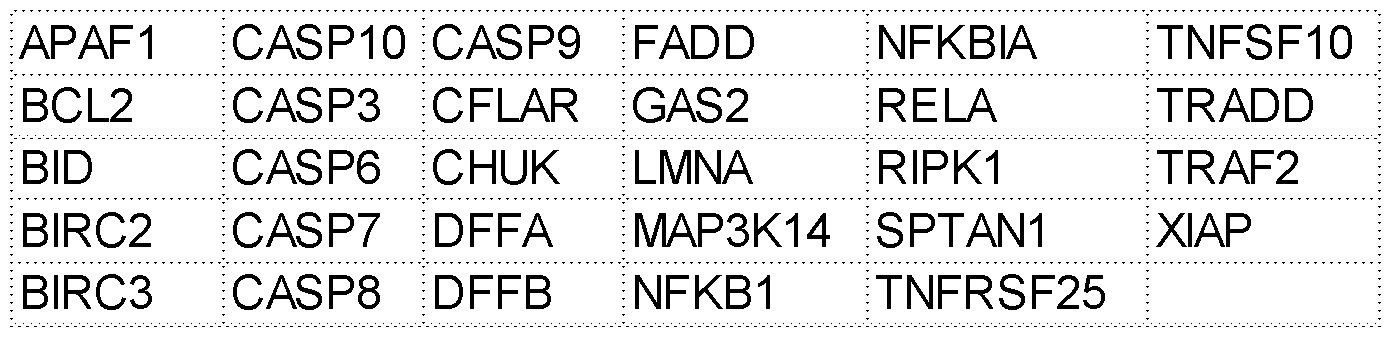


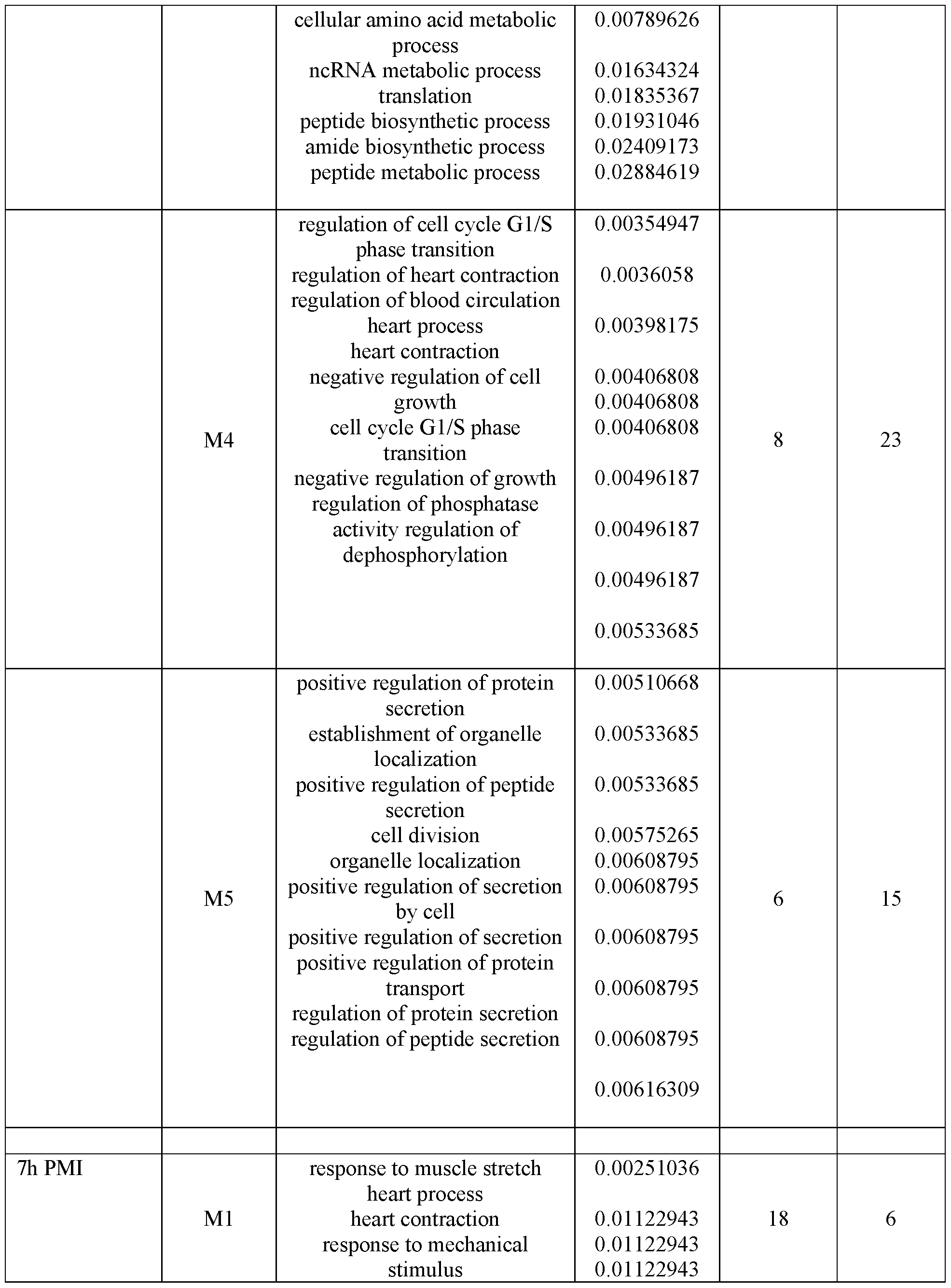


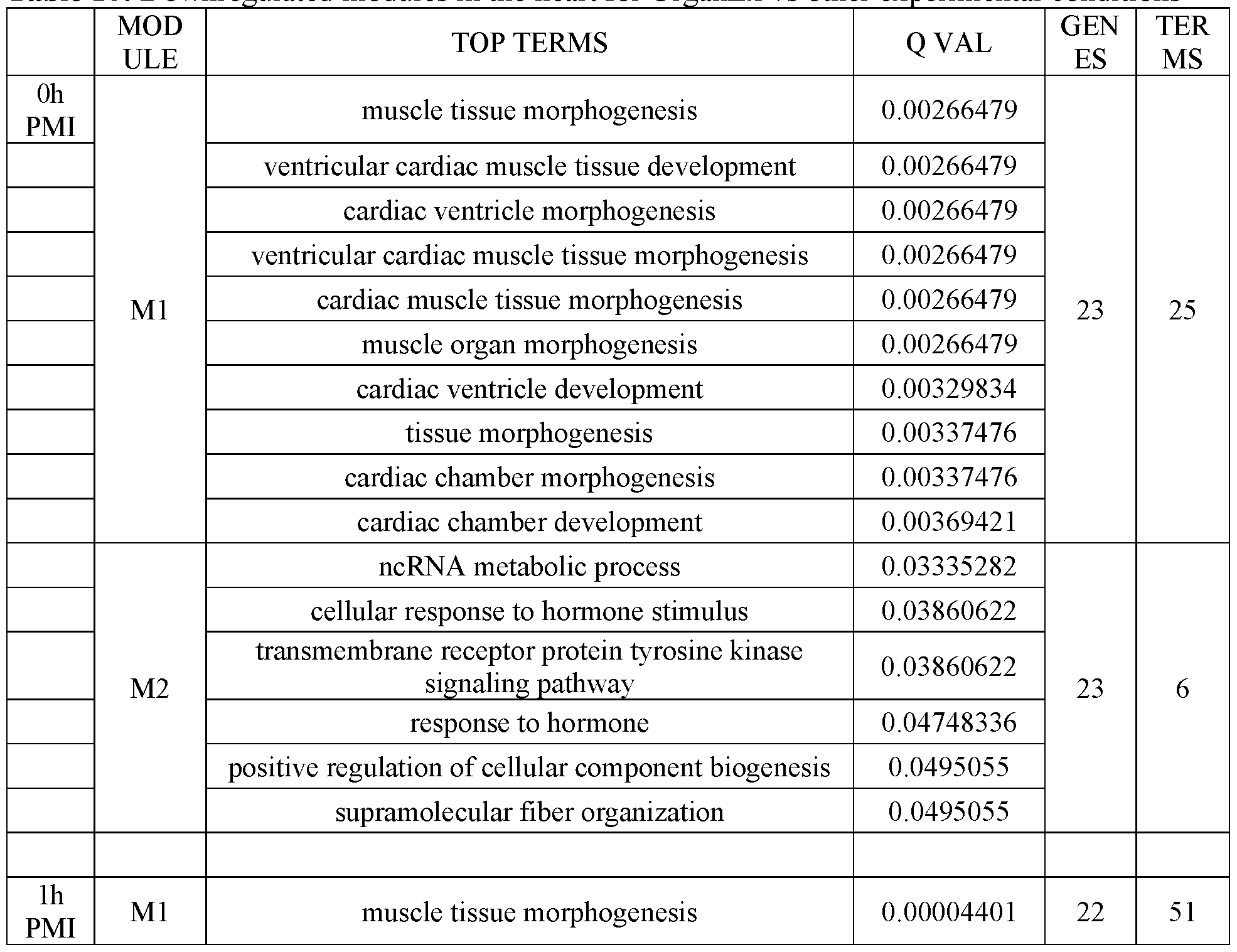


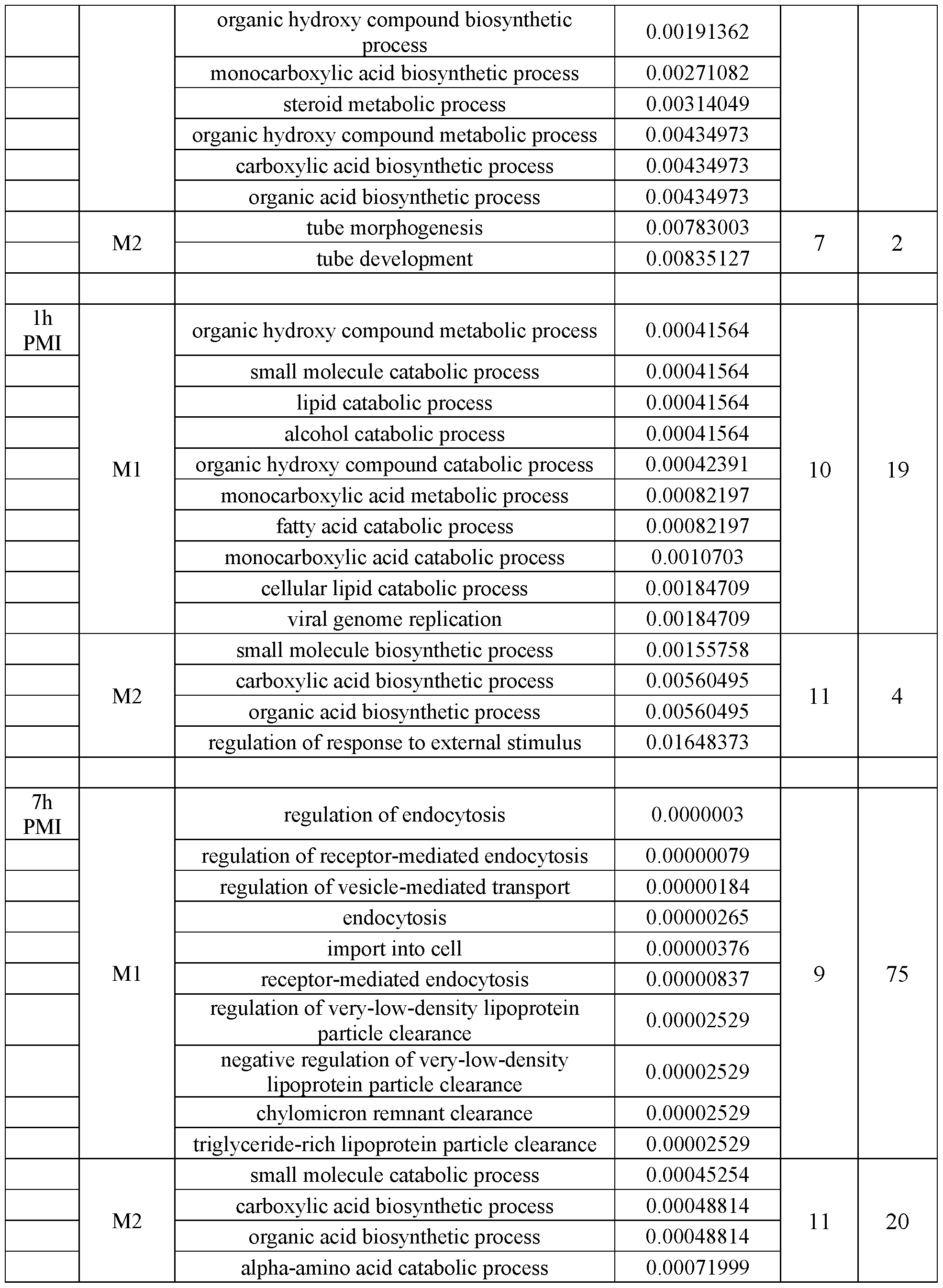

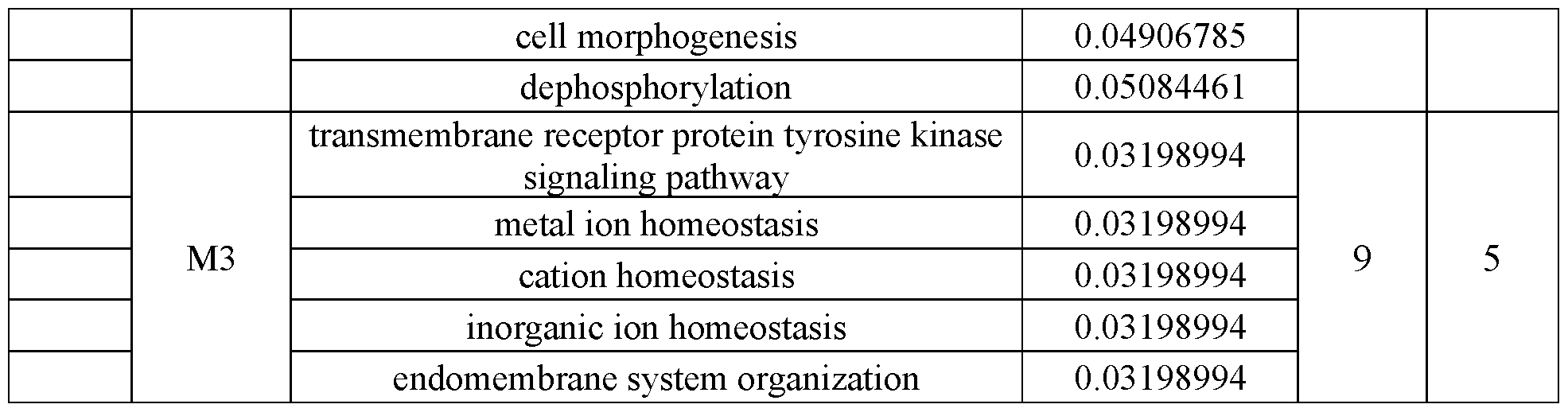


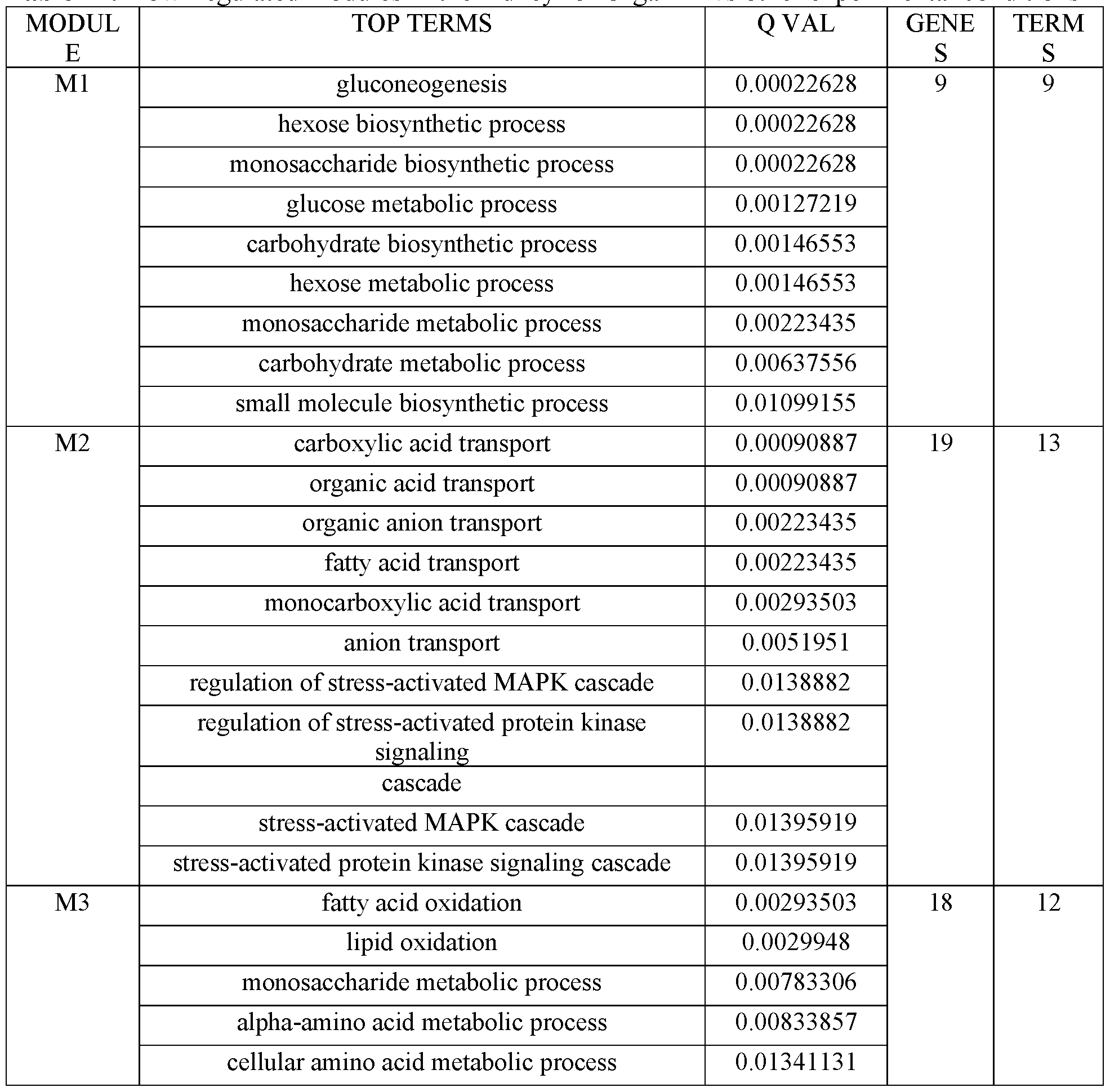


Claims
Priority Applications (5)
| Application Number | Priority Date | Filing Date | Title |
|---|---|---|---|
| CA3231611A CA3231611A1 (en) | 2021-09-17 | 2022-09-16 | Methods, systems and compositions for restoration and preservation of intact organs in a mammal |
| JP2024516762A JP2024535843A (en) | 2021-09-17 | 2022-09-16 | Methods, systems, and compositions for recovering and preserving intact organs in mammals |
| AU2022345865A AU2022345865A1 (en) | 2021-09-17 | 2022-09-16 | Methods, systems and compositions for restoration and preservation of intact organs in a mammal |
| US18/690,785 US20240373840A1 (en) | 2021-09-17 | 2022-09-16 | Methods, systems and compositions for restoration and preservation of intact organs in a mammal |
| EP22870751.9A EP4402242A4 (en) | 2021-09-17 | 2022-09-16 | Methods, systems and compositions for restoring and preserving intact organs in a mammal |
Applications Claiming Priority (2)
| Application Number | Priority Date | Filing Date | Title |
|---|---|---|---|
| US202163245632P | 2021-09-17 | 2021-09-17 | |
| US63/245,632 | 2021-09-17 |
Publications (1)
| Publication Number | Publication Date |
|---|---|
| WO2023044014A1 true WO2023044014A1 (en) | 2023-03-23 |
Family
ID=85603531
Family Applications (1)
| Application Number | Title | Priority Date | Filing Date |
|---|---|---|---|
| PCT/US2022/043816 Ceased WO2023044014A1 (en) | 2021-09-17 | 2022-09-16 | Methods, systems and compositions for restoration and preservation of intact organs in a mammal |
Country Status (6)
| Country | Link |
|---|---|
| US (1) | US20240373840A1 (en) |
| EP (1) | EP4402242A4 (en) |
| JP (1) | JP2024535843A (en) |
| AU (1) | AU2022345865A1 (en) |
| CA (1) | CA3231611A1 (en) |
| WO (1) | WO2023044014A1 (en) |
Cited By (3)
| Publication number | Priority date | Publication date | Assignee | Title |
|---|---|---|---|---|
| WO2024254223A3 (en) * | 2023-06-07 | 2025-04-17 | Case Western Reserve University | Method and systems for isolating nuclear rna from a high degradation tissue |
| WO2025188754A3 (en) * | 2024-03-06 | 2025-12-04 | Bexorg, Inc. | Perfusion and metabolic restoration of organs |
| WO2025247852A1 (en) * | 2024-05-27 | 2025-12-04 | Artidis Ag | Method for stabilising a biological sample |
Families Citing this family (1)
| Publication number | Priority date | Publication date | Assignee | Title |
|---|---|---|---|---|
| CN119193578A (en) * | 2024-11-27 | 2024-12-27 | 山东省农业科学院畜牧兽医研究所 | A tissue lysis solution and a method for extracting DNA from animal tissue |
Citations (7)
| Publication number | Priority date | Publication date | Assignee | Title |
|---|---|---|---|---|
| US6699231B1 (en) * | 1997-12-31 | 2004-03-02 | Heartport, Inc. | Methods and apparatus for perfusion of isolated tissue structure |
| US20040259769A1 (en) * | 1999-11-12 | 2004-12-23 | Baxter International Inc. | Reduced side-effect hemoglobin compositions |
| US20050272148A1 (en) * | 2000-12-06 | 2005-12-08 | Hariri Robert J | Method of collecting placental stem cells |
| WO2011149602A1 (en) * | 2010-05-27 | 2011-12-01 | Bing Lou Wong | High-temperature stable oxygen-carrier-containing pharmaceutical composition |
| US20120238998A1 (en) * | 2005-12-22 | 2012-09-20 | Csl Behring Gmbh | Octanoate-reduced Human Albumin |
| US20150342177A1 (en) * | 2014-06-02 | 2015-12-03 | Transmedics, Inc | Ex vivo organ care system |
| US20170007616A1 (en) * | 2014-01-27 | 2017-01-12 | Susanne GARDNER | Antimicrobial formulations and applications thereof |
Family Cites Families (1)
| Publication number | Priority date | Publication date | Assignee | Title |
|---|---|---|---|---|
| US11850313B2 (en) * | 2019-12-20 | 2023-12-26 | The London Health Sciences Centre Research Inc. | Method and compositions for protecting tissue |
-
2022
- 2022-09-16 EP EP22870751.9A patent/EP4402242A4/en active Pending
- 2022-09-16 AU AU2022345865A patent/AU2022345865A1/en active Pending
- 2022-09-16 US US18/690,785 patent/US20240373840A1/en active Pending
- 2022-09-16 JP JP2024516762A patent/JP2024535843A/en active Pending
- 2022-09-16 WO PCT/US2022/043816 patent/WO2023044014A1/en not_active Ceased
- 2022-09-16 CA CA3231611A patent/CA3231611A1/en active Pending
Patent Citations (7)
| Publication number | Priority date | Publication date | Assignee | Title |
|---|---|---|---|---|
| US6699231B1 (en) * | 1997-12-31 | 2004-03-02 | Heartport, Inc. | Methods and apparatus for perfusion of isolated tissue structure |
| US20040259769A1 (en) * | 1999-11-12 | 2004-12-23 | Baxter International Inc. | Reduced side-effect hemoglobin compositions |
| US20050272148A1 (en) * | 2000-12-06 | 2005-12-08 | Hariri Robert J | Method of collecting placental stem cells |
| US20120238998A1 (en) * | 2005-12-22 | 2012-09-20 | Csl Behring Gmbh | Octanoate-reduced Human Albumin |
| WO2011149602A1 (en) * | 2010-05-27 | 2011-12-01 | Bing Lou Wong | High-temperature stable oxygen-carrier-containing pharmaceutical composition |
| US20170007616A1 (en) * | 2014-01-27 | 2017-01-12 | Susanne GARDNER | Antimicrobial formulations and applications thereof |
| US20150342177A1 (en) * | 2014-06-02 | 2015-12-03 | Transmedics, Inc | Ex vivo organ care system |
Non-Patent Citations (1)
| Title |
|---|
| See also references of EP4402242A4 * |
Cited By (3)
| Publication number | Priority date | Publication date | Assignee | Title |
|---|---|---|---|---|
| WO2024254223A3 (en) * | 2023-06-07 | 2025-04-17 | Case Western Reserve University | Method and systems for isolating nuclear rna from a high degradation tissue |
| WO2025188754A3 (en) * | 2024-03-06 | 2025-12-04 | Bexorg, Inc. | Perfusion and metabolic restoration of organs |
| WO2025247852A1 (en) * | 2024-05-27 | 2025-12-04 | Artidis Ag | Method for stabilising a biological sample |
Also Published As
| Publication number | Publication date |
|---|---|
| EP4402242A1 (en) | 2024-07-24 |
| US20240373840A1 (en) | 2024-11-14 |
| AU2022345865A1 (en) | 2024-03-14 |
| JP2024535843A (en) | 2024-10-02 |
| EP4402242A4 (en) | 2025-08-06 |
| CA3231611A1 (en) | 2023-03-23 |
Similar Documents
| Publication | Publication Date | Title |
|---|---|---|
| Andrijevic et al. | Cellular recovery after prolonged warm ischaemia of the whole body | |
| EP4402242A1 (en) | Methods, systems and compositions for restoration and preservation of intact organs in a mammal | |
| Liu et al. | Gene therapy knockdown of Hippo signaling induces cardiomyocyte renewal in pigs after myocardial infarction | |
| Glorioso et al. | Pivotal preclinical trial of the spheroid reservoir bioartificial liver | |
| Kitahara et al. | Heterotopic transplantation of a decellularized and recellularized whole porcine heart | |
| Bishawi et al. | A normothermic ex vivo organ perfusion delivery method for cardiac transplantation gene therapy | |
| CN106687152B (en) | human liver scaffold | |
| Seki et al. | Adipose tissue-derived mesenchymal stem cell transplantation promotes hepatic regeneration after hepatic ischemia-reperfusion and subsequent hepatectomy in rats | |
| Diaz et al. | Injectable myocardial matrix hydrogel mitigates negative left ventricular remodeling in a chronic myocardial infarction model | |
| US20100093066A1 (en) | Decellularization and recellularization apparatuses and systems containing the same | |
| EP2893806B1 (en) | Method for maintaining organ or tissue for transplantation use for long period | |
| CA2993955A1 (en) | Materials and methods for treating and evaluating ischemic and/or reperfusion-injured tissue and/or tissue susceptible to same | |
| Stone et al. | Recovery of hibernating myocardium using stem cell patch with coronary bypass surgery | |
| Xue et al. | A bioartificial transgenic porcine whole liver expressing human proteins alleviates acute liver failure in pigs | |
| Aggarwal et al. | Stem cell-derived exosome patch with coronary artery bypass graft restores cardiac function in chronically ischemic porcine myocardium | |
| Chen et al. | Nonvirally modified autologous primary hepatocytes correct diabetes and prevent target organ injury in a large preclinical model | |
| Stenvinkel et al. | Implantation of autologous selected renal cells in diabetic chronic kidney disease stages 3 and 4—clinical experience of a “first in human” study | |
| Whalen et al. | A novel rodent model of severe renal ischemia reperfusion injury | |
| Smolenski et al. | Reduction of hyperacute rejection and protection of metabolism and function in hearts of human decay accelerating factor (hDAF)-expressing pigs | |
| Moor et al. | Comparative analysis of kidney transplantation modeled using precision-cut kidney slices and kidney transplantation in pigs | |
| Moyer et al. | Endovascular Nephrectomy in Swine for Evaluation of Implantable Devices for Renal Replacement Therapy: SA-PO018 | |
| Laguens et al. | Cardiac regeneration: the gene therapy approach | |
| US20250067728A1 (en) | Normothermic perfusion of kidneys | |
| Wang et al. | Therapeutic evaluation of a microbioartificial liver with recombinant HepG2 cells for rats with hepatic failure | |
| Otani et al. | Early effects of the ex vivo evaluation system on graft function after swine lung transplantation |
Legal Events
| Date | Code | Title | Description |
|---|---|---|---|
| 121 | Ep: the epo has been informed by wipo that ep was designated in this application |
Ref document number: 22870751 Country of ref document: EP Kind code of ref document: A1 |
|
| WWE | Wipo information: entry into national phase |
Ref document number: 2022345865 Country of ref document: AU Ref document number: AU2022345865 Country of ref document: AU |
|
| WWE | Wipo information: entry into national phase |
Ref document number: 18690785 Country of ref document: US |
|
| WWE | Wipo information: entry into national phase |
Ref document number: 3231611 Country of ref document: CA |
|
| ENP | Entry into the national phase |
Ref document number: 2022345865 Country of ref document: AU Date of ref document: 20220916 Kind code of ref document: A |
|
| ENP | Entry into the national phase |
Ref document number: 2024516762 Country of ref document: JP Kind code of ref document: A |
|
| WWE | Wipo information: entry into national phase |
Ref document number: 2022870751 Country of ref document: EP |
|
| NENP | Non-entry into the national phase |
Ref country code: DE |
|
| ENP | Entry into the national phase |
Ref document number: 2022870751 Country of ref document: EP Effective date: 20240417 |