WO2023045985A1 - 长链类化合物及其用途 - Google Patents
长链类化合物及其用途 Download PDFInfo
- Publication number
- WO2023045985A1 WO2023045985A1 PCT/CN2022/120315 CN2022120315W WO2023045985A1 WO 2023045985 A1 WO2023045985 A1 WO 2023045985A1 CN 2022120315 W CN2022120315 W CN 2022120315W WO 2023045985 A1 WO2023045985 A1 WO 2023045985A1
- Authority
- WO
- WIPO (PCT)
- Prior art keywords
- compound
- cycloalkyl
- group
- cycloalkenyl
- carbon atoms
- Prior art date
- Legal status (The legal status is an assumption and is not a legal conclusion. Google has not performed a legal analysis and makes no representation as to the accuracy of the status listed.)
- Ceased
Links
Images


Classifications
-
- A—HUMAN NECESSITIES
- A61—MEDICAL OR VETERINARY SCIENCE; HYGIENE
- A61P—SPECIFIC THERAPEUTIC ACTIVITY OF CHEMICAL COMPOUNDS OR MEDICINAL PREPARATIONS
- A61P3/00—Drugs for disorders of the metabolism
-
- A—HUMAN NECESSITIES
- A61—MEDICAL OR VETERINARY SCIENCE; HYGIENE
- A61K—PREPARATIONS FOR MEDICAL, DENTAL OR TOILETRY PURPOSES
- A61K31/00—Medicinal preparations containing organic active ingredients
- A61K31/70—Carbohydrates; Sugars; Derivatives thereof
- A61K31/7042—Compounds having saccharide radicals and heterocyclic rings
- A61K31/7052—Compounds having saccharide radicals and heterocyclic rings having nitrogen as a ring hetero atom, e.g. nucleosides, nucleotides
- A61K31/706—Compounds having saccharide radicals and heterocyclic rings having nitrogen as a ring hetero atom, e.g. nucleosides, nucleotides containing six-membered rings with nitrogen as a ring hetero atom
- A61K31/7064—Compounds having saccharide radicals and heterocyclic rings having nitrogen as a ring hetero atom, e.g. nucleosides, nucleotides containing six-membered rings with nitrogen as a ring hetero atom containing condensed or non-condensed pyrimidines
- A61K31/7076—Compounds having saccharide radicals and heterocyclic rings having nitrogen as a ring hetero atom, e.g. nucleosides, nucleotides containing six-membered rings with nitrogen as a ring hetero atom containing condensed or non-condensed pyrimidines containing purines, e.g. adenosine, adenylic acid
-
- A—HUMAN NECESSITIES
- A61—MEDICAL OR VETERINARY SCIENCE; HYGIENE
- A61K—PREPARATIONS FOR MEDICAL, DENTAL OR TOILETRY PURPOSES
- A61K31/00—Medicinal preparations containing organic active ingredients
- A61K31/185—Acids; Anhydrides, halides or salts thereof, e.g. sulfur acids, imidic, hydrazonic or hydroximic acids
- A61K31/19—Carboxylic acids, e.g. valproic acid
- A61K31/194—Carboxylic acids, e.g. valproic acid having two or more carboxyl groups, e.g. succinic, maleic or phthalic acid
-
- A—HUMAN NECESSITIES
- A61—MEDICAL OR VETERINARY SCIENCE; HYGIENE
- A61K—PREPARATIONS FOR MEDICAL, DENTAL OR TOILETRY PURPOSES
- A61K31/00—Medicinal preparations containing organic active ingredients
- A61K31/185—Acids; Anhydrides, halides or salts thereof, e.g. sulfur acids, imidic, hydrazonic or hydroximic acids
- A61K31/19—Carboxylic acids, e.g. valproic acid
- A61K31/20—Carboxylic acids, e.g. valproic acid having a carboxyl group bound to a chain of seven or more carbon atoms, e.g. stearic, palmitic, arachidic acids
- A61K31/201—Carboxylic acids, e.g. valproic acid having a carboxyl group bound to a chain of seven or more carbon atoms, e.g. stearic, palmitic, arachidic acids having one or two double bonds, e.g. oleic, linoleic acids
-
- A—HUMAN NECESSITIES
- A61—MEDICAL OR VETERINARY SCIENCE; HYGIENE
- A61K—PREPARATIONS FOR MEDICAL, DENTAL OR TOILETRY PURPOSES
- A61K31/00—Medicinal preparations containing organic active ingredients
- A61K31/70—Carbohydrates; Sugars; Derivatives thereof
- A61K31/7028—Compounds having saccharide radicals attached to non-saccharide compounds by glycosidic linkages
-
- A—HUMAN NECESSITIES
- A61—MEDICAL OR VETERINARY SCIENCE; HYGIENE
- A61P—SPECIFIC THERAPEUTIC ACTIVITY OF CHEMICAL COMPOUNDS OR MEDICINAL PREPARATIONS
- A61P1/00—Drugs for disorders of the alimentary tract or the digestive system
- A61P1/16—Drugs for disorders of the alimentary tract or the digestive system for liver or gallbladder disorders, e.g. hepatoprotective agents, cholagogues, litholytics
-
- A—HUMAN NECESSITIES
- A61—MEDICAL OR VETERINARY SCIENCE; HYGIENE
- A61P—SPECIFIC THERAPEUTIC ACTIVITY OF CHEMICAL COMPOUNDS OR MEDICINAL PREPARATIONS
- A61P3/00—Drugs for disorders of the metabolism
- A61P3/06—Antihyperlipidemics
-
- A—HUMAN NECESSITIES
- A61—MEDICAL OR VETERINARY SCIENCE; HYGIENE
- A61P—SPECIFIC THERAPEUTIC ACTIVITY OF CHEMICAL COMPOUNDS OR MEDICINAL PREPARATIONS
- A61P9/00—Drugs for disorders of the cardiovascular system
- A61P9/10—Drugs for disorders of the cardiovascular system for treating ischaemic or atherosclerotic diseases, e.g. antianginal drugs, coronary vasodilators, drugs for myocardial infarction, retinopathy, cerebrovascula insufficiency, renal arteriosclerosis
-
- C—CHEMISTRY; METALLURGY
- C07—ORGANIC CHEMISTRY
- C07C—ACYCLIC OR CARBOCYCLIC COMPOUNDS
- C07C55/00—Saturated compounds having more than one carboxyl group bound to acyclic carbon atoms
- C07C55/26—Saturated compounds having more than one carboxyl group bound to acyclic carbon atoms containing rings other than aromatic rings
- C07C55/28—Saturated compounds having more than one carboxyl group bound to acyclic carbon atoms containing rings other than aromatic rings monocyclic
-
- C—CHEMISTRY; METALLURGY
- C07—ORGANIC CHEMISTRY
- C07C—ACYCLIC OR CARBOCYCLIC COMPOUNDS
- C07C57/00—Unsaturated compounds having carboxyl groups bound to acyclic carbon atoms
- C07C57/02—Unsaturated compounds having carboxyl groups bound to acyclic carbon atoms with only carbon-to-carbon double bonds as unsaturation
- C07C57/13—Dicarboxylic acids
-
- C—CHEMISTRY; METALLURGY
- C07—ORGANIC CHEMISTRY
- C07C—ACYCLIC OR CARBOCYCLIC COMPOUNDS
- C07C2601/00—Systems containing only non-condensed rings
- C07C2601/02—Systems containing only non-condensed rings with a three-membered ring
Definitions
- the present invention relates to a class of novel long-chain fatty acid ACLY inhibitors, pharmaceutically acceptable salts, pharmaceutically acceptable esters, crystalline hydrates, solvates or mixtures thereof, and pharmaceutical compositions containing such inhibitors.
- Use in the preparation of drugs for treating metabolic diseases such as hypercholesterolemia, non-alcoholic steatohepatitis (NASH), and liver fibrosis.
- metabolic diseases such as hypercholesterolemia, non-alcoholic steatohepatitis (NASH), and liver fibrosis.
- Acetyl-CoA produced by the mitochondrial tricarboxylic acid cycle is the source substrate for the de novo synthesis of endogenous cholesterol and triglycerides.
- Acetyl-CoA produced by the tricarboxylic acid cycle usually cannot directly pass through the mitochondrial membrane and enter the cytoplasm, but generates citric acid through the catalysis of citrate synthase in the mitochondria; citric acid enters through the mitochondrial membrane through the tricarboxylic acid transporter The cytoplasm is then cleaved into acetyl-CoA and oxaloacetate by ATP-dependent citrate lyase (ACLY) distributed on the endoplasmic reticulum.
- ACLY ATP-dependent citrate lyase
- oxaloacetate generates malate with the help of NADH, and the latter further generates pyruvate with the help of NAPDH.
- Malate and pyruvate can be transported back to the mitochondria through their respective transporters; acetyl-CoA can be directly involved in triglyceride and cholesterol as a substrate.
- de novo synthesis Various metabolic diseases, such as non-alcoholic steatohepatitis (NASH), hypercholesterolemia, and atherosclerosis, are associated with abnormally elevated levels of hepatic lipid synthesis. Therefore, inhibiting the activity of ACLY can significantly reduce the de novo synthesis of hepatocyte lipids, and the ACLY inhibitor can be used to prepare therapeutic drugs for metabolic diseases.
- NASH non-alcoholic steatohepatitis
- hypercholesterolemia hypercholesterolemia
- atherosclerosis are associated with abnormally elevated levels of hepatic lipid synthesis. Therefore, inhibiting the activity of ACLY can significantly reduce the de novo
- Bempedoic acid (ETC-1002) is the first small molecule inhibitor of ACLY listed in the world, and it is mainly used for the treatment of statin-intolerant heterozygous familial hypercholesterolemia; in addition, benzenesulfonamides and other ACLY inhibitors The drug has also been verified to have lipid-lowering pharmacological activity at the cellular level and the preclinical animal level.
- the object of the present invention is to provide the use of a long-chain compound for treating diseases such as cholesterolemia, non-alcoholic steatohepatitis (NASH), liver fibrosis, and atherosclerosis.
- diseases such as cholesterolemia, non-alcoholic steatohepatitis (NASH), liver fibrosis, and atherosclerosis.
- NASH non-alcoholic steatohepatitis
- liver fibrosis liver fibrosis
- atherosclerosis atherosclerosis
- the first aspect of the present invention provides a compound represented by general formula (I), or its deuterated compound, stereoisomer, enantiomer, diastereomer, racemate or its
- a pharmaceutically acceptable salt or a mixture of two or more compounds in the compound represented by general formula (I) for the preparation of a drug for the treatment of metabolic diseases; or for the preparation of a drug for the treatment of atherosclerosis hardened drugs,
- n and n are each independently 1, 2, 3, 4, 5 or 6;
- R 1 , R 2 , R 3 , R 4 , R 5 , and R 6 are each independently H, C1-C4 alkyl, C2-C4 alkenyl, C2-C4 alkynyl, C3-C7 cycloalkyl, C3- C7 cycloalkenyl, phenyl or benzyl;
- R and R form C3-C7 cycloalkyl or C3-C7 cycloalkenyl together with their adjacent carbon atoms;
- R 5 and R 6 form C3-C7 cycloalkyl or C3-C7 cycloalkenyl together with their adjacent carbon atoms;
- R 3 and R 4 form a C3-C7 cycloalkyl group or a C3-C7 cycloalkenyl group together with adjacent carbon atoms;
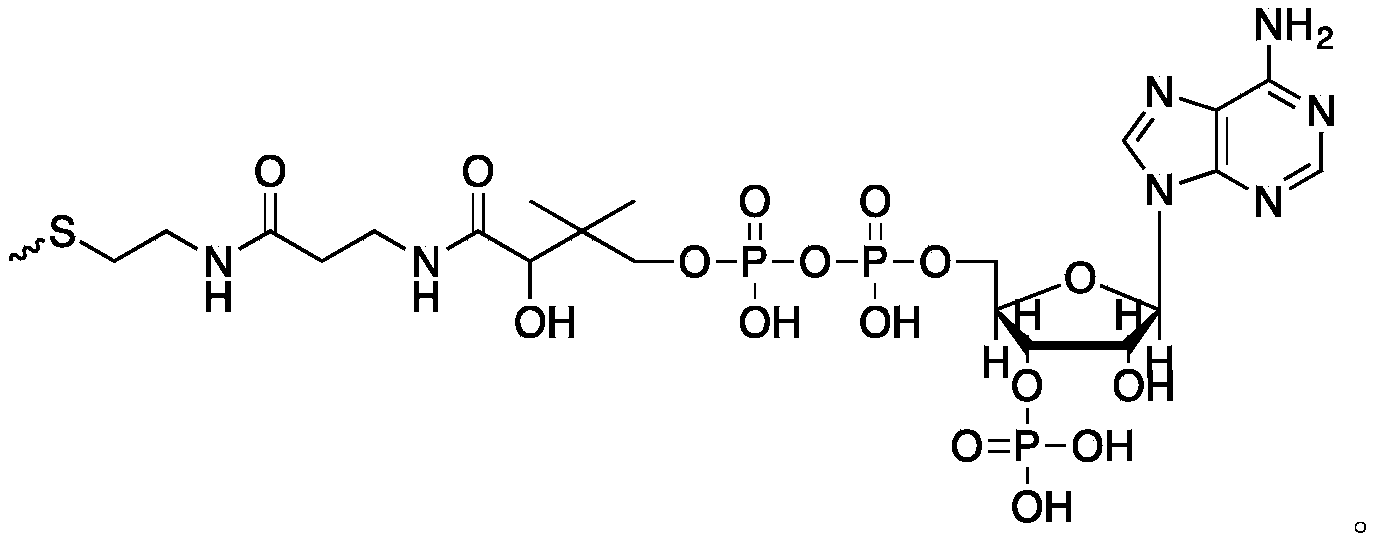
- Y 1 and Y 2 are each independently selected from: -OH, -COOH, -COCoA, -COOR 7 ; wherein, R 7 is methyl, ethyl or The CoA structure looks like this:
- the compound has the structure shown in the general formula II:
- the compound has a structure represented by general formula III:
- the compound has the structure shown in the general formula IV
- p 0, 1, 2 or 3.
- R 1 , R 2 , R 3 , R 4 , R 5 , and R 6 are each independently H, C1-C4 alkyl, deuterated C1-C4 alkyl, C2-C4 alkenyl, C2-C4 alkynyl, C3-C7 cycloalkyl, deuterated C3-C7 cycloalkyl, C3-C7 cycloalkenyl, phenyl or benzyl;
- R and R together with their adjacent carbon atoms form deuterated C3-C7 cycloalkyl, C3-C7 cycloalkyl or C3-C7 cycloalkenyl;
- R 5 and R 6 form deuterated C3-C7 cycloalkyl, C3-C7 cycloalkyl or C3-C7 cycloalkenyl together with their adjacent carbon atoms;
- R 3 and R 4 together with their adjacent carbon atoms form a deuterated C3-C7 cycloalkyl, C3-C7 cycloalkyl or C3-C7 cycloalkenyl.
- R 1 and R 2 are each independently H, methyl, ethyl, deuterated methyl, deuterated ethyl, deuterated propyl or propyl, preferably R 1 and R 2 are both H is either methyl at the same time; or R 1 and R 2 together with their adjacent carbon atoms form a C3-C6 cycloalkyl, C3-C5 cycloalkyl or C3-C4 cycloalkyl.
- R 3 and R 4 are each independently H, methyl, ethyl, deuterated methyl, deuterated ethyl, deuterated propyl or propyl, preferably R 3 and R 4 are both H is either methyl at the same time; or R3 and R4 together with their adjacent carbon atoms form a C3-C6 cycloalkyl group, a C3-C5 cycloalkyl group or a C3-C4 cycloalkyl group.
- R 5 and R 6 are each independently H, methyl, ethyl, deuterated methyl, deuterated ethyl, deuterated propyl or propyl, preferably R 5 and R 6 are both H is either methyl at the same time; or R 5 and R 6 form C3-C6 cycloalkyl, C3-C5 cycloalkyl or C3-C4 cycloalkyl together with their adjacent carbon atoms.
- Y 1 and Y 2 are each independently -COOH, -COCoA or -COOR 7 ; wherein, R 7 is methyl, ethyl or The CoA structure looks like this:
- the compound is selected from the following group:
- the compound is also selected from the following group:
- the metabolic disease is selected from hypercholesterolemia, non-alcoholic steatohepatitis (NASH), and liver fibrosis.
- NASH non-alcoholic steatohepatitis
- the atherosclerosis is caused by hypercholesterolemia.
- the second aspect of the present invention provides a compound represented by general formula (I), or its deuterated compound, stereoisomer, enantiomer, diastereoisomer, racemate or its A pharmaceutically acceptable salt or a mixture of two or more compounds of the compounds represented by general formula (I),
- n and n are each independently 1, 2, 3, 4, 5 or 6;
- R 1 , R 2 , R 3 , R 4 , R 5 , and R 6 are each independently H, C1-C4 alkyl, C2-C4 alkenyl, C2-C4 alkynyl, C3-C7 cycloalkyl, C3- C7 cycloalkenyl, phenyl or benzyl;
- R and R form C3-C7 cycloalkyl or C3-C7 cycloalkenyl together with their adjacent carbon atoms;
- R 5 and R 6 form C3-C7 cycloalkyl or C3-C7 cycloalkenyl together with their adjacent carbon atoms;
- R 3 and R 4 form a C3-C7 cycloalkyl group or a C3-C7 cycloalkenyl group together with adjacent carbon atoms;
- Y 1 and Y 2 are each independently selected from: -OH, -COOH, -COCoA, -COOR 7 ; wherein, R 7 is methyl, ethyl or The CoA structure looks like this:
- the compound has a structure represented by general formula II, III or IV:
- p 0, 1, 2 or 3.
- R 1 , R 2 , R 3 , R 4 , R 5 , and R 6 are each independently H, C1-C4 alkyl, deuterated C1-C4 alkyl, C2-C4 alkenyl, C2-C4 alkynyl, C3-C7 cycloalkyl, C3-C7 cycloalkenyl, phenyl or benzyl;
- R and R together with their adjacent carbon atoms form deuterated C3-C7 cycloalkyl, C3-C7 cycloalkyl or C3-C7 cycloalkenyl;
- R 5 and R 6 form deuterated C3-C7 cycloalkyl, C3-C7 cycloalkyl or C3-C7 cycloalkenyl together with their adjacent carbon atoms;
- R 3 and R 4 together with their adjacent carbon atoms form a deuterated C3-C7 cycloalkyl, C3-C7 cycloalkyl or C3-C7 cycloalkenyl.
- the compound is selected from the following group:
- the compound is also selected from the following group:
- the third aspect of the present invention provides a pharmaceutical composition, comprising the compound described in the first aspect, or its deuterated compound, stereoisomer, enantiomer, diastereoisomer, racemic or a pharmaceutically acceptable salt thereof or a mixture of two or more compounds of the compound represented by general formula (I); and
- the dosage form of the pharmaceutical combination of the present invention can be various, including but not limited to: tablet, capsule, granule, syrup, solution, suspension or aerosol.
- the fourth aspect of the present invention provides a method for treating metabolic diseases, comprising administering the compound described in the second aspect, or its deuterated compound, stereoisomer, enantiomer, non- An enantiomer, a racemate or a pharmaceutically acceptable salt thereof, or a mixture of two or more compounds of the compound represented by general formula (I), or the pharmaceutical combination described in the third aspect things.
- the metabolic disease is selected from hypercholesterolemia, non-alcoholic steatohepatitis (NASH), and liver fibrosis.
- NASH non-alcoholic steatohepatitis
- the fifth aspect of the present invention provides a method for treating atherosclerosis, comprising administering the compound described in the second aspect, or its stereoisomers, enantiomers, diastereoisomers to a subject in need isomer, racemate or a pharmaceutically acceptable salt thereof, or a mixture of two or more compounds of the compound represented by general formula (I), or the pharmaceutical composition described in the third aspect.
- the atherosclerosis is caused by hypercholesterolemia.
- Chinese patent application No. 201610105067 discloses a class of fatty acid compounds, their preparation methods and their uses. This type of compound has the ability to activate APMK activity and inhibit the glucose output of primary hepatocytes in mice. It can be used to prepare and treat obesity or diabetes medications.
- the inventors unexpectedly found that this type of compound has the activity of inhibiting ACLY. Further in vivo and in vitro pharmacological activity evaluations found that the representative compound A3 could inhibit de novo lipid synthesis in primary hepatocytes, improve hyperlipidemia and hypercholesterolemia in golden hamsters and ApoE -/- mice, and significantly improve hyperlipidemia and hypercholesterolemia. NASH symptoms in ob/ob mice and cynomolgus monkeys induced by a sugar-high cholesterol diet.
- this application discloses that the series of compounds have good ACLY inhibitory activity, can inhibit the de novo synthesis of triglyceride and cholesterol in primary hepatocytes, and significantly improve hyperlipidemia in golden hamsters and spontaneous aged rhesus monkeys. Prominent therapeutic effects have been shown in both rodent and non-human primate NASH models.
- this class As a new small molecule inhibitor of ACLY, this class has a significant therapeutic effect on metabolic diseases represented by hypercholesterolemia and non-alcoholic steatohepatitis, and can be used to develop hypercholesterolemia and non-alcoholic steatohepatitis, etc. Drugs for the treatment of metabolic diseases.
- Figure 1 shows the evaluation of the inhibitory effect of compound A3 on the de novo synthesis of lipids in primary hepatocytes; wherein, A: the inhibitory effect of compound A3 on the de novo synthesis of triglycerides was investigated in hepatocytes of WT mice and ACLY knockout mice; B: The inhibitory effect of compound A3 on de novo triglyceride synthesis was investigated in hepatocytes of WT mice and ACLY knockout mice. Compared with the control group, *P ⁇ 0.05, **P ⁇ 0.01, ***P ⁇ 0.001, compared with the corresponding dose group, # P ⁇ 0.05, ## P ⁇ 0.01, ### P ⁇ 0.001.
- Figure 2 shows the evaluation of compound A3 and A4 multiple administrations on the reduction effect of golden hamster serum total cholesterol and low-density lipoprotein cholesterol content, wherein *, compared with the model control group, P ⁇ 0.05; **, compared with the model Compared with the control group, P ⁇ 0.01; ***, compared with the model control group, P ⁇ 0.001.
- Figure 3 shows the impact of long-term administration of test substance compound A3 on the formation of ApoE -/- mice aortic plaques, wherein, *, compared with the model control group, P ⁇ 0.05; **, compared with the model control group Compared with the model control group, P ⁇ 0.01; ***, compared with the model control group, P ⁇ 0.001.
- Figure 5 shows the change of liver NAS score after long-term administration of compound A3, wherein, *, compared with the model control group, P ⁇ 0.05; **, compared with the model control group, P ⁇ 0.01; ***, compared with the model control group, P ⁇ 0.01; ***, compared with the model control group, P ⁇ 0.01; Compared with the model control group, P ⁇ 0.001.
- the inventors of the present application found that the compound of the present application has ACLY inhibitory activity, and this type of compound can inhibit the de novo synthesis of lipids in primary hepatocytes, and has shown therapeutic effect on various animal models of metabolic diseases. As a result, it can be further developed into therapeutic drugs for metabolic diseases such as hypercholesterolemia and non-alcoholic steatohepatitis, and can also be used for the treatment of atherosclerosis. On this basis, the present invention has been accomplished.
- C 1 -C 6 means having 1, 2, 3 or 4 carbon atoms.
- C3 - C7 means having 3, 4, 5, 6 or 7 carbon atoms. and so on.
- alkyl means a saturated linear or branched chain hydrocarbon moiety
- C1-C4 alkyl means a straight chain or branched chain alkyl group with 1 to 4 carbon atoms, without limitation Examples include methyl, ethyl, n-propyl, isopropyl, n-butyl, isobutyl, sec-butyl, tert-butyl.
- alkenyl means a straight or branched chain hydrocarbon moiety containing at least one double bond
- C 2 -C 4 alkenyl means a moiety having 2 to 4 carbon atoms containing a double bond straight chain or branched alkenyl, including, but not limited to, ethenyl, propenyl, butenyl, isobutenyl.
- alkynyl refers to a straight chain or branched alkynyl group containing a triple bond, including non-limitingly ethynyl, propynyl, butynyl, isobutynyl and the like.
- cycloalkyl means a saturated cyclic hydrocarbon moiety
- C 3 -C 7 cycloalkyl means a cyclic alkyl group having 3 to 7 carbon atoms in the ring, not Limitations include cyclopropyl, cyclobutyl, cyclopentyl, cyclohexyl and the like.
- cycloalkenyl means a cyclic hydrocarbon moiety containing at least one double bond
- C 3 -C 7 cycloalkenyl means a cyclic hydrocarbon moiety having 3 to 7 carbon atoms in the ring Alkyl includes, without limitation, cyclopropenyl, cyclobutenyl, cyclopentenyl, cyclohexenyl, and the like.
- the pharmaceutically acceptable salt of the present invention may be a salt formed by an anion and a positively charged group on the compound of formula I.
- Suitable anions are chloride, bromide, iodide, sulfate, nitrate, phosphate, citrate, methanesulfonate, trifluoroacetate, acetate, malate, toluenesulfonate, tartrate, fumarate Acid, glutamate, glucuronate, lactate, glutarate or maleate.
- salts can be formed from cations with negatively charged groups on compounds of formula I. Suitable cations include sodium, potassium, magnesium, calcium and ammonium, such as tetramethylammonium.
- diethylzinc reagent (1mL, 1mmol) was cooled to -40°C in 1mL DCM, after 5min, 0.5mL DCM solution of diiodomethane (0.54g, 2mmol) was added dropwise, and reacted at -40°C After 1h, add trichloroacetic acid (16mg, 0.1mmol) and DME (45mg, 0.5mmol), rise to -15°C for 1h after addition, add B7 (193mg, 0.5mmol) in 0.5mL DCM solution, after addition, room temperature Stir overnight.
- the above imidazole intermediate was dissolved in dry THF (8.5 mL), and a NaHCO 3 (0.1 M, 3 mL) solution of trilithium salt of coenzyme A (20 mg, 0.026 mmol) was added dropwise.
- the reaction solution was stirred at room temperature for 24 h.
- the reaction solution was extracted with ethyl acetate (2 ⁇ 3 mL).
- the aqueous layer was adjusted to pH 2 by adding 1M HCl.
- the aqueous layer ( ⁇ 1mL) was directly passed through the column (SPE, Agilent HF Bond Elur C18 column, size: 5gm/20mL, USA), and the concentration of the eluent was 0%, 5%, 10%, 20%, 30%, 40%, 50%, and 100% MeCN (10 mL each). A13 was obtained, and its structure was confirmed by 1 H NMR spectroscopy LR-ESI-MS.
- Compound A13 Solvent systems on Zorbax-SB C18 column, 4.6*50mm, 3.5 ⁇ : Gradient, A: 10mM NH 4 COOH in H 2 O, B: CH 3 OH, 0min: 50% A and 50% B; 0- 30min: A 50% ⁇ 0%, B 50% ⁇ 100%, 0.5mL/min.
- Embodiment 2 biological activity evaluation in vitro
- ACLY catalyzed citrate cracking process needs to consume a molecule of ATP to activate citric acid.
- the inventors used the ADP-Glo detection kit to detect the amount of ATP converted into ADP to reflect the catalytic activity of ACLY. After the establishment of the assay system and the optimization of the reaction conditions, the inventors evaluated the inhibitory activity of ACLY on the obtained new small molecule inhibitor of ACLY.
- Bioassay protocol Human ACLY protein was purchased from Beijing Yiqiao Shenzhou Technology Co., Ltd. (Cat. No.: 11769-H07B), and the ADP-Glo detection kit was purchased from Promega (Cat. No.: V9102).
- the final reaction system is shown in Table 1.
- the total reaction volume is 5 ⁇ L, which is composed of three parts: 1 ⁇ L 2% DMSO, 2 ⁇ L substrate mixture, and 2 ⁇ L enzyme (final concentration: 25 nM). Then add 1 ⁇ L of different concentrations of compounds for incubation. Reaction conditions: 30min, 37°C.
- Test results first calculate the cumulative amount of fluorescence intensity RFU/min of the enzyme in the 30min reaction time, which represents the initial velocity of the enzyme, and then calculate the ratio of the enzyme velocity (vsample) after adding the compound to the enzyme velocity (vDMSO) without adding the compound
- the logarithm value of the concentration was plotted against the activity percentage, and then the fitting curve was calculated by nonlinear regression, and the curve was fitted using the software GraphPad Prism 8.0 formula log(inhibitor) vs. response--Variable slope, and the IC 50 value was calculated, and the result As shown in the following table:
- ACLY is responsible for cleaving mitochondrial-derived citric acid to generate acetyl-CoA, which is a key raw material for cellular lipid synthesis. Inhibiting the activity of ACLY can significantly reduce the de novo synthesis of lipids (triglycerides and cholesterol).
- the inventors isolated mouse primary hepatocytes and used [1,2- 14 C]-sodium acetate as a substrate tracer to evaluate the ability of de novo lipid synthesis. At the same time, the compound ETC-1002 was used as a positive control.
- mice liver was perfused with calcium-free perfusate, the mouse liver was digested with collagenase, and primary mouse liver cells were obtained by density gradient centrifugation. In a 6-well plate (0.2% gelatin was spread before the plate), the cells were adhered to the wall for 6 hours after the plate was plated, and replaced with serum-free LG-DMEM (containing 2x double antibody) to starve overnight.
- LG-DMEM containing 2x double antibody
- Isotope tracer the next day, change to serum-free LG-DMEM containing 10nM insulin, and the corresponding concentration of compound (1950 ⁇ L, 4 replicate wells per group); add 0.1 ⁇ Ci of [1,2- 14 C]-B to each well salt serum-free medium and incubated in an incubator for 4 hours.
- Lipid saponification add 1.6mL ice-cold PBS to each well to wash 3 times, dry the plate and add 600 ⁇ L 0.5M KOH to each well for lysis, and the lysis time is 1h. Pipette 480 ⁇ L into a glass test tube pre-added with 400 ⁇ L 20% KOH (methanol as a solvent), oscillate and mix well, and place in a 95-degree water bath for saponification for 3 hours; the remaining lysate is used for protein concentration determination.
- KOH methanol as a solvent
- Quantification of isotope incorporation Add 1700 ⁇ L of scintillation fluid to each tube and read.
- Example 3 The efficacy of compounds A3 and A4 in improving hypercholesterolemia
- Dosing regimen the golden hamster hyperlipidemia model is recognized as one of the ideal animal models for the study of hyperlipidemia drug treatment (pharmacodynamic evaluation).
- pharmacodynamic evaluation In order to preliminarily investigate the potential regulatory effect of candidate compounds on the balance of liver lipid metabolism, a preliminary pharmacodynamic evaluation was carried out using the hyperlipidemia model of golden hamsters induced by a high-fat and high-cholesterol diet.
- the specific plan is to model 56 golden hamsters, male, with high-fat and high-cholesterol diet (Research diet, product number C11953) for two weeks, and reserve 8 as the blank control group.
- group administration (7 groups, n 8), i.e.
- model control group positive control ETC-1002 30mg/kg group, compound A3 10mg/kg and 30mg/kg group, compound A4 10mg/kg and 30mg/kg group ,Blank control group.
- the compounds in each group were prepared with physiological saline (0.9% NaCl), the administration frequency was 1 time/day, and the administration cycle was 7 days.
- Hypercholesterolemia is an important cause of atherosclerosis.
- compound A3 can significantly improve hyperlipidemia and hypercholesterolemia, the inventors further found that compound A3 can significantly slow down the occurrence of atherosclerosis in ApoE -/- mice.
- long-term drug treatment was carried out, that is, the model control group, the positive control ETC-1002 30mg/kg group, the compound A3 15mg/kg, 30mg/kg and 60mg/kg groups, and the blank control group.
- the compounds in each group were formulated with physiological saline (0.9% NaCl), the administration frequency was once/day, and the administration cycle was 24 weeks.
- Test results show that, compared with the control group, after compound administration for 24 weeks, the three dose groups of compound A3 can significantly reduce the aortic valve plaque area of ApoE -/- mice (the right figure is Statistical diagram of the left figure), indicating that compound A3 has the effect of significantly improving the occurrence of atherosclerosis induced by hypercholesterolemia.
- Example 4 Compound A3 improves diet-induced non-alcoholic steatohepatitis efficacy evaluation
- NASH non-alcoholic steatohepatitis
- Test results ob/ob mice appear whitish and grainy due to excessive lipid accumulation, and the above phenomenon can be significantly reversed after administration of compound A3 (A in Figure 4); further, the inventors carried out pathological analysis of the liver: Compared with the model control group, the H&E staining study found that the fatty degeneration and ballooning of the liver in the compound A3 administration group were significantly reduced (fatty liver, A in Figure 4); the macrophage CD68 staining study found that the liver inflammatory cells in the compound A3 administration group The infiltration was significantly reduced (inflammation, A in Figure 4, B in Figure 4); Sirius red staining showed that the collagen deposition in the liver of the compound A3 administration group was significantly reduced (fibrosis, A in Figure 4, C in Figure 4). The above results indicate that compound A3 has the pharmacological activity of significantly improving diet-induced NASH in ob/ob mice.
- the inventors further evaluated the therapeutic effect of long-term administration of compound A3 on non-alcoholic steatohepatitis in cynomolgus monkeys in a non-human primate model.
- the high-fat, high-sugar, high-cholesterol, and high-food diet was fed for 14 weeks and administered simultaneously (20 mg/kg), the administration frequency was 1 time/day, and the administration cycle was 14 weeks.
- Test results The results of liver puncture showed that long-term administration of compound A3 can significantly reduce the liver lipid accumulation in cynomolgus monkeys, and reduce the occurrence of inflammation and fibrosis, and the non-alcoholic fatty liver disease activity (NAS) score after administration Significantly lower ( Figure 5).
- NAS non-alcoholic fatty liver disease activity
- Embodiment 5 Compound A3 Oral Pharmacokinetic Animal Parameters Investigation
- Test results by detecting the plasma drug concentration at different times, and calculating the pharmacokinetic parameters of the two compounds (Table 4). The investigation found that the plasma exposure of the test compound A3 was significantly higher than that of the positive control drug ETC-1002 (C max : 13.4 ⁇ g/mL vs 3.81 ⁇ g/mL; AUC 0-t : 63.7h* ⁇ g/mL vs 14.4h* ⁇ g/mL, the former is compound A3).
- the series of compounds of this application have good ACLY inhibitory activity, and have shown good therapeutic effects on various metabolic disease drug models, and can be further developed into metabolic diseases such as hypercholesterolemia and nonalcoholic steatohepatitis. Drugs for the treatment of diseases.
Landscapes
- Health & Medical Sciences (AREA)
- Chemical & Material Sciences (AREA)
- Life Sciences & Earth Sciences (AREA)
- General Health & Medical Sciences (AREA)
- Veterinary Medicine (AREA)
- Pharmacology & Pharmacy (AREA)
- Medicinal Chemistry (AREA)
- Animal Behavior & Ethology (AREA)
- Public Health (AREA)
- Organic Chemistry (AREA)
- Engineering & Computer Science (AREA)
- Bioinformatics & Cheminformatics (AREA)
- General Chemical & Material Sciences (AREA)
- Epidemiology (AREA)
- Nuclear Medicine, Radiotherapy & Molecular Imaging (AREA)
- Chemical Kinetics & Catalysis (AREA)
- Molecular Biology (AREA)
- Hematology (AREA)
- Obesity (AREA)
- Diabetes (AREA)
- Urology & Nephrology (AREA)
- Vascular Medicine (AREA)
- Cardiology (AREA)
- Heart & Thoracic Surgery (AREA)
- Gastroenterology & Hepatology (AREA)
- Pharmaceuticals Containing Other Organic And Inorganic Compounds (AREA)
- Organic Low-Molecular-Weight Compounds And Preparation Thereof (AREA)
- Acyclic And Carbocyclic Compounds In Medicinal Compositions (AREA)
- Saccharide Compounds (AREA)
Abstract
Description


| 化合物名称 | IC 50(μM) |
| A1 | 42.3±6.5 |
| A2 | 104.5±7.1 |
| A3 | 85.4±9.8 |
| A4 | 53.9±13.8 |
| A5 | 16.7±1.8 |
| A6 | 25.5±6.8 |
| A7 | 12.0±2.2 |
| A8 | 21.3±9.7 |
| A9 | 25.8±9.2 |
| A10 | 9.6±5.1 |
| A11 | 40.19±2.9 |
| A12 | 56.90±4.7 |
| A13 | 5.31±1.2 |
| A14 | 5.63±1.2 |
| A15 | 36.7±0.8 |
| ETC-1002-CoA | 10.56±2.9 |

| 化合物名称 | 脂质合成抑制率(%) |
| Control | 0±19.1 |
| A2 | 80.9±5.9 |
| A3 | 71.2±4.3 |
| A4 | 78.2±4.3 |
| A5 | 56.6±7.6 |
| A6 | 68.7±20.9 |
| A8 | 21.6±1.3 |
| A9 | 30.9±4.2 |
| A10 | 21.1±11.7 |
| A12 | 38.7±11.4 |
| A15* | 58.2±7.4 |
| ETC-1002 | 46.3±15.3 |


Claims (12)
- 一种通式(I)所示的化合物,或其立体异构体、对映异构体、非对映异构体、外消旋体或其药学上可接受的盐的用途,用于制备治疗代谢性疾病的药物;或者用于制备治疗动脉粥样硬化的药物,
 其中,表示双键或单键;
 m、n各自独立地为1、2、3、4、5或6;R 1、R 2、R 3、R 4、R 5、R 6各自独立地为H、C1-C4烷基、C2-C4烯基、C2-C4炔基、C3-C7环烷基、C3-C7环烯基、苯基或苄基;或者,R 1和R 2与其相邻的碳原子一起形成C3-C7环烷基或C3-C7环烯基;或者,R 5和R 6与其相邻的碳原子一起形成C3-C7环烷基或C3-C7环烯基;或者,R 3和R 4与其相邻的碳原子一起形成C3-C7环烷基或C3-C7环烯基;Y 1和Y 2各自独立地选自:-OH、-COOH、-COCoA、-COOR 7;其中,R 7为甲基、乙基或CoA结构如下所示:

- 如权利要求1所述的用途,其特征在于,所述化合物具有通式II所示的结构:

- 如权利要求1所述的用途,其特征在于,所述化合物具有通式III所示的结构:

- 如权利要求1所述的用途,其特征在于,所述化合物具有通式IV所示的结构
 式中,p为0、1、2或3。
- 如权利要求1-4任一项所述的用途,其特征在于,所述化合物为氘代化合物。
- 如权利要求1-5任一项所述的用途,其特征在于,所述化合物选自下组:


- 如权利要求1所述的用途,其特征在于,所述代谢性疾病选自:高胆固醇血症、非酒精性脂肪肝炎(NASH)、肝纤维化。
- 一种通式(I)所示的化合物,或其立体异构体、对映异构体、非对映异构体、外消旋体或其药学上可接受的盐,
 其中,表示双键或单键;
 m、n各自独立地为1、2、3、4、5或6;R 1、R 2、R 3、R 4、R 5、R 6各自独立地为H、C1-C4烷基、C2-C4烯基、C2-C4炔基、C3-C7环烷基、C3-C7环烯基、苯基或苄基;或者,R 1和R 2与其相邻的碳原子一起形成C3-C7环烷基或C3-C7环烯基;或者,R 5和R 6与其相邻的碳原子一起形成C3-C7环烷基或C3-C7环烯基;或者,R 3和R 4与其相邻的碳原子一起形成C3-C7环烷基或C3-C7环烯基;Y 1和Y 2各自独立地选自:-OH、-COOH、-COCoA、-COOR 7;其中,R 7为甲基、乙基或CoA结构如下所示:


- 如权利要求8所述的化合物,或其立体异构体、对映异构体、非对映异构体、外消旋体或其药学上可接受的盐,其特征在于,所述化合物具有通式II、III或IV所示的结构:
 式中,p为0、1、2或3。
- 如权利要求8或9所述的化合物,或其立体异构体、对映异构体、非对映异构体、外消旋体或其药学上可接受的盐,其特征在于,所述化合物为氘代化合物。
- 如权利要求8-10任一项所述的化合物,或其立体异构体、对映异构体、非对映异构体、外消旋体或其药学上可接受的盐,其特征在于,所述化合物选自下组:


- 一种药物组合物,包含权利要求8-11任一项所述的化合物,或其立体异构体、对映异构体、非对映异构体、外消旋体或其药学上可接受的盐;和药学上可接受的盐。
Priority Applications (3)
| Application Number | Priority Date | Filing Date | Title |
|---|---|---|---|
| US18/694,947 US20250144127A1 (en) | 2021-09-23 | 2022-09-21 | Long-chain compound and use thereof |
| JP2024518781A JP7808892B2 (ja) | 2021-09-23 | 2022-09-21 | 長鎖化合物およびその使用 |
| EP22872030.6A EP4406537A4 (en) | 2021-09-23 | 2022-09-21 | LONG CHAIN COMPOUND AND ITS USAGE |
Applications Claiming Priority (2)
| Application Number | Priority Date | Filing Date | Title |
|---|---|---|---|
| CN202111116447.1A CN115887435A (zh) | 2021-09-23 | 2021-09-23 | 长链类化合物及其用途 |
| CN202111116447.1 | 2021-09-23 |
Publications (1)
| Publication Number | Publication Date |
|---|---|
| WO2023045985A1 true WO2023045985A1 (zh) | 2023-03-30 |
Family
ID=85720070
Family Applications (1)
| Application Number | Title | Priority Date | Filing Date |
|---|---|---|---|
| PCT/CN2022/120315 Ceased WO2023045985A1 (zh) | 2021-09-23 | 2022-09-21 | 长链类化合物及其用途 |
Country Status (5)
| Country | Link |
|---|---|
| US (1) | US20250144127A1 (zh) |
| EP (1) | EP4406537A4 (zh) |
| JP (1) | JP7808892B2 (zh) |
| CN (1) | CN115887435A (zh) |
| WO (1) | WO2023045985A1 (zh) |
Families Citing this family (3)
| Publication number | Priority date | Publication date | Assignee | Title |
|---|---|---|---|---|
| CN115894220A (zh) * | 2021-09-23 | 2023-04-04 | 中国科学院上海药物研究所 | 一类作用于acly的长链类化合物、其制备方法及其用途 |
| CN116746550A (zh) * | 2023-08-08 | 2023-09-15 | 厦门大学附属翔安医院 | 一种构建小鼠非酒精性脂肪性肝炎模型的方法 |
| WO2025223509A1 (zh) * | 2024-04-25 | 2025-10-30 | 博骥源(上海)生物医药有限公司 | 一类作用于acly的双烯基长链类化合物及其制备方法和用途 |
Citations (6)
| Publication number | Priority date | Publication date | Assignee | Title |
|---|---|---|---|---|
| US4634795A (en) * | 1981-12-15 | 1987-01-06 | Epis S.A. | Long-chain α,ω-di-carboxylic acids and derivatives thereof and pharmaceutical compositions containing them |
| US4711896A (en) * | 1984-06-22 | 1987-12-08 | Epis S.A. | α, ω-dicarboxylic acids and medicaments which contain these compounds |
| CN101677982A (zh) * | 2007-02-26 | 2010-03-24 | 塞多麦克斯有限公司 | 治疗心血管病症的组合疗法、组合物和方法 |
| CN107118098A (zh) | 2016-02-25 | 2017-09-01 | 中国科学院上海药物研究所 | 一类脂肪酸类化合物、其制备方法及其用途 |
| CN110054562A (zh) * | 2018-03-23 | 2019-07-26 | 深圳市塔吉瑞生物医药有限公司 | 取代的十五烷二酸化合物及药物组合物及其用途 |
| WO2021021563A1 (en) * | 2019-07-26 | 2021-02-04 | Espervita Therapeutics, Inc. | Functionalized long-chain hydrocarbon mono- and di-carboxylic acids useful for the prevention or treatment of disease |
Family Cites Families (1)
| Publication number | Priority date | Publication date | Assignee | Title |
|---|---|---|---|---|
| DE4436578A1 (de) * | 1994-10-13 | 1996-04-18 | Boehringer Mannheim Gmbh | Neue alpha,alpha,alpha',alpha'-Tetrachlordicarbonsäuren, Verfahren zu ihrer Herstellung und diese enthaltende Arzneimittel |
-
2021
- 2021-09-23 CN CN202111116447.1A patent/CN115887435A/zh active Pending
-
2022
- 2022-09-21 WO PCT/CN2022/120315 patent/WO2023045985A1/zh not_active Ceased
- 2022-09-21 US US18/694,947 patent/US20250144127A1/en active Pending
- 2022-09-21 EP EP22872030.6A patent/EP4406537A4/en active Pending
- 2022-09-21 JP JP2024518781A patent/JP7808892B2/ja active Active
Patent Citations (6)
| Publication number | Priority date | Publication date | Assignee | Title |
|---|---|---|---|---|
| US4634795A (en) * | 1981-12-15 | 1987-01-06 | Epis S.A. | Long-chain α,ω-di-carboxylic acids and derivatives thereof and pharmaceutical compositions containing them |
| US4711896A (en) * | 1984-06-22 | 1987-12-08 | Epis S.A. | α, ω-dicarboxylic acids and medicaments which contain these compounds |
| CN101677982A (zh) * | 2007-02-26 | 2010-03-24 | 塞多麦克斯有限公司 | 治疗心血管病症的组合疗法、组合物和方法 |
| CN107118098A (zh) | 2016-02-25 | 2017-09-01 | 中国科学院上海药物研究所 | 一类脂肪酸类化合物、其制备方法及其用途 |
| CN110054562A (zh) * | 2018-03-23 | 2019-07-26 | 深圳市塔吉瑞生物医药有限公司 | 取代的十五烷二酸化合物及药物组合物及其用途 |
| WO2021021563A1 (en) * | 2019-07-26 | 2021-02-04 | Espervita Therapeutics, Inc. | Functionalized long-chain hydrocarbon mono- and di-carboxylic acids useful for the prevention or treatment of disease |
Non-Patent Citations (8)
| Title |
|---|
| DATABASE REGISTRY ANONYMOUS : "INDEX NAME NOT YET ASSIGNED", XP093053595, retrieved from STN * |
| JOSHUA P. SAMSOONDAR, AMY C. BURKE, BRIAN G. SUTHERLAND, DAWN E. TELFORD, CYNTHIA G. SAWYEZ, JANE Y. EDWARDS, STEPHEN L. PINKOSKY,: "Prevention of Diet-Induced Metabolic Dysregulation, Inflammation, and Atherosclerosis in Ldlr −/− Mice by Treatment With the ATP-Citrate Lyase Inhibitor Bempedoic AcidHighlights", TRANSLATIONAL SCIENCES, LIPPINCOTT, WILLIAMS & WILKINS, vol. 37, no. 4, 1 April 2017 (2017-04-01), pages 647 - 656, XP055413415, ISSN: 1079-5642, DOI: 10.1161/ATVBAHA.116.308963 * |
| PINKOSKY STEPHEN L., NEWTON ROGER S., DAY EMILY A., FORD REBECCA J., LHOTAK SARKA, AUSTIN RICHARD C., BIRCH CAROLYN M., SMITH BREN: "Liver-specific ATP-citrate lyase inhibition by bempedoic acid decreases LDL-C and attenuates atherosclerosis", NATURE COMMUNICATIONS, vol. 7, no. 1, 28 November 2016 (2016-11-28), XP093053582, DOI: 10.1038/ncomms13457 * |
| SAMBROOK ET AL.: "Molecular Cloning: Laboratory Manual", 1989, COLD SPRING HARBOR LABORATORY PRESS |
| See also references of EP4406537A4 |
| SONG GAO‐LEI, CAO LEI, ZHANG MEI, YANG YU‐ROU, MA JIE, XIE ZHI‐FU, LI JING‐YA, NAN FA‐JUN: "Discovery of Novel Long-Chain Alkenyl Diacid Derivatives as ACLY Inhibitors", CHINESE JOURNAL OF CHEMISTRY, ZHONGGUO KEXUEYUAN, CN, vol. 40, no. 22, 1 August 2022 (2022-08-01), CN , pages 2663 - 2670, XP093053592, ISSN: 1001-604X, DOI: 10.1002/cjoc.202200362 * |
| XIE ZHIFU, ZHANG MEI, SONG QIAN, CHENG LONG, ZHANG XINWEN, SONG GAOLEI, SUN XINYU, GU MIN, ZHOU CHENDONG, ZHANG YANGMING, ZHU KEXI: "Development of the novel ACLY inhibitor 326E as a promising treatment for hypercholesterolemia", ACTA PHARMACEUTICA SINICA B, vol. 13, no. 2, 1 February 2023 (2023-02-01), pages 739 - 753, XP093053588, ISSN: 2211-3835, DOI: 10.1016/j.apsb.2022.06.011 * |
| YANG, WEILI ET AL.,: "A distinct type of glycerol-3-phosphate acyltransferase with sn-2 preference and phosphatase activity producing 2-monoacylglycerol,", PNAS, vol. 107, no. 26, 29 June 2010 (2010-06-29), XP055581252, DOI: 10.1073/pnas.0914149107 * |
Also Published As
| Publication number | Publication date |
|---|---|
| JP2024536860A (ja) | 2024-10-08 |
| CN115887435A (zh) | 2023-04-04 |
| EP4406537A1 (en) | 2024-07-31 |
| EP4406537A4 (en) | 2025-12-03 |
| US20250144127A1 (en) | 2025-05-08 |
| JP7808892B2 (ja) | 2026-01-30 |
Similar Documents
| Publication | Publication Date | Title |
|---|---|---|
| AU2021218228B2 (en) | Oxysterols and methods of use thereof | |
| AU2021218230B2 (en) | Oxysterols and methods of use thereof | |
| CN121568944A (zh) | 用作shp2抑制剂的杂环化合物、包含其的药物组合物及其制备方法和用途 | |
| EP4406537A1 (en) | Long-chain compound and use thereof | |
| JP2022511469A (ja) | 環状パンテテイン誘導体及びその使用 | |
| WO2022228544A1 (zh) | 异喹啉酮类化合物及其用途 | |
| UA75660C2 (en) | Triamide-substituted indoles, benzofuranes and benzothiophenes as inhibitors of microsomal triglyceride transfer protein (mtp) and/or apolipoprotein b (apo b) secretion | |
| US20190359646A1 (en) | Oxysterols and methods of use thereof | |
| JP2001511172A (ja) | 特に神経興奮薬性アミノ酸に感受性をもつ中枢神経系受容体のエフェクターを構成する化合物、その製造およびその生物学的利用 | |
| JP7744689B2 (ja) | 脂質代謝関連疾患の予防又は治療用化合物 | |
| JP2016512227A (ja) | ピリジン−4−イル誘導体 | |
| JP2019523245A (ja) | オーファン核内受容体Nur77のリガンド及びその使用 | |
| BR112021016457A2 (pt) | Composto, medicamento e método para tratar dor ou um distúrbio do sistema nervoso central em um paciente que precisa do mesmo | |
| WO2019109415A1 (zh) | 一种靶向降解hmgcr的化合物及其应用 | |
| KR20140113692A (ko) | 전압-게이팅 나트륨 채널 조절제로서의 2-(피리딘-2-일)-1,7-디아자-스피로[4.4]노난-6-온 화합물 | |
| AU2022209835B2 (en) | Functionalized long-chain carboxylic acids, and their use for treatment of disease | |
| JP2025508025A (ja) | Dhcr24阻害化合物 | |
| CN101115709A (zh) | 氨基羧酸衍生物及其医药用途 | |
| JP2004083465A (ja) | Smアーゼインヒビターとしてのシホスタチンアナログ | |
| JP2003335680A (ja) | Acat−1阻害剤 | |
| FR3067028B1 (fr) | Modulateurs de recepteurs nmda, compositions les comprenant et utilisation de ces composes dans le traitement de maladies impliquant le systeme nerveux central | |
| TW202411231A (zh) | 用作泛素-特異性蛋白酶抑制劑的取代嘌呤酮衍生物 | |
| WO2024213088A1 (zh) | 嘧啶三并环衍生物的结晶及用途 | |
| TW202600128A (zh) | 一種包括tdg抑制劑和免疫檢查點抑制劑的藥物組合及其用途 | |
| JPH0368844B2 (zh) |
Legal Events
| Date | Code | Title | Description |
|---|---|---|---|
| 121 | Ep: the epo has been informed by wipo that ep was designated in this application |
Ref document number: 22872030 Country of ref document: EP Kind code of ref document: A1 |
|
| WWE | Wipo information: entry into national phase |
Ref document number: 18694947 Country of ref document: US |
|
| ENP | Entry into the national phase |
Ref document number: 2024518781 Country of ref document: JP Kind code of ref document: A |
|
| WWE | Wipo information: entry into national phase |
Ref document number: 2022872030 Country of ref document: EP |
|
| NENP | Non-entry into the national phase |
Ref country code: DE |
|
| ENP | Entry into the national phase |
Ref document number: 2022872030 Country of ref document: EP Effective date: 20240423 |
|
| WWP | Wipo information: published in national office |
Ref document number: 18694947 Country of ref document: US |