WO2023054258A1 - 水酸化リチウムの製造方法 - Google Patents
水酸化リチウムの製造方法 Download PDFInfo
- Publication number
- WO2023054258A1 WO2023054258A1 PCT/JP2022/035709 JP2022035709W WO2023054258A1 WO 2023054258 A1 WO2023054258 A1 WO 2023054258A1 JP 2022035709 W JP2022035709 W JP 2022035709W WO 2023054258 A1 WO2023054258 A1 WO 2023054258A1
- Authority
- WO
- WIPO (PCT)
- Prior art keywords
- lithium
- solution
- containing solution
- lithium hydroxide
- carbonate
- Prior art date
- Legal status (The legal status is an assumption and is not a legal conclusion. Google has not performed a legal analysis and makes no representation as to the accuracy of the status listed.)
- Ceased
Links
Images

Classifications
-
- C—CHEMISTRY; METALLURGY
- C01—INORGANIC CHEMISTRY
- C01D—COMPOUNDS OF ALKALI METALS, i.e. LITHIUM, SODIUM, POTASSIUM, RUBIDIUM, CAESIUM, OR FRANCIUM
- C01D15/00—Lithium compounds
- C01D15/02—Oxides; Hydroxides
-
- B—PERFORMING OPERATIONS; TRANSPORTING
- B01—PHYSICAL OR CHEMICAL PROCESSES OR APPARATUS IN GENERAL
- B01D—SEPARATION
- B01D61/00—Processes of separation using semi-permeable membranes, e.g. dialysis, osmosis or ultrafiltration; Apparatus, accessories or auxiliary operations specially adapted therefor
- B01D61/42—Electrodialysis; Electro-osmosis ; Electro-ultrafiltration; Membrane capacitive deionization
-
- C—CHEMISTRY; METALLURGY
- C01—INORGANIC CHEMISTRY
- C01D—COMPOUNDS OF ALKALI METALS, i.e. LITHIUM, SODIUM, POTASSIUM, RUBIDIUM, CAESIUM, OR FRANCIUM
- C01D15/00—Lithium compounds
- C01D15/08—Carbonates; Bicarbonates
-
- C—CHEMISTRY; METALLURGY
- C25—ELECTROLYTIC OR ELECTROPHORETIC PROCESSES; APPARATUS THEREFOR
- C25B—ELECTROLYTIC OR ELECTROPHORETIC PROCESSES FOR THE PRODUCTION OF COMPOUNDS OR NON-METALS; APPARATUS THEREFOR
- C25B1/00—Electrolytic production of inorganic compounds or non-metals
- C25B1/01—Products
- C25B1/14—Alkali metal compounds
- C25B1/16—Hydroxides
-
- B—PERFORMING OPERATIONS; TRANSPORTING
- B01—PHYSICAL OR CHEMICAL PROCESSES OR APPARATUS IN GENERAL
- B01D—SEPARATION
- B01D2311/00—Details relating to membrane separation process operations and control
- B01D2311/04—Specific process operations in the feed stream; Feed pretreatment
-
- B—PERFORMING OPERATIONS; TRANSPORTING
- B01—PHYSICAL OR CHEMICAL PROCESSES OR APPARATUS IN GENERAL
- B01D—SEPARATION
- B01D2311/00—Details relating to membrane separation process operations and control
- B01D2311/26—Further operations combined with membrane separation processes
- B01D2311/263—Chemical reaction
-
- C—CHEMISTRY; METALLURGY
- C01—INORGANIC CHEMISTRY
- C01P—INDEXING SCHEME RELATING TO STRUCTURAL AND PHYSICAL ASPECTS OF SOLID INORGANIC COMPOUNDS
- C01P2006/00—Physical properties of inorganic compounds
- C01P2006/80—Compositional purity
-
- C—CHEMISTRY; METALLURGY
- C22—METALLURGY; FERROUS OR NON-FERROUS ALLOYS; TREATMENT OF ALLOYS OR NON-FERROUS METALS
- C22B—PRODUCTION AND REFINING OF METALS; PRETREATMENT OF RAW MATERIALS
- C22B26/00—Obtaining alkali, alkaline earth metals or magnesium
- C22B26/10—Obtaining alkali metals
- C22B26/12—Obtaining lithium
Definitions
- the present invention relates to a method for producing lithium hydroxide. More particularly, the present invention relates to a method for producing lithium hydroxide, which can obtain lithium hydroxide of high purity.
- Non-Patent Document 1 discloses a method for obtaining this lithium carbonate.
- this production method for obtaining lithium hydroxide from lithium carbonate has a problem of high cost.
- Patent Document 1 discloses a method for producing lithium hydroxide by which a lithium hydroxide-containing solution in which lithium hydroxide is dissolved can be obtained without going through lithium carbonate. This method makes it possible to obtain high-purity lithium hydroxide at a lower cost than the method of Non-Patent Document 1.
- Patent Document 1 an impurity removal step is provided before the conversion step, and in this impurity removal step, part of the metal ions are removed from the second lithium-containing solution to obtain the final product, lithium hydroxide. has increased purity.
- the impurity removal step includes, for example, a neutralization step and an ion exchange step, or an oxidation step, a neutralization step, and an ion exchange step.
- the method for producing lithium hydroxide according to the first invention comprises the following steps (1) to (4): (1) Lithium adsorption step: contacting the first lithium-containing solution with a lithium selective adsorbent to selectively adsorb lithium; (2) lithium elution step: obtaining a second lithium-containing solution by eluting lithium from the lithium selective adsorbent to which lithium is adsorbed; (3) impurity removal step: the second (4) converting step: converting the lithium salt contained in the third lithium-containing solution into lithium hydroxide; a step of obtaining a lithium hydroxide-containing solution in which the second lithium-containing solution is dissolved, wherein the impurity removal step includes the following steps (3A) to (3D): (3A) carbonation step: carbonic acid is added to the second lithium-containing solution (3B) hydrogencarbonation step: a step of blowing carbon dioxide into the slurry containing the crude lithium carbonate to obtain a lithium hydrogencarbonate solution; (3C) decarboxylation step: (3D) acid solution dissolv
- the oxidation step and the neutralization step are provided before the carbonation step, so that manganese contained in the second lithium-containing solution is removed before the neutralization step, The burden of manganese removal in the neutralization step can be reduced, the accuracy of magnesium removal in the neutralization step can be improved, and the purity of the resulting lithium hydroxide can be increased.
- the ion exchange step is provided before the conversion step, metals that cannot be removed in the upstream steps of the ion exchange step can be removed, and the purity of the obtained lithium hydroxide is can be raised.
- the crystallization step for solidifying lithium hydroxide is provided after the conversion step, so that the difference in solubility can be used to solidify lithium hydroxide with high purity.
- part or all of the second lithium-containing solution is repeatedly used in the lithium elution step, so that the concentration of lithium contained in the second lithium-containing solution can be increased. It is possible to reduce the amount of the second lithium-containing solution sent from the elution step to the post-step. Therefore, it is possible to reduce the facility capacity of the subsequent process, and to suppress the cost related to the facility.
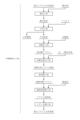
- FIG. 4 is a flow diagram of an impurity removal step in the method for producing lithium hydroxide according to the first embodiment of the present invention
- 1 is a flowchart of a method for producing lithium hydroxide according to a first embodiment of the present invention
- FIG. 4 is a flow diagram of an impurity removing step in a method for producing lithium hydroxide according to a second embodiment of the present invention
- FIG. 10 is a flowchart of an impurity removing step in a method for producing lithium hydroxide according to a third embodiment of the present invention.
- a method for producing lithium hydroxide according to the present invention includes the following steps (1) to (4).
- Lithium adsorption step A step of bringing the first lithium-containing solution into contact with a lithium selective adsorbent to allow the lithium selective adsorbent to adsorb lithium.
- Lithium elution step A step of eluting lithium from the lithium-selective adsorbent to which lithium is adsorbed to obtain a second lithium-containing solution.
- Impurity removal step A step of removing part of the metal ions from the second lithium-containing solution to obtain a third lithium-containing solution.
- the impurity removal step includes the following steps (3A) to (3D).
- Hydrogencarbonation step A step of blowing carbon dioxide into the slurry containing the crude lithium carbonate to obtain a lithium hydrogencarbonate solution.
- metals other than lithium can be reliably removed. can be raised.
- a neutralization step is provided after the lithium elution step and before the carbonation step in the impurity removal step, and the second lithium ion used in the carbonation step is provided.
- the contained solution is preferably a post-neutralization solution to which a neutralizing agent has been added in the neutralization step.
- an oxidation step and a neutralization step are provided after the lithium elution step and before the carbonation step in the impurity removal step, and are used in the carbonation step.
- the second lithium-containing solution is a post-neutralization solution obtained by adding a neutralizing agent to the post-oxidation solution in the neutralization step, to the post-oxidation solution to which an oxidizing agent has been added in the oxidation step.
- an ion exchange step is provided after the acid solution dissolving step and before the conversion step, and the third lithium-containing solution used in the conversion step is the In the ion exchange step, it is preferably obtained by contacting the lithium salt solution obtained in the acid solution dissolving step with an ion exchange resin. Metals that cannot be removed in the upstream process of the ion exchange process can be removed, and the purity of the resulting lithium hydroxide can be increased.
- a crystallization step for solidifying lithium hydroxide dissolved in the lithium hydroxide-containing solution is provided after the conversion step.
- the difference in solubility can be used to solidify lithium hydroxide with high purity.
- part or all of the second lithium-containing solution is preferably repeatedly used in the lithium elution step.
- the amount of the second lithium-containing solution sent from the lithium elution step to the subsequent step can be reduced. Therefore, it is possible to reduce the facility capacity of the subsequent process, and to suppress the cost related to the facility.
- lithium-selective adsorbent obtained from lithium manganate having a spinel structure.
- these lithium selective adsorbents are preferably manganese oxides obtained by contacting lithium manganate with an acid and desorbing lithium from the lithium manganate.
- the contact method includes a column method and a batch mixing method.
- the contact method includes a column method and a batch mixing method.
- the column system when the lithium selective adsorbent is used as a fine powder, the liquid flow resistance is high and continuous liquid flow is often difficult. For this reason, a pellet made by kneading a lithium selective adsorbent (including a precursor before becoming a lithium selective adsorbent) and a binder such as an alumina binder and sintering this is used. is preferred.
- the pH of the first lithium-containing solution in the lithium adsorption step is preferably 3 or more and 10 or less. Since the reaction in the lithium adsorption step is a reaction in which lithium is adsorbed to generate an acid, if the pH of the aqueous solution is low, the reaction rate may slow down or the reaction itself may not occur. Therefore, it is desirable to increase the pH of the first lithium-containing solution before contacting the first lithium-containing solution with the lithium-selective adsorbent.
- the pH of the first lithium-containing solution is preferably 10 or less.
- the lower part of the column may not be able to efficiently adsorb lithium.
- a neutralizing agent to the effluent after passing through the column to adjust the pH to the above range, and then return it to the column.
- the flow rate may be changed according to the required throughput. If a precipitate is generated after neutralization, the liquid can be smoothly passed through the column by using a filtering device such as a filter press or a check filter as appropriate. After the adsorption operation, the lithium selective adsorbent after adsorption of lithium is washed with water, if necessary, in order to carry out the lithium elution step of the next step.
- a lithium-selective adsorbent that adsorbs lithium is brought into contact with a mineral acid such as hydrochloric acid to obtain a second lithium-containing solution.
- the lithium selective adsorbent after lithium adsorption is, for example, in the form of lithium manganate, and lithium is eluted by contacting the lithium selective adsorbent after lithium adsorption with a mineral acid such as hydrochloric acid.
- the contacting method is generally a column method, but may be a batch mixing method, and the method of contacting does not matter. Equation 2 shows the reaction formula during lithium elution.
- the lithium-selective adsorbent after adsorbing lithium returns to the lithium-selective adsorbent and is in a state capable of adsorbing lithium again. Therefore, it can be reused in the lithium adsorption step.
- the lithium selective adsorbent is preferably washed with water.
- ⁇ Neutralization process during impurity removal process> As shown in FIG. 1, in the neutralization step, an alkali is added to the post-oxidation solution to obtain a post-neutralization solution and a neutralized precipitate containing impurities. In the neutralization step, the added alkali raises the pH, and mainly magnesium becomes hydroxide and precipitates as a neutralized sediment. At the same time, manganese is also removed as hydroxide. In order to precipitate and remove magnesium and manganese, alkalinity is sufficient, but if the pH is too high, the cost of the neutralizing agent increases, which is not preferable. Therefore, the pH of the post-neutralization solution after the neutralization step is preferably 8.5 or more and 12 or less. It should be noted that the neutralization step can be omitted as described in the third embodiment described later.
- sodium carbonate is used as the carbonate source in this embodiment, it is not limited to this.
- alkali metal carbonates such as potassium carbonate can be used.
- the purified lithium carbonate, which is a precipitate, and the supernatant are subjected to solid-liquid separation to obtain purified lithium carbonate, which is a solid.
- the decarboxylation step according to this embodiment was performed at 80°C, it is not limited to this. For example, it is preferable to carry out at 60° C. or higher and 90° C. or lower.
- the heating method is not particularly limited, and it is preferable to employ a method suitable for the scale of the reaction vessel. For example, a Teflon (registered trademark) heater or steam heating can be employed. Further, in the solid-liquid separation in the decarboxylation step according to this embodiment, it is preferable to use a filter press.
- the amount of the acid solution used in the acid solution dissolving step is preferably the minimum necessary amount because it is necessary to increase the pH in the ion exchange step described later. For example, it is preferable to adjust the pH to 8.5.
- the ion exchange resin to be used is preferably a chelate resin.
- iminodiacetic acid type resins can be used.
- Amberlite IRC748 can be used.
- the pH of the post-neutralization solution in the ion exchange step is preferably determined by the ion exchange resin. However, it is preferable to directly perform the ion exchange step on the lithium salt solution obtained in the acid solution dissolving step.
- the method of contacting the ion exchange resin with the post-neutralization solution is preferably a column method. However, in some cases a batch mixing method is adopted. Note that the ion exchange step can be omitted as described in the third embodiment described later.
- the lithium salt contained in the third lithium-containing solution is converted to lithium hydroxide to obtain a lithium hydroxide-containing solution in which lithium hydroxide is dissolved.
- the lithium salt is lithium chloride.
- a lithium salt is dissolved in the third lithium-containing solution by the acid used in the acid solution dissolving step of the impurity removal step.
- these aqueous solutions are converted into a lithium hydroxide-containing solution containing lithium hydroxide and hydrochloric acid by, for example, electrodialysis using a bipolar membrane.
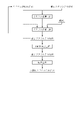
- FIG. 3 shows a flow chart of the impurity removal step of the method for producing lithium hydroxide according to the second embodiment of the present invention.
- the difference between this embodiment and the first embodiment is that the impurity removal process does not include an oxidation process. Other points are the same as the first embodiment.
- the neutralization step of the second embodiment will be described below.
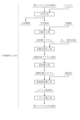
- FIG. 4 shows a flow chart of the impurity removing step of the method for producing lithium hydroxide according to the third embodiment of the present invention.
- the impurity removal process does not include an oxidation process, a neutralization process, and an ion exchange process. Other points are the same as the first embodiment.
- a crystallization step for solidifying lithium hydroxide dissolved in the lithium hydroxide-containing solution may be provided after the conversion step.
- Lithium hydroxide can be obtained by evaporating the lithium hydroxide-containing solution obtained in the conversion process to dryness.
- this lithium hydroxide-containing solution contains an alkali metal such as sodium or potassium, and if it is evaporated to dryness as it is, the solid obtained therefrom contains a large amount of hydroxides other than lithium hydroxide. becomes. Therefore, it is preferable to provide a crystallization step for solidifying lithium hydroxide dissolved in the lithium hydroxide-containing solution after the conversion step.
- solid lithium hydroxide is obtained by solidifying the lithium hydroxide dissolved in the lithium hydroxide-containing solution. Together with this solid lithium hydroxide, the crystallization mother liquor is obtained.
- lithium becomes lithium hydroxide
- alkali metals such as sodium and potassium also become hydroxides. These are therefore also included in the lithium hydroxide-containing solution obtained in the conversion step.
- chloride ions which are anions, pass through the membrane and are contained in the lithium hydroxide-containing solution.
- the lithium hydroxide is solidified and the contained impurities are separated.
- the lithium hydroxide-containing solution is heated and concentrated. At this time, the concentration of metal ions contained in the liquid increases, and lithium hydroxide, which has relatively low solubility, first precipitates and solidifies. This precipitated lithium hydroxide is recovered as solid lithium hydroxide. At this time, sodium hydroxide and potassium hydroxide, which have relatively high solubility, are left in the aqueous solution without being precipitated. This increases the purity of the recovered lithium hydroxide.
- BV is an abbreviation for Bed Volume, and is a unit that indicates how many times the volume of the lithium selective adsorbent in the column.
- the capacity of the lithium selective adsorbent is 500 mL, so BV30 is 15 L.
- SV is an abbreviation for Space Velocity, and represents the flow rate BV per unit time (1 hour). In this example, SV15 is 7.5 L/h.
- ⁇ Lithium elution step> In the lithium elution step, first, in the lithium adsorption step, the lithium selective adsorbent on which lithium was adsorbed was washed with water. Then, a 0.5 mol/L hydrochloric acid aqueous solution was passed through to elute lithium to obtain a second lithium-containing solution. After washing with water, the elution was repeated again on the lithium selective adsorbent. During this repetition, the eluent obtained before the repetition, that is, the second lithium-containing solution obtained before the repetition was adjusted to have a free acid concentration of 0.5 mol/L by adding hydrochloric acid. . Table 2 shows the composition of the second lithium-containing solution when this process was repeated 10 times. As is clear from the table, it was found that lithium can be selectively recovered by the lithium selective adsorbent used in this example.
- a sodium hydroxide aqueous solution with a molar concentration of 8 mol/L as a neutralizing agent and an effective oxidizing agent are added to the second lithium-containing solution so that the pH of the solution is 5 and the oxidation-reduction potential is 730 mV at the silver-silver chloride electrode.
- a post-oxidation solution was obtained by adding sodium hypochlorite at a concentration of 12%. All the steps were performed at room temperature (20° C.). Table 3 shows the composition of metals contained in this post-oxidation solution. It can be seen that the content of manganese in the post-oxidation solution is low.
- ⁇ Neutralization process during impurity removal process> sodium hydroxide having a molar concentration of 8 mol/L was added as a neutralizing agent to the post-oxidation liquid, and the pH was adjusted to 11 to obtain a post-neutralization liquid. All steps were performed at room temperature. Table 4 shows the composition of metals contained in the neutralized solution. It can be seen that the content of magnesium and manganese in the post-neutralization solution is low.
- ⁇ Carbonation step during impurity removal step> sodium carbonate as a carbonic acid source was added to the post-neutralization liquid so as to have a weight concentration of 200 g/L, followed by solid-liquid separation to obtain crude lithium carbonate. This step was performed at a temperature of 80°C. Table 5 shows the impurity concentration in this crude lithium carbonate. As impurities, potassium, sodium, and boron concentrations are found to be low.
- ⁇ Hydrocarbonation step during impurity removal step> crude lithium carbonate obtained in the carbonation step was added to water to obtain a slurry containing crude lithium carbonate. Then, carbon dioxide was blown into this slurry to obtain a lithium hydrogen carbonate solution. The flow rate was adjusted so that only a few bubbles of unreacted and undissolved carbon dioxide were generated. This step was performed at room temperature (20° C.).
- ⁇ Acid solution dissolving step during impurity removal step> the purified lithium carbonate obtained in the decarboxylation step was dissolved in hydrochloric acid to form an aqueous lithium chloride solution.
- the amounts of hydrochloric acid and purified lithium carbonate to be added were adjusted so that the pH of the solution was 8.5.
- This step was performed at room temperature (20° C.). By this operation, a lithium chloride solution having a lithium concentration of 24 g/L was obtained.
- Table 7 shows the composition of metals contained in this lithium chloride solution. Compared to the neutralized solution in Table 4, the lithium chloride solution is enriched with lithium, while the contents of potassium, sodium, and boron are dramatically reduced.
- the lithium chloride solution obtained in the acid solution dissolution step is passed through a column filled with iminodiacetic acid type chelate resin (Amberlite IRC748) at SV5 to bring the chelate resin and the lithium chloride solution into contact. A solution containing 3 lithium was obtained. This step was performed at room temperature (20° C.). Table 8 shows the composition of metals contained in this third lithium-containing solution. It can be seen that the contents of magnesium and calcium are drastically reduced.
- the third lithium-containing solution was converted by electrodialysis using a bipolar membrane (manufactured by Astom: Acylyzer EX3B). That is, lithium chloride, which is a lithium salt, contained in the third lithium-containing solution was converted to lithium hydroxide to obtain a lithium hydroxide-containing solution in which lithium hydroxide is dissolved.
- This step was performed at room temperature (20° C.).
- Table 9 shows the composition of metals contained in this lithium hydroxide-containing solution. As with the contents shown in Table 8, it can be seen that the impurities are drastically reduced.
- ⁇ Crystallization step> a crystallization step was performed to solidify lithium hydroxide.
- the lithium hydroxide-containing liquid was heated to 90 to 100° C. under normal pressure to concentrate it about 2 to 3 times, and the precipitated lithium hydroxide was recovered. This crystallization step may not be performed in some cases.
- Table 10 shows the impurity concentration in the lithium hydroxide obtained in this crystallization step. It can be seen that all impurities are drastically reduced.
Landscapes
- Chemical & Material Sciences (AREA)
- Engineering & Computer Science (AREA)
- Organic Chemistry (AREA)
- Materials Engineering (AREA)
- Inorganic Chemistry (AREA)
- Chemical Kinetics & Catalysis (AREA)
- Water Supply & Treatment (AREA)
- Metallurgy (AREA)
- Health & Medical Sciences (AREA)
- Urology & Nephrology (AREA)
- Electrochemistry (AREA)
- Manufacture And Refinement Of Metals (AREA)
- Solid-Sorbent Or Filter-Aiding Compositions (AREA)
- Compounds Of Alkaline-Earth Elements, Aluminum Or Rare-Earth Metals (AREA)
Abstract
Description
第2発明の水酸化リチウムの製造方法は、第1発明において、前記リチウム溶離工程の後であって、前記不純物除去工程における前記炭酸化工程の前に中和工程が設けられ、前記炭酸化工程で用いられる第2リチウム含有溶液は、前記中和工程において中和剤を添加された中和後液であることを特徴とする。
第3発明の水酸化リチウムの製造方法は、第1発明において、前記リチウム溶離工程の後であって、前記不純物除去工程における前記炭酸化工程の前に酸化工程および中和工程が設けられ、前記炭酸化工程で用いられる第2リチウム含有溶液は、前記酸化工程において酸化剤を添加された酸化後液に、前記中和工程において前記酸化後液に中和剤が添加された中和後液であることを特徴とする。
第4発明の水酸化リチウムの製造方法は、第1発明から第3発明のいずれかにおいて、前記酸溶液溶解工程の後であって、前記転換工程の前にイオン交換工程が設けられ、前記転換工程で用いられる前記第3リチウム含有溶液は、前記イオン交換工程において、前記酸溶液溶解工程において得られたリチウム塩溶液と、イオン交換樹脂と、を接触させて得られたことを特徴とする。
第5発明の水酸化リチウムの製造方法は、第1発明から第4発明のいずれかにおいて、前記転換工程の後に、前記水酸化リチウム含有溶液に溶解している前記水酸化リチウムを固形化する晶析工程が設けられていることを特徴とする。
第6発明の水酸化リチウムの製造方法は、第1発明から第5発明のいずれかにおいて、前記第2リチウム含有溶液の一部または全部が、前記リチウム溶離工程で繰り返し用いられていることを特徴とする。
第2発明によれば、炭酸化工程の前に中和工程が設けられていることにより、第2リチウム含有溶液に含まれているマグネシウムとマンガンを除去することができ、炭酸化工程以降における、不純物除去の負荷を低減できる。
第3発明によれば、炭酸化工程の前に、酸化工程と中和工程とが設けられていることにより、第2リチウム含有溶液に含まれているマンガンが中和工程の前に除去され、中和工程でのマンガンの除去の負荷を低減でき、中和工程でのマグネシウムの除去の精度が上がり、さらに得られる水酸化リチウムの純度を上げることができる。
第4発明によれば、転換工程の前にイオン交換工程が設けられていることにより、イオン交換工程の上流側の工程で除去できない金属を除去することができ、さらに得られる水酸化リチウムの純度を上げることができる。
第5発明によれば、転換工程の後に水酸化リチウムを固形化する晶析工程が設けられていることにより、溶解度の違いを利用して、水酸化リチウムを高純度に固形化することができる。
第6発明によれば、第2リチウム含有溶液の一部または全部が、リチウム溶離工程で繰り返し用いられていることにより、第2リチウム含有溶液に含まれるリチウムの濃度を上げることができるので、リチウム溶離工程より後工程へ送る第2リチウム含有溶液の量を減らすことができる。よって、その後工程の設備容量を小さくすることができ、設備に係るコストを抑制することができる。
(1)リチウム吸着工程:第1リチウム含有溶液とリチウム選択吸着剤とを接触させて、前記リチウム選択吸着剤にリチウムを吸着させる工程。
(2)リチウム溶離工程:リチウムが吸着された前記リチウム選択吸着剤からリチウムを溶離し、第2リチウム含有溶液を得る工程。
(3)不純物除去工程:前記第2リチウム含有溶液から金属イオンの一部を除去し、第3リチウム含有溶液を得る工程。
(4)転換工程:前記第3リチウム含有溶液に含まれるリチウム塩を水酸化リチウムに転換し、水酸化リチウムが溶解している水酸化リチウム含有溶液を得る工程。
そして、不純物除去工程は、以下の(3A)~(3D)の工程を包含する。
(3A)炭酸化工程:前記第2リチウム含有溶液に炭酸源を添加し、粗炭酸リチウムを得る工程。
(3B)炭酸水素化工程:前記粗炭酸リチウムを含むスラリーに、二酸化炭素を吹込み、炭酸水素リチウム溶液を得る工程。
(3C)脱炭酸工程:前記炭酸水素リチウム溶液を加熱し、精製炭酸リチウムを得る工程。
(3D)酸溶液溶解工程:前記精製炭酸リチウムを酸溶液に溶解させ、第3リチウム含有溶液を得る工程。
<リチウム吸着工程>
図2には、本発明の第1実施形態に係る水酸化リチウムの製造方法を示す。図2に示すように、リチウム吸着工程は、リチウム選択吸着剤と、塩湖かん水などリチウム濃度が比較的低い第1リチウム含有溶液と、を接触させ、この第1リチウム含有溶液からリチウムをリチウム選択吸着剤に、選択的に吸着させる工程である。リチウム吸着工程での反応式を数1に示す。ここではリチウム選択吸着剤としてH1.6Mn1.6O4が用いられた反応式が示されているが、特にこれに限定されるものではない。例えばスピネル構造を持つマンガン酸リチウムから得られたリチウム選択吸着剤を用いることも可能である。また、これらのリチウム選択吸着剤は、マンガン酸リチウムと酸とを接触させ、このマンガン酸リチウム中のリチウムを脱離したマンガン酸化物が好ましい。
H1.6Mn1.6O4+1.6LiCl→Li1.6Mn1.6O4+1.6HCl
図2に示すように、リチウム溶離工程では、リチウムを吸着したリチウム選択吸着剤と、塩酸などの鉱酸と、を接触させ、第2リチウム含有溶液を得る。リチウム吸着後のリチウム選択吸着剤は、例えば、マンガン酸リチウムの形態になっており、このリチウム吸着後のリチウム選択吸着剤と、塩酸などの鉱酸と、が接触することで、リチウムが溶離される。接触させる方法はカラム方式が一般的であるが、バッチ混合方式でもよく、接触の方法は問わない。リチウム溶離時の反応式を数2に示す。
Li1.6Mn1.6O4+1.6HCl→H1.6Mn1.6O4+1.6LiCl
図2に示すように、不純物除去工程では、第2リチウム含有溶液から金属イオンの一部を除去して第3リチウム含有溶液を得る。また図1には、本実施形態に係る不純物除去工程の構成を示すフロー図を示す。本実施形態では、不純物除去工程は、酸化工程と、中和工程と、炭酸化工程と、炭酸水素化工程と、脱炭酸工程と、酸溶液溶解工程と、イオン交換工程と、を包含する。なお、不純物除去工程は、ここで示す構成に限定されない。
図1に示すように、酸化工程は、リチウム溶離工程で得られた第2リチウム含有溶液に、空気、酸素、次亜塩素酸ナトリウムなどの酸化剤を添加し、第2リチウム含有溶液中のマンガンを酸化し、不溶性の二酸化マンガンにすることで液中に溶解しているマンガンを沈殿除去する工程である。マンガンは、後述する中和工程でも除去可能であるが、酸化工程が設けられることにより、マンガンが中和工程前に除去されるので、中和工程でのマンガンが除去される負荷を低減できる。また、酸化工程で沈殿除去されたマンガンは再利用することも可能である。酸化工程で用いられる酸化剤の種類は、空気、酸素、次亜塩素酸ナトリウムなどを採用することができる。第2リチウム含有溶液の酸化還元電位は電位pH図で二酸化マンガンの領域になっている、pHと電位に設定する。なお、酸化工程に関しては、後述する第2実施形態および第3実施形態にあるように、省略することも可能である。
図1に示すように、中和工程では、酸化後液にアルカリが添加されることにより、中和後液が得られるとともに、不純物を含んだ中和澱物が得られる。中和工程では、添加されたアルカリにより、pHが上昇し、主にマグネシウムが水酸化物となり、中和澱物として沈殿する。また、同時にマンガンも水酸化物として除去される。マグネシウムとマンガンを沈殿除去するには、アルカリ性であれば良いが、pHが高すぎる場合、中和剤コストが増加し、好ましくない。このため中和工程後の中和後液のpHは8.5以上12以下とすることが好ましい。なお、中和工程に関しては、後述する第3実施形態にあるように省略することも可能である。
図1に示すように、炭酸化工程では、中和後液に炭酸ナトリウムなどの炭酸源を添加することで中和後液中のリチウムを粗炭酸リチウムとして沈殿させる。これを固液分離し、沈殿した粗炭酸リチウムと、上澄み液とに分けることで、上澄み液の中に含まれるナトリウムまたはカリウムといったアルカリ金属、およびホウ素などの陰イオン成分が除去される。
図1に示すように、炭酸水素化工程では回収した粗炭酸リチウムを、水に添加しスラリーとした状態で二酸化炭素を吹き込む。数3に示すように、粗炭酸リチウムは、二酸化炭素および水と反応することで、溶解度の高い炭酸水素リチウムに転換され、炭酸水素リチウム溶液が得られる。すなわち炭酸水素リチウムは、液体に溶け込み炭酸水素リチウム溶液となり、他の難溶性の不純物が固体となる。例えばこの不純物とは、炭酸カルシウムである。このように固液分離することで、不純物である炭酸カルシウムなどを除去することができる。
Li2CO3+CO2+H2O → 2LiHCO3
図1および数4に示すように、脱炭酸工程では炭酸水素リチウム溶液を加熱することで、炭酸水素リチウムを溶解度の低い精製炭酸リチウムに転換し、再沈澱させて精製炭酸リチウムを得る。中和工程で得られた中和後液は、ナトリウムを高濃度に含むため、炭酸化工程で得られる粗炭酸リチウムには、ナトリウムが多く含まれている。そこでこのナトリウム濃度を低減するために、粗炭酸リチウム中の炭酸リチウムを、炭酸水素化工程で溶解度の高い炭酸水素リチウムとして溶解し、その後、脱炭酸工程で精製炭酸リチウムという形で再度炭酸リチウムにして、精製炭酸リチウムを沈殿させる。沈殿した精製炭酸リチウムでは、ナトリウムがほぼ除去され、精製炭酸リチウムの純度を高くすることができる。沈殿物である精製炭酸リチウムと、上澄み液とは固液分離され、固形物である精製炭酸リチウムが得られる。
2LiHCO3 → Li2CO3+CO2+H2O
図1に示すように、酸溶液溶解工程では脱炭酸工程で得られる精製炭酸リチウムを酸溶液で溶解し、リチウム塩溶液を得る。炭酸リチウムを、この後の転換工程に用いようとした場合、炭酸リチウムの溶解度が低いため、薄液でしか転換ができず、効率が悪くなる(処理量に対して設備の大きさが大きくなる)こと、転換時に炭酸ガスが出る可能性があり、膜を損傷させる可能性があることという2点の問題がある。これらの問題を解決するため、精製炭酸リチウムを酸溶液で溶解してリチウム塩溶液にする。酸溶液溶解後はpHが低下しているため、イオン交換工程で不純物除去に適したpHに調整することが好ましい。なお、酸溶液溶解工程で用いられる酸は、塩酸、硫酸、硝酸などが該当する。本実施形態では、塩酸が用いられ、酸溶液溶解工程ではリチウム塩溶液として塩化リチウム溶液が得られる。化学反応式を数5に示す。
Li2CO3+2HCl → 2LiCl+H2O+CO2
図1に示すように、イオン交換工程では、リチウム塩溶液とイオン交換樹脂とを接触させることで、不純物の一部が取り除かれた第3リチウム含有溶液が得られる。イオン交換工程では、イオン交換工程の上流側の工程で除去できない金属、例えば中和工程で除去できなかったカルシウム、中和工程のpH に応じて残留するアルミニウム、および中和工程で除去しきれなかった極微量に残留するマンガン、マグネシウムが除去される。
図2に示すように、転換工程では、第3リチウム含有溶液に含まれるリチウム塩を水酸化リチウムに転換し、水酸化リチウムが溶解している水酸化リチウム含有溶液を得る。本実施形態では、リチウム塩は塩化リチウムである。第3リチウム含有溶液内には、不純物除去工程の酸溶液溶解工程で用いた酸によって、リチウム塩が溶解している。本工程では、例えばバイポーラ膜を用いた電気透析でこれらの水溶液を、水酸化リチウムを含有する水酸化リチウム含有溶液と、塩酸とに転換する。すなわち、電気透析を行うことにより、第3リチウム含有溶液中の塩化リチウムが分解され、塩化リチウムのリチウムイオンが、カチオン膜を通過して、水酸化物イオンと結びつき、水酸化リチウムとなり、塩化物イオンが、アニオン膜を通過して塩酸となる。回収した塩酸は溶離工程にリサイクルすることが可能である。これにより鉱酸の使用量を減らすことができる。
図3には、本発明の第2実施形態に係る水酸化リチウムの製造方法の不純物除去工程のフロー図を示す。本実施形態の、第1実施形態との相違点は、不純物除去工程に酸化工程が含まれていない点である。他の点は、第1実施形態と同じである。以下に第2実施形態の中和工程について説明する。
図3に示すように、中和工程では、第2リチウム含有溶液にアルカリが添加されることにより、中和後液が得られるとともに、不純物を含んだ中和澱物が得られる。中和工程では、添加されたアルカリにより、pHが上昇し、主にマグネシウムが水酸化物となり、中和澱物として沈殿する。また、同時にマンガンも水酸化物として除去される。中和後液の好ましいpHは第1実施形態と同じである。
図4には、本発明の第3実施形態に係る水酸化リチウムの製造方法の不純物除去工程のフロー図を示す。本実施形態の、第1実施形態との相違点は、不純物除去工程に酸化工程、中和工程、イオン交換工程が含まれていない点である。他の点は、第1実施形態と同じである。
<晶析工程>
上記いずれの実施形態においても、転換工程の後に、水酸化リチウム含有溶液に溶解している水酸化リチウムを固形化する晶析工程が設けられる場合がある。
リチウム選択吸着剤としてH1.6Mn1.6O4が用いられた。このリチウム選択吸着剤500mL(嵩密度1.0g/mL)を容量約650mLの円筒状カラムに充填し、表1に示す濃度の第1リチウム含有溶液を通液し、第1リチウム含有溶液とリチウム選択吸着剤とを接触させた。温度は常温とし、通液速度はSV15、通液量はBV30とした。第1リチウム含有溶液のpHは約8であった。なお、BVは、Bed Volumeの略であり、カラム内のリチウム選択吸着剤の体積の何倍かを表す単位である。本実施例では、リチウム選択吸着剤の容量が500mLであるので、BV30は、15Lとなる。合わせて、SVはSpace Velocityの略であり、単位時間(1時間)あたりの通液量BVを表している。本実施例では、SV15は、7.5L/ hとなる。

リチウム溶離工程ではまず、リチウム吸着工程において、リチウムが吸着されたリチウム選択吸着剤を水洗した。そして、0.5mol/Lの塩酸水溶液を通液し、リチウムを溶離して第2リチウム含有溶液を得た。水洗後、リチウム選択吸着剤に対してさらに溶離を繰り返した。この繰り返し時には、繰り返し前に得られた溶離液、すなわち繰り返し前に得られた第2リチウム含有溶液に塩酸を補加し、フリー酸濃度が0.5mol/Lになるよう調整したものを用いた。これを10回繰り返したときの第2リチウム含有溶液の組成を表2に示す。表から明らかなように、本実施例で使用したリチウム選択吸着剤により、選択的にリチウムを回収できることがわかった。

酸化工程では、第2リチウム含有溶液に、液のpHが5、酸化還元電位が銀塩化銀電極で730mVになるよう、中和剤としてモル濃度8mol/Lの水酸化ナトリウム水溶液、酸化剤として有効濃度12%の次亜塩素酸ナトリウムを添加することで、酸化後液を得た。本工程は全て室温(20℃)で行われた。この酸化後液中の含有金属の組成を表3に示す。酸化後液において、マンガンの含有量が少なくなっているのがわかる。

中和工程では、酸化後液に中和剤としてモル濃度8mol/Lの水酸化ナトリウムを添加し、pH11に調整することで中和後液を得た。本工程はすべて常温で行われた。この中和後液中の含有金属の組成を表4に示す。中和後液において、マグネシウムおよびマンガンの含有量が少なくなっているのがわかる。

炭酸化工程では、中和後液に、炭酸源である炭酸ナトリウムを、重量濃度200g/Lになるよう添加し、固液分離をすることで、粗炭酸リチウムを得た。本工程は温度80℃で行われた。この粗炭酸リチウムにおける不純物濃度を表5に示す。不純物として、カリウム、ナトリウム、およびホウ素の濃度が低いことがわかる。

炭酸水素化工程では、炭酸化工程で得られた粗炭酸リチウムを水に添加し、粗炭酸リチウムを含むスラリーを得た。そしてこのスラリーに二酸化炭素を吹込み、炭酸水素リチウム溶液を得た。流量は未反応かつ溶解できない二酸化炭素の気泡が僅かに出る程度に調整した。本工程は室温(20℃)で行われた。
脱炭酸工程では、炭酸水素化工程で得られた炭酸水素リチウム溶液を80℃まで加熱し、精製炭酸リチウムを得た。この精製炭酸リチウムにおける不純物濃度を表6に示す。表5と比較して、すべての不純物が低減され、特にナトリウムが低減されているのがわかる。

酸溶液溶解工程では、脱炭酸工程で得られた精製炭酸リチウムを塩酸に溶解させ、塩化リチウム水溶液にした。溶解する際は、溶解液のpHが8.5になるよう、塩酸と精製炭酸リチウムの添加量を調整した。本工程は室温(20℃)で行われた。この操作により、リチウム濃度が24g/Lである塩化リチウム溶液を得た。この塩化リチウム溶液の含有金属の組成を表7に示す。表4の中和後液と比較して、塩化リチウム溶液においては、リチウムが濃縮されているのに対して、カリウム、ナトリウム、ホウ素の含有量が飛躍的に低減されているのがわかる。

イオン交換工程では、酸溶液溶解工程で得られた塩化リチウム溶液を、イミノジ酢酸型のキレート樹脂(Amberlite IRC748)を充填したカラムにSV5で通液し、キレート樹脂と塩化リチウム溶液を接触させ、第3リチウム含有溶液を得た。本工程は室温(20℃)で行われた。この第3リチウム含有溶液の含有金属の組成を表8に示す。マグネシウム、カルシウムの含有量が飛躍的に低減されているのがわかる。

転換工程では、第3リチウム含有溶液を、バイポーラ膜を用いた電気透析(アストム社製:アシライザーEX3B)で転換した。すなわち、第3リチウム含有溶液に含まれる、リチウム塩である塩化リチウムを水酸化リチウムに転換し、水酸化リチウムが溶解している水酸化リチウム含有溶液を得た。本工程は室温(20℃)で行われた。この水酸化リチウム含有溶液の含有金属の組成を表9に示す。表8で示された含有量と同じく、不純物が飛躍的に低減されているのがわかる。

本実施例では、水酸化リチウムを固形化する晶析工程が行われた。本晶析工程では水酸化リチウム含有液を常圧下、90~100℃に加熱することで2~3倍程度に濃縮し、析出した水酸化リチウムを回収した。なお、この晶析工程は、行われない場合もある。この晶析工程で得られた水酸化リチウムにおける不純物濃度を表10に示す。いずれの不純物も飛躍的に低減されているのがわかる。

Claims (6)
- 次の工程(1)~(4):
(1)リチウム吸着工程:第1リチウム含有溶液とリチウム選択吸着剤とを接触させて、前記リチウム選択吸着剤にリチウムを吸着させる工程、
(2)リチウム溶離工程:リチウムが吸着された前記リチウム選択吸着剤からリチウムを溶離し、第2リチウム含有溶液を得る工程、
(3)不純物除去工程:前記第2リチウム含有溶液から金属イオンの一部を除去し、第3リチウム含有溶液を得る工程、
(4)転換工程:前記第3リチウム含有溶液に含まれるリチウム塩を水酸化リチウムに転換し、水酸化リチウムが溶解している水酸化リチウム含有溶液を得る工程、
を包含し、
前記不純物除去工程が、次の工程(3A)~(3D):
(3A)炭酸化工程:前記第2リチウム含有溶液に炭酸源を添加し、粗炭酸リチウムを得る工程、
(3B)炭酸水素化工程:前記粗炭酸リチウムを含むスラリーに、二酸化炭素を吹込み、炭酸水素リチウム溶液を得る工程、
(3C)脱炭酸工程:前記炭酸水素リチウム溶液を加熱し、精製炭酸リチウムを得る工程、
(3D)酸溶液溶解工程:前記精製炭酸リチウムを酸溶液に溶解させ、第3リチウム含有溶液を得る工程、
を包含する、
ことを特徴とする水酸化リチウムの製造方法。 - 前記リチウム溶離工程の後であって、前記不純物除去工程における前記炭酸化工程の前に中和工程が設けられ、
前記炭酸化工程で用いられる第2リチウム含有溶液は、
前記中和工程において中和剤を添加された中和後液である、
ことを特徴とする請求項1に記載の水酸化リチウムの製造方法。 - 前記リチウム溶離工程の後であって、前記不純物除去工程における前記炭酸化工程の前に酸化工程および中和工程が設けられ、
前記炭酸化工程で用いられる第2リチウム含有溶液は、
前記酸化工程において酸化剤を添加された酸化後液に、
前記中和工程において前記酸化後液に中和剤が添加された中和後液である、
ことを特徴とする請求項1に記載の水酸化リチウムの製造方法。 - 前記酸溶液溶解工程の後であって、前記転換工程の前にイオン交換工程が設けられ、
前記転換工程で用いられる前記第3リチウム含有溶液は、
前記イオン交換工程において、
前記酸溶液溶解工程において得られたリチウム塩溶液と、イオン交換樹脂と、を接触させて得られた、
ことを特徴とする請求項1から3のいずれかに記載の水酸化リチウムの製造方法。 - 前記転換工程の後に、前記水酸化リチウム含有溶液に溶解している前記水酸化リチウムを固形化する晶析工程が設けられている、
ことを特徴とする請求項1から4のいずれかに記載の水酸化リチウムの製造方法。 - 前記第2リチウム含有溶液の一部または全部が、前記リチウム溶離工程で繰り返し用いられている、
ことを特徴とする請求項1から5のいずれかに記載の水酸化リチウムの製造方法。
Priority Applications (4)
| Application Number | Priority Date | Filing Date | Title |
|---|---|---|---|
| CA3231269A CA3231269A1 (en) | 2021-09-30 | 2022-09-26 | Method for producing lithium hydroxide |
| US18/691,381 US20240375971A1 (en) | 2021-09-30 | 2022-09-26 | Method for producing lithium hydroxide |
| EP22876125.0A EP4382482A4 (en) | 2021-09-30 | 2022-09-26 | METHOD FOR PRODUCING LITHIUM HYDROXIDE |
| CN202280062908.8A CN117980266A (zh) | 2021-09-30 | 2022-09-26 | 氢氧化锂的制造方法 |
Applications Claiming Priority (2)
| Application Number | Priority Date | Filing Date | Title |
|---|---|---|---|
| JP2021-162009 | 2021-09-30 | ||
| JP2021162009A JP7518481B2 (ja) | 2021-09-30 | 2021-09-30 | 水酸化リチウムの製造方法 |
Publications (1)
| Publication Number | Publication Date |
|---|---|
| WO2023054258A1 true WO2023054258A1 (ja) | 2023-04-06 |
Family
ID=85782657
Family Applications (1)
| Application Number | Title | Priority Date | Filing Date |
|---|---|---|---|
| PCT/JP2022/035709 Ceased WO2023054258A1 (ja) | 2021-09-30 | 2022-09-26 | 水酸化リチウムの製造方法 |
Country Status (8)
| Country | Link |
|---|---|
| US (1) | US20240375971A1 (ja) |
| EP (1) | EP4382482A4 (ja) |
| JP (1) | JP7518481B2 (ja) |
| CN (1) | CN117980266A (ja) |
| AR (1) | AR127178A1 (ja) |
| CA (1) | CA3231269A1 (ja) |
| CL (1) | CL2024000801A1 (ja) |
| WO (1) | WO2023054258A1 (ja) |
Cited By (2)
| Publication number | Priority date | Publication date | Assignee | Title |
|---|---|---|---|---|
| US12374679B2 (en) | 2017-08-02 | 2025-07-29 | Lilac Solutions, Inc. | Ion exchange system for lithium extraction |
| US12370468B2 (en) | 2022-03-28 | 2025-07-29 | Lilac Solutions, Inc. | Lithium extraction enhanced by an alternate phase |
Families Citing this family (3)
| Publication number | Priority date | Publication date | Assignee | Title |
|---|---|---|---|---|
| JP7487818B1 (ja) * | 2023-03-31 | 2024-05-21 | 住友金属鉱山株式会社 | リチウム含有溶液の製造方法 |
| WO2025013473A1 (ja) * | 2023-07-10 | 2025-01-16 | 住友金属鉱山株式会社 | 炭酸リチウムの製造方法 |
| WO2026043184A1 (ko) * | 2024-08-19 | 2026-02-26 | 주식회사 엘지화학 | 수산화리튬의 제조방법 |
Citations (4)
| Publication number | Priority date | Publication date | Assignee | Title |
|---|---|---|---|---|
| JP2013519627A (ja) * | 2010-02-17 | 2013-05-30 | シンボル マイニング コーポレイション | 高純度の炭酸リチウム、及び他の高純度のリチウム含有化合物を調製するためのプロセス |
| KR20160002572A (ko) * | 2014-06-30 | 2016-01-08 | 재단법인 포항산업과학연구원 | 고순도 수산화 리튬 수용액의 제조 방법 및 이를 이용한 염수로부터 탄산 리튬의 효율적 추출 방법 |
| JP2020193130A (ja) | 2019-05-30 | 2020-12-03 | 住友金属鉱山株式会社 | 水酸化リチウムの製造方法 |
| JP2021127282A (ja) * | 2020-02-17 | 2021-09-02 | 住友金属鉱山株式会社 | 水酸化リチウムの製造方法 |
Family Cites Families (3)
| Publication number | Priority date | Publication date | Assignee | Title |
|---|---|---|---|---|
| US10648090B2 (en) * | 2018-02-17 | 2020-05-12 | Lilac Solutions, Inc. | Integrated system for lithium extraction and conversion |
| JP7115123B2 (ja) * | 2018-08-02 | 2022-08-09 | 住友金属鉱山株式会社 | リチウムの精製方法 |
| CN108975358A (zh) * | 2018-09-14 | 2018-12-11 | 山东昌邑海能化学有限责任公司 | 离子膜电解法生产氢氧化锂的方法 |
-
2021
- 2021-09-30 JP JP2021162009A patent/JP7518481B2/ja active Active
-
2022
- 2022-09-26 EP EP22876125.0A patent/EP4382482A4/en active Pending
- 2022-09-26 CA CA3231269A patent/CA3231269A1/en active Pending
- 2022-09-26 WO PCT/JP2022/035709 patent/WO2023054258A1/ja not_active Ceased
- 2022-09-26 CN CN202280062908.8A patent/CN117980266A/zh active Pending
- 2022-09-26 US US18/691,381 patent/US20240375971A1/en active Pending
- 2022-09-29 AR ARP220102619A patent/AR127178A1/es unknown
-
2024
- 2024-03-19 CL CL2024000801A patent/CL2024000801A1/es unknown
Patent Citations (4)
| Publication number | Priority date | Publication date | Assignee | Title |
|---|---|---|---|---|
| JP2013519627A (ja) * | 2010-02-17 | 2013-05-30 | シンボル マイニング コーポレイション | 高純度の炭酸リチウム、及び他の高純度のリチウム含有化合物を調製するためのプロセス |
| KR20160002572A (ko) * | 2014-06-30 | 2016-01-08 | 재단법인 포항산업과학연구원 | 고순도 수산화 리튬 수용액의 제조 방법 및 이를 이용한 염수로부터 탄산 리튬의 효율적 추출 방법 |
| JP2020193130A (ja) | 2019-05-30 | 2020-12-03 | 住友金属鉱山株式会社 | 水酸化リチウムの製造方法 |
| JP2021127282A (ja) * | 2020-02-17 | 2021-09-02 | 住友金属鉱山株式会社 | 水酸化リチウムの製造方法 |
Non-Patent Citations (4)
| Title |
|---|
| KAGAWA INDUSTRY SUPPORT FOUNDATION, 22 November 2018 (2018-11-22), Retrieved from the Internet <URL:www.kagawa-isfjp/rist/seika-happyou/2Itang.pdf> |
| See also references of EP4382482A4 |
| TANG WEIPING, LITHIUM RECOVERY SYSTEM FROM BRINE, 11 June 2010 (2010-06-11) |
| TANG WEIPING: "Lithium Recovery System from brine", KAGAWA INDUSTRY SUPPORT FOUNDATION, 11 June 2010 (2010-06-11) |
Cited By (2)
| Publication number | Priority date | Publication date | Assignee | Title |
|---|---|---|---|---|
| US12374679B2 (en) | 2017-08-02 | 2025-07-29 | Lilac Solutions, Inc. | Ion exchange system for lithium extraction |
| US12370468B2 (en) | 2022-03-28 | 2025-07-29 | Lilac Solutions, Inc. | Lithium extraction enhanced by an alternate phase |
Also Published As
| Publication number | Publication date |
|---|---|
| CA3231269A1 (en) | 2023-04-06 |
| US20240375971A1 (en) | 2024-11-14 |
| JP2023051387A (ja) | 2023-04-11 |
| AR127178A1 (es) | 2023-12-27 |
| EP4382482A1 (en) | 2024-06-12 |
| JP7518481B2 (ja) | 2024-07-18 |
| CN117980266A (zh) | 2024-05-03 |
| EP4382482A4 (en) | 2025-04-02 |
| CL2024000801A1 (es) | 2024-08-30 |
Similar Documents
| Publication | Publication Date | Title |
|---|---|---|
| JP7156322B2 (ja) | 水酸化リチウムの製造方法 | |
| WO2023054258A1 (ja) | 水酸化リチウムの製造方法 | |
| JP7558647B2 (ja) | 水酸化リチウムの製造方法 | |
| JP7031263B2 (ja) | リチウムの回収方法 | |
| KR102707582B1 (ko) | 수산화리튬의 제조 방법 | |
| JP2019099901A (ja) | リチウム含有水溶液からリチウムを回収する方法 | |
| JP2021172537A (ja) | 水酸化リチウムの製造方法 | |
| WO2020116607A1 (ja) | リチウム含有溶液の製造方法 | |
| JP7124917B1 (ja) | リチウム含有溶液の製造方法 | |
| JP7115123B2 (ja) | リチウムの精製方法 | |
| JP6098569B2 (ja) | 塩化コバルト水溶液の精製方法 | |
| JP2021172536A (ja) | 水酸化リチウムの製造方法 | |
| EP4257552A1 (en) | Method for producing lithium hydroxide | |
| AU2024297575A1 (en) | Lithium carbonate production method | |
| US20240308864A1 (en) | Method for producing lithium containing solution and method for producing lithium hydroxide | |
| CN119895061A (zh) | 含锂溶液的制造方法 | |
| CN119630823A (zh) | 含锂溶液的制造方法 |
Legal Events
| Date | Code | Title | Description |
|---|---|---|---|
| 121 | Ep: the epo has been informed by wipo that ep was designated in this application |
Ref document number: 22876125 Country of ref document: EP Kind code of ref document: A1 |
|
| WWE | Wipo information: entry into national phase |
Ref document number: 3231269 Country of ref document: CA |
|
| ENP | Entry into the national phase |
Ref document number: 2022876125 Country of ref document: EP Effective date: 20240307 |
|
| WWE | Wipo information: entry into national phase |
Ref document number: 18691381 Country of ref document: US |
|
| WWE | Wipo information: entry into national phase |
Ref document number: 202280062908.8 Country of ref document: CN |
|
| NENP | Non-entry into the national phase |
Ref country code: DE |