WO2023081757A1 - Pi3k-alpha inhibitors and methods of making and using the same - Google Patents
Pi3k-alpha inhibitors and methods of making and using the same Download PDFInfo
- Publication number
- WO2023081757A1 WO2023081757A1 PCT/US2022/079221 US2022079221W WO2023081757A1 WO 2023081757 A1 WO2023081757 A1 WO 2023081757A1 US 2022079221 W US2022079221 W US 2022079221W WO 2023081757 A1 WO2023081757 A1 WO 2023081757A1
- Authority
- WO
- WIPO (PCT)
- Prior art keywords
- compound
- iii
- solid
- formula
- crystalline
- Prior art date
- Legal status (The legal status is an assumption and is not a legal conclusion. Google has not performed a legal analysis and makes no representation as to the accuracy of the status listed.)
- Ceased
Links
Classifications
-
- C—CHEMISTRY; METALLURGY
- C07—ORGANIC CHEMISTRY
- C07D—HETEROCYCLIC COMPOUNDS
- C07D471/00—Heterocyclic compounds containing nitrogen atoms as the only ring hetero atoms in the condensed system, at least one ring being a six-membered ring with one nitrogen atom, not provided for by groups C07D451/00 - C07D463/00
- C07D471/02—Heterocyclic compounds containing nitrogen atoms as the only ring hetero atoms in the condensed system, at least one ring being a six-membered ring with one nitrogen atom, not provided for by groups C07D451/00 - C07D463/00 in which the condensed system contains two hetero rings
- C07D471/04—Ortho-condensed systems
-
- A—HUMAN NECESSITIES
- A61—MEDICAL OR VETERINARY SCIENCE; HYGIENE
- A61K—PREPARATIONS FOR MEDICAL, DENTAL OR TOILETRY PURPOSES
- A61K31/00—Medicinal preparations containing organic active ingredients
- A61K31/33—Heterocyclic compounds
- A61K31/395—Heterocyclic compounds having nitrogen as a ring hetero atom, e.g. guanethidine or rifamycins
- A61K31/435—Heterocyclic compounds having nitrogen as a ring hetero atom, e.g. guanethidine or rifamycins having six-membered rings with one nitrogen as the only ring hetero atom
- A61K31/4353—Heterocyclic compounds having nitrogen as a ring hetero atom, e.g. guanethidine or rifamycins having six-membered rings with one nitrogen as the only ring hetero atom ortho- or peri-condensed with heterocyclic ring systems
- A61K31/437—Heterocyclic compounds having nitrogen as a ring hetero atom, e.g. guanethidine or rifamycins having six-membered rings with one nitrogen as the only ring hetero atom ortho- or peri-condensed with heterocyclic ring systems the heterocyclic ring system containing a five-membered ring having nitrogen as a ring hetero atom, e.g. indolizine, beta-carboline
-
- A—HUMAN NECESSITIES
- A61—MEDICAL OR VETERINARY SCIENCE; HYGIENE
- A61K—PREPARATIONS FOR MEDICAL, DENTAL OR TOILETRY PURPOSES
- A61K45/00—Medicinal preparations containing active ingredients not provided for in groups A61K31/00 - A61K41/00
- A61K45/06—Mixtures of active ingredients without chemical characterisation, e.g. antiphlogistics and cardiaca
-
- A—HUMAN NECESSITIES
- A61—MEDICAL OR VETERINARY SCIENCE; HYGIENE
- A61P—SPECIFIC THERAPEUTIC ACTIVITY OF CHEMICAL COMPOUNDS OR MEDICINAL PREPARATIONS
- A61P35/00—Antineoplastic agents
-
- C—CHEMISTRY; METALLURGY
- C07—ORGANIC CHEMISTRY
- C07C—ACYCLIC OR CARBOCYCLIC COMPOUNDS
- C07C309/00—Sulfonic acids; Halides, esters, or anhydrides thereof
- C07C309/01—Sulfonic acids
- C07C309/02—Sulfonic acids having sulfo groups bound to acyclic carbon atoms
- C07C309/03—Sulfonic acids having sulfo groups bound to acyclic carbon atoms of an acyclic saturated carbon skeleton
- C07C309/04—Sulfonic acids having sulfo groups bound to acyclic carbon atoms of an acyclic saturated carbon skeleton containing only one sulfo group
-
- C—CHEMISTRY; METALLURGY
- C07—ORGANIC CHEMISTRY
- C07C—ACYCLIC OR CARBOCYCLIC COMPOUNDS
- C07C309/00—Sulfonic acids; Halides, esters, or anhydrides thereof
- C07C309/01—Sulfonic acids
- C07C309/28—Sulfonic acids having sulfo groups bound to carbon atoms of six-membered aromatic rings of a carbon skeleton
- C07C309/29—Sulfonic acids having sulfo groups bound to carbon atoms of six-membered aromatic rings of a carbon skeleton of non-condensed six-membered aromatic rings
- C07C309/30—Sulfonic acids having sulfo groups bound to carbon atoms of six-membered aromatic rings of a carbon skeleton of non-condensed six-membered aromatic rings of six-membered aromatic rings substituted by alkyl groups
-
- C—CHEMISTRY; METALLURGY
- C07—ORGANIC CHEMISTRY
- C07C—ACYCLIC OR CARBOCYCLIC COMPOUNDS
- C07C309/00—Sulfonic acids; Halides, esters, or anhydrides thereof
- C07C309/01—Sulfonic acids
- C07C309/28—Sulfonic acids having sulfo groups bound to carbon atoms of six-membered aromatic rings of a carbon skeleton
- C07C309/33—Sulfonic acids having sulfo groups bound to carbon atoms of six-membered aromatic rings of a carbon skeleton of six-membered aromatic rings being part of condensed ring systems
- C07C309/34—Sulfonic acids having sulfo groups bound to carbon atoms of six-membered aromatic rings of a carbon skeleton of six-membered aromatic rings being part of condensed ring systems formed by two rings
- C07C309/35—Naphthalene sulfonic acids
Definitions
- Phosphatidylinositol 3-kinases comprise a family of lipid kinases that catalyze the transfer of phosphate to the D-3' position of inositol lipids to produce phosphoinositol-3-phosphate (PIP), phosphoinositol-3,4-diphosphate (PIP2) and phosphoinositol-3,4,5-triphosphate (PIP3), which, in turn, act as second messengers in signaling cascades by docking proteins containing pleckstrin-homology, FYVE, Phox and other phospholipid-binding domains into a variety of signaling complexes often at the plasma membrane (Vanhaesebroeck et al., Annu.
- Class lA PI3Ks are heterodimers composed of a catalytic pl 10 subunit (alpha, beta, or delta isoforms) constitutively associated with a regulatory subunit that can be p85 alpha, p55 alpha, p50 alpha, p85 beta, or p55 gamma.
- the Class IB sub-class has one family member, a heterodimer composed of a catalytic pl 10 gamma subunit associated with one of two regulatory subunits, pl 01 or p84 (Fruman et al., Annu Rev. Biochem. 67:481 (1998); Suire et al., Curr. Biol. 15:566 (2005)).
- the modular domains of the p85/55/50 subunits include Src Homology (SH2) domains that bind phosphotyrosine residues in a specific sequence context on activated receptor and cytoplasmic tyrosine kinases, resulting in activation and localization of Class 1 A PI3Ks.
- SH2 Src Homology
- Class IB PI3K is activated directly by G protein-coupled receptors that bind a diverse repertoire of peptide and non-peptide ligands (Stephens et al., Cell 89:105 (1997); Katso et al., Annu. Rev. Cell Dev. Biol. 17:615-675 (2001)).
- PIP2 and PIP3 recruit Aid, the product of the human homologue of the viral oncogene v-Akt, to the plasma membrane where it acts as a nodal point for many intracellular signaling pathways important for growth and survival (Fantl et al., Cell 69:413-423 (1992); Bader et al., Nature Rev. Cancer 5:921 (2005); Vivanco and Sawyer, Nature Rev. Cancer 2:489 (2002)).
- PI3K Aberrant regulation of PI3K, which often increases survival through Aid activation, is one of the most prevalent events in human cancer and has been shown to occur at multiple levels.
- the tumor suppressor gene PTEN which dephosphorylates phosphoinositides at the 3' position of the inositol ring, and in so doing antagonizes PI3K activity, is functionally deleted in a variety of tumors.
- the genes for the pl 10 alpha isoform, PIK3CA, and for Akt are amplified, and increased protein expression of their gene products has been demonstrated in several human cancers.
- mutations and translocation of p85 alpha that serve to up-regulate the p85-pl 10 complex have been described in human cancers.
- inhibitors of PI3Ka would be of particular value in the treatment of proliferative disease and other disorders. While multiple inhibitors of PI3Ks have been developed (for example, taselisib, alpelisib, buparlisib and others), these molecules inhibit multiple Class 1A PI3K isoforms. Inhibitors that are active against multiple Class 1A PI3K isoforms are known as “pan-PI3K” inhibitors. A major hurdle for the clinical development of existing PI3K inhibitors has been the inability to achieve the required level of target inhibition in tumors while avoiding toxicity in cancer patients.
- Pan-PI3K inhibitors share certain target- related toxicities including diarrhea, rash, fatigue, and hyperglycemia.
- the toxicity of PI3K inhibitors is dependent on their isoform selectivity profile. Inhibition of PI3Ka is associated with hyperglycemia and rash, whereas inhibition of PI3K6 or PI3Ky is associated with diarrhea, myelosuppression, and transaminitis (Hanker et al., Cancer Discovery (2019) PMID: 30837161. Therefore, selective inhibitors of PI3Ka may increase the therapeutic window, enabling sufficient target inhibition in the tumor while avoiding dose-limiting toxicity in cancer patients.
- This disclosure is generally directed to the compounds of formulae I-III and solvates thereof, and crystalline forms thereof.
- the present disclosure provides a compound of Formula (I): or a solvate thereof, wherein each of X, m, and n is independently as defined and described in embodiments herein.
- a compound of Formula (I), or a solvate thereof is a crystalline form as described herein.
- a compound of Formula (II) or a solvate thereof, wherein each of X, p, and q is independently as defined and described in embodiments herein.
- a compound of Formula (II), or a solvate thereof is a crystalline form as described herein.
- a compound of Formula (III), or a solvate thereof is a crystalline form as described herein.
- a compound of Formula (IV-1) or a pharmaceutically acceptable salt thereof is provided herein.
- a compound of Formula (IV -2) or a pharmaceutically acceptable salt thereof is provided herein.
- a method comprising deuteration of compound III-l followed by a purification step to separate the enantiomers, thereby forming compounds IV- 1 and IV-2: for example, as described in Example 3-A.
- a pharmaceutical composition comprising a compound or a pharmaceutically acceptable salt thereof, or a solvate thereof, or a crystalline form, as described herein, and a pharmaceutically acceptable excipient.
- a pharmaceutical composition comprising a compound or a pharmaceutically acceptable salt thereof, as described herein, and a pharmaceutically acceptable excipient.
- provided herein is a method of using a compound or a pharmaceutically acceptable salt thereof, or a pharmaceutical composition thereof, as described herein, for inhibiting PI3Ka activity and for treating a disorder, disease, and/or condition as described herein.
- FIG. 1A depicts an XRPD pattern of 1-1 Form A.
- FIG. IB depicts a DSC thermogram of 1-1 Form A (heating rate: 10°C/min).
- FIG. 1C depicts a DSC thermogram of 1-1 Form A (heating rate: 2°C/min).
- FIG. ID depicts a DSC thermogram of 1-1 Form A (heating rate: 2°C/min).
- FIG. IE depicts a TGA thermogram of 1-1 Form A.
- FIG. 2A depicts an XRPD pattern of 1-1 Form B.
- FIG. 2B depicts a DSC thermogram of 1-1 Form B.
- FIG. 2C depicts a TGA thermogram of 1-1 Form B.
- FIG. 3A depicts an XRPD pattern of 1-1 Form C.
- FIG. 3B depicts a DSC thermogram of 1-1 Form C.
- FIG. 3C depicts a TGA thermogram of 1-1 Form C.
- FIG. 4 A depicts an XRPD pattern of III- 1 Form A.
- FIG. 4B depicts a DSC thermogram of III-l Form A.
- FIG. 4C depicts a TGA thermogram of III-l Form A.
- FIG. 5 A depicts an XRPD pattern of III-l Form B.
- FIG. 5B depicts a DSC thermogram of III-l Form B.
- FIG. 6 A depicts an XRPD pattern of III-l Form C.
- FIG. 6B depicts a DSC thermogram of III-l Form C.
- FIG. 6C depicts a TGA thermogram of III-l Form C.
- FIG. 7A depicts an XRPD pattern of III-l Form D.
- FIG. 7B depicts a DSC thermogram of III-l Form D.
- FIG. 7C depicts a TGA thermogram of III-l Form D.
- FIG. 8 depicts an XRPD pattern of III-l Form E.
- FIG. 9A depicts an XRPD pattern of III-l Form F.
- FIG. 9B depicts a DSC thermogram of III-l Form F.
- FIG. 10 depicts an XRPD pattern of II-l Form A.
- FIG. 11 depicts an XRPD pattern of II-l Form B.
- FIG. 12 depicts an XRPD pattern of II-l Form C.
- FIG. 13 depicts an XRPD overlay of solids obtained from competitive equilibration experiments at 25°C with 1-1 Form A and Form C.
- the patterns from top to bottom are: Compound 1-1 Form A in EA/heptane; Compound 1-1 Form A in MeOH/DCM; Compound 1-1 Form A in THF/MTBE; Compound 1-1 Form A in THF/heptane; Compound 1-1 Form C; and Compound 1-1 Form A.
- FIG. 14 depicts an XRPD overlay of solids obtained from CE1 -THF/heptane (2:3, v/v) at 25°C with 1-1 Form A and Form C. The patterns from top to bottom are: Compound 1-1 Form A in THF/heptane; Compound 1-1 Form C; and Compound 1-1 Form A.
- FIG. 15 depicts an XRPD overlay of solids obtained from CE2 -THF/MTBE (1 :4, v/v) at 25°C with Form A and Form C. The patterns from top to bottom are: Compound 1-1 Form A in THF/MTBE; Compound 1-1 Form C; and Compound 1-1 Form A.
- FIG. 16 depicts an XRPD overlay of solids obtained from CE3-MeOH/DCM (1 :2, v/v) at 25°C with Form A and Form C.
- the patterns from top to bottom are: Compound 1-1 Form A in MeOH/DCM; Compound 1-1 Form C; and Compound 1-1 Form A.
- FIG. 17 depicts an XRPD overlay of solids obtained from CE4-EA/heptane (1:1, v/v) at 25°C with Form A and Form C.
- the patterns from top to bottom are: Compound 1-1 Form A in EA/heptane; Compound 1-1 Form C; and Compound 1-1 Form A.
- FIG. 18 depicts an XRPD overlay of solids obtained from CE5-MeOH/DCM (1:2, v/v) at 25°C and CE3-MeOH/DCM (1:2, v/v) at 25°C.
- FIG. 19 depicts an XRPD overlay of solids obtained from competitive experiments of CE6, CE7 and CE8 at 25°C.
- the patterns from top to bottom are: Compound 1-1 Form A in THF/ACN; Compound 1-1 Form A in THF/MTBE; Compound 1-1 Form A in 1, 4-dioxane; Compound 1-1 Form C; and Compound 1-1 Form A.
- FIG. 20 depicts an XRPD overlay of solids obtained from behavior under compression experiments.
- the patterns from top to bottom are: 1-1 Form A compressed for 5 minutes at lOMPa, 5MPa and 2MPa, and 1-1 Form A.
- FIG. 21 depicts an XRPD overlay of solids obtained from grinding simulation experiments. The patterns from top to bottom are: 1-1 Form A ground manually with a mortar and pestle for 5, 3 and 1 min, and 1-1 Form A.
- FIG. 22 depicts an XRPD overlay of solids obtained from granulation simulation experiments.
- FIG. 23 depicts an XRPD overlay of Form A after heating to different temperature by DSC at 2°C/min.
- the patterns from top to bottom are: Form A heated at 300°C, 270°C, and 260°C, and 1-1 Form A.
- FIG. 24 depicts an DSC overlay of Form A after heating to different temperature by DSC at 2°C/min.
- the patterns from top to bottom are: Form A heated at 260°C, 270°C, and 300°C.
- FIG. 25 depicts an XRPD overlay of Form A heating to 260°C at 2°C/min by DSC.
- the patterns from top to bottom are: Form A after being heated, and 1-1 Form A.
- FIG. 26 depicts an XRPD overlay of Form A heating to 260°C and 270°C at 2°C/min by DSC.
- the patterns from top to bottom are: Form A heated to 270°C and 260°C, and 1-1 Form A.
- FIG. 27A depicts an XRPD pattern of 1-2 Form A.
- FIG. 27B depicts a DSC thermogram of 1-2 Form A.
- FIG. 27C depicts a TGA thermogram of 1-2 Form A.
- FIG. 28 depicts an XRPD pattern of II -2 Form A.
- FIG. 29A depicts an XRPD pattern of III -2 Form A.
- FIG. 29B depicts a DSC thermogram of III -2 Form A.
- FIG. 29C depicts a TGA thermogram of III -2 Form A.
- FIG. 30A depicts an XRPD pattern of 1-3 Form A.
- FIG. 30B depicts a DSC thermogram of 1-3 Form A.
- FIG. 30C depicts a TGA thermogram of 1-3 Form A.
- FIG. 31 A depicts an XRPD pattern of 1-4 Form A.
- FIG. 3 IB depicts a DSC thermogram of 1-4 Form A.
- FIG. 31C depicts a TGA thermogram of 1-4 Form A.
- FIG. 32A depicts an XRPD pattern of 1-5 Form A.
- FIG. 32B depicts a DSC thermogram of 1-5 Form A.
- FIG. 32C depicts a DSC thermogram of 1-5 Form A.
- FIG. 32D depicts a TGA thermogram of 1-5 Form A.
- FIG. 33 depicts an XRPD pattern of 1-5 Form B.
- FIG. 34A depicts an XRPD pattern of III-6 Form A.
- FIG. 34B depicts a DSC thermogram of III-6 Form A.
- FIG. 34C depicts a DSC thermogram of III-6 Form A.
- FIG. 35 A depicts an XRPD overlay of samples from VH-XRPD experiment of 1-3 Form A.
- FIG. 35B depicts an XRPD overlay of 1-3 Form B and samples from VH- XRPD experiment of 1-3 Form A.
- FIG. 35C depicts an XRPD overlay of 1-3 Form A in different humidity chamber after 1 week.
- FIG. 35D depicts an XRPD overlay of solids from VH-XRPD experiments and different humidity chamber of 1-3 Form A.
- n is 0, 0.5, 1, 1.5, 2, 2.5, or 3;
- X is hydrochloric acid, -toluene sulfonic acid, methane sulfonic acid, naphthalene- 1,5-disulfonic acid, or 2-naphthalene sulfonic acid.
- a compound of Formula (I) can exist in a variety of physical forms.
- a compound of Formula (I) can be in solution, suspension, or in solid form.
- a compound of Formula (I) is in solid form.
- said compound may be amorphous, crystalline, or a mixture thereof. Exemplary solid forms are described in more detail below.
- a compound of Formula (I) is anhydrate. In some embodiments, a compound of Formula (I) may be in a hydrate form. In some embodiments, a compound of Formula (I) may be in a hemi-hydrate form.
- n is 1. In some embodiments, m is 2. In some embodiments, m is 3. In some embodiments, m is 4. In some embodiments, m is 5. In some embodiments, m is 6. In some embodiments, m is 7. In some embodiments, m is 8. In some embodiments, m is 9. [0090] In some embodiments, n is 0. In some embodiments, n is 1. In some embodiments, n is 2. In some embodiments, n is 3. In some embodiments, n is 0.5. In some embodiments, n is 1.5. In some embodiments, n is 2.5.
- X is hydrochloric acid. In some embodiments, X is p- toluene sulfonic acid. In some embodiments, X is methane sulfonic acid. In some embodiments, X is naphthalene-l,5-disulfonic acid. In some embodiments, X is 2-naphthalene sulfonic acid.
- the present invention provides a form of compound I substantially free of impurities.
- the term “substantially free of impurities” means that the compound contains no significant amount of extraneous matter. Such extraneous matter may include different forms of compound I, residual solvents, or any other impurities that may result from the preparation of, and/or isolation of, compound I.
- a compound of Formula (I), or a solvate thereof, or a crystalline form thereof is present in an amount of at least about 95, 95.5, 96, 96.5, 97, 97.5, 98.0, 98.5, 99, 99.1, 99.2, 99.3, 99.4, 99.5, 99.6, 99.7, 99.8, 99.9 weight percent where the percentages are based on the total weight of the composition.
- a compound of Formula (I), or a solvate thereof, or a crystalline form thereof contains no more than about 0.40, no more than about 0.35, no more than about 0.3, no more than about 0.25, no more than about 0.2, no more than about 0.15, no more than about 0.10, or no more than about 0.05 weight percent of any single impurity wherein the percentages are based on the total weight of the composition.
- an impurity is selected from those as described in the examples herein.
- a compound of Formula (I), or a solvate thereof, or a crystalline form thereof is present in an amount of at least about 95, 95.5, 96, 96.5, 97, 97.5, 98.0, 98.5, 99, 99.1, 99.2, 99.3, 99.4, 99.5, 99.6, 99.7, 99.8, 99.9 area percent by HPLC relative to the total area of the HPLC chromatogram.
- a compound of Formula (I), or a solvate thereof, or a crystalline form thereof contains no more than about 0.4, no more than about 0.35, no more than about 0.3, no more than about 0.25, no more than about 0.2, no more than about 0.15, no more than about 0.10, or no more than about 0.05 area percent HPLC of any single impurity relative to the total area of the HPLC chromatogram.
- an impurity is selected from those as described in the examples herein.
- a HPLC method is selected from the HPLC methods as described in Examples herein. [0095]
- the structure depicted for compound of Formula (I) is also meant to include all tautomeric forms.
- structures depicted here are also meant to include compounds that differ only in the presence of one or more isotopically enriched atoms.
- compounds having the present structure except for the replacement of hydrogen by deuterium or tritium, or the replacement of a carbon by a 13 C- or 14 C-enriched carbon are within the scope of this invention.
- a compound of Formula (I) is compound 1-1, which is a free base (or “free form”), or a solvate thereof.
- compound 1-1 is an amorphous solid. In some embodiments, Compound 1-1 is a crystalline solid. In some embodiments, Compound 1-1 is a mixture of amorphous solid form and crystalline solid form.
- the present invention provides a form of compound 1-1 substantially free of impurities.
- the term “substantially free of impurities” means that the compound contains no significant amount of extraneous matter. Such extraneous matter may include different forms of compound 1-1, residual solvents, or any other impurities that may result from the preparation of, and/or isolation of, compound 1-1.
- compound 1-1, or a solvate thereof, or a crystalline form thereof is present in an amount of at least about 95, 95.5, 96, 96.5, 97, 97.5, 98.0, 98.5, 99, 99.1, 99.2, 99.3, 99.4, 99.5, 99.6, 99.7, 99.8, 99.9 weight percent where the percentages are based on the total weight of the composition.
- compound 1-1, or a solvate thereof, or a crystalline form thereof contains no more than about 0.40, no more than about 0.35, no more than about 0.3, no more than about 0.25, no more than about 0.2, no more than about 0.15, no more than about 0.10, or no more than about 0.05 weight percent of any single impurity wherein the percentages are based on the total weight of the composition.
- an impurity is selected from those as described in the examples herein.
- compound 1-1, or a solvate thereof, or a crystalline form thereof is present in an amount of at least about 95, 95.5, 96, 96.5, 97, 97.5, 98.0, 98.5, 99, 99.1, 99.2, 99.3, 99.4, 99.5, 99.6, 99.7, 99.8, 99.9 area percent by HPLC relative to the total area of the HPLC chromatogram.
- compound 1-1, or a solvate thereof, or a crystalline form thereof contains no more than about 0.4, no more than about 0.35, no more than about 0.3, no more than about 0.25, no more than about 0.2, no more than about 0.15, no more than about 0.10, or no more than about 0.05 area percent HPLC of any single impurity relative to the total area of the HPLC chromatogram.
- an impurity is selected from those as described in the examples herein.
- a HPLC method is selected from the HPLC methods as described in Examples herein.
- the structure depicted for compound 1-1 is also meant to include all tautomeric forms of compound 1-1. Additionally, structures depicted here are also meant to include compounds that differ only in the presence of one or more isotopically enriched atoms. For example, compounds having the present structure except for the replacement of hydrogen by deuterium or tritium, or the replacement of a carbon by a 13 C- or 14 C-enriched carbon are within the scope of this invention.
- compound 1-1 is a crystalline solid substantially free of amorphous compound 1-1.
- substantially free of amorphous compound 1-1 means that the compound contains no significant amount of amorphous compound 1-1. In certain embodiments, at least about 95% by weight of crystalline compound 1-1 is present. In certain embodiments, at least about 99% by weight of crystalline compound 1-1 is present.
- compound 1-1 can exist in a variety of solid forms. Exemplary such forms include polymorphs such as those described herein.
- the solid crystalline form of Compound 1-1 is Form A.
- Form A of Compound 1-1 may be characterized by a powder X-ray diffraction pattern with at least two characteristic peaks, in degrees 20, each selected from the group consisting of about 12.0 20, about 6.5 20 and about 19.5 20.
- Form A of Compound 1-1 may be characterized by a powder X-ray diffraction pattern with at least two characteristic peaks, in degrees 20, each selected from the group consisting of about 12.0 20, about 6.5 20, about 19.5 20, about 24.6 20, about 18.4 20, about 24.1 20 and about 22.1 20.
- Form A of Compound 1-1 may be characterized by a powder X-ray diffraction pattern with at least three characteristic peaks, in degrees 20, each selected from the group consisting of about 12.0 20, about 6.5 20, about 19.5 20, about 24.6 20, about 18.4 20, about 24.1 20 and about 22.1 20.
- Form A of Compound 1-1 may be characterized by a powder X-ray diffraction pattern with at least four characteristic peaks, in degrees 20, each selected from the group consisting of about 12.0 20, about 6.5 20, about 19.5 20, about 24.6 20, about 18.4 20, about 24.1 20 and about 22.1 20.
- Form A of Compound 1-1 may be characterized by a powder X-ray diffraction pattern with at least five characteristic peaks, in degrees 20, each selected from the group consisting of about 12.0 20, about 6.5 20, about 19.5 20, about 24.6 20, about 18.4 20, about 24.1 20 and about 22.1 20.
- Form A of Compound 1-1 may be characterized by a powder X-ray diffraction pattern with at least six characteristic peaks, in degrees 20, each selected from the group consisting of about 12.0 20, about 6.5 20, about 19.5 20, about 24.620, about 18.420, about 24.1 20 and about 22. 1 20.
- Form A of Compound 1-1 may be characterized by a powder X-ray diffraction pattern comprising characteristic peaks at about 12.0 20, about 6.5 20, about 19.5 20, about 24.6 20, about 18.4 20, about 24.1 20 and about 22.1 20.
- Form A of Compound 1-1 has a X- Ray diffraction pattern substantially similar to that depicted in FIG. 1 A.
- Form A of Compound 1-1 may be characterized by a powder X-ray diffraction pattern with at least two characteristic peaks, in degrees 20, each selected from the group consisting of the peaks listed in Table 1.1.
- Form A of Compound 1-1 may be characterized by a powder X-ray diffraction pattern with at least three characteristic peaks, in degrees 20, each selected from the group consisting of the peaks listed in Table 1.1. In some embodiments, Form A of Compound 1-1 may be characterized by a powder X-ray diffraction pattern with at least four characteristic peaks, in degrees 20, each selected from the group consisting of the peaks listed in Table 1.1. In some embodiments, Form A of Compound 1-1 may be characterized by a powder X-ray diffraction pattern with at least five characteristic peaks, in degrees 20, each selected from the group consisting of the peaks listed in Table 1.1.
- Form A of Compound 1-1 may be characterized by a powder X-ray diffraction pattern with at least six characteristic peaks, in degrees 20, each selected from the group consisting of the peaks listed in Table 1.1. In some embodiments, Form A of Compound 1-1 may be characterized by a powder X-ray diffraction pattern with at least seven characteristic peaks, in degrees 20, each selected from the group consisting of the peaks listed in Table 1.1. Table 1.1 1-1 Form A XRPD peak listing (the angle 20 is within ⁇ 0.2).
- a peak in the context of peaks at degrees 20 means that a peak can be the given 20 value ⁇ 0.2, or the given 20 value ⁇ 0.1, or the given value.
- a peak of “about 12.0 20” means a peak can be 11.8 20, 11.9 20, 12.0 20, 12.1 20, or 12.2 20.
- Form A of Compound 1-1 has a differential scanning calorimetry (DSC) pattern substantially similar to that depicted in FIG. IB. In some embodiments, Form A of Compound 1-1 has a differential scanning calorimetry (DSC) pattern substantially similar to that depicted in FIG. 1C. In some embodiments, Form A of Compound 1-1 has a differential scanning calorimetry (DSC) pattern substantially similar to that depicted in FIG. ID. In some embodiments, Form A of Compound 1-1 has athermogravimetric analysis (TGA) pattern substantially similar to that depicted in FIG. IE. In some embodiments, Form A of Compound 1-1 can be characterized by substantial similarity to two or more of these figures simultaneously.
- DSC differential scanning calorimetry
- TGA thermogravimetric analysis
- the solid crystalline form of Compound 1-1 is Form B.
- Form B of Compound 1-1 may be characterized by a powder X-ray diffraction pattern with at least two characteristic peaks, in degrees 20, each selected from the group consisting of about 6.6 20, about 12.2 20 and about 15.0 20.
- Form B of Compound 1-1 may be characterized by a powder X-ray diffraction pattern with at least two characteristic peaks, in degrees 20, each selected from the group consisting of about 6.6 20, about 12.2 20, about 15.0 20, about 9.6 20, about 19.0 20, about 12.4 20 and about 24.6 20.
- Form B of Compound 1-1 may be characterized by a powder X-ray diffraction pattern with at least three characteristic peaks, in degrees 20, each selected from the group consisting of about 6.6 20, about 12.2 20, about 15.0 20, about 9.6 20, about 19.0 20, about 12.4 20 and about 24.6 20.
- Form B of Compound 1-1 may be characterized by a powder X-ray diffraction pattern with at least four characteristic peaks, in degrees 20, each selected from the group consisting of about 6.6 20, about 12.2 20, about 15.0 20, about 9.6 20, about 19.0 20, about 12.4 20 and about 24.6 20.
- Form B of Compound 1-1 may be characterized by a powder X-ray diffraction pattern with at least five characteristic peaks, in degrees 20, each selected from the group consisting of about 6.6 20, about 12.2 20, about 15.0 20, about 9.6 20, about 19.0 20, about 12.4 20 and about 24.6 20.
- Form B of Compound 1-1 may be characterized by a powder X-ray diffraction pattern with at least six characteristic peaks, in degrees 20, each selected from the group consisting of about 6.6 20, about 12.2 20, about 15.0 20, about 9.6 20, about 19.0 20, about 12.4 20 and about 24.6 20.
- Form B of Compound 1-1 may be characterized by a powder X-ray diffraction pattern comprising characteristic peaks at about 6.6 20, about 12.2 20, about 15.0 20, about 9.6 20, about 19.0 20, about 12.4 20 and about 24.6 20.
- Form B of Compound 1-1 has a X-Ray diffraction pattern substantially similar to that depicted in FIG. 2A.
- Form B of Compound 1-1 may be characterized by a powder X-ray diffraction pattern with at least two characteristic peaks, in degrees 20, each selected from the group consisting of the peaks listed in Table 1.2.
- Form B of Compound 1-1 may be characterized by a powder X-ray diffraction pattern with at least three characteristic peaks, in degrees 20, each selected from the group consisting of the peaks listed in Table 1.2. In some embodiments, Form B of Compound 1-1 may be characterized by a powder X-ray diffraction pattern with at least four characteristic peaks, in degrees 20, each selected from the group consisting of the peaks listed in Table 1.2. In some embodiments, Form B of Compound 1-1 may be characterized by a powder X-ray diffraction pattern with at least five characteristic peaks, in degrees 20, each selected from the group consisting of the peaks listed in Table 1.2.
- Form B of Compound 1-1 may be characterized by a powder X-ray diffraction pattern with at least six characteristic peaks, in degrees 20, each selected from the group consisting of the peaks listed in Table 1.2. In some embodiments, Form B of Compound 1-1 may be characterized by a powder X-ray diffraction pattern with at least seven characteristic peaks, in degrees 20, each selected from the group consisting of the peaks listed in Table 1.2.
- Table 1.2 1-1 Form B XRPD peak listing (the angle 20 is within ⁇ 0.2).
- Form B of Compound 1-1 has a differential scanning calorimetry (DSC) pattern substantially similar to that depicted in FIG. 2B. In some embodiments, Form B of Compound 1-1 has a thermogravimetric analysis (TGA) pattern substantially similar to that depicted in FIG. 2C. In some embodiments, Form B of Compound 1-1 can be characterized by substantial similarity to two or more of these figures simultaneously.
- DSC differential scanning calorimetry
- TGA thermogravimetric analysis
- the solid crystalline form of Compound 1-1 is Form C.
- Form C of Compound 1-1 may be characterized by a powder X-ray diffraction pattern with at least two characteristic peaks, in degrees 20, each selected from the group consisting of about 12.1 20, about 6.6 20 and about 18.4 20.
- Form C of Compound 1-1 may be characterized by a powder X-ray diffraction pattern with at least two characteristic peaks, in degrees 20, each selected from the group consisting of about 12.1 20, about 6.6 20, about 18.4 20, about 19.5 20, about 24.7 20, about 14.9 20 and about 24.3 20.
- Form C of Compound 1-1 may be characterized by a powder X-ray diffraction pattern with at least three characteristic peaks, in degrees 20, each selected from the group consisting of about 12.1 20, about 6.6 20, about 18.4 20, about 19.5 20, about 24.7 20, about 14.9 20 and about 24.3 20.
- Form C of Compound 1-1 may be characterized by a powder X-ray diffraction pattern with at least four characteristic peaks, in degrees 20, each selected from the group consisting of about 12.1 20, about 6.6 20, about 18.4 20, about 19.5 20, about 24.7 20, about 14.9 20 and about 24.3 20.
- Form C of Compound 1-1 may be characterized by a powder X-ray diffraction pattern with at least five characteristic peaks, in degrees 20, each selected from the group consisting of about 12.1 20, about 6.6 20, about 18.4 20, about 19.5 20, about 24.7 20, about 14.9 20 and about 24.3 20.
- Form C of Compound 1-1 may be characterized by a powder X-ray diffraction pattern with at least six characteristic peaks, in degrees 20, each selected from the group consisting of about 12.1 20, about 6.6 20, about 18.4 20, about 19.5 20, about 24.7 20, about 14.9 20 and about 24.3 20.
- Form C of Compound 1-1 may be characterized by a powder X-ray diffraction pattern comprising characteristic peaks at about 12. 1 20, about 6.6 20, about 18.420, about 19.5 20, about 24.7 20, about 14.9 20 and about 24.3 20.
- Form C of Compound 1-1 has a X-Ray diffraction pattern substantially similar to that depicted in FIG. 3A.
- Form C of Compound 1-1 may be characterized by a powder X-ray diffraction pattern with at least two characteristic peaks, in degrees 20, each selected from the group consisting of the peaks listed in Table 1.3.
- Form C of Compound 1-1 may be characterized by a powder X-ray diffraction pattern with at least three characteristic peaks, in degrees 20, each selected from the group consisting of the peaks listed in Table 1.3. In some embodiments, Form C of Compound 1-1 may be characterized by a powder X-ray diffraction pattern with at least four characteristic peaks, in degrees 20, each selected from the group consisting of the peaks listed in Table 1.3. In some embodiments, Form C of Compound 1-1 may be characterized by a powder X-ray diffraction pattern with at least five characteristic peaks, in degrees 20, each selected from the group consisting of the peaks listed in Table 1.3.
- Form C of Compound 1-1 may be characterized by a powder X-ray diffraction pattern with at least six characteristic peaks, in degrees 20, each selected from the group consisting of the peaks listed in Table 1.3. In some embodiments, Form C of Compound 1-1 may be characterized by a powder X-ray diffraction pattern with at least seven characteristic peaks, in degrees 20, each selected from the group consisting of the peaks listed in Table 1.3. Table 1.3 1-1 Form C XRPD peak listing (the angle 20 is within ⁇ 0.2).
- Form C of Compound 1-1 has a differential scanning calorimetry (DSC) pattern substantially similar to that depicted in FIG. 3B. In some embodiments, Form C of Compound 1-1 has a thermogravimetric analysis (TGA) pattern substantially similar to that depicted in FIG. 3C. In some embodiments, Form C of Compound 1-1 can be characterized by substantial similarity to two or more of these figures simultaneously.
- DSC differential scanning calorimetry
- TGA thermogravimetric analysis
- a compound of Formula (I) is Compound 1-2: or a solvate thereof.
- Compound 1-2 is an anhydrous solid.
- Compound 1-2 is an amorphous solid. In other embodiments, Compound 1-2 is a crystalline solid. In some embodiments, Compound 1-2 is a mixture of amorphous solid form and crystalline solid form.
- the present invention provides a form of compound 1-2 substantially free of impurities.
- the term “substantially free of impurities” means that the compound contains no significant amount of extraneous matter. Such extraneous matter may include different forms of compound 1-2, residual solvents, or any other impurities that may result from the preparation of, and/or isolation of, compound 1-2.
- compound 1-2 is present in an amount of at least about 95, 95.5, 96, 96.5, 97, 97.5, 98.0, 98.5, 99, 99.1, 99.2, 99.3, 99.4, 99.5, 99.6, 99.7, 99.8, 99.9 weight percent where the percentages are based on the total weight of the composition.
- compound 1-2 or a solvate thereof, or a crystalline form thereof, contains no more than about 0.40, no more than about 0.35, no more than about 0.3, no more than about 0.25, no more than about 0.2, no more than about 0.15, no more than about 0.10, or no more than about 0.05 weight percent of any single impurity wherein the percentages are based on the total weight of the composition.
- an impurity is selected from those as described in the examples herein.
- compound 1-2 is present in an amount of at least about 95, 95.5, 96, 96.5, 97, 97.5, 98.0, 98.5, 99, 99.1, 99.2, 99.3, 99.4, 99.5, 99.6, 99.7, 99.8, 99.9 area percent by HPLC relative to the total area of the HPLC chromatogram.
- compound 1-2, or a solvate thereof, or a crystalline form thereof contains no more than about 0.4, no more than about 0.35, no more than about 0.3, no more than about 0.25, no more than about 0.2, no more than about 0.15, no more than about 0.10, or no more than about 0.05 area percent HPLC of any single impurity relative to the total area of the HPLC chromatogram.
- an impurity is selected from those as described in the examples herein.
- a HPLC method is selected from the HPLC methods as described in Examples herein.
- the structure depicted for compound 1-2 is also meant to include all tautomeric forms of compound 1-2. Additionally, structures depicted here are also meant to include compounds that differ only in the presence of one or more isotopically enriched atoms. For example, compounds having the present structure except for the replacement of hydrogen by deuterium or tritium, or the replacement of a carbon by a 13 C- or 14 C-enriched carbon are within the scope of this invention.
- compound 1-2 is a crystalline solid. In other embodiments, compound 1-2 is a crystalline solid substantially free of amorphous compound 1-2. As used herein, the term “substantially free of amorphous compound 1-2” means that the compound contains no significant amount of amorphous compound 1-2. In certain embodiments, at least about 95% by weight of crystalline compound 1-2 is present. In still other embodiments of the invention, at least about 99% by weight of crystalline compound 1-2 is present.
- compound 1-2 can exist in a variety of solid forms. Exemplary such forms include polymorphs such as those described herein.
- the solid crystalline form of Compound 1-2 is Form A.
- Form A of Compound 1-2 has a X-Ray diffraction pattern substantially similar to that depicted in FIG. 27 A.
- Form A of Compound 1-2 has a differential scanning calorimetry (DSC) pattern substantially similar to that depicted in FIG. 27B. In some embodiments, Form A of Compound 1-2 has a thermogravimetric analysis (TGA) pattern substantially similar to that depicted in FIG. 27C. In some embodiments, Form A of Compound 1-2 can be characterized by substantial similarity to two or more of these figures simultaneously.
- DSC differential scanning calorimetry
- TGA thermogravimetric analysis
- a compound of Formula (I) is Compound 1-3:
- Compound 1-3 is an anhydrous solid.
- Compound 1-3 is an amorphous solid. In other embodiments, Compound 1-3 is a crystalline solid. In some embodiments, Compound 1-3 is a mixture of amorphous solid form and crystalline solid form.
- the present invention provides a form of compound 1-3 substantially free of impurities.
- the term “substantially free of impurities” means that the compound contains no significant amount of extraneous matter. Such extraneous matter may include different forms of compound 1-3, residual solvents, or any other impurities that may result from the preparation of, and/or isolation of, compound 1-3.
- compound 1-3 is present in an amount of at least about 95, 95.5, 96, 96.5, 97, 97.5, 98.0, 98.5, 99, 99.1, 99.2, 99.3, 99.4, 99.5, 99.6, 99.7, 99.8, 99.9 weight percent where the percentages are based on the total weight of the composition.
- compound 1-3 or a solvate thereof, or a crystalline form thereof, contains no more than about 0.40, no more than about 0.35, no more than about 0.3, no more than about 0.25, no more than about 0.2, no more than about 0.15, no more than about 0.10, or no more than about 0.05 weight percent of any single impurity wherein the percentages are based on the total weight of the composition.
- an impurity is selected from those as described in the examples herein.
- compound 1-3 is present in an amount of at least about 95, 95.5, 96, 96.5, 97, 97.5, 98.0, 98.5, 99, 99.1, 99.2, 99.3, 99.4, 99.5, 99.6, 99.7, 99.8, 99.9 area percent by HPLC relative to the total area of the HPLC chromatogram.
- compound 1-3, or a solvate thereof, or a crystalline form thereof contains no more than about 0.4, no more than about 0.35, no more than about 0.3, no more than about 0.25, no more than about 0.2, no more than about 0.15, no more than about 0.10, or no more than about 0.05 area percent HPLC of any single impurity relative to the total area of the HPLC chromatogram.
- an impurity is selected from those as described in the examples herein.
- a HPLC method is selected from the HPLC methods as described in Examples herein.
- the structure depicted for compound 1-3 is also meant to include all tautomeric forms of compound 1-3. Additionally, structures depicted here are also meant to include compounds that differ only in the presence of one or more isotopically enriched atoms. For example, compounds having the present structure except for the replacement of hydrogen by deuterium or tritium, or the replacement of a carbon by a 13 C- or 14 C-enriched carbon are within the scope of this invention.
- compound 1-3 is a crystalline solid. In other embodiments, compound 1-3 is a crystalline solid substantially free of amorphous compound 1-3. As used herein, the term “substantially free of amorphous compound 1-3” means that the compound contains no significant amount of amorphous compound 1-3. In certain embodiments, at least about 95% by weight of crystalline compound 1-3 is present. In still other embodiments of the invention, at least about 99% by weight of crystalline compound 1-3 is present.
- compound 1-3 can exist in a variety of solid forms. Exemplary such forms include polymorphs such as those described herein.
- the solid crystalline form of Compound 1-3 is Form A.
- Form A of Compound 1-3 has a X-Ray diffraction pattern substantially similar to that depicted in FIG. 30A.
- Form A of Compound 1-3 has a differential scanning calorimetry (DSC) pattern substantially similar to that depicted in FIG. 30B. In some embodiments, Form A of Compound 1-3 has a thermogravimetric analysis (TGA) pattern substantially similar to that depicted in FIG. 30C. In some embodiments, Form A of Compound 1-3 can be characterized by substantial similarity to two or more of these figures simultaneously.
- DSC differential scanning calorimetry
- TGA thermogravimetric analysis
- the solid crystalline form of Compound 1-3 is Form B.
- Form B of Compound 1-3 has a X-Ray diffraction pattern substantially similar to that depicted in FIG. 35A.
- Form B of Compound 1-3 has a X- Ray diffraction pattern substantially similar to that depicted in FIG. 35B.
- Form B of Compound 1-3 has a X-Ray diffraction pattern substantially similar to that depicted in FIG. 35C.
- Form B of Compound 1-3 has a X-Ray diffraction pattern substantially similar to that depicted in FIG. 35D.
- Form B of Compound 1-3 can be characterized by substantial similarity to two or more of these figures simultaneously.
- a compound of Formula (I) is Compound 1-4:
- Compound 1-4 is an anhydrous solid.
- Compound 1-4 is an amorphous solid. In other embodiments, Compound 1-4 is a crystalline solid. In some embodiments, Compound 1-4 is a mixture of amorphous solid form and crystalline solid form.
- the present invention provides a form of compound 1-4 substantially free of impurities.
- the term “substantially free of impurities” means that the compound contains no significant amount of extraneous matter. Such extraneous matter may include different forms of compound 1-4, residual solvents, or any other impurities that may result from the preparation of, and/or isolation of, compound 1-4.
- compound 1-4 is present in an amount of at least about 95, 95.5, 96, 96.5, 97, 97.5, 98.0, 98.5, 99, 99.1, 99.2, 99.3, 99.4, 99.5, 99.6, 99.7, 99.8, 99.9 weight percent where the percentages are based on the total weight of the composition.
- compound 1-4, or a solvate thereof, or a crystalline form thereof contains no more than about 0.40, no more than about 0.35, no more than about 0.3, no more than about 0.25, no more than about 0.2, no more than about 0.15, no more than about 0.10, or no more than about 0.05 weight percent of any single impurity wherein the percentages are based on the total weight of the composition.
- an impurity is selected from those as described in the examples herein.
- compound 1-4 or a solvate thereof, or a crystalline form thereof, is present in an amount of at least about 95, 95.5, 96, 96.5, 97, 97.5, 98.0, 98.5, 99, 99.1, 99.2, 99.3, 99.4, 99.5, 99.6, 99.7, 99.8, 99.9 area percent by HPLC relative to the total area of the HPLC chromatogram.
- compound 1-4, or a solvate thereof, or a crystalline form thereof contains no more than about 0.4, no more than about 0.35, no more than about 0.3, no more than about 0.25, no more than about 0.2, no more than about 0.15, no more than about 0.10, or no more than about 0.05 area percent HPLC of any single impurity relative to the total area of the HPLC chromatogram.
- an impurity is selected from those as described in the examples herein.
- a HPLC method is selected from the HPLC methods as described in Examples herein.
- the structure depicted for compound 1-4 is also meant to include all tautomeric forms of compound 1-4. Additionally, structures depicted here are also meant to include compounds that differ only in the presence of one or more isotopically enriched atoms. For example, compounds having the present structure except for the replacement of hydrogen by deuterium or tritium, or the replacement of a carbon by a 13 C- or 14 C-enriched carbon are within the scope of this invention.
- compound 1-4 is a crystalline solid. In other embodiments, compound 1-4 is a crystalline solid substantially free of amorphous compound 1-4. As used herein, the term “substantially free of amorphous compound 1-4” means that the compound contains no significant amount of amorphous compound 1-4. In certain embodiments, at least about 95% by weight of crystalline compound 1-4 is present. In still other embodiments of the invention, at least about 99% by weight of crystalline compound 1-4 is present.
- compound 1-4 can exist in a variety of solid forms. Exemplary such forms include polymorphs such as those described herein.
- the solid crystalline form of Compound 1-4 is Form A.
- Form A of Compound 1-4 has a X-Ray diffraction pattern substantially similar to that depicted in FIG. 31 A.
- Form A of Compound 1-4 has a differential scanning calorimetry (DSC) pattern substantially similar to that depicted in FIG. 31B. In some embodiments, Form A of Compound 1-4 has a thermogravimetric analysis (TGA) pattern substantially similar to that depicted in FIG. 31C. In some embodiments, Form A of Compound 1-4 can be characterized by substantial similarity to two or more of these figures simultaneously.
- DSC differential scanning calorimetry
- TGA thermogravimetric analysis
- a compound of Formula (I) is Compound 1-5: or a solvate thereof.
- Compound 1-5 is an anhydrous solid.
- Compound 1-5 is an amorphous solid. In other embodiments, Compound 1-5 is a crystalline solid. In some embodiments, Compound 1-5 is a mixture of amorphous solid form and crystalline solid form.
- the present invention provides a form of compound 1-5 substantially free of impurities.
- the term “substantially free of impurities” means that the compound contains no significant amount of extraneous matter. Such extraneous matter may include different forms of compound 1-5, residual solvents, or any other impurities that may result from the preparation of, and/or isolation of, compound 1-5.
- compound 1-5 is present in an amount of at least about 95, 95.5, 96, 96.5, 97, 97.5, 98.0, 98.5, 99, 99.1, 99.2, 99.3, 99.4, 99.5, 99.6, 99.7, 99.8, 99.9 weight percent where the percentages are based on the total weight of the composition.
- compound 1-5 or a solvate thereof, or a crystalline form thereof, contains no more than about 0.40, no more than about 0.35, no more than about 0.3, no more than about 0.25, no more than about 0.2, no more than about 0.15, no more than about 0.10, or no more than about 0.05 weight percent of any single impurity wherein the percentages are based on the total weight of the composition.
- an impurity is selected from those as described in the examples herein.
- compound 1-5 is present in an amount of at least about 95, 95.5, 96, 96.5, 97, 97.5, 98.0, 98.5, 99, 99.1, 99.2, 99.3, 99.4, 99.5, 99.6, 99.7, 99.8, 99.9 area percent by HPLC relative to the total area of the HPLC chromatogram.
- compound 1-5, or a solvate thereof, or a crystalline form thereof contains no more than about 0.4, no more than about 0.35, no more than about 0.3, no more than about 0.25, no more than about 0.2, no more than about 0.15, no more than about 0.10, or no more than about 0.05 area percent HPLC of any single impurity relative to the total area of the HPLC chromatogram.
- an impurity is selected from those as described in the examples herein.
- a HPLC method is selected from the HPLC methods as described in Examples herein.
- the structure depicted for compound 1-5 is also meant to include all tautomeric forms of compound 1-5. Additionally, structures depicted here are also meant to include compounds that differ only in the presence of one or more isotopically enriched atoms. For example, compounds having the present structure except for the replacement of hydrogen by deuterium or tritium, or the replacement of a carbon by a 13 C- or 14 C-enriched carbon are within the scope of this invention.
- compound 1-5 is a crystalline solid. In other embodiments, compound 1-5 is a crystalline solid substantially free of amorphous compound 1-5. As used herein, the term “substantially free of amorphous compound 1-5” means that the compound contains no significant amount of amorphous compound 1-5. In certain embodiments, at least about 95% by weight of crystalline compound 1-5 is present. In still other embodiments of the invention, at least about 99% by weight of crystalline compound 1-5 is present.
- compound 1-5 can exist in a variety of solid forms. Exemplary such forms include polymorphs such as those described herein.
- the solid crystalline form of Compound 1-5 is Form A.
- Form A of Compound 1-5 has a X-Ray diffraction pattern substantially similar to that depicted in FIG. 32A.
- Form A of Compound 1-5 has a differential scanning calorimetry (DSC) pattern substantially similar to that depicted in FIG. 32B. In some embodiments, Form A of Compound 1-5 has a differential scanning calorimetry (DSC) pattern substantially similar to that depicted in FIG. 32C. In some embodiments, Form A of Compound 1-5 has a thermogravimetric analysis (TGA) pattern substantially similar to that depicted in FIG. 32D. In some embodiments, Form A of Compound 1-5 can be characterized by substantial similarity to two or more of these figures simultaneously. [0156] In some embodiments, the solid crystalline form of Compound 1-5 is Form B. In some embodiments, Form B of Compound 1-5 has a X-Ray diffraction pattern substantially similar to that depicted in FIG. 33.
- a compound of Formula (I) is Compound 1-6: or a solvate thereof.
- Compound 1-6 is an anhydrous solid.
- Compound 1-6 is an amorphous solid. In other embodiments, Compound 1-6 is a crystalline solid. In some embodiments, Compound 1-6 is a mixture of amorphous solid form and crystalline solid form.
- the present invention provides a form of compound 1-6 substantially free of impurities.
- the term “substantially free of impurities” means that the compound contains no significant amount of extraneous matter. Such extraneous matter may include different forms of compound 1-6, residual solvents, or any other impurities that may result from the preparation of, and/or isolation of, compound 1-6.
- compound 1-6 is present in an amount of at least about 95, 95.5, 96, 96.5, 97, 97.5, 98.0, 98.5, 99, 99.1, 99.2, 99.3, 99.4, 99.5, 99.6, 99.7, 99.8, 99.9 weight percent where the percentages are based on the total weight of the composition.
- compound 1-6, or a solvate thereof, or a crystalline form thereof contains no more than about 0.40, no more than about 0.35, no more than about 0.3, no more than about 0.25, no more than about 0.2, no more than about 0.15, no more than about 0.10, or no more than about 0.05 weight percent of any single impurity wherein the percentages are based on the total weight of the composition.
- an impurity is selected from those as described in the examples herein.
- compound 1-6 is present in an amount of at least about 95, 95.5, 96, 96.5, 97, 97.5, 98.0, 98.5, 99, 99.1, 99.2, 99.3, 99.4, 99.5, 99.6, 99.7, 99.8, 99.9 area percent by HPLC relative to the total area of the HPLC chromatogram.
- compound 1-6, or a solvate thereof, or a crystalline form thereof contains no more than about 0.4, no more than about 0.35, no more than about 0.3, no more than about 0.25, no more than about 0.2, no more than about 0.15, no more than about 0.10, or no more than about 0.05 area percent HPLC of any single impurity relative to the total area of the HPLC chromatogram.
- an impurity is selected from those as described in the examples herein.
- a HPLC method is selected from the HPLC methods as described in Examples herein.
- the structure depicted for compound 1-6 is also meant to include all tautomeric forms of compound 1-6. Additionally, structures depicted here are also meant to include compounds that differ only in the presence of one or more isotopically enriched atoms. For example, compounds having the present structure except for the replacement of hydrogen by deuterium or tritium, or the replacement of a carbon by a 13 C- or 14 C-enriched carbon are within the scope of this invention.
- compound 1-6 is a crystalline solid. In other embodiments, compound 1-6 is a crystalline solid substantially free of amorphous compound 1-6. As used herein, the term “substantially free of amorphous compound 1-6” means that the compound contains no significant amount of amorphous compound 1-6. In certain embodiments, at least about 95% by weight of crystalline compound 1-6 is present. In still other embodiments of the invention, at least about 99% by weight of crystalline compound 1-6 is present.
- X is hydrochloric acid, -toluene sulfonic acid, methane sulfonic acid, naphthalene- 1,5-disulfonic acid, or 2-naphthalene sulfonic acid.
- a compound of Formula (II) can exist in a variety of physical forms.
- a compound of Formula (II) can be in solution, suspension, or in solid form.
- a compound of Formula (II) is in solid form.
- said compound may be amorphous, crystalline, or a mixture thereof. Exemplary solid forms are described in more detail below.
- a compound of Formula (II) is anhydrate. In some embodiments, a compound of Formula (II) may be in a hydrate form. In some embodiments, a compound of Formula (II) may be in a hemi-hydrate form.
- p is 1. In some embodiments, p is 2. In some embodiments, p is 3. In some embodiments, p is 4. In some embodiments, p is 5. In some embodiments, p is 6. In some embodiments, p is 7. In some embodiments, p is 8. In some embodiments, p is 9.
- q is 0. In some embodiments, q is 1. In some embodiments, q is 2. In some embodiments, q is 3. In some embodiments, q is 0.5. In some embodiments, q is 1.5. In some embodiments, q is 2.5.
- X is hydrochloric acid. In some embodiments, X is p- toluene sulfonic acid. In some embodiments, X is methane sulfonic acid. In some embodiments, X is naphthalene-l,5-disulfonic acid. In some embodiments, X is 2-naphthalene sulfonic acid.
- the present invention provides a form of compound (II) substantially free of impurities.
- the term “substantially free of impurities” means that the compound contains no significant amount of extraneous matter. Such extraneous matter may include different forms of compound (II), residual solvents, or any other impurities that may result from the preparation of, and/or isolation of, compound (II).
- a compound of Formula (II), or a solvate thereof, or a crystalline form thereof is present in an amount of at least about 95, 95.5, 96, 96.5, 97, 97.5, 98.0, 98.5, 99, 99.1, 99.2, 99.3, 99.4, 99.5, 99.6, 99.7, 99.8, 99.9 weight percent where the percentages are based on the total weight of the composition.
- a compound of Formula (II), or a solvate thereof, or a crystalline form thereof contains no more than about 0.40, no more than about 0.35, no more than about 0.3, no more than about 0.25, no more than about 0.2, no more than about 0.15, no more than about 0.10, or no more than about 0.05 weight percent of any single impurity wherein the percentages are based on the total weight of the composition.
- an impurity is selected from those as described in the examples herein.
- a compound of Formula (II), or a solvate thereof, or a crystalline form thereof is present in an amount of at least about 95, 95.5, 96, 96.5, 97, 97.5, 98.0, 98.5, 99, 99.1, 99.2, 99.3, 99.4, 99.5, 99.6, 99.7, 99.8, 99.9 area percent by HPLC relative to the total area of the HPLC chromatogram.
- a compound of Formula (II), or a solvate thereof, or a crystalline form thereof contains no more than about 0.4, no more than about 0.35, no more than about 0.3, no more than about 0.25, no more than about 0.2, no more than about 0.15, no more than about 0.10, or no more than about 0.05 area percent HPLC of any single impurity relative to the total area of the HPLC chromatogram.
- an impurity is selected from those as described in the examples herein.
- a HPLC method is selected from the HPLC methods as described in Examples herein.
- the structure depicted for compound of Formula (II) is also meant to include all tautomeric forms. Additionally, structures depicted here are also meant to include compounds that differ only in the presence of one or more isotopically enriched atoms. For example, compounds having the present structure except for the replacement of hydrogen by deuterium or tritium, or the replacement of a carbon by a 13 C- or 14 C-enriched carbon are within the scope of this invention.
- a compound of Formula (II) is compound II-l, which is a free base (or “free form”),
- compound (II-l) is an amorphous solid. In some embodiments, Compound (II-l) is a crystalline solid. In some embodiments, Compound (II- 1) is a mixture of amorphous solid form and crystalline solid form.
- the present invention provides a form of compound II-l substantially free of impurities.
- the term “substantially free of impurities” means that the compound contains no significant amount of extraneous matter. Such extraneous matter may include different forms of compound II-l, residual solvents, or any other impurities that may result from the preparation of, and/or isolation of, compound II-l.
- compound II-l, or a solvate thereof, or a crystalline form thereof is present in an amount of at least about 95, 95.5, 96, 96.5, 97, 97.5, 98.0, 98.5, 99, 99.1, 99.2, 99.3, 99.4, 99.5, 99.6, 99.7, 99.8, 99.9 weight percent where the percentages are based on the total weight of the composition.
- compound II-l, or a solvate thereof, or a crystalline form thereof contains no more than about 0.40, no more than about 0.35, no more than about 0.3, no more than about 0.25, no more than about 0.2, no more than about 0.15, no more than about 0.10, or no more than about 0.05 weight percent of any single impurity wherein the percentages are based on the total weight of the composition.
- an impurity is selected from those as described in the examples herein.
- compound II-l, or a solvate thereof, or a crystalline form thereof is present in an amount of at least about 95, 95.5, 96, 96.5, 97, 97.5, 98.0, 98.5, 99, 99.1, 99.2, 99.3, 99.4, 99.5, 99.6, 99.7, 99.8, 99.9 area percent by HPLC relative to the total area of the HPLC chromatogram.
- compound II-l, or a solvate thereof, or a crystalline form thereof contains no more than about 0.4, no more than about 0.35, no more than about 0.3, no more than about 0.25, no more than about 0.2, no more than about 0.15, no more than about 0.10, or no more than about 0.05 area percent HPLC of any single impurity relative to the total area of the HPLC chromatogram.
- an impurity is selected from those as described in the examples herein.
- a HPLC method is selected from the HPLC methods as described in Examples herein.
- the structure depicted for compound II- 1 is also meant to include all tautomeric forms of compound II-l. Additionally, structures depicted here are also meant to include compounds that differ only in the presence of one or more isotopically enriched atoms. For example, compounds having the present structure except for the replacement of hydrogen by deuterium or tritium, or the replacement of a carbon by a 13 C- or 14 C-enriched carbon are within the scope of this invention.
- compound (II-l) is a crystalline solid substantially free of amorphous compound (II-l) .
- substantially free of amorphous compound (II-l) means that the compound contains no significant amount of amorphous compound (II-l). In certain embodiments, at least about 95% by weight of crystalline compound (II-l) is present. In certain embodiments, at least about 99% by weight of crystalline compound (II-l) is present.
- compound (II-l) can exist in a variety of solid forms. Exemplary such forms include polymorphs such as those described herein.
- the solid crystalline form of Compound (II-l) is Form
- Form A of Compound (II-l) has a X-Ray diffraction pattern substantially similar to that depicted in FIG. 10.
- the solid crystalline form of Compound (II-l) is Form
- Form B of Compound (II-l) has a X-Ray diffraction pattern substantially similar to that depicted in FIG. 11.
- the solid crystalline form of Compound (II-l) is Form
- Form C of Compound (II-l) has a X-Ray diffraction pattern substantially similar to that depicted in FIG. 12.
- a compound of Formula (II) is Compound II-2:
- Compound II-2 is an anhydrous solid.
- Compound II-2 is an amorphous solid. In other embodiments, Compound II-2 is a crystalline solid. In some embodiments, Compound II-2 is a mixture of amorphous solid form and crystalline solid form.
- the present invention provides a form of compound II-2 substantially free of impurities.
- the term “substantially free of impurities” means that the compound contains no significant amount of extraneous matter. Such extraneous matter may include different forms of compound II-2, residual solvents, or any other impurities that may result from the preparation of, and/or isolation of, compound II-2.
- compound II-2 is present in an amount of at least about 95, 95.5, 96, 96.5, 97, 97.5, 98.0, 98.5, 99, 99.1, 99.2, 99.3, 99.4, 99.5, 99.6, 99.7, 99.8, 99.9 weight percent where the percentages are based on the total weight of the composition.
- compound II-2, or a solvate thereof, or a crystalline form thereof contains no more than about 0.40, no more than about 0.35, no more than about 0.3, no more than about 0.25, no more than about 0.2, no more than about 0.15, no more than about 0.10, or no more than about 0.05 weight percent of any single impurity wherein the percentages are based on the total weight of the composition.
- an impurity is selected from those as described in the examples herein.
- compound II-2, or a solvate thereof, or a crystalline form thereof is present in an amount of at least about 95, 95.5, 96, 96.5, 97, 97.5, 98.0, 98.5, 99, 99.1, 99.2, 99.3, 99.4, 99.5, 99.6, 99.7, 99.8, 99.9 area percent by HPLC relative to the total area of the HPLC chromatogram.
- compound II-2, or a solvate thereof, or a crystalline form thereof contains no more than about 0.4, no more than about 0.35, no more than about 0.3, no more than about 0.25, no more than about 0.2, no more than about 0.15, no more than about 0.10, or no more than about 0.05 area percent HPLC of any single impurity relative to the total area of the HPLC chromatogram.
- an impurity is selected from those as described in the examples herein.
- a HPLC method is selected from the HPLC methods as described in Examples herein.
- the structure depicted for compound II-2 is also meant to include all tautomeric forms of compound II-2. Additionally, structures depicted here are also meant to include compounds that differ only in the presence of one or more isotopically enriched atoms. For example, compounds having the present structure except for the replacement of hydrogen by deuterium or tritium, or the replacement of a carbon by a 13 C- or 14 C-enriched carbon are within the scope of this invention.
- compound II-2 is a crystalline solid. In other embodiments, compound II-2 is a crystalline solid substantially free of amorphous compound II-2. As used herein, the term “substantially free of amorphous compound II-2” means that the compound contains no significant amount of amorphous compound II-2. In certain embodiments, at least about 95% by weight of crystalline compound II-2 is present. In still other embodiments of the invention, at least about 99% by weight of crystalline compound II- 2 is present.
- a compound of Formula (II) is Compound II-3:
- Compound II-3 is an anhydrous solid.
- Compound II-3 is an amorphous solid. In other embodiments, Compound II-3 is a crystalline solid. In some embodiments, Compound II-3 is a mixture of amorphous solid form and crystalline solid form. [0198] In some embodiments, the present invention provides a form of compound II-3 substantially free of impurities. As used herein, the term “substantially free of impurities” means that the compound contains no significant amount of extraneous matter. Such extraneous matter may include different forms of compound II-3, residual solvents, or any other impurities that may result from the preparation of, and/or isolation of, compound II-3.
- compound II-3, or a solvate thereof, or a crystalline form thereof is present in an amount of at least about 95, 95.5, 96, 96.5, 97, 97.5, 98.0, 98.5, 99, 99.1, 99.2, 99.3, 99.4, 99.5, 99.6, 99.7, 99.8, 99.9 weight percent where the percentages are based on the total weight of the composition.
- compound II-3, or a solvate thereof, or a crystalline form thereof contains no more than about 0.40, no more than about 0.35, no more than about 0.3, no more than about 0.25, no more than about 0.2, no more than about 0.15, no more than about 0.10, or no more than about 0.05 weight percent of any single impurity wherein the percentages are based on the total weight of the composition.
- an impurity is selected from those as described in the examples herein.
- compound II-3, or a solvate thereof, or a crystalline form thereof is present in an amount of at least about 95, 95.5, 96, 96.5, 97, 97.5, 98.0, 98.5, 99, 99.1, 99.2, 99.3, 99.4, 99.5, 99.6, 99.7, 99.8, 99.9 area percent by HPLC relative to the total area of the HPLC chromatogram.
- compound II-3, or a solvate thereof, or a crystalline form thereof contains no more than about 0.4, no more than about 0.35, no more than about 0.3, no more than about 0.25, no more than about 0.2, no more than about 0.15, no more than about 0.10, or no more than about 0.05 area percent HPLC of any single impurity relative to the total area of the HPLC chromatogram.
- an impurity is selected from those as described in the examples herein.
- a HPLC method is selected from the HPLC methods as described in Examples herein.
- the structure depicted for compound II-3 is also meant to include all tautomeric forms of compound II-3. Additionally, structures depicted here are also meant to include compounds that differ only in the presence of one or more isotopically enriched atoms. For example, compounds having the present structure except for the replacement of hydrogen by deuterium or tritium, or the replacement of a carbon by a 13 C- or 14 C-enriched carbon are within the scope of this invention.
- compound II-3 is a crystalline solid. In other embodiments, compound II-3 is a crystalline solid substantially free of amorphous compound II-3. As used herein, the term “substantially free of amorphous compound II-3” means that the compound contains no significant amount of amorphous compound II-3. In certain embodiments, at least about 95% by weight of crystalline compound II-3 is present. In still other embodiments of the invention, at least about 99% by weight of crystalline compound II- 3 is present.
- a compound of Formula (II) is Compound II-4:
- Compound II-4 is an anhydrous solid.
- Compound II-4 is an amorphous solid. In other embodiments, Compound II-4 is a crystalline solid. In some embodiments, Compound II-4 is a mixture of amorphous solid form and crystalline solid form.
- the present invention provides a form of compound II-4 substantially free of impurities.
- the term “substantially free of impurities” means that the compound contains no significant amount of extraneous matter. Such extraneous matter may include different forms of compound II-4, residual solvents, or any other impurities that may result from the preparation of, and/or isolation of, compound II-4.
- compound II-4 or a solvate thereof, or a crystalline form thereof, is present in an amount of at least about 95, 95.5, 96, 96.5, 97, 97.5, 98.0, 98.5, 99, 99.1, 99.2, 99.3, 99.4, 99.5, 99.6, 99.7, 99.8, 99.9 weight percent where the percentages are based on the total weight of the composition.
- compound II-4, or a solvate thereof, or a crystalline form thereof contains no more than about 0.40, no more than about 0.35, no more than about 0.3, no more than about 0.25, no more than about 0.2, no more than about 0.15, no more than about 0.10, or no more than about 0.05 weight percent of any single impurity wherein the percentages are based on the total weight of the composition.
- an impurity is selected from those as described in the examples herein.
- compound II-4, or a solvate thereof, or a crystalline form thereof is present in an amount of at least about 95, 95.5, 96, 96.5, 97, 97.5, 98.0, 98.5, 99, 99.1, 99.2, 99.3, 99.4, 99.5, 99.6, 99.7, 99.8, 99.9 area percent by HPLC relative to the total area of the HPLC chromatogram.
- compound II-4, or a solvate thereof, or a crystalline form thereof contains no more than about 0.4, no more than about 0.35, no more than about 0.3, no more than about 0.25, no more than about 0.2, no more than about 0.15, no more than about 0.10, or no more than about 0.05 area percent HPLC of any single impurity relative to the total area of the HPLC chromatogram.
- an impurity is selected from those as described in the examples herein.
- a HPLC method is selected from the HPLC methods as described in Examples herein.
- the structure depicted for compound II-4 is also meant to include all tautomeric forms of compound II-4. Additionally, structures depicted here are also meant to include compounds that differ only in the presence of one or more isotopically enriched atoms. For example, compounds having the present structure except for the replacement of hydrogen by deuterium or tritium, or the replacement of a carbon by a 13 C- or 14 C-enriched carbon are within the scope of this invention.
- compound II-4 is a crystalline solid. In other embodiments, compound II-4 is a crystalline solid substantially free of amorphous compound II-4. As used herein, the term “substantially free of amorphous compound II-4” means that the compound contains no significant amount of amorphous compound II-4. In certain embodiments, at least about 95% by weight of crystalline compound II-4 is present. In still other embodiments of the invention, at least about 99% by weight of crystalline compound II- 4 is present.
- a compound of Formula (II) is Compound II-5: II-5, or a solvate thereof.
- Compound II-5 is an anhydrous solid.
- Compound II-5 is an amorphous solid. In other embodiments, Compound II-5 is a crystalline solid. In some embodiments, Compound II-5 is a mixture of amorphous solid form and crystalline solid form.
- the present invention provides a form of compound II-5 substantially free of impurities.
- the term “substantially free of impurities” means that the compound contains no significant amount of extraneous matter. Such extraneous matter may include different forms of compound II-5, residual solvents, or any other impurities that may result from the preparation of, and/or isolation of, compound II-5.
- compound II-5 is present in an amount of at least about 95, 95.5, 96, 96.5, 97, 97.5, 98.0, 98.5, 99, 99.1, 99.2, 99.3, 99.4, 99.5, 99.6, 99.7, 99.8, 99.9 weight percent where the percentages are based on the total weight of the composition.
- compound II-5 or a solvate thereof, or a crystalline form thereof, contains no more than about 0.40, no more than about 0.35, no more than about 0.3, no more than about 0.25, no more than about 0.2, no more than about 0.15, no more than about 0.10, or no more than about 0.05 weight percent of any single impurity wherein the percentages are based on the total weight of the composition.
- an impurity is selected from those as described in the examples herein.
- compound II-5 is present in an amount of at least about 95, 95.5, 96, 96.5, 97, 97.5, 98.0, 98.5, 99, 99.1, 99.2, 99.3, 99.4, 99.5, 99.6, 99.7, 99.8, 99.9 area percent by HPLC relative to the total area of the HPLC chromatogram.
- compound II-5, or a solvate thereof, or a crystalline form thereof contains no more than about 0.4, no more than about 0.35, no more than about 0.3, no more than about 0.25, no more than about 0.2, no more than about 0.15, no more than about 0.10, or no more than about 0.05 area percent HPLC of any single impurity relative to the total area of the HPLC chromatogram.
- an impurity is selected from those as described in the examples herein.
- a HPLC method is selected from the HPLC methods as described in Examples herein.
- the structure depicted for compound II-5 is also meant to include all tautomeric forms of compound II-5. Additionally, structures depicted here are also meant to include compounds that differ only in the presence of one or more isotopically enriched atoms. For example, compounds having the present structure except for the replacement of hydrogen by deuterium or tritium, or the replacement of a carbon by a 13 C- or 14 C-enriched carbon are within the scope of this invention.
- compound II-5 is a crystalline solid. In other embodiments, compound II-5 is a crystalline solid substantially free of amorphous compound II-5. As used herein, the term “substantially free of amorphous compound II-5” means that the compound contains no significant amount of amorphous compound II-5. In certain embodiments, at least about 95% by weight of crystalline compound II-5 is present. In still other embodiments of the invention, at least about 99% by weight of crystalline compound II- 5 is present.
- a compound of Formula (II) is Compound II-6: or a solvate thereof.
- Compound II-6 is an anhydrous solid.
- Compound II-6 is an amorphous solid. In other embodiments, Compound II-6 is a crystalline solid. In some embodiments, Compound II-6 is a mixture of amorphous solid form and crystalline solid form.
- the present invention provides a form of compound II-6 substantially free of impurities.
- the term “substantially free of impurities” means that the compound contains no significant amount of extraneous matter. Such extraneous matter may include different forms of compound II-6, residual solvents, or any other impurities that may result from the preparation of, and/or isolation of, compound II-6.
- compound II-6, or a solvate thereof, or a crystalline form thereof is present in an amount of at least about 95, 95.5, 96, 96.5, 97, 97.5, 98.0, 98.5, 99, 99.1, 99.2, 99.3, 99.4, 99.5, 99.6, 99.7, 99.8, 99.9 weight percent where the percentages are based on the total weight of the composition.
- compound II-6, or a solvate thereof, or a crystalline form thereof contains no more than about 0.40, no more than about 0.35, no more than about 0.3, no more than about 0.25, no more than about 0.2, no more than about 0.15, no more than about 0.10, or no more than about 0.05 weight percent of any single impurity wherein the percentages are based on the total weight of the composition.
- an impurity is selected from those as described in the examples herein.
- compound II-6, or a solvate thereof, or a crystalline form thereof is present in an amount of at least about 95, 95.5, 96, 96.5, 97, 97.5, 98.0, 98.5, 99, 99.1, 99.2, 99.3, 99.4, 99.5, 99.6, 99.7, 99.8, 99.9 area percent by HPLC relative to the total area of the HPLC chromatogram.
- compound II-6, or a solvate thereof, or a crystalline form thereof contains no more than about 0.4, no more than about 0.35, no more than about 0.3, no more than about 0.25, no more than about 0.2, no more than about 0.15, no more than about 0.10, or no more than about 0.05 area percent HPLC of any single impurity relative to the total area of the HPLC chromatogram.
- an impurity is selected from those as described in the examples herein.
- a HPLC method is selected from the HPLC methods as described in Examples herein.
- the structure depicted for compound II-6 is also meant to include all tautomeric forms of compound II-6. Additionally, structures depicted here are also meant to include compounds that differ only in the presence of one or more isotopically enriched atoms. For example, compounds having the present structure except for the replacement of hydrogen by deuterium or tritium, or the replacement of a carbon by a 13 C- or 14 C-enriched carbon are within the scope of this invention.
- compound II-6 is a crystalline solid. In other embodiments, compound II-6 is a crystalline solid substantially free of amorphous compound II-6. As used herein, the term “substantially free of amorphous compound II-6” means that the compound contains no significant amount of amorphous compound II-6. In certain embodiments, at least about 95% by weight of crystalline compound II-6 is present. In still other embodiments of the invention, at least about 99% by weight of crystalline compound II- 6 is present.
- X is hydrochloric acid, -toluene sulfonic acid, methane sulfonic acid, naphthalene- 1,5-disulfonic acid, or 2-naphthalene sulfonic acid.
- a compound of Formula (III) can exist in a variety of physical forms.
- a compound of Formula (III) can be in solution, suspension, or in solid form.
- a compound of Formula (III) is in solid form.
- said compound may be amorphous, crystalline, or a mixture thereof. Exemplary solid forms are described in more detail below.
- a compound of Formula (III) is anhydrate. In some embodiments, a compound of Formula (III) may be in a hydrate form. In some embodiments, a compound of Formula (III) may be in a hemi-hydrate form.
- r is 1. In some embodiments, r is 2. In some embodiments, r is 3. In some embodiments, r is 4. In some embodiments, r is 5. In some embodiments, r is 6. In some embodiments, r is 7. In some embodiments, r is 8. In some embodiments, r is 9. [0232] In some embodiments, s is 0. In some embodiments, s is 1. In some embodiments, s is 2. In some embodiments, s is 3. In some embodiments, s is 0.5. In some embodiments, s is 1.5. In some embodiments, s is 2.5.
- X is hydrochloric acid. In some embodiments, X is p- toluene sulfonic acid. In some embodiments, X is methane sulfonic acid. In some embodiments, X is naphthalene-l,5-disulfonic acid. In some embodiments, X is 2-naphthalene sulfonic acid.
- the present invention provides a form of compound (III) substantially free of impurities.
- the term “substantially free of impurities” means that the compound contains no significant amount of extraneous matter. Such extraneous matter may include different forms of compound (III), residual solvents, or any other impurities that may result from the preparation of, and/or isolation of, compound (III).
- a compound of Formula (III), or a solvate thereof, or a crystalline form thereof is present in an amount of at least about 95, 95.5, 96, 96.5, 97, 97.5, 98.0, 98.5, 99, 99.1, 99.2, 99.3, 99.4, 99.5, 99.6, 99.7, 99.8, 99.9 weight percent where the percentages are based on the total weight of the composition.
- a compound of Formula (III), or a solvate thereof, or a crystalline form thereof contains no more than about 0.40, no more than about 0.35, no more than about 0.3, no more than about 0.25, no more than about 0.2, no more than about 0.15, no more than about 0.10, or no more than about 0.05 weight percent of any single impurity wherein the percentages are based on the total weight of the composition.
- an impurity is selected from those as described in the examples herein.
- a compound of Formula (III), or a solvate thereof, or a crystalline form thereof is present in an amount of at least about 95, 95.5, 96, 96.5, 97, 97.5, 98.0, 98.5, 99, 99.1, 99.2, 99.3, 99.4, 99.5, 99.6, 99.7, 99.8, 99.9 area percent by HPLC relative to the total area of the HPLC chromatogram.
- a compound of Formula (III), or a solvate thereof, or a crystalline form thereof contains no more than about 0.4, no more than about 0.35, no more than about 0.3, no more than about 0.25, no more than about 0.2, no more than about 0.15, no more than about 0.10, or no more than about 0.05 area percent HPLC of any single impurity relative to the total area of the HPLC chromatogram.
- an impurity is selected from those as described in the examples herein.
- a HPLC method is selected from the HPLC methods as described in Examples herein.
- structures depicted here are also meant to include compounds that differ only in the presence of one or more isotopically enriched atoms.
- compounds having the present structure except for the replacement of hydrogen by deuterium or tritium, or the replacement of a carbon by a 13 C- or 14 C-enriched carbon are within the scope of this invention.
- a compound of Formula (III) is compound III-l, which is a free base (or “free form”), or a solvate thereof.
- compound (III-l) is an amorphous solid. In some embodiments, Compound (III-l) is a crystalline solid. In some embodiments, Compound (III- 1) is a mixture of amorphous solid form and crystalline solid form.
- the present invention provides a form of compound III- 1 substantially free of impurities.
- the term “substantially free of impurities” means that the compound contains no significant amount of extraneous matter. Such extraneous matter may include different forms of compound III-l, residual solvents, or any other impurities that may result from the preparation of, and/or isolation of, compound III-l.
- compound III-l, or a solvate thereof, or a crystalline form thereof is present in an amount of at least about 95, 95.5, 96, 96.5, 97, 97.5, 98.0, 98.5, 99, 99.1, 99.2, 99.3, 99.4, 99.5, 99.6, 99.7, 99.8, 99.9 weight percent where the percentages are based on the total weight of the composition.
- compound III-l, or a solvate thereof, or a crystalline form thereof contains no more than about 0.40, no more than about 0.35, no more than about 0.3, no more than about 0.25, no more than about 0.2, no more than about 0.15, no more than about 0.10, or no more than about 0.05 weight percent of any single impurity wherein the percentages are based on the total weight of the composition.
- an impurity is selected from those as described in the examples herein.
- compound III-l, or a solvate thereof, or a crystalline form thereof is present in an amount of at least about 95, 95.5, 96, 96.5, 97, 97.5, 98.0, 98.5, 99, 99.1, 99.2, 99.3, 99.4, 99.5, 99.6, 99.7, 99.8, 99.9 area percent by HPLC relative to the total area of the HPLC chromatogram.
- compound III-l, or a solvate thereof, or a crystalline form thereof contains no more than about 0.4, no more than about 0.35, no more than about 0.3, no more than about 0.25, no more than about 0.2, no more than about 0.15, no more than about 0.10, or no more than about 0.05 area percent HPLC of any single impurity relative to the total area of the HPLC chromatogram.
- an impurity is selected from those as described in the examples herein.
- a HPLC method is selected from the HPLC methods as described in Examples herein.
- the structure depicted for compound III-l is also meant to include all tautomeric forms of compound III-l. Additionally, structures depicted here are also meant to include compounds that differ only in the presence of one or more isotopically enriched atoms. For example, compounds having the present structure except for the replacement of hydrogen by deuterium or tritium, or the replacement of a carbon by a 13 C- or 14 C-enriched carbon are within the scope of this invention.
- compound (III-l) is a crystalline solid substantially free of amorphous compound (III-l).
- substantially free of amorphous compound (III-l) means that the compound contains no significant amount of amorphous compound (III-l). In certain embodiments, at least about 95% by weight of crystalline compound (III-l) is present. In certain embodiments, at least about 99% by weight of crystalline compound (III-l) is present.
- compound (III-l) can exist in a variety of solid forms. Exemplary such forms include polymorphs such as those described herein.
- the solid crystalline form of Compound (III-l) is Form A.
- Form A of Compound (III-l) may be characterized by a powder X- ray diffraction pattern with at least two characteristic peaks, in degrees 20, each selected from the group consisting of about 18.4 20, about 12.0 20 and about 6.5 20.
- Form A of Compound (III-l) may be characterized by a powder X-ray diffraction pattern with at least two characteristic peaks, in degrees 20, each selected from the group consisting of about 18.4 20, about 12.0 20, about 6.5 20, about 22.1 20, about 19.9 20, about 13.9 20 and about 14.9 20.
- Form A of Compound (III-l) may be characterized by a powder X-ray diffraction patern with at least three characteristic peaks, in degrees 20, each selected from the group consisting of about 18.4 20, about 12.0 20, about 6.5 20, about 22.1 20, about 19.9 20, about 13.9 20 and about 14.9 20.
- Form A of Compound (III-l) may be characterized by a powder X-ray diffraction patern with at least four characteristic peaks, in degrees 20, each selected from the group consisting of about 18.4 20, about 12.0 20, about 6.5 20, about 22.1 20, about 19.9 20, about 13.9 20 and about 14.9 20.
- Form A of Compound (III- 1) may be characterized by a powder X-ray diffraction pattern with at least five characteristic peaks, in degrees 20, each selected from the group consisting of about 18.4 20, about 12.0 20, about 6.5 20, about 22.1 20, about 19.9 20, about 13.9 20 and about 14.9 20.
- Form A of Compound (III-l) may be characterized by a powder X-ray diffraction pattern with at least six characteristic peaks, in degrees 20, each selected from the group consisting of about 18.4 20, about 12.0 20, about 6.5 20, about 22. 1 20, about 19.920, about 13.9 20 and about 14.920.
- Form A of Compound (III-l) may be characterized by a powder X-ray diffraction patern comprising characteristic peaks at about 18.4 20, about 12.0 20, about 6.5 20, about 22. 1 20, about 19.9 20, about 13.9 20 and about 14.9 20.
- Form A of Compound (III-l) has a X-Ray diffraction pattern substantially similar to that depicted in FIG. 4A.
- Form A of Compound (III-l) may be characterized by a powder X-ray diffraction patern with at least two characteristic peaks, in degrees 20, each selected from the group consisting of the peaks listed in Table 3.1.
- Form A of Compound (III-l) may be characterized by a powder X-ray diffraction patern with at least three characteristic peaks, in degrees 20, each selected from the group consisting of the peaks listed in Table 3.1. In some embodiments, Form A of Compound (III-l) may be characterized by a powder X-ray diffraction patern with at least four characteristic peaks, in degrees 20, each selected from the group consisting of the peaks listed in Table 3. 1. In some embodiments, Form A of Compound (III-l) may be characterized by a powder X-ray diffraction pattern with at least five characteristic peaks, in degrees 20, each selected from the group consisting of the peaks listed in Table 3.1.
- Form A of Compound (III-l) may be characterized by a powder X-ray diffraction pattern with at least six characteristic peaks, in degrees 20, each selected from the group consisting of the peaks listed in Table 3.1. In some embodiments, Form A of Compound (III-l) may be characterized by a powder X-ray diffraction patern with at least seven characteristic peaks, in degrees 20, each selected from the group consisting of the peaks listed in Table 3.1.
- Form A of Compound (III- 1 ) has a differential scanning calorimetry (DSC) pattern substantially similar to that depicted in FIG. 4B.
- Form A of Compound (III- 1) has a thermogravimetric analysis (TGA) pattern substantially similar to that depicted in FIG. 4C.
- TGA thermogravimetric analysis
- Form A of Compound (III-l) can be characterized by substantial similarity to two or more of these figures simultaneously.
- the solid crystalline form of Compound (III-l) is Form B.
- Form B of Compound (III-l) may be characterized by a powder X- ray diffraction pattern with at least two characteristic peaks, in degrees 20, each selected from the group consisting of about 23.6 20, about 10.2 20 and about 8.7 20.
- Form B of Compound (III-l) may be characterized by a powder X-ray diffraction pattern with at least two characteristic peaks, in degrees 20, each selected from the group consisting of about 23.6 20, about 10.2 20, about 8.7 20, about 24.4 20, about 25.4 20, about 10.9 20 and about 21.2 20.
- Form B of Compound (III-l) may be characterized by a powder X-ray diffraction pattern with at least three characteristic peaks, in degrees 20, each selected from the group consisting of about 23.6 20, about 10.2 20, about 8.7 20, about 24.4 20, about 25.4 20, about 10.9 20 and about 21.2 20.
- Form B of Compound (III-l) may be characterized by a powder X-ray diffraction pattern with at least four characteristic peaks, in degrees 20, each selected from the group consisting of about 23.6 20, about 10.2 20, about 8.7 20, about 24.4 20, about 25.4 20, about 10.9 20 and about 21.2 20.
- Form B of Compound (III-l) may be characterized by a powder X-ray diffraction pattern with at least five characteristic peaks, in degrees 20, each selected from the group consisting of about 23.6 20, about 10.2 20, about 8.7 20, about 24.4 20, about 25.4 20, about 10.9 20 and about 21.2 20.
- Form B of Compound (III-l) may be characterized by a powder X-ray diffraction pattern with at least six characteristic peaks, in degrees 20, each selected from the group consisting of about 23.6 20, about 10.2 20, about 8.7 20, about 24.420, about 25.420, about 10.9 20 and about 21.220.
- Form B of Compound (III-l) may be characterized by a powder X-ray diffraction pattern comprising characteristic peaks at about 23.6 20, about 10.2 20, about 8.7 20, about 24.4 20, about 25.4 20, about 10.9 20 and about 21.2 20.
- Form B of Compound (III-l) has a X- Ray diffraction pattern substantially similar to that depicted in FIG. 5 A.
- Form B of Compound (III- 1 ) may be characterized by a powder X-ray diffraction pattern with at least two characteristic peaks, in degrees 20, each selected from the group consisting of the peaks listed in Table 3.2.
- Form B of Compound (III-l) may be characterized by a powder X-ray diffraction pattern with at least three characteristic peaks, in degrees 20, each selected from the group consisting of the peaks listed in Table 3.2. In some embodiments, Form B of Compound (III-l) may be characterized by a powder X-ray diffraction pattern with at least four characteristic peaks, in degrees 20, each selected from the group consisting of the peaks listed in Table 3.2. In some embodiments, Form B of Compound (III-l) may be characterized by a powder X-ray diffraction pattern with at least five characteristic peaks, in degrees 20, each selected from the group consisting of the peaks listed in Table 3.2.
- Form B of Compound (III-l) may be characterized by a powder X-ray diffraction pattern with at least six characteristic peaks, in degrees 20, each selected from the group consisting of the peaks listed in Table 3.2. In some embodiments, Form B of Compound (III-l) may be characterized by a powder X-ray diffraction pattern with at least seven characteristic peaks, in degrees 20, each selected from the group consisting of the peaks listed in Table 3.2.
- Form B of Compound (III- 1) has a differential scanning calorimetry (DSC) pattern substantially similar to that depicted in FIG. 5B.
- the solid crystalline form of Compound (III-l) is Form C.
- Form C of Compound (III- 1 ) may be characterized by a powder X- ray diffraction pattern with at least two characteristic peaks, in degrees 20, each selected from the group consisting of about 12.0 20, about 18.4 20 and about 13.9 20.
- Form C of Compound (III- 1 ) may be characterized by a powder X-ray diffraction pattern with at least two characteristic peaks, in degrees 20, each selected from the group consisting of about 12.0 20, about 18.4 20, about 13.9 20, about 6.5 20, about 24.1 20, about 15.7 20 and about 21.4 20.
- Form C of Compound (III-l) may be characterized by a powder X-ray diffraction pattern with at least three characteristic peaks, in degrees 20, each selected from the group consisting of about 12.0 20, about 18.4 20, about 13.9 20, about 6.5 20, about 24.1 20, about 15.7 20 and about 21.4 20.
- Form C of Compound (III-l) may be characterized by a powder X-ray diffraction pattern with at least four characteristic peaks, in degrees 20, each selected from the group consisting of about 12.0 20, about 18.4 20, about 13.9 20, about 6.5 20, about 24.1 20, about 15.7 20 and about 21.4 20.
- Form C of Compound (III-l) may be characterized by a powder X-ray diffraction pattern with at least five characteristic peaks, in degrees 20, each selected from the group consisting of about 12.0 20, about 18.4 20, about 13.9 20, about 6.5 20, about 24.1 20, about 15.7 20 and about 21.4 20.
- Form C of Compound (III-l) may be characterized by a powder X-ray diffraction pattern with at least six characteristic peaks, in degrees 20, each selected from the group consisting of about 12.0 20, about 18.420, about 13.9 20, about 6.5 20, about 24.1 20, about 15.7 20 and about 21.4 20.
- Form C of Compound (III-l) may be characterized by a powder X-ray diffraction pattern comprising characteristic peaks at about 12.0 20, about 18.4 20, about 13.9 20, about 6.5 20, about 24.1 20, about 15.7 20 and about 21.4 20.
- Form C of Compound (III-l) has a X- Ray diffraction pattern substantially similar to that depicted in FIG. 6A.
- Form C of Compound (III-l) may be characterized by a powder X-ray diffraction pattern with at least two characteristic peaks, in degrees 20, each selected from the group consisting of the peaks listed in Table 3.3.
- Form C of Compound (III-l) may be characterized by a powder X-ray diffraction pattern with at least three characteristic peaks, in degrees 20, each selected from the group consisting of the peaks listed in Table 3.3. In some embodiments, Form C of Compound (III-l) may be characterized by a powder X-ray diffraction pattern with at least four characteristic peaks, in degrees 20, each selected from the group consisting of the peaks listed in Table 3.3. In some embodiments, Form C of Compound (III-l) may be characterized by a powder X-ray diffraction pattern with at least five characteristic peaks, in degrees 20, each selected from the group consisting of the peaks listed in Table 3.3.
- Form C of Compound (III- 1 ) may be characterized by a powder X-ray diffraction pattern with at least six characteristic peaks, in degrees 20, each selected from the group consisting of the peaks listed in Table 3.3.
- Form C of Compound (III-l ) may be characterized by a powder X-ray diffraction pattern with at least seven characteristic peaks, in degrees 20, each selected from the group consisting of the peaks listed in Table 3.3.
- Form C of Compound (III- 1) has a differential scanning calorimetry (DSC) pattern substantially similar to that depicted in FIG. 6B.
- Form C of Compound (III-l ) has a thermogravimetric analysis (TGA) pattern substantially similar to that depicted in FIG. 6C.
- TGA thermogravimetric analysis
- Form C of Compound (III-l) can be characterized by substantial similarity to two or more of these figures simultaneously.
- the solid crystalline form of Compound (III-l) is Form D.
- Form D of Compound (III-l) may be characterized by a powder X-ray diffraction pattern with at least two characteristic peaks, in degrees 20, each selected from the group consisting of about 12.0 20, about 18.3 20 and about 6.5 20.
- Form D of Compound (III-l) may be characterized by a powder X-ray diffraction pattern with at least two characteristic peaks, in degrees 20, each selected from the group consisting of about 12.0 20, about 18.3 20, about 6.5 20, about 19.4 20, about 22.1 20, about 15.7 20 and about 26.6 20.
- Form D of Compound (III-l) may be characterized by a powder X-ray diffraction pattern with at least three characteristic peaks, in degrees 20, each selected from the group consisting of about 12.0 20, about 18.3 20, about 6.5 20, about 19.420, about 22. 1 20, about 15.7 20 and about 26.620.
- Form D of Compound (III-l) may be characterized by a powder X-ray diffraction pattern with at least four characteristic peaks, in degrees 20, each selected from the group consisting of about 12.0 20, about 18.3 20, about 6.5 20, about 19.4 20, about 22.1 20, about 15.7 20 and about 26.6 20.
- Form D of Compound (III-l) may be characterized by a powder X-ray diffraction pattern with at least five characteristic peaks, in degrees 20, each selected from the group consisting of about 12.0 20, about 18.3 20, about 6.5 20, about 19.4 20, about 22.1 20, about 15.7 20 and about 26.6 20.
- Form D of Compound (III- 1 ) may be characterized by a powder X-ray diffraction pattern with at least six characteristic peaks, in degrees 20, each selected from the group consisting of about 12.0 20, about 18.3 20, about 6.5 20, about 19.4 20, about 22.1 20, about 15.7 20 and about 26.6 20.
- Form D of Compound (III- 1) may be characterized by a powder X-ray diffraction pattern comprising characteristic peaks at about 12.0 20, about 18.3 20, about 6.5 20, about 19.420, about 22. 1 20, about 15.7 20 and about 26.620.
- Form D of Compound (III-l) has a X-Ray diffraction pattern substantially similar to that depicted in FIG. 7 A.
- Form D of Compound (III-l) may be characterized by a powder X-ray diffraction pattern with at least two characteristic peaks, in degrees 20, each selected from the group consisting of the peaks listed in Table 3.4.
- Form D of Compound (III-l) may be characterized by a powder X-ray diffraction pattern with at least three characteristic peaks, in degrees 20, each selected from the group consisting of the peaks listed in Table 3.4. In some embodiments, Form D of Compound (III-l) may be characterized by a powder X-ray diffraction pattern with at least four characteristic peaks, in degrees 20, each selected from the group consisting of the peaks listed in Table 3.4. In some embodiments, Form D of Compound (III-l) may be characterized by a powder X-ray diffraction pattern with at least five characteristic peaks, in degrees 20, each selected from the group consisting of the peaks listed in Table 3.4.
- Form D of Compound (III-l) may be characterized by a powder X-ray diffraction pattern with at least six characteristic peaks, in degrees 20, each selected from the group consisting of the peaks listed in Table 3.4. In some embodiments, Form D of Compound (III-l) may be characterized by a powder X-ray diffraction pattern with at least seven characteristic peaks, in degrees 20, each selected from the group consisting of the peaks listed in Table 3.4.
- Form D of Compound (III- 1 ) has a differential scanning calorimetry (DSC) pattern substantially similar to that depicted in FIG. 7B.
- Form D of Compound (III- 1) has a thermogravimetric analysis (TGA) pattern substantially similar to that depicted in FIG. 7C.
- TGA thermogravimetric analysis
- Form D of Compound (III-l) can be characterized by substantial similarity to two or more of these figures simultaneously.
- the solid crystalline form of Compound (III-l) is Form E.
- Form E of Compound (III-l) may be characterized by a powder X- ray diffraction pattern with at least two characteristic peaks, in degrees 20, each selected from the group consisting of about 20.8 20, about 22.2 20 and about 20.0 20.
- Form E of Compound (III-l) may be characterized by a powder X-ray diffraction pattern with at least two characteristic peaks, in degrees 20, each selected from the group consisting of about 20.8 20, about 22.2 20, about 20.0 20, about 25.5 20, about 28.0 20, about 16.6 20 and about 25.0 20.
- Form E of Compound (III-l) may be characterized by a powder X-ray diffraction pattern with at least three characteristic peaks, in degrees 20, each selected from the group consisting of about 20.8 20, about 22.2 20, about 20.0 20, about 25.5 20, about 28.0 20, about 16.6 20 and about 25.0 20.
- Form E of Compound (III-l) may be characterized by a powder X-ray diffraction pattern with at least four characteristic peaks, in degrees 20, each selected from the group consisting of about 20.8 20, about 22.2 20, about 20.0 20, about 25.5 20, about 28.0 20, about 16.6 20 and about 25.0 20.
- Form E of Compound (III-l) may be characterized by a powder X- ray diffraction pattern with at least five characteristic peaks, in degrees 20, each selected from the group consisting of about 20.8 20, about 22.2 20, about 20.0 20, about 25.5 20, about 28.0 20, about 16.6 20 and about 25.0 20.
- Form E of Compound (III-l) may be characterized by a powder X-ray diffraction pattern with at least six characteristic peaks, in degrees 20, each selected from the group consisting of about 20.8 20, about 22.220, about 20.0 20, about 25.5 20, about 28.020, about 16.6 20 and about 25.020.
- Form E of Compound (III-l) may be characterized by a powder X-ray diffraction pattern comprising characteristic peaks at about 20.8 20, about 22.2 20, about 20.0 20, about 25.5 20, about 28.0 20, about 16.6 20 and about 25.0 20.
- Form E of Compound (III-l) has a X-Ray diffraction pattern substantially similar to that depicted in FIG. 8.
- Form E of Compound (III-l) may be characterized by a powder X-ray diffraction pattern with at least two characteristic peaks, in degrees 20, each selected from the group consisting of the peaks listed in Table 3.5.
- Form E of Compound (III-l) may be characterized by a powder X-ray diffraction pattern with at least three characteristic peaks, in degrees 20, each selected from the group consisting of the peaks listed in Table 3.5. In some embodiments, Form E of Compound (III-l) may be characterized by a powder X-ray diffraction pattern with at least four characteristic peaks, in degrees 20, each selected from the group consisting of the peaks listed in Table 3.5. In some embodiments, Form E of Compound (III- 1) may be characterized by a powder X-ray diffraction pattern with at least five characteristic peaks, in degrees 20, each selected from the group consisting of the peaks listed in Table 3.5.
- Form E of Compound (III-l) may be characterized by a powder X-ray diffraction pattern with at least six characteristic peaks, in degrees 20, each selected from the group consisting of the peaks listed in Table 3.5. In some embodiments, Form E of Compound (III-l) may be characterized by a powder X-ray diffraction pattern with at least seven characteristic peaks, in degrees 20, each selected from the group consisting of the peaks listed in Table 3.5.
- the solid crystalline form of Compound (III-l) is Form F.
- Form F of Compound (III- 1) may be characterized by a powder X- ray diffraction pattern with at least two characteristic peaks, in degrees 20, each selected from the group consisting of about 21.3 20, about 11.0 20 and about 11.3 20.
- Form F of Compound (III-l ) may be characterized by a powder X-ray diffraction pattern with at least two characteristic peaks, in degrees 20, each selected from the group consisting of about
- Form F of Compound (III-l) may be characterized by a powder X-ray diffraction pattern with at least three characteristic peaks, in degrees 20, each selected from the group consisting of about 21.3 20, about 11.0 20, about 11.3 20, about 18.4 20, about 29.6 20, about 24.5 20 and about 20.3 20.
- Form F of Compound (III-l) may be characterized by a powder X-ray diffraction pattern with at least four characteristic peaks, in degrees 20, each selected from the group consisting of about 21.3 20, about 11.0 20, about 11.3 20, about 18.4 20, about 29.6 20, about 24.5 20 and about 20.3 20.
- Form F of Compound (III-l) may be characterized by a powder X- ray diffraction pattern with at least five characteristic peaks, in degrees 20, each selected from the group consisting of about 21.3 20, about 11.0 20, about 11.3 20, about 18.4 20, about 29.6 20, about 24.5 20 and about 20.3 20.
- Form F of Compound (III-l) may be characterized by a powder X-ray diffraction pattern with at least six characteristic peaks, in degrees 20, each selected from the group consisting of about 21.3 20, about 11.020, about 11.3 20, about 18.420, about 29.620, about 24.5 20 and about 20.3 20.
- Form F of Compound (III- 1 ) may be characterized by a powder X-ray diffraction patern comprising characteristic peaks at about 21.3 20, about 11.0 20, about 11.3 20, about 18.4 20, about 29.6 20, about 24.5 20 and about 20.3 20.
- Form F of Compound (III- 1) has a X-Ray diffraction pattern substantially similar to that depicted in FIG. 9A.
- Form F of Compound (III-l) may be characterized by a powder X-ray diffraction patern with at least two characteristic peaks, in degrees 20, each selected from the group consisting of the peaks listed in Table 3.6.
- Form F of Compound (III-l) may be characterized by a powder X-ray diffraction patern with at least three characteristic peaks, in degrees 20, each selected from the group consisting of the peaks listed in Table 3.6. In some embodiments, Form F of Compound (III-l) may be characterized by a powder X-ray diffraction patern with at least four characteristic peaks, in degrees 20, each selected from the group consisting of the peaks listed in Table 3.6. In some embodiments, Form F of Compound (III-l) may be characterized by a powder X-ray diffraction patern with at least five characteristic peaks, in degrees 20, each selected from the group consisting of the peaks listed in Table 3.6.
- Form F of Compound (III-l) may be characterized by a powder X-ray diffraction pattern with at least six characteristic peaks, in degrees 20, each selected from the group consisting of the peaks listed in Table 3.6. In some embodiments, Form F of Compound (III-l) may be characterized by a powder X-ray diffraction patern with at least seven characteristic peaks, in degrees 20, each selected from the group consisting of the peaks listed in Table 3.6.
- Form F of Compound (III- 1 ) has a differential scanning calorimetry (DSC) pattern substantially similar to that depicted in FIG. 9B.
- a compound of Formula (III) is Compound III -2: or a solvate thereof.
- Compound III-2 is an anhydrous solid. [0259] In some embodiments, Compound III-2 is an amorphous solid. In other embodiments, Compound III-2 is a crystalline solid. In some embodiments, Compound III-2 is a mixture of amorphous solid form and crystalline solid form.
- the present invention provides a form of compound II-2 substantially free of impurities.
- the term “substantially free of impurities” means that the compound contains no significant amount of extraneous matter. Such extraneous matter may include different forms of compound III-2, residual solvents, or any other impurities that may result from the preparation of, and/or isolation of, compound III-2.
- compound III-2 is present in an amount of at least about 95, 95.5, 96, 96.5, 97, 97.5, 98.0, 98.5, 99, 99.1, 99.2, 99.3, 99.4, 99.5, 99.6, 99.7, 99.8, 99.9 weight percent where the percentages are based on the total weight of the composition.
- compound III-2, or a solvate thereof, or a crystalline form thereof contains no more than about 0.40, no more than about 0.35, no more than about 0.3, no more than about 0.25, no more than about 0.2, no more than about 0.15, no more than about 0.10, or no more than about 0.05 weight percent of any single impurity wherein the percentages are based on the total weight of the composition.
- an impurity is selected from those as described in the examples herein.
- compound III-2 is present in an amount of at least about 95, 95.5, 96, 96.5, 97, 97.5, 98.0, 98.5, 99, 99.1, 99.2, 99.3, 99.4, 99.5, 99.6, 99.7, 99.8, 99.9 area percent by HPLC relative to the total area of the HPLC chromatogram.
- compound III-2, or a solvate thereof, or a crystalline form thereof contains no more than about 0.4, no more than about 0.35, no more than about 0.3, no more than about 0.25, no more than about 0.2, no more than about 0.15, no more than about 0.10, or no more than about 0.05 area percent HPLC of any single impurity relative to the total area of the HPLC chromatogram.
- an impurity is selected from those as described in the examples herein.
- a HPLC method is selected from the HPLC methods as described in Examples herein.
- compound III-2 is a crystalline solid. In other embodiments, compound III-2 is a crystalline solid substantially free of amorphous compound III-2.
- the term “substantially free of amorphous compound III-2” means that the compound contains no significant amount of amorphous compound III-2. In certain embodiments, at least about 95% by weight of crystalline compound III-2 is present. In still other embodiments of the invention, at least about 99% by weight of crystalline compound III- 2 is present.
- compound III-2 can exist in a variety of solid forms. Exemplary such forms include polymorphs such as those described herein.
- the solid crystalline form of Compound III-2 is Form A.
- Form A of Compound III-2 has a X-ray diffraction (XRPD) pattern substantially similar to that depicted in FIG. 29A.
- Form A of Compound III-2 has a differential scanning calorimetry (DSC) pattern substantially similar to that depicted in FIG. 29B. In some embodiments, Form A of Compound III-2 has a thermogravimetric analysis (TGA) pattern substantially similar to that depicted in FIG. 29C. In some embodiments, Form A of Compound III-2 can be characterized by substantial similarity to two or more of these figures simultaneously.
- DSC differential scanning calorimetry
- TGA thermogravimetric analysis
- the solid crystalline form of Compound III-2 is Form B.
- Form B of Compound III-2 has a X-Ray diffraction pattern substantially similar to that depicted in FIG. 28.
- a compound of Formula (III) is Compound III-3: [0270] In some embodiments, Compound III-3 is an anhydrous solid.
- Compound III-3 is an amorphous solid. In other embodiments, Compound III-3 is a crystalline solid. In some embodiments, Compound III-3 is a mixture of amorphous solid form and crystalline solid form.
- the present invention provides a form of compound III- 3 substantially free of impurities.
- substantially free of impurities means that the compound contains no significant amount of extraneous matter. Such extraneous matter may include different forms of compound III-3, residual solvents, or any other impurities that may result from the preparation of, and/or isolation of, compound III-3.
- compound III-3 is present in an amount of at least about 95, 95.5, 96, 96.5, 97, 97.5, 98.0, 98.5, 99, 99.1, 99.2, 99.3, 99.4, 99.5, 99.6, 99.7, 99.8, 99.9 weight percent where the percentages are based on the total weight of the composition.
- compound III-3, or a solvate thereof, or a crystalline form thereof contains no more than about 0.40, no more than about 0.35, no more than about 0.3, no more than about 0.25, no more than about 0.2, no more than about 0.15, no more than about 0.10, or no more than about 0.05 weight percent of any single impurity wherein the percentages are based on the total weight of the composition.
- an impurity is selected from those as described in the examples herein.
- compound III-3, or a solvate thereof, or a crystalline form thereof is present in an amount of at least about 95, 95.5, 96, 96.5, 97, 97.5, 98.0, 98.5, 99, 99.1, 99.2, 99.3, 99.4, 99.5, 99.6, 99.7, 99.8, 99.9 area percent by HPLC relative to the total area of the HPLC chromatogram.
- compound III-3, or a solvate thereof, or a crystalline form thereof contains no more than about 0.4, no more than about 0.35, no more than about 0.3, no more than about 0.25, no more than about 0.2, no more than about 0.15, no more than about 0.10, or no more than about 0.05 area percent HPLC of any single impurity relative to the total area of the HPLC chromatogram.
- an impurity is selected from those as described in the examples herein.
- a HPLC method is selected from the HPLC methods as described in Examples herein.
- compound III-3 is a crystalline solid. In other embodiments, compound III-3 is a crystalline solid substantially free of amorphous compound III-3.
- the term “substantially free of amorphous compound III-3” means that the compound contains no significant amount of amorphous compound III-3. In certain embodiments, at least about 95% by weight of crystalline compound III-3 is present. In still other embodiments of the invention, at least about 99% by weight of crystalline compound III- 3 is present.
- a compound of Formula (I) is Compound III-4:
- Compound III-4 is an anhydrous solid.
- Compound III-4 is an amorphous solid. In other embodiments, Compound III -4 is a crystalline solid. In some embodiments, Compound III-4 is a mixture of amorphous solid form and crystalline solid form.
- the present invention provides a form of compound III- 4 substantially free of impurities.
- the term “substantially free of impurities” means that the compound contains no significant amount of extraneous matter. Such extraneous matter may include different forms of compound III-4, residual solvents, or any other impurities that may result from the preparation of, and/or isolation of, compound III-4.
- compound III-4 is present in an amount of at least about 95, 95.5, 96, 96.5, 97, 97.5, 98.0, 98.5, 99, 99. 1, 99.2, 99.3, 99.4, 99.5, 99.6, 99.7, 99.8, 99.9 weight percent where the percentages are based on the total weight of the composition.
- compound III-4, or a solvate thereof, or a crystalline form thereof contains no more than about 0.40, no more than about 0.35, no more than about 0.3, no more than about 0.25, no more than about 0.2, no more than about 0.15, no more than about 0.10, or no more than about 0.05 weight percent of any single impurity wherein the percentages are based on the total weight of the composition.
- an impurity is selected from those as described in the examples herein.
- compound III-4 is present in an amount of at least about 95, 95.5, 96, 96.5, 97, 97.5, 98.0, 98.5, 99, 99.1, 99.2, 99.3, 99.4, 99.5, 99.6, 99.7, 99.8, 99.9 area percent by HPLC relative to the total area of the HPLC chromatogram.
- compound III-4, or a solvate thereof, or a crystalline form thereof contains no more than about 0.4, no more than about 0.35, no more than about 0.3, no more than about 0.25, no more than about 0.2, no more than about 0.15, no more than about 0.10, or no more than about 0.05 area percent HPLC of any single impurity relative to the total area of the HPLC chromatogram.
- an impurity is selected from those as described in the examples herein.
- a HPLC method is selected from the HPLC methods as described in Examples herein.
- the structure depicted for compound HI-4 is also meant to include all tautomeric forms of compound III-4. Additionally, structures depicted here are also meant to include compounds that differ only in the presence of one or more isotopically enriched atoms. For example, compounds having the present structure except for the replacement of hydrogen by deuterium or tritium, or the replacement of a carbon by a 13 C- or 14 C-enriched carbon are within the scope of this invention.
- compound III-4 is a crystalline solid. In other embodiments, compound III-4 is a crystalline solid substantially free of amorphous compound III-4. As used herein, the term “substantially free of amorphous compound III-4” means that the compound contains no significant amount of amorphous compound III-4. In certain embodiments, at least about 95% by weight of crystalline compound III-4 is present. In still other embodiments of the invention, at least about 99% by weight of crystalline compound III- 4 is present.
- a compound of Formula (I) is Compound III-5: or a solvate thereof.
- Compound III-5 is an anhydrous solid.
- Compound III-5 is an amorphous solid. In other embodiments, Compound III-5 is a crystalline solid. In some embodiments, Compound III-5 is a mixture of amorphous solid form and crystalline solid form.
- the present invention provides a form of compound III- 5 substantially free of impurities.
- substantially free of impurities means that the compound contains no significant amount of extraneous matter. Such extraneous matter may include different forms of compound III-5, residual solvents, or any other impurities that may result from the preparation of, and/or isolation of, compound III-5.
- compound III-5 is present in an amount of at least about 95, 95.5, 96, 96.5, 97, 97.5, 98.0, 98.5, 99, 99. 1, 99.2, 99.3, 99.4, 99.5, 99.6, 99.7, 99.8, 99.9 weight percent where the percentages are based on the total weight of the composition.
- compound III-5 or a solvate thereof, or a crystalline form thereof, contains no more than about 0.40, no more than about 0.35, no more than about 0.3, no more than about 0.25, no more than about 0.2, no more than about 0.15, no more than about 0.10, or no more than about 0.05 weight percent of any single impurity wherein the percentages are based on the total weight of the composition.
- an impurity is selected from those as described in the examples herein.
- compound III-5 is present in an amount of at least about 95, 95.5, 96, 96.5, 97, 97.5, 98.0, 98.5, 99, 99.1, 99.2, 99.3, 99.4, 99.5, 99.6, 99.7, 99.8, 99.9 area percent by HPLC relative to the total area of the HPLC chromatogram.
- compound III-5, or a solvate thereof, or a crystalline form thereof contains no more than about 0.4, no more than about 0.35, no more than about 0.3, no more than about 0.25, no more than about 0.2, no more than about 0.15, no more than about 0.10, or no more than about 0.05 area percent HPLC of any single impurity relative to the total area of the HPLC chromatogram.
- an impurity is selected from those as described in the examples herein.
- a HPLC method is selected from the HPLC methods as described in Examples herein.
- the structure depicted for compound HI-5 is also meant to include all tautomeric forms of compound III-5. Additionally, structures depicted here are also meant to include compounds that differ only in the presence of one or more isotopically enriched atoms. For example, compounds having the present structure except for the replacement of hydrogen by deuterium or tritium, or the replacement of a carbon by a 13 C- or 14 C-enriched carbon are within the scope of this invention.
- compound III-5 is a crystalline solid. In other embodiments, compound III-5 is a crystalline solid substantially free of amorphous compound III-5. As used herein, the term “substantially free of amorphous compound III-5” means that the compound contains no significant amount of amorphous compound III-5. In certain embodiments, at least about 95% by weight of crystalline compound III-5 is present. In still other embodiments of the invention, at least about 99% by weight of crystalline compound III- 5 is present.
- a compound of Formula (III) is Compound III-6: or a solvate thereof.
- Compound III-6 is an anhydrous solid.
- Compound III-6 is an amorphous solid. In other embodiments, Compound III-6 is a crystalline solid. In some embodiments, Compound III-6 is a mixture of amorphous solid form and crystalline solid form. [0296] In some embodiments, the present invention provides a form of compound III- 6 substantially free of impurities. As used herein, the term “substantially free of impurities” means that the compound contains no significant amount of extraneous matter. Such extraneous matter may include different forms of compound III-6, residual solvents, or any other impurities that may result from the preparation of, and/or isolation of, compound III-6.
- compound III-6 is present in an amount of at least about 95, 95.5, 96, 96.5, 97, 97.5, 98.0, 98.5, 99, 99.1, 99.2, 99.3, 99.4, 99.5, 99.6, 99.7, 99.8, 99.9 weight percent where the percentages are based on the total weight of the composition.
- compound III-6, or a solvate thereof, or a crystalline form thereof contains no more than about 0.40, no more than about 0.35, no more than about 0.3, no more than about 0.25, no more than about 0.2, no more than about 0.15, no more than about 0.10, or no more than about 0.05 weight percent of any single impurity wherein the percentages are based on the total weight of the composition.
- an impurity is selected from those as described in the examples herein.
- compound III-6 is present in an amount of at least about 95, 95.5, 96, 96.5, 97, 97.5, 98.0, 98.5, 99, 99.1, 99.2, 99.3, 99.4, 99.5, 99.6, 99.7, 99.8, 99.9 area percent by HPLC relative to the total area of the HPLC chromatogram.
- compound III-6, or a solvate thereof, or a crystalline form thereof contains no more than about 0.4, no more than about 0.35, no more than about 0.3, no more than about 0.25, no more than about 0.2, no more than about 0.15, no more than about 0.10, or no more than about 0.05 area percent HPLC of any single impurity relative to the total area of the HPLC chromatogram.
- an impurity is selected from those as described in the examples herein.
- a HPLC method is selected from the HPLC methods as described in Examples herein.
- the structure depicted for compound HI-6 is also meant to include all tautomeric forms of compound III-6. Additionally, structures depicted here are also meant to include compounds that differ only in the presence of one or more isotopically enriched atoms. For example, compounds having the present structure except for the replacement of hydrogen by deuterium or tritium, or the replacement of a carbon by a 13 C- or 14 C-enriched carbon are within the scope of this invention.
- compound III-6 is a crystalline solid. In other embodiments, compound III-6 is a crystalline solid substantially free of amorphous compound III-6. As used herein, the term “substantially free of amorphous compound III-6” means that the compound contains no significant amount of amorphous compound III-6. In certain embodiments, at least about 95% by weight of crystalline compound III-6 is present. In still other embodiments of the invention, at least about 99% by weight of crystalline compound III- 6 is present.
- compound III-6 can exist in a variety of solid forms. Exemplary such forms include polymorphs such as those described herein.
- the solid crystalline form of Compound III-6 is Form A.
- Form A of Compound III-6 has a X-Ray diffraction pattern substantially similar to that depicted in FIG. 34A.
- Form A of Compound III-6 has a differential scanning calorimetry (DSC) pattern substantially similar to that depicted in FIG. 34B. In some embodiments, Form A of Compound III-6 has a thermogravimetric analysis (TGA) pattern substantially similar to that depicted in FIG. 34C. In some embodiments, Form A of Compound III-6 can be characterized by substantial similarity to two or more of these figures simultaneously.
- DSC differential scanning calorimetry
- TGA thermogravimetric analysis
- a compound of Formula (IV-1) or a pharmaceutically acceptable salt thereof is provided herein.
- a compound of Formula (IV -2) (IV-2), or a pharmaceutically acceptable salt thereof is provided herein.
- compositions comprising compounds as disclosed herein formulated together with a pharmaceutically acceptable carrier.
- pharmaceutical compositions comprising compounds as disclosed herein formulated together with one or more pharmaceutically acceptable carriers.
- These formulations include those suitable for oral, topical, buccal, ocular, parenteral (e.g., subcutaneous, intramuscular, intradermal, or intravenous) rectal, vaginal, or aerosol administration, although the most suitable form of administration in any given case will depend on the degree and severity of the condition being treated and on the nature of the particular compound being used.
- disclosed compositions may be formulated as a unit dose, and/or may be formulated for oral, subcutaneous or intravenous administration.
- compositions of this disclosure may be used in the form of a pharmaceutical preparation, for example, in solid, semisolid or liquid form, which contains one or more of the compound of the disclosure, as an active ingredient, in admixture with an organic or inorganic carrier or excipient suitable for external, enteral or parenteral applications.
- the active ingredient may be compounded, for example, with the usual nontoxic, pharmaceutically acceptable carriers for tablets, pellets, capsules, suppositories, solutions, emulsions, suspensions, and any other form suitable for use.
- the active object compound is included in the pharmaceutical composition in an amount sufficient to produce the desired effect upon the process or condition of the disease.
- compositions can contain a disclosed compound and/or a pharmaceutically acceptable salt thereof at a concentration ranging from about 0.01 to about 2.0 wt%, such as 0.01 to about 1 wt% or about 0.05 to about 0.5 wt%.
- the composition can be formulated as a solution, suspension, ointment, or a capsule, and the like.
- the pharmaceutical composition can be prepared as an aqueous solution and can contain additional components, such as preservatives, buffers, tonicity agents, antioxidants, stabilizers, viscosity -modifying ingredients and the like.
- the principal active ingredient may be mixed with a pharmaceutical carrier, e.g., conventional tableting ingredients such as com starch, lactose, sucrose, sorbitol, talc, stearic acid, magnesium stearate, dicalcium phosphate or gums, and other pharmaceutical diluents, e.g., water, to form a solid preformulation composition containing a homogeneous mixture of a compound of the disclosure, or a non-toxic pharmaceutically acceptable salt thereof.
- a pharmaceutical carrier e.g., conventional tableting ingredients such as com starch, lactose, sucrose, sorbitol, talc, stearic acid, magnesium stearate, dicalcium phosphate or gums, and other pharmaceutical diluents, e.g., water
- a pharmaceutical carrier e.g., conventional tableting ingredients such as com starch, lactose, sucrose, sorbitol, talc, stearic acid, magnesium
- Pharmaceutically acceptable carriers are well-known to those skilled in the art, and include, e.g., adjuvants, diluents, excipients, fillers, lubricants and vehicles.
- the carrier is a diluent, adjuvant, excipient, or vehicle.
- the carrier is a diluent, adjuvant, or excipient.
- the carrier is a diluent or adjuvant.
- the carrier is an excipient.
- the pharmaceutically acceptable carrier is chemically inert toward the active compounds and is non-toxic under the conditions of use.
- Examples of pharmaceutically acceptable carriers may include, e.g, water or saline solution, polymers such as polyethylene glycol, carbohydrates and derivatives thereof, oils, fatty acids, or alcohols.
- oils as pharmaceutical carriers include oils of petroleum, animal, vegetable or synthetic origin, such as peanut oil, soybean oil, mineral oil, sesame oil and the like.
- the pharmaceutical carriers may also be saline, gum acacia, gelatin, starch paste, talc, keratin, colloidal silica, urea, and the like.
- auxiliary, stabilizing, thickening, lubricating and coloring agents may be used.
- suitable pharmaceutical carriers are described in e.g., Remington’s: The Science and Practice of Pharmacy, 22nd Ed.
- the compounds of the disclosure are formulated into pharmaceutical compositions for administration to subjects in a biologically compatible form suitable for administration in vivo.
- the present disclosure provides a pharmaceutical composition comprising a disclosed compound in admixture with a pharmaceutically acceptable diluent and/or carrier.
- the pharmaceutically -acceptable carrier is “acceptable” in the sense of being compatible with the other ingredients of the composition and not deleterious to the recipient thereof.
- the pharmaceutically-acceptable carriers employed herein may be selected from various organic or inorganic materials that are used as materials for pharmaceutical formulations and which are incorporated as analgesic agents, buffers, binders, disintegrants, diluents, emulsifiers, excipients, extenders, glidants, solubilizers, stabilizers, suspending agents, tonicity agents, vehicles and viscosity-increasing agents.
- Pharmaceutical additives such as antioxidants, aromatics, colorants, flavor-improving agents, preservatives, and sweeteners, may also be added.
- acceptable pharmaceutical carriers include carboxymethyl cellulose, crystalline cellulose, glycerin, gum arabic, lactose, magnesium stearate, methyl cellulose, powders, saline, sodium alginate, sucrose, starch, talc and water, among others.
- pharmaceutically acceptable means approved by a regulatory agency of the Federal or a state government or listed in the U.S. Pharmacopeia or other generally recognized pharmacopeia for use in animals, and more particularly in humans.
- Surfactants such as, e.g. , detergents, are also suitable for use in the formulations.
- Specific examples of surfactants include polyvinylpyrrolidone, polyvinyl alcohols, copolymers of vinyl acetate and of vinylpyrrolidone, polyethylene glycols, benzyl alcohol, mannitol, glycerol, sorbitol or polyoxyethylenated esters of sorbitan; lecithin or sodium carboxymethylcellulose; or acrylic derivatives, such as methacrylates and others, anionic surfactants, such as alkaline stearates, in particular sodium, potassium or ammonium stearate; calcium stearate or triethanolamine stearate; alkyl sulfates, in particular sodium lauryl sufate and sodium cetyl sulfate; sodium dodecylbenzenesulphonate or sodium dioctyl sulphosuccinate; or fatty acids, in particular those
- the disclosed compound and pharmaceutically acceptable carriers can be sterile.
- suitable pharmaceutical carriers may also include excipients such as starch, glucose, lactose, sucrose, gelatin, malt, rice, flour, chalk, silica gel, sodium stearate, glycerol monostearate, talc, sodium chloride, dried skim milk, glycerol, propylene, glycol, polyethylene glycol 300, water, ethanol, polysorbate 20, and the like.
- the present compositions may also contain minor amounts of wetting or emulsifying agents, or pH buffering agents.
- compositions of the present disclosure are prepared by methods well-known in the pharmaceutical arts.
- one or more accessory ingredients e.g., buffers, flavoring agents, surface active agents, and the like
- the choice of carrier is determined by the solubility and chemical nature of the compounds, chosen route of administration and standard pharmaceutical practice.
- the compounds and/or compositions of the present disclosure are administered to a human or animal subject by known procedures including oral administration, sublingual or buccal administration. In some embodiments, the compound and/or composition is administered orally.
- the subject composition is mixed with one or more pharmaceutically acceptable carriers, such as sodium citrate or dicalcium phosphate, and/or any of the following: (1) fillers or extenders, such as starches, lactose, sucrose, glucose, mannitol, and/or silicic acid; (2) binders, such as, for example, carboxymethylcellulose, alginates, gelatin, polyvinyl pyrrolidone, sucrose and/or acacia; (3) humectants, such as glycerol; (4) disintegrating agents, such as agar-agar, calcium carbonate, potato or tapioca starch, alginic acid, certain silicates, and sodium carbonate; (5) solution retarding agents, such as paraffin; (6) absorption accelerators, such as quaternary ammonium compounds; (7) wetting agents, such as, for example,
- compositions may also comprise buffering agents.
- Solid compositions of a similar type may also be employed as fillers in soft and hard- filled gelatin capsules using such excipients as lactose or milk sugars, as well as high molecular weight polyethylene glycols and the like.
- a formulation of the compounds of the disclosure may be presented in dosage forms such as capsules, tablets, powders, granules, or as a suspension or solution.
- Capsule formulations may be gelatin, soft-gel or solid. Tablets and capsule formulations may further contain one or more adjuvants, binders, diluents, disintegrants, excipients, fillers, or lubricants, each of which are known in the art.
- compositions may contain one or more optional agents such as, e.g, sweetening agents such as fructose, aspartame or saccharin; flavoring agents such as peppermint, oil of wintergreen, or cherry; coloring agents; and preservative agents, to provide a pharmaceutically palatable preparation.
- optional agents such as, e.g, sweetening agents such as fructose, aspartame or saccharin; flavoring agents such as peppermint, oil of wintergreen, or cherry; coloring agents; and preservative agents, to provide a pharmaceutically palatable preparation.
- a tablet may be made by compression or molding, optionally with one or more accessory ingredients.
- Compressed tablets may be prepared using binder (for example, gelatin or hydroxypropylmethyl cellulose), lubricant, inert diluent, preservative, disintegrant (for example, sodium starch glycolate or cross-linked sodium carboxymethyl cellulose), surfaceactive or dispersing agent.
- Molded tablets may be made by molding in a suitable machine a mixture of the subject composition moistened with an inert liquid diluent. Tablets, and other solid dosage forms, such as dragees, capsules, pills and granules, may optionally be scored or prepared with coatings and shells, such as enteric coatings and other coatings well known in the pharmaceutical-formulating art.
- compositions for inhalation or insufflation include solutions and suspensions in pharmaceutically acceptable, aqueous or organic solvents, or mixtures thereof, and powders.
- Liquid dosage forms for oral administration include pharmaceutically acceptable emulsions, microemulsions, solutions, suspensions, syrups and elixirs.
- the liquid dosage forms may contain inert diluents commonly used in the art, such as, for example, water or other solvents, solubilizing agents and emulsifiers, such as ethyl alcohol, isopropyl alcohol, ethyl carbonate, ethyl acetate, benzyl alcohol, benzyl benzoate, propylene glycol, 1,3-butylene glycol, oils (in particular, cottonseed, groundnut, com, germ, olive, castor and sesame oils), glycerol, tetrahydrofuryl alcohol, polyethylene glycols and fatty acid esters of sorbitan, cyclodextrins and mixtures thereof.
- inert diluents commonly used in the art, such as, for example, water or other solvents, solubilizing agents and emulsifiers, such as ethyl alcohol, isopropyl alcohol, ethyl carbonate, ethyl a
- Suspensions in addition to the subject composition, may contain suspending agents, such as, for example, ethoxylated isostearyl alcohols, polyoxyethylene sorbitol and sorbitan esters, microcrystalline cellulose, aluminum metahydroxide, bentonite, agar-agar and tragacanth, and mixtures thereof.
- suspending agents such as, for example, ethoxylated isostearyl alcohols, polyoxyethylene sorbitol and sorbitan esters, microcrystalline cellulose, aluminum metahydroxide, bentonite, agar-agar and tragacanth, and mixtures thereof.
- Formulations for rectal or vaginal administration may be presented as a suppository, which may be prepared by mixing a subject composition with one or more suitable non-irritating excipients or carriers comprising, for example, cocoa butter, polyethylene glycol, a suppository wax or a salicylate, and which is solid at room temperature, but liquid at body temperature and, therefore, will melt in the body cavity and release the active agent.
- suitable non-irritating excipients or carriers comprising, for example, cocoa butter, polyethylene glycol, a suppository wax or a salicylate, and which is solid at room temperature, but liquid at body temperature and, therefore, will melt in the body cavity and release the active agent.
- Dosage forms for transdermal administration of a subject composition includes powders, sprays, ointments, pastes, creams, lotions, gels, solutions, patches and inhalants.
- the active component may be mixed under sterile conditions with a pharmaceutically acceptable carrier, and with any preservatives, buffers, or propellants which may be required.
- the ointments, pastes, creams and gels may contain, in addition to a subject composition, excipients, such as animal and vegetable fats, oils, waxes, paraffins, starch, tragacanth, cellulose derivatives, polyethylene glycols, silicones, bentonites, silicic acid, talc and zinc oxide, or mixtures thereof.
- excipients such as animal and vegetable fats, oils, waxes, paraffins, starch, tragacanth, cellulose derivatives, polyethylene glycols, silicones, bentonites, silicic acid, talc and zinc oxide, or mixtures thereof.
- Powders and sprays may contain, in addition to a subject composition, excipients such as lactose, talc, silicic acid, aluminum hydroxide, calcium silicates and polyamide powder, or mixtures of these substances.
- Sprays may additionally contain customary propellants, such as chlorofluorohydrocarbons and volatile unsubstituted hydrocarbons, such as butane and propane.
- compositions and compounds of the present disclosure may alternatively be administered by aerosol. This is accomplished by preparing an aqueous aerosol, liposomal preparation or solid particles containing the compound.
- a non-aqueous (e.g., fluorocarbon propellant) suspension could be used.
- Sonic nebulizers may be used because they minimize exposing the agent to shear, which may result in degradation of the compounds contained in the subject compositions.
- an aqueous aerosol is made by formulating an aqueous solution or suspension of a subject composition together with conventional pharmaceutically acceptable carriers and stabilizers.
- the carriers and stabilizers vary with the requirements of the particular subject composition, but typically include non-ionic surfactants (Tweens, Pluronics, or polyethylene glycol), innocuous proteins like serum albumin, sorbitan esters, oleic acid, lecithin, amino acids such as glycine, buffers, salts, sugars or sugar alcohols. Aerosols generally are prepared from isotonic solutions.
- compositions of this disclosure suitable for parenteral administration comprise a subject composition in combination with one or more pharmaceutically-acceptable sterile isotonic aqueous or non-aqueous solutions, dispersions, suspensions or emulsions, or sterile powders which may be reconstituted into sterile injectable solutions or dispersions just prior to use, which may contain antioxidants, buffers, bacteriostats, solutes which render the formulation isotonic with the blood of the intended recipient or suspending or thickening agents.
- aqueous and non-aqueous carriers examples include water, ethanol, polyols (such as glycerol, propylene glycol, polyethylene glycol, and the like), and suitable mixtures thereof, vegetable oils, such as olive oil, and injectable organic esters, such as ethyl oleate and cyclodextrins.
- polyols such as glycerol, propylene glycol, polyethylene glycol, and the like
- vegetable oils such as olive oil
- injectable organic esters such as ethyl oleate and cyclodextrins.
- Proper fluidity may be maintained, for example, by the use of coating materials, such as lecithin, by the maintenance of the required particle size in the case of dispersions, and by the use of surfactants.
- crystalline forms provided herein may be milled to obtain a particular particle size, and in at least some embodiments, such crystalline forms may remain substantially stable upon milling.
- composition suitable for subcutaneous administration comprising a suspension of the disclosed crystalline form.
- Subcutaneous administration can be advantageous over intravenous administration, which typically requires a doctor visit, and can be more painful and invasive.
- a typical dose of the crystalline compound, when administered to a patient may be about 1 mg to about 8 mg of compound.
- a pharmaceutically acceptable composition formed from a disclosed crystalline form, e.g. by mixing a crystalline form with an excipient and/or a solvent.
- compositions comprising a disclosed crystalline form suitable for subcutaneous administration at dosage levels sufficient to deliver from about 0.001 mg/kg to about 100 mg/kg, from about 0.01 mg/kg to about 50 mg/kg, from about 0.1 mg/kg to about 40 mg/kg, from about 0.5 mg/kg to about 30 mg/kg, from about 0.001 mg/kg to about 4 mg/kg, from about 0.1 mg/kg to about 10 mg/kg, from about 1 mg/kg to about 25 mg/kg, of subject body weight, administered daily, one or more times a day, every other day, every third or fourth day, every week, every two weeks, every three weeks, or every four weeks.
- the desired dosage may be delivered using multiple administrations (e.g., two, three, four, five, six, seven, eight, nine, or ten administrations). In certain embodiments, administration may occur once, twice, or thrice weekly.
- Treatment can be continued for as long or as short a period as desired.
- the compositions may be administered on a regimen of, for example, one to four or more times per day.
- a suitable treatment period can be, for example, at least about one week, at least about two weeks, at least about one month, at least about six months, at least about 1 year, or indefinitely.
- a treatment period can terminate when a desired result, for example a weight loss target, is achieved.
- a treatment regimen can include a corrective phase, during which dose sufficient to provide reduction of weight is administered, and can be followed by a maintenance phase, during which a e.g. lower dose sufficient to weight gain is administered.
- a suitable maintenance dose is likely to be found in the lower parts of the dose ranges provided herein, but corrective and maintenance doses can readily be established for individual subjects by those of skill in the art without undue experimentation, based on the disclosure herein.
- Maintenance doses can be employed to maintain body weight in subjects whose body weight has been previously controlled by other means, including diet and exercise, bariatric procedures such as bypass or banding surgeries, or treatments employing other pharmacological agents.
- provided herein is a pharmaceutical composition comprising a crystalline form of compound I, II, or III, or a solvate thereof, as described herein.
- a pharmaceutical composition comprising a crystalline form of compound 1-1, including, for example, Form A, Form B, or Form C, or a solvate thereof, as described herein.
- a pharmaceutical composition comprising a crystalline form of compound III-l, including, for example, Form A, Form B, Form C, Form D, Form E, or Form F, or a solvate thereof, as described herein.
- a pharmaceutical composition comprising compound of Formula IV-1 or IV-2, or a pharmaceutically acceptable salt thereof, as described herein.
- a pharmaceutical composition provided herein comprises one or more pharmaceutically acceptable excipient, as described herein.
- kits for treating or mitigating a contemplated disease of disorder comprises a disclosed crystalline compound, e.g. a crystalline form of a compound of Formula (I), disposed in a first container.
- a kit may further include a pharmaceutically acceptable excipient, disposed in a second container.
- Such contemplated kits may include written instructions describing preparation of a pharmaceutical composition suitable for administration to a patient from the crystalline form.
- the written instructions may describe preparing a pharmaceutically acceptable form for patient administration by mixing an excipient and a crystalline compound disclosed herein.
- Disclosed kits may further comprise written instructions describing how to administer the resulting composition to the patient.
- kits for treating or mitigating a contemplated disease of disorder comprises a compound as described herein, disposed in a first container.
- a kit may further include a pharmaceutically acceptable excipient, disposed in a second container.
- Such contemplated kits may include written instructions describing preparation of a pharmaceutical composition suitable for administration to a patient from a disclosed compound.
- the written instructions may describe preparing a pharmaceutically acceptable form for patient administration by mixing an excipient and a compound disclosed herein.
- Disclosed kits may further comprise written instructions describing how to administer the resulting composition to the patient.
- a process for preparing a disclosed, crystalline form of a compound of Formula (I) comprising: a) preparing a solution of a compound of Formula (I); b) adjusting the temperature so that solid crystalline form of a compound of Formula (I) precipitates out of the solution; and c) isolating the solid crystalline form.
- the step of preparing a solution of a compound of Formula (I) comprises mixing a solution of compound 1-1 with an solution of acid X, wherein X is as defined and described in embodiments herein.
- a solution of a compound of Formula (I) comprises a solvent selected from Methanol, Ethanol, Acetone, Methyl ethyl ketone, Ethyl acetate, Isopropyl acetate, Acetonitrile, t-Butyl methyl ether, Dichloromethane, Tetrahydro furan, 1,4-Dioxane, Benzyl alcohol, 2-MeTHF, IPAc, and MtBE.
- a solution of a compound of Formula (I) comprises a solvent selected from those as described in the examples herein.
- a process for preparing a disclosed, crystalline form of a compound of Formula (II) comprising: a) preparing a solution of a compound of Formula (II); b) adjusting the temperature so that solid crystalline form of a compound of Formula (II) precipitates out of the solution; and c) isolating the solid crystalline form.
- the step of preparing a solution of a compound of Formula (II) comprises mixing a solution of compound II-l with an solution of acid X, wherein X is as defined and described in embodiments herein.
- a solution of a compound of Formula (II) comprises a solvent selected from Methanol, Ethanol, Acetone, Methyl ethyl ketone, Ethyl acetate, Isopropyl acetate, Acetonitrile, t-Butyl methyl ether, Dichloromethane, Tetrahydro furan, 1,4-Dioxane, Benzyl alcohol, 2-MeTHF, IPAc, and MtBE.
- a solution of a compound of Formula (II) comprises a solvent selected from those as described in the examples herein.
- a process for preparing a disclosed, crystalline form of a compound of Formula (III) comprising: a) preparing a solution of a compound of Formula (III); b) adjusting the temperature so that solid crystalline form of a compound of Formula (III) precipitates out of the solution; and c) isolating the solid crystalline form.
- the step of preparing a solution of a compound of Formula (III) comprises mixing a solution of compound III-l with an solution of acid X, wherein X is as defined and described in embodiments herein.
- a solution of a compound of Formula (III) comprises a solvent selected from Methanol, Ethanol, Acetone, Methyl ethyl ketone, Ethyl acetate, Isopropyl acetate, Acetonitrile, t-Butyl methyl ether, Dichloromethane, Tetrahydro furan, 1,4-Dioxane, Benzyl alcohol, 2-MeTHF, IPAc, and MtBE.
- a solution of a compound of Formula (III) comprises a solvent selected from those as described in the examples herein.
- a solution of a compound of Formulae (I), (II), or (III) comprises a solvent selected from MeOH, EtOH, acetone, IPAc, MtBE, acetonitrile, EtOAc, IP A, THF, heptane, 1,4 dioxane, DMF, and water.
- a solution of a compound of Formulae (I), (II), or (III) comprises a solvent of acetone/heptane (1:2, v/v).
- a solution of a compound of Formulae (I), (II), or (III) comprises a solvent of acetone/MTBE (1 :4, v/v).
- a solution of a compound of Formulae (I), (II), or (III) comprises a solvent of THF/heptane(2:3, v/v). In some embodiments, a solution of a compound of Formulae (I), (II), or (III) comprises a solvent of Ethyl acetate /heptane(l:l, v/v). In some embodiments, a solution of a compound of Formulae (I), (II), or (III) comprises a solvent of THF/MTBE(1:4, v/v). In some embodiments, a solution of a compound of Formulae (I), (II), or (III) comprises a solvent of THF/ACN(2:1, v/v).
- a solution of a compound of Formulae (I), (II), or (III) comprises a solvent of EtOH/water(50:50, v/v). In some embodiments, a solution of a compound of Formulae (I), (II), or (III) comprises a solvent of ACN/water(80:20, v/v). In some embodiments, a solution of a compound of Formulae (I), (II), or (III) comprises a solvent of THF/water (85: 15, v/v). In some embodiments, a solution of a compound of Formulae (I), (II), or (III) comprises a solvent of acetone/water (60:40, v/v).
- a solution of a compound of Formulae (I), (II), or (III) comprises a solvent of THF/heptane (2:3, v/v). In some embodiments, a solution of a compound of Formulae (I), (II), or (III) comprises a solvent of THF/MTBE (1:4, v/v). In some embodiments, a solution of a compound of Formulae (I), (II), or (III) comprises a solvent of MeOH/MTBE (1:4, v/v). In some embodiments, a solution of a compound of Formulae (I), (II), or (III) comprises a solvent of DMF/Acetone water.
- heating the solution comprises heating the solution to about 50 °C. In some embodiments, adjusting the temperature comprises cooling the solution to about 25 °C. [0339] In other embodiments, a disclosed process further comprises a purification step to separate the enantiomers of compound III-l, thereby forming compound 1-1:
- a disclosed process further comprises a purification step to separate the enantiomers of compound III- 1 by subjecting compound III-l to a SMB separation, for example, as described in Example 1-A, thereby forming compounds 1-1 and
- a disclosed process further comprises a racemization of
- a disclosed process further comprises a racemization of compound II- 1, thereby forming compound III-l (mixture of 1-1 and II-l):
- a disclosed process further comprises a step of coupling compound 2 with compound 3, thereby forming compound III-l:
- a disclosed process further comprises a step of converting compound 4 to compound 3:
- a disclosed process further comprises the step of converting compound 5 to compound 4:
- a disclosed process further comprises the step of coupling compound 6 with compound 7, thereby forming compound 5:
- a disclosed process comprises deuteration of compound III-l followed by a purification step to separate the enantiomers, thereby forming compounds
- IV- 1 and IV-2 for example, as described in Example 3-A.
- kinase inhibited by the compounds and compositions described herein is a phosphatidylinositol 3-kinase (PI3K).
- PI3K phosphatidylinositol 3-kinase
- the kinase inhibited by the compounds and compositions described herein is one or more of a PI3Ka, PI3K8, and PI3Ky.
- the kinase inhibited by the compounds and compositions described herein is a PI3Ka.
- the kinase inhibited by the compounds and compositions described herein is a PI3Ka containing at least one of the following mutations: E542X, E545X, Q546X, H1047X, and G1049X, wherein X is any amino acid besides its wildtype.
- the kinase inhibited by the compounds and compositions described herein is a PI3Ka containing at least one of the following mutations: E542K, E542Q, E545A, E545G, E545K, E545Q, Q546E, Q546K, Q546L, Q546P, Q546R, H1047R, H1047L, H1047Y, G1049R, and G1049S.
- the kinase inhibited by the compounds and compositions described herein is a PI3Ka containing at least one of the following mutations: E542K, E545K, and H1047R.
- the kinase inhibited by the compounds and compositions described herein is a PI3Ka containing at least one of the following mutations: E81X, R88X, R93X, G106X, R108X, K111X, G118X, A222X, V344X, N345X, G364X, E365X, C420X, E453X, P539X, E542X, E545X, Q546X, D549X, F667X, H701X, M1004X, Y1021X, T1025X, M1040X, M1043X, N1044X, H1047X, G1049X, I1058X, A1066X, and N1068X, wherein X is any amino acid besides its wildtype.
- the kinase inhibited by the compounds and compositions described herein is a PI3Ka containing at least one of the following mutations: E81K, R88Q, R93Q, R93W, G106R, G106V, R108H, K111N, K111E, G118D, A222V, V344A, N345K, G364R, E365K, C420R, E453A, E453K, P539R, E542K, E542Q, E545A, E545G, E545K, E545Q, Q546E, Q546K, Q546L, Q546P, Q546R, D549N, F667L, H701P, M1004I, Y1021C, T1025A, T1025N, M1040L, M1043I, M1043V, N1044K, H1047R, H1047L, H1047Y, G1049R,
- Compounds or compositions of the disclosure can be useful in applications that benefit from inhibition of PI3K enzymes.
- PI3K inhibitors of the present invention are useful for the treatment of cellular proliferative diseases generally.
- Compounds or compositions of the disclosure can be useful in applications that benefit from inhibition of PI3Ka enzymes.
- PI3Ka inhibitors of the present invention are useful for the treatment of cellular proliferative diseases generally.
- PI3K Aberrant regulation of PI3K, which often increases survival through Aid activation, is one of the most prevalent events in human cancer and has been shown to occur at multiple levels.
- the tumor suppressor gene PTEN which dephosphorylates phosphoinositides at the 3' position of the inositol ring, and in so doing antagonizes PI3K activity, is functionally deleted in a variety of tumors.
- the genes for the pl 10 alpha isoform, PIK3CA, and for Akt are amplified, and increased protein expression of their gene products has been demonstrated in several human cancers.
- mutations and translocation of p85 alpha that serve to up-regulate the p85-pl 10 complex have been described in human cancers.
- the present invention provides a method of treating a PI3Ka -mediated disorder in a subject, comprising administering a therapeutically effective amount of a compound of the present invention, or a pharmaceutically acceptable salt thereof, or a pharmaceutically acceptable composition of either of the foregoing, to a subject in need thereof.
- the present invention provides a method of treating a PI3Ka-mediated disorder in a subject comprising administering a therapeutically effective amount of a compound of the present invention, or a pharmaceutically acceptable composition thereof, to a subject in need thereof.
- the subject has a mutant PI3Ka. In some embodiments, the subject has PI3Ka containing at least one of the following mutations: H1047R, E542K, and E545K. In some embodiments, the subject has PI3Ka containing at least one of the following mutations: E542K, E542Q, E545A, E545G, E545K, E545Q, Q546E, Q546K, Q546L, Q546P, Q546R, H1047R, H1047L, H1047Y, G1049R, and G1049S.
- the subject has PI3Ka containing at least one of the following mutations: E81X, R88X, R93X, G106X, R108X, K111X, G118X, A222X, V344X, N345X, G364X, E365X, C420X, E453X, P539X, E542X, E545X, Q546X, D549X, F667X, H701X, M1004X, Y1021X, T1025X, M1040X, M1043X, N1044X, H1047X, G1049X, I1058X, A1066X, and N1068X, wherein X is any amino acid besides its wildtype.
- the subject has PI3Ka containing at least one of the following mutations: E81K, R88Q, R93Q, R93W, G106R, G106V, R108H, KI UN, KI HE, G118D, A222V, V344A, N345K, G364R, E365K, C420R, E453A, E453K, P539R, E542K, E542Q, E545A, E545G, E545K, E545Q, Q546E, Q546K, Q546L, Q546P, Q546R, D549N, F667L, H701P, M1004I, Y1021C, T1025A, T1025N, M1040L, M1043I, M1043V, N1044K, H1047R, H1047L, H1047Y, G1049R, G1049S, I1058F, A1066V, and N
- PI3Ka-mediated disorders, diseases, and/or conditions means any disease or other deleterious condition in which PI3Ka or a mutant thereof is known to play a role. Accordingly, another embodiment of the present invention relates to treating or lessening the severity of one or more diseases in which PI3Ka, or a mutant thereof, is known to play a role.
- PI3Ka-mediated disorders include, but are not limited to, cellular proliferative disorders (e.g. cancer).
- the PI3Ka-mediated disorder is a disorder mediated by a mutant PI3Ka.
- the PI3Ka-mediated disorder is a disorder mediated by a PI3Ka containing at least one of the following mutations: H1047R, E542K, and E545K.
- the subject has PI3Ka containing at least one of the following mutations: E542K, E542Q, E545A, E545G, E545K, E545Q, Q546E, Q546K, Q546L, Q546P, Q546R, H1047R, H1047L, H1047Y, G1049R, and G1049S.
- the subject has PI3Ka containing at least one of the following mutations: E81X, R88X, R93X, G106X, R108X, K111X, G118X, A222X, V344X, N345X, G364X, E365X, C420X, E453X, P539X, E542X, E545X, Q546X, D549X, F667X, H701X, M1004X, Y1021X, T1025X, M1040X, M1043X, N1044X, H1047X, G1049X, I1058X, A1066X, and N1068X, wherein X is any amino acid besides its wildtype.
- the subject has PI3Ka containing at least one of the following mutations: E81K, R88Q, R93Q, R93W, G106R, G106V, R108H, KI UN, KI HE, G118D, A222V, V344A, N345K, G364R, E365K, C420R, E453A, E453K, P539R, E542K, E542Q, E545A, E545G, E545K, E545Q, Q546E, Q546K, Q546L, Q546P, Q546R, D549N, F667L, H701P, M1004I, Y1021C, T1025A, T1025N, M1040L, M1043I, M1043V, N1044K, H1047R, H1047L, H1047Y, G1049R, G1049S, I1058F, A1066V, and N
- the present invention provides a method for treating a cellular proliferative disease, said method comprising administering to a patient in need thereof a therapeutically effective amount of a compound of the present invention, or a pharmaceutically acceptable salt thereof, or a pharmaceutically acceptable composition of either of the foregoing.
- the present invention provides a method for treating a cellular proliferative disease, said method comprising administering to a patient in need thereof, a therapeutically effective amount of a compound of the present invention, or a pharmaceutically acceptable composition thereof.
- the method of treatment comprises the steps of: i) identifying a subject in need of such treatment; (ii) providing a disclosed compound, or a pharmaceutically acceptable salt thereof; and (iii) administering said provided compound in a therapeutically effective amount to treat, suppress and/or prevent the disease state or condition in a subject in need of such treatment.
- the subject has a mutant PI3Ka.
- the subject has PI3Ka containing at least one of the following mutations: H1047R, E542K, and E545K.
- the subject has PI3Ka containing at least one of the following mutations: E542K, E542Q, E545A, E545G, E545K, E545Q, Q546E, Q546K, Q546L, Q546P, Q546R, H1047R, H1047L, H1047Y, G1049R, and G1049S.
- the subject has PI3Ka containing at least one of the following mutations: E81X, R88X, R93X, G106X, R108X, K111X, G118X, A222X, V344X, N345X, G364X, E365X, C420X, E453X, P539X, E542X, E545X, Q546X, D549X, F667X, H701X, M1004X, Y1021X, T1025X, M1040X, M1043X, N1044X, H1047X, G1049X, I1058X, A1066X, and N1068X, wherein X is any amino acid besides its wildtype.
- the subject has PI3Ka containing at least one of the following mutations: E81K, R88Q, R93Q, R93W, G106R, G106V, R108H, K111N, K111E, G118D, A222V, V344A, N345K, G364R, E365K, C420R, E453A, E453K, P539R, E542K, E542Q, E545A, E545G, E545K, E545Q, Q546E, Q546K, Q546L, Q546P, Q546R, D549N, F667L, H701P, M1004I, Y1021C, T1025A, T1025N, M1040L, M1043I, M1043V, N1044K, H1047R, H1047L, H1047Y, G1049R, G1049S, I1058F, A1066V, and N10
- the method of treatment comprises the steps of: i) identifying a subject in need of such treatment; (ii) providing a composition comprising a disclosed compound, or a pharmaceutically acceptable salt thereof; and (iii) administering said composition in a therapeutically effective amount to treat, suppress and/or prevent the disease state or condition in a subject in need of such treatment.
- the subject has a mutant PI3Ka.
- the subject has PI3Ka containing at least one of the following mutations: H1047R, E542K, and E545K.
- the subject has PI3Ka containing at least one of the following mutations: E542K, E542Q, E545A, E545G, E545K, E545Q, Q546E, Q546K, Q546L, Q546P, Q546R, H1047R, H1047L, H1047Y, G1049R, and G1049S.
- the subject has PI3Ka containing at least one of the following mutations: E81X, R88X, R93X, G106X, R108X, K111X, G118X, A222X, V344X, N345X, G364X, E365X, C420X, E453X, P539X, E542X, E545X, Q546X, D549X, F667X, H701X, M1004X, Y1021X, T1025X, M1040X, M1043X, N1044X, H1047X, G1049X, I1058X, A1066X, andN1068X, whereinX is any amino acid besides its wildtype.
- the subject has PI3Ka containing at least one of the following mutations: E81K, R88Q, R93Q, R93W, G106R, G106V, R108H, KI UN, KI HE, G118D, A222V, V344A, N345K, G364R, E365K, C420R, E453A, E453K, P539R, E542K, E542Q, E545A, E545G, E545K, E545Q, Q546E, Q546K, Q546L, Q546P, Q546R, D549N, F667L, H701P, M1004I, Y1021C, T1025A, T1025N, M1040L, M1043I, M1043V, N1044K, H1047R, H1047L, H1047Y, G1049R, G1049S, I1058F, A1066V, and N
- Another aspect of the invention provides a compound according to the definitions herein, or a pharmaceutically acceptable salt thereof, or a pharmaceutical composition of either of the foregoing, for use in the treatment of a disorder described herein.
- Another aspect of the invention provides the use of a compound according to the definitions herein, or a pharmaceutically acceptable salt thereof, or a pharmaceutical composition of either of the foregoing, for the treatment of a disorder described herein.
- the invention provides the use of a compound according to the definitions herein, or a pharmaceutically acceptable salt thereof, for the preparation of a medicament for the treatment of a disorder described herein.
- the disorder is a cellular proliferative disease.
- the cellular proliferative disease is cancer.
- the cancer is a tumor.
- the cancer is a solid tumor.
- the cellular proliferative disease is a tumor and/or cancerous cell growth.
- the cellular proliferative disease is a tumor.
- the cellular proliferative disease is a solid tumor.
- the cellular proliferative disease is a cancerous cell growth.
- the solid tumor has PI3Ka containing at least one of the following mutations: E542X, E545X, Q546X, H1047X, and G1049X, wherein X is any amino acid besides its wildtype.
- the solid tumor has PI3Ka containing at least one of the following mutations: E542K, E542Q, E545A, E545G, E545K, E545Q, Q546E, Q546K, Q546L, Q546P, Q546R, H1047R, H1047L, H1047Y, G1049R, and G1049S.
- the solid tumor has PI3Ka containing at least one of the following mutations: H1047R, E542K, and E545K. In some embodiments, the solid tumor has PI3Ka containing at least one of the following mutations: E81X, R88X, R93X, G106X, R108X, K111X, G118X, A222X, V344X, N345X, G364X, E365X, C420X, E453X, P539X, E542X, E545X, Q546X, D549X, F667X, H701X, M1004X, Y1021X, T1025X, M1040X, M1043X, N1044X, H1047X, G1049X, I1058X, A1066X, andN1068X, whereinX is any amino acid besides its wildtype.
- the solid tumor has PI3Ka containing at least one of the following mutations: E81K, R88Q, R93Q, R93W, G106R, G106V, R108H, K111N, K111E, G118D, A222V, V344A, N345K, G364R, E365K, C420R, E453A, E453K, P539R, E542K, E542Q, E545A, E545G, E545K, E545Q, Q546E, Q546K, Q546L, Q546P, Q546R, D549N, F667L, H701P, M1004I, Y1021C, T1025A, T1025N, M1040L, M1043I, M1043V, N1044K, H1047R, H1047L, H1047Y, G1049R, G1049S, I1058F, A1066V, and N
- the cancer is selected from sarcoma; lung; bronchus; prostate; breast (including sporadic breast cancers and sufferers of Cowden disease); pancreas; gastrointestinal; colon; rectum; carcinoma; colon carcinoma; adenoma; colorectal adenoma; thyroid; liver; intrahepatic bile duct; hepatocellular; adrenal gland; stomach; gastric; glioma; glioblastoma; endometrial; melanoma; kidney; renal pelvis; urinary bladder; uterine corpus; uterine cervix; vagina; ovary (including clear cell ovarian cancer); multiple myeloma; esophagus; a leukemia; acute myelogenous leukemia; chronic myelogenous leukemia; lymphocytic leukemia; myeloid leukemia; brain; a carcinoma of the brain; oral cavity and pharynx; larynx; small
- the cancer is selected from lung; bronchus; prostate; breast (including sporadic breast cancers and Cowden disease); pancreas; gastrointestinal; colon; rectum; thyroid; liver; intrahepatic bile duct; hepatocellular; adrenal gland; stomach; gastric; endometrial; kidney; renal pelvis; urinary bladder; uterine corpus; uterine cervix; vagina; ovary (including clear cell ovarian cancer); esophagus; a leukemia; acute myelogenous leukemia; chronic myelogenous leukemia; lymphocytic leukemia; myeloid leukemia; brain; oral cavity and pharynx; larynx; small intestine; neck; and head.
- the cancer is selected from sarcoma; carcinoma; colon carcinoma; adenoma; colorectal adenoma; glioma; glioblastoma; melanoma; multiple myeloma; a carcinoma of the brain; non-Hodgkin lymphoma; villous colon adenoma; a neoplasia; a neoplasia of epithelial character; lymphoma; a mammary carcinoma; basal cell carcinoma; squamous cell carcinoma; actinic keratosis; polycythemia vera; essential thrombocythemia; myelofibrosis with myeloid metaplasia; and Waldenstrom macroglobulinemia.
- the cancer is selected from lung; bronchus; prostate; breast (including sporadic breast cancers and Cowden disease); pancreas; gastrointestinal; colon; rectum; thyroid; liver; intrahepatic bile duct; hepatocellular; adrenal gland; stomach; gastric; endometrial; kidney; renal pelvis; urinary bladder; uterine corpus; uterine cervix; vagina; ovary (including clear cell ovarian cancer); esophagus; brain; oral cavity and pharynx; larynx; small intestine; neck; and head.
- the cancer is selected from breast, brain, cervix, endometrium, esophagus, lymph node, kidney, large intestine, liver, lung, ovary, pancreas, penis, prostate, skin, small intestine, stomach, thyroid, head and neck, thymus, and bladder.
- the cancer is a leukemia.
- the cancer is acute myelogenous leukemia; chronic myelogenous leukemia; lymphocytic leukemia; or myeloid leukemia.
- the cancer is breast cancer (including sporadic breast cancers and Cowden disease). In some embodiments, the cancer is breast cancer. In some embodiments, the cancer is ER+ breast cancer. In some embodiments, the cancer is ER+/HER2- breast cancer. In some embodiments, the cancer is ER+/HER2- breast cancer, and the subject is intolerant to, or ineligible for, treatment with alpelisib. In some embodiments, the cancer is sporadic breast cancer. In some embodiments, the cancer is Cowden disease.
- the cancer is ovarian cancer. In some embodiments, the ovarian cancer is clear cell ovarian cancer.
- the cancer is squamous cell carcinoma. In some embodiments, the cancer is squamous cell carcinoma of the head and neck.
- the cancer is cervical cancer.
- the cellular proliferative disease has mutant PI3Ka.
- the cancer has mutant PI3Ka.
- the breast cancer has mutant PI3Ka.
- the ovarian cancer has mutant PI3Ka.
- the clear cell ovarian cancer has mutant PI3Ka.
- the cellular proliferative disease has PI3Ka containing at least one of the following mutations: H1047R, E542K, and E545K. In some embodiments, the cellular proliferative disease has PI3Ka containing at least one of the following mutations: E542K, E542Q, E545A, E545G, E545K, E545Q, Q546E, Q546K, Q546L, Q546P, Q546R, H1047R, H1047L, H1047Y, G1049R, and G1049S.
- the cellular proliferative disease has PI3Ka containing at least one of the following mutations: E81X, R88X, R93X, G106X, R108X, K111X, G118X, A222X, V344X, N345X, G364X, E365X, C420X, E453X, P539X, E542X, E545X, Q546X, D549X, F667X, H701X, M1004X, Y1021X, T1025X, M1040X, M1043X, N1044X, H1047X, G1049X, I1058X, A1066X, and N1068X, wherein X is any amino acid besides its wildtype.
- the cellular proliferative disease has PI3Ka containing at least one of the following mutations: E81K, R88Q, R93Q, R93W, G106R, G106V, R108H, K111N, K111E, G118D, A222V, V344A, N345K, G364R, E365K, C420R, E453A, E453K, P539R, E542K, E542Q, E545A, E545G, E545K, E545Q, Q546E, Q546K, Q546L, Q546P, Q546R, D549N, F667L, H701P, M1004I, Y1021C, T1025A, T1025N, M1040L, M1043I, M1043V, N1044K, H1047R, H1047L, H1047Y, G1049R, G1049S, I1058F, A10
- the cancer has PI3Ka containing at least one of the following mutations: H1047R, E542K, and E545K. In some embodiments, the cancer has PI3Ka containing at least one of the following mutations: E542K, E542Q, E545A, E545G, E545K, E545Q, Q546E, Q546K, Q546L, Q546P, Q546R, H1047R, H1047L, H1047Y, G1049R, and G1049S.
- the cancer has PI3Ka containing at least one of the following mutations: E81X, R88X, R93X, G106X, R108X, K111X, G118X, A222X, V344X, N345X, G364X, E365X, C420X, E453X, P539X, E542X, E545X, Q546X, D549X, F667X, H701X, M1004X, Y1021X, T1025X, M1040X, M1043X, N1044X, H1047X, G1049X, I1058X, A1066X, andN1068X, whereinX is any amino acid besides its wildtype.
- the cancer has PI3Ka containing at least one of the following mutations: E81K, R88Q, R93Q, R93W, G106R, G106V, R108H, KI UN, KI HE, G118D, A222V, V344A, N345K, G364R, E365K, C420R, E453A, E453K, P539R, E542K, E542Q, E545A, E545G, E545K, E545Q, Q546E, Q546K, Q546L, Q546P, Q546R, D549N, F667L, H701P, M1004I, Y1021C, T1025A, T1025N, M1040L, M1043I, M1043V, N1044K, H1047R, H1047L, H1047Y, G1049R, G1049S, I1058F, A1066V, and N
- the breast cancer has PI3Ka containing at least one of the following mutations: H1047R, E542K, and E545K. In some embodiments, the breast cancer has PI3Ka containing at least one of the following mutations: E542K, E542Q, E545A, E545G, E545K, E545Q, Q546E, Q546K, Q546L, Q546P, Q546R, H1047R, H1047L, H1047Y, G1049R, and G1049S.
- the breast cancer has PI3Ka containing at least one of the following mutations: E81X, R88X, R93X, G106X, R108X, K111X, G118X, A222X, V344X, N345X, G364X, E365X, C420X, E453X, P539X, E542X, E545X, Q546X, D549X, F667X, H701X, M1004X, Y1021X, T1025X, M1040X, M1043X, N1044X, H1047X, G1049X, I1058X, A1066X, andN1068X, whereinX is any amino acid besides its wildtype.
- the breast cancer has PI3Ka containing at least one of the following mutations: E81K, R88Q, R93Q, R93W, G106R, G106V, R108H, K111N, K111E, G118D, A222V, V344A, N345K, G364R, E365K, C420R, E453A, E453K, P539R, E542K, E542Q, E545A, E545G, E545K, E545Q, Q546E, Q546K, Q546L, Q546P, Q546R, D549N, F667L, H701P, M1004I, Y1021C, T1025A, T1025N, M1040L, M1043I, M1043V, N1044K, H1047R, H1047L, H1047Y, G1049R, G1049S, I1058F, A1066V, and N
- the ovarian cancer has PI3Ka containing at least one of the following mutations: H1047R, E542K, and E545K. In some embodiments, the ovarian cancer has PI3Ka containing at least one of the following mutations: E542K, E542Q, E545A, E545G, E545K, E545Q, Q546E, Q546K, Q546L, Q546P, Q546R, H1047R, H1047L, H1047Y, G1049R, and G1049S.
- the ovarian cancer has PI3Ka containing at least one of the following mutations: E81X, R88X, R93X, G106X, R108X, K111X, G118X, A222X, V344X, N345X, G364X, E365X, C420X, E453X, P539X, E542X, E545X, Q546X, D549X, F667X, H701X, M1004X, Y1021X, T1025X, M1040X, M1043X, N1044X, H1047X, G1049X, I1058X, A1066X, andN1068X, whereinX is any amino acid besides its wildtype.
- the ovarian cancer has PI3Ka containing at least one of the following mutations: E81K, R88Q, R93Q, R93W, G106R, G106V, R108H, K111N, K111E, G118D, A222V, V344A, N345K, G364R, E365K, C420R, E453A, E453K, P539R, E542K, E542Q, E545A, E545G, E545K, E545Q, Q546E, Q546K, Q546L, Q546P, Q546R, D549N, F667L, H701P, M1004I, Y1021C, T1025A, T1025N, M1040L, M1043I, M1043V, N1044K, H1047R, H1047L, H1047Y, G1049R, G1049S, I1058F, A1066V,
- the clear cell ovarian cancer has PI3Ka containing at least one of the following mutations: H1047R, E542K, and E545K. In some embodiments, the clear cell ovarian cancer has PI3Ka containing at least one of the following mutations: E542K, E542Q, E545A, E545G, E545K, E545Q, Q546E, Q546K, Q546L, Q546P, Q546R, H1047R, H1047L, H1047Y, G1049R, and G1049S.
- the clear cell ovarian cancer has PI3Ka containing at least one of the following mutations: E81X, R88X, R93X, G106X, R108X, K111X, G118X, A222X, V344X, N345X, G364X, E365X, C420X, E453X, P539X, E542X, E545X, Q546X, D549X, F667X, H701X, M1004X, Y1021X, T1025X, M1040X, M1043X, N1044X, H1047X, G1049X, I1058X, A1066X, and N1068X, wherein X is any amino acid besides its wildtype.
- the clear cell ovarian cancer has PI3Ka containing at least one of the following mutations: E81K, R88Q, R93Q, R93W, G106R, G106V, R108H, KI UN, KI HE, G118D, A222V, V344A, N345K, G364R, E365K, C420R, E453A, E453K, P539R, E542K, E542Q, E545A, E545G, E545K, E545Q, Q546E, Q546K, Q546L, Q546P, Q546R, D549N, F667L, H701P, M1004I, Y1021C, T1025A, T1025N, M1040L, M1043I, M1043V, N1044K, H1047R, H1047L, H1047Y, G1049R, G1049S, I1058F, A10
- the cancer is adenoma; carcinoma; sarcoma; glioma; glioblastoma; melanoma; multiple myeloma; or lymphoma.
- the cancer is a colorectal adenoma or avillous colon adenoma.
- the cancer is colon carcinoma; a carcinoma of the brain; a mammary carcinoma; basal cell carcinoma; or a squamous cell carcinoma.
- the cancer is a neoplasia or a neoplasia of epithelial character.
- the cancer is non-Hodgkin lymphoma.
- the cancer is actinic keratosis; polycythemia vera; essential thrombocythemia; myelofibrosis with myeloid metaplasia; or Waldenstrom macroglobulinemia.
- the cellular proliferative disease displays overexpression or amplification of PI3Ka, somatic mutation of PIK3CA, germline mutations or somatic mutation of PTEN, or mutations and translocation of p85a that serve to up-regulate the p85- pl lO complex.
- the cellular proliferative disease displays overexpression or amplification of PI3Ka.
- the cellular proliferative disease displays somatic mutation of PIK3CA.
- the cellular proliferative disease displays germline mutations or somatic mutation of PTEN.
- the cellular proliferative disease displays mutations and translocation of p85a that serve to up- regulate the p85-pl 10 complex.
- the PI3Ka-mediated disorder is selected from the group consisting of: polycythemia vera, essential thrombocythemia, myelofibrosis with myeloid metaplasia, asthma, COPD, ARDS, PROS (PI3K-related overgrowth syndrome), venous malformation, Loffler's syndrome, eosinophilic pneumonia, parasitic (in particular metazoan) infestation (including tropical eosinophilia), bronchopulmonary aspergillosis, polyarteritis nodosa (including Churg-Strauss syndrome), eosinophilic granuloma, eosinophil-related disorders affecting the airways occasioned by drug-reaction, psoriasis, contact dermatitis, atopic dermatitis, alopecia greata, erythema multiforme, dermatitis herpetiformis, scleroderma, vitiligo,
- haemolytic anaemia haemolytic anaemia, aplastic anaemia, pure red cell anaemia and idiopathic thrombocytopenia
- systemic lupus erythematosus polychondritis, Wegener granulomatosis, dermatomyositis, chronic active hepatitis, myasthenia gravis, Steven-Johnson syndrome, idiopathic sprue, autoimmune inflammatory bowel disease (e.g.
- endocrine opthalmopathy Graves’ disease, sarcoidosis, alveolitis, chronic hypersensitivity pneumonitis, multiple sclerosis, primary biliary cirrhosis, uveitis (anterior and posterior), interstitial lung fibrosis, psoriatic arthritis, glomerulonephritis, cardiovascular diseases, atherosclerosis, hypertension, deep venous thrombosis, stroke, myocardial infarction, unstable angina, thromboembolism, pulmonary embolism, thrombolytic diseases, acute arterial ischemia, peripheral thrombotic occlusions, and coronary artery disease, reperfusion injuries, retinopathy, such as diabetic retinopathy or hyperbaric oxygen-induced retinopathy, and conditions characterized by elevated intraocular pressure or secretion of ocular aqueous humor, such as glaucoma.
- Graves’ disease sarcoidosis, alveolitis, chronic hypersensitivity pneumonitis,
- the PI3Ka-mediated disorder is polycythemia vera, essential thrombocythemia, or myelofibrosis with myeloid metaplasia.
- the PI3Ka-mediated disorder is asthma, COPD, ARDS, PROS (PI3K-related overgrowth syndrome), venous malformation, Loffler's syndrome, eosinophilic pneumonia, parasitic (in particular metazoan) infestation (including tropical eosinophilia), or bronchopulmonary aspergillosis.
- the PI3Ka-mediated disorder is polyarteritis nodosa (including Churg-Strauss syndrome), eosinophilic granuloma, eosinophil-related disorders affecting the airways occasioned by drug-reaction, psoriasis, contact dermatitis, atopic dermatitis, alopecia greata, erythema multiforme, dermatitis herpetiformis, or scleroderma.
- polyarteritis nodosa including Churg-Strauss syndrome
- eosinophilic granuloma including Churg-Strauss syndrome
- eosinophil-related disorders affecting the airways occasioned by drug-reaction psoriasis
- contact dermatitis atopic dermatitis
- alopecia greata erythema multiforme
- dermatitis herpetiformis or scleroderma.
- the PI3Ka-mediated disorder is vitiligo, hypersensitivity angiitis, urticaria, bullous pemphigoid, lupus erythematosus, pemphisus, epidermolysis bullosa acquisita, or autoimmune haematogical disorders (e.g. haemolytic anaemia, aplastic anaemia, pure red cell anaemia and idiopathic thrombocytopenia).
- haematogical disorders e.g. haemolytic anaemia, aplastic anaemia, pure red cell anaemia and idiopathic thrombocytopenia.
- the PI3Ka- mediated disorder is systemic lupus erythematosus, polychondritis, scleroderma, Wegener granulomatosis, dermatomyositis, chronic active hepatitis, myasthenia gravis, Steven-Johnson syndrome, idiopathic sprue, or autoimmune inflammatory bowel disease (e.g. ulcerative colitis and Crohn's disease).
- the PI3Ka-mediated disorder is endocrine opthalmopathy, Graves’ disease, sarcoidosis, alveolitis, chronic hypersensitivity pneumonitis, multiple sclerosis, primary biliary cirrhosis, uveitis (anterior and posterior), interstitial lung fibrosis, or psoriatic arthritis.
- the PI3Ka-mediated disorder is glomerulonephritis, cardiovascular diseases, atherosclerosis, hypertension, deep venous thrombosis, stroke, myocardial infarction, unstable angina, thromboembolism, pulmonary embolism, thrombolytic diseases, acute arterial ischemia, peripheral thrombotic occlusions, and coronary artery disease, or reperfusion injuries.
- the PI3Ka-mediated disorder is retinopathy, such as diabetic retinopathy or hyperbaric oxygen-induced retinopathy, and conditions characterized by elevated intraocular pressure or secretion of ocular aqueous humor, such as glaucoma.
- the compounds and compositions, according to the methods of the present invention may be administered using any amount and any route of administration effective for treating or lessening the severity of the disorder (e.g. a proliferative disorder).
- the exact amount required will vary from subject to subject, depending on the species, age, and general condition of the subject, the severity of the infection, the particular agent, its mode of administration, and the like.
- Compounds of the invention are preferably formulated in unit dosage form for ease of administration and uniformity of dosage.
- the expression “unit dosage form” as used herein refers to a physically discrete unit of agent appropriate for the patient to be treated. It will be understood, however, that the total daily usage of the compounds and compositions of the present invention will be decided by the attending physician within the scope of sound medical judgment.
- the specific effective dose level for any particular patient or organism will depend upon a variety of factors including the disorder being treated and the severity of the disorder; the activity of the specific compound employed; the specific composition employed; the age, body weight, general health, sex and diet of the patient; the time of administration, route of administration, and rate of excretion of the specific compound employed; the duration of the treatment; drugs used in combination or coincidental with the specific compound employed, and like factors well known in the medical arts.
- compositions of this invention can be administered to humans and other animals orally, rectally, parenterally, intracistemally, intravaginally, intraperitoneally, topically (as by powders, ointments, or drops), bucally, as an oral or nasal spray, or the like.
- the compounds of the invention may be administered orally or parenterally at dosage levels of about 0.01 mg/kg to about 50 mg/kg and preferably from about 1 mg/kg to about 25 mg/kg, of subject body weight per day, one or more times a day, to obtain the desired therapeutic effect.
- Liquid dosage forms for oral administration include, but are not limited to, pharmaceutically acceptable emulsions, microemulsions, solutions, suspensions, syrups and elixirs.
- the liquid dosage forms may contain inert diluents commonly used in the art such as, for example, water or other solvents, solubilizing agents and emulsifiers such as ethyl alcohol, isopropyl alcohol, ethyl carbonate, ethyl acetate, benzyl alcohol, benzyl benzoate, propylene glycol, 1,3-butylene glycol, dimethylformamide, oils (in particular, cottonseed, groundnut, com, germ, olive, castor, and sesame oils), glycerol, tetrahydrofurfuryl alcohol, polyethylene glycols and fatty acid esters of sorbitan, and mixtures thereof.
- the oral compositions can also include
- Injectable preparations for example, sterile injectable aqueous or oleaginous suspensions may be formulated according to the known art using suitable dispersing or wetting agents and suspending agents.
- the sterile injectable preparation may also be a sterile injectable solution, suspension or emulsion in a nontoxic parenterally acceptable diluent or solvent, for example, as a solution in 1,3 -butanediol.
- acceptable vehicles and solvents that may be employed are water, Ringer's solution, U.S.P. and isotonic sodium chloride solution.
- sterile, fixed oils are conventionally employed as a solvent or suspending medium.
- injectable formulations can be sterilized, for example, by filtration through a bacterial-retaining filter, or by incorporating sterilizing agents in the form of sterile solid compositions which can be dissolved or dispersed in sterile water or other sterile injectable medium prior to use.
- a compound of the present invention In order to prolong the effect of a compound of the present invention, it is often desirable to slow the absorption of the compound from subcutaneous or intramuscular injection. This may be accomplished by the use of a liquid suspension of crystalline or amorphous material with poor water solubility. The rate of absorption of the compound then depends upon its rate of dissolution that, in turn, may depend upon crystal size and crystalline form. Alternatively, delayed absorption of a parenterally administered compound form is accomplished by dissolving or suspending the compound in an oil vehicle. Injectable depot forms are made by forming microencapsule matrices of the compound in biodegradable polymers such as polylactide-polyglycolide.
- the rate of compound release can be controlled.
- biodegradable polymers include poly (orthoesters) and poly (anhydrides). Depot injectable formulations are also prepared by entrapping the compound in liposomes or microemulsions that are compatible with body tissues.
- compositions for rectal or vaginal administration are preferably suppositories which can be prepared by mixing the compounds of this invention with suitable non-irritating excipients or carriers such as cocoa butter, polyethylene glycol or a suppository wax which are solid at ambient temperature but liquid at body temperature and therefore melt in the rectum or vaginal cavity and release the active compound.
- suitable non-irritating excipients or carriers such as cocoa butter, polyethylene glycol or a suppository wax which are solid at ambient temperature but liquid at body temperature and therefore melt in the rectum or vaginal cavity and release the active compound.
- Solid dosage forms for oral administration include capsules, tablets, pills, powders, and granules.
- the active compound is mixed with at least one inert, pharmaceutically acceptable excipient or carrier such as sodium citrate or dicalcium phosphate and/or a) fillers or extenders such as starches, lactose, sucrose, glucose, mannitol, and silicic acid, b) binders such as, for example, carboxymethylcellulose, alginates, gelatin, polyvinylpyrrolidinone, sucrose, and acacia, c) humectants such as glycerol, d) disintegrating agents such as agar-agar, calcium carbonate, potato or tapioca starch, alginic acid, certain silicates, and sodium carbonate, e) solution retarding agents such as paraffin, f) absorption accelerators such as quaternary ammonium compounds, g) wetting agents such as, for example, cetyl alcohol
- Solid compositions of a similar type may also be employed as fillers in soft and hard-filled gelatin capsules using such excipients as lactose or milk sugar as well as high molecular weight polyethylene glycols and the like.
- the solid dosage forms of tablets, dragees, capsules, pills, and granules can be prepared with coatings and shells such as enteric coatings and other coatings well known in the pharmaceutical formulating art. They may optionally contain opacifying agents and can also be of a composition that they release the active ingredient(s) only, or preferentially, in a certain part of the intestinal tract, optionally, in a delayed manner. Examples of embedding compositions that can be used include polymeric substances and waxes. Solid compositions of a similar type may also be employed as fillers in soft and hard-filled gelatin capsules using such excipients as lactose or milk sugar as well as high molecular weight polethylene glycols and the like.
- the active compounds can also be in micro-encapsulated form with one or more excipients as noted above.
- the solid dosage forms of tablets, dragees, capsules, pills, and granules can be prepared with coatings and shells such as enteric coatings, release controlling coatings and other coatings well known in the pharmaceutical formulating art.
- the active compound may be admixed with at least one inert diluent such as sucrose, lactose or starch.
- Such dosage forms may also comprise, as is normal practice, additional substances other than inert diluents, e.g., tableting lubricants and other tableting aids such a magnesium stearate and microcrystalline cellulose.
- the dosage forms may also comprise buffering agents. They may optionally contain opacifying agents and can also be of a composition that they release the active ingredient(s) only, or preferentially, in a certain part of the intestinal tract, optionally, in a delayed manner.
- buffering agents include polymeric substances and waxes.
- Dosage forms for topical or transdermal administration of a compound of this invention include ointments, pastes, creams, lotions, gels, powders, solutions, sprays, inhalants or patches.
- the active component is admixed under sterile conditions with a pharmaceutically acceptable carrier and any needed preservatives or buffers as may be required.
- Ophthalmic formulation, ear drops, and eye drops are also contemplated as being within the scope of this invention.
- the present invention contemplates the use of transdermal patches, which have the added advantage of providing controlled delivery of a compound to the body.
- Such dosage forms can be made by dissolving or dispensing the compound in the proper medium.
- Absorption enhancers can also be used to increase the flux of the compound across the skin. The rate can be controlled by either providing a rate controlling membrane or by dispersing the compound in a polymer matrix or gel.
- the compounds of the disclosure are administered to the subject in a therapeutically effective amount, e.g., to reduce or ameliorate symptoms of the disorder in the subject.
- a therapeutically effective amount e.g., to reduce or ameliorate symptoms of the disorder in the subject. This amount is readily determined by the skilled artisan, based upon known procedures, including analysis of titration curves established in vivo and methods and assays disclosed herein.
- the methods comprise administration of a therapeutically effective dosage of the compounds of the disclosure.
- the therapeutically effective dosage is at least about 0.0001 mg/kg body weight, at least about 0.001 mg/kg body weight, at least about 0.01 mg/kg body weight, at least about 0.05 mg/kg body weight, at least about 0.1 mg/kg body weight, at least about 0.25 mg/kg body weight, at least about 0.3 mg/kg body weight, at least about 0.5 mg/kg body weight, at least about 0.75 mg/kg body weight, at least about 1 mg/kg body weight, at least about 2 mg/kg body weight, at least about 3 mg/kg body weight, at least about 4 mg/kg body weight, at least about 5 mg/kg body weight, at least about 6 mg/kg body weight, at least about 7 mg/kg body weight, at least about 8 mg/kg body weight, at least about 9 mg/kg body weight, at least about 10 mg/kg body weight, at least about 15 mg/kg body weight, at least about 20 mg/
- the therapeutically effective dosage is in the range of about 0.1 mg to about 10 mg/kg body weight, about 0.1 mg to about 6 mg/kg body weight, about 0. 1 mg to about 4 mg /kg body weight, or about 0. 1 mg to about 2 mg/kg body weight.
- the therapeutically effective dosage is in the range of about 1 to 500 mg, about 2 to 150 mg, about 2 to 120 mg, about 2 to 80 mg, about 2 to 40 mg, about 5 to 150 mg, about 5 to 120 mg, about 5 to 80 mg, about 10 to 150 mg, about 10 to 120 mg, about 10 to 80 mg, about 10 to 40 mg, about 20 to 150 mg, about 20 to 120 mg, about 20 to 80 mg, about 20 to 40 mg, about 40 to 150 mg, about 40 to 120 mg or about 40 to 80 mg.
- the therapeutically effective dosage is in the range of about 1 to 2,000 mg, about 250 to 2,000 mg, about 250 to 1,500 mg, about 250 to 1,000 mg, about 250 to 750 mg, about 250 to 500 mg, about 500 to 2,000 mg, about 500 to 1,500 mg, about 500 to 1,000 mg, about 500 to 750 mg, about 750 to 2,000 mg, about 750 to 1,500 mg, about 750 to 1,000 mg, about 1,000 to 2,000 mg, about 1,000 to 1,500 mg, or about 1,500 to 2,000 mg.
- the methods comprise a single dosage or administration (e.g., as a single injection or deposition).
- the methods comprise administration once daily, twice daily, three times daily or four times daily to a subject in need thereof for a period of from about 2 to about 28 days, or from about 7 to about 10 days, or from about 7 to about 15 days, or longer.
- the methods comprise chronic administration.
- the methods comprise administration over the course of several weeks, months, years or decades.
- the methods comprise administration over the course of several weeks.
- the methods comprise administration over the course of several months.
- the methods comprise administration over the course of several years.
- the methods comprise administration over the course of several decades.
- the dosage administered can vary depending upon known factors such as the pharmacodynamic characteristics of the active ingredient and its mode and route of administration; time of administration of active ingredient; age, sex, health and weight of the recipient; nature and extent of symptoms; kind of concurrent treatment, frequency of treatment and the effect desired; and rate of excretion. These are all readily determined and may be used by the skilled artisan to adjust or titrate dosages and/or dosing regimens.
- the invention relates to a method of inhibiting protein kinase activity in a biological sample comprising the step of contacting said biological sample with a compound of this invention, or a composition comprising said compound.
- the invention relates to a method of inhibiting activity of a PI3K, or a mutant thereof, in a biological sample comprising the step of contacting said biological sample with a compound of this invention, or a composition comprising said compound.
- the invention relates to a method of inhibiting activity of PI3Ka, or a mutant thereof, in a biological sample comprising the step of contacting said biological sample with a compound of this invention, or a composition comprising said compound.
- the PI3Ka is a mutant PI3Ka. In some embodiments, the PI3Ka contains at least one of the following mutations: H1047R, E542K, and E545K. In some embodiments, the PI3Ka contains at least one of the following mutations: E81X, R88X, R93X, G106X, R108X, K111X, G118X, A222X, V344X, N345X, G364X, E365X, C420X, E453X, P539X, E542X, E545X, Q546X, D549X, F667X, H701X, M1004X, Y1021X, T1025X, M1040X, M1043X, N1044X, H1047X, G1049X, I1058X, A1066X, and N1068X, wherein X is any amino acid besides its wildtype.
- the PI3Ka contains at least one of the following mutations: E81K, R88Q, R93Q, R93W, G106R, G106V, R108H, KI UN, KI HE, G118D, A222V, V344A, N345K, G364R, E365K, C420R, E453A, E453K, P539R, E542K, E542Q, E545A, E545G, E545K, E545Q, Q546E, Q546K, Q546L, Q546P, Q546R, D549N, F667L, H701P, M1004I, Y1021C, T1025A, T1025N, M1040L, M1043I, M1043V, N1044K, H1047R, H1047L, H1047Y, G1049R, G1049S, I1058F, A1066V, and N1068f
- the invention provides a method of selectively inhibiting PI3Ka over one or both of PI3K8 and PI3Ky.
- a compound of the present invention is more than 5-fold selective over PI3K8 and PI3Ky.
- a compound of the present invention is more than 10-fold selective over PI3K8 and PI3Ky.
- a compound of the present invention is more than 50-fold selective over PI3K8 and PI3Ky.
- a compound of the present invention is more than 100-fold selective over PI3K8 and PI3Ky.
- a compound of the present invention is more than 200-fold selective over PI3K8 and PI3Ky.
- the PI3Ka is a mutant PI3Ka.
- the PI3Ka contains at least one of the following mutations: H1047R, E542K, and E545K.
- the PI3Ka contains at least one of the following mutations: E81X, R88X, R93X, G106X, R108X, K111X, G118X, A222X, V344X, N345X, G364X, E365X, C420X, E453X, P539X, E542X, E545X, Q546X, D549X, F667X, H701X, M1004X, Y1021X, T1025X, M1040X, M1043X, N1044X, H1047X, G1049X, I1058X, A1066X, and N1068X, wherein X is any amino acid besides its wildtype.
- the PI3Ka contains at least one of the following mutations: E81K, R88Q, R93Q, R93W, G106R, G106V, R108H, K111N, K111E, G118D, A222V, V344A, N345K, G364R, E365K, C420R, E453A, E453K, P539R, E542K, E542Q, E545A, E545G, E545K, E545Q, Q546E, Q546K, Q546L, Q546P, Q546R, D549N, F667L, H701P, M1004I, Y1021C, T1025A, T1025N, M1040L, M1043I, M1043V, N1044K, H1047R, H1047L, H1047Y, G1049R, G1049S, I1058F, A1066V, and N1068fs
- the invention provides a method of selectively inhibiting a mutant PI3Ka over a wild-type PI3Ka.
- a compound of the present invention is more than 5-fold selective for mutant PI3Ka over wild-type PI3Ka.
- a compound of the present invention is more than 10-fold selective for mutant PI3Ka over wild-type PI3Ka.
- a compound of the present invention is more than 50-fold selective for mutant PI3Ka over wild-type PI3Ka.
- a compound of the present invention is more than 100-fold selective for mutant PI3Ka over wild-type PI3Ka.
- a compound of the present invention is more than 200-fold selective for mutant PI3Ka over wild-type PI3Ka.
- the mutant PI3Ka contains at least one of the following mutations: H1047R, E542K, and E545K.
- the mutant PI3Ka contains at least one of the following mutations: E81X, R88X, R93X, G106X, R108X, K111X, G118X, A222X, V344X, N345X, G364X, E365X, C420X, E453X, P539X, E542X, E545X, Q546X, D549X, F667X, H701X, M1004X, Y1021X, T1025X, M1040X, M1043X, N1044X, H1047X, G1049X, I1058X, A1066X, and N1068X, wherein X is any amino acid besides its wildtype.
- the mutant PI3Ka contains at least one of the following mutations: E81K, R88Q, R93Q, R93W, G106R, G106V, R108H, KI UN, KI HE, G118D, A222V, V344A, N345K, G364R, E365K, C420R, E453A, E453K, P539R, E542K, E542Q, E545A, E545G, E545K, E545Q, Q546E, Q546K, Q546L, Q546P, Q546R, D549N, F667L, H701P, M1004I, Y1021C, T1025A, T1025N, M1040L, M1043I, M1043V, N1044K, H1047R, H1047L, H1047Y, G1049R, G1049S, I1058F, A1066V, and N1068
- biological sample includes, without limitation, cell cultures or extracts thereof; biopsied material obtained from a mammal or extracts thereof; and blood, saliva, urine, feces, semen, tears, or other body fluids or extracts thereof.
- Inhibition of activity of a PI3K (for example, PI3Ka, or a mutant thereof) in a biological sample is useful for a variety of purposes that are known to one of skill in the art. Examples of such purposes include, but are not limited to, blood transfusion, organtransplantation, biological specimen storage, and biological assays.
- Another embodiment of the present invention relates to a method of inhibiting protein kinase activity in a patient comprising the step of administering to said patient a compound of the present invention, or a composition comprising said compound.
- the invention relates to a method of inhibiting activity of a PI3K, or a mutant thereof, in a patient comprising the step of administering to said patient a compound of the present invention, or a composition comprising said compound.
- the invention relates to a method of inhibiting activity of PI3Ka, or a mutant thereof, in a patient comprising the step of administering to said patient a compound of the present invention, or a composition comprising said compound.
- the PI3Ka is a mutant PI3Ka.
- the PI3Ka contains at least one of the following mutations: H1047R, E542K, and E545K.
- the PI3Ka contains at least one of the following mutations: E81X, R88X, R93X, G106X, R108X, K111X, G118X, A222X, V344X, N345X, G364X, E365X, C420X, E453X, P539X, E542X, E545X, Q546X, D549X, F667X, H701X, M1004X, Y1021X, T1025X, M1040X, M1043X, N1044X, H1047X, G1049X, I1058X, A1066X, and N1068X, wherein X is any amino acid besides its wildtype.
- the PI3Ka contains at least one of the following mutations: E81K, R88Q, R93Q, R93W, G106R, G106V, R108H, K111N, K111E, G118D, A222V, V344A, N345K, G364R, E365K, C420R, E453A, E453K, P539R, E542K, E542Q, E545A, E545G, E545K, E545Q, Q546E, Q546K, Q546L, Q546P, Q546R, D549N, F667L, H701P, M1004I, Y1021C, T1025A, T1025N, M1040L, M1043I, M1043V, N1044K, H1047R, H1047L, H1047Y, G1049R, G1049S, I1058F, A1066V, and N1068fs
- the present invention provides a method for treating a disorder mediated by a PI3K, or a mutant thereof, in a patient in need thereof, comprising the step of administering to said patient a compound according to the present invention or pharmaceutically acceptable composition thereof.
- the present invention provides a method for treating a disorder mediated by PI3Ka, or a mutant thereof, in a patient in need thereof, comprising the step of administering to said patient a compound according to the present invention or pharmaceutically acceptable composition thereof.
- the PI3Ka is a mutant PI3Ka.
- the PI3Ka contains at least one of the following mutations: H1047R, E542K, and E545K. In some embodiments, the PI3Ka contains at least one of the following mutations: E81X, R88X, R93X, G106X, R108X, K111X, G118X, A222X, V344X, N345X, G364X, E365X, C420X, E453X, P539X, E542X, E545X, Q546X, D549X, F667X, H701X, M1004X, Y1021X, T1025X, M1040X, M1043X, N1044X, H1047X, G1049X, I1058X, A1066X, and N1068X, wherein X is any amino acid besides its wildtype.
- the PI3Ka contains at least one of the following mutations: E81K, R88Q, R93Q, R93W, G106R, G106V, R108H, KI UN, KI HE, G118D, A222V, V344A, N345K, G364R, E365K, C420R, E453A, E453K, P539R, E542K, E542Q, E545A, E545G, E545K, E545Q, Q546E, Q546K, Q546L, Q546P, Q546R, D549N, F667L, H701P, M1004I, Y1021C, T1025A, T1025N, M1040L, M1043I, M1043V, N1044K, H1047R, H1047L, H1047Y, G1049R, G1049S, I1058F, A1066V, and N1068f
- the present invention provides a method of inhibiting signaling activity of PI3Ka, or a mutant thereof, in a subject, comprising administering a therapeutically effective amount of a compound according to the present invention, or a pharmaceutically acceptable composition thereof, to a subject in need thereof.
- the present invention provides a method of inhibiting PI3Ka signaling activity in a subject, comprising administering a therapeutically effective amount of a compound according to the present invention, or a pharmaceutically acceptable composition thereof, to a subject in need thereof.
- the PI3Ka is a mutant PI3Ka.
- the PI3Ka contains at least one of the following mutations: H1047R, E542K, and E545K. In some embodiments, the subject has a mutant PI3Ka. In some embodiments, the subject has PI3Ka containing at least one of the following mutations: H1047R, E542K, and E545K.
- the subject has PI3Ka containing at least one of the following mutations: E81X, R88X, R93X, G106X, R108X, K111X, G118X, A222X, V344X, N345X, G364X, E365X, C420X, E453X, P539X, E542X, E545X, Q546X, D549X, F667X, H701X, M1004X, Y1021X, T1025X, M1040X, M1043X, N1044X, H1047X, G1049X, I1058X, A1066X, andN1068X, whereinX is any amino acid besides its wildtype.
- the subject has PI3Ka containing at least one of the following mutations: E81K, R88Q, R93Q, R93W, G106R, G106V, R108H, KI UN, KI HE, G118D, A222V, V344A, N345K, G364R, E365K, C420R, E453A, E453K, P539R, E542K, E542Q, E545A, E545G, E545K, E545Q, Q546E, Q546K, Q546L, Q546P, Q546R, D549N, F667L, H701P, M1004I, Y1021C, T1025A, T1025N, M1040L, M1043I, M1043V, N1044K, H1047R, H1047L, H1047Y, G1049R, G1049S, I1058F, A1066V, and N
- the compounds described herein can also inhibit PI3Ka function through incorporation into agents that catalyze the destruction of PI3Ka.
- the compounds can be incorporated into proteolysis targeting chimeras (PROTACs).
- a PROTAC is a bifunctional molecule, with one portion capable of engaging an E3 ubiquitin ligase, and the other portion having the ability to bind to a target protein meant for degradation by the cellular protein quality control machinery. Recruitment of the target protein to the specific E3 ligase results in its tagging for destruction (i.e., ubiquitination) and subsequent degradation by the proteasome. Any E3 ligase can be used.
- the portion of the PROTAC that engages the E3 ligase is connected to the portion of the PROTAC that engages the target protein via a linker which consists of a variable chain of atoms. Recruitment of PI3Ka to the E3 ligase will thus result in the destruction of the PI3Ka protein.
- the variable chain of atoms can include, for example, rings, heteroatoms, and/or repeating polymeric units. It can be rigid or flexible. It can be attached to the two portions described above using standard techniques in the art of organic synthesis.
- additional therapeutic agents that are normally administered to treat that condition, may be administered in combination with compounds and compositions of this invention.
- additional therapeutic agents that are normally administered to treat a particular disease, or condition are known as “appropriate for the disease, or condition, being treated.”
- the method of treatment comprises administering the compound or composition of the invention in combination with one or more additional therapeutic agents.
- the methods of treatment comprise administering the compound or composition of the invention as the only therapeutic agent.
- the method of treatment comprises administering the compound or composition of the invention in combination with trastuzumab.
- the cancer is a human breast cancer that overexpresses Her-2/neu-ErbB2.
- a variety of human malignancies express activating mutations or increased levels of Herl/EGFR and a number of antibody and small molecule inhibitors have been developed against this receptor tyrosine kinase including tarceva, gefitinib and erbitux.
- EGFR inhibitors demonstrate anti-tumor activity in certain human tumors (e.g., NSCLC), they fail to increase overall patient survival in all patients with EGFR- expressing tumors. This may be rationalized by the fact that many downstream targets of Herl/EGFR are mutated or deregulated at high frequencies in a variety of malignancies, including the PI3K/Akt pathway.
- gefitinib inhibits the growth of an adenocarcinoma cell line in in vitro assays. Nonetheless, sub-clones of these cell lines can be selected that are resistant to gefitinib that demonstrate increased activation of the PI3/Akt pathway. Down-regulation or inhibition of this pathway renders the resistant sub-clones sensitive to gefitinib (Kokubo et al., Brit. J. Cancer 92:1711 (2005)).
- the method of treatment comprises administering the compound or composition of the invention in combination with an inhibitor of Herl/EGFR.
- the method of treatment comprises administering the compound or composition of the invention in combination with one or more of tarceva, gefitinib, and erbitux.
- the method of treatment comprises administering the compound or composition of the invention in combination with gefitinib.
- the cancer expresses activating mutations or increased levels of Herl/EGFR.
- AEE778 an inhibitor of Her-2/neu/ErbB2, VEGFR and EGFR
- RAD001 an inhibitor of mTOR, a downstream target of Akt
- Anti-estrogens such as tamoxifen, inhibit breast cancer growth through induction of cell cycle arrest that requires the action of the cell cycle inhibitor p27Kip. Recently, it has been shown that activation of the Ras-Raf-MAP Kinase pathway alters the phosphorylation status of p27Kip such that its inhibitory activity in arresting the cell cycle is attenuated, thereby contributing to anti-estrogen resistance (Donovan, et al, J. Biol. Chem. 276:40888, (2001)).
- the method of treatment comprises administering the compound or composition of the invention in combination with a treatment for a hormone-dependent cancer.
- the method of treatment comprises administering the compound or composition of the invention in combination with tamoxifen.
- the cancer is a hormone dependent cancer, such as breast and prostate cancers. By this use, it is aimed to reverse hormone resistance commonly seen in these cancers with conventional anticancer agents.
- chromosomal translocation is responsible for the constitutively activated BCR-Abl tyrosine kinase.
- CML chronic myelogenous leukemia
- the afflicted patients are responsive to imatinib, a small molecule tyrosine kinase inhibitor, as a result of inhibition of Abl kinase activity.
- imatinib a small molecule tyrosine kinase inhibitor
- many patients with advanced stage disease respond to imatinib initially, but then relapse later due to resistance-conferring mutations in the Abl kinase domain.
- BCR-Abl employs the Ras-Raf kinase pathway to elicit its effects.
- inhibiting more than one kinase in the same pathway provides additional protection against resistance-conferring mutations.
- the compounds and compositions of the invention are used in combination with at least one additional agent selected from the group of kinase inhibitors, such as imatinib, in the treatment of hematological cancers, such as chronic myelogenous leukemia (CML).
- CML chronic myelogenous leukemia
- the one or more additional therapeutic agents is selected from antibodies, antibody-drug conjugates, kinase inhibitors, immunomodulators, and histone deacetylase inhibitors. Synergistic combinations with PIK3CA inhibitors and other therapeutic agents are described in, for example, Castel et al., Mol. Cell Oncol. (2014)1(3) e963447.
- the one or more additional therapeutic agent is selected from the following agents, or a pharmaceutically acceptable salt thereof: BCR-ABL inhibitors (see e.g. Ultimo et al. Oncotarget (2017) 8 (14) 23213-23227.): e.g. imatinib, inilotinib, nilotinib, dasatinib, bosutinib, ponatinib, bafetinib, danusertib, saracatinib, PF03814735; ALK inhibitors (see e.g. Yang et al. Tumour Biol. (2014) 35 (10) 9759-67): e.g.
- crizotinib, NVP-TAE684, ceritinib, alectinib, brigatinib, entrecinib, lorlatinib; BRAF inhibitors see e.g. Silva et al. Mol. Cancer Res. (2014) 12, 447-463): e.g. vemurafenib, dabrafenib; FGFR inhibitors (see e.g. Packer et al. Mol. Cancer Ther. (2017) 16(4) 637-648): e.g. infigratinib, dovitinib, erdafitinib, TAS-120, pemigatinib, BLU-554, AZD4547; FLT3 inhibitors: e.g.
- MEK Inhibitors see e.g. Jokinen et al. Ther. Adv. Med. Oncol. (2015) 7(3) 170-180: e.g. trametinib, cobimetinib, binimetinib, selumetinib; ERK inhibitors: e.g. ulixertinib, MK 8353, LY 3214996; KRAS inhibitors: e.g.
- AMG-510, MRTX849, ARS-3248; Tyrosine kinase inhibitors see e.g. Makhov et al. Mol. Cancer. Ther. (2012) 11(7) 1510-1517): e.g. erlotinib, linifanib, sunitinib, pazopanib; Epidermal growth factor receptor (EGFR) inhibitors (see e.g. She et al. BMC Cancer (2016) 16, 587): gefitnib, osimertinib, cetuximab, panitumumab; HER2 receptor inhibitors (see e.g. Lopez et al. Mol. Cancer Then (2015) 14(11) 2519-2526): e.g.
- EGFR Epidermal growth factor receptor
- trastuzumab pertuzumab, neratinib, lapatinib, lapatinib; MET inhibitors (see e.g. Hervieu et al. Front. Mol. Biosci. (2016) 5, 86): e.g. crizotinib, cabozantinib; CD20 antibodies: e.g. rituximab, tositumomab, ofatumumab; DNA Synthesis inhibitors: e.g. capecitabine, gemcitabine, nelarabine, hydroxycarbamide; Antineoplastic agents (see e.g. Wang et al. Cell Death & Disease (2016) 9, 739): e.g.
- oxaliplatin carboplatin, cisplatin;
- Immunomodulators e.g. afutuzumab, lenalidomide, thalidomide, pomalidomide;
- CD40 inhibitors e.g. dacetuzumab;
- PARAs Pro-apoptotic receptor agonists
- HSP Heat Shock Protein
- Hedgehog antagonists see e.g. Chaturvedi et al. Oncotarget (2016) 9 (24), 16619-16633: e.g.
- vismodegib Proteasome inhibitors (see e.g. Lin et al. Int. J. Oncol. (2014) 44 (2), 557-562): e.g. bortezomib; PI3K inhibitors: e.g. pictilisib, dactolisib, alpelisib, buparlisib, taselisib, idelalisib, duvelisib, umbralisib; SHP2 inhibitors (see e.g. Sun et al. Am. J. Cancer Res. (2019) 9 (1), 149-159: e.g.
- CTLA-4 inhibitors see e.g. O’Donnell et al. (2016) 48, 91-103: e.g. tremelimumab, ipilimumab; PD1 inhibitors (see O’Donnell, supra): e.g. nivolumab, pembrolizumab; an immunoadhesin; Other immune checkpoint inhibitors (see e.g. Zappasodi et al. Cancer Cell (2018) 33, 581-598, where the term "immune checkpoint" refers to a group of molecules on the cell surface of CD4 and CD8 T cells.
- Immune checkpoint molecules include, but are not limited to, Programmed Death 1 (PD-1), Cytotoxic T- Lymphocyte Antigen 4 (CTLA-4), B7H1, B7H4, OX-40, CD 137, CD40, and LAG3.
- Immunotherapeutic agents which can act as immune checkpoint inhibitors useful in the methods of the present disclosure include, but are not limited to, inhibitors of PD-L1, PD-L2, CTLA4, TIM3, LAG3, VISTA, BTLA, TIGIT, LAIR1, CD 160, 2B4 and/or TGFR beta): e.g. pidilizumab, AMP-224; PDL1 inhibitors (see e.g. O’Donnell supra): e.g.
- the one or more additional therapeutic agent is selected from the following agents: anti-FGFR antibodies; FGFR inhibitors, cytotoxic agents; Estrogen Receptor-targeted or other endocrine therapies, immune-checkpoint inhibitors, CDK inhibitors, Receptor Tyrosine Kinase inhibitors, BRAF inhibitors, MEK inhibitors, other PI3K inhibitors, SHP2 inhibitors, and SRC inhibitors.
- agents anti-FGFR antibodies; FGFR inhibitors, cytotoxic agents; Estrogen Receptor-targeted or other endocrine therapies, immune-checkpoint inhibitors, CDK inhibitors, Receptor Tyrosine Kinase inhibitors, BRAF inhibitors, MEK inhibitors, other PI3K inhibitors, SHP2 inhibitors, and SRC inhibitors.
- the estrogen receptor targeted therapy is a selective estrogen receptor degrader (SERD, e.g. fulvestrant, elacestrant, giredestrant).
- SERD selective estrogen receptor degrader
- the estrogen receptor targeted therapy is an estrogen receptor degrading PROTAC (e.g. ARV-471).
- the endocrine therapy is an aromatase inhibitor (e.g. anastrozole, letrozole, exemestane).
- the one or more additional therapeutic agents are inhibitors of one or more of CDK2, CDK4, and CDK6 enzymes.
- the CDK inhibitor is a CDK2 inhibitor (e.g. PF-07104091).
- the CDK inhibitor is a CDK4 inhibitor (e.g. PF-07220060, AU2-94).
- the CDK inhibitor is a dual CDK4/6 inhibitor (e.g. palbociclib, abemaciclib, ribociclib, trilaciclib).
- the CDK inhibitor is an inhibitor of CDK2/4/6.
- more than one CDK inhibitor is administered together with compound of the invention.
- the additional therapeutic agents comprise one or more CDK inhibitors and an estrogen receptor targeted therapy.
- the additional therapeutic agent comprises a selective estrogen receptor degrader and one or more CDK inhibitors.
- the additional therapeutic agents comprise a CDK2 inhibitor and an estrogen receptor targeted therapy. In some embodiments, the additional therapeutic agents comprise a CDK4 inhibitor and an estrogen receptor targeted therapy. In some embodiments, the additional therapeutic agents comprise a CDK2 inhibitor, a CDK4 inhibitor, and an estrogen receptor targeted therapy. In some embodiments, the additional therapeutic agents comprise a CDK4/6 inhibitor and an estrogen receptor targeted therapy. In some embodiments, the additional therapeutic agents comprise a CDK2 inhibitor, a CDK4/6 inhibitor, and an estrogen receptor targeted therapy. [0424]
- the structure of the active compounds identified by code numbers, generic or trade names may be taken from the actual edition of the standard compendium "The Merck Index" or from databases, e.g. Patents International (e.g. IMS World Publications).
- a compound of the current invention may also be used in combination with known therapeutic processes, for example, the administration of hormones or radiation.
- a provided compound is used as a radiosensitizer, especially for the treatment of tumors which exhibit poor sensitivity to radiotherapy.
- a compound of the current invention can be administered alone or in combination with one or more other therapeutic compounds, possible combination therapy taking the form of fixed combinations or the administration of a compound of the invention and one or more other therapeutic compounds being staggered or given independently of one another, or the combined administration of fixed combinations and one or more other therapeutic compounds.
- a compound of the current invention can besides or in addition be administered especially for tumor therapy in combination with chemotherapy, radiotherapy, immunotherapy, phototherapy, surgical intervention, or a combination of these. Long-term therapy is equally possible as is adjuvant therapy in the context of other treatment strategies, as described above. Other possible treatments are therapy to maintain the patient's status after tumor regression, or even chemopreventive therapy, for example in patients at risk.
- Those additional agents may be administered separately from an inventive compound-containing composition, as part of a multiple dosage regimen.
- those agents may be part of a single dosage form, mixed together with a compound of this invention in a single composition. If administered as part of a multiple dosage regime, the two active agents may be submitted simultaneously, sequentially or within a period of time from one another normally within five hours from one another.
- the term “combination,” “combined,” and related terms refers to the simultaneous or sequential administration of therapeutic agents in accordance with this invention.
- a compound of the present invention may be administered with another therapeutic agent simultaneously or sequentially in separate unit dosage forms or together in a single unit dosage form.
- the present invention provides a single unit dosage form comprising a compound of the current invention, an additional therapeutic agent, and a pharmaceutically acceptable carrier, adjuvant, or vehicle.
- compositions of this invention should be formulated so that a dosage of between 0.01 - 100 mg/kg body weight/day of an inventive compound can be administered.
- compositions which comprise an additional therapeutic agent that additional therapeutic agent and the compound of this invention may act synergistically. Therefore, the amount of additional therapeutic agent in such compositions will be less than that required in a monotherapy utilizing only that therapeutic agent. In such compositions a dosage of between 0.01 - 1,000 pg/kg body weight/day of the additional therapeutic agent can be administered.
- the amount of additional therapeutic agent present in the compositions of this invention will be no more than the amount that would normally be administered in a composition comprising that therapeutic agent as the only active agent.
- the amount of additional therapeutic agent in the presently disclosed compositions will range from about 50% to 100% of the amount normally present in a composition comprising that agent as the only therapeutically active agent.
- the compounds of this invention, or pharmaceutical compositions thereof, may also be incorporated into compositions for coating an implantable medical device, such as prostheses, artificial valves, vascular grafts, stents and catheters.
- an implantable medical device such as prostheses, artificial valves, vascular grafts, stents and catheters.
- Vascular stents for example, have been used to overcome restenosis (re-narrowing of the vessel wall after injury).
- patients using stents or other implantable devices risk clot formation or platelet activation. These unwanted effects may be prevented or mitigated by pre-coating the device with a pharmaceutically acceptable composition comprising a kinase inhibitor.
- Implantable devices coated with a compound of this invention are another embodiment of the present invention.
- any of the compounds and/or compositions of the disclosure may be provided in a kit comprising the compounds and/or compositions.
- the compound and/or composition of the disclosure is provided in a kit.
- compounds are prepared according to the following general procedures. It will be appreciated that, although the general methods depict the synthesis of certain compounds of the present invention, the following general methods, and other methods known to one of ordinary skill in the art, can be applied to other classes and subclasses and species of each of these compounds, as described herein. Additional compounds of the invention were prepared by methods substantially similar to those described herein in the Examples and methods known to one skilled in the art.
- reaction conditions for example, reaction solvent, atmosphere, temperature, duration, and workup procedures
- reaction solvent for example, reaction solvent, atmosphere, temperature, duration, and workup procedures
- starting materials for the Examples are either commercially available or are readily prepared by standard methods from known materials.
- Time per step 0.3 second per step Scan range 2° to 40°
- Scan range 3° to 40°
- Scan range 3° to 40°
- VH-XRPD Humidity X-ray Powder Diffractometer
- Primary beam path slits Primary Soller slit 2.5°; divergence slit 0.6 mm
- Secondary beam path slits Secondary Soller slit 2.5°; antiscattering slit 7.100 mm; detector slit 10.50mm
- Scan range 4° to 40°
- Wavelength range 4000 to 525 cm-1
- MeOH and 900 mL of ACN accurately, transfer 0.5 mL TFA to it, mix well and degas by ultrasonic.
- DIPEA/DMAC condition was evaluated on 60°C, 40°C and 25°C. IPC results showed that reaction can move faster as the temperature increased. In the meanwhile, impurities RT19.52 and RT10.49 can be prevented. Reaction at 40°C produced the best result, with 93.0% Compound 5 and 0.1% Compound 7 in IPC.
- IPC: Compound 7/Compound 5 Report .
- Drum 10% Na2CO3 aqueous solution Charge H20(900g, 9.0 ⁇ 0.2X) into R2 .
- a telescoped process was developed from Compound 7 to Compound 4. The original process went smoothly but -3% impurity (RT11. 1) was generated. After temperature screening, 50°C is deemed suitable to minimize RRT 11.1 impurity formation.
- a crystallization process in MTBE/Heptane was developed to isolate and purify product. The typical process was verified at 100g scale reaction, and after typical work up, purification and isolation, product with 99.7% purity was obtained in -70% yield (two steps). The details were summarized as below.
- Reaction temperature was evaluated at 80°C, 40°C, 50°C and 55°C. Reaction at 80°C produced 39% of RRT 11.1 impurity, whose structure was shown below. Reaction at 40°C was too slow. Reaction at 50°C moved fast and clean, in which RRT 11.1 can be prevented effectively.
- Impurity@14.9min is BHT which comes from THF. Due to the poor solubility of homocoupling impurity, THF was used as a co-solvent.
Landscapes
- Chemical & Material Sciences (AREA)
- Organic Chemistry (AREA)
- Health & Medical Sciences (AREA)
- Veterinary Medicine (AREA)
- Medicinal Chemistry (AREA)
- Pharmacology & Pharmacy (AREA)
- Life Sciences & Earth Sciences (AREA)
- Animal Behavior & Ethology (AREA)
- General Health & Medical Sciences (AREA)
- Public Health (AREA)
- Epidemiology (AREA)
- General Chemical & Material Sciences (AREA)
- Nuclear Medicine, Radiotherapy & Molecular Imaging (AREA)
- Chemical Kinetics & Catalysis (AREA)
- Pharmaceuticals Containing Other Organic And Inorganic Compounds (AREA)
- Medicines That Contain Protein Lipid Enzymes And Other Medicines (AREA)
Abstract
Description


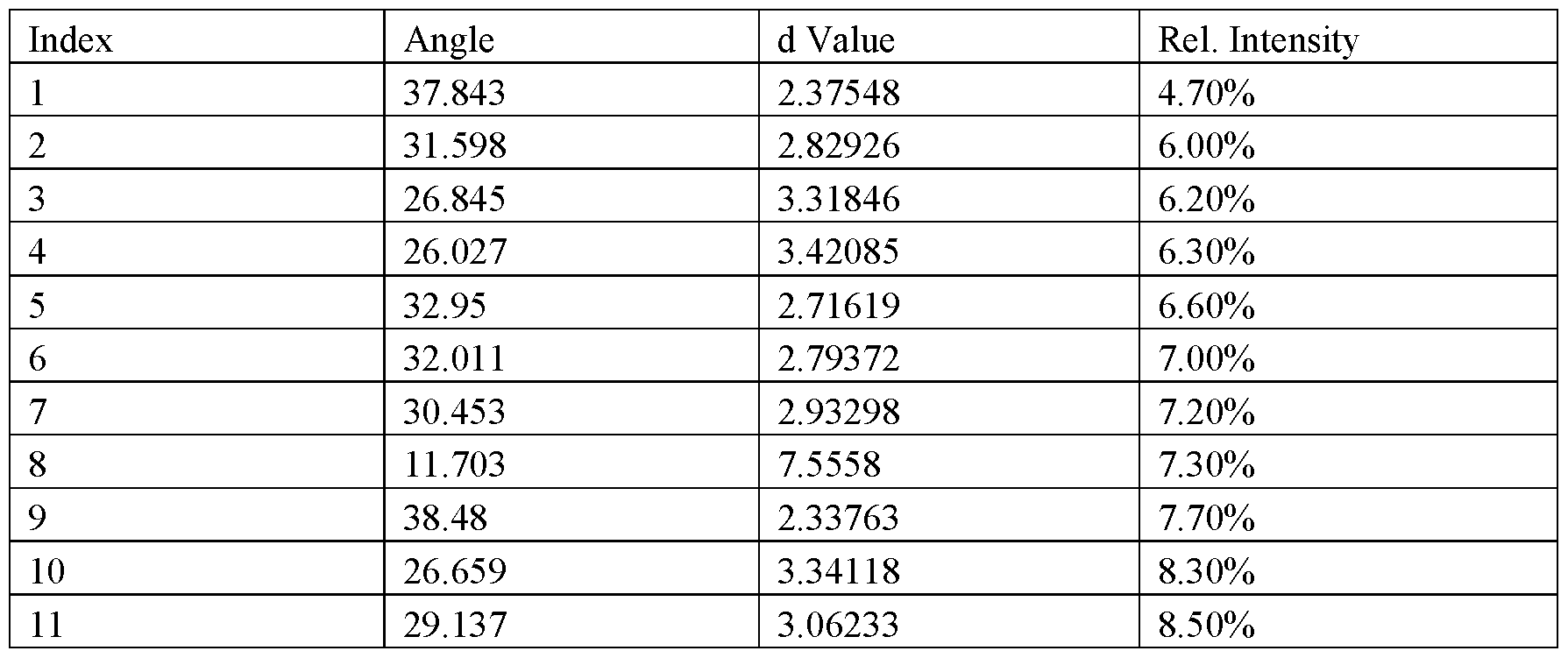


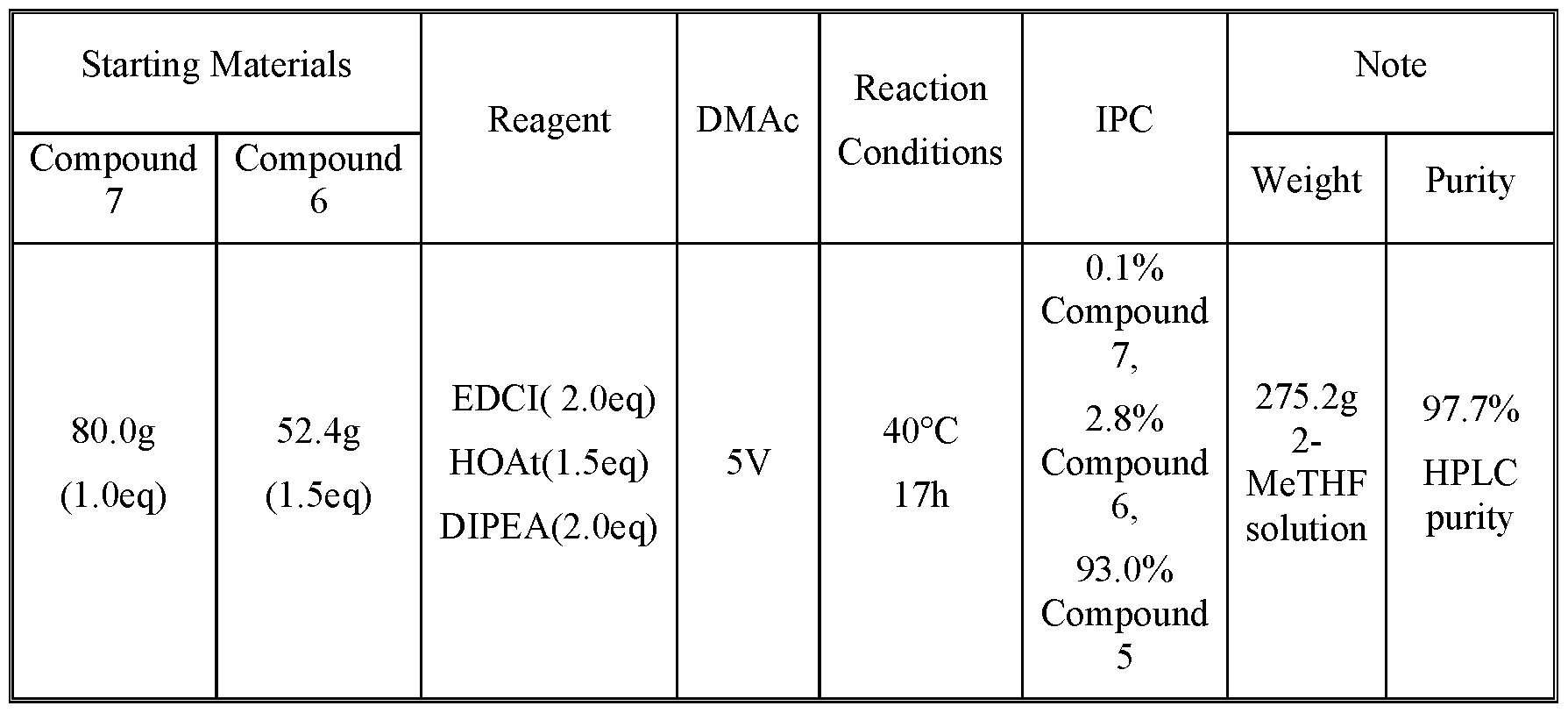



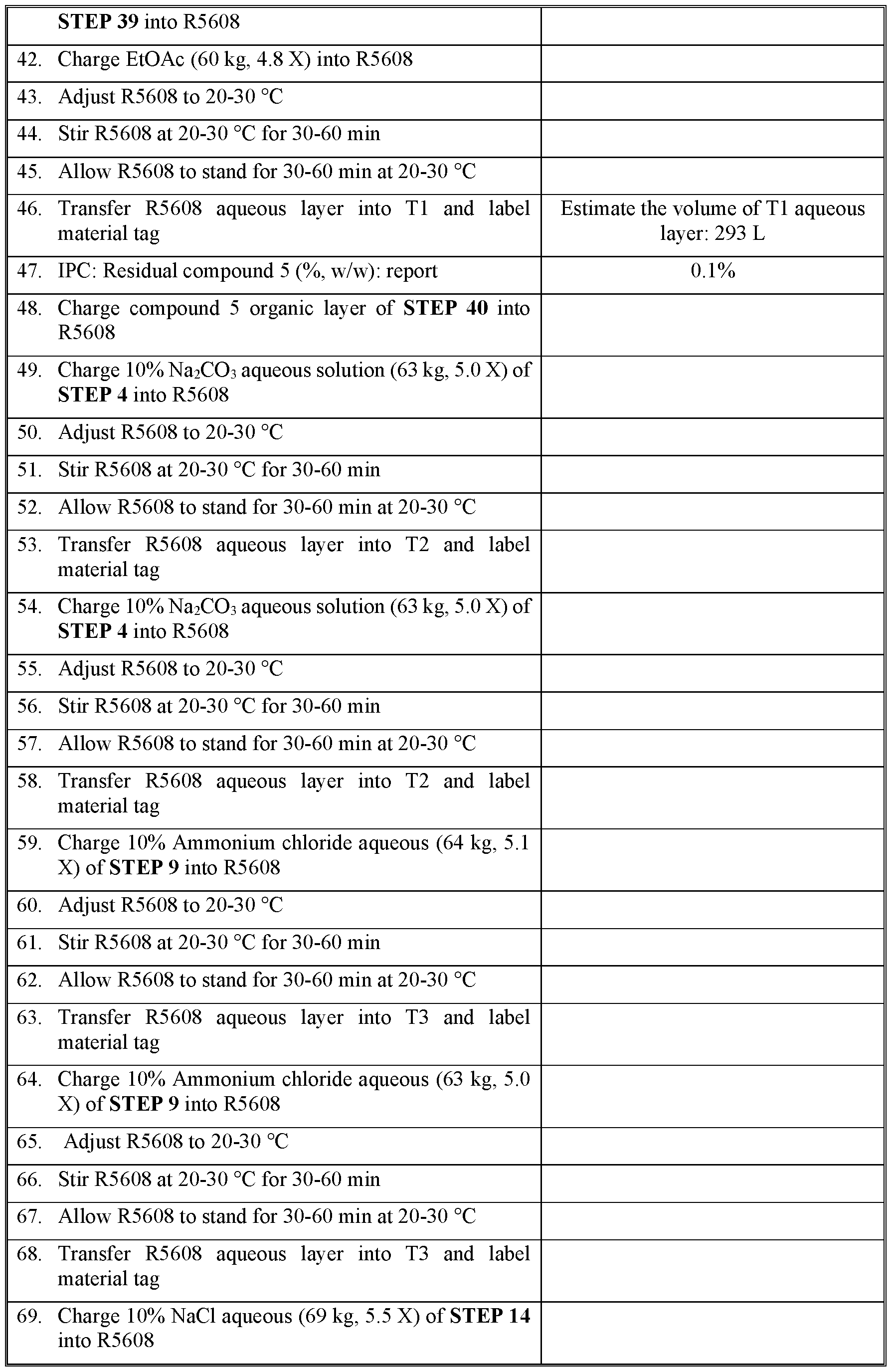


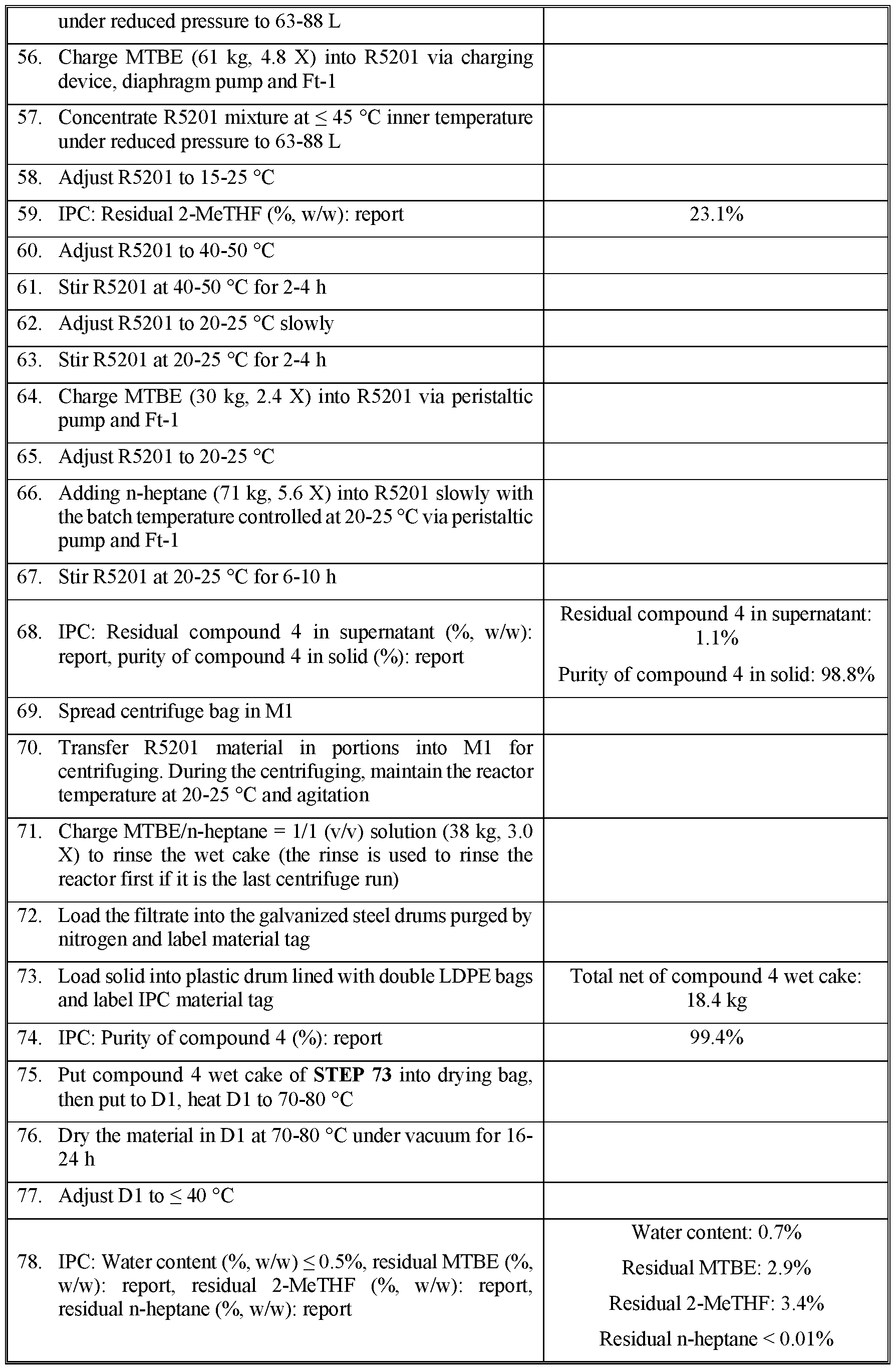


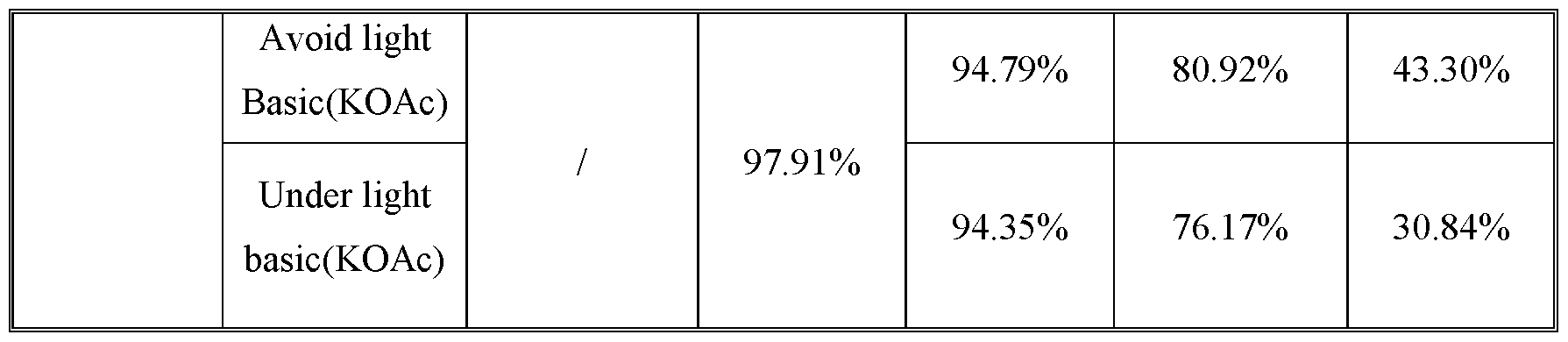


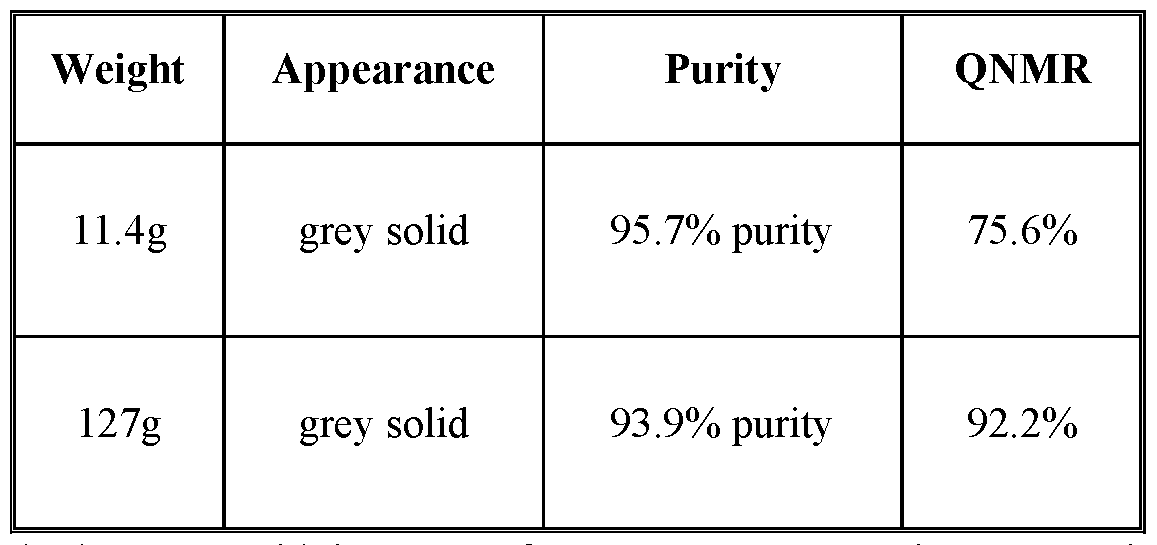


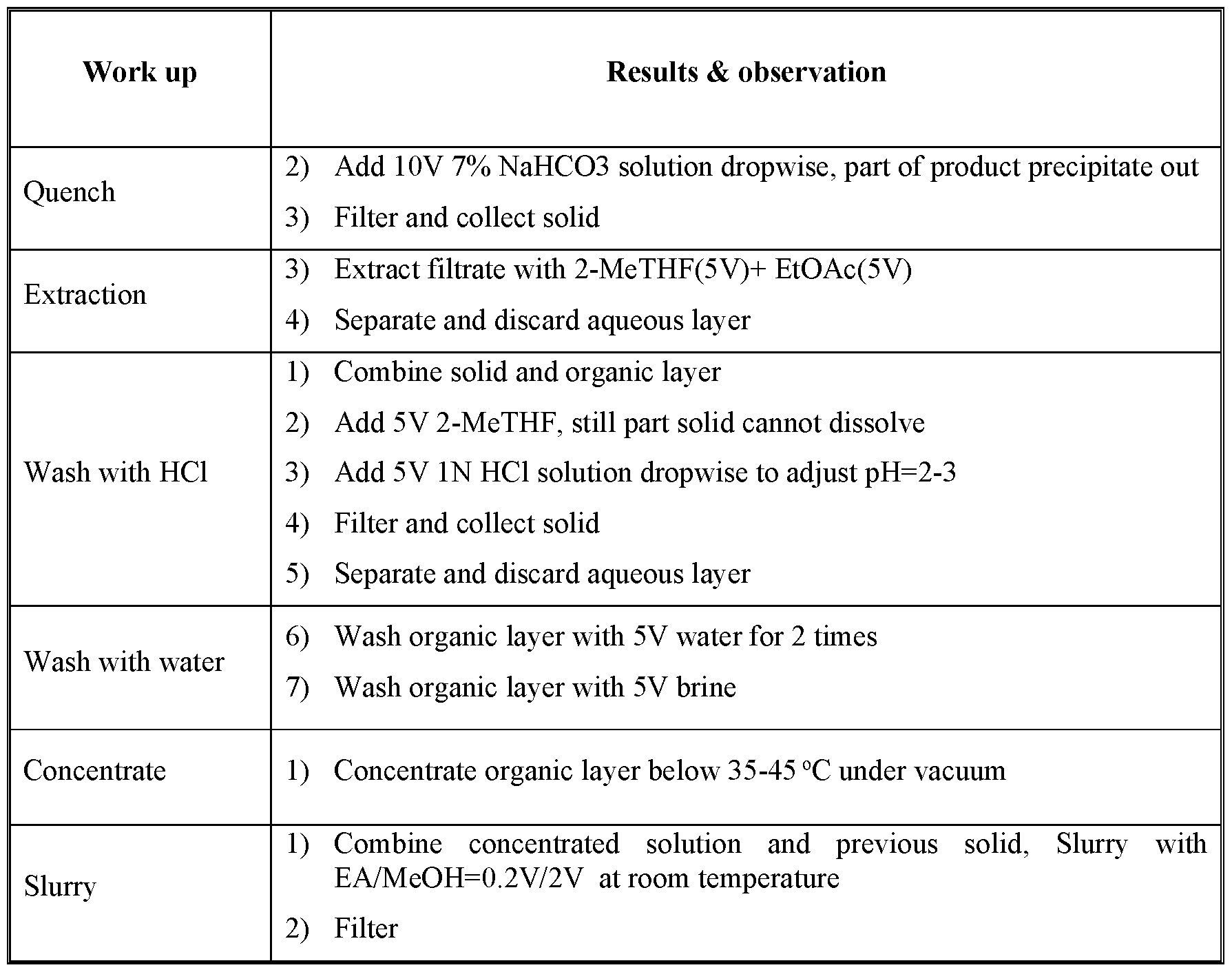


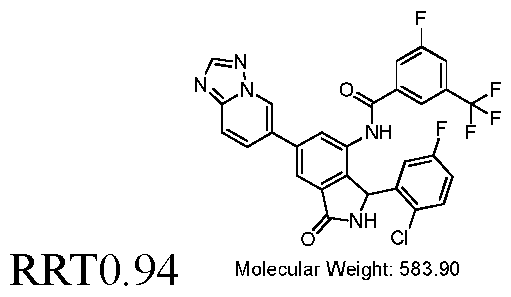





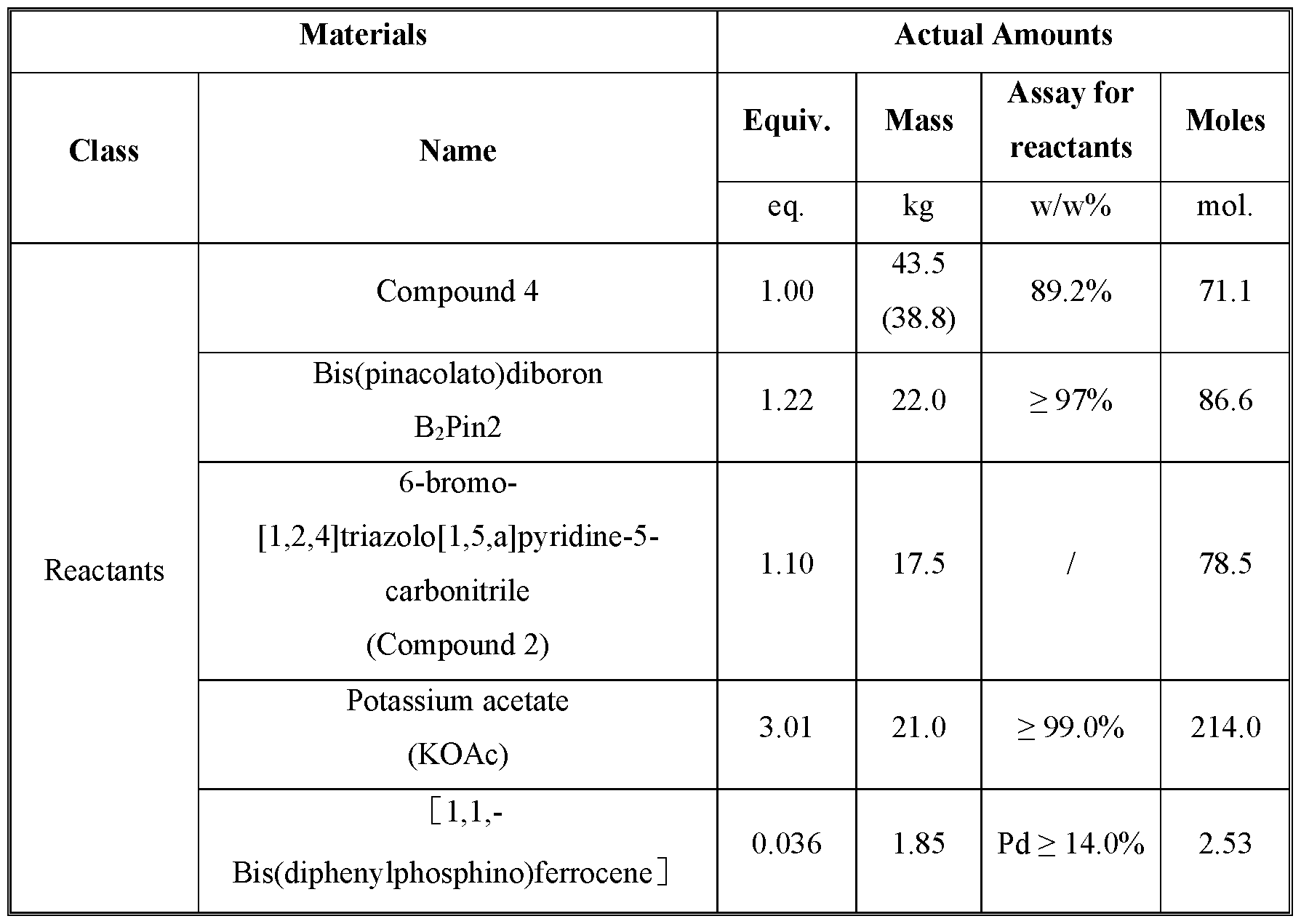


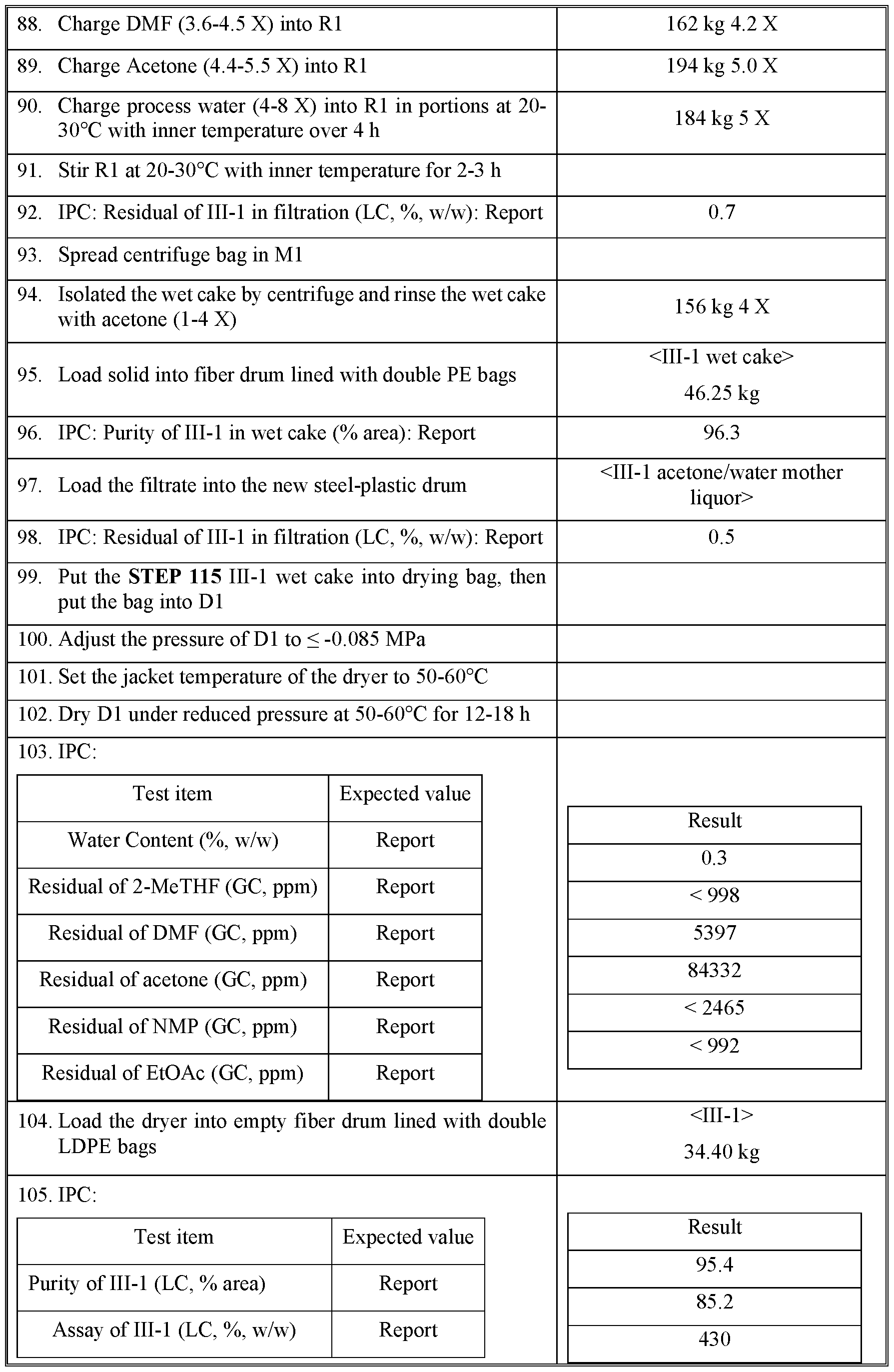


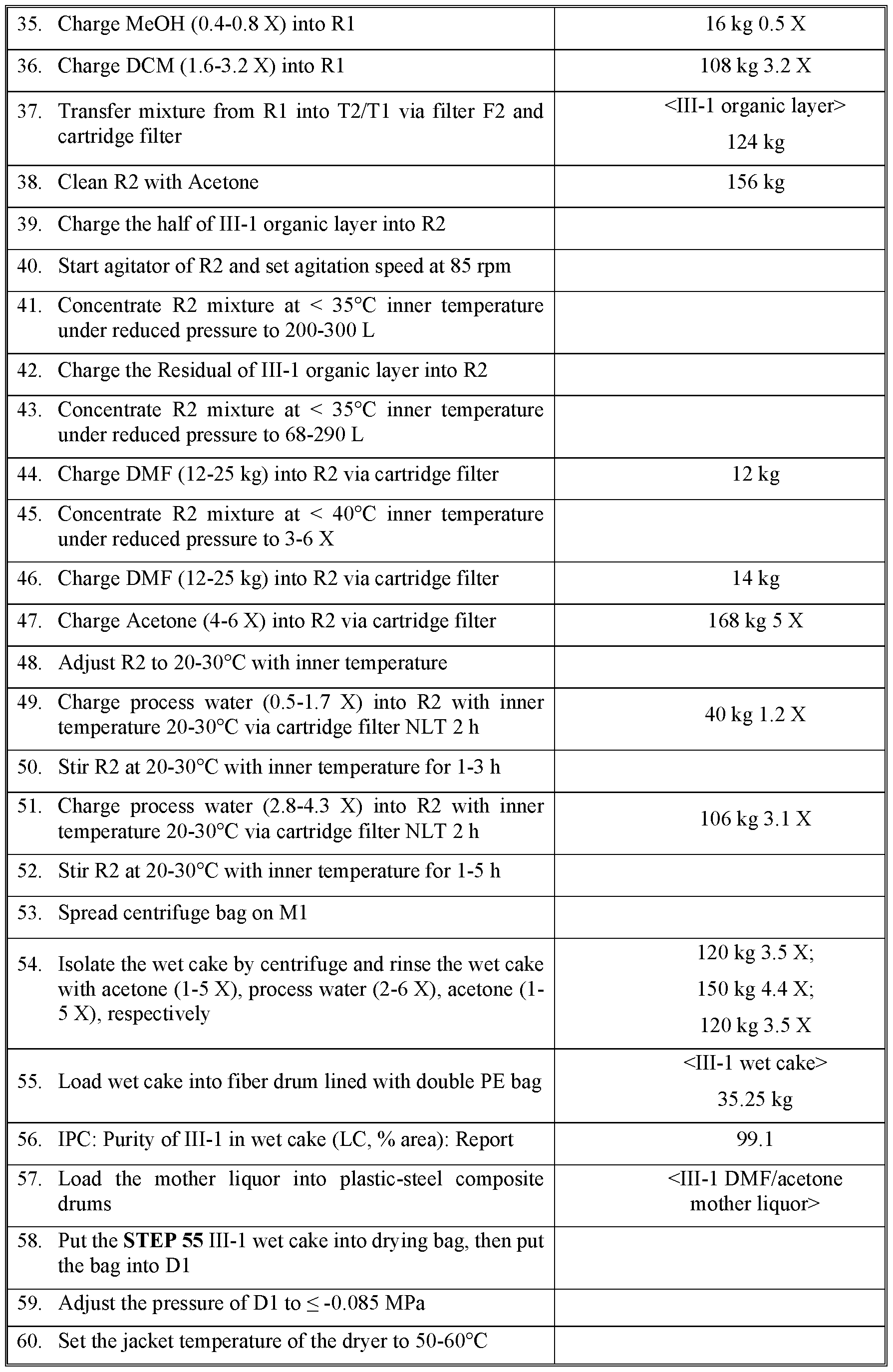


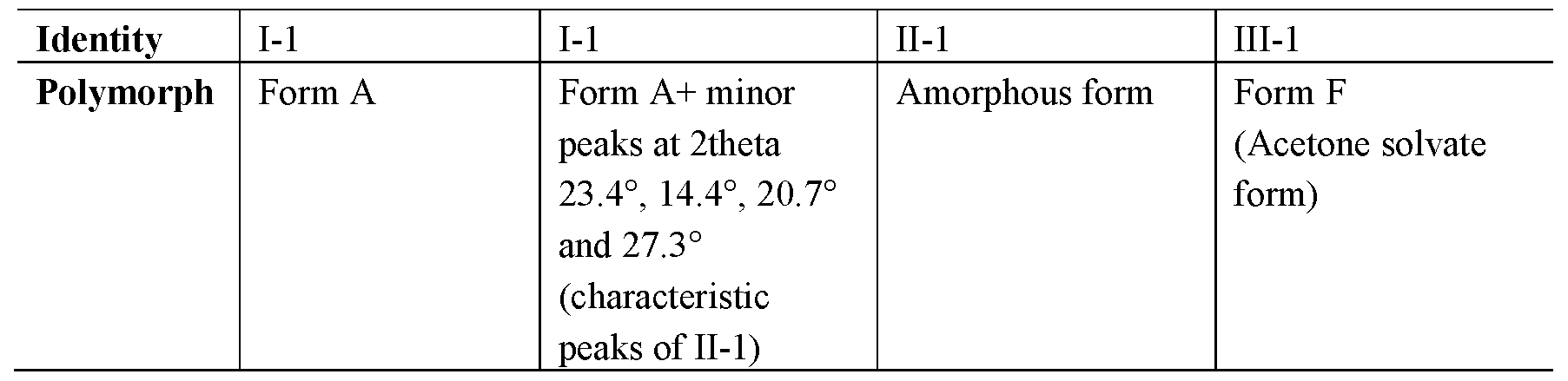


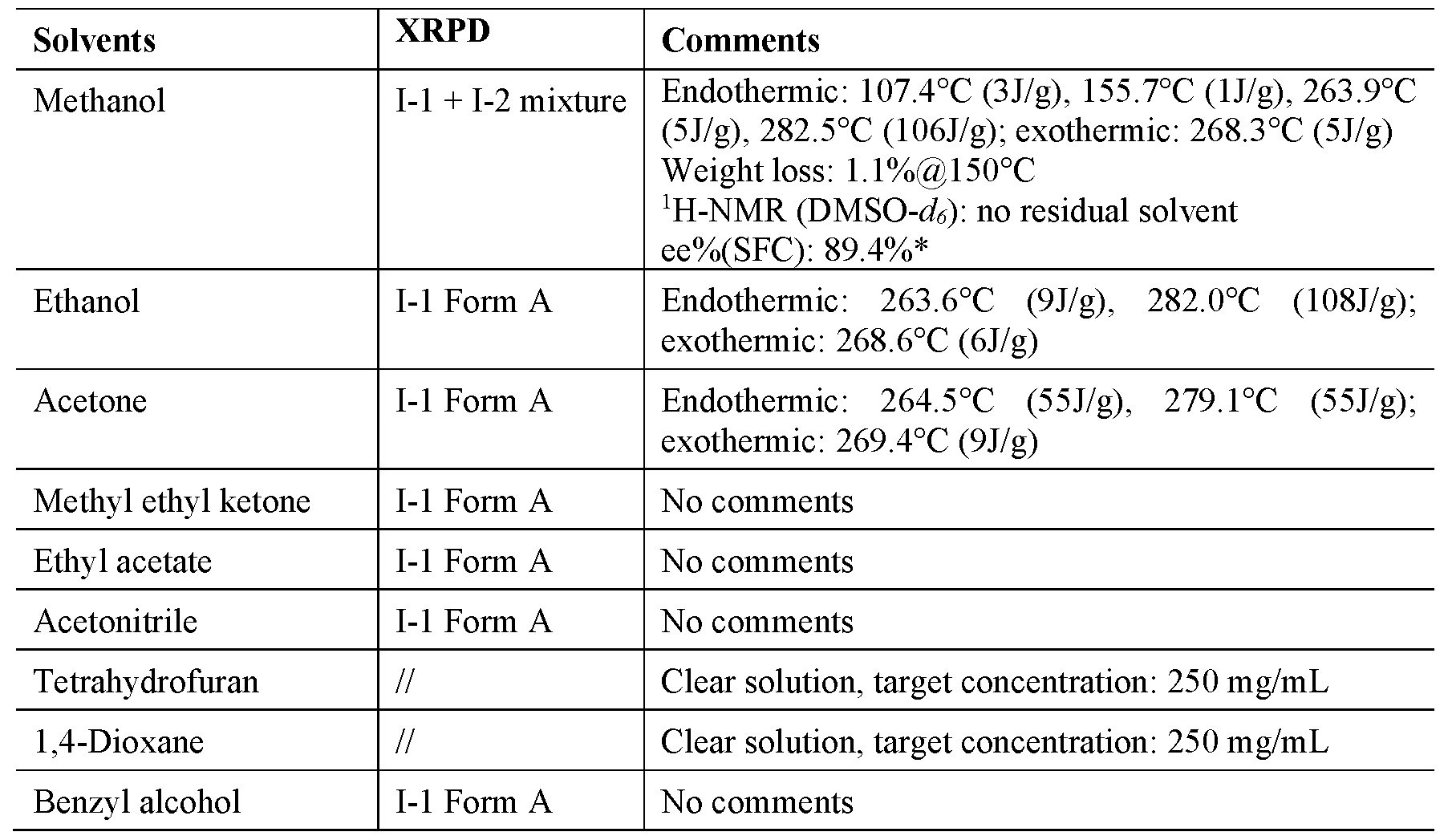





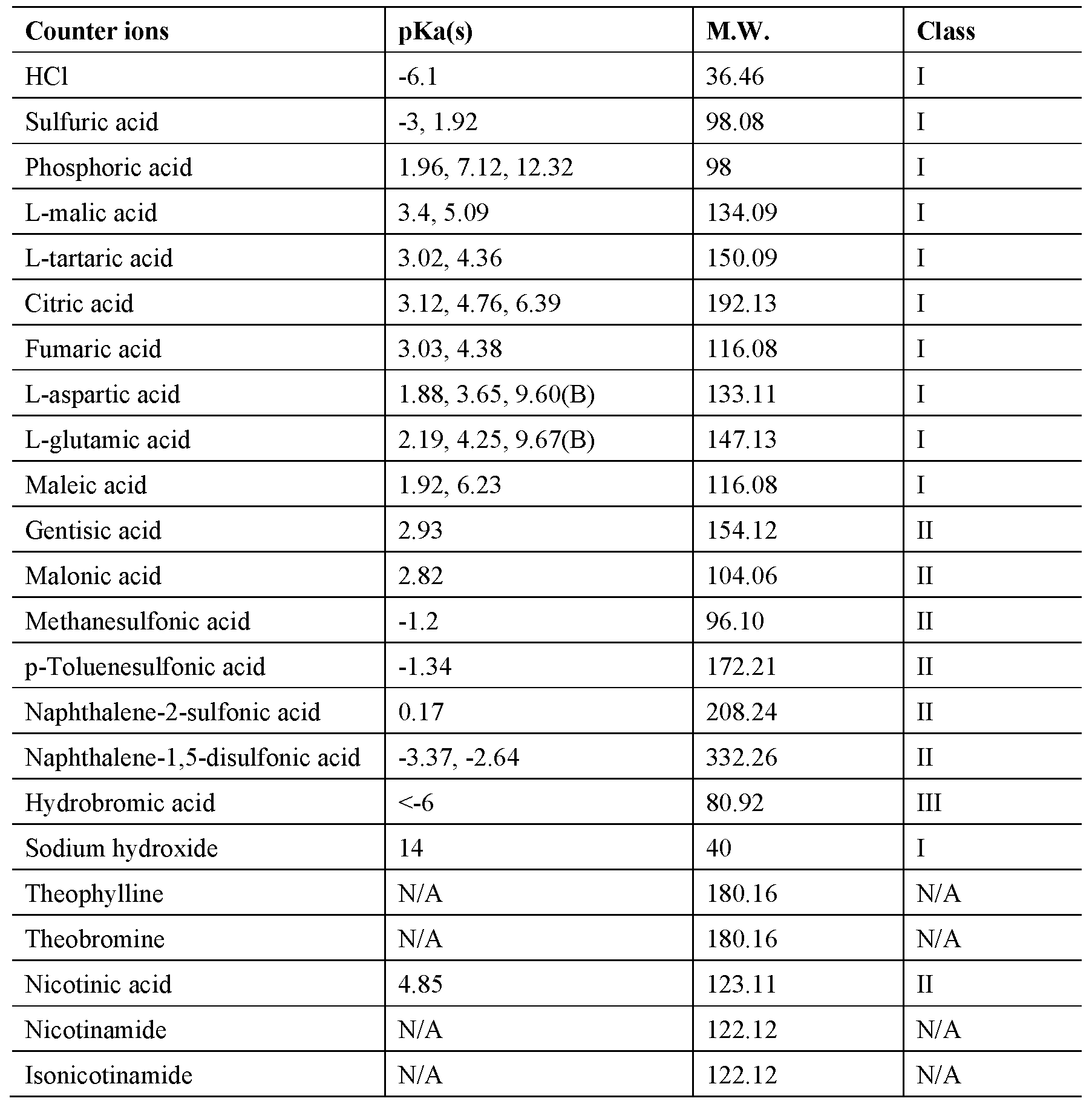


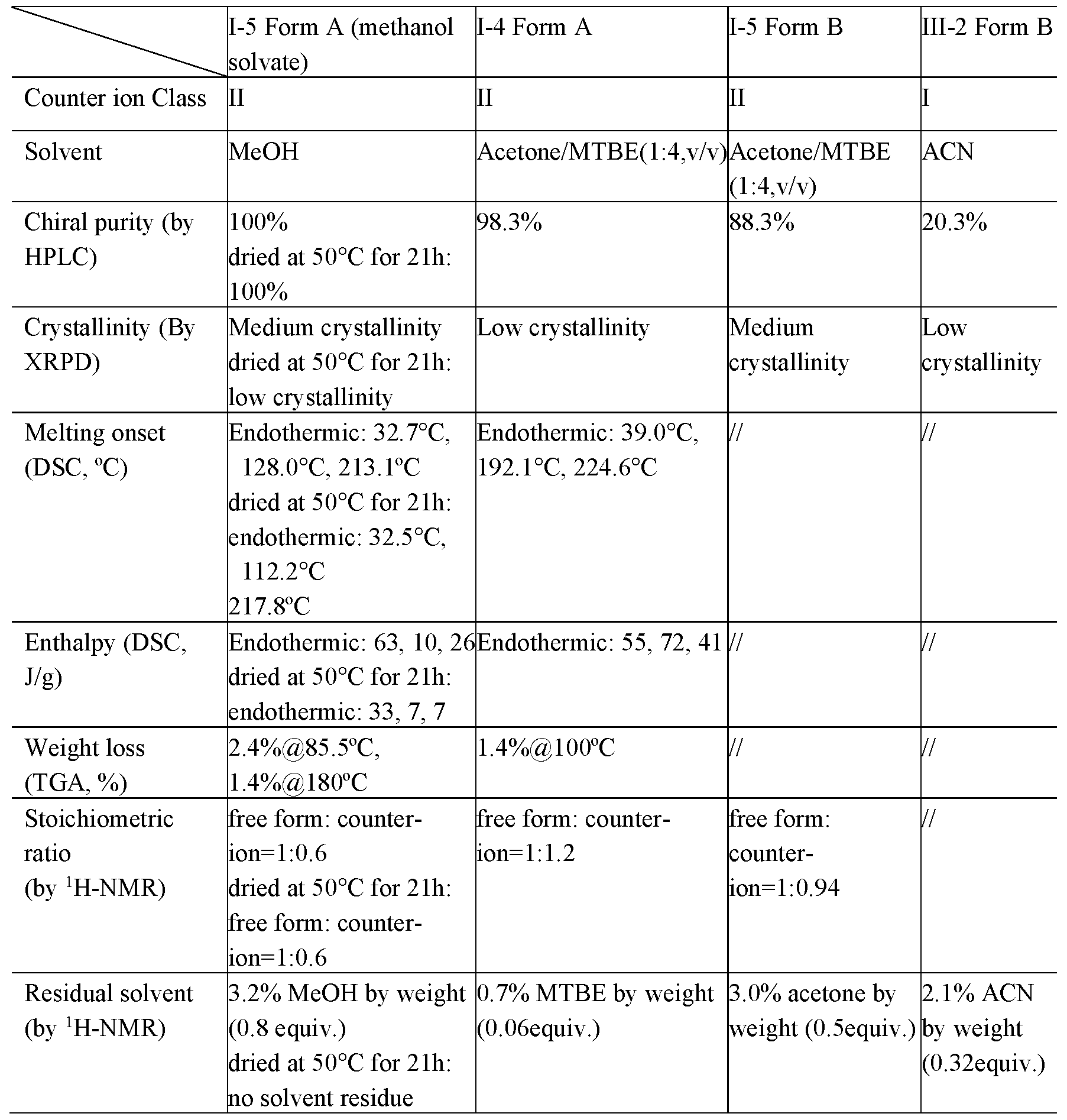


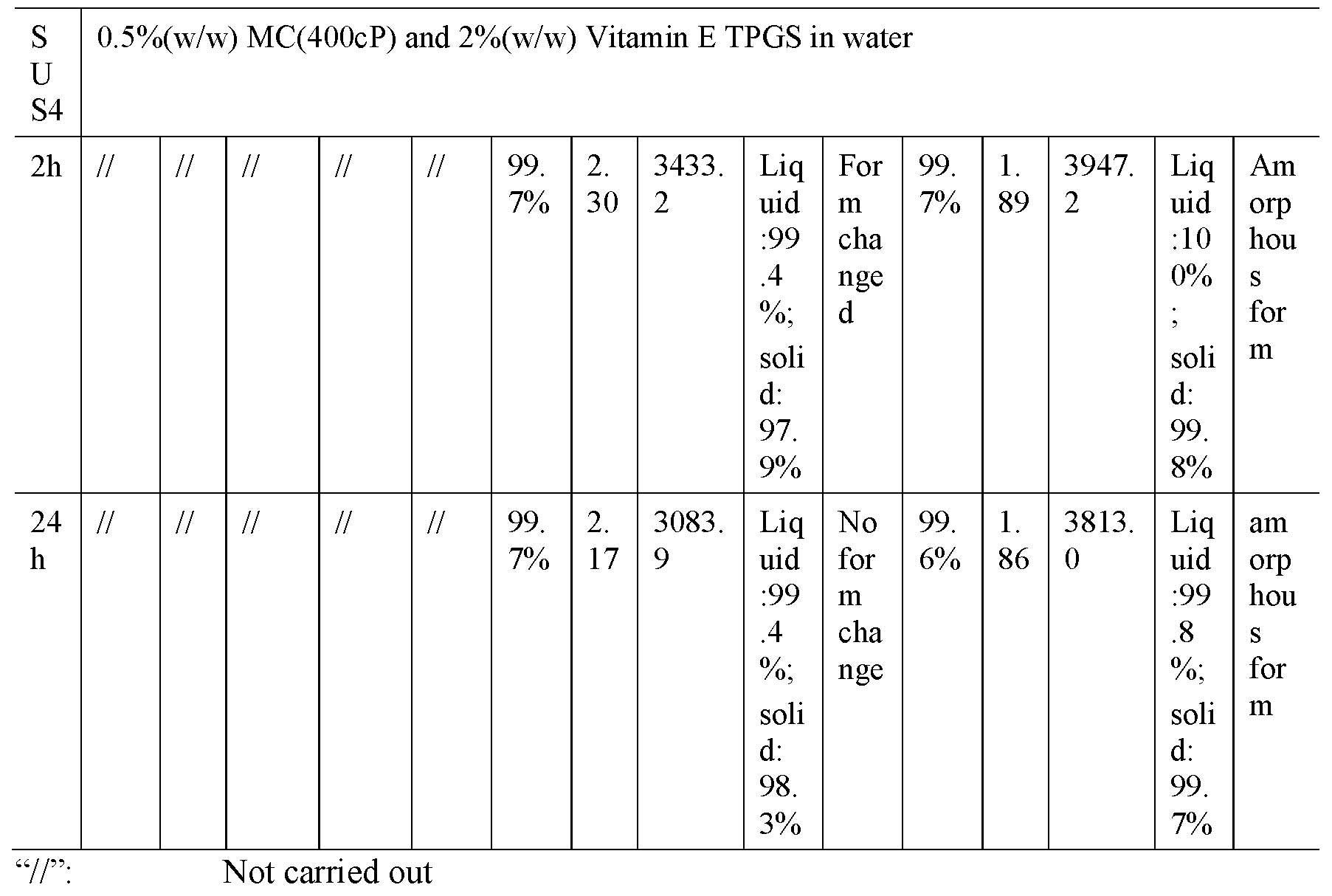

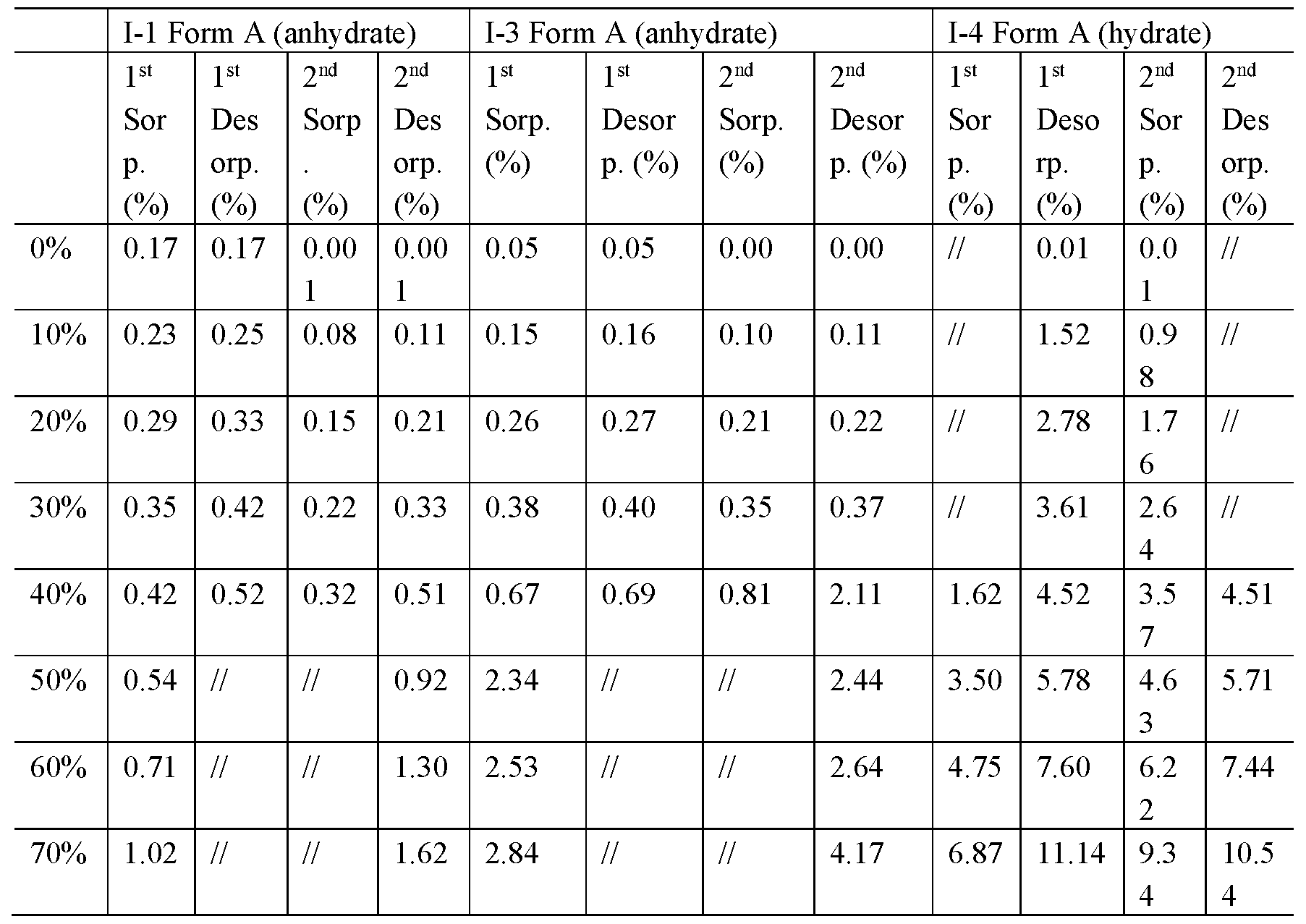


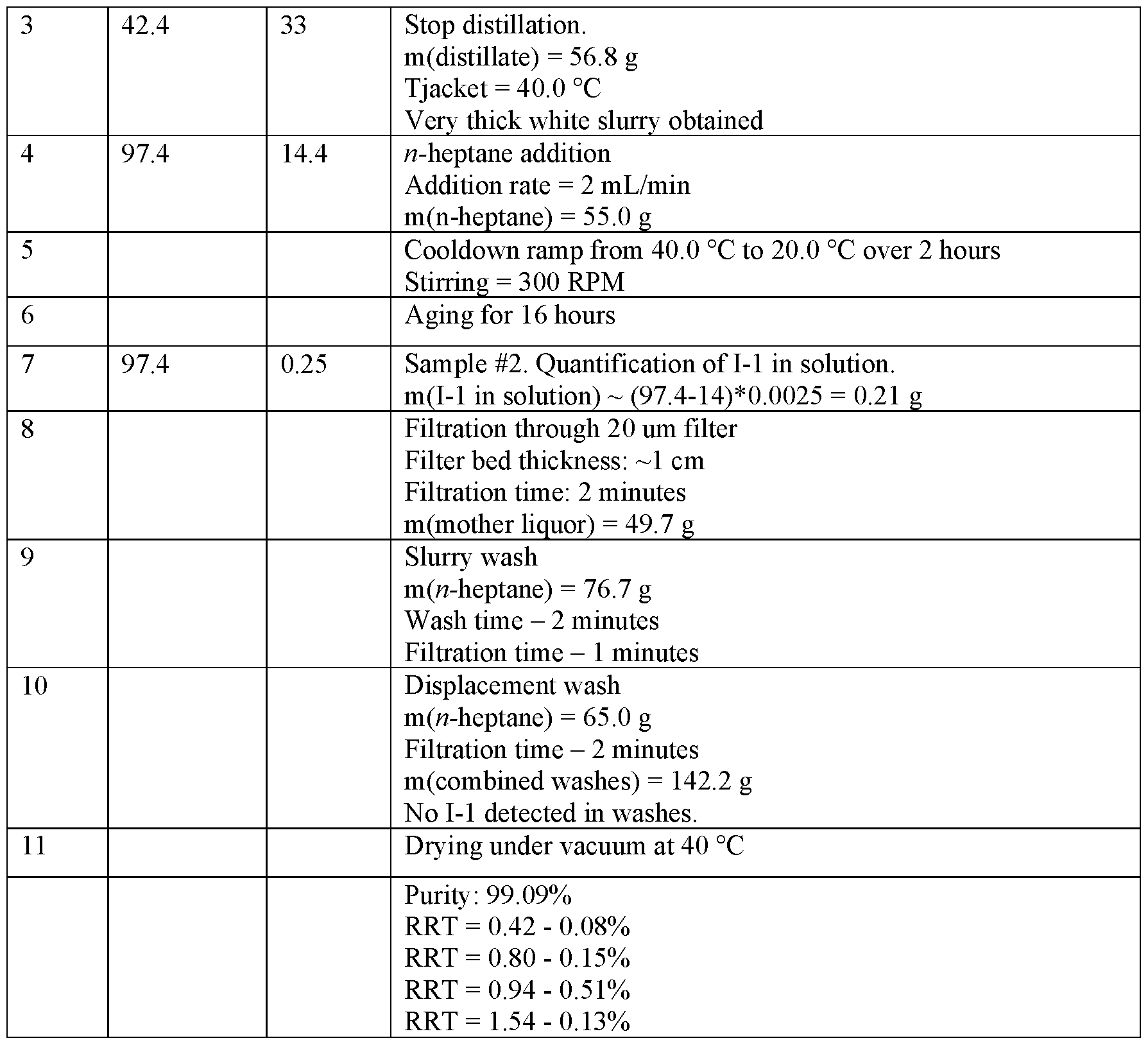





Claims


Priority Applications (9)
| Application Number | Priority Date | Filing Date | Title |
|---|---|---|---|
| CN202280082873.4A CN118401245A (en) | 2021-11-03 | 2022-11-03 | Pi3K alpha inhibitors and methods of making and using the same |
| EP22891040.2A EP4426314A4 (en) | 2021-11-03 | 2022-11-03 | PI3K-ALPHA INHIBITORS AND METHODS FOR THE PREPARATION AND USE THEREOF |
| MX2024005429A MX2024005429A (en) | 2021-11-03 | 2022-11-03 | Pi3k-alpha inhibitors and methods of making and using the same. |
| KR1020247018494A KR20240112283A (en) | 2021-11-03 | 2022-11-03 | PI3K-alpha inhibitors and methods of making and using the same |
| CA3236861A CA3236861A1 (en) | 2021-11-03 | 2022-11-03 | Pi3k-alpha inhibitors and methods of making and using the same |
| JP2024526614A JP2024540303A (en) | 2021-11-03 | 2022-11-03 | PI3K-ALPHA INHIBITORS, METHODS FOR PREPARATION AND USE THEREOF - Patent application |
| AU2022381187A AU2022381187A1 (en) | 2021-11-03 | 2022-11-03 | Pi3k-alpha inhibitors and methods of making and using the same |
| IL312466A IL312466A (en) | 2021-11-03 | 2022-11-03 | Pi3k-alpha inhibitors and methods of making and using the same |
| PE2024001004A PE20250676A1 (en) | 2021-11-03 | 2022-11-03 | PI3K-ALPHA INHIBITORS AND METHODS FOR THEIR PRODUCTION AND USE |
Applications Claiming Priority (4)
| Application Number | Priority Date | Filing Date | Title |
|---|---|---|---|
| US202163263474P | 2021-11-03 | 2021-11-03 | |
| CNPCT/CN2021/128533 | 2021-11-03 | ||
| US63/263,474 | 2021-11-03 | ||
| CN2021128533 | 2021-11-03 |
Publications (1)
| Publication Number | Publication Date |
|---|---|
| WO2023081757A1 true WO2023081757A1 (en) | 2023-05-11 |
Family
ID=86242193
Family Applications (1)
| Application Number | Title | Priority Date | Filing Date |
|---|---|---|---|
| PCT/US2022/079221 Ceased WO2023081757A1 (en) | 2021-11-03 | 2022-11-03 | Pi3k-alpha inhibitors and methods of making and using the same |
Country Status (12)
| Country | Link |
|---|---|
| EP (1) | EP4426314A4 (en) |
| JP (1) | JP2024540303A (en) |
| KR (1) | KR20240112283A (en) |
| CN (1) | CN118401245A (en) |
| AU (1) | AU2022381187A1 (en) |
| CA (1) | CA3236861A1 (en) |
| CL (1) | CL2024001364A1 (en) |
| IL (1) | IL312466A (en) |
| MX (1) | MX2024005429A (en) |
| PE (1) | PE20250676A1 (en) |
| TW (1) | TW202334136A (en) |
| WO (1) | WO2023081757A1 (en) |
Cited By (4)
| Publication number | Priority date | Publication date | Assignee | Title |
|---|---|---|---|---|
| WO2024055992A1 (en) * | 2022-09-14 | 2024-03-21 | 南京再明医药有限公司 | Tricyclic compound and use thereof |
| WO2024097721A1 (en) | 2022-11-02 | 2024-05-10 | Petra Pharma Corporation | Targeting allosteric and orthosteric pockets of phosphoinositide 3-kinase (pi3k) for the treatment of disease |
| WO2024233256A1 (en) | 2023-05-05 | 2024-11-14 | Eli Lilly And Company | Imlunestrant or salts thereof for use in treating and preventing central nervous system (cns) metastases in subjects having er+ breast cancer |
| US12219327B2 (en) | 2020-04-29 | 2025-02-04 | Relay Therapeutics, Inc. | Substituted isoindolines as PI3K-alpha inhibitors |
Citations (4)
| Publication number | Priority date | Publication date | Assignee | Title |
|---|---|---|---|---|
| US20170226132A1 (en) * | 2013-09-05 | 2017-08-10 | Genentech, Inc. | Triazolopyridine compounds, compositions and methods of use thereof |
| US20180169072A1 (en) * | 2015-07-01 | 2018-06-21 | Gregori J. Morriello | Substituted triazolo bicyclic compounds as pde2 inhibitors |
| WO2020173935A1 (en) * | 2019-02-26 | 2020-09-03 | Boehringer Ingelheim International Gmbh | New isoindolinone substituted indoles and derivatives as ras inhibitors |
| WO2021222556A1 (en) * | 2020-04-29 | 2021-11-04 | Relay Therapeutics, Inc. | PI3K-α INHIBITORS AND METHODS OF USE THEREOF |
Family Cites Families (1)
| Publication number | Priority date | Publication date | Assignee | Title |
|---|---|---|---|---|
| WO2010007100A1 (en) * | 2008-07-15 | 2010-01-21 | Cellzome Ltd | 7-substituted amino triazoles as pi3k inhibitors |
-
2022
- 2022-11-02 TW TW111141786A patent/TW202334136A/en unknown
- 2022-11-03 MX MX2024005429A patent/MX2024005429A/en unknown
- 2022-11-03 WO PCT/US2022/079221 patent/WO2023081757A1/en not_active Ceased
- 2022-11-03 EP EP22891040.2A patent/EP4426314A4/en active Pending
- 2022-11-03 KR KR1020247018494A patent/KR20240112283A/en active Pending
- 2022-11-03 JP JP2024526614A patent/JP2024540303A/en active Pending
- 2022-11-03 CN CN202280082873.4A patent/CN118401245A/en active Pending
- 2022-11-03 PE PE2024001004A patent/PE20250676A1/en unknown
- 2022-11-03 AU AU2022381187A patent/AU2022381187A1/en active Pending
- 2022-11-03 IL IL312466A patent/IL312466A/en unknown
- 2022-11-03 CA CA3236861A patent/CA3236861A1/en active Pending
-
2024
- 2024-05-03 CL CL2024001364A patent/CL2024001364A1/en unknown
Patent Citations (4)
| Publication number | Priority date | Publication date | Assignee | Title |
|---|---|---|---|---|
| US20170226132A1 (en) * | 2013-09-05 | 2017-08-10 | Genentech, Inc. | Triazolopyridine compounds, compositions and methods of use thereof |
| US20180169072A1 (en) * | 2015-07-01 | 2018-06-21 | Gregori J. Morriello | Substituted triazolo bicyclic compounds as pde2 inhibitors |
| WO2020173935A1 (en) * | 2019-02-26 | 2020-09-03 | Boehringer Ingelheim International Gmbh | New isoindolinone substituted indoles and derivatives as ras inhibitors |
| WO2021222556A1 (en) * | 2020-04-29 | 2021-11-04 | Relay Therapeutics, Inc. | PI3K-α INHIBITORS AND METHODS OF USE THEREOF |
Non-Patent Citations (1)
| Title |
|---|
| See also references of EP4426314A4 * |
Cited By (5)
| Publication number | Priority date | Publication date | Assignee | Title |
|---|---|---|---|---|
| US12219327B2 (en) | 2020-04-29 | 2025-02-04 | Relay Therapeutics, Inc. | Substituted isoindolines as PI3K-alpha inhibitors |
| US12581252B2 (en) | 2020-04-29 | 2026-03-17 | Relay Therapeutics, Inc. | Substituted pyrrolo[3,4-b]pyridines as PI3K-α inhibitors |
| WO2024055992A1 (en) * | 2022-09-14 | 2024-03-21 | 南京再明医药有限公司 | Tricyclic compound and use thereof |
| WO2024097721A1 (en) | 2022-11-02 | 2024-05-10 | Petra Pharma Corporation | Targeting allosteric and orthosteric pockets of phosphoinositide 3-kinase (pi3k) for the treatment of disease |
| WO2024233256A1 (en) | 2023-05-05 | 2024-11-14 | Eli Lilly And Company | Imlunestrant or salts thereof for use in treating and preventing central nervous system (cns) metastases in subjects having er+ breast cancer |
Also Published As
| Publication number | Publication date |
|---|---|
| CA3236861A1 (en) | 2023-05-11 |
| IL312466A (en) | 2024-06-01 |
| JP2024540303A (en) | 2024-10-31 |
| CL2024001364A1 (en) | 2024-10-25 |
| PE20250676A1 (en) | 2025-03-04 |
| EP4426314A4 (en) | 2025-10-01 |
| KR20240112283A (en) | 2024-07-18 |
| TW202334136A (en) | 2023-09-01 |
| CN118401245A (en) | 2024-07-26 |
| EP4426314A1 (en) | 2024-09-11 |
| AU2022381187A1 (en) | 2024-05-16 |
| MX2024005429A (en) | 2024-05-21 |
Similar Documents
| Publication | Publication Date | Title |
|---|---|---|
| CN114728918B (en) | RIP1 inhibitory compounds and methods of making and using the same | |
| WO2023060262A1 (en) | Pi3k-alpha inhibitors and methods of use thereof | |
| KR102797536B1 (en) | PI3Kα inhibitors and methods of use thereof | |
| WO2023081757A1 (en) | Pi3k-alpha inhibitors and methods of making and using the same | |
| CA3154862A1 (en) | Shp2 phosphatase inhibitors and methods of making and using the same | |
| CA3099037A1 (en) | Rip1 inhibitory compounds and methods for making and using the same | |
| TW200806664A (en) | Azaindoles useful as inhibitors of janus kinases | |
| JP2021519308A (en) | Imidazopiperazin inhibitor of transcriptional activation protein | |
| CN119486992A (en) | PI3Kα inhibitors and methods of use thereof | |
| EP4370124A1 (en) | PI3Ka INHIBITORS AND METHODS OF USE THEREOF | |
| EP4079748A1 (en) | Modulators of sortilin activity | |
| EP4426286A1 (en) | Bifunctional pi3k-alpha inhibitors and uses thereof | |
| WO2019189732A1 (en) | Optically active crosslinked cyclic secondary amine derivative | |
| JP6965390B2 (en) | Fumarate analogs and their use in the treatment of autoimmune or inflammatory diseases | |
| WO2021060453A1 (en) | Crosslinked optically active secondary amine derivative | |
| CN118201896A (en) | PI3K-α inhibitors and methods of use thereof | |
| WO2025106788A1 (en) | PI3Kα INHIBITORS AND METHODS OF MAKING AND USING THE SAME | |
| EP4648766A1 (en) | Pi3k inhibitors and methods of making and using the same | |
| CN118251217A (en) | PI3K alpha inhibitors and methods of use thereof | |
| EA051309B1 (en) | PI3K-ALPHA INHIBITORS AND METHODS OF THEIR PRODUCTION AND USE | |
| WO2026044398A1 (en) | Salts of 5-chloro-2-fluoro-n-(2-fluoro-4-(3-methyl-4-[(1-methylpiperidin-4-yl)oxy]-1h-pyrazolo[3,4-d]pyrimidin-6-yl)phenyl)benzene sulfonamide and crystalline forms thereof | |
| HK40068242B (en) | Rip1 inhibitory compounds and methods for making and using the same | |
| NZ743251A (en) | Salt forms and polymorphs of (r)-1-(4-(6-(2-(4-(3,3-difluorocyclobutoxy)-6-methylpyridin-2-yl) acetamido) pyridazin-3-yl)-2-fluorobutyl)-n-methyl-1h-1,2,3-triazole-4-carboxamide |
Legal Events
| Date | Code | Title | Description |
|---|---|---|---|
| 121 | Ep: the epo has been informed by wipo that ep was designated in this application |
Ref document number: 22891040 Country of ref document: EP Kind code of ref document: A1 |
|
| WWE | Wipo information: entry into national phase |
Ref document number: 202490841 Country of ref document: EA |
|
| WWE | Wipo information: entry into national phase |
Ref document number: AU2022381187 Country of ref document: AU |
|
| WWE | Wipo information: entry into national phase |
Ref document number: 312466 Country of ref document: IL Ref document number: 3236861 Country of ref document: CA |
|
| ENP | Entry into the national phase |
Ref document number: 2024526614 Country of ref document: JP Kind code of ref document: A |
|
| WWE | Wipo information: entry into national phase |
Ref document number: 12024551061 Country of ref document: PH |
|
| WWE | Wipo information: entry into national phase |
Ref document number: 001004-2024 Country of ref document: PE |
|
| REG | Reference to national code |
Ref country code: BR Ref legal event code: B01A Ref document number: 112024008696 Country of ref document: BR |
|
| ENP | Entry into the national phase |
Ref document number: 2022381187 Country of ref document: AU Date of ref document: 20221103 Kind code of ref document: A |
|
| WWE | Wipo information: entry into national phase |
Ref document number: 202417040649 Country of ref document: IN |
|
| ENP | Entry into the national phase |
Ref document number: 20247018494 Country of ref document: KR Kind code of ref document: A |
|
| WWE | Wipo information: entry into national phase |
Ref document number: 11202402905P Country of ref document: SG |
|
| WWE | Wipo information: entry into national phase |
Ref document number: 2022891040 Country of ref document: EP |
|
| NENP | Non-entry into the national phase |
Ref country code: DE |
|
| ENP | Entry into the national phase |
Ref document number: 2022891040 Country of ref document: EP Effective date: 20240603 |
|
| WWE | Wipo information: entry into national phase |
Ref document number: 202280082873.4 Country of ref document: CN |
|
| ENP | Entry into the national phase |
Ref document number: 112024008696 Country of ref document: BR Kind code of ref document: A2 Effective date: 20240502 |