WO2023083318A1 - A composition and its use in manufacturing a medicament for treatment of diabetes - Google Patents
A composition and its use in manufacturing a medicament for treatment of diabetes Download PDFInfo
- Publication number
- WO2023083318A1 WO2023083318A1 PCT/CN2022/131466 CN2022131466W WO2023083318A1 WO 2023083318 A1 WO2023083318 A1 WO 2023083318A1 CN 2022131466 W CN2022131466 W CN 2022131466W WO 2023083318 A1 WO2023083318 A1 WO 2023083318A1
- Authority
- WO
- WIPO (PCT)
- Prior art keywords
- extract
- diabetes
- supplement
- fruit
- seed extract
- Prior art date
- Legal status (The legal status is an assumption and is not a legal conclusion. Google has not performed a legal analysis and makes no representation as to the accuracy of the status listed.)
- Ceased
Links
Images




Classifications
-
- A—HUMAN NECESSITIES
- A61—MEDICAL OR VETERINARY SCIENCE; HYGIENE
- A61P—SPECIFIC THERAPEUTIC ACTIVITY OF CHEMICAL COMPOUNDS OR MEDICINAL PREPARATIONS
- A61P3/00—Drugs for disorders of the metabolism
- A61P3/08—Drugs for disorders of the metabolism for glucose homeostasis
- A61P3/10—Drugs for disorders of the metabolism for glucose homeostasis for hyperglycaemia, e.g. antidiabetics
-
- A—HUMAN NECESSITIES
- A23—FOODS OR FOODSTUFFS; TREATMENT THEREOF, NOT COVERED BY OTHER CLASSES
- A23L—FOODS, FOODSTUFFS OR NON-ALCOHOLIC BEVERAGES, NOT OTHERWISE PROVIDED FOR; PREPARATION OR TREATMENT THEREOF
- A23L33/00—Modifying nutritive qualities of foods; Dietetic products; Preparation or treatment thereof
- A23L33/10—Modifying nutritive qualities of foods; Dietetic products; Preparation or treatment thereof using additives
- A23L33/105—Plant extracts, their artificial duplicates or their derivatives
-
- A—HUMAN NECESSITIES
- A23—FOODS OR FOODSTUFFS; TREATMENT THEREOF, NOT COVERED BY OTHER CLASSES
- A23L—FOODS, FOODSTUFFS OR NON-ALCOHOLIC BEVERAGES, NOT OTHERWISE PROVIDED FOR; PREPARATION OR TREATMENT THEREOF
- A23L33/00—Modifying nutritive qualities of foods; Dietetic products; Preparation or treatment thereof
- A23L33/10—Modifying nutritive qualities of foods; Dietetic products; Preparation or treatment thereof using additives
- A23L33/14—Yeasts or derivatives thereof
-
- A—HUMAN NECESSITIES
- A23—FOODS OR FOODSTUFFS; TREATMENT THEREOF, NOT COVERED BY OTHER CLASSES
- A23L—FOODS, FOODSTUFFS OR NON-ALCOHOLIC BEVERAGES, NOT OTHERWISE PROVIDED FOR; PREPARATION OR TREATMENT THEREOF
- A23L33/00—Modifying nutritive qualities of foods; Dietetic products; Preparation or treatment thereof
- A23L33/10—Modifying nutritive qualities of foods; Dietetic products; Preparation or treatment thereof using additives
- A23L33/17—Amino acids, peptides or proteins
- A23L33/18—Peptides; Protein hydrolysates
-
- A—HUMAN NECESSITIES
- A23—FOODS OR FOODSTUFFS; TREATMENT THEREOF, NOT COVERED BY OTHER CLASSES
- A23L—FOODS, FOODSTUFFS OR NON-ALCOHOLIC BEVERAGES, NOT OTHERWISE PROVIDED FOR; PREPARATION OR TREATMENT THEREOF
- A23L33/00—Modifying nutritive qualities of foods; Dietetic products; Preparation or treatment thereof
- A23L33/10—Modifying nutritive qualities of foods; Dietetic products; Preparation or treatment thereof using additives
- A23L33/17—Amino acids, peptides or proteins
- A23L33/185—Vegetable proteins
-
- A—HUMAN NECESSITIES
- A61—MEDICAL OR VETERINARY SCIENCE; HYGIENE
- A61K—PREPARATIONS FOR MEDICAL, DENTAL OR TOILETRY PURPOSES
- A61K36/00—Medicinal preparations of undetermined constitution containing material from algae, lichens, fungi or plants, or derivatives thereof, e.g. traditional herbal medicines
- A61K36/06—Fungi, e.g. yeasts
- A61K36/062—Ascomycota
- A61K36/064—Saccharomycetales, e.g. baker's yeast
-
- A—HUMAN NECESSITIES
- A61—MEDICAL OR VETERINARY SCIENCE; HYGIENE
- A61K—PREPARATIONS FOR MEDICAL, DENTAL OR TOILETRY PURPOSES
- A61K36/00—Medicinal preparations of undetermined constitution containing material from algae, lichens, fungi or plants, or derivatives thereof, e.g. traditional herbal medicines
- A61K36/18—Magnoliophyta (angiosperms)
- A61K36/185—Magnoliopsida (dicotyledons)
-
- A—HUMAN NECESSITIES
- A61—MEDICAL OR VETERINARY SCIENCE; HYGIENE
- A61K—PREPARATIONS FOR MEDICAL, DENTAL OR TOILETRY PURPOSES
- A61K36/00—Medicinal preparations of undetermined constitution containing material from algae, lichens, fungi or plants, or derivatives thereof, e.g. traditional herbal medicines
- A61K36/18—Magnoliophyta (angiosperms)
- A61K36/185—Magnoliopsida (dicotyledons)
- A61K36/23—Apiaceae or Umbelliferae (Carrot family), e.g. dill, chervil, coriander or cumin
-
- A—HUMAN NECESSITIES
- A61—MEDICAL OR VETERINARY SCIENCE; HYGIENE
- A61K—PREPARATIONS FOR MEDICAL, DENTAL OR TOILETRY PURPOSES
- A61K36/00—Medicinal preparations of undetermined constitution containing material from algae, lichens, fungi or plants, or derivatives thereof, e.g. traditional herbal medicines
- A61K36/18—Magnoliophyta (angiosperms)
- A61K36/185—Magnoliopsida (dicotyledons)
- A61K36/42—Cucurbitaceae (Cucumber family)
-
- A—HUMAN NECESSITIES
- A61—MEDICAL OR VETERINARY SCIENCE; HYGIENE
- A61K—PREPARATIONS FOR MEDICAL, DENTAL OR TOILETRY PURPOSES
- A61K36/00—Medicinal preparations of undetermined constitution containing material from algae, lichens, fungi or plants, or derivatives thereof, e.g. traditional herbal medicines
- A61K36/18—Magnoliophyta (angiosperms)
- A61K36/185—Magnoliopsida (dicotyledons)
- A61K36/73—Rosaceae (Rose family), e.g. strawberry, chokeberry, blackberry, pear or firethorn
- A61K36/736—Prunus, e.g. plum, cherry, peach, apricot or almond
-
- A—HUMAN NECESSITIES
- A61—MEDICAL OR VETERINARY SCIENCE; HYGIENE
- A61K—PREPARATIONS FOR MEDICAL, DENTAL OR TOILETRY PURPOSES
- A61K36/00—Medicinal preparations of undetermined constitution containing material from algae, lichens, fungi or plants, or derivatives thereof, e.g. traditional herbal medicines
- A61K36/18—Magnoliophyta (angiosperms)
- A61K36/185—Magnoliopsida (dicotyledons)
- A61K36/74—Rubiaceae (Madder family)
- A61K36/742—Coffea, e.g. coffee
-
- A—HUMAN NECESSITIES
- A61—MEDICAL OR VETERINARY SCIENCE; HYGIENE
- A61K—PREPARATIONS FOR MEDICAL, DENTAL OR TOILETRY PURPOSES
- A61K36/00—Medicinal preparations of undetermined constitution containing material from algae, lichens, fungi or plants, or derivatives thereof, e.g. traditional herbal medicines
- A61K36/18—Magnoliophyta (angiosperms)
- A61K36/185—Magnoliopsida (dicotyledons)
- A61K36/82—Theaceae (Tea family), e.g. camellia
-
- A—HUMAN NECESSITIES
- A61—MEDICAL OR VETERINARY SCIENCE; HYGIENE
- A61K—PREPARATIONS FOR MEDICAL, DENTAL OR TOILETRY PURPOSES
- A61K36/00—Medicinal preparations of undetermined constitution containing material from algae, lichens, fungi or plants, or derivatives thereof, e.g. traditional herbal medicines
- A61K36/18—Magnoliophyta (angiosperms)
- A61K36/185—Magnoliopsida (dicotyledons)
- A61K36/87—Vitaceae or Ampelidaceae (Vine or Grape family), e.g. wine grapes, muscadine or peppervine
-
- A—HUMAN NECESSITIES
- A61—MEDICAL OR VETERINARY SCIENCE; HYGIENE
- A61K—PREPARATIONS FOR MEDICAL, DENTAL OR TOILETRY PURPOSES
- A61K38/00—Medicinal preparations containing peptides
- A61K38/16—Peptides having more than 20 amino acids; Gastrins; Somatostatins; Melanotropins; Derivatives thereof
- A61K38/168—Peptides having more than 20 amino acids; Gastrins; Somatostatins; Melanotropins; Derivatives thereof from plants
Definitions
- the present invention relates to a method and composition for treating diabetes.
- Diabetes mellitus also referred to as diabetes, is a metabolic disorder in which there are symptoms of chronic hyperglycemia. Serious long-term complications include cardiovascular disease, stroke, chronic kidney disease, food ulcers and damages to the eyes. There are three types of diabetes mellitus:
- Type 1 diabetes referred to as insulin-dependent diabetes mellitus (IDDM) , which results from the pancreas’ failure to produce enough insulin due to loss of beta cells;
- IDDM insulin-dependent diabetes mellitus
- Type 2 diabetes referred to as non insulin-dependent diabetes mellitus (NIDDM) or adult-onset diabetes, which begins with insulin resistance, a condition in which cells fail to respond to insulin property;
- NIDDM non insulin-dependent diabetes mellitus
- adult-onset diabetes a condition in which cells fail to respond to insulin property
- gestational diabetes which is the third main form, and occurs when pregnant women without a previous history of diabetes develop high blood sugar levels.
- Prevention and treatment strategies include maintaining a healthy diet, regular physical exercise, a normal body weight, and a voiding uses of tobacco.
- Type 1 diabetes may be managed with insulin injections, and type 2 diabetes may be treated with medications with or without insulin.
- IR insulin resistance
- Both life style (lack of physical activity) and dietary nutrition (excessive high energy foods) have been implicated in the development of diabetes as a consequence of increased insulin resistance in tissues and reduction in insulin secretion from pancreas beta cells.
- a natural supplement provides unexpected better efficacy in treating, even reversing, diabetes, particularly type 2 diabetes, which was confirmed by some in vitro experiments and a clinical trial, illustrating that the supplement could be potentially used to treat or reverse diabetes, particularly type 2 diabetes.
- the invention provides a supplement for use in treating or reversing diabetes, particularly type 2 diabetes, which comprises, consists essentially of, or consist of Green coffee (Coffea arabica) bean extract, Bitter melon (Momordica charantia) fruit extract, Celery (Apium graveolens) seed extract, Bakers yeast (Saccharomyces cerevisiae) cell wall extract, Acerola (Malpighia emarginata) fruit extract, Grape (Vitis vinifera) seed extract, Green tea leaf extract, and Hydrolyzed soy protein powder.
- Green coffee Coffea arabica
- Bitter melon Momordica charantia
- Celery Apium graveolens
- Bakers yeast Sacharomyces cerevisiae
- Acerola Mealpighia emarginata
- Grape Vitis vinifera
- Green tea leaf extract and Hydrolyzed soy protein powder.
- One example of the supplement is a commercial product, of Geni
- the supplement comprises of 5 wt%-30 wt%Green coffee (Coffea arabica) bean extract, 5 wt%-30 wt%Bitter melon (Momordica charantia) fruit extract, 5 wt%-30 wt%Celery (Apium graveolens) seed extract, 5 wt%-30 wt%Bakers yeast (Saccharomyces cerevisiae) cell wall extract, 5 wt%-30 wt%Acerola (Malpighia emarginata) fruit extract, 5 wt%-30 wt%Grape (Vitis vinifera) seed extract, 5 wt%-30 wt%Green tea leaf extract, and 5 wt%-30 wt%Hydrolyzed soy protein powder, based on the total weight of the supplement, respectively.
- 5 wt%-30 wt%Green coffee Coffea arabica
- 5 wt%-30 wt%Bitter melon Fruit
- the supplement consists essentially of 5 wt%-30 wt%Green coffee (Coffea arabica) bean extract, 5 wt%-30 wt%Bitter melon (Momordica charantia) fruit extract, 5 wt%-30 wt%Celery (Apium graveolens) seed extract, 5 wt%-30 wt%Bakers yeast (Saccharomyces cerevisiae) cell wall extract, 5 wt%-30 wt%Acerola (Malpighia emarginata) fruit extract, 5 wt%-30 wt%Grape (Vitis vinifera) seed extract, 5 wt%-30 wt%Green tea leaf extract, and 5 wt%-30 wt%Hydrolyzed soy protein powder, based on the total weight of the supplement, respectively.
- the supplement consists of 5 wt%-30 wt%Green coffee (Coffea arabica) bean extract, 5 wt%-30 wt%Bitter melon (Momordica charantia) fruit extract, 5 wt%-30 wt%Celery (Apium graveolens) seed extract, 5 wt%-30 wt%Bakers yeast (Saccharomyces cerevisiae) cell wall extract, 5 wt%-30 wt%Acerola (Malpighia emarginata) fruit extract, 5 wt%-30 wt%Grape (Vitis vinifera) seed extract, 5 wt%-30 wt%Green tea leaf extract, and 5 wt%-30 wt%Hydrolyzed soy protein powder, based on the total weight of the supplement, respectively.
- 5 wt%-30 wt%Green coffee Coffea arabica
- the supplement comprises 12.5 wt%Bitter melon (Momordica charantia) fruit extract, 12.5 wt%Celery (Apium graveolens) seed extract, 12.5 wt%Bakers yeast (Saccharomyces cerevisiae) cell wall extract, 12.5 wt%Acerola (Malpighia emarginata) fruit extract, 12.5 wt%Grape (Vitis vinifera) seed extract, 12.5 wt%Green tea leaf extract, and 12.5 wt%Hydrolyzed soy protein powder, based on the total weight of the supplement, respectively.
- 12.5 wt%Bitter melon (Momordica charantia) fruit extract 12.5 wt%Celery (Apium graveolens) seed extract, 12.5 wt%Bakers yeast (Saccharomyces cerevisiae) cell wall extract, 12.5 wt%Acerola (Malp
- the supplement consists essentially of 12.5 wt%Bitter melon (Momordica charantia) fruit extract, 12.5 wt%Celery (Apium graveolens) seed extract, 12.5 wt%Bakers yeast (Saccharomyces cerevisiae) cell wall extract, 12.5 wt%Acerola (Malpighia emarginata) fruit extract, 12.5 wt%Grape (Vitis vinifera) seed extract, 12.5 wt%Green tea leaf extract, and 12.5 wt%Hydrolyzed soy protein powder, based on the total weight of the supplement, respectively.
- 12.5 wt%Bitter melon (Momordica charantia) fruit extract 12.5 wt%Celery (Apium graveolens) seed extract, 12.5 wt%Bakers yeast (Saccharomyces cerevisiae) cell wall extract, 12.5 wt%Acerola
- the supplement consists of 12.5 wt%Bitter melon (Momordica charantia) fruit extract, 12.5 wt%Celery (Apium graveolens) seed extract, 12.5 wt%Bakers yeast (Saccharomyces cerevisiae) cell wall extract, 12.5 wt%Acerola (Malpighia emarginata) fruit extract, 12.5 wt%Grape (Vitis vinifera) seed extract, 12.5 wt%Green tea leaf extract, and 12.5 wt%Hydrolyzed soy protein powder, based on the total weight of the supplement, respectively.
- 12.5 wt%Bitter melon (Momordica charantia) fruit extract 12.5 wt%Celery (Apium graveolens) seed extract, 12.5 wt%Bakers yeast (Saccharomyces cerevisiae) cell wall extract, 12.5 wt%Acerola (M
- the supplement exhibits the efficacy in activating Glucagon-like peptide-1 (GLP-1) , inhibiting dipeptidyl peptidase-4 (DPP4) , and inhibiting formation of Advanced glycation end products (AGEs)
- GLP-1 Glucagon-like peptide-1
- DPP4 dipeptidyl peptidase-4
- AGEs Advanced glycation end products
- the invention provides a supplement for manufacturing a medicament for treating or reversing diabetes in a subject, wherein the supplement at a therapeutically effective amount to activate Glucagon-like peptide-1 (GLP-1) , inhibit Dipeptidyl peptidase-4 (DPP4) and/or inhibit the formation of Advanced glycation end products (AGEs) in the subject.
- GLP-1 Glucagon-like peptide-1
- DPP4 Dipeptidyl peptidase-4
- AGEs Advanced glycation end products
- the invention provides a supplement for manufacturing a medicament for treating or reversing diabetes.
- the subject is a type 2 diabetes patient.
- the subject is an insulin-resistance diabetes patient.
- the present invention provides a pharmaceutical composition for treating or reversing diabetes in a subject, which comprises Bitter melon (Momordica charantia) fruit extract, Celery (Apium graveolens) seed extract, Bakers yeast (Saccharomyces cerevisiae) cell wall extract, Acerola (Malpighia emarginata) fruit extract, Grape (Vitis vinifera) seed extract, Green tea leaf extract, and Hydrolyzed soy protein powder, based on the total weight of the supplement, respectively, and a pharmaceutically acceptable carrier.
- the pharmaceutical composition comprises of 5%-30%Bitter melon (Momordica charantia) fruit extract, 5%-30%Celery (Apium graveolens) seed extract, 5%-30%Bakers yeast (Saccharomyces cerevisiae) cell wall extract, 5%-30%Acerola (Malpighia emarginata) fruit extract, 5%-30%Grape (Vitis vinifera) seed extract, 5%-30%Green tea leaf extract, and 5%-30%Hydrolyzed soy protein powder, based on the total weight of the supplement, respectively.
- 5%-30%Bitter melon (Momordica charantia) fruit extract 5%-30%Celery (Apium graveolens) seed extract, 5%-30%Bakers yeast (Saccharomyces cerevisiae) cell wall extract, 5%-30%Acerola (Malpighia emarginata) fruit extract, 5%-30%Grape (
- the pharmaceutical composition consists essentially of 5%-30%Bitter melon (Momordica charantia) fruit extract, 5%-30%Celery (Apium graveolens) seed extract, 5%-30%Bakers yeast (Saccharomyces cerevisiae) cell wall extract, 5%-30%Acerola (Malpighia emarginata) fruit extract, 5%-30%Grape (Vitis vinifera) seed extract, 5%-30%Green tea leaf extract, and 5%-30%Hydrolyzed soy protein powder, based on the total weight of the supplement, respectively.
- 5%-30%Bitter melon (Momordica charantia) fruit extract 5%-30%Celery (Apium graveolens) seed extract, 5%-30%Bakers yeast (Saccharomyces cerevisiae) cell wall extract, 5%-30%Acerola (Malpighia emarginata) fruit extract, 5%-30%
- the pharmaceutical composition consists of 5%-30%Bitter melon (Momordica charantia) fruit extract, 5%-30%Celery (Apium graveolens) seed extract, 5%-30%Bakers yeast (Saccharomyces cerevisiae) cell wall extract, 5%-30%Acerola (Malpighia emarginata) fruit extract, 5%-30%Grape (Vitis vinifera) seed extract, 5%-30%Green tea leaf extract, and 5%-30%Hydrolyzed soy protein powder, based on the total weight of the supplement, respectively.
- 5%-30%Bitter melon (Momordica charantia) fruit extract 5%-30%Celery (Apium graveolens) seed extract, 5%-30%Bakers yeast (Saccharomyces cerevisiae) cell wall extract, 5%-30%Acerola (Malpighia emarginata) fruit extract, 5%-30%Grape
- the pharmaceutical composition comprises 12.5 wt%Bitter melon (Momordica charantia) fruit extract, 12.5 wt%Celery (Apium graveolens) seed extract, 12.5 wt%Bakers yeast (Saccharomyces cerevisiae) cell wall extract, 12.5 wt%Acerola (Malpighia emarginata) fruit extract, 12.5 wt%Grape (Vitis vinifera) seed extract, 12.5 wt%Green tea leaf extract, and 12.5 wt%Hydrolyzed soy protein powder, based on the total weight of the supplement, respectively.
- 12.5 wt%Bitter melon (Momordica charantia) fruit extract 12.5 wt%Celery (Apium graveolens) seed extract, 12.5 wt%Bakers yeast (Saccharomyces cerevisiae) cell wall extract, 12.5 wt%Acerola (Mal
- the pharmaceutical composition consists essentially of 12.5 wt%Bitter melon (Momordica charantia) fruit extract, 12.5 wt%Celery (Apium graveolens) seed extract, 12.5 wt%Bakers yeast (Saccharomyces cerevisiae) cell wall extract, 12.5 wt%Acerola (Malpighia emarginata) fruit extract, 12.5 wt%Grape (Vitis vinifera) seed extract, 12.5 wt%Green tea leaf extract, and 12.5 wt%Hydrolyzed soy protein powder, based on the total weight of the supplement, respectively.
- the pharmaceutical composition consists of 12.5 wt%Bitter melon (Momordica charantia) fruit extract, 12.5 wt%Celery (Apium graveolens) seed extract, 12.5 wt%Bakers yeast (Saccharomyces cerevisiae) cell wall extract, 12.5 wt%Acerola (Malpighia emarginata) fruit extract, 12.5 wt%Grape (Vitis vinifera) seed extract, 12.5 wt%Green tea leaf extract, and 12.5 wt%Hydrolyzed soy protein powder, based on the total weight of the supplement, respectively.
- 12.5 wt%Bitter melon (Momordica charantia) fruit extract 12.5 wt%Celery (Apium graveolens) seed extract, 12.5 wt%Bakers yeast (Saccharomyces cerevisiae) cell wall extract, 12.5 wt%Acerola (
- the supplement or pharmaceutical composition for treating or reversing insulin-independent diabetes is provided.
- the supplement or pharmaceutical composition for treating or reversing insulin-resistance diabetes in one example of the invention, the supplement or pharmaceutical composition for treating or reversing insulin-resistance diabetes.
- the present invention provides a combination or composition for treating or reversing diabetes which comprises a therapeutically effective amount of the supplement set forth in claims 1-4, and an anti-diabetes drug, a substance, a peptide, a protein, or a mixture thereof.
- the diabetes is type 2 diabetes.
- the diabetes is insulin-resistance diabetes.
- Figure 1 illustrates the overview of the process connecting disease, pathways, and Dibifree signatures through big data analysis.
- Figure 2 provides the Volcano plot demonstrating the gene expression profile of Dibifree, which illustrates significant DEGs of Dibifree treatment in BEAS2B cell.
- the x axis was log2 fold change and the y axis was p-value ( ⁇ 0.001) .
- the right side denoted the up-regulation genes of Dibifree while left side was down-regulation.
- the color scale bar described the p-value.
- Figure 3 shows the results of using the gene expression profile of Dibifree to match the similar perturbagens on CLUE platform.
- Figure 4 shows that Dibifree reverses the diabetic nephropathy signature from GSEA analysis.
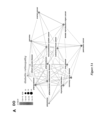
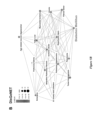
- Figure 5 shows that the biological function of Dibifree could be connected to comorbidities and complications of diabetes via (A) DO and (B) DisGeNET databases.
- the network showed the top 15 associated diseases from Disease Ontology and DisGeNET analysis.
- the color scale bar indicated the p-value and a dot size was the gene counts.
- Figure 6 shows that the Gene Ontology and KEGG enrichment predict the potential pathways modulated by Dibifree.
- Pathways were associated to diabetes from GO analysis. The color scale bar described the p-value and x axis was the overlapped gene counts between DEGs of Dibifree and the database.
- B The top 10 pathway from KEGG prediction. The color scale bar indicated the p-value and x axis was the gene counts.
- Figure 7 shows the effects of Dibifree on methylglyoxal induced advanced glycation endproducts (AGEs) formation.
- B IC 50 of the average inhibitory effect of Dibifree on MG induced glycation was determined.
- Figure 8 shows the effects of Dibifree on GLP-1 secretion.
- A GLP-1 secretion of intestinal stc-1 cells in the presence of Dibifree and
- B the viability of Dibifree treatment on stc-1 cells.
- Figure 9 shows the effect of Dibifree on DPP4 enzyme activity.
- A The effect of Dibifree on DPP4 enzyme activity and
- B IC 50 of the average inhibitory activity from Dibifree.
- Figure 10 shows the results in terms of Glucose (AC) (Glucose Ante Cibum (before meals) ) of the clinical trial (for 3 months) and the post-trial (for 3 months) .
- AC Glucose Ante Cibum
- the control group were treated with Placebo in the trial period, and with Dibifree in the post-trial period; and the Dibifree group were treated with Dibifree in both of the trial and post trial periods.
- Figure 11 shows the results in terms of HbA1c (Glycated Hemoglobin) of the clinical trial (for 3 months) and the post-trial (for 3 months) .
- HbA1c Glycated Hemoglobin
- the control group were treated with Placebo in the trial period, and with Dibifree in the post-trial period; and the Dibifree group were treated with Dibifree in both of the trial and post trial periods.
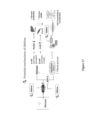
- Figure 12 provides the potential mechanisms of Dibifree based on the results of the experiments, demonstrating that Dibifree exhibits the efficacy in activating GLP-1, inhibiting DPP-4 and the formation of AGEs.
- the present invention provides a new approach for treating or reversing diabetes, particularly in a subject having insulin resistance, e.g., type 2 diabetes.
- a method and a supplement or composition for treating or reversing diabetes particularly insulin-independent diabetes, e.g., type 2 diabetes are provided.
- subject refers to a person, multiple persons, an animal, or multiple animals.
- terapéuticaally effective amount refers to the amount of the supplement of the present invention administered is of sufficient quantity to achieve the intended purpose, such as, in this case, to treat or reverse diabetes in a subject.
- compositions can be prepared by mixing with optional physiologically or pharmaceutically acceptable carriers, including solvents, dispersion media, isotonic agents and the like.
- the carrier can be liquid, semi-solid or solid carriers.
- carriers may be water, saline solutions or other buffers (such as serum albumin and gelatin) , carbohydrates (such as monosaccharides, disaccharides, and other carbohydrates including glucose, sucrose, trehalose, mannose, mannitol, sorbitol, or dextrins) , gel, lipids, liposomes, stabilizers, preservatives, antioxidants (including ascorbic acid and methionine) , chelating agents (such as EDTA) , salt forming counter-ions (such as sodium) or combinations thereof.
- buffers such as serum albumin and gelatin
- carbohydrates such as monosaccharides, disaccharides, and other carbohydrates including glucose, sucrose, trehalose, mannose, mannitol, sorbitol, or de
- any of the anti-diabetes drugs, substances or a peptide or protein, or a mixture thereof may be used in combination with the supplement according to the invention.
- the anti-diabetes drug may be, including but not limited to metformin, thiazolidinediones and etc.
- the extracts contained in the supplement may be prepared by any standard or commonly used methods.
- the extracts may be extracted with water or ethanol.
- Dibifree In order to elucidate the underlying mechanism of Dibifree for DM treatment, BEAS2B cells were treated with Dibifree and then total RNA samples were extracted and sequenced via NGS-RNAseq. The significant differential expression genes (DEGs) by Dibifree treatment were determined and enriched via KEGG, Gene Ontology (GO) , Disease Ontology (DO) and GSEA for prediction of potential biological pathway moderated by the drug treatment. As demonstrated in Figure 1, a bioinformatics pipeline has been applied to reveal underlying mechanism of Dibifree in treatment of DM.
- DEGs differential expression genes
- Dibifree a normal lung bronchial epithelial cell
- QIAGEN quantitative differential expression genes
- DEGs differential expression genes between Dibifree treatment and control (PBS) were determined as log2 fold change ⁇ 1.5 and p-value less than 0.05 to select 373 up-regulated genes and 59 down-regulated genes.
- Dibifree was connected to current diabetes drug with similar functional profile via Connectivity Map/CLUE platform.
- Connectivity Map/CLUE concept Based on the Connectivity Map/CLUE concept, we could connect compounds, diseases, and gene perturbagens using the gene expression list.
- the platform utilized a pattern comparison algorithm to connect 130 million profiles in the CLUE database.
- Dibifree DEG profile We input Dibifree DEG profile to match with CLUE reference profiles and to define the similarity.
- Connectivity scores above 90 has selected 17 PCLs (perturbagen classes) with high similarity with Dibifree biological function, which suggests potential mechanism of actions of the drug (see Figure 3, Table 1) , such as IKK inhibitor, BCL inhibitor, EGFR inhibitor, RAF inhibitor.
- the analysis reported that Dibifree might have weak similarity function with rosiglitazone indicated by a connectivity score of 61.72.
- Dibifree was not related to other diabetes drugs, including metformin, glibenclamide, or glimepiride (Table 2) . Taken together, this analysis suggests that Dibifree has different mechanism of action compared to conventional diabetes drugs.
- Table 2 The connectivity score of between Dibifree gene expression profile and that of insulin sensitizers and gluconeogenesis inhibitors via CLUE.
- the network showed the top 15 associated diseases, including diabetic retinopathy, fatty liver, arteriosclerotic cardiovascular disease, coronary artery disease, pancreatic cancer, pneumonia, and so on comorbidities.
- GO enrichment analysis for the Dibifree profile also showed diabetes-related pathways with significant enrichment, for example, insulin-like growth factor binding, glucose homeostasis, and regulation of insulin secretion involved in cellular response to glucose stimulus (Figure 6 (A) ) .
- enrichment using KEGG also revealed that Dibifree might regulate AGE-RAGE signaling pathway in diabetic complications, insulin resistance, and microRNAs in cancer ( Figure 6 (B) ) .
- Dibifree might exhibit a novel mechanism of action for diabetes treatment.
- Methylglyoxal (MG) induced glycation of bovine serum albumin (BSA) was employed to evaluate anti-glycation effect of Dibifree. Fluorescence levels of glycated BSA were measured. Briefly, BSA (10 mg/ml) was non-enzymatically glycated via incubation in 1 M PBS, pH 7.4, at 37 °C for 7 days in the presence of 1 mM MG and 3mM sodium azide. The test reagent is tested at various concentrations.
- the murine intestinal secretin tumor cell line (STC-1) cells were routinely grown as a monolayer with DMEM containing 10%fetal bovine serum and 5%penicillin and streptomycin mixture in culture dishes at 37°C under 5%CO2/air with 90%humidity. STC-1 cells were used for GLP-1 secretion test. Briefly, cultured cells were seeded into 24-well plate (0.5 ⁇ 10 5 cells/well) and allowed for overnight attachment. When cells reach to the confluence 48h after, they were washed with KRBB (1.1 mM glucose and 0.1%BSA) for three times and incubated for 30 min at 37°C.
- KRBB 1.1 mM glucose and 0.1%BSA
- the inhibitory effect of Dibifree on DPP-4 was analyzed using a fluorometric assay kit (BioVision, Milpitas, CA, USA) according to manufacturer’s instructions.
- Mouse serum was prepared as DPP-4 enzyme source.
- Serum DPP-4 activity in the presence of vehicle or rutin was determined after 30min incubation at 37°C.
- a clinical trial with 40 patients suffering from type 2 diabetes was conducted during August 2020 to July 2021. There was a clearance period of 1 month between the clinical trial and the post-trial periods, wherein the control group were treated with Placebo in the trial period, and with Dibifree in the post-trial period; and the Dibifree group were treated with Dibifree in both of the trial and post-trial periods. The results were given in Figures 10 and 11.
- HbA1c Glycated Hemoglobin
- Dibifree is effective in treating and even reversing diabetes, particularly type 2 diabetes, through activating GLP-1, inhibiting DPP4 and inhibiting the formation of AGEs.
- Dibifree can regulate AGE-RAGE signaling pathway in diabetic complications, insulin resistance, and microRNAs in cancer, and exhibits a novel mechanism of action for diabetes treatment.
Landscapes
- Health & Medical Sciences (AREA)
- Natural Medicines & Medicinal Plants (AREA)
- Life Sciences & Earth Sciences (AREA)
- Chemical & Material Sciences (AREA)
- Engineering & Computer Science (AREA)
- Mycology (AREA)
- Pharmacology & Pharmacy (AREA)
- General Health & Medical Sciences (AREA)
- Veterinary Medicine (AREA)
- Medicinal Chemistry (AREA)
- Public Health (AREA)
- Animal Behavior & Ethology (AREA)
- Botany (AREA)
- Epidemiology (AREA)
- Microbiology (AREA)
- Biotechnology (AREA)
- Medical Informatics (AREA)
- Alternative & Traditional Medicine (AREA)
- Diabetes (AREA)
- Nutrition Science (AREA)
- Food Science & Technology (AREA)
- Polymers & Plastics (AREA)
- Bioinformatics & Cheminformatics (AREA)
- Proteomics, Peptides & Aminoacids (AREA)
- Emergency Medicine (AREA)
- Endocrinology (AREA)
- Hematology (AREA)
- Obesity (AREA)
- Chemical Kinetics & Catalysis (AREA)
- General Chemical & Material Sciences (AREA)
- Nuclear Medicine, Radiotherapy & Molecular Imaging (AREA)
- Organic Chemistry (AREA)
- Immunology (AREA)
- Gastroenterology & Hepatology (AREA)
- Molecular Biology (AREA)
- Medicines Containing Plant Substances (AREA)
Abstract
Description


| PCL name | score |
| Vesicular Transport LOF | 99.54 |
| PKC activator | 99.18 |
| PKC inhibitor | 99.11 |
| ATP synthase inhibitor | 99.03 |
| T-type calcium channel blocker | 98.98 |
| IKK inhibitor | 98.61 |
| ATPase inhibitor | 98.48 |
| BCL inhibitor | 98.35 |
| Heat shock 70kDa proteins LOF | 96.94 |
| Estrogen receptor antagonist | 96.13 |
| Tubulin inhibitor | 94.79 |
| EGFR inhibitor | 94.33 |
| HIF activator | 94.13 |
| V type ATPases LOF | 94 |
| Proteasome inhibitor | 93.73 |
| RAF inhibitor | 90.53 |
| FLT3 inhibitor | 90.34 |


Claims (18)
- A use of a supplement for manufacturing a medicament for treating diabetes, wherein the supplement comprises of 5 wt%-30 wt%Green coffee (Coffea arabica) bean extract, 5 wt%-30 wt%Bitter melon (Momordica charantia) fruit extract, 5 wt%-30 wt%Celery (Apium graveolens) seed extract, 5 wt%-30 wt%Bakers yeast (Saccharomyces cerevisiae) cell wall extract, 5 wt%-30 wt%Acerola (Malpighia emarginata) fruit extract, 5 wt%-30 wt%Grape (Vitis vinifera) seed extract, 5 wt%-30 wt%Green tea leaf extract, and 5 wt%-30 wt%Hydrolyzed soy protein powder, based on the total weight of the supplement, respectively.
- The use of claim 1, wherein the supplement consists essentially of 5 wt%-30 wt%Green coffee (Coffea arabica) bean extract, 5 wt%-30 wt%Bitter melon (Momordica charantia) fruit extract, 5 wt%-30 wt%Celery (Apium graveolens) seed extract, 5 wt%-30 wt%Bakers yeast (Saccharomyces cerevisiae) cell wall extract, 5 wt%-30 wt%Acerola (Malpighia emarginata) fruit extract, 5 wt%-30 wt%Grape (Vitis vinifera) seed extract, 5 wt%-30 wt%Green tea leaf extract, and 5 wt%-30 wt%Hydrolyzed soy protein powder, based on the total weight of the supplement, respectively.
- The use of claim 1, wherein the supplement consists of 5 wt%-30 wt%Green coffee (Coffea arabica) bean extract, 5 wt%-30 wt%Bitter melon (Momordica charantia) fruit extract, 5 wt%-30 wt%Celery (Apium graveolens) seed extract, 5 wt%-30 wt%Bakers yeast (Saccharomyces cerevisiae) cell wall extract, 5 wt%-30 wt%Acerola (Malpighia emarginata) fruit extract, 5 wt%-30 wt%Grape (Vitis vinifera) seed extract, 5 wt%-30 wt%Green tea leaf extract, and 5 wt%-30 wt%Hydrolyzed soy protein powder, based on the total weight of the supplement, respectively.
- The use of claim 1, 2, or 3, wherein the Bitter melon (Momordica charantia) fruit extract is at 12.5 wt%, Celery (Apium graveolens) seed extract is at 12.5 wt%, Bakers yeast (Saccharomyces cerevisiae) cell wall extract is at 12.5 wt%, Acerola (Malpighia emarginata) fruit extract is at 12.5 wt%, Grape (Vitis vinifera) seed extract is at 12.5 wt%, Green tea leaf extract is at 12.5 wt%, Hydrolyzed soy protein powder is at 12.5 wt%, based on the total weight of the supplement, respectively.
- The use of any one of claims 1-4, wherein the supplement exhibits the efficacy in activating Glucagon-like peptide-1 (GLP-1) , inhibiting dipeptidyl peptidase-4 (DPP4) , and inhibiting formation of Advanced glycation end products (AGEs) .
- A use of the supplement set forth in claims 1-4 in manufacturing a medicament for reversing diabetes in a subject, wherein the supplement at a therapeutically effective amount to activate Glucagon-like peptide-1 (GLP-1) , inhibit Dipeptidyl peptidase-4 (DPP4) and/or inhibit the formation of Advanced glycation end products (AGEs) in the subject.
- A use of the supplement set forth in claims 1-4 for manufacturing a medicament for treating or reversing diabetes.
- The use of any one of claims 1-7, wherein the diabetes is type 2 diabetes.
- The use of any one of claims 1-7, wherein the diabetes is insulin-resistance diabetes.
- A pharmaceutical composition for treating or reversing diabetes in a subject comprises of 5%-30%Bitter melon (Momordica charantia) fruit extract, 5%-30%Celery (Apium graveolens) seed extract, 5%-30%Bakers yeast (Saccharomyces cerevisiae) cell wall extract, 5%-30%Acerola (Malpighia emarginata) fruit extract, 5%-30%Grape (Vitis vinifera) seed extract, 5%-30%Green tea leaf extract, and 5%-30%Hydrolyzed soy protein powder, based on the total weight of the supplement, respectively.
- The pharmaceutical composition of claim 10, wherein the pharmaceutical composition consists essentially of 5%-30%Bitter melon (Momordica charantia) fruit extract, 5%-30%Celery (Apium graveolens) seed extract, 5%-30%Bakers yeast (Saccharomyces cerevisiae) cell wall extract, 5%-30%Acerola (Malpighia emarginata) fruit extract, 5%-30%Grape (Vitis vinifera) seed extract, 5%-30%Green tea leaf extract, and 5%-30%Hydrolyzed soy protein powder, based on the total weight of the supplement, respectively.
- The pharmaceutical composition of claim 10, wherein the pharmaceutical composition consists of 5%-30%Bitter melon (Momordica charantia) fruit extract, 5%-30%Celery (Apium graveolens) seed extract, 5%-30%Bakers yeast (Saccharomyces cerevisiae) cell wall extract, 5%-30%Acerola (Malpighia emarginata) fruit extract, 5%-30%Grape (Vitis vinifera) seed extract, 5%-30%Green tea leaf extract, and 5%-30%Hydrolyzed soy protein powder, based on the total weight of the supplement, respectively.
- The pharmaceutical composition of any one of claims 10-12, wherein the Bitter melon (Momordica charantia) fruit extract is at 12.5 wt%, Celery (Apium graveolens) seed extract is at 12.5 wt%, Bakers yeast (Saccharomyces cerevisiae) cell wall extract is at 12.5 wt%, Acerola (Malpighia emarginata) fruit extract is at 12.5 wt%, Grape (Vitis vinifera) seed extract is at 12.5 wt%, Green tea leaf extract is at 12.5 wt%, Hydrolyzed soy protein powder is at 12.5 wt%, based on the total weight of the supplement, respectively.
- The pharmaceutical composition of any one of claims 10-13, in which the diabetes is type 2 diabetes.
- The pharmaceutical composition of any one of claims 10-13, in which the diabetes is insulin-resistance diabetes.
- A combination or composition for treating or reversing diabetes which comprises a therapeutically effective amount of the supplement set forth in claims 1-4, and an anti-diabetes drug, a substance, a peptide, a protein, or a mixture thereof.
- The combination or composition of claim 16, wherein the diabetes is type 2 diabetes.
- The combination or composition of claim 16, wherein the diabetes is insulin-resistance diabetes.
Priority Applications (3)
| Application Number | Priority Date | Filing Date | Title |
|---|---|---|---|
| CN202280040873.8A CN117693354A (en) | 2021-11-11 | 2022-11-11 | Method and composition for treating diabetes |
| EP22892111.0A EP4429689A4 (en) | 2021-11-11 | 2022-11-11 | COMPOSITION AND ITS USE IN THE MANUFACTURE OF A MEDICATION FOR THE TREATMENT OF DIABETES |
| US18/708,753 US20250009833A1 (en) | 2021-11-11 | 2022-11-11 | A composition and its use in manufacturing a medicament for treatment of diabetes |
Applications Claiming Priority (2)
| Application Number | Priority Date | Filing Date | Title |
|---|---|---|---|
| US202163278397P | 2021-11-11 | 2021-11-11 | |
| US63/278,397 | 2021-11-11 |
Publications (1)
| Publication Number | Publication Date |
|---|---|
| WO2023083318A1 true WO2023083318A1 (en) | 2023-05-19 |
Family
ID=86335080
Family Applications (1)
| Application Number | Title | Priority Date | Filing Date |
|---|---|---|---|
| PCT/CN2022/131466 Ceased WO2023083318A1 (en) | 2021-11-11 | 2022-11-11 | A composition and its use in manufacturing a medicament for treatment of diabetes |
Country Status (5)
| Country | Link |
|---|---|
| US (1) | US20250009833A1 (en) |
| EP (1) | EP4429689A4 (en) |
| CN (1) | CN117693354A (en) |
| TW (1) | TW202333762A (en) |
| WO (1) | WO2023083318A1 (en) |
Citations (5)
| Publication number | Priority date | Publication date | Assignee | Title |
|---|---|---|---|---|
| JP2005082509A (en) * | 2003-09-05 | 2005-03-31 | Nichirei Corp | Glucose level rise inhibitor and AGE production inhibitor |
| CN101474314A (en) * | 2009-02-02 | 2009-07-08 | 普洱市人民政府茶产业发展办公室科技服务中心 | Application of catechin in pharmacy |
| CN102894364A (en) * | 2012-10-19 | 2013-01-30 | 安徽农业大学 | Preparation method of balsam pear/green tea sugar-reducing buccal tablets |
| WO2015158895A1 (en) * | 2014-04-17 | 2015-10-22 | Indena S.P.A. | Coffee extracts and formulations containing them |
| CN109007819A (en) * | 2018-07-25 | 2018-12-18 | 广州正广生物科技有限公司 | Anti- saccharification product of one kind and preparation method thereof |
Family Cites Families (3)
| Publication number | Priority date | Publication date | Assignee | Title |
|---|---|---|---|---|
| US20090252758A1 (en) * | 2008-04-07 | 2009-10-08 | Mazed Mohammad A | Nutritional supplement for the prevention of cardiovascular disease, alzheimer's disease, diabetes, and regulation and reduction of blood sugar and insulin resistance |
| EP2532232A1 (en) * | 2011-06-10 | 2012-12-12 | InterMed Discovery GmbH | Long chain glycolipids useful to avoid perishing or microbial contamination of materials |
| US10047034B2 (en) * | 2012-05-16 | 2018-08-14 | Prairie Berry Europe Gmbh | Polyhydroxylated pentacyclic triterpene acids as HMG-COA reductase inhibitors |
-
2022
- 2022-11-11 CN CN202280040873.8A patent/CN117693354A/en active Pending
- 2022-11-11 TW TW111143306A patent/TW202333762A/en unknown
- 2022-11-11 US US18/708,753 patent/US20250009833A1/en active Pending
- 2022-11-11 EP EP22892111.0A patent/EP4429689A4/en active Pending
- 2022-11-11 WO PCT/CN2022/131466 patent/WO2023083318A1/en not_active Ceased
Patent Citations (5)
| Publication number | Priority date | Publication date | Assignee | Title |
|---|---|---|---|---|
| JP2005082509A (en) * | 2003-09-05 | 2005-03-31 | Nichirei Corp | Glucose level rise inhibitor and AGE production inhibitor |
| CN101474314A (en) * | 2009-02-02 | 2009-07-08 | 普洱市人民政府茶产业发展办公室科技服务中心 | Application of catechin in pharmacy |
| CN102894364A (en) * | 2012-10-19 | 2013-01-30 | 安徽农业大学 | Preparation method of balsam pear/green tea sugar-reducing buccal tablets |
| WO2015158895A1 (en) * | 2014-04-17 | 2015-10-22 | Indena S.P.A. | Coffee extracts and formulations containing them |
| CN109007819A (en) * | 2018-07-25 | 2018-12-18 | 广州正广生物科技有限公司 | Anti- saccharification product of one kind and preparation method thereof |
Non-Patent Citations (5)
| Title |
|---|
| See also references of EP4429689A4 * |
| TANYANG ZHOU ET AL.: "Research progress in the biological pharmacological activities of grape seed proanthocyanidins", J HARBIN MED UNIV, vol. 46, no. 1, 25 February 2012 (2012-02-25), XP009546355 * |
| TASHAKORI-SABZEVAR FAEZEH; RAMEZANI MASOUD; HOSSEINZADEH HOSSEIN; PARIZADEH SEYYED MOHAMMAD; MOVASSAGHI AHMAD REZA; GHORBANI AHMAD: "Protective and hypoglycemic effects of celery seed on streptozotocin-induced diabetic rats: experimental and histopathological evaluation", ACTA DIABETOLOGICA, SPRINGER MILAN, MILAN, vol. 53, no. 4, 4 March 2016 (2016-03-04), Milan, pages 609 - 619, XP036006069, ISSN: 0940-5429, DOI: 10.1007/s00592-016-0842-4 * |
| WANG RONGCHUN, ZHAO HONGXING, PAN XIAOXI, ORFILA CAROLINE, LU WEIHONG, MA YING: "Preparation of bioactive peptides with antidiabetic, antihypertensive, and antioxidant activities and identification of α‐glucosidase inhibitory peptides from soy protein", FOOD SCIENCE & NUTRITION, vol. 7, no. 5, 1 May 2019 (2019-05-01), pages 1848 - 1856, XP093066841, ISSN: 2048-7177, DOI: 10.1002/fsn3.1038 * |
| YAN CAO ET AL.: "Hypoglycemic activity of the Baker's yeast β-glucan in obese/type 2 diabetic mice and the underlying mechanism", MOL NUTR FOOD RES, vol. 60, no. 12, 31 December 2016 (2016-12-31), XP055526128, DOI: 10.1002/mnfr.201600032 * |
Also Published As
| Publication number | Publication date |
|---|---|
| CN117693354A (en) | 2024-03-12 |
| EP4429689A4 (en) | 2025-10-15 |
| TW202333762A (en) | 2023-09-01 |
| US20250009833A1 (en) | 2025-01-09 |
| EP4429689A1 (en) | 2024-09-18 |
Similar Documents
| Publication | Publication Date | Title |
|---|---|---|
| Bagul et al. | Attenuation of insulin resistance, metabolic syndrome and hepatic oxidative stress by resveratrol in fructose-fed rats | |
| EP1429602B1 (en) | Methods for treating disorders using plant extracts | |
| CN115998838B (en) | Composition with hypoglycemic synergistic effect and application thereof | |
| CN102670661A (en) | Drugs used to stimulate glucagon-like peptide-1 secretion | |
| CN101181446B (en) | Application of sitsang scindapsus aureus flower as well as extract thereof in the preparation of diabetes medicament | |
| CN107441078A (en) | A kind of pharmaceutical composition for treating diabetes and its production and use | |
| CN112316150B (en) | Pharmaceutical composition for preventing or treating metabolic or injury related diseases | |
| CN115461050A (en) | Pharmaceutical composition and its use in the treatment of sarcopenia | |
| EP3574912B1 (en) | Composition for treating diabetic disease | |
| WO2023083318A1 (en) | A composition and its use in manufacturing a medicament for treatment of diabetes | |
| HK40103604A (en) | A method and composition for treatment of diabetes | |
| CN106727469B (en) | Application of Digustin B in Preparation of Drugs for Treating Type Ⅱ Diabetes Mellitus | |
| JP2016531566A (en) | Characterization of rice | |
| Jain | A Mechanistic Approach to Determination of Anti-diabetic activity of Calystegia sepium R. Br. Flowering plants in normal and Streptozotocin induced rats | |
| CN102274285B (en) | Pharmaceutical composition for treating type 2 diabetes and complications thereof | |
| CN101590070B (en) | Use of baicalin in preparation of targeted organ protection medicaments | |
| KR101204427B1 (en) | Composition comprising Ganoderma lucidum extracts for DPP-IV inhibition | |
| CN119504599B (en) | A pyrazole compound for treating renal fibrosis and its application | |
| CN111346232A (en) | A western medicine for the treatment of type Ⅱ diabetes | |
| CN104784192A (en) | Application of clam meat oligosaccharide in preparation of hypoglycemic drugs and preparation method of clam meat oligosaccharide | |
| Mbagwu et al. | Hypoglycemic activity of ethanol leaf extract of Grona trifloral in alloxan-induced diabetic mice | |
| Ali et al. | SYNERGISTIC ANTIHYPERGLYCEMIC EFFECT OF ALPHA LIPOIC ACID WITH ANTIDIABETIC AGENTS IN THE NORMOGLYCEMIC AND STREPTOZOTOCIN-INDUCED TYPE 2 DIABETIC RATS. | |
| Momin et al. | MANAGEMENT OF DIABETES MELLITUS: A SYSTEMATIC REVIEW. | |
| Kulshrestha et al. | Antidiabetic drugs from fungi | |
| Dixitha et al. | A review article of SGLT2 inhibitors for the treatment of diabetes and obesity |
Legal Events
| Date | Code | Title | Description |
|---|---|---|---|
| 121 | Ep: the epo has been informed by wipo that ep was designated in this application |
Ref document number: 22892111 Country of ref document: EP Kind code of ref document: A1 |
|
| WWE | Wipo information: entry into national phase |
Ref document number: 202280040873.8 Country of ref document: CN |
|
| WWE | Wipo information: entry into national phase |
Ref document number: 18708753 Country of ref document: US |
|
| WWE | Wipo information: entry into national phase |
Ref document number: 2022892111 Country of ref document: EP |
|
| NENP | Non-entry into the national phase |
Ref country code: DE |
|
| ENP | Entry into the national phase |
Ref document number: 2022892111 Country of ref document: EP Effective date: 20240611 |
|
| WWE | Wipo information: entry into national phase |
Ref document number: 11202403165P Country of ref document: SG |