WO2023097227A1 - Small molecule inhibitors of kras mutated proteins - Google Patents
Small molecule inhibitors of kras mutated proteins Download PDFInfo
- Publication number
- WO2023097227A1 WO2023097227A1 PCT/US2022/080348 US2022080348W WO2023097227A1 WO 2023097227 A1 WO2023097227 A1 WO 2023097227A1 US 2022080348 W US2022080348 W US 2022080348W WO 2023097227 A1 WO2023097227 A1 WO 2023097227A1
- Authority
- WO
- WIPO (PCT)
- Prior art keywords
- int
- mmol
- pharmaceutically acceptable
- compound
- group
- Prior art date
- Legal status (The legal status is an assumption and is not a legal conclusion. Google has not performed a legal analysis and makes no representation as to the accuracy of the status listed.)
- Ceased
Links
Classifications
-
- A—HUMAN NECESSITIES
- A61—MEDICAL OR VETERINARY SCIENCE; HYGIENE
- A61K—PREPARATIONS FOR MEDICAL, DENTAL OR TOILETRY PURPOSES
- A61K45/00—Medicinal preparations containing active ingredients not provided for in groups A61K31/00 - A61K41/00
- A61K45/06—Mixtures of active ingredients without chemical characterisation, e.g. antiphlogistics and cardiaca
-
- C—CHEMISTRY; METALLURGY
- C07—ORGANIC CHEMISTRY
- C07D—HETEROCYCLIC COMPOUNDS
- C07D401/00—Heterocyclic compounds containing two or more hetero rings, having nitrogen atoms as the only ring hetero atoms, at least one ring being a six-membered ring with only one nitrogen atom
- C07D401/02—Heterocyclic compounds containing two or more hetero rings, having nitrogen atoms as the only ring hetero atoms, at least one ring being a six-membered ring with only one nitrogen atom containing two hetero rings
- C07D401/04—Heterocyclic compounds containing two or more hetero rings, having nitrogen atoms as the only ring hetero atoms, at least one ring being a six-membered ring with only one nitrogen atom containing two hetero rings directly linked by a ring-member-to-ring-member bond
-
- C—CHEMISTRY; METALLURGY
- C07—ORGANIC CHEMISTRY
- C07D—HETEROCYCLIC COMPOUNDS
- C07D401/00—Heterocyclic compounds containing two or more hetero rings, having nitrogen atoms as the only ring hetero atoms, at least one ring being a six-membered ring with only one nitrogen atom
- C07D401/14—Heterocyclic compounds containing two or more hetero rings, having nitrogen atoms as the only ring hetero atoms, at least one ring being a six-membered ring with only one nitrogen atom containing three or more hetero rings
-
- C—CHEMISTRY; METALLURGY
- C07—ORGANIC CHEMISTRY
- C07D—HETEROCYCLIC COMPOUNDS
- C07D417/00—Heterocyclic compounds containing two or more hetero rings, at least one ring having nitrogen and sulfur atoms as the only ring hetero atoms, not provided for by group C07D415/00
- C07D417/14—Heterocyclic compounds containing two or more hetero rings, at least one ring having nitrogen and sulfur atoms as the only ring hetero atoms, not provided for by group C07D415/00 containing three or more hetero rings
-
- C—CHEMISTRY; METALLURGY
- C07—ORGANIC CHEMISTRY
- C07D—HETEROCYCLIC COMPOUNDS
- C07D471/00—Heterocyclic compounds containing nitrogen atoms as the only ring hetero atoms in the condensed system, at least one ring being a six-membered ring with one nitrogen atom, not provided for by groups C07D451/00 - C07D463/00
- C07D471/02—Heterocyclic compounds containing nitrogen atoms as the only ring hetero atoms in the condensed system, at least one ring being a six-membered ring with one nitrogen atom, not provided for by groups C07D451/00 - C07D463/00 in which the condensed system contains two hetero rings
- C07D471/04—Ortho-condensed systems
-
- C—CHEMISTRY; METALLURGY
- C07—ORGANIC CHEMISTRY
- C07D—HETEROCYCLIC COMPOUNDS
- C07D487/00—Heterocyclic compounds containing nitrogen atoms as the only ring hetero atoms in the condensed system, not provided for by groups C07D451/00 - C07D477/00
- C07D487/02—Heterocyclic compounds containing nitrogen atoms as the only ring hetero atoms in the condensed system, not provided for by groups C07D451/00 - C07D477/00 in which the condensed system contains two hetero rings
- C07D487/04—Ortho-condensed systems
-
- C—CHEMISTRY; METALLURGY
- C07—ORGANIC CHEMISTRY
- C07D—HETEROCYCLIC COMPOUNDS
- C07D519/00—Heterocyclic compounds containing more than one system of two or more relevant hetero rings condensed among themselves or condensed with a common carbocyclic ring system not provided for in groups C07D453/00 or C07D455/00
Definitions
- the present disclosure relates to small molecule inhibitors of KRAS that inhibit, for example, the G12C mutant, G12D mutant and G12V mutant of Kirsten rat sarcoma (KRAS) protein and relates to a pharmaceutical composition comprising a compound of Formula (I) as well as methods of using such a compound for treatment of diseases, including cancers.
- KRAS Kirsten rat sarcoma
- RAS which is a small monomeric GTP-binding protein having a molecular weight of about 21 kDa, acts as a molecular on/off switch.
- RAS can bind to GTP by binding to proteins of a guanine nucleotide exchange factor (GEF) (e.g., SOS1), which forces the release of a bound nucleotide, and releases GDP.
- GEF guanine nucleotide exchange factor
- SOS1 guanine nucleotide exchange factor
- RAS also possesses enzymatic activity with which it cleaves the terminal phosphate of the GTP nucleotide and converts the nucleotide into GDP.
- the rate of conversion is usually slow, but can be dramatically sped up by a protein of the GTPase-activating protein (GAP) class, such as RasGAP.
- GAP GTPase-activating protein
- RasGAP RasGAP
- mutations of KRAS are observed in many malignant tumors: in 86% of pancreatic ductal adenocarcinoma (PDAC), in 41% of colorectal cancers (CRC), and in 32% of lung adenocarcinoma (LUAD; a subtype of non-small-cell lung cancer (NSCLC)).
- PDAC pancreatic ductal adenocarcinoma
- CRC colorectal cancers
- LAD lung adenocarcinoma
- the mutations often occur in the glycine residue at position 12 of KRAS (“G12”); the mutation at G12 dominates 91% (PDAC), 68% (CRC) and 85% (LUAD) of the total KRAS mutations, respectively.
- the distributions of amino acid substitutions at G12 vary among each tissue type.
- KRAS-G12C mutation only accounts for a fraction of all KRAS mutations and is primarily found in LUAD.
- KRAS- G12D and KRAS-G12V different approaches are needed as these mutants lack reactive cysteines in the active site.
- the present disclosure provides small molecule inhibitors which modulate mutant KRAS, HRAS, and/or NRAS proteins and may be valuable pharmaceutically active compounds for the treatment of cancer.
- the disclosed compounds selectively inhibit the KRAS-G12C, KRAS-G12D and/or KRAS-G12V proteins.
- the compounds of Formula (I): and their pharmaceutically acceptable salts, can modulate the activity of KRAS, HRAS and/or NRAS activity and thereby affect the signaling pathway which regulates cell growth, differentiation, and proliferation associated with oncological disorders.
- the compounds of Formula (I) can inhibit the KRAS-G12C, KRAS-G12D and/or KRAS-G12V proteins.
- the disclosure furthermore provides processes for preparing compounds of Formula (I), methods for using such compounds to treat oncological disorders, and pharmaceutical compositions which comprise compounds of Formula (I).
- the present disclosure provides a compound having structural Formula (I), or a pharmaceutically acceptable salt thereof, as shown above, wherein: the moiety is selected from the group consisting of: m the group consisting of halo, cyano, C 1 -C 6 alkyl, C 1 -C 6 fluoroalkyl, cyclopropyl and C 1 -C 4 cyanoalkyl; Ring X is selected from the group consisting of: (i) a 5- to 9-membered monocyclic- or fused bicyclic- or bridged bicyclic- heterocycloalkyl, wherein the heterocycloalkyl is saturated and contains 0 to 2 heteroatom groups selected from the group consisting of N, S, S(O), S(O) 2 and O, in addition to the illustrated N atom; and (ii) an 8- to 10-membered spiroheterocycloalkyl, wherein
- the present disclosure provides a compound of Formula (I), or the pharmaceutically acceptable salt thereof, wherein ring X is a 5- to 8-membered monocyclic heterocycloalkyl, wherein the heterocycloalkyl is saturated and contains 0 to 1 heteroatoms selected from the group consisting of N, S, and O, in addition to the illustrated N atom.
- the present disclosure provides a compound of Formula (I), or a pharmaceutically acceptable salt thereof, wherein the grou is selected from the group consisting of: [0010] In another embodiment, the present disclosure provides a compound of Formula (I), or a pharmaceutically acceptable salt thereof, wherein the grou is selected from the group consisting of: the present disclosure provides a compound of Formula (I), or a pharmaceutically acceptable salt thereof, wherein the moiety is embodiment, the present disclosure provides a compound of Formula (I), or a pharmaceutically acceptable salt thereof, wherein ring Y is selected from the group consisting of naphthyl, phenyl, pyridyl, benzoxazolyl, benzopyrazolyl, benzothiazolyl, pyridopyrazolyl and benzothiophenyl.
- the present disclosure provides a compound of Formula (I), or a pharmaceutically acceptable salt thereof, wherein ring Y is selected from the group consisting of naphthyl, phenyl, pyridyl, benzoxazolyl, benzopyrazolyl, and benzothiazolyl.
- ring Y is selected from the group consisting of:
- the present disclosure provides a compound of Formula (I), or a pharmaceutically acceptable salt thereof, wherein ring Y is selected from the group consisting of:
- the present disclosure provides a compound of Formula (I), or a pharmaceutically acceptable salt thereof, wherein ring Y is selected from the group consisting of: [0017]
- the present disclosure provides a compound of Formula (I), or a pharmaceutically acceptable salt thereof, wherein Ring Y is unsubstituted or independently substituted by 1 to 4 R Y substituents selected from the group consisting of halo, hydroxy, amino, oxo, C 1 -C 3 alkyl, C 1 -C 3 alkoxy, C 1 -C 3 fluoroalkoxy, C 2 -C 3 alkynyl, C 2 -C 3 fluoroalkynyl, C1-C3 fluoroalkyl, C1-C3 cyanoalkyl, and cyano.
- the present disclosure provides a compound of Formula (I), or a pharmaceutically acceptable salt thereof, wherein the group is selected from the group consisting of:
- the present disclosure provides a compound of Formula (I), or a pharmaceutically acceptable salt thereof, wherein the group is selected from the group consisting of:
- the present disclosure provides a compound of Formula (I), or a pharmaceutically acceptable salt thereof, wherein Ring Z is selected from the group consisting of: (i) a 5- to 8- membered monocyclic- or bicyclic-heterocycloalkyl, wherein said heterocycloalkyl is saturated and contains 1 nitrogen heteroatom and wherein said heterocycloalkyl is unsubstituted or substituted with 1-2 substituents R ZHC selected from the group consisting of halo, C 1 -C 6 alkyl, C 1 -C 6 hydroxyalkyl, -C(H)(OH)CF 2 H, -O-CH 2 -O-(C 1 -C 6 fluoroalkyl), and methylene(C 1 -C 6 alkyl)(C 1 -C 6 alkyl)carbamate; (ii) , wherein M is selected from the group consisting of hydroxy, C 1 - C 3 dialkyl C 1 -C 4 alky
- the present disclosure provides a compound of Formula (I), or a pharmaceutically acceptable salt thereof, wherein ring Y is selected from the group consisting of: each R Y being independently selected from the group consisting of fluoro, chloro, amino, hydroxy, ethynyl, methyl, trifluoromethyl, and cyano, is selected from the group consisting of: is selected from the group consisting of:
- the present disclosure provides a compound as described in any one of Examples 1-49 as set forth below, or a pharmaceutically acceptable salt thereof.
- the present disclosure includes the pharmaceutically acceptable salts of the compounds defined herein, including the pharmaceutically acceptable salts of all structural formulas, embodiments and classes defined herein. Definitions [0024] Unless defined otherwise, all technical and scientific terms used herein have the same meaning as is commonly understood by one of skill in the art to which this invention belongs. [0025] As used throughout this disclosure, “a compound of Formula (I)” is to be understood to include “a compound of Formula (I) or a pharmaceutically acceptable salt thereof”.
- a compound of Formula (I) “compound(s) disclosed herein”, “compound(s) described herein”, “compound(s) of the disclosure”, etc., are used interchangeably and include both the compound, as well as a pharmaceutically acceptable salt thereof.
- Alkenyl means an aliphatic hydrocarbon group containing at least one carbon- carbon double bond and which may be straight or branched. Non-limiting examples include ethenyl, propenyl, and butenyl.
- Alkyl as well as other groups having the prefix alk , such as alkoxy, and the like, means carbon chains which may be linear or branched, or combinations thereof, containing the indicated number of carbon atoms.
- a C 1 -C 6 alkyl means an alkyl group having one (i.e., methyl) up to 6 carbon atoms (i.e., hexyl).
- linear alkyl groups have 1-6 carbon atoms and branched alkyl groups have 3- 7 carbon atoms.
- alkyl groups include methyl, ethyl, propyl, isopropyl, butyl, sec- and tert-butyl, pentyl, hexyl, heptyl, octyl, nonyl and the like.
- Alkoxy and “alkyl-O-” are used interchangeably and refer to an alkyl group linked to oxygen.
- Alkynyl means an aliphatic hydrocarbon group containing at least one carbon- carbon triple bond and which may be straight or branched. Non-limiting examples include ethynyl, propynyl, and butynyl.
- Aryl means a monocyclic, bicyclic or tricyclic carbocyclic aromatic ring or ring system containing 5-14 carbon atoms, wherein at least one of the rings is aromatic. Non- limiting examples include phenyl and naphthyl.
- Aminoalkyl means -alkyl-NH2 group in which the alkyl is as previously defined. The bond to the parent moiety is through a carbon atom of the alkyl component.
- Non- limiting examples of suitable aminoalkyl groups include aminomethyl and aminoethyl.
- “Alkylamino” means -NH-alkyl group in which the alkyl is as previously defined. The bond to the parent moiety is through the nitrogen of the amino component.
- “Bicyclic ring system” refers to two joined rings.
- “Tricyclic ring system” refers to three joined rings. The rings may be fused, i.e., share two adjacent atoms, or “spirocyclic”, i.e., share only a single atom, or “bridged”, i.e., share three or more atoms with two bridgehead atoms being connected by a bridge containing at least one atom.
- bicyclic or tricyclic rings may be aryl rings, heterocyclic rings, cycloalkyl rings, etc.
- Carbamoyl means a H2N-C(O)- group, which is the univalent group formed by loss of -OH group of carbamic acid. The bond to the parent group is through the carbon atom of the carbonyl component.
- Cyanoalkyl means an -alkyl-CN group in which the alkyl is as previously defined. The bond to the parent moiety is through a carbon atom of the alkyl component.
- suitable cyanoalkyl groups include cyanomethyl and 3-cyanopropyl.
- Cycloalkyl means a saturated cyclic hydrocarbon radical.
- the cycloalkyl group has 3-12 carbon atoms, forming 1-3 carbocyclic rings, wherein cyclic systems having 2-3 rings can be fused.
- Examples of cycloalkyl include cyclopropyl, cyclobutyl, cyclopentyl, cyclohexyl, cycloheptyl, adamantyl, and the like.
- Cyclofluoroalkyl means a saturated cyclic hydrocarbon radical that is mono- or multiple- fluoro-substituted, e.g., doubly fluoro-substituted cyclopentyl.
- “Cycloalkoxy” refers to a cycloalkyl group linked through an oxygen to the parent moiety. “Cyclofluoroalkoxy” refers to a cyclofluoroalkyl group linked through an oxygen to the parent moiety. [0036] “Dialkylamino” means an alkylamino as previously defined, wherein the amino atom is substituted by two alkyl substituents, which substitutions can be the same or different, e.g., -N(CH 3 ) 2 or -N(CH 3 )(CH 2 CH 3 ).
- “Fluoroalkyl” includes mono-substituted as well as multiple fluoro-substituted alkyl groups, up to perfluoro substituted alkyl. For example, fluoromethyl, 1,1-difluoroethyl, trifluoromethyl or 1,1,1,2,2-pentafluorobutyl are included.
- “Fluoroalkenyl” includes mono- substituted as well as multiple fluoro-substituted alkenyl groups.
- “Fluoroalkynyl” includes mono-substituted as well as multiple fluoro-substituted alkynyl groups.
- “Fluoroalkoxy” includes mono-substituted as well as multiple fluoro-substituted “alkoxy” groups as previously defined.
- “Heteroaryl” refers to aromatic monocyclic, bicyclic and tricyclic ring structures in which one or more atoms in the ring, the heteroatom(s), is an element other than carbon. Heteroatoms are typically O, S, or N atoms.
- heteroaryl groups include pyrazolyl, oxadiazolonyl, pyridinyl, pyrimidinyl, pyrrolyl, pyridazinyl, isoxazolyl, thiazolyl, oxazolyl, indolyl, benzoxazolyl, benzothiazolyl, and imidazolyl.
- Heterocycloalkyl or “heterocyclic ring” or “heterocycle” means a non-aromatic monocyclic, bicyclic, tricyclic or bridged ring system comprising about 3 to about 10 ring atoms, preferably about 5 to about 10 ring atoms, in which one or more of the atoms in the ring system is an element other than carbon, for example, nitrogen, oxygen, phosphorus or sulfur, alone or in combination. There are no adjacent oxygen and/or sulfur atoms present in the ring system. In some embodiments, heterocycloalkyls contain about 5 to about 6 ring atoms.
- heterocyclyl root name means that at least a nitrogen, oxygen, phosphorus or sulfur atom respectively is present as a ring atom.
- the nitrogen or sulfur atom of the heterocycloalkyl can be optionally oxidized to the corresponding N-oxide, S-oxide or S,S-dioxide.
- the heterocycloalkyl can contain N, S, S(O), S(O) 2 and/or O (which are referred to herein as “heteroatom groups”).
- Non-limiting examples of suitable monocyclic heterocyclyl rings include piperidyl, pyrrolidinyl, piperazinyl, morpholinyl, thiomorpholinyl, thiazolidinyl, 1,4-dioxanyl, tetrahydrofuranyl, tetrahydrothiophenyl, phosphorinane, phosphinane, 1-oxophosphinan-1-ium and the like.
- “Spiroheterocycloalkyl” refers to a fused ring system in which the rings share only a single atom and at least one of the rings is a heterocycloalkyl.
- “Hydroxyalkyl” means a HO-alkyl- group in which alkyl is as previously defined. The bond to the parent moiety is through a carbon atom of the alkyl group. Preferred hydroxyalkyls contain lower alkyl. Non-limiting examples of suitable hydroxyalkyl groups include hydroxymethyl and 2-hydroxyethyl. “Hydroxyfluoroalkyl” means a HO- fluoroalkyl- group in which fluoroalkyl is as previously defined. “Hydroxycycloalkyl” means a HO-cycloalkyl- group in which cycloalkyl is as previously defined.
- “Hydroxycyclofluoroalkyl” means a HO-cyclofluoroalkyl- group in which cyclofluoroalkyl is as previously defined.
- “Methylene(C 1 -C 3 alkyl)(C 1 -C 3 alkyl)carbamate” means having the structure of In other words, the carbamate group has alkyl groups, which can be the same or different, as previously defined, attached to the nitrogen atom.
- any variable e.g., R Y
- its definition on each occurrence is independent of its definition at every other occurrence.
- a “stable” compound is a compound which can be prepared and isolated and whose structure and properties remain or can be caused to remain essentially unchanged for a period of time sufficient to allow use of the compound for the purposes described herein (e.g., therapeutic or prophylactic administration to a subject).
- substituted shall be deemed to include multiple degrees of substitution by a named substituent. Where multiple substituent moieties are disclosed or claimed, the substituted compound can be independently substituted by one or more of the disclosed or claimed substituent moieties, singly or plurally. By independently substituted, it is meant that the (two or more) substituents can be the same or different.
- the compounds of Formula (I) may contain one or more asymmetric centers and can thus occur as racemates and racemic mixtures, single enantiomers, diastereoisomeric mixtures and individual diastereoisomers. Centers of asymmetry that are present in the compounds of Formula (I) can all independently of one another have S configuration or R configuration.
- the compounds of Formula (I) include all possible enantiomers and diastereomers and mixtures of two or more stereoisomers, for example, mixtures of enantiomers and/or diastereomers, in all ratios.
- enantiomers are a subject of the disclosure in enantiomerically pure form, both as levorotatory and as dextrorotatory antipodes, in the form of racemates and in the form of mixtures of the two enantiomers in all ratios.
- the disclosure includes both the cis form and the trans form as well as mixtures of these forms in all ratios.
- the present disclosure is meant to comprehend all such stereoisomeric forms of the compounds of Formula (I). Where a structural formula or chemical name specifies a particular configuration at a stereocenter, the enantiomer or stereoisomer of the compound resulting from that specified stereocenter is intended.
- a structural formula of the compounds of Formula (I) indicates a straight line at a chiral center
- the structural formula includes both the S and R stereoisomers associated with the chiral center and mixtures thereof.
- the compounds of Formula (I) may be separated into their individual diastereoisomers by, for example, fractional crystallization from a suitable solvent, for example, methanol or ethyl acetate or a mixture thereof, or via chiral chromatography using an optically active stationary phase.
- Absolute stereochemistry may be determined by X-ray crystallography of crystalline products or crystalline intermediates which are derivatized, if necessary, with a reagent containing an asymmetric center of known absolute configuration.
- Vibrational circular dichroism may also be used to determine the absolute stereochemistry.
- any stereoisomer or isomers of the compounds of Formula (I) may be obtained by stereospecific synthesis using optically pure starting materials or reagents of known absolute configuration.
- racemic mixtures of the compounds may be separated so that the individual enantiomers are isolated. The separation can be carried out by methods well known in the art, such as the coupling of a racemic mixture of compounds to an enantiomerically pure compound to form a diastereoisomeric mixture, followed by separation of the individual diastereoisomers by standard methods, such as fractional crystallization or chromatography.
- the coupling reaction is often the formation of salts using an enantiomerically pure acid or base.
- the diasteromeric derivatives may then be converted to the pure enantiomers by cleavage of the added chiral residue.
- the racemic mixture of the compounds can also be separated directly by chromatographic methods utilizing chiral stationary phases, which methods are well known in the art.
- the compounds of Formula (I) which contain olefinic double bonds, unless specified otherwise, they are meant to include both E and Z geometric isomers.
- Some of the compounds described herein may exist as tautomers which have different points of attachment of hydrogen accompanied by one or more double bond shifts.
- a ketone and its enol form are keto-enol tautomers.
- the individual tautomers as well as mixtures thereof are encompassed by the compounds of Formula (I).
- Some of the compounds of Formula (I) described herein may exist as atropisomers when the rotational energy barrier around a single bond is sufficiently high to prevent free rotation at a given temperature, thus allowing isolation of individual conformers with distinct properties.
- the individual atropisomers as well as mixtures thereof are encompassed with compounds of Formula (I) of the present disclosure. When resolved, individual atropisomers can be designated by established conventions such as those specified by the International Union of Pure Applied Chemistry (IUPAC) 2013 Recommendations.
- the atoms may exhibit their natural isotopic abundances, or one or more of the atoms may be artificially enriched in a particular isotope having the same atomic number, but an atomic mass or mass number different from the atomic mass or mass number predominantly found in nature.
- the present disclosure as described and claimed herein is meant to include all suitable isotopic variations of the compounds of Formula (I) and embodiments thereof.
- different isotopic forms of hydrogen (H) include protium (1H) and deuterium (2H, also denoted herein as D).
- Protium is the predominant hydrogen isotope found in nature.
- Enriching for deuterium may afford certain therapeutic advantages, such as increasing in vivo half-life or reducing dosage requirements or may provide a compound useful as a standard for characterization of biological samples.
- Isotopically-enriched compounds can be prepared without undue experimentation by conventional techniques well known to those skilled in the art or by processes analogous to those described in the Schemes and Examples herein using appropriate isotopically-enriched reagents and/or intermediates.
- pharmaceutically acceptable salts refers to salts prepared from pharmaceutically acceptable non-toxic bases or acids. When a compound of Formula (I) is acidic, its corresponding salt can be conveniently prepared from pharmaceutically acceptable non-toxic bases, including inorganic bases and organic bases.
- Salts derived from such inorganic bases include aluminum, ammonium, calcium, copper (ic and ous), ferric, ferrous, lithium, magnesium, manganese (ic and ous), potassium, sodium, zinc and the like salts. Preferred are the ammonium, calcium, magnesium, potassium and sodium salts.
- Salts prepared from pharmaceutically acceptable organic non-toxic bases include salts of primary, secondary, and tertiary amines derived from both naturally occurring and synthetic sources.
- organic non-toxic bases from which salts can be formed include, for example, arginine, betaine, caffeine, choline, N,N'-dibenzylethylenediamine, diethylamine, 2-diethylaminoethanol, 2-dimethylaminoethanol, ethanolamine, ethylenediamine, N-ethylmorpholine, N-ethylpiperidine, glucamine, glucosamine, histidine, hydrabamine, isopropylamine, dicyclohexylamine, lysine, methylglucamine, morpholine, piperazine, piperidine, polyamine resins, procaine, purines, theobromine, triethylamine, trimethylamine, tripropylamine, tromethamine and the like.
- a compound of Formula (I) When a compound of Formula (I) is basic, its corresponding salt can be conveniently prepared from pharmaceutically acceptable non-toxic inorganic and organic acids.
- Such acids include, for example, acetic, benzenesulfonic, benzoic, camphorsulfonic, citric, ethanesulfonic, fumaric, gluconic, glutamic, hydrobromic, hydrochloric, isethionic, lactic, maleic, malic, mandelic, methanesulfonic, mucic, nitric, pamoic, pantothenic, phosphoric, succinic, sulfuric, tartaric, p-toluenesulfonic acid and the like.
- a compound of Formula (I) simultaneously contains acidic and basic groups in the molecule, the disclosure also includes, in addition to the salt forms mentioned, inner salts or betaines (zwitterions). Salts can be obtained from the compounds of Formula (I) by customary methods which are known to the person skilled in the art, for example, by combination with an organic or inorganic acid or base in a solvent or dispersant, or by anion exchange or cation exchange from other salts.
- the present disclosure also includes all salts of the compounds of Formula (I) which, owing to low physiological compatibility, are not directly suitable for use in pharmaceuticals but which can be used, for example, as intermediates for chemical reactions or for the preparation of pharmaceutically acceptable salts.
- the compounds of Formula (I) may exist in amorphous form and/or one or more crystalline forms, and as such all amorphous and crystalline forms and mixtures thereof of the compounds of Formula (I), including the Examples, are intended to be included within the scope of the present disclosure.
- some of the compounds of Formula (I) may form solvates with water (i.e., a hydrate) or common organic solvents such as but not limited to ethyl acetate.
- solvates and hydrates particularly the pharmaceutically acceptable solvates and hydrates, of the instant compounds are likewise encompassed within the scope of this disclosure, along with un-solvated and anhydrous forms.
- Any pharmaceutically acceptable pro-drug modification of a compound of Formula (I) which results in conversion in vivo to a compound within the scope of this disclosure is also within the scope of this disclosure.
- terapéuticaally effective (or efficacious ) amount and similar descriptions such as “an amount efficacious for treatment” or “an effective dose” are intended to mean that amount of a compound of Formula (I) that will elicit the biological or medical response of a tissue, a system, animal or human that is being sought by a researcher, veterinarian, medical doctor or other clinician.
- therapeutically effective amount means an amount of a compound of Formula (I) that alleviates at least one clinical symptom in a human patient.
- prophylactically effective (or efficacious) amount and similar descriptions such as “an amount efficacious for prevention” are intended to mean that amount of a compound of Formula (I) that will prevent or reduce the risk of occurrence of the biological or medical event that is sought to be prevented in a tissue, a system, animal or human by a researcher, veterinarian, medical doctor or other clinician.
- Dosages of the compounds of Formula (I) [0059] The dosage regimen utilizing a compound of Formula (I) is selected in accordance with a variety of factors including type, species, age, weight, sex and medical condition of the patient; the severity of the condition to be treated; the potency of the compound chosen to be administered; the route of administration; and the renal and hepatic function of the patient.
- a specific daily dosage amount can simultaneously be both a therapeutically effective amount, e.g., for treatment of an oncological condition, and a prophylactically effective amount, e.g., for prevention of an oncological condition.
- the typical dosages of the compounds of Formula (I) can be about 0.05 mg/kg/day to about 50 mg/kg/day, or at least 0.05 mg/kg, or at least 0.08 mg/kg, or at least 0.1 mg/kg, or at least 0.2 mg/kg, or at least 0.3 mg/kg, or at least 0.4 mg/kg, or at least 0.5 mg/kg, and any amount therebetween, to about 50 mg/kg or less, or about 40 mg/kg or less, or about 30 mg/kg or less, or about 20 mg/kg or less, or about 10 mg/kg or less and any amount therebetween, which can be, for example, about 2.5 mg/day (0.5 mg/kg x 5 kg) to about 5000 mg/day (50 mg/kg x 100 kg).
- dosages of the compounds can be about 0.1 mg/kg/day to about 50 mg/kg/day, or about 0.05 mg/kg/day to about 10 mg/kg/day, or about 0.05 mg/kg/day to about 5 mg/kg/day, or about 0.05 mg/kg/day to about 3 mg/kg/day, or about 0.07 mg/kg/day to about 3 mg/kg/day, or about 0.09 mg/kg/day to about 3 mg/kg/day, or about 0.05 mg/kg/day to about 0.1 mg/kg/day, or about 0.1 mg/kg/day to about 1 mg/kg/day, or about 1 mg/kg/day to about 10 mg/kg/day, or about 1 mg/kg/day to about 5 mg/kg/day, or about 1 mg/kg/day to about 3 mg/kg/day, or about 3 mg/day to about 500 mg/day, or about 5 mg/day to about 250 mg/day, or about 10 mg/day to about 100 mg/day, or about 3 mg/day to about 10 mg//day
- compositions may be administered in a single dose or may be divided into multiple doses.
- Pharmaceutical Compositions [0061]
- the compounds of Formula (I) and their pharmaceutically acceptable salts can be administered to animals, preferably to mammals, and in particular to humans, as pharmaceuticals by themselves, in mixtures with one another or in the form of pharmaceutical compositions.
- subject or “patient” includes animals, preferably mammals and especially humans, who use the instant active agents for the prevention or treatment of a medical condition.
- Administering of the drug to the subject includes both self- administration and administration to the patient by another person.
- the subject may be in need of, or desire, treatment for an existing disease or medical condition, or may be in need of or desire prophylactic treatment to prevent or reduce the risk of occurrence of said disease or medical condition.
- a subject “in need” of treatment of an existing condition or of prophylactic treatment encompasses both a determination of need by a medical professional as well as the desire of a patient for such treatment.
- the present disclosure therefore also provides the compounds of Formula (I) and their pharmaceutically acceptable salts for use as pharmaceuticals, their use for modulating the activity of mutant KRAS, HRAS and/or NRAS proteins and in particular their use in the therapy and prophylaxis of the below-mentioned diseases or disorders as well as their use for preparing medicaments for these purposes.
- the compounds of Formula (I) and their pharmaceutically acceptable salts inhibit the KRAS-G12C, KRAS- G12D and/or KRAS-G12V proteins.
- compositions which comprise as active component an effective dose of at least one compound of Formula (I) and/or a pharmaceutically acceptable salt thereof and a customary pharmaceutically acceptable carrier, i.e., one or more pharmaceutically acceptable carrier substances and/or additives.
- the present disclosure provides, for example, said compound and its pharmaceutically acceptable salts for use as pharmaceutical compositions which comprise as active component an effective dose of at least one compound of Formula (I) and/or a pharmaceutically acceptable salt thereof and a customary pharmaceutically acceptable carrier, and the uses of said compound and/or a pharmaceutically acceptable salt thereof in the therapy or prophylaxis of the below-mentioned diseases or disorders, e.g., cancer, as well as their use for preparing medicaments for these purposes.
- said compound and its pharmaceutically acceptable salts for use as pharmaceutical compositions which comprise as active component an effective dose of at least one compound of Formula (I) and/or a pharmaceutically acceptable salt thereof and a customary pharmaceutically acceptable carrier, and the uses of said compound and/or a pharmaceutically acceptable salt thereof in the therapy or prophylaxis of the below-mentioned diseases or disorders, e.g., cancer, as well as their use for preparing medicaments for these purposes.
- compositions according to the disclosure can be administered orally, for example, in the form of pills, tablets, lacquered tablets, sugar-coated tablets, granules, hard and soft gelatin capsules, aqueous, alcoholic or oily solutions, syrups, emulsions or suspensions, or rectally, for example, in the form of suppositories. Administration can also be carried out parenterally, for example subcutaneously, intramuscularly or intravenously in the form of solutions for injection or infusion.
- Suitable administration forms are, for example, percutaneous or topical administration, for example, in the form of ointments, tinctures, sprays or transdermal therapeutic systems, or, for example, microcapsules, implants or rods.
- the preferred administration form depends, for example, on the disease to be treated and on its severity.
- the amount of active compound of a compound described herein and/or its pharmaceutically acceptable salts in the pharmaceutical composition normally is from 0.01 to 200 mg, or from 0.1 to 200 mg, or from 1 to 200 mg, per dose, but depending on the type of the pharmaceutical composition, it can also be higher.
- the amount of active compound of a compound of Formula (I) and/or its pharmaceutically acceptable salts in the pharmaceutical composition is from 0.01 to 10 mg per dose.
- the pharmaceutical compositions usually comprise 0.5 to 90 percent by weight of at least one compound of Formula (I) and/or its pharmaceutically acceptable salts.
- the preparation of the pharmaceutical compositions can be carried out in a manner known per se. For this purpose, one or more compounds of Formula (I) and/or their pharmaceutically acceptable salts, together with one or more solid or liquid pharmaceutical carrier substances and/or additives (or auxiliary substances) and, if desired, in combination with other pharmaceutically active compounds having therapeutic or prophylactic action, are brought into a suitable administration form or dosage form which can then be used as a pharmaceutical in human or veterinary medicine.
- Suitable carriers for the preparation of solutions are, for example, water, physiologically acceptable sodium chloride solution, alcohols such as ethanol, glycerol, polyols, sucrose, invert sugar, glucose, mannitol, vegetable oils, etc. It is also possible to lyophilize the compounds of Formula (I) and their pharmaceutically acceptable salts and to use the resulting lyophilisates, for example, for preparing preparations for injection or infusion.
- Suitable carriers for microcapsules, implants or rods are, for example, copolymers of glycolic acid and lactic acid.
- the pharmaceutical compositions can also contain customary additives, for example, fillers, disintegrants, binders, lubricants, wetting agents, stabilizers, emulsifiers, dispersants, preservatives, sweeteners, colorants, flavorings, aromatizers, thickeners, diluents, buffer substances, solvents, solubilizers, agents for achieving a depot effect, salts for altering the osmotic pressure, coating agents and/or antioxidants.
- customary additives for example, fillers, disintegrants, binders, lubricants, wetting agents, stabilizers, emulsifiers, dispersants, preservatives, sweeteners, colorants, flavorings, aromatizers, thickeners, diluents, buffer substances, solvents, solubilizers, agents for achieving a depot effect, salts for altering the osmotic pressure, coating agents and/or antioxidants.
- the present application provides a method of inhibiting RAS-mediated cell signaling comprising contacting a cell with a compound of Formula (I) or a pharmaceutically acceptable salt thereof. Inhibition of RAS-mediated signal transduction can be assessed and demonstrated by a wide variety of ways known in the art.
- Non-limiting examples include (a) a decrease in GTPase activity of RAS; (b) a decrease in GTP binding affinity or an increase in GDP binding affinity; (c) an increase in Koff of GTP or a decrease in Koff of GDP; (d) a decrease in the levels of signaling transduction molecules downstream in the RAS pathway, such as a decrease in pMEK, pERK, or pAKT levels; and/or (e) a decrease in binding of RAS complex to downstream signaling molecules including but not limited to Raf. Kits and commercially available assays can be utilized for determining one or more of the above.
- the present application also provides methods of using the compounds of Formula (I) (or their pharmaceutically acceptable salts) or pharmaceutical compositions containing such compounds to treat disease conditions, including but not limited to, conditions implicated by mutant KRAS, HRAS and/or NRAS proteins (e.g., cancer), and in some embodiments the KRAS-G12C, KRAS-G12D and/or KRAS-G12V mutants.
- a method for treatment of cancer comprising administering a therapeutically effective amount a compound of Formula (I) (or a pharmaceutically acceptable salt thereof) or any of the foregoing pharmaceutical compositions comprising such a compound to a subject in need of such treatment.
- the cancer is mediated by a KRAS, HRAS or NRAS mutation, e.g., the KRAS-G12C, KRAS-G12D and/or KRAS-G12V mutations.
- the cancer is pancreatic cancer, colorectal cancer or lung cancer.
- the cancer is gall bladder cancer, thyroid cancer, or bile duct cancer.
- the present disclosure provides a method of treating a disorder in a subject in need thereof, wherein said method comprises determining if the subject has a KRAS, HRAS or NRAS mutation (e.g., KRAS-G12C, KRAS-G12D and/or KRAS-G12V mutations) and if the subject is determined to have the KRAS, HRAS or NRAS mutation, then administering to the subject a therapeutically effective amount of a compound of Formula (I) or a pharmaceutically acceptable salt thereof.
- the disclosed compounds inhibit anchorage-independent cell growth and therefore have the potential to inhibit tumor metastasis.
- another embodiment of the present disclosure provides a method for inhibiting tumor metastasis, the method comprising administering an effective amount a compound of Formula (I).
- KRAS, HRAS or NRAS mutations have also been identified in hematological malignancies (e.g., cancers that affect blood, bone marrow and/or lymph nodes).
- certain embodiments are directed to administration of the compounds of Formula (I) (e.g., in the form of a pharmaceutical composition) to a subject in need of treatment of a hematological malignancy.
- Such malignancies include, but are not limited to leukemias and lymphomas.
- the presently disclosed compounds can be used for treatment of diseases such as acute lymphoblastic leukemia (ALL), acute myelogenous leukemia (AML), chronic lymphocytic leukemia (CLL), small lymphocytic lymphoma (SLL), chronic myelogenous leukemia (CML), acute monocytic leukemia (AMoL) and/ or other leukemias.
- ALL acute lymphoblastic leukemia
- AML acute myelogenous leukemia
- CLL chronic lymphocytic leukemia
- SLL small lymphocytic lymphoma
- CML chronic myelogenous leukemia
- AoL acute monocytic leukemia
- the compounds are useful for treatment of lymphomas such as Hodgkin’s lymphoma or non-Hodgkin’s lymphoma.
- the compounds are useful for treatment of plasma cell malignancies such as multiple myeloma, mantle cell lymphoma, and Waldenstrom's
- Determining whether a tumor or cancer comprises a KRAS, HRAS or NRAS mutation can be undertaken by assessing the nucleotide sequence encoding the KRAS, HRAS or NRAS protein, by assessing the amino acid sequence of the KRAS, HRAS or NRAS protein, or by assessing the characteristics of a putative KRAS, HRAS or NRAS mutant protein.
- the sequences of wild-type human KRAS, HRAS or NRAS are known in the art.
- Methods for detecting a mutation in a KRAS, HRAS or NRAS nucleotide sequence are also known by those of skill in the art. These methods include, but are not limited to, polymerase chain reaction-restriction fragment length polymorphism (PCR-RFLP) assays, polymerase chain reaction-single strand conformation polymorphism (PCR-SSCP) assays, real-time PCR assays, PCR sequencing, mutant allele-specific PCR amplification (MASA) assays, direct sequencing, primer extension reactions, electrophoresis, oligonucleotide ligation assays, hybridization assays, TaqMan assays, SNP genotyping assays, high resolution melting assays and microarray analyses.
- PCR-RFLP polymerase chain reaction-restriction fragment length polymorphism
- PCR-SSCP polymerase chain reaction-single strand conformation polymorphism
- MSA mutant allele-specific PCR amplification
- samples are evaluated for KRAS, HRAS or NRAS mutations (e.g., the KRAS-G12C, KRAS-G12D and/or KRAS-G12V mutations) by real-time PCR.
- real-time PCR fluorescent probes specific for the KRAS, HRAS or NRAS mutation are used. When a mutation is present, the probe binds and fluorescence is detected.
- the KRAS, HRAS or NRAS mutation is identified using a direct sequencing method of specific regions (e.g., exon 2 and/or exon 3) in the KRAS, HRAS or NRAS gene.
- Methods for detecting a mutation in a KRAS, HRAS or NRAS protein are known by those of skill in the art. These methods include, but are not limited to, detection of a KRAS, HRAS or NRAS mutant using a binding agent (e.g., an antibody) specific for the mutant protein, protein electrophoresis and Western blotting, and direct peptide sequencing.
- a binding agent e.g., an antibody
- a number of tissue samples can be assessed for determining whether a tumor or cancer comprises a KRAS, HRAS or NRAS mutation (e.g., the KRAS-G12C, KRAS-G12D and/or KRAS-G12V mutations).
- the sample is taken from a subject having a tumor or cancer.
- the sample is a fresh tumor/cancer sample.
- the sample is a frozen tumor/cancer sample.
- the sample is a formalin-fixed paraffin-embedded sample.
- the sample is a circulating tumor cell (CTC) sample.
- the sample is processed to a cell lysate.
- the sample is processed to DNA or RNA.
- the present application also provides a method of treating a hyperproliferative disorder comprising administering a therapeutically effective amount of a compound of Formula (I), or a pharmaceutically acceptable salt thereof to a subject in need thereof.
- said method relates to the treatment of a subject who suffers from a cancer such as acute myeloid leukemia, cancer in adolescents, adrenocortical carcinoma childhood, AIDS- related cancers (e.g., lymphoma and Kaposi's Sarcoma), anal cancer, appendix cancer, astrocytomas, atypical teratoid, basal cell carcinoma, bile duct cancer, bladder cancer, bone cancer, brain stem glioma, brain tumor, breast cancer, bronchial tumors, Burkitt lymphoma, carcinoid tumor, atypical teratoid, embryonal tumors, germ cell tumor, primary lymphoma, cervical cancer, childhood cancers, chordoma, cardiac tumors, chronic lymphocytic leukemia (CLL), chronic myelogenous leukemia (CML), chronic myleoproliferative disorders, colon cancer, colorectal cancer, craniopharyngioma, cutaneous T-cell lymphom
- said method relates to the treatment of a non-cancerous hyperproliferative disorder such as benign hyperplasia of the skin (e.g., psoriasis), restenosis, or prostate (e.g., benign prostatic hypertrophy (BPH)).
- a non-cancerous hyperproliferative disorder such as benign hyperplasia of the skin (e.g., psoriasis), restenosis, or prostate (e.g., benign prostatic hypertrophy (BPH)).
- the methods for treatment are directed to treating lung cancers, and the methods comprise administering a therapeutically effective amount of the compounds of Formula (I) (or pharmaceutical composition comprising such compounds) to a subject in need thereof.
- the lung cancer is a non-small cell lung carcinoma (NSCLC), for example, adenocarcinoma, squamous-cell lung carcinoma or large- cell lung carcinoma.
- NSCLC non-small cell lung carcinoma
- the lung cancer is a small cell lung carcinoma.
- Other lung cancers which the compounds of Formula (I) may provide therapeutic benefit for include, but are not limited to, glandular tumors, carcinoid tumors and undifferentiated carcinomas.
- the present disclosure also provides methods of modulating a mutant KRAS, HRAS or NRAS protein activity (e.g., activity resulting from the KRAS-G12C, KRAS-G12D and/or KRAS-G12V mutations) by contacting the protein with an effective amount of a compound of Formula (I). Modulation can be inhibiting or activating protein activity.
- the present disclosure provides methods of inhibiting protein activity by contacting the mutant KRAS, HRAS or NRAS protein (e.g., KRAS-G12C, KRAS-G12D and/or KRAS-G12V mutants) with an effective amount of a compound of Formula (I) in solution.
- the present disclosure provides methods of inhibiting the mutant KRAS, HRAS or NRAS protein activity by contacting a cell, tissue, or organ that expresses the protein of interest.
- the disclosure provides methods of inhibiting protein activity in subjects including, but not limited to, rodents and mammals (e.g., humans) by administering into the subjects an effective amount of a compound of Formula (I).
- One or more additional pharmacologically active agents may be administered in combination with a compound of Formula (I) (or a pharmaceutically acceptable salt thereof).
- An additional active agent (or agents) is intended to mean a pharmaceutically active agent (or agents) that is active in the body, including pro-drugs that convert to pharmaceutically active form after administration, which are different from the compound of Formula (I).
- the additional active agents also include free-acid, free-base and pharmaceutically acceptable salts of said additional active agents.
- any suitable additional active agent or agents may be used in any combination with the compound of Formula (I) in a single dosage formulation (e.g., a fixed dose drug combination), or in one or more separate dosage formulations which allows for concurrent or sequential administration of the active agents (co-administration of the separate active agents) to subjects.
- the compounds of Formula (I) (or pharmaceutically acceptable salts thereof) can be administered in combination with radiation therapy, hormone therapy, surgery or immunotherapy.
- the present application also provides methods for combination therapies in which the additional active agent is known to modulate other pathways, or other components of the same pathway, or even overlapping sets of target enzymes which are used in combination with a compound of Formula (I), or a pharmaceutically acceptable salt thereof.
- such therapy includes, but is not limited to, the combination of one or more compounds of Formula (I) with chemotherapeutic agents, immunotherapeutic agents, hormonal and anti-hormonal agents, targeted therapy agents, and anti-angiogenesis agents, to provide a synergistic or additive therapeutic effect.
- such therapy includes radiation treatment to provide a synergistic or additive therapeutic effect.
- additional active agents i.e., additional anti-cancer agents
- chemotherapeutic agents e.g., cytotoxic agents
- immunotherapeutic agents e.g., hormonal and anti-hormonal agents, targeted therapy agents, and anti-angiogenesis agents.
- Many anti- cancer agents can be classified within one or more of these groups.
- an agent can be an agonist, antagonist, allosteric modulator, toxin or, more generally, may act to inhibit or stimulate its target (e.g., receptor or enzyme activation or inhibition).
- suitable for use are one or more agents (e.g., antibodies, antigen binding regions, or soluble receptors) that specifically bind and inhibit the activity of growth factors, such as antagonists of hepatocyte growth factor (HGF, also known as Scatter Factor), and antibodies or antigen binding regions that specifically bind its receptor “c-met”.
- HGF hepatocyte growth factor
- the additional anti-cancer agent is a chemotherapeutic agent, an immunotherapeutic agent, a hormonal agent, an anti-hormonal agent, a targeted therapy agent, or an anti-angiogenesis agent (or angiogenesis inhibitor).
- the additional anti-cancer agent is selected from the group consisting of a chemotherapeutic agent, a mitotic inhibitor, a plant alkaloid, an alkylating agent, an anti-metabolite, a platinum analog, an enzyme, a topoisomerase inhibitor, a retinoid, an aziridine, an antibiotic, a hormonal agent, an anti-hormonal agent, an anti-estrogen, an anti-androgen, an anti-adrenal, an androgen, a targeted therapy agent, an immunotherapeutic agent, a biological response modifier, a cytokine inhibitor, a tumor vaccine, a monoclonal antibody, an immune checkpoint inhibitor, an anti-PD-1 agent, an anti-PD-L1 agent, a colony-stimulating factor, an immunomodulator, an immunomodulatory imide (IMiD), an anti-CTLA4 agent, an anti- LAGl agent, an anti-OX40 agent, a GITR agonist, a CAR-T cell, a
- the additional anti-cancer agent(s) is a chemotherapeutic agent.
- chemotherapeutic agents include mitotic inhibitors and plant alkaloids, alkylating agents, anti-metabolites, platinum analogs, enzymes, topoisomerase inhibitors, retinoids, aziridines, and antibiotics.
- Non-limiting examples of mitotic inhibitors and plant alkaloids include taxanes such as cabazitaxel, docetaxel, larotaxel, ortataxel, paclitaxel, and tesetaxel; demecolcine; epothilone; eribulin; etoposide (VP- 16); etoposide phosphate; navelbine; noscapine; teniposide; thaliblastine; vinblastine; vincristine; vindesine; vinflunine; and vinorelbine.
- taxanes such as cabazitaxel, docetaxel, larotaxel, ortataxel, paclitaxel, and tesetaxel
- demecolcine epothilone
- eribulin etoposide (VP- 16); etoposide phosphate
- navelbine noscapine; teniposide; thaliblastine; vinblastine; vincristine; vindesine
- Non-limiting examples of alkylating agents include nitrogen mustards such as chlorambucil, chlornaphazine, cholophosphamide, cytophosphane, estramustine, ifosfamide, mannomustine, mechlorethamine, mechlorethamine oxide hydrochloride, melphalan, novembichin, phenesterine, prednimustine, tris(2-chloroethyl)amine, trofosfamide, and uracil mustard; alkyl sulfonates such as busulfan, improsulfan, and piposulfan; nitrosoureas such as carmustine, chlorozotocin, fotemustine, lomustine, nimustine, ranimustine, streptozotocin, and TA-07; ethylenimines and methylamelamines such as altretamine, thiotepa, triethylenemelamine, triethylenethiophospha
- Non-limiting examples of anti-metabolites include folic acid analogues such as aminopterin, denopterin, edatrexate, methotrexate, pteropterin, raltitrexed, and trimetrexate; purine analogs such as 6-mercaptopurine, 6-thioguanine, fludarabine, forodesine, thiamiprine, and thioguanine; pyrimidine analogs such as 5-fluorouracil (5-FU), 6- azauridine, ancitabine, azacytidine, capecitabine, carmofur, cytarabine, decitabine, dideoxyuridine, doxifiuridine, doxifluridine, enocitabine, floxuridine, galocitabine, gemcitabine, and sapacitabine; 3-aminopyridine-2-carboxaldehyde thiosemicarbazone; broxuridine; cladribine; cyclophospham
- Non-limiting examples of platinum analogs include carboplatin, cisplatin, dicycloplatin, heptaplatin, lobaplatin, nedaplatin, oxaliplatin, satraplatin, and triplatin tetranitrate.
- Non-limiting examples of enzymes include asparaginase and pegaspargase.
- Non-limiting examples of topoisomerase inhibitors include acridine carboxamide, amonafide, amsacrine, belotecan, elliptinium acetate, exatecan, indolocarbazole, irinotecan, lurtotecan, mitoxantrone, razoxane, rubitecan, SN-38, sobuzoxane, and topotecan.
- Non-limiting examples of retinoids include alitretinoin, bexarotene, fenretinide, isotretinoin, liarozole, RII retinamide, and tretinoin.
- Non-limiting examples of aziridines include benzodopa, carboquone, meturedopa, and uredopa.
- Non-limiting examples of antibiotics include intercalating antibiotics; anthracenediones; anthracycline antibiotics such as aclarubicin, amrubicin, daunomycin, daunorubicin, doxorubicin, epirubicin, idarubicin, menogaril, nogalamycin, pirarubicin, and valrubicin; 6-diazo-5-oxo- L-norleucine; aclacinomysins; actinomycin; authramycin; azaserine; bleomycins; cactinomycin; calicheamicin; carabicin; carminomycin; carzinophilin; chromomycins; dactinomycin; detorubicin; esorubicin; esperamicin
- the additional anti-cancer agent(s) is a hormonal and/or anti- hormonal agent (i.e., hormone therapy).
- hormonal and anti- hormonal agents include anti-androgens such as abiraterone, apalutamide, bicalutamide, darolutamide, enzalutamide, flutamide, goserelin, leuprolide, and nilutamide; anti-estrogens such as 4- hydroxy tamoxifen, aromatase inhibiting 4(5)-imidazoles, EM-800, fosfestrol, fulvestrant, keoxifene, LY 117018, onapristone, raloxifene, tamoxifen, toremifene, and trioxifene; anti-adrenals such as aminoglutethimide, dexaminoglutethimide, mitotane, and trilostane; androgens such as calusterone
- the additional anti-cancer agent(s) is an immunotherapeutic agent (i.e., immunotherapy).
- immunotherapeutic agents include biological response modifiers, cytokine inhibitors, tumor vaccines, monoclonal antibodies, immune checkpoint inhibitors, colony-stimulating factors, and immunomodulators.
- Non-limiting examples of biological response modifiers include interferon alfa/interferon alpha such as interferon alfa-2, interferon alfa-2a, interferon alfa-2b, interferon alfa-nl, interferon alfa-n3, interferon alfacon-1, peginterferon alfa-2a, peginterferon alfa-2b, and leukocyte alpha interferon; interferon beta such as interferon beta-1a, and interferon beta-1b; interferon gamma such as natural interferon gamma-1a, and interferon gamma-1b; aldesleukin; interleukin-1 beta; interleukin-2; oprelvekin; sonermin; tasonermin; and virulizin.
- interferon alfa/interferon alpha such as interferon alfa-2, interferon alfa-2a, interferon alfa-2b, interferon alfa-
- Non-limiting examples of tumor vaccines include APC 8015, AVICINE, bladder cancer vaccine, cancer vaccine (Biomira), gastrin 17 immunogen, Maruyama vaccine, melanoma lysate vaccine, melanoma oncolysate vaccine (New York Medical College), melanoma vaccine (New York University), melanoma vaccine (Sloan Kettering Institute), TICE® BCG (Bacillus Calmette-Guerin), and viral melanoma cell lysates vaccine (Royal Newcastle Hospital).
- Non-limiting examples of monoclonal antibodies include abagovomab, adecatumumab, aflibercept, alemtuzumab, blinatumomab, brentuximab vedotin, CA 125 MAb (Biomira), cancer MAb (Japan Pharmaceutical Development), daclizumab, daratumumab, denosumab, edrecolomab, gemtuzumab zogamicin, HER- 2 and Fc MAb (Medarex), ibritumomab tiuxetan, idiotypic 105AD7 MAb (CRC Technology), idiotypic CEA MAb (Trilex), ipilimumab, lintuzumab, LYM-1 -iodine 131 MAb (Techni clone), mitumomab, moxetumomab, ofatumumab, polymorphic epit
- Non-limiting examples of immune checkpoint inhibitors include anti-PD-1 agents or antibodies such as cemiplimab, nivolumab, and pembrolizumab; anti-PD-L1 agents or antibodies such as atezolizumab, avelumab, and durvalumab; anti-CTLA-4 agents or antibodies such as ipilumumab; anti-LAG1 agents; and anti-OX40 agents.
- Non-limiting examples of colony-stimulating factors include darbepoetin alfa, epoetin alfa, epoetin beta, filgrastim, granulocyte macrophage colony stimulating factor, lenograstim, leridistim, mirimostim, molgramostim, nartograstim, pegfilgrastim, and sargramostim.
- Non-limiting examples of additional immunotherapeutic agents include BiTEs, CAR-T cells, GITR agonists, imiquimod, immunomodulatory imides (IMiDs), mismatched double stranded RNA (Ampligen), resiquimod, SRL 172, and thymalfasin.
- the additional anti-cancer agent(s) is a targeted therapy agent (i.e., targeted therapy).
- Targeted therapy agents include, for example, monoclonal antibodies and small molecule drugs.
- Non-limiting examples of targeted therapy agents include signal transduction inhibitors, growth factor inhibitors, tyrosine kinase inhibitors, EGFR inhibitors, histone deacetylase (HDAC) inhibitors, proteasome inhibitors, cell-cycle inhibitors, angiogenesis inhibitors, matrix-metalloproteinase (MMP) inhibitors, hepatocyte growth factor inhibitors, TOR inhibitors, KDR inhibitors, VEGF inhibitors, fibroblast growth factors (FGF) inhibitors, MEK inhibitors, ERK inhibitors, PI3K inhibitors, AKT inhibitors, MCL-1 inhibitors, BCL-2 inhibitors, SHP2 inhibitors, HER-2 inhibitors, BRAF- inhibitors, gene expression modulators, autophagy inhibitors, apoptosis inducers, antiproliferative agents, and glycolysis inhibitors.
- HDAC histone deacetylase
- Non-limiting examples of signal transduction inhibitors include tyrosine kinase inhibitors, multiple-kinase inhibitors, anlotinib, avapritinib, axitinib, dasatinib, dovitinib, imatinib, lenvatinib, lonidamine, nilotinib, nintedanib, pazopanib, pegvisomant, ponatinib, vandetanib, and EGFR inhibitory agents.
- Non-limiting examples of EGFR inhibitory agents include small molecule antagonists of EGFR such as afatinib, brigatinib, erlotinib, gefitinib, lapatinib, and osimertinib; and antibody-based EGFR inhibitors, including any anti-EGFR antibody or antibody fragment that can partially or completely block EGFR activation by its natural ligand.
- Antibody-based EGFR inhibitory agents may include, for example, those described in Modjtahedi, H., et al., 1993, Br. J.
- HDAC histone deacetylase
- Non-limiting examples of proteasome inhibitors include bortezomib, carfilzomib, ixazomib, marizomib (salinosporamide a), and oprozomib.
- Non-limiting examples of cell-cycle inhibitors, including CDK inhibitors include abemaciclib, alvocidib, palbociclib, and ribociclib.
- the additional anti-cancer agent(s) is an anti-angiogenic agent (or angiogenesis inhibitor) including, but not limited to, matrix-metalloproteinase (MMP) inhibitors; VEGF inhibitors; EGFR inhibitors; TOR inhibitors such as everolimus and temsirolimus; PDGFR kinase inhibitory agents such as crenolanib; HIF-l ⁇ inhibitors such as PX 478; HIF-2 ⁇ inhibitors such as belzutifan and the HIF-2 ⁇ inhibitors described in WO 2015/035223; fibroblast growth factor (FGF) or FGFR inhibitory agents such as B-FGF and RG 13577; hepatocyte growth factor inhibitors; KDR inhibitors; anti-Ang1 and anti-Ang2 agents; anti-Tie2 kinase inhibitory agents; Tek antagonists (US 2003/0162712; US 6,413,932); anti-TWEAK agents (US 6,727,225); AD
- MMP matrix-metall
- MMP inhibitors include MMP-2 (matrix-metalloproteinase 2) inhibitors, MMP-9 (matrix-metalloproteinase 9) inhibitors, prinomastat, RO 32-3555, and RS 13-0830.
- WO 96/33172 examples include WO 96/27583, EP 1004578 , WO 98/07697, WO 98/03516, WO 98/34918, WO 98/34915, WO 98/33768, WO 98/30566, EP 0606046, EP 0931788, WO 90/05719, WO 99/52910, WO 99/52889, WO 99/29667, WO 1999/007675 , EP 1786785, EP 1181017, US 2009/0012085 , US 5,863,949, US 5,861,510, and EP 0780386.
- MMP-2 and MMP-9 inhibitors are those that have little or no activity inhibiting MMP-1. More preferred, are those that selectively inhibit MMP-2 and/or MMP-9 relative to the other matrix-metalloproteinases (i.e., MAP-1, MMP- 3, MMP-4, MMP-5, MMP-6, MMP- 7, MMP- 8, MMP-10, MMP-11, MMP-12, and MMP- 13).
- MMP-1 matrix-metalloproteinases
- Non-limiting examples of VEGF and VEGFR inhibitory agents include bevacizumab, cediranib, CEP 7055, CP 547632, KRN 633, orantinib, pazopanib, pegaptanib, pegaptanib octasodium, semaxanib, sorafenib, sunitinib, VEGF antagonist (Borean, Denmark), and VEGF-TRAPTM.
- the additional anti-cancer agent(s) may also be another anti-angiogenic agent including, but not limited to, 2-methoxyestradiol, AE 941, alemtuzumab, alpha-D148 Mab (Amgen, US), alphastatin, anecortave acetate, angiocidin, angiogenesis inhibitors, (SUGEN, US), angiostatin, anti-Vn Mab (Crucell, Netherlands), atiprimod, axitinib, AZD 9935, BAY RES 2690 (Bayer, Germany, BC 1 (Genoa Institute of Cancer Research, Italy), beloranib, benefin (Lane Labs, US), cabozantinib, CDP 791 (Celltech Group, UK), chondroitinase AC, cilengitide, combretastatin A4 prodrug, CP 564959 (OSI, US), CV247, CYC 381 (Harvard University, US), CV2
- the additional anti-cancer agent(s) is an additional active agent that disrupts or inhibits RAS-RAF-ERK or PI3K-AKT-TOR signaling pathways or is a PD-1 and/or PD-L1 antagonist.
- the additional anti-cancer agent(s) is a RAF inhibitor, EGFR inhibitor, MEK inhibitor, ERK inhibitor, PI3K inhibitor, AKT inhibitor, TOR inhibitor, MCL-1 inhibitor, BCL-2 inhibitor, SHP2 inhibitor, proteasome inhibitor, or immune therapy, including monoclonal antibodies, immunomodulatory imides (IMiDs), anti-PD-1, anti-PDL-1, anti-CTLA4, anti-LAGl, and anti-OX40 agents, GITR agonists, CAR-T cells, and BiTEs.
- IMDs immunomodulatory imides
- Non-limiting examples of RAF inhibitors include dabrafenib, encorafenib, regorafenib, sorafenib, and vemurafenib.
- Non-limiting examples of MEK inhibitors include binimetinib, CI-1040, cobimetinib, PD318088, PD325901, PD334581, PD98059, refametinib, selumetinib, and trametinib.
- Non-limiting examples of ERK inhibitors include LY3214996, LTT462, MK-8353, SCH772984, ravoxertinib, ulixertinib, and an ERKi as described in WO 2017/068412.
- Non-limiting examples of PI3K inhibitors include 17-hydroxywortmannin analogs (e.g., WO 06/044453); AEZS-136; alpelisib; AS-252424; buparlisib; CAL263; copanlisib; CUDC-907; dactolisib (WO 06/122806); demethoxyviridin; duvelisib; GNE-477; GSK1059615; IC87114; idelalisib; INK1117; LY294002; Palomid 529; paxalisib; perifosine; PI-103; PI-103 hydrochloride; pictilisib (e.g., WO 09/036,082; WO 09/055,730); PIK 90; PWT33597; SF1126; sonolisib; TGI 00-115; TGX-221; XL147; XL-765; wortmann
- Non-limiting examples of AKT inhibitors include Akt-1-1 (inhibits Aktl) (Barnett et al. (2005) Biochem. J., 385 (Pt.2), 399-408); Akt-1-1,2 (Barnett et al. (2005) Biochem. J. 385 (Pt. 2), 399-408); API-59CJ-Ome (e.g., Jin et al. (2004) Br. J. Cancer 91, 1808-12); l-H- imidazo[4,5-c]pyridinyl compounds (e.g., WO05011700); indole-3-carbinol and derivatives thereof (e.g., U.S.
- Patent No.6,656,963 Sarkar and Li (2004) J Nutr.134(12 Suppl), 3493S- 3498S); perifosine, Dasmahapatra et al. (2004) Clin. Cancer Res.10(15), 5242-52, 2004); phosphatidylinositol ether lipid analogues (e.g., Gills and Dennis (2004) Expert. Opin. Investig. Drugs 13, 787-97); triciribine (Yang et al.
- imidazooxazone compounds including trans-3-amino-1-methyl-3-[4-(3-phenyl-5H- imidazo[1,2-c]pyrido[3,4-e][1,3]oxazin-2-yl)phenyl]-cyclobutanol hydrochloride (WO 2012/137870) ; afuresertib;; capivasertib; MK2206; patasertib, and those disclosed in WO 2011/082270 and WO 2012/177844.
- Non-limiting examples of TOR inhibitors include deforolimus; ATP-competitive TORC1/TORC2 inhibitors, including PI-103, PP242, PP30, and Torin 1; TOR inhibitors in FKBP12 enhancer, rapamycins and derivatives thereof, including temsirolimus, everolimus, WO 9409010; rapalogs, e.g. as disclosed in WO 98/02441 and WO 01/14387, e.g.
- AP23573, AP23464, or AP23841 40-(2-hydroxyethyl)rapamycin, 40-[3- hydroxy(hydroxymethyl)methylpropanoate]-rapamycin ; 40-epi-(tetrazolyl)-rapamycin (also called ABT578); 32-deoxorapamycin; 16-pentynyloxy-32(S)-dihydrorapanycin, and other derivatives disclosed in WO 05/005434; derivatives disclosed in US 5,258,389, WO 94/090101, WO 92/05179, US 5,118,677, US 5,118,678, US 5,100,883, US 5,151,413, US 5,120,842, WO 93/111130, WO 94/02136, WO 94/02485, WO 95/14023, WO 94/02136, WO 95/16691, WO 96/41807, WO 96/41807 and US 5,256,790;
- Non-limiting examples of MCL-1 inhibitors include AMG-176, MIK665, and S63845.
- Non-limiting examples of SHP2 inhibitors include SHP2 inhibitors described in WO 2019/167000 and WO 2020/022323.
- anti-cancer agents that are suitable for use include 2-ethylhydrazide, 2,2',2"-trichlorotriethylamine, ABVD, aceglatone, acemannan, aldophosphamide glycoside, alpharadin, amifostine, aminolevulinic acid, anagrelide, ANCER, ancestim, anti-CD22 immunotoxins, antitumorigenic herbs, apaziquone, arglabin, arsenic trioxide, azathioprine, BAM 002 (Novelos), bcl-2 (Genta), bestrabucil, biricodar, bisantrene, bromocriptine, brostallicin, bryostatin, buthionine sulfoximine, calyculin, cell- cycle nonspecific antineoplastic agents, celmoleukin, clodronate, clotrimazole, cytarabine ocfos
- the present disclosure further provides a method for using the compounds of Formula (I) or pharmaceutical compositions provided herein, in combination with radiation therapy to treat cancer.
- Techniques for administering radiation therapy are known in the art, and these techniques can be used in the combination therapy described herein.
- the administration of the compound of Formula (I) in this combination therapy can be determined as described herein.
- Radiation therapy can be administered through one of several methods, or a combination of methods, including, without limitation, external-beam therapy, internal radiation therapy, implant radiation, stereotactic radiosurgery, systemic radiation therapy, radiotherapy and permanent or temporary interstitial brachy therapy.
- brachytherapy refers to radiation therapy delivered by a spatially confined radioactive material inserted into the body at or near a tumor or other proliferative tissue disease site.
- the term is intended, without limitation, to include exposure to radioactive isotopes (e.g., At-211, I-131, I -125, Y-90, Re-186, Re-188, Sm- 153, Bi-212, P-32, and radioactive isotopes of Lu).
- Suitable radiation sources for use as a cell conditioner of the present disclosure include both solids and liquids.
- the radiation source can be a radionuclide, such as I-125, I -131, Yb-169, Ir-192 as a solid source, I-125 as a solid source, or other radionuclides that emit photons, beta particles, gamma radiation, or other therapeutic rays.
- the radioactive material can also be a fluid made from any solution of radionuclide(s), e.g., a solution of I-125 or I-131, or a radioactive fluid can be produced using a slurry of a suitable fluid containing small particles of solid radionuclides, such as Au-198, Y-90.
- the radionuclide(s) can be embodied in a gel or radioactive microspheres.
- the present disclosure also provides methods for combination therapies in which the additional active agent is known to modulate other pathways, or other components of the same pathway, or even overlapping sets of target enzymes which are used in combination with a compound of Formula (I), or a pharmaceutically acceptable salt thereof.
- such therapy includes, but is not limited to, the combination of one or more compounds of Formula (I) with chemotherapeutic agents, immunotherapeutic agents, hormonal therapy agents, therapeutic antibodies, targeted therapy agents, and radiation treatment, to provide a synergistic or additive therapeutic effect.
- the compounds of the disclosure can be used in combination with the agents disclosed herein or other suitable agents, depending on the condition being treated. Hence, in some embodiments the one or more compounds of the disclosure will be co-administered with other agents as described above.
- the compounds described herein are administered with the second agent simultaneously or separately.
- This administration in combination can include simultaneous administration of the two agents in the same dosage form, simultaneous administration in separate dosage forms, and separate administration. That is, a compound of Formula (I) and any of the agents described above can be formulated together in the same dosage form and administered simultaneously. Alternatively, a compound of Formula (I) and any of the agents described above can be simultaneously administered, wherein both the agents are present in separate formulations.
- a compound of Formula (I) can be administered just followed by and any of the agents described above, or vice versa.
- a compound of Formula (I) and any of the agents described above are administered a few minutes apart, or a few hours apart, or a few days apart.
- the disclosure further relates to combining separate pharmaceutical compositions in kit form.
- the kit comprises two separate pharmaceutical compositions: a compound of Formula (I), and a second pharmaceutical compound.
- the kit comprises a container for containing the separate compositions such as a divided bottle or a divided foil packet.
- kits include syringes, boxes, and bags.
- the kit comprises directions for the use of the separate components.
- the kit form is particularly advantageous when the separate components are preferably administered in different dosage forms (e.g., oral and parenteral), are administered at different dosage intervals, or when titration of the individual components of the combination is desired by the prescribing health care professional.
- the present disclosure also provides for the compound of Formula (I), or the pharmaceutically acceptable salt thereof, for use in therapy, or use of the compound of Formula (I), or the pharmaceutically acceptable salt thereof, in therapy.
- the present disclosure also provides for the compound of Formula (I), or the pharmaceutically acceptable salt thereof, for use in treating cancer, or use of a compound of Formula (I), or the pharmaceutically acceptable salt thereof, for treating cancer.
- the present disclosure also provides for the compound of Formula (I), or the pharmaceutically acceptable salt thereof, for the preparation of a medicament for the treatment of cancer, or use of the compound of Formula (I), or the pharmaceutically acceptable salt thereof, for the preparation of a medicament for the treatment of cancer.
- the present disclosure also provides for the compound of Formula (I), or the pharmaceutically acceptable salt thereof, and an additional anti-cancer agent, for use in the treatment of cancer, or use of the compound of Formula (I), or the pharmaceutically acceptable salt thereof, and the additional anti-cancer agent for treating cancer.
- the disclosure also provides the compound of Formula (I), or the pharmaceutically acceptable salt thereof, and an additional anti-cancer agent, for the preparation of a medicament for the treatment of cancer, or use of the compound of Formula (I), or the pharmaceutically acceptable salt thereof, and the additional anti-cancer agent, for the preparation of a medicament for the treatment of cancer.
- the present disclosure also provides for a pharmaceutical composition comprising the compound of Formula (I), or the pharmaceutically acceptable salt thereof, for use in the treatment of cancer, or use of the pharmaceutical composition comprising the compound of Formula (I), or the pharmaceutically acceptable salt thereof, for treating cancer.
- the present disclosure also provides for a pharmaceutical composition comprising the compound of Formula (I), or the pharmaceutically acceptable salt thereof, and an additional anti-cancer agent, for use in the treatment of cancer, or use of the pharmaceutical composition comprising the compound of Formula (I), or the pharmaceutically acceptable salt thereof, and the additional anti-cancer agent, for treating cancer.
- a pharmaceutical composition comprising the compound of Formula (I), or the pharmaceutically acceptable salt thereof, and an additional anti-cancer agent, for use in the treatment of cancer, or use of the pharmaceutical composition comprising the compound of Formula (I), or the pharmaceutically acceptable salt thereof, and the additional anti-cancer agent, for treating cancer.
- Bodipy-GDP mixture of ((2R,3S,4R,5R)-5-(2-amino-6-oxo-1,6-dihydro-9H-purin-9-yl)-3-(((2-(3-(5,5-difluoro-7,9- dimethyl-5H-4l4,5l4-dipyrrolo[1,2-c:2',1'-f][1,3,2]diazaborinin-3- yl)propanamido)ethyl)carbamoyl)oxy)-4-hydroxytetrahydrofuran-2-yl)methyl hydrogen diphosphate and ((2R,3R,4R,5R)-5-(2-amino-6-oxo-1,6-dihydro-9H-purin-9-yl)-4-(((2-(3- (5,5-difluoro-7,9-dimethyl-5H-4l4,5l4-dipyrrolo[
- DAST (Diethylamino)sulfur trifluoride
- DBU 1,8- diazabicyclo[5.4.0]undec-7-ene
- DCM dichloromethane
- DCE dichloroethane
- DHP 3,4-dihydropyran
- DIAD Diisopropyl azodicarboxylate
- DIEA / DIPEA N,N- Diisopropylethylamine
- DMAP dimethylaminopyridine
- DME dimethoxyethane
- DMEA N,N-Dimethylethanamine
- DMF N,N-dimethylformamide
- DMP Dess-Martin periodinane
- DMS dimethylsulfide
- DMSO dimethylsulfoxide
- DPPF or dppf 1,1'- bis(diphenylphosphino)ferrocene
- EDTA ethylenediaminetetraacetic acid; equiv, eq.
- ether petroleum ether
- Pd- C palladium on carbon
- Pd2(dba)3 tris(dibenzylideneacetone)dipalladium (0)
- Ph phenyl
- Pr propyl
- psi pounds per square inch gauge
- POCl3 phosphorus(V) oxide chloride
- PPTS pyridinium p-toluenesulfonate
- PTLC, prep TLC preparative thin layer chromatography
- pTsOH p-toluenesulfonic acid
- rac racemic
- RT retention time
- RP- HPLC reverse phase HPLC
- rt room temperature; sat.
- RP-HPLC refers to reverse-phase HPLC on C18-functionalized preparative or semi-preparative columns with gradient elution using acetonitrile and water modified with trifluoroacetic acid or ammonium hydroxide as eluents and fractions were lyophilized or concentrated by rotary evaporation unless otherwise noted.
- Purification by column chromatography on silica gel was accomplished using a flash chromatography system (e.g., ISCO® or Biotage®) and commercial pre-packed silica gel columns with elution using the stated solvent systems.
- Compounds described herein were synthesized as the racemates unless otherwise noted in the experimental procedures and compound tables.
- Peak 1 refers to the first eluting compound, e.g., first eluting stereoisomer, under the specified conditions.
- Step B benzyl 2-oxo-8-azabicyclo[3.2.1]octane-8-carboxylate (Int-1-B) [0136] To a solution of benzyl 2-hydroxy-8-azabicyclo[3.2.1]octane-8-carboxylate (Int-1- A) (800 mg, 3.06 mmol) in DCM (28 mL) was added Dess-Martin Periodinane (1.17 g, 2.76 mmol). The reaction mixture was stirred at ambient conditions for 5 h. The mixture was diluted with DCM, washed with saturated sodium bicarbonate solution, saturated brine solution and concentrated under reduced pressure.
- Step C benzyl 2-hydroxy-2-methyl-8-azabicyclo[3.2.1]octane-8-carboxylate (Int-1-C) [0137] To a solution of benzyl 2-oxo-8-azabicyclo[3.2.1]octane-8-carboxylate (Int-1-B) (540 mg, 2.1 mmol) in THF (19 ml) under nitrogen was added methylmagnesium bromide (1.4 ml, 4.2 mmol, 3M in Et2O) at 0 °C.
- Step D 2-methyl-8-azabicyclo[3.2.1]octan-2-ol (Int-1) [0138] An 8 ml vial was charged with palladium hydroxide on carbon (19.18 mg, 0.068 mmol) and to this was added benzyl (1R,5S)-2-hydroxy-2-methyl-8- azabicyclo[3.2.1]octane-8-carboxylate (Int-1-C-4) in MeOH (3 ml) under nitrogen.
- Step B 3-(difluoromethyl)piperidin-3-ol (Int-2) [0140] An 8 ml vial was charged with palladium hydroxide on carbon (39.4 mg, 0.140 mmol) and to this was added benzyl 3-(difluoromethyl)-3-hydroxypiperidine-1-carboxylate (Int-2-A-2) (100 mg, 0.351 mmol) in MeOH (3 ml) under nitrogen. The flask was evacuated and backfilled with nitrogen (3x). This was then evacuated and backfilled with a hydrogen balloon. Stirred at ambient temperature for 3 h, the reaction mixture was evacuated and backfilled with nitrogen. The reaction was filtered and concentrated to give the title compound.
- Step B 4,4-difluoro-3-methylpiperidin-3-ol (Int-3-B) [0142] HCl in dioxane (1183 ⁇ l, 4.73 mmol, 4M) was added (dropwise) to the reaction mixture from Step A at 0°C. The reaction mixture was allowed to warm to and stir at room temperature overnight. Sodium bicarbonate (sat. aq.) was used to neutralize. Product was extracted with DCM (3x20mL) and concentrated under reduced pressure. The crude residue was used in the next step without purification.
- Step C benzyl 4,4-difluoro-3-hydroxy-3-methylpiperidine-1-carboxylate (Int-3-C) [0143]
- the crude mixture of 4,4-difluoro-3-methylpiperidin-3-ol obtained from Step B was dissolved in methylene chloride (2.4 mL) and treated with Hunig's Base (2000 ⁇ l, 11.45 mmol) and DMAP (11.57 mg, 0.095 mmol), followed by benzyl chloroformate (270 ⁇ l, 1.893 mmol) at 0°C.
- the reaction mixture was allowed to warm to and stir at room temperature for 2h.
- the reaction mixture was concentrated in vacuo and re-dissolved in DMSO (3mL).
- Step D 4,4-difluoro-3-methylpiperidin-3-ol (Int-3)
- Benzyl 4,4-difluoro-3-hydroxy-3-methylpiperidine-1-carboxylate (11 mg, 0.039 mmol) (Int-3-C) in MeOH (1000 ⁇ L) was added to a sealed vial of palladium on carbon (14 mg, 0.013 mmol, 10% wt) under argon.
- Hydrogen was introduced via balloon and an outlet needle added to allow hydrogen to effervesce below solvent level for 1 min. The hydrogen inlet was raised above solvent level and the outlet removed.
- the reaction was stirred for 1h under hydrogen.
- the reaction mixture was filtered and concentrated under reduced pressure to give the title compound.
- the mixture was stirred at 20 °C for 20 h.
- the reaction mixture was poured into sat. NH4Cl solution (1.00 L), and the pH of the mixture was adjusted to 6 ⁇ 7 with 1 N HCl.
- the biphasic solution was extracted with EtOAc (500 mL x 3). The organic layers were combined, washed with brine (600 mL), and concentrated under reduced pressure to give a crude residue.
- Step B ethyl 2-methylene-5-oxotetrahydro-1H-pyrrolizine-7a(5H)-carboxylate (Int-8-B) [0147] A solution of ethyl 2-(2-(chloromethyl)allyl)-5-oxopyrrolidine-2-carboxylate (Int-8- A) (500. g, 2.03 mol) in THF (500 mL) was added dropwise to a mixture of sodium hydride (97.7 g, 2.44 mol, 60.0% wt%) in THF (3.00 L) at 0 °C under nitrogen. The reaction mixture was stirred at 70 °C for 12 h under nitrogen. The reaction mixture was cooled and poured into sat.
- Step C ethyl 2,5-dioxotetrahydro-1H-pyrrolizine-7a(5H)-carboxylate (Int-8-C) [0148] Ozone (239 mmol) (0.5 ⁇ 1 m3/h) was bubbled into a solution of ethyl 2-methylene-5- oxotetrahydro-1H-pyrrolizine-7a(5H)-carboxylate (Int-8-B) (160 g, 765 mmol in DCM (1.60 L) and MeOH (160 mL) at -70 °C for 9 h. Nitrogen was bubbled through the reaction mixture to purge excess ozone.
- Step D ethyl 2-hydroxy-5-oxotetrahydro-1H-pyrrolizine-7a(5H)-carboxylate (Int-8-D) [0149]
- T To a solution of ethyl 2,5-dioxotetrahydro-1H-pyrrolizine-7a(5H)-carboxylate (Int- 8-C) (200 g, 947 mmol) in EtOH (2.00 L) at 0 °C under N2 was added NaBH4 (10.8 g, 284 mmol). The reaction mixture was stirred at 0 °C for 10 min. The reaction mixture was quenched by addition of sat.
- Step E ethyl (2R,7aS)-2-fluoro-5-oxotetrahydro-1H-pyrrolizine-7a(5H)-carboxylate (Int-8- E-2) [0150] To a solution of ethyl 2-hydroxy-5-oxotetrahydro-1H-pyrrolizine-7a(5H)- carboxylate (Int-8-D) (100 g, 468 mmol) in DCM (1L) was added DAST (113 g, 703 mmol, 93 mL) dropwise at -70 °C under N2. The reaction mixture was warmed to 20 °C and stirred for 16 h.
- Step F ((2R,7aS)-2-fluorotetrahydro-1H-pyrrolizin-7a(5H)-yl)methanol (Int-8) [0151] A solution of ethyl (2R,7aS)-2-fluoro-5-oxotetrahydro-1H-pyrrolizine-7a(5H)- carboxylate (Int-8-E-2)(82.0 g, 381 mmol) in THF (300 mL) was added to the mixture of LAH (21.7 g, 571 mmol) in THF (520 mL) at 0 °C under nitrogen. The reaction mixture was warmed to 70 °C and stirred for 3 h.
- the reaction mixture was cooled to 0 °C and quenched by the addition of Na 2 SO 4 ⁇ 10 H 2 O at 0 °C under nitrogen.
- the reaction mixture was stirred at 20 °C for 0.5 h and then filtered.
- the filter cake was washed with EtOAc (600 mL x 5), and the filtrate was dried over anhydrous Mg 2 SO 4 .
- the mixture was filtered and the filtrate concentrated under reduced pressure to give a residue.
- Step B 1-benzyl 2-methyl 2-(2-(oxiran-2-yl)ethyl)pyrrolidine-1,2-dicarboxylate (Int-9-B) [0153] To a solution of 1-benzyl 2-methyl 2-(but-3-en-1-yl)pyrrolidine-1,2-dicarboxylate (Int-9-A) (27 g, 85 mmol) in DCM (500 mL) was added m-CPBA (45.9 g, 213 mmol) (80%), and the resulting mixture was stirred at 20 °C for 2 h. The reaction was filtered, and the filtrate was washed with Na2SO3 (aq.
- Step C methyl 3-(hydroxymethyl)tetrahydro-1H-pyrrolizine-7a(5H)-carboxylate (Int-9-C) [0154] To a solution of 1-benzyl 2-methyl 2-(2-(oxiran-2-yl)ethyl)pyrrolidine-1,2- dicarboxylate (Int-9-B) (24 g, 72.0 mmol) in MeOH (500 mL) was added Pd-C (3.83 g, 3.60 mmol, 10%wt), the resulting mixture was stirred at 20 °C for 3 h. The reaction was filtered and washed with MeOH (200 mL), and the filtrate was concentrated under reduced pressure to afford the title compound, which was used directly in the next step.
- Pd-C 3.83 g, 3.60 mmol, 10%wt
- Step D trans-methyl 3-(((tert-butyldiphenylsilyl)oxy)methyl)tetrahydro-1H-pyrrolizine- 7a(5H)-carboxylate (Int-9-D-2) [0155] To a solution of methyl 3-(hydroxymethyl)tetrahydro-1H-pyrrolizine-7a(5H)- carboxylate (Int-9-C) (14 g, 70.3 mmol) in DCM (30 mL) was added imidazole (9.57 g, 141 mmol) and TBDPS-Cl (21.7 mL, 84 mmol), and the resulting mixture was stirred at 20 °C for 1 h.
- Step E methyl (3S,7aS)-3-(((tert-butyldiphenylsilyl)oxy)methyl)tetrahydro-1H-pyrrolizine- 7a(5H)-carboxylate (Int-9-E-2) [0156]
- Step F ((3S,7aS)-3-(((tert-butyldiphenylsilyl)oxy)methyl)tetrahydro-1H-pyrrolizin-7a(5H)- yl)methanol (Int-9) [0157] To a solution of methyl (3S,7aS)-3-(((tert-butyldiphenylsilyl)oxy)methyl)tetrahydro- 1H-pyrrolizine-7a(5H)-carboxylate (4.2 g, 9.6 mmol, Int-9-E-2) in THF (60 mL) was added LiAlH 4 (0.546 g, 14.39 mmol) in portions at 0 °C.
- the reaction mixture was cooled to room temperature and quenched by the addition of 3 L of water.
- the resulting solution was extracted with ethyl acetate (3 x 1 L), and the combined organic layers were washed with brine solution (2 x 1 L).
- the organic layers were dried over anhydrous sodium sulfate.
- the dried solution was filtered, and the filtrate was concentrated.
- the residue was purified by silica gel column with ethyl acetate/petroleum ether (1:6) to provide 2-[(acetyloxy)methyl]prop-2-en-1-yl acetate (Int-10-A).
- Step B [1-[(acetyloxy)methyl]-2,2-difluorocyclopropyl]methyl acetate (Int-10-B) [0159] Into a 20-L 4-necked round-bottom flask and maintained with an inert atmosphere of nitrogen was placed a solution of 2-[(acetyloxy)methyl]prop-2-en-1-yl acetate (Int-10-A) (600. g, 3.48 mol) in diglyme (5 L). This was followed by the addition of a solution of ClCF 2 CO 2 Na (2.65 kg, 17.4 mol) in diglyme (5 L) dropwise with stirring at 180 °C over 5 h. The resulting solution was stirred for 1 h at 180 o C.
- Step C [2,2-difluoro-1-(hydroxymethyl)cyclopropyl]methanol (Int-10-C) [0160] Into a 20-L 4-necked round-bottom flask were placed [1-[(acetyloxy)methyl]-2,2- difluorocyclopropyl]methyl acetate (Int-10-B) (800 g, 3.60 mol), MeOH (10 L) and K 2 CO 3 (995 g, 7.20 mol). The resulting solution was stirred overnight at room temperature. The solids were filtered out. The filtrate was concentrated. The resulting mixture was then diluted by the addition of water (2 L). The resulting solution was extracted with ethyl acetate (5 x 1 L).
- Step D (1-((benzyloxy)methyl)-2,2-difluorocyclopropyl)methanol (Int-10-D) [0161] A 500 mL single neck round bottom flask fitted with a pour-through nitrogen adapter was purged with nitrogen and then charged with sodium hydride (4.52 g, 113 mmol) and N,N-dimethylformamide (100 mL). The suspension was cooled to 0 °C. Solid [2,2- difluoro-1-(hydroxymethyl)cyclopropyl]methanol (Int-10-C) (12.0 g, 87 mmol) was added portion wise. The mixture was stirred while warming to rt for 1 h.
- the resultant reaction mixture was cooled to 0 °C and treated with a solution of benzyl bromide (10.3 mL, 87 mmol) in N,N-dimethylformamide (10 mL). The mixture was stirred at rt for 1 h and then treated with saturated aqueous ammonium chloride (10 mL) and water (10 mL). The mixture was partitioned between ethyl acetate (75 mL) and water (75 mL). The organic layer was washed with 1 wt% aqueous LiCl (30 mL x 3), dried with anhydrous sodium sulfate, filtered and the filtrate was concentrated.
- Step E (R)-(1-((benzyloxy)methyl)-2,2-difluorocyclopropyl)methanol (Int-10-E-1) and (S)-(1-((benzyloxy)methyl)-2,2-difluorocyclopropyl)methanol (Int-10-E-2) [0162] Racemic (1-((benzyloxy)methyl)-2,2-difluorocyclopropyl)methanol (Int-10-D) was resolved using SFC chiral chromatography (Column B; 5% MeOH w/ 0.1% NH4OH and 5% H 2 O) to yield (R)-(1-((benzyloxy)methyl)-2,2-difluorocyclopropyl)methanol (Int-10-E-1, Peak 1) and (S)-(1-((benzyloxy)methyl)-2,2-difluorocyclopropyl)methanol (Int-10-E-2, Peak 2).
- Step F (S)-(1-((benzyloxy)methyl)-2,2-difluorocyclopropyl)methyl methanesulfonate (Int- 10-F-1) [0163] (R)-(1-((benzyloxy)methyl)-2,2-difluorocyclopropyl)methanol (Int-10-E-1) (3.25 g, 14.24 mmol) in DCM (30 mL) was cooled to 0 °C and treated with triethylamine (7.94 mL, 57.0 mmol) and then a solution of methanesulfonyl chloride (2.22 mL, 28.5 mmol) in DCM (2.2 mL).
- reaction mixture was stirred while warming to rt over 3 h.
- the reaction mixture was purified by column chromatography on silica gel (eluting with ethyl acetate in hexanes, 0-100% gradient) to afford (S)-(1-((benzyloxy)methyl)-2,2- difluorocyclopropyl)methyl methanesulfonate (Int-10-F-1).
- Step G (R)-1-(1-((benzyloxy)methyl)-2,2-difluorocyclopropyl)-N,N-dimethylmethanamine (Int-10-G-1) [0164] (S)-(1-((benzyloxy)methyl)-2,2-difluorocyclopropyl)methyl methanesulfonate (Int- 10-F-1) (4.10 g, 13.4 mmol) and dimethylamine (2 M in THF) (33.5 mL, 66.9 mmol) were treated with potassium carbonate (3.70 g, 26.8 mmol). The flask was capped and heated at 50 °C for 24 h.
- Step H (R)-(1-((dimethylamino)methyl)-2,2-difluorocyclopropyl)methanol hydrochloride (Int-10) [0165] (R)-1-(1-((benzyloxy)methyl)-2,2-difluorocyclopropyl)-N,N-dimethylmethanamine (Int-10-G-1) (2.96 g, 11.6 mmol) and Pd/C (10 wt%, wet support) (0.618 g, 0.580 mmol) in 2,2,2-trifluoroethanol (20.0 mL) were charged in a 100 mL recovery flask and stirred at rt under hydrogen gas (1 atm, balloon) for 20 h.
- Step B 2,4-dichloro-6,8-difluoroquinazoline (Int-11) [0167] A 5 L three-necked round bottom flask was charged with 6,8-difluoroquinazoline- 2,4(1H,3H)-dione (Int-11-A) (166 g, 838 mmol) and POCl3 (1.03 kg, 6.70 mol) at 20 °C. The resulting mixture was cooled to 10 °C and DIPEA (324 g, 2.51 mol) was added. The reaction mixture was stirred at 100 °C for 3 h. The reaction mixture was evaporated under reduced pressure to dryness. The residue was dissolved in EtOAc (1 L) and washed with sat.
- Step B 1-bromo-5-fluoro-3-methyl-2-(trifluoromethyl)benzene (Int-12-B) [0169] 1-Bromo-5-fluoro-2-iodo-3-methylbenzene (Int-12-A) (100 g, 0.317 mol) was dissolved in DMF (1.50 L). To this mixture were added CuI (514 g, 2.70 mol) and methyl 2,2-difluoro-2-(fluorosulfonyl)acetate (518 g, 2.70 mol) at 25 °C. The reaction mixture was heated and stirred for 12 h at 60 °C. This reaction was repeated in 3 additional batches using the above conditions.
- Step C 2-bromo-6-fluoro-4-methyl-3-(trifluoromethyl)benzaldehyde (Int-12-C)
- 1-Bromo-5-fluoro-3-methyl-2-(trifluoromethyl)benzene (Int-12-B) 100 g, 0.382 mol was dissolved in 2-MeTHF (500 mL).
- the reaction mixture was cooled down to -65 °C.
- a 2 M solution of LDA (213 mL, 426 mmol) was added into the mixture at -65 °C.
- the reaction mixture was stirred for 0.5 h at -65 °C.
- To this mixture was added dropwise DMF (31.2 g, 0.420 mol) at -65 °C.
- the reaction mixture was stirred for 2 h at -65 °C.
- the reaction mixture pH was adjusted to 3-4 by using 1 M HCl, and the aqueous phase was extracted with 2-MeTHF (500 mL ⁇ 2).
- the organic phase was dried over Na 2 SO 4 , filtered, and concentrated to obtain 2-bromo-6-fluoro-4-methyl-3-(trifluoromethyl)benzaldehyde (Int-12-C).
- Step D 4-bromo-6-methyl-5-(trifluoromethyl)-1H-indazole (Int-12-D)
- 2-Bromo-6-fluoro-4-methyl-3-(trifluoromethyl)benzaldehyde (Int-12-C) 100 g, 0.351 mol was dissolved in THF (800 mL).
- N2H4 ⁇ H 2 O 53.7 g, 1.05 mol was added to 25 °C.
- the mixture was heated and stirred for 2 h at 60 °C.
- the product mixture was quenched with water (400 mL) and extracted with EtOAc (200 mL ⁇ 2).
- Step E 4-bromo-6-methyl-1-(tetrahydro-2H-pyran-2-yl)-5-(trifluoromethyl)-1H-indazole (Int-12)
- 4-Bromo-6-methyl-5-(trifluoromethyl)-1H-indazole (Int-12-D) (60.0 g, 0.215 mol) was dissolved in DCM (240 mL) and MeCN (240 mL).
- DHP (21.7 g, 0.258 mol)
- TsOH ⁇ H 2 O 8.18 g, 0.043 mol
- reaction mixture was diluted with DCM (300 mL) and washed with water (30 mL x 3). The combined organic phase was dried over anhydrous Na 2 SO 4 , filtered and concentrated under reduced pressure. The residue was dissolved in DMF (100 mL), and lithium carbonate (3.83 g, 51.8 mmol) and lithium bromide (4.50 g, 51.8 mmol) were added to the solvent. The resulting mixture was stirred at 165 °C for 3 h. The reaction mixture was diluted with EtOAc (300 mL) and washed with brine (aq. sat., 50 mL x 3). The combined organic phase was dried over anhydrous Na 2 SO 4 , filtered and concentrated in vacuo.
- Step B 7-fluoro-8-((triisopropylsilyl)ethynyl)naphthalen-1-ol (Int-13-B)
- Step C 7-fluoro-8-((triisopropylsilyl)ethynyl)naphthalen-1-yl trifluoromethanesulfonate (Int- 13-C) [0175] To a solution of 7-fluoro-8-((triisopropylsilyl)ethynyl)naphthalen-1-ol (Int-13-B) (10.6 g, 30.9 mmol) in DCM (100 mL) was added DIEA (16.2 mL, 93 mmol) and Tf 2 O (7.84 mL, 46.4 mmol) at -40 °C, and the mixture was stirred at 25 °C for 1 h.
- Step D ((2-fluoro-8-(4,4,5,5-tetramethyl-1,3,2-dioxaborolan-2-yl)naphthalen-1- yl)ethynyl)triisopropylsilane (Int-13) [0176] To a solution of 7-fluoro-8-((triisopropylsilyl)ethynyl)naphthalen-1-yl trifluoromethanesulfonate (Int-13-C) (4.6 g, 9.69 mmol) and bis(pinacolato)diboron (3.69 g, 14.5 mmol) in dioxane (50 mL) was added potassium acetate (1.903 g, 19.4 mmol) and PdCl2(dppf)-CH2Cl2 Adduct (0.792 g, 0.969 mmol) at 25 °C, and the solution was stirred at 110 °C for 15 hours under N2 atmosphere.
- Step B 8-chloro-7-fluoronaphthalen-1-yl trifluoromethanesulfonate (Int-14-B) [0178] To a solution of 8-chloro-7-fluoronaphthalen-1-ol (Int-14-A) (2.36 g, 12.0 mmol) in dichloromethane (20 mL) were added pyridine (2.13 mL, 26.4 mmol) and trifluoromethylsulfonic anhydride (2.62 mL, 15.6 mmol) at 0 °C. After stirring the mixture at 0 °C for 2 h, the reaction was quenched by the addition of water.
- Step C 2-(8-chloro-7-fluoronaphthalen-1-yl)-4,4,5,5-tetramethyl-1,3,2-dioxaborolane (Int- 14) [0179] A mixture of 8-chloro-7-fluoronaphthalen-1-yl trifluoromethanesulfonate (Int-14-B) (200 mg, 0.609 mmol), 4,4,4',4',5,5,5',5'-octamethyl-2,2'-bi(1,3,2-dioxaborolane) (309 mg, 0.122 mmol), KOAc (299 mg, 3.04 mmol) and 1,1′- bis(diphenylphosphino)ferrocenedichloropalladium(II) (49.7 mg, 0.0609 mmol) in DMF (2.0 mL) was stirred at 80 °C for 2 h.
- DMF 2.0 mL
- Step B 2-(6-bromo-2,3-difluorophenyl)acetonitrile (Int-15-B) [0181] To a solution of (6-bromo-2,3-difluorophenyl)methanol (Int-15-A) (3.00 g, 13.5 mmol) in THF (30 mL) was added N,N-diisopropylethylamine (2.81 mL, 16.1 mmol) and methanesulfonyl chloride (1.15 mL, 14.8 mmol) at 0 °C. After stirring the mixture at room temperature for 15 h, the reaction mixture was quenched by the addition of H 2 O.
- Step C ethyl (4-bromo-3-cyano-7-fluorobenzo[b]thiophen-2-yl)carbamate (Int-15-C) [0182] To a solution of 2-(6-bromo-2,3-difluorophenyl)acetonitrile (Int-15-B) (2.00 g, 8.62 mmol) in DMF (20 mL) was added potassium tert-butoxide (1.02 g, 9.05 mmol) at 0 °C. After stirring the mixture at 0 °C for 10 min, to the reaction mixture was added ethoxycarbonyl isothiocyanate (1.07 mL, 9.05 mmol).
- Step D tert-butyl (4-bromo-3-cyano-7-fluorobenzo[b]thiophen-2-yl)carbamate (Int-15-D) [0183] To a solution of ethyl (4-bromo-3-cyano-7-fluorobenzo[b]thiophen-2-yl)carbamate (Int-15-C) (2.51 g, 7.31 mmol) in DMSO (10 mL) was added 5.0 M aqueous solution of NaOH (8.00 mL, 40.0 mmol). After stirring the mixture at 100 °C for 13 h, the mixture was then cooled to room temperature, and H 2 O was added slowly with stirring.
- Step E tert-butyl (3-cyano-4-(5,5-dimethyl-1,3,2-dioxaborinan-2-yl)-7- fluorobenzo[b]thiophen-2-yl)carbamate (Int-15) [0184] To a solution of tert-butyl (4-bromo-3-cyano-7-fluorobenzo[b]thiophen-2- yl)carbamate (Int-15-D) (1.00 g, 2.69 mmol) and bis(neopentyl glycolato)diboron (1.83 g, 8.08 mmol) in 1,4-dioxane (15 mL) was added potassium acetate (793 mg, 8.08 mmol).
- Step B 4-bromo-5-chloro-1-fluoro-2-(methoxymethoxy)naphthalene (Int-16) [0187] To a solution 4-bromo-5-chloro-1-fluoronaphthalen-2-ol (Int-16-A) (158 mg, 0.573 mmol) in dichloromethane (3.0 mL) were added N,N-diisopropylethylamine (2.96 mL, 17.0 mmol) and chloromethyl methyl ether (0.0871 mL, 1.15 mmol). After stirring the mixture at room temperature for 15 min, the reaction was quenched by the addition of saturated aqueous NaHCO3.
- Step B ethyl 4-amino-6-chloro-5-fluoronicotinate (Int-17-B) [0189] To a solution of 2-chloro-3-fluoro-5-iodo-pyridin-4-amine (Int-17-A) (24.6 g, 90.3 mmol) and Pd(PPh3)2Cl2 (6.34 g, 9.03 mmol) in ethanol (492 ml) was added Et3N (45.4 ml, 326 mmol) under nitrogen atmosphere. The suspension was degassed under reduced pressure and purged with carbon monoxide several times. The mixture was stirred at 80 oC for 15 h under carbon monoxide atmosphere.
- Step C ethyl 6-chloro-5-fluoro-4-(3-(2,2,2-trichloroacetyl)ureido)nicotinate (Int-17-C) [0190] To a solution of ethyl 4-amino-6-chloro-5-fluoronicotinate (Int-17-B) (8.44 g, 38.6 mmol) in THF (25 ml) was added 2,2,2-trichloroacetyl isocyanate (6.86 ml, 57.9 mmol) at 25 oC. The mixture was stirred at room temperature for 10 min under nitrogen atmosphere. The reaction mixture was concentrated in vacuo.
- Step D 7-chloro-8-fluoropyrido[4,3-d]pyrimidine-2,4(1H,3H)-dione (Int-17-D) [0191] To a solution of ethyl 6-chloro-5-fluoro-4-(3-(2,2,2-trichloroacetyl)ureido)nicotinate (Int-17-C) (15.7 g, 38.6 mmol) in methanol (157 ml) was added 7M ammonia in methanol (16.5 ml, 116 mmol) at 25 oC. The mixture was stirred at 25 oC for 1 h under nitrogen atmosphere. The reaction mixture was concentrated in vacuo.
- Step E 2,4,7-trichloro-8-fluoropyrido[4,3-d]pyrimidine (Int-17-E) [0192] To a solution of 7-chloro-8-fluoropyrido[4,3-d]pyrimidine-2,4(1H,3H)-dione (Int- 17-D) (6.0 g, 27.8 mmol) in POCl 3 (59.1 ml) was added diisopropylethylamine (38.1 ml, 223 mmol) at 25 oC. The mixture was stirred at 100 oC for 1 h under nitrogen atmosphere. The reaction mixture was cooled to room temperature and concentrated in vacuo.
- Step F (R)-1-(2,7-dichloro-8-fluoropyrido[4,3-d]pyrimidin-4-yl)-3-methylpiperidin-3-ol (Int-17-F) [0193] To a solution of 2,4,7-trichloro-8-fluoropyrido[4,3-d]pyrimidine (Int-17-E) (3.5 g, 13.9 mmol) in N,N-dimethylacetamide (35 ml) was added (3R)-3-methylpiperidin-3-ol (1.89 g, 12.5 mmol) and diisopropylethylamine (24.1 ml, 139 mmol) at -20 oC.
- Step G (R)-1-(7-chloro-2-((1-((dimethylamino)methyl)cyclopropyl)methoxy)-8- fluoropyrido[4,3-d]pyrimidin-4-yl)-3-methylpiperidin-3-ol (Int-17) [0194] To a solution of (R)-1-(2,7-dichloro-8-fluoropyrido[4,3-d]pyrimidin-4-yl)-3- methylpiperidin-3-ol (Int-17-F) (300 mg, 0.91 mmol) and (1- ((dimethylamino)methyl)cyclopropyl)methanol (234 mg, 1.81 mmol) in 1,4-dioxane (4.5 ml) was added diisopropylethylamine (473 ⁇ l, 2.72 mmol) at room temperature.
- Step B (R)-1-(7-bromo-2-((1-((dimethylamino)methyl)cyclopropyl)methoxy)-8- fluoroquinazolin-4-yl)-3-methylpiperidin-3-ol (Int-18) [0196] To a solution of (R)-1-(7-bromo-2-chloro-8-fluoroquinazolin-4-yl)-3- methylpiperidin-3-ol (Int-18-A) (190 mg, 0.507 mmol) and (1- ((dimethylamino)methyl)cyclopropyl)methanol (112 mg, 0.867 mmol) in DMF (5.0 mL) were added cesium carbonate (496 mg, 1.52 mmol) and 1,4-diazabicyclo[2.2.2]octane (11.4 mg, 0.101 mmol) at room temperature.
- Step B 7-bromo-6-chloro-8-fluoroquinazoline-2,4(1H,3H)-dione (Int-22-B) [0199]
- a 2-L 4-necked round-bottom flask was charged with 2-amino-4-bromo-5-chloro-3- fluorobenzoic acid (Int-22-A) (100 g, 372 mmol) and urea (112 g, 1.86 mol). The resulting solution was stirred for 2 h at 200 oC.
- reaction mixture was cooled to 25 oC and the reaction solidified. This reaction was repeated in 6 additional batches using the above conditions. The seven batches of reactions were combined, and the bulk of the solid was ground to afford a crude mixture of 7-bromo-6-chloro-8-fluoroquinazoline-2,4(1H,3H)- dione (Int-22-B) that was used directly in the next step without purification.
- Step C 7-bromo-2,4,6-trichloro-8-fluoroquinazoline (Int-22) [0200]
- a 3-L 4-necked round-bottom flask was charged with 7-bromo-6-chloro-8- fluoroquinazoline-2,4(1H,3H)-dione (Int-22-B) (290 g, 0.980 mol) and POCl3 (1.51 kg, 9.86 mol).
- DIEA 382 g, 2.96 mol
- the resulting solution was stirred for 2 h at 100 o C. This reaction was repeated in 2 additional batches using the above conditions. The three batches of reactions were combined and concentrated.
- Step B (R)-1-(6,8-difluoro-2-(((2R,7aS)-2-fluorotetrahydro-1H-pyrrolizin-7a(5H)- yl)methoxy)quinazolin-4-yl)-3-methylpiperidin-3-ol (Int-23) [0202] To a solution of (R)-1-(2-chloro-6,8-difluoroquinazolin-4-yl)-3-methylpiperidin-3-ol (Int-23-A) (315 mg, 1.00 mmol) in 1,4-dioxane (6.00 ml) was added ((2R,7aS)-2- fluorotetrahydro-1H-pyrrolizin-7a(5H)-yl)methanol (Int-8) (176 mg, 1.10 mmol), cesium carbonate (818 mg, 2.51 mmol) and RuPhos Pd G2 (78 mg, 0.100 mmol).
- the mixture was stirred at -78 °C for 30 minutes to afford a red-colored solution.
- the mixture was treated at -78 °C with a solution of 1,2-dibromotetrafluoroethane (1.14 ml, 9.56 mmol) in tetrahydrofuran (2.00 ml).
- the mixture was stirred at -78 °C for 30 minutes and then quenched at -78 °C with saturated aqueous ammonium chloride (1 ml).
- the mixture was warmed to rt, diluted with water (1 ml) and extracted with ethyl acetate. The combined organic layers were dried with anhydrous sodium sulfate, filtered and the filtrate was concentrated.
- Step A 4-(tert-butoxy)-2-chloro-6,8-difluoroquinazoline (Int-27-A)
- Int-11 2,4-dichloro-6,8-difluoroquinazoline (2.00 g, 8.51 mmol) in anhydrous THF (42 mL) was cooled in an ice bath under nitrogen. Then sodium tert- butoxide (4.7 mL of 2.0M solution in THF, 9.4 mmol) was added. After stirring for 72 min in the ice bath, additional sodium tert-butoxide (0.63 mL of 2.0M solution in THF, 1.26 mmol) was added.
- Step B (R)-4-(tert-butoxy)-6,8-difluoro-2-((1-((3-fluoropyrrolidin-1- yl)methyl)cyclopropyl)methoxy)quinazoline (Int-27-B) [0207] To a suspension of 4-(tert-butoxy)-2-chloro-6,8-difluoroquinazoline (Int-27-A) (14.17 g, 52.0 mmol) in anhydrous 1,4-dioxane (139 mL) was added a solution of (R)-(1- ((3-fluoropyrrolidin-1-yl)methyl)cyclopropyl)methanol (6.0 g, 35 mmol) in anhydrous 1,4
- Step C 4-(tert-butoxy)-7-(5,6-dimethyl-1-(tetrahydro-2H-pyran-2-yl)-1H-indazol-4-yl)-6,8- difluoro-2-((1-((R)-3-fluoropyrrolidin-1-yl)methyl)cyclopropyl)methoxy)quinazoline (Int- 27-C) [0208] To (R)-4-(tert-butoxy)-6,8-difluoro-2-((1-((3-fluoropyrrolidin-1- yl)methyl)cyclopropyl)methoxy)quinazoline (Int-27-B) (1.75 g, 4.27 mmol) was added bis(2,2,6,6-tetramethylpiperidin-1-yl)zinc, complex with MgCl2 and LiCl (0.13 M solution in THF/toluene, Aldrich cat.
- the mixture was diluted with EtOAc (80 mL) and water (40 mL). The mixture was filtered, and the filtered residue was extracted with EtOAc (200 mL). The combined filtrates were concentrated by rotary evaporation, and the residue was suspended in EtOAc (80 mL) and water (40 mL). After mixing, the layers were separated, and the aqueous layer was extracted with EtOAc (30 mL). The combined organic layers were dried over sodium sulfate, filtered, and concentrated.
- Step D 7-(5,6-dimethyl-1-(tetrahydro-2H-pyran-2-yl)-1H-indazol-4-yl)-6,8-difluoro-2-((1- (((R)-3-fluoropyrrolidin-1-yl)methyl)cyclopropyl)methoxy)quinazolin-4-ol (Int-27) [0209] To 4-(tert-butoxy)-7-(5,6-dimethyl-1-(tetrahydro-2H-pyran-2-yl)-1H-indazol-4-yl)- 6,8-difluoro-2-((1-((R)-3-fluoropyrrolidin-1-yl)methyl)cyclopropyl)methoxy)quinazoline (Int-27-C) (500 mg, 0.784 mmol) was added a solution of MeCN/water/
- reaction mixture was monitored by LCMS-1 that showed the exchange was completed (quenched with I 2 (dissolved in THF)). Then to the reaction mixture was added a solution of 4-bromo-6- methyl-1-(tetrahydro-2H-pyran-2-yl)-5-(trifluoromethyl)-1H-indazole (2.480 g, 6.83 mmol) and CPhos Pd G3 (0.367 g, 0.455 mmol) in 1,4-dioxane (30 mL) at 25 °C. The reaction was stirred at 50 °C for 40 h. The reaction mixture was diluted with EtOAc (60 mL), and saturated aqueous NaHCO3 solution (50 mL) was added to the mixture.
- Step B 6,8-difluoro-2-(((2R,7aS)-2-fluorotetrahydro-1H-pyrrolizin-7a(5H)-yl)methoxy)-7-(6- methyl-5-(trifluoromethyl)-1H-indazol-4-yl)quinazolin-4-ol (Int-28-B) [0211] To a solution of TFA (9 mL, 117 mmol) in DCM (30 mL) was added 4-(tert- butoxy)-6,8-difluoro-2-(((2R,7aS)-2-fluorotetrahydro-1H-pyrrolizin-7a(5H)-yl)methoxy)-7- (6-methyl-1-(tetrahydro-2H-pyran-2-yl)-5-(trifluoromethyl)-1H-indazol-4-yl)quinazoline
- Step C 6,8-difluoro-2-(((2R,7aS)-2-fluorotetrahydro-1H-pyrrolizin-7a(5H)-yl)methoxy)-7-(6- methyl-5-(trifluoromethyl)-1H-indazol-4-yl)quinazolin-4-ol (Int-28) [0212] The racemic 6,8-difluoro-2-(((2R,7aS)-2-fluorotetrahydro-1H-pyrrolizin-7a(5H)- yl)methoxy)-7-(6-methyl-5-(trifluoromethyl)-1H-indazol-4-yl)quinazolin-4-ol (Int-28-B) (3.10 g, 5.77 mmol) was separated by preparative SFC (Column G; 0.1% NH4OH, 60% EtOH) to give 6,8-difluoro-2-(((2R,7aS)-2
- the mixture was subsurface sparged with a nitrogen stream for 1 minute.
- the vial was capped and the mixture was heated at 85 °C for 20h.
- the mixture was cooled to rt, diluted with ethyl acetate and filtered through a stratified pad of Florisil over Celite. Pad was rinsed with ethyl acetate, and the combined filtrate was concentrated.
- the residue was purified by column chromatography on silica gel (eluting with EtOAc in hexanes, 0-100% gradient) and afforded the title compound as a mixture of atropisomers.
- Atropisomers were resolved by chiral SFC (Column H, 20% MeOH w/ 0.1% NH4OH) to afford Atropisomer 1 and Atropisomer 2.
- Atropisomer 1 (Int-29-1): [0214]
- Step B (rac)1-(2-chloro-6,8-difluoroquinazolin-4-yl)-3-(hydroxymethyl)piperidin-3-ol (Int- 33-B) [0220] To a solution of 2,4-dichloro-6,8-difluoroquinazoline (Int-11) (1.2 g, 5.0 mmol) in dioxane (14 ml) and DIPEA (3.8 ml, 22 mmol) was added Int-33-A, and the resulting mixture was stirred at RT for 2.5 h.
- Int-11 2,4-dichloro-6,8-difluoroquinazoline
- DIPEA 3.8 ml, 22 mmol
- Step C 7-(2-chloro-6,8-difluoroquinazolin-4-yl)-2,2-dimethyl-1,3-dioxa-7-azas piro[4.5]decane (Int-33-C-1) [0221] To a solution of (rac)1-(2-chloro-6,8-difluoroquinazolin-4-yl)-3- (hydroxymethyl)piperidin-3-ol (Int-33-B) (1.2g, 3.8 mmol) in DMF (20 ml) and 2,2- dimethoxypropane (0.93 ml, 7.5 mmol) was added pTsOH (716 mg, 3.77 mmol), and the resulting mixture was stirred at RT.
- Step D 7-(6,8-difluoro-2-(((2R,7aS)-2-fluorotetrahydro-1H-pyrrolizin-7a(5H)- yl)methoxy)quinazolin-4-yl)-2,2-dimethyl-1,3-dioxa-7-azaspiro[4.5]decane (Int-33-D) [0222] To a solution of 7-(2-chloro-6,8-difluoroquinazolin-4-yl)-2,2-dimethyl-1,3-dioxa-7- azaspiro[4.5]decane (Int-33-C-1) (200.
- Step E 7-(7-(8-chloro-3-(methoxymethoxy)naphthalen-1-yl)-6,8-difluoro-2-(((2R,7aS)-2- fluorotetrahydro-1H-pyrrolizin-7a(5H)-yl)methoxy)quinazolin-4-yl)-2,2-dimethyl-1,3-dioxa- 7-azaspiro[4.5]decane (Int-33-E) [0223] To a vial thoroughly purged with N 2 , TMP 2 Z-MgClLiCl (1.096 mL, 0.164 mmol, in THF/Toluene) was added.
- the aqueous layer was extracted twice with ethyl acetate, the organic layers were pooled together, excess solvent was removed under reduced pressure, and the residue was purified on a silica gel column (eluting with MeOH in DCM, 0-15% gradient).
- Step F 1-(7-(8-chloro-3-hydroxynaphthalen-1-yl)-6,8-difluoro-2-(((2R,7aS)-2- fluorotetrahydro-1H-pyrrolizin-7a(5H)-yl)methoxy)quinazolin-4-yl)-3- (hydroxymethyl)piperidin-3-ol (Int-33) [0224] To a solution of 7-(7-(8-chloro-3-(methoxymethoxy)naphthalen-1-yl)-6,8-difluoro- 2-(((2R,7aS)-2-fluorotetrahydro-1H-pyrrolizin-7a(5H)-yl)methoxy)quinazolin-4-yl)-2,2- dimethyl-1,3-dioxa-7-azaspiro[4.5]decane (Int-33-E) (158 mg, 0.222 mmol) in isopropanol (1.00
- Step B 4-(tert-butoxy)-6,8-difluoro-2-(((2R,7aS)-2-fluorotetrahydro-1H-pyrrolizin-7a(5H)- yl)methoxy)quinazoline (Int-34-B) [0226] To a solution of 4-(tert-butoxy)-2-chloro-6,8-difluoroquinazoline (Int-34-A) (4 g, 14.67 mmol) and ((2R,7aS)-2-fluorotetrahydro-1H-pyrrolizin-7a(5H)-yl)methanol (Int-8) (3.50 g, 22.00 mmol) in dioxane (60 mL) were added Cs 2 CO 3 (9.56 g, 29.3 mmol) and RuPhos Pd G2 (1.139 g, 1.467 mmol) in a glove box, and the reaction mixture was stirred at 80 °C for 15
- Step C 4-(tert-butoxy)-7-(8-chloro-3-(methoxymethoxy)naphthalen-1-yl)-6,8-difluoro-2- (((2R,7aS)-2-fluorotetrahydro-1H-pyrrolizin-7a(5H)-yl)methoxy)quinazoline (Int-34-C) [0227] To a solution of (TMP)2Zn ⁇ 2MgCl2 ⁇ 2LiCl (90 mL, 29.6 mmol, 0.33 M in THF) was added 4-(tert-butoxy)-6,8-difluoro-2-(((2R,7aS)-2-fluorotetrahydro-1H-pyrrolizin-7a(5H)- yl)methoxy)quinazoline (Int-34-B) (3.9 g, 9.86 mmol) at 25 °C in a glove box, and the mixture was stirred at 50
- Step D 4-(tert-butoxy)-7-(8-chloro-3-(methoxymethoxy)naphthalen-1-yl)-6,8-difluoro-2- (((2R,7aS)-2-fluorotetrahydro-1H-pyrrolizin-7a(5H)-yl)methoxy)quinazoline (Int-34-D-2) [0228] The mixture of 4-(tert-butoxy)-7-(8-chloro-3-(methoxymethoxy)naphthalen-1-yl)- 6,8-difluoro-2-(((2R,7aS)-2-fluorotetrahydro-1H-pyrrolizin-7a(5H)-yl)methoxy)quinazoline (Int-34-C) (3.8 g, 6.17 mmol) was separated by preparative SFC (Column G, 30% EtOH with 0.1% NH3H 2 O) to afford 4-(tert-butoxy)-7-(
- Step E 7-(8-chloro-3-(methoxymethoxy)naphthalen-1-yl)-6,8-difluoro-2-(((2R,7aS)-2- fluorotetrahydro-1H-pyrrolizin-7a(5H)-yl)methoxy)quinazolin-4-ol (Int-34) [0229] A mixture of 4-(tert-butoxy)-7-(8-chloro-3-(methoxymethoxy)naphthalen-1-yl)-6,8- difluoro-2-(((2R,7aS)-2-fluorotetrahydro-1H-pyrrolizin-7a(5H)-yl)methoxy)quinazoline (Int-34-D-2) (1.5 g, 2.435 mmol) in MeCN (16 mL), water (4 mL) and TFA (0.4 mL) was stirred
- Step B (R)-(1-(((4-(tert-butoxy)-6,8-difluoroquinazolin-2-yl)oxy)methyl)-2,2- difluorocyclopropyl)methanol (Int-35-B) [0231] (R)-2-((1-((benzyloxy)methyl)-2,2-difluorocyclopropyl)methoxy)-4-(tert-butoxy)- 6,8-difluoroquinazoline (Int-35-A) (4g, 9 mmol) in THF (43 mL) was added to a flask containing palladium hydroxide (0.61 g, 0.86 mmol) under an inert atmosphere.
- Step C (S)-4-(tert-butoxy)-2-((1-(((tert-butyldimethylsilyl)oxy)methyl)-2,2- difluorocyclopropyl)methoxy)-6,8-difluoroquinazoline (Int-35-C) [0232] (R)-(1-(((4-(tert-butoxy)-6,8-difluoroquinazolin-2-yl)oxy)methyl)-2,2- difluorocyclopropyl)methanol (Int-35-B) (5.2 g, 14 mmol) was dissolved in dichloromethane (70 ml) and was treated with imidazole (2.8 g, 41 mmol) followed by three equal portions addition of TBDMS-Cl (2.7 g, 18 mmol) at 0 °C.
- Step D 4-(tert-butoxy)-2-(((S)-1-(((tert-butyldimethylsilyl)oxy)methyl)-2,2- difluorocyclopropyl)methoxy)-7-(8-chloro-3-(methoxymethoxy)naphthalen-1-yl)-6,8- difluoroquinazoline (Int-35-D) [0233] (S)-4-(tert-butoxy)-2-((1-(((tert-butyldimethylsilyl)oxy)methyl)-2,2- difluorocyclopropyl)methoxy)-6,8-difluoroquinazoline (Int-35-C) (19 ml, 5.1 mmol) in THF was added to dis(2,2,6,6-tetramethylpiperidinyl)zinc-LiCl-MgCl 2 in THF/toluene (19 ml, 6.1 mmol).
- reaction mixture was stirred for 1h at room temperature.
- a separate mixture of CPhos Pd G4 (0.63 g, 0.77 mmol), 1-bromo-8-chloro-3- (methoxymethoxy)naphthalene (3.1 g, 10. mmol) in dioxane (25 ml) was prepared with sonication and gentle heating until homogeneous before adding into the zincate mixture.
- the reaction mixture was purged with argon before heating to 100°C for overnight.
- the reaction mixture was diluted with EtOAc (200mL) and washed with ammonium chloride (3 x 100 mL). Combined organics were concentrated in vacuo.
- Step E 7-(8-chloro-3-(methoxymethoxy)naphthalen-1-yl)-2-(((R)-2,2-difluoro-1- (hydroxymethyl)cyclopropyl)methoxy)-6,8-difluoroquinazolin-4-ol (Int-35) [0234] 4-(tert-butoxy)-2-(((S)-1-(((tert-butyldimethylsilyl)oxy)methyl)-2,2- difluorocyclopropyl)methoxy)-7-(8-chloro-3-(methoxymethoxy)naphthalen-1-yl)-6,8- difluoroquinazoline (Int-35-D-1) (100.
- Step B ((1R)-1-(((4-(tert-butoxy)-6,8-difluoro-7-(3-(methoxymethoxy)-8- ((triisopropylsilyl)ethynyl)naphthalen-1-yl)quinazolin-2-yl)oxy)methyl)-2,2- difluorocyclopropyl)methanol (Int-36-B) [0236] ((1R)-1-(((4-(tert-butoxy)-7-(8-chloro-3-(methoxymethoxy)naphthalen-1-yl)-6,8- difluoroquinazolin-2-yl)oxy)methyl)-2,2-difluorocyclopropyl)methanol (Int-36-A) (196 mg, 0.329 mmol) was dissolved in DMF (3294 ⁇ l).
- N,N-dicyclohexylmethylamine (350 ⁇ l, 1.6 mmol) and (triisopropylsilyl)acetylene (739 ⁇ l, 3.29 mmol) were sequentially added.
- the reaction mixture was degassed with argon and methanesulfonato(2-Dicyclohexylphosphino- 2',4',6'-Tri-I-Propyl-1,1'-Biphenyl)(2'-Amino-1,1'-Biphenyl-2-yl)Palladium(II) (56 mg, 0.066 mmol) was added.
- Step C ((1R)-1-(((4-(tert-butoxy)-7-(8-ethynyl-3-(methoxymethoxy)naphthalen-1-yl)-6,8- difluoroquinazolin-2-yl)oxy)methyl)-2,2-difluorocyclopropyl)methanol (Int-36-C) [0237] TBAF (240 ⁇ l, 0.24 mmol, in THF) was added to a solution of ((1R)-1-(((4-(tert- butoxy)-6,8-difluoro-7-(3-(methoxymethoxy)-8-((triisopropylsilyl)ethynyl)naphthalen-1- yl)quinazolin-2-yl)oxy)methyl)-2,2-difluorocyclopropyl)methanol (Int-36-B) (90.
- Step D 2-(((R)-2,2-difluoro-1-(hydroxymethyl)cyclopropyl)methoxy)-7-(8-ethynyl-3- (methoxymethoxy)naphthalen-1-yl)-6,8-difluoroquinazolin-4-ol (Int-36) [0238] TFA (15 ⁇ l) was added to a stirring mixture of ((1R)-1-(((4-(tert-butoxy)-7-(8- ethynyl-3-(methoxymethoxy)naphthalen-1-yl)-6,8-difluoroquinazolin-2-yl)oxy)methyl)-2,2- difluorocyclopropyl)methanol (Int-36-C) (45 mg, 0.077 mmol) in acetonitrile (600 ⁇ l) and water (154 ⁇ l).
- the mixture was heated to 80 °C for 3 hours. After 3 hours, the mixture was allowed to cool to room temperature, diluted with ethyl acetate and then washed with water (3 x 8 mL). The organic layer was then dried over magnesium sulfate, filtered and then concentrated under reduced pressure.
- Step B 7-(8-ethynyl-3-(methoxymethoxy)naphthalen-1-yl)-6,8-difluoro-2-(((2R,7aS)-2- fluorotetrahydro-1H-pyrrolizin-7a(5H)-yl)methoxy)quinazolin-4-ol (Int-37) [0240] To a flask containing 4-(tert-butoxy)-6,8-difluoro-2-(((2R,7aS)-2-fluorotetrahydro- 1H-pyrrolizin-7a(5H)-yl)methoxy)-7-(3-(methoxymethoxy)-8- ((triisopropylsilyl)ethynyl)naphthalen-1-yl)quinazoline (Int-37-A) (0.37 g, 0.49 mmol) and THF (9.7 mL) was added TBAF (1.0 M in
- Step A 8-((triisopropylsilyl)ethynyl)naphthalene-1,3-diol (Int-38-A) [0241] To a solution of naphthalene-1,3-diol (16.0 g, 100 mmol) in dioxane (160 mL) was added (bromoethynyl)triisopropylsilane (31.3 g, 120 mmol), potassium acetate (19.6 g, 200 mmol) and dichloro(p-cymene)ruthenium(II) dimer (6.12 g, 9.99 mmol) at 25 °C under N 2 atmosphere, and the mixture was stirred at 110 °C for 16 h.
- bromoethynyl)triisopropylsilane 31.3 g, 120 mmol
- potassium acetate (19.6 g, 200 mmol
- reaction mixture was diluted with DCM (200 mL), and the resulting mixture was filtered. The filtrate was concentrated under vacuum, and the residue was purified by flash silica gel chromatography eluting with ethyl acetate in hexane) to give 8-((triisopropylsilyl)ethynyl)naphthalene-1,3- diol (Int-38-A).
- Step B 3-(methoxymethoxy)-8-((triisopropylsilyl)ethynyl)naphthalen-1-ol (Int-38-B) [0242] To a solution of 8-((triisopropylsilyl)ethynyl)naphthalene-1,3-diol (Int-38-A) (13.0 g, 38.2 mmol) in DCM (130 mL) was added DIEA (20 mL, 115 mmol) and MOM-Cl (8.44 g, 7.96 mL, 105 mmol) at 0 °C, and the mixture was stirred at 0 °C for 10 min.
- Step C 3-(methoxymethoxy)-8-((triisopropylsilyl)ethynyl)naphthalen-1-yl trifluoromethanesulfonate (Int-38-C) [0243] To a solution of 3-(methoxymethoxy)-8-((triisopropylsilyl)ethynyl)naphthalen-1-ol (Int-38-B) (9.00 g, 23.40 mmol) in DCM (100 mL) was added DIEA (12.26 mL, 70.2 mmol) and Tf2O (5.9 mL, 35.1 mmol) at -40 °C, and the mixture was stirred at -40 °C for 2 min.
- Step D triisopropyl((6-(methoxymethoxy)-8-(4,4,5,5-tetramethyl-1,3,2-dioxaborolan-2- yl)naphthalen-1-yl)ethynyl)silane (Int-38) [0244] To a solution of 3-(methoxymethoxy)-8-((triisopropylsilyl)ethynyl)naphthalen-1-yl trifluoromethanesulfonate (Int-38-C) (9.00 g, 17.42 mmol) and bis(pinacolato)diboron (8.85 g, 34.8 mmol) in toluene (180 mL) was added potassium acetate (5.98 g, 61.0 mmol) and PdCl2(dppf) (1.275 g, 1.742 mmol) at 20 °C, and the solution was stirred at 110 °C for 15 h under N2 atmosphere
- Step B 7-bromo-4-(tert-butoxy)-6-chloro-8-fluoro-2-(((2R,7aS)-2-fluorotetrahydro-1H- pyrrolizin-7a(5H)-yl)methoxy)quinazoline (Int-39-B) [0246] To a solution of 7-bromo-4-(tert-butoxy)-2,6-dichloro-8-fluoroquinazoline (Int-39- A) (4 g, 10.87 mmol) and ((2R,7aS)-2-fluorotetrahydro-1H-pyrrolizin-7a(5H)-yl)methanol (Int-8) (2.60 g, 16.30 mmol) in dioxane (60 mL) was added Cs2CO3 (7.08 g, 21.74 mmol) and RuPhos Pd G2 (0.844 g, 1.087 mmol).
- Step C 4-(tert-butoxy)-6-chloro-8-fluoro-2-(((2R,7aS)-2-fluorotetrahydro-1H-pyrrolizin- 7a(5H)-yl)methoxy)-7-(3-(methoxymethoxy)-8-((triisopropylsilyl)ethynyl)naphthalen-1- yl)quinazoline (Int-39-C) [0247] To a solution of 7-bromo-4-(tert-butoxy)-6-chloro-8-fluoro-2-(((2R,7aS)-2- fluorotetrahydro-1H-pyrrolizin-7a(5H)-yl)methoxy)quinazoline (Int-39-B) (2 g, 4.08 mmol) and triisopropyl((6-(methoxymethoxy)-8-(4,4,5,5-tetramethyl-1,3,2-dioxa
- Step D 6-chloro-8-fluoro-2-(((2R,7aS)-2-fluorotetrahydro-1H-pyrrolizin-7a(5H)- yl)methoxy)-7-(3-(methoxymethoxy)-8-((triisopropylsilyl)ethynyl)naphthalen-1- yl)quinazolin-4-ol (12) (Int-39) [0248] A mixture of 4-(tert-butoxy)-6-chloro-8-fluoro-2-(((2R,7aS)-2-fluorotetrahydro-1H- pyrrolizin-7a(5H)-yl)methoxy)-7-(3-(methoxymethoxy)-8- ((triisopropylsilyl)ethynyl)naphthalen-1-yl)quinazoline (Int-39-
- Step A 7-bromo-4-(tert-butoxy)-6-chloro-8-fluoro-2-(((2R,7aS)-2-fluorotetrahydro-1H- pyrrolizin-7a(5H)-yl)methoxy)quinazoline (Int-40-A) [0249] To a solution of 7-bromo-4-(tert-butoxy)-2,6-dichloro-8-fluoroquinazoline (Int-39- A) (10 g, 27.2 mmol) and ((2R,7aS)-2-fluorotetrahydro-1H-pyrrolizin-7a(5H)-yl)methanol (Int-8) (6.49 g, 40.8 mmol) in dioxane (150 mL) was added Cs2CO3 (17.71 g, 54.3 mmol) and RuPhos Pd G2 (2.111 g, 2.72 mmol).
- Step B 4-(tert-butoxy)-6-chloro-8-fluoro-2-(((2R,7aS)-2-fluorotetrahydro-1H-pyrrolizin- 7a(5H)-yl)methoxy)quinazoline (Int-40-B) [0250] To a stirred solution of 7-bromo-4-(tert-butoxy)-6-chloro-8-fluoro-2-(((2R,7aS)-2- fluorotetrahydro-1H-pyrrolizin-7a(5H)-yl)methoxy)quinazoline (Int-40-A) (8.7 g, 18 mmol) in THF (100 mL) was added nBuLi (10.64 mL, 26.6 mmol) (2.5 M in hexanes) at -78 °C, and the resulting mixture was stirred at -78 °C for 2
- Step C 4-(4-(tert-butoxy)-6-chloro-8-fluoro-2-(((2R,7aS)-2-fluorotetrahydro-1H-pyrrolizin- 7a(5H)-yl)methoxy)quinazolin-7-yl)-N,N-bis(2,4-dimethoxybenzyl)-5,7- difluorobenzo[d]oxazol-2-amine (Int-40-C) [0251] A solution of 4-(tert-butoxy)-6-chloro-8-fluoro-2-(((2R,7aS)-2-fluorotetrahydro-1H- pyrrolizin-7a(5H)-yl)methoxy)quinazoline (Int-40-B) (5.7 g, 13.84 mmol) in (TMP)2Zn ⁇ 2MgCl2 ⁇ 2LiCl (180 mL, 59.5 mmol, 0.33 M in THF) was stirred at
- Step D 4-(4-(tert-butoxy)-6-chloro-8-fluoro-2-(((2R,7aS)-2-fluorotetrahydro-1H-pyrrolizin- 7a(5H)-yl)methoxy)quinazolin-7-yl)-N,N-bis(2,4-dimethoxybenzyl)-5,7- difluorobenzo[d]oxazol-2-amine (Int-40-D-1) [0252] The atropisomeric mixture of 4-(4-(tert-butoxy)-6-chloro-8-fluoro-2-(((2R,7aS)-2- fluorotetrahydro-1H-pyrrolizin-7a(5H)-yl)methoxy)quinazolin-7-yl)-N,N-bis(2,4- dimethoxybenzyl)-5,7-difluorobenzo[d]oxazol-2-amine (Int-40-C) (6.5 g,
- Step E 7-(2-(bis(2,4-dimethoxybenzyl)amino)-5,7-difluorobenzo[d]oxazol-4-yl)-6-chloro-8- fluoro-2-(((2R,7aS)-2-fluorotetrahydro-1H-pyrrolizin-7a(5H)-yl)methoxy)quinazolin-4-ol (Int-40) [0253] A mixture of 4-(4-(tert-butoxy)-6-chloro-8-fluoro-2-(((2R,7aS)-2-fluorotetrahydro- 1H-pyrrolizin-7a(5H)-yl)methoxy)quinazolin-7-yl)-N,N-bis(2,4-dimethoxybenzyl)-5,7- difluorobenzo[d]oxazol-2-amine (Int-40-D-D-
- reaction mixture was concentrated in vacuo, and the residue was basified with aqueous NH 3 ⁇ H 2 O (1 mL).
- the mixture was purified by preparative HPLC (C18 ACN/water with (0.04% NH3H 2 O+10 mM NH4HCO3)) to give 7-(2-(bis(2,4-dimethoxybenzyl)amino)-5,7-difluorobenzo[d]oxazol-4-yl)-6-chloro-8- fluoro-2-(((2R,7aS)-2-fluorotetrahydro-1H-pyrrolizin-7a(5H)-yl)methoxy)quinazolin-4-ol (Int-40).
- Zinc chloride (0.766 mL, 0.766 mmol, 1 M in THF) was added to the reaction solution at 0 °C, and the mixture was stirred at 25 °C for 10 min.
- 6-chloro-N,N- bis(4-methoxybenzyl)-4-methyl-5-(trifluoromethyl)pyridin-2-amine (216 mg, 0.479 mmol) and CPhos Pd G3 (39 mg, 0.048 mmol) were added to the reaction solution at 25 °C in a glove box; then the reaction mixture was stirred at 50 °C for 15 h.
- Step B 6-(4-(tert-butoxy)-6-chloro-8-fluoro-2-(((2R,7aS)-2-fluorotetrahydro-1H-pyrrolizin- 7a(5H)-yl)methoxy)quinazolin-7-yl)-N,N-bis(4-methoxybenzyl)-4-methyl-5- (trifluoromethyl)pyridin-2-amine (Int-41-B-1) [0255] Racemic 6-(4-(tert-butoxy)-6-chloro-8-fluoro-2-(((2R,7aS)-2-fluorotetrahydro-1H- pyrrolizin-7a(5H)-yl)methoxy)quinazolin-7-yl)-N,N-bis(4-methoxybenzyl)-4-methyl-5- (trifluoromethyl)pyridin-2-amine (Int-
- Step C 7-(6-(bis(4-methoxybenzyl)amino)-4-methyl-3-(trifluoromethyl)pyridin-2-yl)-6- chloro-8-fluoro-2-(((2R,7aS)-2-fluorotetrahydro-1H-pyrrolizin-7a(5H)- yl)methoxy)quinazolin-4-ol (Int-41) [0256] 6-(4-(tert-butoxy)-6-chloro-8-fluoro-2-(((2R,7aS)-2-fluorotetrahydro-1H-pyrrolizin- 7a(5H)-yl)methoxy)quinazolin-7-yl)-N,N-bis(4-methoxybenzyl)-4-methyl-5- (trifluoromethyl)pyridin-2-amine (Int-41-B-1) (42 mg, 0.051
- Step B (3R)-1-(6-chloro-7-(8-ethynyl-3-(methoxymethoxy)naphthalen-1-yl)-8-fluoro-2- (((2R,7aS)-2-fluorotetrahydro-1H-pyrrolizin-7a(5H)-yl)methoxy)quinazolin-4-yl)-3- methylpiperidin-3-ol [0258] To a solution of (3R)-1-(6-chloro-8-fluoro-2-(((2R,7aS)-2-fluorotetrahydro-1H- pyrrolizin-7a(5H)-yl)methoxy)-7-(3-(methoxymethoxy)-8- ((triisopropylsilyl)ethynyl)naphthalen-1-yl)quinazolin-4-yl)-3-methylpiperidin-3-ol [0258] To a solution of (3R)-1-
- Step C (3R)-1-(6-chloro-7-(8-ethynyl-3-hydroxynaphthalen-1-yl)-8-fluoro-2-(((2R,7aS)-2- fluorotetrahydro-1H-pyrrolizin-7a(5H)-yl)methoxy)quinazolin-4-yl)-3-methylpiperidin-3-ol (Ex.1) [0259] To a solution of (3R)-1-(6-chloro-7-(8-ethynyl-3-(methoxymethoxy)naphthalen-1- yl)-8-fluoro-2-(((2R,7aS)-2-fluorotetrahydro-1H-pyrrolizin-7a(5H)-yl)methoxy)quinazolin- 4-yl)-3-methylpiperidin-3-ol (from Step B, 22 mg, 0.033 mmol) in 2-propanol (0.25 mL) was added
- Example 2 (3R)-1-(7-(8-chloro-3-hydroxynaphthalen-1-yl)-2-(((R)-1- ((dimethylamino)methyl)-2,2-difluorocyclopropyl)methoxy)-6,8-difluoroquinazolin-4-yl)-3- methylpiperidin-3-ol (Ex.2) Step A: (R)-1-(2-(((R)-1-((dimethylamino)methyl)-2,2-difluorocyclopropyl)methoxy)-6,8- difluoroquinazolin-4-yl)-3-methylpiperidin-3-ol [0260] To a solution of (R)-1-(2-chloro-6,8-difluoroquinazolin-4-yl)-3-methylpiperidin-3-ol (Int-23-A) (273 mg, 0.870 mmol) and (R)-(1-((dimethyl
- Step B 1-((R)-1-(((6,8-difluoro-4-((R)-3-methyl-3-((trimethylsilyl)oxy)piperidin-1- yl)quinazolin-2-yl)oxy)methyl)-2,2-difluorocyclopropyl)-N,N-dimethylmethanamine [0261] To a solution of (R)-1-(2-(((R)-1-((dimethylamino)methyl)-2,2- difluorocyclopropyl)methoxy)-6,8-difluoroquinazolin-4-yl)-3-methylpiperidin-3-ol (261 mg, 0.590 mmol) in DMF (6.0 mL) were added imidazole (201 mg, 2.95 mmol) and chlorotrimethylsilane (0.150 mL, 1.18 mmol) at room temperature.
- Step C (3R)-1-(7-(8-chloro-3-hydroxynaphthalen-1-yl)-2-(((R)-1-((dimethylamino)methyl)- 2,2-difluorocyclopropyl)methoxy)-6,8-difluoroquinazolin-4-yl)-3-methylpiperidin-3-ol (Ex. 2) [0262] To a 12 wt.
- Step A (R)-1-(6,8-difluoro-2-((1-(hydroxymethyl)cyclopropyl)methoxy)quinazolin-4-yl)-3- methylpiperidin-3-ol
- (R)-1-(2-chloro-6,8-difluoroquinazolin-4-yl)-3-methylpiperidin-3- ol (Int-23-A) (300 mg, 0.956 mmol)
- cyclopropane-1,1-diyldimethanol 195 mg, 1.91 mmol
- RuPhos Pd G3 (24.0 mg, 0.0287 mmol) in 1,4-dioxane (5.0 mL) was added cesium carbonate (935 mg, 2.87 mmol) at room temperature.
- Step B (R)-1-(6,8-difluoro-2-((1-((4-methoxypiperidin-1- yl)methyl)cyclopropyl)methoxy)quinazolin-4-yl)-3-methylpiperidin-3-ol
- (R)-1-(6,8-difluoro-2-((1- (hydroxymethyl)cyclopropyl)methoxy)quinazolin-4-yl)-3-methylpiperidin-3-ol 150 mg, 0.395 mmol
- N,N-dimethylacetamide 2.0 mL
- ethane sulfonyl chloride (0.0719 mL, 0.791 mmol
- triethylamine 0.278 mL, 1.98 mmol
- reaction mixture was treated with 4-methoxypiperidine (0.245 mL, 1.98 mmol). After stirring the mixture at 75 °C for 2 h, the reaction mixture was cooled to room temperature, quenched with H 2 O, extracted with EtOAc, washed with brine, dried over Na 2 SO 4 , filtered and concentrated under reduced pressure.
- Step C (R)-6,8-difluoro-2-((1-((4-methoxypiperidin-1-yl)methyl)cyclopropyl)methoxy)-4-(3- methyl-3-((trimethylsilyl)oxy)piperidin-1-yl)quinazoline [0267] To a solution of (R)-1-(6,8-difluoro-2-((1-((4-methoxypiperidin-1- yl)methyl)cyclopropyl)methoxy)quinazolin-4-yl)-3-methylpiperidin-3-ol (161 mg, 0.338 mmol) in DMF (3.4 mL) were added imidazole (115 mg, 1.69 mmol) and chlorotrimethylsilane (0.129 mL, 1.01 mmol) at room temperature.
- Step D (3R)-1-(7-(8-chloro-3-hydroxynaphthalen-1-yl)-6,8-difluoro-2-((1-((4- methoxypiperidin-1-yl)methyl)cyclopropyl)methoxy)quinazolin-4-yl)-3-methylpiperidin-3-ol (Ex.5) [0268] To a 12 wt.
- Example 7 (3R)-1-(7-(8-ethynyl-3-hydroxynaphthalen-1-yl)-6,8-difluoro-2-((1-((4- methoxypiperidin-1-yl)methyl)cyclopropyl)methoxy)quinazolin-4-yl)-3-methylpiperidin-3-ol (Ex.7) [0270] To a solution of (3R)-1-(7-(8-chloro-3-hydroxynaphthalen-1-yl)-6,8-difluoro-2-((1- ((4-methoxypiperidin-1-yl)methyl)cyclopropyl)methoxy)quinazolin-4-yl)-3- methylpiperidin-3-ol (Ex.5) (25.6 mg, 0.0392 mmol), triisopropylsilylacetylene (87.2 ⁇ L, 0.392 mmol) and XPhos Pd G3 (16.6 mg, 0.0196 mmol
- the vessel was evacuated and backfilled with nitrogen, and the mixture was stirred at 100 °C for 12 h.
- the mixture was diluted with EtOAc, the diluted mixture was washed with saturated aqueous NaHCO3, and the mixture was concentrated under reduced pressure.
- the residue was purified by reverse phase HPLC (MeCN/water with 0.1% formic acid) to give the coupling product (peak 1, first elution).
- To a solution of the coupling product (peak 1, first elution) in THF (1 mL) was added tetrabutylammonium fluoride (0.100 mL, 0.100 mmol, 1M in tetrahydrofuran), and the mixture was stirred at room temperature for 3 h.
- Example 8 1-(2-((1-((dimethylamino)methyl)cyclopropyl)methoxy)-6,8-difluoro-7-(3- hydroxynaphthalen-1-yl)quinazolin-4-yl)-3-methylpiperidin-3-ol (Ex.8) Step A: 1-(7-bromo-2-chloro-6,8-difluoroquinazolin-4-yl)-3-methylpiperidin-3-ol [0271] To a solution of 7-bromo-2,4-dichloro-6,8-difluoroquinazoline (500 mg, 1.59 mmol) and 3-methylpiperidin-3-ol hydrochloride (266 mg, 1.75 mmol) in DMSO (3 mL) was added N,N-diisopropylethylamine (1.10 mL, 6.37 mmol) at room temperature.
- Step B 1-(7-bromo-2-((1-((dimethylamino)methyl)cyclopropyl)methoxy)-6,8- difluoroquinazolin-4-yl)-3-methylpiperidin-3-ol
- 1-(7-bromo-2-chloro-6,8-difluoroquinazolin-4-yl)-3- methylpiperidin-3-ol 560 mg, 1.43 mmol
- (1- ((dimethylamino)methyl)cyclopropyl)methanol 203 mg, 1.57 mmol
- cesium carbonate 929 mg, 2.85 mmol
- 1,4-diazabicyclo[2.2.2]octane 32.0 mg, 0.285 mmol
- Step C 1-(2-((1-((dimethylamino)methyl)cyclopropyl)methoxy)-6,8-difluoro-7-(3- hydroxynaphthalen-1-yl)quinazolin-4-yl)-3-methylpiperidin-3-ol [0273] To a solution of 1-(7-bromo-2-((1-((dimethylamino)methyl)cyclopropyl)methoxy)- 6,8-difluoroquinazolin-4-yl)-3-methylpiperidin-3-ol (25.0 mg, 0.0515 mmol), 4-(4,4,5,5- tetramethyl-1,3,2-dioxaborolan-2-yl)naphthalen-2-ol (18.1 mg, 0.0670 mmol) and tetrakis(triphenylphosphine)palladium(0) (6.0 mg, 5.2 ⁇ mol) in 1,4-dioxane (0.5 mL) was added
- Example 10 (3R)-1-(2-(((R)-1-((dimethylamino)methyl)-2,2-difluorocyclopropyl)methoxy)- 7-(8-ethynyl-3-hydroxynaphthalen-1-yl)-6,8-difluoroquinazolin-4-yl)-3-methylpiperidin-3-ol (Ex.10) Step A: (R)-1-(7-bromo-2-(((R)-1-((dimethylamino)methyl)-2,2- difluorocyclopropyl)methoxy)-6,8-difluoroquinazolin-4-yl)-3-methylpiperidin-3-ol [0275] To a solution of (R)-1-(7-bromo-2-chloro-6,8-difluoroquinazolin-4-yl)-3- methylpiperidin-3-ol (Int-25) (300 mg, 0.764 mmol) and
- Step B (3R)-1-(2-(((R)-1-((dimethylamino)methyl)-2,2-difluorocyclopropyl)methoxy)-7-(8- ethynyl-3-hydroxynaphthalen-1-yl)-6,8-difluoroquinazolin-4-yl)-3-methylpiperidin-3-ol [0276] To a solution of (R)-1-(7-bromo-2-(((R)-1-((dimethylamino)methyl)-2,2- difluorocyclopropyl)methoxy)-6,8-difluoroquinazolin-4-yl)-3-methylpiperidin-3-ol (182 mg, 0.349 mmol), triisopropyl((6-(methoxymethoxy)-8-(4,4,5,5-tetramethyl-1,3,2-dioxaborolan- 2-yl)naphthalen-1-yl)ethyn
- Example 13 (3R)-1-(2-(((R)-1-((dimethylamino)methyl)-2,2- difluorocyclopropyl)methoxy)-6,8-difluoro-7-(3-hydroxynaphthalen-1-yl)quinazolin-4-yl)- 3-methylpiperidin-3-ol (Ex.13) [0278] To a solution of (R)-1-(7-bromo-2-(((R)-1-((dimethylamino)methyl)-2,2- difluorocyclopropyl)methoxy)-6,8-difluoroquinazolin-4-yl)-3-methylpiperidin-3-ol (Ex.10- A) (30.0 mg, 0.0575 mmol), 4-(4,4,5,5-tetramethyl-1,3,2-dioxaborolan-2-yl)naphthalen-2-ol (20.2 mg, 0.0748 mmol) and tetrakis(tripheny
- Example 14 (3R)-1-(7-(8-chloro-7-fluoronaphthalen-1-yl)-2-(((R)-1- ((dimethylamino)methyl)-2,2-difluorocyclopropyl)methoxy)-6,8-difluoroquinazolin-4-yl)-3- methylpiperidin-3-ol (Ex.14) [0279] To a solution of (R)-1-(7-bromo-2-(((R)-1-((dimethylamino)methyl)-2,2- difluorocyclopropyl)methoxy)-6,8-difluoroquinazolin-4-yl)-3-methylpiperidin-3-ol (Ex.10- A) (30.0 mg, 0.0575 mmol), 2-(8-chloro-7-fluoronaphthalen-1-yl)-4,4,5,5-tetramethyl-1,3,2- dioxaborolane (35.3 mg, 0.115 m
- Example 15 (3R)-1-(2-(((R)-1-((dimethylamino)methyl)-2,2- difluorocyclopropyl)methoxy)-7-(8-ethynyl-7-fluoronaphthalen-1-yl)-6,8- difluoroquinazolin-4-yl)-3-methylpiperidin-3-ol (Ex.15) [0280] To a solution of (3R)-1-(7-(8-chloro-7-fluoronaphthalen-1-yl)-2-(((R)-1- ((dimethylamino)methyl)-2,2-difluorocyclopropyl)methoxy)-6,8-difluoroquinazolin-4-yl)-3- methylpiperidin-3-ol (Ex.14) (7.2 mg, 12 ⁇ mol), triisopropylsilylacetylene (25.8 ⁇ L, 0.116 mmol) and XPhos Pd G3
- the vessel was evacuated and backfilled with nitrogen, and the mixture was stirred at 100 °C for 15 h.
- the mixture was diluted with EtOAc, the diluted mixture was washed with saturated aqueous NaHCO3, and the mixture was concentrated under reduced pressure to afford coupling product.
- the residue was purified by flash NH2-silica gel chromatography (20-50%, EtOAc gradient in hexane) to give the coupling product.
- tetrabutylammonium fluoride 0.0200 mL, 0.0200 mmol, 1M in tetrahydrofuran
- Example 16 (R)-1-(2-((1-((dimethylamino)methyl)cyclopropyl)methoxy)-7-(8-ethynyl-3- hydroxynaphthalen-1-yl)-8-fluoroquinazolin-4-yl)-3-methylpiperidin-3-ol (Ex.16) [0282] To a solution of (R) 1 (7 bromo 2 ((1 ((dimethylamino)methyl)cyclopropyl)methoxy)-8-fluoroquinazolin-4-yl)-3-methylpiperidin- 3-ol (Int-18) (123 mg, 0.263 mmol), triisopropyl((6-(methoxymethoxy)-8-(4,4,5,5- tetramethyl-1,3,2-dioxaborolan-2-yl)naphthalen-1-yl)ethynyl)silane (Int-38) (156 mg, 0.316 mmol) and
- Example17 1-(7-(2-amino-7-fluorobenzo[d]thiazol-4-yl)-6-chloro-2-((1- ((dimethylamino)methyl)cyclopropyl)methoxy)-8-fluoroquinazolin-4-yl)azepan-4-ol(Ex.17) [0283] Toamixtureof 1-(7-bromo-6-chloro-2-((1- ((dimethylamino)methyl)cyclopropyl)methoxy)-8-fluoroquinazolin-4-yl)azepan-4-ol(Int- 19)(25mg,0.050mmol),[2-(tert-butoxycarbonylamino)-7-fluoro-1,3-benzothiazol-4- yl]boronicacid(20mg,0.065mmol),andtetrakis(triphenylphosphine)palladium(0)(5.8mg, 5.0 ⁇ mol)in1,
- Example 18 2-amino-4-(6-chloro-8-fluoro-2-(((2R,7aS)-2-fluorotetrahydro-1H-pyrrolizin- 7a(5H)-yl)methoxy)-4-(4-hydroxyazepan-1-yl)quinazolin-7-yl)-7-fluorobenzo[b]thiophene-3- carbonitrile (Ex.18) [0284] To a solution of 1-(7-bromo-6-chloro-8-fluoro-2-(((2R,7aS)-2-fluorotetrahydro-1H- pyrrolizin-7a(5H)-yl)methoxy)quinazolin-4-yl)azepan-4-ol (Int-21) (30.0 mg, 0.0564 mmol), tert-butyl (3-cyano-4-(5,5-dimethyl-1,3,2-dioxaborinan-2-yl)-7- fluorobenzo[b
- Example 20 (R)-1-(7-(8-chloro-3-hydroxynaphthalen-1-yl)-2-((1- ((dimethylamino)methyl)cyclopropyl)methoxy)-8-fluoropyrido[4,3-d]pyrimidin-4-yl)-3- methylpiperidin-3-ol (Ex.20) Step A: (R)-1-(7-(8-chloro-3-(methoxymethoxy)naphthalen-1-yl)-2-((1- ((dimethylamino)methyl)cyclopropyl)methoxy)-8-fluoropyrido[4,3-d]pyrimidin-4-yl)-3- methylpiperidin-3-ol [0286] To a solution of (R)-1-(7-chloro-2-((1- ((dimethylamino)methyl)cyclopropyl)methoxy)-8-fluoropyrido[4,3-d]pyrimidin-4
- the mixture was degassed under reduced pressure and purged with nitrogen several times. The mixture was stirred at 85 oC for 24 h under nitrogen atmosphere. The reaction mixture was cooled to room temperature and diluted with water and ethyl acetate. The organic layer was dried over MgSO4, filtered and concentrated in vacuo.
- Step B (R)-1-(7-(8-chloro-3-hydroxynaphthalen-1-yl)-2-((1- ((dimethylamino)methyl)cyclopropyl)methoxy)-8-fluoropyrido[4,3-d]pyrimidin-4-yl)-3- methylpiperidin-3-ol (Ex.20) [0287] To a solution of (R)-1-(7-(8-chloro-3-(methoxymethoxy)naphthalen-1-yl)-2-((1- ((dimethylamino)methyl)cyclopropyl)methoxy)-8-fluoropyrido[4,3-d]pyrimidin-4-yl)-3- methylpiperidin-3-ol (7.6 mg, 0.013 mmol) in 1,4-dioxane (1.0 mL) was added 4M HCl in 1,4-dioxane (93.4 ⁇ L, 0.374 mmol) at
- Example 21 (R)-1-(2-((1-((dimethylamino)methyl)cyclopropyl)methoxy)-7-(8-ethynyl-3- hydroxynaphthalen-1-yl)-8-fluoropyrido[4,3-d]pyrimidin-4-yl)-3-methylpiperidin-3-ol (Ex.
- the mixture was degassed under reduced pressure and purged with nitrogen several times. The mixture was stirred at 60 oC for 16 h under nitrogen atmosphere. The reaction mixture was cooled to room temperature and diluted with water and ethyl acetate. The organic layer was dried over MgSO4, filtered and concentrated in vacuo.
- Step B (R)-1-(2-((1-((dimethylamino)methyl)cyclopropyl)methoxy)-8-fluoro-7-(3-hydroxy- 8-((triisopropylsilyl)ethynyl)naphthalen-1-yl)pyrido[4,3-d]pyrimidin-4-yl)-3- methylpiperidin-3-ol [0289] To a solution of (R)-1-(2-((1-((dimethylamino)methyl)cyclopropyl)methoxy)-8- fluoro-7-(3-(methoxymethoxy)-8-((triisopropylsilyl)ethynyl)naphthalen-1-yl)pyrido[4,3- d]pyrimidin-4-yl)-3-methylpiperidin-3-ol (78 mg, 0.10 mmol) in 1,4-dioxane (1.0 mL) was added 4M
- Step C (R)-1-(2-((1-((dimethylamino)methyl)cyclopropyl)methoxy)-7-(8-ethynyl-3- hydroxynaphthalen-1-yl)-8-fluoropyrido[4,3-d]pyrimidin-4-yl)-3-methylpiperidin-3-ol (Ex.
- the mixture was stirred at room temperature for 3 h under a nitrogen atmosphere.
- the reaction mixture was cooled to room temperature and diluted with water and ethyl acetate.
- the aqueous layer was extracted with ethyl acetate.
- the combined organic layer was washed with brine, dried over MgSO4, filtered and concentrated in vacuo.
- Step B 1-(7-(2-amino-5,7-difluorobenzo[d]oxazol-4-yl)-6-chloro-8-fluoro-2-(((2R,7aS)-2- fluorotetrahydro-1H-pyrrolizin-7a(5H)-yl)methoxy)quinazolin-4-yl)azepan-4-ol
- Example 26 1-(7-(6-amino-4-methyl-3-(trifluoromethyl)pyridin-2-yl)-6-chloro-8-fluoro-2- (((2R,7aS)-2-fluorotetrahydro-1H-pyrrolizin-7a(5H)-yl)methoxy)quinazolin-4-yl)-3- methylpiperidin-3-ol (Ex.26) Step A: 1-(7-(6-(bis(4-methoxybenzyl)amino)-4-methyl-3-(trifluoromethyl)pyridin-2-yl)-6- chloro-8-fluoro-2-(((2R,7aS)-2-fluorotetrahydro-1H-pyrrolizin-7a(5H)- yl)methoxy)quinazolin-4-yl)-3-methylpiperidin-3-ol [0294] To a solution of 7-(6-(bis(4-methoxybenzyl)amin
- Step B 1-(7-(6-amino-4-methyl-3-(trifluoromethyl)pyridin-2-yl)-6-chloro-8-fluoro-2- (((2R,7aS)-2-fluorotetrahydro-1H-pyrrolizin-7a(5H)-yl)methoxy)quinazolin-4-yl)-3- methylpiperidin-3-ol
- Step C 1-(7-(6-amino-4-methyl-3-(trifluoromethyl)pyridin-2-yl)-6-chloro-8-fluoro-2- (((2R,7aS)-2-fluorotetrahydro-1H-pyrrolizin-7a(5H)-yl)methoxy)quinazolin-4-yl)-3- methylpiperidin-3-ol
- the racemic 1-(7-(6-amino-4-methyl-3-(trifluoromethyl)pyridin-2-yl)-6-chloro-8- fluoro-2-(((2R,7aS)-2-fluorotetrahydro-1H-pyrrolizin-7a(5H)-yl)methoxy)quinazolin-4-yl)- 3-methylpiperidin-3-ol (80 mg, 0.128 mmol) was separated by SFC (Column D, 40% MeOH w/0.1% NH4OH) to give 1-(7-(6-
- Step B (3R)-1-(7-(8-chloro-3-hydroxynaphthalen-1-yl)-6,8-difluoro-2-(((2R,7aS)-2- fluorotetrahydro-1H-pyrrolizin-7a(5H)-yl)methoxy)quinazolin-4-yl)piperidin-3-ol (Ex.27) [0298] (3R)-1-(7-(8-chloro-3-(methoxymethoxy)naphthalen-1-yl)-6,8-difluoro-2- (((2R,7aS)-2-fluorotetrahydro-1H-pyrrolizin-7a(5H)-yl)methoxy)quinazolin-4-yl)piperidin- 3-ol (0.0128 g, 0.0200 mmol) was dissolved in dioxane (0.500 mL).
- Example 45 ((3S,7aS)-7a-(((7-(8-ethynyl-7-fluoronaphthalen-1-yl)-6,8-difluoro-4-((R)-3- hydroxy-3-methylpiperidin-1-yl)quinazolin-2-yl)oxy)methyl)hexahydro-1H-pyrrolizin-3- yl)methyl dimethylcarbamate (Ex.45) Step A: (3R)-1-(7-(8-ethynyl-7-fluoronaphthalen-1-yl)-6,8-difluoro-2-(((3S,7aS)-3- (hydroxymethyl)tetrahydro-1H-pyrrolizin-7a(5H)-yl)methoxy)quinazolin-4-yl)-3- methylpiperidin-3-ol [0302] To a solution of (3R)-1-(2-(((3S,7aS)-3-(((tert
- Step B ((3S,7aS)-7a-(((7-(8-ethynyl-7-fluoronaphthalen-1-yl)-6,8-difluoro-4-((R)-3-hydroxy- 3-methylpiperidin-1-yl)quinazolin-2-yl)oxy)methyl)hexahydro-1H-pyrrolizin-3-yl)methyl dimethylcarbamate (Ex.45) [0303] To a solution of (3R)-1-(7-(8-ethynyl-7-fluoronaphthalen-1-yl)-6,8-difluoro-2- (((3S,7aS)-3-(hydroxymethyl)tetrahydro-1H-pyrrolizin-7a(5H)-yl)methoxy)quinazolin-4- yl)-3-methylpiperidin-3-ol (40 mg, 0.065 mmol) in THF (0.5 mL) was added sodium hydride (6.23
- Example 46 (3S)-1-(7-(8-ethynylnaphthalen-1-yl)-6,8-difluoro-2-(((2R,7aS)-2- fluorotetrahydro-1H-pyrrolizin-7a(5H)-yl)methoxy)quinazolin-4-yl)-3-methylpiperidin-3-ol (Ex.46) Step A: (3S)-1-(6,8-difluoro-2-(((2R,7aS)-2-fluorotetrahydro-1H-pyrrolizin-7a(5H)- yl)methoxy)-7-(8-((triisopropylsilyl)ethynyl)naphthalen-1-yl)quinazolin-4-yl)-3- methylpiperidin-3-ol [0304] To a solution of (3S)-1-(7-(8-chloronaphthalen-1-yl)-6,8-diflu
- Step B (3S)-1-(7-(8-ethynylnaphthalen-1-yl)-6,8-difluoro-2-(((2R,7aS)-2-fluorotetrahydro- 1H-pyrrolizin-7a(5H)-yl)methoxy)quinazolin-4-yl)-3-methylpiperidin-3-ol (Ex.46) [0305]
- the crude mixture from step A was taken in THF (2000 ⁇ L) and added tetrabutylammonium fluoride (335 ⁇ L, 0.335 mmol) was added.
- Example 49 (3R)-1-(7-(8-chloro-3-hydroxynaphthalen-1-yl)-6,8-difluoro-2-(((S)-1- methylpyrrolidin-2-yl)methoxy)quinazolin-4-yl)-3-methylpiperidin-3-ol trifluroacetate salt (Ex.49) [0307] A mixture of (3R)-1-(2-chloro-7-(8-chloro-3-(methoxymethoxy)naphthalen-1-yl)- 6,8-difluoroquinazolin-4-yl)-3-methylpiperidin-3-ol (Int-29-2) (30 mg, 0.056 mmol), N- methyl-L-prolinol (19.4 mg, 0.17 mmol) and cesium carbonate (58.5 mg, 0.18 mmol) in dioxane (0.5 ml) in a 2 dram vial was subsurface sparged with nitrogen for 2 minutes and treated
- the vial was capped and heated at 95 °C for 6 h, cooled to rt and diluted with ethyl acetate (3 ml), and filtered through a pad of Florisil over Celite. The pad was rinsed with ethyl acetate (2 x 10 ml), and the combined filtrate was concentrated. The residue was dissolved in 2-propanol (2 ml) and treated at rt with 4 M HCl dioxane (0.5 ml). The mixture was stirred at rt for 20 h, concentrated, and the residue was purified by preparative HPLC (C18, 0-100% ACN/Water w/ 0.1%TFA) to afford the title compound (Ex.49).
- the SOS-catalyzed nucleotide exchange assay utilizes a preformed time-resolved fluorescence resonance energy transfer (TR-FRET) complex containing a specific biotinylated RAS protein (KRAS-G12C/V/D, HRAS, NRAS; described above) with BODIPY-GDP, and Terbium-streptavidin. Test compounds are preincubated with this complex for 60 minutes. Subsequently, recombinant human SOS protein (SEQ ID NO: 6) and unlabeled GTP are added to initiate the exchange reaction.
- TR-FRET time-resolved fluorescence resonance energy transfer
- each biotinylated RAS protein is diluted to 2 ⁇ M in an EDTA Buffer (20 mM HEPES, 50 mM sodium chloride, 10 mM EDTA, and 0.01% Tween) and incubated at room temperature for one hour.
- EDTA Buffer (20 mM HEPES, 50 mM sodium chloride, 10 mM EDTA, and 0.01% Tween
- This mixture is then further diluted to 90 nM in an Assay Buffer (20 mM HEPES, 150 mM sodium chloride, 10 mM magnesium chloride, and 0.005% Tween) containing 15 nM of Terbium- Streptavidin (Invitrogen, catalog# PV3577) and 900 nM of BODIPY-GDP (Invitrogen, catalog # G22360) and incubated at room temperature for six hours. It should be noted that this preformed TR-FRET complex for each of the RAS proteins was made ahead of time, aliquoted and stored at -80 oC until the day of the experiment.
- Assay Buffer (20 mM HEPES, 150 mM sodium chloride, 10 mM magnesium chloride, and 0.005% Tween) containing 15 nM of Terbium- Streptavidin (Invitrogen, catalog# PV3577) and 900 nM of BODIPY-GDP (Invitrogen, catalog # G22360) and incuba
- Each test compound (10 mM stock in DMSO) is diluted in DMSO to make a 10- point, 3-fold dilution in a 384-well low dead volume microplate (Labcyte, catalog# LP- 0200).
- 10 nL of the diluted compounds is acoustically dispensed into a 384-well assay plate (Corning, catalog# 3820) using an Echo 550 (Labcyte).
- Each well of the assay plate subsequently receives 3 ⁇ L of a specific 3x RAS preformed TR- FRET complex and 3 ⁇ L of Assay Buffer and is incubated at room temperature for 60 minutes (preincubation time).
- Each well then receives 3 ⁇ L of 3x recombinant human SOS protein and GTP (Sigma, G8877) in Assay Buffer and is incubated at room temperature for 60 minutes, or 90 minutes for KRAS-G12V.
- the signal of each well is determined as the ratio of the emission at 520 nm to that at 495 nm. Percent effect of each well is determined after normalization to control wells containing DMSO (no effect) or a saturating concentration of inhibitor (max effect). The apparent effect as a function of compound concentration is fit to a four-parameter logistic equation to calculate IC50 values using Spotfire software.
- NCI-H358 cells ATCC® CRL-5807TM
- RPMI medium 1640- GlutaMAXTM-I ThermoFisher Scientific 61870
- 10% fetal bovine serum ThermoFisher Scientific 10091148
- the cells were harvested in growth medium after TrypLE (ThermoFisher scientific 12604021) digestion and were seeded in a 384-well collagen coated cell culture plate (Corning 356702) at a density of 15,000 cells/well, and incubated at 37°C, 5% CO 2 overnight.
- the compound dose-response titrations (30 ⁇ M final concentration and 1:3 dilutions, 10-point dose response) were prepared and appropriate amounts of test compounds were dispensed in a 384-well intermediate plate using an Echo 550 liquid handler.
- RPMI medium 1640-GlutaMAXTM-I was added to the intermediate plate and the contents of the intermediate plate were then transferred to the 384-well collagen coated cell culture plate, which was incubated at 37°C, 5% CO2 for 2 hours.
- cells were lysed in lysis buffer from Alpha SureFire® UltraTM Multiplex p-ERK and total ERK assay kit (PerkinElmer MPSU-PTERK) containing HaltTM Protease and Phosphatase inhibitor cocktail (ThermoFisher Scientific 78446) at room temperature with constant shaking at 300 rpm for 30 minutes.
- the cell lysates were then transferred to an OptiPlate-384 plate (PerkinElmer 6005620), and the phosphorylation of ERK (p-ERK) and total ERK levels were detected by Alpha SureFire® UltraTM Multiplex p-ERK kit and total ERK assay kit (PerkinElmer MPSU- PTERK) following the manufacturer's protocol. Assay plates were read on an EnVision Multimode Plate Reader (PerkinElmer), and the ratio of p-ERK vs. total ERK in each well was used as the final readout. Dose response curves were analyzed using a 4-parameter logistic model to calculate IC50 values using Spotfire software.
- the cells were harvested in growth medium after TrypLE (ThermoFisher scientific 12604021) digestion and were seeded in a 384-well collagen coated cell culture plate (Corning 356702) at a density of 15,000 cells/well, and incubated at 37°C, 5% CO2 overnight.
- the compound dose-response titrations (30 ⁇ M final concentration and 1:3 dilutions, 10-point dose response) were prepared and appropriate amounts of test compounds were dispensed in a 384-well intermediate plate using an Echo 550 liquid handler.
- RPMI medium 1640-GlutaMAXTM-I was added to the intermediate plate and the contents of the intermediate plate were then transferred to the 384-well collagen coated cell culture plate, which was incubated at 37°C, 5% CO2 for 2 hours.
- cells were lysed in lysis buffer from Alpha SureFire® UltraTM Multiplex p-ERK and total ERK assay kit (PerkinElmer MPSU-PTERK) containing HaltTM Protease and Phosphatase inhibitor cocktail (ThermoFisher Scientific 78446) at room temperature with constant shaking at 300 rpm for 30 minutes.
- the cell lysates were then transferred to an OptiPlate-384 plate (PerkinElmer 6005620), and the phosphorylation of ERK (p-ERK) and total ERK levels were detected by Alpha SureFire® UltraTM Multiplex p-ERK kit and total ERK assay kit (PerkinElmer MPSU-PTERK) following the manufacturer's protocol. Assay plates were read on a EnVision Multimode Plate Reader (PerkinElmer), and the ratio of p-ERK vs. total ERK in each well was used as the final readout. Dose response curves were analyzed using a 4-parameter logistic model to calculate IC50 values using Spotfire software. The results of this assay are presented in the table below under the heading titled “G12D ASPC-1”.
Landscapes
- Chemical & Material Sciences (AREA)
- Organic Chemistry (AREA)
- Health & Medical Sciences (AREA)
- Animal Behavior & Ethology (AREA)
- Epidemiology (AREA)
- Life Sciences & Earth Sciences (AREA)
- Pharmacology & Pharmacy (AREA)
- General Health & Medical Sciences (AREA)
- Public Health (AREA)
- Veterinary Medicine (AREA)
- Medicinal Chemistry (AREA)
- Pharmaceuticals Containing Other Organic And Inorganic Compounds (AREA)
- Medicines That Contain Protein Lipid Enzymes And Other Medicines (AREA)
- Peptides Or Proteins (AREA)
Abstract
Description


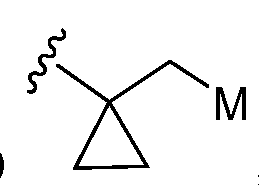


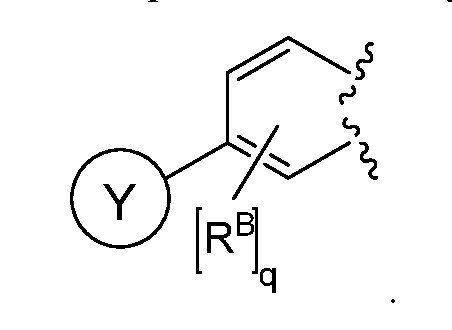





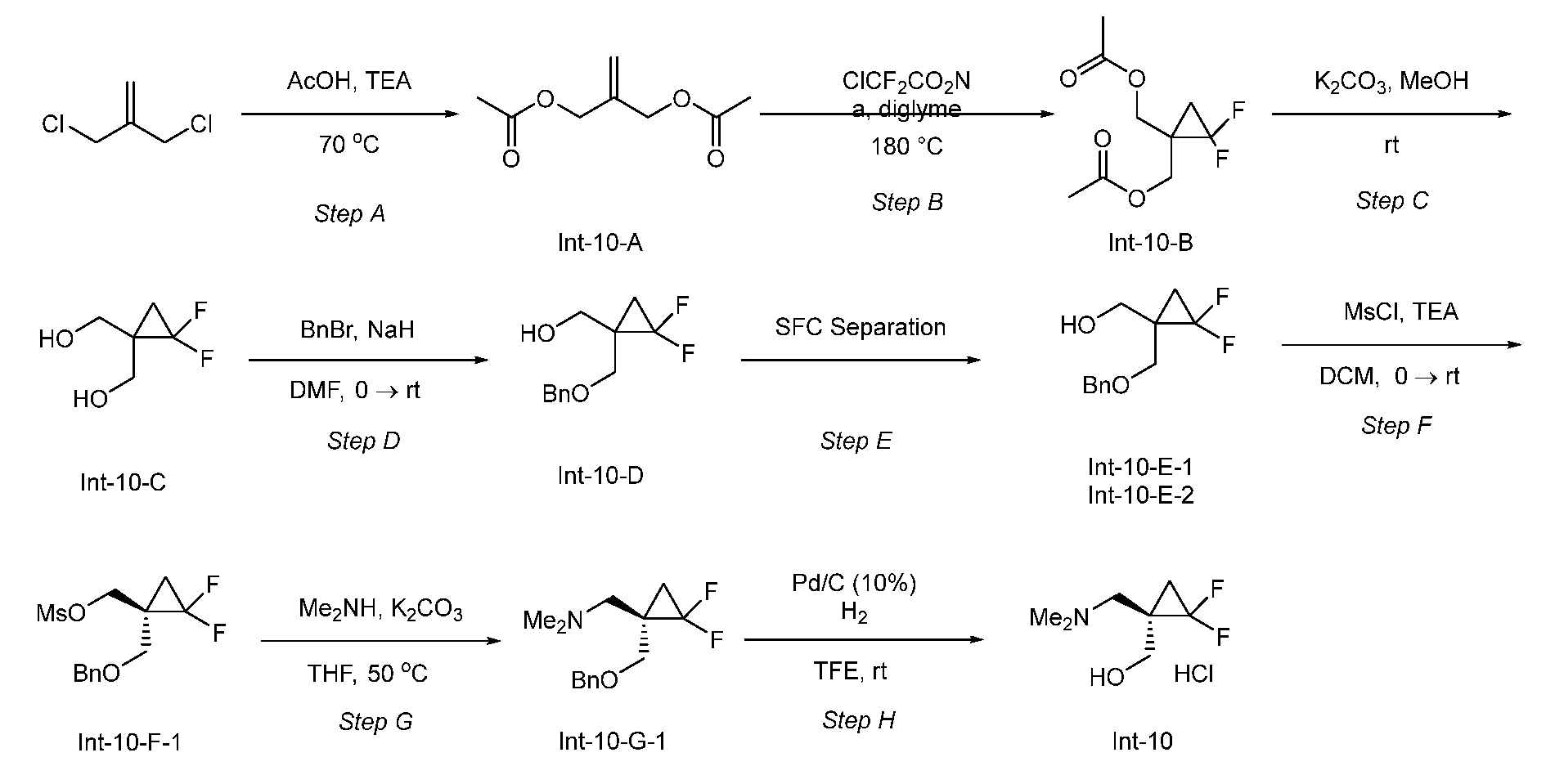


Claims


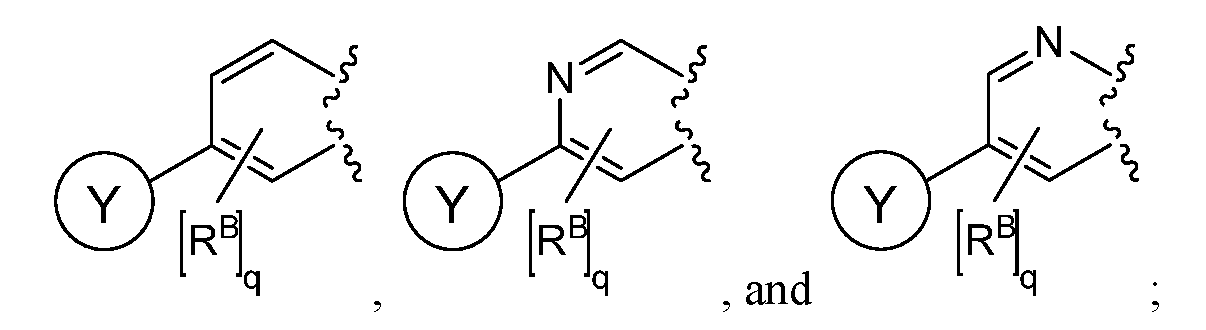


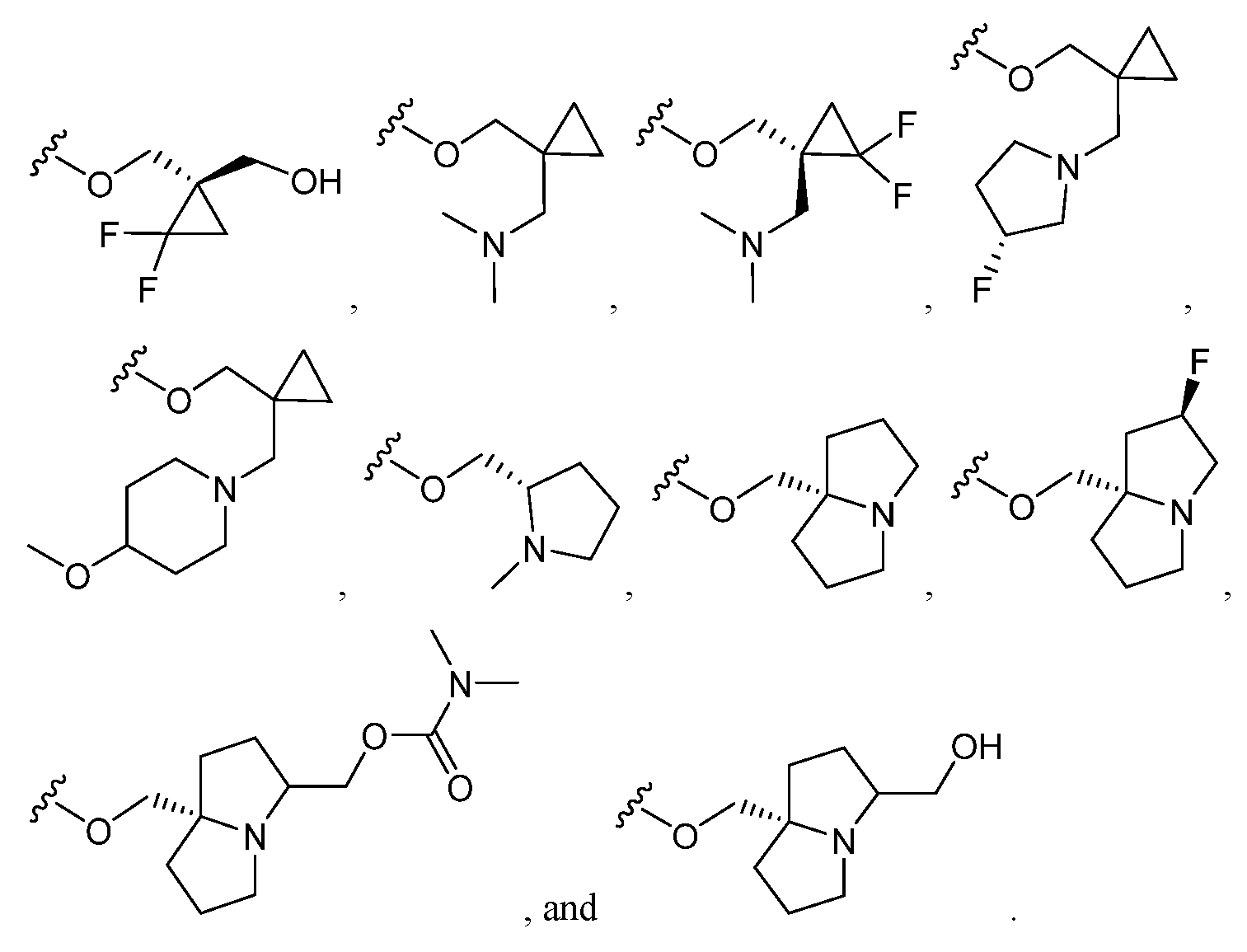
Priority Applications (3)
| Application Number | Priority Date | Filing Date | Title |
|---|---|---|---|
| CN202280077694.1A CN118302162A (en) | 2021-11-24 | 2022-11-22 | Small molecule inhibitors of KRAS mutant proteins |
| EP22899518.9A EP4436571A4 (en) | 2021-11-24 | 2022-11-22 | Small-molecule inhibitors of KRAS mutant proteins |
| JP2024530465A JP2024543879A (en) | 2021-11-24 | 2022-11-22 | Small molecule inhibitors of mutant KRAS proteins |
Applications Claiming Priority (2)
| Application Number | Priority Date | Filing Date | Title |
|---|---|---|---|
| US202163282878P | 2021-11-24 | 2021-11-24 | |
| US63/282,878 | 2021-11-24 |
Publications (1)
| Publication Number | Publication Date |
|---|---|
| WO2023097227A1 true WO2023097227A1 (en) | 2023-06-01 |
Family
ID=86540444
Family Applications (1)
| Application Number | Title | Priority Date | Filing Date |
|---|---|---|---|
| PCT/US2022/080348 Ceased WO2023097227A1 (en) | 2021-11-24 | 2022-11-22 | Small molecule inhibitors of kras mutated proteins |
Country Status (4)
| Country | Link |
|---|---|
| EP (1) | EP4436571A4 (en) |
| JP (1) | JP2024543879A (en) |
| CN (1) | CN118302162A (en) |
| WO (1) | WO2023097227A1 (en) |
Cited By (41)
| Publication number | Priority date | Publication date | Assignee | Title |
|---|---|---|---|---|
| WO2024002373A1 (en) * | 2022-07-01 | 2024-01-04 | 苏州泽璟生物制药股份有限公司 | Substituted pyrimidine-fused ring inhibitor, method for preparing same, and use thereof |
| WO2024012519A1 (en) * | 2022-07-13 | 2024-01-18 | 北京华森英诺生物科技有限公司 | Pan-kras inhibitor |
| US11912723B2 (en) | 2022-02-09 | 2024-02-27 | Quanta Therapeutics, Inc. | KRAS modulators and uses thereof |
| WO2024051763A1 (en) * | 2022-09-08 | 2024-03-14 | 深圳福沃药业有限公司 | Quinazoline heterocyclic derivative of kras mutation inhibitor for treating cancer |
| WO2024112654A1 (en) | 2022-11-21 | 2024-05-30 | Treeline Biosciences, Inc. | Spirocyclic dihydropyranopyrimidine kras inhibitors |
| WO2024125600A1 (en) * | 2022-12-14 | 2024-06-20 | 上海科州药物研发有限公司 | Heterocyclic compounds acting as kras inhibitors, preparation therefor and therapeutic use thereof |
| US12065430B2 (en) | 2018-10-26 | 2024-08-20 | Taiho Pharmaceutical Co., Ltd. | Indazole compound or salt thereof |
| WO2024206858A1 (en) | 2023-03-30 | 2024-10-03 | Revolution Medicines, Inc. | Compositions for inducing ras gtp hydrolysis and uses thereof |
| WO2024229406A1 (en) | 2023-05-04 | 2024-11-07 | Revolution Medicines, Inc. | Combination therapy for a ras related disease or disorder |
| US12145947B2 (en) | 2022-05-25 | 2024-11-19 | Quanta Therapeutics, Inc. | Pyrimidine based modulators and uses thereof |
| WO2025034702A1 (en) | 2023-08-07 | 2025-02-13 | Revolution Medicines, Inc. | Rmc-6291 for use in the treatment of ras protein-related disease or disorder |
| WO2025038936A1 (en) | 2023-08-17 | 2025-02-20 | Treeline Biosciences, Inc. | Spirocyclic dihydropyranopyrimidine kras inhibitors |
| WO2025064848A1 (en) | 2023-09-21 | 2025-03-27 | Treeline Biosciences, Inc. | Spirocyclic dihydropyranopyridine kras inhibitors |
| WO2025076044A1 (en) | 2023-10-03 | 2025-04-10 | PAQ Therapeutics Inc. | Kras proteolysis targeting chimeras |
| WO2025080946A2 (en) | 2023-10-12 | 2025-04-17 | Revolution Medicines, Inc. | Ras inhibitors |
| WO2025019819A3 (en) * | 2023-07-20 | 2025-05-01 | Merck Sharp & Dohme Llc | Small molecule protein degraders of kras g12d mutant |
| US12291538B2 (en) | 2019-10-28 | 2025-05-06 | Merck Sharp & Dohme Llc | Small molecule inhibitors of KRAS G12C mutant |
| EP4387967A4 (en) * | 2021-08-18 | 2025-08-13 | Jacobio Pharmaceuticals Co Ltd | 1,4-OXAZEPAN DERIVATIVES AND USES THEREOF |
| WO2025171296A1 (en) | 2024-02-09 | 2025-08-14 | Revolution Medicines, Inc. | Ras inhibitors |
| US12404285B2 (en) | 2022-05-06 | 2025-09-02 | PAQ Therapeutics Inc. | KRAS G12D proteolysis targeting chimeras |
| US12421254B2 (en) | 2023-03-15 | 2025-09-23 | Quanta Therapeutics, Inc. | KRAS modulators and uses thereof |
| US12448400B2 (en) | 2023-09-08 | 2025-10-21 | Gilead Sciences, Inc. | KRAS G12D modulating compounds |
| US12448399B2 (en) | 2023-01-26 | 2025-10-21 | Arvinas Operations, Inc. | Cereblon-based KRAS degrading PROTACs and uses related thereto |
| US12466840B2 (en) | 2023-10-20 | 2025-11-11 | Merck Sharp & Dohme Llc | Small molecule inhibitors of KRAS proteins |
| WO2025240847A1 (en) | 2024-05-17 | 2025-11-20 | Revolution Medicines, Inc. | Ras inhibitors |
| US12479834B2 (en) | 2019-11-29 | 2025-11-25 | Taiho Pharmaceutical Co., Ltd. | Phenol compound or salt thereof |
| WO2025245127A1 (en) | 2024-05-21 | 2025-11-27 | Treeline Biosciences, Inc. | Spirocyclic dihydropyranopyrimidine kras inhibitors |
| WO2025255438A1 (en) | 2024-06-07 | 2025-12-11 | Revolution Medicines, Inc. | Methods of treating a ras protein-related disease or disorder |
| WO2025265060A1 (en) | 2024-06-21 | 2025-12-26 | Revolution Medicines, Inc. | Therapeutic compositions and methods for managing treatment-related effects |
| WO2026006747A1 (en) | 2024-06-28 | 2026-01-02 | Revolution Medicines, Inc. | Ras inhibitors |
| WO2026015790A1 (en) | 2024-07-12 | 2026-01-15 | Revolution Medicines, Inc. | Methods of treating a ras related disease or disorder |
| WO2026015801A1 (en) | 2024-07-12 | 2026-01-15 | Revolution Medicines, Inc. | Methods of treating a ras related disease or disorder |
| WO2026015796A1 (en) | 2024-07-12 | 2026-01-15 | Revolution Medicines, Inc. | Methods of treating a ras related disease or disorder |
| WO2026015825A1 (en) | 2024-07-12 | 2026-01-15 | Revolution Medicines, Inc. | Use of ras inhibitor for treating pancreatic cancer |
| WO2026035947A1 (en) | 2024-08-07 | 2026-02-12 | Tesseract Medicines Us, Llc | Kras-targeting covalent-induced drug conjugates comprising a topoisomerase payload |
| WO2026035945A1 (en) | 2024-08-07 | 2026-02-12 | Tesseract Medicines Us, Llc | Covalent-induced drug conjugates targeting kras and comprising a topoisomerase payload |
| US12552783B2 (en) | 2018-04-04 | 2026-02-17 | Arvinas Operations, Inc. | Modulators of proteolysis and associated methods of use |
| WO2026050446A1 (en) | 2024-08-29 | 2026-03-05 | Revolution Medicines, Inc. | Ras inhibitors |
| WO2026064520A1 (en) | 2024-09-19 | 2026-03-26 | Tesseract Medicines Us, Llc | Covalent-induced drug conjugates targeting kras and comprising a tubulin inhibitor payload |
| WO2026064527A1 (en) | 2024-09-19 | 2026-03-26 | Tesseract Medicines Us, Llc | Kras-targeting covalent-induced drug conjugates comprising a tubulin inhibitor payload |
| WO2026072904A2 (en) | 2024-09-26 | 2026-04-02 | Revolution Medicines, Inc. | Compositions and methods for treating lung cancer |
Citations (4)
| Publication number | Priority date | Publication date | Assignee | Title |
|---|---|---|---|---|
| US20190127336A1 (en) * | 2016-03-30 | 2019-05-02 | Araxes Pharma Llc | Substituted quinazoline compounds and methods of use |
| US20200181118A1 (en) * | 2018-11-09 | 2020-06-11 | Genentech, Inc. | Fused ring compounds |
| WO2021041671A1 (en) * | 2019-08-29 | 2021-03-04 | Mirati Therapeutics, Inc. | Kras g12d inhibitors |
| WO2022256459A1 (en) * | 2021-06-01 | 2022-12-08 | Quanta Therapeutics, Inc. | Kras modulators and uses thereof |
Family Cites Families (22)
| Publication number | Priority date | Publication date | Assignee | Title |
|---|---|---|---|---|
| JP2023553492A (en) * | 2020-12-15 | 2023-12-21 | ミラティ セラピューティクス, インコーポレイテッド | Azaquinazoline pan-KRas inhibitor |
| EP4291199A4 (en) * | 2021-02-09 | 2025-06-18 | Kumquat Biosciences Inc. | HETEROCYCLIC COMPOUNDS AND USES THEREOF |
| CN117222650A (en) * | 2021-04-30 | 2023-12-12 | 劲方医药科技(上海)有限公司 | Pyridine or pyrimidine ring compounds, their preparation methods and medicinal uses |
| US20240300980A1 (en) * | 2021-05-22 | 2024-09-12 | Shanghai Kechow Pharma, Inc. | Heterocyclic compounds as kras inhibitor, and preparation therefor and use thereof in treatment |
| BR112023024906A2 (en) * | 2021-05-28 | 2024-02-15 | Redx Pharma Plc | COMPOUNDS |
| WO2023018812A1 (en) * | 2021-08-10 | 2023-02-16 | Amgen Inc. | Heterocyclic compounds and methods of use |
| JP2024532735A (en) * | 2021-08-10 | 2024-09-10 | アムジエン・インコーポレーテツド | Heterocyclic compounds and methods of use |
| WO2023020523A1 (en) * | 2021-08-18 | 2023-02-23 | Jacobio Pharmaceuticals Co., Ltd. | Bicyclic derivatives and use thereof |
| CN118401254A (en) * | 2021-10-05 | 2024-07-26 | 米拉蒂治疗股份有限公司 | Combination therapy of KRAS G12D inhibitors and SHP-2 inhibitors |
| MX2024004216A (en) * | 2021-10-05 | 2024-06-20 | Mirati Therapeutics Inc | COMBINATION THERAPIES OF KRAS G12D INHIBITORS WITH Pan ErbB FAMILY INHIBITORS. |
| AU2022361380A1 (en) * | 2021-10-05 | 2024-04-11 | Mirati Therapeutics, Inc. | Combination therapies of kras g12d inhibitors with sos1 inhibitors |
| WO2023061294A1 (en) * | 2021-10-13 | 2023-04-20 | 再鼎医药(上海)有限公司 | Nitrogen-containing heterocyclic derivative regulator, preparation method therefor and application thereof |
| WO2023114733A1 (en) * | 2021-12-13 | 2023-06-22 | Quanta Therapeutics, Inc. | Kras modulators and uses thereof |
| AU2023216698A1 (en) * | 2022-02-03 | 2024-06-13 | Mirati Therapeutics, Inc. | Quinazoline pan-kras inhibitors |
| EP4479398A1 (en) * | 2022-02-16 | 2024-12-25 | Amgen Inc. | Quinazoline compounds and use thereof as inhibtors of mutant kras proteins |
| WO2023173017A1 (en) * | 2022-03-09 | 2023-09-14 | Blossomhill Therapeutics, Inc. | Kras inhibitors for treating disease |
| JP2025510656A (en) * | 2022-03-24 | 2025-04-15 | ベイジーン スウィッツァーランド ゲーエムベーハー | Heterocyclic compounds, compositions thereof, and methods of treatment therewith |
| CN116891488B (en) * | 2022-04-11 | 2025-12-12 | 成都海博为药业有限公司 | Fused ring compounds, pharmaceutical compositions comprising them, and their applications |
| JP2025525356A (en) * | 2022-06-15 | 2025-08-05 | ミラティ セラピューティクス, インコーポレイテッド | Azaquinazoline pan-Kras inhibitors |
| AU2023302139A1 (en) * | 2022-07-05 | 2024-12-19 | Pfizer Inc. | Pyrido[4,3-d]pyrimidine compounds |
| WO2024012519A1 (en) * | 2022-07-13 | 2024-01-18 | 北京华森英诺生物科技有限公司 | Pan-kras inhibitor |
| CN117263959A (en) * | 2022-10-24 | 2023-12-22 | 药雅科技(上海)有限公司 | Preparation and application of aromatic KRAS mutant protein inhibitor |
-
2022
- 2022-11-22 EP EP22899518.9A patent/EP4436571A4/en active Pending
- 2022-11-22 JP JP2024530465A patent/JP2024543879A/en active Pending
- 2022-11-22 CN CN202280077694.1A patent/CN118302162A/en active Pending
- 2022-11-22 WO PCT/US2022/080348 patent/WO2023097227A1/en not_active Ceased
Patent Citations (4)
| Publication number | Priority date | Publication date | Assignee | Title |
|---|---|---|---|---|
| US20190127336A1 (en) * | 2016-03-30 | 2019-05-02 | Araxes Pharma Llc | Substituted quinazoline compounds and methods of use |
| US20200181118A1 (en) * | 2018-11-09 | 2020-06-11 | Genentech, Inc. | Fused ring compounds |
| WO2021041671A1 (en) * | 2019-08-29 | 2021-03-04 | Mirati Therapeutics, Inc. | Kras g12d inhibitors |
| WO2022256459A1 (en) * | 2021-06-01 | 2022-12-08 | Quanta Therapeutics, Inc. | Kras modulators and uses thereof |
Non-Patent Citations (1)
| Title |
|---|
| See also references of EP4436571A4 * |
Cited By (43)
| Publication number | Priority date | Publication date | Assignee | Title |
|---|---|---|---|---|
| US12552783B2 (en) | 2018-04-04 | 2026-02-17 | Arvinas Operations, Inc. | Modulators of proteolysis and associated methods of use |
| US12065430B2 (en) | 2018-10-26 | 2024-08-20 | Taiho Pharmaceutical Co., Ltd. | Indazole compound or salt thereof |
| US12297208B2 (en) | 2019-10-28 | 2025-05-13 | Merck Sharp & Dohme Llc | Small molecule inhibitors of KRAS G12C mutant |
| US12291538B2 (en) | 2019-10-28 | 2025-05-06 | Merck Sharp & Dohme Llc | Small molecule inhibitors of KRAS G12C mutant |
| US12479834B2 (en) | 2019-11-29 | 2025-11-25 | Taiho Pharmaceutical Co., Ltd. | Phenol compound or salt thereof |
| EP4387967A4 (en) * | 2021-08-18 | 2025-08-13 | Jacobio Pharmaceuticals Co Ltd | 1,4-OXAZEPAN DERIVATIVES AND USES THEREOF |
| US11912723B2 (en) | 2022-02-09 | 2024-02-27 | Quanta Therapeutics, Inc. | KRAS modulators and uses thereof |
| US12404285B2 (en) | 2022-05-06 | 2025-09-02 | PAQ Therapeutics Inc. | KRAS G12D proteolysis targeting chimeras |
| US12145947B2 (en) | 2022-05-25 | 2024-11-19 | Quanta Therapeutics, Inc. | Pyrimidine based modulators and uses thereof |
| WO2024002373A1 (en) * | 2022-07-01 | 2024-01-04 | 苏州泽璟生物制药股份有限公司 | Substituted pyrimidine-fused ring inhibitor, method for preparing same, and use thereof |
| WO2024012519A1 (en) * | 2022-07-13 | 2024-01-18 | 北京华森英诺生物科技有限公司 | Pan-kras inhibitor |
| WO2024051763A1 (en) * | 2022-09-08 | 2024-03-14 | 深圳福沃药业有限公司 | Quinazoline heterocyclic derivative of kras mutation inhibitor for treating cancer |
| WO2024112654A1 (en) | 2022-11-21 | 2024-05-30 | Treeline Biosciences, Inc. | Spirocyclic dihydropyranopyrimidine kras inhibitors |
| WO2024125600A1 (en) * | 2022-12-14 | 2024-06-20 | 上海科州药物研发有限公司 | Heterocyclic compounds acting as kras inhibitors, preparation therefor and therapeutic use thereof |
| US12448399B2 (en) | 2023-01-26 | 2025-10-21 | Arvinas Operations, Inc. | Cereblon-based KRAS degrading PROTACs and uses related thereto |
| US12421254B2 (en) | 2023-03-15 | 2025-09-23 | Quanta Therapeutics, Inc. | KRAS modulators and uses thereof |
| WO2024206858A1 (en) | 2023-03-30 | 2024-10-03 | Revolution Medicines, Inc. | Compositions for inducing ras gtp hydrolysis and uses thereof |
| WO2024229406A1 (en) | 2023-05-04 | 2024-11-07 | Revolution Medicines, Inc. | Combination therapy for a ras related disease or disorder |
| WO2025019819A3 (en) * | 2023-07-20 | 2025-05-01 | Merck Sharp & Dohme Llc | Small molecule protein degraders of kras g12d mutant |
| WO2025034702A1 (en) | 2023-08-07 | 2025-02-13 | Revolution Medicines, Inc. | Rmc-6291 for use in the treatment of ras protein-related disease or disorder |
| WO2025038936A1 (en) | 2023-08-17 | 2025-02-20 | Treeline Biosciences, Inc. | Spirocyclic dihydropyranopyrimidine kras inhibitors |
| US12448400B2 (en) | 2023-09-08 | 2025-10-21 | Gilead Sciences, Inc. | KRAS G12D modulating compounds |
| WO2025064848A1 (en) | 2023-09-21 | 2025-03-27 | Treeline Biosciences, Inc. | Spirocyclic dihydropyranopyridine kras inhibitors |
| WO2025076044A1 (en) | 2023-10-03 | 2025-04-10 | PAQ Therapeutics Inc. | Kras proteolysis targeting chimeras |
| US12599672B2 (en) | 2023-10-03 | 2026-04-14 | PAQ Therapeutics Inc. | KRAS proteolysis targeting chimeras |
| WO2025080946A2 (en) | 2023-10-12 | 2025-04-17 | Revolution Medicines, Inc. | Ras inhibitors |
| US12466840B2 (en) | 2023-10-20 | 2025-11-11 | Merck Sharp & Dohme Llc | Small molecule inhibitors of KRAS proteins |
| WO2025171296A1 (en) | 2024-02-09 | 2025-08-14 | Revolution Medicines, Inc. | Ras inhibitors |
| WO2025240847A1 (en) | 2024-05-17 | 2025-11-20 | Revolution Medicines, Inc. | Ras inhibitors |
| WO2025245127A1 (en) | 2024-05-21 | 2025-11-27 | Treeline Biosciences, Inc. | Spirocyclic dihydropyranopyrimidine kras inhibitors |
| WO2025255438A1 (en) | 2024-06-07 | 2025-12-11 | Revolution Medicines, Inc. | Methods of treating a ras protein-related disease or disorder |
| WO2025265060A1 (en) | 2024-06-21 | 2025-12-26 | Revolution Medicines, Inc. | Therapeutic compositions and methods for managing treatment-related effects |
| WO2026006747A1 (en) | 2024-06-28 | 2026-01-02 | Revolution Medicines, Inc. | Ras inhibitors |
| WO2026015796A1 (en) | 2024-07-12 | 2026-01-15 | Revolution Medicines, Inc. | Methods of treating a ras related disease or disorder |
| WO2026015825A1 (en) | 2024-07-12 | 2026-01-15 | Revolution Medicines, Inc. | Use of ras inhibitor for treating pancreatic cancer |
| WO2026015801A1 (en) | 2024-07-12 | 2026-01-15 | Revolution Medicines, Inc. | Methods of treating a ras related disease or disorder |
| WO2026015790A1 (en) | 2024-07-12 | 2026-01-15 | Revolution Medicines, Inc. | Methods of treating a ras related disease or disorder |
| WO2026035947A1 (en) | 2024-08-07 | 2026-02-12 | Tesseract Medicines Us, Llc | Kras-targeting covalent-induced drug conjugates comprising a topoisomerase payload |
| WO2026035945A1 (en) | 2024-08-07 | 2026-02-12 | Tesseract Medicines Us, Llc | Covalent-induced drug conjugates targeting kras and comprising a topoisomerase payload |
| WO2026050446A1 (en) | 2024-08-29 | 2026-03-05 | Revolution Medicines, Inc. | Ras inhibitors |
| WO2026064520A1 (en) | 2024-09-19 | 2026-03-26 | Tesseract Medicines Us, Llc | Covalent-induced drug conjugates targeting kras and comprising a tubulin inhibitor payload |
| WO2026064527A1 (en) | 2024-09-19 | 2026-03-26 | Tesseract Medicines Us, Llc | Kras-targeting covalent-induced drug conjugates comprising a tubulin inhibitor payload |
| WO2026072904A2 (en) | 2024-09-26 | 2026-04-02 | Revolution Medicines, Inc. | Compositions and methods for treating lung cancer |
Also Published As
| Publication number | Publication date |
|---|---|
| CN118302162A (en) | 2024-07-05 |
| JP2024543879A (en) | 2024-11-26 |
| EP4436571A1 (en) | 2024-10-02 |
| EP4436571A4 (en) | 2025-10-15 |
Similar Documents
| Publication | Publication Date | Title |
|---|---|---|
| WO2023097227A1 (en) | Small molecule inhibitors of kras mutated proteins | |
| US12297208B2 (en) | Small molecule inhibitors of KRAS G12C mutant | |
| EP4031542B1 (en) | Small molecule inhibitors of kras g12c mutant | |
| EP4577214A2 (en) | Small molecule inhibitors of kras proteins | |
| WO2022251576A1 (en) | Small molecule inhibitors of kras g12c mutant | |
| WO2022232318A1 (en) | Small molecule inhibitors of kras g12c mutant | |
| WO2022109485A1 (en) | 6,7-dihydro-pyrano[2,3-d]pyrimidine inhibitors of kras g12c mutant | |
| WO2024233776A1 (en) | Small molecule inhibitors of kras g12d mutant | |
| WO2022109487A1 (en) | Spirocyclic-substituted 6,7-dihydro-pyrano[2,3-d]pyrimidine inhibitors of kras g12c mutant | |
| WO2024103010A1 (en) | Small molecule inhibitors of kras proteins | |
| WO2022232320A1 (en) | Small molecule inhibitors of kras g12c mutant | |
| US12466840B2 (en) | Small molecule inhibitors of KRAS proteins | |
| WO2025019823A1 (en) | Small molecule protein degraders of kras g12d mutant | |
| WO2025019819A2 (en) | Small molecule protein degraders of kras g12d mutant | |
| WO2025235740A1 (en) | Small molecule inhibitors of kras proteins | |
| WO2025240742A1 (en) | Protein degraders of kras g12d mutant | |
| WO2025240740A1 (en) | Small molecule protein degraders of kras g12d mutant | |
| EA047571B1 (en) | LOW MOLECULAR WEIGHT INHIBITORS OF G12C-MUTANT KRAS |
Legal Events
| Date | Code | Title | Description |
|---|---|---|---|
| 121 | Ep: the epo has been informed by wipo that ep was designated in this application |
Ref document number: 22899518 Country of ref document: EP Kind code of ref document: A1 |
|
| ENP | Entry into the national phase |
Ref document number: 2024530465 Country of ref document: JP Kind code of ref document: A |
|
| WWE | Wipo information: entry into national phase |
Ref document number: 202280077694.1 Country of ref document: CN |
|
| WWE | Wipo information: entry into national phase |
Ref document number: 18713496 Country of ref document: US |
|
| WWE | Wipo information: entry into national phase |
Ref document number: 2022899518 Country of ref document: EP |
|
| NENP | Non-entry into the national phase |
Ref country code: DE |
|
| ENP | Entry into the national phase |
Ref document number: 2022899518 Country of ref document: EP Effective date: 20240624 |