WO2023127264A1 - ポリアミド系ポリマー - Google Patents
ポリアミド系ポリマー Download PDFInfo
- Publication number
- WO2023127264A1 WO2023127264A1 PCT/JP2022/040104 JP2022040104W WO2023127264A1 WO 2023127264 A1 WO2023127264 A1 WO 2023127264A1 JP 2022040104 W JP2022040104 W JP 2022040104W WO 2023127264 A1 WO2023127264 A1 WO 2023127264A1
- Authority
- WO
- WIPO (PCT)
- Prior art keywords
- formula
- polyamide
- polymer
- repeating unit
- unit represented
- Prior art date
- Legal status (The legal status is an assumption and is not a legal conclusion. Google has not performed a legal analysis and makes no representation as to the accuracy of the status listed.)
- Ceased
Links
Images



















Classifications
-
- D—TEXTILES; PAPER
- D01—NATURAL OR MAN-MADE THREADS OR FIBRES; SPINNING
- D01F—CHEMICAL FEATURES IN THE MANUFACTURE OF ARTIFICIAL FILAMENTS, THREADS, FIBRES, BRISTLES OR RIBBONS; APPARATUS SPECIALLY ADAPTED FOR THE MANUFACTURE OF CARBON FILAMENTS
- D01F6/00—Monocomponent artificial filaments or the like of synthetic polymers; Manufacture thereof
- D01F6/58—Monocomponent artificial filaments or the like of synthetic polymers; Manufacture thereof from homopolycondensation products
- D01F6/60—Monocomponent artificial filaments or the like of synthetic polymers; Manufacture thereof from homopolycondensation products from polyamides
-
- C—CHEMISTRY; METALLURGY
- C08—ORGANIC MACROMOLECULAR COMPOUNDS; THEIR PREPARATION OR CHEMICAL WORKING-UP; COMPOSITIONS BASED THEREON
- C08G—MACROMOLECULAR COMPOUNDS OBTAINED OTHERWISE THAN BY REACTIONS ONLY INVOLVING UNSATURATED CARBON-TO-CARBON BONDS
- C08G69/00—Macromolecular compounds obtained by reactions forming a carboxylic amide link in the main chain of the macromolecule
- C08G69/02—Polyamides derived from amino-carboxylic acids or from polyamines and polycarboxylic acids
- C08G69/26—Polyamides derived from amino-carboxylic acids or from polyamines and polycarboxylic acids derived from polyamines and polycarboxylic acids
- C08G69/265—Polyamides derived from amino-carboxylic acids or from polyamines and polycarboxylic acids derived from polyamines and polycarboxylic acids from at least two different diamines or at least two different dicarboxylic acids
-
- D—TEXTILES; PAPER
- D01—NATURAL OR MAN-MADE THREADS OR FIBRES; SPINNING
- D01F—CHEMICAL FEATURES IN THE MANUFACTURE OF ARTIFICIAL FILAMENTS, THREADS, FIBRES, BRISTLES OR RIBBONS; APPARATUS SPECIALLY ADAPTED FOR THE MANUFACTURE OF CARBON FILAMENTS
- D01F6/00—Monocomponent artificial filaments or the like of synthetic polymers; Manufacture thereof
- D01F6/78—Monocomponent artificial filaments or the like of synthetic polymers; Manufacture thereof from copolycondensation products
- D01F6/80—Monocomponent artificial filaments or the like of synthetic polymers; Manufacture thereof from copolycondensation products from copolyamides
Definitions
- the present invention relates to polyamide-based polymers. More particularly, the present invention relates to a polyamide-based polymer expected to be used as a substitute for conventional nylon (trade name).
- Polyamide typified by nylon (trade name, hereinafter the same), is widely used not only for fibers, but also for parts around automobile engines, such as intake manifolds, due to its excellent properties such as heat resistance and oil resistance.
- nylon which has high mechanical strength such as tensile strength, is used for fishing gear such as fishing nets and fishing lines used in fishing.
- plastic waste such as nylon is not degradable in the natural world and drifts in the ocean without being decomposed. Problems include drinking and tangling of seabird wings and feet with nylon fishing line.
- the present invention has been made in view of the above-mentioned prior art, and itaconic acid, which is available as a bio-based monomer, is used as a raw material to improve heat resistance, elongation, moldability, tensile strength, hydrophilicity, and water resistance.
- itaconic acid which is available as a bio-based monomer, is used as a raw material to improve heat resistance, elongation, moldability, tensile strength, hydrophilicity, and water resistance.
- the present invention (1) A polyamide-based polymer of a dicarboxylic acid monomer, a diamine compound, and a dicarboxylic acid compound, wherein itaconic acid is used as the dicarboxylic acid monomer, and the diamine compound is represented by the formula (I): H 2 N—R 1 —NH 2 (I) (Wherein, R 1 represents an alkylene group having 4 to 12 carbon atoms)
- a diamine compound represented by the formula (II) is used as the dicarboxylic acid compound: HOOC-R 2 -COOH (II) (Wherein, R 2 represents an alkylene group having 8 to 24 carbon atoms)
- itaconic acid which is available as a bio-based monomer, is used as a raw material to improve heat resistance, extensibility, moldability, tensile strength, hydrophilicity, and disintegration and degradability in water.
- a polyamide-based polymer that is excellent and can be substituted for nylon, a method for producing the same, a polyamide-based fiber containing the polyamide-based polymer, and a molding material containing the polyamide-based polymer.
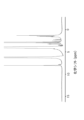
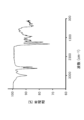
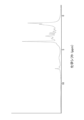
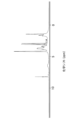
- FIG. 1 is a graph showing a nuclear magnetic resonance ( 1 H-NMR) spectrum of a polyamide-based polymer obtained in Example 1.
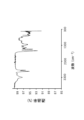
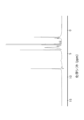
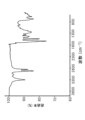
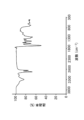
- FIG. 1 is a graph showing an infrared absorption spectrum of a polyamide-based polymer obtained in Example 1.
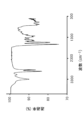
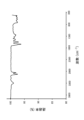
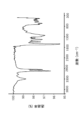
- FIG. 4 is a graph showing the nuclear magnetic resonance ( 1 H-NMR) spectrum of the polyamide-based polymer obtained in Example 2.
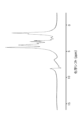
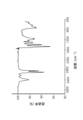
- FIG. 4 is a graph showing the infrared absorption spectrum of the polyamide-based polymer obtained in Example 2.
- FIG. 4 is a graph showing the nuclear magnetic resonance ( 1 H-NMR) spectrum of the polyamide-based polymer obtained in Example 3.
- FIG. 4 is a graph showing the infrared absorption spectrum of the polyamide-based polymer obtained in Example 3.
- FIG. 4 is a graph showing the nuclear magnetic resonance ( 1 H-NMR) spectrum of the polyamide-based polymer obtained in Example 4.
- FIG. 4 is a graph showing the infrared absorption spectrum of the polyamide-based polymer obtained in Example 4.
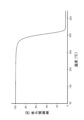
- FIG. 10 is a graph showing the results of thermogravimetric analysis when heating the reaction product obtained in Example 5.
- FIG. 4 is a graph showing the nuclear magnetic resonance ( 1 H-NMR) spectrum of the polyamide-based polymer obtained in Example 5.
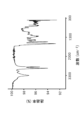
- FIG. 4 is a graph showing the infrared absorption spectrum of the polyamide-based polymer obtained in Example 5.
- FIG. 4 is a graph showing the nuclear magnetic resonance ( 1 H-NMR) spectrum of the polyamide-based polymer obtained in Example 6.
- FIG. 4 is a graph showing the infrared absorption spectrum of the polyamide-based polymer obtained in Example 6.
- FIG. 4 is a graph showing the nuclear magnetic resonance ( 1 H-NMR) spectrum of the polyamide-based polymer obtained in Example 7.
- FIG. 4 is a graph showing the infrared absorption spectrum of the polyamide-based polymer obtained in Example 7.
- FIG. 4 is a graph showing the nuclear magnetic resonance ( 1 H-NMR) spectrum of the polyamide-based polymer obtained in Example 8.
- FIG. 3 is a graph showing an infrared absorption spectrum of a polyamide-based polymer obtained in Example 8.
- FIG. 10 is a graph showing the nuclear magnetic resonance ( 1 H-NMR) spectrum of the polyamide-based polymer obtained in Example 9.
- FIG. 1 H-NMR nuclear magnetic resonance
- FIG. 10 is a graph showing an infrared absorption spectrum of the polyamide-based polymer obtained in Example 9.
- FIG. 4 is a graph showing the nuclear magnetic resonance ( 1 H-NMR) spectrum of the polyamide-based polymer obtained in Example 10.
- FIG. 4 is a graph showing the infrared absorption spectrum of the polyamide-based polymer obtained in Example 10.
- FIG. 4 is a graph showing the nuclear magnetic resonance ( 1 H-NMR) spectrum of the polyamide-based polymer obtained in Example 11.
- FIG. 4 is a graph showing the infrared absorption spectrum of the polyamide-based polymer obtained in Example 11.
- FIG. 4 is a graph showing the nuclear magnetic resonance ( 1 H-NMR) spectrum of the polyamide-based polymer obtained in Example 12.
- FIG. 1 H-NMR nuclear magnetic resonance
- FIG. 4 is a graph showing an infrared absorption spectrum of the polyamide-based polymer obtained in Example 12.
- FIG. 4 is a graph showing the nuclear magnetic resonance ( 1 H-NMR) spectrum of the polyamide-based polymer obtained in Example 13.
- FIG. 10 is a graph showing an infrared absorption spectrum of the polyamide-based polymer obtained in Example 13.
- FIG. 4 is a graph showing the nuclear magnetic resonance ( 1 H-NMR) spectrum of the polyamide-based polymer obtained in Example 14.
- FIG. 4 is a graph showing the infrared absorption spectrum of the polyamide-based polymer obtained in Example 14.
- FIG. 4 is a graph showing the nuclear magnetic resonance ( 1 H-NMR) spectrum of the polyamide-based polymer obtained in Example 15.
- FIG. 1 H-NMR nuclear magnetic resonance
- FIG. 4 is a graph showing the infrared absorption spectrum of the polyamide-based polymer obtained in Example 15.
- FIG. 4 is a graph showing the nuclear magnetic resonance ( 1 H-NMR) spectrum of the polymer obtained in Comparative Example 1.
- FIG. 4 is a graph showing the infrared absorption spectrum of the polymer obtained in Comparative Example 1.
- FIG. 4 is a graph showing the nuclear magnetic resonance ( 1 H-NMR) spectrum of the polyamide-based polymer obtained in Comparative Example 2.
- FIG. 4 is a graph showing the infrared absorption spectrum of the polyamide-based polymer obtained in Comparative Example 2.
- FIG. 4 is a graph showing the nuclear magnetic resonance ( 1 H-NMR) spectrum of the polyamide-based polymer obtained in Comparative Example 3.
- FIG. 4 is a graph showing the nuclear magnetic resonance ( 1 H-NMR) spectrum of the polyamide-based polymer obtained in Comparative Example 3.
- FIG. 4 is a graph showing an infrared absorption spectrum of a polyamide-based polymer obtained in Comparative Example 3.
- FIG. 4 is a graph showing the nuclear magnetic resonance ( 1 H-NMR) spectrum of the polyamide-based polymer obtained in Comparative Example 4.
- FIG. 4 is a graph showing an infrared absorption spectrum of a polyamide-based polymer obtained in Comparative Example 4.
- FIG. 4 is a graph showing the nuclear magnetic resonance ( 1 H-NMR) spectrum of the polyamide-based polymer obtained in Comparative Example 5.
- FIG. 5 is a graph showing an infrared absorption spectrum of a polyamide-based polymer obtained in Comparative Example 5.
- FIG. 4 is a drawing-substituting photograph showing a filament produced using the polymer obtained in Example 2.
- FIG. 10 is a drawing-substituting photograph showing a filament produced using the polymer obtained in Example 6.
- the polyamide-based polymer of the present invention is a polyamide-based polymer of a dicarboxylic acid monomer, a diamine compound and a dicarboxylic acid compound, itaconic acid is used as the dicarboxylic acid monomer, and the diamine compound is represented by formula (I) : H 2 N—R 1 —NH 2 (I) (Wherein, R 1 represents an alkylene group having 4 to 12 carbon atoms)
- a diamine compound represented by the formula (II) is used as the dicarboxylic acid compound: HOOC-R 2 -COOH (II) (Wherein, R 2 represents an alkylene group having 8 to 24 carbon atoms)
- the dicarboxylic acid compound represented by is used.
- itaconic acid is used as a dicarboxylic acid monomer
- a diamine compound represented by formula (I) is used as a diamine compound
- a dicarboxylic acid compound represented by formula (II) is used as a dicarboxylic acid compound. Therefore, it is comprehensively excellent in heat resistance, extensibility, moldability, tensile strength, hydrophilicity, and disintegration and degradability in water.
- the polyamide-based polymer of the present invention uses itaconic acid as a dicarboxylic acid monomer, uses a diamine compound represented by formula (I) as a diamine compound, uses a dicarboxylic acid compound represented by formula (II) as a dicarboxylic acid compound, and itaconic It can be prepared by reacting an acid with a diamine compound represented by formula (I) and a dicarboxylic acid compound represented by formula (II), and polymerizing the resulting reaction product.
- Itaconic acid is commercially available from, for example, Fuso Chemical Industry Co., Ltd., Iwata Chemical Industry Co., Ltd., Cargill Corporation, etc. Itaconic acid may be produced using bacteria such as Aspergillus terreus, or may be synthesized using petroleum as a raw material. Among these, itaconic acid produced using fungi such as Aspergillus terreus has the advantage of being more environmentally friendly than itaconic acid synthesized using petroleum as a raw material.
- R 1 is an alkylene group having 4 to 12 carbon atoms.
- R 1 is an alkylene having 6 to 12 carbon atoms from the viewpoint of obtaining a polyamide-based polymer that is comprehensively excellent in heat resistance, elongation, moldability, tensile strength, hydrophilicity, and disintegration and degradability in water.
- group preferably an alkylene group having 6 to 8 carbon atoms.
- Diamine compounds represented by formula (I) include 1,6-hexanediamine, 1,7-heptanediamine, 1,8-octanediamine, 1,10-decanediamine, 1,12-dodecanediamine, and the like. . These diamine compounds may be used alone or in combination of two or more.
- R 2 is an alkylene group having 8 to 24 carbon atoms.
- R 2 is an alkylene having 8 to 24 carbon atoms from the viewpoint of obtaining a polyamide-based polymer that is comprehensively excellent in heat resistance, elongation, moldability, tensile strength, hydrophilicity, and disintegration and degradability in water.
- Dicarboxylic acid compounds represented by formula (II) include, for example, 1,10-decanedicarboxylic acid, 1,11-undecanedicarboxylic acid, 1,12-dodecanedicarboxylic acid, 1,14-tetradecanedicarboxylic acid, 1,16 -hexadecanedicarboxylic acid, 1,18-octadecanedicarboxylic acid, 1,20-eicosanedicarboxylic acid, and the like. These dicarboxylic acid compounds may be used alone or in combination of two or more.
- Both itaconic acid and the dicarboxylic acid compound represented by formula (II) are compounds having two carboxyl groups in the molecule, and the diamine compound represented by formula (I) is a compound having two amino groups. . Therefore, the diamine compound represented by formula (I), itaconic acid, and the dicarboxylic acid compound represented by formula (II) theoretically react in stoichiometric amounts, so that The total amount of itaconic acid and the dicarboxylic acid compound represented by formula (II) per mole of diamine compound is theoretically 1 mole.
- the molar ratio of the diamine compound represented by formula (I) to itaconic acid and the dicarboxylic acid compound represented by formula (II) is preferably 40/60 from the viewpoint of obtaining a polyamide-based polymer that is comprehensively excellent in heat resistance, elongation, moldability, tensile strength, hydrophilicity, and disintegration and degradability in water. ⁇ 60/40, more preferably 45/55 to 55/45.
- diamine compound other than the diamine compound represented by formula (I) (hereinafter referred to as another diamine compound) is used together with the diamine compound represented by formula (I) within a range that does not hinder the object of the present invention. good.
- diamine compounds include, for example, aromatic diamine compounds such as phenylenediamine and xylylenediamine, but the present invention is not limited to such examples.
- the molar ratio of itaconic acid to the dicarboxylic acid compound represented by the formula (II) has the following properties: heat resistance, elongation, moldability, tensile strength, hydrophilicity, and From the viewpoint of obtaining a polyamide-based polymer that is comprehensively excellent in disintegration and degradability in water, preferably 5/95 to 90/10, more preferably 15/85 to 90/10, still more preferably 35/65 to 90/10.
- the reaction of itaconic acid, the diamine compound represented by formula (I) and the dicarboxylic acid compound represented by formula (II) can be carried out in an organic solvent.
- the organic solvent is capable of dissolving itaconic acid, the diamine represented by formula (I), and the dicarboxylic acid represented by formula (II) in a temperature range of 20 to 90° C. It is preferably an organic solvent that hardly dissolves or does not dissolve the reaction product of the diamine represented by the formula (II) and the dicarboxylic acid represented by the formula (II).
- organic solvent examples include aliphatic alcohols having 1 to 3 carbon atoms such as methanol, ethanol and propanol, ketone compounds such as acetone and methyl ethyl ketone, ethyl acetate, tetrahydrofuran, dioxane, chloroform, dichloromethane, chlorobenzene, phenol and cresol.
- aliphatic alcohols having 1 to 3 carbon atoms such as methanol, ethanol and propanol
- ketone compounds such as acetone and methyl ethyl ketone, ethyl acetate, tetrahydrofuran, dioxane, chloroform, dichloromethane, chlorobenzene, phenol and cresol.
- ketone compounds such as acetone and methyl ethyl ketone, ethyl acetate, tetrahydrofuran, dioxane, chloroform, dichloromethane,
- the amount of the organic solvent is not particularly limited as long as it can efficiently react the itaconic acid, the diamine represented by the formula (I), and the dicarboxylic acid represented by the formula (II).
- the amount is preferably about 3 to 20 times the total amount (mass) of the acid, the diamine represented by the formula (I) and the dicarboxylic acid represented by the formula (II), and the amount is about 5 to 15 times. is more preferred.
- the reaction temperature for reacting itaconic acid, the diamine compound represented by formula (I), and the dicarboxylic acid compound represented by formula (II) is not particularly limited, but is about 20 to 90° C. from the viewpoint of increasing the reaction efficiency. is preferred. Further, the reaction time for reacting itaconic acid, the diamine compound represented by the formula (I) and the dicarboxylic acid compound represented by the formula (II) varies depending on the amount of the organic solvent used, the reaction temperature, etc. cannot be determined, but is usually about 4 to 12 hours.
- the atmosphere in which itaconic acid, the diamine compound represented by formula (I), and the dicarboxylic acid compound represented by formula (II) are reacted is not particularly limited, and may be air, such as nitrogen gas or argon gas. It may be an inert gas such as
- a reaction mixture is obtained by reacting itaconic acid, the diamine compound represented by formula (I), and the dicarboxylic acid compound represented by formula (II) as described above.
- the reaction mixture contains, as by-products, a salt of itaconic acid and the diamine compound represented by formula (I) and a salt of the dicarboxylic acid compound represented by formula (II) and the diamine compound represented by formula (I). considered to be included.
- the reaction product can be recovered by crystallization from the reaction mixture.
- Methods for crystallizing the reaction product from the reaction mixture include, for example, a method of cooling the reaction mixture to a temperature of about 0 to 25° C., a method of dropping a poor solvent such as hexane, toluene, or xylene into the reaction mixture, and a method of However, the present invention is not limited to such methods.
- the crystallized reaction product can be recovered by a method such as filtration.
- the recovered reaction product may be washed with the organic solvent having a temperature of about 0 to 25° C., if necessary.
- the reaction product obtained above may be dried by, for example, drying under reduced pressure.
- the polyamide-based polymer of the present invention is obtained by polymerizing the reaction product obtained above.
- Examples of methods for polymerizing the reaction product include bulk polymerization, solution polymerization, suspension polymerization, and emulsion polymerization, but the present invention is not limited to these examples.
- the bulk polymerization method is preferable from the viewpoint of efficiently preparing a polyamide-based polymer with a small amount of impurities.
- the polyamide-based polymer can be obtained by heating the reaction product obtained above to a polymerization temperature of about 150 to 250° C. and polymerizing it.
- the atmosphere in which the reaction product is polymerized is not particularly limited, and may be the air, for example, an inert gas such as nitrogen gas or argon gas. From the viewpoint of avoiding the influence of oxygen, the gas preferably has a low oxygen content, and more preferably an inert gas.
- the polymerization time of the reaction product is not particularly limited, but is usually about 2 to 24 hours.
- catalysts include lithium dihydrogen phosphate, dilithium hydrogen phosphate, trilithium phosphate, sodium dihydrogen phosphate, disodium hydrogen phosphate, trisodium phosphate, potassium dihydrogen phosphate, dihydrogen phosphate, Examples include potassium and tripotassium phosphate, but the present invention is not limited to these examples.
- sodium dihydrogen phosphate, disodium hydrogen phosphate and trisodium phosphate are preferred, with sodium dihydrogen phosphate being more preferred.
- a polyamide-based polymer can be obtained by polymerizing the reaction product as described above. Generation of a polyamide-based polymer can be confirmed by, for example, nuclear magnetic resonance spectrum, infrared absorption spectrum, and the like.
- the polyamide-based polymer obtained above may be purified by, for example, dissolving it in a solvent such as N,N-dimethylformamide and then precipitating it with a ketone compound such as acetone. Moreover, the polyamide-based polymer obtained above may be dried by, for example, drying under reduced pressure.
- the polyamide-based polymer obtained as described above is a copolymer of itaconic acid, a diamine represented by formula (I), and a dicarboxylic acid represented by formula (II), and is usually represented by formula (IIIa):
- the polyamide-based polymer has the repeating unit represented by the formula (IIIa) and the repeating unit represented by the formula (IIIb), it has heat resistance, extensibility, moldability, tensile strength, hydrophilicity, and disintegration and decomposition in water. It has excellent overall performance and degradability.
- Polyamide-based polymers are usually random copolymers of repeating units represented by formula (IIIa) and repeating units represented by formula (IIIb).
- the repeating units may be alternately present or may be present in blocks.
- the polyamide-based polymer of the present invention contains repeating units other than the repeating units represented by the formula (IIIa) and the repeating units represented by the formula (IIIb), as long as the object of the present invention is not hindered.
- the other repeating units include repeating units that are inevitably by-produced when the itaconic acid, the diamine represented by the formula (I), and the dicarboxylic acid represented by the formula (II) are polymerized, itaconic acid,
- Use of a third monomer other than the diamine of formula (I) and the dicarboxylic acid of formula (II) includes repeating units based on said third monomer.
- the third monomer can be used as long as the object of the present invention is not hindered.
- the molar ratio of the repeating unit represented by the formula (Ia) to the repeating unit represented by the formula (IIIb) [the repeating unit represented by the formula (Ia)/the repeating unit represented by the formula (IIIb)] From the viewpoint of obtaining a polyamide-based polymer that is comprehensively excellent in properties, moldability, tensile strength, hydrophilicity, and disintegrability and degradability in water, preferably 5/95 to 90/10, more preferably 15/85 to 90/10, more preferably 35/65 to 90/10.
- the content of the repeating unit represented by formula (Ia) in the polyamide polymer is preferable from the viewpoint of obtaining a polyamide polymer that is comprehensively excellent in heat resistance, elongation, moldability, hydrophilicity and tensile strength. is 5 to 90 mol %, more preferably 15 to 90 mol %, still more preferably 35 to 90 mol %.
- the content of the repeating unit represented by formula (IIIb) in the polyamide-based polymer is comprehensively excellent in heat resistance, elongation, moldability, tensile strength, hydrophilicity, and disintegration and degradability in water. From the viewpoint of obtaining a polyamide-based polymer, it is preferably 10 to 95 mol%, more preferably 10 to 85 mol%, still more preferably 10 to 65 mol%.
- the number average molecular weight of the polyamide-based polymer of the present invention is not particularly limited, but the polyamide-based polymer is comprehensively excellent in heat resistance, elongation, moldability, tensile strength, hydrophilicity, and disintegration and degradability in water. From the viewpoint of obtaining, it is preferably 15000 to 800000, more preferably 20000 to 500000.
- the number average molecular weight of the polyamide-based polymer is a value measured according to the method described in Examples below.
- a solution obtained by heating and melting the polyamide-based polymer can be used as a spinning dope. Also, a solution obtained by dissolving the polyamide-based polymer of the present invention in an organic solvent can be used as a spinning dope.
- polyamide fibers can be produced by volatilizing and removing the organic solvent.
- Spinnerets are generally made of alloys such as gold and platinum alloys, platinum and iridium alloys, and platinum and palladium alloys.
- the hole diameter of the spinneret is appropriately determined according to the desired fineness of the polyamide fiber, but is usually about 0.05 to 0.1 mm.
- the number of holes provided in the spinneret is not particularly limited, but is usually about 1 to 20,000.
- the polyamide-based fiber may be a single fiber (filament), or may be a fiber (strand) in which a plurality of single fibers extruded from a plurality of holes are converged into one bundle.
- the polyamide-based fibers obtained as described above may be subjected to treatments such as washing with water, drying and crimping, if necessary.
- the fineness of the polyamide-based fiber obtained above varies depending on the use of the polyamide-based fiber, and cannot be determined unconditionally.
- An example of the fineness of polyamide fibers is 1 to 30 decitex, but the present invention is not limited by the fineness.
- the fineness of the polyamide-based fiber can be easily adjusted by adjusting the hole diameter of the spinneret or adjusting the draw ratio when drawing the polyamide-based fiber.
- the polyamide-based fibers obtained above may be drawn as necessary to increase the mechanical strength.
- the drawing of polyamide-based fibers is usually one-step drawing, but may be multi-step drawing in which the fibers are further drawn under different conditions such as temperature conditions.
- the polyamide-based fibers may be used in the form of long fibers, or may be cut to a desired fiber length and used as short fibers. Since the fiber length of the polyamide-based fiber varies depending on the use of the polyamide-based fiber, etc., it is preferable to appropriately determine the fiber length according to the use of the polyamide-based fiber.
- Polyamide-based fibers can be used, for example, in woven fabrics, non-woven fabrics, and knitted fabrics.
- Knitted fabrics can be produced using the above-mentioned polyamide fibers using a knitting machine or the like.
- the polyamide fiber may be used as it is, for example, a blend of the polyamide fiber with a synthetic fiber such as polyester fiber or acrylic fiber, or a fiber such as cotton yarn, woolen yarn, or raw silk. Thread may also be used.
- Knitted fabrics include, for example, plain knitted fabrics, rubber knitted fabrics, and pearl knitted fabrics, but the present invention is not limited to these examples.
- the woven fabric can be manufactured using a loom or the like, using the polyamide fiber as warp, weft, or both warp and weft.
- the woven fabric may be a blended fabric in which blended yarns containing polyamide fibers are used in part or all of the warp yarns, and the composition of the warp and weft yarns is different, and the warp yarn and / or the polyamide yarn is used. It may be a union fabric in which fibers are used, or a high-weave fabric in which the polyamide-based fiber of the present invention is contained and warp and weft yarns having different fiber diameters are used.
- the texture of the woven fabric includes, for example, a plain weave, a twill weave, a twill weave, a satin weave, and a modified texture, but the present invention is not limited to these examples.
- the nonwoven fabric can be produced by a dry method or a wet method using fibers containing the polyamide fiber.
- the fibers used for the nonwoven fabric may be the polyamide-based fibers alone, or may be blended yarns of the polyamide-based fibers with synthetic fibers such as polyester fibers and acrylic fibers, and fibers such as cotton yarns, woolen yarns, and raw silks.
- the dry method includes, for example, a chemical bond method, a thermal bond method, a needle punch method, a mechanical bonding method represented by an air laid method, and the like, but the present invention is not limited to such examples.
- the wet method includes, for example, a hydroentanglement method, but the present invention is not limited to such examples.
- the polyamide-based polymer of the present invention is used in the polyamide-based fiber, it is excellent in disintegration and degradability in water, extensibility and toughness, and therefore fishing nets in fishing, fishing tools such as fishing lines, and agricultural tools.
- fishing tools such as fishing lines, and agricultural tools.
- clothing such as gloves, underwear, socks, shirts, and clothes, face masks, materials for paper diapers, and cosmetic sheets such as wipes and lotion sheets. can be used.
- the polyamide-based polymer of the present invention dissolves in organic solvents, it can be used as an organic solvent solution.
- organic solvent include aliphatic alcohols having 1 to 4 carbon atoms such as methanol, ethanol, propanol and butanol, ketone compounds such as acetone and methyl ethyl ketone, ethyl acetate, tetrahydrofuran, dioxane, chloroform, dichloromethane, chlorobenzene, phenol, Examples include cresol, but the present invention is not limited to such examples. These organic solvents may be used alone or in combination of two or more.
- the amount of the organic solvent for the polyamide-based polymer of the present invention varies depending on the type of the organic solvent, etc., and cannot be determined unconditionally. Generally, it is preferable to mix the polyamide-based polymer and the organic solvent so that the spinning stock solution has a desired viscosity at a predetermined temperature.
- a polyamide fiber can be produced by extruding the spinning dope obtained above through the pores of a spinneret and volatilizing and removing the organic solvent.
- the polyamide-based polymer of the present invention may contain an appropriate amount of additives according to its use, if necessary.
- additives include coloring agents such as pigments and dyes, ultraviolet absorbers, ultraviolet stabilizers, antioxidants, rust inhibitors, antibacterial agents, plasticizers, anti-algae agents, anti-mold agents, flame retardants, and foaming agents. etc., but the present invention is not limited only to such examples.
- These additives may be used alone or in combination of two or more. Since the amount of the additive varies depending on the type of the additive, it cannot be determined unconditionally. Therefore, it is preferable to appropriately determine the amount according to the type of the additive.
- the polyamide-based polymer of the present invention can be used as a melt melted by heating because it has thermoplasticity, and can be used as an organic solvent solution because it dissolves in an organic solvent.
- the polyamide-based polymer of the present invention can be suitably used for molding materials such as injection molding materials for moldings such as films and plate-like bodies.
- a molding material obtained by mixing the polyamide-based polymer of the present invention with fibers can also be used to produce a molded body with a three-dimensional (3D) printer.
- the polyamide-based polymer of the present invention is comprehensively excellent in heat resistance, elongation, moldability, tensile strength, hydrophilicity, and disintegration and degradability in water, so it can be used in fishing gear such as fishing nets and fishing lines in fishing.
- Agricultural tools, etc., as well as clothing such as gloves, underwear, socks, shirts, and clothes, as well as face masks, materials for paper diapers, and cosmetic sheets such as wipe lotion sheets.
- Thermogravimetric analysis (TGA), 5% weight loss temperature (T d5 ) and 10% weight loss temperature (T d10 )
- Thermogravimetric analysis was performed using a thermogravimetric analyzer [manufactured by Seiko Instruments Inc., product number: SSC/5200SII] in a nitrogen gas atmosphere at a temperature of 25 to 800°C at a heating rate of 10°C/min. .
- the 5% weight loss temperature and the 10% weight loss temperature were determined based on the results of thermogravimetric analysis.
- the 5% weight loss temperature means the temperature when the mass of the sample (polymer) decreases by 5%
- the 10% weight loss temperature means the temperature when the mass of the sample (polymer) decreases by 10%. do.
- Example 1 0.9 mol of itaconic acid, 0.1 mol of 1,10-decanedicarboxylic acid [a dicarboxylic acid compound of formula (II) in which R 2 is an alkylene group having 10 carbon atoms] and 1 mol of hexamethylenediamine were mixed to obtain The resulting mixture was dissolved in 200 mL of ethanol, and the resulting solution was allowed to react at a liquid temperature of 60° C. for 8 hours under stirring to obtain a mixed solution.
- formula (II) a dicarboxylic acid compound of formula (II) in which R 2 is an alkylene group having 10 carbon atoms
- the nuclear magnetic resonance ( 1 H-NMR) spectrum of polymer A is shown in FIG. 1, and the infrared absorption spectrum of polymer A is shown in FIG.
- polymer A has a repeating unit represented by formula (IIIa) and a repeating unit represented by formula (IIIb), and a repeating unit represented by formula (IIIa) and a repeating unit represented by formula (IIIb) It was found that the molar ratio to the repeating unit [repeating unit represented by formula (IIIa)/repeating unit represented by formula (IIIb)] was 9/1 and the number average molecular weight was 2,700,000.
- Example 2 0.8 mol of itaconic acid, 0.2 mol of 1,10-decanedicarboxylic acid and 1 mol of hexamethylenediamine are mixed, and the resulting mixture is treated in the same manner as in Example 1 to obtain a repeat represented by formula (IIIa).
- the nuclear magnetic resonance ( 1 H-NMR) spectrum of polymer B is shown in FIG. 3, and the infrared absorption spectrum of polymer B is shown in FIG.
- polymer B has the repeating unit represented by formula (IIIa) and the repeating unit represented by formula (IIIb), and the repeating unit represented by formula (IIIa) and the repeating unit represented by formula (IIIb) It was found that the molar ratio to the repeating unit [repeating unit represented by formula (IIIa)/repeating unit represented by formula (IIIb)] was 8/2 and the number average molecular weight was 2,800,000.
- Example 3 0.7 mol of itaconic acid, 0.3 mol of 1,10-decanedicarboxylic acid and 1 mol of hexamethylenediamine were mixed, and the resulting mixture was treated in the same manner as in Example 1 to obtain a repeat represented by formula (IIIa).
- the nuclear magnetic resonance ( 1 H-NMR) spectrum of polymer C is shown in FIG. 5, and the infrared absorption spectrum of polymer C is shown in FIG.
- polymer C has a repeating unit represented by formula (IIIa) and a repeating unit represented by formula (IIIb), and a repeating unit represented by formula (IIIa) and a repeating unit represented by formula (IIIb) It was found that the molar ratio to the repeating unit [repeating unit represented by formula (IIIa)/repeating unit represented by formula (IIIb)] was 7/3 and the number average molecular weight was 2,720,000.
- Example 4 0.6 mol of itaconic acid, 0.4 mol of 1,10-decanedicarboxylic acid and 1 mol of hexamethylenediamine are mixed, and the resulting mixture is treated in the same manner as in Example 1 to obtain a repeat represented by formula (IIIa).
- the nuclear magnetic resonance ( 1 H-NMR) spectrum of polymer D is shown in FIG. 7, and the infrared absorption spectrum of polymer D is shown in FIG.
- polymer D has a repeating unit represented by formula (IIIa) and a repeating unit represented by formula (IIIb), and a repeating unit represented by formula (IIIa) and a repeating unit represented by formula (IIIb) It was found that the molar ratio to the repeating unit [repeating unit represented by formula (IIIa)/repeating unit represented by formula (IIIb)] was 6/4 and the number average molecular weight was 2,730,000.
- Example 5 0.5 mol of itaconic acid, 0.5 mol of 1,10-decanedicarboxylic acid and 1 mol of hexamethylenediamine are mixed, and the resulting mixture is treated in the same manner as in Example 1 to obtain a repeat represented by formula (IIIa).
- thermogravimetric analysis of the reaction product was performed when the reaction product was heated.
- Thermogravimetric analysis was performed according to the method described below. The results are shown in FIG. FIG. 9 is a graph showing thermogravimetric analysis results when the reaction product is heated.
- the nuclear magnetic resonance ( 1 H-NMR) spectrum of polymer E is shown in FIG. 10, and the infrared absorption spectrum of polymer E is shown in FIG.
- the polymer E has a repeating unit represented by the formula (IIIa) and a repeating unit represented by the formula (IIIb), and a repeating unit represented by the formula (IIIa) and a repeating unit represented by the formula (IIIb) It was found that the molar ratio to the repeating unit [repeating unit represented by formula (IIIa)/repeating unit represented by formula (IIIb)] was 5/5 and the number average molecular weight was 273,500.
- Example 6 0.4 mol of itaconic acid, 0.6 mol of 1,10-decanedicarboxylic acid and 1 mol of hexamethylenediamine were mixed, the resulting mixture was dissolved in 200 mL of ethanol, and the resulting solution was heated to 60° C. under stirring. A mixed solution was obtained by reacting at the liquid temperature for 8 hours.
- the nuclear magnetic resonance ( 1 H-NMR) spectrum of polymer F is shown in FIG. 12, and the infrared absorption spectrum of polymer F is shown in FIG.
- polymer F has a repeating unit represented by formula (IIIa) and a repeating unit represented by formula (IIIb), and a repeating unit represented by formula (IIIa) and a repeating unit represented by formula (IIIb) It was found that the molar ratio to the repeating unit [repeating unit represented by formula (IIIa)/repeating unit represented by formula (IIIb)] was 4/6 and the number average molecular weight was 2,750,000.
- Example 7 0.3 mol of itaconic acid, 0.7 mol of 1,10-decanedicarboxylic acid and 1 mol of hexamethylenediamine are mixed, and the resulting mixture is treated in the same manner as in Example 1 to obtain a repeat represented by formula (IIIa).
- the nuclear magnetic resonance ( 1 H-NMR) spectrum of polymer G is shown in FIG. 14, and the infrared absorption spectrum of polymer G is shown in FIG.
- the polymer G has the repeating unit represented by the formula (IIIa) and the repeating unit represented by the formula (IIIb), and the repeating unit represented by the formula (IIIa) and the repeating unit represented by the formula (IIIb) It was found that the molar ratio to the repeating unit [repeating unit represented by formula (IIIa)/repeating unit represented by formula (IIIb)] was 3/7 and the number average molecular weight was 2,760,000.
- Example 8 0.2 mol of itaconic acid, 0.8 mol of 1,10-decanedicarboxylic acid and 1 mol of hexamethylenediamine are mixed, and the resulting mixture is treated in the same manner as in Example 1 to obtain a repeat represented by formula (IIIa).
- the nuclear magnetic resonance ( 1 H-NMR) spectrum of polymer H is shown in FIG. 16, and the infrared absorption spectrum of polymer H is shown in FIG.
- polymer H has a repeating unit represented by formula (IIIa) and a repeating unit represented by formula (IIIb), and a repeating unit represented by formula (IIIa) and a repeating unit represented by formula (IIIb) It was found that the molar ratio to the repeating unit [repeating unit represented by formula (IIIa)/repeating unit represented by formula (IIIb)] was 2/8 and the number average molecular weight was 2,750,000.
- Example 9 0.1 mol of itaconic acid, 0.9 mol of 1,10-decanedicarboxylic acid and 1 mol of hexamethylenediamine are mixed, and the resulting mixture is treated in the same manner as in Example 1 to obtain a repeat represented by formula (IIIa).
- the nuclear magnetic resonance ( 1 H-NMR) spectrum of polymer I is shown in FIG. 18, and the infrared absorption spectrum of polymer I is shown in FIG.
- polymer I has a repeating unit represented by formula (IIIa) and a repeating unit represented by formula (IIIb), and a repeating unit represented by formula (IIIa) and a repeating unit represented by formula (IIIb) It was found that the molar ratio to the repeating unit [repeating unit represented by formula (IIIa)/repeating unit represented by formula (IIIb)] was 1/9 and the number average molecular weight was 2,720,000.
- Example 10 0.5 mol of itaconic acid, 0.5 mol of 1,12-dodecanedicarboxylic acid [a dicarboxylic acid compound of formula (II) in which R 2 is an alkylene group having 12 carbon atoms] and 1 mol of 1,10-decanediamine are mixed. Then, the obtained mixture was dissolved in 200 mL of ethanol, and the obtained solution was allowed to react at a liquid temperature of 60° C. for 8 hours while stirring to obtain a mixed solution.
- the nuclear magnetic resonance ( 1 H-NMR) spectrum of polymer J is shown in FIG. 20, and the infrared absorption spectrum of polymer J is shown in FIG.
- polymer J has a repeating unit represented by formula (IIIa) and a repeating unit represented by formula (IIIb), and a repeating unit represented by formula (IIIa) and a repeating unit represented by formula (IIIb) It was found that the molar ratio to the repeating unit [repeating unit represented by formula (IIIa)/repeating unit represented by formula (IIIb)] was 5/5 and the number average molecular weight was 2,800,000.
- Example 11 0.5 mol of itaconic acid, 0.5 mol of 1,12-dodecanedicarboxylic acid [a dicarboxylic acid compound in which R 2 in formula (II) is an alkylene group having 12 carbon atoms] and 1 mol of 1,12-dodecanediamine are mixed. Then, the obtained mixture was dissolved in 200 mL of ethanol, and the obtained solution was allowed to react at a liquid temperature of 60° C. for 8 hours while stirring to obtain a mixed solution.
- the nuclear magnetic resonance ( 1 H-NMR) spectrum of polymer K is shown in FIG. 22, and the infrared absorption spectrum of polymer K is shown in FIG.
- Example 12 0.5 mol of itaconic acid, 0.5 mol of 1,14-tetradecanedicarboxylic acid [a dicarboxylic acid compound of formula (II) in which R 2 is an alkylene group having 14 carbon atoms] and 1 mol of 1,6-hexamethylenediamine. After mixing, the obtained mixture was dissolved in 200 mL of ethanol, and the obtained solution was allowed to react at a liquid temperature of 60° C. for 8 hours under stirring to obtain a mixed solution.
- the nuclear magnetic resonance ( 1 H-NMR) spectrum of polymer L is shown in FIG. 24, and the infrared absorption spectrum of polymer L is shown in FIG.
- the polymer L has the repeating unit represented by the formula (IIIa) and the repeating unit represented by the formula (IIIb), and the repeating unit represented by the formula (IIIa) and the repeating unit represented by the formula (IIIb) It was found that the molar ratio to the repeating unit [repeating unit represented by formula (IIIa)/repeating unit represented by formula (IIIb)] was 5/5 and the number average molecular weight was 2,780,000.
- Example 13 0.5 mol of itaconic acid, 0.5 mol of 1,16-hexadecanedicarboxylic acid [a dicarboxylic acid compound of formula (II) in which R 2 is an alkylene group having 16 carbon atoms] and 1 mol of 1,6-hexamethylenediamine. After mixing, the obtained mixture was dissolved in 200 mL of ethanol, and the obtained solution was allowed to react at a liquid temperature of 60° C. for 8 hours under stirring to obtain a mixed solution.
- the nuclear magnetic resonance ( 1 H-NMR) spectrum of polymer M is shown in FIG. 26, and the infrared absorption spectrum of polymer M is shown in FIG.
- the polymer M has a repeating unit represented by the formula (IIIa) and a repeating unit represented by the formula (IIIb), and the repeating unit represented by the formula (IIIa) and the repeating unit represented by the formula (IIIb) It was found that the molar ratio to the repeating unit [repeating unit represented by formula (IIIa)/repeating unit represented by formula (IIIb)] was 5/5 and the number average molecular weight was 2,800,000.
- Example 14 0.5 mol of itaconic acid, 0.5 mol of 1,18-octadecanedicarboxylic acid [a dicarboxylic acid compound of formula (II) in which R 2 is an alkylene group having 18 carbon atoms] and 1 mol of 1,6-hexamethylenediamine. After mixing, the obtained mixture was dissolved in 200 mL of ethanol, and the obtained solution was allowed to react at a liquid temperature of 60° C. for 8 hours under stirring to obtain a mixed solution.
- the nuclear magnetic resonance ( 1 H-NMR) spectrum of polymer N is shown in FIG. 28, and the infrared absorption spectrum of polymer N is shown in FIG.
- polymer N has a repeating unit represented by formula (IIIa) and a repeating unit represented by formula (IIIb), and a repeating unit represented by formula (IIIa) and a repeating unit represented by formula (IIIb) It was found that the molar ratio to the repeating unit [repeating unit represented by formula (IIIa)/repeating unit represented by formula (IIIb)] was 5/5 and the number average molecular weight was 2,850,000.
- Example 15 0.5 mol of itaconic acid, 0.5 mol of 1,20-eicosanedicarboxylic acid [a dicarboxylic acid compound of formula (II) in which R 2 is an alkylene group having 20 carbon atoms] and 1 mol of 1,6-hexamethylenediamine were mixed, the resulting mixture was dissolved in 200 mL of ethanol, and the resulting solution was allowed to react at a liquid temperature of 60° C. for 8 hours under stirring to obtain a mixed solution.
- the nuclear magnetic resonance ( 1 H-NMR) spectrum of polymer O is shown in FIG. 30, and the infrared absorption spectrum of polymer O is shown in FIG.
- the polymer O has the repeating unit represented by the formula (IIIa) and the repeating unit represented by the formula (IIIb), and the repeating unit represented by the formula (IIIa) and the repeating unit represented by the formula (IIIb) It was found that the molar ratio to the repeating unit [repeating unit represented by formula (IIIa)/repeating unit represented by formula (IIIb)] was 5/5 and the number average molecular weight was 2,900,000.
- Comparative example 1 1 mol of itaconic acid and 1 mol of hexamethylenediamine are mixed, the resulting mixture is dissolved in 200 mL of ethanol, and the resulting solution is reacted at a liquid temperature of 60° C. for 8 hours under stirring to form a mixed solution. Obtained.
- the reaction product was precipitated by cooling the mixed solution obtained above to 25°C. By filtering the mixed solution, the reaction product was collected, washed with ethanol at about 10°C, and then dried in a vacuum dryer at 40°C for 12 hours.
- polymer P an itaconic acid-hexamethylenediamine copolymer (hereinafter referred to as polymer P) was obtained.
- Polymer O had a number average molecular weight of 2,800,000.
- the nuclear magnetic resonance ( 1 H-NMR) spectrum of polymer P is shown in FIG. 32, and the infrared absorption spectrum of polymer P is shown in FIG.
- Comparative example 2 1 mol of 1,10-decanedicarboxylic acid and 1 mol of hexamethylenediamine are mixed, the resulting mixture is dissolved in 200 mL of ethanol, and the resulting solution is reacted with stirring at a liquid temperature of 60° C. for 8 hours. A mixed solution was obtained.
- the reaction product was precipitated by cooling the mixed solution obtained above to 25°C. By filtering the mixed solution, the reaction product was collected, washed with ethanol at about 10°C, and then dried in a vacuum dryer at 40°C for 12 hours.
- polymer Q 1,10-decanedicarboxylic acid-hexamethylenediamine copolymer
- Polymer Q had a number average molecular weight of 2,820,000.
- the nuclear magnetic resonance ( 1 H-NMR) spectrum of polymer Q is shown in FIG. 34, and the infrared absorption spectrum of polymer Q is shown in FIG.
- Comparative example 3 By mixing 1 mol of itaconic acid and 1 mol of 1,8-octadiamine, dissolving the resulting mixture in 200 mL of ethanol, and reacting the resulting solution at a liquid temperature of 60° C. for 8 hours while stirring, A mixed solution was obtained.
- the reaction product was precipitated by cooling the mixed solution obtained above to 25°C. By filtering the mixed solution, the reaction product was collected, washed with ethanol at about 10°C, and then dried in a vacuum dryer at 40°C for 12 hours.
- polymer R had a number average molecular weight of 2,800,000.
- the nuclear magnetic resonance ( 1 H-NMR) spectrum of polymer R is shown in FIG. 36, and the infrared absorption spectrum of polymer R is shown in FIG.
- Comparative example 4 By mixing 1 mol of itaconic acid and 1 mol of 1,10-decanediamine, dissolving the resulting mixture in 200 mL of ethanol, and reacting the resulting solution at a liquid temperature of 60° C. for 8 hours while stirring, A mixed solution was obtained.
- the reaction product was precipitated by cooling the mixed solution obtained above to 25°C. By filtering the mixed solution, the reaction product was collected, washed with ethanol at about 10°C, and then dried in a vacuum dryer at 40°C for 12 hours.
- polymer S had a number average molecular weight of 2,700,000.
- the nuclear magnetic resonance ( 1 H-NMR) spectrum of polymer S is shown in FIG. 38, and the infrared absorption spectrum of polymer S is shown in FIG.
- Comparative example 5 By mixing 1 mol of itaconic acid and 1 mol of 1,12-dodecanediamine, dissolving the resulting mixture in 200 mL of ethanol, and reacting the resulting solution at a liquid temperature of 60° C. for 8 hours while stirring, A mixed solution was obtained.
- the reaction product was precipitated by cooling the mixed solution obtained above to 25°C. By filtering the mixed solution, the reaction product was collected, washed with ethanol at about 10°C, and then dried in a vacuum dryer at 40°C for 12 hours.
- polymer T had a number average molecular weight of 2,680,000.
- the nuclear magnetic resonance ( 1 H-NMR) spectrum of polymer T is shown in FIG. 40, and the infrared absorption spectrum of polymer T is shown in FIG.
- the polymer obtained in each example has a 10% weight loss temperature (T d10 ) of 400° C. or higher, indicating that it has good heat resistance.
- the polymer obtained in each example has a glass transition temperature (Tg) of amorphous polymer of 66° C. or less or a crystallization temperature (Tc) of 190° C. or less, and the melting point (Tm ) is 210° C. or less, the polymer is softened or melted by heating, indicating that the polymer has excellent moldability.
- the filament is pulled at room temperature at a crosshead speed of 1 mm/sec using a tensile tester (manufactured by INSTRON, product number: 3365-L5).
- a tensile tester manufactured by INSTRON, product number: 3365-L5
- the elongation at break of the filament is obtained by measuring the tensile strength of the filament, obtaining the length that the filament stretched when the filament breaks, and dividing the stretched length by the original length of the filament. It is a value multiplied by 100. Young's modulus was obtained from the initial slope of the stress-strain curve.
- the tensile strength, elongation at break, and Young's modulus were measured for three filaments, and the average values were taken as the tensile strength, elongation at break, and Young's modulus of each filament. Table 2 shows the results.
- the polymers obtained in Examples 1 to 11 have a tensile strength of 30 MPa or more, an elongation at break of 50% or more, and a Young's modulus of 180 MPa or more. It can be seen that the tensile strength is high and the elongation is remarkably excellent. Further, the polymers obtained in Examples 10 to 15 have a tensile strength of 95 MPa or higher, and the polymers obtained in Examples 12 to 15 have a small elongation at break.
- the organic solvent solution of the polyamide-based polymer obtained in each example was cast on a glass plate, a film could be formed.
- the polyamide-based polymer obtained above can be used, for example, as a molding material for obtaining a molded article such as a film.
- % hydrochloric acid solution 10% hydrochloric acid solution containing 0.5% by weight pepsin, 10% hydrochloric acid solution containing 0.7% by weight pepsin, 10% hydrochloric acid solution containing 0.9% by weight pepsin, pepsin 1.0
- a 10% hydrochloric acid solution containing 0.5% by mass of pepsin or an aqueous solution containing 0.5% by mass of pepsin was added to 100 mL of each solution (water temperature: 25°C), stirred for 3 minutes, and then visually observed for the appearance of each solution. .
- the polyamide-based polymer obtained in each example became a viscous liquid in hydrochloric acid, disintegrated in a pepsin-containing hydrochloric acid solution, completely dissolved and decomposed, and dissolved in pepsin-containing water. It was confirmed to become cloudy.
- the polyamide-based polymers obtained in each example are all excellent in hydrophilicity and can be easily decomposed by enzymes such as pepsin in a short time. It can be seen that it is superior to
- Formability into fiber A melt-softened product obtained by heating a polymer to 250° C. to melt or soften it was used as a spinning solution.
- a filament can be prepared by rapidly attaching the spinning solution obtained above to a glass plate, bringing a glass rod into contact with the surface thereof, and then quickly pulling the glass rod away from the glass plate and drawing the glass rod. I checked whether
- filaments could be produced using the polymers obtained in each example.
- a filament produced using the polymer B obtained in Example 2 is shown in FIG. 42
- a filament produced using the polymer F obtained in Example 6 is shown in FIG.
- the polymers obtained in Examples 2 to 6 have high viscosity, so filaments can be easily produced. was confirmed.
- the polyamide-based polymers obtained in each example are excellent in moldability such as spinnability.
- each polymer obtained in each example can be used, for example, as a molding material for producing a molded article such as a film.
- the polyamide-based polymer of the present invention is comprehensively excellent in disintegration and degradability in water, as well as elongation and toughness, so it can be used as a substitute for conventional nylon in fishing nets, fishing gear such as fishing lines, agricultural tools, etc.
- it can be used as a polyamide-based polymer having high performance, so it is expected that when applied to automobile parts, it will contribute to the weight reduction of automobiles and the improvement of fuel efficiency.
- the polyamide-based polymer of the present invention is comprehensively excellent in heat resistance, extensibility, moldability, tensile strength, hydrophilicity, and disintegration and degradability in water, so it can be used in animals including humans during surgery. It is expected to expand its application to fibers such as sutures used when doing so.
Landscapes
- Chemical & Material Sciences (AREA)
- Chemical Kinetics & Catalysis (AREA)
- General Chemical & Material Sciences (AREA)
- Engineering & Computer Science (AREA)
- Textile Engineering (AREA)
- Health & Medical Sciences (AREA)
- Medicinal Chemistry (AREA)
- Polymers & Plastics (AREA)
- Organic Chemistry (AREA)
- Polyamides (AREA)
Abstract
ジカルボン酸モノマーとジアミン化合物とジカルボン酸化合物とのポリアミド系ポリマーであって、前記ジカルボン酸モノマーとしてイタコン酸が用いられ、前記ジアミン化合物として式(I): H2N-R1-NH2 (I) (式中、R1は炭素数4~12のアルキレン基を示す)で表わされるジアミン化合物が用いられ、前記ジカルボン酸化合物として式(II): HOOC-R2-COOH (II) (式中、R2は炭素数8~24のアルキレン基を示す)で表わされるジカルボン酸化合物が用いられていることを特徴とする。
Description
本発明は、ポリアミド系ポリマーに関する。さらに詳しくは、本発明は、従来のナイロン(商品名)の代替として使用することが期待されるポリアミド系ポリマーに関する。
ナイロン(商品名、以下同じ)に代表されるポリアミドは、繊維のみならず、耐熱性、耐油性などの性質に優れていることから、インテークマニホールドなどの自動車のエンジン回りの部品に広く使用されている。
近年、ガラス転移温度が高く、エンジニアリングプラスチックとしての性能を有するポリアミドとして、イタコン酸と、2~6個のメチレン基を有する脂肪族ジアルキレンジアミンまたはジアミノジフェニルエーテル、キシリレンジアミンなどの芳香族ジアミンとを反応させ、脱水縮合させることによって得られるポリアミドが提案されている(例えば、特許文献1の段落[0016]および実施例参照)。しかし、前記ポリアミドは、伸長性および親水性に劣るという欠点がある。
従来、漁業に使用される漁網、釣り糸などの漁具には、引張強度などの機械的強度が高いナイロンが使用されている。しかし、プラスチックごみによる海洋汚染が国際問題となってきている今日では、ナイロンなどのプラスチックごみは、自然界での分解性に劣り、海洋で分解されずに漂うことから、魚類などがプラスチックごみを誤飲したり、海鳥の羽や足にナイロン製の釣り糸が絡まったりしたりすることなどが問題視されている。
したがって、耐熱性、伸長性、成形性、引張強度、親水性、ならびに水中における崩壊性および分解性に総合的に優れており、ナイロンの代替となり得る樹脂材料の開発が急務となっている。
本発明は、前記従来技術に鑑みてなされたものであり、バイオベースモノマーとして入手することができるイタコン酸が原料として使用され、耐熱性、伸長性、成形性、引張強度、親水性、ならびに水中における崩壊性および分解性に総合的に優れており、ナイロンの代替となり得るポリアミド系ポリマーおよびその製造方法、前記ポリアミド系ポリマーを含有するポリアミド系繊維、ならびに前記ポリアミド系ポリマーを含有する成形材料を提供することを課題とする。
本発明は、
(1) ジカルボン酸モノマーとジアミン化合物とジカルボン酸化合物とのポリアミド系ポリマーであって、前記ジカルボン酸モノマーとしてイタコン酸が用いられ、前記ジアミン化合物として式(I):
H2N-R1-NH2 (I)
(式中、R1は炭素数4~12のアルキレン基を示す)
で表わされるジアミン化合物が用いられ、前記ジカルボン酸化合物として式(II):
HOOC-R2-COOH (II)
(式中、R2は炭素数8~24のアルキレン基を示す)
で表わされるジカルボン酸化合物が用いられていることを特徴とするポリアミド系ポリマー、
(2) 前記(1)に記載のポリアミド系ポリマーを含有してなるポリアミド系繊維、
(3) 前記(1)に記載のポリアミド系ポリマーを含有してなる成形材料、および
(4) ジカルボン酸モノマーとジアミン化合物とジカルボン酸化合物とのポリアミド系ポリマーの製造方法であって、前記ジカルボン酸モノマーとしてイタコン酸を用い、前記ジアミン化合物として式(I):
H2N-R1-NH2 (I)
(式中、R1は炭素数4~12のアルキレン基を示す)
で表わされるジアミン化合物を用い、前記ジカルボン酸化合物として式(II):
HOOC-R2-COOH (II)
(式中、R2は炭素数8~24のアルキレン基を示す)
で表わされるジカルボン酸化合物を用い、イタコン酸と式(I)で表わされるジアミン化合物と式(II)で表わされるジカルボン酸化合物とを反応させ、得られた反応生成物を重合させることを特徴とするポリアミド系ポリマーの製造方法
に関する。
(1) ジカルボン酸モノマーとジアミン化合物とジカルボン酸化合物とのポリアミド系ポリマーであって、前記ジカルボン酸モノマーとしてイタコン酸が用いられ、前記ジアミン化合物として式(I):
H2N-R1-NH2 (I)
(式中、R1は炭素数4~12のアルキレン基を示す)
で表わされるジアミン化合物が用いられ、前記ジカルボン酸化合物として式(II):
HOOC-R2-COOH (II)
(式中、R2は炭素数8~24のアルキレン基を示す)
で表わされるジカルボン酸化合物が用いられていることを特徴とするポリアミド系ポリマー、
(2) 前記(1)に記載のポリアミド系ポリマーを含有してなるポリアミド系繊維、
(3) 前記(1)に記載のポリアミド系ポリマーを含有してなる成形材料、および
(4) ジカルボン酸モノマーとジアミン化合物とジカルボン酸化合物とのポリアミド系ポリマーの製造方法であって、前記ジカルボン酸モノマーとしてイタコン酸を用い、前記ジアミン化合物として式(I):
H2N-R1-NH2 (I)
(式中、R1は炭素数4~12のアルキレン基を示す)
で表わされるジアミン化合物を用い、前記ジカルボン酸化合物として式(II):
HOOC-R2-COOH (II)
(式中、R2は炭素数8~24のアルキレン基を示す)
で表わされるジカルボン酸化合物を用い、イタコン酸と式(I)で表わされるジアミン化合物と式(II)で表わされるジカルボン酸化合物とを反応させ、得られた反応生成物を重合させることを特徴とするポリアミド系ポリマーの製造方法
に関する。
本発明によれば、バイオベースモノマーとして入手することができるイタコン酸が原料として使用され、耐熱性、伸長性、成形性、引張強度、親水性、ならびに水中における崩壊性および分解性に総合的に優れており、ナイロンの代替となり得るポリアミド系ポリマーおよびその製造方法、前記ポリアミド系ポリマーを含有するポリアミド系繊維、ならびに前記ポリアミド系ポリマーを含有する成形材料が提供される。
本発明のポリアミド系ポリマーは、前記したように、ジカルボン酸モノマーとジアミン化合物とジカルボン酸化合物とのポリアミド系ポリマーであり、前記ジカルボン酸モノマーとしてイタコン酸が用いられ、前記ジアミン化合物として式(I):
H2N-R1-NH2 (I)
(式中、R1は炭素数4~12のアルキレン基を示す)
で表わされるジアミン化合物が用いられ、前記ジカルボン酸化合物として式(II):
HOOC-R2-COOH (II)
(式中、R2は炭素数8~24のアルキレン基を示す)
で表わされるジカルボン酸化合物が用いられていることを特徴とする。
H2N-R1-NH2 (I)
(式中、R1は炭素数4~12のアルキレン基を示す)
で表わされるジアミン化合物が用いられ、前記ジカルボン酸化合物として式(II):
HOOC-R2-COOH (II)
(式中、R2は炭素数8~24のアルキレン基を示す)
で表わされるジカルボン酸化合物が用いられていることを特徴とする。
本発明のポリアミド系ポリマーは、ジカルボン酸モノマーとしてイタコン酸が用いられ、ジアミン化合物として式(I)で表わされるジアミン化合物が用いられ、ジカルボン酸化合物として式(II)で表わされるジカルボン酸化合物が用いられていることから、耐熱性、伸長性、成形性、引張強度、親水性、ならびに水中における崩壊性および分解性に総合的に優れている。
本発明のポリアミド系ポリマーは、ジカルボン酸モノマーとしてイタコン酸を用い、ジアミン化合物として式(I)で表わされるジアミン化合物を用い、ジカルボン酸化合物として式(II)で表わされるジカルボン酸化合物を用い、イタコン酸と式(I)で表わされるジアミン化合物と式(II)で表わされるジカルボン酸化合物とを反応させ、得られた反応生成物を重合させることによって調製することができる。
イタコン酸は、例えば、扶桑化学工業(株)、磐田化学工業(株)、カーギル社などから商業的に容易に入手することができる。イタコン酸は、アスペルギルス・テレウス(Aspergillus terreus)などの菌を用いて生産したものであってもよく、原料として石油を使用して合成されたものであってもよい。これらのなかでは、アスペルギルス・テレウスなどの菌を用いて生産されたイタコン酸は、原料として石油を使用して合成されたイタコン酸と対比して地球環境に優しいという利点を有する。
式(I)で表わされるジアミン化合物において、R1は、炭素数4~12のアルキレン基である。R1は、耐熱性、伸長性、成形性、引張強度、親水性、ならびに水中における崩壊性および分解性に総合的に優れているポリアミド系ポリマーを得る観点から、炭素数が6~12のアルキレン基であるが、好ましくは炭素数が6~8のアルキレン基である。
式(I)で表わされるジアミン化合物としては、1,6-ヘキサンジアミン、1,7-ヘプタンジアミン、1,8-オクタンジアミン、1,10-デカンジアミン、1,12-ドデカンジアミンなどが挙げられる。これらのジアミン化合物は、それぞれ単独で用いてもよく、2種類以上を併用してもよい。
式(II)で表わされるジカルボン酸化合物において、R2は、炭素数8~24のアルキレン基である。R2は、耐熱性、伸長性、成形性、引張強度、親水性、ならびに水中における崩壊性および分解性に総合的に優れているポリアミド系ポリマーを得る観点から、炭素数が8~24のアルキレン基であるが、好ましくは炭素数が10~20のアルキレン基であり、より好ましくは炭素数が10~18のアルキレン基である。
式(II)で表わされるジカルボン酸化合物としては、例えば、1,10-デカンジカルボン酸、1,11-ウンデカンジカルボン酸、1,12-ドデカンジカルボン酸、1,14-テトラデカンジカルボン酸、1,16-ヘキサデカンジカルボン酸、1,18-オクタデカンジカルボン酸、1,20-エイコサンジカルボン酸などが挙げられる。これらのジカルボン酸化合物は、それぞれ単独で用いてもよく、2種類以上を併用してもよい。
イタコン酸および式(II)で表わされるジカルボン酸化合物は、いずれも分子中にカルボキシル基2個を有する化合物であり、式(I)で表わされるジアミン化合物は、アミノ基2個を有する化合物である。したがって、式(I)で表わされるジアミン化合物と、イタコン酸および式(II)で表わされるジカルボン酸化合物とは、理論的には化学量論量で反応することから、式(I)で表わされるジアミン化合物1モルあたりのイタコン酸および式(II)で表わされるジカルボン酸化合物の合計量は、理論的には1モルである。式(I)で表わされるジアミン化合物と、イタコン酸および式(II)で表わされるジカルボン酸化合物とのモル比〔式(I)で表わされるジアミン化合物/(イタコン酸および式(II)で表わされるジカルボン酸化合物)〕は、耐熱性、伸長性、成形性、引張強度、親水性、ならびに水中における崩壊性および分解性に総合的に優れているポリアミド系ポリマーを得る観点から、好ましくは40/60~60/40、より好ましくは45/55~55/45である。
なお、式(I)で表わされるジアミン化合物以外のジアミン化合物(以下、他のジアミン化合物という)が本発明の目的を阻害しない範囲内で式(I)で表わされるジアミン化合物とともに用いられていてもよい。他のジアミン化合物としては、例えば、フェニレンジアミン、キシリレンジアミンなどの芳香族ジアミン化合物などが挙げられるが、本発明は、かかる例示のみに限定されるものではない。
イタコン酸と式(II)で表わされるジカルボン酸化合物とのモル比〔イタコン酸/式(II)で表わされるジカルボン酸化合物〕は、耐熱性、伸長性、成形性、引張強度、親水性、ならびに水中における崩壊性および分解性に総合的に優れているポリアミド系ポリマーを得る観点から、好ましくは5/95~90/10、より好ましくは15/85~90/10、さらに好ましくは35/65~90/10である。
イタコン酸、式(I)で表わされるジアミン化合物および式(II)で表わされるジカルボン酸化合物の反応は、有機溶媒中で行なうことができる。当該有機溶媒は、イタコン酸、式(I)で表わされるジアミンおよび式(II)で表わされるジカルボン酸を20~90℃の温度範囲で溶解させることができ、イタコン酸と式(I)で表わされるジアミンと式(II)で表わされるジカルボン酸との反応生成物に対して難溶性ないし不溶性を呈する有機溶媒であることが好ましい。
前記有機溶媒としては、例えば、メタノール、エタノール、プロパノールなどの炭素数1~3の脂肪族アルコール、アセトン、メチルエチルケトンなどのケトン化合物、酢酸エチル、テトラヒドロフラン、ジオキサン、クロロホルム、ジクロロメタン、クロロベンゼン、フェノール、クレゾールなどが挙げられるが、本発明は、かかる例示のみに限定されるものではない。これらの有機溶媒は、それぞれ単独で用いてもよく、2種類以上を併用してもよい。
前記有機溶媒の量は、イタコン酸、式(I)で表わされるジアミンおよび式(II)で表わされるジカルボン酸を効率よく反応させることができる量であればよく、特に限定されないが、通常、イタコン酸、式(I)で表わされるジアミンおよび式(II)で表わされるジカルボン酸の合計量(質量)の3~20倍程度の量であることが好ましく、5~15倍程度の量であることがより好ましい。
イタコン酸、式(I)で表わされるジアミン化合物および式(II)で表わされるジカルボン酸化合物を反応させる際の反応温度は、特に限定されないが、反応効率を高める観点から20~90℃程度であることが好ましい。また、イタコン酸、式(I)で表わされるジアミン化合物および式(II)で表わされるジカルボン酸化合物を反応させる際の反応時間は、使用される有機溶媒の量、反応温度などによって異なるので一概には決定することができないが、通常、4~12時間程度である。イタコン酸、式(I)で表わされるジアミン化合物および式(II)で表わされるジカルボン酸化合物を反応させる際の雰囲気は、特に限定されず、大気であってもよく、例えば、窒素ガス、アルゴンガスなどの不活性ガスであってもよい。
以上のようにしてイタコン酸、式(I)で表わされるジアミン化合物および式(II)で表わされるジカルボン酸化合物を反応させることにより、反応混合物が得られる。前記反応混合物には、副生成物としてイタコン酸と式(I)で表わされるジアミン化合物との塩および式(II)で表わされるジカルボン酸化合物と式(I)で表わされるジアミン化合物との塩が含まれていると考えられる。
反応終了後、反応混合物からの晶析により、反応生成物を回収することができる。反応混合物から反応生成物を晶析させる方法としては、例えば、反応混合物を0~25℃程度の温度に冷却する方法、反応混合物にヘキサン、トルエン、キシレンなどの貧溶媒を滴下する方法、反応混合物に含まれている溶媒を蒸発させる方法などが挙げられるが、本発明は、かかる方法のみに限定されるものではない。
晶析した反応生成物は、濾過などの方法によって回収することができる。回収された反応生成物は、必要に応じて0~25℃程度の温度を有する前記有機溶媒で洗浄してもよい。また、前記で得られた反応生成物は、例えば、減圧乾燥などにより、乾燥させてもよい。
次に、前記で得られた反応生成物を重合させることにより、本発明のポリアミド系ポリマーが得られる。
前記反応生成物の重合法としては、例えば、塊状重合法、溶液重合法、懸濁重合法、乳化重合法などが挙げられるが、本発明は、かかる例示のみに限定されるものではない。これらの重合法のなかでは、不純物量が少ないポリアミド系ポリマーを効率よく調製する観点から、塊状重合法が好ましい。塊状重合法によってポリアミド系ポリマーを調製する場合、前記で得られた反応生成物を150~250℃程度の重合温度に加熱し、重合させることにより、ポリアミド系ポリマーを得ることができる。
前記反応生成物を重合させる際の雰囲気は、特に限定されず、大気であってもよく、例えば、窒素ガス、アルゴンガスなどの不活性ガスであってもよいが、大気に含まれている酸素による影響を回避する観点から、酸素の含有率が低いガスであることが好ましく、不活性ガスであることがより好ましい。前記反応生成物の重合時間は、特に限定されないが、通常、2~24時間程度である。
なお、前記反応生成物を重合させる際には、ポリアミド系ポリマーを効率よく調製する観点から、触媒を適量で用いることが好ましい。触媒としては、例えば、リン酸二水素リチウム、リン酸水素二リチウム、リン酸三リチウム、リン酸二水素ナトリウム、リン酸水素二ナトリウム、リン酸三ナトリウム、リン酸二水素カリウム、リン酸水素二カリウム、リン酸三カリウムなどが挙げられるが、本発明は、かかる例示のみに限定されるものではない。触媒のなかでは、リン酸二水素ナトリウム、リン酸水素二ナトリウムおよびリン酸三ナトリウムが好ましく、リン酸二水素ナトリウムがより好ましい。
以上のようにして前記反応生成物を重合させることにより、ポリアミド系ポリマーを得ることができる。ポリアミド系ポリマーが生成していることは、例えば、核磁気共鳴スペクトル、赤外吸収スペクトルなどによって確認することができる。
前記で得られたポリアミド系ポリマーは、必要により、例えば、N,N-ジメチルホルムアミドなどの溶媒に溶解させた後、アセトンなどのケトン化合物で沈殿させることにより、精製してもよい。また、前記で得られたポリアミド系ポリマーは、例えば、減圧乾燥などによって乾燥させてもよい。
以上のようにして得られるポリアミド系ポリマーは、イタコン酸と式(I)で表わされるジアミンと式(II)で表わされるジカルボン酸との共重合体であり、通常、式(IIIa):

(式中、R1は前記と同じ)
で表わされる繰返し単位および式(IIIb):
で表わされる繰返し単位および式(IIIb):

(式中、R1およびR2は前記と同じ)
で表わされる繰返し単位を有する。ポリアミド系ポリマーは、式(IIIa)で表わされる繰返し単位および式(IIIb)で表わされる繰返し単位を有するので、耐熱性、伸長性、成形性、引張強度、親水性、ならびに水中における崩壊性および分解性と分解性に総合的に優れている。
で表わされる繰返し単位を有する。ポリアミド系ポリマーは、式(IIIa)で表わされる繰返し単位および式(IIIb)で表わされる繰返し単位を有するので、耐熱性、伸長性、成形性、引張強度、親水性、ならびに水中における崩壊性および分解性と分解性に総合的に優れている。
ポリアミド系ポリマーは、通常、式(IIIa)で表わされる繰返し単位と式(IIIb)で表わされる繰返し単位とのランダムコポリマーであるが、式(IIIa)で表わされる繰返し単位および式(IIIb)で表わされる繰返し単位は、交互に存在していてもよく、あるいはブロック状に存在していてもよい。
なお、本発明のポリアミド系ポリマーは、本発明の目的が阻害されない範囲内で、式(IIIa)で表わされる繰返し単位および式(IIIb)で表わされる繰返し単位以外の他の繰返し単位が含まれていてもよい。前記他の繰り返し単位には、イタコン酸と式(I)で表わされるジアミンと式(II)で表わされるジカルボン酸とを重合させたときに不可避的に副生する繰返し単位をはじめ、イタコン酸、式(I)で表わされるジアミンおよび式(II)で表わされるジカルボン酸以外の第三のモノマーの使用による当該第三のモノマーに基づく繰返し単位が含まれる。前記第三のモノマーは、本発明の目的が阻害されない範囲内で使用することができる。
式(Ia)で表わされる繰返し単位と式(IIIb)で表わされる繰返し単位とのモル比〔式(Ia)で表わされる繰返し単位/式(IIIb)で表わされる繰返し単位〕は、耐熱性、伸長性、成形性、引張強度、親水性、ならびに水中における崩壊性および分解性に総合的に優れているポリアミド系ポリマーを得る観点から、好ましくは5/95~90/10、より好ましくは15/85~90/10、さらに好ましくは35/65~90/10である。
また、ポリアミド系ポリマーにおける式(Ia)で表わされる繰返し単位の含有率は、耐熱性、伸長性、成形性、親水性および引張強度に総合的に優れているポリアミド系ポリマーを得る観点から、好ましくは5~90モル%、より好ましくは15~90モル%、さらに好ましくは35~90モル%である。また、ポリアミド系ポリマーにおける式(IIIb)で表わされる繰返し単位の含有率は、耐熱性、伸長性、成形性、引張強度、親水性、ならびに水中における崩壊性および分解性に総合的に優れているポリアミド系ポリマーを得る観点から、好ましくは10~95モル%、より好ましくは10~85モル%、さらに好ましくは10~65モル%である。
本発明のポリアミド系ポリマーの数平均分子量は、特に限定されないが、耐熱性、伸長性、成形性、引張強度、親水性、ならびに水中における崩壊性および分解性に総合的に優れているポリアミド系ポリマーを得る観点から、15000~800000であることが好ましく、20000~500000であることがより好ましい。なお、ポリアミド系ポリマーの数平均分子量は、以下の実施例に記載の方法に基づいて測定したときの値である。
本発明のポリアミド系ポリマーは、加熱することによって融解することから、当該ポリアミド系ポリマーを加熱溶融させた溶液を紡糸原液として用いることができる。また、本発明のポリアミド系ポリマーを有機溶媒に溶解させた溶液を紡糸原液として用いることができる。
前記紡糸原液を溶融紡糸装置の紡糸口金の細孔から押し出した後、紡糸原液としてポリアミド系ポリマーの加熱溶融物を用いた場合には当該加熱溶融物を冷却し、ポリアミド系ポリマーの有機溶媒溶液を用いた場合には有機溶媒を揮散除去することにより、ポリアミド系繊維を製造することができる。
紡糸口金は、一般に、金と白金との合金、白金とイリジウムとの合金、白金とパラジウムとの合金などの合金で製造されている。紡糸口金の孔径は、目的とするポリアミド系繊維の繊度に応じて適宜決定されるが、通常、0.05~0.1mm程度である。紡糸口金に設けられる孔の数は、特に限定されないが、通常、1個~2万個程度である。
ポリアミド系繊維は、単繊維(フィラメント)であってもよく、複数の孔から押し出された複数の単繊維を収束させて1つの束となった繊維(ストランド)であってもよい。
以上のようにして得られるポリアミド系繊維には、必要に応じて水洗、乾燥、捲縮などの処理を施してもよい。
前記で得られたポリアミド系繊維の繊度は、当該ポリアミド系繊維の用途などによって異なるので一概には決定することができないことから、当該ポリアミド系繊維の用途などに応じて適宜決定することが好ましい。ポリアミド系繊維の繊度の一例を挙げれば、例えば、1~30デシテックスが挙げられるが、本発明は、当該繊度によって限定されるものではない。ポリアミド系繊維の繊度は、紡糸口金の孔径を調節したり、ポリアミド系繊維を延伸させるときの延伸倍率を調節したりすることにより、容易に調整することができる。
前記で得られたポリアミド系繊維は、機械的強度を高めるために必要に応じて延伸させてもよい。ポリアミド系繊維の延伸は、通常、一段階延伸であるが、異なる温度条件などの条件下でさらに延伸する多段階延伸であってもよい。
ポリアミド系繊維は、長繊維の状態で用いてもよく、所望の繊維長となるように切断して短繊維として用いてもよい。ポリアミド系繊維の繊維長は、当該ポリアミド系繊維の用途などによって異なることから、当該ポリアミド系繊維の用途などに応じて適宜決定することが好ましい。ポリアミド系繊維は、例えば、織布、不織布、編物などに用いることができる。
編物は、前記ポリアミド系繊維を用い、メリヤス編機などを用いて製造することができる。編物を製造する際には、前記ポリアミド系繊維をそのままの状態で用いてもよく、例えば、前記ポリアミド系繊維とポリエステル繊維、アクリル繊維などの合成繊維、綿糸、毛糸、生糸などの繊維との混紡糸を用いてもよい。編物としては、例えば、平編み、ゴム編み、パール編みなどが挙げられるが、本発明は、かかる例示のみに限定されるものではない。
織布は、前記ポリアミド系繊維を経糸、緯糸、または経糸と緯糸の双方に用い、織機などを用いて製造することができる。織布は、経緯糸の一部または全部にポリアミド系繊維を含有する混紡糸が用いられた混紡織物であってもよく、経糸と緯糸との組成が相違し、経糸および/または緯糸にポリアミド系繊維が使用されている交織織物であってもよく、さらに本発明のポリアミド系繊維を含有し、繊維径が異なる経糸と緯糸とが用いられている高配織物であってもよい。織布が有する組織としては、例えば、平織り組織、斜文織り組織、綾織り組織、朱子織り組織、変化組織などが挙げられるが、本発明は、かかる例示のみに限定されるものではない。
不織布は、前記ポリアミド系繊維を含有する繊維を用い、乾式法または湿式法によって製造することができる。不織布に用いられる繊維は、前記ポリアミド系繊維のみであってもよく、前記ポリアミド系繊維とポリエステル繊維、アクリル繊維などの合成繊維、綿糸、毛糸、生糸などの繊維との混紡糸であってもよい。乾式法としては、例えば、ケミカルボンド法、サーマルボンド法、ニードルパンチ法、エアレイド法などに代表される機械結合法などが挙げられるが、本発明は、かかる例示のみに限定されるものではない。湿式法としては、例えば、水流交絡法などが挙げられるが、本発明は、かかる例示のみに限定されるものではない。
前記ポリアミド系繊維には、本発明のポリアミド系ポリマーが用いられていることから、水中における崩壊性および分解性、伸長性ならびに靭性に優れているので、漁業における漁網、釣り糸などの漁具、農業用具などに使用することができるのみならず、手袋、肌着、靴下、シャツ、洋服などの衣類をはじめ、フェースマスク、紙おむつ用素材、拭き取り化粧水シートなどの化粧用シートなどの種々の用途に好適に使用することができる。
また、本発明のポリアミド系ポリマーは、有機溶媒に溶解することから有機溶媒溶液として用いることができる。前記有機溶媒としては、例えば、メタノール、エタノール、プロパノール、ブタノールなどの炭素数1~4の脂肪族アルコール、アセトン、メチルエチルケトンなどのケトン化合物、酢酸エチル、テトラヒドロフラン、ジオキサン、クロロホルム、ジクロロメタン、クロロベンゼン、フェノール、クレゾールなどが挙げられるが、本発明は、かかる例示のみに限定されるものではない。これらの有機溶媒は、それぞれ単独で用いてもよく、2種類以上を併用してもよい。
本発明のポリアミド系ポリマーに対する有機溶媒の量は、当該有機溶媒の種類などによって異なるので一概には決定することができない。通常、紡糸原液が所定の温度で所望する粘度を有するようにポリアミド系ポリマーと有機溶媒とを混合することが好ましい。
前記で得られた紡糸原液を紡糸口金の細孔から押し出し、有機溶媒を揮散除去することにより、ポリアミド系繊維を製造することができる。
なお、本発明のポリアミド系ポリマーには、必要により、その用途に応じて添加剤を適量で含有させてもよい。添加剤としては、例えば、顔料、染料などの着色剤、紫外線吸収剤、紫外線安定剤、抗酸化剤、防錆剤、抗菌剤、可塑剤、防藻剤、防カビ剤、難燃剤、発泡剤などが挙げられるが、本発明は、かかる例示のみに限定されるものではない。これらの添加剤は、それぞれ単独で用いてもよく、2種類以上を併用してもよい。添加剤の量は、当該添加剤の種類によって異なるので一概には決定することができないことから、当該添加剤の種類に応じて適宜決定することが好ましい。
本発明のポリアミド系ポリマーは、熱可塑性を有することから加熱によって溶融させた溶融物として用いることができ、有機溶媒に溶解することから有機溶媒溶液として用いることができる。
したがって、本発明のポリアミド系ポリマーは、フィルム、板状体などの成形体用の射出成形材料などの成形材料に好適に用いることができる。また、本発明のポリアミド系ポリマーと繊維とを混合した成形材料を用い、三次元(3D)プリンターで成形体を作製することもできる。さらに、本発明のポリアミド系ポリマーは、耐熱性、伸長性、成形性、引張強度、親水性、ならびに水中における崩壊性および分解性に総合的に優れているので、漁業における漁網、釣り糸などの漁具、農業用具などに使用することができるのみならず、手袋、肌着、靴下、シャツ、洋服などの衣類をはじめ、フェースマスク、紙おむつ用素材、拭き取り化粧水シートなどの化粧用シートなどの種々の用途に好適に使用することができる。
次に、本発明を実施例に基づいてさらに詳細に説明するが、本発明は、かかる実施例のみに限定されるものではない。
なお、以下の各実施例および各比較例で得られたポリマーの構造および分子量は、以下の方法に基づいて特定した。
〔ポリマーの構造〕
(1)核磁気共鳴(1H-NMR)スペクトル
ポリマーの核磁気共鳴(1H-NMR)スペクトルは、核磁気共鳴分光装置〔ブルカー(Bruker)社製、商品名:AVANCE III 400, 400MHz〕を用い、サンプル(ポリマー)5mgをジメチルスルホキシド-d60.5mLに溶解させ、得られた溶液をガラス製サンプルチューブに移し、25℃の温度で積算回数16回にて測定した。
(1)核磁気共鳴(1H-NMR)スペクトル
ポリマーの核磁気共鳴(1H-NMR)スペクトルは、核磁気共鳴分光装置〔ブルカー(Bruker)社製、商品名:AVANCE III 400, 400MHz〕を用い、サンプル(ポリマー)5mgをジメチルスルホキシド-d60.5mLに溶解させ、得られた溶液をガラス製サンプルチューブに移し、25℃の温度で積算回数16回にて測定した。
(2)赤外吸収スペクトル
ポリマーの赤外吸収スペクトルは、赤外分光分析装置〔パーキン・エルマー(Perkin Elmer)社製、商品名:Spectrum 100 (ATR法)〕を用い、400~4000cm-1の測定波数で積算回数8回にて測定した。
ポリマーの赤外吸収スペクトルは、赤外分光分析装置〔パーキン・エルマー(Perkin Elmer)社製、商品名:Spectrum 100 (ATR法)〕を用い、400~4000cm-1の測定波数で積算回数8回にて測定した。
〔ポリマーの数平均分子量〕
ポリマーの数平均分子量は、ゲル浸透クロマトグラフィ-(GPC)によって測定した。より具体的には、溶媒として臭化リチウム0.01mol/Lを含むN,N-ジメチルホルムアミドを用い、装置として屈折率検出器〔日本分光(株)製、品番:RI-2031 Plus〕および紫外線検出器〔日本分光(株)製、品番:UV-2075 Plus〕を備えたGPC測定装置〔カラム:昭和電工(株)製、商品名:Shodex KD-802.5と商品名:Shodex KD-804とを連結〕で測定した。なお、外部標準としてポリメチルメタクリレート(分子量:1450、2000、8000、20000、80000、200000、800000または1000000g/mol)を使用した。
ポリマーの数平均分子量は、ゲル浸透クロマトグラフィ-(GPC)によって測定した。より具体的には、溶媒として臭化リチウム0.01mol/Lを含むN,N-ジメチルホルムアミドを用い、装置として屈折率検出器〔日本分光(株)製、品番:RI-2031 Plus〕および紫外線検出器〔日本分光(株)製、品番:UV-2075 Plus〕を備えたGPC測定装置〔カラム:昭和電工(株)製、商品名:Shodex KD-802.5と商品名:Shodex KD-804とを連結〕で測定した。なお、外部標準としてポリメチルメタクリレート(分子量:1450、2000、8000、20000、80000、200000、800000または1000000g/mol)を使用した。
〔ポリマーの性質〕
(1)示差走査熱量測定(DSC)
示差走査熱量測定は、示差走査熱量測定装置〔セイコーインスツル(株)製、商品名:EXSTAR DSC6100〕を用い、窒素ガス雰囲気中にて25~300℃の温度で10℃/minの昇温速度で行なった。その結果に基づいてポリマーのガラス転移温度(Tg)、結晶化温度(Tc)および融点(Tm)を求めた。
(1)示差走査熱量測定(DSC)
示差走査熱量測定は、示差走査熱量測定装置〔セイコーインスツル(株)製、商品名:EXSTAR DSC6100〕を用い、窒素ガス雰囲気中にて25~300℃の温度で10℃/minの昇温速度で行なった。その結果に基づいてポリマーのガラス転移温度(Tg)、結晶化温度(Tc)および融点(Tm)を求めた。
(2)熱重量分析(TGA)、5%重量損失温度(Td5)および10%重量損失温度(Td10)
熱重量分析は、熱重量分析装置〔セイコーインスツル(株)製、品番:SSC/5200SII〕を用い、窒素ガス雰囲気中で10℃/minの昇温速度で25~800℃の温度で行なった。また、熱重量分析の結果に基づき、5%重量損失温度および10%重量損失温度を決定した。なお、5%重量損失温度は、試料(ポリマー)の質量が5%減少したときの温度を意味し、10%重量損失温度は、試料(ポリマー)の質量が10%減少したときの温度を意味する。
熱重量分析は、熱重量分析装置〔セイコーインスツル(株)製、品番:SSC/5200SII〕を用い、窒素ガス雰囲気中で10℃/minの昇温速度で25~800℃の温度で行なった。また、熱重量分析の結果に基づき、5%重量損失温度および10%重量損失温度を決定した。なお、5%重量損失温度は、試料(ポリマー)の質量が5%減少したときの温度を意味し、10%重量損失温度は、試料(ポリマー)の質量が10%減少したときの温度を意味する。
(3)フィラメントの引張強度、破断時の伸びおよびヤング率
フィラメントの引張強度は、繊維径が約200μmであり、長さ40mmのフィラメントを用い、引張試験機〔インストロン(INSTRON)社製、品番:3365-L5)にて室温で1mm/secのクロスヘッド速度で引っ張ることにより、フィラメントが破断するまでの最大強度を測定した。フィラメントの破断時の伸びは、フィラメントの引張強度を測定し、フィラメントが破断するときのフィラメントが伸びた長さを求め、当該伸びた長さをフィラメントの元の長さで除し、100倍したときの値である。ヤング率は、応力-ひずみ曲線の初期傾きによって求めた。
フィラメントの引張強度は、繊維径が約200μmであり、長さ40mmのフィラメントを用い、引張試験機〔インストロン(INSTRON)社製、品番:3365-L5)にて室温で1mm/secのクロスヘッド速度で引っ張ることにより、フィラメントが破断するまでの最大強度を測定した。フィラメントの破断時の伸びは、フィラメントの引張強度を測定し、フィラメントが破断するときのフィラメントが伸びた長さを求め、当該伸びた長さをフィラメントの元の長さで除し、100倍したときの値である。ヤング率は、応力-ひずみ曲線の初期傾きによって求めた。
実施例1
イタコン酸0.9モル、1,10-デカンジカルボン酸〔式(II)のR2が炭素数10のアルキレン基であるジカルボン酸化合物〕0.1モルおよびヘキサメチレンジアミン1モルを混合し、得られた混合物をエタノール200mLに溶解させ、得られた溶液を攪拌下で60℃の液温にて8時間反応させることにより、混合溶液を得た。
イタコン酸0.9モル、1,10-デカンジカルボン酸〔式(II)のR2が炭素数10のアルキレン基であるジカルボン酸化合物〕0.1モルおよびヘキサメチレンジアミン1モルを混合し、得られた混合物をエタノール200mLに溶解させ、得られた溶液を攪拌下で60℃の液温にて8時間反応させることにより、混合溶液を得た。
前記で得られた混合溶液を25℃に冷却することにより、白色固体の反応生成物を析出させた。前記混合溶液を濾過することにより、反応生成物を回収し、約10℃のエタノールで洗浄した後、減圧乾燥機で40℃にて12時間乾燥させた。
次に、前記で得られた反応生成物20gと触媒としてリン酸二水素ナトリウム0.2gとを窒素ガス雰囲気中で1時間混合し、反応雰囲気を減圧させながら得られた混合物を攪拌下にて180℃で1時間加熱し、次いで250℃で4時間加熱することにより、式(IIIa)で表わされる繰返し単位(R1は炭素数6のアルキレン基)および式(IIIb)で表わされる繰返し単位(R1は炭素数6のアルキレン基、R2は炭素数10のアルキレン基)を有するポリアミド系ランダムコポリマー(以下、ポリマーAという)を得た。
ポリマーAの核磁気共鳴(1H-NMR)スペクトルを図1に、ポリマーAの赤外吸収スペクトルを図2に示す。
以上の結果から、ポリマーAは、式(IIIa)で表わされる繰返し単位と式(IIIb)で表わされる繰返し単位とを有し、式(IIIa)で表わされる繰返し単位と式(IIIb)で表わされる繰返し単位とのモル比〔式(IIIa)で表わされる繰返し単位/式(IIIb)で表わされる繰返し単位〕が9/1であり、数平均分子量が2700000であることがわかった。
実施例2
イタコン酸0.8モル、1,10-デカンジカルボン酸0.2モルおよびヘキサメチレンジアミン1モルを混合し、得られた混合物を用いて実施例1と同様にして式(IIIa)で表わされる繰返し単位(R1は炭素数6のアルキレン基)および式(IIIb)で表わされる繰返し単位(R1は炭素数6のアルキレン基、R2は炭素数10のアルキレン基)を有するポリアミド系ランダムコポリマー(以下、ポリマーBという)を得た。
イタコン酸0.8モル、1,10-デカンジカルボン酸0.2モルおよびヘキサメチレンジアミン1モルを混合し、得られた混合物を用いて実施例1と同様にして式(IIIa)で表わされる繰返し単位(R1は炭素数6のアルキレン基)および式(IIIb)で表わされる繰返し単位(R1は炭素数6のアルキレン基、R2は炭素数10のアルキレン基)を有するポリアミド系ランダムコポリマー(以下、ポリマーBという)を得た。
ポリマーBの核磁気共鳴(1H-NMR)スペクトルを図3に、ポリマーBの赤外吸収スペクトルを図4に示す。
以上の結果から、ポリマーBは、式(IIIa)で表わされる繰返し単位と式(IIIb)で表わされる繰返し単位とを有し、式(IIIa)で表わされる繰返し単位と式(IIIb)で表わされる繰返し単位とのモル比〔式(IIIa)で表わされる繰返し単位/式(IIIb)で表わされる繰返し単位〕が8/2であり、数平均分子量が2800000であることがわかった。
実施例3
イタコン酸0.7モル、1,10-デカンジカルボン酸0.3モルおよびヘキサメチレンジアミン1モルを混合し、得られた混合物を用いて実施例1と同様にして式(IIIa)で表わされる繰返し単位(R1は炭素数6のアルキレン基)および式(IIIb)で表わされる繰返し単位(R1は炭素数6のアルキレン基、R2は炭素数10のアルキレン基)を有するポリアミド系ランダムコポリマー(以下、ポリマーCという)を得た。
イタコン酸0.7モル、1,10-デカンジカルボン酸0.3モルおよびヘキサメチレンジアミン1モルを混合し、得られた混合物を用いて実施例1と同様にして式(IIIa)で表わされる繰返し単位(R1は炭素数6のアルキレン基)および式(IIIb)で表わされる繰返し単位(R1は炭素数6のアルキレン基、R2は炭素数10のアルキレン基)を有するポリアミド系ランダムコポリマー(以下、ポリマーCという)を得た。
ポリマーCの核磁気共鳴(1H-NMR)スペクトルを図5に、ポリマーCの赤外吸収スペクトルを図6に示す。
以上の結果から、ポリマーCは、式(IIIa)で表わされる繰返し単位と式(IIIb)で表わされる繰返し単位とを有し、式(IIIa)で表わされる繰返し単位と式(IIIb)で表わされる繰返し単位とのモル比〔式(IIIa)で表わされる繰返し単位/式(IIIb)で表わされる繰返し単位〕が7/3であり、数平均分子量が2720000であることがわかった。
実施例4
イタコン酸0.6モル、1,10-デカンジカルボン酸0.4モルおよびヘキサメチレンジアミン1モルを混合し、得られた混合物を用いて実施例1と同様にして式(IIIa)で表わされる繰返し単位(R1は炭素数6のアルキレン基)および式(IIIb)で表わされる繰返し単位(R1は炭素数6のアルキレン基、R2は炭素数10のアルキレン基)を有するポリアミド系ランダムコポリマー(以下、ポリマーDという)を得た。
イタコン酸0.6モル、1,10-デカンジカルボン酸0.4モルおよびヘキサメチレンジアミン1モルを混合し、得られた混合物を用いて実施例1と同様にして式(IIIa)で表わされる繰返し単位(R1は炭素数6のアルキレン基)および式(IIIb)で表わされる繰返し単位(R1は炭素数6のアルキレン基、R2は炭素数10のアルキレン基)を有するポリアミド系ランダムコポリマー(以下、ポリマーDという)を得た。
ポリマーDの核磁気共鳴(1H-NMR)スペクトルを図7に、ポリマーDの赤外吸収スペクトルを図8に示す。
以上の結果から、ポリマーDは、式(IIIa)で表わされる繰返し単位と式(IIIb)で表わされる繰返し単位とを有し、式(IIIa)で表わされる繰返し単位と式(IIIb)で表わされる繰返し単位とのモル比〔式(IIIa)で表わされる繰返し単位/式(IIIb)で表わされる繰返し単位〕が6/4であり、数平均分子量が2730000であることがわかった。
実施例5
イタコン酸0.5モル、1,10-デカンジカルボン酸0.5モルおよびヘキサメチレンジアミン1モルを混合し、得られた混合物を用いて実施例1と同様にして式(IIIa)で表わされる繰返し単位(R1は炭素数6のアルキレン基)および式(IIIb)で表わされる繰返し単位(R1は炭素数6のアルキレン基、R2は炭素数10のアルキレン基)を有するポリアミド系ランダムコポリマー(以下、ポリマーEという)を得た。
イタコン酸0.5モル、1,10-デカンジカルボン酸0.5モルおよびヘキサメチレンジアミン1モルを混合し、得られた混合物を用いて実施例1と同様にして式(IIIa)で表わされる繰返し単位(R1は炭素数6のアルキレン基)および式(IIIb)で表わされる繰返し単位(R1は炭素数6のアルキレン基、R2は炭素数10のアルキレン基)を有するポリアミド系ランダムコポリマー(以下、ポリマーEという)を得た。
前記反応生成物を加熱したときの前記反応生成物の熱重量分析を行なった。熱重量分析は、後述する方法に基づいて行なった。その結果を図9に示す。図9は、前記反応生成物を加熱したときの熱重量分析結果を示すグラフである。
図9に示された結果から、約150℃以上の温度で前記反応生成物の重量減少が見受けられることから、前記反応生成物の脱水縮合が開始し、ポリマーEが生成していることがわかる。また、生成したポリマーEの重量は、約405℃から減少していることから、この温度以上の温度でポリマーEが分解することがわかる。
ポリマーEの核磁気共鳴(1H-NMR)スペクトルを図10に、ポリマーEの赤外吸収スペクトルを図11に示す。
以上の結果から、ポリマーEは、式(IIIa)で表わされる繰返し単位と式(IIIb)で表わされる繰返し単位とを有し、式(IIIa)で表わされる繰返し単位と式(IIIb)で表わされる繰返し単位とのモル比〔式(IIIa)で表わされる繰返し単位/式(IIIb)で表わされる繰返し単位〕が5/5であり、数平均分子量が273500であることがわかった。
実施例6
イタコン酸0.4モル、1,10-デカンジカルボン酸0.6モルおよびヘキサメチレンジアミン1モルを混合し、得られた混合物をエタノール200mLに溶解させ、得られた溶液を攪拌下で60℃の液温にて8時間反応させることにより、混合溶液を得た。
イタコン酸0.4モル、1,10-デカンジカルボン酸0.6モルおよびヘキサメチレンジアミン1モルを混合し、得られた混合物をエタノール200mLに溶解させ、得られた溶液を攪拌下で60℃の液温にて8時間反応させることにより、混合溶液を得た。
前記で得られた混合溶液を25℃に冷却することにより、白色固体の反応生成物を析出させた。前記混合溶液を濾過することにより、反応生成物を回収し、約10℃のエタノールで洗浄した後、減圧乾燥機で40℃にて12時間乾燥させた。
次に、前記で得られた反応生成物20gと触媒としてリン酸二水素ナトリウム0.2gとを窒素ガス雰囲気中で1時間混合し、反応雰囲気を減圧させながら得られた混合物を攪拌下にて25℃から昇温し、180℃で1時間加熱した後、さらに昇温を続けて250℃で4時間加熱し、さらに800℃まで昇温を続けることにより、式(IIIa)で表わされる繰返し単位(R1は炭素数6のアルキレン基)および式(IIIb)で表わされる繰返し単位(R1は炭素数6のアルキレン基、R2は炭素数10のアルキレン基)を有するポリアミド系ランダムコポリマー(以下、ポリマーFという)を得た。
ポリマーFの核磁気共鳴(1H-NMR)スペクトルを図12に、ポリマーFの赤外吸収スペクトルを図13に示す。
以上の結果から、ポリマーFは、式(IIIa)で表わされる繰返し単位と式(IIIb)で表わされる繰返し単位とを有し、式(IIIa)で表わされる繰返し単位と式(IIIb)で表わされる繰返し単位とのモル比〔式(IIIa)で表わされる繰返し単位/式(IIIb)で表わされる繰返し単位〕が4/6であり、数平均分子量が2750000であることがわかった。
実施例7
イタコン酸0.3モル、1,10-デカンジカルボン酸0.7モルおよびヘキサメチレンジアミン1モルを混合し、得られた混合物を用いて実施例1と同様にして式(IIIa)で表わされる繰返し単位(R1は炭素数6のアルキレン基)および式(IIIb)で表わされる繰返し単位(R1は炭素数6のアルキレン基、R2は炭素数10のアルキレン基)を有するポリアミド系ランダムコポリマー(以下、ポリマーGという)を得た。
イタコン酸0.3モル、1,10-デカンジカルボン酸0.7モルおよびヘキサメチレンジアミン1モルを混合し、得られた混合物を用いて実施例1と同様にして式(IIIa)で表わされる繰返し単位(R1は炭素数6のアルキレン基)および式(IIIb)で表わされる繰返し単位(R1は炭素数6のアルキレン基、R2は炭素数10のアルキレン基)を有するポリアミド系ランダムコポリマー(以下、ポリマーGという)を得た。
ポリマーGの核磁気共鳴(1H-NMR)スペクトルを図14に、ポリマーGの赤外吸収スペクトルを図15に示す。
以上の結果から、ポリマーGは、式(IIIa)で表わされる繰返し単位と式(IIIb)で表わされる繰返し単位とを有し、式(IIIa)で表わされる繰返し単位と式(IIIb)で表わされる繰返し単位とのモル比〔式(IIIa)で表わされる繰返し単位/式(IIIb)で表わされる繰返し単位〕が3/7であり、数平均分子量が2760000であることがわかった。
実施例8
イタコン酸0.2モル、1,10-デカンジカルボン酸0.8モルおよびヘキサメチレンジアミン1モルを混合し、得られた混合物を用いて実施例1と同様にして式(IIIa)で表わされる繰返し単位(R1は炭素数6のアルキレン基)および式(IIIb)で表わされる繰返し単位(R1は炭素数6のアルキレン基、R2は炭素数10のアルキレン基)を有するポリアミド系ランダムコポリマー(以下、ポリマーHという)を得た。
イタコン酸0.2モル、1,10-デカンジカルボン酸0.8モルおよびヘキサメチレンジアミン1モルを混合し、得られた混合物を用いて実施例1と同様にして式(IIIa)で表わされる繰返し単位(R1は炭素数6のアルキレン基)および式(IIIb)で表わされる繰返し単位(R1は炭素数6のアルキレン基、R2は炭素数10のアルキレン基)を有するポリアミド系ランダムコポリマー(以下、ポリマーHという)を得た。
ポリマーHの核磁気共鳴(1H-NMR)スペクトルを図16に、ポリマーHの赤外吸収スペクトルを図17に示す。
以上の結果から、ポリマーHは、式(IIIa)で表わされる繰返し単位と式(IIIb)で表わされる繰返し単位とを有し、式(IIIa)で表わされる繰返し単位と式(IIIb)で表わされる繰返し単位とのモル比〔式(IIIa)で表わされる繰返し単位/式(IIIb)で表わされる繰返し単位〕が2/8であり、数平均分子量が2750000であることがわかった。
実施例9
イタコン酸0.1モル、1,10-デカンジカルボン酸0.9モルおよびヘキサメチレンジアミン1モルを混合し、得られた混合物を用いて実施例1と同様にして式(IIIa)で表わされる繰返し単位(R1は炭素数6のアルキレン基)および式(IIIb)で表わされる繰返し単位(R1は炭素数6のアルキレン基、R2は炭素数10のアルキレン基)を有するポリアミド系ランダムコポリマー(以下、ポリマーIという)を得た。
イタコン酸0.1モル、1,10-デカンジカルボン酸0.9モルおよびヘキサメチレンジアミン1モルを混合し、得られた混合物を用いて実施例1と同様にして式(IIIa)で表わされる繰返し単位(R1は炭素数6のアルキレン基)および式(IIIb)で表わされる繰返し単位(R1は炭素数6のアルキレン基、R2は炭素数10のアルキレン基)を有するポリアミド系ランダムコポリマー(以下、ポリマーIという)を得た。
ポリマーIの核磁気共鳴(1H-NMR)スペクトルを図18に、ポリマーIの赤外吸収スペクトルを図19に示す。
以上の結果から、ポリマーIは、式(IIIa)で表わされる繰返し単位と式(IIIb)で表わされる繰返し単位とを有し、式(IIIa)で表わされる繰返し単位と式(IIIb)で表わされる繰返し単位とのモル比〔式(IIIa)で表わされる繰返し単位/式(IIIb)で表わされる繰返し単位〕が1/9であり、数平均分子量が2720000であることがわかった。
実施例10
イタコン酸0.5モル、1,12-ドデカンジカルボン酸〔式(II)のR2が炭素数12のアルキレン基であるジカルボン酸化合物〕0.5モルおよび1,10-デカンジアミン1モルを混合し、得られた混合物をエタノール200mLに溶解させ、得られた溶液を攪拌下で60℃の液温にて8時間反応させることにより、混合溶液を得た。
イタコン酸0.5モル、1,12-ドデカンジカルボン酸〔式(II)のR2が炭素数12のアルキレン基であるジカルボン酸化合物〕0.5モルおよび1,10-デカンジアミン1モルを混合し、得られた混合物をエタノール200mLに溶解させ、得られた溶液を攪拌下で60℃の液温にて8時間反応させることにより、混合溶液を得た。
前記で得られた混合溶液を25℃に冷却することにより、白色固体の反応生成物を析出させた。前記混合溶液を濾過することにより、反応生成物を回収し、約10℃のエタノールで洗浄した後、減圧乾燥機で40℃にて12時間乾燥させた。
次に、前記で得られた反応生成物20gと触媒としてリン酸二水素ナトリウム0.2gとを窒素ガス雰囲気中で1時間混合し、反応雰囲気を減圧させながら得られた混合物を攪拌下にて180℃で1時間加熱し、次いで250℃で4時間加熱することにより、式(IIIa)で表わされる繰返し単位(R1は炭素数10のアルキレン基)および式(IIIb)で表わされる繰返し単位(R1は炭素数10のアルキレン基、R2は炭素数12のアルキレン基)を有するポリアミド系ランダムコポリマー(以下、ポリマーJという)を得た。
ポリマーJの核磁気共鳴(1H-NMR)スペクトルを図20に、ポリマーJの赤外吸収スペクトルを図21に示す。
以上の結果から、ポリマーJは、式(IIIa)で表わされる繰返し単位と式(IIIb)で表わされる繰返し単位とを有し、式(IIIa)で表わされる繰返し単位と式(IIIb)で表わされる繰返し単位とのモル比〔式(IIIa)で表わされる繰返し単位/式(IIIb)で表わされる繰返し単位〕が5/5であり、数平均分子量が2800000であることがわかった。
実施例11
イタコン酸0.5モル、1,12-ドデカンジカルボン酸〔式(II)のR2が炭素数12のアルキレン基であるジカルボン酸化合物〕0.5モルおよび1,12-ドデカンジアミン1モルを混合し、得られた混合物をエタノール200mLに溶解させ、得られた溶液を攪拌下で60℃の液温にて8時間反応させることにより、混合溶液を得た。
イタコン酸0.5モル、1,12-ドデカンジカルボン酸〔式(II)のR2が炭素数12のアルキレン基であるジカルボン酸化合物〕0.5モルおよび1,12-ドデカンジアミン1モルを混合し、得られた混合物をエタノール200mLに溶解させ、得られた溶液を攪拌下で60℃の液温にて8時間反応させることにより、混合溶液を得た。
前記で得られた混合溶液を25℃に冷却することにより、白色固体の反応生成物を析出させた。前記混合溶液を濾過することにより、反応生成物を回収し、約10℃のエタノールで洗浄した後、減圧乾燥機で40℃にて12時間乾燥させた。
次に、前記で得られた反応生成物20gと触媒としてリン酸二水素ナトリウム0.2gとを窒素ガス雰囲気中で1時間混合し、反応雰囲気を減圧させながら得られた混合物を攪拌下にて180℃で1時間加熱し、次いで250℃で4時間加熱することにより、式(IIIa)で表わされる繰返し単位(R1は炭素数12のアルキレン基)および式(IIIb)で表わされる繰返し単位(R1およびR2は、それぞれ炭素数12のアルキレン基)を有するポリアミド系ランダムコポリマー(以下、ポリマーKという)を得た。
ポリマーKの核磁気共鳴(1H-NMR)スペクトルを図22に、ポリマーKの赤外吸収スペクトルを図23に示す。
実施例12
イタコン酸0.5モル、1,14-テトラデカンジカルボン酸〔式(II)のR2が炭素数14のアルキレン基であるジカルボン酸化合物〕0.5モルおよび1,6-ヘキサメチレンジアミン1モルを混合し、得られた混合物をエタノール200mLに溶解させ、得られた溶液を攪拌下で60℃の液温にて8時間反応させることにより、混合溶液を得た。
イタコン酸0.5モル、1,14-テトラデカンジカルボン酸〔式(II)のR2が炭素数14のアルキレン基であるジカルボン酸化合物〕0.5モルおよび1,6-ヘキサメチレンジアミン1モルを混合し、得られた混合物をエタノール200mLに溶解させ、得られた溶液を攪拌下で60℃の液温にて8時間反応させることにより、混合溶液を得た。
前記で得られた混合溶液を25℃に冷却することにより、白色固体の反応生成物を析出させた。前記混合溶液を濾過することにより、反応生成物を回収し、約10℃のエタノールで洗浄した後、減圧乾燥機で40℃にて12時間乾燥させた。
次に、前記で得られた反応生成物20gと触媒としてリン酸二水素ナトリウム0.2gとを窒素ガス雰囲気中で1時間混合し、反応雰囲気を減圧させながら得られた混合物を攪拌下にて180℃で1時間加熱し、次いで250℃で4時間加熱することにより、式(IIIa)で表わされる繰返し単位(R1は炭素数6のアルキレン基)および式(IIIb)で表わされる繰返し単位(R1は炭素数6のアルキレン基、R2は炭素数14のアルキレン基)を有するポリアミド系ランダムコポリマー(以下、ポリマーLという)を得た。
ポリマーLの核磁気共鳴(1H-NMR)スペクトルを図24に、ポリマーLの赤外吸収スペクトルを図25に示す。
以上の結果から、ポリマーLは、式(IIIa)で表わされる繰返し単位と式(IIIb)で表わされる繰返し単位とを有し、式(IIIa)で表わされる繰返し単位と式(IIIb)で表わされる繰返し単位とのモル比〔式(IIIa)で表わされる繰返し単位/式(IIIb)で表わされる繰返し単位〕が5/5であり、数平均分子量が2780000であることがわかった。
実施例13
イタコン酸0.5モル、1,16-ヘキサデカンジカルボン酸〔式(II)のR2が炭素数16のアルキレン基であるジカルボン酸化合物〕0.5モルおよび1,6-ヘキサメチレンジアミン1モルを混合し、得られた混合物をエタノール200mLに溶解させ、得られた溶液を攪拌下で60℃の液温にて8時間反応させることにより、混合溶液を得た。
イタコン酸0.5モル、1,16-ヘキサデカンジカルボン酸〔式(II)のR2が炭素数16のアルキレン基であるジカルボン酸化合物〕0.5モルおよび1,6-ヘキサメチレンジアミン1モルを混合し、得られた混合物をエタノール200mLに溶解させ、得られた溶液を攪拌下で60℃の液温にて8時間反応させることにより、混合溶液を得た。
前記で得られた混合溶液を25℃に冷却することにより、白色固体の反応生成物を析出させた。前記混合溶液を濾過することにより、反応生成物を回収し、約10℃のエタノールで洗浄した後、減圧乾燥機で40℃にて12時間乾燥させた。
次に、前記で得られた反応生成物20gと触媒としてリン酸二水素ナトリウム0.2gとを窒素ガス雰囲気中で1時間混合し、反応雰囲気を減圧させながら得られた混合物を攪拌下にて180℃で1時間加熱し、次いで250℃で4時間加熱することにより、式(IIIa)で表わされる繰返し単位(R1は炭素数6のアルキレン基)および式(IIIb)で表わされる繰返し単位(R1は炭素数6のアルキレン基、R2は炭素数16のアルキレン基)を有するポリアミド系ランダムコポリマー(以下、ポリマーMという)を得た。
ポリマーMの核磁気共鳴(1H-NMR)スペクトルを図26に、ポリマーMの赤外吸収スペクトルを図27に示す。
以上の結果から、ポリマーMは、式(IIIa)で表わされる繰返し単位と式(IIIb)で表わされる繰返し単位とを有し、式(IIIa)で表わされる繰返し単位と式(IIIb)で表わされる繰返し単位とのモル比〔式(IIIa)で表わされる繰返し単位/式(IIIb)で表わされる繰返し単位〕が5/5であり、数平均分子量が2800000であることがわかった。
実施例14
イタコン酸0.5モル、1,18-オクタデカンジカルボン酸〔式(II)のR2が炭素数18のアルキレン基であるジカルボン酸化合物〕0.5モルおよび1,6-ヘキサメチレンジアミン1モルを混合し、得られた混合物をエタノール200mLに溶解させ、得られた溶液を攪拌下で60℃の液温にて8時間反応させることにより、混合溶液を得た。
イタコン酸0.5モル、1,18-オクタデカンジカルボン酸〔式(II)のR2が炭素数18のアルキレン基であるジカルボン酸化合物〕0.5モルおよび1,6-ヘキサメチレンジアミン1モルを混合し、得られた混合物をエタノール200mLに溶解させ、得られた溶液を攪拌下で60℃の液温にて8時間反応させることにより、混合溶液を得た。
前記で得られた混合溶液を25℃に冷却することにより、白色固体の反応生成物を析出させた。前記混合溶液を濾過することにより、反応生成物を回収し、約10℃のエタノールで洗浄した後、減圧乾燥機で40℃にて12時間乾燥させた。
次に、前記で得られた反応生成物20gと触媒としてリン酸二水素ナトリウム0.2gとを窒素ガス雰囲気中で1時間混合し、反応雰囲気を減圧させながら得られた混合物を攪拌下にて180℃で1時間加熱し、次いで250℃で4時間加熱することにより、式(IIIa)で表わされる繰返し単位(R1は炭素数6のアルキレン基)および式(IIIb)で表わされる繰返し単位(R1は炭素数6のアルキレン基、R2は炭素数18のアルキレン基)を有するポリアミド系ランダムコポリマー(以下、ポリマーNという)を得た。
ポリマーNの核磁気共鳴(1H-NMR)スペクトルを図28に、ポリマーNの赤外吸収スペクトルを図29に示す。
以上の結果から、ポリマーNは、式(IIIa)で表わされる繰返し単位と式(IIIb)で表わされる繰返し単位とを有し、式(IIIa)で表わされる繰返し単位と式(IIIb)で表わされる繰返し単位とのモル比〔式(IIIa)で表わされる繰返し単位/式(IIIb)で表わされる繰返し単位〕が5/5であり、数平均分子量が2850000であることがわかった。
実施例15
イタコン酸0.5モル、1,20-エイコサンジカルボン酸〔式(II)のR2が炭素数20のアルキレン基であるジカルボン酸化合物〕0.5モルおよび1,6-ヘキサメチレンジアミン1モルを混合し、得られた混合物をエタノール200mLに溶解させ、得られた溶液を攪拌下で60℃の液温にて8時間反応させることにより、混合溶液を得た。
イタコン酸0.5モル、1,20-エイコサンジカルボン酸〔式(II)のR2が炭素数20のアルキレン基であるジカルボン酸化合物〕0.5モルおよび1,6-ヘキサメチレンジアミン1モルを混合し、得られた混合物をエタノール200mLに溶解させ、得られた溶液を攪拌下で60℃の液温にて8時間反応させることにより、混合溶液を得た。
前記で得られた混合溶液を25℃に冷却することにより、白色固体の反応生成物を析出させた。前記混合溶液を濾過することにより、反応生成物を回収し、約10℃のエタノールで洗浄した後、減圧乾燥機で40℃にて12時間乾燥させた。
次に、前記で得られた反応生成物20gと触媒としてリン酸二水素ナトリウム0.2gとを窒素ガス雰囲気中で1時間混合し、反応雰囲気を減圧させながら得られた混合物を攪拌下にて180℃で1時間加熱し、次いで250℃で4時間加熱することにより、式(IIIa)で表わされる繰返し単位(R1は炭素数6のアルキレン基)および式(IIIb)で表わされる繰返し単位(R1は炭素数6のアルキレン基、R2は炭素数20のアルキレン基)を有するポリアミド系ランダムコポリマー(以下、ポリマーOという)を得た。
ポリマーOの核磁気共鳴(1H-NMR)スペクトルを図30に、ポリマーOの赤外吸収スペクトルを図31に示す。
以上の結果から、ポリマーOは、式(IIIa)で表わされる繰返し単位と式(IIIb)で表わされる繰返し単位とを有し、式(IIIa)で表わされる繰返し単位と式(IIIb)で表わされる繰返し単位とのモル比〔式(IIIa)で表わされる繰返し単位/式(IIIb)で表わされる繰返し単位〕が5/5であり、数平均分子量が2900000であることがわかった。
比較例1
イタコン酸1モルおよびヘキサメチレンジアミン1モルを混合し、得られた混合物をエタノール200mLに溶解させ、得られた溶液を攪拌下で60℃の液温にて8時間反応させることにより、混合溶液を得た。
イタコン酸1モルおよびヘキサメチレンジアミン1モルを混合し、得られた混合物をエタノール200mLに溶解させ、得られた溶液を攪拌下で60℃の液温にて8時間反応させることにより、混合溶液を得た。
前記で得られた混合溶液を25℃に冷却することにより、反応生成物を析出させた。前記混合溶液を濾過することにより、反応生成物を回収し、約10℃のエタノールで洗浄した後、減圧乾燥機で40℃にて12時間乾燥させた。
次に、前記で得られた反応生成物20gと触媒としてリン酸二水素ナトリウム0.2gとを窒素ガス雰囲気中で1時間混合し、反応雰囲気を減圧させながら得られた混合物を攪拌下にて180℃で1時間加熱し、次いで250℃で4時間加熱することにより、イタコン酸-ヘキサメチレンジアミンコポリマー(以下、ポリマーPという)を得た。ポリマーOの数平均分子量は2800000であった。ポリマーPの核磁気共鳴(1H-NMR)スペクトルを図32に、ポリマーPの赤外吸収スペクトルを図33に示す。
比較例2
1,10-デカンジカルボン酸1モルおよびヘキサメチレンジアミン1モルを混合し、得られた混合物をエタノール200mLに溶解させ、得られた溶液を攪拌下で60℃の液温にて8時間反応させることにより、混合溶液を得た。
1,10-デカンジカルボン酸1モルおよびヘキサメチレンジアミン1モルを混合し、得られた混合物をエタノール200mLに溶解させ、得られた溶液を攪拌下で60℃の液温にて8時間反応させることにより、混合溶液を得た。
前記で得られた混合溶液を25℃に冷却することにより、反応生成物を析出させた。前記混合溶液を濾過することにより、反応生成物を回収し、約10℃のエタノールで洗浄した後、減圧乾燥機で40℃にて12時間乾燥させた。
次に、前記で得られた反応生成物20gと触媒としてリン酸二水素ナトリウム0.2gとを窒素ガス雰囲気中で1時間混合し、反応雰囲気を減圧させながら得られた混合物を攪拌下にて180℃で1時間加熱し、次いで250℃で4時間加熱することにより、1,10-デカンジカルボン酸-ヘキサメチレンジアミンコポリマー(以下、ポリマーQという)を得た。ポリマーQの数平均分子量は2820000であった。ポリマーQの核磁気共鳴(1H-NMR)スペクトルを図34に、ポリマーQの赤外吸収スペクトルを図35に示す。
比較例3
イタコン酸1モルおよび1,8-オクタジアミン1モルを混合し、得られた混合物をエタノール200mLに溶解させ、得られた溶液を攪拌下で60℃の液温にて8時間反応させることにより、混合溶液を得た。
イタコン酸1モルおよび1,8-オクタジアミン1モルを混合し、得られた混合物をエタノール200mLに溶解させ、得られた溶液を攪拌下で60℃の液温にて8時間反応させることにより、混合溶液を得た。
前記で得られた混合溶液を25℃に冷却することにより、反応生成物を析出させた。前記混合溶液を濾過することにより、反応生成物を回収し、約10℃のエタノールで洗浄した後、減圧乾燥機で40℃にて12時間乾燥させた。
次に、前記で得られた反応生成物20gと触媒としてリン酸二水素ナトリウム0.2gとを窒素ガス雰囲気中で1時間混合し、反応雰囲気を減圧させながら得られた混合物を攪拌下にて180℃で1時間加熱し、次いで250℃で4時間加熱することにより、ポリアミド系ランダムコポリマー(以下、ポリマーRという)を得た。ポリマーRの数平均分子量は2800000であった。ポリマーRの核磁気共鳴(1H-NMR)スペクトルを図36に、ポリマーRの赤外吸収スペクトルを図37に示す。
比較例4
イタコン酸1モルおよび1,10-デカンジアミン1モルを混合し、得られた混合物をエタノール200mLに溶解させ、得られた溶液を攪拌下で60℃の液温にて8時間反応させることにより、混合溶液を得た。
イタコン酸1モルおよび1,10-デカンジアミン1モルを混合し、得られた混合物をエタノール200mLに溶解させ、得られた溶液を攪拌下で60℃の液温にて8時間反応させることにより、混合溶液を得た。
前記で得られた混合溶液を25℃に冷却することにより、反応生成物を析出させた。前記混合溶液を濾過することにより、反応生成物を回収し、約10℃のエタノールで洗浄した後、減圧乾燥機で40℃にて12時間乾燥させた。
次に、前記で得られた反応生成物20gと触媒としてリン酸二水素ナトリウム0.2gとを窒素ガス雰囲気中で1時間混合し、反応雰囲気を減圧させながら得られた混合物を攪拌下にて180℃で1時間加熱し、次いで250℃で4時間加熱することにより、ポリアミド系ランダムコポリマー(以下、ポリマーSという)を得た。ポリマーSの数平均分子量は2700000であった。ポリマーSの核磁気共鳴(1H-NMR)スペクトルを図38に、ポリマーSの赤外吸収スペクトルを図39に示す。
比較例5
イタコン酸1モルおよび1,12-ドデカンジアミン1モルを混合し、得られた混合物をエタノール200mLに溶解させ、得られた溶液を攪拌下で60℃の液温にて8時間反応させることにより、混合溶液を得た。
イタコン酸1モルおよび1,12-ドデカンジアミン1モルを混合し、得られた混合物をエタノール200mLに溶解させ、得られた溶液を攪拌下で60℃の液温にて8時間反応させることにより、混合溶液を得た。
前記で得られた混合溶液を25℃に冷却することにより、反応生成物を析出させた。前記混合溶液を濾過することにより、反応生成物を回収し、約10℃のエタノールで洗浄した後、減圧乾燥機で40℃にて12時間乾燥させた。
次に、前記で得られた反応生成物20gと触媒としてリン酸二水素ナトリウム0.2gとを窒素ガス雰囲気中で1時間混合し、反応雰囲気を減圧させながら得られた混合物を攪拌下にて180℃で1時間加熱し、次いで250℃で4時間加熱することにより、ポリアミド系ランダムコポリマー(以下、ポリマーTという)を得た。ポリマーTの数平均分子量は2680000であった。ポリマーTの核磁気共鳴(1H-NMR)スペクトルを図40に、ポリマーTの赤外吸収スペクトルを図41に示す。
次に、各実施例または各比較例で得られた各ポリマーを用いて各ポリマーの性質を調べた。その結果を表1に示す。

表1に示された結果から、各実施例で得られたポリマーは、10%重量損失温度(Td10)が400℃以上であることから良好な耐熱性を有することがわかる。また、各実施例で得られたポリマーは、非晶質のポリマーのガラス転移温度(Tg)が66℃以下であるかまたは結晶化温度(Tc)が190℃以下であり、ポリマーの融点(Tm)が210℃以下であるので、当該ポリマーを加熱することによって軟化ないし溶融することから、成形性に優れていることがわかる。
(3)フィラメントの引張強度、破断時の伸びおよびヤング率
各実施例または各比較例で得られた各ポリマーを210℃に加熱し、軟化ないし溶融したポリマーを紡糸液として用いた。前記紡糸液をガラス板に付着させ、前記紡糸液の表面にガラス棒を接触させた後、当該ガラス棒をガラス板から引き離し、延伸させることにより、繊維径が約200μmであるフィラメント3本を作製した。
各実施例または各比較例で得られた各ポリマーを210℃に加熱し、軟化ないし溶融したポリマーを紡糸液として用いた。前記紡糸液をガラス板に付着させ、前記紡糸液の表面にガラス棒を接触させた後、当該ガラス棒をガラス板から引き離し、延伸させることにより、繊維径が約200μmであるフィラメント3本を作製した。
繊維径が約200μmであり、長さ40mmのフィラメントを用い、引張試験機〔インストロン(INSTRON)社製、品番:3365-L5)にて室温で1mm/secのクロスヘッド速度で当該フィラメントを引っ張ることにより、フィラメントが破断するまでの最大強度を測定した。フィラメントの破断時の伸びは、フィラメントの引張強度を測定し、フィラメントが破断するときのフィラメントが伸びた長さを求め、当該伸びた長さをフィラメントの元の長さで除し、その値に100を乗じた値である。ヤング率は、応力-ひずみ曲線の初期傾きによって求めた。
なお、フィラメント3本について引張強度、破断時の伸びおよびヤング率を測定し、その平均値を各フィラメントの引張強度、破断時の伸びおよびヤング率とした。その結果を表2に示す。

表2に示された結果から、実施例1~11で得られたポリマーは、引張強度が30MPa以上であり、破断時の伸びが50%以上であり、ヤング率が180MPa以上であることから、引張強度が高く、伸長性に格段に優れていることがわかる。また、実施例10~15で得られたポリマーは、95MPa以上であることから引張強度に優れており、実施例12~15で得られたポリマーは、破断時の伸びが小さいことがわかる。
(4)親水性、ならびに紫外線の照射によるポリマーの水中における崩壊性および分解性
各実施例で得られたポリアミド系ポリマー1mgの50℃の有機溶媒1mLに対する溶解性について調べた。その結果、各実施例で得られたポリアミド系ポリマーは、いずれもジメチルスルホキシド、N,N-ジメチルホルムアミド、トリフルオロ酢酸などの有機溶媒に可溶であり、得られた溶液を紡糸液として用いることができることが確認された。
各実施例で得られたポリアミド系ポリマー1mgの50℃の有機溶媒1mLに対する溶解性について調べた。その結果、各実施例で得られたポリアミド系ポリマーは、いずれもジメチルスルホキシド、N,N-ジメチルホルムアミド、トリフルオロ酢酸などの有機溶媒に可溶であり、得られた溶液を紡糸液として用いることができることが確認された。
また、各実施例で得られたポリアミド系ポリマーの有機溶媒溶液をガラス板上に流延させたところ、フィルムを形成させることができた。このことから、前記で得られたポリアミド系ポリマーは、例えば、フィルムなどの成形体を得るための成形材料として使用することができることがわかる。
次に、各実施例で得られたポリアミド系ポリマーをそれぞれ0.5gずつ秤量し、10%塩酸、ペプシン0.5質量%を含有する10%塩酸溶液、ペプシン0.5質量%を含有する10%塩酸溶液、ペプシン0.5質量%を含有する10%塩酸溶液、ペプシン0.7質量%を含有する10%塩酸溶液、ペプシン0.9質量%を含有する10%塩酸溶液、ペプシン1.0質量%を含有する10%塩酸溶液またはペプシン0.5質量%を含有する水溶液の各溶液100mL(水温:25℃)に添加し、3分間撹拌した後、各溶液の外観を目視にて観察した。その結果、各実施例で得られたポリアミド系ポリマーは、塩酸中では粘稠な液体となり、ペプシンを含有する塩酸溶液中で崩壊性し、完全に溶解して分解し、ペプシンを含有する水中では白濁することが確認された。
以上の結果から、各実施例で得られたポリアミド系ポリマーは、いずれも親水性に優れており、ペプシンなどの酵素によって容易に短時間で分解させることができることから、水中における崩壊性および分解性に優れていることがわかる。
(5)成形性
〔繊維への成形性〕
ポリマーを250℃に加熱して溶融ないし軟化させた溶融軟化物を紡糸液として用いた。前記で得られた紡糸液を速やかにガラス板に付着させ、その表面にガラス棒を接触させた後、当該ガラス棒をガラス板から速やかに引き離し、延伸させることにより、フィラメントを調製することができるかどうかを調べた。
〔繊維への成形性〕
ポリマーを250℃に加熱して溶融ないし軟化させた溶融軟化物を紡糸液として用いた。前記で得られた紡糸液を速やかにガラス板に付着させ、その表面にガラス棒を接触させた後、当該ガラス棒をガラス板から速やかに引き離し、延伸させることにより、フィラメントを調製することができるかどうかを調べた。
その結果、各実施例で得られたポリマーを用いてフィラメントを作製することができた。その一例として、実施例2で得られたポリマーBを用いて作製されたフィラメントを図42に、実施例6で得られたポリマーFを用いて作製されたフィラメントを図43に示す。また、各実施例で得られたポリマーを用いて作製されたフィラメントのなかで実施例2~6で得られたポリマーは、高い粘性を有しているので、フィラメントを容易に作製することができることが確認された。
これに対して、比較例1~2で得られたポリマーは、いずれも、硬くて延伸性が小さいため、フィラメントを成形することができなかった。
これらのことから、各実施例で得られたポリアミド系ポリマーは、紡糸性などの成形性に優れていることがわかる。
〔フィルムへの成形性〕
各実施例で得られた各ポリマー1mgの50℃の有機溶媒1mLに対する溶解性を調べた。その結果、各実施例で得られたポリマーは、いずれもジメチルスルホキシド、N,N-ジメチルホルムアミド、トリフルオロ酢酸などの有機溶媒に可溶であることが確認された。
各実施例で得られた各ポリマー1mgの50℃の有機溶媒1mLに対する溶解性を調べた。その結果、各実施例で得られたポリマーは、いずれもジメチルスルホキシド、N,N-ジメチルホルムアミド、トリフルオロ酢酸などの有機溶媒に可溶であることが確認された。
次に、各実施例で得られたポリマーの有機溶媒溶液をガラス板上に流延させたところ、いずれもフィルムを形成させることができた。このことから、各実施例で得られた各ポリマーは、例えば、フィルムなどの成形体を製造するための成形材料として使用することができることがわかる。
また、各実施例で得られたポリマーをそれぞれ加熱溶融させた溶融物をガラス板上に流延させたところ、いずれもフィルムを形成させることができた。このことから、これらのポリマーは、いずれも溶融させることにより、フィルムなどの成形体を作製するための成形材料として使用することができることがわかる。
本発明のポリアミド系ポリマーは、水中における崩壊性および分解性、ならびに伸長性および靭性に総合的に優れているので、従来のナイロンの代替として漁業における漁網、釣り糸などの漁具、農業用具などに使用することができるのみならず、高性能を有するポリアミド系ポリマーとして用いることができるので、自動車用部品に適用した場合には自動車の軽量化、ひいては燃費の向上に貢献することが期待される。
また、本発明のポリアミド系ポリマーは、耐熱性、伸長性、成形性、引張強度、親水性、ならびに水中における崩壊性および分解性に総合的に優れているので、ヒトをはじめとする動物を手術する際に使用される縫合糸などの繊維への用途展開が期待される。
Claims (4)
- ジカルボン酸モノマーとジアミン化合物とジカルボン酸化合物とのポリアミド系ポリマーであって、前記ジカルボン酸モノマーとしてイタコン酸が用いられ、前記ジアミン化合物として式(I):
H2N-R1-NH2 (I)
(式中、R1は炭素数4~12のアルキレン基を示す)
で表わされるジアミン化合物が用いられ、前記ジカルボン酸化合物として式(II):
HOOC-R2-COOH (II)
(式中、R2は炭素数8~24のアルキレン基を示す)
で表わされるジカルボン酸化合物が用いられていることを特徴とするポリアミド系ポリマー。 - 請求項1に記載のポリアミド系ポリマーを含有してなるポリアミド系繊維。
- 請求項1に記載のポリアミド系ポリマーを含有してなる成形材料。
- ジカルボン酸モノマーとジアミン化合物とジカルボン酸化合物とのポリアミド系ポリマーの製造方法であって、前記ジカルボン酸モノマーとしてイタコン酸を用い、前記ジアミン化合物として式(I):
H2N-R1-NH2 (I)
(式中、R1は炭素数4~12のアルキレン基を示す)
で表わされるジアミン化合物を用い、前記ジカルボン酸化合物として式(II):
HOOC-R2-COOH (II)
(式中、R2は炭素数8~24のアルキレン基を示す)
で表わされるジカルボン酸化合物を用い、イタコン酸と式(I)で表わされるジアミン化合物と式(II)で表わされるジカルボン酸化合物とを反応させ、得られた反応生成物を重合させることを特徴とするポリアミド系ポリマーの製造方法。
Priority Applications (2)
| Application Number | Priority Date | Filing Date | Title |
|---|---|---|---|
| EP22915498.4A EP4458882A4 (en) | 2021-12-29 | 2022-10-27 | POLYAMIDE-BASED POLYMER |
| JP2023533769A JPWO2023127264A1 (ja) | 2021-12-29 | 2022-10-27 |
Applications Claiming Priority (2)
| Application Number | Priority Date | Filing Date | Title |
|---|---|---|---|
| JP2021-215456 | 2021-12-29 | ||
| JP2021215456 | 2021-12-29 |
Publications (1)
| Publication Number | Publication Date |
|---|---|
| WO2023127264A1 true WO2023127264A1 (ja) | 2023-07-06 |
Family
ID=86998619
Family Applications (1)
| Application Number | Title | Priority Date | Filing Date |
|---|---|---|---|
| PCT/JP2022/040104 Ceased WO2023127264A1 (ja) | 2021-12-29 | 2022-10-27 | ポリアミド系ポリマー |
Country Status (3)
| Country | Link |
|---|---|
| EP (1) | EP4458882A4 (ja) |
| JP (1) | JPWO2023127264A1 (ja) |
| WO (1) | WO2023127264A1 (ja) |
Citations (6)
| Publication number | Priority date | Publication date | Assignee | Title |
|---|---|---|---|---|
| US4418189A (en) * | 1980-12-01 | 1983-11-29 | Standard Oil Company (Indiana) | Polyamides from itaconic acid and diamines |
| JP2012107122A (ja) * | 2010-11-17 | 2012-06-07 | Japan Advanced Institute Of Science & Technology Hokuriku | ポリアミドの製造方法 |
| CN103030803A (zh) * | 2012-12-23 | 2013-04-10 | 北京化工大学 | 一种生物基聚酰胺四元共聚物及其合成方法 |
| KR20130074666A (ko) * | 2011-12-26 | 2013-07-04 | 제일모직주식회사 | 폴리아미드 수지, 이의 제조 방법, 및 이를 포함하는 물품 |
| JP2019524945A (ja) * | 2016-08-02 | 2019-09-05 | ビーエーエスエフ ソシエタス・ヨーロピアBasf Se | ピロリドン含有ポリアミドを有する透明tpu配合物 |
| CN113024802A (zh) * | 2021-03-03 | 2021-06-25 | 四川大学 | 含吡咯烷酮结构无定型尼龙段的热塑性尼龙弹性体及其制备方法和应用 |
Family Cites Families (3)
| Publication number | Priority date | Publication date | Assignee | Title |
|---|---|---|---|---|
| CN103014903B (zh) * | 2012-12-26 | 2014-12-31 | 北京服装学院 | 一种生物基聚酰胺纤维的制备方法 |
| CN103173885B (zh) * | 2013-03-25 | 2015-03-25 | 北京服装学院 | 一种稀土/聚酰胺复合纤维的制备方法 |
| CN104650581A (zh) * | 2015-02-08 | 2015-05-27 | 北京服装学院 | 一种石墨烯/聚酰胺介电复合材料的制备方法 |
-
2022
- 2022-10-27 JP JP2023533769A patent/JPWO2023127264A1/ja active Pending
- 2022-10-27 EP EP22915498.4A patent/EP4458882A4/en active Pending
- 2022-10-27 WO PCT/JP2022/040104 patent/WO2023127264A1/ja not_active Ceased
Patent Citations (7)
| Publication number | Priority date | Publication date | Assignee | Title |
|---|---|---|---|---|
| US4418189A (en) * | 1980-12-01 | 1983-11-29 | Standard Oil Company (Indiana) | Polyamides from itaconic acid and diamines |
| JP2012107122A (ja) * | 2010-11-17 | 2012-06-07 | Japan Advanced Institute Of Science & Technology Hokuriku | ポリアミドの製造方法 |
| JP5777134B2 (ja) | 2010-11-17 | 2015-09-09 | 国立大学法人北陸先端科学技術大学院大学 | ポリアミドの製造方法 |
| KR20130074666A (ko) * | 2011-12-26 | 2013-07-04 | 제일모직주식회사 | 폴리아미드 수지, 이의 제조 방법, 및 이를 포함하는 물품 |
| CN103030803A (zh) * | 2012-12-23 | 2013-04-10 | 北京化工大学 | 一种生物基聚酰胺四元共聚物及其合成方法 |
| JP2019524945A (ja) * | 2016-08-02 | 2019-09-05 | ビーエーエスエフ ソシエタス・ヨーロピアBasf Se | ピロリドン含有ポリアミドを有する透明tpu配合物 |
| CN113024802A (zh) * | 2021-03-03 | 2021-06-25 | 四川大学 | 含吡咯烷酮结构无定型尼龙段的热塑性尼龙弹性体及其制备方法和应用 |
Non-Patent Citations (1)
| Title |
|---|
| See also references of EP4458882A4 |
Also Published As
| Publication number | Publication date |
|---|---|
| EP4458882A4 (en) | 2025-12-03 |
| JPWO2023127264A1 (ja) | 2023-07-06 |
| EP4458882A1 (en) | 2024-11-06 |
Similar Documents
| Publication | Publication Date | Title |
|---|---|---|
| KR102083048B1 (ko) | 폴리아마이드 의류용 섬유사 및 직물 그리고 이것으로 제작된 의복 | |
| KR101872002B1 (ko) | 폴리아미드 수지 섬유, 폴리아미드 수지 섬유의 제조방법, 폴리아미드 수지 조성물, 직물 및 편물 | |
| JP5741434B2 (ja) | 吸湿性繊維およびその製造方法 | |
| US20150044927A1 (en) | Furan based polyamides | |
| JP7325777B2 (ja) | ポリアミド系ポリマー | |
| WO2023127264A1 (ja) | ポリアミド系ポリマー | |
| WO2025057965A1 (ja) | ポリアミド系ポリマー | |
| JP2011202308A (ja) | パラ型全芳香族コポリアミド繊維およびその製造方法 | |
| JP7593612B2 (ja) | ポリアミド系ポリマー | |
| CN106480531B (zh) | 一种尼龙纤维 | |
| JPH042814A (ja) | 高収縮性ポリアミドマルチフィラメント糸、及びその製造方法 | |
| US3652509A (en) | Copolyamides of paraxylylene diamine | |
| HK40096892B (zh) | 聚酰胺系聚合物 | |
| HK40096892A (zh) | 聚酰胺系聚合物 | |
| TW201821477A (zh) | 尼龍聚合物 | |
| CN116178707A (zh) | 一种生物基聚酰胺共聚物及其制备方法、聚酰胺全牵伸丝及其制备方法 | |
| JP7794784B2 (ja) | ポリアミド系ポリマー | |
| JP3657552B2 (ja) | エチレン−ビニルアルコール系共重合体繊維 | |
| JP3731817B2 (ja) | エチレン−ビニルアルコール系共重合体繊維 | |
| JP3728499B2 (ja) | 芯鞘型複合繊維 | |
| CN117624588A (zh) | 一种改性聚酰胺56、纤维及其制备方法与应用 | |
| JP2009074211A (ja) | 海島型複合断面繊維 | |
| JP2009263831A (ja) | 海島型複合断面繊維 | |
| JP2005146474A (ja) | ポリビニルアルコール系複合繊維およびその製造方法 | |
| JPS63309640A (ja) | 耐熱性高強力紡績糸 |
Legal Events
| Date | Code | Title | Description |
|---|---|---|---|
| WWE | Wipo information: entry into national phase |
Ref document number: 2023533769 Country of ref document: JP |
|
| 121 | Ep: the epo has been informed by wipo that ep was designated in this application |
Ref document number: 22915498 Country of ref document: EP Kind code of ref document: A1 |
|
| NENP | Non-entry into the national phase |
Ref country code: DE |
|
| ENP | Entry into the national phase |
Ref document number: 2022915498 Country of ref document: EP Effective date: 20240729 |