WO2023132249A1 - レンズ用樹脂組成物、レンズ用硬化物及びレンズ - Google Patents
レンズ用樹脂組成物、レンズ用硬化物及びレンズ Download PDFInfo
- Publication number
- WO2023132249A1 WO2023132249A1 PCT/JP2022/047192 JP2022047192W WO2023132249A1 WO 2023132249 A1 WO2023132249 A1 WO 2023132249A1 JP 2022047192 W JP2022047192 W JP 2022047192W WO 2023132249 A1 WO2023132249 A1 WO 2023132249A1
- Authority
- WO
- WIPO (PCT)
- Prior art keywords
- resin composition
- lenses
- lens
- group
- cured product
- Prior art date
- Legal status (The legal status is an assumption and is not a legal conclusion. Google has not performed a legal analysis and makes no representation as to the accuracy of the status listed.)
- Ceased
Links
Images

Classifications
-
- C—CHEMISTRY; METALLURGY
- C08—ORGANIC MACROMOLECULAR COMPOUNDS; THEIR PREPARATION OR CHEMICAL WORKING-UP; COMPOSITIONS BASED THEREON
- C08L—COMPOSITIONS OF MACROMOLECULAR COMPOUNDS
- C08L63/00—Compositions of epoxy resins; Compositions of derivatives of epoxy resins
-
- C—CHEMISTRY; METALLURGY
- C08—ORGANIC MACROMOLECULAR COMPOUNDS; THEIR PREPARATION OR CHEMICAL WORKING-UP; COMPOSITIONS BASED THEREON
- C08G—MACROMOLECULAR COMPOUNDS OBTAINED OTHERWISE THAN BY REACTIONS ONLY INVOLVING UNSATURATED CARBON-TO-CARBON BONDS
- C08G59/00—Polycondensates containing more than one epoxy group per molecule; Macromolecules obtained by polymerising compounds containing more than one epoxy group per molecule using curing agents or catalysts which react with the epoxy groups
- C08G59/18—Macromolecules obtained by polymerising compounds containing more than one epoxy group per molecule using curing agents or catalysts which react with the epoxy groups ; e.g. general methods of curing
- C08G59/40—Macromolecules obtained by polymerising compounds containing more than one epoxy group per molecule using curing agents or catalysts which react with the epoxy groups ; e.g. general methods of curing characterised by the curing agents used
- C08G59/4007—Curing agents not provided for by the groups C08G59/42 - C08G59/66
- C08G59/4064—Curing agents not provided for by the groups C08G59/42 - C08G59/66 sulfur containing compounds
-
- C—CHEMISTRY; METALLURGY
- C08—ORGANIC MACROMOLECULAR COMPOUNDS; THEIR PREPARATION OR CHEMICAL WORKING-UP; COMPOSITIONS BASED THEREON
- C08G—MACROMOLECULAR COMPOUNDS OBTAINED OTHERWISE THAN BY REACTIONS ONLY INVOLVING UNSATURATED CARBON-TO-CARBON BONDS
- C08G59/00—Polycondensates containing more than one epoxy group per molecule; Macromolecules obtained by polymerising compounds containing more than one epoxy group per molecule using curing agents or catalysts which react with the epoxy groups
- C08G59/18—Macromolecules obtained by polymerising compounds containing more than one epoxy group per molecule using curing agents or catalysts which react with the epoxy groups ; e.g. general methods of curing
- C08G59/20—Macromolecules obtained by polymerising compounds containing more than one epoxy group per molecule using curing agents or catalysts which react with the epoxy groups ; e.g. general methods of curing characterised by the epoxy compounds used
- C08G59/22—Di-epoxy compounds
- C08G59/223—Di-epoxy compounds together with monoepoxy compounds
-
- C—CHEMISTRY; METALLURGY
- C08—ORGANIC MACROMOLECULAR COMPOUNDS; THEIR PREPARATION OR CHEMICAL WORKING-UP; COMPOSITIONS BASED THEREON
- C08G—MACROMOLECULAR COMPOUNDS OBTAINED OTHERWISE THAN BY REACTIONS ONLY INVOLVING UNSATURATED CARBON-TO-CARBON BONDS
- C08G59/00—Polycondensates containing more than one epoxy group per molecule; Macromolecules obtained by polymerising compounds containing more than one epoxy group per molecule using curing agents or catalysts which react with the epoxy groups
- C08G59/18—Macromolecules obtained by polymerising compounds containing more than one epoxy group per molecule using curing agents or catalysts which react with the epoxy groups ; e.g. general methods of curing
- C08G59/20—Macromolecules obtained by polymerising compounds containing more than one epoxy group per molecule using curing agents or catalysts which react with the epoxy groups ; e.g. general methods of curing characterised by the epoxy compounds used
- C08G59/22—Di-epoxy compounds
- C08G59/24—Di-epoxy compounds carbocyclic
- C08G59/245—Di-epoxy compounds carbocyclic aromatic
-
- C—CHEMISTRY; METALLURGY
- C08—ORGANIC MACROMOLECULAR COMPOUNDS; THEIR PREPARATION OR CHEMICAL WORKING-UP; COMPOSITIONS BASED THEREON
- C08G—MACROMOLECULAR COMPOUNDS OBTAINED OTHERWISE THAN BY REACTIONS ONLY INVOLVING UNSATURATED CARBON-TO-CARBON BONDS
- C08G59/00—Polycondensates containing more than one epoxy group per molecule; Macromolecules obtained by polymerising compounds containing more than one epoxy group per molecule using curing agents or catalysts which react with the epoxy groups
- C08G59/18—Macromolecules obtained by polymerising compounds containing more than one epoxy group per molecule using curing agents or catalysts which react with the epoxy groups ; e.g. general methods of curing
- C08G59/68—Macromolecules obtained by polymerising compounds containing more than one epoxy group per molecule using curing agents or catalysts which react with the epoxy groups ; e.g. general methods of curing characterised by the catalysts used
-
- C—CHEMISTRY; METALLURGY
- C08—ORGANIC MACROMOLECULAR COMPOUNDS; THEIR PREPARATION OR CHEMICAL WORKING-UP; COMPOSITIONS BASED THEREON
- C08G—MACROMOLECULAR COMPOUNDS OBTAINED OTHERWISE THAN BY REACTIONS ONLY INVOLVING UNSATURATED CARBON-TO-CARBON BONDS
- C08G59/00—Polycondensates containing more than one epoxy group per molecule; Macromolecules obtained by polymerising compounds containing more than one epoxy group per molecule using curing agents or catalysts which react with the epoxy groups
- C08G59/18—Macromolecules obtained by polymerising compounds containing more than one epoxy group per molecule using curing agents or catalysts which react with the epoxy groups ; e.g. general methods of curing
- C08G59/68—Macromolecules obtained by polymerising compounds containing more than one epoxy group per molecule using curing agents or catalysts which react with the epoxy groups ; e.g. general methods of curing characterised by the catalysts used
- C08G59/687—Macromolecules obtained by polymerising compounds containing more than one epoxy group per molecule using curing agents or catalysts which react with the epoxy groups ; e.g. general methods of curing characterised by the catalysts used containing sulfur
-
- C—CHEMISTRY; METALLURGY
- C08—ORGANIC MACROMOLECULAR COMPOUNDS; THEIR PREPARATION OR CHEMICAL WORKING-UP; COMPOSITIONS BASED THEREON
- C08G—MACROMOLECULAR COMPOUNDS OBTAINED OTHERWISE THAN BY REACTIONS ONLY INVOLVING UNSATURATED CARBON-TO-CARBON BONDS
- C08G65/00—Macromolecular compounds obtained by reactions forming an ether link in the main chain of the macromolecule
- C08G65/02—Macromolecular compounds obtained by reactions forming an ether link in the main chain of the macromolecule from cyclic ethers by opening of the heterocyclic ring
- C08G65/04—Macromolecular compounds obtained by reactions forming an ether link in the main chain of the macromolecule from cyclic ethers by opening of the heterocyclic ring from cyclic ethers only
- C08G65/06—Cyclic ethers having no atoms other than carbon and hydrogen outside the ring
- C08G65/16—Cyclic ethers having four or more ring atoms
- C08G65/18—Oxetanes
-
- G—PHYSICS
- G02—OPTICS
- G02B—OPTICAL ELEMENTS, SYSTEMS OR APPARATUS
- G02B1/00—Optical elements characterised by the material of which they are made; Optical coatings for optical elements
- G02B1/04—Optical elements characterised by the material of which they are made; Optical coatings for optical elements made of organic materials, e.g. plastics
- G02B1/041—Lenses
Definitions
- the present invention relates to a resin composition for lenses, a cured product for lenses, and lenses.
- Patent Documents 1 and 2 silicone resins and acrylic resins are used as materials for camera lenses mounted on these electronic devices. It is also known to use epoxy resin as a material (Patent Document 3).
- the following resin composition for lenses, cured product for lenses, and lenses are provided.
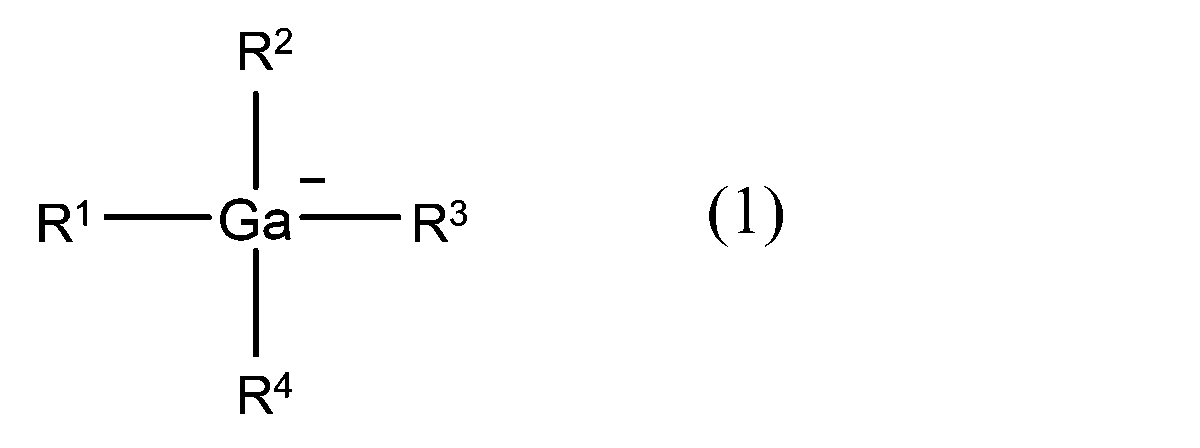
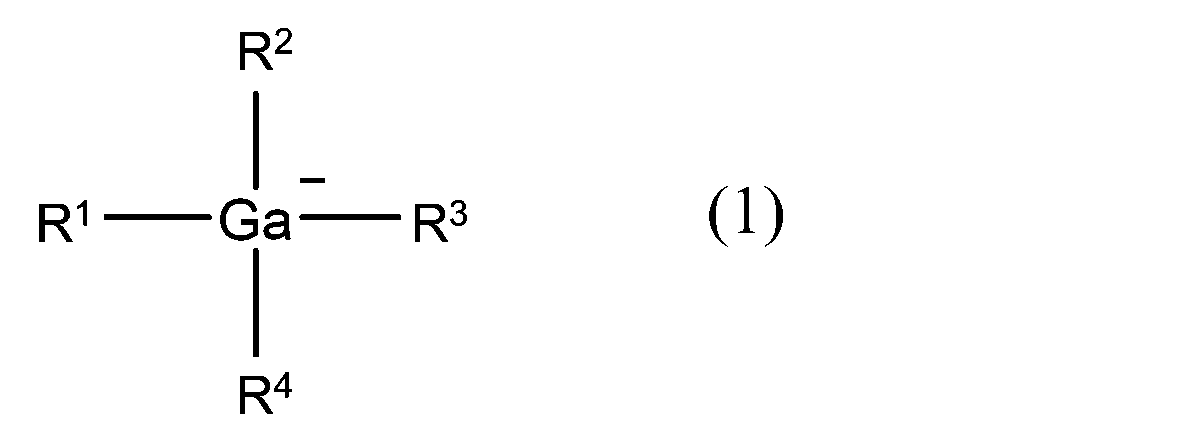
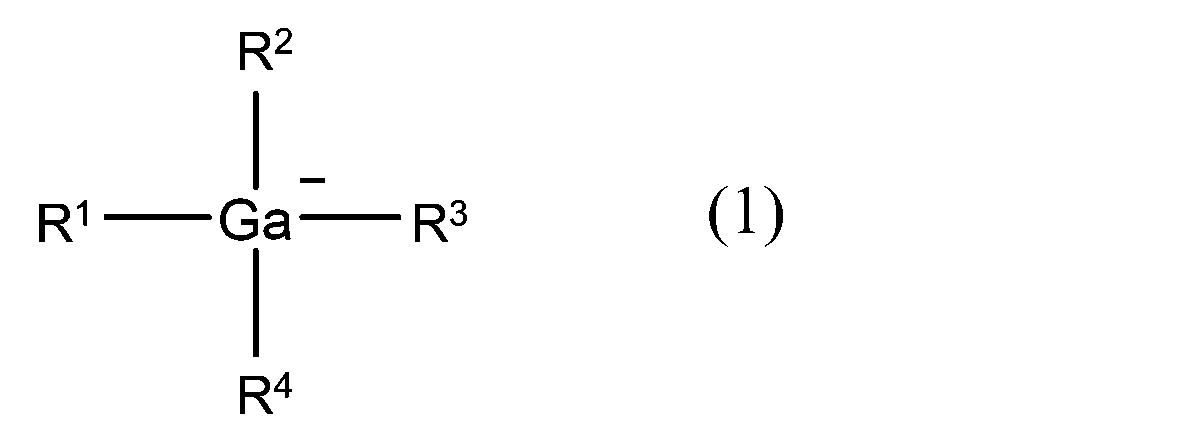
- a resin composition for lenses comprising: (In general formula (1), R 1 to R 4 each independently represent an alkyl group having 1 to 18 carbon atoms or an aryl group having 6 to 14 carbon atoms.) [2] The lens resin composition according to [1] above, A resin composition for a lens, wherein the epoxy compound (Y) is represented by the general formula (2).
- R 5 , R 6 , R 8 and R 9 each independently represent a hydrogen atom, an alkyl group having 1 to 4 carbon atoms or a trifluoromethyl group; R7 represents a hydrogen atom or a glycidyl group, n is the average repetition number and represents a real number in the range of 0-30.
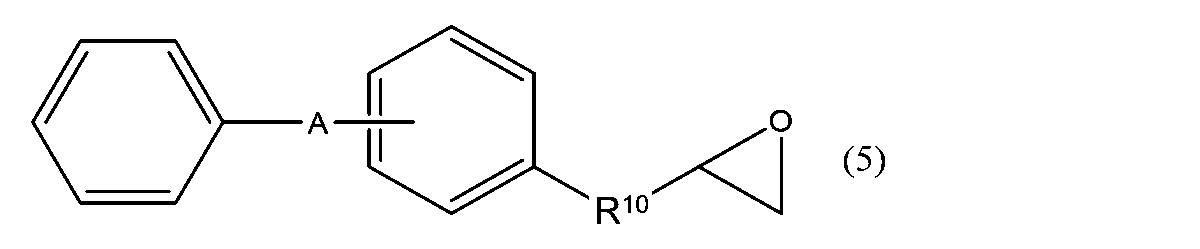
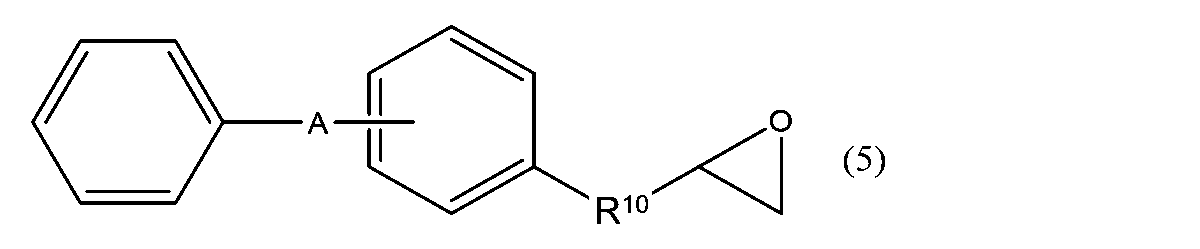
- a resin composition for lenses further comprising a monofunctional epoxy compound (Z) represented by the general formula (5).
- A is selected from a single bond, an oxygen atom and a sulfur atom
- R 10 is an alkylene having 1 to 8 carbon atoms, and any methylene group is substituted with an oxygen atom. is also good.
- the monofunctional epoxy compound (Z) is o-phenylphenol glycidyl ether.
- a resin composition for lenses, further comprising an oxetane compound (W) [10] The lens resin composition according to any one of [1] to [9] above, A resin composition for a lens, wherein the oxetane compound (W) is a biphenyl-type oxetane compound.
- the lens resin composition according to any one of [1] to [11] above The resin composition for lenses was applied on a glass plate to a thickness of 250 ⁇ m, exposed to UV light under the conditions of a wavelength of 365 nm, an irradiation intensity of 150 mW/cm, and an integrated irradiation dose of 3000 mJ/cm 2 , and exposed at 120° C. for 30 minutes in a nitrogen atmosphere.
- a resin composition for lenses, wherein the cured product obtained by heating under the conditions satisfies the following requirements (A) to (D).
- (A) The curing shrinkage rate of the cured product is 1.0% or more and 5.0% or less.
- the refractive index of the cured product is 1.57 or more.
- the light transmittance in the thickness direction of the cured product is 80% or more.
- the rate of change in light transmittance in the thickness direction of the cured product after heating (125° C. for 168 hours) is 10% or less.
- the resin composition for lenses of the present invention can form a cured product having a low curing shrinkage rate, a high refractive index, a high light transmittance, and a high heat resistance, by having the above-described constitution.
- the cured product for lenses of the present invention is obtained by curing the resin composition for lenses, it has a low cure shrinkage rate, a high refractive index, a high light transmittance and a high heat resistance.
- the lens of the present invention since the lens of the present invention has a structure in which the above cured lens products are laminated, it has a low cure shrinkage rate, a high refractive index, a high light transmittance and a high heat resistance.
- FIG. 4 is a plan view showing an example of the configuration of a wafer level lens array having a plurality of wafer level lenses
- a to B indicating a numerical range represents A or more and B or less unless otherwise specified.
- a group such as an alkyl group "having a substituent” means that a hydrogen atom present in the structure is substituted with a substituent unless otherwise specified.
- the position of the substituent and the number of substituents are not particularly limited. When the substituent has carbon atoms, the number of carbon atoms in the substituent is not included in the number of carbon atoms in the group having the substituent.
- an ethyl group having a phenyl group as a substituent is regarded as an alkyl group having 2 carbon atoms.
- the non-volatile component in the present embodiment means a component of the lens resin composition excluding volatile components such as solvent.
- the resin composition for a lens according to the present embodiment includes a photocationic polymerization initiator (X) containing a salt formed from an anion represented by the general formula (1) and a cation, and two or more and an epoxy compound (Y) containing an epoxy group.
- X photocationic polymerization initiator
- Y epoxy compound
- R 1 to R 4 each independently represent an alkyl group having 1 to 18 carbon atoms or an aryl group having 6 to 14 carbon atoms.
- the resin composition for lenses according to this embodiment it is possible to form a cured product having a low curing shrinkage rate, a high refractive index, a high light transmittance and a high heat resistance.
- photocationic polymerization initiators containing anionic gallium hardly generate strong acid components even when heated, so it is presumed that deterioration due to heating such as coloring is suppressed.
- a cationic photopolymerization initiator containing anionic gallium can suppress adverse effects on various properties such as cure shrinkage, refractive index, and light transmittance while exhibiting polymerization performance at the level of conventional technology.
- the resin composition for lenses according to this embodiment contains a cationic photopolymerization initiator (X) containing a salt formed from an anion represented by general formula (1) and a cation.
- X cationic photopolymerization initiator
- R 1 to R 4 each independently represent an alkyl group having 1 to 18 carbon atoms or an aryl group having 6 to 14 carbon atoms.
- the alkyl groups having 1 to 18 carbon atoms represented by R 1 to R 4 in general formula (1) are not limited to linear, branched or cyclic. Specific examples thereof include alkyl groups such as a methyl group, ethyl group, propyl group, isopropyl group, n-butyl group, t-butyl group, hexyl group, octyl group, 2-ethylhexyl group or decyl group; cyclopentyl group, cyclohexyl a cycloalkyl group such as a group, a cyclooctyl group, a norbornyl group, a bicyclononyl group, or a tricyclodecane group;
- aryl group having 6 to 14 carbon atoms represented by R 1 to R 4 in general formula (1) include phenyl, tolyl, naphthyl, biphenyl, terphenyl, phenanthryl and anthracenyl groups. I can give an example.
- the alkyl group having 1 to 18 carbon atoms or the aryl group having 6 to 14 carbon atoms represented by R 1 to R 4 in general formula (1) may have a substituent.
- the substituents that the alkyl group having 1 to 18 carbon atoms or the aryl group having 6 to 14 carbon atoms represented by R 1 to R 4 in the general formula (1) may have are not particularly limited. Examples include halogen atoms, hydrocarbon groups, halogen-containing groups, oxygen-containing groups, sulfur-containing groups and nitrogen-containing groups.
- halogen atoms include fluorine, chlorine, and bromine atoms.
- Hydrocarbon groups include alkyl groups such as methyl group, ethyl group, propyl group, isopropyl group, n-butyl group, t-butyl group, hexyl group, octyl group, 2-ethylhexyl group and decyl group; cyclopentyl group, cyclohexyl cycloalkyl groups such as groups, cyclooctyl groups, norbonyl groups, bicyclononyl groups or tricyclodecane groups; aryl groups such as phenyl groups, tolyl groups, naphthyl groups, biphenyl groups, terphenyl groups, phenanthryl groups or anthracenyl groups; benzyl or an aralkyl group such as a phenylethyl group; diene-based divalent derivative groups such as 4-diphenyl-1,3-pentadienyl group or cyclopentadienyl
- halogen-containing group which the alkyl group having 1 to 18 carbon atoms represented by R 1 to R 4 may have include trifluoromethyl, pentafluoroethyl and 1,1,1,3,3,3-hexafluoro.
- halogen-containing hydrocarbon groups such as -2-propyl or nonafluoro-t-butyl; halogen-containing aryl groups such as pentafluorophenyl and pentachlorophenyl;
- Oxygen-containing groups include alkoxy groups such as methoxy, ethoxy, n-propoxy, isopropoxy, n-butoxy, isobutoxy or t-butoxy; phenoxy, 2,6-dimethylphenoxy or 2 , 4,6-trimethylphenoxy group, etc.; acetyloxy group, benzoyloxy group, methoxycarbonyl group, phenoxycarbonyl group, p-chlorophenoxycarbonyl group, etc.
- ester group ether group; formyl group, acetyl group, benzoyl acyl group such as p-chlorobenzoyl group or p-methoxybenzoyl group; carboxyl group; carbonate group; hydroxy group; peroxy group;
- Sulfur-containing groups include mercapto group; thioester group such as acetylthio group, benzoylthio group, methylthiocarbonyl group or phenylthiocarbonyl group; dithioester group; alkylthio group such as methylthio group or ethylthio group; phenylthio group and methylphenylthio group.
- an arylthio group such as a naphthylthio group; a thioacyl group; a thioether group; a thiocyanate ester group; an isothiocyanate ester group; Sulfonamide groups such as N-methylsulfonamide group or N-methyl-p-toluenesulfonamide group; thiocarboxyl group; dithiocarboxyl group; sulfo group; sulfonyl group; sulfinyl group;
- Nitrogen-containing groups include amino group; alkylamino group such as dimethylamino group or ethylmethylamino group; arylamino group such as diphenylamino group; imino group; alkylimino group; arylimino group such as phenylimino group; amide group; alkylamide group such as acetamide group or N-methylacetamide group; arylamide group such as N-methylbenzamide group; imide group; arylimide group such as benzimide group; pyrrolidino group; hydrazino group; hydrazono group; nitro group; nitroso group; cyano group;
- R 1 to R 4 are preferably aryl groups having 6 to 14 carbon atoms, and more preferably all of R 1 to R 4 are aryl groups having 6 to 14 carbon atoms.
- R 1 to R 4 preferably have a halogen atom as a substituent, and more preferably have a fluorine atom as a substituent.
- the photocationic polymerization initiator (X) particularly preferably contains an anion represented by either formula (3) or (4) as an anion. This makes it possible to further improve the heat resistance of the cured body for lenses formed from the resin composition for lenses.
- the photocationic polymerization initiator (X) contains a cation that forms a salt with the anion represented by general formula (1).
- the cation that forms a salt with the anion represented by general formula (1) is not particularly limited as long as it is a monovalent cation. Examples include oxonium ion, ammonium ion, phosphonium ion, sulfonium ion and iodonium ion.
- Oxonium ions include oxonium such as trimethyloxonium, diethylmethyloxonium, triethyloxonium and tetramethylenemethyloxonium; pyririnium such as tert-butylpyrilinium and 2,6-diphenylpyrilinium; chromenium such as 2,4-dimethylchromenium and 1,3-dimethylisochromenium; isochromenium; etc. can be exemplified.
- oxonium such as trimethyloxonium, diethylmethyloxonium, triethyloxonium and tetramethylenemethyloxonium
- pyririnium such as tert-butylpyrilinium and 2,6-diphenylpyrilinium
- chromenium such as 2,4-dimethylchromenium and 1,3-dimethylisochromenium
- isochromenium etc.
- Ammonium ions include pyrrolidinium such as N,N-dimethylpyrrolidinium, N-ethyl-N-methylpyrrolidinium and N,N-diethylpyrrolidinium; N,N'-dimethylimidazolinium, N,N imidazolinium such as '-diethylimidazolinium, N-ethyl-N'-methylimidazolinium, 1,3,4-trimethylimidazolinium and 1,2,3,4-tetramethylimidazolinium; N , N'-dimethyltetrahydropyrimidinium; morpholinium such as N,N'-dimethylmorpholinium; piperidinium such as N,N'-diethylpiperidinium; N-methylpyridinium, N-benzyl Pyridinium, such as pyridinium and N-phenacylpyridium; Imidazolium, such as N,N'-dimethylimidazolium; Quinoli
- Phosphonium ions include tetraarylphosphonium such as tetraphenylphosphonium, tetra-p-tolylphosphonium, tetrakis(2-methoxyphenyl)phosphonium, tetrakis(3-methoxyphenyl)phosphonium and tetrakis(4-methoxyphenyl)phosphonium; triarylphosphoniums such as benzylphosphonium, triphenylphenacylphosphonium, triphenylmethylphosphonium and triphenylbutylphosphonium; tetraalkylphosphonium such as silphosphonium; and the like.
- Sulfonium ions include triphenylsulfonium, tri-p-tolylsulfonium, tri-o-tolylsulfonium, tris(4-methoxyphenyl)sulfonium, 1-naphthyldiphenylsulfonium, 2-naphthyldiphenylsulfonium, tris(4-fluorophenyl ) sulfonium, tri-1-naphthylsulfonium, tri-2-naphthylsulfonium, tris(4-hydroxyphenyl)sulfonium, 4-(phenylthio)phenyldiphenylsulfonium, 4-(p-tolylthio)phenyldi-p-tolylsulfonium, 4 -(4-methoxyphenylthio)phenylbis(4-methoxyphenyl)sulfonium, 4-(phenyl
- Iodonium ions include diphenyliodonium, di-p-tolyliodonium, bis(4-dodecylphenyl)iodonium, bis(4-methoxyphenyl)iodonium, (4-octyloxyphenyl)phenyliodonium, bis(4-decyloxy)phenyl Examples include iodonium, 4-(2-hydroxytetradecyloxy)phenylphenyliodonium, 4-isopropylphenyl(p-tolyl)iodonium and 4-isobutylphenyl(p-tolyl)iodonium.
- the photocationic polymerization initiator (X) preferably contains ammonium ions, phosphonium ions, sulfonium ions or iodonium ions as cations, more preferably sulfonium ions or iodonium ions, and still more preferably sulfonium ions. .
- the photocationic polymerization initiator (X) preferably contains a salt composed of an anion represented by either formula (3) or (4) and a sulfonium ion. This makes it possible to further improve the heat resistance of the cured body for lenses formed from the resin composition for lenses.
- anions contained in the photocationic polymerization initiator (X) are shown below, but the anions contained in the photocationic polymerization initiator (X) in the present embodiment are not limited to these.
- the photocationic polymerization initiator (X) can be synthesized, for example, according to the known method described in International Publication No. 2018/020974. Alternatively, commercially available CPI-310FG (trade name, photo cationic polymerization initiator, manufactured by San-Apro Co., Ltd.) may be obtained and used.
- the content of the photocationic polymerization initiator (X) is preferably 0.05 to 15 parts by mass, more preferably 0.07 to 10 parts by mass, and still more preferably 0 parts by mass with respect to 100 parts by mass of the epoxy compound (Y). .1 to 8 parts by weight, most preferably 0.5 to 5 parts by weight.
- the photocationic polymerization initiator (X) may be used alone or in combination of multiple types. When a plurality of types are mixed and used, the total content of the photocationic polymerization initiators (X) is taken as the content of the photocationic polymerization initiator (X).
- the content may be adjusted appropriately according to the volume and thickness of the lens resin composition. .
- the lens resin composition according to this embodiment contains an epoxy compound (Y) containing two or more epoxy groups in the molecule.
- Examples of the epoxy compound (Y) containing two or more epoxy groups in the molecule include diethylene glycol diglycidyl ether, hexanediol diglycidyl ether, dimethylolpropane diglycidyl ether, polypropylene glycol diglycidyl ether, trimethylolpropane triglycidyl ether, and trimethylolpropane triglycidyl ether. Examples include methylolpropane triglycidyl ether and pentaerythritol tetraglycidyl ether.
- Epoxy compounds (Y) containing two or more epoxy groups in the molecule include 3′,4′-epoxycyclohexylmethyl-3,4-epoxycyclohexane carboxylate and ⁇ -caprolactone-modified 3′,4′-epoxy Alicyclic epoxy resins such as cyclohexylmethyl-3,4-epoxycyclohexane carboxylate can also be exemplified.
- the epoxy compound (Y) containing two or more epoxy groups in the molecule includes bisphenol A type epoxy compounds, bisphenol F type epoxy compounds, biphenyl-phenol novolac type epoxy compounds, and these epoxy compounds in their structures.
- Epoxy resins having aromatic rings, such as epoxy compounds in which some or all of the alcoholic hydroxyl groups are epoxidized, can also be exemplified.
- EPICLON series represented by EXA-850CRP (bisphenol A type epoxy resin, manufactured by DIC Corporation), jER series represented by jER828 (manufactured by Mitsubishi Chemical Corporation), YD- YD series represented by 127 (manufactured by Nippon Steel Chemical & Materials Co., Ltd.), TECHMORE VG3101L (trifunctional epoxy resin, manufactured by Printec Co., Ltd.), and the like can be exemplified.
- EPICLON series represented by EXA-850CRP
- jER series represented by jER828
- YD- YD series represented by 127
- TECHMORE VG3101L trifunctional epoxy resin, manufactured by Printec Co., Ltd.
- the epoxy compound (Y) is preferably an epoxy compound having an aromatic ring. Thereby, the refractive index of the cured product obtained by curing the lens resin composition can be increased, and the optical properties of the lens can be improved.
- the epoxy compound (Y) is more preferably represented by general formula (2).
- R 5 , R 6 , R 8 and R 9 each independently represent a hydrogen atom, an alkyl group having 1 to 4 carbon atoms or a trifluoromethyl group;
- R7 represents a hydrogen atom or a glycidyl group,
- n is the average repetition number and represents a real number in the range of 0-30.
- the alkyl group having 1 to 4 carbon atoms represented by R 5 , R 6 , R 8 and R 9 includes 1 to 4 carbon atoms among those exemplified as the alkyl groups having 1 to 18 carbon atoms represented by R 1 to R 4 . can be exemplified.
- R 5 , R 6 , R 8 and R 9 are preferably an alkyl group having 1 to 4 carbon atoms or a trifluoromethyl group, more preferably a methyl group or a trifluoromethyl group, and a methyl group. is more preferred.
- n is preferably 1-20, more preferably 5-15.
- n is calculated from the value of the weight average molecular weight calculated in polystyrene conversion based on the measurement result of GPC (gel permeation chromatography).
- the epoxy equivalent of the epoxy compound (Y) is not particularly limited, it is preferably 100 g/eq or more and 200 g/eq or less, more preferably 120 g/eq or more and 180 g/eq or less.
- the epoxy equivalent in this specification is a value measured by a method based on JIS K7236.
- the content of the epoxy compound (Y) in the nonvolatile components of the lens resin composition of the present embodiment is preferably 40% by mass or more, more preferably 50% by mass or more, and still more preferably 70% by mass or more.
- the upper limit of the content of the epoxy compound (Y) in the non-volatile component of the lens resin composition of the present embodiment is not particularly limited, but is usually 99% by mass or less.
- Epoxy compounds (Y) may be used singly or in combination. When multiple types are mixed and used, the total content of each epoxy compound (Y) is taken as the content of the epoxy compound (Y).
- the lens resin composition according to the present embodiment may optionally contain a monofunctional epoxy compound (Z), an oxetane compound (W), a solvent, an adhesion imparting agent, a polyol compound, a polyhydric phenol compound, a sensitizer, It may contain an ion catcher, a photocationic polymerization initiator other than the photocationic polymerization initiator (X) (other photocationic polymerization initiator), and the like.
- the lens resin composition according to the present embodiment further contains a monofunctional epoxy compound (Z) represented by general formula (5). This makes it possible to further improve the heat resistance of the cured body for lenses formed from the resin composition for lenses. In addition, it is possible to improve the adhesiveness of the lens resin composition to glass.
- A is selected from a single bond, an oxygen atom and a sulfur atom
- R 10 is an alkylene having 1 to 8 carbon atoms, and any methylene group may be substituted with an oxygen atom. good.
- R 10 is preferably C 1-4 alkylene, more preferably C 1-2 alkylene.
- Any methylene group in R 10 is preferably substituted with an oxygen atom.
- the monofunctional epoxy compound (Z) is preferably o-phenylphenol glycidyl ether.
- Examples of commercially available monofunctional epoxy compounds (Z) include OPP-EP (o-phenylphenol glycidyl ether, manufactured by Yokkaichi Gosei Co., Ltd.) and OPP-G (o-phenylphenol glycidyl ether, manufactured by Sanko Co., Ltd.). can.
- OPP-EP o-phenylphenol glycidyl ether, manufactured by Yokkaichi Gosei Co., Ltd.
- OPP-G o-phenylphenol glycidyl ether, manufactured by Sanko Co., Ltd.
- the content thereof is preferably 1% by mass or more, more preferably 1% by mass or more, of the non-volatile components of the lens resin composition of the present embodiment. is 5% by mass or more, more preferably 10% by mass or more.
- the content thereof is preferably 70% by mass or less, more preferably 70% by mass or less, of the non-volatile components of the lens resin composition of the present embodiment. is 60% by mass or less, more preferably 50% by mass or less.
- the content thereof is preferably 1 part by mass or more, more preferably 5 parts by mass, based on 100 parts by mass of the epoxy compound (Y). It is at least 10 parts by mass, more preferably at least 10 parts by mass.
- the lens resin composition of the present embodiment contains a monofunctional epoxy compound (Z)
- its content is, for example, 200 parts by mass or less, preferably 150 parts by mass, per 100 parts by mass of the epoxy compound (Y).
- the monofunctional epoxy compound (Z) may be used alone or in combination of multiple types. It is the content of the functional epoxy compound (Z).
- the lens resin composition according to the present embodiment preferably further contains an oxetane compound (W). This makes it possible to further improve the heat resistance of the cured body for lenses formed from the resin composition for lenses. In addition, it is possible to improve the adhesiveness of the lens resin composition to glass. Moreover, this can improve the curability of the resin composition.
- the oxetane compound (W) is not particularly limited, and generally known compounds can be used.
- Specific examples of oxetane resins include oxetane, 2-methyloxetane, 3-methyloxetane, 2,2-dimethyloxetane, 3,3-dimethyloxetane, 3-ethyl-3-hydroxymethyloxetane and biphenyl-type oxetane. is mentioned.
- the oxetane compound (W) may be used alone or in combination of multiple types. When multiple types are used in combination, the total content of each oxetane compound (W) is content.
- the oxetane compound (W) is preferably a biphenyl-type oxetane compound.
- biphenyl-type oxetane include xylylene bisoxetane.
- oxetane compounds include Aron oxetane OXT-101 (3-ethyl-3-hydroxymethyl oxetane, manufactured by Toagosei Co., Ltd.) and Aron oxetane OXT-121 (xylylene bisoxetane, manufactured by Toagosei Co., Ltd.). ), etc. can be exemplified.
- the lens resin composition of the present embodiment contains an oxetane compound (W)
- the content thereof is adjusted to It is preferably 0.01% by mass or more, more preferably 0.1% by mass or more, still more preferably 1% by mass or more, and still more preferably 2% by mass or more in the non-volatile components of the product.
- the lens resin composition of the present embodiment contains the oxetane compound (W)
- the content is preferably 50% by mass or less, more preferably 40% by mass or less, even more preferably 30% by mass or less, and even more preferably is 20% by mass or less, more preferably 10% by mass or less.
- the lens resin composition of the present embodiment contains the oxetane resin (W), the content thereof is preferably 1 part by mass or more, more preferably 5 parts by mass, relative to 100 parts by mass of the epoxy compound (Y). Above, more preferably 10 parts by mass or more.
- the lens resin composition of the present embodiment contains an oxetane resin (W)
- the content thereof is, for example, 200 parts by mass or less, preferably 150 parts by mass or less, more preferably 100 parts by mass or less, still more preferably 80 parts by mass or less. It is not more than 60 parts by mass, more preferably not more than 40 parts by mass, still more preferably not more than 25 parts by mass, and even more preferably not more than 15 parts by mass.
- the solvent contained in the lens resin composition according to the present embodiment is not particularly limited, but a solvent capable of dissolving each component of the lens resin composition is preferably used.
- organic solvents include ketones such as acetone, ethyl methyl ketone, methyl isobutyl ketone, cyclohexanone and cyclopentanone; aromatic hydrocarbons such as toluene, xylene, methoxybenzene and tetramethylbenzene; diglyme, dipropylene; glycol ethers such as glycol dimethyl ether and dipropylene glycol diethyl ether; ethyl lactate, butyl lactate, propyl lactate, ethyl acetate, methyl acetoacetate, ethyl acetoacetate, methyl propionate, ethyl propionate, propyl propionate, isopropyl propionate, methyl 2-hydroxypropionate, ethy
- the content is not particularly limited as long as it does not impair the effects of the present invention. be.
- the solvent may be used alone or in combination of multiple types. When multiple types are used in combination, the total content of each solvent is taken as the content of the solvent.
- the epoxy compound (Y) When the epoxy compound (Y) is liquid at normal temperature, it can be suitably applied even if no solvent is added or substantially no solvent is added.
- the adhesion-imparting agent contained in the lens resin composition according to the present embodiment is not particularly limited, and a known silane coupling agent, titanium coupling agent, or the like can be used. It is preferable to use a silane coupling agent from the viewpoint of improving adhesion to glass.
- Silane coupling agents include 3-chloropropyltrimethoxysilane, vinyltrichlorosilane, vinyltriethoxysilane, vinyltrimethoxysilane, vinyltris(2-methoxyethoxy)silane, 3-methacryloxypropyltrimethoxysilane, 2-( 3,4-epoxycyclohexyl)ethyltrimethoxysilane, 3-glycidoxypropyltrimethoxysilane, 3-glycidoxypropyltriethoxysilane, 3-glycidoxypropylmethyldimethoxysilane, 3-glycidoxypropylmethyldimethoxysilane Examples include ethoxysilane, 3-mercaptopropyltrimethoxysilane, 8-glycidyloctyltrimethoxysilane, and the like.
- the content is not particularly limited as long as it does not impair the effects of the present invention. It is preferably 15% by mass or less, more preferably 10% by mass or less, even more preferably 5% by mass or less, and even more preferably 2% by mass or less in the non-volatile components.
- the content is not particularly limited as long as it does not impair the effects of the present invention. It is preferably 0.1% by mass or more, more preferably 0.5% by mass or more, and still more preferably 0.8% by mass or more in the non-volatile components.
- Adhesion imparting agents may be used alone or in combination of multiple species. When multiple species are mixed and used, the total content of each adhesion imparting agent is the content of adhesion imparting agent. and
- the polyol compound contained in the lens resin composition according to the present embodiment is not particularly limited, but is typically a polyester polyol compound containing a hydroxy group that reacts with an epoxy group under the influence of a strong acid catalyst.
- polyol compounds listed in Japanese Patent Publication No. 5901070 can be used.
- the lens resin composition of the present embodiment contains a polyol compound
- its content is not particularly limited as long as it does not impair the effects of the present invention. It is usually 1 to 30 parts by mass, preferably 2 to 25 parts by mass.
- the polyol compound may be used singly or in combination of multiple types. When multiple types are mixed and used, the total content of each polyol compound is taken as the content of the polyol compound.
- the polyhydric phenol compound contained in the lens resin composition according to the present embodiment is a compound capable of curing the epoxy compound with a high crosslinking density by heating.
- polyhydric phenol compounds listed in Japanese Patent Publication No. 5967824 can be used.
- the content is not particularly limited as long as it does not impair the effects of the present invention. , usually 3 to 40 parts by mass, preferably 4 to 30 parts by mass, more preferably 5 to 25 parts by mass.
- the polyhydric phenol compound may be used alone or in combination of multiple types. When multiple types are mixed and used, the total content of each polyhydric phenol compound is the content of the polyhydric phenol compound.
- the sensitizer contained in the lens resin composition according to the present embodiment plays a role of providing the absorbed light energy to the photocationic polymerization initiator.
- Examples include thioxanthones, anthracene compounds having alkoxy groups at the 9- and 10-positions (9,10-dialkoxyanthracene derivatives), and the like.
- the content is not particularly limited as long as it does not impair the effects of the present invention, and the photocationic polymerization initiator (X) is 100 parts by mass. is preferably 30 parts by mass or less, more preferably 20 parts by mass or less.
- the content is not particularly limited as long as it does not impair the effects of the present invention, and the photocationic polymerization initiator (X) is 100 parts by mass. is usually 0.1 parts by mass or more.
- the sensitizer may be used alone or in combination of multiple types. When multiple types are used in combination, the total content of each sensitizer is defined as the content of the sensitizer.
- the ion catcher contained in the lens resin composition according to the present embodiment can reduce the adverse effects of ions derived from the photocationic polymerization initiator (X).
- ions derived from the photocationic polymerization initiator (X) for example, organoaluminum compounds and onium weak acid salt compounds that generate a weak acid upon exposure to ultraviolet light can be used as ion catchers.
- the lens resin composition of the present embodiment contains an ion catcher
- its content is not particularly limited as long as it does not impair the effects of the present invention.
- the amount is preferably 0.1 to 10 parts by mass per 100 parts by mass of the photocationic polymerization initiator (X).
- the amount is preferably 0.001 to 2 parts by mass with respect to 100 parts by mass of the photocationic polymerization initiator (X).
- the ion catcher may be used alone or in combination of multiple types. When multiple types are used in combination, the total content of each ion catcher is taken as the content of the ion catcher.
- the resin composition for lenses according to the present embodiment may contain a cationic photopolymerization initiator other than the cationic photopolymerization initiator (X) (another cationic photopolymerization initiator).
- a cationic photopolymerization initiator other than the cationic photopolymerization initiator (X) another cationic photopolymerization initiator.
- Other photocationic polymerization initiators contained in the lens resin composition according to the present embodiment are not particularly limited, and known ones can be used.
- photocationic polymerization initiators include [(R 20 ) s B(Phf) 4-s ] ⁇ (wherein R 20 represents a phenyl group or a biphenylyl group. a phenyl group substituted with at least one selected from a fluoroalkyl group, a perfluoroalkoxy group and a halogen atom, where s is an integer of 0 to 3), BF 4 ⁇ , [(Rf) n PF 6 -n ] - (Rf: an alkyl group in which 80% or more of hydrogen atoms are substituted with fluorine atoms, n: an integer of 0 to 5), AsF6- , SbF6- , pentafluorohydroxyantimonate, etc. as anions agents can be exemplified.
- the content of other photocationic polymerization initiators is not particularly limited as long as the effects of the present invention are not impaired, but preferably 50 parts by weight per 100 parts by weight of the photocationic polymerization initiator (X). Below, more preferably 20 parts by mass or less, still more preferably 10 parts by mass or less.
- photocationic polymerization initiators may be used alone or in combination of multiple types, and when using a mixture of multiple types, the total content of each of the other photocationic polymerization initiators is the content of the photocationic polymerization initiator.
- the resin composition for lenses of the present embodiment may contain various additives such as antioxidants, light stabilizers, thermoplastic resins, colorants, thickeners, antifoaming agents, and leveling agents, if necessary. It may contain additives.
- the lens resin composition according to the present embodiment preferably further contains an antioxidant.
- antioxidants examples include phenol-based antioxidants, phosphorus-based antioxidants, thioether-based antioxidants, hindered amine-based antioxidants, and the like.
- the antioxidant preferably contains a phenolic antioxidant, more preferably a hindered phenolic antioxidant.
- hindered phenolic antioxidants examples include 2,6-di-t-butylhydroxytoluene and pentaerythritol tetrakis [3-(3,5-di-tert-butyl-4-hydroxyphenyl)propionate].
- examples of commercially available hindered phenol-based antioxidants include Adekastab series AO-20, AO-30, AO-40, AO-50, AO-60 and AO-80 manufactured by ADEKA Corporation.
- phosphorus antioxidant examples include phosphines such as trialkylphosphine and triarylphosphine, trialkyl phosphite and triaryl phosphite.
- phosphines such as trialkylphosphine and triarylphosphine, trialkyl phosphite and triaryl phosphite.
- Commercially available phosphorous antioxidants include PEP-4C, PEP-8, PEP-24G, PEP-36, HP-10, 260, 522A, 329K, 1178, 1500, ADEKA STAB series manufactured by ADEKA Corporation. 135A and 3010 can be exemplified.
- thioether-based antioxidants examples include ADEKA Corporation's Adekastab series AO-26, AO-412S and AO-503A.
- Hindered amine antioxidants include bis(1,2,2,6,6-pentamethyl-4-piperidinyl) sebacate, methyl (1,2,2,6,6-pentamethyl-4-piperidinyl) sebacate, 2, 4-bis[N-butyl-N-(1-cyclohexyloxy-2,2,6,6-tetramethylpiperidin-4-yl)amino]-6-(2-hydroxyethylamine)-1,3,5- triazine, decanedioic acid bis(2,2,6,6-tetramethyl-1-(octyloxy)-4-piperidinyl) ester and bis(1,2,2,6,6-pentamethyl-4-piperidyl sebacate), etc.
- hindered amine antioxidants examples include ADEKA Co., Ltd. ADEKA STAB series AL-72, BASF TINUVIN series 111FDL, 123, 144, 152, 292 and 5100 hindered amine antioxidants. can be exemplified.
- antioxidants When two or more kinds of antioxidants are used in combination, it is preferable to use a combination of a phenolic antioxidant and a hindered amine antioxidant, and a combination of a phenolic antioxidant and a thioether antioxidant.
- the content thereof may be appropriately set according to the intended purpose.
- the total amount of the monofunctional epoxy compound (Z) and the oxetane compound (W) is 100 parts by mass, it is preferably 0.01 parts by mass or more, more preferably 0.1 parts by mass or more, and From the viewpoint of obtaining a resin composition having excellent curability, the amount is preferably 5 parts by mass or less, more preferably 1 part by mass or less.
- the resin composition for lenses according to this embodiment preferably further contains a light stabilizer.
- the light stabilizer according to this embodiment preferably contains a hindered amine light stabilizer.
- the hindered amine light stabilizer include compounds exemplified as hindered amine antioxidants such as bis(1,2,2,6,6-pentamethyl-4-piperidyl sebacate) and commercially available products.
- the content thereof is 100 parts by mass of the total amount of the epoxy compound (Y), the monofunctional epoxy compound (Z) and the oxetane compound (W). , preferably 0.01 parts by mass or more, more preferably 0.05 parts by mass or more, and preferably 1 part by mass or less, more preferably 0.5 parts by mass or less.
- the lens resin composition of the present embodiment can be obtained by mixing and stirring the components described above by a conventional method. Alternatively, if necessary, they may be dispersed and mixed using a dispersing machine such as a dissolver, homogenizer, or three-roll mill. Further, after mixing, the mixture may be filtered using a mesh, membrane filter, or the like.
- a dispersing machine such as a dissolver, homogenizer, or three-roll mill.
- the mixture may be filtered using a mesh, membrane filter, or the like.
- the viscosity of the lens resin composition of this embodiment can be measured, for example, with an E-type viscometer.
- the resin composition for lenses of the present embodiment has a viscosity of 100 mPa ⁇ s or more and 5000 mPa ⁇ s or less when measured using an E-type viscometer at a temperature of 25° C. and a rotation speed of 2.5 rpm. It is preferably 200 mPa ⁇ s or more and 3000 mPa ⁇ s or less, and even more preferably 500 mPa ⁇ s or more and 2000 mPa ⁇ s or less.
- the lens resin composition of the present embodiment is prepared by coating the lens resin composition on a glass plate to a thickness of 250 ⁇ m and exposing it to UV light under the conditions of a wavelength of 365 nm, an irradiation intensity of 150 mW/cm, and an integrated irradiation amount of 3000 mJ/cm 2 .
- the curing shrinkage of the cured product for lenses ( ⁇ ) obtained by heating under the conditions of 120° C. for 30 minutes in a nitrogen atmosphere is preferably 1.0% or more and 5.0% or less, and 1.2 % or more and 4.0% or less, more preferably 1.5% or more and 3.0% or less.
- the curing shrinkage rate of the cured product for lenses ( ⁇ ) is within the above range, the dimensional accuracy in manufacturing the lens can be improved.
- the curing shrinkage rate of the cured product for lenses ( ⁇ ) can be obtained by the following procedure.
- the specific gravity d1 of the lens resin composition is determined according to JIS Z 8804:2012 (methods for measuring density and specific gravity of liquids).
- the specific gravity of the non-volatile components excluding the volatile components is determined.
- the specific gravity d2 of the cured lens material ( ⁇ ) is determined according to JIS Z 8807:2012 (Method for measuring density and specific gravity of solids).
- the refractive index of the cured product ( ⁇ ) for lenses obtained under the above conditions is preferably 1.57 or more, more preferably 1.58 or more. It is more preferably 1.59 or more.
- the refractive index of the cured product for lenses ( ⁇ ) is within the above range, the optical properties of the lens can be improved.
- the refractive index of the cured product for lenses ( ⁇ ) can be measured with an Abbe refractometer.
- the cured product for lenses ( ⁇ ) obtained under the above conditions preferably has a light transmittance T1 in the thickness direction of 80% or more.
- T1 light transmittance in the thickness direction of 80% or more.
- the light transmittance T1 in the thickness direction of the cured product for lenses ( ⁇ ) can be measured at a measurement wavelength of 400 nm by a transmission method using an ultraviolet-visible-near-infrared spectrophotometer.
- the rate of change in light transmittance in the thickness direction of the cured product for lenses ( ⁇ ) obtained under the above conditions after heating (125° C. for 168 hours) is 10% or less. It is preferably 5% or less, more preferably 2% or less. When the rate of change in light transmittance after heating of the cured product for lenses ( ⁇ ) is within the above range, lenses having more excellent heat resistance can be produced.
- the cured product ( ⁇ ) obtained under the above conditions preferably satisfies the following requirements (A) to (D).
- A) The curing shrinkage rate of the cured product is 1.0% or more and 5.0% or less.
- B) The refractive index of the cured product is 1.57 or more.
- C) The light transmittance in the thickness direction of the cured product is 80% or more.
- the lens resin composition of the present embodiment is suitably used for wafer-level lenses.
- a wafer-level lens is a lens manufactured by simultaneously forming a number of lenses on a wafer-shaped resin (wafer-level lens array) and cutting them into pieces.
- FIG. 1 is a plan view showing an example of the configuration of a wafer level lens array having a plurality of wafer level lenses.
- the wafer level lens array 1 comprises a substrate 2 and a plurality of lenses 10 arranged on the substrate 2.
- a plurality of lenses 10 are formed so as to be arranged one-dimensionally or two-dimensionally with respect to the substrate 2 .
- the lenses 10 formed on the wafer level lens array 1 are then cut into individual pieces.
- wafer-level lenses have the advantage of being able to produce hundreds or more lenses at once, and have excellent production efficiency.
- wafer-level lenses have the advantage of being able to create lenses that appeal to thinness and compactness, which was limited by injection molding.
- Wafer level lenses usually have a diameter of about 1 to 10 mm and a thickness of about 100 to 2000 ⁇ m. Taking advantage of this size, wafer level lenses are used in cameras of electronic devices such as smartphones, tablet terminals, and laptop computers. preferably used.
- the resin composition for lenses of the present embodiment can form a cured product for lenses that has both a low cure shrinkage rate, a high refractive index, a high light transmittance and a high heat resistance, thin and small wafers are appealing. Suitable for level lenses.
- the cured product for lenses according to this embodiment can be obtained by curing the resin composition for lenses described above.
- the curing shrinkage rate of the cured product for lenses according to this embodiment is preferably 1.0% or more and 5.0% or less, more preferably 1.2% or more and 4.0% or less. More preferably, it is 5% or more and 3.0% or less.
- the cure shrinkage rate can be obtained by the procedure described above as the measurement procedure for the cure shrinkage rate of the cured product ( ⁇ ) for lenses.
- the refractive index of the cured product for lenses according to this embodiment is preferably 1.57 or more, more preferably 1.58 or more, and even more preferably 1.59 or more.
- the refractive index can be determined by the procedure described above as the procedure for measuring the refractive index of the cured product for lenses ( ⁇ ).
- the light transmittance in the thickness direction of the cured product for lenses according to this embodiment is preferably 80% or more.
- the light transmittance can be determined by the procedure described above as the procedure for measuring the light transmittance of the cured product for lenses ( ⁇ ).
- the rate of change in light transmittance in the thickness direction after heating (125° C. for 168 hours) of the cured product for lenses according to the present embodiment is preferably 10% or less, more preferably 5% or less, and 2%. More preferably: The rate of change in light transmittance after heating (125°C for 168 hours) can be determined by the procedure described above as the procedure for measuring the rate of change in light transmittance after heating (125°C for 168 hours) of the cured product ( ⁇ ) for lenses. .
- the cured product for lenses according to the present embodiment has a low cure shrinkage rate, a high refractive index, a high light transmittance, and a high heat resistance, so it is suitable for use in wafer-level lenses that are appealing for thinness and compactness.
- the lens according to this embodiment includes the above-described cured product for lenses.
- the lens according to this embodiment can be manufactured, for example, by imprint molding.
- Imprint molding is a processing technique in which a lens resin composition is sandwiched between lens molds and a pattern is transferred.
- the lens resin composition sandwiched between the lens molding dies is cured by heating or light irradiation.
- a mercury lamp, a xenon lamp, a carbon arc lamp, a metal halide lamp, sunlight, an electron beam source, a laser light source, an LED light source, etc. are used, and the integrated irradiation amount is in a range of, for example, 500 to 5000 mJ/cm 2 . This can be done by irradiating with
- the lens resin composition (cured product for lenses) sandwiched between lens molds and cured may be used as it is as a lens, but the cured product for lenses and other materials may be laminated.
- other materials to be laminated with the cured lens material include, for example, glass.
- glass There are many kinds of glass, and since one having a high refractive index can be selected, it is suitable as a lens material that requires high optical properties. Glass also has the advantage of being excellent in heat resistance. Moreover, you may use resin. Resin has excellent workability and is suitable for forming lenses easily and inexpensively.
- a wafer level lens array is obtained, and the lenses are obtained by cutting the obtained wafer level lens array one by one.
- the wafer level lens array is as described above.
- the lens according to the present embodiment has a low cure shrinkage rate, a high refractive index, a high light transmittance, and a high heat resistance, so it is suitable for use as a wafer level lens that is appealing for its thinness and small size.
- the diameter of the wafer level lens is usually 1-10 mm, preferably 1-5 mm.
- the thickness of the wafer level lens is usually 100-2000 ⁇ m, preferably 100-1000 ⁇ m.
- Wafer-level lenses are suitable for use in cameras for electronic devices such as smartphones, tablet terminals, and laptop computers.
- a lens resin composition was obtained by stirring and mixing the raw materials listed in Table 1 while heating them at 50°C until they became uniform.
- Photo cationic polymerization initiator represented by the following formula, manufactured by San-Apro Co., Ltd., product name: CPI-210S
- Epoxy compound (Y) Bisphenol A type epoxy resin, manufactured by DIC Corporation, product name: EXA-850CRP, epoxy equivalent: 158 to 168 g / eq
- Phenolic antioxidant pentaerythritol tetrakis [3-(3,5-di-tert-butyl-4-hydroxyphenyl)propionate], manufactured by ADEKA Co., Ltd., product name: Adekastab AO-60
- Hindered amine light stabilizer bis(1,2,2,6,6-pentamethyl-4-piperidyl sebacate, manufactured by ADEKA Co., Ltd., product name: ADEKA STAB LA-72
- a lens resin composition was dropped on a release-treated glass substrate, sandwiched between the release-treated glass substrates via a silicone spacer having a thickness of 250 ⁇ m, and fixed with a clip.
- the lens resin composition was cured by UV exposure with an irradiation intensity of 150 mW/cm at a wavelength of 365 nm and an integrated irradiation dose of 3000 mJ/cm 2 . Subsequently, the cured resin composition for lenses was released from the glass substrate and heated at 120° C. for 30 minutes in a nitrogen atmosphere to obtain a cured product for lenses.
- H bulb an electrodeless lamp
- the refractive index of the cured product for lenses was measured using an Abbe refractometer (DR-M2, manufactured by Atago Co., Ltd.).
- RE-3520 (589 nm, D line, manufactured by Atago Co., Ltd.) is used as an interference filter
- RE-1196 monobromonaphthalene, manufactured by Atago Co., Ltd.
- Table 1 shows the results.
- the light transmittance in the thickness direction of the cured product for lenses was measured under the following conditions to obtain the light transmittance T1 .
- the measurement was performed by attaching the cured product for lenses to an integrating sphere, and the light incident surface was an arbitrary surface.
- Measurement condition Measuring device: UH4150 (Ultraviolet-visible-near-infrared spectrophotometer manufactured by Hitachi High-Tech Science) Measurement method: Transmission method Measurement wavelength: 400 nm Reference: Atmosphere Detector: Integrating sphere/photomultiplier tube (200 nm-850 nm) Integrating sphere: PbS (850 nm to 2600 nm)
- a glass substrate (7.0 ⁇ 7.0 ⁇ 0.21 mm, D263T ECO, manufactured by SCHOTT) was immersed in Novec (registered trademark) 1720 (fluorosilane release agent, manufactured by 3M Corporation) under a nitrogen atmosphere. - Heated at 100°C for 25 minutes and rinsed with Novec (registered trademark) 7100 (fluorine-based solvent, manufactured by 3M Corporation) to obtain a release-treated glass substrate.
- a lens resin composition was dropped onto a release-treated glass substrate, and a glass substrate (7.0 ⁇ 7.0 ⁇ 0.21 mm, D263T ECO , manufactured by SCHOTT) and fixed with a clip.
- the dropping amount of the resin composition for a lens was adjusted so that the diameter of the resin composition that spreads was about 5 mm.
- the lens resin composition was cured by UV exposure with an irradiation intensity of 150 mW/cm at a wavelength of 365 nm and an integrated irradiation dose of 3000 mJ/cm 2 .
- the release-treated glass substrate was released from the cured resin composition for lenses and heated at 120° C. for 30 minutes in a nitrogen atmosphere to form a laminate of the cured lens and glass substrate (resin diameter: 5 mm). ).
- a laminate of a cured lens and a glass substrate (resin diameter: 40 mm) was obtained in the same manner as described above, except that the dropping amount of the resin composition for lenses was adjusted so that the diameter of the resin composition was 40 mm. rice field.
- A indicates that no peeling was observed at the interface between the cured lens material and the glass substrate
- B indicates that the glass substrate was significantly deformed although no peeling occurred
- C indicates that the resin was easily peeled off from the substrate.
- the laminate was evaluated as Table 1 shows the results.
- the post-heating change rate of the light transmittance of the example was lower than that of the comparative example. This means that coloring due to heating was suppressed.
- curing shrinkage, refractive index and light transmittance of the examples were at high levels comparable to those of the comparative examples. From these facts, it can be seen that the lens resin composition of the present embodiment has a low curing shrinkage rate, a high refractive index, a high light transmittance and a high heat resistance.
Landscapes
- Chemical & Material Sciences (AREA)
- Health & Medical Sciences (AREA)
- Chemical Kinetics & Catalysis (AREA)
- Medicinal Chemistry (AREA)
- Polymers & Plastics (AREA)
- Organic Chemistry (AREA)
- Physics & Mathematics (AREA)
- General Physics & Mathematics (AREA)
- Optics & Photonics (AREA)
- Epoxy Resins (AREA)
- Compositions Of Macromolecular Compounds (AREA)
Abstract
Description
また、本発明の目的は、低硬化収縮率、高屈折率、高光線透過率及び高耐熱性を兼ね備えたレンズ用硬化物及びレンズを提供することである。
一般式(1)で表されるアニオンと、カチオンと、から形成される塩を含む光カチオン重合開始剤(X)と、
分子内に2以上のエポキシ基を含むエポキシ化合物(Y)と、
を含むレンズ用樹脂組成物。
[2]
上記[1]に記載のレンズ用樹脂組成物であって、
上記エポキシ化合物(Y)が一般式(2)で表される、レンズ用樹脂組成物。

R5、R6、R8およびR9はそれぞれ独立に水素原子、炭素数1~4のアルキル基又はトリフルオロメチル基を表し、
R7は水素原子又はグリシジル基を表し、
nは平均繰り返し数であって0~30の範囲にある実数を表す。)
[3]
上記[1]又は[2]に記載のレンズ用樹脂組成物であって、
上記エポキシ化合物(Y)のエポキシ当量が100g/eq以上200g/eq以下である、レンズ用樹脂組成物。
[4]
上記[1]から[3]のいずれか1つに記載のレンズ用樹脂組成物であって、
上記エポキシ化合物(Y)の含有量が当該レンズ用樹脂組成物の不揮発成分中40質量%以上である、レンズ用樹脂組成物。
[5]
上記[1]から[4]のいずれか1つに記載のレンズ用樹脂組成物であって、
上記光カチオン重合開始剤(X)がアニオンとして式(3)又は(4)のいずれかで表されるアニオンを含む、レンズ用樹脂組成物。


上記[1]から[5]のいずれか1つに記載のレンズ用樹脂組成物であって、
上記光カチオン重合開始剤(X)がカチオンとしてスルホニウムイオンを含む、レンズ用樹脂組成物。
[7]
上記[1]から[6]のいずれか1つに記載のレンズ用樹脂組成物であって、
一般式(5)で表される単官能エポキシ化合物(Z)をさらに含む、レンズ用樹脂組成物。
[8]
上記[7]に記載のレンズ用樹脂組成物であって、
上記単官能エポキシ化合物(Z)がo-フェニルフェノールグリシジルエーテルである、レンズ用樹脂組成物。
[9]
上記[1]から[8]のいずれか1つに記載のレンズ用樹脂組成物であって、
オキセタン化合物(W)をさらに含む、レンズ用樹脂組成物。
[10]
上記[1]から[9]のいずれか1つに記載のレンズ用樹脂組成物であって、
上記オキセタン化合物(W)がビフェニル型オキセタン化合物である、レンズ用樹脂組成物。
[11]
上記[1]から[10]のいずれか1つに記載のレンズ用樹脂組成物であって、
当該レンズ用樹脂組成物をE型粘度計で温度25℃、回転数2.5rpmの条件で測定した際の粘度が100mPa・s以上5000mPa・s以下である、レンズ用樹脂組成物。
[12]
上記[1]から[11]のいずれか1つに記載のレンズ用樹脂組成物であって、
当該レンズ用樹脂組成物をガラス板上に厚み250μmで塗布し、波長365nm、照射強度150mW/cm、積算照射量3000mJ/cm2の条件でUV露光し、窒素雰囲気下、120℃、30分間の条件で加熱して得られる硬化物が、下記(A)~(D)の要件を満たす、レンズ用樹脂組成物。
(A)当該硬化物の硬化収縮率が1.0%以上5.0%以下である。
(B)当該硬化物の屈折率が1.57以上である。
(C)当該硬化物の厚み方向の光線透過率が80%以上である。
(D)当該硬化物の厚み方向の光線透過率の加熱後変化率(125℃168時間)が10%以下である。
[13]
上記[1]から[12]のいずれか1つに記載のレンズ用樹脂組成物であって、
ウエハレベルレンズに用いられる、レンズ用樹脂組成物。
[14]
上記[1]から[13]のいずれか1つに記載のレンズ用樹脂組成物を硬化することにより得られるレンズ用硬化物。
[15]
上記[14]に記載のレンズ用硬化物を備えるレンズ。
また、本発明のレンズ用硬化物は上記レンズ用樹脂組成物を硬化することにより得られるものであるため、低硬化収縮率、高屈折率、高光線透過率及び高耐熱性を兼ね備えている。
さらに、本発明のレンズは上記レンズ用硬化物を積層させた構造を備えるため、低硬化収縮率、高屈折率、高光線透過率及び高耐熱性を兼ね備えている。
本実施形態では、数値範囲を示す「A~B」は特に断りがなければ、A以上B以下を表す。
本実施形態において、アルキル基等の基が「置換基を有する」ことは、特に断りがなければ、その構造中に存在する水素原子が置換基で置換されていることを意味する。置換基の位置及び置換基の数は特に限定されない。なお、置換基が炭素原子を有する場合、置換基を有する基の炭素数には置換基の炭素原子の数は含まれない。たとえば、フェニル基を置換基として有するエチル基の場合、炭素数2のアルキル基とみなす。
本実施形態における不揮発成分とは、溶剤などの揮発成分を除くレンズ用樹脂組成物の成分のことである。
その具体例としては、メチル基、エチル基、プロピル基、イソプロピル基、n-ブチル基、t-ブチル基、ヘキシル基、オクチル基、2-エチルヘキシル基又はデシル基等のアルキル基;シクロペンチル基、シクロヘキシル基、シクロオクチル基、ノルボルニル基、ビシクロノニル基又はトリシクロデカン基等のシクロアルキル基;等を例示できる。


等を例示できる。


光カチオン重合開始剤(X)は一種のみを用いても複数種を混合して用いてもよい。複数種を混合して用いる場合、それぞれの光カチオン重合開始剤(X)の含有量の合計を光カチオン重合開始剤(X)の含有量とする。
本実施形態にかかるレンズ用樹脂組成物は、分子内に2以上のエポキシ基を含むエポキシ化合物(Y)を含む。

R5、R6、R8およびR9はそれぞれ独立に水素原子、炭素数1~4のアルキル基又はトリフルオロメチル基を表し、
R7は水素原子又はグリシジル基を表し、
nは平均繰り返し数であって0~30の範囲にある実数を表す。
本実施形態のレンズ用樹脂組成物の不揮発成分中のエポキシ化合物(Y)の含有量の上限に特に制限はないが、通常99質量%以下である。
エポキシ化合物(Y)は一種のみを用いても複数種を混合して用いてもよい。複数種を混合して用いる場合、それぞれのエポキシ化合物(Y)の含有量の合計をエポキシ化合物(Y)の含有量とする。
本実施形態にかかるレンズ用樹脂組成物は、必要に応じて、単官能エポキシ化合物(Z)、オキセタン化合物(W)、溶剤、接着性付与剤、ポリオール化合物、多価フェノール化合物、増感剤、イオンキャッチャー、光カチオン重合開始剤(X)以外の光カチオン重合開始剤(その他の光カチオン重合開始剤)等を含有していてもよい。
本実施形態にかかるレンズ用樹脂組成物は、一般式(5)で表される単官能エポキシ化合物(Z)をさらに含むことが好ましい。
これにより、レンズ用樹脂組成物から形成されるレンズ用硬化体の耐熱性をより向上させることができる。また、これによりレンズ用樹脂組成物のガラス接着性を向上させることができる。

本実施形態のレンズ用樹脂組成物が単官能エポキシ化合物(Z)を含有する場合、その含有量は、本実施形態のレンズ用樹脂組成物の不揮発成分中、好ましくは70質量%以下、より好ましくは60質量%以下、さらに好ましくは50質量%以下である。
本実施形態のレンズ用樹脂組成物が単官能エポキシ化合物(Z)を含有する場合、その含有量は、エポキシ化合物(Y)100質量部に対して、例えば200質量部以下、好ましくは150質量部以下、より好ましくは100質量部以下、さらに好ましくは80質量部以下、さらに好ましくは60質量部以下、さらに好ましくは40質量部以下、さらに好ましくは25質量部以下である。
本実施形態にかかるレンズ用樹脂組成物は、オキセタン化合物(W)をさらに含むことが好ましい。
これにより、レンズ用樹脂組成物から形成されるレンズ用硬化体の耐熱性をより向上させることができる。また、これによりレンズ用樹脂組成物のガラス接着性を向上させることができる。また、これにより樹脂組成物の硬化性を向上させることができる。
本実施形態のレンズ用樹脂組成物がオキセタン化合物(W)を含有する場合、その含有量は、好ましくは50質量%以下、より好ましくは40質量%以下、さらに好ましくは30質量%以下、さらに好ましくは20質量%以下、さらに好ましくは10質量%以下である。
本実施形態のレンズ用樹脂組成物がオキセタン樹脂(W)を含有する場合、その
含有量は、例えば200質量部以下、好ましくは150質量部以下、より好ましくは100質量部以下、さらに好ましくは80質量部以下、さらに好ましくは60質量部以下、さらに好ましくは40質量部以下、さらに好ましくは25質量部以下、さらに好ましくは15質量部以下である。
本実施形態にかかるレンズ用樹脂組成物が含有する溶剤は、特に限定されないが、レンズ用樹脂組成物の各成分を溶解可能なものが好ましく用いられる。このような有機溶剤としては、アセトン、エチルメチルケトン、メチルイソブチルケトン、シクロヘキサノン及びシクロペンタノン等のケトン類;トルエン、キシレン、メトキシベンゼン及びテトラメチルベンゼン等の芳香族炭化水素類;ジグライム、ジプロピレングリコールジメチルエーテル及びジプロピレングリコールジエチルエーテル等のグリコールエーテル類;乳酸エチル、乳酸ブチル、乳酸プロピル、酢酸エチル、アセト酢酸メチル、アセト酢酸エチル、プロピオン酸メチル、プロピオン酸エチル、プロピオン酸プロピル、プロピオン酸イソプロピル、2-ヒドロキシプロピオン酸メチル、2-ヒドロキシプロピオン酸エチル、メチル-3-メトキシプロピオネート、エチル-3-メトキシプロピオネート、エチル-3-エトキシプロピオネート、プロピル-3-メトキシプロピオネート、酢酸ブチル、ブチルセロソルブアセテート、カルビトールアセテート、及びプロピレングリコールモノメチルエーテルアセテート等のエステル類;α-アセトラクトン、β-プロピオラクトン、γ-ブチロラクトン及びδ-バレロラクトン等のラクトン類;メタノール、エタノール、セロソルブ及びメチルセロソルブ等のアルコール類;オクタン及びデカン等の脂肪族炭化水素;石油エーテル、石油ナフサ、水添石油ナフサ及びソルベントナフサ等の石油系溶剤;等を例示できる。
溶剤は一種のみを用いても複数種を混合して用いてもよく、複数種を混合して用いる場合、それぞれの溶剤の含有量の合計を溶剤の含有量とする。
本実施形態にかかるレンズ用樹脂組成物が含有する接着性付与剤は、特に限定されず、公知のシランカップリング剤やチタンカップリング剤等を用いることができる。ガラス接着性向上の観点からシランカップリング剤を用いることが好ましい。
本実施形態のレンズ用樹脂組成物が接着性付与剤を含有する場合、その含有量は、本発明の効果を損なわない範囲であれば特に限定されず、本実施形態のレンズ用樹脂組成物の不揮発成分中、好ましくは0.1質量%以上、より好ましくは0.5質量%以上、さらに好ましくは0.8質量%以上である。
接着性付与剤は一種のみを用いても複数種を混合して用いてもよく、複数種を混合して用いる場合、それぞれの接着性付与剤の含有量の合計を接着性付与剤の含有量とする。
本実施形態にかかるレンズ用樹脂組成物が含有するポリオール化合物は、特に限定されないが、典型的には、強酸触媒の影響の下でエポキシ基と反応するヒドロキシ基を含むポリエステルポリオール系化合物である。たとえば、特許公報5901070号に挙げられているポリオール化合物を用いることができる。
ポリオール化合物は一種のみを用いても複数種を混合して用いてもよく、複数種を混合して用いる場合、それぞれのポリオール化合物の含有量の合計をポリオール化合物の含有量とする。
本実施形態のレンズ用樹脂組成物が多価フェノール化合物を含有する場合、その含有量は、本発明の効果を損なわない範囲であれば特に限定されず、エポキシ化合物(Y)100質量部に対して、通常3~40質量部、好ましくは4~30質量部、より好ましくは5~25質量部である。
多価フェノール化合物は一種のみを用いても複数種を混合して用いてもよく、複数種を混合して用いる場合、それぞれの多価フェノール化合物の含有量の合計を多価フェノール化合物の含有量とする。
本実施形態にかかるレンズ用樹脂組成物が含有する増感剤は、吸収した光エネルギーを光カチオン重合開始剤に供与する役割を果たすものである。たとえば、チオキサントン類、9位と10位にアルコキシ基を有するアントラセン化合物(9,10-ジアルコキシアントラセン誘導体)等を例示できる。
本実施形態のレンズ用樹脂組成物が増感剤を含有する場合、その含有量は、本発明の効果を損なわない範囲であれば特に限定されず、光カチオン重合開始剤(X)100質量部に対して、通常0.1質量部以上である。
増感剤は一種のみを用いても複数種を混合して用いてもよく、複数種を混合して用いる場合、それぞれの増感剤の含有量の合計を増感剤の含有量とする。
本実施形態にかかるレンズ用樹脂組成物が含有するイオンキャッチャーは、光カチオン重合開始剤(X)由来のイオンによる悪影響を低減し得るものである。たとえば、有機アルミニウム化合物類や、紫外線照射によって弱酸を発するオニウム弱酸塩化合物をイオンキャッチャーとして用いることができる。
イオンキャッチャーは一種のみを用いても複数種を混合して用いてもよく、複数種を混合して用いる場合、それぞれのイオンキャッチャーの含有量の合計をイオンキャッチャーの含有量とする。
本実施形態にかかるレンズ用樹脂組成物は、光カチオン重合開始剤(X)以外の光カチオン重合開始剤(その他の光カチオン重合開始剤)を含有してもよい。
本実施形態にかかるレンズ用樹脂組成物が含有するその他の光カチオン重合開始剤は特に限定されず、公知のものを用いることができる。
本実施形態のレンズ用樹脂組成物は、上記成分以外にも、必要に応じて、酸化防止剤、光安定剤、熱可塑性樹脂、着色剤、増粘剤、消泡剤、レベリング剤等の各種添加剤を含有してもよい。
ヒンダードフェノール系酸化防止剤の市販品としては、ADEKA株式会社製のアデカスタブシリーズのAO-20、AO-30、AO-40、AO-50、AO-60及びAO-80等を例示できる。
リン系酸化防止剤の市販品としては、ADEKA株式会社製のアデカスタブシリーズのPEP-4C、PEP-8、PEP-24G、PEP-36、HP-10、260、522A、329K、1178、1500、135A及び3010等を例示できる。
ヒンダードアミン系酸化防止剤の市販品としては、ADEKA株式会社製のアデカスタブシリーズのAL-72、BASF社製のTINUVINシリーズの111FDL、123、144、152、292及び5100等のヒンダードアミン系酸化防止剤等を例示できる。
本実施形態のレンズ用樹脂組成物は、上記した各成分を通常の方法で混合、攪拌することにより得ることができる。あるいは、必要に応じディゾルバー、ホモジナイザー、3本ロールミルなどの分散機を用いて分散、混合させてもよい。また、混合した後で、さらにメッシュ、メンブレンフィルターなどを用いてろ過してもよい。
本実施形態のレンズ用樹脂組成物の粘度は、たとえばE型粘度計により測定することができる。
本実施形態のレンズ用樹脂組成物を、E型粘度計を用いて、温度25℃、回転数2.5rpmの条件で測定した際の粘度は、100mPa・s以上5000mPa・s以下であることが好ましく、200mPa・s以上3000mPa・s以下であることがより好ましく、500mPa・s以上2000mPa・s以下であることが更に好ましい。
レンズ用硬化物(α)の硬化収縮率が上記範囲であることにより、レンズを製造する際の寸法精度を向上させることができる。
まず、レンズ用樹脂組成物の比重d1をJIS Z 8804:2012(液体の密度及び比重の測定方法)に従い求める。なお、レンズ用樹脂組成物が揮発成分を含む場合、それを除いた不揮発成分の比重を求める。
続いて、レンズ用硬化物(α)の比重d2をJIS Z 8807:2012(固体の密度及び比重の測定方法)に従い求める。求めた比重の値を用い、下記式により硬化収縮率を算出する。
硬化収縮率(%)=(1-d1/d2)×100
レンズ用硬化物(α)の屈折率が上記範囲であることにより、レンズの光学特性を向上させることができる。
レンズ用硬化物(α)の光線透過率が上記範囲であることにより、より透明度が高いレンズを製造することができる。
レンズ用硬化物(α)の光線透過率の加熱後変化率が上記範囲であることにより、より耐熱性に優れたレンズを製造することができる。
まず、レンズ用硬化物(α)を空気雰囲気下125℃に設定したオーブン中で168時間加熱する。その後、上記条件で厚み方向の光線透過率を測定することで加熱後光線透過率T2を得、下記式により算出する。
光線透過率の加熱後変化率(125℃168時間)(%)
=(T1-T2)/T1×100
(A)当該硬化物の硬化収縮率が1.0%以上5.0%以下である。
(B)当該硬化物の屈折率が1.57以上である。
(C)当該硬化物の厚み方向の光線透過率が80%以上である。
(D)当該硬化物の厚み方向の光線透過率の加熱後変化率(125℃168時間)が10%以下である。
レンズ用硬化物(α)が上記(A)~(D)の要件を満たすことにより、寸法精度、光学特性、透明度及び耐熱性を兼ね備えたレンズを製造することができる。
本実施形態のレンズ用樹脂組成物は、ウエハレベルレンズ用として好適に用いられる。
図1は、複数のウエハレベルレンズを有するウエハレベルレンズアレイの構成の一例を示す平面図である。図1に示されるように、ウエハレベルレンズアレイ1は、基板2と、該基板2に配列された複数のレンズ10とを備えている。複数のレンズ10は、基板2に対して1次元又は2次元に配列するように形成される。ウエハレベルレンズアレイ1上に形成されたレンズ10はその後一つ一つに切り分けられる。
本実施形態にかかるレンズ用硬化物は、上記のレンズ用樹脂組成物を硬化することにより得ることができる。
本実施形態にかかるレンズは、上記のレンズ用硬化物を備える。
レンズ用硬化物と積層される他の材料の例としては、例えば、ガラスを挙げることができる。ガラスは種類が豊富であり、高屈折率を有するものを選択できるので、高い光学特性が要求されるレンズの素材に好適である。また、ガラスには耐熱性に優れるという利点も有する。
また、樹脂を用いてもよい。樹脂は加工性に優れており、レンズを簡易且つ安価に形成するのに適している。
また、本発明は前述の実施形態に限定されるものではなく、本発明の目的を達成できる範囲での変形、改良等は本発明に含まれるものである。
トリアリールスルホニウム‐テトラキスペンタフルオロフェニルガレイト、サンアプロ株式会社製、製品名:CPI-310FG
下記式で表される光カチオン重合開始剤、サンアプロ株式会社製、製品名:CPI-210S
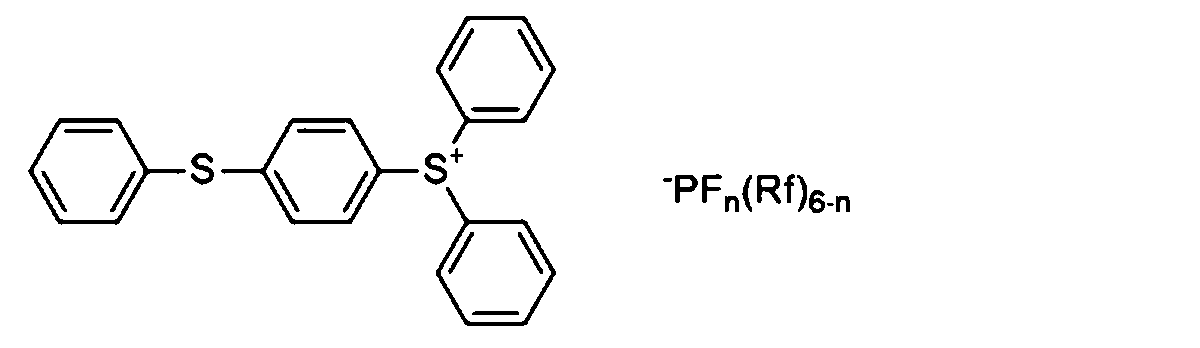
ビスフェノールA型エポキシ樹脂、DIC株式会社製、製品名:EXA-850CRP、エポキシ当量:158~168g/eq
o-フェニルフェノールグリシジルエーテル、四日市合成株式会社製、製品名:OPP-EP
ビフェニル型オキセタン化合物、キシリレンビスオキセタン、東亞合成株式会社製、製品名:アロンオキセタンOXT-121
シランカップリング剤、3‐グリシドキシプロピルトリメトキシシラン、信越化学工業株式会社製、製品名:KBM-403
フェノール系酸化防止剤、ペンタエリトリトールテトラキス[3-(3,5-ジ-tert-ブチル-4-ヒドロキシフェニル)プロピオナート]、株式会社ADEKA製、製品名:アデカスタブAO-60
ヒンダードアミン系光安定化剤、セバシン酸ビス(1,2,2,6,6-ペンタメチル-4-ピペリジル、株式会社ADEKA製、製品名:アデカスタブLA-72
E型粘度計(TVE-25L、東機産業株式会社製)を用いて、温度25℃、回転数2.5rpmの条件でレンズ用樹脂組成物の粘度を測定した。コーンプレートは、サンプルの粘度に応じて、1°34’×R24、3°×R14、3°×R9.7から適宜選択した。結果を表1に示す。
ガラス基板(9.0×10.0×0.7mm、Eagle-XG、CORNING社製)をNovec(登録商標)1720(フッ化シラン系離型剤、3M株式会社製)に浸漬させ、窒素雰囲気下・100℃で25分間加熱し、Novec(登録商標)7100(フッ素系溶剤、3M株式会社製)でリンスし、離型処理済ガラス基板を得た。
離型処理済ガラス基板上にレンズ用樹脂組成物を滴下し、厚み250μmのシリコーン製スペーサーを介して離型処理済ガラス基板で挟み込んでクリップで固定した。これに対し、無電極ランプ(Hバルブ)を用いて、365nm波長における照射強度が150mW/cmで積算照射量が3000mJ/cm2になるようUV露光し、レンズ用樹脂組成物を硬化させた。
続いて、硬化させたレンズ用樹脂組成物をガラス基板から離型し、窒素雰囲気下・120℃で30分間加熱することでレンズ用硬化物を得た。
まず、レンズ用樹脂組成物の比重d1をJIS Z 8804:2012(液体の密度及び比重の測定方法)に従い求めた。(なお、レンズ用樹脂組成物が揮発成分を含む場合、それを除いた不揮発成分の比重を求めるのだが、本実施例の樹脂組成物は揮発成分を含まない。)
続いて、レンズ用硬化物の比重d2をJIS Z 8807:2012(固体の密度及び比重の測定方法)に従い求めた。求めた比重の値を用い、下記式により硬化収縮率を算出した。結果を表1に示す。
硬化収縮率(%)=(1-d1/d2)×100
レンズ用硬化物の屈折率を、アッベ屈折計(DR-M2、株式会社アタゴ製)を用いて測定した。干渉フィルターとしてRE-3520(589nm、D線、株式会社アタゴ製)、中間液としてRE-1196(モノブロモナフタレン、株式会社アタゴ製)を使用し、サンプル温度は25℃になるよう設定して測定を行なった。結果を表1に示す。
レンズ用硬化物の厚み方向の光線透過率を、以下の条件にて測定し、光線透過率T1を得た。なお、測定はレンズ用硬化物を積分球に貼り付けて行い、入光面は任意の面とした。
(測定条件)
測定装置:UH4150(日立ハイテクサイエンス社製 紫外可視近赤外分光光度計)
測定法:透過法
測定波長:400nm
リファレンス:大気
検出器:積分球/光電子増倍管(200nm~850nm)
積分球:PbS(850nm~2600nm)
まず、レンズ用硬化物を空気雰囲気下125℃に設定したオーブン中で168時間加熱した。その後、上記条件で厚み方向の光線透過率を測定することで加熱後光線透過率T2を得、下記式により算出した。結果を表1に示す。
光線透過率の加熱後変化率(125℃168時間)(%)
=(T1-T2)/T1×100
ガラス基板(7.0×7.0×0.21mm、D263T ECO、SCHOTT社製)をNovec(登録商標)1720(フッ化シラン系離型剤、3M株式会社製)に浸漬させ、窒素雰囲気下・100℃で25分間加熱し、Novec(登録商標)7100(フッ素系溶剤、3M株式会社製)でリンスし、離型処理済ガラス基板を得た。
離型処理済ガラス基板上にレンズ用樹脂組成物を滴下し、厚み250μmのシリコーン製スペーサーを介して離型処理を行っていないガラス基板(7.0×7.0×0.21mm、D263T ECO、SCHOTT社製)で挟み込んでクリップで固定した。この時、濡れ広がった樹脂組成物の直径が5mm程度になるように、レンズ用樹脂組成物の滴下量を調整した。
これに対し、無電極ランプ(Hバルブ)を用いて、365nm波長における照射強度が150mW/cmで積算照射量が3000mJ/cm2になるようUV露光し、レンズ用樹脂組成物を硬化させた。続いて、硬化させたレンズ用樹脂組成物から離型処理ガラス基板を離型し、窒素雰囲気下、120℃で30分間加熱することで、レンズ用硬化物とガラス基板の積層体(樹脂直径5mm)を得た。
また、樹脂組成物の直径が40mmになるようにレンズ用樹脂組成物の滴下量を調整した以外は、上記と同様の操作によってレンズ用硬化物とガラス基板の積層体(樹脂直径40mm)を得た。
このとき、レンズ用硬化物とガラス基板の界面において剥離が確認されなかったものをA、剥離は発生しないがガラス基板が顕著に変形したものをB、基板から樹脂が容易に剥離したものをCとして積層体の評価を行った。結果を表1に示す。

2 基板
10 レンズ
Claims (15)
- 一般式(1)で表されるアニオンと、カチオンと、から形成される塩を含む光カチオン重合開始剤(X)と、
分子内に2以上のエポキシ基を含むエポキシ化合物(Y)と、
を含むレンズ用樹脂組成物。

- 請求項1に記載のレンズ用樹脂組成物であって、
前記エポキシ化合物(Y)が一般式(2)で表される、レンズ用樹脂組成物。

R5、R6、R8およびR9はそれぞれ独立に水素原子、炭素数1~4のアルキル基又はトリフルオロメチル基を表し、
R7はそれぞれ独立に水素原子又はグリシジル基を表し、
nは平均繰り返し数であって0~30の範囲にある実数を表す。) - 請求項1又は2に記載のレンズ用樹脂組成物であって、
前記エポキシ化合物(Y)のエポキシ当量が100g/eq以上200g/eq以下である、レンズ用樹脂組成物。 - 請求項1から3のいずれか1項に記載のレンズ用樹脂組成物であって、
前記エポキシ化合物(Y)の含有量が当該レンズ用樹脂組成物の不揮発成分中40質量%以上である、レンズ用樹脂組成物。 - 請求項1から4のいずれか1項に記載のレンズ用樹脂組成物であって、
前記光カチオン重合開始剤(X)がアニオンとして式(3)又は(4)のいずれかで表されるアニオンを含む、レンズ用樹脂組成物。


- 請求項1から5のいずれか1項に記載のレンズ用樹脂組成物であって、
前記光カチオン重合開始剤(X)がカチオンとしてスルホニウムイオンを含む、レンズ用樹脂組成物。 - 請求項1から6のいずれか1項に記載のレンズ用樹脂組成物であって、
一般式(5)で表される単官能エポキシ化合物(Z)をさらに含む、レンズ用樹脂組成物。
- 請求項7に記載のレンズ用樹脂組成物であって、
前記単官能エポキシ化合物(Z)がo-フェニルフェノールグリシジルエーテルである、レンズ用樹脂組成物。 - 請求項1から8のいずれか1項に記載のレンズ用樹脂組成物であって、
オキセタン化合物(W)をさらに含む、レンズ用樹脂組成物。 - 請求項9に記載のレンズ用樹脂組成物であって、
前記オキセタン化合物(W)がビフェニル型オキセタン化合物である、レンズ用樹脂組成物。 - 請求項1から10のいずれか1項に記載のレンズ用樹脂組成物であって、
当該レンズ用樹脂組成物をE型粘度計で温度25℃、回転数2.5rpmの条件で測定した際の粘度が100mPa・s以上5000mPa・s以下である、レンズ用樹脂組成物。 - 請求項1から11のいずれか1項に記載のレンズ用樹脂組成物であって、
当該レンズ用樹脂組成物をガラス板上に厚み250μmで塗布し、波長365nm、照射強度150mW/cm、積算照射量3000mJ/cm2の条件でUV露光し、窒素雰囲気下、120℃、30分間の条件で加熱して得られる硬化物が、下記(A)~(D)の要件を満たす、レンズ用樹脂組成物。
(A)当該硬化物の硬化収縮率が1.0%以上5.0%以下である。
(B)当該硬化物の屈折率が1.57以上である。
(C)当該硬化物の厚み方向の光線透過率が80%以上である。
(D)当該硬化物の厚み方向の光線透過率の加熱後変化率(125℃168時間)が10%以下である。 - 請求項1から12のいずれか1項に記載のレンズ用樹脂組成物であって、
ウエハレベルレンズに用いられる、レンズ用樹脂組成物。 - 請求項1から13のいずれか1項に記載のレンズ用樹脂組成物を硬化することにより得られるレンズ用硬化物。
- 請求項14に記載のレンズ用硬化物を備えるレンズ。
Priority Applications (5)
| Application Number | Priority Date | Filing Date | Title |
|---|---|---|---|
| JP2023572423A JP7754950B2 (ja) | 2022-01-04 | 2022-12-21 | レンズ用樹脂組成物、レンズ用硬化物及びレンズ |
| CN202280081769.3A CN118369596A (zh) | 2022-01-04 | 2022-12-21 | 透镜用树脂组合物、透镜用固化物和透镜 |
| US18/726,295 US20250115705A1 (en) | 2022-01-04 | 2022-12-21 | Resin composition for lens, cured substance for lens, and lens |
| KR1020247018316A KR20240091276A (ko) | 2022-01-04 | 2022-12-21 | 렌즈용 수지 조성물, 렌즈용 경화물 및 렌즈 |
| EP22918833.9A EP4462162A4 (en) | 2022-01-04 | 2022-12-21 | LENS RESIN COMPOSITION, LENS CURABLE PRODUCT AND LENS |
Applications Claiming Priority (2)
| Application Number | Priority Date | Filing Date | Title |
|---|---|---|---|
| JP2022-000161 | 2022-01-04 | ||
| JP2022000161 | 2022-01-04 |
Publications (1)
| Publication Number | Publication Date |
|---|---|
| WO2023132249A1 true WO2023132249A1 (ja) | 2023-07-13 |
Family
ID=87073545
Family Applications (1)
| Application Number | Title | Priority Date | Filing Date |
|---|---|---|---|
| PCT/JP2022/047192 Ceased WO2023132249A1 (ja) | 2022-01-04 | 2022-12-21 | レンズ用樹脂組成物、レンズ用硬化物及びレンズ |
Country Status (7)
| Country | Link |
|---|---|
| US (1) | US20250115705A1 (ja) |
| EP (1) | EP4462162A4 (ja) |
| JP (1) | JP7754950B2 (ja) |
| KR (1) | KR20240091276A (ja) |
| CN (1) | CN118369596A (ja) |
| TW (1) | TW202330699A (ja) |
| WO (1) | WO2023132249A1 (ja) |
Citations (13)
| Publication number | Priority date | Publication date | Assignee | Title |
|---|---|---|---|---|
| US6384146B1 (en) * | 1999-04-05 | 2002-05-07 | The Research Foundation Of State University Of New York | Graft, graft-block, block-graft, and star-shaped copolymers and methods of making them |
| JP2003131004A (ja) | 2001-10-23 | 2003-05-08 | Dainippon Ink & Chem Inc | フレネルレンズ用活性エネルギー線硬化型樹脂組成物及びフレネルレンズシート |
| WO2005085317A1 (ja) * | 2004-03-04 | 2005-09-15 | Toagosei Co., Ltd. | 紫外線硬化型組成物 |
| WO2016031602A1 (ja) * | 2014-08-29 | 2016-03-03 | 日東電工株式会社 | 光学用感光性樹脂組成物およびそれを用いた光学材料 |
| JP5901070B2 (ja) | 2012-10-26 | 2016-04-06 | 日本化薬株式会社 | 感光性樹脂組成物、レジスト積層体及びそれらの硬化物 |
| JP5967824B2 (ja) | 2012-10-26 | 2016-08-10 | 日本化薬株式会社 | 感光性樹脂組成物、レジスト積層体及びそれらの硬化物 |
| JP2017179330A (ja) * | 2016-03-25 | 2017-10-05 | 東京応化工業株式会社 | エネルギー感受性組成物、硬化物及び硬化物の製造方法 |
| WO2018020974A1 (ja) | 2016-07-28 | 2018-02-01 | サンアプロ株式会社 | スルホニウム塩、熱又は光酸発生剤、熱又は光硬化性組成物及びその硬化体 |
| JP2019085533A (ja) * | 2017-11-10 | 2019-06-06 | サンアプロ株式会社 | 硬化性組成物及びそれを用いた光学素子 |
| JP2019189874A (ja) | 2013-12-26 | 2019-10-31 | 株式会社ダイセル | レンズ用硬化性組成物、並びにレンズ及び光学装置 |
| JP2021059681A (ja) * | 2019-10-08 | 2021-04-15 | 三井化学株式会社 | 硬化性組成物およびその用途 |
| JP2021162620A (ja) * | 2020-03-30 | 2021-10-11 | 三井化学株式会社 | フォトクロミックレンズ保護層形成用硬化性組成物、コーティング組成物、硬化体、フォトクロミックレンズ、及び、フォトクロミックレンズの製造方法 |
| JP2022000161A (ja) | 2015-10-16 | 2022-01-04 | メディカル・マイクロインストゥルメンツ・ソチエタ・ペル・アツィオーニMedical Microinstruments S.P.A. | ロボット手術用の外科器具及びロボット外科手術アセンブリ |
Family Cites Families (6)
| Publication number | Priority date | Publication date | Assignee | Title |
|---|---|---|---|---|
| EP1883678B1 (en) | 2005-05-26 | 2008-10-08 | Dow Corning Corporation | Process and silicone encapsulant composition for molding small shapes |
| JP2010163566A (ja) * | 2009-01-16 | 2010-07-29 | Three M Innovative Properties Co | エポキシ樹脂組成物 |
| JP6708382B2 (ja) * | 2015-09-03 | 2020-06-10 | サンアプロ株式会社 | 硬化性組成物及びそれを用いた硬化体 |
| JP6935260B2 (ja) * | 2017-07-31 | 2021-09-15 | 東京応化工業株式会社 | 硬化性組成物、硬化膜、表示パネル又はoled照明、並びに硬化物の製造方法 |
| JP2019099666A (ja) * | 2017-12-01 | 2019-06-24 | サンアプロ株式会社 | 光学的立体造形用樹脂組成物 |
| JP2019183048A (ja) * | 2018-04-13 | 2019-10-24 | 日本化薬株式会社 | 光熱併用硬化型樹脂組成物、接着剤及びその硬化物 |
-
2022
- 2022-12-21 EP EP22918833.9A patent/EP4462162A4/en active Pending
- 2022-12-21 CN CN202280081769.3A patent/CN118369596A/zh active Pending
- 2022-12-21 WO PCT/JP2022/047192 patent/WO2023132249A1/ja not_active Ceased
- 2022-12-21 KR KR1020247018316A patent/KR20240091276A/ko active Pending
- 2022-12-21 JP JP2023572423A patent/JP7754950B2/ja active Active
- 2022-12-21 US US18/726,295 patent/US20250115705A1/en active Pending
- 2022-12-26 TW TW111149882A patent/TW202330699A/zh unknown
Patent Citations (13)
| Publication number | Priority date | Publication date | Assignee | Title |
|---|---|---|---|---|
| US6384146B1 (en) * | 1999-04-05 | 2002-05-07 | The Research Foundation Of State University Of New York | Graft, graft-block, block-graft, and star-shaped copolymers and methods of making them |
| JP2003131004A (ja) | 2001-10-23 | 2003-05-08 | Dainippon Ink & Chem Inc | フレネルレンズ用活性エネルギー線硬化型樹脂組成物及びフレネルレンズシート |
| WO2005085317A1 (ja) * | 2004-03-04 | 2005-09-15 | Toagosei Co., Ltd. | 紫外線硬化型組成物 |
| JP5901070B2 (ja) | 2012-10-26 | 2016-04-06 | 日本化薬株式会社 | 感光性樹脂組成物、レジスト積層体及びそれらの硬化物 |
| JP5967824B2 (ja) | 2012-10-26 | 2016-08-10 | 日本化薬株式会社 | 感光性樹脂組成物、レジスト積層体及びそれらの硬化物 |
| JP2019189874A (ja) | 2013-12-26 | 2019-10-31 | 株式会社ダイセル | レンズ用硬化性組成物、並びにレンズ及び光学装置 |
| WO2016031602A1 (ja) * | 2014-08-29 | 2016-03-03 | 日東電工株式会社 | 光学用感光性樹脂組成物およびそれを用いた光学材料 |
| JP2022000161A (ja) | 2015-10-16 | 2022-01-04 | メディカル・マイクロインストゥルメンツ・ソチエタ・ペル・アツィオーニMedical Microinstruments S.P.A. | ロボット手術用の外科器具及びロボット外科手術アセンブリ |
| JP2017179330A (ja) * | 2016-03-25 | 2017-10-05 | 東京応化工業株式会社 | エネルギー感受性組成物、硬化物及び硬化物の製造方法 |
| WO2018020974A1 (ja) | 2016-07-28 | 2018-02-01 | サンアプロ株式会社 | スルホニウム塩、熱又は光酸発生剤、熱又は光硬化性組成物及びその硬化体 |
| JP2019085533A (ja) * | 2017-11-10 | 2019-06-06 | サンアプロ株式会社 | 硬化性組成物及びそれを用いた光学素子 |
| JP2021059681A (ja) * | 2019-10-08 | 2021-04-15 | 三井化学株式会社 | 硬化性組成物およびその用途 |
| JP2021162620A (ja) * | 2020-03-30 | 2021-10-11 | 三井化学株式会社 | フォトクロミックレンズ保護層形成用硬化性組成物、コーティング組成物、硬化体、フォトクロミックレンズ、及び、フォトクロミックレンズの製造方法 |
Non-Patent Citations (1)
| Title |
|---|
| See also references of EP4462162A4 |
Also Published As
| Publication number | Publication date |
|---|---|
| CN118369596A (zh) | 2024-07-19 |
| EP4462162A4 (en) | 2026-01-14 |
| KR20240091276A (ko) | 2024-06-21 |
| EP4462162A1 (en) | 2024-11-13 |
| TW202330699A (zh) | 2023-08-01 |
| JP7754950B2 (ja) | 2025-10-15 |
| JPWO2023132249A1 (ja) | 2023-07-13 |
| US20250115705A1 (en) | 2025-04-10 |
Similar Documents
| Publication | Publication Date | Title |
|---|---|---|
| JP2022051490A (ja) | 光硬化性組成物ならびにその硬化体 | |
| JP7241695B2 (ja) | 感光性樹脂組成物、ドライフィルムレジスト及びそれらの硬化物 | |
| TWI509025B (zh) | 可硬化組成物 | |
| TWI722027B (zh) | 環氧系反應性稀釋劑及含有其之環氧樹脂組合物 | |
| KR20120127459A (ko) | 장쇄 알킬렌기 함유하는 경화성 에폭시 수지 조성물 | |
| JP2018513418A (ja) | チオール−エポキシマトリックスを有する量子ドット物品 | |
| EP3375804B1 (en) | Long-chain alkylene group-containing epoxy resin composition | |
| US8975349B2 (en) | Cationically polymerizable resin composition and cured object obtained therefrom | |
| JP7385722B2 (ja) | 封止剤、硬化体、有機エレクトロルミネッセンス表示装置、及び装置の製造方法 | |
| KR102629458B1 (ko) | 다관능에폭시 화합물 및 이것을 포함하는 경화성 조성물 | |
| JP2012001689A (ja) | 光硬化性樹脂組成物 | |
| TW201900796A (zh) | 硬化性組成物、硬化物之製造方法、其硬化物及使用該硬化性組成物之接著劑 | |
| JP6993781B2 (ja) | 硬化性組成物 | |
| TW202112956A (zh) | 平坦化膜形成用之感光性樹脂組成物、電子裝置之製造方法及電子裝置 | |
| KR20220137864A (ko) | 조성물, 경화물, 광학 필터 및 경화물의 제조 방법 | |
| JP7754950B2 (ja) | レンズ用樹脂組成物、レンズ用硬化物及びレンズ | |
| JP2015086306A (ja) | 光学装置用樹脂組成物、樹脂硬化物および光学装置 | |
| CN105593262B (zh) | 光波导用感光性树脂组合物和光波导芯层形成用光固化性薄膜、以及使用了它们的光波导、光/电传输用混载挠性印刷电路板 | |
| WO2025004805A1 (ja) | レンズ用樹脂組成物、レンズ用硬化物及びレンズ | |
| WO2023058605A1 (ja) | 硬化性樹脂組成物及びその硬化物 | |
| JP7468064B2 (ja) | カチオン重合性組成物 | |
| US20170038678A1 (en) | Photosensitive resin composition for optical waveguide, photocurable film for formation of optical waveguide core layer, optical waveguide produced by using the resin composition or the photocurable film, and hybrid flexible printed wiring board for optical/electrical transmission | |
| TW201833166A (zh) | 含脂環式環氧化合物之壓印成形用光聚合性組成物 | |
| CN120040723A (zh) | 硬化性组合物、硬化膜、有机el元件及其制造方法 | |
| TW202231777A (zh) | 光硬化性樹脂片材 |
Legal Events
| Date | Code | Title | Description |
|---|---|---|---|
| 121 | Ep: the epo has been informed by wipo that ep was designated in this application |
Ref document number: 22918833 Country of ref document: EP Kind code of ref document: A1 |
|
| ENP | Entry into the national phase |
Ref document number: 20247018316 Country of ref document: KR Kind code of ref document: A |
|
| WWE | Wipo information: entry into national phase |
Ref document number: 202280081769.3 Country of ref document: CN |
|
| WWE | Wipo information: entry into national phase |
Ref document number: 2023572423 Country of ref document: JP |
|
| WWE | Wipo information: entry into national phase |
Ref document number: 18726295 Country of ref document: US |
|
| WWE | Wipo information: entry into national phase |
Ref document number: 11202403838Q Country of ref document: SG |
|
| WWE | Wipo information: entry into national phase |
Ref document number: 2022918833 Country of ref document: EP |
|
| NENP | Non-entry into the national phase |
Ref country code: DE |
|
| ENP | Entry into the national phase |
Ref document number: 2022918833 Country of ref document: EP Effective date: 20240805 |
|
| WWP | Wipo information: published in national office |
Ref document number: 18726295 Country of ref document: US |