WO2023176419A1 - 情報処理装置および方法 - Google Patents
情報処理装置および方法 Download PDFInfo
- Publication number
- WO2023176419A1 WO2023176419A1 PCT/JP2023/007210 JP2023007210W WO2023176419A1 WO 2023176419 A1 WO2023176419 A1 WO 2023176419A1 JP 2023007210 W JP2023007210 W JP 2023007210W WO 2023176419 A1 WO2023176419 A1 WO 2023176419A1
- Authority
- WO
- WIPO (PCT)
- Prior art keywords
- information
- file
- subframe
- sample
- information processing
- Prior art date
- Legal status (The legal status is an assumption and is not a legal conclusion. Google has not performed a legal analysis and makes no representation as to the accuracy of the status listed.)
- Ceased
Links
Images








Classifications
-
- G—PHYSICS
- G06—COMPUTING OR CALCULATING; COUNTING
- G06T—IMAGE DATA PROCESSING OR GENERATION, IN GENERAL
- G06T9/00—Image coding
-
- H—ELECTRICITY
- H04—ELECTRIC COMMUNICATION TECHNIQUE
- H04N—PICTORIAL COMMUNICATION, e.g. TELEVISION
- H04N21/00—Selective content distribution, e.g. interactive television or video on demand [VOD]
- H04N21/80—Generation or processing of content or additional data by content creator independently of the distribution process; Content per se
- H04N21/85—Assembly of content; Generation of multimedia applications
- H04N21/854—Content authoring
- H04N21/85406—Content authoring involving a specific file format, e.g. MP4 format
-
- G—PHYSICS
- G06—COMPUTING OR CALCULATING; COUNTING
- G06T—IMAGE DATA PROCESSING OR GENERATION, IN GENERAL
- G06T9/00—Image coding
- G06T9/001—Model-based coding, e.g. wire frame
-
- H—ELECTRICITY
- H04—ELECTRIC COMMUNICATION TECHNIQUE
- H04N—PICTORIAL COMMUNICATION, e.g. TELEVISION
- H04N13/00—Stereoscopic video systems; Multi-view video systems; Details thereof
- H04N13/10—Processing, recording or transmission of stereoscopic or multi-view image signals
- H04N13/106—Processing image signals
- H04N13/161—Encoding, multiplexing or demultiplexing different image signal components
-
- H—ELECTRICITY
- H04—ELECTRIC COMMUNICATION TECHNIQUE
- H04N—PICTORIAL COMMUNICATION, e.g. TELEVISION
- H04N13/00—Stereoscopic video systems; Multi-view video systems; Details thereof
- H04N13/10—Processing, recording or transmission of stereoscopic or multi-view image signals
- H04N13/106—Processing image signals
- H04N13/172—Processing image signals image signals comprising non-image signal components, e.g. headers or format information
- H04N13/178—Metadata, e.g. disparity information
-
- H—ELECTRICITY
- H04—ELECTRIC COMMUNICATION TECHNIQUE
- H04N—PICTORIAL COMMUNICATION, e.g. TELEVISION
- H04N21/00—Selective content distribution, e.g. interactive television or video on demand [VOD]
- H04N21/80—Generation or processing of content or additional data by content creator independently of the distribution process; Content per se
- H04N21/81—Monomedia components thereof
- H04N21/816—Monomedia components thereof involving special video data, e.g 3D video
-
- H—ELECTRICITY
- H04—ELECTRIC COMMUNICATION TECHNIQUE
- H04N—PICTORIAL COMMUNICATION, e.g. TELEVISION
- H04N21/00—Selective content distribution, e.g. interactive television or video on demand [VOD]
- H04N21/80—Generation or processing of content or additional data by content creator independently of the distribution process; Content per se
- H04N21/83—Generation or processing of protective or descriptive data associated with content; Content structuring
- H04N21/84—Generation or processing of descriptive data, e.g. content descriptors
-
- H—ELECTRICITY
- H04—ELECTRIC COMMUNICATION TECHNIQUE
- H04N—PICTORIAL COMMUNICATION, e.g. TELEVISION
- H04N21/00—Selective content distribution, e.g. interactive television or video on demand [VOD]
- H04N21/80—Generation or processing of content or additional data by content creator independently of the distribution process; Content per se
- H04N21/85—Assembly of content; Generation of multimedia applications
- H04N21/854—Content authoring
- H04N21/8547—Content authoring involving timestamps for synchronizing content
-
- H—ELECTRICITY
- H04—ELECTRIC COMMUNICATION TECHNIQUE
- H04N—PICTORIAL COMMUNICATION, e.g. TELEVISION
- H04N19/00—Methods or arrangements for coding, decoding, compressing or decompressing digital video signals
- H04N19/50—Methods or arrangements for coding, decoding, compressing or decompressing digital video signals using predictive coding
- H04N19/597—Methods or arrangements for coding, decoding, compressing or decompressing digital video signals using predictive coding specially adapted for multi-view video sequence encoding
Definitions
- the present disclosure relates to an information processing device and method, and particularly relates to an information processing device and method that can suppress deterioration in the quality of reproduction and display of 3D data.
- G-PCC Geometry-based Point Cloud Compression
- ISO/IEC International Organization for Standardization / International Electrotechnical Commission
- ISOBMFF International Organization for Standardization Base Media File Format
- MPEG-4 Motion Picture Experts Group-4
- video compression for example, see Non-Patent Document 2.
- the G-PCC bitstream which is a bitstream of encoded data encoded with this G-PCC, from local storage
- the G-PCC bitstream is converted into an ISOBMFF file.
- a method for storing images is currently being standardized in MPEG-I Part 18 (ISO/IEC 23090-18) (for example, see Non-Patent Document 3).
- Non-Patent Document 4 when encoding a point cloud, there is a method of encoding a combined frame in which multiple frames of the point cloud are combined as subframes and using it as a sample (for example, Non-Patent Document 4).
- Non-Patent Document 4 the decoder does not know at what timing each sample should be acquired and decoded before decoding the bitstream. Therefore, there is a risk that the quality of the reproduction and display of 3D data may deteriorate, such as a delay in reproduction processing or a frame loss in display.
- the present disclosure has been made in view of this situation, and is intended to suppress a reduction in the quality of reproduction and display of 3D data.
- the information processing device is configured to store the information in the file at a timing in time for the display timing of the subframe, based on first information regarding the display timing of the subframe stored as metadata in the file.
- an extraction unit that extracts a sample including the subframe from a bitstream; a decoding unit that decodes the extracted sample; and a display of the subframe included in the decoded sample based on the first information.
- the information processing apparatus includes a construction unit that constructs a point cloud of the subframes in a timely manner.
- An information processing method includes storing information in the file at a timing in time for the display timing of the subframe, based on first information regarding the display timing of the subframe stored as metadata in the file. extracting a sample including the subframe from the bitstream, decoding the extracted sample, and based on the first information, at a timing in time for displaying the subframe included in the decoded sample; This is an information processing method for constructing a point cloud of the subframes.
- An information processing device includes an encoding unit that generates encoded data by encoding a combined frame in which a plurality of frames are combined as subframes as samples, and a bit stream that includes the encoded data. a bitstream generation unit that generates first information regarding the display timing of the subframe based on the bitstream; and a bitstream generation unit that generates a file that stores the bitstream and includes the first information as metadata in the file.
- An information processing apparatus includes a file generation unit that stores.
- a combined frame in which a plurality of frames are combined as subframes is encoded as a sample to generate encoded data, a bit stream including the encoded data is generated, and the bit stream containing the encoded data is generated.
- the information processing method generates first information regarding the display timing of the subframe based on a stream, generates a file that stores the bitstream, and stores the first information as metadata in the file.
- data is stored in the file at a timing in time for the display timing of the subframe.
- a sample including a subframe is extracted from a bitstream, the extracted sample is decoded, and based on the first information, at a timing in time for displaying a subframe included in the decoded sample, A point cloud for that subframe is constructed.
- a combined frame in which a plurality of frames are combined as subframes is encoded as a sample to generate encoded data, and a bitstream including the encoded data is generated. Then, first information regarding the display timing of the subframe is generated based on the bitstream, a file storing the bitstream is generated, and the first information is stored as metadata in the file.
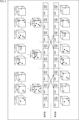
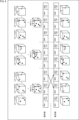
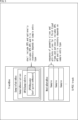
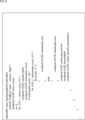
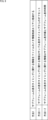
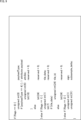
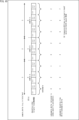
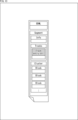
- FIG. 2 is a diagram showing an example of the configuration of a G-PCC bitstream. It is a figure explaining a combined frame. It is a figure explaining frame number attribute. It is a figure explaining frame index attribute.
- FIG. 3 is a diagram showing an example of the structure of a G-PCC file.
- FIG. 3 is a diagram showing an example of SubSampleInformationBox. It is a figure which shows the example of codec_specific_parameters.
- FIG. 3 is a diagram showing an example of an encoding/decoding method. It is a figure which shows the example of codec_specific_parameters.
- FIG. 7 is a diagram showing an example of application of subsample_delta.
- FIG. 2 is a block diagram showing an example of the main configuration of a file generation device.
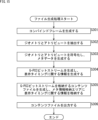
- 3 is a flowchart illustrating an example of the flow of file generation processing.
- FIG. 2 is a block diagram showing an example of the main configuration of a playback device.
- 3 is a flowchart illustrating an example of the flow of reproduction processing.
- 1 is a block diagram showing an example of the main configuration of a computer.
- Non-patent document 1 (mentioned above)
- Non-patent document 2 (mentioned above)
- Non-patent document 3 (mentioned above)
- Non-patent document 4 (mentioned above)
- Non-patent document 5 https://www.matroska.org/index.html
- a three-dimensional structure (object with a three-dimensional shape) is expressed as a set of many points.
- a point cloud is composed of position information (also referred to as geometry) and attribute information (also referred to as attribute) for each point.
- Attributes can contain arbitrary information.
- the attributes may include color information, reflectance information, normal line information, etc. of each point.
- the point cloud has a relatively simple data structure, and by using a sufficiently large number of points, any three-dimensional structure can be expressed with sufficient accuracy.
- Non-Patent Document 1 discloses an encoding technique called Geometry-based Point Cloud Compression (G-PCC), which encodes this point cloud by dividing it into geometry and attributes.
- G-PCC is currently being standardized as MPEG-I Part 9 (ISO/IEC 23090-9).
- Octree encoding is an encoding method that converts a geometry data structure into an octree (octree) and encodes it.
- the geometry is expressed using voxels, which are three-dimensional regions in a rectangular parallelepiped shape (including a cubic shape) with a hierarchical structure.
- voxels which are three-dimensional regions in a rectangular parallelepiped shape (including a cubic shape) with a hierarchical structure.
- a voxel in which a point exists is divided, and the presence or absence of a point is expressed in a small region (lower voxel) after the division.
- such division is repeated recursively to the lowest layer, thereby forming a hierarchical structure of voxels.
- Octree expresses such a voxel expression (the presence or absence of a point for each voxel) as an octree.
- Each node of the octree corresponds to each voxel of the voxel representation. For example, a node corresponding to a voxel where a point exists is expressed as a value "1", and a node corresponding to a voxel where a point does not exist is expressed as a value "0".
- a child node (a node one level lower) is formed for the node corresponding to the voxel where the point exists (the node with the value "1").
- bitstream of encoded data generated by encoding geometry as described above is also referred to as a geometry bitstream.
- a bitstream of encoded data generated by encoding attributes is also referred to as an attribute bitstream.
- a bitstream in which a geometry bitstream and an attribute bitstream are combined into one is also called a G-PCC bitstream.
- FIG. 1 An example of the structure of such a G-PCC bitstream is shown in FIG. In FIG. 1, each rectangular area indicates one Type-length-value encapsulation structure (tlv_encapsulation()).
- SPS Sequence Parameter Set
- GPS(s) Global Positioning Parameter Set
- APS(s) Attribute Parameter Set
- sps_id sps_id.
- a geometry data unit indicates an area where one slice of geometry data is stored.
- a geometry data unit is associated with a GPS(s) using a gps_id.
- An attribute data unit(s) indicates an area in which one slice of attribute data is stored.
- a plurality of attribute data units may exist for one geometry data unit. Attribute data units are associated with APS(s) using aps_id.
- slice_id the geometry data unit and attribute data unit that constitute the same slice are associated by slice_id. Further, points may overlap between slices. Slices include independent slices that have no dependencies with other slices during decoding, and dependent slices that have dependencies with other slices.
- a point cloud can change in the time direction like a moving image (also referred to as dynamic).
- G-PCC was able to encode such a dynamic point cloud for a predetermined period.
- Such a point cloud like a moving image, is composed of a plurality of frames (also referred to as point cloud frames) at different times.
- the octrees of each frame were encoded individually (frame by frame).
- Non-Patent Document 4 discloses a method of encoding multiple frames into one.
- the encoder combines the octrees of multiple frames as subframes to generate one combined frame, encodes the combined frame like a normal frame, and samples And so. That is, the point cloud of the combined frame is a combination of the point clouds of each subframe, and includes points of each subframe. That is, the octree of the combined frame is a combination of the octrees of each subframe, and includes a node with the octree value "1" of each subframe.
- each combined frame (Frame1 and Frame2) is also referred to as a subframe.
- Octree may have redundancy between subframes. Especially in the upper layer, there is a high possibility that it will become redundant. Such octree redundancy may reduce encoding efficiency. By combining subframes, such octree redundancy can be reduced, and reduction in encoding efficiency can be suppressed.
- subframes may be combined in any way.
- the number of subframes to be combined is arbitrary.
- the order in which the subframes are arranged in combination does not have to be the display order of the subframes.
- non-consecutive subframes may be combined.
- the length of the display period of a frame (subframe) during playback depends on the application and does not need to be constant (it may differ depending on the frame (subframe)).
- Non-Patent Document 4 discloses a method (frame number attribute and frame index attribute) of transmitting information indicating the display order of each subframe.
- the frame number attribute is a method of assigning a frame number indicating the display order in the entire sequence to each subframe as an attribute.
- a frame number (FN#x (x is a natural number)) is assigned to the attribute data unit (ADU) of each slice (corresponding to a frame).
- the playback device displays the point cloud images of each subframe in the order indicated by this frame number (i.e., FN#0, FN#1, FN#2, FN#3, FN#4, FN#5 , FN#6, FN#7, etc.), the combined frame is decoded and each subframe is played back.
- the order of subframes can be changed not only within a combined frame but also across combined frames.
- the order of the FN#1 subframe and FN#2 subframe is swapped, and the order of the FN#4 subframe and FN#5 subframe is swapped.
- the subframes of FN#1 and FN#2 are combined in an order different from the display order to form a combined frame of sample a. In other words, the order is changed within the combined frame.
- the playback device decodes the sample to be processed according to the decoding time, displays the subframe according to the frame number, and the next subframe to be displayed is within the samples decoded so far. If it does not exist, the process of decoding the previous or subsequent samples is repeated.
- the subframes of FN#4 and FN#5 are combined with each other (subframes) by changing their order.
- the subframe of FN#4 is combined with the subframe of FN#3 to form a combined frame of sample b.
- the subframe of FN#5 is combined with the subframe of FN#6 and the subframe of FN#7 to form a combined frame of sample c (sample c).
- the order is changed across combined frames. In this way, by changing the subframes to be combined, it may be possible to suppress a reduction in encoding efficiency.
- the frame index attribute is a method of assigning a frame index indicating the display order within the combined frame to each subframe as an attribute.
- a frame index (FI#x (x is a natural number)) is assigned to the attribute data unit (ADU) of each slice (corresponding to a frame).
- the playback device decodes the combined frame and plays back each subframe so that the point cloud images of each subframe are displayed for each sample (combined frame) in the order indicated by the frame index.
- the order of subframes can be permuted within the combined frame.
- the order of the subframes of FI#1 and FI#2 is switched.
- the subframes of FN#1 and FN#2 are combined in an order different from the display order to form a combined frame of sample a.
- the order is changed within the combined frame.
- the playback device performs FN#0, FN#1, FN#2 of sample a, FN#0, FN#1 of sample b, and FN# of sample c. Display each subframe in the order of 0, FN#1, FN#2...
- the playback device repeats the process of decoding the sample to be processed according to the decoding time, appropriately rearranging and displaying the subframes within the sample according to the frame index.
- Non-Patent Document 2 discloses ISOBMFF (International Organization for Standardization Base Media File Format), which is a file container specification of MPEG-4 (Moving Picture Experts Group - 4), an international standard technology for video compression.
- ISOBMFF International Organization for Standardization Base Media File Format
- Non-Patent Document 3 discloses a method for storing G-PCC bitstreams in ISOBMFF with the aim of improving the efficiency of playback processing and network distribution of bitstreams encoded with G-PCC from local storage. . This method is currently being standardized in MPEG-I Part 18 (ISO/IEC 23090-18). In the following, a G-PCC bitstream stored in ISOBMFF is referred to as a G-PCC file.
- FIG. 5 is a diagram showing an example of the G-PCC file structure.
- a GPCC decoder configuration record (GPCCDecoderConfigurationRecord) is provided in a GPCC sample entry (GPCCSampleEntry) in a track box (TrackBox), which is an area for storing metadata of a G-PCC file.
- GPCCSampleEntry GPCC sample entry
- TrackBox track box
- SPS sequence parameter set
- the GPCC decoder configuration record may further store a geometry parameter set (GPS), an attribute parameter set (APS), and a tile inventory depending on the sample entry type.
- GPS geometry parameter set
- APS attribute parameter set
- tile inventory depending on the sample entry type.
- a sample of a MediaDataBox may store geometry and attributes equivalent to a 1-point cloud frame.
- the sample may also store geometry parameter sets, attribute parameter sets, and tile inventory depending on the sample entry type.
- G-PCC files There are two types of G-PCC files: single-track encapsulation, in which corresponding geometry and attributes are stored in one track, and multi-track encapsulation, in which corresponding geometry and attributes are stored in different tracks. Two methods are specified.
- ⁇ SubSampleInformationBox> A continuous specific byte region in a sample is also called a subsample.
- the definition of this subsample is determined for each encoding codec, and for example, in the case of HEVC ((High Efficiency Video Coding)), a null unit (NAL unit) is a subsample.
- NAL unit a null unit
- a combined frame serves as a sample
- each point cloud frame (subframe) forming the combined frame serves as a subsample.
- a subsample information box (SubSampleInformationBox) is provided in the area storing the metadata of the G-PCC file, where information can be added for each subsample (for the subsample).
- FIG. 6 shows an example of the syntax of the subsample information box.
- the sample delta (sample_delta), subsample count (subsample_count), subsample size (subsample_size), codec specific parameters (codec_specific_parameters), etc. are defined in this subsample information box.
- Sample delta (sample_delta) is a parameter that specifies a sample that has subsamples.
- the subsample count (subsample_count) is a parameter indicating the number of subsamples.
- the subsample size (subsample_size) is a parameter indicating the size of the subsample.
- codec specific parameters codec_specific_parameters
- FIG. 7 shows an example of the syntax of the codex-specific parameters.
- one subsample is one GPCC unit (G-PCC unit).
- 1 subsample (Tile based subsamples. 1 subsample) contains one or more consecutive GPCC units corresponding to one GPCC tile (1GPCC tile). or one or more consecutive GPCC units containing parameter sets, tile inventories, and frame boundary markers.
- the length of the display period of each point cloud frame can be arbitrarily defined. Further, when applying the combined frame described in Non-Patent Document 4, an arbitrary number of subframes can be stored in one sample. Therefore, the length of the display period of each combined frame is not necessarily constant. Furthermore, since the subframes can be rearranged and combined as described above, the first subframe of the sample is not necessarily displayed first. In particular, in the case of the frame number attribute, subframes can be swapped across samples, so subframes of other samples may be displayed before all subframes in a sample are displayed. As shown above, the display timing of each point cloud frame is not obvious.
- the decoder must decode each sample of the bitstream before the first display timing of the subframe included in that sample. However, it is difficult for the decoder to obtain information indicating the display timing of each subframe from the G-PCC file, and as described above, it is not obvious. In other words, the decoder did not know at what timing (by when) each sample should be acquired and decoded. Therefore, for example, playback processing may be delayed and frames may be lost in display. Another possible method is to decode all samples in advance and then start playback, but in that case, there is a risk that the delay until display starts will increase. Furthermore, it is also difficult to determine whether a file can be played back before the decoder decodes the bitstream. In other words, there was a risk that the quality of the reproduction display of 3D data would deteriorate.
- an information processing device may transmit a file to a file in time for the display timing of the subframe based on first information regarding the display timing of the subframe stored as metadata in the file.
- an extraction unit that extracts samples including subframes from a bitstream stored in the bitstream; a decoding unit that decodes the extracted samples; It may also include a construction unit that constructs a point cloud of subframes in time for the display timing.
- the information processing method also referred to as the first information processing method
- the file is processed in time for the display timing of the subframe.
- a point cloud of subframes may be constructed.
- the first information processing device can more easily grasp the display timing of each subframe. Therefore, the first information processing device can decode each sample in time for the display timing of each subframe. Therefore, the first information processing device can suppress reduction in the quality of reproduction and display of 3D data.
- an information processing device (also referred to as a second information processing device) includes an encoding unit that generates encoded data by encoding a combined frame in which a plurality of frames are combined as subframes as a sample, and A bitstream generation unit that generates a bitstream containing data and generates first information regarding the display timing of a subframe based on the bitstream, generates a file that stores the bitstream, and adds metadata to the file. and a file generation unit that stores the first information.
- an information processing method also referred to as a second information processing method
- a combined frame in which multiple frames are combined as subframes is encoded as a sample to generate encoded data, and a bitstream containing the encoded data is generated. and generate first information regarding the display timing of the subframe based on the bitstream, generate a file that stores the bitstream, and store the first information as metadata in the file. .
- the first information processing device can more easily grasp the display timing of each subframe.
- the second information processing device can cause the first information processing device to decode each sample in time for the display timing of each subframe. Therefore, the second information processing device can suppress a reduction in the quality of reproduction and display of 3D data by the first information processing device.
- the 3D data may be any data as long as it indicates the three-dimensional shape of an object in a three-dimensional space, such as a point cloud. It may be.
- the subframe may be a point cloud frame, for example.
- a sample may correspond to the combined frame, and a subsample may correspond to a subframe.
- the encoding method for 3D data may be, for example, G-PCC. That is, the bitstream may be, for example, a G-PCC bitstream, and the file may be, for example, a G-PCC file.
- information regarding the display timing of subframes may be stored, for example, in the meta information storage area of the file.
- the file may be ISOBMFF and the first information may be stored in its subsample information box (SubSampleInformationBox).
- the first information may be stored by expanding the codec specific parameters (codec_specific_parameters) of the subsample information box.
- the file may be ISOBMFF
- the first information may be stored in its sample group box (SampleGroupBox).
- the sample group box is an area that stores information given to a sample group consisting of a plurality of samples. That is, in this case, first information (information regarding display timing) regarding sub-samples (sub-frames) within each sample constituting the sample group is stored in the sample group box.
- the first information may be stored in a subframe timing group entry (SubFrameTimingGroupEntry) of a volumetric visual sample group entry (VolumetricVisualSampleGroupEntry).
- the first information may be provided for each sample group.
- the information regarding the subframe display timing may include an offset from the sample display timing (method 1-1). .
- FIG. 9 is a diagram showing an example of the syntax of the codex-specific parameters of the sub-sample information box in this case.
- a subsample delta (subsample_delta) is stored.
- the subsample delta is a parameter that indicates the difference between the decoding time of a sample to which a subsample (ie, subframe) belongs and the decoding time of that subsample.
- decoding time and presentation time are equivalent. That is, the subsample delta indicates an offset from the sample display timing.
- the first information may include a sign (positive or negative).
- the sign is stored together with the subsample delta.
- the subsample delta indicates the absolute value of the difference between the decoding timing of the sample to which the subsample belongs and the decoding timing of that subsample.
- the sign is a parameter indicating the sign (positive or negative) of the subsample delta. For example, if the value of the sign is 0, it indicates positive, and if the value is 1, it indicates negative.
- the subsample delta may be configured to take not only 0 and positive values but also negative values. In that case, the signature can be omitted.
- the subsample delta may be a subframe time offset (subframe_time_offset), which is a parameter indicating the difference between the decoding timing of a sample to which a subframe belongs and the decoding timing of that subframe.
- subframe_time_offset a subframe time offset
- a sign may be transmitted, and the subframe time offset may take not only 0 and positive values but also negative values. That is, the subframe time offset may be equivalent to a subsample delta, or may be equivalent to a subsample delta and a sine.
- the subframe to be processed is displayed before the display timing of the sample to which the subframe to be processed belongs. Can be done. In other words, it is possible to change the order of subframes spanning samples.
- the first information processing device obtains the sample decoding timing DT[n] and first information from the G-PCC file, and adds the first information to the sample decoding timing DT[n] to obtain the sample decoding timing DT[n] for each subframe.
- Derive display timing FIG. 10 is a diagram showing an example of how the derivation is performed.
- the sample decoding timings DT[n] of sample a, sample b, and sample c are 0, 3, and 5, respectively.
- the subsample delta (subframe time offset) can take a negative value.
- the subsample delta of the subsample assigned frame number FN#0 is 0.
- the subsample delta of the subsample assigned frame number FN#1 is 1.
- the subsample delta of the subsample assigned frame number FN#2 is 2.
- the subsample delta of the subsample assigned frame number FN#3 is 0.
- the subsample delta of the subsample assigned frame number FN#4 is -1.
- the subsample delta of the subsample assigned frame number FN#5 is 2.
- the subsample delta of the subsample assigned frame number FN#6 is 1.
- the subsample delta of the subsample assigned frame number FN#7 is 2.
- the first information processing device derives the subframe display timing (subframe decoding timing) as shown in equation (1) below.
- the first information processing device displays each subsample according to the subsample display timing derived in this way. By doing so, the first information processing device can display each subframe at the specified timing. In other words, the first information processing device acquires each sample in time for the display timing of each subframe based on the first information regarding the display timing of the subframe stored as metadata in the G-PCC file.
- the second information processing device stores the first information regarding the subframe display timing in the G-PCC file as metadata, so that the first information processing device can prevent playback delays and frame It is possible to suppress the occurrence of defects and to suppress deterioration in the quality of reproduction and display of 3D data.
- second information regarding the display order of subframes may be further stored in the file as metadata.
- the first information processing device can easily grasp the display order of each subframe simply by referring to the second information, without performing the above-mentioned calculations.
- this second information may include a frame number indicating the display order in the entire sequence, or may include a frame index indicating the display order within the sample.
- the information regarding the display timing of subframes is based on the second information indicating the display order of subframes and the length of the display period of subframes.
- the second information may include, for example, a frame number indicating the display order of the subframes in the entire sequence.
- FIG. 11 is a diagram showing an example of the syntax of the codex-specific parameters of the subsample information box in this case.
- the frame number and duration are stored.
- the frame number is as described with reference to FIG. Duration indicates the length of the display period of a subframe.
- the first information processing device obtains this frame number and the duration of each subframe from the G-PCC file, and displays each subsample (subframe) in the order according to the frame number for the display period indicated by the duration. indicate.
- FIG. 12 is a diagram showing an example of this situation. In the example of FIG. 12, the display period of each subframe is "1", so each subsample assigned frame number FN#0 to subsample assigned frame number FN#7 is displayed. The timing is from 0 to 7.
- the first information processing device can display each subframe at the specified timing.
- the first information processing device acquires each sample in time for the display timing of each subframe based on the first information regarding the display timing of the subframe stored as metadata in the G-PCC file.
- the second information processing device stores the first information regarding the subframe display timing in the G-PCC file as metadata, so that the first information processing device can prevent playback delays and frame It is possible to suppress the occurrence of defects and to suppress deterioration in the quality of reproduction and display of 3D data.
- the second information may include, for example, a frame index indicating the display order of subframes within the sample.
- the first information may be information that directly indicates the display timing of each subframe. Further, the first information may not include information indicating the offset from the sample display timing or the length of the subframe display period, but may include only the subframe display order.
- the first information may be stored, for example, only in the attribute track where the frame number attribute and the frame index attribute are stored (the first information may not be stored in the geometry track). Furthermore, the first information may be stored only in a geometry track where geometry is stored (the first information may not be stored in an attribute track where attributes are stored). Further, the first information may be stored in both the geometry track and the attribute track (the same information may be stored in the geometry track and the attribute track).
- the file that stores the G-PCC bitstream is arbitrary and may be other than ISOBMFF.
- a G-PCC bitstream may be stored in a Matroska Media Container.
- An example of the main structure of a matryoshka media container is shown in FIG.
- the first information regarding the display timing of the subframe may be stored as a newly defined element under the Track Entry element.
- the first information regarding the display timing of the subframe is stored in the system layer of the matryoshka media container. Therefore, the first information processing device can easily obtain the first information (without parsing the G-PCC bitstream) by referring to the system layer. In other words, the first information processing device can easily grasp the display timing of each subframe by referring to the system layer of the matryoshka media container. Therefore, based on the first information, the first information processing device acquires and decodes each sample in time for the display timing of each subframe, and constructs a point cloud for each subframe. , it is possible to suppress the occurrence of playback delays and frame loss, and to suppress deterioration in the quality of 3D data playback and display.
- the second information processing device stores the first information regarding the subframe display timing in the G-PCC file as metadata, so that the first information processing device can prevent playback delays and frame It is possible to suppress the occurrence of defects and to suppress deterioration in the quality of reproduction and display of 3D data.
- FIG. 14 is a block diagram illustrating an example of the configuration of a file generation device that is one aspect of an information processing device to which the present technology is applied.
- the file generation device 300 shown in FIG. 14 is a device that applies G-PCC to encode point cloud data and stores the G-PCC bitstream generated by the encoding in an ISOBMFF (G-PCC file). .
- the file generation device 300 applies the present technology described above, encodes a combined frame in which a plurality of frames are combined as subframes as a sample to generate encoded data, and generates a bitstream containing the encoded data.
- the bitstream generates first information regarding the display timing of the subframe based on the bitstream, generates a file that stores the bitstream, and stores the first information as metadata in the file.
- FIG. 14 shows the main things such as the processing unit and the flow of data, and not all of the things shown in FIG. 14 are shown. That is, in the file generation device 300, there may be a processing unit that is not shown as a block in FIG. 14, or there may be a process or a data flow that is not shown as an arrow or the like in FIG.
- the file generation device 300 includes a combined frame generation section 311, an extraction section 312, an encoding section 313, a bitstream generation section 314, a file generation section 315, and a file generation section 315.
- the encoding section 313 includes a geometry encoding section 321, an attribute encoding section 322, and a metadata generation section 323.
- the combined frame generation unit 311 combines multiple frames of the point cloud input to the file generation device 300 as subframes, and generates a combined frame.
- the combined frame generation unit 311 supplies a point cloud including the combined frame to the extraction unit 312.
- the extraction unit 312 extracts geometry and attributes from the point cloud supplied from the combined frame generation unit 311.
- the extraction unit 312 supplies the extracted geometry data to the geometry encoding unit 321 of the encoding unit 313. Further, the extraction unit 312 supplies the extracted attributes to the attribute encoding unit 322 of the encoding unit 313.
- the encoding unit 313 encodes the point cloud data.
- the geometry encoding unit 321 encodes the geometry supplied from the extraction unit 312 and generates a geometry bitstream.
- the geometry encoding unit 321 supplies the generated geometry bitstream to the metadata generation unit 323.
- the geometry encoding unit 321 also supplies the generated geometry bitstream to the attribute encoding unit 322.
- the attribute encoding unit 322 encodes the attributes supplied from the extraction unit 312 and generates an attribute bitstream.
- the attribute encoding unit 322 supplies the generated attribute bitstream to the metadata generation unit 323.
- the metadata generation unit 323 refers to the supplied geometry bitstream and attribute bitstream and generates metadata to be stored in the G-PCC bitstream.
- the metadata generation unit 323 supplies the generated metadata to the bitstream generation unit 314 along with the geometry bitstream and the attribute bitstream. At that time, the encoding unit 313 performs ⁇ 3. Transmission of Information Regarding Display Timing> The present technology described above is applied, and a combined frame in which a plurality of frames are combined as subframes is encoded as a sample to generate encoded data.
- the bitstream generation unit 314 multiplexes the supplied geometry bitstream, attribute bitstream, and metadata to generate a G-PCC bitstream. That is, the bitstream generation unit 314 generates a bitstream (G-PCC bitstream) including encoded data (geometry bitstream, attribute bitstream, and metadata). At this time, the bitstream generation unit 314 generates ⁇ 3. Transmission of Information Regarding Display Timing>, the present technique described above is applied to generate first information regarding the display timing of a subframe based on the bitstream.
- this first information may include a subframe time offset (subframe_time_offset) indicating an offset from the sample display timing.
- the subframe time offset may include a sign.
- the first information may include second information indicating the display order of the subframes and a duration indicating the length of the display period of the subframes.
- the second information may include a frame number indicating the display order in the entire sequence.
- the second information may include a frame index indicating the display order within the sample.
- the bitstream generation unit 314 supplies the generated G-PCC bitstream and first information to the file generation unit 315.
- the file generation unit 315 performs ⁇ 3. Transmission of information related to display timing> Applying this technology described above, a G-PCC file (also referred to as a file or content file) that stores the supplied G-PCC bitstream and metadata (first information) is generated. do. At this time, the file generation unit 315 may further store second information regarding the display order of the subframes as metadata in the file. For example, the second information may include a frame number indicating the display order in the entire sequence. Further, the second information may include a frame index indicating the display order within the sample. The file generation unit 315 outputs the G-PCC file generated as described above to the outside of the file generation device 300.
- the file generation device 300 can achieve ⁇ 3. The same effect as in the case of ⁇ transmission of information regarding display timing'' can be obtained. In other words, the file generation device 300 can suppress reduction in quality of reproduction and display of 3D data.
- the combined frame generation unit 311 of the file generation device 300 When the file generation process is started, the combined frame generation unit 311 of the file generation device 300 generates a combined frame by combining multiple frames as subframes for the point cloud to be encoded in step S301.
- step S302 the extraction unit 312 extracts geometry and attributes from the point cloud.
- step S303 the encoding unit 313 encodes the geometry and attributes extracted in step S302, and generates a geometry bitstream and an attribute bitstream.
- the encoding unit 313 further generates the metadata.
- the encoding unit 313 performs ⁇ 3. Transmission of Information Regarding Display Timing> The present technology described above is applied, and a combined frame in which a plurality of frames are combined as subframes is encoded as a sample to generate encoded data.
- step S304 the bitstream generation unit 314 multiplexes the geometry bitstream, attribute bitstream, and metadata generated in step S303, and generates a G-PCC bitstream. Furthermore, the bitstream generation unit 314 performs ⁇ 3. Transmission of Information Regarding Display Timing>, the present technology described above is applied, and first information regarding the display timing of a subframe is generated based on the G-PCC bitstream.
- this first information may include a subframe time offset (subframe_time_offset) indicating an offset from the sample display timing.
- the subframe time offset may include a sign.
- the first information may include second information indicating the display order of the subframes and a duration indicating the length of the display period of the subframes.
- the second information may include a frame number indicating the display order in the entire sequence.
- the second information may include a frame index indicating the display order within the sample.
- step S305 the file generation unit 315 selects ⁇ 3.
- Transmission of Information Regarding Display Timing> the present technology described above is applied to generate a G-PCC file (ie, content file) that stores the G-PCC bitstream generated in step S304. Then, the file generation unit 315 performs ⁇ 3.
- Transmission of Information Regarding Display Timing> the present technology described above is applied, and the first information is stored as metadata (in the meta information storage area) in the G-PCC file.
- the file generation unit 315 may further store second information regarding the display order of the subframes as metadata in the file.
- the second information may include a frame number indicating the display order in the entire sequence. Further, the second information may include a frame index indicating the display order within the sample.
- step S306 the file generation unit 315 outputs the G-PCC file (ie, content file) generated in step S305 to the outside of the file generation device 300.
- G-PCC file ie, content file
- step S306 ends, the file generation process ends.
- the file generation device 300 applies the present technology in file generation processing, generates metadata including spatial configuration information of subgroups and dependency relationship information of subgroups and layer groups, and converts it into G- Store in the system layer of the PCC file. By doing so, the file generation device 300 can perform ⁇ 3. The same effect as in the case of ⁇ transmission of information regarding display timing'' can be obtained. In other words, the file generation device 300 can suppress reduction in quality of reproduction and display of 3D data.
- FIG. 16 is a block diagram illustrating an example of the configuration of a playback device that is one aspect of an information processing device to which the present technology is applied.
- a playback device 400 shown in FIG. 16 is a device that decodes a G-PCC bitstream stored in an ISOBMFF (G-PCC file), reconstructs a point cloud, renders it, and generates presentation information.
- G-PCC G-PCC file
- the playback device 400 satisfies ⁇ 3. Transmission of information related to display timing> Applying this technology described above, the G-PCC bitstream of the point cloud is extracted from the G-PCC file, the extracted G-PCC bitstream is decoded, and a point cloud is constructed. .
- FIG. 16 shows the main things such as the processing unit and the flow of data, and not all of the things shown in FIG. 16 are shown. That is, in the playback device 400, there may be a processing unit that is not shown as a block in FIG. 16, or there may be a process or a data flow that is not shown as an arrow or the like in FIG.
- the playback device 400 includes a file processing section 411, a decoding section 412, and a presentation information generation section 413.
- the file processing unit 411 obtains the G-PCC file input to the playback device 400 and performs processing regarding the G-PCC file.
- the file processing section 411 includes an extraction section 421.
- the extraction unit 421 extracts a G-PCC bitstream from the supplied G-PCC file.
- the extracting unit 421 performs ⁇ 3. Transmission of Information Regarding Display Timing>
- the timing is in time for the display timing of the subframe based on the first information regarding the display timing of the subframe stored as metadata in the G-PCC file.
- the extraction unit 421 supplies the extracted sample and first information to the decoding unit 412.
- this first information may include a subframe time offset (subframe_time_offset) indicating an offset from the sample display timing.
- the subframe time offset may include a sign.
- this G-PCC file may further store second information regarding the display order of subframes as metadata.
- the extraction unit 421 may extract the samples according to the display order of the subframes indicated by the second information.
- this second information may include a frame number indicating the display order in the entire sequence.
- the second information may include a frame index indicating the display order within the sample.
- the first information may include second information indicating the display order of the subframes and a duration indicating the length of the display period of the subframes.
- the second information may include a frame number indicating the display order in the entire sequence.
- the second information may include a frame index indicating the display order within the sample.
- the decoding unit 412 performs ⁇ 3. Transmission of Information Regarding Display Timing>, the present technique described above is applied and the sample (G-PCC bitstream) is decoded.
- the decoding unit 412 supplies the obtained sample and first information to the presentation information generation unit 413 (the point cloud construction unit 441 thereof).
- the decoding unit 412 includes a geometry decoding unit 431 and an attribute decoding unit 432.
- the geometry decoding unit 431 decodes the geometry bitstream included in the sample supplied from the extraction unit 421 and obtains the geometry of the sample.
- the geometry decoding unit 431 supplies the geometry of the sample to the attribute decoding unit 432.
- the geometry decoding unit 431 supplies the geometry of the sample and the first information to the presentation information generation unit 413 (point cloud construction unit 441).
- the attribute decoding unit 432 uses the geometry supplied from the geometry decoding unit 431 to decode the bitstream of the attribute included in the sample supplied from the extraction unit 421, and obtains the attribute of the sample.
- the attribute decoding unit 432 supplies the sample attribute to the presentation information generation unit 413 (point cloud construction unit 441).
- the presentation information generation unit 413 constructs a point cloud using the supplied samples (geometry and attributes), and generates presentation information that is information for presenting (for example, displaying) the point cloud.
- the presentation information generation section 413 includes a point cloud construction section 441 and a presentation processing section 442.
- the point cloud construction unit 441 performs ⁇ 3. Transmission of information related to display timing> is applied, and based on the first information supplied from the decoding unit 412, the timing is in time for the display timing of the subframe included in the sample supplied from the decoding unit 412. Then, construct a point cloud for that subframe.
- the point cloud construction unit 441 supplies the constructed point cloud to the presentation processing unit 442.
- the presentation processing unit 442 generates presentation information using the supplied point cloud.
- the presentation processing unit 442 outputs the generated presentation information to the outside of the playback device 400. For example, the presentation information is displayed on a monitor.
- the playback device 400 achieves ⁇ 3.
- the same effect as in the case of ⁇ transmission of information regarding display timing'' can be obtained.
- the playback device 400 can suppress reduction in the quality of playback and display of 3D data.
- the file processing unit 411 the extraction unit 421) of the playback device 400 determines that ⁇ 3. Transmission of Information Regarding Display Timing>, the present technology described above is applied to acquire information regarding display timing from a track to be played back of a G-PCC file (ie, content file).
- step S402 the extraction unit 421 of the file processing unit 411 determines that ⁇ 3. Transmission of Information Regarding Display Timing>
- the timing is in time for the display timing of the subframe based on the first information regarding the display timing of the subframe stored as metadata in the G-PCC file. Then, extract samples including subframes from the G-PCC bitstream stored in the G-PCC file.
- this first information may include a subframe time offset (subframe_time_offset) indicating an offset from the sample display timing.
- the subframe time offset may include a sign.
- this G-PCC file may further store second information regarding the display order of subframes as metadata.
- the extraction unit 421 may extract the samples according to the display order of the subframes indicated by the second information.
- this second information may include a frame number indicating the display order in the entire sequence.
- the second information may include a frame index indicating the display order within the sample.
- the first information may include second information indicating the display order of the subframes and a duration indicating the length of the display period of the subframes.
- the second information may include a frame number indicating the display order in the entire sequence.
- the second information may include a frame index indicating the display order within the sample.
- step S403 the decoding unit 422 determines that ⁇ 3. Transmission of Information Regarding Display Timing>, the present technique described above is applied, and the sample extracted in step S402 is decoded.
- step S404 the decoding unit 422 further extracts sub-samples from the decoded samples.
- step S405 the point cloud construction unit 441 determines that ⁇ 3. Transmission of information related to display timing> is applied, and based on the first information, the point cloud of the subframe included in the sample decoded in step S403 is transmitted in time for the display timing of the subframe included in the sample. Build.
- step S406 the presentation processing unit 442 generates presentation information by, for example, rendering using the point cloud constructed in step S405.
- step S407 the presentation processing unit 442 supplies the presentation information to the outside of the playback device 400 and causes it to be presented.
- step S407 When the process of step S407 is finished, the playback process is finished.
- the playback device 400 By executing each process as described above, the playback device 400 achieves ⁇ 3. The same effect as in the case of ⁇ transmission of information regarding display timing'' can be obtained. In other words, the playback device 400 can suppress reduction in the quality of playback and display of 3D data.
- the series of processes described above can be executed by hardware or software.
- the programs that make up the software are installed on the computer.
- the computer includes a computer built into dedicated hardware and, for example, a general-purpose personal computer that can execute various functions by installing various programs.
- FIG. 18 is a block diagram showing an example of the hardware configuration of a computer that executes the above-described series of processes using a program.
- a CPU Central Processing Unit
- ROM Read Only Memory
- RAM Random Access Memory
- An input/output interface 910 is also connected to the bus 904.
- An input section 911 , an output section 912 , a storage section 913 , a communication section 914 , and a drive 915 are connected to the input/output interface 910 .
- the input unit 911 includes, for example, a keyboard, a mouse, a microphone, a touch panel, an input terminal, and the like.
- the output unit 912 includes, for example, a display, a speaker, an output terminal, and the like.
- the storage unit 913 includes, for example, a hard disk, a RAM disk, a nonvolatile memory, and the like.
- the communication unit 914 includes, for example, a network interface.
- the drive 915 drives a removable medium 921 such as a magnetic disk, an optical disk, a magneto-optical disk, or a semiconductor memory.
- the CPU 901 executes the above-described series by, for example, loading a program stored in the storage unit 913 into the RAM 903 via the input/output interface 910 and the bus 904 and executing it. processing is performed.
- the RAM 903 also appropriately stores data necessary for the CPU 901 to execute various processes.
- a program executed by a computer can be applied by being recorded on a removable medium 921 such as a package medium, for example.
- the program can be installed in the storage unit 913 via the input/output interface 910 by attaching the removable medium 921 to the drive 915.
- the program may also be provided via wired or wireless transmission media, such as a local area network, the Internet, or digital satellite broadcasting.
- the program can be received by the communication unit 914 and installed in the storage unit 913.
- this program can also be installed in the ROM 902 or storage unit 913 in advance.
- the present technology is mainly applied to a method of storing a G-PCC bitstream in an ISOBMFF
- the present technology can be applied to any object and is not limited to the above-mentioned example.
- the format of the file storing the G-PCC bitstream is arbitrary and is not limited to the above-mentioned ISOBMFF or Matryoshka media container.
- the encoding/decoding method for 3D data is arbitrary and is not limited to G-PCC.
- the format of the 3D data is arbitrary and may be other than point cloud.
- part or all of the specifications may differ from the examples described above, as long as they do not contradict the features of the present technology described above. Further, some of the processes and specifications described above may be omitted.
- the present technology can be applied to any configuration.
- the present technology can be applied to various electronic devices.
- the present technology can be applied to a processor (e.g., video processor) as a system LSI (Large Scale Integration), a module (e.g., video module) that uses multiple processors, etc., a unit (e.g., video unit) that uses multiple modules, etc.
- a processor e.g., video processor
- the present invention can be implemented as a part of a device, such as a set (for example, a video set), which is a unit with additional functions.
- the present technology can also be applied to a network system configured by a plurality of devices.
- the present technology may be implemented as cloud computing in which multiple devices share and jointly perform processing via a network.
- this technology will be implemented in a cloud service that provides services related to images (moving images) to any terminal such as a computer, AV (Audio Visual) equipment, mobile information processing terminal, IoT (Internet of Things) device, etc. You may also do so.
- a system refers to a collection of multiple components (devices, modules (components), etc.), and it does not matter whether all the components are in the same housing or not. Therefore, multiple devices housed in separate casings and connected via a network, and one device with multiple modules housed in one casing are both systems. .
- Systems, devices, processing units, etc. to which this technology is applied can be used in any field, such as transportation, medical care, crime prevention, agriculture, livestock farming, mining, beauty, factories, home appliances, weather, and nature monitoring. . Moreover, its use is also arbitrary.
- the present technology can be applied to systems and devices used for providing ornamental content and the like. Further, for example, the present technology can be applied to systems and devices used for transportation, such as traffic situation supervision and automatic driving control. Furthermore, for example, the present technology can also be applied to systems and devices used for security. Furthermore, for example, the present technology can be applied to systems and devices used for automatic control of machines and the like. Furthermore, for example, the present technology can also be applied to systems and devices used in agriculture and livestock farming. Further, the present technology can also be applied to systems and devices that monitor natural conditions such as volcanoes, forests, and oceans, and wildlife. Furthermore, for example, the present technology can also be applied to systems and devices used for sports.
- the term “flag” refers to information for identifying multiple states, and includes not only information used to identify two states, true (1) or false (0), but also information for identifying three or more states. Information that can identify the state is also included. Therefore, the value that this "flag” can take may be, for example, a binary value of 1/0, or a value of three or more. That is, the number of bits constituting this "flag" is arbitrary, and may be 1 bit or multiple bits.
- identification information can be assumed not only to be included in the bitstream, but also to include differential information of the identification information with respect to certain reference information, so this specification
- flags can be assumed not only to be included in the bitstream, but also to include differential information of the identification information with respect to certain reference information, so this specification
- flags and “identification information” include not only that information but also difference information with respect to reference information.
- encoded data may be transmitted or recorded in any form as long as it is associated with encoded data.
- the term "associate" means, for example, that when processing one data, the data of the other can be used (linked). In other words, data that are associated with each other may be combined into one piece of data, or may be made into individual pieces of data.
- information associated with encoded data (image) may be transmitted on a transmission path different from that of the encoded data (image).
- information associated with encoded data (image) may be recorded on a different recording medium (or in a different recording area of the same recording medium) than the encoded data (image). good.
- this "association" may be a part of the data instead of the entire data.
- an image and information corresponding to the image may be associated with each other in arbitrary units such as multiple frames, one frame, or a portion within a frame.
- embodiments of the present technology are not limited to the embodiments described above, and various changes can be made without departing from the gist of the present technology.
- the configuration described as one device (or processing section) may be divided and configured as a plurality of devices (or processing sections).
- the configurations described above as a plurality of devices (or processing units) may be configured as one device (or processing unit).
- part of the configuration of one device (or processing unit) may be included in the configuration of another device (or other processing unit) as long as the configuration and operation of the entire system are substantially the same. .
- the above-mentioned program may be executed on any device.
- the device has the necessary functions (functional blocks, etc.) and can obtain the necessary information.
- each step of one flowchart may be executed by one device, or may be executed by multiple devices.
- the multiple processes may be executed by one device, or may be shared and executed by multiple devices.
- multiple processes included in one step can be executed as multiple steps.
- processes described as multiple steps can also be executed together as one step.
- the processing of the steps described in the program may be executed chronologically in the order described in this specification, or may be executed in parallel, or may be executed in parallel. It may also be configured to be executed individually at necessary timings, such as when a request is made. In other words, the processing of each step may be executed in a different order from the order described above, unless a contradiction occurs. Furthermore, the processing of the step of writing this program may be executed in parallel with the processing of other programs, or may be executed in combination with the processing of other programs.
- the present technology can also have the following configuration.
- (1) Based on first information regarding the display timing of the subframe stored as metadata in the file, the subframe is included from the bitstream stored in the file at a timing in time for the display timing of the subframe. an extraction unit that extracts a sample; a decoding unit that decodes the extracted sample; An information processing apparatus comprising: a construction unit that constructs a point cloud of the subframe based on the first information in time for displaying the subframe included in the decoded sample.
- (2) The information processing device according to (1), wherein the first information includes subframe_time_offset indicating an offset from the display timing of the sample.
- (3) The information processing device according to (2), wherein the subframe_time_offset includes a code.
- the file further stores second information regarding the display order of the subframes as the metadata, The information processing device according to (2) or (3), wherein the extraction unit extracts the samples according to the display order of the subframes indicated by the second information.
- the first information includes second information indicating the display order of the subframes and duration indicating the length of the display period of the subframes.
- the information processing device according to (7), wherein the second information includes a frame number indicating a display order in the entire sequence.
- the information processing device includes a frame index indicating a display order within the sample.
- the information processing device according to any one of (1) to (9), wherein the file is ISOBMFF (International Organization for Standardization Base Media File Format), and the first information is stored in a SubSampleInformationBox.
- the information processing device according to any one of (1) to (9), wherein the file is ISOBMFF (International Organization for Standardization Base Media File Format), and the first information is stored in a SampleGroupBox.
- the subframe Based on first information regarding the display timing of the subframe stored as metadata in the file, the subframe is included from the bitstream stored in the file at a timing in time for the display timing of the subframe. extract the sample, decoding the extracted sample; An information processing method comprising constructing a point cloud of the subframe based on the first information at a timing that is in time for displaying the subframe included in the decoded sample.
- an encoding unit that generates encoded data by encoding a combined frame in which a plurality of frames are combined as subframes as samples; a bitstream generation unit that generates a bitstream including the encoded data and generates first information regarding display timing of the subframe based on the bitstream;
- An information processing device comprising: a file generation unit that generates a file that stores the bitstream, and stores the first information as metadata in the file.
- the first information includes subframe_time_offset indicating an offset from the display timing of the sample.
- the subframe_time_offset includes a code.
- the information processing device according to (22) or (23), wherein the file generation unit further stores second information regarding the display order of the subframes as the metadata in the file.
- the second information includes a frame number indicating a display order in the entire sequence.
- the second information includes a frame index indicating a display order within the sample.
- the first information includes second information indicating the display order of the subframes and duration indicating the length of the display period of the subframes. The information processing device described.
- the information processing device includes a frame number indicating a display order in the entire sequence.
- the information processing device according to (27), wherein the second information includes a frame index indicating a display order within the sample.
- the file generation unit is ISOBMFF (International Organization for Standardization Base Media File Format), and stores the first information in a SubSampleInformationBox of the file. Processing equipment.
- the file generation unit is ISOBMFF (International Organization for Standardization Base Media File Format), and stores the first information in a SampleGroupBox of the file. Processing equipment.
- (32) Generate encoded data by encoding a combined frame, which is a combination of multiple frames as subframes, as a sample; generating a bitstream including the encoded data; generating first information regarding display timing of the subframe based on the bitstream;
- An information processing method comprising: generating a file that stores the bitstream, and storing the first information as metadata in the file.
- 300 File generation device 311 Combined frame generation unit, 312 Extraction unit, 313 Encoding unit, 314 Bitstream generation unit, 315 File generation unit, 321 Geometry encoding unit, 322 Attribute encoding unit, 323 Meta Data generation section, 400 Playback device, 411 File processing unit, 412 Decoding unit, 413 Presentation information generation unit, 421 Extraction unit, 431 Geometry decoding unit, 432 Attribute decoding unit, 441 Point cloud construction unit, 442 Presentation processing unit, 900 computer
Landscapes
- Engineering & Computer Science (AREA)
- Multimedia (AREA)
- Signal Processing (AREA)
- Physics & Mathematics (AREA)
- General Physics & Mathematics (AREA)
- Theoretical Computer Science (AREA)
- Computer Security & Cryptography (AREA)
- Library & Information Science (AREA)
- Compression Or Coding Systems Of Tv Signals (AREA)
Abstract
Description
1.技術内容・技術用語をサポートする文献等
2.コンバインドフレームの再生
3.表示タイミングに関する情報の伝送
4.第1の実施の形態(ファイル生成装置、再生装置)
5.付記
本技術で開示される範囲は、実施の形態に記載されている内容だけではなく、出願当時において公知となっている以下の非特許文献および特許文献等に記載されている内容や、以下の非特許文献および特許文献等において参照されている他の文献の内容等も含まれる。
非特許文献2:(上述)
非特許文献3:(上述)
非特許文献4:(上述)
非特許文献5:https://www.matroska.org/index.html
<ポイントクラウド>
従来、点の位置情報や属性情報等により3次元構造を表すポイントクラウド(Point cloud)等の3Dデータが存在した。
非特許文献1には、このポイントクラウドについて、ジオメトリとアトリビュートに分けて符号化する、Geometry-based Point Cloud Compression(G-PCC)という符号化技術が開示された。G-PCCは、MPEG-I Part 9 (ISO/IEC 23090-9) で規格化作業中である。
このようなG-PCCビットストリームの構造の例を図1に示す。図1において、各矩形領域は、1つのType-length-value encapsulation structure(tlv_encapsulation())を示す。
ところで、ポイントクラウドは、動画像のように時間方向に変化し得る(動的とも称する)。G-PCCでは、このような所定の期間の動的なポイントクラウドを符号化することができた。このようなポイントクラウドは、動画像のように、互いに異なる時刻の複数のフレーム(ポイントクラウドフレームとも称する)により構成される。例えばジオメトリの場合、各フレームのオクツリーがそれぞれ(フレーム毎に)符号化された。
再生装置は、このようなコンバインドフレームを各サブフレームに分け、サブフレーム毎に再生する(各サブフレームを通常のフレームとして再生する)。つまり、再生装置は各サブフレームをどのような順で再生するかを把握する必要がある。そこで、非特許文献4には、各サブフレームの表示順を示す情報を伝送する方法(フレームナンバーアトリビュートとフレームインデックスアトリビュート)が開示された。
非特許文献2には、動画圧縮の国際標準技術MPEG-4(Moving Picture Experts Group - 4)のファイルコンテナ仕様であるISOBMFF(International Organization for Standardization Base Media File Format)が開示された。
非特許文献3には、このG-PCCで符号化されたビットストリームのローカルストレージからの再生処理やネットワーク配信の効率化を目的とし、G-PCCビットストリームをISOBMFFに格納する方法が開示された。この方法は、MPEG-I Part 18(ISO/IEC 23090-18)で規格化作業中である。以下において、G-PCCビットストリームをISOBMFFに格納したものをG-PCCファイルと称する。
サンプル中の、連続した特定バイト(byte)領域をサブサンプル(subsample)とも称する。このサブサンプルの定義は符号化コーデック毎に決まっており、例えばHEVC((High Efficiency Video Coding))の場合、ナルユニット(NAL unit)がサブサンプルとなる。非特許文献4に記載の方法の場合、コンバインドフレームがサンプルとなり、そのコンバインドフレームを構成する各ポイントクラウドフレーム(サブフレーム)がサブサンプルとなる。G-PCCファイルのメタデータを格納する領域には、サブサンプルインフォメーションボックス(SubSampleInformationBox)が設けられ、そこでは、そのサブサンプル毎に(サブサンプルに対して)情報を付加することができる。
しかしながら、非特許文献4に記載の方法では、G-PCCファイルにおいては、メタデータとして各サブフレームの表示タイミングが明示されなかった。そのため、デコーダは、ビットストリームを復号する前に各サブフレームの表示タイミングを把握することが困難であった。
<方法1>
そこで、図8の表の最上段に示されるように、サブフレームの表示タイミングに関する情報をファイルのメタデータとして格納するようにする(方法1)。
なお、図8の表の上から2段目に示されるように、サブフレームの表示タイミングに関する情報(第1の情報)は、サンプル表示タイミングからのオフセットを含むようにしてもよい(方法1-1)。
・・・(1)
なお、図8の表の最下段に示されるように、サブフレームの表示タイミングに関する情報(第1の情報)は、サブフレームの表示順を示す第2の情報と、サブフレームの表示期間の長さを示すデュレーション(duration)とを含んでもよい(方法1-2)。第2の情報は、例えば、サブフレームのシーケンス全体での表示順を示すフレームナンバーを含んでもよい。
なお、第1の情報は、各サブフレームの表示タイミングそのものを直接的に示す情報であってもよい。また、第1の情報が、サンプル表示タイミングからのオフセットやサブフレームの表示期間の長さを示す情報を含まず、サブフレーム表示順のみを含むようにしてもよい。
<ファイル生成装置>
以上に説明した本技術は、任意の装置において適用することができる。図14は、本技術を適用した情報処理装置の一態様であるファイル生成装置の構成の一例を示すブロック図である。図14に示されるファイル生成装置300は、G-PCCを適用してポイントクラウドデータを符号化し、その符号化により生成したG-PCCビットストリームをISOBMFF(G-PCCファイル)に格納する装置である。
このファイル生成装置300により実行されるファイル生成処理の流れの例を、図15のフローチャートを参照して説明する。
図16は、本技術を適用した情報処理装置の一態様である再生装置の構成の一例を示すブロック図である。図16に示される再生装置400は、ISOBMFF(G-PCCファイル)に格納されるG-PCCビットストリームを復号し、ポイントクラウドを再構成し、レンダリングして提示情報を生成する装置である。
この再生装置400により実行される再生処理の流れの例を、図17のフローチャートを参照して説明する。
<コンピュータ>
上述した一連の処理は、ハードウエアにより実行させることもできるし、ソフトウエアにより実行させることもできる。一連の処理をソフトウエアにより実行する場合には、そのソフトウエアを構成するプログラムが、コンピュータにインストールされる。ここでコンピュータには、専用のハードウエアに組み込まれているコンピュータや、各種のプログラムをインストールすることで、各種の機能を実行することが可能な、例えば汎用のパーソナルコンピュータ等が含まれる。
以上においては、主にG-PCCビットストリームをISOBMFFに格納する方法に本技術を適用する場合について説明したが、本技術の適用対象は任意であり、上述の例に限定されない。つまり、G-PCCビットストリームを格納するファイルの形式は任意であり、上述したISOBMFFやマトリョーシカメディアコンテナに限定されない。また、3Dデータ(ポイントクラウド)の符号化・復号方式は任意であり、G-PCCに限定されない。また、3Dデータの形式は任意であり、ポイントクラウド以外であってもよい。つまり、上述した本技術の特徴と矛盾しない限り、ファイル、符号化・復号方式、3Dデータおよびその生成・構築方法等の仕様の一部または全部が、上述した例と異なっていてもよい。また、上述した一部の処理や仕様が省略されてもよい。
本技術を適用したシステム、装置、処理部等は、例えば、交通、医療、防犯、農業、畜産業、鉱業、美容、工場、家電、気象、自然監視等、任意の分野に利用することができる。また、その用途も任意である。
なお、本明細書において「フラグ」とは、複数の状態を識別するための情報であり、真(1)または偽(0)の2状態を識別する際に用いる情報だけでなく、3以上の状態を識別することが可能な情報も含まれる。したがって、この「フラグ」が取り得る値は、例えば1/0の2値であってもよいし、3値以上であってもよい。すなわち、この「フラグ」を構成するbit数は任意であり、1bitでも複数bitでもよい。また、識別情報(フラグも含む)は、その識別情報をビットストリームに含める形だけでなく、ある基準となる情報に対する識別情報の差分情報をビットストリームに含める形も想定されるため、本明細書においては、「フラグ」や「識別情報」は、その情報だけではなく、基準となる情報に対する差分情報も包含する。
(1) ファイルにメタデータとして格納されるサブフレームの表示タイミングに関する第1の情報に基づいて、前記サブフレームの表示タイミングに間に合うタイミングで、前記ファイルに格納されるビットストリームから前記サブフレームを含むサンプルを抽出する抽出部と、
抽出された前記サンプルを復号する復号部と、
前記第1の情報に基づいて、復号された前記サンプルに含まれる前記サブフレームの表示タイミングに間に合うタイミングで、前記サブフレームのポイントクラウドを構築する構築部と
を備える情報処理装置。
(2) 前記第1の情報は、前記サンプルの表示タイミングからのオフセットを示すsubframe_time_offsetを含む
(1)に記載の情報処理装置。
(3) 前記subframe_time_offsetは、符号を含む
(2)に記載の情報処理装置。
(4) 前記ファイルは、前記メタデータとして、前記サブフレームの表示順に関する第2の情報をさらに格納し、
前記抽出部は、前記第2の情報に示される前記サブフレームの表示順に従って、前記サンプルを抽出する
(2)または(3)に記載の情報処理装置。
(5) 前記第2の情報は、シーケンス全体での表示順を示すframe numberを含む
(4)に記載の情報処理装置。
(6) 前記第2の情報は、前記サンプル内での表示順を示すframe indexを含む
(4)に記載の情報処理装置。
(7) 前記第1の情報は、前記サブフレームの表示順を示す第2の情報と、前記サブフレームの表示期間の長さを示すdurationとを含む
(1)乃至(6)のいずれかに記載の情報処理装置。
(8) 前記第2の情報は、シーケンス全体での表示順を示すframe numberを含む
(7)に記載の情報処理装置。
(9) 前記第2の情報は、前記サンプル内での表示順を示すframe indexを含む
(7)に記載の情報処理装置。
(10) 前記ファイルは、ISOBMFF(International Organization for Standardization Base Media File Format)であり、前記第1の情報をSubSampleInformationBoxに格納する
(1)乃至(9)のいずれかに記載の情報処理装置。
(11) 前記ファイルは、ISOBMFF(International Organization for Standardization Base Media File Format)であり、前記第1の情報をSampleGroupBoxに格納する
(1)乃至(9)のいずれかに記載の情報処理装置。
(12) ファイルにメタデータとして格納されるサブフレームの表示タイミングに関する第1の情報に基づいて、前記サブフレームの表示タイミングに間に合うタイミングで、前記ファイルに格納されるビットストリームから前記サブフレームを含むサンプルを抽出し、
抽出された前記サンプルを復号し、
前記第1の情報に基づいて、復号された前記サンプルに含まれる前記サブフレームの表示タイミングに間に合うタイミングで、前記サブフレームのポイントクラウドを構築する
情報処理方法。
前記符号化データを含むビットストリームを生成し、前記ビットストリームに基づいて前記サブフレームの表示タイミングに関する第1の情報を生成するビットストリーム生成部と、
前記ビットストリームを格納するファイルを生成し、前記ファイルにメタデータとして前記第1の情報を格納するファイル生成部と
を備える情報処理装置。
(22) 前記第1の情報は、前記サンプルの表示タイミングからのオフセットを示すsubframe_time_offsetを含む
(21)に記載の情報処理装置。
(23) 前記subframe_time_offsetは、符号を含む
(22)に記載の情報処理装置。
(24) 前記ファイル生成部は、前記ファイルに前記メタデータとして前記サブフレームの表示順に関する第2の情報をさらに格納する
(22)または(23)に記載の情報処理装置。
(25) 前記第2の情報は、シーケンス全体での表示順を示すframe numberを含む
(24)に記載の情報処理装置。
(26) 前記第2の情報は、前記サンプル内での表示順を示すframe indexを含む
(24)に記載の情報処理装置。
(27) 前記第1の情報は、前記サブフレームの表示順を示す第2の情報と、前記サブフレームの表示期間の長さを示すdurationとを含む
(21)乃至(26)のいずれかに記載の情報処理装置。
(28) 前記第2の情報は、シーケンス全体での表示順を示すframe numberを含む
(27)に記載の情報処理装置。
(29) 前記第2の情報は、前記サンプル内での表示順を示すframe indexを含む
(27)に記載の情報処理装置。
(30) 前記ファイル生成部は、ISOBMFF(International Organization for Standardization Base Media File Format)であり、前記第1の情報を前記ファイルのSubSampleInformationBoxに格納する
(21)乃至(29)のいずれかに記載の情報処理装置。
(31) 前記ファイル生成部は、ISOBMFF(International Organization for Standardization Base Media File Format)であり、前記第1の情報を前記ファイルのSampleGroupBoxに格納する
(21)乃至(29)のいずれかに記載の情報処理装置。
(32) 複数のフレームをサブフレームとして組み合わせたコンバインドフレームをサンプルとして符号化して符号化データを生成し、
前記符号化データを含むビットストリームを生成し、前記ビットストリームに基づいて前記サブフレームの表示タイミングに関する第1の情報を生成し、
前記ビットストリームを格納するファイルを生成し、前記ファイルにメタデータとして前記第1の情報を格納する
情報処理方法。
Claims (20)
- ファイルにメタデータとして格納されるサブフレームの表示タイミングに関する第1の情報に基づいて、前記サブフレームの表示タイミングに間に合うタイミングで、前記ファイルに格納されるビットストリームから前記サブフレームを含むサンプルを抽出する抽出部と、
抽出された前記サンプルを復号する復号部と、
前記第1の情報に基づいて、復号された前記サンプルに含まれる前記サブフレームの表示タイミングに間に合うタイミングで、前記サブフレームのポイントクラウドを構築する構築部と
を備える情報処理装置。 - 前記第1の情報は、前記サンプルの表示タイミングからのオフセットを示すsubframe_time_offsetを含む
請求項1に記載の情報処理装置。 - 前記subframe_time_offsetは、符号を含む
請求項2に記載の情報処理装置。 - 前記ファイルは、前記メタデータとして、前記サブフレームの表示順に関する第2の情報をさらに格納し、
前記抽出部は、前記第2の情報に示される前記サブフレームの表示順に従って、前記サンプルを抽出する
請求項2に記載の情報処理装置。 - 前記第1の情報は、前記サブフレームの表示順を示す第2の情報と、前記サブフレームの表示期間の長さを示すdurationとを含む
請求項1に記載の情報処理装置。 - 前記第2の情報は、シーケンス全体での表示順を示すframe numberを含む
請求項5に記載の情報処理装置。 - 前記第2の情報は、前記サンプル内での表示順を示すframe indexを含む
請求項5に記載の情報処理装置。 - 前記ファイルは、ISOBMFF(International Organization for Standardization Base Media File Format)であり、前記第1の情報をSubSampleInformationBoxに格納する
請求項1に記載の情報処理装置。 - 前記ファイルは、ISOBMFF(International Organization for Standardization Base Media File Format)であり、前記第1の情報をSampleGroupBoxに格納する
請求項1に記載の情報処理装置。 - ファイルにメタデータとして格納されるサブフレームの表示タイミングに関する第1の情報に基づいて、前記サブフレームの表示タイミングに間に合うタイミングで、前記ファイルに格納されるビットストリームから前記サブフレームを含むサンプルを抽出し、
抽出された前記サンプルを復号し、
前記第1の情報に基づいて、復号された前記サンプルに含まれる前記サブフレームの表示タイミングに間に合うタイミングで、前記サブフレームのポイントクラウドを構築する
情報処理方法。 - 複数のフレームをサブフレームとして組み合わせたコンバインドフレームをサンプルとして符号化して符号化データを生成する符号化部と、
前記符号化データを含むビットストリームを生成し、前記ビットストリームに基づいて前記サブフレームの表示タイミングに関する第1の情報を生成するビットストリーム生成部と、
前記ビットストリームを格納するファイルを生成し、前記ファイルにメタデータとして前記第1の情報を格納するファイル生成部と
を備える情報処理装置。 - 前記第1の情報は、前記サンプルの表示タイミングからのオフセットを示すsubframe_time_offsetを含む
請求項11に記載の情報処理装置。 - 前記subframe_time_offsetは、符号を含む
請求項12に記載の情報処理装置。 - 前記ファイル生成部は、前記ファイルに前記メタデータとして前記サブフレームの表示順に関する第2の情報をさらに格納する
請求項12に記載の情報処理装置。 - 前記第1の情報は、前記サブフレームの表示順を示す第2の情報と、前記サブフレームの表示期間の長さを示すdurationとを含む
請求項11に記載の情報処理装置。 - 前記第2の情報は、シーケンス全体での表示順を示すframe numberを含む
請求項15に記載の情報処理装置。 - 前記第2の情報は、前記サンプル内での表示順を示すframe indexを含む
請求項15に記載の情報処理装置。 - 前記ファイル生成部は、ISOBMFF(International Organization for Standardization Base Media File Format)であり、前記第1の情報を前記ファイルのSubSampleInformationBoxに格納する
請求項11に記載の情報処理装置。 - 前記ファイル生成部は、ISOBMFF(International Organization for Standardization Base Media File Format)であり、前記第1の情報を前記ファイルのSampleGroupBoxに格納する
請求項11に記載の情報処理装置。 - 複数のフレームをサブフレームとして組み合わせたコンバインドフレームをサンプルとして符号化して符号化データを生成し、
前記符号化データを含むビットストリームを生成し、前記ビットストリームに基づいて前記サブフレームの表示タイミングに関する第1の情報を生成し、
前記ビットストリームを格納するファイルを生成し、前記ファイルにメタデータとして前記第1の情報を格納する
情報処理方法。
Priority Applications (4)
| Application Number | Priority Date | Filing Date | Title |
|---|---|---|---|
| CN202380026550.8A CN118891884A (zh) | 2022-03-17 | 2023-02-28 | 信息处理装置和方法 |
| US18/837,950 US20250159123A1 (en) | 2022-03-17 | 2023-02-28 | Information processing device and method |
| JP2024507689A JPWO2023176419A1 (ja) | 2022-03-17 | 2023-02-28 | |
| EP23770377.2A EP4496328A4 (en) | 2022-03-17 | 2023-02-28 | INFORMATION PROCESSING DEVICE AND METHOD |
Applications Claiming Priority (2)
| Application Number | Priority Date | Filing Date | Title |
|---|---|---|---|
| US202263320767P | 2022-03-17 | 2022-03-17 | |
| US63/320,767 | 2022-03-17 |
Publications (1)
| Publication Number | Publication Date |
|---|---|
| WO2023176419A1 true WO2023176419A1 (ja) | 2023-09-21 |
Family
ID=88023532
Family Applications (1)
| Application Number | Title | Priority Date | Filing Date |
|---|---|---|---|
| PCT/JP2023/007210 Ceased WO2023176419A1 (ja) | 2022-03-17 | 2023-02-28 | 情報処理装置および方法 |
Country Status (5)
| Country | Link |
|---|---|
| US (1) | US20250159123A1 (ja) |
| EP (1) | EP4496328A4 (ja) |
| JP (1) | JPWO2023176419A1 (ja) |
| CN (1) | CN118891884A (ja) |
| WO (1) | WO2023176419A1 (ja) |
Cited By (1)
| Publication number | Priority date | Publication date | Assignee | Title |
|---|---|---|---|---|
| GB2614100B (en) * | 2021-12-16 | 2024-02-28 | Canon Kk | Method, device, and computer program for optimizing encapsulation of point cloud data |
Citations (3)
| Publication number | Priority date | Publication date | Assignee | Title |
|---|---|---|---|---|
| WO2019082837A1 (ja) * | 2017-10-24 | 2019-05-02 | パナソニック インテレクチュアル プロパティ コーポレーション オブ アメリカ | 三次元データ符号化方法、三次元データ復号方法、三次元データ符号化装置、及び三次元データ復号装置 |
| WO2020137642A1 (ja) * | 2018-12-28 | 2020-07-02 | ソニー株式会社 | 情報処理装置および情報処理方法 |
| WO2020241723A1 (ja) * | 2019-05-28 | 2020-12-03 | パナソニック インテレクチュアル プロパティ コーポレーション オブ アメリカ | 三次元データ符号化方法、三次元データ復号方法、三次元データ符号化装置、及び三次元データ復号装置 |
Family Cites Families (2)
| Publication number | Priority date | Publication date | Assignee | Title |
|---|---|---|---|---|
| JP7563385B2 (ja) * | 2019-09-11 | 2024-10-08 | ソニーグループ株式会社 | 情報処理装置、情報処理方法、再生処理装置及び再生処理方法 |
| WO2023111214A1 (en) * | 2021-12-16 | 2023-06-22 | Canon Kabushiki Kaisha | Method, device, and computer program for enhancing encoding and encapsulation of point cloud data |
-
2023
- 2023-02-28 US US18/837,950 patent/US20250159123A1/en active Pending
- 2023-02-28 JP JP2024507689A patent/JPWO2023176419A1/ja active Pending
- 2023-02-28 WO PCT/JP2023/007210 patent/WO2023176419A1/ja not_active Ceased
- 2023-02-28 CN CN202380026550.8A patent/CN118891884A/zh active Pending
- 2023-02-28 EP EP23770377.2A patent/EP4496328A4/en not_active Withdrawn
Patent Citations (3)
| Publication number | Priority date | Publication date | Assignee | Title |
|---|---|---|---|---|
| WO2019082837A1 (ja) * | 2017-10-24 | 2019-05-02 | パナソニック インテレクチュアル プロパティ コーポレーション オブ アメリカ | 三次元データ符号化方法、三次元データ復号方法、三次元データ符号化装置、及び三次元データ復号装置 |
| WO2020137642A1 (ja) * | 2018-12-28 | 2020-07-02 | ソニー株式会社 | 情報処理装置および情報処理方法 |
| WO2020241723A1 (ja) * | 2019-05-28 | 2020-12-03 | パナソニック インテレクチュアル プロパティ コーポレーション オブ アメリカ | 三次元データ符号化方法、三次元データ復号方法、三次元データ符号化装置、及び三次元データ復号装置 |
Non-Patent Citations (6)
| Title |
|---|
| "G-PCC codec description", ISO/IEC JTC 1/SC 29/WG 7 N 0215, 29 December 2021 (2021-12-29) |
| "Information technology - Coding of audio-visual objects - Part 12: ISO base media file format, TECHNICAL CORRIGENDUM 1", ISO/IEC JTC 1/SC 29/WG 11, 3 June 2016 (2016-06-03) |
| "Information technology - MPEG-I (Coded Representation of Immersive Media) - Part 9: Geometry-based Point Cloud Compression", ISO/IEC 23090-9:2022(E, 13 March 2022 (2022-03-13) |
| D. GRAZIOSI, NAKAGAMI O., KUMA S., ZAGHETTO A., SUZUKI T., TABATABAI A.: "An overview of ongoing point cloud compression standardization activities: video-based (V-PCC) and geometry-based (G-PCC)", APSIPA TRANSACTIONS ON SIGNAL AND INFORMATION PROCESSING, vol. 9, 3 April 2020 (2020-04-03), XP055737775, DOI: 10.1017/ATSIP.2020.12 * |
| See also references of EP4496328A4 |
| SEJIN OHRYOHEI TAKAHASHIYOUNGKWON LIM: "Draft text of ISO/IEC FDIS 23090-18 Carriage of Geometry-based Point Cloud Compression Data", ISO/IEC JTC 1/SC 29/WG 03 N, 2 October 2021 (2021-10-02) |
Cited By (1)
| Publication number | Priority date | Publication date | Assignee | Title |
|---|---|---|---|---|
| GB2614100B (en) * | 2021-12-16 | 2024-02-28 | Canon Kk | Method, device, and computer program for optimizing encapsulation of point cloud data |
Also Published As
| Publication number | Publication date |
|---|---|
| EP4496328A4 (en) | 2025-09-24 |
| EP4496328A1 (en) | 2025-01-22 |
| CN118891884A (zh) | 2024-11-01 |
| JPWO2023176419A1 (ja) | 2023-09-21 |
| US20250159123A1 (en) | 2025-05-15 |
Similar Documents
| Publication | Publication Date | Title |
|---|---|---|
| US12160608B2 (en) | Information processing apparatus, information processing method, reproduction processing apparatus, and reproduction processing method | |
| US20250131598A1 (en) | Data processing method and related device for point cloud media | |
| US12432370B2 (en) | Information processing device and information processing method | |
| US12581099B2 (en) | Information processing device and method | |
| CN114697668B (zh) | 点云媒体的编解码方法及相关产品 | |
| JP7487742B2 (ja) | 画像処理装置および方法 | |
| JP7768130B2 (ja) | 情報処理装置および方法 | |
| JP7746995B2 (ja) | 情報処理装置および方法 | |
| US20250159123A1 (en) | Information processing device and method | |
| US12587678B2 (en) | Information processing apparatus and method thereof | |
| JP7779268B2 (ja) | 情報処理装置および方法 | |
| WO2021193088A1 (ja) | 画像処理装置および方法 | |
| US20260136031A1 (en) | Information processing device and method | |
| EP4325870A1 (en) | Information processing device and method | |
| CN116636220A (zh) | 图像处理装置和方法 |
Legal Events
| Date | Code | Title | Description |
|---|---|---|---|
| 121 | Ep: the epo has been informed by wipo that ep was designated in this application |
Ref document number: 23770377 Country of ref document: EP Kind code of ref document: A1 |
|
| ENP | Entry into the national phase |
Ref document number: 2024507689 Country of ref document: JP Kind code of ref document: A |
|
| WWE | Wipo information: entry into national phase |
Ref document number: 18837950 Country of ref document: US |
|
| WWE | Wipo information: entry into national phase |
Ref document number: 202380026550.8 Country of ref document: CN |
|
| WWE | Wipo information: entry into national phase |
Ref document number: 2023770377 Country of ref document: EP |
|
| NENP | Non-entry into the national phase |
Ref country code: DE |
|
| ENP | Entry into the national phase |
Ref document number: 2023770377 Country of ref document: EP Effective date: 20241017 |
|
| WWP | Wipo information: published in national office |
Ref document number: 18837950 Country of ref document: US |
|
| WWW | Wipo information: withdrawn in national office |
Ref document number: 2023770377 Country of ref document: EP |