WO2024142473A1 - オーディオシステム、ワイヤレススピーカシステム、ワイヤレススピーカ、ワイヤレス端末、プログラム、およびオーディオ再生方法 - Google Patents
オーディオシステム、ワイヤレススピーカシステム、ワイヤレススピーカ、ワイヤレス端末、プログラム、およびオーディオ再生方法 Download PDFInfo
- Publication number
- WO2024142473A1 WO2024142473A1 PCT/JP2023/031104 JP2023031104W WO2024142473A1 WO 2024142473 A1 WO2024142473 A1 WO 2024142473A1 JP 2023031104 W JP2023031104 W JP 2023031104W WO 2024142473 A1 WO2024142473 A1 WO 2024142473A1
- Authority
- WO
- WIPO (PCT)
- Prior art keywords
- wireless
- wireless speaker
- key
- music
- media server
- Prior art date
- Legal status (The legal status is an assumption and is not a legal conclusion. Google has not performed a legal analysis and makes no representation as to the accuracy of the status listed.)
- Ceased
Links
Images










Classifications
-
- G—PHYSICS
- G10—MUSICAL INSTRUMENTS; ACOUSTICS
- G10K—SOUND-PRODUCING DEVICES; METHODS OR DEVICES FOR PROTECTING AGAINST, OR FOR DAMPING, NOISE OR OTHER ACOUSTIC WAVES IN GENERAL; ACOUSTICS NOT OTHERWISE PROVIDED FOR
- G10K15/00—Acoustics not otherwise provided for
- G10K15/02—Synthesis of acoustic waves
-
- H—ELECTRICITY
- H04—ELECTRIC COMMUNICATION TECHNIQUE
- H04L—TRANSMISSION OF DIGITAL INFORMATION, e.g. TELEGRAPHIC COMMUNICATION
- H04L65/00—Network arrangements, protocols or services for supporting real-time applications in data packet communication
- H04L65/1066—Session management
- H04L65/1069—Session establishment or de-establishment
-
- H—ELECTRICITY
- H04—ELECTRIC COMMUNICATION TECHNIQUE
- H04L—TRANSMISSION OF DIGITAL INFORMATION, e.g. TELEGRAPHIC COMMUNICATION
- H04L65/00—Network arrangements, protocols or services for supporting real-time applications in data packet communication
- H04L65/40—Support for services or applications
- H04L65/403—Arrangements for multi-party communication, e.g. for conferences
- H04L65/4038—Arrangements for multi-party communication, e.g. for conferences with floor control
-
- H—ELECTRICITY
- H04—ELECTRIC COMMUNICATION TECHNIQUE
- H04L—TRANSMISSION OF DIGITAL INFORMATION, e.g. TELEGRAPHIC COMMUNICATION
- H04L65/00—Network arrangements, protocols or services for supporting real-time applications in data packet communication
- H04L65/80—Responding to QoS
-
- H—ELECTRICITY
- H04—ELECTRIC COMMUNICATION TECHNIQUE
- H04R—LOUDSPEAKERS, MICROPHONES, GRAMOPHONE PICK-UPS OR LIKE ACOUSTIC ELECTROMECHANICAL TRANSDUCERS; ELECTRIC HEARING AIDS; PUBLIC ADDRESS SYSTEMS
- H04R2420/00—Details of connection covered by H04R, not provided for in its groups
- H04R2420/07—Applications of wireless loudspeakers or wireless microphones
Definitions
- the present invention relates to a technology for forming a group with two or more wireless speaker systems and performing group playback (synchronous playback) of the same audio data on wireless speaker systems belonging to the same group.
- Patent Document 2 also discloses a videoconferencing system that uses videoconferencing terminals connected to the Internet to hold videoconferencing sessions between multiple geographically separated users. With this type of videoconferencing system, multiple geographically separated users can hold social gatherings or parties while viewing each other's faces displayed on the videoconferencing screens of their videoconferencing terminals.
- the wireless speaker system in Patent Document 1 is based on the premise that wireless speakers belonging to the same group belong to the same network, and does not take into account the case where these speakers belong to different networks that are geographically separated via the Internet.
- the present invention has been made in consideration of the above circumstances, and its purpose is to provide an audio playback technology that enables audio data of the same song to be played back in a group between multiple wireless speakers that belong to different networks, and allows each user of the multiple wireless speakers to easily change the song to be played back in the group.
- the audio system of the present invention is configured to include multiple wireless speaker systems each having a wireless speaker and a wireless terminal that functions as a remote controller for the wireless speaker, and a media server that distributes audio data to the wireless speaker systems.
- FIG. 1 is a schematic diagram of an audio system according to this embodiment.
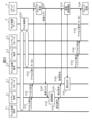
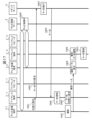
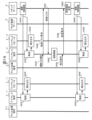
- the media server 4 when the media server 4 receives an access request from the wireless speaker 2-1, it manages the wireless speaker 2-1 as a group by linking it to the key ID specified in the access request (S124). The media server 4 also confirms that music has not yet been distributed to the wireless speaker 2 linked to this key ID, and transmits a music list to the wireless speaker 2-1 (S125).
- the media server 4 When the media server 4 receives a distribution request from the wireless speaker 2-2, it changes the song linked to the key ID to which the wireless speaker 2-2 is linked to the song specified in the distribution request (S149), and simultaneously distributes the song specified in the distribution request to the wireless speaker 2-1 and wireless speaker 2-2 linked to this key ID (S150). In response, the wireless speaker 2-1 and wireless speaker 2-2 play back and output the audio data of the song simultaneously distributed by the media server 4 in a group (S151, S152).
- the wireless speaker 2-1 plays and outputs the test audio data of frequency A received from the media server 4 (S168), and the wireless speaker 2-2 plays and outputs the test audio data of frequency B received from the media server 4 (S169).
- the test audio data of frequency B played and output from the wireless speaker 2-2 is then picked up by the microphone of the video conference terminal 5-2 and output from the video conference terminal 5-1 through the video conference (S170), and the test audio data of frequency A played and output from the wireless speaker 2-1 is then picked up by the microphone of the video conference terminal 5-1 and output from the video conference terminal 5-2 through the video conference (S171).
- the wireless terminal 3-1 uses a microphone to collect the test audio data of frequency A output from the wireless speaker 2-1 and measures the reception timing, and also collects the test audio data of frequency B output from the wireless speaker 2-2 via the video conference terminal 5-1 and measures the reception timing (S172).
- the wireless terminal 3-1 determines the latest reception timing of the test audio data of frequency A output from the wireless speaker 2-1 and the test audio data of frequency B output from the wireless speaker 2-2 via the conference terminal 5-1 as the reference timing, and calculates the difference between the test audio data of frequency A output from the wireless speaker 2-1 and the reference timing.
- the calculated difference is then set as the delay time in the wireless speaker 2-1 (S173).
- the wireless speaker 2-1 plays and outputs the audio data of the song received from the media server 4 with a delay of the delay time set by the wireless terminal 3-1.
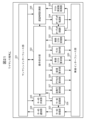
- the functional configuration of the wireless speaker 2 shown in FIG. 6 may be realized in hardware using an integrated logic IC such as an ASIC (Application Specific Integrated Circuit) or an FPGA (Field Programmable Gate Array), or in software using a computer such as a DSP (Digital Signal Processor).
- a computer such as a DSP (Digital Signal Processor).
- it may be realized as a process in a general-purpose computer such as a PC (Personal Computer) that includes a CPU (Central Processing Unit), memory, an auxiliary storage device such as a flash memory or a hard disk drive, and a wireless communication device such as a wireless LAN adapter, by the CPU loading a specific program from the auxiliary storage device into the memory and executing it.
- a PC Personal Computer
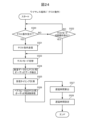
- FIG. 7 is a flow diagram for explaining the key ID sharing operation of the wireless speaker 2.
- the key ID acquisition unit 202 When the key ID acquisition unit 202 receives an ID issuance instruction from the paired terminal 3 via the wireless interface unit 200 (YES in S200), it transmits a key ID issuance request to the media server 4 via the wireless interface unit 200 (S201) and receives the key ID from the media server 4 (S202). The key ID received is then stored in the key ID storage unit 201 (S203) and notified to the key ID transmission unit 203. In response, the key ID transmission unit 203 transmits the key ID notified from the key ID acquisition unit 202 to the paired terminal 3 via the wireless interface unit 200 (S204).
- FIG. 8 is a flow diagram for explaining the group playback operation of wireless speaker 2.
- This flow begins when the access processing unit 204 receives an access instruction from the paired terminal 3 via the wireless network interface unit 200.
- the access processing unit 204 sends an access request accompanied by the key ID stored in the key ID storage unit 201 to the media server 4 via the wireless network interface unit 200 (S210).
- the song list acquisition unit 209 receives a song list instruction from the paired terminal 3 via the wireless network interface unit 200 (YES in S216), it sends a song list request to the media server 4 via the wireless network interface unit 200 (S217).
- test mode processing unit 208 When the test mode processing unit 208 receives a test instruction from the paired terminal 3 via the wireless interface unit 200 (YES in S230), it transmits the test instruction to the media server 4 via the wireless interface unit 200 (S231). Then, it clears the delay time set in the playback output unit 206 (S232). Then, it proceeds to S233.
- the access instruction unit 308 sends an access instruction to the paired speaker 2 via the wireless interface unit 300 in accordance with the instructions of the operation reception unit 302.
- the playback instruction unit 309 follows the instructions of the operation reception unit 302 and sends a playback instruction including a song specification to the paired speaker 2 via the wireless interface unit 300.
- the test instruction unit 311 sends a test instruction to the paired speaker 2 via the wireless interface unit 300 in accordance with the instruction of the operation reception unit 302.
- the test mode switching instruction unit 312 sends a test mode switching instruction to the paired speaker 2 via the wireless interface unit 300 in accordance with the instruction of the operation reception unit 302.
- the test frequency receiving unit 314 receives the frequency of the test audio data to be played back and output from the paired speaker 2 via the wireless interface unit 300, and passes it to the delay time measuring unit 315.
- the delay time measurement unit 315 extracts, from the collected sound data from the microphone of the man-machine interface unit 301, the test audio data played and output from the paired speaker 2 (the test audio data at the frequency notified by the test frequency receiving unit 314) and the test audio data of different frequencies output from the video conference terminals 5 belonging to the same network 9 as the wireless terminal 3, and measures the reception timing of each. Then, the latest reception timing of the test audio data played and output from the paired speaker 2 and the test audio data output from the video conference terminals 5 belonging to the same network 9 as the wireless terminal 3 is set as the reference timing, and the difference between the reception timing of the test audio data output from the paired speaker 2 and the reference timing is measured as the delay time.
- the functional configuration of the wireless terminal 3 shown in FIG. 10 may be implemented in hardware using an integrated logic IC such as an ASIC or FPGA, as with the functional configuration of the wireless speaker 2 shown in FIG. 6, or in software using a computer such as a DSP. Alternatively, it may be implemented as a process in a portable computer such as a smartphone or tablet PC that includes a CPU, memory, an auxiliary storage device such as a flash memory, and a wireless communication device such as a wireless LAN adapter, by the CPU loading a specific program from the auxiliary storage device into the memory and executing it.
- a portable computer such as a smartphone or tablet PC that includes a CPU, memory, an auxiliary storage device such as a flash memory, and a wireless communication device such as a wireless LAN adapter, by the CPU loading a specific program from the auxiliary storage device into the memory and executing it.
- FIG. 11 is a flow diagram for explaining the key ID sharing operation of wireless terminal 3.
- the operation reception unit 302 When the operation reception unit 302 receives an ID issuance operation from the user via the man-machine interface unit 301 (YES in S300), it instructs the ID issuance instruction unit 307 to issue an ID. In response, the ID issuance instruction unit 307 transmits an ID issuance instruction to the paired speaker 2 via the wireless interface unit 300 (S301).
- the key ID receiving unit 303 receives the key ID from the paired speaker 2 via the wireless interface unit 300 (S302), and passes this key ID to the key ID notification unit 304.
- the key ID notification unit 304 visualizes the key ID received from the key ID receiving unit 303 as a character string, a two-dimensional code, or the like, and displays it on the man-machine interface unit 301 (S303).
- the operation reception unit 302 receives an operation to photograph the key ID from the user via the man-machine interface unit 301 (YES in S304), it instructs the key ID sharing unit 305 to read the key ID.
- the key ID sharing unit 305 uses the camera of the man-machine interface unit 301 to photograph the visualized key ID displayed on the screen of the other wireless terminal 3 displayed on the video conference terminal 5 belonging to the same network 9 as the wireless terminal 3, reads the key ID from this photographed image (S305), and notifies the key ID transmission unit 306.
- the key ID transmission unit 306 then transmits the key ID received from the key ID sharing unit 305 to the paired speaker 2 via the wireless interface unit 300 (S306).
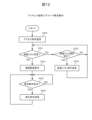
- FIG. 12 is a flow diagram for explaining the group playback operation of wireless terminal 3.
- This flow starts when the operation reception unit 302 receives an access operation from the user via the man-machine interface unit 301.
- the operation reception unit 302 notifies the access instruction unit 308 of an access instruction.
- the access instruction unit 308 transmits the access instruction to the paired speaker 2 via the wireless interface unit 300 (S310).
- the song list receiving unit 313 receives the song list from the paired speaker 2 via the wireless interface unit 300 (YES in S311), it passes the received song list to the operation receiving unit 302.
- the operation receiving unit 302 displays a song selection screen on the man-machine interface unit 301 for selecting a desired song from the song list and instructing playback, and waits for the user to perform a playback operation (S315).
- the operation reception unit 302 receives a song list operation from the user via the man-machine interface unit 301 (YES in S313), it notifies the song list instruction unit 310 of the song list instruction.
- the song list instruction unit 310 transmits the song list instruction to the paired speaker 2 via the wireless interface unit 300 (S314). It then waits for the song list to be sent from the paired speaker 2 (S311).
- the operation reception unit 302 when the operation reception unit 302 receives a playback operation from the user via the music selection screen displayed on the man-machine interface unit 300 (YES in S315), it notifies the playback instruction unit 309 of the music specified by this playback operation. In response, the playback instruction unit 309 transmits a playback instruction including the specification of the music notified by the operation reception unit 302 to the paired speaker 2 via the wireless interface unit 300 (S316).
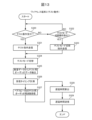
- FIG. 13 is a flow diagram explaining the test operation for eliminating audio delay during group playback on wireless terminal 3.
- the operation reception unit 302 receives a test mode switching operation from the user via the man-machine interface unit 301 (YES in S322), it notifies the test mode switching instruction unit 312 of a test mode switching instruction. In response to this, the test mode switching instruction unit 312 transmits a test mode switching instruction to the paired speaker 2 via the wireless interface unit 300 (S323). Then, the operation reception unit 302 switches its own wireless terminal 3 to the test mode (S324).
- the delay time measurement unit 315 turns on the microphone of the man-machine interface unit 301 and extracts test audio data of different frequencies from the collected sound data (S325). Specifically, the delay time measurement unit 315 extracts test audio data played and output from the paired speakers 2 and test audio data output from the video conference terminal 5 belonging to the same network 9 as the wireless terminal 3 (test audio data played and output from each of the wireless speakers 2 of the other wireless speaker systems 1 that form a group with the wireless speaker system 1 including the wireless terminal 3) from the collected sound data of the microphone. Then, the reception timing of each of the extracted test audio data is measured (S326).
- the test frequency receiving unit 314 receives the frequency of the test audio data reproduced and output by the paired speaker 2 from the paired speaker 2 via the wireless interface unit 300 (S327). It then notifies the delay time measuring unit 315 of the received frequency. In response, the delay time measuring unit 315 sets the latest reception timing of each piece of test audio data as the reference timing, and calculates the delay time as the difference between the reception timing of the test audio data reproduced and output by the paired speaker 2, which is specified by the frequency notified by the test frequency receiving unit 314, and the reference timing (S328).
- the delay time measurement unit 315 passes the calculated delay time to the delay time transmission unit 316.
- the delay time transmission unit 316 transmits the delay time received from the delay time measurement unit 315 to the paired speaker 2 via the wireless interface unit 300 (S329).
- the music data storage unit 401 stores the audio data of music.
- the group data storage unit 402 stores information about the wireless speaker systems 1 that form each simultaneous distribution group.
- FIG. 15 is a schematic diagram showing an example of the registered contents of the group data storage unit 402.
- the access request receiving unit 404 receives an access request including a key ID from the wireless speaker 2.
- the song list creation unit 406 creates a list of songs that can be distributed to the wireless speaker 2 based on the audio data of the songs stored in the song data storage unit 401.
- the test audio distribution unit 408 simultaneously distributes test audio data with different frequencies to each of the wireless speakers 2 that are associated with the same key ID and stored in the group data storage unit 402. Note that the frequency of the test audio data is added to the test audio data as attribute information.
- the group management unit 409 manages groups of wireless speaker systems 1 linked to the same key ID based on the group data storage unit 402. It also updates the group data storage unit 402 in accordance with an access request received by the access request receiving unit 404. It also assists in simultaneous distribution of data by the music distribution unit 405 and simultaneous distribution of test audio at different frequencies by the test audio distribution unit 408.
- FIG. 16 is a flow diagram for explaining the operation of the media server 4.
- the access request receiving unit 404 When the access request receiving unit 404 receives an access request from a wireless speaker 2 via the wireless interface unit 400 (YES in S320), it notifies the group management unit 409 of the key ID specified in this access request along with the wireless speaker 2 that made the access request. In response, the group management unit 409 uses the group data storage unit 402 to link the wireless speaker 2 that made the access request to this key ID and manages the group (S321). Specifically, if a table 4020 of group data linked to this key ID is registered in the group data storage unit 402, the speaker ID of this wireless speaker 2 is added to record 4021 of this table 4020.
- this table 4020 of group data linked to this key ID is not registered in the group data storage unit 402
- this table 4020 is newly registered in the group data storage unit 402 (in this case, record 4022 for registering the name of the song being simultaneously distributed is left blank), and the speaker ID of this wireless speaker 2 is added to record 4021 of this table 4020.
- the group management unit 409 refers to the group data storage unit 402 and determines whether the name of the song being simultaneously distributed is registered in the record 4022 of the table 4020 in which the speaker ID of the wireless speaker 2 that made the access request is registered (S322). If the name is registered (YES in S322), the song distribution unit 405 is notified of the speaker ID of the wireless speaker 2 that made the access request together with the key ID linked to this table 4020. In response, the song distribution unit 405 links the notified key ID and speaker ID to each other, and simultaneously distributes the song being simultaneously distributed to each wireless speaker 2 belonging to the group specified by the key ID to the wireless speaker 2 that made the access request via the wireless interface unit 400 (S323).
- the group management unit 409 notifies the song list creation unit 406 of the speaker ID of the wireless speaker 2 that made the access request.
- the song list creation unit 406 creates a song list of the audio data of the songs stored in the song data storage unit 401 (S325), and notifies the song list distribution unit 407 of the created song list together with the speaker ID of the wireless speaker 2 that made the access request.
- the song list distribution unit 407 then distributes the notified song list via the wireless interface unit 400 to the wireless speaker 2 that made the access request, which is identified by the notified speaker ID (S326).
- the song list delivery unit 407 receives a song list request from the wireless speaker 2 via the wireless interface unit 400 (YES in S324), it instructs the song list creation unit 406 to create a song list.
- the song list creation unit 406 creates a song list of the audio data of the songs stored in the song data storage unit 401 (S325) and notifies the song list delivery unit 407 of the created song list.
- the song list delivery unit 407 then delivers the notified song list via the wireless interface unit 400 to the wireless speaker 2 that requested the song list (S326).
- the music distribution unit 405 receives a distribution request from the wireless speaker 2 via the wireless interface unit 400 (YES in S327), it notifies the group management unit 409 of the song name specified in this distribution request together with the speaker ID of the wireless speaker 2 that made the distribution request.
- the group management unit 409 determines whether or not a song is being simultaneously distributed to the group to which the wireless speaker 2 specified by the notified speaker ID belongs (S328). Specifically, the group management unit 409 searches the table 4020 of group data in which the notified speaker ID is registered in record 4021, and if the song name is registered in record 4022 of this table 4020, it determines that simultaneous distribution is occurring, and if it is not registered, it determines that simultaneous distribution is not occurring.
- test audio distribution unit 408 receives a test instruction from the wireless speaker 2 via the wireless network interface unit 400 (YES in S331), it notifies the group management unit 409 of the speaker ID of the wireless speaker 2 that issued the test instruction. In response, the group management unit 409 determines whether or not music is being simultaneously distributed to the group to which the wireless speaker 2 specified by the notified speaker ID belongs in a manner similar to S328 (S332).
- users of the wireless speaker systems 1'-1 and 1'-2 can simultaneously listen to the same music while holding a video conference using the video conference terminals 5-1 and 5-2.
- the song list receiving unit 332 receives the song list from the media server 4' via the wireless interface unit 320 (YES in S511), it passes the received song list to the operation receiving unit 322.
- the operation receiving unit 322 displays a song selection screen on the man-machine interface unit 321 to allow the user to select a desired song from the song list and instruct playback (S512), and waits for the user to perform a playback operation (S513).
- the operation reception unit 322 receives a song list operation from the user via the man-machine interface unit 321 (YES in S517), it instructs the song list request unit 330 to request a song list.
- the song list request unit 330 transmits a song list request to the media server 4' via the wireless interface unit 320 (S518).
- FIG. 24 is a flow diagram for explaining the test operation for eliminating audio delay during group playback of wireless terminal 3'.
- the delay time measurement unit 336 sets the calculated delay time in the audio transfer unit 334 (S528).
Landscapes
- Engineering & Computer Science (AREA)
- Multimedia (AREA)
- Computer Networks & Wireless Communication (AREA)
- Signal Processing (AREA)
- Business, Economics & Management (AREA)
- General Business, Economics & Management (AREA)
- Health & Medical Sciences (AREA)
- Audiology, Speech & Language Pathology (AREA)
- General Health & Medical Sciences (AREA)
- Physics & Mathematics (AREA)
- Acoustics & Sound (AREA)
- Mobile Radio Communication Systems (AREA)
- Reverberation, Karaoke And Other Acoustics (AREA)
Abstract
Description
ワイヤレススピーカおよび当該ワイヤレススピーカのリモートコントローラとして機能するワイヤレス端末を有する複数のワイヤレススピーカシステムと、前記ワイヤレススピーカシステムにオーディオデータを配信するメディアサーバと、を備えて構成されたオーディオシステムであって、
前記ワイヤレススピーカシステムは、
当該ワイヤレススピーカシステムとグループを形成する他の前記ワイヤレススピーカシステムと共有されたキーIDを記憶するキーID記憶手段と、
前記キーIDを用いて前記メディアサーバにアクセスして、当該メディアサーバに接続するアクセス手段と、
前記アクセス手段により接続された前記メディアサーバから楽曲のオーディオデータを受信する楽曲受信手段と、
前記アクセス手段により接続された前記メディアサーバから楽曲リストを受信する楽曲リスト受信手段と、
前記楽曲受信手段により受信された楽曲のオーディオデータを再生出力する再生出力手段と、
前記楽曲リスト受信手段により受信された楽曲リストを含む選曲画面を表示して、ユーザから選曲を伴う再生操作を受け付ける再生操作受付手段と、
前記再生操作受付手段により受け付けた再生操作で選曲された楽曲の指定を伴う配信要求を前記メディアサーバに送信する配信要求手段と、を有し、
前記メディアサーバは、
同じキーIDを用いてアクセスしてきた前記複数のワイヤレススピーカシステムをグループ管理するグループ管理手段と、
前記グループ管理手段によりグループ管理された前記複数のワイヤレススピーカシステムに同じ楽曲のオーディオデータを同時配信する楽曲配信手段と、
前記グループ管理手段によりグループ管理された前記複数のワイヤレススピーカシステムに楽曲リストを配信する楽曲リスト配信手段と、を有し、
前記楽曲配信手段は、
前記グループ管理手段によりグループ管理された前記複数のワイヤレススピーカシステムのうちのいずれかから前記配信要求を受信した場合に、当該複数のワイヤレススピーカシステムに同時配信する楽曲のオーディオデータを、当該配信要求により指定されている楽曲のオーディオデータに変更する。
まず、本発明の第1実施の形態について説明する。
つぎに、本発明の第2実施の形態について説明する。
2、2―1~2-n、2´、2´―1、2´―2:ワイヤレススピーカ
3、3-1~3-n、3´、3´―1、3´―2:ワイヤレス端末
4、4´:メディアサーバ 5―1~5-n:テレビ会議端末
6:テレビ会議サーバ 7―1~7-n:アクセスポイント
8:インターネット 9-1~9-n:ネットワーク
200、300、320、400:無線インターフェース部
201、326:キーID記憶部
202:キーID取得部 203、306:キーID送信部
204:アクセス処理部 205、333:オーディオ受信部
206:再生出力部 207:スピーカ部
208:テストモード処理部 209:楽曲リスト取得部
210:楽曲リスト転送部 211:配信要求部
301、321:マンマシンインターフェース部
302、322:操作受付部
303、323:キーID受信部
304、324;キーID通知部
305、325:キーID共有部
307:ID発行指示部 308:アクセス指示部
309:再生指示部 310:楽曲リスト指示部
311、331:テスト指示部 312:テストモード切替指示部
313、332:楽曲リスト受信部 314:テスト周波数受信部
315、336:遅延時間計測部 316:遅延時間送信部
327:ID発行要求部 328:アクセス要求部
329:配信要求部 330:楽曲リスト要求部
334:オーディオ転送部 335:テスト周波数取得部
401:楽曲データ記憶部 402:グループデータ記憶部
403:キーID発行部 404:アクセス要求受信部
405:楽曲配信部 406:楽曲リスト作成部
407:楽曲リスト配信部 408:テスト用オーディオ配信部
409:グループ管理部
Claims (17)
- ワイヤレススピーカおよび当該ワイヤレススピーカのリモートコントローラとして機能するワイヤレス端末を有する複数のワイヤレススピーカシステムと、前記ワイヤレススピーカシステムにオーディオデータを配信するメディアサーバと、を備えて構成されたオーディオシステムであって、
前記ワイヤレススピーカシステムは、
当該ワイヤレススピーカシステムとグループを形成する他の前記ワイヤレススピーカシステムと共有されたキーIDを記憶するキーID記憶手段と、
前記キーIDを用いて前記メディアサーバにアクセスして、当該メディアサーバに接続するアクセス手段と、
前記アクセス手段により接続された前記メディアサーバから楽曲のオーディオデータを受信する楽曲受信手段と、
前記アクセス手段により接続された前記メディアサーバから楽曲リストを受信する楽曲リスト受信手段と、
前記楽曲受信手段により受信された楽曲のオーディオデータを再生出力する再生出力手段と、
前記楽曲リスト受信手段により受信された楽曲リストを含む選曲画面を表示して、ユーザから選曲を伴う再生操作を受け付ける再生操作受付手段と、
前記再生操作受付手段により受け付けた再生操作で選曲された楽曲の指定を伴う配信要求を前記メディアサーバに送信する配信要求手段と、を有し、
前記メディアサーバは、
同じキーIDを用いてアクセスしてきた前記複数のワイヤレススピーカシステムをグループ管理するグループ管理手段と、
前記グループ管理手段によりグループ管理された前記複数のワイヤレススピーカシステムに同じ楽曲のオーディオデータを同時配信する楽曲配信手段と、
前記グループ管理手段によりグループ管理された前記複数のワイヤレススピーカシステムに楽曲リストを配信する楽曲リスト配信手段と、を有し、
前記楽曲配信手段は、
前記グループ管理手段によりグループ管理された前記複数のワイヤレススピーカシステムのうちのいずれかから前記配信要求を受信した場合に、当該複数のワイヤレススピーカシステムに同時配信する楽曲のオーディオデータを、当該配信要求により指定されている楽曲のオーディオデータに変更する
ことを特徴とするオーディオシステム。 - 請求項1に記載のオーディオシステムであって、
前記ワイヤレススピーカは、
前記キーID記憶手段と、
前記アクセス手段と、
前記楽曲受信手段と、
前記楽曲リスト受信手段と、
前記再生出力手段と、
前記配信要求手段と、
前記楽曲リスト受信手段により受信された楽曲リストを当該ワイレススピーカと前記ワイヤレススピーカシステムを形成する前記ワイヤレス端末に転送する楽曲リスト転送手段と、を有し、
前記ワイヤレス端末は、
前記再生操作受付手段と、
前記再生操作受付手段により受け付けた再生操作の操作内容を当該ワイヤレス端末と前記ワイヤレススピーカシステムを形成する前記ワイヤレススピーカに通知する再生操作通知手段と、を有する
ことを特徴とするオーディオシステム。 - 請求項2に記載のオーディオシステムであって、
前記メディアサーバは、
前記ワイヤレススピーカから受信したキーID発行要求に従いキーIDを発行して、当該ワイヤレススピーカに送信するキーID発行手段をさらに有し、
前記ワイヤレススピーカは、
当該ワイヤレススピーカと前記ワイヤレススピーカシステムを形成する前記ワイヤレス端末の指示に従い前記メディアサーバに前記キーID発行要求を送信して、当該メディアサーバからキーIDを受信するキーID取得手段と、
前記キーID取得手段により取得されたキーIDを当該ワイヤレススピーカと前記ワイヤレススピーカシステムを形成する前記ワイヤレス端末に送信する第1キーID送信手段と、を有し、
前記ワイヤレス端末は、
当該ワイヤレス端末を含む前記ワイヤレススピーカシステムとグループを形成する他の前記ワイヤレススピーカシステムの前記ワイヤレス端末に、当該ワイヤレス端末と前記ワイヤレススピーカシステムを形成する前記ワイヤレススピーカから受信したキーIDを通知するキーID通知手段と、
当該ワイヤレス端末を含む前記ワイヤレススピーカシステムとグループを形成する他の前記ワイヤレススピーカシステムの前記ワイヤレス端末により通知されたキーIDを共有するキーID共有手段と、
前記キーID共有手段により共有されたキーIDを当該ワイヤレス端末と前記ワイヤレススピーカシステムを形成する前記ワイヤレススピーカに送信する第2キーID送信手段と、をさらに有する
ことを特徴とするオーディオシステム。 - 請求項3に記載のオーディオシステムであって、
前記キーID通知手段は、
前記キーID取得手段により取得されたキーIDを可視化して画面に表示し、
前記キーID共有手段は、
当該ワイヤレス端末を含む前記ワイヤレススピーカシステムとグループを形成する他の前記ワイヤレススピーカシステムの前記ワイヤレス端末の画面に表示された可視化されたキーIDを読み取って当該キーIDを共有する
ことを特徴とするオーディオシステム。 - 請求項2ないし4のいずれか一項に記載のオーディオシステムであて、
前記メディアサーバは、
前記グループ管理手段によりグループ管理された前記複数のワイヤレススピーカシステムのいずれかの前記ワイヤレス端末からのテスト指示に従い、当該複数のワイヤレススピーカシステムに、それぞれ周波数の異なるテスト用オーディオデータを同時配信するテスト用オーディオ配信手段をさらに有し、
前記ワイヤレス端末は、
ユーザのテスト操作に従い前記メディアサーバに前記テスト指示を送信して、自ワイヤレス端末の動作モードをテストモードに移行するテスト指示送信手段と、
ユーザのテストモード切替操作に従い自ワイヤレス端末の動作モードをテストモードに切り替えるテストモード切替手段と、
テストモード時に、自ワイヤレス端末と前記ワイヤレススピーカシステムを形成する前記ワイヤレススピーカから出力されるテスト用オーディオデータの受信タイミングを計測するとともに、テレビ会議端末を介して、自ワイヤレス端末を含む前記ワイヤレススピーカシステムとグループを形成する他の前記ワイヤレススピーカシステム各々の前記ワイヤレススピーカから出力されるテスト用オーディオデータ各々の受信タイミングを計測する受信タイミング計測手段と、
前記受信タイミング計測手段により計測された自ワイヤレス端末と前記ワイヤレススピーカシステムを形成する前記ワイヤレススピーカから出力されるテスト用オーディオデータの受信タイミング、および、自ワイヤレス端末を含む前記ワイヤレススピーカシステムとグループを形成する他の前記ワイヤレススピーカシステム各々の前記ワイヤレススピーカから出力されるテスト用オーディオデータ各々の受信タイミングのうち、最も遅い受信タイミングを基準タイミングとし、自ワイヤレス端末と前記ワイヤレススピーカシステムを形成する前記ワイヤレススピーカから出力されるテスト用オーディオデータの受信タイミングの前記基準タイミングに対する差分を遅延時間として計測する遅延時間計測手段と、
前記遅延時間計測手段により計測された遅延時間を、自ワイヤレス端末と前記ワイヤレススピーカシステムを形成する前記ワイヤレススピーカに通知する遅延時間通知手段と、をさらに有し、
前記再生出力手段は、
前記楽曲受信手段により受信された楽曲のオーディオデータを、自ワイヤレススピーカと前記ワイヤレススピーカシステムを形成する前記ワイヤレス端末から通知された遅延時間だけ遅延させて再生出力する
ことを特徴とするオーディオシステム。 - 請求項1に記載のオーディオシステムであって、
前記ワイヤレス端末は、
前記キーID記憶手段と、
前記アクセス手段と、
前記楽曲受信手段と、
前記楽曲リスト受信手段と、
前記再生操作受付手段と、
前記配信要求手段と、
前記楽曲受信手段により前記メディアサーバから受信した楽曲のオーディオデータを当該ワイヤレス端末と前記ワイヤレススピーカシステムを形成する前記ワイヤレススピーカに転送する楽曲転送手段と、を有し、
前記ワイヤレススピーカは、
前記再生出力手段を有し、
前記再生出力手段は、
自ワイレススピーカと前記ワイヤレススピーカシステムを形成する前記ワイヤレス端末から転送された楽曲のオーディオデータを再生出力する
ことを特徴とするオーディオシステム。 - 請求項6に記載のオーディオシステムであって、
前記ワイヤレス端末は、
ユーザの指示に従い前記メディアサーバにキーID発行要求を送信して、当該メディアサーバからキーIDを受信するキーID取得手段と、
当該ワイヤレス端末を含む前記ワイヤレススピーカシステムとグループを形成する他の前記ワイヤレススピーカシステムの前記ワイヤレス端末に、前記キーID取得手段により取得されたキーIDを通知するキーID通知手段と、
当該ワイヤレス端末を含む前記ワイヤレススピーカシステムとグループを形成する他のワイヤレススピーカシステムの前記ワイヤレス端末により通知されたキーIDを共有するキーID共有手段と、をさらに有する
ことを特徴とするオーディオシステム。 - 請求項7に記載のオーディオシステムであって、
前記キーID通知手段は、
前記キーID取得手段により取得されたキーIDを可視化して画面に表示し、
前記キーID共有手段は、
当該ワイヤレス端末を含む前記ワイヤレススピーカシステムとグループを形成する他の前記ワイヤレススピーカシステムの前記ワイヤレス端末の画面に表示された可視化されたキーIDを読み取って当該キーIDを共有する
ことを特徴とするオーディオシステム。 - 請求項6ないし8のいずれか一項に記載のオーディオシステムであて、
前記メディアサーバは、
前記グループ管理手段によりグループ管理された前記複数のワイヤレススピーカシステムのいずれかの前記ワイヤレス端末からのテスト指示に従い、当該のワイヤレススピーカシステムに、それぞれ周波数の異なるテスト用オーディオデータを同時配信するテスト用オーディオ配信手段をさらに有し、
前記ワイヤレス端末は、
ユーザのテスト操作に従い前記メディアサーバに前記テスト指示を送信して、自ワイヤレス端末の動作モードをテストモードに移行するテスト指示送信手段と、
ユーザのテストモード切替操作に従い自ワイヤレス端末の動作モードをテストモードに切り替えるテストモード切替手段と、
テストモード時に、自ワイヤレス端末と前記ワイヤレススピーカシステムを形成する前記ワイヤレススピーカから出力されるテスト用オーディオデータの受信タイミングを計測するとともに、テレビ会議端末を介して、自ワイヤレス端末を含む前記ワイヤレススピーカシステムとグループを形成する他の前記ワイヤレススピーカシステム各々の前記ワイヤレススピーカから出力されるテスト用オーディオデータ各々の受信タイミングを計測する受信タイミング計測手段と、
前記受信タイミング計測手段により計測された自ワイヤレス端末と前記ワイヤレススピーカシステムを形成する前記ワイヤレススピーカから出力されるテスト用オーディオデータの受信タイミング、および、自ワイヤレス端末を含む前記ワイヤレススピーカシステムとグループを形成する他の前記ワイヤレススピーカシステム各々の前記ワイヤレススピーカから出力されるテスト用オーディオデータ各々の受信タイミングのうち、最も遅い受信タイミングを基準タイミングとし、自ワイヤレス端末と前記ワイヤレススピーカシステムを形成する前記ワイヤレススピーカから出力されるテスト用オーディオデータの受信タイミングの前記基準タイミングに対する差分を遅延時間として計測する遅延時間計測手段と、をさらに有し、
前記楽曲転送手段は、
前記楽曲受信手段により前記メディアサーバから受信した楽曲のオーディオデータを、前記遅延時間計測手段により計測された遅延時間だけ遅延させてから自ワイヤレス端末と前記ワイヤレススピーカシステムを形成する前記ワイヤレススピーカに転送する ことを特徴とするオーディオシステム。 - ワイヤレススピーカと、当該ワイヤレススピーカのリモートコントローラとして機能するワイヤレス端末と、を備えて構成されたワイヤレススピーカシステムであって、 当該ワイヤレススピーカシステムとグループを形成する他の前記ワイヤレススピーカシステムと共有されたキーIDを記憶するキーID記憶手段と、
同じキーIDを用いてアクセスする複数の前記ワイヤレススピーカシステムに同じ楽曲のオーディオデータを同時配信するともに、前記ワイヤレス「スピーカに楽曲リストを配信するメディアサーバに対して、前記キーID記憶手段に記憶されたキーIDを用いて接続するアクセス手段と、
前記アクセス手段により接続された前記メディアサーバから楽曲のオーディオデータを受信する楽曲受信手段と、
前記アクセス手段により接続された前記メディアサーバから楽曲リストを受信する楽曲リスト受信手段と、
前記楽曲受信手段により受信された楽曲のオーディオデータを再生出力する再生出力手段と、
前記楽曲リスト受信手段により受信された楽曲リストを含む選曲画面を表示して、ユーザから選曲を伴う再生操作を受け付ける再生操作受付手段と、
前記再生操作受付手段により受け付けた再生操作で選曲された楽曲の指定を伴う配信要求を前記メディアサーバに送信する配信要求手段と、を有する
ことを特徴とするワイヤレススピーカシステム。 - 請求項10に記載のワイヤレススピーカシステムであって、
前記ワイヤレススピーカは、
前記キーID記憶手段と、
前記アクセス手段と、
前記楽曲受信手段と、
前記楽曲リスト受信手段と、
前記再生出力手段と、
前記配信要求手段と、
前記楽曲リスト受信手段により受信された楽曲リストを当該ワイレススピーカと前記ワイヤレススピーカシステムを形成する前記ワイヤレス端末に転送する楽曲リスト転送手段と、を有し、
前記ワイヤレス端末は、
前記再生操作受付手段と、
前記再生操作受付手段により受け付けた再生操作の操作内容を当該ワイヤレス端末と前記ワイヤレススピーカシステムを形成する前記ワイヤレススピーカに通知する再生操作通知手段と、を有する
ことを特徴とするワイヤレススピーカシステム。 - 請求項11に記載のワイヤレススピーカシステムであって、
前記ワイヤレス端末は、
前記キーID記憶手段と、
前記アクセス手段と、
前記楽曲受信手段と、
前記楽曲リスト受信手段と、
前記再生操作受付手段と、
前記配信要求手段と、
前記楽曲受信手段により前記メディアサーバから受信した楽曲のオーディオデータを当該ワイヤレス端末と前記ワイヤレススピーカシステムを形成する前記ワイヤレススピーカに転送する楽曲転送手段と、を有し、
前記ワイヤレススピーカは、
前記再生出力手段を有し、
前記再生出力手段は、
自ワイレススピーカと前記ワイヤレススピーカシステムを形成する前記ワイヤレス端末から転送された楽曲のオーディオデータを再生出力する
ことを特徴とするワイヤレススピーカシステム。 - リモートコントローラとして機能するワイヤレス端末とともにワイヤレススピーカシステムを構成するワイヤレススピーカであって、
当該ワイヤレススピーカシステムとグループを形成する他の前記ワイヤレススピーカシステムと共有されたキーIDを記憶するキーID記憶手段と、
同じキーIDを用いてアクセスする複数の前記ワイヤレススピーカシステムに同じ楽曲のオーディオデータを同時配信するともに、前記ワイヤレススピーカに楽曲リストを配信するメディアサーバに対して、前記キーID記憶手段に記憶されたキーIDを用いて接続するアクセス手段と、
前記アクセス手段により接続された前記メディアサーバから楽曲のオーディオデータを受信する楽曲受信手段と、
前記アクセス手段により接続された前記メディアサーバから楽曲リストを受信する楽曲リスト受信手段と、
前記楽曲受信手段により受信された楽曲のオーディオデータを再生出力する再生出力手段と、
前記楽曲リスト受信手段により受信された楽曲リストを含む選曲画面を表示して、ユーザから選曲を伴う再生操作を受け付ける再生操作受付手段と、
前記楽曲リスト受信手段により受信された楽曲リストを前記ワイヤレス端末に転送する楽曲リスト転送手段と、
前記ワイヤレス端末より受け付けた再生操作の操作内容に従い選曲された楽曲の指定を伴う配信要求を前記メディアサーバに送信する配信要求手段と、を有する
ことを特徴とするワイヤレススピーカ。 - ワイヤレススピーカのリモートコントローラとして、当該ワイヤレススピーカとともにワイヤレススピーカシステムを構成するワイヤレス端末であって、
当該ワイヤレススピーカシステムとグループを形成する他の前記ワイヤレススピーカシステムと共有されたキーIDを記憶するキーID記憶手段と、
同じキーIDを用いてアクセスする複数の前記ワイヤレススピーカシステムに同じ楽曲のオーディオデータを同時配信するともに、前記ワイヤレススピーカに楽曲リストを配信するメディアサーバに対して、前記キーID記憶手段に記憶されたキーIDを用いて接続するアクセス手段と、
前記アクセス手段により接続された前記メディアサーバから楽曲のオーディオデータを受信する楽曲受信手段と、
前記楽曲受信手段により前記メディアサーバから受信した楽曲のオーディオデータを前記ワイヤレススピーカに転送する楽曲転送手段と、
前記アクセス手段により接続された前記メディアサーバから楽曲リストを受信する楽曲リスト受信手段と、
前記楽曲リスト受信手段により受信された楽曲リストを含む選曲画面を表示して、ユーザから選曲を伴う再生操作を受け付ける再生操作受付手段と、
前記再生操作受付手段により受け付けた再生操作で選曲された楽曲の指定を伴う配信要求を前記メディアサーバに送信する配信要求手段と、を有する
ことを特徴とするワイヤレス端末。 - リモートコントローラとして機能するワイヤレス端末とともにワイヤレススピーカシステムを構成するワイヤレススピーカとしてコンピュータを機能させるプログラムであって、
当該ワイヤレススピーカシステムとグループを形成する他の前記ワイヤレススピーカシステムと共有されたキーIDを記憶するキーID記憶手段、
同じキーIDを用いてアクセスする複数の前記ワイヤレススピーカシステムに同じ楽曲のオーディオデータを同時配信するともに、前記ワイヤレススピーカに楽曲リストを配信するメディアサーバに対して、前記キーID記憶手段に記憶されたキーIDを用いて接続するアクセス手段、
前記アクセス手段により接続された前記メディアサーバから楽曲のオーディオデータを受信する楽曲受信手段、
前記アクセス手段により接続された前記メディアサーバから楽曲リストを受信する楽曲リスト受信手段、
前記楽曲受信手段により受信された楽曲のオーディオデータを再生出力する再生出力手段、
前記楽曲リスト受信手段により受信された楽曲リストを含む選曲画面を表示して、ユーザから選曲を伴う再生操作を受け付ける再生操作受付手段と、
前記楽曲リスト受信手段により受信された楽曲リストを前記ワイヤレス端末に転送する楽曲リスト転送手段、および
前記ワイヤレス端末より受け付けた再生操作の操作内容に従い選曲された楽曲の指定を伴う配信要求を前記メディアサーバに送信する配信要求手段として、前記コンピュータを機能させる
ことを特徴とするプログラム。 - ワイヤレススピーカとともにワイヤレススピーカシステムを構成するリモートコントローラとしてコンピュータを機能させるプログラムであって、
当該ワイヤレススピーカシステムとグループを形成する他の前記ワイヤレススピーカシステムと共有されたキーIDを記憶するキーID記憶手段、
同じキーIDを用いてアクセスする複数の前記ワイヤレススピーカシステムに同じ楽曲のオーディオデータを同時配信するともに、前記ワイヤレススピーカに楽曲リストを配信するメディアサーバに対して、前記キーID記憶手段に記憶されたキーIDを用いて接続するアクセス手段、
前記アクセス手段により接続された前記メディアサーバから楽曲のオーディオデータを受信する楽曲受信手段、
前記楽曲受信手段により前記メディアサーバから受信した楽曲のオーディオデータを前記ワイヤレススピーカに転送する楽曲転送手段、
前記アクセス手段により接続された前記メディアサーバから楽曲リストを受信する楽曲リスト受信手段、
前記楽曲リスト受信手段により受信された楽曲リストを含む選曲画面を表示して、ユーザから選曲を伴う再生操作を受け付ける再生操作受付手段、および
前記再生操作受付手段により受け付けた再生操作で選曲された楽曲の指定を伴う配信要求を前記メディアサーバに送信する配信要求手段として、前記コンピュータを機能させる
ことを特徴とするプログラム。 - ワイヤレススピーカおよび当該ワイヤレススピーカのリモートコントローラとして機能するワイヤレス端末を有する複数のワイヤレススピーカシステムと、前記ワイヤレススピーカシステムにオーディオデータを配信するメディアサーバと、を用いたオーディオ再生方法であって、
前記ワイヤレススピーカシステムは、
当該ワイヤレススピーカシステムとグループを形成する他の前記ワイヤレススピーカシステムと共有されたキーIDを記憶しており、
前記キーIDを用いて前記メディアサーバにアクセスして、当該メディアサーバに接続して、当該メディアサーバから楽曲のオーディオデータを受信して再生出力するとともに、当該メディアサーバから楽曲リストを受信し、当該楽曲リストを含む選曲画面を表示して、ユーザから選曲を伴う再生操作を受け付け、当該再生操作で選曲された楽曲の指定を伴う配信要求を当該メディアサーバに送信し、
前記メディアサーバは、
同じキーIDを用いてアクセスしてきた前記複数のワイヤレススピーカシステムをグループ管理し、
グループ管理された前記複数のワイヤレススピーカシステムに、同じ楽曲のオーディオデータを同時配信するとともに、楽曲リストを配信し、
グループ管理された前記複数のワイヤレススピーカシステムのうちのいずれかから前記配信要求を受信したならば、前記複数のワイヤレススピーカシステムに同時配信する楽曲のオーディオデータを、当該配信要求により指定されている楽曲のオーディオデータに変更する
ことを特徴とするオーディオ再生方法。
Priority Applications (1)
| Application Number | Priority Date | Filing Date | Title |
|---|---|---|---|
| EP23911257.6A EP4645301A1 (en) | 2022-12-26 | 2023-08-29 | Audio system, wireless speaker system, wireless speaker, wireless terminal, program, and audio playback method |
Applications Claiming Priority (2)
| Application Number | Priority Date | Filing Date | Title |
|---|---|---|---|
| JP2022208778A JP2024092673A (ja) | 2022-12-26 | 2022-12-26 | オーディオシステム、ワイヤレススピーカシステム、ワイヤレススピーカ、ワイヤレス端末、プログラム、およびオーディオ再生方法 |
| JP2022-208778 | 2022-12-26 |
Publications (1)
| Publication Number | Publication Date |
|---|---|
| WO2024142473A1 true WO2024142473A1 (ja) | 2024-07-04 |
Family
ID=91717118
Family Applications (1)
| Application Number | Title | Priority Date | Filing Date |
|---|---|---|---|
| PCT/JP2023/031104 Ceased WO2024142473A1 (ja) | 2022-12-26 | 2023-08-29 | オーディオシステム、ワイヤレススピーカシステム、ワイヤレススピーカ、ワイヤレス端末、プログラム、およびオーディオ再生方法 |
Country Status (3)
| Country | Link |
|---|---|
| EP (1) | EP4645301A1 (ja) |
| JP (1) | JP2024092673A (ja) |
| WO (1) | WO2024142473A1 (ja) |
Citations (3)
| Publication number | Priority date | Publication date | Assignee | Title |
|---|---|---|---|---|
| JP2010056970A (ja) * | 2008-08-28 | 2010-03-11 | Yamaha Corp | オーディオシステムおよびスピーカ装置 |
| JP2016178422A (ja) * | 2015-03-19 | 2016-10-06 | シャープ株式会社 | 音声無線伝送システム、スピーカ機器、及びソース機器 |
| JP2017060140A (ja) * | 2015-09-18 | 2017-03-23 | 株式会社ディーアンドエムホールディングス | コンピュータで読み取り可能なプログラム、オーディオコントローラ、およびワイヤレスオーディオシステム |
Family Cites Families (2)
| Publication number | Priority date | Publication date | Assignee | Title |
|---|---|---|---|---|
| EP1878229A4 (en) | 2005-04-28 | 2011-07-27 | Apple Inc | VIDEO PROCESSING IN MULTIPLE PARTICIPANT VIDEO CONFERENCE |
| WO2008046141A1 (en) | 2006-10-17 | 2008-04-24 | Avega Systems Pty Ltd | Unification of multimedia devices |
-
2022
- 2022-12-26 JP JP2022208778A patent/JP2024092673A/ja active Pending
-
2023
- 2023-08-29 WO PCT/JP2023/031104 patent/WO2024142473A1/ja not_active Ceased
- 2023-08-29 EP EP23911257.6A patent/EP4645301A1/en active Pending
Patent Citations (3)
| Publication number | Priority date | Publication date | Assignee | Title |
|---|---|---|---|---|
| JP2010056970A (ja) * | 2008-08-28 | 2010-03-11 | Yamaha Corp | オーディオシステムおよびスピーカ装置 |
| JP2016178422A (ja) * | 2015-03-19 | 2016-10-06 | シャープ株式会社 | 音声無線伝送システム、スピーカ機器、及びソース機器 |
| JP2017060140A (ja) * | 2015-09-18 | 2017-03-23 | 株式会社ディーアンドエムホールディングス | コンピュータで読み取り可能なプログラム、オーディオコントローラ、およびワイヤレスオーディオシステム |
Non-Patent Citations (1)
| Title |
|---|
| See also references of EP4645301A1 * |
Also Published As
| Publication number | Publication date |
|---|---|
| EP4645301A1 (en) | 2025-11-05 |
| JP2024092673A (ja) | 2024-07-08 |
Similar Documents
| Publication | Publication Date | Title |
|---|---|---|
| CN105893459B (zh) | 媒体内容回放系统和方法 | |
| US9276883B2 (en) | Information collection, storage, and sharing platform | |
| CN101006691B (zh) | 网络参与状态评估 | |
| CN105893457B (zh) | 媒体内容回放系统和方法 | |
| CN102713951B (zh) | 跨越多个社交网络站点自动同步新联络人 | |
| US10270616B2 (en) | Wireless communication system, communication apparatus, setting information providing method, setting information obtaining method, and computer program | |
| CN105025043B (zh) | 信息分享方法、装置及系统 | |
| US9674271B2 (en) | Platform for sharing collected information with third-party applications | |
| US20140040259A1 (en) | Information processing apparatus and information processing method | |
| CN113766477A (zh) | 设备连接方法、装置、电子设备及计算机可读介质 | |
| CN102325144A (zh) | 一种媒体设备间互联互通的方法、系统及多媒体设备 | |
| CN102077191A (zh) | 媒体内容和订阅内容的无线同步 | |
| CN105893458B (zh) | 媒体内容回放系统和方法 | |
| JP2011511346A (ja) | ソーシャルネットワーキングサービス(sns)を自動的に作成するための方法、携帯電子機器、システム及びコンピュータプログラム | |
| CN112185394A (zh) | 一种设备组的播放方法、装置和播放系统 | |
| CN102668510A (zh) | 对等联网环境中有效的服务广告与发现 | |
| CN106303679A (zh) | 媒体播放控制方法及媒体播放客户端 | |
| EP3934264A1 (en) | Systems and methods for creating a shared playback session | |
| CN101827078A (zh) | 一种配置数据差异的查询方法、服务器和通信系统 | |
| US7707150B2 (en) | Automatic exchange of information in an ad-hoc computing environment | |
| CN112269842A (zh) | 一种信息处理方法、装置、存储介质及计算机设备 | |
| WO2016155363A1 (zh) | 多媒体文件播放器的播放列表的维护方法及装置 | |
| CN105812185A (zh) | 一种播放设备的通信连接方法 | |
| JP2024092673A (ja) | オーディオシステム、ワイヤレススピーカシステム、ワイヤレススピーカ、ワイヤレス端末、プログラム、およびオーディオ再生方法 | |
| JP2003223251A (ja) | 情報収集システム及び情報収集方法 |
Legal Events
| Date | Code | Title | Description |
|---|---|---|---|
| 121 | Ep: the epo has been informed by wipo that ep was designated in this application |
Ref document number: 23911257 Country of ref document: EP Kind code of ref document: A1 |
|
| WWE | Wipo information: entry into national phase |
Ref document number: 2023911257 Country of ref document: EP |
|
| NENP | Non-entry into the national phase |
Ref country code: DE |
|
| ENP | Entry into the national phase |
Ref document number: 2023911257 Country of ref document: EP Effective date: 20250728 |
|
| ENP | Entry into the national phase |
Ref document number: 2023911257 Country of ref document: EP Effective date: 20250728 |
|
| WWP | Wipo information: published in national office |
Ref document number: 2023911257 Country of ref document: EP |