WO2024201954A1 - 通信端末、方法、及びプログラム - Google Patents
通信端末、方法、及びプログラム Download PDFInfo
- Publication number
- WO2024201954A1 WO2024201954A1 PCT/JP2023/013393 JP2023013393W WO2024201954A1 WO 2024201954 A1 WO2024201954 A1 WO 2024201954A1 JP 2023013393 W JP2023013393 W JP 2023013393W WO 2024201954 A1 WO2024201954 A1 WO 2024201954A1
- Authority
- WO
- WIPO (PCT)
- Prior art keywords
- user
- remote conference
- communication terminal
- terminal
- speaker
- Prior art date
- Legal status (The legal status is an assumption and is not a legal conclusion. Google has not performed a legal analysis and makes no representation as to the accuracy of the status listed.)
- Ceased
Links
Images

Classifications
-
- H—ELECTRICITY
- H04—ELECTRIC COMMUNICATION TECHNIQUE
- H04L—TRANSMISSION OF DIGITAL INFORMATION, e.g. TELEGRAPHIC COMMUNICATION
- H04L12/00—Data switching networks
- H04L12/02—Details
- H04L12/16—Arrangements for providing special services to substations
- H04L12/18—Arrangements for providing special services to substations for broadcast or conference, e.g. multicast
- H04L12/1813—Arrangements for providing special services to substations for broadcast or conference, e.g. multicast for computer conferences, e.g. chat rooms
- H04L12/1822—Conducting the conference, e.g. admission, detection, selection or grouping of participants, correlating users to one or more conference sessions, prioritising transmission
-
- G—PHYSICS
- G06—COMPUTING OR CALCULATING; COUNTING
- G06F—ELECTRIC DIGITAL DATA PROCESSING
- G06F3/00—Input arrangements for transferring data to be processed into a form capable of being handled by the computer; Output arrangements for transferring data from processing unit to output unit, e.g. interface arrangements
- G06F3/16—Sound input; Sound output
-
- G—PHYSICS
- G10—MUSICAL INSTRUMENTS; ACOUSTICS
- G10L—SPEECH ANALYSIS TECHNIQUES OR SPEECH SYNTHESIS; SPEECH RECOGNITION; SPEECH OR VOICE PROCESSING TECHNIQUES; SPEECH OR AUDIO CODING OR DECODING
- G10L17/00—Speaker identification or verification techniques
-
- H—ELECTRICITY
- H04—ELECTRIC COMMUNICATION TECHNIQUE
- H04L—TRANSMISSION OF DIGITAL INFORMATION, e.g. TELEGRAPHIC COMMUNICATION
- H04L12/00—Data switching networks
- H04L12/02—Details
- H04L12/16—Arrangements for providing special services to substations
- H04L12/18—Arrangements for providing special services to substations for broadcast or conference, e.g. multicast
- H04L12/1813—Arrangements for providing special services to substations for broadcast or conference, e.g. multicast for computer conferences, e.g. chat rooms
- H04L12/1827—Network arrangements for conference optimisation or adaptation
-
- H—ELECTRICITY
- H04—ELECTRIC COMMUNICATION TECHNIQUE
- H04L—TRANSMISSION OF DIGITAL INFORMATION, e.g. TELEGRAPHIC COMMUNICATION
- H04L65/00—Network arrangements, protocols or services for supporting real-time applications in data packet communication
- H04L65/1066—Session management
- H04L65/1083—In-session procedures
- H04L65/1089—In-session procedures by adding media; by removing media
-
- H—ELECTRICITY
- H04—ELECTRIC COMMUNICATION TECHNIQUE
- H04L—TRANSMISSION OF DIGITAL INFORMATION, e.g. TELEGRAPHIC COMMUNICATION
- H04L65/00—Network arrangements, protocols or services for supporting real-time applications in data packet communication
- H04L65/40—Support for services or applications
- H04L65/403—Arrangements for multi-party communication, e.g. for conferences
-
- H—ELECTRICITY
- H04—ELECTRIC COMMUNICATION TECHNIQUE
- H04M—TELEPHONIC COMMUNICATION
- H04M3/00—Automatic or semi-automatic exchanges
- H04M3/42—Systems providing special services or facilities to subscribers
- H04M3/56—Arrangements for connecting several subscribers to a common circuit, i.e. affording conference facilities
-
- H—ELECTRICITY
- H04—ELECTRIC COMMUNICATION TECHNIQUE
- H04N—PICTORIAL COMMUNICATION, e.g. TELEVISION
- H04N7/00—Television systems
- H04N7/14—Systems for two-way working
- H04N7/15—Conference systems
Definitions
- the present invention relates to a communication terminal, a method, and a program.
- Patent document 1 describes a technology in which a mobile terminal is brought into a vehicle equipped with vehicle equipment, and when the vehicle starts moving, the mobile terminal starts communicating with the vehicle equipment that detects events such as collisions, and performs notification processing regarding the events via a communication network.
- Patent Document 1 JP 2019-33427 A
- the present application aims to improve operability when multiple users participate in a remote conference via a communication terminal installed in a mobile object. This will ultimately further improve traffic safety and contribute to the development of a sustainable transportation system.
- a communication terminal is provided.
- the communication terminal is mounted on a mobile body and conducts a remote conference.
- the communication terminal includes a reception unit that accepts multiple users in the mobile body as participants in the remote conference.
- the communication terminal includes a speaker identification unit that identifies a speaker from among the multiple users accepted by the reception unit as participants in the remote conference.
- the communication terminal includes a control unit that performs control to highlight a user identified as a speaker by the speaker identification unit on a remote conference system.
- the speaker identification unit may identify a speaker from among the multiple users based on at least one of (i) image information within the moving body acquired by an imaging device mounted on the moving body, and (ii) audio information acquired by a microphone installed on the moving body.
- Any of the above communication terminals may include a seating information acquisition unit that acquires the seating positions of the multiple users within the moving body.
- the speaker identification unit may identify a speaker from among the multiple users based on the sound source direction detected from audio information acquired by multiple microphones mounted on the moving body, the installation positions of the multiple microphones within the moving body, and the seating positions of the multiple users acquired by the seating information acquisition unit.
- Any of the above communication terminals may include a seating information acquisition unit that acquires the seating positions of the multiple users in the vehicle.
- the speaker identification unit may identify a speaker from among the multiple users based on voice information acquired by each of microphones mounted corresponding to each of the multiple seats of the vehicle and the seating positions of the multiple users acquired by the seating information acquisition unit.
- the seating information acquisition unit may acquire the seating positions of the multiple users by acquiring information specifying the seat position of the mobile object from each of the multiple users.
- the seating information acquisition unit may acquire the seating positions of the multiple users based on the positions of the user terminals identified from wireless signals received from the user terminals carried by the multiple users.
- the moving object may be a vehicle.
- a method is provided.
- the method is executed by a communication terminal mounted on a mobile body for conducting a remote conference.
- the method includes a step of accepting a plurality of users in the mobile body as participants in the remote conference.
- the method includes a step of identifying a speaker from among the plurality of users accepted as participants in the remote conference.
- the method includes a step of performing control to highlight the user identified as the speaker from among the plurality of users on a remote conference system.
- a program is provided.
- the program causes a computer to function as any one of the above communication terminals.
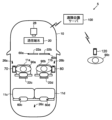
- FIG. 1 conceptually illustrates a configuration of a remote conference system 5 according to an embodiment.
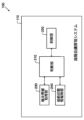
- 1 shows an example of a functional configuration of a remote conference management system 110 included in the remote conference server 100.
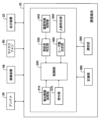
- the functional configuration of the communication terminal 20 provided in the mobile object 10 is shown together with the display device 22, the microphone 60, and the imaging device 28.
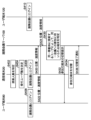
- An example of a sequence executed by the user terminal 80, the communication terminal 20, the remote conference server 100, and the user terminal 120 is shown.
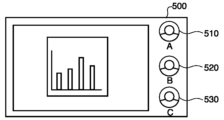
- An example of a screen 500 displayed on the display device 22 or the user terminal 120 is shown in schematic form.
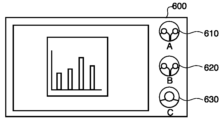
- An example of a screen 600 displayed on the display device 22 or the user terminal 120 is shown in schematic form.
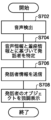
- 10 is a flowchart showing a processing procedure related to a process in which the communication terminal 20 identifies a speaker.
- An example of a screen 800 displayed on the display device 22 or the user terminal 120 is shown in schematic form.
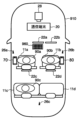
- the configuration of a moving body 910 as a modified example of the moving body 10 is shown.
- FIG. 1 conceptually illustrates the configuration of a remote conference system 5 in one embodiment.
- the remote conference system 5 includes a mobile object 10, a remote conference server 100, and a user terminal 120.
- the mobile object 10 is a vehicle.
- the mobile body 10 includes a communication terminal 20, a display device 22a, a display device 22b, a display device 22c, and a display device 22d, a seat 11a, a seat 11b, a seat 11c, and a seat 11d, an imaging device 28, a microphone 60a, a microphone 60b, a microphone 60c, and a microphone 60d, and an antenna 26a, an antenna 26b, and an antenna 26c.
- Display device 22a, display device 22b, display device 22c, and display device 22d are provided at positions corresponding to seats 11a, 11b, 11c, and 11d, respectively.
- display device 22a, display device 22b, display device 22c, and display device 22d may be collectively referred to as "display device 22."
- Display device 22 displays images for remote conferences.
- Display device 22 further has a function of acquiring instructions from user 90 by touch operations, etc.
- Microphones 60a, 60b, 60c, and 60d are provided at positions corresponding to seats 11a, 11b, 11c, and 11d, respectively.
- microphones 60a and 60b corresponding to seats 11a and 11b, which are the front seats are provided near display devices 22a and 22b, respectively.
- Microphones 60c and 60d corresponding to seats 11c and 11d, which are the rear seats, are provided near the headrests of seats 11c and 11d, respectively.
- Microphones 60a, 60b, 60c, and 60d may be collectively referred to as "microphones 60.”
- the remote conference server 100 can communicate with the communication terminal 20 and the user terminal 120.
- the remote conference server 100 manages the participants who participate in the remote conference.
- the communication terminal 20 and the user terminal 120 can communicate with each other.
- the communication terminal 20 cooperates with the remote conference server 100 to provide functions that allow passengers in the mobile object 10 to participate in a remote conference.
- the display device 22 and the microphone 60 are connected to the communication terminal 20.
- the communication terminal 20 displays conference images received under the management of the remote conference server 100 on the display device 22.
- the communication terminal 20 is connected to the microphone 60.
- the communication terminal 20 transmits the voice acquired from the microphone 60 as voice data to the user terminal 120, which is a terminal used by the participants of the conference.
- User 90a and user 90b are passengers of mobile body 10.
- User 90a is a user of user terminal 70.
- User 90b is a user of user terminal 80.
- User terminal 70 and user terminal 80 are, for example, smartphones.
- User terminal 70 and user terminal 80 may be portable terminals other than smartphones.
- User terminal 70 and user terminal 80 may be computing devices with communication capabilities.
- User terminal 70 and user terminal 80 may be terminals such as mobile phones, PDAs, tablet computers, notebook computers, laptop computers, and wearable computers.
- the antennas 26a, 26b, and 26c are fixedly installed at different positions in the mobile body 10.
- the antennas 26a, 26b, and 26c may be collectively referred to as "antenna 26".
- the communication terminal 20 performs wireless communication with a user terminal 70 or a user terminal 80 carried by a user 90 in the mobile body 10 via the antenna 26.
- the communication terminal 20 performs wireless communication using UWB (Ultra-Wide Band) with the user terminal 70 carried by the user 90a via the antenna 26.
- UWB Ultra-Wide Band
- the communication terminal 20 calculates the position of the user terminal 70 based on a signal received in wireless communication using UWB with the user terminal 70, and determines in which of the seats 11a, 11b, 11c, and 11d the user 90a is seated based on the detected position of the user terminal 70.
- User 90c exists outside the mobile unit 10.
- User 90c is a user of a user terminal 120.
- the user terminal 120 may be, for example, a smartphone.
- the user terminal 120 may be a computing device with a communication function.
- the user terminal 120 may be a mobile terminal such as a mobile phone, a PDA, a tablet computer, a notebook computer, a laptop computer, a wearable computer, or a desktop computer.
- users 90a, 90b, and 90c are participating in the same remote conference managed by the remote conference server 100. It is assumed that user 90a is participating in the remote conference using a communication terminal 20, user 90b is participating in the remote conference using a user terminal 80, and user 90c is participating in the remote conference using a user terminal 120.
- the communication terminal 20, the user terminal 80, and the user terminal 120 transmit current location information and moving speed information to the remote conference server 100 at predetermined time intervals.
- the communication terminal 20, the user terminal 80, and the user terminal 120 each transmit current location information calculated based on signals received from GNSS satellites to the remote conference server 100 at predetermined time intervals.
- the user terminal 80 and the user terminal 120 further transmit current moving speed information calculated from changes in the current location information over time to the remote conference server 100 at predetermined time intervals.
- the communication terminal 20 transmits current location information calculated from changes in the current location information over time, or moving speed information based on the vehicle speed information of the mobile object 10, to the remote conference server 100 at predetermined time intervals.
- the remote conference server 100 determines, based on the current location information and moving speed information received from the communication terminal 20, the user terminal 80, and the user terminal 120, that the communication terminal 20 and the user terminal 80 are within a predetermined range and are being used to participate in the same remote conference while moving. In this case, the remote conference server 100 prompts the user 90a and/or the user 90b through the communication terminal 20 and/or the user terminal 80 so that both users 90 in the mobile body 10 participate in the conference through one of the communication terminal 20 and the user terminal 80. For example, the remote conference server 100 prompts the user 90a and/or the user 90b through the communication terminal 20 and/or the user terminal 80 so that the user 90b of the user terminal 80 participates in the conference through the communication terminal 20. In this way, the communication terminal 20 can prompt the user 90a and the user 90b to participate in the remote conference through one communication line.
- the communication terminal 20 detects the number of people aboard the mobile body 10 based on an image of the inside of the mobile body 10 captured by the imaging device 28 or information from a seat sensor provided in each of the seats 11.
- the communication terminal 20 accepts user 90b as a participant in the remote conference through the communication terminal 20, on the condition that the number of participants in the remote conference through the communication terminal 20 does not exceed the number detected in the mobile body 10. This makes it possible to prevent a number of users that exceeds the number of people aboard the mobile body 10 from participating in the remote conference.
- by having a large number of participants participate in the remote conference through the communication terminal 20 it is possible to prevent the communication volume of the communication terminal 20 from exceeding a predetermined set communication volume for the remote conference.
- the communication terminal 20 acquires information identifying the user 90 seated in the corresponding seat 11 from the user 90 through the display device 22 and stores it as seating information.
- the communication terminal 20 identifies the seat 11 in which the user 90 is seated based on a signal received from the user terminal through wireless communication using UWB, and receives information identifying the user 90 seated in the seat 11 from the user terminal and stores it as seating information.
- the communication terminal 20 acquires the voice uttered by the user 90 through the microphone 60.
- the communication terminal 20 identifies the user 90 who is currently speaking from among the users 90 accepted as participants in the remote conference based on the voice acquired through the microphone 60 and the seating information.
- the communication terminal 20 displays on the display device 22 and the user terminal 120 that the identified speaker is speaking. This makes it possible to inform each participant of the remote conference who is speaking, even when a single communication terminal 20 accepts multiple users 90 as participants in the remote conference.
- FIG. 2 shows an example of the functional configuration of the remote conference management system 110 provided in the remote conference server 100.
- the remote conference server 100 is responsible for processing the login of the user 90 to the remote conference, and processing for the user terminal 80, communication terminal 20, and user terminal 120 used by the user to participate in the remote conference to communicate with each other.
- the remote conference management system 110 may be realized by one or more computers.
- the remote conference management system 110 includes a determination unit 210, a control unit 220, a terminal information acquisition unit 230, and a connection status information acquisition unit 240.
- the determination unit 210 determines whether a first terminal used by a first user to participate in a remote conference and a second terminal used by a second user to participate in a remote conference are within a predetermined range.
- the first terminal is, for example, a communication terminal 20
- the second terminal is, for example, a user terminal 80.
- the control unit 220 performs control via one of the first terminal and the second terminal to allow the user of the other terminal to participate in the remote conference.
- the control unit 220 may select, as a higher priority, the terminal having the better communication conditions between the first terminal and the second terminal as the terminal for allowing the user of the other terminal to participate in the remote conference.
- the control unit 220 may select the first terminal as the terminal for allowing the user of the second terminal to participate in the remote conference.
- the terminal information acquisition unit 230 acquires first information indicating the positions of the first terminal and the second terminal.
- the determination unit 210 determines whether the first terminal and the second terminal are present within a predetermined range based on the first information.
- the terminal information acquisition unit 230 may further acquire second information indicating at least one of the movement direction and acceleration of the first terminal and the second terminal.
- the determination unit 210 may determine whether the first terminal and the second terminal are present within a predetermined range based on the first information and the second information.
- the connection status information acquisition unit 240 may acquire third information indicating the connection status of wireless communication between the first terminal and the second terminal.
- the determination unit 210 may determine whether the first terminal and the second terminal are present within a predetermined range based on the third information.
- control unit 220 may prompt at least one of the first user and the second user to allow the user of the other terminal to participate in the remote conference through one of the first terminal and the second terminal.
- FIG. 3 shows the functional configuration of the communication terminal 20 provided in the mobile object 10, together with the display device 22, the microphone 60, and the imaging device 28.
- the communication terminal 20 includes a participant information acquisition unit 310, a control unit 320, a speaker identification unit 330, a seating information acquisition unit 340, a number of people identification unit 350, a number of users determination unit 360, a reception unit 370, a storage unit 380, and a communication unit 390.
- the storage unit 380 includes a non-volatile storage medium.
- the non-volatile storage medium may be a semiconductor memory such as a flash memory.
- the storage unit 380 stores information necessary for the communication terminal 20 to execute processing.
- the storage unit 380 may store a program to be executed by a processor provided in the communication terminal 20.
- the communication unit 390 is responsible for communication with the outside of the mobile body 10. Specifically, the communication unit 390 is responsible for communication between the remote conference server 100 and the user terminal 120. The communication unit 390 can also be responsible for communication with the user terminal 80.
- the imaging device 28 is provided in a position where it can capture an image of an occupant sitting in the seat 11.
- the imaging device 28 may include one or more imaging devices.
- the communication terminal 20 is mounted on the mobile body 10 and performs processing for conducting a remote conference.
- the number of people specification unit 350 specifies the number of people on board the mobile body 10.
- the number of users determination unit 360 determines the number of users that the communication terminal 20 can accept as participants in a remote conference, depending on the number of people specified by the number of people specification unit 350.
- the number of users determination unit 360 may determine the number of users that the communication terminal 20 can accept as participants in a remote conference, depending further on the communication status of the communication terminal 20.
- the participant information acquisition unit 310 acquires information that one or more users participating in the remote conference using a mobile terminal are present within the mobile body 10.
- the control unit 320 may perform control to allow at least a portion of the one or more users to participate in the remote conference via the communication terminal 20, with the number of users determined by the user number determination unit 360 as the upper limit.
- the communication unit 390 continuously transmits the current location information of the communication terminal 20 to the remote conference management system that manages the remote conference.
- the communication unit 390 further continuously transmits at least one of the movement speed information and acceleration information of the communication terminal 20 to the remote conference management system that manages the remote conference.
- the number of people determining unit 350 determines the number of people aboard the moving body 10 based on information detected by a seating sensor provided on the seat of the moving body 10.
- the number of people determining unit 350 may determine the number of people aboard the moving body 10 by analyzing image information of the inside of the moving body 10 acquired by an imaging device provided on the moving body 10.
- the reception unit 370 receives multiple users in the mobile unit 10 as participants in the remote conference.
- the speaker identification unit 330 identifies a speaker from among the multiple users received by the reception unit 370 as participants in the remote conference.
- the control unit 320 performs control to highlight the user identified as the speaker by the speaker identification unit 330 on the remote conference system.
- the speaker identification unit 330 identifies a speaker from among multiple users based on at least one of (i) image information from within the moving body 10 acquired by an imaging device 28 mounted on the moving body 10, and (ii) audio information acquired by a microphone 60 installed on the moving body 10.
- the seating information acquisition unit 340 acquires the seating positions of multiple users within the mobile body 10.
- the speaker identification unit 330 identifies the speaker from among the multiple users based on the sound source direction detected from the voice information acquired by the multiple microphones 60 mounted on the mobile body 10, the installation positions of the multiple microphones 60 within the mobile body 10, and the seating positions of the multiple users acquired by the seating information acquisition unit 340.
- the speaker identification unit 330 identifies a speaker from among multiple users based on the voice information acquired by each of the microphones 60 mounted corresponding to each of the multiple seats of the mobile body 10 and the seating positions of the multiple users acquired by the seating information acquisition unit 340.
- the seating information acquisition unit 340 acquires the seating positions of the multiple users by acquiring information specifying the seat position of the mobile body 10 from each of the multiple users.
- the seating information acquisition unit 340 may acquire the seating positions of the multiple users based on the positions of the user terminals identified from wireless signals received from the user terminals carried by each of the multiple users. For example, the seating information acquisition unit 340 may calculate the position of the user terminal 70 based on a UWB communication signal received through the antenna 26 between the user terminal 70 and the user terminal 70, and acquire the position of user 90a based on the calculated position of the user terminal 70.
- FIG. 4 shows an example of a processing sequence executed by the user terminal 80, the communication terminal 20, the remote conference server 100, and the user terminal 120. At the start of this sequence, it is assumed that there is no user 90 participating in the remote conference using the communication terminal 20.
- the number of passengers determining unit 350 of the communication terminal 20 determines the number of passengers aboard the moving body 10.
- the number of passengers determining unit 350 of the communication terminal 20 determines the number of passengers aboard the moving body 10 based on the image of the interior of the moving body 10 captured by the imaging device 28 and information from the seat sensors provided in each of the seats 11.
- the number-of-users determination unit 360 determines the number of users that can be accepted by the reception unit 370, according to the number of users identified by the number-of-users identification unit 350. For example, the number-of-users determination unit 360 determines the number of users identified by the number-of-users identification unit 350 as the upper limit of the number of users that can be accepted by the reception unit 370.
- the number-of-users determination unit 360 may determine the number of users that the reception unit 370 can accept, depending on the communication status of the communication unit 390 acquired by the connection status information acquisition unit 240.
- the number-of-users determination unit 360 may determine a smaller number of users that the reception unit 370 can accept, the worse the communication status of the communication unit 390 acquired by the connection status information acquisition unit 240 is.
- the reception unit 370 accepts the user 90a as a participant in the remote conference and performs a login process, such as sending the authentication information entered at the time of login to the remote conference server 100.
- the seating information acquisition unit 340 acquires the seating position of the user 90 in the mobile object 10. For example, as part of the login process, the seating information acquisition unit 340 causes the display device 22a to display a screen for specifying the seating position of the user 90a, and acquires information indicating the seating position input by the user 90a through the display device 22a.
- the seating position may be information identifying the seat 11 in which the user 90a is seated.
- the seating information acquisition unit 340 holds information that associates the user identification information that identifies the user 90a with the seat identification information that identifies the seat 11 in which the user 90a is seated as seating information.
- the seating information acquisition unit 340 identifies the seat 11 in which the user 90 is seated based on a signal received by wireless communication using UWB. For example, the seating information acquisition unit 340 calculates the distance between the antenna 26a and the user terminal 70, the distance between the antenna 26b and the user terminal 70, and the distance between the antenna 26c and the user terminal 70 based on the TOA (Time of Arrival), and calculates the position of the user terminal 70 by triangulation based on each calculated distance.
- TOA Time of Arrival
- the seating information acquisition unit 340 may calculate the signal arrival angle from the user terminal 70 to each antenna 26 based on the difference in the time when each antenna 26 received a signal transmitted from the user terminal 70, and calculate the position of the user terminal 70 based on the calculated signal arrival angle and the position of each antenna 26.
- the seating information acquisition unit 340 identifies the seat 11 in which the user 90a who owns the user terminal 70 is seated based on the calculated position of the user terminal 70 and the position of the seat 11.
- the seating information acquisition unit 340 may retain, as seating information, information associating the user identification information of the user 90a, which is previously associated with the user terminal 70, with the seat identification information identifying the seat 11 on which the user 90a is seated.
- the seating information acquisition unit 340 may receive the user identification information identifying the user 90a from the user terminal 70, and retain, as seating information, information associating the received user identification information with the seat identification information identifying the seat 11 on which the user 90a is seated.
- the login process may be performed using the user terminal 70, and the seating information acquisition unit 340 may receive, from the user terminal 70, the user identification information input to the user terminal 70 as part of the login process.
- the communication terminal 20 when the communication terminal 20 completes logging in to the remote conference, the communication terminal 20 starts a process of periodically transmitting position information and speed information to the remote conference server 100.
- the communication unit 390 transmits to the remote conference server 100, at predetermined time intervals, the current position information calculated based on the signal received from the GNSS satellite, and the current position information calculated from the time change of the current position information or the moving speed information based on the vehicle speed information of the moving body 10.
- the user terminal 80 and the user terminal 120 start a process of periodically transmitting position information and speed information to the remote conference server 100 (S422 and S424).
- the user terminal 80 and the user terminal 120 may transmit to the remote conference server 100 the current moving speed information calculated from the time change of the current position information.
- the terminal information acquisition unit 230 of the remote conference server 100 receives the position information and speed information from the user terminal 80, the communication terminal 20, and the user terminal 120.
- the user terminal 80, the communication terminal 20, and the user terminal 120 may start a process of periodically transmitting their respective acceleration information to the remote conference server 100 in addition to or instead of the moving speed.
- the determination unit 210 of the remote conference server 100 identifies the terminals used by the users 90 on the same mobile body 10 to participate in the same remote conference.
- the terminal information acquisition unit 230 identifies the terminals used by the users 90 on the same mobile body 10 to participate in the same remote conference based on the position information and speed information received from each of the user terminal 80, the communication terminal 20, and the user terminal 120, and the identification information of the terminals used by users who have already logged in.
- the determination unit 210 determines that the user terminal 80 and the communication terminal 20 are used to participate in the same remote conference by the users 90 on the same mobile body 10.
- the connection status information acquisition unit 240 may acquire information indicating the connection status with other terminals via wireless communication from the user terminal 80, the communication terminal 20, and the user terminal 120, and may identify the terminals used by the user 90 on the same mobile body 10 to participate in the same remote conference based on the acquired information.
- the communication unit 390 of the communication terminal 20 and the user terminal 80 transmit to the remote conference server 100 information indicating the identification information and connection status of one or more terminals connected by WiFi (registered trademark).
- the connection status of WiFi may include information indicating the received signal strength from other terminals.
- the connection status information acquisition unit 240 acquires information transmitted from the communication terminal 20 and the user terminal 80, and the judgment unit 210 identifies the terminals used by the user 90 on the same mobile body 10 to participate in the same remote conference based on the acquired information.
- the determination unit 210 may identify a terminal that is connected via WiFi (registered trademark) and has a received signal strength higher than a predetermined value as a terminal that is being used by a user 90 on the same mobile object 10 to participate in the same remote conference.
- the control unit 220 of the remote conference server 100 performs processing to send a switching recommendation to the communication terminal 20 and the user terminal 80, which recommends switching the terminal from which the user is participating in the remote conference.
- the control unit 220 sends information to the communication terminal 20 and the user terminal 80 indicating that user 90a and user 90b are participating in the same remote conference, and that it is recommended that user 90b participate in the remote conference through the communication terminal 20.
- the participant information acquisition unit 310 of the communication terminal 20 acquires information indicating that one or more users 90 who are participating in the remote conference using the user terminal 80 are present within the mobile object 10.
- control unit 220 may acquire the communication status of each of the user terminals 80 and 120, and select the terminal with the better communication status from among the user terminals 80 and 120 as the terminal from which the user 90 may participate in the remote conference. This allows multiple users 90 to participate in the remote conference through the communication line of the terminal with the more stable communication status.
- control unit 320 of the communication terminal 20 performs processing to switch the terminal from which the user is to participate in the remote conference, and in S436, the communication terminal 20 transmits a switching completion notification of the terminal from which the user is to participate to the remote conference to the remote conference server 100.
- the control unit 320 causes the display device 22 to display a screen for accepting an operation from the user 90b to agree to participate in the remote conference through the communication terminal 20.
- the communication terminal 20 detects that the user 90b has performed an agreement operation on the display device 22b, in S436, the communication terminal 20 transmits a switching completion notification to the remote conference server 100, indicating that the user 90b will participate in the remote conference from the communication terminal 20.
- control unit 320 performs processing to switch terminals that are participating in the remote conference in S434.
- control unit 320 may perform processing to switch terminals that are participating in the remote conference only if the number of users does not exceed the number determined by the number-of-users determination unit 360.
- FIG. 5 is a schematic diagram showing an example of a screen 500 displayed on the display device 22 or the user terminal 120.
- the screen 500 shows a case in which a user 90a is participating in a remote conference from a communication terminal 20, a user 90b is participating in a remote conference from a user terminal 80, and a user 90c is participating in a remote conference from a user terminal 120.
- Screen 500 includes objects 510, 520, and 530.
- Object 510 includes a facial image of user 90a captured by, for example, imaging device 28.
- Object 520 includes a facial image of user 90b captured by user terminal 80.
- Object 530 includes a facial image of user 90c captured by user terminal 120.
- FIG. 6 shows a schematic example of a screen 600 displayed on the display device 22 or the user terminal 120.
- the screen 600 shows a case where a user 90a and a user 90b are participating in a remote conference from a communication terminal 20, and a user 90c is participating in the remote conference from a user terminal 120.
- Screen 600 includes objects 610, 620, and 630.
- Object 610 includes facial images of user 90a and user 90b captured by imaging device 28, for example.
- Object 620 includes facial images of user 90a and user 90b captured by imaging device 28, the same as object 610.
- Object 630 includes a facial image of user 90c captured by user terminal 120 and transmitted from user terminal 120.
- the multiple users 90 can be treated as separate participants. This makes it possible for other participants to know from the communication terminal 20 that multiple users 90 are participating in the remote conference.
- control unit 320 uses the image captured by the imaging device 28 as both the participant image of user 90a and the participant image of user 90b.
- control unit 320 may extract a facial image of user 90a and a facial image of user 90b from the image captured by the imaging device 28, and process the extracted facial image of user 90a as the participant image of user 90a and the extracted facial image of user 90b as the participant image of user 90b.
- FIG. 7 is a flowchart showing the processing steps for the communication terminal 20 to identify the speaker. The processing of this flowchart is executed repeatedly, for example, when the communication terminal 20 is executing processing related to a remote conference in cooperation with the remote conference server 100.
- the speaker identification unit 330 detects voice from the information collected by the microphone 60. In S704, the speaker identification unit 330 identifies the speaker based on the voice information detected in S702 and the seating information.
- the speaker identification unit 330 determines that the speaker is seated in seat 11b, which is located at a position corresponding to microphone 60b.
- the speaker identification unit 330 refers to the seating information and identifies user 90b, who is identified by the user identification information associated with the seat identification information of seat 11b, as the speaker.
- the communication unit 390 transmits the speaker information to the user terminal 120.
- the communication unit 390 transmits identification information of the speaker in the remote conference system to the user terminal 120 as the speaker information.
- control unit 320 highlights the speaker's object. For example, if user 90b is the speaker, the control unit 320 highlights object 620. At this time, the control unit 320 does not highlight object 610.
- FIG. 8 is a schematic diagram showing an example of a screen 800 displayed on the display device 22 or the user terminal 120.
- the screen 800 shows a case where users 90a and 90b are participating in a remote conference from the communication terminal 20, user 90c is participating in the remote conference from the user terminal 120, and user 90b is speaking.
- Screen 800 includes objects 810, 820, and 830.
- Objects 810 and 830 are the same as objects 610 and 630, respectively.
- Object 820 includes facial images of users 90a and 90b captured by imaging device 28, for example. Since user 90b has been identified as the speaker, object 820 is displayed highlighted to indicate that user 90b is the speaker.
- the communication terminal 20 can inform other conference participants who is speaking, even when multiple users are participating in a remote conference through a single communication terminal 20.
- FIG. 9 shows the configuration of a mobile body 910, which is a modified version of the mobile body 10.
- the mobile body 910 differs from the mobile body 10 in that the mobile body 910 includes a microphone array 960 instead of the microphone 60. Therefore, the differences from the mobile body 10 will be mainly described here.
- the microphone array 960 includes multiple microphones.
- the speaker identification unit 330 of the communication terminal 20 uses the microphone array 960 to localize the sound source.
- the speaker identification unit 330 uses this principle to identify the direction of the sound source based on the audio signals acquired by the multiple microphones included in the microphone array 960.
- the speaker identification unit 330 can identify the speaker from among the users 90 based on the estimated direction of the sound source, the installation position of the microphone array within the mobile body 10, and the seating information acquired by the seating information acquisition unit 340.
- the speaker identification unit 330 identifies the speaker using the voice acquired by the multiple microphones.
- the speaker identification unit 330 may identify the speaker by recognizing the voice of the user 90.
- the speaker identification unit 330 may acquire the voiceprint of the speaker in advance when performing a login process, etc., and may associate the acquired voiceprint with the identification information of the user 90 and store it as voiceprint information.
- the speaker identification unit 330 may extract a voiceprint from the voice acquired by a microphone installed in the mobile object 10 when a remote conference is being held, and identify the speaker from among the multiple users 90 based on the extracted voiceprint and the voiceprint information.
- the speaker identification unit 330 may identify a speaker from each of the facial images of the multiple users 90 captured by the imaging device 28. For example, the speaker identification unit 330 may identify a speaker from among the multiple users 90 based on the mouth movement of the facial image. The speaker identification unit 330 may identify a speaker from among the multiple users 90 based on the voice collected by the microphone in addition to the mouth movement of the facial image.
- the moving body 10 is a vehicle.
- any moving body other than a vehicle may be used as the moving body 10.
- the moving body 10 may be transportation equipment such as a train, an airplane, or a ship.
- the remote conference system 5 when multiple users 90 are participating in the same remote conference from different terminals in the mobile body 10, it is possible to encourage them to participate in the conference through one terminal. This makes it possible to encourage multiple users to participate in the remote conference through one communication line. Furthermore, the communication terminal 20 determines the upper limit of users participating in the remote conference through the communication terminal 20 according to the number of people aboard the mobile body 10 and the communication status of the communication terminal 20, so that the communication volume of the communication terminal 20 does not exceed the communication volume set in advance for the remote conference.
- the current speaker is identified based on the voice acquired through multiple microphones provided in the mobile body 10 and the seating information, and the fact that the identified speaker is speaking is displayed on the display device 22 and the user terminal 120. This makes it possible to inform each participant of the remote conference who is speaking, even when a single communication terminal 20 accepts multiple users 90 as participants in the remote conference.
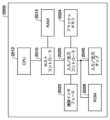
- FIG. 10 shows an example of a computer 2000 in which multiple embodiments of the present invention may be embodied in whole or in part.
- a program installed on the computer 2000 may cause the computer 2000 to function as the remote conference management system 110 according to an embodiment or each part of the system, or various devices such as the communication terminal 20 or each part of the device, perform operations associated with the system or each part of the system or the device or each part of the device, and/or perform a process or steps of the process according to an embodiment.
- Such a program may be executed by the CPU 2012 to cause the computer 2000 to perform specific operations associated with some or all of the blocks of the processing procedures and block diagrams described herein.
- the computer 2000 includes a CPU 2012 and a RAM 2014, which are interconnected by a host controller 2010.
- the computer 2000 also includes a ROM 2026, a flash memory 2024, a communication interface 2022, and an input/output chip 2040.
- the ROM 2026, the flash memory 2024, the communication interface 2022, and the input/output chip 2040 are connected to the host controller 2010 via the input/output controller 2020.
- the CPU 2012 operates according to the programs stored in the ROM 2026 and RAM 2014, thereby controlling each unit.
- the communication interface 2022 communicates with other electronic devices via a network.
- the flash memory 2024 stores programs and data used by the CPU 2012 in the computer 2000.
- the ROM 2026 stores programs such as a boot program executed by the computer 2000 upon activation, and/or programs that depend on the hardware of the computer 2000.
- the input/output chip 2040 may also connect various input/output units such as a keyboard, mouse, and monitor to the input/output controller 2020 via input/output ports such as a serial port, a parallel port, a keyboard port, a mouse port, a monitor port, a USB port, an HDMI port, etc.
- the programs are provided via a computer-readable storage medium such as a CD-ROM, DVD-ROM, or memory card, or via a network.
- RAM 2014, ROM 2026, or flash memory 2024 are examples of computer-readable storage media.
- the programs are installed in flash memory 2024, RAM 2014, or ROM 2026, and executed by CPU 2012. Information processing described in these programs is read by computer 2000, and brings about cooperation between the programs and the various types of hardware resources described above.
- An apparatus or method may be constructed by realizing operations or processing of information according to the use of computer 2000.
- CPU 2012 may execute a communication program loaded into RAM 2014 and instruct communication interface 2022 to perform communication processing based on the processing described in the communication program.
- communication interface 2022 reads transmission data stored in a transmission buffer processing area provided in a recording medium such as RAM 2014 or flash memory 2024, transmits the read transmission data to the network, and writes received data received from the network to a reception buffer processing area or the like provided on the recording medium.
- the CPU 2012 may also cause all or a necessary portion of a file or database stored in a recording medium such as a flash memory 2024 to be read into the RAM 2014, and perform various types of processing on the data in the RAM 2014. The CPU 2012 then writes the processed data back to the recording medium.
- a recording medium such as a flash memory 2024
- Various types of information such as various types of programs, data, tables, and databases, may be stored on the recording medium and subjected to information processing.
- the CPU 2012 may execute various types of processing on the data read from the RAM 2014, including various types of operations, information processing, conditional judgment, conditional branching, unconditional branching, information search/replacement, etc., as described herein and specified by the instruction sequence of the program, and write back the results to the RAM 2014.
- the CPU 2012 may also search for information in a file, database, etc. in the recording medium.
- the CPU 2012 may search for an entry that matches a condition in which an attribute value of the first attribute is specified from among the multiple entries, read the attribute value of the second attribute stored in the entry, and thereby obtain the attribute value of the second attribute associated with the first attribute that satisfies a predetermined condition.
- the above-described programs or software modules may be stored in a computer-readable storage medium on the computer 2000 or in the vicinity of the computer 2000.
- a recording medium such as a hard disk or RAM provided in a server system connected to a dedicated communication network or the Internet can be used as the computer-readable storage medium.
- the programs stored in the computer-readable storage medium may be provided to the computer 2000 via the network.
- the programs installed in the computer 2000 and causing the computer 2000 to function as the remote conference management system 110 may act on the CPU 2012 etc. to cause the computer 2000 to function as each part of the remote conference management system 110.
- the information processing described in these programs is loaded into the computer 2000, it functions as each part of the remote conference management system 110, which is a concrete means in which the software and the various hardware resources described above work together. These concrete means then realize the calculation or processing of information according to the intended use of the computer 2000 in this embodiment, thereby constructing a unique remote conference management system 110 according to the intended use.
- the programs installed in the computer 2000 and causing the computer 2000 to function as the communication terminal 20 may act on the CPU 2012 etc. to cause the computer 2000 to function as each part of the communication terminal 20.
- the information processing described in these programs is loaded into the computer 2000, it functions as each part of the communication terminal 20, which is a concrete means in which the software and the various hardware resources described above work together. These concrete means then realize the calculation or processing of information according to the intended use of the computer 2000 in this embodiment, thereby constructing a unique communication terminal 20 according to the intended use.
- each block may represent (1) a stage of a process where an operation is performed or (2) a portion of an apparatus responsible for performing an operation.
- Particular stages and portions may be implemented by dedicated circuitry, programmable circuitry provided with computer-readable instructions stored on a computer-readable storage medium, and/or a processor provided with computer-readable instructions stored on a computer-readable storage medium.
- Dedicated circuitry may include digital and/or analog hardware circuitry, and may include integrated circuits (ICs) and/or discrete circuits.
- Programmable circuitry may include reconfigurable hardware circuitry, including logic AND, logic OR, logic XOR, logic NAND, logic NOR, and other logic operations, memory elements such as flip-flops, registers, field programmable gate arrays (FPGAs), programmable logic arrays (PLAs), and the like.
- reconfigurable hardware circuitry including logic AND, logic OR, logic XOR, logic NAND, logic NOR, and other logic operations, memory elements such as flip-flops, registers, field programmable gate arrays (FPGAs), programmable logic arrays (PLAs), and the like.
- a computer-readable storage medium may include any tangible device capable of storing instructions that are executed by a suitable device, such that the computer-readable storage medium having instructions stored thereon constitutes at least a portion of a product that includes instructions that can be executed to provide a means for performing the operations specified in a process or block diagram.
- Examples of computer-readable storage media may include electronic storage media, magnetic storage media, optical storage media, electromagnetic storage media, semiconductor storage media, and the like.
- Computer-readable storage media may include floppy disks, diskettes, hard disks, random access memories (RAMs), read-only memories (ROMs), erasable programmable read-only memories (EPROMs or flash memories), electrically erasable programmable read-only memories (EEPROMs), static random access memories (SRAMs), compact disk read-only memories (CD-ROMs), digital versatile disks (DVDs), Blu-ray (RTM) disks, memory sticks, integrated circuit cards, and the like.
- RAMs random access memories
- ROMs read-only memories
- EPROMs or flash memories erasable programmable read-only memories
- EEPROMs electrically erasable programmable read-only memories
- SRAMs static random access memories
- CD-ROMs compact disk read-only memories
- DVDs digital versatile disks
- RTM Blu-ray
- the computer readable instructions may include either assembler instructions, instruction set architecture (ISA) instructions, machine instructions, machine-dependent instructions, microcode, firmware instructions, state setting data, or source or object code written in any combination of one or more programming languages, including object-oriented programming languages such as Smalltalk (registered trademark), JAVA (registered trademark), C++, etc., and conventional procedural programming languages such as the "C" programming language or similar programming languages.
- ISA instruction set architecture
- machine instructions machine-dependent instructions
- microcode firmware instructions
- state setting data or source or object code written in any combination of one or more programming languages, including object-oriented programming languages such as Smalltalk (registered trademark), JAVA (registered trademark), C++, etc., and conventional procedural programming languages such as the "C" programming language or similar programming languages.
- Computer-readable instructions may be provided to a processor or programmable circuitry of a general-purpose computer, special-purpose computer, or other programmable data processing apparatus, either locally or over a wide area network (WAN) such as a local area network (LAN), the Internet, etc., to execute the computer-readable instructions to provide a means for performing operations specified in the process steps or block diagrams described.
- WAN wide area network
- LAN local area network
- processors include computer processors, processing units, microprocessors, digital signal processors, controllers, microcontrollers, etc.
Landscapes
- Engineering & Computer Science (AREA)
- Multimedia (AREA)
- Signal Processing (AREA)
- Computer Networks & Wireless Communication (AREA)
- General Engineering & Computer Science (AREA)
- Physics & Mathematics (AREA)
- Audiology, Speech & Language Pathology (AREA)
- Human Computer Interaction (AREA)
- Health & Medical Sciences (AREA)
- Acoustics & Sound (AREA)
- Theoretical Computer Science (AREA)
- Business, Economics & Management (AREA)
- General Business, Economics & Management (AREA)
- General Health & Medical Sciences (AREA)
- General Physics & Mathematics (AREA)
- Telephonic Communication Services (AREA)
Abstract
Description
[先行技術文献]
[特許文献]
特許文献1 特開2019-33427号公報
10 移動体
11 座席
20 通信端末
22 表示装置
26 アンテナ
28 撮像装置
60 マイクロホン
70 ユーザ端末
80 ユーザ端末
90 ユーザ
100 遠隔会議サーバ
110 遠隔会議管理システム
120 ユーザ端末
380 記憶部
390 通信部
210 判断部
220 制御部
230 端末情報取得部
240 接続状態情報取得部
310 参加者情報取得部
320 制御部
330 発話者特定部
340 着座情報取得部
350 人数特定部
360 ユーザ数決定部
370 受付部
500 画面
510 オブジェクト
520 オブジェクト
530 オブジェクト
600 画面
610 オブジェクト
620 オブジェクト
630 オブジェクト
800 画面
810 オブジェクト
820 オブジェクト
830 オブジェクト
910 移動体
960 マイクロホンアレイ
2000 コンピュータ
2010 ホストコントローラ
2012 CPU
2014 RAM
2020 入力/出力コントローラ
2022 通信インタフェース
2024 フラッシュメモリ
2026 ROM
2040 入力/出力チップ
Claims (9)
- 移動体に搭載され遠隔会議を行うための通信端末であって、
前記遠隔会議への参加者として、前記移動体内の複数のユーザを受け付ける受付部と、
前記受付部が前記遠隔会議への参加者として受け付けた複数のユーザの中から、発話者を特定する発話者特定部と、
前記発話者特定部により発話者として特定されたユーザを、遠隔会議システム上で強調表示するための制御を行う制御部と
を備える通信端末。 - 前記発話者特定部は、(i)前記移動体に搭載された撮像装置によって取得された前記移動体内の画像情報、及び、(ii)前記移動体に設置されたマイクロホンによって取得された音声情報のうちの少なくとも一方に基づいて、前記複数のユーザの中から発話者を特定する
請求項1に記載の通信端末。 - 前記移動体内の前記複数のユーザの着座位置を取得する着座情報取得部
をさらに備え、
前記発話者特定部は、前記移動体に搭載された複数のマイクロホンによって取得された音声情報から検出される音源方向と、前記移動体内における前記複数のマイクロホンの設置位置と、前記着座情報取得部によって取得された前記複数のユーザの着座位置とに基づいて、前記複数のユーザの中から発話者を特定する
請求項1に記載の通信端末。 - 前記移動体内の前記複数のユーザの着座位置を取得する着座情報取得部
をさらに備え、
前記発話者特定部は、前記移動体の複数の座席にそれぞれに対応して搭載されたマイクロホンのそれぞれによって取得された音声情報と、前記着座情報取得部によって取得された前記複数のユーザの着座位置とに基づいて、前記複数のユーザの中から発話者を特定する
請求項1に記載の通信端末。 - 前記着座情報取得部は、前記受付部が会議の参加者として前記複数のユーザを受け付ける場合に、前記移動体の座席位置を指定する情報を前記複数のユーザのそれぞれから取得することによって、前記複数のユーザの着座位置を取得する
請求項3又は4に記載の通信端末。 - 前記着座情報取得部は、前記受付部が会議の参加者として前記複数のユーザを受け付ける場合に、記複数のユーザがそれぞれ所持するユーザ端末から受信した無線信号から特定される前記ユーザ端末の位置に基づいて、前記複数のユーザの着座位置を取得する
請求項3又は4に記載の通信端末。 - 前記移動体は車両である
請求項1から4のいずれか一項に記載の通信端末。 - 移動体に搭載され遠隔会議を行うための通信端末が実行する方法であって、
前記遠隔会議への参加者として、前記移動体内の複数のユーザを受け付ける段階と、
前記遠隔会議への参加者として受け付けられた複数のユーザの中から、発話者を特定する段階と、
前記複数のユーザの中から前記発話者として特定されたユーザを、遠隔会議システム上で強調表示するための制御を行う段階と
を備える方法。 - コンピュータを、請求項1から4のいずれか一項に記載の通信端末として機能させるためのプログラム。
Priority Applications (5)
| Application Number | Priority Date | Filing Date | Title |
|---|---|---|---|
| CN202380094746.0A CN120836153A (zh) | 2023-03-30 | 2023-03-30 | 通信终端、方法和程序 |
| EP23930591.5A EP4694104A4 (en) | 2023-03-30 | 2023-03-30 | COMMUNICATION TERMINAL, METHOD AND PROGRAM |
| JP2025509548A JPWO2024201954A1 (ja) | 2023-03-30 | 2023-03-30 | |
| PCT/JP2023/013393 WO2024201954A1 (ja) | 2023-03-30 | 2023-03-30 | 通信端末、方法、及びプログラム |
| US19/309,507 US20250392489A1 (en) | 2023-03-30 | 2025-08-25 | Communication terminal, method, and computer-readable storage medium |
Applications Claiming Priority (1)
| Application Number | Priority Date | Filing Date | Title |
|---|---|---|---|
| PCT/JP2023/013393 WO2024201954A1 (ja) | 2023-03-30 | 2023-03-30 | 通信端末、方法、及びプログラム |
Related Child Applications (1)
| Application Number | Title | Priority Date | Filing Date |
|---|---|---|---|
| US19/309,507 Continuation US20250392489A1 (en) | 2023-03-30 | 2025-08-25 | Communication terminal, method, and computer-readable storage medium |
Publications (1)
| Publication Number | Publication Date |
|---|---|
| WO2024201954A1 true WO2024201954A1 (ja) | 2024-10-03 |
Family
ID=92904431
Family Applications (1)
| Application Number | Title | Priority Date | Filing Date |
|---|---|---|---|
| PCT/JP2023/013393 Ceased WO2024201954A1 (ja) | 2023-03-30 | 2023-03-30 | 通信端末、方法、及びプログラム |
Country Status (5)
| Country | Link |
|---|---|
| US (1) | US20250392489A1 (ja) |
| EP (1) | EP4694104A4 (ja) |
| JP (1) | JPWO2024201954A1 (ja) |
| CN (1) | CN120836153A (ja) |
| WO (1) | WO2024201954A1 (ja) |
Families Citing this family (1)
| Publication number | Priority date | Publication date | Assignee | Title |
|---|---|---|---|---|
| CN120752907A (zh) * | 2023-03-30 | 2025-10-03 | 本田技研工业株式会社 | 通信终端、方法和程序 |
Citations (6)
| Publication number | Priority date | Publication date | Assignee | Title |
|---|---|---|---|---|
| JPS60182253U (ja) * | 1984-05-15 | 1985-12-03 | 小泉 正勝 | 伸縮自在式ボデ− |
| JP2005151471A (ja) * | 2003-11-19 | 2005-06-09 | Sony Corp | 音声集音・映像撮像装置および撮像条件決定方法 |
| US20080101576A1 (en) * | 2006-11-01 | 2008-05-01 | Avaya Technology Llc | Tag interrogator and microphone array for identifying a person speaking in a room |
| JP2009206924A (ja) * | 2008-02-28 | 2009-09-10 | Fuji Xerox Co Ltd | 情報処理装置、情報処理システム及び情報処理プログラム |
| JP2019033427A (ja) | 2017-08-09 | 2019-02-28 | 株式会社デンソーテン | 携帯端末、車両用システム、通信接続方法、及び、プログラム |
| JP2019061594A (ja) * | 2017-09-28 | 2019-04-18 | 株式会社野村総合研究所 | 会議支援システムおよび会議支援プログラム |
Family Cites Families (2)
| Publication number | Priority date | Publication date | Assignee | Title |
|---|---|---|---|---|
| JP2022109048A (ja) * | 2021-01-14 | 2022-07-27 | 富士フイルムビジネスイノベーション株式会社 | 情報処理装置及びプログラム |
| US11748845B2 (en) * | 2021-01-27 | 2023-09-05 | Nvidia Corporation | Machine learning techniques for enhancing video conferencing applications |
-
2023
- 2023-03-30 WO PCT/JP2023/013393 patent/WO2024201954A1/ja not_active Ceased
- 2023-03-30 JP JP2025509548A patent/JPWO2024201954A1/ja active Pending
- 2023-03-30 EP EP23930591.5A patent/EP4694104A4/en active Pending
- 2023-03-30 CN CN202380094746.0A patent/CN120836153A/zh active Pending
-
2025
- 2025-08-25 US US19/309,507 patent/US20250392489A1/en active Pending
Patent Citations (6)
| Publication number | Priority date | Publication date | Assignee | Title |
|---|---|---|---|---|
| JPS60182253U (ja) * | 1984-05-15 | 1985-12-03 | 小泉 正勝 | 伸縮自在式ボデ− |
| JP2005151471A (ja) * | 2003-11-19 | 2005-06-09 | Sony Corp | 音声集音・映像撮像装置および撮像条件決定方法 |
| US20080101576A1 (en) * | 2006-11-01 | 2008-05-01 | Avaya Technology Llc | Tag interrogator and microphone array for identifying a person speaking in a room |
| JP2009206924A (ja) * | 2008-02-28 | 2009-09-10 | Fuji Xerox Co Ltd | 情報処理装置、情報処理システム及び情報処理プログラム |
| JP2019033427A (ja) | 2017-08-09 | 2019-02-28 | 株式会社デンソーテン | 携帯端末、車両用システム、通信接続方法、及び、プログラム |
| JP2019061594A (ja) * | 2017-09-28 | 2019-04-18 | 株式会社野村総合研究所 | 会議支援システムおよび会議支援プログラム |
Non-Patent Citations (1)
| Title |
|---|
| See also references of EP4694104A1 |
Also Published As
| Publication number | Publication date |
|---|---|
| EP4694104A4 (en) | 2026-04-22 |
| CN120836153A (zh) | 2025-10-24 |
| JPWO2024201954A1 (ja) | 2024-10-03 |
| US20250392489A1 (en) | 2025-12-25 |
| EP4694104A1 (en) | 2026-02-11 |
Similar Documents
| Publication | Publication Date | Title |
|---|---|---|
| US11404067B2 (en) | Electronic device and method of operating the same | |
| US9781106B1 (en) | Method for modeling user possession of mobile device for user authentication framework | |
| US11930082B1 (en) | Multiple zone communications and controls | |
| US9668048B2 (en) | Contextual switching of microphones | |
| CN113085782A (zh) | 数字车钥匙定位系统和方法 | |
| US9372550B2 (en) | Automatic audio-video switching | |
| CN110556127A (zh) | 语音识别结果的检测方法、装置、设备及介质 | |
| KR102447381B1 (ko) | 통화 중 인공지능 서비스를 제공하기 위한 방법 및 그 전자 장치 | |
| US20170076139A1 (en) | Method of controlling mobile terminal using fingerprint recognition and mobile terminal using the same | |
| US20150347788A1 (en) | Mobile device auto wipe | |
| WO2021052306A1 (zh) | 声纹特征注册 | |
| US20250392489A1 (en) | Communication terminal, method, and computer-readable storage medium | |
| JP2022546542A (ja) | 通話方法、通話装置、通話システム、サーバ及びコンピュータプログラム | |
| CN107818251A (zh) | 一种人脸识别方法及移动终端 | |
| WO2021086731A1 (en) | Teleconferencing device capability reporting and selection | |
| CN111128115B (zh) | 信息验证方法、装置、电子设备及存储介质 | |
| US9772815B1 (en) | Personalized operation of a mobile device using acoustic and non-acoustic information | |
| CN108737638A (zh) | 应用控制方法、装置、移动终端及计算机可读介质 | |
| US10278033B2 (en) | Electronic device and method of providing message via electronic device | |
| WO2024201951A1 (ja) | 遠隔会議管理システム、遠隔会議管理方法、及びプログラム | |
| WO2024201945A1 (ja) | 通信端末、方法、及びプログラム | |
| CN108055644A (zh) | 定位控制方法、装置、存储介质及终端设备 | |
| US11848791B2 (en) | Detection and presentation of video conference attendee different from logged-in attendees | |
| US12111998B2 (en) | Touch control method and apparatus, device and storage medium | |
| CN115019309B (zh) | 基于图像的字符识别方法、装置、设备及存储介质 |
Legal Events
| Date | Code | Title | Description |
|---|---|---|---|
| 121 | Ep: the epo has been informed by wipo that ep was designated in this application |
Ref document number: 23930591 Country of ref document: EP Kind code of ref document: A1 |
|
| WWE | Wipo information: entry into national phase |
Ref document number: 2025509548 Country of ref document: JP |
|
| WWE | Wipo information: entry into national phase |
Ref document number: CN2023800947460 Country of ref document: CN Ref document number: 202380094746.0 Country of ref document: CN |
|
| WWP | Wipo information: published in national office |
Ref document number: 202380094746.0 Country of ref document: CN |
|
| WWE | Wipo information: entry into national phase |
Ref document number: 2023930591 Country of ref document: EP |
|
| NENP | Non-entry into the national phase |
Ref country code: DE |
|
| ENP | Entry into the national phase |
Ref document number: 2023930591 Country of ref document: EP Effective date: 20251030 |
|
| ENP | Entry into the national phase |
Ref document number: 2023930591 Country of ref document: EP Effective date: 20251030 |
|
| ENP | Entry into the national phase |
Ref document number: 2023930591 Country of ref document: EP Effective date: 20251030 |
|
| ENP | Entry into the national phase |
Ref document number: 2023930591 Country of ref document: EP Effective date: 20251030 |
|
| ENP | Entry into the national phase |
Ref document number: 2023930591 Country of ref document: EP Effective date: 20251030 |
|
| ENP | Entry into the national phase |
Ref document number: 2023930591 Country of ref document: EP Effective date: 20251030 |
|
| ENP | Entry into the national phase |
Ref document number: 2023930591 Country of ref document: EP Effective date: 20251030 |
|
| ENP | Entry into the national phase |
Ref document number: 2023930591 Country of ref document: EP Effective date: 20251030 |
|
| WWP | Wipo information: published in national office |
Ref document number: 2023930591 Country of ref document: EP |