BRPI0809985B1 - method for an access terminal and access terminal operable in a computer-readable communication and memory system - Google Patents
method for an access terminal and access terminal operable in a computer-readable communication and memory system Download PDFInfo
- Publication number
- BRPI0809985B1 BRPI0809985B1 BRPI0809985-5A BRPI0809985A BRPI0809985B1 BR PI0809985 B1 BRPI0809985 B1 BR PI0809985B1 BR PI0809985 A BRPI0809985 A BR PI0809985A BR PI0809985 B1 BRPI0809985 B1 BR PI0809985B1
- Authority
- BR
- Brazil
- Prior art keywords
- ebs
- handoff
- dap
- base station
- evolved base
- Prior art date
Links
Images




Classifications
-
- H—ELECTRICITY
- H04—ELECTRIC COMMUNICATION TECHNIQUE
- H04W—WIRELESS COMMUNICATION NETWORKS
- H04W36/00—Hand-off or reselection arrangements
- H04W36/0005—Control or signalling for completing the hand-off
- H04W36/0083—Determination of parameters used for hand-off, e.g. generation or modification of neighbour cell lists
- H04W36/00837—Determination of triggering parameters for hand-off
- H04W36/008375—Determination of triggering parameters for hand-off based on historical data
-
- H—ELECTRICITY
- H04—ELECTRIC COMMUNICATION TECHNIQUE
- H04W—WIRELESS COMMUNICATION NETWORKS
- H04W36/00—Hand-off or reselection arrangements
- H04W36/0005—Control or signalling for completing the hand-off
- H04W36/0011—Control or signalling for completing the hand-off for data sessions of end-to-end connection
-
- H—ELECTRICITY
- H04—ELECTRIC COMMUNICATION TECHNIQUE
- H04W—WIRELESS COMMUNICATION NETWORKS
- H04W36/00—Hand-off or reselection arrangements
- H04W36/0005—Control or signalling for completing the hand-off
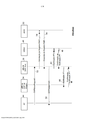
- H04W36/0011—Control or signalling for completing the hand-off for data sessions of end-to-end connection
- H04W36/0019—Control or signalling for completing the hand-off for data sessions of end-to-end connection adapted for mobile IP [MIP]
-
- H—ELECTRICITY
- H04—ELECTRIC COMMUNICATION TECHNIQUE
- H04W—WIRELESS COMMUNICATION NETWORKS
- H04W36/00—Hand-off or reselection arrangements
- H04W36/08—Reselecting an access point
-
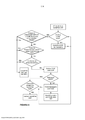
- H04W36/245—
-
- H—ELECTRICITY
- H04—ELECTRIC COMMUNICATION TECHNIQUE
- H04W—WIRELESS COMMUNICATION NETWORKS
- H04W80/00—Wireless network protocols or protocol adaptations to wireless operation
- H04W80/04—Network layer protocols, e.g. mobile IP [Internet Protocol]
-
- Y—GENERAL TAGGING OF NEW TECHNOLOGICAL DEVELOPMENTS; GENERAL TAGGING OF CROSS-SECTIONAL TECHNOLOGIES SPANNING OVER SEVERAL SECTIONS OF THE IPC; TECHNICAL SUBJECTS COVERED BY FORMER USPC CROSS-REFERENCE ART COLLECTIONS [XRACs] AND DIGESTS
- Y02—TECHNOLOGIES OR APPLICATIONS FOR MITIGATION OR ADAPTATION AGAINST CLIMATE CHANGE
- Y02D—CLIMATE CHANGE MITIGATION TECHNOLOGIES IN INFORMATION AND COMMUNICATION TECHNOLOGIES [ICT], I.E. INFORMATION AND COMMUNICATION TECHNOLOGIES AIMING AT THE REDUCTION OF THEIR OWN ENERGY USE
- Y02D30/00—Reducing energy consumption in communication networks
- Y02D30/70—Reducing energy consumption in communication networks in wireless communication networks
Landscapes
- Engineering & Computer Science (AREA)
- Computer Networks & Wireless Communication (AREA)
- Signal Processing (AREA)
- Mobile Radio Communication Systems (AREA)
Abstract
HANDOFF DE PONTO DE ANEXAÇÃO DE DADOS. Em um sistema de comunicação no qual uma entidade de portal (32) é conectada a uma pluralidade de entidades de infra-estrutura, que por sua vez são operáveis para comunicar com um terminal de acesso (44), o terminal de acesso precisa primeiro estabelecer um ponto de anexação de dados (DAP) com uma das entidades de infra-estrutura (34). O handoff do DAP de uma entidade de infra-estrutura (34) para outra entidade de infra-estrutura (36) é iniciado pelo terminal de acesso (44). O terminal de acesso pondera fatores tais como as condições de enlace com as várias entidades de infra-estrutura, o tempo desde o último handoff de DAP, e a duração de tempo comunicando com a entidade de infra-estrutura atual antes de prosseguir com o handoff do DAP.DATA ATTACHMENT POINT HANDOFF. In a communication system in which a portal entity (32) is connected to a plurality of infrastructure entities, which in turn are operable to communicate with an access terminal (44), the access terminal must first establish a data attachment point (DAP) with one of the infrastructure entities (34). The DAP handoff from one infrastructure entity (34) to another infrastructure entity (36) is initiated by the access terminal (44). The access terminal considers factors such as the link conditions with the various infrastructure entities, the time since the last DAP handoff, and the length of time communicating with the current infrastructure entity before proceeding with the handoff. of the DAP.
Description
[001] A presente invenção refere-se de maneira geral a comunicações e, mais particularmente, ao handoff de pontos de anexação de dados em sistemas de comunicação sem fio.[001] The present invention relates in general to communications and, more particularly, to the handoff of data attachment points in wireless communication systems.
[002] Nas telecomunicações, especialmente comunicações sem fio, os ambientes de comunicação não são estáticos, mas, ligeiramente, dinâmicos. Em uma configuração de comunicação móvel, algumas entidades de comunicação, tal como, um Terminal de Acesso (AT) podem mover de um local para outro em diferentes pontos no tempo.[002] In telecommunications, especially wireless communications, the communication environments are not static, but slightly dynamic. In a mobile communication configuration, some communication entities, such as an Access Terminal (AT) can move from one location to another at different points in time.
[003] Referência é direcionada à Figura 1, que apresenta um esquema simplificado que mostra um sistema de comunicação exemplar. Na descrição seguinte, a terminologia associada a um sistema de Banda Larga Ultra Móvel (UMB) é utilizada. A terminologia básica e os princípios de operação do sistema UMB podem ser encontrados em uma publicação do 2 o Projeto de Parceiros de 3^ Geração (3GPP2) estabelecido pela Associação das Indústrias de Telecomunicação (TIA) , intitulada "Especificação de Inter-operabilidade", 3GPP2-A.S0020. Como mostrado na Figura 1, dentro da Rede de Acesso de Rádio (RAN) 12, por exemplo, em um sistema de Banda Larga Ultra Móvel (UMB) no qual um AT 14 está acessando, de forma sem fio, uma rede principal (backbone) 16 via uma Estação Base evoluída (eBS) 18. A eBS 18 serve como uma entidade de troca de dados entre o AT 14 e um gateway de Acesso (AGW) 20. O AGW 20 tem acesso direto à rede principal 16. A rede principal 16 pode ser a Internet, por exemplo.[003] Reference is directed to Figure 1, which presents a simplified scheme showing an exemplary communication system. In the following description, the terminology associated with an Ultra Mobile Broadband (UMB) system is used. The basic terminology and operating principles of the UMB system can be found in a publication of the 2nd 3rd Generation Partnership Project (3GPP2) established by the Telecommunications Industries Association (TIA), entitled "Interoperability Specification", 3GPP2-A.S0020. As shown in Figure 1, within the Radio Access Network (RAN) 12, for example, in an Ultra Mobile Broadband (UMB) system in which an
[004] Na Figura 1, a eBS serve como o Ponto de Anexação de Dados (DAP) para o AT 14. Mais especificamente, a eBS 18 servindo como o DAP tem o tráfego no enlace direto vinculado ao AGW 20, por exemplo, como operado de acordo com o protocolo IP Móvel Proxy (PMIP) promulgado pela Força Tarefa de Engenharia de Internet (IETF) . De acordo com o protocolo PMIP, o AGW 20 envia tráfego de dados de enlace direto ao DAP, a eBS 18 neste caso, a qual, por sua vez, direciona o tráfego de dados para o AT 14. A eBS 18, atua como o DAP, é a entidade de rede que realiza a última vinculação com o AGW 20.[004] In Figure 1, eBS serves as the Data Attachment Point (DAP) for
[005] Em um ambiente sem fio, o AT 14 é móvel. Ou seja, o AT 14 pode mover-se de um local para outro, dentro da mesma RAN 12 ou para uma RAN diferente.[005] In a wireless environment, the AT 14 is mobile. That is, the AT 14 can move from one location to another, within the
[006] Referência é agora direcionada à Figura 2, que apresenta outro esquema simplificado ilustrando a mobilidade do AT 14.[006] Reference is now directed to Figure 2, which presents another simplified scheme illustrating the mobility of the
[007] Suponha, na Figura 2, que o AT 14 originalmente comunicando com a eBS 18 agora move para longe da eBS 18 e começa a comunicar com a eBS 22. A eBS 22 é agora chamada de eBS de Serviço de Enlace Direto (FLSE) para o AT 14, uma vez que é a eBS 22 que se comunica diretamente e troca dados com o AT 14. Entretanto, ainda não houve nenhuma atualização de vinculação com o AGW 20. Ou seja, a entidade de rede que realizou a última vinculação com o AGW 2 0 ainda era a eBS 18 e não houve atualização de vinculação com o AGW 20 desde então. Sendo assim, a eBS 18 ainda funciona como o DAP. De acordo com tal cenário, os dados do AGW 20 são enviados à eBS 18, que é o DAP neste caso, e em seguida roteados para o AT 14 para a eBS 22, que serve como a FLSE. Os pacotes de dados do AGW 20 para o AT 14 são roteados de acordo com o percurso de dados 24, como mostrado na Figura 2.[007] Suppose, in Figure 2, that AT 14 originally communicating with eBS 18 now moves away from eBS 18 and starts communicating with eBS 22. eBS 22 is now called eBS Direct Link Service (FLSE ) for AT 14, since it is eBS 22 that communicates directly and exchanges data with AT 14. However, there is still no link update with AGW 20. That is, the network entity that carried out the last link with AGW 2 0 was still eBS 18 and there has been no link update with AGW 20 since then. Therefore, eBS 18 still works like DAP. According to such a scenario, AGW 20 data is sent to eBS 18, which is DAP in this case, and then routed to
[008] Embora o AT 14 tenha feito roaming fora da área de cobertura servida pela eBS 18, a eBS 18 permanece sendo o DAP para o AT 14. A razão está na configuração sem fio, uma vez que, dependendo da mobilidade do AT 14, é possivel que a eBS 18 se torne novamente a FLSE para o AT 14. Por exemplo, o AT 14 pode estar na linha limítrofe das áreas de cobertura providas tanto pela eBS 18 quanto pela eBS 22. Consequentemente, o AT 14 só pode comunicar com a eBS 22 temporariamente. Entretanto, se as comunicações entre o AT 14 e a eBS 22 não forem temporárias, o roteamento de pacotes de dados via o percurso de dados 24 sinuoso pode não ter uma utilização eficiente dos recursos de comunicação, pelo menos da perspectiva da utilização do canal de transporte de retorno. Além disto, a latência dos dados em pacote sofre também um impacto. Em vez disso, o DAP é preferencialmente comutado da eBS 18 para a eBS 22. Para tal comutação do DAP, a eBS 22 precisa primeiro efetuar uma vinculação de tráfego de enlace direto com o AGW 20. Após a conclusão bem-sucedida do processo de vinculação de tráfego de enlace direto, a eBS 22 se torna o DAP atual. Os pacotes de dados são então roteados do AGW 20 para o AT 14 via a eBS 22, como indicado pelo percurso de dados 2 6 na Figura 2. A comutação do DAP da eBS 18 para a eBS 22 pode ser baseada em determinados critérios, por exemplo, após estar assegurado que o AT comunica com a eBS 22 por um período de tempo predeterminado.[008] Although the AT 14 roamed outside the coverage area served by eBS 18, eBS 18 remains the DAP for the AT 14. The reason is in the wireless configuration, since, depending on the mobility of the
[009] Até agora, a comutação ou seleção do DAP, chamada handoff de DAP, tem sido na maioria dos casos iniciada pela AN. No handoff iniciado pela AN, o processo de handoff é transparente para o AT 14. Entretanto, podem surgir problemas se o AT 14 não tiver conhecimento do handoff. Por exemplo, o DAP pretendido pode vir a ser o DAP não-pretendido. Isto é especialmente verdadeiro em um ambiente assíncrono no qual as várias entidades de comunicação não estão sincronizadas umas com as outras. Novamente com referência à Figura 2, suponha mais uma vez que o AT está na fronteira das áreas de cobertura tanto da eBS 18 quanto da eBS 22. Detectando a presença do AT 14, por exemplo, via intensidade de sinal no enlace descendente, em um handoff iniciado pela AN, tanto a eBS 18 quanto a eBS 22 tentam ser o DAP ao registrar junto ao AGW 20 para a vinculação de enlace direto. Suponha também que o AT 14 está bem assentado dentro da área de cobertura proporcionada pela eBS 18 e, consequentemente, a eBS 18 deve ser o DAP mais adequado para o AT 14. No entanto, se as mensagens de registro enviadas e recebidas entre o AGW 20 e a eBS 22 forem mais rápidas que estas entre o AGW 20 e a eBS 18, a eBS 22 pode ser atribuída como o DAP à frente da eBS 18, contrário ao que era pretendido. A recuperação do DAP incorretamente atribuído, mesmo se não fatal para a sessão de comunicação envolvida, requer sinalização e troca de mensagens adicionais, que amarram desnecessariamente os recursos de comunicação.[009] Until now, the DAP switching or selection, called DAP handoff, has in most cases been initiated by the AN. In the handoff initiated by the AN, the handoff process is transparent to AT 14. However, problems can arise if AT 14 is not aware of the handoff. For example, the intended DAP may become the unwanted DAP. This is especially true in an asynchronous environment in which the various communication entities are not synchronized with each other. Again with reference to Figure 2, suppose again that the AT is at the border of the coverage areas of both
[0010] Por conseguinte, há necessidade de fornecer um esquema de atribuições de DAP com mais exatidão e certeza, permitindo assim a utilização mais eficiente dos recursos de comunicação.[0010] Therefore, there is a need to provide a DAP allocation scheme with more accuracy and certainty, thus allowing the most efficient use of communication resources.
[0011] Em um sistema de comunicação no qual uma entidade de gateway é conectada com uma pluralidade de entidades de comunicação que por sua vez são operáveis para comunicar com um terminal de acesso, o terminal de acesso precisa primeiro estabelecer um ponto de anexação de dados (DAP) com uma das entidades de comunicação. O handoff do DAP de uma entidade de comunicação para outra entidade de comunicação é iniciado pelo terminal de acesso. Antes de prosseguir com o handoff do DAP, o terminal de acesso pode considerar fatores tais como as condições de enlace com as várias entidades de comunicação, o tempo desde o último handoff do DAP, e a duração de tempo comunicando com a entidade de comunicação atual. Para prevenir quaisquer condições de corrida para que as entidades de comunicação registrem como o DAP, o terminal de acesso pode referir às marcas de tempo das mensagens recebidas das entidades de comunicação. Além disso, as entidades de comunicação podem também trocar mensagens entre si no que se refere à condição de registro do DAP atual.[0011] In a communication system in which a gateway entity is connected with a plurality of communication entities which in turn are operable to communicate with an access terminal, the access terminal must first establish a data attachment point (DAP) with one of the communication entities. The DAP handoff from one communication entity to another communication entity is initiated by the access terminal. Before proceeding with the DAP handoff, the access terminal can consider factors such as the link conditions with the various communication entities, the time since the last DAP handoff, and the length of time communicating with the current communication entity. . To prevent any race conditions for the communication entities to register as the DAP, the access terminal can refer to the time stamps of messages received from the communication entities. In addition, communication entities can also exchange messages with each other regarding the current DAP registration condition.
[0012] Estas e outras características e vantagens se tornarão evidentes aos versados na técnica com a descrição detalhada seguinte, considerada juntamente com as figuras apensas, nas quais os mesmos números de referência se referem aos mesmos elementos.[0012] These and other characteristics and advantages will become evident to those skilled in the art with the following detailed description, considered together with the attached figures, in which the same reference numbers refer to the same elements.
[0013] Figura 1 - é um projeto esquemático simplificado ilustrando um sistema de comunicação exemplar;[0013] Figure 1 - is a simplified schematic project illustrating an exemplary communication system;
[0014] Figura 2 - é outro projeto esquemático simplificado ilustrando a mobilidade de um terminal de acesso no sistema de comunicação;[0014] Figure 2 - is another simplified schematic project illustrating the mobility of an access terminal in the communication system;
[0015] Figura 3 - é um projeto esquemático simplificado que mostra as relações das várias entidades de comunicação dispostas de acordo com uma modalidade exemplar da invenção;[0015] Figure 3 - is a simplified schematic design that shows the relationships of the various communication entities arranged according to an exemplary modality of the invention;
[0016] Figura 4 - é um diagrama de fluxos de chamada que mostra os fluxos de mensagens entre as diferentes entidades de comunicação operando em um sistema assíncrono no qual o handoff do DAP não é assistido pelo AT;[0016] Figure 4 - is a diagram of call flows that shows the message flows between the different communication entities operating in an asynchronous system in which the DAP handoff is not assisted by the AT;
[0017] Figura 5 - é um diagrama de fluxos de chamada que mostra os fluxos de mensagens entre as diferentes entidades de comunicação operando em um sistema sincrono no qual o handoff do DAP é assistido pelo AT;[0017] Figure 5 - is a diagram of call flows that shows the message flows between the different communication entities operating in a synchronous system in which the DAP handoff is assisted by the AT;
[0018] Figura 6 - é um fluxograma que mostra os procedimentos que o AT executa na determinação do handoff do DAP assistido pelo AT;[0018] Figure 6 - is a flowchart showing the procedures that the TA performs in determining the DAP handoff assisted by the TA;
[0019] Figura 7 - é um diagrama de fluxos de chamada que mostra os fluxos de mensagens entre diferentes entidades de comunicação operando em um sistema sincrono no qual o handoff do DAP é assistido pelo AT, porém mediante solicitação de uma das entidades de comunicação;[0019] Figure 7 - is a diagram of call flows that shows the message flows between different communication entities operating in a synchronous system in which the DAP handoff is assisted by the TA, however upon request from one of the communication entities;
[0020] Figura 8 - é um fluxograma que mostra os procedimentos que o AT executa na determinação do handoff do DAP assistido pelo AT mediante solicitação de uma das entidades de comunicação; e[0020] Figure 8 - is a flowchart showing the procedures that the TA performs in determining the DAP handoff assisted by the TA at the request of one of the communication entities; and
[0021] Figura 9 - é um projeto esquemático de parte da implementação de hardware de um aparelho para executar os processos de handoff do DAP de acordo com as modalidades exemplares.[0021] Figure 9 - is a schematic design of part of the hardware implementation of a device to perform the DAP handoff processes according to the exemplary modalities.
[0022] A descrição a seguir é apresentada para permitir que qualquer pessoa versada na técnica fabrique e utilize a invenção. Detalhes são apresentados na descrição a seguir para propósitos de explanação. Deve ser verificado que os versados na técnica perceberiam que a invenção pode ser posta em prática sem a utilização destes detalhes específicos. Em outros casos, estruturas e processos bem conhecidos não são elaborados para não obscurecer a descrição da invenção com detalhes desnecessários. Assim, a presente invenção não se destina a estar limitada pelas modalidades mostradas, mas deve ser acordado com o mais amplo escopo consistente com os princípios e as características aqui descritos.[0022] The following description is presented to allow anyone skilled in the art to manufacture and use the invention. Details are presented in the following description for explanatory purposes. It should be noted that those skilled in the art would realize that the invention can be practiced without using these specific details. In other cases, well-known structures and processes are not designed to obscure the description of the invention with unnecessary details. Thus, the present invention is not intended to be limited by the modalities shown, but must be agreed with the broadest scope consistent with the principles and features described herein.
[0023] Além disso, na descrição a seguir, por razões de concisão e clareza, a terminologia associada à tecnologia de Banda Larga Ultra Móvel (UMB), como promulgada sob o 2o Projeto de Parceiros de 3r Geração (3GPP2) pela Associação das Indústrias de Telecomunicação (TIA) é usada. Deve-se enfatizar que a invenção é também aplicável a outras tecnologias, tais como as tecnologias e os padrões associados relacionados com Acesso Múltiplo por Divisão de Código (CDMA) , Acesso Múltiplo por Divisão de Tempo (TDMA), Acesso Múltiplo por Divisão de Frequência (FDMA), Acesso Múltiplo por Divisão de Frequência Ortogonal (OFDMA) e assim por diante.[0023] In addition, in the description below, for reasons of conciseness and clarity, the terminology associated with the Ultra Mobile Broadband (UMB) technology, as promulgated under the 2nd 3rd Generation Partnership Project (3GPP2) by the Association of Industries Telecommunication (TIA) is used. It should be emphasized that the invention is also applicable to other technologies, such as the technologies and associated standards related to Code Division Multiple Access (CDMA), Time Division Multiple Access (TDMA), Frequency Division Multiple Access (FDMA), Orthogonal Frequency Division Multiple Access (OFDMA) and so on.
[0024] Referência é agora direcionada à Figura 3, que mostra esquematicamente as relações das várias entidades de comunicação dispostas de acordo com uma modalidade exemplar da invenção.[0024] Reference is now directed to Figure 3, which shows schematically the relationships of the various communication entities arranged according to an exemplary embodiment of the invention.
[0025] Na Figura 3, o sistema de comunicação total é geralmente representado pelo número de referência 30. No sistema de comunicação 30, há um Gateway de Acesso (AGW) 32 conectado a uma pluralidade de Estações Base evoluídas (eBSs), duas das quais são mostradas como eBS 34 e eBS 36. As eBS 34 e eBS 36 podem ser instaladas na mesma Rede de Acesso (AN) ou em diferentes ANs. Neste exemplo, as eBSs 34 e 36 são partes de uma AN 41 e uma AN 43, respectivamente. Cada uma das AN 41 e AN 43 pode incluir uma ou mais eBSs e outras entidades. Por clareza e concisão, cada AN é mostrada com apenas uma eBS na Figura 3. Na modalidade mostrada na Figura 3, a eBS 34 provê acesso sem fio a usuários dentro de uma área de cobertura 35. Da mesma maneira, a eBS 36 provê acesso sem fio dentro de uma área de cobertura 37. O AGW 32 tem uma conexão com uma rede principal 38, que pode ser a Internet, por exemplo. A rede principal 38 pode ser uma intranet em uma rede fechada, como outro exemplo.[0025] In Figure 3, the total communication system is generally represented by the
[0026] Há um Controlador de Rede de Referência de Sessão (SRNC) 40 conectado ao AGW 32. O SRNC 40 serve várias funções. Por exemplo, o SRNC 40 provê função de autenticação a um Terminal de Acesso (AT), tal como o AT 44 mostrado na Figura 3. Além disto, o SRNC 40 armazena a sessão de comunicação do AT 44 para qualquer nova eBS que esteja preparada para comunicar com o AT 44. O SRNC 40 também controla os procedimentos de alerta no estado ocioso em geral.[0026] There is a Session Reference Network Controller (SRNC) 40 connected to
[0027] Suponha que o AT 44 seja capaz de mover por entre as várias redes de rádio, incluindo a AN 41 e a AN 43. Para o AT 44 acessar a rede principal 38, o AT 44 precisa primeiro estabelecer um Ponto de Anexação de Dados (DAP) com uma entidade de comunicação, tal como a eBS 34 ou a eBS 36. Neste relatório e nas reivindicações emendadas, o termo "ponto de anexação de dados" é interpretado como uma entidade de comunicação para ancorar dados, diretamente ou indiretamente, para e de um gateway de rede. A titulo de ilustração, por exemplo, como mostrado na Figura 3, se a eBS 34 for designada como o DAP, os dados da rede principal 38, depois de passarem através de uma entidade de gateway, o AGW 32 neste caso, são ancorados pela entidade de comunicação servindo como o DAP, a eBS 34 neste caso, antes de atingir outras entidades de comunicação, tal como a eBS 36, via o percurso de dados 62. Neste exemplo, a eBS 34 ancora dados diretamente do AGW 32 via o percurso de dados 62. O mesmo se aplica com o fluxo de dados reverso. Ou seja, os dados recebidos de outras entidades de comunicação são ancorados pelo DAP antes de atingirem a entidade de gateway.[0027] Suppose that the
[0028] Em uma disposição de atribuição de DAP iniciada pela AN, cada uma das eBS 34 e eBS 36 prossegue com o processo de atribuição de DAP se determinados critérios forem satisfeitos. Por exemplo, quando a eBS 34 se torna a eBS de Serviço de Enlace Direto (ELSE) para o AT 44, esta pode iniciar o processo de atribuição de DAP. Assim, se a eBS 34 for a ELSE atual, a eBS 34 envia uma mensagem de solicitação de registro ao AGW 32. Em seguida, o AGW 32 efetua uma atualização de vinculação com a eBS 34 de acordo com os procedimentos apresentados sob o protocolo IP Móvel Proxy (PMIP) publicado pela Força Tarefa de Engenharia da Internet (IETF).[0028] In a DAP allocation provision initiated by the AN, each of the
[0029] Suponha que o sistema de comunicação 30 seja um sistema sincrono. Ou seja, todas as entidades de comunicação, como, por exemplo, o AGW 38, a eBS 34 e a eBS 36, etc., operam de acordo com uma referência de tempo mestre. A referência mestre pode ser o tempo do Sistema de Posicionamento Global (GPS), por exemplo. Nesse caso, um protocolo de registro de DAP pré-definido pode ser estabelecido, tal como ao permitir que a primeira solicitação entrante seja processada e aprovada como o DAP até a aprovação seguinte. Entretanto, problemas podem surgir se o sistema 30 for um sistema assíncrono. Por causa da falta de uma referência de tempo mestre, pode ocorrer uma atribuição de DAP incorreta.[0029] Suppose that the
[0030] Referência é agora direcionada à Figura 3 em conjunto com a Figura 4, que mostra a sequência de fluxos de mensagens entre as diferentes entidades. Suponha que o sistema 30 seja um sistema que utiliza o esquema de handoff de DAP iniciado pela AN. Suponha também que o AT 44 se mova para dentro da zona de sobreposição 46 das áreas de cobertura 35 e 37 nesta junção. A eBS 34, detectando a presença do AT 44, envia uma mensagem de solicitação de registro no tempo tl para o AGW 32, tentando registrar-se com o AGW 32 como o DAP para o AT 44, como indicado pelo fluxo de mensagens 4 8 na Figura 4. Suponha que haja uma regra "primeiro a vir primeiro a servir" estabelecida no sistema 30. De acordo com tal regra, a eBS 34, sendo a primeira a enviar a mensagem de solicitação de registro, pretende ser o DAP para o AT 44.[0030] Reference is now directed to Figure 3 together with Figure 4, which shows the sequence of message flows between the different entities. Suppose
[0031] Com o AT 44 na zona de sobreposição de cobertura 46, suponha que a eBS 36 também detecte a presença do AT 44. Neste exemplo, a eBS 36 também envia uma mensagem de solicitação de registro ao AGW 32 no tempo t2, como mostrado pelo fluxo de mensagens 50 na Figura 4. Aqui, t2 é posterior no tempo a tl.[0031] With
[0032] Por algumas razões, a mensagem enviada via o fluxo de mensagens 50 chega ao AGW 32 mais cedo que a do fluxo de mensagens 48. Mais especificamente, a mensagem enviada pela eBS 36 chega ao AGW 32 no tempo t3, enquanto a mensagem correspondente enviada pela eBS 34 chega ao AGW 32 no tempo t6. Neste caso, o tempo t6 é posterior ao tempo t3. O cenário acima pode ocorrer, por exemplo, em um ambiente de comunicação no qual a eBS 36 tem melhores condições de comunicação comparadas com as da eBS 34.[0032] For some reasons, the message sent via message flow 50 arrives at
[0033] Quanto ao AGW 32, uma vez que este recebe a mensagem de registro da eBS 36 no tempo t3, de acordo com a regra "primeiro a vir primeiro a servir", o AGW 32 aprova a solicitação e envia uma mensagem de sucesso de registro à eBS 36 em um tempo t4 e busca a eBS 36 em um tempo t5. Consequentemente, a eBS 36 é registrada com sucesso como o DAP para o AT 44.[0033] As for
[0034] Suponha que o AGW 32 também receba a mensagem de solicitação de registro da eBS 34 no tempo t6. O tempo t6 é posterior no tempo ao tempo t5, que é o tempo em que a eBS 36 se registra com sucesso com o AGW 32 como o DAP para a eBS 34.[0034] Suppose
[0035] Dependendo do protocolo de registro implementado no AGW 32, o AGW 32 pode supor que a eBS 34 deseja assumir o papel de novo DAP, substituindo a eBS 36 do DAP atual.[0035] Depending on the registration protocol implemented in
[0036] Em seguida, o AGW 32 envia uma resposta de sucesso de registro à eBS 34 no tempo t7 e busca a eBS 34 em um tempo t8. A eBS 34 assume então o novo papel como o DAP.[0036] Then,
[0037] No exemplo acima, a eBS 34 pretende ser o DAP em primeiro lugar, isto é, sem que a eBS 36 assuma o papel de DAP intermediário. Tal atribuição de DAP pode criar problemas. Suponha que não haja danos aos dados da sessão de comunicação, tal como, uma atribuição de DAP que pode causar um roteamento de tráfego persistente e ineficiente, e consequentemente a obstrução desnecessária dos recursos de comunicação. Qualquer tentativa de recuperação de erro certamente requer tempo e recursos adicionais com complexidades adicionais.[0037] In the example above,
[0038] Deve-se notar também que, embora as mensagens de vinculação PMIP enviadas pela eBS 34 e pela eBS 36 via os fluxos de mensagens 48 e 50, respectivamente, possam ter marcas de tempo para prevenir atualizações de vinculação fora de ordem. No entanto, uma vez que o sistema 30 opera assincronamente, as marcas de tempo podem ser ineficientes para desempenhar suas funções. A razão é que cada uma das entidades de comunicação, tal como a eBS 34 ou a eBS 36, opera com base em sua própria referência de tempo em um sistema assíncrono. As marcas de tempo nas mensagens de vinculação enviadas ao AGW 32 não estão relacionadas com a referência de tempo mestre, mas sim com as referências das entidades individuais. As referências de tempo das entidades podem ter grande quantidade de deslocamento, cada uma. Consequentemente, o problema como mencionado acima ainda pode ocorrer.[0038] It should also be noted that, although PMIP binding messages sent by
[0039] A Figura 5 é um diagrama de fluxos de mensagens que mostra um esquema de handoff de DAP assistido pelo AT ou um esquema de handoff de DAP iniciado pelo AT de acordo com uma modalidade exemplar da invenção. A seguir, os termos "assistido pelo AT" e "iniciado pelo AT" são utilizados de maneira intercambiável.[0039] Figure 5 is a message flow diagram showing a DAP handoff scheme assisted by the AT or a DAP handoff scheme initiated by the AT according to an exemplary embodiment of the invention. In the following, the terms "assisted by the TA" and "initiated by the TA" are used interchangeably.
[0040] Referência é feita agora à Figura 5 em conjunto com a Figura 3. Suponha que o AT 44 esteja inicialmente em comunicação com a eBS 34, que é a última entidade que efetuou a vinculação PMIP com o AGW 32. Sendo assim, a eBS 34 é o DAP atual para o AT 44.[0040] Reference is now made to Figure 5 together with Figure 3. Suppose that AT 44 is initially in communication with
[0041] A AT 44 tem um Conjunto de Rotas (RS) em sua memória. O RS inclui um conjunto de entidades de comunicação, tais como a eBS 34 e a eBS 36, que têm rotas de interface aérea com o AT 44, de forma que cada entidade no RS pode tunelizar tanto os pacotes da camada de enlace quanto os pacotes IP com o AT 44, e vice-versa. Em um handoff de DAP assistido por AT ou iniciado por AT, o AT 44 ajuda as entidades de comunicação no RS a tomarem a decisão sobre qual entidade do RS deve ser o DAP.[0041] AT 44 has a Set of Routes (RS) in its memory. RS includes a set of communication entities, such as
[0042] Um handoff assistido por AT prevalece sobre um handoff iniciado por AN correspondente sob vários aspectos.[0042] An AT-assisted handoff prevails over a corresponding AN-initiated handoff in several respects.
[0043] Em primeiro lugar, em um sistema assíncrono, tal como o sistema mostrado anteriormente na Figura 4, condições de corrida podem ocorrer como explicado acima. 0 handoff DAP assistido por AT é mais capaz de evitar tal problema. Por exemplo, o AT não precisa iniciar outra mudança de DAP até que a resposta da mudança de DAP anterior seja recebida e finalizada.[0043] First, in an asynchronous system, such as the system shown previously in Figure 4, running conditions can occur as explained above. The AT-assisted DAP handoff is more capable of avoiding such a problem. For example, the TA does not need to initiate another DAP change until the response from the previous DAP change is received and finalized.
[0044] Em segundo lugar, o DAP é a âncora de dados para o AT do AGW em uma RAN. É preferível ter o DAP no RS do AT. Como consequência, flexibilidade e atualizações rápidas, quando necessárias, podem ser possíveis. Por exemplo, suponha que o AGW precise atualizar uma politica para o AT e a mudança seja requerida durante a sessão de comunicação atual do AT. A mudança pode ser transmitida do AGW para o DAP, que por sua vez retransmite a mudança para o AT para atualizar rapidamente. Por outro lado, se o DAP não estiver no RS do AT, a mudança possivelmente pode não ser atualizada de maneira tão fácil e rápida.[0044] Second, the DAP is the data anchor for the AGW TA in a RAN. It is preferable to have the DAP in the RS of the TA. As a result, flexibility and quick updates, when needed, may be possible. For example, suppose the AGW needs to update a policy for the TA and the change is required during the current TA communication session. The change can be transmitted from AGW to DAP, which in turn relays the change to the AT to update quickly. On the other hand, if the DAP is not in the RS of the TA, the change may possibly not be updated so easily and quickly.
[0045] Além disso, o AT tem um conhecimento de primeira mão de suas condições de enlace com as várias eBSs no RS. Por conseguinte, o AT está em uma melhor posição para determinar se a eBS atualmente em comunicação, isto é, a ELSE, é estável o suficiente para atuar como um DAP.[0045] In addition, the AT has a first-hand knowledge of its linkage conditions with the various eBSs in RS. Consequently, the TA is in a better position to determine whether the eBS currently in communication, that is, the ELSE, is stable enough to act as a DAP.
[0046] Adicionalmente, o handoff DAP assistido por AT é mais simples que o handoff DAP iniciado por AN, tanto no número de mensagens trocadas quanto na implementação.[0046] Additionally, the DAP handoff assisted by AT is simpler than the DAP handoff initiated by AN, both in the number of messages exchanged and in the implementation.
[0047] Referência é voltada agora para as Figuras 3 e 5. Suponha que o AT 44 mova até a área de cobertura 37 da eBS 36. O AT 44 então comunica com a eBS 36. Consequentemente, a eBS 36 atua como a ELSE para o AT 44 .[0047] Reference is now turned to Figures 3 and 5. Suppose that AT 44 moves to
[0048] Em um handoff assistido por AT como descrito nesta modalidade, o AT pode ponderar e avaliar determinados critérios e condições antes de decidir se vai iniciar o processo de handoff DAP. Entre outras coisas, o AT pode considerar se a duração de tempo comunicando com a ELSE atual alcançou uma extensão predeterminada. Isto é para evitar a designação da ELSE como o DAP se as comunicações com a ELSE forem apenas temporárias. Além disto, o AT pode decidir se um tempo predeterminado decorreu desde o último handoff antes de iniciar o processo de handoff assistido pelo AT. A razão é que é indesejável que o AT efetue handoff de DAPs com demasiada frequência, isto porque handoffs frequentes e desnecessários podem resultar em consumo ineficiente de recursos de comunicação. Igualmente tão importante, o AT pode avaliar as condições de enlace de comunicação com várias eBSs para decidir se um handoff de DAP é justificável. Certamente não seria uma boa mover para o AT para efetuar o handoff do DAP para a ELSE, uma vez que o AT está tendo condições de comunicação desfavoráveis comunicando com a FLSE.[0048] In an AT-assisted handoff as described in this modality, the AT can weigh and evaluate certain criteria and conditions before deciding whether to start the DAP handoff process. Among other things, the TA can consider whether the length of time communicating with the current ELSE has reached a predetermined extent. This is to avoid designating ELSE as DAP if communications with ELSE are only temporary. In addition, the TA may decide whether a predetermined time has elapsed since the last handoff before starting the TA assisted handoff process. The reason is that it is undesirable for the TA to handoff DAPs too often, because frequent and unnecessary handoffs can result in inefficient consumption of communication resources. Equally just as important, the TA can assess the link conditions of communication with various eBSs to decide whether a DAP handoff is justified. It would certainly not be a good move to the AT to handoff the DAP to the ELSE, since the AT is having unfavorable communication conditions communicating with the FLSE.
[0049] Suponha neste exemplo, que após determinar que uma certa quantidade de tempo decorreu e que as condições de enlace de rádio são favoráveis com a eBS 36, o AT 44 decide efetuar handoff do DAP da eBS 34 para a eBS 36. Na seguinte descrição, a eBS 34 é denominada de eBS de DAP de origem. A eBS 3 6 é chamada eBS de DAP alvo. O processo de handoff inicia com o AT 44 enviando uma mensagem de solicitação, aqui chamada mensagem de DAPMoveRequest, à eBS de DAP alvo 36. O percurso de fluxo da mensagem de solicitação é representado pelo número de referência 52, como mostrado na Figura 5. A eBS de DAP alvo 36 pode aceitar ou recusar a solicitação, por exemplo, dependendo do nivel de congestionamento das chamadas em andamento que passam através da eBS 36.[0049] Suppose in this example, that after determining that a certain amount of time has elapsed and that the radio link conditions are favorable with
[0050] Se a eBS de DAP alvo 36 aceitar a solicitação, a eBS de DAP alvo 36 atualiza a vinculação de anexação de dados com o AGW 32 ao enviar uma mensagem de Solicitação de Registro PMIP ao AGW 32, por exemplo, via o protocolo PMIPv4. O fluxo de mensagens é designado pelo número de referência 54, como mostrado na Figura 5.[0050] If the
[0051] O AGW 32 confirma a atualização de vinculação ao enviar uma mensagem de Resposta de Registro PMIP à eBS de DAP alvo 36, como mostrado pelo fluxo de mensagens 56 na Figura 5. Em seguida, um túnel de dados pode ser estabelecido entre o AGW 32 e o AT 44 via a eBS de DAP alvo 36. Na mensagem de Resposta de Registro PMIP, um parâmetro de tempo de vida útil do túnel de dados pode ser incluido. O parâmetro de tempo de vida útil é para prevenir o cenário segundo o qual, quando o AT 44 entra em espera, o túnel é ainda mantido, resultando em utilização improdutiva dos recursos de comunicação. Se o AT 44 precisar manter comunicações ativas após atingir o tempo de vida útil, o AT 44 tem que enviar outra mensagem de DAPMoveRequest à eBS 36 antes da expiração do tempo de vida útil.[0051]
[0052] Após o término do processo de atualização de vinculação, a eBS de DAP alvo 36 responde ao AT 44 com uma mensagem de DAPAssignment, como mostrado no percurso de fluxo de mensagens 58 mostrado na Figura 5. A mensagem DAPAssignment informa ao AT 44 se o handoff do DAP é bem-sucedido. Além do mais, a mensagem DAPAssignment pode incluir, entre outras coisas, uma marca de tempo emitida pelo AGW 32 para o registro PMIP bem-sucedido com a eBS de DAP alvo 36 e, ainda, o tempo de vida útil restante do túnel de dados de vinculação. Se a marca de tempo da mensagem DAPAssignment for fixada em um valor mais baixo que a marca de tempo correspondente da mensagem DAPAssignment anterior processada pelo AT 44, o AT 44 pode desconsiderar a mensagem DAPAssignment, isto é, a mensagem enviada via o percurso de fluxos 58. Operando desta maneira, a condição de corrida descrita na Figura 4 pode ser evitada.[0052] After the link update process ends, the
[0053] Por outro lado, se a marca de tempo na mensagem DAPAssignment via o percurso de fluxos 58 tiver o valor mais recente, isto é, um valor mais elevado que qualquer uma das marcas de tempo correspondentes das mensagens DAPAssignment processadas anteriormente pelo AT 44, o AT 44 pode marcar a rota de percurso de dados até a eBS alvo 36 como a rota do DAP. Além disto, o AT 44 pode marcar as outras rotas de percurso de dados até as outras eBS não como a rota do DAP. Ao mesmo tempo, o AT 4 4 pode iniciar seu próprio temporizador associado à rota de DAP recém-marcada para regular a frequência de handoffs de DAP. Como mencionado anteriormente, é preferível não efetuar handoffs de DAP com demasiada frequência, como, por exemplo, mediante a ligeira mudança das condições de enlace. Handoffs de DAP frequentes e desnecessários podem afetar a carga no AGW 32, por exemplo.[0053] On the other hand, if the time stamp in the DAPAssignment message via
[0054] Em seguida, a eBS de DAP alvo 36 notifica todas as eBSs no RS do AT 44 como assumindo o papel de DAP para o AT 44. A notificação apresenta-se sob a forma de uma mensagem de Notificação de Túnel de Protocolo Internet (IPT) para todas as eBSs e quaisquer entidades relacionadas no RS do AT 44. Uma delas é mostrada no percurso de mensagem 60 enviado pela eBS alvo 36 ao Controlador de Rede de Referência de Sessão (SNRC) 40. A mensagem de Notificação IPT enviada via o percurso 60 serve para vários propósitos. Em primeiro lugar, a eBS de DAP alvo 36 informa às outras eBSs que a eBS de DAP alvo 36 é agora o DAP atual. Além do mais, a mensagem de Notificação IPT pode incluir também o número de sequência da mensagem e a marca de tempo que a eBS de DAP alvo 36 utilizou anteriormente na atualização da vinculação de anexação de dados com o AGW 32.[0054] Next, the
[0055] Para que o SRNC 40 confirme que a eBS 3 6 é o DAP atual, o SRNC 4 0 envia uma Confirmação de Notificação IPT, como mostrado pelo percurso de fluxos de mensagens 62 na Figura 5.[0055] For
[0056] Além de notificar outras eBSs como assumindo o papel de DAP, como mencionado acima, em particular, a eBS alvo 36 informa o DAP de origem 34 para obter o papel como o DAP atual ao enviar uma mensagem de Notificação IPT à eBS de DAP de origem 34, como apresentado pelo percurso de fluxos de mensagens 66 na Figura 5. A mensagem de Notificação IPT informa à eBS de DAP de origem 34 que a eBS alvo 36 é a eBS do DAP atual. Novamente, a mensagem de Notificação IPT pode incluir o número de sequência da mensagem e a marca de tempo que a eBS de DAP alvo 36 utilizou na atualização da vinculação de anexação de dados com o AGW 32.[0056] In addition to notifying other eBSs as assuming the role of DAP, as mentioned above, in particular,
[0057] Para que a eBS de DAP de origem 34 confirme que a eBS 36 é o DAP atual, é necessário que a eBS de DAP de origem 34 envie uma mensagem Confirmação de Notificação IPT, como apresentado pelo percurso de fluxos de mensagens 68 na Figura 5. Opcionalmente, a mensagem Confirmação de Notificação IPT pode indicar se o remetente de qual das mensagens é o FLSE atual do AT 44. Após o recebimento da mensagem Confirmação de Notificação IPT, a eBS alvo 36 completa o processo de handoff de DAP. Em seguida, o fluxo de pacotes IP, em vez de fluir através da eBS 34 via o percurso de fluxos de pacotes de dados 62, como mostrado na Figura 3, flui diretamente através da eBS 36 via o percurso de fluxos de pacotes de dados 64.[0057] For the
[0058] A Figura 6 mostra um diagrama de fluxos que resume os procedimentos que o AT 44 executa na determinação de um handoff de DAP assistido pelo AT.[0058] Figure 6 shows a flow diagram that summarizes the procedures that the
[0059] A Figura 7 é um diagrama de fluxos de mensagens que apresenta outra modalidade que ilustra outra metodologia de handoff de DAP assistido pelo AT. Nesta modalidade, o handoff é iniciado pelo AT, mas sob solicitação de uma entidade infraestrutural.[0059] Figure 7 is a diagram of message flows that presents another modality that illustrates another DAP assisted handoff methodology. In this modality, the handoff is initiated by the TA, but at the request of an infrastructure entity.
[0060] Referência é agora feita à Figura 7 em conjunto com a Figura 3. Suponha que a eBS 34 seja a última entidade que efetuou a vinculação PMIP com o AGW 32 para o AT 44. Sendo assim, a eBS 34 é o DAP atual para o AT 44.[0060] Reference is now made to Figure 7 together with Figure 3. Suppose
[0061] Como previamente descrito de forma similar, em um handoff de DAP assistido pelo AT ou iniciado pelo AT, o AT 44 ajuda as eBSs no RS a tomar a decisão quanto a qual eBS no RS deve ser o DAP.[0061] As previously described in a similar way, in a DAP handoff assisted by the AT or initiated by the AT, the
[0062] Pode haver inúmeras ocasiões em que as entidades de comunicação ou infraestrutura solicitam que o AT 44 inicie um handoff de DAP. Por exemplo, o DAP atual, a eBS 34 neste caso, pode estar sobrecarregada com chamadas. Para atenuar o congestionamento, qualquer uma das entidades de inf raestrutura, tal como a eBS 34 ou a eBS 36, pode fazer uma solicitação para o AT 44 para iniciar o processo de handoff.[0062] There may be numerous occasions when communication or infrastructure entities request that the
[0063] Como outro exemplo, suponha que o AT realize roaming para dentro da área de cobertura comunicando com uma nova eBS que está associada a um novo AGW, a nova eBS pode precisar estabelecer uma conexão PMIP por meio de um handoff de AGW, independente de se a nova eBS é a FLSE para o AT. De acordo com tal cenário, qualquer uma das entidades de infraestrutura ou rede anteriormente mencionadas pode também solicitar que o AT 44 inicie o processo de handoff de DAP.[0063] As another example, suppose the AT roams into the coverage area communicating with a new eBS that is associated with a new AGW, the new eBS may need to establish a PMIP connection through an AGW handoff, regardless whether the new eBS is the FLSE for the TA. According to this scenario, any of the infrastructure or network entities mentioned above can also request that the
[0064] Suponha neste caso que a eBS de DAP alvo 36 faça uma solicitação ao AT 44 para que efetue um handoff do DAP da eBS 34 para a eBS 36. Referência é feita agora à Figura 7. A eBS de DAP alvo 36 pode fazer uma solicitação via uma mensagem DAPMoveRequestRequest enviada ao AT 44, como mostrado no percurso de fluxos de mensagens 70 na Figura 7. Incluído na mensagem DAPMoveRequestRequest pode estar o LinkID associado à rota de dados em pacote IP associada à eBS 36, por exemplo.[0064] Suppose in this case that the
[0065] O AT 44 pode aceitar ou recusar tal solicitação. Se o AT 44 recusar a solicitação, o AT 44 envia uma mensagem de recusa à eBS 36. Alternativamente, o AT 44 pode recusar a solicitação permitindo que um temporizador pré-fixado expire sem responder à eBS 36.[0065] AT 44 can accept or refuse such a request. If the
[0066] Na determinação de se aceita ou recusa a solicitação, como na modalidade anterior, inúmeros fatores podem ser considerados. Suponha que a eBS 36 seja atualmente a FLSE, mas não o DAP para o AT 44. Se um conjunto de condições predeterminadas como descrito acima for satisfeito, o AT pode aceitar a solicitação de handoff de DAP da eBS 34 para a eBS 36. Por outro lado, suponha que, se o AT 44 não estiver destinado a utilizar a eBS 36 como a ELSE durante muito tempo, ou se as condições de comunicação não forem favoráveis, por exemplo, o AT 44 pode recusar a solicitação.[0066] In determining whether to accept or refuse the request, as in the previous modality, numerous factors can be considered. Suppose
[0067] Se a solicitação for recusada, o processo de handoff de DAP termina sem mudança de DAP. Ou seja, o AT 44 continua a utilizar a eBS 34 como o DAP atual via o percurso de dados de fluxo IP 62 (Figura 3).[0067] If the request is refused, the DAP handoff process ends without changing the DAP. That is, the
[0068] Suponha que o AT 44 aceite a solicitação. A aceitação é conduzida para a eBS alvo 36 ao enviar uma mensagem DAPMoveRequest, via o percurso de fluxos de mensagens 72 à eBS 36 nesta modalidade.[0068] Suppose AT 44 accepts the request. Acceptance is driven to target
[0069] Deve-se notar que o AT 44 não deve enviar mais de uma mensagem DAPMoveRequest dentro do limite de tempo como fixado em um temporizador pré-fixado na mensagem. Além disso, no processo de handoff de DAP assistido pelo AT, exceto mediante solicitação de uma entidade de infraestrutura como descrita nesta modalidade, a eBS alvo 36 não deve enviar nenhuma mensagem de DAPAssignment, a menos que uma mensagem DAPMoveRequest, tal como a mensagem enviada via o percurso de fluxos de mensagens 70, seja recebida pela eBS 36.[0069] It should be noted that the
[0070] A Figura 8 mostra um diagrama de fluxos que resume os procedimentos que o AT 44 executa para determinar um handoff de DAP assistido pelo AT mediante solicitação de uma entidade de rede.[0070] Figure 8 shows a flow diagram that summarizes the procedures that the
[0071] Em seguida, o processo de handoff de DAP é substancialmente similar ao processo de handoff descrito na modalidade anterior. Por clareza e concisão, as etapas restantes mostradas na Figura 7 não são elaboradas mais detalhadamente.[0071] Next, the DAP handoff process is substantially similar to the handoff process described in the previous modality. For clarity and conciseness, the remaining steps shown in Figure 7 are not elaborated on in more detail.
[0072] A Figura 9 mostra a parte de implementação em hardware de um aparelho para executar os processos de handoff descritos acima. O aparelho de circuito é indicado pelo número de referência 90 e pode ser implementado em um AT ou em quaisquer entidades de comunicação, como, por exemplo, uma eBS ou um AGW.[0072] Figure 9 shows the hardware implementation part of a device to perform the handoff processes described above. The circuit device is indicated by
[0073] O aparelho 90 compreende um barramento de dados central 92 que conecta vários circuitos juntos. Os circuitos incluem uma CPU (Unidade de Processamento Central) ou um controlador 94, um circuito de recepção 96, um circuito de transmissão 98, e uma unidade de memória 100 .[0073] The
[0074] Se o aparelho 90 for parte de um dispositivo sem fio, os circuitos de recepção e transmissão 96 e 98 podem ser conectados a um circuito RF (Rádio Frequência), mas não é mostrado na figura. O circuito de recepção 96 processa e armazena (buffer) os sinais recebidos antes de enviá-los ao barramento de dados 92. Por outro lado, o circuito de transmissão 98 processa e armazena os dados do barramento de dados 92 antes de enviá- los ao dispositivo 90. A CPU/controlador 94 desempenha a função de gerenciamento de dados do barramento de dados 92 e também a função de processamento de dados gerais, incluindo a execução dos conteúdos de instrução da unidade de memória 100.[0074] If the
[0075] Em vez de dispostos separadamente como mostrado na Figura 9, como uma alternativa, o circuito de transmissão 98 e o circuito de recepção 96 podem ser partes da CPU/controlador 94.[0075] Instead of being arranged separately as shown in Figure 9, as an alternative, the
[0076] A unidade de memória 100 inclui um conjunto de módulos e/ou instruções genericamente representados pelo número de referência 102. Nesta modalidade, os módulos/instruções incluem, entre outras coisas, uma função de handoff 108. A função de handoff 108 inclui instruções ou código de computador para executar as etapas de processo como mostradas e descritas nas Figuras 5-8. Instruções especificas particulares a uma entidade podem ser seletivamente implementadas na função de handoff 108. Por exemplo, se o aparelho 40 for parte de um AT, por exemplo, instruções para executar as etapas de processo mostradas e descritas nas Figuras 6 e 8 juntamente com a preparação e o processamento das mensagens relevantes para o AT, como mostrado e descrito nas Figuras 5 e 7, podem ser codificadas na função de handoff 108. De maneira similar, se o aparelho 40 for parte de uma entidade de comunicação, como, por exemplo, uma eBS, as etapas de processo particulares a essa entidade de comunicação podem ser codificadas na função de handoff 108.[0076] The
[0077] Nesta modalidade, a unidade de memória 100 é um circuito RAM (Memória de Acesso Aleatório) . As funções exemplares, tais como, a função de handoff 108, são rotinas de software, módulos e/ou conjuntos de dados. A unidade de memória 100 pode ser ligada a outro circuito de memória (não mostrado) , que pode ser do tipo volátil ou não-volátil. Como alternativa, a unidade de memória 100 pode ser feita de outros tipos de circuito, tais como uma EEPROM (Memória de Leitura Programável Eletricamente e Apagável), uma EPROM (Memória de Leitura Programável Eletricamente), uma ROM (Memória de Leitura), um ASIC (Circuito Integrado de Aplicação Especifica), um disco magnético, um disco óptico, e outros bem conhecidos na técnica.[0077] In this mode,
[0078] Deve-se também notar que os processos inventivos como descritos podem ser também codificados como instruções legíveis por computador portadas em qualquer meio legivel por computador conhecido na técnica. Neste relatório e nas reivindicações apensas, o termo "meio legivel por computador"refere-se a qualquer meio que participa do provimento de instruções para qualquer processador, tal como a CPU/controlador 94 mostrada e descrita na imagem da Figura 9, para execução. Tal meio pode ser do tipo de armazenamento e pode assumir a forma de um meio de armazenamento volátil ou não-volátil, como também descrito anteriormente, por exemplo, na descrição da unidade de memória 100 da Figura 9. Tal meio pode ser também do tipo de transmissão e pode incluir um cabo coaxial, um fio de cobre, um cabo óptico, e uma interface aérea portando ondas acústicas, eletromagnéticas ou ópticas capazes de portar sinais legiveis por máquinas ou computadores. 0 meio legivel por computador pode ser parte de um produto de computador separado do aparelho 90.[0078] It should also be noted that the inventive processes as described can also be encoded as computer-readable instructions carried in any computer-readable medium known in the art. In this report and in the appended claims, the term "computer-readable medium" refers to any medium that participates in providing instructions for any processor, such as the CPU /
[0079] Finalmente, outras mudanças são possíveis dentro do escopo da invenção. Além dos descritos acima, quaisquer outros blocos, circuitos e etapas de algoritmo lógicos descritos com relação à modalidade podem ser implementados em hardware, software, firmware ou combinações destes. Será entendido pelos versados na técnica que estas e outras modificações na forma e nos detalhes podem ser feitas sem que se afastar do escopo e do conceito inventivo da invenção.[0079] Finally, other changes are possible within the scope of the invention. In addition to those described above, any other blocks, circuits and logical algorithm steps described in relation to the modality can be implemented in hardware, software, firmware or combinations thereof. It will be understood by those skilled in the art that these and other changes in form and details can be made without departing from the scope and inventive concept of the invention.
Claims (10)
Applications Claiming Priority (9)
| Application Number | Priority Date | Filing Date | Title |
|---|---|---|---|
| US91062807P | 2007-04-06 | 2007-04-06 | |
| US60/910,628 | 2007-04-06 | ||
| US91185807P | 2007-04-13 | 2007-04-13 | |
| US60/911,858 | 2007-04-13 | ||
| US94345907P | 2007-06-12 | 2007-06-12 | |
| US60/943,459 | 2007-06-12 | ||
| US12/046,062 | 2008-03-11 | ||
| US12/046,062 US8059595B2 (en) | 2007-04-06 | 2008-03-11 | Handoff of data attachment point |
| PCT/US2008/059474 WO2008156895A2 (en) | 2007-04-06 | 2008-04-04 | Handoff of data attachment point |
Publications (2)
| Publication Number | Publication Date |
|---|---|
| BRPI0809985A2 BRPI0809985A2 (en) | 2014-10-14 |
| BRPI0809985B1 true BRPI0809985B1 (en) | 2020-10-13 |
Family
ID=39826810
Family Applications (1)
| Application Number | Title | Priority Date | Filing Date |
|---|---|---|---|
| BRPI0809985-5A BRPI0809985B1 (en) | 2007-04-06 | 2008-04-04 | method for an access terminal and access terminal operable in a computer-readable communication and memory system |
Country Status (11)
| Country | Link |
|---|---|
| US (1) | US8059595B2 (en) |
| EP (1) | EP2153688B1 (en) |
| JP (2) | JP5362699B2 (en) |
| KR (1) | KR101128115B1 (en) |
| AU (1) | AU2008266775B2 (en) |
| BR (1) | BRPI0809985B1 (en) |
| CA (1) | CA2681401C (en) |
| IL (1) | IL200930A0 (en) |
| MX (1) | MX2009010547A (en) |
| TW (1) | TWI380711B (en) |
| WO (1) | WO2008156895A2 (en) |
Families Citing this family (14)
| Publication number | Priority date | Publication date | Assignee | Title |
|---|---|---|---|---|
| US8179811B2 (en) | 2007-06-08 | 2012-05-15 | Qualcomm Incorporated | Data attachment point selection |
| US8098597B2 (en) * | 2007-08-24 | 2012-01-17 | Samsung Electronics Co., Ltd. | IAS-based configuration for UMB Femto devices |
| WO2009031616A1 (en) * | 2007-09-05 | 2009-03-12 | Nec Corporation | Proxy mobile ip system, access gateway, and registration notification message order judgment method used for these |
| US8190158B2 (en) | 2008-09-22 | 2012-05-29 | Cellco Partnership | Robust and fast inter-EBS handoff mechanism |
| JPWO2010074159A1 (en) * | 2008-12-25 | 2012-06-21 | 京セラ株式会社 | Wireless terminal, relay device, and wireless communication method |
| JP5115652B2 (en) * | 2009-04-27 | 2013-01-09 | 日本電気株式会社 | Handover control method, mobile communication system, and mobile communication terminal |
| CN104811982B (en) * | 2014-01-24 | 2018-08-21 | 索尼公司 | Wireless communication system, device and method in wireless communication system |
| CN105981449A (en) * | 2014-01-30 | 2016-09-28 | 诺基亚技术有限公司 | Method and apparatus for facilitating access network changes |
| US9794266B2 (en) * | 2014-09-05 | 2017-10-17 | Qualcomm Incorporated | Using multiple credentials for access and traffic differentiation |
| JP6803817B2 (en) * | 2017-08-14 | 2020-12-23 | Kddi株式会社 | Mobile communication network control device and base station device |
| US12192838B2 (en) | 2019-05-03 | 2025-01-07 | Lg Electronics Inc. | Method and apparatus for radio resource management in wireless communication system |
| EP4044670A4 (en) * | 2019-10-02 | 2022-11-23 | Samsung Electronics Co., Ltd. | METHOD AND APPARATUS FOR PERFORMING AN INTERCELLULAR HANDOVER PROCEDURE IN A WIRELESS COMMUNICATION SYSTEM |
| JP7004695B2 (en) * | 2019-11-13 | 2022-01-21 | シャープ株式会社 | Terminal device and method |
| WO2021127940A1 (en) * | 2019-12-23 | 2021-07-01 | Oppo广东移动通信有限公司 | Handover method, handover processing method, communication system and storage medium |
Family Cites Families (20)
| Publication number | Priority date | Publication date | Assignee | Title |
|---|---|---|---|---|
| FR2654564B1 (en) | 1989-11-10 | 1992-01-17 | Renault | LINE INTERFACE FOR AN INFORMATION TRANSMISSION NETWORK. |
| US5267261A (en) | 1992-03-05 | 1993-11-30 | Qualcomm Incorporated | Mobile station assisted soft handoff in a CDMA cellular communications system |
| US6067290A (en) * | 1999-07-30 | 2000-05-23 | Gigabit Wireless, Inc. | Spatial multiplexing in a cellular network |
| KR100350476B1 (en) * | 1999-12-30 | 2002-08-28 | 삼성전자 주식회사 | apparatus and method for implementing hand-off in cdma communication system |
| US7689210B1 (en) | 2002-01-11 | 2010-03-30 | Broadcom Corporation | Plug-n-playable wireless communication system |
| US7350077B2 (en) | 2002-11-26 | 2008-03-25 | Cisco Technology, Inc. | 802.11 using a compressed reassociation exchange to facilitate fast handoff |
| US7346352B2 (en) * | 2003-11-05 | 2008-03-18 | Telefonaktiebolaget Lm Ericsson (Publ) | Method of synchronizing broadcast parameters to support autonomous soft handoff by mobile stations |
| GB2409377B (en) | 2003-12-17 | 2006-05-24 | Motorola Inc | Wireless access networks |
| US7120136B2 (en) | 2004-04-26 | 2006-10-10 | Motorola, Inc. | Mobile station mobility in a wireless LAN |
| KR20050104191A (en) | 2004-04-28 | 2005-11-02 | 삼성전자주식회사 | Method and apparatus for assisting or performing a handover between access points |
| BRPI0511699B1 (en) * | 2004-06-01 | 2018-10-23 | Qualcomm Incorporated | systems and methods for packet-based handoff in wireless communication systems |
| US20060109818A1 (en) * | 2004-11-22 | 2006-05-25 | Shreesha Ramanna | Method and system for inter-technology active handoff of a hybrid communication device |
| US20060153110A1 (en) * | 2004-12-28 | 2006-07-13 | Morgan William K | Simplex reverse link in a communication network |
| US7864731B2 (en) * | 2006-01-04 | 2011-01-04 | Nokia Corporation | Secure distributed handover signaling |
| US8611921B2 (en) * | 2007-04-06 | 2013-12-17 | Qualcomm Incorporated | Delay and backhaul-efficient paging method and apparatus |
| US7990925B2 (en) * | 2007-05-30 | 2011-08-02 | Qualcomm Incorporated | Method and apparatus for communication handoff |
| US8179811B2 (en) * | 2007-06-08 | 2012-05-15 | Qualcomm Incorporated | Data attachment point selection |
| US8155620B2 (en) * | 2007-06-13 | 2012-04-10 | Qualcomm Incorporated | Method and apparatus for accounting in a mobile data packet network |
| US8467349B2 (en) * | 2007-07-20 | 2013-06-18 | Qualcomm Incorporated | Methods and apparatus for in-order delivery of data packets during handoff |
| US8755793B2 (en) * | 2008-01-04 | 2014-06-17 | Qualcomm Incorporated | Apparatus and methods to facilitate seamless handoffs between wireless communication networks |
-
2008
- 2008-03-11 US US12/046,062 patent/US8059595B2/en active Active
- 2008-04-04 EP EP08825927.0A patent/EP2153688B1/en active Active
- 2008-04-04 WO PCT/US2008/059474 patent/WO2008156895A2/en not_active Ceased
- 2008-04-04 JP JP2010502332A patent/JP5362699B2/en active Active
- 2008-04-04 CA CA2681401A patent/CA2681401C/en active Active
- 2008-04-04 MX MX2009010547A patent/MX2009010547A/en not_active Application Discontinuation
- 2008-04-04 BR BRPI0809985-5A patent/BRPI0809985B1/en active IP Right Grant
- 2008-04-04 AU AU2008266775A patent/AU2008266775B2/en active Active
- 2008-04-04 KR KR1020097023222A patent/KR101128115B1/en active Active
- 2008-04-07 TW TW097112536A patent/TWI380711B/en active
-
2009
- 2009-09-14 IL IL200930A patent/IL200930A0/en unknown
-
2013
- 2013-05-08 JP JP2013098866A patent/JP2013211875A/en not_active Withdrawn
Also Published As
| Publication number | Publication date |
|---|---|
| WO2008156895A2 (en) | 2008-12-24 |
| TWI380711B (en) | 2012-12-21 |
| CA2681401C (en) | 2015-11-24 |
| KR101128115B1 (en) | 2012-04-12 |
| WO2008156895A3 (en) | 2009-05-14 |
| JP2010524359A (en) | 2010-07-15 |
| JP2013211875A (en) | 2013-10-10 |
| AU2008266775B2 (en) | 2011-12-08 |
| CA2681401A1 (en) | 2008-12-24 |
| EP2153688B1 (en) | 2017-09-27 |
| TW200850031A (en) | 2008-12-16 |
| US20080247360A1 (en) | 2008-10-09 |
| US8059595B2 (en) | 2011-11-15 |
| IL200930A0 (en) | 2010-05-17 |
| MX2009010547A (en) | 2009-10-26 |
| AU2008266775A1 (en) | 2008-12-24 |
| JP5362699B2 (en) | 2013-12-11 |
| BRPI0809985A2 (en) | 2014-10-14 |
| KR20100005110A (en) | 2010-01-13 |
| EP2153688A2 (en) | 2010-02-17 |
Similar Documents
| Publication | Publication Date | Title |
|---|---|---|
| US8059595B2 (en) | Handoff of data attachment point | |
| EP2030468B1 (en) | Changing lte specific anchor with simple tunnel switching | |
| CN102209321B (en) | Handover processing method, communication system, and related equipment | |
| CN101199214B (en) | Method and apparatus to facilitate handover | |
| US8477729B2 (en) | Support for multi-homing protocols using transient registration and expanded binding revocation messages | |
| US7920521B2 (en) | Method and system for foreign agent relocation in wireless network | |
| US9036601B2 (en) | Support for continuity of tunnel communications for mobile nodes having multiple care of addressing | |
| CN101193447A (en) | Relocation control device in wireless communication network | |
| KR100934086B1 (en) | Handover Method of Wireless Access System and Gateway Supporting the Same | |
| US8761085B2 (en) | Proxy mobile IP system, access gateway and method for determining the order of registration notification messages used therefor | |
| JP4890175B2 (en) | Gateway apparatus and communication method | |
| US8768357B2 (en) | Changes of forward-link and reverse-link serving access points | |
| KR101533027B1 (en) | Openflow controller and control method for supporting handover in mobile ipv6 based on software definition network | |
| RU2446628C2 (en) | Transfer of data attachment point servicing | |
| CN101653026B (en) | Switching to Data Attachment Points | |
| HK1141395A (en) | Handoff of data attachment point | |
| KR102230823B1 (en) | Context-aware traffic route optimization management method | |
| CN103781041A (en) | Charging synchronization method, apparatus and system | |
| CN101621787A (en) | Method and system for transferring context information and access service network | |
| KR101430245B1 (en) | Network-based mobility detection method and corresponding data processing method |
Legal Events
| Date | Code | Title | Description |
|---|---|---|---|
| B06F | Objections, documents and/or translations needed after an examination request according [chapter 6.6 patent gazette] | ||
| B15K | Others concerning applications: alteration of classification |
Free format text: A CLASSIFICACAO ANTERIOR ERA: H04W 36/00 Ipc: H04W 36/00 (2009.01), H04W 36/24 (2009.01) |
|
| B06U | Preliminary requirement: requests with searches performed by other patent offices: procedure suspended [chapter 6.21 patent gazette] | ||
| B06A | Patent application procedure suspended [chapter 6.1 patent gazette] | ||
| B09A | Decision: intention to grant [chapter 9.1 patent gazette] | ||
| B09W | Correction of the decision to grant [chapter 9.1.4 patent gazette] |
Free format text: DEVIDO A ERRO NA PG 2 DO QUADRO REIVINDICATORIO. |
|
| B16A | Patent or certificate of addition of invention granted [chapter 16.1 patent gazette] |
Free format text: PRAZO DE VALIDADE: 10 (DEZ) ANOS CONTADOS A PARTIR DE 13/10/2020, OBSERVADAS AS CONDICOES LEGAIS. |