CN100361908C - A kind of sewage denitrification treatment method - Google Patents
A kind of sewage denitrification treatment method Download PDFInfo
- Publication number
- CN100361908C CN100361908C CNB2005100193838A CN200510019383A CN100361908C CN 100361908 C CN100361908 C CN 100361908C CN B2005100193838 A CNB2005100193838 A CN B2005100193838A CN 200510019383 A CN200510019383 A CN 200510019383A CN 100361908 C CN100361908 C CN 100361908C
- Authority
- CN
- China
- Prior art keywords
- sludge
- tank
- nitrification
- sewage
- carbon oxidation
- Prior art date
- Legal status (The legal status is an assumption and is not a legal conclusion. Google has not performed a legal analysis and makes no representation as to the accuracy of the status listed.)
- Expired - Fee Related
Links
Images
Landscapes
- Purification Treatments By Anaerobic Or Anaerobic And Aerobic Bacteria Or Animals (AREA)
Abstract
Description
技术领域technical field
本发明属于污水生物脱氮处理新方法,具体涉及一种污水的脱氮A/O/N(Anoxic-Oxic-Nitrifying)处理方法,它尤其适用于公厕污水的处理。The invention belongs to a new method for biological denitrification treatment of sewage, in particular to a treatment method for denitrification A/O/N (Anoxic-Oxic-Nitrifying) of sewage, which is especially suitable for the treatment of public toilet sewage.
背景技术Background technique
目前,污水处理中比较流行的生物脱氮方法,是在80年代初开创的A/O(Anoxic-Oxic)方法;其主要特点是将反硝化段放置在处理过程之首,故又称为前置反硝化生物脱氮处理方法。但是该方法对处理化学需氧量(COD)、氨氮(NH3-N)含量均较高的污水,脱氮效果不佳。At present, the more popular biological denitrification method in sewage treatment is the A/O (Anoxic-Oxic) method pioneered in the early 1980s; its main feature is that the denitrification section is placed at the head of the treatment process, so it is also called the former Set up denitrification biological nitrogen removal treatment method. However, this method has poor denitrification effect on wastewater with high chemical oxygen demand (COD) and ammonia nitrogen (NH 3 -N) content.
其原因一是,原水中的有机物含量太高,虽然在前置反硝化段部分溶解性有机物得以吸附、降解,但是由于有机物浓度仍较高,使之在好氧阶段,增殖速度较快的异养型细菌迅速繁殖,而自养型的硝化菌得不到优势,硝化反应难以顺利进行。为了解决这一问题,通常的做法是加大好氧段的水力停留时间,使污水中的有机物含量降低,满足硝化反应的条件,这样必将增大能耗,加大占地面积。二是A/O法中的活性污泥连续在好氧到缺氧及从缺氧到好氧的动态过程中,活性均会受到一定的抑制作用,使生化反应效率较低。The first reason is that the content of organic matter in the raw water is too high. Although some dissolved organic matter can be adsorbed and degraded in the pre-denitrification section, the concentration of organic matter is still high, so that in the aerobic stage, the heterogeneous species with a faster proliferation rate The trophic bacteria multiply rapidly, but the autotrophic nitrifying bacteria do not get the advantage, and the nitrification reaction is difficult to proceed smoothly. In order to solve this problem, the usual practice is to increase the hydraulic retention time of the aerobic section to reduce the organic matter content in the sewage and meet the conditions of nitrification reaction, which will inevitably increase energy consumption and increase the occupied area. The second is that the activated sludge in the A/O method is continuously in the dynamic process from aerobic to anoxic and from anoxic to aerobic, the activity will be inhibited to a certain extent, so that the biochemical reaction efficiency is low.
高COD、高氨氮的公厕污水是对环境危害较大的污水,难以在传统的A/O方法下进行高效硝化进而实现生物脱氮,是城市污水脱氮处理的难点。Public toilet sewage with high COD and high ammonia nitrogen is harmful to the environment. It is difficult to efficiently nitrify and achieve biological denitrification under the traditional A/O method, which is a difficult point in the denitrification treatment of urban sewage.
发明内容Contents of the invention
本发明的目的在于克服上述现有技术的缺陷,提供一种污水脱氮处理方法,该方法可以对高COD、高氨氮的污水进行高效生物脱氮处理。The object of the present invention is to overcome the defects of the above-mentioned prior art, and provide a sewage denitrification treatment method, which can perform efficient biological denitrification treatment on sewage with high COD and high ammonia nitrogen.
本发明提供的一种污水脱氮处理方法,其步骤为:A kind of sewage denitrification treatment method provided by the invention, its steps are:
(1)将待处理的污水与硝化液混合引入反硝化池,在缺氧条件下,在反硝化菌作用下进行反硝化反应,其污泥浓度为3~5g/L,污泥龄为4~6天,水力停留时间为1~3小时;(1) Mix the sewage to be treated with the nitrifying liquid and introduce it into the denitrification tank. Under anoxic conditions, the denitrification reaction is carried out under the action of denitrifying bacteria. The sludge concentration is 3-5g/L, and the sludge age is 4 ~6 days, the hydraulic retention time is 1~3 hours;
(2)将经反硝化处理后的污水与回流污泥引入碳氧化池进行好氧曝气,碳氧化池污泥浓度为3~5g/L,污泥龄为3~8天,碳氧化池水力停留时间为6~10小时;(2) Introduce the denitrified sewage and return sludge into the carbon oxidation tank for aerobic aeration. The sludge concentration in the carbon oxidation tank is 3-5g/L, and the sludge age is 3-8 days. The force residence time is 6 to 10 hours;
(3)将经碳氧化后的污水引入第一沉淀池进行泥水分离,使沉淀后的上清液进入硝化池进行硝化反应,沉淀下来的污泥作为碳氧化阶段的活性污泥,部分或全部回流至碳氧化池,沉淀下来的污泥回流入碳氧化池的回流比为50~100%,剩余污泥排出;(3) Introduce the carbon-oxidized sewage into the first sedimentation tank for mud-water separation, and make the precipitated supernatant enter the nitrification tank for nitrification reaction, and the precipitated sludge is used as activated sludge in the carbon oxidation stage, part or all Return to the carbon oxidation tank, the reflux ratio of the settled sludge back into the carbon oxidation tank is 50-100%, and the remaining sludge is discharged;
(4)沉淀后的污水与回流污泥引入硝化池进行硝化处理,硝化池污泥浓度为2~4g/L,污泥龄为15~30天,硝化池中水温为10~30℃,硝化池水力停留时间为3~8小时;(4) The settled sewage and return sludge are introduced into the nitrification tank for nitrification treatment. The sludge concentration in the nitrification tank is 2-4g/L, the sludge age is 15-30 days, and the water temperature in the nitrification tank is 10-30°C. The hydraulic retention time of the pool is 3 to 8 hours;
(5)将硝化反应后的污水引入第二沉淀池进行泥水分离,沉淀后的上清液一部分外排一部分作为步骤(1)中的硝化液回流至反硝化池,沉淀后的上清液的回流比为100%~300%,沉淀下来的污泥作为步骤(4)中的活性污泥回流至硝化池,剩余污泥排出。(5) The sewage after the nitrification reaction is introduced into the second settling tank for mud-water separation, and a part of the supernatant after the precipitation is discharged partly as the nitrifying liquid in the step (1) and returns to the denitrification tank, and the supernatant after the precipitation The reflux ratio is 100% to 300%, and the settled sludge is returned to the nitrification tank as the activated sludge in step (4), and the remaining sludge is discharged.
本发明的实质在于将好氧阶段分为碳氧化好氧阶段和硝化好氧阶段,为异养菌和自养硝化菌分别创造各自适合的生境,使其均在最佳生态位的状态下以较大的速度进行生化反应;又由于该方法三段污泥不相互混合,在满足三种不同功能微生物生境的同时,避免了活性污泥的活性受抑制。该方法特别适合处理高COD、高氨氮污水,如公厕污水;与传统A/O不同的是,本发明各阶段分别产生了各自的顶级群落,使其均在最佳生态位的状态下以较大的速度生长、繁殖,进行反硝化、碳氧化和硝化反应。本发明具有能耗低,占地面积少和脱氮效率高的优点。具体而言,本发明具有以下特点:The essence of the present invention is to divide the aerobic stage into a carbon oxidation aerobic stage and a nitrification aerobic stage, to create respective suitable habitats for heterotrophic bacteria and autotrophic nitrifying bacteria, so that they can all be in the state of the best ecological niche. The biochemical reaction is carried out at a relatively high speed; and because the sludge in the three stages of the method does not mix with each other, while satisfying three different functional microbial habitats, the activity of the activated sludge is prevented from being inhibited. This method is particularly suitable for treating high COD and high ammonia nitrogen sewage, such as public toilet sewage; different from traditional A/O, each stage of the present invention has produced its own top community, making it all in the state of the best ecological niche with a relatively Large speed growth, reproduction, denitrification, carbon oxidation and nitrification reactions. The invention has the advantages of low energy consumption, small occupied area and high denitrification efficiency. Specifically, the present invention has the following characteristics:
(1)将反硝化、碳氧化、硝化过程分开在三个不同的反应池中进行,为反硝化菌、异养菌(碳氧化菌)和硝化菌分别创造各自适合生存的条件,与传统A/O不同的是,本发明各阶段分别产生了各自的顶级群落,使其均在最佳生态位的状态下以较大的速度生长、繁殖,进行反硝化、碳氧化和硝化反应。(1) Separate denitrification, carbon oxidation, and nitrification processes into three different reaction pools to create conditions suitable for denitrification bacteria, heterotrophic bacteria (carbon oxidizing bacteria) and nitrifying bacteria respectively, which is different from traditional A /0 is different in that each stage of the present invention has produced respective top communities respectively, so that they all grow and reproduce at a greater speed in the state of the best ecological niche, and carry out denitrification, carbon oxidation and nitrification reactions.
(2)各阶段污泥不相互混合,在满足三种不同功能微生物生境的同时,避免了活性污泥的活性受抑制,生化反应速率高。(2) The sludge at each stage is not mixed with each other. While satisfying three different functional microbial habitats, it avoids the inhibition of the activity of the activated sludge, and the biochemical reaction rate is high.
(3)在反硝化阶段和硝化阶段可分别设置填料,生物量大,反应速度快。(3) Fillers can be set separately in the denitrification stage and nitrification stage, with large biomass and fast reaction speed.
(4)反硝化阶段前置,无需外加碳源,反硝化反应产生的碱度可以补偿硝化反应消耗碱度的一半左右,勿需另行投碱。(4) Before the denitrification stage, no additional carbon source is needed, and the alkalinity generated by the denitrification reaction can compensate for about half of the alkalinity consumed by the nitrification reaction, so there is no need to add alkali separately.
(5)反硝化阶段处于处理方法的第一步,一方面提高了抗冲击负荷的能力;另一方面由于反硝化菌为异氧菌,在反硝化的过程中,以有机物作为电子供体,COD部分得到去除,降低了后面两段氧化COD的负荷,一定程度上减小了碳氧化段的停留时间。(5) The denitrification stage is the first step in the treatment method. On the one hand, the ability to resist impact loads is improved; Part of the COD is removed, which reduces the load of COD oxidation in the latter two stages, and reduces the residence time of the carbon oxidation stage to a certain extent.
(6)本发明为推流式,并且有硝化液循环回流,全过程处于缺氧和好氧交替运行,在这种条件下,无污泥膨胀之虞。(6) The present invention is a plug-flow type, and there is a nitrifying liquid circulating back, and the whole process is in anoxic and aerobic alternate operation, and under this condition, there is no risk of sludge bulking.
(7)污泥不经过缺氧——好氧循环,活性污泥在各个反应池内进行反应;反应速率快,水力停留时间短,能耗低,占地面积小。(7) The sludge does not go through the anoxic-aerobic cycle, and the activated sludge reacts in each reaction tank; the reaction rate is fast, the hydraulic retention time is short, the energy consumption is low, and the floor area is small.
总之,本发明可以对高COD、高氨氮的污水进行高效生物脱氮处理。In a word, the present invention can perform high-efficiency biological denitrification treatment on sewage with high COD and high ammonia nitrogen.
附图说明Description of drawings
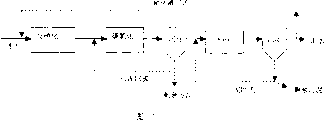
图1是本发明的方法流程图。Fig. 1 is a flow chart of the method of the present invention.
具体实施方式Detailed ways
下面结合附图和实施例对本发明进一步说明。The present invention will be further described below in conjunction with the accompanying drawings and embodiments.
如图1所示,本发明包括反硝化-沉淀-碳氧化-再沉淀-硝化阶段。As shown in Figure 1, the present invention includes denitrification-precipitation-carbon oxidation-reprecipitation-nitration stages.
本发明的具体步骤如下:Concrete steps of the present invention are as follows:
(1)反硝化阶段:(1) Denitrification stage:
将经预处理后的污水与硝化液混合引入反硝化池。在该阶段,反硝化菌利用原水中大量易降解的有机物作为电子供体,以硝化液中的硝态氮作为电子受体进行快速反硝化反应,将氮以游离态氮气的形式排出。该阶段的控制参数为:污泥浓度为3~5g/L,污泥龄为4~6天,水力停留时间为1~3小时。该阶段的优化控制参数为:污泥浓度为3~4g/L,污泥龄为4~5天,水力停留时间为1~2小时。The pretreated sewage is mixed with nitrification liquid and introduced into the denitrification tank. At this stage, denitrifying bacteria use a large amount of easily degradable organic matter in the raw water as electron donors, and nitrate nitrogen in the nitrifying liquid as electron acceptors to perform rapid denitrification reaction, and discharge nitrogen in the form of free nitrogen gas. The control parameters at this stage are: the sludge concentration is 3-5g/L, the sludge age is 4-6 days, and the hydraulic retention time is 1-3 hours. The optimal control parameters at this stage are: sludge concentration is 3-4g/L, sludge age is 4-5 days, hydraulic retention time is 1-2 hours.
反应式为:The reaction formula is:
5C(有机碳)+2H2O+4NO3 -→2N2+4OH-+5CO2 5C(organic carbon)+2H 2 O+4NO 3 - →2N 2 +4OH - +5CO 2
(2)碳氧化阶段(2) Carbon oxidation stage
将经反硝化处理后的污水与回流污泥引入碳氧化池进行好氧曝气。该阶段的控制参数为:污泥浓度为3~5g/L,污泥龄为3~8天,水力停留时间为6~10小时。该阶段的优化控制参数为:污泥浓度为3~4g/L,污泥龄4~5天,水力停留时间为6~8小时。The denitrified sewage and return sludge are introduced into the carbon oxidation tank for aerobic aeration. The control parameters at this stage are: the sludge concentration is 3-5g/L, the sludge age is 3-8 days, and the hydraulic retention time is 6-10 hours. The optimal control parameters at this stage are: sludge concentration of 3-4g/L, sludge age of 4-5 days, and hydraulic retention time of 6-8 hours.
进入该池的污水有机物含量较高,使比增长速率较高的异养菌(碳氧化菌)占优势,同时比增长速率较低的硝化菌处于劣势而被淘洗,其结果是:有机物降解速率高、污泥增长速率较高、污泥龄短、氨氮硝化率很低、硝化效果差。污水经过碳氧化处理后,出水的COD大幅度降低,而氨氮浓度变化不大。The content of organic matter in the sewage entering the pool is high, so that the heterotrophic bacteria (carbon oxidizing bacteria) with a higher specific growth rate are dominant, while the nitrifying bacteria with a lower specific growth rate are at a disadvantage and are washed out. The result is: organic matter degradation High rate, high sludge growth rate, short sludge age, low ammonia nitrogen nitrification rate, and poor nitrification effect. After the sewage is treated by carbon oxidation, the COD of the effluent is greatly reduced, while the concentration of ammonia nitrogen does not change much.
上述过程的反应式为:The reaction formula of the above process is:
(3)沉淀处理(3) Precipitation treatment
将经碳氧化后的污水引入第一沉淀池进行泥水分离。防止异养菌进入后一反应池——硝化池,仅使沉淀后的上清液进入硝化池进行硝化反应。沉淀下来的污泥即为碳氧化阶段的活性污泥,部分或全部回流至碳氧化池,回流入碳氧化池的回流比为50~100%(其优化范围为:50~75%),剩余污泥排出。The carbon-oxidized sewage is introduced into the first sedimentation tank for mud-water separation. To prevent heterotrophic bacteria from entering the latter reaction tank - nitrification tank, only the supernatant after precipitation enters the nitrification tank for nitrification reaction. The settled sludge is the activated sludge in the carbon oxidation stage, part or all of which is returned to the carbon oxidation tank, and the reflux ratio of returning to the carbon oxidation tank is 50-100% (the optimization range is: 50-75%), and the remaining Sludge discharge.
(4)硝化阶段(4) Nitrification stage
污水与回流污泥进入硝化池。该阶段的控制参数为:污泥浓度为2~4g/L,污泥龄15~30天,硝化池水温10~30℃,硝化池水力停留时间为3~8小时。该阶段的优化控制参数为:污泥浓度为2.5~3.5g/L,污泥龄为15~25天,硝化池水温为13~25℃,硝化池水力停留时间为4~6小时。Sewage and return sludge enter the nitrification tank. The control parameters at this stage are: sludge concentration of 2-4g/L, sludge age of 15-30 days, water temperature of nitrification tank of 10-30°C, and hydraulic retention time of nitrification tank of 3-8 hours. The optimal control parameters at this stage are: sludge concentration of 2.5-3.5g/L, sludge age of 15-25 days, nitrification tank water temperature of 13-25°C, and nitrification tank hydraulic retention time of 4-6 hours.
进入该池的污水有机物含量较低,氨氮含量高,以氨氮为底物的自养硝化菌在该段占优势具有较高的生物量,其结果是:氨氮大部分转化为硝态氮,硝化速率高。污水经过硝化处理后,出水的氨氮浓度大幅度降低,同时硝态氮的浓度增高。该阶段反应式为:The sewage entering the pool has low organic matter content and high ammonia nitrogen content, and the autotrophic nitrifying bacteria with ammonia nitrogen as the substrate dominate in this section with high biomass. The result is that most of the ammonia nitrogen is converted into nitrate nitrogen, and the nitrification High rate. After the sewage is treated with nitrification, the concentration of ammonia nitrogen in the effluent is greatly reduced, while the concentration of nitrate nitrogen is increased. The reaction at this stage is:


硝化反应的总反应式为:The overall reaction formula of nitration reaction is:
NH4 ++2O2→NO3 -+2H++H2O+(307.1~438.9)kJNH 4 + +2O 2 →NO 3 - +2H + +H 2 O+(307.1~438.9)kJ
(5)再次沉淀处理(5) Precipitation treatment again
将硝化后的污水引入第二沉淀池进行泥水分离,沉淀后的上清液一部分外排,一部分作为反硝化阶段的硝化液,回流至反硝化池,其回流比为100%~300%(其优化范围为:150%~250%)。沉淀下来的污泥即为硝化阶段的活性污泥回流至硝化池,剩余污泥排出。The sewage after nitrification is introduced into the second sedimentation tank for mud-water separation, part of the supernatant after precipitation is discharged, and part of it is used as the nitrification liquid in the denitrification stage, and is returned to the denitrification tank, and the reflux ratio is 100% to 300%. The optimization range is: 150%~250%). The settled sludge is the activated sludge in the nitrification stage and is returned to the nitrification tank, and the remaining sludge is discharged.
在反硝化池和硝化池内均可以有选择性地加入软性填料(例如纤维束)、半软性填料(例如聚丙烯或聚乙烯等),组合式填料(由塑料环和维纶丝构成),另外也可以加入其它填料。Both the denitrification tank and the nitrification tank can be selectively added with soft fillers (such as fiber bundles), semi-soft fillers (such as polypropylene or polyethylene, etc.), combined fillers (composed of plastic rings and vinylon filaments), In addition, other fillers may also be added.
实施例1Example 1
某公厕化粪池污水水质如下表:The water quality of a public toilet septic tank is as follows:
按附图1所示进行,在反硝化池水力停留时间为2小时,在碳氧化池水力停留时间为6小时,在硝化池水力停留时间为3小时,第一沉淀池回流入碳氧化池的回流比为75%,第二沉淀池回流入反硝化池的回流比为150%,第一沉淀池停留时间为2小时,第二沉淀池停留时间3小时。碳氧化池为悬浮性活性污泥,污泥浓度为4g/L,污泥龄为4天,水温为18℃。该方法可使COD,BOD5,NH3-N去除率均在95%以上,处理后的水经消毒后可作为非接触回用水,或进一步处理后达标排放。Carry out as shown in accompanying drawing 1, be 2 hours in denitrification tank hydraulic retention time, be 6 hours in carbon oxidation tank hydraulic retention time, be 3 hours in nitrification tank hydraulic retention time, the first settling tank flows back into the carbon oxidation tank The reflux ratio is 75%, the reflux ratio of the second sedimentation tank back into the denitrification tank is 150%, the residence time of the first sedimentation tank is 2 hours, and the residence time of the second sedimentation tank is 3 hours. The carbon oxidation tank is suspended activated sludge, the sludge concentration is 4g/L, the sludge age is 4 days, and the water temperature is 18°C. The method can make COD, BOD 5 , NH 3 -N removal rates all over 95%, and the treated water can be used as non-contact reuse water after disinfection, or be discharged up to standard after further treatment.
实施例2Example 2
某化粪池污水水质如下表:The water quality of a septic tank sewage is as follows:
按附图1所示进行,在反硝化池水力停留时间为3小时,在碳氧化池水力停留时间为10小时,在硝化池水力停留时间为6小时,第一沉淀池回流入碳氧化池的回流比为100%,第二沉淀池回流入反硝化池的回流比为300%,第一沉淀池停留时间为3小时,第二沉淀池停留时间4小时。碳氧化池内放入悬浮性活性污泥,其污泥浓度为4g/L,污泥龄3天,水温为20℃;硝化池污泥浓度为5g/L,污泥龄30天,水温为20℃。该方法可使COD、BOD5、NH3-N去除率分别95%以上,处理后的水经消毒后可作为非接触回用水,或进一步处理后达标排放。Carry out as shown in accompanying drawing 1, be 3 hours in denitrification tank hydraulic retention time, be 10 hours in carbon oxidation tank hydraulic retention time, be 6 hours in nitrification tank hydraulic retention time, the first settling tank flows back into carbon oxidation tank The reflux ratio is 100%, the reflux ratio of the second sedimentation tank back into the denitrification tank is 300%, the residence time of the first sedimentation tank is 3 hours, and the residence time of the second sedimentation tank is 4 hours. Put suspended activated sludge in the carbon oxidation tank, the sludge concentration is 4g/L, the sludge age is 3 days, and the water temperature is 20°C; the sludge concentration in the nitrification tank is 5g/L, the sludge age is 30 days, and the water temperature is 20°C ℃. The method can make the removal rates of COD, BOD 5 , and NH 3 -N over 95% respectively, and the treated water can be used as non-contact reuse water after disinfection, or be discharged up to standard after further treatment.
Claims (7)
Priority Applications (1)
| Application Number | Priority Date | Filing Date | Title |
|---|---|---|---|
| CNB2005100193838A CN100361908C (en) | 2005-09-01 | 2005-09-01 | A kind of sewage denitrification treatment method |
Applications Claiming Priority (1)
| Application Number | Priority Date | Filing Date | Title |
|---|---|---|---|
| CNB2005100193838A CN100361908C (en) | 2005-09-01 | 2005-09-01 | A kind of sewage denitrification treatment method |
Publications (2)
| Publication Number | Publication Date |
|---|---|
| CN1762853A CN1762853A (en) | 2006-04-26 |
| CN100361908C true CN100361908C (en) | 2008-01-16 |
Family
ID=36747217
Family Applications (1)
| Application Number | Title | Priority Date | Filing Date |
|---|---|---|---|
| CNB2005100193838A Expired - Fee Related CN100361908C (en) | 2005-09-01 | 2005-09-01 | A kind of sewage denitrification treatment method |
Country Status (1)
| Country | Link |
|---|---|
| CN (1) | CN100361908C (en) |
Families Citing this family (7)
| Publication number | Priority date | Publication date | Assignee | Title |
|---|---|---|---|---|
| CN101254980B (en) * | 2008-03-25 | 2010-06-09 | 浙江大学 | Biological denitrification system and method for low carbon nitrogen ratio and high ammonia nitrogen comprehensive chemical wastewater |
| CN101811801B (en) * | 2010-04-02 | 2011-08-31 | 江苏江华水处理设备有限公司 | Direct-flow biological nitrogen removal sewage treatment method |
| CN103288304A (en) * | 2013-06-28 | 2013-09-11 | 哈尔滨工业大学 | AO2 Method for Treating High Ammonia Nitrogen Industrial Wastewater |
| CN106830352B (en) * | 2017-01-16 | 2019-07-02 | 广州市广深环保科技有限公司 | A kind of multifunctional and composite type microbial bacteria group sewage treatment process |
| CN109399871A (en) * | 2018-12-20 | 2019-03-01 | 四川盐都盐产业技术研究有限公司 | A kind of high-ammonia-nitrogen sewage processing integration apparatus and its processing method |
| CN110577329A (en) * | 2019-09-06 | 2019-12-17 | 深圳市清研环境科技有限公司 | Low-energy-consumption rapid biochemical sewage denitrification process |
| CN118651960A (en) * | 2024-07-03 | 2024-09-17 | 北京沁润泽环保科技有限公司 | A method for achieving high-load nitrification |
Citations (2)
| Publication number | Priority date | Publication date | Assignee | Title |
|---|---|---|---|---|
| JPH11253353A (en) * | 1998-03-12 | 1999-09-21 | Cosmo Ace Kogyo Kk | Toilet processing using human fermentation ability by aerobic microorganisms |
| CN1607190A (en) * | 2003-10-14 | 2005-04-20 | 周增炎 | Material adding and inverting AAO waste water treatment process |
-
2005
- 2005-09-01 CN CNB2005100193838A patent/CN100361908C/en not_active Expired - Fee Related
Patent Citations (2)
| Publication number | Priority date | Publication date | Assignee | Title |
|---|---|---|---|---|
| JPH11253353A (en) * | 1998-03-12 | 1999-09-21 | Cosmo Ace Kogyo Kk | Toilet processing using human fermentation ability by aerobic microorganisms |
| CN1607190A (en) * | 2003-10-14 | 2005-04-20 | 周增炎 | Material adding and inverting AAO waste water treatment process |
Non-Patent Citations (1)
| Title |
|---|
| 污水生物脱氮方法研究. 刘国玉,赵月龙.科技情报开发与经济,第13卷第4期. 2003 * |
Also Published As
| Publication number | Publication date |
|---|---|
| CN1762853A (en) | 2006-04-26 |
Similar Documents
| Publication | Publication Date | Title |
|---|---|---|
| CN112456643A (en) | System and method for realizing partial anaerobic ammonia oxidation deep nitrogen and phosphorus removal by circulating and alternately utilizing main flow and side flow zone biomembrane of urban sewage treatment plant | |
| CN106745743B (en) | Sewage nitrogen and phosphorus removal system | |
| CN109485152A (en) | A kind of apparatus and method of continuous flow municipal sewage short-cut denitrification part ANAMMOX advanced nitrogen dephosphorization | |
| CN102040315A (en) | Method for treating high ammonia nitrogen wastewater by two-stage A/O process | |
| CN112299560A (en) | Continuous flow denitrification dephosphorization series anaerobic ammonia oxidation coupling endogenous denitrification sewage treatment system and method | |
| CN114409082A (en) | High-ammonia-nitrogen and low-carbon-nitrogen-ratio sewage wastewater OAO coupling zero-valent iron nitrogen and phosphorus removal method | |
| CN118929926A (en) | System and method for denitrification and phosphorus removal from urban sewage | |
| CN110002683A (en) | Handle the continuous flow A of moderate strength municipal sewage containing ammonia nitrogen2O couples UASB denitrification dephosphorization apparatus and method | |
| CN106430854A (en) | Denitrification treatment method for livestock and poultry breeding wastewater | |
| CN100361908C (en) | A kind of sewage denitrification treatment method | |
| CN110563267B (en) | Industrial wastewater denitrification treatment method | |
| CN110759604B (en) | Two-stage SBR (sequencing batch reactor) series efficient biological denitrification method for low-carbon-source sewage | |
| CN110482702A (en) | A kind of high-efficiency biological nitrogen and phosphorus removal system and method for the aerobic shunting based on ammonia nitrogen absorption | |
| CN214399974U (en) | A baffled activated sludge biological denitrification equipment without sludge return | |
| CN222138849U (en) | Multistage compound limit denitrification biochemical system | |
| CN100564282C (en) | Wastewater Treatment System and Method for Removing Carbon, Nitrogen and Phosphorus in Wastewater | |
| CN214167480U (en) | Continuous flow denitrification dephosphorization series anaerobic ammonia oxidation coupling endogenous denitrification sewage treatment system | |
| CN107129046B (en) | A2Improved process for water treatment of/O-BCO | |
| McCullough et al. | Decarbonization potentials in nitrogen management | |
| CN213357071U (en) | System for realizing short-cut nitrification-anaerobic ammonia oxidation denitrification stable operation of low-ammonia-nitrogen wastewater | |
| KR100192144B1 (en) | Solid waste made land leachate treatment process | |
| CN109179652A (en) | A kind of low C/N is than organic wastewater denitrifying method | |
| CN113620426A (en) | Multistage anoxic-aerobic sewage treatment equipment and method | |
| CN112919741A (en) | Denitrification phosphorus removal coupling nitrosation-anaerobic ammonia oxidation sewage treatment system and method | |
| CN118993345B (en) | A combined SBR and PDA-based urban wastewater treatment device and method |
Legal Events
| Date | Code | Title | Description |
|---|---|---|---|
| C06 | Publication | ||
| PB01 | Publication | ||
| C10 | Entry into substantive examination | ||
| SE01 | Entry into force of request for substantive examination | ||
| C14 | Grant of patent or utility model | ||
| GR01 | Patent grant | ||
| C19 | Lapse of patent right due to non-payment of the annual fee | ||
| CF01 | Termination of patent right due to non-payment of annual fee |