CN100456830C - User terminal equipment and review method for realizing streaming media content review - Google Patents
User terminal equipment and review method for realizing streaming media content review Download PDFInfo
- Publication number
- CN100456830C CN100456830C CNB2006100907122A CN200610090712A CN100456830C CN 100456830 C CN100456830 C CN 100456830C CN B2006100907122 A CNB2006100907122 A CN B2006100907122A CN 200610090712 A CN200610090712 A CN 200610090712A CN 100456830 C CN100456830 C CN 100456830C
- Authority
- CN
- China
- Prior art keywords
- code stream
- module
- user
- original video
- user terminal
- Prior art date
- Legal status (The legal status is an assumption and is not a legal conclusion. Google has not performed a legal analysis and makes no representation as to the accuracy of the status listed.)
- Expired - Fee Related
Links
Images


Landscapes
- Two-Way Televisions, Distribution Of Moving Picture Or The Like (AREA)
Abstract
本发明涉及流媒体技术,特别涉及一种实现流媒体内容审查的用户终端设备及审查方法,以解决现有技术中如何在用户终端设备上实现视频码流的深度内容审查的问题。本发明技术方案在用户终端设备上利用第一解码模块、延迟模块和第一显示模块,解码重构流媒体业务的原始视频码流图像并延迟显示;利用第二解码模块和第二显示模块,同步解码并显示审查码流图像,用户审查所述审查码流图像并在该审查码流图像中包含有害内容时发出控制指令;利用用户指令处理模块接收并处理用户的控制指令,根据该控制指令触发第一显示模块停止显示所述原始视频码流图像。本发明技术方案在用户终端设备侧实现了流媒体内容的深度审查。

The present invention relates to streaming media technology, in particular to a user terminal device and a review method for realizing streaming media content review, so as to solve the problem of how to realize in-depth content review of video streams on user terminal devices in the prior art. The technical solution of the present invention uses the first decoding module, the delay module and the first display module on the user terminal equipment to decode and reconstruct the original video code stream image of the streaming media service and delay display; using the second decoding module and the second display module, Synchronously decode and display the censored code stream image, the user reviews the censored code stream image and sends a control command when the censored code stream image contains harmful content; the user command processing module is used to receive and process the user's control command, according to the control command Triggering the first display module to stop displaying the original video code stream image. The technical scheme of the present invention realizes in-depth review of streaming media content on the side of the user terminal equipment.
Description
技术领域 technical field
本发明涉及流媒体技术,特别涉及一种实现流媒体内容审查的用户终端设备及审查方法。The invention relates to streaming media technology, in particular to a user terminal device and a review method for realizing review of streaming media content.
背景技术 Background technique
流媒体(Streaming Media)作为一种基本的多媒体通信形式,派生出了众多的多媒体通信业务形式:会议电视/可视电话,IPTV,VOD,即时通信等等。因此流媒体将成为下一代网络NGN(Next Generation Network)上的基本通信形式。尤其是近几年来国内外IPTV(Internet Protocol Television,IP电视)业务的快速兴起,流媒体在网络上的应用也在急速发展。Streaming Media, as a basic form of multimedia communication, has derived numerous forms of multimedia communication services: conference TV/videophone, IPTV, VOD, instant messaging and so on. Therefore, streaming media will become the basic form of communication on NGN (Next Generation Network). Especially in recent years, with the rapid rise of IPTV (Internet Protocol Television, IP TV) services at home and abroad, the application of streaming media on the Internet is also developing rapidly.
流媒体上的一类业务比如IPTV和VOD(Video on Demand,视频点播),都是以提供视频音频内容为功能的。内容的范围非常广阔,包括影视节目、新闻、体育比赛、演唱会等等。各个国家,尤其是我国,对于内容的安全和监控一直是高度重视的,都有相关的法律。从保护未成年人角度出发,各国也有相关的规定。同时,在运营商/ISP(Internet Service Provider,因特网服务提供商)和内容提供商那里也有这样的需求。国内即将大规模开展IPTV的运营,那么首先一个问题是如何保证有效的内容监控和过滤,把有害的内容屏蔽掉,不解决这个问题,IPTV在国内的运营将无从谈起,国家相关部门也不可能发放牌照。因此,这个问题的解决对于推动IPTV产业的发展有着重要的意义。对于内容安全,通常的理解包括两个方面:A class of services on streaming media, such as IPTV and VOD (Video on Demand, video on demand), both function to provide video and audio content. The range of content is very wide, including film and television programs, news, sports games, concerts and so on. Various countries, especially my country, have always attached great importance to content security and monitoring, and have relevant laws. From the perspective of protecting minors, countries also have relevant regulations. At the same time, there are also such demands in operators/ISP (Internet Service Provider, Internet Service Provider) and content providers. The operation of IPTV in China is about to be carried out on a large scale, so the first problem is how to ensure effective content monitoring and filtering, and block harmful content. Licenses may be issued. Therefore, the solution to this problem is of great significance for promoting the development of the IPTV industry. For content security, the common understanding includes two aspects:
1、对于内容的保护,防止内容被没有权限的用户接收;1. For content protection, prevent content from being received by users without authorization;
比如防止盗看电视节目等。对于这类入侵,有很多成熟技术,比如加密(Encryption)和加扰(Scrambling)、认证鉴权、以及数字版权管理DRM(DigitalRight Management)等。For example, to prevent pirated TV programs and so on. For this type of intrusion, there are many mature technologies, such as encryption (Encryption) and scrambling (Scrambling), authentication authentication, and digital rights management DRM (Digital Right Management).
2、对于有害和非法内容的入侵的防范,保护的对象是内容攻击的对象,通常是受众。2. For the prevention of harmful and illegal content intrusion, the object of protection is the object of content attack, usually the audience.
所谓内容过滤,就是对于内容的某些属性进行处理和判断,这些内容属性可以包括:内容提供商的名字、内容的URL(Universal Resource Locator通用资源定位器,网址是一类重要的URL)、内容提供服务器的IP地址等,以及媒体流以数据包封装情况下的数据包的包头(packet header)信息、包中的信息等。可以看出,这种处理和过滤也是按照由浅入深的层次进行的。The so-called content filtering is to process and judge certain attributes of the content. These content attributes can include: the name of the content provider, the URL of the content (Universal Resource Locator, the URL is an important type of URL), content Provide the IP address of the server, etc., as well as the packet header (packet header) information of the data packet and the information in the packet when the media stream is encapsulated in the data packet. It can be seen that this kind of processing and filtering is also carried out according to the level from shallow to deep.
现有网络侧实现流媒体内容过滤的技术主要包括以下两种:The existing technologies for filtering streaming media content on the network side mainly include the following two types:
其一是依据内容的外部特征,或者叫做浅层特征来进行内容过滤。其中最典型的例子是基于URL的过滤,这种过滤技术存在错杀或错放的问题,并且通常也还需要第三方的评级体系,这样的评级体系是有的,有些收费的评级服务商专门提供评级服务。但是他们的结果也不能完全准确和穷尽网络上所有的内容。并且网络上的内容也是经常变化的,任何一个评级体系也不可能及时跟上这些变化。One is to filter content based on the external characteristics of the content, or shallow features. The most typical example is URL-based filtering. This filtering technology has the problem of wrong killing or misplacement, and usually requires a third-party rating system. There are such rating systems, and some charging rating service providers specialize in Provide rating services. But their results are not completely accurate and exhaustive of all content on the Internet. Moreover, the content on the Internet is also changing frequently, and it is impossible for any rating system to keep up with these changes in time.
对于要求非常高的应用场景,比如面向全国公众的IPTV,如果一旦有有害内容尤其是政治敏感内容入侵成功,造成的危害是巨大的。必须做到万无一失,因此采用浅层次的过滤都是不可靠的。必须采用最深层次的内容过滤,即视频音频数据本身的过滤,比如对于图像的识别,识别其中的有害场景(暴力、色情等)、有害文字信息(字幕)、特定人物的面孔等等。For application scenarios with very high requirements, such as IPTV for the national public, once harmful content, especially politically sensitive content, is successfully invaded, the harm will be huge. It must be foolproof, so shallow filtering is unreliable. The deepest level of content filtering must be used, that is, the filtering of video and audio data itself, such as image recognition, identifying harmful scenes (violence, pornography, etc.), harmful text information (subtitles), faces of specific people, etc.
其二、要达到很高的过滤正确率,必须深入到最深的层次,即内容数据本身。这个方面属于目前研究热点,深度包过滤DPF(Deep Packet Filtering)。现有深度DPF基于人工的深度内容设别,这种情况下,内容过滤设备能够对于媒体流进行解码并将内容播放出来(假设加密不是问题,因为加密的问题可以通过通信设备的合法监听要求解决),供人工监控者审查。如果发现有问题,监控者立即采取措施,切断有害内容,同时切换到一段无害的内容比如公益广告等。当然在内容过滤设备之后必须有一个相当大容量的延迟设备,来延迟有害内容,给监控人员一定的判断和反应处置时间(比如5秒)。Second, to achieve a high filtering accuracy rate, it is necessary to penetrate to the deepest level, that is, the content data itself. This aspect belongs to the current research hotspot, Deep Packet Filtering DPF (Deep Packet Filtering). The existing deep DPF is based on artificial deep content identification. In this case, the content filtering device can decode the media stream and play the content (assuming that encryption is not a problem, because the problem of encryption can be solved by the legal monitoring requirements of the communication device. ) for human review. If a problem is found, the monitor will immediately take measures to cut off harmful content and switch to a piece of harmless content such as a public service advertisement. Of course, there must be a rather large-capacity delay device behind the content filtering device to delay harmful content and give monitoring personnel a certain judgment and response time (such as 5 seconds).
这种过滤方法缺乏通用性和可扩展性:显然人工的方法无法适应未来网络的需求。通用性差,可扩展性差。并且人工判别,判别标准和人的教育、文化水平和意识形态等很主观的因素有关,无法做到标准一致;无法适用于IPTV的情况:以上人工方法可以适用于电视节目的监控,但是对于IPTV非常不适合。因为IPTV内容数量巨大,网络上的内容源数量更多,因此靠人工几乎无法胜任;并有大的延迟,不能适用于双方实时通信的情况:流媒体在双向的情况下,要求延时不能超过400ms,人工判别不可能做到这么低的延时。但是双向通信中,比如视频聊天却是很容易存在有害内容的地方。This filtering method lacks versatility and scalability: it is obvious that artificial methods cannot adapt to the needs of future networks. Poor versatility and poor scalability. And artificial discrimination, the discrimination standard is related to very subjective factors such as people's education, cultural level and ideology, and the standards cannot be consistent; it cannot be applied to the situation of IPTV: the above manual method can be applied to the monitoring of TV programs, but for IPTV Very inappropriate. Because of the huge amount of IPTV content and the large number of content sources on the network, it is almost impossible to do it manually; and there is a large delay, which cannot be applied to the situation of real-time communication between two parties: in the case of two-way streaming media, the delay cannot exceed 400ms, it is impossible for manual judgment to achieve such a low delay. But two-way communications, such as video chats, are places where harmful content can easily exist.
如图1所示,目前在终端上进行内容安全控制的现有方案基本上只有一种,就是家长控制。所谓家长控制,来源于家长对于未成年人收看电视节目的控制。原理如下:As shown in FIG. 1 , there is basically only one existing solution for content security control on a terminal at present, which is parental control. The so-called parental control comes from the parents' control over minors' viewing of TV programs. The principle is as follows:
流媒体的内容从流媒体业务系统发送到用户终端之前,首先通过电子节目指导(EPG=Electronic Program Guide)的方式把节目的分类定性定级属性通过元数据(metadata)的方式发送给用户终端。比如分类定性定级属性如下:Before the streaming media content is sent from the streaming media service system to the user terminal, the classification, qualitative and grading attributes of the program are first sent to the user terminal in the form of metadata through the electronic program guide (EPG=Electronic Program Guide). For example, the classification qualitative and grading attributes are as follows:
暴力类,xxx级,推荐观众年龄范围:>=18岁等;Violence, xxx, recommended audience age range: >=18 years old, etc.;
家长控制机制就是利用节目元数据中的这些属性,通过设定家长锁(Parental lock)来控制未成年人对于有害内容的接收。家长锁本质上是一组过滤规则和条件,比如:The parental control mechanism is to use these attributes in the program metadata to control minors from receiving harmful content by setting a parental lock. Parental lock is essentially a set of filtering rules and conditions, such as:
条件1、禁止接收xxx1级yyy1以上级别节目的接收;这里假设有害程度越高,级别越高。Condition 1. It is forbidden to receive programs above xxx1 level yyy1 level; here it is assumed that the higher the degree of harmfulness, the higher the level.
条件2、禁止接收xxx2级yyy2以上级别节目的接收;Condition 2. Prohibition of receiving programs above xxx2 level yyy2 level;
...... …
条件n、禁止推荐观众年龄小于18岁的节目的接收;Condition n. Prohibition of receiving programs recommended for viewers younger than 18 years old;
这些过滤条件,通过和节目中元数据携带信息的相应部分进行匹配,实现过滤,结果是允许或者禁止接收。通过逻辑运算(与AND,或OR,非NOT),这些过滤条件可以进行任意的组合。目前市场上的商业流媒体系统,在具体实现家长控制的时候,一般有两种选择:These filter conditions are matched with the corresponding part of the metadata carrying information in the program to achieve filtering, and the result is to allow or prohibit reception. Through logical operations (AND, OR, not NOT), these filter conditions can be combined arbitrarily. At present, commercial streaming media systems on the market generally have two options when implementing parental control:
1、将家长锁数据配置在用户终端中,终端在接收到来自流媒体业务系统的元数据信息时,进行匹配和过滤;1. Configure the parental lock data in the user terminal, and the terminal performs matching and filtering when receiving metadata information from the streaming media service system;
2、家长锁数据被发送给流媒体业务系统,存储在用户数据库中,可以和用户的其它数据都存放在这样的数据库中。在流媒体业务系统中,有这样的用户管理子系统的。那么,一旦收到来自用户终端请求某个内容的业务请求,就从数据库中取出这些过滤规则和被请求节目的元数据进行匹配过滤。2. The parental lock data is sent to the streaming media service system and stored in the user database, and can be stored in such a database together with other data of the user. In the streaming media service system, there is such a user management subsystem. Then, once a service request for a certain content is received from the user terminal, these filtering rules and the metadata of the requested program are taken out from the database for matching and filtering.
对于有权限设定的家长锁的人,往往是通过口令认证来进行设定的。同样,如果要使自己能够不受限制收看节目,可以解除家长锁,或者在家长锁中增加凭口令收看节目的功能。对于后者,家长锁如果发现被请求内容的元素据和过滤规则发生符合性匹配,就要求用户提供口令,如果用户输入的口令正确,则允许收看,否则禁止收看。For those who have permission to set the parental lock, it is often set through password authentication. Similarly, if you want to enable yourself to watch programs without restriction, you can unlock the parental lock, or add the function of watching programs with a password in the parental lock. For the latter, if the parental lock finds that the element data of the requested content matches the filtering rules, the user is required to provide a password. If the password entered by the user is correct, viewing is allowed, otherwise viewing is prohibited.
该技术方案有以下缺点:This technical scheme has following shortcoming:
1、要求节目必须有元数据,一般情况下,元数据是由人工根据节目的内容增配上去的。对于点播类业务可以实现,但是对于直播类节目很难控制,比如在一个脱口秀节目中,嘉宾或者主持人是即兴表演的,实现根本无法知道内容是否有害,因此也无法加上元数据;1. It is required that the program must have metadata. Generally, the metadata is added manually according to the content of the program. It can be implemented for on-demand services, but it is difficult to control live programs. For example, in a talk show, guests or hosts perform impromptu performances, and the implementation has no way of knowing whether the content is harmful, so metadata cannot be added;
2、元数据属性的描述并不见得科学。家长看到的仅仅是元数据描述。无法看到节目视频听到音频的预览进行更加直接的判断;2. The description of metadata attributes is not necessarily scientific. Parents see only the metadata description. Unable to see the program video and hear the audio preview to make a more direct judgment;
3、元数据很容易被攻击伪造。如果有害内容的元数据伪装成无害的,则家长控制无法起到作用;3. Metadata is easily forged by attacks. Parental controls won't work if the metadata of harmful content is masquerading as harmless;
4、粒度比较粗。对于一个节目的定级可能就由其中1%的有害镜头决定了。99%的可能是无害甚至有益的内容,按照这种粗粒度的分级方法将被迫完全丢弃,无法实现精细粒度的内容接收控制。4. The particle size is relatively coarse. The grading of a program may be determined by 1% of harmful shots. 99% of content that may be harmless or even beneficial will be forced to be completely discarded according to this coarse-grained classification method, and fine-grained content reception control cannot be achieved.
发明内容 Contents of the invention
本发明提供一种实现流媒体内容审查的用户终端设备及审查方法,以解决现有技术中如何在用户终端设备上实现视频码流的深度内容审查的问题。The present invention provides a user terminal device and a review method for realizing streaming media content review, so as to solve the problem of how to realize in-depth content review of video code streams on the user terminal device in the prior art.
一种实现流媒体内容审查的用户终端设备,包括:A user terminal device for implementing streaming media content review, including:
第一解码模块、延迟模块和第一显示模块,其中,所述延迟模块连接在第一解码模块和第一显示模块之间,所述第一解码模块解码重构流媒体业务的原始视频码流图像并经延迟模块延迟输出给第一显示模块进行显示;A first decoding module, a delay module and a first display module, wherein the delay module is connected between the first decoding module and the first display module, and the first decoding module decodes and reconstructs the original video code stream of the streaming media service The image is delayed and output to the first display module through the delay module for display;
第二解码模块和第二显示模块,所述第二解码模块解码所述原始视频码流的审查码流图像,并同步输出给第二显示模块进行显示,用户审查所述审查码流图像并在该审查码流图像中包含有害内容时发出控制指令;The second decoding module and the second display module, the second decoding module decodes the review code stream image of the original video code stream, and synchronously outputs to the second display module for display, the user reviews the review code stream image and Issue control instructions when the review code stream image contains harmful content;
用户指令处理模块,接收并处理用户的控制指令,根据该控制指令触发第一显示模块停止显示所述原始视频码流图像。The user instruction processing module receives and processes the user's control instruction, and triggers the first display module to stop displaying the original video code stream image according to the control instruction.
第一通信模块,分别连接所述第一解码模块和第二解码模块,所述第一解码模块和第二解码模块之间相互连接;所述第一通信模块从网络侧接收采用分层编码方式压缩的原始视频码流,该原始视频码流包括基本层码流和至少一层增强层码流,第一通信模块将其中的增强层码流输出给第一解码模块,将基本层码流作为审查码流输出给第二解码模块,第二解码模块解码基本层码流图像,第一解码模块根据第二解码模块已经完成解码的基本层码流和对应的增强层码流解码重构所述原始视频码流图像。The first communication module is connected to the first decoding module and the second decoding module respectively, and the first decoding module and the second decoding module are connected to each other; the first communication module receives from the network side using a layered coding method Compressed original video code stream, the original video code stream includes a base layer code stream and at least one enhancement layer code stream, the first communication module outputs the enhancement layer code stream to the first decoding module, and uses the base layer code stream as The review code stream is output to the second decoding module, the second decoding module decodes the base layer code stream image, and the first decoding module reconstructs the decoded base layer code stream and the corresponding enhancement layer code stream according to the second decoding module Original video code stream image.
或者第一通信模块,分别连接所述第一解码模块和第二解码模块;所述第一通信模块从网络侧并行接收所述原始视频码流和基于该原始视频码流产生的低码率审查码流,将所述原始视频码流输出给第一解码模块,将所述审查码流输出给第二解码模块。Or the first communication module is connected to the first decoding module and the second decoding module respectively; the first communication module receives the original video code stream and the low bit rate review generated based on the original video code stream in parallel from the network side code stream, outputting the original video code stream to the first decoding module, and outputting the reviewed code stream to the second decoding module.
显示处理模块,连接在所述延迟模块和所述第一显示模块之间;第二解码模块通过所述显示处理模块和第二显示模块相连;所述显示处理模块对所述原始视频码流图像进行相关处理。The display processing module is connected between the delay module and the first display module; the second decoding module is connected to the second display module through the display processing module; Do relevant processing.
第二通信模块和用户指令输入模块,其中,所述第二通信模块连接在所述用户指令处理模块和用户指令输入模块之间,所述用户指令输入模块接收用户的控制指令并通过第二通信模块传输给用户指令处理模块。A second communication module and a user instruction input module, wherein the second communication module is connected between the user instruction processing module and the user instruction input module, and the user instruction input module receives the user's control instruction and communicates The module is transmitted to the user instruction processing module.
所述第二显示模块独立设置或者与用户指令输入模块合并设置。The second display module is set independently or combined with the user instruction input module.
所述的用户终端设备还包括:The user terminal equipment also includes:
电子节目指导EPG信息处理模块,通过所述第一通信模块接收并处理网络侧的EPG/元数据系统发送的所述原始视频码流的元数据信息;The electronic program guide EPG information processing module receives and processes the metadata information of the original video code stream sent by the EPG/metadata system on the network side through the first communication module;
家长锁数据库,连接所述第二通信模块,存储用户通过所述用户指令输入模块输入的家长锁数据;The parental lock database is connected to the second communication module and stores the parental lock data input by the user through the user instruction input module;
家长锁处理模块,连接在所述EPG信息处理模块和第二通信模块之间,并同时连接所述第一解码模块和所述家长锁数据库,根据所述元数据信息与家长锁数据对流媒体内容进行匹配过滤。The parental lock processing module is connected between the EPG information processing module and the second communication module, and is connected to the first decoding module and the parental lock database at the same time, and stream media content is streamed according to the metadata information and parental lock data Do match filtering.
所述的用户终端设备还包括:The user terminal equipment also includes:
URL过滤信息数据库,连接所述第二通信模块,存储用户通过所述用户指令输入模块输入的URL过滤信息;The URL filtering information database is connected to the second communication module and stores the URL filtering information input by the user through the user instruction input module;
URL过滤处理模块,连接在URL过滤信息数据库和第一通信模块之间,根据用户输入的URL过滤信息过滤有害内容源。The URL filtering processing module is connected between the URL filtering information database and the first communication module, and filters harmful content sources according to the URL filtering information input by the user.
所述的用户终端设备还包括:信息反馈模块,连接在用户指令处理模块和第一通信模块之间,根据用户通过所述用户指令输入模块输入的反馈指令从审查码流中提取有害内容的视频码流相关信息并通过第一通信模块将相关信息反馈给网络侧。The user terminal device further includes: an information feedback module, connected between the user instruction processing module and the first communication module, and extracting harmful content video from the censored code stream according to the feedback instruction input by the user through the user instruction input module code stream related information and feed back the related information to the network side through the first communication module.
所述信息反馈模块至少包括如下之一:The information feedback module includes at least one of the following:
第一反馈单元,从EPG信息处理模块接收的原始视频码流的元数据信息中提取该原始视频码流提供商的名称和/或代号、该原始视频码流发送频道的名称和/或编号、以及该原始视频码流的节目名称和/或编号并反馈给网络侧的EPG/元数据系统;The first feedback unit extracts the name and/or code name of the original video code stream provider, the name and/or number of the original video code stream sending channel, And the program name and/or serial number of the original video code stream and fed back to the EPG/metadata system on the network side;
第二反馈单元,从EPG信息处理模块接收的原始视频码流的元数据信息中提取该原始视频码流提供商的名称和/或代号、该原始视频码流发送频道的名称和/或编号、以及该原始视频码流的节目名称和/或编号并反馈给网络侧的视频码流内容审查系统;The second feedback unit extracts the name and/or code name of the original video code stream provider, the name and/or number of the original video code stream sending channel, and the program name and/or serial number of the original video code stream and feed it back to the video code stream content review system on the network side;
第三反馈单元,从第一通信模块中提取该原始视频码流的URL信息并反馈给网络侧第三方URL评级系统。The third feedback unit extracts the URL information of the original video code stream from the first communication module and feeds it back to the third-party URL rating system on the network side.
所述的用户终端设备还包括:主控模块,分别连接其它每一个模块,控制所述用户终端设备的运行其它信息处理模块,连接在所述第一通信模块和主控模块之间,接收来自网络侧的其它信息并输出给主控模块,主控模块再分发给相关模块,该其它信息至少包括网络管理信息或软件版本更新信息。The user terminal equipment further includes: a main control module, which is connected to each other module, controls the operation of the user terminal equipment, and other information processing modules, which are connected between the first communication module and the main control module, and receive information from Other information on the network side is output to the main control module, and the main control module distributes it to related modules. The other information includes at least network management information or software version update information.
日志记录模块,分别连接其它每一个模块,记录所述用户终端设备的运行日志并生成日志报告。The log recording module is connected to each other module respectively, records the operation log of the user terminal equipment and generates a log report.
替换内容库,连接在所述显示处理模块和主控模块之间,所述主控模块在第一显示模块停止显示所述原始视频码流图像时,通知显示处理模块从替换内容库中提取替换内容并输出给第一显示模块进行显示。The replacement content library is connected between the display processing module and the main control module, and the main control module notifies the display processing module to extract the replacement content library from the replacement content library when the first display module stops displaying the original video code stream image. The content is output to the first display module for display.
一种在用户终端设备上实现视频内容审查的方法,包括如下步骤:A method for implementing video content review on a user terminal device, comprising the steps of:
用户终端设备解码原始视频码流的审查码流图像并同步输出给用户终端设备的第二显示模块,所述第二显示模块显示该审查码流图像,用户审查所述审查码流图像并在该审查码流图像中包含有害内容时发出控制指令;The user terminal device decodes the review code stream image of the original video code stream and synchronously outputs it to the second display module of the user terminal device, and the second display module displays the review code stream image, and the user reviews the review code stream image and Issue control instructions when reviewing code stream images containing harmful content;
用户终端设备解码重构流媒体内容的原始视频码流图像并在第一显示模块延迟显示该原始视频码流图像,并在接收到用户的控制指令时停止显示所述原始视频码流图像。The user terminal device decodes and reconstructs the original video code stream image of the streaming media content, delays displaying the original video code stream image on the first display module, and stops displaying the original video code stream image when receiving a user control instruction.
其中,所述原始视频码流被内容源分层编码为基本层码流和至少一层增强层码流,其中,所述基本层码流为所述审查码流,用户终端设备根据已经完成解码的基本层码流和对应的增强层码流解码重构所述原始视频码流图像。Wherein, the original video code stream is hierarchically coded by the content source into a base layer code stream and at least one enhancement layer code stream, wherein the base layer code stream is the review code stream, and the user terminal device has completed decoding The base layer code stream and the corresponding enhancement layer code stream are decoded to reconstruct the original video code stream image.
或者,所述审查码流为网络侧设备或内容源基于所述原始视频码流生成的低码率专用审查码流,网络侧设备将该低码率专用审查码流和对应的原始视频码流一起并行转发给用户终端设备。Alternatively, the review code stream is a low-bit-rate dedicated review code stream generated by the network-side device or content source based on the original video code stream, and the network-side device combines the low-bit-rate dedicated review code stream with the corresponding original video code stream Together, they are forwarded to the user terminal equipment in parallel.
在所述用户终端设备解码原始视频码流后,所述方法还包括:用户终端设备根据从网络侧EPG/元数据系统接收的包含所述原始视频码流分类定级定性属性的元数据信息和用户输入的家长锁数据对流媒体内容进行匹配过滤。After the user terminal device decodes the original video code stream, the method further includes: the user terminal device receives the metadata information containing the classification and grading qualitative attributes of the original video code stream and The parental lock data input by the user is matched and filtered on the streaming media content.
所述方法还同时包括:用户终端设备将用户输入的家长锁数据发送给流媒体业务系统;流媒体业务系统在收到用户的流媒体业务请求时,根据所述家长锁数据和被请求流媒体内容的元数据信息进行匹配过滤。The method also includes: the user terminal device sends the parental lock data input by the user to the streaming media service system; when the streaming media service system receives the user's streaming media service request, according to the parental lock data and the requested streaming media The metadata information of the content is matched and filtered.
在所述用户终端设备解码原始视频码流之前,所述方法同时包括:用户终端设备根据用户预先输入的URL过滤信息过滤有害内容源。其中,所述有害内容源的过滤包括:禁止向URL过滤信息中的有害内容源发送流媒体内容请求;或者禁止接收URL过滤信息中的有害内容源推送的流媒体内容。Before the user terminal device decodes the original video code stream, the method also includes: the user terminal device filters harmful content sources according to URL filtering information input by the user in advance. Wherein, the filtering of harmful content sources includes: prohibiting sending streaming media content requests to harmful content sources in URL filtering information; or prohibiting receiving streaming media content pushed by harmful content sources in URL filtering information.
所述方法还包括:用户终端设备根据用户的控制指令停止显示所述原始视频码流图像的同时,获取如下相关信息:停止显示的原始视频码流提供商的名称和/或代号、该原始视频码流发送频道的名称和/或编号、以及该原始视频码流的节目名称或编号;并在接收到用户输入的反馈指令时,将上述相关信息反馈给网络侧EPG/元数据系统和/或网络侧视频码流内容审查系统。The method further includes: while the user terminal device stops displaying the original video code stream image according to the user's control instruction, obtains the following related information: the name and/or code number of the original video code stream provider that stopped displaying, the original video code stream image The name and/or number of the code stream transmission channel, and the program name or number of the original video code stream; and when receiving the feedback instruction input by the user, feed back the above-mentioned relevant information to the network side EPG/metadata system and/or Network-side video stream content review system.
所述方法还包括:用户终端设备根据用户的控制指令停止显示所述原始视频码流图像的同时,获取停止显示的原始视频码的URL信息;并在接收到用户输入的反馈指令时,将该原始视频码的URL信息反馈给网络侧第三方URL评级系统。还可以同时获取并反馈有害内容出现的时间段信息和/或用户给出的有害内容级别信息。The method further includes: the user terminal device stops displaying the original video code stream image according to the user's control instruction, and at the same time obtains the URL information of the original video code that stops displaying; and when receiving the feedback instruction input by the user, the The URL information of the original video code is fed back to the third-party URL rating system on the network side. It is also possible to obtain and feed back the time period information of harmful content and/or the level information of harmful content given by the user at the same time.
本方法中,用户终端设备根据用户的控制指令停止显示所述原始视频码流图像的同时,保持显示所述审查码流图像。用户终端设备根据用户的控制指令停止显示所述原始视频码流图像的同时,显示预先保存在替换内容库中的替换内容。In this method, the user terminal device stops displaying the original video code stream image according to the user's control instruction, and at the same time keeps displaying the review code stream image. The user terminal device displays the replacement content pre-stored in the replacement content library while stopping displaying the original video code stream image according to the user's control instruction.
本方法中,所述原始视频码流图像的延迟显示时间根据用户审查所述审查码流图像所需要的时间确定。In this method, the delayed display time of the original video code stream image is determined according to the time required for the user to examine the review code stream image.
本发明的有益效果如下:The beneficial effects of the present invention are as follows:
本发明技术方案在用户终端侧对原始视频码流的审查码流进行预览审查,实现了用户对原始视频码流的本地审查,可以增加内容审查的可靠性,尤其适合于对未成年人的保护;The technical solution of the present invention previews and reviews the review code stream of the original video code stream on the user terminal side, realizes the local review of the original video code stream by the user, can increase the reliability of content review, and is especially suitable for the protection of minors ;
本发明技术方案可以和现有家长锁控制、URL过滤技术结合使用,并可以和网络侧内容审查机制配合使用,完善了整个流媒体内容安全审查体系;The technical scheme of the present invention can be used in combination with the existing parental lock control and URL filtering technology, and can be used in conjunction with the content review mechanism on the network side, thereby improving the entire streaming media content security review system;
本发明技术方案提供了有害内容相关信息的反馈机制,通过用户的举报和反馈,不断完善相关流媒体内容安全的知识库和数据库,不断提高网络侧的流媒体内容审查能力;The technical solution of the present invention provides a feedback mechanism for harmful content-related information, and continuously improves the knowledge base and database of relevant streaming media content security through user reports and feedback, and continuously improves the streaming media content review capability on the network side;
本发明技术方案可以利用分层编码机制的码流多层结构和基本层和增强层的关系,来产生审查码流,分层编码因为非常适合在异质网络和网络情况复杂的环境下使用,因此是未来流媒体业务必然要用的,因此本发明符合技术发展趋势和市场需要,没有增加什么额外的要求。The technical solution of the present invention can use the multi-layer structure of the code stream of the layered coding mechanism and the relationship between the basic layer and the enhancement layer to generate a review code stream. Because layered coding is very suitable for use in heterogeneous networks and complex network conditions, Therefore, it must be used by streaming media services in the future, so the present invention meets the technical development trend and market needs, and does not add any additional requirements.
附图说明 Description of drawings
图1为现有用户终端设备上实现家长控制的原理示意图;FIG. 1 is a schematic diagram of the principle of implementing parental control on an existing user terminal device;
图2为实施例中所述第一种视频码流审查系统的原理示意图;Fig. 2 is a schematic diagram of the principles of the first video code stream inspection system described in the embodiment;
图3为实施例中所述第二种视频码流审查系统的原理示意图;FIG. 3 is a schematic diagram of the principle of the second video code stream inspection system described in the embodiment;
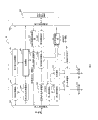
图4为实现本发明技术方案的一种用户终端设备主要结构示意图;FIG. 4 is a schematic diagram of the main structure of a user terminal device implementing the technical solution of the present invention;
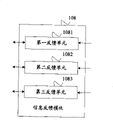
图5为图4中信息反馈模块的一种具体结构示意图。FIG. 5 is a schematic diagram of a specific structure of the information feedback module in FIG. 4 .
具体实施方式 Detailed ways
首先,本发明在此提供第一种在网络侧实现流媒体内容深度审查的方法,该方法的基本原理如图2所示,将审查中心设置在运营商的核心网络中心,该审查中心与周边的审查码流生成节点通信连接,审查码流生成节点可以单独设置,也可以和其它现有网络实体合并设置,例如:媒体网关或媒体资源服务器等。审查码流生成节点根据原始内容媒体流,产生审查媒体流发送给审查中心。审查媒体流中主要包括视频审查码流,产生视频审查码流方法较为复杂,可以包括以下几种:基于场景分割的视频审查码流产生方法;根据视频码流中的所有I帧生成视频审查码流的方法;基于重新量化DCT系数的视频审查码流产生办法;基于降低图像分辨率的视频审查码流产生办法和基于降低帧率的视频审查码流产生办法。通过上述方法产生的审查码流尽可能保持原始内容码流的主要信息,至少在人工观看的时候,能够判定内容的性质;并且比特率尽可能低,减小的网络传输的负担。First of all, the present invention provides the first method for realizing in-depth review of streaming media content on the network side. The basic principle of the method is shown in Figure 2. The review center is set at the core network center of the operator. The communication connection of the censorship code stream generation node, the censorship code stream generation node can be set independently, or combined with other existing network entities, such as media gateway or media resource server. The review code stream generation node generates a review media stream based on the original content media stream and sends it to the review center. The censorship media stream mainly includes the video censorship code stream, and the method for generating the video censorship code stream is relatively complicated, which may include the following: a method for generating a video censorship code stream based on scene segmentation; generating a video censorship code according to all I frames in the video code stream stream method; video censorship code stream generation method based on requantized DCT coefficients; video censorship code stream generation method based on reducing image resolution and video censorship code stream generation method based on frame rate reduction. The censorship code stream generated by the above method keeps the main information of the original content code stream as much as possible, at least when manually watching, the nature of the content can be judged; and the bit rate is as low as possible, reducing the burden of network transmission.
来自各处审查码流生成节点的审查媒体流被汇总到内容审查中心后,审查中心可以对审查码流进行人工识别或自动识别,如果有害,则要采取措施,命令有问题内容所经过的审查码流生成节点进行如下处理:After the censored media streams from various censorship code stream generation nodes are aggregated to the content review center, the review center can manually or automatically identify the censorship code stream, and if it is harmful, it will take measures to order the review of the problematic content The code stream generation node performs the following processing:
1、切断有害内容码流;1. Cut off the stream of harmful content;
2、用无害的备用替换内容码流进行替换,这样用户仍然可以看到内容,最常用的方式是插播广告等;2. Replace it with a harmless alternate content code stream, so that users can still see the content. The most common way is to insert advertisements, etc.;
当然,如果运营商的网络很大,审查中心也可以分级设置,一个审查中心负责网络一部分。仍参阅图3所示,存在一个最高的1级审查中心,另外,最高审查中心中的审查专家的权威最高,对于存在疑问的内容,如果下面的2级审查中心无法判定,可以交给最高审查中心利用人工识别进行判定。Of course, if the operator's network is very large, the review center can also be set up hierarchically, and one review center is responsible for a part of the network. Still referring to Figure 3, there is a highest level 1 review center. In addition, the review experts in the highest review center have the highest authority. If there is any questionable content, if the following level 2 review center cannot judge, it can be handed over to the highest review center. The center uses manual identification to make a judgment.
本发明还提供第二种基于分层编码技术,在网络侧实现的视频码流审查方法、系统和相关设备。通过基本层来产生审查码流,由审查设备对于审查码流进行审查,审查没有问题时,审查设备再向接收用户接收端转发该基本层码流,增强层码流则不经过审查设备,直接发送给用户接收端,用户终端接收到所有基本层加上增强层后,可以进行解码重构总的视频码流并收看节目,用户终端收不到基本层,就无法解码重构收看节目。The present invention also provides a second video stream review method, system and related equipment implemented on the network side based on layered coding technology. The review code stream is generated through the basic layer, and the review device will review the review code stream. If there is no problem in the review, the review device will forward the basic layer code stream to the receiving end of the receiving user, and the enhancement layer code stream will not pass through the review device. After the user terminal receives all the basic layers plus the enhancement layer, it can decode and reconstruct the total video code stream and watch the program. If the user terminal cannot receive the basic layer, it cannot decode, reconstruct and watch the program.
实现该技术方案的审查系统结构示意图如图2所示,主要包括内容源的相关设备、内容数据库、流媒体服务器、内容审查设备和用户接收端设备,其中:The structural diagram of the review system for implementing this technical solution is shown in Figure 2, which mainly includes related devices of content sources, content databases, streaming media servers, content review devices and user receiving end devices, among which:
实线部分为直播模式的审查实现流程,直播模式下,内容源直接将审查用的基本码流直接发送给通过流媒体服务器发送给内容审查设备,剩余增强码流延迟发送给用户接收端,审查设备审查基本码流中不包含有害内容时,再将基本码流转发给用户接收端,如果基本码流中包含有害内容,则不将基本码流转发给用户接收端,这样,用户接收端收不到基本码流时,无法解码重构原始视频码流。这一过程中,审查设备可以根据需要的视频质量,通知内容源相应提高/降低基本层码流的编码质量,或者在转发该基本层码流的同时,增加/减少转发用于增强审查效果和准确性的增强层码流。如果是后者,相应用于审查的码流中还包括一部分增强码流。The solid line part is the review implementation process of the live broadcast mode. In the live broadcast mode, the content source directly sends the basic code stream for review to the content review device through the streaming media server, and the remaining enhanced code stream is delayed and sent to the user receiving end. When the device checks that the basic code stream does not contain harmful content, it forwards the basic code stream to the user receiving end. If the basic code stream contains harmful content, it does not forward the basic code stream to the user receiving end. In this way, the user receiving end receives When the basic code stream is not reached, the original video code stream cannot be decoded and reconstructed. During this process, the censorship device can notify the content source to increase/decrease the coding quality of the basic layer code stream according to the required video quality, or increase/decrease the forwarding while forwarding the basic layer code stream to enhance the review effect and Accurate enhancement layer bitstream. If it is the latter, part of the enhanced code stream is also included in the corresponding code stream for review.
虚线部分为存储内容播放模式的审查实现流程,存储内容播放模式下,内容源先将产生的基本层码流和增强层码流分别存储到对应的基本层码流轨道和增强层轨道;流媒体服务器再播放该视频内容时,从基本层码流轨道中读出基本层码流并转发给审查设备,读出增强层码流并进行延迟处理后发送给用户终端;同样,这一过程中,审查设备根据需要的视频质量,通知流媒体服务器在转发该基本层码流的同时,增加/减少转发用于增强审查效果和准确性的增强层码流,相应用于审查的码流中还包括一部分增强码流。The dotted line is the review implementation process of the stored content playback mode. In the stored content playback mode, the content source first stores the generated base layer code stream and enhancement layer code stream to the corresponding base layer code stream track and enhancement layer track respectively; streaming media When the server plays the video content again, it reads the basic layer code stream from the basic layer code stream track and forwards it to the inspection device, reads out the enhancement layer code stream and sends it to the user terminal after delay processing; similarly, in this process, According to the required video quality, the inspection device notifies the streaming media server to increase/decrease the forwarding of the enhanced layer code stream to enhance the review effect and accuracy while forwarding the basic layer code stream. The code stream used for review also includes Part of the enhanced code stream.
该技术方案主要基于以下三种主流分层编码技术实现:基于时间分层视频编码方法;基于SNR分层视频编码方法;基于空间分层视频编码方法。The technical solution is mainly implemented based on the following three mainstream layered coding technologies: a time-based layered video coding method; an SNR-based layered video coding method; a spatially layered video coding method.
上述两种技术方案给出了在网络侧利用审查码流进行深度内容审查的技术方案,本申请基于上述两种技术方案,提出一种在用户终端设备上实现深度内容审查的技术方案,技术构思主要包括:The above two technical solutions provide a technical solution for in-depth content review by using the review code stream on the network side. Based on the above two technical solutions, this application proposes a technical solution for implementing in-depth content review on user terminal equipment. The technical concept mainly include:
用户终端设备解码所述原始视频码流的审查码流图像并同步显示该审查码流图像,用户审查所述审查码流图像并在该审查码流图像中包含有害内容时发出控制指令;The user terminal device decodes the censored code stream image of the original video code stream and displays the censored code stream image synchronously, and the user reviews the censored code stream image and issues a control command when the censored code stream image contains harmful content;
用户终端设备解码重构流媒体内容的原始视频码流图像并延迟显示该原始视频码流图像,并在接收到用户的控制指令时停止显示所述原始视频码流图像。The user terminal device decodes the original video code stream image of the reconstructed streaming media content, delays displaying the original video code stream image, and stops displaying the original video code stream image when receiving a user control instruction.
原始视频码流图像的延迟时间取决于预览审查所需要的时间,通常可以设定为5秒钟。The delay time of the original video code stream image depends on the time required for preview review, usually it can be set to 5 seconds.
基于前述第一种技术方案,审查码流为基于原始视频码流生成的专用低码率审查码流,该低码率审查码流和原始视频码流被网络侧一起并行转发给用户终端设备,该低码率审查码流和原始视频码流可能同时或近似同时到达用户终端设备,主要取决于网络侧内容审查系统(即审查中心)对原始视频码流相对于审查码流引入的延时。Based on the aforementioned first technical solution, the review code stream is a dedicated low-bit-rate review code stream generated based on the original video code stream, and the low-bit-rate review code stream and the original video code stream are forwarded to the user terminal equipment in parallel by the network side, The low-bit rate censored code stream and the original video code stream may arrive at the user terminal device at the same time or approximately at the same time, mainly depending on the delay introduced by the network-side content review system (that is, the review center) to the original video code stream relative to the censored code stream.
基于前述第二种技术方案,原始视频码流被内容源分层编码为基本层码流和至少一层增强层码流,用户终端设备将其中的基本层码流作为所述审查码流;并根据已经完成解码的基本层码流和对应的增强层码流解码重构所述原始视频码流图像。如果网络侧审查设备不对基本层码流进行审查,则基本层码流和增强层码流同时达到用户终端设备;反之,如果网络侧审查设备预先对审查码流进行审查,则基本层码流和增强层码流相继到达用户终端设备。Based on the aforementioned second technical solution, the original video code stream is hierarchically encoded by the content source into a base layer code stream and at least one enhancement layer code stream, and the user terminal device uses the base layer code stream as the review code stream; and The original video code stream image is decoded and reconstructed according to the decoded base layer code stream and the corresponding enhancement layer code stream. If the inspection device on the network side does not inspect the code stream of the basic layer, the code stream of the basic layer and the code stream of the enhancement layer reach the user terminal equipment at the same time; The code streams of the enhancement layer arrive at the user terminal equipment one after another.
上述两种场景中,用户都可以通过预览审查码流图像实现有害内容的审查,并及时切断包含有害内容的原始视频码流图像的播放,实现有害内容的控制。In the above two scenarios, the user can realize the review of harmful content by previewing the review code stream image, and cut off the playback of the original video code stream image containing harmful content in time to realize the control of harmful content.
该技术方案还可以和现有的家长锁控制方案同时应用,具体为:用户预先在用户终端设备存储家长锁数据,网络侧EPG/元数据系统在用户请求流媒体内容时,先将包含所述原始视频码流分类定级定性属性的元数据信息发送给用户终端设备;用户终端设备根据所述元数据信息和用户输入的家长锁数据对流媒体内容进行匹配过滤;用户终端设备还可以同时将用户输入的家长锁数据发送给流媒体业务系统,流媒体业务系统在收到用户的流媒体业务请求时,根据所述家长锁数据和被请求内容的元数据进行匹配过滤。This technical solution can also be applied simultaneously with the existing parental lock control solution, specifically: the user stores the parental lock data in the user terminal device in advance, and the network-side EPG/metadata system first includes the parental lock data when the user requests streaming media content. The metadata information of the original video stream classification, grading and qualitative attributes is sent to the user terminal device; the user terminal device performs matching and filtering on the streaming media content according to the metadata information and the parental lock data input by the user; the user terminal device can also simultaneously The input parental lock data is sent to the streaming media service system, and the streaming media service system performs matching and filtering according to the parental lock data and the metadata of the requested content when receiving the streaming media service request from the user.
该技术方案还可以和现有的URL过滤方案同时应用,具体为:根据用户预先输入的URL过滤信息过滤有害内容源,其中,URL过滤包括两个方面的控制:禁止向URL过滤信息中的有害内容源发送内容请求;或者禁止接收URL过滤信息中的有害内容源推送的流媒体内容。This technical solution can also be applied at the same time as the existing URL filtering solution, specifically: filtering harmful content sources according to the URL filtering information input by the user in advance, wherein, URL filtering includes two aspects of control: prohibiting the harmful content in the URL filtering information; The content source sends a content request; or it is forbidden to receive the streaming media content pushed by the harmful content source in the URL filtering information.
这样,对于家长不在家里的时间段,家长可以采用如下措施来保证未成年子女避免受到有害内容的侵害:In this way, for the time period when the parents are not at home, the parents can take the following measures to ensure that the underage children are protected from harmful content:
(1)传统的家长锁设定,封锁某类频道或者节目。(1) Traditional parental lock settings, blocking certain channels or programs.
(2)家长订制第三方的URL过滤服务;(2) Parents order a third-party URL filtering service;
(3)订制网络侧的内容审查服务,实现精细粒度的内容接收控制。(3) Customize the content review service on the network side to achieve fine-grained content reception control.
如果网络侧限于技术原因或者经济原因,无法提供内容审查服务的情况下,有两种不同的情况:If the network is limited to technical reasons or economic reasons and cannot provide content review services, there are two different situations:
(1)内容源(比如内容提供商的流媒体服务器)提供审查码流,但是网络侧没有审查系统来对于审查码流进行审查。则只能依靠用户终端接受审查码流,通过预览的方式进行审查。(1) The content source (such as the streaming media server of the content provider) provides the censored code stream, but there is no censorship system on the network side to review the censored code stream. You can only rely on the user terminal to accept the code stream for review and conduct review through preview.
(2)如果内容源不能提供审查码流,并且网络侧没有审查系统对于审查码流进行审查。那么只能依赖于家长控制或者第三方URL过滤。(2) If the content source cannot provide the review code stream, and there is no review system on the network side to review the review code stream. Then you can only rely on parental controls or third-party URL filtering.
对于URL过滤,首先网络侧流媒体业务系统的内容安全系统能够利用第三方提供的URL分类评级信息对于从网络侧发往用户终端的内容媒体流进行控制。用户终端从第三方URL服务系统得到准备请求内容的URL评级,用用户自己的过滤条件来匹配第三方URL评级信息,然后进行接收控制。For URL filtering, firstly, the content security system of the streaming media service system on the network side can use the URL classification and rating information provided by a third party to control the content media stream sent from the network side to the user terminal. The user terminal obtains the URL rating of the content to be requested from the third-party URL service system, matches the third-party URL rating information with the user's own filter conditions, and then performs reception control.
在审查出有害内容后,该技术方案还可以进一步向网络侧相关系统反馈有害内容的相关信息,包括以下几个方面的反馈:After reviewing the harmful content, the technical solution can further feed back relevant information about the harmful content to the relevant system on the network side, including feedback from the following aspects:
1、向网络侧EPG/元数据系统反馈如下信息:所述原始视频码流提供商的名称和/或代号、所述原始视频码流发送频道的名称和/或编号、所述原始视频码流的节目名称或编号;1. Feedback the following information to the network side EPG/metadata system: the name and/or code of the original video code stream provider, the name and/or number of the original video code stream sending channel, the original video code stream the program title or serial number;
2、向网络侧视频码流内容审查系统反馈如下信息:所述原始视频码流提供商的名称和/或代号、所述原始视频码流发送频道的名称和/或编号、所述原始视频码流的节目名称或编号;2. Feedback the following information to the network-side video code stream content review system: the name and/or code number of the original video code stream provider, the name and/or number of the sending channel of the original video code stream, the original video code stream the program name or number of the stream;
3、向第三方URL评级系统反馈所述原始视频码的URL信息。3. Feedback the URL information of the original video code to the third-party URL rating system.
还可以同时反馈有害内容出现的时间段信息和/或用户给出的有害内容级别信息。该反馈机制可以为网络侧提供很好的参考数据,以完善网络的各种过滤、审查机制。例如:网络侧EPG/元数据系统可以根据真实的反馈信息及时修正元数据信息;内容审查系统可以根据真实的反馈信息实现更精细的内容审查;第三方URL评级系统也可以根据其中真实的反馈信息修正评级数据等。It is also possible to feed back the time period information of the harmful content and/or the level information of the harmful content given by the user at the same time. This feedback mechanism can provide good reference data for the network side to improve various filtering and review mechanisms of the network. For example: the network-side EPG/metadata system can correct metadata information in a timely manner based on real feedback information; the content review system can implement more refined content review based on real feedback information; third-party URL rating systems can also use real feedback information Correction of rating data, etc.
如果使用反馈机制,反馈信息的收集主要有两个渠道:If a feedback mechanism is used, there are two main channels for collecting feedback information:
EPG/元数据系统发送的元数据信息到达用户终端设备后,其中的部分信息都保存在终端设备的相应内存中,终端设备接收到用户停止显示原始视频码流图像的控制指令后,从相应内存中自动提取这些信息以备反馈,需要反馈的相关信息一般包括:After the metadata information sent by the EPG/metadata system arrives at the user terminal device, part of the information is stored in the corresponding memory of the terminal device. This information is automatically extracted for feedback. The relevant information that needs to be fed back generally includes:
(1)原始视频码流内容提供商名称和代号;(1) The name and code of the original video stream content provider;
(2)发送原始视频码流频道名称和编号;(2) Send the channel name and number of the original video stream;
(3)原始视频码流的节目名称和编号;(3) The program name and serial number of the original video code stream;
另外,部分需要反馈的信息由用户输入,例如:In addition, some information that needs to be fed back is input by the user, for example:
(1)有害内容分类;(1) Classification of harmful content;
暴力、色情、反动等。由用户通过遥控器选择反馈。Violence, pornography, reactionary, etc. Feedback is selected by the user via the remote control.
(2)有害程度级别;(2) The degree of harmfulness;
0-N级。0级最高,最严重,N级最低,最不严重,由用户通过遥控器选择反馈,缺省级别为0。0-N level. Level 0 is the highest and the most serious, level N is the lowest and the least serious, the user selects feedback through the remote control, and the default level is 0.
当然需要用户输入的信息都是可选的,如果用户没有输入上述信息,会有一组缺省值供使用。Of course, the information that needs to be input by the user is optional. If the user does not input the above information, there will be a set of default values for use.
如果需要反馈有害内容的时间信息,可以有以下两种记录方法:If you need to feed back the time information of harmful content, you can use the following two recording methods:
(1)终端设备在收到用户的停止显示控制指令时,自动提取系统时间进行记录。该时间是以终端的时间系统为基准的相对于节目开始时间的相对偏移时间。这个时间信息反馈给网络侧,网络侧需要进行必要的校正(考虑因为网络传送引起的媒体流在终端上播放的时间非均匀性和网络侧时间和终端时间的非同步性等因素)。(1) When the terminal device receives the user's stop display control instruction, it automatically extracts the system time and records it. The time is a relative offset time relative to the start time of the program based on the time system of the terminal. This time information is fed back to the network side, and the network side needs to make necessary corrections (considering factors such as the time non-uniformity of the media stream played on the terminal caused by network transmission and the asynchronous time between the network side and the terminal time).
(2)终端设备提示用户输入时间段信息。(2) The terminal device prompts the user to input time period information.
用户可以在收看完全部节目后再进行反馈,因此有可能记录多个时间段信息,例如:Users can give feedback after watching all the programs, so it is possible to record multiple time period information, such as:
记录0:起始时间:hh:mm:ss(第一段有害内容起始时刻);Record 0: start time: hh:mm:ss (start time of the first harmful content);
结束时间:hh:mm:ss(第一段有害内容结束时刻);End time: hh:mm:ss (the end time of the first harmful content);
记录1:起始时间:hh:mm:ss(第二段有害内容起始时刻);Record 1: start time: hh:mm:ss (start time of the second harmful content);
结束时间:hh:mm:ss(第二段有害内容结束时刻);End time: hh:mm:ss (end time of the second harmful content);
...... …
记录N-1:起始时间:hh:mm:ss(第N段有害内容起始时刻);Record N-1: start time: hh:mm:ss (start time of harmful content in paragraph N);
结束时间:hh:mm:ss(第N段有害内容结束时刻);End time: hh:mm:ss (the end time of the harmful content of paragraph N);
以上时刻为相对时间偏移量,相对于节目开始时间,节目开始时间对应的时刻为00:00:00。The above time is a relative time offset, relative to the program start time, the time corresponding to the program start time is 00:00:00.
当用户需要反馈时,可以通过特定按键向用户终端设备输入反馈指令,用户终端设备收到反馈指令后,自动将前述信息结合起来,产生反馈消息发送给网络侧。When the user needs feedback, he can input a feedback command to the user terminal device through a specific button. After receiving the feedback command, the user terminal device automatically combines the aforementioned information to generate a feedback message and send it to the network side.
进一步控制可以实现,向网络侧的不同相关系统反馈相应的信息,例如网络侧内容审查系统(例如审查中心)、EPG/元数据系统或第三方URL评级系统等。Further control can be achieved by feeding back corresponding information to different related systems on the network side, such as content review systems (such as review centers) on the network side, EPG/metadata systems or third-party URL rating systems, etc.
网络侧内容审查系统(例如审查中心)收到反馈的信息后,可能采取如下措施进行处理:After receiving the feedback information, the network-side content review system (such as the review center) may take the following measures to deal with it:
(1)经过检查人员核实记录到数据库;(1) After being verified by the inspectors, it is recorded in the database;
(2)对于经过核实记录到数据库中内容数据,在该内容下次播放时,可以进行控制。一种策略是对于有害内容,暂停播放,到有害内容结束时才继续播放后续媒体流。通过利用每个有害片断的开始和结束时刻信息可以精确进行控制等。(2) For the content data recorded in the database after verification, it can be controlled when the content is played next time. One strategy is to pause playback of harmful content and continue playing subsequent media streams when the harmful content ends. Control and the like can be precisely performed by using the start and end time information of each harmful segment.
这样,用户终端设备和网络侧内容审查服务结合提供多种内容安全方法结合的内容安全策略以及实现精细粒度的内容接收控制。In this way, the combination of the user terminal device and the network-side content inspection service provides a content security policy combining multiple content security methods and implements fine-grained content reception control.
相对于现有技术,本发明能够提供基于用户终端的精细粒度的内容接收控制。不但可以控制是否接收某个频道,频道中的某个影片,还可以深入到影片中,实现不同片断的接收控制。Compared with the prior art, the present invention can provide user terminal-based fine-grained content receiving control. Not only can you control whether to receive a certain channel or a certain film in the channel, but you can also go deep into the film to realize the reception control of different clips.
如果网络侧流媒体业务系统提供了内容审查功能,有两种情况:If the streaming media service system on the network side provides the content review function, there are two situations:
(1)强制的:对于所有从网络侧传送到用户终端的内容媒体流都要进行审查。(1) Mandatory: All content media streams transmitted from the network side to the user terminal must be inspected.
(2)可选的:用户通过订制服务的方式获得网络侧内容审查的服务。这种服务可能是有偿的。在用户定制了这样的服务后,某些从网络侧发送到用户终端的内容媒体流要被审查。用户可以通过设置过滤条件,来控制对于内容审查的范围。比如对于来自某家IPTV网络电视公司的所有频道进行审查,或者特定几个频道进行审查。就频道来说,可以对于一个频道的某个时间段内的(午夜00:00AM-7:00PM等等)播放的节目进行审查等。用户还可以选择是否要接收审查码流在自己的用户终端上进行预览。如果选择预览,等于用户自己也进行审查,加上网络审查是双重保险。还可以通过反馈机制报告网络审查的漏洞等。(2) Optional: the user obtains the content review service on the network side by ordering the service. This service may be paid for. After the user customizes such a service, some content media streams sent from the network side to the user terminal will be censored. Users can control the scope of content review by setting filter conditions. For example, all channels from a certain IPTV network TV company are checked, or a few specific channels are checked. As far as channels are concerned, it is possible to censor programs broadcast within a certain time period (midnight 00:00AM-7:00PM, etc.) of a channel. Users can also choose whether to receive the review code stream to preview on their own user terminals. If you choose to preview, it is equal to the user's own review, plus network review is double insurance. Vulnerabilities in web censorship, etc. can also be reported through the feedback mechanism.
该技术方案中,用户停止显示所述原始视频码流图像的同时,终端设备可以保持显示所述审查码流图像,用户可以在有害内容结束后指示终端设备再继续显示原始视频码流图像。In this technical solution, while the user stops displaying the original video code stream image, the terminal device can keep displaying the censored code stream image, and the user can instruct the terminal device to continue displaying the original video code stream image after the harmful content ends.
由此可见,通过和网络侧内容安全机制相结合,通过利用现有的基于用户终端的内容安全技术,本发明可以提供一种综合的,多层次,适合各种应用场景的,并且支持精细粒度的内容安全控制方案。It can be seen that by combining with the content security mechanism on the network side and by utilizing the existing user terminal-based content security technology, the present invention can provide a comprehensive, multi-level, suitable for various application scenarios, and supports fine-grained content security control scheme.
为实现上述技术方案,本发明提供一种用户终端设备100,主要结构如图4所示,包括:In order to realize the above technical solution, the present invention provides a
1、第一解码模块1011、延迟模块1012和第一显示模块1013,其中,延迟模块1012连接在第一解码模块1011和第一显示模块1013之间,第一解码模块1011解码重构流媒体业务的原始视频码流图像并经延迟模块1012延迟输出给第一显示模块1013,第一显示模块1013显示该原始视频码流图像;1. The
其中,第一显示模块1013用显示流媒体节目的原始视频码流图像,为现有用户终端上流媒体业务的显示设备,可以是计算机的显示器,也可以是电视的显示屏。Wherein, the
2、第二解码模块1021和第二显示模块1023,第二解码模块1021解码原始视频码流的审查码流图像,并同步输出给第二显示模块1023,第二显示模块1023同步显示该审查码流图像,用户通过预览审查码流图像来进行有害内容的人工审查,并在该审查码流图像中包含有害内容时发出控制指令;2. The
其中,第二显示模块1023显示预览画面,通常为了实现隔离审查,第二显示模块1023与第一显示模块1013分开设置,可以是单独的辅助显示设备,为方便控制,该辅助显示设备可以设置在遥控器或手持式终端,将审查码流图像显示信号单独通过有线或者无线连接发给遥控器或者其它小型的可以接收具有这样格式标准信号的手持式终端进行显示。目前已经有很多手机、PAD等通过蓝牙等无线接口和其它家电之间交换数据的商业化产品。采用这种方式的好处是预览图像只有持有遥控器/其它手持设备的人(通常是家长)能够看到,别人(未成年人)看不到,完全杜绝了有害内容的侵害。Wherein, the
当然,也可以将第二显示模块1023作为第一显示模块1013中的一个子画面显示。Of course, the
3、用户指令处理模块1031和用户指令输入模块1032,用户通过第二显示模块1023预览审查码流图像,并在该审查码流图像中包含有害内容时发出控制指令,用户指令输入模块1032接收并处理该控制指令,根据该控制指令触发第一显示模块1013停止显示原始视频码流图像。3. The user
用户指令处理模块1031处理来自用户指令输入模块1032的用户控制指令,并和用户进行交互,产生图形用户界面,并且将界面图形数据送到第一显示模块1013上进行显示。对于用户输入的内容安全反馈指令,通知信息反馈模块108收集相关信息并产生反馈消息,反馈消息通过网络侧第一通信模块1041发送给网络侧内容审查系统、EPG/元数据系统或第三方URL服务系统。The user
第二显示模块1023可以独立设置或者与用户指令输入模块1032合并设置。用户指令输入模块1032包括但不限于:键盘、遥控器、机顶盒的控制面板、基于个人计算机的软件控制界面等。相应的,用户指令输入模块1032至少应该包括控制指令输入单元和反馈指令输入单元。The
4、第一通信模块1041和第二通信模块1042,第一通信模块1041分别连接第一解码模块1011和第二解码模块1021;4. The
如果基于分层编码技术,如图10所示,第一解码模块1011和第二解码模块1021之间相互直接连接;第一通信模块1041从网络侧接收采用分层编码方式压缩的原始视频码流,该原始视频码流包括基本层码流和至少一层增强层码流,第一通信模块1041将其中的增强层码流输出给第一解码模块1011,将基本层码流作为审查码流输出给第二解码模块1021,第二解码模块1021解码基本层码流图像,第一解码模块1011根据第二解码模块1021已经完成解码的基本层码流和对应的增强层码流解码重构原始视频码流图像。If it is based on layered coding technology, as shown in Figure 10, the
如果基于专用审查码流技术,第一解码模块1011和第二解码模块1021之间不直接连接(图10所示为前一种情况);第一通信模块1041从网络侧并行接收原始视频码流和基于该原始视频码流产生的低码率审查码流,将原始视频码流输出给第一解码模块1011,将审查码流输出给第二解码模块1021。If it is based on the dedicated review code stream technology, there is no direct connection between the
第二通信模块1042连接在用户指令处理模块1031和用户指令输入模块1032之间,用户指令输入模块1032接收用户的控制指令并通过第二通信模块1042传输给用户指令处理模块1031,用户指令处理模块1031根据该控制指令触发第一显示模块1013停止显示原始视频码流图像。The
5、显示处理模块105,第一解码模块1011通过延迟模块1012和显示处理模块105相连;第二解码模块1021通过显示处理模块105和第二显示模块1023相连;显示处理模块105对视频码流图像进行相关处理。5. The
6、家长锁数据库1061,连接第二通信模块1042,存储用户输入的家长锁数据;6. The
家长锁处理模块1062,连接在EPG信息处理模块1063和第二通信模块1042之间,并同时连接第一解码模块1011,根据视频码流的元数据信息与家长锁数据对流媒体内容进行匹配过滤。The parental
电子节目指导EPG信息处理模块1063,连接第一通信模块1041,通过第一通信模块1041接收并处理网络侧的EPG/元数据系统发送的原始视频码流的元数据信息;The electronic program guide EPG
7、URL过滤信息数据库1071,连接第二通信模块1042,存储用户输入的URL过滤信息;7. The URL
URL过滤处理模块1072,连接在URL过滤信息数据库1071和第一通信模块1041之间,根据用户输入的过滤URL信息过滤有害内容源。The URL
8、信息反馈模块108,连接在用户指令处理模块1031和第一通信模块1041之间,根据用户反馈指令提取有害内容的视频码流相关信息,并通过第一通信模块1041将反馈消息发送给网络侧相关系统。8. The
如图5所示,信息反馈模块108至少包括如下之一:As shown in Figure 5, the
第一反馈单元1081,根据用户的反馈指令从EPG信息处理模块中提取原始视频码流提供商的名称和/或代号、以及原始视频码流发送频道的名称和/或编号、以及原始视频码流的节目名称和/或编号并反馈给网络侧的EPG/元数据系统;The
第二反馈单元1082,根据用户的反馈指令从EPG信息处理模块中提取原始视频码流提供商的名称和/或代号、以及原始视频码流发送频道的名称和/或编号、以及原始视频码流的节目名称和/或编号并反馈给网络侧的视频码流内容审查系统;The
第三反馈单元1083,根据用户的反馈指令从第一通信模块1041中提取原始视频码流的URL信息并反馈给网络侧第三方URL评级系统。The
9、主控模块1091,分别连接其它每一个模块,控制用户终端设备的运行,用户指令处理模块1031将用户的控制指令发送给该主控模块1091,该主控模块1091控制第一显示模块1013停止/继续显示原始视频码流图像;9. The
其它信息处理模块1092,连接在第一通信模块1041和主控模块1091之间,接收来自网络侧的其它信息并输出给主控模块1091,主控模块1091再分发给相关模块,该其它信息至少包括网络管理信息或软件版本更新信息。The other
日志记录模块1093,分别连接其它每一个模块,记录用户终端设备的运行日志并生成日志报告。The
替换内容库1094,连接在显示处理模块和主控模块1091之间,主控模块1091在第一显示模块1013停止显示原始视频码流图像时,通知显示处理模块105从替换内容库中提取替换内容并输出给第一显示模块1013进行显示。The replacement content library 1094 is connected between the display processing module and the
一旦用户发现预览的审查码流图像出现问题,可以马上通过用户指令输入模块1032(例如遥控器)控制用户终端设备停止接收/解码内容媒体流,指令终端播放预先存储的视频和音频片断,比如喜爱的动画片,或者显示屏幕保护。对于采用独立第二显示设备(例如遥控器)显示预览视频的情况下,还可以允许继续接受审查码流,这样可以知道什么时候有害部分播放过去,等有害内容结束后,可以及时控制用户终端设备继续播放原始视频码流图像。Once the user finds that there is a problem with the previewed review code stream image, he can immediately control the user terminal device to stop receiving/decoding the content media stream through the user instruction input module 1032 (such as a remote control), and instruct the terminal to play pre-stored video and audio clips, such as favorite animation, or display a screen saver. In the case of using an independent second display device (such as a remote control) to display the preview video, it is also allowed to continue to accept the censored code stream, so that you can know when the harmful part is played, and you can control the user terminal device in time after the harmful content is over. Continue to play the original video code stream image.
实现上述控制的方法很多,可以通过设置不同的用户指令(例如特定的遥控器按钮)来实现。家长自己根据当前的显示模式来决定采取什么措施并相应操作对应的按钮。在采用遥控器显示预览视频的情况下,家长可以指令终端停止接收增强层码流,而只接收基本层码流。对于非分层情况,家长可以指令终端停止显示内容码流,只显示预览码流。按键可以是多个,处理多种情况,这样比较麻烦,好处是人的自主程度高。也可以是一个,傻瓜式,但是人的自主程度差。比如用户要停止播放有害内容,只要按一个按键,但是终端系统收到这个指令后,自动根据当前是否分层编码,是否采用分离显示模式来智能地采取行动。There are many ways to realize the above control, which can be realized by setting different user commands (such as specific remote control buttons). Parents themselves decide what measures to take according to the current display mode and operate the corresponding buttons accordingly. In the case of using the remote control to display the preview video, the parent can instruct the terminal to stop receiving the enhanced layer code stream and only receive the basic layer code stream. For non-hierarchical cases, parents can instruct the terminal to stop displaying content streams and only display preview streams. There can be multiple buttons to handle multiple situations, which is troublesome, but the advantage is that people have a high degree of autonomy. It can also be one, fool-like, but the degree of autonomy of people is poor. For example, if the user wants to stop playing harmful content, he only needs to press a button, but after the terminal system receives this instruction, it will automatically take actions intelligently according to whether the current layered encoding is used or whether the separate display mode is used.
利用本发明方案,对主流是健康的内容进行局部有害内容的控制和删除,从而可以起到“萃取精华,排斥糟粕”的作用,为不同国家和历史年代的优秀文化的最大程度吸收和利用提供了技术条件。Utilizing the scheme of the present invention, the mainstream healthy content is controlled and deleted locally, so that it can play the role of "extracting the essence and repelling the dross", providing the maximum absorption and utilization of excellent cultures from different countries and historical eras. technical conditions.
显然,本领域的技术人员可以对本发明进行各种改动和变型而不脱离本发明的精神和范围。这样,倘若本发明的这些修改和变型属于本发明权利要求及其等同技术的范围之内,则本发明也意图包含这些改动和变型在内。Obviously, those skilled in the art can make various changes and modifications to the present invention without departing from the spirit and scope of the present invention. Thus, if these modifications and variations of the present invention fall within the scope of the claims of the present invention and their equivalent technologies, the present invention also intends to include these modifications and variations.
Claims (26)
Priority Applications (1)
| Application Number | Priority Date | Filing Date | Title |
|---|---|---|---|
| CNB2006100907122A CN100456830C (en) | 2006-06-28 | 2006-06-28 | User terminal equipment and review method for realizing streaming media content review |
Applications Claiming Priority (1)
| Application Number | Priority Date | Filing Date | Title |
|---|---|---|---|
| CNB2006100907122A CN100456830C (en) | 2006-06-28 | 2006-06-28 | User terminal equipment and review method for realizing streaming media content review |
Publications (2)
| Publication Number | Publication Date |
|---|---|
| CN1968409A CN1968409A (en) | 2007-05-23 |
| CN100456830C true CN100456830C (en) | 2009-01-28 |
Family
ID=38076912
Family Applications (1)
| Application Number | Title | Priority Date | Filing Date |
|---|---|---|---|
| CNB2006100907122A Expired - Fee Related CN100456830C (en) | 2006-06-28 | 2006-06-28 | User terminal equipment and review method for realizing streaming media content review |
Country Status (1)
| Country | Link |
|---|---|
| CN (1) | CN100456830C (en) |
Families Citing this family (13)
| Publication number | Priority date | Publication date | Assignee | Title |
|---|---|---|---|---|
| CN101448095B (en) * | 2007-11-28 | 2011-12-28 | 新奥特(北京)视频技术有限公司 | Method and system for reviewing film based on multi-stream |
| CN101466031B (en) * | 2007-12-18 | 2011-01-12 | 北京华星广视数码技术服务有限公司 | Method, device and system for playing and controlling stream medium |
| EP2180704A1 (en) | 2008-10-27 | 2010-04-28 | Thomson Licensing | Method of management of trick mode commands destined to control a digital content streaming server |
| US20110183654A1 (en) * | 2010-01-25 | 2011-07-28 | Brian Lanier | Concurrent Use of Multiple User Interface Devices |
| CN102137276B (en) * | 2010-01-27 | 2013-08-14 | 新奥特(北京)视频技术有限公司 | Check system with interactive function |
| KR101206111B1 (en) * | 2010-09-06 | 2012-11-28 | 한국항공대학교산학협력단 | Apparatus and method for providing streaming contents |
| CN102281472B (en) * | 2011-09-02 | 2016-06-01 | 刘敬梅 | A kind of encryption management video broadcasting system |
| CN102387420B (en) * | 2011-09-23 | 2016-06-01 | 刘敬梅 | A kind of method of encryption handling video playback |
| CN103347022A (en) * | 2013-07-04 | 2013-10-09 | 深圳市共进电子股份有限公司 | Method for safely accessing CPE page |
| CN103716690B (en) * | 2013-12-27 | 2017-09-01 | 广州华多网络科技有限公司 | Method, terminal, server and the system of multimedia live broadcast report |
| CN104540024B (en) * | 2014-12-18 | 2019-03-08 | 网宿科技股份有限公司 | Video terminal and method and system for restricting video playback |
| CN104954864B (en) * | 2015-06-19 | 2019-03-01 | 中国人民解放军信息工程大学 | Bi-directional set-top box intruding detection system and its detection method |
| CN106126220A (en) * | 2016-06-21 | 2016-11-16 | 乐视控股(北京)有限公司 | A kind of data managing method and device |
Citations (5)
| Publication number | Priority date | Publication date | Assignee | Title |
|---|---|---|---|---|
| CN1276126A (en) * | 1996-11-14 | 2000-12-06 | 菲利浦电子有限公司 | Receiver and method of controlling the viewing of television rogrammes |
| CN1314764A (en) * | 2000-03-17 | 2001-09-26 | 松下电器产业株式会社 | Controlling and monitoring system and method |
| US20030195977A1 (en) * | 2002-04-11 | 2003-10-16 | Tianming Liu | Streaming methods and systems |
| EP1455359A2 (en) * | 2003-03-05 | 2004-09-08 | Lg Electronics Inc. | Method and apparatus for managing parental level of optical disc |
| CN2669527Y (en) * | 2003-12-29 | 2005-01-05 | 青岛海信电器股份有限公司 | Children-locking circuit for liquid crystal television receiver |
-
2006
- 2006-06-28 CN CNB2006100907122A patent/CN100456830C/en not_active Expired - Fee Related
Patent Citations (5)
| Publication number | Priority date | Publication date | Assignee | Title |
|---|---|---|---|---|
| CN1276126A (en) * | 1996-11-14 | 2000-12-06 | 菲利浦电子有限公司 | Receiver and method of controlling the viewing of television rogrammes |
| CN1314764A (en) * | 2000-03-17 | 2001-09-26 | 松下电器产业株式会社 | Controlling and monitoring system and method |
| US20030195977A1 (en) * | 2002-04-11 | 2003-10-16 | Tianming Liu | Streaming methods and systems |
| EP1455359A2 (en) * | 2003-03-05 | 2004-09-08 | Lg Electronics Inc. | Method and apparatus for managing parental level of optical disc |
| CN2669527Y (en) * | 2003-12-29 | 2005-01-05 | 青岛海信电器股份有限公司 | Children-locking circuit for liquid crystal television receiver |
Also Published As
| Publication number | Publication date |
|---|---|
| CN1968409A (en) | 2007-05-23 |
Similar Documents
| Publication | Publication Date | Title |
|---|---|---|
| US8237767B2 (en) | System and method for screening video communications within an interactive television system | |
| US7006613B2 (en) | System and method for screening incoming video communications within an interactive television system | |
| US10116994B2 (en) | Methods and apparatus for providing parental or guardian control and visualization over communications to various devices in the home | |
| US9167287B2 (en) | Controlling a viewing session for a video program | |
| US8566860B2 (en) | System and methods for advanced parental control | |
| US20110276993A1 (en) | Media Content Programming Control Method and Apparatus | |
| KR20160003783A (en) | Real-time anti-piracy for broadcast streams | |
| US20070250863A1 (en) | Media content programming control method and apparatus | |
| US20090222853A1 (en) | Advertisement Replacement System | |
| US9918036B2 (en) | System and method for recording and distributing media content | |
| WO2007128234A1 (en) | Method and node for filtering the video stream | |
| CN104662923B (en) | For handling the method and device of digital service signal | |
| US8970668B2 (en) | High bandwidth streaming to media player | |
| CN1968409A (en) | User terminal equipment for stream media content checking and checking method | |
| WO2007128185A1 (en) | A system and method of media stream censorship and a node apparatus for generating censorship code stream | |
| US20100333158A1 (en) | Analysis of Packet-Based Video Content | |
| CN115550691A (en) | Video processing method, video transmission method, video viewing method and device | |
| US8204987B2 (en) | Providing reports of received multimedia programs | |
| WO2007131445A1 (en) | A method, a system and a apparatus for censoring video code stream | |
| US8793747B2 (en) | Method and apparatus for enabling user feedback from digital media content | |
| KR100932490B1 (en) | Broadcast receiver and video data processing method | |
| US20260073408A1 (en) | Detection of Surfing Activity as Basis to Reduce Inconclusive Media-Exposure Characterization | |
| CN119728890A (en) | Second field program gathering and distributing system for ultra-high definition digital performance | |
| CN119728889A (en) | Second field rebroadcasting broadcasting method for ultra-high definition digital performance | |
| KR20110007399A (en) | Method and device for providing content-mediated phone connection |
Legal Events
| Date | Code | Title | Description |
|---|---|---|---|
| C06 | Publication | ||
| PB01 | Publication | ||
| C10 | Entry into substantive examination | ||
| SE01 | Entry into force of request for substantive examination | ||
| C14 | Grant of patent or utility model | ||
| GR01 | Patent grant | ||
| TR01 | Transfer of patent right | ||
| TR01 | Transfer of patent right |
Effective date of registration: 20180213 Address after: California, USA Patentee after: Tanous Co. Address before: 518129 Bantian HUAWEI headquarters office building, Longgang District, Guangdong, Shenzhen Patentee before: HUAWEI TECHNOLOGIES Co.,Ltd. Effective date of registration: 20180213 Address after: California, USA Patentee after: Global innovation polymerization LLC Address before: California, USA Patentee before: Tanous Co. |
|
| CF01 | Termination of patent right due to non-payment of annual fee | ||
| CF01 | Termination of patent right due to non-payment of annual fee |
Granted publication date: 20090128 |