CN100596146C - Session Initiation Protocol Call Methods, Middleware, and Session Initiation Protocol User Agents - Google Patents
Session Initiation Protocol Call Methods, Middleware, and Session Initiation Protocol User Agents Download PDFInfo
- Publication number
- CN100596146C CN100596146C CN200710106132A CN200710106132A CN100596146C CN 100596146 C CN100596146 C CN 100596146C CN 200710106132 A CN200710106132 A CN 200710106132A CN 200710106132 A CN200710106132 A CN 200710106132A CN 100596146 C CN100596146 C CN 100596146C
- Authority
- CN
- China
- Prior art keywords
- sip
- user
- middleware
- message
- web browser
- Prior art date
- Legal status (The legal status is an assumption and is not a legal conclusion. Google has not performed a legal analysis and makes no representation as to the accuracy of the status listed.)
- Expired - Fee Related
Links
Images




Landscapes
- Telephonic Communication Services (AREA)
Abstract
本发明公开了一种SIP呼叫方法,包括:中间件检测到任意用户发起的SIP呼叫,对SIP呼叫消息经SIP协议栈处理后发送给目标SIP用户;接收到目标SIP用户发来的SIP呼叫消息,对该SIP呼叫消息经SIP协议栈处理后提供给所述发起SIP呼叫的用户。本发明还公开了一种中间件,包括:消息处理器和SIP协议栈。本发明还公开了一种SIP-UA,包括:WEB浏览器、WEB服务器和中间件。本发明可对SIP呼叫和SIP-UA进行集中管理,同时由于企业级应用或网络游戏等应用可在中间件上实现,因此,本发明提供的SIP-UA可与其它企业级应用或网络游戏等实现无缝衔接。

The invention discloses a SIP call method, comprising: middleware detects a SIP call initiated by any user, sends the SIP call message to the target SIP user after being processed by the SIP protocol stack; receives the SIP call message sent by the target SIP user , providing the SIP call message to the user who initiates the SIP call after being processed by the SIP protocol stack. The invention also discloses a middleware, including: a message processor and a SIP protocol stack. The invention also discloses a SIP-UA, including: WEB browser, WEB server and middleware. The present invention can carry out centralized management to SIP calling and SIP-UA, and because applications such as enterprise level applications or online games can be realized on the middleware at the same time, therefore, the SIP-UA provided by the present invention can be combined with other enterprise level applications or online games, etc. Make it seamless.
Description
技术领域 technical field
本发明涉及会话发起协议(SIP)技术领域,具体涉及SIP呼叫方法、中间件及SIP-UA。The invention relates to the technical field of session initiation protocol (SIP), in particular to a SIP calling method, middleware and SIP-UA.
背景技术 Background technique
当用户之间使用SIP进行通信时,用户必须有一个功能实体SIP-UA,用户通过自身的SIP-UA与其它用户的SIP-UA实现语音、视频数据的交互。When using SIP to communicate between users, the users must have a functional entity SIP-UA, and the users realize the interaction of voice and video data with other users' SIP-UA through their own SIP-UA.
图1给出了用户之间通过SIP-UA进行通信的示意图,如图1所示,每个用户对应一个SIP-UA,每个SIP-UA上分别运行一个SIP协议栈以实现与其它SIP-UA之间的SIP报文的交互,SIP-UA之间交互的SIP报文要经过SIP服务器如:代理服务器、注册服务器或重定向服务器的转发,且每个SIP-UA要具有语音、视频数据的编解码功能,以实现与其它SIP-UA之间的语音、视频交互。另外,SIP-UA还需实现其它附带属性如:记录呼叫相关信息等,以方便用户查询呼叫记录。Figure 1 shows a schematic diagram of communication between users through SIP-UA. As shown in Figure 1, each user corresponds to a SIP-UA, and each SIP-UA runs a SIP protocol stack to realize communication with other SIP-UA. For the interaction of SIP messages between UAs, the SIP messages exchanged between SIP-UAs must be forwarded by a SIP server such as a proxy server, registration server or redirection server, and each SIP-UA must have voice and video data Codec function to realize voice and video interaction with other SIP-UAs. In addition, SIP-UA also needs to implement other additional attributes such as recording call-related information, etc., so as to facilitate users to query call records.
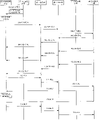
图2给出了用户之间通过SIP-UA实现呼叫的典型消息流程示意图,如图2所示,其具体步骤如下:Figure 2 provides a schematic diagram of a typical message flow for calling between users through SIP-UA, as shown in Figure 2, and the specific steps are as follows:
步骤201:用户a确定要呼叫用户b,用户a的SIP-UA_a向用户b的SIP-UA_b发送SIP呼叫建立(INVITE)消息,该消息中的会话描述协议(SDP)域包含SIP-UA_a支持的所有编解码算法信息。Step 201: User a determines to call user b, SIP-UA_a of user a sends a SIP call setup (INVITE) message to SIP-UA_b of user b, and the Session Description Protocol (SDP) domain in the message contains the information supported by SIP-UA_a. All codec algorithm information.
步骤202:SIP-UA_b收到该INVITE消息,向SIP-UA_a返回100尝试(100Trying)消息,以通知SIP-UA_a已收到但尚未处理该消息,请等待。Step 202: SIP-UA_b receives the INVITE message and returns a 100 Trying (100 Trying) message to SIP-UA_a to inform SIP-UA_a that the message has been received but not yet processed, please wait.
步骤203:SIP-UA_b处理INVITE消息,向用户b振铃,并向SIP-UA_a发送180振铃(Ringing)消息,以通知SIP-UA_a正在提示用户b,请等待。Step 203: SIP-UA_b processes the INVITE message, rings user b, and sends a 180 Ringing (Ringing) message to SIP-UA_a to inform SIP-UA_a that user b is being prompted, please wait.
步骤204:SIP-UA_b处理完该INVITE消息,向SIP-UA_a返回200响应(OK)消息,该消息的SDP域中包含SIP-UA_b和SIP-UA_a都支持的编解码算法信息。Step 204: After processing the INVITE message, SIP-UA_b returns a 200 response (OK) message to SIP-UA_a, and the SDP field of the message contains the codec algorithm information supported by both SIP-UA_b and SIP-UA_a.
步骤205:SIP-UA_a收到该200OK消息,向SIP-UA_b返回确认(ACK)消息。Step 205: SIP-UA_a receives the 200 OK message, and returns an acknowledgment (ACK) message to SIP-UA_b.
步骤206:SIP-UA_a和SIP-UA_b使用200OK消息中指示的编解码算法,对要发送的语音或视频数据进行编码后,封装成RTP报文发送给对端;使用200OK消息中指示的编解码算法对对端发来的RTP报文中的语音或视频数据进行解码后,向用户播放解码后的语音数据或显示解码后的视频数据。Step 206: SIP-UA_a and SIP-UA_b use the codec algorithm indicated in the 200OK message to encode the voice or video data to be sent, and then encapsulate it into an RTP message and send it to the peer; use the codec algorithm indicated in the 200OK message After the algorithm decodes the voice or video data in the RTP message sent from the peer end, it plays the decoded voice data or displays the decoded video data to the user.
步骤207:SIP-UA_a或SIP-UA_b检测到用户挂断,向对端发送结束(BYE)消息。Step 207: SIP-UA_a or SIP-UA_b detects that the user hangs up, and sends an end (BYE) message to the opposite end.
步骤208:SIP-UA_b或SIP-UA_a收到对端发来的BYE消息,向对端返回200OK消息,呼叫断开。Step 208: SIP-UA_b or SIP-UA_a receives the BYE message from the opposite end, returns a 200 OK message to the opposite end, and disconnects the call.
SIP-UA功能实体既可以由硬终端的形式实现,例如:将SIP-UA的功能集成在移动终端上实现,也可以由软终端的形式实现,如:在PC机上安装可实现SIP-UA所有功能的程序。但不管是硬终端形式还是软终端形式的SIP-UA,每个SIP-UA都只与一个用户对应,在整个SIP系统中,所有的SIP-UA都是分散的个体,不利于对SIP呼叫和SIP-UA的集中管理;另外,在实际应用中,SIP-UA通常都要与一些企业级应用软件以及网络游戏软件等进行交互,以满足用户的企业级应用要求或娱乐要求,而企业级应用软件或网络游戏软件等通常都在运行在WEB服务器上的服务程序:中间件上实现,因此,SIP-UA无法与企业级应用或网络游戏等实现无缝衔接。The SIP-UA functional entity can be implemented in the form of a hard terminal, for example: integrating the functions of SIP-UA on a mobile terminal, or in the form of a soft terminal, such as: installing all SIP-UA on a PC Functional program. However, regardless of the SIP-UA in the form of a hard terminal or a soft terminal, each SIP-UA corresponds to only one user. In the entire SIP system, all SIP-UAs are scattered individuals, which is not conducive to SIP calls and Centralized management of SIP-UA; in addition, in practical applications, SIP-UA usually interacts with some enterprise-level application software and online game software to meet the user's enterprise-level application requirements or entertainment requirements, while enterprise-level applications Software or online game software, etc. are usually implemented on the service program running on the WEB server: middleware, therefore, SIP-UA cannot be seamlessly connected with enterprise-level applications or online games.
发明内容 Contents of the invention
本发明提供SIP呼叫方法、中间件及SIP-UA,以实现对SIP呼叫的集中管理。The invention provides a SIP call method, middleware and SIP-UA to realize the centralized management of the SIP call.
本发明的技术方案是这样实现的:Technical scheme of the present invention is realized like this:
一种SIP呼叫方法,包括:A SIP calling method, comprising:
中间件检测到任意用户发起SIP呼叫,对SIP呼叫消息经SIP协议栈处理后发送给目标SIP用户;接收到目标SIP用户发来的SIP呼叫消息,对该SIP呼叫消息经SIP协议栈处理后提供给所述发起SIP呼叫的用户。The middleware detects that any user initiates a SIP call, and sends the SIP call message to the target SIP user after being processed by the SIP protocol stack; after receiving the SIP call message from the target SIP user, the SIP call message is processed by the SIP protocol stack and provided to the user who initiates the SIP call.
所述中间件检测到任意用户发起SIP呼叫之前进一步包括:Before the middleware detects that any user initiates a SIP call, it further includes:
WEB浏览器与运行中间件的WEB服务器建立链接,链接成功,WEB服务器向WEB浏览器返回SIP会话页面;WEB浏览器检测到任意用户通过SIP会话页面发起SIP呼叫,向中间件发送SIP呼叫消息。The WEB browser establishes a link with the WEB server running the middleware. If the link is successful, the WEB server returns a SIP session page to the WEB browser; the WEB browser detects that any user initiates a SIP call through the SIP session page, and sends a SIP call message to the middleware.
所述中间件对该SIP呼叫消息经SIP协议栈处理后提供给所述发起SIP呼叫的用户之后进一步包括:After the middleware provides the SIP call message to the user who initiates the SIP call after being processed by the SIP protocol stack, it further includes:
WEB浏览器接收到所述发起SIP呼叫的用户发来的语音或视频数据,将该语音或视频数据封装成实时传输协议RTP报文后发送给目标SIP用户。The WEB browser receives the voice or video data sent by the user who initiates the SIP call, encapsulates the voice or video data into an RTP message and sends it to the target SIP user.
所述WEB浏览器将语音或视频数据封装成RTP报文后发送给目标SIP用户包括:WEB浏览器将语音或视频数据封装成RTP报文后发送给中间件,中间件收到该报文后,将该报文转发给目标SIP用户。Said WEB browser encapsulates voice or video data into an RTP message and sends it to the target SIP user, including: the WEB browser encapsulates voice or video data into an RTP message and sends it to the middleware, and the middleware receives the message , and forward the message to the target SIP user.
所述中间件收到该报文之后进一步包括:中间件将该报文携带的语音或视频数据存储在WEB服务器上;After the middleware receives the message, it further includes: the middleware stores the voice or video data carried in the message on the WEB server;
WEB浏览器检测到用户点击语音或视频数据链接,向WEB服务器发送超文本传输协议(HTTP)请求,WEB服务器收到该HTTP请求,将存储的语音或视频数据通过HTTP响应返回给WEB浏览器,WEB浏览器将该语音或视频数据通过播放器播放给用户。The WEB browser detects that the user clicks on the voice or video data link, and sends a hypertext transfer protocol (HTTP) request to the WEB server, and the WEB server receives the HTTP request, and returns the stored voice or video data to the WEB browser through an HTTP response. The WEB browser plays the voice or video data to the user through the player.
所述中间件对该SIP呼叫消息经SIP协议栈处理后提供给所述发起SIP呼叫的用户包括:中间件对该SIP呼叫消息经SIP协议栈处理后,将该消息发送给所述发起SIP呼叫的用户访问的WEB浏览器。The middleware provides the SIP call message to the user who initiates the SIP call after being processed by the SIP protocol stack, including: the middleware sends the SIP call message to the user who initiates the SIP call after the SIP call message is processed by the SIP protocol stack. The WEB browser accessed by the user.
所述方法进一步包括:中间件将本次呼叫记录存储在数据库中;The method further includes: the middleware stores the call record in the database;
WEB浏览器检测到用户点击呼叫记录链接,向WEB服务器发送HTTP请求,WEB服务器收到该HTTP请求,向中间件发送呼叫记录查询请求,中间件根据该请求从数据库获取到呼叫记录,将该呼叫记录返回给WEB服务器,WEB服务器将该呼叫记录通过HTTP响应返回给WEB浏览器,WEB浏览器将该呼叫记录显示给用户。The WEB browser detects that the user clicks the call record link and sends an HTTP request to the WEB server. The WEB server receives the HTTP request and sends a call record query request to the middleware. The middleware obtains the call record from the database according to the request and sends the call record The record is returned to the WEB server, and the WEB server returns the call record to the WEB browser through HTTP response, and the WEB browser displays the call record to the user.
所述中间件对该SIP呼叫消息经SIP协议栈处理后发送给目标SIP用户为:中间件将该经SIP协议栈处理的SIP呼叫消息发送给目标SIP用户的SIP-UA。The middleware sending the SIP call message to the target SIP user after being processed by the SIP protocol stack is: the middleware sends the SIP call message processed by the SIP protocol stack to the SIP-UA of the target SIP user.
所述中间件对该SIP呼叫消息经SIP协议栈处理后发送给目标SIP用户为:中间件将该经SIP协议栈处理的SIP呼叫消息发送给目标SIP用户访问的中间件。The middleware sending the SIP call message to the target SIP user after being processed by the SIP protocol stack is: the middleware sends the SIP call message processed by the SIP protocol stack to the middleware accessed by the target SIP user.
一种中间件,包括:消息处理器和SIP协议栈,其中:A middleware, comprising: a message processor and a SIP protocol stack, wherein:
消息处理器,检测到任意用户发起SIP呼叫,将SIP呼叫消息发送给SIP协议栈,接收SIP协议栈返回的SIP呼叫消息,将该消息发送给目标SIP用户;接收目标SIP用户发来的SIP呼叫消息,将该消息发送给SIP协议栈,接收SIP协议栈返回的SIP呼叫消息,将该SIP呼叫消息提供给所述发起SIP呼叫的用户;The message processor detects that any user initiates a SIP call, sends the SIP call message to the SIP protocol stack, receives the SIP call message returned by the SIP protocol stack, and sends the message to the target SIP user; receives the SIP call sent by the target SIP user message, send the message to the SIP protocol stack, receive the SIP call message returned by the SIP protocol stack, and provide the SIP call message to the user who initiated the SIP call;
SIP协议栈,接收消息处理器发来的SIP呼叫消息,对该消息进行SIP协议处理,将处理后的SIP呼叫消息返回给消息处理器。The SIP protocol stack receives the SIP call message sent by the message processor, performs SIP protocol processing on the message, and returns the processed SIP call message to the message processor.
所述消息处理器进一步用于,接收所述发起SIP呼叫的用户发来的RTP报文,将该RTP报文发送给目标SIP用户;接收目标SIP用户发来的RTP报文,将该RTP报文提供给所述发起SIP呼叫的用户。The message processor is further used to receive the RTP message sent by the user who initiated the SIP call, and send the RTP message to the target SIP user; receive the RTP message sent by the target SIP user, and send the RTP message to the target SIP user. The text is provided to the user who initiates the SIP call.
所述消息处理器进一步将本次呼叫记录存储到数据库上,检测到用户发起呼叫记录查询请求,从数据库获取呼叫记录,将该呼叫记录提供给用户。The message processor further stores the current call record in the database, detects that the user initiates a call record query request, obtains the call record from the database, and provides the call record to the user.
一种SIP-UA,包括:WEB浏览器、WEB服务器和中间件,其中:A kind of SIP-UA, comprises: WEB browser, WEB server and middleware, wherein:
WEB浏览器,与运行中间件的WEB服务器建立链接,接收WEB服务器发来的SIP会话页面,检测到任意用户通过SIP会话页面发起SIP呼叫,与中间件交互SIP呼叫消息;将发起SIP呼叫的用户发来的语音或视频数据封装成RTP报文发送给目标SIP用户;The WEB browser establishes a link with the WEB server running the middleware, receives the SIP session page sent by the WEB server, detects that any user initiates a SIP call through the SIP session page, and exchanges SIP call messages with the middleware; the user who will initiate the SIP call The incoming voice or video data is encapsulated into an RTP message and sent to the target SIP user;
WEB服务器,向WEB浏览器返回SIP会话页面;The WEB server returns the SIP session page to the WEB browser;
中间件,接收WEB浏览器或目标SIP用户发来的SIP呼叫消息,将该消息经SIP协议栈处理后发送给目标SIP用户或WEB浏览器。The middleware receives the SIP call message sent by the WEB browser or the target SIP user, and sends the message to the target SIP user or WEB browser after being processed by the SIP protocol stack.
所述SIP-UA进一步包括:数据库,接收并保存中间件发来的呼叫记录;The SIP-UA further includes: a database, receiving and saving the call record sent by the middleware;
且,所述中间件进一步将本次呼叫记录发送给所述数据库,接收到WEB服务器发来的呼叫记录查询请求,从数据库获取呼叫记录,将该呼叫记录返回给WEB服务器;And, the middleware further sends this call record to the database, receives the call record query request sent by the WEB server, obtains the call record from the database, and returns the call record to the WEB server;
所述WEB服务器收到WEB浏览器发来的指示呼叫记录查询的HTTP请求,向中间件发送呼叫记录查询请求,将中间件返回的呼叫记录通过HTTP响应返回给WEB浏览器。The WEB server receives an HTTP request from the WEB browser indicating call record query, sends a call record query request to the middleware, and returns the call record returned by the middleware to the WEB browser through an HTTP response.
与现有技术相比,本发明通过将SIP-UA功能实体的SIP呼叫功能集成在中间件上,使得任何用户都可通过访问中间件来实现SIP呼叫,有利于对SIP呼叫和SIP-UA的集中管理;具体地,用户可通过WEB浏览器来访问运行在WEB服务器上的中间件。另外,由于企业级应用或网络游戏等应用可在中间件上实现,而本发明提供的SIP-UA的功能也集成在中间件上,因此,本发明提供的SIP-UA可与企业级应用或网络游戏等实现无缝衔接。Compared with the prior art, the present invention integrates the SIP call function of the SIP-UA functional entity on the middleware, so that any user can realize the SIP call by accessing the middleware, which is beneficial to the SIP call and SIP-UA. Centralized management; specifically, users can access the middleware running on the WEB server through a WEB browser. In addition, since applications such as enterprise-level applications or online games can be implemented on the middleware, and the functions of the SIP-UA provided by the present invention are also integrated on the middleware, the SIP-UA provided by the present invention can be combined with enterprise-level applications or Online games, etc. to achieve seamless connection.
附图说明 Description of drawings
图1为现有技术中用户之间通过SIP-UA进行通信的示意图;FIG. 1 is a schematic diagram of communication between users through SIP-UA in the prior art;
图2为现有技术中用户之间通过SIP-UA实现呼叫的典型消息流程示意图;FIG. 2 is a schematic diagram of a typical message flow of calling between users through SIP-UA in the prior art;
图3为本发明实施例一提供的用户之间通过SIP-UA实现呼叫的典型消息流程示意图;FIG. 3 is a schematic diagram of a typical message flow of a call between users through SIP-UA provided by Embodiment 1 of the present invention;
图4为本发明实施例一提供的通过SIP-UA实现呼叫的示意图;FIG. 4 is a schematic diagram of calling through SIP-UA provided by Embodiment 1 of the present invention;
图5为本发明实施例二提供的用户之间通过SIP-UA实现呼叫的典型消息流程示意图;FIG. 5 is a schematic diagram of a typical message flow for implementing calls between users through SIP-UA according to Embodiment 2 of the present invention;
图6为本发明实施例二提供的通过SIP-UA实现呼叫的示意图;FIG. 6 is a schematic diagram of calling through SIP-UA provided by Embodiment 2 of the present invention;
图7为本发明实施例三提供的通过SIP-UA实现呼叫的示意图;FIG. 7 is a schematic diagram of calling through SIP-UA provided by Embodiment 3 of the present invention;
图8为本发明实施例提供的SIP-UA的结构示意图。FIG. 8 is a schematic structural diagram of a SIP-UA provided by an embodiment of the present invention.
具体实施方式 Detailed ways
本发明的核心思想是:在中间件上增加SIP协议栈,中间件负责将SIP报文经SIP协议栈处理后转发给其他SIP用户。由于中间件是运行在WEB服务器上的服务程序,因此,任何一个用户都可通过WEB浏览器来访问WEB服务器上的中间件,从而实现SIP呼叫。具体地,用户可通过WEB浏览器发起SIP呼叫,由WEB浏览器将SIP呼叫发送至中间件,且用户可通过WEB浏览器与其他SIP用户交互RTP报文,从而实现SIP-UA的所有功能。The core idea of the present invention is: adding a SIP protocol stack to the middleware, and the middleware is responsible for forwarding the SIP message to other SIP users after being processed by the SIP protocol stack. Since the middleware is a service program running on the WEB server, any user can access the middleware on the WEB server through the WEB browser, thereby realizing SIP calling. Specifically, a user can initiate a SIP call through a WEB browser, and the WEB browser sends the SIP call to the middleware, and the user can exchange RTP packets with other SIP users through the WEB browser, thereby realizing all functions of SIP-UA.
以下以一个典型的SIP呼叫为例,对本发明实施例提供的实现SIP-UA的方案进行详细说明。Taking a typical SIP call as an example, the solution for implementing SIP-UA provided by the embodiment of the present invention will be described in detail below.
图3为本发明实施例一提供的用户之间通过SIP-UA实现呼叫的典型消息流程示意图,在本实施例中,用户a使用本发明实施例提供的通过WEB浏览器、WEB服务器和中间件实现的SIP-UA,用户b则使用现有技术中的SIP-UA,如图3所示,其具体步骤如下:Figure 3 is a schematic diagram of a typical message flow of a call between users through SIP-UA provided by Embodiment 1 of the present invention. In this embodiment, user a uses the WEB browser, WEB server and middleware provided by the embodiment of the present invention to Realized SIP-UA, user b then uses the SIP-UA in the prior art, as shown in Figure 3, its specific steps are as follows:
步骤301:用户a确定要呼叫用户b,在WEB浏览器上点击运行中间件的WEB服务器的链接,WEB浏览器检测到该点击动作,向WEB服务器发送携带WEB服务器地址信息的超文本传输协议(HTTP)请求。Step 301: user a determines to call user b, clicks on the link of the WEB server of running middleware on WEB browser, and WEB browser detects this click action, sends to WEB server the hypertext transfer protocol that carries WEB server address information ( HTTP) request.
步骤302:WEB服务器收到该HTTP请求,向WEB浏览器返回携带SIP会话页面的HTTP响应,WEB浏览器收到该HTTP响应,将该响应携带的SIP会话页面显示给用户a。Step 302: The WEB server receives the HTTP request, returns an HTTP response carrying the SIP session page to the WEB browser, and the WEB browser receives the HTTP response, and displays the SIP session page carried in the response to user a.
步骤303:用户a在SIP会话页面上输入用户b的号码,并点击拨号按钮。Step 303: User a enters the number of user b on the SIP session page, and clicks the dial button.
步骤304:WEB浏览器的Java Applet程序检测到该点击动作,解析该动作,向中间件发送SIP INVITE消息,该消息中的SDP域包含Java Applet程序支持的所有编解码算法信息。Step 304: The Java Applet program of the WEB browser detects the click action, parses the action, and sends a SIP INVITE message to the middleware. The SDP field in the message contains all codec algorithm information supported by the Java Applet program.
步骤305:中间件的消息处理器(Msg Processor)收到该SIP INVITE消息,将该消息经SIP协议栈(Stack)处理后发送给用户b的SIP-UA。Step 305: The message processor (Msg Processor) of the middleware receives the SIP INVITE message, and sends the message to the SIP-UA of user b after being processed by the SIP protocol stack (Stack).
中间件发送的SIP INVITE消息通常要通过一个或多个SIP代理服务器转发给用户b的SIP-UA。The SIP INVITE message sent by the middleware is usually forwarded to the SIP-UA of user b through one or more SIP proxy servers.
步骤306:用户b的SIP-UA收到该INVITE消息,向用户a的中间件返回100Trying消息。Step 306: The SIP-UA of user b receives the INVITE message, and returns a 100 Trying message to the middleware of user a.
步骤307:中间件收到该100Trying消息后,将该消息经SIP协议栈处理后发送给WEB浏览器上的Java Applet程序。Step 307: After receiving the 100Trying message, the middleware sends the message to the Java Applet program on the WEB browser after being processed by the SIP protocol stack.
WEB浏览器上的Java Applet程序收到该100Trying消息后,可向用户a放等待提示音或在SIP会话页面上显示等待提示。After the Java Applet program on the WEB browser receives this 100Trying message, it can play the waiting prompt tone to user a or display the waiting prompt on the SIP session page.
步骤308:用户b的SIP-UA处理INVITE消息,向用户b振铃,并向用户a的中间件发送180Ringing消息。Step 308: The SIP-UA of user b processes the INVITE message, rings user b, and sends a 180Ringing message to the middleware of user a.
步骤309:中间件的Msg Processor收到该180Ringing消息,将该消息经SIP协议栈处理后发送给WEB浏览器上的Java Applet程序。Step 309: The Msg Processor of the middleware receives the 180Ringing message, and sends the message to the Java Applet program on the WEB browser after being processed by the SIP protocol stack.
WEB浏览器上的Java Applet程序收到该180Ringing消息后,可继续向用户a放等待提示音或在SIP会话页面上显示等待提示。After the Java Applet program on the WEB browser receives this 180Ringing message, it can continue to play the waiting prompt tone to user a or display the waiting prompt on the SIP session page.
步骤310:用户b的SIP-UA处理完该INVITE消息,向用户a的中间件返回200OK消息,该消息的SDP域中包含用户b的SIP-UA和用户a的Java Applet程序都支持的编解码算法信息。Step 310: After the SIP-UA of user b processes the INVITE message, it returns a 200OK message to the middleware of user a. The SDP field of the message contains codecs supported by both the SIP-UA of user b and the Java Applet program of user a algorithm information.
步骤311:中间件收到该200OK消息,将该消息返回给WEB浏览器上的Java Applet程序。Step 311: the middleware receives the 200OK message, and returns the message to the Java Applet program on the WEB browser.
步骤312:WEB浏览器上的Java Applet程序收到200OK消息,保存该消息携带的编解码算法信息,通过中间件向用户b的SIP-UA返回确认(ACK)消息,同时提示用户a呼叫已建立。Step 312: The Java Applet program on the WEB browser receives the 200OK message, saves the codec algorithm information carried by the message, returns an acknowledgment (ACK) message to the SIP-UA of user b through the middleware, and prompts user a that the call has been established .
步骤313:用户b的SIP-UA接收到用户b的语音或视频数据,使用200OK消息中指示的编解码算法,对要发送的语音或视频数据进行编码后,封装成RTP报文发送给用户a的WEB浏览器上的Java Applet程序。Step 313: The SIP-UA of user b receives the voice or video data of user b, uses the codec algorithm indicated in the 200OK message, encodes the voice or video data to be sent, encapsulates it into an RTP message, and sends it to user a Java Applet program on the WEB browser.
用户b的SIP-UA也可将RTP报文先发送给中间件,中间件的MsgProcessor收到该RTP报文后,将该RTP报文转发给WEB浏览器上的JavaApplet程序。The SIP-UA of user b can also send the RTP message to the middleware first, and the MsgProcessor of the middleware forwards the RTP message to the JavaApplet program on the WEB browser after receiving the RTP message.
步骤314:WEB浏览器上的Java Applet程序收到该RTP报文后,使用200OK消息中指示的编解码算法对RTP报文中的语音或视频数据进行解码处理,将得到的语音或视频数据播放给用户a。Step 314: After the Java Applet program on the WEB browser receives the RTP message, use the codec algorithm indicated in the 200OK message to decode the voice or video data in the RTP message, and play the obtained voice or video data to user a.
步骤315:WEB浏览器上的Java Applet程序接收到用户a的语音或视频数据,使用200OK消息中指示的编解码算法对语音或视频数据进行编码后,封装成RTP报文发送给用户b的SIP-UA。Step 315: The Java Applet program on the WEB browser receives the voice or video data of user a, encodes the voice or video data using the codec algorithm indicated in the 200OK message, and then encapsulates the voice or video data into an RTP message and sends it to the SIP of user b -UA.
同样,用户a的WEB浏览器上的Java Applet程序可将RTP报文先发送给中间件,中间件的Msg Processor收到该RTP报文后,将该报文转发给用户b的SIP-UA。Similarly, the Java Applet program on the WEB browser of user a can first send the RTP message to the middleware, and the Msg Processor of the middleware forwards the message to the SIP-UA of user b after receiving the RTP message.
用户b的SIP-UA收到该RTP报文后,使用200OK消息中指示的编解码算法对RTP报文中的语音或视频数据进行解码处理,将得到的语音或视频数据提供给用户b。After receiving the RTP message, the SIP-UA of user b uses the codec algorithm indicated in the 200OK message to decode the voice or video data in the RTP message, and provides the obtained voice or video data to user b.
步骤316:用户b的SIP-UA检测到用户b挂断,向用户a的中间件发送BYE消息,中间件的Msg Processor收到该消息后,将该消息经SIP协议栈处理后发送给WEB浏览器上的Java Applet程序;Java Applet程序收到该BYE消息后,通过中间件向用户b的SIP-UA返回200OK消息,并通过WEB浏览器提示用户a呼叫断开。Step 316: The SIP-UA of user b detects that user b hangs up, and sends a BYE message to the middleware of user a. After receiving the message, the Msg Processor of the middleware sends the message to the WEB browser after being processed by the SIP protocol stack The Java Applet program on the server; after receiving the BYE message, the Java Applet program returns a 200OK message to the SIP-UA of user b through the middleware, and prompts user a to disconnect the call through the WEB browser.
若用户a确定要挂断呼叫,则用户a在WEB浏览器的SIP会话页面上点击挂断按钮,WEB浏览器上的Java Applet程序检测到该点击动作,解析该动作,通过中间件向用户b的SIP-UA发送BYE消息,并在收到用户b的SIP-UA返回的200OK消息后,通过WEB浏览器的SIP会话页面提示用户a呼叫断开。If user a decides to hang up the call, then user a clicks the hang up button on the SIP session page of the WEB browser, and the Java Applet program on the WEB browser detects the click action, analyzes the action, and sends a message to user b through the middleware The SIP-UA of the user b sends a BYE message, and after receiving the 200 OK message returned by the SIP-UA of the user b, it prompts the user a to disconnect the call through the SIP session page of the WEB browser.
另外,本发明实施例中,中间件的Msg Processor在收到来自用户a或用户b的RTP报文后,可将该RTP报文携带的有效载荷(payload)部分即:编码后的语音或视频数据保存到WEB服务器的硬盘等存储空间上,以备用户a和用户b查询。此后,当用户a或b要查询该语音或视频数据时,可在WEB浏览器上点击该数据文件的链接,WEB浏览器检测到该点击动作后,向WEB服务器发送携带该数据文件索引信息的HTTP请求,然后WEB服务器根据该索引信息查找到对应的语音或视频数据,将该语音或视频数据通过HTTP响应返回给WEB浏览器,WEB浏览器通过播放器将该语音或视频数据播放给用户。In addition, in the embodiment of the present invention, after the Msg Processor of the middleware receives the RTP message from user a or user b, the payload (payload) part carried by the RTP message can be: encoded voice or video The data is saved to the storage space such as the hard disk of the WEB server, in case of query by user a and user b. Thereafter, when user a or b wants to inquire about the voice or video data, they can click on the link of the data file on the WEB browser. HTTP request, then the WEB server finds the corresponding voice or video data according to the index information, and returns the voice or video data to the WEB browser through the HTTP response, and the WEB browser plays the voice or video data to the user through the player.
本发明实施例中,中间件的Msg Processor也可保存用户a和用户b的呼叫记录,例如:主叫号码、被叫号码、呼叫挂断时刻、呼叫持续时长等。Msg Processor将呼叫记录通过SQL消息发送给数据库,以备用户a和用户b查询。此后,当用户a或b要查询该呼叫记录时,可在WEB浏览器上点击该呼叫记录文件的链接,然后WEB浏览器向WEB服务器发送携带呼叫记录索引信息的HTTP请求,WEB服务器收到该HTTP请求后,向中间件发送携带该索引信息的呼叫记录查询请求,中间件收到该请求后,向数据库发送携带该索引信息的SQL消息,数据库根据该索引信息查找到对应的呼叫记录,将该呼叫记录通过SQL消息返回给中间件,中间件将该呼叫记录返回给WEB服务器,然后由WEB服务器将呼叫记录通过HTTP响应返回给WEB浏览器,WEB浏览器将该呼叫记录显示给用户。In the embodiment of the present invention, the Msg Processor of the middleware can also save the call records of user a and user b, such as: calling number, called number, call hang-up time, call duration, etc. Msg Processor sends the call records to the database through SQL messages for query by user a and user b. Thereafter, when user a or b wants to inquire about the call record, they can click the link of the call record file on the WEB browser, then the WEB browser sends an HTTP request carrying the call record index information to the WEB server, and the WEB server receives the call record index information. After the HTTP request, a call record query request carrying the index information is sent to the middleware, and after receiving the request, the middleware sends an SQL message carrying the index information to the database, and the database finds the corresponding call record according to the index information, and the The call record is returned to the middleware through the SQL message, the middleware returns the call record to the WEB server, and then the WEB server returns the call record to the WEB browser through the HTTP response, and the WEB browser displays the call record to the user.
图3所示实施例给出的是用户b端利用本发明实施例提供的方法即:通过WEB浏览器、WEB服务器及运行在该WEB服务器上的中间件实现SIP-UA,而用户a仍使用现有技术的SIP-UA的情况,该情况下的呼叫示意图可如图4所示,其中,用户a的中间件与用户b的SIP-UA之间交互的SIP消息通常要通过SIP服务器如:代理服务器、注册服务器、重定向服务器的转发。What the embodiment shown in Fig. 3 provides is that user b end utilizes the method that the embodiment of the present invention provides namely: realize SIP-UA through WEB browser, WEB server and the middleware running on this WEB server, and user a still uses In the case of the SIP-UA of the prior art, the call schematic diagram in this case can be shown in FIG. 4, wherein, the SIP message interacted between the middleware of user a and the SIP-UA of user b usually passes through the SIP server such as: Forwarding of proxy server, registration server, and redirection server.
图5为本发明实施例二提供的用户之间通过SIP-UA实现呼叫的典型消息流程示意图,在本实施例中,用户a和用户b都使用本发明实施例提供的通过WEB浏览器、WEB服务器和中间件实现的SIP-UA,如图5所示,其具体步骤如下:FIG. 5 is a schematic diagram of a typical message flow of a call between users through SIP-UA provided by Embodiment 2 of the present invention. In this embodiment, both user a and user b use the WEB browser, WEB The SIP-UA implemented by the server and middleware is shown in Figure 5, and its specific steps are as follows:
步骤501:用户a确定要呼叫用户b,在第一WEB浏览器上点击运行第一中间件的第一WEB服务器的链接,第一WEB浏览器检测到该点击动作,向第一WEB服务器发送携带第一WEB服务器地址信息的HTTP请求。Step 501: User a decides to call user b, clicks on the first WEB browser the link of the first WEB server running the first middleware, the first WEB browser detects the click action, and sends a packet to the first WEB server An HTTP request for address information of the first WEB server.
步骤502:第一WEB服务器收到该HTTP请求,向第一WEB浏览器返回携带SIP会话页面的HTTP响应,第一WEB浏览器收到该HTTP响应,将该响应携带的SIP会话页面显示给用户a。Step 502: the first WEB server receives the HTTP request, returns the HTTP response carrying the SIP session page to the first WEB browser, and the first WEB browser receives the HTTP response, and displays the SIP session page carried by the response to the user a.
步骤503:用户a在SIP会话页面上输入用户b的号码,并点击拨号按钮。Step 503: User a enters the number of user b on the SIP session page, and clicks the dial button.
步骤504:第一WEB浏览器的Java Applet程序检测到该点击动作,解析该动作,向第一中间件发送SIP INVITE消息,该消息中的SDP域包含JavaApplet程序支持的所有编解码算法信息。Step 504: The Java Applet program of the first WEB browser detects the click action, analyzes the action, and sends a SIP INVITE message to the first middleware, and the SDP field in the message contains all codec algorithm information supported by the JavaApplet program.
步骤505:第一中间件的Msg Processor收到该SIP INVITE消息,将该消息经SIP协议栈处理后经SIP代理服务器发送给用户b的第二中间件。Step 505: The Msg Processor of the first middleware receives the SIP INVITE message, and sends the message to the second middleware of user b through the SIP proxy server after being processed by the SIP protocol stack.
第一中间件发送的SIP INVITE消息通常要通过SIP代理服务器转发给用户b的第二中间件。The SIP INVITE message sent by the first middleware is usually forwarded to the second middleware of user b through the SIP proxy server.
SIP代理服务器上保存有用户号码信息与中间件的URL信息的对应关系,当SIP代理服务器收到INVITE消息后,可根据该对应关系,查找到该消息中的用户b号码对应的中间件的URL信息,从而将该INVITE消息转发给用户b的第二中间件。The SIP proxy server stores the correspondence between the user number information and the URL information of the middleware. When the SIP proxy server receives the INVITE message, it can find the middleware URL corresponding to the user b number in the message according to the correspondence. information, so that the INVITE message is forwarded to the second middleware of user b.
步骤506:用户b的第二中间件的Msg Processor收到该INVITE消息,将该INVITE消息经SIP协议栈处理后发送给第二WEB浏览器的Java Applet程序,第二WEB浏览器的Java Applet程序收到该INVITE消息后,通过第二中间件向用户a的第一中间件返回100Trying消息。Step 506: the Msg Processor of the second middleware of user b receives the INVITE message, sends the INVITE message to the Java Applet program of the second WEB browser after being processed by the SIP protocol stack, and the Java Applet program of the second WEB browser After receiving the INVITE message, the second middleware returns a 100Trying message to the first middleware of user a.
当用户登录WEB浏览器后,WEB浏览器会将自身的IP地址和用户号码信息发送给中间件。因此,本步骤中,用户b的第二中间件可根据第二WEB浏览器发来的IP地址和用户b的号码,以及INVITE消息中的用户b的号码,将该INVITE消息发送给与所述用户b号码对应的IP地址指向的第二WEB浏览器。After the user logs in the WEB browser, the WEB browser will send its own IP address and user number information to the middleware. Therefore, in this step, the second middleware of user b can send the INVITE message to the user according to the IP address sent by the second WEB browser, the number of user b, and the number of user b in the INVITE message. The second WEB browser pointed to by the IP address corresponding to the number of user b.
步骤507:用户a的第一中间件收到该100Trying消息后,将该消息经SIP协议栈处理后发送给第一WEB浏览器的Java Applet程序。Step 507: After receiving the 100 Trying message, the first middleware of user a sends the message to the Java Applet program of the first WEB browser after being processed by the SIP protocol stack.
步骤508:用户b的Java Applet程序处理INVITE消息,向用户b振铃,并通过第二中间件向用户a的第一中间件发送180Ringing消息。Step 508: The Java Applet program of user b processes the INVITE message, rings to user b, and sends a 180Ringing message to the first middleware of user a through the second middleware.
步骤509:用户a的第一中间件的Msg Processor收到该180Ringing消息,将该消息经SIP协议栈处理后发送给第一WEB浏览器的Java Applet程序。Step 509: The Msg Processor of the first middleware of user a receives the 180Ringing message, and sends the message to the Java Applet program of the first WEB browser after being processed by the SIP protocol stack.
步骤510:第二WEB浏览器的Java Applet程序处理完该INVITE消息,通过第二中间件向用户a的第一中间件返回200OK消息,该消息的SDP域中包含用户b的Java Applet程序和用户a的Java Applet程序都支持的编解码算法信息。Step 510: the Java Applet program of the second WEB browser has processed the INVITE message, and returns a 200 OK message to the first middleware of user a through the second middleware, and the Java Applet program and user b's Java Applet program and user b are included in the SDP domain of the message. The codec algorithm information supported by all Java Applet programs of a.
步骤511:用户a的第一中间件收到该200OK消息,将该消息返回给第一WEB浏览器的Java Applet程序。Step 511: the first middleware of user a receives the 200 OK message, and returns the message to the Java Applet program of the first WEB browser.
步骤512:第一WEB浏览器的Java Applet程序收到200OK消息,保存该消息携带的编解码算法信息,通过第一中间件、第二中间件向第二WEB浏览器的Java Applet程序返回ACK消息,同时提示用户a呼叫已建立。Step 512: the Java Applet program of the first WEB browser receives the 200OK message, saves the codec algorithm information carried by the message, and returns an ACK message to the Java Applet program of the second WEB browser through the first middleware and the second middleware , and at the same time prompt user a that the call has been established.
步骤513:第二WEB浏览器的Java Applet程序接收到用户b的语音或视频数据,使用200OK消息中指示的编解码算法,对要发送的语音或视频数据进行编码后,封装成RTP报文发送给第一WEB浏览器的Java Applet程序。Step 513: The Java Applet program of the second WEB browser receives the voice or video data of user b, uses the codec algorithm indicated in the 200OK message to encode the voice or video data to be sent, and then encapsulates it into an RTP message for transmission Java Applet program for the first WEB browser.
第二WEB浏览器的Java Applet程序也可将RTP报文先发送给第二中间件,第二中间件的Msg Processor收到该RTP报文后,将该RTP报文经第一中间件的Msg Processor转发给第一WEB浏览器的Java Applet程序。The Java Applet program of the second WEB browser can also send the RTP message to the second middleware first, and after the Msg Processor of the second middleware receives the RTP message, the RTP message is passed through the Msg Processor of the first middleware. Processor forwards to the Java Applet program of the first WEB browser.
步骤514:第一WEB浏览器的Java Applet程序收到该RTP报文后,使用200OK消息中指示的编解码算法对RTP报文中的语音或视频数据进行解码处理,将得到的语音或视频数据播放给用户a。Step 514: after the Java Applet program of the first WEB browser receives this RTP message, use the codec algorithm indicated in the 200OK message to decode the voice or video data in the RTP message, and obtain the voice or video data Play to user a.
步骤515:第一WEB浏览器的Java Applet程序接收到用户a的语音或视频数据,使用200OK消息中指示的编解码算法对语音或视频数据进行编码后,封装成RTP报文发送给第二WEB浏览器的Java Applet程序。Step 515: The Java Applet program of the first WEB browser receives the voice or video data of user a, encodes the voice or video data using the codec algorithm indicated in the 200OK message, and then encapsulates it into an RTP message and sends it to the second WEB The browser's Java Applet program.
同样,第一WEB浏览器的Java Applet程序可将RTP报文先发送给第一中间件,第一中间件的Msg Processor收到该RTP报文后,将该报文通过第二中间件的Msg Processor转发给第二WEB浏览器的Java Applet程序。Similarly, the Java Applet program of the first WEB browser can send the RTP message to the first middleware earlier, and after the Msg Processor of the first middleware receives the RTP message, it passes the message through the Msg Processor of the second middleware. Processor forwards to the Java Applet program of the second WEB browser.
第二WEB浏览器的Java Applet程序收到该RTP报文后,使用200OK消息中指示的编解码算法对RTP报文中的语音或视频数据进行解码处理,将得到的语音或视频数据提供给用户b。After receiving the RTP message, the Java Applet program of the second WEB browser uses the codec algorithm indicated in the 200OK message to decode the voice or video data in the RTP message, and provides the obtained voice or video data to the user b.
步骤516:用户a确定要挂断呼叫,则用户a在第一WEB浏览器的SIP会话页面上点击挂断按钮,第一WEB浏览器的Java Applet程序检测到该点击动作,解析该动作,通过第一中间件、第二中间件向用户b的Java Applet程序发送BYE消息,并在收到用户b的Java Applet程序返回的200OK消息后,通过第一WEB浏览器的SIP会话页面提示用户a呼叫断开。Step 516: User a determines to hang up the call, then user a clicks the hang up button on the SIP session page of the first WEB browser, and the Java Applet program of the first WEB browser detects the click action, analyzes the action, and passes The first middleware and the second middleware send a BYE message to the Java Applet program of user b, and after receiving the 200OK message returned by the Java Applet program of user b, prompt user a to call through the SIP session page of the first WEB browser disconnect.
同样,若用户b确定要挂断呼叫,则用户b在第二WEB浏览器的SIP会话页面上点击挂断按钮,第二WEB浏览器的Java Applet程序检测到该点击动作,解析该动作,通过第二中间件、第一中间件向用户a的Java Applet程序发送BYE消息,并在收到用户a的Java Applet程序返回的200OK消息后,通过第二WEB浏览器的SIP会话页面提示用户b呼叫断开。这里,与用户a相似,用户b可通过与步骤501~502相似的步骤获得第二WEB服务器提供的SIP会话页面。Equally, if user b determines to hang up the call, then user b clicks the hangup button on the SIP session page of the second WEB browser, and the Java Applet program of the second WEB browser detects the click action, analyzes the action, and passes The second middleware and the first middleware send a BYE message to the Java Applet program of user a, and after receiving the 200OK message returned by the Java Applet program of user a, prompt user b to call through the SIP session page of the second WEB browser disconnect. Here, similar to user a, user b can obtain the SIP session page provided by the second WEB server through steps similar to steps 501-502.
从图5所示实施例可以看出,可以同时存在多个WEB服务器及其运行在该服务器上的中间件来实现SIP-UA,用户可选择其中的一个WEB服务器及其运行在该服务器上的中间件来实现SIP-UA。As can be seen from the embodiment shown in Figure 5, there can be multiple WEB servers and the middleware running on the servers to implement SIP-UA, and the user can select one of the WEB servers and the middleware running on the servers. Middleware to implement SIP-UA.
图5所示实施例给出的是用户a和b端都利用本发明实施例提供的方法即:通过WEB浏览器、WEB服务器及运行在该WEB服务器上的中间件实现SIP-UA的情况,该情况下的呼叫示意图可如图6所示,如图6所示,第一中间件和第二中间件之间交互的SIP消息要通过SIP服务器如:代理服务器、注册服务器或重定向服务器的转发。在图5所示实施例中,用户a和用户b是通过不同的WEB服务器及其运行在该WEB服务器上的中间件实现各自的SIP-UA的,在实际应用中,用户a和用户b也可能通过同一个WEB服务器及其运行在该WEB服务器上的中间件实现各自的SIP-UA,该情况下的呼叫示意图如图7所示,由于在用户a和用户b登录各自的WEB浏览器:第一WEB浏览器、第二WEB浏览器后,第一WEB浏览器和第二WEB浏览器会分别将自身的IP地址和用户a、b的号码信息发送给中间件,因此中间件在收到SIP消息后,会根据该消息中携带的该消息要发往用户的号码及其自身保存的WEB浏览器的IP地址和用户号码的对应关系,将该SIP消息发送给对应的WEB浏览器。What the embodiment shown in Fig. 5 provides is that user a and b end all utilize the method that the embodiment of the present invention provides namely: realize the situation of SIP-UA through WEB browser, WEB server and the middleware running on this WEB server, The call schematic diagram under this situation can be as shown in Figure 6, as shown in Figure 6, the SIP message that interacts between the first middleware and the second middleware will pass through the SIP server such as: proxy server, registrar or redirection server Forward. In the embodiment shown in Figure 5, user a and user b realize their respective SIP-UA through different WEB servers and the middleware running on the WEB server. In practical applications, user a and user b also It is possible to implement respective SIP-UAs through the same WEB server and its middleware running on the WEB server. The call schematic diagram in this case is shown in Figure 7, since user a and user b log in to their respective WEB browsers: After the first WEB browser and the second WEB browser, the first WEB browser and the second WEB browser will respectively send their own IP addresses and the number information of users a and b to the middleware, so the middleware receives the After the SIP message, the SIP message will be sent to the corresponding WEB browser according to the number carried by the message to be sent to the user and the corresponding relationship between the IP address of the WEB browser stored in the message and the user number.
图8是本发明实施例提供的SIP-UA的结构示意图,如图8所示,其主要包括:WEB浏览器81、WEB服务器82和中间件83,其中:Fig. 8 is a schematic structural diagram of the SIP-UA provided by the embodiment of the present invention, as shown in Fig. 8, it mainly includes:
WEB浏览器81:检测到任意一个用户点击运行中间件的WEB服务器82的链接,向WEB服务器82发送携带WEB服务器地址信息的HTTP请求,接收WEB服务器82返回的携带SIP会话页面的HTTP响应,将该SIP会话页面显示给用户;检测到用户点击拨号按钮,将用户输入的号码携带在SIPINVITE消息中发送给中间件83;接收中间件83发来的SIP呼叫消息,将与该消息相关的信息提示给用户;接收到用户发来的语音或视频数据,将该数据封装成RTP报文发送给中间件83或目标SIP用户的SIP-UA;接收到中间件83或目标SIP用户的SIP-UA发来的RTP报文,对该报文中的语音或视频数据进行解码处理,将得到的语音或视频数据提供给用户。WEB browser 81: detect that any user clicks the link of the
本发明实施例中,WEB浏览器81还可用于,检测到用户点击语音或视频数据的链接,向WEB服务器82发送携带该数据文件索引信息的HTTP请求,接收WEB服务器82返回的HTTP响应,将该响应携带语音或视频数据通过播放器播放给用户。In the embodiment of the present invention, the
WEB服务器82:接收WEB浏览器81发来的携带自身地址信息的HTTP请求,将SIP会话页面携带在HTTP响应中返回给WEB浏览器81。WEB server 82: receives the HTTP request carrying its own address information sent by the
本发明实施例中,WEB服务器82还可用于,接收到WEB浏览器81发来的携带语音或视频数据文件索引信息的HTTP请求,将自身存储的与该索引信息对应的语音或视频数据通过HTTP响应发送给WEB浏览器81。In the embodiment of the present invention, the
中间件83:接收WEB浏览器81发来的SIP呼叫消息,将该消息经SIP协议栈处理后发送给SIP服务器或其它中间件;接收SIP服务器或其它中间件发来的SIP呼叫消息,将该消息经SIP协议栈处理后发送给WEB浏览器81;接收WEB浏览器81发来的RTP报文,将该RTP报文发送给SIP服务器或其它中间件;接收SIP服务器或其它中间件发来的RTP报文,将该RTP报文发送给WEB浏览器81。Middleware 83: receive the SIP call message that
本发明实施例中,中间件83还可用于,将接收到的RTP报文中的语音或视频数据存储在WEB服务器82的硬盘等存储空间中。In the embodiment of the present invention, the middleware 83 can also be used to store the voice or video data in the received RTP message in the storage space such as the hard disk of the
本发明实施例提供的SIP-UA还可包括:数据库84,用于接收中间件83发来的携带呼叫记录的SQL消息,保存该消息携带的呼叫记录;接收到中间件83发来的携带呼叫记录索引信息的SQL消息,根据该呼叫记录索引信息,查找到对应的呼叫记录,将该呼叫记录通过SQL消息发送给中间件83。The SIP-UA provided by the embodiment of the present invention may also include: a
对应地,中间件83还可用于,将呼叫记录通过SQL消息发送给数据库84,接收WEB服务器82发来的呼叫记录查询请求,向数据库84发送携带呼叫记录索引信息的SQL消息,将数据库84返回的呼叫记录发送给WEB服务器82。Correspondingly, the middleware 83 can also be used to send the call record to the
对应地,WEB浏览器81还可用于,检测到用户点击呼叫记录的链接,向WEB服务器82发送携带呼叫记录索引信息的HTTP请求,接收WEB服务器82返回的HTTP响应,将该响应携带的呼叫记录显示给用户。Correspondingly, the
对应地,WEB服务器82还可用于,接收到WEB浏览器81发来的携带呼叫记录索引信息的HTTP请求,向中间件83发送携带该索引信息的呼叫记录查询请求,接收中间件83返回的呼叫记录,将该呼叫记录携带在HTTP响应中发送给WEB浏览器81。Correspondingly, the
如图8所示,中间件83主要包括:Msg Processor831和SIP协议栈832,其中:As shown in Figure 8, middleware 83 mainly comprises:
Msg Processor831:接收WEB浏览器81发来的SIP呼叫消息,将该消息发送给SIP协议栈832,接收SIP协议栈返回的SIP呼叫消息,将该SIP呼叫消息发送给SIP服务器或其它中间件;接收SIP服务器或其它中间件发来的SIP呼叫消息,将该消息发送给SIP协议栈832,接收SIP协议栈832返回的SIP呼叫消息,将该消息发送给WEB浏览器81;接收WEB浏览器81发来的RTP报文,将该RTP报文发送给SIP服务器或其它中间件;接收SIP服务器或其它中间件发来的RTP报文,将该RTP报文发送给WEB浏览器81;将呼叫记录通过SQL消息发送给数据库84,接收WEB服务器82发来的呼叫记录查询请求,向数据库84发送携带呼叫记录索引信息的SQL消息,将数据库84返回的呼叫记录发送给WEB服务器82;将接收到的RTP报文中的语音或视频数据存储在WEB服务器82的硬盘等存储空间中。Msg Processor 831: Receive the SIP call message sent by the
SIP协议栈832:接收Msg Processor831发来的SIP呼叫消息,对该消息进行SIP处理,将处理后的消息返回给Msg Processor831。SIP protocol stack 832: receives the SIP call message sent by Msg Processor831, performs SIP processing on the message, and returns the processed message to Msg Processor831.
以上所述仅为本发明的过程及方法实施例,并不用以限制本发明,凡在本发明的精神和原则之内所做的任何修改、等同替换、改进等,均应包含在本发明的保护范围之内。The above descriptions are only process and method embodiments of the present invention, and are not intended to limit the present invention. Any modifications, equivalent replacements, improvements, etc. made within the spirit and principles of the present invention shall be included in the scope of the present invention. within the scope of protection.
Claims (12)
Priority Applications (1)
| Application Number | Priority Date | Filing Date | Title |
|---|---|---|---|
| CN200710106132A CN100596146C (en) | 2007-05-24 | 2007-05-24 | Session Initiation Protocol Call Methods, Middleware, and Session Initiation Protocol User Agents |
Applications Claiming Priority (1)
| Application Number | Priority Date | Filing Date | Title |
|---|---|---|---|
| CN200710106132A CN100596146C (en) | 2007-05-24 | 2007-05-24 | Session Initiation Protocol Call Methods, Middleware, and Session Initiation Protocol User Agents |
Publications (2)
| Publication Number | Publication Date |
|---|---|
| CN101052048A CN101052048A (en) | 2007-10-10 |
| CN100596146C true CN100596146C (en) | 2010-03-24 |
Family
ID=38783237
Family Applications (1)
| Application Number | Title | Priority Date | Filing Date |
|---|---|---|---|
| CN200710106132A Expired - Fee Related CN100596146C (en) | 2007-05-24 | 2007-05-24 | Session Initiation Protocol Call Methods, Middleware, and Session Initiation Protocol User Agents |
Country Status (1)
| Country | Link |
|---|---|
| CN (1) | CN100596146C (en) |
Families Citing this family (5)
| Publication number | Priority date | Publication date | Assignee | Title |
|---|---|---|---|---|
| CN101262372B (en) * | 2008-04-15 | 2011-08-10 | 北京华纬讯电信技术有限公司 | Method for video monitoring platform to operate and control front-end device based on SIP server cluster |
| CN101534312B (en) * | 2009-04-29 | 2012-09-12 | 迈普通信技术股份有限公司 | A click dialing proxy call method based on initial session protocol |
| CN102123154B (en) * | 2011-03-17 | 2015-07-08 | 北京邮电大学 | Session initiation protocol (SIP) terminal and session processing method |
| CN107295004B (en) * | 2017-07-21 | 2020-09-25 | 881飞号通讯有限公司 | Network voice communication method and system realized based on webpage communication plug-in |
| CN116320129A (en) * | 2022-11-29 | 2023-06-23 | 国网山东省电力公司信息通信公司 | A New SIP Telephone Soft Terminal Based on WEB |
-
2007
- 2007-05-24 CN CN200710106132A patent/CN100596146C/en not_active Expired - Fee Related
Also Published As
| Publication number | Publication date |
|---|---|
| CN101052048A (en) | 2007-10-10 |
Similar Documents
| Publication | Publication Date | Title |
|---|---|---|
| US11057365B2 (en) | Method and system for creating a virtual SIP user agent by use of a webRTC enabled web browser | |
| JP5145339B2 (en) | Dynamic call transfer controlled by the client | |
| EP2111014B1 (en) | Method and apparatuses of setting up a call-back by a user receiving a media stream | |
| EP1652359B1 (en) | Method and system for suppressing early media in a communications network | |
| US8700716B2 (en) | Systems and methods for initiating announcements in a SIP telecommunications network | |
| US20060101098A1 (en) | Session initiation protocol call center | |
| US20060098624A1 (en) | Using session initiation protocol | |
| CA2720398A1 (en) | System and method for processing telephony sessions | |
| CN1774707A (en) | Peer-to-peer dynamic web page sharing | |
| CN103297445A (en) | Web terminal communication method and system based on IP multimedia network | |
| JP5357770B2 (en) | Auxiliary peripheral device that alerts the computer of incoming calls | |
| WO2022147696A1 (en) | Call processing method, call processing apparatus and related device | |
| CN100596146C (en) | Session Initiation Protocol Call Methods, Middleware, and Session Initiation Protocol User Agents | |
| US8934478B2 (en) | Managing telephony services using multiple users within a telephony control point in a home network | |
| CN100563219C (en) | System and method for implementing click-to-dial | |
| WO2007079652A1 (en) | Method and system for interacting with media servers based on the sip protocol | |
| KR100589670B1 (en) | Method and system for providing signaling additional service of internet telephony | |
| Rosenberg | A Framework for Application Interaction in the Session Initiation Protocol (SIP) | |
| US20120106400A1 (en) | Home network enabled answering service | |
| JP2007208542A (en) | Call control signal transfer apparatus, call control signal transfer method, and call control signal transfer program | |
| Rosenberg | RFC 5629: A Framework for Application Interaction in the Session Initiation Protocol (SIP) |
Legal Events
| Date | Code | Title | Description |
|---|---|---|---|
| C06 | Publication | ||
| PB01 | Publication | ||
| C10 | Entry into substantive examination | ||
| SE01 | Entry into force of request for substantive examination | ||
| C14 | Grant of patent or utility model | ||
| GR01 | Patent grant | ||
| CP03 | Change of name, title or address | ||
| CP03 | Change of name, title or address |
Address after: 310052 Binjiang District Changhe Road, Zhejiang, China, No. 466, No. Patentee after: NEW H3C TECHNOLOGIES Co.,Ltd. Address before: 310053 Hangzhou science and Technology Industrial Park, high tech Industrial Development Zone, Zhejiang Province, No. six and road, No. 310 Patentee before: HANGZHOU H3C TECHNOLOGIES Co.,Ltd. |
|
| CF01 | Termination of patent right due to non-payment of annual fee | ||
| CF01 | Termination of patent right due to non-payment of annual fee |
Granted publication date: 20100324 |