CN101636623B - High Efficiency Hybrid Air Conditioning System - Google Patents
High Efficiency Hybrid Air Conditioning System Download PDFInfo
- Publication number
- CN101636623B CN101636623B CN2006800544945A CN200680054494A CN101636623B CN 101636623 B CN101636623 B CN 101636623B CN 2006800544945 A CN2006800544945 A CN 2006800544945A CN 200680054494 A CN200680054494 A CN 200680054494A CN 101636623 B CN101636623 B CN 101636623B
- Authority
- CN
- China
- Prior art keywords
- conditioning system
- hybrid
- temperature
- air
- electrothermal module
- Prior art date
- Legal status (The legal status is an assumption and is not a legal conclusion. Google has not performed a legal analysis and makes no representation as to the accuracy of the status listed.)
- Expired - Fee Related
Links
Images


Classifications
-
- F—MECHANICAL ENGINEERING; LIGHTING; HEATING; WEAPONS; BLASTING
- F25—REFRIGERATION OR COOLING; COMBINED HEATING AND REFRIGERATION SYSTEMS; HEAT PUMP SYSTEMS; MANUFACTURE OR STORAGE OF ICE; LIQUEFACTION SOLIDIFICATION OF GASES
- F25B—REFRIGERATION MACHINES, PLANTS OR SYSTEMS; COMBINED HEATING AND REFRIGERATION SYSTEMS; HEAT PUMP SYSTEMS
- F25B21/00—Machines, plants or systems, using electric or magnetic effects
- F25B21/02—Machines, plants or systems, using electric or magnetic effects using Peltier effect; using Nernst-Ettinghausen effect
- F25B21/04—Machines, plants or systems, using electric or magnetic effects using Peltier effect; using Nernst-Ettinghausen effect reversible
-
- F—MECHANICAL ENGINEERING; LIGHTING; HEATING; WEAPONS; BLASTING
- F24—HEATING; RANGES; VENTILATING
- F24F—AIR-CONDITIONING; AIR-HUMIDIFICATION; VENTILATION; USE OF AIR CURRENTS FOR SCREENING
- F24F5/00—Air-conditioning systems or apparatus not covered by F24F1/00 or F24F3/00, e.g. using solar heat or combined with household units such as an oven or water heater
- F24F5/0042—Air-conditioning systems or apparatus not covered by F24F1/00 or F24F3/00, e.g. using solar heat or combined with household units such as an oven or water heater characterised by the application of thermo-electric units or the Peltier effect
-
- F—MECHANICAL ENGINEERING; LIGHTING; HEATING; WEAPONS; BLASTING
- F25—REFRIGERATION OR COOLING; COMBINED HEATING AND REFRIGERATION SYSTEMS; HEAT PUMP SYSTEMS; MANUFACTURE OR STORAGE OF ICE; LIQUEFACTION SOLIDIFICATION OF GASES
- F25B—REFRIGERATION MACHINES, PLANTS OR SYSTEMS; COMBINED HEATING AND REFRIGERATION SYSTEMS; HEAT PUMP SYSTEMS
- F25B2321/00—Details of machines, plants or systems, using electric or magnetic effects
- F25B2321/02—Details of machines, plants or systems, using electric or magnetic effects using Peltier effects; using Nernst-Ettinghausen effects
- F25B2321/021—Control thereof
-
- F—MECHANICAL ENGINEERING; LIGHTING; HEATING; WEAPONS; BLASTING
- F25—REFRIGERATION OR COOLING; COMBINED HEATING AND REFRIGERATION SYSTEMS; HEAT PUMP SYSTEMS; MANUFACTURE OR STORAGE OF ICE; LIQUEFACTION SOLIDIFICATION OF GASES
- F25B—REFRIGERATION MACHINES, PLANTS OR SYSTEMS; COMBINED HEATING AND REFRIGERATION SYSTEMS; HEAT PUMP SYSTEMS
- F25B2321/00—Details of machines, plants or systems, using electric or magnetic effects
- F25B2321/02—Details of machines, plants or systems, using electric or magnetic effects using Peltier effects; using Nernst-Ettinghausen effects
- F25B2321/025—Removal of heat
- F25B2321/0251—Removal of heat by a gas
Landscapes
- Engineering & Computer Science (AREA)
- Mechanical Engineering (AREA)
- General Engineering & Computer Science (AREA)
- Physics & Mathematics (AREA)
- Thermal Sciences (AREA)
- Life Sciences & Earth Sciences (AREA)
- Sustainable Development (AREA)
- Chemical & Material Sciences (AREA)
- Combustion & Propulsion (AREA)
- Air Conditioning Control Device (AREA)
- Devices For Blowing Cold Air, Devices For Blowing Warm Air, And Means For Preventing Water Condensation In Air Conditioning Units (AREA)
- Air-Conditioning For Vehicles (AREA)
Abstract
本发明公开一种混合空调系统(45),其具有传统的空调系统(46)和热电模块(80,85,90,95)以供暖和制冷,所述热电模块(80,85,90,95)提供余热或余冷以补偿所述传统的空调系统(46)的需求,从而降低能耗和提高整个混合空调系统(45)的效率。
The present invention discloses a hybrid air conditioning system (45) having a conventional air conditioning system (46) and thermoelectric modules (80, 85, 90, 95) for heating and cooling, wherein the thermoelectric modules (80, 85, 90, 95) provide excess heat or excess cooling to compensate for the demand of the conventional air conditioning system (46), thereby reducing energy consumption and improving the efficiency of the entire hybrid air conditioning system (45).
Description
技术领域 technical field
本发明涉及一种混合空调系统,该混合空调系统采用传统的空调设备提供初级的温度控制及采用热电制冷和/或供暖设备提供局部的温度控制。The present invention relates to a hybrid air conditioning system that uses conventional air conditioning equipment to provide primary temperature control and thermoelectric cooling and/or heating equipment to provide localized temperature control.
背景技术 Background technique
液体循环制冷系统的效率取决于冷却水的设定温度或蒸发器的设定温度。对于一个特定的系统和一个固定的周围环境,设定的温度越高,得到的系统效率就越高。同样,供暖系统的效率也直接取决于传统系统中的冷凝器或热水温度。在这种情况下,对于一个特定的系统和一个固定的周围环境,设定的温度越低,得到的系统效率将越高。The efficiency of a liquid cycle refrigeration system depends on the set temperature of the cooling water or the set temperature of the evaporator. For a particular system and a fixed ambient environment, the higher the set temperature, the higher the resulting system efficiency. Likewise, the efficiency of a heating system is directly dependent on the condenser or hot water temperature in conventional systems. In this case, for a specific system and a fixed ambient environment, the lower the set temperature, the higher the resulting system efficiency will be.
热电装置由半导体材料组成,当电荷载体通过该材料时,所述半导体材料自第一方或热源一方向第二方或冷源一方传送热量。当热源一方和冷源一方之间存在小温差时,热电制冷和供暖系统会运行地更有效率。且热电装置对温度设置上的变化更加灵敏,其还具有更高的可靠性和更少的维修需要,因为它们的运动机件比传统系统的少。这种系统同样对温度设置更加灵敏,且重量更轻,噪音更小,控制更精确。Thermoelectric devices consist of semiconductor materials that transfer heat from a first party, or heat source, to a second party, or sink, when charge carriers pass through the material. Thermoelectric cooling and heating systems operate more efficiently when there is a small temperature difference between the heat source and the cool side. While thermoelectric devices are more sensitive to changes in temperature settings, they also have higher reliability and require less maintenance because they have fewer moving parts than conventional systems. This system is also more sensitive to temperature settings, and is lighter, quieter, and more precise in control.
蒸汽压缩和吸收的空调系统用于制冷住宅及商业大厦,其中多区的温度控制是最有效的方式,且能给居住者提供最大的舒适。利用传统的空调系统实现此种舒适性的按需分区控制是困难和昂贵的,因为无论哪里需要制冷都不得不激活整个蒸发器和冷凝器部件。一种包含热电制冷系统的混合空调系统可以实现局部制冷而无需一直运行主要的制冷系统。这种混合空调系统将为用户同时提供效率和舒适。Vapor compression and absorption air conditioning systems are used to cool residential and commercial buildings where multi-zone temperature control is the most efficient way to provide maximum occupant comfort. Achieving this type of zoned-on-demand control of comfort is difficult and expensive with conventional air conditioning systems because the entire evaporator and condenser unit has to be activated wherever cooling is required. A hybrid air conditioning system that includes a thermoelectric cooling system can achieve localized cooling without running the main cooling system all the time. This hybrid air conditioning system will provide users with efficiency and comfort at the same time.
此外,通过使用整合传统空调和热电制冷的混合制冷系统,和非混合设备相比,传统设备可以在更高的蒸发器温度或冷却水温度下运行。因此,制冷系统的运行能有更高的制冷效率。同样,这种混合系统用以供暖则可使其传统设备相比于传统应用能够在更低的冷凝器或热水温度下运行,且热电装置可在小温度差的条件运行,由此混合系统的运行具有更高的效率。Furthermore, by using a hybrid refrigeration system that integrates conventional air conditioning and thermoelectric cooling, conventional equipment can operate at higher evaporator temperatures or cooling water temperatures than non-hybrid equipment. Therefore, the operation of the refrigeration system can have higher refrigeration efficiency. Also, the use of this hybrid system for heating allows its conventional equipment to operate at lower condenser or hot water temperatures than traditional applications, and the thermoelectric device can operate at a small temperature difference, so the hybrid system operation with higher efficiency.
因此,一种整合传统的系统与热电分布式系统的空调系统,在一个对于分区温度控制更可靠和更灵敏的系统中,通过利用废热和/或冷及改变电流方向,提高了整个系统的效率,并且提高了舒适感。Therefore, an air conditioning system that integrates conventional systems with thermoelectric distributed systems improves overall system efficiency by utilizing waste heat and/or cold and redirecting current flow in a system that is more reliable and sensitive to zone temperature control , and improved comfort.
发明内容 Contents of the invention
本发明的一个目的在于提供一种用于装有空调设备的空间的混合系统,其采用传统的空调设备和热电供暖和制冷装置。It is an object of the present invention to provide a hybrid system for air-conditioned spaces using conventional air-conditioning and thermoelectric heating and cooling.
本发明的另一目的在于提供一种用于装有空调设备的空间的混合系统,其具有能够在有空调的空间内选择性地提供分区供暖和/或制冷的热电元件。Another object of the present invention is to provide a hybrid system for air-conditioned spaces having thermoelectric elements capable of selectively providing district heating and/or cooling in the air-conditioned spaces.
本发明的再一目的在于提供一种用于装有空调设备的空间的混合系统,其采用传统的和热电供暖/制冷的元件以降低有空调的空间的总体能耗。Yet another object of the present invention is to provide a hybrid system for air-conditioned spaces that uses conventional and thermoelectric heating/cooling elements to reduce the overall energy consumption of air-conditioned spaces.
本发明的又一目的在于提供一种用于装有空调设备的空间的混合系统,其采用传统的和来自热电供暖/制冷元件的余热以提高混合系统的整体效率。Yet another object of the present invention is to provide a hybrid system for air-conditioned spaces that utilizes waste heat both conventional and from thermoelectric heating/cooling elements to increase the overall efficiency of the hybrid system.
本发明的最后一个目的在于提供一种用于空调的混合系统,其借助于传感器而由居住者的需求控制,从而提高制冷系统的效率。A final object of the present invention is to provide a hybrid system for air conditioning that is controlled by the needs of the occupants by means of sensors, thereby increasing the efficiency of the refrigeration system.
附图说明 Description of drawings
图1是传统的装有空调设备的空间的简图;Fig. 1 is a schematic diagram of a conventional air-conditioned space;
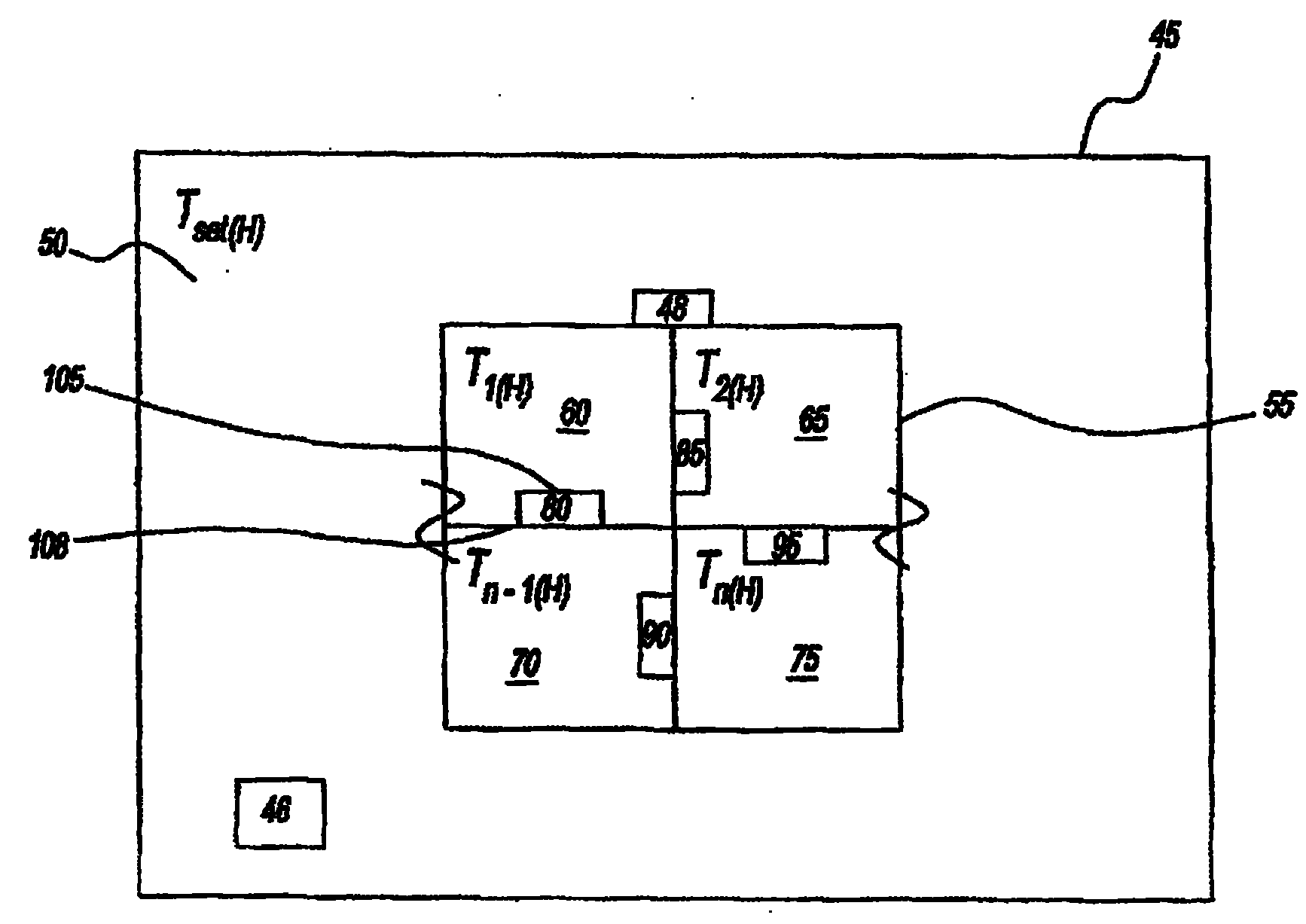
图2是本发明用于装有空调设备的空间的混合系统的简图;Figure 2 is a schematic diagram of the hybrid system of the present invention for a space equipped with air-conditioning equipment;
图3是图2中本发明混合系统的热电元件的运行图;Fig. 3 is the operating diagram of the thermoelectric element of the hybrid system of the present invention in Fig. 2;
图4是本发明混合空调空间的示意图;和Figure 4 is a schematic diagram of the hybrid air-conditioned space of the present invention; and
图5是采用回风作为热电制冷元件的冷源及由传感器控制的混合空调系统的示意图。Fig. 5 is a schematic diagram of a hybrid air-conditioning system using return air as a cooling source of a thermoelectric cooling element and controlled by a sensor.
具体实施方式 Detailed ways
请参看图1,一个装有空调设备的空间10的简图,如一个大办公室,其是采用现有技术中传统的空调设备来供暖和制冷。传统的空间制冷系统是采用压缩机、蒸发器、空气扩散器和恒温器(未显示)来运行的。空间10设有内部空间15,该内部空间15可分为数个单位,如房间20,25,30和35,各房间的温度分别是T1,T2,Tn-1和Tn。在空间10内,Tset代表温度计为制冷需要而设定的温度。温度T1,T2,Tn-1和Tn各自都与较大空间的温度Tset相等。房间20,25,30和35都各有恒温器。使房间20的温度从T1增加到大于Tset的温度将是非常困难的,因为来自邻近的房间25,30和35及整个空间10的传导相对较冷。温度增加所需的响应时间可能较长。同样,在有空调的空间需要更低的温度,相同的低效率仍然存在。在大的热区使局部降温将不仅消耗能源,而且通过传导至相邻空间,所降低的温度还将使那些区域的温度有一定程度的降低,因此导致传统的系统产生更多的热量。Please refer to FIG. 1 , a schematic diagram of a
请参看图2,图表显示的是本发明混合系统45。混合系统45整合传统的空调系统46和局部的热电空调系统48。在该图中,装有空调设备的空间50,例如办公楼空间,其温度设置为Tset(H)。空间50包含数个空间,如办公室。房间60,65,70和75的温度分别设置为T1,T2,Tn-1和Tn。此外房间60,65,70和75都各包含一个热电模块80,85,90和95。热电模块80,85,90和95皆由局部的热电空调系统48控制。每一个热电模块都能够产生制冷效果或供暖效果,这取决于来自电源的电流方向。混合系统45还具有温度传感器49,其用以监测建筑物空间的整体温度。Referring to Fig. 2, a diagram shows a mixing system 45 of the present invention. The hybrid system 45 integrates a conventional
请继续参看图2和图3,设于房间60内的热电模块80显示正在制冷模式下工作。在热电模块80中,来自电源115的直流电压施加于模块80,具有一系列的P和N结100。电流110按显示的方向流动。热电模块80的结100吸收来自表面105的热量并将热量释放至位于模块80对面的表面110。热量被吸收的表面105变冷,热量被释放的相对面110变热。这种“热泵”现象,称为珀耳帖效应,常用于热电制冷。热交换器125和135用于传送冷空气或热量使其远离热电模块80。在这种情况下,来自风机130的强制通风可用于冷却房间60,因为它通过热交换器125吹风。同样,来自风机140的强制通风用来传送来自热交换器135的热量以向其它房间65,70或75或传统的有空调的空间50供暖。通过利用来自热电模块80的余热,传统的空调系统的效率得到提高。此外,传统的空调系统不必专门产生热量以向其它空间供暖,但可利用来自模块80的热量向其它房间供暖。模块85,90和95将以相同的方式在供暖模式下运行,除电流110向相反方向流动外。Please continue to refer to FIG. 2 and FIG. 3 , the
在较大的有空调的空间内使局部空间制冷或供暖的应用中利用热电模块的益处在于这种模块有助于提高混合系统的整体效率。另外,这种系统将降低与系统中传统部分相关的能耗成本。再者,系统在利用热电模块达到理想温度方面的响应能力远远高于传统空调系统元件。A benefit of utilizing thermoelectric modules in applications for localized space cooling or heating within larger air-conditioned spaces is that such modules help increase the overall efficiency of the hybrid system. Additionally, such a system would reduce energy costs associated with traditional parts of the system. Furthermore, the system's responsiveness in achieving the desired temperature using thermoelectric modules is much higher than traditional air conditioning system components.
请参照图2,在房间60的用户可能需要比空间50的温度Tset(H)更低的温度T1(H)。在这个例子中,理想的温度T1(H)是68华氏度,而Tset(H)是72华氏度。当热电模块80被激活为制冷方式,热电模块80的表面100变冷达到较低温度T1(H)。同时,表面105变热并通过传导促使空间50及房间85,90和95变暖。由热电模块80所产生的热量减少了传统系统为保持温度Tset(H)为72华氏度必须做的工作量。Referring to FIG. 2 , users in the
请继续参照图3和图4,显示的是拥有高效率系统200的办公楼的示意图。系统200具有轻型的传统屋顶系统205用以实现传统空气调节。系统200具有与传统的空调系统相关的压缩机、蒸发器、条形散流器和其它组成部分。房间210设有热电模块215用以控制局部温度。当房间210的住户想要的室温比周围房间的温度更高,热电模块215被激活以提高房间210的局部温度。同时由热电装置215产生的冷空气将将分散到房间220,225和230,这取决于制冷的需要。于是,因模块215产生的冷空气,系统200不再需要为保持较低的温度而工作。放置在共有区域240的热传感器将针对来自热电模块215的冷空气而监测整个空间的温度,并相应地调整传统系统200产生的制冷量。监测器245针对各个房间220,225和230的热电模块所作的调节而优化系统200的性能。检测器245补偿随热电模块产生的余热而定的由混合系统200的传统组成部分提供的制冷或供暖的数量。Please continue to refer to FIGS. 3 and 4 , which are schematic diagrams of an office building with a high-
本发明的另一个实施例混合空调系统300在图5中说明。在此实施例中,系统300具有最好是位于建筑物的屋顶上的传统的室外空调组成部分305,和毗邻装有空调设备的空间310的热电组成部分315。热电组成部分315具有一侧面320和另一侧面325。当混合系统300在制冷模式时,冷空气在侧面320被吸收且热量在另一侧面325被释放。传统组成部分305提供初级的制冷,其制冷温度可能设置为比理想温度稍高的温度。来自传统组成部分305的冷空气在风机(未显示)的作用下强行通过通风口335到达空调空间310。当热电组成部分315被激活时,与预调节的空气相通的侧面320产生冷空气以进一步制冷空间。回风340被用作热电组成部分315的冷源。一部分的回风340还在空调空间310循环以更新空气。由传统组成部分305冷却的空气可进一步被热电组成部分315冷却至理想温度,或室外空气345可直接被热电组成部分冷却,这取决于对制冷能力的要求,而制冷能力则视用户需求而定。混合系统300最好是由像温度和空气清新度传感器此类的传感器350激活,例如二氧化碳传感器。Another embodiment of the present invention hybrid
虽然图5中的实施例说明的是制冷模式,但类似的部件组合也可用于供暖。通过改变热电组成部分315中电流的流动方向以及通过改变传统系统305的设置,混合系统300转为供暖模式。Although the embodiment in Figure 5 illustrates a cooling mode, a similar combination of components could also be used for heating. By changing the direction of current flow in the
尽管上述公开的描述参照一个或一个以上的经典实施例,但对于那些本领域中的一般技术人员而言,各种变形和代替相关元件的同等物并没有离开本权利要求的范围。另外,为使其适合某一特定情况或材料,根据本公开的教诲所做的修改也没有离开本权利要求的范围。因此,公开并不仅限于所揭露的为实现本发明的最佳方式的特定实施例,本发明还将包括落入附加的权利要求范围的所有实施例。While the above disclosure has been described with reference to one or more exemplary embodiments, various modifications and equivalents substituted for the relevant elements will occur to those skilled in the art without departing from the scope of the claims. In addition, modifications may be made to adapt a particular situation or material to the teachings of the disclosure without departing from the scope of the claims. Therefore, the disclosure is not intended to be limited to the particular embodiment disclosed as the best mode contemplated for carrying out this invention, but the invention will also include all embodiments falling within the scope of the appended claims.
Claims (10)
Applications Claiming Priority (1)
| Application Number | Priority Date | Filing Date | Title |
|---|---|---|---|
| PCT/US2006/008685 WO2007106080A2 (en) | 2006-03-10 | 2006-03-10 | High efficiency hybrid a/c system |
Publications (2)
| Publication Number | Publication Date |
|---|---|
| CN101636623A CN101636623A (en) | 2010-01-27 |
| CN101636623B true CN101636623B (en) | 2012-01-18 |
Family
ID=38509919
Family Applications (1)
| Application Number | Title | Priority Date | Filing Date |
|---|---|---|---|
| CN2006800544945A Expired - Fee Related CN101636623B (en) | 2006-03-10 | 2006-03-10 | High Efficiency Hybrid Air Conditioning System |
Country Status (4)
| Country | Link |
|---|---|
| US (1) | US20090094991A1 (en) |
| EP (1) | EP1994340A4 (en) |
| CN (1) | CN101636623B (en) |
| WO (1) | WO2007106080A2 (en) |
Families Citing this family (6)
| Publication number | Priority date | Publication date | Assignee | Title |
|---|---|---|---|---|
| US20130118192A1 (en) * | 2011-05-05 | 2013-05-16 | Electric Power Research Institute, Inc. | Use of adsorption or absorption technologies for thermal-electric power plant cooling |
| CN102967016A (en) * | 2012-11-19 | 2013-03-13 | 西安工程大学 | Air-conditioning system with combination of evaporative cooling and semiconductor cooling for large environment and small environment of room |
| CN104566777B (en) * | 2013-10-28 | 2017-06-30 | 上海优爱宝智能机器人科技股份有限公司 | Style semiconductor air conditioner for pinpointing orientation temperature control |
| US20190056127A1 (en) * | 2017-08-18 | 2019-02-21 | Otis Elevator Company | Enclosed space air conditioning systems |
| CN113739504A (en) * | 2021-09-23 | 2021-12-03 | 合肥雪祺电气有限公司 | Refrigerator height adjusting mechanism and refrigerator |
| CN115854529B (en) * | 2022-12-22 | 2024-07-16 | 珠海格力电器股份有限公司 | Cold and heat recycling device, air conditioning system and control method of air conditioning system |
Citations (2)
| Publication number | Priority date | Publication date | Assignee | Title |
|---|---|---|---|---|
| US6079485A (en) * | 1997-04-28 | 2000-06-27 | Honda Giken Kogyo Kabushiki Kaisha | Vehicle air-conditioning system with seat heating and cooling device |
| CN1436975A (en) * | 2002-02-07 | 2003-08-20 | Lg电子株式会社 | Air conditioner with electrothermal module |
Family Cites Families (21)
| Publication number | Priority date | Publication date | Assignee | Title |
|---|---|---|---|---|
| US3252504A (en) * | 1964-12-30 | 1966-05-24 | Borg Warner | Thermoelectric air conditioning systems |
| US3366164A (en) * | 1966-01-24 | 1968-01-30 | Borg Warner | Multi-room air conditioning system |
| US3671404A (en) * | 1968-07-12 | 1972-06-20 | Milton Meckler | Peltier effect concentric still with high temperature heat supplying means |
| US3833057A (en) * | 1972-06-14 | 1974-09-03 | R Doherty | Induced air cooling and heating system |
| US4090434A (en) * | 1977-03-07 | 1978-05-23 | Connor Engineering & Manufacturing, Inc. | Variable induction apparatus with a primary fluid flow controlled induction damper |
| ZA771500B (en) * | 1977-03-11 | 1978-06-28 | Ventline Mfg Ltd | Improvements in or relating to air conditioning |
| US4231513A (en) * | 1978-03-17 | 1980-11-04 | Acutherm, Inc. | Thermally actuated diffuser |
| US4196848A (en) * | 1979-05-07 | 1980-04-08 | Roger Falkenstein | Automatic thermostat set-back control system |
| KR900002143B1 (en) * | 1985-03-29 | 1990-04-02 | 미쯔비시 덴끼 가부시기가이샤 | Duct type multi-condition air conditioning system |
| JP3301109B2 (en) * | 1991-11-14 | 2002-07-15 | 株式会社デンソー | Air conditioning system for seats |
| US5802856A (en) * | 1996-07-31 | 1998-09-08 | Stanford University | Multizone bake/chill thermal cycling module |
| JPH10132313A (en) * | 1996-11-01 | 1998-05-22 | Matsushita Electric Ind Co Ltd | Air conditioner |
| JPH1137493A (en) * | 1997-07-18 | 1999-02-12 | Eidai Co Ltd | Cooling and heating systems and cooling and heating systems |
| US6250560B1 (en) * | 1998-12-21 | 2001-06-26 | Acutherm L.P. | Variable-air-volume diffuser actuator assembly and method |
| JP3231749B2 (en) * | 1999-03-29 | 2001-11-26 | インターナショナル・ビジネス・マシーンズ・コーポレーション | Electronic system and electronic module cooling method |
| US6672076B2 (en) * | 2001-02-09 | 2004-01-06 | Bsst Llc | Efficiency thermoelectrics utilizing convective heat flow |
| KR20060077396A (en) * | 2004-12-30 | 2006-07-05 | 엘지전자 주식회사 | Hybrid cooling structure of refrigerator and freezer |
| US20060150657A1 (en) * | 2005-01-10 | 2006-07-13 | Caterpillar Inc. | Thermoelectric enhanced HVAC system and method |
| US20090133409A1 (en) * | 2005-06-24 | 2009-05-28 | Lei Chen | Combination Thermo-Electric and Magnetic Refrigeration System |
| EP1915579A4 (en) * | 2005-08-15 | 2011-04-13 | Carrier Corp | Hybrid thermoelectric-vapor compression system |
| US7562533B2 (en) * | 2006-07-17 | 2009-07-21 | Sun Microsystems, Inc. | Thermal-electric-MHD cooling |
-
2006
- 2006-03-10 US US12/224,775 patent/US20090094991A1/en not_active Abandoned
- 2006-03-10 CN CN2006800544945A patent/CN101636623B/en not_active Expired - Fee Related
- 2006-03-10 EP EP06737824A patent/EP1994340A4/en not_active Withdrawn
- 2006-03-10 WO PCT/US2006/008685 patent/WO2007106080A2/en not_active Ceased
Patent Citations (2)
| Publication number | Priority date | Publication date | Assignee | Title |
|---|---|---|---|---|
| US6079485A (en) * | 1997-04-28 | 2000-06-27 | Honda Giken Kogyo Kabushiki Kaisha | Vehicle air-conditioning system with seat heating and cooling device |
| CN1436975A (en) * | 2002-02-07 | 2003-08-20 | Lg电子株式会社 | Air conditioner with electrothermal module |
Non-Patent Citations (1)
| Title |
|---|
| JP特开平10-132313A 1998.05.22 |
Also Published As
| Publication number | Publication date |
|---|---|
| US20090094991A1 (en) | 2009-04-16 |
| EP1994340A4 (en) | 2012-11-28 |
| HK1138355A1 (en) | 2010-08-20 |
| WO2007106080A3 (en) | 2009-04-09 |
| CN101636623A (en) | 2010-01-27 |
| WO2007106080A2 (en) | 2007-09-20 |
| EP1994340A2 (en) | 2008-11-26 |
Similar Documents
| Publication | Publication Date | Title |
|---|---|---|
| US20180031285A1 (en) | Thermoelectric heat pump system | |
| KR100344805B1 (en) | An air-conditioner for cooling and heating the personal environment | |
| Lim et al. | Energy saving potential of thermoelectric radiant cooling panels with a dedicated outdoor air system | |
| JP2000274788A (en) | Heating device, cooling device, and air conditioner using the cooling device | |
| US10935258B2 (en) | Fan with cooler | |
| JP2008185245A (en) | Compression heat pump device, operation method of compression heat pump device, and cogeneration system | |
| JP5869648B1 (en) | Air conditioning system | |
| JP2009300007A (en) | Temperature control device | |
| WO2018022922A1 (en) | Thermoelectric heat pump system | |
| US7251943B2 (en) | Semiconductor based air conditioning device | |
| CN101636623B (en) | High Efficiency Hybrid Air Conditioning System | |
| JPH112421A (en) | Heat-exchanging ventilator | |
| KR20040045667A (en) | Air-conditioner utilized by thermo-electrical module | |
| CN210602320U (en) | Air source heat pump energy source device | |
| HK1138355B (en) | High efficiency hybrid a/c system | |
| AU2005229707B2 (en) | Cold/heat conditioning device with thermoelectric cooling chip | |
| JPH10246458A (en) | Personal air conditioner and method of using the same | |
| KR100352438B1 (en) | A personal air-conditioner | |
| WO2024147103A1 (en) | A radiant cooling system for providing personalized cooling effect to users, and method thereof | |
| KR20070059911A (en) | Water-cooled air conditioners using thermoelectric elements | |
| KIM et al. | Optimal performance of air/air thermoelectric heat pump (THP) coupled to energy-efficient buildings coupling in different climate conditions | |
| GB2621534A (en) | Thermoelectric system | |
| US20240295351A9 (en) | Energy efficient pulsing thermoelectric system | |
| EP1767874A1 (en) | Air conditioning device with thermoelectric elements | |
| JPH11304193A (en) | Humidity control ventilation unit |
Legal Events
| Date | Code | Title | Description |
|---|---|---|---|
| C06 | Publication | ||
| PB01 | Publication | ||
| C10 | Entry into substantive examination | ||
| SE01 | Entry into force of request for substantive examination | ||
| REG | Reference to a national code |
Ref country code: HK Ref legal event code: DE Ref document number: 1138355 Country of ref document: HK |
|
| C14 | Grant of patent or utility model | ||
| GR01 | Patent grant | ||
| REG | Reference to a national code |
Ref country code: HK Ref legal event code: GR Ref document number: 1138355 Country of ref document: HK |
|
| C17 | Cessation of patent right | ||
| CF01 | Termination of patent right due to non-payment of annual fee |
Granted publication date: 20120118 Termination date: 20130310 |