CN101785306A - Method and system for automatic camera control - Google Patents
Method and system for automatic camera control Download PDFInfo
- Publication number
- CN101785306A CN101785306A CN200880104287A CN200880104287A CN101785306A CN 101785306 A CN101785306 A CN 101785306A CN 200880104287 A CN200880104287 A CN 200880104287A CN 200880104287 A CN200880104287 A CN 200880104287A CN 101785306 A CN101785306 A CN 101785306A
- Authority
- CN
- China
- Prior art keywords
- image
- pickup device
- interest
- region
- image pickup
- Prior art date
- Legal status (The legal status is an assumption and is not a legal conclusion. Google has not performed a legal analysis and makes no representation as to the accuracy of the status listed.)
- Granted
Links
Images


Classifications
-
- H—ELECTRICITY
- H04—ELECTRIC COMMUNICATION TECHNIQUE
- H04N—PICTORIAL COMMUNICATION, e.g. TELEVISION
- H04N7/00—Television systems
- H04N7/14—Systems for two-way working
- H04N7/141—Systems for two-way working between two video terminals, e.g. videophone
- H04N7/142—Constructional details of the terminal equipment, e.g. arrangements of the camera and the display
-
- H—ELECTRICITY
- H04—ELECTRIC COMMUNICATION TECHNIQUE
- H04N—PICTORIAL COMMUNICATION, e.g. TELEVISION
- H04N21/00—Selective content distribution, e.g. interactive television or video on demand [VOD]
- H04N21/40—Client devices specifically adapted for the reception of or interaction with content, e.g. set-top-box [STB]; Operations thereof
- H04N21/41—Structure of client; Structure of client peripherals
- H04N21/422—Input-only peripherals, i.e. input devices connected to specially adapted client devices, e.g. global positioning system [GPS]
- H04N21/4223—Cameras
-
- H—ELECTRICITY
- H04—ELECTRIC COMMUNICATION TECHNIQUE
- H04N—PICTORIAL COMMUNICATION, e.g. TELEVISION
- H04N21/00—Selective content distribution, e.g. interactive television or video on demand [VOD]
- H04N21/40—Client devices specifically adapted for the reception of or interaction with content, e.g. set-top-box [STB]; Operations thereof
- H04N21/47—End-user applications
- H04N21/478—Supplemental services, e.g. displaying phone caller identification, shopping application
- H04N21/4788—Supplemental services, e.g. displaying phone caller identification, shopping application communicating with other users, e.g. chatting
-
- H—ELECTRICITY
- H04—ELECTRIC COMMUNICATION TECHNIQUE
- H04N—PICTORIAL COMMUNICATION, e.g. TELEVISION
- H04N23/00—Cameras or camera modules comprising electronic image sensors; Control thereof
- H04N23/60—Control of cameras or camera modules
- H04N23/61—Control of cameras or camera modules based on recognised objects
- H04N23/611—Control of cameras or camera modules based on recognised objects where the recognised objects include parts of the human body
-
- H—ELECTRICITY
- H04—ELECTRIC COMMUNICATION TECHNIQUE
- H04N—PICTORIAL COMMUNICATION, e.g. TELEVISION
- H04N23/00—Cameras or camera modules comprising electronic image sensors; Control thereof
- H04N23/60—Control of cameras or camera modules
- H04N23/69—Control of means for changing angle of the field of view, e.g. optical zoom objectives or electronic zooming
-
- H—ELECTRICITY
- H04—ELECTRIC COMMUNICATION TECHNIQUE
- H04N—PICTORIAL COMMUNICATION, e.g. TELEVISION
- H04N7/00—Television systems
- H04N7/14—Systems for two-way working
- H04N7/15—Conference systems
-
- H—ELECTRICITY
- H04—ELECTRIC COMMUNICATION TECHNIQUE
- H04N—PICTORIAL COMMUNICATION, e.g. TELEVISION
- H04N21/00—Selective content distribution, e.g. interactive television or video on demand [VOD]
- H04N21/40—Client devices specifically adapted for the reception of or interaction with content, e.g. set-top-box [STB]; Operations thereof
- H04N21/47—End-user applications
- H04N21/478—Supplemental services, e.g. displaying phone caller identification, shopping application
Landscapes
- Engineering & Computer Science (AREA)
- Multimedia (AREA)
- Signal Processing (AREA)
- General Engineering & Computer Science (AREA)
- Two-Way Televisions, Distribution Of Moving Picture Or The Like (AREA)
- Studio Devices (AREA)
- Closed-Circuit Television Systems (AREA)
- Accessories Of Cameras (AREA)
Abstract
本发明使用视频检测技术来检测由摄像机捕捉到的视频画面中的参会者及其各自的位置,并且基于所述检测到的参会者的位置和大小来自动地确定和使用最佳摄像机朝向和变焦,使得捕捉所有参会者的最佳视图。

This invention uses video detection technology to detect participants and their respective positions in video footage captured by a camera, and automatically determines and uses the optimal camera orientation and zoom based on the detected positions and sizes of the participants, so as to capture the best view of all participants.
Description
技术领域technical field
本发明涉及视频会议以及摄像机朝向和变焦的自动调整。The invention relates to video conferencing and automatic adjustment of camera orientation and zoom.
背景技术Background technique
在大多数的高端视频会议系统中,使用具有平摆(pan)、俯仰(tilt)和变焦(zoom)能力的高质量摄像机来取景(frame)会议中的会议室和参会者的视图。这类摄像机通常具宽视野(field of view,FOV)和高机械变焦能力。这样就得到会议室的良好概图以及捕捉参会者的特写(close-up)图像的能力。来自摄像机的视频流被压缩并且被发送到视频会议中的一个或多个接收站点。会议中的所有站点都从会议中的其他站点接收直播视频和音频,因此使得能够实时地进行具有视觉和听觉信息的通信。In most high-end video conferencing systems, a high-quality camera with pan, tilt and zoom capabilities is used to frame the view of the conference room and participants in the conference. Such cameras usually have a wide field of view (FOV) and high mechanical zoom capability. This gives a good overview of the conference room and the ability to capture close-up images of the participants. The video stream from the camera is compressed and sent to one or more receiving sites in the video conference. All sites in the conference receive live video and audio from other sites in the conference, thus enabling communication with visual and audible information in real time.
当谈及用途、参会者的数目、会议室的布局等,各视频会议差异很大。每个会议配置通常需要摄像机的独立调整,使得呈现最佳视图。在视频会议之前和期间都可能需要对摄像机的调整。例如,当视频会议室落座了高达16个人时,视频摄像机很自然地被预设成取景所有的16个可用座椅位置。然而,如果只有2或3个参会者出席,则摄像机设置的宽视野会给接收端非常差的视觉表现。When it comes to usage, number of participants, room layout, etc., video conferences vary widely. Each conferencing configuration typically requires independent adjustment of the cameras to present the best view. Adjustments to the camera may be required both before and during the video conference. For example, when up to 16 people are seated in a video conference room, the video camera is naturally preset to view all 16 available seating positions. However, if only 2 or 3 participants are present, the wide field of view of the camera setup will give a very poor visual representation at the receiving end.
通常通过手动地控制摄像机平摆、俯仰和变焦,或者通过在一组预定义的摄像机位置之间进行选择,经由远程控制来完成对摄像机的调整。这些预定义的位置要手工地编制。经常地,在视频会议之前或期间,用户不希望专注于摄像机的手动控制,或者缺少经验的用户甚至可能没有意识到能够(或如何)改变摄像机视野。因此,在视频会议中,摄像机经常没有被最优地调整,而导致视频体验的降级。Camera adjustments are typically done via remote control by manually controlling camera pan, tilt and zoom, or by selecting between a set of predefined camera positions. These predefined locations are programmed manually. Often, before or during a video conference, the user does not want to focus on the manual controls of the camera, or an inexperienced user may not even be aware that (or how) the camera field of view can be changed. Therefore, in video conferencing, cameras are often not optimally adjusted, resulting in a degraded video experience.
因此,为了确保用于视频会议室中每个情况的良好摄像机朝向,需要一种自动视野调整系统。Therefore, in order to ensure a good camera orientation for each situation in a video conference room, an automatic field of view adjustment system is required.
存在一些具有摄像机跟踪能力的视频会议系统。然而,这些系统的目的是使摄像机自动地集中于活动的发言者。这些系统通常基于通过利用麦克风阵列的音频信号处理和/或结合图像处理的发言者定位。There are some video conferencing systems with camera tracking capability. However, the purpose of these systems is to automatically focus the camera on the active speaker. These systems are usually based on speaker localization through audio signal processing using microphone arrays and/or in combination with image processing.
一些数字视频摄像机(例如,web-cams)使用视频分析在数字平摆、俯仰和变焦的有限范围内检测、集中于并且跟随一个人的人脸。然而,这些系统仅适合于一个人,要求在初始正确布置摄像机,并且系统具有非常有限的数字工作范围。Some digital video cameras (eg, web-cams) use video analysis to detect, focus on and follow a person's face within a limited range of digital pan, tilt and zoom. However, these systems are only suitable for one person, require the camera to be properly positioned initially, and the systems have a very limited digital working range.
因此,以上提到的现有技术没有描述一种用于在视频会议设置中的摄像机的自动化配置的系统。Therefore, the prior art mentioned above does not describe a system for automatic configuration of cameras in a video conferencing setting.
发明内容Contents of the invention
本发明的目的在于提供一种解决上述现有技术中的问题的至少一个的方法和系统。It is an object of the present invention to provide a method and system that solves at least one of the above-mentioned problems of the prior art.
包括的独立权利要求所定义的特征描述了该方法和系统的特征。The method and system are characterized by the features defined in the included independent claims.
附图说明Description of drawings
为了使更容易地理解本发明,下面的讨论将参考附图。其中In order that the present invention may be more readily understood, the following discussion will refer to the accompanying drawings. in
图1图示了典型的视频会议室,Figure 1 illustrates a typical video conferencing room,
图2示意性地示出了根据本发明的“最佳视图”定位器的组件,Figure 2 schematically shows the components of a "best view" locator according to the present invention,
图3是“最佳视图”定位器的操作的流程图,Figure 3 is a flowchart of the operation of the "best view" locator,
图4示意性地示出了典型的会议情况以及图像拾取设备的示例性初始朝向,Fig. 4 schematically shows a typical meeting situation and an exemplary initial orientation of an image pickup device,
图5图示了包含两个参会者的图像中的人脸检测,Figure 5 illustrates face detection in an image containing two participants,
图6图示了一个示例性定义的关注区域(“最佳视图”),Figure 6 illustrates an exemplary defined region of interest ("best view"),
图7图示了另一个示例性定义的关注区域(“最佳视图”),Figure 7 illustrates another exemplary defined region of interest ("best view"),
图8图示了图6中所述定义的区域的摄像机取景,Figure 8 illustrates a camera view of the area defined in Figure 6,
图9图示了在当前取景的图像外检测到的音频源,Figure 9 illustrates audio sources detected outside the currently framed image,
图10图示了包括表示图9中所述音频源的参会者的摄像机取景,Figure 10 illustrates a camera view including a participant representing the audio source described in Figure 9,
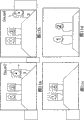
图11图示了离开摄像机视野的参会者,其中Figure 11 illustrates a participant leaving the field of view of the camera, where
图11a图示了人离开会议;Figure 11a illustrates a person leaving a conference;
图11b图示了人在画面的边缘附近;Figure 11b illustrates a person near the edge of the frame;
图11c图示了剩下的两个人;以及Figure 11c illustrates the remaining two persons; and
图11d图示了对于剩下的人的最佳视图。Figure 1 Id illustrates the best view for the remaining persons.
具体实施方式Detailed ways
在下文中,将通过描述优选实施例并且通过参考附图来讨论本发明。然而,本领域的技术人员将认识到,其它应用和修改也落在独立权利要求所定义的本发明的范围内。Hereinafter, the present invention will be discussed by describing preferred embodiments and by referring to the accompanying drawings. However, a person skilled in the art will realize that other applications and modifications also fall within the scope of the invention as defined by the independent claims.
图1图示了典型的视频会议室10以及示例性视频会议系统20。视频会议系统20通常由下面的组件组成:编解码器11(用于编码和解码音频和视频信息)、用户输入设备8(即,遥控器或键盘)、图像捕捉设备6(摄像机)、音频捕捉设备4、7(麦克风)、视频显示器9(屏幕)以及音频再现设备5(扬声器)。经常地,高端视频会议系统(VCS)使用具有电动的平摆、俯仰和变焦能力的高质量摄像机6。FIG. 1 illustrates a
本发明使用视频检测技术来检测由摄像机6所捕捉到的视频画面中的参会者及其各自的位置,并且基于所检测到的参会者的位置和大小来自动地确定和使用最佳摄像机朝向和变焦,从而捕捉所有参会者的最佳视图。The present invention uses video detection technology to detect the participants and their respective positions in the video picture captured by the
可能存在关于何为视频会议中的一组参会者的“最佳视图”的很多观点。然而,在下文中,“最佳视图”是指一组参会者的特写(close-up),其中,视频画面的中心基本上与该组的中心一致,并且其中变焦的程度在所述组的周围给出非常适合的图像。然而,图像必须不能太紧密,至少显示参会者的上身,并且给予参会者在不退出视频画面的情况下稍稍移动的空间。There may be many opinions on what is the "best view" of a group of participants in a video conference. However, in the following, "best view" refers to a close-up of a group of participants, where the center of the video frame substantially coincides with the center of the group, and where the degree of zoom is within the range of the group. All around gives a very good fit for the image. However, the image must not be too close together, show at least the upper body of the participant, and give the participant room to move slightly without exiting the video frame.
图2示意性地示出了根据本发明的“最佳视图”定位器52中的模块。视频检测单元30被配置成连续地检测捕捉到的视频信号的画面中的对象,例如人脸和/或人头。在预定义的事件时(例如,当接通VCS时、当通过用户输入设备8来发起时等),摄像机推远(zoom out)到其最大视野,并且移动到预定义的平摆和俯仰朝向(方位角和仰角),尽可能地捕捉系统所位于的房间10。视频检测单元30分析视频信号中的画面,并且检测视频画面中的所有的人脸/人头以及其相对于预定的和不变的参考点(例如,画面的中心)的位置。视频图像中的人脸/人头的位置和大小(或区域)被变换成摄像机坐标(方位角和仰角以及变焦系数)。将关于每个检测到的人脸/人头的信息(例如,位置、大小等)经由人脸跟踪单元35发送到图像处理单元50。基于所述人脸/人头信息,图像处理单元定义至少包括所有检测到的人脸/人头的矩形区域。预定义的一组规则规定应当如何定义这种区域,并且该区域表示画面(或视频会议室10)中的人的最佳视图。用于所定义区域的摄像机坐标(方位角和仰角以及变焦系数)及其位置被发送到控制单元45。控制单元指示摄像机控制单元12将摄像机移动到所述摄像机坐标,并且调整摄像机6的平摆、俯仰和变焦来取景与所定义区域相对应的图像。Figure 2 schematically shows the modules in a "best view"
图像拾取设备(或摄像机)6包括用于布置该图像拾取设备的摄像机控制单元12。摄像机控制单元12是包括马达的操纵机构,用于控制图像拾取设备6的平摆和俯仰朝向以及变焦的程度。摄像机控制单元12还可按要求报告其当前方位角和仰角以及变焦系数。图像处理单元50和控制单元45可以将控制信号提供给摄像机控制单元12。摄像机控制单元12使用摄像机坐标系,摄像机坐标系基于描述捕捉到的画面相对于摄像机6的方向和变焦程度的方位角和仰角以及变焦系数来指示位置。配置视频检测单元30,使得当摄像机6捕捉到画面时,使用摄像机6的方位角和仰角以及变焦系数把用视频(或图像)坐标系表达的坐标度量转换成用摄像机坐标系表达的坐标度量。The image pickup device (or camera) 6 includes a
图3是“最佳视图”定位器52的操作的流程图。摄像机6输出包括一些列画面(图像)的视频信号。视频检测单元30分析该画面。在预定义的事件时,摄像机控制单元12被指示将摄像机移动到初始朝向FIG. 3 is a flowchart of the operation of the "best view"
(步骤60)。初始朝向的目的在于确保摄像机可以“看到”会议室中的所有人。已存在若干确定这样的初始朝向的方法。(step 60). The purpose of the initial orientation is to ensure that the camera can "see" everyone in the room. There are several methods of determining such an initial orientation.
参考图4,根据本发明的一个示例性实施例,摄像机推远到其最大视野,并且移动到预定义的平摆和俯仰朝向13,尽可能地捕捉房间10a和/或捕捉房间的一部分,最大可能地找到会议参会者。预定义的平摆和俯仰朝向(或初始朝向)通常通过配置功能被手动输入到系统中(例如,将摄像机手动地移动到最佳初始位置,并且然后保存位置),或者它是默认出厂值。Referring to FIG. 4, according to an exemplary embodiment of the present invention, the camera is zoomed out to its maximum field of view and moved to a predefined pan and
根据本发明的另一示例性实施例,摄像机被配置成通过检查具有最大视野的一组初始朝向(14、15)以及该组的视野重叠的位置来捕捉整个房间。在多数情况下,2个朝向构成的组就足够了。然而,朝向的数目将取决于摄像机最大视野,并且可以是3、4、5、6等。对于每个朝向(14、15)来说,视频检测单元30分析一个或多个视频画面,以检测人脸和/或人头及其各自的位置。在分析所有的朝向之后,图像处理单元50计算包括所有检测到的参会者的平摆和俯仰朝向,并且将所述计算的朝向定义为初始朝向。According to another exemplary embodiment of the present invention, the camera is configured to capture the whole room by checking a set of initial orientations (14, 15) with the largest field of view and where the fields of view of the set overlap. In most cases, a group of 2 orientations is sufficient. However, the number of orientations will depend on the camera maximum field of view and could be 3, 4, 5, 6, etc. For each orientation (14, 15), the
视频检测单元30分析来自摄像机6的视频信号25,以检测和定位视频画面中的人脸和/或人头(步骤70)。视频检测单元30测量检测到的人脸/人头的位置与一些预定和静态参考点(例如,视频图像的中心)之间的偏移。The
不同的算法可以用于对象检测。给定任意视频画面,人脸检测算法的目标在于确定图像中是否存在任何人脸,并且如果存在,则返回每个人脸图像的图像位置和区域(大小)。参考图5,根据本发明的一个示例性实施例,在图像上移动(或扫描)分析窗33。对于分析窗33的每个位置来说,至少关于典型人脸特征的存在来分析在分析窗33内的图像信息。然而,应当理解,本发明不限于使用这种类型的人脸检测。另外,还可以使用人头检测算法来检测那些人头没有朝向摄像机的参会者。Different algorithms can be used for object detection. Given an arbitrary video frame, the goal of a face detection algorithm is to determine whether any faces are present in the image, and if so, return the image location and region (size) of each face image. Referring to Fig. 5, according to an exemplary embodiment of the present invention, the
当检测人脸/人头的图像时,视频检测单元30定义所述人脸/人头的图像周围的矩形部分(或框)。根据本发明的一个实施例,所述矩形部分是所述分析窗33。相对于基于视频画面的视频坐标系来测量包含人脸/人头的图像的所述部分的位置。将视频坐标系应用于摄像机6所捕捉到的每个画面。视频坐标系具有水平或x轴以及垂直或y轴。当确定像素或图像的位置时,视频检测单元30确定该像素的或图像的视频画面的相对于x轴和y轴的位置。在本发明的一个示例性实施例中,分析窗33中心点31(窗口中间的像素)是位置参考点,并且在所述视频坐标系中由坐标x和y来定义其位置。当视频检测单元30已经计算了画面中的所有人脸/人头的位置(x,y)和大小(例如,dx=20,dy=24像素)时,视频检测单元30使用视频画面、光学和机械学的知识来针对人脸/人头的每个图像计算摄像机坐标系中的方位角和仰角中的对应位置(α,

人脸跟踪单元35把从当前视频画面检测到的人脸与在先前视频画面中检测到的人脸关联起来,并且因此跟踪一系列画面中检测到的人脸。只要在一系列画面中在基本上相同的位置处检测到了人脸/人头,该检测就被验证为肯定性检测。首先,这防止了错误的人脸检测,除非在若干连续视频画面中出现相同的检测。而且,如果人脸检测单元没有检测到在与先前检测到的人脸基本上相同的坐标中的人脸,图像跟踪单元不认为该人脸不存在于该图像,除非这种检测在若干连续画面中都是未检测到。这防止了错误的否定性检测。另外,这样的跟踪允许获得可能在视频画面中移动的参会者的适当位置。为了执行这样的跟踪,人脸跟踪单元35创建并且保存用于每个检测到的人脸的跟踪文件。例如,跟踪文件可以被保存在存储器设备中。The
在步骤90中,图像处理单元50定义关注区域34(最佳视图)。在图6中示出了该关注区域34,其中,所述区域34至少包括在该画面中的所有检测到的人脸图像。In step 90, the
根据本发明的一个实施例,基于每个人脸的位置(α,


另外,将第一区域的宽度和高度变换成变焦系数(Zfa)。In addition, the width and height of the first area are transformed into a zoom factor (Z fa ).
该第一区域非常接近参会者的人脸,并且可能不表示参会者的最舒适的视图(最佳视图),尤其当如该示例性实施例中所示只有两个参会者出席时。因此,当已经计算了所述边界(M1、M2、M3和M4)时,通过将所述边界扩展一组补偿值a、b、c和d来定义第二区域(最佳视图画面34)。这些补偿值可能是相等的,或者它们可能是不同的,使得除了参会者的人头还捕捉在参会者前面的桌子。该补偿值可以是预设的和静态的,或者它们可能是计算出的以适合每个状态。This first area is very close to the face of the participant and may not represent the most comfortable view (best view) for the participant, especially when only two participants are present as shown in this exemplary embodiment . Thus, when the boundaries (M 1 , M 2 , M 3 and M 4 ) have been calculated, a second region (best view Screen 34). These offset values may be equal, or they may be different such that the table in front of the participant is captured in addition to the participant's head. The compensation values may be preset and static, or they may be calculated to suit each state.
根据另一个示例性实施例,通过仅从计算的变焦系数Zfa中减去补偿值Zc、使摄像机推远额外的距离来定义最佳视图画面34。补偿值Zc可以是不变的,或者根据第一区域变焦系数Zfa的大小来线性变化。According to another exemplary embodiment, the
图7示意性地示出了从初始摄像机朝向拍摄的示例性视频画面。在视频画面中检测到了3个人脸,并且图像处理单元50已经定义了最佳视图画面34,并且计算了最佳视图画面的位置(αfa,
用于视频会议系统的大多数图像拾取设备6以标准电视图像宽高比(例如4∶3(1.33∶1)或16∶9(1.78∶1))来操作。由于如上所述的大多数计算的最佳视图画面34具有不同于例如4∶3或16∶9这样的标准宽高比,所以当确定变焦坐标时必须做出一些考虑。由于

因此,根据本发明的一个示例性实施例,比较最佳视图画面34的两侧
在步骤100中,图像处理单元50经由控制单元45来为摄像机控制单元12提供在步骤90中所得到的摄像机布置指令(αfa,
当摄像机已经移动到新的朝向时,它将保持该朝向,直至检测到事件(步骤110)。如前所述,仅在某些预定义的事件时才指示摄像机将摄像机移动到初始朝向(步骤60)。这样的预定义的事件可以包括,当启动视频会议系统时、当从休眠模式唤醒时、当接收和发送会议呼叫发起请求时、当经由例如遥控器或键盘由用户发起时等。通常当已经找到参会者的最佳视图时,通常不太需要改变摄像机的朝向。然而,在视频会议期间可能产生如下的情况,即,创建重新配置朝向的需要,例如,参会者的一个可能离开、新的参会者可能到达、参会者的一个改变他的/她的座位等。在这样的情况下,用户的一个当然可以通过按下遥控器上的按钮来发起重新布置(步骤60)。然而,优选的是对这样的事件的自动检测。When the camera has moved to a new orientation, it will maintain that orientation until an event is detected (step 110). As before, the camera is instructed to move the camera to the initial orientation (step 60) only upon certain predefined events. Such predefined events may include when the video conferencing system is started, when woken from sleep mode, when a conference call initiation request is received and sent, when initiated by a user via eg a remote control or keypad, etc. Usually when the best view of the participants has been found, there is usually little need to change the orientation of the camera. However, situations may arise during a video conference that create the need to reconfigure orientation, for example, one of the participants may leave, a new participant may arrive, one of the participants changes his/her Seats etc. In such a case, one of the users can of course initiate the rearrangement by pressing a button on the remote control (step 60). However, automatic detection of such events is preferred.
因此,根据本发明的一个实施例,将音频源定位用作在步骤110中的事件触发器。如上所示,图8示出了在大会议室10a中的参会者1和2的最佳视图。如可以在图8中看到的,在该视图中,摄像机已经被非常极端地拉近(zoom in),并且如果人要晚些进入会议,并且在座椅12的一个中坐下,则他/她将不会被摄像机所捕捉到。当进入会议时,很自然地自己致歉和/或介绍自己。这是礼貌的问题,并且提醒其他参会者(可能仅在音频上加入)新的参会者已经进入会议。通过使用公知的音频源定位装置7、40,视频会议系统可以检测音频源(参会者)200已经被定位在摄像机的当前视野的外部。音频源定位器40用摄像机坐标来操作。当检测到音频源并且由音频源定位器40来定位该音频源时,其将音频源坐标发送到控制单元45。如果音频源坐标在摄像机的当前视野内,则什么都不做。然而,如果音频源在当前视野外,则指示当前视野没有捕捉所有的参会者,并且重复根据步骤60-100的检测过程。可以在图10中看到该结果。因此,根据本发明的一个实施例,摄像机的当前视野外的至少一个音频源的这样的检测被视作在步骤110中触发步骤60-100的重复的事件。Therefore, according to one embodiment of the present invention, audio source localization is used as an event trigger in step 110 . As indicated above, Figure 8 shows the best view of
音频源定位装置是公知的,并且这里将不详细讨论。它们通常是多个空间上分隔的麦克风7,并且经常基于麦克风的输出处的信号之间的延迟差的确定。如果麦克风的位置和源与不同麦克风之间的传播路径之间的延迟差是已知的,则可以计算源的位置。在美国专利号5,778,082中示出了音频源定位器的一个示例。Audio source localization devices are well known and will not be discussed in detail here. These are usually a plurality of spatially separated microphones 7 and are often based on the determination of the delay difference between the signals at the outputs of the microphones. The position of a source can be calculated if the positions of the microphones and the delay difference between the source and the propagation paths between the different microphones are known. One example of an audio source locator is shown in US Patent No. 5,778,082.
根据本发明的另一个实施例,另一个预定义的事件是当检测到参会者离开房间(或者视野)时。这样的检测取决于前述的跟踪功能。如图11a中所示,当参会者离开房间时,跟踪文件或跟踪历史将示出检测到的人脸的位置/定位(α,

根据本发明的又一实施例,另一个预定义的事件是当在视频画面的边缘附近检测到移动时。并不是每个进入视频会议的人都将立即开始讲话。这将取决于参会者的状态、职位等。因此,在系统检测到该新来的人并且相应地进行动作之前可能需要一些时间。返回参考图9,即使大多数人都在摄像机的视野外,但是也可以在视频画面中捕捉到参会者的一部分38。由于相对于静止的家具,人几乎不可能完全静止地坐着,所以视频检测单元35可以容易地将该部分38检测为图像中的移动。当检测这样的事件(在图像/画面边缘附近检测到移动)时,重复步骤60-100以将摄像机的视野调整到新的最佳视图。According to yet another embodiment of the present invention, another predefined event is when motion is detected near the edge of the video frame. Not everyone who enters a video conference will immediately start speaking. This will depend on the status, title, etc. of the attendee. Therefore, it may take some time before the system detects the newcomer and acts accordingly. Referring back to FIG. 9, a
根据本发明的系统提供了一种自动地获得视频会议室中的所有参会者的最佳视觉表示的新颖方法。另外,该系统自动地适应于新的情况,诸如参会者离开或进入会议室,并且相应地改变视觉表示。本发明为高质量视觉体验提供了一种更加用户友好的方法。The system according to the invention provides a novel method of automatically obtaining the best visual representation of all participants in a video conference room. Additionally, the system automatically adapts to new situations, such as meeting participants leaving or entering the meeting room, and changes the visual representation accordingly. The present invention provides a more user-friendly approach to high-quality viewing experience.
Claims (22)
Applications Claiming Priority (5)
| Application Number | Priority Date | Filing Date | Title |
|---|---|---|---|
| US94971807P | 2007-07-13 | 2007-07-13 | |
| US60/949,718 | 2007-07-13 | ||
| NO20073621A NO327899B1 (en) | 2007-07-13 | 2007-07-13 | Procedure and system for automatic camera control |
| NO20073621 | 2007-07-13 | ||
| PCT/NO2008/000249 WO2009011592A1 (en) | 2007-07-13 | 2008-06-30 | Method and system for automatic camera control |
Publications (2)
| Publication Number | Publication Date |
|---|---|
| CN101785306A true CN101785306A (en) | 2010-07-21 |
| CN101785306B CN101785306B (en) | 2012-07-18 |
Family
ID=40252752
Family Applications (1)
| Application Number | Title | Priority Date | Filing Date |
|---|---|---|---|
| CN2008801042875A Active CN101785306B (en) | 2007-07-13 | 2008-06-30 | Method and system for automatic camera control |
Country Status (6)
| Country | Link |
|---|---|
| US (1) | US8169463B2 (en) |
| EP (1) | EP2179586B1 (en) |
| JP (1) | JP2010533416A (en) |
| CN (1) | CN101785306B (en) |
| NO (1) | NO327899B1 (en) |
| WO (1) | WO2009011592A1 (en) |
Cited By (20)
| Publication number | Priority date | Publication date | Assignee | Title |
|---|---|---|---|---|
| CN102404584A (en) * | 2010-09-13 | 2012-04-04 | 腾讯科技(成都)有限公司 | Method and device for adjusting left camera and right camera of scene, 3D glasses and client |
| CN102843540A (en) * | 2011-06-20 | 2012-12-26 | 宝利通公司 | Automatic camera selection for videoconference |
| CN103248824A (en) * | 2013-04-27 | 2013-08-14 | 天脉聚源(北京)传媒科技有限公司 | Method and device for determining shooting angle of camera and picture pick-up system |
| CN103581603A (en) * | 2012-07-24 | 2014-02-12 | 联想(北京)有限公司 | Multimedia data transmission method and electronic equipment |
| CN104835359A (en) * | 2015-05-14 | 2015-08-12 | 韩凤英 | Remote teaching auxiliary device |
| CN105204269A (en) * | 2015-07-04 | 2015-12-30 | 魅族科技(中国)有限公司 | Laser-assisted focusing method and shooting device |
| CN105227825A (en) * | 2014-06-26 | 2016-01-06 | 群光电子股份有限公司 | Picture gravity center tracking system and method thereof |
| CN103197491B (en) * | 2013-03-28 | 2016-03-30 | 华为技术有限公司 | The method of fast automatic focusing and image collecting device |
| CN105592288A (en) * | 2014-11-07 | 2016-05-18 | 中兴通讯股份有限公司 | Method for realizing automatic adjustment of meeting place images, and multipoint control unit |
| CN105701466A (en) * | 2016-01-13 | 2016-06-22 | 杭州奇客科技有限公司 | Rapid all angle face tracking method |
| CN106067943A (en) * | 2015-04-21 | 2016-11-02 | 佳能株式会社 | Control device, optical device, picture pick-up device and control method |
| CN106603912A (en) * | 2016-12-05 | 2017-04-26 | 科大讯飞股份有限公司 | Video live broadcast control method and device |
| CN107317994A (en) * | 2017-08-24 | 2017-11-03 | 维沃移动通信有限公司 | A kind of video call method and electronic equipment |
| CN107925721A (en) * | 2015-08-14 | 2018-04-17 | 高通股份有限公司 | Video camera zoom based on sensing data |
| CN109981967A (en) * | 2017-12-27 | 2019-07-05 | 深圳市优必选科技有限公司 | Shooting method and device for intelligent robot, terminal equipment and medium |
| WO2019136636A1 (en) * | 2018-01-10 | 2019-07-18 | 深圳前海达闼云端智能科技有限公司 | Image recognition method and system, electronic device, and computer program product |
| CN111931564A (en) * | 2020-06-29 | 2020-11-13 | 北京大学 | A target tracking method and device based on face recognition |
| CN114449202A (en) * | 2021-12-31 | 2022-05-06 | 江铃汽车股份有限公司 | Video conference camera control method, device and system |
| CN114631309A (en) * | 2019-11-07 | 2022-06-14 | 索尼集团公司 | Information processing apparatus, information processing method, and program |
| CN116208885A (en) * | 2011-07-28 | 2023-06-02 | 苹果公司 | Device with enhanced audio |
Families Citing this family (118)
| Publication number | Priority date | Publication date | Assignee | Title |
|---|---|---|---|---|
| US7794396B2 (en) * | 2006-11-03 | 2010-09-14 | Stryker Corporation | System and method for the automated zooming of a surgical camera |
| US9741129B2 (en) * | 2008-04-14 | 2017-08-22 | Gvbb Holdings S.A.R.L. | Technique for automatically tracking an object by a camera based on identification of an object |
| CN101442654B (en) * | 2008-12-26 | 2012-05-23 | 华为终端有限公司 | Method, apparatus and system for switching video object of video communication |
| KR20100081049A (en) * | 2009-01-05 | 2010-07-14 | 삼성전자주식회사 | Apparatus and method for photographing image in portable terminal |
| US8274544B2 (en) * | 2009-03-23 | 2012-09-25 | Eastman Kodak Company | Automated videography systems |
| JP5446546B2 (en) * | 2009-07-28 | 2014-03-19 | ソニー株式会社 | Imaging control apparatus, imaging control method, program, imaging system |
| NO332170B1 (en) * | 2009-10-14 | 2012-07-16 | Cisco Systems Int Sarl | Camera control device and method |
| US8970663B2 (en) * | 2009-12-07 | 2015-03-03 | Hewlett-Packard Development Company, L.P. | 3D video conference |
| US8502856B2 (en) | 2010-04-07 | 2013-08-06 | Apple Inc. | In conference display adjustments |
| US8395653B2 (en) * | 2010-05-18 | 2013-03-12 | Polycom, Inc. | Videoconferencing endpoint having multiple voice-tracking cameras |
| US8553934B2 (en) | 2010-12-08 | 2013-10-08 | Microsoft Corporation | Orienting the position of a sensor |
| CN102611872B (en) * | 2011-01-19 | 2014-07-02 | 株式会社理光 | Scene image conversion system and method based on area-of-interest dynamic detection |
| US9098611B2 (en) * | 2012-11-26 | 2015-08-04 | Intouch Technologies, Inc. | Enhanced video interaction for a user interface of a telepresence network |
| US9191616B2 (en) | 2011-05-26 | 2015-11-17 | Microsoft Technology Licensing, Llc | Local participant identification in a web conferencing system |
| KR101811717B1 (en) * | 2011-11-14 | 2018-01-25 | 삼성전자주식회사 | Zoom control method and apparatus, and digital photographing apparatus |
| US8892123B2 (en) | 2012-03-07 | 2014-11-18 | Microsoft Corporation | Identifying meeting attendees using information from devices |
| WO2013153464A1 (en) | 2012-04-13 | 2013-10-17 | Nokia Corporation | Method, apparatus and computer program for generating an spatial audio output based on an spatial audio input |
| CN103384319B (en) * | 2012-05-04 | 2018-06-15 | 中兴通讯股份有限公司 | The image-scaling method and system of double-current video conference terminal |
| JP6132275B2 (en) * | 2012-07-02 | 2017-05-24 | パナソニックIpマネジメント株式会社 | Size measuring apparatus and size measuring method |
| US9424859B2 (en) * | 2012-11-21 | 2016-08-23 | Harman International Industries Canada Ltd. | System to control audio effect parameters of vocal signals |
| US9485459B2 (en) * | 2012-12-14 | 2016-11-01 | Biscotti Inc. | Virtual window |
| US9654563B2 (en) | 2012-12-14 | 2017-05-16 | Biscotti Inc. | Virtual remote functionality |
| GB2511730A (en) * | 2013-01-28 | 2014-09-17 | Microsoft Corp | Spatially adaptive video coding |
| US8957940B2 (en) | 2013-03-11 | 2015-02-17 | Cisco Technology, Inc. | Utilizing a smart camera system for immersive telepresence |
| US10750132B2 (en) * | 2013-03-14 | 2020-08-18 | Pelco, Inc. | System and method for audio source localization using multiple audio sensors |
| JP6201440B2 (en) * | 2013-06-11 | 2017-09-27 | 株式会社リコー | Arrangement calculation method and program |
| US9088689B2 (en) * | 2013-06-26 | 2015-07-21 | Avaya, Inc. | Automated field of view adjustment based on screen size |
| US9165182B2 (en) | 2013-08-19 | 2015-10-20 | Cisco Technology, Inc. | Method and apparatus for using face detection information to improve speaker segmentation |
| CN103458219A (en) * | 2013-09-02 | 2013-12-18 | 小米科技有限责任公司 | Method, device and terminal device for adjusting face in video call |
| CN103491397B (en) * | 2013-09-25 | 2017-04-26 | 歌尔股份有限公司 | Method and system for achieving self-adaptive surround sound |
| GB201318658D0 (en) * | 2013-10-22 | 2013-12-04 | Microsoft Corp | Controlling resolution of encoded video |
| CN106576153A (en) * | 2014-01-10 | 2017-04-19 | 旋转型机器人有限公司 | Systems and methods for controlling robotic stands during videoconference operation |
| US9215411B2 (en) * | 2014-02-03 | 2015-12-15 | Google Inc. | Enhancing video conferences |
| JP6642420B2 (en) * | 2014-02-26 | 2020-02-05 | 株式会社ニコン | Imaging device |
| US9307200B2 (en) * | 2014-04-10 | 2016-04-05 | Cisco Technology, Inc. | Use of face and motion detection for best view framing in video conference endpoint |
| US9338544B2 (en) | 2014-06-03 | 2016-05-10 | Cisco Technology, Inc. | Determination, display, and adjustment of best sound source placement region relative to microphone |
| US9197856B1 (en) | 2014-06-26 | 2015-11-24 | Cisco Technology Inc. | Video conferencing framing preview |
| US10609273B2 (en) | 2014-07-31 | 2020-03-31 | Maxell, Ltd. | Image pickup device and method of tracking subject thereof |
| US10291597B2 (en) | 2014-08-14 | 2019-05-14 | Cisco Technology, Inc. | Sharing resources across multiple devices in online meetings |
| US9584763B2 (en) | 2014-11-06 | 2017-02-28 | Cisco Technology, Inc. | Automatic switching between dynamic and preset camera views in a video conference endpoint |
| CA2874715C (en) | 2014-12-15 | 2022-03-15 | Ibm Canada Limited - Ibm Canada Limitee | Dynamic video and sound adjustment in a video conference |
| US10542126B2 (en) | 2014-12-22 | 2020-01-21 | Cisco Technology, Inc. | Offline virtual participation in an online conference meeting |
| US10244175B2 (en) | 2015-03-09 | 2019-03-26 | Apple Inc. | Automatic cropping of video content |
| US9398258B1 (en) * | 2015-03-26 | 2016-07-19 | Cisco Technology, Inc. | Method and system for video conferencing units |
| IL302194A (en) * | 2015-04-01 | 2023-06-01 | Owl Labs Inc | Compositing and scaling angularly separated sub-scenes |
| US9948786B2 (en) | 2015-04-17 | 2018-04-17 | Cisco Technology, Inc. | Handling conferences using highly-distributed agents |
| JP6547496B2 (en) * | 2015-08-03 | 2019-07-24 | 株式会社リコー | Communication apparatus, communication method, program and communication system |
| CN105357442A (en) | 2015-11-27 | 2016-02-24 | 小米科技有限责任公司 | Shooting angle adjustment method and device for camera |
| US9946259B2 (en) | 2015-12-18 | 2018-04-17 | Raytheon Company | Negative obstacle detector |
| US10382701B2 (en) | 2016-01-27 | 2019-08-13 | Raytheon Company | Active imaging systems and method |
| US10602070B2 (en) * | 2016-01-27 | 2020-03-24 | Raytheon Company | Variable magnification active imaging system |
| US9743042B1 (en) | 2016-02-19 | 2017-08-22 | Microsoft Technology Licensing, Llc | Communication event |
| US9633270B1 (en) | 2016-04-05 | 2017-04-25 | Cisco Technology, Inc. | Using speaker clustering to switch between different camera views in a video conference system |
| US9756286B1 (en) | 2016-08-05 | 2017-09-05 | Microsoft Technology Licensing, Llc | Communication event |
| WO2018027698A1 (en) * | 2016-08-10 | 2018-02-15 | 张北江 | Head portrait tracking method and system for security video conference |
| CN106210606A (en) * | 2016-08-10 | 2016-12-07 | 张北江 | The head portrait method for tracing of security protection video meeting and system |
| EP3287947A1 (en) | 2016-08-25 | 2018-02-28 | Dolby Laboratories Licensing Corp. | Automatic video framing of conference participants |
| US10592867B2 (en) | 2016-11-11 | 2020-03-17 | Cisco Technology, Inc. | In-meeting graphical user interface display using calendar information and system |
| US10516707B2 (en) | 2016-12-15 | 2019-12-24 | Cisco Technology, Inc. | Initiating a conferencing meeting using a conference room device |
| US9942518B1 (en) | 2017-02-28 | 2018-04-10 | Cisco Technology, Inc. | Group and conversational framing for speaker tracking in a video conference system |
| US10440073B2 (en) | 2017-04-11 | 2019-10-08 | Cisco Technology, Inc. | User interface for proximity based teleconference transfer |
| US10375125B2 (en) | 2017-04-27 | 2019-08-06 | Cisco Technology, Inc. | Automatically joining devices to a video conference |
| US10375474B2 (en) | 2017-06-12 | 2019-08-06 | Cisco Technology, Inc. | Hybrid horn microphone |
| US10157476B1 (en) * | 2017-06-15 | 2018-12-18 | Satori Worldwide, Llc | Self-learning spatial recognition system |
| CN109151295B (en) * | 2017-06-16 | 2020-04-03 | 杭州海康威视数字技术股份有限公司 | A target object capturing method, device and video monitoring equipment |
| US10477148B2 (en) | 2017-06-23 | 2019-11-12 | Cisco Technology, Inc. | Speaker anticipation |
| US10516709B2 (en) | 2017-06-29 | 2019-12-24 | Cisco Technology, Inc. | Files automatically shared at conference initiation |
| US10706391B2 (en) | 2017-07-13 | 2020-07-07 | Cisco Technology, Inc. | Protecting scheduled meeting in physical room |
| US10091348B1 (en) | 2017-07-25 | 2018-10-02 | Cisco Technology, Inc. | Predictive model for voice/video over IP calls |
| JP2019029998A (en) * | 2017-07-28 | 2019-02-21 | キヤノン株式会社 | IMAGING DEVICE, IMAGING DEVICE CONTROL METHOD, AND CONTROL PROGRAM |
| US10372298B2 (en) | 2017-09-29 | 2019-08-06 | Apple Inc. | User interface for multi-user communication session |
| EP3553629B1 (en) | 2018-04-12 | 2024-04-10 | Nokia Technologies Oy | Rendering a message within a volumetric data |
| DK180130B1 (en) | 2018-05-07 | 2020-06-02 | Apple Inc. | MULTI-PARTICIPANT LIVE COMMUNICATION USER INTERFACE |
| GB201811301D0 (en) * | 2018-07-10 | 2018-08-29 | Emotech Ltd | Robotic system |
| US10965873B1 (en) * | 2018-09-24 | 2021-03-30 | Facebook, Inc. | Systems and methods for updating camera displays |
| US11128792B2 (en) | 2018-09-28 | 2021-09-21 | Apple Inc. | Capturing and displaying images with multiple focal planes |
| US11438549B2 (en) | 2018-11-22 | 2022-09-06 | Poly, Inc. | Joint use of face, motion, and upper-body detection in group framing |
| CN111461104B (en) * | 2019-01-22 | 2024-04-09 | 北京京东乾石科技有限公司 | Visual recognition method, device, equipment and storage medium |
| NO344836B1 (en) * | 2019-04-08 | 2020-05-18 | Huddly As | Interpolation based camera motion for transitioning between best overview frames in live video |
| CN111918018B (en) * | 2019-05-08 | 2022-05-06 | 奥图码股份有限公司 | Video conference system, video conference equipment, and video conference method |
| EP3742185B1 (en) * | 2019-05-20 | 2023-08-09 | Nokia Technologies Oy | An apparatus and associated methods for capture of spatial audio |
| US10965908B1 (en) | 2020-03-30 | 2021-03-30 | Logitech Europe S.A. | Advanced video conferencing systems and methods |
| US10904446B1 (en) | 2020-03-30 | 2021-01-26 | Logitech Europe S.A. | Advanced video conferencing systems and methods |
| US10972655B1 (en) | 2020-03-30 | 2021-04-06 | Logitech Europe S.A. | Advanced video conferencing systems and methods |
| US10951858B1 (en) * | 2020-03-30 | 2021-03-16 | Logitech Europe S.A. | Advanced video conferencing systems and methods |
| US11079913B1 (en) | 2020-05-11 | 2021-08-03 | Apple Inc. | User interface for status indicators |
| CN112211526B (en) * | 2020-09-11 | 2022-07-08 | 深圳英狮科技有限公司 | Intelligent service method and system based on meeting room movement |
| US11431891B2 (en) * | 2021-01-31 | 2022-08-30 | Apple Inc. | User interfaces for wide angle video conference |
| US12301979B2 (en) | 2021-01-31 | 2025-05-13 | Apple Inc. | User interfaces for wide angle video conference |
| CN116615904A (en) * | 2021-01-31 | 2023-08-18 | 苹果公司 | User interface for wide angle video conferencing |
| US12170579B2 (en) | 2021-03-05 | 2024-12-17 | Apple Inc. | User interfaces for multi-participant live communication |
| US11350029B1 (en) | 2021-03-29 | 2022-05-31 | Logitech Europe S.A. | Apparatus and method of detecting and displaying video conferencing groups |
| US11778339B2 (en) | 2021-04-30 | 2023-10-03 | Apple Inc. | User interfaces for altering visual media |
| US11893214B2 (en) | 2021-05-15 | 2024-02-06 | Apple Inc. | Real-time communication user interface |
| US11822761B2 (en) | 2021-05-15 | 2023-11-21 | Apple Inc. | Shared-content session user interfaces |
| US11907605B2 (en) | 2021-05-15 | 2024-02-20 | Apple Inc. | Shared-content session user interfaces |
| CN120881039A (en) | 2021-05-15 | 2025-10-31 | 苹果公司 | Real-time communication user interface |
| US12449961B2 (en) | 2021-05-18 | 2025-10-21 | Apple Inc. | Adaptive video conference user interfaces |
| US12412420B2 (en) | 2021-06-25 | 2025-09-09 | Intel Corporation | Apparatus, systems, and methods for microphone gain control for electronic user devices |
| US11558209B1 (en) | 2021-07-30 | 2023-01-17 | Zoom Video Communications, Inc. | Automatic spotlight in video conferencing |
| US12244771B2 (en) | 2021-07-30 | 2025-03-04 | Zoom Communications, Inc. | Automatic multi-camera production in video conferencing |
| US11843898B2 (en) * | 2021-09-10 | 2023-12-12 | Zoom Video Communications, Inc. | User interface tile arrangement based on relative locations of conference participants |
| US12526598B2 (en) * | 2021-09-14 | 2026-01-13 | Intel Corporation | Methods and apparatus to generate spatial audio based on computer vision |
| US12457302B2 (en) | 2021-09-23 | 2025-10-28 | Intel Corporation | Apparatus, systems, and methods for audio and video filtering for electronic user devices |
| US11770600B2 (en) | 2021-09-24 | 2023-09-26 | Apple Inc. | Wide angle video conference |
| US12267622B2 (en) | 2021-09-24 | 2025-04-01 | Apple Inc. | Wide angle video conference |
| US12368946B2 (en) | 2021-09-24 | 2025-07-22 | Apple Inc. | Wide angle video conference |
| CN221862913U (en) | 2021-09-30 | 2024-10-18 | 金泰克斯公司 | Video conferencing systems for vehicles |
| WO2023146827A1 (en) | 2022-01-26 | 2023-08-03 | Zoom Video Communications, Inc. | Multi-camera video stream selection for video conference participants located at same location |
| JP2023136193A (en) * | 2022-03-16 | 2023-09-29 | ヤマハ株式会社 | Processing method of conference system and conference system |
| US12563299B2 (en) | 2022-04-04 | 2026-02-24 | Apple Inc. | User interfaces for camera sharing |
| US12536764B2 (en) * | 2022-06-10 | 2026-01-27 | Hewlett-Packard Development Company, L.P. | Group framing in a video system |
| US12578837B2 (en) | 2022-09-23 | 2026-03-17 | Apple Inc. | User interfaces for managing sharing of content in three-dimensional environments |
| US12219238B2 (en) * | 2022-12-29 | 2025-02-04 | Altek Corporation | Auto framing method and related camera apparatus |
| US12439156B2 (en) * | 2023-09-01 | 2025-10-07 | International Business Machines Corporation | Content based focus adjustment |
| US20250247500A1 (en) * | 2024-01-30 | 2025-07-31 | Nvidia Corporation | Providing subject spatial information for content streaming systems and applications |
| US12457301B2 (en) * | 2024-02-08 | 2025-10-28 | Lenovo (Singapore) Pte. Ltd. | Video processing adjustment based on user looking/not looking |
| US20250274566A1 (en) * | 2024-02-28 | 2025-08-28 | Cisco Technology, Inc. | Endpoint Evaluation for Sustainable Virtual Meetings |
Family Cites Families (21)
| Publication number | Priority date | Publication date | Assignee | Title |
|---|---|---|---|---|
| JPS62150341A (en) * | 1985-12-25 | 1987-07-04 | Canon Inc | Camera automatic composition determination device |
| JPH0376385A (en) * | 1989-08-17 | 1991-04-02 | Nec Eng Ltd | Conference room photographing device |
| JPH05219421A (en) * | 1992-01-31 | 1993-08-27 | Nippon Hoso Kyokai <Nhk> | Television camera controller |
| JPH09506217A (en) * | 1993-10-20 | 1997-06-17 | ヴィデオコンファレンスィング システムズ インコーポレイテッド | Adaptive video conference system |
| US5512939A (en) * | 1994-04-06 | 1996-04-30 | At&T Corp. | Low bit rate audio-visual communication system having integrated perceptual speech and video coding |
| US5852669A (en) * | 1994-04-06 | 1998-12-22 | Lucent Technologies Inc. | Automatic face and facial feature location detection for low bit rate model-assisted H.261 compatible coding of video |
| US5778082A (en) | 1996-06-14 | 1998-07-07 | Picturetel Corporation | Method and apparatus for localization of an acoustic source |
| US6188777B1 (en) * | 1997-08-01 | 2001-02-13 | Interval Research Corporation | Method and apparatus for personnel detection and tracking |
| US6593956B1 (en) * | 1998-05-15 | 2003-07-15 | Polycom, Inc. | Locating an audio source |
| US7057636B1 (en) | 1998-12-22 | 2006-06-06 | Koninklijke Philips Electronics N.V. | Conferencing system and method for the automatic determination of preset positions corresponding to participants in video-mediated communications |
| JP3733258B2 (en) * | 1999-02-23 | 2006-01-11 | キヤノン株式会社 | Image photographing device, image photographing method, storage medium, video conference system |
| JP2001148843A (en) * | 1999-11-18 | 2001-05-29 | Mega Chips Corp | Image pickup device and criminal prevention system using the image pickup device |
| US6766035B1 (en) | 2000-05-03 | 2004-07-20 | Koninklijke Philips Electronics N.V. | Method and apparatus for adaptive position determination video conferencing and other applications |
| US20020140804A1 (en) * | 2001-03-30 | 2002-10-03 | Koninklijke Philips Electronics N.V. | Method and apparatus for audio/image speaker detection and locator |
| US6611281B2 (en) | 2001-11-13 | 2003-08-26 | Koninklijke Philips Electronics N.V. | System and method for providing an awareness of remote people in the room during a videoconference |
| US7130446B2 (en) * | 2001-12-03 | 2006-10-31 | Microsoft Corporation | Automatic detection and tracking of multiple individuals using multiple cues |
| JP2004193933A (en) * | 2002-12-11 | 2004-07-08 | Canon Inc | Image enlargement display method / device / media / program |
| US7559026B2 (en) * | 2003-06-20 | 2009-07-07 | Apple Inc. | Video conferencing system having focus control |
| US8948468B2 (en) * | 2003-06-26 | 2015-02-03 | Fotonation Limited | Modification of viewing parameters for digital images using face detection information |
| US20050080849A1 (en) * | 2003-10-09 | 2005-04-14 | Wee Susie J. | Management system for rich media environments |
| JP2007067963A (en) * | 2005-08-31 | 2007-03-15 | Canon Inc | Imaging device control system |
-
2007
- 2007-07-13 NO NO20073621A patent/NO327899B1/en not_active IP Right Cessation
-
2008
- 2008-06-30 CN CN2008801042875A patent/CN101785306B/en active Active
- 2008-06-30 JP JP2010515993A patent/JP2010533416A/en active Pending
- 2008-06-30 WO PCT/NO2008/000249 patent/WO2009011592A1/en not_active Ceased
- 2008-06-30 EP EP08779096.0A patent/EP2179586B1/en active Active
- 2008-07-11 US US12/171,938 patent/US8169463B2/en active Active
Cited By (29)
| Publication number | Priority date | Publication date | Assignee | Title |
|---|---|---|---|---|
| CN102404584A (en) * | 2010-09-13 | 2012-04-04 | 腾讯科技(成都)有限公司 | Method and device for adjusting left camera and right camera of scene, 3D glasses and client |
| CN102404584B (en) * | 2010-09-13 | 2014-05-07 | 腾讯科技(成都)有限公司 | Method and device for adjusting scene left camera and scene right camera, three dimensional (3D) glasses and client side |
| CN102843540B (en) * | 2011-06-20 | 2015-07-29 | 宝利通公司 | Automatic camera for video conference is selected |
| CN102843540A (en) * | 2011-06-20 | 2012-12-26 | 宝利通公司 | Automatic camera selection for videoconference |
| US9030520B2 (en) | 2011-06-20 | 2015-05-12 | Polycom, Inc. | Automatic camera selection for videoconferencing |
| CN116208885A (en) * | 2011-07-28 | 2023-06-02 | 苹果公司 | Device with enhanced audio |
| CN103581603A (en) * | 2012-07-24 | 2014-02-12 | 联想(北京)有限公司 | Multimedia data transmission method and electronic equipment |
| US9521311B2 (en) | 2013-03-28 | 2016-12-13 | Huawei Technologies Co., Ltd. | Quick automatic focusing method and image acquisition apparatus |
| CN103197491B (en) * | 2013-03-28 | 2016-03-30 | 华为技术有限公司 | The method of fast automatic focusing and image collecting device |
| CN103248824A (en) * | 2013-04-27 | 2013-08-14 | 天脉聚源(北京)传媒科技有限公司 | Method and device for determining shooting angle of camera and picture pick-up system |
| CN105227825A (en) * | 2014-06-26 | 2016-01-06 | 群光电子股份有限公司 | Picture gravity center tracking system and method thereof |
| CN105592288B (en) * | 2014-11-07 | 2021-01-26 | 中兴通讯股份有限公司 | Method for realizing automatic adjustment of meeting place picture and multipoint control unit |
| CN105592288A (en) * | 2014-11-07 | 2016-05-18 | 中兴通讯股份有限公司 | Method for realizing automatic adjustment of meeting place images, and multipoint control unit |
| CN106067943B (en) * | 2015-04-21 | 2020-01-21 | 佳能株式会社 | Control device, optical apparatus, image pickup apparatus, and control method |
| CN106067943A (en) * | 2015-04-21 | 2016-11-02 | 佳能株式会社 | Control device, optical device, picture pick-up device and control method |
| CN104835359A (en) * | 2015-05-14 | 2015-08-12 | 韩凤英 | Remote teaching auxiliary device |
| CN105204269B (en) * | 2015-07-04 | 2018-11-13 | 魅族科技(中国)有限公司 | A kind of laser assisted focusing method and filming apparatus |
| CN105204269A (en) * | 2015-07-04 | 2015-12-30 | 魅族科技(中国)有限公司 | Laser-assisted focusing method and shooting device |
| CN107925721B (en) * | 2015-08-14 | 2020-10-27 | 高通股份有限公司 | Method for operating a camera, device with camera zoom function, and computer-readable medium |
| CN107925721A (en) * | 2015-08-14 | 2018-04-17 | 高通股份有限公司 | Video camera zoom based on sensing data |
| CN105701466A (en) * | 2016-01-13 | 2016-06-22 | 杭州奇客科技有限公司 | Rapid all angle face tracking method |
| CN106603912A (en) * | 2016-12-05 | 2017-04-26 | 科大讯飞股份有限公司 | Video live broadcast control method and device |
| CN107317994B (en) * | 2017-08-24 | 2020-08-11 | 维沃移动通信有限公司 | Video call method and electronic equipment |
| CN107317994A (en) * | 2017-08-24 | 2017-11-03 | 维沃移动通信有限公司 | A kind of video call method and electronic equipment |
| CN109981967A (en) * | 2017-12-27 | 2019-07-05 | 深圳市优必选科技有限公司 | Shooting method and device for intelligent robot, terminal equipment and medium |
| WO2019136636A1 (en) * | 2018-01-10 | 2019-07-18 | 深圳前海达闼云端智能科技有限公司 | Image recognition method and system, electronic device, and computer program product |
| CN114631309A (en) * | 2019-11-07 | 2022-06-14 | 索尼集团公司 | Information processing apparatus, information processing method, and program |
| CN111931564A (en) * | 2020-06-29 | 2020-11-13 | 北京大学 | A target tracking method and device based on face recognition |
| CN114449202A (en) * | 2021-12-31 | 2022-05-06 | 江铃汽车股份有限公司 | Video conference camera control method, device and system |
Also Published As
| Publication number | Publication date |
|---|---|
| NO20073621L (en) | 2009-01-14 |
| JP2010533416A (en) | 2010-10-21 |
| US8169463B2 (en) | 2012-05-01 |
| WO2009011592A1 (en) | 2009-01-22 |
| EP2179586A1 (en) | 2010-04-28 |
| EP2179586A4 (en) | 2012-06-13 |
| US20090015658A1 (en) | 2009-01-15 |
| CN101785306B (en) | 2012-07-18 |
| NO327899B1 (en) | 2009-10-19 |
| EP2179586B1 (en) | 2017-03-15 |
Similar Documents
| Publication | Publication Date | Title |
|---|---|---|
| CN101785306B (en) | Method and system for automatic camera control | |
| US10182208B2 (en) | Panoramic image placement to minimize full image interference | |
| CN100556079C (en) | Camera control device, camera system, electronic conference system, and camera control method | |
| US8044990B2 (en) | Camera controller and teleconferencing system | |
| US10171771B2 (en) | Camera system for video conference endpoints | |
| US9065974B2 (en) | System and method for combining a plurality of video streams generated in a videoconference | |
| US20140063176A1 (en) | Adjusting video layout | |
| US8614735B2 (en) | Video conferencing | |
| CN102754434B (en) | Method and apparatus for automatic camera control in video conferencing endpoints | |
| US20100118112A1 (en) | Group table top videoconferencing device | |
| EP4075794A1 (en) | Region of interest based adjustment of camera parameters in a teleconferencing environment | |
| EP4106326A1 (en) | Multi-camera automatic framing | |
| JP2002112215A (en) | Vide conference system | |
| CN113905204A (en) | Image display method, device, equipment and storage medium | |
| CN104349112A (en) | Video conference device and method thereof | |
| KR100264035B1 (en) | Camera Direction Adjuster and Control Method of Video Conference System | |
| JPH02202275A (en) | Video conference system | |
| US12536764B2 (en) | Group framing in a video system | |
| WO2023080099A1 (en) | Conference system processing method and conference system control device |
Legal Events
| Date | Code | Title | Description |
|---|---|---|---|
| C06 | Publication | ||
| PB01 | Publication | ||
| C10 | Entry into substantive examination | ||
| SE01 | Entry into force of request for substantive examination | ||
| ASS | Succession or assignment of patent right |
Owner name: CISCO SYSTEMS INTERNATIONAL BV Free format text: FORMER OWNER: TANDBERG TELECOM AS Effective date: 20120420 |
|
| C41 | Transfer of patent application or patent right or utility model | ||
| TA01 | Transfer of patent application right |
Effective date of registration: 20120420 Address after: Swiss basil Applicant after: Cisco Systems International Sarl Address before: Norway Lv Sake Applicant before: Tandberg Telecom AS |
|
| C14 | Grant of patent or utility model | ||
| GR01 | Patent grant |