CN101811237B - Al-Si-Cu-Ni alloy foil-shaped solder and preparation method thereof - Google Patents
Al-Si-Cu-Ni alloy foil-shaped solder and preparation method thereof Download PDFInfo
- Publication number
- CN101811237B CN101811237B CN2010101607070A CN201010160707A CN101811237B CN 101811237 B CN101811237 B CN 101811237B CN 2010101607070 A CN2010101607070 A CN 2010101607070A CN 201010160707 A CN201010160707 A CN 201010160707A CN 101811237 B CN101811237 B CN 101811237B
- Authority
- CN
- China
- Prior art keywords
- alloy
- ingot
- rolling
- temperature
- preparation
- Prior art date
- Legal status (The legal status is an assumption and is not a legal conclusion. Google has not performed a legal analysis and makes no representation as to the accuracy of the status listed.)
- Expired - Fee Related
Links
Images

Landscapes
- Metal Rolling (AREA)
Abstract
Description
技术领域technical field
本发明涉及一种铝合金低熔点四组元钎料,尤其涉及一种Al-Si-Cu-Ni合金态箔状钎料及其制备方法,属于铝合金钎焊技术领域。The invention relates to an aluminum alloy low-melting point four-component solder, in particular to an Al-Si-Cu-Ni alloy foil-shaped solder and a preparation method thereof, belonging to the technical field of aluminum alloy brazing.
背景技术Background technique
现有GB400铝-硅共晶钎料熔点高达577℃,钎焊温度一般在595-605℃,过高的钎焊温度使得许多低熔点铝合金不能采用钎焊的方法进行连接,目前可钎焊的铝合金仅有纯铝、3A21、6063。此外过高的焊接温度易导致母材晶粒长大,影响结构力学性能,也易使母材过度溶解,产生溶蚀缺陷。The melting point of the existing GB400 aluminum-silicon eutectic solder is as high as 577°C, and the brazing temperature is generally 595-605°C. Excessively high brazing temperature makes many low-melting point aluminum alloys unable to be connected by brazing. Currently, it can be brazed The only aluminum alloys available are pure aluminum, 3A21, and 6063. In addition, too high welding temperature will easily lead to the growth of the base metal grains, affecting the mechanical properties of the structure, and it will also easily cause the base metal to dissolve excessively, resulting in dissolution defects.
在铝-硅钎料中加入Cu元素可以较大幅度地降低钎料熔点,Al-Si-Cu-Ni四元铝合金被认为是一种熔点低且综合性能优良的低熔点铝基钎料[2][3],但Cu元素在钎料中的加入在降低了钎料熔点的同时也使钎料的脆性增大[1],低熔点合金钎料都难加工成箔状钎料,仅可通过熔体激冷旋转快凝法[2]、电镀法[1]或是将Al-Si和Cu-Ni台金以适当的比例厚度度复合轧制来制备成箔状[2][3]。Adding Cu element to aluminum-silicon solder can greatly reduce the melting point of the solder, and the Al-Si-Cu-Ni quaternary aluminum alloy is considered to be a low-melting aluminum-based solder with a low melting point and excellent comprehensive properties[ 2] [3], but the addition of Cu element in the solder reduces the melting point of the solder and also increases the brittleness of the solder [1], and the low melting point alloy solder is difficult to process into a foil solder, only It can be prepared into a foil shape by melt quenching and rotating rapid solidification method[2], electroplating method[1] or composite rolling of Al-Si and Cu-Ni platform gold with an appropriate thickness ratio[2][3 ].
文献[1]叙述了Al-Si-Cu-Ni四元铝合金的电镀法制备方法;文献[2]提及了Al-Si-Cu-Ni四元铝合金箔熔体激冷旋转快凝法和复合轧制方法。Literature [1] describes the preparation method of Al-Si-Cu-Ni quaternary aluminum alloy by electroplating method; Literature [2] mentions Al-Si-Cu-Ni quaternary aluminum alloy foil melt quenching rotation rapid solidification method and compound rolling method.
铝合金箔熔体激冷旋转快凝法的原理是首先将铝钎料的母合金铸成棒状,放入一端开有狭缝喷嘴的石英管(坩锅)中,石英管另一端通入有一定压力的氩、氦等惰性气体。石英管外套有感应线圈,下方有可以高速旋转的辊子,辊材用导热良好的铜材制成。设备开动后,钎料合金经感应加热熔化,由于表面张力的作用,熔体不会从狭缝喷嘴中流下,待合金完全熔化后从石英管上端通入一定压力的惰性气体,熔体在气体压力之下喷到高速转动的辊子侧面,在与辊面接触的瞬间迅速冷却凝固成薄带,并在离心力作用下沿辊面圆周的切线方向运动落下。熔体旋转方法通常可以制成宽几个毫米,长达十余米、组织均匀的连续钎料薄带,熔体激冷旋转快凝法在制备过程中可保持辊速恒定,但不能保持钎料箔带整体厚度在长宽方向上的均匀一致,尤其是箔带自由面(与辊子接触面的反面)的表面粗糙度较差,给焊接装配带来困难。The principle of the aluminum alloy foil melt quenching and rotating quick solidification method is to first cast the master alloy of the aluminum solder into a rod shape, put it into a quartz tube (crucible) with a slit nozzle at one end, and the other end of the quartz tube is passed into a Inert gases such as argon and helium at a certain pressure. The quartz tube is covered with an induction coil, and there is a roller that can rotate at a high speed below, and the roller is made of copper with good thermal conductivity. After the equipment is started, the solder alloy is melted by induction heating. Due to the effect of surface tension, the melt will not flow down from the slit nozzle. After the alloy is completely melted, an inert gas with a certain pressure is introduced from the upper end of the quartz tube. It is sprayed under pressure to the side of the high-speed rotating roller, and is rapidly cooled and solidified into a thin strip at the moment of contact with the roller surface, and moves and falls along the tangential direction of the roller surface circumference under the action of centrifugal force. The melt rotation method can usually be made into a thin strip of continuous brazing filler metal with a width of several millimeters and a length of more than ten meters and a uniform structure. The melt quenching and rotating rapid solidification method can keep the roll speed constant during the preparation process, but it cannot keep the braze The overall thickness of the foil strip is uniform in the length and width direction, especially the surface roughness of the free surface of the foil strip (the opposite side of the contact surface with the roller) is poor, which brings difficulties to welding and assembly.
复合轧制的钎料合金箔是将钎料分Al-Si和Cu-Ni两种成分合金,分别成形为箔或板料,然后将两种成分的材料以适当的比例厚度复合轧制来制备,钎料中各组元成分的均匀性难以保证,熔点范围也较宽。Composite rolled solder alloy foil is prepared by dividing the solder into Al-Si and Cu-Ni two-component alloys, forming them into foils or sheets respectively, and then composite-rolling the two components with an appropriate thickness. , the uniformity of each component in the solder is difficult to guarantee, and the melting point range is also wide.
相关文献检索:Relevant literature search:
1)低熔点铝基复合钎料的制备及其性能研究2009年电焊机第39卷第11期、李培等1) Preparation and performance research of low melting point aluminum-based composite solder, 2009, Vol. 39, No. 11 of Electric Welding Machine, Li Pei et al.
2)一种新型低熔点铝钎料有色金属与稀土应用齐凤译自Welding Journal 1996.V0175,N082) A new type of low-melting point aluminum brazing material for non-ferrous metals and rare earth applications Translated by Qi Feng from Welding Journal 1996.V0175, N08
3)A New Aluminum Filler Metal,Welding Journal 1996.D.M.Jacbson,G.Humpston S.P.sangha,3) A New Aluminum Filler Metal, Welding Journal 1996. D.M.Jacbson, G.Humpston S.P.sangha,
发明内容Contents of the invention
1、所要解决的技术问题:1. Technical problems to be solved:
本发明针对现有Al-Si-Cu-Ni钎料现有箔材状况的不足,采用热轧、中间处理、冷轧相结合的工艺方法制备了合金态的Al-Si-Cu-Ni中温钎料箔。The present invention aims at the shortage of existing foils of the existing Al-Si-Cu-Ni brazing filler metal, and prepares Al-Si-Cu-Ni medium-temperature brazing alloy state by adopting a process method combining hot rolling, intermediate treatment and cold rolling Foil.
2、技术方案:2. Technical solution:
一种Al-Si-Cu-Ni合金态箔状钎料的制备方法,其特征在于:步骤如下:A preparation method of Al-Si-Cu-Ni alloy state foil-shaped solder, characterized in that: the steps are as follows:
1)钎料合金原材料成分确定1) Determination of the composition of the brazing alloy raw material
取Cu含量为:18-20%,Si含量为:5.5-6.5%,镍含量为:2.0-2.4%,铝余量的四元合金成分作为低温铝钎料的基本成分;Taking Cu content: 18-20%, Si content: 5.5-6.5%, Nickel content: 2.0-2.4%, aluminum balance quaternary alloy components as the basic components of low-temperature aluminum solder;
2)中间合金制备2) Master alloy preparation
Al-Si-Cu-Ni四元合金需熔铸的中间合金有Al-Cu50、Al-Si30中间合金;本中间合金制备采用非真空中频炉熔炼,具体方法为:The master alloys for Al-Si-Cu-Ni quaternary alloys to be cast include Al-Cu50 and Al-Si30 master alloys; this master alloy is prepared by non-vacuum intermediate frequency furnace melting, and the specific method is as follows:
Al-Cu50中间合金制备:在石墨粘土坩埚内加入铝锭后,升温;待铝锭熔化后,加入无氧铜,使炉温升至800~850℃,充分搅拌,待铜锭全部熔清后,浇铸成≠15mm薄板;合金浇铸温度700~750℃,浇铸模具采用铸铁模,壁厚30mm;Preparation of Al-Cu50 master alloy: After adding aluminum ingot into the graphite clay crucible, heat up; after the aluminum ingot is melted, add oxygen-free copper to raise the furnace temperature to 800-850°C, stir well, and wait until the copper ingot is completely melted , cast into a ≠15mm thin plate; the alloy casting temperature is 700-750°C, the casting mold is cast iron mold, and the wall thickness is 30mm;
Al-Si30中间合金制备:在石墨粘土坩埚内加入铝锭后,升温;待铝锭熔化后,加入多晶硅,使炉温升至780~820℃,充分搅拌,待多晶硅全部熔清后,浇铸成≠15mm薄板;合金浇铸温度700~730℃,浇铸模具采用铸铁模,壁厚30mm;Preparation of Al-Si30 master alloy: After adding aluminum ingot into the graphite clay crucible, heat up; after the aluminum ingot is melted, add polysilicon, raise the furnace temperature to 780-820°C, stir well, and wait until the polysilicon is completely melted, then cast into ≠15mm thin plate; the alloy casting temperature is 700~730℃, the casting mold adopts cast iron mold, and the wall thickness is 30mm;
3)钎料合金板材的熔炼及浇铸3) Melting and casting of solder alloy plates
采用非真空中频感应炉熔铸合金锭,具体方法为:将纯铝放入石墨坩埚中,升温,待铝锭全部熔化后,依次加入Al-Cu50、Al-Si10中间合金;待中间合金全部熔清后,添加金属Ni;待Ni全熔后,升温至750℃,保温15分钟,用石墨罩将六氯乙烷压入合金液底部搅拌进行脱气、造渣,六氯乙烷用量为炉量的0.3~0.4%,扒渣完毕,撒少许精炼剂后,除去表面浮渣;升温至680~720℃,充分搅拌,铸锭;Use a non-vacuum intermediate frequency induction furnace to melt and cast alloy ingots. The specific method is: put pure aluminum into a graphite crucible, heat up, and after the aluminum ingots are completely melted, add Al-Cu50 and Al-Si10 master alloys in turn; wait until the master alloys are completely melted. Finally, metal Ni is added; after Ni is completely melted, the temperature is raised to 750°C and kept for 15 minutes, and hexachloroethane is pressed into the bottom of the alloy liquid with a graphite cover and stirred for degassing and slagging. The amount of hexachloroethane is the furnace amount 0.3-0.4% of the slag removal, after sprinkling a little refining agent, remove the scum on the surface; raise the temperature to 680-720°C, fully stir, and cast ingots;
中间合金制备后为保证钎料合金成分的准确,配料前需对中间合金作含量分析,以保证配料准确;中间合金制成铸锭后采用多点取样进行成分分析,即取样点要大于等于三点,三点的取样方式为:左右两边各取一点,中间部位取一点,当取样点的化学成分符合下述要求时,可知研制的铝合金铸锭化学成分合格,即主要成分百分比Cu为19±1%、Si为6±0.5%、Ni为2.2±0.2%、Al为余量;次要成分百分比Fe≤0.3%、Zn≤0.2%;成分合格后将钎料合金锭表面加工除去铸造缺陷及夹杂;After the master alloy is prepared, in order to ensure the accuracy of the composition of the solder alloy, it is necessary to analyze the content of the master alloy before batching to ensure the accuracy of the batch; after the master alloy is made into an ingot, multi-point sampling is used for composition analysis, that is, the sampling points must be greater than or equal to three Point, the sampling method of three points is: take one point on each side of the left and right sides, and one point in the middle. When the chemical composition of the sampling point meets the following requirements, it can be known that the chemical composition of the developed aluminum alloy ingot is qualified, that is, the main component percentage Cu is 19 ±1%, Si is 6±0.5%, Ni is 2.2±0.2%, Al is the balance; the percentage of secondary components is Fe≤0.3%, Zn≤0.2%; after the composition is qualified, the surface of the solder alloy ingot is processed to remove casting defects and inclusions;
热处理heat treatment
根据化验的合金铸锭熔点确定热处理制度,即在退火炉中升温至400℃,保温12小时以上以消除铸锭偏析及微小缺陷;The heat treatment system is determined according to the melting point of the alloy ingot tested, that is, the temperature is raised to 400°C in the annealing furnace, and the temperature is kept for more than 12 hours to eliminate the segregation and small defects of the ingot;
5)热轧及冷轧成形5) Hot rolling and cold rolling forming
●开坯温度的确定●Determination of billet opening temperature
熔铸板材完成后,向钎料箔加工的第一道称为开坯;通过测定铝合金钎料的熔点来确定开坯轧制温度,轧制温度从以下两个方面来考虑:适当考虑挤压产生的变形热的情况下,铸锭加热温度上限应稍低于合金低熔共晶熔化温度;一般开坯温度为合金熔点-30℃,本方法开坯轧制温度为480℃,开坯过程中轧辊应保证不低于300℃;After the casting plate is completed, the first process to the solder foil is called blanking; the rolling temperature of the blank is determined by measuring the melting point of the aluminum alloy solder, and the rolling temperature is considered from the following two aspects: proper consideration of extrusion In the case of deformation heat generated, the upper limit of the ingot heating temperature should be slightly lower than the eutectic melting temperature of the alloy; the general billet opening temperature is the melting point of the alloy -30°C, and the billet rolling temperature of this method is 480°C. The middle roll should not be lower than 300°C;
●轧制过程●Rolling process
开坯后进行钎料的热轧制,轧制过程严格控制钎料变形率,每道轧制后应将锭坯放置于退火炉继续加热,炉温为450℃,保温15min以增加材料塑性,连续重复进行热轧制及退火过程,当锭坯厚度轧制至1.5mm以下后,采取冷轧加工,冷轧过程中须控制箔料变形率,每道轧制后将锭坯放置于退火炉继续加热,保温30min增加材料塑性,冷却后再次轧制,反复进行保证钎料箔成形。Hot rolling of the solder is carried out after the billet is opened. During the rolling process, the deformation rate of the solder is strictly controlled. After each rolling, the ingot should be placed in an annealing furnace to continue heating. The furnace temperature is 450 ° C and kept for 15 minutes to increase the material plasticity Continuously repeat the hot rolling and annealing process. When the thickness of the ingot is rolled below 1.5mm, cold rolling is adopted. During the cold rolling process, the deformation rate of the foil must be controlled. After each rolling, the ingot is placed in the annealing furnace Continue to heat, keep warm for 30 minutes to increase the plasticity of the material, and roll again after cooling to ensure the shape of the solder foil.
Al-Si-Cu-Ni合金态箔状钎料的制备方法所得Al-Si-Cu-Ni合金态箔状钎料,其特征在于:其熔点为518℃~538℃、宽度大于100mm、厚度0.07mm至0.15mm。The preparation method of Al-Si-Cu-Ni alloy state foil-shaped solder is obtained by the Al-Si-Cu-Ni alloy state foil-shaped solder, which is characterized in that its melting point is 518°C to 538°C, its width is greater than 100mm, and its thickness is 0.07mm. mm to 0.15mm.
3、有益效果:3. Beneficial effects:
相对于钎料的复合轧制和熔体激冷工艺,本发明的工艺,可制备熔点518℃~538℃宽度大于100mm、厚度0.07mm至0.15mm的Al-Si-Cu-Ni合金态箔状钎料,焊料箔成分均匀外观光滑,方便焊接装配,拓展了钎料的使用场合和使用范围。本发明可用于纯铝、6063、6061、3A21等铝合金的较低温度的铝钎焊。Compared with the composite rolling and melt quenching process of solder, the process of the present invention can prepare Al-Si-Cu-Ni alloy foils with a melting point of 518°C to 538°C, a width greater than 100mm, and a thickness of 0.07mm to 0.15mm. The brazing material and the solder foil have a uniform composition and a smooth appearance, which is convenient for welding and assembly, and expands the application occasions and scope of the soldering material. The invention can be used for relatively low-temperature aluminum brazing of pure aluminum, 6063, 6061, 3A21 and other aluminum alloys.
附图说明Description of drawings
图1为制备的Al-Si-Cu-Ni合金态箔状钎料样品;Fig. 1 is the prepared Al-Si-Cu-Ni alloy state foil-shaped solder sample;
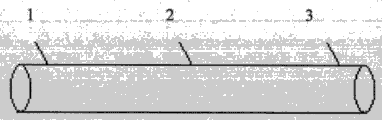
图2为合金铸锭多点取样位置图。Figure 2 is a map of the multi-point sampling locations of alloy ingots.
具体实施方式Detailed ways
下面结合附图和具体实施方式对本发明作进一步详细地说明。The present invention will be described in further detail below in conjunction with the accompanying drawings and specific embodiments.
制备Al-Si-Cu-Ni合金态箔状钎料的步骤如下:The steps of preparing Al-Si-Cu-Ni alloy state foil-shaped solder are as follows:
1)钎料合金原材料成分确定1) Determination of the composition of the brazing alloy raw material
通过查阅低温铝钎料的有关相图及资料可知,熔点低于Al-Si共晶30-50℃的Al-Si-Cu-Ni四组元钎料可实现纯铝、6061、6063、3A21铝合金的较低温度钎焊。尽量靠近Al-Si-Cu-Ni四元合金共晶点,在兼顾冶金性、材料稀缺性、经济性的基础上选取Cu含量约为A%:18-20%,Si含量约为B%:5.5-6.5%,镍含量约为C%:2.0-2.4%,铝余量的四元合金成分作为低温铝钎料的基本成分。By referring to the relevant phase diagram and data of low-temperature aluminum brazing filler metals, it can be known that the Al-Si-Cu-Ni four-component brazing filler metal with a melting point lower than the Al-Si eutectic 30-50°C can realize pure aluminum, 6061, 6063, 3A21 aluminum Lower temperature brazing of alloys. As close as possible to the eutectic point of the Al-Si-Cu-Ni quaternary alloy, the Cu content is selected to be about A%: 18-20%, and the Si content is about B% on the basis of taking into account metallurgy, material scarcity, and economy: 5.5-6.5%, the nickel content is about C%: 2.0-2.4%, the quaternary alloy composition of the aluminum balance is used as the basic composition of low-temperature aluminum solder.
2)中间合金制备2) Master alloy preparation
经研究Al-Si-Cu-Ni四元合金需熔铸的中间合金有Al-Cu50、Al-Si30中间合金。在配制中间合金时,由于中间合金成分在相图中固液相相差大,元素比重差异大,易造成成分偏析。本发明中间合金制备采用非真空中频炉熔炼,具体方法为:Al-Cu50 and Al-Si30 master alloys are the master alloys that need to be melted and cast for Al-Si-Cu-Ni quaternary alloys after research. When preparing master alloys, due to the large difference between the solid and liquid phases in the phase diagram of the master alloy components and the large difference in the specific gravity of elements, it is easy to cause composition segregation. The intermediate alloy of the present invention is prepared by melting in a non-vacuum intermediate frequency furnace, and the specific method is as follows:
Al-Cu50中间合金制备:在石墨粘土坩埚内加入铝锭后,升温。待铝锭熔化后,加入无氧铜,使炉温升至800~850℃,充分搅拌,待铜锭全部熔清后,浇铸成≠15mm薄板。合金浇铸温度700~750℃。浇铸模具采用铸铁模,壁厚30mm。Preparation of Al-Cu50 master alloy: After adding aluminum ingot into graphite clay crucible, heat up. After the aluminum ingot is melted, add oxygen-free copper, raise the furnace temperature to 800-850°C, stir well, and after the copper ingot is completely melted, cast it into a ≠15mm thin plate. The casting temperature of alloy is 700~750℃. The casting mold is cast iron mold with a wall thickness of 30mm.
Al-Si30中间合金制备:在石墨粘土坩埚内加入铝锭后,升温。待铝锭熔化后,加入多晶硅,使炉温升至780~820℃,充分搅拌,待多晶硅全部熔清后,浇铸成≠15mm薄板。合金浇铸温度700~730℃。浇铸模具采用铸铁模,壁厚30mm。Preparation of Al-Si30 master alloy: after adding aluminum ingot into graphite clay crucible, heat up. After the aluminum ingot is melted, add polysilicon, raise the furnace temperature to 780-820°C, stir well, and after the polysilicon is completely melted, cast it into a ≠15mm thin plate. The casting temperature of alloy is 700~730℃. The casting mold is cast iron mold with a wall thickness of 30mm.
3)钎料合金板材的熔炼及浇铸3) Melting and casting of solder alloy plates
采用非真空中频感应炉熔铸合金锭,具体方法为:将纯铝放入石墨坩埚中,升温,待铝锭全部熔化后,依次加入Al-Cu50、Al-Si10中间合金。待中间合金全部熔清后,添加金属Ni。待Ni全熔后,升温至750℃,保温15分钟,用石墨罩将六氯乙烷压入合金液底部搅拌进行脱气、造渣,六氯乙烷用量为炉量的0.3~0.4%,扒渣完毕,撒少许精炼剂后,除去表面浮渣。升温至680~720℃,充分搅拌,铸锭。The non-vacuum intermediate frequency induction furnace is used to melt and cast alloy ingots. The specific method is: put pure aluminum into a graphite crucible, heat up, and after the aluminum ingots are completely melted, add Al-Cu50 and Al-Si10 intermediate alloys in sequence. After the master alloy is completely melted, metal Ni is added. After the Ni is fully melted, raise the temperature to 750°C and keep it warm for 15 minutes. Use a graphite cover to press hexachloroethane into the bottom of the alloy liquid and stir for degassing and slagging. The amount of hexachloroethane is 0.3-0.4% of the furnace capacity. After removing the scum, sprinkle a little refining agent to remove the surface scum. Raise the temperature to 680-720°C, fully stir, and cast ingots.
中间合金制备后为保证钎料合金成分的准确,配料前需对中间合金作含量分析,以保证配料准确。中间合金制成铸锭后采用多点取样进行成分分析,取样编号位置为左右两边的取样编号为1和3,中间部位的取样编号为2(如下图2),当取样点的化学成分符合表1要求时,可知研制的铝合金铸锭化学成分合格,成分合格后将钎料合金锭表面加工除去铸造缺陷及夹杂;After the master alloy is prepared, in order to ensure the accuracy of the composition of the solder alloy, it is necessary to analyze the content of the master alloy before batching to ensure the accuracy of the batching. After the intermediate alloy is made into an ingot, multi-point sampling is used for component analysis. The sampling number positions are 1 and 3 on the left and right sides, and the sampling number in the middle part is 2 (as shown in Figure 2 below). When the chemical composition of the sampling point meets the table 1 When required, it can be known that the chemical composition of the developed aluminum alloy ingot is qualified, and after the composition is qualified, the surface of the solder alloy ingot is processed to remove casting defects and inclusions;
表1铸锭取样点实测合金成份需符合要求Table 1 The measured alloy composition of ingot sampling points must meet the requirements

4)热处理4) heat treatment
根据化验的合金铸锭熔点确定热处理制度,即在退火炉中升温至400℃,保温12小时以上以消除铸锭偏析及微小缺陷。The heat treatment system is determined according to the melting point of the alloy ingot tested, that is, the temperature is raised to 400°C in the annealing furnace, and the temperature is kept for more than 12 hours to eliminate the segregation and small defects of the ingot.
5)热轧及冷轧成形5) Hot rolling and cold rolling forming
●开坯温度的确定●Determination of billet opening temperature
熔铸板材完成后,向钎料箔加工的第一道称为开坯。通过测定铝合金钎料的熔点来确定开坯轧制温度,轧制温度从以下两个方面来考虑:适当考虑挤压产生的变形热的情况下,铸锭加热温度上限应稍低于合金低熔共晶熔化温度;一般开坯温度为(合金熔点-30℃),本发明开坯轧制温度为480℃,开坯过程中轧辊应保证不低于300℃。After the casting plate is completed, the first process to the brazing foil is called blanking. The rolling temperature of the billet is determined by measuring the melting point of the aluminum alloy solder. The rolling temperature is considered from the following two aspects: when the deformation heat generated by extrusion is properly considered, the upper limit of the ingot heating temperature should be slightly lower than that of the alloy. Melting and eutectic melting temperature; the general blanking temperature is (alloy melting point-30°C), the blanking and rolling temperature of the present invention is 480°C, and the rolls during the blanking process should be guaranteed not to be lower than 300°C.
●轧制过程●Rolling process
开坯后进行钎料的热轧制,轧制过程严格控制钎料变形率,每道轧制后应将锭坯放置于退火炉继续加热,炉温为450℃,保温15min以增加材料塑性,连续重复进行热轧制及退火过程,当锭坯厚度轧制至1.5mm以下后,采取冷轧加工,冷轧过程中须控制箔料变形率,每道轧制后将锭坯放置于退火炉继续加热,保温30min增加材料塑性,冷却后再次轧制,反复进行保证钎料箔成形。Hot rolling of the solder is carried out after the billet is opened. During the rolling process, the deformation rate of the solder is strictly controlled. After each rolling, the ingot should be placed in an annealing furnace to continue heating. The furnace temperature is 450 ° C and kept for 15 minutes to increase the material plasticity Continuously repeat the hot rolling and annealing process. When the thickness of the ingot is rolled below 1.5mm, cold rolling is adopted. During the cold rolling process, the deformation rate of the foil must be controlled. After each rolling, the ingot is placed in the annealing furnace Continue to heat, keep warm for 30 minutes to increase the plasticity of the material, and roll again after cooling to ensure the shape of the solder foil.
通过上述工艺,可制备熔点518℃~538℃、宽度大于100mm、厚度0.07mm至0.15mm的Al-Si-Cu-Ni合金态箔状钎料,如图1所示。焊料箔成分均匀外观光滑,方便焊接装配,拓展了钎料的使用场合和使用范围。Al-Si-Cu-Ni合金态箔状钎料差热分析图谱如图2所示。Through the above process, an Al-Si-Cu-Ni alloy foil-shaped brazing filler metal with a melting point of 518°C to 538°C, a width of more than 100mm, and a thickness of 0.07mm to 0.15mm can be prepared, as shown in Figure 1 . The composition of the solder foil is uniform and the appearance is smooth, which is convenient for soldering and assembly, and expands the application occasions and scope of the solder. The differential thermal analysis spectrum of Al-Si-Cu-Ni alloy foil solder is shown in Figure 2.
Claims (2)
Priority Applications (1)
| Application Number | Priority Date | Filing Date | Title |
|---|---|---|---|
| CN2010101607070A CN101811237B (en) | 2010-04-30 | 2010-04-30 | Al-Si-Cu-Ni alloy foil-shaped solder and preparation method thereof |
Applications Claiming Priority (1)
| Application Number | Priority Date | Filing Date | Title |
|---|---|---|---|
| CN2010101607070A CN101811237B (en) | 2010-04-30 | 2010-04-30 | Al-Si-Cu-Ni alloy foil-shaped solder and preparation method thereof |
Publications (2)
| Publication Number | Publication Date |
|---|---|
| CN101811237A CN101811237A (en) | 2010-08-25 |
| CN101811237B true CN101811237B (en) | 2011-10-05 |
Family
ID=42618679
Family Applications (1)
| Application Number | Title | Priority Date | Filing Date |
|---|---|---|---|
| CN2010101607070A Expired - Fee Related CN101811237B (en) | 2010-04-30 | 2010-04-30 | Al-Si-Cu-Ni alloy foil-shaped solder and preparation method thereof |
Country Status (1)
| Country | Link |
|---|---|
| CN (1) | CN101811237B (en) |
Families Citing this family (15)
| Publication number | Priority date | Publication date | Assignee | Title |
|---|---|---|---|---|
| CN102179587B (en) * | 2011-04-27 | 2012-12-19 | 西安远航真空钎焊技术有限公司 | Brazing alloy prefilling process in vacuum brazing |
| CN103170758A (en) * | 2011-12-26 | 2013-06-26 | 北京有色金属研究总院 | Aluminum base brazing filler metal including scandium and strontium and preparation method thereof |
| CN103567655B (en) * | 2012-07-26 | 2016-12-21 | 北京有色金属与稀土应用研究所 | The preparation method of Al Si Cu Mg acieral state foil-shaped brazing material |
| CN104722963A (en) * | 2013-12-18 | 2015-06-24 | 上海大华新型钎焊材料厂(普通合伙) | Preparation method of silver-copper-phosphorus solder soldering lug |
| CN103921011B (en) * | 2014-03-31 | 2017-03-29 | 安徽维斯佳节能门窗有限公司 | A kind of American window solder and its seamless welding method |
| CN104353938A (en) * | 2014-09-22 | 2015-02-18 | 青岛蓝图文化传播有限公司市南分公司 | Aluminum-silicon brazing filler metal |
| CN104858566A (en) * | 2015-06-09 | 2015-08-26 | 中国电子科技集团公司第十四研究所 | Aluminum-base low-melting-point vacuum brazing filler and preparation method thereof |
| CN108356443A (en) * | 2018-02-07 | 2018-08-03 | 郑州大学 | Titanium-based amorphous solder and its preparation method and application |
| CN108637030B (en) * | 2018-05-08 | 2024-03-12 | 安徽科技学院 | Liquid extrusion molding device for brittle solder strips |
| CN114729425A (en) * | 2019-12-04 | 2022-07-08 | 日之出控股株式会社 | Aluminum alloy for casting and aluminum casting cast using same |
| CN111906158B (en) * | 2020-06-24 | 2022-05-27 | 西安诺博尔稀贵金属材料股份有限公司 | Method for preparing silver-copper-zinc-tin brazing filler metal strip |
| CN112077423A (en) * | 2020-08-25 | 2020-12-15 | 合肥工业大学 | A kind of diffusion bonding method of aluminum-magnesium alloy |
| CN114654127A (en) * | 2022-04-21 | 2022-06-24 | 贵州大学 | Low-melting-point aluminum-based brazing filler metal, preparation thereof and application thereof in 6000 series aluminum alloy brazing |
| CN116511534A (en) * | 2023-05-18 | 2023-08-01 | 西安交通大学 | Method for preparing molybdenum-rhenium alloy pipe by electron beam selective melting technology |
| CN120901557A (en) * | 2025-09-23 | 2025-11-07 | 广州爱齐福珠宝有限公司 | Material for fusion welding of titanium alloy and dissimilar metal, and preparation method and application thereof |
Citations (2)
| Publication number | Priority date | Publication date | Assignee | Title |
|---|---|---|---|---|
| CN1206642A (en) * | 1998-06-11 | 1999-02-03 | 北京有色金属研究总院 | Aluminium base self-soldering flux and preparation process thereof |
| CN101214592A (en) * | 2008-01-09 | 2008-07-09 | 桂林市庆通有色金属工艺材料开发有限公司 | Aluminium base solder and preparation thereof |
Family Cites Families (3)
| Publication number | Priority date | Publication date | Assignee | Title |
|---|---|---|---|---|
| JPS60170593A (en) * | 1984-02-13 | 1985-09-04 | Toyo Soda Mfg Co Ltd | Foil-shaped brazing filler metal for brazing al or al alloy |
| EP1365882B1 (en) * | 2001-03-02 | 2004-10-27 | Pechiney Rhenalu | High temperature aluminum alloy brazing sheet and methods of manufacturing and uses therefor |
| JP4019775B2 (en) * | 2002-04-19 | 2007-12-12 | 三菱アルミニウム株式会社 | Aluminum alloy brazing sheet for heat exchangers with excellent corrosion resistance |
-
2010
- 2010-04-30 CN CN2010101607070A patent/CN101811237B/en not_active Expired - Fee Related
Patent Citations (2)
| Publication number | Priority date | Publication date | Assignee | Title |
|---|---|---|---|---|
| CN1206642A (en) * | 1998-06-11 | 1999-02-03 | 北京有色金属研究总院 | Aluminium base self-soldering flux and preparation process thereof |
| CN101214592A (en) * | 2008-01-09 | 2008-07-09 | 桂林市庆通有色金属工艺材料开发有限公司 | Aluminium base solder and preparation thereof |
Non-Patent Citations (2)
| Title |
|---|
| JP昭60-170593A 1985.09.04 |
| JP特开2003-306735A 2003.10.31 |
Also Published As
| Publication number | Publication date |
|---|---|
| CN101811237A (en) | 2010-08-25 |
Similar Documents
| Publication | Publication Date | Title |
|---|---|---|
| CN101811237B (en) | Al-Si-Cu-Ni alloy foil-shaped solder and preparation method thereof | |
| CN108188362A (en) | CuNiSn systems alloy and made-up belt combination outfield horizontal casting preparation method and device | |
| CN102350492B (en) | A kind of preparation method of casting aluminum-magnesium alloy composite ingot | |
| CN112296606B (en) | Preparation method of vacuum centrifugal TiAl intermetallic compound plate | |
| CN102732845B (en) | A nickel-chromium alloy target with high purity and high composition uniformity and its preparation method | |
| CN104278167B (en) | Manufacturing method of high-quality titanium-aluminum alloy target | |
| CN115679136A (en) | Copper-chromium-zirconium alloy ingot and preparation method and application thereof | |
| CN104942271A (en) | Beryllium-aluminum alloy sheet and manufacturing method thereof | |
| CN111020305A (en) | Aluminum alloy composite material skin material flat ingot and manufacturing method thereof | |
| Harada et al. | Mechanical properties of cold-rolled and annealed Al–12% Mg alloy sheet with high Mg solid solubility fabricated from vertical-type high-speed twin-roll cast strip | |
| CN104651662B (en) | The vacuum induction melting method of titanium-aluminium alloy target material | |
| CN100525987C (en) | High strength aluminum alloy welding wire and its preparing method | |
| CN108067596A (en) | A kind of method that thin-belt casting rolling prepares TiAl alloy uniform formation slab | |
| CN104561638B (en) | A kind of Al2O3The preparation method of dispersed and strengthened copper-based composite material | |
| CN104818424B (en) | High-quality H13 rare earth die steel and production method thereof | |
| CN104294064B (en) | Cu is based bulk amorphous-preparation method of nanometer crystal alloy composite | |
| CN1132953C (en) | Process for preparing high niobium Ti Al alloy large size cake material | |
| CN104109760A (en) | Steel ingot medium-frequency induction furnace/electroslag furnace dual-smelting system and method and steel ingot | |
| CN101367121A (en) | Near-liquidus continuous casting method of electrical steel | |
| CN101824570B (en) | AZ series magnesium-beryllium rare earth alloy material and preparation method thereof | |
| CN103757436A (en) | Production process of special steel ingot pullout type continuous directionally-crystallized electroslag ingot with small micro-fracture surface | |
| CN112981212A (en) | Preparation method of non-equiatomic ratio high-entropy alloy semi-solid thixotropic blank | |
| CN111575511A (en) | A method for improving micro-macro segregation of copper-tin alloys | |
| CN102286710A (en) | Method for preparing alloy semi-solid forming plate blanks by casting and rolling dual control method | |
| CN110079751A (en) | A kind of preparation method of made of Al-Cu alloy supersaturated solid solution |
Legal Events
| Date | Code | Title | Description |
|---|---|---|---|
| C06 | Publication | ||
| PB01 | Publication | ||
| SE01 | Entry into force of request for substantive examination | ||
| C14 | Grant of patent or utility model | ||
| GR01 | Patent grant | ||
| C17 | Cessation of patent right | ||
| CF01 | Termination of patent right due to non-payment of annual fee |
Granted publication date: 20111005 Termination date: 20140430 |