CN101978618B - Multi-resolution beamforming in mimo systems - Google Patents
Multi-resolution beamforming in mimo systems Download PDFInfo
- Publication number
- CN101978618B CN101978618B CN2009801092934A CN200980109293A CN101978618B CN 101978618 B CN101978618 B CN 101978618B CN 2009801092934 A CN2009801092934 A CN 2009801092934A CN 200980109293 A CN200980109293 A CN 200980109293A CN 101978618 B CN101978618 B CN 101978618B
- Authority
- CN
- China
- Prior art keywords
- preferred
- transmit
- directions
- sector
- derived
- Prior art date
- Legal status (The legal status is an assumption and is not a legal conclusion. Google has not performed a legal analysis and makes no representation as to the accuracy of the status listed.)
- Active
Links
Images








Classifications
-
- H—ELECTRICITY
- H04—ELECTRIC COMMUNICATION TECHNIQUE
- H04B—TRANSMISSION
- H04B7/00—Radio transmission systems, i.e. using radiation field
- H04B7/02—Diversity systems; Multi-antenna system, i.e. transmission or reception using multiple antennas
- H04B7/04—Diversity systems; Multi-antenna system, i.e. transmission or reception using multiple antennas using two or more spaced independent antennas
- H04B7/0413—MIMO systems
- H04B7/0417—Feedback systems
-
- H—ELECTRICITY
- H04—ELECTRIC COMMUNICATION TECHNIQUE
- H04B—TRANSMISSION
- H04B7/00—Radio transmission systems, i.e. using radiation field
- H04B7/02—Diversity systems; Multi-antenna system, i.e. transmission or reception using multiple antennas
- H04B7/04—Diversity systems; Multi-antenna system, i.e. transmission or reception using multiple antennas using two or more spaced independent antennas
- H04B7/0413—MIMO systems
- H04B7/0426—Power distribution
- H04B7/043—Power distribution using best eigenmode, e.g. beam forming or beam steering
-
- H—ELECTRICITY
- H04—ELECTRIC COMMUNICATION TECHNIQUE
- H04B—TRANSMISSION
- H04B7/00—Radio transmission systems, i.e. using radiation field
- H04B7/02—Diversity systems; Multi-antenna system, i.e. transmission or reception using multiple antennas
- H04B7/04—Diversity systems; Multi-antenna system, i.e. transmission or reception using multiple antennas using two or more spaced independent antennas
- H04B7/0491—Diversity systems; Multi-antenna system, i.e. transmission or reception using multiple antennas using two or more spaced independent antennas using two or more sectors, i.e. sector diversity
-
- H—ELECTRICITY
- H04—ELECTRIC COMMUNICATION TECHNIQUE
- H04B—TRANSMISSION
- H04B7/00—Radio transmission systems, i.e. using radiation field
- H04B7/02—Diversity systems; Multi-antenna system, i.e. transmission or reception using multiple antennas
- H04B7/04—Diversity systems; Multi-antenna system, i.e. transmission or reception using multiple antennas using two or more spaced independent antennas
- H04B7/06—Diversity systems; Multi-antenna system, i.e. transmission or reception using multiple antennas using two or more spaced independent antennas at the transmitting station
- H04B7/0613—Diversity systems; Multi-antenna system, i.e. transmission or reception using multiple antennas using two or more spaced independent antennas at the transmitting station using simultaneous transmission
- H04B7/0615—Diversity systems; Multi-antenna system, i.e. transmission or reception using multiple antennas using two or more spaced independent antennas at the transmitting station using simultaneous transmission of weighted versions of same signal
- H04B7/0619—Diversity systems; Multi-antenna system, i.e. transmission or reception using multiple antennas using two or more spaced independent antennas at the transmitting station using simultaneous transmission of weighted versions of same signal using feedback from receiving side
- H04B7/0621—Feedback content
- H04B7/0626—Channel coefficients, e.g. channel state information [CSI]
-
- H—ELECTRICITY
- H04—ELECTRIC COMMUNICATION TECHNIQUE
- H04B—TRANSMISSION
- H04B7/00—Radio transmission systems, i.e. using radiation field
- H04B7/02—Diversity systems; Multi-antenna system, i.e. transmission or reception using multiple antennas
- H04B7/04—Diversity systems; Multi-antenna system, i.e. transmission or reception using multiple antennas using two or more spaced independent antennas
- H04B7/06—Diversity systems; Multi-antenna system, i.e. transmission or reception using multiple antennas using two or more spaced independent antennas at the transmitting station
- H04B7/0613—Diversity systems; Multi-antenna system, i.e. transmission or reception using multiple antennas using two or more spaced independent antennas at the transmitting station using simultaneous transmission
- H04B7/0615—Diversity systems; Multi-antenna system, i.e. transmission or reception using multiple antennas using two or more spaced independent antennas at the transmitting station using simultaneous transmission of weighted versions of same signal
- H04B7/0619—Diversity systems; Multi-antenna system, i.e. transmission or reception using multiple antennas using two or more spaced independent antennas at the transmitting station using simultaneous transmission of weighted versions of same signal using feedback from receiving side
- H04B7/0621—Feedback content
- H04B7/0634—Antenna weights or vector/matrix coefficients
-
- H—ELECTRICITY
- H04—ELECTRIC COMMUNICATION TECHNIQUE
- H04B—TRANSMISSION
- H04B7/00—Radio transmission systems, i.e. using radiation field
- H04B7/02—Diversity systems; Multi-antenna system, i.e. transmission or reception using multiple antennas
- H04B7/04—Diversity systems; Multi-antenna system, i.e. transmission or reception using multiple antennas using two or more spaced independent antennas
- H04B7/06—Diversity systems; Multi-antenna system, i.e. transmission or reception using multiple antennas using two or more spaced independent antennas at the transmitting station
- H04B7/0613—Diversity systems; Multi-antenna system, i.e. transmission or reception using multiple antennas using two or more spaced independent antennas at the transmitting station using simultaneous transmission
- H04B7/0684—Diversity systems; Multi-antenna system, i.e. transmission or reception using multiple antennas using two or more spaced independent antennas at the transmitting station using simultaneous transmission using different training sequences per antenna
-
- H—ELECTRICITY
- H04—ELECTRIC COMMUNICATION TECHNIQUE
- H04B—TRANSMISSION
- H04B7/00—Radio transmission systems, i.e. using radiation field
- H04B7/02—Diversity systems; Multi-antenna system, i.e. transmission or reception using multiple antennas
- H04B7/04—Diversity systems; Multi-antenna system, i.e. transmission or reception using multiple antennas using two or more spaced independent antennas
- H04B7/08—Diversity systems; Multi-antenna system, i.e. transmission or reception using multiple antennas using two or more spaced independent antennas at the receiving station
- H04B7/0837—Diversity systems; Multi-antenna system, i.e. transmission or reception using multiple antennas using two or more spaced independent antennas at the receiving station using pre-detection combining
- H04B7/0842—Weighted combining
- H04B7/0848—Joint weighting
- H04B7/0851—Joint weighting using training sequences or error signal
-
- H—ELECTRICITY
- H04—ELECTRIC COMMUNICATION TECHNIQUE
- H04B—TRANSMISSION
- H04B7/00—Radio transmission systems, i.e. using radiation field
- H04B7/02—Diversity systems; Multi-antenna system, i.e. transmission or reception using multiple antennas
- H04B7/04—Diversity systems; Multi-antenna system, i.e. transmission or reception using multiple antennas using two or more spaced independent antennas
- H04B7/08—Diversity systems; Multi-antenna system, i.e. transmission or reception using multiple antennas using two or more spaced independent antennas at the receiving station
- H04B7/0837—Diversity systems; Multi-antenna system, i.e. transmission or reception using multiple antennas using two or more spaced independent antennas at the receiving station using pre-detection combining
- H04B7/0842—Weighted combining
- H04B7/086—Weighted combining using weights depending on external parameters, e.g. direction of arrival [DOA], predetermined weights or beamforming
-
- H—ELECTRICITY
- H04—ELECTRIC COMMUNICATION TECHNIQUE
- H04B—TRANSMISSION
- H04B7/00—Radio transmission systems, i.e. using radiation field
- H04B7/02—Diversity systems; Multi-antenna system, i.e. transmission or reception using multiple antennas
- H04B7/04—Diversity systems; Multi-antenna system, i.e. transmission or reception using multiple antennas using two or more spaced independent antennas
- H04B7/06—Diversity systems; Multi-antenna system, i.e. transmission or reception using multiple antennas using two or more spaced independent antennas at the transmitting station
- H04B7/0613—Diversity systems; Multi-antenna system, i.e. transmission or reception using multiple antennas using two or more spaced independent antennas at the transmitting station using simultaneous transmission
- H04B7/0615—Diversity systems; Multi-antenna system, i.e. transmission or reception using multiple antennas using two or more spaced independent antennas at the transmitting station using simultaneous transmission of weighted versions of same signal
- H04B7/0617—Diversity systems; Multi-antenna system, i.e. transmission or reception using multiple antennas using two or more spaced independent antennas at the transmitting station using simultaneous transmission of weighted versions of same signal for beam forming
-
- H—ELECTRICITY
- H04—ELECTRIC COMMUNICATION TECHNIQUE
- H04B—TRANSMISSION
- H04B7/00—Radio transmission systems, i.e. using radiation field
- H04B7/02—Diversity systems; Multi-antenna system, i.e. transmission or reception using multiple antennas
- H04B7/04—Diversity systems; Multi-antenna system, i.e. transmission or reception using multiple antennas using two or more spaced independent antennas
- H04B7/06—Diversity systems; Multi-antenna system, i.e. transmission or reception using multiple antennas using two or more spaced independent antennas at the transmitting station
- H04B7/0613—Diversity systems; Multi-antenna system, i.e. transmission or reception using multiple antennas using two or more spaced independent antennas at the transmitting station using simultaneous transmission
- H04B7/0615—Diversity systems; Multi-antenna system, i.e. transmission or reception using multiple antennas using two or more spaced independent antennas at the transmitting station using simultaneous transmission of weighted versions of same signal
- H04B7/0619—Diversity systems; Multi-antenna system, i.e. transmission or reception using multiple antennas using two or more spaced independent antennas at the transmitting station using simultaneous transmission of weighted versions of same signal using feedback from receiving side
- H04B7/0621—Feedback content
- H04B7/0628—Diversity capabilities
Landscapes
- Engineering & Computer Science (AREA)
- Computer Networks & Wireless Communication (AREA)
- Signal Processing (AREA)
- Physics & Mathematics (AREA)
- Mathematical Physics (AREA)
- Power Engineering (AREA)
- Radio Transmission System (AREA)
- Mobile Radio Communication Systems (AREA)
- Variable-Direction Aerials And Aerial Arrays (AREA)
Abstract
Description
基于35U.S.C.§119要求优先权Claiming Priority Based on 35 U.S.C. §119
本申请要求享受2008年3月17日提交的、代理人案卷号为082841P1、申请号为61/037,139的美国临时专利申请的优先权,该临时专利申请已转让给本申请的受让人,故明确地以引用方式并入本申请。This application claims priority to U.S. Provisional Patent Application No. 61/037,139, filed March 17, 2008, Attorney Docket No. 082841P1, which is assigned to the assignee of this application, and is therefore This application is expressly incorporated by reference.
技术领域 technical field
概括地说,本发明的某些方面涉及无线通信,具体地说,本发明的某些方面涉及传输信号的波束形成。In general, certain aspects of the invention relate to wireless communications, and in particular, certain aspects of the invention relate to beamforming of transmission signals.
背景技术 Background technique
支持单载波和正交频分复用(OFDM)调制的双模式超宽带(UWB)物理层(PHY)可以使用共同模式。UWB PHY可以用于毫米波(例如,载波频率为60GHz)通信。共同模式是单载波设备和OFDM设备针对信标、网络控制信令以及基速率数据通信所使用的单载波模式。一般情况下,共同模式是不同的设备和不同的网络之间进行交互操作所必需的。A dual-mode ultra-wideband (UWB) physical layer (PHY) supporting single-carrier and orthogonal frequency-division multiplexing (OFDM) modulation can use a common mode. UWB PHY can be used for mmWave (for example, carrier frequency 60GHz) communication. Common mode is the single carrier mode used by single carrier devices and OFDM devices for beaconing, network control signaling, and base rate data communications. In general, common patterns are necessary for interoperability between different devices and different networks.
为了提供空间分集和阵列增益,毫米波通信还可以在一个或多个天线上使用波束形成。诸如单一天线单元、扇区化天线(sectored antenna)、转换式天线(switched antenna)以及一维(1-D)和二维(2-D)天线阵列之类的众多天线配置都可以支持波束形成。诸如特征波束形成(Eigen-beamforming)之类的常规波束形成需要信道状态信息矩阵或波束形成矩阵,以反馈给发射阵列。电气和电子工程师协会(IEEE)802.11n标准详细说明了包括以下各项的反馈信息:反馈矩阵的行和列大小、子载波分组大小(例如,聚群大小)、量化比特大小以及从最低子载波索引开始到最高子载波索引的实际量化数据单元的数组。为了使用预编码矩阵进行波束形成,通过将波束形成矩阵的内容替换为预编码矩阵码本的索引来减少反馈信息。To provide spatial diversity and array gain, mmWave communications can also use beamforming on one or more antennas. Numerous antenna configurations such as single antenna elements, sectored antennas, switched antennas, and one-dimensional (1-D) and two-dimensional (2-D) antenna arrays can support beamforming . Conventional beamforming such as Eigen-beamforming requires a channel state information matrix or a beamforming matrix to be fed back to the transmit array. The Institute of Electrical and Electronics Engineers (IEEE) 802.11n standard specifies feedback information including: row and column sizes of the feedback matrix, subcarrier grouping size (e.g., cluster size), quantization bit size, and Array of actual quantized data units indexed starting to the highest subcarrier index. In order to use the precoding matrix for beamforming, the feedback information is reduced by replacing the content of the beamforming matrix with the index of the precoding matrix codebook.
考虑两种类型的波束形成协议:按需波束形成(on-demandbeamforming)和主动波束形成(pro-active beamforming)。按需波束形成可以用在两个设备(DEV)之间或用在微微网(piconet)控制器(PNC)和设备(DEV)之间,按需波束形成可以在为了进行波束形成而向DEV分配的信道时间分配(CTA)时期发生。当PNC是一个或多个DEV的数据源时,可以使用主动波束形成。该协议使得多个DEV能够训练它们自己的接收机天线,以便在较低开销情况下从PNC进行优选接收。Consider two types of beamforming protocols: on-demand beamforming and pro-active beamforming. On-demand beamforming can be used between two devices (DEVs) or between a piconet controller (PNC) and a device (DEV). The Channel Time Assignment (CTA) period occurs. Active beamforming can be used when the PNC is the data source for one or more DEVs. This protocol enables multiple DEVs to train their own receiver antennas for preferred reception from the PNC with low overhead.
考虑两种波束形成优化准则:适用于所有天线配置的波束转换(导向,steering)和跟踪(BST)准则,以及用于1-D线性天线阵列和2-D平面天线阵列的方向图(Pattern)估计和跟踪(PET)选项。支持PET方法的所有DEV都可以支持BST准则。如果构成通信链路的两个DEV都支持PET准则,则可以仅使用PET准则。BST基于从给定的一组波束中选择优选波束,而PET则基于寻找波束形成器和组合器向量(即,天线权重),其中,这些向量不是必须落入给定的一组波束方向中。Two optimization criteria for beamforming are considered: beam switching (steering, steering) and tracking (BST) criteria for all antenna configurations, and pattern (Pattern) for 1-D linear antenna arrays and 2-D planar antenna arrays Estimation and Tracking (PET) option. All DEVs that support the PET method can support the BST guidelines. The PET criterion may only be used if both DEVs forming the communication link support the PET criterion. BST is based on selecting a preferred beam from a given set of beams, while PET is based on finding beamformer and combiner vectors (ie, antenna weights), where these vectors do not necessarily fall into a given set of beam directions.
因此,在本领域中需要高效地实现波束形成优化准则的方法。Therefore, there is a need in the art for methods to efficiently implement beamforming optimization criteria.
发明内容 Contents of the invention
某些方面提供了一种用于无线通信的方法。概括地说,该方法包括:接收从一个设备使用第一发射方向集发射的训练信号;从所述第一发射方向集导出优选发射方向;向所述设备提供优选发射方向的指示,以作为对所述设备的反馈,其中所述反馈是通过扫描第二发射方向集而提供的。Certain aspects provide a method for wireless communication. In general terms, the method comprises: receiving a training signal transmitted from a device using a first set of transmit directions; deriving a preferred transmit direction from said first set of transmit directions; providing an indication of the preferred transmit direction to said device as a reference Feedback of the device, wherein the feedback is provided by scanning a second set of transmit directions.
某些方面提供了一种用于无线通信的装置。概括地说,该装置包括:接收机,用于接收从一个设备使用第一发射方向集发射的训练信号;导出电路,用于从所述第一发射方向集导出优选发射方向;提供电路,向所述设备提供优选发射方向的指示,以作为对所述设备的反馈,其中所述反馈是通过扫描第二发射方向集而提供的。Certain aspects provide an apparatus for wireless communication. Broadly speaking, the apparatus comprises: a receiver for receiving training signals transmitted from a device using a first set of transmit directions; derivation circuitry for deriving preferred transmit directions from said first set of transmit directions; and circuitry provided for The device provides an indication of a preferred transmit direction as feedback to the device, wherein the feedback is provided by scanning a second set of transmit directions.
某些方面提供了一种用于无线通信的装置。概括地说,该装置包括:接收模块,用于接收从一个设备使用第一发射方向集发射的训练信号;导出模块,用于从所述第一发射方向集导出优选发射方向;提供模块,用于向所述设备提供优选发射方向的指示,以作为对所述设备的反馈,其中所述反馈是通过扫描第二发射方向集而提供的。Certain aspects provide an apparatus for wireless communication. In general, the apparatus includes: a receiving module, configured to receive a training signal transmitted from a device using a first set of transmitting directions; a deriving module, configured to derive a preferred transmitting direction from the first set of transmitting directions; providing a module for for providing an indication of a preferred transmit direction to the device as feedback to the device, wherein the feedback is provided by scanning a second set of transmit directions.
某些方面提供了一种用于无线通信的计算机程序产品。所述计算机程序产品包括计算机可读介质,其编码有用于执行以下操作的可执行指令:接收从一个设备使用第一发射方向集发射的训练信号;从所述第一发射方向集导出优选发射方向;向所述设备提供优选发射方向的指示,以作为对所述设备的反馈,其中所述反馈是通过扫描第二发射方向集而提供的。Certain aspects provide a computer program product for wireless communications. The computer program product includes a computer readable medium encoded with executable instructions for: receiving training signals transmitted from a device using a first set of transmit directions; deriving preferred transmit directions from the first set of transmit directions ; providing an indication of a preferred transmit direction to the device as feedback to the device, wherein the feedback is provided by scanning a second set of transmit directions.
某些方面提供了一种接入点。概括地说,所述接入点包括:至少一付天线;接收机,用于经由所述至少一付天线接收从一个设备使用第一发射方向集发射的训练信号;导出电路,用于从所述第一发射方向集导出优选发射方向;提供电路,用于向所述设备提供优选发射方向的指示,以作为对所述设备的反馈,其中所述反馈是通过扫描第二发射方向集而提供的。Certain aspects provide an access point. In general, the access point includes: at least one antenna; a receiver for receiving, via the at least one antenna, a training signal transmitted from a device using a first set of transmit directions; and a derivation circuit for deriving from the deriving a preferred transmit direction from said first set of transmit directions; and providing circuitry for providing an indication of a preferred transmit direction to said device as feedback to said device, wherein said feedback is provided by scanning a second set of transmit directions of.
某些方面提供了一种用于无线通信的方法。概括地说,该方法包括:使用第一发射方向集向一个设备发射训练信号;从所述设备接收从所述第一发射方向集导出的至少一个第一优选发射方向的指示;使用第二发射方向集向所述设备发射训练信号,其中所述第二发射方向集是从所述至少一个第一优选发射方向导出的;从所述设备接收从所述第二发射方向集导出的至少一个第二优选发射方向的指示;使用所述至少一个第二优选发射方向与所述设备进行通信。Certain aspects provide a method for wireless communication. In general terms, the method comprises: transmitting a training signal to a device using a first set of transmit directions; receiving from said device an indication of at least one first preferred transmit direction derived from said first set of transmit directions; transmitting using a second set of transmit directions transmitting a training signal to the device with a set of directions, wherein the second set of transmission directions is derived from the at least one first preferred transmission direction; receiving from the device at least one first preferred transmission direction derived from the second set of transmission directions Two indications of preferred transmission directions; communicating with said device using said at least one second preferred transmission direction.
某些方面提供了一种用于无线通信的装置。概括地说,该装置包括:使用第一发射方向集向一个设备发射训练信号的电路;从所述设备接收从所述第一发射方向集导出的至少一个第一优选发射方向的指示的电路;使用第二发射方向集向所述设备发射训练信号的电路,其中所述第二发射方向集是从所述至少一个第一优选发射方向导出的;从所述设备接收从所述第二发射方向集导出的至少一个第二优选发射方向的指示的电路;使用所述至少一个第二优选发射方向与所述设备进行通信的电路。Certain aspects provide an apparatus for wireless communication. In general terms, the apparatus comprises: circuitry for transmitting training signals to a device using a first set of transmit directions; circuitry for receiving from said device an indication of at least one first preferred transmit direction derived from said first set of transmit directions; circuitry for transmitting a training signal to the device using a second set of transmit directions, wherein the second set of transmit directions is derived from the at least one first preferred transmit direction; circuitry for collecting a derived indication of at least one second preferred transmission direction; and circuitry for communicating with said device using said at least one second preferred transmission direction.
某些方面提供了一种用于无线通信的装置。概括地说,该装置包括:使用第一发射方向集向一个设备发射训练信号的模块;从所述设备接收从所述第一发射方向集导出的至少一个第一优选发射方向的指示的模块;使用第二发射方向集向所述设备发射训练信号的模块,其中所述第二发射方向集是从所述至少一个第一优选发射方向导出的;从所述设备接收从所述第二发射方向集导出的至少一个第二优选发射方向的指示的模块;使用所述至少一个第二优选发射方向与所述设备进行通信的模块。Certain aspects provide an apparatus for wireless communication. In general terms, the apparatus comprises: means for transmitting training signals to a device using a first set of transmit directions; means for receiving from said device an indication of at least one first preferred transmit direction derived from said first set of transmit directions; means for transmitting a training signal to said device using a second set of transmit directions, wherein said second set of transmit directions is derived from said at least one first preferred transmit direction; means for collecting a derived indication of at least one second preferred transmission direction; and means for communicating with said device using said at least one second preferred transmission direction.
某些方面提供了一种用于无线通信的计算机程序产品。所述计算机程序产品包括计算机可读介质,其编码有用于执行以下操作的可执行指令:使用第一发射方向集向一个设备发射训练信号;从所述设备接收从所述第一发射方向集导出的至少一个第一优选发射方向的指示;使用第二发射方向集向所述设备发射训练信号,其中所述第二发射方向集是从所述至少一个第一优选发射方向导出的;从所述设备接收从所述第二发射方向集导出的至少一个第二优选发射方向的指示;使用所述至少一个第二优选发射方向与所述设备进行通信。Certain aspects provide a computer program product for wireless communications. The computer program product includes a computer-readable medium encoded with executable instructions for: transmitting a training signal to a device using a first set of transmit directions; receiving from the device a signal derived from the first set of transmit directions an indication of at least one first preferred transmit direction; transmit a training signal to the device using a second set of transmit directions, wherein the second set of transmit directions is derived from the at least one first preferred transmit direction; from the A device receives an indication of at least one second preferred transmit direction derived from the second set of transmit directions; communicates with the device using the at least one second preferred transmit direction.
某些方面提供了一种接入点。概括地说,所述接入点包括:至少一付天线;使用第一发射方向集经由所述至少一付天线向一个设备发射训练信号的电路;经由所述至少一付天线从所述设备接收从所述第一发射方向集导出的至少一个第一优选发射方向的指示的电路;使用第二发射方向集经由所述至少一付天线向所述设备发射训练信号的电路,其中所述第二发射方向集是从所述至少一个第一优选发射方向导出的;经由所述至少一付天线从所述设备接收从所述第二发射方向集导出的至少一个第二优选发射方向的指示的电路;使用所述至少一个第二优选发射方向与所述设备进行通信的电路。Certain aspects provide an access point. In general terms, the access point includes: at least one antenna; circuitry for transmitting a training signal to a device via the at least one antenna using a first set of transmit directions; receiving a training signal from the device via the at least one antenna Circuitry for an indication of at least one first preferred transmit direction derived from the first set of transmit directions; circuitry for transmitting a training signal to the device via the at least one antenna using a second set of transmit directions, wherein the second A set of transmission directions is derived from said at least one first preferred transmission direction; circuitry for receiving from said device via said at least one antenna an indication of at least one second preferred transmission direction derived from said second set of transmission directions ; circuitry for communicating with said device using said at least one second preferred transmit direction.
某些方面提供了一种用于无线通信的方法。概括地说,该方法包括:接收从一个设备使用一组扇区发射的训练信号;从所述一组扇区导出至少一个优选扇区;向所述设备提供所述至少一个优选扇区的指示,以作为对所述设备的反馈,其中所述反馈是通过扫描与扇区相关的发射方向集而提供的;接收从所述设备使用至少一组波束发射的训练信号,其中所述至少一组波束是从所述至少一个优选扇区导出的;从所述至少一组波束导出至少一个优选波束;向所述设备提供所述至少一个优选波束的指示,以作为对所述设备的反馈,其中所述反馈是通过使用所述至少一个优选扇区而提供的;其中,扇区是覆盖一定空间区域的天线方向图,与扇区覆盖的空间区域相比,波束是覆盖较小空间区域的天线方向图。Certain aspects provide a method for wireless communication. In general terms, the method comprises: receiving a training signal transmitted from a device using a set of sectors; deriving at least one preferred sector from the set of sectors; providing an indication of the at least one preferred sector to the device , as feedback to the device, wherein the feedback is provided by scanning a set of transmit directions associated with a sector; receiving a training signal transmitted from the device using at least one set of beams, wherein the at least one set A beam is derived from the at least one preferred sector; at least one preferred beam is derived from the at least one set of beams; and an indication of the at least one preferred beam is provided to the device as feedback to the device, wherein The feedback is provided using the at least one preferred sector; wherein a sector is an antenna pattern covering a certain area of space and a beam is an antenna covering a smaller area of space compared to the area of space covered by the sector direction map.
某些方面提供了一种用于无线通信的装置。概括地说,该装置包括:接收从一个设备使用一组扇区发射的训练信号的电路;从所述一组扇区导出至少一个优选扇区的电路;向所述设备提供所述至少一个优选扇区的指示的电路,以作为对所述设备的反馈,其中所述反馈是通过扫描与扇区相关的发射方向集而提供的;接收从所述设备使用至少一组波束发射的训练信号的电路,其中所述至少一组波束是从所述至少一个优选扇区导出的;从所述至少一组波束导出至少一个优选波束的电路;向所述设备提供所述至少一个优选波束的指示的电路,以作为对所述设备的反馈,其中所述反馈是通过使用所述至少一个优选扇区而提供的;其中,扇区是覆盖一定空间区域的天线方向图,与扇区覆盖的空间区域相比,波束是覆盖较小空间区域的天线方向图。Certain aspects provide an apparatus for wireless communication. Broadly speaking, the apparatus includes: circuitry for receiving a training signal transmitted from a device using a set of sectors; circuitry for deriving at least one preferred sector from the set of sectors; providing the at least one preferred sector to the device. circuitry for indication of a sector as feedback to said device, wherein said feedback is provided by scanning a set of transmit directions associated with a sector; receiving training signals transmitted from said device using at least one set of beams circuitry, wherein the at least one set of beams is derived from the at least one preferred sector; circuitry for deriving at least one preferred beam from the at least one set of beams; providing an indication of the at least one preferred beam to the device A circuit, as feedback to the device, wherein the feedback is provided by using the at least one preferred sector; wherein a sector is an antenna pattern covering a certain spatial area, and the spatial area covered by the sector is In contrast, a beam is an antenna pattern covering a smaller spatial area.
某些方面提供了一种用于无线通信的装置。概括地说,该装置包括:接收从一个设备使用一组扇区发射的训练信号的模块;从所述一组扇区导出至少一个优选扇区的模块;向所述设备提供所述至少一个优选扇区的指示以作为对所述设备的反馈的模块,,其中所述反馈是通过扫描与扇区相关的发射方向集来提供的;从所述设备接收使用至少一组波束发射的训练信号的模块,其中所述至少一组波束是从所述至少一个优选扇区导出的;从所述至少一组波束导出至少一个优选波束的模块;向所述设备提供所述至少一个优选波束的指示以作为对所述设备的反馈的模块,其中所述反馈是通过使用所述至少一个优选扇区而提供的;其中,扇区是覆盖一定空间区域的天线方向图,与扇区覆盖的空间区域相比,波束是覆盖较小空间区域的天线方向图。Certain aspects provide an apparatus for wireless communication. In general terms, the apparatus includes: means for receiving a training signal transmitted from a device using a set of sectors; means for deriving at least one preferred sector from the set of sectors; providing the at least one preferred sector to the device means for an indication of a sector as feedback to said device, wherein said feedback is provided by scanning a set of transmit directions associated with a sector; receiving from said device a training signal transmitted using at least one set of beams means, wherein the at least one set of beams is derived from the at least one preferred sector; means for deriving at least one preferred beam from the at least one set of beams; providing an indication of the at least one preferred beam to the device to A module that is feedback to the device, wherein the feedback is provided using the at least one preferred sector; wherein a sector is an antenna pattern covering a certain spatial area corresponding to the spatial area covered by the sector In contrast, a beam is an antenna pattern covering a small spatial area.
某些方面提供了一种用于无线通信的方法。概括地说,该方法包括:使用一组扇区向一个设备发射训练信号;从所述设备接收从所述一组扇区导出的至少一个优选扇区的指示;使用至少一组波束向所述设备发射训练信号,其中所述至少一组波束是从所述至少一个优选扇区导出的;从所述设备接收从所述至少一组波束导出的至少一个优选波束的指示;使用所述至少一个优选波束与所述设备进行通信;其中,扇区是覆盖一定空间区域的天线方向图,与扇区覆盖的空间区域相比,波束是覆盖较小空间区域的天线方向图。Certain aspects provide a method for wireless communication. In general terms, the method comprises: transmitting a training signal to a device using a set of sectors; receiving from said device an indication of at least one preferred sector derived from said set of sectors; using at least a set of beams to said The device transmits a training signal, wherein the at least one set of beams is derived from the at least one preferred sector; receiving from the device an indication of at least one preferred beam derived from the at least one set of beams; using the at least one Preferably a beam communicates with said device; wherein a sector is an antenna pattern covering a certain spatial area, and a beam is an antenna pattern covering a smaller spatial area compared to the spatial area covered by a sector.
某些方面提供了一种用于无线通信的装置。概括地说,该装置包括:使用一组扇区向一个设备发射训练信号的电路;从所述设备接收从所述一组扇区导出的至少一个优选扇区的指示的电路;使用至少一组波束向所述设备发射训练信号的电路,其中所述至少一组波束是从所述至少一个优选扇区导出的;从所述设备接收从所述至少一组波束导出的至少一个优选波束的指示的电路;使用所述至少一个优选波束与所述设备进行通信的电路;其中,扇区是覆盖一定空间区域的天线方向图,与扇区覆盖的空间区域相比,波束是覆盖较小空间区域的天线方向图。Certain aspects provide an apparatus for wireless communication. In general terms, the apparatus includes: circuitry for transmitting training signals to a device using a set of sectors; circuitry for receiving from the device an indication of at least one preferred sector derived from the set of sectors; circuitry for beam transmitting training signals to said device, wherein said at least one set of beams is derived from said at least one preferred sector; receiving from said device an indication of at least one preferred beam derived from said at least one set of beams circuitry for communicating with said device using said at least one preferred beam; wherein a sector is an antenna pattern covering a certain spatial region, and a beam is a smaller spatial region than the spatial region covered by a sector antenna pattern.
某些方面提供了一种用于无线通信的装置。概括地说,该装置包括:使用一组扇区向一个设备发射训练信号的模块;从所述设备接收从所述一组扇区导出的至少一个优选扇区的指示的模块;使用至少一组波束向所述设备发射训练信号的模块,其中所述至少一组波束是从所述至少一个优选扇区导出的;从所述设备接收从所述至少一组波束导出的至少一个优选波束的指示的模块;使用所述至少一个优选波束与所述设备进行通信的模块;其中,扇区是覆盖一定空间区域的天线方向图,与扇区覆盖的空间区域相比,波束是覆盖较小空间区域的天线方向图。Certain aspects provide an apparatus for wireless communication. In general terms, the apparatus includes: means for transmitting a training signal to a device using a set of sectors; means for receiving from the device an indication of at least one preferred sector derived from the set of sectors; using at least a set of means for beam transmitting training signals to said device, wherein said at least one set of beams is derived from said at least one preferred sector; and receiving from said device an indication of at least one preferred beam derived from said at least one set of beams A module; a module for communicating with the device using the at least one preferred beam; wherein, a sector is an antenna pattern covering a certain spatial area, and a beam covers a smaller spatial area compared to the spatial area covered by the sector antenna pattern.
附图说明 Description of drawings
为了详细地理解本发明的上述各个特征的实现方式,本申请通过针对一些方面进行说明,给出了上面简要概括的更具体描述,这些方面中的一些在附图中给予了说明。但是,应当注意的是,由于本发明的描述准许其它等同的有效方面,因此这些附图仅仅描绘了本发明的某些典型方面,其不应被认为限制本发明的保护范围。In order to understand in detail the implementation of the above-mentioned features of the present invention, the present application gives a more specific description briefly summarized above by illustrating some aspects, some of which are illustrated in the accompanying drawings. It is to be noted, however, that the drawings depict only certain typical aspects of the invention and are not to be considered limiting of its scope, as the description of the invention admits to other equally effective aspects.
图1描绘了根据本发明的某些方面的示例性无线通信系统。1 depicts an exemplary wireless communication system in accordance with certain aspects of the present invention.
图2描绘了根据本发明的某些方面,可以用在无线设备中的各种组件。Figure 2 depicts various components that may be used in a wireless device in accordance with certain aspects of the present invention.
图3描绘了根据本发明的某些方面的非对称天线系统(AAS)的框图。3 depicts a block diagram of an asymmetric antenna system (AAS) in accordance with certain aspects of the present invention.
图4描绘了根据本发明的某些方面的波束形成术语。4 depicts beamforming terminology in accordance with certain aspects of the disclosure.
图5描绘了根据本发明的某些方面,以聚群方式组织的波束。5 depicts beams organized in clusters, in accordance with certain aspects of the present invention.
图6描绘了根据本发明的某些方面,从接收机的角度进行波束形成的示例性操作。6 illustrates example operations for beamforming from the perspective of a receiver, in accordance with certain aspects of the present disclosure.
图6A描绘了能够执行图6中示出的操作的示例性组件。FIG. 6A depicts example components capable of performing the operations shown in FIG. 6 .
图7描绘了根据本发明的某些方面,更新波束形成和组合向量的示例性操作。7 illustrates example operations for updating beamforming and combining vectors, in accordance with certain aspects of the present disclosure.
图7A描绘了能够执行图7中示出的操作的示例性组件。FIG. 7A depicts example components capable of performing the operations shown in FIG. 7 .
图8A-8C分别描绘了根据本发明的某些方面,四单元天线阵列的四个、六个和八个波束方向图。8A-8C depict four, six, and eight beam patterns, respectively, for a four-element antenna array, in accordance with certain aspects of the present invention.
图9A描绘了根据本发明的某些方面,包括由一维六单元阵列生成的六个波束方向图的波束方向图。9A depicts a beam pattern including six beam patterns generated by a one-dimensional six-element array, in accordance with certain aspects of the present invention.
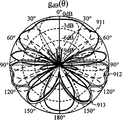
图9B描绘了根据本发明的某些方面的一对扇区波束方向图。9B depicts a pair of sector beam patterns in accordance with certain aspects of the present invention.
图10描绘了根据本发明的某些方面的波束形成能力信息单元(IE)的结构。10 depicts the structure of a beamforming capability information element (IE) in accordance with certain aspects of the present invention.
图11描绘了根据本发明的某些方面,用于进行多分辨率波束形成的示例性操作。11 illustrates example operations for multi-resolution beamforming, in accordance with certain aspects of the present disclosure.
图11A描绘了能够执行图11中示出的操作的示例性组件。FIG. 11A depicts example components capable of performing the operations shown in FIG. 11 .
图12描绘了根据本发明的某些方面,用于进行扇区层级训练的示例性操作。12 illustrates example operations for sector-level training in accordance with certain aspects of the present disclosure.
图12A描绘了能够执行图12中示出的操作的示例性组件。FIG. 12A depicts example components capable of performing the operations shown in FIG. 12 .
图13描绘了根据本发明的某些方面,在非对称天线系统(AAS)中确定优选扇区的示例性操作。13 illustrates example operations for determining a preferred sector in an asymmetric antenna system (AAS), in accordance with certain aspects of the present invention.
图13A描绘了能够执行图13中示出的操作的示例性组件。FIG. 13A depicts example components capable of performing the operations shown in FIG. 13 .
图14A-14D描绘了根据本发明的某些方面,用于在AAS中确定优选扇区的帧结构。14A-14D depict frame structures for determining preferred sectors in AAS, in accordance with certain aspects of the present invention.
图15描绘了根据本发明的某些方面,在对称天线系统(SAS)中确定优选扇区的示例性操作。15 illustrates example operations for determining a preferred sector in a symmetric antenna system (SAS), in accordance with certain aspects of the present invention.
图15A描绘了能够执行图15中示出的操作的示例性组件。FIG. 15A depicts example components capable of performing the operations shown in FIG. 15 .
图16A-16B描绘了根据本发明的某些方面,用于在SAS中确定优选扇区的帧结构。16A-16B depict frame structures for determining preferred sectors in a SAS, in accordance with certain aspects of the present invention.
图17描绘了根据本发明的某些方面,包括多个波束的一对聚群的例子。17 depicts an example of a pair of clusters including multiple beams, in accordance with certain aspects of the present invention.
图18描绘了根据本发明的某些方面,将优选扇区划分为波束聚群的示例性操作。18 illustrates example operations for partitioning preferred sectors into beam clusters, in accordance with certain aspects of the present disclosure.
图18A描绘了能够执行图18中示出的操作的示例性组件。FIG. 18A depicts example components capable of performing the operations shown in FIG. 18 .
图19描绘了根据本发明的某些方面,进行波束层级训练的示例性操作。19 illustrates example operations for beam-level training in accordance with certain aspects of the present disclosure.
图19A描绘了能够执行图19中示出的操作的示例性组件。FIG. 19A depicts example components capable of performing the operations shown in FIG. 19 .
图20描绘了根据本发明的某些方面,在AAS中确定优选波束的示例性操作。20 illustrates example operations for determining preferred beams in an AAS, in accordance with certain aspects of the present disclosure.
图20A描绘了能够执行图20中示出的操作的示例性组件。FIG. 20A depicts example components capable of performing the operations shown in FIG. 20 .
图21A-21D描绘了根据本发明的某些方面,用于在AAS中确定优选波束的帧结构。21A-21D depict frame structures for determining preferred beams in AAS, in accordance with certain aspects of the present invention.
图22描绘了根据本发明的某些方面,在SAS中确定优选波束的示例性操作。22 illustrates example operations for determining preferred beams in a SAS, in accordance with certain aspects of the present invention.
图22A描绘了能够执行图22中示出的操作的示例性组件。FIG. 22A depicts example components capable of performing the operations shown in FIG. 22 .
图23A-23B描绘了根据本发明的某些方面,用于在SAS中确定优选波束的帧结构。23A-23B depict frame structures for determining preferred beams in a SAS, in accordance with certain aspects of the present invention.
图24描绘了根据本发明的某些方面,用于进行波束跟踪的示例性操作。24 illustrates example operations for beam tracking in accordance with certain aspects of the present disclosure.
图24A描绘了能够执行图24中示出的操作的示例性组件。FIG. 24A depicts example components capable of performing the operations shown in FIG. 24 .
图25描绘了根据本发明的某些方面,具有跟踪能力的数据分组的结构。Figure 25 depicts the structure of a trace-capable data packet, in accordance with certain aspects of the invention.
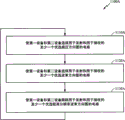
图26描绘了根据本发明的某些方面,从发射机的角度进行波束形成的示例性操作。26 illustrates example operations for beamforming from the perspective of a transmitter, in accordance with certain aspects of the present disclosure.
图26A描绘了能够执行图26中示出的操作的示例性组件。FIG. 26A depicts example components capable of performing the operations shown in FIG. 26 .
图27描绘了根据本发明的某些方面,从发射机的角度确定优选发射方向的示例性操作。27 illustrates example operations for determining a preferred transmit direction from the perspective of a transmitter, in accordance with certain aspects of the present invention.
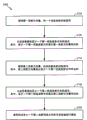
图27A描绘了能够执行图27中示出的操作的示例性组件。FIG. 27A depicts example components capable of performing the operations shown in FIG. 27 .
图28描绘了根据本发明的某些方面,从接收机的角度确定优选发射方向的示例性操作。28 illustrates example operations for determining a preferred transmit direction from the perspective of a receiver, in accordance with certain aspects of the present disclosure.
图28A描绘了能够执行图28中示出的操作的示例性组件。FIG. 28A depicts example components capable of performing the operations shown in FIG. 28 .
具体实施方式 Detailed ways
下面结合附图更全面地描述本发明的各个方面。但是,本发明可以以多种不同的形式来实现,并且,其不应被解释为限于贯穿本发明给出的任何特定结构或功能。相反,提供这些方面只是使得本发明变得透彻和完整,并将向本领域的普通技术人员完整地传达本发明的保护范围。根据本申请内容,本领域普通技术人员应当理解的是,本发明的保护范围旨在覆盖本申请所公开内容的任何方面,无论其是独立实现的还是结合本发明的任何其它方面实现的。例如,使用本申请阐述的任意数量的方面可以实现装置或可以实现方法。此外,本发明的保护范围旨在覆盖这种装置或方法,这种装置或方法可以通过使用其它结构、功能、或者除本申请阐述的结构和功能或不同于本申请阐述的结构和功能来实现。应当理解的是,本申请所公开内容的任何方面可以通过本发明的一个或多个组成部分来体现。Various aspects of the invention are described more fully below with reference to the accompanying drawings. This invention may, however, be embodied in many different forms and should not be construed as limited to any specific structure or function presented throughout this invention. Rather, these aspects are provided so that this disclosure will be thorough and complete, and will fully convey the scope of the invention to those skilled in the art. Based on the content of the application, those skilled in the art should understand that the protection scope of the present invention is intended to cover any aspect of the content disclosed in the application, no matter it is implemented independently or in combination with any other aspect of the present invention. For example, an apparatus may be implemented or a method may be implemented using any number of the aspects set forth herein. In addition, the protection scope of the present invention is intended to cover such devices or methods, which can be implemented by using other structures, functions, or structures and functions other than or different from those described in this application. . It should be understood that any aspect of the disclosure of this application may be embodied by one or more components of the present invention.
本申请使用的“示例性的”一词意味着“用作例子、例证或说明”。本申请中被描述为“示例性”的任何方面不应被解释为比其它方面更优选或更具优势。As used herein, the word "exemplary" means "serving as an example, illustration, or illustration." Any aspect described in this application as "exemplary" should not be construed as preferred or advantageous over other aspects.
因此,可以容易地对本发明的这些方面做出各种修改和替代性的形式,本文在附图中以示例的方式示出了本发明的特定示例性方面并进行了详细描述。但是,应当理解的是,本文并不旨在将本发明限制于所公开的特定形式,相反,本发明旨在覆盖落入本发明保护范围中的所有修改、等同物以及替代物。贯穿附图的描述中的相同标记标识相同的单元。Accordingly, various modifications and alternative forms may readily be made in these aspects of the invention, certain exemplary aspects of the invention being shown and described in detail herein by way of illustration in the drawings. It should be understood, however, that there is no intention to limit the invention to the particular forms disclosed, but on the contrary, the intention is to cover all modifications, equivalents, and alternatives falling within the scope of the invention. Like numbers identify like elements throughout the description of the figures.
还应当注意的是,在一些替代性的实现方案中,在模块中标注的功能/动作可以不按流程图中说明的顺序发生。例如,根据涉及的功能和过程,连续示出的两个模块实际上可以基本同时执行或者这些模块有时可以以相反的顺序执行。It should also be noted that in some alternative implementations, the functions/acts noted in the blocks may occur out of the order noted in the flowcharts. For example, two blocks shown in succession may, in fact, be executed substantially concurrently or the blocks may sometimes be executed in the reverse order, depending upon the functionality and procedures involved.
示例性的无线通信系统Exemplary wireless communication system
本申请描述的技术可以用于各种宽带无线通信系统,后者包括基于单载波传输或基于正交频分复用(OFDM)的通信系统。本申请所公开方面对于使用超宽带(UWB)信号(其包括毫米波信号)的系统特别有益,其中通过使用共同模式(即,使用单载波)可以实现波束形成。但是,本发明并不旨在限于这些系统,其它编码的信号也可以从类似优点中获益。The techniques described herein may be used in a variety of broadband wireless communication systems, including those based on single-carrier transmission or based on Orthogonal Frequency Division Multiplexing (OFDM). Aspects disclosed herein are particularly beneficial for systems using ultra-wideband (UWB) signals, including millimeter wave signals, where beamforming can be achieved by using a common pattern (ie, using a single carrier). However, the invention is not intended to be limited to these systems, and other encoded signals may benefit from similar advantages.
图1描绘了一个无线通信系统100的例子,在该系统100中可以使用本发明的方面。无线通信系统100可以是宽带无线通信系统。无线通信系统100可以为多个小区102提供通信,每一个小区102都由基站104进行服务。基站104可以是与用户终端106进行通信的固定站。基站104也可以称为微微网控制器(PNC)、接入点、节点B或某种其它术语。Figure 1 depicts an example of a wireless communication system 100 in which aspects of the present invention may be employed. The wireless communication system 100 may be a broadband wireless communication system. The wireless communication system 100 may provide communication for a plurality of cells 102 each served by a base station 104 . Base station 104 may be a fixed station that communicates with user terminals 106 . Base stations 104 may also be referred to as piconet controllers (PNCs), access points, Node Bs, or some other terminology.
图1描绘了分散于系统100中的各种用户终端106。用户终端106可以是固定的(即,静止的)或移动的。用户终端106也可以称为远程站、接入终端、终端、用户单元、移动站、站、用户设备等等。用户终端106可以是无线设备,例如蜂窝电话、个人数字助理(PDA)、手持设备、无线调制解调器、膝上型计算机、个人计算机等等。FIG. 1 depicts various user terminals 106 dispersed throughout system 100 . User terminals 106 may be fixed (ie, stationary) or mobile. User terminals 106 may also be called remote stations, access terminals, terminals, subscriber units, mobile stations, stations, user equipment, and so on. User terminals 106 may be wireless devices such as cellular telephones, personal digital assistants (PDAs), handheld devices, wireless modems, laptop computers, personal computers, and the like.
多种算法和方法可以用于无线通信系统100中基站104和用户终端106之间的传输。例如,可以根据UWB技术在基站104和用户终端106之间发送和接收信号。如果是这种情况,则无线通信系统100可以称作为UWB系统。Various algorithms and methods may be used for transmissions between base stations 104 and user terminals 106 in wireless communication system 100 . For example, signals may be sent and received between base station 104 and user terminal 106 in accordance with UWB technology. If this is the case, the wireless communication system 100 may be referred to as a UWB system.
有助于实现从基站104到用户终端106的传输的通信链路可以称作为下行链路(DL)108,有助于实现从用户终端106到基站104的传输的通信链路可以称作为上行链路(UL)110。或者,下行链路108可以称作为前向链路或前向信道,上行链路110可以称作为反向链路或反向信道。The communication link that facilitates transmission from base station 104 to user terminal 106 may be referred to as downlink (DL) 108 and the communication link that facilitates transmission from user terminal 106 to base station 104 may be referred to as an uplink. Road (UL) 110. Alternatively, downlink 108 may be referred to as a forward link or forward channel and uplink 110 may be referred to as a reverse link or reverse channel.
可以将小区102细分为多个扇区112。扇区112是小区102中的物理覆盖区域。无线通信系统100中的基站104可以使用多付天线,将小区102的特定扇区112中的功率流进行集中。这些天线可以称作为定向天线。Cell 102 may be subdivided into sectors 112 . Sector 112 is the physical coverage area within cell 102 . Base stations 104 in wireless communication system 100 may use multiple antennas to focus power flow in a particular sector 112 of cell 102 . These antennas may be referred to as directional antennas.
图2描绘了可以用在无线设备202中的各种组件,其中无线设备202用在无线通信系统100中。无线设备202是可以用于实现本申请所述各种方法的设备的一个例子。无线设备202可以是基站104或用户终端106。FIG. 2 depicts various components that may be used in a wireless device 202 used in the wireless communication system 100 . Wireless device 202 is an example of a device that may be used to implement the various methods described herein. Wireless device 202 may be base station 104 or user terminal 106 .
无线设备202可以包括处理器204,后者控制无线设备202的操作。处理器204还可以称作为中央处理单元(CPU)。可以包括只读存储器(ROM)和随机存取存储器(RAM)的存储器206向处理器204提供指令和数据。存储器206的一部分还可以包括非易失性随机存取存储器(NVRAM)。一般情况下,处理器204根据存储在存储器206中的程序指令执行逻辑和算术操作。可以执行存储器206中的指令以实现本申请所述的方法。The wireless device 202 can include a
无线设备202还可以包括壳体208,后者可以包括发射机210和接收机212,以便使得无线设备202和远程位置之间能够进行数据的发射和接收。可以将发射机210和接收机212组合到收发机214中。可以将单一或多个发射天线216连接到壳体208和电耦接至收发机214。无线设备202还可以包括(没有示出的)多个发射机、多个接收机和多个收发机。The wireless device 202 may also include a
无线设备202还可以包括信号检测器218,后者用于尽力检测和量化收发机214所接收信号的电平。信号检测器218可以检测诸如全部能量、每子载波每符号的能量、功率谱密度之类的信号和其它信号。无线设备202还可以包括用于处理信号的数字信号处理器(DSP)220。The wireless device 202 may also include a
可以通过总线系统222将无线设备202的各个组件耦合在一起,其中总线系统222除包括数据总线之外还包括电源总线、控制信号总线和状态信号总线。Various components of the wireless device 202 may be coupled together through a
波束形成系统模型Beamforming System Model
对于发射和接收均采用相同天线的收发机来说,当多径信道对于另一个收发机是互易的(reciprocal)时,其称作为对称天线系统(SAS)。使用一组天线进行发射和另一组天线进行接收的收发机或者多径信道对于另一收发机不是互易的时,其称作为非对称天线系统(AAS)。图3描绘了AAS的框图。第一收发机302使用MT个发射天线和MR个接收天线。第二收发机304使用NT个发射天线和NR个接收天线。When the multipath channel is reciprocal to the other transceiver for a transceiver using the same antenna for both transmission and reception, it is called a Symmetrical Antenna System (SAS). When a transceiver using one set of antennas for transmitting and another set of antennas for receiving or a multipath channel is not reciprocal to another transceiver, it is called an asymmetric antenna system (AAS). Figure 3 depicts a block diagram of the AAS. The
当第一收发机302向第二收发机304发射信号时,可以使用信道模型H1→2来表示传播环境。同样,当收发机304发射收发机302所接收的信号时,可以使用信道模型H2→1来表示传播环境。可以使用信道模型来表示在相关领域中使用的任何可能的天线配置。此外,信道模型还可以用于表示不同的传输协议。在本发明的一个方面,具有循环前缀和N个子载波的快速傅里叶变换(FFT)的OFDM信令可以使用与以下传输相同的信道模型,即:该传输是具有突发长度为N的循环前缀的单载波(SC)。在这种情况下,与任意一对发射-接收天线单元之间的多径时延扩展相比,一般假设循环前缀较长。When the
第一收发机302生成的OFDM符号流或SC突发x(t)可以表示成:The OFDM symbol stream or SC burst x(t) generated by the
其中,Tc是采样(或码片)持续时间,sk表示复数据。在将符号流发射到通信信道之前,可以用权重为的波束形成向量对符号流进行调制。Among them, T c is sampling (or chip) duration, s k represents complex data. Before transmitting the symbol stream to the communication channel, weights can be used as The beamforming vector of modulates the symbol stream.
多输入多输出(MIMO)信道可以由在任意第n个频段的频域信道状态信息(CSI)来表示,例如:A multiple-input multiple-output (MIMO) channel can be represented by frequency-domain channel state information (CSI) at any n-th frequency band, for example:

其中,hi,j(n)项可以包括发射和接收滤波,以及第一收发机302的第j个发射天线和第二收发机304的第i个接收天线之间的信道冲激响应,j=1,2,...,MT且i=1,2,...,NR。Wherein, h i, j (n) term may include transmit and receive filtering, and the channel impulse response between the j-th transmit antenna of the
为了生成由下式表示的组合基带信号,第二收发机304接收的信号可以用权重为的组合向量进行处理:In order to generate the combined baseband signal represented by the following formula, the signal received by the
其中,b(t)是第二收发机304的接收天线中的加性高斯白噪声(AWGN)向量。where b(t) is an additive white Gaussian noise (AWGN) vector in the receive antenna of the
第一收发机的发射机306和第二收发机的接收机310之间的离散信道模型可以由单输入单输出(SISO)信道表示成:The discrete channel model between the
其中,
离散-频率的接收信号模型可以表示成:The discrete-frequency received signal model can be expressed as:
Yn=PsSn+Bn (7)Y n =P s S n +B n (7)
其中,[S0,S1,...,SN-1]是OFDM数据符号(或者SC数据突发的FFT),[B0,B1,...,BN-1]是AWGN向量。where [S 0 , S 1 , ..., S N-1 ] are OFDM data symbols (or FFT of SC data bursts), [B 0 , B 1 , ..., B N-1 ] are AWGN vector.
表示第二收发机304的发射机312到第一收发机302的接收机308之间信道的信道模型可以用下式来表示:The channel model representing the channel between the
对于OFDM和SC传输二者来说,AAS的两个方向中的第n个子载波(n=0,1,...,N-1)上的信噪比(SNR)可以用下式来表示:For both OFDM and SC transmissions, the signal-to-noise ratio (SNR) on the nth subcarrier (n = 0, 1, ..., N-1) in both directions of AAS can be expressed by :
系统设计的一个目标是确定优选波束形成向量w1和w2、优选组合向量c1和c2,以使得由权重向量的符号集所约束的有效SNR(ESNR)最大。One goal of system design is to determine preferred beamforming vectors w 1 and w 2 , preferred combining vectors c 1 and c 2 such that the effective SNR (ESNR) constrained by the signed set of weight vectors is maximized.
可以将ESNR定义为从由公式(9)表示的子载波的瞬时SNR到(考虑到系统中使用的前向纠错(FEC)时的)等同SNR的映射。目前存在用于计算ESNR的不同方法,例如:计算多个子载波上的SNR的均值、诸如在第三代合作伙伴计划2(3GPP2)和1xEV-DV/DO(演进数据和视频/数据优化)通信系统中共用的准静态方法、也使用在3GPP2和1xEV-DV/DO系统中的容量有效信号与干扰加噪声比(SINR)映射(CESM)、可以使用在3GPP2和1xEV-DV/DO系统中的基于凸起度量的CESM技术、以及用在3GPP2中的指数有效SINR映射(EESM)。ESNR can be defined as the mapping from the instantaneous SNR of a subcarrier represented by equation (9) to the equivalent SNR (when considering the forward error correction (FEC) used in the system). Currently there exist different methods for calculating ESNR, e.g. calculating the mean of SNR over multiple subcarriers, such as in 3rd Generation Partnership Project 2 (3GPP2) and 1xEV-DV/DO (Evolution Data and Video/Data Optimized) communications Quasi-static method common in the system, also used in 3GPP2 and 1xEV-DV/DO system Capacity Effective Signal-to-Interference-plus-Noise Ratio (SINR) Mapping (CESM), can be used in 3GPP2 and 1xEV-DV/DO system Convexity metric based CESM techniques, and Exponential Effective SINR Mapping (EESM) used in 3GPP2.
对于SC和OFDM系统可以使用不同的ESNR计算方法。例如,一般情况下,基于最小均方误差(MMSE)的SC均衡器具有通过对不同突发上的SNR进行平均来近似出的ESNR。但是,OFDM趋向于具有通过对不同的子载波上的SNR使用几何平均来最佳近似的ESNR。为了计算其它参数(例如,FEC、接收机非理想性和/或误比特率(BER)),还可以使用各种其它ESNR计算方法。Different ESNR calculation methods may be used for SC and OFDM systems. For example, in general, a minimum mean square error (MMSE) based SC equalizer has an ESNR that is approximated by averaging the SNR over different bursts. However, OFDM tends to have an ESNR that is best approximated by using the geometric mean of the SNRs over different subcarriers. To calculate other parameters (eg, FEC, receiver non-ideality and/or bit error rate (BER)), various other ESNR calculation methods may also be used.
波束形成术语Beamforming Terminology
当描述两个设备之间的波束形成时,可以使用下列符号。进行通信的两个设备可以称作为DEV 1和DEV 2,例如,DEV 1可以是微微网控制器(PNC),DEV 2可以是用户站。对于DEV 1,设备编号d可以是1,对于DEV 2,设备编号d是2。When describing beamforming between two devices, the following notation may be used. The two devices communicating may be referred to as
通常,术语“准全向方向图”与覆盖设备(DEV)周围的目标空间范围的非常宽区域的最低分辨率方向图相关。PNC可以使用尽可能小的准全向方向图(可能重叠)集来覆盖目标空间区域。等于1的集大小指出PNC能够使用仅仅一个准全向方向图来覆盖目标空间区域,这说明PNC是具有全向能力的。编号为d的DEV的相关准全向发射和接收方向图的总数量可以分别表示成I(d,t)和I(d,r)。相应的准全向发射和接收方向图可以表示成:


在本申请中,术语“扇区”通常是指覆盖多个波束的相对宽区域的第二层级分辨率方向图。一个扇区可以覆盖一组连续的或非连续的波束,并且,不同的扇区可以重叠。可以将编号为d的DEV的相关发射和接收扇区的总数量分别表示成J(d,t)和J(d,r)。相应的发射和接收扇区可以表示成:


可以将扇区细分成如更高层级分辨率方向图的波束。可以将编号为d的DEV的相关发射和接收波束的总数量分别表示成K(d,t)和K(d,r)。相应的发射和接收波束可以表示成:


还可以进一步将波束细分成如最高层级分辨率方向图的高分辨率(HRS)波束。可以将编号为d的DEV的相关发射和接收HRS波束的总数量分别表示成L(d,t)和L(d,r)。相应的发射和接收HRS波束可以表示成:


通常而言,准全向方向图、扇区、波束和HRS波束的多分辨率定义就变成了多层级定义,其中每一层级使用一种天线方向图集。因此,准全向方向图表示第一天线方向图集,扇区表示第二天线方向图集,波束表示优选从第二天线方向图集导出的第三天线方向图集,HRS波束表示优选从第三天线方向图集导出的第四层级的天线方向图。In general, the multi-resolution definition of quasi-omni patterns, sectors, beams and HRS beams becomes a multi-level definition, where each level uses a set of antenna patterns. Thus, the quasi-omnidirectional pattern represents the first antenna pattern atlas, the sector represents the second antenna pattern atlas, the beam represents the third antenna pattern preferably derived from the second antenna pattern atlas, and the HRS beam represents preferably the third antenna pattern atlas derived from the second antenna pattern atlas. Antenna pattern for the fourth level derived from the three-antenna pattern atlas set.
对于在x轴上具有Kx个波束和在z轴上具有Kz个波束的二维(2-D)天线阵列来说,沿着x轴的Kx个波束可以以渐增的极角方向由索引零到Kx-1来标识,其可以与来自选定的x波束码本中的波束向量0到Kx-1一一对应。沿着z轴的Kz个波束可以以渐增的极角方向由索引零到Kz-1来标识,其可以与来自选定的z波束码本中的波束向量0到Kz-1一一对应。对于在每一方向具有八个波束的2-D天线阵列,在图5中做出了进一步说明。For a two-dimensional (2-D) antenna array with K x beams on the x-axis and K z beams on the z-axis, the K x beams along the x-axis can be oriented at increasing polar angles Identified by indices zero to
在本申请中,“聚群(cluster)”通常是指一个中心波束周围的一组波束。为了便于跟踪优选波束方向或者在通常情况下便于跟踪优选天线方向图(方向),引入了聚群的概念。每一个扇区的聚群数量可由实现者来决定。图5描绘了不同大小的聚群的例子。聚群编码可以用于支持方向图估计和跟踪(PET)选项的DEV。对于执行波束转换和控制选项的DEV来说,不需要支持聚群编码。聚群可以由8比特字段c7c6c5c4c3c2c1c0进行编码。参见图5,前三个最低有效比特(即,c2c1c0)可以对极角方向中的波束进行编码,而第二组的三个比特(即,c5c4c3)可以对方位角方向中的波束进行编码。最后一组的两个比特(c7c6)指定三种不同的2-D击穿图案(即,不同聚群几何形状)。In this application, "cluster" generally refers to a group of beams around a central beam. To facilitate tracking of preferred beam directions or, in general, preferred antenna patterns (directions), the concept of clustering is introduced. The number of clusters per sector can be determined by the implementer. Figure 5 depicts examples of clusters of different sizes. Cluster coding can be used for DEVs that support the Pattern Estimation and Tracking (PET) option. Cluster coding support is not required for DEVs implementing the beam switching and steering options. A cluster may be encoded by an 8-bit field c7c6c5c4c3c2c1c0. Referring to FIG. 5, the first three least significant bits (ie, c2c1c0) may encode the beam in the polar direction, while the second set of three bits (ie, c5c4c3) may encode the beam in the azimuthal direction. The last set of two bits (c7c6) specifies three different 2-D breakdown patterns (ie, different cluster geometries).
计算和跟踪优选波束形成和组合向量Calculate and track preferred beamforming and combining vectors
本发明的某些方面给出了用于选择天线权重(w1和w2)的波束形成向量和天线权重(c1和c2)的组合向量的一种或多种波束形成算法,其中选择的这些向量使至少一个信号质量参数(例如,ESNR)最大化。在一般的AAS情况下,第一收发机302向第二收发机304发射已知信息,随后,第二收发机304导出描述信道状态信息(CSI)特征的矩阵。这样就能够计算w1和c2的估计量。为了提供能用来对w2和c1的估计量进行计算的CSI,第二收发机304可以向第一收发机302发射已知信息。本发明的一些方面使用将要发射的已知数据符号、导频信号或其它训练信息来获得CSI。本发明的替代性方面可以使用未知的发射数据采用盲自适应处理或其它技术来导出CSI。Certain aspects of the invention present one or more beamforming algorithms for selecting a beamforming vector of antenna weights (w 1 and w 2 ) and a combined vector of antenna weights (c 1 and c 2 ), where the selection These vectors for maximize at least one signal quality parameter (eg, ESNR). In the general AAS case, the
在AAS的情况下,为了对向量w1、w2、c2和c1进行估计,链路的两个方向均需要投入使用。在SAS的情况下,特定方向中的波束形成向量w1和w2以及组合向量c2和c1是相等的。因此,w1=w2和c2=c1,并且仅使用链路的一个方向来计算向量w1、w2、c2和c1。In the case of AAS, in order to estimate the vectors w 1 , w 2 , c 2 and c 1 , both directions of the link need to be active. In the case of SAS, the beamforming vectors w1 and w2 and the combining vectors c2 and c1 in a particular direction are equal. Therefore, w 1 =w 2 and c 2 =c 1 , and only one direction of the link is used to calculate the vectors w 1 , w 2 , c 2 and c 1 .
图6描绘了从接收机角度在第一收发机和第二收发机之间进行波束形成的示例性操作600。例如,一个收发机可以是微微网控制器(PNC),另一个收发机可以是微微网用户设备。在610,第二收发机(或者第二设备)从第一收发机(或者第一设备)接收波束形成码本的一个子集。在620,第二设备可以使用组合码本的一个子集来获得第一CSI矩阵,该矩阵可以用于估计第一设备的优选波束形成向量w1和第二设备的优选组合向量c2。6 depicts
码本是包括一列或多列的矩阵,其中每一列表示一个波束形成向量或一个组合向量。因此,每一列可以与一个特定的波束方向图和/或波束方向相对应。一般情况下,这组列的跨度为整个空间(即,360度)。A codebook is a matrix comprising one or more columns, where each column represents a beamforming vector or a combining vector. Thus, each column may correspond to a particular beam pattern and/or beam direction. Typically, the set of columns spans the entire space (ie, 360 degrees).
在630,可以估计并生成优选波束形成向量w1和优选组合向量c2。应当理解的是,术语“优选波束形成向量”和“优选组合向量”表示优选值的估计量,对于这些估计量的优化受到一个或多个处理约束条件以及有限的处理时间(其限制了迭代计算的次数)的限制,其中,这些处理约束条件包括(但不限于)由于量化而引起的信息损失,其简化了假设,以便为了降低计算复杂度而牺牲一些精确性和/或精度。还可以应用其它约束条件。例如,在本发明的一些方面中,相对于可用向量的子集来说,可以认为导致信号质量度量在预定的门限之上的波束形成和/或组合向量是优选的。因此,在本申请中,术语“优选波束形成向量”等同于优选波束形成向量。同样,术语“优选组合向量”等同于优选波束形成向量。估计步骤630可以使用任意的不同优化准则,例如EESM或者均值SNR。At 630, a preferred beamforming vector w 1 and a preferred combining vector c 2 may be estimated and generated. It should be understood that the terms "preferred beamforming vector" and "preferred combining vector" denote estimators of preferred values for which optimization is subject to one or more processing constraints and limited processing time (which limits iterative computation ), where these processing constraints include (but are not limited to) information loss due to quantization, which simplifies assumptions in order to sacrifice some accuracy and/or precision for reduced computational complexity. Other constraints may also apply. For example, in some aspects of the invention, beamforming and/or combining vectors that result in a signal quality metric above a predetermined threshold may be considered preferred over a subset of available vectors. Therefore, in this application, the term "preferred beamforming vector" is equivalent to the preferred beamforming vector. Likewise, the term "preferred combining vector" is equivalent to the preferred beamforming vector. The
在640,可以将优选波束形成向量w1(和(可选的)优选组合向量c2)发送回第一设备。对于AAS来说,可以重复步骤610到640,其中可以交换“第一设备”和“第二设备”的指定。因此,还可以估计优选波束形成向量w2和优选组合向量c1。对于SAS来说,w1=w2且c2=c1。At 640, the preferred beamforming vector w 1 (and (optionally) the preferred combining vector c 2 ) may be sent back to the first device. For AAS, steps 610 to 640 may be repeated, where the designations of "first device" and "second device" may be swapped. Therefore, a preferred beamforming vector w 2 and a preferred combining vector c 1 can also be estimated. For SAS, w 1 =w 2 and c 2 =c 1 .
图26描绘了从发射机角度在第一收发机和第二收发机之间进行波束形成的示例性操作2600。在2610,第一收发机(或第一设备)可以向第二收发机(或第二设备)发射波束形成码本的一个子集。在2620,一旦在第二设备确定了优选波束形成向量w1,第一设备就可以从第二设备接收作为反馈的优选波束形成向量w1。在2630,第一设备可以使用波束形成向量w1在发射方向集的一个发射方向(例如,波束方向)上与第二设备进行通信。26 depicts example operations 2600 for beamforming between a first transceiver and a second transceiver from a transmitter perspective. At 2610, the first transceiver (or first device) may transmit a subset of the beamforming codebook to the second transceiver (or second device). At 2620, once the preferred beamforming vector w1 is determined at the second device, the first device may receive as feedback the preferred beamforming vector w1 from the second device. At 2630, the first device may communicate with the second device in one transmit direction (eg, beam direction) of the set of transmit directions using the beamforming vector w1 .
图7描绘了用于更新波束形成和组合向量的示例性操作700。在710,第二设备按与获得操作610-640期间使用的速率相比而言较低的速率来接收波束形成码本的一个子集。在720,可以更新优选波束形成向量w1和优选组合向量c2。在730,更新后的波束形成向量w1(和(可选的)更新后的组合向量c2)可以反馈给第一设备。对于AAS来说,可以重复步骤710到730,其中可以交换“第一设备”和“第二设备”的指定。因此,还可以更新优选波束形成向量w2和优选组合向量c1的估计量。对于SAS来说,w1=w2且c2=c1。7 depicts
波束形成码本和波束方向图Beamforming Codebooks and Beam Patterns
对于具有N个单元的均匀间隔的线性天线阵列来说,阵列因子可以定义为:For a uniformly spaced linear antenna array with N elements, the array factor can be defined as:
其中,d是阵列单元之间的间距,θ表示与线性阵列的轴的角度,λ是波长,wn是第n个阵列单元的阵列单元权重。天线阵列方向可以用下式来表示:where d is the spacing between array elements, θ represents the angle to the axis of the linear array, λ is the wavelength, and w n is the array element weight of the nth array element. The antenna array direction can be expressed by the following formula:
其中,in,
最大可能方向性是DMax=N。The maximum possible directivity is D Max =N.
二维阵列的阵列因子可以用下式来表示:The array factor of a two-dimensional array can be expressed by the following formula:
其中,dx表示沿x轴的阵列间距,dz表示沿z轴的阵列间距,Nx是沿x轴的单元的数量,Ny是沿z轴的单元的数量,φ是与x轴的旋转角度。天线权重wm,n可以表示成wm,n=wx,m·wz,n,其中m=0:Nx-1且n=0:Nz-1。因此,天线权重矩阵可以用
在本发明的一个方面中,二维天线阵列可以通过使用沿x轴和z轴的码本来进行训练。可以将二维阵列的阵列因子分成一维(x轴和z轴)阵列分量,其表示为:In one aspect of the invention, a two-dimensional antenna array can be trained by using codebooks along the x-axis and z-axis. The array factor of a two-dimensional array can be divided into one-dimensional (x-axis and z-axis) array components, which is expressed as:
A(θ,φ)=Ax(θ,φ)·Az(θ,φ), (14)A(θ, φ) = A x (θ, φ)·A z (θ, φ), (14)
其中,in,
具体而言,为了进行训练,可以使用从一维码本(例如,x轴和z轴码本)导出的二维码本。例如,二维码本可以使用沿x轴的一维天线阵列的码本

wm,n=wx,m·wz,n, 其中m=0:Nx-1且n=0:Nz-1 (17)w m,n =w x,m ·w z,n , where m=0:N x -1 and n=0:N z -1 (17)
本发明的某些方面支持生成和/或使用波束码本和扇区码本。在本申请中,“波束码本”表示一种在其中波束的数量大于或等于天线数量的码本。在本申请中,“扇区码本”表示准全向码本,其包括可以数量小于天线数量的波束。Certain aspects of the invention support the generation and/or use of beam codebooks and sector codebooks. In the present application, "beam codebook" means a codebook in which the number of beams is greater than or equal to the number of antennas. In this application, "sector codebook" means a quasi-omni codebook, which includes beams that may be smaller in number than antennas.
对于在本发明的某些方面中使用波束码本进行训练而言,使用一对一维波束码本来替代二维码本是足够的。在本发明的一个方面中,用于N个天线和M个波束的波束码本矩阵可以表示成:For training using beam codebooks in certain aspects of the invention, it is sufficient to use a pair of one-dimensional beam codebooks instead of two-dimensional codebooks. In one aspect of the invention, the beam codebook matrix for N antennas and M beams can be expressed as:

其中,fix(·)是返回其参数的整数部分的函数。在一个替代性的方面,函数fix(·)可以用函数round(·)来替代,其中函数round(·)将其参数取整为最接近的整数。应当理解的是,可以使用替代性的公式和函数来计算波束码本矩阵中的元素,并且本申请描述的方面旨在说明本发明的示例而不是限制本发明。where fix( ) is a function that returns the integer part of its argument. In an alternative aspect, the function fix(·) can be replaced by the function round(·), where the function round(·) rounds its argument to the nearest integer. It should be understood that alternative formulas and functions may be used to calculate the elements in the beam codebook matrix, and that the aspects described herein are intended to illustrate examples of the present invention and not to limit the present invention.
图8A描绘了由与下面码本矩阵相对应的四单元线性阵列生成的四种波束方向图801-804:Figure 8A depicts four beam patterns 801-804 generated by a four-element linear array corresponding to the following codebook matrices:
图8B描绘了由使用下面码本矩阵的四单元线性阵列生成的六种波束方向图811-816:Figure 8B depicts six beam patterns 811-816 generated by a four-element linear array using the following codebook matrix:
使用图8B中示出的波束方向图的好处在于:如果四单元阵列处于接收模式,并且最强的接收信号方向是45°,那么波束方向图813(并因此,阵列增益)可以在最强的接收信号方向达到最大值。如果使用了图8A中的四种波束方向图,那么最强的接收信号在波束方向图801和802之间到达,而在此处阵列增益非常低。The benefit of using the beam pattern shown in FIG. 8B is that if the four-element array is in receive mode, and the strongest received signal direction is 45°, then the beam pattern 813 (and therefore, the array gain) can be at the strongest The received signal direction reaches the maximum value. If the four beam patterns in Figure 8A are used, the strongest received signal arrives between
相同的四单元阵列可以使用能够使其生成其它波束方向图的替代性码本。例如,图8C描绘了由使用下面码本矩阵的四单元线性阵列生成的八种波束方向图821-828:The same four-element array can use alternative codebooks that enable it to generate other beam patterns. For example, Figure 8C depicts eight beam patterns 821-828 generated by a four-element linear array using the following codebook matrix:
为了提供不同的角度分辨率,天线阵列可以使用提供变化数量的波束方向图的多种码本。在本发明的一个方面中,训练可以首先使用低分辨率(即,宽)波束,接着使用高分辨率(即,窄)波束。在一些方面,宽波束可以包括多个窄波束。To provide different angular resolutions, the antenna array can use multiple codebooks providing varying numbers of beam patterns. In one aspect of the invention, training may use low resolution (ie, wide) beams first, followed by high resolution (ie, narrow) beams. In some aspects, a wide beam may include multiple narrow beams.
当使用波束码本进行二维阵列的训练时,可以使用x轴和z轴的一维阵列的波束码本来计算二维阵列的波束码本。如果x轴码本包括Kx个波束,z轴码本包括Kz个波束,那么二维阵列就具有Kx·Kz个波束。When the beam codebook is used for the training of the two-dimensional array, the beam codebook of the one-dimensional array of the x-axis and the z-axis can be used to calculate the beam codebook of the two-dimensional array. If the x-axis codebook includes K x beams and the z-axis codebook includes K z beams, then the two-dimensional array has K x ·K z beams.
对于本发明的某些方面中使用扇区码本而言,用于N个天线(其中,N是偶数)和M=N/2个扇区的扇区码本矩阵可以用下式来表示:For the use of sector codebooks in certain aspects of the invention, the sector codebook matrix for N antennas (where N is even) and M=N/2 sectors can be expressed as:
其中,每一个扇区可以包括具有N个波束的波束码本中的两个波束。本发明的替代性方面可以提供用于生成扇区码本矩阵的公式和函数的变型。例如,公式(22)中的fix(·)函数可以用函数round(·)来替代。根据替代性的应用和方面,还可以进行其它变化,这些都是本领域的普通技术人员所能理解的。Wherein, each sector may include two beams in a beam codebook with N beams. Alternative aspects of the invention may provide variations on the formulas and functions used to generate the sector codebook matrix. For example, the fix(·) function in formula (22) can be replaced by the function round(·). Other changes can also be made according to alternative applications and aspects, which will be understood by those of ordinary skill in the art.
图9A描绘了包括由一维六个单元阵列生成的六种波束方向图901-906的波束方向图。扇区波束方向图可以通过组合波束对来生成。例如,第一扇区可以包括波束方向图901和904,第二扇区可以包括波束方向图902和905,第三扇区可以包括波束方向图903和906。因此,扇区可以包括相邻的或非相邻的波束方向图。此外,扇区还可以重叠。Figure 9A depicts a beam pattern comprising six beam patterns 901-906 generated by a one-dimensional array of six elements. Sector beam patterns can be generated by combining beam pairs. For example, a first sector may include
图9B描绘了线性六单元天线阵列的一对扇区波束方向图911和912。相应的两个扇区码本可以用下式来表示:Figure 9B depicts a pair of
在本发明的替代性方面,还可以针对M≠N/2的情况来提供扇区码本。In an alternative aspect of the invention, sector codebooks may also be provided for the case of M≠N/2.
波束形成优化准则Beamforming Optimization Criteria
在本发明中提出了两种波束形成优化准则:适用于所有天线配置的波束转换(导向,steering)和跟踪(BST)准则;仅适用于一维(1-D)线性天线阵列和二维(2-D)平面天线阵列的方向图估计和跟踪(PET)准则。支持PET方法的所有设备(DEV)还都支持BST。如果构成通信链路的两个DEV都支持这种特定的PET准则,那么就只能使用PET。Two beamforming optimization criteria are proposed in the present invention: beam switching (steering) and tracking (BST) criteria applicable to all antenna configurations; applicable only to one-dimensional (1-D) linear antenna arrays and two-dimensional ( 2-D) Pattern estimation and tracking (PET) criterion for planar antenna arrays. All devices (DEVs) that support the PET method also support BST. PET can only be used if both DEVs forming the communication link support this particular PET criterion.
BST准则独立于所使用的天线配置,即,BST可以应用于转换式天线、扇区化天线、以及使用多输入多输出(MIMO)发射/接收的天线阵列。应当注意的是,BST不需要关于特定设备(DEV)使用的码本的任何信息,即,DEV 2不需要知道DEV 1使用的码本,DEV 2也不需要知道DEV 1使用多少天线。因此,BST表示适用于任何天线配置和关于其它DEV的任何数量可用信息的波束形成准则。BST准则基于在波束形成的每一个层级选择优选方向图集,以及基于在跟踪阶段期间跟踪优选方向图。另一方面,PET准则基于寻找优选波束形成器和组合器向量(即,天线权重),这些向量不必落入给定的波束方向图集。The BST criterion is independent of the antenna configuration used, ie, BST can be applied to switched antennas, sectorized antennas, and antenna arrays using multiple-input multiple-output (MIMO) transmit/receive. It should be noted that BST does not require any information about the codebook used by a particular device (DEV), i.e.,
波束形成协议beamforming protocol
本发明的某些方面支持两种波束形成协议:按需波束形成协议和主动波束形成协议。按需波束形成可以在向DEV分配的信道时间分配时期(CTAP)发生。DEV 1可以保留一个CTAP,以专门用于与另一个设备DEV2的波束形成获取。在主动波束形成中,扇区层级训练发生在超帧的信标部分中的扇区训练段。例如,如图10所示,DEV的扇区数量可以在波束形成能力信息单元(IE)中指定。DEV可以在关联过程期间或之后,向微微网控制器(PNC)发送其波束形成能力IE。PNC可以广播波束形成能力IE或将其中继给愿意与该DEV进行通信的任何其它设备。跟在扇区层级训练和波束层级训练之后,消息交换可以在向PNC和向DEV分配的波束形成CTAP中发生。Certain aspects of the invention support two beamforming protocols: an on-demand beamforming protocol and an active beamforming protocol. On-demand beamforming may occur during channel time allocation periods (CTAPs) allocated to DEVs.
在按需波束形成的情况下,DEV 1为了与DEV 2执行波束形成,其可以请求服务周期(SP)。可以为该SP分配专用的流索引。可以在波束形成能力信息单元(IE)中,与DEV 1和DEV 2波束形成能力一起广播SP分配。在图10中示出了波束形成能力IE结构的一个示例。In case of on-demand beamforming,
波束形成能力IE可以指定发射和接收设备的全向和扇区数量。对于本发明的某些方面来说,如果字段“#Tx准全向”等于1,那么设备能够进行全向发射。此外,如果字段“#Rx准全向”等于1,那么该设备能够进行全向接收。对于本发明的某些方面来说,如果“天线阵列类型”字段等于0,那么可以使用转换式天线,如果“天线阵列类型”字段等于1,那么可以使用扇区化天线,如果该字段等于2,那么可以使用天线间距为波长一半的一维(1-D)线性天线阵列,如果该字段等于3,那么可以使用天线间距为波长一半的二维(2-D)线性天线阵列。“天线阵列类型”字段的值4可以不指定,而值5-7保留。The Beamforming Capability IE may specify the omnidirectional and sector numbers of the transmitting and receiving devices. For certain aspects of the invention, if the field "#Tx quasi-omni" is equal to 1, then the device is capable of omni-directional transmission. Furthermore, if the field "#Rx quasi-omnidirectional" is equal to 1, then the device is capable of omnidirectional reception. For certain aspects of the invention, if the "antenna array type" field is equal to 0, then a converted antenna may be used, if the "antenna array type" field is equal to 1, then a sectorized antenna may be used, if this field is equal to 2 , then a one-dimensional (1-D) linear antenna array with an antenna spacing of half the wavelength can be used, and if this field is equal to 3, then a two-dimensional (2-D) linear antenna array with an antenna spacing of half the wavelength can be used. The
波束形成能力IE可以包括每一个设备能够支持的波束形成层级的最大数量的有关信息。波束形成能力IE还可以指定发射和接收设备的发射天线和接收天线数量。波束形成能力IE的“PET”字段指示不需要使用基于码本的方向图估计和跟踪程序来进行波束形成。如图10中所示,还可以提供跟踪支持。The Beamforming Capability IE may include information about the maximum number of beamforming levels each device is capable of supporting. The Beamforming Capability IE may also specify the number of transmit and receive antennas of the transmit and receive devices. The "PET" field of the Beamforming Capability IE indicates that beamforming does not require the use of codebook-based pattern estimation and tracking procedures. As shown in Figure 10, tracking support may also be provided.
多分辨率波束形成Multi-Resolution Beamforming
一般情况下,具有例如8×8=64个单元的二维发射机阵列在由8×8个波束形成码本指定的64个不同的方向发射64个训练序列。具有例如6×6=36个单元的二维接收机阵列在36个不同的组合方向接收64个发射序列中的每一个。因此,需要64×36=2304个训练序列来识别优选发射/接收波束对。这个过程具有不可容许的大处理时延。本发明的某些方面支持一种波束形成的方法,该方法使用多分辨率,其降低了波束形成的计算复杂度和处理时延。In general, a two-dimensional transmitter array with eg 8x8=64 elements transmits 64 training sequences in 64 different directions specified by 8x8 beamforming codebooks. A two-dimensional receiver array with eg 6 x 6 = 36 elements receives each of the 64 transmitted sequences in 36 different combining directions. Therefore, 64*36=2304 training sequences are required to identify preferred transmit/receive beam pairs. This process has an unacceptably large processing delay. Certain aspects of the invention support a method of beamforming using multi-resolution that reduces the computational complexity and processing latency of beamforming.
对于本发明的某些方面来说,发射机可以使用沿着x轴和z轴中的每一个轴的多个扇区方向图。每一个扇区方向图可以包括多个更窄的x轴和z轴波束方向图。一旦确定了优选扇区方向图,就可以确定该扇区中优选窄波束。因此,可以大大减少识别优选发射/接收波束对而需要的训练序列数量。For certain aspects of the invention, the transmitter may use multiple sector patterns along each of the x-axis and the z-axis. Each sector pattern may include multiple narrower x-axis and z-axis beam patterns. Once the preferred sector pattern is determined, the preferred narrow beams in that sector can be determined. Thus, the number of training sequences required to identify preferred transmit/receive beam pairs can be greatly reduced.
图11描绘了用于多分辨率波束形成的示例性操作1100。在进行波束形成处理之前,第一设备和第二设备可以交换天线阵列信息(没有示出),例如:沿z轴的天线数量、沿x轴的天线数量、在粗粒度获取期间第一设备和第二设备将要使用的扇区数量、在波束层级训练期间要使用的码本标识(或波束数量)、在跟踪处理期间要使用的码本标识(或HRS波束数量)。此外,在每一次波束形成处理之前,即在每一次数据会话之前,第一设备和第二设备可以交换该次具体数据会话要使用的一个或多个波束形成层级的数量的有关信息。11 depicts
举一个示例性的情况,第一设备(例如,微微网控制器)和第二设备(例如,用户设备)均具有八个单元的1-D线性阵列,并使用相同的扇区化。当第二设备与PNC进行关联时,这两个设备可以交换下列信息:沿z轴的天线数量(Nz=8)、沿x轴的天线数量(Nx=1)、等于2的扇区数量、等于8的波束数量、等于32的用于跟踪的HRS波束数量、聚群信息(例如,一个聚群包括一个波束,一个波束等于四个HRS波束)。In an exemplary case, both a first device (eg, piconet controller) and a second device (eg, user equipment) have a 1-D linear array of eight elements and use the same sectorization. When the second device associates with the PNC, the two devices can exchange the following information: number of antennas along the z-axis (N z =8), number of antennas along the x-axis (N x =1), sectors equal to 2 number, number of beams equal to 8, number of HRS beams for tracking equal to 32, cluster information (for example, a cluster consists of one beam, and one beam equals four HRS beams).
在1110,根据某种信号质量度量,第一设备和第二设备可以选择至少一个优选扇区方向图,以用于发射/接收。这种选择处理过程可以称作为粗粒度获取处理过程。每一个扇区方向图可以包括多个波束方向图。例如,可以将用于发射的一个或多个扇区识别为在接收机一侧提供(由信号质量或性能度量的任意组合所衡量的)最佳信号。At 1110, based on some signal quality metric, the first device and the second device can select at least one preferred sector pattern for transmission/reception. This selection process can be referred to as a coarse-grained acquisition process. Each sector pattern may include multiple beam patterns. For example, one or more sectors for transmission may be identified as providing the best signal (as measured by any combination of signal quality or performance metrics) at the receiver side.
可以将每一个选定的扇区中的波束方向图分组成多个聚群。这样,每一个聚群可以包括多个沿着x轴和z轴的相邻波束方向图,每一个扇区包括一个或多个聚群。聚群可以包括通过信号质量或性能度量的任意组合而选定的扇区中的波束。The beam patterns in each selected sector may be grouped into clusters. Thus, each cluster may include multiple adjacent beam patterns along the x- and z-axes, and each sector includes one or more clusters. A cluster may include beams in a sector selected by any combination of signal quality or performance metrics.
在1120,第一设备和第二设备可以选择用于发射和用于接收的至少一个优选波束方向图。该选择处理过程可以称作为精获取处理过程,其还可以包括通过信号质量或性能度量的任意组合来选择一个或多个优选聚群。通过信号质量或性能度量(例如,ESNR)的任意组合来选择一个或多个波束,以用于数据通信。对于本发明的某些方面来说,为了在正通信的设备之间提供一个以上的不同路径,可以故意地在非相邻聚群中选择优选波束。这在以下情况尤其有利,即:优选波束方向突然经历强烈的损失,并且,为了维持信号质量需要替代的路径。At 1120, the first device and the second device may select at least one preferred beam pattern for transmission and for reception. The selection process may be referred to as a fine acquisition process, which may also include selecting one or more preferred clusters by any combination of signal quality or performance metrics. One or more beams are selected for data communication by any combination of signal quality or performance metrics (eg, ESNR). For certain aspects of the invention, preferred beams may be deliberately selected among non-adjacent clusters in order to provide more than one distinct path between communicating devices. This is particularly advantageous when the preferred beam direction suddenly experiences a strong loss and an alternative path is required in order to maintain signal quality.
在1130,第一设备和第二设备跟踪用于发射和接收的至少一个优选波束方向图。跟踪还可以使用HRS波束码本提供的波束,其中,与常规波束相比,HRS波束能提供较高的分辨率。可以向每一个选定聚群分配HRS波束,以用于低速率跟踪。可以使用性能标准的任何组合来更新对使用哪个HRS波束的选择,可以按与数据传输相比而言较低的速率定期地进行这种重新估计处理过程。At 1130, the first device and the second device track at least one preferred beam pattern for transmission and reception. Tracking can also use beams provided by the HRS beam codebook, where HRS beams can provide higher resolution compared to conventional beams. HRS beams can be assigned to each selected cluster for low rate tracking. The selection of which HRS beam to use can be updated using any combination of performance criteria, and this re-estimation process can be done periodically at a relatively low rate compared to data transmission.
图27描绘了根据本发明的某些方面,从发射机角度确定优选发射方向的示例性操作。在2710,可以使用第一发射方向集向一个设备发射训练信号。在2720,可以从该设备接收至少一个第一优选发射方向的指示,其中,所述至少一个第一优选发射方向是从第一发射方向集导出的。在2730,可以使用第二发射方向集向该设备发射训练信号,其中第二发射方向集是从至少一个第一优选发射方向导出的。在2740,可以从该设备接收至少一个第二优选发射方向的指示,其中,所述至少一个第二优选发射方向是从第二发射方向集导出的。在2750,使用所述至少一个第二发射优选方向来与该设备进行通信。27 illustrates example operations for determining a preferred transmit direction from a transmitter perspective, in accordance with certain aspects of the present disclosure. At 2710, training signals can be transmitted to a device using the first set of transmit directions. At 2720, an indication of at least one first preferred transmit direction can be received from the device, wherein the at least one first preferred transmit direction is derived from a first set of transmit directions. At 2730, a training signal can be transmitted to the device using a second set of transmit directions derived from the at least one first preferred transmit direction. At 2740, an indication of at least one second preferred transmit direction can be received from the device, wherein the at least one second preferred transmit direction is derived from a second set of transmit directions. At 2750, communicate with the device using the at least one second transmission preferred direction.
图28描绘了根据本发明的某些方面,从接收机角度确定优选发射方向的示例性操作。在2810,可以接收从一个设备使用第一发射方向集发射的训练信号。在2820,可以从第一发射方向集导出优选发射方向。在2830,向该设备提供优选发射方向的指示,以作为对该设备的反馈,其中该反馈是通过扫描第二发射方向集来提供的。28 illustrates example operations for determining a preferred transmit direction from a receiver perspective, in accordance with certain aspects of the present disclosure. At 2810, a training signal transmitted from a device using a first set of transmit directions can be received. At 2820, a preferred launch direction can be derived from the first set of launch directions. At 2830, an indication of the preferred transmit direction is provided to the device as feedback to the device, wherein the feedback is provided by scanning the second set of transmit directions.
操作2700和2800是多分辨率波束形成的通用例子。在本发明的下文中描述多分辨率波束形成的更具体示例。
图12描绘了根据本发明的某些方面,进行四阶段扇区层级训练的示例性操作1200。在1210,可以执行扇区的训练,以确定至少一个优选扇区。在1220,可以向另一个设备发送关于至少一个优选扇区的反馈信息。之后,在1230,可以执行扇区-波束映射,将所述至少一个优选扇区映射到波束。例如,可以通过将所述至少一个优选扇区切分成一些波束来实现映射。发送到另一个设备的映射消息可以包括关于该特定设备在波束层级训练中使用的发射和接收波束方向的数量。最后,在1240,为了确认已经接收到映射消息,可以从该设备反馈确认信息。12 depicts
应当注意的是,操作1200表示扇区层级训练阶段的逻辑划分,即:在物理无线信道上的通信期间可以将这些阶段中的一些组合在一起。例如,跟在从DEV 1到DEV 2的扇区层级训练阶段之后,可以将反馈和映射消息作为从DEV 2向DEV 1发射的训练序列的一部分(即,作为从DEV 2到DEV 1的扇区层级训练阶段1210的一部分)组合地从DEV 2发送到DEV 1。It should be noted that
图13描绘了在非对称天线系统(AAS)中确定优选扇区的示例性操作1300,图14A-14D描绘了在训练和反馈阶段期间广播的帧结构。操作1300还可以与图11中的步骤1110相对应。步骤1302-1312可以与图12中的扇区训练阶段1210相对应,步骤1314-1320可以与反馈阶段1220相对应。在不失一般性的情况下,可以假设的是,设备可以使用二维天线阵列来进行发射和接收。编号为d的DEV的发射和接收天线单元的总数量分别等于M(d,t)和M(d,r)。每一个设备可以选择其自己的扇区码本。每一个设备可以根据天线数量和波束的预定数量,选择其波束码本。13 depicts example operations 1300 for determining a preferred sector in an asymmetric antenna system (AAS), and FIGS. 14A-14D depict frame structures broadcast during training and feedback phases. Operation 1300 may also correspond to step 1110 in FIG. 11 . Steps 1302-1312 may correspond to
在1302,还如图14A所示,第一设备可以使用J(1,t)个扇区在J(1,t)个循环中发射训练序列集。对于第二设备来说,训练序列集的每一个训练序列都是已知的,这些序列可以基于一对格雷序列。每一个循环中的传输可以包括在第一设备的相同发射扇区中发送的J(2,r)个训练序列,其与第二设备中的所有可能接收扇区相对应。在1304,第二设备在每一个循环期间可以使用J(2,r)个不同的扇区接收这些训练序列。在1306,根据所接收的训练序列,可以确定第二设备的至少一个优选接收扇区方向,还可以确定第一设备的至少一个优选发射扇区方向。可以通过信号质量或性能度量的任意组合来确定优选扇区。对于本发明的某些方面来说,在1302,可以使用每一个循环中的J(1,t)个不同的发射扇区,从第一设备发射每一个循环中的J(1,t)个训练序列。在1304,第二设备可以使用J(2,r)个不同接收扇区中的一个,接收一个循环中的所有J(1,t)个训练序列。在每一个后续循环中,第二设备可以使用新的接收扇区,在J(2,r)个循环之后,可以使用第二设备的所有J(2,r)个接收扇区。At 1302, as also shown in FIG. 14A, the first device may transmit a training sequence set in J (1, t) cycles using J (1, t) sectors. Each training sequence of the training sequence set is known to the second device, and these sequences may be based on a pair of Golay sequences. Transmissions in each cycle may include J (2,r) training sequences sent in the same transmit sector of the first device, which correspond to all possible receive sectors in the second device. At 1304, the second device may receive the training sequences using J (2, r) different sectors during each cycle. At 1306, based on the received training sequence, at least one preferred receive sector direction for the second device may be determined, and at least one preferred transmit sector direction for the first device may also be determined. Preferred sectors may be determined by any combination of signal quality or performance metrics. For certain aspects of the invention, at 1302, J (1, t) different transmit sectors per cycle may be transmitted from the first device using J (1, t) different transmit sectors per cycle. training sequence. At 1304, the second device may receive all J (1, t) training sequences in one cycle using one of J (2, r) different receiving sectors. In each subsequent cycle, the second device may use a new receive sector, and after J (2, r) cycles, all J (2, r) receive sectors of the second device may be used.
在1308,如图14B所示,第二设备可以使用J(2,t)个扇区,在J(2,t)个循环中发射训练序列集。训练序列集的每一个训练序列对于第一设备都是已知的,这些序列可以基于一对格雷序列。每一个循环中的传输可以包括在第二设备的相同发射扇区中发送的J(1,r)个训练序列,其与第一设备中的所有可能接收扇区相对应。在1310,第一设备在每一个循环期间可以使用J(1,r)个不同的扇区接收这些训练序列。在1312,根据所接收的训练序列,可以确定第一设备的至少一个优选接收扇区方向,还可以确定用于第二设备的至少一个优选发射扇区方向。可以通过信号质量或性能度量的任意组合来确定优选扇区。对于本发明的某些方面来说,在1308,可以使用每一个循环中的J(2,t)个不同的发射扇区,从第二设备发射每一个循环中的J(2,t)个训练序列。在1310,第一设备可以使用J(1,r)个不同接收扇区中的一个,接收一个循环中的所有J(2,t)个训练序列。在每一个后续循环中,第一设备可以使用新的接收扇区,在J(1,r)个循环之后,可以使用第一设备的所有J(1,r)个接收扇区。At 1308, as shown in FIG. 14B, the second device may transmit the training sequence set in J (2, t) cycles using J (2, t) sectors. Each training sequence of the set of training sequences is known to the first device, these sequences may be based on a pair of Golay sequences. Transmissions in each cycle may include J (1,r) training sequences sent in the same transmit sector of the second device, which correspond to all possible receive sectors in the first device. At 1310, the first device may receive the training sequences using J (1, r) different sectors during each cycle. At 1312, based on the received training sequence, at least one preferred receive sector direction for the first device can be determined, and at least one preferred transmit sector direction for the second device can also be determined. Preferred sectors may be determined by any combination of signal quality or performance metrics. For certain aspects of the invention, at 1308, J (2, t) different transmit sectors per cycle may be transmitted from the second device using J (2, t) different transmit sectors per cycle. training sequence. At 1310, the first device may receive all J (2, t) training sequences in one cycle using one of J (1, r) different receiving sectors. In each subsequent cycle, the first device may use a new receive sector, and after J (1, r) cycles, all J (1, r) receive sectors of the first device may be used.
在1314,还如图14C所示,第一设备可以通过使用J(1,t)个扇区


在反馈阶段结束后,两个设备均已知道它们的优选发射和接收扇区。如图12中的步骤1230所示,映射阶段可以跟在反馈阶段之后。在此阶段,一个设备可以将优选发射和接收扇区映射到波束,并向另一个设备发送相关的信息。在成功接收到该信息之后,另一个设备可以反馈确认消息,如图12中的步骤1240所示。After the feedback phase is over, both devices already know their preferred transmit and receive sectors. As shown in
图15描绘了在对称天线系统(SAS)中确定优选扇区的示例性操作,图16A-16B描绘了在训练和反馈阶段期间广播的帧结构。操作1500还可以与图11中的步骤1110相对应。步骤1510-1530可以与图12中的扇区训练阶段1210相对应,步骤1540-1550可以与反馈阶段1220相对应。在不失一般性的情况下,可以再次假设的是,设备可以使用二维天线阵列来进行发射和接收,而每一个设备使用相同的天线阵列来进行发射和接收。第一设备可以包括具有Nx×Nz=M(1)个单元的二维天线阵列,第二设备包括具有Mx×Mz=M(2)个单元的二维天线阵列。对于本发明的这个方面来说,J(1)指示第一设备的扇区数量,J(2)指示第二设备的扇区数量。每一个设备可以选择其自己的扇区码本。每一个设备可以根据天线数量和波束的预定数量,选择其波束码本。15 depicts example operations for determining a preferred sector in a symmetric antenna system (SAS), and FIGS. 16A-16B depict frame structures broadcast during the training and feedback phases.
在1510,如图16A所示,第一设备可以使用J(1)个扇区在J(1)个循环中发射训练序列集。训练序列集的每一个训练序列对于第二设备来说都是已知的,这些序列可以基于一对格雷序列。每一个循环中的传输可以包括在第一设备的相同扇区中发送的J(2)个训练序列,其与第二设备中的所有可能扇区相对应。在1520,第二设备在每一个循环期间可以使用J(2)个不同的扇区接收这些训练序列。在1530,根据所接收的训练序列,可以确定第二设备的至少一个优选扇区方向,还可以确定第一设备的至少一个优选扇区方向。可以通过信号质量或性能度量的任意组合来确定优选扇区。对于本发明的某些方面来说,在1510,可以使用每一个循环中的J(1)个不同的扇区,从第一设备发射每一个循环中的J(1)个训练序列。在1520,第二设备可以使用J(2)个扇区中的一个,接收一个循环中的所有J(1)个训练序列。在每一个后续循环中,第二设备可以使用新的接收扇区,在J(2)个循环之后,可以使用第二设备的所有J(2)个扇区。At 1510, as shown in FIG. 16A, the first device may transmit a training sequence set in J (1) cycles using J (1) sectors. Each training sequence of the training sequence set is known to the second device, and these sequences may be based on a pair of Golay sequences. Transmissions in each cycle may include J (2) training sequences sent in the same sector of the first device, corresponding to all possible sectors in the second device. At 1520, the second device may receive the training sequences using J (2) different sectors during each cycle. At 1530, based on the received training sequence, at least one preferred sector direction for the second device can be determined, and at least one preferred sector direction for the first device can also be determined. Preferred sectors may be determined by any combination of signal quality or performance metrics. For certain aspects of the invention, at 1510, J (1) training sequences per cycle may be transmitted from the first device using J (1 ) different sectors per cycle. At 1520, the second device may receive all J (1) training sequences in one cycle using one of the J (2) sectors. In each subsequent cycle, the second device may use a new receive sector, and after J (2) cycles, all J (2) sectors of the second device may be used.
在1540,如图16B所示,第二设备可以通过使用其优选扇区来J(1)次发射反馈消息,以反馈关于第一设备的至少一个先前确定的优选扇区方向的信息。在1550,如图16B中所示,第一设备可以使用J(1)个扇区
在反馈阶段结束后,两个设备均已知道它们的优选扇区。如图12中的步骤1230所示,映射阶段可以跟在反馈阶段之后。在此阶段,一个设备可以将优选扇区映射到波束聚群以及映射到波束方向图,还可以向另一个设备发送相关的信息。在成功接收到该信息之后,另一个设备可以反馈确认消息,如图12中的步骤1240所示。After the feedback phase is over, both devices already know their preferred sector. As shown in
图17描绘了一种示例性的情况,在此情况中,设备选择两个优选扇区,并将这些扇区划分成聚群1710和1720。每一个聚群可以包括多个波束。如图17所示,本申请所使用的“聚群”可以指一组相邻的波束。该设备还可以使用波束码本以将这些波束映射到扇区。FIG. 17 depicts an exemplary situation in which the device selects two preferred sectors and divides these sectors into
图18描绘了作为图12中映射阶段1230的一部分,将优选扇区划分成波束聚群的示例性操作1800。在1810,一个设备可以将其优选发射和接收扇区划分成至少一个波束聚群。在1820,该设备可以向其它设备发送反馈信息,其包括:聚群的数量、每一个聚群中波束的数量、每一个聚群中波束的码字标识符、哪个波束属于哪个聚群。FIG. 18 depicts
在1830,其它设备也可以将其优选发射和接收扇区划分成至少一个波束聚群,在1840,其可以通知该设备关于以下的信息:在波束获取期间将使用的聚群的数量、每一个聚群的波束数量、在每一个聚群中的波束的码字标识符。At 1830, the other device may also divide its preferred transmit and receive sectors into at least one beam cluster, and at 1840, it may notify the device of the following information: the number of clusters to be used during beam acquisition, the Number of beams in the cluster, codeword identifiers for the beams in each cluster.
图19描绘了根据本发明的某些方面,进行四阶段波束层级训练的示例性操作1900。在1910,可以执行波束训练以确定至少一个优选波束。在1920,可以向另一个设备发送关于至少一个优选波束的反馈信息。之后,在1930,可以执行波束-HRS波束映射,将所述至少一个优选波束映射到HRS波束。例如,可以通过将所述至少一个优选扇区切分成一些波束来实现映射。发送到另一个设备的映射消息可以包括关于该特定设备在跟踪阶段期间可使用的发射和接收HRS波束方向的数量。最后,在1940,为了确认已经接收到映射消息,可以从该设备反馈确认信息。19 depicts
应当注意的是,操作1900表示波束层级训练阶段的逻辑划分,即:在物理无线信道上的通信期间可以将这些阶段中的一些组合在一起。例如,跟在从DEV 1到DEV 2的波束层级训练阶段1910之后,可以将反馈和映射消息作为从DEV 2向DEV 1发射的训练序列的一部分(即,作为从DEV2到DEV 1的波束层级训练阶段1910的一部分)组合地从DEV 2发送到DEV 1。It should be noted that
图20描绘了用于在AAS中确定扇区中的优选波束的示例性操作2000,图21A-21D描绘了在训练和反馈阶段期间广播的帧结构。操作2000还可以与图11中的步骤1120相对应。步骤2002-2012可以与图19中的波束训练阶段1910相对应,步骤2014-2020可以与反馈阶段1920相对应。20 depicts
在2002,如图21A所示,第一设备可以使用K(1,t)个波束在K(1,t)个循环中发射训练序列集。训练序列集的每一个训练序列对于第二设备是已知的,这些序列可以基于一对格雷序列。每一个循环中的传输可以包括在第一设备的相同发射波束中发送的K(2,r)个训练序列,其与第二设备中的所有可能接收波束相对应。在2004,第二设备在每一个循环期间可以使用K(2,r)个不同的波束接收这些训练序列。在2006,根据所接收的训练序列,可以确定第二设备的至少一个优选接收波束,还可以确定第一设备的至少一个优选发射波束。可以通过信号质量或性能度量的任意组合来确定优选波束。对于本发明的某些方面来说,在2002,可以使用每一个循环中的K(1,t)个不同的扇区,从第一设备发射每一个循环中的K(1,t)个训练序列。在2004,第二设备可以使用K(2,r)个接收波束中的一个,接收一个循环中的所有K(1,t)个训练序列。在每一个后续循环中,第二设备可以使用新的接收波束,在K(2,r)个循环之后,使用第二设备的所有K(2,r)个接收波束。At 2002, as shown in FIG. 21A, the first device may transmit a training sequence set in K (1, t) cycles using K (1, t) beams. Each training sequence of the training sequence set is known to the second device, these sequences may be based on a pair of Golay sequences. Transmissions in each cycle may include K (2,r) training sequences sent in the same transmit beam of the first device, corresponding to all possible receive beams in the second device. At 2004, the second device may receive these training sequences using K (2, r) different beams during each cycle. At 2006, based on the received training sequence, at least one preferred receive beam for the second device can be determined, and at least one preferred transmit beam for the first device can also be determined. Preferred beams may be determined by any combination of signal quality or performance metrics. For certain aspects of the invention, at 2002, K (1, t) training sessions per cycle may be transmitted from the first device using K (1, t ) different sectors per cycle sequence. At 2004, the second device may use one of the K (2, r) receive beams to receive all K (1, t) training sequences in one cycle. In each subsequent cycle, the second device may use a new receive beam, and after K (2, r) cycles, use all K (2, r) receive beams of the second device.
在2008,如图21B所示,第二设备可以使用K(2,t)个波束,在K(2,t)个循环中发射训练序列集。训练序列集的每一个训练序列对于第一设备都是已知的,这些序列可以是基于一对格雷序列。每一个循环中的传输可以包括在第二设备的相同发射波束中发送的K(1,r)训练序列,其与第一设备中的所有可能接收波束相对应。在2010,第一设备在每一个循环期间可以使用K(1,r)个不同的波束接收这些训练序列。在2012,根据所接收的训练序列,可以确定第一设备的至少一个优选接收波束方向,还可以确定第二设备的至少一个优选发射波束方向。可以通过信号质量或性能度量的任意组合来确定优选波束。对于本发明的某些方面来说,在2008,可以使用每一个循环中的K(2,t)个不同的发射波束,从第二设备发射每一个循环中的K(2,t)个训练序列。第一设备可以使用K(1,r)个接收波束中的一个,接收一个循环中的所有K(2,t)个训练序列。在每一个后续循环中,第一设备可以使用新的接收波束,在K(1,r)个循环之后,可以使用第一设备的所有K(1,r)个接收波束。At 2008, as shown in FIG. 21B , the second device may transmit the training sequence set in K (2, t) cycles using K (2, t) beams. Each training sequence of the set of training sequences is known to the first device, these sequences may be based on a pair of Golay sequences. Transmissions in each cycle may include K (1,r) training sequences sent in the same transmit beam of the second device, corresponding to all possible receive beams in the first device. At 2010, the first device may receive these training sequences using K (1, r) different beams during each cycle. At 2012, based on the received training sequence, at least one preferred receive beam direction for the first device may be determined, and at least one preferred transmit beam direction for the second device may also be determined. Preferred beams may be determined by any combination of signal quality or performance metrics. For certain aspects of the invention, at 2008, K (2, t) training beams per cycle may be transmitted from the second device using K (2, t ) different transmit beams per cycle sequence. The first device may use one of the K (1, r) receiving beams to receive all K (2, t) training sequences in one cycle. In each subsequent cycle, the first device may use a new receive beam, and after K (1, r) cycles, all K (1, r) receive beams of the first device may be used.
在2014,如图21C所示,第一设备可以通过使用在扇区层级训练中选择的优选发射扇区


在反馈阶段结束后,两个设备均已知道它们的优选发射和接收波束。如图19中的步骤1930所示,映射阶段可以跟在反馈阶段之后。在此阶段,一个设备可以将优选发射和接收波束映射到高分辨率波束,并向另一个设备发送相关的信息。在成功接收到该信息之后,另一个设备可以反馈确认消息,如图19中的步骤1940所示。After the feedback phase, both devices already know their preferred transmit and receive beams. As shown in
除了在波束获取过程中在两个设备中确定优选波束之外,第一设备还可以调整一个或多个聚群中的波束的数量,并将这些变化发送给第二设备。例如,第一设备可以减少每一个聚群中波束的数量。第一设备可以使用其优选发射波束来发射该信息。第二设备可以使用其优选接收波束来接收该信息,并反馈确认消息。In addition to determining preferred beams among the two devices during beam acquisition, the first device may also adjust the number of beams in one or more clusters and communicate these changes to the second device. For example, the first device may reduce the number of beams in each cluster. The first device may transmit this information using its preferred transmit beam. The second device may receive this information using its preferred receive beam and feed back an acknowledgment message.
图22描绘了在SAS中确定用于发射/接收的优选波束的示例性操作,图23A-23B描绘了在训练和反馈阶段期间广播的帧结构。操作2200还可以与图11中的步骤1120相对应。步骤2210-2230可以与图19中的波束训练阶段1910相对应,步骤2240-2250可以与反馈阶段1920相对应。对于本发明的这个方面来说,K(1)指示用于第一设备的波束数量,K(2)指示用于第二设备的波束数量。22 depicts exemplary operations in the SAS to determine preferred beams for transmission/reception, and FIGS. 23A-23B depict frame structures broadcast during the training and feedback phases.
在2210,如图23A所示,第一设备可以使用K(1)个波束在K(1)个循环中发射训练序列集。训练序列集的每一个训练序列对于第二设备都是已知的,这些序列可以基于一对格雷序列。每一个循环中的传输可以包括在第一设备的相同波束中发送的K(2)个训练序列,其与第二设备中的所有可能波束相对应。在2220,第二设备在每一个循环期间可以使用K(2)个不同的波束接收这些训练序列。在2230,根据所接收的训练序列,可以确定第二设备的至少一个优选波束方向,还可以确定第一设备的至少一个优选波束方向。可以通过信号质量或性能度量的任意组合来确定优选波束。对于本发明的某些方面来说,在2210,可以使用每一个循环中的K(1)个不同的波束,从第一设备发射每一个循环中的K(1)个训练序列。第二设备可以使用K(2)个波束中的一个,接收一个循环中的所有K(1)个训练序列。在每一个后续循环中,第二设备可以使用新的波束,在K(2)个循环之后,使用第二设备的所有K(2)个波束。At 2210, as shown in FIG. 23A , the first device may transmit a training sequence set in K (1 ) cycles using K (1 ) beams. Each training sequence of the set of training sequences is known to the second device, these sequences may be based on a pair of Golay sequences. Transmissions in each cycle may include K (2) training sequences sent in the same beam of the first device, corresponding to all possible beams in the second device. At 2220, the second device may receive the training sequences using K (2) different beams during each cycle. At 2230, based on the received training sequence, at least one preferred beam direction for the second device may be determined, and at least one preferred beam direction for the first device may also be determined. Preferred beams may be determined by any combination of signal quality or performance metrics. For certain aspects of the invention, at 2210, K (1 ) training sequences per cycle may be transmitted from the first device using K (1 ) different beams per cycle. The second device may receive all K (1 ) training sequences in one cycle using one of the K ( 2) beams. In each subsequent cycle, the second device may use a new beam, and after K (2) cycles, all K (2) beams of the second device are used.
在2240,如图23B所示,第二设备可以通过使用在扇区层级训练中选择的优选扇区来发射反馈消息,以反馈关于第一设备的至少一个先前确定的优选波束方向的信息。在2250,如图23B所示,第一设备可以使用在扇区层级训练中选择的优选扇区
在反馈阶段结束后,两个设备均已知道它们的优选波束。如图19中的步骤1930所示,映射阶段可以跟在反馈阶段之后。在此阶段,一个设备可以将优选波束映射到高分辨率波束,并向另一个设备发送相关的信息。在成功接收到该信息之后,另一个设备可以反馈确认消息,如图19中的步骤1940所示。After the feedback phase, both devices already know their preferred beams. As shown in
图24描绘了用于波束跟踪的示例性操作2400,图25描绘了具有跟踪能力的分组的结构。操作2400还可以与图11中的步骤1130相对应。第一设备可以用于向第二设备发送数据分组,其中第一设备和第二设备均包括天线阵列。操作2400可以应用于SAS中的波束跟踪,以及AAS中第一设备和第二设备各自的优选发射波束和优选接收波束的跟踪。术语“第一设备”和“第二设备”在此情况下也可以交换,操作2400可以应用于第二设备和第一设备各自的优选发射波束和优选接收波束的跟踪。还可以在提供最高分辨率的高分辨率波束上执行跟踪程序,以更新用于发射和接收的优选方向。24 depicts
在2410,第一设备可以构建多个跟踪分组,每一个跟踪分组中有一个波束跟踪比特,用以指示每一个跟踪分组包括用于进行跟踪的训练序列。例如,波束跟踪比特设为“1”的分组指出该分组是一个跟踪分组。图25示出了这种分组结构的一个例子。例如,包括波束跟踪比特的跟踪分组2510可以包括训练序列(TS)2512,接着是保护时间(GT)时隙2514以及数据分组2516。At 2410, the first device may construct multiple tracking packets, each tracking packet having a beam tracking bit to indicate that each tracking packet includes a training sequence for tracking. For example, a packet with the beam tracking bit set to "1" indicates that the packet is a tracking packet. Fig. 25 shows an example of such a packet structure. For example, a tracking
在2420,第一设备可以发射L(2,r)个跟踪分组,其中L(2,r)是第二设备一个聚群中的波束数量。可以使用优选波束


可以针对第一设备的聚群中的每一个波束来重复上述处理过程。在L(1,t)个循环之后,其中L(1,t)是第一设备的聚群中波束的全部数量,在2440,第一设备可以使用优选波束


在2460,第二设备可以确定一对优选波束,以用于第一设备和第二设备。如果与当前用于数据发射/接收的一对优选波束相比,这一对特定的波束具有较好的信号质量,那么在2470,第二设备可以重整新优选波束周围的聚群,并向第一设备发送关于这一对优选波束的反馈信息。在2480,第一设备可以接收关于该对优选波束的信息,转换到新的优选波束以进行数据传输,并重整新优选波束周围的聚群。在2490,第一设备可以通知第二设备在第一设备的重整的聚群中新的波束数量。对于多组跟踪分组,可以重复步骤2420-2490。At 2460, the second device may determine a pair of preferred beams for the first device and the second device. If the particular pair of beams has better signal quality than the currently preferred pair of beams for data transmission/reception, then at 2470, the second device may reshape clusters around the new preferred beam and send The first device sends feedback information about the pair of preferred beams. At 2480, the first device may receive information about the pair of preferred beams, switch to the new preferred beam for data transmission, and reshape clusters around the new preferred beam. At 2490, the first device may notify the second device of the new number of beams in the first device's reshaped cluster. Steps 2420-2490 may be repeated for multiple sets of trace packets.
本发明的保护范围不应被解释为受到本申请所示的阵列处理方面的限制。相反,申请人预期的是,替代性的方面可以包括:沿特定的轴具有超过八个单元的天线阵列以及包括具有多种极化的天线的天线阵列,并且这些天线阵列配置也落入本发明的保护范围中。在一个方面,具有正交线性极化的两个偶极天线可以一起使用,以生成准全向方向图。The scope of the present invention should not be construed as limited by the array processing aspects shown in this application. Rather, applicants contemplate that alternative aspects may include antenna arrays having more than eight elements along a particular axis and antenna arrays including antennas with multiple polarizations, and that these antenna array configurations also fall within the scope of this invention within the scope of protection. In one aspect, two dipole antennas with orthogonal linear polarizations can be used together to generate a quasi-omnidirectional pattern.
上文所述方法的各种操作可以由能够执行相应功能的任何适当方式来实现。这些方式可以包括各种硬件和/或软件组件和/或模块,其包括但不限于:电路、专用集成电路(ASIC)或处理器。通常,在附图中示出有操作的地方的这些操作可以具有与相似编号相对应的配对模块功能组件。例如,在图6、7、11、12、13、15、18、19、20、22、24、26、27和28中示出的模块610-640、710-730、1110-1130、1210-1240、1302-1320、1510-1550、1810-1840、1910-1940、2002-2020、2210-2250、2410-2490、2610-2630、2710-2750和2810-2830可以与图6A、7A、11A、12A、13A、15A、18A、19A、20A、22A、24A、26A、27A和28A中示出的电路模块610A-640A、710A-730A、1110A-1130A、1210A-1240A、1302A-1320A、1510A-1550A、1810A-1840A、1910A-1940A、2002A-2020A、2210A-2250A、2410A-2490A、2610A-2630A、2710A-2750A和2810A-2830A相对应。The various operations of the methods described above may be implemented in any suitable manner capable of performing the corresponding functions. These means may include various hardware and/or software components and/or modules including, but not limited to, circuits, application specific integrated circuits (ASICs), or processors. In general, where operations are shown in the figures, those operations may have corresponding like numbered counterpart module functional components. For example, modules 610-640, 710-730, 1110-1130, 1210- 1240, 1302-1320, 1510-1550, 1810-1840, 1910-1940, 2002-2020, 2210-2250, 2410-2490, 2610-2630, 2710-2750 and 2810-2830 can be compared with Figures 6A, 7A, 11A,
如本申请所使用的,术语“确定”包括很多种动作。例如,“确定”可以包括计算、运算、处理、推导、调查、查询(例如,在表、数据库或其它数据结构中查询)、断定等等。此外,“确定”还可以包括接收(例如,接收信息)、存取(例如,访问存储器中的数据)等等。此外,“确定”还可以包括求解、选定、选择、建立等等。As used in this application, the term "determining" includes a wide variety of actions. For example, "determining" may include computing, computing, processing, deriving, investigating, looking up (eg, looking up in a table, database, or other data structure), ascertaining, and the like. In addition, "determining" may also include receiving (eg, receiving information), accessing (eg, accessing data in a memory), and the like. In addition, "determining" may also include solving, selecting, selecting, establishing, and the like.
上文所述方法的各种操作可以由能够实现这些操作的任何适当模块来执行,例如各种硬件和/或软件组件、电路和/或模块。通常而言,在各附图中示出的任意操作都可以由能够实现这些操作的相应功能模块执行。Various operations of the methods described above may be performed by any suitable means capable of implementing these operations, such as various hardware and/or software components, circuits and/or modules. In general, any operations shown in each figure can be performed by corresponding functional modules capable of implementing these operations.
用于执行本申请所述功能的通用处理器、数字信号处理器(DSP)、专用集成电路(ASIC)、现场可编程门阵列信号(FPGA)或其它可编程逻辑器件(PLD)、分立门或者晶体管逻辑器件、分立硬件组件或者其任意组合,可以实现或执行结合本申请所公开内容描述的各种示例性的逻辑框图、模块和电路。通用处理器可以是微处理器,或者,该处理器也可以是任何商业可用处理器、控制器、微控制器或者状态机。处理器还可以实现为计算设备的组合,例如,DSP和微处理器的组合、多个微处理器、一个或多个微处理器与DSP内核的结合,或者任何其它此种结构。General-purpose processors, digital signal processors (DSPs), application-specific integrated circuits (ASICs), field-programmable gate arrays (FPGAs) or other programmable logic devices (PLDs), discrete gates, or Transistor logic devices, discrete hardware components, or any combination thereof, can implement or execute the various exemplary logic blocks, modules, and circuits described in connection with the disclosure of this application. A general-purpose processor can be a microprocessor, but in the alternative, the processor can be any commercially available processor, controller, microcontroller, or state machine. A processor may also be implemented as a combination of computing devices, e.g., a combination of a DSP and a microprocessor, multiple microprocessors, one or more microprocessors in combination with a DSP core, or any other such architecture.
结合本申请所公开内容描述的方法或者算法的步骤可直接体现为硬件、由处理器执行的软件模块或二者组合。软件模块可以位于本领域已知的任何形式的存储介质中。可以使用的一些示例性存储介质包括:随机存取存储器(RAM)、只读存储器(ROM)、闪存、EPROM存储器、EEPROM存储器、寄存器、硬盘、移动磁盘、CD-ROM等等。软件模块可以包括单一指令或多个指令,并且这些指令可以分布在一些不同的代码段上、分布在不同的程序中和分布在多个存储介质中。存储介质可以耦接至处理器,从而使处理器能够从该存储介质读取信息,且可向该存储介质写入信息。或者,存储介质也可以是处理器的组成部分。The steps of the method or algorithm described in conjunction with the disclosure of the present application may be directly embodied as hardware, a software module executed by a processor, or a combination of both. A software module may be located in any form of storage medium known in the art. Some exemplary storage media that may be used include: random access memory (RAM), read only memory (ROM), flash memory, EPROM memory, EEPROM memory, registers, hard disk, removable disk, CD-ROM, and the like. A software module may include a single instruction or multiple instructions, and these instructions may be distributed over several different code segments, among different programs and across multiple storage media. A storage medium may be coupled to the processor such that the processor can read information from, and write information to, the storage medium. Alternatively, the storage medium may also be an integral part of the processor.
本申请所公开方法包括一个或多个实现所述方法的步骤或动作。在不脱离本发明保护范围的基础上,这些方法步骤和/或动作可以相互交换。换言之,除非指定特定顺序的步骤或动作,否则在不脱离本发明保护范围的基础上,可以修改特定步骤和/或动作的顺序和/或使用。The methods disclosed in this application include one or more steps or actions for implementing the method. These method steps and/or actions may be interchanged without departing from the protection scope of the present invention. In other words, unless a specific order of steps or actions is specified, the order and/or use of specific steps and/or actions may be modified without departing from the scope of the invention.
本申请所述功能可以用硬件、软件、固件或它们组合的方式来实现。当使用软件实现时,可以将这些功能作为一个或多个指令存储在计算机可读介质中。存储介质可以是计算机能够存取的任何可用介质。通过示例的方式而不是限制的方式,这种计算机可读介质可以包括RAM、ROM、EEPROM、CD-ROM或其它光盘存储、磁盘存储介质或其它磁存储设备、或者能够用于携带或存储期望的指令或数据结构形式的程序代码并能够由计算机进行存取的任何其它介质。如本申请所使用的,盘和碟包括压缩光碟(CD)、激光影碟、光碟、数字通用光碟(DVD)、软盘和蓝光光碟,其中盘(disk)通常磁性地复制数据,而碟(disc)则用激光来光学地复制数据。The functions described in this application may be implemented by means of hardware, software, firmware or a combination thereof. When implemented in software, the functions may be stored as one or more instructions on a computer-readable medium. A storage media may be any available media that can be accessed by a computer. By way of example and not limitation, such computer-readable media may include RAM, ROM, EEPROM, CD-ROM or other optical disk storage, magnetic disk storage media or other magnetic storage devices, or be capable of carrying or storing desired Any other medium on which program code in the form of instructions or data structures can be accessed by a computer. As used in this application, disk and disc include compact disc (CD), laser video disc, compact disc, digital versatile disc (DVD), floppy disc, and blu-ray disc, where a disk (disk) usually reproduces data magnetically, and a disc (disc) Lasers are then used to optically reproduce the data.
因此,某些方面可以包括用于执行本申请所给出的这些操作的计算机程序产品。例如,这种计算机程序产品可以包括在其上有存储(和/或编码的)的指令的计算机可读介质,可以由一个或多个处理器执行这些指令以实现本申请所述的这些操作。对于某些方面而言,计算机程序产品可以包括封装材料。Accordingly, certain aspects may include a computer program product for performing the operations presented herein. For example, such a computer program product may include a computer-readable medium having stored (and/or encoded) thereon instructions executed by one or more processors to implement the operations described herein. For some aspects, a computer program product may include packaging materials.
此外,软件或指令还可以在传输介质上进行传输。例如,如果软件是使用同轴电缆、光纤光缆、双绞线、数字用户线(DSL)或者诸如红外线、无线和微波之类的无线技术从网站、服务器或其它远程源传输的,那么同轴电缆、光纤光缆、双绞线、DSL或者诸如红外线、无线和微波之类的无线技术包括在传输介质的定义中。Additionally, software or instructions may be transmitted over transmission media. For example, if the software is transmitted from a website, server, or other remote source using coaxial cable, fiber optic cable, twisted pair, digital subscriber line (DSL), or wireless technologies such as infrared, wireless, and microwave, then the coaxial cable , fiber optic cable, twisted pair, DSL, or wireless technologies such as infrared, wireless, and microwave are included in the definition of transmission media.
此外,应当理解的是,用于执行本申请所述方法和技术的模块和/或其它适当方式可以通过用户终端和/或基站按需地进行下载和/或获得。例如,这种设备可以耦接至服务器,以便有助于实现传送执行本申请所述方法的模块。或者,本申请所述的各种方法可以通过存储模块(例如,RAM、ROM、诸如压缩光盘(CD)或软盘之类的物理存储介质等等)来提供,使得用户终端和/或基站将存储模块耦接至或提供给该设备时,可以获得各种方法。此外,还可以使用向设备提供本申请所述方法和技术的任何其它适当技术。In addition, it should be understood that modules and/or other appropriate means for executing the methods and techniques described in this application can be downloaded and/or obtained by user terminals and/or base stations as needed. For example, such a device can be coupled to a server to facilitate the transfer of means for performing the methods described herein. Alternatively, the various methods described in this application may be provided through a storage module (for example, RAM, ROM, physical storage medium such as a compact disc (CD) or a floppy disk, etc.), so that the user terminal and/or the base station will store Various methods are available for a module to be coupled to or provided to the device. In addition, any other suitable technique for providing the methods and techniques described herein to a device may also be used.
应当理解的是,本发明并不受限于上文示出的精确配置和组件。在不脱离本发明保护范围基础上,可以对上文所述方法和装置的排列、操作和细节做出各种修改、改变和变化。It should be understood that the invention is not limited to the precise configuration and components shown above. Various modifications, changes and variations may be made in the arrangement, operation and details of the methods and apparatus described above without departing from the scope of the present invention.
本申请所提供的技术可以使用在多种应用中。对于某些方面而言,本申请给出的技术可以并入到接入点或其它类型的无线设备中,这些接入点或其它类型的无线设备具有用于执行本申请所提供技术的处理逻辑和单元。The techniques presented in this application can be used in a variety of applications. For some aspects, the techniques presented herein may be incorporated into access points or other types of wireless devices having processing logic for performing the techniques presented herein and unit.
Claims (53)
Applications Claiming Priority (5)
| Application Number | Priority Date | Filing Date | Title |
|---|---|---|---|
| US3713908P | 2008-03-17 | 2008-03-17 | |
| US61/037,139 | 2008-03-17 | ||
| US12/404,994 US9100068B2 (en) | 2008-03-17 | 2009-03-16 | Multi-resolution beamforming in MIMO systems |
| US12/404,994 | 2009-03-16 | ||
| PCT/US2009/037421 WO2009117431A2 (en) | 2008-03-17 | 2009-03-17 | Multi-resolution beamforming in mimo systems |
Publications (2)
| Publication Number | Publication Date |
|---|---|
| CN101978618A CN101978618A (en) | 2011-02-16 |
| CN101978618B true CN101978618B (en) | 2013-12-04 |
Family
ID=41063014
Family Applications (2)
| Application Number | Title | Priority Date | Filing Date |
|---|---|---|---|
| CN2009801092934A Active CN101978618B (en) | 2008-03-17 | 2009-03-17 | Multi-resolution beamforming in mimo systems |
| CN200980109292.XA Active CN101978661B (en) | 2008-03-17 | 2009-03-17 | Multi-resolution beamforming in mimo systems |
Family Applications After (1)
| Application Number | Title | Priority Date | Filing Date |
|---|---|---|---|
| CN200980109292.XA Active CN101978661B (en) | 2008-03-17 | 2009-03-17 | Multi-resolution beamforming in mimo systems |
Country Status (9)
| Country | Link |
|---|---|
| US (3) | US8351521B2 (en) |
| EP (3) | EP2255504B1 (en) |
| JP (3) | JP5248672B2 (en) |
| KR (2) | KR101146060B1 (en) |
| CN (2) | CN101978618B (en) |
| AT (1) | ATE526736T1 (en) |
| ES (1) | ES2535225T3 (en) |
| TW (2) | TW200947914A (en) |
| WO (2) | WO2009117436A2 (en) |
Families Citing this family (143)
| Publication number | Priority date | Publication date | Assignee | Title |
|---|---|---|---|---|
| US11451275B2 (en) | 2004-04-02 | 2022-09-20 | Rearden, Llc | System and method for distributed antenna wireless communications |
| US10425134B2 (en) | 2004-04-02 | 2019-09-24 | Rearden, Llc | System and methods for planned evolution and obsolescence of multiuser spectrum |
| US10985811B2 (en) * | 2004-04-02 | 2021-04-20 | Rearden, Llc | System and method for distributed antenna wireless communications |
| US10886979B2 (en) | 2004-04-02 | 2021-01-05 | Rearden, Llc | System and method for link adaptation in DIDO multicarrier systems |
| US11394436B2 (en) | 2004-04-02 | 2022-07-19 | Rearden, Llc | System and method for distributed antenna wireless communications |
| US11309943B2 (en) | 2004-04-02 | 2022-04-19 | Rearden, Llc | System and methods for planned evolution and obsolescence of multiuser spectrum |
| US10749582B2 (en) | 2004-04-02 | 2020-08-18 | Rearden, Llc | Systems and methods to coordinate transmissions in distributed wireless systems via user clustering |
| US9685997B2 (en) | 2007-08-20 | 2017-06-20 | Rearden, Llc | Systems and methods to enhance spatial diversity in distributed-input distributed-output wireless systems |
| US9084260B2 (en) | 2005-10-26 | 2015-07-14 | Intel Corporation | Systems for communicating using multiple frequency bands in a wireless network |
| US7995528B1 (en) | 2007-07-18 | 2011-08-09 | Marvell International Ltd. | Precoding with multi-user codebooks |
| US8462716B1 (en) * | 2007-07-11 | 2013-06-11 | Marvell International Ltd. | Method and apparatus for using multiple codebooks for wireless transmission to a plurality of users in a cell |
| CN101365187B (en) * | 2007-08-09 | 2011-08-10 | 华为技术有限公司 | A method, base station and user terminal for realizing uplink resource indication |
| US8213870B2 (en) | 2007-10-15 | 2012-07-03 | Marvell World Trade Ltd. | Beamforming using predefined spatial mapping matrices |
| US7817088B2 (en) * | 2007-10-19 | 2010-10-19 | Cisco Technology, Inc. | Beamforming multiple-input multiple-output hybrid automatic repeat request retransmission |
| US8351521B2 (en) * | 2008-03-17 | 2013-01-08 | Qualcomm Incorporated | Multi-resolution beamforming based on codebooks in MIMO systems |
| KR101408938B1 (en) * | 2008-04-02 | 2014-06-17 | 보드 오브 리전츠, 더 유니버시티 오브 텍사스 시스템 | Beamforming apparatus and method using generalized eigen analysis in MIMO wireless communication system |
| US8199836B2 (en) * | 2008-05-02 | 2012-06-12 | Nec Laboratories America, Inc. | Multi-resolution precoding codebook |
| US8750251B2 (en) * | 2008-08-15 | 2014-06-10 | Sung-Hyuk Shin | Method and apparatus for implementing network coding in a long term evolution advanced system |
| WO2010027865A2 (en) | 2008-08-26 | 2010-03-11 | Marvell World Trade Ltd. | Beamforming by sector sweeping |
| US8184052B1 (en) | 2008-09-24 | 2012-05-22 | Marvell International Ltd. | Digital beamforming scheme for phased-array antennas |
| US9094071B2 (en) * | 2008-11-05 | 2015-07-28 | Broadcom Corporation | Beamforming protocol for wireless communications |
| US8335167B1 (en) | 2009-02-02 | 2012-12-18 | Marvell International Ltd. | Refining beamforming techniques for phased-array antennas |
| WO2010099040A1 (en) | 2009-02-24 | 2010-09-02 | Marvell World Trade Ltd. | Techniques for flexible and efficient beamforming |
| US8331265B2 (en) * | 2009-04-20 | 2012-12-11 | Samsung Electronics Co., Ltd. | System and method for adaptive beamforming training using fixed time window for heterogeneous antenna systems |
| US9178593B1 (en) | 2009-04-21 | 2015-11-03 | Marvell International Ltd. | Directional channel measurement and interference avoidance |
| US8665975B2 (en) * | 2009-06-29 | 2014-03-04 | Lg Electronics Inc. | Method for receiving data in multi input multi output |
| US9184511B2 (en) * | 2009-07-10 | 2015-11-10 | Futurewei Technologies, Inc. | System and method for downlink channel sounding in wireless communications systems |
| JP2013506377A (en) * | 2009-09-29 | 2013-02-21 | エレクトロニクス アンド テレコミュニケーションズ リサーチ インスチチュート | Method and apparatus for setting up a relay link in a wireless communication system |
| US8625565B2 (en) * | 2009-10-06 | 2014-01-07 | Intel Corporation | Millimeter-wave communication station and method for multiple-access beamforming in a millimeter-wave communication network |
| US9184821B2 (en) * | 2009-11-04 | 2015-11-10 | Nec Corporation | Control method of radio communication system, radio communication system, and radio communication apparatus |
| US8548385B2 (en) * | 2009-12-16 | 2013-10-01 | Intel Corporation | Device, system and method of wireless communication via multiple antenna assemblies |
| US8306483B2 (en) * | 2009-12-24 | 2012-11-06 | Intel Corporation | Method and system for improving wireless link robustness using spatial diversity |
| US20110243207A1 (en) * | 2010-04-05 | 2011-10-06 | Futurewei Technologies, Inc. | System and Method for Adapting Codebooks |
| US8442468B2 (en) | 2010-04-12 | 2013-05-14 | Telefonaktiebolaget L M Ericsson (Publ) | Omni-directional sensing of radio spectra |
| CN102468879B (en) * | 2010-10-29 | 2015-08-05 | 日电(中国)有限公司 | For the beamforming training method, apparatus and system of wireless communication system |
| KR101197867B1 (en) * | 2011-02-08 | 2012-11-05 | 고려대학교 산학협력단 | Method of beamforing and system using multiple antennas using thereof |
| US20120230380A1 (en) * | 2011-03-11 | 2012-09-13 | Fraunhofer-Gesellschaft Zur Foerderung Der Angewandten Forschung E. V. | Method for determining beamforming parameters in a wireless communication system and to a wireless communication system |
| CN102271014B (en) * | 2011-06-09 | 2014-05-07 | 华为技术有限公司 | Method and device for pairing wave beams among devices |
| WO2012173975A2 (en) * | 2011-06-15 | 2012-12-20 | Marvell World Trade Ltd. | Low bandwidth phy for wlan |
| US9585083B2 (en) * | 2011-06-17 | 2017-02-28 | Samsung Electronics Co., Ltd. | Apparatus and method for supporting network entry in a millimeter-wave mobile broadband communication system |
| CN102857285B (en) * | 2011-06-30 | 2017-11-03 | 中兴通讯股份有限公司 | channel information feedback method and device |
| US10411775B2 (en) * | 2011-07-15 | 2019-09-10 | Samsung Electronics Co., Ltd. | Apparatus and method for beam locking in a wireless communication system |
| US8929473B2 (en) | 2011-07-28 | 2015-01-06 | Samsung Electronics Co., Ltd. | Combining baseband processing and radio frequency beam steering in wireless communication systems |
| KR20130018079A (en) * | 2011-08-10 | 2013-02-20 | 삼성전자주식회사 | Beam fixing device and method in wireless communication system |
| KR101800221B1 (en) | 2011-08-11 | 2017-11-22 | 삼성전자주식회사 | Method and apparatus for beam tracking in wireless communication system |
| CN102938662B (en) * | 2011-08-15 | 2015-09-16 | 上海贝尔股份有限公司 | For the codebook design method of 3D antenna configuration |
| EP2745426B1 (en) * | 2011-08-16 | 2020-02-05 | Samsung Electronics Co., Ltd. | Apparatus and method for supporting multi-antenna transmission in beamformed wireless communication system |
| KR101847400B1 (en) | 2011-09-01 | 2018-04-10 | 삼성전자주식회사 | Apparatus and method for selecting best beam in wireless communication system |
| KR101878211B1 (en) * | 2011-09-19 | 2018-07-16 | 삼성전자주식회사 | Apparatus and method for operating multiple beamforming transceiver in wireless communication system |
| US8625713B2 (en) * | 2011-09-19 | 2014-01-07 | Alcatel Lucent | Method for beamforming transmissions from a network element having a plurality of antennas, and the network element |
| US8976696B2 (en) * | 2011-11-15 | 2015-03-10 | Nec Laboratories America, Inc. | Methods and systems for integrating batch scheduling with external beamforming |
| US10264478B2 (en) * | 2011-12-16 | 2019-04-16 | Samsung Electronics Co., Ltd. | Methods and apparatus to enhance reliability in millimeter wave wideband communications |
| US8792538B2 (en) * | 2012-01-17 | 2014-07-29 | Huawei Technologies Co., Ltd. | Method and apparatus for transmitting data using codebook |
| WO2013113166A1 (en) * | 2012-02-03 | 2013-08-08 | Telefonaktiebolaget L M Ericsson (Publ) | User equipment, radio base station and respective methods therein for joint transmitting and receiving procedure |
| US9137698B2 (en) * | 2012-02-24 | 2015-09-15 | Samsung Electronics Co., Ltd. | Beam management for wireless communication |
| WO2014010912A1 (en) * | 2012-07-09 | 2014-01-16 | 엘지전자 주식회사 | Method for transmitting feedback by using codebook in wireless communication system and apparatus for same |
| CN110034790B (en) * | 2012-09-04 | 2022-06-03 | 韩国电子通信研究院 | Method and apparatus for performing sector training operations |
| US9258798B2 (en) | 2012-11-05 | 2016-02-09 | Samsung Electronics Co., Ltd. | Apparatus and method for paging in communication systems with large number of antennas |
| CN104904292B (en) * | 2012-11-08 | 2019-09-13 | 交互数字专利控股公司 | Medium access control method and apparatus for unified multiple access point coverage in wireless local area network |
| US11189917B2 (en) | 2014-04-16 | 2021-11-30 | Rearden, Llc | Systems and methods for distributing radioheads |
| US11190947B2 (en) | 2014-04-16 | 2021-11-30 | Rearden, Llc | Systems and methods for concurrent spectrum usage within actively used spectrum |
| US11050468B2 (en) | 2014-04-16 | 2021-06-29 | Rearden, Llc | Systems and methods for mitigating interference within actively used spectrum |
| US10194346B2 (en) | 2012-11-26 | 2019-01-29 | Rearden, Llc | Systems and methods for exploiting inter-cell multiplexing gain in wireless cellular systems via distributed input distributed output technology |
| CN104025470B (en) * | 2012-12-31 | 2018-09-07 | 华为技术有限公司 | Method, user equipment and the base station of reporting channel status information CSI |
| TWI632815B (en) | 2013-01-11 | 2018-08-11 | 內數位專利控股公司 | Method and apparatus for communication in a network ???????????????????????????????????????????? of wlan overlapping basic service set |
| CN103052086B (en) * | 2013-01-22 | 2016-09-07 | 华为技术有限公司 | A kind of millimeter wave phased array beam alignment methods and communication equipment |
| EP2949091B1 (en) * | 2013-01-25 | 2018-10-24 | MediaTek Singapore Pte Ltd. | Sectorization feedback and multi-sector transmission in wireless networks |
| WO2014115941A1 (en) * | 2013-01-27 | 2014-07-31 | Lg Electronics Inc. | Method for transmitting and receiving planar antenna based reference signal in wireless communication system and apparatus therefor |
| WO2014126319A1 (en) | 2013-02-14 | 2014-08-21 | Lg Electronics Inc. | Method and apparatus for providing antenna configuration information for massive multiple input multiple output in a wireless communication system |
| CN105009626B (en) | 2013-02-24 | 2018-09-25 | Lg电子株式会社 | Method of the report for the channel state information of 3 dimension Wave beam formings in a wireless communication system |
| US20140301492A1 (en) * | 2013-03-08 | 2014-10-09 | Samsung Electronics Co., Ltd. | Precoding matrix codebook design for advanced wireless communications systems |
| JP2016516338A (en) * | 2013-03-11 | 2016-06-02 | エルジー エレクトロニクス インコーポレイティド | Method and apparatus for reporting channel state information in a wireless communication system |
| US10164698B2 (en) | 2013-03-12 | 2018-12-25 | Rearden, Llc | Systems and methods for exploiting inter-cell multiplexing gain in wireless cellular systems via distributed input distributed output technology |
| US10547358B2 (en) | 2013-03-15 | 2020-01-28 | Rearden, Llc | Systems and methods for radio frequency calibration exploiting channel reciprocity in distributed input distributed output wireless communications |
| US9838184B2 (en) | 2013-04-08 | 2017-12-05 | Lg Electronics Inc. | Method and apparatus for reporting channel state information for fractional beamforming in a wireless communication system |
| CN103151617B (en) * | 2013-04-09 | 2015-05-13 | 电子科技大学 | High-gain low-sidelobe narrow-beam heart-shaped array antenna |
| ES2748046T3 (en) * | 2013-05-21 | 2020-03-12 | Telefonica Sa | Procedure and system to perform multiple accesses in wireless OFDM cellular systems considering both space and frequency domains |
| CN107104717B (en) * | 2013-06-05 | 2020-06-30 | Lg电子株式会社 | Method and apparatus for transmitting channel state information in wireless communication system |
| US9295016B2 (en) * | 2013-06-12 | 2016-03-22 | Microsoft Technology Licensing, Llc | Cooperative phase tracking in distributed multiple-input multiple-output system |
| EP3014782A4 (en) * | 2013-06-25 | 2017-01-18 | LG Electronics Inc. | Method for performing beamforming based on partial antenna array in wireless communication system and apparatus therefor |
| WO2014208844A1 (en) * | 2013-06-28 | 2014-12-31 | 중앙대학교 산학협력단 | Beam training device and method |
| US9794870B2 (en) | 2013-06-28 | 2017-10-17 | Intel Corporation | User equipment and method for user equipment feedback of flow-to-rat mapping preferences |
| US9814037B2 (en) | 2013-06-28 | 2017-11-07 | Intel Corporation | Method for efficient channel estimation and beamforming in FDD system by exploiting uplink-downlink correspondence |
| KR101474358B1 (en) * | 2013-11-08 | 2014-12-19 | 한국과학기술원 | Giga bit data wireless communication control system with low power consumption |
| CN103648140B (en) * | 2013-12-12 | 2016-08-10 | 东北大学 | The wireless multi-hop routing network coding transmission method merged based on MIMO and PNC |
| CN105706376A (en) * | 2013-12-16 | 2016-06-22 | 英特尔公司 | User equipment and method for assisted three dimensional beamforming |
| CN103929280B (en) * | 2014-03-31 | 2017-06-23 | 电信科学技术研究院 | Method and device for generating multi-stage codebook and method and device for feeding back codebook |
| US11290162B2 (en) | 2014-04-16 | 2022-03-29 | Rearden, Llc | Systems and methods for mitigating interference within actively used spectrum |
| US20150341105A1 (en) * | 2014-05-23 | 2015-11-26 | Mediatek Inc. | Methods for efficient beam training and communications apparatus and network control device utilizing the same |
| US9954590B2 (en) | 2014-05-23 | 2018-04-24 | Mediatek Inc. | Methods for efficient beam training and communications apparatus and network control device utilizing the same |
| US9876549B2 (en) | 2014-05-23 | 2018-01-23 | Mediatek Inc. | Methods for efficient beam training and communications apparatus and network control device utilizing the same |
| US11895636B2 (en) | 2014-06-17 | 2024-02-06 | Telefonaktiebolaget Lm Ericsson (Publ) | Determination of beam configuration |
| US9357558B2 (en) * | 2014-06-27 | 2016-05-31 | Qualcomm Incorporated | Partition scheduling based on beamtracking |
| EP3155728B1 (en) | 2014-07-11 | 2019-10-16 | Huawei Technologies Co. Ltd. | Methods and nodes in a wireless communication network |
| US9686695B2 (en) * | 2014-07-15 | 2017-06-20 | Qualcomm Incorporated | Methods and apparatus for beam search and tracking in mm-wave access systems |
| US9813131B2 (en) * | 2014-07-28 | 2017-11-07 | Intel Corporation | Method and system for beam alignment on directional wireless links |
| CN105322993B (en) * | 2014-07-28 | 2018-08-10 | 普天信息技术有限公司 | A kind of broadcast wave bean shaping method |
| US9681309B2 (en) | 2014-08-05 | 2017-06-13 | Qualcomm Incorporated | Methods exploiting asymmetric capabilities for contention-based random access in mm-wave access systems |
| US9887755B2 (en) * | 2014-08-27 | 2018-02-06 | Intel IP Corporation | Apparatus, system and method of beam tracking |
| US20160072562A1 (en) * | 2014-09-10 | 2016-03-10 | Samsung Electronics Co., Ltd. | Channel state information reporting with basis expansion for advanced wireless communications systems |
| US9872296B2 (en) | 2015-01-06 | 2018-01-16 | Qualcomm Incorporated | Techniques for beam shaping at a millimeter wave base station and a wireless device and fast antenna subarray selection at a wireless device |
| EP3273717A4 (en) | 2015-03-16 | 2018-11-14 | NTT DoCoMo, Inc. | User device, base station, and communication method |
| JP6630346B2 (en) | 2015-03-27 | 2020-01-15 | パナソニック株式会社 | Wireless communication device and wireless communication control method |
| US10644780B2 (en) | 2015-04-20 | 2020-05-05 | Telefonaktiebolaget Lm Ericsson (Publ) | Methods and devices for broadcast transmission and reception |
| ES2755366T3 (en) * | 2015-05-13 | 2020-04-22 | Ericsson Telefon Ab L M | Beamforming |
| US9705580B2 (en) * | 2015-05-14 | 2017-07-11 | Sprint Communications Company L.P. | Wireless communication device control over wireless network antenna configurations |
| CN106341170A (en) * | 2015-07-07 | 2017-01-18 | 北京信威通信技术股份有限公司 | Beam training method |
| US9999046B2 (en) | 2015-09-11 | 2018-06-12 | Intel Corporation | Sector level sweep for millimeter-wave multiple output communications |
| WO2017058286A1 (en) * | 2015-09-30 | 2017-04-06 | Intel IP Corporation | Beamforming in a wireless communication network |
| US10374836B2 (en) * | 2015-10-28 | 2019-08-06 | Huawei Technologies Canada Co., Ltd. | Method and apparatus for downlink channel estimation in massive MIMO |
| US9698885B1 (en) * | 2015-12-31 | 2017-07-04 | Facebook, Inc. | Link acquistion in directional wireless systems |
| JP2019512939A (en) * | 2016-03-10 | 2019-05-16 | インターデイジタル パテント ホールディングス インコーポレイテッド | Multi resolution beam training in mmW WLAN system |
| US11165486B2 (en) * | 2016-03-11 | 2021-11-02 | Sony Corporation | Beamforming device for antenna arrays |
| WO2017209824A1 (en) * | 2016-03-14 | 2017-12-07 | Massachusetts Institute Of Technology | Hash based beam alignment |
| GB2551476A (en) * | 2016-05-11 | 2017-12-27 | Nokia Solutions & Networks Oy | Method, system and apparatus |
| KR102293957B1 (en) * | 2016-06-03 | 2021-08-26 | 파나소닉 인텔렉츄얼 프로퍼티 코포레이션 오브 아메리카 | Communication devices, communication methods and integrated circuits |
| CN114466454B (en) | 2016-06-21 | 2024-10-29 | 三星电子株式会社 | System and method for paging in next generation wireless communication systems |
| EP3533155A1 (en) | 2016-10-27 | 2019-09-04 | Sony Corporation | Communication devices and methods with beamforming training |
| US11496203B2 (en) | 2016-10-27 | 2022-11-08 | Sony Corporation | Communication devices and methods with beamforming training |
| CN108282204B (en) * | 2017-01-05 | 2021-06-15 | 华为技术有限公司 | Communication method, device and system |
| EP3349373B1 (en) * | 2017-01-12 | 2022-07-13 | Peraso Technologies Inc. | Method and apparatus for determining direction for transmission to establish wireless connections |
| US10362589B2 (en) | 2017-01-23 | 2019-07-23 | Electronics And Telecommunications Research Institute | Communication method and apparatus using multiple antennas in wireless communication system |
| WO2018167284A1 (en) * | 2017-03-17 | 2018-09-20 | Sony Corporation | Communication device and method using virtual sector forming |
| CN112671444B (en) | 2017-03-17 | 2022-10-21 | Oppo广东移动通信有限公司 | Wireless communication method and device |
| CN108668374B (en) * | 2017-04-01 | 2023-09-26 | 华为技术有限公司 | A transmission method and device for scheduling requests |
| CN108738148B (en) * | 2017-04-25 | 2021-01-12 | 华为技术有限公司 | Data transmission method and equipment |
| WO2018196599A1 (en) * | 2017-04-25 | 2018-11-01 | 华为技术有限公司 | Data transmission method and device |
| CN107135023B (en) * | 2017-04-28 | 2020-04-24 | 东南大学 | Three-dimensional training codebook design method and beam alignment method for millimeter wave communication system |
| US10447374B2 (en) | 2017-06-28 | 2019-10-15 | Telefonaktiebolaget Lm Ericsson (Publ) | Beam sweep or scan in a wireless communication system |
| US10051488B1 (en) | 2017-10-19 | 2018-08-14 | At&T Intellectual Property I, L.P. | Dual mode communications device with remote device feedback and methods for use therewith |
| CN110535579B (en) | 2018-05-23 | 2022-04-22 | 华为技术有限公司 | Transmission method of downlink data, network equipment and terminal |
| US11108473B2 (en) | 2018-06-11 | 2021-08-31 | Samsung Electronics Co., Ltd. | Methods for terminal-specific beamforming adaptation for advanced wireless systems |
| US10892807B2 (en) * | 2018-06-27 | 2021-01-12 | Qualcomm Incorporated | Codebook adaptation |
| US10588089B1 (en) * | 2018-09-21 | 2020-03-10 | Qualcomm Incorporated | Mitigation of calibration errors |
| US11622352B2 (en) | 2018-09-28 | 2023-04-04 | At&T Intellectual Property I, L.P. | Receiver beamforming and antenna panel switching in advanced networks |
| JP7379526B2 (en) * | 2019-03-29 | 2023-11-14 | フラウンホーファー-ゲゼルシャフト・ツール・フェルデルング・デル・アンゲヴァンテン・フォルシュング・アインゲトラーゲネル・フェライン | Device for communicating in a wireless communication network, and method for operating and testing the device |
| DE102020101300A1 (en) | 2019-04-12 | 2020-10-15 | Samsung Electronics Co., Ltd. | Apparatus and method for wireless communication including beam training |
| EP3751753A1 (en) * | 2019-06-13 | 2020-12-16 | Mitsubishi Electric R&D Centre Europe B.V. | Method and system of massive mimo communciation |
| JP6814311B2 (en) * | 2020-01-08 | 2021-01-13 | テレフオンアクチーボラゲット エルエム エリクソン(パブル) | Beam formation |
| TWI759870B (en) * | 2020-09-21 | 2022-04-01 | 國立清華大學 | Multi-resolution beam pattern design method of antenna array system |
| CN113037349B (en) * | 2021-03-12 | 2022-06-10 | 重庆邮电大学 | Physical layer security design method based on alternate iteration in IRS (inter-Range instrumentation Standard) auxiliary MISO (Single input Single output) system |
| US12101147B2 (en) * | 2021-11-15 | 2024-09-24 | Qualcomm Incorporated | Heterogenous beamforming capability with mixed beamforming architecture |
| CN114710188A (en) * | 2022-02-28 | 2022-07-05 | 华为技术有限公司 | Transmission method and device |
Citations (4)
| Publication number | Priority date | Publication date | Assignee | Title |
|---|---|---|---|---|
| EP1267501A2 (en) * | 2001-06-12 | 2002-12-18 | Mobisphere Ltd. | Smart antenna array |
| EP1701466A1 (en) * | 2005-03-09 | 2006-09-13 | Institut Eurecom | Process for estimating the channel state in a transmitter of a digital communication system and apparatus for doing the same |
| CN1878025A (en) * | 2005-06-08 | 2006-12-13 | 三星电子株式会社 | Transmitting and receiving apparatus and method in closed-loop MIMO antenna system using codebook |
| US7180956B1 (en) * | 2000-08-02 | 2007-02-20 | Via Telecom Co., Ltd. | Method and apparatus for applying overlaid perturbation vectors for gradient feedback transmit antenna array adaptation |
Family Cites Families (36)
| Publication number | Priority date | Publication date | Assignee | Title |
|---|---|---|---|---|
| US5684491A (en) * | 1995-01-27 | 1997-11-04 | Hazeltine Corporation | High gain antenna systems for cellular use |
| JP2790078B2 (en) | 1995-06-05 | 1998-08-27 | 日本電気株式会社 | Antenna directivity control method and channel configuration method for mobile communication system |
| JPH09247063A (en) | 1996-03-06 | 1997-09-19 | Nippon Telegr & Teleph Corp <Ntt> | Digital high-speed wireless communication device |
| JP3920483B2 (en) * | 1998-12-28 | 2007-05-30 | 株式会社東芝 | Radio wave arrival direction estimation method and antenna apparatus |
| US6757553B1 (en) | 1999-10-14 | 2004-06-29 | Qualcomm Incorporated | Base station beam sweeping method and apparatus using multiple rotating antennas |
| US7403748B1 (en) | 2000-04-07 | 2008-07-22 | Nokia Coporation | Multi-antenna transmission method and system |
| JP3954367B2 (en) | 2000-12-01 | 2007-08-08 | 株式会社日立コミュニケーションテクノロジー | Wireless communication method and wireless communication system using beam direction variable antenna |
| US6879845B2 (en) | 2000-12-01 | 2005-04-12 | Hitachi, Ltd. | Wireless communication method and system using beam direction-variable antenna |
| US7190956B2 (en) | 2001-05-15 | 2007-03-13 | Motorola Inc. | Instant message proxy for circuit switched mobile environment |
| DE10132352A1 (en) | 2001-07-04 | 2003-01-23 | Infineon Technologies Ag | Device and method for keeping the transmission power of radio devices constant |
| DE60131576T2 (en) | 2001-09-05 | 2008-09-25 | Nokia Corp. | RETRACTED PROCEDURE FOR MULTIPLE TRANSMITTER NECKS AND CORRESPONDING TRANSCEIVER |
| US7095987B2 (en) | 2001-11-15 | 2006-08-22 | Texas Instruments Incorporated | Method and apparatus for received uplinked-signal based adaptive downlink diversity within a communication system |
| WO2004066104A2 (en) * | 2003-01-23 | 2004-08-05 | Flarion Technologies, Inc. | Methods of providing transmit traversity in wireless |
| US7103386B2 (en) | 2003-06-19 | 2006-09-05 | Ipr Licensing, Inc. | Antenna steering and hidden node recognition for an access point |
| ATE491269T1 (en) * | 2003-12-22 | 2010-12-15 | Ericsson Telefon Ab L M | METHOD FOR DETERMINING TRANSMISSION WEIGHTS |
| CN105306119B (en) * | 2004-09-10 | 2019-09-27 | 美商内数位科技公司 | First station and method for exchanging antenna capability information in wireless communication |
| US7684761B2 (en) * | 2004-11-04 | 2010-03-23 | Nokia Corporation | Closed-loop signalling method for controlling multiple transmit beams and correspondingly adapted transceiver devices |
| EP2077686B1 (en) | 2004-11-19 | 2012-12-12 | Sony Deutschland GmbH | Communication system and method |
| US8910027B2 (en) | 2005-11-16 | 2014-12-09 | Qualcomm Incorporated | Golay-code generation |
| US7602745B2 (en) | 2005-12-05 | 2009-10-13 | Intel Corporation | Multiple input, multiple output wireless communication system, associated methods and data structures |
| TWI446817B (en) | 2006-02-23 | 2014-07-21 | Koninkl Philips Electronics Nv | Methods and systems for extending range and adjusting bandwidth for wireless networks |
| JP4356756B2 (en) | 2006-04-27 | 2009-11-04 | ソニー株式会社 | Wireless communication system, wireless communication apparatus, and wireless communication method |
| JP4924106B2 (en) | 2006-04-27 | 2012-04-25 | ソニー株式会社 | Wireless communication system, wireless communication apparatus, and wireless communication method |
| JP4775288B2 (en) | 2006-04-27 | 2011-09-21 | ソニー株式会社 | Wireless communication system, wireless communication apparatus, and wireless communication method |
| TWI429218B (en) | 2006-08-21 | 2014-03-01 | Koninkl Philips Electronics Nv | Method for signaling channel quality information and computer program product |
| EP1912347A1 (en) | 2006-10-11 | 2008-04-16 | Nokia Siemens Networks Gmbh & Co. Kg | Method, mobile station and base station for transmitting data in a mobile communication system |
| US8040856B2 (en) | 2006-12-04 | 2011-10-18 | Samsung Electronics Co., Ltd. | System and method for wireless communication of uncompressed high definition video data using a beamforming acquisition protocol |
| US7898478B2 (en) * | 2007-02-28 | 2011-03-01 | Samsung Electronics Co., Ltd. | Method and system for analog beamforming in wireless communication systems |
| US7961807B2 (en) * | 2007-03-16 | 2011-06-14 | Freescale Semiconductor, Inc. | Reference signaling scheme using compressed feedforward codebooks for multi-user, multiple input, multiple output (MU-MIMO) systems |
| US7769098B2 (en) * | 2007-06-05 | 2010-08-03 | Texas Instruments Incorporated | Low complexity precoding matrix selection |
| US20090046798A1 (en) * | 2007-08-13 | 2009-02-19 | Samsung Electronics Co., Ltd. | System and method for acquiring a training matrix for a breamforming acquisition protocol using a butson matrix |
| US8254486B2 (en) * | 2007-09-28 | 2012-08-28 | Intel Corporation | Unified closed loop SU/MU-MIMO signaling and codebook design |
| US8040278B2 (en) | 2007-11-09 | 2011-10-18 | Intel Corporation | Adaptive antenna beamforming |
| EP2073471A1 (en) | 2007-12-20 | 2009-06-24 | Sony Corporation | Improved selection criterion for quantized precoded spatial multiplexing MIMO |
| US8280445B2 (en) * | 2008-02-13 | 2012-10-02 | Samsung Electronics Co., Ltd. | System and method for antenna training of beamforming vectors by selective use of beam level training |
| US8351521B2 (en) | 2008-03-17 | 2013-01-08 | Qualcomm Incorporated | Multi-resolution beamforming based on codebooks in MIMO systems |
-
2009
- 2009-03-16 US US12/405,020 patent/US8351521B2/en active Active
- 2009-03-16 US US12/404,994 patent/US9100068B2/en active Active
- 2009-03-17 EP EP09721843.2A patent/EP2255504B1/en active Active
- 2009-03-17 CN CN2009801092934A patent/CN101978618B/en active Active
- 2009-03-17 CN CN200980109292.XA patent/CN101978661B/en active Active
- 2009-03-17 TW TW098108649A patent/TW200947914A/en unknown
- 2009-03-17 JP JP2011500905A patent/JP5248672B2/en active Active
- 2009-03-17 WO PCT/US2009/037426 patent/WO2009117436A2/en not_active Ceased
- 2009-03-17 KR KR1020107022998A patent/KR101146060B1/en active Active
- 2009-03-17 EP EP09723332A patent/EP2260581B1/en active Active
- 2009-03-17 EP EP11006580.2A patent/EP2387162B1/en active Active
- 2009-03-17 WO PCT/US2009/037421 patent/WO2009117431A2/en not_active Ceased
- 2009-03-17 TW TW098108652A patent/TW200947915A/en unknown
- 2009-03-17 ES ES11006580.2T patent/ES2535225T3/en active Active
- 2009-03-17 AT AT09723332T patent/ATE526736T1/en not_active IP Right Cessation
- 2009-03-17 JP JP2011500903A patent/JP5461517B2/en active Active
- 2009-03-17 KR KR1020107023002A patent/KR101125999B1/en active Active
-
2012
- 2012-12-19 US US13/719,432 patent/US8615050B2/en active Active
-
2014
- 2014-01-15 JP JP2014005317A patent/JP5710803B2/en active Active
Patent Citations (4)
| Publication number | Priority date | Publication date | Assignee | Title |
|---|---|---|---|---|
| US7180956B1 (en) * | 2000-08-02 | 2007-02-20 | Via Telecom Co., Ltd. | Method and apparatus for applying overlaid perturbation vectors for gradient feedback transmit antenna array adaptation |
| EP1267501A2 (en) * | 2001-06-12 | 2002-12-18 | Mobisphere Ltd. | Smart antenna array |
| EP1701466A1 (en) * | 2005-03-09 | 2006-09-13 | Institut Eurecom | Process for estimating the channel state in a transmitter of a digital communication system and apparatus for doing the same |
| CN1878025A (en) * | 2005-06-08 | 2006-12-13 | 三星电子株式会社 | Transmitting and receiving apparatus and method in closed-loop MIMO antenna system using codebook |
Also Published As
Similar Documents
| Publication | Publication Date | Title |
|---|---|---|
| CN101978618B (en) | Multi-resolution beamforming in mimo systems | |
| US7916081B2 (en) | Beamforming in MIMO systems | |
| US9929791B2 (en) | Communication method and apparatus using analog and digital hybrid beamforming | |
| US10305660B2 (en) | Method and apparatus for allocating wireless resources | |
| TWI543554B (en) | Methods providing precoder feedback using multiple precoder indices and related communications devices and systems | |
| CN104320168A (en) | Improved performance of multi-antenna beam forming cellular networks | |
| JP7175992B2 (en) | Coordinated beam management for beamformed transmissions | |
| US20180041260A1 (en) | Adaptive user-specific beam forming | |
| US12531612B2 (en) | Radio channel antenna pattern matching via configurable front end mmwave module | |
| JP6629823B2 (en) | Method for determining precoding matrix index, receiving apparatus, and transmitting apparatus | |
| Aust et al. | Codebook selection strategies in long-range sub-1 GHz WLANs | |
| KR20260013618A (en) | Method and apparatus for determining predicted precoding matix in wireless communication system |
Legal Events
| Date | Code | Title | Description |
|---|---|---|---|
| C06 | Publication | ||
| PB01 | Publication | ||
| C10 | Entry into substantive examination | ||
| SE01 | Entry into force of request for substantive examination | ||
| C14 | Grant of patent or utility model | ||
| GR01 | Patent grant |