CN102452425B - Automobile column and method for producing a hot-formed and press-hardened automobile column - Google Patents
Automobile column and method for producing a hot-formed and press-hardened automobile column Download PDFInfo
- Publication number
- CN102452425B CN102452425B CN201110310636.2A CN201110310636A CN102452425B CN 102452425 B CN102452425 B CN 102452425B CN 201110310636 A CN201110310636 A CN 201110310636A CN 102452425 B CN102452425 B CN 102452425B
- Authority
- CN
- China
- Prior art keywords
- region
- automobile post
- kind region
- automobile
- post
- Prior art date
- Legal status (The legal status is an assumption and is not a legal conclusion. Google has not performed a legal analysis and makes no representation as to the accuracy of the status listed.)
- Active
Links
Images
Classifications
-
- B—PERFORMING OPERATIONS; TRANSPORTING
- B62—LAND VEHICLES FOR TRAVELLING OTHERWISE THAN ON RAILS
- B62D—MOTOR VEHICLES; TRAILERS
- B62D25/00—Superstructure or monocoque structure sub-units; Parts or details thereof not otherwise provided for
- B62D25/04—Door pillars ; windshield pillars
-
- B—PERFORMING OPERATIONS; TRANSPORTING
- B62—LAND VEHICLES FOR TRAVELLING OTHERWISE THAN ON RAILS
- B62D—MOTOR VEHICLES; TRAILERS
- B62D25/00—Superstructure or monocoque structure sub-units; Parts or details thereof not otherwise provided for
- B62D25/08—Front or rear portions
-
- C—CHEMISTRY; METALLURGY
- C21—METALLURGY OF IRON
- C21D—MODIFYING THE PHYSICAL STRUCTURE OF FERROUS METALS; GENERAL DEVICES FOR HEAT TREATMENT OF FERROUS OR NON-FERROUS METALS OR ALLOYS; MAKING METAL MALLEABLE, e.g. BY DECARBURISATION OR TEMPERING
- C21D1/00—General methods or devices for heat treatment, e.g. annealing, hardening, quenching or tempering
- C21D1/18—Hardening; Quenching with or without subsequent tempering
- C21D1/19—Hardening; Quenching with or without subsequent tempering by interrupted quenching
- C21D1/20—Isothermal quenching, e.g. bainitic hardening
-
- C—CHEMISTRY; METALLURGY
- C21—METALLURGY OF IRON
- C21D—MODIFYING THE PHYSICAL STRUCTURE OF FERROUS METALS; GENERAL DEVICES FOR HEAT TREATMENT OF FERROUS OR NON-FERROUS METALS OR ALLOYS; MAKING METAL MALLEABLE, e.g. BY DECARBURISATION OR TEMPERING
- C21D1/00—General methods or devices for heat treatment, e.g. annealing, hardening, quenching or tempering
- C21D1/62—Quenching devices
- C21D1/673—Quenching devices for die quenching
-
- C—CHEMISTRY; METALLURGY
- C21—METALLURGY OF IRON
- C21D—MODIFYING THE PHYSICAL STRUCTURE OF FERROUS METALS; GENERAL DEVICES FOR HEAT TREATMENT OF FERROUS OR NON-FERROUS METALS OR ALLOYS; MAKING METAL MALLEABLE, e.g. BY DECARBURISATION OR TEMPERING
- C21D8/00—Modifying the physical properties of ferrous metals or ferrous alloys by deformation combined with, or followed by, heat treatment
-
- C—CHEMISTRY; METALLURGY
- C21—METALLURGY OF IRON
- C21D—MODIFYING THE PHYSICAL STRUCTURE OF FERROUS METALS; GENERAL DEVICES FOR HEAT TREATMENT OF FERROUS OR NON-FERROUS METALS OR ALLOYS; MAKING METAL MALLEABLE, e.g. BY DECARBURISATION OR TEMPERING
- C21D8/00—Modifying the physical properties of ferrous metals or ferrous alloys by deformation combined with, or followed by, heat treatment
- C21D8/02—Modifying the physical properties of ferrous metals or ferrous alloys by deformation combined with, or followed by, heat treatment during manufacturing of plates or strips
-
- C—CHEMISTRY; METALLURGY
- C21—METALLURGY OF IRON
- C21D—MODIFYING THE PHYSICAL STRUCTURE OF FERROUS METALS; GENERAL DEVICES FOR HEAT TREATMENT OF FERROUS OR NON-FERROUS METALS OR ALLOYS; MAKING METAL MALLEABLE, e.g. BY DECARBURISATION OR TEMPERING
- C21D8/00—Modifying the physical properties of ferrous metals or ferrous alloys by deformation combined with, or followed by, heat treatment
- C21D8/02—Modifying the physical properties of ferrous metals or ferrous alloys by deformation combined with, or followed by, heat treatment during manufacturing of plates or strips
- C21D8/04—Modifying the physical properties of ferrous metals or ferrous alloys by deformation combined with, or followed by, heat treatment during manufacturing of plates or strips to produce plates or strips for drawing, e.g. for deep-drawing
-
- C—CHEMISTRY; METALLURGY
- C22—METALLURGY; FERROUS OR NON-FERROUS ALLOYS; TREATMENT OF ALLOYS OR NON-FERROUS METALS
- C22C—ALLOYS
- C22C1/00—Making non-ferrous alloys
- C22C1/02—Making non-ferrous alloys by melting
-
- C—CHEMISTRY; METALLURGY
- C22—METALLURGY; FERROUS OR NON-FERROUS ALLOYS; TREATMENT OF ALLOYS OR NON-FERROUS METALS
- C22C—ALLOYS
- C22C38/00—Ferrous alloys, e.g. steel alloys
- C22C38/02—Ferrous alloys, e.g. steel alloys containing silicon
-
- C—CHEMISTRY; METALLURGY
- C22—METALLURGY; FERROUS OR NON-FERROUS ALLOYS; TREATMENT OF ALLOYS OR NON-FERROUS METALS
- C22C—ALLOYS
- C22C38/00—Ferrous alloys, e.g. steel alloys
- C22C38/04—Ferrous alloys, e.g. steel alloys containing manganese
-
- C—CHEMISTRY; METALLURGY
- C22—METALLURGY; FERROUS OR NON-FERROUS ALLOYS; TREATMENT OF ALLOYS OR NON-FERROUS METALS
- C22C—ALLOYS
- C22C38/00—Ferrous alloys, e.g. steel alloys
- C22C38/06—Ferrous alloys, e.g. steel alloys containing aluminium
-
- C—CHEMISTRY; METALLURGY
- C22—METALLURGY; FERROUS OR NON-FERROUS ALLOYS; TREATMENT OF ALLOYS OR NON-FERROUS METALS
- C22C—ALLOYS
- C22C38/00—Ferrous alloys, e.g. steel alloys
- C22C38/14—Ferrous alloys, e.g. steel alloys containing titanium or zirconium
-
- C—CHEMISTRY; METALLURGY
- C22—METALLURGY; FERROUS OR NON-FERROUS ALLOYS; TREATMENT OF ALLOYS OR NON-FERROUS METALS
- C22C—ALLOYS
- C22C38/00—Ferrous alloys, e.g. steel alloys
- C22C38/18—Ferrous alloys, e.g. steel alloys containing chromium
- C22C38/32—Ferrous alloys, e.g. steel alloys containing chromium with boron
-
- C—CHEMISTRY; METALLURGY
- C21—METALLURGY OF IRON
- C21D—MODIFYING THE PHYSICAL STRUCTURE OF FERROUS METALS; GENERAL DEVICES FOR HEAT TREATMENT OF FERROUS OR NON-FERROUS METALS OR ALLOYS; MAKING METAL MALLEABLE, e.g. BY DECARBURISATION OR TEMPERING
- C21D2211/00—Microstructure comprising significant phases
- C21D2211/002—Bainite
-
- C—CHEMISTRY; METALLURGY
- C21—METALLURGY OF IRON
- C21D—MODIFYING THE PHYSICAL STRUCTURE OF FERROUS METALS; GENERAL DEVICES FOR HEAT TREATMENT OF FERROUS OR NON-FERROUS METALS OR ALLOYS; MAKING METAL MALLEABLE, e.g. BY DECARBURISATION OR TEMPERING
- C21D2211/00—Microstructure comprising significant phases
- C21D2211/008—Martensite
-
- C—CHEMISTRY; METALLURGY
- C21—METALLURGY OF IRON
- C21D—MODIFYING THE PHYSICAL STRUCTURE OF FERROUS METALS; GENERAL DEVICES FOR HEAT TREATMENT OF FERROUS OR NON-FERROUS METALS OR ALLOYS; MAKING METAL MALLEABLE, e.g. BY DECARBURISATION OR TEMPERING
- C21D2221/00—Treating localised areas of an article
Landscapes
- Chemical & Material Sciences (AREA)
- Engineering & Computer Science (AREA)
- Mechanical Engineering (AREA)
- Materials Engineering (AREA)
- Metallurgy (AREA)
- Organic Chemistry (AREA)
- Crystallography & Structural Chemistry (AREA)
- Thermal Sciences (AREA)
- Physics & Mathematics (AREA)
- Combustion & Propulsion (AREA)
- Transportation (AREA)
- Heat Treatment Of Articles (AREA)
- Body Structure For Vehicles (AREA)
Abstract
本发明涉及一种热成形且加压淬火的汽车车柱及其制造方法,汽车车柱在加压淬火之后具有至少两个不同强度的区域,其特征在于,第一类区域(2)具有主要为贝氏体的组织,第二类区域(3)具有主要为马氏体的组织,在第一类区域(2)和第二类区域(3)之间的过渡区域(4)小于80mm。
The present invention relates to a hot-formed and press-quenched automobile pillar and its manufacturing method. The automobile pillar has at least two regions of different strengths after press-quenching. It is characterized in that the first type of region (2) has mainly The structure is bainite, the second type region (3) has a mainly martensite structure, and the transition region (4) between the first type region (2) and the second type region (3) is less than 80mm.
Description
技术领域technical field
本发明涉及一种通过热成形以及加压淬火制造的汽车车柱。本发明还涉及一种用于制造汽车车柱的方法。The invention relates to an automobile pillar manufactured by hot forming and press quenching. The invention also relates to a method for manufacturing a vehicle pillar.
背景技术Background technique
在汽车制造中,基于法律的和针对制造商的规定,对汽车安全性的要求越来越高。同时,汽车制造商还致力于在燃料消耗以及CO2排放最小化的同时减小汽车车身自重。这在低自重和高抗弯和抗扭刚度以及高碰撞安全性之间构成矛盾。In automotive construction, there are increasing requirements for vehicle safety based on legal and manufacturer-specific regulations. At the same time, car manufacturers are also working to reduce the weight of the car body while minimizing fuel consumption and CO2 emissions. This creates a contradiction between low dead weight and high flexural and torsional rigidity as well as high crash safety.
一种途径例如是使用轻金属材料、尤其是铝合金,或使用例如由金属合金以及纤维复合材料或塑料构成的混合结构方式的车身。但上述两种方案均造成高材料成本,这又在汽车制造中提高了制造成本。One approach is, for example, the use of light metal materials, especially aluminum alloys, or the use of hybrid construction bodies, for example consisting of metal alloys and fiber composite materials or plastics. Both of the aforementioned solutions, however, result in high material costs, which in turn increase the manufacturing costs in vehicle construction.
但金属合金、尤其是钢材料始终是用于车身制造、尤其是白车身制造的优选材料。此外,通过持续的发展,钢材料在当今仍然被当作高科技材料,其通过各种不同的方法途径能够在有利制造性、良好碰撞安全性和长寿命之间形成良好的折衷。However, metal alloys, especially steel materials, are always the preferred materials for body construction, especially body-in-white construction. Furthermore, through continuous development, steel materials are still considered today as high-tech materials, which through various approaches can form a good compromise between favorable manufacturability, good crash safety and long service life.
例如DE102005054847B3公开了热成形的且加压淬火的构件,其从模具中取出和在调节到钢的高强度机械特性之后进行有针对性的热处理。尤其对在碰撞情况下受到轴向载荷的结构和/或安全构件而言,按照上述方式制造的构件一方面应为高强度,另一方面应在碰撞情况下形成褶皱,从而能有针对性地卸除碰撞能量。For example, DE 10 2005 054 847 B3 discloses hot-formed and press-hardened components, which are removed from the mold and subjected to a targeted heat treatment after adjustment to the high-strength mechanical properties of the steel. Particularly for structural and/or safety components which are subjected to axial loads in the event of a crash, the components produced in the manner described above should on the one hand be high-strength and, on the other hand, be creased in the event of a crash so that they can be specifically Remove the collision energy.
根据现有技术,热处理通常在320℃~400℃之间的温度范围中进行并且几乎不改变在热成形和加压淬火过程中调节出的包括强度值在内的材料特性,但却同时提高了材料的延展性,从而可在碰撞情况下很好地形成褶皱。According to the prior art, heat treatment is usually carried out in the temperature range between 320°C and 400°C and hardly changes the material properties, including the strength values, adjusted during hot forming and press hardening, but at the same time improves the The ductility of the material allows for good crease formation in the event of a crash.
但附加的热处理又引起较高的制造费用,因为用于大规模生产开始时的工具成本大大增加。However, the additional heat treatment also entails higher manufacturing costs, since the tool costs for the start of mass production increase considerably.
发明内容Contents of the invention
因此,本发明的任务是提供一种汽车构件及其制造方法,其相对于现有技术具有较低的制造成本,同时可在构件内部符合目的地调节出材料特性。It is therefore the object of the present invention to provide a motor vehicle component and a method for its production which, compared to the prior art, have a lower production cost and at the same time allow targeted adjustment of material properties within the component.
上述任务按本发明借助汽车车柱得以解决,该汽车车柱通过热成形以及加压淬火制成,汽车车柱在加压淬火之后具有至少两个不同强度的区域,第一类区域具有主要为贝氏体的组织,第二类区域具有主要为马氏体的组织,在第一类区域和第二类区域之间的过渡区域小于80mm,所述第一类区域构造成汽车车柱的法兰、接合法兰和/或外边缘。The above object is solved according to the invention by means of a vehicle pillar, which is produced by hot forming and press hardening. After press hardening, the automobile pillar has at least two regions of different strength. The structure of bainite, the second type of region has a structure mainly martensite, and the transition region between the first type of region and the second type of region is less than 80mm, and the method of the first type of region configured as a car pillar flange, mating flange and/or outer edge.
该任务的方法方面借助用于制造热成形且加压淬火的汽车车柱的方法得以解决,其中,汽车车柱具有至少两个不同硬度的区域,其特征在于下述方法特征:提供可淬火的金属板坯或者说半成品,将该金属板坯或者说半成品至少加热到奥氏体化温度;中间冷却金属板坯或者说半成品的第一类区域,冷却速度选择得大于该金属板坯或者说半成品的材料的下临界冷却速度;在加压淬火工具中将金属板坯或者说半成品热成形且加压淬火成汽车车柱。The method aspect of this object is solved by means of a method for producing a hot-formed and press-hardened automobile pillar, wherein the automobile pillar has at least two regions of different hardness, which is characterized by the following method features: providing a hardenable Metal slabs or semi-finished products, which are heated at least to the austenitizing temperature; intermediate cooling of the first category of metal slabs or semi-finished products, the cooling rate of which is chosen to be greater than that of the metal slabs or semi-finished products The lower critical cooling rate of the material; the sheet metal blank or semi-finished product is hot-formed and press-hardened in a press-hardening tool to form a car pillar.
按本发明的汽车车柱通过热成形以及加压淬火来制造,其中,汽车车柱通过本来的制造过程,即在加压淬火之后,具有至少两个不同强度的区域。第一类区域主要具有贝氏体组织并且第二类区域主要具有马氏体组织,在两类区域之间构造过渡区域,该过渡区域在小于80mm的距离上延伸。The vehicle pillar according to the invention is produced by hot forming and press hardening, wherein the vehicle pillar has at least two regions of different strengths through the actual production process, ie after press hardening. Regions of the first type have a predominantly bainite structure and regions of the second type have a predominantly martensitic structure, between which a transition zone is formed which extends over a distance of less than 80 mm.
优选过渡区域构造得小于50mm、特别优选小于30mm并且尤其是小于20mm。通过极小的过渡区域在本发明的范畴中可以在一个制造步骤中、即在制造方法本身中有针对性地对构件进行调节,使得在考虑到出现的制造误差的情况下,在有利制造性的同时可靠地形成要求的碰撞特性。Preferably, the transition region is formed to be smaller than 50 mm, particularly preferably smaller than 30 mm and in particular smaller than 20 mm. Within the scope of the invention, the extremely small transition area allows a targeted adjustment of the component in one production step, ie in the production method itself, so that, taking into account the production tolerances that occur, favorable manufacturability is achieved. while reliably forming the required crash characteristics.
汽车车柱例如可构造为A柱、B柱、C柱或D柱。在此,在车顶梁或底梁上的连接点区域中需要具有高断裂延伸率或延展性的较软结构,由此在碰撞情况下可避免断裂并且同时可以形成有针对性的褶皱。The vehicle pillar can be designed, for example, as an A-pillar, B-pillar, C-pillar or D-pillar. In this case, a softer structure with a high elongation at break or ductility is required in the region of the connection point on the roof rail or sill, so that in the event of a crash fractures can be avoided and at the same time targeted creases can be formed.
但在本发明的范畴中,在车门铰链或其它连接点的区域中也可能针对性地需要具有较高延展性的区域,以避免在碰撞情况下产生断裂。例如在借助铆接方法耦联其它部件或加强补丁时,通过本发明的汽车车柱也可形成具有高延展性的可特别准确制造的区域,从而尽可能避免在碰撞情况下这些区域中的铆钉或其它连接点的断裂。Within the scope of the invention, however, regions of higher ductility may also be specifically required in the region of the door hinges or other connection points in order to avoid fractures in the event of a crash. For example, when other components or reinforcement patches are coupled by means of riveting methods, the vehicle pillar according to the invention can also form particularly precisely manufacturable regions with high ductility, so that in the event of a crash, rivets or Breakage of other connection points.
在结合高硬度的情况下同样也避免了材料由于高持续负荷振动和/或震动而减弱。汽车车柱的其余组成部分即第二类区域主要具有强度值特别高的马氏体组织,由此足够满足构件的最低要求的强度。In combination with the high stiffness, weakening of the material due to high continuous load vibrations and/or shocks is likewise avoided. The remaining components of the vehicle pillar, the second type of region, mainly have a martensitic structure with particularly high strength values, so that the minimum required strength of the component is sufficient.
按本发明制造的汽车车柱因此可相对于借助现有技术中已知的制造方法制造的构件低成本地制造,因为仅需一个成形和加压淬火过程来形成要求的最重要的构件特性。通过形成主要是马氏体的组织和主要由贝氏体组织构成的中间组织,在此允许在构件的明确限定的区域中特别不易产生缺陷地、有针对性地形成要求的材料特性。A vehicle pillar produced according to the invention can therefore be produced more cost-effectively than components produced by means of production methods known from the prior art, since only one forming and press-hardening process is required to develop the most important component properties required. The formation of a predominantly martensitic microstructure and an intermediate microstructure predominantly of bainitic microstructure permits a particularly defect-free, targeted formation of the desired material properties in well-defined regions of the component.
按本发明,具有马氏体组织作为主要组织成分的第二类区域的特点在于,马氏体组织大于50%、尤其是大于80%、优选大于90%并且特别优选大于95%。According to the invention, the region of the second type having a martensitic structure as the main structural component is characterized in that the martensitic structure is greater than 50%, in particular greater than 80%, preferably greater than 90% and particularly preferably greater than 95%.
马氏体组织的高抗扭刚度和抗弯刚度确保本发明汽车车柱的高硬度,这例如在倾翻的情况下或类似的碰撞作用下尽可能好地维持乘客车厢并且由此尽可能好地保护乘客。The high torsional and bending rigidity of the martensitic structure ensures high rigidity of the vehicle pillar according to the invention, which, for example, maintains the passenger compartment and thus the passenger compartment as best as possible in the event of a rollover or similar crash effects. protect passengers.
但在本发明的范畴中,在第二类区域中也可以存在贝氏体作为其它组织成分。However, within the scope of the present invention, bainite may also be present as a further structural component in the second type of region.
在本发明的范畴中,第一类区域具有贝氏体作为主要组织成分,其它组织成分小于50%、优选小于30%、尤其是小于15%。在此例如存在由贝氏体与铁素体和/或珠光体构成的混合组织。在本发明的范畴中,必要时在第一类区域中也可存在马氏体作为组织成分。Within the scope of the present invention, regions of the first type have bainite as the main structural component, and the other structural components are less than 50%, preferably less than 30%, in particular less than 15%. Here, for example, a mixed structure of bainite with ferrite and/or pearlite is present. Within the scope of the present invention, martensite can optionally also be present as a structural component in the regions of the first type.
在例如汽车B柱的应用情况中,在底脚区域或顶部区域中的连接区域,即与汽车底梁或车顶梁的连接区域,相对于第二类区域通过基本上平行延伸的过渡区域相邻地设置。In the case of an application such as a B-pillar of a motor vehicle, the connection region in the foot region or roof region, ie the connection region to the vehicle sill or roof rail, is connected to the region of the second type by a transition region extending essentially parallel. Neighborhood settings.
作为替换方案,第一类区域在此至少部分地被第二类区域包围,特别优选第一类区域被第二类区域完全包围。在用于例如汽车车门的连接点的区域中,第一类区域优选被第二类区域完全包围。由于按本发明的特别小的过渡区域在构件方向上仍得到刚度,由此基本上不产生例如以不希望的理论弯折点形式的薄弱部位。但第一类区域也可构造成延展性的,以便最大程度地避免裂纹形成。通过第一类区域的延展性最大程度地避免车门铰链或门锁例如因为受到侧向碰撞而断裂。As an alternative, the region of the first type is at least partially surrounded by the region of the second type, particularly preferably the region of the first type is completely surrounded by the region of the second type. In the area of the connection point for eg a motor vehicle door, the area of the first type is preferably completely surrounded by the area of the second type. Since the particularly small transition region according to the invention still results in stiffness in the direction of the component, substantially no weak spots, for example in the form of undesired theoretical bending points, are produced. However, regions of the first type can also be designed to be ductile in order to minimize crack formation. The ductility of the region of the first type minimizes the possibility of breaking the door hinge or the door lock, for example as a result of a side impact.
为此特别优选将第一类区域构造成点状、优选具有小于40mm、尤其是小于20mm并且特别优选小于10mm的直径。It is particularly preferred for this purpose that the regions of the first type are configured in the form of points, preferably with a diameter of less than 40 mm, in particular less than 20 mm and particularly preferably less than 10 mm.
在本发明的范畴中,在第一类区域中也可形成穿通部。这表示,在成形过程和/或加压淬火过程期间可同时形成穿通部、或特别优选可以在加压淬火过程结束之后形成穿通部。在此,由于延展性较高,形成对冲孔或冲压工具而言较小的工具磨损,或者说在无裂纹产生的情况下可以形成穿通部。Within the scope of the invention, perforations can also be formed in regions of the first type. This means that the perforations can be formed simultaneously during the forming process and/or the press-hardening process or, particularly preferably, after the end of the press-hardening process. In this case, due to the higher ductility, there is less tool wear for punching or stamping tools, or perforations can be formed without cracks occurring.
在本发明的范畴中有利地规定:将边缘区域、尤其是凹部和法兰构造为第一类区域,由此可有效地避免从边缘开始裂开。在加压淬火后进行机械加工如调整的区域也适合构造为第一类区域。It is advantageously provided within the scope of the invention that the edge regions, in particular the recesses and the flanges, be formed as regions of the first type, whereby cracking from the edges can be effectively avoided. Regions that are subjected to mechanical working such as adjustments after press hardening are also suitable to be constructed as regions of the first category.
此外在本发明的范畴中,第一类区域还可设置为用于形成切边的区域。为了在热成形和加压淬火后例如以简单的切割或者说分割方法有利地进行冷裁切,在此准备该材料的对切割或者说分割工具来说磨损小的初始状态。在高的公差要求下,构件的进一步加工例如裁切在此可特别完好、精确且低成本地进行。尤其是无需使用激光对通常来说坚硬的构件边缘进行切割。此外可以特别有利地构造环绕的、窄的且接近最终轮廓的第二类区域。同时大大降低由硬的组织中的局部应力引起的迟后形成裂纹的危险。Furthermore, within the scope of the invention, regions of the first type can also be provided as regions for forming cut edges. For advantageous cold cutting after hot forming and press hardening, for example with a simple cutting or dividing method, the material is prepared in an initial state which is less abrasive to the cutting or dividing tool. With high tolerance requirements, further processing of the component, such as cutting, can be carried out particularly well, precisely and cost-effectively. In particular, it is not necessary to cut the normally hard component edges with a laser. In addition, it is particularly advantageous to form a second type of region which is circumferential, narrow and approximates the final contour. At the same time, the risk of late formation of cracks caused by local stresses in the hard tissue is greatly reduced.
在本发明的范畴中,第一类区域具有10~30%之间、优选14~20%之间、尤其是12~16%之间、特别优选14~16%之间的延展能力A50(
此外特别优选第一类区域具有500~1000N/mm2之间、优选550~800N/mm2之间的抗拉强度。第一类区域具有200~800N/mm2之间、优选250~600N/mm2之间、特别优选250~500N/mm2、极其优选300~500N/mm2之间的屈服极限。Furthermore, it is particularly preferred that the regions of the first type have a tensile strength of between 500 and 1000 N/mm 2 , preferably between 550 and 800 N/mm 2 . The first type of region has a yield limit of between 200 and 800 N/mm 2 , preferably between 250 and 600 N/mm 2 , particularly preferably between 250 and 500 N/mm 2 , and very preferably between 300 and 500 N/mm 2 .
在第二类区域和第一类区域之间优选屈服极限和/或抗拉强度以每10mm大于100N/mm2、优选大于200N/mm2并且尤其是大于400N/mm2的梯度递减或递增。这表示,屈服极限和/或抗拉强度从第一类区域朝第二类区域的方向每10mm增加大于100N/mm2。Preferably, the yield strength and/or the tensile strength decreases or increases with a gradient of greater than 100 N/mm 2 , preferably greater than 200 N/mm 2 and in particular greater than 400 N/mm 2 per 10 mm between the second type of region and the first type of region. This means that the yield limit and/or the tensile strength increases by more than 100 N/mm 2 per 10 mm in the direction from the region of the first type towards the region of the second type.
优选第二类区域具有大于1000N/mm2、尤其是大于1200N/mm2并且特别优选大于1400N/mm2的强度。Regions of the second type preferably have a strength of greater than 1000 N/mm 2 , in particular greater than 1200 N/mm 2 and particularly preferably greater than 1400 N/mm 2 .
按本发明的用于制造热成形且加压淬火的汽车车柱的方法,其中,汽车车柱具有至少两个不同强度的区域,规定下述方法特征:提供可淬火的金属板坯或者说半成品,将其至少加热到奥氏体化温度;中间冷却金属板坯或者说半成品的第一类区域,将冷却速度选择得大于该金属板坯或者说半成品的材料的形成贝氏体的下临界冷却速度;在加压淬火工具中将金属板坯或者说半成品热成形且加压淬火为汽车车柱。The method according to the invention for producing a hot-formed and press-hardened motor vehicle pillar, wherein the motor vehicle pillar has at least two regions of different strengths, the following method features are specified: A hardenable sheet metal blank or semi-finished product is provided , heating it at least to the austenitizing temperature; intermediate cooling of the first type of region of the metal slab or semi-finished product, the cooling rate being selected to be greater than the lower critical cooling of the material of the metal slab or semi-finished product to form bainite Speed; sheet metal blanks or semi-finished products are hot-formed and press-hardened into vehicle pillars in press hardening tools.
通过本发明的方法,在时间控制和/或温度控制下产生中间阶段组织。该中间阶段组织尤其是在金属板坯的第一类区域中通过中间冷却产生。在本发明的范畴中这样选择中间冷却的冷却速度,使其大于金属板坯的材料形成贝氏体的下临界冷却速度。即冷却速度大于形成贝氏体的下临界冷却速度。尤其是冷却在加压淬火后应该较软的区域,也就是说具有较大延展性的区域。By the method of the invention, intermediate stage tissue is produced under time control and/or temperature control. This intermediate structure is produced in particular in the first type of region of the metal sheet by intermediate cooling. Within the scope of the invention, the cooling rate of the intermediate cooling is selected such that it is greater than the lower critical cooling rate at which the material of the metal slab forms bainite. That is, the cooling rate is greater than the lower critical cooling rate for the formation of bainite. Especially cool the regions which should be softer after press hardening, that is to say more ductile.
在本发明的范畴中,原则上构件也可冷预成形为半成品。因此至少部分地预成形由可淬火的金属板坯构成的构件。优选预成形至少匹配最终形状的80%。在冷预成形过程——其例如在室温中进行——之后,接着至少加热到奥氏体化温度、即加热到超过AC3温度。紧接着至少部分地中间冷却第一类区域以及进行本发明方法的后续步骤。Within the scope of the invention, the component can also be cold preformed into semi-finished products in principle. The component from the hardenable sheet metal blank is thus at least partially preformed. Preferably the pre-shape matches at least 80% of the final shape. After the cold preforming process, which takes place, for example, at room temperature, there follows heating at least to the austenizing temperature, ie to a temperature above AC3. This is followed by an at least partial intermediate cooling of regions of the first type and carrying out the subsequent steps of the method according to the invention.
中间冷却的冷却过程在此在将可淬火的金属板坯加热到奥氏体化温度之后进行,但在本发明的范畴中该冷却过程也可在热成形和加压淬火之前或期间进行。尤其当中间冷却的冷却过程在加压淬火期间进行时,在加压工具中设置相应的元件,它们可实现相应的冷却和相应的冷却速度。The cooling process of the intermediate cooling takes place after heating the hardenable metal sheet to the austenitizing temperature, but within the scope of the invention it can also be carried out before or during hot forming and press hardening. Especially when the cooling process of the intercooling takes place during the press hardening, corresponding elements are provided in the press tool which enable a corresponding cooling and a corresponding cooling rate.
如果中间冷却在热成形和加压淬火之前进行,则可以理解生产线带有加热到超过奥氏体化温度的金属板坯的相应的中间转送器。If the intercooling takes place before hot forming and press hardening, it is understood that the production line has a corresponding intermediate transfer of the metal slabs heated above the austenitizing temperature.
冷却本身例如可通过自由对流或强制对流、冷却辊、双面或单面的具有绝热支垫的退火板或通过加载冷却介质如水或通过其它相应的冷却装置来进行。在此,冷却既可在固定安装的中间站进行,又可在生产周期中可动的冷却单元中进行。优选冷却速度在中间冷却时处于200K/s(开尔文/秒)~5K/s之间。特别优选设置50K/s的冷却速度。冷却在此优选直接开始于从炉中取出后。由此在第一区域中产生550~900MPa之间的强度值。优选产生大致为700MPa的强度值。The cooling itself can take place, for example, by free convection or forced convection, cooling rollers, double- or single-sided annealing plates with insulating pads or by applying a cooling medium, such as water, or by other suitable cooling devices. Here, cooling can take place both in stationary intermediate stations and in cooling units that are movable during the production cycle. Preferably, the cooling rate is between 200K/s (Kelvin/second) and 5K/s during intermediate cooling. A cooling rate of 50 K/s is particularly preferably set. Cooling here preferably begins directly after removal from the furnace. This results in intensity values between 550 and 900 MPa in the first region. Strength values of approximately 700 MPa are preferably produced.
尤其是将第二类区域——金属板坯的不属于第一类区域的任意区域——保持得高于奥氏体化温度。这表示,在金属板坯被至少加热到奥氏体化温度之后保持在相应的高于奥氏体化温度的温度上。这例如可主动地通过外界热源亦或消极地通过相应的绝热来实现。但也可考虑保持高于温度AC1。由此与从AC3的成形相比出现一定的强度损失,但这在多数情况下并不要紧。In particular, the regions of the second type—any regions of the metal slab which do not belong to the regions of the first type—are kept above the austenitizing temperature. This means that after the metal slab has been heated at least to the austenitizing temperature, it is held at a corresponding temperature above the austenitizing temperature. This can be achieved, for example, actively via an external heat source or passively via appropriate thermal insulation. However, it is also conceivable to maintain a temperature above AC1. This results in a certain loss of strength compared to the forming from AC3, but this is not critical in most cases.
在外界热源的情况下,第二类区域中的温度尤其可通过红外灯、加热螺旋管、多孔燃烧器、绝热板或类似的外界热源来保持。在本发明的范畴中,也可选择明显高于奥氏体化温度的温度,由此在加热到高于奥氏体化温度的过程结束后直至加压淬火过程开始之间的时间以及在此进行的冷却这样彼此协调,使得在加压淬火过程开始时第二类区域始终具有至少高于奥氏体化温度的温度。In the case of external heat sources, the temperature in regions of the second type can be maintained in particular by means of infrared lamps, heating coils, perforated burners, insulating panels or similar external heat sources. Within the scope of the invention, temperatures significantly higher than the austenitizing temperature can also be selected, whereby the time between the end of the heating process above the austenitizing temperature and the start of the press hardening process and here The cooling performed is coordinated with one another in such a way that at the start of the press hardening process the second type of region always has a temperature at least above the austenitizing temperature.
在本发明的另一种有利的方案中,在中间冷却第一类区域时选择能够获得贝氏体组织的冷却速度,优选冷却到700~400℃之间、优选650~450℃之间并且尤其是650~500℃之间的温度。在大于相应使用的材料的下临界冷却速度的冷却速度、但高于马氏体起始温度的情况下,在等温保持冷却温度时形成所谓的贝氏体,也被称为中间组织亦或中间阶段。In another advantageous solution of the present invention, the cooling rate that can obtain the bainite structure is selected during the intermediate cooling of the first type of zone, preferably between 700 and 400°C, preferably between 650 and 450°C and especially Is the temperature between 650 ~ 500 ℃. At cooling rates above the lower critical cooling rate of the respective material used, but above the martensite initiation temperature, the so-called bainite, also known as intermediate structure or intermediate structure, is formed when the cooling temperature is maintained isothermally. stage.
与现有技术中所公开的形成珠光体或铁素体(珠光体主要通过直接从奥氏体中扩散而形成)的方法相反,在贝氏体中间阶段中由于冷却较快而显著增大了碳在奥氏体中扩散的难度。在大多从晶界开始的贝氏体形成时,小的奥氏体区域转化为畸变的α晶格。因为α晶格中的扩散速度要比γ晶格中大很多,所以在该含过饱和碳的α固溶体中出现小的渗碳体颗粒,冷却越快,渗碳体颗粒越细小。在此产生大致针状结构的贝氏体组织。在此由于硬度随颗粒细度的增加而增大形成颗粒状结构的碳化物。此外,贝氏体组织又区分为上贝氏体和下贝氏体,在上贝氏体中,碳化物结合成较大的缺陷,而在下贝氏体中,碳化物极其细微地分布。In contrast to the methods disclosed in the prior art for the formation of pearlite or ferrite (pearlite is mainly formed by direct diffusion from austenite), there is a significant increase in the bainite intermediate stage due to faster cooling Difficulty of carbon diffusion in austenite. During the formation of bainite, mostly from grain boundaries, small austenite domains transform into a distorted alpha lattice. Because the diffusion rate in the α lattice is much larger than that in the γ lattice, small cementite particles appear in the α solid solution containing supersaturated carbon, and the faster the cooling, the finer the cementite particles. Here, a bainite structure with an approximately needle-like structure is produced. Here, carbides with a granular structure are formed due to the increase in hardness with increasing particle size. In addition, the bainite structure is divided into upper bainite and lower bainite. In upper bainite, carbides are combined into larger defects, while in lower bainite, carbides are extremely finely distributed.
在本发明方法的一种优选的方案中,第一类区域在预定的时间上保持中间冷却的冷却温度、优选大致等温地保持温度。通过该方案可根据时间准确产生具有所要求或者说希望的强度值的贝氏体中间组织。在该方案中,中间冷却主要在第一类区域的材料组织转化为奥氏体亦或直接转化为中间组织的温度上进行。从该冷却温度起,材料组织通过保持等温一段特定的时间进行进一步转变。在奥氏体组织的情况下,材料转化为贝氏体组织。当材料通过选择冷却速度直接被冷却为中间阶段时,则在此已经产生奥氏体和贝氏体的混合组织。通过保持该冷却温度,在一段特定的时间上保持纯贝氏体转化组织范围。第一类区域保持在该温度上的时间越长,则该组织的贝氏体成分越高。In a preferred variant of the method according to the invention, the regions of the first type are kept at the cooling temperature of the intercooling, preferably approximately isothermally, for a predetermined time. By means of this approach, a bainite intermediate structure with the required or desired strength values can be produced precisely in time. In this scheme, the intercooling is mainly carried out at the temperature at which the material structure in the first type of region transforms into austenite or directly transforms into an intermediate structure. From this cooling temperature, the material structure undergoes a further transformation by keeping it isothermal for a specified period of time. In the case of an austenitic structure, the material transforms into a bainite structure. When the material is cooled directly to the intermediate stage by selecting the cooling rate, a mixed structure of austenite and bainite is already produced here. By maintaining this cooling temperature, the pure bainite transformation microstructure range is maintained for a specified period of time. The longer the first type of zone is kept at this temperature, the higher the bainite composition of the organization.
在另一种优选的方案中,冷却到冷却温度的中间组织区域在加压淬火工具本身中由贝氏体组织转化阶段进一步被淬火,使得在第一类区域中产生由马氏体和贝氏体构成的中间组织。通过将第一类区域淬火——该区域中的组织具有中间阶段,剩余奥氏体成分在加压淬火时转化为马氏体成分。由此在第一类区域中产生马氏体-贝氏体混合组织。贝氏体成分与马氏体成分的比值在此和第一区域在开始加压淬火过程之前保持在中间阶段中的持续时间有关。In another preferred solution, the intermediate structure region cooled to the cooling temperature is further quenched from the bainite structure transformation stage in the press hardening tool itself, so that in the first type of region, a structure composed of martensite and bainite is formed. The intermediate organization of the body. By quenching regions of the first type - regions in which the structure has an intermediate stage, the remaining austenitic constituents are transformed into martensitic constituents during press hardening. This results in a martensite-bainite mixed structure in the first type of region. The ratio of the bainite composition to the martensite composition is related here to the duration for which the first region remains in the intermediate phase before starting the press hardening process.
在一种特别优选的方案中,第一类区域这样在一定的时间范围上保持等温,以便使第一类区域完全转化为贝氏体。由此产生与铁素体-珠光体组织相比强度更高的材料组织。尤其是由此可有针对性地避免使延展性最小的珠光体组织。In a particularly preferred variant, the regions of the first type are kept isothermal for a certain period of time in such a way that the regions of the first type are completely transformed into bainite. This results in a material structure that is stronger than a ferrite-pearlite structure. In particular, a pearlitic structure which minimizes ductility can thus be avoided in a targeted manner.
在本发明的一种特别优选的方案中,中间冷却时的冷却速度选择得大于所使用材料的上临界冷却速度。由此可有针对性地产生奥氏体区域,其接下来在预规定的时间上保持、优选等温保持在一定的温度水平上,使得组织在该保持时间上有针对性地转化为贝氏体。根据所用的保持时间在此可产生部分贝氏体的奥氏体的组织或只有贝氏体的组织。在贝氏体-奥氏体组织的情况下,其通过接下来的加压淬火过程转化为贝氏体-马氏体组织。In a particularly preferred variant of the invention, the cooling rate during the intermediate cooling is selected to be greater than the upper critical cooling rate of the material used. As a result, austenitic regions can be generated in a targeted manner, which are subsequently held, preferably isothermally, at a temperature level for a predetermined period of time, such that the structure is transformed into bainite in a targeted manner during this holding time. . Depending on the holding time used, a partially bainitic austenitic or only bainitic structure can be produced here. In the case of a bainite-austenite structure, it is transformed into a bainite-martensite structure by the subsequent press hardening process.
在本发明的范畴中,在铁素体和珠光体温度以下保持大致等温是指,主要在700℃、尤其是在600℃、特别优选550℃以下、但在马氏体起始温度以上。在较长时间范围上保持等温可导致温度例如从500℃下降到400℃,但这在本发明的范畴中仍能被看作大致等温。特别优选第一类区域在1~80s的时间范围中保持等温。特别优选将15s设置为保持时间。但这根据具体所用的材料合金来选择。In the context of the present invention, approximately isothermal below the ferrite and pearlite temperatures means primarily below 700° C., especially below 600° C., particularly preferably below 550° C., but above the martensitic onset temperature. Keeping isothermally over a longer time scale may result in a drop in temperature, eg from 500°C to 400°C, but this can still be considered approximately isothermal within the scope of the present invention. Particularly preferably, the region of the first type is kept isothermal in the time range from 1 to 80 s. It is particularly preferred to set 15s as the holding time. But this is selected according to the specific material alloy used.
在本发明方法的另一种优选的方案中,第一类区域的中间冷却在加压淬火工具中进行,优选通过设置在加压淬火工具中的冷却板进行。由此减少了周期和制造成本。尤其是可仅在两个工具步骤中制造具有不同强度区域的汽车构件。首先在炉具中加热并且紧接着仅在一个工具中合并进行中间冷却、热成形和加压淬火。In a further preferred variant of the method according to the invention, the intermediate cooling of the first type of region takes place in the press hardening tool, preferably via cooling plates arranged in the press hardening tool. Cycle times and manufacturing costs are thereby reduced. In particular, vehicle components with regions of different strength can be produced in only two tool steps. First heating in a furnace followed by combined intermediate cooling, hot forming and press hardening in only one tool.
为本来的加压淬火过程的冷却速度选择至少25K/s的冷却速度。特别优选大于27K/s。但尤其是为本来的加压淬火过程选择更高的冷却速度。加压淬火过程尤其在第一类区域和第二类区域中以相同的冷却速度主要取决于加压淬火工具和工件之间局部的温度梯度来进行。但由于加压淬火过程开始时两类区域中存在不同的温度,所以第一类和第二类区域的冷却速度也可略微不同。A cooling rate of at least 25 K/s is selected for the cooling rate of the actual press hardening process. Especially preferably greater than 27K/s. In particular, however, higher cooling rates are selected for the actual press hardening process. In particular, the press hardening process takes place with the same cooling rate in regions of the first type and in the regions of the second type, mainly depending on the local temperature gradient between the press hardening tool and the workpiece. However, due to the different temperatures in the two types of regions at the beginning of the press hardening process, the cooling rates of the first and second type of regions can also be slightly different.
在本发明的方法中特别优选使用可淬火的钢,该钢属于微合金调制钢。其特别是具有下列合金元素作为成分(质量百分比):Particular preference is given to using hardenable steels which are microalloyed steels in the method according to the invention. It has in particular the following alloying elements as constituents (mass percentages):

在本发明的范畴中,特别优选第一类区域的中间冷却借助集成有冷却板的工具进行。冷却板在此具有600℃以下的固有温度,但该固有温度相对于大于900℃的AC3温度较低。第一类区域可借助冷却板来冷却并且在必要时也可在一段时间上保持等温。这种冷却板例如可基于电热器或通过在背面用烧嘴加热或用热油加热到要求的温度。Within the scope of the invention, it is particularly preferred that the intercooling of the regions of the first type takes place by means of a tool with integrated cooling plates. The cooling plate here has an intrinsic temperature below 600° C., but relatively low compared to the AC3 temperature of more than 900° C. The regions of the first type can be cooled by means of cooling plates and, if necessary, can also be kept isothermal for a certain period of time. Such a cooling plate can be based, for example, on electric heaters or by heating on the back side with burners or with thermal oil to the required temperature.
在另一种方案中,中间冷却也可通过基本上冷的冷却板进行。所述板的温度大大低于400℃,优选在-100℃~+100℃之间、特别优选在-10℃~+25℃之间。但借助冷的冷却板仅能有限地执行等温保持时间。特别优选将两类冷却板例如也集成到热成形和加压工具中,使得在本来的用炉具加热之后的整个过程仅在一个工具中进行。但在本发明的范畴中,用于实施中间冷却的冷却板也可安装在附加的工具中,由此过程的进行是从加热炉经中间冷却再到本来的热成形和加压淬火工具。该方案的优点在于可将该单独的工具构造为基本上平面的工具,其具有基本上平面的加热板或冷却板。In another variant, the intercooling can also take place via substantially cold cooling plates. The temperature of the plates is well below 400°C, preferably between -100°C and +100°C, particularly preferably between -10°C and +25°C. However, isothermal holding times can only be implemented to a limited extent with cold cooling plates. It is particularly preferred to integrate both types of cooling plates, for example, also into the thermoforming and pressing tool, so that the entire process after the actual heating with an oven takes place in only one tool. However, within the scope of the invention, the cooling plate for intercooling can also be installed in an additional tool, whereby the process proceeds from the heating furnace via intercooling to the actual hot forming and press hardening tool. The advantage of this solution is that the separate tool can be configured as a substantially planar tool with a substantially planar heating or cooling plate.
附图说明Description of drawings
本发明的其它优点、特征、特性和方面由后续说明示意性地给出。这有利于简单地理解本发明。附图如下:Further advantages, features, characteristics and aspects of the invention are schematically indicated by the ensuing description. This facilitates an easy understanding of the invention. The accompanying drawings are as follows:
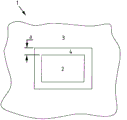
图1示出按本发明的具有第一类区域、过渡区域和第二类区域的汽车车柱的局部图;1 shows a partial view of a vehicle pillar according to the invention with regions of the first type, transition regions and regions of the second type;
图2示出按本发明的汽车车柱;Fig. 2 shows an automobile pillar according to the present invention;
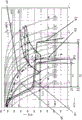
图3示出用于实施本发明方法的ZTU图(时间-温度转变图)。FIG. 3 shows a ZTU diagram (time-temperature transition diagram) for carrying out the method according to the invention.
具体实施方式Detailed ways
在附图中为相同或相似部件使用相同附图标记,尽管出于简化原因省略了重复的说明。The same reference numerals are used for the same or similar components in the drawings, although repeated explanations are omitted for reasons of simplification.
图1示出汽车车柱1的局部。在此从周围可看出,在第二类区域3中构造按本发明的第一类区域2。在第一类区域2和第二类区域3之间设置过渡区域4。在第一类区域2中形成趋于延展性的材料组织,在第二类区域3中形成硬的材料组织。在本发明的范畴中,过渡区域4大致具有宽度a,其与第一类区域2相比特别小。FIG. 1 shows a detail of a
图2示出汽车车柱1,其形式为在此未示出的汽车车身的A柱5。A柱5在其各个侧面5a、5b具有接合法兰6,接合法兰比中间的型材部分7具有更高的延展性。因此A柱5通过其中间的型材部分7具有高强度和高硬度,其保证在碰撞情况下保护乘客车厢,并且在其接合法兰6中相对于中间的型材部分具有更延展性的材料特性,由此连接在接合法兰6上的、在此未进一步示出的部件与A柱5保持连接并且在以接合法兰6为特点的连接位置中不出现断裂。FIG. 2 shows a
图3示出示例性的钢的ZTU图,其不限制本发明的范围。图中示出在冷却速度下随温度在材料中产生的不同组织结构。在视图下部区域中示出马氏体形成。在其上方,即在视图中部区域中示出贝氏体形成,并且在贝氏体上方示出珠光体形成或者说铁素体形成。Figure 3 shows an exemplary ZTU diagram for steel, which does not limit the scope of the invention. The figure shows the different microstructures produced in the material with temperature at the cooling rate. Martensite formation is shown in the lower region of the view. Above this, ie in the central region of the illustration, bainite formation is shown, and pearlite formation or ferrite formation is shown above the bainite.
在此所示的实施例中,示出三条用于不同冷却过程的曲线。曲线K1示出用于按本发明的第一区域的温度曲线,该第一区域首先被加热到超过AC3温度的温度。从该温度起以一定的冷却速度冷却到约520℃的中间温度,该冷却速度在该情况下大于图中所示材料的形成贝氏体的上临界冷却速度oK。在达到中间冷却的约520℃的冷却温度时,第一区域在时间段t1上基本上等温保持在一定的温度上,该温度在此例如由于热辐射、对流或传热形式的散热从约520℃下降到约480℃。因此在中间冷却的时间点Z1上产生奥氏体组织并且在时间点P1上(在第一种方案中的加压淬火的起点)产生贝氏体-奥氏体混合组织。In the exemplary embodiment shown here, three curves are shown for different cooling processes. Curve K1 shows the temperature curve for the first region according to the invention which is first heated to a temperature above the AC3 temperature. From this temperature it is cooled to an intermediate temperature of approximately 520° C. with a cooling rate which in this case is greater than the upper critical cooling rate oK for the formation of bainite for the material shown in the figure. On reaching the cooling temperature of about 520° C. for the intercooling, the first zone is maintained substantially isothermally at a temperature over the time period t1, which is here for example due to heat dissipation in the form of radiation, convection or heat transfer from about 520° C. °C drops to about 480 °C. Thus, an austenitic structure is formed at the point in time Z1 of the intermediate cooling and a mixed bainite-austenite structure is formed at the point in time P1 (starting point of press hardening in the first variant).
接下来在第一种方案中从时间点P1开始通过加压淬火过程进行淬火,使得第一区域中的贝氏体-奥氏体混合组织转化为贝氏体-马氏体混合组织。与此并行地,按本发明的第二区域从高于AC3的温度起通过加压淬火进行淬火,从而直接由奥氏体组织产生马氏体组织,为整体概况性起见在此并未详细示出这点。In the first variant, quenching is then carried out by a pressurization process starting from time point P1, so that the mixed bainite-austenite structure in the first region is transformed into a mixed bainite-martensite structure. Parallel to this, the second region according to the invention is hardened from a temperature above AC3 by press hardening, so that the martensite structure is produced directly from the austenite structure, which is not shown here in detail for the sake of an overall overview out of this.
本发明方法的第二种方案借助第一区域的根据曲线2的冷却过程来示出。曲线2的冷却过程类似于曲线K1的冷却过程,其中从时间点Z2(与Z1相同)起,冷却温度保持更长的时间,使得加压淬火过程开始于时间点P2,因而时间间隔t2大于t1。第一区域中的组织在时间点P2上完全转化为贝氏体并且因此在时间点P2后不再通过冷却速度进行进一步的组织转变。A second variant of the method according to the invention is shown by means of the cooling process of the first region according to
在本发明的第三种方案中,根据曲线3从高于AC3温度的温度选择一定的冷却速度,使得在中间冷却的冷却过程中直接转化为贝氏体中间组织。在此在第一区域中产生奥氏体-贝氏体中间组织,由此在时间点P3上进行加压淬火过程时在第一区域中该贝氏体-奥氏体混合组织转化为贝氏体-马氏体混合组织。在根据曲线2和3的方案中,第二区域——其在中间冷却期间始终保持在AC3温度之上——通过在加压淬火过程期间的冷却从奥氏体直接转化为马氏体。在根据曲线3的方案中,按本发明总是选择大于相应所用材料的下临界冷却速度uK的温度。附图标记列表In the third solution of the present invention, according to
1 汽车车柱1 car pillar
2 第一类区域2 The first type of area
3 第二类区域3 The second type of area
4 过渡区域4 transition area
5 A柱5 A-pillars
5a 侧面5a side
5b 侧面5b side
6 接合法兰6 mating flange
7 型材部分7 profile part
a 宽度a width
P1 加压淬火起始时间点P1 Pressure quenching start time point
P2 加压淬火起始时间点P2 Pressure quenching start time point
P3 加压淬火起始时间点P3 Pressure quenching start time point
oK 上临界冷却速度oK upper critical cooling rate
uK 下临界冷却速度uK lower critical cooling rate
t1 中间冷却温度的保持时间t2 中间冷却温度的保持时间Z1 中间冷却的时间点t1 Holding time of intermediate cooling temperature t2 Holding time of intermediate cooling temperature Z1 Time point of intermediate cooling
Z2 中间冷却的时间点Time point of Z2 intermediate cooling
Z3 中间冷却的时间点Time point of Z3 intermediate cooling
K1 曲线1
K2 曲线2
K3 曲线3
Claims (49)
Applications Claiming Priority (4)
| Application Number | Priority Date | Filing Date | Title |
|---|---|---|---|
| DE102010048209.9 | 2010-10-15 | ||
| DE102010048209.9A DE102010048209C5 (en) | 2010-10-15 | 2010-10-15 | Method for producing a hot-formed press-hardened metal component |
| EP11155681.7A EP2441850B2 (en) | 2010-10-15 | 2011-02-23 | Motor vehicle column and method for producing a thermoformed and press-hardened motor vehicle column |
| EP11155681.7 | 2011-02-23 |
Publications (2)
| Publication Number | Publication Date |
|---|---|
| CN102452425A CN102452425A (en) | 2012-05-16 |
| CN102452425B true CN102452425B (en) | 2014-04-16 |
Family
ID=45347055
Family Applications (4)
| Application Number | Title | Priority Date | Filing Date |
|---|---|---|---|
| CN2011102846694A Pending CN102453791A (en) | 2010-10-15 | 2011-09-23 | Method for manufacturing hot-formed and press-quenched metal components |
| CN2011103104583A Pending CN102453796A (en) | 2010-10-15 | 2011-10-14 | Hot-formed and press-quenched stringer and manufacturing method thereof |
| CN201110310636.2A Active CN102452425B (en) | 2010-10-15 | 2011-10-14 | Automobile column and method for producing a hot-formed and press-hardened automobile column |
| CN201410283021.9A Active CN104250677B (en) | 2010-10-15 | 2011-10-14 | Hot forming and the longeron of pressure quench |
Family Applications Before (2)
| Application Number | Title | Priority Date | Filing Date |
|---|---|---|---|
| CN2011102846694A Pending CN102453791A (en) | 2010-10-15 | 2011-09-23 | Method for manufacturing hot-formed and press-quenched metal components |
| CN2011103104583A Pending CN102453796A (en) | 2010-10-15 | 2011-10-14 | Hot-formed and press-quenched stringer and manufacturing method thereof |
Family Applications After (1)
| Application Number | Title | Priority Date | Filing Date |
|---|---|---|---|
| CN201410283021.9A Active CN104250677B (en) | 2010-10-15 | 2011-10-14 | Hot forming and the longeron of pressure quench |
Country Status (5)
| Country | Link |
|---|---|
| US (4) | US9340233B2 (en) |
| EP (3) | EP2441850B2 (en) |
| CN (4) | CN102453791A (en) |
| DE (1) | DE102010048209C5 (en) |
| ES (2) | ES2624695T5 (en) |
Families Citing this family (51)
| Publication number | Priority date | Publication date | Assignee | Title |
|---|---|---|---|---|
| DE102010012579B3 (en) | 2010-03-23 | 2011-07-07 | Benteler Automobiltechnik GmbH, 33102 | Method and device for producing hardened molded components |
| DE102010048209C5 (en) * | 2010-10-15 | 2016-05-25 | Benteler Automobiltechnik Gmbh | Method for producing a hot-formed press-hardened metal component |
| DE102011053698C5 (en) | 2011-09-16 | 2017-11-16 | Benteler Automobiltechnik Gmbh | Process for the manufacture of structural and chassis components by thermoforming and heating station |
| DE102011057007B4 (en) * | 2011-12-23 | 2013-09-26 | Benteler Automobiltechnik Gmbh | Method for producing a motor vehicle component and motor vehicle component |
| DE102012016075B4 (en) | 2012-06-22 | 2014-02-27 | Steinhoff & Braun's Gmbh | Method and device for producing a metal component |
| DE102012105580B3 (en) * | 2012-06-26 | 2013-04-25 | Voestalpine Stahl Gmbh | Press hardening of steel, comprises e.g. cold pre-forming steel sheet, heating and cooling, where press hardness number is determined e.g. for adjusting steel alloy, and which is equal to cooling rate in mold/theoretical press cooling rate |
| DE102012110650C5 (en) * | 2012-11-07 | 2017-12-14 | Benteler Automobiltechnik Gmbh | Hot forming line for the production of hot-formed and press-hardened sheet steel products |
| DE102012110649C5 (en) | 2012-11-07 | 2018-03-01 | Benteler Automobiltechnik Gmbh | Thermoforming line and method for producing a hot-formed and press-hardened motor vehicle component |
| US9222729B2 (en) * | 2012-12-07 | 2015-12-29 | Linde Aktiengesellschaft | Plant and method for hot forming blanks |
| CA2897287C (en) | 2013-01-11 | 2017-06-06 | Futaba Industrial Co., Ltd. | Heating device for hot stamping |
| DE102013100682B3 (en) * | 2013-01-23 | 2014-06-05 | Voestalpine Metal Forming Gmbh | A method of producing cured components and a structural component made by the method |
| DE102013001999B4 (en) | 2013-02-06 | 2025-01-23 | Volkswagen Aktiengesellschaft | Method for quality assurance of a supporting structure for a vehicle |
| DE102013010946B3 (en) * | 2013-06-28 | 2014-12-31 | Daimler Ag | Method and plant for producing a press-hardened sheet steel component |
| KR20160030190A (en) * | 2013-07-05 | 2016-03-16 | 오토테크 엔지니어링 에이.아이.이. | Metal part with controlled deformation orientation |
| EP4252930A3 (en) | 2013-10-21 | 2023-12-20 | Magna International Inc | Method for trimming a hot formed part |
| CN103521581B (en) * | 2013-10-23 | 2015-12-02 | 武汉理工大学 | Obtain method and the mould of mechanical performance gradient drop stamping part |
| DE102015203644A1 (en) * | 2015-03-02 | 2016-09-08 | Bayerische Motoren Werke Aktiengesellschaft | Press-hardened sheet metal part with different sheet thicknesses and strengths |
| CN104942111A (en) * | 2015-07-01 | 2015-09-30 | 上海凌云汽车模具有限公司 | Method for producing hot-forming part with variable strength and lower die base of die |
| DE102015112327A1 (en) * | 2015-07-28 | 2017-02-02 | Benteler Automobiltechnik Gmbh | Body or chassis component of a motor vehicle with improved crash performance and method for its production |
| DE102015215179A1 (en) * | 2015-08-07 | 2017-02-09 | Schwartz Gmbh | Method of heat treatment and heat treatment device |
| PL3156506T3 (en) * | 2015-10-15 | 2019-06-28 | Automation, Press And Tooling, A.P. & T Ab | A method of partial heating for radiation for the production of hardened parts in a pressing process and a system for such manufacture |
| CN105383569A (en) * | 2015-12-08 | 2016-03-09 | 厦门金龙联合汽车工业有限公司 | Double-gradient-strength passenger car stand column structure |
| DE102016201024A1 (en) | 2016-01-25 | 2017-07-27 | Schwartz Gmbh | Heat treatment process and heat treatment device |
| WO2017129601A1 (en) * | 2016-01-25 | 2017-08-03 | Schwartz Gmbh | Method and device for heat treating a metal component |
| DE102016201936A1 (en) | 2016-02-09 | 2017-08-10 | Schwartz Gmbh | Heat treatment process and heat treatment device |
| DE102016202766A1 (en) * | 2016-02-23 | 2017-08-24 | Schwartz Gmbh | Heat treatment process and heat treatment device |
| US11078553B2 (en) * | 2016-01-25 | 2021-08-03 | Schwartz Gmbh | Method and device for the heat treatment of a metal component |
| ES2827455T3 (en) | 2016-02-25 | 2021-05-21 | Benteler Automobiltechnik Gmbh | Manufacturing method of an automobile component with at least two mutually different resistance zones |
| DE112017002311T5 (en) * | 2016-05-04 | 2019-02-14 | Magna International Inc. | Thermoforming tool with infrared light source |
| DE102016108836B4 (en) | 2016-05-12 | 2018-05-24 | Benteler Automobiltechnik Gmbh | Motor vehicle component and method for its production |
| DE102016114068B3 (en) * | 2016-07-29 | 2017-08-10 | Benteler Automobiltechnik Gmbh | Side member made of multilayer steel |
| DE102016219278A1 (en) * | 2016-10-05 | 2018-04-05 | Bayerische Motoren Werke Aktiengesellschaft | Process for producing a high-strength tube part |
| DE102016013466A1 (en) | 2016-11-12 | 2017-05-11 | Daimler Ag | Body component for a motor vehicle and method for producing a body component |
| JP6424195B2 (en) * | 2016-11-14 | 2018-11-14 | 株式会社豊田中央研究所 | Hot press forming method |
| DE102017201674B3 (en) | 2017-02-02 | 2018-03-29 | Ford Global Technologies, Llc | Method for producing a press-hardened component and press mold |
| DE102017215699B4 (en) * | 2017-09-06 | 2019-09-26 | Volkswagen Aktiengesellschaft | Process for producing a hot-formed and press-hardened sheet steel component |
| DE102018207488A1 (en) * | 2018-05-15 | 2019-11-21 | Bayerische Motoren Werke Aktiengesellschaft | Method for producing a sheet metal component |
| DE102018207798A1 (en) * | 2018-05-17 | 2019-11-21 | Ford Global Technologies, Llc | Thermoforming line and process for making hot formed and press hardened sheet steel products |
| DE102019201883A1 (en) * | 2019-02-13 | 2020-08-13 | Thyssenkrupp Steel Europe Ag | Method for producing a sheet steel component |
| DE102019215053A1 (en) * | 2019-09-30 | 2021-04-01 | Thyssenkrupp Steel Europe Ag | Method for producing an at least partially tempered sheet steel component and at least partly tempered sheet steel component |
| EP4054777B1 (en) | 2019-11-08 | 2023-09-13 | Autotech Engineering S.L. | A forming sheet metal part for a vehicle frame and corresponding production method |
| JP7705384B2 (en) * | 2019-11-12 | 2025-07-09 | オートテック エンジニアリング ソシエダー リミターダ | Vehicle floor and corresponding manufacturing method - Patents.com |
| DE102020116126A1 (en) * | 2020-06-18 | 2021-12-23 | Bilstein Gmbh & Co. Kg | Process for press hardening of hot-formable blanks |
| DE102020116593A1 (en) | 2020-06-24 | 2021-12-30 | AICHELIN Holding GmbH | Heat treatment plant and process for the production of molded components |
| KR102240850B1 (en) | 2020-07-10 | 2021-04-16 | 주식회사 포스코 | Manufacturing method of hot fress formed part having excellent productivity, weldability and formability |
| CN112427520A (en) * | 2020-10-26 | 2021-03-02 | 上海凌云汽车模具有限公司 | Hot forming method for unconventional section-type metal piece and annular workpiece |
| CN112501396B (en) * | 2020-11-30 | 2022-03-18 | 北京航空航天大学 | A kind of isothermal quenching heat treatment process method of the third generation bearing steel |
| DE102021214024A1 (en) | 2021-12-09 | 2023-06-29 | Volkswagen Aktiengesellschaft | Process for manufacturing a hot-formed and press-hardened sheet steel component |
| JP7513008B2 (en) * | 2021-12-21 | 2024-07-09 | Jfeスチール株式会社 | Manufacturing method for steel plate with low edge crack occurrence rate |
| CN116162766B (en) * | 2023-02-21 | 2024-09-17 | 武汉理工大学 | A hot forming method for armor steel component |
| CN121487801A (en) * | 2023-07-25 | 2026-02-06 | 住友重机械工业株式会社 | Molding device |
Citations (2)
| Publication number | Priority date | Publication date | Assignee | Title |
|---|---|---|---|---|
| CN101189350A (en) * | 2005-05-30 | 2008-05-28 | 蒂森克虏伯钢铁公司 | Method for producing a metal part having adjacent portions with different material properties by means of press hardening |
| CN101861265A (en) * | 2007-11-15 | 2010-10-13 | 耶斯塔姆普硬技术股份公司 | B-pillar for vehicle and manufacturing method thereof |
Family Cites Families (40)
| Publication number | Priority date | Publication date | Assignee | Title |
|---|---|---|---|---|
| DE2543750A1 (en) | 1974-10-04 | 1976-04-15 | Centre Rech Metallurgique | Cooling and drying box for metal strip - to sharply cool the strip during rolling |
| US4840686A (en) * | 1988-04-06 | 1989-06-20 | Armco Inc. | Bainitic core grinding rod |
| SE9602257L (en) | 1996-06-07 | 1997-12-08 | Plannja Hardtech Ab | Ways to produce steel detail |
| JP3305952B2 (en) | 1996-06-28 | 2002-07-24 | トヨタ自動車株式会社 | How to strengthen induction hardening of center pillar reinforce |
| SE510344C2 (en) * | 1997-08-01 | 1999-05-17 | Ovako Steel Ab | Way for complete bainite hardening of steel |
| US6270555B1 (en) | 1999-12-30 | 2001-08-07 | Solvay Minerals, Inc. | Process for treating precious metal ores |
| DE20014361U1 (en) * | 2000-08-19 | 2000-10-12 | Benteler Ag, 33104 Paderborn | B-pillar for a motor vehicle |
| US20050173026A1 (en) | 2001-12-25 | 2005-08-11 | Takao Taniguchi | Carburized and quenched member and method for production thereof |
| DE10208216C1 (en) | 2002-02-26 | 2003-03-27 | Benteler Automobiltechnik Gmbh | Production of a hardened metallic component used as vehicle component comprises heating a plate or a pre-molded component to an austenitizing temperature, and feeding via a transport path while quenching parts of plate or component |
| JP4135397B2 (en) | 2002-05-13 | 2008-08-20 | 日産自動車株式会社 | Method and apparatus for quenching pressed parts |
| FR2847270B1 (en) | 2002-11-19 | 2004-12-24 | Usinor | METHOD FOR MANUFACTURING AN ABRASION RESISTANT STEEL SHEET AND OBTAINED SHEET |
| DE10300371B3 (en) | 2003-01-06 | 2004-04-08 | Benteler Automobiltechnik Gmbh | Production of a coated molded component made from hardened steel used in vehicles comprises locally coating the component after hardening using a coating process which reduces the strength value by the introduction of heat |
| CN100464886C (en) | 2003-06-13 | 2009-03-04 | 杰富意钢铁株式会社 | Controlled cooling device and controlled cooling method for thick steel plate |
| SE528130C2 (en) | 2004-10-04 | 2006-09-12 | Gestamp Hardtech Ab | Ways to heat mold and harden a sheet metal |
| DE102005018240B4 (en) | 2005-04-19 | 2010-11-18 | Benteler Automobiltechnik Gmbh | Device for forming metal sheets |
| DE102005032113B3 (en) | 2005-07-07 | 2007-02-08 | Schwartz, Eva | Thermal deformation and partial hardening apparatus, e.g. for automobile components, comprises mold of at least two parts, each formed from segments adjustable to different temperatures |
| DE102005054847B3 (en) | 2005-11-15 | 2007-10-04 | Benteler Automobiltechnik Gmbh | High-strength steel component with targeted deformation in the event of a crash |
| DE102006019395A1 (en) * | 2006-04-24 | 2007-10-25 | Thyssenkrupp Steel Ag | Apparatus and method for forming blanks of higher and highest strength steels |
| DE102007009937A1 (en) | 2007-03-01 | 2008-09-04 | Schuler Smg Gmbh & Co. Kg | Metal plate shaping heats the plate to a given temperature, which is then clamped between two cooling elements before pressing |
| EP2527233B1 (en) * | 2007-04-04 | 2014-05-14 | Nippon Steel & Sumitomo Metal Corporation | Strength member for an automobile body |
| DE102007023309A1 (en) | 2007-05-16 | 2008-11-20 | Benteler Stahl/Rohr Gmbh | Use of a steel alloy for axle tubes and axle tube made of a steel alloy |
| JP4445522B2 (en) * | 2007-06-20 | 2010-04-07 | 豊田鉄工株式会社 | Reinforcing member for vehicle center pillar |
| US20100319650A1 (en) | 2007-07-11 | 2010-12-23 | Clozza Delbert P | Functionally graded powder metal components |
| DE102007057855B3 (en) * | 2007-11-29 | 2008-10-30 | Benteler Automobiltechnik Gmbh | Production of moldings with structure zones of different ductility comprises heat treatment of aluminum-silicon coated high-tensile steel blank, followed by treating zones at different temperature |
| FR2927828B1 (en) | 2008-02-26 | 2011-02-18 | Thyssenkrupp Sofedit | METHOD OF FORMING FROM FLAN IN SOFT MATERIAL WITH DIFFERENTIAL COOLING |
| US20090242086A1 (en) | 2008-03-31 | 2009-10-01 | Honda Motor Co., Ltd. | Microstructural optimization of automotive structures |
| DE102008022399A1 (en) | 2008-05-06 | 2009-11-19 | Thyssenkrupp Steel Ag | Process for producing a steel molding having a predominantly ferritic-bainitic structure |
| DE102008022401B4 (en) * | 2008-05-06 | 2012-12-06 | Thyssenkrupp Steel Europe Ag | Process for producing a steel molding having a predominantly bainitic structure |
| DE102008034596A1 (en) * | 2008-07-25 | 2010-02-04 | Bayerische Motoren Werke Aktiengesellschaft | Hardened sheet steel component producing method, involves heating sheet steel, and locally adjusting cooling process of sheet steel by selectively intervening heat transmission from sheet steel to molding tools |
| DE102008062270A1 (en) | 2008-12-15 | 2010-06-17 | GM Global Technology Operations, Inc., Detroit | Apparatus and method for hardening metallic workpieces |
| EP2367962B2 (en) * | 2008-12-19 | 2018-07-18 | voestalpine Metal Forming GmbH | Method for producing partially hardened components from sheet steel |
| DE202008016877U1 (en) | 2008-12-19 | 2009-03-05 | Voestalpine Automotive Gmbh | Apparatus for producing partially hardened sheet steel components |
| DE102009007926A1 (en) | 2009-02-06 | 2010-08-19 | Benteler Automobiltechnik Gmbh | Process for the production of circumferentially contoured elongated shaping blanks from a metal strip |
| DE102009015013B4 (en) | 2009-03-26 | 2011-05-12 | Voestalpine Automotive Gmbh | Process for producing partially hardened steel components |
| DE102009014670B4 (en) | 2009-03-27 | 2011-01-13 | Thyssenkrupp Sofedit S.A.S | Method and hot forming plant for the production of press-hardened shaped components from sheet steel |
| CN101602165B (en) * | 2009-06-16 | 2010-08-25 | 中国重汽集团济南动力有限公司 | Production process of high-strength heavy-duty truck longitudinal beam |
| CN101649383B (en) * | 2009-09-02 | 2010-11-03 | 南方金康汽车零部件有限公司 | Heat treatment process for manufacturing mold of automotive rear longeron |
| DE102009050623A1 (en) | 2009-10-24 | 2010-05-20 | Daimler Ag | Steel sheet component i.e. B-column, manufacturing method for vehicle, involves differently tempering preset regions of steel sheet after heating and before deformation and/or hardening of steel sheet |
| DE102009060388A1 (en) * | 2009-12-24 | 2011-06-30 | Schuler Cartec GmbH & Co. KG, 73033 | Method for sheet deformation, involves heating zone of work piece at high temperature, and inserting heated work piece into heat insulated or heated deformation device |
| DE102010048209C5 (en) | 2010-10-15 | 2016-05-25 | Benteler Automobiltechnik Gmbh | Method for producing a hot-formed press-hardened metal component |
-
2010
- 2010-10-15 DE DE102010048209.9A patent/DE102010048209C5/en not_active Expired - Fee Related
-
2011
- 2011-02-23 ES ES11155681T patent/ES2624695T5/en active Active
- 2011-02-23 EP EP11155681.7A patent/EP2441850B2/en active Active
- 2011-02-23 EP EP11155717.9A patent/EP2441852B1/en active Active
- 2011-02-23 ES ES11155717.9T patent/ES2661708T3/en active Active
- 2011-02-23 EP EP11155713.8A patent/EP2441851B1/en not_active Revoked
- 2011-09-12 US US13/230,138 patent/US9340233B2/en not_active Expired - Fee Related
- 2011-09-23 CN CN2011102846694A patent/CN102453791A/en active Pending
- 2011-10-14 CN CN2011103104583A patent/CN102453796A/en active Pending
- 2011-10-14 US US13/273,760 patent/US20120091758A1/en not_active Abandoned
- 2011-10-14 CN CN201110310636.2A patent/CN102452425B/en active Active
- 2011-10-14 CN CN201410283021.9A patent/CN104250677B/en active Active
- 2011-10-14 US US13/273,826 patent/US20120318415A1/en not_active Abandoned
-
2013
- 2013-09-19 US US14/031,772 patent/US9637174B2/en active Active
Patent Citations (2)
| Publication number | Priority date | Publication date | Assignee | Title |
|---|---|---|---|---|
| CN101189350A (en) * | 2005-05-30 | 2008-05-28 | 蒂森克虏伯钢铁公司 | Method for producing a metal part having adjacent portions with different material properties by means of press hardening |
| CN101861265A (en) * | 2007-11-15 | 2010-10-13 | 耶斯塔姆普硬技术股份公司 | B-pillar for vehicle and manufacturing method thereof |
Also Published As
| Publication number | Publication date |
|---|---|
| US20120318415A1 (en) | 2012-12-20 |
| CN104250677A (en) | 2014-12-31 |
| US9637174B2 (en) | 2017-05-02 |
| CN102453791A (en) | 2012-05-16 |
| ES2624695T5 (en) | 2022-09-15 |
| EP2441850B2 (en) | 2022-06-22 |
| EP2441851A1 (en) | 2012-04-18 |
| EP2441850B1 (en) | 2017-04-05 |
| US9340233B2 (en) | 2016-05-17 |
| CN102452425A (en) | 2012-05-16 |
| EP2441852A1 (en) | 2012-04-18 |
| DE102010048209C5 (en) | 2016-05-25 |
| EP2441851B1 (en) | 2020-01-08 |
| US20120091758A1 (en) | 2012-04-19 |
| ES2624695T3 (en) | 2017-07-17 |
| EP2441852B1 (en) | 2017-12-13 |
| CN102453796A (en) | 2012-05-16 |
| DE102010048209B3 (en) | 2012-01-05 |
| US20120090741A1 (en) | 2012-04-19 |
| US20140166166A1 (en) | 2014-06-19 |
| EP2441850A1 (en) | 2012-04-18 |
| CN104250677B (en) | 2017-12-01 |
| ES2661708T3 (en) | 2018-04-03 |
Similar Documents
| Publication | Publication Date | Title |
|---|---|---|
| CN102452425B (en) | Automobile column and method for producing a hot-formed and press-hardened automobile column | |
| US11331710B2 (en) | Method for producing a motor vehicle component with at least two regions of different strengths | |
| EP2754603B1 (en) | Method, vehicle reinforcement & vehicle | |
| US8691032B2 (en) | Microstructural optimization of automotive structures | |
| CN105358718B (en) | Method and apparatus for the steel plate member for manufacturing pressure quench | |
| US20090320968A1 (en) | Differential heat shaping and hardening using infrared light | |
| KR101190396B1 (en) | Taylor welded hot stamping method and steel parts using the same | |
| JP5994748B2 (en) | High-strength press parts and manufacturing method thereof | |
| US20100139821A1 (en) | Method for producing a workpiece, a workpiece and use of a workpiece | |
| US20130160906A1 (en) | Method for producing a motor vehicle component and motor vehicle component | |
| CN114262769A (en) | Method for manufacturing a structural component comprising a thermomagnetic tempering process producing local soft zones | |
| CN102212742A (en) | A hot stamping automobile part with flexible strength distribution and its control method | |
| US10272948B2 (en) | Front rail for vehicle underbody assembly with varied strength zones | |
| CN107365897A (en) | Motor vehicle component and its manufacture method | |
| CN108138254A (en) | For producing the method for vehicle steel component | |
| KR20250073117A (en) | Components and methods for vehicles | |
| US20090151821A1 (en) | Method and Device Adjusting Targeted Combinations of Properties of Polyphase Steel | |
| US20260077821A1 (en) | Structural components for a vehicle and methods | |
| EP4688428A1 (en) | A unitary firewall panel for a vehicle | |
| CN117043382A (en) | High-strength steel plate with excellent hole expandability and ductility and manufacturing method thereof |
Legal Events
| Date | Code | Title | Description |
|---|---|---|---|
| C06 | Publication | ||
| PB01 | Publication | ||
| C10 | Entry into substantive examination | ||
| SE01 | Entry into force of request for substantive examination | ||
| C14 | Grant of patent or utility model | ||
| GR01 | Patent grant |