CN103003204A - High rate anaerobic digester system and method - Google Patents
High rate anaerobic digester system and method Download PDFInfo
- Publication number
- CN103003204A CN103003204A CN2011800344047A CN201180034404A CN103003204A CN 103003204 A CN103003204 A CN 103003204A CN 2011800344047 A CN2011800344047 A CN 2011800344047A CN 201180034404 A CN201180034404 A CN 201180034404A CN 103003204 A CN103003204 A CN 103003204A
- Authority
- CN
- China
- Prior art keywords
- reactor
- biogas
- hydrolysis
- effluent
- biostatic
- Prior art date
- Legal status (The legal status is an assumption and is not a legal conclusion. Google has not performed a legal analysis and makes no representation as to the accuracy of the status listed.)
- Pending
Links
Images




Classifications
-
- C—CHEMISTRY; METALLURGY
- C12—BIOCHEMISTRY; BEER; SPIRITS; WINE; VINEGAR; MICROBIOLOGY; ENZYMOLOGY; MUTATION OR GENETIC ENGINEERING
- C12M—APPARATUS FOR ENZYMOLOGY OR MICROBIOLOGY; APPARATUS FOR CULTURING MICROORGANISMS FOR PRODUCING BIOMASS, FOR GROWING CELLS OR FOR OBTAINING FERMENTATION OR METABOLIC PRODUCTS, i.e. BIOREACTORS OR FERMENTERS
- C12M21/00—Bioreactors or fermenters specially adapted for specific uses
- C12M21/04—Bioreactors or fermenters specially adapted for specific uses for producing gas, e.g. biogas
-
- C—CHEMISTRY; METALLURGY
- C02—TREATMENT OF WATER, WASTE WATER, SEWAGE, OR SLUDGE
- C02F—TREATMENT OF WATER, WASTE WATER, SEWAGE, OR SLUDGE
- C02F3/00—Biological treatment of water, waste water, or sewage
- C02F3/28—Anaerobic digestion processes
- C02F3/286—Anaerobic digestion processes including two or more steps
-
- C—CHEMISTRY; METALLURGY
- C12—BIOCHEMISTRY; BEER; SPIRITS; WINE; VINEGAR; MICROBIOLOGY; ENZYMOLOGY; MUTATION OR GENETIC ENGINEERING
- C12M—APPARATUS FOR ENZYMOLOGY OR MICROBIOLOGY; APPARATUS FOR CULTURING MICROORGANISMS FOR PRODUCING BIOMASS, FOR GROWING CELLS OR FOR OBTAINING FERMENTATION OR METABOLIC PRODUCTS, i.e. BIOREACTORS OR FERMENTERS
- C12M23/00—Constructional details, e.g. recesses, hinges
- C12M23/58—Reaction vessels connected in series or in parallel
-
- C—CHEMISTRY; METALLURGY
- C12—BIOCHEMISTRY; BEER; SPIRITS; WINE; VINEGAR; MICROBIOLOGY; ENZYMOLOGY; MUTATION OR GENETIC ENGINEERING
- C12M—APPARATUS FOR ENZYMOLOGY OR MICROBIOLOGY; APPARATUS FOR CULTURING MICROORGANISMS FOR PRODUCING BIOMASS, FOR GROWING CELLS OR FOR OBTAINING FERMENTATION OR METABOLIC PRODUCTS, i.e. BIOREACTORS OR FERMENTERS
- C12M45/00—Means for pre-treatment of biological substances
- C12M45/06—Means for pre-treatment of biological substances by chemical means or hydrolysis
-
- Y—GENERAL TAGGING OF NEW TECHNOLOGICAL DEVELOPMENTS; GENERAL TAGGING OF CROSS-SECTIONAL TECHNOLOGIES SPANNING OVER SEVERAL SECTIONS OF THE IPC; TECHNICAL SUBJECTS COVERED BY FORMER USPC CROSS-REFERENCE ART COLLECTIONS [XRACs] AND DIGESTS
- Y02—TECHNOLOGIES OR APPLICATIONS FOR MITIGATION OR ADAPTATION AGAINST CLIMATE CHANGE
- Y02E—REDUCTION OF GREENHOUSE GAS [GHG] EMISSIONS, RELATED TO ENERGY GENERATION, TRANSMISSION OR DISTRIBUTION
- Y02E50/00—Technologies for the production of fuel of non-fossil origin
- Y02E50/30—Fuel from waste, e.g. synthetic alcohol or diesel
Landscapes
- Life Sciences & Earth Sciences (AREA)
- Health & Medical Sciences (AREA)
- Chemical & Material Sciences (AREA)
- Engineering & Computer Science (AREA)
- Organic Chemistry (AREA)
- Bioinformatics & Cheminformatics (AREA)
- Wood Science & Technology (AREA)
- Zoology (AREA)
- Microbiology (AREA)
- Genetics & Genomics (AREA)
- Molecular Biology (AREA)
- Biochemistry (AREA)
- General Engineering & Computer Science (AREA)
- General Health & Medical Sciences (AREA)
- Biotechnology (AREA)
- Biomedical Technology (AREA)
- Sustainable Development (AREA)
- General Chemical & Material Sciences (AREA)
- Oil, Petroleum & Natural Gas (AREA)
- Hydrology & Water Resources (AREA)
- Water Supply & Treatment (AREA)
- Clinical Laboratory Science (AREA)
- Environmental & Geological Engineering (AREA)
- Biodiversity & Conservation Biology (AREA)
- Treatment Of Sludge (AREA)
- Processing Of Solid Wastes (AREA)
- Micro-Organisms Or Cultivation Processes Thereof (AREA)
Abstract
Description
相关申请的交叉引用Cross References to Related Applications
本PCT申请要求2010年5月14日提交的美国临时专利申请第61/345,029号的优先权,其公开内容通过引用全文纳入本文以用于所有目的。This PCT application claims priority to US Provisional Patent Application No. 61/345,029, filed May 14, 2010, the disclosure of which is incorporated herein by reference in its entirety for all purposes.
发明背景Background of the invention
技术领域technical field
本发明总体涉及高效厌氧消化器系统及其使用方法。The present invention generally relates to high efficiency anaerobic digester systems and methods of using the same.
相关技术描述Related technical description
生物消化众所周知是一种污水处理和环境保护方法。近期生物消化在可再生能源发电领域脱颖而出。生物消化过程中产生的生物气能用于运行电力生产的发电机和出于加热目的的锅炉。Biodigestion is well known as a wastewater treatment and environmental protection method. Biodigestion has recently come to the fore in the field of renewable energy generation. The biogas produced during biodigestion can be used to run generators for electricity production and boilers for heating purposes.
图1A、1B和1C描述使用单个反应容器的常规消化器系统。图1A显示干式厌氧堆肥(Dranco)过程。Dranco消化器是干式、单级、高温厌氧消化系统(Verma,2002)。进料被引入所述消化器顶部并流入在其中螺旋钻移除厌氧消化液的锥形底部。部分厌氧消化液用于接种来料并加入蒸气以使温度增至高温范围。剩余厌氧消化液脱水产生废水和滤饼。所述滤饼包含活性细菌、一些氨和好氧稳定用作堆肥的未消化固体。优选分类废物以维持堆肥质量。所述反应器内没有混合,除了生物气相对底物向下推流移动的一些鼓泡。据报道Dranco消化器维持高平均有机加载率(12-15kg VS/m3/d)以处理城市有机固体废物。Figures 1A, 1B and 1C depict a conventional digester system using a single reaction vessel. Figure 1A shows the dry anaerobic composting (Dranco) process. The Dranco digester is a dry, single-stage, high-temperature anaerobic digestion system (Verma, 2002). Feed is introduced at the top of the digester and flows into the conical bottom where the auger removes the anaerobic digestate. A portion of the anaerobic digestate is used to inoculate the incoming material and steam is added to increase the temperature into the hyperthermia range. The dehydration of the remaining anaerobic digestion liquid produces waste water and filter cake. The filter cake contains live bacteria, some ammonia and undigested solids that are aerobically stable for composting. It is preferable to sort waste to maintain compost quality. There was no mixing in the reactor, except for some bubbling of the biogas moving downwards against the substrate. It is reported that Dranco digester maintains high average organic loading rate (12-15kg VS/m 3 /d) to process municipal organic solid waste.
图1B显示运行Kompogas工艺的系统。Kompogas消化器是高固体推流设计。圆柱形反应器水平定向且包含辅助脱气和匀化的内转子(Lissens等2001;Nichols2004)。所述系统预制成15,000或25,000吨/年(t/y)尺寸。内部固体含量必须小心维持在23-28%以使系统适当流动。因此,一些工艺用水和厌氧消化液与进入的有机废物混合,所述有机废物还提供接种(Lissens等200)。停留时间为高温条件下15-20天。Figure 1B shows a system running the Kompogas process. The Kompogas digester is a high solids plug-flow design. The cylindrical reactor is oriented horizontally and contains an internal rotor to aid in degassing and homogenization (Lissens et al. 2001; Nichols 2004). The system is prefabricated in 15,000 or 25,000 tons per year (t/y) size. The internal solids content must be carefully maintained at 23-28% for proper flow of the system. Therefore, some process water and anaerobic digestate are mixed with the incoming organic waste, which also provides inoculation (Lissens et al. 200). The residence time is 15-20 days under high temperature conditions.
图1C显示Valorga系统。Valorga系统是干式、单级消化器,处理总固体(TS)为25-30%的推流厌氧消化液(Nichols2004)。与其他推流消化器不同,Valorga设计使用加压生物气以混合。这消除了对接种环的需求。所述垂直圆柱形消化器包含跨三分之二消化器直径的分区延伸。这迫使材料在底部进入以在离开前环壁绕流(de Laclos等,1997)。根据Nichols(2004),总固体(TS)低于20%的原料在Valorga系统中运行不好,因为砂粒沉淀并凝结生物气注入口。停留时间为21天且生物气产量报道为220-270m3/t VS(Nichols2004)。Figure 1C shows the Valorga system. The Valorga system is a dry, single-stage digester that processes plug-flow anaerobic digesters with 25-30% total solids (TS) (Nichols 2004). Unlike other plug flow digesters, the Valorga is designed to use pressurized biogas for mixing. This eliminates the need for inoculating loops. The vertical cylindrical digester comprises partitions extending across two thirds of the digester diameter. This forces material to enter at the bottom to flow around the walls before exiting (de Laclos et al., 1997). According to Nichols (2004), feedstocks with less than 20% total solids (TS) do not perform well in the Valorga system because sand particles settle and condense at the biogas injection port. The residence time was 21 days and the biogas production was reported to be 220-270 m 3 /t VS (Nichols 2004).
图2描述顺序分批厌氧堆肥(SEBAC)系统,包括2或3批、顺序加载的滤床消化器,从而渗滤液能通过喷雾器在消化器间转移(Chynoweth等,1991;Chynoweth等,1992;Okeefe等,1993;Forster-Carneiro等,2004)。将粗略切碎的城市生活垃圾有机部分(OFMSW)置于分批式消化器中。来自成熟消化器的渗滤液喷射到新鲜材料上作为接种物,而渗滤液再循环到成熟堆积物顶部直至甲烷生成稳定。然后,消化器转至内部再循环,直到甲烷生成随着分批成熟而变慢。在实验室测试中,SEBAC工艺用纯食物废物加载时启动困难(Forster-Carneiro等,2004)。需要填充剂以防止压紧和允许渗滤液引流。早期先导研究分别报道了停留时间为21和42天时甲烷产量为160和190m3/t VS(Chynoweth等,1992)。废物流包含60%纸和纸板、10%塑料和6%庭园废物,作者报道了所述产量代表80-90%最终产甲烷能力。Figure 2 depicts a sequential batch anaerobic composting (SEBAC) system consisting of 2 or 3 batches, sequentially loaded filter bed digesters so that leachate can be transferred between digesters via sprayers (Chynoweth et al., 1991; Chynoweth et al., 1992; Okeefe et al., 1993; Forster-Carneiro et al., 2004). Coarsely shredded organic fraction of municipal solid waste (OFMSW) was placed in a batch digester. Leachate from the mature digester is sprayed onto fresh material as an inoculum, while leachate is recycled to the top of the mature heap until methanogenesis stabilizes. The digester then switches to internal recirculation until methanogenesis slows as the batch matures. In laboratory tests, the SEBAC process had difficulty starting when loaded with pure food waste (Forster-Carneiro et al., 2004). Fillers are needed to prevent compaction and allow leachate drainage. Early pilot studies reported methane production of 160 and 190 m 3 /t VS at residence times of 21 and 42 days, respectively (Chynoweth et al., 1992). The waste stream comprised 60% paper and cardboard, 10% plastic, and 6% yard waste, the authors report said yields representing 80-90% of the final methanogenic capacity.
常规厌氧相固体(APS)系统分解生物可降解材料以处理废物、生成生物气、或两者都有。现有APS系统的运行原理是分阶段多相的固体厌氧消化。Conventional anaerobic phase solids (APS) systems break down biodegradable materials for waste disposal, biogas generation, or both. Existing APS systems operate on the principle of staged multiphase anaerobic digestion of solids.
由于厌氧消化使用混合且高度竞争的微生物培养,所述培养能基本降解有机物中所有生物可降解组分,厌氧消化成为废物降解和处理的关键技术之一。与其他生物质转化技术如乙醇发酵相比,厌氧消化成本更低且更适应分布操作的不同尺寸。用于厌氧消化工艺的细菌和真菌具有有效的酶系统以降解有机聚合物,如纤维(例如纤维素和半纤维素)、蛋白和脂肪。多年来,厌氧消化技术从单一的环境管理工艺发展到生成可再生能源的可行工艺。随着对再生能源以及减少温室气体排放和环境退化的需求日益增长,厌氧消化获得了更多的关注。Since anaerobic digestion uses mixed and highly competitive microbial cultures that can degrade essentially all biodegradable components in organic matter, anaerobic digestion becomes one of the key technologies for waste degradation and treatment. Compared to other biomass conversion technologies such as ethanol fermentation, anaerobic digestion is less costly and more adaptable to different sizes of distributed operations. Bacteria and fungi used in anaerobic digestion processes have efficient enzyme systems to degrade organic polymers such as fibers (eg cellulose and hemicellulose), proteins and fats. Over the years, anaerobic digestion technology has evolved from a purely environmentally managed process to a viable process for generating renewable energy. Anaerobic digestion is gaining more attention with the growing need for renewable energy and the reduction of greenhouse gas emissions and environmental degradation.
现有高固体和厌氧消化器的示例是Zhang等的美国专利号6,342,378和Zhang的美国专利号7,556,737。这些专利公开了加利福尼亚大学戴维斯分校(UC Davis)开发的厌氧相固体消化器(APS-消化器)。APS-消化器结合了分批和连续消化器的特色(Zhang和Zhang,1999;Zhang,2002;Hartman,2004)。所述示范性系统包括5个反应器:4个水解反应器和1个生物气制造反应器。原料加载到各个水解反应器内并通过胞外酶和产酸细菌作用,使废物溶解并转变成简单有机酸。收集所述酸并转移至生物气制造反应器,在其中它们通过产甲烷细菌进一步还原成甲烷。多个水解反应器使得各分批水解反应起点之间有时间间隔。尽管有分批加载和操作安排,此时间间隔有助于相对恒定的生物气生产率。各批次完全消化后,移除固体和液体并好氧稳定。在实验室测试中,APS消化器系统能消化稻秸,减少40-60%的TS且生成400-500m3生物气/t VS,这与更易降解底物所见的产率相当(Zhang和Zhang,1999)。其他在APS消化器上测试的底物包括用后食物废物、食物加工废料和畜肥。餐馆食物废物和绿色垃圾(剪草)的生物气产量分别为600和440m3/tVS,停留时间12天且生物气生产率是3-3.5m3/m3/d。Examples of existing high solids and anaerobic digesters are US Patent No. 6,342,378 to Zhang et al. and US Patent No. 7,556,737 to Zhang. These patents disclose an anaerobic phase solid digester (APS-digester) developed at the University of California, Davis (UC Davis). The APS-digester combines the features of batch and continuous digesters (Zhang and Zhang, 1999; Zhang, 2002; Hartman, 2004). The exemplary system includes 5 reactors: 4 hydrolysis reactors and 1 biogas production reactor. Raw materials are loaded into individual hydrolysis reactors and the waste is dissolved and converted into simple organic acids by the action of extracellular enzymes and acidogenic bacteria. The acids are collected and transferred to a biogas production reactor where they are further reduced to methane by methanogenic bacteria. Multiple hydrolysis reactors allow for time intervals between the start of each batch hydrolysis reaction. This time interval facilitates a relatively constant biogas production rate despite the batch loading and operating schedule. After each batch is fully digested, solids and liquids are removed and stabilized aerobically. In laboratory tests, the APS digester system was able to digest rice straw, reduce TS by 40-60% and generate 400-500 m 3 biogas/t VS, which is comparable to yields seen with more easily degradable substrates (Zhang and Zhang ,1999). Other substrates tested on the APS digester included post-consumer food waste, food processing waste, and livestock manure. Biogas production of restaurant food waste and green waste (grass clippings) were 600 and 440 m 3 /tVS, respectively, with a residence time of 12 days and a biogas production rate of 3-3.5 m 3 /m 3 /d.
现有厌氧消化技术分成2类-处理固体废物的和处理废水的。对于固体和液体材料都需要处理的应用如食品加工厂,现有技术有局限。Existing anaerobic digestion technologies fall into 2 categories - those that treat solid waste and those that treat wastewater. For applications such as food processing plants, where both solid and liquid materials need to be handled, existing technology has limitations.
依然需要提高厌氧消化技术的性能。现有厌氧消化器需要大量孵育时间以在可排放流出物前使内容物消化和生物稳定。另外,需要继续在增加产量和降低成本方面提高效率。There remains a need to improve the performance of anaerobic digestion technologies. Existing anaerobic digesters require extensive incubation times to digest and biostabilize the contents before the effluent can be discharged. In addition, there is a need to continue to improve efficiency in increasing production and reducing costs.
根据上述内容,有方法和设备克服已知生物消化器(包括厌氧消化器)的上述和其他缺点是有益的。In light of the foregoing, it would be beneficial to have methods and apparatus to overcome the above and other disadvantages of known biodigesters, including anaerobic digesters.
发明内容Contents of the invention
本发明的多个方面针对从有机材料生成生物气的厌氧消化器系统。所述系统包括水解反应器、生物气制造反应器和生物稳定反应器,所述水解反应器中包含以有机材料作为水解底物的产酸细菌和水解细菌培养物,所述生物气制造反应器中包含产乙酸细菌和产甲烷细菌培养物,所述生物稳定反应器中包含产甲烷细菌培养物。所述水解反应器还包括接受有机材料的入口,从水解反应器排放水解流出物的出口,和从水解反应器排放生物气的气孔。所述生物气制造反应器还包括接受来自水解反应器出口的水解流出物的生物气制造反应器入口,从生物气制造反应器排放生物气制造流出物的反应器出口,和从生物气制造反应器排放生物气的气孔。所述生物稳定反应器还包括接受来自生物气制造反应器出口的生物气制造流出物的生物稳定反应器入口,从生物稳定反应器排放生物稳定流出物的生物稳定反应器出口,和从生物稳定反应器排放生物气的气孔。Aspects of the invention are directed to anaerobic digester systems that generate biogas from organic materials. The system includes a hydrolysis reactor, a biogas production reactor and a biostabilization reactor, wherein the hydrolysis reactor contains acid-producing bacteria and hydrolysis bacterial cultures using organic materials as hydrolysis substrates, and the biogas production reactor A culture of acetogenic bacteria and a culture of methanogenic bacteria is contained in the biostable reactor, and a culture of methanogenic bacteria is contained in the biostable reactor. The hydrolysis reactor also includes an inlet for receiving organic material, an outlet for discharging hydrolysis effluent from the hydrolysis reactor, and an air hole for discharging biogas from the hydrolysis reactor. The biogas production reactor also includes a biogas production reactor inlet receiving hydrolysis effluent from the hydrolysis reactor outlet, a reactor outlet discharging biogas production effluent from the biogas production reactor, and Air vents for biogas discharge. The biostabilization reactor also includes a biostabilization reactor inlet receiving biogas production effluent from the biogas production reactor outlet, a biostabilization reactor outlet discharging biostabilization effluent from the biostabilization reactor, and a biostabilization reactor outlet from the biostabilization reactor. The stomata through which the reactor discharges biogas.
在多个实施方式中,所述生物气制造反应器具有约6.8-约8.2的受控内部pH。在多个实施方式中,所述生物稳定反应器具有约6.8-约8.2的受控内部pH。在多个实施方式中,所述生物气制造反应器具有约25℃-约55℃的受控内部温度。在多个实施方式中,所述生物稳定反应器具有等于或低于所述生物气制造反应器的受控内部温度。在多个实施方式中,所述生物稳定反应器具有约25℃-约55℃的受控内部温度。In various embodiments, the biogas production reactor has a controlled internal pH of about 6.8 to about 8.2. In various embodiments, the biostabilization reactor has a controlled internal pH of about 6.8 to about 8.2. In various embodiments, the biogas production reactor has a controlled internal temperature of from about 25°C to about 55°C. In various embodiments, the biostabilization reactor has a controlled internal temperature equal to or lower than that of the biogas production reactor. In various embodiments, the biostabilization reactor has a controlled internal temperature of about 25°C to about 55°C.
在多个实施方式中,所述有机材料是选自固体、液体和其组合的成员。In various embodiments, the organic material is a member selected from the group consisting of solids, liquids, and combinations thereof.
在多个实施方式中,所述生物稳定反应器细菌培养物基本是产甲烷的。在多个实施方式中,所述生物稳定反应器细菌培养物基本没有产酸细菌。In various embodiments, the biostabilization reactor bacterial culture is substantially methanogenic. In various embodiments, the biostabilization reactor bacterial culture is substantially free of acidogenic bacteria.
在多个实施方式中,所述系统还包括所述生物气制造反应器上游的研磨机用于机械减小原料中固体颗粒的尺寸。在多个实施方式中,所述系统还包括位于所述生物气制造反应器和所述生物稳定反应器之间的固液分离器,所述分离器配置成从所述生物气制造反应器流出物中分离纤维状固体组分与液体组分中。在示例性实施方式中,所述纤维状固体组分的含水量为约60%-约75%。示例性研磨机可选磨碎来自所述水解反应器的材料,将已磨碎材料送回该水解反应器。在示例性系统中,研磨机磨碎水解流出物,然后移回至所述生物气制造反应器。In various embodiments, the system further includes a grinder upstream of the biogas production reactor for mechanically reducing the size of solid particles in the feedstock. In various embodiments, the system further includes a solid-liquid separator located between the biogas production reactor and the biostabilization reactor, the separator configured to flow from the biogas production reactor Separation of fibrous solid components and liquid components in the material. In an exemplary embodiment, the fibrous solid component has a water content of about 60% to about 75%. An exemplary grinder optionally grinds material from the hydrolysis reactor, returning the ground material to the hydrolysis reactor. In an exemplary system, a grinder grinds up the hydrolysis effluent before moving it back to the biogas production reactor.
本发明的多个方面针对从部分消化的有机材料生成生物气的生物稳定反应器系统。所述生物稳定反应器包括容器、气孔和出口,所述容器包括用于混合部分消化的有机材料与生物稳定细菌培养物的入口以生物消化有机材料,所述气孔用于排放生物气制造产生的生物气,所述出口用于从所述容器排放生物气制造产生的液体流出物。所述部分消化的有机材料用所述容器上游的产酸和产甲烷细菌培养物的混合物进行甲烷生成。所述生物稳定细菌培养物是产甲烷培养物。Aspects of the invention are directed to a biostable reactor system for generating biogas from partially digested organic material. The biostabilization reactor includes a vessel including an inlet for mixing partially digested organic material with a biostabilized bacterial culture to biodigest the organic material, an air vent for discharging gas produced by biogas production, and an outlet. biogas, the outlet for discharging liquid effluent from biogas production from the vessel. The partially digested organic material is subjected to methanogenesis with a mixture of acidogenic and methanogenic bacterial cultures upstream of the vessel. The biostable bacterial culture is a methanogenic culture.
在多个实施方式中,所述系统还包括用于分离待进入生物稳定容器的部分消化有机材料中固体组分与液体组分的固液分离器。在多个实施方式中,生物稳定反应器容器配置成维持约25℃-约55℃的内部温度。所述生物稳定反应器容器可配置成使有机材料和生物稳定细菌培养的混合物维持于约6.8-约8.2的pH。In various embodiments, the system further includes a solid-liquid separator for separating solid components from liquid components of the partially digested organic material to enter the biostabilization vessel. In various embodiments, the biostabilization reactor vessel is configured to maintain an internal temperature of from about 25°C to about 55°C. The biostabilization reactor vessel can be configured to maintain a mixture of organic material and biostabilization bacterial culture at a pH of about 6.8 to about 8.2.
在多个实施方式中,所述生物稳定出口配置成从所述生物稳定容器内壁表面相邻区域排出液体流出物。所排放的生物气可从所述生物稳定容器顶部排放。In various embodiments, the biostabilization outlet is configured to discharge liquid effluent from an area adjacent to the inner wall surface of the biostabilization container. The vented biogas can be vented from the top of the biostabilization vessel.
在多个实施方式中,所述方法还包括使部分分离的液体从固液分离器再循环到水解反应器。来自一个或多个反应器的流出物可转移至一个或多个其他反应器。在多个实施方式中,所述生物气制造流出物再循环至所述水解反应器。在多个实施方式中,所述生物稳定流出物再循环至所述水解反应器。在多个实施方式中,所述生物稳定流出物再循环至所述生物气制造反应器。在多个实施方式中,来自反应器的流出物再循环回各反应器中。再循环的流出物可以是液体、固体或其组合。在多个实施方式中,再循环的流出物是液体,将所述流出物加至水解反应器的原料以调整其含水量。可加工所述液体以在再循环到水解反应器前移除氨和其他成分(例如盐元素)。In various embodiments, the method further includes recycling a portion of the separated liquid from the solid-liquid separator to the hydrolysis reactor. The effluent from one or more reactors can be transferred to one or more other reactors. In various embodiments, the biogas production effluent is recycled to the hydrolysis reactor. In various embodiments, the biostabilization effluent is recycled to the hydrolysis reactor. In various embodiments, the biostabilization effluent is recycled to the biogas production reactor. In various embodiments, the effluent from the reactors is recycled back into each reactor. The recycled effluent can be liquid, solid, or a combination thereof. In various embodiments, the recycled effluent is a liquid that is added to the feedstock of the hydrolysis reactor to adjust its water content. The liquid can be processed to remove ammonia and other components (such as elemental salts) before being recycled to the hydrolysis reactor.
本发明的多个方面针对从有机材料生成生物气的方法。所述方法包括将原料递送给所述系统的水解反应器,在厌氧条件下孵育含有水解流出物与产酸和水解细菌培养物的混合物以生成氢、二氧化碳和水解流出物,转移至少部分水解流出物到所述生物气制造反应器,在厌氧条件下孵育含有水解流出物与产酸和产甲烷细菌培养物的生物气制造混合物以生成甲烷、二氧化碳和生物气制造流出物,转移至少部分生物气制造流出物到所述生物稳定反应器,在厌氧条件下孵育含有生物气制造流出物与生物稳定产甲烷细菌培养物的生物稳定混合物以生成甲烷和生物稳定流出物。Aspects of the invention are directed to methods of generating biogas from organic materials. The method comprises delivering feedstock to a hydrolysis reactor of the system, incubating under anaerobic conditions a mixture containing the hydrolysis effluent and a culture of acidogenic and hydrolytic bacteria to generate hydrogen, carbon dioxide and the hydrolysis effluent, diverting at least a portion of the hydrolysis effluent to said biogas production reactor, incubating under anaerobic conditions a biogas production mixture comprising the hydrolysis effluent with acidogenic and methanogenic bacterial cultures to produce methane, carbon dioxide and biogas production effluent, diverting at least part The biogas production effluent is passed to the biostabilization reactor, and the biostabilization mixture containing the biogas production effluent and the biostable methanogenic bacterial culture is incubated under anaerobic conditions to generate methane and biostabilization effluent.
在多个实施方式中,各步骤基本同时进行。In various embodiments, the various steps are performed substantially simultaneously.
本发明的系统和方法具有通过附图和下列本发明详细描述显而易见或在其中更详细列出的其他特征和优势,所述附图纳入本说明书并作为其部分,所述本发明详细描述一起用于解释本发明原理。The systems and methods of the present invention have other features and advantages that are apparent from, or are set forth in more detail in, the accompanying drawings, which are incorporated in and constitute a part of this specification, and the following detailed description of the invention, which is used together To explain the principles of the invention.
附图简要说明Brief description of the drawings
图1A、1B和1C是常规生物消化器的示意图。Figures 1A, 1B and 1C are schematic diagrams of conventional biodigesters.
图2是常规顺序分批厌氧堆肥(SEBAC)系统的示意图。Figure 2 is a schematic diagram of a conventional sequential batch anaerobic composting (SEBAC) system.
图3是本发明厌氧消化工艺所涉及生化过程的示意图。Fig. 3 is a schematic diagram of the biochemical process involved in the anaerobic digestion process of the present invention.
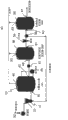
图4是根据本发明的厌氧消化器系统示意图。Fig. 4 is a schematic diagram of an anaerobic digester system according to the present invention.
图5是与图4系统类似的厌氧消化器系统示意图,显示可选氨移除装置的应用。Figure 5 is a schematic diagram of an anaerobic digester system similar to the system of Figure 4, showing the use of an optional ammonia removal device.
图6是与图4系统类似的厌氧消化器系统示意图,显示可选氨移除装置的应用和添加新鲜液体进料到生物气制造反应器。Figure 6 is a schematic diagram of an anaerobic digester system similar to the system of Figure 4, showing the application of an optional ammonia removal device and the addition of fresh liquid feed to the biogas production reactor.
图7是本发明厌氧消化器系统的示意图,其中水解反应器流出物直接转移至生物稳定反应器。Figure 7 is a schematic diagram of an anaerobic digester system of the present invention wherein the hydrolysis reactor effluent is directly transferred to the biostabilization reactor.
图8是本发明厌氧消化器系统的示意图,其中来自生物稳定反应器的流出物再循环到消化器系统中,例如经阀37通过水解反应器。Figure 8 is a schematic diagram of an anaerobic digester system of the present invention wherein effluent from a biostabilization reactor is recycled into the digester system, for example via
图9显示根据本发明系统和方法生成的生物气产品的公共利益。Figure 9 shows the common benefits of biogas products generated according to the systems and methods of the present invention.
发明详述Detailed description of the invention
详细参考本发明的多个实施方式,其示例描述于附图中。尽管发明结合多个实施方式来描述,应理解它们不意在将本发明限于这些实施方式。相反,本发明意在覆盖替代物、修改和等价物,其可包括在由所附权利要求定义的本发明精神和范围内。Reference will be made in detail to the various embodiments of the invention, examples of which are illustrated in the accompanying drawings. While the invention has been described in conjunction with various embodiments, it should be understood that they are not intended to limit the invention to these embodiments. On the contrary, the invention is intended to cover alternatives, modifications and equivalents, which may be included within the spirit and scope of the invention as defined by the appended claims.
定义和缩写Definitions and Abbreviations
“生物气”指通过生物分解有机物产生的气体,通常在没有氧气情况下。生物气示例包括但不限于通过厌氧消化、发酵或生物气制造生物可降解材料如生物质、肥料、污水、城市废物、绿色垃圾和作物而产生的甲烷、氢和二氧化碳。"Biogas" refers to gases produced by the biological breakdown of organic matter, usually in the absence of oxygen. Examples of biogas include, but are not limited to, methane, hydrogen, and carbon dioxide produced by anaerobic digestion, fermentation, or biogas to produce biodegradable materials such as biomass, fertilizers, sewage, municipal waste, green waste, and crops.
“生物气制造”一般指由来自有机材料的微生物生成生物气产品。多个方面中,“生物气制造”指在处理本发明液体或固体原料或材料中生成生物气。多个方面中,“生物气制造”指通过本发明工艺和系统从有机材料生成甲烷和/或二氧化碳的工艺。"Biogas production" generally refers to the production of biogas products by microorganisms from organic materials. In various aspects, "biogas production" refers to the generation of biogas in the processing of liquid or solid feedstock or materials of the invention. In various aspects, "biogas production" refers to the process of generating methane and/or carbon dioxide from organic materials by the processes and systems of the present invention.
“厌氧消化”应理解为通常用于工业、化学、农业和环境领域。多个方面中,“厌氧消化”指微生物在没有氧气情况下分解有机或生物可降解材料以处理废物和/或释放能量的一系列过程。多个方面中,“厌氧消化”指加工多种有机材料,包括液体、固体和其组合。“厌氧消化”与“AD”和“消化”互换使用。"Anaerobic digestion" is to be understood as generally used in the industrial, chemical, agricultural and environmental fields. In various aspects, "anaerobic digestion" refers to the series of processes by which microorganisms break down organic or biodegradable materials in the absence of oxygen to dispose of waste and/or release energy. In various aspects, "anaerobic digestion" refers to the processing of a variety of organic materials, including liquids, solids, and combinations thereof. "Anaerobic digestion" is used interchangeably with "AD" and "digestion".
“甲烷生成”和“生物产甲烷”互换使用且指由产烷生物形成甲烷。多个方面中,“甲烷生成”与“生物产甲烷”互换使用。“甲烷生成”应理解为通常用于工业、化学、农业和环境领域且一般指由称为产烷生物的微生物形成甲烷。多个方面中,甲烷生成通过厌氧发酵产生。"Methanogenesis" and "biomethane production" are used interchangeably and refer to the formation of methane by methanogens. In various aspects, "methanogenesis" is used interchangeably with "biological methanogenesis". "Methanogenesis" is understood as commonly used in the fields of industry, chemistry, agriculture and the environment and generally refers to the formation of methane by microorganisms known as methanogens. In various aspects, methanogenesis occurs by anaerobic fermentation.
“产烷生物”和“产甲烷细菌培养物”应理解为通常用于环境、农业和化学领域且广泛指能从有机材料生成甲烷和/或代谢有机材料的微生物类别。示例性产烷生物包括但不限于奥氏甲烷杆菌(Methanobacterium oinelianskii)、甲酸甲烷杆菌(Mb.formicium)、索氏甲烷杆菌(Mb.sohngenii)、巴氏甲烷八叠球菌(Methanosarcina barkeri)、甲烷八叠球菌(Ms.methanica)和马氏产甲烷球菌(Mc.mazei)及其组合。还使用甲烷菌科(Methanobacteriaceae)、甲烷八迭球菌科(Methanosarcinaceae)、甲烷丝状菌科(Methanosaetaceae)、甲烷粒菌科(Methanocorpusculaceae)、甲烷微菌科(Methanomicrobiaceae)和其他古细菌生物。"Methanogens" and "methanogenic bacterial cultures" are to be understood as generally used in the environmental, agricultural and chemical fields and broadly referring to the class of microorganisms capable of generating methane from organic material and/or metabolizing organic material. Exemplary methanogens include, but are not limited to, Methanobacterium oinelianskii, Mb. formicium, Mb. sohngenii, Methanosarcina barkeri, Methanosarcina Ms.methanica and Mc.mazei and combinations thereof. Methanobacteriaceae, Methanosarcinaceae, Methanosaetaceae, Methanocorpusculaceae, Methanomicrobiaceae and other archaeal organisms are also used.
“产乙酸菌”和“产乙酸细菌培养物”应理解为通常用于环境、农业和化学领域且广泛指能生成乙酸作为厌氧发酵产物的微生物类别。"Acetogens" and "acetogenic bacterial cultures" are to be understood as generally used in the environmental, agricultural and chemical fields and broadly referring to the class of microorganisms capable of producing acetic acid as a product of anaerobic fermentation.
“产酸菌”和“产酸细菌培养物”应理解为通常用于环境、农业和化学领域且广泛指能生成挥发性脂肪酸作为厌氧发酵产物的微生物类别。"Acidogenic bacteria" and "acidogenic bacterial cultures" are to be understood as generally used in the environmental, agricultural and chemical fields and broadly referring to the class of microorganisms capable of producing volatile fatty acids as products of anaerobic fermentation.
“细菌培养物”应理解为通常用于农业、化学和环境领域。多个方面中,“细菌培养物”指混合培养物。多个方面中,“细菌培养物”包括细菌和古细菌。"Bacterial cultures" are understood to be commonly used in the fields of agriculture, chemistry and the environment. In various aspects, "bacterial culture" refers to a mixed culture. In various aspects, "bacterial culture" includes bacteria and archaea.
“有机底物”、“有机材料”和“原料”基本互换使用且指能用于本发明工艺和系统以生成生物气产品的材料。一些方面中,“有机底物”指能用于本发明工艺和系统的碳质材料。“有机底物”可指液体、固体、或其组合。"Organic substrate," "organic material," and "feedstock" are used substantially interchangeably and refer to materials that can be used in the processes and systems of the present invention to generate biogas products. In some aspects, "organic substrate" refers to carbonaceous materials that can be used in the processes and systems of the invention. "Organic substrate" may refer to liquid, solid, or combinations thereof.
在一个示例性实施方式中,所述有机底物是食物废物和城市固体废物。先前的研究显示厌氧消化食物废物和其与农业废料如畜肥和城市固体废物的混合物的可用性(Zhang等,2006;EI-Mashad和Zhang,2010;Zhu等,2010)。多个方面中,所述有机材料通过化学处理如酸处理、碱处理、放射处理、热处理、放射处理、氨处理和其组合来预处理。In an exemplary embodiment, the organic substrate is food waste and municipal solid waste. Previous studies have shown the availability of anaerobic digestion of food waste and its mixture with agricultural waste such as livestock manure and municipal solid waste (Zhang et al., 2006; EI-Mashad and Zhang, 2010; Zhu et al., 2010). In various aspects, the organic material is pretreated by chemical treatment, such as acid treatment, alkali treatment, radiation treatment, heat treatment, radiation treatment, ammonia treatment, and combinations thereof.
“有机材料”和“原料”基本互换使用。“原料”应理解为用于农业和环境领域。"Organic material" and "raw material" are used basically interchangeably. "Raw material" is to be understood as being used in the agricultural and environmental fields.
“部分消化”指已经历生物气制造过程的有机材料。多个方面中,“部分消化”指其中至少相当一部分已经历水解或至少相当一部分已经历产乙酸和产甲烷细菌培养的有机材料。"Partially digested" refers to organic material that has undergone the biogas production process. In various aspects, "partially digested" refers to organic material of which at least a substantial portion has undergone hydrolysis or at least a substantial portion has undergone acetogenic and methanogenic bacterial cultivation.
“水解”应理解为通常用于工业、化学、农业和环境领域。“水解”一般指通过添加水分子将分子分成两个或更多部分。多个方面中,“水解”指水分子分成氢阳离子和氢氧阴离子的化学反应。多个方面中,“水解”指通过本发明工艺和系统从有机材料生成氢和/或二氧化碳的过程。多个方面中,“水解”指通过水解微生物代谢有机材料生成氢的过程。"Hydrolysis" is to be understood as generally used in the fields of industry, chemistry, agriculture and the environment. "Hydrolysis" generally refers to the splitting of a molecule into two or more parts by the addition of water molecules. In various aspects, "hydrolysis" refers to a chemical reaction in which water molecules are separated into hydrogen cations and hydroxide anions. In various aspects, "hydrolysis" refers to the process of generating hydrogen and/or carbon dioxide from organic materials by the processes and systems of the invention. In various aspects, "hydrolysis" refers to the process by which organic materials are metabolized by hydrolyzing microorganisms to generate hydrogen.
“水解微生物”应理解为通常用于工业、化学、农业和环境领域且广泛指能生成氢作为厌氧呼吸产物的微生物类别。示例性水解微生物包括但不限于梭菌(Clostridium)、乳杆菌(Lactobacillus)和其他厚壁菌(Firmicutes)及变形菌(Proteobacteria)以及其组合。"Hydrolytic microorganisms" are understood to mean generally used in the industrial, chemical, agricultural and environmental fields and broadly refer to the class of microorganisms capable of producing hydrogen as a product of anaerobic respiration. Exemplary hydrolyzing microorganisms include, but are not limited to, Clostridium, Lactobacillus, and other Firmicutes and Proteobacteria, and combinations thereof.
“固液分离器”一般指根据本发明工艺和系统分离固体组分与液体组分的装置。多个方面中,“固液分离器”指从没有装置时产生的水平增加固体组分与液体组分之间分离量的装置。多个方面中,“固液分离器”指分离直径大于约1mm、小于约3mm、小于约5mm、小于约10mm、或小于约20mm的固体颗粒的装置。"Solid-liquid separator" generally refers to a device that separates solid components from liquid components in accordance with the processes and systems of the present invention. In various aspects, a "solid-liquid separator" refers to a device that increases the amount of separation between solid and liquid components from the level produced without the device. In various aspects, a "solid-liquid separator" refers to a device that separates solid particles that are greater than about 1 mm in diameter, less than about 3 mm in diameter, less than about 5 mm in diameter, less than about 10 mm in diameter, or less than about 20 mm in diameter.
“反应器”、“容器”和“反应容器”基本互换使用以指内装材料的装置,且在一些方面中指发生本发明所述反应的装置。"Reactor," "vessel," and "reaction vessel" are used substantially interchangeably to refer to a device containing materials, and in some aspects, a device in which the reactions described herein take place.
“孵育”应理解为通常用于化学、农业和环境领域。本文所用的“孵育”一般指使材料停留一段时间以用于产生所需反应。"Incubation" is understood as commonly used in the fields of chemistry, agriculture and the environment. As used herein, "incubating" generally refers to allowing a material to remain for a period of time for a desired reaction to occur.
本文所用的“流体”广泛指液体,有活没有悬浮的固体材料。多个方面中,所述固体的量使所述“流体”能经本发明系统流动。As used herein, "fluid" refers broadly to liquids, with or without suspended solid materials. In various aspects, the amount of said solid is such that said "fluid" can flow through the system of the invention.
“固体”应理解为通常用于化学、农业和环境领域。“固体”包括但不限于惰性固体、可溶性固体、生物可降解固体和非生物可降解固体。多个方面中,“固体”指生物可降解固体。"Solid" is understood as commonly used in the fields of chemistry, agriculture and the environment. "Solid" includes, but is not limited to, inert solids, soluble solids, biodegradable solids, and non-biodegradable solids. In various aspects, "solid" refers to a biodegradable solid.
“酸”、“碱”和“盐”应理解为通常用于化学、农业和环境领域的这些术语。"Acid", "base" and "salt" are to be understood as terms commonly used in the fields of chemistry, agriculture and the environment.
“HR”指“水解反应器”。“BGR”指“生物气制造反应器”。“BSR”指“生物稳定反应器”。"HR" means "hydrolysis reactor". "BGR" means "biogas production reactor". "BSR" means "Biostabilization Reactor".
为了便于所述权利要求中的解释和精确定义,术语“上”或“较高”、“下”或“较低”、“之内”和“之外”、以及“顶部”和“底部”用于参考图中所示特征位置来描述本发明特征。For ease of interpretation and precise definition in the claims, the terms "upper" or "higher", "lower" or "lower", "inside" and "outside", and "top" and "bottom" Used to describe the features of the invention with reference to the positions of the features shown in the figures.
在多个方面中,各个图的修改类似前面的修改且同一参考数字和随后的下标“a”、“b”、“c”、“d”和省略符号指定对应部分。In various respects, the modifications of the various figures are analogous to the previous modifications and like reference numerals followed by subscripts "a", "b", "c", "d" and apostrophes designate corresponding parts.
除非另有说明,本文所用的术语和缩写应理解为通常用于工业、化学、农业和环境领域。除非另有说明,使用单数包括复数,反之亦然。Unless otherwise stated, the terms and abbreviations used herein are understood to be commonly used in the fields of industry, chemistry, agriculture and the environment. Unless otherwise stated, the use of the singular includes the plural and vice versa.
本发明的多个方面涉及2002年1月29日授权且题为BIOGASIFICATION OFSOLID WASTE WITH AN ANAEROBIC SOLIDS DIGESTER SYSTEM(用厌氧固体消化器系统的固体废物生物气制造)的美国专利号6,342,378和2009年7月7日授权且题为ANAEROBIC PHASED SOLIDS DIGESTER FOR BIOGASPRODUCTION FROM ORGANIC SOLIDS WASTE(用于从有机固体废物生成生物气的厌氧相固体消化器)的美国专利号7,556,737所公开的消化器系统和方法,所述专利通过引用全文纳入本文以用于所有目的。与现有厌氧消化器系统相反,根据本发明的系统达到更高的加工率和更高的能量转化效率。Aspects of the present invention are related to U.S. Patent No. 6,342,378, issued January 29, 2002, and entitled BIOGASIFICATION OFSOLID WASTE WITH AN ANAEROBIC SOLIDS DIGESTER SYSTEM (Solid Waste Biogas Production with Anaerobic Solid Digester System) and July 2009 The digester system and method disclosed in U.S. Patent No. 7,556,737, issued March 7 and entitled ANAEROBIC PHASED SOLIDS DIGESTER FOR BIOGAS PRODUCTION FROM ORGANIC SOLIDS WASTE (Anaerobic Phase Solid Digester for Biogas Generation from Organic Solid Waste), The aforementioned patents are hereby incorporated by reference in their entirety for all purposes. In contrast to existing anaerobic digester systems, the system according to the invention achieves a higher processing rate and a higher energy conversion efficiency.
现在转向附图,其中类似的组分由各个图中类似的参考数字指定,关注图3和4。图3是参与厌氧消化过程的生化过程的概括说明。如图3所示,厌氧消化中,有机物由微生物的胞外酶水解成可溶性化合物如氨基酸、糖和长链脂肪酸。然后所述水解步骤产物发酵成短链挥发性脂肪酸(VFA)、醇、氨和硫化氢。VFA(除了乙酸酯以外)和醇进一步由产乙酸细菌转化成乙酸、氢和二氧化碳,其随后由产甲烷细菌转化成甲烷和二氧化碳。厌氧消化产生的生物气可包含氢、甲烷、二氧化碳作为主要组分并能用作发电和热生成的燃料,或运输载体的燃料。Turning now to the drawings, wherein like components are designated by like reference numerals in the various figures, attention is paid to FIGS. 3 and 4 . Figure 3 is a general illustration of the biochemical processes involved in the anaerobic digestion process. As shown in Figure 3, in anaerobic digestion, organic matter is hydrolyzed by the extracellular enzymes of microorganisms into soluble compounds such as amino acids, sugars, and long-chain fatty acids. The products of the hydrolysis step are then fermented into short chain volatile fatty acids (VFAs), alcohols, ammonia and hydrogen sulfide. VFAs (except acetate) and alcohols are further converted by acetogenic bacteria to acetate, hydrogen and carbon dioxide, which are subsequently converted by methanogenic bacteria to methane and carbon dioxide. The biogas produced by anaerobic digestion can contain hydrogen, methane, carbon dioxide as main components and can be used as a fuel for power generation and heat generation, or as a fuel for transportation vehicles.
在一个示例性实施方式中,有机材料或原料是农业废料,如稻秸。先前研究显示使用常规批式或半连续进料消化反应器,厌氧消化秸秆(稻秸和麦秸)与其他农业和食物废物如畜肥、绿叶和糖蜜的混合物的可行性(Hills,D.J.和D.W.Roberts,Agricultural Wastes3:179-189(1981);Dar,G.H.和S.M.Tandon,Biological Wastes21:75-83(1987);Adbullah等,Journal of Agricultural Sciences119:255-263(1992);Somayaji,D.和S.Khanna,World Journal of Microbiology&Biotechnology10:521-523(1994))。Hills和Roberts的研究(1981)显示添加碎稻秸或碎麦秸到牛粪可增强厌氧消化过程和提高甲烷生成。稻秸是木质-纤维素材料,主要由纤维素(37.4%)、半纤维素(44.9%)、木质素(4.9%)和硅灰(13.1%)构成(Hills,D.J.和D.W.Roberts,Agricultural Wastes3:179-189(1981))。秸秆包含约0.4%氮且碳氮比(C/N)约为75。厌氧消化的合适C/N比范围是25-35(Hills,D.J.和D.W.Roberts,Agricultural Wastes3:179-189(1981))。因此,可能需要补充氮以影响稻秸的厌氧消化。In an exemplary embodiment, the organic material or feedstock is agricultural waste, such as rice straw. Previous studies have shown the feasibility of anaerobically digesting mixtures of straw (rice straw and wheat straw) with other agricultural and food wastes such as manure, green leaves and molasses using conventional batch or semi-continuous feed digestion reactors (Hills, D.J. and D.W. Roberts, Agricultural Wastes 3:179-189 (1981); Dar, G.H. and S.M. Tandon, Biological Wastes 21:75-83 (1987); Adbullah et al., Journal of Agricultural Sciences 119:255-263 (1992); Somayaji, D. and S . Khanna, World Journal of Microbiology & Biotechnology 10:521-523 (1994)). Studies by Hills and Roberts (1981) showed that adding ground rice or wheat straw to cow manure enhanced the anaerobic digestion process and enhanced methanogenesis. Rice straw is a ligno-cellulosic material mainly composed of cellulose (37.4%), hemicellulose (44.9%), lignin (4.9%) and silica fume (13.1%) (Hills, D.J. and D.W.Roberts, Agricultural Wastes3 :179-189(1981)). Straw contains about 0.4% nitrogen and has a carbon to nitrogen ratio (C/N) of about 75. A suitable C/N ratio range for anaerobic digestion is 25-35 (Hills, D.J. and D.W. Roberts, Agricultural Wastes 3:179-189 (1981)). Therefore, nitrogen supplementation may be required to affect the anaerobic digestion of rice straw.
氮可以无机形式如氨或有机形式如尿素、畜肥或食物废物所含的有机氮加入。然而,一旦氮从有机物中释放,它会变成水溶性的氨(NH4+)。在消化液体中再循环氮会降低连续操作厌氧消化器所需的氮量。畜肥和食物废物如果在稻秸生成附近区域易得,则是良好的营养源。氮肥如氨或尿素是能简单加至秸秆另一氮源且当处理其它废物类型不可行时其可能更适于所述区域。因此,在多个实施方式中,所述有机材料补充有氮源。在多个实施方式中,所述氮源是选自尿素、畜肥、食物废物、无机氮肥和其组合的成员。Nitrogen can be added in inorganic form such as ammonia or in organic form such as urea, organic nitrogen contained in manure or food waste. However, once nitrogen is released from organic matter, it becomes water-soluble ammonia (NH 4+ ). Recirculating nitrogen in the digested liquid reduces the amount of nitrogen required for continuous operation of the anaerobic digester. Animal manure and food waste are good sources of nutrition if they are readily available in the immediate vicinity of rice straw generation. Nitrogen fertilizers such as ammonia or urea are another source of nitrogen that can be simply added to the straw and may be more suitable for the area when treating other waste types is not feasible. Thus, in various embodiments, the organic material is supplemented with a nitrogen source. In various embodiments, the nitrogen source is a member selected from the group consisting of urea, animal manure, food waste, inorganic nitrogen fertilizers, and combinations thereof.
在多个实施方式中,所述有机材料特别是农业废料(如稻秸)通过选自下组的化学处理方法预处理:碳酸氢盐处理、碱性过氧化物处理、放射处理、氨处理和其组合。In various embodiments, the organic material, particularly agricultural waste such as rice straw, is pretreated by a chemical treatment method selected from the group consisting of bicarbonate treatment, alkaline peroxide treatment, radiation treatment, ammonia treatment and its combination.
在多个实施方式中,所述有机材料是固体、液体或其组合。示例性系统有固体材料和液体材料如废水。In various embodiments, the organic material is a solid, a liquid, or a combination thereof. Exemplary systems are solid materials and liquid materials such as wastewater.
图4显示从有机材料或原料生成生物气的厌氧消化器系统,一般指定为30。在示例性系统中,固体原料32进入研磨机33以减小固体颗粒尺寸。Figure 4 shows an anaerobic digester system, generally designated 30, for generating biogas from organic material or feedstock. In the exemplary system,
磨碎的原料通过泵37进入水解容器(水解反应器)35。示例性系统可选包括湿式研磨机39以进一步连续减小反应器中固体组分的粒度。The ground material enters the hydrolysis vessel (hydrolysis reactor) 35 via
示例性水解反应器包括接受来自泵原料的入口40和排放水解流出物的第一出口42。气孔44可从水解容器35排出生物气。任何反应容器的入口可配置成接受固体、液体或其组合。An exemplary hydrolysis reactor includes an
来自水解反应器35的水解流出物经生物气制造泵47进入生物气制造反应器46。所述生物气制造反应器包括生物气制造细菌培养物以从含有水解流出物的有机材料中生成生物气。所述有机材料经入口49进料并经出口51离开以从所述生物气制造反应器排放生物气制造流出物。排放生物气制造产物的BGR气孔53在所述生物气制造反应器上提供。The hydrolysis effluent from
来自生物气制造反应器46的流出物可选经固液分离器54进料。示例性分离器是从混合有机材料中分离具有所需大小颗粒的常规装置。示例性分离器在所述生物气制造反应器和生物稳定反应器间串联提供。The effluent from
固液分离器54下游的BSR泵56将有机材料(生物气制造流出物)转移至生物稳定反应器58。所述生物稳定反应器包括接受来自生物气制造反应器出口流出物的第一入口60和从生物稳定反应器排放生物稳定流出物的出口61。气孔63从生物稳定反应器中排出生物气产物。A
现在更详细描述系统30的组件。The components of
在多个实施方式中,泵37是带切碎器的泵。孵育阶段中,水解反应器35的混合内容物经带切碎器的泵进行泵送以降低原料中固体组分的粒度。通过减小颗粒尺寸,一般可增加系统30(特定是水解反应器35)的能量转换效率。如下所述,系统30还适应添加液体原料。In various embodiments, the
水解反应器35配置成内装混合物或溶液。在多个实施方式中,水解反应容器35包括有一个或多个内部垂直分隔物的区室,与‘378专利的容器类似。示例性反应容器包括单个未分隔的区室。示例性容器是配置成在无氧环境中装有磨碎原料的密封区室。示例性水解反应器是没有搅拌器、螺旋钻或其他混合装置的标准圆柱形容器。然而,应理解根据本文描述,可提供所述容器,混合或搅拌在添加或移除有机材料工艺中或者在所有或部分孵育期中使用的装置。这种装置包括但不限于顶置式搅拌器、气体或电驱动搅拌器、磁力搅拌器、振荡器、均质机、超声波仪、鼓泡管和起泡器。The
在多个实施方式中,水解出口42与水解反应容器的任何内表面流体连通。在示例性反应器中,出口与水解反应容器的垂直表面流体连通。出口可以已知方式与容器侧壁直接或间接相连,从而使通常收集于容器中央区域的不需要材料穿经最小。在多个实施方式中,生物气从反应容器的内部排出。在示例性系统中,气孔与容器顶部相连。在多个实施方式中,气孔与高于液体内容物表面的容器顶部相连。In various embodiments, the
示例性水解反应器包含产酸和水解细菌培养物的悬浮液或混合物。所述细菌培养物可与水性基底如水混合。在示例性系统中,所述细菌培养物经入口引入水解反应器。所述水解细菌培养物用作孵育期间有机原料的水解底物。An exemplary hydrolysis reactor comprises a suspension or mixture of acidogenic and hydrolytic bacterial cultures. The bacterial culture can be mixed with an aqueous substrate such as water. In an exemplary system, the bacterial culture is introduced into the hydrolysis reactor via an inlet. The hydrolyzed bacterial culture serves as a substrate for the hydrolysis of the organic feedstock during incubation.
操作中,所述水解细菌培养物与原料在所述水解反应器内混合。在多个实施方式中,所述水解容器包含有机原料、细菌培养物和水性液体的混合物,等于至少50%、优选至少60%、更优选至少70%、甚至更优选至少80%且甚至更加优选至少90%、95%或基本100%的该水解容器内部容量。In operation, the hydrolysis bacterial culture is mixed with feedstock in the hydrolysis reactor. In various embodiments, the hydrolysis vessel comprises a mixture of organic feedstock, bacterial culture and aqueous liquid equal to at least 50%, preferably at least 60%, more preferably at least 70%, even more preferably at least 80% and even more preferably At least 90%, 95%, or substantially 100% of the internal volume of the hydrolysis vessel.
在多个实施方式中,孵育期间水解反应器35的内部温度维持于约25℃-约55℃的范围,优选约50℃-约55℃的范围。在多个实施方式中,孵育期间水解反应器35中原料和细菌培养物的内部pH为约4.0-约7.0。在多个实施方式中,添加化学物以调整pH。所述化学物可经入口或通过其他已知方法添加。In various embodiments, the internal temperature of
原料与水解细菌培养物的混合物由微生物的胞外酶水解成可溶性化合物如氨基酸、糖和长链脂肪酸。应理解任何产生水解的活性中温或高温生物能用于所述水解细菌培养物。所述水解细菌培养物可包括但不限于来自梭菌种、乳杆菌种和真细菌(Eubacteria)种的微生物。梭菌种包括但不限于热解糖梭菌(C.thermolacticum)、热硫化氢梭菌(C.thermohydrosulfuricum)、琥珀酸嗜热梭菌(C.thermosuccinogene)、丁酸梭菌(C.butyricum)、巴氏梭菌(C.pasteurianum)和贝氏梭菌(C.beijirincki)。乳杆菌包括但不限于副干酪乳杆菌(Lactobacillus paracasel)。真细菌包括但不限于产气肠杆菌(E.aerogenes)。其他用于水解反应器35的有用微生物和微生物混合物通过本文描述对本领域技术人员显而易见。The mixture of raw material and hydrolyzed bacterial culture is hydrolyzed by the extracellular enzymes of the microorganisms into soluble compounds such as amino acids, sugars and long-chain fatty acids. It is understood that any active mesophilic or pyrogenic organism that produces hydrolysis can be used for the hydrolysis bacterial culture. The hydrolyzed bacterial culture may include, but is not limited to, microorganisms from Clostridium, Lactobacillus, and Eubacteria species. Clostridium species include, but are not limited to, C. thermolacticum, C. thermohydrosulfuricum, C. thermosuccinogene, C. butyricum , C. pasteurianum and C. beijirincki. Lactobacillus includes, but is not limited to, Lactobacillus paracasel. Eubacteria include, but are not limited to, Enterobacter aerogenes (E. aerogenes). Other useful microorganisms and mixtures of microorganisms for
示例性有效混合培养微生物能自身无限维持,只要添加新鲜有机材料供给,因为发酵工艺的主要产物是气体,其逃逸出培养基且留下很少(如果有)毒性生长抑制产物。混合培养一般提供最完整的发酵作用。通过本文描述可进行营养平衡和pH调节以有利于水解活性。Exemplary efficient mixed culture microorganisms can sustain themselves indefinitely as long as a supply of fresh organic material is added, since the main product of the fermentation process is gas, which escapes the medium and leaves few, if any, toxic growth-inhibiting products. Mixed cultures generally provide the most complete fermentations. Nutrient balance and pH adjustment to favor hydrolytic activity can be performed as described herein.
生物气制造反应器46与水解反应器35物理配置类似。在多个实施方式中,生物气制造出口51与所述生物气制造反应容器的任何内表面流体连通。在示例性反应器中,出口与所述生物气制造反应容器的垂直表面流体连通。出口可以已知方式与容器侧壁直接或间接相连,从而使通常收集于容器中央区域的不需要材料的引入最小。在多个实施方式中,生物气从反应容器的内部排出。在示例性系统中,气孔与容器顶部相连。在多个实施方式中,气孔与高于液体内容物表面的容器顶部相连。The
在多个实施方式中,生物气制造反应器46配置成加工选自液体、固体和其组合的成员。在示例性系统中,湿式研磨机39减小来自水解反应器35的水解流出物中固体颗粒的尺寸。在一个示例性实施方式中,所述有机材料保持小固体组分用于所述生物气制造反应器的加工。生物气制造反应器中加工后有机材料中剩余的任何固体可选由固液分离器54下游移除。In various embodiments,
示例性生物气制造反应器包含产乙酸和甲烷细菌培养,统称为生物气制造细菌培养。在多个实施方式中,所述生物气制造细菌培养物包括产酸菌、产乙酸菌、产烷生物和其不同量的组合之一。所述细菌培养物可通过已知工艺与水性基底如水混合。在多个实施方式中,一个或多个反应器的内容物与混合装置相混合。示例性混合装置包括但不限于推进器、搅拌器、鼓泡和热循环。操作中,所述生物气制造细菌培养物与流出物在所述生物气制造反应器内混合。在多个实施方式中,所述生物气制造容器包含有机材料(流出物)、细菌培养物和水性液体的混合物,等于至少50%、优选至少60%、更优选至少70%、甚至更优选至少80%且甚至更加优选至少90%、95%或基本100%的该生物气制造容器内部容量。An exemplary biogas production reactor contains acetogenic and methanogenic bacterial cultures, collectively referred to as biogas production bacterial cultures. In various embodiments, the biogas-producing bacterial culture includes one of acidogens, acetogens, methanogens, and combinations thereof in varying amounts. The bacterial culture can be mixed with an aqueous substrate such as water by known techniques. In various embodiments, the contents of one or more reactors are mixed with a mixing device. Exemplary mixing devices include, but are not limited to, propellers, stirrers, sparging, and thermal cycles. In operation, the biogas producing bacterial culture is mixed with effluent within the biogas producing reactor. In various embodiments, the biogas production vessel comprises a mixture of organic material (effluent), bacterial culture and aqueous liquid equal to at least 50%, preferably at least 60%, more preferably at least 70%, even more preferably at least 80% and even more preferably at least 90%, 95% or substantially 100% of the internal volume of the biogas production vessel.
生成甲烷的厌氧系统使用成酸细菌和产甲烷生物,统称为产烷生物,所述系统可用于生成甲烷。厌氧消化的微生物学综述列于Anaerobic Digestion(《厌氧消化》)、The Microbiology of Anaerobic Digestion(《厌氧消化的微生物学》),D.F.Toerien和W.H.J.Hattingh,Water Research,第3卷,第385-416页,派格蒙出版社(Pergamon Press),其通过引用纳入本文以用于所有目的。如Toerien综述所列,成酸物种可包括来自包括但不限于以下属的物种:气杆菌(Aerobacter)、气单胞菌(Aeromonas)、产碱杆菌(Alcaligenes)、芽孢杆菌(Bacillus)、拟杆菌(Bacteroides)、梭菌(Clostridium)、埃希氏杆菌(Escherichia)、克雷白氏杆菌(Klebsiella)、钩端螺旋体(Leptospira)、微球菌(Micrococcus)、奈瑟氏菌(Neisseria)、副大肠菌(Paracolobacterium)、变形杆菌(Proteus)、假单胞菌(Pseudomonas)、红假单胞菌(Rhodopseudomonas)、八叠球菌(Sarcina)、沙雷氏菌(Serratia)、链球菌(Streptococcus)和链霉菌(Streptomyces)。本发明还使用选自下组的微生物:奥氏甲烷杆菌、甲酸甲烷杆菌、索氏甲烷杆菌、巴氏甲烷八叠球菌、甲烷八叠球菌和马氏产甲烷球菌及其组合。还使用甲烷菌科、甲烷八迭球菌科、甲烷丝状菌科、甲烷粒菌科、甲烷微菌科和其他古细菌生物。Anaerobic methane-producing systems using acid-forming bacteria and methanogens, collectively known as methanogens, can be used to produce methane. Microbiology of anaerobic digestion is reviewed in Anaerobic Digestion, The Microbiology of Anaerobic Digestion, D.F. Toerien and W.H.J. Hattingh, Water Research, Vol. 3, No. 385 - 416 pages, Pergamon Press, which is incorporated herein by reference for all purposes. As listed in the Toerien review, acid-forming species may include species from genera including, but not limited to: Aerobacter, Aeromonas, Alcaligenes, Bacillus, Bacteroides (Bacteroides), Clostridium, Escherichia, Klebsiella, Leptospira, Micrococcus, Neisseria, Paracoli Paracolobacterium, Proteus, Pseudomonas, Rhodopseudomonas, Sarcina, Serratia, Streptococcus and Streptococcus Mold (Streptomyces). The present invention also uses microorganisms selected from the group consisting of Methanobacter austrii, Methanobacter formici, Methanobacter sortensi, Methanosarcina pasteurii, Methanosarcina and Methanogen mazei and combinations thereof. Also used are Methanobacteriaceae, Methanosarcinaceae, Methanfilamentaceae, Methanogenaceae, Methanmicrobiaceae and other archaeal organisms.
广泛种类的底物可通过产甲烷细菌利用,但认为各物种特征性地限于使用一些化合物。因此,认为某些有机底物如污水中所存在化合物的完全发酵需要一些产甲烷细菌种。例如,戊酸的完全发酵需要多至3种产甲烷细菌。戊酸由弱氧化甲烷杆菌(Mb.Suboxydans)氧化成乙酸和丙酸,其不被该生物进一步攻击。第二物种如丙酸盐甲烷杆菌(Mb.Propionicum)能将丙酸转化成乙酸、二氧化碳和甲烷。发酵乙酸需要第三物种如甲烷八叠球菌(Methanosarcina methanica)。A wide variety of substrates can be utilized by methanogens, but each species is believed to be characteristically limited to the use of a few compounds. Therefore, some methanogenic bacterial species are believed to be required for complete fermentation of compounds present in certain organic substrates, such as sewage. For example, up to 3 methanogenic bacteria are required for complete fermentation of valeric acid. Valeric acid is oxidized by Mb. Suboxydans to acetate and propionate, which are not further attacked by this organism. A second species such as Mb. Propionicum can convert propionic acid to acetate, carbon dioxide and methane. Fermentation of acetic acid requires a third species such as Methanosarcina methanica.
控制示例性生物气制造反应器的内部环境以促进甲烷生成。在多个实施方式中,生物气制造反应器46的内部温度维持在高于约30℃。在多个实施方式中,所述生物气制造反应器的内部温度维持于约25℃-约55℃。在多个实施方式中,所述生物气制造反应器具有约6.8-约8.2的受控内部pH。在多个实施方式中,添加化学物以调节pH。The internal environment of an exemplary biogas production reactor was controlled to promote methane production. In various embodiments, the internal temperature of the
生物稳定反应器入口60与生物气制造出口51流体连通。多个方面中,生物稳定反应器58与生物气制造反应器46配置类似。生物稳定反应器58包括将有机材料(如流出物)和细菌培养物维持于无氧环境的容器。示例性容器是圆柱形。然而,应理解所述容器可根据本发明具有与水解反应器和生物气制造反应器类似的其他形状和配置。The
在多个实施方式中,一个或多个反应器包括用于细菌培养的固体支持物如薄片、塑料小球、沙、生物膜等。所述固体支持物促进细菌保留并增加细菌群。其他物质如二氧化硅还可加至反应器以促进其中的化学和生化反应。In various embodiments, one or more reactors include a solid support such as a sheet, plastic pellet, sand, biofilm, etc. for bacterial culture. The solid support promotes bacterial retention and increases bacterial populations. Other substances such as silica can also be added to the reactor to facilitate the chemical and biochemical reactions therein.
在多个实施方式中,生物稳定出口61与与生物稳定反应容器的任何内表面流体连通。在示例性反应器中,出口与生物稳定反应容器的垂直表面流体连通。出口可以已知方式与容器侧壁直接或间接相连,从而使通常收集于容器中央区域的不需要材料吸入最小。在多个实施方式中,生物气从反应容器的内部排出。在示例性系统中,气孔与容器顶部相连。在多个实施方式中,气孔与高于液体内容物表面的容器顶部相连。In various embodiments, the
示例性生物稳定反应器不包括混合装置。应理解可提供已知混合装置以混合和搅拌,包括但不限于搅拌器或螺旋钻。在多个实施方式中,生物稳定出口与生物稳定反应容器的垂直表面流体连通。出口可以已知方式与容器侧壁直接或间接相连,从而使通常收集于容器中央区域的不需要材料穿经最小。在示例性系统中,生物稳定气孔与容器顶部相连。在多个实施方式中,气孔与高于液体内容物表面的容器顶部相连。Exemplary biostabilization reactors do not include mixing devices. It should be understood that known mixing devices may be provided for mixing and agitation, including but not limited to stirrers or augers. In various embodiments, the biostabilization outlet is in fluid communication with the vertical surface of the biostabilization reaction vessel. The outlet can be connected directly or indirectly to the side wall of the container in a known manner so as to minimize the passage of unwanted material which normally collects in the central region of the container. In an exemplary system, a biostable air hole is attached to the top of the container. In various embodiments, the air hole is associated with the top of the container above the surface of the liquid contents.
在多个实施方式中,生物稳定反应器58配置成加工选自液体、固体和其组合的成员。在多个实施方式中,生物稳定反应器配置成加工基本为液体的有机材料,指没有固体或仅有小、少量固体颗粒的液体。在示例性系统中,可选的固液分离器54在生物气制造流出物进入生物稳定反应器前从中分离出相对较大颗粒。以此方式,所述生物稳定反应器能对液体组分有效运作,而固体组分主要在水解反应器35和生物气制造反应器46中处理。在多个实施方式中,将分离的固体颗粒加入水解反应器原料。在多个实施方式中,所分离的固体颗粒离线加工,如在单独堆肥系统中。In various embodiments,
在多个实施方式中,所述生物稳定反应器用部分消化的有机材料进料。示例性生物稳定反应器接受部分消化的生物气制造流出物。本领域技术人员根据本文描述应理解如何在转移到生物稳定反应器前调节生物气制造反应器的加工水平。加工水平很大程度取决于进入系统的有机材料组成。在食物废物用作原料的示例性情况中,水解流出物可在生物气制造反应器中孵育一段充足的时间以基本用尽所有固体组分。相反,秸秆原料中的固体组分不易消化。在多个实施方式中,转移到生物稳定反应器前在生物气制造反应器中消化的固体组分量为约70%,更优选75%,更优选80%,更优选85%,更优选90%,且更加优选95%。在多个实施方式中,有机材料(水解流出物)在生物气制造反应器中孵育,直到基本消化所有固体组分。In various embodiments, the biostabilization reactor is fed with partially digested organic material. An exemplary biostabilization reactor receives partially digested biogas production effluent. Those skilled in the art will understand from the description herein how to adjust the process level of the biogas production reactor prior to transfer to the biostabilization reactor. The level of processing depends largely on the composition of the organic material entering the system. In exemplary cases where food waste is used as a feedstock, the hydrolysis effluent may be incubated in a biogas production reactor for a sufficient time to consume substantially all of the solid components. On the contrary, the solid components in straw raw materials are not easy to digest. In various embodiments, the amount of solid components digested in the biogas production reactor prior to transfer to the biostabilization reactor is about 70%, more preferably 75%, more preferably 80%, more preferably 85%, more preferably 90% , and more preferably 95%. In various embodiments, the organic material (hydrolysis effluent) is incubated in the biogas production reactor until substantially all solid components are digested.
根据本文描述应理解,待从生物气制造反应器中分离的颗粒最小尺寸取决于应用和系统条件。在多个实施方式中,进入生物稳定反应器58的固体颗粒大于或等于约20mm直径,优选约10mm直径,更优选约1mm直径。It should be understood from the description herein that the minimum particle size to be separated from a biogas production reactor depends on the application and system conditions. In various embodiments, the solid particles entering
不同于生物气制造反应器46,示例性生物稳定反应器58包含产甲烷细菌培养物,但基本没有产乙酸细菌培养物。由于用于生物稳定反应器的有机材料(如流出物)进入包括产乙酸细菌培养物和产甲烷细菌培养物的示例性生物气制造反应器,所述有机材料在进入生物稳定反应器前部分消化。在多个实施方式中,所述固体组分由生物气制造反应器中的产乙酸细菌培养物用尽,从而生物稳定反应器能适用于可溶性组分的最大能量转换效率。Unlike the
在多个实施方式中,生物稳定反应器58中的产甲烷细菌培养物基本不含产乙酸细菌。“基本不含产乙酸细菌”指所述培养物包含最少的产乙酸细菌和少量酸化反应。多个方面中,“基本不含产乙酸细菌”指可水解组分少量反应或根本不反应。多个方面中,“基本不含产乙酸细菌”指少于约10%,更优选少于约5%,更优选少于约3%且更加优选少于约1%。在多个实施方式中,生物稳定反应器中的细菌培养物包括产酸菌、产乙酸菌、产烷生物和其不同量的组合之一。在多个实施方式中,生物稳定反应器中的细菌培养物包括产乙酸菌、产烷生物和其不同量的组合之In various embodiments, the methanogenic bacterial culture in
任何未消化的固体组分由可选固液分离器54分开并堆肥。所分离组分可选转移回生物气制造反应器46中。在多个实施方式中,生物气制造流出物中的固体组分是纤维状固体。在多个实施方式中,生物气制造流出物中的固体组分含水量为约60%-约75%。在多个实施方式中,所述固液分离器是滤器。在多个实施方式中,所述固液分离器是研磨机、网格、滤器、筛、过滤器、狭板和其组合之一,用于以常规方式修改固体颗粒尺寸、分离固体颗粒或两者。在某些示例性实施方式中,使用过滤器。Any undigested solid components are separated by optional solid-
由于固体组分进入生物气制造反应器然后分离之后进入生物稳定反应器,因此示例性生物气制造反应器和示例性生物稳定反应器在各入口处都不需要过滤器或的类似装置用于防止固体进入。相反,现有厌氧消化系统包括生成甲烷的单一反应容器并因而需要过滤器或将所述生物气制造反应器配置成有效用尽固体和液体组分,如通过延长孵育时间或增加容器尺寸。Since the solid components enter the biogas production reactor and are separated before entering the biostabilization reactor, neither the exemplary biogas production reactor nor the exemplary biostabilization reactor requires a filter or similar device at each inlet to prevent Solids come in. In contrast, existing anaerobic digestion systems include a single reaction vessel that generates methane and thus require filters or configure the biogas production reactor to effectively deplete both solid and liquid components, such as by extending incubation times or increasing vessel size.
在示例性系统中,固体组分在进入生物稳定反应器前被消化或移除。因此,示例性生物稳定反应器可与生物质保留反应器类似配置。这种生物质保留反应器的示例是生物膜反应器、上升气流沉淀架(upflow sludget blacket)反应器和厌氧顺序批式反应器。生物质保留反应器类型的反应器一般用于加工废水和其他没有固体组分的有机材料。In an exemplary system, solid components are digested or removed prior to entering the biostabilization reactor. Thus, exemplary biostabilization reactors can be configured similarly to biomass retention reactors. Examples of such biomass retention reactors are biofilm reactors, upflow sludge blacket reactors and anaerobic sequential batch reactors. Biomass retention reactor type reactors are generally used for processing wastewater and other organic materials without solid components.
在多个实施方式中,所述生物稳定容器包含有机材料、细菌培养物和水性液体的混合物,等于至少50%、优选至少60%、更优选至少70%、甚至更优选至少80%且甚至更加优选至少90%、95%或基本100%的该生物稳定容器内部容量。在多个实施方式中,所述水解容器、生物气制造容器、生物稳定容器或其组合出于安全考虑包括高于固体和液体内容物的顶部空间空体积。在多个实施方式中,所述顶部空间等于约5%的容器体积。In various embodiments, the biostable container comprises a mixture of organic material, bacterial culture and aqueous liquid equal to at least 50%, preferably at least 60%, more preferably at least 70%, even more preferably at least 80% and even more Preferably at least 90%, 95%, or substantially 100% of the internal volume of the biostable container. In various embodiments, the hydrolysis vessel, biogas production vessel, biostabilization vessel, or combination thereof includes a headspace void volume above solid and liquid contents for safety reasons. In various embodiments, the headspace is equal to about 5% of the volume of the container.
在多个实施方式中,生物稳定反应器58的内部温度为约25℃-约55℃,优选约25℃-约30℃。在多个实施方式中,生物稳定反应器58的内部温度低于生物气制造反应器46的内部温度。应理解反应容器内的实际温度事实上可波动,因此内部温度可指平均温度或温度范围。在多个实施方式中,,生物稳定反应器58在有机材料和细菌培养物孵育中具有约6.8-约8.2的内部pH。In various embodiments, the internal temperature of
在多个实施方式中,可能在系统中的任何点或多个点需要机械降解或化学处理有机材料(如原料)以获得合适粒度或使有机材料碳质组分更易为各消化细菌培养物所得到。机械降解的已知方法可根据本发明使用。有机底物的多种预处理宜与本发明一起使用,如酸或碱性水解。In various embodiments, it may be necessary at any point or points in the system to mechanically degrade or chemically treat the organic material (e.g., the feedstock) to achieve a suitable particle size or to make the carbonaceous component of the organic material more accessible to the respective digesting bacterial cultures. get. Known methods of mechanical degradation can be used according to the invention. Various pretreatments of organic substrates are suitable for use with the present invention, such as acid or basic hydrolysis.
发现有机材料和原料的机械尺寸的减小出于一些原因辅助生物降解。物理尺寸减小对应于待消化颗粒活性表面积增加。机械尺寸减小还可使细胞破裂,从而使生物可降解组分更易为微生物得到。在多个实施方式中,有机材料用包含研磨原料到约5毫米-约50毫米尺寸的方法来预处理。在多个实施方式中,原料加热至约50℃-约120℃的温度,更优选约60℃-约90℃。在多个实施方式中,原料通过选自下组的物理工艺预处理:研磨、切割、加热和其组合。所述预处理可以在生物气制造反应器上游。The reduction in the mechanical size of organic materials and feedstocks has been found to aid biodegradation for several reasons. A decrease in physical size corresponds to an increase in the active surface area of the particle to be digested. Mechanical size reduction can also disrupt cells, thereby making biodegradable components more accessible to microorganisms. In various embodiments, the organic material is pretreated with a method comprising grinding the raw material to a size of about 5 mm to about 50 mm. In various embodiments, the feedstock is heated to a temperature of from about 50°C to about 120°C, more preferably from about 60°C to about 90°C. In various embodiments, the feedstock is pretreated by a physical process selected from the group consisting of grinding, cutting, heating, and combinations thereof. The pretreatment may be upstream of the biogas production reactor.
在多个实施方式中,水解反应器35和生物气制造反应器46包含细菌培养物以通过生物消化含有至少一些固体组分的有机材料来生成生物气且生物稳定反应器58包含细菌培养物以通过生物消化基本不含固体组分的有机材料来生成生物气。涉及固体组分存在的“基本不含”指低于约10%,多个方面中低于约5%,多个方面中低于约3%,且多个方面中低于约1%。在多个方面中,“基本不含”固体组分的有机材料指液体废水。In various embodiments,
现在描述根据本发明的厌氧消化器系统使用方法。在多个方面中,所述系统与美国专利号7,556,737(‘737专利)和6,342,378(‘378专利)公开的消化器系统类似操作,所述专利通过引用纳入本文以用于所有目的。在多个方面中,所述系统的组件与美国专利号4,316,961和4,722,741所公开的系统类似操作,所述专利通过引用纳入本文以用于所有目的。A method of using the anaerobic digester system according to the present invention will now be described. In various aspects, the system operates similarly to the digester systems disclosed in US Patent Nos. 7,556,737 (the '737 patent) and 6,342,378 (the '378 patent), which are incorporated herein by reference for all purposes. In various aspects, the components of the system operate similarly to the systems disclosed in US Patent Nos. 4,316,961 and 4,722,741, which are incorporated herein by reference for all purposes.
示例性水解反应器35和生物气制造反应器46可选间歇加热和/或冷却并顺序分批进料以促进能量转换。生物稳定反应器65可根据本文描述所理解的多种因素而加热或不加热,所述因素包括但不限于气候条件以及有机材料的特定内容物和分布。在多个实施方式中,水解反应器35和生物气制造反应器46隔热以保存热量。在多个实施方式中,所有反应器-水解反应器、生物气制造反应器和生物稳定反应器-隔热以保存热量。
在示例性方法中,固体含量大于约10%的有机材料首先进入研磨机33以用于机械尺寸减小。得到的混合物包括固体水溶液。在示例性系统中,固体颗粒具有小于或等于约20mm的直径。在多个实施方式中,固体颗粒的尺寸在研磨机中连续减小且有机原料连续进入水解反应器。In an exemplary process, organic material having a solids content greater than about 10% first enters
然后,含固体的物质用作水解反应器35的原料。所述原料由水解反应器中的化学和生化反应组合来分解产生糖、有机酸(如氨基酸和脂肪酸)和醇(如乙醇)的混合物。由于水解反应器中存在水、水解和产酸细菌培养物、和酶,发生化学水解。生化反应由产酸和水解微生物完成。The solids-containing material is then used as feedstock for
包括水解和产酸细菌培养物在内的水解反应器原料和内容物构成所述反应器中的水解混合物。所述水解混合物在充足条件下保留于所述反应器中一段足够时间以生成生物气。在示例性系统中,所述生物气包括氢和二氧化碳作为主要成分以及硫化氢和氨作为次要成分。所述生物气经气孔44移出并转移至另一位置或保存。The hydrolysis reactor feedstock and contents including the hydrolysis and acidogenic bacteria cultures constitute the hydrolysis mixture in said reactor. The hydrolysis mixture is retained in the reactor under sufficient conditions for a sufficient time to generate biogas. In an exemplary system, the biogas includes hydrogen and carbon dioxide as major components and hydrogen sulfide and ammonia as minor components. The biogas is removed through the
在使水解反应进行至在水解反应器35中所包含的完成一段孵育期后,所述水解流出物经可选湿式研磨机39和泵47转移到生物气制造反应器46。在示例性系统中,反应器中的水解流出物和产乙酸及产甲烷细菌培养物形成生物气制造混合物。在生物气制造反应器46中,所述生物气制造混合物中的糖、有机酸、醇和其他化合物由产乙酸和产甲烷细菌培养物转化成生物气。生物气制造反应器46生成的生物气包含甲烷和二氧化碳,硫化氢和氨是次要组分。所述生物气经气孔53移出并转移至另一位置或保存。生物气制造反应器生成的生物气可与水解反应器生成的气体混合,其中气体组分会稍后分离。或者,来自各反应器的生物气可保持分开。After allowing the hydrolysis reaction to complete an incubation period contained in
在孵育一段时间以使大部分生物气制造发生后,所述生物气制造流出物经固液分离器54转移至生物稳定反应器58。在示例性方法中,所述生物气制造混合物在充足条件下孵育一段足够的时间以用尽所有或部分固体组分。现有厌氧消化器系统需要在所述生物气制造反应器中孵育有机材料直到内容物生物稳定,根据本发明的系统和方法在生物稳定反应器58中提供生物稳定。示例性生物气制造反应器会达到生物可降解固体组分的约80%-约90%最大生物气生成潜能。After an incubation period to allow most of the biogas production to occur, the biogas production effluent is transferred via solid-
在多个实施方式中,系统30包括一个或多个工艺用以再循环加工液体、固体或其组合。在多个实施方式中,至少部分来自一个或多个系统反应器的流出物转移至一个或多个反应器中。所有或部分水解流出物可转移回水解反应器。所有或部分生物气制造流出物可转移至水解反应器。所有或部分生物稳定流出物可转移至水解反应器、生物气制造反应器或其组合。在多个实施方式中,各反应器的流出物不再循环。In various embodiments,
在示例性系统中,所述生物气制造流出物在穿过可选固液分离器54后主要是液体,仅有少部分小固体颗粒。在示例性系统30中,此液体部分再循环到水解反应器35。再循环的液体可进入研磨机33作为洗脱剂,加入水解反应器原料,和/或直接进入水解反应器。来自水解反应器的再循环液体可在进入水解反应器前加至原料混合装置如混合槽或混合泵。再循环的液体可补充水解反应器原料中的水和营养物。In the exemplary system, the biogas production effluent is predominantly liquid after passing through optional solid-
根据本发明再循环生物气制造流出物的工艺不同于Zhang的美国专利号7,556,737的再循环工艺。不同于Zhang的连续再循环,本发明的再循环工艺在一个或多个批次中进行,因为原料被加入研磨机。进行再循环以部分保存液体和减少城市水使用。在示例性系统中,来自生物气制造反应器46的流出物转移至研磨机33或泵37以调节水解反应器35原料的含水量。在示例性系统中,所述流出物主要是液体。包括有机酸的剩余有机材料转变成生物稳定反应器58中的生物气。The process of recycling biogas to produce effluent according to the present invention is different from the recycling process of US Patent No. 7,556,737 to Zhang. Unlike Zhang's continuous recycling, the recycling process of the present invention occurs in one or more batches as the feedstock is fed into the grinder. Recirculation is done to partially conserve fluid and reduce city water usage. In the exemplary system, effluent from
所述生物稳定流出物可以常规方式使用或处理。例如,所述生物稳定流出物可进一步加工用于水和营养物回收。所述生物稳定流出物还可用于作物灌溉。在多个实施方式中,所述生物稳定再循环到水解反应器、生物气制造或两者。使生物稳定流出物的液体组分再循环的工艺与上述再循环生物气制造流出物的工艺类似。The biostable effluent can be used or disposed of in a conventional manner. For example, the biostable effluent can be further processed for water and nutrient recovery. The biostable effluent can also be used for crop irrigation. In various embodiments, the biostabilization is recycled to the hydrolysis reactor, biogas production, or both. The process for recycling the liquid component of the biostabilization effluent is similar to the process described above for recycling biogas production effluent.
在示例性系统中,固体原料如作物残余、稻秸、绿色垃圾、城市废物等分批或半批式引入水解反应器。同时,所述生物气制造反应器大量连续生成生物气。在多个实施方式中,所述固体原料从所述反应器顶部分批或半批式进入水解反应器。In an exemplary system, solid feedstocks such as crop residues, rice straw, green waste, municipal waste, etc. are introduced into the hydrolysis reactor in a batch or semi-batch manner. At the same time, the biogas production reactor generates biogas continuously in large quantities. In various embodiments, the solid raw material enters the hydrolysis reactor in batches or semi-batches from the top of the reactor.
所述系统可包括一个以上的水解反应器和根据本文描述了解的其他组件。例如,所述系统可包括缓冲槽。所述原料在多个水解槽中水解后,收集来自不同水解槽的流出物并转移至缓冲槽用于平衡。氢和二氧化碳气体还可在水解槽中生成。所平衡的可溶性物质间歇转移至生物气制造反应器用于连续生物气生成。完成消化循环后,所消化的秸秆在加入新一批秸秆前从水解反应器中移出。在多个实施方式中,所述系统包括一个以上的水解反应器、生物气制造反应器、和生物稳定反应器。The system may include more than one hydrolysis reactor and other components understood from the description herein. For example, the system may include a buffer tank. After the feedstock is hydrolyzed in multiple hydrolysis tanks, the effluents from the different hydrolysis tanks are collected and transferred to buffer tanks for equilibration. Hydrogen and carbon dioxide gas can also be generated in the hydrolysis tank. The equilibrated soluble matter is transferred intermittently to the biogas production reactor for continuous biogas generation. After the digestion cycle is complete, the digested straw is removed from the hydrolysis reactor before adding a new batch of straw. In various embodiments, the system includes more than one hydrolysis reactor, biogas production reactor, and biostabilization reactor.
根据本文描述应理解调节各水解反应器、生物气制造反应器和生物稳定反应器孵育条件的方式。在多个实施方式中,温度、压力和孵育时间中至少一种维持在所需或预定范围内。在多个实施方式中,所述系统包括监控和控制一个或多个反应器内条件和流速的控制器和微处理器。The manner in which the incubation conditions of each hydrolysis reactor, biogas production reactor and biostabilization reactor are adjusted will be understood from the description herein. In various embodiments, at least one of temperature, pressure, and incubation time is maintained within a desired or predetermined range. In various embodiments, the system includes a controller and a microprocessor to monitor and control conditions and flow rates within one or more reactors.
为了增加各反应器的反应速率和效率,热和化学条件可不同。在多个实施方式中,所述水解反应器在约50℃-约55℃的温度操作,所述生物气制造反应器在约35℃-约40℃的温度操作,所述生物稳定反应器在约25℃-约30℃的温度操作。在多个实施方式中,所述水解反应器在约35℃-约45℃的温度操作,所述生物气制造反应器在约35℃-约40℃的温度操作,所述生物稳定反应器在约25℃-约35℃的温度操作。Thermal and chemical conditions can be varied in order to increase the reaction rate and efficiency of each reactor. In various embodiments, the hydrolysis reactor operates at a temperature of about 50°C to about 55°C, the biogas production reactor operates at a temperature of about 35°C to about 40°C, and the biostabilization reactor operates at a temperature of Operate at a temperature of about 25°C to about 30°C. In various embodiments, the hydrolysis reactor operates at a temperature of about 35°C to about 45°C, the biogas production reactor operates at a temperature of about 35°C to about 40°C, and the biostabilization reactor operates at a temperature of Operate at a temperature of about 25°C to about 35°C.
在多个实施方式中,所述水解反应器在约4.5-约6.5的pH操作,所述生物气制造反应器在约6.8-约8.0的pH操作,所述生物稳定反应器在约6.8-8.0的pH操作。在多个实施方式中,水解反应器、生物气制造反应器和生物稳定反应器都在约6.5-约8.2的pH操作。In various embodiments, the hydrolysis reactor operates at a pH of about 4.5 to about 6.5, the biogas production reactor operates at a pH of about 6.8 to about 8.0, and the biostabilization reactor operates at a pH of about 6.8 to 8.0 pH operation. In various embodiments, the hydrolysis reactor, biogas production reactor, and biostabilization reactor all operate at a pH of about 6.5 to about 8.2.
在多个实施方式中,所述工艺达到的总固体(TS)减少至少约50%,优选至少约60%且更优选至少约90%。在多个实施方式中,挥发性固体(VS)减少至少约60%,更优选至少约70%且甚至更优选至少约80%。在多个实施方式中,TS和VS的减少分别为:对于食物废物的至少约70%和至少约80%,对于食物与绿色垃圾混合物的至少约70%和至少约80%,对于绿色垃圾的至少约50%和至少约70%。在多个实施方式中,本发明系统和方法的平均生物气产量为至少300mL/gVS,优选至少400mL/gVS,且更优选至少500mL/gVS。在多个实施方式中,所述系统产生至少约200mL/gVS,优选至少300mL/gVS且更优选至少400mL/gVS。在另一个实施方式中,收集自水解反应器的氢气浓度为约10%-约60%,更优选约20%-约50%。In various embodiments, the process achieves a total solids (TS) reduction of at least about 50%, preferably at least about 60%, and more preferably at least about 90%. In various embodiments, the reduction in volatile solids (VS) is at least about 60%, more preferably at least about 70%, and even more preferably at least about 80%. In various embodiments, the reductions in TS and VS are at least about 70% and at least about 80% for food waste, at least about 70% and at least about 80% for food and green waste mixtures, and at least about 80% for green waste, respectively. At least about 50% and at least about 70%. In various embodiments, the systems and methods of the invention have an average biogas production of at least 300 mL/gVS, preferably at least 400 mL/gVS, and more preferably at least 500 mL/gVS. In various embodiments, the system produces at least about 200 mL/gVS, preferably at least 300 mL/gVS and more preferably at least 400 mL/gVS. In another embodiment, the hydrogen concentration collected from the hydrolysis reactor is from about 10% to about 60%, more preferably from about 20% to about 50%.
在多个实施方式中,收集自生物气制造反应器的甲烷气体浓度为约40%-约80%,更优选约50%-约70%且最优选约60%。在多个实施方式中,收集自生物稳定反应器的甲烷气体浓度为约60%-约80%,更优选约65%-约80%且最优选约70%。In various embodiments, the concentration of methane gas collected from the biogas production reactor is from about 40% to about 80%, more preferably from about 50% to about 70%, and most preferably from about 60%. In various embodiments, the concentration of methane gas collected from the biostabilization reactor is from about 60% to about 80%, more preferably from about 65% to about 80%, and most preferably from about 70%.
转向图5,显示根据本发明的厌氧消化器系统30a。系统30a在许多方面类似系统30,但包括可选的氨移除装置67。系统30a包括3个厌氧反应器:水解反应器35、生物气制造反应器46和生物稳定反应器58。Turning to Figure 5, an anaerobic digester system 30a according to the present invention is shown. System 30a is similar to
氨移除装置67在再循环前移除氨、盐和其他元素。装置67分离并移除不需要的过量氨和盐。这可能需要用于处理有高蛋白含量和盐的有机材料,如肉产品。
系统30a的使用方法与系统30的使用方法类似。在多个实施方式中,由固液分离器54分开的液体通过氨移除装置67以在再循环到水解反应器前移除液体中的氨。所述氨移除工艺可以是化学、机械或离子过程,包括气体剥离、膜分离和其他常规技术。在一个示例性实施方式中,所述液体用碱化学(石灰或氢氧化钠)处理以使pH增加到高于约9,且同时气体(空气或生物气)通过液体(如鼓泡)以从所述液体中脱去氨。气体中的氨可稍后从该气体中移出并收集为氨产物。一种氨收集工艺是使载有氨的气体与酸(例如硫酸或硝酸)反应。氨会与酸反应形成硫酸铵或硝酸铵,其用作肥料产品或用于其他目的。The method of use of system 30a is similar to the method of use of
关于图6,显示根据本发明的示例性厌氧消化器系统30b。系统30b在许多方面与系统30a类似,除了生物气制造反应器46接受来自外部来源的新鲜液体进料68。在示例性系统中,所述新鲜液体进料是废水。液体进料68与来自水解反应器35的流出物一起加入所述生物气制造反应器。系统30b一般用于固体和液体原料都需要处理的应用,例如固体废物和废水。Referring to Figure 6, an exemplary
在操作和应用中,系统30b与上述系统30a和系统30以基本相同方式使用。In operation and application,
关于图7,示例性厌氧消化器系统30c还包括第二水解流出物口42a,使水解反应器流出物经第二生物稳定入口60a转移到生物稳定反应器58。Referring to FIG. 7, the exemplary
图8显示本发明的示例性系统30d,其中水解反应器第二流出物口42a使水解反应器流出物经生物稳定反应器第二入口60a转移到生物稳定反应器58。所述系统还包括线80,来自生物稳定反应器的流出物通过其(如经阀37)再循环回所述系统(如回到水解反应器)中。FIG. 8 shows an
作为日益重要的生物燃料生成技术之一,厌氧消化提供许多公共利益,涉及生物能量生成、环境质量保护和公共健康改善。图9显示厌氧消化和其副产物的许多公共利益。As one of the increasingly important biofuel generation technologies, anaerobic digestion provides many public benefits related to bioenergy generation, environmental quality protection and public health improvement. Figure 9 shows the many common benefits of anaerobic digestion and its by-products.
与常规高固体消化器相反,根据本发明的高效厌氧生物消化器系统就有机材料转化成生物气能量而言提供增加的能量效率。本发明的系统还可用于比任何现有技术更多的应用。通过使用可选的水再循环和氨与盐分离工艺,所述系统能用于处理有广泛化学组成范围的多种有机固体材料。In contrast to conventional high solids digesters, the high efficiency anaerobic bio-digester system according to the present invention provides increased energy efficiency in terms of conversion of organic material to biogas energy. The system of the present invention can also be used in more applications than any prior art. By using optional water recirculation and ammonia and salt separation processes, the system can be used to process a wide variety of organic solid materials with a wide range of chemical compositions.
根据本发明的系统和方法提供在一个系统中处理固体废物和废水的能力和灵活性。所述系统能用于处理固体废物和废水并生成生物气(例如氢和甲烷气体)以产生能量。因此,所述系统可增加能量效率并降低系统成本。Systems and methods according to the present invention provide the capability and flexibility to treat solid waste and wastewater in one system. The system can be used to treat solid waste and wastewater and generate biogas such as hydrogen and methane gas for energy production. Therefore, the system can increase energy efficiency and reduce system cost.
在示例性系统中,生物稳定反应器58和生物气制造反应器46在功能和结构上不同。在示例性系统中,固体组分由生物气制造反应器消化,由固液分离器54分离用于堆肥,或其组合。因此,所述生物稳定反应器主要对液体废水操作。由于进入生物气制造反应器和生物稳定的有机材料不同,各反应器中包含的细菌培养物一般不同。部分出于上述原因,生物稳定反应器相较仅有生物气制造设备和工艺的系统,允许更高的加工率和更短的停留时间。In the exemplary system,
根据本发明的系统相较现有系统能减少废物和废水的有机含量。The system according to the invention reduces the organic content of waste and wastewater compared to existing systems.
另外,示例性系统利用一些特征以使生物消化工艺比现有厌氧消化系统更有效并从给定有机材料生成更多生物气。这些可选特征和益处包括至少(1)3种生物和温度定相厌氧消化工艺以达到快速转化有机材料为生物气的最优的热、化学和生化条件;(2)同时机械和生物分解有机固体以提高化学和生化反应速率;(3)水再循环以减少清洁水使用和废水排放;和(4)在一个系统中处理固体废物和废水。Additionally, the exemplary system utilizes features to allow the biodigestion process to be more efficient and generate more biogas from a given organic material than existing anaerobic digestion systems. These optional features and benefits include at least (1) three biological and temperature phased anaerobic digestion processes to achieve optimal thermal, chemical and biochemical conditions for rapid conversion of organic materials to biogas; (2) simultaneous mechanical and biological decomposition organic solids to increase chemical and biochemical reaction rates; (3) water recirculation to reduce clean water usage and wastewater discharge; and (4) treat solid waste and wastewater in one system.
根据本发明的系统能用于从有机材料中生成生物气能量,所述有机材料如食物和庭园废物、农业残余、食物加工副产品和动物粪肥。The system according to the invention can be used to generate biogas energy from organic materials such as food and garden waste, agricultural residues, food processing by-products and animal manure.
就转化有机材料为生物气能量而言,根据本发明的系统提供比现有高固体消化器能效更高的方式。所述系统能用于比现有技术更多的应用。由于可选的水再循环和氨与盐分离工艺纳入消化器系统,所述系统可用于处理有广泛化学组成范围的多种有机固体材料。The system according to the invention provides a more energy efficient way than existing high solids digesters in terms of converting organic material to biogas energy. The system can be used in many more applications than the prior art. With optional water recirculation and ammonia and salt separation processes incorporated into the digester system, the system can be used to process a wide variety of organic solid materials with a wide range of chemical compositions.
与现有厌氧消化系统相比,根据本发明的厌氧消化系统具有较高能量转换效率而成本较低,包括资本、操作和维护成本。此外,所述系统更易操作和维护。Compared with existing anaerobic digestion systems, the anaerobic digestion system according to the present invention has higher energy conversion efficiency and lower costs, including capital, operation and maintenance costs. Furthermore, the system is easier to operate and maintain.
总之,在多个优选实施方式中,本发明提供:In summary, in multiple preferred embodiments, the present invention provides:
从有机材料生成生物气的厌氧消化器系统,所述系统包括:其中含有水解细菌培养物的水解反应器,所述有机材料就所述培养物而言是水解底物,所述水解反应器还包括:接受有机材料的水解入口;从水解反应器排放水解流出物的第一水解出口;和从水解反应器排出生物气的气孔;其中含有产乙酸和产甲烷细菌培养物的生物气制造反应器,所述生物气制造反应器还包括:接受来自水解反应器出口的水解流出物的生物气制造反应器入口;从生物气制造反应器排放生物气制造流出物的生物气制造反应器出口;从生物气制造反应器排出生物气的气孔;和其中含有产甲烷细菌培养物的生物稳定反应器,所述生物稳定反应器还包括:接受来自生物气制造反应器出口的生物气制造流出物的第一生物稳定反应器入口;从生物稳定反应器排放生物稳定流出物的生物稳定反应器出口;和从生物稳定反应器排出生物气的气孔。An anaerobic digester system for generating biogas from organic material, said system comprising: a hydrolysis reactor containing therein a culture of hydrolyzing bacteria, said organic material being a substrate for hydrolysis with respect to said culture, said hydrolysis reactor Also included: a hydrolysis inlet to receive organic material; a first hydrolysis outlet to discharge hydrolysis effluent from the hydrolysis reactor; and a stomata to discharge biogas from the hydrolysis reactor; a biogas production reaction containing acetogenic and methanogenic bacterial cultures therein The biogas production reactor further comprises: a biogas production reactor inlet receiving hydrolysis effluent from a hydrolysis reactor outlet; a biogas production reactor outlet discharging biogas production effluent from the biogas production reactor; Stomata for venting biogas from a biogas production reactor; and a biostabilization reactor containing a culture of methanogenic bacteria therein, the biostabilization reactor further comprising: receiving biogas production effluent from an outlet of the biogas production reactor A first biostabilization reactor inlet; a biostabilization reactor outlet discharging a biostabilization effluent from the biostabilization reactor; and an air hole discharging biogas from the biostabilization reactor.
根据前面段落用于从有机材料生成生物气的厌氧消化系统,所述系统包括:其中含有细菌培养物的水解反应器,用于从含生物可降解固体的有机材料生成生物气,所述水解反应器还包括:接受有机材料的水解入口;从水解反应器排放水解流出物的水解出口;和从水解反应器排出生物气的气孔;其中含有细菌培养物的生物气制造反应器,用于从含生物可降解固体的有机材料生成生物气,所述生物气制造反应器还包括:接受来自水解反应器出口的水解流出物的生物气制造反应器入口;从生物气制造反应器排放生物气制造流出物的生物气制造反应器出口;和从生物气制造反应器排出生物气的气孔;以及其中含有细菌培养物的生物稳定反应器,用于从基本不含生物可降解固体的有机材料生成生物气,所述生物稳定反应器还包括:接受来自生物气制造反应器出口的生物气制造流出物的生物稳定反应器入口;从生物稳定反应器排放生物稳定流出物的生物稳定反应器出口;和从生物稳定反应器排出生物气的气孔。Anaerobic digestion system for generating biogas from organic material according to the preceding paragraph, said system comprising: a hydrolysis reactor containing a bacterial culture therein for generating biogas from organic material containing biodegradable solids, said hydrolysis The reactor also includes: a hydrolysis inlet for receiving organic material; a hydrolysis outlet for discharging hydrolysis effluent from the hydrolysis reactor; and air holes for discharging biogas from the hydrolysis reactor; a biogas production reactor containing a bacterial culture therein for the generating biogas from organic material containing biodegradable solids, the biogas production reactor further comprising: a biogas production reactor inlet receiving hydrolysis effluent from a hydrolysis reactor outlet; discharging biogas production from the biogas production reactor The outlet of the biogas production reactor for the effluent; and the vent for the discharge of biogas from the biogas production reactor; and the biostabilization reactor containing therein a bacterial culture for the production of biogas from organic material substantially free of biodegradable solids gas, the biostabilization reactor further comprising: a biostabilization reactor inlet receiving biogas production effluent from a biogas production reactor outlet; a biostabilization reactor outlet discharging biostabilization effluent from the biostabilization reactor; and Stomata for the removal of biogas from the biostabilization reactor.
根据任何前面段落的系统,所述生物稳定反应器包括维持产甲烷细菌培养物的容器,其中所述生物稳定反应器出口与该生物稳定反应容器垂直表面连通。The system of any preceding paragraph, said biostabilization reactor comprising a vessel for maintaining a culture of methanogenic bacteria, wherein said biostabilization reactor outlet communicates with a vertical surface of the biostabilization reaction vessel.
根据任何前面段落的系统,所述生物气制造反应器包括维持产甲烷细菌培养物的容器,其中所述生物气制造反应器出口与该生物气制造反应容器垂直表面连通。The system of any preceding paragraph, the biogas production reactor comprising a vessel for maintaining a culture of methanogenic bacteria, wherein the biogas production reactor outlet communicates with a vertical surface of the biogas production reactor vessel.
根据任何前面段落的系统,其中所述生物气制造反应器具有高于约30℃的受控内部温度。The system according to any preceding paragraph, wherein the biogas production reactor has a controlled internal temperature above about 30°C.
根据任何前面段落的系统,其中所述生物气制造反应器具有约25℃-约55℃的受控内部温度。The system according to any preceding paragraph, wherein the biogas production reactor has a controlled internal temperature of about 25°C to about 55°C.
根据任何前面段落的系统,其中所述生物气制造反应器具有约6.8-约8.2的受控内部pH。The system according to any preceding paragraph, wherein said biogas production reactor has a controlled internal pH of about 6.8 to about 8.2.
根据任何前面段落的系统,其中所述有机材料是选自固体、液体和其组合的成员。The system according to any preceding paragraph, wherein said organic material is a member selected from the group consisting of solid, liquid and combinations thereof.
根据任何前面段落的系统,其中所述水解反应器还包括产乙酸细菌培养物。The system according to any preceding paragraph, wherein said hydrolysis reactor further comprises a culture of acetogenic bacteria.
根据任何前面段落的系统,其中所述生物稳定反应器具有等于或低于所述生物气制造反应器的受控内部温度。The system according to any preceding paragraph, wherein said biostabilization reactor has a controlled internal temperature equal to or lower than said biogas production reactor.
根据任何前面段落的系统,其中所述生物稳定细菌培养物基本不含产乙酸细菌。The system according to any preceding paragraph, wherein said biostable bacterial culture is substantially free of acetogenic bacteria.
根据任何前面段落的系统,其中所述生物稳定反应器具有约6.8-约8.2的受控内部pH。The system according to any preceding paragraph, wherein said biostabilization reactor has a controlled internal pH of about 6.8 to about 8.2.
根据任何前面段落的系统,其中所述生物气制造反应器配置成加工选自液体、固体和其组合的成员。The system according to any preceding paragraph, wherein the biogas production reactor is configured to process a member selected from the group consisting of liquids, solids, and combinations thereof.
根据任何前面段落的系统,所述系统还包括所述生物气制造反应器上游的研磨机,用于机械减小所述有机材料中的固体颗粒尺寸。The system of any preceding paragraph, said system further comprising a grinder upstream of said biogas production reactor for mechanically reducing the size of solid particles in said organic material.
根据任何前面段落的系统,所述系统还包括:位于所述生物气制造反应器和所述生物稳定反应器之间的固液分离器,所述分离器配置成分离生物气制造流出物的纤维状固体组分与液体组分。The system of any preceding paragraph, further comprising: a solid-liquid separator located between said biogas production reactor and said biostabilization reactor, said separator configured to separate fibers of biogas production effluent solid and liquid components.
根据任何前面段落的系统,其中所述纤维状固体组分具有约60%-约70%的含水量。The system according to any preceding paragraph, wherein the fibrous solid component has a water content of about 60% to about 70%.
根据任何前面段落的系统,所述系统还包括流动地位于所述生物气制造反应器和所述生物稳定反应器之间的滤器方式。The system of any preceding paragraph, further comprising filter means fluidly positioned between said biogas production reactor and said biostabilization reactor.
根据任何前面段落的系统,其中所述滤器方式选自研磨机、网格、滤器、筛、过滤器、狭板和其组合之一。The system according to any preceding paragraph, wherein said filter means is selected from one of a mill, a grid, a strainer, a sieve, a strainer, a stave, and combinations thereof.
根据任何前面段落的系统,其中从所述水解反应器排放的所述生物气包括氢和二氧化碳,从所述生物气制造反应器排放的生物气包括甲烷和二氧化碳,从所述生物稳定反应器排放的生物气包括甲烷。The system according to any preceding paragraph, wherein the biogas discharged from the hydrolysis reactor comprises hydrogen and carbon dioxide, the biogas discharged from the biogas production reactor comprises methane and carbon dioxide, and the biogas discharged from the biostabilization reactor Biogas includes methane.
根据任何前面段落的系统,其中所述有机材料具有高含盐量。The system according to any preceding paragraph, wherein said organic material has a high salt content.
根据任何前面段落的系统,所述系统还包括从所述生物气制造流出物中移除氨、盐和其组合之一的移除装置。The system of any preceding paragraph, further comprising removal means for removing one of ammonia, salts, and combinations thereof from the biogas production effluent.
根据任何前面段落的系统,所述系统还包括经所述移除装置转移至少部分所述生物气制造流出物到所述水解反应器的液体线。The system according to any preceding paragraph, said system further comprising a liquid line diverting at least a portion of said biogas production effluent to said hydrolysis reactor via said removal device.
根据任何前面段落的系统,所述系统还包括从水解反应器第二出口接受生物气制造流出物的生物稳定反应器第二入口。The system of any preceding paragraph, further comprising a biostabilization reactor second inlet receiving biogas production effluent from a hydrolysis reactor second outlet.
根据任何前面段落的系统,所述系统还包括生物稳定反应器流出物再循环线,将生物稳定反应器流出物进料到选自所述水解反应器、所述生物气制造反应器和其组合的元件。The system according to any preceding paragraph, said system further comprising a biostabilization reactor effluent recirculation line feeding biostabilization reactor effluent to said hydrolysis reactor, said biogas production reactor, and combinations thereof components.
一种生成生物气的方法,所述方法包括:将有机材料递送给任何上面权利要求所述的系统水解反应器作为原料;在厌氧条件下孵育含有水解流出物与产酸和水解细菌培养物的水解混合物以生成氢、二氧化碳、和水解流出物;转移至少部分水解流出物到所述生物气制造反应器;在厌氧条件下孵育含有水解流出物与产乙酸和产甲烷细菌培养物的生物气制造混合物以生成甲烷、二氧化碳、和生物气制造流出物;转移至少部分生物气制造流出物到生物稳定反应器;在厌氧条件下孵育含有生物气制造流出物与生物稳定产甲烷细菌培养物的生物稳定混合物以生成甲烷和生物稳定流出物。此方法可以但不必须使用本文所列任何装置或系统实施。在多个实施方式中,所述方法包括从水解反应器转移部分流出物到生物稳定反应器。A method of generating biogas, the method comprising: delivering an organic material as a feedstock to a system hydrolysis reactor as claimed in any preceding claim; hydrolysis mixture to produce hydrogen, carbon dioxide, and hydrolysis effluent; transferring at least a portion of the hydrolysis effluent to said biogas production reactor; incubating the biogas containing the hydrolysis effluent with acetogenic and methanogenic bacterial cultures gas production mixture to produce methane, carbon dioxide, and biogas production effluent; transferring at least a portion of the biogas production effluent to a biostable reactor; incubating the biogas production effluent containing biogas production effluent with a biostable methanogenic bacterial culture under anaerobic conditions biostable mixtures to generate methane and biostable effluents. This method can, but need not, be practiced using any of the devices or systems listed herein. In various embodiments, the method includes diverting a portion of the effluent from the hydrolysis reactor to the biostabilization reactor.
一种从部分消化的有机材料中生成生物气的生物稳定反应器系统,所述反应器系统包括:含入口的容器,所述容器用于混合部分消化的有机材料和用于有机材料生物气制造的生物稳定细菌培养物;排放由生物气制造产生的生物气的气孔;和从所述容器排放生物气制造所产生液体流出物的出口;其中所述部分消化的有机材料用所述容器上游的产乙酸和产甲烷细菌培养物的混合物进行甲烷生成,且所述生物稳定细菌培养物是产甲烷细菌培养物。所述生物稳定反应器系统可以但不必须用于任何装置或系统或者实施本文所列任何方法。部分消化的有机材料从生物气制造反应器、水解反应器或两者的组合转移到生物稳定反应器。A biostable reactor system for generating biogas from partially digested organic material, the reactor system comprising: a vessel having an inlet for mixing partially digested organic material and for organic material biogas production a biostable bacterial culture; a vent for discharging biogas produced by biogas production; and an outlet for discharging liquid effluent from said vessel from biogas production; wherein said partially digested organic material is supplied with a The mixture of acetogenic and methanogenic bacterial cultures performs methanogenesis, and the biostable bacterial culture is a methanogenic bacterial culture. The biostabilization reactor system can, but need not, be used in any device or system or to perform any of the methods listed herein. Partially digested organic material is transferred from the biogas production reactor, the hydrolysis reactor, or a combination of both to the biostabilization reactor.
根据任何前面段落的系统,其中所述产甲烷细菌培养物基本不含产乙酸细菌。The system according to any preceding paragraph, wherein said culture of methanogenic bacteria is substantially free of acetogenic bacteria.
根据任何前面段落的系统,所述系统还包括固液分离器,用于分离待注入容器的部分消化有机材料中的固体组分与液体组分。The system according to any preceding paragraph, further comprising a solid-liquid separator for separating solid components from liquid components in the partially digested organic material to be injected into the vessel.
根据任何前面段落的系统,其中所述容器配置成维持于约25℃-约55℃的内部温度。The system according to any preceding paragraph, wherein the vessel is configured to be maintained at an internal temperature of from about 25°C to about 55°C.
根据任何前面段落的系统,其中所述容器配置成使所述有机材料与所述生物稳定细菌培养物的混合物维持于约6.8-约8.2的pH。The system according to any preceding paragraph, wherein said container is configured to maintain a mixture of said organic material and said biostable bacterial culture at a pH of about 6.8 to about 8.2.
根据任何前面段落的系统,其中所述出口配置成从所述容器内壁表面相邻区域排出液体流出物。The system according to any preceding paragraph, wherein the outlet is configured to discharge a liquid effluent from an area adjacent an inner wall surface of the container.
根据任何前面段落的系统,其中所排放的生物气从所述容器顶部排出。The system according to any preceding paragraph, wherein the discharged biogas is discharged from the top of the vessel.
根据任何前面段落的系统,其中所述入口与水解反应器操作性地流体相连,从而水解反应器流出物转移到所述系统中。The system according to any preceding paragraph, wherein said inlet is operatively fluidly connected to a hydrolysis reactor such that hydrolysis reactor effluent is diverted into said system.
一种生成生物气的方法,所述生物气为选自甲烷、氢、二氧化碳和其组合的成员,所述方法包括:递送原料到水解反应器,部分所述原料包括磨碎的固体有机材料,所述水解反应器包括水解和产乙酸细菌培养物,所述固体有机材料就所述培养物而言是水解底物;在充分厌氧条件下孵育含有原料与水解和产乙酸细菌培养物的水解混合物一段时间以生成氢、二氧化碳、和水解流出物;转移第一部分水解流出物到其中含有产乙酸和产甲烷生物气制造细菌培养物的生物气制造反应器中;在充分厌氧条件下孵育含有第二部分所述水解流出物与生物气制造细菌培养物的生物气制造混合物一段时间以生成甲烷、二氧化碳、和生物气制造流出物;转移至少部分生物气制造流出物到其中含有生物稳定细菌培养物的生物稳定反应器;在充分厌氧条件下孵育含有生物气制造流出物与生物稳定细菌培养物的生物稳定混合物一段时间以生成甲烷和二氧化碳。所述方法还可选包括转移至少部分水解流出物到生物稳定反应器。所述方法可以但不必须使用任何装置或系统实施或者作为本文所列任何方法的组分或补充。A method of generating biogas as a member selected from the group consisting of methane, hydrogen, carbon dioxide, and combinations thereof, the method comprising: delivering a feedstock to a hydrolysis reactor, a portion of the feedstock comprising ground solid organic material, The hydrolysis reactor comprises a culture of hydrolyzing and acetogenic bacteria for which the solid organic material is the substrate for hydrolysis; incubating the hydrolyzate containing the feedstock with the culture of hydrolytic and acetogenic bacteria under substantially anaerobic conditions mixture for a period of time to generate hydrogen, carbon dioxide, and hydrolysis effluent; transfer the first portion of the hydrolysis effluent to a biogas production reactor containing acetogenic and methanogenic biogas producing bacterial cultures; incubate the containing Biogas production mixture of said hydrolysis effluent and biogas producing bacterial culture for a period of time to generate methane, carbon dioxide, and biogas production effluent; diverting at least a portion of the biogas production effluent to contain biostable bacterial culture therein biostabilization reactor for biogas production; incubating a biostabilization mixture containing biogas production effluent and biostabilization bacterial culture under sufficient anaerobic conditions for a period of time to generate methane and carbon dioxide. The method also optionally includes transferring at least a portion of the hydrolysis effluent to a biostabilization reactor. The methods can, but need not, be performed using any device or system or as a component or supplement to any method set forth herein.
根据任何前面段落的方法,其中所述生物稳定孵育在等于或低于所述生物气制造孵育的温度进行。The method according to any preceding paragraph, wherein said biostabilization incubation is performed at a temperature equal to or lower than said biogas production incubation.
根据任何前面段落的方法,所述方法还包括在所述生物气制造孵育前给所述生物气制造反应器提供不同液体原料。The method according to any preceding paragraph, said method further comprising providing said biogas production reactor with a different liquid feedstock prior to said biogas production incubation.
根据任何前面段落的方法,所述方法还包括在转移到所述生物稳定反应器前,分离所述生物气制造流出物的固体组分与液体。The method according to any preceding paragraph, further comprising separating solid components and liquids of the biogas production effluent prior to transfer to the biostabilization reactor.
根据任何前面段落的方法,所述方法还包括将部分已分离液体再循环到所述水解反应器。The method according to any preceding paragraph, further comprising recycling a portion of the separated liquid to the hydrolysis reactor.
根据任何前面段落的方法,其中各步骤基本同时进行。The method according to any preceding paragraph, wherein the steps are performed substantially simultaneously.
根据任何前面段落的方法,其中所述生物稳定细菌培养物是基本不含产乙酸细菌的产甲烷细菌培养物。The method according to any preceding paragraph, wherein said biostable bacterial culture is a methanogenic bacterial culture substantially free of acetogenic bacteria.
根据任何前面段落的方法,所述方法还包括转移至少部分所述生物气制造流出物到所述生物稳定反应器。The method according to any preceding paragraph, further comprising transferring at least a portion of the biogas production effluent to the biostabilization reactor.
实施例Example
实施例1:测试的高效厌氧消化器系统Example 1: Tested High Efficiency Anaerobic Digester System
图1所示高效厌氧消化器系统(HR BioDigester)就处理蔬菜废弃物进行测试。HR BioDigester系统具有3个反应器-水解反应器(HR)、生物气制造反应器(BR)和生物稳定反应器(BSR)。HR、BR和BSR的工作容积分别为5、5和9升。所有反应器在35摄氏度操作。HR的水力停留时间为5天,BR为20天且BSR为12天。3种蔬菜(包括卷心菜、青椒和芹菜)的混合物用作所述消化器系统的原料并测试HR BioDigester约70天。蔬菜混合物用实验室食品加工机从新鲜蔬菜中制备。蔬菜混合物的总固体(TS)和挥发性固体(VS)含量分别为6-7%和5.5-6.5%,由55%卷心菜、27%辣椒和17%芹菜组成。The high-efficiency anaerobic digester system (HR BioDigester) shown in Figure 1 was tested for the treatment of vegetable waste. The HR BioDigester system has 3 reactors - Hydrolysis Reactor (HR), Biogas Production Reactor (BR) and Biostabilization Reactor (BSR). HR, BR and BSR have working volumes of 5, 5 and 9 liters respectively. All reactors were operated at 35 degrees Celsius. The hydraulic retention time is 5 days for HR, 20 days for BR and 12 days for BSR. A mixture of 3 vegetables including cabbage, green pepper and celery was used as the feedstock for the digester system and the HR BioDigester was tested for approximately 70 days. Vegetable mixtures are prepared from fresh vegetables in a laboratory food processor. The total solids (TS) and volatile solids (VS) contents of the vegetable mixture were 6-7% and 5.5-6.5%, respectively, and consisted of 55% cabbage, 27% pepper and 17% celery.
蔬菜混合物首先注入HR。在HR中,蔬菜通过微生物反应,发生水解且大部分转化成挥发性脂肪酸(乙酸是产生的主要酸)。HR中的pH维持于5-6(大部分5.6-5.8)。HR间歇式混合(每小时3分钟)且然后在流出物排出前沉淀2小时。HR的流出物在位于反应器壁上的2个口排出,一个在大致中等高度(称为上端口),一个接近底部(下端口)。从上端口移出的流出物所包含的悬浮固体少于从下端口移出的流出物。来自上端口的流出物直接送至BSR且来自下端口的流出物送至BGR以转变成生物气。来自BGR的流出物在通过固液分离器(压)以移除固体部分后注入BSR进一步处理。排出来自BSR的流出物。BGR和BSR间歇式混合(每小时3分钟)并在排放流出物前沉淀(没有混合)2小时。BGR和BSR中的pH维持于7.4-7.8范围。The vegetable mixture is injected into the HR first. In HR, vegetables are hydrolyzed and mostly converted to volatile fatty acids (acetic acid is the main acid produced) through microbial reactions. The pH in HR is maintained at 5-6 (mostly 5.6-5.8). HR was mixed intermittently (3 minutes per hour) and then settled for 2 hours before the effluent was discharged. The effluent from the HR exits at 2 ports located on the reactor wall, one at approximately mid-level (called the upper port) and one near the bottom (the lower port). The effluent from the upper port contains less suspended solids than the effluent from the lower port. The effluent from the upper port is sent directly to the BSR and the effluent from the lower port is sent to the BGR for conversion into biogas. The effluent from the BGR is injected into the BSR for further processing after passing through a solid-liquid separator (press) to remove the solid part. Drain the effluent from the BSR. BGR and BSR were intermittently mixed (3 minutes per hour) and allowed to settle (without mixing) for 2 hours before discharging the effluent. The pH in BGR and BSR was maintained in the 7.4-7.8 range.
进行2个测试。第一测试用于图1的系统(a)并持续约50天,前30天系统启动且后20天收集系统性能数据。在第一测试后,第二测试用于图1的系统(b)并持续30天。第一测试仅用蔬菜混合物进料HR,第二测试用蔬菜混合物和取自BSR流出物的循环水进料HR。第一测试中,将氢氧化铵加入HR以增加含氮量和碱度从而控制pH。第二测试用于再循环系统中的营养物,从而避免添加氨的需求。循环水的量与蔬菜混合物的量相同。蔬菜和循环水在注入HR前混合。2 tests are performed. The first test was for system (a) of Figure 1 and lasted approximately 50 days, with the system powered up for the first 30 days and system performance data collected for the next 20 days. After the first test, a second test was used for system (b) of Figure 1 and continued for 30 days. The first test fed the HR with vegetable mix only, and the second test fed the HR with vegetable mix and recycled water from the BSR effluent. In the first test, ammonium hydroxide was added to HR to increase nitrogen content and alkalinity to control pH. A second test is used to recirculate the nutrients in the system, thereby avoiding the need to add ammonia. The amount of circulating water is the same as that of the vegetable mixture. Vegetables and circulating water are mixed before being injected into the HR.
测试结果Test Results
HR生成的生物气包含5-30%氢、70-93%氧化碳和2-4%甲烷。HR中的生物气组成根据进料条件而变化。BGR和BSR生成的生物气具有稳定的组成,有70-72%甲烷和30-28%氧化碳。第一测试中,第一测试阶段中来自消化器系统的平均生物气产量为624ml/gVS,,这是根据注入HR的原始蔬菜混合物来计算。HR、BGR和BSR中分布的生物气产量分别为80、116和428ml/gVS。第二测试中,平均生物气产量为557ml/gVS。HR、BGR和BSR中分布的生物气产量分别为76、122和359ml/gVS。2个系统达到的固体减少就总固体(TS)而言为86-88%且就挥发性固体(VS)而言为92-93%。由于蔬菜的高消化率,用按压从BGR反应器流出物移出的固体较少,为约2%固体。超过85%总固体和超过90%挥发性固体经微生物消化工艺转化成生物气。The biogas produced by HR contains 5-30% hydrogen, 70-93% carbon dioxide and 2-4% methane. The composition of biogas in HR varies according to the feed conditions. Biogas produced by BGR and BSR has a stable composition of 70-72% methane and 30-28% carbon dioxide. In the first test, the average biogas production from the digester system in the first test phase was 624 ml/gVS, which was calculated based on the original vegetable mixture injected into HR. The biogas yields distributed in HR, BGR and BSR were 80, 116 and 428 ml/gVS, respectively. In the second test, the average biogas production was 557ml/gVS. The biogas yields distributed in HR, BGR and BSR were 76, 122 and 359 ml/gVS, respectively. The solids reduction achieved by the 2 systems was 86-88% for total solids (TS) and 92-93% for volatile solids (VS). Due to the high digestibility of vegetables, less solids were removed from the BGR reactor effluent with pressing, about 2% solids. More than 85% of total solids and more than 90% of volatile solids are converted to biogas through microbial digestion process.
参考文献references
CHYNOWETH,D.P.,G.BOSCH,J.F.K.EARLE,R.LEGRAND和K.X.LIU(1991)."A novel process for anaerobic composting of municipal solid-waste.(用于厌氧堆肥城市固体废物的新工艺)"Applied Biochemistry and Biotechnology28-9:421-432.CHYNOWETH, DP, G.BOSCH, JFKEARLE, R.LEGRAND and KXLIU(1991). "A novel process for anaerobic composting of municipal solid-waste. (A new process for anaerobic composting of municipal solid waste)" Applied Biochemistry and Biotechnology 28-9:421-432.
CHYNOWETH,D.P.,J.OWENS,D.OKEEFE,J.F.K.EARLE,G.BOSCH和R.LEGRAND(1992)."Sequential batch anaerobic composting of the organic fractionof municipal solid waste.(城市固体废物有机部分的顺序批式厌氧堆肥)"Water Science and Technology25(7):327-339.CHYNOWETH, DP, J.OWENS, D.OKEEFE, JFKEARLE, G.BOSCH and R.LEGRAND(1992). "Sequential batch anaerobic composting of the organic fraction of municipal solid waste. Compost)" Water Science and Technology 25(7):327-339.
DE BAERE,L.(2000)."Anaerobic digestion of solid waste:state-of-the-art.(厌氧消化固体废物:技术发展水平)"Water Science and Technology41(3):283-290.DE BAERE, L.(2000). "Anaerobic digestion of solid waste: state-of-the-art." Water Science and Technology 41(3):283-290.
DE BAERE,L.(2006)."Will anaerobic digestion of solid waste survive in thefuture?(厌氧消化固体废物会在未来存活?)"Water Science and Technology53(8):187-194.DE BAERE, L.(2006). "Will anaerobic digestion of solid waste survive in the future?" Water Science and Technology 53(8):187-194.
DE LACLOS,H.F.,S.DESBOIS和C.SAINT-JOLY(1997)."Anaerobicdigestion of municipal solid organic waste:Valorga full-scale plant in Tilburg,theNetherlands.(厌氧消化城市固体有机废物:荷兰蒂尔堡的Valorga工厂装置)"Water Science and Technology36(6-7):457-462DE LACLOS, HF, S. DESBOIS and C. SAINT-JOLY (1997). "Anaerobic digestion of municipal solid organic waste: Valorga full-scale plant in Tilburg, the Netherlands. Valorga plant)" Water Science and Technology 36(6-7):457-462
EPA.(2008).″The AgSTAR Program:Guide to Anaerobic Digesters.(AgSTAR程序:厌氧消化器指南)"2008年5月20日录用,来自http://www.epa.gov/agstar/operational.html#addatabase.EPA. (2008). "The AgSTAR Program: Guide to Anaerobic Digesters." Accessed May 20, 2008, from http://www.epa.gov/agstar/operational. html#addatabase .
FORSTER-CARNEIRO,T.,L.A.FERNANDEZ,M.PEREZ,L.I.ROMERO和C.J.ALVAREZ(2004)."Optimization of SEBAC start up phase of municipal solidwaste anaerobic digestion.(城市固体废物厌氧消化的SEBAC起步阶段优化)"Chemical and Biochemical Engineering Quarterly18(4):429-439.FORSTER-CARNEIRO, T., LAFERNANDEZ, M.PEREZ, LIROMERO and CJALVAREZ(2004). "Optimization of SEBAC start up phase of municipal solid waste anaerobic digestion." Chemical and Biochemical Engineering Quarterly 18(4):429-439.
LISSENS,G.,P.VANDEVIVERE,L.DE BAERE,E.M.BIEY和W.VERSTRAETE(2001)."Solid waste digesters:process performance and practice formunicipal solid waste digestion.(固体废物消化器:就城市固体废物消化而言的工艺性能和实施)"Water Science and Technology44(8):91-102.LISSENS, G., P. VANDEVIVERE, L. DE BAERE, EMBIEY and W. VERSTRAETE (2001). "Solid waste digesters: process performance and practice formunicipal solid waste digestion. Process Performance and Implementation)" Water Science and Technology 44(8):91-102.
MARSH,M.L.H.和T.LAMENDOLA,California Energy Commission,PIERProgram(加利福尼亚能源委员会,PIER项目)(2006).Dairy methane digester system90-day evaluation report-Hilarides Dairy(乳制品甲烷消化器系统90天评估报告-希拉迪斯乳品公司).CEC-500-2006-086.MARSH, M.L.H. and T. LAMENDOLA, California Energy Commission, PIERProgram (California Energy Commission, PIER project) (2006). Dairy methane digester system90-day evaluation report-Hilarides Dairy (dairy methane digester system 90-day evaluation report-Hilardy Sri Lankan Dairy Company).CEC-500-2006-086.
NICHOLS,C.E.(2004)."Overview of anaerobic digestion technologies in Europe.(欧洲厌氧消化技术概述)"BioCycle45(1):47-53.NICHOLS, CE(2004). "Overview of anaerobic digestion technologies in Europe." BioCycle 45(1):47-53.
OKEEFE,D.M.,D.P.CHYNOWETH,A.W.BARKDOLL,R.A.NORDSTEDT,J.M.OWENS和J.SIFONTES(1993).″Sequential batch anaerobic composting ofmunicipal solid-waste(MSW)and yard waste.(城市固体废物(MSW)和庭园废物的顺序批式厌氧堆肥)"Water Science and Technology27(2):77-86.OKEEFE, DM, DPCHYNOWETH, AWBARKDOLL, RANORDSTEDT, JMOWENS and J.SIFONTES (1993). "Sequential batch anaerobic composting of municipal solid-waste (MSW) and yard waste. (Sequential batch anaerobic composting of municipal solid waste (MSW) and garden waste Oxygen composting)" Water Science and Technology 27(2):77-86.
RAPPORT,J.L.,R.ZHANG,R.B.WILLIAMS和B.M.JENKINS(2008)."Anaerobic digestion technologies for municipal waste treatment.(城市废物处理的厌氧消化技术)"International Journal of Environment and Waste Treatment出版中.RAPPORT, JL, R.ZHANG, RBWILLIAMS and BMJENKINS(2008). "Anaerobic digestion technologies for municipal waste treatment. (Anaerobic digestion technology for municipal waste treatment)" International Journal of Environment and Waste Treatment is in publication.
TEN BRUMMELER,E.(2000)."Full scale experience with the BIOCEL process.(BIOCEL工艺的完全级别经验)"Water Science and Technology41(3):299-304.TEN BRUMMELER, E.(2000). "Full scale experience with the BIOCEL process. (Full scale experience with the BIOCEL process)" Water Science and Technology 41(3):299-304.
TEN BRUMMELER,E.,M.M.J.AARNINK和I.W.KOSTER(1992)."Dryanaerobic-digestion of solid organic waste in a BIOCEL reactor at pilot-plant scale.(试验厂规模BIOCEL反应器中固体有机废物的干式厌氧消化)"Water Science and Technology25(7):301-310.TEN BRUMMELER, E., MMJAARNINK and IWKOSTER(1992). "Dryanaerobic-digestion of solid organic waste in a BIOCEL reactor at pilot-plant scale. (Dry anaerobic digestion of solid organic waste in a pilot plant-scale BIOCEL reactor)" Water Science and Technology 25(7):301-310.
TEN BRUMMELER,E.,H.HORBACH和I.W.KOSTER(1991)."Dryanaerobic batch digestion ofthe organic fraction of municipal solid-waste.(城市固体废物有机部分的干式厌氧消化)"Journal of Chemical Technology and Biotechnology50(2):191-209.TEN BRUMMELER, E., H. HORBACH and IWKOSTER(1991). "Dryanaerobic batch digestion of the organic fraction of municipal solid-waste. (Dry anaerobic digestion of organic fraction of municipal solid waste)" Journal of Chemical Technology and Biotechnology 50( 2): 191-209.
VANDEVIVERE,P.,L.DE BAERE和W.VERSTRAETE(2002).Types ofanaerobic digesters for solid wastes(固体废物的厌氧消化器类型).Biomethanization of the Organic Fraction of Municipal Solid Wastes.J.Mata-Alvarez.Barcelona,IWA出版公司(IWA Publishing):111-140.VANDEVIVERE, P., L. DE BAERE and W. VERSTRAETE (2002). Types of anaerobic digesters for solid wastes. Biomethanization of the Organic Fraction of Municipal Solid Wastes . J. Mata-Alvarez. Barcelona, IWA Publishing: 111-140.
VERMA,S.(2002).Anaerobic digestion of biodegradable organics in municipalsolid wastes(城市固体废物中生物可降解有机物的厌氧消化),哥伦比亚大学理学硕士(Columbia University.Master of Science).VERMA, S.(2002). Anaerobic digestion of biodegradable organics in municipal solid wastes (anaerobic digestion of biodegradable organic matter in municipal solid waste), Columbia University. Master of Science.
ZHANG,R.H.和Z.Q.ZHANG(1999).″Biogasification of rice straw with ananaerobic-phased solids digester system.(用厌氧相固体消化器系统的稻秸生物气制造)"BioresourceTechnology68(3):235-245ZHANG, RH and ZQZHANG(1999). "Biogasification of rice straw with ananaerobic-phased solids digester system." BioresourceTechnology 68(3):235-245
ZHANG,R.B.(2002).Biogasification of Organic Solid Wastes(有机固体废物的生物气制造).Biocycle43(1):56-59.ZHANG,RB(2002).Biogasification of Organic Solid Wastes. Biocycle 43(1):56-59.
ZHANG,R.H.,H.M.El-Mashed,K.Hartman,F.Wang,G.Liu,C.Choate,和P.Gamble.2006.Characterization of food waste as feedstock for anaerobic digestion(鉴定食物废物为厌氧消化原料).Bioresource Technology98(2007):929-935.ZHANG, RH, HMEl-Mashed, K.Hartman, F.Wang, G.Liu, C.Choate, and P.Gamble.2006.Characterization of food waste as feedstock for anaerobic digestion . Bioresource Technology 98(2007):929-935.
EL-MASHAD,H.M.和R.H.ZHANG.Co-digestion of food waste and dairymanure for biogas production(食物废物与牛粪共消化用于生物气生成).2010.Bioresource Technology101(2010):4021-4028.235-244.EL-MASHAD, HM and RHZHANG. Co-digestion of food waste and dairymanure for biogas production. 2010. Bioresource Technology 101(2010):4021-4028.235-244.
ZHU,B.,R.H.ZHANG,P.GIKAS,J.RAPPORT,B.M.JENKINS,和X.LI.2010.Biogas production from municipal solid waste using integrated rotary drum andanaerobic phased solid digester system(用集成转鼓和厌氧相固体消化器系统从城市固体废物生成生物气).Bioresource Technology101(2010):6374-6380.ZHU, B., RHZHANG, P. GIKAS, J. RAPPORT, BMJENKINS, and X. LI. 2010. Biogas production from municipal solid waste using integrated rotary drum and anaerobic phased solid digester system (with integrated drum and anaerobic phase solid digestion biogas generation from municipal solid waste). Bioresource Technology 101(2010):6374-6380.
上面参考的文献通过引用纳入本文以用于所有目的。The documents referenced above are hereby incorporated by reference for all purposes.
Claims (41)
Applications Claiming Priority (3)
| Application Number | Priority Date | Filing Date | Title |
|---|---|---|---|
| US34502910P | 2010-05-14 | 2010-05-14 | |
| US61/345,029 | 2010-05-14 | ||
| PCT/US2011/036697 WO2011143667A2 (en) | 2010-05-14 | 2011-05-16 | High rate anaerobic digester system and method |
Publications (1)
| Publication Number | Publication Date |
|---|---|
| CN103003204A true CN103003204A (en) | 2013-03-27 |
Family
ID=44915029
Family Applications (1)
| Application Number | Title | Priority Date | Filing Date |
|---|---|---|---|
| CN2011800344047A Pending CN103003204A (en) | 2010-05-14 | 2011-05-16 | High rate anaerobic digester system and method |
Country Status (4)
| Country | Link |
|---|---|
| US (1) | US20130260433A1 (en) |
| CN (1) | CN103003204A (en) |
| CA (1) | CA2799408A1 (en) |
| WO (1) | WO2011143667A2 (en) |
Cited By (7)
| Publication number | Priority date | Publication date | Assignee | Title |
|---|---|---|---|---|
| CN106479877A (en) * | 2016-12-28 | 2017-03-08 | 宁夏天纵泓光余热发电技术股份有限公司 | Biogas preparation system |
| CN106520523A (en) * | 2016-12-28 | 2017-03-22 | 宁夏天纵泓光余热发电技术股份有限公司 | Biogas power generation system |
| CN109348937A (en) * | 2018-10-26 | 2019-02-19 | 青海省农林科学院 | A kind of High-cold regions salt-soda soil heliogreenhouse irrigation water acidation treatment method |
| CN114008004A (en) * | 2019-06-11 | 2022-02-01 | 日立造船爱诺瓦公司 | Anaerobic Biogas Facilities and Digestion Methods |
| CN114133028A (en) * | 2021-12-10 | 2022-03-04 | 上海岳塘环保工程有限公司 | Method and device for degrading organic waste liquid by utilizing biological hydrolysis equipment |
| CN115190988A (en) * | 2020-04-06 | 2022-10-14 | 南洋理工大学 | Method for controlling air conditioning system and control system |
| CN119144665A (en) * | 2024-10-11 | 2024-12-17 | 深圳丰沄生态能源有限公司 | Biological strengthening process for producing biogas by anaerobic fermentation at each stage |
Families Citing this family (29)
| Publication number | Priority date | Publication date | Assignee | Title |
|---|---|---|---|---|
| US9416038B2 (en) | 2011-02-17 | 2016-08-16 | Juan Carlos Josse | Organics and nutrient recovery from anaerobic digester residues |
| US9533903B2 (en) | 2011-12-21 | 2017-01-03 | Anaergia Inc. | Organics and nutrient recovery from anaerobic digester residues |
| US10590439B2 (en) | 2012-01-12 | 2020-03-17 | Blaygow Limited | Anaerobic process |
| US20140377829A1 (en) * | 2012-02-01 | 2014-12-25 | Maaseudun Voima Oy | Method and system for producing biogas |
| ITBO20120134A1 (en) * | 2012-03-14 | 2013-09-15 | Walther Simonini | PROCEDURE AND PLANT OF ANAEROBIC DIGESTION WITH SEPARATE PHASES WITH AEROBIC / ANAEROBIC HYDROOLIS AND ACIDOSIS COMBINED IN PROCESS FOR CONTACT WITH RECYCLING OF DIGESTATE AND MICROBICA BIOMASS FOR GREATER METHANEOUS RANGE FROM ORGANIC FRACTION TO ELEV |
| EP2666868A1 (en) * | 2012-05-25 | 2013-11-27 | Michael Niederbacher | Method and device for fermenting biomass containing nitrogen, in particular dry chicken manure, in a biogas assembly |
| GB201220604D0 (en) * | 2012-11-16 | 2013-01-02 | William Grant & Sons Holdings Ltd | Spent solids processing |
| JP2016505357A (en) | 2012-11-16 | 2016-02-25 | ブレイゴウ リミテッド | Grain processing |
| EP2935158A4 (en) * | 2012-12-18 | 2017-03-22 | Anaergia Inc. | Nutrient recovery process |
| US9822020B2 (en) | 2012-12-18 | 2017-11-21 | Anaergia Inc. | Nutrient recovery process |
| DK3044172T3 (en) * | 2013-09-11 | 2019-04-01 | Haskoningdhv Nederland Bv | Degradation of organic sludge |
| NL1040442C2 (en) | 2013-10-13 | 2015-04-14 | Technologies Holding B V D | DEVICE AND METHOD FOR PRESSING ORGANIC MATERIAL FROM WASTE. |
| DE102014103660A1 (en) * | 2014-03-18 | 2015-09-24 | Universität Rostock | Apparatus and method for biodegrading a substrate |
| US10570424B2 (en) | 2014-04-11 | 2020-02-25 | String Bio Private Limited | Recombinant methanotrophic bacterium and a method of production of succinic acid from methane or biogas thereof |
| DK3215464T3 (en) | 2014-11-07 | 2023-03-27 | Anaergia Inc | Ammonia strips |
| US10683211B2 (en) * | 2015-09-10 | 2020-06-16 | Council Of Scientific & Industrial Research | Process for potash recovery from biomethanated spent wash with concomitant environmental remediation of effluent |
| EP3478638A1 (en) | 2016-07-01 | 2019-05-08 | Assadi, Abdolreza | Anaerobic digestion system and method |
| WO2018190775A1 (en) * | 2017-04-11 | 2018-10-18 | Nanyang Technological University | Hyper-rate anaerobic digestion system for enhanced bio-solids reduction |
| US10881122B2 (en) | 2017-05-24 | 2021-01-05 | Karthikeyan Jagadevan | Grinding device with self-cleaning and fermentation assist and methods of using the same |
| US12553022B2 (en) * | 2018-02-13 | 2026-02-17 | The Texas A&M University System | Processes for converting biomass into high-value products |
| CN109439539A (en) * | 2018-12-20 | 2019-03-08 | 自贡兴瑞能源开发有限公司 | Plug-flow anaerobic fermentation system and method are forced in buried segmentation |
| CN110294582B (en) * | 2019-06-19 | 2020-12-11 | 同济大学 | A method for promoting methane production by anaerobic digestion of sludge by separating extracellular organic matter |
| EP3901241A1 (en) | 2020-04-24 | 2021-10-27 | Indian Oil Corporation Limited | A device and process for converting organic waste to biogas |
| CN112079545A (en) * | 2020-09-11 | 2020-12-15 | 嵩县金佛坪农业科技有限公司 | Integrated sewage disposal system for culturing farm and use method thereof |
| US12053762B2 (en) | 2020-12-15 | 2024-08-06 | Alliance For Sustainable Energy, Llc | Atomically dispersed catalysts to promote low temperature biogas upgrading |
| CN114196515B (en) * | 2022-01-21 | 2024-04-26 | 徐州市环能生态技术有限公司 | Waste biomass double dry fermentation device and double dry fermentation process |
| US12599944B2 (en) | 2023-01-23 | 2026-04-14 | Bouldin Corporation | Dual gate outfeed for hydrolyzer |
| US12515245B2 (en) | 2023-01-23 | 2026-01-06 | Bouldin Corporation | Anaerobic digestion of aggregate cellulose pulp |
| US12290847B2 (en) | 2023-03-21 | 2025-05-06 | Bouldin Corporation | Infeed system for hydrolyzer |
Citations (4)
| Publication number | Priority date | Publication date | Assignee | Title |
|---|---|---|---|---|
| US6299774B1 (en) * | 2000-06-26 | 2001-10-09 | Jack L. Ainsworth | Anaerobic digester system |
| CN1761624A (en) * | 2003-03-19 | 2006-04-19 | 卡罗洛工程师公司 | Two-stage anaerobic organic matter treatment process and its system |
| US20070158264A1 (en) * | 2005-12-16 | 2007-07-12 | The Regents Of The University Of California | Anaerobic phased solids digester for biogas production from organic solid wastes |
| WO2010014919A1 (en) * | 2008-07-31 | 2010-02-04 | Stewart William C | Three stage, multiple phase anaerobic digestion system and method |
Family Cites Families (4)
| Publication number | Priority date | Publication date | Assignee | Title |
|---|---|---|---|---|
| US5525229A (en) * | 1994-09-14 | 1996-06-11 | North Carolina State University | Process and apparatus for anaerobic digestion |
| US6569332B2 (en) * | 2000-06-26 | 2003-05-27 | Jack L. Ainsworth | Integrated anaerobic digester system |
| US20060289356A1 (en) * | 2005-05-13 | 2006-12-28 | Burnett Clyde H | Digesters |
| CA2939565C (en) * | 2007-10-25 | 2018-05-01 | Landmark Ip Holdings, Llc | System and method for anaerobic digestion of biomasses |
-
2011
- 2011-05-16 CA CA 2799408 patent/CA2799408A1/en not_active Abandoned
- 2011-05-16 WO PCT/US2011/036697 patent/WO2011143667A2/en not_active Ceased
- 2011-05-16 CN CN2011800344047A patent/CN103003204A/en active Pending
- 2011-05-16 US US13/697,125 patent/US20130260433A1/en not_active Abandoned
Patent Citations (4)
| Publication number | Priority date | Publication date | Assignee | Title |
|---|---|---|---|---|
| US6299774B1 (en) * | 2000-06-26 | 2001-10-09 | Jack L. Ainsworth | Anaerobic digester system |
| CN1761624A (en) * | 2003-03-19 | 2006-04-19 | 卡罗洛工程师公司 | Two-stage anaerobic organic matter treatment process and its system |
| US20070158264A1 (en) * | 2005-12-16 | 2007-07-12 | The Regents Of The University Of California | Anaerobic phased solids digester for biogas production from organic solid wastes |
| WO2010014919A1 (en) * | 2008-07-31 | 2010-02-04 | Stewart William C | Three stage, multiple phase anaerobic digestion system and method |
Cited By (7)
| Publication number | Priority date | Publication date | Assignee | Title |
|---|---|---|---|---|
| CN106479877A (en) * | 2016-12-28 | 2017-03-08 | 宁夏天纵泓光余热发电技术股份有限公司 | Biogas preparation system |
| CN106520523A (en) * | 2016-12-28 | 2017-03-22 | 宁夏天纵泓光余热发电技术股份有限公司 | Biogas power generation system |
| CN109348937A (en) * | 2018-10-26 | 2019-02-19 | 青海省农林科学院 | A kind of High-cold regions salt-soda soil heliogreenhouse irrigation water acidation treatment method |
| CN114008004A (en) * | 2019-06-11 | 2022-02-01 | 日立造船爱诺瓦公司 | Anaerobic Biogas Facilities and Digestion Methods |
| CN115190988A (en) * | 2020-04-06 | 2022-10-14 | 南洋理工大学 | Method for controlling air conditioning system and control system |
| CN114133028A (en) * | 2021-12-10 | 2022-03-04 | 上海岳塘环保工程有限公司 | Method and device for degrading organic waste liquid by utilizing biological hydrolysis equipment |
| CN119144665A (en) * | 2024-10-11 | 2024-12-17 | 深圳丰沄生态能源有限公司 | Biological strengthening process for producing biogas by anaerobic fermentation at each stage |
Also Published As
| Publication number | Publication date |
|---|---|
| WO2011143667A3 (en) | 2012-04-19 |
| US20130260433A1 (en) | 2013-10-03 |
| CA2799408A1 (en) | 2011-11-17 |
| WO2011143667A2 (en) | 2011-11-17 |
Similar Documents
| Publication | Publication Date | Title |
|---|---|---|
| US20130260433A1 (en) | High rate anaerobic digester system and method | |
| Ngan et al. | Anaerobic digestion of rice straw for biogas production | |
| EP2521768B1 (en) | Apparatus and preculture tank for biomethanation of biomass | |
| US7556737B2 (en) | Anaerobic phased solids digester for biogas production from organic solid wastes | |
| CN101565719B (en) | Method for producing methane by two-phase multi-stage anaerobic fermentation of organic solid wastes | |
| CA2771147C (en) | Combined liquid to solid-phase anaerobic digestion for biogas production from municipal and agricultural wastes | |
| EP2361229B1 (en) | Systems and methods for anaerobic digestion and collection of products | |
| US9567611B2 (en) | Two-stage anaerobic digestion systems wherein one of the stages comprises a two-phase system | |
| CN102286541A (en) | Method for preparing biogas through food waste, urban sludge and urban excrement | |
| CN109912155A (en) | Integrated technology and application method for harmless treatment of livestock and poultry manure | |
| US20110318778A1 (en) | Organic Substrate Treatment System | |
| CN114378105B (en) | Multistage treatment system and method for kitchen waste and cellulosic biomass in cooperation | |
| Elsharkawy et al. | Comparative analysis of common full scale reactors for dry anaerobic digestion process | |
| CN106282245B (en) | Novel organic garbage recycling method and system | |
| CN105567549B (en) | A kind of method for reducing ammonia nitrogen concentration in three stage fermentation system flowback biogas slurries | |
| WO2018047200A1 (en) | A process for generation of biogas from organic matter via its liquefaction to liquid biocrude | |
| Luo et al. | Influence of liquid-and solid-state coupling anaerobic digestion process on methane production of cow manure and rice straw | |
| CN102618436B (en) | Anaerobic fermentation treatment system and method of solid and liquid waste | |
| HK1183291A (en) | High rate anaerobic digester system and method | |
| RO131972B1 (en) | Biogas production plant | |
| Kisielewska | Feasibility of Bioenergy Production from Ultrafiltration Whey Permeate Using the UASB Reactors | |
| Yao et al. | 4. Digester Technology for Small and Medium Sized Dairy Farms | |
| CA3141347A1 (en) | Anaerobic biogas plant and digestion method | |
| Mata-Alvarez et al. | RJW Meulepas, Å. Nordberg | |
| HK1161216B (en) | Systems and methods for anaerobic digestion and collection of products |
Legal Events
| Date | Code | Title | Description |
|---|---|---|---|
| C06 | Publication | ||
| PB01 | Publication | ||
| C10 | Entry into substantive examination | ||
| SE01 | Entry into force of request for substantive examination | ||
| REG | Reference to a national code |
Ref country code: HK Ref legal event code: DE Ref document number: 1183291 Country of ref document: HK |
|
| C02 | Deemed withdrawal of patent application after publication (patent law 2001) | ||
| WD01 | Invention patent application deemed withdrawn after publication |
Application publication date: 20130327 |
|
| REG | Reference to a national code |
Ref country code: HK Ref legal event code: WD Ref document number: 1183291 Country of ref document: HK |