CN1042103C - Alkylation catalyst regeneration method - Google Patents
Alkylation catalyst regeneration method Download PDFInfo
- Publication number
- CN1042103C CN1042103C CN93118160A CN93118160A CN1042103C CN 1042103 C CN1042103 C CN 1042103C CN 93118160 A CN93118160 A CN 93118160A CN 93118160 A CN93118160 A CN 93118160A CN 1042103 C CN1042103 C CN 1042103C
- Authority
- CN
- China
- Prior art keywords
- aso
- stream
- mixture
- sulfolane
- weight
- Prior art date
- Legal status (The legal status is an assumption and is not a legal conclusion. Google has not performed a legal analysis and makes no representation as to the accuracy of the status listed.)
- Expired - Fee Related
Links
Images

Classifications
-
- B—PERFORMING OPERATIONS; TRANSPORTING
- B01—PHYSICAL OR CHEMICAL PROCESSES OR APPARATUS IN GENERAL
- B01J—CHEMICAL OR PHYSICAL PROCESSES, e.g. CATALYSIS OR COLLOID CHEMISTRY; THEIR RELEVANT APPARATUS
- B01J31/00—Catalysts comprising hydrides, coordination complexes or organic compounds
- B01J31/02—Catalysts comprising hydrides, coordination complexes or organic compounds containing organic compounds or metal hydrides
- B01J31/0215—Sulfur-containing compounds
- B01J31/0222—Sulfur-containing compounds comprising sulfonyl groups
-
- B—PERFORMING OPERATIONS; TRANSPORTING
- B01—PHYSICAL OR CHEMICAL PROCESSES OR APPARATUS IN GENERAL
- B01J—CHEMICAL OR PHYSICAL PROCESSES, e.g. CATALYSIS OR COLLOID CHEMISTRY; THEIR RELEVANT APPARATUS
- B01J27/00—Catalysts comprising the elements or compounds of halogens, sulfur, selenium, tellurium, phosphorus or nitrogen; Catalysts comprising carbon compounds
- B01J27/28—Regeneration or reactivation
- B01J27/32—Regeneration or reactivation of catalysts comprising compounds of halogens
-
- B—PERFORMING OPERATIONS; TRANSPORTING
- B01—PHYSICAL OR CHEMICAL PROCESSES OR APPARATUS IN GENERAL
- B01J—CHEMICAL OR PHYSICAL PROCESSES, e.g. CATALYSIS OR COLLOID CHEMISTRY; THEIR RELEVANT APPARATUS
- B01J31/00—Catalysts comprising hydrides, coordination complexes or organic compounds
- B01J31/40—Regeneration or reactivation
-
- B—PERFORMING OPERATIONS; TRANSPORTING
- B01—PHYSICAL OR CHEMICAL PROCESSES OR APPARATUS IN GENERAL
- B01J—CHEMICAL OR PHYSICAL PROCESSES, e.g. CATALYSIS OR COLLOID CHEMISTRY; THEIR RELEVANT APPARATUS
- B01J21/00—Catalysts comprising the elements, oxides, or hydroxides of magnesium, boron, aluminium, carbon, silicon, titanium, zirconium, or hafnium
- B01J21/18—Carbon
-
- B—PERFORMING OPERATIONS; TRANSPORTING
- B01—PHYSICAL OR CHEMICAL PROCESSES OR APPARATUS IN GENERAL
- B01J—CHEMICAL OR PHYSICAL PROCESSES, e.g. CATALYSIS OR COLLOID CHEMISTRY; THEIR RELEVANT APPARATUS
- B01J2231/00—Catalytic reactions performed with catalysts classified in B01J31/00
- B01J2231/40—Substitution reactions at carbon centres, e.g. C-C or C-X, i.e. carbon-hetero atom, cross-coupling, C-H activation or ring-opening reactions
- B01J2231/42—Catalytic cross-coupling, i.e. connection of previously not connected C-atoms or C- and X-atoms without rearrangement
- B01J2231/4205—C-C cross-coupling, e.g. metal catalyzed or Friedel-Crafts type
-
- B—PERFORMING OPERATIONS; TRANSPORTING
- B01—PHYSICAL OR CHEMICAL PROCESSES OR APPARATUS IN GENERAL
- B01J—CHEMICAL OR PHYSICAL PROCESSES, e.g. CATALYSIS OR COLLOID CHEMISTRY; THEIR RELEVANT APPARATUS
- B01J27/00—Catalysts comprising the elements or compounds of halogens, sulfur, selenium, tellurium, phosphorus or nitrogen; Catalysts comprising carbon compounds
- B01J27/06—Halogens; Compounds thereof
- B01J27/08—Halides
-
- B—PERFORMING OPERATIONS; TRANSPORTING
- B01—PHYSICAL OR CHEMICAL PROCESSES OR APPARATUS IN GENERAL
- B01J—CHEMICAL OR PHYSICAL PROCESSES, e.g. CATALYSIS OR COLLOID CHEMISTRY; THEIR RELEVANT APPARATUS
- B01J27/00—Catalysts comprising the elements or compounds of halogens, sulfur, selenium, tellurium, phosphorus or nitrogen; Catalysts comprising carbon compounds
- B01J27/06—Halogens; Compounds thereof
- B01J27/08—Halides
- B01J27/12—Fluorides
Landscapes
- Chemical & Material Sciences (AREA)
- Engineering & Computer Science (AREA)
- Materials Engineering (AREA)
- Organic Chemistry (AREA)
- Chemical Kinetics & Catalysis (AREA)
- Catalysts (AREA)
- Organic Low-Molecular-Weight Compounds And Preparation Thereof (AREA)
- Low-Molecular Organic Synthesis Reactions Using Catalysts (AREA)
- Heterocyclic Carbon Compounds Containing A Hetero Ring Having Oxygen Or Sulfur (AREA)
- Transition And Organic Metals Composition Catalysts For Addition Polymerization (AREA)
- Compositions Of Macromolecular Compounds (AREA)
- Production Of Liquid Hydrocarbon Mixture For Refining Petroleum (AREA)
- Steroid Compounds (AREA)
- Extraction Or Liquid Replacement (AREA)
Abstract
Description
本发明涉及烃转化过程中所用的催化剂组合物的再生方法。具体地说,本发明涉及在用异链烷烃烷基化烯烃的过程中所用的含有砜化合物和卤化氢化合物的催化剂混合物的再生方法。The present invention relates to the regeneration of catalyst compositions used in hydrocarbon conversion processes. In particular, the present invention relates to the regeneration of catalyst mixtures containing sulfone compounds and hydrogen halide compounds used in the alkylation of olefins with isoparaffins.
近来发现,含有一种砜化合物和一种卤化氢化合物的混合物是一种有效的催化剂,适用于通过异链烷烃烷基化烯烃,生产烷基化反应产物的工艺中。烷基化反应产物通常含有含7个或更多碳原子的烃类,由于它的高辛烷值,是非常理想的作为汽车燃料的汽油调合油份。It has recently been found that a mixture comprising a sulfone compound and a hydrogen halide compound is an effective catalyst for use in the alkylation of olefins with isoparaffins to produce alkylation reaction products. Alkylation reaction products usually contain hydrocarbons containing 7 or more carbon atoms and are ideal gasoline blends for motor fuels due to their high octane ratings.
使用含有砜组分和卤化氢组分的催化剂组合物尽管可以生产出高质量的烷基化产物,但使用该方法生产烷基化产物导致的副作用是形成某些聚合反应付产物,例如被称为是酸溶性油(ASO)的产物。称这些聚合反应付产物为酸溶性油,其原因是它的在烷基化催化剂中是可溶的,因而当从烷基化催化剂分离自烃混合物与烷基化催化剂接触而得到的烷基化产物时,这些付产物滞留在催化剂相中。在自烷基化反应产物连续分离出催化剂相以将其重新在反应区使用的烷基化方法中,催化剂中便会出现ASO的聚积。随时间推移,ASO浓度将达到不清除便不可接受的浓度水平。含有砜组分和卤化氢组分的烷基化催化剂中存在低浓度ASO对烷基化反应或其产物有有益的作用。然而,烷基化催化剂中高浓度ASO对催化剂活性和最终烷基化产物都有不利影响。烷基化催化剂中ASO浓度超过一定的可接受限度将导致烷基化终产物的辛烷降低,烷基化产物中的辛烷随ASO浓度的增高而降低。Although high-quality alkylation products can be produced using catalyst compositions containing a sulfone component and a hydrogen halide component, the production of alkylation products using this method has a side effect of the formation of certain polymerization by-products, such as those known as It is a product of acid soluble oil (ASO). These by-products of the polymerization reaction are called acid soluble oils because they are soluble in the alkylation catalyst, so when separated from the alkylation catalyst, the alkylation oil obtained by contacting the hydrocarbon mixture with the alkylation catalyst These by-products are trapped in the catalyst phase when they are produced. Accumulation of ASO in the catalyst occurs in alkylation processes in which the catalyst phase is continuously separated from the alkylation reaction product for reuse in the reaction zone. Over time, ASO concentrations will reach levels that are unacceptable without clearance. The presence of low concentrations of ASO in an alkylation catalyst containing a sulfone component and a hydrogen halide component has a beneficial effect on the alkylation reaction or its products. However, high concentration of ASO in the alkylation catalyst has adverse effects on the catalyst activity and the final alkylation product. The ASO concentration in the alkylation catalyst exceeding a certain acceptable limit will lead to a decrease in the octane of the alkylation product, and the octane in the alkylation product decreases with the increase of the ASO concentration.
在使用氟化氢(HF)为催化剂的常规烷基化方法中,有一些已知的自连续式烷基化中所用HF催化剂除去ASO的方法,这与使用前述的含有砜组分和卤化氢组分的新催化剂不同。具体说,在已知方法中,烷基化方法中所用HF催化剂的足够部分经处理或再生,以大体上相当于烷基化催化剂中积累ASO的速率除去相应量的ASO。这是通过将一部分HF催化剂送至汽提器来实现的,使用气相烃如异丁烷将HF从ASO中汽提出来,HF自汽提器作为部分顶部物流排出,ASO作为底部物流排出汽提器进入下一步处理。In conventional alkylation processes using hydrogen fluoride (HF) as a catalyst, there are known methods for removing ASO from HF catalysts used in continuous alkylation, which differ from the use of the aforementioned sulfone-containing components and hydrogen halide components. The new catalysts are different. Specifically, in known methods, a sufficient portion of the HF catalyst used in the alkylation process is treated or regenerated to remove a corresponding amount of ASO at a rate substantially equivalent to the ASO accumulation in the alkylation catalyst. This is accomplished by sending a portion of the HF catalyst to a stripper, using a gaseous hydrocarbon such as isobutane to strip the HF from the ASO, the HF exits the stripper as a partial overhead stream, and the ASO exits the stripper as a bottoms stream The device enters the next step of processing.
常规烷基化催化剂再生技术用于再生常规HF催化剂效果良好,但不能用于再生含有砜组分的烷基化催化剂混合物。这是因为ASO的沸程与某些砜化合物如四氢噻吩砜的沸点温度重叠。因此,用来从ASO分离HF的简单蒸馏方法不能有效地用于再生含砜烷基化催化剂。此外,有必要将ASO和砜分离,以便回收砜,将其重新做为烷基化过程的催化剂。Conventional alkylation catalyst regeneration techniques work well for regenerating conventional HF catalysts, but cannot be used to regenerate alkylation catalyst mixtures containing sulfone components. This is because the boiling range of ASO overlaps with that of certain sulfone compounds such as sulfolane. Therefore, the simple distillation method used to separate HF from ASO cannot be effectively used to regenerate sulfone-containing alkylation catalysts. In addition, it is necessary to separate ASO from sulfone in order to recover the sulfone and reuse it as a catalyst for the alkylation process.
因此,本发明的一个目的是提供一种从含砜混合物中脱除ASO,特别是从含有砜组分和卤化氢的混合物中脱除ASO的新方法。It is therefore an object of the present invention to provide a new process for the removal of ASO from sulfone-containing mixtures, especially from mixtures containing sulfone components and hydrogen halides.
本发明的另一个目的是提供一种再生烷基化催化剂的新方法。Another object of the present invention is to provide a new method for regenerating alkylation catalysts.
本发明的再一个目的是提供一种从含有砜组分的烷基化催化剂中脱除ASO的方法。Yet another object of the present invention is to provide a method for removing ASO from alkylation catalysts containing sulfone components.
本发明的方法涉及将含有砜组分、卤化氢组分和ASO的混合物分离为第一顶部物流和第一底部物流的方法。第一顶部物流将至少包括部分混合物中的卤化氢组分,第一底部物流将至少包括部分混合物中的砜组分和部分混合物中的ASO。然后将第一底部物流分离为第二顶部物流和第二底部物流。第二顶部物流至少包括部分第一底部物流中的卤化氢,第二底部物流至少包括部分第一底部物流中的砜和部分ASO。然后将第二底部物流分离为ASO物流和砜物流,ASO物流含有ASO,砜物流包括至少部分第二底部物流中的砜组分。砜物流与炭接触,以除去一定量的ASO,提供降低了ASO浓度的砜物流。The process of the present invention involves the separation of a mixture comprising a sulfone component, a hydrogen halide component and ASO into a first overhead stream and a first bottoms stream. The first overhead stream will comprise at least part of the hydrogen halide component of the mixture and the first bottoms stream will comprise at least part of the sulfone component of the mixture and part of the ASO in the mixture. The first bottoms stream is then separated into a second overhead stream and a second bottoms stream. The second overhead stream includes at least a portion of the hydrogen halide in the first bottoms stream, and the second bottoms stream includes at least a portion of the sulfone and a portion of the ASO in the first bottoms stream. The second bottoms stream is then separated into an ASO stream comprising ASO and a sulfone stream comprising at least a portion of the sulfone component in the second bottoms stream. The sulfone stream is contacted with carbon to remove an amount of ASO to provide a sulfone stream with reduced ASO concentration.
图1是本发明一个实施方案的流程图;Figure 1 is a flow chart of one embodiment of the present invention;
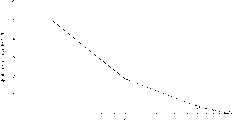
图2是以混合物中所含HF的重量百分数的函数表示的活性炭从含砜混合物中吸附ASO的能力的图示。Figure 2 is a graphical representation of the ability of activated carbon to adsorb ASO from a sulfone-containing mixture as a function of the weight percent of HF contained in the mixture.
本发明的其它目的和优点可从本文详细说明及所附权利要求中明了。Other objects and advantages of the invention will be apparent from the detailed description herein and the appended claims.
酸溶性油是烷基化过程的反应付产物,烷基化一般包括使烃混合物(含有烯烃和异链烷烃)与烷基化催化剂接触,烷基化催化剂可含有或基本由卤化氢组分和砜组分构成。本说明书和权利要求书中所述的“酸溶性油(ASO)”指的是由酸催化烃反应产生的高烯烃油(混合聚合物)。有关某些类型的混合聚合物油的详细描述和特征见:Journal of Chemical and Engineering Data中的“Molecular Structure of Conjunct Polymers”,PP150-160,Vol.8,No.1,Miron and Lee。该文引做本说明书的参考文献。ASO的物理性质取决于所加的具体的烃进料,工艺中使用的催化剂,原料污染物如硫化氢、丁二烯、含氧物和其它化合物等的情况,以及烷基化反应条件等。因此,由于该术语在本文中定义较窄,ASO指使用含有砜组分和卤化氢组分或基本由该两种组分构成的催化剂在单烯烃与异链烷烃的催化反应中形成的付产物混合聚合物。催化反应中优选使用的单烯烃是具有3-5个碳原子的单烯烃,优选使用的异链烷烃是具有4-6碳原子的异链烷烃。优选的砜组分是四氢噻吩砜,优选的卤化氢是氟化氢。Acid soluble oils are reaction by-products of the alkylation process which generally involves contacting a hydrocarbon mixture (containing olefins and isoparaffins) with an alkylation catalyst which may contain or consist essentially of a hydrogen halide component and Sulfone components. "Acid soluble oil (ASO)" as used in this specification and claims refers to high olefinic oils (conjunct polymers) produced by acid catalyzed reactions of hydrocarbons. For a detailed description and characterization of certain types of conjunct polymer oils see: "Molecular Structure of Conjunct Polymers" in Journal of Chemical and Engineering Data, PP150-160, Vol.8, No.1, Miron and Lee. This article is cited as a reference in this specification. The physical properties of ASO depend on the specific hydrocarbon feed added, the catalyst used in the process, the presence of feedstock pollutants such as hydrogen sulfide, butadiene, oxygenates and other compounds, and the alkylation reaction conditions. Thus, as the term is narrowly defined herein, ASO refers to by-products formed in the catalytic reaction of monoolefins with isoparaffins using catalysts containing or consisting essentially of a sulfone component and a hydrogen halide component Hybrid polymers. The monoolefins preferably used in the catalytic reaction are monoolefins having 3 to 5 carbon atoms, and the isoparaffins preferably used are isoparaffins having 4 to 6 carbon atoms. The preferred sulfone component is sulfolane and the preferred hydrogen halide is hydrogen fluoride.
衍生自含砜烷基化催化剂催化的烃反应的ASO付产物进一步的一般特征是其比重在约0.8-1.0,以60°F的水为参照物,平均分子量在约250-350的范围内,溴值在约40-350的范围内。ASO by-products derived from hydrocarbon reactions catalyzed by sulfone-containing alkylation catalysts are further generally characterized by a specific gravity in the range of about 0.8-1.0, relative to water at 60°F, and an average molecular weight in the range of about 250-350, The bromine number is in the range of about 40-350.
催化剂组合物或混合物的卤化氢组分可选自氟化氢(HF)、氯化氢(HCl)、溴化氢(HBr)及其两种或多种的混合物。优选的卤化氢组分是氟化氢,在催化剂组合物中可以无水形式采用,但一般所用的氟化氢组分可以含有少量的水。例如,在含有氟化氢和四氢噻吩砜的催化剂组合物中,水量在任何情况下都不能高于氟化氢和水的总重量的约30%(重量)。氟化氢中的水量优选为低于10%(重量),更优选的是低于7%(重量)。本文中提到催化剂组合物的卤化氢组分,具体地说,氟化氢组分时,应理解的是这些术语即指无水混合物,也指含水混合物。本文所述的卤化氢组分的含水重量百分比指水重与水重和卤化氢重之和的重量之比,然后换算成百分数。The hydrogen halide component of the catalyst composition or mixture may be selected from hydrogen fluoride (HF), hydrogen chloride (HCl), hydrogen bromide (HBr) and mixtures of two or more thereof. The preferred hydrogen halide component is hydrogen fluoride, which can be employed in the catalyst composition in anhydrous form, but typically the hydrogen fluoride component used can contain small amounts of water. For example, in a catalyst composition comprising hydrogen fluoride and sulfolane, the amount of water can under no circumstances be greater than about 30% by weight of the combined weight of hydrogen fluoride and water. The amount of water in the hydrogen fluoride is preferably less than 10% by weight, more preferably less than 7% by weight. When referring herein to the hydrogen halide component of the catalyst composition, particularly the hydrogen fluoride component, it is understood that these terms refer to both anhydrous and aqueous mixtures. The water weight percentage of the hydrogen halide component described herein refers to the weight ratio of the water weight to the sum of the water weight and the hydrogen halide weight, and then converted into a percentage.
适于本发明的砜组分是下式所示的砜:Sulfone components suitable for the present invention are sulfones of the formula:
R-SO2-R′式中R和R′是含有1-8个碳原子的一价烷基或芳基取代基。这些取代基的实例包括二甲基砜,二正丁基砜,二苯基砜,乙基甲基砜以及脂环族砜,其中SO2基连接在烃环上。在该种情形下,R和R′一起形成支链或非支链二价烃基,宜含有3-12个碳原子。在后一种情形下,四亚甲基砜或四氢噻吩砜,3-甲基四氢噻吩砜和2,4-二甲基四氢噻吩砜是特别可取的,因为它们具有在本文所述的操作条件下呈液体的优点。上述的砜还可以有取代基,特别是一或多个卤原子,例如氯甲基乙基砜。可有利地以混合物的形式利用这些砜。R-SO 2 -R' wherein R and R' are monovalent alkyl or aryl substituents containing 1-8 carbon atoms. Examples of these substituents include dimethyl sulfone, di-n-butyl sulfone, diphenyl sulfone, ethyl methyl sulfone, and cycloaliphatic sulfone where the SO2 group is attached to the hydrocarbon ring. In this case, R and R' together form a branched or unbranched divalent hydrocarbon radical preferably containing 3 to 12 carbon atoms. In the latter case, tetramethylene sulfone or sulfolane, 3-methylsulfolane and 2,4-dimethylsulfolane are particularly preferable because of their properties described herein The advantage of being liquid under the operating conditions. The aforementioned sulfones may also have substituents, especially one or more halogen atoms, for example chloromethylethylsulfone. These sulfones can advantageously be utilized in the form of mixtures.
生成ASO反应付产物的烷基化过程中所用的催化剂可以含有本文所述的卤化氢组分和本文所述的砜组分,可以由该卤化氢组分和该砜组分组成,或基本上由该卤化氢组分和该砜组分构成。适宜的是,ASO反应付产物在烃混合物与以四氢噻吩砜为砜组分、以氟化氢为卤化氢组分的烷基化催化剂接触的过程中生成。在烷基化催化剂含有砜,优选四氢噻吩砜,和卤化氢,优选氟化氢的情况下,卤化氢与砜的重量比在约1∶1至约40∶1,可以取得优良的烷基化效果。烷基化催化剂中卤化氢与砜的优选重量比为约2.3∶1至约19∶1,最好为3∶1至9∶1。Catalysts used in the alkylation process to form ASO reaction by-products may contain, consist of, or consist essentially of a hydrogen halide component as described herein and a sulfone component as described herein. Consists of the hydrogen halide component and the sulfone component. Suitably, the ASO reaction by-products are formed during contact of the hydrocarbon mixture with an alkylation catalyst having sulfolane as the sulfone component and hydrogen fluoride as the hydrogen halide component. In the case where the alkylation catalyst contains sulfone, preferably sulfolane, and hydrogen halide, preferably hydrogen fluoride, the weight ratio of hydrogen halide to sulfone is about 1:1 to about 40:1, and an excellent alkylation effect can be obtained . The preferred weight ratio of hydrogen halide to sulfone in the alkylation catalyst is from about 2.3:1 to about 19:1, most preferably from 3:1 to 9:1.
由烷基化反应物流或产物中得到付产物ASO,可使用任何适宜的方法将付产物ASO与烷基化产物分离。所述适宜的分离方法的一个实例是在烷基化催化剂和烷基化产物间进行相分离,烷基化产物通常是高支链链烷烃、其它链烷烃和烷基化物的混合物,然后由烷基化催化剂相脱除ASO。可采用任何适宜的方法从烷基化催化剂中回收ASO。The by-product ASO obtained from the alkylation reactant stream or product may be separated from the alkylation product by any suitable method. An example of such a suitable separation method is phase separation between the alkylation catalyst and the alkylation product, typically a mixture of highly branched paraffins, other paraffins and alkylate, followed by The catalyst phase removes ASO. ASO may be recovered from the alkylation catalyst by any suitable method.
本发明构思的烷基化是液相法烷基化,其中单烯烃如丙烯、丁烯、戊烯、己烯、庚烯、辛烯等通过异链烷烃如异丁烷、异戊烷、异己烷、异庚烷、异辛烷等烷基化,生产汽油沸程的高辛烷值烷基化烃,适用于汽车燃料油。优选的是,采用异丁烷做异链烷烃反应剂,烯烃反应物选自丙烯、丁烯、戊烯及其混合物,生产含主要部分为高支链、高辛烷值,具有至少7个碳原子、低于10个碳原子的脂族烃。The alkylation contemplated by the present invention is a liquid-phase alkylation in which monoolefins such as propylene, butene, pentene, hexene, heptene, octene, etc. are passed through isoparaffins such as isobutane, isopentane, Alkylation of alkane, isoheptane, isooctane, etc. to produce high-octane alkylated hydrocarbons in the gasoline boiling range, suitable for automotive fuel oil. Preferably, isobutane is used as the isoparaffin reactant, and the olefin reactant is selected from propylene, butene, pentene and mixtures thereof, and the production contains mainly high branched chain, high octane number, having at least 7 carbon atoms, Aliphatic hydrocarbons of less than 10 carbon atoms.
为了改善本发明生产所需高支链、具有7个或更多碳原子的脂族烃的选择性,反应区需要化学计量过量的异链烷烃。在本发明中,异链烷烃与烯烃的摩尔比为约2∶1至约25∶1。较好的是,异链烷烃与烯烃的摩尔比为约5∶1至约20∶1,更好为8∶1至15∶1。应强调的是,上述异链烷烃与烯烃的摩尔比范围是已被证实的商业可行的操作范围,但一般说来,异链烷烃与烯烃比值越大,所得烷基化物质量越好。To improve the selectivity of the present invention to produce the desired highly branched aliphatic hydrocarbons having 7 or more carbon atoms, the reaction zone requires a stoichiometric excess of isoparaffins. In the present invention, the molar ratio of isoparaffin to olefin is from about 2:1 to about 25:1. Preferably, the molar ratio of isoparaffin to olefin is from about 5:1 to about 20:1, more preferably from 8:1 to 15:1. It should be emphasized that the above isoparaffin to olefin mole ratio ranges are proven commercially viable operating ranges, but in general, the higher the isoparaffin to olefin ratio, the better the quality of the resulting alkylate.
本发明范围内的烷基化反应温度在约0°F至150°F。较低的温度在异链烷烃与烯烃的反应和烯烃付反应如聚合反应之间有利于异链烷烃与烯烃的烷基化。然而,随温度降低,整个反应速率降低。在给定的温度范围内,特别是在约30°F到约130°F,可提供有商业吸引力的异链烷烃与烯烃烷基化的良好选择性。更好的是,烷基化的温度应为50-120°F 。Alkylation reaction temperatures within the scope of the present invention are from about 0°F to 150°F. The lower temperature favors the alkylation of the isoparaffin with the olefin between the reaction of the isoparaffin with the olefin and the side reaction of the olefin such as polymerization. However, as the temperature decreases, the overall reaction rate decreases. Within a given temperature range, especially about 30°F to about 130°F, good selectivities for the alkylation of commercially attractive isoparaffins to olefins can be provided. Even better, the temperature for the alkylation should be 50-120°F.
本发明中的反应压力可为足以使反应物处于液相的压力至约15个大气压。烃反应物在烷基化反应温度一般为气态,因此,反应压力宜为约40磅/平方英寸(表压)至约160磅/平方英寸(表压)。所有反应物呈液态时,增加的反应压力对烷基化反应没有明显作用。The reaction pressure in the present invention can range from a pressure sufficient to keep the reactants in the liquid phase to about 15 atmospheres. The hydrocarbon reactants are generally gaseous at the alkylation reaction temperature, therefore, the reaction pressure is preferably from about 40 psig to about 160 psig. When all reactants are liquid, increased reaction pressure has no appreciable effect on the alkylation reaction.
在本发明烷基化催化剂存在下,烃反应物在烷基化反应区的接In the presence of the alkylation catalyst of the present invention, the contact of the hydrocarbon reactant in the alkylation reaction zone
触时间一般应足以使烷基化区的烯烃反应物基本完全转化。适宜的是,接触时间为约0.05分钟至约60分钟。在本发明的烷基化方法中,异链烷烃与烯烃摩尔比为约2∶1至25∶1,烷基化反应混合物包括约40-90%(体积)催化剂相和约60-10%(体积)烃相,反应区内保持烯烃与异链烷烃的良好接触,在上述条件下,烯烃空速为约0.1至200体积/小时/体积催化剂(v/v/hr.)可以取得基本完全的转化。最佳空速取决于所采用的异链烷烃和烯烃反应物的类型,烷基化催化剂的特定组成以及烷基化条件。适宜的接触时间应足以使烯烃的空速为约0.1至约200(v/v/hr.)并使烯烃反应物在反应区基本完全转化。The contact time should generally be sufficient to provide substantially complete conversion of the olefin reactants in the alkylation zone. Suitably, the contact time is from about 0.05 minutes to about 60 minutes. In the alkylation process of the present invention, the molar ratio of isoparaffin to olefin is about 2:1 to 25:1, and the alkylation reaction mixture comprises about 40-90% (volume) catalyst phase and about 60-10% (volume ) hydrocarbon phase, good contact between olefins and isoparaffins is maintained in the reaction zone, under the above conditions, the olefin space velocity is about 0.1 to 200 volume/hour/volume catalyst (v/v/hr.) can achieve substantially complete conversion . The optimum space velocity depends on the type of isoparaffin and olefin reactants employed, the particular composition of the alkylation catalyst, and the alkylation conditions. Suitable contact times are sufficient to provide an olefin space velocity of from about 0.1 to about 200 (v/v/hr.) and substantially complete conversion of the olefin reactants in the reaction zone.
烷基化可以间歇式运行和连续运行,不过由于经济因素,较好的是连续运行。在烷基化中一般的规律是,原料与催化剂接触得愈密切,得到的烷基化产物质量愈好。鉴于这一点,本发明的方法在以间歇式运行时,其特征是采用强机械搅拌或晃摇反应物和催化剂。Alkylation can be run both batchwise and continuously, although continuous operation is preferred for economic reasons. The general rule in alkylation is that the closer the feedstock is in contact with the catalyst, the better the quality of the alkylation product obtained. In view of this, the method of the present invention is characterized in that it adopts strong mechanical stirring or shaking reactant and catalyzer when operating in batch mode.
在连续式运行的一个方案中,使反应物保持在足够的压力和温度以使其基本上处于液态,然后通过分散装置迫其连续进入反应区。分散装置可以是射流管、喷嘴和多孔管等。然后通过常规混合方式如机械搅拌或流动系统的湍动等使反应物与催化剂混合。经足够时间后,可以连续地将产物与催化剂分离,将产物排出反应系统,同时将部分失活的催化剂循环至反应器。如本文所述,可采用适宜的处理方法连续再生或活化一部分催化剂,然后将其送至烷基化反应器。In one version of continuous operation, the reactants are maintained at sufficient pressure and temperature to be in a substantially liquid state and then forced continuously into the reaction zone by dispersing means. Dispersion devices can be jet tubes, nozzles and porous tubes, etc. The reactants are then mixed with the catalyst by conventional mixing means such as mechanical agitation or turbulence of the flow system. After a sufficient time, the product can be continuously separated from the catalyst, and the product can be discharged from the reaction system, while the partially deactivated catalyst can be recycled to the reactor. As described herein, a portion of the catalyst can be continuously regenerated or activated using suitable treatment methods before being sent to the alkylation reactor.
本发明的方法提出了与含砜烷基化催化剂混合物再生相关的问题的解决方案,即脱除混合物中至少部分ASO。当烷基化连续重复使用其催化剂时,在含砜烷基化催化剂中出现ASO的积累。在连续式烷基化方法中,ASO反应付产物在催化剂中积聚,如不脱除,便将达到不可接受的浓度,对催化剂的性能产生不利影响,进而影响烷基化产物的质量。通常需要保持含砜烷基化催化剂中ASO的浓度在不高于约20%(重量),该ASO的重量百分比基于催化剂混合物的总重,不包括ASO的重量。含砜催化剂中ASO浓度较好的是低于15%(重量),更好的是低于10%(重量)。含砜催化剂混合物中保持低浓度的ASO可能有某些工艺益处,但是据信ASO浓度超过约10%(重量,基于催化剂)对催化剂的性能有不良影响。The process of the present invention presents a solution to the problems associated with the regeneration of sulfone-containing alkylation catalyst mixtures, namely the removal of at least part of the ASO in the mixture. Accumulation of ASO occurs in sulfone-containing alkylation catalysts when the alkylation is continuously reusing the catalyst. In the continuous alkylation process, the ASO reaction by-products accumulate in the catalyst, and if not removed, will reach unacceptable concentrations, which will adversely affect the performance of the catalyst and further affect the quality of the alkylation product. It is generally desirable to maintain the concentration of ASO in the sulfone-containing alkylation catalyst at no greater than about 20% by weight, based on the total weight of the catalyst mixture excluding the weight of ASO. The ASO concentration in the sulfone-containing catalyst is preferably less than 15% by weight, more preferably less than 10% by weight. There may be some process benefit in maintaining low concentrations of ASO in the sulfone-containing catalyst mixture, but it is believed that ASO concentrations in excess of about 10% by weight based on the catalyst adversely affect the performance of the catalyst.
因此,为了保持含砜烷基化催化剂混合物的催化活性,必须对催化剂进行处理,以脱除至少部分催化剂中所含的ASO。为实现这一目的,一个方法是使含砜烷基化催化剂混合物与吸附物质接触,脱除含砜烷基化催化剂的至少部分ASO成分。然而,应注意到,通常在使催化剂混合物与吸附物质接触之前需要脱除含砜烷基化催化剂混合物的至少部分卤化氢组分,从而脱除至少部分ASO成分。因此,与吸附物质接触的混合物是在接触前脱除了至少部分,更好为大部分卤化氢组分的含砜烷基化催化剂混合物。Therefore, in order to maintain the catalytic activity of a sulfone-containing alkylation catalyst mixture, the catalyst must be treated to remove at least a portion of the ASO contained in the catalyst. One method for accomplishing this is by contacting the sulfone-containing alkylation catalyst mixture with an adsorbent material to remove at least a portion of the ASO content of the sulfone-containing alkylation catalyst. It should be noted, however, that it is generally desirable to remove at least a portion of the hydrogen halide component of the sulfone-containing alkylation catalyst mixture, thereby removing at least a portion of the ASO component, prior to contacting the catalyst mixture with the adsorbent material. Thus, the mixture contacted with the adsorbent material is a sulfone-containing alkylation catalyst mixture from which at least a portion, and preferably a majority, of the hydrogen halide component has been removed prior to contacting.
可采用任何适宜的方法自含砜烷基化催化剂分离卤化氢组分,例如闪蒸、蒸馏、萃取、汽提以及其它适用的分离方法。一种优选的方法是使用气体丁烷,最好是异丁烷作汽提剂将混合物抽提分离成含有至少部分,较好为大部分卤化氢组分的第一顶部物流,和含有至少部分,较好为大部分砜组分和至少部分,较好为大部分ASO的第一底部物流。The hydrogen halide component may be separated from the sulfone-containing alkylation catalyst by any suitable method, such as flashing, distillation, extraction, stripping, and other suitable separation methods. A preferred method is to use gaseous butane, preferably isobutane, as a stripping agent to strip the mixture into a first overhead stream containing at least part, preferably most of the hydrogen halide component, and a first overhead stream containing at least part , preferably a majority of the sulfone component and at least a portion, preferably a majority, of the first bottoms stream of ASO.
通常,第一底部物流中卤化氢的浓度低于约10%(重量),该重量百分比是卤化氢的重量与第一底部物流总重之比,乘以因子100。优选的是,第一底部物流卤化氢的浓度低于约5%(重量),更好的是低于2%(重量)。由于难以用汽提方法从混合物中除去所有卤化氢,从实际角度看,第一底部物流中卤化氢浓度的低限可达到约0.1%(重量),最好低于约0.1%(重量)。因此,混合物中卤化氢的浓度范围可为约0.1至10%(重量),较好可达约0.1至5%(重量),更好可达约0.1至2%(重量)。Typically, the concentration of hydrogen halide in the first bottoms stream is less than about 10% by weight, which weight percent is the ratio of the weight of hydrogen halide to the total weight of the first bottoms stream, multiplied by a factor of 100. Preferably, the concentration of hydrogen halide in the first bottoms stream is less than about 5% by weight, more preferably less than 2% by weight. Since it is difficult to remove all the hydrogen halide from the mixture by stripping, it is practical to lower the hydrogen halide concentration in the first bottoms stream up to about 0.1 weight percent, preferably less than about 0.1 weight percent. Thus, the concentration of hydrogen halide in the mixture may range from about 0.1 to 10% by weight, preferably up to about 0.1 to 5% by weight, more preferably up to about 0.1 to 2% by weight.
业已得到确认,ASO污染的含砜混合物中即使存在低浓度卤化氢化合物,特别是氟化氢,当其与活性炭接触时具有降低活性炭吸附剂自含砜混合物中选择性脱除ASO的能力的作用。如图2的数据所示,与活性炭相接触的含砜混合物中低浓度氟化氢具有使活性炭脱除ASO基本无效的作用。因此,本发明的一个重要且关键的方面是ASO污染的含砜混合物在与含碳物接触时基本不存在卤化氢浓度。It has been established that even low concentrations of hydrogen halide compounds, especially hydrogen fluoride, in ASO-contaminated sulfone-containing mixtures have the effect of reducing the ability of activated carbon sorbents to selectively remove ASO from sulfone-containing mixtures when they are in contact with activated carbon. As shown by the data in Figure 2, the low concentration of hydrogen fluoride in the sulfone-containing mixture in contact with the activated carbon has the effect of making the removal of ASO by the activated carbon substantially ineffective. Accordingly, an important and critical aspect of the present invention is that the ASO-contaminated sulfone-containing mixture is substantially free of hydrogen halide concentrations when contacted with carbonaceous species.
自ASO污染的含砜混合物中脱除卤化氢的单一分离步骤一般不能分离明显足够量的含砜烷基化催化剂混合物中的卤化氢从而使含砜混合物中卤化氢浓度低到足以使碳物质能有效地从含砜混合物中脱除ASO。因此,通常需要上述分离步骤的第一底部物流经过第二分离步骤,得到第二顶部物流和第二底部物流。可采用任何适宜的方法分离底部物流中所含的卤化氢,例如闪蒸分离、蒸馏、萃取、汽提以及其它适用的分离方法。一种可取的方法是通过汽提将第一底部物流分离成第二顶部物流和第二底部物流,第二顶部物流含有至少部分,较好为大部分底部物流的卤化氢,第二底部物流含有至少部分,较好为大部分底部物流的砜和至少部分,较好为大部分底部物流的ASO。由第一底部物流汽提卤化氢的方法可采用气态丁烷,最好是异丁烷作汽提剂。A single separation step for the removal of hydrogen halides from ASO-contaminated sulfone-containing mixtures generally fails to separate significantly sufficient quantities of hydrogen halides in the sulfone-containing alkylation catalyst mixtures so that the concentration of hydrogen halides in the sulfone-containing mixtures is low enough that the carbon species can Effectively removes ASO from sulfone-containing mixtures. Therefore, it is generally required that the first bottoms stream of the above separation step be passed through a second separation step to obtain a second overhead stream and a second bottoms stream. The hydrogen halide contained in the bottoms stream may be separated by any suitable method, such as flash separation, distillation, extraction, stripping, and other suitable separation methods. A preferred method is to separate the first bottom stream by stripping into a second top stream containing at least part, preferably most of the hydrogen halide of the bottom stream, and a second bottom stream containing At least part, preferably most, of the bottoms stream is sulfone and at least part, preferably most of the bottoms stream is ASO. The method of stripping hydrogen halides from the first bottoms stream may employ gaseous butane, preferably isobutane, as the stripping agent.
通常,第二底部物流中卤化氢的浓度将低于约1%(重量),该重量百分比是卤化氢的重量与第二底部物流的总重之比,乘以因子100。较好的是,第二底部物流中卤化氢的浓度低于约0.5%(重量),更好的是低于约0.25%(重量)。Typically, the concentration of hydrogen halide in the second bottoms stream will be less than about 1% by weight, which weight percent is the ratio of the weight of hydrogen halide to the total weight of the second bottoms stream, multiplied by a factor of 100. Preferably, the concentration of hydrogen halide in the second bottoms stream is less than about 0.5% by weight, more preferably less than about 0.25% by weight.
可进一步将第二底部物流分离成ASO流和砜流,可采用任何适宜的方法分离第二底部物流中至少部分砜,得到含第二底部物流中至少部分砜的砜流和含ASO的ASO流。业已发现,当卤化氢以极低的量或以非常低的浓度,较好低于约0.5%(重量)或更好低于约0.25%(重量)存在于砜和卤化氢混合物中时,ASO与某些砜在同时处于液态时是不相混溶的。因此,如果自上述含砜、卤化氢和ASO混合物中脱除了显著量的卤化氢,可实现ASO和砜的液-液相分离。因此,对于液相ASO和液相砜间的液-液相分离的有效进行,分离前混合物中的卤化氢必须低于约30%(重量),如果卤化氢浓度高于约30%(重量),ASO和砜将主要形成单一的液相。因此,如果卤化氢的量足够低,分离出的ASO相的ASO浓度将高于65%(重量),砜浓度低于35%(重量)。对于分离的砜相,其砜浓度将高于75%(重量),ASO浓度低于25%(重量)。较好的是,ASO相中ASO高于80%(重量),砜低于20%(重量)。砜相中的砜浓度较好的是高于80%(重量),ASO浓度低于20%(重量)。更好的是,ASO相中的ASO高于90%(重量),砜低于10%(重量);砜相中的砜高于85%(重量),ASO低于15%(重量)。The second bottoms stream can be further separated into an ASO stream and a sulfone stream, and at least a portion of the sulfone in the second bottoms stream can be separated by any suitable method to obtain a sulfone stream containing at least a portion of the sulfone in the second bottoms stream and an ASO stream containing ASO . It has been found that ASO It is immiscible with certain sulfones while in the liquid state. Thus, liquid-liquid phase separation of ASO and sulfone can be achieved if a significant amount of hydrogen halide is removed from the above-mentioned mixture containing sulfone, hydrogen halide and ASO. Therefore, for a liquid-liquid phase separation between liquid phase ASO and liquid phase sulfone to be effective, the hydrogen halide in the mixture prior to separation must be less than about 30% by weight, and if the hydrogen halide concentration is greater than about 30% by weight , ASO and sulfone will primarily form a single liquid phase. Thus, if the amount of hydrogen halide is sufficiently low, the separated ASO phase will have an ASO concentration above 65% by weight and a sulfone concentration below 35% by weight. For the separated sulfone phase, the sulfone concentration will be higher than 75% by weight and the ASO concentration will be lower than 25% by weight. Preferably, the ASO phase is greater than 80% by weight of ASO and less than 20% by weight of sulfone. The sulfone concentration in the sulfone phase is preferably higher than 80% by weight and the ASO concentration is lower than 20% by weight. More preferably, the ASO phase has more than 90% by weight of ASO and less than 10% by weight of sulfone; the sulfone phase has more than 85% by weight of sulfone and less than 15% by weight of ASO.
通过至少一个分离步骤脱除含砜烷基化催化剂中大部分卤化氢得到如前述的砜相或砜流的ASO污染的含砜混合物使得有可能使用活性炭吸附剂脱除至少部分,最好大部分砜流中的ASO,得到降低了ASO浓度的砜流。砜流与吸附剂接触的步骤需要脱除至少约75%(重量)砜流中所含的ASO。不过,较好的是可从砜流中脱除其中至少约85%(重量)ASO,最好是可脱除至少95%(重量)ASO。因此,在大多数情形下,砜流中的ASO浓度将低于约2%(重量,基于砜流的总重)。较好的是,砜流中ASO的重量百分数可低于约1.0,更好的是,ASO的量将低于0.1%(重量)。降低了ASO浓度的砜流可被重新用作含有砜和卤化氢、由砜和卤化氢构成或主要由砜和卤化氢构成的含砜烷基化催化剂的一部分。Removal of most of the hydrogen halide in the sulfone-containing alkylation catalyst by at least one separation step yields an ASO-contaminated sulfone-containing mixture as previously described for the sulfone phase or sulfone stream making it possible to remove at least part, preferably most, using an activated carbon sorbent. ASO in the sulfone stream, resulting in a sulfone stream with reduced ASO concentration. The step of contacting the sulfone stream with the adsorbent is required to remove at least about 75% by weight of the ASO contained in the sulfone stream. However, it is preferred that at least about 85% by weight of ASO be removed from the sulfone stream, and most preferably at least 95% by weight of ASO be removed. Thus, in most cases, the ASO concentration in the sulfone stream will be less than about 2% by weight, based on the total weight of the sulfone stream. Preferably, the weight percent ASO in the sulfone stream will be less than about 1.0, and more preferably, the amount of ASO will be less than 0.1 weight percent. The sulfone stream with reduced ASO concentration can be reused as part of a sulfone-containing alkylation catalyst comprising, consisting of, or consisting essentially of sulfone and hydrogen halide.
一般,用于本发明的吸附物质可装于一个限定了接触区的容器中,使砜流与吸附物质接触,脱除至少部分,较好为大部分砜流中的ASO。然而,本发明并不局限于使用标准的容器限定接触区,可利用本领域任何适宜的方式使砜流与吸附物质接触。Generally, the adsorbent material used in the present invention will be contained in a vessel defining a contact zone for contacting the sulfone stream with the adsorbent material to remove at least some, preferably most, of the ASO in the sulfone stream. However, the present invention is not limited to the use of standard vessels to define the contact zone and the sulfone stream can be contacted with the adsorbent material by any suitable means known in the art.
用来从砜流中脱除ASO的吸附物质可以是任何能有效脱除混合物中至少部分ASO的吸附剂。优选的是炭或活性炭。The adsorbent used to remove ASO from the sulfone stream can be any adsorbent effective to remove at least a portion of the ASO in the mixture. Carbon or activated carbon is preferred.
炭吸附物质可以是适于本发明选择性脱除砜流中至少部分ASO的活性炭物质。活性炭吸附剂特征在于其较大的比表面积,根据ASTM标准试验方法D3663-84(Standard Test Methodfor Surface Area of Catalysts),其比表面积的范围可为约300m2/g至约2500m2/g。ASTM试验方法D3663-84作为本文的一部分并作为参考文献。此外,活性炭吸附剂特征还在于其孔径,根据ASTM标准试验方法D4284-88(Standard Test Methodfor Determining Pore Volume Distribution ofCatalysts by Mercury.Intrusion Porosimetry),其孔径的范围可为约10μm至约50μm。该ASTM标准试验方法D4284-88引入本文并作为参考文献。通常倾向使用市场可供的活性炭。一种市场可供的适用活性炭例如商品名为Calgon Filtrasorb400的产品,由Calgon Carbon Corp.出产和销售。The carbon adsorbent material may be an activated carbon material suitable for the selective removal of at least a portion of the ASO in the sulfone stream according to the invention. Activated carbon adsorbent is characterized by its large specific surface area, which can range from about 300 m 2 /g to about 2500 m 2 /g according to ASTM standard test method D3663-84 (Standard Test Method for Surface Area of Catalysts). ASTM Test Method D3663-84 is incorporated herein by reference. In addition, activated carbon adsorbents are also characterized by their pore size, which can range from about 10 μm to about 50 μm according to ASTM Standard Test Method D4284-88 (Standard Test Method for Determining Pore Volume Distribution of Catalysts by Mercury. Intrusion Porosimetry). This ASTM Standard Test Method D4284-88 is incorporated herein by reference. The general preference is to use commercially available activated carbon. One suitable commercially available activated carbon is, for example, the product named Calgon Filtrasorb 400, manufactured and sold by Calgon Carbon Corp.
砜流与吸附剂组合物接触的工艺条件可以是任何适于有效脱除砜流中至少部分ASO的条件,砜流含有砜和ASO。吸附剂的脱除效率据信与接触压力没有太大的关系,因为吸附现象被认为是液-固间相互作用的结果。然而,工艺压力应超过约0.5绝对大气压,并可高至30个绝对大气压或更高。通常的操作压力范围为约常压至约200Psig(表压)。The process conditions under which the sulfone stream is contacted with the adsorbent composition may be any conditions suitable for effective removal of at least a portion of the ASO in the sulfone stream, the sulfone stream comprising sulfone and ASO. The removal efficiency of the adsorbent is believed to have little relationship with the contact pressure, since the adsorption phenomenon is considered to be the result of the liquid-solid interaction. However, the process pressure should exceed about 0.5 atmospheres absolute and can be as high as 30 atmospheres absolute or more. Typical operating pressures range from about atmospheric to about 200 Psig (gauge).
至于接触温度,任何适于从砜流中有效脱除至少部分ASO的温度都可采用。一般,温度的上限和下限取决于所处理的混合物的物理性质和混合物中ASO的物理性质。对于温度的下限来讲,纯四氢噻吩砜的熔点为约81.3-82.0°F,但是当四氢噻吩砜与水和卤化氢呈混合物的形式时,其熔点显著降低。因此,接触温度的下限约为0°F。对于温度的上限,决定因素包括ASO的初沸点温度和混合物中的砜组分开始热解的温度。因此,接触温度的上限约为400°F。可以说,一般接触温度范围可为约0°F至约400°F,较好为约50°F至350°F,最好为约60°F至325°F。As for the contacting temperature, any temperature suitable for effective removal of at least a portion of the ASO from the sulfone stream can be used. In general, the upper and lower temperature limits will depend on the physical properties of the mixture being processed and the physical properties of the ASO in the mixture. For the lower temperature limit, pure sulfolane has a melting point of about 81.3-82.0°F, but the melting point is significantly lower when sulfolane is in admixture with water and hydrogen halide. Therefore, the lower limit of contact temperature is about 0°F. For the upper temperature limit, determining factors include the initial boiling temperature of the ASO and the temperature at which the sulfone component in the mixture begins to pyrolyze. Therefore, the upper limit of the contacting temperature is about 400°F. It can be said that typical contacting temperatures may range from about 0°F to about 400°F, preferably from about 50°F to 350°F, most preferably from about 60°F to 325°F.
参见图1,该图示出了烷基化流程10。含有烯烃和异链烷烃的混合烃进料经管线14进入反应器升管12。反应器升管12限定了反应区,混合烃进料在反应区与含有四氢噻吩砜和卤化氢的催化剂接触或与之混合,以生成反应产物和反应付产物。烃进料混合物中的烯烃通常包括一种或多种具有3-5个碳原子的烯烃,烃进料混合物中的异链烷烃一般具有4-6个碳原子。经管线16将催化剂混合物引到反应器升管12。烃进料混合物和催化剂混合物的相混物穿过反应器升管12限定的反应区,在反应区发生反应,烃混合进料中的烯烃与混合进料中的异链烷烃反应,生成烷基化反应产物。此外,在反应区形成反应付产物ASO。反应物流经反应器升管12进入沉降器18,沉降器18限定了分离区,将烷基化产物与催化剂混合物分离,得到分离的反应产物20和分离的催化剂混合物22。催化剂混合物22中含有可观量的烷基化反应付产物ASO。分离的反应产物20通过管线24送至下游处理。分离的催化剂混合物22可经管线26和16循环至反应器升管12重新作为烷基化催化剂混合物使用。管线26中部有催化剂冷却器28,冷却器28限定了一个传热区,将分离的催化剂混合物22的热量交换传热液体如水。Referring to Figure 1, an
至少部分,有时称之为滑流或有阻力流的催化剂混合物22通过管线30至第一汽提塔32,塔32限定了第一分离区,用于将分离出的催化剂混合物22的滑流部分分成含有至少部分滑流或混合物中的氟化氢的第一顶部物流,和含有至少部分混合物中的四氢噻吩砜的第一底部物流。第一底部物流也可含有至少部分混合物中的ASO,通过管线34引入气态异丁烷从混合物中汽提氟化氢。第一顶部物流经管线36送至沉降器18,氟化氢与分离的催化剂混合物22合并以再利用,汽提剂异丁烷与分离的反应产物20合并。At least a portion, sometimes referred to as slipstream or dragged flow, of the
气提塔32的第一底部物流经管线38至第二汽提塔40,塔40限定了第二分离区,用于将第一底部物流分成含有至少部分第一底部物流中的氟化氢的第二顶部物流,和含有至少部分第一底部物流中的四氢噻吩砜和至少部分ASO的第二底部物流。经管线34和42,将气态异丁烷引入第二汽提塔40,从第一底部物流中汽提氟化氢。The first bottoms stream of stripping
第二底部物流经管线44自第二汽提塔40送至相分离器46,相分离器46限定了第三分离区,用于将第二底部物流分成ASO相48以获得ASO流,和四氢噻吩砜相50,得到四氯噻吩砜流。ASO流通过管线52送去下游处理。四氢噻吩砜流通过管线54自相分离器46送至接触器56,接触器56内含吸附材料,优选活性炭。接触器56限定了接触区,用以使四氢噻吩砜流与吸附剂例如炭接触,至少脱除四氢噻吩砜流中所含的部分ASO,从而得到降低了ASO浓度的四氢噻吩砜流。低浓度ASO的四氢噻吩砜流通过管线58被送至沉降器18,在此与分离的催化剂混合物22合并以重新使用。第二顶部物流经管线60自汽提塔40送至顶部积聚器62,积聚器62限定了又一分离区,用于分离烃相64和氟化氢相66。烃相64通过管线68自顶部积聚器62离开,送去下游进一步处理。氟化氢相66通过导管70自积聚器62送至沉降器18,在此与分离的催化剂混合物22合并以重新利用。管线60中间有顶部冷凝器72,它限定了一个传热区,用于将第二顶部物流的热量交换给冷凝该物流的设置。The second bottoms stream is sent from the
下述实施例说明本发明的优点,实施例是示例性的,并不对本发明形成任何限制。The advantages of the present invention are illustrated by the following examples, which are illustrative and do not limit the present invention in any way.
实施例1Example 1
本例说明用以获得活性炭自含一定浓度ASO的四氢噻吩砜中吸附ASO的能力的相关数据的实验方法。This example illustrates the experimental procedure used to obtain data relating to the ability of activated carbon to adsorb ASO from sulfolane containing a certain concentration of ASO.
试验炭材料自含四氢噻吩砜和ASO混合物回收ASO方面的应用的一般实验步骤包括使用直径约1英寸、长度为12-24英寸的玻璃管。可将玻璃棉或玻璃珠置于管的底部以支撑活性材料,将玻璃珠或玻璃棉置于活性材料的上部以助于含四氢噻吩砜的混合物在活性材料上均匀分布。可对玻璃管进行选择性加热以诱导含四氢噻吩砜的混合物通过活性材料床流动。含四氢噻吩砜的混合物其四氢噻吩砜与ASO的重量比为约9∶1。滤液的颜色表明活性材料吸附能力的失活时间,对此加以监视以确定何时实验结束。The general experimental procedure for testing the use of carbon materials in the recovery of ASO from mixtures containing sulfolane and ASO involved the use of glass tubes approximately 1 inch in diameter and 12-24 inches in length. Glass wool or glass beads can be placed at the bottom of the tube to support the active material, and glass beads or glass wool can be placed at the top of the active material to help the sulfolane-containing mixture to distribute evenly on the active material. The glass tube can be selectively heated to induce flow of the sulfolane-containing mixture through the active material bed. The sulfolane-containing mixture has a weight ratio of sulfolane to ASO of about 9:1. The color of the filtrate indicates the time of deactivation of the adsorption capacity of the active material, which is monitored to determine when the experiment is complete.
实施例2Example 2
本例说明活性炭自含四氢噻吩砜和ASO的混合物中吸附ASO的能力与含四氢噻吩砜的混合物中氟化氢浓度的出人预料的函数关系。This example illustrates the unexpected function of the ability of activated carbon to adsorb ASO from a mixture containing sulfolane and ASO as a function of the concentration of hydrogen fluoride in the mixture containing sulfolane.
用以获得表1数据的实验方法基本与实施例1相似。在与活性炭材料接触之前,在含四氢噻吩砜的混合物中建立各种不同的氟化氢浓度。获得的数据列于表Ⅰ,所列数据出人预料地表明含四氢噻吩砜的混合物中的酸浓度水平对活性炭吸附ASO的能力有很大影响。图2也用这些数据做出了绘图。The experimental method used to obtain the data in Table 1 is basically similar to Example 1. Various concentrations of hydrogen fluoride were established in the sulfolane-containing mixture prior to contact with the activated carbon material. The data obtained are presented in Table I and show, unexpectedly, that the level of acid concentration in the sulfolane-containing mixture has a significant effect on the ability of the activated carbon to adsorb ASO. Figure 2 is also plotted with these data.
表ⅠTable I
活性炭自含四氢噻吩砜(四氢噻吩砜与ASO为9∶1)的混合物吸附ASO与HF浓度的函数关系。含四氢噻吩砜混合物中 炭吸附能力Functional relationship between the adsorption of ASO and HF concentration by activated carbon from a mixture containing sulfolane (sulfolane to ASO ratio of 9:1). Adsorption capacity of carbon in sulfolane-containing mixture
HF浓度(重量%) (炭上ASO重量%)HF concentration (weight%) (ASO weight% on carbon)
0.02 500.02 50
0.10 190.10 19
0.50 40.50 4
1.00 无1.00 None
在以较好的实施方案对本发明进行描述的同时,本领域的技术人员可对其做出合理的变更和改进,这样的变更和改进在本发明以及所附的权利要求书范围之内。While the present invention is described with preferred embodiments, those skilled in the art can make reasonable changes and improvements, and such changes and improvements are within the scope of the present invention and the appended claims.
Claims (9)
Applications Claiming Priority (2)
| Application Number | Priority Date | Filing Date | Title |
|---|---|---|---|
| US953,384 | 1992-09-30 | ||
| US07/953,384 US5264647A (en) | 1992-09-30 | 1992-09-30 | Alkylation catalyst regeneration |
Publications (2)
| Publication Number | Publication Date |
|---|---|
| CN1088484A CN1088484A (en) | 1994-06-29 |
| CN1042103C true CN1042103C (en) | 1999-02-17 |
Family
ID=25493909
Family Applications (1)
| Application Number | Title | Priority Date | Filing Date |
|---|---|---|---|
| CN93118160A Expired - Fee Related CN1042103C (en) | 1992-09-30 | 1993-09-25 | Alkylation catalyst regeneration method |
Country Status (23)
| Country | Link |
|---|---|
| US (1) | US5264647A (en) |
| EP (1) | EP0590631B1 (en) |
| JP (1) | JPH06182231A (en) |
| KR (1) | KR100240383B1 (en) |
| CN (1) | CN1042103C (en) |
| AT (1) | ATE146702T1 (en) |
| AU (1) | AU654089B2 (en) |
| BR (1) | BR9303615A (en) |
| CA (1) | CA2100145C (en) |
| DE (1) | DE69306897T2 (en) |
| DK (1) | DK0590631T3 (en) |
| ES (1) | ES2096170T3 (en) |
| FI (1) | FI934277L (en) |
| GR (1) | GR3022291T3 (en) |
| HU (1) | HU214836B (en) |
| MX (1) | MX9304871A (en) |
| NO (1) | NO301106B1 (en) |
| PH (1) | PH30051A (en) |
| PL (1) | PL174924B1 (en) |
| SG (1) | SG46561A1 (en) |
| TR (1) | TR27106A (en) |
| TW (1) | TW296352B (en) |
| ZA (1) | ZA935698B (en) |
Families Citing this family (11)
| Publication number | Priority date | Publication date | Assignee | Title |
|---|---|---|---|---|
| US5264650A (en) * | 1992-02-11 | 1993-11-23 | Mobil Oil Corporation | Sulfolane purification by hydrocarbon extraction |
| US5262579A (en) * | 1992-02-11 | 1993-11-16 | Mobil Oil Corporation | Separation of sulfolane from conjunct polymeric byproducts |
| US5386076A (en) * | 1992-02-11 | 1995-01-31 | Mobil Oil Corporation | Regeneration of HF-based alkylation catalyst |
| US5414186A (en) * | 1992-08-05 | 1995-05-09 | Mobil Oil Corporation | Liquid acid alkylation catalyst and isoparaffin-olefin alkylation process |
| US5347065A (en) * | 1993-04-26 | 1994-09-13 | Phillips Petroleum Company | Alkylation catalyst regeneration |
| JPH09504270A (en) * | 1993-08-23 | 1997-04-28 | モービル・オイル・コーポレイション | Isoparaffin-olefin alkylation |
| US6245956B1 (en) | 1995-02-14 | 2001-06-12 | Phillips Petroleum Company | Method for separating sulfone from a hydrocarbon stream having a small concentration of sulfone |
| US6413897B1 (en) * | 2000-03-21 | 2002-07-02 | Phillips Petroleum Company | Method for regenerating an alkylation catalyst |
| US7847142B2 (en) | 2007-07-27 | 2010-12-07 | Exxonmobil Research & Engineering Company | HF alkylation process with acid regeneration |
| PL220205B1 (en) | 2010-02-08 | 2015-09-30 | Janusz Wieczorek | Sailing gear, especially for vessels |
| TWI442110B (en) | 2011-01-26 | 2014-06-21 | Coretronic Corp | Light guide plate and light source module |
Citations (3)
| Publication number | Priority date | Publication date | Assignee | Title |
|---|---|---|---|---|
| US4454369A (en) * | 1982-05-07 | 1984-06-12 | Phillips Petroleum Company | HF Alkylation process |
| US4777323A (en) * | 1985-07-19 | 1988-10-11 | Phillips Petroleum Company | Catalytic alkylation process |
| US5191150A (en) * | 1992-02-11 | 1993-03-02 | Mobil Oil Corporation | Method for separating conjunct polymeric byproducts from mixture containing hydrofluoric acid and a sulfone |
Family Cites Families (9)
| Publication number | Priority date | Publication date | Assignee | Title |
|---|---|---|---|---|
| FR2081989A5 (en) * | 1969-11-24 | 1971-12-10 | Inst Francais Du Petrole | |
| US4014953A (en) * | 1975-02-05 | 1977-03-29 | Phillips Petroleum Company | Method for purifying HF catalyst in an isoparaffin-olefin alkylation |
| US4058575A (en) * | 1975-06-12 | 1977-11-15 | Exxon Research & Engineering Co. | Catalyst pretreatment with hydrocarbon feedstock |
| US4199409A (en) * | 1977-02-22 | 1980-04-22 | Phillips Petroleum Company | Recovery of HF from an alkylation unit acid stream containing acid soluble oil |
| US4317795A (en) * | 1979-04-05 | 1982-03-02 | Phillips Petroleum Company | Catalytic alkylation of hydrocarbons |
| US4663026A (en) * | 1984-11-28 | 1987-05-05 | Mobil Oil Corporation | Solvent extraction and purification of acid soluble oil from an HF alkylation unit |
| US4783567A (en) * | 1987-11-23 | 1988-11-08 | Uop Inc. | HF alkylation process |
| CA2111234C (en) * | 1991-06-21 | 2002-11-26 | Manoj Chalam | Method for increasing rainout from autorefrigerated vaporous cloud containing hydrofluoric acid |
| AU2679092A (en) * | 1991-09-25 | 1993-04-27 | Mobil Oil Corporation | Improved liquid acid alkylation catalyst and isoparaffin:olefin alkylation process |
-
1992
- 1992-09-30 US US07/953,384 patent/US5264647A/en not_active Expired - Fee Related
-
1993
- 1993-07-08 CA CA002100145A patent/CA2100145C/en not_active Expired - Fee Related
- 1993-07-27 AU AU42188/93A patent/AU654089B2/en not_active Ceased
- 1993-08-04 TW TW082106234A patent/TW296352B/zh active
- 1993-08-05 ZA ZA935698A patent/ZA935698B/en unknown
- 1993-08-11 MX MX9304871A patent/MX9304871A/en not_active IP Right Cessation
- 1993-08-23 PH PH46734A patent/PH30051A/en unknown
- 1993-08-28 KR KR1019930016917A patent/KR100240383B1/en not_active Expired - Fee Related
- 1993-08-30 BR BR9303615A patent/BR9303615A/en not_active IP Right Cessation
- 1993-08-30 JP JP5214552A patent/JPH06182231A/en active Pending
- 1993-09-25 CN CN93118160A patent/CN1042103C/en not_active Expired - Fee Related
- 1993-09-29 TR TR00920/93A patent/TR27106A/en unknown
- 1993-09-29 DK DK93115708.5T patent/DK0590631T3/en active
- 1993-09-29 EP EP93115708A patent/EP0590631B1/en not_active Expired - Lifetime
- 1993-09-29 HU HU9302757A patent/HU214836B/en not_active IP Right Cessation
- 1993-09-29 DE DE69306897T patent/DE69306897T2/en not_active Expired - Fee Related
- 1993-09-29 FI FI934277A patent/FI934277L/en unknown
- 1993-09-29 SG SG1996005952A patent/SG46561A1/en unknown
- 1993-09-29 AT AT93115708T patent/ATE146702T1/en not_active IP Right Cessation
- 1993-09-29 ES ES93115708T patent/ES2096170T3/en not_active Expired - Lifetime
- 1993-09-30 PL PL93300551A patent/PL174924B1/en unknown
- 1993-09-30 NO NO933497A patent/NO301106B1/en not_active IP Right Cessation
-
1997
- 1997-01-16 GR GR960403413T patent/GR3022291T3/en unknown
Patent Citations (3)
| Publication number | Priority date | Publication date | Assignee | Title |
|---|---|---|---|---|
| US4454369A (en) * | 1982-05-07 | 1984-06-12 | Phillips Petroleum Company | HF Alkylation process |
| US4777323A (en) * | 1985-07-19 | 1988-10-11 | Phillips Petroleum Company | Catalytic alkylation process |
| US5191150A (en) * | 1992-02-11 | 1993-03-02 | Mobil Oil Corporation | Method for separating conjunct polymeric byproducts from mixture containing hydrofluoric acid and a sulfone |
Also Published As
| Publication number | Publication date |
|---|---|
| CA2100145C (en) | 1998-12-22 |
| GR3022291T3 (en) | 1997-04-30 |
| MX9304871A (en) | 1994-05-31 |
| HUT67725A (en) | 1995-04-28 |
| DE69306897D1 (en) | 1997-02-06 |
| KR100240383B1 (en) | 2000-01-15 |
| TR27106A (en) | 1994-11-08 |
| CN1088484A (en) | 1994-06-29 |
| HU214836B (en) | 1998-06-29 |
| PH30051A (en) | 1996-11-08 |
| EP0590631A1 (en) | 1994-04-06 |
| KR940006643A (en) | 1994-04-25 |
| NO933497D0 (en) | 1993-09-30 |
| BR9303615A (en) | 1994-04-05 |
| SG46561A1 (en) | 1998-02-20 |
| NO933497L (en) | 1994-04-05 |
| EP0590631B1 (en) | 1996-12-27 |
| JPH06182231A (en) | 1994-07-05 |
| FI934277A7 (en) | 1994-03-31 |
| NO301106B1 (en) | 1997-09-15 |
| TW296352B (en) | 1997-01-21 |
| CA2100145A1 (en) | 1994-03-31 |
| FI934277A0 (en) | 1993-09-29 |
| DK0590631T3 (en) | 1997-01-20 |
| FI934277L (en) | 1994-03-31 |
| HU9302757D0 (en) | 1994-01-28 |
| PL174924B1 (en) | 1998-10-30 |
| PL300551A1 (en) | 1994-04-05 |
| US5264647A (en) | 1993-11-23 |
| DE69306897T2 (en) | 1997-05-07 |
| ATE146702T1 (en) | 1997-01-15 |
| ES2096170T3 (en) | 1997-03-01 |
| ZA935698B (en) | 1994-03-03 |
| AU654089B2 (en) | 1994-10-20 |
| AU4218893A (en) | 1994-04-21 |
Similar Documents
| Publication | Publication Date | Title |
|---|---|---|
| CN103781747A (en) | Integrated butane isomerization and ionic liquid catalyzed alkylation processes | |
| CN1088484A (en) | Alkylation catalyst regeneration method | |
| CN1102849A (en) | catalyst composition | |
| JP3258145B2 (en) | Method for removing acid-soluble oil from sulfone-containing mixture | |
| CN1039310C (en) | Alkylation catalyst regeneration | |
| KR100267182B1 (en) | Method for alkylation of hydrocarbon | |
| EP0584831B1 (en) | Alkylation catalyst regeneration | |
| US5767335A (en) | Method for preventing the accumulation of light ASO in the alkylation catalyst of alkylation process system | |
| CN1039311C (en) | Process for treating mixtures containing sulfones | |
| US5753575A (en) | Method for regenerating a hydrogen fluoride and sulfone alkylation catalyst |
Legal Events
| Date | Code | Title | Description |
|---|---|---|---|
| C10 | Entry into substantive examination | ||
| SE01 | Entry into force of request for substantive examination | ||
| C06 | Publication | ||
| PB01 | Publication | ||
| C14 | Grant of patent or utility model | ||
| GR01 | Patent grant | ||
| C19 | Lapse of patent right due to non-payment of the annual fee | ||
| CF01 | Termination of patent right due to non-payment of annual fee |