CN106916775B - Transgenic algae strain for high yield of nano polyphosphate and preparation method thereof - Google Patents
Transgenic algae strain for high yield of nano polyphosphate and preparation method thereof Download PDFInfo
- Publication number
- CN106916775B CN106916775B CN201710099443.4A CN201710099443A CN106916775B CN 106916775 B CN106916775 B CN 106916775B CN 201710099443 A CN201710099443 A CN 201710099443A CN 106916775 B CN106916775 B CN 106916775B
- Authority
- CN
- China
- Prior art keywords
- plasmid
- synechococcus
- transgenic
- nano
- gene
- Prior art date
- Legal status (The legal status is an assumption and is not a legal conclusion. Google has not performed a legal analysis and makes no representation as to the accuracy of the status listed.)
- Active
Links
- 239000001205 polyphosphate Substances 0.000 title claims abstract description 54
- 229920000388 Polyphosphate Polymers 0.000 title claims abstract description 53
- 230000009261 transgenic effect Effects 0.000 title claims abstract description 41
- 235000011176 polyphosphates Nutrition 0.000 title claims abstract description 33
- 241000195493 Cryptophyta Species 0.000 title claims description 11
- 238000002360 preparation method Methods 0.000 title abstract description 5
- 239000013612 plasmid Substances 0.000 claims abstract description 49
- 101150001140 ppk gene Proteins 0.000 claims abstract description 29
- 108090000623 proteins and genes Proteins 0.000 claims abstract description 29
- 241000192707 Synechococcus Species 0.000 claims abstract description 28
- 238000000034 method Methods 0.000 claims abstract description 14
- 229910001453 nickel ion Inorganic materials 0.000 claims abstract description 8
- 238000012216 screening Methods 0.000 claims abstract description 8
- VEQPNABPJHWNSG-UHFFFAOYSA-N Nickel(2+) Chemical compound [Ni+2] VEQPNABPJHWNSG-UHFFFAOYSA-N 0.000 claims abstract description 7
- 238000000605 extraction Methods 0.000 claims abstract description 5
- 239000013613 expression plasmid Substances 0.000 claims description 13
- UNFWWIHTNXNPBV-WXKVUWSESA-N spectinomycin Chemical compound O([C@@H]1[C@@H](NC)[C@@H](O)[C@H]([C@@H]([C@H]1O1)O)NC)[C@]2(O)[C@H]1O[C@H](C)CC2=O UNFWWIHTNXNPBV-WXKVUWSESA-N 0.000 claims description 9
- 229960000887 spectinomycin hydrochloride Drugs 0.000 claims description 9
- 102000012410 DNA Ligases Human genes 0.000 claims description 6
- 108010061982 DNA Ligases Proteins 0.000 claims description 6
- 239000007787 solid Substances 0.000 claims description 6
- 238000001976 enzyme digestion Methods 0.000 claims description 5
- 230000009466 transformation Effects 0.000 claims description 5
- 239000002609 medium Substances 0.000 claims description 4
- 238000003259 recombinant expression Methods 0.000 claims description 4
- 102000004190 Enzymes Human genes 0.000 claims description 3
- 108090000790 Enzymes Proteins 0.000 claims description 3
- 241000588724 Escherichia coli Species 0.000 claims description 3
- 238000010367 cloning Methods 0.000 claims description 3
- 238000005520 cutting process Methods 0.000 claims description 3
- 239000001963 growth medium Substances 0.000 claims description 3
- 108091008146 restriction endonucleases Proteins 0.000 claims description 2
- 230000003321 amplification Effects 0.000 claims 1
- 238000003199 nucleic acid amplification method Methods 0.000 claims 1
- 230000014509 gene expression Effects 0.000 abstract description 15
- 230000002068 genetic effect Effects 0.000 abstract description 6
- 230000001939 inductive effect Effects 0.000 abstract description 4
- 230000006698 induction Effects 0.000 abstract description 2
- 210000004027 cell Anatomy 0.000 description 9
- 239000002245 particle Substances 0.000 description 7
- 238000010276 construction Methods 0.000 description 6
- 229910052500 inorganic mineral Inorganic materials 0.000 description 6
- 239000011707 mineral Substances 0.000 description 6
- 239000000047 product Substances 0.000 description 6
- 108020004414 DNA Proteins 0.000 description 5
- 230000029087 digestion Effects 0.000 description 5
- 239000012634 fragment Substances 0.000 description 5
- 238000004519 manufacturing process Methods 0.000 description 5
- 238000007796 conventional method Methods 0.000 description 4
- 238000012258 culturing Methods 0.000 description 4
- 238000000855 fermentation Methods 0.000 description 4
- 230000004151 fermentation Effects 0.000 description 4
- 235000016709 nutrition Nutrition 0.000 description 4
- 238000009825 accumulation Methods 0.000 description 3
- 239000013543 active substance Substances 0.000 description 3
- 238000006243 chemical reaction Methods 0.000 description 3
- 238000013461 design Methods 0.000 description 3
- 230000000694 effects Effects 0.000 description 3
- 244000005700 microbiome Species 0.000 description 3
- 239000002366 mineral element Substances 0.000 description 3
- 230000035764 nutrition Effects 0.000 description 3
- 238000011160 research Methods 0.000 description 3
- 239000013535 sea water Substances 0.000 description 3
- OYPRJOBELJOOCE-UHFFFAOYSA-N Calcium Chemical compound [Ca] OYPRJOBELJOOCE-UHFFFAOYSA-N 0.000 description 2
- 241000192700 Cyanobacteria Species 0.000 description 2
- XEEYBQQBJWHFJM-UHFFFAOYSA-N Iron Chemical compound [Fe] XEEYBQQBJWHFJM-UHFFFAOYSA-N 0.000 description 2
- 208000002720 Malnutrition Diseases 0.000 description 2
- 229910052791 calcium Inorganic materials 0.000 description 2
- 239000011575 calcium Substances 0.000 description 2
- 238000011161 development Methods 0.000 description 2
- 238000001962 electrophoresis Methods 0.000 description 2
- 239000012737 fresh medium Substances 0.000 description 2
- 230000036541 health Effects 0.000 description 2
- 210000000936 intestine Anatomy 0.000 description 2
- 239000007788 liquid Substances 0.000 description 2
- KBJMLQFLOWQJNF-UHFFFAOYSA-N nickel(ii) nitrate Chemical compound [Ni+2].[O-][N+]([O-])=O.[O-][N+]([O-])=O KBJMLQFLOWQJNF-UHFFFAOYSA-N 0.000 description 2
- 230000008569 process Effects 0.000 description 2
- 229930000044 secondary metabolite Natural products 0.000 description 2
- FWBHETKCLVMNFS-UHFFFAOYSA-N 4',6-Diamino-2-phenylindol Chemical compound C1=CC(C(=N)N)=CC=C1C1=CC2=CC=C(C(N)=N)C=C2N1 FWBHETKCLVMNFS-UHFFFAOYSA-N 0.000 description 1
- 102000002260 Alkaline Phosphatase Human genes 0.000 description 1
- 108020004774 Alkaline Phosphatase Proteins 0.000 description 1
- 208000000412 Avitaminosis Diseases 0.000 description 1
- 206010006956 Calcium deficiency Diseases 0.000 description 1
- 208000005623 Carcinogenesis Diseases 0.000 description 1
- 108050000084 Caveolin Proteins 0.000 description 1
- 102000009193 Caveolin Human genes 0.000 description 1
- 208000035473 Communicable disease Diseases 0.000 description 1
- 108091029865 Exogenous DNA Proteins 0.000 description 1
- 206010016654 Fibrosis Diseases 0.000 description 1
- 206010061218 Inflammation Diseases 0.000 description 1
- 206010022971 Iron Deficiencies Diseases 0.000 description 1
- 206010024264 Lethargy Diseases 0.000 description 1
- PXHVJJICTQNCMI-UHFFFAOYSA-N Nickel Chemical compound [Ni] PXHVJJICTQNCMI-UHFFFAOYSA-N 0.000 description 1
- 229910019142 PO4 Inorganic materials 0.000 description 1
- 241001466451 Stramenopiles Species 0.000 description 1
- 206010047627 Vitamin deficiencies Diseases 0.000 description 1
- 206010048259 Zinc deficiency Diseases 0.000 description 1
- 239000002253 acid Substances 0.000 description 1
- 238000004458 analytical method Methods 0.000 description 1
- 239000003242 anti bacterial agent Substances 0.000 description 1
- 229940088710 antibiotic agent Drugs 0.000 description 1
- 230000008827 biological function Effects 0.000 description 1
- 238000009835 boiling Methods 0.000 description 1
- 239000006227 byproduct Substances 0.000 description 1
- 230000036952 cancer formation Effects 0.000 description 1
- 231100000504 carcinogenesis Toxicity 0.000 description 1
- 238000003776 cleavage reaction Methods 0.000 description 1
- 230000019771 cognition Effects 0.000 description 1
- 230000007812 deficiency Effects 0.000 description 1
- 230000003111 delayed effect Effects 0.000 description 1
- 238000010586 diagram Methods 0.000 description 1
- 235000015872 dietary supplement Nutrition 0.000 description 1
- 238000009509 drug development Methods 0.000 description 1
- 230000007613 environmental effect Effects 0.000 description 1
- 238000002474 experimental method Methods 0.000 description 1
- 230000004761 fibrosis Effects 0.000 description 1
- 238000002795 fluorescence method Methods 0.000 description 1
- 235000013305 food Nutrition 0.000 description 1
- 230000006870 function Effects 0.000 description 1
- 238000010353 genetic engineering Methods 0.000 description 1
- 235000013402 health food Nutrition 0.000 description 1
- 229910001385 heavy metal Inorganic materials 0.000 description 1
- 210000003000 inclusion body Anatomy 0.000 description 1
- 230000004054 inflammatory process Effects 0.000 description 1
- 230000000968 intestinal effect Effects 0.000 description 1
- 210000002490 intestinal epithelial cell Anatomy 0.000 description 1
- 230000008944 intestinal immunity Effects 0.000 description 1
- 150000002500 ions Chemical class 0.000 description 1
- 229910052742 iron Inorganic materials 0.000 description 1
- 238000011031 large-scale manufacturing process Methods 0.000 description 1
- 235000000824 malnutrition Nutrition 0.000 description 1
- 230000001071 malnutrition Effects 0.000 description 1
- 230000001404 mediated effect Effects 0.000 description 1
- 239000000203 mixture Substances 0.000 description 1
- 238000012986 modification Methods 0.000 description 1
- 230000004048 modification Effects 0.000 description 1
- 239000002086 nanomaterial Substances 0.000 description 1
- 235000018343 nutrient deficiency Nutrition 0.000 description 1
- 208000015380 nutritional deficiency disease Diseases 0.000 description 1
- 210000000963 osteoblast Anatomy 0.000 description 1
- 230000002018 overexpression Effects 0.000 description 1
- 230000004792 oxidative damage Effects 0.000 description 1
- 238000003921 particle size analysis Methods 0.000 description 1
- 239000010452 phosphate Substances 0.000 description 1
- NBIIXXVUZAFLBC-UHFFFAOYSA-K phosphate Chemical compound [O-]P([O-])([O-])=O NBIIXXVUZAFLBC-UHFFFAOYSA-K 0.000 description 1
- 235000013406 prebiotics Nutrition 0.000 description 1
- 230000000644 propagated effect Effects 0.000 description 1
- 230000005180 public health Effects 0.000 description 1
- 238000000746 purification Methods 0.000 description 1
- 239000002994 raw material Substances 0.000 description 1
- 238000005215 recombination Methods 0.000 description 1
- 230000006798 recombination Effects 0.000 description 1
- 230000001105 regulatory effect Effects 0.000 description 1
- 230000007017 scission Effects 0.000 description 1
- 238000012163 sequencing technique Methods 0.000 description 1
- 230000009182 swimming Effects 0.000 description 1
- 230000002194 synthesizing effect Effects 0.000 description 1
- 239000002699 waste material Substances 0.000 description 1
Images



Classifications
-
- C—CHEMISTRY; METALLURGY
- C07—ORGANIC CHEMISTRY
- C07K—PEPTIDES
- C07K14/00—Peptides having more than 20 amino acids; Gastrins; Somatostatins; Melanotropins; Derivatives thereof
- C07K14/195—Peptides having more than 20 amino acids; Gastrins; Somatostatins; Melanotropins; Derivatives thereof from bacteria
-
- C—CHEMISTRY; METALLURGY
- C12—BIOCHEMISTRY; BEER; SPIRITS; WINE; VINEGAR; MICROBIOLOGY; ENZYMOLOGY; MUTATION OR GENETIC ENGINEERING
- C12N—MICROORGANISMS OR ENZYMES; COMPOSITIONS THEREOF; PROPAGATING, PRESERVING, OR MAINTAINING MICROORGANISMS; MUTATION OR GENETIC ENGINEERING; CULTURE MEDIA
- C12N15/00—Mutation or genetic engineering; DNA or RNA concerning genetic engineering, vectors, e.g. plasmids, or their isolation, preparation or purification; Use of hosts therefor
- C12N15/09—Recombinant DNA-technology
- C12N15/63—Introduction of foreign genetic material using vectors; Vectors; Use of hosts therefor; Regulation of expression
- C12N15/74—Vectors or expression systems specially adapted for prokaryotic hosts other than E. coli, e.g. Lactobacillus, Micromonospora
-
- C—CHEMISTRY; METALLURGY
- C12—BIOCHEMISTRY; BEER; SPIRITS; WINE; VINEGAR; MICROBIOLOGY; ENZYMOLOGY; MUTATION OR GENETIC ENGINEERING
- C12P—FERMENTATION OR ENZYME-USING PROCESSES TO SYNTHESISE A DESIRED CHEMICAL COMPOUND OR COMPOSITION OR TO SEPARATE OPTICAL ISOMERS FROM A RACEMIC MIXTURE
- C12P3/00—Preparation of elements or inorganic compounds except carbon dioxide
Landscapes
- Chemical & Material Sciences (AREA)
- Health & Medical Sciences (AREA)
- Organic Chemistry (AREA)
- Life Sciences & Earth Sciences (AREA)
- Genetics & Genomics (AREA)
- Engineering & Computer Science (AREA)
- Wood Science & Technology (AREA)
- Zoology (AREA)
- General Health & Medical Sciences (AREA)
- Biotechnology (AREA)
- General Engineering & Computer Science (AREA)
- Biochemistry (AREA)
- Bioinformatics & Cheminformatics (AREA)
- Biophysics (AREA)
- Microbiology (AREA)
- Molecular Biology (AREA)
- Biomedical Technology (AREA)
- Plant Pathology (AREA)
- Physics & Mathematics (AREA)
- Chemical Kinetics & Catalysis (AREA)
- General Chemical & Material Sciences (AREA)
- Gastroenterology & Hepatology (AREA)
- Medicinal Chemistry (AREA)
- Proteomics, Peptides & Aminoacids (AREA)
- Micro-Organisms Or Cultivation Processes Thereof (AREA)
- Preparation Of Compounds By Using Micro-Organisms (AREA)
Abstract
本发明提供了高产纳米多聚磷酸体的转基因藻株及其制备方法,该转基因藻株是在聚球藻7002的基础上通过导入含有同源ppk基因的重组pSyn_1质粒并经过筛选鉴定得到的转基因微藻。所述转基因藻株产多聚磷酸体的能力较野生株提高90‑150%,其诱导积累多聚磷酸体的方法为利用0.5‑5μM的镍离子进行诱导。该藻株可操作性强,遗传稳定性好,外源基因持续表达超过1年。利用该藻株生产的多聚磷酸体为纳米级别,尺度在100 nm范围内,提取过程中可以维持良好的纳米形态。

The invention provides a transgenic algal strain with high yield of nano-polyphosphate and a preparation method thereof. The transgenic algal strain is obtained by introducing a recombinant pSyn_1 plasmid containing a homologous ppk gene on the basis of Synechococcus 7002 and screening and identifying it. Microalgae. The ability of the transgenic algal strain to produce polyphosphates is increased by 90-150% compared with the wild strains, and the method for inducing and accumulating polyphosphates is to use 0.5-5 μM nickel ions for induction. The algal strain has strong operability, good genetic stability, and continuous expression of foreign genes for more than 1 year. The polyphosphate produced by this algal strain is nano-scale, with a scale in the range of 100 nm, and a good nano-morphology can be maintained during the extraction process.
Description
技术领域technical field
本发明属基因工程技术领域,具体涉及一种高产纳米多聚磷酸体的转基因藻株。The invention belongs to the technical field of genetic engineering, in particular to a transgenic algal strain with high yield of nanometer polyphosphates.
背景技术Background technique
矿物质营养缺乏,尤其是钙、铁、锌缺乏,是当今世界最严重的公共卫生问题之一,是一种典型的隐性饥饿,易发于孕妇和儿童人群中,在全球的流行率远高于维生素营养缺乏。矿物质营养不良对人体健康的负面影响从生命的早期便开始建立,会导致人体生长发育迟缓、认知能力差、嗜睡、注意力难集中和更易发生重大感染性疾病,从而降低个体接受教育的能力、体力劳动能力和寿命预期。矿物营养干预对于人们摆脱矿物质营养缺乏的“贫穷陷阱”,提高人们的健康水平具有特别重要的意义。Mineral nutritional deficiencies, especially calcium, iron, and zinc deficiencies, are one of the most serious public health problems in the world today. higher than vitamin deficiencies. The negative effects of mineral malnutrition on human health are established early in life and can lead to delayed growth, poor cognition, lethargy, difficulty concentrating, and increased susceptibility to major infectious diseases, thereby reducing individuals’ ability to receive education. capacity, physical labor capacity, and life expectancy. Mineral nutrition intervention is of great significance for people to get rid of the "poverty trap" of mineral nutrition deficiency and to improve people's health.
生物矿化纳米结构在矿物质营养干预实践中具有独特的应用优势,多聚磷酸体是存在于许多生物细胞中的一种主要由长链多聚磷酸盐构成的生物矿化结构。许多生物细胞(如原核和真核微生物、原生动物、哺乳动物的血小板细胞和成骨细胞等)中会合成长链(几十到几百个残基不等)多聚磷酸盐(PolyP),并以此为主要成分,构成一种纳米或亚微米尺度的包涵体——多聚磷酸体(Polyphosphate bodies, PPB),亦称异染粒(Volutingranules)或钙酸体(Acidocalcisomes)。近年来,许多研究证明多聚磷酸体与多种生物功能有关。不同于食品工业中常用的短链PolyP,生物来源的长链PolyP很难被哺乳动物肠道中的碱性磷酸酶水解,故能够经口到达肠道,以小窝蛋白介导的内吞作用方式被肠道上皮细胞吸收,并起到保护肠道组织免受氧化损伤、炎症、纤维化和癌变等病变的益生作用。多聚磷酸体可以为细胞提供合成DNA的原料以及储存或提供细胞所需的矿物元素,具有开发成为一种天然纳米矿物质营养补充剂或强化剂的潜力。尽管多聚磷酸体的功能特性被逐渐认可,但是目前还没有利用微生物进行大规模发酵生产的案例,选择一种合适的生产多聚磷酸体的“细胞工厂”对于其开发应用意义重大。Biomineralized nanostructures have unique application advantages in the practice of mineral nutrition intervention. Polyphosphates are biomineralized structures mainly composed of long-chain polyphosphates that exist in many biological cells. Many biological cells (such as prokaryotic and eukaryotic microorganisms, protozoa, mammalian platelet cells and osteoblasts, etc.) will synthesize long-chain (tens to hundreds of residues) polyphosphate (PolyP), and This is the main component to form a nano- or sub-micron-scale inclusion body - polyphosphate bodies (PPB), also known as heterochromatic particles (Volutingranules) or calcium acid bodies (Acidocalcisomes). In recent years, many studies have proved that polyphosphates are related to various biological functions. Different from the short-chain PolyP commonly used in the food industry, the long-chain PolyP of biological origin is difficult to be hydrolyzed by alkaline phosphatase in the mammalian intestine, so it can reach the intestine through the mouth, and enterocytosis mediated by caveolin. Absorbed by intestinal epithelial cells and plays a prebiotic role in protecting intestinal tissue from oxidative damage, inflammation, fibrosis and carcinogenesis. Polyphosphates can provide cells with raw materials for synthesizing DNA and store or provide mineral elements needed by cells, and have the potential to be developed into a natural nano-mineral nutritional supplement or fortifier. Although the functional properties of polyphosphates are gradually recognized, there is no case of large-scale fermentation production using microorganisms. Selecting a suitable "cell factory" for the production of polyphosphates is of great significance for its development and application.
聚球藻7002是近海的一种模式微藻,也是目前发现的分裂速度最快的蓝细菌,具有天然的外源DNA转化系统,其全基因组也已被破译,是目前公认的一种理想的“工程微藻”构建平台。多株转基因聚球藻7002藻株被先后构建,具有大规模发酵生产多种活性物质的潜力。Synechococcus 7002 is a type of offshore microalgae, and it is also the fastest dividing cyanobacteria found so far. It has a natural exogenous DNA transformation system, and its entire genome has also been deciphered. "Engineered microalgae" construction platform. Multiple transgenic Synechococcus 7002 strains have been constructed successively, which have the potential to produce a variety of active substances by large-scale fermentation.
尽管微藻进行转基因的方法较为成熟,但是仍然面临成功率低,诱导表达困难,表达效率不高,表达产物品质不高等诸多问题和挑战,同时,一些外源基因的表达会对微藻的生长动力学带来一些不利影响。因此在微藻转基因的过程中,选择合适的藻株、质粒和目的基因至关重要。一株遗传稳定性好、表达效率高的藻株对于提高微藻的综合利用价值具有非常重要的意义。Although the method of transgenic microalgae is relatively mature, it still faces many problems and challenges such as low success rate, difficulty in inducing expression, low expression efficiency, and low quality of expression products. At the same time, the expression of some exogenous genes will affect the growth of microalgae Dynamics come with some downsides. Therefore, in the process of transgenic microalgae, it is very important to select suitable algal strains, plasmids and target genes. An algal strain with good genetic stability and high expression efficiency is of great significance to improve the comprehensive utilization value of microalgae.
纳米尺度的活性物质在功能上具有非常明显的优势。聚球藻可以积累多聚磷酸体,且粒径为纳米尺度,更容易被细胞吸收利用。多聚磷酸体的积累受ppk基因的调控,可以通过导入重组ppk基因外源质粒的方法,诱导聚球藻过表达ppk基因以达到纳米多聚磷酸体过度积累的目的。在转基因过程中选择合适的同源基因以及含有相应藻株容易启动的启动子的质粒会大幅提高外源基因表达的成功率。相比较于其他微生物,利用聚球藻进行相关外源基因的表达具有许多难以比拟的优势:(1)聚球藻7002为天然感受态细胞,自然状态下可以吸收外源质粒,方便进行外源基因导入;(2)微藻作为光自养生物,分裂速度快,生产效率高,可以利用海水在光照下进行大规模生产,不会带来侵占耕地、能源浪费等问题,且海水中丰富的矿物元素可以丰富多聚磷酸体的元素组成,提高其功能特性;(3)微藻本身的营养价值非常高,在转基因微藻生产相关活性物质的同时,所获得的藻体及发酵过程中产生的次级代谢产物等都可以用于功能保健食品和药物开发等进行高值化利用;(4)外源基因表达稳定,遗传稳定性好。Nanoscale active substances have very obvious advantages in function. Synechococcus can accumulate polyphosphates, and the particle size is nanoscale, which is easier to be absorbed and utilized by cells. The accumulation of polyphosphates is regulated by the ppk gene. The overexpression of the ppk gene in Synechococcus can be induced by introducing an exogenous plasmid of the recombinant ppk gene to achieve the purpose of excessive accumulation of nanopolyphosphates . The selection of suitable homologous genes and plasmids containing promoters that are easily activated by corresponding algal strains can greatly improve the success rate of exogenous gene expression during the transgenic process. Compared with other microorganisms, the use of Synechococcus for the expression of related exogenous genes has many incomparable advantages: (1) Synechococcus 7002 is a natural competent cell, which can absorb exogenous plasmids under natural conditions, which is convenient for exogenous gene expression. Gene introduction; (2) Microalgae, as photoautotrophs, have fast splitting speed and high production efficiency, and can use seawater for large-scale production under light, without causing problems such as encroachment of cultivated land and energy waste, and the abundance of seawater. Mineral elements can enrich the elemental composition of polyphosphates and improve their functional properties; (3) The nutritional value of microalgae itself is very high. When transgenic microalgae produce relevant active substances, the obtained algae and fermentation process produce The secondary metabolites can be used for high-value utilization of functional health food and drug development; (4) The expression of exogenous genes is stable and the genetic stability is good.
通过转基因方法获得高产纳米多聚磷酸体藻株对于提高微藻的研究利用价值以及纳米多聚磷酸体的广泛应用具有非常重要的意义。Obtaining high-yielding nano-polyphosphate algal strains by transgenic methods is of great significance for improving the research and utilization value of microalgae and the wide application of nano-polyphosphates.
发明内容SUMMARY OF THE INVENTION
本发明的目的在于提供一种高产纳米多聚磷酸体的转基因藻株及制备方法。本发明在聚球藻7002藻株的基础上,导入含有ppk同源基因的重组pSyn_1质粒,通过诱导目的基因的表达以达到积累纳米多聚磷酸体的目的。该藻株能够快速积累大量的纳米多聚磷酸体,遗传稳定性好,可操作性强。The purpose of the present invention is to provide a kind of transgenic algae strain and preparation method of high-yield nano-polyphosphate. In the present invention, on the basis of Synechococcus 7002 algal strain, a recombinant pSyn_1 plasmid containing ppk homologous gene is introduced, and the purpose of accumulating nano-polyphosphates is achieved by inducing the expression of the target gene. The algal strain can rapidly accumulate a large number of nano-polyphosphates, has good genetic stability and strong operability.
本发明另一方面涉及上述转基因藻株的应用,用于发酵生产纳米多聚磷酸体;纳米多聚磷酸体可以应用于提高肠道免疫功能性产品的开发。Another aspect of the present invention relates to the application of the above-mentioned transgenic algal strain for fermentation to produce nanometer polyphosphates; the nanometer polyphosphates can be applied to the development of products that improve intestinal immunity.
为了实现本发明目的,本发明采取的具体技术方案为:In order to realize the purpose of the present invention, the concrete technical scheme that the present invention takes is:
一种高产纳米多聚磷酸体的转基因藻株,该藻株是在聚球藻7002藻株的基础上,导入含有ppk同源基因的重组pSyn_1质粒而得到的转基因聚球藻7002藻株。A transgenic algal strain with high-yield nano-polyphosphates, the algal strain is a transgenic Synechococcus 7002 algal strain obtained by introducing a recombinant pSyn_1 plasmid containing a ppk homologous gene on the basis of the Synechococcus 7002 algal strain.
上述高产纳米多聚磷酸体的转基因藻株的制备方法,包括如下步骤:The preparation method of the transgenic algal strain of the above-mentioned high-yield nano-polyphosphate, comprising the following steps:
1)目的基因的提取、克隆和修饰:提取聚球藻7002的基因组,根据聚球藻7002 ppk基因的序列设计特异引物,引物两端添加相应的酶切位点和核糖体结合位点,通过PCR得到目的基因,纯化备用;1) Extraction, cloning and modification of the target gene: Extract the genome of Synechococcus 7002, design specific primers according to the sequence of the Synechococcus 7002 ppk gene, and add corresponding enzyme cleavage sites and ribosome binding sites at both ends of the primers. The target gene was obtained by PCR and purified for later use;
2)目的基因重组到克隆质粒,利用大肠杆菌对克隆质粒和表达质粒进行繁殖,分别对两种质粒进行抽提纯化;2) The target gene is recombined into the cloned plasmid, the cloned plasmid and the expression plasmid are propagated by Escherichia coli, and the two plasmids are extracted and purified respectively;
3)对抽提得到的上述两种质粒分别用两种相同的限制酶进行酶切,酶切后的产物进行切胶回收纯化,纯化后的表达质粒和ppk基因按照摩尔浓度1:5-1:10的比例,利用DNA连接酶连接,得到重组表达质粒,通过大肠杆菌进行克隆繁殖,提取纯化备用;3) The above two plasmids obtained by extraction were digested with the same two restriction enzymes respectively, and the digested products were recovered and purified by gel cutting. The purified expression plasmid and ppk gene were at a molar concentration of 1:5-1. : 10 ratio, utilize DNA ligase to connect, obtain recombinant expression plasmid, carry out cloning and reproduction by Escherichia coli, extract and purify for subsequent use;
4)将步骤3)提纯后的重组表达质粒加入到聚球藻7002中进行自然转化,再利用含盐酸壮观霉素的固体平板对转化株进行筛选;4) adding the recombinant expression plasmid purified in step 3) into Synechococcus 7002 for natural transformation, and then using a solid plate containing spectinomycin hydrochloride to screen the transformants;
5)对筛选得到的藻株进行质粒提取,利用ppk基因特异性引物扩增,对得到的扩增产物进行序列鉴定,得到重组ppk基因的聚球藻7002藻株。5) Extract the plasmid from the screened algal strain, use ppk gene-specific primers to amplify, and identify the sequence of the amplified product to obtain the Synechococcus 7002 algal strain with the recombinant ppk gene.
上述步骤2)中的表达质粒优选为pSyn_1表达质粒。The expression plasmid in the above step 2) is preferably the pSyn_1 expression plasmid.
上述步骤3)中利用DNA连接酶于16℃连接1-3 h。In the above step 3), DNA ligase was used for ligation at 16°C for 1-3 h.
上述步骤4)具体为,将步骤3)重组后的质粒加入到浓缩10-15倍的新鲜培养液洗涤过的生产状态良好的、OD 750=1-2的聚球藻7002,进行自然转化,转化24 h即可,再利用含抗生素的固体平板对转化株进行筛选。The above step 4) is specifically, adding the plasmid after the recombination in step 3) to the Synechococcus 7002 in a good production state and OD 750 =1-2 washed with a fresh culture solution concentrated by 10-15 times, and performing natural transformation, After 24 h of transformation, the transformants were screened on solid plates containing antibiotics.
上述高产纳米多聚磷酸体的转基因藻株在高产纳米多聚磷酸体上的应用;其中,在该转基因藻株的培养基中添加0.5-5 μM的镍离子进行诱导表达;且对聚球藻7002转基因藻株进行培养时,在培养基中添加有10 µg/L的盐酸壮观霉素。The application of the above-mentioned transgenic algal strain with high-yield nano-polyphosphate in high-yield nano-polyphosphate; wherein, 0.5-5 μM nickel ions are added to the culture medium of the transgenic algal strain to induce expression; and Synechococcus When the 7002 transgenic algal strain was cultured, 10 µg/L spectinomycin hydrochloride was added to the medium.
本发明的优点是:The advantages of the present invention are:
1、本发明巧妙地利用微藻进行纳米多聚磷酸体的生产,生产方式绿色环保,副产物(藻渣、次级代谢产物等)研究利用价值高。2、利用模式微藻聚球藻7002进行转基因操作,操作简单,成功率高,遗传稳定性好。3、导入的基因为聚球藻7002同源ppk基因,外源质粒pSyn_1含有蓝藻来源的启动子,更容易进行翻译和表达,同源基因表达刺激积累的多聚磷酸体不存在品质问题。4、采用镍离子诱导外源质粒启动子启动,促进转基因微藻过量积累多聚磷酸体,方法简单便捷;5、转基因藻株具有高产多聚磷酸体的能力,且积累的多聚磷酸体为纳米尺度,稳定性良好,具有更小的粒径,更容易被吸收利用。1. The present invention skillfully utilizes microalgae to produce nano-polyphosphates, the production method is green and environmentally friendly, and the research and utilization value of by-products (algal residue, secondary metabolites, etc.) is high. 2. Using the model microalga Synechococcus 7002 for transgenic operation, the operation is simple, the success rate is high, and the genetic stability is good. 3. The imported gene is the homologous ppk gene of Synechococcus 7002. The exogenous plasmid pSyn_1 contains the promoter from cyanobacteria, which is easier to translate and express, and the polyphosphates stimulated by the homologous gene expression have no quality problems. 4. Nickel ions are used to induce exogenous plasmid promoters to promote the excessive accumulation of polyphosphates in transgenic microalgae, and the method is simple and convenient; 5. The transgenic algal strains have the ability to produce high polyphosphates, and the accumulated polyphosphates are Nanoscale, good stability, smaller particle size, easier to be absorbed and utilized.
同时,多聚磷酸体可以富集海水中丰富的矿物元素,可能具有更好的功能特性。显然,本发明得到了研究利用价值很高的高产纳米多聚磷酸体的转基因藻株,并得到了藻株制备及外源基因诱导表达的方法,具有非常广阔的市场前景。At the same time, polyphosphates can enrich the abundant mineral elements in seawater and may have better functional properties. Obviously, the present invention obtains a transgenic algal strain with high yield of nano-polyphosphates with high research and utilization value, and obtains a method for preparing the algal strain and inducing expression of exogenous genes, which has a very broad market prospect.
附图说明Description of drawings
图1为重组质粒构建电泳图;其中,A: 泳道a: ppk 与pEASY-Blunt zero重组克隆质粒;泳道b: 克隆质粒双酶切;泳道c: pSyn_1 表达质粒;d: pSyn_1 质粒双酶切;泳道M:1 Kb DNA Ladder;B: 泳道 a: ppk与pSyn_1重组质粒;泳道b: 质粒单酶切;泳道c: 质粒双酶切;泳道 M: 1 Kb DNA Ladder。Figure 1 is the electrophoresis diagram of recombinant plasmid construction; wherein, A: lane a: ppk and pEASY-Blunt zero recombinant clone plasmid; lane b: cloned plasmid double digestion; swimming lane c: pSyn_1 expression plasmid; d: pSyn_1 plasmid double digestion; Lane M: 1 Kb DNA Ladder; B: Lane a: ppk and pSyn_1 recombinant plasmids; Lane b: plasmid single digestion; Lane c: plasmid double digestion; Lane M: 1 Kb DNA Ladder.
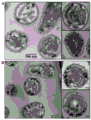
图2为聚球藻7002细胞电镜图片;其中A: 野生型;B: 转基因型。Figure 2 is an electron microscope picture of Synechococcus 7002 cells; A: wild type; B: transgenic type.
图3为纳米多聚磷酸体粒径和电镜分析图。Figure 3 is a graph showing the particle size and electron microscope analysis of the nano-polyphosphates.
图4为镍离子浓度对纳米多聚磷酸体产量的影响。Figure 4 shows the effect of nickel ion concentration on the yield of nanopolyphosphates.
具体实施方式Detailed ways
下面结合实例对本发明的方法做进一步说明,实施例中未注明具体条件的实验方法,通常可按常规条件进行。The method of the present invention will be further described below in conjunction with examples, and the experimental methods that do not indicate specific conditions in the examples can usually be carried out under normal conditions.
实施例1:Example 1:
1)目的基因的获取1) Obtaining the target gene
特异性引物设计:Specific primer design:
ppk 前引物:CCCAAGCTTGAAGGAGATAAAAAGTATATGTCCTCTGCG ppk pre-primer: CCCAAGCTTGAAGGAGATAAAAAGTATATGTCCTCTGCG
ppk 后引物:CGGGGTACCCTAATCCAAGCTGTCCTGGAGPrimer after ppk : CGGGGTACCCTAATCCAAGCTGTCCTGGAG
前后引物分别添加Hind III 和Kpn I酶切位点,前引物添加GAAGGAG序列的RBS序列。The front and rear primers added Hind III and Kpn I restriction sites respectively, and the front primer added the RBS sequence of GAAGGAG sequence.
PCR条件:50 μL 反应体系,94 ℃ 5 min,(94℃ 30 s, 60℃ 40 s, 1 min 72℃)循环30次; 72℃反应10 min。PCR conditions: 50 μL reaction system, 94 °C for 5 min, (94 °C for 30 s, 60 °C for 40 s, 1 min at 72 °C) for 30 cycles; 72 °C for 10 min.
目的基因经过常规方法纯化、克隆后备用。The target gene was purified and cloned by conventional methods.
2)重组pSyn_1质粒的构建:pSyn_1质粒和目的基因经Hind III 和Kpn I双酶切,酶切产物经纯化后进行连接,pSyn_1质粒100 ng和ppk基因500 ng,T4 DNA连接酶16 ℃连接3 h,连接后的质粒经常规方法克隆,酶切鉴定质粒的正确性,提纯后备用。2) Construction of recombinant pSyn_1 plasmid: pSyn_1 plasmid and target gene were double digested by Hind III and Kpn I, and the digested product was purified and ligated,
3)重组转基因藻株的构建及筛选:100 ng纯化后的重组质粒加入到浓缩15倍的新鲜培养基洗涤过的100 μL聚球藻7002藻液(OD 750=1)中,自然状态下静置培养24 h,取5 μL涂布到含10 μg/L盐酸壮观霉素的固体平板上进行筛选,对筛选得到的单克隆藻株进行鉴定,得到重组ppk基因的转基因藻株。3) Construction and screening of recombinant transgenic algal strains: 100 ng of purified recombinant plasmids were added to 100 μL of Synechococcus 7002 algal solution ( OD 750 =1) washed with 15-fold concentrated fresh medium. After culturing for 24 h, 5 μL was spread on a solid plate containing 10 μg/L spectinomycin hydrochloride for screening, and the monoclonal algal strains obtained by screening were identified to obtain transgenic algal strains with recombinant ppk gene.
4)转基因藻株培养于含10 μg/L的盐酸壮观霉素的液体培养基中,加入2 μM的硝酸镍对转基因藻株进行诱导,培养1周后检测纳米多聚磷酸体的含量。经诱导的藻株的纳米多聚磷酸体的含量相较野生株提高90%。4) The transgenic algal strains were cultured in liquid medium containing 10 μg/L spectinomycin hydrochloride, and 2 μM nickel nitrate was added to induce the transgenic algal strains, and the content of nanopolyphosphates was detected after culturing for 1 week. The content of nanopolyphosphates in the induced algal strain was 90% higher than that in the wild strain.
实施例2:Example 2:
1)目的基因的获取1) Obtaining the target gene
特异性引物设计:Specific primer design:
ppk 前引物: CCCAAGCTTGAAGGAGATAAAAAGTATATGTCCTCTGCG ppk pre-primer: CCCAAGCTTGAAGGAGATAAAAAGTATATGTCCTCTGCG
ppk 后引物: CGGGGTACCCTAATCCAAGCTGTCCTGGAGPrimer after ppk : CGGGGTACCCTAATCCAAGCTGTCCTGGAG
前后引物分别添加Hind III 和Kpn I酶切位点,前引物添加GAAGGAG序列的RBS序列。The front and rear primers added Hind III and Kpn I restriction sites respectively, and the front primer added the RBS sequence of GAAGGAG sequence.
PCR条件:50 μL 反应体系,94 ℃ 5 min,(94℃ 30 s, 60℃ 40 s, 1 min 72℃)循环30次; 72℃反应10 min。PCR conditions: 50 μL reaction system, 94 °C for 5 min, (94 °C for 30 s, 60 °C for 40 s, 1 min at 72 °C) for 30 cycles; 72 °C for 10 min.
目的基因经过常规方法纯化、克隆后备用。The target gene was purified and cloned by conventional methods.
2)重组pSyn_1质粒的构建:pSyn_1质粒和目的基因经Hind III 和Kpn I双酶切,酶切产物经纯化后进行连接,pSyn_1质粒100 ng和ppk基因1 μg,T4 DNA连接酶16 ℃连接1h,连接后的质粒经常规方法克隆,酶切鉴定质粒的正确性,提纯后备用。2) Construction of recombinant pSyn_1 plasmid: pSyn_1 plasmid and target gene were double digested by Hind III and Kpn I, and the digested product was purified and then ligated, 100 ng of pSyn_1 plasmid and 1 μg of ppk gene, and T4 DNA ligase was ligated at 16 °C for 1 h , the ligated plasmid was cloned by conventional methods, the correctness of the plasmid was identified by enzyme digestion, and it was purified for later use.
3)重组转基因藻株的构建及筛选:100 ng纯化后的重组质粒加入到浓缩10倍的新鲜培养基洗涤过的100 μL聚球藻7002藻液(OD 750=2)中,自然状态下静置培养24 h,取5 μL涂布到含10 μg/L盐酸壮观霉素的固体平板上进行筛选,对筛选得到的单克隆藻株进行鉴定,得到重组ppk基因的转基因藻株。3) Construction and screening of recombinant transgenic algal strains: 100 ng of purified recombinant plasmids were added to 100 μL of Synechococcus 7002 algal solution ( OD 750 = 2) washed with 10-fold concentrated fresh medium. After culturing for 24 h, 5 μL was spread on a solid plate containing 10 μg/L spectinomycin hydrochloride for screening, and the monoclonal algal strains obtained by screening were identified to obtain transgenic algal strains with recombinant ppk gene.
4)转基因藻株培养于含10 μg/L盐酸壮观霉素的液体培养基中,加入1 μM的硝酸镍对转基因藻株进行诱导,培养1周后检测纳米多聚磷酸体的含量。经诱导的藻株的纳米多聚磷酸体的含量相较野生株提高150%。4) The transgenic algal strains were cultured in liquid medium containing 10 μg/L spectinomycin hydrochloride, and 1 μM nickel nitrate was added to induce the transgenic algal strains, and the content of nanopolyphosphates was detected after culturing for 1 week. The content of nanopolyphosphates in the induced algal strain was 150% higher than that in the wild strain.
如图1所示,A图中两种质粒被双酶切以后,被切割成含相应酶切位点的两段。泳道b中约2000 bp的片段为目的基因ppk片段,泳道d约4000 b片段为切割后的质粒,泳道d只有一条条带是因为另一段被切割的部分非常短,电泳结果观察不到。如图1.B所示,含ppk基因的重组pSyn_1质粒单酶切后得到了6000 bp左右的片段,为目的基因约2000 bp和pSyn_1质粒约4000 bp,双酶切后又分别得到了预期分子量大小的质粒和目的基因,酶切鉴定结果证明质粒构建成功。结合基因测序结果,表明重组质粒构建成功。As shown in Figure 1, after the two plasmids in Figure A were double digested, they were cut into two segments containing the corresponding restriction sites. The fragment of about 2000 bp in lane b is the ppk fragment of the target gene, and the fragment of about 4000 b in lane d is the cut plasmid. There is only one band in lane d because the cut part of the other fragment is very short and cannot be observed by electrophoresis. As shown in Figure 1.B, the recombinant pSyn_1 plasmid containing ppk gene was digested with a single enzyme to obtain a fragment of about 6000 bp, which was about 2000 bp for the target gene and about 4000 bp for the pSyn_1 plasmid. After double digestion, the expected molecular weight was obtained respectively. The size of the plasmid and the target gene, and the results of enzyme digestion identification proved that the plasmid was successfully constructed. Combined with the results of gene sequencing, the recombinant plasmid was successfully constructed.
如图2所示,图中黑色斑点为多聚磷酸体,可以看到转基因型的多聚磷酸体数量(8-11个)显著多于野生型细胞中的数量(2-5个),且多聚磷酸体的粒径大多低于100 nm。As shown in Figure 2, the black spots in the figure are polyphosphates. It can be seen that the number of polyphosphates in the transgenic type (8-11) is significantly higher than that in the wild-type cells (2-5), and The particle size of polyphosphates is mostly below 100 nm.
如图3所示,图3.A为通过水煮、纯化等方法得到的纳米多聚磷酸体的粒径分析结果,粒径结果显示大多数粒径在100 nm以下,14 nm和40 nm两种粒径的较多。对提取得到纳米多聚磷酸体进行电镜观察,图3.B,可以看到提取后纳米多聚磷酸体维持了很好的纳米形态。As shown in Figure 3, Figure 3.A shows the particle size analysis results of nano-polyphosphates obtained by boiling, purification and other methods. more particle size. Electron microscope observation of the extracted nano-polyphosphates, Figure 3.B, it can be seen that the nano-polyphosphates maintain a good nano-shape after extraction.
如图4所示,镍离子可以诱导pSyn_1质粒进行表达,不同浓度镍离子的诱导效果不同,wild组为野生型对照组,其他组添加了不同浓度的镍离子,纵坐标荧光值可以反映多聚磷酸体的含量,但是DAPI荧光法反映的是多聚磷酸体表面的PolyP含量,所以实际产量大于荧光值反应的数值。As shown in Figure 4, nickel ions can induce the expression of pSyn_1 plasmid. Different concentrations of nickel ions have different induction effects. The wild group is the wild-type control group, and the other groups are added with different concentrations of nickel ions. The ordinate fluorescence value can reflect the poly The content of phosphate, but the DAPI fluorescence method reflects the PolyP content on the surface of polyphosphate, so the actual yield is greater than the value of the fluorescence value reaction.
通过本发明得到的转基因藻株而制备的纳米多聚磷酸体的产量较原生藻株提高90-150%,且转基因微藻具有更好的环境适应性,包括温度耐受性和重金属离子耐受能力。本发明中的藻株积累的PPB为纳米尺度,粒径范围为十几纳米到一百纳米不等,相比较其他生物来源的多聚磷酸体具有更小的粒径,且分离得到的纳米多聚磷酸体的稳定性良好。本发明中的藻株遗传稳定性好,目前已稳定表达超过1年。The yield of the nano-polyphosphates prepared by the transgenic algal strain obtained by the present invention is increased by 90-150% compared with the stramenopile strain, and the transgenic microalgae has better environmental adaptability, including temperature tolerance and heavy metal ion tolerance ability. The PPB accumulated by the algae strain in the present invention is of nanometer scale, and the particle size ranges from ten nanometers to one hundred nanometers. The stability of the polyphosphate is good. The algal strain in the present invention has good genetic stability, and has been stably expressed for more than one year at present.
序列表sequence listing
<110> 中国海洋大学<110> Ocean University of China
<120> 高产纳米多聚磷酸体的转基因藻株及其制备方法<120> Transgenic algal strain with high yield of nano-polyphosphate and its preparation method
<130> 2017<130> 2017
<160> 2<160> 2
<170> PatentIn version 3.5<170> PatentIn version 3.5
<210> 1<210> 1
<211> 39<211> 39
<212> DNA<212> DNA
<213> 人工序列<213> Artificial sequences
<400> 1<400> 1
cccaagcttg aaggagataa aaagtatatg tcctctgcg 39cccaagcttg aaggagataa aaagtatatg tcctctgcg 39
<210> 2<210> 2
<211> 30<211> 30
<212> DNA<212> DNA
<213> 人工序列<213> Artificial sequences
<400> 2<400> 2
cggggtaccc taatccaagc tgtcctggag 30cggggtaccc taatccaagc tgtcctggag 30
Claims (7)
Priority Applications (1)
| Application Number | Priority Date | Filing Date | Title |
|---|---|---|---|
| CN201710099443.4A CN106916775B (en) | 2017-02-23 | 2017-02-23 | Transgenic algae strain for high yield of nano polyphosphate and preparation method thereof |
Applications Claiming Priority (1)
| Application Number | Priority Date | Filing Date | Title |
|---|---|---|---|
| CN201710099443.4A CN106916775B (en) | 2017-02-23 | 2017-02-23 | Transgenic algae strain for high yield of nano polyphosphate and preparation method thereof |
Publications (2)
| Publication Number | Publication Date |
|---|---|
| CN106916775A CN106916775A (en) | 2017-07-04 |
| CN106916775B true CN106916775B (en) | 2020-03-17 |
Family
ID=59454219
Family Applications (1)
| Application Number | Title | Priority Date | Filing Date |
|---|---|---|---|
| CN201710099443.4A Active CN106916775B (en) | 2017-02-23 | 2017-02-23 | Transgenic algae strain for high yield of nano polyphosphate and preparation method thereof |
Country Status (1)
| Country | Link |
|---|---|
| CN (1) | CN106916775B (en) |
Families Citing this family (4)
| Publication number | Priority date | Publication date | Assignee | Title |
|---|---|---|---|---|
| CN111647630A (en) * | 2020-05-27 | 2020-09-11 | 中国海洋大学 | Calcium supplement of calcium-rich nano poly-phosphate from synechococcus and preparation method thereof |
| CN111657499A (en) * | 2020-05-27 | 2020-09-15 | 中国海洋大学 | Polycoccobacillus-source zinc-rich nano poly-phosphate zinc supplement and preparation method thereof |
| CN111588039A (en) * | 2020-05-27 | 2020-08-28 | 中国海洋大学 | Synechococcus-derived iron-rich nano-polyphosphate iron supplement and preparation method thereof |
| CN112322664B (en) * | 2020-11-02 | 2021-07-27 | 江苏南创化学与生命健康研究院有限公司 | Method for producing polyphosphate with high polymerization degree |
-
2017
- 2017-02-23 CN CN201710099443.4A patent/CN106916775B/en active Active
Non-Patent Citations (6)
| Title |
|---|
| Cloning, sequence and characterization of the polyphosphate kinase encoding gene (ppk) of Klebsiella aerogenes;Junichi Kato等;《GENE》;19930823;第137卷;第237-242页 * |
| Molecular characterization of polyphosphate kinase (ppk) gene from Serratia marcescens;Seung-Jin Lee等;《Biotechnology Letters》;20031231;第25卷;第191-197页 * |
| Overproduction, purification,and characterization of nanosized polyphosphate bodies from Synechococcus sp.PCC 7002;Fengzheng Gao等;《Gao et al. Microb Cell Fact》;20181231;第17卷(第27期);第1-12页 * |
| Pseudomonas putida GM6多聚磷酸盐激酶(ppk)基因的克隆及表达;管莉菠等;《土壤学报》;20070731;第44卷(第4期);第727-732页 * |
| 大肠杆菌胸苷激酶和聚磷酸激酶的重组表达与应用研究;张广宇;《中国优秀硕士学位论文全文数据库 基础科学辑》;20140615(第6期);A006-41 * |
| 聚磷激酶基因在假单胞菌中的整合和表达;杜宏伟等;《环境科学》;20091031;第30卷(第10期);第3011-3015页 * |
Also Published As
| Publication number | Publication date |
|---|---|
| CN106916775A (en) | 2017-07-04 |
Similar Documents
| Publication | Publication Date | Title |
|---|---|---|
| JP2020062044A5 (en) | ||
| CN106916775B (en) | Transgenic algae strain for high yield of nano polyphosphate and preparation method thereof | |
| CN104894165B (en) | A method and application for improving the application efficiency of gene targeting technology in Aspergillus terreus | |
| JP2009536830A5 (en) | ||
| Muñoz et al. | Stable transformation of the green algae Acutodesmus obliquus and Neochloris oleoabundans based on E. coli conjugation | |
| CN110042111B (en) | A gene capable of degrading tetracycline antibiotics and its protein and application | |
| CN107603980A (en) | A kind of Kiwi berry Gene A cPDS based on PTG Cas9 edits carrier and its construction method and application | |
| WO2023028348A1 (en) | Enzymes with ruvc domains | |
| JP2024534612A (en) | Genetically engineered strains producing polylactic acid and methods for producing polylactic acid | |
| Douchi et al. | Nuclear and chloroplast genome engineering of a productive non-model alga Desmodesmus armatus: Insights into unusual and selective acquisition mechanisms for foreign DNA | |
| CN113604472B (en) | A CRISPR/Cas gene editing system applied to Trichoderma reesei | |
| CN102690841B (en) | A genetic transformation method for obtaining transgenic callus of Taxus chinensis | |
| CN101948871A (en) | Marine microalgae chloroplast expression vector and application thereof | |
| CN119592426B (en) | Genetically engineered algae for inhibiting protozoa and its construction method and application | |
| CN120310653B (en) | Flocculation-controllable genetically engineered algae, construction method and application thereof | |
| CN104789516B (en) | A kind of genetic engineering bacterium of cytoalgae 6803 for producing trihydroxy propionic acid and construction method and application | |
| CN108603160A (en) | The manufacturing method of mutant filamentous bacterium | |
| CN104894162A (en) | Method for transforming exogenous genes into duckweeds and expressing duckweeds | |
| CN101532028A (en) | Method for breeding high-yield glucoamylase industrial production strains | |
| CN107674880A (en) | Gene expression regulation system of synechococcus elongatus PCC7942 and application thereof | |
| CN116376726A (en) | Identification method and application of targets for increasing gibberellin yield | |
| CN106010999A (en) | Gene engineering strain, culturing method and application of gene engineering strain | |
| CN107418966A (en) | A kind of carrier and its construction method for being suitable for the genetic of fungi transformed clones such as Hirsutella sinensis Hirsutella sinensis | |
| CN102876610A (en) | Method for rapidly preparing xanthomonas electro-transformation competent cells and application of method | |
| JP6778870B2 (en) | Cyanobacteria mutant strain and succinic acid and D-lactic acid production method using it |
Legal Events
| Date | Code | Title | Description |
|---|---|---|---|
| PB01 | Publication | ||
| PB01 | Publication | ||
| SE01 | Entry into force of request for substantive examination | ||
| SE01 | Entry into force of request for substantive examination | ||
| GR01 | Patent grant | ||
| GR01 | Patent grant |