CN107428811B - Peptides that specifically bind to A-beta-species for the treatment and/or diagnosis of Alzheimer's dementia - Google Patents
Peptides that specifically bind to A-beta-species for the treatment and/or diagnosis of Alzheimer's dementia Download PDFInfo
- Publication number
- CN107428811B CN107428811B CN201680016927.1A CN201680016927A CN107428811B CN 107428811 B CN107428811 B CN 107428811B CN 201680016927 A CN201680016927 A CN 201680016927A CN 107428811 B CN107428811 B CN 107428811B
- Authority
- CN
- China
- Prior art keywords
- peptide
- beta
- oligomers
- peptides
- binding
- Prior art date
- Legal status (The legal status is an assumption and is not a legal conclusion. Google has not performed a legal analysis and makes no representation as to the accuracy of the status listed.)
- Expired - Fee Related
Links
Images




Classifications
-
- C—CHEMISTRY; METALLURGY
- C07—ORGANIC CHEMISTRY
- C07K—PEPTIDES
- C07K14/00—Peptides having more than 20 amino acids; Gastrins; Somatostatins; Melanotropins; Derivatives thereof
- C07K14/435—Peptides having more than 20 amino acids; Gastrins; Somatostatins; Melanotropins; Derivatives thereof from animals; from humans
- C07K14/705—Receptors; Cell surface antigens; Cell surface determinants
-
- C—CHEMISTRY; METALLURGY
- C07—ORGANIC CHEMISTRY
- C07K—PEPTIDES
- C07K14/00—Peptides having more than 20 amino acids; Gastrins; Somatostatins; Melanotropins; Derivatives thereof
- C07K14/435—Peptides having more than 20 amino acids; Gastrins; Somatostatins; Melanotropins; Derivatives thereof from animals; from humans
- C07K14/46—Peptides having more than 20 amino acids; Gastrins; Somatostatins; Melanotropins; Derivatives thereof from animals; from humans from vertebrates
- C07K14/47—Peptides having more than 20 amino acids; Gastrins; Somatostatins; Melanotropins; Derivatives thereof from animals; from humans from vertebrates from mammals
- C07K14/4701—Peptides having more than 20 amino acids; Gastrins; Somatostatins; Melanotropins; Derivatives thereof from animals; from humans from vertebrates from mammals not used
- C07K14/4713—Autoimmune diseases, e.g. Insulin-dependent diabetes mellitus, multiple sclerosis, rheumathoid arthritis, systemic lupus erythematosus; Autoantigens
-
- A—HUMAN NECESSITIES
- A61—MEDICAL OR VETERINARY SCIENCE; HYGIENE
- A61P—SPECIFIC THERAPEUTIC ACTIVITY OF CHEMICAL COMPOUNDS OR MEDICINAL PREPARATIONS
- A61P25/00—Drugs for disorders of the nervous system
- A61P25/28—Drugs for disorders of the nervous system for treating neurodegenerative disorders of the central nervous system, e.g. nootropic agents, cognition enhancers, drugs for treating Alzheimer's disease or other forms of dementia
-
- A—HUMAN NECESSITIES
- A61—MEDICAL OR VETERINARY SCIENCE; HYGIENE
- A61K—PREPARATIONS FOR MEDICAL, DENTAL OR TOILETRY PURPOSES
- A61K38/00—Medicinal preparations containing peptides
Landscapes
- Health & Medical Sciences (AREA)
- Chemical & Material Sciences (AREA)
- Life Sciences & Earth Sciences (AREA)
- Organic Chemistry (AREA)
- General Health & Medical Sciences (AREA)
- Medicinal Chemistry (AREA)
- Immunology (AREA)
- Proteomics, Peptides & Aminoacids (AREA)
- Genetics & Genomics (AREA)
- Gastroenterology & Hepatology (AREA)
- Zoology (AREA)
- Biochemistry (AREA)
- Toxicology (AREA)
- Biophysics (AREA)
- Molecular Biology (AREA)
- Rheumatology (AREA)
- Hematology (AREA)
- Rehabilitation Therapy (AREA)
- Diabetes (AREA)
- Bioinformatics & Cheminformatics (AREA)
- Engineering & Computer Science (AREA)
- Public Health (AREA)
- Neurosurgery (AREA)
- Animal Behavior & Ethology (AREA)
- Pharmacology & Pharmacy (AREA)
- Veterinary Medicine (AREA)
- Biomedical Technology (AREA)
- Neurology (AREA)
- Cell Biology (AREA)
- General Chemical & Material Sciences (AREA)
- Psychiatry (AREA)
- Hospice & Palliative Care (AREA)
- Chemical Kinetics & Catalysis (AREA)
- Nuclear Medicine, Radiotherapy & Molecular Imaging (AREA)
- Epidemiology (AREA)
- Peptides Or Proteins (AREA)
- Medicines That Contain Protein Lipid Enzymes And Other Medicines (AREA)
- Investigating Or Analysing Biological Materials (AREA)
Abstract
本发明涉及用于治疗和/或诊断阿尔茨海默氏痴呆症的特异性结合A‑β‑物类的肽。The present invention relates to peptides that specifically bind to A-beta-species for use in the treatment and/or diagnosis of Alzheimer's dementia.
Description
The present invention relates to peptides specifically binding to a- β -species for use in the treatment and/or diagnosis of alzheimer's dementia.
Prior Art
There are no approved drugs for the causal treatment of Alzheimer's Dementia (AD). Usually, deposits of so-called β -amyloid-peptide (a β) in the form of plaques are found post-mortem in the brain of AD patients. Thus, it has long been believed that various forms of a- β (also referred to as a β), such as fibrils, are responsible for the development and progression of alzheimer's dementia.
In recent years, it has been particularly believed that small freely diffusible a β -oligomers as the main cause are responsible for the development and progression of alzheimer's dementia.
The a β -monomer is produced continuously in our body and is estimated to be non-toxic in itself.
It is speculated whether the a β -monomers, depending on their concentration ultimately derived from the rate of formation and degradation in vivo, are more and more likely to spontaneously accumulate together to form a β -oligomers with age. Once produced, the a β -oligomers can then propagate through prion-like mechanisms and ultimately lead to disease.
Based on these considerations, the aim of causal treatment should be to completely eliminate toxic a β -oligomers and/or prevent their prion-like proliferation.
However, there are no causative drugs for the treatment of alzheimer's dementia. The drugs used according to the prior art are capable of relieving at best some symptoms, but not slowing down, let alone preventing the progression of the disease.
There are many substances that have some success in preventing (not necessarily treating) alzheimer's dementia in animal experiments.
One important difference between prevention and treatment lies in the following considerations: to prevent the formation of the first a β -oligomer, a β -ligands with low affinity and potency may already be sufficient. Since the formation of a β -oligomers from a plurality of a β -monomers is a very high-order reaction, it depends on a β -monomer concentration in a highly powered form. And a small reduction in the concentration of active a β -monomers may also prevent the formation of first a β -oligomers. This is the case at the time of prevention. However, if a β -oligomers have been produced, they may proliferate similar to prions, which is not a higher order reaction and therefore is almost no longer dependent on a β -monomer concentration. This is the case at the time of treatment. Thus, if a β -oligomers have been produced, the goal of the treatment must be to treat them with substances having as high affinity as possible for a β -oligomers. For this reason, the corresponding dissociation constants must be in the pM range or even lower.
There are currently substances that reduce the concentration of a β -monomers in various ways, e.g., by gamma secretase modulators, ligands that bind a β, and the like. This is clearly sufficient to successfully achieve a prophylactic effect in animal experiments, where most animals are treated before the full outbreak of disease.
In human clinical trials (second and third phases), only those who are clearly diagnosed with alzheimer's dementia are permitted to be treated here, but all of these substances have failed to date, probably because here a small or moderate reduction in the concentration of a β -monomers before the onset of the disease is no longer sufficient to prevent the production of increasingly large amounts of a β -oligomers.
Furthermore, there is no possibility to date to confirm the diagnosis of alzheimer's dementia before the onset of symptoms. Alzheimer's dementia is today mainly distinguished by neuropsychological tests on people already suffering from dementia symptoms. In addition, other diseases (wounds) can be excluded by different examination methods.
However, it is known that up to 20 years before symptoms appear, a β -oligomers and temporally subsequent plaques are produced in the brain of patients and cause irreversible damage. Molecular probes that are injected intravenously into patients and bind to Α β -oligomers and plaques after crossing the blood brain barrier can be made visible by means of imaging methods and thus enable an earlier diagnosis of AD.
A D-enantiomeric peptide named "D3" is known from EP 1379546B 1. The peptide was identified by mirror image phage display selection of predominantly monomeric a β (1-42), which was planned to stabilize the monomeric a β by the binding and prevent its conversion to toxic a β -aggregates. According to the current state of knowledge, D3 preferably converts particularly toxic Α β -oligomers into non-toxic non-amyloidogenic and ThT-negative amorphous aggregates. In animal models, treated transgenic AD mice with significantly fewer plaques and with significantly improved cognitive ability were achieved even by oral administration of D3 with drinking water.
Other peptides derived from D3 are known from the publication WO 2014/041115 a 2.
The disadvantage of the existing substances binding to A.beta.oligomers is that the affinity is not sufficient to prevent the proliferation of A.beta.oligomers.
Disadvantageously, to date there are no probes for in vivo imaging methods that specifically bind to and make visible a β -oligomers with high affinity. This is desirable because a β -oligomers play such an important and early role in the history of disease.
Object of the Invention
It is an object of the present invention to provide peptides for use in
A) Alzheimer's disease is etiologically treated by preventing or detoxifying the formation of toxic amyloid β (a β) -oligomers or aggregates.
B) Alzheimer's dementia is diagnosed by using the D-peptide as a probe for in vivo imaging.
Furthermore, it was an object to provide new peptides, preferably derivatives of D-enantiomer D-peptide D3, which have more potent properties compared to D3. The properties include, inter alia, binding affinity and binding specificity for a- β species, inhibition of a- β -fibril formation, inhibition of a- β -cytotoxicity, elimination or detoxification of a- β -oligomers, fibrils and other aggregates, conversion of a- β -amyloid-fibrils, -protofibrils or-oligomers into non-toxic, non-amyloid-like protein types of species.
Hereinafter, the terms "A-Beta", "amyloid-Beta" and "A β" are used synonymously with each other.
Solution to said object
The object of the invention is achieved by the peptides according to claim 1, the kits and compositions according to the main claim and the methods and uses according to the secondary claims. Advantageous embodiments of this are respectively known from the patent claims which refer to them.
Disclosure of Invention
The object is achieved by a peptide specifically binding to amyloid- β -species for use in the treatment of alzheimer's dementia. Specificity, also commonly referred to as selectivity, is herein expressed in terms ofThe ligands of the invention or the peptides according to the invention can in principle bind various a- β -species, for example a- β -monomers or a- β -oligomers or a- β -fibrils. In the following steps of 1: 1 binding model, each binding pair (e.g., ligand to A-beta-monomer and ligand to A-beta-oligomer and ligand to A-beta-fibril) is assigned a dissociation constant (K)D) Or association constant (K)A = 1/KD)。KAThe higher the value, the more affinity the respective binding.
The specificity of the ligand relative to the competitor for the bait is indicated by as large a quotient as possible of the affinity for the a- β -monomer and for the a- β -oligomer or a- β -fibril.
Thus, according to the invention, to determine the specificity, the K of the ligand to the A-beta-monomer and to the A-beta-oligomer (or A-beta fibril) is formedAThe quotient of the values. The larger the quotient, the greater the specificity.
In the sense of the invention, when the ligand is to the species A and the ligand is to the K of the species BAThe quotient of the values is at least greater than 1, preferably greater than 1.2 or 1.5, preferably greater than 2, 3, 4, 5, 6, 7, 8, 9, in particular 10, 11, 12, 13, 14, 15, 16, 17, 18, 19, 20, 21, 22, 23, 24, 25, 26, 27, 28, 29, 30, 31, 32, 33, 34, 35, 36, 37, 38, 39, 40, 41, 42, 43, 44, 45, 46, 47, 48, 49, 50, 51, 52, 53, 54, 55, 56, 57, 58, 59, 60, 61, 62, 63, 64, 65, 66, 67, 68, 69, 70, 71, 72, 73, 74, 75, 76, 77, 78, 79, 80, 81, 82, 83, 84, 85, 86, 87, 88, 89, 90, 91, 92, 93, 94, 95, 96, 97, 98, 99, in particular 100, there is a relative specificity, among them, the species A and the species B are considered to be various A- β -species: monomers, oligomers and fibrils.
Here, specificity or selectivity should not be confused with affinity, which results from the strength of binding of a ligand to one of the species. If different ligands compete for the same target molecule, less specific or selective ligands may have greater binding affinity. According to the present invention, such ligands should be identified that specifically bind to a species, such as a monomer or oligomer or fibril, among others. The biomolecules should be suitable as therapeutic and pharmaceutical agents. The ligands or peptides obtained in this way have the desired properties and achieve the object of the invention.
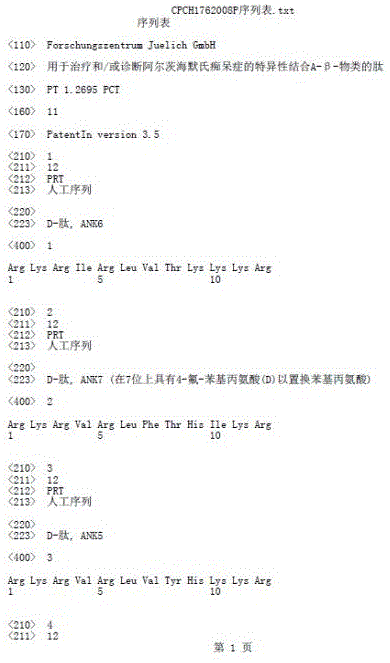
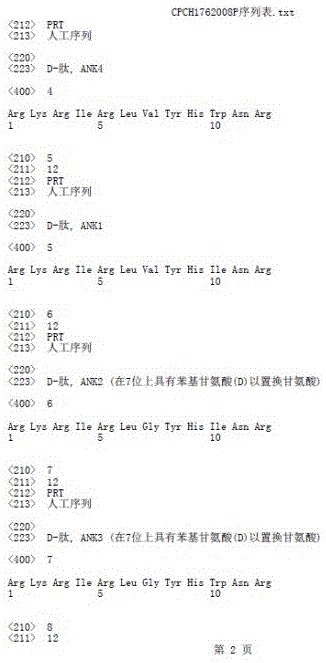
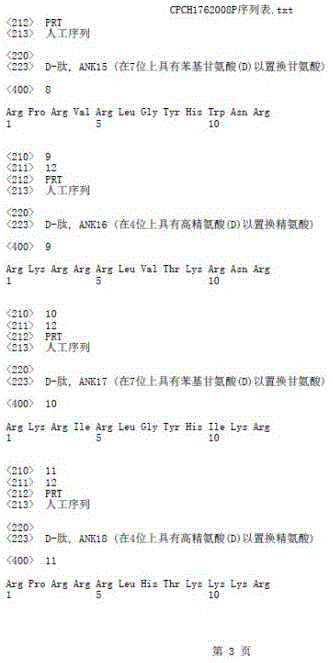
In particular, the peptides hereinafter acting as ligands, containing the following amino acid sequences, achieve the object of the invention: 1, 2, 3, 4, 5, 6, 7, 8, 9, 10 and 11 and/or homologues, fragments and portions thereof.
The object is also achieved by multimers and/or homologues, fragments and parts thereof comprising the following amino acid sequences: 1, 2, 3, 4, 5, 6, 7, 8, 9, 10 or 11.
A peptide comprising one of said sequences specifically binds to an amyloid- β -monomer.
Furthermore, specific binding to a- β -monomers means that the quotient of the binding signals of the ligand-monomers to the ligand-oligomers and/or the ligand-monomers to the ligand-fibrils is greater than 1, e.g. 1.8 and may have a value of about to 100, wherein there may be each intermediate value, e.g. 2, 3, 4, 5, 6, 7, 8, 9, in particular 10, 11, 12, 13, 14, 15, 16, 17, 18, 19, 20, 21, 22, 23, 24, 25, 26, 27, 28, 29, 30, 31, 32, 33, 34, 35, 36, 37, 38, 39, 40, 41, 42, 43, 44, 45, 46, 47, 48, 49, 50, 51, 52, 53, 54, 55, 56, 57, 58, 59, 60, 61, 62, 63, 64, 65, 66, 67, 68, 69, 70, 71, 72, 73, 74, 75, 76, 77, 78, 79, 80. 81, 82, 83, 84, 85, 86, 87, 88, 89, 90, 91, 92, 93, 94, 95, 96, 97, 98, 99, in particular 100.
Specific binding to a- β -oligomers means that the quotient of the binding signal of the ligand-oligomer to the ligand-monomer and/or ligand-oligomer to the ligand-fibril is greater than 1, e.g. 1.2, and may have a value of about to 100, wherein there may be each intermediate value, e.g. 2, 3, 4, 5, 6, 7, 8, 9, in particular 10, 11, 12, 13, 14, 15, 16, 17, 18, 19, 20, 21, 22, 23, 24, 25, 26, 27, 28, 29, 30, 31, 32, 33, 34, 35, 36, 37, 38, 39, 40, 41, 42, 43, 44, 45, 46, 47, 48, 49, 50, 51, 52, 53, 54, 55, 56, 57, 58, 59, 60, 61, 62, 63, 64, 65, 66, 67, 68, 69, 70, 71, 72, 73, 74, 75, 76, 77, 78, 58, and/or a ligand-fibril, 79. 80, 81, 82, 83, 84, 85, 86, 87, 88, 89, 90, 91, 92, 93, 94, 95, 96, 97, 98, 99, in particular 100.
Rounding off non-integer (unegerader zahlenwert) values common in scientific practice yields the above values.
Peptides obtained by peptide microarray experiments served as starting points. They may be derived from the known peptide "D3".
In order to recognize peptides which specifically bind to amyloid- β monomers or to amyloid- β oligomers and to determine the binding specificity of the peptides in the sense of the present invention, the following measures can therefore be taken. Peptide microarrays with different peptides immobilized on the surface, such as derivatives of D3, are incubated with different species of a- β (e.g., monomers, oligomers, and fibrils), respectively, labeled with a fluorescent dye. As a control, one peptide microarray was incubated with fluorescent dye only. To ensure reproducibility of the results, incubation of the peptide microarray for each species may be performed at least 3 times. Binding of fluorescently labeled a- β to the immobilized peptide is detected by a fluorescent dye. The more a- β binds to the peptide, the higher the fluorescence signal. The measured fluorescent signal of the replicate test (reproduction) is normalized (norm) and the signal of the control is subtracted. Thereby preventing binding of fluorescently labeled a- β from occurring through the dye. The binding signal of the a- β species to the peptide is then averaged. To determine the binding specificity, the quotient of the species that should bind specifically to the peptide and the other species is calculated.
Example (c): binding specificity of peptide X to a- β -monomer = binding signal of peptide X to monomer/binding signal of peptide X to oligomer (or fibril). In a similar manner, peptides that specifically bind to a- β -oligomers were identified.
Fragments and portions of the peptides according to the invention show similar or identical effects as the peptides according to the invention.
In one embodiment of the invention, peptides are identified and used which have a K of at most 500. mu.M, preferably 250, 100, 50. mu.M, particularly preferably 25, 10, 6. mu.M, in particular 4, 2, 1. mu.M or sub. mu.MDBinding to A-beta-monomers or A-beta-oligomers or A-beta-fibrils.
In one embodiment, the peptides according to the sequences SEQ ID NO 1, SEQ ID NO 2, SEQ ID NO 3, SEQ ID NO 4, SEQ ID NO 5, SEQ ID NO 6, SEQ ID NO 7, SEQ ID NO 8, SEQ ID NO 9, SEQ ID number 10 and/or SEQ ID number 11 and homologues, fragments and parts thereof consist essentially, preferably at least 60%, 75%, 80%, particularly preferably 85%, 90%, 95%, in particular 96%, 97%, 98%, 99%, 100% of D-amino acids.
Multimers in the sense of the present invention are composed of at least 2, or 3, 4, 5, 6, 7, 8, 9, 10, 11, 12, 13, 14, 15, 16, 17, 18, 19, 20 or more monomers or monomer units selected from the group consisting of: 1, 2, 3, or SEQ ID NO: 4, SEQ ID No. 5, SEQ ID No. 6, SEQ ID No. 7, SEQ ID No. 8, SEQ ID No. 9, SEQ ID number 10 and/or SEQ ID number 11 and/or homologues, fragments or parts thereof which themselves have bound to a- β -monomers or a- β -oligomers or a- β fibrils.
According to the invention, the polymer is composed of the same monomer unit, or by 2, 3, 4, 5, 6, 7, 8, 9, 10 or 11 different various monomer combinations composed, as so-called combinatorial polymer. The monomers may also be partially identical. The number of identical monomers in the combinatorial multimers is freely selectable.
In one alternative, the combinatorial multimer comprises at least one monomer selected from the group consisting of: 1, 2, 3, 4, 5, 6, 7, 8, 9, 10 and/or 11 and homologues thereof and parts or fragments thereof and comprises as a further monomer at least one peptide binding to a- β -monomers or a- β -oligomers or a- β -fibrils as a further monomer, said peptide being different from a monomer selected from the group consisting of: 1, 2, 3, 4, 5, 6, 7, 8, 9, 10 and/or 11 and homologues thereof and parts or fragments thereof.
Multimers can be prepared, for example, by chemical synthesis or peptide synthesis.
In one embodiment of the invention, the monomers are covalently linked to each other. In another embodiment of the invention, the monomers are non-covalently bound to each other.
Covalent bonding or linking of monomer units in the sense of the present invention exists if the peptides are linearly linked head-to-head, tail-to-tail or head-to-tail to each other without the use of linkers (linkers) or linking groups between them.
Non-covalent attachment in the sense of the present invention exists if the monomers are attached to each other via biotin and streptavidin, in particular a streptavidin tetramer.
In one embodiment of the invention, the monomers may be linked linearly to one another, in particular as described above. In another embodiment, the monomers are branched from each other to form multimers according to the invention.
According to the invention, the branched multimer may be a dendrimer in which the monomers are covalently or non-covalently linked to each other.
Alternatively, the monomers can also be linked to platform molecules (e.g., PEG or sugar) to form branched multimers.
Alternatively, a combination of these options is also possible.
Multimers constructed according to the invention from the peptides according to the invention which bind to a- β -monomers or a- β -oligomers or a- β -fibrils themselves show a synergistic effect in terms of their selectivity and affinity for a- β -monomers which is advantageous over single peptides. In other words: the multimers according to the invention are superior to the single peptides from which they are constructed. In the sense of the present invention, a synergistic effect is that a higher selectivity or specificity is exhibited for A-beta-monomers or A-beta-oligomers or A-beta-fibrils than for individual peptide unitsAnd/or the effect of affinity, in particular K, in relation to the binding thereof to A-beta-monomers or A-beta-oligomers or A-beta-fibrilsDValue aspect.
In another particularly advantageous embodiment of the invention, the multimers, in particular dimers, are advantageously more effective than the individual peptide units in animal model experiments (in vitro or in vivo).
In one embodiment of the invention, peptides or multimers are used which have a dissociation constant (K) of at most 500. mu.M, preferably 250, 100, 50. mu.M, particularly preferably 25, 10, 1. mu.MD-value), particularly preferably with a dissociation constant (K.sub.pM) of up to 500 nM, 250, 100, 50, particularly preferably 25, 10, 1 nM, 500pM, 100, 50, 25, 20, 15, 10, 9, 8, 7, 6, 5, 4, 3, 2, 1 pM to sub-pMD-value) to a- β -monomer or a- β -oligomer or a- β -fibril, wherein each intermediate value can be employed.
In one embodiment of the invention, the affinity is determined by the dissociation constant (K)D-value). In one embodiment of the invention, the dissociation constant (K) of the peptide according to the inventionD-value) is decreased. Thus a higher binding affinity and a higher degradation and/or effectiveness in preventing the formation of toxic amyloid- β -oligomers. However, this relates in particular, but not exclusively, to a lower K at the high affinity site of the A-beta-monomer or A-beta-oligomerD-a value.
Fragments and portions advantageously exhibit similar or identical effects as the peptides according to the invention.
Monomers and multimers are hereinafter referred to as peptides according to the invention.
In one embodiment of the invention, the peptide according to the invention has an acid amide group at the free C-terminus. Then, the peptide according to the invention, for example according to SEQ ID NO: the peptides 1-11 are amidated at position 12 at the free C-terminus. Dimers are thus analogized at the free C-terminus amidated at position 24, and so on.
In another embodiment of the invention, the peptide according to the invention, in particular the peptide according to SEQ ID NO: 1-11, are covalently bound to each other at the free C-terminus and the free N-terminus, and are therefore cyclized accordingly. The ring closure also advantageously results in no carboxyl groups at the free C-terminus.
The peptides according to the invention advantageously have an amino acid sequence in which the cyclization of the linear molecule takes place, for example by covalent bonding of the first amino acid to the last amino acid, for example by condensation reactions. Of course, there are additional cyclization possibilities, for example by linking other amino acids to one another. The linkage of the second amino acid to the last amino acid may be mentioned only by way of example. Every possible other connection is likewise conceivable.
In the case of linking the first and last amino acids of a peptide to each other, it is advantageous to cause no open ends in the peptide chain (amino acid sequence).
This measure also results in that all peptides having a linear amino acid sequence and, after cyclization, giving the same, no longer distinguishable amino acid sequence are identical in this sense.
Example (c): the known linear amino acid sequence of peptide D3 is rprtrlhthrnr. The corresponding cyclized peptide "cD 3" attached through amide formation between the amino group at the N-terminus and the carboxyl group at the C-terminus is no longer distinguishable from the following cyclized peptides: prtrlhrnrr, rtrlhthrnrrp, trlhthhrnrrpr, rlhthrnrrrprt, lhthhrnrrrprtr, hthrnrrrprtrl, thrnrrrprtrlh, hrnrrrprtrlht, rnrrprtrlhth, nrrrprtrlhthr, or rrprtrlhrn. Furthermore, cD3 may also be derived from each of these sequences.
Furthermore, it is preferred that even each binding linear peptide from which the cyclized or otherwise modified peptide according to the invention is derivable yields the effect of higher affinity, specificity and effectiveness as claimed according to the invention, relative to one, preferably each binding linear peptide.
Furthermore, the preparation of cyclized peptides is prior art and can be carried out, for example, according to the method described in DE 102005049537 a 1.
Advantageously, the cyclization via the first and last amino acid of the peptide results in the absence of an "open" end of the peptide chain, which is usually the site of attack on the peptide degradation activity in cells, animals or humans, for example by aminopeptidases and carboxypeptidases.
With the aid of the cyclized peptide according to the invention, for example according to SEQ ID NO: ANK6 of 1, as a secondary effect, additionally advantageously results in that the cyclized peptide or multimer according to the invention is also in some cases not susceptible to degradation, although the effect is not decisive. Furthermore, as already shown, this effect also applies only to the case of head-to-tail or tail-to-head cyclization, in which the two ends of the linear peptide are correspondingly linked to one another.
In one embodiment of the present invention, the present invention relates to a peptide having the following amino acid sequence: 1, 2, 3, 4, 5, 6, 7, 8, 9, 10 and/or 11, and/or homologues thereof having at least 50% identity.
In the sense of the present invention, "homologous sequence" or "homologue" means that an amino acid sequence has at least 50, 51, 52, 53, 54, 55, 56, 57, 58, 59, 60, 61, 62, 63, 64, 65, 66, 67, 68, 69, 70, 71, 72, 73, 74, 75, 76, 77, 78, 79, 80, 81, 82, 83, 84, 85, 86, 87, 88, 89, 90, 91, 92, 93, 94, 95, 96, 97, 98, 99 identity to one of the aforementioned amino acid sequences of the monomers. Instead of the term "identity", the terms "homologous" or "homology" are used synonymously in this specification. The identity between two nucleic acid sequences or polypeptide sequences is calculated by comparison by means of the BESTFIT program based on the algorithm of Smith, T.F. and Waterman, M.S. (adv.Appl.Math.2: 482-489(1981)), in which the following amino acid parameters are set: gap creation penalties: 8 and gap extension penalties: 2; and the following nucleic acid parameters: gap creation penalties: 50 and gap extension penalty: 3. preferably, the identity between two nucleic acid sequences or polypeptide sequences is defined by the identity of the nucleic acid sequence/polypeptide sequence over the entire sequence length of the respective sequence, as they are calculated by comparison with the GAP program based on the algorithm of Needleman, S.B. and Wunsch, C.D. (J.mol.biol.48: 443-453), in which the following amino acid parameters are set: gap creation penalties: 8 and gap extension penalties: 2; and the following nucleic acid parameters: gap creation penalties: 50 and gap extension penalty: 3.
two amino acid sequences are identical within the meaning of the present invention if they have identical amino acid sequences.
In one embodiment, homologues may be understood as meaning the corresponding retro-inverso (retro-inverso) sequences of the above monomers. According to the invention, the term "retro-inverso sequence" refers to an amino acid sequence which consists of the amino acids in enantiomeric form (trans: opposite chirality of α -C atoms) and in which the sequence order is furthermore reversed with respect to the original amino acid sequence (retro).
In another embodiment, the peptide according to the invention is bound to a portion of the amyloid- β -peptide.
In another embodiment, the peptide according to the invention has a sequence which differs from the indicated sequence by up to three amino acids.
In addition, a sequence comprising the above sequence is also used as a peptide.
In another embodiment, the peptide has a fragment of the above sequence or has a homologous sequence with respect to the above sequence.
According to the invention, this relates to peptides for use in medicine, preferably for the treatment or diagnosis of alzheimer's disease.
In one embodiment of the invention, the peptide consists essentially of D-amino acids.
The term "essentially consists of D-amino acids" in the sense of the present invention means that the monomers used according to the invention are composed at least 50%, 55%, 60%, 65%, 70%, preferably 75%, 80%, particularly preferably 85%, 90%, 95%, in particular 96%, 97%, 98%, 99% or 100% of D-amino acids.
In one embodiment of the invention, the peptide according to the invention is a derivative of the D-peptide D3 of the D-enantiomer. Derivatives in the sense of the present invention are peptide sequences derived from D3, which are obtained according to one of the following three methods:
a) the order and/or number of the amino acid building blocks in D3 was changed. Here, only the amino acid present in the sequence D3 was used.
b) Deletion of 1, 2, 3, 4, 5, 6, 7, 8, 9, 10 or 11 amino acids of the D3 sequence.
c) 1, 2, 3, 4, 5 or 6 amino acids are substituted with other amino acids, preferably the D-enantiomer.
In another embodiment relates to a peptide according to the invention for use in inhibiting the fibril formation of amyloid- β -peptide. The peptides and/or multimers according to the invention detoxify a- β -oligomers or multimers formed therefrom as well as fibrils, for example by binding them to a- β -oligomers and thus converting them into non-toxic compounds. The subject of the invention is therefore also a method for detoxifying a- β -oligomers and polymers or fibrils formed therefrom.
In one embodiment, the subject of the invention is also the peptides according to the invention linked to other substances.
In the sense of the present invention, the linkage is a chemical bond, as defined in Rsampp Chemie Lexikon, 9 th edition, volume 1, page 650 and several pages thereafter, Georg Thieme Verlag Stuttgart, preferably a primary bond (HauptValencz) bond, in particular a covalent bond.
In one embodiment, the substance is a drug or active substance as defined in drug act 2 or 4(19) as implemented in accordance with month 9, 2012. In one alternative, the active substance is a therapeutically active substance, which is used as a pharmaceutically effective substance. Anti-inflammatory agents are preferably used.
In another embodiment, the agent is a compound that enhances the utility of the peptide.
In one alternative, such compounds are aminopyrazole and/or aminopyrazole derivatives. Aminopyrazole derivatives in the sense of the present invention are 3-aminopyrazole-5-carboxylic acid or 3-nitropyrazole-5-carboxylic acid and all derivatives in which the heterocyclic CH group is replaced by-CR-or-N-or-O-or-S-, and all peptide dimers, trimers or tetramers derived therefrom, preferably aminopyrazole trimers.
In another alternative it relates to compounds that improve the solubility of said peptides and/or that cross the blood-brain barrier.
In an alternative, according to the invention, the peptide has each of any combination of at least two or more features of the above embodiments, embodiments and/or alternatives.
Within the scope of the present invention, it has also been recognized that amidated and/or cyclized peptides bind with higher affinity to a- β -monomers than binding linear peptides in which the free C-terminus, i.e. the carboxyl group of the C-terminus, is unmodified and accordingly carries a negative charge. This means that, in the case of modified peptides, KDA value lower than in the case of linear peptides in which the free C-terminus, i.e. the carboxyl group of the C-terminus, is unmodified and accordingly carries a negative charge.
Thus, in another preferred embodiment of the invention, the binding affinity of a peptide modified according to the invention without a negative charge at the C-terminus is increased by 1%, 2, 3, 4, 5, 6, 7, 8, 9, in particular 10%, 11, 12, 13, 14, 15, 16, 17, 18, 19, 20, 21, 22, 23, 24, 25, 26, 27, 28, 29, 30, 31, 32, 33, 34, 35, 36, 37, 38, 39, 40, 41, 42, 43, 44, 45, 46, 47, 48, 49, 50, 51, 52, 53, 54, 55, 56, 57, 58, 59, 60, 61, 62, 63, 64, 65, 66, 67, 68, 69, 70, 71, 72, 73, 74, 75, 76, 77, 78, 79, 80, 81, 82, 83, 84, 86, 87, 88, 89, 86, 87, 89, 85, 86, 87, 89, or a linear peptide having a negative charge at the C-terminus but otherwise identical amino acid sequence, 90. 91, 92, 93, 94, 95, 96, 97, 98, 99, in particular 100%, 101, 102, 103, 104, 105, 106, 107, 108, 109, 110, 111, 112, 113, 114, 115, 116, 117, 118, 119, 120, 121, 122, 123, 124, 125, 126, 127, 128, 129, 130, 131, 132, 133, 134, 135, 136, 137, 138, 139, 140, 141, 142, 143, 144, 145, 146, 147, 148, 149, 150, 151, 152, 153, 154, 155, 156, 157, 158, 159, 160, 161, 162, 163, 164, 165, 166, 167, 168, 169, 170, 171, 172, 173, 174, 175, 176, 177, 178, 179, 180, 181, 182, 183, 184, 185, 186, 187, 188, 189, 190, 191, 192, 193, 194, 195, 196, 198, 199, 200, 202, 209, 204, 213, 204, 150, 23, 160, 165, 160, 165, 161, 160, 165, 161, 165, 160, 161, 165, 160, and so as a, 214. 215, 216, 217, 218, 219, 220, 221, 222, 223, 224, 225, 226, 227, 228, 229, 230, 231, 232, 233, 234, 235, 236, 237, 238, 239, 240, 241, 242, 243, 244, 245, 246, 247, 248, 249, 250, 251, 252, 253, 254, 255, 256, 257, 258, 259, 260, 261, 262, 263, 264, 265, 266, 267, 268, 269, 270, 271, 272, 273, 274, 275, 276, 277, 282, 279, 280, 281, 283, 284, 285, 286, 287, 288, 289, 290, 291, 292, 293, 294, 295, 296, 297, 298, 299, particularly 300%, 301, 302, 303, 304, 305, 306, 307, 308, 309, 310, 311, 312, 313, 314, 315, 316, 317, 318, 319, 320, 321, 322, 323, 324, 328, 325, 340, 339, 334, 340, 336, 332, 339, 332, 336, 259, 285, 259, 285, 170, 150, 240, 150, and so as required for the total mass parts of the total mass of the composition, 341. 342, 343, 344, 345, 346, 347, 348, 349, 350, 351, 352, 353, 354, 355, 356, 357, 358, 359, 360, 361, 362, 363, 364, 365, 366, 367, 368, 369, 370, 371, 372, 373, 374, 375, 376, 377, 378, 379, 380, 381, 382, 383, 384, 385, 386, 387, 388, 389, 390, 391, 392, 393, 395, 396, 397, 398, 399, in particular 400%, 401, 402, 403, 404, 405, 406, 407, 408, 409, 410, 411, 412, 413, 414, 415, 416, 417, 418, 419, 420, 421, 422, 423, 424, 425, 427, 428, 429, 430, 431, 432, 433, 434, 435, 436, 437, 438, 439, 440, 441, 442, 447, 448, 449, 451, 455, 456, 457, 455, 457, 463, 440, 455, 457, 463, 466, 430, 84, 468. 469, 470, 471, 472, 473, 474, 475, 476, 477, 478, 479, 480, 481, 482, 483, 484, 485, 486, 487, 488, 489, 490, 491, 492, 493, 494, 495, 496, 497, 498, 499, advantageously even 500%, 501, 502, 503, 504, 505, 506, 507, 508, 509, 510, 511, 512, 513, 514, 515, 516, 517, 518, 519, 520, 521, 522, 523, 524, 525, 526, 528, 529, 530, 531, 532, 533, 534, 535, 536, 537, 538, 539, 540, 541, 543, 545, 546, 547, 548, 549, 550, 551, 552, 554, 555, 556, 557, 558, 561, 553, 5639, 566, 570, 568, 575, 579, 58579, 583, 573, 579, 573, 1, 592, 1, 594. 595, 596, 597, 598, 599, particularly advantageously 600%, 601, 602, 603, 604, 605, 606, 607, 608, 609, 610, 611, 612, 613, 614, 615, 616, 617, 618, 619, 620, 621, 622, 623, 624, 625, 626, 627, 628, 629, 630, 631, 632, 633, 634, 635, 636, 637, 638, 639, 640, 641, 642, 644, 645, 646, 647, 648, 649, 650, 651, 652, 653, 654, 655, 656, 657, 658, 659, 660, 661, 662, 663, 664, 665, 666, 667, 669, 670, 671, 672, 673, 674, 676, 677, 678, 679, 680, 681, 682, 683, 668, 685, 688, 690, 699, 693, 697, 702, 697, 699, 702, 700, 702, 700, 702, 87, 650, and so as advantageous for example, 717. 718, 719, 720, 721, 722, 723, 724, 725, 726, 727, 728, 729, 730, 731, 732, 733, 734, 735, 736, 737, 738, 739, 740, 741, 742, 743, 744, 745, 746, 747, 748, 749, 750, 751, 752, 753, 754, 755, 756, 757, 758, 759, 760, 761, 762, 763, 764, 765, 766, 767, 768, 769, 770, 771, 772, 773, 774, 775, 776, 777, 778, 779, 780, 781, 782, 783, 784, 785, 786, 787, 788, 789, 790, 791, 792, 793, 833, 795, 796, 797, 798, 799, 79801, 801, 803, 804, 819, 806, 837, 83812, 824, 830, 824, 830, 824, 700, 824, 700, 824, 700, 824, 800, 700, 802, 700, 802, 700, 824, 150, 802, 700, 802, 150, 824, 700, 150, 824, 150, 700, 150, 700, 150, 824, 150, 700, 150, 700, 150, 700, 150, 700, 824, 700, 824, 700, 824, 150, 824, 842. 843, 844, 845, 846, 847, 848, 849, 850, 851, 852, 853, 854, 855, 856, 857, 858, 859, 860, 861, 862, 863, 864, 865, 866, 867, 868, 869, 870, 871, 872, 873, 874, 875, 876, 877, 878, 879, 880, 881, 882, 883, 884, 885, 886, 887, 888, 889, 890, 891, 892, 893, 894, 895, 896, 897, 898, 899, and likewise particularly advantageously 900%, 901, 902, 903, 904, 905, 906, 907, 908, 909, 910, 911, 912, 913, 914, 917, 918, 919, 920, 94962, 921, 924, 925, 926, 846, 930, 929, 941, 959, 953, 963, 96959, 952, 953, 959, 963, 959, 963, 952, 959, 952, 959, 963, 959, 952, 959, 963, 952, 953, 943, 952, 943, 952, 957, 959, 957, 953, 943, 953, 943, 952, 943, and 957, 959, 957, 959, and so, 967. 968, 969, 970, 971, 972, 973, 974, 975, 976, 977, 978, 979, 980, 981, 982, 983, 984, 985, 986, 987, 988, 989, 990, 991, 992, 993, 994, 995, 996, 997, 998, 999, or even 1000%, or even 10000%, or even up to 100000% or 1000000%, where each intermediate value may be employed. This relates in particular to an increased affinity for high affinity sites of a- β -monomers or a- β -oligomers.
This is achieved by a correspondingly reduced KD-a value to indicate. K as a measure of the binding affinity of modified, in particular cyclized, peptides to amyloid-beta-monomers or A-beta-oligomers compared to binding-acting linear peptides having a negative charge at the free C-terminusDA reduction of the value by 1%, 2, 3, 4, 5, 6, 7, 8, 9, in particular 10%, 11, 12, 13, 14, 15, 16, 17, 18, 19, 20, 21, 22, 23, 24, 25, 26, 27, 28, 29, 30, 31, 32, 33, 34, 35, 36, 37, 38, 39, 40, 41, 42, 43, 44, 45, 46, 47, 48, 49, 50, 51, 52, 53, 54, 55, 56, 57, 58, 59, 60, 61, 62, 63, 64, 65, 66, 67, 68, 69, 70, 71, 72, 73, 74, 75, 76, 77, 78, 79, 80, 81, 82, 83, 84, 85, 86, 87, 88, 89, 90, 91, 92, 93, 94, 95, 96, 97, 98, 99, in particular 99.1, 99.2, 99.3, 99.99, 99, 99.99, 99.5, 99.99, 99, 99.99, 99.99.99, 99.99, 99, 99.5, 99, or even up to an intermediate value may be employed.
These lower KsDThe value is particularly advantageous butNot only high affinity sites with A-beta-monomers or A-beta-oligomers.
Thus, the modified peptide can be used as a probe for diagnostic purposes more efficiently than a binding linear peptide having a negative charge at the free C-terminus, in particular more efficiently than its linear peptide-counterpart (Pendant) having the same amino acid sequence.
However, they can also be used more effectively as therapeutic agents than binding linear peptides having a negative charge in the free C-terminus, in particular more effectively than their linear peptide-counterparts having the same amino acid sequence.
Within the scope of the present invention, it has furthermore been recognized that such modified peptides additionally prevent or lead to the destruction and/or detoxification (enttoxifizing) of particularly toxic amyloid- β -oligomers with a higher effectiveness or efficacy compared to peptides having a negative charge at the free C-terminus, but in particular compared to their peptide-counterparts having the same amino acid sequence. This efficacy is increased in particular by 1%, 2, 3, 4, 5, 6, 7, 8, 9, in particular by 10%, 11, 12, 13, 14, 15, 16, 17, 18, 19, 20, 21, 22, 23, 24, 25, 26, 27, 28, 29, 30, 31, 32, 33, 34, 35, 36, 37, 38, 39, 40, 41, 42, 43, 44, 45, 46, 47, 48, 49, 50, 51, 52, 53, 54, 55, 56, 57, 58, 59, 60, 61, 62, 63, 64, 65, 66, 67, 68, 69, 70, 71, 72, 73, 74, 75, 76, 77, 78, 79, 80, 81, 82, 83, 84, 85, 86, 87, 88, 89, 90, 91, 92, 93, 94, 95, 96, 97, 98, 99, 99.9, in particular even advantageously by 100%.
In a particularly preferred embodiment of the invention, the effect of increased affinity for a- β -monomers or a- β -oligomers or a- β -fibrils and simultaneously the associated effectiveness in eliminating, detoxifying (or forming) a- β -oligomers is also produced in vitro and/or in vivo.
The subject of the invention is also a peptide according to the invention for binding to aggregated A-beta-peptide.
Another subject of the invention is a process for the preparation of the peptides according to the invention by peptide synthesis, for example known to the person skilled in the art, organic synthesis methods and/or mutagenesis and recombinant preparation of any compound having a low molecular weight (low molecular weight compound).
The invention furthermore relates to compositions comprising the peptides according to the invention, which are particularly useful for the treatment and diagnosis of alzheimer's disease.
The subject of the invention is also a composition comprising the peptide according to the invention, in particular for preventing toxic a- β -oligomers, or for destroying polymers or fibrils formed therefrom.
The "composition" according to the invention may be, for example, a vaccine, a medicament (e.g. in the form of a tablet), an injection, a food supplement containing the peptide according to the invention in a preparation prepared according to the expert knowledge.
The invention furthermore relates to kits comprising the peptides according to the invention.
In such a kit, the peptide according to the invention may be packaged in a container, optionally together with or in a buffer or solution. All components of the kit may be packaged in the same container or separately from each other. In addition, the kit may comprise instructions for its use. Such a kit may comprise a peptide according to the invention, for example in an injection vial with a stopper and/or septum. In addition, disposable syringes, for example, may be included therein.
Another subject of the present invention is the use of the peptides according to the invention as probes for the identification, qualitative and/or quantitative determination of amyloid- β -monomers, amyloid- β -oligomers or amyloid- β -fibrils.
The subject of the invention is also a probe comprising a peptide according to the invention for the identification, qualitative and/or quantitative determination of amyloid- β -monomers or amyloid- β -oligomers.
This probe is important because it makes it possible to diagnose Alzheimer's dementia at an early stage. The disease can be combated at an early stage by early diagnosis.
Such molecular probes comprise a multimer according to the invention and optionally a dye, a fluorescent dye, a radioisotope, (PET, etc.), gadolinium (MRI), and alternative substances suitable for imaging of the probe and which can be injected, e.g., intravenously, into a patient. The probes may bind to A-beta-monomers, A-beta-oligomers, and/or plaques after passage through the blood-brain barrier. The thus labeled a- β -oligomers and/or plaques can be visualized by means of imaging methods such as SPECT, PET, CT, MRT, proton-MR-spectroscopy, etc.
Furthermore, the invention relates to the use of said peptide for preventing amyloid-beta-oligomers and/or amyloid-beta-peptide-aggregates and/or amyloid-beta-fibrils.
The peptides according to the invention are also useful for detoxifying toxic amyloid- β -oligomers and/or aggregates. The peptides are particularly useful for binding to amyloid- β -oligomers and/or aggregates and thus forming non-crystalline, non-toxic aggregates.
It has been recognized that if a β -oligomers are already present, the aim of the treatment must be to treat them by substances having as high an affinity as possible for the a- β -monomers. In fact, the affinity for the a- β -monomer may not be sufficiently large at all, and the corresponding dissociation constant of the peptide according to the invention is then even lower in the sub μ M range or in the pM range.
It has been recognized within the scope of the present invention that a- β -monomers, which are the basic unit of a- β -oligomers, are continually formed in humans and are estimated to be non-toxic in themselves. There is even the possibility that the monomer has a beneficial function. Depending on their concentration, a- β -monomers may cluster together randomly. The concentration depends on their rate of formation and degradation in vivo. If the concentration of A-beta-monomers in vivo increases with age, the probability of spontaneous clustering of the monomers into A-beta-oligomers becomes greater. The a- β -oligomers thus produced can proliferate like prions and eventually cause alzheimer's disease.
It has furthermore been realized that in fact an important difference between the prevention and treatment or even cure of alzheimer's dementia is that prevention may be achieved by preventing the formation of the first a- β -oligomers. For this purpose, some small amount of high affinity a- β -monomeric ligand is sufficient, which is simultaneously of little affinity and selectivity (or specificity) for a- β -oligomers.
By providing the peptides according to the invention, the requirements in the diagnosis (probes) and treatment of Alzheimer's dementia are met. The peptides according to the invention bind to A-beta-monomers or A-beta-oligomers with a correspondingly low dissociation constant in a diagnostic and/or therapeutic sense. Accordingly, a corresponding further subject is the use of the peptides according to the invention as therapeutic agents for alzheimer's disease.
The particularly strong binding of the peptides according to the invention to the target molecule is caused by the high specificity and/or affinity of the peptides according to the invention for the target molecule. The complexes formed have a low dissociation constant (K)D-value).
It can be shown with the aid of thioflavin T experiments that the peptides according to the invention inhibit fibrillation of a- β -peptide very effectively.
Another subject is the use of the peptides according to the invention in a method for treating (in vitro, ex vivo) blood, blood products and/or organs, characterized in that said blood, blood products and/or organs are removed from the human or animal body and the a- (amyloid) - β -oligomers are removed and/or detoxified.
In the sense of the present invention, the term binding affinity is a measure of the strength of binding between the binding partners in the case of protein-ligand interactions, and the binding specificity for a- β -monomers indicates that there is only binding to a- β -monomers, and no or only weak binding to other a- β -species. As values for specificity, the quotient of the binding signal of a- β -monomers to a- β -oligomers or a- β -monomers to a- β -fibrils or equivalent to a- β -oligomers is shown. Specific binding means that the quotient is greater than 1.
Similarly, the binding specificity to A-beta-oligomers means that only A-beta-oligomers are bound, and no or only weak binding to other A-beta-species is present. As values for specificity, the quotient of the binding signal of a- β -oligomers to a- β -monomers or a- β -oligomers to a- β -fibrils or equivalent to a- β -monomers is shown. Specific binding means that the quotient is greater than 1.
If A-beta-oligomers are already present, the aim of the treatment should be to eliminate A-beta-oligomers by treating them with substances having as high affinity and specificity as possible for the A-beta-monomers. This is achieved by the peptides according to the invention.
By optimizing the already known peptide D3, the mechanism of action should be maintained similarly or identically, but the substance should have more efficient properties. Furthermore, these properties are, inter alia, binding affinity and-specificity for a- β -monomers or-oligomers, inhibition of a- β -fibril formation, inhibition of a- β -cytotoxicity, precipitation of a- β -oligomers, transformation of a- β -fibrils into non-toxic non-starch-like species.
Optimization was achieved by substituting 4, 5, 6 or 7 amino acids and deletions of the original D3 peptide.
D3 was optimized with the aid of peptide microarrays. To this end, in a first step, each amino acid of a 12mer (12 mer) peptide is substituted with 19 natural amino acids and 13 additional amino acids in the form of D-enantiomers. In a second step, the permutations that are estimated to be most efficient are combined with each other. Here, 4, 5, 6 or 7 amino acids of the original D3 peptide were substituted. In addition, 1 amino acid was deleted. Since the binding of the peptide should be specific for the species of a- β (monomer, oligomer or fibril), the microarray is treated with various species and computationally excludes the binding of other species that may be present in the incubation batch.
11 peptides were identified that bind specifically and with high affinity to the a- β -monomer. These are according to SEQ ID NO: 1-11 are peptides designated ANK1-7 and ANK 15-18. High affinity means here that it has a KDValues 2 to 10 times lower than D3.
D3 (Prior Art) rprtrIhthrnr
a) "ANK1" (free N-terminus, amidated C-terminus): rkrirlvyhinr
b) "ANK2" (free N-terminus, amidated C-terminus): rkrirl06yhinr
c) "ANK3" (free N-terminus, amidated C-terminus): rkrirl06yhwnr
d) "ANK4" (free N-terminus, amidated C-terminus): rkrirlvyhwnr
e) "ANK5" (free N-terminus, amidated C-terminus): rkrvrlvyhkkr
f) "ANK6" (free N-terminus, amidated C-terminus): rkrirlvtkkkr
g) "ANK7" (free N-terminus, amidated C-terminus): rkrvrl02thikr
h) „ ANK15 "(free N-terminus, amidated C-terminus): rprvrl06yhwnr
i) „ ANK16 "(free N-terminus, amidated C-terminus): rkr07rlvtkrnr
j) „ ANK17 "(free N-terminus, amidated C-terminus) rkrirl06yhikr
k) „ ANK18 "(free N-terminus, amidated C-terminus): rpr07rlhtkkkr
Wherein
02: 4-fluoro-phenylalanine (D)
06 phenyl glycine (D)
07, D-homoarginine.
According to the invention, all peptides are also used as di-peptides and/or in cyclized form. The effectiveness of the peptide can thereby be further improved.
The peptides ANK1-7 and ANK15-18 can be used as drugs against Alzheimer's dementia by binding to A-beta-monomers. Oligomeric specific peptides can additionally be used as probes for diagnostics due to their specific binding to a- β -oligomers.
Examples
In the following, the invention is explained in more detail by means of embodiments and the drawings without thereby being restricted.
Wherein:
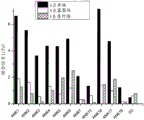
FIG. 1 shows a) the binding signals of the peptides according to the invention with A-beta-monomers, A-beta-oligomers and A-beta-fibrils.
b) The binding specificity of the peptides according to the invention.
FIG. 2 shows the reduction of amyloid-beta-oligomers by the peptides according to the invention.
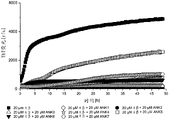
FIG. 3 shows a) THT assay of peptides according to the invention, b) THT assay with THT fluorescence evaluation at the saturation point for amyloid-beta.
FIG. 4 shows a) MTT-assay of SH-SY5 cells without A-beta co-incubation.
b) MTT-assay of SH-SY5 cells with A-beta co-incubation.
For peptide microarrays with the D3 derivative, it was covalently attached via the C-terminus on a slide as shown below.
o generation 1: d3 substituted 1 times with each of 19 natural amino acids and 13 unnatural amino acids.
o generation 2: substitutions that result in more efficient binding of the peptide to a- β are combined with each other.
Pre-treatment of peptide microarray slides:
o 3 brief immersion in ethanol (96%) and subsequent H2Washing with water for 30 min,
o short drying and centrifugation.
-preparation of monomers and oligomers:
o size exclusion chromatography according to Johansson et al 2006 (Johansson, A. -S. et al physical chromatography of the Alzheimer's disease-related peptides A β 1-42 Arctic and A β 1-42 wt. FEBS Journal 273, 2618-.
o oligomers at 8-9ml and monomers at 16-17 ml.
-preparation of fibrils:
o incubation of A-. beta.for 3 days, centrifugation, discarding the supernatant and resuspension in buffer (3 replicates).
-performing a peptide microarray:
o incubation with FITC-A-beta-monomer, -oligomer, -fibril, and FITC for 1 hour at room temperature.
And o washing: TBS-T3 times briefly (TBS-T-buffer exchange only), 3 times 10 min in Falcon, 3 times H2O, 3 times for 10 min.
o drying by centrifugation.
Binding of fluorescently labeled a- β to the immobilized peptide was detected by fluorescent dye with the microarray reader FLA800 of Fuji Film. The more a- β binds to the peptide, the higher the fluorescence signal.
o carrier Set Mode (Set Mode): glass slide
o resolution of 10 mu m
o-scan mode high sensitivity (slow): scanning pixels at 200 mm/s
473 nm for o laser
o Filter 530 DF 20
o photomultiplier tube (PMT) HV (%) 100
The o image is saved as a. tif file.
Evaluation of fluorescence signals was performed with AIDA Metrix software from Raytest:
| the grid defines a first level | |
| Line of | 1 |
| Column(s) of | 1 |
| |
|
| Line of | 12 |
| Column(s) of | 4 |
| |
0 |
| Distance of |
0 |
| Stage 3 | |
| Line of | 9 |
| Column(s) of | 9 |
| Diameter of | 80 µm |
| Background definition | |
| Local point ring (Local Dot Rings) | |
| Expansion point (invert Dots) | 150 µm |
| Width of the |
30 µm |
| By area | Mean value of |
| Alignment Default value (parameter) | |
| Diameter of | 100 % |
| Mobility | Is limited by |
| Alignment grid, alignment points | |
| Alignment defaults (procedures) | |
| Bkg deviation | |
| Threshold value | 2.0*StdDev |
To ensure reproducibility of the results, incubation of the peptide microarray for each species was performed at least 3 times.
The measured fluorescence signals of duplicate tests were normalized by median-based normalization and the control values were subtracted from the signals. Thereby preventing binding of fluorescently labeled a- β by the dye.
The binding signal of the A-beta species to the peptide is averaged.
To determine the binding specificity, the quotient of the species to which the peptide should specifically bind to another species is calculated.
Example (c): binding specificity of peptide X to a- β -monomer = binding signal of peptide X to monomer/binding signal of peptide X to oligomer.
The peptides ANK1-7 and ANK15-18 according to the invention result in inhibition of A- β -fibrillation, inhibition of A- β -cytotoxicity, elimination of A- β -oligomers and conversion of A- β -fibrils into non-toxic non-starch-like species. The binding affinity and specificity for the a- β -monomer is given here.
Here, binding affinity is a measure of the strength of binding between binding partners in the case of protein-ligand interactions, and the binding specificity indicates that there is only binding to a- β -monomers, and no or only weak binding to other a- β species. As values for specificity, the quotient of the binding signals of a- β -monomers to a- β -oligomers or a- β -monomers to a- β -fibrils or equivalent to a- β -oligomers is shown here. Specific binding means that the quotient is greater than 1.
The following data were calculated in detail:
| with A-beta-monomers Combined signal of | With A-beta-oligomerization Body binding messages Number (C) | With A-beta-fibrils Binding letter of dimension Number (C) | Monomer versus oligomerization Binding specificity of the body | Monomer versus fibril Binding specificity of the vitamin | |
| AN K1 | 6.6 | 1.9 | 1.3 | 3.5 | 5.1 |
| AN K2 | 5.6 | 1.6 | 0.8 | 3.4 | 7.1 |
| AN K3 | 3.6 | 0.6 | 0.2 | 6.5 | 21.9 |
| AN K4 | 4.4 | 1.3 | 1.0 | 3.3 | 4.3 |
| AN K5 | 4.3 | 0.7 | 2.0 | 5.9 | 2.2 |
| AN K6 | 4.9 | 1.2 | 2.5 | 4.1 | 1.9 |
| AN K7 | 2.1 | 0.3 | 0.3 | 6.4 | 6.8 |
| AN
|
1.3 | 0.6 | 0.1 | 2.2 | 12.2 |
| AN
|
11.9 | 1.4 | 1.5 | 8.6 | 8.1 |
| AN K1 7 | 4.7 | 1.0 | 1.9 | 4.8 | 2.5 |
| AN
|
1.2 | 0.2 | 0.1 | 7.0 | 9.4 |
| D3 | 0.5 | 0.6 | 0.8 | 0.8 | 0.6 |
FIG. 1a shows the binding signals of ANK1-ANK7 and ANK15-18 to A- β -monomers, -oligomers and-fibrils compared to D3. These peptides bind to a- β -monomers significantly more efficiently than to a- β -oligomers and to a- β -fibrils, which can be recognized by significant differences in binding signals. Significant differences mean that the difference between the binding signals of a- β -monomers to a- β -oligomers and/or a- β fibrils is at least 1.5 rfu.
FIG. 1b shows the binding specificity of ANK1-7 and ANK 15-18. It is clear that in the case of all peptides according to the invention the binding specificity for the a- β -monomer is greater than 1. In contrast, D3 has a binding specificity for a- β -monomers of less than 1.
The properties of the substance can be quantified by means of the QIAD method for quantitative characterization of amyloid peptides and/or proteins in a sample. Preincubated A- β was co-incubated with the peptide. The different a- β species were separated by density gradient centrifugation and quantified in each fraction by RP-HPLC. Fractions 4-6 were analyzed for elimination of A- β -oligomers.
In particular, ANK5, ANK6 and ANK7 have been shown to eliminate a- β -oligomers more efficiently than D3, see fig. 2. On the one hand, specific binding to the monomer can prevent oligomer formation without simultaneously leading to a decrease in the concentration of a- β -monomer; on the other hand, already existing a- β -oligomers can be removed from the dynamic equilibrium of the different aggregate classes according to the le chatelier principle by treatment with an active substance stabilizing the a- β -monomers, resulting in the degradation of the a- β -oligomers into a- β -monomers.
It was shown in the ThT assay that ThT positive a- β -fibrils were significantly reduced after co-incubation with the test substance (fig. 3a and 3 b). This indicates that aggregation is inhibited or amorphous aggregates are formed.
No significant toxicity of the peptides according to the invention could be found at therapeutically relevant concentrations in MTT assays performed on SH-SY5Y cells known to the person skilled in the art (fig. 4). In contrast, it could be shown that the toxicity caused by A- β is reduced by the substances ANK4, ANK5, ANK6 and ANK 7. According to the current state of knowledge, A-beta-oligomers are toxic. A-beta-induced toxicity is also reduced due to elimination of A-beta-oligomers by the peptide.
Specifically, the method comprises the following steps:
figure 2 shows that the peptides ANK5, ANK6 and ANK7 are significantly more effective in reducing a- β -oligomers than D3 at an a- β to peptide ratio of 8: 1. Other peptides were comparable to D3 at this concentration. D3 eliminated A-. beta. -oligomers by 50. + -. 10%, ANK1 by 51. + -. 6%, ANK2 by 54. + -. 7%, ANK3 by 62. + -. 10%, ANK4 by 59. + -. 16%, ANK5 by 72. + -.2%, ANK6 by 81. + -.3%, ANK7 by 73. + -.1%.
Thus, the peptides according to the invention show a reduction of a- β -oligomers which is increased by a factor of at most 1.6 compared to D3.
Figure 3 shows that ANK1-7 significantly reduced the formation of ThT positive a- β -fibrils. Throughout the measurement period (48 hours), the ThT fluorescence remained at the level of the first measurement for peptides ANK1, ANK2 and ANK3, whereas a slight increase was seen for peptides ANK4, ANK6 and ANK7 (equivalent to 13-21% of ThT fluorescence of a β after 48 hours), rising to 1029 rfu for ANK5, which is equivalent to 53% of ThT fluorescence of a- β control after 48 hours.
Figure 4a shows that ANK4, ANK5, ANK6 and ANK7 alone have no toxic effect on cells. Co-incubation of a- β with different concentrations of ANK4, ANK5, ANK6 and ANK7 resulted in a reduction of a- β toxicity, see fig. 4 b. The reduction was more effective with substances ANK4 and ANK6 than with D3. Significance was based on the concentrations each having D3 (. p.ltoreq.0.05;. p.ltoreq.0.01;. p.ltoreq.0.001; n.s. not significant).
Claims (13)
Applications Claiming Priority (3)
| Application Number | Priority Date | Filing Date | Title |
|---|---|---|---|
| DE102015003676.9 | 2015-03-20 | ||
| DE102015003676.9A DE102015003676A1 (en) | 2015-03-20 | 2015-03-20 | Specifically A-beta species-binding peptides for the therapy and / or diagnosis of Alzheimer's dementia |
| PCT/DE2016/000089 WO2016150415A1 (en) | 2015-03-20 | 2016-02-25 | Peptides which bind to a specific a-beta-species for the therapy and/or diagnosis of alzheimer's disease |
Publications (2)
| Publication Number | Publication Date |
|---|---|
| CN107428811A CN107428811A (en) | 2017-12-01 |
| CN107428811B true CN107428811B (en) | 2021-08-24 |
Family
ID=55754031
Family Applications (1)
| Application Number | Title | Priority Date | Filing Date |
|---|---|---|---|
| CN201680016927.1A Expired - Fee Related CN107428811B (en) | 2015-03-20 | 2016-02-25 | Peptides that specifically bind to A-beta-species for the treatment and/or diagnosis of Alzheimer's dementia |
Country Status (8)
| Country | Link |
|---|---|
| US (1) | US10174097B2 (en) |
| EP (1) | EP3271374B1 (en) |
| JP (1) | JP6714610B2 (en) |
| CN (1) | CN107428811B (en) |
| DE (1) | DE102015003676A1 (en) |
| DK (1) | DK3271374T3 (en) |
| ES (1) | ES2815699T3 (en) |
| WO (1) | WO2016150415A1 (en) |
Families Citing this family (3)
| Publication number | Priority date | Publication date | Assignee | Title |
|---|---|---|---|---|
| DE102016125645A1 (en) * | 2016-12-23 | 2018-06-28 | Forschungszentrum Jülich GmbH | D-enantiomeric peptides for the treatment of chronic and neuropathic pain |
| EP3802568A4 (en) * | 2018-06-08 | 2022-07-13 | The Board of Regents of the University of Oklahoma | PEPTIDE THERAPEUTIC AGENTS FOR THE TREATMENT OF ALZHEIMER'S DISEASE AND RELATED CONDITIONS |
| WO2020089912A1 (en) * | 2018-11-01 | 2020-05-07 | Technion Research & Development Foundation Limited | Anti-biofilm compositions |
Citations (4)
| Publication number | Priority date | Publication date | Assignee | Title |
|---|---|---|---|---|
| EP1379546B1 (en) * | 2001-04-06 | 2007-06-13 | Leibniz-Institut für Altersforschung - Fritz-Lipmann-Institut e.V. | Peptide for the diagnosis and therapy of alzheimer's disease |
| CN102224168A (en) * | 2008-11-19 | 2011-10-19 | 于利希研究中心有限公司 | Composition for producing anti-amyloid beta peptide antibodies with d-peptides |
| WO2014041115A2 (en) * | 2012-09-14 | 2014-03-20 | Forschungszentrum Jülich GmbH | Novel d-enantiomeric peptides derived from d3 and use thereof |
| CN104380110A (en) * | 2012-04-05 | 2015-02-25 | 于利希研究中心有限公司 | Method for treating blood, blood products and organs |
Family Cites Families (7)
| Publication number | Priority date | Publication date | Assignee | Title |
|---|---|---|---|---|
| AU781044B2 (en) * | 1999-11-05 | 2005-05-05 | Axonyx, Inc. | Peptide analogs and mimetics suitable for in vivo use in the treatment of diseases associated with abnormal protein folding into amyloid, amyloid-like deposits or beta-sheet rich pathological precursor thereof |
| WO2003001204A2 (en) * | 2001-06-22 | 2003-01-03 | The University Of British Columbia | Type 1 diabetes diagnostics and therapeutics |
| WO2004092197A2 (en) * | 2003-04-07 | 2004-10-28 | The Regents Of The University Of California | Amyloid-specific peptides and uses thereof |
| DE102005049537B4 (en) | 2005-10-17 | 2010-04-22 | Forschungszentrum Karlsruhe Gmbh | Process for the preparation of cyclic peptides and use of the cyclic peptides prepared in this way |
| DE102012102998B4 (en) * | 2012-04-05 | 2013-12-05 | Forschungszentrum Jülich GmbH | New polymer comprising two substances that bind to amyloid-beta-oligomers, useful for treating Alzheimer's disease, Parkinson's disease, Creutzfeldt Jakob disease or diabetes |
| DE102012022013A1 (en) | 2012-11-02 | 2014-05-08 | Forschungszentrum Jülich GmbH Fachbereich Patente | Peptides that bind to amino-terminal truncated amyloid beta-peptide and their use |
| DE102013016002A1 (en) | 2013-09-26 | 2015-03-26 | Forschungszentrum Jülich GmbH | Cyclic amyloid beta-binding peptides and their use |
-
2015
- 2015-03-20 DE DE102015003676.9A patent/DE102015003676A1/en not_active Withdrawn
-
2016
- 2016-02-25 WO PCT/DE2016/000089 patent/WO2016150415A1/en not_active Ceased
- 2016-02-25 DK DK16716456.5T patent/DK3271374T3/en active
- 2016-02-25 ES ES16716456T patent/ES2815699T3/en active Active
- 2016-02-25 CN CN201680016927.1A patent/CN107428811B/en not_active Expired - Fee Related
- 2016-02-25 EP EP16716456.5A patent/EP3271374B1/en not_active Not-in-force
- 2016-02-25 JP JP2017549267A patent/JP6714610B2/en not_active Expired - Fee Related
- 2016-02-25 US US15/549,725 patent/US10174097B2/en not_active Expired - Fee Related
Patent Citations (4)
| Publication number | Priority date | Publication date | Assignee | Title |
|---|---|---|---|---|
| EP1379546B1 (en) * | 2001-04-06 | 2007-06-13 | Leibniz-Institut für Altersforschung - Fritz-Lipmann-Institut e.V. | Peptide for the diagnosis and therapy of alzheimer's disease |
| CN102224168A (en) * | 2008-11-19 | 2011-10-19 | 于利希研究中心有限公司 | Composition for producing anti-amyloid beta peptide antibodies with d-peptides |
| CN104380110A (en) * | 2012-04-05 | 2015-02-25 | 于利希研究中心有限公司 | Method for treating blood, blood products and organs |
| WO2014041115A2 (en) * | 2012-09-14 | 2014-03-20 | Forschungszentrum Jülich GmbH | Novel d-enantiomeric peptides derived from d3 and use thereof |
Non-Patent Citations (3)
| Title |
|---|
| Reduction of Alzheimer’s Disease Amyloid Plaque Load in Transgenic Mice by D3, a D ‐Enantiomeric Peptide Identified by Mirror Image Phage Display;Thomas van Groen等;《ChemMedChem》;20081231;第3卷(第12期);第1848-1852页 * |
| Stereospecific interactions are necessary for Alzheimer disease amyloid-beta toxicity;Giuseppe D.Ciccotosto等;《Neurobiology of Aging》;20090325;第32卷(第2期);第235-248页 * |
| 阿尔茨海默病早期诊断和干预的研究进展;曲萌等;《中华临床医师杂志》;20120115;第6卷(第2期);第412-415页 * |
Also Published As
| Publication number | Publication date |
|---|---|
| WO2016150415A8 (en) | 2020-03-19 |
| DK3271374T3 (en) | 2020-09-07 |
| WO2016150415A1 (en) | 2016-09-29 |
| EP3271374B1 (en) | 2020-06-03 |
| DE102015003676A1 (en) | 2016-09-22 |
| CN107428811A (en) | 2017-12-01 |
| EP3271374A1 (en) | 2018-01-24 |
| JP6714610B2 (en) | 2020-06-24 |
| JP2018512411A (en) | 2018-05-17 |
| ES2815699T3 (en) | 2021-03-30 |
| US10174097B2 (en) | 2019-01-08 |
| US20180044398A1 (en) | 2018-02-15 |
Similar Documents
| Publication | Publication Date | Title |
|---|---|---|
| JP6611858B2 (en) | Novel peptides of D-enantiomers derived from D3 and uses thereof | |
| US11274125B2 (en) | Amyloid-beta-binding peptides and the use thereof for the treatment and diagnosis of Alzheimer's disease | |
| US10239923B2 (en) | Specific amyloid beta binding peptides and the use of same for treating and diagnosing alzheimer's dementia | |
| JP2017222682A (en) | Methods for treating blood, blood products and organs | |
| JP2020023510A (en) | Cyclic, amyloid beta-binding peptides and use thereof | |
| CN107428811B (en) | Peptides that specifically bind to A-beta-species for the treatment and/or diagnosis of Alzheimer's dementia | |
| JP2016520067A (en) | Peptide inhibitors based on the structure of P53 aggregation as a new approach for cancer therapy | |
| JP2008501640A (en) | Myosin light chain kinase inhibitor and use thereof | |
| WO2004052922A2 (en) | Peptides, antibodies thereto, and their use in the treatment of central nervous system damage | |
| US9611296B2 (en) | Peptides that bind to amino-truncated amyloid-beta-peptide and use of said peptides | |
| WO2014171434A1 (en) | TREATMENT AGENT FOR COGNITIVE DISORDERS, INDUCED BY AMYLOID β-PROTEIN, THERAPEUTIC AGENT FOR ALZHEIMER'S DISEASE, AND TREATMENT METHOD AND PATHOLOGICAL ANALYSIS METHOD RELATED TO THESE | |
| WO2017147044A1 (en) | Peptides and methods for treatment of neurodegenerative diseases | |
| Zhang | Amyloid Aggregation and Mitigation | |
| KR20240004214A (en) | Polypeptides for use in the treatment and prevention of neurodegenerative diseases | |
| CN107184956B (en) | Application of Metrnl protein or gene in preventing and treating sepsis | |
| WO2019043382A1 (en) | Leptin peptides and their use for treating neurological disorders | |
| Strosznajder et al. | P1-202 Amyloid beta (AB) and a non AB component of Alzheimer disease amyloid (NAC) affect differently basic and receptors mediated nitric oxide synthase and poly (ADP-ribose) polymerase in hippocampus |
Legal Events
| Date | Code | Title | Description |
|---|---|---|---|
| PB01 | Publication | ||
| PB01 | Publication | ||
| SE01 | Entry into force of request for substantive examination | ||
| SE01 | Entry into force of request for substantive examination | ||
| GR01 | Patent grant | ||
| GR01 | Patent grant | ||
| TR01 | Transfer of patent right | ||
| TR01 | Transfer of patent right |
Effective date of registration: 20220112 Address after: Germany to leach Patentee after: Priaved Ltd. Address before: Germany to leach Patentee before: FORSCHUNGSZENTRUM JuLICH GmbH |
|
| CF01 | Termination of patent right due to non-payment of annual fee | ||
| CF01 | Termination of patent right due to non-payment of annual fee |
Granted publication date: 20210824 |