CN110856440A - Method for making a composite glass panel with a polarization selective coating - Google Patents
Method for making a composite glass panel with a polarization selective coating Download PDFInfo
- Publication number
- CN110856440A CN110856440A CN201980001743.1A CN201980001743A CN110856440A CN 110856440 A CN110856440 A CN 110856440A CN 201980001743 A CN201980001743 A CN 201980001743A CN 110856440 A CN110856440 A CN 110856440A
- Authority
- CN
- China
- Prior art keywords
- film
- polarization
- coating
- selective coating
- glass plate
- Prior art date
- Legal status (The legal status is an assumption and is not a legal conclusion. Google has not performed a legal analysis and makes no representation as to the accuracy of the status listed.)
- Pending
Links
Images

Classifications
-
- B—PERFORMING OPERATIONS; TRANSPORTING
- B32—LAYERED PRODUCTS
- B32B—LAYERED PRODUCTS, i.e. PRODUCTS BUILT-UP OF STRATA OF FLAT OR NON-FLAT, e.g. CELLULAR OR HONEYCOMB, FORM
- B32B17/00—Layered products essentially comprising sheet glass, or glass, slag, or like fibres
- B32B17/06—Layered products essentially comprising sheet glass, or glass, slag, or like fibres comprising glass as the main or only constituent of a layer, next to another layer of a specific material
- B32B17/10—Layered products essentially comprising sheet glass, or glass, slag, or like fibres comprising glass as the main or only constituent of a layer, next to another layer of a specific material of synthetic resin
- B32B17/10005—Layered products essentially comprising sheet glass, or glass, slag, or like fibres comprising glass as the main or only constituent of a layer, next to another layer of a specific material of synthetic resin laminated safety glass or glazing
- B32B17/10165—Functional features of the laminated safety glass or glazing
- B32B17/10431—Specific parts for the modulation of light incorporated into the laminated safety glass or glazing
- B32B17/10467—Variable transmission
- B32B17/10495—Variable transmission optoelectronic, i.e. optical valve
- B32B17/10504—Liquid crystal layer
-
- B—PERFORMING OPERATIONS; TRANSPORTING
- B32—LAYERED PRODUCTS
- B32B—LAYERED PRODUCTS, i.e. PRODUCTS BUILT-UP OF STRATA OF FLAT OR NON-FLAT, e.g. CELLULAR OR HONEYCOMB, FORM
- B32B17/00—Layered products essentially comprising sheet glass, or glass, slag, or like fibres
- B32B17/06—Layered products essentially comprising sheet glass, or glass, slag, or like fibres comprising glass as the main or only constituent of a layer, next to another layer of a specific material
- B32B17/10—Layered products essentially comprising sheet glass, or glass, slag, or like fibres comprising glass as the main or only constituent of a layer, next to another layer of a specific material of synthetic resin
- B32B17/10005—Layered products essentially comprising sheet glass, or glass, slag, or like fibres comprising glass as the main or only constituent of a layer, next to another layer of a specific material of synthetic resin laminated safety glass or glazing
- B32B17/10009—Layered products essentially comprising sheet glass, or glass, slag, or like fibres comprising glass as the main or only constituent of a layer, next to another layer of a specific material of synthetic resin laminated safety glass or glazing characterized by the number, the constitution or treatment of glass sheets
- B32B17/10036—Layered products essentially comprising sheet glass, or glass, slag, or like fibres comprising glass as the main or only constituent of a layer, next to another layer of a specific material of synthetic resin laminated safety glass or glazing characterized by the number, the constitution or treatment of glass sheets comprising two outer glass sheets
-
- B—PERFORMING OPERATIONS; TRANSPORTING
- B32—LAYERED PRODUCTS
- B32B—LAYERED PRODUCTS, i.e. PRODUCTS BUILT-UP OF STRATA OF FLAT OR NON-FLAT, e.g. CELLULAR OR HONEYCOMB, FORM
- B32B17/00—Layered products essentially comprising sheet glass, or glass, slag, or like fibres
- B32B17/06—Layered products essentially comprising sheet glass, or glass, slag, or like fibres comprising glass as the main or only constituent of a layer, next to another layer of a specific material
- B32B17/10—Layered products essentially comprising sheet glass, or glass, slag, or like fibres comprising glass as the main or only constituent of a layer, next to another layer of a specific material of synthetic resin
-
- B—PERFORMING OPERATIONS; TRANSPORTING
- B32—LAYERED PRODUCTS
- B32B—LAYERED PRODUCTS, i.e. PRODUCTS BUILT-UP OF STRATA OF FLAT OR NON-FLAT, e.g. CELLULAR OR HONEYCOMB, FORM
- B32B17/00—Layered products essentially comprising sheet glass, or glass, slag, or like fibres
- B32B17/06—Layered products essentially comprising sheet glass, or glass, slag, or like fibres comprising glass as the main or only constituent of a layer, next to another layer of a specific material
- B32B17/10—Layered products essentially comprising sheet glass, or glass, slag, or like fibres comprising glass as the main or only constituent of a layer, next to another layer of a specific material of synthetic resin
- B32B17/10005—Layered products essentially comprising sheet glass, or glass, slag, or like fibres comprising glass as the main or only constituent of a layer, next to another layer of a specific material of synthetic resin laminated safety glass or glazing
- B32B17/10009—Layered products essentially comprising sheet glass, or glass, slag, or like fibres comprising glass as the main or only constituent of a layer, next to another layer of a specific material of synthetic resin laminated safety glass or glazing characterized by the number, the constitution or treatment of glass sheets
- B32B17/10018—Layered products essentially comprising sheet glass, or glass, slag, or like fibres comprising glass as the main or only constituent of a layer, next to another layer of a specific material of synthetic resin laminated safety glass or glazing characterized by the number, the constitution or treatment of glass sheets comprising only one glass sheet
-
- B—PERFORMING OPERATIONS; TRANSPORTING
- B32—LAYERED PRODUCTS
- B32B—LAYERED PRODUCTS, i.e. PRODUCTS BUILT-UP OF STRATA OF FLAT OR NON-FLAT, e.g. CELLULAR OR HONEYCOMB, FORM
- B32B17/00—Layered products essentially comprising sheet glass, or glass, slag, or like fibres
- B32B17/06—Layered products essentially comprising sheet glass, or glass, slag, or like fibres comprising glass as the main or only constituent of a layer, next to another layer of a specific material
- B32B17/10—Layered products essentially comprising sheet glass, or glass, slag, or like fibres comprising glass as the main or only constituent of a layer, next to another layer of a specific material of synthetic resin
- B32B17/10005—Layered products essentially comprising sheet glass, or glass, slag, or like fibres comprising glass as the main or only constituent of a layer, next to another layer of a specific material of synthetic resin laminated safety glass or glazing
- B32B17/10165—Functional features of the laminated safety glass or glazing
- B32B17/10339—Specific parts of the laminated safety glass or glazing being colored or tinted
- B32B17/10348—Specific parts of the laminated safety glass or glazing being colored or tinted comprising an obscuration band
-
- B—PERFORMING OPERATIONS; TRANSPORTING
- B32—LAYERED PRODUCTS
- B32B—LAYERED PRODUCTS, i.e. PRODUCTS BUILT-UP OF STRATA OF FLAT OR NON-FLAT, e.g. CELLULAR OR HONEYCOMB, FORM
- B32B17/00—Layered products essentially comprising sheet glass, or glass, slag, or like fibres
- B32B17/06—Layered products essentially comprising sheet glass, or glass, slag, or like fibres comprising glass as the main or only constituent of a layer, next to another layer of a specific material
- B32B17/10—Layered products essentially comprising sheet glass, or glass, slag, or like fibres comprising glass as the main or only constituent of a layer, next to another layer of a specific material of synthetic resin
- B32B17/10005—Layered products essentially comprising sheet glass, or glass, slag, or like fibres comprising glass as the main or only constituent of a layer, next to another layer of a specific material of synthetic resin laminated safety glass or glazing
- B32B17/10165—Functional features of the laminated safety glass or glazing
- B32B17/10431—Specific parts for the modulation of light incorporated into the laminated safety glass or glazing
- B32B17/1044—Invariable transmission
- B32B17/10458—Polarization selective transmission
-
- B—PERFORMING OPERATIONS; TRANSPORTING
- B32—LAYERED PRODUCTS
- B32B—LAYERED PRODUCTS, i.e. PRODUCTS BUILT-UP OF STRATA OF FLAT OR NON-FLAT, e.g. CELLULAR OR HONEYCOMB, FORM
- B32B17/00—Layered products essentially comprising sheet glass, or glass, slag, or like fibres
- B32B17/06—Layered products essentially comprising sheet glass, or glass, slag, or like fibres comprising glass as the main or only constituent of a layer, next to another layer of a specific material
- B32B17/10—Layered products essentially comprising sheet glass, or glass, slag, or like fibres comprising glass as the main or only constituent of a layer, next to another layer of a specific material of synthetic resin
- B32B17/10005—Layered products essentially comprising sheet glass, or glass, slag, or like fibres comprising glass as the main or only constituent of a layer, next to another layer of a specific material of synthetic resin laminated safety glass or glazing
- B32B17/1055—Layered products essentially comprising sheet glass, or glass, slag, or like fibres comprising glass as the main or only constituent of a layer, next to another layer of a specific material of synthetic resin laminated safety glass or glazing characterized by the resin layer, i.e. interlayer
- B32B17/10761—Layered products essentially comprising sheet glass, or glass, slag, or like fibres comprising glass as the main or only constituent of a layer, next to another layer of a specific material of synthetic resin laminated safety glass or glazing characterized by the resin layer, i.e. interlayer containing vinyl acetal
-
- B—PERFORMING OPERATIONS; TRANSPORTING
- B32—LAYERED PRODUCTS
- B32B—LAYERED PRODUCTS, i.e. PRODUCTS BUILT-UP OF STRATA OF FLAT OR NON-FLAT, e.g. CELLULAR OR HONEYCOMB, FORM
- B32B17/00—Layered products essentially comprising sheet glass, or glass, slag, or like fibres
- B32B17/06—Layered products essentially comprising sheet glass, or glass, slag, or like fibres comprising glass as the main or only constituent of a layer, next to another layer of a specific material
- B32B17/10—Layered products essentially comprising sheet glass, or glass, slag, or like fibres comprising glass as the main or only constituent of a layer, next to another layer of a specific material of synthetic resin
- B32B17/10005—Layered products essentially comprising sheet glass, or glass, slag, or like fibres comprising glass as the main or only constituent of a layer, next to another layer of a specific material of synthetic resin laminated safety glass or glazing
- B32B17/1055—Layered products essentially comprising sheet glass, or glass, slag, or like fibres comprising glass as the main or only constituent of a layer, next to another layer of a specific material of synthetic resin laminated safety glass or glazing characterized by the resin layer, i.e. interlayer
- B32B17/1077—Layered products essentially comprising sheet glass, or glass, slag, or like fibres comprising glass as the main or only constituent of a layer, next to another layer of a specific material of synthetic resin laminated safety glass or glazing characterized by the resin layer, i.e. interlayer containing polyurethane
-
- B—PERFORMING OPERATIONS; TRANSPORTING
- B32—LAYERED PRODUCTS
- B32B—LAYERED PRODUCTS, i.e. PRODUCTS BUILT-UP OF STRATA OF FLAT OR NON-FLAT, e.g. CELLULAR OR HONEYCOMB, FORM
- B32B17/00—Layered products essentially comprising sheet glass, or glass, slag, or like fibres
- B32B17/06—Layered products essentially comprising sheet glass, or glass, slag, or like fibres comprising glass as the main or only constituent of a layer, next to another layer of a specific material
- B32B17/10—Layered products essentially comprising sheet glass, or glass, slag, or like fibres comprising glass as the main or only constituent of a layer, next to another layer of a specific material of synthetic resin
- B32B17/10005—Layered products essentially comprising sheet glass, or glass, slag, or like fibres comprising glass as the main or only constituent of a layer, next to another layer of a specific material of synthetic resin laminated safety glass or glazing
- B32B17/1055—Layered products essentially comprising sheet glass, or glass, slag, or like fibres comprising glass as the main or only constituent of a layer, next to another layer of a specific material of synthetic resin laminated safety glass or glazing characterized by the resin layer, i.e. interlayer
- B32B17/10788—Layered products essentially comprising sheet glass, or glass, slag, or like fibres comprising glass as the main or only constituent of a layer, next to another layer of a specific material of synthetic resin laminated safety glass or glazing characterized by the resin layer, i.e. interlayer containing ethylene vinylacetate
-
- B—PERFORMING OPERATIONS; TRANSPORTING
- B32—LAYERED PRODUCTS
- B32B—LAYERED PRODUCTS, i.e. PRODUCTS BUILT-UP OF STRATA OF FLAT OR NON-FLAT, e.g. CELLULAR OR HONEYCOMB, FORM
- B32B17/00—Layered products essentially comprising sheet glass, or glass, slag, or like fibres
- B32B17/06—Layered products essentially comprising sheet glass, or glass, slag, or like fibres comprising glass as the main or only constituent of a layer, next to another layer of a specific material
- B32B17/10—Layered products essentially comprising sheet glass, or glass, slag, or like fibres comprising glass as the main or only constituent of a layer, next to another layer of a specific material of synthetic resin
- B32B17/10005—Layered products essentially comprising sheet glass, or glass, slag, or like fibres comprising glass as the main or only constituent of a layer, next to another layer of a specific material of synthetic resin laminated safety glass or glazing
- B32B17/10807—Making laminated safety glass or glazing; Apparatus therefor
- B32B17/10899—Making laminated safety glass or glazing; Apparatus therefor by introducing interlayers of synthetic resin
-
- G—PHYSICS
- G02—OPTICS
- G02B—OPTICAL ELEMENTS, SYSTEMS OR APPARATUS
- G02B27/00—Optical systems or apparatus not provided for by any of the groups G02B1/00 - G02B26/00, G02B30/00
- G02B27/28—Optical systems or apparatus not provided for by any of the groups G02B1/00 - G02B26/00, G02B30/00 for polarising
- G02B27/283—Optical systems or apparatus not provided for by any of the groups G02B1/00 - G02B26/00, G02B30/00 for polarising used for beam splitting or combining
-
- B—PERFORMING OPERATIONS; TRANSPORTING
- B32—LAYERED PRODUCTS
- B32B—LAYERED PRODUCTS, i.e. PRODUCTS BUILT-UP OF STRATA OF FLAT OR NON-FLAT, e.g. CELLULAR OR HONEYCOMB, FORM
- B32B17/00—Layered products essentially comprising sheet glass, or glass, slag, or like fibres
- B32B17/06—Layered products essentially comprising sheet glass, or glass, slag, or like fibres comprising glass as the main or only constituent of a layer, next to another layer of a specific material
- B32B17/10—Layered products essentially comprising sheet glass, or glass, slag, or like fibres comprising glass as the main or only constituent of a layer, next to another layer of a specific material of synthetic resin
- B32B17/10005—Layered products essentially comprising sheet glass, or glass, slag, or like fibres comprising glass as the main or only constituent of a layer, next to another layer of a specific material of synthetic resin laminated safety glass or glazing
- B32B17/10165—Functional features of the laminated safety glass or glazing
- B32B17/10174—Coatings of a metallic or dielectric material on a constituent layer of glass or polymer
-
- B—PERFORMING OPERATIONS; TRANSPORTING
- B32—LAYERED PRODUCTS
- B32B—LAYERED PRODUCTS, i.e. PRODUCTS BUILT-UP OF STRATA OF FLAT OR NON-FLAT, e.g. CELLULAR OR HONEYCOMB, FORM
- B32B17/00—Layered products essentially comprising sheet glass, or glass, slag, or like fibres
- B32B17/06—Layered products essentially comprising sheet glass, or glass, slag, or like fibres comprising glass as the main or only constituent of a layer, next to another layer of a specific material
- B32B17/10—Layered products essentially comprising sheet glass, or glass, slag, or like fibres comprising glass as the main or only constituent of a layer, next to another layer of a specific material of synthetic resin
- B32B17/10005—Layered products essentially comprising sheet glass, or glass, slag, or like fibres comprising glass as the main or only constituent of a layer, next to another layer of a specific material of synthetic resin laminated safety glass or glazing
- B32B17/10165—Functional features of the laminated safety glass or glazing
- B32B17/10293—Edge features, e.g. inserts or holes
-
- B—PERFORMING OPERATIONS; TRANSPORTING
- B32—LAYERED PRODUCTS
- B32B—LAYERED PRODUCTS, i.e. PRODUCTS BUILT-UP OF STRATA OF FLAT OR NON-FLAT, e.g. CELLULAR OR HONEYCOMB, FORM
- B32B2329/00—Polyvinylalcohols, polyvinylethers, polyvinylaldehydes, polyvinylketones or polyvinylketals
- B32B2329/06—PVB, i.e. polyinylbutyral
-
- B—PERFORMING OPERATIONS; TRANSPORTING
- B32—LAYERED PRODUCTS
- B32B—LAYERED PRODUCTS, i.e. PRODUCTS BUILT-UP OF STRATA OF FLAT OR NON-FLAT, e.g. CELLULAR OR HONEYCOMB, FORM
- B32B2605/00—Vehicles
- B32B2605/006—Transparent parts other than made from inorganic glass, e.g. polycarbonate glazings
-
- G—PHYSICS
- G02—OPTICS
- G02B—OPTICAL ELEMENTS, SYSTEMS OR APPARATUS
- G02B27/00—Optical systems or apparatus not provided for by any of the groups G02B1/00 - G02B26/00, G02B30/00
- G02B27/01—Head-up displays
- G02B2027/0192—Supplementary details
-
- G—PHYSICS
- G02—OPTICS
- G02B—OPTICAL ELEMENTS, SYSTEMS OR APPARATUS
- G02B27/00—Optical systems or apparatus not provided for by any of the groups G02B1/00 - G02B26/00, G02B30/00
- G02B27/01—Head-up displays
- G02B2027/0192—Supplementary details
- G02B2027/0194—Supplementary details with combiner of laminated type, for optical or mechanical aspects
Landscapes
- Physics & Mathematics (AREA)
- Chemical & Material Sciences (AREA)
- Crystallography & Structural Chemistry (AREA)
- General Physics & Mathematics (AREA)
- Optics & Photonics (AREA)
- Laminated Bodies (AREA)
- Joining Of Glass To Other Materials (AREA)
- Polarising Elements (AREA)
Abstract
Description
本发明涉及制造复合玻璃板的方法,所述复合玻璃板适合作为投影装置的投影面,以及涉及制造这种投影装置的方法。The present invention relates to a method of producing a composite glass sheet suitable as a projection surface for a projection device, and to a method of producing such a projection device.
现代汽车越来越多地配备所谓的平视显示器(HUD)。用投影仪,例如在仪表板的区域中或者在车顶区域中,将图像投影到挡风玻璃上,在那里被反射并且被驾驶员感知为(从他看来)在挡风玻璃后面的虚拟图像。如此,可以将重要信息,例如驾驶员可以感知的当前的驾驶速度、导航-或警告通知,投影到驾驶员的视野中,而不必使他的视线转离道路。平视显示器因此可以为提高交通安全性做出显著贡献。Modern cars are increasingly equipped with so-called head-up displays (HUDs). With a projector, for example in the area of the instrument panel or in the area of the roof, the image is projected onto the windshield, where it is reflected and perceived by the driver as a virtual (from his point of view) behind the windshield image. In this way, important information, such as the current driving speed that the driver can perceive, navigation- or warning notifications, can be projected into the driver's field of vision without having to take his eyes off the road. Head-up displays can thus make a significant contribution to improving traffic safety.
在最常见的HUD中,挡风玻璃被s偏振的辐射照射,该辐射被玻璃表面高度反射。在此产生投影仪图像在挡风玻璃的两个表面处被反射的问题。由此,驾驶员不仅感知到所希望的主图像,而且也感知到略微错位的副图像。后者通常也被称为重影图像。该问题通常通过以下方式来解决,即,将反射表面彼此以有意识地选择的角度来布置,从而使得主图像和重影图像重叠,由此重影图像不再干扰性地引人注目。挡风玻璃设计为复合玻璃板,并且该角度最简单地通过使用楔形的热塑性中间层被引入两个玻璃制玻璃板之间。例如由EP1800855B1或EP1880243A2已知具有楔形薄膜的用于平视显示器的复合玻璃。In the most common HUDs, the windshield is illuminated with s-polarized radiation, which is highly reflected by the glass surface. The problem here arises that the projector image is reflected at both surfaces of the windshield. As a result, the driver perceives not only the desired main image but also the slightly misplaced sub-image. The latter are also commonly referred to as ghost images. This problem is usually solved by arranging the reflective surfaces at a deliberately chosen angle to each other so that the main image and the ghost image overlap, whereby the ghost image is no longer disturbingly noticeable. The windshield is designed as a composite glass pane, and the angle is introduced between two glass panes most simply by using a wedge-shaped thermoplastic interlayer. Laminate glasses for head-up displays with wedge-shaped films are known, for example, from EP1800855B1 or EP1880243A2.
替代地,也已知HUD,其中挡风玻璃被p偏振的辐射照射。因为典型的入射角接近空气-玻璃过渡的布鲁斯特角,所以p偏振的辐射不会被玻璃表面显著地反射并且由此避免了重影图像的问题。取而代之地,提供反射薄膜作为辐射所需的反射面,该反射薄膜例如层压在复合玻璃板的中间层中。这种HUD例如由US2004135742A1已知。反射薄膜尤其应有效地反射p偏振的辐射,并且为了改善光学品质,仅在小的程度上反射s偏振的辐射,因此偏振选择性涂层尤其适用于该反射薄膜。Alternatively, HUDs are also known in which the windshield is illuminated with p-polarized radiation. Because typical angles of incidence are close to the Brewster angle of the air-glass transition, p-polarized radiation is not significantly reflected by glass surfaces and thus avoids the problem of ghost images. Instead, a reflective film is provided as the reflective surface required for the radiation, which is laminated, for example, in an intermediate layer of a laminated glass pane. Such a HUD is known, for example, from US2004135742A1. In particular, the reflective film should reflect p-polarized radiation efficiently and, in order to improve the optical quality, only reflect s-polarized radiation to a small extent, so polarization-selective coatings are especially suitable for this reflective film.
由US2010157426A1已知一种偏振选择性涂层以及一种如何能够将该涂层引入到复合玻璃板中的方法。将该涂层提供在载体薄膜上,然后转移到层压在两个玻璃制玻璃板之间的连接薄膜上。在涂层转移时,将载体薄膜用经涂覆的侧压入粘着层的中间层片下,其中,薄膜堆叠在50°的温度下用0.5 kg加载超过2小时。然而,已经表明,该方法仅导致在偏振选择性涂层和连接薄膜之间的相对弱的结合。如果要给挡风玻璃大面积地提供该涂层,这可能导致问题。另外,已经表明,该工艺的稳健性不足以在不对参数进行大的调整的情况下能够应用于各种类型和各种厚度的连接薄膜。From US2010157426A1 is known a polarization-selective coating and a method how this coating can be introduced into a composite glass pane. The coating is provided on a carrier film and then transferred to a connecting film laminated between two glass panes. During the coating transfer, the carrier film was pressed with the coated side under the interlayer sheet of the adhesive layer, wherein the film stack was loaded with 0.5 kg for more than 2 hours at a temperature of 50°. However, it has been shown that this approach results in only a relatively weak bond between the polarization selective coating and the connecting film. This can lead to problems if the coating is to be provided over a large area to the windshield. In addition, it has been shown that the process is not robust enough to be applied to connecting films of various types and thicknesses without major parameter adjustments.
US2010157426A1的偏振选择性涂层包含棒状纳米颗粒(所谓的纳米小棒或纳米棒),其中偏振选择性反射行为通过小棒的取向来实现。偏振选择性涂层的替代实现基于胆甾族液晶,如其例如描述在JP4208990B2中。The polarization-selective coating of US2010157426A1 contains rod-shaped nanoparticles (so-called nanorods or nanorods), wherein the polarization-selective reflection behavior is achieved by the orientation of the rods. Alternative implementations of polarization selective coatings are based on cholesteric liquid crystals, as described for example in JP4208990B2.
因此,存在对制备具有偏振选择性涂层的复合玻璃板的改进的方法的需求。本发明的目的在于,提供这样的改进的方法。在此,尤其应将偏振选择性涂层可靠且稳定地从载体薄膜转移到连接薄膜上,并且所得到的复合玻璃板应具有高的光学品质。Accordingly, there is a need for an improved method of making composite glass sheets with polarization selective coatings. It is an object of the present invention to provide such an improved method. In particular, the polarization-selective coating should be transferred reliably and stably from the carrier film to the connecting film, and the resulting composite glass pane should have a high optical quality.
根据本发明,本发明的目的通过根据权利要求1的方法来实现。优选的实施方案由从属权利要求得出。According to the invention, the object of the invention is achieved by a method according to
根据本发明的方法用于制造复合玻璃板,其适合并提供作为投影装置的投影面。首先,在载体薄膜上提供偏振选择性涂层。随后,将偏振选择性涂层从载体薄膜转移到连接薄膜上。然后,将具有偏振选择性涂层的连接薄膜平面地布置在第一玻璃板和第二玻璃板之间。随后,将第一玻璃板与第二玻璃板通过连接薄膜层压成复合玻璃板。The method according to the invention is used to produce a composite glass pane which is suitable and provided as a projection surface for a projection device. First, a polarization selective coating is provided on the carrier film. Subsequently, the polarization selective coating was transferred from the carrier film to the connecting film. Then, a connecting film with a polarization-selective coating was arranged planarly between the first glass plate and the second glass plate. Subsequently, the first glass sheet and the second glass sheet are laminated to form a composite glass sheet by means of a connecting film.
偏振选择性涂层通常提供在不具有热熔粘合(Schmelzklebe)性质并因此不能用于将两个玻璃制玻璃板层压成复合玻璃板的载体薄膜上。在这种载体薄膜,尤其是由聚对苯二甲酸乙二醇酯(PET)制成的薄膜上,偏振选择性涂层也是商购可得的。原则上,虽然可以想到将载体薄膜层压在复合玻璃板的中间层中在两个热熔连接薄膜之间,但是已经发现这不能产生令人满意的结果:典型的载体薄膜的高刚性导致在用于运输工具应用的通常弯曲的复合玻璃板中的褶裥,使得其不满足光学要求。因此,需要将涂层从载体薄膜转移到可弯曲的并且可以用作连接玻璃制玻璃板的热熔粘合薄膜的连接薄膜上。Polarization-selective coatings are generally provided on carrier films which do not have hot melt adhesive properties and therefore cannot be used for laminating two glass panes to form a composite glass pane. On such carrier films, especially films made of polyethylene terephthalate (PET), polarization-selective coatings are also commercially available. In principle, although it is conceivable to laminate a carrier film in an intermediate layer of a laminated glass sheet between two hot melt bonding films, it has been found that this does not lead to satisfactory results: the high rigidity of typical carrier films leads to Pleats in typically curved composite glass sheets for transportation applications make them unsatisfactory for optical requirements. Therefore, there is a need to transfer the coating from the carrier film to a bonding film that is flexible and can be used as a hot melt adhesive film for bonding glass panes.
本发明的优点尤其在于将偏振选择性涂层从载体薄膜转移到连接薄膜上。根据本发明的方法在涂层和连接薄膜之间产生了强结合,由此尤其也可以实现对连接薄膜的大面积区域的涂覆。此外,不同类型和不同厚度的连接薄膜与该方法兼容。所述具有涂层的连接薄膜具有高的光学品质,并且经涂覆的连接薄膜适于用作高光学品质的复合玻璃板的热塑性中间薄膜。根据本发明制造的复合玻璃板满足了在运输工具领域中的挡风玻璃所提出的高要求,因此它们可以作为这样的玻璃板来使用。An advantage of the present invention is in particular the transfer of the polarization-selective coating from the carrier film to the connecting film. The method according to the invention produces a strong bond between the coating and the connecting film, whereby in particular the coating of large areas of the connecting film is also possible. In addition, different types and thicknesses of connecting films are compatible with this method. The coated tie film has high optical quality, and the coated tie film is suitable for use as a thermoplastic intermediate film for a high optical quality laminated glass sheet. The composite glass panes produced according to the invention meet the high demands set by windshields in the field of transport, and they can therefore be used as such glass panes.
根据本发明的偏振选择性涂层的转移通过以下方式进行The transfer of the polarization selective coating according to the invention is carried out in the following way
- 将载体薄膜和连接薄膜与位于其间的涂层平面地彼此相叠地布置成薄膜堆叠,- arranging the carrier film and the connecting film and the coating layer therebetween in a flat film stack on top of each other,
- 随后在压热器中在至少8巴的压力和80℃至120℃的温度下处理所述薄膜堆叠至少2小时,和- subsequently treating the film stack in an autoclave at a pressure of at least 8 bar and a temperature of 80°C to 120°C for at least 2 hours, and
- 然后将载体薄膜从连接薄膜上剥离,其中涂层保留在连接薄膜上。- The carrier film is then peeled off from the connecting film, the coating remaining on the connecting film.
具有偏振选择性涂层的载体薄膜是商购可得的,例如成卷的或作为薄膜片。在载体薄膜上提供偏振选择性涂层的步骤优选从这种购买的卷或片出发并且包括以所希望的尺寸和形状修剪薄膜区段。在此,所希望的尺寸和形状理想地相应于随后要被提供偏振选择性涂层的连接薄膜的区域的尺寸和形状。然而,原则上,偏振选择性涂层也可以例如通过刷涂并干燥各向异性地实体的溶液和任选随后拉伸而施加到经剪切的载体薄膜上。Carrier films with polarization-selective coatings are commercially available, for example, in rolls or as film sheets. The step of providing the polarization selective coating on the carrier film preferably proceeds from such a commercially available roll or sheet and involves trimming the film sections to the desired size and shape. Here, the desired size and shape ideally correspond to the size and shape of the region of the connecting film to be subsequently provided with the polarization-selective coating. In principle, however, the polarization-selective coating can also be applied to the sheared carrier film, for example by brushing and drying anisotropically solid solutions and optionally subsequent stretching.
在将载体薄膜和连接薄膜布置成薄膜堆叠时,使偏振选择性涂层与连接薄膜接触。连接薄膜优选事先被修剪成所希望的尺寸和形状,其基本上相应于待连接的玻璃制玻璃板的尺寸和形状。然而,原则上也可以将涂层转移到连接薄膜的较大的区段上并且随后由所述较大的区段修剪所希望的尺寸和形状。When the carrier film and the connecting film are arranged in a film stack, the polarization-selective coating is brought into contact with the connecting film. The connecting film is preferably trimmed in advance to the desired size and shape, which substantially corresponds to the size and shape of the glass panes to be connected. In principle, however, it is also possible to transfer the coating to a larger section of the connecting film and then trim from the larger section to the desired size and shape.
如果要给整个(修剪的)连接薄膜提供偏振选择性涂层,那么连接薄膜和载体薄膜优选一致并且完全重叠地彼此相叠地布置,从而使得连接薄膜的整个表面与涂层接触。替代地,载体薄膜也可以具有比连接薄膜更大的面积,在那里它部分地或环绕地突出超出连接薄膜的棱边。如此也实现了,连接薄膜的整个表面与涂层接触,并且可能可以实现连接薄膜上的涂层棱边的更好的品质,但是该过程与材料废品相关联。相反,如果仅要给连接薄膜的一个区域提供偏振选择性涂层,则被修剪的载体薄膜具有比被修剪的连接薄膜更小的面积,并且被如此放置在连接薄膜上,使得所述区域完全与涂层接触。If the entire (trimmed) connecting film is to be provided with a polarization-selective coating, the connecting film and the carrier film are preferably arranged on top of each other in a uniform and completely overlapping manner, so that the entire surface of the connecting film is in contact with the coating. Alternatively, the carrier film can also have a larger area than the connecting film, where it protrudes partially or circumferentially beyond the edge of the connecting film. This also achieves that the entire surface of the joining film is in contact with the coating, and a better quality of the edges of the coating on the joining film may be achieved, but this process is associated with material waste. Conversely, if only one area of the connecting film is to be provided with a polarization selective coating, the trimmed carrier film has a smaller area than the trimmed connecting film and is placed on the connecting film such that the area is completely in contact with the coating.
优选在净化室条件下对薄膜进行操作,即,将载体薄膜和连接薄膜布置成薄膜堆叠,并且优选也剪切薄膜,由此降低了尤其会损害外观品质的污染的危险。将本发明意义上的净化室条件理解为是指环境空气包含每立方米最多352000个尺寸自0.5μm起的颗粒的条件。净化室中的温度为优选15℃至25℃,相对空气湿度优选小于30%。The films are preferably operated under clean room conditions, ie the carrier film and the connecting film are arranged in a film stack, and the films are preferably also sheared, whereby the risk of contamination, which in particular impairs the quality of appearance, is reduced. Clean room conditions in the sense of the present invention are understood to mean conditions in which the ambient air contains at most 352,000 particles per cubic meter of size from 0.5 μm onwards. The temperature in the clean room is preferably 15°C to 25°C, and the relative air humidity is preferably less than 30%.
载体薄膜典型地由或基于热塑性材料制成,所述热塑性材料不具有热熔合性质。这尤其指在约130℃的典型层压温度下对玻璃表面的热熔合性质。优选地,载体薄膜包含或基本上由聚对苯二甲酸乙二醇酯(PET)组成,如其对于商购可得的载体薄膜而言也是常用的那样。载体薄膜优选具有30μm至500μm,特别优选50μm至200μm,例如约100μm的厚度。The carrier film is typically made of or based on thermoplastic materials that do not have thermal fusion properties. This refers in particular to thermal fusion properties to glass surfaces at typical lamination temperatures of about 130°C. Preferably, the carrier film comprises or consists essentially of polyethylene terephthalate (PET), as is also customary for commercially available carrier films. The carrier film preferably has a thickness of 30 μm to 500 μm, particularly preferably 50 μm to 200 μm, for example about 100 μm.
连接薄膜典型地由或基于具有热熔合性质(在上述条件下)的热塑性材料制成。优选地,所述连接薄膜包含或基本上由聚乙烯醇缩丁醛(PVB)、乙烯乙酸乙烯酯(EVA)、聚氨酯(PU)或其混合物或共聚物或衍生物构成,优选PVB。这些材料常用于复合玻璃的层压。连接薄膜此外可以包含增塑剂、稳定剂、着色剂或其它添加剂。连接薄膜优选具有0.1 mm至2mm,特别优选0.3 mm至1 mm的厚度,例如约0.38 mm或0.76 mm的标准厚度。The connecting film is typically made of or based on a thermoplastic material having thermal fusion properties (under the conditions described above). Preferably, the connecting film comprises or consists essentially of polyvinyl butyral (PVB), ethylene vinyl acetate (EVA), polyurethane (PU) or mixtures or copolymers or derivatives thereof, preferably PVB. These materials are commonly used in the lamination of composite glass. The connecting film may additionally contain plasticizers, stabilizers, colorants or other additives. The connecting film preferably has a thickness of 0.1 mm to 2 mm, particularly preferably 0.3 mm to 1 mm, for example a standard thickness of about 0.38 mm or 0.76 mm.
商购可得的连接薄膜的两个表面典型地由于生产造成具有不同的粗糙度。因此,连接薄膜具有一个粗糙度较小的表面和一个粗糙度较高的相对置的表面。如果涂层与粗糙度较小的表面接触,则对于涂层在连接薄膜处的粘着而言是有利的。因此,在将载体薄膜和连接薄膜布置成层堆叠时,优选朝向载体薄膜(和涂层)的较小粗糙度的表面。具有较小粗糙度的表面优选具有小于25μm的平均粗糙度RZ和具有较高粗糙度的表面具有大于25μm的平均粗糙度RZ。具有较小粗糙度的表面特别优选具有5μm至20μm的平均粗糙度RZ,和具有较高粗糙度的表面特别优选具有30μm至50μm的平均粗糙度RZ。The two surfaces of commercially available joining films typically have different roughnesses due to production. Thus, the connecting film has a less rough surface and an opposing surface with a high roughness. If the coating is in contact with a less rough surface, it is advantageous for the adhesion of the coating at the connecting film. Therefore, when arranging the carrier film and the connecting film in a layer stack, preference is given to the less rough surface of the carrier film (and coating). Surfaces with less roughness preferably have an average roughness R Z of less than 25 μm and surfaces with higher roughness have an average roughness R Z of more than 25 μm. Surfaces with a smaller roughness particularly preferably have an average roughness R Z of 5 μm to 20 μm, and surfaces with a higher roughness particularly preferably have an average roughness R Z of 30 μm to 50 μm.
在压热器中处理薄膜堆叠,其中产生偏振选择性涂层与连接薄膜的结合。为了确保稳定的结合而不产生光学变形,工艺参数是重要的。特别地,温度不允许选择得过高,因为否则在涂层中会产生裂纹。根据本发明,温度为80℃至120℃,优选85℃至115℃,特别优选90℃至110℃,例如约100℃。根据本发明,压热器处理的持续时间为至少2小时,优选2小时至4小时,例如约2.5小时。根据本发明,在压热器中,给薄膜堆叠施加至少8巴的压力,优选8巴至15巴,例如约12巴。The thin film stack is processed in an autoclave, where the combination of the polarization selective coating and the connecting thin film is produced. To ensure stable bonding without optical distortion, process parameters are important. In particular, the temperature must not be chosen too high, since cracks would otherwise occur in the coating. According to the invention, the temperature is from 80°C to 120°C, preferably from 85°C to 115°C, particularly preferably from 90°C to 110°C, for example about 100°C. According to the present invention, the duration of the autoclave treatment is at least 2 hours, preferably 2 hours to 4 hours, for example about 2.5 hours. According to the invention, in the autoclave, a pressure of at least 8 bar, preferably 8 to 15 bar, eg about 12 bar, is applied to the film stack.
在压热器处理期间,将薄膜堆叠优选布置在两个板(压板)之间,这两个板彼此挤压连接薄膜和载体薄膜。例如,这两个板可以通过螺钉相互连接,借助于螺钉可以调节它们的相互距离并且因此调节作用到薄膜叠堆上的压力。所述板例如可以由金属或塑料(如聚碳酸酯或PMMA)制成并且具有1 cm至4 cm的厚度。通过这些板确保了压热器中的压力均匀地分布在薄膜堆叠上。During the autoclave treatment, the film stack is preferably arranged between two plates (pressing plates) which press together the film and the carrier film. For example, the two plates can be connected to each other by means of screws, by means of which their mutual distance and thus the pressure acting on the membrane stack can be adjusted. The plate can, for example, be made of metal or plastic such as polycarbonate or PMMA and have a thickness of 1 cm to 4 cm. These plates ensure that the pressure in the autoclave is evenly distributed over the film stack.
在压热器中处理之前,优选将堆叠暴露在减压下,以从连接薄膜和玻璃板之间的中间空间中排出空气。这例如借助于本身已知的真空袋法或真空环法进行。Prior to processing in the autoclave, the stack is preferably exposed to reduced pressure to vent air from the intermediate space between the connecting film and the glass sheet. This takes place, for example, by means of the vacuum bag method or the vacuum ring method known per se.
在压热器中连接之后,将载体薄膜从连接薄膜上剥离,其中,涂层保留在连接薄膜上。推荐从载体薄膜的一个角出发,然后以均匀的速度剥离载体薄膜,以确保连接薄膜上的涂层的尽可能高的光学品质。所述剥离在整体上应足够缓慢和小心地进行,以不在涂层上产生痕迹。After joining in the autoclave, the carrier film is peeled off from the joining film, wherein the coating remains on the joining film. It is recommended to start from one corner of the carrier film and then peel off the carrier film at a uniform speed to ensure the highest possible optical quality of the coating on the joining film. The peeling should generally be done slowly and carefully enough not to leave marks on the coating.
直接从压热器中取出之后薄膜堆叠可能还太热,以至于不能剥离载体薄膜而不损坏或损害光学品质。因此推荐,首先使薄膜叠堆冷却或者主动冷却。然而,过于强烈地冷却至室温也反过来对载体薄膜的剥离有害。在剥离载体薄膜时,薄膜堆叠应理想地具有30℃至65℃的温度。The film stack may be too hot to peel off the carrier film directly after removal from the autoclave without damaging or compromising the optical quality. It is therefore recommended that the film stack is first cooled or actively cooled. Excessive cooling to room temperature, however, is in turn detrimental to the peeling of the carrier film. When peeling the carrier film, the film stack should ideally have a temperature of 30°C to 65°C.
如果将偏振选择性涂层转移到连接薄膜上,则能够使用所述偏振选择性涂层,以将第一和第二玻璃板相互连接成复合玻璃板。将第一玻璃板、连接薄膜和第二玻璃板平面地并且基本上一致地叠置布置并且随后在温度、压力或真空的作用下相互连接并由此层压成复合玻璃板。If the polarization-selective coating is transferred to the connecting film, the polarization-selective coating can be used to interconnect the first and second glass sheets into a composite glass sheet. The first glass pane, the connecting film and the second glass pane are arranged on top of one another in a planar and substantially uniform manner and are subsequently connected to one another under the action of temperature, pressure or vacuum and thus laminated to form a composite glass pane.
在此,将连接薄膜和因此偏振选择性涂层如此布置在玻璃板之间并因此布置在之后的复合玻璃板中,使得它们显著反射p偏振射到复合玻璃板上的辐射。涂层对p偏振的辐射的反射率由此基本上最大化。因为连接薄膜必须与玻璃板一致地布置,并因此在其取向方面没有自由度(至少当连接薄膜已经被剪切时),所以在涂层从载体薄膜转移到连接薄膜上时,必须已经考虑涂层的取向。In this case, the connecting film and thus the polarization-selective coating are arranged between the glass panes and thus in the subsequent composite glass pane in such a way that they significantly reflect p-polarized radiation impinging on the composite glass pane. The reflectivity of the coating for p-polarized radiation is thereby substantially maximized. Since the connecting film has to be arranged in line with the glass sheet and therefore has no degrees of freedom in its orientation (at least when the connecting film has been sheared), the coating must already be taken into account when transferring the coating from the carrier film to the connecting film layer orientation.
层压又优选在压热器中进行。在此,温度也不应过高:在通常常用的约130℃的层压温度下,在偏振选择性涂层中可能出现裂纹。温度优选小于130℃,特别优选最高100℃。压热器处理的持续时间优选为2小时至4小时,例如约3小时。但是,替代地,原则上也可以使用本身已知的其它方法,如真空袋法、真空环法、轧延机法或真空层压机。Lamination is again preferably carried out in an autoclave. Here, too, the temperature should not be too high: at the commonly used lamination temperatures of about 130° C., cracks can occur in the polarization-selective coating. The temperature is preferably less than 130°C, particularly preferably up to 100°C. The duration of the autoclave treatment is preferably from 2 hours to 4 hours, for example about 3 hours. Alternatively, however, other methods known per se, such as the vacuum bag method, the vacuum ring method, the calender method or the vacuum laminator, can also be used in principle.
在一个实施方案中,可以在偏振选择性涂层上放上另一连接薄膜,使得复合玻璃板中的涂层布置在两个热塑性材料层之间,并且仿佛是被封装的。In one embodiment, another tie film can be placed over the polarization selective coating such that the coating in the composite glass sheet is disposed between the two thermoplastic layers and appears to be encapsulated.
替代地,可以使偏振选择性涂层与第一或第二玻璃板直接接触。这也是优选的,因为已经表明,由此可以减少涂层的波纹度(所谓的桔皮效应)。位于中间的涂层不会显著损害所涉及的玻璃板在连接薄膜处的粘着。根据本发明的具有偏振选择性涂层的连接薄膜优选是布置在玻璃板之间用于层压的唯一的薄膜,以至于制成的复合玻璃板的中间层仅由该连接薄膜来形成。Alternatively, the polarization selective coating can be brought into direct contact with the first or second glass sheet. This is also preferred, since it has been shown that the waviness of the coating (the so-called orange peel effect) can thereby be reduced. The intervening coating does not significantly impair the adhesion of the glass sheets involved at the joining film. The connecting film with polarization-selective coating according to the invention is preferably the only film arranged between the glass sheets for lamination, so that the intermediate layer of the finished composite glass pane is formed only by this connecting film.
第一玻璃板和第二玻璃板优选由玻璃,尤其是钠钙玻璃构成。但原则上,所述玻璃板也可以由其它玻璃种类构成,如石英玻璃或硼硅酸盐玻璃,或者也可以由刚性的透明塑料,尤其是聚碳酸酯(PC)或聚甲基丙烯酸甲酯(PMMA)构成。用于第一和第二玻璃板的材料可以彼此独立地选择。因此例如可以考虑,将由钠钙玻璃制成的玻璃板与PC玻璃板层压成复合玻璃板。The first glass pane and the second glass pane preferably consist of glass, in particular soda lime glass. In principle, however, the glass pane can also consist of other glass types, such as quartz glass or borosilicate glass, or also of rigid transparent plastics, in particular polycarbonate (PC) or polymethylmethacrylate (PMMA) composition. The materials for the first and second glass sheets can be selected independently of each other. Thus, for example, it is conceivable to laminate a glass pane made of soda lime glass with a PC glass pane to form a composite glass pane.
因为复合玻璃板尤其设置为窗玻璃并且这种窗玻璃在窗开口中将内部空间,尤其运输工具的内部空间相对于外部环境分隔,所以第一和第二玻璃板也可被称为外玻璃板和内玻璃板。在此,内玻璃板表示复合玻璃板的朝向内部空间(运输工具内部空间)的玻璃板。外玻璃板表示朝向外部环境的玻璃板。偏振选择性涂层优选朝向内玻璃板。The first and second glass panes can also be referred to as outer glass panes, since the composite glass panes are provided in particular as window panes and such panes separate the interior space, in particular the interior space of the vehicle, from the external environment in the window opening. and inner glass panel. In this context, the inner glass pane refers to the glass pane of the composite glass pane which faces the interior (the interior of the vehicle). The outer glass pane means the pane of glass facing the outside environment. The polarization selective coating is preferably towards the inner glass sheet.
复合玻璃板典型地沿着一个或多个空间方向弯曲,如其在运输工具领域中常见的那样。为此,第一和第二玻璃板在层合之前经受弯曲工艺,例如借助于重力弯曲、挤压弯曲和/或抽吸弯曲。玻璃弯曲工艺的典型温度例如为500℃至700℃。Composite glass sheets are typically curved along one or more spatial directions, as is common in the field of transportation. To this end, the first and second glass sheets are subjected to a bending process before lamination, for example bending by means of gravity, extrusion bending and/or suction bending. Typical temperatures for the glass bending process are, for example, 500°C to 700°C.
玻璃板和连接薄膜可以彼此独立地为透明和无色的,但也可以是染色或着色的。在一个优选的实施方案中,穿过复合玻璃板的总透射率大于70%。术语总透射率涉及由ECE-R 43,附录3,§ 9.1所确定的用于检测机动车玻璃板的透光率的方法。The glass plate and the connecting film can be transparent and colorless independently of each other, but can also be dyed or colored. In a preferred embodiment, the total transmission through the composite glass sheet is greater than 70%. The term total transmittance refers to the method determined by ECE-R 43,
根据本发明的偏振选择性涂层可以以不同的方式来设计。偏振选择性涂层通常包含各向异性的颗粒或实体。在此,偏振选择性作用通过各向异性的实体的取向序来实现,其例如可以通过拉伸载体薄膜来调节。各向异性的颗粒或实体例如可以是金属纳米小棒(纳米棒),如在US2010157426A1中示例性地公开的。在一个优选的实施方案中,偏振选择性涂层包含液晶,特别是呈向列相的液晶,其中分子具有与所谓的导向偶极子(方向的单位矢量)相关的取向序。特别优选地,偏振选择性涂层包含呈胆甾相的液晶。胆甾相是向列相的一种特殊情况,其具有向列顺序,所述向列顺序具有连续旋转的优先取向。 在这种情况下产生超距的螺旋超结构。胆甾相尤其能够根据波长调节和优化涂层的反射性质。因此,可以产生涂层的反射谱,其中,选择性地反射特定的波长或特定的相对窄的波长范围,而其余的波长范围仅以非常小的程度被反射。因此,涂层可以根据照射它们以产生投影的波长来优化,由此避免由其他波长引起的干扰性反射。The polarization-selective coating according to the invention can be designed in different ways. Polarization selective coatings typically contain anisotropic particles or entities. Here, the polarization-selective effect is achieved by the orientation order of the anisotropic entities, which can be adjusted, for example, by stretching the carrier film. The anisotropic particles or entities may for example be metallic nanorods (nanorods) as exemplarily disclosed in US2010157426A1. In a preferred embodiment, the polarization-selective coating comprises liquid crystals, in particular liquid crystals in the nematic phase, wherein the molecules have an orientation order related to so-called directed dipoles (unit vectors of direction). Particularly preferably, the polarization-selective coating comprises liquid crystals in the cholesteric phase. The cholesteric phase is a special case of the nematic phase, which has a nematic order with a preferential orientation of continuous rotation. In this case, an oversized helical superstructure is created. The cholesteric phase in particular enables tuning and optimization of the reflective properties of the coating depending on the wavelength. As a result, a reflection spectrum of the coating can be produced in which a specific wavelength or a specific relatively narrow wavelength range is selectively reflected, while the remaining wavelength range is only reflected to a very small extent. Thus, coatings can be optimized according to the wavelengths at which they are irradiated to produce the projections, thereby avoiding interfering reflections caused by other wavelengths.
在一个有利的实施方案中,如此调节涂层,以至于反射带覆盖了473 nm、550 nm和630 nm的波长。特别优选地,局部反射最大值位于这些波长处或附近,而在所述反射最小值或具有较低反射的平台之间。所给出的波长对应于用于在复合玻璃板上产生显示图像的典型的投影仪的颜色红色、绿色和蓝色(RGB),如其尤其对于HUD而言常见的那样。In an advantageous embodiment, the coating is adjusted such that the reflection bands cover the wavelengths of 473 nm, 550 nm and 630 nm. Particularly preferably, the local reflection maxima are located at or near these wavelengths, and between the reflection minima or plateaus with lower reflection. The wavelengths given correspond to the colors red, green and blue (RGB) of a typical projector used to produce a display image on a composite glass plate, as is common especially for HUDs.
连接薄膜可以在整个表面上具有偏振选择性涂层。替代地,连接薄膜的仅一个区域可以具有该涂层。在一个有利的实施方案中,第一玻璃板和/或第二玻璃板具有覆盖印刷物,在层压之后该覆盖印刷物遮蔽在通过复合玻璃板透视时偏振选择性涂层的侧棱边。这在连接薄膜的仅一个区域具有涂层时是特别有利的,因为在通过复合玻璃板透视时,涂层的侧棱边会干扰性地显得突出。优选地,在玻璃板中提供覆盖印刷物,使得侧棱边无论是从外还是从内都不能看到。覆盖印刷物对于运输工具玻璃板而言是常见的,并且通常由基本上不透明的搪瓷形成,搪瓷在层压之前被印刷到玻璃板上并且烧制,尤其以丝网印刷方法。The connecting film may have a polarization selective coating on the entire surface. Alternatively, only one region of the connecting membrane may have the coating. In an advantageous embodiment, the first glass pane and/or the second glass pane has a cover print, which after lamination masks the side edges of the polarization-selective coating when seen through the composite glass pane. This is particularly advantageous when only one region of the connecting film has the coating, since the side edges of the coating would appear disturbingly prominent when seen through the composite glass pane. Preferably, a cover print is provided in the glass pane so that the side edges cannot be seen either from the outside or from the inside. Overprints are common for vehicle glass sheets and are usually formed from a substantially opaque enamel that is printed onto the glass sheets and fired, especially in a screen printing process, prior to lamination.
偏振选择性涂层至少布置在复合玻璃板的照射区域中,该照射区域提供用于被投影仪照射,以产生显示图像。The polarization selective coating is arranged at least in an illuminated area of the composite glass sheet, which illuminated area is provided for being illuminated by a projector to produce a display image.
根据本发明制造的复合玻璃板优选提供作为运输工具玻璃板,尤其作为挡风玻璃。挡风玻璃具有中央视野,对其光学品质提出了高的要求。中央视野必须具有高的光透射率(典型地大于70%)。所述中央视野尤其是被本领域技术人员称为视野B、视域B或区域B的视野。视野B及其技术要求在联合国欧洲经济委员会(UN/ECE)的法规第43条(ECE-R43, „Einheitliche Bedingungen für die Genehmigung der Sicherheitsverglasungswerkstoffe und ihres Einbaus in Fahrzeuge“)中确定。在那里,视野B定义在附录18中。The composite glass panes produced according to the invention are preferably provided as transport glass panes, in particular as windshields. The windshield has a central field of view, which places high demands on its optical quality. The central field of view must have high light transmittance (typically greater than 70%). The central field of view is in particular the field of view which is called field of view B, field of view B or area B by those skilled in the art. Vision B and its technical requirements are defined in Article 43 of the Regulations of the United Nations Economic Commission for Europe (UN/ECE) (ECE-R43, „Einheitliche Bedingungen für die Genehmigung der Sicherheitsverglasungswerkstoffe und ihres Einbaus in Fahrzeuge“). There, View B is defined in Appendix 18.
在本发明的一个实施方案中,偏振选择性涂层基本上覆盖挡风玻璃的中央视野B。复合玻璃板可以,例如,在整个表面上具有涂层,或者在减去最多10cm宽的环绕的外周边缘区域后的整个表面上具有涂层,以保护涂层不与周围的大气接触。然后,涂层的侧棱边被对于挡风玻璃而言常见的环绕的外周覆盖印刷物覆盖。由此可以有利地实现所谓的接触模拟HUD或增强现实HUD(AR-HUD)。在接触模拟HUD的情况中,不仅信息被投影到挡风玻璃的受限区域上,而且外部环境的要素被包含到显示中。对此的实例是行人的标记、与前方行驶的运输工具的距离的显示或者直接在道路上的导航说明的投影,例如用于标记待选择的车道。接触模拟HUD由此与传统的静态HUD的区别在于,投影距离为至少5 m。在静态HUD中,投影距离明显更小,典型地约2 m。在本发明的意义上,投影距离是指虚拟图像和观察者,即,通常驾驶员的头部之间的距离。投影距离优选为至少7米。投影距离优选为至多15 m。In one embodiment of the present invention, the polarization selective coating substantially covers the central field of view B of the windshield. The composite glass pane may, for example, have a coating over the entire surface, or over the entire surface minus a surrounding peripheral edge region up to 10 cm wide, to protect the coating from contact with the surrounding atmosphere. The side edges of the coating are then covered with the encircling peripheral cover print that is customary for windshields. In this way, a so-called contact simulation HUD or augmented reality HUD (AR-HUD) can advantageously be realized. In the case of a contact simulation HUD, not only is the information projected onto a restricted area of the windshield, but elements of the external environment are incorporated into the display. Examples of this are the marking of pedestrians, the display of distances to vehicles traveling ahead, or the projection of navigation instructions directly on the road, eg for marking the lane to be selected. The contact simulation HUD thus differs from the conventional static HUD in that the projection distance is at least 5 m. In a static HUD, the projection distance is significantly smaller, typically around 2 m. In the sense of the present invention, the projection distance refers to the distance between the virtual image and the head of the viewer, ie generally the driver. The projection distance is preferably at least 7 meters. The projection distance is preferably at most 15 m.
在本发明的另一实施方案中,将偏振选择性涂层布置在挡风玻璃的中央视野B之外。由此可以实现挡风玻璃边缘区域中的投影面,在该投影面中可以向观察者插入任意信息。这样的投影面可以例如用于娱乐或信息娱乐,例如观看电影、导航信息或者标记或评论周围的对象。在视野B之外,对于通过玻璃板的透视存在较低的要求,因此在此可布置覆盖印刷物,以遮蔽涂层的侧棱边。In another embodiment of the invention, the polarization selective coating is arranged outside the central field of view B of the windshield. As a result, a projection surface in the edge region of the windshield can be realized, into which any desired information can be inserted into the observer. Such projection surfaces can be used, for example, for entertainment or infotainment, such as watching movies, navigating information or marking or commenting on surrounding objects. Outside the field of view B, there is a lower requirement for the see-through through the glass pane, so a cover print can be arranged here in order to mask the side edges of the coating.
根据本发明制造的复合玻璃板优选用作运输工具的窗玻璃,特别优选用作挡风玻璃。在此,所述复合玻璃板是投影装置的一部分并且用作投影面。投影装置包括复合玻璃板和投影仪,投影仪对准复合玻璃板的一个区域(投影区域)。投影装置可以提供用于HUD,尤其是AR-HUD,或者也可以提供用于显示任意其它的信息。The composite glass panes produced according to the invention are preferably used as glazings for vehicles, particularly preferably as windshields. Here, the composite glass pane is part of the projection device and serves as the projection surface. The projection apparatus includes a laminated glass plate and a projector, and the projector is aimed at one area (projection area) of the laminated glass plate. Projection devices can be provided for HUDs, especially AR-HUDs, or for displaying any other information.
从根据本发明的复合玻璃板的制造出发,本发明还包括投影装置的制造,其包括按照根据本发明的方法制造复合玻璃板,和随后相对于复合玻璃板布置投影仪,从而可以照射偏振选择性涂层。尤其在将元件安装到运输工具中时,进行复合玻璃板和投影仪的相对布置。投影仪优选发射p偏振的辐射并且用其照射偏振选择性涂层。投影仪优选以60°至70°,尤其约65°的入射角(相对于面法线的角度)照射复合玻璃板,如其对于常见的HUD而言也是常见的。该入射角相对接近空气-玻璃过渡(57.2°,钠钙玻璃)的布鲁斯特角,使得p-偏振辐射几乎不从玻璃板表面反射。由此,能够最小化或者完全避免重影图像的出现。Proceeding from the production of the composite glass pane according to the invention, the invention also includes the production of a projection device, which comprises the production of the composite glass pane according to the method according to the invention, and the subsequent arrangement of the projector relative to the composite glass pane, so that polarization-selective illumination is possible Sexual coating. The relative arrangement of the composite glass pane and the projector takes place in particular when the element is installed in a vehicle. The projector preferably emits p-polarized radiation and illuminates the polarization selective coating with it. The projector preferably illuminates the composite glass plate at an angle of incidence (angle with respect to the surface normal) of 60° to 70°, in particular about 65°, as is also customary for conventional HUDs. This angle of incidence is relatively close to the Brewster angle of the air-glass transition (57.2°, soda lime glass), so that p-polarized radiation is hardly reflected from the glass sheet surface. Thereby, the occurrence of ghost images can be minimized or completely avoided.
下面借助于附图和实施例对本发明进行详细解释。附图是示意性的图示并且不是按比例的。附图不以任何方式限制本发明。The invention is explained in more detail below with the aid of figures and examples. The drawings are schematic representations and are not to scale. The drawings do not limit the invention in any way.
其中:in:
图1示出了在将偏振选择性涂层从载体薄膜转移到连接薄膜上期间通过载体薄膜和连接薄膜的横截面,Figure 1 shows a cross section through the carrier film and the tie film during transfer of the polarization selective coating from the carrier film to the tie film,
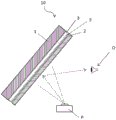
图2示出了通过根据本发明制造的复合玻璃板的横截面,Figure 2 shows a cross-section through a composite glass sheet produced according to the present invention,
图3示出了通过根据本发明制造的投影装置的横截面,Figure 3 shows a cross section through a projection device manufactured according to the invention,
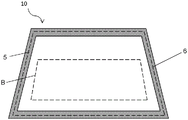
图4示出了根据本发明制造的复合玻璃板的一个实施方案的俯视图,Figure 4 shows a top view of one embodiment of a composite glass panel made in accordance with the present invention,
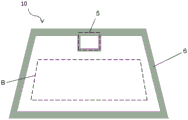
图5示出了根据本发明制造的复合玻璃板的另一实施方案的俯视图,和Figure 5 shows a top view of another embodiment of a composite glass panel made in accordance with the present invention, and
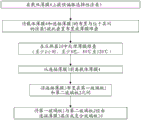
图6示出了根据本发明的制造复合玻璃板的方法的一个实施方式的流程图。Figure 6 shows a flow chart of one embodiment of a method of manufacturing a composite glass sheet according to the present invention.
图1示出了在将偏振选择性涂层5从载体薄膜4转移到连接薄膜3上时在三个时间点时的横截面。偏振选择性涂层5例如包含呈胆甾相的液晶,并且被商业购得施加在由PET制成的载体薄膜4(厚度100μm)上。由于PET薄膜非常硬并且在典型的层压温度下对玻璃表面不具有热熔粘合性质,因此它不能用作复合玻璃板的中间层。因此,为了制造高光学品质的复合玻璃板,需要将涂层5转移到连接薄膜3上,例如厚度为0.76 mm的PVB薄膜。FIG. 1 shows the cross-section at three points in time during the transfer of the polarization-
在起始状态下,存在具有涂层5的载体薄膜4和未涂覆的连接薄膜3(部分a)。将载体薄膜4和连接薄膜3与位于其间的涂层5平面地彼此叠置地布置成薄膜堆叠,借助于第一压板21和第二压板22彼此挤压并且在压热器20中处理(部分b)。已经被剪切成其最终形状的薄膜4、3具有例如大约1.1m X 1.7 m的尺寸。合适的压热器工艺参数为12巴的压力,100℃的温度和2.5小时的处理持续时间。然后,将薄膜叠堆从压热器中取出,并使其冷却到例如40℃的温度。然后从一个角起始小心地剥离载体薄膜4,并且涂层5保留在连接薄膜3上(部分c)。如对于PVB薄膜常见的那样,连接薄膜3具有较高粗糙度的表面II和较小粗糙度的表面I。将涂层5施加到表面I上,由此实现更好的粘着。In the starting state, there is a carrier film 4 with a
图2示出了根据本发明制造的复合玻璃板10的横截面。其包括由钠钙玻璃制成的厚度为例如2.1mm的第一玻璃板1和由钠钙玻璃制成的厚度为例如1.6 mm的第二玻璃板2,它们经由具有偏振选择性涂层5的连接薄膜3彼此连接。涂层5在此指向第二玻璃板2。第一玻璃板1的朝向连接薄膜3的表面以及第二玻璃板2的背离连接薄膜3的表面具有环绕的外周覆盖印刷物6,如其对于运输工具的窗玻璃而言常见的那样。覆盖印刷物6遮蔽涂层5的侧棱边。Figure 2 shows a cross-section of a
图3示出了作为投影装置的投影面的得自图2的复合玻璃板10的横截面。复合玻璃板10是机动车的挡风玻璃。在此,第一玻璃板1是外玻璃板,第二玻璃板2是内玻璃板。其被投影仪P用p偏振的辐射在约65°的角度下照射。p偏振的辐射几乎不被玻璃板1、2的表面反射,但是非常有效地被偏振选择性涂层5反射。由此产生投影,观察者O,例如运输工具的驾驶员可以感知该投影。FIG. 3 shows a cross-section of the
图4示出了根据本发明制造的复合玻璃板10的一个实施方案的俯视图。复合玻璃板10是机动车的挡风玻璃并且具有根据ECE-R43的视域B。它在减去宽度为几厘米的环绕的边缘区域的整个表面上具有偏振选择性涂层5。因此,涂层5完全覆盖视域B。涂层5的侧棱边在此被覆盖印刷物6隐蔽。该实施方案尤其适合作为用于接触模拟的增强现实HUD的投影面。投影可以在整个玻璃板上产生,并且可以将环境一起包括在显示中。因此例如可以这样投影箭头,使得该箭头看起来位于车道上并且其为驾驶员标记该车道。Figure 4 shows a top view of one embodiment of a
图5示出了根据本发明制造的复合玻璃板10的另一实施方案的俯视图。复合玻璃板10同样是机动车的挡风玻璃并且具有根据ECE-R43的视域B。仅复合玻璃板10的相对较小的区域具有偏振选择性涂层5,该涂层完全位于视域B之外。在那里可以向观察者插入任意信息。可以将额外的覆盖印刷物6布置在视域B之外,以隐蔽涂层B的侧棱边。Figure 5 shows a top view of another embodiment of a
图6示出了根据本发明的制造复合玻璃板的方法的一个实施例的流程图。Figure 6 shows a flow diagram of one embodiment of a method of manufacturing a composite glass sheet according to the present invention.
附图标记列表:List of reference numbers:
(10)复合玻璃板(10) Composite glass plate
(1)第一玻璃板(1) The first glass plate
(2)第二玻璃板(2) Second glass plate
(3)连接薄膜(3) Connect the film
(4)载体薄膜(4) Carrier film
(5)偏振选择性涂层(5) Polarization selective coating
(6)覆盖印刷物(6) Cover printed matter
(20)压热器(20) Autoclave
(21)第一压板(21) The first pressure plate
(22)第二压板(22) Second platen
(I)连接薄膜3的具有较小粗糙度的表面(I) Surface with less roughness of
(II)连接薄膜3的具有较高粗糙度的表面(II) Surface with higher roughness of
(P)投影仪(P) Projector
(O)观察者/运输工具驾驶员(O) Observer/Conveyor Driver
(B)复合玻璃板10的中央视野。(B) The central field of view of the
Claims (15)
Applications Claiming Priority (3)
| Application Number | Priority Date | Filing Date | Title |
|---|---|---|---|
| EP18178923 | 2018-06-21 | ||
| EP18178923.1 | 2018-06-21 | ||
| PCT/EP2019/060841 WO2019242915A1 (en) | 2018-06-21 | 2019-04-29 | Method for producing a laminated pane having a polarisation-selective coating |
Publications (1)
| Publication Number | Publication Date |
|---|---|
| CN110856440A true CN110856440A (en) | 2020-02-28 |
Family
ID=62748761
Family Applications (1)
| Application Number | Title | Priority Date | Filing Date |
|---|---|---|---|
| CN201980001743.1A Pending CN110856440A (en) | 2018-06-21 | 2019-04-29 | Method for making a composite glass panel with a polarization selective coating |
Country Status (11)
| Country | Link |
|---|---|
| US (1) | US20210031494A1 (en) |
| EP (1) | EP3810419A1 (en) |
| JP (1) | JP2021514923A (en) |
| KR (1) | KR20210008386A (en) |
| CN (1) | CN110856440A (en) |
| BR (1) | BR112020011263A2 (en) |
| MA (1) | MA52928A (en) |
| MX (1) | MX2020013404A (en) |
| PE (1) | PE20201196A1 (en) |
| RU (1) | RU2759685C1 (en) |
| WO (1) | WO2019242915A1 (en) |
Cited By (2)
| Publication number | Priority date | Publication date | Assignee | Title |
|---|---|---|---|---|
| CN113858730A (en) * | 2021-10-08 | 2021-12-31 | 福耀玻璃工业集团股份有限公司 | Laminated glass and head-up display system |
| US12379593B2 (en) | 2021-10-08 | 2025-08-05 | Fuyao Glass Industry Group Co., Ltd. | Laminated glass and head-up display system |
Families Citing this family (8)
| Publication number | Priority date | Publication date | Assignee | Title |
|---|---|---|---|---|
| US10981358B2 (en) * | 2018-04-03 | 2021-04-20 | AGC Inc. | Laminated glass |
| KR102668165B1 (en) * | 2019-02-25 | 2024-05-23 | 주식회사 엘지화학 | Method for manufacturing optical device and optical device |
| DE202021004023U1 (en) | 2020-03-13 | 2022-05-24 | Saint-Gobain Glass France | compound pane |
| GB202014637D0 (en) * | 2020-09-17 | 2020-11-04 | Central Glass Co Ltd | Method for producing a laminated glazing having a functional coating layer |
| CN115734874A (en) | 2021-06-24 | 2023-03-03 | 法国圣戈班玻璃厂 | Composite glass pane with diffuse reflective elements and electrochromic functional elements |
| EP4359211A1 (en) | 2021-06-24 | 2024-05-01 | Saint-Gobain Glass France | Laminated pane having diffusely reflecting properties and an electrochromic functional element |
| CN117241940A (en) * | 2022-04-13 | 2023-12-15 | 法国圣戈班玻璃厂 | Composite glass panels for projection installations |
| WO2025247762A1 (en) | 2024-05-28 | 2025-12-04 | Saint-Gobain Sekurit France | Composite layer for a composite pane |
Citations (3)
| Publication number | Priority date | Publication date | Assignee | Title |
|---|---|---|---|---|
| GB1497732A (en) * | 1974-05-30 | 1978-01-12 | Xerox Corp | Carrier particles suitable for electrostatographic developers |
| US20030034119A1 (en) * | 2000-04-27 | 2003-02-20 | Serge Molinari | Liquid assisted lamination of polyvinylbutyral films |
| US20100157426A1 (en) * | 2008-12-19 | 2010-06-24 | Fujifilm Corporation | Polarizing film, method for producing polarizing film, polarizing plate, method for producing polarizing plate, and anti-glare vehicular film |
Family Cites Families (14)
| Publication number | Priority date | Publication date | Assignee | Title |
|---|---|---|---|---|
| JP2958418B2 (en) * | 1992-07-23 | 1999-10-06 | セントラル硝子株式会社 | Display device |
| FR2762541B1 (en) * | 1997-04-24 | 1999-07-02 | Saint Gobain Vitrage | PROCESS FOR PRODUCING LAMINATED GLAZING |
| JP4208990B2 (en) | 1998-04-10 | 2009-01-14 | 新日本石油株式会社 | Cholesteric liquid crystalline laminate |
| US6952312B2 (en) | 2002-12-31 | 2005-10-04 | 3M Innovative Properties Company | Head-up display with polarized light source and wide-angle p-polarization reflective polarizer |
| EP1880243A2 (en) | 2005-05-11 | 2008-01-23 | E.I. Dupont De Nemours And Company | Polymeric interlayers having a wedge profile |
| JP2007223883A (en) | 2005-12-26 | 2007-09-06 | Asahi Glass Co Ltd | Laminated glass for vehicles |
| GB0607744D0 (en) * | 2006-04-20 | 2006-05-31 | Pilkington Plc | Head-up display |
| JP5321102B2 (en) * | 2009-02-05 | 2013-10-23 | セントラル硝子株式会社 | Heat insulation laminated glass |
| RU2429210C1 (en) * | 2009-12-29 | 2011-09-20 | Государственное образовательное учреждение высшего профессионального образования "Российский химико-технологический университет им. Д.И. Менделеева" (РХТУ им. Д.И. Менделеева) | Nanostructured polarised glass and method of its production |
| JP5671365B2 (en) * | 2011-02-18 | 2015-02-18 | 富士フイルム株式会社 | Infrared light reflection plate, laminated interlayer sheet for laminated glass, laminated glass and method for producing them |
| GB201402815D0 (en) * | 2014-02-18 | 2014-04-02 | Pilkington Group Ltd | Laminated glazing |
| CA3014263A1 (en) * | 2016-05-17 | 2017-11-23 | Saint-Gobain Glass France | Head-up display system |
| TWI724155B (en) * | 2016-05-19 | 2021-04-11 | 德商可樂麗歐洲有限公司 | Laminated glass comprising a functional film |
| JP6768567B2 (en) * | 2016-11-04 | 2020-10-14 | 富士フイルム株式会社 | Windshield glass, heads-up display system, and half mirror film |
-
2019
- 2019-04-29 MA MA052928A patent/MA52928A/en unknown
- 2019-04-29 US US16/978,592 patent/US20210031494A1/en not_active Abandoned
- 2019-04-29 BR BR112020011263A patent/BR112020011263A2/en not_active IP Right Cessation
- 2019-04-29 CN CN201980001743.1A patent/CN110856440A/en active Pending
- 2019-04-29 MX MX2020013404A patent/MX2020013404A/en unknown
- 2019-04-29 WO PCT/EP2019/060841 patent/WO2019242915A1/en not_active Ceased
- 2019-04-29 KR KR1020207035143A patent/KR20210008386A/en not_active Ceased
- 2019-04-29 RU RU2020135141A patent/RU2759685C1/en active
- 2019-04-29 PE PE2020001349A patent/PE20201196A1/en unknown
- 2019-04-29 EP EP19719527.4A patent/EP3810419A1/en not_active Withdrawn
- 2019-04-29 JP JP2020544758A patent/JP2021514923A/en not_active Ceased
Patent Citations (3)
| Publication number | Priority date | Publication date | Assignee | Title |
|---|---|---|---|---|
| GB1497732A (en) * | 1974-05-30 | 1978-01-12 | Xerox Corp | Carrier particles suitable for electrostatographic developers |
| US20030034119A1 (en) * | 2000-04-27 | 2003-02-20 | Serge Molinari | Liquid assisted lamination of polyvinylbutyral films |
| US20100157426A1 (en) * | 2008-12-19 | 2010-06-24 | Fujifilm Corporation | Polarizing film, method for producing polarizing film, polarizing plate, method for producing polarizing plate, and anti-glare vehicular film |
Cited By (3)
| Publication number | Priority date | Publication date | Assignee | Title |
|---|---|---|---|---|
| CN113858730A (en) * | 2021-10-08 | 2021-12-31 | 福耀玻璃工业集团股份有限公司 | Laminated glass and head-up display system |
| US12379593B2 (en) | 2021-10-08 | 2025-08-05 | Fuyao Glass Industry Group Co., Ltd. | Laminated glass and head-up display system |
| US12405465B2 (en) | 2021-10-08 | 2025-09-02 | Fuyao Glass Industry Group Co., Ltd. | Laminated glass and head-up display system |
Also Published As
| Publication number | Publication date |
|---|---|
| PE20201196A1 (en) | 2020-11-06 |
| BR112020011263A2 (en) | 2023-02-23 |
| EP3810419A1 (en) | 2021-04-28 |
| MA52928A (en) | 2021-04-28 |
| KR20210008386A (en) | 2021-01-21 |
| WO2019242915A1 (en) | 2019-12-26 |
| JP2021514923A (en) | 2021-06-17 |
| RU2759685C1 (en) | 2021-11-16 |
| MX2020013404A (en) | 2021-02-26 |
| US20210031494A1 (en) | 2021-02-04 |
Similar Documents
| Publication | Publication Date | Title |
|---|---|---|
| RU2759685C1 (en) | Method for producing multilayer glass with a polarization-selective coating | |
| CN111356949B (en) | Projection device for vehicles, including side glass | |
| JP2023545697A (en) | Vehicle pane for heads-up display | |
| CN108012535B (en) | Composite glass pane for head-up display | |
| CA3060329C (en) | Method for producing a thermoplastic combination film | |
| CN110341598A (en) | Laminated glass | |
| WO2007122427A1 (en) | Head-up display | |
| JP2019512714A (en) | Head-up display system | |
| US10913255B2 (en) | Method for printing on an exterior face of laminated glazing | |
| EP3892598A1 (en) | Automotive laminated glass | |
| US11052639B2 (en) | Thermoplastic film for a laminated glass pane | |
| US20250033250A1 (en) | Forming method of a pvb film for hud | |
| CN118973977A (en) | Laminated glass | |
| CN116635774A (en) | Head-Up Display System | |
| US20200230924A1 (en) | Laminated glazing having a functional film | |
| CN116568501A (en) | Composite glass panels for head-up display systems with p-polarized radiation | |
| CN116157259A (en) | Interlayer with enhanced optical properties in transmission | |
| CN114929475A (en) | Composite panel for head-up display | |
| CN116209643A (en) | Laminate with large area head-up display and solar energy characteristics | |
| WO2022131097A1 (en) | Head-up display device | |
| US20250010582A1 (en) | Laminated pane with an embedded functional film | |
| CN115529824A (en) | Method for manufacturing a composite glass pane comprising a film having functional properties | |
| CN116615687A (en) | Composite glass plate for projection device | |
| CN120503473A (en) | Laminated glass | |
| CN117321476A (en) | Projection assembly including composite glass panels |
Legal Events
| Date | Code | Title | Description |
|---|---|---|---|
| PB01 | Publication | ||
| PB01 | Publication | ||
| SE01 | Entry into force of request for substantive examination | ||
| SE01 | Entry into force of request for substantive examination | ||
| WD01 | Invention patent application deemed withdrawn after publication |
Application publication date: 20200228 |
|
| WD01 | Invention patent application deemed withdrawn after publication |