CN111464458A - Packet loss resisting method, device, equipment and storage medium - Google Patents
Packet loss resisting method, device, equipment and storage medium Download PDFInfo
- Publication number
- CN111464458A CN111464458A CN202010260985.7A CN202010260985A CN111464458A CN 111464458 A CN111464458 A CN 111464458A CN 202010260985 A CN202010260985 A CN 202010260985A CN 111464458 A CN111464458 A CN 111464458A
- Authority
- CN
- China
- Prior art keywords
- packet
- packets
- redundant
- redundancy
- data
- Prior art date
- Legal status (The legal status is an assumption and is not a legal conclusion. Google has not performed a legal analysis and makes no representation as to the accuracy of the status listed.)
- Granted
Links
Images


Classifications
-
- H—ELECTRICITY
- H04—ELECTRIC COMMUNICATION TECHNIQUE
- H04L—TRANSMISSION OF DIGITAL INFORMATION, e.g. TELEGRAPHIC COMMUNICATION
- H04L47/00—Traffic control in data switching networks
- H04L47/10—Flow control; Congestion control
- H04L47/32—Flow control; Congestion control by discarding or delaying data units, e.g. packets or frames
-
- H—ELECTRICITY
- H04—ELECTRIC COMMUNICATION TECHNIQUE
- H04L—TRANSMISSION OF DIGITAL INFORMATION, e.g. TELEGRAPHIC COMMUNICATION
- H04L1/00—Arrangements for detecting or preventing errors in the information received
- H04L1/0001—Systems modifying transmission characteristics according to link quality, e.g. power backoff
- H04L1/0006—Systems modifying transmission characteristics according to link quality, e.g. power backoff by adapting the transmission format
-
- H—ELECTRICITY
- H04—ELECTRIC COMMUNICATION TECHNIQUE
- H04L—TRANSMISSION OF DIGITAL INFORMATION, e.g. TELEGRAPHIC COMMUNICATION
- H04L47/00—Traffic control in data switching networks
- H04L47/10—Flow control; Congestion control
- H04L47/26—Flow control; Congestion control using explicit feedback to the source, e.g. choke packets
-
- H—ELECTRICITY
- H04—ELECTRIC COMMUNICATION TECHNIQUE
- H04N—PICTORIAL COMMUNICATION, e.g. TELEVISION
- H04N21/00—Selective content distribution, e.g. interactive television or video on demand [VOD]
- H04N21/40—Client devices specifically adapted for the reception of or interaction with content, e.g. set-top-box [STB]; Operations thereof
- H04N21/47—End-user applications
- H04N21/478—Supplemental services, e.g. displaying phone caller identification, shopping application
- H04N21/4788—Supplemental services, e.g. displaying phone caller identification, shopping application communicating with other users, e.g. chatting
-
- H—ELECTRICITY
- H04—ELECTRIC COMMUNICATION TECHNIQUE
- H04N—PICTORIAL COMMUNICATION, e.g. TELEVISION
- H04N7/00—Television systems
- H04N7/14—Systems for two-way working
- H04N7/141—Systems for two-way working between two video terminals, e.g. videophone
Landscapes
- Engineering & Computer Science (AREA)
- Signal Processing (AREA)
- Computer Networks & Wireless Communication (AREA)
- Multimedia (AREA)
- General Engineering & Computer Science (AREA)
- Quality & Reliability (AREA)
- Data Exchanges In Wide-Area Networks (AREA)
Abstract
The embodiment of the invention discloses a method, a device, equipment and a storage medium for resisting packet loss. Wherein, the method comprises the following steps: acquiring packet loss information fed back by a receiving end; calculating a sub-packet parameter according to the packet loss information, wherein the sub-packet parameter comprises the number of the pre-estimated redundant packets, the number of the pre-estimated data packets and/or the length of the pre-estimated data packets; inquiring a redundancy performance table to obtain the maximum redundancy packet number corresponding to the sub-packet parameter; and generating a data packet and a redundant packet according to the maximum redundant packet number and the sub-packet parameters, and sending the data packet and the redundant packet to a receiving end. The technical scheme provided by the embodiment of the invention can reasonably determine the number of the data packets and the number of the redundant packets, and performs the most reasonable sub-packaging, thereby improving the effect of video call and reducing time delay and performance overhead.
Description
Technical Field
The embodiment of the invention relates to the technical field of internet, in particular to a method, a device, equipment and a storage medium for resisting packet loss.
Background
In the modern times, video calls become a basic mode for people to communicate and exchange, and are concerned and used by more and more users, so that the effect of video calls is crucial to the experience of users, the unstable network factors of the existing network can cause data packet loss, and phenomena such as blocking, delay and the like in video calls are caused, the actual experience of the users is greatly influenced, most manufacturers of social APP can improve the effect through different anti-packet loss means (such as Forward Error Correction (FEC) technology), and the expenses caused by different anti-packet loss means are also different.
At present, a method for improving an anti-packet loss effect is to adjust redundancy of FEC and interleaving depth of interleaving coding at a transmitting end by using information such as packet loss rate fed back by a receiving end until the redundancy or the interleaving depth reaches a certain threshold, where the adjustment of the interleaving depth is implemented by adjusting packet size of a video frame, which is defective. After the interleaving depth is adjusted, whether the packet loss rate is lower than a set threshold value is judged as a judgment condition for judging whether the packet loss rate is in place, and the adjustment mode only according to the packet loss rate is too blind, so that redundancy deficiency or waste can be caused.
Disclosure of Invention
The embodiment of the invention provides a method, a device, equipment and a storage medium for packet loss resistance, which can optimize the existing packet loss resistance scheme.
In a first aspect, an embodiment of the present invention provides a method for packet loss resistance, where the method includes:
acquiring packet loss information fed back by a receiving end;
calculating a sub-packet parameter according to the packet loss information;
inquiring a redundancy performance table to obtain the maximum redundancy packet number corresponding to the sub-packet parameter;
generating a data packet and a redundant packet according to the maximum redundant packet number and the sub-packet parameter, and sending the data packet and the redundant packet to a receiving end;
the sub-package parameters comprise the number of the estimated redundant packages, the number of the estimated data packages and/or the length of the estimated data packages.
In a second aspect, an embodiment of the present invention provides an apparatus for resisting packet loss, where the apparatus includes:
the acquisition module is used for acquiring packet loss information fed back by a receiving end;
the calculation module is used for calculating sub-packet parameters according to the packet loss information, wherein the sub-packet parameters comprise the number of the pre-estimated redundant packets, the number of the pre-estimated data packets and/or the length of the pre-estimated data packets;
the query module is used for querying the redundancy performance table to obtain the maximum redundancy packet number corresponding to the sub-packet parameter;
and the generating module is used for generating a data packet and a redundant packet according to the maximum redundant packet number and the sub-packet parameters and sending the data packet and the redundant packet to a receiving end.
In a third aspect, an embodiment of the present invention provides a mobile device, including a memory, a processor, and a computer program stored in the memory and executable on the processor, where the processor executes the computer program to implement the packet loss prevention method according to the embodiment of the present invention.
In a fourth aspect, an embodiment of the present invention provides a computer-readable storage medium, on which a computer program is stored, where the computer program, when executed by a processor, implements the packet loss prevention method according to the embodiment of the present invention.
According to the scheme for resisting packet loss provided by the embodiment of the invention, when a data packet needs to be sub-packaged, packet loss information fed back by a receiving end is obtained, sub-packaging parameters are calculated according to the packet loss information, wherein the sub-packaging parameters comprise the number of pre-estimated redundant packets, the number of the pre-estimated data packets and/or the length of the pre-estimated data packets, a redundancy performance table is inquired to obtain the maximum number of the redundant packets corresponding to the sub-packaging parameters, the data packet and the redundant packet are generated according to the maximum number of the redundant packets and the sub-packaging parameters, and the data packet and the redundant packet are sent to the. By adopting the technical scheme, the number of the data packets and the number of the redundant packets can be reasonably determined, and the most reasonable sub-packets are carried out, so that the time delay and the performance overhead are reduced while the effect of video call is improved.
Drawings
Fig. 1 is a schematic flowchart of a method for packet loss prevention according to an embodiment of the present invention;
fig. 2 is a schematic flowchart of another packet loss prevention method according to an embodiment of the present invention;
fig. 3 is a block diagram of a structure of a packet loss prevention device according to an embodiment of the present invention;
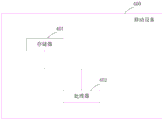
fig. 4 is a block diagram of a mobile device according to an embodiment of the present invention.
Detailed Description
The present invention will be described in further detail with reference to the accompanying drawings and examples. It is to be understood that the specific embodiments described herein are merely illustrative of the invention and are not limiting of the invention. It should be further noted that, for the convenience of description, only some of the structures related to the present invention are shown in the drawings, not all of the structures. In addition, the embodiments and features of the embodiments in the present invention may be combined with each other without conflict.
In order to facilitate understanding of the embodiments of the present invention, the following description is provided. In some application scenarios, for example, as applications APPs become more and more abundant, a user pays particular attention to battery endurance of a mobile phone device, but currently, basically all APPs that improve a video call effect of the user are not much concerned about a tradeoff between packet loss resistance and device performance in terms of use of a packet loss resistance function. Therefore, it is urgently needed to improve the conversation effect and simultaneously consider the time delay and the performance loss, so as to obtain better video conversation experience. In the embodiment of the invention, the number of the data packets and the number of the redundant packets can be reasonably determined according to the maximum number of the redundant packets by inquiring the redundant performance table, and the most reasonable sub-packets are carried out according to the number of the data packets and the number of the redundant packets, so that the effect of video call is improved, and meanwhile, the time delay and the performance overhead are reduced. It should be noted that the above usage scenario is only used as an illustrative illustration, and the packet loss prevention scheme according to the embodiment of the present invention is applicable to any scenario involving packet loss prevention.
Fig. 1 is a flowchart illustrating a method for packet loss prevention according to an embodiment of the present invention, where the method may be executed by a packet loss prevention apparatus, where the apparatus may be implemented by software and/or hardware, and may be generally integrated in a computer device. As shown in fig. 1, the method includes:
The method can be applied to a real-time video call scene exemplarily, and has the main functions of performing the most reasonable sub-packaging by combining the device redundancy algorithm time consumption (reflecting the device performance) counted in the call process and collecting the information such as the packet loss rate and the packet loss distribution fed back by the receiving end, so that the video call effect is improved, and the time delay and the performance overhead can be reduced. The packet loss information is calculated at the receiving end, the calculation mode is basically to count the data loss condition in a time window, and the time window is not limited and can be selected according to the actual condition.
Illustratively, in a two-party video call, packet loss information of a receiving end plays an important guiding significance for adjusting redundancy of a sending end. The packet loss information of the receiving end includes, but is not limited to, packet loss rate, packet loss distribution, and the like. Here, statistics of packet loss rate and packet loss distribution are taken as an example: the data packets have respective numbers and are represented by seq, so that the influence caused by jitter can be eliminated at a receiving end according to the seq continuous condition, and the packet loss rate condition is calculated in real time every second; the statistics of packet loss distribution include a lot, wherein for redundancy calculation, the packet loss number in a certain data packet range (number is D) has a relatively important reference meaning for redundancy calculation and the packet size and the packet number, where the value of D is related to the current anti-packet loss algorithm capability, and taking RS algorithm as an example, the maximum redundant packet number generated in the algorithm can be used as the setting of D. The statistical information is sent to the sending end in a certain manner, and the specific sending manner is not limited, for example, the statistical information may be carried in a Real-time transport Control Protocol (RTCP) or a feedback message.
In this embodiment of the present invention, the packet loss information may include a packet loss rate and packet loss distribution, or may also include a packet loss rate, packet loss distribution, and packet loss data, or may include a packet loss rate, packet loss distribution, and a maximum number of consecutive packet losses, which is not limited in this embodiment of the present invention.
Optionally, the packet loss information includes: packet loss rate and packet loss profile.
And 102, calculating a subpackage parameter according to the packet loss information.
For example, different devices have different performances, the overhead is different for the same data processing, the Redundancy coding is the same, the Redundancy coding overhead directly affects the time delay and the device heating, the Redundancy Rate (Redundancy Rate) is calculated according to the Packet loss Rate and the Packet loss distribution information fed back by a receiving end, the method for specifically calculating the Redundancy Rate can be that the Redundancy Rate corresponding to the Packet loss Rate is obtained by querying a mapping table, the mapping table stores the corresponding relationship between the Packet loss Rate and the Redundancy Rate, the corresponding relationship between the Packet loss Rate and the Redundancy Rate is how much the Redundancy Rate can be recovered according to how much Redundancy Rate, for example, the Packet loss Rate is 10%, the Packet loss Rate is tested, the recovery Rate basically can reach 95% by using the 60% Redundancy Rate, the two mapping relationships are carried out, the Packet loss Rate is 10% corresponding to the Redundancy Rate 60%, the calculation of the Redundancy Rate is related to the product prediction, different products may not be the same, the maximum Packet loss Rate is set as the calculated according to the calculated Packet length of the most Packet, the Packet loss Rate is not too large Packet length of the Packet, and the length of the calculated as the length of the maximum Packet calculated Packet is set as the prediction length of the actual Packet, and the prediction length of the maximum Packet, and the length of the prediction of the Packet is set as the length of the prediction of the Packet, for example, when the length of the data of the Packet is not smaller than the length of the maximum Packet, the length of the Packet is set as the length of the Packet is not smaller than the length of the Packet, the length of the Packet, the length of the Packet is set as the length of the Packet, the length of the.
As described above, the receiving end counts the data loss condition in a time window, calculates the packet loss information according to the data loss condition, estimates the number of redundant packets and the number of data packets according to the packet loss information, or estimates the number of redundant packets and the length of data packets according to the packet loss information, or estimates the number of redundant packets, the number of data packets and the length of data packets according to the packet loss information.
The sub-package parameters comprise the number of the estimated redundant packages, the number of the estimated data packages and/or the length of the estimated data packages. That is, the packetization parameters may include an estimated number of redundant packets and an estimated number of data packets; alternatively, the packetization parameters may include an estimated number of redundant packets and an estimated packet length; alternatively, the packetization parameters may include an estimated number of redundant packets, an estimated number of data packets, and an estimated length of data packets.
And 103, inquiring a redundancy performance table to obtain the maximum number of the redundancy packets corresponding to the sub-packet parameters.
Illustratively, the number of different data packets, the length of the data packets, the number of redundant packets and the coding redundancy overhead at different redundancy rates are counted in real time and recorded. The maximum acceptable time (such as 10ms) of the redundancy coding is established, and when the number and the length of the data packets are determined, the maximum generated number of the redundancy packets can be determined according to the overhead condition.
In the embodiment of the present invention, the redundancy performance table may include a corresponding relationship between the number of data packets and the maximum number of redundancy packets and the coding redundancy overhead coefficient, may further include a corresponding relationship between the length of the data packets and the maximum number of redundancy packets and the coding redundancy overhead coefficient, or may include a corresponding relationship between the number of data packets and the length of the data packets and the maximum number of redundancy packets and the coding redundancy overhead coefficient, respectively. For example, the number of packets and the correspondence between the packet length and the maximum number of redundant packets may be, for example, 10 for the number of packets, 520 for the length of packets, and 5 for the maximum number of redundant packets. The number of data packets and the correspondence between the length of the data packets and the coding redundancy overhead coefficient may be such that if the length of the data packets is not adjusted, the number of the data packets is doubled, the coding redundancy overhead coefficient is 1.2, if the number of the data packets is not adjusted, the length of the data packets is doubled, the coding redundancy overhead coefficient is 2, and in the actual adjustment process, even if the length of the data packets is not adjusted, the increase in the number of the data packets will also cause the change in the length of the data packets; increasing the packet length results in a change in the number of packets even if the number of packets is not adjusted.
In the embodiment of the invention, the maximum redundant packet number is the maximum generated redundant packet number determined according to the redundancy coding overhead condition, wherein the redundancy coding overhead is the maximum acceptable time consumption of primary redundancy coding. The coding redundancy overhead is related to the number of data packets and the length of the data packets, for example, the data packets with the number of data packets a and the length of the data packets B are sent to a redundancy module, the time consumed for coding the redundancy packets is coding redundancy overhead, and the longer the time is, the more the overhead is, the more serious the heat generation is.
Optionally, the redundancy performance table includes a corresponding relationship between the number of data packets and/or the length of the data packets and the maximum number of redundancy packets and the coding redundancy overhead coefficient.
Illustratively, the redundancy performance table may include a correspondence between the number of data packets and the maximum number of redundancy packets, and a correspondence between the number of data packets and the coding redundancy overhead coefficient; the redundancy performance table may include a correspondence between the packet length and the maximum number of redundancy packets, and a correspondence between the packet length and the coding redundancy overhead coefficient; the redundancy performance table may also include a correspondence between the number of data packets and the maximum number of redundancy packets, a correspondence between the number of data packets and the coding redundancy overhead coefficient, a correspondence between the length of a data packet and the maximum number of redundancy packets, and a correspondence between the length of a data packet and the coding redundancy overhead coefficient.
For example, after the packet loss information is calculated to obtain the packet parameters, the redundancy performance table is queried according to the packet parameters to obtain the maximum number of the redundancy packets corresponding to the packet parameters, for example, the estimated number of the data packets is calculated according to the packet loss information, and the redundancy performance table is queried according to the estimated number of the data packets to obtain the maximum number of the redundancy packets.
In some embodiments, further comprising: recording the actual data packet number, the actual data packet length, the actual redundant packet number and the actual redundancy coding overhead of each group of data; updating the maximum redundant packet number to an actual redundant packet number meeting a preset condition; the preset conditions are that the actual redundant data packet number is greater than the maximum redundant packet number, and the actual redundancy coding cost is less than a time threshold. The updating of the maximum number of redundant packets is a real-time dynamic adjustment process, and may occur before packet loss information fed back by a receiving end is obtained, or may occur after the data packets and the redundant packets are sent to the receiving end. The maximum number of the redundant packets is updated according to the actual number of the data packets, the actual length of the data packets, the actual number of the redundant packets and the actual redundancy coding cost, so that the video call can be carried out on different devices, the performance of the devices is detected through adaptive algorithm cost, the maximum number of the redundant packets is dynamically adjusted, and the number of the data packets or the length of the data packets is adjusted according to actual conditions, so that the minimum cost of the algorithm can be brought to different devices, the best effect is achieved, especially, the time consumption can be obviously reduced on middle and low-end devices, the endurance is increased, and the good viewing experience is achieved.
And step 104, generating a data packet and a redundant packet according to the maximum redundant packet number and the sub-packet parameters, and sending the data packet and the redundant packet to a receiving end.
Illustratively, the manner of generating the data packets and the redundant packets according to the maximum redundant packet number and the sub-packet parameters may be to pre-judge the relationship between the estimated redundant packet number and the maximum redundant packet number, if the estimated redundant packet number is smaller than the maximum redundant packet number, generate the data packets according to the estimated data packet number, input the data packets and the estimated redundant packet number into the redundant module, and compile the redundant packets; if the number of the estimated redundant packets is larger than the maximum redundant packet number, adjusting the estimated data packet number and the estimated data packet length according to the data packet number or the corresponding relation between the data packet length and the redundancy coding overhead coefficient in the redundancy performance table to obtain the target data packet number and the target data packet length, obtaining the target redundant packet number according to the target data packet number and the target data packet length, generating data packets according to the target data packet number, inputting the data packets and the target redundant data packet number into a redundancy module, and coding out the redundant packets. Finally, under the condition of meeting the same anti-packet loss capability, the time consumption and the heat generation are reduced.
In the embodiment of the invention, firstly, the preliminary calculation of the estimated data packet length and the estimated data packet number is carried out according to the packet loss information fed back by a receiving end, and a redundancy performance table is inquired, wherein the redundancy performance table records the actual redundancy compiling time consumption under different data packet numbers, data packet lengths and redundancy packet numbers when each group of data is compiled into redundancy in real time, and the redundancy performance table is used as a time consumption inquiry table. Determining the time consumption of the pre-estimated coding redundancy packet according to the number of the current pre-estimated data packets, the length of the pre-estimated data packets and the number of the pre-estimated redundancy packets, determining whether the number of the current redundancy packets exceeds the maximum allowable performance redundancy packet number according to whether the time consumption of the pre-estimated coding redundancy packet exceeds the maximum tolerable time consumption, wherein the maximum coding redundancy packet time consumption can be 10ms, if so, entering a corresponding process to determine whether the requirements can be met only by changing the number of the data packets and the length of the data packets, or entering the grouping redundancy and determining the number of the data packets, the length of the data packets and the like. The grouping redundancy refers to grouping the data packets and sending the data packets to the redundancy module for redundancy coding after the data packets are generated, for example, if the number of the data packets is 15, the data packets are divided into a group of 7 data packets and a group of 8 data packets, the data packets are respectively sent to the redundancy module for redundancy coding, the grouping processing and the data sending are performed by two threads, and the frame interval is at least 30ms, so that the grouping redundancy is already completed in the time. Finally, under the condition of meeting the same anti-packet loss capability, the time consumption and the heating are reduced, and meanwhile, the sending time delay introduced by the packet redundancy is negligible.
The method for resisting packet loss provided by the embodiment of the invention combines the equipment performance and the network packet loss information to improve the effect of resisting packet loss. The equipment performance of different users is different, the time consumption and the heating degree generated by the same algorithm are different, and particularly under a weak network, the redundant packet number is too large, so that the redundant packet number on poor equipment causes large time consumption for coding redundancy and high heating; the small number of the coded redundant packets can cause poor packet loss resistance effect on equipment with good performance and cause performance waste. The number of the suitable redundant packets can be selected according to packet loss information for different devices, so that the anti-packet loss effect is improved, time consumption can be reduced, the heating of the devices is reduced, the endurance is increased, and the user is guaranteed to have excellent watching experience.
Aiming at the defects in the prior art, the method for resisting packet loss provided by the embodiment of the invention provides a method for reasonably determining the size and the number of the sub-packets of the frame by combining the performance of the equipment and the network packet loss information to improve the video call effect in the scene of weak network packet loss. The method has the advantages that the video call is carried out on different devices, the performance of the devices is detected in an algorithm overhead self-adaptive mode, the maximum redundant packet number is dynamically adjusted, and the grouping or sub-packet size is adjusted according to the actual situation, so that the minimum overhead of the algorithm can be brought to different devices, the best effect is achieved, especially the time consumption can be obviously reduced on middle and low-end devices, the endurance is increased, and the excellent viewing experience is achieved.
In some embodiments, generating data packets and redundant packets according to the maximum number of redundant packets and the packetization parameter, and transmitting the data packets and redundant packets to a receiving end comprises: if the estimated redundant packet number is less than or equal to the maximum redundant packet number, performing sub-packaging according to the estimated data packet number to obtain a data packet; generating redundant packets according to the data packets and the number of the estimated redundant packets; and sending the data packet and the redundant packet to a receiving end. The method has the advantages that when the number of the redundant packets is smaller than or equal to the maximum number of the redundant packets, the estimated data packet number, the estimated data packet length and the estimated redundant packet number which are obtained through calculation according to the packet loss information can be used as final data during subpackage to be subpackaged, the estimated data packet number, the estimated data packet length and the estimated redundant packet number are allowed by current equipment performance when the redundant packet number is smaller than or equal to the maximum redundant packet number, and then subpackage is carried out according to the estimated data packet number, the estimated data packet length and the estimated redundant packet number as final data during subpackage, so that the anti-packet loss effect can be improved, time consumption can be reduced, equipment heating is reduced, endurance is increased, and excellent viewing experience of a user is guaranteed.
Fig. 2 is a schematic flow chart of another method for preventing packet loss according to an embodiment of the present invention, where the method adjusts the number of predicted data packets and the length of predicted data packets according to the corresponding relationship between the number of data packets or the length of data packets and the maximum number of redundant packets and the coding redundancy overhead coefficient when the number of predicted redundant packets is greater than the maximum number of redundant packets, as shown in fig. 2, the method includes:
Illustratively, the receiving end counts data loss conditions in a time window, the time window is not limited, and can be selected according to actual conditions, packet loss information is obtained through calculation according to the data loss conditions, the packet loss information is sent to the sending end, the sending end obtains the packet loss information fed back by the receiving end, estimated redundant packet number and estimated data packet number or estimated redundant packet number and estimated data packet length are obtained through calculation according to the packet loss information, and the estimated redundant packet number and the estimated data packet number or the estimated redundant packet number and the estimated data packet length which are calculated according to the feedback conditions of the receiving end are used for sub-packaging, so that the current video call scene can be better met.
Illustratively, the redundancy performance table may be as shown in table one:
watch 1
| Packet length | Number of data packets | Number of redundant packets | Coding redundancy overhead |
| 520 | 10 | 5 | 10 |
| 520 | 20 | 5 | 12 |
| 260 | 10 | 5 | 5 |
The packet length 520, the packet number 10, the redundant packet number 5, and the coding redundancy overhead 10 are reference data, and when the packet number and the packet length are changed, the coding redundancy overhead is changed as follows. Therefore, the length of the data packet and the number of the data packets can be adjusted to change the coding redundancy overhead.
And 204, if the number of the estimated redundant packets is larger than the maximum redundant packet number, adjusting the estimated data packet number and the estimated data packet length according to the corresponding relation between the data packet number or the data packet length and the maximum redundant packet number and the coding redundancy overhead coefficient to obtain the target data packet number and the target data packet length.
Illustratively, according to the number of data packets or the length of the data packets, the corresponding relationship between the maximum number of redundant packets and the coding redundancy overhead coefficient, there may be a plurality of ways to adjust the number of the predicted data packets and the length of the predicted data packets, and different algorithms may have different models, which may be formulated according to the actual algorithm conditions. Taking RS as an example, the same data packet number is generated, the same redundant packet number is generated, and the coding redundancy overhead is reduced in proportion to the reduction of the data packet length; meanwhile, if the data packets have the same length and the number of the redundant packets is the same, the increase of the number of the data packets is not in a proportional relation with the increase of the coding redundancy overhead, or if the number of the data packets is increased by one time and the number of the redundant packets is not changed by taking RS as an example, the coding redundancy overhead is increased by about 1.2 times. Therefore, because the currently generated redundant packet data exceeds the maximum redundant packet number, the data packet length and the data packet number of the frame data can be adjusted, sub-packaging is carried out according to the adjusted data packet length and the adjusted data packet number, and if the requirement is not met after sub-packaging, the grouping redundancy is carried out, so that the purposes of unchanged anti-packet loss capability and reduced cost are achieved.
Optionally, adjusting the number of predicted data packets and the length of the predicted data packets according to the corresponding relationship between the number of data packets or the length of the data packets and the maximum number of redundant packets and the coding redundancy overhead coefficient, and obtaining the number of target data packets and the length of the target data packets includes: acquiring the ratio of the number of the estimated redundant packets to the maximum number of the redundant packets; and adjusting the length of the estimated data packets and the number of the estimated data packets according to the ratio and the coding redundancy overhead coefficient to obtain the number of the target data packets and the length of the target data packets.
In the embodiment of the invention, the ratio of the number of the estimated redundant packets to the maximum number of the redundant packets stored in the redundancy performance table is calculated, and the length of the estimated data packets and the number of the estimated data packets are adjusted according to the calculated ratio and the coding redundancy overhead coefficient, for example, the number of the estimated redundant packets is 8, the number of the maximum redundant packets obtained by inquiring the redundancy performance table is 6, the ratio of the number of the estimated redundant packets to the maximum number of the redundant packets is 8/6, and the length of the estimated data packets and the number of the estimated data packets are adjusted according to the ratio of the number of the estimated redundant packets to the maximum number of the redundant packets is 8/6.
Optionally, adjusting the estimated data packet length and the estimated data packet number according to the ratio and the coding redundancy overhead coefficient to obtain the target data packet number and the target data packet length includes: if the number of the estimated data packets is taken as the number of the target data packets, taking the product of the ratio and the first coding redundancy overhead coefficient as a first reduction multiple; and taking the product of the first reduction multiple and the estimated data packet length as the target data packet length.
In the embodiment of the invention, the first coding redundancy overhead coefficient is related to an algorithm, taking RS as an example, the length of the data packet is unchanged, the number of the data packets is increased by one time, and the coding redundancy overhead is 1.2 times of the original coding redundancy overhead. The first coding redundancy overhead coefficient may be 1.2.
In the embodiment of the present invention, the first reduction factor is a factor for reducing the length of the predicted data packet, for example, the ratio of the predicted redundant packet number to the maximum redundant packet number is 8/6 ≈ 1.33, the first redundancy overhead coefficient is 1.2, and the first reduction factor is 1.33 × 1.2 ≈ 1.6.
Optionally, adjusting the estimated data packet length and the estimated data packet number according to the ratio and the coding redundancy overhead coefficient to obtain the target data packet number and the target data packet length includes: if the estimated data packet length is taken as the target data packet length, taking the product of the ratio and the second coding redundancy overhead coefficient as a second reduction multiple; and taking the product of the second reduction multiple and the estimated data packet number as the target data packet number.
In the embodiment of the invention, the second coding redundancy overhead coefficient is related to an algorithm, for example, by using RS, if the number of data packets is not changed and the length of the data packets is doubled, the coding redundancy overhead is 2 times that of the original data packets. The second coding redundancy overhead coefficient may be 2.
In an embodiment of the present invention, the second reduction factor is a factor of reducing the number of estimated packets.
Optionally, the first coding redundancy overhead coefficient is 1.2, and the second coding redundancy overhead coefficient is 2.
Optionally, the coding redundancy overhead coefficient is related to an increment of the number of packets and/or an increment of the length of the packet.
For example, when the redundancy performance table is queried to find that the number of predicted redundancy packets is greater than the maximum number of redundancy packets, that is, the number of predicted data packets and the length of data packets do not meet the requirement, the adjustment method is as follows: and adjusting the proportion of the length of the data packet according to the proportion relation between the pre-estimated redundant packet number and the maximum redundant packet number after query. For example: assuming 10 packets, each 520 bytes, the maximum number of redundant packets allowed is 6; according to the packet loss rate information, there are 10 data packets each with a length of 520 bytes, but 80% redundancy rate is required, i.e. 10 × 80% to 8 redundant packets are required, which exceeds the maximum number of 6 redundant packets. According to the proportional relation between the maximum redundant packet number of 6 and the estimated packet number of 8, that is, 8/6 ≈ 1.33, if the packet number is not changed at this time, the packet length is reduced by 1.33 times and the performance requirement should be satisfied, but the packet length is reduced and the packet number is definitely increased, which may bring about redundancy coding overhead of the increased packet number. The packet length is reduced by a factor of 1.33 x 1.2 to 1.6.
In the embodiment of the invention, different devices have different performances, and the coding redundancy overhead is different when the same data is processed. The coding redundancy overhead can directly influence the time delay and the equipment heating, and the length of the data packet, the number of the data packet and the number of the redundancy packets can be adaptively adjusted in different equipment by counting the coding redundancy overhead and combining the packet loss information of the network.
And step 206, performing sub-packaging according to the number of the target data packets to obtain data packets, and generating redundant packets according to the data packets and the number of the target redundant packets.
For example, the manner of generating the redundancy packets according to the number of the data packets and the target redundancy packets may be that the data packets are input to the redundancy module at one time to generate the redundancy packets, or the data packets are grouped first, and the grouped data packets are input to the redundancy module in sequence to generate the redundancy packets, for example, if the number of the data packets is 15, 7 data packets are used as a first group, the remaining 8 data packets are used as a second group, and after the first group is input to the redundancy module to generate the redundancy packets, the second group of data packets is input to the redundancy module to generate the data packets. The data packets are specifically divided into several groups and determined according to the size of one frame of data, if the data volume is large, the number of packets is large, and if the data volume is small, the number of packets is small. It should be noted that the redundancy performance table may also include the number of data packets and/or the length of the data packets, and a corresponding relationship between the number of data packets and the coding redundancy overhead, and it is determined in advance whether the target coding redundancy overhead corresponding to the number of target data packets and the length of the target data packets is less than or equal to a time threshold, if so, the data packets are directly input to the redundancy module at one time to generate the redundancy packets, and if not, the data packets are first grouped, and the grouped data packets are sequentially input to the redundancy module to generate the redundancy packets.
And step 207, sending the data packet and the redundant packet to a receiving end.
The embodiment of the invention can be applied to a real-time video call scene, and has the main functions of carrying out the most reasonable sub-packaging by combining the equipment coding redundancy algorithm time consumption counted in the call process and collecting the information such as the packet loss rate, the packet loss distribution and the like fed back by a receiving end, thereby improving the effect of video call and reducing the time delay and the performance overhead. Belongs to the algorithm level, so no interaction with the user is needed.
The invention provides a packet loss resisting method, relates to a packet loss resisting method in real-time communication, and improves the packet loss resisting effect by combining equipment performance and network packet loss information. The packet size and the number of the video frames are updated in real time by detecting the performance of the equipment and the network packet loss information in real time, wherein the performance of the equipment can be estimated through algorithm overhead, and under the condition of improving the video FEC packet loss resistance effect, the problems of time delay overhead and equipment heating caused by the generation of a redundancy process can be reduced, so that the conversation experience of a user and the equipment cruising ability are improved.
Fig. 3 is a block diagram of a structure of a packet loss prevention apparatus according to an embodiment of the present invention, where the apparatus may be implemented by software and/or hardware, and may be generally integrated in a device, and may optimize an existing packet loss prevention scheme by executing a packet loss prevention method. As shown in fig. 3, the apparatus includes:
an obtaining module 310, configured to obtain packet loss information fed back by a receiving end;
a calculating module 320, configured to calculate a packetization parameter according to the packet loss information, where the packetization parameter includes an estimated number of redundant packets, an estimated number of data packets, and/or an estimated length of data packets;
the query module 330 is configured to query the redundancy performance table to obtain the maximum number of redundancy packets corresponding to the packetization parameter;
and the generating module 340 is configured to generate a data packet and a redundant packet according to the maximum number of redundant packets and the packetization parameter, and send the data packet and the redundant packet to a receiving end.
According to the packet loss resistant device provided by the embodiment of the invention, due to different equipment performances, the coding redundancy overhead is different for the same data processing, and the packet loss information fed back by the receiving end is obtained under the condition that the coding redundancy overhead directly affects the time delay and the equipment heating; calculating a sub-packet parameter according to the packet loss information; inquiring a redundancy performance table to obtain the maximum redundancy packet number corresponding to the sub-packet parameter; and generating a data packet and a redundant packet according to the maximum redundant packet number and the sub-packet parameters, and sending the data packet and the redundant packet to a receiving end. By adopting the technical scheme, the number of the data packets and the number of the redundant packets can be determined, and the most reasonable sub-packets are carried out, so that the effect of video call is improved, and meanwhile, the time delay and the performance overhead are reduced.
The embodiment of the invention provides mobile equipment, and the mobile equipment can be integrated with the packet loss resisting device provided by the embodiment of the invention. Fig. 4 is a block diagram of a mobile device according to an embodiment of the present invention. The mobile device 400 includes a memory 401, a processor 402, and a computer program stored on the memory 401 and executable on the processor 402, and when the processor 402 executes the computer program, the packet loss prevention method provided by the embodiment of the present invention is implemented.
The embodiment of the present invention further provides a storage medium containing computer-executable instructions, where the computer-executable instructions are used to execute the packet loss prevention method provided by the embodiment of the present invention when executed by a computer processor.
The packet loss prevention device, the apparatus and the storage medium provided in the above embodiments may execute the packet loss prevention method provided in any embodiment of the present invention, and have corresponding functional modules and beneficial effects for executing the method. For details of the technology that are not described in detail in the above embodiments, reference may be made to the packet loss prevention method provided in any embodiment of the present invention.
Note that the above is only a preferred embodiment of the present invention. It will be understood by those skilled in the art that the present invention is not limited to the particular embodiments described herein, but is capable of various obvious changes, rearrangements and substitutions as will now become apparent to those skilled in the art without departing from the scope of the invention. Therefore, although the present invention has been described in more detail by the above embodiments, the present invention is not limited to the above embodiments, and may include other equivalent embodiments without departing from the spirit of the present invention, and the scope of the present invention is determined by the scope of the claims.
Claims (11)
1. A method for packet loss resistance, comprising:
acquiring packet loss information fed back by a receiving end;
calculating a sub-packet parameter according to the packet loss information;
inquiring a redundancy performance table to obtain the maximum redundancy packet number corresponding to the sub-packet parameter;
generating a data packet and a redundant packet according to the maximum redundant packet number and the sub-packet parameter, and sending the data packet and the redundant packet to a receiving end;
the sub-package parameters comprise the number of the estimated redundant packages, the number of the estimated data packages and/or the length of the estimated data packages.
2. The method according to claim 1, wherein the redundancy performance table comprises a correspondence of a number of data packets and/or a length of data packets to a maximum number of redundancy packets and a coding redundancy overhead coefficient.
3. The method of claim 1, wherein generating data packets and redundancy packets according to the maximum number of redundancy packets and the packetization parameter, and sending the data packets and redundancy packets to a receiving end comprises:
if the estimated redundant packet number is less than or equal to the maximum redundant packet number, performing sub-packaging according to the estimated data packet number to obtain a data packet;
generating redundant packets according to the data packets and the number of the estimated redundant packets;
and sending the data packet and the redundant packet to a receiving end.
4. The method of claim 2, wherein generating data packets and redundancy packets according to the maximum number of redundancy packets and the packetization parameter, and sending the data packets and redundancy packets to a receiving end comprises:
if the number of the predicted redundant packets is larger than the maximum redundant packet number, adjusting the number of the predicted data packets and the length of the predicted data packets according to the corresponding relation between the number of the data packets or the length of the data packets, the maximum redundant packet number and the coding redundancy overhead coefficient to obtain the number of the target data packets and the length of the target data packets;
determining the number of target redundant packets according to the number of the target data packets and the length of the target data packets;
performing sub-packaging according to the number of the target data packets to obtain data packets, and generating redundant packets according to the data packets and the number of the target redundant packets;
and sending the data packet and the redundant packet to a receiving end.
5. The method of claim 4, wherein adjusting the number of predicted packets and the length of predicted packets according to the corresponding relationship between the number of packets or the length of packets and the maximum number of redundant packets and the coding redundancy overhead coefficient to obtain the number of target packets and the length of target packets comprises:
acquiring the ratio of the number of the estimated redundant packets to the maximum number of the redundant packets;
and adjusting the length of the estimated data packets and the number of the estimated data packets according to the ratio and the coding redundancy overhead coefficient to obtain the number of the target data packets and the length of the target data packets.
6. The method of claim 5, wherein adjusting the estimated packet length and the estimated packet number according to the ratio and the coding redundancy overhead coefficient to obtain the target packet number and the target packet length comprises:
if the number of the estimated data packets is taken as the number of the target data packets, taking the product of the ratio and the first coding redundancy overhead coefficient as a first reduction multiple;
and taking the product of the first reduction multiple and the estimated data packet length as the target data packet length.
7. The method of claim 5, wherein adjusting the estimated packet length and the estimated packet number according to the ratio and the coding redundancy overhead coefficient to obtain the target packet number and the target packet length comprises:
if the estimated data packet length is taken as the target data packet length, taking the product of the ratio and the second coding redundancy overhead coefficient as a second reduction multiple;
and taking the product of the second reduction multiple and the estimated data packet number as the target data packet number.
8. The method of claim 1, further comprising:
recording the actual data packet number, the actual data packet length, the actual redundant packet number and the actual redundancy coding overhead of each group of data;
updating the maximum redundant packet number to an actual redundant packet number meeting a preset condition;
the preset conditions are that the actual redundant data packet number is greater than the maximum redundant packet number, and the actual redundancy coding cost is less than a time threshold.
9. An apparatus for resisting packet loss, comprising:
the acquisition module is used for acquiring packet loss information fed back by a receiving end;
the calculation module is used for calculating sub-packet parameters according to the packet loss information, wherein the sub-packet parameters comprise the number of the pre-estimated redundant packets, the number of the pre-estimated data packets and/or the length of the pre-estimated data packets;
the query module is used for querying a redundancy performance table to obtain the maximum redundancy packet number corresponding to the sub-packet parameter;
and the generating module is used for generating a data packet and a redundant packet according to the maximum redundant packet number and the sub-packet parameters and sending the data packet and the redundant packet to a receiving end.
10. A mobile device comprising a memory, a processor and a computer program stored on the memory and executable on the processor, characterized in that the processor implements the method according to any of claims 1-8 when executing the computer program.
11. A computer-readable storage medium, on which a computer program is stored which, when being executed by a processor, carries out the method according to any one of claims 1 to 8.
Priority Applications (1)
| Application Number | Priority Date | Filing Date | Title |
|---|---|---|---|
| CN202010260985.7A CN111464458B (en) | 2020-04-03 | 2020-04-03 | Packet loss prevention method, device, equipment and storage medium |
Applications Claiming Priority (1)
| Application Number | Priority Date | Filing Date | Title |
|---|---|---|---|
| CN202010260985.7A CN111464458B (en) | 2020-04-03 | 2020-04-03 | Packet loss prevention method, device, equipment and storage medium |
Publications (2)
| Publication Number | Publication Date |
|---|---|
| CN111464458A true CN111464458A (en) | 2020-07-28 |
| CN111464458B CN111464458B (en) | 2024-01-02 |
Family
ID=71680508
Family Applications (1)
| Application Number | Title | Priority Date | Filing Date |
|---|---|---|---|
| CN202010260985.7A Active CN111464458B (en) | 2020-04-03 | 2020-04-03 | Packet loss prevention method, device, equipment and storage medium |
Country Status (1)
| Country | Link |
|---|---|
| CN (1) | CN111464458B (en) |
Cited By (4)
| Publication number | Priority date | Publication date | Assignee | Title |
|---|---|---|---|---|
| CN112187817A (en) * | 2020-10-09 | 2021-01-05 | 厦门亿联网络技术股份有限公司 | Streaming media data transmission method, device, equipment and storage medium |
| CN115085859A (en) * | 2021-03-15 | 2022-09-20 | 海能达通信股份有限公司 | Method and device for resisting packet loss and computer readable storage medium |
| CN116073955A (en) * | 2023-02-02 | 2023-05-05 | 四川湖山电器股份有限公司 | A method and system for recovering stage lighting data under weak network |
| CN117692361A (en) * | 2024-01-23 | 2024-03-12 | 深圳市威铭科技开发有限公司 | Gateway fault monitoring method and system based on network communication |
Citations (6)
| Publication number | Priority date | Publication date | Assignee | Title |
|---|---|---|---|---|
| CN101662455A (en) * | 2008-08-29 | 2010-03-03 | 深圳华为通信技术有限公司 | Method and device for data transmission |
| US20170093666A1 (en) * | 2015-09-30 | 2017-03-30 | The Chinese University Of Hong Kong | Loss-resilient protocols for communication networks |
| CN107196746A (en) * | 2016-03-15 | 2017-09-22 | 中兴通讯股份有限公司 | Anti-dropout methods, devices and systems in real-time Communication for Power |
| CN110247736A (en) * | 2019-06-27 | 2019-09-17 | 北京奇艺世纪科技有限公司 | A kind of data transmission method and device |
| CN110838894A (en) * | 2019-11-27 | 2020-02-25 | 腾讯科技(深圳)有限公司 | Voice processing method, device, computer readable storage medium and computer equipment |
| CN110943800A (en) * | 2019-11-06 | 2020-03-31 | 厦门亿联网络技术股份有限公司 | Data packet sending method, device and system, storage medium, electronic device |
-
2020
- 2020-04-03 CN CN202010260985.7A patent/CN111464458B/en active Active
Patent Citations (6)
| Publication number | Priority date | Publication date | Assignee | Title |
|---|---|---|---|---|
| CN101662455A (en) * | 2008-08-29 | 2010-03-03 | 深圳华为通信技术有限公司 | Method and device for data transmission |
| US20170093666A1 (en) * | 2015-09-30 | 2017-03-30 | The Chinese University Of Hong Kong | Loss-resilient protocols for communication networks |
| CN107196746A (en) * | 2016-03-15 | 2017-09-22 | 中兴通讯股份有限公司 | Anti-dropout methods, devices and systems in real-time Communication for Power |
| CN110247736A (en) * | 2019-06-27 | 2019-09-17 | 北京奇艺世纪科技有限公司 | A kind of data transmission method and device |
| CN110943800A (en) * | 2019-11-06 | 2020-03-31 | 厦门亿联网络技术股份有限公司 | Data packet sending method, device and system, storage medium, electronic device |
| CN110838894A (en) * | 2019-11-27 | 2020-02-25 | 腾讯科技(深圳)有限公司 | Voice processing method, device, computer readable storage medium and computer equipment |
Cited By (6)
| Publication number | Priority date | Publication date | Assignee | Title |
|---|---|---|---|---|
| CN112187817A (en) * | 2020-10-09 | 2021-01-05 | 厦门亿联网络技术股份有限公司 | Streaming media data transmission method, device, equipment and storage medium |
| CN115085859A (en) * | 2021-03-15 | 2022-09-20 | 海能达通信股份有限公司 | Method and device for resisting packet loss and computer readable storage medium |
| CN115085859B (en) * | 2021-03-15 | 2023-11-24 | 海能达通信股份有限公司 | Packet loss prevention method, device and computer readable storage medium |
| CN116073955A (en) * | 2023-02-02 | 2023-05-05 | 四川湖山电器股份有限公司 | A method and system for recovering stage lighting data under weak network |
| CN117692361A (en) * | 2024-01-23 | 2024-03-12 | 深圳市威铭科技开发有限公司 | Gateway fault monitoring method and system based on network communication |
| CN117692361B (en) * | 2024-01-23 | 2024-11-15 | 深圳市威铭科技开发有限公司 | Gateway fault monitoring method and system based on network communication |
Also Published As
| Publication number | Publication date |
|---|---|
| CN111464458B (en) | 2024-01-02 |
Similar Documents
| Publication | Publication Date | Title |
|---|---|---|
| CN111464458A (en) | Packet loss resisting method, device, equipment and storage medium | |
| US20210029189A1 (en) | Voice encoding and sending method and apparatus | |
| WO2003049319A1 (en) | Method of resource control in a wireless network | |
| CN105430532A (en) | Control method and system for adaptive adjustment of video data transmission | |
| CN104811983B (en) | Adaptive modulation coding method and device | |
| WO2023155747A1 (en) | Data coding bitrate adaptive adjustment method, apparatus and device, and storage medium | |
| CN109982100A (en) | A kind of audio/video processing method and system | |
| CN110855570A (en) | SDN (software defined network) packet loss judgment method, device and system and multi-network control system | |
| CN118828962A (en) | Adaptive optimization method, device, medium and product for control channel resource scheduling | |
| CN101621681A (en) | Method and equipment for adjusting video communication quality | |
| CN103476050A (en) | Method and device for adjusting feedback period | |
| CN104365158B (en) | Data block length determination method, device and user equipment | |
| CN108062041A (en) | A kind of RaptorQ encoding parameters dynamic adjusting method and device for electric power wireless traffic | |
| CN101656807B (en) | Networking telephone sending terminal and voice control method thereof | |
| CN105591960A (en) | Method and equipment for adjusting tunnel load | |
| US20180132206A1 (en) | Method and Device for Improved Multi-Homed Media Transport | |
| CN108696928B (en) | Method and system for adjusting transmitting power of router | |
| CN110581810B (en) | Data communication method, device, equipment and medium based on SPMA protocol | |
| CN119383651A (en) | A method and system for improving wireless Mesh network performance | |
| CN110875756B (en) | A method and device for automatically adjusting transmit power in frequency hopping communication | |
| CN108242974B (en) | Method and device for dynamically adjusting CQI based on error rate and mobile terminal | |
| CN112953605A (en) | Single-double flow scheduling method, device, communication base station and storage medium | |
| WO2023093618A1 (en) | Data transmission method and apparatus, electronic device, and computer storage medium | |
| CN111405583A (en) | Tidal effect avoiding method and device and computer readable storage medium | |
| CN100456746C (en) | The Method of Reversely Realizing the Dedicated Line User Mechanism in the Communication System |
Legal Events
| Date | Code | Title | Description |
|---|---|---|---|
| PB01 | Publication | ||
| PB01 | Publication | ||
| SE01 | Entry into force of request for substantive examination | ||
| SE01 | Entry into force of request for substantive examination | ||
| GR01 | Patent grant | ||
| GR01 | Patent grant |