CN112005263A - Passenger's shipment of items - Google Patents
Passenger's shipment of items Download PDFInfo
- Publication number
- CN112005263A CN112005263A CN201880092461.2A CN201880092461A CN112005263A CN 112005263 A CN112005263 A CN 112005263A CN 201880092461 A CN201880092461 A CN 201880092461A CN 112005263 A CN112005263 A CN 112005263A
- Authority
- CN
- China
- Prior art keywords
- vehicle
- item
- passenger
- recipient
- determining
- Prior art date
- Legal status (The legal status is an assumption and is not a legal conclusion. Google has not performed a legal analysis and makes no representation as to the accuracy of the status listed.)
- Withdrawn
Links
Images




Classifications
-
- G—PHYSICS
- G06—COMPUTING OR CALCULATING; COUNTING
- G06Q—INFORMATION AND COMMUNICATION TECHNOLOGY [ICT] SPECIALLY ADAPTED FOR ADMINISTRATIVE, COMMERCIAL, FINANCIAL, MANAGERIAL OR SUPERVISORY PURPOSES; SYSTEMS OR METHODS SPECIALLY ADAPTED FOR ADMINISTRATIVE, COMMERCIAL, FINANCIAL, MANAGERIAL OR SUPERVISORY PURPOSES, NOT OTHERWISE PROVIDED FOR
- G06Q50/00—Information and communication technology [ICT] specially adapted for implementation of business processes of specific business sectors, e.g. utilities or tourism
- G06Q50/40—Business processes related to the transportation industry
-
- G—PHYSICS
- G06—COMPUTING OR CALCULATING; COUNTING
- G06Q—INFORMATION AND COMMUNICATION TECHNOLOGY [ICT] SPECIALLY ADAPTED FOR ADMINISTRATIVE, COMMERCIAL, FINANCIAL, MANAGERIAL OR SUPERVISORY PURPOSES; SYSTEMS OR METHODS SPECIALLY ADAPTED FOR ADMINISTRATIVE, COMMERCIAL, FINANCIAL, MANAGERIAL OR SUPERVISORY PURPOSES, NOT OTHERWISE PROVIDED FOR
- G06Q10/00—Administration; Management
- G06Q10/08—Logistics, e.g. warehousing, loading or distribution; Inventory or stock management
- G06Q10/083—Shipping
- G06Q10/08355—Routing methods
-
- G—PHYSICS
- G06—COMPUTING OR CALCULATING; COUNTING
- G06Q—INFORMATION AND COMMUNICATION TECHNOLOGY [ICT] SPECIALLY ADAPTED FOR ADMINISTRATIVE, COMMERCIAL, FINANCIAL, MANAGERIAL OR SUPERVISORY PURPOSES; SYSTEMS OR METHODS SPECIALLY ADAPTED FOR ADMINISTRATIVE, COMMERCIAL, FINANCIAL, MANAGERIAL OR SUPERVISORY PURPOSES, NOT OTHERWISE PROVIDED FOR
- G06Q10/00—Administration; Management
- G06Q10/08—Logistics, e.g. warehousing, loading or distribution; Inventory or stock management
- G06Q10/083—Shipping
- G06Q10/0832—Special goods or special handling procedures, e.g. handling of hazardous or fragile goods
-
- G—PHYSICS
- G06—COMPUTING OR CALCULATING; COUNTING
- G06Q—INFORMATION AND COMMUNICATION TECHNOLOGY [ICT] SPECIALLY ADAPTED FOR ADMINISTRATIVE, COMMERCIAL, FINANCIAL, MANAGERIAL OR SUPERVISORY PURPOSES; SYSTEMS OR METHODS SPECIALLY ADAPTED FOR ADMINISTRATIVE, COMMERCIAL, FINANCIAL, MANAGERIAL OR SUPERVISORY PURPOSES, NOT OTHERWISE PROVIDED FOR
- G06Q10/00—Administration; Management
- G06Q10/08—Logistics, e.g. warehousing, loading or distribution; Inventory or stock management
- G06Q10/083—Shipping
- G06Q10/0834—Choice of carriers
-
- G—PHYSICS
- G06—COMPUTING OR CALCULATING; COUNTING
- G06Q—INFORMATION AND COMMUNICATION TECHNOLOGY [ICT] SPECIALLY ADAPTED FOR ADMINISTRATIVE, COMMERCIAL, FINANCIAL, MANAGERIAL OR SUPERVISORY PURPOSES; SYSTEMS OR METHODS SPECIALLY ADAPTED FOR ADMINISTRATIVE, COMMERCIAL, FINANCIAL, MANAGERIAL OR SUPERVISORY PURPOSES, NOT OTHERWISE PROVIDED FOR
- G06Q10/00—Administration; Management
- G06Q10/08—Logistics, e.g. warehousing, loading or distribution; Inventory or stock management
- G06Q10/083—Shipping
- G06Q10/0836—Recipient pick-ups
-
- G—PHYSICS
- G07—CHECKING-DEVICES
- G07C—TIME OR ATTENDANCE REGISTERS; REGISTERING OR INDICATING THE WORKING OF MACHINES; GENERATING RANDOM NUMBERS; VOTING OR LOTTERY APPARATUS; ARRANGEMENTS, SYSTEMS OR APPARATUS FOR CHECKING NOT PROVIDED FOR ELSEWHERE
- G07C9/00—Individual registration on entry or exit
- G07C9/00174—Electronically operated locks; Circuits therefor; Nonmechanical keys therefor, e.g. passive or active electrical keys or other data carriers without mechanical keys
- G07C9/00563—Electronically operated locks; Circuits therefor; Nonmechanical keys therefor, e.g. passive or active electrical keys or other data carriers without mechanical keys using personal physical data of the operator, e.g. finger prints, retinal images, voicepatterns
-
- B—PERFORMING OPERATIONS; TRANSPORTING
- B60—VEHICLES IN GENERAL
- B60W—CONJOINT CONTROL OF VEHICLE SUB-UNITS OF DIFFERENT TYPE OR DIFFERENT FUNCTION; CONTROL SYSTEMS SPECIALLY ADAPTED FOR HYBRID VEHICLES; ROAD VEHICLE DRIVE CONTROL SYSTEMS FOR PURPOSES NOT RELATED TO THE CONTROL OF A PARTICULAR SUB-UNIT
- B60W2556/00—Input parameters relating to data
- B60W2556/45—External transmission of data to or from the vehicle
- B60W2556/50—External transmission of data to or from the vehicle of positioning data, e.g. GPS [Global Positioning System] data
-
- B—PERFORMING OPERATIONS; TRANSPORTING
- B60—VEHICLES IN GENERAL
- B60W—CONJOINT CONTROL OF VEHICLE SUB-UNITS OF DIFFERENT TYPE OR DIFFERENT FUNCTION; CONTROL SYSTEMS SPECIALLY ADAPTED FOR HYBRID VEHICLES; ROAD VEHICLE DRIVE CONTROL SYSTEMS FOR PURPOSES NOT RELATED TO THE CONTROL OF A PARTICULAR SUB-UNIT
- B60W60/00—Drive control systems specially adapted for autonomous road vehicles
- B60W60/001—Planning or execution of driving tasks
- B60W60/0025—Planning or execution of driving tasks specially adapted for specific operations
- B60W60/00253—Taxi operations
-
- B—PERFORMING OPERATIONS; TRANSPORTING
- B60—VEHICLES IN GENERAL
- B60W—CONJOINT CONTROL OF VEHICLE SUB-UNITS OF DIFFERENT TYPE OR DIFFERENT FUNCTION; CONTROL SYSTEMS SPECIALLY ADAPTED FOR HYBRID VEHICLES; ROAD VEHICLE DRIVE CONTROL SYSTEMS FOR PURPOSES NOT RELATED TO THE CONTROL OF A PARTICULAR SUB-UNIT
- B60W60/00—Drive control systems specially adapted for autonomous road vehicles
- B60W60/001—Planning or execution of driving tasks
- B60W60/0025—Planning or execution of driving tasks specially adapted for specific operations
- B60W60/00256—Delivery operations
Landscapes
- Business, Economics & Management (AREA)
- Engineering & Computer Science (AREA)
- Economics (AREA)
- General Physics & Mathematics (AREA)
- Physics & Mathematics (AREA)
- Tourism & Hospitality (AREA)
- Human Resources & Organizations (AREA)
- General Business, Economics & Management (AREA)
- Theoretical Computer Science (AREA)
- Strategic Management (AREA)
- Marketing (AREA)
- Operations Research (AREA)
- Development Economics (AREA)
- Entrepreneurship & Innovation (AREA)
- Quality & Reliability (AREA)
- Health & Medical Sciences (AREA)
- General Health & Medical Sciences (AREA)
- Primary Health Care (AREA)
- Management, Administration, Business Operations System, And Electronic Commerce (AREA)
- Traffic Control Systems (AREA)
Abstract
Description
背景技术Background technique
人们越来越多地转向递送服务来接收购买的商品。然而,很难安排使收件人可达性与物品递送保持一致。常规的递送服务可能将物品留在收件人家中,但是这种方法不能验证物品的实际接收并且可能使物品容易被盗。收件人不在家时,常规的递送服务可能在另一时间再次尝试递送,这会耗费更多燃料和驾驶员的时间。即使递送服务能够赶上收件人在家中,递送服务也可能需要等待收件人走到门口,这增加了递送所花费的时间量。此外,这些常规方法通常要求收件人了解递送窗口,并且接收物品可能会干扰收件人的日程安排或活动。People are increasingly turning to delivery services to receive purchases. However, it is difficult to arrange to align recipient reachability with item delivery. Conventional delivery services may leave the item at the recipient's home, but this method does not verify the actual receipt of the item and may leave the item vulnerable to theft. When the recipient is not at home, the regular delivery service may try the delivery again at another time, which consumes more fuel and the driver's time. Even if the delivery service is able to catch up with the recipient's home, the delivery service may need to wait for the recipient to come to the door, increasing the amount of time it takes to deliver. Additionally, these conventional methods often require the recipient to be aware of delivery windows, and receiving items may interfere with the recipient's schedule or activities.
附图说明Description of drawings
将参考附图描述根据本公开的各种实施例,在附图中:Various embodiments in accordance with the present disclosure will be described with reference to the accompanying drawings, in which:
图1A示出了其中可以实施各种实施例的示例性搭乘请求环境。FIG. 1A illustrates an exemplary ride request environment in which various embodiments may be implemented.
图1B示出了根据各种实施例的用于运送乘客和车辆的示例性车辆。FIG. 1B illustrates an exemplary vehicle for transporting passengers and vehicles, according to various embodiments.
图2示出了可以根据各种实施例利用的用于向乘客递送物品的示例性过程。2 illustrates an exemplary process for delivering items to passengers that may be utilized in accordance with various embodiments.
图3示出了可以根据各种实施例利用的用于选择最佳车辆为乘客提供物品的示例性过程。3 illustrates an exemplary process for selecting the best vehicle to provide items to passengers that may be utilized in accordance with various embodiments.
图4示出了可以根据各种实施例利用的用于从乘客接收物品的示例性过程。4 illustrates an exemplary process for receiving items from passengers that may be utilized in accordance with various embodiments.
图5A、图5B和图5C示出了根据各种实施例的用于向乘客递送物品的示例性行程和技术。5A, 5B, and 5C illustrate exemplary itineraries and techniques for delivering items to passengers, according to various embodiments.
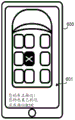
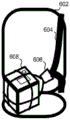
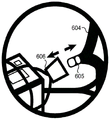
图6A、图6B和图6C示出了根据各种实施例的用于将物品递送至乘客座位的示例性技术。6A, 6B, and 6C illustrate exemplary techniques for delivering items to a passenger seat, according to various embodiments.
图7示出了根据各种实施例的扫描和接收物品的便携式电子装置的示例性操作。7 illustrates exemplary operation of a portable electronic device for scanning and receiving items, according to various embodiments.
图8示出了根据各种实施例的用于将乘客和物品放入车辆中的示例性车辆布局。8 illustrates an exemplary vehicle layout for placing passengers and items in a vehicle, according to various embodiments.
图9示出了根据各种实施例的个人电子装置上的示例性行程请求屏幕。9 illustrates an exemplary trip request screen on a personal electronic device according to various embodiments.
图10示出了根据各种实施例的可以用于提交行程请求并接收路线选项的示例性计算装置。10 illustrates an example computing device that may be used to submit a trip request and receive route options in accordance with various embodiments.
图11示出了可以用于实施各种实施例的各方面的计算装置的示例性部件。11 illustrates exemplary components of a computing device that may be used to implement aspects of various embodiments.
具体实施方式Detailed ways
在以下描述中,将描述各种实施例。出于解释的目的,将阐述具体的配置和细节,以便提供对实施例的透彻理解。然而,本领域技术人员还将明白,可以在没有这些具体细节的情况下实践这些实施例。此外,可以省略或简化公知的特征,以便不使所描述的实施例变得模糊。In the following description, various embodiments will be described. For purposes of explanation, specific configurations and details are set forth in order to provide a thorough understanding of the embodiments. However, one skilled in the art will also understand that these embodiments may be practiced without these specific details. Furthermore, well-known features may be omitted or simplified in order not to obscure the described embodiments.
本文描述和建议的方法涉及在乘客使用运输服务时向乘客递送物品和/或从乘客接收物品。具体地,各种实施例提供了用于接收物品(或物品组)、将物品递送至乘客的递送请求以及乘客的行程请求的方法。物品可以是餐品、包裹、信件、个人交通装置或其他对象。当在可以用于将物品递送至乘客的可用车辆之间进行选择时,运输服务可以利用目标函数来平衡各种度量。目标函数可以在例如车辆容量、某些车辆预期有多满、物品特性、乘客偏好和行程特性(例如是否涉及中转)之间提供折衷。交通服务可以监测物品、乘客和车辆的位置,并且基于乘客与相应物品的协同定位来协调递送。递送物品可以包括验证递送和请求签名。运输服务可以在物品被放置于车辆中时接合安全机构,并且在物品被提供至乘客时解开安全机构。当运输服务确定乘客在行程的起点、行程的目的地、行程的中转点或介于两者之间的任何地方时,运输服务可以向乘客提供物品。The methods described and suggested herein involve delivering items to and/or receiving items from passengers while the passengers are using transportation services. In particular, various embodiments provide methods for receiving an item (or group of items), a delivery request to deliver the item to a passenger, and a passenger's itinerary request. Items can be meals, packages, letters, personal transportation devices, or other objects. The transportation service can utilize an objective function to balance various metrics when choosing between available vehicles that can be used to deliver items to passengers. The objective function may provide a trade-off between, for example, vehicle capacity, how full certain vehicles are expected to be, item characteristics, passenger preferences, and trip characteristics (eg, whether or not transfers are involved). Transportation services can monitor the location of items, passengers, and vehicles, and coordinate delivery based on the co-location of passengers and corresponding items. Delivering the item may include verifying the delivery and requesting a signature. The transportation service may engage the safety mechanism when the item is placed in the vehicle and disengage the safety mechanism when the item is provided to the passenger. The transportation service may provide items to the passenger when the transportation service determines that the passenger is at the origin of the trip, the destination of the trip, the stopover point of the trip, or anywhere in between.
根据本文所包含的教导和建议,如本领域普通技术人员将明白,在各种实施例的范围内也可以使用各种其他这类函数。Various other such functions may also be used within the scope of various embodiments, as will be apparent to those of ordinary skill in the art in view of the teachings and suggestions contained herein.
图1A示出了根据各种实施例的可以用于确定和管理车辆路线选择的示例性系统100。在此系统中,各种用户可以使用在各种类型的计算装置102上执行的应用程序来通过至少一个网络104提交要由服务提供商环境108的接口层106接收的路线请求。计算装置可以是已知的或用于提交电子请求的任何适当装置,如可以包括台式计算机、笔记本计算机、智能手机、平板计算机和可穿戴计算机以及其他这类选项。一个或多个网络可以包括用于传输请求的任何适当网络,如可以包括使用有线或无线连接的公共和专用网络的任何选择或组合,例如互联网、蜂窝数据连接、WiFi连接、局域网连接(LAN)等。服务提供商环境可以包括已知的或用于接收和处理电子请求的任何资源,如可以包括各种计算机服务器、数据服务器和网络基础设施,如本文其他地方所讨论的。接口层可以包括接口(例如应用编程接口)、路由器、负载平衡器以及可用于接收请求或其他通信并将接收到的请求或其他通信路由到服务提供商环境的其他部件。可以使用能够对存储在内容存储库112或其他这类位置中的内容(例如网页或地图瓦片)服务的一个或多个内容服务器提供接口和将通过那些接口显示的内容。FIG. 1A illustrates an
请求的信息可以被引导到路线管理器114,例如可以包括在一个或多个计算资源上执行的代码,所述路线管理器被配置成使用与运送服务相关联的车辆池或车队中的各种车辆管理要提供的路线的各方面。路线管理器可以分析请求的信息、确定来自路线数据存储设备116的具有容量且可匹配请求标准的可用的计划路线,并且可以向对应的装置102提供回一个或多个选项以供潜在乘坐者选择。要建议的适当路线可以基于各种因素,例如与请求的起点位置和目的地位置的接近度、在确定的时间窗口内的可用性等。在一些实施例中,可能存在本文中考虑以及讨论的其他因素,例如各种路线或车辆选项的成本或限制。例如,在一些管辖区中,具有可容纳至少十名乘客的固定或可转换座位的任何车辆被认为是商用车辆,并且可能需要特殊许可且具有各种适用限制。因此,可能期望利用只能容纳最多九名人类乘客的车辆,剩余部分被分配为用于来自运送的包裹或其他物品的容量。这还可以允许使用更大的非商用车辆,这可以帮助降低运营成本并提高至少一些路线选项的盈利能力。在一些实施例中,客户端装置102上的应用程序可以替代地呈现用户可以从中进行选择的可用选项,并且请求可以替代地涉及在特定计划时间获得用于具体计划路线的座位。The requested information may be directed to the
然而,如所提及的,在一些实施例中,用户可以建议路线信息或提供对应于用户将期望的路线的信息。这可以包括例如起点位置、目的地位置、期望的接载时间和期望的放下时间。也可以提供其他值,如可能涉及最大持续时间或行程长度、最大停留点数量、允许偏差等。在一些实施例中,这些值中的至少一些可以具有由一个或多个路线标准指定的最大或最小值或允许范围。还可以存在各种适当的规则或策略,所述规则或策略规定如何允许这些值随着(例如针对具体类型的用户或位置的)各种情况或情形而改变。路线管理器114可以接收若干这类请求,并且可以试图确定最佳路线选择以满足各种请求。在此示例中,路线管理器可以与路线生成模块118一起工作,所述路线生成模块可以从各种请求获取输入并提供可以满足那些请求的一组路线选项。这可以包括具有不同数量的车辆、不同的车辆选择或放置的选项以及用于使各种客户在期望时间或接近期望时间到达其近似目的地的不同选项。应理解,在一些实施例中,客户还可以请求不允许存在偏离的具体位置和时间,并且路线管理器可能需要确定可接受的路线选择选项,或者在不满足最低标准的情况下拒绝该请求。在一些实施例中,可以为每个请求提供选项,并且定价管理器122可以使用来自价格存储库124的定价数据和指南确定具体请求的成本,然后用户可以接受或拒绝所述请求。However, as mentioned, in some embodiments, the user may suggest route information or provide information corresponding to the route the user would desire. This may include, for example, the origin location, the destination location, the desired pick-up time, and the desired drop-off time. Other values may also be provided, such as possibly involving maximum duration or trip length, maximum number of stops, tolerances, etc. In some embodiments, at least some of these values may have a maximum or minimum value or allowable range specified by one or more route criteria. There may also be various appropriate rules or policies that specify how these values are allowed to change with various situations or situations (eg, for specific types of users or locations). The
在此示例中,路线生成模块118可以基于接收到的在指定的时间段内针对指定区域的请求生成一组路线选择选项。路线优化模块120可以响应于各种请求而使用提供的路线选择选项执行优化过程,以确定要提供的一组适当的路线。在动态路线选择系统中,可以针对每个接收到的请求或针对一批请求执行这种优化,其中用户提交请求,然后在稍后的时间处接收路线选择选项。这可以用于以下情形:其中车辆服务试图至少具有最小车辆占用率或想要给用户提供关于路线的确定性,在一些实施例中,这可能需要针对每条具体计划路线的法定数量的乘坐者。在各种实施例中,将目标函数应用于每条潜在路线,以便生成路线“质量”分数或其他这类值。然后,可以分析各种选项的值以确定要选择的路线选择选项。在一个实施例中,路线优化模块120应用目标函数以确定路线质量分数,然后可以选择提供最高总体总质量分数或最高平均总质量分数的一组选项。根据本文所包含的教义和建议,如本领域普通技术人员将理解,也可以使用各种其他方法。In this example, the
在至少一些实施例中,目标函数可以独立于优化算法的特定实现方式来实施。这种方法可以使函数能够基于具体输入用作不同方法的比较度量。此外,这种方法使得能够利用各种优化算法,所述优化算法可以将不同的优化方法应用于各种路线选择选项,以试图开发额外的路线选择选项和潜在解决方案,这不仅可以帮助提高效率,而且可以潜在地提供对各种选项及其影响或相互关系的额外见解。在一些实施例中,可以利用优化控制台,所述优化控制台显示各种优化算法的结果,并使用户能够比较各种结果和因素,以试图确定要实施的解决方案,所述解决方案可能不一定提供最佳总体分数。例如,可能存在可接受的各种因素的最小值或最大值,或者提供商可能对各种因素设定具体的值或目标,并且查看对总体值的影响并基于结果选择选项。在一些实施例中,用户也可以在应用任何优化之前观察目标函数的结果,以便观察各种因素变化对总体分数的影响。这种方法还使用户或提供商能够在选择或实施新的优化算法之前对其进行测试,以便确定相对于现有算法的预测性能和灵活性。In at least some embodiments, the objective function may be implemented independently of the particular implementation of the optimization algorithm. This approach enables functions to be used as comparative measures for different approaches based on specific inputs. Furthermore, this approach enables the utilization of various optimization algorithms that can apply different optimization methods to various routing options in an attempt to develop additional routing options and potential solutions, which can not only help improve efficiency , and can potentially provide additional insights into the various options and their effects or interrelationships. In some embodiments, an optimization console may be utilized that displays the results of various optimization algorithms and enables the user to compare various results and factors in an attempt to determine a solution to implement, which may Does not necessarily provide the best overall score. For example, there may be acceptable minimum or maximum values for various factors, or the provider may set specific values or targets for various factors and see the effect on the overall value and select options based on the results. In some embodiments, the user may also observe the results of the objective function prior to applying any optimizations, in order to observe the effect of changes in various factors on the overall score. This approach also enables users or providers to test new optimization algorithms before selecting or implementing them in order to determine their predictive performance and flexibility relative to existing algorithms.
此外,这种方法使算法能够随时间推移而自动演进,如可以使用随机实验或基于各种启发法来完成。随着这些算法演进,目标函数的值可以用作新一代算法的适合性或值的度量。算法可以随着服务区域和乘客数需求改变而随时间推移改变,并且鉴于相同或类似的条件而进行改进。这种方法还可以用于预期未来变化及其对服务的影响以及各种因素将如何改变。这可以帮助确定增加更多车辆、重新定位驻停位置等的需要。Furthermore, this approach enables algorithms to evolve automatically over time, as can be done using randomized experiments or based on various heuristics. As these algorithms evolve, the value of the objective function can be used as a measure of the fitness or value of a new generation of algorithms. Algorithms can change over time as service area and ridership requirements change, and improve in view of the same or similar conditions. This approach can also be used to anticipate future changes and their impact on services and how various factors will change. This can help identify the need to add more vehicles, relocate parking positions, etc.
在一些实施例中,包含人工智能的方法(例如利用机器学习的那些方法)可以与优化算法一起使用,以进一步随时间推移而提高性能。例如,各种因素的升降可能导致乘客数水平、客户评价等以及实际成本和定时的改变,所述改变例如可以反馈到机器学习算法中以学习要与优化函数一起使用的适当权重、值、范围或因素。在一些实施例中,优化函数本身可以由考虑各种因素和历史信息以生成适当函数并基于最近结果和反馈数据随时间推移使该函数演进的机器学习过程产生,因为机器学习模型被进一步训练并能够开发和识别新的关系。In some embodiments, methods involving artificial intelligence, such as those utilizing machine learning, may be used with optimization algorithms to further improve performance over time. For example, the rise and fall of various factors may result in changes in ridership levels, customer ratings, etc., as well as actual costs and timing, which changes, for example, may be fed back into a machine learning algorithm to learn appropriate weights, values, ranges to use with the optimization function or factor. In some embodiments, the optimization function itself may result from a machine learning process that considers various factors and historical information to generate an appropriate function and evolves the function over time based on recent results and feedback data as the machine learning model is further trained and Ability to develop and identify new relationships.
可以根据各种实施例使用各种定价方法,并且在至少一些实施例中,定价可以用作优化的度量。例如,在一些实施例中,成本因素可以结合一种或多种收入或收益率因素来评估。例如,第一乘坐选项可能具有比第二乘坐选项更高的成本,但是可能还能够识别更高的收入并产生更高的满意度。具有很少中间停留点乃至几乎没有中间停留点的针对专门用户的某些路线可能具有相对高的每乘坐者成本,但是那些乘坐者可能愿意为服务支付额外费用。类似地,作为结果,所生成的乘坐者体验值可能较高。因此,此乘坐选项具有更高成本的事实不应必定使其被确定为比具有更低成本而且具有更低收入的其他乘坐选项更低的值选项。在一些实施例中,可以存在同样作为因素考虑到目标函数和优化算法中的定价参数和选项。可以存在各种定价算法,其确定路线选项将需要向各个乘坐者收取多少费用。定价可以与客户满意度和支付那些费用的意愿以及其他这类因素平衡。定价同样还可以考虑各种其他因素,例如代币、信用币、折扣、每月乘坐通行证等。在一些实施例中,还可能存在不同类型的乘坐者,例如支付基本费用的客户和为更高的服务水平支付额外费用的客户。在各种路线选项的评估和优化中可以考虑这些各种因素。Various pricing methods may be used in accordance with various embodiments, and in at least some embodiments, pricing may be used as a metric for optimization. For example, in some embodiments, cost factors may be assessed in conjunction with one or more revenue or profitability factors. For example, a first ride option may have a higher cost than a second ride option, but may also identify higher revenue and generate higher satisfaction. Certain routes for dedicated users with few or no intermediate stops may have a relatively high cost per occupant, but those occupants may be willing to pay extra for the service. Similarly, as a result, the generated occupant experience value may be higher. Therefore, the fact that this ride option has a higher cost should not necessarily make it a lower value option than other ride options that have a lower cost and have a lower income. In some embodiments, there may be pricing parameters and options that also factor into the objective function and optimization algorithm. There may be various pricing algorithms that determine how much each rider will need to be charged for the route option. Pricing can be balanced with customer satisfaction and willingness to pay those fees and other such factors. Pricing can also take into account various other factors such as tokens, credits, discounts, monthly ride passes, etc. In some embodiments, there may also be different types of occupants, such as customers paying a base fee and customers paying a premium for a higher level of service. These various factors can be considered in the evaluation and optimization of various routing options.
图1B示出了可以实施各种实施例的各方面的示例性环境150。可以使用能够同时运送一个或多个乘坐者的车辆150(或其他对象)来提供运送。虽然如本文所用的乘坐者将通常指代人类乘客,但是应理解,各种实施例中的“乘坐者”还可以指代非人类乘坐者或乘客,如可能包括动物或无生命对象,例如用于递送的包裹。在此示例中,共乘服务使用至少一种类型的车辆提供路线,所述车辆包括供驾驶员102使用的空间和供多达最大数量的乘坐者使用的座位或其他容量。应理解,可以使用具有不同数量或配置的容量的各种类型的车辆,并且在各种实施例的范围内,也可以利用没有专用驾驶员的自主车辆。也可以使用例如智能自行车或个人运输车辆的车辆,所述车辆可包括仅供单个乘坐者或有限数量的乘客使用的座位容量。对于给定路线上的给定车辆,多个可用座位106(或其他乘坐者位置)可能被乘坐者占用,而另一数量的座位108可能未被占用。在一些实施例中,例如包裹或递送物的对象同样也可能占用可用的乘坐空间。为了提高所提供的乘坐经济性,在至少一些实施例中可以期望在行程的整个长度期间具有尽可能接近满座的占用率。这种情况导致非常少的未售出座位,这提高了运营效率。实现高占用率的一种方法可能是仅提供固定路线,其中所有乘客在固定的起点位置处上车并在固定的目的地位置处下车,没有乘客在中间位置处上车或下车。FIG. 1B illustrates an
车辆可以包括用于物品存储的区段170和用于乘客的区段160。一些乘客与递送的物品坐在一起时可能会感到不舒服,因为乘客可能会感觉自己像是包裹;为了最小化这种感受,可以在视觉上将用于乘客的区段160和用于物品的区段170分开。在一些实施例中,用于乘客的区段160也可以可配置以容纳物品。用于物品存储的区段170可以是行李厢、前存储区域、顶置舱、车顶安装式容器、拖车等。The vehicle may include a
图2示出了可以根据各种实施例利用的用于向乘客递送物品的示例性过程200应理解,对于本文所讨论的此过程和其他过程,除非另有说明,否则在各种实施例的范围内可以存在以类似或替代性步骤或者并行地执行的额外的、更少的或替代性步骤。在此示例中,运输服务可以接收要递送至收件人(或乘客)的物品202。例如,递送服务可以在由运输服务运营的运输枢纽处放下物品。FIG. 2 illustrates an
物品可以是能够使用本文讨论的方法运送的任何物品,包括例如包裹、邮包、卡片、信封、餐品、个人交通装置(例如,滑板、长板、踏板车、自行车等)、娱乐装置、行李等。The item may be any item that can be shipped using the methods discussed herein, including, for example, packages, parcels, cards, envelopes, meals, personal transportation devices (eg, skateboards, longboards, scooters, bicycles, etc.), entertainment devices, luggage, etc. .
当接收到物品时,运输服务可以识别物品并确定应将其递送至乘客。运输服务可以通过识别物品上的乘客姓名来将物品与乘客相关联。替代地或另外,物品的乘客或寄件人可以向运输服务提供有效地识别物品(并将其与乘客相关联)的代码。例如,乘客可以向运输服务提供与物品相关联的跟踪号码。When an item is received, the transportation service can identify the item and determine that it should be delivered to the passenger. The transportation service can associate an item with a passenger by recognizing the passenger's name on the item. Alternatively or additionally, the passenger or sender of the item may provide the transportation service with a code that effectively identifies the item (and associates it with the passenger). For example, a passenger may provide the transportation service with a tracking number associated with the item.
运输服务可以接收递送请求以将物品递送至乘客。例如,当乘客在在线零售商购买东西时,乘客可以将递送地址指定为运输服务考虑,或者以其他方式指示在线零售商使用运输服务进行递送。The transportation service may receive a delivery request to deliver the item to the passenger. For example, when a passenger purchases something at an online retailer, the passenger may designate a delivery address for consideration by the shipping service, or otherwise instruct the online retailer to use the shipping service for delivery.
在一些实施例中,运输服务生成递送请求。例如,运输服务可以出售物品。运输服务可以在乘客之间派送物品。例如,乘客可能在早上希望给其重要的另一半写封情书,并稍后将其递送至重要的另一半。运输服务可以协调乘客向他或她递送物品。例如,在乘客上班时,乘客可以携带手提箱,然后可以在他们从工作场所前往机场时将手提箱递送给他或她。在一些实施例中,乘客生成递送请求。例如,乘客可以指示递送服务(或零售商)将物品递送至运输服务,并且乘客可以指示运输服务将物品递送至乘客。In some embodiments, the shipping service generates the delivery request. For example, a shipping service can sell items. Transportation services can dispatch items between passengers. For example, a passenger may wish to write a love letter to their significant other in the morning and deliver it to the significant other later. The transportation service can coordinate the delivery of the item by the passenger to him or her. For example, when a passenger goes to work, a passenger can bring a suitcase, which can then be delivered to him or her as they travel from the workplace to the airport. In some embodiments, the passenger generates a delivery request. For example, the passenger may instruct the delivery service (or retailer) to deliver the item to the transportation service, and the passenger may instruct the transportation service to deliver the item to the passenger.
运输服务可以确定与收件人(或乘客)的未来运送相对应的行程请求204。例如,乘客可以使用便携式电子装置上的应用程序请求行程。在适当情况下,术语“收件人”和“乘客”可以互换。The transportation service may determine the
运输服务可以提供供租用的车辆(例如,出租车或豪华轿车服务)、私人运输服务(例如,私人公共汽车路线或班车)、公共运输服务(例如,公共汽车或火车)、车辆租赁服务等。类似地,本文所公开的车辆可以是汽车、公共汽车、火车、船、飞机等。在一些实施例中,与递送服务协调的运输服务可以执行本文所公开的原理。例如,递送服务可以接收行程请求数据并确定将物品递送至乘客的机会,从而指示运输服务何时将物品装载到车辆上。Transportation services may provide vehicles for hire (eg, taxi or limousine services), private transportation services (eg, private bus routes or shuttles), public transportation services (eg, buses or trains), vehicle rental services, and the like. Similarly, the vehicles disclosed herein may be automobiles, buses, trains, boats, airplanes, and the like. In some embodiments, a shipping service coordinated with a delivery service may implement the principles disclosed herein. For example, the delivery service may receive the trip request data and determine the opportunity to deliver the item to the passenger, thereby instructing the transportation service when to load the item onto the vehicle.
行程请求可以是针对单次搭乘。另外或替代地,行程请求可以是针对运输服务的常规行程。例如,乘客可以请求或预约针对其通勤的某个日常行程。行程请求可以指定起点、目的地和时间(例如,出发或到达时间)。A trip request may be for a single ride. Additionally or alternatively, the itinerary request may be a regular itinerary for the transportation service. For example, a passenger can request or book a certain daily itinerary for their commute. A trip request may specify an origin, destination, and time (eg, departure or arrival time).
运输服务可以识别将用于收件人(或乘客)的未来运送的车辆206。例如,行程请求可以由两条路线的组合和中转服务,两条路线中的每一条可以由多个车辆以规则的间隔服务。行程请求可以包括出发时间,并且运输服务可以确定哪些车辆将服务于行程请求。The transportation service may identify the
车辆可以采用任何交通模式,例如汽车、公共汽车、火车、班车、电车、电梯、飞机、船等。车辆可以是驾驶的或自动化的(例如,“无人驾驶”)。车辆可以由运输服务或某一其他方操作。在需要车辆之间的中转的行程中,两个或更多个车辆不需要是相同类型或甚至由同一实体操作。Vehicles can take any mode of transportation, such as cars, buses, trains, shuttles, trams, elevators, planes, boats, etc. The vehicle may be driven or automated (eg, "unmanned"). The vehicle may be operated by a transport service or some other party. In a trip that requires a transfer between vehicles, the two or more vehicles need not be of the same type or even operated by the same entity.
在一些实施例中,车辆可以服务于路线。路线可以是预定的和常规的。可以基于当前需求和容量来动态地生成路线。可以生成路线以服务于一个或多个行程请求。路线可以具有指定的接载/放下位置(“停靠点”)。行程请求可以指定起点停靠点和目的地停靠点。In some embodiments, the vehicle may serve the route. Routes can be scheduled and regular. Routes can be dynamically generated based on current demand and capacity. Routes can be generated to serve one or more trip requests. Routes can have designated pick-up/drop-off locations ("stops"). A trip request can specify an origin stop and a destination stop.
在一些实施例中,运输服务从乘客接收或预期从乘客接收多个行程请求。然后,运输服务可以确定用于将物品递送至乘客的最佳行程。例如,运输服务可以确定所述行程对于将物品递送至乘客而言更好。更适合递送的行程可以包括将目的地定为乘客的家的行程,而目的地为餐厅或电影院的行程可能不太理想。可以基于行程时间,起点,目的地(例如,目的地停靠点特性)或其组合来对行程的递送期望性进行评分。In some embodiments, the transportation service receives or anticipates receiving multiple trip requests from the passenger. The transportation service can then determine the best itinerary for delivering the item to the passenger. For example, the transportation service may determine that the itinerary is better for delivering the item to the passenger. Itineraries that are more suitable for delivery may include trips destined to the passenger's home, while trips destined to a restaurant or movie theater may be less desirable. The delivery desirability of a trip may be scored based on travel time, origin, destination (eg, destination stop characteristics), or a combination thereof.
一些停靠点可能具有较差的可及性并且可能不太理想,例如,停靠点可能需要走一段楼梯、有拥挤的平台或具有全高旋转栅门。一些停靠点可能有安全问题,并且乘客可能更希望在那些停靠点不携带物品。运输服务可以基于相应停靠点的特性、乘客偏好和物品特性(例如,大小、重量或物品的显眼性)对停靠点进行评分。在一些实施例中,不允许在一些停靠点进行物品接载或放下。类似地,某些停靠点可以被指定为能够进行物品接载或放下。Some stops may have poor accessibility and may not be ideal, for example, stops may require a flight of stairs, have crowded platforms, or have full-height turnstiles. Some stops may have security concerns and passengers may prefer not to carry items at those stops. The transportation service may score stops based on characteristics of the corresponding stops, passenger preferences, and item characteristics (eg, size, weight, or prominence of the item). In some embodiments, item pickup or drop-off is not allowed at some stops. Similarly, certain stops may be designated to be able to pick up or drop off items.
运输服务可以使物品放置在车辆中208。各种位置可以适合于将物品放置在车辆中。例如,可以在运输枢纽、中转位置(例如,来自另一车辆或储物柜)或沿着车辆路线的任何位置处将物品放置在车辆中。物品可以在车辆服务于行程请求很早之前就放置在车辆中,例如在一天开始时或就在服务于行程请求之前。运输服务可以指示车辆的驾驶员取回物品并将其放置在车辆中。运输服务可以通知乘客物品已经放置在车辆中。The transportation service may place the
物品可以放置在车辆的顶部、车辆的座位中、车辆中的储物柜中、车辆的行李厢中等。车辆可以是可配置的。车辆可以具有最大载客量、最小载客量(例如,基于固定座位)、最大物品容量(基于物品的大小和/或数量)、最小物品容量(例如,基于行李厢空间或只能用于物品存储的其他空间)、最大重量容量等。配置车辆可以调整车辆的各种容量。例如,可以移除或折叠座位、可以附接拖车或车顶行李架等。配置(或配置元件)可具有与其相关联的成本,例如资本成本(例如,添加拖车)、燃料成本(例如,添加拖车或车顶行李架)、舒适成本(例如,乘客可能被包裹包围而感到不舒适)或配置时间成本(例如,修改配置元件所花费的时间)。运输服务可以基于车辆的预期乘客计数和物品负载来配置车辆。运输服务可以基于乘客和物品要求重新配置车辆的每个停靠点、行程、路线、时间、日期等。在一些实施例中,运输服务计算预期的重新配置时间并相应地调整路线定时。如果在某个位置或时间处的重新配置将干扰路线或行程时间约束,运输服务可尝试不在所述位置处重新配置。Items may be placed on the roof of the vehicle, in the seat of the vehicle, in a locker in the vehicle, in the luggage compartment of the vehicle, and the like. Vehicles can be configurable. The vehicle may have a maximum passenger capacity, a minimum passenger capacity (eg, based on fixed seating), a maximum item capacity (based on the size and/or number of items), a minimum item capacity (eg, based on luggage compartment space or items only) other space for storage), maximum weight capacity, etc. Configuring the vehicle allows you to adjust the various capacities of the vehicle. For example, seats can be removed or folded, a trailer or roof rack can be attached, and the like. Configurations (or configuration elements) may have costs associated with them, such as capital costs (eg, adding a trailer), fuel costs (eg, adding a trailer or roof rack), comfort costs (eg, passengers may feel surrounded by packages) discomfort) or configuration time cost (e.g. time spent modifying configuration elements). The transportation service can configure the vehicle based on the vehicle's expected passenger count and item load. Transportation services can reconfigure each stop, trip, route, time, date, etc. of the vehicle based on passenger and item requirements. In some embodiments, the transportation service calculates the expected reconfiguration time and adjusts the route timing accordingly. If reconfiguration at a location or time would interfere with route or travel time constraints, the transportation service may attempt not to reconfigure at that location.
在一些实施例中,将物品放置在车辆中包括接合安全机构。安全机构可以是物理约束装置,例如锁。安全机构可以是警报器,如果物品被不当地移除或损害,警报器将警告乘客或驾驶员。例如,安全机构可以包括监视物品的相机并且可以检测物品何时被移除。在一些实施例中,安全机构是车辆的一部分,例如行李厢。In some embodiments, placing the item in the vehicle includes engaging a safety mechanism. The security mechanism may be a physical restraint device, such as a lock. The safety mechanism can be a siren that will alert passengers or drivers if items are improperly removed or damaged. For example, a security mechanism may include cameras that monitor items and may detect when items are removed. In some embodiments, the safety mechanism is part of the vehicle, such as the luggage compartment.
安全机构可以与运输服务通信。在一些实施例中,运输服务可以与物品、乘客和车辆中的任一者通信并跟踪其位置。例如,乘客可以具有便携式电子装置(例如,手机、平板电脑、可穿戴装置等),所述便携式电子装置可以向运输服务指示乘客的位置。然后,运输服务可以基于车辆的位置(例如,当车辆到达乘客的起点或目的地时)、乘客的位置(例如,当乘客在物品附近时,基于与乘客相关联的个人电子装置的位置)、来自乘客的指令等来确定何时解开安全机构。在一些实施例中,可以使用代码来停用安全机构;运输服务可以将代码发送给乘客(或驾驶员),并且乘客(或驾驶员)可以向安全机构提供代码以使其解开。代码可以包括在便携式电子装置上相对于安全机构上的传感器示出的QR码。在一些实施例中,安全机构被集成到车辆中,并且运输服务对安全机构具有独占控制;例如,安全机构可以是驾驶员无法解锁的但是运输服务则可以指示车辆解开的车辆的行李厢。The security agency may communicate with the transportation service. In some embodiments, the transportation service may communicate with and track the location of any of the items, passengers, and vehicles. For example, a passenger may have a portable electronic device (eg, a cell phone, tablet, wearable device, etc.) that may indicate the passenger's location to the transportation service. The transportation service may then be based on the location of the vehicle (eg, when the vehicle arrives at the passenger's origin or destination), the location of the passenger (eg, when the passenger is near the item, based on the location of the personal electronic device associated with the passenger), Instructions from passengers etc. to determine when to disengage the safety mechanism. In some embodiments, a code may be used to deactivate the security mechanism; the transportation service may send the code to the passenger (or driver), and the passenger (or driver) may provide the security mechanism with the code to disengage. The code may include a QR code shown on the portable electronic device relative to a sensor on the security mechanism. In some embodiments, the safety mechanism is integrated into the vehicle and the transportation service has exclusive control over the safety mechanism; for example, the safety mechanism may be a luggage compartment of the vehicle that cannot be unlocked by the driver but which the transportation service may instruct the vehicle to unlock.
运输服务可以使收件人(或乘客)能够在与未来运送相对应的时间从车辆接收物品210。例如,车辆的驾驶员可以取回物品并将其递送至乘客。替代地,乘客可以在无需帮助的情况下取回物品。运输服务可以在各种递送位置向乘客提供物品,例如在行程的起点、行程的目的地或两者之间的任何地方。例如,当乘客进入或离开车辆时,可以指示驾驶员将物品交给乘客。在一些实施例中,乘客可以在车辆运动时(例如,如果物品在座位上或在顶置舱中)取回物品。为了使延迟最小化,运输服务可以将对多个乘客的递送组合。例如,运输服务可以识别运输服务可以一次向相应乘客提供多个物品的位置或停靠点。运输服务可以选择使总乘客延迟最小化的递送位置。例如,如果一个乘客没有物品而两个乘客有物品,则运输服务可以选择其中没有物品的所述一个乘客不在车上时的递送位置。The shipping service may enable the recipient (or passenger) to receive the
运输服务可以基于物品、车辆和乘客中的任何一个的位置来通知驾驶员或乘客递送或接收物品。这种通知可以包括解锁代码或解开安全的提示。例如,当乘客离开车辆时,运输服务可以向乘客提供取回物品的提醒通知。类似地,当乘客进入车辆时,运输服务可以通知驾驶员向乘客提供物品。The transportation service may notify the driver or passenger to deliver or receive the item based on the location of any one of the item, the vehicle, and the passenger. Such notifications may include unlock codes or prompts to unlock security. For example, when a passenger leaves the vehicle, the transportation service can provide a reminder notification to the passenger to retrieve the item. Similarly, when a passenger enters the vehicle, the transportation service can notify the driver to provide the passenger with an item.
向乘客提供物品可以包括递送验证。例如,乘客可以使用签名或生物特征输入(例如,指纹、声纹、面部识别等)来认证递送。乘客可以使用与乘客相关联的便携式电子装置来提供递送验证。例如,与在乘客的电话上运行的运输服务相关联的应用程序可以提示乘客对应用程序内显示的框进行签名。递送验证可以传输到发起物品装运的递送服务。Providing items to passengers may include delivery verification. For example, a passenger may use a signature or biometric input (eg, fingerprint, voiceprint, facial recognition, etc.) to authenticate delivery. The passenger may provide verification of delivery using a portable electronic device associated with the passenger. For example, an application associated with a transportation service running on a passenger's phone may prompt the passenger to sign a box displayed within the application. Delivery verification can be transmitted to the delivery service that initiated the shipment of the item.
如前所述,可以根据本文公开的原理以各种组合执行示例性方法200的步骤。As previously mentioned, the steps of the
图3示出了当多个车辆可以服务于行程请求的不同部分时选择用于向乘客提供物品的最佳车辆的示例性过程300。可以使用目标函数。本文公开了对目标函数的输入。运输服务可以确定第一车辆将服务于行程请求的第一部分,并且第二车辆将服务于行程请求的第二部分302。例如,乘客的行程可以包括搭乘第一车辆,然后中转到第二车辆。预期更多车辆和中转。一些中转包括大量的延迟或中途停留。3 illustrates an
然后,运输服务可以确定第一车辆的容量和第二车辆的容量304。如先前所讨论的,容量可以包括乘客容量、物品容量、重量容量等。可以根据计划或预期搭乘车辆的乘客通知车辆的容量。类似地,可以根据计划或预期装载到车辆中的物品通知车辆的容量。所确定的容量可以基于时间段。例如,如果车辆每天仅能够装载物品一次(例如,在早晨在运输枢纽处),则可以基于当日的最大同时乘客数和物品存储来确定容量。替代地,如果车辆能够一天多次地(例如沿着车辆路线在储物柜处)取回物品,则可以基于相应时段的乘客数或物品存储来确定容量。The transportation service may then determine 304 the capacity of the first vehicle and the capacity of the second vehicle. As previously discussed, capacity may include passenger capacity, item capacity, weight capacity, and the like. The capacity of the vehicle may be notified according to the schedule or the passengers expected to ride the vehicle. Similarly, the capacity of the vehicle may be informed based on items planned or expected to be loaded into the vehicle. The determined capacity may be based on a time period. For example, if a vehicle can only be loaded with items once a day (eg, at a transportation hub in the morning), capacity may be determined based on the maximum concurrent passengers and item storage for the day. Alternatively, if the vehicle is capable of retrieving items multiple times a day (eg, at a locker along the vehicle's route), the capacity may be determined based on the number of passengers or item storage for the corresponding period.
然后,运输服务可以基于车辆的容量确定第一车辆对于向乘客提供物品是最佳的306。应理解,标签“第一”和“第二”用于区分而不是暗示顺序。例如,“第一”车辆可以是服务于乘客行程的最后车辆。The transportation service may then determine 306 that the first vehicle is optimal for providing the item to the passenger based on the capacity of the vehicle. It should be understood that the labels "first" and "second" are used to distinguish and not to imply order. For example, the "first" vehicle may be the last vehicle to serve a passenger trip.
确定最佳车辆可以基于物品特性。许多物品一旦被递送就可以随人携带(例如,在人的腿上),因此不一定需要考虑递送至乘客之后的物品。替代地,一些物品可能不会太大而不能由人携带,因此,即使在被递送至乘客之后,物品也可能占用车辆的容量。期望使用乘客行程的最终车辆来递送这类大件物品。当确定最佳车辆时,可以考虑物品的重量。例如,运输服务可以确定最好在乘客行程结束时递送重物以避免其他车辆携带额外的重量。Determining the best vehicle may be based on item characteristics. Many items can be carried with a person (eg, on a person's lap) once delivered, so items after delivery to the passenger do not necessarily need to be considered. Alternatively, some items may not be too large to be carried by a person, and thus, even after being delivered to a passenger, may occupy the capacity of the vehicle. It is desirable to use the final vehicle of the passenger journey to deliver such bulky items. The weight of the item can be considered when determining the best vehicle. For example, a transportation service may determine that it is best to deliver heavy items at the end of a passenger's journey to avoid other vehicles carrying extra weight.
可以基于最佳递送时间来确定最佳车辆。例如,如果物品是热餐,则运输服务可以确定餐品在其冷却之前可以存储的时间长度。然后,运输服务可以基于所述时间长度来确定递送窗口,并且可以确定哪个或哪些车辆将在所述窗口内。类似地,物品可以具有与其相关联的时间限制,例如保证的递送窗口。The optimal vehicle may be determined based on the optimal delivery time. For example, if the item is a hot meal, the shipping service can determine how long the meal can be stored before it cools. The transportation service can then determine a delivery window based on the length of time, and can determine which vehicle or vehicles will be within the window. Similarly, an item may have a time limit associated with it, such as a guaranteed delivery window.
可以基于乘客在接收物品之后需要运送物品的中转次数来确定最佳车辆。这可有助于将对乘客的不便减至最少,尤其是对于不方便中转的物品。例如,餐品或大件物品。也可以考虑一次或多次中转的特性。中转可能有较长的延迟(例如,中途停留),这可能有利于进餐。替代地,中转可能很短,并且可能需要乘客在车辆之间奔波,这可能不太有利于携带物品。中转可能包括楼梯、电梯,需要长时间站立,在外面,存在极端温度或存在安全问题。中转的所有这些特性都可以通知将物品提供至乘客的最佳车辆。The optimal vehicle may be determined based on the number of transfers the passenger needs to transport the item after receiving the item. This may help minimize inconvenience to passengers, especially for items that are inconvenient to transit. For example, meals or bulky items. The characteristics of one or more transits can also be considered. Transfers may have longer delays (eg, stopovers), which may be beneficial for meals. Alternatively, layovers may be short and may require passengers to travel between vehicles, which may be less conducive to carrying items. Transfers may include stairs, elevators, prolonged standing, outside, extreme temperatures or safety concerns. All of these features of transit can inform the best vehicle to deliver items to passengers.
当确定向乘客提供物品的最佳车辆时,运输服务可以使用上述考虑因素来使用目标函数。运输服务可以基于要递送的其他物品来选择最佳车辆,以便使所有递送的组合分数最大化。Transportation services can use the above considerations to use an objective function when determining the best vehicle to deliver items to passengers. The transportation service can select the best vehicle based on other items to deliver in order to maximize the combined score for all deliveries.
以上原理可以应用于其中两个或更多个车辆可用于携载乘客的任何情况。这可以包括确定用于服务于行程的最佳路线、路线或定时。除了其中两辆车服务于行程的不同部分的上述场景之外,两辆车还可以服务于乘客的两次不同行程。例如,乘客可能已经请求通勤上班和下班,并且运输服务可以基于上述考虑因素确定回家行程的最佳车辆。The above principles can be applied to any situation where two or more vehicles are available to carry passengers. This may include determining the best route, route or timing for serving the trip. In addition to the above scenario where two vehicles serve different parts of the trip, the two vehicles can also serve two different trips for the passenger. For example, a passenger may have requested a commute to and from get off work, and the transportation service may determine the best vehicle for the trip home based on the above considerations.
应理解,选择最佳车辆不需要假设某些车辆一定会服务于行程请求。用于选择服务于行程的一个或多个车辆的目标函数也可以是确定哪个或哪些车辆有助于递送物品的目标函数。换句话说,服务于行程可以取决于递送考虑因素,可能选择替代路线或车辆来服务于行程以适应递送。在一些实施例中,两辆车可用于服务于行程请求的相同部分,但是是在不同时间;因此,运输服务可以确定让乘客等待稍后的车辆可能是最佳的(例如,如果稍后的车辆具有更大的容量)。运输服务可以将等待时间考虑到优化算法中。在一些实施例中,各种车辆或路线被指定为仅用于乘客,而其他车辆或路线被指定为具有物品供应能力。It should be understood that selecting the best vehicle need not assume that certain vehicles will necessarily serve the trip request. The objective function used to select one or more vehicles to serve the trip may also be an objective function of determining which vehicle or vehicles contribute to the delivery of the item. In other words, servicing the trip may depend on delivery considerations, and alternative routes or vehicles may be selected to serve the trip to accommodate delivery. In some embodiments, two vehicles may be used to service the same portion of the trip request, but at different times; thus, the transportation service may determine that it may be optimal to have passengers wait for a later vehicle (eg, if a later vehicle vehicles have a larger capacity). Shipping services can factor waiting times into optimization algorithms. In some embodiments, various vehicles or routes are designated for passenger use only, while other vehicles or routes are designated as having item supply capabilities.
如果乘客预期将来使用运输服务进行多次行程,则乘客可能更希望将接收物品延迟到稍后的行程。在一些实施例中,运输服务允许乘客指定他们是否想要在行程期间接收物品。If the passenger anticipates using the transportation service for multiple trips in the future, the passenger may prefer to delay receiving the item to a later trip. In some embodiments, the transportation service allows passengers to specify whether they want to receive items during the trip.
图4示出了用于从乘客接收物品的示例性过程400。例如,类似于使用运输服务递送物品(示例性过程200),乘客可以使用运输服务来派送或装运物品。如关于示例性过程200的步骤204所公开的,运输服务可以接收乘客的行程请求402。FIG. 4 illustrates an
运输服务可以从乘客接收装运物品的装运请求404。例如,作为其行程请求的一部分,乘客可以指示乘客希望运输服务取走的物品。乘客可以为物品拍照。如果物品有装运标签,则乘客可以扫描装运标签或以其他方式将来自标签的数据提供至运输服务。装运请求可以包括关于物品的其他信息,例如物品的目的地、尺寸、内容物、重量等。The transportation service may receive a
运输服务可以计算装运费用。装运费用可以被计算为上述最大化函数的一部分(例如,基于任何相关联的车辆的预期容量)。运输服务可以将装运提供至递送服务,然后递送服务可以将装运提供至目的地。运输服务可以从递送服务获得报价,然后增加附加费。Shipping services can calculate shipping charges. Shipping costs can be calculated as part of the maximization function described above (eg, based on the expected capacity of any associated vehicles). The shipping service can provide the shipment to the delivery service, which can then provide the shipment to the destination. Shipping services can get a quote from the delivery service and then add a surcharge.
如关于示例性过程200的步骤206所公开的,运输服务可以确定车辆将服务于行程请求的至少一部分406。As disclosed with respect to step 206 of the
运输服务可以在车辆处接收物品408。在一些实施例中,运输服务接收在车辆处进行物品装运的请求。车辆可以配备有用于处理物品的技术和传感器。例如,车辆可以具有用于对物品进行称重的天平。车辆可以具有扫描物品或打印物品标签的设备。接收物品可以包括接合如先前所讨论的安全机构。接收物品还可以包括如上面所讨论的使用生物特征等来验证物品或乘客。The transportation service may receive the
然后,运输服务可以将物品递送至目的地410。在一些实施例中,运输服务将物品递送至最终目的地。替代地,运输服务可以将物品递送至另一递送服务。在一个示例中,如果乘客请求前往机场的行程,则运输服务可以接收乘客的行李,并且当在航站楼处放下乘客之后,将行李递送至行李员。在另一个示例中,商务旅客可能会乘飞机并希望在去他或她的酒店之前去参加会议。运输服务可以在会议场所放下旅客,然后将行李递送至酒店。无论递送是否与其他路线或乘客行程保持一致,运输服务都可以仅生成行程以递送物品。The shipping service can then deliver the item to the
在一些实施例中,运输服务从乘客接收物品,然后在稍后的时间将物品递送回乘客。例如,乘客可能半途骑自行车通勤并且使用运输服务完成其通勤。然后,运输服务可以在接载乘客时接收自行车,然后在乘客进行下一次行程时将自行车递送至乘客。此下一次行程可以是通勤的返程行程。替代地,下一次行程可以是去往另一目的地或从运输服务最初放下乘客处不同的城镇的另一部分开始。In some embodiments, the transportation service receives the item from the passenger and then delivers the item back to the passenger at a later time. For example, a passenger may commute by bicycle halfway and use a transportation service to complete their commute. The transportation service can then receive the bike when picking up the passenger, and then deliver the bike to the passenger when they are on their next trip. This next trip can be a return trip from a commute. Alternatively, the next trip may be to another destination or start from another part of the town where the transportation service originally dropped the passenger.
在一些实施例中,运输服务还可以具有用于存储物品的存储中心。然后,乘客可以将物品存放在存储中心并根据请求获得物品,所述物品在乘客使用运输服务时可递送。例如,销售代表可以将产品保存在存储中心,并且当销售代表请求行程时,他或她可以请求将一定量的产品递送给他或她(例如,当代表去参加销售会议时)。In some embodiments, the shipping service may also have a storage center for storing items. The passenger can then deposit the item in the storage center and obtain the item upon request, which can be delivered when the passenger uses the transportation service. For example, a sales representative may keep products in a storage center, and when a sales representative requests a trip, he or she may request that a certain amount of product be delivered to him or her (eg, when the representative goes to a sales meeting).
图5A、图5B和图5C示出了在服务于乘客的行程的同时向乘客提供物品的示例性方法。例如,在图5A的示例性城市地图500中,乘客可以请求从起点532到目的地534的行程530。运输服务可以具有服务于点522与点524之间的路线520的车辆。用于递送至乘客的物品510可以在位置522处。运输服务可以确定路线520服务于行程530并且可以针对所述路线将物品510装载到车辆中。当车辆在起点532处到达乘客时,当车辆和乘客到达目的地534处时,或在它们之间的任何地方,车辆可以实现物品510的递送。5A, 5B, and 5C illustrate an exemplary method of providing items to a passenger while servicing the passenger's itinerary. For example, in the
乘客可以使递送服务将物品510留在点522处。例如,乘客可以在在线零售商处购买物品并且可以将点522识别为递送地址。点522可以是许多路线连接的运输枢纽。接着,运输服务可以识别物品510并确定应将物品510递送至乘客。乘客、在线零售商或全国递送服务可以通知运输服务应将物品510递送至乘客。然后,运输服务可以保留物品510,直到当乘客请求行程530时它找到将物品510递送至乘客的机会。The passenger may cause the delivery service to leave
在物品510和行程530不共享路线的情况下,运输服务可以用服务于另一路线的另一车辆派送物品510,以将物品510带到服务于行程530的路线。例如,在图5B中的示例性地图550中,运输服务可以将物品510放置在服务于从点526到点528的路线525的车辆上。在中转点540处,运输服务可以将物品510从服务于路线525的车辆移至服务于路线520的车辆。在一些实施例中,中转点540是“定时中转”,这意味着两辆车在同一时间被安排在同一停靠点处,并且驾驶员将物品510从一辆车移至另一车辆。替代地,运输服务可以将物品510留在中转点540处,直到服务于路线520的车辆经过并且所述车辆的驾驶员可以取回物品510以进行递送。在一些这类实施例中,中转点540可以是储物柜、房间、建筑物等,并且可以具有足够的安全性以在中转过程期间保护物品510。运输服务可以通知路线525的驾驶员有关驾驶员需要将物品510留在中转点540处,并且运输服务可以通知路线520的驾驶员有关驾驶员需要在中转点540处取回物品510。中转服务可以确定将服务于行程530的车辆何时将处于中转点540处;然后,运输服务可以确定可以在另一车辆到达中转点540之前将物品510从点526递送至中转点540的车辆。在一些实施例中,路线525独占地将物品递送至中转点,并且不向乘客提供搭乘。替代地,路线525可以向乘客提供搭乘以及携带物品。Where
在一些实施例中,通过两条路线的组合来服务于行程530。例如,在图5C中的示例性地图580中,路线525和路线530服务于行程530。运输服务可以在起点532处接载乘客,然后乘客在中转点540处从路线525中转至路线530,并且运输服务在目的地534处放下乘客。运输服务可以在起点532、中转点540、目的地534或它们之间的任何地方实现递送。In some embodiments,
运输服务可以基于物品510的大小来选择递送位置。例如,如果物品510很重,乘客可能希望在行程530结束时接收物品,这样乘客不需要在运输时携带可能不舒服或危险的物品。类似地,如果物品510的体积使其更适合于车辆中的货物存储,则运输服务可以实现在目的地534处的递送。运输服务可以确定物品510足够小以使乘客在他们包括任何必要的中转的行程期间能容易地携带物品510。运输服务可以确定起点532可以是递送位置。在一些实施例中,调度约束可以通知有关对递送位置的选择。例如,运输服务可以确定路线525的安排紧张,并且由递送物品510引起的任何延迟都可能会拖延安排;然后,如果路线520具有提供递送时间的安排,则可以确定递送位置应沿着路线520。在一些实施例中,乘客可以指定对递送位置的偏好。例如,乘客可以指定他们更喜欢在起点532处接收物品510(以使乘客有机会在行程530期间享用物品510)或在目的地534处接收物品510(使得乘客在行程530期间不需要携带物品510)。The shipping service may select a delivery location based on the size of the
在一些实施例中,运输服务可以决定物品510在何处装载到车辆上。例如,运输服务可以在点522和点526处具有存储位置。基于服务于路线525和路线520的车辆的容量或时间安排或基于乘客的偏好,运输服务可以将物品510存放在适当的位置。例如,如果服务于路线525的车辆具有有限的容量(或预期具有有限的容量),则运输服务可以将物品510存放在位置522处,使得物品510可以稍后放置在服务于路线520的车辆中以便沿着路线520递送。In some embodiments, the transportation service may decide where to load the
如图6A、图6B和图6C所示,运输服务可以将物品510放置在车辆的特定座位上。如图6A的示例性便携式电子装置600所示,用户界面601可以指示乘客的车正接近(例如,将服务于行程的车辆530)。用户界面601可以指示物品510所在的特定座位。在一些实施例中,运输服务确定在乘客进入车辆之前的一段时间座位将可用(例如,基于预期的乘客数信息的一定数量的停靠点)。在所述时间段期间的时间点,运输服务可以(例如,通过指示驾驶员)将物品510放置在所述座位中。可以将物品放置在与座位相关联的区域中,例如顶置箱、座位靠背兜袋等。As shown in Figures 6A, 6B, and 6C, the transportation service may place the
图6B示出了用于在递送之前的运输期间确保物品510安全的示例性安全机构。为了防止在运输期间其他乘客对物品510的盗窃,安全机构可以将物品510固定到车辆。例如,可以将物品510放置在座位602上。可以将座位安全带604插入插扣606中。然后,插扣606可以锁定。图6C示出了解开示例性安全机构。FIG. 6B illustrates an exemplary security mechanism for securing
安全机构可以是附接到车辆的隔间、小隔间、安全带,如图6B和6C所示。安全机构可以是警报器。例如,物品可以放置有传感器,如果物品被不当地移除,所述传感器将脱落。The safety mechanism may be a compartment, cubicle, seat belt attached to the vehicle, as shown in Figures 6B and 6C. The safety mechanism can be a siren. For example, an item may be placed with a sensor that will fall off if the item is improperly removed.
为了解开安全机构,运输服务可以确定乘客靠近物品。例如,与乘客相关联的电话可以使用GPS检测其位置,然后向运输服务通知其位置。然后,运输服务可以将乘客的位置与物品的位置进行比较,以确定乘客在物品附近。运输服务可以通过跟踪相关联的车辆的位置来确定物品的位置。在一些实施例中,运输服务基于车辆的位置解开安全机构;例如,车辆是否到达递送位置。在一些实施例中,运输服务向乘客发送可以用于解开安全机构的代码。例如,乘客可以将代码输入到安全机构中,或者可以将代码(例如,作为在手机上显示的QR码)呈现给安全机构。在一些实施例中,乘客有授权乘客搭乘运输服务的票证(物理的或数字的);在一些这类实施例中,所述票证还可以证明乘客准备好接收物品(并且解开安全机构)。To disengage the security mechanism, the transportation service can determine that the passenger is near the item. For example, a phone associated with a passenger can use GPS to detect its location and then notify the transportation service of its location. The transportation service can then compare the passenger's location to the item's location to determine that the passenger is near the item. The shipping service can determine the location of the item by tracking the location of the associated vehicle. In some embodiments, the transportation service disengages the security mechanism based on the location of the vehicle; eg, whether the vehicle has reached the delivery location. In some embodiments, the transportation service sends the passenger a code that can be used to unlock the security mechanism. For example, the passenger may enter the code into the security agency, or the code may be presented to the security agency (eg, as a QR code displayed on a cell phone). In some embodiments, the passenger has a ticket (physical or digital) authorizing the passenger to board the transportation service; in some such embodiments, the ticket may also certify that the passenger is ready to receive the item (and disengage the security mechanism).
图7示出了用于接收物品的示例性技术。乘客可以使用便携式电子装置700来扫描物品(如显示器702中所示)。然后,便携式电子装置700可以通知运输服务乘客已接收或准备接收物品。然后,运输服务可以禁用任何安全机构。在一些实施例中,个人电子装置700可以通知或提醒乘客物品可供接收。例如,系统可以确定乘客在递送位置附近;然后它可以呈现通知或提醒(例如,“别忘了您的包裹!”)。然后,便携式电子装置700可以具有可选按钮,所述可选按钮将调出用于扫描和接收物品的显示器702。FIG. 7 illustrates an exemplary technique for receiving an item. The passenger may use portable
在一些实施例中,需要认证的递送。例如,可能要求乘客“签收”包裹。乘客可以在其便携式电子装置上“签名”(或以其他方式认证)屏幕以确认接收。替代地或另外,车辆可以拍摄接收物品的乘客的照片。可以使用其他形式的认证,例如生物特征。In some embodiments, authenticated delivery is required. For example, passengers may be required to "sign for" a package. Passengers may "sign" (or otherwise authenticate) the screen on their portable electronic device to confirm receipt. Alternatively or additionally, the vehicle may take a photo of the passenger receiving the item. Other forms of authentication, such as biometrics, may be used.
图8示出了用于将乘客和物品放入车辆中的示例性车辆布局800。在一些实施例中,物品可以放置在车辆的座位上,如图6A至6C所示。替代地或另外,车辆可以是可配置的,以便在必要时为物品提供更多空间。例如,可以将不需要的座位向下折叠、折叠到车辆的底部中或移除。转到示例性车辆布局800,座位702a、702b、702c和702f可以为乘客保留,而座位(或位置)702g、702h和702i可以为物品保留。座位702d和702e可以用于乘客或物品。运输服务可以预测车辆的总容量(例如,座位的数量),然后可以确定车辆的预期乘客数。然后,运输服务可以通过添加、移除或重新配置座位来适当地配置车辆。例如,如果车辆具有12个座位并且预期的最大同时乘客数是9名乘客,则可以移除三个座位。随着乘客需求的波动,运输系统可以沿着路线动态地调整容量。FIG. 8 shows an
在一些实施例中,另外的装置或机构也可以用于包裹运送。例如,包裹可能需要在特定路线上递送至乘坐者,但是包裹不能在路线开始之前放置在车辆上。这可能是由于递送车辆的定时、或在路线之前的信息不可用,以及其他这类选项。在这类情况下,包括乘客的运送车辆可以具有可以接收正在运送包裹或邮包进行递送的递送车辆(例如无人机或无人自主驾驶车辆)的机构,例如着陆垫或无人机对接装置。递送车辆可能够将包裹递送至车辆,由此目标收件人可以在离开车辆时取回包裹。可能存在一些车辆,其中包裹可能够在车辆移动时在车辆内部移动,例如通过传送系统或机器人移动。可以使用类似的过程来使乘客能够在运送车辆移动时派送包裹或邮包,由此无人机或其他车辆可以从适当的垫子或泊车位等获得物品。In some embodiments, additional devices or mechanisms may also be used for package delivery. For example, a package may need to be delivered to an occupant on a particular route, but the package cannot be placed on the vehicle before the route begins. This may be due to the timing of the delivery vehicle, or the unavailability of information prior to the route, among other such options. In such cases, a delivery vehicle including passengers may have a mechanism, such as a landing pad or a drone docking device, that can receive a delivery vehicle (eg, a drone or unmanned autonomous vehicle) that is carrying a package or parcel for delivery. The delivery vehicle may be capable of delivering the package to the vehicle, whereby the intended recipient can retrieve the package upon exiting the vehicle. There may be some vehicles where the package may be able to move inside the vehicle while the vehicle is moving, for example by a conveyor system or a robot. A similar process could be used to enable passengers to deliver packages or parcels while the delivery vehicle is moving, whereby a drone or other vehicle can pick up items from suitable mats or parking spaces, etc.
这种方法还可以使乘客能够在运输时订购或获得物品。例如,客户可能使用移动应用程序来订购食物、咖啡或杂志。客户可以指示当前车辆,或者可以自动获得车辆信息,并且可以下订单以递送至车辆。在递送至停靠点或其他机构后,可以将物品转移至车辆的内部,从而使客户能够在车上时获得食物、饮料或商品,而无需停止、绕行或以其他方式使车辆延迟。在一些实施例中,物品可能无法在移动时或在某些街道上递送或接收,但是可能能够在交通信号灯处或在沿着当前路线的某些停靠点处中转,以及其他这类选项。This approach also enables passengers to order or obtain items while in transit. For example, a customer might use a mobile app to order food, coffee or magazines. The customer can indicate the current vehicle, or vehicle information can be obtained automatically and an order can be placed for delivery to the vehicle. After delivery to a stop or other facility, items can be transferred to the interior of the vehicle, enabling customers to get food, beverages or merchandise while in the vehicle without having to stop, detour, or otherwise delay the vehicle. In some embodiments, items may not be delivered or received while moving or on certain streets, but may be able to be transferred at traffic lights or at certain stops along the current route, among other such options.
图9示出了个人电子装置600上的示例性行程请求屏幕902。乘客可以请求行程(例如,从“您的位置”到“523C街道”)。然后,运输服务可以确定可以服务于所请求行程的一个或多个路线。服务于行程的路线也可能经过提供购买物品的零售商、餐馆等。例如,转向图5A,面包店可位于点522处。商店不需要位于乘客的目的地之前。例如,在图5A中,电子商店可在点524处。预期服务于乘客的行程的服务于路线520的车辆可以在先前时间其沿着路线520来回时在商店处接载电子产品。由于不同的路线经过不同的商店,因此用于购买和递送的可用物品可能因行程而异。系统可以确定哪些路线服务于行程以及哪些商店沿着这些路线。然后,系统可以确定哪些物品将在那些商店中可用并将它们作为可选物品呈现在请求屏幕902上。在一些实施例中,要购买的物品可能有准备时间,指示商店准备物品将花费多长时间。运输服务可以基于准备时间来计算选定的车辆何时将经过商店以及物品是否准备好。如果车辆是长途火车,这对于在火车上原本无法获得餐品但想要点餐的乘客来说可为有益的。例如,从圣何塞到洛杉机的火车上的乘客可能想要来自旧金山最喜欢的餐厅的汉堡包。餐厅可以将汉堡递送至火车,然后火车可以让乘客在他们方便时在火车上取餐。类似地,外卖餐厅可以在租用的汽车行驶以接载乘客时向汽车提供餐品。FIG. 9 shows an exemplary
图10示出了可以根据各种实施例使用的示例性计算装置1000。虽然示出了便携式计算装置(例如,智能手机或平板计算机),但是应理解,可以根据本文所讨论的各种实施例使用能够接收、处理和/或传送电子数据的任何装置。所述装置可以包括例如台式计算机、笔记型计算机、智能装置、物联网(IoT)装置、视频游戏机或控制器、可穿戴计算机(例如智能手表、眼镜或接触件)、电视机顶盒以及便携式媒体播放器等等。在此示例中,计算装置1000具有覆盖各种内部部件的外壳1002以及能够在装置的操作期间接收用户输入的显示屏1004(例如触摸屏)。这些也可以是额外的显示器或输出部件,并且并非所有计算装置都将包括如本领域已知的显示屏。所述装置可以包括一个或多个联网或通信部件1006,例如可以包括用于支持例如蜂窝通信、Wi-Fi通信、
图11示出了一组示例性部件,其可以包括计算装置1100(例如关于图10描述的装置)以及用于其他目的的计算装置(例如应用服务器和数据服务器)。所示示例性装置包括至少一个主处理器1102,所述主处理器用于执行存储在所述装置上的物理存储器1104(例如动态随机存取存储器(DRAM)或快闪存储器,以及其他这类选项)中的指令。如本领域普通技术人员将明白,所述装置也可以包括许多类型的存储器、数据存储装置或计算机可读介质,例如硬盘驱动器或用作装置的数据存储装置1106的固态存储器。用于由至少一个处理器1102执行的应用程序指令可以由数据存储装置1106进行存储,然后根据装置1100的操作的需要加载到存储器1104中。在一些实施例中,处理器还可以具有用于临时存储用于处理的数据和指令的内部存储器。所述装置还可以支持可用于与其他装置共享信息的可移除存储器。所述装置还将包括用于为装置供电的一个或多个电力部件1110。电力部件可以包括例如用于使用可再充电电池为装置供电的电池隔室、内部电源或用于接收外部电力的端口、以及其他这类选项。FIG. 11 illustrates an exemplary set of components that may include a computing device 1100 (eg, the device described with respect to FIG. 10 ) as well as computing devices (eg, application servers and data servers) for other purposes. The exemplary device shown includes at least one
计算装置可以包括至少一种类型的显示元件1108(例如触摸屏、有机发光二极管(OLED)或液晶显示器(LCD))或与所述至少一种类型的显示元件进行通信。一些装置可以包括多个显示元件,如还可以包括LED、投影仪等。所述装置可以包括至少一个通信或联网部件1112,如可以实现各种类型的数据或其他电子通信的传输和接收。通信可以通过任何适当类型的网络(例如互联网、内联网、局域网(LAN)、5G或其他蜂窝网络、或Wi-Fi网络)发生,或者可以利用传输协议(例如
与各种实施例使用的大多数功能将在计算环境中进行操作,所述计算环境可以由或为了服务提供商或实体(例如共乘提供商或其他这类企业)操作。可能存在专用计算资源或者分配为多租户或云环境的一部分的资源。所述资源可以利用多个操作系统和应用中的任一个,并且可以包括多个工作站或服务器各种实施例利用用于使用多种可商购协议(例如TCP/IP或FTP等等)中的任一个支持通信的至少一个常规网络。如所提及的,示例性网络包括例如局域网、广域网、虚拟专用网络、互联网、内联网及其各种组合。用于托管例如共乘服务的产品的服务器可以被配置成响应于来自用户装置的请求而执行程序或脚本,例如通过执行可以被实施为以任何适当编程语言编写的一个或多个脚本或程序的一个或多个应用。一个或多个服务器还可以包括用于服务数据请求并执行其他这类操作的一个或多个数据库服务器。环境还可以包括多种数据存储设备和其他存储器和存储介质中的任一个,如上面所讨论的。在系统包括计算机化装置的情况下,每个这类装置可以包括可以经由总线或其他这类机构电耦合的硬件元件。示例性元件包括:如先前所讨论的,至少一个中央处理单元(CPU),以及一个或多个存储装置,例如磁盘驱动器、光学存储装置和固态存储装置(例如随机存取存储器(RAM)或只读存储器(ROM))、以及可移除介质装置、存储卡、闪存卡等。这类装置还可以包括或利用用于存储可由装置的至少一个处理器执行的指令的一个或多个计算机可读存储介质。示例性装置还可以包括多个软件应用、模块、服务、或位于存储器中的其他元件,包括操作系统和各种应用程序。应理解,替代性实施例可以具有与上述实施例不同的许多变化。Most of the functionality used with the various embodiments will operate in a computing environment that may be operated by or for a service provider or entity (eg, a ride-sharing provider or other such enterprise). There may be dedicated computing resources or resources allocated as part of a multi-tenant or cloud environment. The resources may utilize any of a number of operating systems and applications and may include multiple workstations or servers Any one of at least one conventional network that supports communications. As mentioned, exemplary networks include, for example, local area networks, wide area networks, virtual private networks, the Internet, intranets, and various combinations thereof. A server for hosting a product such as a ride-sharing service may be configured to execute a program or script in response to a request from a user device, such as by executing one or more scripts or programs that may be implemented in any suitable programming language. one or more applications. The one or more servers may also include one or more database servers for servicing data requests and performing other such operations. The environment may also include any of a variety of data storage devices and other memory and storage media, as discussed above. Where the system includes computerized devices, each such device may include hardware elements that may be electrically coupled via a bus or other such mechanism. Exemplary elements include: as previously discussed, at least one central processing unit (CPU), and one or more storage devices, such as disk drives, optical storage devices, and solid-state storage devices (such as random access memory (RAM) or only read memory (ROM)), as well as removable media devices, memory cards, flash memory cards, and the like. Such apparatuses may also include or utilize one or more computer-readable storage media for storing instructions executable by at least one processor of the apparatus. The exemplary apparatus may also include various software applications, modules, services, or other elements located in memory, including an operating system and various application programs. It should be understood that alternative embodiments may have many variations from the above-described embodiments.
各种类型的非暂时性计算机可读存储介质可以用于各种目的,如本文所讨论和建议的。这包括例如存储可以由至少一个处理器执行以致使系统执行各种操作的指令或代码。介质可以对应于各种类型的介质中的任一种,包括在一些实现方式中可以是可移除的易失性存储器和非易失性存储器。介质可以存储各种计算机可读指令、数据结构、程序模块以及其他数据或内容。介质的类型包括例如RAM、DRAM、ROM、EEPROM、快闪存储器、固态存储器和其他存储器技术。也可以使用其他类型的存储介质,如可以包括光学(例如,蓝光或数字通用光盘(DVD))存储装置或磁性存储装置(例如,硬盘驱动器或磁带)以及其他这类选项。基于本文中提供的公开和教导,本领域普通技术人员将理解用于实施各种实施例的其他方式和/或方法。Various types of non-transitory computer-readable storage media can be used for various purposes, as discussed and suggested herein. This includes, for example, storing instructions or code executable by at least one processor to cause the system to perform various operations. The media may correspond to any of various types of media, including volatile memory and non-volatile memory, which may be removable in some implementations. The media may store various computer readable instructions, data structures, program modules, and other data or content. Types of media include, for example, RAM, DRAM, ROM, EEPROM, flash memory, solid state memory, and other memory technologies. Other types of storage media may also be used, such as may include optical (eg, Blu-ray or Digital Versatile Disc (DVD)) storage devices or magnetic storage devices (eg, hard drives or tapes) and other such options. Based on the disclosure and teachings provided herein, those of ordinary skill in the art will appreciate other ways and/or methods for implementing the various embodiments.
应以说明性意义而不是限制性意义来理解本说明书和附图。然而,明显的是,在不脱离如权利要求所阐述的各种实施例的更广泛精神和范围的情况下,可以进行各种修改和改变。The specification and drawings are to be understood in an illustrative rather than a restrictive sense. It will, however, be evident that various modifications and changes may be made without departing from the broader spirit and scope of the various embodiments as set forth in the claims below.
Claims (20)
Applications Claiming Priority (1)
| Application Number | Priority Date | Filing Date | Title |
|---|---|---|---|
| PCT/US2018/027779 WO2019203789A1 (en) | 2018-04-16 | 2018-04-16 | Item shipment for passengers |
Publications (1)
| Publication Number | Publication Date |
|---|---|
| CN112005263A true CN112005263A (en) | 2020-11-27 |
Family
ID=68239758
Family Applications (1)
| Application Number | Title | Priority Date | Filing Date |
|---|---|---|---|
| CN201880092461.2A Withdrawn CN112005263A (en) | 2018-04-16 | 2018-04-16 | Passenger's shipment of items |
Country Status (4)
| Country | Link |
|---|---|
| US (1) | US20210166192A1 (en) |
| CN (1) | CN112005263A (en) |
| DE (1) | DE112018007295T5 (en) |
| WO (1) | WO2019203789A1 (en) |
Cited By (2)
| Publication number | Priority date | Publication date | Assignee | Title |
|---|---|---|---|---|
| CN116552418A (en) * | 2022-01-27 | 2023-08-08 | 北京航迹科技有限公司 | Value-added service system and method for vehicle, computer-readable storage medium |
| CN118354919A (en) * | 2021-12-06 | 2024-07-16 | 日产自动车株式会社 | Vehicle control device and vehicle control method |
Families Citing this family (16)
| Publication number | Priority date | Publication date | Assignee | Title |
|---|---|---|---|---|
| US20190340570A1 (en) * | 2018-05-07 | 2019-11-07 | Chargerback, Inc. | Ad-hoc auxiliary item transport system and method |
| WO2020060935A2 (en) * | 2018-09-17 | 2020-03-26 | Skylark Innovations LLC | Dynamic responsive transit management system |
| GB201820986D0 (en) * | 2018-12-21 | 2019-02-06 | Tevva Motors Ltd | Systems and methods of implementing virtual congestion and clean air zones |
| JP7099396B2 (en) * | 2019-04-12 | 2022-07-12 | トヨタ自動車株式会社 | Information processing equipment, information processing methods and programs |
| US20210024100A1 (en) * | 2019-07-26 | 2021-01-28 | Uatc, Llc | Hybrid human/av driver system |
| US20210080948A1 (en) * | 2019-09-12 | 2021-03-18 | Transportation Ip Holdings, Llc | Vehicle control system |
| US12045761B2 (en) * | 2019-09-24 | 2024-07-23 | Toyota Motor Engineering & Manufacturing North America, Inc. | Systems and methods for delivering items to moving vehicles |
| JP7243601B2 (en) * | 2019-11-29 | 2023-03-22 | トヨタ自動車株式会社 | Information processing equipment, systems, and programs |
| KR20210147814A (en) * | 2020-05-28 | 2021-12-07 | 쿠팡 주식회사 | Computerized systems and methods for package delivery error detection |
| JP7318606B2 (en) * | 2020-07-28 | 2023-08-01 | トヨタ自動車株式会社 | Delivery system, delivery method and program |
| KR20230000333A (en) * | 2021-06-24 | 2023-01-02 | 현대자동차주식회사 | Transportation system using multipurpose vehicle and its method |
| US12118637B2 (en) * | 2021-06-25 | 2024-10-15 | Zoox, Inc. | Passenger and item coordinated delivery system |
| US12008507B2 (en) * | 2021-08-04 | 2024-06-11 | Ford Global Technologies, Llc | Systems and methods for handling packages transported in a delivery vehicle |
| KR20230085695A (en) * | 2021-12-07 | 2023-06-14 | 현대자동차주식회사 | Vehicles, and method for pick up a shipment using the same |
| US12359932B1 (en) | 2022-06-13 | 2025-07-15 | Waymo Llc | Establishing routines for autonomous vehicle transportation services |
| US20260016306A1 (en) * | 2024-07-09 | 2026-01-15 | American Honda Motor Co., Inc. | Cloud-based package delivery and vehicle energy consumption based rider remuneration |
Family Cites Families (9)
| Publication number | Priority date | Publication date | Assignee | Title |
|---|---|---|---|---|
| US20030040944A1 (en) * | 2001-08-22 | 2003-02-27 | Hileman Ryan M. | On-demand transportation system |
| US7231355B2 (en) * | 2002-12-06 | 2007-06-12 | The Boeing Company | Method and apparatus for correlating and tracking passengers and baggage for a trackable passenger trip |
| US10192189B2 (en) * | 2014-02-13 | 2019-01-29 | Amazon Technologies, Inc. | Mobile pickup locations |
| US9494937B2 (en) * | 2014-06-20 | 2016-11-15 | Verizon Telematics Inc. | Method and system for drone deliveries to vehicles in route |
| US10733658B2 (en) * | 2014-08-20 | 2020-08-04 | Roopnath Grandhi | Methods and systems of discovery of products in E-commerce |
| US10169934B2 (en) * | 2016-01-26 | 2019-01-01 | GM Global Technology Operations LLC | Building access and layout mapping for an autonomous vehicle based transportation system |
| US20170349027A1 (en) * | 2016-06-02 | 2017-12-07 | GM Global Technology Operations LLC | System for controlling vehicle climate of an autonomous vehicle socially |
| US20180060800A1 (en) * | 2016-08-31 | 2018-03-01 | United Parcel Service Of America, Inc. | Locker banks with automatically opening doors |
| US20180089621A1 (en) * | 2016-09-29 | 2018-03-29 | Ford Global Technologies, Llc | Method and apparatus for coordinated food delivery |
-
2018
- 2018-04-16 CN CN201880092461.2A patent/CN112005263A/en not_active Withdrawn
- 2018-04-16 DE DE112018007295.9T patent/DE112018007295T5/en not_active Withdrawn
- 2018-04-16 US US17/047,909 patent/US20210166192A1/en not_active Abandoned
- 2018-04-16 WO PCT/US2018/027779 patent/WO2019203789A1/en not_active Ceased
Cited By (2)
| Publication number | Priority date | Publication date | Assignee | Title |
|---|---|---|---|---|
| CN118354919A (en) * | 2021-12-06 | 2024-07-16 | 日产自动车株式会社 | Vehicle control device and vehicle control method |
| CN116552418A (en) * | 2022-01-27 | 2023-08-08 | 北京航迹科技有限公司 | Value-added service system and method for vehicle, computer-readable storage medium |
Also Published As
| Publication number | Publication date |
|---|---|
| DE112018007295T5 (en) | 2020-12-10 |
| US20210166192A1 (en) | 2021-06-03 |
| WO2019203789A1 (en) | 2019-10-24 |
Similar Documents
| Publication | Publication Date | Title |
|---|---|---|
| CN112005263A (en) | Passenger's shipment of items | |
| US10671961B2 (en) | Systems and methods for transportation | |
| US10789568B2 (en) | Product fulfillment in an autonomous ride source and delivery road vehicle | |
| US20230162170A1 (en) | Predictive inventory management | |
| US20210133678A1 (en) | Systems and methods for luggage delivery and redirection during mid travel | |
| TWI392610B (en) | Information supply service system for train users | |
| US9989374B2 (en) | System for generating travel route to be serviced by primary transportation service and secondary transportation service | |
| CN110969279A (en) | Opportunistic preference collection and application | |
| US11164241B2 (en) | Compartment rental in an autonomous ride source and delivery road vehicle | |
| CN110969425A (en) | Payment card for multi-branch itineraries | |
| CN112005258A (en) | Hybrid vehicle selection and route optimization | |
| US10853862B2 (en) | In-vehicle vending inventory tracking | |
| US20170330111A1 (en) | Systems and methods for managing travel options | |
| CN111183438A (en) | Dynamic vehicle routing determination | |
| US20200258135A1 (en) | Travel mobile application | |
| JP7359083B2 (en) | Vehicle allocation planning device, vehicle allocation planning system, and vehicle allocation planning program | |
| US20220114635A1 (en) | Traveling shopper ordering and fulfillment system | |
| CN113574579B (en) | Information processing device, mobile body, computer readable storage medium and method | |
| US20210390535A1 (en) | Payment service apparatus, payment service system, payment service method, and payment service program | |
| JP7600963B2 (en) | Delivery management device and delivery management method | |
| US20130334307A1 (en) | Systems and methods for maintaining order of individuals in a public transportation queue | |
| JP7065395B2 (en) | Driving support systems, driving support methods, programs, and moving objects | |
| JP7194810B2 (en) | Information processing device, mobile object, program and method | |
| US20210081882A1 (en) | System and method for providing vehicle supply chain and logistics information | |
| JP2023094094A (en) | Program and information processing apparatus |
Legal Events
| Date | Code | Title | Description |
|---|---|---|---|
| PB01 | Publication | ||
| PB01 | Publication | ||
| SE01 | Entry into force of request for substantive examination | ||
| SE01 | Entry into force of request for substantive examination | ||
| WW01 | Invention patent application withdrawn after publication |
Application publication date: 20201127 |
|
| WW01 | Invention patent application withdrawn after publication |